EP2357253A1 - Verfahren zur Genotypisierung von Blutproben für Oberflächenantigene roter Blutzellen und/oder -plättchen - Google Patents
Verfahren zur Genotypisierung von Blutproben für Oberflächenantigene roter Blutzellen und/oder -plättchen Download PDFInfo
- Publication number
- EP2357253A1 EP2357253A1 EP10153395A EP10153395A EP2357253A1 EP 2357253 A1 EP2357253 A1 EP 2357253A1 EP 10153395 A EP10153395 A EP 10153395A EP 10153395 A EP10153395 A EP 10153395A EP 2357253 A1 EP2357253 A1 EP 2357253A1
- Authority
- EP
- European Patent Office
- Prior art keywords
- seq
- hpa
- mix
- antigens
- red blood
- Prior art date
- Legal status (The legal status is an assumption and is not a legal conclusion. Google has not performed a legal analysis and makes no representation as to the accuracy of the status listed.)
- Withdrawn
Links
- 239000000427 antigen Substances 0.000 title claims abstract description 73
- 108091007433 antigens Proteins 0.000 title claims abstract description 72
- 102000036639 antigens Human genes 0.000 title claims abstract description 72
- 210000004369 blood Anatomy 0.000 title claims abstract description 34
- 239000008280 blood Substances 0.000 title claims abstract description 34
- 210000003743 erythrocyte Anatomy 0.000 title claims abstract description 30
- 238000000034 method Methods 0.000 title claims abstract description 28
- 210000001772 blood platelet Anatomy 0.000 title claims abstract description 27
- 238000003205 genotyping method Methods 0.000 title claims abstract description 11
- 238000007403 mPCR Methods 0.000 claims abstract description 22
- 238000006243 chemical reaction Methods 0.000 claims abstract description 20
- 239000011541 reaction mixture Substances 0.000 claims abstract description 14
- 238000001962 electrophoresis Methods 0.000 claims abstract description 10
- 239000013641 positive control Substances 0.000 claims abstract description 6
- 238000004458 analytical method Methods 0.000 claims abstract description 4
- 230000003321 amplification Effects 0.000 claims abstract description 3
- 238000003199 nucleic acid amplification method Methods 0.000 claims abstract description 3
- 230000008685 targeting Effects 0.000 claims abstract description 3
- 239000000203 mixture Substances 0.000 claims description 51
- 101100510077 Saccharomyces cerevisiae (strain ATCC 204508 / S288c) KEL2 gene Proteins 0.000 claims description 14
- 101100130882 Arabidopsis thaliana MNS2 gene Proteins 0.000 claims description 12
- 101100130883 Arabidopsis thaliana MNS3 gene Proteins 0.000 claims description 12
- 101100130884 Arabidopsis thaliana MNS4 gene Proteins 0.000 claims description 12
- 101001051674 Homo sapiens Meiosis-specific nuclear structural protein 1 Proteins 0.000 claims description 12
- 102100024962 Meiosis-specific nuclear structural protein 1 Human genes 0.000 claims description 12
- 101100510076 Saccharomyces cerevisiae (strain ATCC 204508 / S288c) KEL1 gene Proteins 0.000 claims description 12
- 101100510078 Saccharomyces cerevisiae (strain ATCC 204508 / S288c) KEL3 gene Proteins 0.000 claims description 12
- 101100182941 Schizosaccharomyces pombe (strain 972 / ATCC 24843) ams1 gene Proteins 0.000 claims description 12
- 101001015004 Homo sapiens Integrin beta-3 Proteins 0.000 claims description 6
- 102000057154 human ITGB3 Human genes 0.000 claims description 6
- 101000693234 Homo sapiens PDZ domain-containing protein 4 Proteins 0.000 claims description 5
- -1 LU14 Proteins 0.000 claims description 4
- 238000000246 agarose gel electrophoresis Methods 0.000 claims description 4
- 239000013642 negative control Substances 0.000 claims description 3
- 102000016928 DNA-directed DNA polymerase Human genes 0.000 claims description 2
- 108010014303 DNA-directed DNA polymerase Proteins 0.000 claims description 2
- 101000686903 Homo sapiens Reticulophagy regulator 1 Proteins 0.000 claims description 2
- 238000005251 capillar electrophoresis Methods 0.000 claims description 2
- 238000003556 assay Methods 0.000 description 13
- 108020004414 DNA Proteins 0.000 description 12
- 230000000405 serological effect Effects 0.000 description 12
- 239000003153 chemical reaction reagent Substances 0.000 description 11
- 239000013615 primer Substances 0.000 description 10
- 238000012360 testing method Methods 0.000 description 10
- 101000971879 Homo sapiens Kell blood group glycoprotein Proteins 0.000 description 9
- 102100021447 Kell blood group glycoprotein Human genes 0.000 description 9
- 238000002944 PCR assay Methods 0.000 description 5
- 230000001105 regulatory effect Effects 0.000 description 5
- 238000012216 screening Methods 0.000 description 5
- 210000004027 cell Anatomy 0.000 description 4
- 102000054765 polymorphisms of proteins Human genes 0.000 description 4
- 108700028369 Alleles Proteins 0.000 description 3
- 206010060935 Alloimmunisation Diseases 0.000 description 3
- 102100036430 Glycophorin-B Human genes 0.000 description 3
- 101001071776 Homo sapiens Glycophorin-B Proteins 0.000 description 3
- 108091034117 Oligonucleotide Proteins 0.000 description 3
- 239000002773 nucleotide Substances 0.000 description 3
- 125000003729 nucleotide group Chemical group 0.000 description 3
- 230000035935 pregnancy Effects 0.000 description 3
- 238000010200 validation analysis Methods 0.000 description 3
- KCXVZYZYPLLWCC-UHFFFAOYSA-N EDTA Chemical compound OC(=O)CN(CC(O)=O)CCN(CC(O)=O)CC(O)=O KCXVZYZYPLLWCC-UHFFFAOYSA-N 0.000 description 2
- TWRXJAOTZQYOKJ-UHFFFAOYSA-L Magnesium chloride Chemical compound [Mg+2].[Cl-].[Cl-] TWRXJAOTZQYOKJ-UHFFFAOYSA-L 0.000 description 2
- 239000000969 carrier Substances 0.000 description 2
- 230000000295 complement effect Effects 0.000 description 2
- 229940071106 ethylenediaminetetraacetate Drugs 0.000 description 2
- 208000007056 sickle cell anemia Diseases 0.000 description 2
- 238000007400 DNA extraction Methods 0.000 description 1
- 239000003155 DNA primer Substances 0.000 description 1
- 108091092584 GDNA Proteins 0.000 description 1
- 206010064571 Gene mutation Diseases 0.000 description 1
- 206010071602 Genetic polymorphism Diseases 0.000 description 1
- 108091028043 Nucleic acid sequence Proteins 0.000 description 1
- 206010043391 Thalassaemia beta Diseases 0.000 description 1
- 208000003441 Transfusion reaction Diseases 0.000 description 1
- 239000011543 agarose gel Substances 0.000 description 1
- 230000004520 agglutination Effects 0.000 description 1
- 238000013459 approach Methods 0.000 description 1
- 230000009286 beneficial effect Effects 0.000 description 1
- 230000036770 blood supply Effects 0.000 description 1
- 230000001364 causal effect Effects 0.000 description 1
- 239000003795 chemical substances by application Substances 0.000 description 1
- 238000012790 confirmation Methods 0.000 description 1
- 238000013461 design Methods 0.000 description 1
- 230000004069 differentiation Effects 0.000 description 1
- 230000000694 effects Effects 0.000 description 1
- 230000007717 exclusion Effects 0.000 description 1
- 239000000499 gel Substances 0.000 description 1
- 230000030279 gene silencing Effects 0.000 description 1
- 208000014951 hematologic disease Diseases 0.000 description 1
- 230000016784 immunoglobulin production Effects 0.000 description 1
- 229910001629 magnesium chloride Inorganic materials 0.000 description 1
- 239000000463 material Substances 0.000 description 1
- 238000002493 microarray Methods 0.000 description 1
- 238000007859 qualitative PCR Methods 0.000 description 1
- 238000007423 screening assay Methods 0.000 description 1
- 210000002966 serum Anatomy 0.000 description 1
- 239000001226 triphosphate Substances 0.000 description 1
- 235000011178 triphosphate Nutrition 0.000 description 1
- 125000002264 triphosphate group Chemical class [H]OP(=O)(O[H])OP(=O)(O[H])OP(=O)(O[H])O* 0.000 description 1
Images




Classifications
-
- C—CHEMISTRY; METALLURGY
- C12—BIOCHEMISTRY; BEER; SPIRITS; WINE; VINEGAR; MICROBIOLOGY; ENZYMOLOGY; MUTATION OR GENETIC ENGINEERING
- C12Q—MEASURING OR TESTING PROCESSES INVOLVING ENZYMES, NUCLEIC ACIDS OR MICROORGANISMS; COMPOSITIONS OR TEST PAPERS THEREFOR; PROCESSES OF PREPARING SUCH COMPOSITIONS; CONDITION-RESPONSIVE CONTROL IN MICROBIOLOGICAL OR ENZYMOLOGICAL PROCESSES
- C12Q1/00—Measuring or testing processes involving enzymes, nucleic acids or microorganisms; Compositions therefor; Processes of preparing such compositions
- C12Q1/68—Measuring or testing processes involving enzymes, nucleic acids or microorganisms; Compositions therefor; Processes of preparing such compositions involving nucleic acids
- C12Q1/6813—Hybridisation assays
- C12Q1/6827—Hybridisation assays for detection of mutation or polymorphism
Definitions
- the invention relates to a method for genotyping blood samples for red blood cell and/or platelet surface antigens containing antigens of ⁇ 99% prevalence and antigens of ⁇ 99% prevalence in the population, as well as to a multiplex PCR kit comprising primer pairs for amplifying the red blood cell and/or platelet surface antigens.
- RBC red blood cell
- HFA high frequency antigens
- the object of the invention is to provide a method for genotyping blood samples for red blood cell and/or platelet surface antigens which provides more independence from availability of serological reagents. Moreover, the method should be scaleable and enable high throughput applications. Compared to serological methods, a higher cost efficiency should be guaranteed. In addition, the method should lead to results that can be easily interpreted.
- This object is achieved by a method for genotyping blood samples for red blood cell and/or platelet surface antigens containing antigens of ⁇ 99% prevalence and antigens of ⁇ 99% prevalence in the population, the method comprising the steps of:
- HFA related genotypes RBC and platelet surface antigens of ⁇ 99% prevalence
- appropriate genotypes of lower frequency antigens of ⁇ 99% prevalence
- the results on the electrophoresis gel which are otherwise often diffuse and hard to differentiate, are clearly laid out and can easily be interpreted, due to the alternating bands of high and low frequency antigens.
- the high frequency antigens can be used as internal controls.
- red blood and/or platelet surface antigen genotypes are targeted in each reaction mix in step (c).
- agarose gel electrophoresis or capillary electrophoresis is used in step (d).
- the red blood cell and/or platelet surface antigens are selected from MNS1, MNS2, MNS3, MNS4, LU1, LU2, LU8, LU14, KEL1, KEL2, KEL3, KEL4, KEL6, KEL7, KEL11, KEL17, KEL21, FY1, FY2, FY0, FYX, FY5, JK1, JK2, DI1, DI2, DI3, DI4, YT1, YT2, DO1, DO2, CO1, CO2, IN1, IN2, LW5, LW6, RHCw, RHC, RHc, RHD, RHE, RHe, CROM1, CROM2, CROM5, CROM6, KN1, KN3, KN4, GE2 YUS, GE3 GE, GE leach PL, GE leach LN, C4A 3258A, C4A (3567A), C4A (3670C), C4B 3258G, C4B (3567G), C4B 3670G, LE1 200T,
- a preferred embodiment of the invention is characterized in that only red blood cell surface antigens are targeted in step (c).
- Another embodiment is characterized in that only platelet surface antigens are targeted in step (c).
- the at least two reaction mixes are selected from:
- the multiplex PCR is performed using one or more of the following primer pairs: SEQ ID NO:1 and SEQ ID NO:2; SEQ ID NO:3 and SEQ ID NO:4; SEQ ID NO:5 and SEQ ID NO:6; SEQ ID NO:7 and SEQ ID NO:8; SEQ ID NO:9 and SEQ ID NO:10; SEQ ID NO:11 and SEQ ID NO:12; SEQ ID NO:13 and SEQ ID NO:14; SEQ ID NO:15 and SEQ ID NO:16; SEQ ID NO:17 and SEQ ID NO:18; SEQ ID NO:19 and SEQ ID NO:20; SEQ ID NO:21 and SEQ ID NO:22; SEQ ID NO:23 and SEQ ID NO:24; SEQ ID NO:25 and SEQ ID NO:26; SEQ ID NO:27 and SEQ ID NO:28; SEQ ID NO:29 and SEQ ID NO:30; SEQ ID NO:31 and SEQ ID NO:32; SEQ ID NO:33 and SEQ ID NO:10
- the at least two reaction mixes are selected from:
- the present invention provides a multiplex PCR kit, comprising primer pairs for amplifying red blood cell and/or platelet surface antigens selected from MNS1, MNS2, MNS3, MNS4, LU1, LU2, LU8, LU14, KEL1, KEL2, KEL3, KEL4, KEL6, KEL7, KEL11, KEL 17, KEL21, FY1, FY2, FY0, FYX, FY5, JK1, JK2, DI1, DI2, DI3, DI4, YT 1, YT2, DO1, DO2, CO1, CO2, IN1, IN2, HPA-10a, HPA-10b, HPA-2a, HPA-2b, HPA-8a, HPA-8b, HPA-4a, HPA-4b, HPA-7a, HPA-7b, HPA-14a, HPA-14b, HPA-3a, HPA-3b, HPA-1a, HPA-1b, HPA-6b, HPA-15a, HPA-15b, HPA-11a, HPA-11b, HPA-13a, HPA-13b
- the multiplex PCR kit preferably further comprises a buffer, DNA polymerase, positive and/or negative controls.
- a further advantage of the PCR screening method according to the invention is identifying suitable panel cells for serological antibody differentiation.
- Particularly HFA negative or low frequency antigen (LFA) positive RBCs are useful for reference centers for immunohematology to clarify uncommon antibody specificities.
- the inventive multiplex-PCR assay can be used as a complement test to indicate HFA negative individuals in patients with alloantibodies to HFAs. Furthermore, it may be used in alloimmunized patients with positive direct agglutination test (DAT) if a certain specificity is assumed.
- DAT positive direct agglutination test
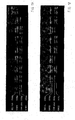
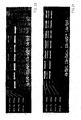
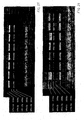
- Fig. 1-26 illustrate the results of agarose gel electrophoresis analysis for several reaction mixes.
- the selection of the antigens to be included in the multiplex-PCR assay was based on the prevalence of the alloantibody. Rh-antigens were not included in the assay because many blood centers routinely perform serological testing for RhD, C, c, E and e. Another aspect, especially for selection of appropriate HFAs, was the clinical significance of the alloantibody and its ability to cause hemolytic transfusion reactions.
- NCBI National Center for Biotechnology Information
- test system was developed using pretyped positive and negative controls. Most controls were serologically typed donors or patients of the Austrian Red Cross, Vienna blood center. Other controls for rare phenotypes were kindly supplied by some other centers. For some genotypes no controls were available.
- the blood was serologically phenotyped for 13 antigens where regulated reagents were available. Additionally, special samples with known phenotypes were included, such as, e.g., 99 KEL2 negative samples.
- Ethylenediaminetetraacetate (EDTA)-anticoagulated blood samples or buffy coats of donors or patients were obtained subsequent to the routine testing.
- DNA samples for the rare KEL genotypes KEL*6/6 and KEL*17/17 were supplied by S. Lee (New York Blood Center, New York CC). DNA samples of the LU*14/14, KEL*6/6, DI*1/1 and CO*2/2, were given by G. Daniels (International Blood Group Reference Laboratory, Bristol). DNA MNS -3, -4 was sent by Masja de Haas (Saquin, Amsterdam). A DHARSHI cell line homozygous for IN*2/2 was provided by M. Telen (Duke University, North Carolina).
- Serological typing was performed with regulated reagents (DiaMed AG, Cressier; Ortho-Clinical Diagnostics, Neckargmünd; and Medion Diagnostics GmbH, Düdingen) according to the manufacturers recommendations. Rare blood groups were partly typed with patients antibodies of confirmed specificities.
- Oligonucleotide primer pairs for the determination of the 36 listed polymorphisms are displayed in Table 1.
- the multiplex PCR assay is organized in six reaction mixes containing five to seven primer pairs (Table 2).
- the PCR products ranged from 209 to 713 bp.
- the oligonucleotide mixes were aliquoted in ready-to-use concentrations on 96-well PCR reaction plates. The loaded plates were stored at -20°C.
- the PCR reaction was performed using GoTaq kit (Promega, Mannheim). Each reaction tube contained 0,75 U Taq, 3 ⁇ L of 5x PCR buffer, 2,5 ⁇ L of 25 mM MgCl 2 solution (4,17 nmol/ ⁇ L), 0,33 mM deoxynucleoside triphosphates (Applichem, Darmstadt), oligonucleotide primers (Table 2) and 35 ⁇ g of gDNA to a final reaction volume of 15 ⁇ L.
- a GeneAmp® PCR System 9700 (Applied Biosystems) was used for the PCR.
- the temperature profile started with five minutes at 94°C, followed by six cycles at 94°C for 30 seconds, 67°C for 40 seconds (touch down for 0,5°C per cycle) and 72°C for 50 seconds. Subsequently 27 cycles at 94°C for 30 seconds, 64°C for 40 seconds and 72°C for 50 seconds were added.
- PCR primers used in the 36 genotype multiplex-PCR (SEQ ID NO:1-72) Genotype Primer sequence Reverse primer sequence MNS1 CAGCATCAAGTACCACTGGT TTCAGAGGCAAGAATTCCTCCA MNS2 TCAGCATTAAGTACCACTGAG TTCAGAGGCAAGAATTCCTCCA MNS3 CGATGGACAAGTTGTCCCA GGAGTAATGGCTCCATATGCC MNS4 CGATGGACAAGTTGTCCCG GGAGTAATGGCTCCATATGCC LU1 CGGGAGCTCGCCCgCA GACAGTGTCCCTTTGTTGGGGGG LU2 CGGGAGCTCGCCCgCG GACAGTGTCCCTTTGTTGGGGGG LU8 CTCTCCCAGAGGGCTACAT GCTTGTGCGACCAATTGAGG LU14 CTCTCCCAGAGGGCTACAA GCTTGTGCGACCAATTGAGG LU14 CTCTCCCAGAGGGCTACAA GCTTGTGCGACCAATTGAGG LU14 CTCTCCCAGAG
- the reaction mixes particularly mixes 1 to 4 contain regular bands of high frequency antigens. In between or above or below these bands some low or average frequency antigens ( ⁇ 99% prevalence) are included, e.g., Fig. 3 : YT2.
- the high frequency antigens are also used as internal controls.
- the genotyping of 6000 randomly selected samples provided 215 988 acceptable results. In 0,014% of the reactions the initial result was indeterminable and a rerun had to be applied. In twelve cases the result remained indeterminable. 57 of the samples tested were found to be lacking a HFA. If serological reagents were available the HFA-negativity was confirmed by serology. In all cases there was concordance between serological testing and the PCR result.
- the multiplex-PCR assay was performed as in Example 1, with the exception that a total of 64 RBC surface antigenes were used.
- the multiplex-PCR assay was performed as in Example 1, with the exception that only platelet surface antigenes were used.
- genotyping is a feasible alternative to serological typing. It can provide reliable results and is comparatively inexpensive.
- the setup of the inventive assay is clearly arranged.
- the balanced amplificons' length combined with alternating high and low frequency bands in each reaction mix allows easy examination of the results.
- Each reaction mix contains four to seven PCR reactions.
- Most mixes include two or three high incidence SNPs (single nucleotide polymorphisms). These high incidence amplificates have the function of internal controls for the PCR reaction mix.
- the inventive assay is appropriate to high-throughput testing.
- the setup can be done continuously in 96-well microplate format. It may be done either manually or on automated platforms. Even manually approximately 100 individuals (equivalent to 3600 genotypes) can be typed per day.
- the multiplex-PCR assay In comparison to serological typing the multiplex-PCR assay accordinging to the invention which was set up on a conventional qualitative PCR platform is less costly.
- the PCR-assay is also very useful in patient typing.
- the PCR can be applied for antigen-typing in individuals with a positive DAT. Furthermore it can be used in patients with anti-HFA for exclusion of negativity in one of the antigens included in the assay.
Landscapes
- Chemical & Material Sciences (AREA)
- Organic Chemistry (AREA)
- Life Sciences & Earth Sciences (AREA)
- Zoology (AREA)
- Wood Science & Technology (AREA)
- Proteomics, Peptides & Aminoacids (AREA)
- Health & Medical Sciences (AREA)
- Engineering & Computer Science (AREA)
- Microbiology (AREA)
- Biochemistry (AREA)
- Physics & Mathematics (AREA)
- Molecular Biology (AREA)
- Biotechnology (AREA)
- Biophysics (AREA)
- Analytical Chemistry (AREA)
- Immunology (AREA)
- Bioinformatics & Cheminformatics (AREA)
- General Engineering & Computer Science (AREA)
- General Health & Medical Sciences (AREA)
- Genetics & Genomics (AREA)
- Measuring Or Testing Involving Enzymes Or Micro-Organisms (AREA)
- Investigating Or Analysing Biological Materials (AREA)
Priority Applications (3)
| Application Number | Priority Date | Filing Date | Title |
|---|---|---|---|
| EP10153395A EP2357253A1 (de) | 2010-02-12 | 2010-02-12 | Verfahren zur Genotypisierung von Blutproben für Oberflächenantigene roter Blutzellen und/oder -plättchen |
| PCT/AT2011/000073 WO2011097663A2 (en) | 2010-02-12 | 2011-02-09 | Method for genotyping blood samples for red blood cell and/or platelet surface antigens |
| EP11704915A EP2534260A2 (de) | 2010-02-12 | 2011-02-09 | Verfahren zur genotypisierung von blutproben für erythrozyten- und/oder thrombozytenoberflächenantigene |
Applications Claiming Priority (1)
| Application Number | Priority Date | Filing Date | Title |
|---|---|---|---|
| EP10153395A EP2357253A1 (de) | 2010-02-12 | 2010-02-12 | Verfahren zur Genotypisierung von Blutproben für Oberflächenantigene roter Blutzellen und/oder -plättchen |
Publications (1)
| Publication Number | Publication Date |
|---|---|
| EP2357253A1 true EP2357253A1 (de) | 2011-08-17 |
Family
ID=42122809
Family Applications (2)
| Application Number | Title | Priority Date | Filing Date |
|---|---|---|---|
| EP10153395A Withdrawn EP2357253A1 (de) | 2010-02-12 | 2010-02-12 | Verfahren zur Genotypisierung von Blutproben für Oberflächenantigene roter Blutzellen und/oder -plättchen |
| EP11704915A Withdrawn EP2534260A2 (de) | 2010-02-12 | 2011-02-09 | Verfahren zur genotypisierung von blutproben für erythrozyten- und/oder thrombozytenoberflächenantigene |
Family Applications After (1)
| Application Number | Title | Priority Date | Filing Date |
|---|---|---|---|
| EP11704915A Withdrawn EP2534260A2 (de) | 2010-02-12 | 2011-02-09 | Verfahren zur genotypisierung von blutproben für erythrozyten- und/oder thrombozytenoberflächenantigene |
Country Status (2)
| Country | Link |
|---|---|
| EP (2) | EP2357253A1 (de) |
| WO (1) | WO2011097663A2 (de) |
Citations (2)
| Publication number | Priority date | Publication date | Assignee | Title |
|---|---|---|---|---|
| WO2005075496A1 (en) * | 2004-02-06 | 2005-08-18 | Canadian Blood Services | A method for the simultaneous determination of blood group and platelet antigen genotypes |
| EP1591534A1 (de) * | 2004-04-01 | 2005-11-02 | Stichting Sanquin Bloedvoorziening | Verfahren zur Genotypisierung von Antigenen von Blutzellen und ein Kit zur Genotypisierung |
-
2010
- 2010-02-12 EP EP10153395A patent/EP2357253A1/de not_active Withdrawn
-
2011
- 2011-02-09 EP EP11704915A patent/EP2534260A2/de not_active Withdrawn
- 2011-02-09 WO PCT/AT2011/000073 patent/WO2011097663A2/en not_active Ceased
Patent Citations (2)
| Publication number | Priority date | Publication date | Assignee | Title |
|---|---|---|---|---|
| WO2005075496A1 (en) * | 2004-02-06 | 2005-08-18 | Canadian Blood Services | A method for the simultaneous determination of blood group and platelet antigen genotypes |
| EP1591534A1 (de) * | 2004-04-01 | 2005-11-02 | Stichting Sanquin Bloedvoorziening | Verfahren zur Genotypisierung von Antigenen von Blutzellen und ein Kit zur Genotypisierung |
Non-Patent Citations (35)
| Title |
|---|
| AMEEN R, TRANSFUSION, 2003 |
| AMEEN R; AL-SHEMMARI S; AL-HUMOOD S; CHOWDHURY RI; AL-EYAADI 0; AL-BASHIR A: "RBC alloimmunization and autoimmunization among transfusion-dependent Arab thalassemia patients", TRANSFUSION, vol. 43, no. 11, November 2003 (2003-11-01), pages 1604 - 10 |
| AYGUN B, TRANSFUSION, 2002 |
| AYGUN B; PADMANABHAN S; PALEY C; CHANDRASEKARAN V: "Clinical significance of RBC alloantibodies and autoantibodies in sickle cell patients who received transfusions", TRANSFUSION, vol. 42, no. 1, January 2002 (2002-01-01), pages 37 - 43 |
| BARTELS CF; ZELINSKI T; LOCKERIDGE O: "Mutation at codon 322 in human acetylcholinesterase (ACHE) gene accounts for YT blood group polymorphism", AM J HUM GENET, vol. 52, 1993, pages 928 - 36 |
| BLUMENFELD 00; PATNAIK SK: "Allelic genes of blood group antigens: a source of human mutations and cSNPs documented in the Blood Group Antigen Gene Mutation Database", HUMAN MUTATION, vol. 23, no. 1, January 2004 (2004-01-01), pages 8 - 16 |
| BLUMENFELD OLGA O ET AL: "Allelic genes of blood group antigens: a source of human mutations and cSNPs documented in the Blood Group Antigen Gene Mutation Database.", HUMAN MUTATION JAN 2004 LNKD- PUBMED:14695527, vol. 23, no. 1, January 2004 (2004-01-01), pages 8 - 16, XP002581312, ISSN: 1098-1004 * |
| BRUCE LJ ET AL.: "Changes in the blood group Wright antigens are associated with a mutation at amino acid 658 in human erythrocyte band 3: a site of interaction between band 3 and glycophorin A under certain conditions", BLOOD, vol. 85, 1995, pages 541 - 7 |
| BRUCE LJ; ANSTEE DJ; SPRING FA; TANNER MJA: "Band 3 Memphis variant II: altered stilbene disulfonate binding and the Diego (Dia) blood group antigen are associated with the human erythrocyte band 3 mutation Pro854-->Leu", J BIOL CHEM, vol. 269, 1994, pages 16155 - 8 |
| C. JUNGBAUER, TRANSFUS MED HEMOTHER, vol. 36, 2009, pages 213 - 218 |
| CASTRO 0; SANDLER SG; HOUSTON-YU P; RANA S: "Predicting the effect of transfusing only phenotype-matched RBCs to patients with sickle cell disease: theoretical and practical implications", TRANSFUSION, vol. 42, no. 6, 2002, pages 684 - 90 |
| CHAUDHURI A; POLYAKOVA J; ZBRZENNA V; WILLIAMS K; GULATI S; POGO AO: "Cloning of glycoprotein D cDNA, which encodes the major subunit of the Duffy blood group system and the receptor for the Plasmodium vivax malaria parasite", PROC NATL ACAD SCI USA, vol. 90, no. 22, 1993, pages 10793 - 7 |
| DENOMME G A ET AL: "High-throughput multiplex single-nucleotide polymorphism analysis for red cell and platelet antigen genotypes", TRANSFUSION, AMERICAN ASSOCIATION OF BLOOD BANKS, BETHESDA, MD, US LNKD- DOI:10.1111/J.1537-2995.2005.04365.X, vol. 45, no. 5, 1 May 2005 (2005-05-01), pages 660 - 666, XP002469115, ISSN: 0041-1132 * |
| GUBIN AN; NJOROGE JM; WOJDA U ET AL.: "Identifikation of the Dombrock blood group glycoprotein as a polymorphic member of the ADP-ribosyltransferase gene family", BLOOD, vol. 96, 2000, pages 2621 - 7 |
| HEDDLE NM, TRANSFUSION, 1994 |
| HEDDLE NM; KLAMA L; FRASSETTO R; 0 HOSKI P; LEAMAN B: "A retrospective study to determine the risk of red cell alloimmunisazion and transfusion during pregnancy", TRANSFUSION, vol. 34, no. 4, April 1994 (1994-04-01), pages 360 - 1 |
| HOELTGE GA, ARCH PATHOL LAB MED, 1995 |
| JUNGBAUER CHRISTOF: "Molecular Bases and Genotyping for Rare Blood Types", TRANSFUSION MEDICINE AND HEMOTHERAPY, vol. 36, no. 3, 2009, pages 213 - 218, XP002582027, ISSN: 1660-3796 * |
| KUDO S; ONDA M; FUKUDA M: "Characterization of glycophorin A transcripts: control by the common erythroid-specific promoter and alternative usage of different polyadenylation signals", J BIOCHEM, vol. 116, no. 1, 1994, pages 183 - 92 |
| LEE S: "Molecular basis of the Kell blood group phenotypes", VOX SANG, vol. 74, 1998, pages 58 |
| LEE S; WU X; REID M; ZELINSKI T; REDMAN C: "Molecular basis of the Kell (Kl) phenotype", BLOOD, vol. 85, 1995, pages 912 - 16 |
| LI J; IWAMOTO S; SUGIMOTO N; OKUDA H; KAJII E: "Dinucleotide repeat in the 3'flanking region provides a clue to the molecular evolution of the Duffy gene", HUM GENET, vol. 99, 1997, pages 573 - 7 |
| OLIVES B; MERRIMAN M; BAILLY P ET AL.: "The molecular basis of the Kidd blood group polymorphism and its lack of association with type 1 diabetes susceptibility", HUM MOL GEN, vol. 6, 1997, pages 1017 - 20 |
| OLSSON ML; SMYTHE JS; HANSSON C ET AL.: "The Fyx-phenotype is associated with a missence mutation in the Fyb allele predicting Arg89Cys in the Duffy glycoprotein", BR J HAEMATOL, vol. 103, 1998, pages 1184 - 91 |
| PALACAJORNSUK POONSUB ET AL: "Detection of blood group genes using multiplex SNaPshot method.", TRANSFUSION APR 2009 LNKD- PUBMED:19170993, vol. 49, no. 4, April 2009 (2009-04-01), pages 740 - 749, XP002581308, ISSN: 1537-2995 * |
| PARSONS SF; MALLINSON G; HOLMES CH; HOULIHAN JM; SIMPSON KL; MAWBY WJ; SPURR NK; WARNE D; BARCLAY AN; ANSTEE DJ: "The Lutheran blood group glycoprotein, another member of the immunoglobulin superfamily, is widely expressed in human tissues and is developmentally regulated in human liver", PROC NATL ACAD SCI U S A, vol. 92, no. 12, 1995, pages 5496 - 500 |
| POLIN H ET AL: "Introduction of a real-time-based blood-group genotyping approach.", VOX SANGUINIS AUG 2008 LNKD- PUBMED:18510579, vol. 95, no. 2, August 2008 (2008-08-01), pages 125 - 130, XP002581311, ISSN: 1423-0410 * |
| SELTSAM A; WAGNER FF; SALAMA A; FLEGEL WA: "Antibodies to high-frequency antigens may decrease the quality of transfusion support: an observational study", TRANSFUSION, vol. 43, no. 11, November 2003 (2003-11-01), pages 1563 - 6 |
| SIEBERT PD; FUKUDA M: "Molecular cloning of a human glycophorin B cDNA: nucleotide sequence and genomic relationship to glycophorin A", PROC NATL ACAD SCI USA, vol. 85, no. 2, 1988, pages 421 |
| SMITH BL; PRESTON GM; SPRING F; ANSTEE DJ; AGRE P: "Human red cell Aquaporin CHIP.I. Molecular charakterization of ABH and Colton blood group antigens", J CLIN INVEST, vol. 94, 1994, pages 1043 - 9 |
| TELEN MJ; UDANI M; WASHINGTON MK ET AL.: "A blood group-related polymorphism ofCD44 abolishes a hyaluronan-binding consensus sequence without preventing hyaluronan binding", J BIOL CHEM, vol. 271, 1996, pages 7147 - 53 |
| TOUINSSI MHAMMED ET AL: "DNA-based typing of Kell, Kidd, MNS, Dombrock, Colton, and Yt blood group systems in the French Basques.", AMERICAN JOURNAL OF HUMAN BIOLOGY : THE OFFICIAL JOURNAL OF THE HUMAN BIOLOGY COUNCIL 2008 MAY-JUN LNKD- PUBMED:18186512, vol. 20, no. 3, May 2008 (2008-05-01), pages 308 - 311, XP002581310, ISSN: 1520-6300 * |
| TOURAMILLE C; LEE VAN KIM C; GANE P; LE PENNEC PY; ROUBINET F; CATRON JP; COLIN Y: "Arg89Cys substitution results in very low membrane expression of the Duffy antigen/receptor for chemokines in Fy(x) individuals", BLOOD, vol. 92, no. 6, 1998, pages 2147 - 56 |
| TOURNAMILE C; COLIN Y; CATRON JP; LE VAN KIM C: "Disruption of a GATA motif in the Duffy gene promoter abolishes erythroid gene expression in Duffy-negative individuals", NAT GEN, vol. 10, no. 2, 1995, pages 224 - 8 |
| WAGNER FRANZ F ET AL: "Cost-efficient sequence-specific priming-polymerase chain reaction screening for blood donors with rare phenotypes.", TRANSFUSION JUN 2008 LNKD- PUBMED:18422854, vol. 48, no. 6, June 2008 (2008-06-01), pages 1169 - 1173, XP002581309, ISSN: 0041-1132 * |
Also Published As
| Publication number | Publication date |
|---|---|
| EP2534260A2 (de) | 2012-12-19 |
| WO2011097663A2 (en) | 2011-08-18 |
| WO2011097663A3 (en) | 2011-12-22 |
Similar Documents
| Publication | Publication Date | Title |
|---|---|---|
| Jungbauer et al. | High‐throughput multiplex PCR genotyping for 35 red blood cell antigens in blood donors | |
| US8394582B2 (en) | Identification of fetal DNA and fetal cell markers in maternal plasma or serum | |
| US10718020B2 (en) | Methods of fetal abnormality detection | |
| Old et al. | Fetal DNA analysis | |
| US9994902B2 (en) | Methods and genotyping panels for detecting alleles, genomes, and transcriptomes | |
| Quirino et al. | Methods for blood group antigens detection: cost-effectiveness analysis of phenotyping and genotyping | |
| Liu et al. | Extended blood group molecular typing and next-generation sequencing | |
| CA2623483A1 (en) | A method for testing milk | |
| Paccapelo et al. | HEA BeadChip technology in immunohematology | |
| Denomme et al. | Molecular protocols in transfusion medicine | |
| Wang et al. | Simultaneous genotyping for human platelet antigen systems and HLA-A and HLA-B loci by targeted next-generation sequencing | |
| Xu et al. | The research of a large-scale analysis platform for MNS blood group identification based on long-read sequencing | |
| JP2011500062A (ja) | 血液型群遺伝子の検出 | |
| Han et al. | Practical informativeness of short tandem repeat loci for chimerism analysis in hematopoietic stem cell transplantation | |
| EP2534260A2 (de) | Verfahren zur genotypisierung von blutproben für erythrozyten- und/oder thrombozytenoberflächenantigene | |
| EP2808385A1 (de) | Verfahren zur bestimmung einer hla-a*24-gruppe | |
| RU2667006C1 (ru) | Способ определения посттрансплантационного химеризма при анализе точечных мутаций замены оснований в генах F2, F5, F7, F13, FGB, ITGA2, ITGB3, PAI-1 | |
| KR102511596B1 (ko) | 단일염기다형성을 이용한 안지오텐신 전환효소억제제 이상반응 진단용 조성물 및 이를 이용한 방법 | |
| EP2118316B1 (de) | Verwendung von oligonukleotidsonden und verfahren zur genomischen typisierung von erythrozytensystemen | |
| Manco et al. | Comparing HbS Haplotypes Identified with Different Sets of Single Nucleotide Polymorphisms: An Analysis in a Sample of HbAS and HbSS Individuals from São Tomé e Príncipe | |
| JP2026054450A (ja) | キャプチャー法による多検体kir遺伝子タイピング用プローブセット及びそれを用いたタイピング方法 | |
| Quirino et al. | Hematology, TransfusionandCellTherapy | |
| JP6160104B2 (ja) | Hla−a*02グループの判定方法 | |
| Oyedeji et al. | Genetic Diversity at the Abo Blood Group, β-Haemoglobin and DIS80 Repeat Region among Students Population in Ota, South-West Nigeria | |
| Haas et al. | Red blood cell and platelet genotyping: from current practice to future high-throughput donor typing |
Legal Events
| Date | Code | Title | Description |
|---|---|---|---|
| PUAI | Public reference made under article 153(3) epc to a published international application that has entered the european phase |
Free format text: ORIGINAL CODE: 0009012 |
|
| AK | Designated contracting states |
Kind code of ref document: A1 Designated state(s): AT BE BG CH CY CZ DE DK EE ES FI FR GB GR HR HU IE IS IT LI LT LU LV MC MK MT NL NO PL PT RO SE SI SK SM TR |
|
| AX | Request for extension of the european patent |
Extension state: AL BA RS |
|
| STAA | Information on the status of an ep patent application or granted ep patent |
Free format text: STATUS: THE APPLICATION IS DEEMED TO BE WITHDRAWN |
|
| 18D | Application deemed to be withdrawn |
Effective date: 20120218 |