EP2367562B1 - Glycanspezifische analyseinstrumente - Google Patents
Glycanspezifische analyseinstrumente Download PDFInfo
- Publication number
- EP2367562B1 EP2367562B1 EP09832575.6A EP09832575A EP2367562B1 EP 2367562 B1 EP2367562 B1 EP 2367562B1 EP 09832575 A EP09832575 A EP 09832575A EP 2367562 B1 EP2367562 B1 EP 2367562B1
- Authority
- EP
- European Patent Office
- Prior art keywords
- enzyme
- lectenz
- carbohydrate
- pngase
- binding
- Prior art date
- Legal status (The legal status is an assumption and is not a legal conclusion. Google has not performed a legal analysis and makes no representation as to the accuracy of the status listed.)
- Active
Links
Images




Classifications
-
- C—CHEMISTRY; METALLURGY
- C12—BIOCHEMISTRY; BEER; SPIRITS; WINE; VINEGAR; MICROBIOLOGY; ENZYMOLOGY; MUTATION OR GENETIC ENGINEERING
- C12Y—ENZYMES
- C12Y302/00—Hydrolases acting on glycosyl compounds, i.e. glycosylases (3.2)
- C12Y302/01—Glycosidases, i.e. enzymes hydrolysing O- and S-glycosyl compounds (3.2.1)
- C12Y302/01018—Exo-alpha-sialidase (3.2.1.18), i.e. trans-sialidase
-
- A—HUMAN NECESSITIES
- A61—MEDICAL OR VETERINARY SCIENCE; HYGIENE
- A61P—SPECIFIC THERAPEUTIC ACTIVITY OF CHEMICAL COMPOUNDS OR MEDICINAL PREPARATIONS
- A61P35/00—Antineoplastic agents
-
- C—CHEMISTRY; METALLURGY
- C12—BIOCHEMISTRY; BEER; SPIRITS; WINE; VINEGAR; MICROBIOLOGY; ENZYMOLOGY; MUTATION OR GENETIC ENGINEERING
- C12N—MICROORGANISMS OR ENZYMES; COMPOSITIONS THEREOF; PROPAGATING, PRESERVING, OR MAINTAINING MICROORGANISMS; MUTATION OR GENETIC ENGINEERING; CULTURE MEDIA
- C12N15/00—Mutation or genetic engineering; DNA or RNA concerning genetic engineering, vectors, e.g. plasmids, or their isolation, preparation or purification; Use of hosts therefor
- C12N15/09—Recombinant DNA-technology
- C12N15/10—Processes for the isolation, preparation or purification of DNA or RNA
- C12N15/1034—Isolating an individual clone by screening libraries
- C12N15/1089—Design, preparation, screening or analysis of libraries using computer algorithms
-
- C—CHEMISTRY; METALLURGY
- C12—BIOCHEMISTRY; BEER; SPIRITS; WINE; VINEGAR; MICROBIOLOGY; ENZYMOLOGY; MUTATION OR GENETIC ENGINEERING
- C12N—MICROORGANISMS OR ENZYMES; COMPOSITIONS THEREOF; PROPAGATING, PRESERVING, OR MAINTAINING MICROORGANISMS; MUTATION OR GENETIC ENGINEERING; CULTURE MEDIA
- C12N9/00—Enzymes; Proenzymes; Compositions thereof; Processes for preparing, activating, inhibiting, separating or purifying enzymes
- C12N9/14—Hydrolases (3)
- C12N9/24—Hydrolases (3) acting on glycosyl compounds (3.2)
- C12N9/2402—Hydrolases (3) acting on glycosyl compounds (3.2) hydrolysing O- and S- glycosyl compounds (3.2.1)
-
- C—CHEMISTRY; METALLURGY
- C12—BIOCHEMISTRY; BEER; SPIRITS; WINE; VINEGAR; MICROBIOLOGY; ENZYMOLOGY; MUTATION OR GENETIC ENGINEERING
- C12N—MICROORGANISMS OR ENZYMES; COMPOSITIONS THEREOF; PROPAGATING, PRESERVING, OR MAINTAINING MICROORGANISMS; MUTATION OR GENETIC ENGINEERING; CULTURE MEDIA
- C12N9/00—Enzymes; Proenzymes; Compositions thereof; Processes for preparing, activating, inhibiting, separating or purifying enzymes
- C12N9/14—Hydrolases (3)
- C12N9/78—Hydrolases (3) acting on carbon to nitrogen bonds other than peptide bonds (3.5)
- C12N9/80—Hydrolases (3) acting on carbon to nitrogen bonds other than peptide bonds (3.5) acting on amide bonds in linear amides (3.5.1)
-
- C—CHEMISTRY; METALLURGY
- C12—BIOCHEMISTRY; BEER; SPIRITS; WINE; VINEGAR; MICROBIOLOGY; ENZYMOLOGY; MUTATION OR GENETIC ENGINEERING
- C12N—MICROORGANISMS OR ENZYMES; COMPOSITIONS THEREOF; PROPAGATING, PRESERVING, OR MAINTAINING MICROORGANISMS; MUTATION OR GENETIC ENGINEERING; CULTURE MEDIA
- C12N9/00—Enzymes; Proenzymes; Compositions thereof; Processes for preparing, activating, inhibiting, separating or purifying enzymes
- C12N9/14—Hydrolases (3)
- C12N9/78—Hydrolases (3) acting on carbon to nitrogen bonds other than peptide bonds (3.5)
- C12N9/80—Hydrolases (3) acting on carbon to nitrogen bonds other than peptide bonds (3.5) acting on amide bonds in linear amides (3.5.1)
- C12N9/82—Asparaginase (3.5.1.1)
-
- C—CHEMISTRY; METALLURGY
- C12—BIOCHEMISTRY; BEER; SPIRITS; WINE; VINEGAR; MICROBIOLOGY; ENZYMOLOGY; MUTATION OR GENETIC ENGINEERING
- C12Y—ENZYMES
- C12Y302/00—Hydrolases acting on glycosyl compounds, i.e. glycosylases (3.2)
- C12Y302/01—Glycosidases, i.e. enzymes hydrolysing O- and S-glycosyl compounds (3.2.1)
- C12Y302/01022—Alpha-galactosidase (3.2.1.22)
-
- C—CHEMISTRY; METALLURGY
- C12—BIOCHEMISTRY; BEER; SPIRITS; WINE; VINEGAR; MICROBIOLOGY; ENZYMOLOGY; MUTATION OR GENETIC ENGINEERING
- C12Y—ENZYMES
- C12Y302/00—Hydrolases acting on glycosyl compounds, i.e. glycosylases (3.2)
- C12Y302/01—Glycosidases, i.e. enzymes hydrolysing O- and S-glycosyl compounds (3.2.1)
- C12Y302/01023—Beta-galactosidase (3.2.1.23), i.e. exo-(1-->4)-beta-D-galactanase
-
- C—CHEMISTRY; METALLURGY
- C12—BIOCHEMISTRY; BEER; SPIRITS; WINE; VINEGAR; MICROBIOLOGY; ENZYMOLOGY; MUTATION OR GENETIC ENGINEERING
- C12Y—ENZYMES
- C12Y302/00—Hydrolases acting on glycosyl compounds, i.e. glycosylases (3.2)
- C12Y302/01—Glycosidases, i.e. enzymes hydrolysing O- and S-glycosyl compounds (3.2.1)
- C12Y302/01113—Mannosyl-oligosaccharide 1,2-alpha-mannosidase (3.2.1.113), i.e. alpha-1,2-mannosidase
-
- C—CHEMISTRY; METALLURGY
- C12—BIOCHEMISTRY; BEER; SPIRITS; WINE; VINEGAR; MICROBIOLOGY; ENZYMOLOGY; MUTATION OR GENETIC ENGINEERING
- C12Y—ENZYMES
- C12Y302/00—Hydrolases acting on glycosyl compounds, i.e. glycosylases (3.2)
- C12Y302/01—Glycosidases, i.e. enzymes hydrolysing O- and S-glycosyl compounds (3.2.1)
- C12Y302/01169—Protein O-GlcNAcase (3.2.1.169)
-
- C—CHEMISTRY; METALLURGY
- C12—BIOCHEMISTRY; BEER; SPIRITS; WINE; VINEGAR; MICROBIOLOGY; ENZYMOLOGY; MUTATION OR GENETIC ENGINEERING
- C12Y—ENZYMES
- C12Y305/00—Hydrolases acting on carbon-nitrogen bonds, other than peptide bonds (3.5)
- C12Y305/01—Hydrolases acting on carbon-nitrogen bonds, other than peptide bonds (3.5) in linear amides (3.5.1)
- C12Y305/01026—N4-(Beta-N-acetylglucosaminyl)-L-asparaginase (3.5.1.26)
-
- C—CHEMISTRY; METALLURGY
- C12—BIOCHEMISTRY; BEER; SPIRITS; WINE; VINEGAR; MICROBIOLOGY; ENZYMOLOGY; MUTATION OR GENETIC ENGINEERING
- C12Y—ENZYMES
- C12Y305/00—Hydrolases acting on carbon-nitrogen bonds, other than peptide bonds (3.5)
- C12Y305/01—Hydrolases acting on carbon-nitrogen bonds, other than peptide bonds (3.5) in linear amides (3.5.1)
- C12Y305/01052—Peptide-N4-(N-acetyl-beta-glucosaminyl)asparagine amidase (3.5.1.52), i.e. glycopeptidase
Definitions
- the present invention is directed to glycan-specific analytical tools, their methods of use, and processes for making glycan-specific analytical tools.
- Other analytical tools are further provided herein.
- Glycans are complex carbohydrates commonly found attached to lipids and proteins. Because of their presence on protein and cell surfaces, complex carbohydrates often occupy a functional position in biological recognition processes. The complex shape, functionality, and dynamic properties of oligo- and polysaccharides allow these molecules to function in intermolecular interactions as encoders of biological information.
- Carbohydrate recognition is an integral part of normal biological development, but can also be used by the innate immune system to allow a host organism to identify a foreign pathogen, on the basis of the carbohydrates presented on the surface of the pathogen. Conversely, many bacterial and viral pathogens initially adhere to host tissues by binding specifically to carbohydrates on the host's cell surfaces. Thus, there is an interest in developing therapeutic agents that can interfere with carbohydrate-based host-pathogen interactions or that can function as antibacterial vaccines.
- Abnormal glycosylation is also a marker for certain types of cancer and other diseases, making them targets for diagnostic and therapeutic applications. For example, the state of modification of intracellular proteins by O -linked N -acetylglucosamine ( O -GlcNAcylation) is an important biomarker of changes caused by disease, notably type-2 diabetes mellitus.
- glycan-specific analytical techniques employing antibodies suffer a drawback due to the selectivity of antibodies being context dependent.
- lectins with their broad specificity, are limited in their use for analytical applications. Therefore, there exists a need for developing analytical reagents that possess sufficient specificities to the carbohydrate sequence, yet are able to recognize the sequence within a broad range of glycans.
- the isolation and purification of eubacteria and fungus with catalytically inactive murein binding enzymes has been described ( US 6 184 027 B1 ).
- the present invention relates to the embodiments as characterized in the claims. Thus, it relates to the following items.
- a lectenz comprising a carbohydrate-processing enzyme that has been mutated to eliminate its catalytic activity while maintaining its substrate specificity.
- the lectenz as disclosed herein has an affinity to glycans that is higher than the K m of the wild-type enzyme.
- the lectenz may also have a markedly decreased k off rate.
- a lectenz comprising a catalytically inactive carbohydrate-processing enzyme, wherein the inactive enzyme comprises one or more amino acid residues that differ from the wild-type residues, said residues are selected from a list consisting of the residues that are proximal to the bound substrate, but which contribute less than about
- Residues that are proximal to the substrate are generally considered here to be within 5 ⁇ of the substrate, but could be farther or closer.
- the method may comprise: (a) analyzing a sequence of a carbohydrate-processing enzyme for one or more amino acid residues that, when mutated, could affect the affinity of the carbohydrate-processing enzyme to a glycan or the stability of a enzyme-glycan complex; (b) performing a computational simulation to predict binding energies of the enzyme-glycan complex, wherein the carbohydrate-processing enzyme has at least one mutated amino acid identified in step (a); (c) testing carbohydrate-processing enzymes comprising mutations identified in steps (a) and (b) for their ability to form the complex; and (d) identifying mutants from step (c) that exhibit binding affinities to the glycan that are greater than those of WT enzyme.
- Lectenz as disclosed herein can be used as affinity reagents or as vehicles for tissue staining.
- Lectenz can be used for enriching a biological sample with a particular glycoform. Lectenz find their application for determining specific glycosylation sites on glycoproteins. The use of lectenz as vehicles for targeted delivery of active therapeutic agents is also disclosed.
- the carbohydrate-processing enzyme may be a glycosidase enzyme.
- the carbohydrate-processing enzyme may be a glycosyltransferase enzyme.
- the carbohydrate-processing enzyme may be a polysaccharide lyase enzyme.
- the carbohydrate-processing enzyme may be a sulfatase enzyme.
- the carbohydrate-processing enzyme may be a sulfotransferase enzyme.
- the carbohydrate-processing enzyme may be a ligase enzyme.
- the carboyhydrate-processing enzyme may be an amidase enzyme.
- the carbohydrate-processing enzyme may be an epimerase enzyme.
- a carbohydrate-processing enzyme is a term used to refer to any enzyme that acts on a carbohydrate-containing substrate. Examples include glycosidases, glycosyltransferases, but are not limited to those.
- glycosidase is used to refer to an enzyme that catalyzes a hydrolysis of a glycosidic bond.
- glycosidic bond refers to a type of a functional group that joins a carbohydrate molecule to another carbohydrate molecule or that joins a carbohydrate molecule to a protein molecule or that joins a carbohydrate molecule to a lipid molecule.
- carbohydrate is meant to refer to an organic compound of a general formula C m (H 2 O) n .
- terms “carbohydrate”, “complex carbohydrate”, and “glycan” are used interchangeably.
- catalytically inactive mutant or “mutant” or “inactive enzyme” are used interchangeably, and refer to an enzyme that has lost at least 95% of its catalytic activity, and that has an amino acid composition different than the catalytically active enzyme. Stated otherwise, a rate of chemical bond cleavage by the catalytically inactive mutant is, at the most, 5% greater than the rate of the bond cleavage measured under the identical conditions in the absence of any catalyst.
- catalytically active enzyme it is meant to refer to a protein capable of catalyzing a hydrolysis of a chemical bond.
- wild-type (WT) enzyme refers to an enzyme encoded by a gene that has a sequence of a gene as it naturally occurs in an organism, and that has not been altered by human intervention. It is of course understood that a naturally occurring polymorphic form of wild-type enzyme is included within this definition. It is further understood that modifications such as tags or other modifications used in the purification or isolation of a protein that do not otherwise change the natural start or stop codon of a protein fall within the definition of a WT enzyme for purposes of this invention.
- ligand and “substrate” are used interchangeably, and refer to a molecule to which WT or mutant enzymes can bind.
- the substrate (S) binds reversibly to the enzyme (E) in the first reaction. In most cases, you can not measure this step. What you measure is production of product (P), created by the second reaction.
- Km is not a binding constant that measures the strength of binding between the enzyme and substrate. Its value includes the affinity of substrate for enzyme, but also the rate at which the substrate bound to the enzyme is converted to product. Only if k2 is much smaller than k-1 will KM equal a binding affinity. It is understood that in the context of a wild-type enzyme that it is difficult to directly measure affinity values, because the WT enzyme is acting on the ligand, for this reason it is convenient to compare the K d of the inactive enzyme to the K m of the wild-type enzyme. As used herein, the term "affinity" means a force of attraction between two molecules.
- the affinity of the lectenz can also be expressed in terms of a decrease in the dissociation constant, K d for its ligand relative to an inactive form of the WT enzyme.
- the dissociation constant, K d is an equilibrium constant that measures the propensity of a complex to dissociate into its constituents.
- K d iE S iES wherein [iE] and [S] designate concentrations of free inactive-enzyme and substrate, respectively, and [iES] is a concentration of the inactive-enzyme-substrate complex. Therefore, the increase in affinity of the lectenz is measured by comparing the affinity of the lectenz to a catalytically-inactive form of the WT enzyme that has not been subjected to additional affinity-optimizing mutations.
- the affinity of a protein for its ligand can be expressed in dissociation ( K d ) or association ( K a ) constants.
- ⁇ G is referred to the Gibbs free energy of binding.
- the Gibbs free energy is a thermodynamic potential that represents the work which must be done in acting against the forces which hold a complex together, while disassembling the complex into component parts separated by sufficient distance that further separation requires negligible additional work.
- ⁇ E MM refers to molecular mechanics free energy in gas-phase.
- Specificity or “enzyme specificity” are used interchangeably, and refer to an ability of an enzyme to recognize and select ligands containing specific molecular structures from a population of different ligands.
- non-specific binding or interaction refers to an event of weak interactions between molecules or residues that is not based on any specific recognition or discrimination of individual molecules or residues.
- Molecular Dynamics is meant to refer to a form of computer simulation in which atoms and molecules are allowed to interact for a period of time by approximations of known physics, giving a view of the motion of the particles.
- Classical MD simulations are governed by Newton's equations of motion employing energies and forces derived from a classical force field.
- a classical force field is a mathematic model that relates the atomic positions in a molecule or aggregate of molecules to the potential energy of the molecule or aggregate.
- Ewald treatment or “Ewald summation”, as used herein, describes a method for computing the interaction energies of periodic systems (e.g. crystals), particularly electrostatic energies.
- Verlet algorithm or “Verlet integration” it is meant a numerical method used to integrate Newton's equations of motion.
- a lectenz as disclosed herein comprises a catalytically inactive mutant of a carbohydrate-processing enzyme that has substantially the same specificity for a given glycan as the wild-type enzyme, and an increased affinity towards the glycan as compared to the WT enzyme.
- the term "substantially the same” is meant to describe a specificity of the glycosidase mutant that is at least 60% of the wild-type enzyme.
- the specificity of the mutant may be at least 70% of the WT enzyme.
- the mutated glycosidase may be at least 85% as specific to its substrate as the wild-type enzyme to the same substrate.
- the mutated glycosidase may be at least 95% as specific to its substrate as the wild-type enzyme to the same substrate.
- the mutation of the active site residues offers a route not only to inactivating the enzyme, but potentially to enhancing affinity ( FIG. 1 ).
- the affinity of the lectenz towards the glycan is increased from that of the wild-type enzyme.
- the affinity of an lectenz to its substrate can be expressed in terms of a dissociation constant, K d , (See Equations 3 and 4). The smaller the dissociation constant, the more tightly the lectenz is bound to the substrate.
- the dissociation constant ( K d ) of the lectenz towards the glycan is at least about 1.2 to about 1,000-fold less than the K m of the WT carbohydrate-processing enzyme. As disclosed herein, the dissociation constant of the lectenz towards the glycan is at least about 2 fold less than the K m of the WT carbohydrate-processing enzyme. As disclosed herein, the dissociation constant of the lectenz towards the glycan is at least about 10 fold less than the K m of the WT carbohydrate-processing enzyme.
- the dissociation constant of the lectenz towards the glycan is at least about 10,000 fold less than the K m of the WT carbohydrate-processing enzyme. As disclosed herein, the dissociation constant of the lectenz towards the glycan is at least about 100,000 fold less than the K m of the WT carbohydrate-processing enzyme.
- the affinity improvement of the lectenz can be expressed in terms of a decrease in K d relative to that of an inactive mutant of the WT enzyme.
- the K d of the lectenz towards the glycan is at least about 1.2 to about 1,000-fold less than that of the inactive WT carbohydrate-processing enzyme.
- the dissociation constant of the lectenz towards the glycan is at least about 2 fold less than the K d of the WT carbohydrate-processing enzyme.
- the dissociation constant of the lectenz towards the glycan is at least about 10 fold less than the K d of the WT carbohydrate-processing enzyme.
- the dissociation constant of the lectenz towards the glycan is at least about 10,000 fold less than the K d of the WT carbohydrate-processing enzyme. As disclosed herein, the dissociation constant of the lectenz towards the glycan is at least about 100,000 fold less than the K d of the WT carbohydrate-processing enzyme.
- Lectenz as disclosed herein are not limited to any specific carbohydrate-processing enzyme. Rather, the present disclosure is broadly applicable to any glycosidase or glycosyltrasferase enzyme, protein, or polypeptide capable of specifically recognizing a carbohydrate.
- glycosidases suitable for the present inventions include, but are not limited to, lactase, amylase, chitinase, sucrase, maltase, neuraminidase, invertase, hyaluronidase, and lysozyme.
- glycosidases categorized by the Enzyme Commission (EC) number 3.2.-.-, wherein "-" is a number, are included in the present invention. Glycosidases can be inverting or retaining glycosidases.
- the lectenz of the present invention is prepared from PNGase F, isolated from Flavobacterium meningosepticum. The lectenz as disclosed herein may also be prepared from recombinant ⁇ - O -GlcNAcase, with the WT sequence as determined for ⁇ - O -GlcNAcase isolated from Bacteroides thetaiotaomicron.
- carbohydrate-processing enzymes suitable for use in the present disclosure include glycosyltransfeases, including those designated under EC number 2.4.-.-, and polysacharide lyases, including those designated under EC number 4.2.2.-.
- Other carbohydrate-processing enzymes include carbohydrate esterases, sulfatases, sulfotransferases, or any other enzyme that acts on a carbohydrate substrate.
- Catalytically inactive carbohydrate-processing enzymes of the present invention can be prepared from carbohydrate-processing enzymes isolated from prokaryotic or eukaryotic organisms, as well as others.
- the lectenz of the present invention will have high thermal stability.
- high thermal stability it is meant that the lectenz retains its tertiary structure at a temperature of at least 40°C for at least thirty minutes in a physiologically acceptable buffer.
- a physiologically acceptable buffer generally refers to a 0.01-0.2 M phosphate buffer of pH 6-8, 0-1 % NaCl concentration, and 0-20 mM glucose concentration.
- the lectenz remains properly folded at a temperature of at least 60°C for at least thirty minutes in a physiologically acceptable buffer.
- the lectenz retains its tertiary structure at a temperature of at least 80 °C for at least thirty minutes in a physiologically acceptable buffer.
- thermophilic and hyperthermophilic organisms from which carbohydrate-processing enzymes suitable herein can be isolated include, but are not limited to, Thermus thermophilus, Spirochaeta americana, Pyrococcus furiosus, Methanopyrus kandleri, Pyrolobus fumarii, Geothermobacterium ferrireducens, and Archaeoglobus fulgidus.
- a lectenz may be characterized by long kinetic off-rates.
- Kinetic off-rate is measured by a dissociation rate constant ( k off ), or a speed with with a ligand will dissociate from a protein (see Equation 5).
- substrate-inactive-enzyme complex formation can be described by the following kinetic mechanism: iE + S ⁇ k off k on iES wherein iE and S designate inactive-enzyme and substrate, respectively, iES is the inactive-enzyme-substrate complex, and k on and k off are rate constants for complex formation and dissociation, respectively.
- a lectenz as disclosed herein will dissociate from its ligand at a rate that is at least about 2-fold slower than that of the WT enzyme.
- a rate of a lectenz-glycan complex dissociation may be at least 5-fold slower than that of a WT-glycan complex.
- the rate of dissociation of the lectenz-glycan complex may be at least 10-fold slower than that of WT. Comparisons can also be made between the off rate of the lectenz and that of an inactivated WT enzyme.
- a lectenz as disclosed herein may dissociate from its ligand at a rate that is at least about 2-fold slower than that of the inactive WT enzyme.
- a rate of a lectenz-glycan complex dissociation may be at least 5-fold slower than that of a complex between an inactive WT enzyme and a glycan.
- the rate of dissociation of the lectenz-glycan complex may be at least 10-fold slower than that of inactive WT enzyme.
- the catalytically inactive mutant as disclosed herein has one or more amino acid residues that differ from the WT residues, and that are selected from residues that are proximal to the substrate in the enzyme-substrate complex, but that contribute more than about -0.5 kcal/mol to total ( ⁇ G) interaction energy, or any residues that contribute unfavorably to the binding interaction energy, and combinations thereof.
- This set of residues that is close to the substrate, but not forming strong interactions may be termed a tepid set of residues.
- the mutant glycosidase may have two or more mutations in the tepid residue set.
- the mutant glycosidase may have three or more, four or more, or even five or more mutations at these positions.
- a computer-aided method for generating a lectenz wherein the lectenz comprises a catalytically inactive mutant of a carbohydrate-processing enzyme, the method comprising:
- carbohydrate-processing enzymes suitable for conversion into a lectenz are also involved. While production of a lectenz is not limited to a specific carbohydrate-processing enzyme, it might be preferable to select a carbohydrate-processing enzyme(s) wherein its active site residues are known, and/or for which catalytically inactive mutants have been described. Identification of the catalytic residues has been performed for many carbohydrate-processing enzymes using site-directed mutagenesis and confirmed in many cases by measurements of enzyme kinetics. However, the inactive enzymes (first-generation lectenz) have affinities that are often comparable to lectins.
- the root mean squared difference (RMSD) in the positions of the C ⁇ atoms can be determined as a function of the simulation time to determine the stability of the MD simulation and the level of conformational equilibration. On the basis of such data, it can be determined whether the average RMSD was stable and within a range of about 0 ⁇ to 4 ⁇ . It is also possible to discern the time required to reach conformational equilibrium through this approach. It is generally preferable to omit the non-equilibrated portion of the data set in regards to subsequent analyses. As disclosed herein, where 5 nanoseconds of data were collected and the system took about a nanosecond to equilibrate, the first nanosecond of data was omitted. It is understood that the 5/1 nanosecond embodiment described above is merely exemplary and is not limiting of the present disclosure.
- Ligand stability in the binding site can be assessed by evaluating intermolecular hydrogen bonds between the glycan and the carbohydrate-processing enzyme. Average values for the hydrogen bonds and their percentage occupancies can be collected, and if possible they are collected along with the crystallographically determined values. By monitoring the RMSD of the position of the ligand in the binding site it is also possible to determine ligand stability in the binding site. Having confirmed that the MD simulation is stable and able to reproduce the experimental interactions between the ligand and the protein, one can then employ that system in subsequent analyses. Typical simulations can be performed under constant pressure and temperature (NPT) conditions or under constant volume and temperature (NVT) conditions. These simulations can be performed with the SANDER module of AMBER and the TIP3P water model. In certain embodiments, protein force field parameters are taken from the Parm99 set and carbohydrate parameters from GLYCAM06. It is also possible to perform the simulations with implicit solvent models under non-periodic boundary conditions.
- AMBER is a molecular modeling and simulation package that provides simulation-based methods for structure-based ligand design and understanding of structure and free energy in any complex molecular system.
- AMBER was developed at and is available from University of California, San Francisco. Other modules within AMBER can be employed to perform these MD simulations. Indeed, programs other than AMBER exist for performing MD simulations. Such programs are also applicable to the present disclosure.
- initial coordinates for the glycan-protein complexes can be selected from crystallographic data from inactive enzyme-substrate, active enzyme-inhibitor, or enzyme-product complexes, if available.
- a theoretical model for the protein can also be employed, such as a model generated by homology or comparative modeling.
- a co-complex can be predicted using AutoDock or another equivalent program.
- AutoDock is a suite of automated docking tools designed to predict how small molecules bind to a receptor of known 3D structure. Other docking programs exist and would be applicable to the present disclosure.
- histidine protonation states can be inferred from intramolecular hydrogen bonds where possible, otherwise the histidine can be treated as neutral, protonated at N ⁇ .
- Any net charge on the complex can be neutralized by the addition of the appropriate number of counter ions (Cl - or Na + ).
- the oligosaccharide-protein complexes will be solvated by, for example, ⁇ 10,000 TIP3P water molecules, in a periodic cube with a minimum distance between the edge of the box and the closest atom of the solute of 10 ⁇ .
- Periodic boundary conditions can be applied together with Ewald treatment of long-range electrostatics with a direct space cutoff distance of 12 ⁇ . It is understood that these parameters are not limiting of the disclosure.
- TIP3P is but just one of the classical water models used for computational chemistry.
- Other water models such as TIP4P, TIP5P, SPC, BNS, and others, can be used in the present disclosure.
- the water can also be approximated using implicit solvation models such as a dielectric constant, a distance-dependent dielectric constant, a generalized Born model, or by the Poisson-Boltzmann approximation.
- the initial configurations can be energy minimized with the SANDER module.
- the initial configurations may comprise 5,000 cycles of steepest descent and 25,000 cycles of conjugate gradient energy minimization with the SANDER module.
- the entire system can then be subjected to simulated annealing by heating followed by cooling.
- the simulated annealing may comprise from 5 to 300K in 50 ps, followed by cooling to 5K in another 50 ps.
- Initial atomic velocities can be assigned from a Boltzmann distribution, generally at 5K. Prior to the production dynamics stage, the entire system can be thermally equilibrated by heating again from 5 to 300K in 150 ps.
- a 2 fs time step can be used to integrate the equations of motion, using the Verlet algorithm. Bonds containing hydrogen can be constrained to their equilibrium lengths using the SHAKE algorithm. It is understood that these parameters are exemplary only and are not limiting of the invention.
- Ligands suitable for present invention include any natural or synthetic carbohydrate or derivative thereof.
- suitable ligands include, but are not limited to, lactose, sucrose, maltose, trehalose, cellobiose, chitobiose, N -linked oligosaccharides, O-linked oligosaccharides, oligosaccharides, monosaccharides, terminal branched and non-branched ⁇ -(2,3) and ⁇ -(2,6)-Neu5Ac, ⁇ -(1-2)-man on high mannose N -glycans, ⁇ -Gal on glycoproteins and glycolipids, glycosaminoglycans (such as heparin, heparan, chondroitin, hyaluronic acid and their sulfated analogs), ⁇ - N - and ⁇ - or ⁇ - O -GlcNAc on glycoproteins and glycolipids,
- carbohydrate-processing enzyme(s) for conversion into a lectenz Once a carbohydrate-processing enzyme(s) for conversion into a lectenz has been selected, its sequence can be analyzed for amino acid residues that, when mutated, could affect the affinity or stability or specificity of an enzyme-glycan complex.
- the sequence analysis can be performed by computational mutagenesis. Key protein residues affecting protein stability and/or ligand affinity can be identified using computational saturation mutagenesis experiments.
- the computational saturation mutagenesis is conducted at the amino acid sequence level and involves the replacement of one amino acid side chain by another, followed by computational analysis of the effect of the replacement on the affinity or stability or specificity of the interaction between the substrate and the enzyme. Targeted or random computational mutagenesis can be performed.
- the contribution made to the stability or the specificity of the enzyme-glycan complex by each amino acid in the enzyme can be computed directly for the glycan-enzyme complex.
- hotspots key protein residues that affect protein stability or ligand affinity or ligand specificity are identified using computational alanine scanning mutagenesis (ASM).
- ASM can be performed by sequential replacement of individual residues by alanine.
- ASM can identify residues involved in protein function, stability and shape. Each alanine substitution examines the contribution of an individual amino acid to the functionality of the protein.
- a general overview of this technique is provided in Kollman, P.A., et al., Calculating Structures and Free Energys of Complex Molecules: Combining Molecular Mechanics and Continuum Models. Acc. Chem. Res., 2000. 33(12): p.
- key residues can be identified by the magnitude of their energetic contributions in the wild type complex, or by their proximity to the bound ligand.
- a subset of amino acid residues can be created that comprises identified "hotspot" key residues that directly interact with the substrate through hydrogen-bonds, van der Waals contacts, and/or through water mediated contacts. Any residue that is located no more than about 3.2 ⁇ between non-hydrogen (or heavy) atoms can be considered to directly interact with the substrate through van der walls contacts or through hydrogen-bonds. Any residue that is located no more than about 4.5 ⁇ between non-hydrogen atoms may be considered to interact with the substrate through water mediated contacts or non-specific electrostatic interactions. It is also disclosed that the subset will comprise any residue that is identified as contributing less than at least about -0.5 kcal/mol to either the gas-phase ( ⁇ E MM ) or total ( ⁇ G) interaction energies.
- the hotspots can be subjected to further theoretical analysis to predict either specific favorable mutations or identify classes (neutral, charged, hydrophobic, etc.) of potentially favorable mutations (class-focusing).
- Hayes, R.J., et al. Combining computational and experimental screening for rapid optimization of protein properties. Proc Natl Acad Sci U S A, 2002. 99(25): p. 15926-31 , describes the class-focusing technique.
- Residues that are directly involved in interactions with the substrate will not be initially selected for mutagenesis.
- Residues that interact non-specifically, but contribute significantly favorably to ligand binding will also be excluded from initial mutagenesis studies. All remaining residues, and particularly any that contribute unfavorably to binding, can then be considered for a first round of mutagenesis.
- the previously excluded subset members can be subjected to mutagenesis after the initial round experimental and theoretical mutagenesis is complete.
- thermodynamic integration can be used to quantify the energetic contributions to binding of key structural moieties. Straatsma, Holonomic Constraint Contributions to Free Energy Differences from Thermodynamic Integration Molecular Dynamics Simulations. Chem. Phys. Lett., 1992. 196: p.
- the simulation is performed under modified MD conditions, in which the free energy is computed for the theoretical process of converting the initial residue into the final one through a series of incremental steps, during which the percentage contribution from each state is varied.
- This non-physical process is performed by mathematically mixing the energy functions for each state and is sometimes referred to as computational alchemy.
- the total fee energy of binding can be calculated by direct decomposition of the interaction energies between the substrate and the protein (the reactants).
- Direct ⁇ G calculations combine molecular mechanics (MM) energy estimates with continuum solvent models, such as Poisson Boltzmann (PB) or generalized Born (GB) that attempt to capture the desolvation free energy. These calculations generally require the additional contributions from conformational entropy to be separately computed.
- MM molecular mechanics
- PB Poisson Boltzmann
- GB generalized Born
- the free energy is computed for the protein ( ⁇ G protein ), ligand ( ⁇ G ligand ), and complex ( ⁇ G complex ) for each structural "snapshot" extracted from the MD trajectories.
- the initial portion of the data is discarded to allow the system to equilibrate. For example, in a 5 ns trajectory, the first 1 ns can be discarded.
- snapshots of data can be collected at set intervals. By way of illustration only, 2,000 snapshots can selected (at 2 ps intervals) from the remaining 4 ns for molecular mechanical (MM) binding energy analysis.
- the water molecules Prior to the analyses, the water molecules can be removed from the solvated trajectories.
- the energy contribution from solvation can then be obtained through application of the generalized Born (GB) implicit solvation model, which due to its relative speed, is well suited for application to large protein-carbohydrate complexes.
- the MM-GBSA results compare well with those from the more rigorous MM-PBSA analysis (based on the Poisson-Boltzman implicit solvent approximation).
- the GB approximation has also been shown recently to work well in computational alanine scanning.
- the GB method for computing carbohydrate-protein interaction energies may employ the GB parameterization of Tsui and Case, Theory and Applications of the Generalized Born Solvation Model in Macromolecular Simulations. Biopolymers, 2001. 56: p. 275-291 .
- Vibrational, translational, and rotational contributions to the entropy can be derived from a normal mode analysis of the energy-minimized coordinates, while the conformational entropy is estimated from an analysis of the covariance matrix of the relevant internal coordinates. See Karplus and Kushick, Method for Estimating the Configurational Entropy of Macromolecules. Macromol., 1981. 14: p. 325-332 . In the case of carbohydrates, it is particularly convenient and appropriate to focus on the conformational entropy associated with the inter-glycosidic torsion angles.
- the binding energies are calculated using a classical mechanical force field.
- the inter-atomic properties pertinent to the molecules involved are parameterized into the force field.
- the values for the parameters of the force field e.g. force constants, equilibrium bond lengths and angles, charges are inputted.
- Each parameter set has a name, and provides parameters for certain types of molecules.
- the binding analysis may also be conducted using GLYCAM/AMBER carbohydrate force field.
- the GLYCAM06 parameters can be used with a number of biomolecular force fields. Examples of force fields compatible with GLYCAM06 include, but are not limited to, AMBER, CHARMM, NWCHEM, etc.
- the GLYCAM parameters can be augmented by the AMBER parameters for proteins. GLYCAM06 does not employ any default or generic parameters and is no longer limited to any particular class of biomolecules, but is fully extendible in the spirit of a small-molecule force field. GLYCAM06 parameters are described, for example, in Kirschner et al., GLYCAM06: A Generalizable Biomolecular Force Field. Carbohydrates. J. Comput. Chem., 2007. Early View (DOI 10.1002/jcc.20820 ).
- the computational simulation may be performed to achieve conformational sampling.
- Such techniques include molecular dynamics simulation, Monte carlo simulation, or side-chain rotamer searching.
- the affinity and complex stability predictions can be confirmed using experimental mutagenesis.
- the coding sequence of a carbohydrate-processing enzyme of interest may be amplified from genomic DNA isolated from a suitable species and subcloned into a suitable vector. Routine methods of gene cloning and protein overexpression have been described.
- the coding sequence from genomic DNA for a carbohydrate-processing enzyme of interest can be isolated from the chosen species and subcloned into any suitable vector.
- the vector can be engineered to express a carbohydrate-processing enzyme of interest together with a suitable affinity tag. Tagging of the protein will facilitate its purification using affinity chromatography techniques.
- the carbohydrate-processing enzyme can be tagged with a hexahistidine tag.
- the carbohydrate-processing enzyme can be engineered to contain an antigen peptide tag.
- suitable vectors include, but are not limited to, pOPH6, pET, and pBAD.
- the pOPH6 can be transformed into the chosen E . coli strain for expression.
- the present disclosure is not limited to a particular strain of E . coli for overexpression of a protein.
- suitable strain include DH5 ⁇ .
- Overnight cell culture (5-10 ml) can be inoculated into a suitable amount of nutrient broth (e.g., Luria-Bertani broth) containing adequate amounts of carbon source, minerals, ions, antibiotics, and other reagents.
- nutrient broth e.g., Luria-Bertani broth
- these batch productions are small scale, i.e., 100-200 ml, but larger volume batches can be prepared. Selection of antibiotics will depend on the engineered resistance of the E. coli strain and cloned vector.
- a pOPH6 vector cloned into DH5 ⁇ one might use a Luria-Bertani broth containing 80-120 ⁇ g/ml ampicillin, 0.8-1.5% v/v glycerol, 80-150 mM potassium phosphate (pH 7.0), and 0.2-1.5 mM isopropyl ⁇ -D-1-thiogalactopyranoside (IPTG).
- the culture media can be harvested after 4-25 hrs of induction.
- Overexpressed enzyme can be isolated.
- Clarified media containing over expressed glycosidase can be passed through an appropriate affinity column.
- a hexahistidine affinity tagged protein can be purified using a resin immobilized with nickel or cobalt.
- clarified media can be diluted with cold loading buffer containing an appropriate amount of salt and imidazole, and passed through a Hi-Trap IMAC column (Amersham Pharmacia Biotech) at 2 ml/min.
- An antigen-tagged protein can be purified by passing it through a resin immobilized with an antigen-specific antibody.
- the recombinant enzyme can be desalted using an appropriate gel filtration column.
- Experimental mutagenesis may be conducted using site-directed mutagenesis according to established protocols.
- site-directed mutagenesis is performed on the vector comprising the gene for an appropriate glycosidase (e.g., pOPH6) using the QuikChangeTM mutagenesis kit from Stratagene (La Jolla, CA).
- the sense and antisense primers for each mutant can be designed based on the sequence of the gene and can be synthesized by an automated DNA synthesizer (Integrated DNA Technologies, Inc.). About 10 to about 20 ng of the plasmid and about 5 to about 20 pmole of sense and antisense primers can be added to the polymerase chain reaction (PCR) mixture, as per manufacturer protocol.
- PCR polymerase chain reaction
- PCR can be performed on a thermocycle control unit (MJ Research, Cambridge, MA).
- the DNA template can be digested by the addition of an appropriate endonuclease, as per manufacturer protocol.
- the full coding region of each mutant may be fully sequenced to confirm that only the desired mutation is generated.
- Confirmed mutant DNAs can be used as a template to create the multiple mutations by the same procedure as used in the single amino acid mutation.
- a library of mutant proteins can be screened for mutants for desirable binding characteristics.
- technologies used for high throughput screening of protein-ligand interactions are available in the art. Examples of such technologies suitable for the present invention include, but are not limited to, two-hybrid system, mRNA display, phage display, yeast display, ribosome display, and bacterial display.
- the approach of the present invention provides an additional subjective way to identify sites in the protein that should be randomized in the library.
- By combining the computational analysis of the present invention one is able to design and then construct a focused biocombinatorial library.
- Such libraries by their design and construction provide a far more efficient approach for library screening.
- high throughput screening of protein-ligand interactions can be performed by creating a mutagenic display library.
- One such library system can be synthesized by GENEART.
- the library can be displayed on a phage.
- the phage display library can be constructed using protocols well-established in the art.
- the DNA library encoding the protein or peptide of interest is ligated into the pill or pVIII gene of M13 filamentous phage.
- the phage gene and insert DNA hybrid is then transformed into E. coli bacterial cells such as TG1 or XL1-Blue E. coli. If a "phagemid" vector is used (a simplified display construct vector) phage particles will not be released from the E .
- helper phage which enables packaging of the phage DNA and assembly of the mature virions with the relevant protein fragment as part of their outer coat on either the minor (pIII) or major (pVIII) coat protein.
- the incorporation of many different DNA fragments into the pill or pVIII genes generates a library from which members of interest can be isolated.
- a phage that displays a protein that binds to one of those targets on its surface will remain while others are removed by washing.
- Those that remain can be eluted, used to produce more phage (by bacterial infection with helper phage) and so produce a phage mixture that is enriched with relevant (i.e. binding) phage.
- the repeated cycling of these steps is referred to as 'panning', in reference to the enrichment of a sample of gold by removing undesirable materials.
- the mutagenic display library can be displayed on yeast.
- a protein of interest can be displayed as a fusion to the Aga2p protein on the surface of yeast.
- the Aga2p protein is naturally used by yeast to mediate cell-cell contacts during yeast cell mating.
- display of a protein via Aga2p projects the protein away from the cell surface, minimizing potential interactions with other molecules on the yeast cell wall.
- Fig. 7 which illustrates the expression vector as a fusion of the Aga2 gene, a HA (hemagglutinin) tag, the displayed protein, and the c-myc tag.
- a yeast display library can be constructed using protocols well-established in the art.
- the gene of interest can be cloned into a vector of choice in frame with the AGA2 gene.
- suitable vectors include, but are not limited to, pYD1 vector (Invitrogen) and pPNL6 ( Pacific Northwest National Laboratory).
- suitable yeast strain e.g., EBY100 S. cerevisiae
- yeast strain e.g., EBY100 S. cerevisiae
- Expression of both the Aga2 fusion protein from the vector and the Aga1 protein in the EBY100 host strain is regulated by the GAL1 promoter, a tightly regulated promoter that does not allow any detectable cloned protein expression in absence of galactose.
- the Aga1 protein and the Aga2 fusion protein associate within the secretory pathway, and the cloned mutant is displayed on the cell surface.
- a mutagenic library displaying mutated carbohydrate-processing enzymes on cell surfaces it can be screened to identify mutants that have desirable binding and complex-formation properties.
- the basic principle of the assay system used to identify mutants that are capable of high-affinity complex formation with a ligand of choice involves preparing a reaction mixture containing the display library and the ligand under conditions and for a time sufficient to allow the two reagents to interact and bind, thus forming a complex. The formation of any complexes between the binding partners is then captured. After the reaction is complete, unreacted components are removed (e.g., by washing) and any complexes formed will remain immobilized on the cell surfaces.
- the detection of complexes anchored on the cell surface can be accomplished in a number of ways.
- the ligand can be pre-labeled, either directly or indirectly. Where the ligand is labeled, the detection of label immobilized on the cell surface indicates that complexes were formed. Where the binding partner is not pre-labeled, an indirect label can be used to detect complexes anchored on the surface. Labeling of molecules is well known, for example, a large number of biotinylation agents are known, including amine-reactive and thiol-reactive agents, for the biotinylation of proteins, nucleic acids, carbohydrates, carboxylic acids.
- a biotinylated substrate can be attached to a biotinylated component via avidin or streptavidin.
- the size of the display library can be enriched to comprise yeast that bind biotinylated N -linked glycopeptides with low to high affinity. Low affinity interactions are difficult to measure directly.
- the library can be enriched for yeast displaying proteins that binds to the target on the bead surface.
- the yeast captured by the N -linked glycopeptide coated paramagnetic beads are isolated with a magnet, nonbinding yeast washed away, and the panning process repeated.
- the library can be reduced to 10 6 -10 8 cells depending on the initial size of the library and number of rounds of panning. In at least one embodiment, the library is reduced to about 1 x 10 7 .
- An initial screening of high-affinity mutants can be conducted.
- the screening can be done by flow cytometry.
- the screening can be done by selecting only the mutants that bind to specific biotinylated glycopeptides.
- the yeast expressing the Aga2p fusion protein with a C-terminal c-myc tag can be incubated with anti-c-myc mAb, followed by an addition of a fluorescent secondary mAb to detect the yeast that have expressed full-length glycosidase clones. Detection of mutants that bind to the biotinylated glycopeptides can be accomplished by addition of streptavidin.
- Streptavidin can be labeled with a suitable fluorescent label (e.g., PE-Cy5). Streptavidin-PE-Cy5 can be used to fluorescently label the enzyme clones that bind the glycopeptides. Only the cells expressing c-myc that have a high affinity for the glycopeptides will be sorted ( FIG. 8 ). The dissociation constants of selected glycosidase mutants displayed on individual yeast clones can be determined.
- a suitable fluorescent label e.g., PE-Cy5
- Streptavidin-PE-Cy5 can be used to fluorescently label the enzyme clones that bind the glycopeptides. Only the cells expressing c-myc that have a high affinity for the glycopeptides will be sorted ( FIG. 8 ). The dissociation constants of selected glycosidase mutants displayed on individual yeast clones can be determined.
- the dissociation constant can be determined by flow cytometry.
- Binding affinities of generated lectenz can be analyzed by a variety techniques known in the art (e.g., filter binding assay, electrophoretic mobility shift assay (EMSA), surface plasmon resonance (SPR), etc.). Binding constants can be measured by SPR using a Biacore apparatus.
- a typical assay used to evaluate binding constants of a complex using SPR includes immobilization of a lectenz of interest on an SPR chip surfaces at 20-30°C by a suitable coupling method (e.g., amine-coupling method), with mock-derivatized flow cells serving as reference surfaces.
- the binding analyses can be performed at various temperatures with continuous flow (10-50 ⁇ l/min) of running buffer.
- the running buffer can be 15-25 mM Tris-HCI (pH 7.5), 100-200 mM NaCl, 0.5-1.5 mM EDTA, 0.0025-0.0075% P20 detergent.
- Ligands can be prepared by serial dilution in the respective running buffers in to obtain an appropriate concentration range.
- the binding of ligand can be analyzed in a concentration series (0.625-10 ⁇ M) over a low-density immobilization surface of lectenz.
- the maximal equilibrium sensogram values can be used to plot a saturation binding curve and calculate values for the equilibrium dissociation constant ( K d ) directly.
- the method for generating lectenz further comprises using crystallographic data for enzyme-substrate or enzyme inhibitor complexes as the basis for computational mutagenesis.
- crystallization and crystal growth parameter optimization of the lectenz with substrates can be performed by the methods and procedures described in the art. Conditions suitable for crystallization will be determined on a case-by-case basis. Crystals can be tested for diffraction and the crystals which diffract to the highest resolution can be used for data collection. As also disclosed herein, Molecular Replacement will be used to solve the structure of the complexes.
- X-ray data of generated lectenz-glycan complexes can be used to validate the MD simulations and/or to initiate new simulations.
- the present disclosure is broadly applicable to any enzyme-substrate complex.
- the lectenz approach can be used to convert enzymes such as proteases, lipases, kineases, phosphatases, hydrolases, isomerases, and others, to receptor proteins maintaining specificity for the enzyme substrate.
- the present disclosure is not limited to carbohydrate processing enzymes. It is further applicable to carbohydrate binding proteins. Indeed, it is applicable to protein-ligand interactions in general.
- Lectenz as disclosed herein can be used for application in glycan-specific analytical tools.
- Lectenz-based glycan-specific analytical tools have potential use as a method of detection in many areas, including environmental, fermentation, food and medical areas and could be used for in vivo or in vitro sensing in humans or animals.
- Lectenz with defined carbohydrate specificity described herein can be used to interrogate biological samples in the search for abnormal glycosylation.
- biological samples include, but are not limited to, any biological fluid, tissue, or organ.
- the biological fluids include, but are not limited to blood, urine, serum, saliva, cerebra-spinal fluid, and semen.
- Lectenz as disclosed herein can be used for a detection of a target carbohydrate-based analyte level in biological fluids.
- target analytes examples include, but are not limited to, endogenously found molecules, such as N - or O -linked glycans, glycosaminoglycans (including heparin), exogenously consumed species, such as plant polysaccharides, carbohydrate-based drugs, and pathogens, whose surfaces are often coated in complex distinct glycans.
- endogenously found molecules such as N - or O -linked glycans, glycosaminoglycans (including heparin)
- exogenously consumed species such as plant polysaccharides, carbohydrate-based drugs, and pathogens, whose surfaces are often coated in complex distinct glycans.
- the lectenz described herein find their application in drug discovery and evaluation of biological activity of new glycan-based compounds.
- Lectenz described herein can be used for diagnosing, and/or treating diseases manifested by abnormal glycosylation.
- Lectenz as disclosed herein can be used to detect certain tumor antigens comprising glycoproteins, glycolipids, and/or a variety of carbohydrate epitopes. A number of these tumor antigens have been found to be up-regulated in the neoplastic disease state.
- tumor antigens that can signal a development and progression of a neoplastic disorder, and that can be detected by lectenz as disclosed herein, include, but are not limited to, carcinoembryonic antigen (CEA), which is a glycoprotein associated with colorectal, gastric, pancreatic, lung, and breast carcinomas, and the developing fetus; carbohydrate antigen 19-9 (CA 19-9), or sialylated Lewis A antigen, which is present in a glycolipid found in patients with pancreatic cancer; and carbohydrate antigen 15-3 (CA15-3), associated with breast cancer.
- CEA carcinoembryonic antigen
- CA 19-9 carbohydrate antigen 19-9
- Lewis A antigen which is present in a glycolipid found in patients with pancreatic cancer
- CA15-3 carbohydrate antigen 15-3
- the presence of the antigen does not necessarily indicate transformation to a cancerous cell, however, its localization in the cell is indicative, as in the case of CEA. For this reason, there is a need for highly selective and high affinity analytical tools.
- the diagnostic tests currently rely on antibodies that were often generated against the peptide portions of the glycoprotein or sugar portions of glycolipid, however, the exact epitopes are only now being defined. In the examples in which the glycans have been characterized, multiple glycoforms are often present (CEA, for example). Lacking reagents that are able to discriminate between glycoforms, it is currently impossible to determine the extent to which subtle variations in glycosylation correlate with disease state, cancer type, or tissue localization.
- Lectenz are particularly useful for quantifying the relative abundances of each glycoform present in any given glycoprotein in a biological sample.
- glycoform refers to type of protein with a specific type of glycoprotein attached. Two proteins would be of the same glycoform if they carried the same glycoprotein.
- Lectenz as disclosed herein can be used to enrich the biological sample with a particular glycoform.
- Lectenz generated by the methods described herein can be used to identify specific glycosylation sites on the protein surface to which the glycans are attached. Lectenz specific for particular oligosaccharides will be used to separate intact glycopeptides from a proteolytic digest of any glycoprotein.
- a PNGase-F derived lectenz can be used to separate N -linked glycopeptides from other glycopeptides or peptides, as might arise from a typical protease digestion of a glycoprotein.
- Enriching the sample in the analyte of interest is of great assistance in the further characterization of the glycopeptides fractions.
- enrichment facilitates the identification of the peptide sequence and the glycan structure, which can enable the identification within the intact protein of the glycosylation sites and the characterization of the particular glycans present at each glycosylation site.
- Lectenz as disclosed herein may also find their use in monitoring specific glycan modifications of proteins in biological fluids, tissues, organs, or living cells. Lectenz engineered by the method as disclosed herein will not depend on the identity of the protein, that is they will be context independent, and will be able to recognize any protein that comprises a given glycan, and therefore will be very useful for detection of given glycan modifications.
- Lectenz as disclosed herein can be used for in vitro or in vivo staining cells or tissues.
- the lectenz can be developed so as to be specific for a particular glycoprotein or glycosylation site in a glycoprotein. Such a lectenz could be employed to monitor a particular glycoprotein in a mixture, as might arise during the production of recombinant glycoproteins for use in the pharmaceutical or research industries.
- the lectenz can be tagged with a stain or a dye and applied to a biological sample comprising cells or tissues or glycoproteins or glycopeptides or oligosaccharides or polysaccharides of interest.
- lectenz can be used as therapeutic agents. Design of a particular lectenz can based on glycosidases for which human homologues exist. This will ensure that such lectenz lack immune reactivity. Lectenz as disclosed herein can be modified for delivery of an active therapeutic agent. Since lectenz as disclosed herein have a defined glycan specificity, a delivery of the therapeutic agents can be targeted only to those cells, tissues, or organs that display a particular glycan. Examples of therapeutic agent that can be used for site-specific delivery include, but are not limited to, various chemotherapeutic, antibiotic, and antiviral agents, toxins, radioisotopes, cytokines, etc.
- Lectenz as disclosed herein can be used as reagents for affinity separation, including, for example, affinity chromatography.
- Affinity chromatography is a method of separating biochemical mixtures, based on a highly specific biological interaction such as that between lectenz and glycan.
- the present disclosure is not limited to any specific design or chromatographic system.
- lectenz will be either covalently attached or otherwise immobilized to the solid support, and will constitute a stationary phase.
- the lectenz-derivativized stationary phase can be used in column chromatography. The particles of the solid stationary phase will be used to fill the whole inside volume of the tube (packed column).
- the solid phase particles will be concentrated on or along the inside tube wall leaving an open, unrestricted path for a biological sample (i.e., the mobile phase) in the middle part of the tube (open tubular column).
- a biological sample i.e., the mobile phase
- the lectenz-derivativized stationary phase can be used for batch chromatography.
- the stationary phase can be added to a vessel and mixed with the biological sample.
- Table 1 Three initial glycosidases that can be subjected to redesign as lectenz. Lectenz 1 will find broad use in all aspects of glycomics analysis. Lectenz 2 will be vital to furthering the analysis of glycans in diabetes, and lectenz 3 will be useful in characterizing human versus avian influenza receptors. Table 1. Initial target enzymes for conversion to carbohydrate-biosensors (Lectenz Lectenz ID Enzyme Specificity Source / Recombinant Expression Vector Available Structure 1 PNGase F, Peptide- N 4-(acetyl- ⁇ -D-glucosaminyl)-asparagine amidase N -linked oligosaccharides (a)[ F.
- meningosepticum / E. coli X-ray (b) 2 ⁇ - O -GlcNAcase, N -acetyl- ⁇ -D-glucosaminidase O -linked ⁇ -GlcNAc, monosaccharide (c) B. thetaiotaomicron / E. coli X-ray (d) 3 Neuraminidase, N -acetyl-neuraminate glycohydrolase Terminal non-branched ⁇ -(2,3) and ⁇ -(2,6)-Neu5Ac (e) C. perfringens / E.
- Lectenz 1 Glycomics Affinity Reagent for Enrichment of N -linked Glycans (specific for N- linked oligosaccharides not containing core fucose)
- glycomics sequencing is focused on the analysis of trypsin-produced glycopeptides in order to map particular N -linked glycan structures to each glycosylation site on each peptide.
- the majority of species produced by the proteolytic digest by far are non-glycosylated peptides.
- the ability to separate these from the glycopeptides of interest would greatly simplify the analysis to yield site-specific glycan information.
- PNGase F for the scaffold is based on the fact that this enzyme is widely used to remove N -glycans from glycoproteins and glycopeptides for further analysis.
- the PNGase F lectenz would be extremely useful for separating glycoproteins and glycopeptides from extracts, fluids, and even purified glycoproteins for further detailed structural analysis by mass spectrometry.
- This reagent could be used to extract the needle (glycopeptides) from the haystack (proteolytic peptides) in a proteomics/glycomics analysis.
- the initial PNGase lectenz scaffold will be generated from the enzyme produced by Flavobacterium meningosepticum , for which a crystal structure has been reported in complex with substrate.
- the presence of a crystal structure is significant for the computational optimization of lectenz-glycan affinity.
- preliminary point mutagenesis studies have identified a single mutation (D60N) that renders PNGase F completely inactive.
- Lectenz 2 Biosensor for Diabetes-Related Protein Hyper-GlcNacylation (specific for ⁇ - O- GlcNAc)
- a neutral, nucleocytoplasmic hexosaminidase was first described in 1975 and characterized as O -GlcNAcase in 1994. It has only recently been cloned (by Dr. L. Wells at the CCRC) and identified as a nucleocytoplasmic, neutral ⁇ - N -acetylglucosaminidase ( O- GlcNAcase, OGA, EC 3.2.1.52). Unlike hexosaminidase A or B, OGA is localized to the cytosol and to a lesser degree the nucleus, has a neutral pH optimum, and does not catalyze the removal of nor is inhibited by GalNAc.
- O -GlcNAcase The role of O -GlcNAcase in apoptosis has yet to be elucidated; however, cleavage of the enzyme near the middle of the polypeptide has no effect on enzyme activity, suggesting that the N-terminal "hyaluronidase-like" domain is sufficient for activity.
- Very recently crystal structures of O -GlcNAcase from Clostridium perfringens both free and complexed with inhibitors, have been reported. They have high homology with the human protein and provide an excellent basis for computational studies.
- Lectenz 3 Biosensor for the Human Influenza Receptors ⁇ -2,6-linked Neuraminic Acid (specific for ⁇ -Neu5Ac-(2,6)- ⁇ -Gal)
- Human influenza viruses preferentially bind to sialic acid linked to galactose by ⁇ -2,6 linkages; the main type found on the epithelial cells of the human upper respiratory tract.
- Avian viruses tend to bind to ⁇ -2,3 linkages that are found on avian intestinal epithelium and, to a lesser extent, the lower human respiratory tract.
- this receptor is a key determinant of host specificity and an important target for potential prevention and treatment of influenza.
- Our initial lectenz scaffold will be the 2,6-sialidase nanB, isolated from P . multocida, cloned and expressed in E. coli by colleagues at UGA ( Dr. M. Lee, J Bacteriol. 2000 December; 182(24): 6874-6883 .) This is so far the only neuraminidase that has a marked preference for the human 2-6 linkage.
- a 3D structure (Q27701) for this enzyme has been generated by comparative modeling, from PDB template 2SLI (a hydrolase in the same family) and deposited in the Modbase database, which will serve as a basis for the computational analysis.
- the ligand can be docked into the presumed active site using AutoDock with the GLYCAM parameters. Concurrently, characterization of the structure can occur experimentally using protein crystallography, NMR spectroscopy, and site-directed mutagenesis.
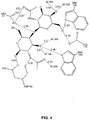
- Ligand stability in the binding site was assessed by monitoring intermolecular hydrogen bonds between the chitobiose and the protein ( FIG. 4 ). Average values for the hydrogen bonds and their percentage occupancies are presented in Table 2 along with the crystallographically determined values. Table 2.
- the total interaction energy (-13.7 kcal/mol) is comparable to data computed for the similar size galectin-1 - LacNAc complex, and as in the case of galectin-1, overestimates the experimental affinity due to the omission of conformational and configurational entropy. Nevertheless, the per-residue interaction energies can be used to identify key amino acid residues. The majority of the per-residue net binding energies were favorable, with the notable exceptions of D60 and E206 ( FIG. 5 ). D60 is the primary catalytic residue, while E206 and E118 are thought to be important for stabilization of reaction intermediates. Thus, it is significant, but perhaps not surprising, that these two residues were identified as the most destabilizing to the disaccharide product of the hydrolysis reaction.
- FIG. 5 represents, in the left image: residues within 4.5 ⁇ of the disaccharide ligand (red) in the binding site of PNGase F. In the right image: the solvent accessible surface with the residues identified as most significant for binding labeled.
- residues E206, S155, E118, and Y62 can each be mutated to Arg and Lys and the energies recomputed.
- the resulting binding free energies can be used to select any further specific point mutants to clone and over-express. This perhaps is not surprising given that carbohydrate-protein interactions are characterized by an intricate network of hydrogen bonds, and perturbations of that network might rarely be favorable. It is again significant that E206 and E118, which have both been implicated in the enzyme mechanism, have been identified as potential key residues for affinity optimization.
- Table 7 Dissociation constants measured using surface Plasmon resonance (SPR) for the interaction between denatured RNase B, which contains a single N -glycosylation site predominantly occupied by high mannose oligosaccharides and mutants of PNGase F.
- SPR surface Plasmon resonance
- both the E206A and D60A mutants have markedly enhanced binding.
- a positive charge (K or R) at E206 provides a modest further increase in affinity.
- the first generation lectenz has micromolar affinity and with only two point mutations, has reached the micromolar level. It is worth noting that these preliminary mutations have enhanced the affinity of the PNGase lectenz nearly to that exhibited by the lectin Con A for high mannose oligosaccharides (K d ⁇ 1 ⁇ 10 -6 M).
- SPR provides a convenient method for assessing variations in k off .
- An examination of FIG. 6 indicates significantly different kinetic behavior between mutants D60A and E206A. Both mutants have similar values for K d (Table 7), but D60A displays rapid on and off rates (at both 10 and 25°C), while E206A presents substantially decreased off-rates at both temperatures. This is an extremely significant feature as it suggests that the kinetics of binding will be tunable to achieve a range of properties.
- a DNA library was created based on the inactive D60A mutant of the PNGase F enzyme.
- the residues D57, Y62, E118, S155, 1156, G192, and E206 identified from computational analysis were randomized at the DNA level to encode for all twenty amino acids.
- the library was cloned into the yeast display vector pPNL6 and transformed into yeast.
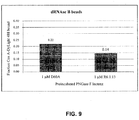
- Clone R6.1.13 was selected for functional analysis using a competition assay and was expressed in bacteria and purified.
- 50 ⁇ L of a 1 ⁇ M solution of R6.1.13 was preincubated with dRNAse B beads.
- 50 ⁇ L of a 1 ⁇ M solution of the inactive enzyme D60A mutant was preincubated with dRNAse B beads.
- Con A lectin fluorescently labeled with DyLight 488
- Labeled Con A was also added to beads with and without dRNAse B as controls to a final concentration of 100 nM.
- the fluorescence of the beads was measured by flow cytometry.
- the fraction of Con A bound was normalized to the fluorescence of beads with and without dRNAse B (see FIG. 9 ).
Landscapes
- Chemical & Material Sciences (AREA)
- Organic Chemistry (AREA)
- Life Sciences & Earth Sciences (AREA)
- Health & Medical Sciences (AREA)
- Engineering & Computer Science (AREA)
- Genetics & Genomics (AREA)
- Zoology (AREA)
- Wood Science & Technology (AREA)
- Bioinformatics & Cheminformatics (AREA)
- General Engineering & Computer Science (AREA)
- General Health & Medical Sciences (AREA)
- Biochemistry (AREA)
- Biotechnology (AREA)
- Biomedical Technology (AREA)
- Microbiology (AREA)
- Molecular Biology (AREA)
- Medicinal Chemistry (AREA)
- Biophysics (AREA)
- Analytical Chemistry (AREA)
- Plant Pathology (AREA)
- Physics & Mathematics (AREA)
- Crystallography & Structural Chemistry (AREA)
- Bioinformatics & Computational Biology (AREA)
- Animal Behavior & Ethology (AREA)
- Veterinary Medicine (AREA)
- General Chemical & Material Sciences (AREA)
- Pharmacology & Pharmacy (AREA)
- Nuclear Medicine, Radiotherapy & Molecular Imaging (AREA)
- Public Health (AREA)
- Chemical Kinetics & Catalysis (AREA)
- Enzymes And Modification Thereof (AREA)
- Measuring Or Testing Involving Enzymes Or Micro-Organisms (AREA)
- Preparation Of Compounds By Using Micro-Organisms (AREA)
- Medicines That Contain Protein Lipid Enzymes And Other Medicines (AREA)
- Investigating Or Analysing Biological Materials (AREA)
Claims (8)
- PNGase F aus Flavibacterium meningosepticum, aufweisend zwei oder mehr Mutationen, die:(i) katalytische Aktivität des Enzyms ausschalten; und(ii) die Affinität des inaktivierten Enzyms für sein Substrat im Vergleich zu einem Wildtypenzym erhöhen;wobei die Mutation D60N oder D60A umfasst; und eine Mutation an Aminosäureresten D57, Y62, E118, S155, 1156, G192 und/oder E206;
wobei die PNGase-F-Mutante die zwei oder mehr Aminosäurereste aufweist, die von den Resten einer PNGase F, die durch das entsprechende Gen aus Flavibacterium meningosepticum codiert ist, verschieden sind. - PNGase F nach Anspruch 1, wobei die mutierte PNGase F im Wesentlichen keine Veränderung der Spezifität des Enzyms aufweist.
- PNGase F nach Anspruch 1-2, wobei die Affinität des Enzyms für sein Substrat ausgewählt ist aus der Gruppe bestehend aus wenigstens etwa 1,2-fach höher im Vergleich zu einem Wildtypenzym; wenigstens etwa 2-fach höher im Vergleich zu einem Wildtypenzym; wenigstens etwa 10-fach höher im Vergleich zu einem Wildtypenzym; wenigstens etwa 100-fach höher im Vergleich zu einem Wildtypenzym; wenigstens etwa 1000-fach höher im Vergleich zu einem Wildtypenzym; wenigstens etwa 10000-fach höher im Vergleich zu einem Wildtypenzym; und wenigstens etwa 100000-fach höher im Vergleich zu einem Wildtypenzym.
- PNGase F nach Anspruch 1-3, aufweisend drei, vier, fünf oder mehr Mutationen.
- PNGase F nach Anspruch 1-4, wobei die Mutation eine Mutation an Aminosäureresten E118 oder E206 umfasst.
- PNGase F nach Anspruch 1-5, wobei eine oder mehrere Mutationen ferner eine Off-rate-Kinetik des Enzyms um wenigstens das 1,2-Fache im Vergleich zum Wildtypenzym herabsetzen.
- PNGase F nach Anspruch 1-5, wobei ein oder mehrere Reste wenigstens weniger als etwa -0,5 kcal/mol zur Gasphasen-Wechselwirkungsenergie (ΔEMM) beitragen; oder wobei ein oder mehrere Reste wenigstens weniger als etwa -0,5 kcal/mol zur Gesamtwechselwirkungsenergie (ΔG) beitragen.
- Verfahren zum Abfragen einer biologischen Probe, umfassend Inkontaktbringen einer biologischen Probe mit der PNGase F nach Anspruch 1.
Priority Applications (1)
| Application Number | Priority Date | Filing Date | Title |
|---|---|---|---|
| EP19209406.8A EP3639837A1 (de) | 2008-12-10 | 2009-12-10 | Glycanspezische analytische werkzeuge |
Applications Claiming Priority (2)
| Application Number | Priority Date | Filing Date | Title |
|---|---|---|---|
| US19360808P | 2008-12-10 | 2008-12-10 | |
| PCT/US2009/067582 WO2010068817A1 (en) | 2008-12-10 | 2009-12-10 | Glycan-specific analytical tools |
Related Child Applications (1)
| Application Number | Title | Priority Date | Filing Date |
|---|---|---|---|
| EP19209406.8A Division EP3639837A1 (de) | 2008-12-10 | 2009-12-10 | Glycanspezische analytische werkzeuge |
Publications (3)
| Publication Number | Publication Date |
|---|---|
| EP2367562A1 EP2367562A1 (de) | 2011-09-28 |
| EP2367562A4 EP2367562A4 (de) | 2012-08-29 |
| EP2367562B1 true EP2367562B1 (de) | 2019-11-20 |
Family
ID=42243080
Family Applications (2)
| Application Number | Title | Priority Date | Filing Date |
|---|---|---|---|
| EP09832575.6A Active EP2367562B1 (de) | 2008-12-10 | 2009-12-10 | Glycanspezifische analyseinstrumente |
| EP19209406.8A Pending EP3639837A1 (de) | 2008-12-10 | 2009-12-10 | Glycanspezische analytische werkzeuge |
Family Applications After (1)
| Application Number | Title | Priority Date | Filing Date |
|---|---|---|---|
| EP19209406.8A Pending EP3639837A1 (de) | 2008-12-10 | 2009-12-10 | Glycanspezische analytische werkzeuge |
Country Status (7)
| Country | Link |
|---|---|
| US (1) | US9926612B2 (de) |
| EP (2) | EP2367562B1 (de) |
| JP (2) | JP2012511333A (de) |
| CA (1) | CA2749588C (de) |
| DK (1) | DK2367562T3 (de) |
| IL (2) | IL212806B (de) |
| WO (1) | WO2010068817A1 (de) |
Families Citing this family (6)
| Publication number | Priority date | Publication date | Assignee | Title |
|---|---|---|---|---|
| EP2367562B1 (de) | 2008-12-10 | 2019-11-20 | University Of Georgia Research Foundation, Inc. | Glycanspezifische analyseinstrumente |
| JP5704386B2 (ja) * | 2010-10-12 | 2015-04-22 | 日本電気株式会社 | タンパク質分子のアミノ酸置換部位選択装置、置換アミノ酸選択装置、アミノ酸置換部位選択方法、置換アミノ酸選択方法、プログラムおよび記録媒体 |
| US20140005069A1 (en) * | 2011-03-01 | 2014-01-02 | Glycosensors And Diagnostics, Llc. | Glycoprofiling with multiplexed suspension arrays |
| DK3132031T3 (da) | 2014-04-18 | 2021-01-11 | Univ Georgia | Carbohydratbindende protein |
| WO2016003795A1 (en) | 2014-07-02 | 2016-01-07 | New England Biolabs, Inc. | Universal n-glycan binding reagent |
| US11434479B2 (en) | 2017-04-24 | 2022-09-06 | University Of Georgia Research Foundation, Inc. | Sialic acid binding polypeptide |
Family Cites Families (12)
| Publication number | Priority date | Publication date | Assignee | Title |
|---|---|---|---|---|
| US5352607A (en) | 1987-05-22 | 1994-10-04 | Louisiana State University And Agricultural College | Molecular clone of a chitinase gene from vibrio parahemolyticus |
| US5587292A (en) | 1987-05-22 | 1996-12-24 | Board Of Supervisors Of Louisiana State University And Agricultural And Mechanical College | Diagnosis of fungal infections with a chitinase |
| US5935804A (en) | 1997-03-21 | 1999-08-10 | Laine; Roger A. | Method for detecting eubacteria in biological samples with catalytically inactive murein binding enzymes |
| US6376210B1 (en) * | 1999-07-06 | 2002-04-23 | General Atomics | Methods and compositions for assaying analytes |
| US6780627B1 (en) | 2000-01-31 | 2004-08-24 | Millennium Pharmaceuticals, Inc. | 22438, 23553, 25278, and 26212 novel human sulfatases |
| US20060141480A1 (en) * | 1999-11-10 | 2006-06-29 | Kalyanaraman Ramnarayan | Use of computationally derived protein structures of genetic polymorphisms in pharmacogenomics and clinical applications |
| US7429472B2 (en) | 2003-01-31 | 2008-09-30 | Promega Corporation | Method of immobilizing a protein or molecule via a mutant dehalogenase that is bound to an immobilized dehalogenase substrate and linked directly or indirectly to the protein or molecule |
| EP1620548A2 (de) * | 2003-05-07 | 2006-02-01 | Duke University | Proteinkonstruktion für rezeptor-liganden-erkennung und -bindung |
| US20060040327A1 (en) | 2004-08-18 | 2006-02-23 | Terry Amiss | Methods of screening proteins |
| CA2585717A1 (en) | 2004-10-27 | 2006-05-04 | Medimmune Inc. | Modulation of antibody specificity by tailoring the affinity to cognate antigens |
| JP5313129B2 (ja) | 2006-05-02 | 2013-10-09 | アロザイン, インコーポレイテッド | 非天然アミノ酸置換ポリペプチド |
| EP2367562B1 (de) | 2008-12-10 | 2019-11-20 | University Of Georgia Research Foundation, Inc. | Glycanspezifische analyseinstrumente |
-
2009
- 2009-12-10 EP EP09832575.6A patent/EP2367562B1/de active Active
- 2009-12-10 US US13/148,289 patent/US9926612B2/en active Active
- 2009-12-10 WO PCT/US2009/067582 patent/WO2010068817A1/en not_active Ceased
- 2009-12-10 JP JP2011540910A patent/JP2012511333A/ja active Pending
- 2009-12-10 EP EP19209406.8A patent/EP3639837A1/de active Pending
- 2009-12-10 CA CA2749588A patent/CA2749588C/en active Active
- 2009-12-10 DK DK09832575.6T patent/DK2367562T3/da active
-
2011
- 2011-05-11 IL IL212806A patent/IL212806B/en active IP Right Grant
-
2013
- 2013-12-22 IL IL230066A patent/IL230066A0/en active IP Right Grant
-
2015
- 2015-07-30 JP JP2015150210A patent/JP6360462B2/ja active Active
Non-Patent Citations (1)
| Title |
|---|
| None * |
Also Published As
| Publication number | Publication date |
|---|---|
| DK2367562T3 (da) | 2020-02-17 |
| EP2367562A1 (de) | 2011-09-28 |
| CA2749588A1 (en) | 2010-06-17 |
| WO2010068817A1 (en) | 2010-06-17 |
| CA2749588C (en) | 2022-05-17 |
| JP2012511333A (ja) | 2012-05-24 |
| US9926612B2 (en) | 2018-03-27 |
| US20120040474A1 (en) | 2012-02-16 |
| EP2367562A4 (de) | 2012-08-29 |
| JP6360462B2 (ja) | 2018-07-18 |
| IL230066A0 (en) | 2014-01-30 |
| IL212806A0 (en) | 2011-07-31 |
| JP2016000044A (ja) | 2016-01-07 |
| IL212806B (en) | 2018-06-28 |
| EP3639837A1 (de) | 2020-04-22 |
Similar Documents
| Publication | Publication Date | Title |
|---|---|---|
| Bloch et al. | Structure and mechanism of the ER-based glucosyltransferase ALG6 | |
| US11001824B1 (en) | Carbohydrate-binding protein | |
| JP6360462B2 (ja) | グリカン特異的分析ツール | |
| Cummings et al. | The challenge and promise of glycomics | |
| Klontz et al. | Molecular basis of broad spectrum N-glycan specificity and processing of therapeutic IgG monoclonal antibodies by endoglycosidase S2 | |
| Mathew et al. | Glycan–protein interactions determine kinetics of N-glycan remodeling | |
| Zhang et al. | Endoglycosidase-mediated incorporation of 18O into glycans for relative glycan quantitation | |
| Dixon et al. | Fragments of bacterial endoglycosidase s and immunoglobulin g reveal subdomains of each that contribute to deglycosylation | |
| Ward et al. | Engineered Glycan-Binding Proteins for Recognition of the Thomsen–Friedenreich Antigen and Structurally Related Disaccharides | |
| AU2018258251B2 (en) | Sialic acid binding polypeptide | |
| Quintana et al. | The impact of glycosylation on the structure, function, and interactions of CD14 | |
| US20180259508A1 (en) | Glycan-specific analytical tools | |
| Li et al. | Chemoenzymatic method for glycoproteomic N-glycan type quantitation | |
| Jaiswal et al. | Different biophysical properties of cell surface α2, 3-and α2, 6-sialoglycans revealed by electron paramagnetic resonance spectroscopic studies | |
| Robakiewicz et al. | Minimal epitope for Mannitou IgM on paucimannose-carrying glycoproteins | |
| Helm et al. | Simple routes to stable isotope-coded native Glycans | |
| Lundstrøm et al. | Elucidating the glycan-binding specificity and structure of Cucumis melo agglutinin, a new R-type lectin | |
| WO2013130604A1 (en) | High-throughput method for sialic acid quantitation | |
| Tian et al. | Cobalt as a Cofactor for α-Galactosaminidase-Catalyzed Cleavage of Blood Group Antigens | |
| Samli | Lectenz: carbohydrate-recognizing biosensor engineered via computationally-guided directed evolution | |
| Warkentin | Toward the use of Ankyrins and Affibodies as Scaffolds for Glycan Binding Proteins: A Directed Evolution and Computational Approach | |
| Data et al. | List of Software Demonstrations | |
| Kornfeld et al. | ER and Golgi membranes | |
| JP2001258596A (ja) | 糖転移酵素活性測定方法 |
Legal Events
| Date | Code | Title | Description |
|---|---|---|---|
| PUAI | Public reference made under article 153(3) epc to a published international application that has entered the european phase |
Free format text: ORIGINAL CODE: 0009012 |
|
| 17P | Request for examination filed |
Effective date: 20110620 |
|
| AK | Designated contracting states |
Kind code of ref document: A1 Designated state(s): AT BE BG CH CY CZ DE DK EE ES FI FR GB GR HR HU IE IS IT LI LT LU LV MC MK MT NL NO PL PT RO SE SI SK SM TR |
|
| DAX | Request for extension of the european patent (deleted) | ||
| A4 | Supplementary search report drawn up and despatched |
Effective date: 20120731 |
|
| RIC1 | Information provided on ipc code assigned before grant |
Ipc: A61K 38/00 20060101AFI20120725BHEP Ipc: C07K 9/00 20060101ALI20120725BHEP |
|
| RIN1 | Information on inventor provided before grant (corrected) |
Inventor name: YANG, LORETTA Inventor name: SAMLI, KAUSAR N. Inventor name: WOODS, ROBERT, J. |
|
| 17Q | First examination report despatched |
Effective date: 20151023 |
|
| GRAP | Despatch of communication of intention to grant a patent |
Free format text: ORIGINAL CODE: EPIDOSNIGR1 |
|
| STAA | Information on the status of an ep patent application or granted ep patent |
Free format text: STATUS: GRANT OF PATENT IS INTENDED |
|
| INTG | Intention to grant announced |
Effective date: 20190531 |
|
| GRAS | Grant fee paid |
Free format text: ORIGINAL CODE: EPIDOSNIGR3 |
|
| GRAA | (expected) grant |
Free format text: ORIGINAL CODE: 0009210 |
|
| STAA | Information on the status of an ep patent application or granted ep patent |
Free format text: STATUS: THE PATENT HAS BEEN GRANTED |
|
| RIN1 | Information on inventor provided before grant (corrected) |
Inventor name: YANG, LORETTA Inventor name: SAMLI, KAUSAR N. Inventor name: WOODS, ROBERT, J. |
|
| AK | Designated contracting states |
Kind code of ref document: B1 Designated state(s): AT BE BG CH CY CZ DE DK EE ES FI FR GB GR HR HU IE IS IT LI LT LU LV MC MK MT NL NO PL PT RO SE SI SK SM TR |
|
| REG | Reference to a national code |
Ref country code: GB Ref legal event code: FG4D |
|
| RAP2 | Party data changed (patent owner data changed or rights of a patent transferred) |
Owner name: GLYCOSENSORS AND DIAGNOSTICS, LLC Owner name: UNIVERSITY OF GEORGIA RESEARCH FOUNDATION, INC. |
|
| REG | Reference to a national code |
Ref country code: CH Ref legal event code: EP |
|
| REG | Reference to a national code |
Ref country code: DE Ref legal event code: R096 Ref document number: 602009060512 Country of ref document: DE |
|
| REG | Reference to a national code |
Ref country code: IE Ref legal event code: FG4D |
|
| REG | Reference to a national code |
Ref country code: AT Ref legal event code: REF Ref document number: 1203410 Country of ref document: AT Kind code of ref document: T Effective date: 20191215 |
|
| REG | Reference to a national code |
Ref country code: DK Ref legal event code: T3 Effective date: 20200211 |
|
| REG | Reference to a national code |
Ref country code: SE Ref legal event code: TRGR |
|
| REG | Reference to a national code |
Ref country code: LT Ref legal event code: MG4D |
|
| PG25 | Lapsed in a contracting state [announced via postgrant information from national office to epo] |
Ref country code: ES Free format text: LAPSE BECAUSE OF FAILURE TO SUBMIT A TRANSLATION OF THE DESCRIPTION OR TO PAY THE FEE WITHIN THE PRESCRIBED TIME-LIMIT Effective date: 20191120 Ref country code: LV Free format text: LAPSE BECAUSE OF FAILURE TO SUBMIT A TRANSLATION OF THE DESCRIPTION OR TO PAY THE FEE WITHIN THE PRESCRIBED TIME-LIMIT Effective date: 20191120 Ref country code: GR Free format text: LAPSE BECAUSE OF FAILURE TO SUBMIT A TRANSLATION OF THE DESCRIPTION OR TO PAY THE FEE WITHIN THE PRESCRIBED TIME-LIMIT Effective date: 20200221 Ref country code: NO Free format text: LAPSE BECAUSE OF FAILURE TO SUBMIT A TRANSLATION OF THE DESCRIPTION OR TO PAY THE FEE WITHIN THE PRESCRIBED TIME-LIMIT Effective date: 20200220 Ref country code: BG Free format text: LAPSE BECAUSE OF FAILURE TO SUBMIT A TRANSLATION OF THE DESCRIPTION OR TO PAY THE FEE WITHIN THE PRESCRIBED TIME-LIMIT Effective date: 20200220 Ref country code: LT Free format text: LAPSE BECAUSE OF FAILURE TO SUBMIT A TRANSLATION OF THE DESCRIPTION OR TO PAY THE FEE WITHIN THE PRESCRIBED TIME-LIMIT Effective date: 20191120 Ref country code: FI Free format text: LAPSE BECAUSE OF FAILURE TO SUBMIT A TRANSLATION OF THE DESCRIPTION OR TO PAY THE FEE WITHIN THE PRESCRIBED TIME-LIMIT Effective date: 20191120 |
|
| REG | Reference to a national code |
Ref country code: NL Ref legal event code: FP |
|
| PG25 | Lapsed in a contracting state [announced via postgrant information from national office to epo] |
Ref country code: HR Free format text: LAPSE BECAUSE OF FAILURE TO SUBMIT A TRANSLATION OF THE DESCRIPTION OR TO PAY THE FEE WITHIN THE PRESCRIBED TIME-LIMIT Effective date: 20191120 Ref country code: IS Free format text: LAPSE BECAUSE OF FAILURE TO SUBMIT A TRANSLATION OF THE DESCRIPTION OR TO PAY THE FEE WITHIN THE PRESCRIBED TIME-LIMIT Effective date: 20200320 |
|
| PG25 | Lapsed in a contracting state [announced via postgrant information from national office to epo] |
Ref country code: EE Free format text: LAPSE BECAUSE OF FAILURE TO SUBMIT A TRANSLATION OF THE DESCRIPTION OR TO PAY THE FEE WITHIN THE PRESCRIBED TIME-LIMIT Effective date: 20191120 Ref country code: PT Free format text: LAPSE BECAUSE OF FAILURE TO SUBMIT A TRANSLATION OF THE DESCRIPTION OR TO PAY THE FEE WITHIN THE PRESCRIBED TIME-LIMIT Effective date: 20200412 Ref country code: CZ Free format text: LAPSE BECAUSE OF FAILURE TO SUBMIT A TRANSLATION OF THE DESCRIPTION OR TO PAY THE FEE WITHIN THE PRESCRIBED TIME-LIMIT Effective date: 20191120 Ref country code: RO Free format text: LAPSE BECAUSE OF FAILURE TO SUBMIT A TRANSLATION OF THE DESCRIPTION OR TO PAY THE FEE WITHIN THE PRESCRIBED TIME-LIMIT Effective date: 20191120 |
|
| REG | Reference to a national code |
Ref country code: AT Ref legal event code: MK05 Ref document number: 1203410 Country of ref document: AT Kind code of ref document: T Effective date: 20191120 |
|
| REG | Reference to a national code |
Ref country code: DE Ref legal event code: R097 Ref document number: 602009060512 Country of ref document: DE |
|
| REG | Reference to a national code |
Ref country code: BE Ref legal event code: MM Effective date: 20191231 |
|
| PG25 | Lapsed in a contracting state [announced via postgrant information from national office to epo] |
Ref country code: SM Free format text: LAPSE BECAUSE OF FAILURE TO SUBMIT A TRANSLATION OF THE DESCRIPTION OR TO PAY THE FEE WITHIN THE PRESCRIBED TIME-LIMIT Effective date: 20191120 Ref country code: SK Free format text: LAPSE BECAUSE OF FAILURE TO SUBMIT A TRANSLATION OF THE DESCRIPTION OR TO PAY THE FEE WITHIN THE PRESCRIBED TIME-LIMIT Effective date: 20191120 Ref country code: MC Free format text: LAPSE BECAUSE OF FAILURE TO SUBMIT A TRANSLATION OF THE DESCRIPTION OR TO PAY THE FEE WITHIN THE PRESCRIBED TIME-LIMIT Effective date: 20191120 |
|
| PLBE | No opposition filed within time limit |
Free format text: ORIGINAL CODE: 0009261 |
|
| STAA | Information on the status of an ep patent application or granted ep patent |
Free format text: STATUS: NO OPPOSITION FILED WITHIN TIME LIMIT |
|
| 26N | No opposition filed |
Effective date: 20200821 |
|
| PG25 | Lapsed in a contracting state [announced via postgrant information from national office to epo] |
Ref country code: LU Free format text: LAPSE BECAUSE OF NON-PAYMENT OF DUE FEES Effective date: 20191210 |
|
| PG25 | Lapsed in a contracting state [announced via postgrant information from national office to epo] |
Ref country code: SI Free format text: LAPSE BECAUSE OF FAILURE TO SUBMIT A TRANSLATION OF THE DESCRIPTION OR TO PAY THE FEE WITHIN THE PRESCRIBED TIME-LIMIT Effective date: 20191120 Ref country code: AT Free format text: LAPSE BECAUSE OF FAILURE TO SUBMIT A TRANSLATION OF THE DESCRIPTION OR TO PAY THE FEE WITHIN THE PRESCRIBED TIME-LIMIT Effective date: 20191120 Ref country code: PL Free format text: LAPSE BECAUSE OF FAILURE TO SUBMIT A TRANSLATION OF THE DESCRIPTION OR TO PAY THE FEE WITHIN THE PRESCRIBED TIME-LIMIT Effective date: 20191120 Ref country code: BE Free format text: LAPSE BECAUSE OF NON-PAYMENT OF DUE FEES Effective date: 20191231 |
|
| PG25 | Lapsed in a contracting state [announced via postgrant information from national office to epo] |
Ref country code: IT Free format text: LAPSE BECAUSE OF FAILURE TO SUBMIT A TRANSLATION OF THE DESCRIPTION OR TO PAY THE FEE WITHIN THE PRESCRIBED TIME-LIMIT Effective date: 20191120 |
|
| PG25 | Lapsed in a contracting state [announced via postgrant information from national office to epo] |
Ref country code: CY Free format text: LAPSE BECAUSE OF FAILURE TO SUBMIT A TRANSLATION OF THE DESCRIPTION OR TO PAY THE FEE WITHIN THE PRESCRIBED TIME-LIMIT Effective date: 20191120 |
|
| PG25 | Lapsed in a contracting state [announced via postgrant information from national office to epo] |
Ref country code: HU Free format text: LAPSE BECAUSE OF FAILURE TO SUBMIT A TRANSLATION OF THE DESCRIPTION OR TO PAY THE FEE WITHIN THE PRESCRIBED TIME-LIMIT; INVALID AB INITIO Effective date: 20091210 Ref country code: MT Free format text: LAPSE BECAUSE OF FAILURE TO SUBMIT A TRANSLATION OF THE DESCRIPTION OR TO PAY THE FEE WITHIN THE PRESCRIBED TIME-LIMIT Effective date: 20191120 |
|
| PG25 | Lapsed in a contracting state [announced via postgrant information from national office to epo] |
Ref country code: TR Free format text: LAPSE BECAUSE OF FAILURE TO SUBMIT A TRANSLATION OF THE DESCRIPTION OR TO PAY THE FEE WITHIN THE PRESCRIBED TIME-LIMIT Effective date: 20191120 |
|
| PG25 | Lapsed in a contracting state [announced via postgrant information from national office to epo] |
Ref country code: MK Free format text: LAPSE BECAUSE OF FAILURE TO SUBMIT A TRANSLATION OF THE DESCRIPTION OR TO PAY THE FEE WITHIN THE PRESCRIBED TIME-LIMIT Effective date: 20191120 |
|
| PGFP | Annual fee paid to national office [announced via postgrant information from national office to epo] |
Ref country code: SE Payment date: 20221221 Year of fee payment: 14 Ref country code: NL Payment date: 20221220 Year of fee payment: 14 Ref country code: IE Payment date: 20221219 Year of fee payment: 14 Ref country code: GB Payment date: 20221208 Year of fee payment: 14 Ref country code: FR Payment date: 20221219 Year of fee payment: 14 Ref country code: DK Payment date: 20221221 Year of fee payment: 14 |
|
| PGFP | Annual fee paid to national office [announced via postgrant information from national office to epo] |
Ref country code: CH Payment date: 20230103 Year of fee payment: 14 |
|
| PGFP | Annual fee paid to national office [announced via postgrant information from national office to epo] |
Ref country code: DE Payment date: 20221221 Year of fee payment: 14 |
|
| P01 | Opt-out of the competence of the unified patent court (upc) registered |
Effective date: 20230421 |
|
| REG | Reference to a national code |
Ref country code: DE Ref legal event code: R119 Ref document number: 602009060512 Country of ref document: DE |
|
| REG | Reference to a national code |
Ref country code: DK Ref legal event code: EBP Effective date: 20231231 |
|
| REG | Reference to a national code |
Ref country code: SE Ref legal event code: EUG |
|
| REG | Reference to a national code |
Ref country code: CH Ref legal event code: PL |
|
| REG | Reference to a national code |
Ref country code: NL Ref legal event code: MM Effective date: 20240101 |
|
| GBPC | Gb: european patent ceased through non-payment of renewal fee |
Effective date: 20231210 |
|
| PG25 | Lapsed in a contracting state [announced via postgrant information from national office to epo] |
Ref country code: NL Free format text: LAPSE BECAUSE OF NON-PAYMENT OF DUE FEES Effective date: 20240101 |
|
| PG25 | Lapsed in a contracting state [announced via postgrant information from national office to epo] |
Ref country code: NL Free format text: LAPSE BECAUSE OF NON-PAYMENT OF DUE FEES Effective date: 20240101 |
|
| REG | Reference to a national code |
Ref country code: IE Ref legal event code: MM4A |
|
| PG25 | Lapsed in a contracting state [announced via postgrant information from national office to epo] |
Ref country code: DE Free format text: LAPSE BECAUSE OF NON-PAYMENT OF DUE FEES Effective date: 20240702 Ref country code: IE Free format text: LAPSE BECAUSE OF NON-PAYMENT OF DUE FEES Effective date: 20231210 |
|
| PG25 | Lapsed in a contracting state [announced via postgrant information from national office to epo] |
Ref country code: GB Free format text: LAPSE BECAUSE OF NON-PAYMENT OF DUE FEES Effective date: 20231210 |
|
| PG25 | Lapsed in a contracting state [announced via postgrant information from national office to epo] |
Ref country code: FR Free format text: LAPSE BECAUSE OF NON-PAYMENT OF DUE FEES Effective date: 20231231 |
|
| PG25 | Lapsed in a contracting state [announced via postgrant information from national office to epo] |
Ref country code: CH Free format text: LAPSE BECAUSE OF NON-PAYMENT OF DUE FEES Effective date: 20231231 |
|
| PG25 | Lapsed in a contracting state [announced via postgrant information from national office to epo] |
Ref country code: IE Free format text: LAPSE BECAUSE OF NON-PAYMENT OF DUE FEES Effective date: 20231210 Ref country code: GB Free format text: LAPSE BECAUSE OF NON-PAYMENT OF DUE FEES Effective date: 20231210 Ref country code: FR Free format text: LAPSE BECAUSE OF NON-PAYMENT OF DUE FEES Effective date: 20231231 Ref country code: DE Free format text: LAPSE BECAUSE OF NON-PAYMENT OF DUE FEES Effective date: 20240702 Ref country code: CH Free format text: LAPSE BECAUSE OF NON-PAYMENT OF DUE FEES Effective date: 20231231 |
|
| PG25 | Lapsed in a contracting state [announced via postgrant information from national office to epo] |
Ref country code: DK Free format text: LAPSE BECAUSE OF NON-PAYMENT OF DUE FEES Effective date: 20231231 |
|
| PG25 | Lapsed in a contracting state [announced via postgrant information from national office to epo] |
Ref country code: DK Free format text: LAPSE BECAUSE OF NON-PAYMENT OF DUE FEES Effective date: 20231231 |
|
| PG25 | Lapsed in a contracting state [announced via postgrant information from national office to epo] |
Ref country code: SE Free format text: LAPSE BECAUSE OF NON-PAYMENT OF DUE FEES Effective date: 20231211 |