EP2368974A1 - Procédés d'extraction de cellules souches interstitielles d'embryon humain ou animal, et d'extraction de leur sécrétion - Google Patents
Procédés d'extraction de cellules souches interstitielles d'embryon humain ou animal, et d'extraction de leur sécrétion Download PDFInfo
- Publication number
- EP2368974A1 EP2368974A1 EP09818766A EP09818766A EP2368974A1 EP 2368974 A1 EP2368974 A1 EP 2368974A1 EP 09818766 A EP09818766 A EP 09818766A EP 09818766 A EP09818766 A EP 09818766A EP 2368974 A1 EP2368974 A1 EP 2368974A1
- Authority
- EP
- European Patent Office
- Prior art keywords
- mesenchymal stem
- cells
- stem cells
- extracting
- stem cell
- Prior art date
- Legal status (The legal status is an assumption and is not a legal conclusion. Google has not performed a legal analysis and makes no representation as to the accuracy of the status listed.)
- Withdrawn
Links
- 210000002901 mesenchymal stem cell Anatomy 0.000 title claims abstract description 168
- 230000028327 secretion Effects 0.000 title claims abstract description 81
- 238000000034 method Methods 0.000 title claims abstract description 65
- 241001465754 Metazoa Species 0.000 title claims abstract description 28
- 210000002257 embryonic structure Anatomy 0.000 title description 5
- 239000000126 substance Substances 0.000 title description 3
- 210000004027 cell Anatomy 0.000 claims abstract description 124
- 239000006143 cell culture medium Substances 0.000 claims abstract description 51
- 238000001976 enzyme digestion Methods 0.000 claims abstract description 32
- 238000012258 culturing Methods 0.000 claims abstract description 25
- 210000001161 mammalian embryo Anatomy 0.000 claims abstract description 22
- 102000029816 Collagenase Human genes 0.000 claims abstract description 20
- 108060005980 Collagenase Proteins 0.000 claims abstract description 20
- 229960002424 collagenase Drugs 0.000 claims abstract description 20
- 239000006285 cell suspension Substances 0.000 claims abstract description 16
- 210000001339 epidermal cell Anatomy 0.000 claims abstract description 15
- 239000002537 cosmetic Substances 0.000 claims abstract description 12
- 239000006210 lotion Substances 0.000 claims abstract description 12
- 238000000746 purification Methods 0.000 claims abstract description 10
- 239000000243 solution Substances 0.000 claims description 62
- 239000002609 medium Substances 0.000 claims description 48
- FAPWRFPIFSIZLT-UHFFFAOYSA-M Sodium chloride Chemical compound [Na+].[Cl-] FAPWRFPIFSIZLT-UHFFFAOYSA-M 0.000 claims description 25
- 230000029087 digestion Effects 0.000 claims description 21
- 108010035532 Collagen Proteins 0.000 claims description 19
- 102000008186 Collagen Human genes 0.000 claims description 19
- 102000003974 Fibroblast growth factor 2 Human genes 0.000 claims description 19
- 108090000379 Fibroblast growth factor 2 Proteins 0.000 claims description 19
- 229920001436 collagen Polymers 0.000 claims description 19
- 108010038512 Platelet-Derived Growth Factor Proteins 0.000 claims description 18
- 102000010780 Platelet-Derived Growth Factor Human genes 0.000 claims description 18
- 239000001963 growth medium Substances 0.000 claims description 16
- 238000011081 inoculation Methods 0.000 claims description 13
- KCXVZYZYPLLWCC-UHFFFAOYSA-N EDTA Chemical compound OC(=O)CN(CC(O)=O)CCN(CC(O)=O)CC(O)=O KCXVZYZYPLLWCC-UHFFFAOYSA-N 0.000 claims description 11
- 239000006144 Dulbecco’s modified Eagle's medium Substances 0.000 claims description 10
- 239000003797 essential amino acid Substances 0.000 claims description 10
- DAEPDZWVDSPTHF-UHFFFAOYSA-M sodium pyruvate Chemical compound [Na+].CC(=O)C([O-])=O DAEPDZWVDSPTHF-UHFFFAOYSA-M 0.000 claims description 10
- VBEQCZHXXJYVRD-GACYYNSASA-N uroanthelone Chemical compound C([C@@H](C(=O)N[C@H](C(=O)N[C@@H](CS)C(=O)N[C@@H](CC(N)=O)C(=O)N[C@@H](CS)C(=O)N[C@H](C(=O)N[C@@H]([C@@H](C)CC)C(=O)NCC(=O)N[C@@H](CC=1C=CC(O)=CC=1)C(=O)N[C@@H](CO)C(=O)NCC(=O)N[C@@H](CC(O)=O)C(=O)N[C@@H](CCCNC(N)=N)C(=O)N[C@@H](CS)C(=O)N[C@@H](CCC(N)=O)C(=O)N[C@@H]([C@@H](C)O)C(=O)N[C@@H](CCCNC(N)=N)C(=O)N[C@@H](CC(O)=O)C(=O)N[C@@H](CC(C)C)C(=O)N[C@@H](CCCNC(N)=N)C(=O)N[C@@H](CC=1C2=CC=CC=C2NC=1)C(=O)N[C@@H](CC=1C2=CC=CC=C2NC=1)C(=O)N[C@@H](CCC(O)=O)C(=O)N[C@@H](CC(C)C)C(=O)N[C@@H](CCCNC(N)=N)C(O)=O)C(C)C)[C@@H](C)O)NC(=O)[C@H](CO)NC(=O)[C@H](CC(O)=O)NC(=O)[C@H](CC(C)C)NC(=O)[C@H](CO)NC(=O)[C@H](CCC(O)=O)NC(=O)[C@@H](NC(=O)[C@H](CC=1NC=NC=1)NC(=O)[C@H](CCSC)NC(=O)[C@H](CS)NC(=O)[C@@H](NC(=O)CNC(=O)CNC(=O)[C@H](CC(N)=O)NC(=O)[C@H](CC(C)C)NC(=O)[C@H](CS)NC(=O)[C@H](CC=1C=CC(O)=CC=1)NC(=O)CNC(=O)[C@H](CC(O)=O)NC(=O)[C@H](CC=1C=CC(O)=CC=1)NC(=O)[C@H](CO)NC(=O)[C@H](CO)NC(=O)[C@H]1N(CCC1)C(=O)[C@H](CS)NC(=O)CNC(=O)[C@H]1N(CCC1)C(=O)[C@H](CC=1C=CC(O)=CC=1)NC(=O)[C@H](CO)NC(=O)[C@@H](N)CC(N)=O)C(C)C)[C@@H](C)CC)C1=CC=C(O)C=C1 VBEQCZHXXJYVRD-GACYYNSASA-N 0.000 claims description 10
- 101800003838 Epidermal growth factor Proteins 0.000 claims description 9
- 229940116977 epidermal growth factor Drugs 0.000 claims description 9
- 239000012981 Hank's balanced salt solution Substances 0.000 claims description 8
- 239000003906 humectant Substances 0.000 claims description 7
- 210000004700 fetal blood Anatomy 0.000 claims description 5
- ZDXPYRJPNDTMRX-UHFFFAOYSA-N glutamine Natural products OC(=O)C(N)CCC(N)=O ZDXPYRJPNDTMRX-UHFFFAOYSA-N 0.000 claims description 5
- 210000002381 plasma Anatomy 0.000 claims description 5
- 239000003755 preservative agent Substances 0.000 claims description 5
- 229940054269 sodium pyruvate Drugs 0.000 claims description 5
- 239000003963 antioxidant agent Substances 0.000 claims description 4
- 230000003078 antioxidant effect Effects 0.000 claims description 4
- 230000003115 biocidal effect Effects 0.000 claims description 4
- 229940029303 fibroblast growth factor-1 Drugs 0.000 claims description 4
- 238000002156 mixing Methods 0.000 claims description 4
- 239000008363 phosphate buffer Substances 0.000 claims description 4
- 238000002360 preparation method Methods 0.000 claims description 4
- 229920006395 saturated elastomer Polymers 0.000 claims description 4
- 238000000926 separation method Methods 0.000 claims description 4
- 102100022464 5'-nucleotidase Human genes 0.000 claims description 3
- 101000678236 Homo sapiens 5'-nucleotidase Proteins 0.000 claims description 3
- 239000012888 bovine serum Substances 0.000 claims description 3
- 239000004615 ingredient Substances 0.000 claims description 2
- 239000002904 solvent Substances 0.000 claims description 2
- 102000004142 Trypsin Human genes 0.000 claims 3
- 108090000631 Trypsin Proteins 0.000 claims 3
- 239000012588 trypsin Substances 0.000 claims 3
- 235000006708 antioxidants Nutrition 0.000 claims 2
- 102000009024 Epidermal Growth Factor Human genes 0.000 claims 1
- 230000001902 propagating effect Effects 0.000 claims 1
- 230000008569 process Effects 0.000 abstract description 7
- 230000005779 cell damage Effects 0.000 abstract description 2
- 208000037887 cell injury Diseases 0.000 abstract description 2
- 239000000203 mixture Substances 0.000 abstract description 2
- 239000000047 product Substances 0.000 description 57
- 210000002826 placenta Anatomy 0.000 description 25
- 230000001464 adherent effect Effects 0.000 description 22
- 230000012010 growth Effects 0.000 description 19
- PEDCQBHIVMGVHV-UHFFFAOYSA-N Glycerine Chemical compound OCC(O)CO PEDCQBHIVMGVHV-UHFFFAOYSA-N 0.000 description 15
- 210000003491 skin Anatomy 0.000 description 14
- 102000004169 proteins and genes Human genes 0.000 description 12
- 108090000623 proteins and genes Proteins 0.000 description 12
- 230000010261 cell growth Effects 0.000 description 10
- 210000002950 fibroblast Anatomy 0.000 description 9
- 210000001519 tissue Anatomy 0.000 description 9
- 102400001368 Epidermal growth factor Human genes 0.000 description 8
- MHAJPDPJQMAIIY-UHFFFAOYSA-N Hydrogen peroxide Chemical compound OO MHAJPDPJQMAIIY-UHFFFAOYSA-N 0.000 description 8
- 239000003102 growth factor Substances 0.000 description 8
- QELSKZZBTMNZEB-UHFFFAOYSA-N propylparaben Chemical compound CCCOC(=O)C1=CC=C(O)C=C1 QELSKZZBTMNZEB-UHFFFAOYSA-N 0.000 description 8
- 210000001185 bone marrow Anatomy 0.000 description 7
- 238000005119 centrifugation Methods 0.000 description 7
- 238000001914 filtration Methods 0.000 description 7
- 230000035755 proliferation Effects 0.000 description 7
- 210000002993 trophoblast Anatomy 0.000 description 7
- XLYOFNOQVPJJNP-UHFFFAOYSA-N water Chemical compound O XLYOFNOQVPJJNP-UHFFFAOYSA-N 0.000 description 7
- KIUKXJAPPMFGSW-DNGZLQJQSA-N (2S,3S,4S,5R,6R)-6-[(2S,3R,4R,5S,6R)-3-Acetamido-2-[(2S,3S,4R,5R,6R)-6-[(2R,3R,4R,5S,6R)-3-acetamido-2,5-dihydroxy-6-(hydroxymethyl)oxan-4-yl]oxy-2-carboxy-4,5-dihydroxyoxan-3-yl]oxy-5-hydroxy-6-(hydroxymethyl)oxan-4-yl]oxy-3,4,5-trihydroxyoxane-2-carboxylic acid Chemical compound CC(=O)N[C@H]1[C@H](O)O[C@H](CO)[C@@H](O)[C@@H]1O[C@H]1[C@H](O)[C@@H](O)[C@H](O[C@H]2[C@@H]([C@@H](O[C@H]3[C@@H]([C@@H](O)[C@H](O)[C@H](O3)C(O)=O)O)[C@H](O)[C@@H](CO)O2)NC(C)=O)[C@@H](C(O)=O)O1 KIUKXJAPPMFGSW-DNGZLQJQSA-N 0.000 description 6
- IJGRMHOSHXDMSA-UHFFFAOYSA-N Atomic nitrogen Chemical compound N#N IJGRMHOSHXDMSA-UHFFFAOYSA-N 0.000 description 6
- 102000004127 Cytokines Human genes 0.000 description 6
- 108090000695 Cytokines Proteins 0.000 description 6
- 208000027418 Wounds and injury Diseases 0.000 description 6
- 230000004069 differentiation Effects 0.000 description 6
- 210000001671 embryonic stem cell Anatomy 0.000 description 6
- 235000020776 essential amino acid Nutrition 0.000 description 6
- 229920002674 hyaluronan Polymers 0.000 description 6
- 229960003160 hyaluronic acid Drugs 0.000 description 6
- 239000012528 membrane Substances 0.000 description 6
- LXCFILQKKLGQFO-UHFFFAOYSA-N methylparaben Chemical compound COC(=O)C1=CC=C(O)C=C1 LXCFILQKKLGQFO-UHFFFAOYSA-N 0.000 description 6
- 230000008439 repair process Effects 0.000 description 6
- 239000006228 supernatant Substances 0.000 description 6
- 230000006378 damage Effects 0.000 description 5
- 230000000694 effects Effects 0.000 description 5
- 238000000108 ultra-filtration Methods 0.000 description 5
- 210000003954 umbilical cord Anatomy 0.000 description 5
- DGVVWUTYPXICAM-UHFFFAOYSA-N β‐Mercaptoethanol Chemical compound OCCS DGVVWUTYPXICAM-UHFFFAOYSA-N 0.000 description 5
- HTTJABKRGRZYRN-UHFFFAOYSA-N Heparin Chemical compound OC1C(NC(=O)C)C(O)OC(COS(O)(=O)=O)C1OC1C(OS(O)(=O)=O)C(O)C(OC2C(C(OS(O)(=O)=O)C(OC3C(C(O)C(O)C(O3)C(O)=O)OS(O)(=O)=O)C(CO)O2)NS(O)(=O)=O)C(C(O)=O)O1 HTTJABKRGRZYRN-UHFFFAOYSA-N 0.000 description 4
- 210000001789 adipocyte Anatomy 0.000 description 4
- 230000015572 biosynthetic process Effects 0.000 description 4
- 210000004369 blood Anatomy 0.000 description 4
- 239000008280 blood Substances 0.000 description 4
- 229920000669 heparin Polymers 0.000 description 4
- 229960002897 heparin Drugs 0.000 description 4
- ZCTXEAQXZGPWFG-UHFFFAOYSA-N imidurea Chemical compound O=C1NC(=O)N(CO)C1NC(=O)NCNC(=O)NC1C(=O)NC(=O)N1CO ZCTXEAQXZGPWFG-UHFFFAOYSA-N 0.000 description 4
- 210000000963 osteoblast Anatomy 0.000 description 4
- 230000002335 preservative effect Effects 0.000 description 4
- 235000010232 propyl p-hydroxybenzoate Nutrition 0.000 description 4
- 239000004405 propyl p-hydroxybenzoate Substances 0.000 description 4
- 229960003415 propylparaben Drugs 0.000 description 4
- 210000000434 stratum corneum Anatomy 0.000 description 4
- 238000003786 synthesis reaction Methods 0.000 description 4
- 230000037303 wrinkles Effects 0.000 description 4
- 102000004190 Enzymes Human genes 0.000 description 3
- 108090000790 Enzymes Proteins 0.000 description 3
- 241000699670 Mus sp. Species 0.000 description 3
- 210000004204 blood vessel Anatomy 0.000 description 3
- 210000000988 bone and bone Anatomy 0.000 description 3
- 210000000845 cartilage Anatomy 0.000 description 3
- 210000001612 chondrocyte Anatomy 0.000 description 3
- 239000003814 drug Substances 0.000 description 3
- 229940088598 enzyme Drugs 0.000 description 3
- 238000002474 experimental method Methods 0.000 description 3
- 235000010270 methyl p-hydroxybenzoate Nutrition 0.000 description 3
- 239000004292 methyl p-hydroxybenzoate Substances 0.000 description 3
- 229960002216 methylparaben Drugs 0.000 description 3
- 229910052757 nitrogen Inorganic materials 0.000 description 3
- 210000001626 skin fibroblast Anatomy 0.000 description 3
- 239000011780 sodium chloride Substances 0.000 description 3
- 238000010186 staining Methods 0.000 description 3
- LFQSCWFLJHTTHZ-UHFFFAOYSA-N Ethanol Chemical compound CCO LFQSCWFLJHTTHZ-UHFFFAOYSA-N 0.000 description 2
- 206010063560 Excessive granulation tissue Diseases 0.000 description 2
- 102000010834 Extracellular Matrix Proteins Human genes 0.000 description 2
- 108010037362 Extracellular Matrix Proteins Proteins 0.000 description 2
- 102000018233 Fibroblast Growth Factor Human genes 0.000 description 2
- 108050007372 Fibroblast Growth Factor Proteins 0.000 description 2
- -1 IGFBp Proteins 0.000 description 2
- 230000003321 amplification Effects 0.000 description 2
- 230000004071 biological effect Effects 0.000 description 2
- 239000000872 buffer Substances 0.000 description 2
- 230000019522 cellular metabolic process Effects 0.000 description 2
- 238000012512 characterization method Methods 0.000 description 2
- 238000011109 contamination Methods 0.000 description 2
- 230000000093 cytochemical effect Effects 0.000 description 2
- 210000004207 dermis Anatomy 0.000 description 2
- 210000002615 epidermis Anatomy 0.000 description 2
- 210000002744 extracellular matrix Anatomy 0.000 description 2
- 229940126864 fibroblast growth factor Drugs 0.000 description 2
- 239000000706 filtrate Substances 0.000 description 2
- 239000012634 fragment Substances 0.000 description 2
- 210000001126 granulation tissue Anatomy 0.000 description 2
- 229940087559 grape seed Drugs 0.000 description 2
- 238000003316 immunomagnetic separation method Methods 0.000 description 2
- 238000000338 in vitro Methods 0.000 description 2
- 239000000411 inducer Substances 0.000 description 2
- 230000006698 induction Effects 0.000 description 2
- 208000015181 infectious disease Diseases 0.000 description 2
- 239000000463 material Substances 0.000 description 2
- 239000011159 matrix material Substances 0.000 description 2
- 210000003205 muscle Anatomy 0.000 description 2
- 238000003199 nucleic acid amplification method Methods 0.000 description 2
- 230000003169 placental effect Effects 0.000 description 2
- 230000001681 protective effect Effects 0.000 description 2
- 230000009759 skin aging Effects 0.000 description 2
- 230000037394 skin elasticity Effects 0.000 description 2
- 239000007787 solid Substances 0.000 description 2
- 210000000130 stem cell Anatomy 0.000 description 2
- 230000004083 survival effect Effects 0.000 description 2
- 210000003556 vascular endothelial cell Anatomy 0.000 description 2
- 239000008215 water for injection Substances 0.000 description 2
- 102100022749 Aminopeptidase N Human genes 0.000 description 1
- 208000002109 Argyria Diseases 0.000 description 1
- 108091003079 Bovine Serum Albumin Proteins 0.000 description 1
- 102000004219 Brain-derived neurotrophic factor Human genes 0.000 description 1
- 108090000715 Brain-derived neurotrophic factor Proteins 0.000 description 1
- 206010007710 Cartilage injury Diseases 0.000 description 1
- 208000032544 Cicatrix Diseases 0.000 description 1
- 102100031611 Collagen alpha-1(III) chain Human genes 0.000 description 1
- 102100022145 Collagen alpha-1(IV) chain Human genes 0.000 description 1
- 102100033825 Collagen alpha-1(XI) chain Human genes 0.000 description 1
- 102100027442 Collagen alpha-1(XII) chain Human genes 0.000 description 1
- 102100028257 Collagen alpha-1(XVI) chain Human genes 0.000 description 1
- 102100035308 Fibroblast growth factor 17 Human genes 0.000 description 1
- 102100028072 Fibroblast growth factor 4 Human genes 0.000 description 1
- 102100028075 Fibroblast growth factor 6 Human genes 0.000 description 1
- 102100028071 Fibroblast growth factor 7 Human genes 0.000 description 1
- 102100037665 Fibroblast growth factor 9 Human genes 0.000 description 1
- 108091010837 Glial cell line-derived neurotrophic factor Proteins 0.000 description 1
- 102000034615 Glial cell line-derived neurotrophic factor Human genes 0.000 description 1
- 108090000288 Glycoproteins Proteins 0.000 description 1
- 102000003886 Glycoproteins Human genes 0.000 description 1
- 244000303040 Glycyrrhiza glabra Species 0.000 description 1
- 235000006200 Glycyrrhiza glabra Nutrition 0.000 description 1
- 102100031573 Hematopoietic progenitor cell antigen CD34 Human genes 0.000 description 1
- 102100021866 Hepatocyte growth factor Human genes 0.000 description 1
- 101000757160 Homo sapiens Aminopeptidase N Proteins 0.000 description 1
- 101000993285 Homo sapiens Collagen alpha-1(III) chain Proteins 0.000 description 1
- 101000901150 Homo sapiens Collagen alpha-1(IV) chain Proteins 0.000 description 1
- 101000710623 Homo sapiens Collagen alpha-1(XI) chain Proteins 0.000 description 1
- 101000861874 Homo sapiens Collagen alpha-1(XII) chain Proteins 0.000 description 1
- 101000860648 Homo sapiens Collagen alpha-1(XVI) chain Proteins 0.000 description 1
- 101000878124 Homo sapiens Fibroblast growth factor 17 Proteins 0.000 description 1
- 101001060274 Homo sapiens Fibroblast growth factor 4 Proteins 0.000 description 1
- 101001060265 Homo sapiens Fibroblast growth factor 6 Proteins 0.000 description 1
- 101001060261 Homo sapiens Fibroblast growth factor 7 Proteins 0.000 description 1
- 101001027380 Homo sapiens Fibroblast growth factor 9 Proteins 0.000 description 1
- 101000777663 Homo sapiens Hematopoietic progenitor cell antigen CD34 Proteins 0.000 description 1
- 101000898034 Homo sapiens Hepatocyte growth factor Proteins 0.000 description 1
- 101000599951 Homo sapiens Insulin-like growth factor I Proteins 0.000 description 1
- 101000935043 Homo sapiens Integrin beta-1 Proteins 0.000 description 1
- 101001076408 Homo sapiens Interleukin-6 Proteins 0.000 description 1
- 101001063991 Homo sapiens Leptin Proteins 0.000 description 1
- 101000946889 Homo sapiens Monocyte differentiation antigen CD14 Proteins 0.000 description 1
- 101001001487 Homo sapiens Phosphatidylinositol-glycan biosynthesis class F protein Proteins 0.000 description 1
- 101000595923 Homo sapiens Placenta growth factor Proteins 0.000 description 1
- 101000738771 Homo sapiens Receptor-type tyrosine-protein phosphatase C Proteins 0.000 description 1
- 101000868152 Homo sapiens Son of sevenless homolog 1 Proteins 0.000 description 1
- 101000635938 Homo sapiens Transforming growth factor beta-1 proprotein Proteins 0.000 description 1
- PMMYEEVYMWASQN-DMTCNVIQSA-N Hydroxyproline Chemical compound O[C@H]1CN[C@H](C(O)=O)C1 PMMYEEVYMWASQN-DMTCNVIQSA-N 0.000 description 1
- 102100037852 Insulin-like growth factor I Human genes 0.000 description 1
- 102100025304 Integrin beta-1 Human genes 0.000 description 1
- 102100030874 Leptin Human genes 0.000 description 1
- 108010052285 Membrane Proteins Proteins 0.000 description 1
- 102000018697 Membrane Proteins Human genes 0.000 description 1
- 102100035877 Monocyte differentiation antigen CD14 Human genes 0.000 description 1
- 241001529936 Murinae Species 0.000 description 1
- 206010028980 Neoplasm Diseases 0.000 description 1
- 208000012641 Pigmentation disease Diseases 0.000 description 1
- 102100035194 Placenta growth factor Human genes 0.000 description 1
- 102100040990 Platelet-derived growth factor subunit B Human genes 0.000 description 1
- 102000016611 Proteoglycans Human genes 0.000 description 1
- 108010067787 Proteoglycans Proteins 0.000 description 1
- 108010019674 Proto-Oncogene Proteins c-sis Proteins 0.000 description 1
- 102100037422 Receptor-type tyrosine-protein phosphatase C Human genes 0.000 description 1
- 206010061363 Skeletal injury Diseases 0.000 description 1
- 108010017842 Telomerase Proteins 0.000 description 1
- 102100030742 Transforming growth factor beta-1 proprotein Human genes 0.000 description 1
- 102000005789 Vascular Endothelial Growth Factors Human genes 0.000 description 1
- 108010019530 Vascular Endothelial Growth Factors Proteins 0.000 description 1
- 239000004480 active ingredient Substances 0.000 description 1
- 230000002293 adipogenic effect Effects 0.000 description 1
- 230000001914 calming effect Effects 0.000 description 1
- 210000003321 cartilage cell Anatomy 0.000 description 1
- 238000004113 cell culture Methods 0.000 description 1
- 230000004663 cell proliferation Effects 0.000 description 1
- 238000002659 cell therapy Methods 0.000 description 1
- 238000006243 chemical reaction Methods 0.000 description 1
- 239000003795 chemical substances by application Substances 0.000 description 1
- 238000010924 continuous production Methods 0.000 description 1
- 238000007796 conventional method Methods 0.000 description 1
- 238000005138 cryopreservation Methods 0.000 description 1
- 210000000805 cytoplasm Anatomy 0.000 description 1
- 238000000432 density-gradient centrifugation Methods 0.000 description 1
- 230000008021 deposition Effects 0.000 description 1
- 201000010099 disease Diseases 0.000 description 1
- 208000037265 diseases, disorders, signs and symptoms Diseases 0.000 description 1
- PMMYEEVYMWASQN-UHFFFAOYSA-N dl-hydroxyproline Natural products OC1C[NH2+]C(C([O-])=O)C1 PMMYEEVYMWASQN-UHFFFAOYSA-N 0.000 description 1
- 230000002708 enhancing effect Effects 0.000 description 1
- 239000012091 fetal bovine serum Substances 0.000 description 1
- 239000000835 fiber Substances 0.000 description 1
- 239000012530 fluid Substances 0.000 description 1
- 210000001061 forehead Anatomy 0.000 description 1
- 238000001415 gene therapy Methods 0.000 description 1
- LPLVUJXQOOQHMX-QWBHMCJMSA-N glycyrrhizinic acid Chemical compound O([C@@H]1[C@@H](O)[C@H](O)[C@H](O[C@@H]1O[C@@H]1C([C@H]2[C@]([C@@H]3[C@@]([C@@]4(CC[C@@]5(C)CC[C@@](C)(C[C@H]5C4=CC3=O)C(O)=O)C)(C)CC2)(C)CC1)(C)C)C(O)=O)[C@@H]1O[C@H](C(O)=O)[C@@H](O)[C@H](O)[C@H]1O LPLVUJXQOOQHMX-QWBHMCJMSA-N 0.000 description 1
- 210000003780 hair follicle Anatomy 0.000 description 1
- 229960002591 hydroxyproline Drugs 0.000 description 1
- 230000028993 immune response Effects 0.000 description 1
- 230000000984 immunochemical effect Effects 0.000 description 1
- 230000006872 improvement Effects 0.000 description 1
- 230000001939 inductive effect Effects 0.000 description 1
- 238000001802 infusion Methods 0.000 description 1
- 238000002955 isolation Methods 0.000 description 1
- 150000002632 lipids Chemical class 0.000 description 1
- 235000011477 liquorice Nutrition 0.000 description 1
- 230000007774 longterm Effects 0.000 description 1
- 239000002932 luster Substances 0.000 description 1
- 210000004698 lymphocyte Anatomy 0.000 description 1
- 238000004519 manufacturing process Methods 0.000 description 1
- 210000003716 mesoderm Anatomy 0.000 description 1
- 230000004048 modification Effects 0.000 description 1
- 238000012986 modification Methods 0.000 description 1
- 230000003020 moisturizing effect Effects 0.000 description 1
- 210000005087 mononuclear cell Anatomy 0.000 description 1
- 239000013642 negative control Substances 0.000 description 1
- 210000005036 nerve Anatomy 0.000 description 1
- 210000002569 neuron Anatomy 0.000 description 1
- 230000002188 osteogenic effect Effects 0.000 description 1
- 239000007800 oxidant agent Substances 0.000 description 1
- 230000003647 oxidation Effects 0.000 description 1
- 238000007254 oxidation reaction Methods 0.000 description 1
- 239000002245 particle Substances 0.000 description 1
- 210000005259 peripheral blood Anatomy 0.000 description 1
- 239000011886 peripheral blood Substances 0.000 description 1
- 230000019612 pigmentation Effects 0.000 description 1
- 210000005059 placental tissue Anatomy 0.000 description 1
- 229920001184 polypeptide Polymers 0.000 description 1
- 102000004196 processed proteins & peptides Human genes 0.000 description 1
- 108090000765 processed proteins & peptides Proteins 0.000 description 1
- 230000001737 promoting effect Effects 0.000 description 1
- 230000000644 propagated effect Effects 0.000 description 1
- 230000001172 regenerating effect Effects 0.000 description 1
- 238000011160 research Methods 0.000 description 1
- 231100000241 scar Toxicity 0.000 description 1
- 230000037387 scars Effects 0.000 description 1
- 238000003860 storage Methods 0.000 description 1
- 230000001502 supplementing effect Effects 0.000 description 1
- 210000000106 sweat gland Anatomy 0.000 description 1
- 210000002435 tendon Anatomy 0.000 description 1
- 230000017423 tissue regeneration Effects 0.000 description 1
- FGMPLJWBKKVCDB-UHFFFAOYSA-N trans-L-hydroxy-proline Natural products ON1CCCC1C(O)=O FGMPLJWBKKVCDB-UHFFFAOYSA-N 0.000 description 1
- 210000004291 uterus Anatomy 0.000 description 1
- 238000004383 yellowing Methods 0.000 description 1
Images



Classifications
-
- C—CHEMISTRY; METALLURGY
- C12—BIOCHEMISTRY; BEER; SPIRITS; WINE; VINEGAR; MICROBIOLOGY; ENZYMOLOGY; MUTATION OR GENETIC ENGINEERING
- C12N—MICROORGANISMS OR ENZYMES; COMPOSITIONS THEREOF; PROPAGATING, PRESERVING, OR MAINTAINING MICROORGANISMS; MUTATION OR GENETIC ENGINEERING; CULTURE MEDIA
- C12N5/00—Undifferentiated human, animal or plant cells, e.g. cell lines; Tissues; Cultivation or maintenance thereof; Culture media therefor
- C12N5/06—Animal cells or tissues; Human cells or tissues
- C12N5/0602—Vertebrate cells
- C12N5/0603—Embryonic cells ; Embryoid bodies
- C12N5/0605—Cells from extra-embryonic tissues, e.g. placenta, amnion, yolk sac, Wharton's jelly
-
- A—HUMAN NECESSITIES
- A61—MEDICAL OR VETERINARY SCIENCE; HYGIENE
- A61P—SPECIFIC THERAPEUTIC ACTIVITY OF CHEMICAL COMPOUNDS OR MEDICINAL PREPARATIONS
- A61P17/00—Drugs for dermatological disorders
-
- A—HUMAN NECESSITIES
- A61—MEDICAL OR VETERINARY SCIENCE; HYGIENE
- A61P—SPECIFIC THERAPEUTIC ACTIVITY OF CHEMICAL COMPOUNDS OR MEDICINAL PREPARATIONS
- A61P17/00—Drugs for dermatological disorders
- A61P17/02—Drugs for dermatological disorders for treating wounds, ulcers, burns, scars, keloids, or the like
-
- A—HUMAN NECESSITIES
- A61—MEDICAL OR VETERINARY SCIENCE; HYGIENE
- A61P—SPECIFIC THERAPEUTIC ACTIVITY OF CHEMICAL COMPOUNDS OR MEDICINAL PREPARATIONS
- A61P43/00—Drugs for specific purposes, not provided for in groups A61P1/00-A61P41/00
-
- C—CHEMISTRY; METALLURGY
- C12—BIOCHEMISTRY; BEER; SPIRITS; WINE; VINEGAR; MICROBIOLOGY; ENZYMOLOGY; MUTATION OR GENETIC ENGINEERING
- C12N—MICROORGANISMS OR ENZYMES; COMPOSITIONS THEREOF; PROPAGATING, PRESERVING, OR MAINTAINING MICROORGANISMS; MUTATION OR GENETIC ENGINEERING; CULTURE MEDIA
- C12N5/00—Undifferentiated human, animal or plant cells, e.g. cell lines; Tissues; Cultivation or maintenance thereof; Culture media therefor
- C12N5/06—Animal cells or tissues; Human cells or tissues
- C12N5/0602—Vertebrate cells
- C12N5/0652—Cells of skeletal and connective tissues; Mesenchyme
- C12N5/0662—Stem cells
- C12N5/0668—Mesenchymal stem cells from other natural sources
Definitions
- the present invention relates to the field of cell biology. More specifically, It relates to a method for extracting mesenchymal stem cell from human or animal embryo and for extracting the secretion product thereof.
- Mesenchymal stem cells are a kind of tissue stem cells that are multipotent and have self-renewal ability. They can differentiate into various cell types: osteocybe, chondrocyte, fat cell, and neuronal cell etc.. They were initially isolated from bone marrow. In recent years mesenchymal cells have been isolated from tissues such as bone marrow, peripheral blood, compact bone, cartilage and muscle. The common feature of these tissues is that they are formed by mesenchyme and blood vessels originated from extraembryonic mesoderm. Mesenchymal stem cells are easily isolated and purified from bone marrow for effective in vitro amplification, and they have the functions of improving bone marrow environment and facilitating hematopoitic reconstitution.
- MSC Mesenchymal stem cells
- mesenchymal stem cells do not express or only express at negligible level molecules of the MHCII type.
- Mesenchymal stem cells from unrelated donor do not cause allogenic lymphocyte reaction and can downregulate allogenic immune response. Because of having the properties described above, upon its discovery, MSC rapidly becomes the Ideal cell source in the aspects of cell therapy, gene therapy etc . and important seed cell In tissue engineering for the repair of bone or cartilage injury.
- mesenchymal stem cells mainly come from bone marrow and are obtained using density gradient separation. The donor has to go through a rather painful operation for the marrow to be taken and during the material-taken process and afterwards, there would be a very high chance of infection. Additionally, since the content of mesenchymal stem cells in human bone marrow Is extremely scarce, about only one mesenchymal stem cell In every 10 5 -10 6 mononuclear cells, and importantly the increase of age or In combination with diseases such as infection and tumor, the number of mesenchymal stem cells within bone marrow and their proliferation and differentiation ability decrease significantly, which makes them greatly limited in research and application, in particular clinical application.
- Conventional method of isolating mesenchymal stem cells comprises the following steps: (1) blood is Immediately released after the placenta is expulsed from the uterus and sample is obtained; (2) single cell suspension is obtained by continuous infusion or collagenase digestion; (3) the single cell suspension Is subjected to density gradient centrifugation or immunomagnetic separation to obtain mesenchymal stem cells.
- the productivity of this method is relatively low, making it unable to obtain large amount of mesenchymal stem cells in a short time and the purity of the cells is relatively low; in addition, cells are quite seriously damaged by the treatment process, making it difficult to assure the quality of the mesenchymal stem cells; Furthermore, due to the low productivity, it is also difficult to extract secretion products with good prospect for application.
- One of the objects of the present invention is to provide a method for extracting mesenchymal stem cell from human or animal embryo and for extracting the secretion product thereof, intending to solve the problems existing in the prior art of low productivity and purity, and being difficult to assure cell quality.
- said method for extracting mesenchymal stem cells from human or animal embryo comprises the following steps: A. a human or animal embryo derived sample is obtained and treated with centrifugation; B. the sample is digested with enzyme digestion solution to make single cell suspension, wherein said enzyme digestion solution contains tripsin-EDTA and collagenase IV; C. Mesenchymal stem cell culture medium A is added Into the isolated single cells to inoculate and culture the cells; D. the cells are treated with adherence purification and mesenchymal stem cells are obtained by magnetic sorting.
- the enzyme digestion solution in said step B comprises: tripsin 0.125g/L- 0.375g/L; EDTA 0.075g/L - 0.125g/L and collagenase IV 0.25g/L - 0.75g/L.
- the preparation of the enzyme digestion solution in said step B comprises: mixing 100ml D-HBSS containing 0.05g tripsin and 0.02g EDTA ⁇ 4Na with 100ml normal saline containing 0.01g collagenase IV at the volume ratio of 1:1.
- said mesenchymal stem cell culture medium A comprises: Basic fibroblast growth factor 1 ng/ml-100 ng/ml medium Epidermal growth factor 1 ng/ml - 100 ng/ml medium Platelet derived growth factor 1 ng/ml- 100 ng/ml medium wherein, said medium comprises components of the following weight percentage: DMEM medium 68%-97% Umbilical cord blood plasma 1%-30% Antibiotic and glutamine 1% Non-essential amino acid 1% Antioxidant 0-0.1%
- the adherence purification treatment in said step D comprises:
- the magnetic sorting in said step D comprises:
- step D It also comprises the following steps after said step D:
- said step F comprises:
- said mesenchymal stem cell culture medium B contains basic fibroblast growth factor and platelet derived growth factor.
- the second objective of the present Invention Is to provide a method for extracting the secretion product of mesenchymal stem cells, said method comprises the following steps:
- said step A' further comprises:
- said mesenchymal stem cell culture medium B comprises: Basic fibroblast growth factor 1 ng/ml -100 ng/ml medium Platelet derived growth factor 1 ng/ml - 100 ng/ml medium wherein, said medium Is prepared with components of the following weight percentage: DMEM medium 96.9% Sodium pyruvate 1% Antibiotic and glutamine 1% Non-essential amino acid 1% Antioxidant 0.1 %
- the step of adding in mesenchymal stem cell culture medium B to promote the cells to produce secretion factor in said step B' comprises: when the cell layer in the culture flask expands to reach the set volume, take out the culture solution and wash with phosphate buffer; then add in mesenchymal stem cell culture medium B and stimulate the mesenchymal stem cells to produce secretion factor.
- the step of adding In culture medium for inoculation and culturing in said step B' comprises:
- the third objective of the present invention is to provide the secretion product produced according to the above method of the present invention for extracting the secretion product of mesenchymal stem cells.
- the fourth objective of the present Invention Is to provide a use In human cosmetic aspect of the secretion product produced according to the above method of the present invention for extracting the secretion product of mesenchymal stem cells.
- the fifth objective of the present invention is to provide a use in the aspect of healthcare product of the secretion product produced according to the above method of the present invention for extracting the secretion product of mesenchymal stem cells.
- the sixth objective of the present invention is to provide an epidermal cell repairing lotion containing components of the following weight percentage: Solvent 50-94% Preservative 0-0.5% Humectants 0-3% Secretion product 0.5-25% Collagen 5-25%
- said preservative Includes: Imidazolidinyl urea, propylparaben and/or methylparaben; said humectants include glycerol and/or hyaluronic acid.
- mesenchymal stem cells from human or animal embryo
- more single cells can be obtained by using mixed enzyme digestion solution as the digestion solution, while reducing the extent of cell damage to the minimum;
- mesenchymal stem cells selected by adherence purification and immunomagnetic separation the purity is increased.
- mesenchymal stem cell culture medium A added to the Isolated single cells and Inoculating and culturing the cells, cell growth and proliferation are facilitated.
- mesenchymal stem cell culture medium B during the process of culturing mesenchymal stem cells can stimulate the mesenchymal stem cells to produce more secretion factors, thus, the secretion product extracted from the mesenchymal stem cells contains more cell secretion factors.
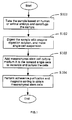
- Figure 1 shows the flowchart for the method of extracting human or animal mesenchymal stem cells in one example of the present invention, comprising the following steps: in the step S101, human or animal embryo derived sample was taken and treated with centrifugation.
- the sample was digested with enzyme digestion solution to make single cell suspension.
- mesenchymal stem cell culture medium A was added into the isolated single cells to inoculate and culture the cells.
- the cells were treated with adherent purification and mesenchymal stem cells were obtained by magnetic sorting.
- said step S102 further comprises:
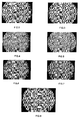
- equal volumes of 100 ml D-HBSS containing 0.05g tripsin and 0.02g EDTA ⁇ 4Na and 100 ml normal saline containing 0.01 g collagenase IV may be mixed to make the enzyme digestion solution of the invention. Then, 30 ml of the prepared enzyme digestion solution was added into a centrifuge tube and the digestion was performed In a thermostatic waterbath shaker at 37°C for 1.5 - 2h, the adherent growth state of the obtained primary cells was as shown in figure 3 .
- normal saline may be substituted with, for example, PBS.
- the tripsin-EDTA (0.05%) produced by the company GIBCO may be mixed with collagenase digestion solution (1mg collagenase IV/ml normal saline) at the volume ratio of 1:1 for preparation.
- 0.125g tripsin, 0.075g EDTA and 0.75g collagenase IV may be dissolved in the mixture of 500 ml normal saline and 500 ml D-HBSS to prepare the enzyme digestion solution of the Invention. Then. 30 ml of the prepared enzyme digestion solution was added Into a centrifuge tube and the digestion was performed in a thermostatic waterbath shaker at 37°C for 1.5- 2h, the adherent growth state of the obtained primary cells was as shown In figure 4 .
- the enzyme digestion solution of the Invention may also be made according to other proportions, buffers or methods.
- 0.2g tripsin and 0.05g EDTA ⁇ 4Na were dissolved in 500 ml D-HBSS, and at the same time, 0.5g collagenase IV was dissolved in 500 ml normal saline or PBS, then the 500 ml D-HBSS was mixed with the 500 ml normal saline to make 1L enzyme digestion solution of the invention.
- said mesenchymal stem cell culture medium A contained medium, basic fibroblast growth factor, epidermal growth factor, and platelet derived growth factor.
- the concentration of the basic fibroblast growth factor was 1ng/ml
- the concentration of the epidermal growth factor was 1 ng/ml
- the concentration of the platelet derived growth factor was 1 ng/ml.
- the medium contained 97% weight percentage of DMEM medium, 1% weight percentage of umbilical cord blood plasma, 1% weight percentage of penicillin-streptomycin- glutamine solution, and 1% weight percentage of non-essential amino acids.
- the mesenchymal stem cell culture medium A described above was used to inoculate and culture the cells, and the adherent growth state of the cells obtained was as shown in figure 5 .
- said mesenchymal stem cell culture medium A contained medium, basic fibroblast growth factor, epidermal growth factor, and platelet derived growth factor.
- the concentration of the basic fibroblast growth factor was 25 ng/ml
- the concentration of the epidermal growth factor was 25 ng/ml
- the concentration of the platelet derived growth factor was 25 ng/ml.
- the medium contained 77.9% weight percentage of DMEM medium, 20% weight percentage of umbilical cord blood plasma, 1% weight percentage of penicillin-streptomycin-glutamine solution, 1% weight percentage of non-essential amino acids, and 0.1% weight percentage of ⁇ - mercaptoethanol.
- the mesenchymal stem cell culture medium A described above was used to inoculate and culture the cells, and the adherent growth state of the cells obtained was as shown in figure 6 .
- said mesenchymal stem cell culture medium A contained medium, basic fibroblast growth factor, epidermal growth factor, and platelet derived growth factor.
- the concentration of the basic fibroblast growth factor was 100 ng/ml
- the concentration of the epidermal growth factor was 100 ng/ml
- the concentration of the platelet derived growth factor was 100 ng/ml.
- the medium contained 67.9% weight percentage of DMEM medium, 20% weight percentage of umbilical cord blood plasma, 1% weight percentage of penicillin-streptomycin-glutamine solution, 1% weight percentage of non-essential amino acids, and 0.1% weight percentage of ⁇ - mercaptoethanol.
- the mesenchymal stem cell culture medium A described above was used to Inoculate and culture the cells, and the adherent growth state of the cells obtained was as shown in figure 7 .
- Figure 8 is a picture representing the adherent growth state of the cells obtained after cell inoculation and culturing using the culture medium of the prior art. From the comparison of the adherent growth state of the cells shown in figures 5-8 , it can been seen that after culturing the cells with the mesenchymal stem cell culture medium A, cell growth was obviously facilitated.
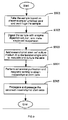
- Figure 9 Is the flowchart for the method of extracting mesenchymal stem cells from human or animal embryos in one example of the present Invention.
- animal placenta and/or umbilical cord derived sample was taken and treated with centrifugation.
- detailed procedure for carrying out said step is: 1, the membrane on the outside of a fresh placenta was removed with scissors, dark red tissues that were inside were taken. It was most preferred to take tissues with dense blood vessels, where the blood vessels interwove to form a root like structure.
- the blood in the tissue was rinsed off with normal saline (with heparin, 2 vials of heparin for 500 ml saline, 12500IU/vial, final concentration: 50 unit heparin/ml saline), the tissue was then rinsed once with heparin-free normal saline, after that, the tissue was cut into pieces with scissors (the smaller the pieces the better).
- the way to treat the umbilical cord was: the umbilical cord was cut to get fragments of about 2cm, the blood was rinsed off with saline containing heparin, then the umbilical cord fragments were cut open longitudinally and the blood inside was rinsed off, the umbilical cord was rinsed once again with heparin-free normal saline and cut into pieces with scissors.
- the invention Is not limited to the above procedure, other parts of an embryo may also be chosen as the material of the invention. 2.
- the sample was transferred into a centrifuge tube containing normal saline and treated with centrifugation. In a preferred example, the collected sample was placed into a 50 ml centrifuge tube containing normal saline and centrifuged at 1200rpm for 10 min.
- the sample was digested with the enzyme digestion solution to make single cell suspension.
- detailed procedure for carrying out said step is: 1. after centrifugation, the supernatant was aspirated off, tripsln-EDTA (0.05%) and collagenase IV (1mg/ml) was mixed at the volume ratio of 1:1, 30 ml of which was added into a centrifuge tube and the digestion was performed In a thermostatic waterbath shaker at 37°C for 1.5 - 2h.
- the digested solution was diluted with normal saline 3 -5 times of its volume, well shaken and transferred with electric pipette through a 100 ⁇ m cell strainer to make single cell suspension.
- step S903 isolated single cells were obtained from the single cell suspension, and mesenchymal stem cell culture medium A was added into the isolated single cells to inoculate and culture the cells.
- mesenchymal stem cell culture medium A was added into the isolated single cells to inoculate and culture the cells.
- detailed procedure for carrying out said step is: 1. single cell suspension was centrifuged at 1600 rpm for 10 min and the supernatant was aspirated off; 2. the mesenchymal stem cell culture medium A was added, well-shaken and adjusted till the cell density reached to 5-8x10 4 cells/ml; 3.
- Said mesenchymal stem cell culture medium A therein may be chosen from any of the examples described above.
- step S904 the cells were treated with adherent purification and mesenchymal stem cells were obtained by magnetic sorting.
- detailed procedure for carrying out said step is:
- Adherent purification treatment specifically comprising:
- Non-adherent cells were taken out with a pipette, and normal saline was added in to wash, then it was changed into new mesenchymal stem cell culture medium A to continue the culturing. Digestion was performed with tripsin-EDTA (0.05%) when the adherent cells expanded to reach 70% of the volume of the culture flask and single cells were obtained.
- single cells were obtained by ordinary centrifugation (1600r/min) of the single cell suspension obtained after the digestion with tripsin-EDTA (0.05%). In the population of such single cells, there were many cells with different biological properties, some dead cells were also mixed therein. Then, selection was carried out with the culture medium used to culture mesenchymal stem cells, those cells that survived and were able to grow adhering to the wall were mostly mesenchymal stem cells. A large number of cells that were not mesenchymal stem cells can be removed by adherent purification.
- Magnetic sorting specifically comprising:
- immunomagnetic separation method was used to select CD271 and CD73 double-positive cell population from said single cells, and these were mesenchymal stem cells isolated from the placenta. A large number of mesenchymal stem cells that were alive and of high purity can be obtained within the shortest time by magnetic sorting.
- step S905 the obtained mesenchymal stem cells were propagated and passaged, detailed procedure for carrying out said step Is: 1. the medium in the flask was removed with a pipette. 2. a small amount of phosphate buffer was added to gently wash once and was aspirated off, so that the pH value was equilibrated. 3. tripsin-EDTA (0.05%) was added, so much as the enzyme solution was enough to cover the bottom of the flask, it was observed under the microscope, and the digestion can be terminated with 1640 medium containing fetal bovine serum when most of the cells turned round and detached. 4.
- the culture medium In the flask was drawn with a pipette and the cell layer was pipetted repeatedly, the cell suspension was collected in a 50 ml centrifuge tube and the flask was washed once again with PBS. 5. After the cell suspension was centrifuged at 1200rpm for 8min, the supernatant was removed, and mesenchymal stem cell culture medium A was added. The cells were mixed well and passed at the ratio of 1:n to propagate in the flask, so that a large number of placenta mesenchymal stem cells were obtained, and wherein n>1, for example a typical value for n is 4.
- Figure 10 is a picture representing the characterization of the expression of the proteins on the surface of mesenchymal stem cells in one example of the present invention.
- FlOW Cytometer was used in the present invention to examine the placenta mesenchymal stem cells and demonstrate the expression of cytokine. It can be seen that the isolated and cultured placenta mesenchymal stem cells expressed surface proteins CD9, CD29, CD105, and CD186 and did not express surface proteins CD34, CD13, CD14, and CD45, this population of cells has stable biological property and the cell homogenicity reached 95% and 98% after the cells proliferated for one generation and two generations, respectively.
- the hollow light-colored curve represents negative control for the expression of a cytokine
- the solid black pattern represents the positive ratio of the corresponding cytokine expressed in the cell population. The further away the solid black pattern is from the hollow light-colored curve, the higher the positive ratio of said cytokine.
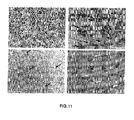
- Figure 11 is a picture representing the differentiation of the placenta mesenchymal stem cells into fat cells, chondrocytes and osteoblasts induced with cytochemical methods in one example of the present invention.
- placenta mesenchymal stem cells (PDMSC) are still multipotent to differentiate and they maintain normal karyotype nuclear telomerase activity, but they don't differentiate spontaneously easily.
- PDMSC can differentiate into various types of cells such as bone, cartilage, fat, tendon, muscle, and nerve.
- panel A shows that the addition of adipogenic inducer resulted In the differentiation of placenta mesenchymal stem cells Into adipocytes and the Oil Red staining result was positive, orange red lipid droplet could be seen In the cytoplasm.
- Panel B shows that after the addition of osteogenic inducer, placenta mesenchymal stem cells differentiated into osteoblasts, Von Kossa was performed to identify the osteoblasts. Dark brown cells could be seen from the Von Kossa staining and the intercellular matrix was full of black particles, suggesting the existence of mineralized matrix deposition.
- Panel C shows the addition of cartilage-inducing agent to induce the cells, and the expression of proteoglycan was shown by Alcian blue staining.
- Panel D shows that after the Induction of differentiation, the expression of cartilage-cell-specific collagen II was detected by immunochemical method-cartilage cells.
- placenta mesenchymal stem cells as trophoblasts for human embryonic stem cells (hESC) and murine embryonic stem cells (mESC).
- cytotrophoblasts placenta mesenchymal stem cells (PDMSC) provide growth support for hESCs and mESCs and maintain the embryonic stem cells in their undifferentiated state.
- PDMSC placenta mesenchymal stem cells
- MEF mice embryo fibroblasts
- the MEF as the trophoblast for stem cell growth: 1. the risk of contamination of animal origin exists; 2 many mice need to be sacrificed to extract a large number of MEFs.
- PDMSCs derived from healthy human as trophoblast for embryonic stem cells: 1. since the material is taken from discarded placenta tissues of healthy human, sacrificing many mice is avoided; 2. the risk of contamination of animal origin is avoided; 2. it is more advantageous to use human PDMSCs as trophoblast of human embryonic stem cells for culturing human embryonic stem cells. Thus, as the origin of hESC trophoblast, PDMSC is a better choice than MEF.
- FIG 12 is the flowchart for the method of extracting the secretion product of mesenchymal stem cells
- the mesenchymal stem cells were digested with enzyme digestion solution, detailed procedure thereof comprises: 1. after mass amplification of the cells, trypsin-EDTA(0.05%) was added for digestion when the cells grew to about 80% of the 175cm 2 culture flask. 2. when said mesenchymal stem cells turned round and detached, the digestion was terminated with 1640 medium containing bovine serum.
- step S1202 culture medium was added into the collected cells for Inoculation and culturing, and mesenchymal stem cell culture medium B was added to promote the cells to produce more secretion factors, the detailed procedure thereof comprises:
- said mesenchymal stem cell culture medium B comprises the medium, basic fibroblast growth factor, and platelet derived growth factor.
- the concentration of basic fibroblast growth factor was 1 ng/ml
- the concentration of platelet derived growth factor was 1 ng/ml.
- the medium contains 96.8% weight percentage of DMEM medium, 1 % weight percentage of penicillin-streptomycin-glutamine solution, 1% weight percentage of non-essential amino acids, 0.1% weight percentage of ⁇ - mercaptoethanol and 1 % weight percentage of sodium pyruvate.
- said mesenchymal stem cell culture medium B comprises the medium, basic fibroblast growth factor, and platelet derived growth factor.
- the concentration of basic fibroblast growth factor was 25ng/ml
- the concentration of platelet derived growth factor was 25ng/ml.
- the medium contains 96.8% weight percentage of DMEM medium, 1% weight percentage of penicillin-streptomycln-glutamine solution, 1% weight percentage of non-essential amino acids, 0.1% weight percentage of ⁇ - mercaptoethanol and 1% weight percentage of sodium pyruvate.
- said mesenchymal stem cell culture medium B comprises the medium, basic fibroblast growth factor, and platelet derived growth factor.
- the concentration of basic fibroblast growth factor was 100ng/ml
- the concentration of platelet derived growth factor was 100ng/ml.
- the medium contains 96.8% weight percentage of DMEM medium, 1% weight percentage of penicillin-streptomycin-glutamine solution, 1% weight percentage of non-essential amino acids, 0,1% weight percentage of ⁇ -mercaptoethanol and 1% weight percentage of sodium pyruvate.
- the collected culture solution was centrifuged and filtrated, and the secretion product was obtained.
- the detailed procedure of the above step is: 1, the culture solution was collected, and the supernatant was collected after centrifuging at 2000rpm for 8min.
- the detailed procedure of the above step is: the culture solution was collected after culturing for 3 days. After centrifuging the harvested solution at 2000G for 8min, the cell debris was removed and the supernatant was collected. 2. the solution was filtrated with a filter of 0.22 ⁇ m and the secretion product was obtained.
- filtration was performed with a filter of 0.22 ⁇ m, the filtered fluid was collected and stored under the condition of - 20°C for 2 days, and then placed under the condition of -80°C for long term storage and future use.
- said method of extracting the secretion product of mesenchymal stem cells further comprises concentrating said secretion product.
- the detailed implementation of the concentration step comprises, first of all, preparing the ultrafiltration membrane: the ultrafiltration membrane was first rinsed with 75% ethanol and soaked for 10min; the edge of the membrane was held with forceps and the membrane was rinsed for three times with water for injection and then soaked overnight in water for injection in a clean container.
- the protein concentration In the concentrated secretion products was 0.2mg/ml.
- the protein concentration in the concentrated secretion products was 0.3mg/ml; when the mesenchymal stem cell culture medium B according to the above second example was used, the protein concentration in the concentrated secretion products was 1.5mg/ml; when the mesenchymal stem cell culture medium B according to the above third example was used, the protein concentration in the concentrated secretion products was 2mg/ml.
- Figure 13 is a picture representing the identification of the secretion factors of mesenchymal stem cells In one example of the present invention.
- a large number of protein molecules were contained in placenta mesenchymal stem cell secretion factor products.
- the placenta mesenchymal stem cells will secrete many substances that promote cell growth and tissue regeneration, such as growth factors, proteins, active polypeptides.
- the cytokines secreted by placenta mesenchymal stem cells revealed by silver staining were significantly different from the control group, there were a large number of specific protein molecules contained in the secretion product of placenta mesenchymal stem cells.
- Figure 14 shows that in one example of the present invention, after examination, it was found that the secretion product of mesenchymal stem cells contained a large number of cell growth factor groups and collagen molecule groups.
- the proteomic of the secretion factors of placenta mesenchymal stem cells was assessed using cytokine antibody array. It was found that a large number of placenta mesenchymal stem cells secreted specific gene products, among these gene products, there were a lot of growth factor groups relating to cell growth and metabolism, for example: BDNF.
- the present invention also provides an epidermal cell repairing lotion, comprising components of the following weight percentage: water 71 %, preservative 0.5%, humectants 3%, secretion product 5.5%, collagen 20%, wherein the preservative may include imidazolidinyl urea 0.15%, propylparaben 0.2% and methylparaben 0.15%, the humectants comprise glycerol 2% and hyaluronic acid 1% and the secretion product can be obtained by the methods described above.
- said epidermal cell repairing lotion comprises components of the following weight percentage: water 94%, humectants 0.5%, secretion product 0.5%, collagen 5%, wherein the humectants comprise glycerol 0.25% and hyaluronic acid 0.25%.
- said epidermal cell repairing lotion comprises components of the following weight percentage: water 88%, imidazolidinyl urea 0.1%, propylparaben 0.2%, methylparaben 0.1%, glycerol 1%, hyaluronic acid 1%, secretion product 2%, collagen 7.5%.
- said epidermal cell repairing lotion comprises components of the following weight percentage: water 50%, secretion product 25%, collagen 28%.
- said epidermal cell repairing lotion comprises components of the following weight percentage: water 68.5%, Imidazolidinyl urea 0.3%, propylparaben 0.2%, glycerol 1%, hyaluronic acid 1%, secretion product 15%, collagen 14%,
- mesenchymal stem cells Because the secretion product of mesenchymal stem cells according to the present Invention has significant protective effects for skin fibroblasts, it has been shown in the experiments of resisting the damage of hydrogen peroxide and repairing fibroblasts that cell mortality caused by the damage of hydrogen peroxide can be significantly reduced after the addition of culture medium into placenta mesenchymal stem cell products (CM), and In turn the survival rate of the survived fibroblasts was increased.
- CM placenta mesenchymal stem cell products
- the division and proliferation of fibroblasts and vascular endothelial cells can be promoted and the synthesis and secretion of extracellular matrix are promoted, so that the growth of granulation tissue is promoted and the sinus tract becomes shallower; the division and proliferation of epidermal cells are facilitated, so that the epithelization of wound is promoted.
- it When applying it to burn wound, it can promote division and proliferation of fibroblasts and vascular endothelial cells, as well as the synthesis and secretion of extracellular matrix, so that the growth of granulation tissue is promoted and the wound is shallower; it facilitates the division and proliferation of epidermal cells around the remaining hair follicle, sweat gland and wound, so as to facilitate the epithelization of wound, see figure 16 .
- the cosmetic effect of the placental mesenchymal stem cell secretion product is achieved by utilizing the ability of the factors secreted by placental mesenchymal stem cells to increase the production of collagen and to stimulate the growth of skin fibroblast cells. That the skin is elastic is mainly because the collagen secreted by fibroblast cells in the dermis of the skin forms the scaffoid of the skin. This secretion product increases the volume of the collagen produced by skin fibroblast cells for several folds, at the same time the volume of fibroblast cells is also increased for more than 30 percent. Therefore, continuous production of autologous Collagen will cause the thickness and density of the skin dermis to increase, fill the wrinkles, eliminate scars and restore the elasticity and luster of the skin.
- the secretion products of mesenchymal stem cells are added into a cosmetic formula.
- the various active ingredients, especially the cell growth factor group and the collagen group, contained in these secretion products can promote hydroxyproline synthesis, facilitate the synthesis of collagen and collagenase, secrete collagen substances, hyaluronic acid and glycoproteins, adjust collagenous fibers, so that it has the effects of moisturizing the skin, enhancing skin elasticity, reducing skin wrinkles and preventing skin aging.
- the aforementioned epidermal cell repairing lotion of the invention can also be used to reduce skin wrinkles and prevent skin aging, its effects are shown In figure 17 . It clearly improved skin elasticity and the skin became tight; wrinkles at the canthus and forehead became shallower, the skin was smooth and soft, and pigmentation was improved.
- FGF basic fibroblast growth factor
- EGF epidermal growth factor
- Placenta mesenchymal stem cells can secrete large amount of these growth factors.
- FGF basic fibroblast growth factor
- EGF epidermal growth factor
- These growth factors not only can adjust the differentiation and proliferation of epidermal cells and promote skin renewal, but also can increase the elasticity of the skin, restore the moisture content of the skin. It contains liquorice and other calming and repairing ingredients and repairs the stratum corneum.
- the abundant grape seed OPC is an effective antl-oxidant and anti-free-radical component, which can repair cells, intensify the repairing of the stratum corneum, and can also protect the stratum corneum and prevent the oxidation and yellowing of the stratum corneum. Therefore, supplementing ordinary cosmetic products with the mesenchymal stem cell secretion product of the invention and grape seed OPC will surely multiply the efficacy. According to the teachings of this invention, people skilled in the art are aware of various methods for applying the secretion product of this invention to current cosmetic products, healthcare products and medicaments, and can obtain various desired cosmetic products, healthcare products and medicaments by these methods, so that it is not further described here.
Landscapes
- Health & Medical Sciences (AREA)
- Life Sciences & Earth Sciences (AREA)
- Engineering & Computer Science (AREA)
- Biomedical Technology (AREA)
- Organic Chemistry (AREA)
- Bioinformatics & Cheminformatics (AREA)
- Chemical & Material Sciences (AREA)
- Developmental Biology & Embryology (AREA)
- Biotechnology (AREA)
- Zoology (AREA)
- Wood Science & Technology (AREA)
- Genetics & Genomics (AREA)
- General Health & Medical Sciences (AREA)
- General Engineering & Computer Science (AREA)
- Cell Biology (AREA)
- Reproductive Health (AREA)
- Gynecology & Obstetrics (AREA)
- Biochemistry (AREA)
- Microbiology (AREA)
- Public Health (AREA)
- Nuclear Medicine, Radiotherapy & Molecular Imaging (AREA)
- Animal Behavior & Ethology (AREA)
- Chemical Kinetics & Catalysis (AREA)
- Medicinal Chemistry (AREA)
- Pharmacology & Pharmacy (AREA)
- General Chemical & Material Sciences (AREA)
- Veterinary Medicine (AREA)
- Rheumatology (AREA)
- Pregnancy & Childbirth (AREA)
- Dermatology (AREA)
- Micro-Organisms Or Cultivation Processes Thereof (AREA)
- Medicines Containing Material From Animals Or Micro-Organisms (AREA)
- Cosmetics (AREA)
- Preparation Of Compounds By Using Micro-Organisms (AREA)
Applications Claiming Priority (2)
| Application Number | Priority Date | Filing Date | Title |
|---|---|---|---|
| PCT/CN2008/072648 WO2010040262A1 (fr) | 2008-10-10 | 2008-10-10 | Procédé de séparation de cellules souches interstitielles d’embryon animal et d’extraction de leur sécrétion |
| PCT/CN2009/074031 WO2010040302A1 (fr) | 2008-10-10 | 2009-09-18 | Procédés d’extraction de cellules souches interstitielles d’embryon humain ou animal, et d’extraction de leur sécrétion |
Publications (1)
| Publication Number | Publication Date |
|---|---|
| EP2368974A1 true EP2368974A1 (fr) | 2011-09-28 |
Family
ID=42100191
Family Applications (1)
| Application Number | Title | Priority Date | Filing Date |
|---|---|---|---|
| EP09818766A Withdrawn EP2368974A1 (fr) | 2008-10-10 | 2009-09-18 | Procédés d'extraction de cellules souches interstitielles d'embryon humain ou animal, et d'extraction de leur sécrétion |
Country Status (8)
| Country | Link |
|---|---|
| US (1) | US20110217385A1 (fr) |
| EP (1) | EP2368974A1 (fr) |
| JP (1) | JP2010538681A (fr) |
| KR (1) | KR20100065338A (fr) |
| CN (1) | CN101802177A (fr) |
| AU (1) | AU2009301517A1 (fr) |
| CA (1) | CA2740092A1 (fr) |
| WO (2) | WO2010040262A1 (fr) |
Cited By (1)
| Publication number | Priority date | Publication date | Assignee | Title |
|---|---|---|---|---|
| EP3140417A4 (fr) * | 2014-05-09 | 2018-05-23 | Reelabs Private Limited | Polymix foetal de cellules souches mésenchymateuses placé dans des conditions hypoxiques en vue du traitement d'affections cliniques |
Families Citing this family (21)
| Publication number | Priority date | Publication date | Assignee | Title |
|---|---|---|---|---|
| KR101583569B1 (ko) * | 2013-05-15 | 2016-01-08 | 라정찬 | 정맥 투여용 줄기세포 조성물 |
| JP5889856B2 (ja) * | 2013-10-15 | 2016-03-22 | 佛教慈濟醫療財團法人 | 生体外でヒト間葉系幹細胞を増殖させる方法、およびそれに用いる補助剤、ならびに、生体外でヒト間葉系幹細胞の成長因子を取り出す方法およびその成長因子の用途 |
| CN108542877A (zh) * | 2017-03-23 | 2018-09-18 | 广州资生生物科技有限公司 | 一种皮米级细胞提取物的制备方法 |
| EP3608400B1 (fr) * | 2017-04-03 | 2025-03-26 | Kaneka Corporation | Population cellulaire comprenant des cellules souches mésenchymateuses, son procédé de production, et composition pharmaceutique |
| CN107142292B (zh) * | 2017-06-21 | 2019-11-12 | 广州润虹医药科技股份有限公司 | 一种诱导多能干细胞分泌素的制备方法及其应用 |
| JP7391327B2 (ja) * | 2018-01-12 | 2023-12-05 | 国立大学法人大阪大学 | 重層扁平上皮細胞の正常分化・成熟促進剤、上皮疾患治療剤及び重層扁平上皮細胞の正常分化・成熟促進方法 |
| CN108815189A (zh) * | 2018-09-27 | 2018-11-16 | 天津欣普赛尔生物医药科技有限公司 | 一种含有自体子宫内膜间充质干细胞外泌体的制剂 |
| CN110079459A (zh) * | 2019-05-15 | 2019-08-02 | 刘宝全 | 一种干细胞培养容器内气体平衡的调节方法 |
| CN110507597A (zh) * | 2019-08-20 | 2019-11-29 | 苏州诺普再生医学有限公司 | 一种组合物及其制备方法、应用 |
| CN111150746A (zh) * | 2020-01-06 | 2020-05-15 | 湖南护宫福生物科技有限公司 | 一种用于阴道给药治疗妇科炎症的干细胞修复液 |
| EP4155389A3 (fr) * | 2020-03-31 | 2023-07-12 | Cell Exosome Therapeutics Inc. | Procédé de production de cellules proliférantes, méthode de production de produit cellulaire, population de cellules souches mésenchymateuses et méthode de production |
| CN111643390A (zh) * | 2020-07-16 | 2020-09-11 | 卡杜兰(广州)生命基因工程科技有限公司 | 一种将干细胞旁分泌因子浓缩、剔除无效杂质蛋白的制备方法 |
| KR102435452B1 (ko) | 2020-11-11 | 2022-09-07 | 이엔셀 주식회사 | 노화가 감소되고 줄기세포능이 보존된 초기 중간엽 줄기세포, 및 그 배양방법 |
| US20240066068A1 (en) * | 2020-12-22 | 2024-02-29 | Hans Pharma Co., Ltd. | Composition for skin improvement, containing culture liquid of umbilical-cord-derived mesenchymal stem cells as active ingredient |
| CN113073077B (zh) * | 2021-04-07 | 2023-03-17 | 德泉生物医学技术(深圳)有限公司 | 一种使用封闭式系统培养临床级脐带血间充质干细胞的方法 |
| JP2022162535A (ja) * | 2021-04-12 | 2022-10-24 | 株式会社ホルス | 細胞培養上清液の製造方法、及び化粧品の製造方法 |
| CN115322246B (zh) * | 2021-04-25 | 2026-03-17 | 禾美生物科技(浙江)有限公司 | 一种间充质干细胞分泌肽及其应用 |
| CN113321709A (zh) * | 2021-05-18 | 2021-08-31 | 南方医科大学 | 自组装多肽、缓释外泌体多肽水凝胶及其制备方法和应用 |
| CN113755445A (zh) * | 2021-07-26 | 2021-12-07 | 蓝海细胞(北京)生物科技有限公司 | 一种用于皮肤修复的细胞外泌体的制备方法 |
| CN116555176B (zh) * | 2022-01-28 | 2024-10-01 | 北京达尔文细胞生物科技有限公司 | 一种神经修复蛋白组合物及其制备方法和其应用 |
| CN114717185A (zh) * | 2022-03-31 | 2022-07-08 | 秦岭大熊猫研究中心(陕西省珍稀野生动物救护基地) | 一种大熊猫胎盘间充质干细胞分离与培养方法 |
Family Cites Families (13)
| Publication number | Priority date | Publication date | Assignee | Title |
|---|---|---|---|---|
| JP2004210713A (ja) * | 2002-12-27 | 2004-07-29 | Asahi Kasei Corp | 医療用胎盤由来細胞製剤 |
| CN1590537A (zh) * | 2003-09-02 | 2005-03-09 | 中国人民解放军第四军医大学口腔医学院 | 外胚间充质干细胞的分离和培养方法 |
| CN1746297A (zh) * | 2004-09-09 | 2006-03-15 | 中国人民解放军军事医学科学院基础医学研究所 | 胎盘来源间充质干细胞及其制备 |
| US20080199849A1 (en) * | 2005-09-02 | 2008-08-21 | Agency For Science, Technology And Research | Method of Deriving Progenitor Cell Line |
| AU2006332680A1 (en) * | 2005-12-29 | 2007-07-12 | Anthrogenesis Corporation | Improved composition for collecting and preserving placental stem cells and methods of using the composition |
| ES2708933T3 (es) * | 2005-12-29 | 2019-04-12 | Celularity Inc | Poblaciones de células madre placentarias |
| CZ301148B6 (cs) * | 2006-01-25 | 2009-11-18 | Univerzita Karlova V Praze | Zpusob pestování lidských mezenchymových kmenových bunek, zejména pro lécbu nehojících se fraktur, a bioreaktor k provádení tohoto zpusobu |
| AU2007318210B2 (en) * | 2006-10-06 | 2014-02-20 | Celularity Inc. | Native (telopeptide) placental collagen compositions |
| JP2010507392A (ja) * | 2006-10-23 | 2010-03-11 | アントフロゲネシス コーポレーション | 胎盤細胞集団で骨欠損を治療するための方法及び組成物 |
| CN101190174B (zh) * | 2006-12-01 | 2011-01-26 | 高宝化妆品(中国)有限公司 | 一种保湿抗皱护肤霜及其制作方法 |
| CA2629652A1 (fr) * | 2007-04-24 | 2008-10-24 | Yaojiong Wu | Compositions permettant la prevention ou le traitement des defauts de la peau et methodes d'utilisation connexes |
| CN101199550A (zh) * | 2007-11-16 | 2008-06-18 | 中国医学科学院血液学研究所 | 利用脐带或胎盘制备含有内皮祖细胞制剂的方法及其用途 |
| CN101270349A (zh) * | 2008-03-20 | 2008-09-24 | 浙江大学 | 胎盘间充质干细胞分离和体外扩增培养方法 |
-
2008
- 2008-10-10 WO PCT/CN2008/072648 patent/WO2010040262A1/fr not_active Ceased
-
2009
- 2009-09-18 CA CA2740092A patent/CA2740092A1/fr not_active Abandoned
- 2009-09-18 US US12/678,745 patent/US20110217385A1/en not_active Abandoned
- 2009-09-18 JP JP2010532419A patent/JP2010538681A/ja active Pending
- 2009-09-18 EP EP09818766A patent/EP2368974A1/fr not_active Withdrawn
- 2009-09-18 WO PCT/CN2009/074031 patent/WO2010040302A1/fr not_active Ceased
- 2009-09-18 CN CN200980000501A patent/CN101802177A/zh active Pending
- 2009-09-18 AU AU2009301517A patent/AU2009301517A1/en not_active Abandoned
- 2009-09-18 KR KR1020107006511A patent/KR20100065338A/ko not_active Ceased
Non-Patent Citations (1)
| Title |
|---|
| See references of WO2010040302A1 * |
Cited By (2)
| Publication number | Priority date | Publication date | Assignee | Title |
|---|---|---|---|---|
| EP3140417A4 (fr) * | 2014-05-09 | 2018-05-23 | Reelabs Private Limited | Polymix foetal de cellules souches mésenchymateuses placé dans des conditions hypoxiques en vue du traitement d'affections cliniques |
| US11072776B2 (en) | 2014-05-09 | 2021-07-27 | Reelabs Private Limited, a Company Incorporated Under Provisions of The Companies Act 1956 | Foetal polymix of mesenchymal stem cells under hypoxic conditions for the treatment of clinical disorders and diseases |
Also Published As
| Publication number | Publication date |
|---|---|
| CA2740092A1 (fr) | 2010-04-15 |
| US20110217385A1 (en) | 2011-09-08 |
| JP2010538681A (ja) | 2010-12-16 |
| WO2010040262A1 (fr) | 2010-04-15 |
| CN101802177A (zh) | 2010-08-11 |
| AU2009301517A1 (en) | 2010-04-15 |
| WO2010040302A1 (fr) | 2010-04-15 |
| KR20100065338A (ko) | 2010-06-16 |
Similar Documents
| Publication | Publication Date | Title |
|---|---|---|
| US20110217385A1 (en) | Method for extracting mesenchymal stem cell from human or animal embryo and for extracting the secretion product thereof | |
| KR101462004B1 (ko) | 탯줄 추출물의 제조방법 및 그의 용도 | |
| CN101748096B (zh) | 亚全能干细胞、其制备方法及其用途 | |
| CN110129265A (zh) | 一种脐带间充质干细胞外泌体、制备方法及在化妆品中的应用 | |
| WO2008002064A1 (fr) | Composition de charge de tissus mous pour injection et son procédé de préparation | |
| CN110269833A (zh) | 一种脐带间充质干细胞制剂及其制备方法和应用 | |
| CN105267243B (zh) | 一种消除皮肤妊娠纹的干细胞提取物 | |
| AU2007265862A1 (en) | Soft tissue filler composition comprising autologous dermis-derived cell culture product and hyaluronic acid | |
| CN112409456B (zh) | 干细胞细胞因子在制备化妆品或药物中的用途 | |
| CN108309921A (zh) | 一种富含细胞因子的冻干粉制备方法 | |
| CN105820998A (zh) | 临床回输级细胞治疗用人脂肪干细胞ADSCs分离提取培养方法 | |
| CN110507597A (zh) | 一种组合物及其制备方法、应用 | |
| US20130012446A1 (en) | Compositions and manufacture of mammalian stem cell-based cosmetics | |
| JP7370613B2 (ja) | 毛包およびデノボ乳頭の作製方法ならびにインビトロ試験およびインビボ移植のためのそれらの使用 | |
| Mattei et al. | Validated methods for isolation and qualification of mesenchymal stromal/stem cells from different sources | |
| CN111956668B (zh) | 一种皮肤再生修复细胞组合物及制备方法 | |
| CN111676187B (zh) | 分离的间充质干细胞群及其应用 | |
| CN115125192B (zh) | 一种骨髓上清液及其在细胞培养中的应用 | |
| CN100508948C (zh) | 一种美容护肤产品、其制备方法 | |
| KR20130007751A (ko) | 탯줄 추출물의 제조방법 및 그의 용도 | |
| CN105713869A (zh) | 回输临床治疗用人胎盘叶状绒毛膜来源的间充质干细胞体外三维分离培养保存方法 | |
| JP6721504B2 (ja) | 多能性幹細胞及び前駆細胞を生産するためのプロセス | |
| CN111939176B (zh) | 一种含有脂肪干细胞的皮肤损伤修复剂及制备方法 | |
| TW201111502A (en) | Method for extracting mesenchymal stem cell from embryo of animals and human, and method for extracting secretion from the extracting mesenchymal stem cell | |
| CN110628712A (zh) | 基于诱导多能干细胞的治疗级间充质干细胞制备方法及应用 |
Legal Events
| Date | Code | Title | Description |
|---|---|---|---|
| PUAI | Public reference made under article 153(3) epc to a published international application that has entered the european phase |
Free format text: ORIGINAL CODE: 0009012 |
|
| 17P | Request for examination filed |
Effective date: 20110524 |
|
| AK | Designated contracting states |
Kind code of ref document: A1 Designated state(s): AT BE BG CH CY CZ DE DK EE ES FI FR GB GR HR HU IE IS IT LI LT LU LV MC MK MT NL NO PL PT RO SE SI SK SM TR |
|
| DAX | Request for extension of the european patent (deleted) | ||
| STAA | Information on the status of an ep patent application or granted ep patent |
Free format text: STATUS: THE APPLICATION IS DEEMED TO BE WITHDRAWN |
|
| 18D | Application deemed to be withdrawn |
Effective date: 20120403 |