EP2369014A1 - Compositions et procédés de caractérisation, de régulation, de diagnostic et de traitement des cancers - Google Patents
Compositions et procédés de caractérisation, de régulation, de diagnostic et de traitement des cancers Download PDFInfo
- Publication number
- EP2369014A1 EP2369014A1 EP11152618A EP11152618A EP2369014A1 EP 2369014 A1 EP2369014 A1 EP 2369014A1 EP 11152618 A EP11152618 A EP 11152618A EP 11152618 A EP11152618 A EP 11152618A EP 2369014 A1 EP2369014 A1 EP 2369014A1
- Authority
- EP
- European Patent Office
- Prior art keywords
- cells
- inhibitor
- notch
- cell
- tumorigenic
- Prior art date
- Legal status (The legal status is an assumption and is not a legal conclusion. Google has not performed a legal analysis and makes no representation as to the accuracy of the status listed.)
- Withdrawn
Links
Images




Classifications
-
- A—HUMAN NECESSITIES
- A61—MEDICAL OR VETERINARY SCIENCE; HYGIENE
- A61K—PREPARATIONS FOR MEDICAL, DENTAL OR TOILETRY PURPOSES
- A61K38/00—Medicinal preparations containing peptides
- A61K38/005—Enzyme inhibitors
-
- C—CHEMISTRY; METALLURGY
- C07—ORGANIC CHEMISTRY
- C07K—PEPTIDES
- C07K16/00—Immunoglobulins [IG], e.g. monoclonal or polyclonal antibodies
- C07K16/18—Immunoglobulins [IG], e.g. monoclonal or polyclonal antibodies against material from animals or humans
- C07K16/28—Immunoglobulins [IG], e.g. monoclonal or polyclonal antibodies against material from animals or humans against receptors, cell surface antigens or cell surface determinants
-
- G—PHYSICS
- G01—MEASURING; TESTING
- G01N—INVESTIGATING OR ANALYSING MATERIALS BY DETERMINING THEIR CHEMICAL OR PHYSICAL PROPERTIES
- G01N33/00—Investigating or analysing materials by specific methods not covered by groups G01N1/00 - G01N31/00
- G01N33/48—Biological material, e.g. blood, urine; Haemocytometers
- G01N33/50—Chemical analysis of biological material, e.g. blood, urine; Testing involving biospecific ligand binding methods; Immunological testing
- G01N33/53—Immunoassay; Biospecific binding assay; Materials therefor
- G01N33/575—Immunoassay; Biospecific binding assay; Materials therefor for cancer
- G01N33/57515—Immunoassay; Biospecific binding assay; Materials therefor for cancer of the breast
-
- G—PHYSICS
- G01—MEASURING; TESTING
- G01N—INVESTIGATING OR ANALYSING MATERIALS BY DETERMINING THEIR CHEMICAL OR PHYSICAL PROPERTIES
- G01N33/00—Investigating or analysing materials by specific methods not covered by groups G01N1/00 - G01N31/00
- G01N33/48—Biological material, e.g. blood, urine; Haemocytometers
- G01N33/50—Chemical analysis of biological material, e.g. blood, urine; Testing involving biospecific ligand binding methods; Immunological testing
- G01N33/53—Immunoassay; Biospecific binding assay; Materials therefor
- G01N33/575—Immunoassay; Biospecific binding assay; Materials therefor for cancer
- G01N33/5758—Immunoassay; Biospecific binding assay; Materials therefor for cancer involving compounds serving as markers for tumours, cancers or neoplasias, e.g. cellular determinants, receptors, heat shock/stress proteins, A-protein, oligosaccharides or metabolites
Definitions
- the present invention was made in part under grant number CA075136-06 from the National Institutes of Health. The government may have certain rights in the invention.
- the present invention relates to compositions and methods for characterizing, regulating, diagnosing, and treating cancer.
- the present invention provides compositions and methods for inhibiting tumorigenesis of certain classes of cancer cells, including breast cancer cells and preventing metastasis.
- the present invention also provides systems and methods for identifying compounds that regulate tumorigenesis.
- Cancer is one of the leading causes of death and metastatic cancer is often incurable 6 .
- current therapies can produce tumor regression, they rarely cure common tumors such as metastatic breast cancer 6 .
- Solid tumors consist of heterogeneous populations of cancer cells.
- AML acute myeloid leukemia
- a small, distinct population of cancer cells are enriched for the ability to form tumors in immunodeficient mice 1 .
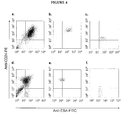
- the CD44 + CD24 -/low Lineage- population had the ability to form tumors when injected into immunodeficient mice.
- As few as 200 of these cells termed "tumorigenic" cells, consistently formed tumors in mice.
- the majority of the cancer cells in a tumor consisted of "non-tumorigenic" cells with alternative phenotypes. These cells failed to form tumor in NOD/SCID mice even when as many as 10 4 cells were injected 1 . In some tumors further enrichment of the tumorigenic cells was possible by isolating the ESA + CD44 + CD24 -/low Lineage population of cancer cells. The ability to prospectively isolate the tumorigenic cancer cells permits investigation of critical biological pathways that represent therapeutic targets in these cells. The art is in need of additional systems and methods for characterizing, regulating, diagnosing, and treating cancer.
- anticancer agent As used herein, the terms "anticancer agent,” “conventional anticancer agent,” or “cancer therapeutic drug” refer to any therapeutic agents (e.g ., chemotherapeutic compounds and/or molecular therapeutic compounds), radiation therapies, or surgical interventions, used in the treatment of cancer ( e.g ., in mammals).
- therapeutic agents e.g ., chemotherapeutic compounds and/or molecular therapeutic compounds
- radiation therapies e.g chemotherapeutic compounds and/or molecular therapeutic compounds
- surgical interventions used in the treatment of cancer (e.g ., in mammals).
- drug and “chemotherapeutic agent” refer to pharmacologically active molecules that are used to diagnose, treat, or prevent diseases or pathological conditions in a physiological system (e.g ., a subject, or in vivo, in vitro, or ex vivo cells, tissues, and organs). Drugs act by altering the physiology of a living organism, tissue, cell, or in vitro system to which the drug has been administered. It is intended that the terms “drug” and “chemotherapeutic agent” encompass anti- hyperproliferative and antineoplastic compounds as well as other biologically therapeutic compounds.
- prodrug refers to a pharmacologically inactive derivative of a parent “drug” molecule that requires biotransformation (e.g ., either spontaneous or enzymatic) within the target physiological system to release, or to convert ( e.g ., enzymatically, mechanically, electromagnetically, etc.) the “prodrug” into the active “drug.”
- biotransformation e.g ., either spontaneous or enzymatic
- convert e.g ., enzymatically, mechanically, electromagnetically, etc.
- Prodrugs are designed to overcome problems associated with stability, toxicity, lack of specificity, or limited bioavailability.
- Exemplary “prodrugs” comprise an active "drug” molecule itself and a chemical masking group (e.g ., a group that reversibly suppresses the activity of the "drug”).
- Some preferred "prodrugs” are variations or derivatives of compounds that have groups cleavable under metabolic conditions. Exemplary “prodrugs” become pharmaceutically active in vivo or in vitro when they undergo solvolysis under physiological conditions or undergo enzymatic degradation or other biochemical transformation (e.g ., phosphorylation, hydrogenation, dehydrogenation, glycosylation, etc.). Prodrugs often offer advantages of solubility, tissue compatibility, or delayed release in the mammalian organism. ( See e.g., Bundgard, Design of Prodrugs, pp. 7-9, 21-24, Elsevier, Amsterdam (1985 ); and Silverman, The Organic Chemistry of Drug Design and Drug Action, pp. 352-401, Academic Press, San Diego, CA (1992 )).
- prodrugs include acid derivatives such as esters prepared by reaction of parent acids with a suitable alcohol (e.g ., a lower alkanol), amides prepared by reaction of the parent acid compound with an amine ( e.g ., as described above), or basic groups reacted to form an acylated base derivative (e.g ., a lower alkylamide).
- a suitable alcohol e.g ., a lower alkanol
- amides prepared by reaction of the parent acid compound with an amine (e.g ., as described above)
- basic groups reacted to form an acylated base derivative e.g ., a lower alkylamide
- an effective amount is an amount sufficient to effect beneficial or desired results.
- An effective amount can be administered in one or more administrations.
- the term "administration" refers to the act of giving a drug, prodrug, antibody, or other agent, or therapeutic treatment to a physiological system (e.g ., a subject or in vivo, in vitro, or ex vivo cells; tissues, and organs).
- a physiological system e.g ., a subject or in vivo, in vitro, or ex vivo cells; tissues, and organs.
- routes of administration to the human body can be through the eyes (opthalmic), mouth (oral), skin (transdermal), nose (nasal), lungs (inhalant), oral mucosa (buccal), ear, by injection (e.g., intravenously, subcutaneously, intratumorally, intraperitoneally, etc.) and the like.
- Coadministration refers to administration of more than one chemical agent or therapeutic treatment (e.g ., radiation therapy) to a physiological system (e.g., a subject or in vivo, in vitro, or ex vivo cells, tissues, and organs).
- a physiological system e.g., a subject or in vivo, in vitro, or ex vivo cells, tissues, and organs.
- “Coadministration” of the respective chemical agents and therapeutic treatments e.g ., radiation therapy
- bioavailability refers to any measure of the ability of an agent to be absorbed into a biological target fluid (e.g ., blood, cytoplasm, CNS fluid, and the like), tissue, organelle or intercellular space after administration to a physiological system (e.g ., a subject or in vivo, in vitro, or ex vivo cells, tissues, and organs).
- a biological target fluid e.g ., blood, cytoplasm, CNS fluid, and the like
- tissue, organelle or intercellular space after administration to a physiological system e.g ., a subject or in vivo, in vitro, or ex vivo cells, tissues, and organs.
- biodistribution refers to the location of an agent in organelles, cells ( e.g., in vivo or in vitro ) , tissues, organs, or organisms, after administration to a physiological system.
- hyperproliferative disease refers to any condition in which a localized population of proliferating cells in an animal is not governed by the usual limitations of normal growth. Examples of hyperproliferative disorders include tumors, neoplasms, lymphomas and the like. A neoplasm is said to be benign if it does not undergo invasion or metastasis and malignant if it does either of these. A "metastatic" cell or tissue means that the cell can invade and destroy neighboring body structures. Hyperplasia is a form of cell proliferation involving an increase in cell number in a tissue or organ without significant alteration in structure or function.
- Metaplasia is a form of controlled cell growth in which one type of fully differentiated cell substitutes for another type of differentiated cell. Metaplasia can occur in epithelial or connective tissue cells. A typical metaplasia involves a somewhat disorderly metaplastic epithelium.
- neoplastic disease refers to any abnormal growth of cells or tissues being either benign (non-cancerous) or malignant (cancerous).
- anti-neoplastic agent refers to any compound that retards the proliferation, growth, or spread of a targeted (e.g ., malignant) neoplasm.
- regression refers to the return of a diseased subject, cell, tissue, or organ to a non-pathological, or less pathological state as compared to basal nonpathogenic exemplary subject, cell, tissue, or organ.
- regression of a tumor includes a reduction of tumor mass as well as complete disappearance of a tumor or tumors.
- the terms "prevent,” “preventing,” and “prevention” refer to a decrease in the occurrence of hyperproliferative or neoplastic cells in a subject.
- the prevention may be complete, e.g ., the total absence of hyperproliferative or neoplastic cells in a subject.
- the prevention may also be partial, such that the occurrence of hyperproliferative or neoplastic cells in a subject is less than that which would have occurred without the present invention.
- in vitro refers to an artificial environment and to processes or reactions that occur within an artificial environment.
- in vitro environments can consist of, but are not limited to, test tubes and cell cultures.
- in vivo refers to the natural environment (e.g ., an animal or a cell) and to processes or reactions that occur within a natural environment.
- cell culture refers to any in vitro culture of cells. Included within this term are continuous cell lines (e.g ., with an immortal phenotype), primary cell cultures, finite cell lines (e.g ., non-transformed cells), and any other cell population maintained in vitro, including oocytes and embryos.
- the term “subject” refers to organisms to be treated by the methods of the present invention. Such organisms include, but are not limited to, humans and veterinary animals (dogs, cats, horses, pigs, cattle, sheep, goats, and the like). In the context of the invention, the term “subject” generally refers to an individual who will receive or who has received treatment.
- diagnosis refers to the recognition of a disease by its signs and symptoms or genetic analysis, pathological analysis, histological analysis, and the like.
- the term "competes for binding” is used in reference to a first molecule with an activity that binds to the same target as does a second molecule.
- the efficiency e.g ., kinetics or thermodynamics
- the efficiency of binding by the first molecule may be the same as, or greater than, or less than, the efficiency of the target binding by the second molecule.
- the equilibrium binding constant (Kd) for binding to the target may be different for the two molecules.
- antisense is used in reference to nucleic acid sequences (e.g ., RNA, phosphorothioate DNA) that are complementary to a specific RNA sequence (e.g ., mRNA). Included within this definition are natural or synthetic antisense RNA molecules, including molecules that regulate gene expression, such as small interfering RNAs or micro RNAs.
- test compound refers to any chemical entity, pharmaceutical, drug, and the like, that can be used to treat or prevent a disease, illness, sickness, or disorder of bodily function, or otherwise alter the physiological or cellular status of a sample.
- Test compounds comprise both known and potential therapeutic compounds.
- a test compound can be determined to be therapeutic by using the screening methods of the present invention.
- a "known therapeutic compound” refers to a therapeutic compound that has been shown ( e.g ., through animal trials or prior experience with administration to humans) to be effective in such treatment or prevention.
- test compounds are anticancer agents.
- test compounds are anticancer agents that induce apoptosis in cells.
- the term “purified” or “to purify” refers to the removal of undesired components from a sample.
- substantially purified refers to molecules (e.g ., polynucleotides, polypeptides, chemical compounds) that are removed from their natural environment, isolated or separated, and are at least 60% free, preferably at least 75% free, and most preferably at least 90% free from other components with which they are naturally associated.
- an "isolated polynucleotide” is therefore a substantially purified polynucleotide.
- Nucleic acid sequence and “nucleotide sequence” as used herein refer to an oligonucleotide or polynucleotide, and fragments or portions thereof, and to DNA or RNA of genomic or synthetic origin which may be single- or double-stranded, and represent the sense or antisense strand.
- nucleic acid molecule encoding refers to the order or sequence of deoxyribonucleotides or ribonucleotides along a strand of deoxyribonucleic acid or ribonucleic acid. The order of these deoxyribonucleotides or ribonucleotides determines the order of amino acids along the polypeptide (protein) chain translated from the mRNA. The DNA or RNA sequence thus codes for the amino acid sequence.
- gene refers to a nucleic acid (e.g ., DNA or RNA) sequence that comprises coding sequences necessary for the production of a polypeptide or precursor (e.g ., proinsulin).
- the polypeptide can be encoded by a full length coding sequence or by any portion of the coding sequence so long as the desired activity or functional properties (e.g ., enzymatic activity, ligand binding, signal transduction, etc.) of the full-length or fragment are retained.
- the term also encompasses the coding region of a structural gene and includes sequences located adjacent to the coding region on both the 5' and 3' ends for a distance of about 1 kb or more on either end such that the gene corresponds to the length of the full-length mRNA.
- the sequences that are located 5' of the coding region and which are present on the mRNA are referred to as 5' untranslated sequences.
- the sequences that are located 3' or downstream of the coding region and which are present on the mRNA are referred to as 3' untranslated sequences.
- gene encompasses both cDNA and genomic forms of a gene.
- a genomic form or clone of a gene contains the coding region interrupted with non-coding sequences termed "introns” or “intervening regions” or “intervening sequences.”
- Introns are segments of a gene which are transcribed into nuclear RNA (hnRNA); introns may contain regulatory elements such as enhancers. Introns are removed or “spliced out” from the nuclear or primary transcript; introns therefore are absent in the messenger RNA (mRNA) transcript.
- mRNA messenger RNA
- exogenous gene refers to a gene that is not naturally present in a host organism or cell, or is artificially introduced into a host organism or cell.
- vector refers to any genetic element, such as a plasmid, phage, transposon, cosmid, chromosome, virus, virion, etc., which is capable of replication when associated with the proper control elements and which can transfer gene sequences between cells.
- vector includes cloning and expression vehicles, as well as viral vectors.
- RNA expression refers to the process of converting genetic information encoded in a gene into RNA (e.g ., mRNA, rRNA, tRNA, or snRNA) through "transcription" of the gene ( i.e., via the enzymatic action of an RNA polymerase), and for protein encoding genes, into protein through “translation” of mRNA.
- Gene expression can be regulated at many stages in the process.
- Up-regulation” or “activation” refers to regulation that increases the production of gene expression products (i.e ., RNA or protein), while “down-regulation” or “repression” refers to regulation that decreases production.
- Molecules e.g ., transcription factors
- activators e.g ., transcription factors
- antigen binding protein refers to proteins which bind to a specific antigen.
- Antigen binding proteins include, but are not limited to, immunoglobulins, including polyclonal, monoclonal, chimeric, single chain, and humanized antibodies, Fab fragments, F(ab')2 fragments, and Fab expression libraries.
- immunoglobulins including polyclonal, monoclonal, chimeric, single chain, and humanized antibodies, Fab fragments, F(ab')2 fragments, and Fab expression libraries.
- Fab fragments fragments, F(ab')2 fragments, and Fab expression libraries.
- Various procedures known in the art are used for the production of polyclonal antibodies.
- various host animals can be immunized by injection with the peptide corresponding to the desired epitope including, but not limited to, rabbits, mice, rats, sheep, goats, etc.
- the peptide is conjugate to an immunogenic carrier (e.g ., diphtheria toxoid, bovine serum albumin (BSA), or keyhole limpet hemocyanin (KLH)).
- an immunogenic carrier e.g ., diphtheria toxoid, bovine serum albumin (BSA), or keyhole limpet hemocyanin (KLH)
- Various adjuvants are used to increase the immunological response, depending on the host species, including, but not limited to, Freund's (complete and incomplete), mineral gels such as aluminum hydroxide, surface active substances such as lysolecithin, pluronic polyols, polyanions, peptides, oil emulsions, keyhole limpet hemocyanins, dinitrophenol, and potentially useful human adjuvants such as BCG (Bacille Calmette-Guerin) and Corynebacterium parvum.
- BCG Bacillus Calmette-Guerin
- any technique that provides for the production of antibody molecules by continuous cell lines in culture may be used (see e.g ., Harlow and Lane, Antibodies: A Laboratory Manual, Cold Spring Harbor Laboratory Press, Cold Spring Harbor, NY ). These include, but are not limited to, the hybridoma technique originally developed by Köhler and Milstein ( Köhler and Milstein, Nature, 256:495-497 (1975 )), as well as the trioma technique, the human B-cell hybridoma technique ( See e.g., Kozbor et al., Immunol.
- Antibody fragments that contain the idiotype (antigen binding region) of the antibody molecule can be generated by known techniques.
- fragments include, but are not limited to: the F(ab')2 fragment that can be produced by pepsin digestion of an antibody molecule; the Fab' fragments that can be generated by reducing the disulfide bridges of an F(ab')2 fragment, and the Fab fragments that can be generated by treating an antibody molecule with papain and a reducing agent.
- Genes encoding antigen-binding proteins can be isolated by methods known in the art. In the production of antibodies, screening for the desired antibody can be accomplished by techniques known in the art (e.g ., radioimmunoassay, ELISA (enzyme-linked immunosorbant assay), "sandwich” immunoassays, immunoradiometric assays, gel diffusion precipitin reactions, immunodiffusion assays, in situ immunoassays (using colloidal gold, enzyme or radioisotope labels, for example), Western Blots, precipitation reactions, agglutination assays (e.g ., gel agglutination assays, hemagglutination assays, etc.), complement fixation assays, immunofluorescence assays, protein A assays, and immunoelectrophoresis assays, etc .) etc.
- radioimmunoassay e.g ., ELISA (enzyme-linked immunosorbant assay), "sand
- the term “modulate” refers to the activity of a compound to affect (e.g ., to promote or retard) an aspect of the cellular function including, but not limited to, cell growth, proliferation, invasion, angiogenesis, apoptosis, and the like.
- the present invention relates to compositions and methods for characterizing, regulating, diagnosing, and treating cancer.
- the present invention provides compositions and methods for inhibiting tumorigenesis of certain classes of cancer cells, including breast cancer cells and preventing metastasis.
- the present invention also provides systems and methods for identifying compounds that regulate tumorigenesis.
- the present invention provides research and clinical diagnostic methods for identifying the presence of a tumorigenic cell in a tumor sample.
- the methods comprise detecting one or more (e.g., 2, 3, 4, ...) markers or properties characteristic of the tumorigenic cell (e.g., one or more markers or properties that are not characteristic of a non-tumorigenic cell).
- the one or more markers include, but are not limited to, expression of Notch4, cell death upon exposure to an anti-Notch4 antibody, expression of Manic Fringe, altered expression of a Notch ligand Delta relative to said non-tumorigenic cell, expression of Jagged, and cell death upon exposure to a dominant negative adenoviral vector dnMAML1. While the present invention is not limited by the nature of the cell, in some preferred embodiments, the cell is from a breast cancer tumor.
- the identification of the tumorigenic cell is used in selecting a treatment course of action for a subject.
- the treatment course of action comprises administration of a Notch4 pathway inhibitor to the subject.
- the treatment course of action comprises administration of a drug that initiates mitochondrial apoptosis (e.g., regulators of Bak and Bax, regulators of Bcl-2 and Bcl XL , regulators of electron transfer-see e.g., U.S. Pat. Appln. No. 20030119029 , herein incorporated by reference in its entirety, etc.).
- the treatment course of action comprises administration of a ⁇ -secretase inhibitor to said subject.
- ⁇ -secretase inhibitors include, but are not limited to, those described in U.S. Pat. Appln. Ser. Nos. 20030216380 , 20030135044 , 20030114387 , 20030100512 , 20030055005 , 20020013315 and U.S. Pat. Nos. 6,448,229 , each of which is herein incorporated by reference in its entirety, as well as commercially available inhibitors (e.g., from Calbiochem).
- the treatment course of action comprises administration of a Manic Fringe inhibitor to said subject.
- Manic Fringe inhibitors include, but are not limited to, anti-Manic Fringe antibodies, siRNA molecules targeted at Manic Fringe expression, small molecules that inhibit Manic Fringe and the like.
- the present invention also provides methods for selecting or characterizing compounds (e.g., for basic research, drug screening, drug trials, monitoring therapy, etc.), comprising the steps of: a) providing a sample comprising a tumorigenic cell (e.g., breast cell); b) exposing the sample to a test compound; and c) detecting a change in the cell in response to the test compound.
- the test compound comprises an antibody (e.g., an antibody that regulates a Notch signaling pathway).
- the compound comprises an anti-neoplastic compound.
- a second or additional compound is co-administered (e.g., a known anti- neoplastic therapeutic compound).
- the detecting step comprises detecting cell death of said tumorigenic cell (e.g., detection of apoptosis markers such as caspace, etc.).
- the present invention also provides methods for identifying subjects having tumorigenic cells and treating the subject with an appropriate treatment course of action based on the nature of the identified tumorigenic cell.
- the present invention provides a method for treating a subject having tumorigenic cells (e.g., breast cells), comprising the steps of: a) identifying the presence of a tumorigenic breast cell in the subject; b) identifying one or more markers or properties characteristic of the tumorigenic cell to identify the nature of the tumorigenic cell; and c) selecting a therapeutic course of action based on the nature of the tumorigenic cell.
- tumorigenic cells e.g., breast cells
- the course of action comprises administration of a Notch 4 pathway inhibitor or other appropriate therapeutic to the subject when the tumorigenic cell is characterized as expressing Notch4, or for example, where the tumorigenic cell does not express Notch4, but where neighboring, non-tumorigenic cells express Notch 4.
- the course of action comprises surgical removal of a tumor from the subject and administration of a Notch4 pathway inhibitor or other appropriate therapeutic compound to the subject (e.g., to prevent tumorigenesis or metastasis caused by remaining tumorigenic cells.
- the course of action comprises co-administration of a Notch4 pathway inhibitor or other appropriate therapeutic compound and a second anti-neoplastic agent to the subject.
- the present invention further provides methods of preventing or reducing metastasis, for example, comprising the step of administering a Notch pathway inhibitor or other appropriate therapeutic compound to a subject suspected of having metastasis (e.g., suspected of undergoing metastasis or a risk of metastasis).
- the Notch pathway inhibitor comprises an anti-Notch4 antibody.
- the compound comprises a drug that initiates mitochondrial apoptosis.
- the compound is a ⁇ -secretase inhibitor.
- the administration is conducted in conjunction with removal of a solid tumor (e.g., a breast tumor) from the subject.
- the present invention also provides a method of reducing or eliminating tumorigenic cells in a subject having cancer (e.g., breast cancer), comprising: administering a ⁇ -secretase inhibitor to the subject (e.g., under conditions such that tumorigenic cells are killed or inhibited from proliferating or causing metastasis).
- a subject having cancer e.g., breast cancer
- the present invention also provides a method of reducing or elimination tumorigenic cells in a subject having cancer (e.g., breast cancer), comprising: administering a Manic Fringe inhibitor to the subject (e.g., under conditions such that tumorigenic cells are killed or inhibited from proliferating or causing metastasis).
- a subject having cancer e.g., breast cancer
- Solid tumors consist of heterogeneous populations of cancer cells that differ in their ability to form new tumors. Cancer cells that have the ability to form tumors (i.e., tumorigenic cancer cells) and cancer cells that lack this capacity (i.e., non-tumorigenic cancer cells) can be distinguished based on phenotype 1 . Since tumorigenic cancer cells and normal stem cells share the fundamental ability to replicate themselves through the process of self-renewal, experiments conducted during the development of the present invention investigated potential self-renewal pathways in tumorigenic cancer cells so as to allow for the characterization and identification of tumorigenic cancer cells, provide systems for screening cancer therapeutics, and provide therapeutic targets and compounds directed to those targets.
- the present invention relates to compositions and methods for characterizing, regulating, diagnosing, and treating cancer.
- the present invention provides compositions and methods for inhibiting tumorigenesis of certain classes of cancer cells, including breast cancer cells and preventing metastasis.
- the present invention also provides systems and methods for identifying compounds that regulate tumorigenesis.
- the present invention provides methods for identifying tumorigenic cells and diagnosing diseases (e.g., hyperproliferative diseases) or biological events (e.g., tumor metastasis) associated with the presence of tumorigenic cells.
- diseases e.g., hyperproliferative diseases
- biological events e.g., tumor metastasis
- the present invention identifies classes of cells within cancers that are tumorigenic and provides detectable characteristics of such cells, such that their presence can be determined, for example, in choosing whether to submit a subject to a medical intervention, selecting an appropriate treatment course of action, monitoing the success or progress of a therapeutic course of action (e.g., in a drug trial or in selecting individualized, ongoing therapy), or screening for new therapeutic compounds or therapeutic targets.
- the present invention also provides therapeutic compositions and methods.
- the present invention identifies biological targets and regulators of those biological targets that modulate tumorigenesis and metastasis.
- Such therapeutic methods can be used, for example, either alone, or in combination with other therapeutic courses of action (e.g., coadministration of other anti-neoplastic agents) or with diagnostic procedures (e.g., patients that are amenable to the therapeutic methods of the present invention are identified by the diagnostic methods of the present invention.
- the present invention also provides systems and methods for identifying the genes and proteins expressed by tumorigenic cells to identify proteins whose function is necessary for tumorigenesis, providing novel drug targets.
- the expression of Notch proteins and/or regulators of the Notch signaling pathways is used to identify tumorigenic cells.
- Regulators of Notch proteins and/or Notch signaling pathways also find use in research, drug screening, and therapeutic methods.
- inhibitors of Notch expression or function e.g., Notch4
- Notch4 find use in preventing or reducing cell proliferation, hyperproliferative disease development or progression, and cancer metastasis.
- inhibitors are utilized following removal of a solid tumor mass to help reduce proliferation and metastasis of remaining hyperproliferative cells.
- non-tumorigenic cells e.g., cells that may be removed in the excision of a solid tumor mass
- factors that prevent neighboring cells from undergoing proliferation e.g., tumor necrosis factor
- the present invention is not limited to any particular type of tumorigenic cell type, nor is the present invention limited by the nature of the compounds or factors used to regulate tumorigenesis.
- the present invention is illustrated below using breast cancer cells and antibody and adenoviral inhibitors of tumorigenesis, skilled artisans will appreciate that the present invention is not limited to these illustrative examples.
- neoplastic conditions benefit from the teachings of the present invention, including, but not limited to, fibrosarcoma, myxosarcoma, liposarcoma, chondrosarcoma, osteogenic sarcoma, chordoma, angiosarcoma, endotheliosarcoma, lymphangiosarcoma, lymphangioendotheliosarcoma, synovioma, mesothelioma, Ewing's tumor, leiomyosarcoma, rhabdomyosarcoma, colon carcinoma, pancreatic cancer, breast cancer, ovarian cancer, prostate cancer, squamous cell carcinoma, basal cell carcinoma, adenocarcinoma, sweat gland carcinoma, sebaceous gland carcinoma, papillary carcinoma, papillary adenocarcinomas, cystadenocarcinoma, medullary carcinoma, bronchogenic carcinoma, renal cell carcinoma, hepatoma,
- the present invention contemplates the use of a variety of agents for regulating tumorigenesis, including antibodies, proteins, peptides, antisense oligonucleotides (see e.g., U.S. Pat. No. 6,379,925 , describing Notch4 antisense oligonucleotides, herein incorporated by reference in its entirety), including small interfering RNA molecules, small molecule drugs, and the like.
- the Notch pathway is important for the maintenance of germ cells and a variety of normal stem cells 2,3 , and Notch mutations lead to breast cancer in mice 4,5 .
- the present invention demonstrates that in a subset of cancers (e.g., human breast cancers), the Notch agonist Delta provides a survival signal for tumorigenic breast cancer cells allowing them to form colonies in vitro.
- Inhibitors of Notch signaling can be used in the methods of the present invention to inhibit tumorigenic cells.
- the Notch pathway is modified to kill or inhibit the proliferation of tumorigenic cells.
- an antibody that recognizes Notch 4 blocks the growth of breast cancer tumor cells in vitro and in vivo (see e.g., U.S. Pat. Publ. No. 20020119565 , herein incorporated by reference in its entirety) and finds use herein, for example, in preventing tumor metastasis (e.g., after solid tumor removal).
- ⁇ -secretase inhibitors fmds use in treating tumorigenic cells, demonstrating that inhibition of the Notch pathway in a manner that does not directly target Notch 4 likewise finds use in the methods of the present invention.
- administration of a dominant-negative Mastermindlike-1 adenovirus (dnMAML1Ad), an inhibitor of Notch transcriptional activation finds use in treating tumorigenic cells.
- tumorigenic and non-tumorigenic cancer cells differed in their expression of Notches, Notch ligands, and members of the Fringe family of Notch modifiers.
- Notch4 expression was detected in the non-tumorigenic but not the tumorigenic cancer cells.
- tumors contain a small population of tumorigenic cells with a common cell surface phenotype has important implications for understanding solid tumor biology and also for the development of effective cancer therapies 36 .
- the inability of current cancer treatments to cure metastatic disease may be due to ineffective killing of tumorigenic cells. If the tumorigenic cells are spared by an agent, then tumors may regress but the remaining tumorigenic cells will drive tumor recurrence.
- critical proteins involved in essential biological functions in the tumorigenic population of cancer cells such as self-renewal and survival.
- T1 and T4 tumor samples obtained from two different subjects.
- Notch receptor Activation of the Notch receptor has previously been implicated in breast cancer and Notch signaling plays a role in transformation of cells transfected with an activated Ras oncogene, but its role in de novo human breast cancers is not known 17-20 .
- T1 human breast cancer cells isolated from a patient, designated T1 (Tumor 1), by exposing the cells in culture to a soluble form of the Notch ligand Delta, Delta-Fc. Soluble Delta increased five-fold the number of colonies formed by unfractionated T1 cancer cells in culture ( Fig. 1a ).
- Notch4 expression was detected in 4 of the 5 tumors examined, including T1 and T4 (Table 1). Table 1. Quantitative RT-PCR gene expression analysis.
- T1 cancer cells were cultured in the presence of a polyclonal antibody against Notch4 that inhibited Notch signaling ( FIG. 2a ).
- T1 cancer cells which expressed Notch4 (Table 1, Fig. 2b )
- Fig. 2c,d colony formation was markedly inhibited.
- This inhibition was nearly completely eliminated by pre-incubation of the antibody with the Notch4 peptide against which the antibody was generated, confirming the specificity of the anti-Notch4 antibody ( Fig. 2c,d ).
- colony formation by the T4 cancer cells was not affected by the anti-Notch 4 antibody ( Fig. 2c ).
- T1 tumorigenic cancer cells are able to consistently form tumors in NOD/SCID mice 1 . Therefore, 200 T1 tumorigenic cancer cells were incubated with either control buffer or the anti-Notch4 antibody and then injected into mice. 7 of 9 injections of untreated cells and 0 of 9 injections of treated cells formed tumors ( Fig. 2e ). Tumor formation by larger numbers of antibody-treated cells was delayed relative to control cells.
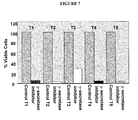
- MCF-7 cells expressed Notch4 ( Fig. 2b ), and both the dnMAML1 adenovirus and the anti-Notch4 antibody killed these cells ( Fig. 3a, 3c , &3d). As was the case for cells isolated directly from tumors, inhibition of Notch signaling resulted in activation of caspase in the MCF-7 cells ( Figure 3b ).
- the MCF-7 cells that expressed either a dominant negative (dn) FADD or Bel- XL were used, resulting in inhibition of the intrinsic and extrinsic death pathways respectively ( Fig. 3e ) 27,28 .
- Bel-X L but not the dnFADD, protected the MCF-7 cells from apoptosis when infected with the dnMAML1 adenovirus ( Fig. 3c &3d).
- Notch signaling is complex. There are multiple Notches and Notch ligands as well as several Fringes that modify these Notches to modulate signaling. Differential expression of various members of the Notch signaling pathway by stem cells and their progenitor cell progeny in normal tissues plays a critical role in stem cell fate decisions 11,15,29 . Since the differential expression of Notch4 by T4 tumorigenic and non-tumorigenic cancer cells suggested that a similar situation may also occur in tumors, experiments were conducted to determine whether other Notch pathway genes were differentially expressed in the different populations of cancer cells.
- Notch signaling pathway components were identified in breast cancer cells isolated from different patients.
- quantitative RT-PCR was used to examine the expression of Notches, Notch ligands and Fringes by the cancer cells from each of the 5 tumors. Expression of one or more Notches was detected in all of the tumors (Table 1).
- stromal cells or differentiated progeny express Notch ligands that provide a paracrine signal that activates Notch in the stem cells 3,11,30 .
- Notch signaling is further modulated in normal tissues by expression of the three Fringe proteins, Manic, Lunatic and Radical. Each of the Fringes differentially glycosylates a particular Notch receptor and modulates receptor signaling 29,31,32 .
- the above experiments provide a variety of distinguishing biological markers specific for tumorigenic cells versus non-tumorigenic cells that allow one to characterize the nature of sample, to target via therapeutic intervention, and to assist in selecting and monitoring therapy, drug screening applications, and research applications.
- a pharmaceutical composition containing a regulator of tumorigenesis according the present invention can be administered by any effective method.
- a Notch ligand, an anti-Notch antibody, or other therapeutic agent that acts as an agonist or antagonist of proteins in the Notch signal transduction/response pathway can be administered by any effective method.
- a physiologically appropriate solution containing an effective concentration of anti-Notch therapeutic agent can be administered topically, intraocularly, parenterally, orally, intranasally, intravenously, intramuscularly, subcutaneously or by any other effective means.
- the anti-Notch therapeutic agent may be directly injected into a target cancer or tumor tissue by a needle in amounts effective to treat the tumor cells of the target tissue.
- a cancer or tumor present in a body cavity such as in the eye, gastrointestinal tract, genitourinary tract (e.g., the urinary bladder), pulmonary and bronchial system and the like can receive a physiologically appropriate composition (e.g., a solution such as a saline or phosphate buffer, a suspension, or an emulsion, which is sterile) containing an effective concentration of anti-Notch therapeutic agent via direct injection with a needle or via a catheter or other delivery tube placed into the cancer or tumor afflicted hollow organ.
- a physiologically appropriate solution containing an effective concentration of anti-Notch therapeutic agent can be administered systemically into the blood circulation to treat a cancer or tumor that cannot be directly reached or anatomically isolated.
- solid tumors present in the epithelial linings of hollow organs may be treated by infusing the vector suspension into a hollow fluid filled organ, or by spraying or misting into a hollow air filled organ.
- the tumor cells may be present in or among the epithelial tissue in the lining of pulmonary bronchial tree, the lining of the gastrointestinal tract, the lining of the female reproductive tract, genitourinary tract, bladder, the gall bladder and any other organ tissue accessible to contact with the anti-Notch therapeutic agent.
- the solid tumor may be located in or on the lining of the central nervous system, such as, for example, the spinal cord, spinal roots or brain, so that anti-Notch therapeutic agent infused in the cerebrospinal fluid contacts and transduces the cells of the solid tumor in that space.
- the anti-Notch therapeutic agent can be modified to cross the blood brain barrier using method known in the art).
- the anti-Notch therapeutic agent can be administered to the solid tumor by direct injection of the vector suspension into the tumor so that anti-Notch therapeutic agent contacts and affects the tumor cells inside the tumor.
- the tumorigenic cells identified by the present invention can also be used to raise anti-cancer cell antibodies.
- the method involves obtaining an enriched population of tumorigenic cells or isolated tumorigenic cells; treating the population to prevent cell replication (for example, by irradiation); and administering the treated cell to a human or animal subject in an amount effective for inducing an immune response to solid tumor stem cells.
- an effective dose of cells to be injected or orally administered see, U.S. Pat. Nos. 6,218,166 , 6,207,147 , and 6,156,305 , incorporated herein by reference.
- the method involves obtaining an enriched population of solid tumor stem cells or isolated solid tumor stem cells; mixing the tumor stem cells in an in vitro culture with immune effector cells (according to immunological methods known in the art) from a human subject or host animal in which the antibody is to be raised; removing the immune effector cells from the culture; and transplanting the immune effector cells into a host animal in a dose that is effective to stimulate an immune response in the animal.
- immune effector cells according to immunological methods known in the art
- the therapeutic agent is an antibody (e.g., an anti-Notch4 antibody).
- Monoclonal antibodies to may be prepared using any technique which provides for the production of antibody molecules by continuous cell lines in culture. These include, but are not limited to, the hybridoma technique, the human B-cell hybridoma technique, and the EBV-hybridoma technique (see, e.g., Kozbor, D. et al., J. Immunol. Methods 81:31-42 (1985 ); Cote R J et al. Proc. Natl. Acad. Sci. 80:2026-2030 (1983 ); and Cole S P et al. Mol. Cell Biol. 62:109-120 (1984 )).
- chimeric antibodies such as the splicing of mouse antibody genes to human antibody genes to obtain a molecule with appropriate antigen specificity and biological activity, can be used (see, e.g., Morrison S L et al. Proc. Natl. Acad. Sci. 81:6851-6855 (1984 ); Neuberger M S et al. Nature 312:604-608 (1984 ); and Takeda S et al. Nature 314:452-454 (1985 )).
- the antibody can also be a humanized antibody.
- humanized antibody refers to antibody molecules in which the amino acid sequence in the non-antigen binding regions has been altered so that the antibody more closely resembles a human antibody, and still retains its original binding ability.
- Antibodies are humanized so that they are less immunogenic and therefore persist longer when administered therapeutically to a patient.
- Human antibodies can be generated using the XENOMOUSE technology from Abgenix (Fremont, Calif, USA), which enables the generation and selection of high affinity, fully human antibody product candidates to essentially any disease target appropriate for antibody therapy. See, U.S. Pat. Nos.
- Antibodies with fully human protein sequences are generated using genetically engineered strains of mice in which mouse antibody gene expression is suppressed and functionally replaced with human antibody gene expression, while leaving intact the rest of the mouse immune system. Moreover, the generation of antibodies directed against markers present in or on the tumorigenic cells of the invention can be used as a method of identifying targets for drug development.
- the anti-tumorigenic therapeutic agents of the present invention are co-adminstered with other anti-neoplastic therapies.
- a wide range of therapeutic agents find use with the present invention. Any therapeutic agent that can be co-administered with the agents of the present invention, or associated with the agents of the present invention is suitable for use in the methods of the present invention.
- Some embodiments of the present invention provide methods (therapeutic methods, research methods, drug screening methods) for administering a therapeutic compound of the present invention and at least one additional therapeutic agent (e.g ., including, but not limited to, chemotherapeutic antineoplastics, antimicrobials, antivirals, antifungals, and anti-inflammatory agents) and/or therapeutic technique (e.g ., surgical intervention, radiotherapies).
- additional therapeutic agent e.g ., including, but not limited to, chemotherapeutic antineoplastics, antimicrobials, antivirals, antifungals, and anti-inflammatory agents
- therapeutic technique e.g ., surgical intervention, radiotherapies.
- antineoplastic e.g ., anticancer
- Anticancer agents suitable for use with the present invention include, but are not limited to, agents that induce apoptosis, agents that inhibit adenosine deaminase function, inhibit pyrimidine biosynthesis, inhibit purine ring biosynthesis, inhibit nucleotide interconversions, inhibit ribonucleotide reductase, inhibit thymidine monophosphate (TMP) synthesis, inhibit dihydrofolate reduction, inhibit DNA synthesis, form adducts with DNA, damage DNA, inhibit DNA repair, intercalate with DNA, deaminate asparagines, inhibit RNA synthesis, inhibit protein synthesis or stability, inhibit microtubule synthesis or function, and the like.
- exemplary anticancer agents suitable for use in compositions and methods of the present invention include, but are not limited to: 1) alkaloids, including microtubule inhibitors (e.g ., vincristine, vinblastine, and vindesine, etc.), microtubule stabilizers (e.g ., paclitaxel (TAXOL), and docetaxel, etc.), and chromatin function inhibitors, including topoisomerase inhibitors, such as epipodophyllotoxins (e.g ., etoposide (VP-16), and teniposide (VM-26), etc.), and agents that target topoisomerase I (e.g ., camptothecin and isirinotecan (CPT-11), etc.); 2) covalent DNA-binding agents (alkylating agents), including nitrogen mustards (e.g ., mechlorethamine, chlorambucil, cyclophosphamide, ifosphamide, and
- alkaloids including microtubul
- any oncolytic agent that is routinely used in a cancer therapy context finds use in the compositions and methods of the present invention.
- the U.S. Food and Drug Administration maintains a formulary of oncolytic agents approved for use in the United States. International counterpart agencies to the U.S.F.D.A. maintain similar formularies.
- Table X provides a list of exemplary antineoplastic agents approved for use in the U.S. Those skilled in the art will appreciate that the "product labels" required on all U.S. approved chemotherapeutics describe approved indications, dosing information, toxicity data, and the like, for the exemplary agents.
- Antimicrobial therapeutic agents may also be used as therapeutic agents in the present invention. Any agent that can kill, inhibit, or otherwise attenuate the function of microbial organisms may be used, as well as any agent contemplated to have such activities. Antimicrobial agents include, but are not limited to, natural and synthetic antibiotics, antibodies, inhibitory proteins (e.g ., defensins), antisense nucleic acids, membrane disruptive agents and the like, used alone or in combination. Indeed, any type of antibiotic may be used including, but not limited to, antibacterial agents, antiviral agents, antifungal agents, and the like.
- the present invention provides compounds of the present invention (and any other chemotherapeutic agents) associated with targeting agents that are able to specifically target particular cell types (e.g ., tumor cells).
- the therapeutic compound that is associated with a targeting agent targets neoplastic cells through interaction of the targeting agent with a cell surface moiety that is taken into the cell through receptor mediated endocytosis.
- any moiety known to be located on the surface of target cells finds use with the present invention.
- an antibody directed against such a moiety targets the compositions of the present invention to cell surfaces containing the moiety.
- the targeting moiety may be a ligand directed to a receptor present on the cell surface or vice versa.
- vitamins also may be used to target the therapeutics of the present invention to a particular cell.
- targeting molecules refers to chemical moieties, and portions thereof useful for targeting therapeutic compounds to cells, tissues, and organs of interest.
- Various types of targeting molecules are contemplated for use with the present invention including, but not limited to, signal peptides, antibodies, nucleic acids, toxins and the like.
- Targeting moieties may additionally promote the binding of the associated chemical compounds (e.g ., small molecules) or the entry of the compounds into the targeted cells, tissues, and organs.
- targeting moieties are selected according to their specificity, affinity, and efficacy in selectively delivering attached compounds to targeted sites within a subject, tissue, or a cell, including specific subcellular locations and organelles.
- cytotoxic drugs e.g ., anticancer drugs
- One issue of particular importance is ensuring that the administered agents affect only targeted cells (e.g ., cancer cells), tissues, or organs.
- targeted cells e.g ., cancer cells
- tissues e.g ., or organs.
- the nonspecific or unintended delivery of highly cytotoxic agents to nontargeted cells can cause serious toxicity issues.
- Conjugating targeting moieties such as antibodies and ligand peptides (e.g ., RDG for endothelium cells) to drug molecules has been used to alleviate some collateral toxicity issues associated with particular drugs.
- conjugating drugs to targeting moieties alone does not completely negate potential side effects to nontargeted cells, since the drugs are usually bioactive on their way to target cells.
- Advances in targeting moiety-prodrug conjugates, which are inactive while traveling to specific targeted tissues, have diminished some of these concerns.
- a biotransformation such as enzymatic cleavage, typically converts the prodrug into a biologically active molecule at the target site.
- the present invention provides prodrug conjugates that are inactive until they reach their target site, where they are subsequently converted into an active therapeutic drug molecule.
- ADEPT and ATTEMPTS are two exemplary prodrug delivery systems compatible with certain embodiments of the present invention. (See K.N. Syrigos and A.A. Epenetos, Anticancer Res., 19:606-614 (1999 ); K.D. Bagshawe, Brit. J. Cancer, 56:531-532 (1987 ); Y.J. Park et al., J. Controlled Release, 72:145-156 (2001 ); and Y.J. Park et al., J. Controlled Release, 78:67-79 (2002 )).
- pharmacokinetic behaviors of small molecules e.g., drugs
- a series of transport proteins See e.g., H.T. Nguyen, Clin. Chem. Lab. Anim., (2nd Ed.) pp. 309-335 (1999 ); and G.J. Russell-Jones and D.H. Alpers, Pharm. Biotechnol., 12:493-520 (1999 )).
- the pharmacokinetics of agents are considered when testing and developing potential therapeutics.
- the rate of agent clearance in a subject is typically manageable. For instance, attaching ( e.g ., binding) the agent to a macromolecular carrier normally prolongs circulation and retention times.
- some embodiments of the present invention provide small molecules conjugated to polyethylene glycol (PEG), or similar biopolymers, to decrease (prevent) the molecules' degradation and to improve its retention in the subject's bloodstream.
- PEG polyethylene glycol
- the ability of PEG to discourage protein-protein interactions can reduce the immunogenicity of many drugs.
- hydrophilic and macromolecular drugs such as peptides and nucleic acids
- these agents have difficulty crossing into targeted cellular membranes.
- Small (typically less than 1,000 Daltons) hydrophobic molecules are less susceptible to having difficulties entering target cell membranes.
- low molecular weight cytotoxic drugs often localize more efficiently in normal tissues rather than in target tissues such as tumors ( K. Bosslet et al., Cancer Res., 58:1195-1201 (1998 )) due to the high interstitial pressure and unfavorable blood flow properties within rapidly growing tumors ( R.K. Jain, Int. J. Radiat. Biol., 60:85-100 (1991 ); and R.K. Jain and L.T. Baxter, Cancer Res., 48:7022-7032 (1998 )).
- Certain embodiments especially those directed to delivering cytotoxic agents, utilize one or more of the following methods or compositions to aid delivery of the therapeutic compositions of the present invention: microinjection (see e.g., M. Foldvari and M. Mezei, J. Pharm. Sci., 80:1020-1028, (1991 )); scrape loading ( See e.g., P.L. McNeil et al., J. Cell Biol., 98:1556-1564 (1984 )); electroporation ( See e.g., R. Chakrabarti et al., J. Biol. Chem., 26:15494-15500 (1989 )); liposomes ( See e.g., M.
- nanocarriers such as water-soluble polymers (e.g ., enhanced permeation and retention "EPR", See e.g., H. Maeda et al., J. Controlled Release, 65:271-284 (2000 ); H. Maeda et al., supra; and L.W. Seymour, Crit. Rev. Therapeu. Drug Carrier Systems, 9:135-187 (1992 )); bacterial toxins (See e.g., T.I.
- the compounds and anticancer agents may be administered in any sterile, biocompatible pharmaceutical carrier, including, but not limited to, saline, buffered saline, dextrose, and water.
- the pharmaceutical compositions of the present invention may contain one agent (e.g ., an antibody).
- the pharmaceutical compositions contain a mixture of at least two agents (e.g ., an antibody and one or more conventional anticancer agents).
- the pharmaceutical compositions of the present invention contain at least two agents that are administered to a patient under one or more of the following conditions: at different periodicities, at different durations, at different concentrations, by different administration routes, etc .
- the therapeutic compound is administered prior to the anticancer agent, e.g ., 0.5, 1, 2 3, 4, 5, 10, 12, or 18 hours, 1, 2, 3, 4, 5, or 6 days, 1, 2, 3, or 4 weeks prior to the administration of the anticancer agent.
- the therapeutic compound is administered after the anticancer agent, e.g ., 0.5, 1, 2 3, 4, 5, 10, 12, or 18 hours, 1, 2, 3, 4, 5, or 6 days, 1, 2, 3, or 4 weeks after the administration of the anticancer agent.
- the therapeutic compound and the anticancer agent are administered concurrently but on different schedules, e.g., the therapeutic compound is administered daily while the anticancer agent is administered once a week, once every two weeks, once every three weeks, or once every four weeks. In other embodiments, the therapeutic compound is administered once a week while the anticancer agent is administered daily, once a week, once every two weeks, once every three weeks, or once every four weeks.
- compositions are formulated and administered systemically or locally.
- Techniques for formulation and administration can be found in the latest edition of " Remington's Pharmaceutical Sciences” (Mack Publishing Co, Easton Pa .). Suitable routes may, for example, include oral or transmucosal administration as well as parenteral delivery (e.g ., intramuscular, subcutaneous, intramedullary, intrathecal, intraventricular, intravenous, intraperitoneal, or intranasal administration).
- the present invention contemplates administering therapeutic compounds and, in some embodiments, one or more conventional anticancer agents, in accordance with acceptable pharmaceutical delivery methods and preparation techniques.
- therapeutic compounds and suitable anticancer agents can be administered to a subject intravenously in a pharmaceutically acceptable carrier such as physiological saline.
- Standard methods for intracellular delivery of pharmaceutical agents are contemplated ( e.g ., delivery via liposome). Such methods are well known to those of ordinary skill in the art.
- the formulations of the present invention are useful for parenteral administration (e.g ., intravenous, subcutaneous, intramuscular, intramedullary, and intraperitoneal).
- parenteral administration e.g ., intravenous, subcutaneous, intramuscular, intramedullary, and intraperitoneal.
- Therapeutic co-administration of some contemplated anticancer agents can also be accomplished using gene therapy reagents and techniques.
- therapeutic compounds are administered to a subject alone, or in combination with one or more conventional anticancer agents (e.g ., nucleotide sequences, drugs, hormones, etc .) or in pharmaceutical compositions where the components are optionally mixed with excipient(s) or other pharmaceutically acceptable carriers.
- pharmaceutically acceptable carriers are biologically inert.
- the pharmaceutical compositions of the present invention are formulated using pharmaceutically acceptable carriers well known in the art in dosages suitable for oral administration. Such carriers enable the pharmaceutical compositions to be formulated as tablets, pills, capsules, dragees, liquids, gels, syrups, slurries, solutions, suspensions and the like, for respective oral or nasal ingestion by a subject.
- compositions for oral use can be obtained by combining the active compounds with solid excipients, optionally grinding the resulting mixture, and processing the mixture into granules, after adding suitable auxiliaries, if desired, to obtain tablets or dragee cores.
- Suitable excipients are carbohydrate or protein fillers such as sugars, including lactose, sucrose, mannitol, or sorbitol; starch from corn, wheat, rice, potato, etc. ; cellulose such as methyl cellulose, hydroxypropylmethyl-cellulose, or sodium carboxymethylcellulose; gums including arabic and tragacanth; and proteins such as gelatin and collagen.
- disintegrating or solubilizing agents may be added, such as the cross-linked polyvinyl pyrrolidone, agar, alginic acid or a salt thereof such as sodium alginate.
- compositions of the invention may be formulated in aqueous solutions, preferably in physiologically compatible buffers such as Hanks' solution, Ringer's solution, or physiologically buffered saline.
- physiologically compatible buffers such as Hanks' solution, Ringer's solution, or physiologically buffered saline.
- penetrants appropriate to the particular barrier to be permeated are used. Such penetrants are known to those skilled in the art.
- compositions suitable for use in the present invention include compositions wherein the active ingredients are contained in an effective amount to achieve the intended purpose.
- the determination of an effective amount of an agent is well within the skills of those in the pharmacological arts, especially in view of the disclosure provided herein.
- preferred pharmaceutical compositions may contain suitable pharmaceutically acceptable carriers comprising excipients and auxiliaries that facilitate processing of the active compounds into pharmaceutically useful forms.
- compositions of the present invention may be manufactured using any acceptable techniques for preparing pharmaceutical compositions including, but not limited to, by means of conventional mixing, dissolving, granulating, dragee-making, levigating, emulsifying, encapsulating, entrapping or lyophilizing processes, and the like.
- Ingestible formulations of the present compositions may further include any material approved by the United States Department of Agriculture for inclusion in foodstuffs and substances that are generally recognized as safe (GRAS), such as food additives, flavorings, colorings, vitamins, minerals, and phytonutrients.
- GRAS United States Department of Agriculture
- phytonutrients refers to organic compounds isolated from plants that have a biological effect, and includes, but is not limited to, compounds of the following classes: isoflavonoids, oligomeric proanthcyanidins, indol-3-carbinol, sulforaphone, fibrous ligands, plant phytosterols, ferulic acid, anthocyanocides, triterpenes, omega 3/6 fatty acids, polyacetylene, quinones, terpenes, cathechins, gallates, and quercitin.
- Dragee cores are provided with suitable coatings such as concentrated sugar solutions, which may also contain gum arabic, talc, polyvinylpyrrolidone, carbopol gel, polyethylene glycol, and/or titanium dioxide, lacquer solutions, and suitable organic solvents or solvent mixtures.
- Dyestuffs or pigments may be added to the tablets or dragee coatings for product identification or to characterize the quantity of active compound, ( i.e ., dosage).
- compositions contemplated for oral administration include push-fit capsules made of gelatin, as well as soft sealed capsules of gelatin and a coating such as glycerol or sorbitol.
- push-fit capsules can contain the active ingredients mixed with fillers or binders such as lactose or starches, lubricants such as talc or magnesium stearate, and, optionally, stabilizers.
- the active compounds are dissolved or suspended in a suitable liquid or solvent, such as fatty oils, liquid paraffin, or liquid polyethylene glycol, with or without stabilizers.
- compositions for parenteral administration include aqueous solutions of the active compounds.
- Aqueous injection suspensions optionally contain substances that increase the viscosity of the suspension such as sodium carboxymethyl cellulose, sorbitol, or dextran.
- suspensions of the active compounds may be prepared as appropriate oily injection suspensions.
- suitable lipophilic solvents or vehicles include fatty oils such as sesame oil, or synthetic fatty acid esters, such as ethyl oleate or triglycerides, or liposomes.
- suspensions contain suitable stabilizers or agents that increase the solubility of the compounds thus allowing for the preparation of highly concentrated solutions.
- dosing and administration regimes are tailored by the clinician, or others skilled in the pharmacological arts, based upon well known pharmacological and therapeutic considerations including, but not limited to, the desired level of therapeutic effect, and the practical level of therapeutic effect obtainable.
- it is advisable to follow well-known pharmacological principles for administrating chemotherapeutic agents e.g ., it is generally advisable to not change dosages by more than 50% at time and no more than every 3-4 agent half-lives).
- doses in excess of the average required dose are not uncommon. This approach to dosing is commonly referred to as the "maximal dose" strategy.
- Additional dosing considerations relate to calculating proper target levels for the agent being administered, the agent's accumulation and potential toxicity, stimulation of resistance, lack of efficacy, and describing the range of the agent's therapeutic index.
- the present invention contemplates using routine methods of titrating the agent's administration.
- One common strategy for the administration is to set a reasonable target level for the agent in the subject.
- agent levels are measured in the subject's plasma.
- Proper dose levels and frequencies are then designed to achieve the desired steady-state target level for the agent.
- Actual, or average, levels of the agent in the subject are monitored ( e.g ., hourly, daily, weekly, etc .) such that the dosing levels or frequencies can be adjusted to maintain target levels.
- the pharmacokinetics and pharmacodynamics e.g ., bioavailability, clearance or bioaccumulation, biodistribution, drug interactions, etc.
- the particular agent or agents being administered can potentially impact what are considered reasonable target levels and thus impact dosing levels or frequencies.
- Target-level dosing methods typically rely upon establishing a reasonable therapeutic objective defined in terms of a desirable range (or therapeutic range) for the agent in the subject.
- the lower limit of the therapeutic range is roughly equal to the concentration of the agent that provides about 50% of the maximum possible therapeutic effect.
- the upper limit of the therapeutic range is usually established by the agent's toxicity and not by its efficacy.
- the present invention contemplates that the upper limit of the therapeutic range for a particular agent will be the concentration at which less than 5 or 10% of subjects exhibit toxic side effects. In some embodiments, the upper limit of the therapeutic range is about two times, or less, than the lower limit.
- effective target dosing levels for an agent in a particular subject may be 1, ... 5, ... 10, .. . 15, ... 20, ... 50, ... 75, ... 100, ... 200, ... X%, greater than optimal in another subject.
- some subjects may suffer significant side effects and toxicity related health issues at dosing levels or frequencies far less (1, ... 5, ... 10, ... 15, ... 20, ... 50, ... 75, ... 100, ... 200, ... X%) than those typically producing optimal therapeutic levels in some or a majority of subjects. In the absence of more specific information, target administration levels are often set in the middle of the therapeutic range.
- the present invention provides intermittent dosing methods, since marked fluctuations in agent concentration between doses are generally undesirable. In situations where the absorption and distribution of the agent are balanced and spontaneous, concentration fluctuations are dictated by the agent's elimination half-life.
- the dosing intervals are lengthened such that the concentration of the agent in the subject's system remains within the range of therapeutic effectiveness for relatively long periods of time before being cleared from the subject and additional administrations are required to bring the agent's level back into the therapeutically effective range.
- dosing intervals are longer than the agent's elimination half-life.
- compositions have relatively narrow therapeutic ranges, it may be important calculate the maximum and minimum concentrations that will occur at particular dosing interval(s).
- the minimal steady-state concentration of administered agents are determined using equations, optionally corrected for the bioavailability of the agents, which are well known to those skilled in the pharmacological arts.
- the estimation of the maximal steady-state concentration involves manipulation of several exponential constants concerning agent distribution and absorption.
- the present invention also provides methods for administering loading doses of an agent, or agents, to a subject.
- a "loading dose” is one or a series of doses that when given at the onset of a treatment quickly provide the target concentration of the therapeutic agent.
- loading doses are administered to a subject having an immediate need for the target level of an agent in relation to the time required to attain a steady-state target level of the agent provided using a constant rate of administration.
- Various negative considerations should be weighed against the exigency of the subject's condition and her need for a loading dose prior to its administration.
- the clinician rationally designs an individualized dosing regimen based on known pharmacological principles and equations.
- the clinician designs an individualized dosing regimen based on knowledge of various pharmacological and pharmacokinetic properties of the agent, including, but not limited to, F (fractional bioavailability of the dose), Cp (concentration in the plasma), CL (clearance/clearance rate), Vss (volume of drug distribution at steady state) Css (concentration at steady state), and t1/2 (drug half-life), as well as information about the agent's rate of absorption and distribution.
- F fractional bioavailability of the dose
- Cp concentration in the plasma
- CL clearance/clearance rate
- Vss volume of drug distribution at steady state
- Css concentration at steady state
- t1/2 drug half-life
- the present invention contemplates that continuing therapeutic drug monitoring techniques be used to further adjust an individual's dosing methods and regimens.
- Css data is used is to further refine the estimates of CL/F and to subsequently adjust the individual's maintenance dosing to achieve desired agent target levels using known pharmacological principles and equations.
- Therapeutic drug monitoring can be conducted at practically any time during the dosing schedule. In preferred embodiments, monitoring is carried out at multiple time points during dosing and especially when administering intermittent doses.
- drug monitoring can be conducted concomitantly, within fractions of a second, seconds, minutes, hours, days, weeks, months, etc ., of administration of the agent regardless of the dosing methodology employed (e.g ., intermittent dosing, loading doses, maintenance dosing, random dosing, or any other dosing method).
- dosing methodology e.g ., intermittent dosing, loading doses, maintenance dosing, random dosing, or any other dosing method.
- the primary goal of collecting biological samples from the subject during the predicted steady-state target level of administration is to modify the individual's dosing regimen based upon subsequently calculating revised estimates of the agent's CL/F ratio.
- early postabsorptive drug concentrations do not typically reflect agent clearance.
- Early postabsorptive drug concentrations are dictated principally by the agent's rate of absorption, the central, rather than the steady state, volume of agent distribution, and the rate of distribution. Each of these pharmacokinetic characteristics have limited value when calculating therapeutic long-term maintenance dosing regimens.
- biological samples are obtained from the subject, cells, or tissues of interest well after the previous dose has been administered, and even more preferably shortly before the next planned dose is administered.
- the present invention contemplates collecting biological samples from the subject at various time points following the previous administration, and most preferably shortly after the dose was administered.
- the present invention contemplates measuring agent concentrations immediately before the administration of the subsequent dose. In these embodiments, the determination of maximal and minimal agent concentrations are preferred.
- the methods of the present invention further contemplate that when a constant maintenance dosage is administered, steady state is reached only after expiration of four agent half-lives. Samples collected too soon after dosing begins do not accurately reflect agent clearance. However, for potentially highly toxic agents, significant toxicity and damage may already have ensued before expiration of the agent's fourth half-life. Thus, in some instances when it is important to maintain control over agent concentrations, a first sample is taken after two half-lives, assuming a loading dose has not been administered. If agent concentration already exceeds 90% of the eventual expected mean steady-state concentration, the dosage rate is halved, and another sample obtained following an additional two half-lives. The dosage is halved again if this sample once more exceeds the target level. If the first concentration does not exceed tolerable limits, subsequent administrations are given at the initial dose rate. If the concentration is lower than expected, the steady state can likely be achieved in about two half-lives, and at this point the dosage rate can be adjusted as described herein.
- an additional concern related to timing of collection of concentration information is if the sample was obtained immediately before the next scheduled dose, concentration will be at a minimal value, not the mean; however, as discussed herein, the estimated mean concentration can be calculated using equations known in the pharmacological arts.
- the average, minimum, and maximum concentrations at steady state are linearly related to the dose and dosing rate.
- the ratio between the measured and the desired agent concentrations is used to adjust dosing.
- computer programs are helpful in designing dosing regimens.
- these programs take into account the measured drug concentrations and various factors (e.g ., measured or predicted) related to the individual subjects.
- the present invention is not limited to any particular temporal constraints on collecting subject, tissue, cell culture, or animal drug administration data or samples. Moreover, the present invention is not limited to collecting any particular type of samples (e.g. , biological samples) from a subject, tissue, cell culture, or test animal laboratory animal or otherwise. Indeed, in some embodiments, the present invention contemplates acquiring biological samples including, but not limited to, polynucleotides, polypeptides, lipids, carbohydrates, glycolipids, ionic species, metabolites, inorganic molecules, macromolecules and macromolecular precursors as well as cell fractions, blood (e.g.
- cellular and soluble or insoluble blood components including, but not limited to, plasma, serum, metabolites, factors, enzymes, hormones, and organic or inorganic molecules), exudates, secretions, sputum, excreta, cell and tissue biopsies, CNS fluids (cerebrospinal fluid), secretions of lachrymal, salivary, and other glands, seminal fluids, etc ., and combinations of these or any other subcellular, cellular, tissular, organismal, systemic, or organismic biological materials.
- Biological samples taken from a subject can be analyzed for chemical or biochemical changes (e.g ., changes in gene expression) or other effects resultant from administration of the therapeutic agent. Further biological sample and sampling consideration are described below.
- the biological and pharmacological effects of the therapeutic compositions are determined using routine laboratory procedures on the collected samples including, but not limited to, microscopy (e.g ., light, fluorescence (confocal fluorescence, immunofluorescence), phase-contrast, differential interference- contrast, dark field, or electron (transmission, scanning, cryo-), NMR, autoradiography), cell sorting techniques (e.g ., fluorescence-activated), chromatography techniques (e.g ., gel-filtration, ion exchange, hydrophobic, affinity, HPLC), electrophoretic techniques ( e.g ., SDS-PAGE, 2D-, 3D-, isoelectric focusing), ultracentrifugation, immunocytochemical and immunohistochemical technologies (e.g ., ELISA, Western blotting, Immuno blotting), nucleic acid, including recombinant, technologies (e.g ., PCR (inverse, reverse, nested), Northern blotting
- subjects are questioned directly or indirectly regarding their state of health and any changes attributable to the administration of the therapeutic compositions (e.g ., drugs, small molecules, and other therapeutic agents and techniques) and methods of the present invention.
- therapeutic compositions e.g ., drugs, small molecules, and other therapeutic agents and techniques
- interpatient and intrapatient pharmacokinetic considerations affect the design of dosing and administration regimens for individual patients.
- any given drug there may be wide variations in its pharmacokinetic properties in a particular subject, and up to one-half or more of the total variation in eventual response.
- the importance of these variable factors depends in part upon the agent and its usual route of elimination.
- agents that are primarily removed by the kidneys and excreted unchanged into the urinary system tend to show less interpatient variability in subjects with similar renal function than agents that are metabolically inactivated.
- Agents that are extensively metabolized, and agents that have high metabolic clearance and large first-pass elimination rates show large differences in interpatient bioavailability.
- Agents with slower rates of biotransformation typically have the largest variation in elimination rates among individual subjects.
- concentration measurements are supplemented with additional measurements of pharmacokinetic, pharmacodynamic, or pharmacological effects.
- the relationship among the concentration of an agent and the magnitude of the observed response may be complex, even when responses are measured in simplified systems in vitro, although typically a sigmoidal concentration-effect curve is seen. Often there is no single characteristic relationship between agent concentration (e.g ., in the subject's plasma) and measured effect.
- the concentration-effect curve may be concave upward. In other embodiments, the curve is concave downward.
- the data plots are linear, sigmoid, or in an inverted U-shape.
- the resulting concentration-effect relationship curves can be distorted if the response being measured is a composite of several effects. In some preferred embodiments, the composite concentration-effect curves are resolved into simpler component curves using calculations and techniques available to those skilled in the art.
- potency is measured by the intersection of the concentration-effect curve with the concentration axis.
- potency is often expressed as the dose of an agent required to produce the desired effect, it is more appropriately expressed as relating to the concentration of the agent in the subject ( e.g ., in plasma) that most closely approximates the desired situation in an in vitro system to avoid complicating pharmacokinetic variables.
- potency affects agent dosing, knowledge of an agent's potency alone is relatively unimportant in clinical use so long as a dose sufficient to obtain the target level can be conveniently administered to the subject. It is generally accepted that more potent agents are not necessarily therapeutically superior to less potent agents. One exception to this principle, however, is in the field of transdermal agents.
- agent's maximal efficacy is typically determined by the properties of the agent and its receptor-effector system and is reflected in the plateau of the concentration-effect curve. In clinical use, however, an agent's dosage may be limited by undesirable effects (e.g ., toxicity), and the true maximal efficacy of the agent may not be practically achievable without harming the subject.
- the slope and shape of the concentration-effect curve reflects the agent's mechanism of action, including the shape of the curve that, at least in part, describes binding to the agent's receptor.
- the rise of the concentration-effect curve indicates the clinically useful dosage range of the agent.
- concentration-effect curves are either based on an average response, or are tailored to reflect an actual response in a particular individual at a particular time.
- the concentration of an agent that produces a specified effect in a particular subject is called the individual effective concentration.
- Individual effective concentrations usually show a lognormal distribution, resulting in a normal variation curve from plotting the logarithms of the concentration against the frequency of achieving the desired effect.
- a cumulative frequency distribution of individuals achieving the desired effect as a function of agent concentration is called the concentration-percent curve or quantal concentration-effect curve.
- the shape of this curve is typically sigmoidal.
- the slope of the concentration-percent curve is an expression of the pharmacodynamic variability in the population rather than an expression of the concentration range from a threshold to a maximal effect in the individual patient.
- ED 50 is the dose of an agent sufficient to produce the desired effect in 50% of the population.
- the dose is determined in experimental animals.
- the ratio of the MTD to the ED 50 is an indication of the agent's therapeutic index and is a measurement of the selectivity of the agent in producing its desired effects.
- the dose, or preferably the concentration, of an agent sufficient to produce toxic effects is compared to the concentration required for the therapeutic effects in the population to provide a clinical therapeutic index.
- the concentration or dose of an agent required to produce the therapeutic effect in most subjects occasionally overlaps the concentration that produces toxicity in some subjects despite the agent having a large therapeutic index.
- the therapeutic index for the agent may vary.
- Preferred embodiments of the present invention provide approaches to individualize dosing levels and regimens.
- optimal treatment regimens for particular subjects are designed after considering a variety of biological and pharmacological factors including, but not limited to, potential sources of variation in subject response to the administered agent(s), diagnosis specifics (e.g ., severity and stage of disease, presence of concurrent diseases, etc .), other prescription and non prescription medications being taken, predefined efficacy goals, acceptable toxicity limits, cost-benefit analyses of treatment versus non treatment or treatment with other various available agents, likelihood of subject compliance, possible medication errors, rate and extent of agent absorption, the subject's body size and compositions, the agent's distribution, the agent's pharmacokinetic profile (e.g ., physiological variables, pathological variables, genetic factors and predispositions, drug interactions, potential drug resistances, predicted rate of clearance), potential drug-receptor interactions, functional state, and placebo effects.
- biological and pharmacological factors including, but not limited to, potential sources of variation in subject response to the administered agent(s),
- the clinician selects an appropriate marker for measuring the ultimate effectiveness of the administered agent(s) in the subject.
- appropriate markers of an agent's effectiveness include a decrease (or increase) in some measurable biological state, condition, or chemical level (e.g ., toxin load, viral titer, antigen load, temperature, inflammation, blood cell counts, antibodies, tumor morphology, and the like).
- a large number of diagnostic procedures and tests are available for gathering information on various markers including, but not limited to, cell culture assays (e.g ., invasion assays in soft-agar and the like), radiographic examination (e.g ., chest X-ray), computed tomography, computerized tomography, or computerized axial tomography (CAT) scans, positron emission tomography (PET) scans, magnetic resonance imaging (MRI or NMRI), mammography, ultrasonography (transvaginal, transcolorectal), scintimammography (e.g ., technetium 99m sestamibi, technetium-99m tetrofosmin), aspiration ( e.g ., endometrial), palpation, PAP tests ( e.g ., smears), sigmoidoscopy ( e.g ., flexible fiberoptic), fecal occult blood testing ( e.g ., Guaiac-based FOBT
- cytological sampling and collection of biological tissues, fluids, and markers therein, e.g ., blood, urine (e.g ., hematuria screening, urinary cytologic examinations), sputum (e.g ., sputum cytology), feces, CNS fluids ( e.g ., LPs, spinal taps), blood products, including proteins and peptides ( e.g ., Bcl-2 family proteins), cancer markers ( e.g ., CA 125 (ovarian cancer), CA 15-3 (breast cancer), CEA (ovarian, lung, breast, pancreas, and gastrointestinal tract cancers), PSA (prostate cancer), p53 gene product, MIC2 gene product), metabolites (e.g ., vanillylmandelic acid (VMA), and homovanillic acid (H
- the toxicity and therapeutic efficacy of agents is determined using standard pharmaceutical procedures in cell cultures or experimental animals, e.g., for determining the MTD and the ED 50 .
- Agents that exhibit large therapeutic indices are preferred.
- the data obtained from cell culture assays or animal models can be used to formulate dosing ranges in, for example, mammals ( e.g., humans, Equus caballus, Felis catus, and Canis familiaris, etc .).
- Preferable dosing concentrations are near the calculated or observed ED 50 value for an agent. More preferable dosing concentrations are near an agent's ED 50 value and cause little or no toxicity. Any given dosage may vary within, exceed, or be less than, the therapeutic index for any particular agent, depending upon the formulation, sensitivity of the patient, and the route of administration.
- Passage-1 or passage-2 primary breast cancer cells were plated in triplicate 12-collagen-coated well dishes in HAM-F12 medium supplemented with Fetal Bovine Serum (1%), Insulin (5 ⁇ g/ml), Hydrocortisone (1 ⁇ g/ml), EGF (10 ⁇ g/ml), Choleratoxin (0.1 ⁇ g/ml), Transferrin and Selenium (GIBCO BRL, recommended dilutions), pen/strep, and fungizone (Gibco/BRL). Culture medium was replaced once every two days.
- mouse cells were eliminated by discarding H2K + (class I MHC) cells during flow cytometry. Dead cells were eliminated using the viability dye 7-AAD.
- Flow cytometry was performed on a FACSVantage (Becton Dickinson, San Jose, CA).
- HES-1-Luciferase reporter construct was made using the HES-1 Notch response element 38 .
- the fragment of the HES-1 murine gene between - 194 and +160 was amplified by PCR and subcloned into a pGL2 basic vector (Promega) between the KpnI and Bgl II sites.
- MCF-7 cells were co-transfected with the HES-1-luc construct and pSV2Neo and selected in medium containing geneticin.
- the transfected MCF-7 cells were cocultivated in 12 well plates in the presence and absence of the Notch4 polyclonal antibody (Santa Cruz; 20ug/ml final concentration), soluble Delta-Fc (13) or the Notch4 antibody blocking peptide (4mg/100ml final concentration, Santa Cruz Products). Luciferase assays were performed as described 38 . Delta-Fc or Fc control proteins were concentrated from the supernatant of 293 cells that were engineered to secrete them 11 . Delta-Fc or Fc control proteins were added to breast cancer cell cultures along with a cross-linking anti-Fc antibody (Jackson Immunoresearch) 11 .
- Apoptosis assays 10,000-20,000 tumorigenic T1 cells (ESA + CD44 + CD24 -/loW Lineage) or Lineage - tumor cells from T5, T7 and T8 were sorted by flow cytometry and grown on collagen-coated tissue culture plates.
- Anti-Notch4 polyclonal antibody (Santa Cruz, CA) was then added to the medium (20mg/ml final concentration) while PBS was added to the control plates.
- the anti-Notch4 antibody was pre-incubated with the blocking peptide (Santa Cruz, CA) on ice for 30 minutes after which it was added to the medium. After 48 hrs, cells were trypsinized and collected.
- the E3-deleted adenoviral vector designated Ad-GFP-dnMAML1 was constructed as follows: The coding region of amino acids 1-302 of the Human MAML1 was generated from normal breast cells by PCR with a forward primer with an EcoRI site and an ATG start codon, and the reverse primer with an HpaI site. The resulting DNA fragment was cloned in the MSCVneoEB vector upstream of the IRES-GFP gene. The dnMAML1-IRES-GFP was then cloned into the adenovirus shuttle vector pACCMV2 at the EcoRI and BamHI sites. The recombinant adenovirus was then generated at the University of Michigan viral core.
- Viral infections were carried out by adding viral particles at various concentrations to culture medium without FBS. Initially, optimal viral concentration was determined for each cell line or primary cell by using AD-GFP to achieve an optimal balance of high gene expression and low viral titer to minimize cytotoxicity. After 4 hrs of incubation, the infection medium was supplemented with appropriate FBS amount for each cell type. Transduction efficiency (24 hours post-infection) was calculated by dividing the number of GFP positive cells by the total number of cells from three separate microscopic fields at a magnification of 40X or by Cellquest when FACS was used to examine GFP.
- PCR reactions were run on the ABI PRISM® 7900HT Sequence Detection System (AB), which is a high-throughput real-time PCR system that detects and quantifies nucleic acid sequences. Agarose gel electrophoresis analysis of the PCR products demonstrated a single PCR product (data not shown). Statistical analysis of differential gene expression was done using the 2 ⁇ C T method 40 .
- 293T cells were transiently transfected with pcDNA3-FLAG-BCL-X L .
- the expression of FLAG-BCL-X L protein hAD been verified using anti-FLAG antibody.
- Tumor 4 (designated T1 and T4), samples of 2000 cells from the tumorigenic ESA + CD44 + CD24 -/low Lineage - population (designated T), or 2000 cells from the non-tumorigenic population (designated NT) from each of the tumors were sorted as described previously 1 .
- T2, T3 and T5 2000 H2K - cells from each tumor were sorted as previously described. This represents a mixed population of tumorigenic and non-tumorigenic cancer cells. Each gene was analyzed using 3 independently sorted samples of cells. (+) indicates that expression of a gene was detected. (-) indicates that gene expression was not detected. (ND) indicates the assay was not done. Analysis of each of the 4 Notch receptors is indicated, as well as the Notch ligands of the Delta and Jagged families. The Fringes (Lunatic, Manic and Radical) were also analyzed.
- This Example describes compounds and methods for regulating cell proliferation by targeting Notch pathway signaling without directly targeting Notch 4.
- ⁇ -Secretase Inhibitor Cell viability was assayed by plating triplicate 20,000 MCF-7 cells that are shown to express Notch in 6-well plates. 48 hours later, 1.19 ⁇ g/ml of y-secretase inhibitor was added to the cells. Total and Trypan Blue negative (viable) cells were counted 12, 24 and 48 hours later and % of viable cells compared to the control wells was determined.
- stably transfected MCF-7 cells were used with the reporter luciferase gene under the control of the HES-1 promoter.
- the cells were co-cultivated with the ⁇ -secretase inhibitor and monitored the changes in luciferase activity. The inhibitor clearly decreased the activity of luciferase 12 hours after exposure while cell viability was still high, indicating that it specifically suppressed the expression of the Notch receptor.
- tumorigenic cancer cells a minority of the cancer cells in a breast cancer tumor, called tumorigenic cancer cells, form tumors in a xenograft mouse model while the majority of the cancer cells lack this capacity ( Al-Hajj et al., Proc. Natl. Acad. Sci. USA 100:3983 (2003 )).
- TP1 tumorigenic cancer cells from patient breast tumor 1
- TP4 tumorigenic cancer cells from patient breast tumor 4 (TP4) are able to form new tumors in NOD / SCID mice (Al-Hajj et al., supra).
- TP1 and TP4 tumorigenic cancer cells were incubated with either a control adenovirus or the dnMAML1 adenovirus for 3 hours.
- NOD/SCID mice were injected with 10,000 or 1,000 TP1 tumorigenic cancer cells of each group. Even though at the time of injection into the mice the vast majority of the cancer cells infected with either control or dnMAML1 adenoviruses are still viable, 0 out of 10 injections of cells infected with the dnMAML1 adenovirus infected TP1 cells formed tumors while all of the injections of cells infected with the control adenovirus did so.
Landscapes
- Health & Medical Sciences (AREA)
- Life Sciences & Earth Sciences (AREA)
- Immunology (AREA)
- Chemical & Material Sciences (AREA)
- Engineering & Computer Science (AREA)
- Molecular Biology (AREA)
- Medicinal Chemistry (AREA)
- Biomedical Technology (AREA)
- General Health & Medical Sciences (AREA)
- Hematology (AREA)
- Urology & Nephrology (AREA)
- Biochemistry (AREA)
- Microbiology (AREA)
- Proteomics, Peptides & Aminoacids (AREA)
- Physics & Mathematics (AREA)
- Analytical Chemistry (AREA)
- Cell Biology (AREA)
- Biotechnology (AREA)
- General Physics & Mathematics (AREA)
- Pathology (AREA)
- Organic Chemistry (AREA)
- Food Science & Technology (AREA)
- Pharmacology & Pharmacy (AREA)
- Epidemiology (AREA)
- Animal Behavior & Ethology (AREA)
- Public Health (AREA)
- Veterinary Medicine (AREA)
- Biophysics (AREA)
- Genetics & Genomics (AREA)
- Bioinformatics & Cheminformatics (AREA)
- Medicines That Contain Protein Lipid Enzymes And Other Medicines (AREA)
- Measuring Or Testing Involving Enzymes Or Micro-Organisms (AREA)
Applications Claiming Priority (2)
| Application Number | Priority Date | Filing Date | Title |
|---|---|---|---|
| US54152704P | 2004-02-03 | 2004-02-03 | |
| EP05722705A EP1718767B1 (fr) | 2004-02-03 | 2005-02-03 | Compositions permettant de traiter des cancers du sein et du pancreas |
Related Parent Applications (1)
| Application Number | Title | Priority Date | Filing Date |
|---|---|---|---|
| EP05722705.0 Division | 2005-02-03 |
Publications (1)
| Publication Number | Publication Date |
|---|---|
| EP2369014A1 true EP2369014A1 (fr) | 2011-09-28 |
Family
ID=38019359
Family Applications (1)
| Application Number | Title | Priority Date | Filing Date |
|---|---|---|---|
| EP11152618A Withdrawn EP2369014A1 (fr) | 2004-02-03 | 2005-02-03 | Compositions et procédés de caractérisation, de régulation, de diagnostic et de traitement des cancers |
Country Status (4)
| Country | Link |
|---|---|
| EP (1) | EP2369014A1 (fr) |
| CN (1) | CN1950518A (fr) |
| AT (1) | ATE552851T1 (fr) |
| ES (1) | ES2383306T3 (fr) |
Cited By (1)
| Publication number | Priority date | Publication date | Assignee | Title |
|---|---|---|---|---|
| WO2016046151A1 (fr) * | 2014-09-24 | 2016-03-31 | Glaxosmithkline Intellectual Property Development Limited | Traitement d'affections respiratoires à l'aide d'inhibiteurs de notch |
Families Citing this family (1)
| Publication number | Priority date | Publication date | Assignee | Title |
|---|---|---|---|---|
| EP3284752B1 (fr) * | 2015-04-16 | 2020-07-01 | Eisai R&D Management Co., Ltd. | Anticorps anti-notch 4 humain |
Citations (26)
| Publication number | Priority date | Publication date | Assignee | Title |
|---|---|---|---|---|
| US4946778A (en) | 1987-09-21 | 1990-08-07 | Genex Corporation | Single polypeptide chain binding molecules |
| US5916771A (en) | 1996-10-11 | 1999-06-29 | Abgenix, Inc. | Production of a multimeric protein by cell fusion method |
| US5939598A (en) | 1990-01-12 | 1999-08-17 | Abgenix, Inc. | Method of making transgenic mice lacking endogenous heavy chains |
| US5985615A (en) | 1996-03-20 | 1999-11-16 | Abgenix, Inc. | Directed switch-mediated DNA recombination |
| US5998209A (en) | 1995-04-21 | 1999-12-07 | Abgenix, Inc. | Generation of large genomic DNA deletions |
| WO2000020576A2 (fr) * | 1998-10-02 | 2000-04-13 | The Government Of The United States Of America, As Represented By The Secretary, Dept. Of Health And Human Services, The National Institutes Of Health | Agents induisant une apoptose et methodes afferentes |
| US6075181A (en) | 1990-01-12 | 2000-06-13 | Abgenix, Inc. | Human antibodies derived from immunized xenomice |
| US6091001A (en) | 1995-03-29 | 2000-07-18 | Abgenix, Inc. | Production of antibodies using Cre-mediated site-specific recombination |
| US6130364A (en) | 1995-03-29 | 2000-10-10 | Abgenix, Inc. | Production of antibodies using Cre-mediated site-specific recombination |
| US6150584A (en) | 1990-01-12 | 2000-11-21 | Abgenix, Inc. | Human antibodies derived from immunized xenomice |
| US6156305A (en) | 1994-07-08 | 2000-12-05 | Baxter International Inc. | Implanted tumor cells for the prevention and treatment of cancer |
| US6162963A (en) | 1990-01-12 | 2000-12-19 | Abgenix, Inc. | Generation of Xenogenetic antibodies |
| US6207147B1 (en) | 1996-10-11 | 2001-03-27 | The Regents Of The University Of California | Cancer immunotherapy using tumor cells combined with mixed lymphocytes |
| US6218166B1 (en) | 1994-12-09 | 2001-04-17 | John Wayne Cancer Institute | Adjuvant incorporation into antigen carrying cells: compositions and methods |
| US6235883B1 (en) | 1997-05-05 | 2001-05-22 | Abgenix, Inc. | Human monoclonal antibodies to epidermal growth factor receptor |
| US20020013315A1 (en) | 2000-07-06 | 2002-01-31 | Teall Martin Richard | Gamma secretase inhibitors |
| WO2002018544A2 (fr) * | 2000-08-31 | 2002-03-07 | Loyola University Chicago | Procedes et reactifs permettant la formation d'une barriere epitheliale et traitement d'affections cutanees malignes et benignes par modulation de la voie notch |
| US6379925B1 (en) | 1997-06-18 | 2002-04-30 | The Trustees Of Columbia University In The City Of New York | Angiogenic modulation by notch signal transduction |
| US20020119565A1 (en) | 2000-08-03 | 2002-08-29 | Regents Of The University Of Michigan | Isolation and use of solid tumor stem cells |
| US20030055005A1 (en) | 2000-03-03 | 2003-03-20 | Castro Pineiro Jose Luis | Gamma-secretase inhibitors |
| US20030100512A1 (en) | 2000-04-07 | 2003-05-29 | Nadin Alan John | Gamma-secretase inhibitors |
| US20030114387A1 (en) | 2000-01-24 | 2003-06-19 | Castro Pineiro Jose Luis | Gamma secretase inhibitors |
| WO2003050502A2 (fr) * | 2001-12-07 | 2003-06-19 | Regents Of The University Of Michigan | Identification et caracterisation prospectives des cellules souches cancereuses du sein |
| US20030119029A1 (en) | 1999-04-30 | 2003-06-26 | Regents Of The University Of Michigan | Compositions and methods relating to novel benzodiazepine compounds and targets thereof |
| US20030135044A1 (en) | 2001-08-03 | 2003-07-17 | Schering Corporation | Novel gamma secretase inhibitors |
| US20030216380A1 (en) | 2001-08-03 | 2003-11-20 | Schering Corporation | Novel gamma secretase inhibitors |
-
2005
- 2005-02-03 AT AT05722705T patent/ATE552851T1/de active
- 2005-02-03 CN CNA2005800097400A patent/CN1950518A/zh active Pending
- 2005-02-03 EP EP11152618A patent/EP2369014A1/fr not_active Withdrawn
- 2005-02-03 ES ES05722705T patent/ES2383306T3/es not_active Expired - Lifetime
Patent Citations (29)
| Publication number | Priority date | Publication date | Assignee | Title |
|---|---|---|---|---|
| US4946778A (en) | 1987-09-21 | 1990-08-07 | Genex Corporation | Single polypeptide chain binding molecules |
| US6162963A (en) | 1990-01-12 | 2000-12-19 | Abgenix, Inc. | Generation of Xenogenetic antibodies |
| US5939598A (en) | 1990-01-12 | 1999-08-17 | Abgenix, Inc. | Method of making transgenic mice lacking endogenous heavy chains |
| US6075181A (en) | 1990-01-12 | 2000-06-13 | Abgenix, Inc. | Human antibodies derived from immunized xenomice |
| US6114598A (en) | 1990-01-12 | 2000-09-05 | Abgenix, Inc. | Generation of xenogeneic antibodies |
| US6150584A (en) | 1990-01-12 | 2000-11-21 | Abgenix, Inc. | Human antibodies derived from immunized xenomice |
| US6156305A (en) | 1994-07-08 | 2000-12-05 | Baxter International Inc. | Implanted tumor cells for the prevention and treatment of cancer |
| US6218166B1 (en) | 1994-12-09 | 2001-04-17 | John Wayne Cancer Institute | Adjuvant incorporation into antigen carrying cells: compositions and methods |
| US6091001A (en) | 1995-03-29 | 2000-07-18 | Abgenix, Inc. | Production of antibodies using Cre-mediated site-specific recombination |
| US6130364A (en) | 1995-03-29 | 2000-10-10 | Abgenix, Inc. | Production of antibodies using Cre-mediated site-specific recombination |
| US5998209A (en) | 1995-04-21 | 1999-12-07 | Abgenix, Inc. | Generation of large genomic DNA deletions |
| US5985615A (en) | 1996-03-20 | 1999-11-16 | Abgenix, Inc. | Directed switch-mediated DNA recombination |
| US6207147B1 (en) | 1996-10-11 | 2001-03-27 | The Regents Of The University Of California | Cancer immunotherapy using tumor cells combined with mixed lymphocytes |
| US5916771A (en) | 1996-10-11 | 1999-06-29 | Abgenix, Inc. | Production of a multimeric protein by cell fusion method |
| US6207418B1 (en) | 1996-10-11 | 2001-03-27 | Abgenix, Inc. | Production of a multimeric protein by cell fusion method |
| US6235883B1 (en) | 1997-05-05 | 2001-05-22 | Abgenix, Inc. | Human monoclonal antibodies to epidermal growth factor receptor |
| US6379925B1 (en) | 1997-06-18 | 2002-04-30 | The Trustees Of Columbia University In The City Of New York | Angiogenic modulation by notch signal transduction |
| WO2000020576A2 (fr) * | 1998-10-02 | 2000-04-13 | The Government Of The United States Of America, As Represented By The Secretary, Dept. Of Health And Human Services, The National Institutes Of Health | Agents induisant une apoptose et methodes afferentes |
| US20030119029A1 (en) | 1999-04-30 | 2003-06-26 | Regents Of The University Of Michigan | Compositions and methods relating to novel benzodiazepine compounds and targets thereof |
| US20030114387A1 (en) | 2000-01-24 | 2003-06-19 | Castro Pineiro Jose Luis | Gamma secretase inhibitors |
| US20030055005A1 (en) | 2000-03-03 | 2003-03-20 | Castro Pineiro Jose Luis | Gamma-secretase inhibitors |
| US20030100512A1 (en) | 2000-04-07 | 2003-05-29 | Nadin Alan John | Gamma-secretase inhibitors |
| US6448229B2 (en) | 2000-07-06 | 2002-09-10 | Merck Sharp & Dohme Ltd. | Gamma secretase inhibitors |
| US20020013315A1 (en) | 2000-07-06 | 2002-01-31 | Teall Martin Richard | Gamma secretase inhibitors |
| US20020119565A1 (en) | 2000-08-03 | 2002-08-29 | Regents Of The University Of Michigan | Isolation and use of solid tumor stem cells |
| WO2002018544A2 (fr) * | 2000-08-31 | 2002-03-07 | Loyola University Chicago | Procedes et reactifs permettant la formation d'une barriere epitheliale et traitement d'affections cutanees malignes et benignes par modulation de la voie notch |
| US20030135044A1 (en) | 2001-08-03 | 2003-07-17 | Schering Corporation | Novel gamma secretase inhibitors |
| US20030216380A1 (en) | 2001-08-03 | 2003-11-20 | Schering Corporation | Novel gamma secretase inhibitors |
| WO2003050502A2 (fr) * | 2001-12-07 | 2003-06-19 | Regents Of The University Of Michigan | Identification et caracterisation prospectives des cellules souches cancereuses du sein |
Non-Patent Citations (102)
| Title |
|---|
| "Remington's Pharmaceutical Sciences", MACK PUBLISHING CO |
| 1. MELLMAN, ANNU. REV. CELL DEV. BIOL., vol. 12, 1996, pages 575 - 625 |
| AKASHI, K. ET AL.: "Transcriptional accessibility for genes of multiple tissues and hematopoietic lineages is hierarchically controlled during early hematopoiesis", BLOOD, vol. 101, 2003, pages 383 - 9 |
| AL-HAJJ ET AL., PROC. NATL. ACAD. SCI. USA, vol. 100, 2003, pages 3983 |
| AL-HAJJ MUHAMMAD ET AL: "Prospective identification of tumorigenic breast cancer cells", PROCEEDINGS OF THE NATIONAL ACADEMY OF SCIENCES OF USA, vol. 100, no. 7, 1 April 2003 (2003-04-01), WASHINGTON, DC.; US, pages 3983 - 3988, XP002470522, ISSN: 0027-8424 * |
| AL-HAJJ, M.; WICHA, M. S.; BENITO-HERNANDEZ, A.; MORRISON, S. J.; CLARKE, M. F.: "Prospective identification of tumorigenic breast cancer cells", PROC NATL ACAD SCI USA, vol. 100, 2003, pages 3983 - 8 |
| ALLMAN, D.; ASTER, J. C; PEAR, W. S.: "Notch signaling in hematopoiesis and early lymphocyte development", IMMUNOL REV, vol. 187, 2002, pages 75 - 86 |
| ANDREW P WENG ET AL: "Multiple niches for Notch in cancer: context is everything", CURRENT OPINION IN GENETICS & DEVELOPMENT, vol. 14, no. 1, 1 February 2004 (2004-02-01), pages 48 - 54, XP055003917, ISSN: 0959-437X, DOI: 10.1016/j.gde.2003.11.004 * |
| ARTAVANIS-TSAKONAS, S.; RAND, M. D.; LAKE, R. J.: "Notch signaling: cell fate control and signal integration in development", SCIENCE, vol. 284, 1999, pages 770 - 776 |
| AUSTIN, J.; KIMBLE, J.: "glp-1 is required in the germ line for regulation of the decision between mitosis and meiosis in C. elegans", CELL, vol. 51, 1987, pages 589 - 99, XP024244082, DOI: doi:10.1016/0092-8674(87)90128-0 |
| BANERJEE D ET AL: "POTENTIAL OF THE PROTEASOMAL INHIBITOR MG-312 AS AN ANTICANCER AGENT, ALONE AND IN COMBINATION", ANTICANCER RESEARCH, vol. 21, no. 6A, 1 November 2001 (2001-11-01), INTERNATIONAL INSTITUTE OF ANTICANCER RESEARCH, GR, pages 3941 - 3948, XP009058243, ISSN: 0250-7005 * |
| BERRY, L.; WESTLUND, B.; SCHEDL, T.: "Germ-line tumor formation caused by activation of glp-1, a Caenorhabditis elegans member of the Notch family of receptors", DEVELOPMENT, vol. 124, 1997, pages 925 - 936 |
| BRENNAN, K.; BROWN, A. M.: "Is there a role for Notch signalling in human breast cancer?", BREAST CANCER RES, vol. 5, 2003, pages 69 - 75 |
| BRUCKNER, K; PEREZ, L.; CLAUSEN, H.; COHEN, S.: "Glycosyltransferase activity of Fringe modulates Notch-Delta interactions", NATURE, vol. 406, 2000, pages 411 - 415 |
| BUNDGARD: "Design of Prodrugs", 1985, ELSEVIER, pages: 7 - 9,21-24 |
| C.P. LEAMON; P.S. LOW, J. BIOL. CHEM., vol. 267, no. 35, 1992, pages 24966 - 24971 |
| CALLAHAN, R; RAAFAT, A.: "Notch signaling in mammary gland tumorigenesis. J Mammary", GLAND.BIOL.NEOPLASIA, vol. 6, 2001, pages 23 - 36, XP001094918, DOI: doi:10.1023/A:1009512414430 |
| CHADD H E; CHAMOW S M., CURR OPIN BIOTECHNOL, vol. 12, no. 2, 2001, pages 188 - 94 |
| CHINNAIYAN, A. M.; O'ROURKE, K.; TEWARI, M.; DIXIT, V. M.: "FADD, a novel death domain-containing protein, interacts with the death domain of Fas and initiates apoptosis", CELL, vol. 81, 1995, pages 505 - 12, XP002015439, DOI: doi:10.1016/0092-8674(95)90071-3 |
| CHRISTENSEN, S.; KODOYIANNI, V.; BOSENBERG, M.; FRIEDMAN, L.; KIMBLE, J.: "lag-1, a gene required for lin-12 and glp-1 signaling in Caenorhabditis elegans, is homologous to human CBF1 and Drosophila Su(H)", DEVELOPMENT, vol. 122, 1996, pages 1373 - 83 |
| CLARKE, M. F. ET AL.: "A recombinant bcl-x s adenovirus selectively induces apoptosis in cancer cells but not in normal bone marrow cells", PROC.NATL.ACAD.SCI. U.S.A, vol. 92, 1995, pages 11024 - 11028, XP002911030, DOI: doi:10.1073/pnas.92.24.11024 |
| COLE S P ET AL., MOL. CELL BIOL., vol. 62, 1984, pages 109 - 120 |
| COLE: "Monoclonal Antibodies and Cancer Therapy", 1985, ALAN R. LISS, INC.,PP., pages: 77 - 96 |
| COTE R J ET AL., PROC. NATL. ACAD. SCI., vol. 80, 1983, pages 2026 - 2030 |
| D. PUTNAM; J. KOPECEK, ADV. POLYMER SCI., vol. 122, 1995, pages 55 - 123 |
| D.A. AHLQUIST ET AL., GASTROENTEROLOGY, vol. 119, no. 5, 2000, pages 1219 - 1227 |
| DAIZO MURAKAMI ET AL: "Presenilin-dependent [gamma]-secretase activity mediates the intramembranous cleavage of CD44", ONCOGENE, vol. 22, no. 10, 13 March 2003 (2003-03-13), pages 1511 - 1516, XP055004183, ISSN: 0950-9232, DOI: 10.1038/sj.onc.1206298 * |
| DEFTOS, M. L.; HE, Y. W.; OJALA, E. W.; BEVAN, M. J.: "Correlating notch signaling with thymocyte maturation", IMMUNITY, vol. 9, 1998, pages 777 - 786 |
| DICK, J. E.: "Breast cancer stem cells revealed", PROC NATL ACAD SCI USA, vol. 100, 2003, pages 3547 - 9, XP055004876, DOI: doi:10.1073/pnas.0830967100 |
| G. TRAVERSO ET AL., LANCET, vol. 359, no. 9304, 2002, pages 403 |
| G. TRAVERSO ET AL., N. ENGL. J. MED., vol. 346, no. 5, 2002, pages 311 - 20 |
| G.J. RUSSELL-JONES; D.H. ALPERS, PHARM. BIOTECHNOL., vol. 12, 1999, pages 493 - 520 |
| G.Y. WU; C.H. WU, BIOCHEMISTRY, vol. 27, 1988, pages 887 - 892 |
| GALLAHAN, D.; CALLAHAN, R.: "The mouse mammary tumor associated gene INT3 is a unique member of the NOTCH gene family (NOTCH4)", ONCOGENE, vol. 14, 1997, pages 1883 - 1890 |
| GALLAHAN, D.; KOZAK, C.; CALLAHAN, R.: "A new common integration region (int-3) for mouse mammary tumor virus on mouse chromosome", J VIROL, vol. 17, no. 61, 1987, pages 218 - 20 |
| GOODMAN; GILMAN'S: "Pharmaceutical Basis of Therapeutics", 2001 |
| GREEN L L, JOURNAL OF HNMUNOLOGICAL METHODS, vol. 231, 1999, pages 11 - 23 |
| H. ISHIHARA ET AL., PHARM. RES., vol. 7, 1990, pages 542 - 546 |
| H. MAEDA ET AL., J. CONTROLLED RELEASE, vol. 65, 2000, pages 271 - 284 |
| H. STENMARK ET AL., J. CELL BIOL., vol. 113, 1991, pages 1025 - 1032 |
| H.T. NGUYEN: "Clin. Chem. Lab. Anim.", 1999, pages: 309 - 335 |
| HAN ET AL., BLOOD, vol. 95, no. 5, 2000, pages 161625 |
| HANAHAN, D.; WEINBERG, R. A.: "The hallmarks of cancer", CELL, vol. 100, 2000, pages 57 - 70 |
| HENRIQUE, D. ET AL.: "Maintenance of neuroepithelial progenitor cells by Delta-Notch signalling in the embryonic chick retina", CURR BIOL, vol. 7, 1997, pages 661 - 70, XP005277307, DOI: doi:10.1016/S0960-9822(06)00293-4 |
| HICKS, C. ET AL.: "Fringe differentially modulates Jaggedl and Deltal signalling through Notchl and Notch2", NAT. CELL BIOL., vol. 2, 2000, pages 515 - 520 |
| HUSE ET AL., SCIENCE, vol. 246, 1989, pages 1275 - 1281 |
| IMATANI, A.; CALLAHAN, R.: "Identification of a novel NOTCH-4/INT-3 RNA species encoding an activated gene product in certain human tumor cell lines", ONCOGENE, vol. 19, 2000, pages 223 - 231 |
| J.N. MOREIRA ET AL., BIOCHIM BIOPHYS ACTA, vol. 515, 2001, pages 167 - 176 |
| JAATTELA, M.; BENEDICT, M.; TEWARI, M.; SHAYMAN, J. A.; DIXIT, V. M.: "Bcl-x and Bcl-2 inhibit TNF and Fas-induced apoptosis and activation of phospholipase A2 in breast carcinoma cells", ONCOGENE, vol. 10, 1995, pages 2297 - 305 |
| JAKOBOVITS A, ADVANCED DRUG DELIVERY REVIEWS, vol. 31, 1998, pages 33 - 42 |
| JANG M-S ET AL: "NOTCH SIGNALING AS A TARGET IN MULTIMODALITY CANCER THERAPY", CURRENT OPINION IN MOLECULAR THERAPEUTICS, vol. 2, no. 1, 1 February 2000 (2000-02-01), CURRENT DRUGS, LONDON, GB, pages 55 - 65, XP009013844, ISSN: 1464-8431 * |
| JEFFRIES, S; ROBBINS, D. J.; CAPOBIANCO, A. J.: "Characterization of a high- molecular-weight Notch complex in the nucleus of Notch(ic)-transformed RKE cells and in a human T-cell leukemia cell line", MOL CELL BIOL, vol. 22, 2002, pages 3927 - 41 |
| JEHN, B. M.; BIELKE, W.; PEAR, W. S.; OSBORNE, B. A: "Cutting edge: protective effects of notch-1 on TCR-induced apoptosis", J IMMUNOL., vol. 162, 1999, pages 635 - 638 |
| JONES, P. ET AL.: "Stromal expression of Jagged 1 promotes colony formation by fetal hematopoietic progenitor cells", BLOOD, vol. 92, 1998, pages 1505 - 11, XP002916385 |
| K. BOSSLET ET AL., CANCER RES., vol. 58, 1998, pages 1195 - 1201 |
| K.D. BAGSHAWE, BRIT. J. CANCER, vol. 56, 1987, pages 531 - 532 |
| K.N. SYRIGOS; A.A. EPENETOS, ANTICANCER RES., vol. 19, 1999, pages 606 - 614 |
| K.W. KINZLER; B. VOGELSTEIN, CELL, vol. 87, no. 2, 1996, pages 159 - 70 |
| KARLSTROM ET AL., J. BIOL. CHEM., vol. 277, 2002, pages 6763 |
| KOHLER; MILSTEIN, NATURE, vol. 256, 1975, pages 495 - 497 |
| KORINEK, V. ET AL.: "Two members of the Tcf family implicated in Wnt/beta-catenin signaling during embryogenesis in the mouse", MOL CELL BIOL, vol. 18, 1998, pages 1248 - 56, XP002075641 |
| KOZBOR ET AL., IMMUNOL. TODAY, vol. 4, 1983, pages 72 |
| KOZBOR, D. ET AL., J. IMMUNOL. METHODS, vol. 81, 1985, pages 31 - 42 |
| L.W. SEYMOUR, CRIT. REV. THERAPEU. DRUG CARRIER SYSTEMS, vol. 9, 1992, pages 135 - 187 |
| LAPIDOT, T. ET AL.: "A cell initiating human acute myeloid leukaemia after transplantation into SCID mice", NATURE, vol. 17, 1994, pages 645 - 648, XP003025767, DOI: doi:10.1038/367645a0 |
| LESSARD, J.; SAUVAGEAU, G.: "Bmi-1 Determines the Proliferative Activity of Normal and Leukemic Stem Cells", NATURE, 2003 |
| LIPPMAN, M. E.: "High-dose chemotherapy plus autologous bone marrow transplantation for metastatic breast cancer", NENGL JMED, vol. 342, 2000, pages 1119 - 20 |
| LIVAK, K. J; SCHMITTGEN, T. D.: "Analysis of relative gene expression data using real-time quantitative PCR and the 2(-Delta Delta C(T)) Method", METHODS, vol. 25, 2001, pages 402 - 8 |
| M. FOLDVARI ET AL., J. PHARM. SCI., vol. 80, 1991, pages 1020 - 1028 |
| M. FOLDVARI; M. MEZEI, J. PHARM. SCI., vol. 80, 1991, pages 1020 - 1028 |
| MAY, W. A. ET AL.: "EWS/FLIl-induced manic fringe renders NIH 3T3 cells tumorigenic", NAT GENET, vol. 17, 1997, pages 495 - 7, XP009045648, DOI: doi:10.1038/ng1297-495 |
| MORRISON S L ET AL., PROC. NATL. ACAD. SCI., vol. 81, 1984, pages 6851 - 6855 |
| MORRISON, S. ET AL.: "Transient Notch activation initiates an irreversible switch from neurogenesis to gliogenesis by neural crest stem cells", CELL, vol. 101, 2000, pages 499 - 510 |
| NAM, Y.; WENG, A. P.; ASTER, J. C.; BLACKLOW, S. C.: "Structural requirements for assembly of the CSL.intracellular Notch1.Mastermind-like 1 transcriptional activation complex", JBIOL CHEM, vol. 278, 2003, pages 21232 - 9 |
| NEUBERGER M S ET AL., NATURE, vol. 312, 1984, pages 604 - 608 |
| P.L. MCNEIL ET AL., J. CELL BIOL., vol. 98, 1984, pages 1556 - 1564 |
| PARK, I. K. ET AL.: "Bmi-1 is required for maintenance of adult self-renewing haematopoietic stem cells", NATURE, vol. 423, 2003, pages 302 - 5, XP002324137, DOI: doi:10.1038/nature01587 |
| PELEGRIN ANDRE ET AL: "Immunociblage des tumeurs:situation et perspectives en 2000", November 2000 (2000-11-01), John Libbey Eurotext, pages 12PP, XP002656196, Retrieved from the Internet <URL:http://www.jle.com/fr/revues/medecine/bdc/e-docs/00/01/12/ED/article.phtml> [retrieved on 20110805] * |
| PETCHERSKI, A. G.; KIMBLE, J.: "Mastermind is a putative activator for Notch", CURR BIOL, vol. 10, 2000, pages R471 - 3 |
| R. CHAKRABARTI ET AL., J. BIOL. CHEM., vol. 26, 1989, pages 15494 - 15500 |
| R.B. GREENWALD ET AL., CRITICAL REV. THERAPEUTIC DRUG CARRIER SYST., vol. 17, 2000, pages 101 - 161 |
| R.K. JAIN, INT. J. RADIAT. BIOL., vol. 60, 1991, pages 85 - 100 |
| R.K. JAIN; L.T. BAXTER, CANCER RES., vol. 48, 1998, pages 7022 - 7032 |
| R.V.J. CHARI, ADV. DRUG DELIV. REV., vol. 31, 1998, pages 89 - 104 |
| REYA, T. ET AL.: "A role for Wnt signalling in self-renewal of haematopoietic stem cells", NATURE, vol. 423, 2003, pages 409 - 14, XP008160499, DOI: doi:10.1038/nature01593 |
| REYA, T.; MORRISON, S. J.; CLARKE, M. F.; WEISSMAN, I. L.: "Stem cells, cancer, and cancer stem cells", NATURE, vol. 414, 2001, pages 105 - 11, XP002631354 |
| S.K. BASU, BIOCHEM. PHARMACOL., vol. 40, 1990, pages 1941 - 1946 |
| S.M. DONG ET AL., J. NATL. CANCER INST., vol. 93, no. 11, 2001, pages 858 - 865 |
| SHIMIZU, K. ET AL.: "Manic fringe and lunatic fringe modify different sites of the Notch2 extracellular region, resulting in different signaling modulation", J BIOL.CHEM., vol. 276, 2001, pages 25753 - 25758 |
| SILVERMAN: "The Organic Chemistry of Drug Design and Drug Action", 1992, ACADEMIC PRESS, pages: 352 - 401 |
| T.I. PRIOR ET AL., BIOCHEMISTRY, vol. 31, 1992, pages 3555 - 3559 |
| TAKEDA S ET AL., NATURE, vol. 314, 1985, pages 452 - 454 |
| THLU JACQUES ET AL: "Notch signalling is linked to epidermal cell differentiation level in basal cell carcinoma, psoriasis and wound healing", BMC DERMATOLOGY, vol. 2, no. 1, 29 April 2002 (2002-04-29), BIOMED CENTRAL, LONDON, GB, pages 7(1 - 12), XP002299238, ISSN: 1471-5945 * |
| VARNUM-FINNEY, B. ET AL.: "Pluripotent, cytokine-dependent, hematopoietic stem cells are immortalized by constitutive Notchl signaling", NAT MED, vol. 6, 2000, pages 1278 - 81 |
| WEIZEN, S. ET AL.: "Activation of Notch-1 signaling maintains the neoplasitc phenotype in human Ras-transformed cells", NATURE MEDICINE, vol. 8, 2002, pages 979 - 986, XP002402557 |
| WENG A P ET AL: "Growth suppression of pre-T acute lymphoblastic leukemia cells by inhibition of notch signaling", MOLECULAR AND CELLULAR BIOLOGY, vol. 23, no. 2, 1 January 2003 (2003-01-01), AMERICAN SOCIETY FOR MICROBIOLOGY, WASHINGTON, US, pages 655 - 664, XP003016923, ISSN: 0270-7306 * |
| WU, L.; SUN, T.; KOBAYASHI, K.; GAO, P.; GRIFFIN, J. D.: "Identification of a family of mastermind-like transcriptional coactivators for mammalian notch receptors", MOL CELL BIOL, vol. 22, 2002, pages 7688 - 700 |
| Y.J. PARK ET AL., J. CONTROLLED RELEASE, vol. 72, 2001, pages 145 - 156 |
| Y.J. PARK ET AL., J. CONTROLLED RELEASE, vol. 78, 2002, pages 67 - 79 |
| Y.J. PARK, J. CONTROLLED RELEASE, vol. 78, 2002, pages 67 - 79 |
| YANG X ET AL., CRIT REV ONCOL HEMATO, vol. 38, no. 1, 2001, pages 17 - 23 |
| YANG X-D ET AL., CANCER RESEARCH, vol. 59, no. 6, 1999, pages 1236 - 1243 |
Cited By (2)
| Publication number | Priority date | Publication date | Assignee | Title |
|---|---|---|---|---|
| WO2016046151A1 (fr) * | 2014-09-24 | 2016-03-31 | Glaxosmithkline Intellectual Property Development Limited | Traitement d'affections respiratoires à l'aide d'inhibiteurs de notch |
| AU2015320881B2 (en) * | 2014-09-24 | 2018-11-29 | Glaxosmithkline Intellectual Property Development Limited | Treatment of respiratory conditions with notch inhibitors |
Also Published As
| Publication number | Publication date |
|---|---|
| ES2383306T3 (es) | 2012-06-20 |
| CN1950518A (zh) | 2007-04-18 |
| ATE552851T1 (de) | 2012-04-15 |
Similar Documents
| Publication | Publication Date | Title |
|---|---|---|
| EP1718767B1 (fr) | Compositions permettant de traiter des cancers du sein et du pancreas | |
| US20080019961A1 (en) | Hedgehog signaling pathway antagonist cancer treatment | |
| EP2356462B1 (fr) | Compositions anti-cxcr1 et méthodes | |
| US8163805B2 (en) | Small molecule antagonists of Bcl-2 family proteins | |
| US20070243192A1 (en) | Growth hormone receptor antagonist cancer treatment | |
| ES2402532T3 (es) | Procedimientos y composiciones para la inhibición de la expresión génica | |
| US20110206697A1 (en) | Spink1 targeted therapy | |
| EP2911748B1 (fr) | Vaccination et traitement avec des cellules souche cancéreuses | |
| US20150297577A1 (en) | Methods and compositions for targeting cancer stem cells | |
| ES2383306T3 (es) | Composiciones para el tratamiento del cáncer de mama y de páncreas | |
| US20200121703A1 (en) | Cancer treatment | |
| US20070213285A1 (en) | Methods and compositions for cancer therapy | |
| US20150330967A1 (en) | Compositions and methods for diagnosing and treating pancreatic cancer | |
| AU2014200650B2 (en) | Anti-CXCR1 compositions and methods | |
| HK1236617A1 (en) | Anti-cxcr1 compositions and methods | |
| Rao | The role of the epidermal growth factor receptor family in prostate cancer and their potential as therapeutic targets |
Legal Events
| Date | Code | Title | Description |
|---|---|---|---|
| PUAI | Public reference made under article 153(3) epc to a published international application that has entered the european phase |
Free format text: ORIGINAL CODE: 0009012 |
|
| AC | Divisional application: reference to earlier application |
Ref document number: 1718767 Country of ref document: EP Kind code of ref document: P |
|
| AK | Designated contracting states |
Kind code of ref document: A1 Designated state(s): AT BE BG CH CY CZ DE DK EE ES FI FR GB GR HU IE IS IT LI LT LU MC NL PL PT RO SE SI SK TR |
|
| AX | Request for extension of the european patent |
Extension state: AL BA HR LV MK YU |
|
| 111L | Licence recorded |
Designated state(s): AT BE BG CH CY CZ DE DK EE ES FI FR GB GR HU IE IS IT LT LU MC NL PL PT RO SE SI SK TR Free format text: EXCLUSIVE LICENSE Name of requester: ONCOMED PHARMACEUTICALS, INC., US Effective date: 20111202 |
|
| 17P | Request for examination filed |
Effective date: 20120322 |
|
| 17Q | First examination report despatched |
Effective date: 20140110 |
|
| STAA | Information on the status of an ep patent application or granted ep patent |
Free format text: STATUS: THE APPLICATION IS DEEMED TO BE WITHDRAWN |
|
| 18D | Application deemed to be withdrawn |
Effective date: 20170715 |