EP2371404A2 - Medizinisches Implantat mit einer Beschichtung bestehend aus oder enthaltend mindestens einen Nitro-Statin-Wirkstoff - Google Patents
Medizinisches Implantat mit einer Beschichtung bestehend aus oder enthaltend mindestens einen Nitro-Statin-Wirkstoff Download PDFInfo
- Publication number
- EP2371404A2 EP2371404A2 EP11156795A EP11156795A EP2371404A2 EP 2371404 A2 EP2371404 A2 EP 2371404A2 EP 11156795 A EP11156795 A EP 11156795A EP 11156795 A EP11156795 A EP 11156795A EP 2371404 A2 EP2371404 A2 EP 2371404A2
- Authority
- EP
- European Patent Office
- Prior art keywords
- nitro
- implant
- alkyl
- straight
- branched
- Prior art date
- Legal status (The legal status is an assumption and is not a legal conclusion. Google has not performed a legal analysis and makes no representation as to the accuracy of the status listed.)
- Withdrawn
Links
- 239000007943 implant Substances 0.000 title claims abstract description 87
- 238000000576 coating method Methods 0.000 title claims abstract description 39
- 239000011248 coating agent Substances 0.000 title claims abstract description 38
- 239000013543 active substance Substances 0.000 title claims abstract description 14
- 229940121710 HMGCoA reductase inhibitor Drugs 0.000 claims description 56
- -1 antiproliferative Substances 0.000 claims description 31
- 239000004480 active ingredient Substances 0.000 claims description 23
- 239000002471 hydroxymethylglutaryl coenzyme A reductase inhibitor Substances 0.000 claims description 22
- 239000011159 matrix material Substances 0.000 claims description 16
- 125000000217 alkyl group Chemical group 0.000 claims description 14
- IJGRMHOSHXDMSA-UHFFFAOYSA-N nitrogen Substances N#N IJGRMHOSHXDMSA-UHFFFAOYSA-N 0.000 claims description 12
- 229910052760 oxygen Inorganic materials 0.000 claims description 12
- 238000002560 therapeutic procedure Methods 0.000 claims description 11
- 230000001028 anti-proliverative effect Effects 0.000 claims description 10
- 125000002993 cycloalkylene group Chemical group 0.000 claims description 10
- 208000037803 restenosis Diseases 0.000 claims description 10
- NINIDFKCEFEMDL-UHFFFAOYSA-N Sulfur Chemical group [S] NINIDFKCEFEMDL-UHFFFAOYSA-N 0.000 claims description 9
- 239000008186 active pharmaceutical agent Substances 0.000 claims description 9
- 229910052757 nitrogen Inorganic materials 0.000 claims description 9
- 239000001301 oxygen Chemical group 0.000 claims description 9
- 229910052717 sulfur Inorganic materials 0.000 claims description 9
- 229910000861 Mg alloy Inorganic materials 0.000 claims description 8
- 125000004432 carbon atom Chemical group C* 0.000 claims description 8
- 125000003178 carboxy group Chemical group [H]OC(*)=O 0.000 claims description 8
- 150000001875 compounds Chemical class 0.000 claims description 8
- 125000000008 (C1-C10) alkyl group Chemical group 0.000 claims description 6
- 206010047163 Vasospasm Diseases 0.000 claims description 6
- QVGXLLKOCUKJST-UHFFFAOYSA-N atomic oxygen Chemical group [O] QVGXLLKOCUKJST-UHFFFAOYSA-N 0.000 claims description 6
- 150000004820 halides Chemical class 0.000 claims description 6
- 125000005842 heteroatom Chemical group 0.000 claims description 6
- 239000007769 metal material Substances 0.000 claims description 6
- QJGQUHMNIGDVPM-UHFFFAOYSA-N nitrogen group Chemical group [N] QJGQUHMNIGDVPM-UHFFFAOYSA-N 0.000 claims description 6
- 238000011321 prophylaxis Methods 0.000 claims description 6
- 229920006395 saturated elastomer Polymers 0.000 claims description 6
- 239000011593 sulfur Chemical group 0.000 claims description 6
- 230000006735 deficit Effects 0.000 claims description 5
- 125000005843 halogen group Chemical group 0.000 claims description 5
- 230000002792 vascular Effects 0.000 claims description 5
- 125000003118 aryl group Chemical group 0.000 claims description 4
- 125000001424 substituent group Chemical group 0.000 claims description 4
- 230000000845 anti-microbial effect Effects 0.000 claims description 3
- 238000004519 manufacturing process Methods 0.000 claims description 3
- 125000006832 (C1-C10) alkylene group Chemical group 0.000 claims description 2
- AFVFQIVMOAPDHO-UHFFFAOYSA-N Methanesulfonic acid Chemical group CS(O)(=O)=O AFVFQIVMOAPDHO-UHFFFAOYSA-N 0.000 claims description 2
- 239000002260 anti-inflammatory agent Substances 0.000 claims description 2
- 230000002927 anti-mitotic effect Effects 0.000 claims description 2
- 230000000118 anti-neoplastic effect Effects 0.000 claims description 2
- 230000001741 anti-phlogistic effect Effects 0.000 claims description 2
- 229910052736 halogen Inorganic materials 0.000 claims description 2
- 125000000623 heterocyclic group Chemical group 0.000 claims description 2
- 125000006588 heterocycloalkylene group Chemical group 0.000 claims description 2
- 150000003839 salts Chemical class 0.000 claims description 2
- JOXIMZWYDAKGHI-UHFFFAOYSA-N toluene-4-sulfonic acid Chemical compound CC1=CC=C(S(O)(=O)=O)C=C1 JOXIMZWYDAKGHI-UHFFFAOYSA-N 0.000 claims description 2
- 230000001407 anti-thrombic effect Effects 0.000 claims 1
- 239000003527 fibrinolytic agent Substances 0.000 claims 1
- 125000002887 hydroxy group Chemical group [H]O* 0.000 claims 1
- 239000003071 vasodilator agent Substances 0.000 claims 1
- 230000000694 effects Effects 0.000 abstract description 7
- 230000010534 mechanism of action Effects 0.000 abstract 1
- 239000000463 material Substances 0.000 description 24
- 210000001519 tissue Anatomy 0.000 description 23
- 238000002513 implantation Methods 0.000 description 16
- 229910045601 alloy Inorganic materials 0.000 description 13
- 239000000956 alloy Substances 0.000 description 13
- XEEYBQQBJWHFJM-UHFFFAOYSA-N Iron Chemical group [Fe] XEEYBQQBJWHFJM-UHFFFAOYSA-N 0.000 description 12
- 229920000642 polymer Polymers 0.000 description 11
- 238000006243 chemical reaction Methods 0.000 description 10
- 239000003146 anticoagulant agent Substances 0.000 description 9
- FYYHWMGAXLPEAU-UHFFFAOYSA-N Magnesium Chemical compound [Mg] FYYHWMGAXLPEAU-UHFFFAOYSA-N 0.000 description 8
- 239000011777 magnesium Substances 0.000 description 8
- 229910052749 magnesium Inorganic materials 0.000 description 8
- 239000000243 solution Substances 0.000 description 8
- 230000000304 vasodilatating effect Effects 0.000 description 8
- 230000003110 anti-inflammatory effect Effects 0.000 description 7
- 230000002785 anti-thrombosis Effects 0.000 description 7
- 238000011049 filling Methods 0.000 description 7
- XEKOWRVHYACXOJ-UHFFFAOYSA-N Ethyl acetate Chemical compound CCOC(C)=O XEKOWRVHYACXOJ-UHFFFAOYSA-N 0.000 description 6
- PXHVJJICTQNCMI-UHFFFAOYSA-N Nickel Chemical compound [Ni] PXHVJJICTQNCMI-UHFFFAOYSA-N 0.000 description 6
- HVYWMOMLDIMFJA-DPAQBDIFSA-N cholesterol Chemical compound C1C=C2C[C@@H](O)CC[C@]2(C)[C@@H]2[C@@H]1[C@@H]1CC[C@H]([C@H](C)CCCC(C)C)[C@@]1(C)CC2 HVYWMOMLDIMFJA-DPAQBDIFSA-N 0.000 description 6
- 229940079593 drug Drugs 0.000 description 6
- 239000003814 drug Substances 0.000 description 6
- 229910052742 iron Inorganic materials 0.000 description 6
- 239000000203 mixture Substances 0.000 description 6
- 239000003795 chemical substances by application Substances 0.000 description 5
- 230000004054 inflammatory process Effects 0.000 description 5
- 239000000126 substance Substances 0.000 description 5
- 206010061218 Inflammation Diseases 0.000 description 4
- VYPSYNLAJGMNEJ-UHFFFAOYSA-N Silicium dioxide Chemical compound O=[Si]=O VYPSYNLAJGMNEJ-UHFFFAOYSA-N 0.000 description 4
- 206010047139 Vasoconstriction Diseases 0.000 description 4
- HCHKCACWOHOZIP-UHFFFAOYSA-N Zinc Chemical compound [Zn] HCHKCACWOHOZIP-UHFFFAOYSA-N 0.000 description 4
- 239000002253 acid Substances 0.000 description 4
- 230000008901 benefit Effects 0.000 description 4
- 230000015572 biosynthetic process Effects 0.000 description 4
- 239000012530 fluid Substances 0.000 description 4
- 229910052761 rare earth metal Inorganic materials 0.000 description 4
- 150000002910 rare earth metals Chemical class 0.000 description 4
- SQGYOTSLMSWVJD-UHFFFAOYSA-N silver(1+) nitrate Chemical compound [Ag+].[O-]N(=O)=O SQGYOTSLMSWVJD-UHFFFAOYSA-N 0.000 description 4
- 230000025033 vasoconstriction Effects 0.000 description 4
- 229910052727 yttrium Inorganic materials 0.000 description 4
- VWQVUPCCIRVNHF-UHFFFAOYSA-N yttrium atom Chemical compound [Y] VWQVUPCCIRVNHF-UHFFFAOYSA-N 0.000 description 4
- 229910052725 zinc Inorganic materials 0.000 description 4
- 239000011701 zinc Substances 0.000 description 4
- PPCBEKXGTMDPLE-BQBZGAKWSA-N (3S,4S)-3-hydroxy-6-methyl-4-nitramidoheptanoic acid Chemical compound CC(C)C[C@H](N[N+]([O-])=O)[C@@H](O)CC(O)=O PPCBEKXGTMDPLE-BQBZGAKWSA-N 0.000 description 3
- 208000005223 Alkalosis Diseases 0.000 description 3
- 206010003210 Arteriosclerosis Diseases 0.000 description 3
- 229920000858 Cyclodextrin Polymers 0.000 description 3
- IAZDPXIOMUYVGZ-UHFFFAOYSA-N Dimethylsulphoxide Chemical compound CS(C)=O IAZDPXIOMUYVGZ-UHFFFAOYSA-N 0.000 description 3
- MYMOFIZGZYHOMD-UHFFFAOYSA-N Dioxygen Chemical compound O=O MYMOFIZGZYHOMD-UHFFFAOYSA-N 0.000 description 3
- PEDCQBHIVMGVHV-UHFFFAOYSA-N Glycerine Chemical compound OCC(O)CO PEDCQBHIVMGVHV-UHFFFAOYSA-N 0.000 description 3
- HTTJABKRGRZYRN-UHFFFAOYSA-N Heparin Chemical compound OC1C(NC(=O)C)C(O)OC(COS(O)(=O)=O)C1OC1C(OS(O)(=O)=O)C(O)C(OC2C(C(OS(O)(=O)=O)C(OC3C(C(O)C(O)C(O3)C(O)=O)OS(O)(=O)=O)C(CO)O2)NS(O)(=O)=O)C(C(O)=O)O1 HTTJABKRGRZYRN-UHFFFAOYSA-N 0.000 description 3
- 102000029749 Microtubule Human genes 0.000 description 3
- 108091022875 Microtubule Proteins 0.000 description 3
- 229930012538 Paclitaxel Natural products 0.000 description 3
- 229920003171 Poly (ethylene oxide) Polymers 0.000 description 3
- DNIAPMSPPWPWGF-UHFFFAOYSA-N Propylene glycol Chemical compound CC(O)CO DNIAPMSPPWPWGF-UHFFFAOYSA-N 0.000 description 3
- 102000013530 TOR Serine-Threonine Kinases Human genes 0.000 description 3
- 108010065917 TOR Serine-Threonine Kinases Proteins 0.000 description 3
- 230000002340 alkalosis Effects 0.000 description 3
- 208000011775 arteriosclerosis disease Diseases 0.000 description 3
- 239000002585 base Substances 0.000 description 3
- 210000004369 blood Anatomy 0.000 description 3
- 239000008280 blood Substances 0.000 description 3
- 230000015556 catabolic process Effects 0.000 description 3
- 235000012000 cholesterol Nutrition 0.000 description 3
- 239000011651 chromium Substances 0.000 description 3
- KRKNYBCHXYNGOX-UHFFFAOYSA-N citric acid Chemical compound OC(=O)CC(O)(C(O)=O)CC(O)=O KRKNYBCHXYNGOX-UHFFFAOYSA-N 0.000 description 3
- 229920001577 copolymer Polymers 0.000 description 3
- 239000007857 degradation product Substances 0.000 description 3
- 229960002897 heparin Drugs 0.000 description 3
- 229920000669 heparin Polymers 0.000 description 3
- 235000010979 hydroxypropyl methyl cellulose Nutrition 0.000 description 3
- 229920003088 hydroxypropyl methyl cellulose Polymers 0.000 description 3
- 239000001866 hydroxypropyl methyl cellulose Substances 0.000 description 3
- UFVKGYZPFZQRLF-UHFFFAOYSA-N hydroxypropyl methyl cellulose Chemical compound OC1C(O)C(OC)OC(CO)C1OC1C(O)C(O)C(OC2C(C(O)C(OC3C(C(O)C(O)C(CO)O3)O)C(CO)O2)O)C(CO)O1 UFVKGYZPFZQRLF-UHFFFAOYSA-N 0.000 description 3
- FZLIPJUXYLNCLC-UHFFFAOYSA-N lanthanum atom Chemical compound [La] FZLIPJUXYLNCLC-UHFFFAOYSA-N 0.000 description 3
- 238000011068 loading method Methods 0.000 description 3
- 229910052751 metal Inorganic materials 0.000 description 3
- 239000002184 metal Substances 0.000 description 3
- 150000002739 metals Chemical class 0.000 description 3
- 210000004688 microtubule Anatomy 0.000 description 3
- 229910052759 nickel Inorganic materials 0.000 description 3
- 210000000056 organ Anatomy 0.000 description 3
- 229960001592 paclitaxel Drugs 0.000 description 3
- 230000037361 pathway Effects 0.000 description 3
- 239000000546 pharmaceutical excipient Substances 0.000 description 3
- 229940124531 pharmaceutical excipient Drugs 0.000 description 3
- 230000000144 pharmacologic effect Effects 0.000 description 3
- 229920001606 poly(lactic acid-co-glycolic acid) Polymers 0.000 description 3
- 229920001707 polybutylene terephthalate Polymers 0.000 description 3
- 229920000139 polyethylene terephthalate Polymers 0.000 description 3
- 239000005020 polyethylene terephthalate Substances 0.000 description 3
- 229920001296 polysiloxane Polymers 0.000 description 3
- 229920002635 polyurethane Polymers 0.000 description 3
- 239000004814 polyurethane Substances 0.000 description 3
- 229920002689 polyvinyl acetate Polymers 0.000 description 3
- 239000011118 polyvinyl acetate Substances 0.000 description 3
- 229920002451 polyvinyl alcohol Polymers 0.000 description 3
- 235000019422 polyvinyl alcohol Nutrition 0.000 description 3
- 239000001267 polyvinylpyrrolidone Substances 0.000 description 3
- 229920000036 polyvinylpyrrolidone Polymers 0.000 description 3
- 235000013855 polyvinylpyrrolidone Nutrition 0.000 description 3
- 239000000047 product Substances 0.000 description 3
- ZAHRKKWIAAJSAO-UHFFFAOYSA-N rapamycin Natural products COCC(O)C(=C/C(C)C(=O)CC(OC(=O)C1CCCCN1C(=O)C(=O)C2(O)OC(CC(OC)C(=CC=CC=CC(C)CC(C)C(=O)C)C)CCC2C)C(C)CC3CCC(O)C(C3)OC)C ZAHRKKWIAAJSAO-UHFFFAOYSA-N 0.000 description 3
- 229960002930 sirolimus Drugs 0.000 description 3
- QFJCIRLUMZQUOT-HPLJOQBZSA-N sirolimus Chemical compound C1C[C@@H](O)[C@H](OC)C[C@@H]1C[C@@H](C)[C@H]1OC(=O)[C@@H]2CCCCN2C(=O)C(=O)[C@](O)(O2)[C@H](C)CC[C@H]2C[C@H](OC)/C(C)=C/C=C/C=C/[C@@H](C)C[C@@H](C)C(=O)[C@H](OC)[C@H](O)/C(C)=C/[C@@H](C)C(=O)C1 QFJCIRLUMZQUOT-HPLJOQBZSA-N 0.000 description 3
- RCINICONZNJXQF-MZXODVADSA-N taxol Chemical compound O([C@@H]1[C@@]2(C[C@@H](C(C)=C(C2(C)C)[C@H](C([C@]2(C)[C@@H](O)C[C@H]3OC[C@]3([C@H]21)OC(C)=O)=O)OC(=O)C)OC(=O)[C@H](O)[C@@H](NC(=O)C=1C=CC=CC=1)C=1C=CC=CC=1)O)C(=O)C1=CC=CC=C1 RCINICONZNJXQF-MZXODVADSA-N 0.000 description 3
- 238000011282 treatment Methods 0.000 description 3
- WFKWXMTUELFFGS-UHFFFAOYSA-N tungsten Chemical compound [W] WFKWXMTUELFFGS-UHFFFAOYSA-N 0.000 description 3
- 229910052721 tungsten Inorganic materials 0.000 description 3
- 239000010937 tungsten Substances 0.000 description 3
- ZGGHKIMDNBDHJB-NRFPMOEYSA-M (3R,5S)-fluvastatin sodium Chemical compound [Na+].C12=CC=CC=C2N(C(C)C)C(\C=C\[C@@H](O)C[C@@H](O)CC([O-])=O)=C1C1=CC=C(F)C=C1 ZGGHKIMDNBDHJB-NRFPMOEYSA-M 0.000 description 2
- IAKHMKGGTNLKSZ-INIZCTEOSA-N (S)-colchicine Chemical compound C1([C@@H](NC(C)=O)CC2)=CC(=O)C(OC)=CC=C1C1=C2C=C(OC)C(OC)=C1OC IAKHMKGGTNLKSZ-INIZCTEOSA-N 0.000 description 2
- VSFZYCDPDWSYSS-UHFFFAOYSA-N 2-(3,4-dimethoxyphenyl)-7-methoxychromen-4-one Chemical compound C=1C(OC)=CC=C(C(C=2)=O)C=1OC=2C1=CC=C(OC)C(OC)=C1 VSFZYCDPDWSYSS-UHFFFAOYSA-N 0.000 description 2
- JJTUDXZGHPGLLC-IMJSIDKUSA-N 4511-42-6 Chemical compound C[C@@H]1OC(=O)[C@H](C)OC1=O JJTUDXZGHPGLLC-IMJSIDKUSA-N 0.000 description 2
- ZHYGVVKSAGDVDY-QQQXYHJWSA-N 7-o-demethyl cypher Chemical compound C1C[C@@H](O)[C@H](OC)C[C@@H]1C[C@@H](C)[C@H]1OC(=O)[C@@H]2CCCCN2C(=O)C(=O)[C@](O)(O2)[C@H](C)CC[C@H]2C[C@H](O)/C(C)=C/C=C/C=C/[C@@H](C)C[C@@H](C)C(=O)[C@H](OC)[C@H](O)/C(C)=C/[C@@H](C)C(=O)C1 ZHYGVVKSAGDVDY-QQQXYHJWSA-N 0.000 description 2
- GUBGYTABKSRVRQ-XLOQQCSPSA-N Alpha-Lactose Chemical compound O[C@@H]1[C@@H](O)[C@@H](O)[C@@H](CO)O[C@H]1O[C@@H]1[C@@H](CO)O[C@H](O)[C@H](O)[C@H]1O GUBGYTABKSRVRQ-XLOQQCSPSA-N 0.000 description 2
- XUKUURHRXDUEBC-KAYWLYCHSA-N Atorvastatin Chemical compound C=1C=CC=CC=1C1=C(C=2C=CC(F)=CC=2)N(CC[C@@H](O)C[C@@H](O)CC(O)=O)C(C(C)C)=C1C(=O)NC1=CC=CC=C1 XUKUURHRXDUEBC-KAYWLYCHSA-N 0.000 description 2
- XUKUURHRXDUEBC-UHFFFAOYSA-N Atorvastatin Natural products C=1C=CC=CC=1C1=C(C=2C=CC(F)=CC=2)N(CCC(O)CC(O)CC(O)=O)C(C(C)C)=C1C(=O)NC1=CC=CC=C1 XUKUURHRXDUEBC-UHFFFAOYSA-N 0.000 description 2
- OYPRJOBELJOOCE-UHFFFAOYSA-N Calcium Chemical compound [Ca] OYPRJOBELJOOCE-UHFFFAOYSA-N 0.000 description 2
- 229920000623 Cellulose acetate phthalate Polymers 0.000 description 2
- 229920001661 Chitosan Polymers 0.000 description 2
- VYZAMTAEIAYCRO-UHFFFAOYSA-N Chromium Chemical compound [Cr] VYZAMTAEIAYCRO-UHFFFAOYSA-N 0.000 description 2
- RTZKZFJDLAIYFH-UHFFFAOYSA-N Diethyl ether Chemical compound CCOCC RTZKZFJDLAIYFH-UHFFFAOYSA-N 0.000 description 2
- 239000001856 Ethyl cellulose Substances 0.000 description 2
- ZZSNKZQZMQGXPY-UHFFFAOYSA-N Ethyl cellulose Chemical compound CCOCC1OC(OC)C(OCC)C(OCC)C1OC1C(O)C(O)C(OC)C(CO)O1 ZZSNKZQZMQGXPY-UHFFFAOYSA-N 0.000 description 2
- HKVAMNSJSFKALM-GKUWKFKPSA-N Everolimus Chemical compound C1C[C@@H](OCCO)[C@H](OC)C[C@@H]1C[C@@H](C)[C@H]1OC(=O)[C@@H]2CCCCN2C(=O)C(=O)[C@](O)(O2)[C@H](C)CC[C@H]2C[C@H](OC)/C(C)=C/C=C/C=C/[C@@H](C)C[C@@H](C)C(=O)[C@H](OC)[C@H](O)/C(C)=C/[C@@H](C)C(=O)C1 HKVAMNSJSFKALM-GKUWKFKPSA-N 0.000 description 2
- 108010023302 HDL Cholesterol Proteins 0.000 description 2
- 238000007241 Hunsdiecker-Borodin reaction Methods 0.000 description 2
- 229920002153 Hydroxypropyl cellulose Polymers 0.000 description 2
- GUBGYTABKSRVRQ-QKKXKWKRSA-N Lactose Natural products OC[C@H]1O[C@@H](O[C@H]2[C@H](O)[C@@H](O)C(O)O[C@@H]2CO)[C@H](O)[C@@H](O)[C@H]1O GUBGYTABKSRVRQ-QKKXKWKRSA-N 0.000 description 2
- WHXSMMKQMYFTQS-UHFFFAOYSA-N Lithium Chemical compound [Li] WHXSMMKQMYFTQS-UHFFFAOYSA-N 0.000 description 2
- PCZOHLXUXFIOCF-UHFFFAOYSA-N Monacolin X Natural products C12C(OC(=O)C(C)CC)CC(C)C=C2C=CC(C)C1CCC1CC(O)CC(=O)O1 PCZOHLXUXFIOCF-UHFFFAOYSA-N 0.000 description 2
- 229910019142 PO4 Inorganic materials 0.000 description 2
- KDLHZDBZIXYQEI-UHFFFAOYSA-N Palladium Chemical compound [Pd] KDLHZDBZIXYQEI-UHFFFAOYSA-N 0.000 description 2
- 239000004952 Polyamide Substances 0.000 description 2
- 239000004962 Polyamide-imide Substances 0.000 description 2
- 239000002202 Polyethylene glycol Substances 0.000 description 2
- 229920000954 Polyglycolide Polymers 0.000 description 2
- 229920000265 Polyparaphenylene Polymers 0.000 description 2
- TUZYXOIXSAXUGO-UHFFFAOYSA-N Pravastatin Natural products C1=CC(C)C(CCC(O)CC(O)CC(O)=O)C2C(OC(=O)C(C)CC)CC(O)C=C21 TUZYXOIXSAXUGO-UHFFFAOYSA-N 0.000 description 2
- 238000012228 RNA interference-mediated gene silencing Methods 0.000 description 2
- RYMZZMVNJRMUDD-UHFFFAOYSA-N SJ000286063 Natural products C12C(OC(=O)C(C)(C)CC)CC(C)C=C2C=CC(C)C1CCC1CC(O)CC(=O)O1 RYMZZMVNJRMUDD-UHFFFAOYSA-N 0.000 description 2
- XUIMIQQOPSSXEZ-UHFFFAOYSA-N Silicon Chemical compound [Si] XUIMIQQOPSSXEZ-UHFFFAOYSA-N 0.000 description 2
- CDBYLPFSWZWCQE-UHFFFAOYSA-L Sodium Carbonate Chemical compound [Na+].[Na+].[O-]C([O-])=O CDBYLPFSWZWCQE-UHFFFAOYSA-L 0.000 description 2
- 229910000831 Steel Inorganic materials 0.000 description 2
- 229940123237 Taxane Drugs 0.000 description 2
- 208000007536 Thrombosis Diseases 0.000 description 2
- XLOMVQKBTHCTTD-UHFFFAOYSA-N Zinc monoxide Chemical compound [Zn]=O XLOMVQKBTHCTTD-UHFFFAOYSA-N 0.000 description 2
- QCWXUUIWCKQGHC-UHFFFAOYSA-N Zirconium Chemical compound [Zr] QCWXUUIWCKQGHC-UHFFFAOYSA-N 0.000 description 2
- 150000007513 acids Chemical class 0.000 description 2
- 230000004913 activation Effects 0.000 description 2
- 235000010443 alginic acid Nutrition 0.000 description 2
- 229920000615 alginic acid Polymers 0.000 description 2
- 229910052782 aluminium Inorganic materials 0.000 description 2
- XAGFODPZIPBFFR-UHFFFAOYSA-N aluminium Chemical compound [Al] XAGFODPZIPBFFR-UHFFFAOYSA-N 0.000 description 2
- 229960005370 atorvastatin Drugs 0.000 description 2
- 229920002988 biodegradable polymer Polymers 0.000 description 2
- 239000004621 biodegradable polymer Substances 0.000 description 2
- 210000004204 blood vessel Anatomy 0.000 description 2
- 239000011575 calcium Substances 0.000 description 2
- 229910052791 calcium Inorganic materials 0.000 description 2
- 150000004649 carbonic acid derivatives Chemical class 0.000 description 2
- 239000001768 carboxy methyl cellulose Substances 0.000 description 2
- 229920002678 cellulose Polymers 0.000 description 2
- 229940081734 cellulose acetate phthalate Drugs 0.000 description 2
- 239000000919 ceramic Substances 0.000 description 2
- 229960005110 cerivastatin Drugs 0.000 description 2
- SEERZIQQUAZTOL-ANMDKAQQSA-N cerivastatin Chemical compound COCC1=C(C(C)C)N=C(C(C)C)C(\C=C\[C@@H](O)C[C@@H](O)CC(O)=O)=C1C1=CC=C(F)C=C1 SEERZIQQUAZTOL-ANMDKAQQSA-N 0.000 description 2
- 229910052804 chromium Inorganic materials 0.000 description 2
- 229910017052 cobalt Inorganic materials 0.000 description 2
- 239000010941 cobalt Substances 0.000 description 2
- GUTLYIVDDKVIGB-UHFFFAOYSA-N cobalt atom Chemical compound [Co] GUTLYIVDDKVIGB-UHFFFAOYSA-N 0.000 description 2
- 238000006731 degradation reaction Methods 0.000 description 2
- 238000013461 design Methods 0.000 description 2
- 235000014113 dietary fatty acids Nutrition 0.000 description 2
- 238000007598 dipping method Methods 0.000 description 2
- 238000005516 engineering process Methods 0.000 description 2
- 229930013356 epothilone Natural products 0.000 description 2
- HESCAJZNRMSMJG-KKQRBIROSA-N epothilone A Chemical class C/C([C@@H]1C[C@@H]2O[C@@H]2CCC[C@@H]([C@@H]([C@@H](C)C(=O)C(C)(C)[C@@H](O)CC(=O)O1)O)C)=C\C1=CSC(C)=N1 HESCAJZNRMSMJG-KKQRBIROSA-N 0.000 description 2
- BFMKFCLXZSUVPI-UHFFFAOYSA-N ethyl but-3-enoate Chemical compound CCOC(=O)CC=C BFMKFCLXZSUVPI-UHFFFAOYSA-N 0.000 description 2
- 235000019325 ethyl cellulose Nutrition 0.000 description 2
- 229920001249 ethyl cellulose Polymers 0.000 description 2
- 229960005167 everolimus Drugs 0.000 description 2
- 239000000194 fatty acid Substances 0.000 description 2
- 229930195729 fatty acid Natural products 0.000 description 2
- 229960003765 fluvastatin Drugs 0.000 description 2
- 239000006260 foam Substances 0.000 description 2
- 230000009368 gene silencing by RNA Effects 0.000 description 2
- 150000004676 glycans Chemical class 0.000 description 2
- 229940006607 hirudin Drugs 0.000 description 2
- JYGXADMDTFJGBT-VWUMJDOOSA-N hydrocortisone Chemical compound O=C1CC[C@]2(C)[C@H]3[C@@H](O)C[C@](C)([C@@](CC4)(O)C(=O)CO)[C@@H]4[C@@H]3CCC2=C1 JYGXADMDTFJGBT-VWUMJDOOSA-N 0.000 description 2
- 235000010977 hydroxypropyl cellulose Nutrition 0.000 description 2
- 239000001863 hydroxypropyl cellulose Substances 0.000 description 2
- 239000008101 lactose Substances 0.000 description 2
- 229910052746 lanthanum Inorganic materials 0.000 description 2
- 229910052744 lithium Inorganic materials 0.000 description 2
- 229960004844 lovastatin Drugs 0.000 description 2
- PCZOHLXUXFIOCF-BXMDZJJMSA-N lovastatin Chemical compound C([C@H]1[C@@H](C)C=CC2=C[C@H](C)C[C@@H]([C@H]12)OC(=O)[C@@H](C)CC)C[C@@H]1C[C@@H](O)CC(=O)O1 PCZOHLXUXFIOCF-BXMDZJJMSA-N 0.000 description 2
- QLJODMDSTUBWDW-UHFFFAOYSA-N lovastatin hydroxy acid Natural products C1=CC(C)C(CCC(O)CC(O)CC(O)=O)C2C(OC(=O)C(C)CC)CC(C)C=C21 QLJODMDSTUBWDW-UHFFFAOYSA-N 0.000 description 2
- OHSVLFRHMCKCQY-UHFFFAOYSA-N lutetium atom Chemical compound [Lu] OHSVLFRHMCKCQY-UHFFFAOYSA-N 0.000 description 2
- WPBNNNQJVZRUHP-UHFFFAOYSA-L manganese(2+);methyl n-[[2-(methoxycarbonylcarbamothioylamino)phenyl]carbamothioyl]carbamate;n-[2-(sulfidocarbothioylamino)ethyl]carbamodithioate Chemical compound [Mn+2].[S-]C(=S)NCCNC([S-])=S.COC(=O)NC(=S)NC1=CC=CC=C1NC(=S)NC(=O)OC WPBNNNQJVZRUHP-UHFFFAOYSA-L 0.000 description 2
- 238000000034 method Methods 0.000 description 2
- 229920000609 methyl cellulose Polymers 0.000 description 2
- 239000001923 methylcellulose Substances 0.000 description 2
- 235000010981 methylcellulose Nutrition 0.000 description 2
- 230000004048 modification Effects 0.000 description 2
- 238000012986 modification Methods 0.000 description 2
- 229910001000 nickel titanium Inorganic materials 0.000 description 2
- 102000039446 nucleic acids Human genes 0.000 description 2
- 108020004707 nucleic acids Proteins 0.000 description 2
- 150000007523 nucleic acids Chemical class 0.000 description 2
- 230000002093 peripheral effect Effects 0.000 description 2
- 235000021317 phosphate Nutrition 0.000 description 2
- BASFCYQUMIYNBI-UHFFFAOYSA-N platinum Chemical compound [Pt] BASFCYQUMIYNBI-UHFFFAOYSA-N 0.000 description 2
- 229920002463 poly(p-dioxanone) polymer Polymers 0.000 description 2
- 229920002627 poly(phosphazenes) Polymers 0.000 description 2
- 229920002647 polyamide Polymers 0.000 description 2
- 229920002312 polyamide-imide Polymers 0.000 description 2
- 229920001610 polycaprolactone Polymers 0.000 description 2
- 239000000622 polydioxanone Substances 0.000 description 2
- 229920000570 polyether Polymers 0.000 description 2
- 229920001223 polyethylene glycol Polymers 0.000 description 2
- 229920001184 polypeptide Polymers 0.000 description 2
- 229920001282 polysaccharide Polymers 0.000 description 2
- 239000005017 polysaccharide Substances 0.000 description 2
- 229920002717 polyvinylpyridine Polymers 0.000 description 2
- 230000003389 potentiating effect Effects 0.000 description 2
- 229960002965 pravastatin Drugs 0.000 description 2
- TUZYXOIXSAXUGO-PZAWKZKUSA-N pravastatin Chemical compound C1=C[C@H](C)[C@H](CC[C@@H](O)C[C@@H](O)CC(O)=O)[C@H]2[C@@H](OC(=O)[C@@H](C)CC)C[C@H](O)C=C21 TUZYXOIXSAXUGO-PZAWKZKUSA-N 0.000 description 2
- 230000008569 process Effects 0.000 description 2
- 108090000765 processed proteins & peptides Proteins 0.000 description 2
- 102000004196 processed proteins & peptides Human genes 0.000 description 2
- 238000012545 processing Methods 0.000 description 2
- 230000035755 proliferation Effects 0.000 description 2
- 230000009696 proliferative response Effects 0.000 description 2
- 230000000250 revascularization Effects 0.000 description 2
- 229960000672 rosuvastatin Drugs 0.000 description 2
- BPRHUIZQVSMCRT-VEUZHWNKSA-N rosuvastatin Chemical compound CC(C)C1=NC(N(C)S(C)(=O)=O)=NC(C=2C=CC(F)=CC=2)=C1\C=C\[C@@H](O)C[C@@H](O)CC(O)=O BPRHUIZQVSMCRT-VEUZHWNKSA-N 0.000 description 2
- 229910052710 silicon Inorganic materials 0.000 description 2
- 239000010703 silicon Substances 0.000 description 2
- 229910001961 silver nitrate Inorganic materials 0.000 description 2
- 229960002855 simvastatin Drugs 0.000 description 2
- RYMZZMVNJRMUDD-HGQWONQESA-N simvastatin Chemical compound C([C@H]1[C@@H](C)C=CC2=C[C@H](C)C[C@@H]([C@H]12)OC(=O)C(C)(C)CC)C[C@@H]1C[C@@H](O)CC(=O)O1 RYMZZMVNJRMUDD-HGQWONQESA-N 0.000 description 2
- 210000000329 smooth muscle myocyte Anatomy 0.000 description 2
- 239000010959 steel Substances 0.000 description 2
- 150000003440 styrenes Chemical class 0.000 description 2
- 230000002195 synergetic effect Effects 0.000 description 2
- 238000003786 synthesis reaction Methods 0.000 description 2
- 238000007910 systemic administration Methods 0.000 description 2
- GWVUTNGDMGTPFE-UHFFFAOYSA-N trihexyl 2-butanoyloxypropane-1,2,3-tricarboxylate Chemical compound CCCCCCOC(=O)CC(C(=O)OCCCCCC)(OC(=O)CCC)CC(=O)OCCCCCC GWVUTNGDMGTPFE-UHFFFAOYSA-N 0.000 description 2
- YYSFXUWWPNHNAZ-PKJQJFMNSA-N umirolimus Chemical compound C1[C@@H](OC)[C@H](OCCOCC)CC[C@H]1C[C@@H](C)[C@H]1OC(=O)[C@@H]2CCCCN2C(=O)C(=O)[C@](O)(O2)[C@H](C)CC[C@H]2C[C@H](OC)/C(C)=C/C=C/C=C/[C@@H](C)C[C@@H](C)C(=O)[C@H](OC)[C@H](O)/C(C)=C/[C@@H](C)C(=O)C1 YYSFXUWWPNHNAZ-PKJQJFMNSA-N 0.000 description 2
- NAWDYIZEMPQZHO-UHFFFAOYSA-N ytterbium Chemical compound [Yb] NAWDYIZEMPQZHO-UHFFFAOYSA-N 0.000 description 2
- 229910052726 zirconium Inorganic materials 0.000 description 2
- XMAYWYJOQHXEEK-OZXSUGGESA-N (2R,4S)-ketoconazole Chemical compound C1CN(C(=O)C)CCN1C(C=C1)=CC=C1OC[C@@H]1O[C@@](CN2C=NC=C2)(C=2C(=CC(Cl)=CC=2)Cl)OC1 XMAYWYJOQHXEEK-OZXSUGGESA-N 0.000 description 1
- KIUKXJAPPMFGSW-DNGZLQJQSA-N (2S,3S,4S,5R,6R)-6-[(2S,3R,4R,5S,6R)-3-Acetamido-2-[(2S,3S,4R,5R,6R)-6-[(2R,3R,4R,5S,6R)-3-acetamido-2,5-dihydroxy-6-(hydroxymethyl)oxan-4-yl]oxy-2-carboxy-4,5-dihydroxyoxan-3-yl]oxy-5-hydroxy-6-(hydroxymethyl)oxan-4-yl]oxy-3,4,5-trihydroxyoxane-2-carboxylic acid Chemical compound CC(=O)N[C@H]1[C@H](O)O[C@H](CO)[C@@H](O)[C@@H]1O[C@H]1[C@H](O)[C@@H](O)[C@H](O[C@H]2[C@@H]([C@@H](O[C@H]3[C@@H]([C@@H](O)[C@H](O)[C@H](O3)C(O)=O)O)[C@H](O)[C@@H](CO)O2)NC(C)=O)[C@@H](C(O)=O)O1 KIUKXJAPPMFGSW-DNGZLQJQSA-N 0.000 description 1
- LNAZSHAWQACDHT-XIYTZBAFSA-N (2r,3r,4s,5r,6s)-4,5-dimethoxy-2-(methoxymethyl)-3-[(2s,3r,4s,5r,6r)-3,4,5-trimethoxy-6-(methoxymethyl)oxan-2-yl]oxy-6-[(2r,3r,4s,5r,6r)-4,5,6-trimethoxy-2-(methoxymethyl)oxan-3-yl]oxyoxane Chemical compound CO[C@@H]1[C@@H](OC)[C@H](OC)[C@@H](COC)O[C@H]1O[C@H]1[C@H](OC)[C@@H](OC)[C@H](O[C@H]2[C@@H]([C@@H](OC)[C@H](OC)O[C@@H]2COC)OC)O[C@@H]1COC LNAZSHAWQACDHT-XIYTZBAFSA-N 0.000 description 1
- OQANPHBRHBJGNZ-FYJGNVAPSA-N (3e)-6-oxo-3-[[4-(pyridin-2-ylsulfamoyl)phenyl]hydrazinylidene]cyclohexa-1,4-diene-1-carboxylic acid Chemical compound C1=CC(=O)C(C(=O)O)=C\C1=N\NC1=CC=C(S(=O)(=O)NC=2N=CC=CC=2)C=C1 OQANPHBRHBJGNZ-FYJGNVAPSA-N 0.000 description 1
- PUDHBTGHUJUUFI-SCTWWAJVSA-N (4r,7s,10s,13r,16s,19r)-10-(4-aminobutyl)-n-[(2s,3r)-1-amino-3-hydroxy-1-oxobutan-2-yl]-19-[[(2r)-2-amino-3-naphthalen-2-ylpropanoyl]amino]-16-[(4-hydroxyphenyl)methyl]-13-(1h-indol-3-ylmethyl)-6,9,12,15,18-pentaoxo-7-propan-2-yl-1,2-dithia-5,8,11,14,17-p Chemical compound C([C@H]1C(=O)N[C@H](CC=2C3=CC=CC=C3NC=2)C(=O)N[C@@H](CCCCN)C(=O)N[C@H](C(N[C@@H](CSSC[C@@H](C(=O)N1)NC(=O)[C@H](N)CC=1C=C2C=CC=CC2=CC=1)C(=O)N[C@@H]([C@@H](C)O)C(N)=O)=O)C(C)C)C1=CC=C(O)C=C1 PUDHBTGHUJUUFI-SCTWWAJVSA-N 0.000 description 1
- YYGNTYWPHWGJRM-UHFFFAOYSA-N (6E,10E,14E,18E)-2,6,10,15,19,23-hexamethyltetracosa-2,6,10,14,18,22-hexaene Chemical compound CC(C)=CCCC(C)=CCCC(C)=CCCC=C(C)CCC=C(C)CCC=C(C)C YYGNTYWPHWGJRM-UHFFFAOYSA-N 0.000 description 1
- GVJHHUAWPYXKBD-IEOSBIPESA-N (R)-alpha-Tocopherol Natural products OC1=C(C)C(C)=C2O[C@@](CCC[C@H](C)CCC[C@H](C)CCCC(C)C)(C)CCC2=C1C GVJHHUAWPYXKBD-IEOSBIPESA-N 0.000 description 1
- RKDVKSZUMVYZHH-UHFFFAOYSA-N 1,4-dioxane-2,5-dione Chemical compound O=C1COC(=O)CO1 RKDVKSZUMVYZHH-UHFFFAOYSA-N 0.000 description 1
- OZCMOJQQLBXBKI-UHFFFAOYSA-N 1-ethenoxy-2-methylpropane Chemical compound CC(C)COC=C OZCMOJQQLBXBKI-UHFFFAOYSA-N 0.000 description 1
- RPZANUYHRMRTTE-UHFFFAOYSA-N 2,3,4-trimethoxy-6-(methoxymethyl)-5-[3,4,5-trimethoxy-6-(methoxymethyl)oxan-2-yl]oxyoxane;1-[[3,4,5-tris(2-hydroxybutoxy)-6-[4,5,6-tris(2-hydroxybutoxy)-2-(2-hydroxybutoxymethyl)oxan-3-yl]oxyoxan-2-yl]methoxy]butan-2-ol Chemical compound COC1C(OC)C(OC)C(COC)OC1OC1C(OC)C(OC)C(OC)OC1COC.CCC(O)COC1C(OCC(O)CC)C(OCC(O)CC)C(COCC(O)CC)OC1OC1C(OCC(O)CC)C(OCC(O)CC)C(OCC(O)CC)OC1COCC(O)CC RPZANUYHRMRTTE-UHFFFAOYSA-N 0.000 description 1
- SGTNSNPWRIOYBX-UHFFFAOYSA-N 2-(3,4-dimethoxyphenyl)-5-{[2-(3,4-dimethoxyphenyl)ethyl](methyl)amino}-2-(propan-2-yl)pentanenitrile Chemical compound C1=C(OC)C(OC)=CC=C1CCN(C)CCCC(C#N)(C(C)C)C1=CC=C(OC)C(OC)=C1 SGTNSNPWRIOYBX-UHFFFAOYSA-N 0.000 description 1
- ZSLUVFAKFWKJRC-IGMARMGPSA-N 232Th Chemical compound [232Th] ZSLUVFAKFWKJRC-IGMARMGPSA-N 0.000 description 1
- FHVDTGUDJYJELY-UHFFFAOYSA-N 6-{[2-carboxy-4,5-dihydroxy-6-(phosphanyloxy)oxan-3-yl]oxy}-4,5-dihydroxy-3-phosphanyloxane-2-carboxylic acid Chemical compound O1C(C(O)=O)C(P)C(O)C(O)C1OC1C(C(O)=O)OC(OP)C(O)C1O FHVDTGUDJYJELY-UHFFFAOYSA-N 0.000 description 1
- KKJUPNGICOCCDW-UHFFFAOYSA-N 7-N,N-Dimethylamino-1,2,3,4,5-pentathiocyclooctane Chemical compound CN(C)C1CSSSSSC1 KKJUPNGICOCCDW-UHFFFAOYSA-N 0.000 description 1
- GJCOSYZMQJWQCA-UHFFFAOYSA-N 9H-xanthene Chemical compound C1=CC=C2CC3=CC=CC=C3OC2=C1 GJCOSYZMQJWQCA-UHFFFAOYSA-N 0.000 description 1
- BUROJSBIWGDYCN-GAUTUEMISA-N AP 23573 Chemical compound C1C[C@@H](OP(C)(C)=O)[C@H](OC)C[C@@H]1C[C@@H](C)[C@H]1OC(=O)[C@@H]2CCCCN2C(=O)C(=O)[C@](O)(O2)[C@H](C)CC[C@H]2C[C@H](OC)/C(C)=C/C=C/C=C/[C@@H](C)C[C@@H](C)C(=O)[C@H](OC)[C@H](O)/C(C)=C/[C@@H](C)C(=O)C1 BUROJSBIWGDYCN-GAUTUEMISA-N 0.000 description 1
- 208000004476 Acute Coronary Syndrome Diseases 0.000 description 1
- 229910002012 Aerosil® Inorganic materials 0.000 description 1
- 101710134784 Agnoprotein Proteins 0.000 description 1
- 108010088751 Albumins Proteins 0.000 description 1
- 102000009027 Albumins Human genes 0.000 description 1
- 229920001450 Alpha-Cyclodextrin Polymers 0.000 description 1
- 239000005995 Aluminium silicate Substances 0.000 description 1
- 208000024827 Alzheimer disease Diseases 0.000 description 1
- 206010002329 Aneurysm Diseases 0.000 description 1
- 102400000068 Angiostatin Human genes 0.000 description 1
- 108010079709 Angiostatins Proteins 0.000 description 1
- 229910000967 As alloy Inorganic materials 0.000 description 1
- BSYNRYMUTXBXSQ-UHFFFAOYSA-N Aspirin Chemical compound CC(=O)OC1=CC=CC=C1C(O)=O BSYNRYMUTXBXSQ-UHFFFAOYSA-N 0.000 description 1
- 208000023275 Autoimmune disease Diseases 0.000 description 1
- VOVIALXJUBGFJZ-KWVAZRHASA-N Budesonide Chemical compound C1CC2=CC(=O)C=C[C@]2(C)[C@@H]2[C@@H]1[C@@H]1C[C@H]3OC(CCC)O[C@@]3(C(=O)CO)[C@@]1(C)C[C@@H]2O VOVIALXJUBGFJZ-KWVAZRHASA-N 0.000 description 1
- 229920002134 Carboxymethyl cellulose Polymers 0.000 description 1
- 229920008347 Cellulose acetate propionate Polymers 0.000 description 1
- DQEFEBPAPFSJLV-UHFFFAOYSA-N Cellulose propionate Chemical compound CCC(=O)OCC1OC(OC(=O)CC)C(OC(=O)CC)C(OC(=O)CC)C1OC1C(OC(=O)CC)C(OC(=O)CC)C(OC(=O)CC)C(COC(=O)CC)O1 DQEFEBPAPFSJLV-UHFFFAOYSA-N 0.000 description 1
- 229920002284 Cellulose triacetate Polymers 0.000 description 1
- 229930186147 Cephalosporin Natural products 0.000 description 1
- 229910052684 Cerium Inorganic materials 0.000 description 1
- 229920002101 Chitin Polymers 0.000 description 1
- 108010035532 Collagen Proteins 0.000 description 1
- 102000008186 Collagen Human genes 0.000 description 1
- RYGMFSIKBFXOCR-UHFFFAOYSA-N Copper Chemical compound [Cu] RYGMFSIKBFXOCR-UHFFFAOYSA-N 0.000 description 1
- OMFXVFTZEKFJBZ-UHFFFAOYSA-N Corticosterone Natural products O=C1CCC2(C)C3C(O)CC(C)(C(CC4)C(=O)CO)C4C3CCC2=C1 OMFXVFTZEKFJBZ-UHFFFAOYSA-N 0.000 description 1
- 229930105110 Cyclosporin A Natural products 0.000 description 1
- PMATZTZNYRCHOR-CGLBZJNRSA-N Cyclosporin A Chemical compound CC[C@@H]1NC(=O)[C@H]([C@H](O)[C@H](C)C\C=C\C)N(C)C(=O)[C@H](C(C)C)N(C)C(=O)[C@H](CC(C)C)N(C)C(=O)[C@H](CC(C)C)N(C)C(=O)[C@@H](C)NC(=O)[C@H](C)NC(=O)[C@H](CC(C)C)N(C)C(=O)[C@H](C(C)C)NC(=O)[C@H](CC(C)C)N(C)C(=O)CN(C)C1=O PMATZTZNYRCHOR-CGLBZJNRSA-N 0.000 description 1
- 108010036949 Cyclosporine Proteins 0.000 description 1
- FBPFZTCFMRRESA-FSIIMWSLSA-N D-Glucitol Natural products OC[C@H](O)[C@H](O)[C@@H](O)[C@H](O)CO FBPFZTCFMRRESA-FSIIMWSLSA-N 0.000 description 1
- FBPFZTCFMRRESA-KVTDHHQDSA-N D-Mannitol Chemical compound OC[C@@H](O)[C@@H](O)[C@H](O)[C@H](O)CO FBPFZTCFMRRESA-KVTDHHQDSA-N 0.000 description 1
- FBPFZTCFMRRESA-JGWLITMVSA-N D-glucitol Chemical compound OC[C@H](O)[C@@H](O)[C@H](O)[C@H](O)CO FBPFZTCFMRRESA-JGWLITMVSA-N 0.000 description 1
- 229920002307 Dextran Polymers 0.000 description 1
- FEWJPZIEWOKRBE-JCYAYHJZSA-N Dextrotartaric acid Chemical compound OC(=O)[C@H](O)[C@@H](O)C(O)=O FEWJPZIEWOKRBE-JCYAYHJZSA-N 0.000 description 1
- IIUZTXTZRGLYTI-UHFFFAOYSA-N Dihydrogriseofulvin Natural products COC1CC(=O)CC(C)C11C(=O)C(C(OC)=CC(OC)=C2Cl)=C2O1 IIUZTXTZRGLYTI-UHFFFAOYSA-N 0.000 description 1
- 229910052692 Dysprosium Inorganic materials 0.000 description 1
- 102400001047 Endostatin Human genes 0.000 description 1
- 108010079505 Endostatins Proteins 0.000 description 1
- 206010048554 Endothelial dysfunction Diseases 0.000 description 1
- 102000004190 Enzymes Human genes 0.000 description 1
- 108090000790 Enzymes Proteins 0.000 description 1
- 229910052691 Erbium Inorganic materials 0.000 description 1
- 229920003134 Eudragit® polymer Polymers 0.000 description 1
- 229910052693 Europium Inorganic materials 0.000 description 1
- 239000001116 FEMA 4028 Substances 0.000 description 1
- 102000009123 Fibrin Human genes 0.000 description 1
- 108010073385 Fibrin Proteins 0.000 description 1
- BWGVNKXGVNDBDI-UHFFFAOYSA-N Fibrin monomer Chemical compound CNC(=O)CNC(=O)CN BWGVNKXGVNDBDI-UHFFFAOYSA-N 0.000 description 1
- GHASVSINZRGABV-UHFFFAOYSA-N Fluorouracil Chemical compound FC1=CNC(=O)NC1=O GHASVSINZRGABV-UHFFFAOYSA-N 0.000 description 1
- 229910052688 Gadolinium Inorganic materials 0.000 description 1
- 108010010803 Gelatin Proteins 0.000 description 1
- WQZGKKKJIJFFOK-GASJEMHNSA-N Glucose Natural products OC[C@H]1OC(O)[C@H](O)[C@@H](O)[C@@H]1O WQZGKKKJIJFFOK-GASJEMHNSA-N 0.000 description 1
- UXWOXTQWVMFRSE-UHFFFAOYSA-N Griseoviridin Natural products O=C1OC(C)CC=C(C(NCC=CC=CC(O)CC(O)C2)=O)SCC1NC(=O)C1=COC2=N1 UXWOXTQWVMFRSE-UHFFFAOYSA-N 0.000 description 1
- 229920000084 Gum arabic Polymers 0.000 description 1
- 108010007267 Hirudins Proteins 0.000 description 1
- 102000007625 Hirudins Human genes 0.000 description 1
- 229910052689 Holmium Inorganic materials 0.000 description 1
- 108010003272 Hyaluronate lyase Proteins 0.000 description 1
- 102000001974 Hyaluronidases Human genes 0.000 description 1
- 108050009363 Hyaluronidases Proteins 0.000 description 1
- UFHFLCQGNIYNRP-UHFFFAOYSA-N Hydrogen Chemical compound [H][H] UFHFLCQGNIYNRP-UHFFFAOYSA-N 0.000 description 1
- 206010020751 Hypersensitivity Diseases 0.000 description 1
- DGAQECJNVWCQMB-PUAWFVPOSA-M Ilexoside XXIX Chemical compound C[C@@H]1CC[C@@]2(CC[C@@]3(C(=CC[C@H]4[C@]3(CC[C@@H]5[C@@]4(CC[C@@H](C5(C)C)OS(=O)(=O)[O-])C)C)[C@@H]2[C@]1(C)O)C)C(=O)O[C@H]6[C@@H]([C@H]([C@@H]([C@H](O6)CO)O)O)O.[Na+] DGAQECJNVWCQMB-PUAWFVPOSA-M 0.000 description 1
- RRHGJUQNOFWUDK-UHFFFAOYSA-N Isoprene Chemical group CC(=C)C=C RRHGJUQNOFWUDK-UHFFFAOYSA-N 0.000 description 1
- UETNIIAIRMUTSM-UHFFFAOYSA-N Jacareubin Natural products CC1(C)OC2=CC3Oc4c(O)c(O)ccc4C(=O)C3C(=C2C=C1)O UETNIIAIRMUTSM-UHFFFAOYSA-N 0.000 description 1
- 238000005783 Kochi reaction Methods 0.000 description 1
- FBOZXECLQNJBKD-ZDUSSCGKSA-N L-methotrexate Chemical compound C=1N=C2N=C(N)N=C(N)C2=NC=1CN(C)C1=CC=C(C(=O)N[C@@H](CCC(O)=O)C(O)=O)C=C1 FBOZXECLQNJBKD-ZDUSSCGKSA-N 0.000 description 1
- 229910052765 Lutetium Inorganic materials 0.000 description 1
- 229930195725 Mannitol Natural products 0.000 description 1
- BYBLEWFAAKGYCD-UHFFFAOYSA-N Miconazole Chemical compound ClC1=CC(Cl)=CC=C1COC(C=1C(=CC(Cl)=CC=1)Cl)CN1C=NC=C1 BYBLEWFAAKGYCD-UHFFFAOYSA-N 0.000 description 1
- 229920000168 Microcrystalline cellulose Polymers 0.000 description 1
- ZDZOTLJHXYCWBA-VCVYQWHSSA-N N-debenzoyl-N-(tert-butoxycarbonyl)-10-deacetyltaxol Chemical compound O([C@H]1[C@H]2[C@@](C([C@H](O)C3=C(C)[C@@H](OC(=O)[C@H](O)[C@@H](NC(=O)OC(C)(C)C)C=4C=CC=CC=4)C[C@]1(O)C3(C)C)=O)(C)[C@@H](O)C[C@H]1OC[C@]12OC(=O)C)C(=O)C1=CC=CC=C1 ZDZOTLJHXYCWBA-VCVYQWHSSA-N 0.000 description 1
- 229910002651 NO3 Inorganic materials 0.000 description 1
- DDUHZTYCFQRHIY-UHFFFAOYSA-N Negwer: 6874 Natural products COC1=CC(=O)CC(C)C11C(=O)C(C(OC)=CC(OC)=C2Cl)=C2O1 DDUHZTYCFQRHIY-UHFFFAOYSA-N 0.000 description 1
- 229910052779 Neodymium Inorganic materials 0.000 description 1
- 229910003271 Ni-Fe Inorganic materials 0.000 description 1
- 229920000571 Nylon 11 Polymers 0.000 description 1
- 229920000299 Nylon 12 Polymers 0.000 description 1
- 229920003189 Nylon 4,6 Polymers 0.000 description 1
- 229920002302 Nylon 6,6 Polymers 0.000 description 1
- 229910004679 ONO2 Inorganic materials 0.000 description 1
- 208000018737 Parkinson disease Diseases 0.000 description 1
- 229930182555 Penicillin Natural products 0.000 description 1
- 239000004696 Poly ether ether ketone Substances 0.000 description 1
- 229920002319 Poly(methyl acrylate) Polymers 0.000 description 1
- 239000004695 Polyether sulfone Substances 0.000 description 1
- 239000004698 Polyethylene Substances 0.000 description 1
- 229920002367 Polyisobutene Polymers 0.000 description 1
- 239000004721 Polyphenylene oxide Substances 0.000 description 1
- 229920000491 Polyphenylsulfone Polymers 0.000 description 1
- 229920000388 Polyphosphate Polymers 0.000 description 1
- 239000004743 Polypropylene Substances 0.000 description 1
- 229920001214 Polysorbate 60 Polymers 0.000 description 1
- 239000004372 Polyvinyl alcohol Substances 0.000 description 1
- ZLMJMSJWJFRBEC-UHFFFAOYSA-N Potassium Chemical compound [K] ZLMJMSJWJFRBEC-UHFFFAOYSA-N 0.000 description 1
- 229910052777 Praseodymium Inorganic materials 0.000 description 1
- 229910052773 Promethium Inorganic materials 0.000 description 1
- 102000007327 Protamines Human genes 0.000 description 1
- 108010007568 Protamines Proteins 0.000 description 1
- 229910052772 Samarium Inorganic materials 0.000 description 1
- 241000978776 Senegalia senegal Species 0.000 description 1
- 206010070834 Sensitisation Diseases 0.000 description 1
- 229920001800 Shellac Polymers 0.000 description 1
- 229910004298 SiO 2 Inorganic materials 0.000 description 1
- BQCADISMDOOEFD-UHFFFAOYSA-N Silver Chemical compound [Ag] BQCADISMDOOEFD-UHFFFAOYSA-N 0.000 description 1
- PMZURENOXWZQFD-UHFFFAOYSA-L Sodium Sulfate Chemical compound [Na+].[Na+].[O-]S([O-])(=O)=O PMZURENOXWZQFD-UHFFFAOYSA-L 0.000 description 1
- UIIMBOGNXHQVGW-DEQYMQKBSA-M Sodium bicarbonate-14C Chemical compound [Na+].O[14C]([O-])=O UIIMBOGNXHQVGW-DEQYMQKBSA-M 0.000 description 1
- 229920002125 Sokalan® Polymers 0.000 description 1
- 229920002334 Spandex Polymers 0.000 description 1
- 229920002472 Starch Polymers 0.000 description 1
- 235000021355 Stearic acid Nutrition 0.000 description 1
- 108010023197 Streptokinase Proteins 0.000 description 1
- 229930006000 Sucrose Natural products 0.000 description 1
- CZMRCDWAGMRECN-UGDNZRGBSA-N Sucrose Chemical compound O[C@H]1[C@H](O)[C@@H](CO)O[C@@]1(CO)O[C@@H]1[C@H](O)[C@@H](O)[C@H](O)[C@@H](CO)O1 CZMRCDWAGMRECN-UGDNZRGBSA-N 0.000 description 1
- FEWJPZIEWOKRBE-UHFFFAOYSA-N Tartaric acid Natural products [H+].[H+].[O-]C(=O)C(O)C(O)C([O-])=O FEWJPZIEWOKRBE-UHFFFAOYSA-N 0.000 description 1
- CBPNZQVSJQDFBE-FUXHJELOSA-N Temsirolimus Chemical compound C1C[C@@H](OC(=O)C(C)(CO)CO)[C@H](OC)C[C@@H]1C[C@@H](C)[C@H]1OC(=O)[C@@H]2CCCCN2C(=O)C(=O)[C@](O)(O2)[C@H](C)CC[C@H]2C[C@H](OC)/C(C)=C/C=C/C=C/[C@@H](C)C[C@@H](C)C(=O)[C@H](OC)[C@H](O)/C(C)=C/[C@@H](C)C(=O)C1 CBPNZQVSJQDFBE-FUXHJELOSA-N 0.000 description 1
- 229910052771 Terbium Inorganic materials 0.000 description 1
- BHEOSNUKNHRBNM-UHFFFAOYSA-N Tetramethylsqualene Natural products CC(=C)C(C)CCC(=C)C(C)CCC(C)=CCCC=C(C)CCC(C)C(=C)CCC(C)C(C)=C BHEOSNUKNHRBNM-UHFFFAOYSA-N 0.000 description 1
- 229910052776 Thorium Inorganic materials 0.000 description 1
- 229910052775 Thulium Inorganic materials 0.000 description 1
- ATJFFYVFTNAWJD-UHFFFAOYSA-N Tin Chemical compound [Sn] ATJFFYVFTNAWJD-UHFFFAOYSA-N 0.000 description 1
- GWEVSGVZZGPLCZ-UHFFFAOYSA-N Titan oxide Chemical compound O=[Ti]=O GWEVSGVZZGPLCZ-UHFFFAOYSA-N 0.000 description 1
- RTAQQCXQSZGOHL-UHFFFAOYSA-N Titanium Chemical compound [Ti] RTAQQCXQSZGOHL-UHFFFAOYSA-N 0.000 description 1
- GSNOZLZNQMLSKJ-UHFFFAOYSA-N Trapidil Chemical compound CCN(CC)C1=CC(C)=NC2=NC=NN12 GSNOZLZNQMLSKJ-UHFFFAOYSA-N 0.000 description 1
- XEFQLINVKFYRCS-UHFFFAOYSA-N Triclosan Chemical compound OC1=CC(Cl)=CC=C1OC1=CC=C(Cl)C=C1Cl XEFQLINVKFYRCS-UHFFFAOYSA-N 0.000 description 1
- DOOTYTYQINUNNV-UHFFFAOYSA-N Triethyl citrate Chemical compound CCOC(=O)CC(O)(C(=O)OCC)CC(=O)OCC DOOTYTYQINUNNV-UHFFFAOYSA-N 0.000 description 1
- 108090000435 Urokinase-type plasminogen activator Proteins 0.000 description 1
- 102000003990 Urokinase-type plasminogen activator Human genes 0.000 description 1
- 206010053648 Vascular occlusion Diseases 0.000 description 1
- JXLYSJRDGCGARV-WWYNWVTFSA-N Vinblastine Natural products O=C(O[C@H]1[C@](O)(C(=O)OC)[C@@H]2N(C)c3c(cc(c(OC)c3)[C@]3(C(=O)OC)c4[nH]c5c(c4CCN4C[C@](O)(CC)C[C@H](C3)C4)cccc5)[C@@]32[C@H]2[C@@]1(CC)C=CCN2CC3)C JXLYSJRDGCGARV-WWYNWVTFSA-N 0.000 description 1
- 208000027418 Wounds and injury Diseases 0.000 description 1
- 229910052769 Ytterbium Inorganic materials 0.000 description 1
- 229910001297 Zn alloy Inorganic materials 0.000 description 1
- NNLVGZFZQQXQNW-ADJNRHBOSA-N [(2r,3r,4s,5r,6s)-4,5-diacetyloxy-3-[(2s,3r,4s,5r,6r)-3,4,5-triacetyloxy-6-(acetyloxymethyl)oxan-2-yl]oxy-6-[(2r,3r,4s,5r,6s)-4,5,6-triacetyloxy-2-(acetyloxymethyl)oxan-3-yl]oxyoxan-2-yl]methyl acetate Chemical compound O([C@@H]1O[C@@H]([C@H]([C@H](OC(C)=O)[C@H]1OC(C)=O)O[C@H]1[C@@H]([C@@H](OC(C)=O)[C@H](OC(C)=O)[C@@H](COC(C)=O)O1)OC(C)=O)COC(=O)C)[C@@H]1[C@@H](COC(C)=O)O[C@@H](OC(C)=O)[C@H](OC(C)=O)[C@H]1OC(C)=O NNLVGZFZQQXQNW-ADJNRHBOSA-N 0.000 description 1
- HZEWFHLRYVTOIW-UHFFFAOYSA-N [Ti].[Ni] Chemical compound [Ti].[Ni] HZEWFHLRYVTOIW-UHFFFAOYSA-N 0.000 description 1
- 229960000446 abciximab Drugs 0.000 description 1
- 238000010521 absorption reaction Methods 0.000 description 1
- 235000010489 acacia gum Nutrition 0.000 description 1
- 239000000205 acacia gum Substances 0.000 description 1
- DPXJVFZANSGRMM-UHFFFAOYSA-N acetic acid;2,3,4,5,6-pentahydroxyhexanal;sodium Chemical compound [Na].CC(O)=O.OCC(O)C(O)C(O)C(O)C=O DPXJVFZANSGRMM-UHFFFAOYSA-N 0.000 description 1
- GAMPNQJDUFQVQO-UHFFFAOYSA-N acetic acid;phthalic acid Chemical compound CC(O)=O.OC(=O)C1=CC=CC=C1C(O)=O GAMPNQJDUFQVQO-UHFFFAOYSA-N 0.000 description 1
- 229960001138 acetylsalicylic acid Drugs 0.000 description 1
- 230000009471 action Effects 0.000 description 1
- 230000006978 adaptation Effects 0.000 description 1
- 239000002671 adjuvant Substances 0.000 description 1
- 239000003463 adsorbent Substances 0.000 description 1
- 150000001298 alcohols Chemical class 0.000 description 1
- 229940072056 alginate Drugs 0.000 description 1
- 229910052783 alkali metal Inorganic materials 0.000 description 1
- 150000001340 alkali metals Chemical class 0.000 description 1
- 229910052784 alkaline earth metal Inorganic materials 0.000 description 1
- 150000001342 alkaline earth metals Chemical class 0.000 description 1
- 150000001350 alkyl halides Chemical class 0.000 description 1
- 239000013566 allergen Substances 0.000 description 1
- 208000026935 allergic disease Diseases 0.000 description 1
- 230000007815 allergy Effects 0.000 description 1
- 229940087168 alpha tocopherol Drugs 0.000 description 1
- HFHDHCJBZVLPGP-RWMJIURBSA-N alpha-cyclodextrin Chemical compound OC[C@H]([C@H]([C@@H]([C@H]1O)O)O[C@H]2O[C@@H]([C@@H](O[C@H]3O[C@H](CO)[C@H]([C@@H]([C@H]3O)O)O[C@H]3O[C@H](CO)[C@H]([C@@H]([C@H]3O)O)O[C@H]3O[C@H](CO)[C@H]([C@@H]([C@H]3O)O)O3)[C@H](O)[C@H]2O)CO)O[C@@H]1O[C@H]1[C@H](O)[C@@H](O)[C@@H]3O[C@@H]1CO HFHDHCJBZVLPGP-RWMJIURBSA-N 0.000 description 1
- 229940043377 alpha-cyclodextrin Drugs 0.000 description 1
- 235000012211 aluminium silicate Nutrition 0.000 description 1
- BIIVYFLTOXDAOV-YVEFUNNKSA-N alvocidib Chemical compound O[C@@H]1CN(C)CC[C@@H]1C1=C(O)C=C(O)C2=C1OC(C=1C(=CC=CC=1)Cl)=CC2=O BIIVYFLTOXDAOV-YVEFUNNKSA-N 0.000 description 1
- 229950010817 alvocidib Drugs 0.000 description 1
- 229940126575 aminoglycoside Drugs 0.000 description 1
- 239000002280 amphoteric surfactant Substances 0.000 description 1
- 239000003945 anionic surfactant Substances 0.000 description 1
- 230000000702 anti-platelet effect Effects 0.000 description 1
- 229940127219 anticoagulant drug Drugs 0.000 description 1
- 239000003963 antioxidant agent Substances 0.000 description 1
- 235000006708 antioxidants Nutrition 0.000 description 1
- 229940027983 antiseptic and disinfectant quaternary ammonium compound Drugs 0.000 description 1
- 239000004019 antithrombin Substances 0.000 description 1
- 210000000709 aorta Anatomy 0.000 description 1
- 238000013459 approach Methods 0.000 description 1
- KXNPVXPOPUZYGB-XYVMCAHJSA-N argatroban Chemical compound OC(=O)[C@H]1C[C@H](C)CCN1C(=O)[C@H](CCCN=C(N)N)NS(=O)(=O)C1=CC=CC2=C1NC[C@H](C)C2 KXNPVXPOPUZYGB-XYVMCAHJSA-N 0.000 description 1
- 229960003856 argatroban Drugs 0.000 description 1
- FZCSTZYAHCUGEM-UHFFFAOYSA-N aspergillomarasmine B Natural products OC(=O)CNC(C(O)=O)CNC(C(O)=O)CC(O)=O FZCSTZYAHCUGEM-UHFFFAOYSA-N 0.000 description 1
- 230000006399 behavior Effects 0.000 description 1
- 239000000440 bentonite Substances 0.000 description 1
- 229910000278 bentonite Inorganic materials 0.000 description 1
- SVPXDRXYRYOSEX-UHFFFAOYSA-N bentoquatam Chemical compound O.O=[Si]=O.O=[Al]O[Al]=O SVPXDRXYRYOSEX-UHFFFAOYSA-N 0.000 description 1
- 229960000686 benzalkonium chloride Drugs 0.000 description 1
- CADWTSSKOVRVJC-UHFFFAOYSA-N benzyl(dimethyl)azanium;chloride Chemical compound [Cl-].C[NH+](C)CC1=CC=CC=C1 CADWTSSKOVRVJC-UHFFFAOYSA-N 0.000 description 1
- WQZGKKKJIJFFOK-VFUOTHLCSA-N beta-D-glucose Chemical compound OC[C@H]1O[C@@H](O)[C@H](O)[C@@H](O)[C@@H]1O WQZGKKKJIJFFOK-VFUOTHLCSA-N 0.000 description 1
- WHGYBXFWUBPSRW-FOUAGVGXSA-N beta-cyclodextrin Chemical compound OC[C@H]([C@H]([C@@H]([C@H]1O)O)O[C@H]2O[C@@H]([C@@H](O[C@H]3O[C@H](CO)[C@H]([C@@H]([C@H]3O)O)O[C@H]3O[C@H](CO)[C@H]([C@@H]([C@H]3O)O)O[C@H]3O[C@H](CO)[C@H]([C@@H]([C@H]3O)O)O[C@H]3O[C@H](CO)[C@H]([C@@H]([C@H]3O)O)O3)[C@H](O)[C@H]2O)CO)O[C@@H]1O[C@H]1[C@H](O)[C@@H](O)[C@@H]3O[C@@H]1CO WHGYBXFWUBPSRW-FOUAGVGXSA-N 0.000 description 1
- 235000011175 beta-cyclodextrine Nutrition 0.000 description 1
- 229960004853 betadex Drugs 0.000 description 1
- 230000000975 bioactive effect Effects 0.000 description 1
- 230000004071 biological effect Effects 0.000 description 1
- 230000031018 biological processes and functions Effects 0.000 description 1
- 108010055460 bivalirudin Proteins 0.000 description 1
- 229960001500 bivalirudin Drugs 0.000 description 1
- OIRCOABEOLEUMC-GEJPAHFPSA-N bivalirudin Chemical compound C([C@@H](C(=O)N[C@@H](CCC(O)=O)C(=O)N[C@@H](CCC(O)=O)C(=O)N[C@@H]([C@@H](C)CC)C(=O)N1[C@@H](CCC1)C(=O)N[C@@H](CCC(O)=O)C(=O)N[C@@H](CCC(O)=O)C(=O)N[C@@H](CC=1C=CC(O)=CC=1)C(=O)N[C@@H](CC(C)C)C(O)=O)NC(=O)[C@H](CC(O)=O)NC(=O)CNC(=O)[C@H](CC(N)=O)NC(=O)CNC(=O)CNC(=O)CNC(=O)CNC(=O)[C@H]1N(CCC1)C(=O)[C@H](CCCNC(N)=N)NC(=O)[C@H]1N(CCC1)C(=O)[C@H](N)CC=1C=CC=CC=1)C1=CC=CC=C1 OIRCOABEOLEUMC-GEJPAHFPSA-N 0.000 description 1
- 230000023555 blood coagulation Effects 0.000 description 1
- 210000001185 bone marrow Anatomy 0.000 description 1
- 229960004436 budesonide Drugs 0.000 description 1
- 239000006227 byproduct Substances 0.000 description 1
- 229910052793 cadmium Inorganic materials 0.000 description 1
- BDOSMKKIYDKNTQ-UHFFFAOYSA-N cadmium atom Chemical compound [Cd] BDOSMKKIYDKNTQ-UHFFFAOYSA-N 0.000 description 1
- FUFJGUQYACFECW-UHFFFAOYSA-L calcium hydrogenphosphate Chemical compound [Ca+2].OP([O-])([O-])=O FUFJGUQYACFECW-UHFFFAOYSA-L 0.000 description 1
- 239000001506 calcium phosphate Substances 0.000 description 1
- 229910000389 calcium phosphate Inorganic materials 0.000 description 1
- 235000011010 calcium phosphates Nutrition 0.000 description 1
- 125000002915 carbonyl group Chemical group [*:2]C([*:1])=O 0.000 description 1
- 235000010948 carboxy methyl cellulose Nutrition 0.000 description 1
- 239000008112 carboxymethyl-cellulose Substances 0.000 description 1
- 230000000747 cardiac effect Effects 0.000 description 1
- 238000006555 catalytic reaction Methods 0.000 description 1
- 239000003093 cationic surfactant Substances 0.000 description 1
- 210000004027 cell Anatomy 0.000 description 1
- 235000010980 cellulose Nutrition 0.000 description 1
- 239000001913 cellulose Substances 0.000 description 1
- 229920002301 cellulose acetate Polymers 0.000 description 1
- 229920006217 cellulose acetate butyrate Polymers 0.000 description 1
- 229920003086 cellulose ether Polymers 0.000 description 1
- 229920006218 cellulose propionate Polymers 0.000 description 1
- 229940124587 cephalosporin Drugs 0.000 description 1
- 150000001780 cephalosporins Chemical class 0.000 description 1
- GWXLDORMOJMVQZ-UHFFFAOYSA-N cerium Chemical compound [Ce] GWXLDORMOJMVQZ-UHFFFAOYSA-N 0.000 description 1
- 229960001927 cetylpyridinium chloride Drugs 0.000 description 1
- YMKDRGPMQRFJGP-UHFFFAOYSA-M cetylpyridinium chloride Chemical compound [Cl-].CCCCCCCCCCCCCCCC[N+]1=CC=CC=C1 YMKDRGPMQRFJGP-UHFFFAOYSA-M 0.000 description 1
- 239000000460 chlorine Substances 0.000 description 1
- 229910052801 chlorine Inorganic materials 0.000 description 1
- 150000001840 cholesterol esters Chemical class 0.000 description 1
- 229960001265 ciclosporin Drugs 0.000 description 1
- DQLATGHUWYMOKM-UHFFFAOYSA-L cisplatin Chemical compound N[Pt](N)(Cl)Cl DQLATGHUWYMOKM-UHFFFAOYSA-L 0.000 description 1
- 229960004316 cisplatin Drugs 0.000 description 1
- HNEGQIOMVPPMNR-IHWYPQMZSA-N citraconic acid Chemical compound OC(=O)C(/C)=C\C(O)=O HNEGQIOMVPPMNR-IHWYPQMZSA-N 0.000 description 1
- 229940018557 citraconic acid Drugs 0.000 description 1
- 238000003776 cleavage reaction Methods 0.000 description 1
- 229960004022 clotrimazole Drugs 0.000 description 1
- VNFPBHJOKIVQEB-UHFFFAOYSA-N clotrimazole Chemical compound ClC1=CC=CC=C1C(N1C=NC=C1)(C=1C=CC=CC=1)C1=CC=CC=C1 VNFPBHJOKIVQEB-UHFFFAOYSA-N 0.000 description 1
- 229960001338 colchicine Drugs 0.000 description 1
- 229920001436 collagen Polymers 0.000 description 1
- 239000008119 colloidal silica Substances 0.000 description 1
- 230000000295 complement effect Effects 0.000 description 1
- 230000004154 complement system Effects 0.000 description 1
- 239000000470 constituent Substances 0.000 description 1
- 238000010276 construction Methods 0.000 description 1
- 229910052802 copper Inorganic materials 0.000 description 1
- 239000010949 copper Substances 0.000 description 1
- 230000007797 corrosion Effects 0.000 description 1
- 238000005260 corrosion Methods 0.000 description 1
- OMFXVFTZEKFJBZ-HJTSIMOOSA-N corticosterone Chemical compound O=C1CC[C@]2(C)[C@H]3[C@@H](O)C[C@](C)([C@H](CC4)C(=O)CO)[C@@H]4[C@@H]3CCC2=C1 OMFXVFTZEKFJBZ-HJTSIMOOSA-N 0.000 description 1
- 238000002788 crimping Methods 0.000 description 1
- 229940097362 cyclodextrins Drugs 0.000 description 1
- 230000006378 damage Effects 0.000 description 1
- 125000002704 decyl group Chemical group [H]C([H])([H])C([H])([H])C([H])([H])C([H])([H])C([H])([H])C([H])([H])C([H])([H])C([H])([H])C([H])([H])C([H])([H])* 0.000 description 1
- 230000001419 dependent effect Effects 0.000 description 1
- 229960003957 dexamethasone Drugs 0.000 description 1
- UREBDLICKHMUKA-CXSFZGCWSA-N dexamethasone Chemical compound C1CC2=CC(=O)C=C[C@]2(C)[C@]2(F)[C@@H]1[C@@H]1C[C@@H](C)[C@@](C(=O)CO)(O)[C@@]1(C)C[C@@H]2O UREBDLICKHMUKA-CXSFZGCWSA-N 0.000 description 1
- 206010012601 diabetes mellitus Diseases 0.000 description 1
- 235000019700 dicalcium phosphate Nutrition 0.000 description 1
- YFAGHNZHGGCZAX-JKIFEVAISA-N dicloxacillin Chemical compound N([C@@H]1C(N2[C@H](C(C)(C)S[C@@H]21)C(O)=O)=O)C(=O)C1=C(C)ON=C1C1=C(Cl)C=CC=C1Cl YFAGHNZHGGCZAX-JKIFEVAISA-N 0.000 description 1
- 229960001585 dicloxacillin Drugs 0.000 description 1
- 235000013681 dietary sucrose Nutrition 0.000 description 1
- 208000037265 diseases, disorders, signs and symptoms Diseases 0.000 description 1
- 208000035475 disorder Diseases 0.000 description 1
- QNDQILQPPKQROV-UHFFFAOYSA-N dizinc Chemical compound [Zn]=[Zn] QNDQILQPPKQROV-UHFFFAOYSA-N 0.000 description 1
- 229960003668 docetaxel Drugs 0.000 description 1
- PRAKJMSDJKAYCZ-UHFFFAOYSA-N dodecahydrosqualene Natural products CC(C)CCCC(C)CCCC(C)CCCCC(C)CCCC(C)CCCC(C)C PRAKJMSDJKAYCZ-UHFFFAOYSA-N 0.000 description 1
- TVACALAUIQMRDF-UHFFFAOYSA-N dodecyl dihydrogen phosphate Chemical compound CCCCCCCCCCCCOP(O)(O)=O TVACALAUIQMRDF-UHFFFAOYSA-N 0.000 description 1
- 238000001647 drug administration Methods 0.000 description 1
- 239000000890 drug combination Substances 0.000 description 1
- 238000012377 drug delivery Methods 0.000 description 1
- KBQHZAAAGSGFKK-UHFFFAOYSA-N dysprosium atom Chemical compound [Dy] KBQHZAAAGSGFKK-UHFFFAOYSA-N 0.000 description 1
- 239000012636 effector Substances 0.000 description 1
- 238000010828 elution Methods 0.000 description 1
- 239000003995 emulsifying agent Substances 0.000 description 1
- 230000008694 endothelial dysfunction Effects 0.000 description 1
- 230000003511 endothelial effect Effects 0.000 description 1
- 210000003038 endothelium Anatomy 0.000 description 1
- 229940088598 enzyme Drugs 0.000 description 1
- UYAHIZSMUZPPFV-UHFFFAOYSA-N erbium Chemical compound [Er] UYAHIZSMUZPPFV-UHFFFAOYSA-N 0.000 description 1
- 229940011871 estrogen Drugs 0.000 description 1
- 239000000262 estrogen Substances 0.000 description 1
- 150000002170 ethers Chemical class 0.000 description 1
- OGPBJKLSAFTDLK-UHFFFAOYSA-N europium atom Chemical compound [Eu] OGPBJKLSAFTDLK-UHFFFAOYSA-N 0.000 description 1
- 239000003925 fat Substances 0.000 description 1
- 150000002191 fatty alcohols Chemical class 0.000 description 1
- 230000002349 favourable effect Effects 0.000 description 1
- 239000000835 fiber Substances 0.000 description 1
- 229950003499 fibrin Drugs 0.000 description 1
- 229930003935 flavonoid Natural products 0.000 description 1
- 150000002215 flavonoids Chemical class 0.000 description 1
- 235000017173 flavonoids Nutrition 0.000 description 1
- XRECTZIEBJDKEO-UHFFFAOYSA-N flucytosine Chemical compound NC1=NC(=O)NC=C1F XRECTZIEBJDKEO-UHFFFAOYSA-N 0.000 description 1
- 229960004413 flucytosine Drugs 0.000 description 1
- 229960002949 fluorouracil Drugs 0.000 description 1
- 230000006870 function Effects 0.000 description 1
- UIWYJDYFSGRHKR-UHFFFAOYSA-N gadolinium atom Chemical compound [Gd] UIWYJDYFSGRHKR-UHFFFAOYSA-N 0.000 description 1
- GDSRMADSINPKSL-HSEONFRVSA-N gamma-cyclodextrin Chemical compound OC[C@H]([C@H]([C@@H]([C@H]1O)O)O[C@H]2O[C@@H]([C@@H](O[C@H]3O[C@H](CO)[C@H]([C@@H]([C@H]3O)O)O[C@H]3O[C@H](CO)[C@H]([C@@H]([C@H]3O)O)O[C@H]3O[C@H](CO)[C@H]([C@@H]([C@H]3O)O)O[C@H]3O[C@H](CO)[C@H]([C@@H]([C@H]3O)O)O[C@H]3O[C@H](CO)[C@H]([C@@H]([C@H]3O)O)O3)[C@H](O)[C@H]2O)CO)O[C@@H]1O[C@H]1[C@H](O)[C@@H](O)[C@@H]3O[C@@H]1CO GDSRMADSINPKSL-HSEONFRVSA-N 0.000 description 1
- 229940080345 gamma-cyclodextrin Drugs 0.000 description 1
- 229920000159 gelatin Polymers 0.000 description 1
- 239000008273 gelatin Substances 0.000 description 1
- 229940014259 gelatin Drugs 0.000 description 1
- 235000019322 gelatine Nutrition 0.000 description 1
- 235000011852 gelatine desserts Nutrition 0.000 description 1
- 239000008103 glucose Substances 0.000 description 1
- 235000011187 glycerol Nutrition 0.000 description 1
- PCHJSUWPFVWCPO-UHFFFAOYSA-N gold Chemical compound [Au] PCHJSUWPFVWCPO-UHFFFAOYSA-N 0.000 description 1
- 229910052737 gold Inorganic materials 0.000 description 1
- 239000010931 gold Substances 0.000 description 1
- 210000003714 granulocyte Anatomy 0.000 description 1
- DDUHZTYCFQRHIY-RBHXEPJQSA-N griseofulvin Chemical compound COC1=CC(=O)C[C@@H](C)[C@@]11C(=O)C(C(OC)=CC(OC)=C2Cl)=C2O1 DDUHZTYCFQRHIY-RBHXEPJQSA-N 0.000 description 1
- 229960002867 griseofulvin Drugs 0.000 description 1
- 150000002367 halogens Chemical group 0.000 description 1
- 210000003709 heart valve Anatomy 0.000 description 1
- WQPDUTSPKFMPDP-OUMQNGNKSA-N hirudin Chemical compound C([C@@H](C(=O)N[C@@H](CCC(O)=O)C(=O)N[C@@H](CCC(O)=O)C(=O)N[C@@H]([C@@H](C)CC)C(=O)N1[C@@H](CCC1)C(=O)N[C@@H](CCC(O)=O)C(=O)N[C@@H](CCC(O)=O)C(=O)N[C@@H](CC=1C=CC(OS(O)(=O)=O)=CC=1)C(=O)N[C@@H](CC(C)C)C(=O)N[C@@H](CCC(N)=O)C(O)=O)NC(=O)[C@H](CC(O)=O)NC(=O)CNC(=O)[C@H](CC(O)=O)NC(=O)[C@H](CC(N)=O)NC(=O)[C@H](CC=1NC=NC=1)NC(=O)[C@H](CO)NC(=O)[C@H](CCC(N)=O)NC(=O)[C@H]1N(CCC1)C(=O)[C@H](CCCCN)NC(=O)[C@H]1N(CCC1)C(=O)[C@@H](NC(=O)CNC(=O)[C@H](CCC(O)=O)NC(=O)CNC(=O)[C@@H](NC(=O)[C@@H](NC(=O)[C@H]1NC(=O)[C@H](CCC(N)=O)NC(=O)[C@H](CC(N)=O)NC(=O)[C@H](CCCCN)NC(=O)[C@H](CCC(O)=O)NC(=O)CNC(=O)[C@H](CC(O)=O)NC(=O)[C@H](CO)NC(=O)CNC(=O)[C@H](CC(C)C)NC(=O)[C@H]([C@@H](C)CC)NC(=O)[C@@H]2CSSC[C@@H](C(=O)N[C@@H](CCC(O)=O)C(=O)NCC(=O)N[C@@H](CO)C(=O)N[C@@H](CC(N)=O)C(=O)N[C@H](C(=O)N[C@H](C(NCC(=O)N[C@@H](CCC(N)=O)C(=O)NCC(=O)N[C@@H](CC(N)=O)C(=O)N[C@@H](CCCCN)C(=O)N2)=O)CSSC1)C(C)C)NC(=O)[C@H](CC(C)C)NC(=O)[C@H]1NC(=O)[C@H](CC(C)C)NC(=O)[C@H](CC(N)=O)NC(=O)[C@H](CCC(N)=O)NC(=O)CNC(=O)[C@H](CO)NC(=O)[C@H](CCC(O)=O)NC(=O)[C@H]([C@@H](C)O)NC(=O)[C@@H](NC(=O)[C@H](CC(O)=O)NC(=O)[C@@H](NC(=O)[C@H](CC=2C=CC(O)=CC=2)NC(=O)[C@@H](NC(=O)[C@@H](N)C(C)C)C(C)C)[C@@H](C)O)CSSC1)C(C)C)[C@@H](C)O)[C@@H](C)O)C1=CC=CC=C1 WQPDUTSPKFMPDP-OUMQNGNKSA-N 0.000 description 1
- 239000012510 hollow fiber Substances 0.000 description 1
- KJZYNXUDTRRSPN-UHFFFAOYSA-N holmium atom Chemical compound [Ho] KJZYNXUDTRRSPN-UHFFFAOYSA-N 0.000 description 1
- 229920002674 hyaluronan Polymers 0.000 description 1
- 229960003160 hyaluronic acid Drugs 0.000 description 1
- 229960000890 hydrocortisone Drugs 0.000 description 1
- 239000000017 hydrogel Substances 0.000 description 1
- 125000004356 hydroxy functional group Chemical group O* 0.000 description 1
- 230000008105 immune reaction Effects 0.000 description 1
- 229960003444 immunosuppressant agent Drugs 0.000 description 1
- 239000003018 immunosuppressive agent Substances 0.000 description 1
- 230000002757 inflammatory effect Effects 0.000 description 1
- 230000028709 inflammatory response Effects 0.000 description 1
- 230000002401 inhibitory effect Effects 0.000 description 1
- 230000005764 inhibitory process Effects 0.000 description 1
- 238000002347 injection Methods 0.000 description 1
- 239000007924 injection Substances 0.000 description 1
- 208000014674 injury Diseases 0.000 description 1
- 230000003993 interaction Effects 0.000 description 1
- 230000000968 intestinal effect Effects 0.000 description 1
- 230000035987 intoxication Effects 0.000 description 1
- 231100000566 intoxication Toxicity 0.000 description 1
- 230000007794 irritation Effects 0.000 description 1
- FZWBNHMXJMCXLU-BLAUPYHCSA-N isomaltotriose Chemical compound O[C@@H]1[C@@H](O)[C@H](O)[C@@H](CO)O[C@@H]1OC[C@@H]1[C@@H](O)[C@H](O)[C@@H](O)[C@@H](OC[C@@H](O)[C@@H](O)[C@H](O)[C@@H](O)C=O)O1 FZWBNHMXJMCXLU-BLAUPYHCSA-N 0.000 description 1
- NLYAJNPCOHFWQQ-UHFFFAOYSA-N kaolin Chemical compound O.O.O=[Al]O[Si](=O)O[Si](=O)O[Al]=O NLYAJNPCOHFWQQ-UHFFFAOYSA-N 0.000 description 1
- 229960004125 ketoconazole Drugs 0.000 description 1
- 229960002437 lanreotide Drugs 0.000 description 1
- 108010021336 lanreotide Proteins 0.000 description 1
- 238000000608 laser ablation Methods 0.000 description 1
- ACKFDYCQCBEDNU-UHFFFAOYSA-J lead(2+);tetraacetate Chemical compound [Pb+2].CC([O-])=O.CC([O-])=O.CC([O-])=O.CC([O-])=O ACKFDYCQCBEDNU-UHFFFAOYSA-J 0.000 description 1
- AIHDCSAXVMAMJH-GFBKWZILSA-N levan Chemical compound O[C@H]1[C@H](O)[C@@H](CO)O[C@@]1(CO)OC[C@@H]1[C@@H](O)[C@H](O)[C@](CO)(CO[C@@H]2[C@H]([C@H](O)[C@@](O)(CO)O2)O)O1 AIHDCSAXVMAMJH-GFBKWZILSA-N 0.000 description 1
- 125000005647 linker group Chemical group 0.000 description 1
- 150000002632 lipids Chemical class 0.000 description 1
- KWGKDLIKAYFUFQ-UHFFFAOYSA-M lithium chloride Chemical compound [Li+].[Cl-] KWGKDLIKAYFUFQ-UHFFFAOYSA-M 0.000 description 1
- 210000004185 liver Anatomy 0.000 description 1
- 210000004698 lymphocyte Anatomy 0.000 description 1
- 239000000395 magnesium oxide Substances 0.000 description 1
- CPLXHLVBOLITMK-UHFFFAOYSA-N magnesium oxide Inorganic materials [Mg]=O CPLXHLVBOLITMK-UHFFFAOYSA-N 0.000 description 1
- AXZKOIWUVFPNLO-UHFFFAOYSA-N magnesium;oxygen(2-) Chemical compound [O-2].[Mg+2] AXZKOIWUVFPNLO-UHFFFAOYSA-N 0.000 description 1
- 239000000594 mannitol Substances 0.000 description 1
- 235000010355 mannitol Nutrition 0.000 description 1
- 229960001855 mannitol Drugs 0.000 description 1
- 239000012528 membrane Substances 0.000 description 1
- KBOPZPXVLCULAV-UHFFFAOYSA-N mesalamine Chemical compound NC1=CC=C(O)C(C(O)=O)=C1 KBOPZPXVLCULAV-UHFFFAOYSA-N 0.000 description 1
- 229960004963 mesalazine Drugs 0.000 description 1
- 230000002503 metabolic effect Effects 0.000 description 1
- 239000002207 metabolite Substances 0.000 description 1
- 229960000485 methotrexate Drugs 0.000 description 1
- VAOCPAMSLUNLGC-UHFFFAOYSA-N metronidazole Chemical compound CC1=NC=C([N+]([O-])=O)N1CCO VAOCPAMSLUNLGC-UHFFFAOYSA-N 0.000 description 1
- 229960000282 metronidazole Drugs 0.000 description 1
- 229960002509 miconazole Drugs 0.000 description 1
- 229940016286 microcrystalline cellulose Drugs 0.000 description 1
- 235000019813 microcrystalline cellulose Nutrition 0.000 description 1
- 239000008108 microcrystalline cellulose Substances 0.000 description 1
- 238000000520 microinjection Methods 0.000 description 1
- 230000005012 migration Effects 0.000 description 1
- 238000013508 migration Methods 0.000 description 1
- 210000001616 monocyte Anatomy 0.000 description 1
- 230000000877 morphologic effect Effects 0.000 description 1
- 201000006417 multiple sclerosis Diseases 0.000 description 1
- 230000002107 myocardial effect Effects 0.000 description 1
- 229920005615 natural polymer Polymers 0.000 description 1
- QEFYFXOXNSNQGX-UHFFFAOYSA-N neodymium atom Chemical compound [Nd] QEFYFXOXNSNQGX-UHFFFAOYSA-N 0.000 description 1
- 230000008692 neointimal formation Effects 0.000 description 1
- 208000015122 neurodegenerative disease Diseases 0.000 description 1
- 230000000626 neurodegenerative effect Effects 0.000 description 1
- 230000003448 neutrophilic effect Effects 0.000 description 1
- HLXZNVUGXRDIFK-UHFFFAOYSA-N nickel titanium Chemical compound [Ti].[Ti].[Ti].[Ti].[Ti].[Ti].[Ti].[Ti].[Ti].[Ti].[Ti].[Ni].[Ni].[Ni].[Ni].[Ni].[Ni].[Ni].[Ni].[Ni].[Ni].[Ni].[Ni].[Ni].[Ni] HLXZNVUGXRDIFK-UHFFFAOYSA-N 0.000 description 1
- 229910052758 niobium Inorganic materials 0.000 description 1
- 239000010955 niobium Substances 0.000 description 1
- GUCVJGMIXFAOAE-UHFFFAOYSA-N niobium atom Chemical compound [Nb] GUCVJGMIXFAOAE-UHFFFAOYSA-N 0.000 description 1
- 150000002823 nitrates Chemical class 0.000 description 1
- 230000000802 nitrating effect Effects 0.000 description 1
- NXFQHRVNIOXGAQ-YCRREMRBSA-N nitrofurantoin Chemical compound O1C([N+](=O)[O-])=CC=C1\C=N\N1C(=O)NC(=O)C1 NXFQHRVNIOXGAQ-YCRREMRBSA-N 0.000 description 1
- 229960000564 nitrofurantoin Drugs 0.000 description 1
- 239000002736 nonionic surfactant Substances 0.000 description 1
- 229960000988 nystatin Drugs 0.000 description 1
- VQOXZBDYSJBXMA-NQTDYLQESA-N nystatin A1 Chemical compound O[C@H]1[C@@H](N)[C@H](O)[C@@H](C)O[C@H]1O[C@H]1/C=C/C=C/C=C/C=C/CC/C=C/C=C/[C@H](C)[C@@H](O)[C@@H](C)[C@H](C)OC(=O)C[C@H](O)C[C@H](O)C[C@H](O)CC[C@@H](O)[C@H](O)C[C@](O)(C[C@H](O)[C@H]2C(O)=O)O[C@H]2C1 VQOXZBDYSJBXMA-NQTDYLQESA-N 0.000 description 1
- QIQXTHQIDYTFRH-UHFFFAOYSA-N octadecanoic acid Chemical compound CCCCCCCCCCCCCCCCCC(O)=O QIQXTHQIDYTFRH-UHFFFAOYSA-N 0.000 description 1
- OQCDKBAXFALNLD-UHFFFAOYSA-N octadecanoic acid Natural products CCCCCCCC(C)CCCCCCCCC(O)=O OQCDKBAXFALNLD-UHFFFAOYSA-N 0.000 description 1
- 230000000399 orthopedic effect Effects 0.000 description 1
- UWYHMGVUTGAWSP-JKIFEVAISA-N oxacillin Chemical compound N([C@@H]1C(N2[C@H](C(C)(C)S[C@@H]21)C(O)=O)=O)C(=O)C1=C(C)ON=C1C1=CC=CC=C1 UWYHMGVUTGAWSP-JKIFEVAISA-N 0.000 description 1
- 229960001019 oxacillin Drugs 0.000 description 1
- 229910052763 palladium Inorganic materials 0.000 description 1
- 235000010987 pectin Nutrition 0.000 description 1
- 239000001814 pectin Substances 0.000 description 1
- 229920001277 pectin Polymers 0.000 description 1
- 150000002960 penicillins Chemical class 0.000 description 1
- 239000008177 pharmaceutical agent Substances 0.000 description 1
- 239000010452 phosphate Substances 0.000 description 1
- 150000003013 phosphoric acid derivatives Chemical class 0.000 description 1
- 229960002797 pitavastatin Drugs 0.000 description 1
- VGYFMXBACGZSIL-MCBHFWOFSA-N pitavastatin Chemical compound OC(=O)C[C@H](O)C[C@H](O)\C=C\C1=C(C2CC2)N=C2C=CC=CC2=C1C1=CC=C(F)C=C1 VGYFMXBACGZSIL-MCBHFWOFSA-N 0.000 description 1
- 229920003023 plastic Polymers 0.000 description 1
- 239000004033 plastic Substances 0.000 description 1
- 229910052697 platinum Inorganic materials 0.000 description 1
- 229920001490 poly(butyl methacrylate) polymer Polymers 0.000 description 1
- 229920002493 poly(chlorotrifluoroethylene) Polymers 0.000 description 1
- 229920001643 poly(ether ketone) Polymers 0.000 description 1
- 229920001483 poly(ethyl methacrylate) polymer Polymers 0.000 description 1
- 229920000218 poly(hydroxyvalerate) Polymers 0.000 description 1
- 229920000212 poly(isobutyl acrylate) Polymers 0.000 description 1
- 229920000205 poly(isobutyl methacrylate) Polymers 0.000 description 1
- 229920000747 poly(lactic acid) Polymers 0.000 description 1
- 229920003229 poly(methyl methacrylate) Polymers 0.000 description 1
- 229920002492 poly(sulfone) Polymers 0.000 description 1
- 229920000058 polyacrylate Polymers 0.000 description 1
- 229920001748 polybutylene Polymers 0.000 description 1
- 239000004417 polycarbonate Substances 0.000 description 1
- 229920000515 polycarbonate Polymers 0.000 description 1
- 239000005023 polychlorotrifluoroethylene (PCTFE) polymer Substances 0.000 description 1
- 229920000728 polyester Polymers 0.000 description 1
- 229920006393 polyether sulfone Polymers 0.000 description 1
- 229920002530 polyetherether ketone Polymers 0.000 description 1
- 229920000120 polyethyl acrylate Polymers 0.000 description 1
- 229920000573 polyethylene Polymers 0.000 description 1
- 229920000129 polyhexylmethacrylate Polymers 0.000 description 1
- 229920000197 polyisopropyl acrylate Polymers 0.000 description 1
- 239000004926 polymethyl methacrylate Substances 0.000 description 1
- 229920000098 polyolefin Polymers 0.000 description 1
- 229920000182 polyphenyl methacrylate Polymers 0.000 description 1
- 239000001205 polyphosphate Substances 0.000 description 1
- 235000011176 polyphosphates Nutrition 0.000 description 1
- 229920001155 polypropylene Polymers 0.000 description 1
- 229920001451 polypropylene glycol Polymers 0.000 description 1
- 229920001343 polytetrafluoroethylene Polymers 0.000 description 1
- 239000004810 polytetrafluoroethylene Substances 0.000 description 1
- 239000004800 polyvinyl chloride Substances 0.000 description 1
- 229920000915 polyvinyl chloride Polymers 0.000 description 1
- 229920001290 polyvinyl ester Polymers 0.000 description 1
- 229920001289 polyvinyl ether Polymers 0.000 description 1
- 229920002620 polyvinyl fluoride Polymers 0.000 description 1
- 229920001291 polyvinyl halide Polymers 0.000 description 1
- 229910052700 potassium Inorganic materials 0.000 description 1
- 239000011591 potassium Substances 0.000 description 1
- PUDIUYLPXJFUGB-UHFFFAOYSA-N praseodymium atom Chemical compound [Pr] PUDIUYLPXJFUGB-UHFFFAOYSA-N 0.000 description 1
- 239000002243 precursor Substances 0.000 description 1
- 229960005205 prednisolone Drugs 0.000 description 1
- OIGNJSKKLXVSLS-VWUMJDOOSA-N prednisolone Chemical compound O=C1C=C[C@]2(C)[C@H]3[C@@H](O)C[C@](C)([C@@](CC4)(O)C(=O)CO)[C@@H]4[C@@H]3CCC2=C1 OIGNJSKKLXVSLS-VWUMJDOOSA-N 0.000 description 1
- 238000002360 preparation method Methods 0.000 description 1
- 239000003755 preservative agent Substances 0.000 description 1
- 230000002265 prevention Effects 0.000 description 1
- 229940002612 prodrug Drugs 0.000 description 1
- 239000000651 prodrug Substances 0.000 description 1
- VQMWBBYLQSCNPO-UHFFFAOYSA-N promethium atom Chemical compound [Pm] VQMWBBYLQSCNPO-UHFFFAOYSA-N 0.000 description 1
- 235000013772 propylene glycol Nutrition 0.000 description 1
- 229940048914 protamine Drugs 0.000 description 1
- 102000004169 proteins and genes Human genes 0.000 description 1
- 108090000623 proteins and genes Proteins 0.000 description 1
- 150000003856 quaternary ammonium compounds Chemical class 0.000 description 1
- 238000010791 quenching Methods 0.000 description 1
- 230000000171 quenching effect Effects 0.000 description 1
- 150000003254 radicals Chemical class 0.000 description 1
- 238000011084 recovery Methods 0.000 description 1
- 230000007115 recruitment Effects 0.000 description 1
- 230000009467 reduction Effects 0.000 description 1
- 229960001302 ridaforolimus Drugs 0.000 description 1
- KZUNJOHGWZRPMI-UHFFFAOYSA-N samarium atom Chemical compound [Sm] KZUNJOHGWZRPMI-UHFFFAOYSA-N 0.000 description 1
- 108010073863 saruplase Proteins 0.000 description 1
- 229910052706 scandium Inorganic materials 0.000 description 1
- SIXSYDAISGFNSX-UHFFFAOYSA-N scandium atom Chemical compound [Sc] SIXSYDAISGFNSX-UHFFFAOYSA-N 0.000 description 1
- 231100000241 scar Toxicity 0.000 description 1
- 230000007017 scission Effects 0.000 description 1
- 230000008313 sensitization Effects 0.000 description 1
- 239000012781 shape memory material Substances 0.000 description 1
- 239000004208 shellac Substances 0.000 description 1
- 229940113147 shellac Drugs 0.000 description 1
- 235000013874 shellac Nutrition 0.000 description 1
- ZLGIYFNHBLSMPS-ATJNOEHPSA-N shellac Chemical compound OCCCCCC(O)C(O)CCCCCCCC(O)=O.C1C23[C@H](C(O)=O)CCC2[C@](C)(CO)[C@@H]1C(C(O)=O)=C[C@@H]3O ZLGIYFNHBLSMPS-ATJNOEHPSA-N 0.000 description 1
- 150000004760 silicates Chemical class 0.000 description 1
- 239000000377 silicon dioxide Substances 0.000 description 1
- 229910052709 silver Inorganic materials 0.000 description 1
- 239000004332 silver Substances 0.000 description 1
- 229910052708 sodium Inorganic materials 0.000 description 1
- 239000011734 sodium Substances 0.000 description 1
- 229910000029 sodium carbonate Inorganic materials 0.000 description 1
- 235000017550 sodium carbonate Nutrition 0.000 description 1
- 235000019812 sodium carboxymethyl cellulose Nutrition 0.000 description 1
- 229920001027 sodium carboxymethylcellulose Polymers 0.000 description 1
- 239000000600 sorbitol Substances 0.000 description 1
- 229960002920 sorbitol Drugs 0.000 description 1
- 235000010356 sorbitol Nutrition 0.000 description 1
- 238000001228 spectrum Methods 0.000 description 1
- 229940031439 squalene Drugs 0.000 description 1
- TUHBEKDERLKLEC-UHFFFAOYSA-N squalene Natural products CC(=CCCC(=CCCC(=CCCC=C(/C)CCC=C(/C)CC=C(C)C)C)C)C TUHBEKDERLKLEC-UHFFFAOYSA-N 0.000 description 1
- 239000010935 stainless steel Substances 0.000 description 1
- 229910001220 stainless steel Inorganic materials 0.000 description 1
- 238000010561 standard procedure Methods 0.000 description 1
- 235000019698 starch Nutrition 0.000 description 1
- 239000008117 stearic acid Substances 0.000 description 1
- 210000000130 stem cell Anatomy 0.000 description 1
- 150000003431 steroids Chemical class 0.000 description 1
- 229960005202 streptokinase Drugs 0.000 description 1
- 229960004793 sucrose Drugs 0.000 description 1
- 235000000346 sugar Nutrition 0.000 description 1
- 150000005846 sugar alcohols Chemical class 0.000 description 1
- 150000008163 sugars Chemical class 0.000 description 1
- 229960001940 sulfasalazine Drugs 0.000 description 1
- NCEXYHBECQHGNR-UHFFFAOYSA-N sulfasalazine Natural products C1=C(O)C(C(=O)O)=CC(N=NC=2C=CC(=CC=2)S(=O)(=O)NC=2N=CC=CC=2)=C1 NCEXYHBECQHGNR-UHFFFAOYSA-N 0.000 description 1
- 229940124530 sulfonamide Drugs 0.000 description 1
- 150000003456 sulfonamides Chemical class 0.000 description 1
- 230000003319 supportive effect Effects 0.000 description 1
- 229960005314 suramin Drugs 0.000 description 1
- FIAFUQMPZJWCLV-UHFFFAOYSA-N suramin Chemical compound OS(=O)(=O)C1=CC(S(O)(=O)=O)=C2C(NC(=O)C3=CC=C(C(=C3)NC(=O)C=3C=C(NC(=O)NC=4C=C(C=CC=4)C(=O)NC=4C(=CC=C(C=4)C(=O)NC=4C5=C(C=C(C=C5C(=CC=4)S(O)(=O)=O)S(O)(=O)=O)S(O)(=O)=O)C)C=CC=3)C)=CC=C(S(O)(=O)=O)C2=C1 FIAFUQMPZJWCLV-UHFFFAOYSA-N 0.000 description 1
- 239000000454 talc Substances 0.000 description 1
- 229910052623 talc Inorganic materials 0.000 description 1
- 229910052715 tantalum Inorganic materials 0.000 description 1
- GUVRBAGPIYLISA-UHFFFAOYSA-N tantalum atom Chemical compound [Ta] GUVRBAGPIYLISA-UHFFFAOYSA-N 0.000 description 1
- 239000011975 tartaric acid Substances 0.000 description 1
- 235000002906 tartaric acid Nutrition 0.000 description 1
- 229960000235 temsirolimus Drugs 0.000 description 1
- QFJCIRLUMZQUOT-UHFFFAOYSA-N temsirolimus Natural products C1CC(O)C(OC)CC1CC(C)C1OC(=O)C2CCCCN2C(=O)C(=O)C(O)(O2)C(C)CCC2CC(OC)C(C)=CC=CC=CC(C)CC(C)C(=O)C(OC)C(O)C(C)=CC(C)C(=O)C1 QFJCIRLUMZQUOT-UHFFFAOYSA-N 0.000 description 1
- DOMXUEMWDBAQBQ-WEVVVXLNSA-N terbinafine Chemical compound C1=CC=C2C(CN(C\C=C\C#CC(C)(C)C)C)=CC=CC2=C1 DOMXUEMWDBAQBQ-WEVVVXLNSA-N 0.000 description 1
- 229960002722 terbinafine Drugs 0.000 description 1
- GZCRRIHWUXGPOV-UHFFFAOYSA-N terbium atom Chemical compound [Tb] GZCRRIHWUXGPOV-UHFFFAOYSA-N 0.000 description 1
- OULAJFUGPPVRBK-UHFFFAOYSA-N tetratriacontan-1-ol Chemical compound CCCCCCCCCCCCCCCCCCCCCCCCCCCCCCCCCCO OULAJFUGPPVRBK-UHFFFAOYSA-N 0.000 description 1
- 229920001169 thermoplastic Polymers 0.000 description 1
- 239000004416 thermosoftening plastic Substances 0.000 description 1
- FRNOGLGSGLTDKL-UHFFFAOYSA-N thulium atom Chemical compound [Tm] FRNOGLGSGLTDKL-UHFFFAOYSA-N 0.000 description 1
- 229910052718 tin Inorganic materials 0.000 description 1
- 229910052719 titanium Inorganic materials 0.000 description 1
- 239000010936 titanium Substances 0.000 description 1
- OGIDPMRJRNCKJF-UHFFFAOYSA-N titanium oxide Inorganic materials [Ti]=O OGIDPMRJRNCKJF-UHFFFAOYSA-N 0.000 description 1
- AOBORMOPSGHCAX-DGHZZKTQSA-N tocofersolan Chemical compound OCCOC(=O)CCC(=O)OC1=C(C)C(C)=C2O[C@](CCC[C@H](C)CCC[C@H](C)CCCC(C)C)(C)CCC2=C1C AOBORMOPSGHCAX-DGHZZKTQSA-N 0.000 description 1
- 229960000984 tocofersolan Drugs 0.000 description 1
- 229960000363 trapidil Drugs 0.000 description 1
- QORWJWZARLRLPR-UHFFFAOYSA-H tricalcium bis(phosphate) Chemical compound [Ca+2].[Ca+2].[Ca+2].[O-]P([O-])([O-])=O.[O-]P([O-])([O-])=O QORWJWZARLRLPR-UHFFFAOYSA-H 0.000 description 1
- 229960003500 triclosan Drugs 0.000 description 1
- 239000001069 triethyl citrate Substances 0.000 description 1
- VMYFZRTXGLUXMZ-UHFFFAOYSA-N triethyl citrate Natural products CCOC(=O)C(O)(C(=O)OCC)C(=O)OCC VMYFZRTXGLUXMZ-UHFFFAOYSA-N 0.000 description 1
- 235000013769 triethyl citrate Nutrition 0.000 description 1
- UFTFJSFQGQCHQW-UHFFFAOYSA-N triformin Chemical compound O=COCC(OC=O)COC=O UFTFJSFQGQCHQW-UHFFFAOYSA-N 0.000 description 1
- 229960005356 urokinase Drugs 0.000 description 1
- 208000019553 vascular disease Diseases 0.000 description 1
- 208000021331 vascular occlusion disease Diseases 0.000 description 1
- 229940099259 vaseline Drugs 0.000 description 1
- 229960001722 verapamil Drugs 0.000 description 1
- 229960003048 vinblastine Drugs 0.000 description 1
- JXLYSJRDGCGARV-XQKSVPLYSA-N vincaleukoblastine Chemical compound C([C@@H](C[C@]1(C(=O)OC)C=2C(=CC3=C([C@]45[C@H]([C@@]([C@H](OC(C)=O)[C@]6(CC)C=CCN([C@H]56)CC4)(O)C(=O)OC)N3C)C=2)OC)C[C@@](C2)(O)CC)N2CCC2=C1NC1=CC=CC=C21 JXLYSJRDGCGARV-XQKSVPLYSA-N 0.000 description 1
- OGWKCGZFUXNPDA-XQKSVPLYSA-N vincristine Chemical compound C([N@]1C[C@@H](C[C@]2(C(=O)OC)C=3C(=CC4=C([C@]56[C@H]([C@@]([C@H](OC(C)=O)[C@]7(CC)C=CCN([C@H]67)CC5)(O)C(=O)OC)N4C=O)C=3)OC)C[C@@](C1)(O)CC)CC1=C2NC2=CC=CC=C12 OGWKCGZFUXNPDA-XQKSVPLYSA-N 0.000 description 1
- 229960004528 vincristine Drugs 0.000 description 1
- OGWKCGZFUXNPDA-UHFFFAOYSA-N vincristine Natural products C1C(CC)(O)CC(CC2(C(=O)OC)C=3C(=CC4=C(C56C(C(C(OC(C)=O)C7(CC)C=CCN(C67)CC5)(O)C(=O)OC)N4C=O)C=3)OC)CN1CCC1=C2NC2=CC=CC=C12 OGWKCGZFUXNPDA-UHFFFAOYSA-N 0.000 description 1
- PJVWKTKQMONHTI-UHFFFAOYSA-N warfarin Chemical compound OC=1C2=CC=CC=C2OC(=O)C=1C(CC(=O)C)C1=CC=CC=C1 PJVWKTKQMONHTI-UHFFFAOYSA-N 0.000 description 1
- 229960005080 warfarin Drugs 0.000 description 1
- 229920001285 xanthan gum Polymers 0.000 description 1
- 239000011787 zinc oxide Substances 0.000 description 1
- CGTADGCBEXYWNE-JUKNQOCSSA-N zotarolimus Chemical compound N1([C@H]2CC[C@@H](C[C@@H](C)[C@H]3OC(=O)[C@@H]4CCCCN4C(=O)C(=O)[C@@]4(O)[C@H](C)CC[C@H](O4)C[C@@H](/C(C)=C/C=C/C=C/[C@@H](C)C[C@@H](C)C(=O)[C@H](OC)[C@H](O)/C(C)=C/[C@@H](C)C(=O)C3)OC)C[C@H]2OC)C=NN=N1 CGTADGCBEXYWNE-JUKNQOCSSA-N 0.000 description 1
- 229950009819 zotarolimus Drugs 0.000 description 1
- 239000002076 α-tocopherol Substances 0.000 description 1
- 235000004835 α-tocopherol Nutrition 0.000 description 1
Classifications
-
- A—HUMAN NECESSITIES
- A61—MEDICAL OR VETERINARY SCIENCE; HYGIENE
- A61L—METHODS OR APPARATUS FOR STERILISING MATERIALS OR OBJECTS IN GENERAL; DISINFECTION, STERILISATION OR DEODORISATION OF AIR; CHEMICAL ASPECTS OF BANDAGES, DRESSINGS, ABSORBENT PADS OR SURGICAL ARTICLES; MATERIALS FOR BANDAGES, DRESSINGS, ABSORBENT PADS OR SURGICAL ARTICLES
- A61L31/00—Materials for other surgical articles, e.g. stents, stent-grafts, shunts, surgical drapes, guide wires, materials for adhesion prevention, occluding devices, surgical gloves, tissue fixation devices
- A61L31/14—Materials characterised by their function or physical properties, e.g. injectable or lubricating compositions, shape-memory materials, surface modified materials
- A61L31/16—Biologically active materials, e.g. therapeutic substances
-
- A—HUMAN NECESSITIES
- A61—MEDICAL OR VETERINARY SCIENCE; HYGIENE
- A61K—PREPARATIONS FOR MEDICAL, DENTAL OR TOILETRY PURPOSES
- A61K31/00—Medicinal preparations containing organic active ingredients
- A61K31/21—Esters, e.g. nitroglycerine, selenocyanates
- A61K31/215—Esters, e.g. nitroglycerine, selenocyanates of carboxylic acids
- A61K31/22—Esters, e.g. nitroglycerine, selenocyanates of carboxylic acids of acyclic acids, e.g. pravastatin
- A61K31/222—Esters, e.g. nitroglycerine, selenocyanates of carboxylic acids of acyclic acids, e.g. pravastatin with compounds having aromatic groups, e.g. dipivefrine, ibopamine
-
- A—HUMAN NECESSITIES
- A61—MEDICAL OR VETERINARY SCIENCE; HYGIENE
- A61K—PREPARATIONS FOR MEDICAL, DENTAL OR TOILETRY PURPOSES
- A61K31/00—Medicinal preparations containing organic active ingredients
- A61K31/33—Heterocyclic compounds
- A61K31/395—Heterocyclic compounds having nitrogen as a ring hetero atom, e.g. guanethidine or rifamycins
- A61K31/40—Heterocyclic compounds having nitrogen as a ring hetero atom, e.g. guanethidine or rifamycins having five-membered rings with one nitrogen as the only ring hetero atom, e.g. sulpiride, succinimide, tolmetin, buflomedil
-
- A—HUMAN NECESSITIES
- A61—MEDICAL OR VETERINARY SCIENCE; HYGIENE
- A61K—PREPARATIONS FOR MEDICAL, DENTAL OR TOILETRY PURPOSES
- A61K31/00—Medicinal preparations containing organic active ingredients
- A61K31/33—Heterocyclic compounds
- A61K31/395—Heterocyclic compounds having nitrogen as a ring hetero atom, e.g. guanethidine or rifamycins
- A61K31/40—Heterocyclic compounds having nitrogen as a ring hetero atom, e.g. guanethidine or rifamycins having five-membered rings with one nitrogen as the only ring hetero atom, e.g. sulpiride, succinimide, tolmetin, buflomedil
- A61K31/403—Heterocyclic compounds having nitrogen as a ring hetero atom, e.g. guanethidine or rifamycins having five-membered rings with one nitrogen as the only ring hetero atom, e.g. sulpiride, succinimide, tolmetin, buflomedil condensed with carbocyclic rings, e.g. carbazole
- A61K31/404—Indoles, e.g. pindolol
-
- A—HUMAN NECESSITIES
- A61—MEDICAL OR VETERINARY SCIENCE; HYGIENE
- A61K—PREPARATIONS FOR MEDICAL, DENTAL OR TOILETRY PURPOSES
- A61K31/00—Medicinal preparations containing organic active ingredients
- A61K31/33—Heterocyclic compounds
- A61K31/395—Heterocyclic compounds having nitrogen as a ring hetero atom, e.g. guanethidine or rifamycins
- A61K31/435—Heterocyclic compounds having nitrogen as a ring hetero atom, e.g. guanethidine or rifamycins having six-membered rings with one nitrogen as the only ring hetero atom
- A61K31/44—Non condensed pyridines; Hydrogenated derivatives thereof
-
- A—HUMAN NECESSITIES
- A61—MEDICAL OR VETERINARY SCIENCE; HYGIENE
- A61K—PREPARATIONS FOR MEDICAL, DENTAL OR TOILETRY PURPOSES
- A61K31/00—Medicinal preparations containing organic active ingredients
- A61K31/33—Heterocyclic compounds
- A61K31/395—Heterocyclic compounds having nitrogen as a ring hetero atom, e.g. guanethidine or rifamycins
- A61K31/435—Heterocyclic compounds having nitrogen as a ring hetero atom, e.g. guanethidine or rifamycins having six-membered rings with one nitrogen as the only ring hetero atom
- A61K31/47—Quinolines; Isoquinolines
-
- A—HUMAN NECESSITIES
- A61—MEDICAL OR VETERINARY SCIENCE; HYGIENE
- A61K—PREPARATIONS FOR MEDICAL, DENTAL OR TOILETRY PURPOSES
- A61K31/00—Medicinal preparations containing organic active ingredients
- A61K31/33—Heterocyclic compounds
- A61K31/395—Heterocyclic compounds having nitrogen as a ring hetero atom, e.g. guanethidine or rifamycins
- A61K31/495—Heterocyclic compounds having nitrogen as a ring hetero atom, e.g. guanethidine or rifamycins having six-membered rings with two or more nitrogen atoms as the only ring heteroatoms, e.g. piperazine or tetrazines
- A61K31/505—Pyrimidines; Hydrogenated pyrimidines, e.g. trimethoprim
-
- A—HUMAN NECESSITIES
- A61—MEDICAL OR VETERINARY SCIENCE; HYGIENE
- A61L—METHODS OR APPARATUS FOR STERILISING MATERIALS OR OBJECTS IN GENERAL; DISINFECTION, STERILISATION OR DEODORISATION OF AIR; CHEMICAL ASPECTS OF BANDAGES, DRESSINGS, ABSORBENT PADS OR SURGICAL ARTICLES; MATERIALS FOR BANDAGES, DRESSINGS, ABSORBENT PADS OR SURGICAL ARTICLES
- A61L31/00—Materials for other surgical articles, e.g. stents, stent-grafts, shunts, surgical drapes, guide wires, materials for adhesion prevention, occluding devices, surgical gloves, tissue fixation devices
- A61L31/02—Inorganic materials
- A61L31/022—Metals or alloys
-
- A—HUMAN NECESSITIES
- A61—MEDICAL OR VETERINARY SCIENCE; HYGIENE
- A61L—METHODS OR APPARATUS FOR STERILISING MATERIALS OR OBJECTS IN GENERAL; DISINFECTION, STERILISATION OR DEODORISATION OF AIR; CHEMICAL ASPECTS OF BANDAGES, DRESSINGS, ABSORBENT PADS OR SURGICAL ARTICLES; MATERIALS FOR BANDAGES, DRESSINGS, ABSORBENT PADS OR SURGICAL ARTICLES
- A61L31/00—Materials for other surgical articles, e.g. stents, stent-grafts, shunts, surgical drapes, guide wires, materials for adhesion prevention, occluding devices, surgical gloves, tissue fixation devices
- A61L31/14—Materials characterised by their function or physical properties, e.g. injectable or lubricating compositions, shape-memory materials, surface modified materials
- A61L31/148—Materials at least partially resorbable by the body
-
- A—HUMAN NECESSITIES
- A61—MEDICAL OR VETERINARY SCIENCE; HYGIENE
- A61P—SPECIFIC THERAPEUTIC ACTIVITY OF CHEMICAL COMPOUNDS OR MEDICINAL PREPARATIONS
- A61P9/00—Drugs for disorders of the cardiovascular system
- A61P9/14—Vasoprotectives; Antihaemorrhoidals; Drugs for varicose therapy; Capillary stabilisers
-
- A—HUMAN NECESSITIES
- A61—MEDICAL OR VETERINARY SCIENCE; HYGIENE
- A61L—METHODS OR APPARATUS FOR STERILISING MATERIALS OR OBJECTS IN GENERAL; DISINFECTION, STERILISATION OR DEODORISATION OF AIR; CHEMICAL ASPECTS OF BANDAGES, DRESSINGS, ABSORBENT PADS OR SURGICAL ARTICLES; MATERIALS FOR BANDAGES, DRESSINGS, ABSORBENT PADS OR SURGICAL ARTICLES
- A61L2300/00—Biologically active materials used in bandages, wound dressings, absorbent pads or medical devices
- A61L2300/10—Biologically active materials used in bandages, wound dressings, absorbent pads or medical devices containing or releasing inorganic materials
- A61L2300/114—Nitric oxide, i.e. NO
-
- A—HUMAN NECESSITIES
- A61—MEDICAL OR VETERINARY SCIENCE; HYGIENE
- A61L—METHODS OR APPARATUS FOR STERILISING MATERIALS OR OBJECTS IN GENERAL; DISINFECTION, STERILISATION OR DEODORISATION OF AIR; CHEMICAL ASPECTS OF BANDAGES, DRESSINGS, ABSORBENT PADS OR SURGICAL ARTICLES; MATERIALS FOR BANDAGES, DRESSINGS, ABSORBENT PADS OR SURGICAL ARTICLES
- A61L2300/00—Biologically active materials used in bandages, wound dressings, absorbent pads or medical devices
- A61L2300/40—Biologically active materials used in bandages, wound dressings, absorbent pads or medical devices characterised by a specific therapeutic activity or mode of action
- A61L2300/416—Anti-neoplastic or anti-proliferative or anti-restenosis or anti-angiogenic agents, e.g. paclitaxel, sirolimus
Definitions
- the invention relates to a medical implant whose surface is completely or partially coated with a coating which consists of at least one active ingredient or contains at least one active ingredient.
- Implants have found application in modern medical technology in a variety of embodiments. They serve for example for the support of vessels, hollow organs and duct systems (endovascular implants), for the attachment and temporary fixation of tissue implants and tissue transplants, but also for orthopedic purposes, e.g. as nail, plate or screw.
- the implant has a base body made of an implant material.
- An implant material is a non-living material that is used in medical applications and interacts with biological systems.
- Biocompatibility is the ability of a material to produce an appropriate tissue reaction in a specific application. This involves an adaptation of the chemical, physical, biological and morphological surface properties of an implant to the recipient tissue with the aim of a clinically desired interaction.
- the biocompatibility of the implant material is also dependent on the timing of the reaction of the biosystem in which is implanted. Thus, irritations and inflammations occur relatively quickly, which can lead to tissue changes. Biological systems therefore react in different ways depending on the properties of the implant material.
- the implant materials can be subdivided into bioactive, bioinert and degradable / resorbable materials.
- a biological reaction to polymeric, ceramic or metallic implant materials depends on the concentration, duration and type of delivery. Frequently, the presence of an implant material leads to inflammatory reactions, the trigger of which can be mechanical stimuli, chemical substances as well as metabolic products.
- the inflammatory process is usually accompanied by the immigration of neutrophilic granulocytes and monocytes through the vessel walls, the migration of lymphocyte effector cells to form specific antibodies against the inflammatory stimulus, the activation of the complement system with the release of complement factors, which act as mediators and ultimately the activation of the blood clotting.
- An immunological reaction is usually closely associated with the inflammatory response and can lead to sensitization and allergy formation.
- Known metallic allergens include, for example, nickel, chromium and cobalt, which are also used in many surgical implants as alloy components.
- a major problem of stent implantation in blood vessels is in-stent restenosis. Due to the intravascular intervention, increased thrombus formation as well as increased proliferation of smooth muscle cells can occur, which can lead to a renewed vascular occlusion (restenosis). Excessive proliferation of scar tissue leads to restenosis in about 30-40% of all uncoated stents after a long time.
- a promising approach to solving the problem lies in the use of biocorrodible metals and their alloys as implant material, because usually a permanent support function through the stent is not required; regenerates the initially damaged body tissue.
- a metallic material whose main component is iron, zinc or aluminum or an element from the group of alkali metals or alkaline earth metals.
- Particularly suitable alloys based on magnesium, iron and zinc are described.
- Secondary constituents of the alloys may be manganese, cobalt, nickel, chromium, copper, cadmium, lead, tin, thorium, zirconium, silver, gold, palladium, platinum, silicon, calcium, lithium, aluminum, zinc and iron.
- Another way to prevent the risk factors of restenosis is to develop a variety of coatings for stents designed to provide increased hemocompatibility.
- vasodilating, anticoagulant, antimicrobial, anti-inflammatory and antiproliferative agents as well as active substances which reduce or even prevent the risk of restenosis, for example, are used singly or in combination in the coating of the stents. These substances should be released from the coating material of the stent such that they prevent inflammation of the surrounding tissue, excessive growth of smooth muscle cells, the clumping of blood or vasospasm of the surrounding implantation tissue.
- coated stents are known to the person skilled in the art.
- coated medical devices such as stents, wherein from the coating drugs or drug combinations can be released.
- statins are used here.
- statins nitro-statins or statin-nitro derivatives
- these compounds have potent anti-inflammatory, anti-thrombotic and antiplatelet activity, and also reduce cholesterol and triglyceride levels, raise HDL-C levels, and increase the level of HDL-C
- Treatment and prevention of acute coronary syndromes, stroke, peripheral arteriosclerotic vascular disease and all disorders associated with endothelial dysfunctions such as vascular disorders in diabetic patients and arteriosclerosis can be used. They also have suitable properties for the treatment of neurodegenerative and autoimmune diseases such as Alzheimer's disease and Parkinson's disease and multiple sclerosis.
- a systemic administration of active substances has the disadvantage that the active ingredients are not specifically delivered to the tissue to be treated and thus usually a longer-term and repeated drug administration before, during and / or after implantation is necessary.
- the object of the present invention was to reduce or overcome one or more of the described disadvantages of the prior art.
- a medical implant is coated, in whole or in part, with a coating which comprises at least one active ingredient or contains at least one active ingredient, the active ingredient being a nitro-statin.
- nitro-statins have an antithrombotic, antiinflammatory and antiproliferative effect at the site of implantation.
- nitro-statins additionally have an excellent vasodilating effect due to the release of NO into the surrounding implantation tissue, so that vasoconstriction is counteracted directly on site by the release of the active ingredient from the coating of the implant according to the invention.
- This property of the implants according to the invention is particularly advantageous when it is an implant made of a biocorrodible material, because thus longer lifetimes of the implants can be achieved and, if the implant according to the invention, e.g. a stent, the risk of restenosis or the impairment of the vessel lumen in and around the stent area can be significantly reduced.
- the intended use of the implant therapy purpose can be better achieved over a longer period of time and with fewer side effects.
- Medical implants within the scope of the present invention include any medical devices that are used, at least in part, to be inserted into the body of a patient. Examples include implantable devices, cardiac pacemakers, catheters, needle injection catheters, blood clot filters, vascular grafts, balloons, stent grafts, biliary stents, intestinal stents, bronchial stents, esophageal stents, hurdler stents, aneurysm-filling coils, and other coil devices, transmyocardial revascularization devices, percutaneous myocardial revascularization devices.
- any natural and / or artificial medical devices can be used, for example prostheses, organs, vessels, aortas, heart valves, tubes, organ spare parts, implants, fibers, hollow fibers, membranes, canned goods, blood containers, titer plates, adsorbent media, Dialyzers, connectors, sensors, valves, endoscopes, filters, pump chambers and other medical devices, which should have hemocompatible properties.
- medical devices is to be understood broadly and refers in particular to those products which come into contact with blood for a short time (eg endoscopes) or permanently (eg stents), also combination of individual medical implants, for example stent and balloon catheter, but also implantable defibrillators, pacemakers, pacemaker electrodes as well as diagnostic catheters.
- Particularly preferred medical devices are balloon catheters and stents.
- Stents of conventional design have a filigree support structure of metallic struts, which are initially present for introduction into the body in a non-expanded state and which are then expanded at the site of the application in an expanded state.
- the stent may be coated on a balloon before or after crimping.
- the main body of the stent is preferably made of a metallic material of one or more metals from the group iron, magnesium, nickel, tungsten, titanium, zirconium, niobium, tantalum, zinc or silicon and optionally a second component of one or more metals from the Group lithium, sodium, potassium, calcium, manganese, iron or tungsten, preferably from a zinc-zinc alloy.
- the main body of the stent made of stainless steel, preferably made of a Cr-Ni-Fe steel - here preferably the alloy 316L - or a Co-Cr steel.
- the basic body of the stent can at least partially consist of plastic and / or a ceramic.
- the main body of the stent consists of a biocorrodible metallic material, for example a biocorrodible alloy, selected from the group magnesium, iron and tungsten;
- the biocorrodible metallic material is a magnesium alloy.
- a biocorrodible magnesium alloy is understood to mean a metallic structure whose main component is magnesium.
- the main component is the alloy component whose weight fraction of the alloy is highest.
- a proportion of the main component is preferably more than 50% by weight, in particular more than 70% by weight.
- the biocorrodible magnesium alloy contains yttrium and other rare earth metals, since such an alloy is distinguished on account of its physico-chemical properties and high biocompatibility, in particular also of its degradation products.
- Particularly preferred is a magnesium alloy of the composition rare earth metals 5.2 to 9.9 wt.% Of which yttrium 3.7 to 5.5 wt.%, And balance ⁇ 1 wt.%, Where magnesium is missing to 100 wt.% Missing used on the alloy.
- This magnesium alloy has already confirmed its suitability experimentally and in initial clinical trials, d. H. shows a high biocompatibility, favorable processing properties, good mechanical properties and adequate for the purposes of corrosion behavior.
- Scandium (21), yttrium (39), lanthanum (57) and the 14 elements following lanthanum (57), namely cerium (58), praseodymium (59), neodymium (60), promethium are referred to herein by the generic term "rare earth metals" (61), samarium (62), europium (63), gadolinium (64), terbium (65), dysprosium (66), holmium (67), erbium (68), thulium (69), ytterbium (70) and lutetium (71) understood.
- the stent is made of natural polymers such as collagen, chitin, chitosan, heparin.
- Balloon catheters in the context of the present invention are used in many fields of medical technology.
- the use of balloon catheters is a preferred therapeutic method in various indications.
- an expansion of constricted blood vessels by means of balloon dilatation is proposed.
- balloon catheters such as those used for the expansion of pathologically narrowed vessels in the body or for the placement of vessel wall supports - so-called "stents" - have an outer shaft with a distal end and arranged therein to form an annular fluid conduit inner shaft, the protrudes beyond the distal end of the outer shaft.
- a balloon having a first attachment zone at its proximal end is fluid tightly secured to the distal end portion of the outer shaft and fluidly sealed to the distal end portion of the inner shaft at its distal end with a second attachment zone.
- the balloon is placed in longitudinal folds in the undilated state between these fastening zones, so that its outer diameter is as low as possible in this state. This is a prerequisite for the balloon catheter with the balloon at the distal end can also be advanced through narrow vessels or highly curved vessel areas.
- a fluid can then be introduced under pressure and the balloon can be dilated via the annular fluid line formed between the inner and outer shafts.
- the longitudinal folds develop in the peripheral direction with a strong increase in the diameter of the balloon.
- Typical balloon materials are usually semicrystalline thermoplastics, wherein in the PTCA / PTA range primarily polyamides, polyethylene terephthalate (PET), polybutylene terephthalate (PBT) or polyether polyurethanes and their copolymers and blends are used. Polyurethanes are increasingly emerging as alternative materials for stretchable and adaptable balloon applications.
- a coating in the sense of the invention is an at least partial application of the components of the coating to the basic body of the implant.
- the entire surface of the main body of the implant is covered by the coating.
- the layer thickness is preferably in the range of 1 nm to 100 .mu.m, particularly preferably 300 nm to 15 .mu.m and very particularly preferably from 5 .mu.m to 60 .mu.m.
- the coating may contain a polymer which may form a carrier matrix. The proportion by weight of such a polymer matrix to the components forming the coating
- the coating is preferably at least 40%, more preferably at least 70%.
- the proportion by weight of the at least one nitro-statine in the coating-forming components of the coating is preferably not more than 60%, more preferably not more than 30% and most preferably in the range from 10% to 25%.
- the coating can be applied directly to the implant surface.
- the processing can be carried out according to standard methods for the coating. It can be one-layered, but also multi-layered systems (for example, so-called base coat, drug coat or top coat layers) are created.
- the coating can be applied directly to the main body of the implant or other layers are provided therebetween, which serve, for example, the adhesion promotion.
- the coating consisting of or containing at least one nitro-statin may be present as cavity filling or be part of a cavity filling.
- the implant in particular the stent, has one or more cavities for this purpose.
- cavities are located on the surface of the implant and can be created, for example, by laser ablation in nanometer to micrometer dimensions.
- a cavity can also be arranged in the interior of the basic body, so that the release of the material takes place only after exposure.
- the person skilled in the art can orient himself in the design of the cavity on the systems described in the prior art.
- the term "cavity" in this case comprises e.g. Holes and depressions.
- the embodiment of a coating as a cavity filling is particularly interesting when larger amounts of the at least one nitro-statin to be delivered over a longer period of time to the implantation tissue.
- the loading of active substance on the implant can be increased by 50%.
- the at least one nitro-statin is embedded in a polymeric carrier matrix.
- the carrier matrix in the context of the present invention is a biostable and / or biodegradable polymer layer, wherein the polymers are selected from the group consisting of non-absorbable, permanent polymers and / or absorbable biodegradable polymers.
- the carrier matrix is particularly preferably composed of polymers selected from the group of polyolefins, polyether ketones, polyethers, polyvinyl alcohols, polyvinyl halides, polyvinyl esters, polyvinylpyrrolidone, polyacrylates, polyhalogenolefins, polyamides, polyamideimides, polysulfones, polyesters, polyvinyl ethers, polyurethanes, silicones, polyphosphazenes, polyphenylene, polymer foams ( from styrenes and carbonates), polydioxanones, polyglycolides, polylactides, poly- ⁇ -caprolactone, ethylvinyl acetate, polyethylene oxide, polyphosphorylcholine, polyhydroxybutyric acids, lipids, polysaccharides, proteins, polypeptides and copolymers, blends and derivatives of these compounds.
- polymers selected from the group of polyolefins, polyether ketones, polyether
- the carrier matrix is composed of polymers selected from the group consisting of polypropylene, polyethylene, polyisobutylene, polybutylene, polyetheretherketone, polyethylene glycol, polypropylene glycol, polyvinyl alcohols, polyvinyl chloride, polyvinyl fluoride, polyvinyl acetate, poly (vinyl isobutyl ether), polyvinyl pyrrolidone, polyethyl acrylate, polymethyl acrylate, poly ( methyl methacrylate), poly (ethyl methacrylate), poly (butyl methacrylate), poly (isobutyl methacrylate), poly (hexyl methacrylate), poly (phenyl methacrylate), poly (isopropyl acrylate), poly (isobutyl acrylate), poly (octadecyacrylate), polytetrafluoroethylene, polychlorotrifluoroethylene, PA 11, PA 12, PA 46, PA 66, polyamide
- the carrier matrix preferably depends on the desired elution rate and the individual characteristics of the various active ingredients used and on the different absorption or degradation rate at the site of action of the medical implant.
- the drug delivery from the implant surface coating containing at least one nitro-statin into the surrounding implant tissue occurs between 2 seconds and more than 2 weeks, more preferably between 2 seconds and more than 6 weeks.
- the release of active ingredient from the coating takes place from a balloon catheter into the surrounding implantation tissue for between 1 and 90 seconds, more preferably between 1 and 30 seconds.
- a pharmaceutical excipient can be incorporated and / or introduced into the coating.
- a pharmaceutical excipients in the context of the present invention are, for example, benzalkonium chloride, ⁇ -tocopherol, glucose, lactose, calcium phosphate, calcium hydrogenphosphate, sodium bicarbonate, sodium carbonate, titanium oxide, zinc oxide, magnesium oxide, silicates such as finely divided silica (colloidal silica, Aerosil, SiO 2 ), Talc, kaolin, bentonite, aliphatic alcohols, DMSO, glycerol, propylene glycol, stearic acid, sugars and sugar alcohols, lactose, cyclodextrins such as ⁇ -cyclodextrin, ⁇ -cyclodextrin, ⁇ -cyclodextrin, mannitol, sorbitol, starches, cellulose powder, cellulose esters and ethers such as methylcellulose, ethylcellulose, hydroxyethylcellulose, hydroxypropylcellulose, hydroxypropylmethylcellulose,
- the at least one nitro-statin in the present invention comprises a compound of the general formula (I) and a pharmaceutically acceptable salt or stereoisomer thereof wherein R is the statin residue (also called statin component) shown below, A is as defined below and Z is one of the suitable linking groups as defined below.
- statin residue R in the general formula (I) is selected from the group consisting of atorvastatin, rosuvastatin, pravastatin, fluvastatin, lovastatin, pitavastatin, simvastatin and cerivastatin.
- the cinidomine as NO-releasing compound occupies a special position. Here is a prodrug, which is converted in the liver. This metabolite then cleaves NO without enzyme catalysis.
- nitro-statins have outstanding properties on the medical implants according to the invention. This is due to the special structure of these compounds, which can be divided into 2 highly potent components: a statin residue and an NO component formed during metabolization. Thus, nitro-statins have a broad pharmacological spectrum of activity.
- nitro-statins The preparation of nitro-statins is known to the person skilled in the art and will be treated only briefly here.
- Statins if they have a carbonyl function, can be easily converted into nitro-statins.
- Halides can be very elegantly reacted with very good yields with NO 2 + BF 4 - to nitro-statin.
- reaction with silver nitrate is feasible.
- a Hunsdiecker reaction is suitable in which the -COOH group is reacted with Ag + in CCl 4 , followed by quenching with Br 2 gives the halide. Alcohols can be more easily converted into the nitrate ester group.
- the reaction with HNO 3 possibly with HNO 3 and H 2 SO 4 , the nitrating acid is suitable.
- This reaction route is less suitable because of the by-products occurring, as the conversion into the alkyl halides and the following reaction with silver nitrate AgNO 3 or the preferred NO 2 + BF 4 - .
- the variant of the implementation of the acid group with HgO in the presence of Br 2 is feasible.
- Chlorine halides can be obtained via the Kochi reaction.
- the -COOH group is reacted with lithium chloride (LiCl) in the presence of lead tetraacetate (Pb (OAc) 4 ).
- statin component has antithrombotic, anti-inflammatory and antiproliferative properties which are of particular importance in the treatment of irritated or slightly injured implantation tissue.
- statins cause cholesterol synthesis inhibition and thus slow the local progression of arteriosclerosis.
- statins promote the positive composition of the plaque or plaque precursors as well as an increased recruitment of endothelial progenitor cells from the bone marrow, which accelerates the restoration of the endothelium to the implantation tissue, which in turn suppresses the injury-induced neointimal formation.
- the released NO component in the surrounding implantation tissue has an excellent vasodilating effect, so that vasoconstriction is counteracted directly on site by the release of the active ingredient from the coating of the implant according to the invention.
- This property is particularly advantageous if the medical implant consists of a biocorrodible material, such as magnesium or an alloy thereof.
- the biocorrodible magnesium alloy is degraded, its degradation products cause alkalosis at the site of implantation, as a result of which local vasospasms can occur.
- vasoconstriction often results in an undesirable shortened implant life. Due to the vasodilating effect of the NO component, longer lifetimes of the implants can be achieved.
- a nitro-statine which has several NO-releasing groups.
- the vasodilatory effect can be enhanced and adapted to the appropriate implantation site, which may put more stress on the implant.
- the implant according to the invention is a stent, the risk of restenosis or impairment of the vessel lumen in and around the stent area can be significantly reduced.
- the intended use of the implant therapy purpose can be better achieved over a longer period of time and with fewer side effects.
- the at least one nitro-statin is preferably present in a pharmaceutically active concentration of 0.2-3.5 ⁇ g / mm 2 implant surface, more preferably 0.5-1.6 ⁇ g / mm 2 implant surface.
- the medical implant according to the invention may comprise one or more further active pharmaceutical ingredients which are delivered to the environment of the implant and, if appropriate, released into the bloodstream at very low rates.
- the further active pharmaceutical ingredient is preferably selected from the following classes of drugs: antimicrobial, antimitotic, antimyotic, antineoplastic, antiphlogistic, antiproliferative, antithrombotic and vasodilatory agents.
- Particularly preferred other active pharmaceutical ingredients are triclosan, cephalosporin, aminoglycoside, nitrofurantoin, penicillins such as dicloxacillin, oxacillin and sulfonamides, metronidazole, 5-fluorouracil, cisplatin, vinblastine, vincristine, epothilones, endostatin, verapamil, statins such as cerivastatin, atorvastatin, simvastatin, fluvastatin, Rosuvastatin, pravastatin and lovastatin, angiostatin, angiopeptin, taxanes such as paclitaxel, immunosuppressants or modulators such as rapamycin or its derivatives such as Biolimus, everolimus, ridaforolimus (formerly known as deforloimus), novolimus, myolimus, temsirolimus, methotrexate, colchicine, flavopiridol, suramin
- the other active pharmaceutical ingredient is used individually or in combination in the same or different concentrations.
- the further active pharmaceutical ingredient is preferably present in a pharmaceutically active concentration of 0.2 to 3.5 ⁇ g / mm 2 implant surface, more preferably 0.5 to 2.4 ⁇ g / mm 2 implant surface.
- Particularly preferred is a combination of the at least one nitro-statin with one or more antiproliferative agents. Particularly preferred is the combination of the at least one nitro-statin with at least one of the other pharmaceutical active ingredients paclitaxel and rapamycin, individually or in combination.
- a combination of the at least one nitro-statin with one or more active substances which influence the mTOR pathway is given to combining the at least one nitro-statin with at least one of the further active pharmaceutical ingredients sirolimus, everolimus, Biolimus A9, myolimus, novolimus, zotarolimus or other related active substances, as well as nucleic acid-based active substances which, for example, influence the mTOR pathway via RNA interference or in combination. Influencing the mTOR pathway allows efficient modification of the proliferative response of the vessel wall to the implant.
- the additional particular advantage of combining at least one mTOR-influencing active ingredient with at least one nitro-statin is the synergistic anti-proliferative and anti-inflammatory action, supplemented by antithrombotic and vasodilatory effects.
- a combination of the at least one nitro-statin with one or more active agents that interact with microtubules or their components is particularly preferred.
- the influence of the microtubules allows an efficient modification of the proliferative response of the vessel wall to the implant.
- the additional particular advantage of a combination of at least one microtubule-influencing active ingredient with at least one nitro-statin lies in the synergistic antiproliferative action, supplemented by anti-inflammatory, antithrombotic and vasodilating effects.
- the at least one nitro-statine and the further active pharmaceutical ingredient have a different release kinetics from the coating of the implant into the surrounding implantation tissue.
- the different active ingredients may be present in different layers in the coating, wherein the optionally used carrier matrix of the respective active ingredient is selected such that the further pharmaceutical active ingredient experiences a faster release from the carrier matrix than the nitro-statin or vice versa.
- the implant according to the invention is a stent and the further pharmaceutical active substance, preferably active substances from the class of antiproliferative agents, are delivered to the implantation tissue by means of a coated balloon catheter.
- the further pharmaceutical agent may be embedded in a biodegradable carrier matrix, for example a hydrogel or a polysaccharide, wherein the carrier matrix is pressed against the tissue during expansion of the balloon and adheres to the tissue after deflating the balloon. In this way it is ensured that the further active pharmaceutical ingredient is released controllably, with a certain concentration.
- the invention relates to the use of at least one nitro-statin in a coating of a medical implant, wherein the coating covers the surface of the implant in whole or in part.
- nitro-statin in a coating of a medical implant has the advantage that on the one hand the surrounding implantation tissue, which is in contact with the coating of the implant, by the statin component of this drug has an outstanding antithrombotic, anti-inflammatory and antiproliferative effect and on the other by the additional release of the NO component from this drug, a vasoconstriction directly on the ground by the release of the Active substance from the coating of the implant according to the invention is counteracted.
- the medical implant consists of a biocorrodible material such as magnesium or an alloy thereof, local vasospasms may occur which are caused by an alkalosis due to the degradation products of the material. This can result in an undesirable and shortened life of the implant.
- the use of at least one nitro-statin in the implants according to the invention makes it possible to produce implants which are less sensitive to the effects of alkalosis on the implant. Thus, longer life of the implants can be achieved. If the implant according to the invention is a stent, the risk of restenosis or impairment of the vessel lumen in and around the stent area can be significantly reduced. Thus, the intended use of the implant therapy purpose can be better achieved over a longer period of time and with fewer side effects.
- the invention relates to nitro-statins for the prophylaxis or therapy of restenosis or vascular lumen impairment in a vascular section that has been stented, and to the use of nitro-statins for such prophylaxis or therapy.
- the invention further relates to nitro-statins for the prophylaxis or therapy of local vasospasms, as well as the use of nitro-statins for such prophylaxis or therapy.
- the carrier matrix used is PLGA.
- PLGA carrier matrix
- a 4% solution of PLGA in ethyl acetate is prepared in the first step (ratio 65% L-lactide and 35% glycolide, the inherent viscosity of this polymer is 0.5 - 0.8 dL / g)
- NCX6560 In 11.1 mL of ethyl acetate polymer solution. Dissolve 0.53 mg of NCX6560. The solution thus prepared is applied to the stent by a dipping process. The area loading of NCX6560 is 0.75 ⁇ g / mm 2 .
- the carrier matrix used is the PLGA solution prepared in Example 1
- NCX6560 0.60 mg of active ingredient NCX6560 are solubilized.
- the solution thus prepared is brought into the cavities of the stent by means of microinjection.
- a coating of at least one nitro-statin may additionally be applied to the stent by means of a dipping process.
- the surface loading of NCX6560 is 0.5 - 1.6 ⁇ g / mm 2 .
Landscapes
- Health & Medical Sciences (AREA)
- Life Sciences & Earth Sciences (AREA)
- Veterinary Medicine (AREA)
- Animal Behavior & Ethology (AREA)
- General Health & Medical Sciences (AREA)
- Public Health (AREA)
- Epidemiology (AREA)
- Chemical & Material Sciences (AREA)
- Medicinal Chemistry (AREA)
- Pharmacology & Pharmacy (AREA)
- Heart & Thoracic Surgery (AREA)
- Vascular Medicine (AREA)
- Surgery (AREA)
- Engineering & Computer Science (AREA)
- Bioinformatics & Cheminformatics (AREA)
- Biomedical Technology (AREA)
- Molecular Biology (AREA)
- Emergency Medicine (AREA)
- Inorganic Chemistry (AREA)
- Cardiology (AREA)
- Chemical Kinetics & Catalysis (AREA)
- General Chemical & Material Sciences (AREA)
- Nuclear Medicine, Radiotherapy & Molecular Imaging (AREA)
- Organic Chemistry (AREA)
- Materials For Medical Uses (AREA)
- Pharmaceuticals Containing Other Organic And Inorganic Compounds (AREA)
Abstract
Description
- Die Erfindung betrifft ein medizinisches Implantat, dessen Oberfläche ganz oder in Teilen mit einer Beschichtung, die aus mindestens einem Wirkstoff besteht oder mindestens einen Wirkstoff enthält, überzogen ist.
- Implantate haben in vielfältiger Ausführungsform Anwendung in der modernen Medizintechnik gefunden. Sie dienen beispielsweise der Unterstützung von Gefäßen, Hohlorganen und Gangsystemen (endovaskuläre Implantate), zur Befestigung und temporären Fixierung von Gewebeimplantaten und Gewebstransplantationen, aber auch zu orthopädischen Zwecken, z.B. als Nagel, Platte oder Schraube.
- Das Implantat besitzt einen Grundkörper aus einem Implantatwerkstoff. Ein Implantatwerkstoff ist ein nicht lebendes Material, das für eine Anwendung in der Medizin eingesetzt wird und mit biologischen Systemen in Wechselwirkung tritt. Grundvoraussetzungen für den Einsatz eines Werkstoffes als Implantatwerkstoff, der bei bestimmungsgemäßer Verwendung mit der Körperumgebung in Kontakt steht, ist dessen Körperverträglichkeit (Biokompatibilität). Unter Biokompatibilität wird die Fähigkeit eines Werkstoffes verstanden, in einer spezifischen Anwendung eine angemessene Gewebereaktion hervorzurufen. Dies beinhaltet eine Anpassung der chemischen, physikalischen, biologischen und morphologischen Oberflächeneigenschaften eines Implantates an das Empfängergewebe mit dem Ziel einer klinisch erwünschten Wechselwirkung. Die Biokompatibilität des Implantatswerkstoffs ist weiterhin abhängig vom zeitlichen Ablauf der Reaktion des Biosystems, in das implantiert wird. So treten relativ kurzfristig Reizungen und Entzündungen auf, die zu Gewebeveränderungen führen können. Biologische Systeme reagieren demnach in Abhängigkeit von den Eigenschaften des Implantatswerkstoffs in verschiedener Weise. Entsprechend der Reaktion des Biosystems können die Implantatswerkstoffe in bioaktive, bioinerte und degradierbare/resorbierbare Werkstoffe unterteilt werden.
- Eine biologische Reaktion auf polymere, keramische oder metallische Implantatwerkstoffe hängt von der Konzentration, Einwirkdauer und Art der Zuführung ab. Häufig führt die Gegenwart eines Implantatwerkstoffs zu Entzündungsreaktionen, deren Auslöser mechanische Reize, chemische Stoffe aber auch Stoffwechselprodukte sein können. Der Entzündungsvorgang ist in der Regel begleitet von der Einwanderung neutrophiler Granulozyten und Monozyten durch die Gefäßwände, der Einwanderung von Lymphozyten-Effektorzellen unter Bildung spezifischer Antikörper gegen den Entzündungsreiz, der Aktivierung des Komplementsystems unter Freisetzung von Komplementfaktoren, die als Mediatoren wirken und letztendlich der Aktivierung der Blutgerinnung. Eine immunologische Reaktion ist meist eng mit der Entzündungsreaktion verbunden und kann zur Sensibilisierung und Allergiebildung führen. Bekannte metallische Allergene umfassen beispielsweise Nickel, Chrom und Kobalt, die auch in vielen chirurgischen Implantaten als Legierungskomponenten Verwendung finden. Ein wesentliches Problem der Stentimplantation in Blutgefäße ist die In-Stent Restenose. Aufgrund des intravaskulären Eingriffs kann es zu einer erhöhten Thrombusbildung sowie einer erhöhten Proliferation von glatten Muskelzellen kommen, was zu einem erneuten Gefäßverschluss (Restenose) führen kann. Überschießende Proliferation von Narbengewebe führt bei ca. 30 - 40% aller unbeschichteten Stents nach längerer Zeit zu einer Restenose.
- Ein aussichtsreicher Ansatz zur Lösung des Problems liegt in der Verwendung biokorrodierbarer Metalle und deren Legierungen als Implantatwerkstoff, denn zumeist ist eine dauerhafte Stützfunktion durch den Stent nicht erforderlich; das zunächst geschädigte Körpergewebe regeneriert. So wird beispielsweise in
DE 197 31 021 A1 vorgeschlagen, medizinische Implantate aus einem metallischen Werkstoff zu formen, dessen Hauptbestandteil Eisen, Zink oder Aluminium sind bzw. ein Element aus der Gruppe der Alkalimetalle oder Erdalkalimetalle. Als besonders geeignet werden Legierungen auf Basis von Magnesium, Eisen und Zink beschrieben. Nebenbestandteile der Legierungen können Mangan, Kobalt, Nickel, Chrom, Kupfer, Cadmium, Blei, Zinn, Thorium, Zirkonium, Silber, Gold, Palladium, Platin, Silizium, Kalzium, Lithium, Aluminium, Zink und Eisen sein. Weiterhin ist aus derDE 102 53 634 A1 der Einsatz einer biokorrodierbaren Magnesiumlegierung mit einem Anteil von Magnesium >90%, Yttrium 3,7 - 5,5%, Seltenerdmetallen 1,5 - 4,4% und Rest <1% bekannt, die sich insbesondere zur Herstellung einer Endoprothese, zum Beispiel in Form eines selbstexpandierenden oder ballonexpandierbaren Stents, eignet. Der Einsatz von biokorrodierbaren metallischen Werkstoffen in Implantaten dürfte zu einer deutlichen Minderung von Abstoßungs- oder Entzündungsreaktionen führen. Solche biokorrodierbaren Implantate und Stents weisen häufig auch eine Beschichtung oder Kavitätenfüllung mit einem geeigneten Polymer auf. - Allerdings weist eine Vielzahl dieser biokorrodierbarer Implantatwerkstoffe aufgrund der hohen mechanischen Belastung und/oder der unter anderem von den Abbauprodukten des Werkstoffs hervorgerufenen Vasospasmen eine verringerte mechanische Integrität auf, was dazu führt, dass die Implantate früher als erforderlich ihre Stützfähigkeit verlieren.
- Eine weitere Möglichkeit, die Risikofaktoren einer Restenose zu verhindern, stellt die Entwicklung einer Vielzahl an Beschichtungen für Stents dar, die eine erhöhte Hämokompatibilität bieten sollen. Seit längerer Zeit werden bspw. in die Beschichtung der Stents vasodilatierende, antikoagulierende, antimikrobielle, antiinflammatorische und antiproliferative Agenzien sowie Wirkstoffe, welche das Restenoserisiko vermindern oder gar verhindern, einzeln oder in Kombination eingesetzt. Diese Substanzen sollen aus dem Beschichtungsmaterial des Stents derart freigesetzt werden, dass sie Entzündungen des umliegenden Gewebes, überschießendes Wachstum der glatten Muskelzellen, das Verklumpen von Blut oder Vasospasmen des umliegenden Implantationsgewebes verhindern.
- Derartige beschichtete Stents sind dem Fachmann bekannt. Beispielsweise werden in den Patentanmeldungen
US 2004/0148013 undUS 2007/0048351 und im PatentUS 7,323,189 beschichtete medizinische Vorrichtungen wie Stents offenbart, wobei aus der Beschichtung Wirkstoffe oder Wirkstoffkombinationen freigesetzt werden können. Unter anderem kommen hier Statine zum Einsatz. - Allerdings haben viele dieser beschichteten Stents den Nachteil, dass für eine erfolgreiche Therapie am Implantationsgewebe die jeweiligen Wirkstoffe aufgrund ihrer eingeschränkten biologischen Eigenschaften entweder in einer erhöhten Konzentration eingesetzt werden müssen, was zu einer lokalen Intoxikation führen kann, oder in Kombination mit anderen Wirkstoffen auf die Beschichtung auf- oder eingebracht werden müssen, was erhöhte Produktionsaufwendungen und -kosten zur Folge hat.
- Es ist daher wünschenswert, Wirkstoffe zu entwickeln, die eine verbesserte pharmakologische Wirksamkeit aufweisen und die in der Lage sind, bestimmte physikalische, chemische oder biologische Prozesse, die die unerwünschte Körperreaktion hervorrufen, zu inhibieren und diese somit für einen gewünschten Zeitraum zu vermindern oder besten Falls vollständig zu vermeiden.
- Das Patent
US 7,166,638 offenbart neue Derivate des Statins, Nitro-Statine oder Statin-Nitroderivate, welche ein deutlich verbessertes Gesamtprofil im Vergleich zu natürlichen Statinen hinsichtlich einer breiteren pharmakologischen Wirksamkeit. Insbesondere wurde erkannt, dass bei einer systemischen Verabreichung einer Lösung aus Nitro-Statinen, diese Verbindungen eine starke entzündungshemmende, anti-thrombotische und Antiplättchen-Wirksamkeit besitzen und außerdem zur Reduzierung der Cholesterin- und Triglyceridspiegel, zur Anhebung der HDL-C-Spiegel und zur Behandlung und Vorbeugung von akuten Koronarsyndromen, Schlaganfall, peripherarteriosklerotischen Gefäßerkrankungen und allen mit endothelialen Disfunktionen verbundenen Störungen wie z.B. vaskulären Beschwerden bei zuckerkranken Patienten und Arteriosklerose verwendet werden können. Sie weisen weiterhin geeignete Eigenschaften zur Behandlung neurodegenerativer und Autoimmunkrankheiten wie z.B. Alzheimer-Krankheit und Parkinson-Krankheit sowie Multipler Sklerose auf. - Allerdings besitzt eine systemische Verabreichung von Wirkstoffen den Nachteil, dass die Wirkstoffe nicht gezielt an das zu therapierende Gewebe abgegeben werden und somit in der Regel eine längerfristige und mehrmalige Wirkstoff Verabreichung vor, während und/oder nach der Implantation notwendig ist.
- Aufgabe der vorliegenden Erfindung war es, einen oder mehrere der geschilderten Nachteile des Standes der Technik zu mindern oder zu überwinden.
- Diese Aufgabe wird erfindungsgemäß dadurch gelöst, dass ein medizinisches Implantat ganz oder in Teilen mit einer Beschichtung, die aus mindestens einem Wirkstoff besteht oder mindestens einen Wirkstoff enthält, überzogen ist, wobei der Wirkstoff ein Nitro-Statin ist.
- Ein Vorteil der erfindungsgemäßen Lösung liegt darin, dass Nitro-Statine gezielt am Implantationsort antithrombotisch, antiinflammatorisch und antiproliferativ wirken.
- Überraschend war, dass Nitro-Statine bedingt durch die NO-Freisetzung in das umliegende Implantationsgewebe zusätzlich eine ausgezeichnete vasodilatierende Wirkung besitzen, so dass einer Vasokonstriktion direkt vor Ort durch die Freisetzung des Wirkstoffs aus der Beschichtung des erfindungsgemäßen Implantats entgegengewirkt wird. Diese Eigenschaft der erfindungsgemäßen Implantate ist dann besonders vorteilhaft, wenn es sich um ein Implantat aus einem biokorrodierbaren Werkstoff handelt, weil somit längere Standzeiten der Implantate erreicht werden können und, wenn das erfindungsgemäße Implantat z.B. ein Stent ist, die Gefahr einer Restenose bzw. der Beeinträchtigung des Gefäßlumens im und um den Stentbereich deutlich verringert werden kann. Somit kann der mit dem Einsatz des Implantats verfolgte Therapiezweck besser, über einen längeren Zeitraum und mit weniger Nebenwirkungen erreicht werden.
- Medizinische Implantate innerhalb des Schutzumfangs der vorliegenden Erfindungen beinhalten beliebige medizinische Vorrichtungen, welche benutzt werden, wenigstens teilweise, um in den Körper eines Patienten eingebracht zu werden. Beispiele beinhalten implantierbare Vorrichtungen Herzschrittmacher, Katheter, Nadelinjektionskatheter, Blutgerinnselfilter, vaskuläre Transplantate, Ballons, Stenttransplantate, Gallenstents, Darmstents, Bronchiallungenstents, Speiseröhrenstents, Hamleiterstents, Aneurysmenausfüllende Spulen und andere Spulenvorrichtungen, transmyokardiale Revaskularisationsvorrichtungen, perkutane myokardiale Revaskularisationsvorrichtungen. Weiterhin können beliebige natürliche und/oder künstliche Medizinprodukte eingesetzt werden, beispielsweise Prothesen, Organe, Gefäße, Aorten, Herzklappen, Schläuche, Organersatzteile, Implantate, Fasern, Hohlfasern, Membranen, Konserven, Blutbehältern, Titerplatten, Adsorbermedien, Dialysatoren, Verbindungsstücke, Sensoren, Ventile, Endoskope, Filter, Pumpenkammern sowie andere Medizinprodukte, welche hämokompatible Eigenschaften aufweisen sollen. Der Begriff Medizinprodukte ist weit zu fassen und bezeichnet insbesondere solche Produkte, die kurzzeitig (z.B. Endoskope) oder dauerhaft (z.B. Stents) mit Blut in Kontakt kommen, auch Kombination einzelner medizinsicher Implantate, beispielsweise Stent und Ballonkatheter, aber ebenso implantierbare Defibrillatoren, Herzschrittmacher, Schrittmacherelektroden wie auch diagnostische Katheter.
- Besonders bevorzugte Medizinprodukte sind Ballonkatheter und Stents.
- Stents herkömmlicher Bauart weisen eine filigrane Stützstruktur aus metallischen Streben auf, die zur Einbringung in den Körper zunächst in einem nicht-expandierten Zustand vorliegen und die am Ort der Applikation dann in einen expandierten Zustand aufgeweitet werden. Der Stent kann vor oder nach dem Crimpen auf einen Ballon beschichtet werden.
- Der Grundkörper des Stents besteht vorzugsweise aus einem metallischen Material aus einem oder mehreren Metallen aus der Gruppe Eisen, Magnesium, Nickel, Wolfram, Titan, Zirkonium, Niob, Tantal, Zink oder Silizium und ggf. einer zweiten Komponente aus einem oder mehreren Metallen aus der Gruppe Lithium, Natrium, Kalium, Kalzium, Mangan, Eisen oder Wolfram, vorzugsweise aus einer Zink-Kalziumlegierung.
- In einem weiteren Ausführungsbeispiel besteht der Grundkörper aus einem Formgedächtnis-Material aus einem oder mehreren Materialien aus der Gruppe bestehend aus Nickel-Titan-Legierungen und Kupfer-Zink-Aluminium-Legierungen, vorzugsweise aber aus Nitinol.
- In einem weiteren bevorzugten Ausführungsbeispiel besteht der Grundkörper des Stents aus Edelstahl, vorzugsweise aus einem Cr-Ni-Fe-Stahl - hier bevorzugt die Legierung 316L - oder einem Co-Cr-Stahl. Ferner kann der Grundkörper des Stents mindestens teilweise aus Kunststoff und/oder einer Keramik bestehen.
- In einem weiteren Ausführungsbeispiel besteht der Grundkörper des Stents aus einem biokorrodierbaren metallischen Werkstoff, zum Beispiel einer biokorrodierbaren Legierung, ausgewählt aus der Gruppe Magnesium, Eisen und Wolfram; insbesondere ist der biokorrodierbare metallische Werkstoff eine Magnesiumlegierung.
- Unter einer biokorrodierbaren Magnesiumlegierung wird ein metallisches Gefüge verstanden, dessen Hauptkomponente Magnesium ist. Hauptkomponente ist die Legierungskomponente, deren Gewichtsanteil an der Legierung am höchsten ist. Ein Anteil der Hauptkomponente beträgt vorzugsweise mehr als 50 Gew.%, insbesondere mehr als 70 Gew.%. Vorzugsweise enthält die biokorrodierbare Magnesiumlegierung Yttrium und weitere Seltenerdmetalle, da sich eine derartige Legierung aufgrund ihrer physiko-chemischen Eigenschaften und hohen Biokompatibilität, insbesondere auch seiner Abbauprodukte, auszeichnet. Besonders bevorzugt wird eine Magnesiumlegierung der Zusammensetzung Seltenerdmetalle 5,2 - 9,9 Gew.%, davon Yttrium 3,7 - 5,5 Gew.%, und Rest < 1 Gew.%, wobei Magnesium den auf 100 Gew.% fehlenden Anteil an der Legierung einnimmt, eingesetzt. Diese Magnesiumlegierung bestätigte bereits experimentell und in ersten klinischen Versuchen ihre besondere Eignung, d. h. zeigt eine hohe Biokompatibilität, günstige Verarbeitungseigenschaften, gute mechanische Kennwerte und ein für die Einsatzzwecke adäquates Korrosionsverhalten. Unter der Sammelbezeichnung "Seltenerdmetalle" werden vorliegend Scandium (21), Yttrium (39), Lanthan (57) und die 14 auf Lanthan (57) folgenden Elemente, nämlich Cer (58), Praseodym (59), Neodym (60), Promethium (61), Samarium (62), Europium (63), Gadolinium (64), Terbium (65), Dysprosium (66), Holmium (67), Erbium (68), Thulium (69), Ytterbium (70) und Lutetium (71) verstanden.
- In einem weiteren Ausführungsbeispiel besteht der Stent aus natürlichen Polymeren, wie zum Beispiel aus Collagen, Chitin, Chitosan, Heparin.
- Ballonkatheter in Rahmen der vorliegenden Erfindung werden in vielen Bereichen der Medizintechnik eingesetzt. Der Einsatz von Ballonkathetem ist ein bevorzugtes therapeutisches Verfahren bei verschiedenen Indikationen. So wird beispielsweise in der Angiologie und Kardiologie eine Aufweitung verengter Blutgefäße mittels Ballondilatation vorgeschlagen.
- Die Grundkonstruktion von Ballonkathetem ist beispielsweise aus den Druckschriften
US 5,522,882 A undUS 7,217,278 B2 bekannt ist. So weisen Ballonkatheter, wie sie etwa für das Aufweiten von krankhaft verengten Gefäßen im Körper oder für das Setzen von Gefäßwandstützen - sogenannter "Stents" - eingesetzt werden, einen Außenschaft mit einem distalen Ende und einen darin unter Bildung einer ringförmigen Fluidleitung angeordneten Innenschaft auf, der über das distale Ende des Außenschaftes hinaussteht. Am distalen Ende des Katheters ist ein Ballon mit einer ersten Befestigungszone an seinem proximalen Ende fluiddicht auf dem distalen Endbereich des Außenschaftes und mit einer zweiten Befestigungszone an seinem distalen Ende fluiddicht auf dem distalen Endbereich des Innenschaftes befestigt. Zwischen diesen Befestigungszonen ist der Ballon in undilatiertem Zustand in Längsfalten gelegt, damit sein Außendurchmesser in diesem Zustand möglichst gering ist. Dies ist Voraussetzung dafür, dass der Ballonkatheter mit dem Ballon am distalen Ende auch durch enge Gefäße oder stark gekrümmte Gefäßbereiche vorgeschoben werden kann. Nach der Platzierung des Ballons an seinem Einsatzort kann dann über die zwischen Innen- und Außenschaft gebildete ringförmige Fluidleitung ein Fluid unter Druck eingebracht und der Ballon dilatiert werden. Dabei entfalten sich die Längsfalten in Peripherrichtung unter starker Durchmesservergrößerung des Ballons. - Typische Ballonmaterialien sind meist semikristalline Thermoplaste, wobei im PTCA-/PTA-Bereich primär Polyamide, Polyethylenterephthalat (PET), Polybutylenterephthalat (PBT) oder Polyether-Polyurethane sowie deren Copolymere und Blends eingesetzt werden. Polyurethane setzen sich als alternative Materialien zunehmend für dehnbare und anpassungsfähige Ballonapplikationen durch.
- Eine Beschichtung im Sinne der Erfindung ist eine zumindest abschnittsweise Auftragung der Komponenten der Beschichtung auf den Grundkörper des Implantats. Vorzugsweise wird die gesamte Oberfläche des Grundkörpers des Implantats von der Beschichtung bedeckt. Die Schichtdicke liegt vorzugsweise im Bereich von 1 nm bis 100 µm, besonders bevorzugt 300 nm bis 15 µm und ganz besonders bevorzugt von 5 µm bis 60 µm. Die Beschichtung kann ein Polymer enthalten, welches eine Trägermatrix bilden kann. Der Gewichtsanteil einer solchen Polymermatrix an den die Beschichtung bildenden Komponenten der Beschichtung beträgt vorzugsweise mindestens 40%, besonders bevorzugt mindestens 70%. Der Gewichtsanteil des mindestens einen Nitro-Statins an den die Beschichtung bildenden Komponenten der Beschichtung beträgt bevorzugt nicht mehr als 60%, besonders bevorzugt nicht mehr als 30% und ganz besonders bevorzugt liegt er im Bereich von 10% bis 25%. Die Beschichtung kann direkt auf die Implantatoberfläche aufgetragen werden. Die Verarbeitung kann nach Standardverfahren für die Beschichtung erfolgen. Es können einschichtige, aber auch mehrschichtige Systeme (zum Beispiel sogenannte base coat-, drug coat- oder top coat-Schichten) erstellt werden. Die Beschichtung kann unmittelbar auf dem Grundkörper des Implantats aufgebracht sein oder es sind weitere Schichten dazwischen vorgesehen, die beispielsweise der Haftvermittlung dienen.
- Alternativ kann die Beschichtung, bestehend aus oder enthaltend mindestens ein Nitro-Statin, als Kavitätenfüllung vorliegen oder Bestandteil einer Kavitätenfüllung sein. Das Implantat, insbesondere der Stent, weist zu diesem Zweck eine oder mehrere Kavitäten auf. Kavitäten befinden sich beispielsweise an der Oberfläche des Implantats und lassen sich beispielsweise durch Laserablation in Nano- bis Mikrometerdimensionen erstellen. Bei Implantaten, insbesondere Stents, mit einem biodegradierbaren Grundkörper kann eine Kavität auch im Innern des Grundkörpers angeordnet sein, so dass die Freisetzung des Material erst nach Freilegung erfolgt. Der Fachmann kann sich bei der Ausgestaltung der Kavität an dem im Stand der Technik beschriebenen Systemen orientieren. Der Begriff "Kavität" umfasst dabei z.B. Löcher und Vertiefungen.
- Die Ausführungsform einer Beschichtung als Kavitätenfüllung ist dann besonders interessant, wenn größere Mengen des mindestens einen Nitro-Statins über einen längeren Zeitraum an das Implantationsgewebe abgegeben werden soll. Durch die Befüllung von Kavitäten kann die Beladung an Wirkstoff auf dem Implantat um 50% erhöht werden.
- Bevorzugt liegt das mindestens eine Nitro-Statin in einer polymeren Trägermatrix eingebettet vor. Die Trägermatrix im Rahmen der vorliegenden Erfindung ist eine biostabile und/oder bioabbaubare Polymerschicht, wobei die Polymere ausgewählt sind aus der Gruppe bestehend aus nichtresorbierbaren, permanenten Polymeren und/oder resorbierbaren bioabbaubaren Polymeren.
- Besonders bevorzugt ist die Trägermatrix zusammengesetzt aus Polymeren ausgewählt aus der Gruppe Polyolefine, Polyetherketone, Polyether, Polyvinylalkohole, Polyvinylhalogenide, Polyvinylester, Polyvinylpyrrolidon, Polyacrylate, Polyhalogenolefine, Polyamide, Polyamidimide, Polysulfone, Polyester, Polyvinylether, Polyurethane, Silikone, Polyphosphazene, Polyphenylen, Polymerschäume (aus Styrolen und Carbonaten), Polydioxanone, Polyglycolide, Polylactide, Poly-ε-caprolacton, Ethylvinylacetat, Polyethylenoxid, Polyphosphorylcholin, Polyhydroxybuttersäuren, Lipide, Polysaccharide, Proteine, Polypeptide sowie Copolymere, Blends und Derivate dieser Verbindungen.
- Ganz besonders bevorzugt ist die Trägermatrix zusammengesetzt aus Polymeren ausgewählt aus der Gruppe bestehend aus Polypropylen, Polyethylen, Polyisobutylen, Polybutylen, Polyetheretherketon, Polyethylenglycol, Polypropylenglycol, Polyvinylalkohole, Polyvinylchlorid, Polyvinylfluorid, Polyvinylacetat, Poly(vinylisobutylether), Polyvinylpyrrolidon, Polyethylacrylat, Polymethylacrylat, Poly(methylmethacrylat), Poly(ethylmethacrylat), Poly(butylmethacrylat), Poly(isobutylmethacrylat), Poly(hexylmethacrylat), Poly(phenylmethacrylat), Poly(isopropylacrylat), Poly(isobutylacrylat), Poly(octadecyacrylat), Polytetrafluorethylen, Polychlortrifluorethylen, PA 11, PA 12, PA 46, PA 66, Polyamidimide, Polyethersulfon, Polyphenylsulfon, Polycarbonate, Polybutylenterephthalat, Polyethylenterephthalat, Elastane, Pellethane, Silikone, Polyphosphazene, Polyphenylen, Polymerschäume (aus Styrolen und Carbonaten), Polydioxanone, Polyglycolide, Poly-L-, Poly-D-, und Poly-D,L-Lactid, sowie Poly-ε-caprolacton, Ethylvinylacetat, Polyethylenoxid, Polyphosphorylcholin, Polyhydroxyvalerat, Cholesterin, Cholesterinester, Alginat, Chitosan, Levan, Hyaluronsäure, Uronide, Heparin, Dextran, Methylcellulose, Ethylcellulose, Hydroxypropylcellulose, Hydroxypropylmethylcellulose, Hydroxybutylmethylcellulose, Celluloseacetat, Cellulosepropionat (mit niedrigem, mittlerem oder hohem Molekulargewicht), Celluloseacetatpropionat, Celluloseacetatbutyrat, Celluloseacetatphthalat, Carboxymethylcellulose, Cellulosetriacetat, Cellulosesulfatnatriumsalz, Fibrin, Albumin, Polypeptide und Copolymere, Blends und Derivate dieser Verbindungen.
- Die Trägermatrix richtet sich bevorzugt nach der gewünschten Elutionsgeschwindigkeit sowie den individuellen Charakteristika der verschiedenen eingesetzten Wirkstoffe und nach der unterschiedlichen Resorptions- bzw. Degradationsgeschwindigkeit am Wirkort des medizinischen Implantats.
- In einer bevorzugten Ausführungsform erfolgt die Wirkstoffabgabe aus der Beschichtung der Implantatoberfläche, die mindestens ein Nitro-Statin enthält, in das umliegende Implantationsgewebe zwischen 2 Sekunden und mehr als 2 Wochen, besonders bevorzugt zwischen 2 Sekunden und mehr als 6 Wochen.
- In einer weiteren bevorzugten Ausführungsform erfolgt die Wirkstoffabgabe aus der Beschichtung von einem Ballonkatheter in das umliegende Implantationsgewebe zwischen 1 und 90 Sekunden, besonders bevorzugt zwischen 1 und 30 Sekunden. Hier kann zusätzlich in die Beschichtung ein pharmazeutischer Hilfsstoff auf- und/oder eingebracht werden.
- Bei einem pharmazeutischen Hilfsstoffen im Rahmen der vorliegenden Erfindung handelt es sich beispielsweise um Benzalkoniumchlorid, α-Tocopherol, Glucose, Lactose, Calciumphosphat, Calciumhydrogenphosphat, Natriumhydrogencarbonat, Natriumcarbonat, Titanoxid, Zinkoxid, Magnesiumoxid, Silikate wie hochdisperses Siliciumdioxid (kolloidale Kieselsäure, Aerosil, SiO2), Talkum, Kaolin, Bentonit, aliphatische Alkohole, DMSO, Glycerol, Propylenglykol, Stearinsäure, Zucker und Zuckeralkohole, Lactose, Cyclodextrine wie α-Cyclodextrin, β-Cyclodextrin, γ-Cyclodextrin, Mannitol, Sorbitol, Stärken, Cellulosepulver, Celluloseester und -ether wie Methylcellulose, Ethylcellulose, Hydroxyethylcel-lulose, Hydroxypropylcellulose, Hydroxypropylmethylcellulose, Natriumcarboxymethylcellulose, Celluloseacetatphthalat, Hydroxypropylmethyl-celluloseacetatphthalat und mikrokristalline Cellulose, Gelatine, Squalen und andere Isopren-Einheiten, Gummi arabicum, Pektin, Xanthan, Alginate, Schellack, Polyacrylsäuren wie Carbomere und Eudragit®, Polyvinylpyridin, Polyvinylpyrrolidon, Polyvinylalkohol, Polyvinylacetat und Mischungen aus Polyvinylpyridin und Polyvinylacetat, Polyethylenglykol, Vaselin, synthetische und natürliche Fette und Silikone, amphiphile oder oberflächenaktive Hilfsstoffe, wie anionenaktive Tenside, Saponide; kationische Tenside wie Cetylpyridiniumchlorid, nichtionogene Tenside; Polyoxyethylensorbitan, Macrogolglycerolfettsäureester, Fettalkoholether des Polyoxyethylens, Fettsäureester der Saccha-rose und insbesondere D-α-Tocopheryl-1000-succinat, amphotere Tenside, Komplexemulgatoren wie Cetylstearylalkohol (Typ A und B), quartäre Ammoniumverbindungen und Konservierungsmittel und Antioxidantien wie Citronensäure, Citraconsäure, Weinsäure, Mono- und Poly-phosphate, organische Phosphate, wie Dodecylphosphat, Hexosephosphat und Hyaluronidasen oder Hyaluronatlyasen, Butyryl-n-trihexylcitrat (BTHC) und Triethylcitrat. Der Gewichtsanteil eines solchen pharmazeutischen Hilfsstoffs an den die Beschichtung bildenden Komponenten der Beschichtung beträgt vorzugsweise mindestens 0,1 %, besonders bevorzugt mindestens 2 %.
- Das mindestens eine Nitro-Statin im Rahmen der vorliegenden Erfindung umfasst eine Verbindung der allgemeinen Formel (I) und ein pharmazeutisch annehmbares Salz oder Stereoisomer davon

- Erfindungsgemäß haben R, B1, B2, Z und A in der allgemeinen Formel (I) die folgenden Bedeutungen:
- R ist


- B1 und B2 ist a) eine weitere NO-freisetzende Gruppe wie -NO2, -ONO2 oder Cinidomin (II)

- b) eine Tosylat- oder Mesylat-Gruppe
- c) ein geradkettiges oder verzweigtes C1 bis C20-Alkyl, bevorzugt C1 bis C10-Alkyl, das optional mit einem oder mehreren Substituenten substituiert ist, die aus der Gruppe ausgewählt werden, die aus folgenden bestehen: Halogenatomen, Hydroxy-,-ONO,
- d) ein heterocyclischer gesättigter, ungesättigter oder aromatischer Ring, der ein oder mehrere Heteroatome enthält, die aus Stickstoff, Sauerstoff, Schwefel oder Halogenatomen ausgewählt werden, wobei der Ring zusätzlich mit Seitenketten substituiert ist, die ein geradkettiges oder verzweigtes Alkyl mit 1 bis 10 Kohlenstoffatomen aufweisen.
- e) Cycloalkylen oder Cycloarylen mit 5 bis 7 Kohlenstoffatomen im Cycloalkylen- oder Cycloarylenring, wobei der Ring mit Seitenketten substituiert ist, die ein geradkettiges oder verzweigtes Alkyl mit 1 bis 10 Kohlenstoffatomen aufweisen, und optional ein oder mehrere Heteroatome enthält, die aus Stickstoff, Sauerstoff, Schwefel oder Halogenatomen ausgewählt werden,
- A ist ein geradkettiges oder verzweigtes C1 bis C20-Alkylen, bevorzugt C1 bis C10-Alkyl, insbesondere -CH2-; -O-, -S-, -NH- oder NR1, worin R1 ein geradkettiges oder verzeigtes C1-C10-Alkyl, bevorzugt CH3, ist; ganz besonders bevorzugt ist A: -CH2-, -O- oder -S-.; Z ist ein zweiwertiger Rest mit folgender Bedeutung:
- a) geradkettiges oder verzweigtes C1-C20-Alkylen, bevorzugt C1-C10-Alkylen, das optional mit einem oder mehreren Substituenten substituiert ist, die aus der Gruppe ausgewählt werden, die aus folgenden bestehen: Halogenid, -OH, -OR1, -COOH, -COOR1, -NH2, NHR1, NR1R2, worin R1 und R2 gleich oder verschieden sind und ein geradkettiges oder verzeigtes C1-C10-Alkyl sind; b) Cycloalkylen mit 5 bis 7 Kohlenstoffatomen im Cycloalkylenring, worin der Cycloalkylenring optional mit einer oder mehreren geradkettigen oder verzeigten C1-C10-Alkyl-Seitenketten substituiert ist.
- c) Arylalkylen, insbesondere

- d) Heterocycloalkylen mit einem gesättigten, ungesättigten oder aromatischen 5- oder 6-gliedrigen Ring, der ein oder mehrere Heteroatome enthält, die aus Stickstoff, Sauerstoff,

- e) -O-, -Si-, -Se-, -NH- oder NR1, worin i eine Zahl zwischen 1 bis 8 ist und R1 ein geradkettiges oder verzeigtes C1-C10-Alkyl, bevorzugt CH3, ist.
- Insbesondere wird der Statin-Rest R in der allgemeinen Formel (I) aus der Gruppe ausgewählt, die aus Atorvastatin, Rosuvastatin, Pravastatin, Fluvastatin, Lovastatin, Pitavastatin, Simvastatin und Cerivastatin besteht.
- Folgende Gruppen R, A und Z sind besonders:
- A CH2, O, S
- Z O, S
- Verandwortlich für die NO-Freisetzung sind bei vielen Nitrostatinen die Nitratester der folgenden Formel:
- R-O-N+(O)-O-. dieses häufig auftretende Strukturmotiv ist besonders für eine NO Abspaltung geeignet.
- Das Cinidomin als NO freisetzende Verbindung nimmt eine Sonderstellung ein. Hier liegt ein Prodrug vor, welches in der Leber umgewandelt wird. Dieser Metabolit spaltet dann NO ohne Enzymkatalyse ab.
- Die Verbindungsklasse der Nitro-Statine weist auf den erfindungsgemäßen medizinischen Implantaten herausragende Eigenschaften auf. Dies liegt in der speziellen Struktur dieser Verbindungen, die in 2 hochpotente Komponenten aufgeteilt werden können: ein Statin-Rest und eine bei der Metabolisierung gebildete NO-Komponente. Somit besitzen Nitro-Statine ein breites pharmakologisches Wirkspektrum.
- Die Herstellung von Nitro-Statinen ist dem Fachmann bekannt und soll hier nur kurz behandelt werden. Statine können, wenn sie eine Carbonylfunktion aufweisen, in einfacher Form zu Nitro-Statinen umgesetzt werden. Halogenide können sehr elegant mit sehr guten Ausbeuten mit NO2 +BF4 - zum Nitro-Statin umgesetzt werden. Alternativ mit weniger milden Bedingungen ist die Umsetzung mit Silbernitrat durchführbar. Um Halogenide zu erhalten eignet sich eine HunsdieckerReaktion, bei der die -COOH Gruppe mit Ag+ in CCl4 umgesetzt wird, anschließendes Quenschen mit Br2 ergibt das Halogenid. Alkohole können noch einfacher in die Nitratestergruppe überführt werden. Hier eignet sich die Umsetzung mit HNO3, evtl. mit HNO3 und H2SO4, der Nitriersäure. Dieser Reaktionsweg ist wegen der auftretenden Nebenprodukte weniger geeignet, als die Überführung in die Alkylhalogenide und die folgende Umsetzung mit Silbernitrat AgNO3 oder dem bevorzugtem NO2 +BF4 -. Neben der beschriebenen Hunsdiecker-Reaktion zur Gewinnung von Halogeniden ist auch die Variante der Umsetzung der Säuregruppe mit HgO in Gegenwart von Br2 machbar. Chlorhalogenide lassen sich über die Kochi-Reaktion gewinnen. Die -COOH Gruppe wird mit Litiumchlorid (LiC1) in Gegenwart von Bleitetraacetat (Pb(OAc)4) umgesetzt.
- Der Zugang zu diesen Derivaten ist in Lehrbüchern der organischen Chemie beschrieben.
- Die Statin-Komponente besitzt antithrombotische, antiinflammatorische und antiproliferative Eigenschaften, die bei der Behandlung von gereiztem oder leicht verletztem Implantationsgewebes von besonderer Bedeutung sind. Zusätzlich ist bekannt, dass Statine eine Cholesterolsynthese-Hemmung bewirken und damit eine Verlangsamung der lokalen Progredienz der Arteriosklerose bewirken. Weiterhin fördern Statine die positive Zusammensetzung der Plaque bzw. Plaquevorstufen sowie eine verstärkte Rekrutierung endothelialer Vorläuferzellen aus dem Knochenmark, was dazu führt, dass die Wiederherstellung des Endothels am Implantationsgewebe beschleunigt wird, wodurch wiederum die verletzungsbedingte Neointimabildung unterdrückt wird.
- Die freigesetzte NO-Komponente in das umliegende Implantationsgewebe besitzt eine ausgezeichnete vasodilatierende Wirkung, so dass einer Vasokonstriktion direkt vor Ort durch die Freisetzung des Wirkstoffs aus der Beschichtung des erfindungsgemäßen Implantats entgegengewirkt wird. Diese Eigenschaft ist insbesondere vorteilhaft, wenn das medizinische Implantat aus einem biokorrodierbaren Werkstoff, wie Magnesium oder eine Legierung hiervon, besteht. Beim Abbau der biokorrodierbaren Magnesiumlegierung bewirken deren Abbauprodukte eine Alkalose am Implantationsort, wodurch lokale Vasospasmen auftreten können. Zusätzlich zu der mechanischen Belastung bewirkt eine Vasokonstriktion eine oft nicht erwünschte verkürzte Standzeit des Implantats. Durch die vasodilatierende Wirkung der NO-Komponente können längere Standzeiten der Implantate erreicht werden. Weiterhin vorteilhaft ist die Verwendung eines Nitro-Statins, das mehrere NO-freisetzende Gruppen aufweist. Somit kann die vasodilatierende Wirkung verstärkt und auf den entsprechenden Implantationsort, der das Implantat möglicherweise stärker beanspruchten, angepasst werden.
- Falls es sich beim erfindungsgemäßen Implantat um einen Stent handelt, kann die Gefahr einer Restenose bzw. der Beeinträchtigung des Gefäßlumens im und um den Stentbereich deutlich verringert werden. Somit kann der mit dem Einsatz des Implantats verfolgte Therapiezweck besser, über einen längeren Zeitraum und mit weniger Nebenwirkungen erreicht werden.
- Das mindestens eine Nitro-Statin ist bevorzugt in einer pharmazeutisch aktiven Konzentration von 0,2 - 3,5 µg/mm2 Implantatoberfläche, weiter bevorzugt von 0,5 - 1,6 µg/mm2 Implantatoberfläche enthalten.
- Zusätzlich zu dem mindestens einen Nitro-Statin kann das erfindungsgemäße medizinische Implantat einen oder mehrere weitere pharmazeutische Wirkstoffe umfassen, die an die Umgebung des Implantats abgegeben werden und gegebenenfalls mit sehr niedrigen Raten in den Blutkreislauf freigesetzt werden. Der weitere pharmazeutische Wirkstoff ist bevorzugt aus den folgenden Arzneistoffklassen ausgewählt: antimikrobielle, antimitotische, antimyotische, antineoplastische, antiphlogistische, antiproliferative, antithrombotische und vasodilatatorische Mittel.
- Besonders bevorzugte weitere pharmazeutische Wirkstoffe sind Triclosan, Cephalosporin, Aminoglycosid, Nitrofurantoin, Penicilline wie Dicloxacillin, Oxacillin sowie Sulfonamide, Metronidazol, 5-Fluoruracil, Cisplatin, Vinblastin, Vincristin, Epothilone, Endostatin, Verapamil, Statine wie Cerivastatin, Atorvastatin, Simvastatin, Fluvastatin, Rosuvastatin, Pravastatin sowie Lovastatin, Angiostatin, Angiopeptin, Taxane wie Paclitaxel, Immunsuppressiva oder -modulatoren wie z.B. Rapamycin oder dessen Derivate wie Biolimus, Everolimus, Ridaforolimus (vormals als Deforloimus bekannt), Novolimus, Myolimus, Temsirolimus, Methotrexat, Colchicin, Flavopiridol, Suramin, Cyclosporin A, Clotrimazol, Flucytosin, Griseofulvin, Ketoconazol, Miconazol, Nystatin, Terbinafin, Steroiden wie Dexamethason, Prednisolon, Corticosteron, Budesonid, Östrogen, Hydrocortison sowie Mesalamin, Sulfasalazin, Heparin und seinen Derivaten, Urokinase, PPack, Argatroban, Aspirin, Abciximab, synthetisches Antithrombin, Bivalirudin, Enoxoparin, Hirudin, r-Hirudin, Protamin, Prourokinase, Streptokinase, Warfarin, Flavonoiden wie 7,3',4'-trimethoxyflavon sowie Dipyramidol, Trapidil sowie Nitroprusside.
- Der weitere pharmazeutische Wirkstoff wird einzeln oder kombiniert in gleicher oder unterschiedlicher Konzentration eingesetzt.
- Der weitere pharmazeutische Wirkstoff ist bevorzugt in einer pharmazeutisch aktiven Konzentration von 0,2 bis 3,5 µg/mm2 Implantatoberfläche, weiter bevorzugt von 0,5 bis 2,4 µg/mm2 Implantatoberfläche enthalten.
- Besonders bevorzugt ist eine Kombination des mindestens einen Nitro-Statins mit einem oder mehreren antiproliferativen Wirkstoffen. Insbesondere bevorzugt ist die Kombination des mindestens einen Nitro-Statins mit mindestens einem der weiteren pharmazeutischen Wirkstoffe Paclitaxel und Rapamycin, einzeln oder in Kombination.
- Weiterhin bevorzugt ist eine Kombination des mindestens einen Nitro-Statins mit einem oder mehreren Wirkstoffen, die den mTOR-Weg beeinflussen. Insbesondere bevorzugt ist die Kombination des mindestens einen Nitro-Statins mit mindestens einem der weiteren pharmazeutischen Wirkstoffe Sirolimus, Everolimus, Biolimus A9, Myolimus, Novolimus, Zotarolimus oder andere verwandte Wirkstoffe, sowie nukleinsäurebasierte Wirkstoffe die beispielsweise via RNA-Interferenz den mTOR-Weg beeinflussen einzeln oder in Kombination. Die Beeinflussung des mTOR-Weges ermöglicht eine effiziente Modifikation der proliferativen Reaktion der Gefäßwand auf das Implantat. Der zusätzliche besondere Vorteil einer Kombination mindestens eines mTOR-beeinflussenden Wirkstoffes mit mindestens einem Nitro-Statin liegt in der synergistischen antiproliferativen und antiinflammatorischen Wirkung, supplementiert durch antithrombotische und vasodilatierende Wirkungen.
- Weiterhin bevorzugt ist eine Kombination des mindestens einen Nitro-Statins mit einem oder mehreren Wirkstoffen, die mit Mikrotubuli oder deren Bestandteilen interagieren. Insbesondere bevorzugt ist die Kombination des mindestens einen Nitro-Statins mit mindestens einem der weiteren pharmazeutischen Wirkstoffe Paclitaxel, Docetaxel und andere Taxane und verwandte Wirkstoffe, Wirkstoffe aus der Gruppe der Epothilone, sowie nukleinsäurebasierte Wirkstoffe die beispielsweise via RNA-Interferenz Synthese, Aufbau, Struktur oder Abbau der Mikrotubuli beeinflussen einzeln oder in Kombination. Die Beeinflussung der Mikrotubuli ermöglicht eine effiziente Modifikation der proliferativen Reaktion der Gefäßwand auf das Implantat. Der zusätzliche besondere Vorteil einer Kombination mindestens eines Mikrotubuli-beeinflussenden Wirkstoffes mit mindestens einem Nitro-Statin liegt in der synergistischen antiproliferativen Wirkung, supplementiert durch antiinflammatorische, antithrombotische und vasodilatierende Wirkungen.
- In einer besonders bevorzugten Ausführungsform besitzen das mindestens eine Nitro-Statin und der weitere pharmazeutische Wirkstoff eine unterschiedliche Freisetzungskinetik aus der Beschichtung des Implantats in das umliegende Implantationsgewebe. Beispielsweise können die unterschiedlichen Wirkstoffe in unterschiedlichen Schichten in der Beschichtung vorliegen, wobei die gegebenenfalls verwendete Trägermatrix des jeweiligen Wirkstoffs so gewählt ist, dass der weitere pharmazeutische Wirkstoff eine schnellere Freisetzung aus der Trägermatrix erfährt als das Nitro-Statin oder umgekehrt.
- In einer weiteren besonderen Ausführungsform ist das erfindungsgemäße Implantat ein Stent und der weitere pharmazeutische Wirkstoff, bevorzugt Wirkstoffe aus der Klasse der antiproliferativen Mittel, werden mittels eines beschichteten Ballonkatheters an das Implantationsgewebe abgegeben. Zusätzlich kann der weitere pharmazeutische Wirkstoff in einer bioabbaubaren Trägermatrix, beispielsweise ein Hydrogel oder ein Polysaccharid, eingebettet sein, wobei die Trägermatrix beim Expandieren des Ballons an das Gewebe gedrückt wird und nach dem Deflatieren des Ballons am Gewebe haften bleibt. Auf diese Weise wird gewährleistet, dass der weitere pharmazeutische Wirkstoff steuerbar, mit einer bestimmten Konzentration freigesetzt wird.
- In einem weiteren Aspekt betrifft die Erfindung die Verwendung mindestens eines Nitro-Statins in einer Beschichtung eines medizinischen Implantats, wobei die Beschichtung die Oberfläche des Implantats ganz oder in Teilen überzieht.
- Die Verwendung mindestens eines Nitro-Statins in einer Beschichtung eines medizinischen Implantats hat den Vorteil, dass zum einen das umliegende Implantationsgewebe, welches mit der Beschichtung des Implantats in Kontakt steht, durch die Statin-Komponente dieses Wirkstoffs eine herausragende antithrombotische, antiinflammatorische und antiproliferative Wirkung erfährt und zum anderen durch die zusätzliche Freisetzung der NO-Komponente aus diesem Wirkstoff, einer Vasokonstriktion direkt vor Ort durch die Freisetzung des Wirkstoffs aus der Beschichtung des erfindungsgemäßen Implantats entgegengewirkt wird. Insbesondere wenn das medizinische Implantat aus einem biokorrodierbaren Werkstoff, wie Magnesium oder eine Legierung hiervon, besteht, können lokale Vasospasmen auftreten, welche von einer durch die Abbauprodukte des Werkstoffs bedingte Alkalose verursacht werden. Dies kann eine unerwünschte und verkürzte Standzeit des Implantats zur Folge haben. Durch die Verwendung mindestens eines Nitro-Statins in den erfindungsgemäßen Implantaten können Implantate hergestellt werden, die gegenüber den Auswirkungen einer Alkalose auf das Implantat unempfindlicher sind. Somit können längere Standzeiten der Implantate erreicht werden. Falls es sich beim erfindungsgemäßen Implantat um einen Stent handelt, kann die Gefahr einer Restenose bzw. der Beeinträchtigung des Gefäßlumens im und um den Stentbereich deutlich verringert werden. Somit kann der mit dem Einsatz des Implantats verfolgte Therapiezweck besser, über einen längeren Zeitraum und mit weniger Nebenwirkungen erreicht werden.
- In einem weiteren Aspekt betrifft die Erfindung Nitro-Statine zur Prophylaxe oder Therapie einer Restenose oder einer Gefäßlumenbeeinträchtigung in einem Gefäßabschnitt, der mit einem Stent versorgt wurde, sowie die Verwendung von Nitro-Statinen zu einer solchen Prophylaxe oder Therapie.
- Die Erfindung betrifft weiterhin Nitro-Statine zur Prophylaxe oder Therapie von lokalen Vasospasmen, sowie die Verwendung von Nitro-Statinen zu einer solchen Prophylaxe oder Therapie.
- Nachfolgend wird die Erfindung anhand von Ausführungsbeispielen näher erläutert, welche den Erfindungsgegenstand aber nicht einschränken sollen.
- Als Trägermatrix wird PLGA verwendet. Dazu wird im ersten Schritt eine 4 %ige Lösung aus PLGA in Ethylacetat hergestellt (Verhältnis 65 % L-Laktid und 35 % Glykolid; die inhärente Viskosität dieses Polymers liegt bei 0,5 - 0,8 dL/g)
- In 11,1 mL Ethylacetat Polymerlösung. Werden 0,53 mg NCX6560 solubilisiert. Die so hergestellte Lösung wird mit einem Tauchverfahren auf den Stent aufgebracht. Die Flächenbeladung von NCX6560 beträgt 0,75 µg/mm2.
- Als Trägermatrix wird die in Ausfiihrungsbeispiel 1 hergestellte PLGA-Lösung verwendet
- In dieser Lösung werden 0,60 mg Wirkstoff NCX6560 solubilisiert. Die so hergestellte Lösung wird mittels Mikroinjektion in die Kavitäten des Stents gebracht. Anschließend kann zusätzlich eine Beschichtung mindestens eines Nitro-Statins mit einem Tauchverfahren auf den Stent aufgebracht. Die Flächenbeladung von NCX6560 beträgt 0,5 - 1,6 µg/mm2.
Claims (11)
- Medizinisches Implantat, wobei die Oberfläche des Implantats ganz oder in Teilen mit einer Beschichtung, die aus mindestens einem Wirkstoff besteht oder mindestens einen Wirkstoff enthält, überzogen ist, dadurch gekennzeichnet, dass der Wirkstoff ein Nitro-Statin ist.
- Implantat nach Anspruch 1, dadurch gekennzeichnet, dass das Nitro-Statin eine Verbindung der allgemeinen Formel (I) und ein pharmazeutisch annehmbares Salz oder Stereoisomer davon umfasst


 a) eine weitere NO-freisetzende Gruppe wie -NO2, -ONO2 oder Cinidomin (II)b) eine Tosylat- oder Mesylat-Gruppec) ein geradkettiges oder verzweigtes C1 bis C20-Alkyl, bevorzugt C1 bis C10-Alkyl, das optional mit einem oder mehreren Substituenten substituiert ist, die aus der Gruppe ausgewählt werden, die aus folgenden bestehen: Halogenatomen, Hydroxy-,-ONO,d) ein heterocyclischer gesättigter, ungesättigter oder aromatischer Ring, der ein oder mehrere Heteroatome enthält, die aus Stickstoff, Sauerstoff, Schwefel oder Halogenatomen ausgewählt werden, wobei der Ring zusätzlich mit Seitenketten substituiert ist, die ein geradkettiges oder verzweigtes Alkyl mit 1 bis 10 Kohlenstoffatomen aufweisen.e) Cycloalkylen oder Cycloarylen mit 5 bis 7 Kohlenstoffatomen im Cycloalkylen-oder Cycloarylenring, wobei der Ring mit Seitenketten substituiert ist, die ein geradkettiges oder verzweigtes Alkyl mit 1 bis 10 Kohlenstoffatomen aufweisen, und optional ein oder mehrere Heteroatome enthält, die aus Stickstoff, Sauerstoff, Schwefel oder Halogenatomen ausgewählt werden,wobei B1 gleich oder verschieden B2.
A gleich ein geradkettiges oder verzweigtes C1 bis C20-Alkylen, bevorzugt C1 bis C10-Alkyl, insbesondere -CH2-; -O-, -S-, -NH- oder NR1, worin R1 ein geradkettiges oder verzeigtes C1-C10-Alkyl, bevorzugt CH3, ist;
Z ein zweiwertiger Rest mit folgender Bedeutung ist:a) geradkettiges oder verzweigtes C1-C20-Alkylen, bevorzugt C1-C10-Alkylen, das optional mit einem oder mehreren Substituenten substituiert ist, die aus der Gruppe ausgewählt werden, die aus folgenden bestehen: Halogenid, -OH, -OR1, -COOH, - COOR1, -NH2, NHR1, NR1R2, worin R1 und R2 gleich oder verschieden sind und ein geradkettiges oder verzeigtes C1-C10-Alkyl sind;b) Cycloalkylen mit 5 bis 7 Kohlenstoffatomen im Cycloalkylenring, worin der Cycloalkylenring optional mit einer oder mehreren geradkettigen oder verzeigten C1-C10-Alkyl-Seitenketten substituiert ist.c) Arylalkylen, insbesondere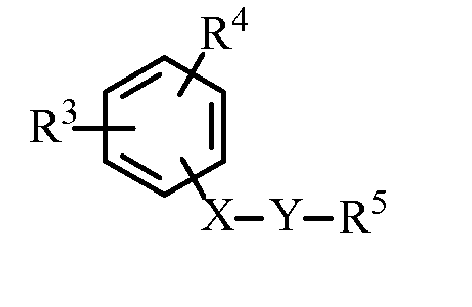 d) Heterocycloalkylen mit einem gesättigten, ungesättigten oder aromatischen 5- oder 6-gliedrigen Ring, der ein oder mehrere Heteroatome enthält, die aus Stickstoff, Sauerstoff, Schwefel ausgewählt werden, insbesondere folgende Gruppen:
 e) -O-, -Si-, -Se-, -NH- oder NR1, worin i eine Zahl zwischen 1 bis 8 ist und R1 ein geradkettiges oder verzeigtes C1-C10-Alkyl, bevorzugt CH3, ist
 - Implantat nach einem der vorherigen Ansprüche, dadurch gekennzeichnet, dass das Implantat ein Stent ist.
- Implantat nach Anspruch 3, dadurch gekennzeichnet, dass der Stent aus einem biokorrodierbaren metallischen Werkstoff besteht.
- Implantat nach Anspruch 4, dadurch gekennzeichnet, dass der Stent aus einer Magnesiumlegierung besteht.
- Implantat nach einem der vorherigen Ansprüche, dadurch gekennzeichnet, dass das mindestens eine Nitro-Statin in eine polymere Trägermatrix eingebettet ist.
- Implantat nach einem der vorherigen Ansprüche, dadurch gekennzeichnet, dass das mindestens eine Nitro-Statin in einer Konzentration von 0,2 bis 3,5 µg/mm2 Implantatoberfläche vorliegt.
- Implantat nach einem der vorherigen Ansprüche, dadurch gekennzeichnet, dass die Beschichtung mindestens einen weiteren pharmazeutischen Wirkstoff ausgewählt aus der Gruppe bestehend aus antimikrobiellen, antimitotischen, antimyotischen, antineoplastischen, antiphlogistischen, antiproliferativen, antithrombischen und/oder vasodilatatorischenr Wirkstoffen enthält.
- Verwendung von Nitro-Statinen zur Herstellung eines Implantats nach einem der Ansprüche 1 bis 8.
- Nitro-Statine zur Prophylaxe oder Therapie von lokalen Vasospasmen.
- Nitro-Statine zur Prophylaxe oder Therapie einer Restenose oder einer Gefäßlumenbeeinträchtigung in einem Gefäßabschnitt, der mit einem Stent versorgt wurde.
Applications Claiming Priority (1)
| Application Number | Priority Date | Filing Date | Title |
|---|---|---|---|
| US31880610P | 2010-03-30 | 2010-03-30 |
Publications (2)
| Publication Number | Publication Date |
|---|---|
| EP2371404A2 true EP2371404A2 (de) | 2011-10-05 |
| EP2371404A3 EP2371404A3 (de) | 2014-08-20 |
Family
ID=44484246
Family Applications (1)
| Application Number | Title | Priority Date | Filing Date |
|---|---|---|---|
| EP11156795.4A Withdrawn EP2371404A3 (de) | 2010-03-30 | 2011-03-03 | Medizinisches Implantat mit einer Beschichtung bestehend aus oder enthaltend mindestens einen Nitro-Statin-Wirkstoff |
Country Status (2)
| Country | Link |
|---|---|
| US (1) | US20110244016A1 (de) |
| EP (1) | EP2371404A3 (de) |
Families Citing this family (4)
| Publication number | Priority date | Publication date | Assignee | Title |
|---|---|---|---|---|
| US9789228B2 (en) * | 2014-12-11 | 2017-10-17 | Covidien Lp | Antimicrobial coatings for medical devices and processes for preparing such coatings |
| GR1009628B (el) * | 2017-04-10 | 2019-10-25 | Rontis Hellas Α.Ε.Β.Ε. | Συστημα επικαλυψης για ιατροτεχνολογικα προϊοντα |
| US20240050631A1 (en) * | 2020-07-16 | 2024-02-15 | University Of Georgia Research Foundation, Inc. | Anti-microbial medical grade polymer substrates with anti-fungal and anti-bacterial properties |
| US12110419B2 (en) | 2022-10-07 | 2024-10-08 | Imam Abdulrahman Bin Faisal University | Method of making silver-silicalite coated substrate |
Citations (8)
| Publication number | Priority date | Publication date | Assignee | Title |
|---|---|---|---|---|
| US5522882A (en) | 1994-10-21 | 1996-06-04 | Impra, Inc. | Method and apparatus for balloon expandable stent-graft delivery |
| DE19731021A1 (de) | 1997-07-18 | 1999-01-21 | Meyer Joerg | In vivo abbaubares metallisches Implantat |
| DE10253634A1 (de) | 2002-11-13 | 2004-05-27 | Biotronik Meß- und Therapiegeräte GmbH & Co. Ingenieurbüro Berlin | Endoprothese |
| US20040148013A1 (en) | 2002-04-18 | 2004-07-29 | Epstein Stephen E | Stent-based delivery statins to prevent restenosis |
| US7166638B2 (en) | 2003-05-27 | 2007-01-23 | Nicox S.A. | Statin derivatives |
| US20070048351A1 (en) | 2005-09-01 | 2007-03-01 | Prescient Medical, Inc. | Drugs coated on a device to treat vulnerable plaque |
| US7217278B2 (en) | 1998-05-11 | 2007-05-15 | Boston Scientific Scimed, Inc. | Balloon cones and waists thinning methodology |
| US7323189B2 (en) | 2001-10-22 | 2008-01-29 | Ev3 Peripheral, Inc. | Liquid and low melting coatings for stents |
Family Cites Families (2)
| Publication number | Priority date | Publication date | Assignee | Title |
|---|---|---|---|---|
| US6425881B1 (en) * | 1994-10-05 | 2002-07-30 | Nitrosystems, Inc. | Therapeutic mixture useful in inhibiting lesion formation after vascular injury |
| DE102006038235A1 (de) * | 2006-08-07 | 2008-02-14 | Biotronik Vi Patent Ag | Verbesserung der Stabilität biodegradierbarer metallischer Stents, Verfahren und Verwendung |
-
2011
- 2011-03-03 EP EP11156795.4A patent/EP2371404A3/de not_active Withdrawn
- 2011-03-24 US US13/070,805 patent/US20110244016A1/en not_active Abandoned
Patent Citations (8)
| Publication number | Priority date | Publication date | Assignee | Title |
|---|---|---|---|---|
| US5522882A (en) | 1994-10-21 | 1996-06-04 | Impra, Inc. | Method and apparatus for balloon expandable stent-graft delivery |
| DE19731021A1 (de) | 1997-07-18 | 1999-01-21 | Meyer Joerg | In vivo abbaubares metallisches Implantat |
| US7217278B2 (en) | 1998-05-11 | 2007-05-15 | Boston Scientific Scimed, Inc. | Balloon cones and waists thinning methodology |
| US7323189B2 (en) | 2001-10-22 | 2008-01-29 | Ev3 Peripheral, Inc. | Liquid and low melting coatings for stents |
| US20040148013A1 (en) | 2002-04-18 | 2004-07-29 | Epstein Stephen E | Stent-based delivery statins to prevent restenosis |
| DE10253634A1 (de) | 2002-11-13 | 2004-05-27 | Biotronik Meß- und Therapiegeräte GmbH & Co. Ingenieurbüro Berlin | Endoprothese |
| US7166638B2 (en) | 2003-05-27 | 2007-01-23 | Nicox S.A. | Statin derivatives |
| US20070048351A1 (en) | 2005-09-01 | 2007-03-01 | Prescient Medical, Inc. | Drugs coated on a device to treat vulnerable plaque |
Also Published As
| Publication number | Publication date |
|---|---|
| EP2371404A3 (de) | 2014-08-20 |
| US20110244016A1 (en) | 2011-10-06 |
Similar Documents
| Publication | Publication Date | Title |
|---|---|---|
| EP2744532B1 (de) | Resorbierbare stents, welche eine magnesiumlegierung enthalten | |
| EP3562526B1 (de) | Stent aus einer biologisch abbaubaren magnesiumlegierung mit einer magnesiumfluorid-beschichtung und einer organischen beschichtung | |
| ES2451653T3 (es) | Dispositivo médico implantable con revestimiento de suministro de fármacos de poliéster de erosión superficial | |
| EP2186531A2 (de) | Erhöhung der Effizienz pharmazeutische Wirkstoffe-freisetzender Medizinprodukte durch Kombination mit einem Inhibitor des Transportproteins P-Glycoprotein | |
| EP2046410B1 (de) | Herstellung, verfahren und verwendung von wirkstofffreisetzenden medizinprodukten zur permanenten offenhaltung von blutgefässen | |
| EP2136853B1 (de) | Medizinprodukt zur behandlung von verschlüssen von körperdurchgängen und zur prävention drohender wiederverschlüsse | |
| EP1372753B1 (de) | Implantate mit fk506 zur restenosebehandlung und -prophylaxe | |
| EP2266638A2 (de) | Biokorrodierbares Implantat mit einer aktiven Beschichtung | |
| EP2113264A2 (de) | Implantat umfassend eine Oberfläche mit verringerten Thrombogenen Eigenschatten | |
| EP2070558A2 (de) | Implantate mit membrandiffusionskontrollierter Wirkstofffreisetzung | |
| EP2193813A2 (de) | Wirkstoffbeschichtetes Medizinprodukt, Verfahren zu dessen Herstellung und dessen Verwendungen | |
| EP2540293A1 (de) | Erhöhung der effizienz der therapeutischen Wirkung pharmakologischer Wirsktoff-freissetzender medizinischer Vorrichtungen | |
| EP2289575B1 (de) | Medizinisches Implantat enthaltend eine antioxidative Substanz | |
| EP2055328B1 (de) | Stent mit einem Grundkörper aus einem bioinerten metallischen Implantatwerkstoff | |
| EP2500043A1 (de) | Medizinprodukt mit einer aktiven Beschichtung | |
| JP2016523588A (ja) | 治療剤配合物が充填されている中空ステント | |
| US20110244016A1 (en) | Medical implant having a coating composed of or containing at least one active substance | |
| DE102008040572A1 (de) | Implantat mit Beschichtung | |
| EP2462962B1 (de) | Implantat mit einer das implantat zumindest bereichsweise bedeckenden, wirkstoffhaltigen beschichtung | |
| EP3613449A1 (de) | Verbesserung der polymerschicht bei degradierbaren vorrichtungen | |
| DE202018001853U1 (de) | Bioresorbierbares Implantat | |
| DE202011100790U1 (de) | Beschichtung von Stents, Medizinprodukte und Implantate | |
| EP2433660B1 (de) | Beschichtetes Implantat aus einer biokorrodierbaren Magnesiumlegierung | |
| EP2452653B1 (de) | cRGD-Peptid-Derivat und seine Herstellung sowie Implantat mit einer Beschichtung, die ein cRGD-Peptid-Derivat enthält | |
| DE102008043736A1 (de) | Biokorrodierbares Implantat mit einer Wirkstoff-enthaltenden Beschichtung |
Legal Events
| Date | Code | Title | Description |
|---|---|---|---|
| PUAI | Public reference made under article 153(3) epc to a published international application that has entered the european phase |
Free format text: ORIGINAL CODE: 0009012 |
|
| AK | Designated contracting states |
Kind code of ref document: A2 Designated state(s): AL AT BE BG CH CY CZ DE DK EE ES FI FR GB GR HR HU IE IS IT LI LT LU LV MC MK MT NL NO PL PT RO RS SE SI SK SM TR |
|
| AX | Request for extension of the european patent |
Extension state: BA ME |
|
| PUAL | Search report despatched |
Free format text: ORIGINAL CODE: 0009013 |
|
| AK | Designated contracting states |
Kind code of ref document: A3 Designated state(s): AL AT BE BG CH CY CZ DE DK EE ES FI FR GB GR HR HU IE IS IT LI LT LU LV MC MK MT NL NO PL PT RO RS SE SI SK SM TR |
|
| AX | Request for extension of the european patent |
Extension state: BA ME |
|
| RIC1 | Information provided on ipc code assigned before grant |
Ipc: A61L 31/16 20060101AFI20140715BHEP |
|
| STAA | Information on the status of an ep patent application or granted ep patent |
Free format text: STATUS: THE APPLICATION IS DEEMED TO BE WITHDRAWN |
|
| 18D | Application deemed to be withdrawn |
Effective date: 20150221 |