EP2374468B1 - Use of apl-type peptide for treating intestinal inflammatory diseases and type 1 diabetes - Google Patents
Use of apl-type peptide for treating intestinal inflammatory diseases and type 1 diabetes Download PDFInfo
- Publication number
- EP2374468B1 EP2374468B1 EP09804226.0A EP09804226A EP2374468B1 EP 2374468 B1 EP2374468 B1 EP 2374468B1 EP 09804226 A EP09804226 A EP 09804226A EP 2374468 B1 EP2374468 B1 EP 2374468B1
- Authority
- EP
- European Patent Office
- Prior art keywords
- cells
- disease
- peptide
- crohn
- seq
- Prior art date
- Legal status (The legal status is an assumption and is not a legal conclusion. Google has not performed a legal analysis and makes no representation as to the accuracy of the status listed.)
- Active
Links
Images

Classifications
-
- A—HUMAN NECESSITIES
- A61—MEDICAL OR VETERINARY SCIENCE; HYGIENE
- A61K—PREPARATIONS FOR MEDICAL, DENTAL OR TOILETRY PURPOSES
- A61K38/00—Medicinal preparations containing peptides
- A61K38/16—Peptides having more than 20 amino acids; Gastrins; Somatostatins; Melanotropins; Derivatives thereof
- A61K38/17—Peptides having more than 20 amino acids; Gastrins; Somatostatins; Melanotropins; Derivatives thereof from animals; from humans
- A61K38/1703—Peptides having more than 20 amino acids; Gastrins; Somatostatins; Melanotropins; Derivatives thereof from animals; from humans from vertebrates
- A61K38/1709—Peptides having more than 20 amino acids; Gastrins; Somatostatins; Melanotropins; Derivatives thereof from animals; from humans from vertebrates from mammals
-
- A—HUMAN NECESSITIES
- A61—MEDICAL OR VETERINARY SCIENCE; HYGIENE
- A61K—PREPARATIONS FOR MEDICAL, DENTAL OR TOILETRY PURPOSES
- A61K38/00—Medicinal preparations containing peptides
- A61K38/16—Peptides having more than 20 amino acids; Gastrins; Somatostatins; Melanotropins; Derivatives thereof
- A61K38/17—Peptides having more than 20 amino acids; Gastrins; Somatostatins; Melanotropins; Derivatives thereof from animals; from humans
-
- A—HUMAN NECESSITIES
- A61—MEDICAL OR VETERINARY SCIENCE; HYGIENE
- A61K—PREPARATIONS FOR MEDICAL, DENTAL OR TOILETRY PURPOSES
- A61K38/00—Medicinal preparations containing peptides
- A61K38/03—Peptides having up to 20 amino acids in an undefined or only partially defined sequence; Derivatives thereof
-
- A—HUMAN NECESSITIES
- A61—MEDICAL OR VETERINARY SCIENCE; HYGIENE
- A61K—PREPARATIONS FOR MEDICAL, DENTAL OR TOILETRY PURPOSES
- A61K38/00—Medicinal preparations containing peptides
- A61K38/16—Peptides having more than 20 amino acids; Gastrins; Somatostatins; Melanotropins; Derivatives thereof
-
- A—HUMAN NECESSITIES
- A61—MEDICAL OR VETERINARY SCIENCE; HYGIENE
- A61P—SPECIFIC THERAPEUTIC ACTIVITY OF CHEMICAL COMPOUNDS OR MEDICINAL PREPARATIONS
- A61P1/00—Drugs for disorders of the alimentary tract or the digestive system
-
- A—HUMAN NECESSITIES
- A61—MEDICAL OR VETERINARY SCIENCE; HYGIENE
- A61P—SPECIFIC THERAPEUTIC ACTIVITY OF CHEMICAL COMPOUNDS OR MEDICINAL PREPARATIONS
- A61P1/00—Drugs for disorders of the alimentary tract or the digestive system
- A61P1/04—Drugs for disorders of the alimentary tract or the digestive system for ulcers, gastritis or reflux esophagitis, e.g. antacids, inhibitors of acid secretion, mucosal protectants
-
- A—HUMAN NECESSITIES
- A61—MEDICAL OR VETERINARY SCIENCE; HYGIENE
- A61P—SPECIFIC THERAPEUTIC ACTIVITY OF CHEMICAL COMPOUNDS OR MEDICINAL PREPARATIONS
- A61P3/00—Drugs for disorders of the metabolism
- A61P3/08—Drugs for disorders of the metabolism for glucose homeostasis
- A61P3/10—Drugs for disorders of the metabolism for glucose homeostasis for hyperglycaemia, e.g. antidiabetics
-
- A—HUMAN NECESSITIES
- A61—MEDICAL OR VETERINARY SCIENCE; HYGIENE
- A61P—SPECIFIC THERAPEUTIC ACTIVITY OF CHEMICAL COMPOUNDS OR MEDICINAL PREPARATIONS
- A61P43/00—Drugs for specific purposes, not provided for in groups A61P1/00-A61P41/00
-
- A—HUMAN NECESSITIES
- A61—MEDICAL OR VETERINARY SCIENCE; HYGIENE
- A61P—SPECIFIC THERAPEUTIC ACTIVITY OF CHEMICAL COMPOUNDS OR MEDICINAL PREPARATIONS
- A61P7/00—Drugs for disorders of the blood or the extracellular fluid
- A61P7/12—Antidiuretics, e.g. drugs for diabetes insipidus
-
- C—CHEMISTRY; METALLURGY
- C07—ORGANIC CHEMISTRY
- C07K—PEPTIDES
- C07K14/00—Peptides having more than 20 amino acids; Gastrins; Somatostatins; Melanotropins; Derivatives thereof
- C07K14/435—Peptides having more than 20 amino acids; Gastrins; Somatostatins; Melanotropins; Derivatives thereof from animals; from humans
- C07K14/46—Peptides having more than 20 amino acids; Gastrins; Somatostatins; Melanotropins; Derivatives thereof from animals; from humans from vertebrates
- C07K14/47—Peptides having more than 20 amino acids; Gastrins; Somatostatins; Melanotropins; Derivatives thereof from animals; from humans from vertebrates from mammals
Definitions
- the present invention is related with the field of the medicine, particularly with the use of an APL peptide (Altered Peptide Ligand, abbreviated APL) or its analogues for the treatment of inflammatory bowel disease (as Crohn's disease and ulcerative colitis) and diabetes mellitus type 1.
- APL altered Peptide Ligand
- Inflammatory bowel diseases as Crohn's disease and ulcerative colitis, result from the activation of intestinal lamina propria T cells with potent effector functions toward the commensal flora.
- the exact mechanism which lead to the chronic activation of these lymphocytes remain uncertain ( Balfour R (2006) Mechanism of Disease: pathogenesis of Crohn's disease and ulcerative colitis. Nature clinical practice. Gastroenterology and Hepatology 3 (7): 390-407 ).
- the immune system under normal conditions quickly clear infections of invasive enteric bacteria, downregulate innate immune responses and heal the injured mucosa without stimulating effector T-cell responses.
- the immune system of genetically susceptible hosts is unable to mount an appropriate innate response and/ or generate tolerogenic immune response to commensal microbial agents, subsequently activate pathogenic T-cell responses to commensal bacteria and proceed to chronic intestinal inflammation ( Podolsky DK (2002) Inflammatory bowel disease. N Engl J Med 347: 417-29 ).
- inflammatory bowel disease results from the failure to the mechanisms that appropriately controls the inflammatory processes initiated by an environmental trigger, such as an acute intestinal infection.
- Resistance to T-cells apoptosis, lack of response to downregulatory signals and continuous exposure to luminal antigens and adjuvants help sustain this inflammatory response ( Mudter J and Neurath MF (2007) Apoptosis of T cells and the control of inflammatory bowel disease: therapeutic implications. Gut 56:293-303 ).
- TH1 T cell helper 1, abbreviated TH1
- IL-6 interleukin-6
- TNF- ⁇ tumor necrosis factor-alpha
- TH17 TH17 cellular responses
- the number of inflammatory cells in the intestine is determined by cellular recruitment, proliferation and death by necrosis or apoptosis.
- Lamina limbal T cells from normal intestinal mucosa are susceptible to activation-induced cell death (through Fas/FasL system), which is able to control the proliferation of lymphocytes ( Bu P et al. (2001) Apoptosis: one of the mechanisms that maintains unresponsiveness of the intestinal mucosal immune system. J Immunol 166: 6399-6403 ).
- Infliximab is a chimeric monoclonal antibody (AcM) that contains the murine variable region and the constant region of a human immunoglobuline G1 (IgGl) molecule that binds to and neutralizes the effects of both free and bound TNF ⁇ with a huge affinity and specificity ( Knight DMK et al. (1993) Construction and initial characterization of a mouse-human chimeric anti-TNF antibody. Mol Immunol 30: 1443-1453 ).
- Etanercept is a recombinant protein that contains two monomeric chains of the soluble portion of the human tumor necrosis factor receptor 2 (TNFR2), fused to the Fc portion of a human IgGl ( Mohler KM et al. (1993) Soluble tumor necrosis factor (TNF) receptors are effective therapeutic agents in lethal endotoxemia and function simultaneously as both TNF carriers and TNF antagonists. J Immunol 151: 1548-1561 ). This molecule has been successfully used in the treatment of other inflammatory diseases as Rheumatoid Arthritis (RA) ( Moreland LW et al. (1999) Etanercept therapy in rheumatoid arthritis. To randomized, controlled trial.
- RA Rheumatoid Arthritis
- infliximab is the most successful therapy for the treatment of Crohn's disease patients. This therapy has also been applied with encouraging results in patients with ulcerative colitis. However, the use of this therapy produces a group of adverse reactions, as the increase of the incidence of illnesses in these patients like tuberculosis and mycoplasmosis, due to the widespread immune supression that takes place ( Kooloos WM. (2007) Potential role of pharmacogenetics in anti-TNF treatment of rheumatoid arthritis and Crohn's disease. Drug Discovery Today 12: 125-31 ). As a consequence, the main challenge at the present time is the development of therapeutic strategies that can eliminate pathogenic cells with specificity, without causing a widespread immune suppression.
- APLs are analogues of immunogenic peptides with one or several substitutions in the essential positions of contact with the T cell receptor or Major Histocompatibility Complex that interfere or modify the cascade of necessary events for the complete activation of T cells ( Bielekova B and Martin R (2001) Antigen-specific immunomodulation via altered peptide ligands. J Mol Med 79: 552-65 ).
- the capacity to experimentally manipulate the intrinsic properties of peptide ligands allows altering the nature, the course and the power of the immune cellular response appropriately.
- Hsp60 human heat shock protein of 60 kDa
- Hsp60 human heat shock protein of 60 kDa
- Diabetes mellitus type 1 is an autoimmune organ specific disease that is mediated by T cells that destroy the ⁇ cells of the pancreas that produce the insulin, leading to a deregulation of the glucose metabolism ( Brown L and Eisenbarth GS (1990)
- Type 1 diabetes A chronic autoimmune disease of human, mouse, and rat.
- the clinical symptoms of this disease appear after the immune system has inactivated near the 80-90% of pancreas cells.
- the present invention solves the problem previously mentioned providing a new therapeutic option for the treatment of inflammatory bowel disease (as Crohn's disease and ulcerative colitis) and diabetes mellitus type 1.
- the essence of the invention is the use of an immune modulator APL peptide or its analogues derived of the human Hsp60 for the production of a pharmaceutical composition for the treatment of inflammatory bowel disease and diabetes mellitus type 1.
- This peptide whose sequence is SIDLKDKYKNIGAKLVQLVANNTNEEA, is identified in the Sequence Listing as Seq ID No. 1.
- This peptide promotes the induction of apoptosis of activated intestinal lamina limbal growth factor receptor 1-12 and peripheral blood T cells of patients with Crohn's disease, resulting in the inhibition of T-cell clones involved in the pathogenesis of the disease, without causing an unspecific immune suppression as occur with the use of TNF ⁇ antibodies.
- this immune modulator APL peptide or its analogues for the treatment of inflammatory bowel disease, is directed to neutralize clones of T cells that contribute to the characteristic inflammatory process of the disease.
- the pharmaceutical preparation of the invention is characterized by its high specificity, because of the neutralization of pathogenic activated T cells. This fact contributes markedly to the safety of this preparation, since it minimizes adverse reactions like opportunistic infections causing tuberculosis and mycoplasmosis, which is associated with the widespread immune suppression cause by the use of drugs like infliximab, or the development of neoplasic processes, as lymphomas due to the use of methotrexate.
- the use of the previously mentioned immune modulator peptide in the production of a drug for the treatment of inflammatory bowel disease also has the advantage that independently of its administration by parenteral route (intradermal, subcutaneous or intravenous, for example), its active principle is essentially biodistributed into the gastrointestinal tract: stomach, small intestine and colon. Also, the peptide remains in these organs the necessary time to exert its biological mechanisms. As previously described, in bowel disease the uncontrolled activation of effector T cells against the commensal flora takes place in the gastrointestinal tract.
- the APL identified in the Sequence Listing as Seq ID No. 1 is claimed for the use of a pharmaceutical preparation of the peptide for the treatment of RA in the international patent application WO 2006/032216 .
- this patent application neither claims nor suggests that this peptide can be used for the treatment of inflammatory bowel disease and diabetes mellitus type 1.
- Inflammatory bowel disease is not considered an autoimmune disease, because the immune response against autoantigens is not responsible for the beginning and maintenance of the inflammation, and at least until this moment causally related autoantigens are not known, which is in contrast to autoimmune diseases.
- the origin of these diseases depends on the presence of the commensal flora and the immune response directed against the commensal organisms.
- One of the experimental evidences that sustain this fact is that under germ-free conditions experimental IBD disease can not be induced, unless the gut flora is reconstituted ( Chandran et al. (2003) Inflammatory bowel disease: dysfunction of GALT and gut bacterial flora (II). Surgeon 1:125-136 ; Strober et al. (2002) The immunology of mucosal models of inflammation. Annu. Rev. Immunol 20:495-549 ). Therefore, supposedly, bacterial antigens are supposed to trigger the induction of the disease.
- the examples of the present invention showed for the first time the properties of the peptide of Seq ID No. 1, related with its biodistribution into the gastrointestinal tract and its capacity to induce apoptosis of pathogenic clones of T cells that make possible the use of this peptide for the treatment of Crohn's disease, ulcerative colitis and type 1 diabetes.
- the novel use of the peptide claimed in the present invention based on the elements given in the international patent application No. WO 2006/032216 .
- the analogue term refers to APL peptides that included one or more deviations of the described sequence (Seq ID No.1), but retain the same biological activity that the described peptide.
- the modification can be a substitution, deletion or insertion of a single amino acid, preferably a substitution.
- the analogue will include less than 9 modifications, more preferably less than 6 modifications and even more preferably less than 2 modifications of the described peptide.
- a pharmaceutical composition for the treatment of inflammatory bowel disease and type 1 diabetes that comprises an APL peptide derived from human Hsp60 identified as Seq ID No. 1 or its analogues.
- the amounts of peptide in the pharmaceutical compositions of the present invention are those that produce the effective immune response in the host.
- the effective amount is the quantity administered that causes the induction of T cell apoptosis that significantly diminish the inflammatory signs of Crohn's disease and turn off the inflammatory focuses of the gastrointestinal tract which is characteristic of the course of these disease.
- the amount of the pharmaceutical composition administered to a patient can vary according to certain factors like: age, sex, general health, as well as the level of immunological response in general.
- the present invention is also related to a method of treatment for inflammatory bowel disease (as Crohn's disease and ulcerative colitis) and type 1 diabetes, which includes the administration to a patient of effective amounts of the pharmaceutical compositions that comprise the identified peptide as Seq ID No. 1 or its analogues.
- the pharmaceutical composition in the course of the treatment of inflammatory bowel disease (as Crohn's disease and ulcerative colitis) and type 1 diabetes, is administered by parenteral or mucosal route.
- the pharmaceutical composition is administered by a parenteral route selected from the group that includes the intradermal route, the subcutaneous route, the intramuscular route and the intravenous route.
- the pharmaceutical composition is administered by a mucosal route selected from the group that includes the rectal route and the oral route. Due to the nature of these diseases, the APL peptide or its analogues can be part of formulations administered as enema or as pharmaceutical forms appropriated for the administration by oral route.
- Blood from patients with Crohn's disease and healthy donors was extracted by vein punction and collected in sterile tubes containing an anticoagulant solution (sodium citrate 123 mM, sodium monobasic phosphate 18.5 mM, citric acid 17 mM and glucose 141.5 mM).
- an anticoagulant solution sodium citrate 123 mM, sodium monobasic phosphate 18.5 mM, citric acid 17 mM and glucose 141.5 mM.
- Blood from each patient was diluted 1:2 in Phosphate Buffered Saline solution 1X (abbreviated PBS1X) and 5 mL of this dilution were added to 3 mL of Ficoll-Paque TM Plus (Amersham, Biosciences AB, Sweden) in centrifugation tubes of 15 mL and centrifuged during 30 min. at 1200 rpm. The ring corresponding to mononuclear cells was extracted.
- PBS1X Phosphate Buffered Saline solution 1X
- the cells were washed twice with 15 mL of PBS 1 X and after each washing, they were centrifuged at 900 rpm. Finally, the pellet of the cells was suspended in RPMI 1640 containing 10% of bovine fetal serum and supplemented with penicillin (100U/mL), streptomycin (100 ⁇ g/mL), HEPES 25 mM/L and L-glutamine 2mM (all acquired from Gibco BRL). Cells from diluted cell suspension (1:20 dilution in supplemented RPMI and 1:2 in trypan blue (Boehringer Mannheim, Germany) were counted using a Neubauer counting chamber.
- Mononuclear cells were seeded at a density of 10 5 cells/well in flat bottom 96-well plates (Costar, USA) in a final volume of 100 ⁇ L and were treated in triplicate with different concentrations of the APL peptide (Seq ID No. 1): 10, 40 and 160 ug/mL for 72 hours. Untreated cells were used as control of the basal growth.
- MTT 3-(4,5-dimethyldiazol-2-yl)-2,5 diphenyl Tetrazolium Bromide
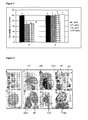
- APL peptide treatment significant reduce the viability of peripheral blood mononuclear cells from patients with active Crohn's disease at all doses of the peptide comparing with untreated cells (p ⁇ 0.001).
- the treatment with this peptide does not affect the viability of mononuclear cells from healthy donors (at none of the doses of APL peptide evaluated in the experiment).
- This result suggests the specificity of the cellular death mechanism induced by this peptide in cells of Crohn's disease patients.
- Example 2 Identification of the cellular death mechanism induced by the APL peptide in peripheral blood mononuclear cells from Crohn's disease patients by transmission electron microscopy.
- Mononuclear cells isolated from peripheral blood (10x10 6 cells) of patients with Crohn's disease, were cultured with and without the APL peptide at a concentration of 40 ug/mL during 72 hours. Untreated cells were used as control of the assay. After 72 hours of incubation, the samples were fixed using a glutaraldehyde solution at 1% and paraformaldehyde at 4% in phosphate buffer 0.1 M during 1 hour. Next, the cells were washed in PBS 1 X and were treated with a solution of osmium tetraoxide at 2% for 1h. Later on, cells were washed twice with cocodilate buffer 0.1 M and the samples were dehydrated in growing concentrations of alcohols (30-100%).
- the cells were infiltrated using an epoxy resin Spurr ( Spurr AR (1969) A low-viscosity epoxy resin embedding medium for electron microscopy. J Ultrastruct Head 26(1): 31-43 ) and the polymerization was carried out at 70°C for 24 h.
- the ultrafine sections (40 nm) were cut using an ultramicrotome (Nova, LKB) and were mounted on nickel grills. Later on, the samples were stained with a solution of uranile acetate supersaturated in methanol for 5 minutes.
- the analysis was carried out in an Electronic Microscope JEOL/JEM 2000 EX (JEOL, Japan).
- lymphocytes are the population that falls into apoptosis. From a morphological point of view, lymphocytes are smaller than monocytes, also have a round nucleus and less cytoplasm. Furthermore, lymphocytes do not present nucleus with lax chromatin or with a horseshoe form, which is characteristic of monocytes ( Junqueira LC and Carneiro J (2005) Basic Histology. Sixth edition. Editorial Masson, Barcelona, Spa in).
- Example 3 Identification of the cellular death mechanism induced by the APL peptide on intestinal lamina limbal mononuclear cells from Crohn's disease patients.
- Samples from intestinal tissues corresponding to inflamed patches were obtained with written consent. Samples were maintained in cold, magnesium and calcium free Hank's balanced salt solution (HBSS). Lamina intestinal mononuclear cells were isolated from these tissues using the Dithiothreitol / Ethylenediamine tetraacetic acid /Collagenase method described by Bull and Bookman ( Bull DMK and Bookman MA (1977) Isolation and functional characterization of human intestinal mucosal lymphoid cells. J Clin Invest 59: 966-974 ) with the modifications carried out by Van Tol and colleagues ( Van Tol EA et al.
- the CD56 adhesion molecule is the major determinant for detecting non-major histocompatibility complex-restricted cytotoxic mononuclear cells from the intestinal lamina intestinal. Eur J Immunol 22: 23-29 ).
- Example 4 Decrease in the viability of peripheral blood mononuclear cells from patient with inactive Crohn's disease after being activated with an anti-CD3 antibody.
- Peripheral blood mononuclear cells from a patient with inactive Crohn's disease were activated with an anti-CD3 antibody (e-Biosciences) during 72 h at 37°-C, in humid atmosphere of CO 2 at 5%.
- the addition of the anti-CD3 antibody produces a polyclonal activation of T cells in the cell population.
- Activated lymphocytes were washed with PBS 1X solution and then incubated (1x10 5 cells) for 1h with different concentrations (10, 40 and 160 ug/mL) of the APL peptide (Seq ID No.1).
- Peripheral blood mononuclear cells cultured for 72 hours without the anti-CD3 antibody were used as control of the activation assay (non-activated cells). After this time, these cells were cultured with the same concentrations of the APL peptide.
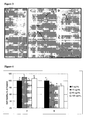
- the cellular viability was determined using the MTT method, as described in the Example 1. As it can be observed in Figure 4A , the APL peptide does not reduce the viability of mononuclear cells from a patient with inactive Crohn's disease. However, this peptide significantly reduced the viability of these cells previously activated with the anti-CD3 antibody (B).
- Peripheral blood mononuclear cells from patients with diabetes mellitus type 1 were isolated by centrifugation over Ficoll - Plaque TM PLUS, as it is described in Example 1. To do that, 10x10 6 cells were treated with the APL peptide (40 ug/mL) during 72 hours. Untreated cells were used as control of the assay. As it is shown in Figure 5 , cells treated with this peptide have the previously described morphology (in the Example 2) of the cells on apoptosis (Panels C-D). On the other hand, untreated cells (Panels A-B) have a normal morphology. This result demonstrates that this APL peptide induces apoptosis in mononuclear cells from patients with diabetes mellitus type 1.
- Example 6 Biodistribution study of the APL peptide (identified as Seq ID No. 1) in Lewis rats.
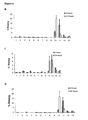
- the APL peptide (identified as Seq ID No. 1) was labeled with I 125 isotope and it was administered to Lewis rats at doses of 0.25 mg and 1 mg / Kg body weight, by intravenous and intradermal route. Six animals were sacrificed from each experimental group, at 4 and 24 h after peptide inoculation. Radioactivity levels were determined in different organs. Results are expressed on % of radioactivity dose/g of tissue.
Landscapes
- Health & Medical Sciences (AREA)
- Life Sciences & Earth Sciences (AREA)
- Chemical & Material Sciences (AREA)
- General Health & Medical Sciences (AREA)
- Medicinal Chemistry (AREA)
- Bioinformatics & Cheminformatics (AREA)
- Engineering & Computer Science (AREA)
- Veterinary Medicine (AREA)
- Public Health (AREA)
- Pharmacology & Pharmacy (AREA)
- Animal Behavior & Ethology (AREA)
- Organic Chemistry (AREA)
- Proteomics, Peptides & Aminoacids (AREA)
- General Chemical & Material Sciences (AREA)
- Diabetes (AREA)
- Epidemiology (AREA)
- Chemical Kinetics & Catalysis (AREA)
- Nuclear Medicine, Radiotherapy & Molecular Imaging (AREA)
- Immunology (AREA)
- Gastroenterology & Hepatology (AREA)
- Zoology (AREA)
- Hematology (AREA)
- Marine Sciences & Fisheries (AREA)
- Obesity (AREA)
- Endocrinology (AREA)
- Emergency Medicine (AREA)
- Toxicology (AREA)
- Biochemistry (AREA)
- Biophysics (AREA)
- Genetics & Genomics (AREA)
- Molecular Biology (AREA)
- Peptides Or Proteins (AREA)
- Medicines That Contain Protein Lipid Enzymes And Other Medicines (AREA)
- Medicinal Preparation (AREA)
Applications Claiming Priority (2)
| Application Number | Priority Date | Filing Date | Title |
|---|---|---|---|
| CU20080254A CU23701A1 (es) | 2008-12-29 | 2008-12-29 | Método de tratamiento de enfermedades inflamatorias intestinales y diabetes tipo i |
| PCT/CU2009/000009 WO2010075824A1 (es) | 2008-12-29 | 2009-12-29 | Uso de peptido tipo apl para el tratamiento de enfermedades inflamatorias intestinales y diabetes tipo i |
Publications (2)
| Publication Number | Publication Date |
|---|---|
| EP2374468A1 EP2374468A1 (en) | 2011-10-12 |
| EP2374468B1 true EP2374468B1 (en) | 2013-09-11 |
Family
ID=41820665
Family Applications (1)
| Application Number | Title | Priority Date | Filing Date |
|---|---|---|---|
| EP09804226.0A Active EP2374468B1 (en) | 2008-12-29 | 2009-12-29 | Use of apl-type peptide for treating intestinal inflammatory diseases and type 1 diabetes |
Country Status (15)
| Country | Link |
|---|---|
| US (1) | US8410057B2 (da) |
| EP (1) | EP2374468B1 (da) |
| JP (1) | JP5646506B2 (da) |
| KR (1) | KR101620341B1 (da) |
| CN (1) | CN102307587B (da) |
| AU (1) | AU2009335405B2 (da) |
| BR (1) | BRPI0923832B1 (da) |
| CA (1) | CA2748493C (da) |
| CU (1) | CU23701A1 (da) |
| DK (1) | DK2374468T3 (da) |
| ES (1) | ES2438096T3 (da) |
| MX (1) | MX2011007033A (da) |
| RU (1) | RU2524630C2 (da) |
| WO (1) | WO2010075824A1 (da) |
| ZA (1) | ZA201105320B (da) |
Families Citing this family (6)
| Publication number | Priority date | Publication date | Assignee | Title |
|---|---|---|---|---|
| PE20181295A1 (es) | 2015-09-01 | 2018-08-07 | First Wave Bio Inc | Metodos y composiciones para tratar afecciones asociadas a una respuesta inflamatoria anomala |
| CU24508B1 (es) * | 2017-12-29 | 2021-04-07 | Centro De Ingenieria Genetica Y Biotecnologia Biocubafarma | Composición farmacéutica que comprende péptido tipo apl |
| US10980756B1 (en) | 2020-03-16 | 2021-04-20 | First Wave Bio, Inc. | Methods of treatment |
| CU20200026A7 (es) * | 2020-04-13 | 2021-11-04 | Ct Ingenieria Genetica Biotecnologia | Péptido para el tratamiento del síndrome de la tormenta de citocinas |
| CN115671253B (zh) * | 2021-07-30 | 2024-02-27 | 河北菲尼斯生物技术有限公司 | Se-dr亲和肽在制备治疗风湿疾病的药物中的用途 |
| KR20250040663A (ko) * | 2022-07-22 | 2025-03-24 | 센트로 데 인제니에리아 제네티카 와이 바이오테크놀로지아 | 아포지질단백질 ai 또는 트랜스티레틴 내 문제와 연관된 질병을 치료하기 위한 펩타이드 |
Family Cites Families (8)
| Publication number | Priority date | Publication date | Assignee | Title |
|---|---|---|---|---|
| US8003A (en) * | 1851-03-25 | Improvement in scythe-tastenings | ||
| DK0820303T3 (da) * | 1994-12-21 | 2003-10-06 | Yeda Res & Dev | p277 peptidanaloger og farmaceutiske sammensætninger, der omfatter dem, til behandling eller diagnosticering af diabetes |
| US6180103B1 (en) * | 1994-12-21 | 2001-01-30 | Yeda Research And Development Co., Ltd. | Peptide p277 analogs, and pharmaceutical compositions comprising them for treatment or diagnosis of diabetes |
| US6110746A (en) * | 1995-06-30 | 2000-08-29 | Yeda Research And Development Co. Ltd. | Peptides derived from human heat shock protein 60 for treatment of diabetes, compositions, methods and kits |
| IL114407A0 (en) * | 1995-06-30 | 1995-10-31 | Yeda Res & Dev | Novel peptides and pharmaceutical compositions comprising them |
| JP2004501061A (ja) * | 1999-12-15 | 2004-01-15 | ペプトル・リミテツド | 熱ショックタンパク質60のフラグメントおよびアンタゴニスト |
| WO2005048914A2 (en) * | 2003-11-24 | 2005-06-02 | Yeda Research & Development Co. Ltd. | Dna vaccines encoding hsp60 peptide fragments for treating autoimmune diseases |
| CU23504A1 (es) * | 2004-09-24 | 2010-04-13 | Ct Ingenieria Genetica Biotech | Péptidos y derivados tipo apl de la hsp60 y composiciones farmacéuticas |
-
2008
- 2008-12-29 CU CU20080254A patent/CU23701A1/es unknown
-
2009
- 2009-12-29 ES ES09804226.0T patent/ES2438096T3/es active Active
- 2009-12-29 MX MX2011007033A patent/MX2011007033A/es active IP Right Grant
- 2009-12-29 EP EP09804226.0A patent/EP2374468B1/en active Active
- 2009-12-29 CA CA2748493A patent/CA2748493C/en active Active
- 2009-12-29 BR BRPI0923832-8A patent/BRPI0923832B1/pt active Search and Examination
- 2009-12-29 DK DK09804226.0T patent/DK2374468T3/da active
- 2009-12-29 KR KR1020117017870A patent/KR101620341B1/ko active Active
- 2009-12-29 CN CN200980156252.0A patent/CN102307587B/zh active Active
- 2009-12-29 US US13/142,471 patent/US8410057B2/en active Active
- 2009-12-29 JP JP2011543973A patent/JP5646506B2/ja active Active
- 2009-12-29 AU AU2009335405A patent/AU2009335405B2/en not_active Ceased
- 2009-12-29 WO PCT/CU2009/000009 patent/WO2010075824A1/es not_active Ceased
- 2009-12-29 RU RU2011131872/15A patent/RU2524630C2/ru active
-
2011
- 2011-07-19 ZA ZA2011/05320A patent/ZA201105320B/en unknown
Also Published As
| Publication number | Publication date |
|---|---|
| RU2524630C2 (ru) | 2014-07-27 |
| CA2748493C (en) | 2017-08-22 |
| CU23701A1 (es) | 2011-09-21 |
| US20120035106A1 (en) | 2012-02-09 |
| US8410057B2 (en) | 2013-04-02 |
| JP5646506B2 (ja) | 2014-12-24 |
| CN102307587A (zh) | 2012-01-04 |
| JP2012514013A (ja) | 2012-06-21 |
| BRPI0923832A2 (pt) | 2015-07-21 |
| BRPI0923832B1 (pt) | 2019-09-24 |
| CN102307587B (zh) | 2014-04-30 |
| AU2009335405B2 (en) | 2013-07-18 |
| WO2010075824A1 (es) | 2010-07-08 |
| ES2438096T3 (es) | 2014-01-15 |
| RU2011131872A (ru) | 2013-02-10 |
| CA2748493A1 (en) | 2010-07-08 |
| AU2009335405A1 (en) | 2011-08-25 |
| ZA201105320B (en) | 2012-04-25 |
| DK2374468T3 (da) | 2013-12-09 |
| KR101620341B1 (ko) | 2016-05-12 |
| MX2011007033A (es) | 2011-07-20 |
| EP2374468A1 (en) | 2011-10-12 |
| KR20110119677A (ko) | 2011-11-02 |
Similar Documents
| Publication | Publication Date | Title |
|---|---|---|
| US20240197821A1 (en) | Polypeptide for use in the protection of oxygen sensitive gram-positive bacteria | |
| US12059454B2 (en) | Oral delivery of angiotensin converting enzyme 2 (ACE2) or angiotensin-(1-7)-bioencapsulated in plant cells attenuates pulmonary hypertension, cardiac dysfunction and development of autoimmune and experimentally induced ocular disorders | |
| Li et al. | Role of interleukin-22 in inflammatory bowel disease | |
| EP2374468B1 (en) | Use of apl-type peptide for treating intestinal inflammatory diseases and type 1 diabetes | |
| JP2021120383A (ja) | 免疫機能を調節するため及び腸の炎症を治療するためのベータ−1,3−グルカンの使用 | |
| WO2013163887A1 (zh) | 治疗和/或预防ⅰ型糖尿病的药物组合物及其应用 | |
| AU2019216747B2 (en) | Treatment of Celiac Disease with tolerizing particles | |
| JPH09511990A (ja) | 経口寛容および/またはTh2増強サイトカインを用いた自己免疫疾患の治療 | |
| JP2020517588A (ja) | 免疫疾患を治療するためのc4bpに基づく化合物 | |
| AU2012100293A4 (en) | Use of APL-type peptide for treating intestinal inflammatory diseases and type 1 diabetes | |
| JP2024532346A (ja) | インターロイキン2の融合タンパク質及びそのibdにおける使用 | |
| US20130295047A1 (en) | Clip modulation for the treatment of mucosal diseases | |
| JP2023116456A (ja) | 強皮症関連血管障害を治療または改善するための組成物および方法 | |
| KR102383866B1 (ko) | 자가 면역 질병 및 당뇨병의 치료를 위한 바이러스 벡터 및 그의 제조방법 및 응용 | |
| CN108926720A (zh) | Tnfr1基因及其编码蛋白的应用 | |
| SCHAAL et al. | Ocular Inflammation in Anterior Segment | |
| HK1003512B (en) | Prevention and treatment of allergic diseases by recombinant plasmid encoded allergen |
Legal Events
| Date | Code | Title | Description |
|---|---|---|---|
| PUAI | Public reference made under article 153(3) epc to a published international application that has entered the european phase |
Free format text: ORIGINAL CODE: 0009012 |
|
| 17P | Request for examination filed |
Effective date: 20110705 |
|
| AK | Designated contracting states |
Kind code of ref document: A1 Designated state(s): AT BE BG CH CY CZ DE DK EE ES FI FR GB GR HR HU IE IS IT LI LT LU LV MC MK MT NL NO PL PT RO SE SI SK SM TR |
|
| AX | Request for extension of the european patent |
Extension state: AL BA RS |
|
| 17Q | First examination report despatched |
Effective date: 20120618 |
|
| GRAP | Despatch of communication of intention to grant a patent |
Free format text: ORIGINAL CODE: EPIDOSNIGR1 |
|
| INTG | Intention to grant announced |
Effective date: 20130508 |
|
| GRAS | Grant fee paid |
Free format text: ORIGINAL CODE: EPIDOSNIGR3 |
|
| GRAA | (expected) grant |
Free format text: ORIGINAL CODE: 0009210 |
|
| AK | Designated contracting states |
Kind code of ref document: B1 Designated state(s): AT BE BG CH CY CZ DE DK EE ES FI FR GB GR HR HU IE IS IT LI LT LU LV MC MK MT NL NO PL PT RO SE SI SK SM TR |
|
| AX | Request for extension of the european patent |
Extension state: AL BA RS |
|
| REG | Reference to a national code |
Ref country code: GB Ref legal event code: FG4D |
|
| REG | Reference to a national code |
Ref country code: CH Ref legal event code: EP |
|
| REG | Reference to a national code |
Ref country code: AT Ref legal event code: REF Ref document number: 631252 Country of ref document: AT Kind code of ref document: T Effective date: 20130915 |
|
| REG | Reference to a national code |
Ref country code: IE Ref legal event code: FG4D |
|
| REG | Reference to a national code |
Ref country code: DE Ref legal event code: R096 Ref document number: 602009018789 Country of ref document: DE Effective date: 20131107 |
|
| REG | Reference to a national code |
Ref country code: DK Ref legal event code: T3 Effective date: 20131204 |
|
| REG | Reference to a national code |
Ref country code: SE Ref legal event code: TRGR |
|
| REG | Reference to a national code |
Ref country code: NL Ref legal event code: T3 |
|
| REG | Reference to a national code |
Ref country code: ES Ref legal event code: FG2A Ref document number: 2438096 Country of ref document: ES Kind code of ref document: T3 Effective date: 20140115 |
|
| PG25 | Lapsed in a contracting state [announced via postgrant information from national office to epo] |
Ref country code: CY Free format text: LAPSE BECAUSE OF FAILURE TO SUBMIT A TRANSLATION OF THE DESCRIPTION OR TO PAY THE FEE WITHIN THE PRESCRIBED TIME-LIMIT Effective date: 20130619 Ref country code: LT Free format text: LAPSE BECAUSE OF FAILURE TO SUBMIT A TRANSLATION OF THE DESCRIPTION OR TO PAY THE FEE WITHIN THE PRESCRIBED TIME-LIMIT Effective date: 20130911 Ref country code: NO Free format text: LAPSE BECAUSE OF FAILURE TO SUBMIT A TRANSLATION OF THE DESCRIPTION OR TO PAY THE FEE WITHIN THE PRESCRIBED TIME-LIMIT Effective date: 20131211 Ref country code: HR Free format text: LAPSE BECAUSE OF FAILURE TO SUBMIT A TRANSLATION OF THE DESCRIPTION OR TO PAY THE FEE WITHIN THE PRESCRIBED TIME-LIMIT Effective date: 20130911 |
|
| REG | Reference to a national code |
Ref country code: LT Ref legal event code: MG4D |
|
| PG25 | Lapsed in a contracting state [announced via postgrant information from national office to epo] |
Ref country code: SI Free format text: LAPSE BECAUSE OF FAILURE TO SUBMIT A TRANSLATION OF THE DESCRIPTION OR TO PAY THE FEE WITHIN THE PRESCRIBED TIME-LIMIT Effective date: 20130911 Ref country code: LV Free format text: LAPSE BECAUSE OF FAILURE TO SUBMIT A TRANSLATION OF THE DESCRIPTION OR TO PAY THE FEE WITHIN THE PRESCRIBED TIME-LIMIT Effective date: 20130911 Ref country code: FI Free format text: LAPSE BECAUSE OF FAILURE TO SUBMIT A TRANSLATION OF THE DESCRIPTION OR TO PAY THE FEE WITHIN THE PRESCRIBED TIME-LIMIT Effective date: 20130911 Ref country code: GR Free format text: LAPSE BECAUSE OF FAILURE TO SUBMIT A TRANSLATION OF THE DESCRIPTION OR TO PAY THE FEE WITHIN THE PRESCRIBED TIME-LIMIT Effective date: 20131212 |
|
| PG25 | Lapsed in a contracting state [announced via postgrant information from national office to epo] |
Ref country code: CY Free format text: LAPSE BECAUSE OF FAILURE TO SUBMIT A TRANSLATION OF THE DESCRIPTION OR TO PAY THE FEE WITHIN THE PRESCRIBED TIME-LIMIT Effective date: 20130911 |
|
| PG25 | Lapsed in a contracting state [announced via postgrant information from national office to epo] |
Ref country code: SK Free format text: LAPSE BECAUSE OF FAILURE TO SUBMIT A TRANSLATION OF THE DESCRIPTION OR TO PAY THE FEE WITHIN THE PRESCRIBED TIME-LIMIT Effective date: 20130911 Ref country code: EE Free format text: LAPSE BECAUSE OF FAILURE TO SUBMIT A TRANSLATION OF THE DESCRIPTION OR TO PAY THE FEE WITHIN THE PRESCRIBED TIME-LIMIT Effective date: 20130911 Ref country code: RO Free format text: LAPSE BECAUSE OF FAILURE TO SUBMIT A TRANSLATION OF THE DESCRIPTION OR TO PAY THE FEE WITHIN THE PRESCRIBED TIME-LIMIT Effective date: 20130911 Ref country code: IS Free format text: LAPSE BECAUSE OF FAILURE TO SUBMIT A TRANSLATION OF THE DESCRIPTION OR TO PAY THE FEE WITHIN THE PRESCRIBED TIME-LIMIT Effective date: 20140111 Ref country code: CZ Free format text: LAPSE BECAUSE OF FAILURE TO SUBMIT A TRANSLATION OF THE DESCRIPTION OR TO PAY THE FEE WITHIN THE PRESCRIBED TIME-LIMIT Effective date: 20130911 |
|
| PG25 | Lapsed in a contracting state [announced via postgrant information from national office to epo] |
Ref country code: PL Free format text: LAPSE BECAUSE OF FAILURE TO SUBMIT A TRANSLATION OF THE DESCRIPTION OR TO PAY THE FEE WITHIN THE PRESCRIBED TIME-LIMIT Effective date: 20130911 |
|
| REG | Reference to a national code |
Ref country code: DE Ref legal event code: R097 Ref document number: 602009018789 Country of ref document: DE |
|
| PG25 | Lapsed in a contracting state [announced via postgrant information from national office to epo] |
Ref country code: PT Free format text: LAPSE BECAUSE OF FAILURE TO SUBMIT A TRANSLATION OF THE DESCRIPTION OR TO PAY THE FEE WITHIN THE PRESCRIBED TIME-LIMIT Effective date: 20140113 |
|
| PLBE | No opposition filed within time limit |
Free format text: ORIGINAL CODE: 0009261 |
|
| STAA | Information on the status of an ep patent application or granted ep patent |
Free format text: STATUS: NO OPPOSITION FILED WITHIN TIME LIMIT |
|
| 26N | No opposition filed |
Effective date: 20140612 |
|
| PG25 | Lapsed in a contracting state [announced via postgrant information from national office to epo] |
Ref country code: LU Free format text: LAPSE BECAUSE OF FAILURE TO SUBMIT A TRANSLATION OF THE DESCRIPTION OR TO PAY THE FEE WITHIN THE PRESCRIBED TIME-LIMIT Effective date: 20131229 |
|
| REG | Reference to a national code |
Ref country code: DE Ref legal event code: R097 Ref document number: 602009018789 Country of ref document: DE Effective date: 20140612 |
|
| PG25 | Lapsed in a contracting state [announced via postgrant information from national office to epo] |
Ref country code: MC Free format text: LAPSE BECAUSE OF FAILURE TO SUBMIT A TRANSLATION OF THE DESCRIPTION OR TO PAY THE FEE WITHIN THE PRESCRIBED TIME-LIMIT Effective date: 20130911 |
|
| PG25 | Lapsed in a contracting state [announced via postgrant information from national office to epo] |
Ref country code: SM Free format text: LAPSE BECAUSE OF FAILURE TO SUBMIT A TRANSLATION OF THE DESCRIPTION OR TO PAY THE FEE WITHIN THE PRESCRIBED TIME-LIMIT Effective date: 20130911 |
|
| PG25 | Lapsed in a contracting state [announced via postgrant information from national office to epo] |
Ref country code: HU Free format text: LAPSE BECAUSE OF FAILURE TO SUBMIT A TRANSLATION OF THE DESCRIPTION OR TO PAY THE FEE WITHIN THE PRESCRIBED TIME-LIMIT; INVALID AB INITIO Effective date: 20091229 Ref country code: BG Free format text: LAPSE BECAUSE OF FAILURE TO SUBMIT A TRANSLATION OF THE DESCRIPTION OR TO PAY THE FEE WITHIN THE PRESCRIBED TIME-LIMIT Effective date: 20130911 Ref country code: MK Free format text: LAPSE BECAUSE OF FAILURE TO SUBMIT A TRANSLATION OF THE DESCRIPTION OR TO PAY THE FEE WITHIN THE PRESCRIBED TIME-LIMIT Effective date: 20130911 |
|
| PG25 | Lapsed in a contracting state [announced via postgrant information from national office to epo] |
Ref country code: MT Free format text: LAPSE BECAUSE OF FAILURE TO SUBMIT A TRANSLATION OF THE DESCRIPTION OR TO PAY THE FEE WITHIN THE PRESCRIBED TIME-LIMIT Effective date: 20130911 |
|
| REG | Reference to a national code |
Ref country code: FR Ref legal event code: PLFP Year of fee payment: 7 |
|
| REG | Reference to a national code |
Ref country code: FR Ref legal event code: PLFP Year of fee payment: 8 |
|
| REG | Reference to a national code |
Ref country code: FR Ref legal event code: PLFP Year of fee payment: 9 |
|
| PGFP | Annual fee paid to national office [announced via postgrant information from national office to epo] |
Ref country code: NL Payment date: 20191119 Year of fee payment: 11 Ref country code: IE Payment date: 20191220 Year of fee payment: 11 Ref country code: SE Payment date: 20191219 Year of fee payment: 11 |
|
| PGFP | Annual fee paid to national office [announced via postgrant information from national office to epo] |
Ref country code: BE Payment date: 20191219 Year of fee payment: 11 Ref country code: DK Payment date: 20191227 Year of fee payment: 11 |
|
| PGFP | Annual fee paid to national office [announced via postgrant information from national office to epo] |
Ref country code: AT Payment date: 20191220 Year of fee payment: 11 Ref country code: CH Payment date: 20191219 Year of fee payment: 11 |
|
| REG | Reference to a national code |
Ref country code: DK Ref legal event code: EBP Effective date: 20201231 |
|
| REG | Reference to a national code |
Ref country code: CH Ref legal event code: PL |
|
| REG | Reference to a national code |
Ref country code: SE Ref legal event code: EUG |
|
| REG | Reference to a national code |
Ref country code: NL Ref legal event code: MM Effective date: 20210101 |
|
| REG | Reference to a national code |
Ref country code: AT Ref legal event code: MM01 Ref document number: 631252 Country of ref document: AT Kind code of ref document: T Effective date: 20201229 |
|
| REG | Reference to a national code |
Ref country code: BE Ref legal event code: MM Effective date: 20201231 |
|
| PG25 | Lapsed in a contracting state [announced via postgrant information from national office to epo] |
Ref country code: NL Free format text: LAPSE BECAUSE OF NON-PAYMENT OF DUE FEES Effective date: 20210101 |
|
| PG25 | Lapsed in a contracting state [announced via postgrant information from national office to epo] |
Ref country code: AT Free format text: LAPSE BECAUSE OF NON-PAYMENT OF DUE FEES Effective date: 20201229 Ref country code: IE Free format text: LAPSE BECAUSE OF NON-PAYMENT OF DUE FEES Effective date: 20201229 |
|
| PG25 | Lapsed in a contracting state [announced via postgrant information from national office to epo] |
Ref country code: SE Free format text: LAPSE BECAUSE OF NON-PAYMENT OF DUE FEES Effective date: 20201230 Ref country code: LI Free format text: LAPSE BECAUSE OF NON-PAYMENT OF DUE FEES Effective date: 20201231 Ref country code: CH Free format text: LAPSE BECAUSE OF NON-PAYMENT OF DUE FEES Effective date: 20201231 |
|
| PG25 | Lapsed in a contracting state [announced via postgrant information from national office to epo] |
Ref country code: DK Free format text: LAPSE BECAUSE OF NON-PAYMENT OF DUE FEES Effective date: 20201231 |
|
| PG25 | Lapsed in a contracting state [announced via postgrant information from national office to epo] |
Ref country code: BE Free format text: LAPSE BECAUSE OF NON-PAYMENT OF DUE FEES Effective date: 20201231 |
|
| PGFP | Annual fee paid to national office [announced via postgrant information from national office to epo] |
Ref country code: GB Payment date: 20231220 Year of fee payment: 15 |
|
| PGFP | Annual fee paid to national office [announced via postgrant information from national office to epo] |
Ref country code: IT Payment date: 20231228 Year of fee payment: 15 Ref country code: FR Payment date: 20231221 Year of fee payment: 15 Ref country code: DE Payment date: 20231214 Year of fee payment: 15 |
|
| PGFP | Annual fee paid to national office [announced via postgrant information from national office to epo] |
Ref country code: ES Payment date: 20240126 Year of fee payment: 15 |
|
| PGFP | Annual fee paid to national office [announced via postgrant information from national office to epo] |
Ref country code: TR Payment date: 20231225 Year of fee payment: 15 |
|
| REG | Reference to a national code |
Ref country code: DE Ref legal event code: R119 Ref document number: 602009018789 Country of ref document: DE |
|
| GBPC | Gb: european patent ceased through non-payment of renewal fee |
Effective date: 20241229 |
|
| PG25 | Lapsed in a contracting state [announced via postgrant information from national office to epo] |
Ref country code: DE Free format text: LAPSE BECAUSE OF NON-PAYMENT OF DUE FEES Effective date: 20250701 |
|
| PG25 | Lapsed in a contracting state [announced via postgrant information from national office to epo] |
Ref country code: IT Free format text: LAPSE BECAUSE OF NON-PAYMENT OF DUE FEES Effective date: 20241229 |
|
| PG25 | Lapsed in a contracting state [announced via postgrant information from national office to epo] |
Ref country code: GB Free format text: LAPSE BECAUSE OF NON-PAYMENT OF DUE FEES Effective date: 20241229 |
|
| PG25 | Lapsed in a contracting state [announced via postgrant information from national office to epo] |
Ref country code: FR Free format text: LAPSE BECAUSE OF NON-PAYMENT OF DUE FEES Effective date: 20241231 |
|
| REG | Reference to a national code |
Ref country code: ES Ref legal event code: FD2A Effective date: 20260203 |
|
| PG25 | Lapsed in a contracting state [announced via postgrant information from national office to epo] |
Ref country code: ES Free format text: LAPSE BECAUSE OF NON-PAYMENT OF DUE FEES Effective date: 20241230 |