EP2383919A2 - Vorrichtung und Verfahren zur Datenkommunikation mit sequentiellem Antwortprotokoll - Google Patents
Vorrichtung und Verfahren zur Datenkommunikation mit sequentiellem Antwortprotokoll Download PDFInfo
- Publication number
- EP2383919A2 EP2383919A2 EP11163806A EP11163806A EP2383919A2 EP 2383919 A2 EP2383919 A2 EP 2383919A2 EP 11163806 A EP11163806 A EP 11163806A EP 11163806 A EP11163806 A EP 11163806A EP 2383919 A2 EP2383919 A2 EP 2383919A2
- Authority
- EP
- European Patent Office
- Prior art keywords
- response
- terminal
- packet
- terminals
- packet count
- Prior art date
- Legal status (The legal status is an assumption and is not a legal conclusion. Google has not performed a legal analysis and makes no representation as to the accuracy of the status listed.)
- Granted
Links
Images




Classifications
-
- H—ELECTRICITY
- H04—ELECTRIC COMMUNICATION TECHNIQUE
- H04L—TRANSMISSION OF DIGITAL INFORMATION, e.g. TELEGRAPHIC COMMUNICATION
- H04L1/00—Arrangements for detecting or preventing errors in the information received
- H04L1/12—Arrangements for detecting or preventing errors in the information received by using return channel
- H04L1/16—Arrangements for detecting or preventing errors in the information received by using return channel in which the return channel carries supervisory signals, e.g. repetition request signals
- H04L1/1607—Details of the supervisory signal
-
- H—ELECTRICITY
- H04—ELECTRIC COMMUNICATION TECHNIQUE
- H04L—TRANSMISSION OF DIGITAL INFORMATION, e.g. TELEGRAPHIC COMMUNICATION
- H04L1/00—Arrangements for detecting or preventing errors in the information received
- H04L1/02—Arrangements for detecting or preventing errors in the information received by diversity reception
- H04L1/06—Arrangements for detecting or preventing errors in the information received by diversity reception using space diversity
- H04L1/0618—Space-time coding
-
- H—ELECTRICITY
- H04—ELECTRIC COMMUNICATION TECHNIQUE
- H04L—TRANSMISSION OF DIGITAL INFORMATION, e.g. TELEGRAPHIC COMMUNICATION
- H04L1/00—Arrangements for detecting or preventing errors in the information received
- H04L1/12—Arrangements for detecting or preventing errors in the information received by using return channel
- H04L1/16—Arrangements for detecting or preventing errors in the information received by using return channel in which the return channel carries supervisory signals, e.g. repetition request signals
- H04L1/1607—Details of the supervisory signal
- H04L1/1685—Details of the supervisory signal the supervisory signal being transmitted in response to a specific request, e.g. to a polling signal
-
- H—ELECTRICITY
- H04—ELECTRIC COMMUNICATION TECHNIQUE
- H04B—TRANSMISSION
- H04B7/00—Radio transmission systems, i.e. using radiation field
- H04B7/02—Diversity systems; Multi-antenna system, i.e. transmission or reception using multiple antennas
- H04B7/04—Diversity systems; Multi-antenna system, i.e. transmission or reception using multiple antennas using two or more spaced independent antennas
- H04B7/0413—MIMO systems
- H04B7/0452—Multi-user MIMO systems
-
- H—ELECTRICITY
- H04—ELECTRIC COMMUNICATION TECHNIQUE
- H04B—TRANSMISSION
- H04B7/00—Radio transmission systems, i.e. using radiation field
- H04B7/02—Diversity systems; Multi-antenna system, i.e. transmission or reception using multiple antennas
- H04B7/04—Diversity systems; Multi-antenna system, i.e. transmission or reception using multiple antennas using two or more spaced independent antennas
- H04B7/06—Diversity systems; Multi-antenna system, i.e. transmission or reception using multiple antennas using two or more spaced independent antennas at the transmitting station
- H04B7/0613—Diversity systems; Multi-antenna system, i.e. transmission or reception using multiple antennas using two or more spaced independent antennas at the transmitting station using simultaneous transmission
- H04B7/0615—Diversity systems; Multi-antenna system, i.e. transmission or reception using multiple antennas using two or more spaced independent antennas at the transmitting station using simultaneous transmission of weighted versions of same signal
- H04B7/0619—Diversity systems; Multi-antenna system, i.e. transmission or reception using multiple antennas using two or more spaced independent antennas at the transmitting station using simultaneous transmission of weighted versions of same signal using feedback from receiving side
- H04B7/0621—Feedback content
- H04B7/0626—Channel coefficients, e.g. channel state information [CSI]
-
- H—ELECTRICITY
- H04—ELECTRIC COMMUNICATION TECHNIQUE
- H04L—TRANSMISSION OF DIGITAL INFORMATION, e.g. TELEGRAPHIC COMMUNICATION
- H04L1/00—Arrangements for detecting or preventing errors in the information received
- H04L1/0001—Systems modifying transmission characteristics according to link quality, e.g. power backoff
- H04L1/0023—Systems modifying transmission characteristics according to link quality, e.g. power backoff characterised by the signalling
- H04L1/0026—Transmission of channel quality indication
-
- H—ELECTRICITY
- H04—ELECTRIC COMMUNICATION TECHNIQUE
- H04L—TRANSMISSION OF DIGITAL INFORMATION, e.g. TELEGRAPHIC COMMUNICATION
- H04L1/00—Arrangements for detecting or preventing errors in the information received
- H04L2001/0092—Error control systems characterised by the topology of the transmission link
- H04L2001/0093—Point-to-multipoint
Definitions
- the following description relates to a data communication apparatus and method, and more particularly, to data communication apparatus and method that uses a sequential response protocol, and a terminal based on the data communication method.
- Data throughput has been an important matter in wireless communication technologies. As demands on a local area network (LAN) have increased and various applications, including voice/video streaming service and the like, have been developed, data throughput is regarded as an increasingly important matter.
- LAN local area network
- the scheme of expanding the bandwidth of channels may be used to improve data throughput.
- the expanding of the bandwidth of the channels may be limited due to limited frequency resources.
- Recently, studies on a multiple input and multiple output (MIMO) scheme have been conducted to improve data throughput without increasing frequency resources, and the wireless mobile communication standard 3GPP LTE, IEEE 802.16e, and the wireless LAN standard 802.11n have adopted the MIMO scheme.
- MIMO multiple input and multiple output
- the number of users accessing a mobile communication network and the number of applications have increased and thus, user distributions and traffic characteristics between the users have been diversified. Also, attention to Quality of Service (QoS) of services provided between applications and the users has increased. Therefore, there is a desire for multi-access schemes that may flexibly allocate, to the users, data throughput improved by a wide channel bandwidth and the MIMO scheme.
- QoS Quality of Service
- a multiple user multiple input and multiple output (MU-MIMO) scheme has been suggested.
- wireless resources may be shared since a single data communication apparatus simultaneously transmits different signals to a plurality of terminals.
- the MU-MIMO scheme has been adopted by the next generation mobile communication standard 802.16n and the LTE-Advanced standard, and adapting the MU-MIMO scheme for the next generation wireless LAN standard 802.11n is being considered.
- a plurality of terminals may share a channel.
- the channel may be effectively distributed for the plurality of terminals.
- a data communication method using a sequential response protocol and a terminal based on the data communication method and a data communication method allowing effective use of wireless resources and providing reliable data transmission and reception is desired.
- a reference terminal including: response indexes (RIs) of a plurality of terminals in at least one spatio-temporal stream transmitted to the plurality of terminals, the RIs including information associated with a transmission sequence of responses to be transmitted by the plurality of terminals.
- RIs response indexes
- each of the plurality of terminals may be configured to increase a packet count, based on a response transmitted from another terminal, and the response is transmitted from a response terminal having an RI corresponding to the packet count.
- the reference terminal in response to the response not received being from the response terminal, the reference terminal may be configured to transmit, to the plurality of terminals, a filling packet (FP) including information to set the packet count to correspond to the RI of the response terminal.
- FP filling packet
- each of the responses may include: channel information estimated by a corresponding terminal, or an acknowledgement (ACK) with respect to data transmitted from the reference terminal.
- ACK acknowledgement
- the reference terminal may include an access point (AP).
- AP access point
- a terminal including: a receiving unit configured to receive, from a reference terminal, a spatio-temporal stream including a response index (RI), a packet count unit configured to increase a packet count in response to at least one other terminal located in a service coverage of the reference terminal transmitting a response, and a transmission controller configured to perform controlling to transmit a response to the reference terminal in response to the packet count corresponding to the RI.
- a receiving unit configured to receive, from a reference terminal, a spatio-temporal stream including a response index (RI)
- RI response index
- packet count unit configured to increase a packet count in response to at least one other terminal located in a service coverage of the reference terminal transmitting a response
- a transmission controller configured to perform controlling to transmit a response to the reference terminal in response to the packet count corresponding to the RI.
- the receiving unit may be further configured receive, from the reference terminal, a filling packet (FP) including information to set the packet count to correspond to the RI.
- FP filling packet
- the response may include: information estimated by the terminal, or an acknowledgement (ACK) with respect to data received from the reference terminal.
- ACK acknowledgement
- a data communication method including: generating response indexes (RIs) of a plurality of terminals located in a service coverage, and transmitting, to the plurality of terminals, a spatio-temporal stream including the RIs, the RIs including information associated with a transmission sequence of responses transmitted by the plurality of terminals.
- RIs response indexes
- the method may further include: sequentially receiving the responses from the plurality of terminals, wherein each of the plurality of terminals increases a packet count, based on a response transmitted from another terminal, and wherein the response is transmitted from a response terminal having an RI corresponding to the packet count.
- the method may further include transmitting, to the plurality of terminals, a filling packet (FP) including information to set the packet count to correspond to an RI of a response terminal in response to a response not being received from the response terminal.
- FP filling packet
- a communication method including: receiving, from a reference terminal, a spatio-temporal stream including a response index (RI), increasing a packet count in response to at least one other terminal located in a service coverage of the reference terminal transmitting a response, and controlling to transmit a response to the reference terminal in response to the packet count corresponding to the RI.
- RI response index
- the method may further include receiving, from the reference terminal, a filling packet (FP) including information to set the packet count to correspond to the RI.
- FP filling packet
- the response may include: information estimated by the terminal, or an acknowledgement (ACK) with respect to data received from the reference terminal.
- ACK acknowledgement
- a system including: a reference terminal, and a plurality of response terminals, each response terminal including: a receiving unit configured to receive, from the reference terminal, a spatio-temporal stream including a response index (RI), a packet count unit configured to increase a packet count in response to at least one other terminal, among the plurality of response terminals, located in a service coverage of the reference terminal transmitting a response, and a transmission controller configured to perform controlling to transmit a response to the reference terminal in response to the packet count corresponding to the RI.
- RI response index
- each receiving unit may be further configured receive, from the reference terminal, a filling packet (FP) including information to set the packet count to correspond to the RI.
- FP filling packet
- the response may include: information estimated by the terminal, or an acknowledgement (ACK) with respect to data received from the reference terminal.
- ACK acknowledgement
- the reference terminal may include an access point (AP).
- AP access point
- the spatio-temporal stream may further include: a legacy signal field (L-SIG), very high throughput (VHT)-SIG field, and a plurality of data fields respectively corresponding to the plurality of response terminals.
- L-SIG legacy signal field
- VHT very high throughput
- each of the plurality of data fields may include a respective RI, each RI corresponding to a respective response terminal associated with the respective data field.
- each of the plurality of data fields may include padding, such that each data field includes a same length.
- each of the plurality of response terminals may be configured to receive a response to the reference terminal transmitted from each of the other of the plurality of response terminals.
- the system may include a multiple user multiple input and multiple output (MU-MIMO) system.
- MU-MIMO multiple user multiple input and multiple output
- a non-transitory computer readable recording medium may store a program to implement the methods.
- Example embodiments may provide a data communication method using a sequential response protocol and a terminal based on the data communication method.
- the sequential response protocol may be applicable to all communication systems in which a reference terminal having at least one antenna transmits data to at least one response terminal having at least one antenna.
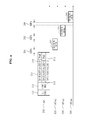
- FIG. 1 illustrates an example of a data packet transmitting method using a sequential response protocol.
- a reference terminal selected from among the plurality of terminals may determine a packet transmission sequence of the plurality of terminals, may express the determined packet transmission sequence as response indexes (RIs), and may transmit the RIs to response terminals.
- the packet transmission sequence of the plurality of terminals may be referred to as the RIs.
- Other terminals communicating with the reference terminal in a service coverage of the reference terminal may be referred to as the response terminals.
- the reference terminal may transmit a data packet, including the RIs, to the response terminals.
- the response terminals may receive the data packet, including the RIs, from the reference terminal.
- each of the response terminals may increase a packet count based on a number of response packets received from another response terminal, and a response terminal having an RI corresponding to the packet count may transmit a response packet to the reference terminal.
- a reference terminal (STA1) 110 may generate response indexes (RIs) with respect to N-1 response terminals, for example, a first response terminal (STA2) 120, a second response terminal (STA3) 130, and an N-1 th response terminal (STAN) 140.
- the STA1 110 may transmit a packet 111 which may include the RI, to response terminals, for example, the STA2 120, the STA3 130, and the STAN 140.
- the STA1 110 initiates a packet count as "o". It may be presumed in one example that an RI of the STA2 120 is set to be "o”, an RI of the STA3 130 is set to be "1”, and an RI of the STAN 140 is set to be N-2.
- the response terminals may receive the data packet 111 including the RI from the STA1 110.
- a time expended when the STA1 110 or a response terminal, for example, the STA2 120, the STA3 130, and the STAN 140, changes a mode from a reception mode to a transmission mode, or changes the mode from the transmission mode to the reception mode, may be referred to as a short interframe space (SIFS), for example, an SIFS 101, an SIFS 102, an SIFS 103, and an SIFS 104.
- SIFS short interframe space
- the packet count of the STA2 120 and the RI of the STA2 120 may be the same as "o". Accordingly, the STA2 120 may change a mode to a transmission mode after the SIFS 101, and may transmit a response packet 121.
- response terminals for example, the STA3 130 and the STAN 140, that overhear the response packet 121 transmitted from the STA2 120 may increase the packet count to "1".
- the RI of the STA3 130 which may be received from the reference terminal 110, may be "1", and the packet count may be "1".
- the STA3 130 may change a mode to a reception mode during the SIFS 102, and may transmit a response packet 131.
- Other response terminals for example, the STA2 120 and the STAN 140, that overhear the response packet 131 transmitted from the STA3 130 may increase the packet count to "2".
- the STAN 140 may transmit a response packet 141 after a corresponding SIFS, e.g., SIFS 104.
- a corresponding SIFS e.g., SIFS 104.
- FIG. 1 illustrates that a response terminal may transmit a corresponding response packet, in response to an RI of the response terminal being the same as the packet count, the response terminal may transmit the response packet, when the RI of the response terminal corresponds to the packet count of the response terminal based on a predetermined rule.
- the response terminal may transmit the response packet in response to a difference between the RI of the response terminal and the packet count being a predetermined value.
- the RI and the initial value of the packet count with respect to each response terminal for example, the STA2 120, the STA3 130, and the STAN 140; and the difference between RIs of two successive terminals may vary according to conditions.
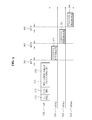
- FIG. 2 illustrates an example of a data packet transmitting method using a sequential response protocol set in the IEEE 802.11ac standard.
- the IEEE 802.11ac standard uses a multiple user multiple input and multiple output (MU-MIMO) scheme.
- MU-MIMO multiple user multiple input and multiple output
- An access point (AP) 210 may transmit a data packet 211 to a plurality of response terminals, for example, a first response terminal (STA2) 220, a second response terminal (STA3) 230, and a third response terminal (STA4) 240.
- the data packet 211 may include an L-SIG field 212, a very high throughput (VHT)-SIG field 213, and data fields 214, 215, and 216.
- the data fields 214, 215, and 216 may include padding, for example, to cause each data field to have the same length.
- the L-SIG field 212 may denote a legacy signal field.
- the L-SIG field 212 may include frame length information associated with a length from the VHT-SIG field 213 to the end of the frame.
- the VHT-SIG field 213 may be a signal field transmitted for 802.11ac-based terminals that support the MU-MIMO scheme, and data fields 214, 215, and 216 after the VHT-SIG field 213 may be coded in advance and may be transmitted to respective response terminals, for example, the STA2 220, the STA3 230, and the STA4 240.
- the data fields 214, 215, and 216 may be coded in advance, based on a space dimension multiple access (SDMA) scheme.
- SDMA space dimension multiple access
- the data fields 214, 215, 216 may include data to be transmitted to response terminals, for example, the STA2 220, the STA3 230, and the STA4 240, and may include IRs with respect to the response terminals, respectively.
- the RI of the STA2 220 is "o"
- the RI of the STA3 230 is “1”
- the RI of the STA4 240 is "2”.
- the AP 210 may transmit RIs to respective response terminals using the single data packet 211.
- the RIs with respect to response terminals may denote information associated with a transmission sequence of block acknowledgments (ACKs), for example, a block ACK 221, a block ACK 231, and a block ACK 241, with respect to data, for example, data 214, data 215, and data 216, received from the AP 210.
- ACKs block acknowledgments
- data for example, data 214, data 215, and data 216, received from the AP 210.
- each of the response terminals may overhear a response packet, that is, the block ACK, transmitted from another response terminal located in a service coverage of the AP 210, and may increase a packet count.
- a response terminal having an RI corresponding to the packet count may transmit a block ACK, after an SIFS, for example, an SIFS 201, an SIFS 202, and an SIFS 203.
- FIG. 3 illustrates an example of a channel information obtaining method using a sequential response protocol.
- a response terminal transmits, to a reference terminal, channel state information as a response packet.
- the AP 310 may transmit a data packet 311 to a plurality of response terminals, for example, an STA2 320, an STA3 330, and an STA4 340.
- the data packet 311 may include an L-SIG field 312, a VHT-SIG field 313, and a sounding field 314 including RIs.
- the L-SIG field 312 and the VHT-SIG field 313 may be the same as the L-SIG field 212 and the VHT-SIG field 213 of FIG. 2 .
- the sounding field 314 may include a sounding signal to enable each response terminal to estimate a channel state between the AP 310 and a corresponding response terminal.
- Each response terminal may estimate a corresponding channel state based on the sounding signal, and may feed back, to the AP 310, the estimated channel state information, for example, a channel feedback 321, a channel feedback 331, and a channel feedback 341.
- the RIs with respect to the response terminals may denote a feedback sequence of the channel state information to be transmitted by the response terminals that receive the sounding field 314 from the AP 310.
- the AP 310 may determine the RIs with respect to the response terminals, and may initiate a packet count with respect to the response terminals.
- the AP 310 may transmit the determined RIs and the initiated packet count to respective response terminals,
- a response terminal having an RI corresponding to the packet count may feed back channel state information to the AP 310, after a corresponding SIFS, for example, an SIFS 301, an SIFS 302, and an SIFS 303.
- a corresponding SIFS for example, an SIFS 301, an SIFS 302, and an SIFS 303.
- each of the response terminals may overhear channel state information fed back to the AP 310 from other response terminals, and may increase the packet count.
- a response terminal having an RI corresponding to the increased packet count may feed back the channel state information to the AP 310.
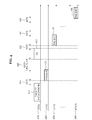
- FIG. 4 illustrates an example of a recovering method with respect to an error occurring when a sequential response protocol is used.
- An error may occur during packet transmission and packet reception according to a channel state between a reference terminal (STA1) 410 and each of response terminals, for example, a first response terminal (STA2) 420, a second response terminal (STA3) 430, and an N-1 th response terminal (STAN) 440.
- STA1 410 a reference terminal
- STA2 420, the STA3 430, and the STAN 440 located in a service coverage of the STA1 410 may not receive a packet from the STA1 410 or may not receive the packet during a predetermined time due to an external interference signal.
- an error may occur in data communication that is based on the sequential response protocol.
- the STA1 410 may transmit a filling packet (FP) to recover the error.
- FP filling packet
- the STA1 410 may transmit a data packet 411 including RIs to a plurality of response terminals, for example, the STA2 420, the STA3 430, and the STAN 440. It may be presumed in one example that the STA1 410 initiates a packet count as "o". It may be presumed in one example that the RI of the STA2 420 is set to be "o", and the RI of the STA3 430 is set to be "1". The RI received from the STA1 410 may be the same as the packet count. Thus, the STA2 420 may transmit a response packet 421 after an SIFS 401.
- an error may occur in packet transmission and packet reception of the STA3 430.
- the STA3 430 may transmit a response packet 431.
- other response terminals for example, the STA2 420 and the STAN 440, may be unable to increase the packet count, due to an error.
- the STA1 410 may wait for reception of the response packet 431 during a predetermined time period. According to an aspect of example embodiments, the STA1 410 may wait for the reception of the response packet 431 during an SIFS and a single time slot 402.
- the STA1 410 may initiate the packet count to be "1", e.g., the RI of the STA3 430, and may transmit a filing packet 412 including the initiated packet count to each response terminal, for example, the STA2 420, the STA3 430, and STAN 440.
- Each response terminal may receive the filing packet 412 having the packet count of "1" and may reset the packet count to be "1".
- the reset packet count may be the same as the RI of the STA3 430.
- the STA3 430 may transmit the response packet 431 after an SIFS 403.
- the error occurring during the packet transmission of the STA3 430 may be recovered based on the FP 412. Operation may then continue according to the SIFS 404 and SIFS 405, and the STAN 440 may transmit the packet 441 after the SIFS 405.
- FIG. 5 illustrates an example of a recovering method with respect to an error occurring when a sequential response protocol set in 802.11ac is used.
- An error may occur during packet transmission and packet reception between an access point, for example, an AP1 510 and an AP2 560, and response terminals, for example, a first response terminal (STA1) 520, a second response terminal (STA2) 530, a third response terminal (STA3) 540, and a fourth response terminal (STA4) 550, due to various unfavorable conditions in a communication environment.
- STA1 first response terminal
- STA2 second response terminal
- STA3 third response terminal
- STA4 fourth response terminal
- the AP1 510 may transmit a data packet 511 including RIs and data, for example, data 514, with respect to the four response terminals located in a service coverage, for example, the STA1 520, the STA2 530, the STA3 540, and the STA4 550.
- the data packet 511 may include an L-SIG field 512 and the VHT-SIG field 513.
- the RI of the STA1 520 may be set to "o"
- the RI of the STA2 530 may be set to "1”
- the RI of the STA3 540 may be set to "2”
- the RI of the STA4 550 may be set to "3”.
- the AP e.g., the AP1 510 and the AP2 560, may initiate a packet count as "o” and may transmit the initiated packet count to the response terminals.
- the STA1 520, the STA3 540, and the STA4 550 may successfully receive corresponding data and RIs included in the data packet 511, whereas the STA2 530 may fail to receive corresponding data and an a corresponding RI included in the data packet 511.
- the STA1 520 that successfully receives the packet 511 may transmit a block acknowledgement (ACK) 521, that is, a response packet, after an SIFS 501.
- ACK block acknowledgement
- the sequential response protocol even though other response terminals, for example, the STA2 530, the STA3 540, and the STA4 550, that overhear the block ACK 521 transmitted by the STA1 520 increases the packet count to "1"
- the STA2 530 that fails to receive the data and the RI and the STA3 540 that fails to receive the block ACK 521 transmitted from the STA1 520 may be unable to increase the packet count.
- the AP1 510 may wait for reception of a packet transmitted from the STA2 530 during a predetermined time (PIFS) 503, and may transmit, to response terminals, for example, the STA1 520, the STA2 530, the STA3 540, and the STA4 550, an FP 515 which includes information to reset the packet count to be "1" that is the same as the RI of the STA2 530.
- PIFS predetermined time
- the response terminals may receive the FP 515, and may reset the packet count to be "1".
- the STA2 530 may not have a block ACK to transmit, as the STA2 530 had failed to receive the data and the RI transmitted from the AP1 510. In this example, the STA2 530 may not transmit the block ACK; thus, an error may occur in the sequential response protocol.
- the AP1 510 may transmit an FP 516 including information to reset the packet count to be "2".
- the STA3 540 may receive the FP 516, and may transmit a block ACK 542 to the AP1 510 after an SIFS 505, as the packet count is the same as the RI of the STA3 540.
- the STA4 550 may receive an OBSS packet that is an interference signal 561, from the AP2 560 that is an adjacent access point, during a period in which the STA3 540 transmits the block ACK 542.
- a collision 551 may occur between the received interference signal 561 and the block ACK 542.
- the STA4 550 may not overhear the block ACK 542 transmitted from the STA3 540. Therefore, the STA4 550 may not increase the packet count, and may have an error in transmission of a block ACK during a time period after the STA3 540 transmits the block ACK 542.
- the AP1 510 may wait for reception of the block ACK 542 transmitted from the STA4 550 during a PIFS 506.
- the AP1 510 may transmit an FP 517 which includes information to reset the packet count to be "3", to the response terminals, for example, the STA1 520, the STA2 530, the STA3 540, and the STA4 550.
- the STA4 550 may receive the FP 517, and may transmit a block ACK 552 to the AP1 510 after the SIFS 507, as the packet count is the same as the RI of the STA4 550.
- the AP1 510 may recover the error based on an FP including information to reset the packet count.
- the error recovery illustrated in FIG. 5 is merely an example, and example embodiments may not be limited thereto. Various errors may occur in various communication environments, and the errors may be recovered by the described error recovery scheme, or a different error recovery scheme.
- FIG. 6 illustrates an example of a data communication method of a reference terminal.
- a reference terminal may transmit a data packet to each of a plurality of response terminals, the data packet including RIs with respect to the plurality of response terminals.
- the reference terminal may determine the RIs with respect to the response terminals based on various schemes.
- An RI may include information associated with a transmission sequence of response packet to be transmitted by a predetermined response terminal. The transmission sequence may be determined based on a packet count and an RI of the predetermined response terminal.
- the reference terminal may wait for reception of a response packet during an SIFS.
- the reference terminal may change a mode from a transmission mode to a reception mode during the SIFS.
- the response terminals may change a mode from the reception mode to the transmission mode.
- the reference terminal may determine whether the packet count is the same as a maximal RI. In response to the packet count being the same as the maximal RI ("YES" branch), the reference terminal may complete the reception of the response packet.
- the reference terminal may determine whether the response packet is received from the response terminal.
- the reference terminal may receive a response packet from each response terminal having an RI corresponding to the packet count.
- the reference terminal may increase the packet count, then may return to operation 602 to wait for the SIFS.
- the reference terminal may set (or reset) the packet count of each response terminal to be an RI of a response terminal from which a response packet is not received.
- the reference terminal may transmit an FP, including information to reset the packet count, to each response terminal.
- Each response terminal may reset the packet count based on the FP transmitted from the reference terminal, and may transmit, to the reference terminal, a response packet based on the reset packet count and the RI.
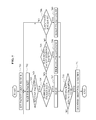
- FIG. 7 illustrates an example of a data communication method of a response terminal.
- the response terminal may set a packet count to be "o".
- the response terminal may wait for reception of one of: a data packet including an RI, which may be transmitted from a reference terminal, a response packet transmitted from another response terminal, and an FP transmitted from the reference terminal.
- the response terminal may determine whether the packet is received, and may proceed as below based on a type of the received packet ("YES" branch). Otherwise, the method may loop back on the "NO" branch to continue to wait for a packet to be received.
- the response terminal in response to the received packet being the data packet ("YES" branch), in operation 707, the response terminal may set an RI of the response terminal, based on the RI included in the data packet.
- the response terminal may increase the packet count in operation 708.
- the response terminal may reset the packet count based on information that is to reset the packet count and that is included in the FP in operation 709.
- the method may return to operation 702 to wait for a packet to be received.
- the response terminal may determine whether the packet count corresponds to the RI of the response terminal.
- the response terminal in response to the packet count corresponding to the RI ("YES" branch of operation 710), the response terminal may transmit a response packet to the reference terminal after SIFS.
- the method may return to operation 702 to wait for a packet to be received.
- FIG. 8 is a block diagram illustrating an example of a response terminal 800.
- the response terminal 800 may include a receiving unit 810, a packet count unit 820, and a transmission controller 830.
- the receiving unit 810 may receive a spatio-temporal stream including an RI, from a reference terminal 840.
- the RI may denote information associated with a transmission sequence of a response packet to be transmitted by the response terminal 800.
- the reference terminal 840 may initiate a packet count, and may transmit the initiated packet count to the response terminal 800 and to other response terminals, for example, a terminal 850.
- the receiving unit 810 may receive a response packet from the terminal 850.
- the terminal 850 may be located in a service coverage of the reference terminal 840.
- the terminal 850 may receive a data packet from the reference terminal 840, and may transmit the response packet in response to the data packet.
- the receiving unit 810 may overhear the response packet that the terminal 850 transmits to the reference terminal 840.
- the packet count unit 820 may increase the packet count by overhearing the response packet of the terminal 850.
- the transmission controller 830 may perform controlling to transmit a response packet to the reference terminal 840.
- the response packet may be a block ACK, or may be channel state information associated with an estimated channel state between the reference terminal 840 and the response terminal 800.
- the reference terminal 840 may transmit, to the response terminal 800, an FP including information to reset the packet count of the response terminal 800 to correspond to the RI of the response terminal 800 that has a data transmission error.
- the reference terminal 840 may transmit, to the response terminal 850, an FP including information to reset the packet count of the response terminal 850 to correspond to the RI of the response terminal 850 that has a data transmission error.
- the receiving unit 810 may receive an FP, and the packet count unit 820 may reset the packet count, based on the FP.
- the transmission controller 830 may perform controlling to transmit the response packet to the reference terminal 840, based on the reset packet count.
- the processes, functions, methods and/or software described herein may be recorded, stored, or fixed in one or more computer-readable storage media that includes program instructions to be implemented by a computer to cause a processor to execute or perform the program instructions.
- the media may also include, alone or in combination with the program instructions, data files, data structures, and the like.
- the media and program instructions may be those specially designed and constructed, or they may be of the kind well-known and available to those having skill in the computer software arts.
- Examples of computer-readable media include magnetic media, such as hard disks, floppy disks, and magnetic tape; optical media such as CD-ROM disks and DVDs; magneto-optical media, such as optical disks; and hardware devices that are specially configured to store and perform program instructions, such as read-only memory (ROM), random access memory (RAM), flash memory, and the like.
- Examples of program instructions include machine code, such as produced by a compiler, and files containing higher level code that may be executed by the computer using an interpreter.
- the described hardware devices may be configured to act as one or more software modules that are recorded, stored, or fixed in one or more computer-readable storage media, in order to perform the operations and methods described above, or vice versa.
- a computer-readable storage medium may be distributed among computer systems connected through a network and computer-readable codes or program instructions may be stored and executed in a decentralized manner.
Landscapes
- Engineering & Computer Science (AREA)
- Computer Networks & Wireless Communication (AREA)
- Signal Processing (AREA)
- Quality & Reliability (AREA)
- Mobile Radio Communication Systems (AREA)
- Radio Transmission System (AREA)
Applications Claiming Priority (1)
| Application Number | Priority Date | Filing Date | Title |
|---|---|---|---|
| KR1020100039552A KR101729926B1 (ko) | 2010-04-28 | 2010-04-28 | 순차적 리스폰스 프로토콜을 이용한 데이터 통신 방법 및 상기 방법이 적용된 단말 |
Publications (3)
| Publication Number | Publication Date |
|---|---|
| EP2383919A2 true EP2383919A2 (de) | 2011-11-02 |
| EP2383919A3 EP2383919A3 (de) | 2017-04-05 |
| EP2383919B1 EP2383919B1 (de) | 2019-06-12 |
Family
ID=44246266
Family Applications (1)
| Application Number | Title | Priority Date | Filing Date |
|---|---|---|---|
| EP11163806.0A Active EP2383919B1 (de) | 2010-04-28 | 2011-04-27 | Vorrichtung und Verfahren zur Datenkommunikation mit sequentiellem Antwortprotokoll |
Country Status (5)
| Country | Link |
|---|---|
| US (1) | US8705393B2 (de) |
| EP (1) | EP2383919B1 (de) |
| JP (1) | JP5660967B2 (de) |
| KR (1) | KR101729926B1 (de) |
| CN (1) | CN102237907B (de) |
Cited By (1)
| Publication number | Priority date | Publication date | Assignee | Title |
|---|---|---|---|---|
| EP3203665A4 (de) * | 2014-09-30 | 2018-12-19 | Kabushiki Kaisha Toshiba | Integrierte schaltung für drahtlose kommunikation, drahtloskommunikationsendgerät und drahtloskommunikationsverfahren |
Families Citing this family (2)
| Publication number | Priority date | Publication date | Assignee | Title |
|---|---|---|---|---|
| WO2015027414A1 (zh) * | 2013-08-28 | 2015-03-05 | 华为技术有限公司 | 一种通信方法、站点及系统 |
| US9712393B2 (en) * | 2013-10-15 | 2017-07-18 | Avaya Inc. | Network loop prevention |
Family Cites Families (20)
| Publication number | Priority date | Publication date | Assignee | Title |
|---|---|---|---|---|
| US11014A (en) * | 1854-06-06 | Improved machine for cleaning and watering streets | ||
| US5028A (en) * | 1847-03-20 | monohot | ||
| US10024A (en) * | 1853-09-20 | Planetary hydbaulic steam-engine | ||
| US6363054B1 (en) * | 1997-10-06 | 2002-03-26 | Fujitsu Limited | Device for outputting communication-line data to terminal |
| US20040266451A1 (en) | 2003-06-30 | 2004-12-30 | Aleksandr Stolyar | Method and apparatus for improving scheduler performance in wireless packet data systems |
| JP4047836B2 (ja) * | 2004-04-02 | 2008-02-13 | 株式会社東芝 | 通信装置、通信システム、通信方法、および通信制御プログラム |
| MXPA06012747A (es) | 2004-05-05 | 2007-02-19 | Qualcomm Inc | Metodo y aparato para gestion de restraso adaptivo en un sistema de comunicacion inalambrica. |
| US20050285719A1 (en) * | 2004-06-24 | 2005-12-29 | Intel Corporation | Method and apparatus to manage reverse data flow in a high throughput wireless network |
| CN101103642B (zh) * | 2004-11-25 | 2010-12-01 | 日本电气株式会社 | 用于上行链路传输层的传输方法 |
| MY140798A (en) * | 2005-06-09 | 2010-01-15 | Samsung Electronics Co Ltd | Method and apparatus for receiving data with down compatibility in high throughput wireless network |
| KR100708204B1 (ko) * | 2005-11-07 | 2007-04-16 | 삼성전자주식회사 | 무선랜에서 스테이션들간의 매체 접근에 대한 공정성을보장하는 방법 및 장치 |
| KR100771493B1 (ko) | 2005-12-13 | 2007-10-30 | 재단법인서울대학교산학협력재단 | 무선 통신 시스템에서 채널 추정 오차에 강인한 스케줄링방법 및 시스템 |
| US8027284B2 (en) * | 2006-11-27 | 2011-09-27 | Ntt Docomo, Inc. | Method and apparatus for reliable multicasting in wireless relay networks |
| KR20080055310A (ko) | 2006-12-15 | 2008-06-19 | 주식회사 케이티 | 무선망 하향링크에서 복합 서비스 제공을 위한 데이터 패킷스케줄링 장치 및 방법과 이를 구현하기 위한 프로그램이기록된 기록매체 |
| US8116805B2 (en) | 2006-12-17 | 2012-02-14 | Qualcomm Incorporated | Uplink scheduling for OFDM systems |
| KR101367798B1 (ko) * | 2007-06-29 | 2014-02-28 | 삼성전자주식회사 | 광대역 무선통신 시스템에서 피투피 통신 설정 장치 및방법 |
| JP2009027645A (ja) * | 2007-07-23 | 2009-02-05 | Toshiba Corp | 無線通信装置 |
| EP2294741B1 (de) * | 2008-06-26 | 2016-08-03 | Thomson Licensing | Verfahren und vorrichtung zur bestätigung und neuübertragung von multicast-daten in drahtlosen lokalen netzwerken |
| CN102369674B (zh) * | 2009-03-31 | 2014-07-23 | 马维尔国际贸易有限公司 | 用于无线通信的方法、装置及系统 |
| US8675575B2 (en) * | 2009-12-23 | 2014-03-18 | Intel Corporation | Scheduling mechanisms for media access control protection and channel sounding |
-
2010
- 2010-04-28 KR KR1020100039552A patent/KR101729926B1/ko active Active
-
2011
- 2011-04-26 US US13/093,944 patent/US8705393B2/en active Active
- 2011-04-27 EP EP11163806.0A patent/EP2383919B1/de active Active
- 2011-04-27 JP JP2011099381A patent/JP5660967B2/ja active Active
- 2011-04-28 CN CN201110113068.7A patent/CN102237907B/zh active Active
Non-Patent Citations (1)
| Title |
|---|
| None |
Cited By (1)
| Publication number | Priority date | Publication date | Assignee | Title |
|---|---|---|---|---|
| EP3203665A4 (de) * | 2014-09-30 | 2018-12-19 | Kabushiki Kaisha Toshiba | Integrierte schaltung für drahtlose kommunikation, drahtloskommunikationsendgerät und drahtloskommunikationsverfahren |
Also Published As
| Publication number | Publication date |
|---|---|
| US8705393B2 (en) | 2014-04-22 |
| US20110267971A1 (en) | 2011-11-03 |
| EP2383919B1 (de) | 2019-06-12 |
| KR101729926B1 (ko) | 2017-04-25 |
| KR20110120052A (ko) | 2011-11-03 |
| JP5660967B2 (ja) | 2015-01-28 |
| JP2011234364A (ja) | 2011-11-17 |
| CN102237907A (zh) | 2011-11-09 |
| EP2383919A3 (de) | 2017-04-05 |
| CN102237907B (zh) | 2015-02-25 |
Similar Documents
| Publication | Publication Date | Title |
|---|---|---|
| US8861495B2 (en) | Method for protecting data in a MU-MIMO based wireless communication system | |
| US11765713B2 (en) | Method and apparatus for wireless communications | |
| KR102593395B1 (ko) | 밀리미터파 wlan을 위한 다차원 빔 미세조정 절차 및 시그널링 | |
| CN102656816B (zh) | 支持mu-mimo的多帧发送方法和装置 | |
| KR101853015B1 (ko) | 무선랜을 위한 방법 및 장치 | |
| KR102009848B1 (ko) | 무선랜에서 데이터 프레임의 재전송 없이 에러를 회복하는 방법 및 장치 | |
| US20160028452A1 (en) | Group acknowledgement for multiple user communication in a wireless local area network | |
| US20150055546A1 (en) | Transmit opportunity (txop) sharing | |
| US20240163720A1 (en) | Communication apparatus, processing apparatus, communication method, and storage medium | |
| US12184371B1 (en) | Explicit multiuser beamforming training in a wireless local area network | |
| KR20110058712A (ko) | 다중 사용자 기반 무선통신 시스템에서의 응답 요청 프레임 및 응답 프레임의 전송방법 | |
| WO2013058512A1 (ko) | 무선랜 시스템에서 프레임을 전송하는 방법 및 장치 | |
| KR20130021442A (ko) | 매우 높은 스루풋 wlan 확인 응답 프레임들을 전송하기 위한 방법 및 장치 | |
| WO2013055117A2 (ko) | 무선랜 시스템에서 상향링크 신호를 처리하는 방법 및 장치 | |
| JP2015111829A5 (de) | ||
| CN102714631A (zh) | 在多用户多输入多输出系统中产生前同步码的方法以及使用所述方法的数据发送设备和用户终端 | |
| US9179476B2 (en) | Multi-user transmission during reverse direction grant | |
| JP7758874B2 (ja) | アンテナチャネルサウンディング方法、装置、および記憶媒体 | |
| US20180124778A1 (en) | Back-to-back uplink transmissions from multiple stations | |
| CN108696939A (zh) | 一种发送调度信息的方法和网络设备 | |
| CN113508546A (zh) | 无线通信设备和方法 | |
| US8705393B2 (en) | Apparatus and method for communicating data using sequential response protocol | |
| EP3871351B1 (de) | Soft ack-nack mit csi-codebuch | |
| KR102320997B1 (ko) | 이동통신 시스템에서 단말과 기지국 간 데이터 송수신 방법 및 장치 | |
| WO2023049107A1 (en) | Techniques for backwards-compatible sidelink communications |
Legal Events
| Date | Code | Title | Description |
|---|---|---|---|
| AK | Designated contracting states |
Kind code of ref document: A2 Designated state(s): AL AT BE BG CH CY CZ DE DK EE ES FI FR GB GR HR HU IE IS IT LI LT LU LV MC MK MT NL NO PL PT RO RS SE SI SK SM TR |
|
| AX | Request for extension of the european patent |
Extension state: BA ME |
|
| PUAI | Public reference made under article 153(3) epc to a published international application that has entered the european phase |
Free format text: ORIGINAL CODE: 0009012 |
|
| RAP1 | Party data changed (applicant data changed or rights of an application transferred) |
Owner name: SAMSUNG ELECTRONICS CO., LTD. |
|
| PUAL | Search report despatched |
Free format text: ORIGINAL CODE: 0009013 |
|
| AK | Designated contracting states |
Kind code of ref document: A3 Designated state(s): AL AT BE BG CH CY CZ DE DK EE ES FI FR GB GR HR HU IE IS IT LI LT LU LV MC MK MT NL NO PL PT RO RS SE SI SK SM TR |
|
| AX | Request for extension of the european patent |
Extension state: BA ME |
|
| RIC1 | Information provided on ipc code assigned before grant |
Ipc: H04L 1/16 20060101ALI20170228BHEP Ipc: H04L 1/00 20060101AFI20170228BHEP Ipc: H04L 1/06 20060101ALI20170228BHEP |
|
| STAA | Information on the status of an ep patent application or granted ep patent |
Free format text: STATUS: REQUEST FOR EXAMINATION WAS MADE |
|
| 17P | Request for examination filed |
Effective date: 20171003 |
|
| RBV | Designated contracting states (corrected) |
Designated state(s): AL AT BE BG CH CY CZ DE DK EE ES FI FR GB GR HR HU IE IS IT LI LT LU LV MC MK MT NL NO PL PT RO RS SE SI SK SM TR |
|
| STAA | Information on the status of an ep patent application or granted ep patent |
Free format text: STATUS: EXAMINATION IS IN PROGRESS |
|
| 17Q | First examination report despatched |
Effective date: 20180405 |
|
| GRAP | Despatch of communication of intention to grant a patent |
Free format text: ORIGINAL CODE: EPIDOSNIGR1 |
|
| STAA | Information on the status of an ep patent application or granted ep patent |
Free format text: STATUS: GRANT OF PATENT IS INTENDED |
|
| INTG | Intention to grant announced |
Effective date: 20181121 |
|
| GRAS | Grant fee paid |
Free format text: ORIGINAL CODE: EPIDOSNIGR3 |
|
| GRAA | (expected) grant |
Free format text: ORIGINAL CODE: 0009210 |
|
| STAA | Information on the status of an ep patent application or granted ep patent |
Free format text: STATUS: THE PATENT HAS BEEN GRANTED |
|
| AK | Designated contracting states |
Kind code of ref document: B1 Designated state(s): AL AT BE BG CH CY CZ DE DK EE ES FI FR GB GR HR HU IE IS IT LI LT LU LV MC MK MT NL NO PL PT RO RS SE SI SK SM TR |
|
| REG | Reference to a national code |
Ref country code: GB Ref legal event code: FG4D |
|
| REG | Reference to a national code |
Ref country code: CH Ref legal event code: EP |
|
| REG | Reference to a national code |
Ref country code: AT Ref legal event code: REF Ref document number: 1143959 Country of ref document: AT Kind code of ref document: T Effective date: 20190615 |
|
| REG | Reference to a national code |
Ref country code: DE Ref legal event code: R096 Ref document number: 602011059571 Country of ref document: DE |
|
| REG | Reference to a national code |
Ref country code: IE Ref legal event code: FG4D |
|
| REG | Reference to a national code |
Ref country code: NL Ref legal event code: MP Effective date: 20190612 |
|
| REG | Reference to a national code |
Ref country code: LT Ref legal event code: MG4D |
|
| PG25 | Lapsed in a contracting state [announced via postgrant information from national office to epo] |
Ref country code: ES Free format text: LAPSE BECAUSE OF FAILURE TO SUBMIT A TRANSLATION OF THE DESCRIPTION OR TO PAY THE FEE WITHIN THE PRESCRIBED TIME-LIMIT Effective date: 20190612 Ref country code: AL Free format text: LAPSE BECAUSE OF FAILURE TO SUBMIT A TRANSLATION OF THE DESCRIPTION OR TO PAY THE FEE WITHIN THE PRESCRIBED TIME-LIMIT Effective date: 20190612 Ref country code: SE Free format text: LAPSE BECAUSE OF FAILURE TO SUBMIT A TRANSLATION OF THE DESCRIPTION OR TO PAY THE FEE WITHIN THE PRESCRIBED TIME-LIMIT Effective date: 20190612 Ref country code: HR Free format text: LAPSE BECAUSE OF FAILURE TO SUBMIT A TRANSLATION OF THE DESCRIPTION OR TO PAY THE FEE WITHIN THE PRESCRIBED TIME-LIMIT Effective date: 20190612 Ref country code: NO Free format text: LAPSE BECAUSE OF FAILURE TO SUBMIT A TRANSLATION OF THE DESCRIPTION OR TO PAY THE FEE WITHIN THE PRESCRIBED TIME-LIMIT Effective date: 20190912 Ref country code: LT Free format text: LAPSE BECAUSE OF FAILURE TO SUBMIT A TRANSLATION OF THE DESCRIPTION OR TO PAY THE FEE WITHIN THE PRESCRIBED TIME-LIMIT Effective date: 20190612 Ref country code: FI Free format text: LAPSE BECAUSE OF FAILURE TO SUBMIT A TRANSLATION OF THE DESCRIPTION OR TO PAY THE FEE WITHIN THE PRESCRIBED TIME-LIMIT Effective date: 20190612 |
|
| PG25 | Lapsed in a contracting state [announced via postgrant information from national office to epo] |
Ref country code: RS Free format text: LAPSE BECAUSE OF FAILURE TO SUBMIT A TRANSLATION OF THE DESCRIPTION OR TO PAY THE FEE WITHIN THE PRESCRIBED TIME-LIMIT Effective date: 20190612 Ref country code: LV Free format text: LAPSE BECAUSE OF FAILURE TO SUBMIT A TRANSLATION OF THE DESCRIPTION OR TO PAY THE FEE WITHIN THE PRESCRIBED TIME-LIMIT Effective date: 20190612 Ref country code: GR Free format text: LAPSE BECAUSE OF FAILURE TO SUBMIT A TRANSLATION OF THE DESCRIPTION OR TO PAY THE FEE WITHIN THE PRESCRIBED TIME-LIMIT Effective date: 20190913 Ref country code: BG Free format text: LAPSE BECAUSE OF FAILURE TO SUBMIT A TRANSLATION OF THE DESCRIPTION OR TO PAY THE FEE WITHIN THE PRESCRIBED TIME-LIMIT Effective date: 20190912 |
|
| REG | Reference to a national code |
Ref country code: AT Ref legal event code: MK05 Ref document number: 1143959 Country of ref document: AT Kind code of ref document: T Effective date: 20190612 |
|
| PG25 | Lapsed in a contracting state [announced via postgrant information from national office to epo] |
Ref country code: AT Free format text: LAPSE BECAUSE OF FAILURE TO SUBMIT A TRANSLATION OF THE DESCRIPTION OR TO PAY THE FEE WITHIN THE PRESCRIBED TIME-LIMIT Effective date: 20190612 Ref country code: PT Free format text: LAPSE BECAUSE OF FAILURE TO SUBMIT A TRANSLATION OF THE DESCRIPTION OR TO PAY THE FEE WITHIN THE PRESCRIBED TIME-LIMIT Effective date: 20191014 Ref country code: SK Free format text: LAPSE BECAUSE OF FAILURE TO SUBMIT A TRANSLATION OF THE DESCRIPTION OR TO PAY THE FEE WITHIN THE PRESCRIBED TIME-LIMIT Effective date: 20190612 Ref country code: EE Free format text: LAPSE BECAUSE OF FAILURE TO SUBMIT A TRANSLATION OF THE DESCRIPTION OR TO PAY THE FEE WITHIN THE PRESCRIBED TIME-LIMIT Effective date: 20190612 Ref country code: NL Free format text: LAPSE BECAUSE OF FAILURE TO SUBMIT A TRANSLATION OF THE DESCRIPTION OR TO PAY THE FEE WITHIN THE PRESCRIBED TIME-LIMIT Effective date: 20190612 Ref country code: CZ Free format text: LAPSE BECAUSE OF FAILURE TO SUBMIT A TRANSLATION OF THE DESCRIPTION OR TO PAY THE FEE WITHIN THE PRESCRIBED TIME-LIMIT Effective date: 20190612 Ref country code: RO Free format text: LAPSE BECAUSE OF FAILURE TO SUBMIT A TRANSLATION OF THE DESCRIPTION OR TO PAY THE FEE WITHIN THE PRESCRIBED TIME-LIMIT Effective date: 20190612 |
|
| PG25 | Lapsed in a contracting state [announced via postgrant information from national office to epo] |
Ref country code: IS Free format text: LAPSE BECAUSE OF FAILURE TO SUBMIT A TRANSLATION OF THE DESCRIPTION OR TO PAY THE FEE WITHIN THE PRESCRIBED TIME-LIMIT Effective date: 20191012 Ref country code: IT Free format text: LAPSE BECAUSE OF FAILURE TO SUBMIT A TRANSLATION OF THE DESCRIPTION OR TO PAY THE FEE WITHIN THE PRESCRIBED TIME-LIMIT Effective date: 20190612 Ref country code: SM Free format text: LAPSE BECAUSE OF FAILURE TO SUBMIT A TRANSLATION OF THE DESCRIPTION OR TO PAY THE FEE WITHIN THE PRESCRIBED TIME-LIMIT Effective date: 20190612 |
|
| REG | Reference to a national code |
Ref country code: DE Ref legal event code: R097 Ref document number: 602011059571 Country of ref document: DE |
|
| PG25 | Lapsed in a contracting state [announced via postgrant information from national office to epo] |
Ref country code: TR Free format text: LAPSE BECAUSE OF FAILURE TO SUBMIT A TRANSLATION OF THE DESCRIPTION OR TO PAY THE FEE WITHIN THE PRESCRIBED TIME-LIMIT Effective date: 20190612 |
|
| PLBE | No opposition filed within time limit |
Free format text: ORIGINAL CODE: 0009261 |
|
| STAA | Information on the status of an ep patent application or granted ep patent |
Free format text: STATUS: NO OPPOSITION FILED WITHIN TIME LIMIT |
|
| PG25 | Lapsed in a contracting state [announced via postgrant information from national office to epo] |
Ref country code: PL Free format text: LAPSE BECAUSE OF FAILURE TO SUBMIT A TRANSLATION OF THE DESCRIPTION OR TO PAY THE FEE WITHIN THE PRESCRIBED TIME-LIMIT Effective date: 20190612 Ref country code: DK Free format text: LAPSE BECAUSE OF FAILURE TO SUBMIT A TRANSLATION OF THE DESCRIPTION OR TO PAY THE FEE WITHIN THE PRESCRIBED TIME-LIMIT Effective date: 20190612 |
|
| 26N | No opposition filed |
Effective date: 20200313 |
|
| PG25 | Lapsed in a contracting state [announced via postgrant information from national office to epo] |
Ref country code: IS Free format text: LAPSE BECAUSE OF FAILURE TO SUBMIT A TRANSLATION OF THE DESCRIPTION OR TO PAY THE FEE WITHIN THE PRESCRIBED TIME-LIMIT Effective date: 20200224 Ref country code: SI Free format text: LAPSE BECAUSE OF FAILURE TO SUBMIT A TRANSLATION OF THE DESCRIPTION OR TO PAY THE FEE WITHIN THE PRESCRIBED TIME-LIMIT Effective date: 20190612 |
|
| PG2D | Information on lapse in contracting state deleted |
Ref country code: IS |
|
| PG25 | Lapsed in a contracting state [announced via postgrant information from national office to epo] |
Ref country code: IS Free format text: LAPSE BECAUSE OF FAILURE TO SUBMIT A TRANSLATION OF THE DESCRIPTION OR TO PAY THE FEE WITHIN THE PRESCRIBED TIME-LIMIT Effective date: 20191112 |
|
| PG25 | Lapsed in a contracting state [announced via postgrant information from national office to epo] |
Ref country code: MC Free format text: LAPSE BECAUSE OF FAILURE TO SUBMIT A TRANSLATION OF THE DESCRIPTION OR TO PAY THE FEE WITHIN THE PRESCRIBED TIME-LIMIT Effective date: 20190612 |
|
| REG | Reference to a national code |
Ref country code: CH Ref legal event code: PL |
|
| PG25 | Lapsed in a contracting state [announced via postgrant information from national office to epo] |
Ref country code: LU Free format text: LAPSE BECAUSE OF NON-PAYMENT OF DUE FEES Effective date: 20200427 Ref country code: LI Free format text: LAPSE BECAUSE OF NON-PAYMENT OF DUE FEES Effective date: 20200430 Ref country code: CH Free format text: LAPSE BECAUSE OF NON-PAYMENT OF DUE FEES Effective date: 20200430 |
|
| REG | Reference to a national code |
Ref country code: BE Ref legal event code: MM Effective date: 20200430 |
|
| PG25 | Lapsed in a contracting state [announced via postgrant information from national office to epo] |
Ref country code: BE Free format text: LAPSE BECAUSE OF NON-PAYMENT OF DUE FEES Effective date: 20200430 |
|
| PG25 | Lapsed in a contracting state [announced via postgrant information from national office to epo] |
Ref country code: IE Free format text: LAPSE BECAUSE OF NON-PAYMENT OF DUE FEES Effective date: 20200427 |
|
| PG25 | Lapsed in a contracting state [announced via postgrant information from national office to epo] |
Ref country code: MT Free format text: LAPSE BECAUSE OF FAILURE TO SUBMIT A TRANSLATION OF THE DESCRIPTION OR TO PAY THE FEE WITHIN THE PRESCRIBED TIME-LIMIT Effective date: 20190612 Ref country code: CY Free format text: LAPSE BECAUSE OF FAILURE TO SUBMIT A TRANSLATION OF THE DESCRIPTION OR TO PAY THE FEE WITHIN THE PRESCRIBED TIME-LIMIT Effective date: 20190612 |
|
| PG25 | Lapsed in a contracting state [announced via postgrant information from national office to epo] |
Ref country code: MK Free format text: LAPSE BECAUSE OF FAILURE TO SUBMIT A TRANSLATION OF THE DESCRIPTION OR TO PAY THE FEE WITHIN THE PRESCRIBED TIME-LIMIT Effective date: 20190612 |
|
| P01 | Opt-out of the competence of the unified patent court (upc) registered |
Effective date: 20230530 |
|
| PGFP | Annual fee paid to national office [announced via postgrant information from national office to epo] |
Ref country code: DE Payment date: 20250311 Year of fee payment: 15 |
|
| PGFP | Annual fee paid to national office [announced via postgrant information from national office to epo] |
Ref country code: GB Payment date: 20260323 Year of fee payment: 16 |
|
| PGFP | Annual fee paid to national office [announced via postgrant information from national office to epo] |
Ref country code: FR Payment date: 20260323 Year of fee payment: 16 |