EP2385121A1 - Antagonisten der Sema3E/PlexinD1-Interaktion als Antikrebswirkstoff - Google Patents
Antagonisten der Sema3E/PlexinD1-Interaktion als Antikrebswirkstoff Download PDFInfo
- Publication number
- EP2385121A1 EP2385121A1 EP10305480A EP10305480A EP2385121A1 EP 2385121 A1 EP2385121 A1 EP 2385121A1 EP 10305480 A EP10305480 A EP 10305480A EP 10305480 A EP10305480 A EP 10305480A EP 2385121 A1 EP2385121 A1 EP 2385121A1
- Authority
- EP
- European Patent Office
- Prior art keywords
- plexind1
- sema3e
- cells
- antagonist
- expression
- Prior art date
- Legal status (The legal status is an assumption and is not a legal conclusion. Google has not performed a legal analysis and makes no representation as to the accuracy of the status listed.)
- Withdrawn
Links
Images






Classifications
-
- A—HUMAN NECESSITIES
- A61—MEDICAL OR VETERINARY SCIENCE; HYGIENE
- A61K—PREPARATIONS FOR MEDICAL, DENTAL OR TOILETRY PURPOSES
- A61K39/00—Medicinal preparations containing antigens or antibodies
- A61K39/395—Antibodies; Immunoglobulins; Immune serum, e.g. antilymphocytic serum
- A61K39/39533—Antibodies; Immunoglobulins; Immune serum, e.g. antilymphocytic serum against materials from animals
- A61K39/3955—Antibodies; Immunoglobulins; Immune serum, e.g. antilymphocytic serum against materials from animals against proteinaceous materials, e.g. enzymes, hormones, lymphokines
-
- A—HUMAN NECESSITIES
- A61—MEDICAL OR VETERINARY SCIENCE; HYGIENE
- A61K—PREPARATIONS FOR MEDICAL, DENTAL OR TOILETRY PURPOSES
- A61K38/00—Medicinal preparations containing peptides
- A61K38/16—Peptides having more than 20 amino acids; Gastrins; Somatostatins; Melanotropins; Derivatives thereof
- A61K38/17—Peptides having more than 20 amino acids; Gastrins; Somatostatins; Melanotropins; Derivatives thereof from animals; from humans
- A61K38/1703—Peptides having more than 20 amino acids; Gastrins; Somatostatins; Melanotropins; Derivatives thereof from animals; from humans from vertebrates
- A61K38/1709—Peptides having more than 20 amino acids; Gastrins; Somatostatins; Melanotropins; Derivatives thereof from animals; from humans from vertebrates from mammals
-
- A—HUMAN NECESSITIES
- A61—MEDICAL OR VETERINARY SCIENCE; HYGIENE
- A61K—PREPARATIONS FOR MEDICAL, DENTAL OR TOILETRY PURPOSES
- A61K38/00—Medicinal preparations containing peptides
- A61K38/02—Peptides of undefined number of amino acids; Derivatives thereof
-
- C—CHEMISTRY; METALLURGY
- C07—ORGANIC CHEMISTRY
- C07K—PEPTIDES
- C07K14/00—Peptides having more than 20 amino acids; Gastrins; Somatostatins; Melanotropins; Derivatives thereof
- C07K14/435—Peptides having more than 20 amino acids; Gastrins; Somatostatins; Melanotropins; Derivatives thereof from animals; from humans
- C07K14/705—Receptors; Cell surface antigens; Cell surface determinants
- C07K14/70571—Receptors; Cell surface antigens; Cell surface determinants for neuromediators, e.g. serotonin receptor, dopamine receptor
-
- C—CHEMISTRY; METALLURGY
- C12—BIOCHEMISTRY; BEER; SPIRITS; WINE; VINEGAR; MICROBIOLOGY; ENZYMOLOGY; MUTATION OR GENETIC ENGINEERING
- C12N—MICROORGANISMS OR ENZYMES; COMPOSITIONS THEREOF; PROPAGATING, PRESERVING, OR MAINTAINING MICROORGANISMS; MUTATION OR GENETIC ENGINEERING; CULTURE MEDIA
- C12N15/00—Mutation or genetic engineering; DNA or RNA concerning genetic engineering, vectors, e.g. plasmids, or their isolation, preparation or purification; Use of hosts therefor
- C12N15/09—Recombinant DNA-technology
- C12N15/11—DNA or RNA fragments; Modified forms thereof; Non-coding nucleic acids having a biological activity
- C12N15/113—Non-coding nucleic acids modulating the expression of genes, e.g. antisense oligonucleotides; Antisense DNA or RNA; Triplex- forming oligonucleotides; Catalytic nucleic acids, e.g. ribozymes; Nucleic acids used in co-suppression or gene silencing
- C12N15/1138—Non-coding nucleic acids modulating the expression of genes, e.g. antisense oligonucleotides; Antisense DNA or RNA; Triplex- forming oligonucleotides; Catalytic nucleic acids, e.g. ribozymes; Nucleic acids used in co-suppression or gene silencing against receptors or cell surface proteins
-
- A—HUMAN NECESSITIES
- A61—MEDICAL OR VETERINARY SCIENCE; HYGIENE
- A61K—PREPARATIONS FOR MEDICAL, DENTAL OR TOILETRY PURPOSES
- A61K38/00—Medicinal preparations containing peptides
-
- C—CHEMISTRY; METALLURGY
- C07—ORGANIC CHEMISTRY
- C07K—PEPTIDES
- C07K2319/00—Fusion polypeptide
- C07K2319/01—Fusion polypeptide containing a localisation/targetting motif
- C07K2319/02—Fusion polypeptide containing a localisation/targetting motif containing a signal sequence
-
- C—CHEMISTRY; METALLURGY
- C07—ORGANIC CHEMISTRY
- C07K—PEPTIDES
- C07K2319/00—Fusion polypeptide
- C07K2319/01—Fusion polypeptide containing a localisation/targetting motif
- C07K2319/03—Fusion polypeptide containing a localisation/targetting motif containing a transmembrane segment
-
- C—CHEMISTRY; METALLURGY
- C07—ORGANIC CHEMISTRY
- C07K—PEPTIDES
- C07K2319/00—Fusion polypeptide
- C07K2319/32—Fusion polypeptide fusions with soluble part of a cell surface receptor, "decoy receptors"
-
- C—CHEMISTRY; METALLURGY
- C07—ORGANIC CHEMISTRY
- C07K—PEPTIDES
- C07K2319/00—Fusion polypeptide
- C07K2319/40—Fusion polypeptide containing a tag for immunodetection, or an epitope for immunisation
- C07K2319/41—Fusion polypeptide containing a tag for immunodetection, or an epitope for immunisation containing a Myc-tag
-
- C—CHEMISTRY; METALLURGY
- C12—BIOCHEMISTRY; BEER; SPIRITS; WINE; VINEGAR; MICROBIOLOGY; ENZYMOLOGY; MUTATION OR GENETIC ENGINEERING
- C12N—MICROORGANISMS OR ENZYMES; COMPOSITIONS THEREOF; PROPAGATING, PRESERVING, OR MAINTAINING MICROORGANISMS; MUTATION OR GENETIC ENGINEERING; CULTURE MEDIA
- C12N2310/00—Structure or type of the nucleic acid
- C12N2310/10—Type of nucleic acid
- C12N2310/14—Type of nucleic acid interfering nucleic acids [NA]
Definitions
- the present invention is related to the treatment of certain cancers using antagonists of the binding between a Plexin and a semaphorin.
- Plexins are a family of transmembrane receptors consisting of nine members in vertebrates, divided into four subfamilies: PlexinA(1-4), PlexinB(1-3), PlexinC1 and PlexinD1.
- Plexins are part of the semaphorin gene superfamily, which also includes the semaphorin ligands and the receptor tyrosine kinases Met and RON. All of these proteins are characterized by an N-terminal 500-amino-acid sema domain that is essential for protein function.
- the structure of the sema domain is a seven-blade ⁇ -propeller fold that has overall structural similarity to the extracellular domain of ⁇ -integrins (Gherardi et al., 2004; Koppel et al., 1997).
- plexins contain two to three repeats of the plexin-semaphorin-integrin (PSI) domain, a cysteine-rich motif also referred as a MET-related sequence (MRS) (Bork et al., 1999), and three IPT (Ig-like fold shared by plexins and transcription factors) domains.
- PSI plexin-semaphorin-integrin
- MCS MET-related sequence
- the cytoplasmic domain of plexins is highly conserved between all members of the family and contains homology to GTPase-activating proteins (GAPs), which catalyze the inactivation of R-Ras GTPase (Rohm et al., 2000a,b; Takahashi et al., 1999; Tamagnone et al., 1999; Oinuma et al., 2004).
- GAPs GTPase-activating proteins
- Plexins are further characterized by specific protein domains such as cleavage sites for furin-like pro-protein convertases in the extracellular domains of PlexinB1 and PlexinB2, and binding sites for PDZ (PSD-95/DIg/ZO-1) domains in the C-terminus of PlexinD1 and B-type plexins.
- PlexinD1 is the most divergent plexin family member that includes an atypical feature in its extracellular domain: the third IPT motif in PlexinD1 contains only six of the eight conserved cysteins normally encountered in a IPT domain (Van der Zwaag et al., 2002).
- Plexins are the main signaling receptors for Semaphorins family of ligands, which consist of more than 20 proteins (in vertebrates), divided into different classes on the basis of sequence similarity and structural organisation (Semaphorin Nomenclature Committee, 1999). Semaphorins were initially identified as axonal guidance cues in the developing nervous system. However, it is now clear that in addition to their central role in the nervous system, Semaphorins are implicated in a range of processes, including vascular patterning, tissue morphogenesis, tumor formation, and play important roles in the mature immune system (Mann et al., 2007; Carrapucia and Tamagnone, 2009).
- Plexins function as high affinity receptors for membrane-bound semaphorins (class 4-7). However, most secreted semaphorins (class 3) do not appear to bind plexin receptors directly. Instead, they bind to receptor complexes that include members of the Neuropilin family as ligand-binding subunit and a Plexin signal-transducing element. One exception to this rule is the secreted Semaphorin 3E (Sema3E) which binds with high affinity to PlexinD1 receptor, independently of the presence or absence of Neuropilins (Gu et al., 2005).
- Sema3E secreted Semaphorin 3E
- PlexinD1 is prominently expressed in most, if not all, endothelial vascular cells during embryogenesis (Van der Zwaag et al., 2002; Gitler et al., 2004). Expression in other organs has been demonstrated, including central and peripheral nervous system (van der Zwaag et al., 2002; Chauvet et al., 2007; Pecho-Vrieseling et al., 2009), salivary gland (Chung et al., 2007), neural crest cells (Toyofuku et al., 2008), osteoblasts (Kanda et al., 2007) and lymphocytes (Choi et al., 2008).
- central and peripheral nervous system van der Zwaag et al., 2002; Chauvet et al., 2007; Pecho-Vrieseling et al., 2009
- salivary gland Choung et al., 2007
- neural crest cells Toyofuku et al., 2008
- Cardiovascular development is notably abnormal in mice with a targeted inactivation of PlexinD1.
- Structural defects involve the outflow tract of the heart and derivatives of the aortic arch arteries, coronary and peripheral blood vessels (Gitler et al., 2004).
- Inactivation of PlexinD1 also leads to axial skeletal morphogenesis defects (Kada et al., 2007) that appear to be secondary to vascular patterning defects (Zhang et al., 2008).
- disruption of PlexinD1 function causes abnormal growth and guidance of neuronal axons in the nervous system (Chauvet et al., 2007; Pecho-Vrieseling et al., 2009).
- PlexinD1 The primary ligand for PlexinD1 is Sema3E (Gu et al., 2005). Sema3E/PlexinD1 interaction is not only functionally important in the vascular system of mouse embryos to pattern intersomitic blood vessels (Gu et al., 2005) but also in the nervous system for neural circuit assembly (Chauvet et al., 2007; Pecho-Vrieseling et al., 2009). However, PlexinD1 may also participate in receptor complexes for other semaphorin ligands.
- Sema3E acts on PlexinD1 to inhibit migration and capillary tube formation of endothelial cells, by inducing detachment and retraction of the cells from the extracellular matrix (Gu et al., 2005; Toyofuku et al., 2007; Sakurai et al., 2010).
- this process involves the association of PlexinD1 with R-Ras and concomitant activation of Arf6, which affects the activation status of integrins and their intracellular trafficking (Sakurai et al., 2010).
- Sema3E/PlexinD1 may also inhibit endothelial cell growth and tube formation by suppressing the vascular endothelial growth factor (VEGF) signaling pathway (Moriya et al. 2010).
- VEGF vascular endothelial growth factor
- Sema3E has emerged as a potent anti-angiogenic factor
- another study has reported that a furin-cleaved form of Sema3E exert a motogenic effect on endothelial cells (Christensen et al., 2005). The underlying molecular mechanism is not known.
- the dual activity of Sema3E involves different receptor complexes.
- Sema3E acts on PlexinD1 to inhibit and repel neuronal axon growth (Chauvet et al., 2007). This requires stimulation of PlexinD1 R-Ras GAP activity by Rnd2 GTPases, inhibition of R-Ras function and subsequent inactivation of phosphatidylinositol-3 kinase (PI3K)/Akt and activation GSK-3 ⁇ (Uesugi et al., 2009; Bellon et al., 2010).
- PI3K phosphatidylinositol-3 kinase
- Sema3E attracts and stimulates axon growth by acting through a trimeric receptor complex that comprises, in addition to PlexinD1, Neuropilin-1 and the vascular endothelial growth factor receptor 2 (VEGFR2) co-receptors (Chauvet et al., 2007; Bellon et al., 2010).
- PlexinD1 serves as a ligand-binding subunit for Sema3E ligand but does not transduce intracellular signaling. Instead, Sema3E triggers VEGFR2-dependent activation of the PI3K/Akt pathway that is required for the increase in axonal growth (Bellon et al., 2010).
- Plexin and Neuropilin receptor expression have been reported in a number of human cancers.
- PlexinD1 expression is found on tumor-associated blood vessels and on tumor cells in a large variety of clinical tumors of both primary and metastatic origins. These include breast carcinoma, renal cell carcinoma, prostate adenocarcinoma, gastric adenocarcinoma, glioblastoma, medulloblastoma, melanoma, as well as brain metastasis of adenocarcinoma, glioblastoma, neuro-endocrine lung tumor and melanoma (Roodink et al., 2009). PlexinD1 expression has also been reported in tumor-derived cells from breast origin (Kigel et al., 2008).
- PlexinD1 is absent in benign melanocytic lesions, whereas expression is abundant in both invasive primary and disseminated melanoma (Roodink et al., 2008). This is suggestive of a role of PlexinD1 in cancer progression. So far, however, no studies have directly addressed the biological function of PlexinD1 in cancer.
- Sema3E has been initially isolated from mouse mammary adenocarcinoma cell lines (Christensen et al., 1998). Sema3E expression has been observed in human breast and prostate cancer cell lines (Christensen et al., 2005; Herman et al., 2004; Kigel et al., 2008), human breast cancer and lymph node metastasis (Christensen et al., 2005), and human melanoma (Roodink et al., 2008). Sema3E has been proposed to act as a mediator of tumor invasion and metastasis.
- Sema3E shows reduced expression in invasive melanomas and disseminated metastasis, compared to benign melanocytic lesions (Roodink et al., 2008), suggesting an anti-tumorigenic function.
- Sema3E signaling may have distinct and opposite effects.
- Sema3E regulates tumor progression may secrete Sema3E to regulate tumor-cell behaviour and/or to act on different cell types in the tumor environment.
- Sema3E functions in an autocrine manner to decrease invasion and adhesion of prostate cancer cells in vitro (Herman and Meadows, 2007) and diminish colony formation of breast cancer cells in soft agar assay (Kigel et al., 2008).
- melanoma and breast cancer-derived cells acts on endothelial cells, resulting in decreased tumor angiogenesis in vivo (Roodink et al., 2008; Kigel et al., 2008). Whether these effects are mediated by PlexinD1 receptor remains to be determined.
- WO01/14420 discloses nucleic acid sequences encoding several Plexins, such as the Plexins B2, B3, D1 and A4 that are defined as novel Plexins at this time. Antibodies, molecules binding to the Plexins and chimeric molecules, including a Plexin extracellular domain fused to an immunoglobulin are described. The applications are essentially the modulation of cell growth (i.e. nerve growth) and immune regulation. Extension is made without any basis on the treatment of cancer in general. Also, the basis of this previous work is the signaling pathway between a Plexin and a Neuropilin, and there is no experiment on PlexinD1.
- W02007/009816 is related to the implication of PlexinD1 in angiogenesis and proposed that PlexinD1 could be a targetable protein in the treatment of angiogenesis, using molecules that interfere in the interaction between PlexinD1 and its ligands, interfere in the expression of the PlexinD1 gene or that capture PlexinD1 ligands.
- Ligands of PlexinD1 are mentioned to include neuropilin-1, neuropilin-2, semaphorin 3C, semaphorin 3E, VEGF-receptor 1, VEGF-receptor 2, VEGF-A.
- this document proposes binding molecules which are able to bind PlexinD1 and inhibit the ligand-induced GTPase signalling by PlexinD1 or the migration of cells, these mechanisms being involved in angiogenesis.
- a recombinant protein is proposed, that consists of the extracellular domain of PlexinD1 fused to a constant region of a human heavy chain.
- US 7,482,322 is related to the PlexinD1 derived polypeptides for use in the inhibition of angiogenesis.
- the present inventors focused their research on the determination of how blocking endogenous Sema3E/PlexinD1 interaction affects tumor cell behaviour and cancer progression.
- the objective of the present invention was indeed to propose new therapeutics approaches for the treatment of cancer, in particular aggressive tumours and metastases.
- the present inventors have demonstrated that a peptide called SD1, comprising the N-terminal sema domain of approximately 500 amino acids from PlexinD1 specifically, binds to Sema3E and antagonizes the Sema3E/PlexinD1 interaction.
- the inventors have further demonstrated that this binding inhibits the Sema3E/PlexinD1 signaling.
- they have demonstrated in vivo that SD1 inhibits the development of primary tumors and metastasis and induces tumor cell death. They have then demonstrated that blocking Sema3E autocrine activity induces PlexinD1-mediated death of tumor cells, that PlexinD1 is a dependence receptor and has an pro-apoptotic function.
- antagonising the Sema3E/PlexinD1 interaction may be beneficial for a patient having a cancer with Sema3E expression.
- a first object of the invention is thus an antagonist of the Sema3E/PlexinD1 interaction for use as a medicament against a cancer with Sema3E expression.
- "With Sme3E expression” means autocrine expression by tumoral cells and/or paracrine expression by the stroma or other surrounding cells.
- the cancer is one expressing Sema3E at a level higher than a non-tumoral tissue of the same nature or at a level higher than a tumoral tissue of the same nature and namely of lower tumoral grade.
- the comparison may be realized with the mean level of Sema3A expression in a panel of tissues of the same nature, or realized with the mean level of biopsies of tumors of the same nature and namely of lower tumoral grade.
- the cancer is a metastatic breast cancer with Sema3E expression.
- the cancer is a lung cancer with Sema3E expression.
- the cancer is for example selected from the group consisting of those listed thereafter : breast cancer, prostate cancer, melanoma, glioblastoma, with Sema3E expression.
- breast cancer is one with axilary node involvement.
- breast cancer is one with distant metastases.
- the use is for the inhibition or the cease of primary cancer cell development, wherein the tumor cells and/or the stroma express Sema3E.
- the use is for the inhibition or the cease of metastasis development, wherein the tumor cells and/or the stroma express Sema3E.
- the use is for inducing PlexinD1-mediated death of tumor cells or tumor cell apoptosis, wherein the tumor cells and/or the stroma express Sema3E.
- Another object of the invention is the use of such an antagonist according to the invention, as describes above and below, for the manufacture of a drug or medicament for treating :
- the term "antagonist” is used in the broadest sense, and includes any molecule that specifically binds to PlexinD1 or Sema3E and blocks the Sema3E/PlexinD1 binding. This encompasses: a molecule that binds to the PlexinD1's Sema3E-binding region, typically a molecule that bind to the sema domain of PlexinD1; a molecule that binds to the Sema3E's PlexinD1-binding region, typically a molecule that bind to the Sema3E's PlexinD1 sema domain-binding region.
- the antagonist is a polypeptide.
- the polypeptide comprises or consists of a PlexinD1 sema domain, which includes a fragment of the sema domain which keeps the function of the whole domain, say it is able to specifically binds to Sema3E and blocks the Sema3E/PlexinD1 binding.
- polypeptide includes both a native sequence sema domain, a sema domain variant, and a chimeric sema domain.
- Native sema domain comprises a sema polypeptide having the same amino acid sequence as the corresponding polypeptide found in the human or derived therefrom.
- the native sema polypeptide can be natural, i.e. isolated from human, recombinant, i.e. produced by recombinant means, or synthetic, i.e. produced by synthesis.
- the native sema domain encompasses the full-length amino acid sequence of the corresponding sema domain found in the human or a naturally-occurring truncated or secreted form. It also encompasses a fragment of the full-length amino acid sequence which is capable of binding Sema3. It encompasses the whole extracellular domain of PlexinD1.
- the sema domain comprises or consists of the amino acid sequence SEQ lD NO:1.
- the sema domain comprises or consists of the amino acid sequence encoded by the nucleotide sequence SEQ ID NO:2.
- “sema domain variant” means a polypeptide which amino acid sequence differs from the corresponding native sequence of the sema domain and keep the function of the native sema domain.
- Such a variant or a fragment may have at least about 80, 81, 82, 83, 84, 85, 86, 87, 88, 89, 90, 91, 92, 93, 94, 95, 96, 97, 98 or 99% amino acid sequence identity with the corresponding, either full-length or partial (fragment), native sema domain polypeptide, such as the sequence depicted on SEQ ID NO:1.
- Chromeric sema domain encompasses a sema domain (including fragment and variant) fused to a heterologous amino acid sequence.
- the chimeric sema polypeptide is a fusion protein comprising a sema domain polypeptide and an immunoglobin domain.
- immunoglobin domain means a Fc domain, a heavy chain or a light chain.
- the immunoglobin domain is a Fc sequence. It may be in particular a Fc from a human IgG1.
- the IgG Fc fragment comprises or is made of the amino acid sequence SEQ ID NO:3.
- the antagonist is made of or comprise a fusion protein comprising SEQ ID NO:1 and SEQ ID NO:3.
- “Fragment” means at least 5, preferably at least 8, more particularly at least 10, 15 or 20 continuous amino acids sequence of the native amino acid sequence or of one of its variants according to the invention.
- the polypeptide comprises or consists of a Sema3E amino acid sequence, which is the binding region for PlexinD1. This includes a fragment of the binding region which keeps the function of the whole region, say it is able to specifically binds to PlexinD1 and blocks the Sema3E/PlexinD1 binding.
- the polypeptide may be native, variant or chimeric.
- the antagonist is an antibody which is able to bind to either PlexinD1 or Sema3E in a manner that blocks Sema3E/PlexinD1 binding.
- the antibody may be specific for the Sema3E/PlexinD1 binding sequence.
- the antagonist is an antibody against PlexinD1 sema domain.
- the antagonist is an antibody against the sema binding sequence of Sema3E.
- Antibody is used in the broadest sense to designate any antibody that may bind to PlexinD1 or Sema3E wherein this binding impedes the binding between Sema3E and PlexinD1.
- Antibody includes monoclonal antibodies, polyclonal antibodies, single-chain antibodies and antigen binding fragments of these antibodies which exhibit the desired biological activity.
- the monoclonal antibodies may be murine, chimeric or humanized.
- the term “antibody” refers to any full-length antibody or functional fragment of an antibody (obtained by genetic engineering or not), comprising, or consisting of, at least one antigenic combination site, allowing said antibody to bind to at least one antigenic determinant of an antigenic compound.
- antibody fragments there may be mentioned the fragments Fab, Fab', F(ab') 2 and the single-chain variable fragments (scFv chains).
- the antibodies used in the present invention are antibodies specific for the antigen.
- monoclonal antibodies or monospecific polyclonal antibodies are preferably monoclonal antibodies or monospecific polyclonal antibodies, that is to say that they specifically recognize only one epitope.
- the production of monoclonal antibodies or of monospecific polyclonal sera, or of antibodies obtained by screening genomic libraries, useful in the context of the invention are conventional techniques.
- An anti-PlexinD1 or anti-Sema3E polyclonal antibody may, inter alia, be obtained by immunizing an animal such as a rabbit, a mouse and the like with the aid of the selected amino acid sequence, collecting and then depleting the antiserum obtained on, for example, an immunoadsorbent containing the receptor according to methods known per se to a person skilled in the art.
- the native sema domain amino acid sequence is as depicted on SEQ ID NO:1 and may be used in whole or in part to design antibodies. Variant sequences may also be used as described below.
- the native amino acid sequence of the binding region of Sema3E may be used in whole or in part to design antibodies. Variant sequences may also be used as described below.
- monoclonal antibodies may be obtained according to the conventional method of lymphocyte fusion and hybridoma culture described by Köhler and Milstein, (1975). Other methods for preparing monoclonal antibodies are also known ( Harlow et al., ed., 1988 "Antibodies: a laboratory manual "). The monoclonal antibodies may be prepared by immunizing a mammal (for example a mouse, a rat, a rabbit or even a human being, and the like) and using the lymphocyte fusion technique leading to hybridoma (Köhler and Milstein, 1975).
- a mammal for example a mouse, a rat, a rabbit or even a human being, and the like
- the agonist is a siRNA which is capable of inhibiting Sema3E expression (silencing).
- a small interfering RNA or siRNA is a double stranded RNA (dsRNA) that may have from 10 to 50 nucleotides in length and which reduces expression of the target gene. Portions of the first strand are complementary to the target gene, i.e. it has sufficient complementarity to hybridize to the target gene, for example there is at least 80% identity to the target gene or to a portion thereof.
- dsRNA double stranded RNA
- the antagonists or active principles according to the invention may be included in a pharmaceutical composition that also contains a pharmaceutically acceptable excipient or vehicle. These compositions are thus intended for the uses that have been described above.
- the present invention also relates to a pharmaceutical composition or a kit of parts, containing an antagonist according to the invention and a pharmaceutically acceptable excipient or vehicle.
- the present invention also relates to a therapeutic treatment comprising administering a sufficient amount of an antagonist according to the invention, or a pharmaceutical composition containing this antagonist as an active principle, to a patient in need thereof.
- a patient in need thereof is a patient having tumor cells that express Sema3E in accordance with the invention.
- the therapeutic treatment aims at inducing:
- an effective amount is meant an amount sufficient to achieve a concentration of antagonist which is capable of blocking Sema3E/PlexinD1 binding and inducing the therapeutic effect so as to prevent or treat the disease to be treated. Such concentrations can be routinely determined by those of skilled in the art.
- the amount of the compound actually administered will typically be determined by a physician, in the light of the relevant circumstances, including the condition to be treated, the chosen route of administration, the actual compound administered, the age, weight, and response of the individual patient, the severity of the patient's symptoms, etc. It will also be appreciated by those of stalled in the art that the dosage may be dependent on the stability of the administered peptide.
- the treating a cancer is meant a method aiming at curing, improving the condition and/or extending the lifespan of an individual suffering from a cancer according to the invention.
- the invention intends to treat those patients having a tumour with Sema3E expression, especially high Sema3E expression
- the invention also relates to a method of treatment with a previous step intended to check whether or not such Sema3E expression is present in the patient and the treatment with the antagonist is done only on patients that respond positive.
- Another object of the invention is thus a method of therapeutic treatment comprising at least two phases, wherein the first phase consists in determining whether or not the patient has a tumour with Sema3E expression and the second phase consists in the administration of a sufficient amount of an antagonist according to the invention, or a pharmaceutical composition containing this antagonist as an active principle, to a patient responding positively to the first phase.
- the present invention has also as an object the use of an antagonist according to the invention, or a pharmaceutical composition containing this antagonist, as an active principle for treating a patient in need thereof, with such a patient being of the type that has just been defined.
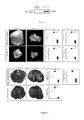
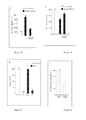
- PlexinD1 and Sema3E are expressed in aggressive cancer cell lines : RT-PCR analysis of PlxnD1 and Sema3E mRNAs expression in 4T1 cell line. GAPDH mRNA was used as an internal control.
- FIG. 3 SD1 blocks Sema3E/PlexinD1 signaling in vitro
- FIG. 4 Cultured supernatants from stable transfected cell lines, 4T1-mock or 4T1-SD1, were collected and subjected to immunoblot analysis with an anti-myc antibody ( ⁇ Myc) to confirm SD1 expression in stable 4T1-SD1 cell line.
- ⁇ Myc anti-myc antibody
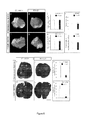
- FIG. 5 SD1 expression results in a reduction of primary tumors and in a reduction of lung metastasis
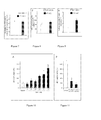
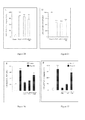
- Figure 7 Graph illustrating the mean pixel intensity of PECAM-1 staining within primary tumors.
- Figure 8 Graph indicating the number of Ki67 positive cell per mm 3 .
- Figure 9 Graph indicating the number of active caspase-3 positive cell per mm 3 .
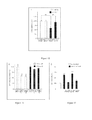
- FIG. 12 Stable transfected cell lines, 4T1-mock or 4T1-SD1, were grown in culture for three days. Cell death was evaluated daily, by trypan blue-exclusion. Data represent the average of triplicates ⁇ SEM. Similar results were obtained analyzing different 4T1-mock or 4T1-SD1 clones.
- FIG. 13 Stable transfected cell lines, 4T1-mock or 4T1-SD1, were transfected with control siRNA or siRNA to mouse PlexinD1. Cell death was evaluated by trypan blue exclusion assay.
- FIG 14 Stable transfected cell lines, 4T1-mock or 4T1-SD1, were transfected with control siRNA or siRNA to mouse PlexinD1. Cell death was evaluated by caspase-3 activity measurement. Knockdown of PlexinD1 causes significant decrease of SD1 cell-death effect.
- FIG. 15 Stable transfected cell lines, 4T1-mock or 4T1-SD1, were transfected with control siRNA or siRNA to mouse PlexinD1. Cell survival was evaluated by MTT assay.
- FIG 16 Controls for specificity of knockdown of mouse Sema3E by shRNAs.
- Hek293T cells were electroporated with an AP-Sema3E or AP-Sema3C expression vector to produce AP-fusion protein in the medium together with control shRNA or Sema3E shRNA1 and 2.
- Targeted shRNAs led to diminution of AP-Sema3E expression in the culture medium without affecting AP-Sema3C production.
- FIG. 1 4T1 cells were transfected with control shRNA or shRNA1 to mouse Sema3E together with control siRNA or siRNA to mouse PlexinD1 in presence or absence of exogenous Sema3E (100ng/ml). Cell death was evaluated by trypan blue-exclusion assay. Exogenous Sema3E rescues 4T1 cell-death induced by knockdown of Sema3E. Knockdown of PlexinD1 abolishes the effect of Sema3E knockdown.
- FIG. 18 Quantification of the results of immunostaining of active Caspase-3 on 4T1 cell line.
- 4T1 cells were transfected with control shRNA or shRNA1 to mouse Sema3E in presence or absence of exogenous Sema3E (100ng/ml). Lowering Sema3E level activates caspase-3.
- FIG. 19 4T1-mock or 4T1-SD1 cells were transfected with control shRNA or shRNA1 to mouse Sema3E. Cells survival was evaluated by MTT assay. Knockdown of Sema3E causes significant decrease in cell survival.
- FIG. 20 MDA-MB-231 or MCF-7 tumor cells were cultured in the presence or absence of SD1 conditioned medium (15 nM). After three days, cells are stained with calcein to measure cell survival. SD1 expression diminishes significantly tumor cells viability.
- FIG. 21 Controls for specificity of knockdown of human Sema3E by shRNA.
- Hek293T cells were electroporated with a human AP-Sema3E (AP-hSema3E) expression vector to produce AP-fusion protein in the medium together with control shRNA or hSema3E shRNA.
- AP-hSema3E human AP-Sema3E
- Targeted shRNAs led to diminution of AP-hSema3E expression.
- FIG. 22 MDA-MB-231 or MCF-7 tumor cells were transfected with control shRNA or shRNA to human Sema3E. Knockdown Sema3E significantly inhibits viability of human tumor cells.
- FIG. 23 Cell death of Hek293T cells transfected with hPlexinD1, mPlexinD1 or hPlexinD1-RA was measured by trypan blue-exclusion assay. Miss-expression of PlexinD1 induces cell death.
- FIG. 24 Quantification of immunostaining of active Caspase-3 on Hek293 cells transfected with control, hPlexinD1, mPlexinD1 or hPlexinD1-RA expression vector. PlexinD1 triggers cell death.
- FIG. 25 Hek293 cells were transfected with hPlexinD1, mPlexinD1 or hPlexinD1-RA. Cell survival was evaluated by MTT assay. Expression of PlexinD1 causes significant decrease in cell survival.
- FIG. 26 Hek293T cells transfected with an expression control vector or hPlexinD1 were cultured in absence or presence of different caspase inhibitors at 10 ⁇ M (caspase-3 (z-DEVD-fmk) and capspase-9 (z-LEHD-fmk), caspase-8 (z-IETD-fmk)). Cell death was measured by trypan blue exclusion-assay. Activation of caspase-9 and caspase-3 is required for PlexinD1-mediated cell death.
- FIG. 27 Quantification of active Caspase-3 immunostaining on Hek293T cells transfected with an expression vector for hPlexinD1 or a control vector, cultured in absence or presence of different caspase inhibitors. Inhibitors of caspase-3 and caspase-9 inhibit cell death induced by PlexinD1. Death effect of PlexinD1 is caspase-dependent.
- FIG 28 Hek293T cells transfected with expression vectors for hPlexinD1, hPlexinD1-RA or a control vector were cultured in absence or presence of different concentration of Sema3E (10 to 100 ng/ml). Sema3E ligand inhibits cell death induced by PlexinD1 expression. **significantly different with p ⁇ 0.01. ***significantly different with p ⁇ 0.001.
- FIG. 29 Hek293T cells transfected with an expression vector for hPlexinD1 together with expression coding vector for Sema3E, Sema3C or Sema4A. Sema3C and Sema4A do not inhibit cell death induced by PlexinD1 expression. **significantly different with p ⁇ 0.01. ***significantly different with p ⁇ 0.001.
- PlexinD1 is cleaved by caspase 3 in vitro.
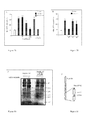
- the in vitro translated intracellular domain of PlexinD1 (PlexinD1-IC) and PlexinD1-IC D1471N/D1624N were incubated in the absence of caspase or with purified active caspase-3 (0.5 ⁇ M). An autoradiographie is shown.
- the PlexinD1-IC D1471N/D1624N mutant is not cleaved by caspase-3.
- Figure 31 Scheme representing the position of the aspartic acid residues 1471 and 1624 in PlexinD1 intracellular domain.
- FIGs 32 and 33 Hek293T cells were transfected with plasmids encoding PlexinD1-IC, PlexinD1-IC mutated on D1471 and/or D1624 ( Figure 32 ), or PlexinD1 1471-1624 fragment ( Figure 33 ). Cell survival was evaluated by trypan blue-exclusion assay. PlexinD1 1471-1624 fragment is sufficient to induce cell death. *significantly different with p ⁇ 0.05. **significantly different with p ⁇ 0.01. ***significantly different with p ⁇ 0.001.
- RNA from 4T1 cells was isolated using RNeasy Protect Mini Kit (74104, Qiagen) according to manufacturer's instructions.
- cDNA preparation was performed according to standard procedures, using Quantitect Reverse transcript Kit (205311. Qiagen) and oligo-dT primers. PCR were performed using the following primers: PlexinD1:
- rat anti-PECAM (1:40, 553370, BD Bioscience Pharmingen
- goat anti-PlexinD1 (1:100, AF4160, R&D System Research
- goat anti-Sema3E (1:100, YRG01, R&D System Research
- rabbit anti-active caspase-3 (1:200, 9661S, Cell Signaling
- rat anti-Ki67 (1:25, M7249, DAKO
- Alexa Fluor 555-conjugated donkey anti-goat IgG (1:500, Interchim Molecular Probes
- Alexa Fluor 488-conjugated donkey anti-goat IgG (1:500, Interchim Molecular Probes
- Alexa Fluor 488-conjugated donkey anti-rat IgG (1:500, Invitrogen Molecular Probes)
- Alexa Fluor 488-conjugated donkey anti-rabbit IgG (1:500, Invitrogen Molecular Probes)
- PECAM-1-stained primary tumor sections were imaged with a confocal microscope (Zeiss Apotom, Axioimager Z1) equipped with 20x Plan-NEOFLUAR objective. Parameters of time interval and gain setting on the camera were adjusted so the brightest areas did not reach saturation, and the same gain and time interval was used to capture all images of any particular staining was used for image analysis. The immunofluorescence intensity within different areas of the tumors were measured using the ImageJ software in 10 different pictures for each tumor.
- the Sema domain of PlexinD1 (SD1) was amplified by PCR from a vector that contains PlexinD1 cDNA. Primers:
- the total insert is ⁇ 1.5kb in length and was subcloned in the Clal clonage site in the pCS2-Myc vector
- the plasmid PlexinD1-IC was constructed by inserting the intracellular domain of PlexinD1 into pDONR221 (Invitrogen) using the polymerase chain reaction (PCR) primers from a vector that contains PlexinD1 cDNA. Next the insert was subcloned in the pDest26, pDest17 or pcDNA3.1/nV5-DEST (Invitrogen) vectors.
- PlexinD1-IC D1471N The mutation of PlexinD1-IC D1471N, PlexinD1-IC D1624N, and PlexinD1-IC D1471N/D1624N was obtained by PCR from the PlexinD1-IC pDONR221 vector, using: mutation D1471N primers:
- the D1471N/D1624N fragment was amplified by PCR from PlexinD1-IC vector. Primers: then subcloned in the pDONR221 (Invitrogen) before subcloned in pDest26 (Invitrogen).
- the mutation of hPlexinD1-RA was obtained by PCR from the hPlexinD1 expression vector.
- HEK293T cells were transfected with a vector encoding SD1 or a control pCS2-Myc vector using Lipofectamine plus (Invitrogen).
- Conditioned medium was collected 3 days after transfection, concentrated using 30,000 KDa cut-off Centricon devices (Millipore) and the concentration of SD1 was quantified by Western blot analysis.
- HEK293T cells were transfected with AP-Sema3E-his and/or equal amounts of SD1 vectors. Two days after transfection, cells were lysed in Ramesh solution (Tris 50nM pH8, NaCl 150nM, Sodium Fluoride 50nM, EDTA 2mM, Orthovanadate 0,1 mM, NP40 0.5%, antiprotease (11697498001. Roche)). The cell lysates were immunoprecipitated using NI-NTA Agarose (30210. Qigagen) for his-tagged protein precipitation. Complexes were separated by electrophoresis and electrotransferred onto membrane (Immobilon- P, Millipore).
- Membranes were incubated with one of the following antibodies: mouse anti-Myc (1:500, 9E10, Sigma), rabbit anti-AP (1:2000, sc-28904, Santa Cruz). After incubation with HRP conjugated secondary antibodies, signals were detected with enhanced chemoluminescence system (GE Healthcare, RPN2132).
- AP-Sema3C Production of mouse AP-Sema3C, AP-Sema3E and AP-Sema3F was performed as described previously (Chauvet et al., 2007).
- the AP-Sema3F construct was a gift from A. Kolodkin. Concentrations of AP-tagged proteins were measured using the SIGMAFAST TM p-Nitrophenyl phosphate Tablets kit (N1891, Sigma).
- a plasmid vector encoding myristoylated Cherry (gift from X. Morin) was co-transfected together with the SD1 vector or control pCS2-Myc vector into 4T1 cells using a LipofectAMINE plus protocol (Invitrogen Life Technologies). After transfection, the cells were grown for 2 days in a nonselective growth medium that was then replaced with a selection medium containing geneticin (10131-027, GIBCO). After 2 weeks, individual colonies were isolated and selected for cherry expression under an inverse microscope (Zeiss observerD1) and SD1 production by Western blot using anti-myc antibody (1:500, 9E10, Sigma). For each condition, two independent cell-derived clones were subsequently expanded in selection medium for use in experiments.
- mouse Sema3E was silenced in tumor cells by expressing two different gene-targeted small hairpin RNA from Sigma
- siRNA PlexinD1 or siRNA control from Dharmacon RNA Technologies were used to knockdown mouse PlexinD1 (Chauvet et al. 2007).
- Cell death/viability was determined by trypan blue dye exclusion, MTT cell viability assay, calcein assay, and anti-active caspase-3 immunoreactivity.
- cells were seeded in multiple 24-well plates (5 ⁇ 10 4 cells/well) for 24 h then transfected with different vectors using Lipofectamine Plus (Invitrogen). The different analysis occurred after 48 h (HEK-293T cells) or 72 h (4T1 cells) of serum starvation.
- caspase inhibitors caspase-3 inhibitor II (Z-DEVD-FMK, 264155, VWR), caspase-8 inhibitor II (Z-IETD-FMK, 218759, VWR), and caspase-9 inhibitor II (Z-LEHD-FMK, 218776, VWR).
- the cells were cultured in DMEM medium containing 0.1% FBS. To reveal viability, the cells were incubated with 100 ⁇ l of 3-(4,5-dimethylthiazol-2-yl)-2,5-diphenyltetrazolium bromide (MTT) dye solution (M-2128, Sigma Aldrich) for 4 h at 37°C.
- MTT 3-(4,5-dimethylthiazol-2-yl)-2,5-diphenyltetrazolium bromide
- the indicator product, formazan was resuspended in DMSO and measured spectrophotometrically at 570 nm by Tristar LB941 (Berthold).
- the percentage of labelled cells was estimated by comparing the number of active caspase-3-stained cells with the total number of cells present on a given surface.
- cells were plated in OptiMEM medium in 96-well black plates (Greiner Bio-one, Courtaboeuf, France). After 3-6 days in culture, live cells were stained with 0.5 ⁇ g/ml green calcein-acetoxymethyl ester (Molecular Probes, Eugene, OR) for 40 minutes at 37 °C, and counted using a flash cytometer (Trophos, Marseille, France).
- OptiMEM medium 96-well black plates
- live cells were stained with 0.5 ⁇ g/ml green calcein-acetoxymethyl ester (Molecular Probes, Eugene, OR) for 40 minutes at 37 °C, and counted using a flash cytometer (Trophos, Marseille, France).
- PlexinD1-IC and PlexinD1-IC D1471N/D1624N were transcribed using T7 polymerase, then translated using the TNT system (Promega) in the presence of 50 ⁇ Ci [35S] methionine (NEG-772, PerkinElmer) for 2 h at 30°C. Translations were incubated for 2 h in 20mM PIPES, 100mM NaCl, 1% sucrose, 10mMdithiothreitol and 0.1 mM EDTA, pH 7.2, at 37°C in the presence of 0.5 ⁇ M active caspase-3. Proteins were separated by electrophoresis on 4%-20% gradient gel (WT4202BOX, Invitrogen). Gel was dried 2 h at 80°C. Signals were detected using Kodak BioMAX MR films (8929655, Kodak).
- Sema3E expression has been found at high level in breast cancer with axilary node involvement and in breast cancer with distant metastases.
- PlexinD1 and Sema3E are expressed in cancer cell lines
- Sema3E and its receptor PlexinD1 are overexpressed in human breast tumors of high malignancy grade.
- Sema3E and PlxnD1 are also expressed in the mouse mammary adenocarcinoma cell line 4T1 (Aslakson et al., 1992), that has been shown to form primary tumors and distant metastasis in mouse model systems ( Figure 2 ).
- SD1 blocks Sema3E/PlexinD1 interaction and Sema3E-mediated effects in vitro
- SD1 Sema3E/PlexinD1 signaling in tumor cells.
- This molecule termed SD1 is composed of the immunoglobulin (lg) k-chain secretion signal peptide, followed by the sema domain of mouse PlexinD1 protein (aa 61 to 531) fused in frame with six myc epitope tags (see scheme in Figure 3A ).
- SD1 inhibits the development of primary tumors and metastasis in vivo
- mice were injected with 4T1-SD1 or 4T1-mock cells, and tissue samples were collected when tumors reached an average volume of 300 mm 3 (4T1-mock/subcutaneous: 46 ⁇ 4 dpi (day post-injection); 4T1-SD1 /subcutaneous: 60 ⁇ 3 dpi; 4T1-mock/fat pad: 31 ⁇ 3 dpi; 4T1-SD1 /fat pad: 50 ⁇ 6 dpi; Figures 6A-6H ).
- SD1 induces tumor cell death in vivo
- PECAM-1 platelet endothelial adhesion molecule-1
- Sema3E was characterized in different studies as a repulsive factor for endothelial cells (Gu et al., 2005; Toyofuku et al., 2007) and overexpression of Sema3E in cancer cells has an anti-angiogenic effect in some experimental tumors (Kigel et al., 2008; Roodink et al., 2008).
- blocking endogenous Sema3E function did not significantly affect the concentration of blood vessels when comparing tumors that developed from 4T1-SD1 cells with control tumors, despite a reduction in tumor size ( Figure 7 ).
- Tumor cell proliferation was also unchanged in tumors formed by 4T1-SD1 cells, compared to tumors that develop from 4T1-mock cells ( Figure 8 ).
- tumor sections were immunolabeled for active caspase-3, a marker of cell death.
- massive cell death was observed in sections of 4T1-SD1 tumors.
- Quantification of 4T1 cells double labeled for active caspase-3 and mCherry indicated a 3 fold increase in tumor cell death ( Figure 9 ).
- PlexinD1 is a dependence receptor
- PlexinD1 is a novel member of the 'dependence receptor' family (Goldschneider and Mehlen, 2010). Such receptors are able to initiate two types of signaling: in the presence of ligand, a "positive" signaling is transduced, whereas in the absence of ligand interaction, they induce an apoptotic cell death.
- a "positive" signaling is transduced, whereas in the absence of ligand interaction, they induce an apoptotic cell death.
- a mutant receptor lacking the catalytic activity of R-Ras GTPase Activating Protein (GAP) was expressed in HEK293T cells.
- This mutant fails to induce inhibition of neuronal axon growth in response to Sema3E (Uesugi et al., 2009; data not shown), however, it displays a similar death activity than wild-type PlexinD1 receptor ( Figures 23-25 ), indicating that PlexinD1 triggers cell death independently of its endogenous R-Ras GAP activity. Finally, we demonstrated that the death effect of PlexinD1 is caspase-dependent as it was blocked by inhibitors of caspase-3 (z-DEVD-fmk) and capspase-9 (z-LEHD-fmk), but not caspase-8 (z-IETD-fmk) inhibitor ( Figures 26 and 27 ).
- PlexinD1-triggered cell death was inhibited in a dose dependent manner by adding exogenous Sema3E ligand.
- exogenous Sema3E blocked the death effect induced by the mutant PlexinD1-RA receptor ( Figure 28 ).
- PlexinD1 protein level was unchanged in HEK293T cells transfected with PlexinD1 vectors and treated with Sema3E compared to untreated conditions, suggesting that change in PlexinD1 expression is unlikely to account for this rescue from cell death.
- HEK293T cells expressing PlexinD1 could be saved from cell death by co-transfection with a vector encoding Sema3E ( Figure 29 ).
- a vector encoding Sema3E a vector encoding another class 3 semaphorin, Sema3C, which does not directly bind to PlexinD1 ( Figure 29 ).
- Sema4A a soluble form of the class 4 semaphorin
- Plexin01 intracellular domain is cleaved by caspase
- PlexinD1 pro-apoptotic activity we further investigated whether the executioner caspase-3 cleaves the intracellular domain of PlexinD1, as reported for a number of other dependence receptors (Goldschneider and Mehlen, 2010).
- the intracellular region of hPlexinD1 (aa 1293 to 1925) was translated in vitro and the product was incubated with active caspase-3.
- Figure 30 shows that the intracellular domain of PlexinD1 is cleaved by caspase-3, resulting in five protein products that migrate at apparent molecular weight of 16, 24, 30, 37 and 50 kDa, suggesting the presence of at least two cleavage sites ( Figure 30 ).
- PlexinD1-IC wild-type PlexinD1
- PlexinD1-IC D1471N mutant PlexinD1-IC D1624N mutant
- PlexinD1-IC D1471N/D1624N double mutant PlexinD1-IC D1471N/D1624N double mutant in HEK293T cells.
- PlexinD1-IC induced cell death and the mutations on single caspase cleavage site did not significantly change cell death levels ( Figure 32 ).
- mutations at both caspase sites reduced the death activity of PlexinD1 intracellular domain ( Figure 32 ).
Landscapes
- Health & Medical Sciences (AREA)
- Life Sciences & Earth Sciences (AREA)
- Chemical & Material Sciences (AREA)
- Engineering & Computer Science (AREA)
- Genetics & Genomics (AREA)
- Bioinformatics & Cheminformatics (AREA)
- General Health & Medical Sciences (AREA)
- Biomedical Technology (AREA)
- Organic Chemistry (AREA)
- Zoology (AREA)
- Medicinal Chemistry (AREA)
- Immunology (AREA)
- Molecular Biology (AREA)
- Proteomics, Peptides & Aminoacids (AREA)
- Biotechnology (AREA)
- Veterinary Medicine (AREA)
- Animal Behavior & Ethology (AREA)
- Wood Science & Technology (AREA)
- Public Health (AREA)
- General Engineering & Computer Science (AREA)
- Epidemiology (AREA)
- Pharmacology & Pharmacy (AREA)
- Biochemistry (AREA)
- Biophysics (AREA)
- Gastroenterology & Hepatology (AREA)
- Microbiology (AREA)
- Physics & Mathematics (AREA)
- Plant Pathology (AREA)
- Marine Sciences & Fisheries (AREA)
- Toxicology (AREA)
- Cell Biology (AREA)
- Neurology (AREA)
- Endocrinology (AREA)
- Mycology (AREA)
- Medicines That Contain Protein Lipid Enzymes And Other Medicines (AREA)
- Pharmaceuticals Containing Other Organic And Inorganic Compounds (AREA)
- Medicines Containing Antibodies Or Antigens For Use As Internal Diagnostic Agents (AREA)
Priority Applications (6)
| Application Number | Priority Date | Filing Date | Title |
|---|---|---|---|
| EP10305480A EP2385121A1 (de) | 2010-05-06 | 2010-05-06 | Antagonisten der Sema3E/PlexinD1-Interaktion als Antikrebswirkstoff |
| AU2011249750A AU2011249750B2 (en) | 2010-05-06 | 2011-05-06 | Antagonists of Sema3E/PlexinD1 interaction as anti-cancer agents |
| CA2798109A CA2798109C (en) | 2010-05-06 | 2011-05-06 | Antagonists of sema3e/plexind1 interaction as anti-cancer agents |
| PCT/EP2011/057347 WO2011138449A2 (en) | 2010-05-06 | 2011-05-06 | Antagonists of sema3e/plexind1 interaction as anti-cancer agents |
| EP11717668.5A EP2566965B1 (de) | 2010-05-06 | 2011-05-06 | Antagonisten der sema3e/plexind1-interaktion als antikrebswirkstoff |
| US13/696,386 US20130149306A1 (en) | 2010-05-06 | 2011-05-06 | Antagonists of Sema3E/PlexinD1 interaction as anti-cancer agents |
Applications Claiming Priority (1)
| Application Number | Priority Date | Filing Date | Title |
|---|---|---|---|
| EP10305480A EP2385121A1 (de) | 2010-05-06 | 2010-05-06 | Antagonisten der Sema3E/PlexinD1-Interaktion als Antikrebswirkstoff |
Publications (1)
| Publication Number | Publication Date |
|---|---|
| EP2385121A1 true EP2385121A1 (de) | 2011-11-09 |
Family
ID=42561072
Family Applications (2)
| Application Number | Title | Priority Date | Filing Date |
|---|---|---|---|
| EP10305480A Withdrawn EP2385121A1 (de) | 2010-05-06 | 2010-05-06 | Antagonisten der Sema3E/PlexinD1-Interaktion als Antikrebswirkstoff |
| EP11717668.5A Active EP2566965B1 (de) | 2010-05-06 | 2011-05-06 | Antagonisten der sema3e/plexind1-interaktion als antikrebswirkstoff |
Family Applications After (1)
| Application Number | Title | Priority Date | Filing Date |
|---|---|---|---|
| EP11717668.5A Active EP2566965B1 (de) | 2010-05-06 | 2011-05-06 | Antagonisten der sema3e/plexind1-interaktion als antikrebswirkstoff |
Country Status (5)
| Country | Link |
|---|---|
| US (1) | US20130149306A1 (de) |
| EP (2) | EP2385121A1 (de) |
| AU (1) | AU2011249750B2 (de) |
| CA (1) | CA2798109C (de) |
| WO (1) | WO2011138449A2 (de) |
Cited By (1)
| Publication number | Priority date | Publication date | Assignee | Title |
|---|---|---|---|---|
| EP2941270A4 (de) * | 2013-01-03 | 2016-11-02 | Univ New York | Verfahren zur behandlung von entzündungen |
Families Citing this family (4)
| Publication number | Priority date | Publication date | Assignee | Title |
|---|---|---|---|---|
| EP2781223B1 (de) | 2007-10-19 | 2017-02-22 | Rappaport Family Institute for Research in the Medical Sciences | Zusammensetzungen mit Semaphorinen zur Verwendung in der Behandlung von Krebserkrankungen |
| US9808506B2 (en) | 2007-10-19 | 2017-11-07 | Rappaport Family Institute For Research In The Medical Sciences | Compositions comprising semaphorins for the treatment of cancer and methods of selection thereof |
| WO2017000059A1 (en) * | 2015-06-29 | 2017-01-05 | The University Of British Columbia | B1sp fusion protein therapeutics, methods, and uses |
| US20190316124A1 (en) * | 2016-07-27 | 2019-10-17 | The Johns Hopkins University | Semaphorin 3d and plexin d1 as therapeutic targets for pancreatic cancer treatment |
Citations (3)
| Publication number | Priority date | Publication date | Assignee | Title |
|---|---|---|---|---|
| WO2001014420A2 (en) | 1999-08-25 | 2001-03-01 | University Of Torino | Novel members of the plexin family and uses thereof |
| WO2007009816A2 (en) | 2005-07-21 | 2007-01-25 | Stichting Katholieke Universiteit | Plexin d1 as a target for tumor diagnosis and therapy |
| US7482322B2 (en) | 2003-10-30 | 2009-01-27 | Kazusa Dna Research Institute Foundation | Plexin family-like polypeptide, and uses thereof |
Family Cites Families (2)
| Publication number | Priority date | Publication date | Assignee | Title |
|---|---|---|---|---|
| US8603991B2 (en) * | 2005-11-18 | 2013-12-10 | Gradalis, Inc. | Individualized cancer therapy |
| AR070134A1 (es) * | 2008-01-10 | 2010-03-17 | Genentech Inc | Agonistas de plexind1 que comprende un fragmento de semaforina 3e(sema3e) y su uso |
-
2010
- 2010-05-06 EP EP10305480A patent/EP2385121A1/de not_active Withdrawn
-
2011
- 2011-05-06 US US13/696,386 patent/US20130149306A1/en not_active Abandoned
- 2011-05-06 WO PCT/EP2011/057347 patent/WO2011138449A2/en not_active Ceased
- 2011-05-06 CA CA2798109A patent/CA2798109C/en active Active
- 2011-05-06 AU AU2011249750A patent/AU2011249750B2/en active Active
- 2011-05-06 EP EP11717668.5A patent/EP2566965B1/de active Active
Patent Citations (3)
| Publication number | Priority date | Publication date | Assignee | Title |
|---|---|---|---|---|
| WO2001014420A2 (en) | 1999-08-25 | 2001-03-01 | University Of Torino | Novel members of the plexin family and uses thereof |
| US7482322B2 (en) | 2003-10-30 | 2009-01-27 | Kazusa Dna Research Institute Foundation | Plexin family-like polypeptide, and uses thereof |
| WO2007009816A2 (en) | 2005-07-21 | 2007-01-25 | Stichting Katholieke Universiteit | Plexin d1 as a target for tumor diagnosis and therapy |
Non-Patent Citations (43)
| Title |
|---|
| "Unified nomenclature for the semaphorins/collapsins. Semaphorin Nomenclature Committee", CELL, vol. 97, 1999, pages 551 - 552 |
| ANGELONI, D. ET AL., J BIOL CHEM, vol. 279, 2004, pages 3726 - 3732 |
| ASLAKSON, C.J.; MILLER, F.R., CANCER RES, vol. 52, 1992, pages 1399 - 1405 |
| BELLON, A. ET AL., NEURON, vol. 66, 2010, pages 205 - 219 |
| BORK, P. ET AL., TRENDS BIOCHEM SCI, vol. 24, 1999, pages 261 - 263 |
| CAPPARUCCIA, L.; TAMAGNONE, L., J CELL SCI, vol. 122, pages 1723 - 1736 |
| CASAZZA ANDREA ET AL: "Sema3E-Plexin D1 signaling drives human cancer cell invasiveness and metastatic spreading in mice", JOURNAL OF CLINICAL INVESTIGATION, AMERICAN SOCIETY FOR CLINICAL INVESTIGATION, US LNKD- DOI:10.1172/JCI42118, vol. 120, no. 8, 2 August 2010 (2010-08-02), pages 2684 - 2698, XP009137280, ISSN: 0021-9738 * |
| CHAUVET, S. ET AL., NEURON, vol. 56, 2007, pages 807 - 822 |
| CHOI, Y.I. ET AL., IMMUNITY, vol. 29, 2008, pages 888 - 898 |
| CHRISTENSEN, C. ET AL., CANCER RES, vol. 65, 2005, pages 6167 - 6177 |
| CHRISTENSEN, C.R.L. ET AL., CANCER RESEARCH, vol. 58, 1998, pages 1238 - 1244 |
| CHUNG, L. ET AL., DEVELOPMENT, vol. 134, 2007, pages 2935 - 2945 |
| GHERARDI, E. ET AL., CURR OPIN STRUCT BIOL, vol. 14, 2004, pages 669 - 678 |
| GHERARDI, E. ET AL., PROC NATL ACAD SCI USA, vol. 100, 2003, pages 12039 - 12044 |
| GITLER, A.D. ET AL., DEV CELL, vol. 7, 2004, pages 107 - 116 |
| GOLDSCHNEIDER, D.; MEHLEN, P, ONCOGENE, vol. 29, 2010, pages 1865 - 1882 |
| GU, C. ET AL., SCIENCE, vol. 307, 2005, pages 265 - 268 |
| GUIDO SERINI ET AL: "Semaphorins and tumor angiogenesis", ANGIOGENESIS, KLUWER ACADEMIC PUBLISHERS, DO, vol. 12, no. 2, 6 March 2009 (2009-03-06), pages 187 - 193, XP019668700, ISSN: 1573-7209 * |
| HERMAN JG ET AL., PROC AM ASSOC CANCER RES, vol. 45, 2004, pages 617 |
| HERMAN, J.G.; MEADOWS, G.G., INTERNATIONAL JOURNAL OF ONCOLOGY, vol. 30, 2007, pages 1231 - 1238 |
| KANDA, T. ET AL., J CELL BIOCHEM, vol. 101, 2007, pages 1329 - 1337 |
| KIGEL, B. ET AL., PLOS ONE, vol. 3, 2008, pages E3287 |
| KOPPEL, A.M. ET AL., NEURON, vol. 19, 1997, pages 531 - 537 |
| MANN, F. ET AL., PROG NEUROBIOL, vol. 82, 2007, pages 57 - 79 |
| MORIYA JUNJI ET AL: "Semaphorin3E is a Novel Angiogenic Regulator", CIRCULATION, LIPPINCOTT WILLIAMS & WILKINS, US, vol. 118, no. 18, suppl 2, 1 October 2008 (2008-10-01), pages S459, XP009114917, ISSN: 0009-7322 * |
| MORIYA, J. ET AL., CIRC RES, vol. 106, 2010, pages 391 - 398 |
| OINUMA ET AL., SCIENCE, vol. 305, 2004, pages 862 - 865 |
| PECHO-VRIESELING, E. ET AL., NATURE, vol. 459, 2009, pages 842 - 846 |
| ROHM, B. ET AL., FEBS LETT, vol. 486, 2000, pages 68 - 72 |
| ROHM, B. ET AL., MECH DEV, vol. 93, 2000, pages 95 - 104 |
| ROODINK ET AL., AM J PATHOL, vol. 173, 2008, pages 1873 - 1881 |
| ROODINK ET AL., BMC CANCER, vol. 9, 2009, pages 297 |
| ROODINK ILSE ET AL: "PLEXIN D1 EXPRESSION IS INDUCED ON TUMOR VASCULATURE AND TUMOR CELLS: A NOVEL TARGET FOR DIAGNOSIS AND THERAPY?", CANCER RESEARCH, AMERICAN ASSOCIATION FOR CANCER REREARCH, US LNKD- DOI:10.1158/0008-5472.CAN-04-4366, vol. 65, no. 18, 1 September 2005 (2005-09-01), pages 8317 - 8323, XP009076630, ISSN: 0008-5472 * |
| ROODINK ILSE ET AL: "Semaphorin 3E Expression Correlates Inversely with Plexin D1 During Tumor Progression", AMERICAN JOURNAL OF PATHOLOGY, AMERICAN SOCIETY FOR INVESTIGATIVE PATHOLOGY, US LNKD- DOI:10.2353/AJPATH.2008.080136, vol. 173, no. 6, 1 December 2008 (2008-12-01), pages 1873 - 1881, XP009114920, ISSN: 0002-9440 * |
| SAKURAI ATSUKO ET AL: "Semaphorin 3E initiates antiangiogenic signaling through plexin D1 by regulating Arf6 and R-Ras.", MOLECULAR AND CELLULAR BIOLOGY JUN 2010 LNKD- PUBMED:20385769, vol. 30, no. 12, 12 April 2010 (2010-04-12), pages 3086 - 3098, XP009137802, ISSN: 1098-5549 * |
| SAKURAI, A. ET AL., MOL CELL BIOL., 2010 |
| TAKAHASHI, T. ET AL., CELL, vol. 99, 1999, pages 59 - 69 |
| TAMAGNONE, L. ET AL., CELL, vol. 99, 1999, pages 71 - 80 |
| TOYOFUKU, T. ET AL., DEV BIOL, vol. 321, 2008, pages 251 - 262 |
| TOYOFUKU, T. ET AL., EMBO J, vol. 26, 2007, pages 1373 - 1384 |
| UESUGI, K. ET AL., J BIOL CHEM, vol. 284, 2009, pages 6743 - 6751 |
| VAN DER ZWAAG, B. ET AL., DEV DYN, vol. 225, 2002, pages 336 - 343 |
| ZHANG, Y. ET AL., DEV BIOL, vol. 325, 2009, pages 82 - 93 |
Cited By (1)
| Publication number | Priority date | Publication date | Assignee | Title |
|---|---|---|---|---|
| EP2941270A4 (de) * | 2013-01-03 | 2016-11-02 | Univ New York | Verfahren zur behandlung von entzündungen |
Also Published As
| Publication number | Publication date |
|---|---|
| CA2798109C (en) | 2023-08-01 |
| AU2011249750B2 (en) | 2016-11-03 |
| EP2566965A2 (de) | 2013-03-13 |
| CA2798109A1 (en) | 2011-11-10 |
| EP2566965B1 (de) | 2021-04-28 |
| WO2011138449A2 (en) | 2011-11-10 |
| AU2011249750A1 (en) | 2012-12-13 |
| WO2011138449A3 (en) | 2015-07-30 |
| US20130149306A1 (en) | 2013-06-13 |
Similar Documents
| Publication | Publication Date | Title |
|---|---|---|
| Cianfarani et al. | Decorin counteracts disease progression in mice with recessive dystrophic epidermolysis bullosa | |
| CN107690437B (zh) | 神经纤毛蛋白-1特异性结合的肽、与所述肽融合的融合蛋白以及它们的用途 | |
| ES2363765T3 (es) | Agonistas de fgfr. | |
| Mueller et al. | The role of repulsive guidance molecules in the embryonic and adult vertebrate central nervous system | |
| KR20130004568A (ko) | 항-전이성 요법에서 axl 신호전달의 저해 | |
| CN111100197A (zh) | 用于治疗或预防疾病的因子1蛋白、因子2蛋白及其抑制剂 | |
| JP2014088393A (ja) | トレフォイル因子およびそれを用いた増殖性疾患の処置方法 | |
| EP2385121A1 (de) | Antagonisten der Sema3E/PlexinD1-Interaktion als Antikrebswirkstoff | |
| EP3041860B1 (de) | Semaphorin-3c-varianten, zusammensetzungen mit diesen varianten und verfahren zur verwendung davon | |
| JP2014532061A (ja) | ヒト・ノッチ1デコイ | |
| WO2023062226A2 (en) | Antibodies against extracellular epitopes of human trpv6 channel and their diagnostic and therapeutic uses | |
| US20110312872A1 (en) | Norrin in the treatment of diseases associated with an increased tgf-beta activity | |
| CN110627905A (zh) | 靶向vegf与egfr的双功能融合蛋白及其应用 | |
| US9492472B2 (en) | Compositions and methods of treating cancer | |
| KR101123130B1 (ko) | Ptk7 단백질의 기능 저해를 통한 세포의 이동, 침윤 또는 혈관신생 억제제 | |
| HK1180002B (en) | Antagonists of sema3e/plexind1 interaction as anti-cancer agents | |
| JP2008525005A (ja) | 新規の物質、および、それらの使用 | |
| JP4469180B2 (ja) | テネイシンw組成物およびその使用 | |
| JP2024528740A (ja) | 抗線維化治療のためのペプチド | |
| CN113474013A (zh) | 肌肉生长抑制素剪接变体衍生蛋白对肌肉生长抑制素信号的抑制及其利用 | |
| US20180201660A1 (en) | Anti-angiogenic vegf-ax isoform | |
| CN121668166A (zh) | 基于铁死亡调控的slc16a3抑制剂及其在肺腺癌中的应用 | |
| WO2025077809A1 (zh) | 抗体融合蛋白及应用 | |
| HK40029335A (en) | Factor 1 protein, factor 2 protein and inhibitors thereof for use in treating or preventing diseases | |
| Furuta | IL-25 Causes Apoptosis of IL-25R |
Legal Events
| Date | Code | Title | Description |
|---|---|---|---|
| AK | Designated contracting states |
Kind code of ref document: A1 Designated state(s): AL AT BE BG CH CY CZ DE DK EE ES FI FR GB GR HR HU IE IS IT LI LT LU LV MC MK MT NL NO PL PT RO SE SI SK SM TR |
|
| AX | Request for extension of the european patent |
Extension state: BA ME RS |
|
| PUAI | Public reference made under article 153(3) epc to a published international application that has entered the european phase |
Free format text: ORIGINAL CODE: 0009012 |
|
| STAA | Information on the status of an ep patent application or granted ep patent |
Free format text: STATUS: THE APPLICATION IS DEEMED TO BE WITHDRAWN |
|
| 18D | Application deemed to be withdrawn |
Effective date: 20120510 |