EP2386269A2 - Langzeitwirksame Naltrexonformulierungen und Verwendungsverfahren - Google Patents
Langzeitwirksame Naltrexonformulierungen und Verwendungsverfahren Download PDFInfo
- Publication number
- EP2386269A2 EP2386269A2 EP11161854A EP11161854A EP2386269A2 EP 2386269 A2 EP2386269 A2 EP 2386269A2 EP 11161854 A EP11161854 A EP 11161854A EP 11161854 A EP11161854 A EP 11161854A EP 2386269 A2 EP2386269 A2 EP 2386269A2
- Authority
- EP
- European Patent Office
- Prior art keywords
- naltrexone
- days
- long acting
- individual
- acting formulation
- Prior art date
- Legal status (The legal status is an assumption and is not a legal conclusion. Google has not performed a legal analysis and makes no representation as to the accuracy of the status listed.)
- Withdrawn
Links
- DQCKKXVULJGBQN-XFWGSAIBSA-N naltrexone Chemical compound N1([C@@H]2CC3=CC=C(C=4O[C@@H]5[C@](C3=4)([C@]2(CCC5=O)O)CC1)O)CC1CC1 DQCKKXVULJGBQN-XFWGSAIBSA-N 0.000 title claims abstract description 167
- 229960003086 naltrexone Drugs 0.000 title claims abstract description 150
- 239000000203 mixture Substances 0.000 title claims abstract description 72
- 238000009472 formulation Methods 0.000 title claims abstract description 69
- 238000000034 method Methods 0.000 title claims description 33
- 210000002966 serum Anatomy 0.000 claims abstract description 7
- 238000011282 treatment Methods 0.000 claims description 60
- LFQSCWFLJHTTHZ-UHFFFAOYSA-N Ethanol Chemical compound CCO LFQSCWFLJHTTHZ-UHFFFAOYSA-N 0.000 claims description 56
- 239000003814 drug Substances 0.000 claims description 38
- 229920000642 polymer Polymers 0.000 claims description 31
- 238000002347 injection Methods 0.000 claims description 24
- 239000007924 injection Substances 0.000 claims description 24
- 238000004519 manufacturing process Methods 0.000 claims description 5
- 229920000747 poly(lactic acid) Polymers 0.000 claims description 5
- 230000035622 drinking Effects 0.000 description 63
- 229940068196 placebo Drugs 0.000 description 54
- 239000000902 placebo Substances 0.000 description 54
- XEKOWRVHYACXOJ-UHFFFAOYSA-N Ethyl acetate Chemical compound CCOC(C)=O XEKOWRVHYACXOJ-UHFFFAOYSA-N 0.000 description 48
- 239000000243 solution Substances 0.000 description 45
- 239000011859 microparticle Substances 0.000 description 36
- WVDDGKGOMKODPV-UHFFFAOYSA-N Benzyl alcohol Chemical compound OCC1=CC=CC=C1 WVDDGKGOMKODPV-UHFFFAOYSA-N 0.000 description 27
- 229940079593 drug Drugs 0.000 description 27
- 208000007848 Alcoholism Diseases 0.000 description 25
- 238000000605 extraction Methods 0.000 description 24
- 230000009467 reduction Effects 0.000 description 24
- 201000007930 alcohol dependence Diseases 0.000 description 23
- 239000000839 emulsion Substances 0.000 description 18
- 229940116488 naltrexone 380 mg Drugs 0.000 description 17
- 230000000694 effects Effects 0.000 description 16
- 238000004458 analytical method Methods 0.000 description 15
- 230000003068 static effect Effects 0.000 description 13
- 229940090044 injection Drugs 0.000 description 12
- 238000000638 solvent extraction Methods 0.000 description 12
- 238000002560 therapeutic procedure Methods 0.000 description 12
- 239000000523 sample Substances 0.000 description 11
- IJGRMHOSHXDMSA-UHFFFAOYSA-N Atomic nitrogen Chemical compound N#N IJGRMHOSHXDMSA-UHFFFAOYSA-N 0.000 description 10
- 102100036475 Alanine aminotransferase 1 Human genes 0.000 description 9
- 108010082126 Alanine transaminase Proteins 0.000 description 9
- 108010003415 Aspartate Aminotransferases Proteins 0.000 description 9
- 102000004625 Aspartate Aminotransferases Human genes 0.000 description 9
- 241000995051 Brenda Species 0.000 description 9
- 235000019445 benzyl alcohol Nutrition 0.000 description 9
- 238000005516 engineering process Methods 0.000 description 9
- 239000002904 solvent Substances 0.000 description 9
- 230000002411 adverse Effects 0.000 description 8
- 230000003247 decreasing effect Effects 0.000 description 7
- 238000001035 drying Methods 0.000 description 7
- 238000013265 extended release Methods 0.000 description 7
- 239000004005 microsphere Substances 0.000 description 7
- 239000012071 phase Substances 0.000 description 7
- 235000013334 alcoholic beverage Nutrition 0.000 description 6
- 239000000725 suspension Substances 0.000 description 6
- 108020004206 Gamma-glutamyltransferase Proteins 0.000 description 5
- 102000006640 gamma-Glutamyltransferase Human genes 0.000 description 5
- 239000000463 material Substances 0.000 description 5
- 229910052757 nitrogen Inorganic materials 0.000 description 5
- 239000012074 organic phase Substances 0.000 description 5
- 230000036961 partial effect Effects 0.000 description 5
- 239000000546 pharmaceutical excipient Substances 0.000 description 5
- 229920001606 poly(lactic acid-co-glycolic acid) Polymers 0.000 description 5
- XLYOFNOQVPJJNP-UHFFFAOYSA-N water Chemical compound O XLYOFNOQVPJJNP-UHFFFAOYSA-N 0.000 description 5
- DQCKKXVULJGBQN-UWFFTQNDSA-N (4r,4as,12bs)-3-(cyclopropylmethyl)-4a,9-dihydroxy-2,4,5,6,7a,13-hexahydro-1h-4,12-methanobenzofuro[3,2-e]isoquinoline-7-one Chemical compound C([C@@]12[C@@]3(O)CCC(=O)C1OC=1C(O)=CC=C(C2=1)C[C@]31[H])CN1CC1CC1 DQCKKXVULJGBQN-UWFFTQNDSA-N 0.000 description 4
- 206010028813 Nausea Diseases 0.000 description 4
- 239000008346 aqueous phase Substances 0.000 description 4
- 230000008859 change Effects 0.000 description 4
- 238000001784 detoxification Methods 0.000 description 4
- VYFYYTLLBUKUHU-UHFFFAOYSA-N dopamine Chemical compound NCCC1=CC=C(O)C(O)=C1 VYFYYTLLBUKUHU-UHFFFAOYSA-N 0.000 description 4
- 238000011049 filling Methods 0.000 description 4
- 230000036541 health Effects 0.000 description 4
- 238000010197 meta-analysis Methods 0.000 description 4
- 230000008693 nausea Effects 0.000 description 4
- 230000008569 process Effects 0.000 description 4
- 230000002829 reductive effect Effects 0.000 description 4
- 238000012216 screening Methods 0.000 description 4
- 238000013268 sustained release Methods 0.000 description 4
- 239000008215 water for injection Substances 0.000 description 4
- CEUORZQYGODEFX-UHFFFAOYSA-N Aripirazole Chemical compound ClC1=CC=CC(N2CCN(CCCCOC=3C=C4NC(=O)CCC4=CC=3)CC2)=C1Cl CEUORZQYGODEFX-UHFFFAOYSA-N 0.000 description 3
- 206010012335 Dependence Diseases 0.000 description 3
- CXOFVDLJLONNDW-UHFFFAOYSA-N Phenytoin Chemical compound N1C(=O)NC(=O)C1(C=1C=CC=CC=1)C1=CC=CC=C1 CXOFVDLJLONNDW-UHFFFAOYSA-N 0.000 description 3
- 230000008901 benefit Effects 0.000 description 3
- 239000003795 chemical substances by application Substances 0.000 description 3
- 230000000875 corresponding effect Effects 0.000 description 3
- 230000001419 dependent effect Effects 0.000 description 3
- 239000004615 ingredient Substances 0.000 description 3
- 238000007918 intramuscular administration Methods 0.000 description 3
- 238000002360 preparation method Methods 0.000 description 3
- 238000012552 review Methods 0.000 description 3
- 238000003756 stirring Methods 0.000 description 3
- 238000013517 stratification Methods 0.000 description 3
- 239000012730 sustained-release form Substances 0.000 description 3
- JLVNEHKORQFVQJ-PYIJOLGTSA-N 6alpha-Naltrexol Chemical compound C([C@]12[C@H]3OC=4C(O)=CC=C(C2=4)C[C@@H]2[C@]1(O)CC[C@H]3O)CN2CC1CC1 JLVNEHKORQFVQJ-PYIJOLGTSA-N 0.000 description 2
- UGJMXCAKCUNAIE-UHFFFAOYSA-N Gabapentin Chemical compound OC(=O)CC1(CN)CCCCC1 UGJMXCAKCUNAIE-UHFFFAOYSA-N 0.000 description 2
- 206010019233 Headaches Diseases 0.000 description 2
- AFCGFAGUEYAMAO-UHFFFAOYSA-N acamprosate Chemical compound CC(=O)NCCCS(O)(=O)=O AFCGFAGUEYAMAO-UHFFFAOYSA-N 0.000 description 2
- 229960004047 acamprosate Drugs 0.000 description 2
- 239000013543 active substance Substances 0.000 description 2
- 238000007792 addition Methods 0.000 description 2
- 206010001584 alcohol abuse Diseases 0.000 description 2
- 208000025746 alcohol use disease Diseases 0.000 description 2
- 229940125681 anticonvulsant agent Drugs 0.000 description 2
- 239000001961 anticonvulsive agent Substances 0.000 description 2
- 238000013459 approach Methods 0.000 description 2
- 229940049706 benzodiazepine Drugs 0.000 description 2
- 150000001557 benzodiazepines Chemical class 0.000 description 2
- 229920000249 biocompatible polymer Polymers 0.000 description 2
- 239000000969 carrier Substances 0.000 description 2
- 238000005354 coacervation Methods 0.000 description 2
- ZPUCINDJVBIVPJ-LJISPDSOSA-N cocaine Chemical compound O([C@H]1C[C@@H]2CC[C@@H](N2C)[C@H]1C(=O)OC)C(=O)C1=CC=CC=C1 ZPUCINDJVBIVPJ-LJISPDSOSA-N 0.000 description 2
- 230000001186 cumulative effect Effects 0.000 description 2
- 206010061428 decreased appetite Diseases 0.000 description 2
- AUZONCFQVSMFAP-UHFFFAOYSA-N disulfiram Chemical compound CCN(CC)C(=S)SSC(=S)N(CC)CC AUZONCFQVSMFAP-UHFFFAOYSA-N 0.000 description 2
- 229960003638 dopamine Drugs 0.000 description 2
- 238000002651 drug therapy Methods 0.000 description 2
- 239000003995 emulsifying agent Substances 0.000 description 2
- 230000001804 emulsifying effect Effects 0.000 description 2
- 230000003628 erosive effect Effects 0.000 description 2
- 238000003306 harvesting Methods 0.000 description 2
- 231100000869 headache Toxicity 0.000 description 2
- 238000001325 log-rank test Methods 0.000 description 2
- 238000002483 medication Methods 0.000 description 2
- 239000003094 microcapsule Substances 0.000 description 2
- 239000007764 o/w emulsion Substances 0.000 description 2
- 229940127240 opiate Drugs 0.000 description 2
- 239000004031 partial agonist Substances 0.000 description 2
- 229960002036 phenytoin Drugs 0.000 description 2
- -1 poly(lactic acids) Polymers 0.000 description 2
- 229920002451 polyvinyl alcohol Polymers 0.000 description 2
- 101150025733 pub2 gene Proteins 0.000 description 2
- 230000000306 recurrent effect Effects 0.000 description 2
- 238000011160 research Methods 0.000 description 2
- 230000004044 response Effects 0.000 description 2
- 238000007619 statistical method Methods 0.000 description 2
- 208000011117 substance-related disease Diseases 0.000 description 2
- 230000009897 systematic effect Effects 0.000 description 2
- 230000001225 therapeutic effect Effects 0.000 description 2
- 238000012546 transfer Methods 0.000 description 2
- MSRILKIQRXUYCT-UHFFFAOYSA-M valproate semisodium Chemical compound [Na+].CCCC(C(O)=O)CCC.CCCC(C([O-])=O)CCC MSRILKIQRXUYCT-UHFFFAOYSA-M 0.000 description 2
- GBBSUAFBMRNDJC-MRXNPFEDSA-N (5R)-zopiclone Chemical compound C1CN(C)CCN1C(=O)O[C@@H]1C2=NC=CN=C2C(=O)N1C1=CC=C(Cl)C=N1 GBBSUAFBMRNDJC-MRXNPFEDSA-N 0.000 description 1
- 229920003178 (lactide-co-glycolide) polymer Polymers 0.000 description 1
- HTSNFXAICLXZMA-UHFFFAOYSA-N 3-(1-propyl-3-piperidinyl)phenol Chemical compound C1N(CCC)CCCC1C1=CC=CC(O)=C1 HTSNFXAICLXZMA-UHFFFAOYSA-N 0.000 description 1
- XWSCOGPKWVNQSV-UHFFFAOYSA-N 5-bromo-2,3-dichloropyridine Chemical compound ClC1=CC(Br)=CN=C1Cl XWSCOGPKWVNQSV-UHFFFAOYSA-N 0.000 description 1
- 208000004998 Abdominal Pain Diseases 0.000 description 1
- 102000009027 Albumins Human genes 0.000 description 1
- 108010088751 Albumins Proteins 0.000 description 1
- 208000006820 Arthralgia Diseases 0.000 description 1
- 208000020925 Bipolar disease Diseases 0.000 description 1
- 206010006326 Breath odour Diseases 0.000 description 1
- 229940122820 Cannabinoid receptor antagonist Drugs 0.000 description 1
- 208000017667 Chronic Disease Diseases 0.000 description 1
- 102000008186 Collagen Human genes 0.000 description 1
- 108010035532 Collagen Proteins 0.000 description 1
- 206010012735 Diarrhoea Diseases 0.000 description 1
- 206010013654 Drug abuse Diseases 0.000 description 1
- 206010019663 Hepatic failure Diseases 0.000 description 1
- 206010019851 Hepatotoxicity Diseases 0.000 description 1
- CBIAWPMZSFFRGN-UHFFFAOYSA-N Indiplon Chemical compound CC(=O)N(C)C1=CC=CC(C=2N3N=CC(=C3N=CC=2)C(=O)C=2SC=CC=2)=C1 CBIAWPMZSFFRGN-UHFFFAOYSA-N 0.000 description 1
- 206010022095 Injection Site reaction Diseases 0.000 description 1
- 206010022075 Injection site induration Diseases 0.000 description 1
- 206010022086 Injection site pain Diseases 0.000 description 1
- 206010022093 Injection site pruritus Diseases 0.000 description 1
- 238000012695 Interfacial polymerization Methods 0.000 description 1
- 208000029523 Interstitial Lung disease Diseases 0.000 description 1
- 239000004907 Macro-emulsion Substances 0.000 description 1
- 241000489861 Maximus Species 0.000 description 1
- FWJKNZONDWOGMI-UHFFFAOYSA-N Metharbital Chemical compound CCC1(CC)C(=O)NC(=O)N(C)C1=O FWJKNZONDWOGMI-UHFFFAOYSA-N 0.000 description 1
- 206010033645 Pancreatitis Diseases 0.000 description 1
- VQASKUSHBVDKGU-UHFFFAOYSA-N Paramethadione Chemical compound CCC1(C)OC(=O)N(C)C1=O VQASKUSHBVDKGU-UHFFFAOYSA-N 0.000 description 1
- XPFRXWCVYUEORT-UHFFFAOYSA-N Phenacemide Chemical compound NC(=O)NC(=O)CC1=CC=CC=C1 XPFRXWCVYUEORT-UHFFFAOYSA-N 0.000 description 1
- WLWFNJKHKGIJNW-UHFFFAOYSA-N Phensuximide Chemical compound O=C1N(C)C(=O)CC1C1=CC=CC=C1 WLWFNJKHKGIJNW-UHFFFAOYSA-N 0.000 description 1
- 239000004372 Polyvinyl alcohol Substances 0.000 description 1
- 208000028017 Psychotic disease Diseases 0.000 description 1
- 206010057190 Respiratory tract infections Diseases 0.000 description 1
- 208000032023 Signs and Symptoms Diseases 0.000 description 1
- 208000013738 Sleep Initiation and Maintenance disease Diseases 0.000 description 1
- 206010042458 Suicidal ideation Diseases 0.000 description 1
- HMHVCUVYZFYAJI-UHFFFAOYSA-N Sultiame Chemical compound C1=CC(S(=O)(=O)N)=CC=C1N1S(=O)(=O)CCCC1 HMHVCUVYZFYAJI-UHFFFAOYSA-N 0.000 description 1
- KJADKKWYZYXHBB-XBWDGYHZSA-N Topiramic acid Chemical compound C1O[C@@]2(COS(N)(=O)=O)OC(C)(C)O[C@H]2[C@@H]2OC(C)(C)O[C@@H]21 KJADKKWYZYXHBB-XBWDGYHZSA-N 0.000 description 1
- 206010046306 Upper respiratory tract infection Diseases 0.000 description 1
- 206010047700 Vomiting Diseases 0.000 description 1
- 208000027418 Wounds and injury Diseases 0.000 description 1
- 229960000571 acetazolamide Drugs 0.000 description 1
- BZKPWHYZMXOIDC-UHFFFAOYSA-N acetazolamide Chemical compound CC(=O)NC1=NN=C(S(N)(=O)=O)S1 BZKPWHYZMXOIDC-UHFFFAOYSA-N 0.000 description 1
- 230000002378 acidificating effect Effects 0.000 description 1
- 230000001154 acute effect Effects 0.000 description 1
- 230000001430 anti-depressive effect Effects 0.000 description 1
- 239000000935 antidepressant agent Substances 0.000 description 1
- 229940005513 antidepressants Drugs 0.000 description 1
- 239000007864 aqueous solution Substances 0.000 description 1
- 229960004372 aripiprazole Drugs 0.000 description 1
- 230000009286 beneficial effect Effects 0.000 description 1
- 238000010170 biological method Methods 0.000 description 1
- 230000015572 biosynthetic process Effects 0.000 description 1
- 210000001217 buttock Anatomy 0.000 description 1
- 239000003536 cannabinoid receptor antagonist Substances 0.000 description 1
- FFGPTBGBLSHEPO-UHFFFAOYSA-N carbamazepine Chemical compound C1=CC2=CC=CC=C2N(C(=O)N)C2=CC=CC=C21 FFGPTBGBLSHEPO-UHFFFAOYSA-N 0.000 description 1
- 238000005266 casting Methods 0.000 description 1
- 238000006243 chemical reaction Methods 0.000 description 1
- 230000001684 chronic effect Effects 0.000 description 1
- CXOXHMZGEKVPMT-UHFFFAOYSA-N clobazam Chemical compound O=C1CC(=O)N(C)C2=CC=C(Cl)C=C2N1C1=CC=CC=C1 CXOXHMZGEKVPMT-UHFFFAOYSA-N 0.000 description 1
- 229960001403 clobazam Drugs 0.000 description 1
- DGBIGWXXNGSACT-UHFFFAOYSA-N clonazepam Chemical compound C12=CC([N+](=O)[O-])=CC=C2NC(=O)CN=C1C1=CC=CC=C1Cl DGBIGWXXNGSACT-UHFFFAOYSA-N 0.000 description 1
- 229960003120 clonazepam Drugs 0.000 description 1
- 229960003920 cocaine Drugs 0.000 description 1
- 229920001436 collagen Polymers 0.000 description 1
- 150000001875 compounds Chemical class 0.000 description 1
- 238000013270 controlled release Methods 0.000 description 1
- 230000001276 controlling effect Effects 0.000 description 1
- 229920001577 copolymer Polymers 0.000 description 1
- 230000002596 correlated effect Effects 0.000 description 1
- 239000006184 cosolvent Substances 0.000 description 1
- 239000013078 crystal Substances 0.000 description 1
- 230000006378 damage Effects 0.000 description 1
- 230000006735 deficit Effects 0.000 description 1
- 238000011161 development Methods 0.000 description 1
- NIJJYAXOARWZEE-UHFFFAOYSA-N di-n-propyl-acetic acid Natural products CCCC(C(O)=O)CCC NIJJYAXOARWZEE-UHFFFAOYSA-N 0.000 description 1
- 238000003745 diagnosis Methods 0.000 description 1
- 235000019007 dietary guidelines Nutrition 0.000 description 1
- 238000009792 diffusion process Methods 0.000 description 1
- 229940064790 dilantin Drugs 0.000 description 1
- 239000003085 diluting agent Substances 0.000 description 1
- 238000006073 displacement reaction Methods 0.000 description 1
- 239000012153 distilled water Substances 0.000 description 1
- 229960002563 disulfiram Drugs 0.000 description 1
- 229940028937 divalproex sodium Drugs 0.000 description 1
- 208000002173 dizziness Diseases 0.000 description 1
- 239000003136 dopamine receptor stimulating agent Substances 0.000 description 1
- 230000004590 drinking behavior Effects 0.000 description 1
- 238000012377 drug delivery Methods 0.000 description 1
- 239000003684 drug solvent Substances 0.000 description 1
- 238000005538 encapsulation Methods 0.000 description 1
- 230000007613 environmental effect Effects 0.000 description 1
- 201000009580 eosinophilic pneumonia Diseases 0.000 description 1
- 229960002767 ethosuximide Drugs 0.000 description 1
- HAPOVYFOVVWLRS-UHFFFAOYSA-N ethosuximide Chemical compound CCC1(C)CC(=O)NC1=O HAPOVYFOVVWLRS-UHFFFAOYSA-N 0.000 description 1
- SZQIFWWUIBRPBZ-UHFFFAOYSA-N ethotoin Chemical compound O=C1N(CC)C(=O)NC1C1=CC=CC=C1 SZQIFWWUIBRPBZ-UHFFFAOYSA-N 0.000 description 1
- 229960003533 ethotoin Drugs 0.000 description 1
- HHFAWKCIHAUFRX-UHFFFAOYSA-N ethoxide Chemical compound CC[O-] HHFAWKCIHAUFRX-UHFFFAOYSA-N 0.000 description 1
- 238000011156 evaluation Methods 0.000 description 1
- 230000007717 exclusion Effects 0.000 description 1
- 238000001125 extrusion Methods 0.000 description 1
- 206010016256 fatigue Diseases 0.000 description 1
- 239000012467 final product Substances 0.000 description 1
- 238000010579 first pass effect Methods 0.000 description 1
- 238000005755 formation reaction Methods 0.000 description 1
- 229960002870 gabapentin Drugs 0.000 description 1
- 239000007789 gas Substances 0.000 description 1
- 230000002068 genetic effect Effects 0.000 description 1
- 231100000304 hepatotoxicity Toxicity 0.000 description 1
- 230000007686 hepatotoxicity Effects 0.000 description 1
- 229920006158 high molecular weight polymer Polymers 0.000 description 1
- 239000012456 homogeneous solution Substances 0.000 description 1
- 230000007062 hydrolysis Effects 0.000 description 1
- 238000006460 hydrolysis reaction Methods 0.000 description 1
- 229940031574 hydroxymethyl cellulose Drugs 0.000 description 1
- 229920003063 hydroxymethyl cellulose Polymers 0.000 description 1
- 230000001771 impaired effect Effects 0.000 description 1
- 239000007943 implant Substances 0.000 description 1
- 229950003867 indiplon Drugs 0.000 description 1
- 229940060367 inert ingredients Drugs 0.000 description 1
- 230000000977 initiatory effect Effects 0.000 description 1
- 239000007972 injectable composition Substances 0.000 description 1
- 229940102213 injectable suspension Drugs 0.000 description 1
- 150000007529 inorganic bases Chemical class 0.000 description 1
- 206010022437 insomnia Diseases 0.000 description 1
- 239000007927 intramuscular injection Substances 0.000 description 1
- JJTUDXZGHPGLLC-UHFFFAOYSA-N lactide Chemical compound CC1OC(=O)C(C)OC1=O JJTUDXZGHPGLLC-UHFFFAOYSA-N 0.000 description 1
- PYZRQGJRPPTADH-UHFFFAOYSA-N lamotrigine Chemical compound NC1=NC(N)=NN=C1C1=CC=CC(Cl)=C1Cl PYZRQGJRPPTADH-UHFFFAOYSA-N 0.000 description 1
- 229960001848 lamotrigine Drugs 0.000 description 1
- 239000002502 liposome Substances 0.000 description 1
- 210000004185 liver Anatomy 0.000 description 1
- 231100000835 liver failure Toxicity 0.000 description 1
- 208000007903 liver failure Diseases 0.000 description 1
- 238000011068 loading method Methods 0.000 description 1
- 229940098829 magnesium sulfate injection Drugs 0.000 description 1
- 230000014759 maintenance of location Effects 0.000 description 1
- 208000024714 major depressive disease Diseases 0.000 description 1
- 238000007726 management method Methods 0.000 description 1
- 239000011159 matrix material Substances 0.000 description 1
- 230000003340 mental effect Effects 0.000 description 1
- 230000004630 mental health Effects 0.000 description 1
- GMHKMTDVRCWUDX-UHFFFAOYSA-N mephenytoin Chemical compound C=1C=CC=CC=1C1(CC)NC(=O)N(C)C1=O GMHKMTDVRCWUDX-UHFFFAOYSA-N 0.000 description 1
- 229960000906 mephenytoin Drugs 0.000 description 1
- ALARQZQTBTVLJV-UHFFFAOYSA-N mephobarbital Chemical compound C=1C=CC=CC=1C1(CC)C(=O)NC(=O)N(C)C1=O ALARQZQTBTVLJV-UHFFFAOYSA-N 0.000 description 1
- 230000004060 metabolic process Effects 0.000 description 1
- 229960002057 metharbital Drugs 0.000 description 1
- 229960001703 methylphenobarbital Drugs 0.000 description 1
- 239000004530 micro-emulsion Substances 0.000 description 1
- 150000007522 mineralic acids Chemical class 0.000 description 1
- 238000002156 mixing Methods 0.000 description 1
- 239000002088 nanocapsule Substances 0.000 description 1
- 239000002105 nanoparticle Substances 0.000 description 1
- 239000003887 narcotic antagonist Substances 0.000 description 1
- 201000009240 nasopharyngitis Diseases 0.000 description 1
- 230000007935 neutral effect Effects 0.000 description 1
- 235000016709 nutrition Nutrition 0.000 description 1
- 230000035764 nutrition Effects 0.000 description 1
- 229960003274 paramethadione Drugs 0.000 description 1
- 239000002245 particle Substances 0.000 description 1
- 238000001558 permutation test Methods 0.000 description 1
- 230000000144 pharmacologic effect Effects 0.000 description 1
- 238000001050 pharmacotherapy Methods 0.000 description 1
- 238000009522 phase III clinical trial Methods 0.000 description 1
- 229960003396 phenacemide Drugs 0.000 description 1
- DDBREPKUVSBGFI-UHFFFAOYSA-N phenobarbital Chemical compound C=1C=CC=CC=1C1(CC)C(=O)NC(=O)NC1=O DDBREPKUVSBGFI-UHFFFAOYSA-N 0.000 description 1
- 229960002695 phenobarbital Drugs 0.000 description 1
- 229960004227 phensuximide Drugs 0.000 description 1
- 229960002790 phenytoin sodium Drugs 0.000 description 1
- 229920003229 poly(methyl methacrylate) Polymers 0.000 description 1
- 238000012667 polymer degradation Methods 0.000 description 1
- 239000004926 polymethyl methacrylate Substances 0.000 description 1
- 239000011148 porous material Substances 0.000 description 1
- DQMZLTXERSFNPB-UHFFFAOYSA-N primidone Chemical compound C=1C=CC=CC=1C1(CC)C(=O)NCNC1=O DQMZLTXERSFNPB-UHFFFAOYSA-N 0.000 description 1
- 229960002393 primidone Drugs 0.000 description 1
- IBALRBWGSVJPAP-HEHNFIMWSA-N progabide Chemical compound C=1C(F)=CC=C(O)C=1C(=N/CCCC(=O)N)/C1=CC=C(Cl)C=C1 IBALRBWGSVJPAP-HEHNFIMWSA-N 0.000 description 1
- 229960002752 progabide Drugs 0.000 description 1
- 238000001671 psychotherapy Methods 0.000 description 1
- 230000005180 public health Effects 0.000 description 1
- 201000009732 pulmonary eosinophilia Diseases 0.000 description 1
- 238000013442 quality metrics Methods 0.000 description 1
- 150000003839 salts Chemical group 0.000 description 1
- 238000009738 saturating Methods 0.000 description 1
- CMXPERZAMAQXSF-UHFFFAOYSA-M sodium;1,4-bis(2-ethylhexoxy)-1,4-dioxobutane-2-sulfonate;1,8-dihydroxyanthracene-9,10-dione Chemical compound [Na+].O=C1C2=CC=CC(O)=C2C(=O)C2=C1C=CC=C2O.CCCCC(CC)COC(=O)CC(S([O-])(=O)=O)C(=O)OCC(CC)CCCC CMXPERZAMAQXSF-UHFFFAOYSA-M 0.000 description 1
- FJPYVLNWWICYDW-UHFFFAOYSA-M sodium;5,5-diphenylimidazolidin-1-ide-2,4-dione Chemical compound [Na+].O=C1[N-]C(=O)NC1(C=1C=CC=CC=1)C1=CC=CC=C1 FJPYVLNWWICYDW-UHFFFAOYSA-M 0.000 description 1
- 239000007787 solid Substances 0.000 description 1
- 239000012453 solvate Substances 0.000 description 1
- 238000001694 spray drying Methods 0.000 description 1
- 239000007858 starting material Substances 0.000 description 1
- 238000003860 storage Methods 0.000 description 1
- 238000007920 subcutaneous administration Methods 0.000 description 1
- 201000009032 substance abuse Diseases 0.000 description 1
- 231100000736 substance abuse Toxicity 0.000 description 1
- 229960002573 sultiame Drugs 0.000 description 1
- 238000009120 supportive therapy Methods 0.000 description 1
- 230000002459 sustained effect Effects 0.000 description 1
- 229960004394 topiramate Drugs 0.000 description 1
- IRYJRGCIQBGHIV-UHFFFAOYSA-N trimethadione Chemical compound CN1C(=O)OC(C)(C)C1=O IRYJRGCIQBGHIV-UHFFFAOYSA-N 0.000 description 1
- 229960004453 trimethadione Drugs 0.000 description 1
- 229960000604 valproic acid Drugs 0.000 description 1
- 230000008673 vomiting Effects 0.000 description 1
- 230000003442 weekly effect Effects 0.000 description 1
- 229960004010 zaleplon Drugs 0.000 description 1
- HUNXMJYCHXQEGX-UHFFFAOYSA-N zaleplon Chemical compound CCN(C(C)=O)C1=CC=CC(C=2N3N=CC(=C3N=CC=2)C#N)=C1 HUNXMJYCHXQEGX-UHFFFAOYSA-N 0.000 description 1
- 229960005111 zolpidem tartrate Drugs 0.000 description 1
- 229960000820 zopiclone Drugs 0.000 description 1
Images

Classifications
-
- A—HUMAN NECESSITIES
- A61—MEDICAL OR VETERINARY SCIENCE; HYGIENE
- A61K—PREPARATIONS FOR MEDICAL, DENTAL OR TOILETRY PURPOSES
- A61K47/00—Medicinal preparations characterised by the non-active ingredients used, e.g. carriers or inert additives; Targeting or modifying agents chemically bound to the active ingredient
- A61K47/30—Macromolecular organic or inorganic compounds, e.g. inorganic polyphosphates
- A61K47/34—Macromolecular compounds obtained otherwise than by reactions only involving carbon-to-carbon unsaturated bonds, e.g. polyesters, polyamino acids, polysiloxanes, polyphosphazines, copolymers of polyalkylene glycol or poloxamers
-
- A—HUMAN NECESSITIES
- A61—MEDICAL OR VETERINARY SCIENCE; HYGIENE
- A61K—PREPARATIONS FOR MEDICAL, DENTAL OR TOILETRY PURPOSES
- A61K31/00—Medicinal preparations containing organic active ingredients
- A61K31/33—Heterocyclic compounds
- A61K31/395—Heterocyclic compounds having nitrogen as a ring hetero atom, e.g. guanethidine or rifamycins
- A61K31/435—Heterocyclic compounds having nitrogen as a ring hetero atom, e.g. guanethidine or rifamycins having six-membered rings with one nitrogen as the only ring hetero atom
- A61K31/44—Non condensed pyridines; Hydrogenated derivatives thereof
-
- A—HUMAN NECESSITIES
- A61—MEDICAL OR VETERINARY SCIENCE; HYGIENE
- A61K—PREPARATIONS FOR MEDICAL, DENTAL OR TOILETRY PURPOSES
- A61K31/00—Medicinal preparations containing organic active ingredients
- A61K31/33—Heterocyclic compounds
- A61K31/395—Heterocyclic compounds having nitrogen as a ring hetero atom, e.g. guanethidine or rifamycins
- A61K31/435—Heterocyclic compounds having nitrogen as a ring hetero atom, e.g. guanethidine or rifamycins having six-membered rings with one nitrogen as the only ring hetero atom
- A61K31/47—Quinolines; Isoquinolines
- A61K31/485—Morphinan derivatives, e.g. morphine, codeine
-
- A—HUMAN NECESSITIES
- A61—MEDICAL OR VETERINARY SCIENCE; HYGIENE
- A61K—PREPARATIONS FOR MEDICAL, DENTAL OR TOILETRY PURPOSES
- A61K9/00—Medicinal preparations characterised by special physical form
- A61K9/0012—Galenical forms characterised by the site of application
- A61K9/0019—Injectable compositions; Intramuscular, intravenous, arterial, subcutaneous administration; Compositions to be administered through the skin in an invasive manner
-
- A—HUMAN NECESSITIES
- A61—MEDICAL OR VETERINARY SCIENCE; HYGIENE
- A61K—PREPARATIONS FOR MEDICAL, DENTAL OR TOILETRY PURPOSES
- A61K9/00—Medicinal preparations characterised by special physical form
- A61K9/14—Particulate form, e.g. powders, Processes for size reducing of pure drugs or the resulting products, Pure drug nanoparticles
-
- A—HUMAN NECESSITIES
- A61—MEDICAL OR VETERINARY SCIENCE; HYGIENE
- A61P—SPECIFIC THERAPEUTIC ACTIVITY OF CHEMICAL COMPOUNDS OR MEDICINAL PREPARATIONS
- A61P25/00—Drugs for disorders of the nervous system
- A61P25/30—Drugs for disorders of the nervous system for treating abuse or dependence
- A61P25/32—Alcohol-abuse
-
- A—HUMAN NECESSITIES
- A61—MEDICAL OR VETERINARY SCIENCE; HYGIENE
- A61K—PREPARATIONS FOR MEDICAL, DENTAL OR TOILETRY PURPOSES
- A61K9/00—Medicinal preparations characterised by special physical form
- A61K9/14—Particulate form, e.g. powders, Processes for size reducing of pure drugs or the resulting products, Pure drug nanoparticles
- A61K9/16—Agglomerates; Granulates; Microbeadlets ; Microspheres; Pellets; Solid products obtained by spray drying, spray freeze drying, spray congealing,(multiple) emulsion solvent evaporation or extraction
- A61K9/1605—Excipients; Inactive ingredients
- A61K9/1629—Organic macromolecular compounds
- A61K9/1641—Organic macromolecular compounds obtained otherwise than by reactions only involving carbon-to-carbon unsaturated bonds, e.g. polyethylene glycol, poloxamers
Definitions
- Alcohol dependence is a chronic disorder that results from a variety of genetic, psychological and environmental factors.
- Traditional treatment has consisted of two phases: detoxification and rehabilitation, Detoxification ameliorates the symptoms and signs of withdrawal; rehabilitation helps the patient avoid future problems with alcohol,
- most rehabilitative treatments have been psychosocial.
- drug therapy for alcohol dependence.
- Swift, R., Drug Therapy for Alcohol Dependence, NEJM, May 13, 1999, 1482-1490 the successful treatment of alcoholism has many serious challenges and complications. Patient compliance is a serious problem,
- the inventions described herein arose from unexpected discoveries made during clinical trials with a long acting formulation of naltrexone.
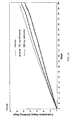
- the invention includes a method for treating an individual in need of naltrexone comprising the step of parenterally administering a long acting formulation comprising naltrexone to the individual wherein the serum AUC of naltrexone is at least about two times, preferably at least about three times, more preferably about 3.3 times greater over the course of the month than that achieved by 50 mg/day oral administration.
- the inventions also include a method of treating an individual in need of naltrexone comprising administering a long acting formulation in a dose comprising at least about 160 mg of naltrexone, preferably between about 160 mg and about 480 mg naltrexone, more preferably between about 160 and 240 mg of naltrexone or about 310 to about 480 mg of naltrexone.
- the inventions also include a method of treating an individual in need of naltrexone comprising administering naltrexone, such as in a long acting formulation, in the absence of co-administering alcohol, to an individual who has not abstained from alcohol within three days, such as five days, prior to the naltrexone administration.
- the invention also includes a method of treating an individual in need of naltrexone comprising administering naltrexone as a long acting formulation in the absence of concomitant psychosocial treatment/intervention. ;
- the inventions include a method of increasing the days prior to occurrence of alcohol consumption in an individual in need of naltrexone comprising administering a long acting formulation comprising naltrexone, in the absence of co-administering alcohol, to an individual who has not abstained from alcohol within three days, such as five days, prior to the naltrexons administration.
- the inventions include a method of treating an individual in need of naltrexone comprising administering a long acting formulation comprising nattrexone in a dosage between about 160 mg to about 480 mg: naltrexone every four weeks for a period of about 24 weeks or more wherein the individual has not used oral naltrexone within five days, such as within ten days, before said administration.
- the inventions relate to the administration of a naltrexone containing formulation, preferably a long acting naltrexone formulation, to patients in need thereof and to the use of naltrexone in the manufacture of medicaments for use in such methods.
- the invention includes a method for treating an individual in need of naltrexone comprising the step of parenterally administering a long acting formulation comprising naltrexone to the individual wherein the serum AUC of naltrexone is at least about two times, preferably at least about three times, more preferably about 3.3 times greater than that achieved by 50 mg/day oral administration.
- This invention arose from the unexpected discovery that substantially improved serum levels of naltrexone can be achieved by administering long acting formulations of naltrexone, such as the Alkermes, Inc. formulation, Vivitrex® injectable suspension, made employing its Medisorb® delivery system. Indeed, it was not expected that serum levels of about 3.3 times that achieved by a 50 mg/day oral dose could be achieved by a single 1M administration of Vivitrex®.
- the inventions also include a method of treating an individual in need of naltrexone comprising administering naltrexone, such as in a long acting formulation, in the absence of co-administering alcohol, to an individual who has not abstained from alcohol within three days, such as five days, prior to the naltrexone administration.
- naltrexone such as in a long acting formulation
- the inventions also include administering a long acting formulation to individuals who did not receive a prior oral dose of naltrexone, for example, within 3, such as within about 5 days or about 10 days of commencing therapy.
- the inventions also include a method of treating an individual in need of naltrexone comprising administering a long acting formulation in a dose comprising between about 160 mg and 240 mg of naltrexone or about 310 mg to about 480 mg of naltrexone and formulations for use in the methods described herein.
- Preferred formulations are administered in a dose comprising about 190 mg or about 380 mg naltrexone.
- the naltrexone can be in any form, including anhydrous, hydrate, solvate or salt forms or combinations thereof. It can be crystalline or non-crystal line or combinations thereof.
- a preferred naltrexone form comprises a naltrexone ethanolate, such as that described in United States Patent Application No. 60/475,863 , filed on June 4, 2003, which is incorporated herein by reference and/or anhydrous naltrexone.
- a particularly preferred naltrexone form is that produced by the encapsulation process described in United States Patent NO. 6,264,987, by Wright et al which is incorporated herein by reference.
- the naltrexone can be combined with any of the well-known biodegradable and bioerodible carriers, such as polylactides, poly(lactic acids) and poly-lactide-co-glycolides and collagen formulations.
- a particularly preferred polymer is a polylactide-co-glycolide polymer which possesses a molecular weight of at least 100,000 daltons, such as those described below in the exemplification. Such materials may be in the form of solid implants, sponges, and the like.
- the naltrexone is preferably in a long acting formulation.
- Long acting (also referred to as extended, sustained, or controlled release) preparations may be achieved through the use of polymers (preferably poly-lactide or poly-lactide-co-glycolide polymers) to entrap or encapsulate, the naltrexone described herein.
- Extended release formulations can be made by spray drying polymer-drug mixtures, emulsion-based technologies, coacervation based technologies, film casting, extrusion based technologies and other processes to manufacture polymer-drug microparticles possessing an extended release profile
- suitable extended release technologies include, without limitation, the MEDISORB® technology, as described in, for example, US Patent Nos.
- novel naltrexone forms described herein may be used in combination with other treatments including but not limited to psychotherapy and/or other medications.
- Other medications that may be combined with the long acting naltrexone of the invention include but are not limited to anticonvulsants (see U.S. Patent Application Number 60/554,658 and copending application Attorney Docket Number 4000.3007 US filed on March 17,2005, incorporated herein by reference), dopamine D2 partial agonists (see U.S. Patent Application Number 60/554,785 and copending application Attorney Docket Number 4000.3008 US2 filed on march 17, 2005, incorporated herein by reference) and cannabinoid receptor antagonist.
- anticonvulsants useful in conjunction with the present invention include but are not limited to carbamezepine, valproic acid, lamotrigine, gabapentin, topiramate, phenobarbital, diphenylhydantoin, phenytoin, mephenytoin, ethotoin, mephobarbital, primidone, ethosuximide, methsuximinde, phensuximide, trimethadione, phenacemide, acetazolamide, progabide, clonazepam, divalproex sodium, magnesium sulfate injection, metharbital, paramethadione, phenytoin sodium, clobazam, sulthiame, dilantin zolpidem tartrate, zaleplon, indiplon, and zopiclone.
- dopamine D2 partial agonists useful in the present invention include but are not limited to Aripiprazole, 7- ⁇ 4-[4-(2,3-dichlorophenyl)-1-piperazinyl]-butoxy ⁇ -3- ,4-dihydro carbostyril or 7- ⁇ 4-[4-(2,3-dichlorophenyl)-1-piperazinyl]-butoxy ⁇ -3,4-dihydro -2(IH)-quinolinone, and the partial dopamine agonist (-)3-(3 hydroxyphenyl)-N-n- propylpiperidine [(-)-3PPP, see U.S. Pat, No. 4,719,2191 .
- the long acting formulation delivers therapeutically beneficial amounts of naltrexone to the patient for a period of at least one week, preferably at least about two weeks, more preferably at least about 3 or about 4 or more weeks.
- a four week delivery is often referred to as a monthly delivery.
- the naltrexone is presenfin the extended release device or formulation in an amount of at least about 5% by weight, preferably at least about 10% by weight, more preferably at least about 30% by weight, such as about 35% by weight naltrexone of the total weight of the device, or formulation.
- naltrexone instead of incorporating naltrexone into polymeric particles, it is possible to entrap these materials in microparticles prepared, for example, by coacervation techniques or by interfacial polymerization (for example, hydroxymethylcellulose or gelatine-microcapsules and poly-(methylmethacrylate) microcapsules, respectively), in colloidal drug delivery systems (for example, liposomes, albumin, microparticles, microemulsions, nanoparticles, and nanocapsules), or in macroemulsions.
- colloidal drug delivery systems for example, liposomes, albumin, microparticles, microemulsions, nanoparticles, and nanocapsules
- composition When the composition is to be used as an injectable material, including but not limited to needle-less injection, it can be formulated into a conventional injectable carrier. Suitable carriers include biocompatible and pharmaceutically acceptable solutions.
- the injection can be intramuscular or subcutaneous.
- the formulation may contain additional excipients, as is well known in the art, the present invention can achieve an excellent release profile with the simple formulation described herein.
- additional excipients can increase or decrease the rate of release of the agent.
- Ingredients which can substantially increase the rate of release include pore forming agents and excipients which facilitate polymer degradation. For example, the rate of polymer hydrolysis is increased in non-neutral pH. Therefore, an acidic or a basic excipient such as an inorganic acid or inorganic base can be added to the polymer solution, used to form the microparticles, to alter the polymer erosion rate.
- a preferred embodiment of the described sustained release formations consists essentially of the biocompatible polymer and naltrexone.
- consists essentially of is meant the absence of ingredients which substantially increase the rate of release of the active agent from the formulation.
- additional excipients which would not be expected to substantially increase or decrease the rate of release of the agent include additional active agents and inert ingredients.
- the formulation consists of the biocompatible polymer and naltrexone.
- consists of is meant the absence of components or ingredients other than those listed and residual levels of starting materials, solvents, etc. from the process.
- the formulation preferably releases naltrexone over a period of at least about one, two, three or four weeks.
- the formulation can be administered using a dosing schedule which achieves the desired therapeutic levels for the desired period of time.
- the formulation can be administered and, optionally, the patient monitored until levels of the drug being delivered return to baseline. Following an actual or projected return to baseline, the formulation can be administered again.
- the subsequent administration of the formulation can occur prior to achieving baseline levels in the patient.
- the formulation can be advantageously administered weekly, with a one week release fomulation, biweekly with a two week release formulation, or monthly with a four week release formulation.
- Vivitrex is a four week release formulation with a monthly (e.g., every four weeks) administration
- the therapy can end after a single dose or can be maintained for longer periods of time. In one embodiment the therapy can maintained for at least about 4, 8, 12, 16, 20 and 24 weeks or more.
- the second administration can be given at least about 7 days, preferably at least about 14 days, more preferably at least about 21 days, such as about 28 days, after the first administration and combinations thereof.
- “about” preferably means within three days of the targeted date.
- the doses and/or formulations administered in each subsequent administration were similar or the same.
- the formulation is preferably a microsphere formulation and is administered by IM injection. Administration to the buttock in a volume of up to about 4 mL in an injectable diluent was performed in the trials leading up to these inventions.
- the methods of the inventions achieved good to excellent results in women and, in particular, men. Good to excellent results were achieved in young individuals (defined as less than 50 years of age), particularly men. Individuals afflicted by alcohol dependency, such as a heavy drinker achieved good to excellent results.
- a heavy drinker is understood in the art to include women who consume four or more alcoholic beverages in a day and men who consume five or more alcoholic beverages in a day.
- the inventions include a method of increasing the days prior to occurrence of alcohol consumption in an individual in need of naltrexone comprising administering a long acting formulation: comprising naltrexone in accordance with the protocols and/or dosing regimens described herein.
- the increase in days prior to occurrence of alcohol consumption can include the consumption of a single alcoholic beverage or it can include consumption of four or five alcoholic beverages, such as the number of drinks characterizing an episode of "heavy drinking," above. In general, the greater the number of days that transpire prior to alcohol consumption indicates a more successful therapy.
- the invention includes a preferred method for manufacturing extended release devices, wherein the resulting device contains a mixture of the described polymorphic forms.
- Polymer solution can be formed by dissolving a poly(lactide)-co-glycolide polymer, such as a 75:25 DL PLGA (poly(lactide)-co-glycolide) in a polymer solvent, such as ethyl acetate (EtAc), to form a solution.
- Preferred PLGA polymers are high molecular weight polymers, such as polymers possessing a molecular weight of at least about 100,000 daltons.
- a naltrexone solution can be formed by dissolving naltrexone base in a suitable solvent, such as benzyl alcohol (BA), to form a solution.
- the polymer solution and the naltrexone solution are preferably mixed together to form a drug/polymer solution that will be the "organic" or "oil” phase of the emulsion.
- the " aqueous" or “continuous” phase of the emulsion (emulsifying solution) is prepared.
- the aqueous phase preferably contains poly( vinyl alcohol) (pea) and polymer solvent, such as EtAc.
- the organic phase and the aqueous phase can be conveniently combined in a first static mixer to form an oil-in-water emulsion.
- the emulsion flows out of the first static mixer and into a second static mixer where the emulsion can be combined with a primary extraction solution which enters the second static mixer.
- the primary extraction solution (such as can be formed by an EtAc aqueous solution) can initiate solvent extraction from the microdroplets of the emulsion during the partial primary extraction step in the second static mixer.
- the outflow of the first or second static mixer can flow into an extraction vessel containing primary extraction solution.
- the solvents (BA and EtAc) are substantial extracted from the organic phase of the emulsion in this primary solvent extraction step, resulting in nascent microparticles comprised mainly of polymer and drug.
- the primary solvent extraction step lasts for approximately six hours.
- the microparticles can be collected, and vacuum dried, optionally with a nitrogen bleed using a customized vibratory sieve. After collection and prior to drying, the microparticles are rinsed with a 25% ethanol solution that removes the emulsifying agent (PVA), and enhances yield by aiding in the transfer of the microparticles to the cold dryer. This step is conducted, preferably at cold temperatures, until the desired level of dryness is achieved.
- PVA emulsifying agent
- This step is conducted, preferably at cold temperatures, until the desired level of dryness is achieved.
- the degree of dryness impacts upon the degree of crystallinity achieved in the final product. For example, it can be advantageous to select a drying time of at least about 8, 16,24 or 40 hours of drying.
- drying time of at least about 8, 16, 24 or 40 hours where drying is 40%, 70%, 95% or 100% complete respectively. Drying is considered complete when the absolute : humidity of the effluent gas reaches approximately 0 glm3.
- the microparticles can then be resuspended in a second extraction solution.
- the second solution can contain the solvent desired to form the polymorphic form, such as ethanol.
- a solution comprising at least about 10% by volume, preferably at least about 20% ethanol, can be used.
- the solvent such as ethanol, can facilitate further extraction ofBA and EtAc. Further, the crystallinity of the drug increases during the step.
- the secondary solvent extraction step is carried out in an extraction vessel for approximately two, three, four or more hours. This step can be conveniently completed at room temperature. However, other temperatures can be selected as well.
- the microparticles are collected, and vacuum dried with a nitrogen bleed using a customized vibratory sieve.
- the microparticles can be transferred into a sterile container and stored, for example, in a freezer at -20°C, until filling into vials.
- the stored microparticles are sieved through a 150 micron screen to remove any oversized material prior to filling into vials.
- the naltrexone base microparticles were produced using a co-solvent extraction process.
- the theoretical batch size was 15 to 20 grams.
- the polymer (MEDISORB® 7525 DL polymer, MEDISORB® 8515 DL polymer and MEDISORB® 6536 DL polymer, all available from Alkermes Inc., Blue Ash, Ohio.) was dissolved in ethyl acetate to produce a 16.7% w/w polymer solution.
- the naltrexone base anhydrous was dissolved in benzyl alcohol to produce a 30.0% w/w solution.
- the amount of drug and polymer used was varied to produce microparticles with different theoretical drug loading ranging from 30%-75%.
- the ambient polymer and drug solutions were mixed together until a single homogeneous solution (organic phase) was produced.
- the aqueous phase was at ambient conditions and contained 1% w/w polyvinyl alcohol and a saturating amount of ethyl acetate.
- These two solutions were pumped via positive displacement pumps at a ratio of 3:1 (aqueous: organic) through a 1/4" in-fine mixer to form an emulsion.
- the emulsion was transferred to a stirring solvent extraction solution consisting of 2.5% w/w of ethyl acetate dissolved in distilled water at 5-10o C, at a volume of 0.5L of extraction solution per theoretical gram of microparticles.
- Both the polymer and drug solvents were extracted into the extraction solution from the emulsion droplets to produce microparticles.
- the initial extraction process ranged from two to four hours.
- the microparticles were collected on a 25 ⁇ m sieve and rinsed with a cold ( ⁇ 5°C) 25% w/w ethanol solution.
- the microparticles were dried cold overnight (approximately 17 hours) using nitrogen.
- microparticles were then transferred to the reslurry solution, which consisted of a vigorously stirring 25% w/w ethanol solution at 5-10oC After a short mixing time (five to fifteen minutes), the reslurry solution and the microparticles were transferred to a stirring 25%w/w ethanol secondary extraction solution (approximately 25°C at a volume of 0.2 L of secondary extraction solution per theoretical gram of microparticles). The microparticles stirred for six hours enabling additional solven removal from the microparticles to take place. The microparticles were then collected on a 25 ⁇ m sieve and rinsed with a 25% w/w ethanol solution at ambient temperature. These microparticles dried in a hood under ambient conditions overnight (approximately 17 hours), were sieved to remove agglomerated microparticles:and then placed into a freezer for storage.
- a 1 kg batch of naltrexone microspheres was prepared as follows, Polymer solution was formed by dissolving 75:25 DL PLGA (poly(lactide)-co-glycolide) in ethyl acetate (EtAc) to form a solution of 16.7% polymer and 83.3% EtAc.
- a naltrexone solution was formed by dissolving naltrexone base in benzyl alcohol (BA) to form a solution of 30% naltrexone base anhydrous and 70% BA. The polymer solution and the naltrexone solution were mixed together to form a drug/polymer solution that was the "organic" or "oil” phase of the emulsion.
- the "aqueous" or “continuous” phase of the emulsion was prepared by dissolving poly(vinyt alcohol) (PVA) and EtAc in water-for-injection (WFI).
- PVA poly(vinyt alcohol)
- WFI water-for-injection
- the organic phase and the aqueous phase were combined in a first static mixer to form an oil-in-water emulsion.
- the droplet size of the emulsion was determined by controlling the flow rates of the two phases through the first static mixer.
- a partial primary extraction step the emulsion flowed out of the first static mixer and into a second static mixer where the emulsion was combined with a Primary extraction solution which enters the second static mixer.
- the primary extraction solution (2.5% EtAc and 97.5% WFI at approximately 6°C) initiated solvent extraction from the microdroplets of the emulsion during the partial primary extraction step in the second static mixer.
- the outflow of the second static mixer (combined flow stream of the emulsion and the primary extraction solution) flowed into an extraction vessel containing primary extraction solution.
- the solvents (BA and EtAc) were further extracted from the organic phase of the emulsion in this primary solvent extraction step, resulting in nascent microparticles comprised mainly of polymer and drug.
- the primary solvent extraction step lasted for approximately six hours.
- microparticles were collected, and vacuum dried with a nitrogen bleed using a customized vibratory sieve, After collection and prior to drying, the microparticles were rinsed with a 25% ethanol solution that removes the emulsifying agent (PVA), and enhances yield by aiding in the transfer of the microparticles to the dryer.
- PVA emulsifying agent
- microparticles were resuspended in a second extraction solution of 25% ethanol and 75% WFI in the reslurry and secondary solvent extraction steps, The ethanol facilitated further extraction of BA and EtAc.
- the secondary solvent extraction step was carried out in an extraction vessel for approximately four hours.
- the microparticles were collected, and vacuum dried with a nitrogen bleed using a second customized vibratory sieve.
- the microparticles were transferred into a sterile container and stored in a freezer at -20°C until filling into vials.
- the stored microparticles were sieved through a 150 micron screen to remove any oversized material prior to filling into vials.
- Example 2 Phase III Clinical Trial (also referred to herein as "ALK21-003") Screening and Eligibility Criteria
- Participants were male or nonpregnant, nonlactating female outpatients ⁇ 18 years old with a current diagnosis of alcohol dependence. Patients had a minimum of two episodes of heavy drinking ( ⁇ 5 alcoholic drinks/day for men and ⁇ 4 drinks/day for women) per week during the 30 days prior to screening.
- Exclusion criteria included evidence of liver failure; alanine aminotransferase (ALT) or aspartate aminotransferase (AST) levels greater than three times the upper limit of normal; history of pancreatitis; major depression with suicidal ideation, psychosis, or bipolar disorder (patients with treated depression and stable pharmacotherapy for at least 8 weeks were not excluded); dependence within the past year on benzodiazepines, opiates, or cocaine; more than 7 days of impatient treatment for substance abuse during the month prior to screening; or use of opiates, oral naltrexone, or disulfiram during the two weeks prior to screening.
- ALT alanine aminotransferase
- AST aspartate aminotransferase
- Detoxification prior to randomization was performed only if indicated by investigator judgment and had to be completed seven days before initiation of study therapy. Use of benzodiazepines was prohibited during the week prior to the first dose of study medication.
- Patients were randomized to one of three treatment groups: long-acting injectable naltrexone 380 mg, long-acting injectable naltrexone 190 mg, or matching volumes of placebo (one-half of the placebo patients received an injection volume corresponding to 380 mg and the other half received an injection volume corresponding to 190 mg).
- the study used a dynamic randomization procedure to balance avocation on gender, patient-specified goal of total abstinence, self-reported abstinence for the 7-day period prior to first injection, and study site.
- Naltrexone long-acting injection (Vivitrex ® ) consists of microspheres (approximately 100 ⁇ M) composed of naltrexone and polylactide-co-glycolide polymeric matrix (Medisorb ® ), a common biodegradable medical polymer with an extensive history of human use in absorbable sutures and extended-release pharmaceuticals, Following injection, naltrexone on the surface of the microspheres is released, yielding peak concentrations within three days. Thereafter, by a combination of diffusion and erosion, naltrexone is further released for greater than 30 days.
- the primary efficacy endpoint was the event rate of heavy drinking over the 24 weeks of treatment.
- the definition of heavy drinking ( ⁇ 5 drinks per day for men and ⁇ 4 drinks per day for women) is consistent with that used in previous trials of oral naltrexone.
- Secondary endpoints included the event rate of "risky" drinking (>2 drinks per day for men and >1 drink per day for women) specified by the National Institute on Alcohol Abuse and Alcoholism (NIAAA) ( U.S. Department of Agriculture/U.S. Department of Health and Human Services. Home and Garden Bulletin no, 232. Nutrition and your health: dietary guidelines for Americans. 3rd ed. Washington, DC: Supt. of Docs., U.S. Government.
- the primary analysis for the primary and secondary endpoints was performed on an intention-to-treat population (i.e., all randomized patients who received at least one dose of study medication).
- the primary objective was to determine whether treatment with long-acting naltrexone (at either 190 mg or 380 mg) decreased the event rate of heavy drinking relative to treatment with placebo injection.
- Statistical methods to analyze multiple drinking episodes in alcoholism treatment clinical trials have been described by Wang et al., Short of complete abstinence: an analysis exploration of multiple drinking episodes in alcoholism treatment trials. Alcohol Clin Exp Res. 2002; 26: 1803-9 .
- the primary analysis for the primary endpoint was performed using a stratified recurrent event Andersen-Gill like model with robust variance estimation ( Lin DY, Wei LJ, Yang 1, and Ying Z. Semiparametric regression for the mean and rate functions of recurrent events. J Royal Stat Soc (B) 2000; 62: 711-30 ; SAS/STAT user's guide. Version 8. Cary, NC: SAS Institute, 1999:2596 ), The parameters estimated in the model were those representing the treatment effect of 190 mg relative to placebo and 380 mg relative to placebo. The analysis was performed on all heavy drinking events captured during the treatment period rejecting the days between first treatment and 30 days following the last dose of study medication. Analyses of the primary endpoint were performed by gender and for each of the other predefined stratification variables. Retention rates were evaluated by generating Kaplan-Meier curves for the time to study discontinuation. A log rank test was used to examine treatment group differences.
- AST aspartate aminotransferase
- ALT alanine aminotransferase
- ⁇ The normal values for AST and ALT are gender and age specific: ALT: Women 18-69 yr: 6-34 U/L, >69 yr. 6-32 U/L; Men 18-69 yr: 6-43 U/L. >69 yr: 6-35 U/L AST: Women ⁇ 18: 9-34 U/L; Men ⁇ 18: 11-36 U/L
- Vivitrex 190mg Percentages are based on the number of patients in the ITT population (dosed at least once). Fischer's exact test used for association of treatment by adverse event; comparisons with 2x2 tables.
- Nausea was mild or moderate in approximately 95% of cases, the large majority of which occurred during the first month of treatment, with a median duration of 1 day. Nausea and decreased appetite occurred more frequently in patients treated with the long-acting naltrexone 380 mg.
- AST and ALT levels did not change significantly over the course of treatment or with medication. Furthermore, long-acting naltrexone was not associated with an increased rate of AST or ALT elevations above three times the upper limit of normal.
- the relative reduction in heavy drinking associated with the 380mg and the 190mg dose compared to placebo was similar whether or not participants had a goal of total abstinence as shown in Table 3.
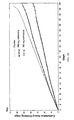
- Figure 2 shows the change from baseline in the median number of heavy drinking days per month, by treatment group and gender.
- This study enrolled a population of predominantly actively drinking patients, only 8.3% of whom were abstinent for the 7-day period prior to treatment.
- the number of patients who maintained complete abstinence during the trial was 7% in the naltrexone 380 mg group, 6% in the 190 mg naltrexone group, and 5% in the placebo group.
- the proportion of patients who experienced at least one heavy drinking day was 83% for naltrexone 380 mg, 86% for naltrexone 190 mg, and 89% for placebo. There were no significant group differences on either of these measures.
- the median number of days to first heavy drinking event overall was 3 for the placebo group, 4 for the 190 mg group and 6 for the 380 mg group (Table 4).
- Evidence of more pronounced treatment effects were seen with Vivitrex suspension 190 mg and 380 mg in the subgroups of subjects who were abstinent 4 days prior to first study dose and those with no lead in drinking compared with the population overall.
- the pharmacokinetic profile of long-acting injectable naltrexone differs substantially from that of the oral formulation. Peak naltrexone levels and the generation of 6- ⁇ -naltrexol via first-pass metabolism may contribute to reduced tolerability of oral naltrexone.
- a long-acting injectable naltrexone formulation may mitigate these effects by both eliminating daily naltrexone peaks and decreasing the ratio of 6- ⁇ -naltrexol to the parent compound compared with oral treatment ( Kranzler HR, Modesto-Lowe V, Nuwayser ES. Sustained-release naltrexone for alcoholism treatment: a preliminary study.
- the most commonly used endpoint for oral naltrexone has been the dichotomous outcome, relapse to heavy drinking (yes/no).
- the studies of oral naltrexone have generally evaluated subjects who have been abstinent for 3-5 days over a 12-week treatment period. The corresponding endpoint and population; the rate of relapse to heavy drinking at 12 weeks in subpopulation of subjects in ALK21-003 Phase III clinical study who were abstinent during the 4 days immediately prior to randomization was therefore selected to compare to the results of oral studies.
- ALK21-003 there were 56 subjects dosed (28 placebo, 28 Vivitrex 380 mg) who were abstinent for 4 days prior to receiving study drug. At 12 weeks, the relapse rate was 11/28 (0.39) in the Vivitrex 380 mg treatment group compared with 20/28 (0.71) in the placebo group. The risk difference (95% CI) in this subset of subjects is 0.32 (32%) with a 95% confidence interval (0.08, 0.58). The result with Vivitrex suspension thus compares favorably with the overall risk difference determined by Hopkins in a similar subject population.
- Vivitrex suspension compares favorably with oral naltrexone.
- LA-NTX long-acting injectable naltrexone
- QoL health-related quality of life
- LA-NTX a polylactide microsphere intramuscular formulation of naltrexone given monthly.
- QoL was assessed using SF-36v2.0 (see Ware, infra),
- Baseline SF-36 Mental Component Scores were 38.7,40.3, and 40.6 for the 380mg, 190mg, and placebo groups, respectively (significantly lower than US population norms. Following treatment, MCS increased by 7.9,6.2,6.0, in the 380mg, 190mg, and placebo groups. The change from baseline was significant for all treatment groups (P ⁇ 0.001) and was greater with 380mg vs. placebo (P ⁇ 0.05). Improvements correlated positively with reduction in alcohol consumption. Physical Component Scores (normal at baseline for all groups) did not change with treatment.
- LA-NTX injectable naltrexone
- N a polylactide microsphere intramuscular formulation of naltrexone.
- DSM-IV alcohol-dependent patients were randomized to 6 monthly injections of LA-NTX 380mg, LAN-TX 190mg, or placebo in combination with psychosocial support ( BRENDA, Volpicelli et al., Combining medication and pshychosocial treatments for additions: the BRENDA approach.
Landscapes
- Health & Medical Sciences (AREA)
- Life Sciences & Earth Sciences (AREA)
- Chemical & Material Sciences (AREA)
- Veterinary Medicine (AREA)
- Medicinal Chemistry (AREA)
- Animal Behavior & Ethology (AREA)
- Pharmacology & Pharmacy (AREA)
- Public Health (AREA)
- General Health & Medical Sciences (AREA)
- Epidemiology (AREA)
- Emergency Medicine (AREA)
- Dermatology (AREA)
- Bioinformatics & Cheminformatics (AREA)
- Engineering & Computer Science (AREA)
- Addiction (AREA)
- Inorganic Chemistry (AREA)
- Proteomics, Peptides & Aminoacids (AREA)
- Neurology (AREA)
- Organic Chemistry (AREA)
- Nuclear Medicine, Radiotherapy & Molecular Imaging (AREA)
- General Chemical & Material Sciences (AREA)
- Chemical Kinetics & Catalysis (AREA)
- Neurosurgery (AREA)
- Biomedical Technology (AREA)
- Psychiatry (AREA)
- Pharmaceuticals Containing Other Organic And Inorganic Compounds (AREA)
- Medicinal Preparation (AREA)
Applications Claiming Priority (3)
| Application Number | Priority Date | Filing Date | Title |
|---|---|---|---|
| US56454204P | 2004-04-22 | 2004-04-22 | |
| US11/083,167 US7919499B2 (en) | 2004-04-22 | 2005-03-17 | Naltrexone long acting formulations and methods of use |
| EP05728952A EP1740120A4 (de) | 2004-04-22 | 2005-03-18 | Langzeitformulierungen von naltrexon und anwendungsverfahren |
Related Parent Applications (1)
| Application Number | Title | Priority Date | Filing Date |
|---|---|---|---|
| EP05728952.2 Division | 2005-03-18 |
Publications (2)
| Publication Number | Publication Date |
|---|---|
| EP2386269A2 true EP2386269A2 (de) | 2011-11-16 |
| EP2386269A3 EP2386269A3 (de) | 2012-04-25 |
Family
ID=35187918
Family Applications (2)
| Application Number | Title | Priority Date | Filing Date |
|---|---|---|---|
| EP11161854A Withdrawn EP2386269A3 (de) | 2004-04-22 | 2005-03-18 | Langzeitwirksame Naltrexonformulierungen und Verwendungsverfahren |
| EP05728952A Ceased EP1740120A4 (de) | 2004-04-22 | 2005-03-18 | Langzeitformulierungen von naltrexon und anwendungsverfahren |
Family Applications After (1)
| Application Number | Title | Priority Date | Filing Date |
|---|---|---|---|
| EP05728952A Ceased EP1740120A4 (de) | 2004-04-22 | 2005-03-18 | Langzeitformulierungen von naltrexon und anwendungsverfahren |
Country Status (10)
| Country | Link |
|---|---|
| US (5) | US7919499B2 (de) |
| EP (2) | EP2386269A3 (de) |
| JP (2) | JP5426094B2 (de) |
| KR (2) | KR20090050111A (de) |
| CN (1) | CN103251597A (de) |
| AU (1) | AU2005239989B2 (de) |
| CA (1) | CA2563086C (de) |
| NZ (1) | NZ549976A (de) |
| RU (1) | RU2370257C2 (de) |
| WO (1) | WO2005107753A2 (de) |
Families Citing this family (14)
| Publication number | Priority date | Publication date | Assignee | Title |
|---|---|---|---|---|
| JP2818973B2 (ja) | 1990-10-22 | 1998-10-30 | 株式会社藤井鉄工所 | スキップ式水路用スクリーン除塵機 |
| US20100196436A1 (en) * | 2009-01-30 | 2010-08-05 | Gooberman Lance L | Implants containing disulfiram and an anti-inflammatory agent |
| US8791093B2 (en) * | 2009-05-29 | 2014-07-29 | Lance L. Gooberman | Pharmaceutical delivery systems for treatment of substance abuse and other addictions |
| RU2471478C1 (ru) * | 2011-12-08 | 2013-01-10 | Станислав Анатольевич Кедик | Фармацевтическая композиция для лечения алкоголизма, наркомании и токсикомании с улучшенным профилем высвобождения налтрексона |
| US20160279124A1 (en) * | 2015-03-27 | 2016-09-29 | Dan Markel | Method for Treating Addiction |
| ES2975989T3 (es) | 2018-10-15 | 2024-07-19 | Chong Kun Dang Pharmaceutical Corp | Composiciones de micropartículas inyectables de naltrexona de acción prolongada |
| KR102898979B1 (ko) * | 2018-12-27 | 2025-12-10 | 에일러 파마슈티컬스 아이엔씨. | 주사가능한 날트렉손 서방형 약학 제제 |
| GR1009871B (el) * | 2019-07-30 | 2020-11-12 | Φαρματεν Α.Β.Ε.Ε. | Φαρμακευτικο σκευασμα που περιλαμβανει μικροσφαιριδια ναλτρεξονης και μεθοδος παρασκευης αυτου |
| US11752143B2 (en) | 2020-12-31 | 2023-09-12 | Soin Therapeutics Llc | Methods of using low dose naltrexone to treat chronic pain |
| US12343340B2 (en) | 2020-12-31 | 2025-07-01 | Soin Therapeutics Llc | Methods of using low dose naltrexone to treat chronic pain |
| US11197819B1 (en) | 2021-04-09 | 2021-12-14 | Drug Delivery Company, Llc | Extended release bioabsorbable subcutaneous medicinal dosage delivery implant system |
| AU2022202053A1 (en) | 2021-09-17 | 2023-04-06 | Biocorrx, Inc. | Biodegradable implant including naltrexone |
| US20250064782A1 (en) * | 2021-12-17 | 2025-02-27 | Journey Colab Corp. | Methods of Treating Substance Use Disorders Using 5-MeO-DMT |
| US12303604B1 (en) | 2024-10-16 | 2025-05-20 | Currax Pharmaceuticals Llc | Pharmaceutical formulations comprising naltrexone and/or bupropion |
Citations (8)
| Publication number | Priority date | Publication date | Assignee | Title |
|---|---|---|---|---|
| US4719219A (en) | 1982-03-30 | 1988-01-12 | Per A. E. Carlsson | Phenyl-azacycloalkanes and use thereof in treatment of central nervous system disorders |
| US4882335A (en) | 1988-06-13 | 1989-11-21 | Alko Limited | Method for treating alcohol-drinking response |
| US5407609A (en) | 1989-05-04 | 1995-04-18 | Southern Research Institute | Microencapsulation process and products therefrom |
| US5654008A (en) | 1993-11-19 | 1997-08-05 | Alkermes Controlled Therapeutics Inc. Ii | Preparation of biodegradable microparticles containing a biologically active agent |
| US5792477A (en) | 1996-05-07 | 1998-08-11 | Alkermes Controlled Therapeutics, Inc. Ii | Preparation of extended shelf-life biodegradable, biocompatible microparticles containing a biologically active agent |
| US6264987B1 (en) | 2000-05-19 | 2001-07-24 | Alkermes Controlled Therapeutics Inc. Ii | Method for preparing microparticles having a selected polymer molecular weight |
| US6306425B1 (en) | 1999-04-09 | 2001-10-23 | Southern Research Institute | Injectable naltrexone microsphere compositions and their use in reducing consumption of heroin and alcohol |
| US6358443B1 (en) | 1995-05-18 | 2002-03-19 | Alkermes Controlled Therapeutics, Inc. | Production scale method of forming microparticles |
Family Cites Families (9)
| Publication number | Priority date | Publication date | Assignee | Title |
|---|---|---|---|---|
| US5512593A (en) | 1993-03-02 | 1996-04-30 | John S. Nagle | Composition and method of treating depression using natoxone or naltrexone in combination with a serotonin reuptake inhibitor |
| JPH11505547A (ja) * | 1996-03-13 | 1999-05-21 | エール ユニバーシティ | ナルトレキソン及び関連化合物を用いる禁煙処置 |
| US6143314A (en) * | 1998-10-28 | 2000-11-07 | Atrix Laboratories, Inc. | Controlled release liquid delivery compositions with low initial drug burst |
| KR100730440B1 (ko) | 1999-08-27 | 2007-06-19 | 브룩우드 파마슈티컬스, 인코포레이티드 | 주사가능한 부프레노르핀 미세 입자 조성물 및 이의 용도 |
| WO2001043726A1 (en) | 1999-12-16 | 2001-06-21 | Trident Technologies, Llc | System and method for extended delivery of a therapeutic agent with its receptor loading dose |
| JP2006512409A (ja) | 2002-10-31 | 2006-04-13 | ユーエムディー, インコーポレイテッド | 薬物送達用治療組成物で被覆上皮に対するもの及びそれを介するもの |
| CN1166360C (zh) * | 2002-11-07 | 2004-09-15 | 上海医药工业研究院 | 一种纳曲酮长效注射微球组合物及制备方法和应用 |
| WO2004064752A2 (en) | 2003-01-22 | 2004-08-05 | Alkermes Controlled Therapeutics, Inc. | Method of preparing sustained release microparticles |
| EP1628664A4 (de) | 2003-06-04 | 2008-11-05 | Alkermes Inc | Polymorphe formen von naltrexon |
-
2005
- 2005-03-17 US US11/083,167 patent/US7919499B2/en active Active
- 2005-03-18 RU RU2006137349/14A patent/RU2370257C2/ru active
- 2005-03-18 KR KR1020097009360A patent/KR20090050111A/ko not_active Ceased
- 2005-03-18 CA CA2563086A patent/CA2563086C/en not_active Expired - Lifetime
- 2005-03-18 EP EP11161854A patent/EP2386269A3/de not_active Withdrawn
- 2005-03-18 NZ NZ549976A patent/NZ549976A/en not_active IP Right Cessation
- 2005-03-18 WO PCT/US2005/009133 patent/WO2005107753A2/en not_active Ceased
- 2005-03-18 EP EP05728952A patent/EP1740120A4/de not_active Ceased
- 2005-03-18 KR KR1020067023387A patent/KR20070005722A/ko not_active Ceased
- 2005-03-18 CN CN2013101596188A patent/CN103251597A/zh active Pending
- 2005-03-18 AU AU2005239989A patent/AU2005239989B2/en not_active Expired
- 2005-03-18 JP JP2007509472A patent/JP5426094B2/ja not_active Expired - Fee Related
-
2011
- 2011-03-01 US US13/037,713 patent/US20110212985A1/en not_active Abandoned
- 2011-07-15 JP JP2011156813A patent/JP2011225600A/ja active Pending
-
2013
- 2013-04-26 US US13/871,534 patent/US20140155424A1/en not_active Abandoned
-
2017
- 2017-04-13 US US15/486,869 patent/US20180064814A1/en not_active Abandoned
-
2021
- 2021-04-29 US US17/244,110 patent/US20210244818A1/en not_active Abandoned
Patent Citations (8)
| Publication number | Priority date | Publication date | Assignee | Title |
|---|---|---|---|---|
| US4719219A (en) | 1982-03-30 | 1988-01-12 | Per A. E. Carlsson | Phenyl-azacycloalkanes and use thereof in treatment of central nervous system disorders |
| US4882335A (en) | 1988-06-13 | 1989-11-21 | Alko Limited | Method for treating alcohol-drinking response |
| US5407609A (en) | 1989-05-04 | 1995-04-18 | Southern Research Institute | Microencapsulation process and products therefrom |
| US5654008A (en) | 1993-11-19 | 1997-08-05 | Alkermes Controlled Therapeutics Inc. Ii | Preparation of biodegradable microparticles containing a biologically active agent |
| US6358443B1 (en) | 1995-05-18 | 2002-03-19 | Alkermes Controlled Therapeutics, Inc. | Production scale method of forming microparticles |
| US5792477A (en) | 1996-05-07 | 1998-08-11 | Alkermes Controlled Therapeutics, Inc. Ii | Preparation of extended shelf-life biodegradable, biocompatible microparticles containing a biologically active agent |
| US6306425B1 (en) | 1999-04-09 | 2001-10-23 | Southern Research Institute | Injectable naltrexone microsphere compositions and their use in reducing consumption of heroin and alcohol |
| US6264987B1 (en) | 2000-05-19 | 2001-07-24 | Alkermes Controlled Therapeutics Inc. Ii | Method for preparing microparticles having a selected polymer molecular weight |
Non-Patent Citations (23)
| Title |
|---|
| "Nutrition and your health: dietary guidelines for Americans", 1990, U.S. GOVERNMENT. PRINTING OFFICE |
| "SAS/STAT user's guide", 1999, SAS INSTITUTE, pages: 2596 |
| ALCOHOL CLIN EXP RES., vol. 26, 2002, pages 1803 - 9 |
| ALVAREZ-FUENTES, ET AL: "PRECLINICAL STUDY OF AN ORAL CONTROLLED RELEASE NALTREXONE COMPLEX IN MICE", J.PHARM. PHARMACOL, vol. 52, no. 6, 2000, pages 659 - 663, XP003035733 |
| BARTUS R T; ET AL: "VIVITREX, AN INJECTABLE, EXTENDED-RELEASE FORMULATION OF NALTREXONE, PROVIDES PHARMACOKINETIC AND PHARMACODYNAMIC EVIDENCE OF EFFICACY FOR ONE MONTH IN RATS", NEUROPSYCHOPHARMACOLOGY, vol. 28, 1 November 2003 (2003-11-01), pages 1973 - 1982, XP002992765 |
| BOUZA C, MAGRO A, MUNOZ A, AMATE JM: "Efficacy and safety of naltrexone and acamprosate in the treatment of alcohol dependence: a systematic review", ADDICTION, vol. 99, no. 7, July 2004 (2004-07-01), pages 811 - 828 |
| BRENDA, VOLPICELLI ET AL.: "Combining medication and pshychosocial treatments for additions: the BRENDA approach", 2001, THE GUILFORD PRESS |
| HE GUANG-AN; ET AL: "NALTREXONE MICROSPHERES: IN VITRO RELEASE AND EFFECT ON MORPHINE IN MICE", ACTAPHARMACOL SIN, vol. 22, no. 6, 1 June 2001 (2001-06-01), pages 530 - 533, XP055194203 |
| HOPKINS, JOHN SLOAN, MASTER PAPER: "Presentation entitled; Meta Analysis of Clinical Trials of Naltrexone and Acamprosate for the Treatment of Alcoholism- What does the evidence tell us?", UNC-CH DEPARTMENT OF EPIDEMIOLOGY, 25 March 2002 (2002-03-25) |
| J.E. CARRENO; ET AL: "MAINTENANCE TREATMENT WITH DEPOT OPIOID ANTAGONISTS IN SUBCUTANEOUS IMPLANTS: AN ALTERNATIVE IN THE TREATMENT OF OPIOID DEPENDENCE", ADDICTION BIOLOGY, vol. 8, December 2003 (2003-12-01), pages 429 - 438, XP003035735 |
| JOHNSON, B.A.; ET AL: "A PILOT EVALUATION OF THE SAFETY AND TOLERABILITY OF REPEAT DOSE ADMINISTRATION OF LONG-ACTING INJECTABLE NALTREXONE (VIVITREX) IN PATIENTS WITH ALCOHOL DEPENDENCE", ALCOHOL CLIN EXP RES, vol. 28, no. 9, September 2004 (2004-09-01), pages 1356 - 1361, XP003035737 |
| KRANZLER HR, MODESTO-LOWE V, NUWAYSER ES: "Sustained-release naltrexone for alcoholism treatment: a preliminary study", ALCOHOL CLIN EXP RES, vol. 22, 1998, pages 1074 - 9 |
| KRANZLER, H.R.; ET AL: "SUSTAINED-RELEASE NALTREXONE FOR ALCOHOLISM TREATMENT; A PRELIMINARY STUDY", ALCOHOL CLIN EXP RES, vol. 22, no. 5, August 1998 (1998-08-01), pages 1074 - 1079, XP003035736 |
| LIN DY, WEI LJ, YANG I, YING Z: "Semiparametric regression for the mean and rate functions of recurrent events", J ROYAL STAT SOC (B), vol. 62, 2000, pages 711 - 30 |
| LOUIS S. HARRIS, PH.D.: "PROBLEMS OF DRUG DEPENDENCE, 1994: PROCEEDINGS OF THE 56TH ANNUAL SCIENTIFIC MEETING, THE COLLEGE ON PROBLEMS OF DRUG DEPENDENCE, INC.", vol. II, 1995, article T.N ALIM; ET AL: "TOLERABILITY STUDY OF A DEPOT FORM OF NALTREXONE SUBSTANCE ABUSERS", pages: 1PP, II, 253, XP003035734 |
| REUNING, R.H.; ET AL: "DISPOSITION AND PHARMACOKINETICS OF NALTREXONE AFTER INTRAVENOUS AND ORAL ADMINISTRATION IN RHESUS MONKEYS", DRUG METAB DISPOS, vol. 17, no. 6, 1989, pages 583 - 589, XP003035738 |
| SOBELL LC, SOBELL MB: "Measuring alcohol consumption: psychosocial and biological methods", 1992, HUMANA PRESS, article "Timeline Followback: a technique for assessing self-reported ethanol consumption", pages: 41 - 72 |
| SRISURAPANONT M, JARUSURAISIN N: "Opioid antagonist for alcohol dependence", THE COCHRANE DATABASE OF SYSTEMATIC REVIEWS 2005, 24 January 2005 (2005-01-24) |
| SWIFT, R.: "Drug Therapy for Alcohol Dependence", NEJM, 13 May 1999 (1999-05-13), pages 1482 - 1490 |
| UNITED STATES SECURITIES AND EXCHANGE COMMISSION: "TABLE OF CONTENTS FORM 10-K, ALKERMES,INC.", ANNUAL REPORT PURSUANT TO SECTION 13 OR 15(D) OF THE SECURITIES EXCHANGE ACT OF 1934, 2003, pages 3PP, 2 - 15, XP003035750 |
| VEREBEY K, VOLAVKA J, MULE SJ, RESNICK RB: "Naltrexone: disposition, metabolism, and effects after acute and chronic dosing", CLIN PHARMACOL THER, vol. 20, 1976, pages 315 - 28 |
| WARE ET AL.: "How to score version 2 of the SF-36®", 2000, QUALITYMETRIC INCORPRATED |
| YOON YEO; ET AL: "CONTROL OF ENCAPSULATION EFFICIENCY AND INITIAL BURST IN POLYMERIC MICROPARTICLE SYSTEMS", ARCH PHARM RES, vol. 27, no. 2, 2004, pages 1 - 12, XP055011285 |
Also Published As
| Publication number | Publication date |
|---|---|
| CN103251597A (zh) | 2013-08-21 |
| JP2007533738A (ja) | 2007-11-22 |
| AU2005239989B2 (en) | 2008-05-29 |
| RU2006137349A (ru) | 2009-04-20 |
| US20210244818A1 (en) | 2021-08-12 |
| KR20090050111A (ko) | 2009-05-19 |
| CA2563086C (en) | 2018-04-17 |
| KR20070005722A (ko) | 2007-01-10 |
| EP1740120A4 (de) | 2008-06-25 |
| US20180064814A1 (en) | 2018-03-08 |
| NZ549976A (en) | 2009-11-27 |
| US20140155424A1 (en) | 2014-06-05 |
| CA2563086A1 (en) | 2005-11-17 |
| AU2005239989A1 (en) | 2005-11-17 |
| WO2005107753A3 (en) | 2005-12-29 |
| RU2370257C2 (ru) | 2009-10-20 |
| EP1740120A2 (de) | 2007-01-10 |
| JP5426094B2 (ja) | 2014-02-26 |
| US20050245558A1 (en) | 2005-11-03 |
| JP2011225600A (ja) | 2011-11-10 |
| WO2005107753A2 (en) | 2005-11-17 |
| EP2386269A3 (de) | 2012-04-25 |
| US20110212985A1 (en) | 2011-09-01 |
| US7919499B2 (en) | 2011-04-05 |
Similar Documents
| Publication | Publication Date | Title |
|---|---|---|
| US20210244818A1 (en) | Naltrexone Long Acting Formulations and Methods of Use | |
| US6306425B1 (en) | Injectable naltrexone microsphere compositions and their use in reducing consumption of heroin and alcohol | |
| CN108743549B (zh) | 活性药物成分的自调节释放 | |
| AU765496B2 (en) | Injectable buprenorphine microparticle compositions and their use | |
| US20120308654A1 (en) | Abuse-proofed dosage form | |
| EP3506921B1 (de) | Depotsysteme mit glatirameracetat | |
| US11000479B2 (en) | Injectable long-acting naltrexone microparticle compositions | |
| RU2471478C1 (ru) | Фармацевтическая композиция для лечения алкоголизма, наркомании и токсикомании с улучшенным профилем высвобождения налтрексона | |
| RU2817016C2 (ru) | Инъекционные композиции микрочастиц налтрексона длительного действия | |
| US20250352522A1 (en) | Rapid induction with monthly injectable buprenorphine extended-release | |
| CN1946353B (zh) | 纳曲酮长效制剂和使用方法 |
Legal Events
| Date | Code | Title | Description |
|---|---|---|---|
| AC | Divisional application: reference to earlier application |
Ref document number: 1740120 Country of ref document: EP Kind code of ref document: P |
|
| AK | Designated contracting states |
Kind code of ref document: A2 Designated state(s): AT BE BG CH CY CZ DE DK EE ES FI FR GB GR HU IE IS IT LI LT LU MC NL PL PT RO SE SI SK TR |
|
| AX | Request for extension of the european patent |
Extension state: AL BA HR LV MK YU |
|
| PUAI | Public reference made under article 153(3) epc to a published international application that has entered the european phase |
Free format text: ORIGINAL CODE: 0009012 |
|
| PUAL | Search report despatched |
Free format text: ORIGINAL CODE: 0009013 |
|
| AK | Designated contracting states |
Kind code of ref document: A3 Designated state(s): AT BE BG CH CY CZ DE DK EE ES FI FR GB GR HU IE IS IT LI LT LU MC NL PL PT RO SE SI SK TR |
|
| AX | Request for extension of the european patent |
Extension state: AL BA HR LV MK YU |
|
| RIC1 | Information provided on ipc code assigned before grant |
Ipc: A61K 31/485 20060101ALI20120322BHEP Ipc: A01N 25/00 20060101ALI20120322BHEP Ipc: A61K 31/44 20060101ALI20120322BHEP Ipc: A61K 9/14 20060101ALI20120322BHEP Ipc: A61F 2/00 20060101AFI20120322BHEP |
|
| 17P | Request for examination filed |
Effective date: 20121025 |
|
| 17Q | First examination report despatched |
Effective date: 20150202 |
|
| TPAC | Observations filed by third parties |
Free format text: ORIGINAL CODE: EPIDOSNTIPA |
|
| STAA | Information on the status of an ep patent application or granted ep patent |
Free format text: STATUS: THE APPLICATION IS DEEMED TO BE WITHDRAWN |
|
| 18D | Application deemed to be withdrawn |
Effective date: 20150813 |