EP2386565A2 - Composés et procédés pour inhiber ou augmenter une réponse inflammatoire - Google Patents
Composés et procédés pour inhiber ou augmenter une réponse inflammatoire Download PDFInfo
- Publication number
- EP2386565A2 EP2386565A2 EP10012546A EP10012546A EP2386565A2 EP 2386565 A2 EP2386565 A2 EP 2386565A2 EP 10012546 A EP10012546 A EP 10012546A EP 10012546 A EP10012546 A EP 10012546A EP 2386565 A2 EP2386565 A2 EP 2386565A2
- Authority
- EP
- European Patent Office
- Prior art keywords
- compound
- formula
- chemokine
- peptide
- alkyl
- Prior art date
- Legal status (The legal status is an assumption and is not a legal conclusion. Google has not performed a legal analysis and makes no representation as to the accuracy of the status listed.)
- Withdrawn
Links
- 150000001875 compounds Chemical class 0.000 title claims description 441
- 238000000034 method Methods 0.000 title claims description 198
- 230000028709 inflammatory response Effects 0.000 title claims description 5
- 108010012236 Chemokines Proteins 0.000 claims abstract description 279
- 102000019034 Chemokines Human genes 0.000 claims abstract description 204
- 108090000765 processed proteins & peptides Proteins 0.000 claims description 278
- -1 nitro, carboxy Chemical group 0.000 claims description 172
- 239000003795 chemical substances by application Substances 0.000 claims description 116
- 125000004169 (C1-C6) alkyl group Chemical group 0.000 claims description 109
- 229910052739 hydrogen Inorganic materials 0.000 claims description 102
- 239000001257 hydrogen Substances 0.000 claims description 94
- 230000000694 effects Effects 0.000 claims description 85
- 125000003118 aryl group Chemical group 0.000 claims description 71
- 125000004435 hydrogen atom Chemical group [H]* 0.000 claims description 70
- 102000004196 processed proteins & peptides Human genes 0.000 claims description 65
- 150000001413 amino acids Chemical class 0.000 claims description 59
- 125000001072 heteroaryl group Chemical group 0.000 claims description 57
- 239000003814 drug Substances 0.000 claims description 56
- 125000005862 (C1-C6)alkanoyl group Chemical group 0.000 claims description 55
- 125000004191 (C1-C6) alkoxy group Chemical group 0.000 claims description 52
- 108090000623 proteins and genes Proteins 0.000 claims description 51
- 241000124008 Mammalia Species 0.000 claims description 45
- 239000000427 antigen Substances 0.000 claims description 38
- 102000036639 antigens Human genes 0.000 claims description 38
- 108091007433 antigens Proteins 0.000 claims description 38
- 150000003839 salts Chemical class 0.000 claims description 37
- 125000004423 acyloxy group Chemical group 0.000 claims description 36
- 238000002560 therapeutic procedure Methods 0.000 claims description 30
- 125000004454 (C1-C6) alkoxycarbonyl group Chemical group 0.000 claims description 29
- 229920001184 polypeptide Polymers 0.000 claims description 28
- 230000002401 inhibitory effect Effects 0.000 claims description 27
- 230000004044 response Effects 0.000 claims description 27
- 125000002887 hydroxy group Chemical group [H]O* 0.000 claims description 25
- 150000001720 carbohydrates Chemical group 0.000 claims description 22
- 125000004043 oxo group Chemical group O=* 0.000 claims description 21
- 229910052701 rubidium Inorganic materials 0.000 claims description 21
- 125000001424 substituent group Chemical group 0.000 claims description 21
- 206010028980 Neoplasm Diseases 0.000 claims description 20
- 230000001225 therapeutic effect Effects 0.000 claims description 19
- 125000000876 trifluoromethoxy group Chemical group FC(F)(F)O* 0.000 claims description 18
- 125000002023 trifluoromethyl group Chemical group FC(F)(F)* 0.000 claims description 18
- 125000006732 (C1-C15) alkyl group Chemical group 0.000 claims description 17
- 206010047115 Vasculitis Diseases 0.000 claims description 16
- 125000000449 nitro group Chemical group [O-][N+](*)=O 0.000 claims description 16
- 239000000203 mixture Substances 0.000 claims description 15
- 238000001727 in vivo Methods 0.000 claims description 14
- 201000001320 Atherosclerosis Diseases 0.000 claims description 13
- 108060008682 Tumor Necrosis Factor Proteins 0.000 claims description 13
- 102000000852 Tumor Necrosis Factor-alpha Human genes 0.000 claims description 13
- 229910052799 carbon Inorganic materials 0.000 claims description 13
- 102000004169 proteins and genes Human genes 0.000 claims description 13
- 238000011282 treatment Methods 0.000 claims description 13
- 125000001831 (C6-C10) heteroaryl group Chemical group 0.000 claims description 12
- 125000000041 C6-C10 aryl group Chemical group 0.000 claims description 12
- 206010020751 Hypersensitivity Diseases 0.000 claims description 12
- 208000026935 allergic disease Diseases 0.000 claims description 12
- 208000015181 infectious disease Diseases 0.000 claims description 12
- 125000003342 alkenyl group Chemical group 0.000 claims description 11
- 125000003545 alkoxy group Chemical group 0.000 claims description 11
- 230000007815 allergy Effects 0.000 claims description 11
- NTYJJOPFIAHURM-UHFFFAOYSA-N Histamine Chemical compound NCCC1=CN=CN1 NTYJJOPFIAHURM-UHFFFAOYSA-N 0.000 claims description 10
- 125000000020 sulfo group Chemical group O=S(=O)([*])O[H] 0.000 claims description 10
- MZOFCQQQCNRIBI-VMXHOPILSA-N (3s)-4-[[(2s)-1-[[(2s)-1-[[(1s)-1-carboxy-2-hydroxyethyl]amino]-4-methyl-1-oxopentan-2-yl]amino]-5-(diaminomethylideneamino)-1-oxopentan-2-yl]amino]-3-[[2-[[(2s)-2,6-diaminohexanoyl]amino]acetyl]amino]-4-oxobutanoic acid Chemical compound OC[C@@H](C(O)=O)NC(=O)[C@H](CC(C)C)NC(=O)[C@H](CCCN=C(N)N)NC(=O)[C@H](CC(O)=O)NC(=O)CNC(=O)[C@@H](N)CCCCN MZOFCQQQCNRIBI-VMXHOPILSA-N 0.000 claims description 9
- 125000000304 alkynyl group Chemical group 0.000 claims description 9
- 125000004093 cyano group Chemical group *C#N 0.000 claims description 9
- 206010039073 rheumatoid arthritis Diseases 0.000 claims description 9
- 125000000464 thioxo group Chemical group S=* 0.000 claims description 9
- 208000023275 Autoimmune disease Diseases 0.000 claims description 8
- 201000004681 Psoriasis Diseases 0.000 claims description 8
- YZXBAPSDXZZRGB-DOFZRALJSA-N arachidonic acid Chemical compound CCCCC\C=C/C\C=C/C\C=C/C\C=C/CCCC(O)=O YZXBAPSDXZZRGB-DOFZRALJSA-N 0.000 claims description 8
- 208000010125 myocardial infarction Diseases 0.000 claims description 8
- 238000002360 preparation method Methods 0.000 claims description 8
- 208000006673 asthma Diseases 0.000 claims description 7
- 125000005605 benzo group Chemical group 0.000 claims description 7
- 210000003958 hematopoietic stem cell Anatomy 0.000 claims description 7
- 210000003630 histaminocyte Anatomy 0.000 claims description 7
- 230000002163 immunogen Effects 0.000 claims description 7
- 230000001575 pathological effect Effects 0.000 claims description 7
- 239000008194 pharmaceutical composition Substances 0.000 claims description 7
- 230000010076 replication Effects 0.000 claims description 7
- 125000000213 sulfino group Chemical group [H]OS(*)=O 0.000 claims description 7
- 241000251539 Vertebrata <Metazoa> Species 0.000 claims description 6
- 125000004429 atom Chemical group 0.000 claims description 6
- 210000003651 basophil Anatomy 0.000 claims description 6
- 230000003247 decreasing effect Effects 0.000 claims description 6
- 210000003743 erythrocyte Anatomy 0.000 claims description 6
- 201000004792 malaria Diseases 0.000 claims description 6
- 210000000056 organ Anatomy 0.000 claims description 6
- OKTJSMMVPCPJKN-UHFFFAOYSA-N Carbon Chemical compound [C] OKTJSMMVPCPJKN-UHFFFAOYSA-N 0.000 claims description 5
- 208000029725 Metabolic bone disease Diseases 0.000 claims description 5
- 206010052779 Transplant rejections Diseases 0.000 claims description 5
- 125000004432 carbon atom Chemical group C* 0.000 claims description 5
- 125000000623 heterocyclic group Chemical group 0.000 claims description 5
- 229960001340 histamine Drugs 0.000 claims description 5
- 230000028993 immune response Effects 0.000 claims description 5
- RZWIIPASKMUIAC-VQTJNVASSA-N thromboxane Chemical compound CCCCCCCC[C@H]1OCCC[C@@H]1CCCCCCC RZWIIPASKMUIAC-VQTJNVASSA-N 0.000 claims description 5
- 230000029663 wound healing Effects 0.000 claims description 5
- 208000031886 HIV Infections Diseases 0.000 claims description 4
- 208000037357 HIV infectious disease Diseases 0.000 claims description 4
- 208000007814 Unstable Angina Diseases 0.000 claims description 4
- 229940114079 arachidonic acid Drugs 0.000 claims description 4
- 235000021342 arachidonic acid Nutrition 0.000 claims description 4
- 208000029078 coronary artery disease Diseases 0.000 claims description 4
- 208000033519 human immunodeficiency virus infectious disease Diseases 0.000 claims description 4
- 150000002617 leukotrienes Chemical class 0.000 claims description 4
- 230000037361 pathway Effects 0.000 claims description 4
- 150000003180 prostaglandins Chemical class 0.000 claims description 4
- 208000024891 symptom Diseases 0.000 claims description 4
- 208000030852 Parasitic disease Diseases 0.000 claims description 3
- 239000003443 antiviral agent Substances 0.000 claims description 3
- 230000004614 tumor growth Effects 0.000 claims description 3
- 125000001475 halogen functional group Chemical group 0.000 claims 4
- 230000006041 cell recruitment Effects 0.000 claims 2
- NOESYZHRGYRDHS-UHFFFAOYSA-N insulin Chemical compound N1C(=O)C(NC(=O)C(CCC(N)=O)NC(=O)C(CCC(O)=O)NC(=O)C(C(C)C)NC(=O)C(NC(=O)CN)C(C)CC)CSSCC(C(NC(CO)C(=O)NC(CC(C)C)C(=O)NC(CC=2C=CC(O)=CC=2)C(=O)NC(CCC(N)=O)C(=O)NC(CC(C)C)C(=O)NC(CCC(O)=O)C(=O)NC(CC(N)=O)C(=O)NC(CC=2C=CC(O)=CC=2)C(=O)NC(CSSCC(NC(=O)C(C(C)C)NC(=O)C(CC(C)C)NC(=O)C(CC=2C=CC(O)=CC=2)NC(=O)C(CC(C)C)NC(=O)C(C)NC(=O)C(CCC(O)=O)NC(=O)C(C(C)C)NC(=O)C(CC(C)C)NC(=O)C(CC=2NC=NC=2)NC(=O)C(CO)NC(=O)CNC2=O)C(=O)NCC(=O)NC(CCC(O)=O)C(=O)NC(CCCNC(N)=N)C(=O)NCC(=O)NC(CC=3C=CC=CC=3)C(=O)NC(CC=3C=CC=CC=3)C(=O)NC(CC=3C=CC(O)=CC=3)C(=O)NC(C(C)O)C(=O)N3C(CCC3)C(=O)NC(CCCCN)C(=O)NC(C)C(O)=O)C(=O)NC(CC(N)=O)C(O)=O)=O)NC(=O)C(C(C)CC)NC(=O)C(CO)NC(=O)C(C(C)O)NC(=O)C1CSSCC2NC(=O)C(CC(C)C)NC(=O)C(NC(=O)C(CCC(N)=O)NC(=O)C(CC(N)=O)NC(=O)C(NC(=O)C(N)CC=1C=CC=CC=1)C(C)C)CC1=CN=CN1 NOESYZHRGYRDHS-UHFFFAOYSA-N 0.000 claims 2
- 101000976075 Homo sapiens Insulin Proteins 0.000 claims 1
- 102000002265 Human Growth Hormone Human genes 0.000 claims 1
- 108010000521 Human Growth Hormone Proteins 0.000 claims 1
- 239000000854 Human Growth Hormone Substances 0.000 claims 1
- 102000004877 Insulin Human genes 0.000 claims 1
- 239000003937 drug carrier Substances 0.000 claims 1
- 229940125396 insulin Drugs 0.000 claims 1
- 125000000325 methylidene group Chemical group [H]C([H])=* 0.000 claims 1
- 210000004027 cell Anatomy 0.000 description 159
- 102100021943 C-C motif chemokine 2 Human genes 0.000 description 152
- 101710155857 C-C motif chemokine 2 Proteins 0.000 description 149
- 108020004414 DNA Proteins 0.000 description 89
- 235000001014 amino acid Nutrition 0.000 description 67
- 125000005913 (C3-C6) cycloalkyl group Chemical group 0.000 description 66
- 229940024606 amino acid Drugs 0.000 description 61
- 238000001990 intravenous administration Methods 0.000 description 51
- 125000000008 (C1-C10) alkyl group Chemical group 0.000 description 49
- 229940124597 therapeutic agent Drugs 0.000 description 49
- 239000003446 ligand Substances 0.000 description 48
- 230000027455 binding Effects 0.000 description 47
- 150000007523 nucleic acids Chemical class 0.000 description 46
- 102000039446 nucleic acids Human genes 0.000 description 41
- 108020004707 nucleic acids Proteins 0.000 description 41
- 230000008685 targeting Effects 0.000 description 36
- 210000002540 macrophage Anatomy 0.000 description 35
- 210000001616 monocyte Anatomy 0.000 description 35
- 102000005962 receptors Human genes 0.000 description 34
- 108020003175 receptors Proteins 0.000 description 34
- 108091028043 Nucleic acid sequence Proteins 0.000 description 33
- 125000003275 alpha amino acid group Chemical group 0.000 description 33
- 239000000562 conjugate Substances 0.000 description 33
- 241000699670 Mus sp. Species 0.000 description 32
- 108091034117 Oligonucleotide Proteins 0.000 description 29
- 239000002773 nucleotide Substances 0.000 description 29
- 125000003729 nucleotide group Chemical group 0.000 description 29
- 125000001997 phenyl group Chemical group [H]C1=C([H])C([H])=C(*)C([H])=C1[H] 0.000 description 29
- 239000012634 fragment Substances 0.000 description 28
- 108091032973 (ribonucleotides)n+m Proteins 0.000 description 27
- 238000006467 substitution reaction Methods 0.000 description 27
- 125000001797 benzyl group Chemical group [H]C1=C([H])C([H])=C(C([H])=C1[H])C([H])([H])* 0.000 description 26
- 108700012434 CCL3 Proteins 0.000 description 25
- 102000000013 Chemokine CCL3 Human genes 0.000 description 25
- UFHFLCQGNIYNRP-UHFFFAOYSA-N Hydrogen Chemical compound [H][H] UFHFLCQGNIYNRP-UHFFFAOYSA-N 0.000 description 24
- 125000000094 2-phenylethyl group Chemical group [H]C1=C([H])C([H])=C(C([H])=C1[H])C([H])([H])C([H])([H])* 0.000 description 23
- 208000037265 diseases, disorders, signs and symptoms Diseases 0.000 description 23
- 102000009410 Chemokine receptor Human genes 0.000 description 22
- 108050000299 Chemokine receptor Proteins 0.000 description 22
- 108091033319 polynucleotide Proteins 0.000 description 22
- 102000040430 polynucleotide Human genes 0.000 description 22
- 239000002157 polynucleotide Substances 0.000 description 22
- 241000725303 Human immunodeficiency virus Species 0.000 description 20
- 125000002252 acyl group Chemical group 0.000 description 20
- 230000003902 lesion Effects 0.000 description 20
- 241000894007 species Species 0.000 description 20
- 239000002585 base Substances 0.000 description 19
- 238000006243 chemical reaction Methods 0.000 description 19
- 201000010099 disease Diseases 0.000 description 19
- 125000005843 halogen group Chemical group 0.000 description 19
- 239000003112 inhibitor Substances 0.000 description 19
- 230000004054 inflammatory process Effects 0.000 description 18
- 229910052757 nitrogen Inorganic materials 0.000 description 18
- 239000000556 agonist Substances 0.000 description 17
- 125000000539 amino acid group Chemical group 0.000 description 17
- 230000015572 biosynthetic process Effects 0.000 description 17
- 230000005764 inhibitory process Effects 0.000 description 17
- 230000005012 migration Effects 0.000 description 17
- 238000013508 migration Methods 0.000 description 17
- 230000007115 recruitment Effects 0.000 description 17
- 125000006273 (C1-C3) alkyl group Chemical group 0.000 description 16
- 102100032367 C-C motif chemokine 5 Human genes 0.000 description 16
- 108010055166 Chemokine CCL5 Proteins 0.000 description 16
- 206010061218 Inflammation Diseases 0.000 description 16
- 125000000027 (C1-C10) alkoxy group Chemical group 0.000 description 15
- 125000003016 chromanyl group Chemical group O1C(CCC2=CC=CC=C12)* 0.000 description 15
- 125000002496 methyl group Chemical group [H]C([H])([H])* 0.000 description 15
- 230000000295 complement effect Effects 0.000 description 14
- 230000014509 gene expression Effects 0.000 description 14
- 125000002924 primary amino group Chemical group [H]N([H])* 0.000 description 14
- 239000013598 vector Substances 0.000 description 13
- 108091003079 Bovine Serum Albumin Proteins 0.000 description 12
- 238000007792 addition Methods 0.000 description 12
- 238000003556 assay Methods 0.000 description 12
- 210000004369 blood Anatomy 0.000 description 12
- 239000008280 blood Substances 0.000 description 12
- 229940127121 immunoconjugate Drugs 0.000 description 12
- 235000018102 proteins Nutrition 0.000 description 12
- 102100032366 C-C motif chemokine 7 Human genes 0.000 description 11
- 108010014419 Chemokine CXCL1 Proteins 0.000 description 11
- 102000016950 Chemokine CXCL1 Human genes 0.000 description 11
- 210000001744 T-lymphocyte Anatomy 0.000 description 11
- JLCPHMBAVCMARE-UHFFFAOYSA-N [3-[[3-[[3-[[3-[[3-[[3-[[3-[[3-[[3-[[3-[[3-[[5-(2-amino-6-oxo-1H-purin-9-yl)-3-[[3-[[3-[[3-[[3-[[3-[[5-(2-amino-6-oxo-1H-purin-9-yl)-3-[[5-(2-amino-6-oxo-1H-purin-9-yl)-3-hydroxyoxolan-2-yl]methoxy-hydroxyphosphoryl]oxyoxolan-2-yl]methoxy-hydroxyphosphoryl]oxy-5-(5-methyl-2,4-dioxopyrimidin-1-yl)oxolan-2-yl]methoxy-hydroxyphosphoryl]oxy-5-(6-aminopurin-9-yl)oxolan-2-yl]methoxy-hydroxyphosphoryl]oxy-5-(6-aminopurin-9-yl)oxolan-2-yl]methoxy-hydroxyphosphoryl]oxy-5-(6-aminopurin-9-yl)oxolan-2-yl]methoxy-hydroxyphosphoryl]oxy-5-(6-aminopurin-9-yl)oxolan-2-yl]methoxy-hydroxyphosphoryl]oxyoxolan-2-yl]methoxy-hydroxyphosphoryl]oxy-5-(5-methyl-2,4-dioxopyrimidin-1-yl)oxolan-2-yl]methoxy-hydroxyphosphoryl]oxy-5-(4-amino-2-oxopyrimidin-1-yl)oxolan-2-yl]methoxy-hydroxyphosphoryl]oxy-5-(5-methyl-2,4-dioxopyrimidin-1-yl)oxolan-2-yl]methoxy-hydroxyphosphoryl]oxy-5-(5-methyl-2,4-dioxopyrimidin-1-yl)oxolan-2-yl]methoxy-hydroxyphosphoryl]oxy-5-(6-aminopurin-9-yl)oxolan-2-yl]methoxy-hydroxyphosphoryl]oxy-5-(6-aminopurin-9-yl)oxolan-2-yl]methoxy-hydroxyphosphoryl]oxy-5-(4-amino-2-oxopyrimidin-1-yl)oxolan-2-yl]methoxy-hydroxyphosphoryl]oxy-5-(4-amino-2-oxopyrimidin-1-yl)oxolan-2-yl]methoxy-hydroxyphosphoryl]oxy-5-(4-amino-2-oxopyrimidin-1-yl)oxolan-2-yl]methoxy-hydroxyphosphoryl]oxy-5-(6-aminopurin-9-yl)oxolan-2-yl]methoxy-hydroxyphosphoryl]oxy-5-(4-amino-2-oxopyrimidin-1-yl)oxolan-2-yl]methyl [5-(6-aminopurin-9-yl)-2-(hydroxymethyl)oxolan-3-yl] hydrogen phosphate Polymers Cc1cn(C2CC(OP(O)(=O)OCC3OC(CC3OP(O)(=O)OCC3OC(CC3O)n3cnc4c3nc(N)[nH]c4=O)n3cnc4c3nc(N)[nH]c4=O)C(COP(O)(=O)OC3CC(OC3COP(O)(=O)OC3CC(OC3COP(O)(=O)OC3CC(OC3COP(O)(=O)OC3CC(OC3COP(O)(=O)OC3CC(OC3COP(O)(=O)OC3CC(OC3COP(O)(=O)OC3CC(OC3COP(O)(=O)OC3CC(OC3COP(O)(=O)OC3CC(OC3COP(O)(=O)OC3CC(OC3COP(O)(=O)OC3CC(OC3COP(O)(=O)OC3CC(OC3COP(O)(=O)OC3CC(OC3COP(O)(=O)OC3CC(OC3COP(O)(=O)OC3CC(OC3COP(O)(=O)OC3CC(OC3COP(O)(=O)OC3CC(OC3CO)n3cnc4c(N)ncnc34)n3ccc(N)nc3=O)n3cnc4c(N)ncnc34)n3ccc(N)nc3=O)n3ccc(N)nc3=O)n3ccc(N)nc3=O)n3cnc4c(N)ncnc34)n3cnc4c(N)ncnc34)n3cc(C)c(=O)[nH]c3=O)n3cc(C)c(=O)[nH]c3=O)n3ccc(N)nc3=O)n3cc(C)c(=O)[nH]c3=O)n3cnc4c3nc(N)[nH]c4=O)n3cnc4c(N)ncnc34)n3cnc4c(N)ncnc34)n3cnc4c(N)ncnc34)n3cnc4c(N)ncnc34)O2)c(=O)[nH]c1=O JLCPHMBAVCMARE-UHFFFAOYSA-N 0.000 description 11
- 210000004899 c-terminal region Anatomy 0.000 description 11
- 230000001965 increasing effect Effects 0.000 description 11
- 229910052740 iodine Inorganic materials 0.000 description 11
- 150000002632 lipids Chemical class 0.000 description 11
- 125000001570 methylene group Chemical group [H]C([H])([*:1])[*:2] 0.000 description 11
- 210000000440 neutrophil Anatomy 0.000 description 11
- IJGRMHOSHXDMSA-UHFFFAOYSA-N nitrogen Substances N#N IJGRMHOSHXDMSA-UHFFFAOYSA-N 0.000 description 11
- 210000002997 osteoclast Anatomy 0.000 description 11
- 210000002966 serum Anatomy 0.000 description 11
- 210000001519 tissue Anatomy 0.000 description 11
- YBJHBAHKTGYVGT-ZKWXMUAHSA-N (+)-Biotin Chemical compound N1C(=O)N[C@@H]2[C@H](CCCCC(=O)O)SC[C@@H]21 YBJHBAHKTGYVGT-ZKWXMUAHSA-N 0.000 description 10
- 241001465754 Metazoa Species 0.000 description 10
- 241000700159 Rattus Species 0.000 description 10
- 238000000338 in vitro Methods 0.000 description 10
- 210000004072 lung Anatomy 0.000 description 10
- 210000004698 lymphocyte Anatomy 0.000 description 10
- 230000007935 neutral effect Effects 0.000 description 10
- 229910052700 potassium Inorganic materials 0.000 description 10
- 101710155834 C-C motif chemokine 7 Proteins 0.000 description 9
- 102100034871 C-C motif chemokine 8 Human genes 0.000 description 9
- 108090001007 Interleukin-8 Proteins 0.000 description 9
- 102100036154 Platelet basic protein Human genes 0.000 description 9
- 150000001412 amines Chemical class 0.000 description 9
- 210000003719 b-lymphocyte Anatomy 0.000 description 9
- 230000007423 decrease Effects 0.000 description 9
- 150000002148 esters Chemical class 0.000 description 9
- 125000004573 morpholin-4-yl group Chemical group N1(CCOCC1)* 0.000 description 9
- QJGQUHMNIGDVPM-UHFFFAOYSA-N nitrogen group Chemical group [N] QJGQUHMNIGDVPM-UHFFFAOYSA-N 0.000 description 9
- 239000013615 primer Substances 0.000 description 9
- 238000010186 staining Methods 0.000 description 9
- 238000003786 synthesis reaction Methods 0.000 description 9
- 108060003951 Immunoglobulin Proteins 0.000 description 8
- 102000004388 Interleukin-4 Human genes 0.000 description 8
- 108090000978 Interleukin-4 Proteins 0.000 description 8
- 102000004890 Interleukin-8 Human genes 0.000 description 8
- KDXKERNSBIXSRK-YFKPBYRVSA-N L-lysine Chemical compound NCCCC[C@H](N)C(O)=O KDXKERNSBIXSRK-YFKPBYRVSA-N 0.000 description 8
- FAPWRFPIFSIZLT-UHFFFAOYSA-M Sodium chloride Chemical compound [Na+].[Cl-] FAPWRFPIFSIZLT-UHFFFAOYSA-M 0.000 description 8
- 150000001408 amides Chemical class 0.000 description 8
- 125000001584 benzyloxycarbonyl group Chemical group C(=O)(OCC1=CC=CC=C1)* 0.000 description 8
- 230000004071 biological effect Effects 0.000 description 8
- 230000037182 bone density Effects 0.000 description 8
- 201000011510 cancer Diseases 0.000 description 8
- 102000018358 immunoglobulin Human genes 0.000 description 8
- 230000004048 modification Effects 0.000 description 8
- 238000012986 modification Methods 0.000 description 8
- UYWQUFXKFGHYNT-UHFFFAOYSA-N phenylmethyl ester of formic acid Chemical group O=COCC1=CC=CC=C1 UYWQUFXKFGHYNT-UHFFFAOYSA-N 0.000 description 8
- 239000002953 phosphate buffered saline Substances 0.000 description 8
- 239000013612 plasmid Substances 0.000 description 8
- 230000008569 process Effects 0.000 description 8
- 230000002441 reversible effect Effects 0.000 description 8
- 210000000329 smooth muscle myocyte Anatomy 0.000 description 8
- 229910052720 vanadium Inorganic materials 0.000 description 8
- 102100040214 Apolipoprotein(a) Human genes 0.000 description 7
- 101710115418 Apolipoprotein(a) Proteins 0.000 description 7
- 102100023702 C-C motif chemokine 13 Human genes 0.000 description 7
- 101710112613 C-C motif chemokine 13 Proteins 0.000 description 7
- 102100023705 C-C motif chemokine 14 Human genes 0.000 description 7
- 101710155833 C-C motif chemokine 8 Proteins 0.000 description 7
- 102100039398 C-X-C motif chemokine 2 Human genes 0.000 description 7
- 102100036170 C-X-C motif chemokine 9 Human genes 0.000 description 7
- 101710085500 C-X-C motif chemokine 9 Proteins 0.000 description 7
- 108010040471 CC Chemokines Proteins 0.000 description 7
- 102000014914 Carrier Proteins Human genes 0.000 description 7
- 102000053602 DNA Human genes 0.000 description 7
- 101000978381 Homo sapiens C-C motif chemokine 14 Proteins 0.000 description 7
- 101000889128 Homo sapiens C-X-C motif chemokine 2 Proteins 0.000 description 7
- 101000947178 Homo sapiens Platelet basic protein Proteins 0.000 description 7
- LRQKBLKVPFOOQJ-YFKPBYRVSA-N L-norleucine Chemical compound CCCC[C@H]([NH3+])C([O-])=O LRQKBLKVPFOOQJ-YFKPBYRVSA-N 0.000 description 7
- 241001529936 Murinae Species 0.000 description 7
- 208000001132 Osteoporosis Diseases 0.000 description 7
- 108020004511 Recombinant DNA Proteins 0.000 description 7
- KZSNJWFQEVHDMF-UHFFFAOYSA-N Valine Natural products CC(C)C(N)C(O)=O KZSNJWFQEVHDMF-UHFFFAOYSA-N 0.000 description 7
- 125000000217 alkyl group Chemical group 0.000 description 7
- 108091008324 binding proteins Proteins 0.000 description 7
- 210000000988 bone and bone Anatomy 0.000 description 7
- 239000002299 complementary DNA Substances 0.000 description 7
- 210000003979 eosinophil Anatomy 0.000 description 7
- 238000002474 experimental method Methods 0.000 description 7
- 239000013604 expression vector Substances 0.000 description 7
- 239000012894 fetal calf serum Substances 0.000 description 7
- YFHXZQPUBCBNIP-UHFFFAOYSA-N fura-2 Chemical compound CC1=CC=C(N(CC(O)=O)CC(O)=O)C(OCCOC=2C(=CC=3OC(=CC=3C=2)C=2OC(=CN=2)C(O)=O)N(CC(O)=O)CC(O)=O)=C1 YFHXZQPUBCBNIP-UHFFFAOYSA-N 0.000 description 7
- 125000001041 indolyl group Chemical group 0.000 description 7
- 230000008595 infiltration Effects 0.000 description 7
- 238000001764 infiltration Methods 0.000 description 7
- AEUKDPKXTPNBNY-XEYRWQBLSA-N mcp 2 Chemical compound C([C@@H](C(=O)N[C@@H](CS)C(=O)N[C@@H](CCCNC(N)=N)C(=O)N[C@@H]([C@@H](C)CC)C(=O)N[C@@H](CCCNC(N)=N)C(=O)NCC(=O)N[C@@H](CCCNC(N)=N)C(=O)N[C@@H]([C@@H](C)CC)C(=O)N[C@@H](CC=1NC=NC=1)C(=O)N1[C@@H](CCC1)C(=O)N[C@@H](CC(C)C)C(=O)N[C@@H](CS)C(=O)N[C@@H](CS)C(=O)N[C@@H](CCCNC(N)=N)C(=O)N[C@@H](CCCNC(N)=N)C(O)=O)NC(=O)CNC(=O)[C@H](C)NC(=O)[C@H](CCCNC(N)=N)NC(=O)[C@H](CCCNC(N)=N)NC(=O)[C@H](CCC(O)=O)NC(=O)[C@H](CC(C)C)NC(=O)[C@H]1N(CCC1)C(=O)[C@H](CC(C)C)NC(=O)[C@H](CS)NC(=O)[C@H](CC(C)C)NC(=O)[C@H](C)NC(=O)[C@H](CCCNC(N)=N)NC(=O)[C@H](CCCNC(N)=N)NC(=O)[C@H](CS)NC(=O)[C@H](C)NC(=O)[C@H](CS)NC(=O)[C@@H](NC(=O)[C@@H](N)C(C)C)C(C)C)C1=CC=CC=C1 AEUKDPKXTPNBNY-XEYRWQBLSA-N 0.000 description 7
- 230000007246 mechanism Effects 0.000 description 7
- 210000002464 muscle smooth vascular Anatomy 0.000 description 7
- 230000009467 reduction Effects 0.000 description 7
- 239000000523 sample Substances 0.000 description 7
- 102100036150 C-X-C motif chemokine 5 Human genes 0.000 description 6
- 125000001433 C-terminal amino-acid group Chemical group 0.000 description 6
- 108020004705 Codon Proteins 0.000 description 6
- 108020004635 Complementary DNA Proteins 0.000 description 6
- 101710139422 Eotaxin Proteins 0.000 description 6
- 102100023688 Eotaxin Human genes 0.000 description 6
- ROHFNLRQFUQHCH-YFKPBYRVSA-N L-leucine Chemical compound CC(C)C[C@H](N)C(O)=O ROHFNLRQFUQHCH-YFKPBYRVSA-N 0.000 description 6
- QIVBCDIJIAJPQS-VIFPVBQESA-N L-tryptophane Chemical compound C1=CC=C2C(C[C@H](N)C(O)=O)=CNC2=C1 QIVBCDIJIAJPQS-VIFPVBQESA-N 0.000 description 6
- 102100035304 Lymphotactin Human genes 0.000 description 6
- KDXKERNSBIXSRK-UHFFFAOYSA-N Lysine Natural products NCCCCC(N)C(O)=O KDXKERNSBIXSRK-UHFFFAOYSA-N 0.000 description 6
- 239000004472 Lysine Substances 0.000 description 6
- 101000946797 Mus musculus C-C motif chemokine 9 Proteins 0.000 description 6
- 108010058846 Ovalbumin Proteins 0.000 description 6
- 108700008625 Reporter Genes Proteins 0.000 description 6
- 102100021669 Stromal cell-derived factor 1 Human genes 0.000 description 6
- 239000005557 antagonist Substances 0.000 description 6
- 230000001363 autoimmune Effects 0.000 description 6
- 230000001413 cellular effect Effects 0.000 description 6
- 238000012217 deletion Methods 0.000 description 6
- 230000037430 deletion Effects 0.000 description 6
- 239000003623 enhancer Substances 0.000 description 6
- 230000006870 function Effects 0.000 description 6
- 238000009396 hybridization Methods 0.000 description 6
- 125000001449 isopropyl group Chemical group [H]C([H])([H])C([H])(*)C([H])([H])[H] 0.000 description 6
- 238000010232 migration assay Methods 0.000 description 6
- 229940092253 ovalbumin Drugs 0.000 description 6
- 239000000047 product Substances 0.000 description 6
- 150000003254 radicals Chemical class 0.000 description 6
- 210000003491 skin Anatomy 0.000 description 6
- 229910052717 sulfur Inorganic materials 0.000 description 6
- 238000001356 surgical procedure Methods 0.000 description 6
- 239000004474 valine Substances 0.000 description 6
- 229960004295 valine Drugs 0.000 description 6
- 210000004509 vascular smooth muscle cell Anatomy 0.000 description 6
- 102100036846 C-C motif chemokine 21 Human genes 0.000 description 5
- 108050006947 CXC Chemokine Proteins 0.000 description 5
- 108010008951 Chemokine CXCL12 Proteins 0.000 description 5
- 102000006573 Chemokine CXCL12 Human genes 0.000 description 5
- 102000004190 Enzymes Human genes 0.000 description 5
- 108090000790 Enzymes Proteins 0.000 description 5
- DHMQDGOQFOQNFH-UHFFFAOYSA-N Glycine Chemical compound NCC(O)=O DHMQDGOQFOQNFH-UHFFFAOYSA-N 0.000 description 5
- 101000804764 Homo sapiens Lymphotactin Proteins 0.000 description 5
- 102100034349 Integrase Human genes 0.000 description 5
- AGPKZVBTJJNPAG-WHFBIAKZSA-N L-isoleucine Chemical compound CC[C@H](C)[C@H](N)C(O)=O AGPKZVBTJJNPAG-WHFBIAKZSA-N 0.000 description 5
- KZSNJWFQEVHDMF-BYPYZUCNSA-N L-valine Chemical compound CC(C)[C@H](N)C(O)=O KZSNJWFQEVHDMF-BYPYZUCNSA-N 0.000 description 5
- ROHFNLRQFUQHCH-UHFFFAOYSA-N Leucine Natural products CC(C)CC(N)C(O)=O ROHFNLRQFUQHCH-UHFFFAOYSA-N 0.000 description 5
- 241000699666 Mus <mouse, genus> Species 0.000 description 5
- 108010092799 RNA-directed DNA polymerase Proteins 0.000 description 5
- 108010090804 Streptavidin Proteins 0.000 description 5
- 208000006011 Stroke Diseases 0.000 description 5
- 102000004887 Transforming Growth Factor beta Human genes 0.000 description 5
- 108090001012 Transforming Growth Factor beta Proteins 0.000 description 5
- 125000002777 acetyl group Chemical group [H]C([H])([H])C(*)=O 0.000 description 5
- 239000002253 acid Substances 0.000 description 5
- 235000004279 alanine Nutrition 0.000 description 5
- 125000004453 alkoxycarbonyl group Chemical group 0.000 description 5
- 238000013459 approach Methods 0.000 description 5
- 230000001580 bacterial effect Effects 0.000 description 5
- 229960002685 biotin Drugs 0.000 description 5
- 235000020958 biotin Nutrition 0.000 description 5
- 239000011616 biotin Substances 0.000 description 5
- 229940098773 bovine serum albumin Drugs 0.000 description 5
- 125000003178 carboxy group Chemical group [H]OC(*)=O 0.000 description 5
- 239000002975 chemoattractant Substances 0.000 description 5
- 230000035605 chemotaxis Effects 0.000 description 5
- 230000001086 cytosolic effect Effects 0.000 description 5
- 229940088598 enzyme Drugs 0.000 description 5
- 125000002485 formyl group Chemical group [H]C(*)=O 0.000 description 5
- 210000004969 inflammatory cell Anatomy 0.000 description 5
- 238000002955 isolation Methods 0.000 description 5
- 235000018977 lysine Nutrition 0.000 description 5
- 239000003550 marker Substances 0.000 description 5
- 230000001404 mediated effect Effects 0.000 description 5
- 201000006417 multiple sclerosis Diseases 0.000 description 5
- COLNVLDHVKWLRT-QMMMGPOBSA-N phenylalanine group Chemical group N[C@@H](CC1=CC=CC=C1)C(=O)O COLNVLDHVKWLRT-QMMMGPOBSA-N 0.000 description 5
- 230000001105 regulatory effect Effects 0.000 description 5
- 230000011664 signaling Effects 0.000 description 5
- 210000000952 spleen Anatomy 0.000 description 5
- 239000000126 substance Substances 0.000 description 5
- 238000012360 testing method Methods 0.000 description 5
- MTCFGRXMJLQNBG-REOHCLBHSA-N (2S)-2-Amino-3-hydroxypropansäure Chemical compound OC[C@H](N)C(O)=O MTCFGRXMJLQNBG-REOHCLBHSA-N 0.000 description 4
- 125000006552 (C3-C8) cycloalkyl group Chemical group 0.000 description 4
- JKMHFZQWWAIEOD-UHFFFAOYSA-N 2-[4-(2-hydroxyethyl)piperazin-1-yl]ethanesulfonic acid Chemical compound OCC[NH+]1CCN(CCS([O-])(=O)=O)CC1 JKMHFZQWWAIEOD-UHFFFAOYSA-N 0.000 description 4
- 239000004475 Arginine Substances 0.000 description 4
- 108090001008 Avidin Proteins 0.000 description 4
- CPELXLSAUQHCOX-UHFFFAOYSA-M Bromide Chemical compound [Br-] CPELXLSAUQHCOX-UHFFFAOYSA-M 0.000 description 4
- 102100036841 C-C motif chemokine 1 Human genes 0.000 description 4
- 102100023701 C-C motif chemokine 18 Human genes 0.000 description 4
- 241000282693 Cercopithecidae Species 0.000 description 4
- 108091026890 Coding region Proteins 0.000 description 4
- 102000004127 Cytokines Human genes 0.000 description 4
- 108090000695 Cytokines Proteins 0.000 description 4
- 241000701022 Cytomegalovirus Species 0.000 description 4
- 241000588724 Escherichia coli Species 0.000 description 4
- 241000282326 Felis catus Species 0.000 description 4
- WQZGKKKJIJFFOK-GASJEMHNSA-N Glucose Natural products OC[C@H]1OC(O)[C@H](O)[C@@H](O)[C@@H]1O WQZGKKKJIJFFOK-GASJEMHNSA-N 0.000 description 4
- 101000713104 Homo sapiens C-C motif chemokine 1 Proteins 0.000 description 4
- 101000978371 Homo sapiens C-C motif chemokine 18 Proteins 0.000 description 4
- 101000897480 Homo sapiens C-C motif chemokine 2 Proteins 0.000 description 4
- 102100026236 Interleukin-8 Human genes 0.000 description 4
- AYFVYJQAPQTCCC-GBXIJSLDSA-N L-threonine Chemical compound C[C@@H](O)[C@H](N)C(O)=O AYFVYJQAPQTCCC-GBXIJSLDSA-N 0.000 description 4
- TWRXJAOTZQYOKJ-UHFFFAOYSA-L Magnesium chloride Chemical compound [Mg+2].[Cl-].[Cl-] TWRXJAOTZQYOKJ-UHFFFAOYSA-L 0.000 description 4
- 150000001204 N-oxides Chemical class 0.000 description 4
- 125000000729 N-terminal amino-acid group Chemical group 0.000 description 4
- 206010035226 Plasma cell myeloma Diseases 0.000 description 4
- 102100030304 Platelet factor 4 Human genes 0.000 description 4
- 241000219061 Rheum Species 0.000 description 4
- UIIMBOGNXHQVGW-UHFFFAOYSA-M Sodium bicarbonate Chemical compound [Na+].OC([O-])=O UIIMBOGNXHQVGW-UHFFFAOYSA-M 0.000 description 4
- 101710088580 Stromal cell-derived factor 1 Proteins 0.000 description 4
- 101710098580 Tubulin gamma-1 chain Proteins 0.000 description 4
- 230000001154 acute effect Effects 0.000 description 4
- 230000010933 acylation Effects 0.000 description 4
- 238000005917 acylation reaction Methods 0.000 description 4
- 229960003767 alanine Drugs 0.000 description 4
- 125000005090 alkenylcarbonyl group Chemical group 0.000 description 4
- 238000010171 animal model Methods 0.000 description 4
- 206010003246 arthritis Diseases 0.000 description 4
- 229940009098 aspartate Drugs 0.000 description 4
- WQZGKKKJIJFFOK-VFUOTHLCSA-N beta-D-glucose Chemical compound OC[C@H]1O[C@@H](O)[C@H](O)[C@@H](O)[C@@H]1O WQZGKKKJIJFFOK-VFUOTHLCSA-N 0.000 description 4
- BLGXFZZNTVWLAY-UHFFFAOYSA-N beta-Yohimbin Natural products C1=CC=C2C(CCN3CC4CCC(O)C(C4CC33)C(=O)OC)=C3NC2=C1 BLGXFZZNTVWLAY-UHFFFAOYSA-N 0.000 description 4
- 210000004556 brain Anatomy 0.000 description 4
- SKOLWUPSYHWYAM-UHFFFAOYSA-N carbonodithioic O,S-acid Chemical class SC(S)=O SKOLWUPSYHWYAM-UHFFFAOYSA-N 0.000 description 4
- PXBRQCKWGAHEHS-UHFFFAOYSA-N dichlorodifluoromethane Chemical compound FC(F)(Cl)Cl PXBRQCKWGAHEHS-UHFFFAOYSA-N 0.000 description 4
- 229940079593 drug Drugs 0.000 description 4
- 210000002889 endothelial cell Anatomy 0.000 description 4
- 239000002158 endotoxin Substances 0.000 description 4
- 125000001495 ethyl group Chemical group [H]C([H])([H])C([H])([H])* 0.000 description 4
- 238000010353 genetic engineering Methods 0.000 description 4
- 239000000833 heterodimer Substances 0.000 description 4
- 102000046768 human CCL2 Human genes 0.000 description 4
- AGPKZVBTJJNPAG-UHFFFAOYSA-N isoleucine Natural products CCC(C)C(N)C(O)=O AGPKZVBTJJNPAG-UHFFFAOYSA-N 0.000 description 4
- 229960000310 isoleucine Drugs 0.000 description 4
- 229960003136 leucine Drugs 0.000 description 4
- 229920006008 lipopolysaccharide Polymers 0.000 description 4
- 239000002609 medium Substances 0.000 description 4
- 108020004999 messenger RNA Proteins 0.000 description 4
- 125000000956 methoxy group Chemical group [H]C([H])([H])O* 0.000 description 4
- 210000000865 mononuclear phagocyte system Anatomy 0.000 description 4
- 230000035772 mutation Effects 0.000 description 4
- 201000000050 myeloid neoplasm Diseases 0.000 description 4
- 239000008188 pellet Substances 0.000 description 4
- COLNVLDHVKWLRT-UHFFFAOYSA-N phenylalanine Natural products OC(=O)C(N)CC1=CC=CC=C1 COLNVLDHVKWLRT-UHFFFAOYSA-N 0.000 description 4
- 230000000770 proinflammatory effect Effects 0.000 description 4
- 125000001436 propyl group Chemical group [H]C([*])([H])C([H])([H])C([H])([H])[H] 0.000 description 4
- 108091008146 restriction endonucleases Proteins 0.000 description 4
- 238000012340 reverse transcriptase PCR Methods 0.000 description 4
- 229910052703 rhodium Inorganic materials 0.000 description 4
- 238000007363 ring formation reaction Methods 0.000 description 4
- 238000012216 screening Methods 0.000 description 4
- 239000011780 sodium chloride Substances 0.000 description 4
- 235000000346 sugar Nutrition 0.000 description 4
- ZRKFYGHZFMAOKI-QMGMOQQFSA-N tgfbeta Chemical compound C([C@H](NC(=O)[C@H](C(C)C)NC(=O)CNC(=O)[C@H](CCC(O)=O)NC(=O)[C@H](CCCNC(N)=N)NC(=O)[C@H](CC(N)=O)NC(=O)[C@H](CC(C)C)NC(=O)[C@H]([C@@H](C)O)NC(=O)[C@H](CCC(O)=O)NC(=O)[C@H]([C@@H](C)O)NC(=O)[C@H](CC(C)C)NC(=O)CNC(=O)[C@H](C)NC(=O)[C@H](CO)NC(=O)[C@H](CCC(N)=O)NC(=O)[C@@H](NC(=O)[C@H](C)NC(=O)[C@H](C)NC(=O)[C@@H](NC(=O)[C@H](CC(C)C)NC(=O)[C@@H](N)CCSC)C(C)C)[C@@H](C)CC)C(=O)N[C@@H]([C@@H](C)O)C(=O)N[C@@H](C(C)C)C(=O)N[C@@H](CC=1C=CC=CC=1)C(=O)N[C@@H](C)C(=O)N1[C@@H](CCC1)C(=O)N[C@@H]([C@@H](C)O)C(=O)N[C@@H](CC(N)=O)C(=O)N[C@@H](CCC(O)=O)C(=O)N[C@@H](C)C(=O)N[C@@H](CC=1C=CC=CC=1)C(=O)N[C@@H](CCCNC(N)=N)C(=O)N[C@@H](C)C(=O)N[C@@H](CC(C)C)C(=O)N1[C@@H](CCC1)C(=O)N1[C@@H](CCC1)C(=O)N[C@@H](CCCNC(N)=N)C(=O)N[C@@H](CCC(O)=O)C(=O)N[C@@H](CCCNC(N)=N)C(=O)N[C@@H](CO)C(=O)N[C@@H](CCCNC(N)=N)C(=O)N[C@@H](CC(C)C)C(=O)N[C@@H](CC(C)C)C(O)=O)C1=CC=C(O)C=C1 ZRKFYGHZFMAOKI-QMGMOQQFSA-N 0.000 description 4
- 230000009466 transformation Effects 0.000 description 4
- RIOQSEWOXXDEQQ-UHFFFAOYSA-N triphenylphosphine Chemical compound C1=CC=CC=C1P(C=1C=CC=CC=1)C1=CC=CC=C1 RIOQSEWOXXDEQQ-UHFFFAOYSA-N 0.000 description 4
- 230000003612 virological effect Effects 0.000 description 4
- 229910052727 yttrium Inorganic materials 0.000 description 4
- 125000004174 2-benzimidazolyl group Chemical group [H]N1C(*)=NC2=C([H])C([H])=C([H])C([H])=C12 0.000 description 3
- WFDIJRYMOXRFFG-UHFFFAOYSA-N Acetic anhydride Chemical compound CC(=O)OC(C)=O WFDIJRYMOXRFFG-UHFFFAOYSA-N 0.000 description 3
- 206010001052 Acute respiratory distress syndrome Diseases 0.000 description 3
- 102000009027 Albumins Human genes 0.000 description 3
- 108010088751 Albumins Proteins 0.000 description 3
- 101800003265 Beta-thromboglobulin Proteins 0.000 description 3
- 102100031151 C-C chemokine receptor type 2 Human genes 0.000 description 3
- 101710149815 C-C chemokine receptor type 2 Proteins 0.000 description 3
- 102100023698 C-C motif chemokine 17 Human genes 0.000 description 3
- 102100036848 C-C motif chemokine 20 Human genes 0.000 description 3
- 102100028989 C-X-C chemokine receptor type 2 Human genes 0.000 description 3
- 102000001902 CC Chemokines Human genes 0.000 description 3
- 102000019388 CXC chemokine Human genes 0.000 description 3
- 101100289995 Caenorhabditis elegans mac-1 gene Proteins 0.000 description 3
- UXVMQQNJUSDDNG-UHFFFAOYSA-L Calcium chloride Chemical compound [Cl-].[Cl-].[Ca+2] UXVMQQNJUSDDNG-UHFFFAOYSA-L 0.000 description 3
- 102000005598 Chondroitin Sulfate Proteoglycans Human genes 0.000 description 3
- 108010059480 Chondroitin Sulfate Proteoglycans Proteins 0.000 description 3
- 208000011231 Crohn disease Diseases 0.000 description 3
- QNAYBMKLOCPYGJ-UWTATZPHSA-N D-alanine Chemical class C[C@@H](N)C(O)=O QNAYBMKLOCPYGJ-UWTATZPHSA-N 0.000 description 3
- 108010014303 DNA-directed DNA polymerase Proteins 0.000 description 3
- 102000016928 DNA-directed DNA polymerase Human genes 0.000 description 3
- 201000004624 Dermatitis Diseases 0.000 description 3
- IAZDPXIOMUYVGZ-UHFFFAOYSA-N Dimethylsulphoxide Chemical compound CS(C)=O IAZDPXIOMUYVGZ-UHFFFAOYSA-N 0.000 description 3
- 208000037487 Endotoxemia Diseases 0.000 description 3
- 108010037362 Extracellular Matrix Proteins Proteins 0.000 description 3
- 102000010834 Extracellular Matrix Proteins Human genes 0.000 description 3
- 206010072579 Granulomatosis with polyangiitis Diseases 0.000 description 3
- 239000007995 HEPES buffer Substances 0.000 description 3
- 108091027305 Heteroduplex Proteins 0.000 description 3
- 241000238631 Hexapoda Species 0.000 description 3
- 101000978362 Homo sapiens C-C motif chemokine 17 Proteins 0.000 description 3
- 101000713099 Homo sapiens C-C motif chemokine 20 Proteins 0.000 description 3
- 101000713085 Homo sapiens C-C motif chemokine 21 Proteins 0.000 description 3
- 101000947186 Homo sapiens C-X-C motif chemokine 5 Proteins 0.000 description 3
- 101100441523 Homo sapiens CXCL5 gene Proteins 0.000 description 3
- 101000973997 Homo sapiens Nucleosome assembly protein 1-like 4 Proteins 0.000 description 3
- 101000582950 Homo sapiens Platelet factor 4 Proteins 0.000 description 3
- 108091006905 Human Serum Albumin Proteins 0.000 description 3
- 102000008100 Human Serum Albumin Human genes 0.000 description 3
- 108010064593 Intercellular Adhesion Molecule-1 Proteins 0.000 description 3
- 102100037877 Intercellular adhesion molecule 1 Human genes 0.000 description 3
- 208000011200 Kawasaki disease Diseases 0.000 description 3
- QNAYBMKLOCPYGJ-REOHCLBHSA-N L-alanine Chemical compound C[C@H](N)C(O)=O QNAYBMKLOCPYGJ-REOHCLBHSA-N 0.000 description 3
- ZDXPYRJPNDTMRX-VKHMYHEASA-N L-glutamine Chemical compound OC(=O)[C@@H](N)CCC(N)=O ZDXPYRJPNDTMRX-VKHMYHEASA-N 0.000 description 3
- OUYCCCASQSFEME-QMMMGPOBSA-N L-tyrosine Chemical compound OC(=O)[C@@H](N)CC1=CC=C(O)C=C1 OUYCCCASQSFEME-QMMMGPOBSA-N 0.000 description 3
- 108010008211 N-Formylmethionine Leucyl-Phenylalanine Proteins 0.000 description 3
- 238000000636 Northern blotting Methods 0.000 description 3
- 241000283973 Oryctolagus cuniculus Species 0.000 description 3
- 108010035766 P-Selectin Proteins 0.000 description 3
- 102100023472 P-selectin Human genes 0.000 description 3
- 102000035195 Peptidases Human genes 0.000 description 3
- 108091005804 Peptidases Proteins 0.000 description 3
- 239000004365 Protease Substances 0.000 description 3
- 239000012980 RPMI-1640 medium Substances 0.000 description 3
- 208000013616 Respiratory Distress Syndrome Diseases 0.000 description 3
- 240000004808 Saccharomyces cerevisiae Species 0.000 description 3
- MTCFGRXMJLQNBG-UHFFFAOYSA-N Serine Natural products OCC(N)C(O)=O MTCFGRXMJLQNBG-UHFFFAOYSA-N 0.000 description 3
- HEMHJVSKTPXQMS-UHFFFAOYSA-M Sodium hydroxide Chemical compound [OH-].[Na+] HEMHJVSKTPXQMS-UHFFFAOYSA-M 0.000 description 3
- AYFVYJQAPQTCCC-UHFFFAOYSA-N Threonine Natural products CC(O)C(N)C(O)=O AYFVYJQAPQTCCC-UHFFFAOYSA-N 0.000 description 3
- 239000004473 Threonine Substances 0.000 description 3
- ZMANZCXQSJIPKH-UHFFFAOYSA-N Triethylamine Chemical compound CCN(CC)CC ZMANZCXQSJIPKH-UHFFFAOYSA-N 0.000 description 3
- QIVBCDIJIAJPQS-UHFFFAOYSA-N Tryptophan Natural products C1=CC=C2C(CC(N)C(O)=O)=CNC2=C1 QIVBCDIJIAJPQS-UHFFFAOYSA-N 0.000 description 3
- 241000700605 Viruses Species 0.000 description 3
- BLGXFZZNTVWLAY-CCZXDCJGSA-N Yohimbine Natural products C1=CC=C2C(CCN3C[C@@H]4CC[C@@H](O)[C@H]([C@H]4C[C@H]33)C(=O)OC)=C3NC2=C1 BLGXFZZNTVWLAY-CCZXDCJGSA-N 0.000 description 3
- 230000002378 acidificating effect Effects 0.000 description 3
- 230000004913 activation Effects 0.000 description 3
- 201000000028 adult respiratory distress syndrome Diseases 0.000 description 3
- 125000003295 alanine group Chemical group N[C@@H](C)C(=O)* 0.000 description 3
- 150000001299 aldehydes Chemical class 0.000 description 3
- 230000004075 alteration Effects 0.000 description 3
- 230000003143 atherosclerotic effect Effects 0.000 description 3
- 239000003855 balanced salt solution Substances 0.000 description 3
- 210000004204 blood vessel Anatomy 0.000 description 3
- 210000002805 bone matrix Anatomy 0.000 description 3
- 239000001110 calcium chloride Substances 0.000 description 3
- 229910001628 calcium chloride Inorganic materials 0.000 description 3
- 238000004422 calculation algorithm Methods 0.000 description 3
- 239000002559 chemokine receptor antagonist Substances 0.000 description 3
- PRQROPMIIGLWRP-BZSNNMDCSA-N chemotactic peptide Chemical compound CSCC[C@H](NC=O)C(=O)N[C@@H](CC(C)C)C(=O)N[C@H](C(O)=O)CC1=CC=CC=C1 PRQROPMIIGLWRP-BZSNNMDCSA-N 0.000 description 3
- 230000010405 clearance mechanism Effects 0.000 description 3
- 238000010276 construction Methods 0.000 description 3
- 238000010168 coupling process Methods 0.000 description 3
- 238000004132 cross linking Methods 0.000 description 3
- 125000000753 cycloalkyl group Chemical group 0.000 description 3
- FWFSEYBSWVRWGL-UHFFFAOYSA-N cyclohex-2-enone Chemical compound O=C1CCCC=C1 FWFSEYBSWVRWGL-UHFFFAOYSA-N 0.000 description 3
- 231100000433 cytotoxic Toxicity 0.000 description 3
- 230000001472 cytotoxic effect Effects 0.000 description 3
- 239000005547 deoxyribonucleotide Substances 0.000 description 3
- 125000002147 dimethylamino group Chemical group [H]C([H])([H])N(*)C([H])([H])[H] 0.000 description 3
- 231100000673 dose–response relationship Toxicity 0.000 description 3
- 230000002255 enzymatic effect Effects 0.000 description 3
- 230000005284 excitation Effects 0.000 description 3
- 210000002744 extracellular matrix Anatomy 0.000 description 3
- 239000008103 glucose Substances 0.000 description 3
- ZDXPYRJPNDTMRX-UHFFFAOYSA-N glutamine Natural products OC(=O)C(N)CCC(N)=O ZDXPYRJPNDTMRX-UHFFFAOYSA-N 0.000 description 3
- 210000002216 heart Anatomy 0.000 description 3
- 238000010166 immunofluorescence Methods 0.000 description 3
- 238000010348 incorporation Methods 0.000 description 3
- 238000011534 incubation Methods 0.000 description 3
- 230000002757 inflammatory effect Effects 0.000 description 3
- 238000002347 injection Methods 0.000 description 3
- 239000007924 injection Substances 0.000 description 3
- 208000014674 injury Diseases 0.000 description 3
- 125000000959 isobutyl group Chemical group [H]C([H])([H])C([H])(C([H])([H])[H])C([H])([H])* 0.000 description 3
- 125000005647 linker group Chemical group 0.000 description 3
- 210000004185 liver Anatomy 0.000 description 3
- 206010025135 lupus erythematosus Diseases 0.000 description 3
- 238000004519 manufacturing process Methods 0.000 description 3
- 239000011159 matrix material Substances 0.000 description 3
- 238000005259 measurement Methods 0.000 description 3
- 210000004379 membrane Anatomy 0.000 description 3
- 239000012528 membrane Substances 0.000 description 3
- 239000002184 metal Substances 0.000 description 3
- 229910052751 metal Inorganic materials 0.000 description 3
- MYWUZJCMWCOHBA-VIFPVBQESA-N methamphetamine Chemical compound CN[C@@H](C)CC1=CC=CC=C1 MYWUZJCMWCOHBA-VIFPVBQESA-N 0.000 description 3
- 230000003278 mimic effect Effects 0.000 description 3
- 238000010369 molecular cloning Methods 0.000 description 3
- 208000001725 mucocutaneous lymph node syndrome Diseases 0.000 description 3
- 238000002703 mutagenesis Methods 0.000 description 3
- 231100000350 mutagenesis Toxicity 0.000 description 3
- 125000001151 peptidyl group Chemical group 0.000 description 3
- 206010034674 peritonitis Diseases 0.000 description 3
- 238000000053 physical method Methods 0.000 description 3
- 239000002243 precursor Substances 0.000 description 3
- 230000035755 proliferation Effects 0.000 description 3
- 125000004076 pyridyl group Chemical group 0.000 description 3
- 125000006413 ring segment Chemical group 0.000 description 3
- 125000002914 sec-butyl group Chemical group [H]C([H])([H])C([H])([H])C([H])(*)C([H])([H])[H] 0.000 description 3
- FVAUCKIRQBBSSJ-UHFFFAOYSA-M sodium iodide Chemical compound [Na+].[I-] FVAUCKIRQBBSSJ-UHFFFAOYSA-M 0.000 description 3
- 239000007790 solid phase Substances 0.000 description 3
- 230000009870 specific binding Effects 0.000 description 3
- 239000006228 supernatant Substances 0.000 description 3
- 238000013518 transcription Methods 0.000 description 3
- 230000035897 transcription Effects 0.000 description 3
- 238000001890 transfection Methods 0.000 description 3
- 201000008827 tuberculosis Diseases 0.000 description 3
- 210000004881 tumor cell Anatomy 0.000 description 3
- 210000002700 urine Anatomy 0.000 description 3
- 230000002792 vascular Effects 0.000 description 3
- 230000009385 viral infection Effects 0.000 description 3
- 239000013603 viral vector Substances 0.000 description 3
- GQDDNDAYOVNZPG-SCYLSFHTSA-N yohimbine Chemical compound C1=CC=C[C]2C(CCN3C[C@@H]4CC[C@H](O)[C@@H]([C@H]4C[C@H]33)C(=O)OC)=C3N=C21 GQDDNDAYOVNZPG-SCYLSFHTSA-N 0.000 description 3
- 229960000317 yohimbine Drugs 0.000 description 3
- AADVZSXPNRLYLV-UHFFFAOYSA-N yohimbine carboxylic acid Natural products C1=CC=C2C(CCN3CC4CCC(C(C4CC33)C(O)=O)O)=C3NC2=C1 AADVZSXPNRLYLV-UHFFFAOYSA-N 0.000 description 3
- FBAWIVCCEBIKFB-QOQTVHDZSA-N (3S,6S,9S,12S,15R,18R,21R,26S,29R)-21-amino-3,9-bis(4-aminobutyl)-6,18-bis(3-amino-3-oxopropyl)-15-[(2S)-butan-2-yl]-32-(carboxymethyl)-12-(1H-indol-3-ylmethyl)-29-(2-methylpropyl)-2,5,8,11,14,17,20,28,31,34-decaoxo-23,24-dithia-1,4,7,10,13,16,19,27,30,33-decazabicyclo[33.3.0]octatriacontane-26-carboxylic acid Chemical compound CC[C@H](C)[C@H]1NC(=O)[C@@H](CCC(N)=O)NC(=O)[C@@H](N)CSSC[C@@H](NC(=O)[C@@H](CC(C)C)NC(=O)C(CC(O)=O)NC(=O)C2CCCN2C(=O)[C@H](CCCCN)NC(=O)[C@H](CCC(N)=O)NC(=O)[C@H](CCCCN)NC(=O)[C@H](Cc2c[nH]c3ccccc23)NC1=O)C(O)=O FBAWIVCCEBIKFB-QOQTVHDZSA-N 0.000 description 2
- JOEHPBQVSCDCHE-BKGQOYFSSA-N (4r,7s,10s,13s,19s,22s,25s,28s,31s,34r)-34-amino-22-(4-aminobutyl)-10-(3-amino-3-oxopropyl)-31-benzyl-13,19-bis[3-(diaminomethylideneamino)propyl]-25-[(1r)-1-hydroxyethyl]-28-(2-methylpropyl)-6,9,12,15,18,21,24,27,30,33-decaoxo-7-propan-2-yl-1,2-dithia-5, Chemical compound N1C(=O)[C@@H](N)CSSC[C@@H](C(O)=O)NC(=O)[C@H](C(C)C)NC(=O)[C@H](CCC(N)=O)NC(=O)[C@H](CCCN=C(N)N)NC(=O)CNC(=O)[C@H](CCCN=C(N)N)NC(=O)[C@H](CCCCN)NC(=O)[C@H]([C@@H](C)O)NC(=O)[C@H](CC(C)C)NC(=O)[C@@H]1CC1=CC=CC=C1 JOEHPBQVSCDCHE-BKGQOYFSSA-N 0.000 description 2
- 125000006569 (C5-C6) heterocyclic group Chemical group 0.000 description 2
- 125000003143 4-hydroxybenzyl group Chemical group [H]C([*])([H])C1=C([H])C([H])=C(O[H])C([H])=C1[H] 0.000 description 2
- 208000032671 Allergic granulomatous angiitis Diseases 0.000 description 2
- 208000035939 Alveolitis allergic Diseases 0.000 description 2
- 206010002198 Anaphylactic reaction Diseases 0.000 description 2
- 101000716807 Arabidopsis thaliana Protein SCO1 homolog 1, mitochondrial Proteins 0.000 description 2
- 208000032116 Autoimmune Experimental Encephalomyelitis Diseases 0.000 description 2
- 208000027496 Behcet disease Diseases 0.000 description 2
- BVKZGUZCCUSVTD-UHFFFAOYSA-M Bicarbonate Chemical compound OC([O-])=O BVKZGUZCCUSVTD-UHFFFAOYSA-M 0.000 description 2
- 208000006386 Bone Resorption Diseases 0.000 description 2
- 241000283690 Bos taurus Species 0.000 description 2
- 102100035875 C-C chemokine receptor type 5 Human genes 0.000 description 2
- 101710149870 C-C chemokine receptor type 5 Proteins 0.000 description 2
- 102100023700 C-C motif chemokine 16 Human genes 0.000 description 2
- 102100021933 C-C motif chemokine 25 Human genes 0.000 description 2
- 102100036166 C-X-C chemokine receptor type 1 Human genes 0.000 description 2
- 102100036153 C-X-C motif chemokine 6 Human genes 0.000 description 2
- 101710085504 C-X-C motif chemokine 6 Proteins 0.000 description 2
- 241000282472 Canis lupus familiaris Species 0.000 description 2
- KXDHJXZQYSOELW-UHFFFAOYSA-M Carbamate Chemical compound NC([O-])=O KXDHJXZQYSOELW-UHFFFAOYSA-M 0.000 description 2
- 201000009030 Carcinoma Diseases 0.000 description 2
- 108010083702 Chemokine CCL21 Proteins 0.000 description 2
- 229940122444 Chemokine receptor antagonist Drugs 0.000 description 2
- 208000006344 Churg-Strauss Syndrome Diseases 0.000 description 2
- 208000035473 Communicable disease Diseases 0.000 description 2
- 208000019707 Cryoglobulinemic vasculitis Diseases 0.000 description 2
- 108010069514 Cyclic Peptides Proteins 0.000 description 2
- 102000001189 Cyclic Peptides Human genes 0.000 description 2
- 150000008574 D-amino acids Chemical class 0.000 description 2
- 102000004594 DNA Polymerase I Human genes 0.000 description 2
- 108010017826 DNA Polymerase I Proteins 0.000 description 2
- ROSDSFDQCJNGOL-UHFFFAOYSA-N Dimethylamine Chemical compound CNC ROSDSFDQCJNGOL-UHFFFAOYSA-N 0.000 description 2
- 238000002965 ELISA Methods 0.000 description 2
- 241000196324 Embryophyta Species 0.000 description 2
- 208000018428 Eosinophilic granulomatosis with polyangiitis Diseases 0.000 description 2
- JIGUQPWFLRLWPJ-UHFFFAOYSA-N Ethyl acrylate Chemical compound CCOC(=O)C=C JIGUQPWFLRLWPJ-UHFFFAOYSA-N 0.000 description 2
- 108091029865 Exogenous DNA Proteins 0.000 description 2
- 206010015866 Extravasation Diseases 0.000 description 2
- 206010016654 Fibrosis Diseases 0.000 description 2
- 238000012413 Fluorescence activated cell sorting analysis Methods 0.000 description 2
- 101710115997 Gamma-tubulin complex component 2 Proteins 0.000 description 2
- 208000007465 Giant cell arteritis Diseases 0.000 description 2
- 239000004471 Glycine Substances 0.000 description 2
- 102000003886 Glycoproteins Human genes 0.000 description 2
- 108090000288 Glycoproteins Proteins 0.000 description 2
- 208000024869 Goodpasture syndrome Diseases 0.000 description 2
- 206010018691 Granuloma Diseases 0.000 description 2
- 102100034221 Growth-regulated alpha protein Human genes 0.000 description 2
- 101000897486 Homo sapiens C-C motif chemokine 25 Proteins 0.000 description 2
- 101000797758 Homo sapiens C-C motif chemokine 7 Proteins 0.000 description 2
- 101000946794 Homo sapiens C-C motif chemokine 8 Proteins 0.000 description 2
- 101000947174 Homo sapiens C-X-C chemokine receptor type 1 Proteins 0.000 description 2
- 101000856395 Homo sapiens Cullin-9 Proteins 0.000 description 2
- 101001069921 Homo sapiens Growth-regulated alpha protein Proteins 0.000 description 2
- 101001076715 Homo sapiens RNA-binding protein 39 Proteins 0.000 description 2
- 101000617130 Homo sapiens Stromal cell-derived factor 1 Proteins 0.000 description 2
- VEXZGXHMUGYJMC-UHFFFAOYSA-N Hydrochloric acid Chemical compound Cl VEXZGXHMUGYJMC-UHFFFAOYSA-N 0.000 description 2
- 206010020850 Hyperthyroidism Diseases 0.000 description 2
- 208000022559 Inflammatory bowel disease Diseases 0.000 description 2
- 108091029795 Intergenic region Proteins 0.000 description 2
- 108010018951 Interleukin-8B Receptors Proteins 0.000 description 2
- 239000007836 KH2PO4 Substances 0.000 description 2
- XUJNEKJLAYXESH-REOHCLBHSA-N L-Cysteine Chemical compound SC[C@H](N)C(O)=O XUJNEKJLAYXESH-REOHCLBHSA-N 0.000 description 2
- ODKSFYDXXFIFQN-BYPYZUCNSA-P L-argininium(2+) Chemical compound NC(=[NH2+])NCCC[C@H]([NH3+])C(O)=O ODKSFYDXXFIFQN-BYPYZUCNSA-P 0.000 description 2
- DCXYFEDJOCDNAF-REOHCLBHSA-N L-asparagine Chemical compound OC(=O)[C@@H](N)CC(N)=O DCXYFEDJOCDNAF-REOHCLBHSA-N 0.000 description 2
- CKLJMWTZIZZHCS-REOHCLBHSA-N L-aspartic acid Chemical compound OC(=O)[C@@H](N)CC(O)=O CKLJMWTZIZZHCS-REOHCLBHSA-N 0.000 description 2
- WHUUTDBJXJRKMK-VKHMYHEASA-N L-glutamic acid Chemical compound OC(=O)[C@@H](N)CCC(O)=O WHUUTDBJXJRKMK-VKHMYHEASA-N 0.000 description 2
- HNDVDQJCIGZPNO-YFKPBYRVSA-N L-histidine Chemical compound OC(=O)[C@@H](N)CC1=CN=CN1 HNDVDQJCIGZPNO-YFKPBYRVSA-N 0.000 description 2
- FFEARJCKVFRZRR-BYPYZUCNSA-N L-methionine Chemical compound CSCC[C@H](N)C(O)=O FFEARJCKVFRZRR-BYPYZUCNSA-N 0.000 description 2
- 108090001090 Lectins Proteins 0.000 description 2
- 102000004856 Lectins Human genes 0.000 description 2
- 241000713666 Lentivirus Species 0.000 description 2
- 206010024229 Leprosy Diseases 0.000 description 2
- 102000004895 Lipoproteins Human genes 0.000 description 2
- 108090001030 Lipoproteins Proteins 0.000 description 2
- 108060001084 Luciferase Proteins 0.000 description 2
- 208000004852 Lung Injury Diseases 0.000 description 2
- 208000019693 Lung disease Diseases 0.000 description 2
- 208000016604 Lyme disease Diseases 0.000 description 2
- 101710091439 Major capsid protein 1 Proteins 0.000 description 2
- 241000699660 Mus musculus Species 0.000 description 2
- 101000713102 Mus musculus C-C motif chemokine 1 Proteins 0.000 description 2
- 101000896974 Mus musculus C-C motif chemokine 21a Proteins 0.000 description 2
- 101000896969 Mus musculus C-C motif chemokine 21b Proteins 0.000 description 2
- 101000896970 Mus musculus C-C motif chemokine 21c Proteins 0.000 description 2
- MZRVEZGGRBJDDB-UHFFFAOYSA-N N-Butyllithium Chemical compound [Li]CCCC MZRVEZGGRBJDDB-UHFFFAOYSA-N 0.000 description 2
- QIAFMBKCNZACKA-UHFFFAOYSA-N N-benzoylglycine Chemical compound OC(=O)CNC(=O)C1=CC=CC=C1 QIAFMBKCNZACKA-UHFFFAOYSA-N 0.000 description 2
- PCLIMKBDDGJMGD-UHFFFAOYSA-N N-bromosuccinimide Chemical compound BrN1C(=O)CCC1=O PCLIMKBDDGJMGD-UHFFFAOYSA-N 0.000 description 2
- PYUSHNKNPOHWEZ-YFKPBYRVSA-N N-formyl-L-methionine Chemical compound CSCC[C@@H](C(O)=O)NC=O PYUSHNKNPOHWEZ-YFKPBYRVSA-N 0.000 description 2
- 230000004988 N-glycosylation Effects 0.000 description 2
- 229910003827 NRaRb Chemical group 0.000 description 2
- 241000244206 Nematoda Species 0.000 description 2
- 101710163270 Nuclease Proteins 0.000 description 2
- 108090000778 Platelet factor 4 Proteins 0.000 description 2
- 206010035664 Pneumonia Diseases 0.000 description 2
- 208000007048 Polymyalgia Rheumatica Diseases 0.000 description 2
- 241000288906 Primates Species 0.000 description 2
- 108010067787 Proteoglycans Proteins 0.000 description 2
- 102000016611 Proteoglycans Human genes 0.000 description 2
- 206010037391 Pulmonary granuloma Diseases 0.000 description 2
- 206010063837 Reperfusion injury Diseases 0.000 description 2
- 206010039085 Rhinitis allergic Diseases 0.000 description 2
- 108091028664 Ribonucleotide Proteins 0.000 description 2
- 102100023361 SAP domain-containing ribonucleoprotein Human genes 0.000 description 2
- 206010040070 Septic Shock Diseases 0.000 description 2
- VYPSYNLAJGMNEJ-UHFFFAOYSA-N Silicium dioxide Chemical compound O=[Si]=O VYPSYNLAJGMNEJ-UHFFFAOYSA-N 0.000 description 2
- 108020004682 Single-Stranded DNA Proteins 0.000 description 2
- 208000021386 Sjogren Syndrome Diseases 0.000 description 2
- CDBYLPFSWZWCQE-UHFFFAOYSA-L Sodium Carbonate Chemical compound [Na+].[Na+].[O-]C([O-])=O CDBYLPFSWZWCQE-UHFFFAOYSA-L 0.000 description 2
- 238000002105 Southern blotting Methods 0.000 description 2
- NINIDFKCEFEMDL-UHFFFAOYSA-N Sulfur Chemical compound [S] NINIDFKCEFEMDL-UHFFFAOYSA-N 0.000 description 2
- 208000004732 Systemic Vasculitis Diseases 0.000 description 2
- 108091005735 TGF-beta receptors Proteins 0.000 description 2
- NKANXQFJJICGDU-QPLCGJKRSA-N Tamoxifen Chemical compound C=1C=CC=CC=1C(/CC)=C(C=1C=CC(OCCN(C)C)=CC=1)/C1=CC=CC=C1 NKANXQFJJICGDU-QPLCGJKRSA-N 0.000 description 2
- 208000007536 Thrombosis Diseases 0.000 description 2
- 102000016715 Transforming Growth Factor beta Receptors Human genes 0.000 description 2
- 206010069363 Traumatic lung injury Diseases 0.000 description 2
- DTQVDTLACAAQTR-UHFFFAOYSA-N Trifluoroacetic acid Chemical compound OC(=O)C(F)(F)F DTQVDTLACAAQTR-UHFFFAOYSA-N 0.000 description 2
- WGLPBDUCMAPZCE-UHFFFAOYSA-N Trioxochromium Chemical compound O=[Cr](=O)=O WGLPBDUCMAPZCE-UHFFFAOYSA-N 0.000 description 2
- 208000024780 Urticaria Diseases 0.000 description 2
- 108010000134 Vascular Cell Adhesion Molecule-1 Proteins 0.000 description 2
- 102100023543 Vascular cell adhesion protein 1 Human genes 0.000 description 2
- 208000035868 Vascular inflammations Diseases 0.000 description 2
- 208000036142 Viral infection Diseases 0.000 description 2
- 230000001594 aberrant effect Effects 0.000 description 2
- 125000003668 acetyloxy group Chemical group [H]C([H])([H])C(=O)O[*] 0.000 description 2
- 239000011543 agarose gel Substances 0.000 description 2
- 230000029936 alkylation Effects 0.000 description 2
- 238000005804 alkylation reaction Methods 0.000 description 2
- 125000005087 alkynylcarbonyl group Chemical group 0.000 description 2
- 239000013566 allergen Substances 0.000 description 2
- 201000010105 allergic rhinitis Diseases 0.000 description 2
- WQZGKKKJIJFFOK-PHYPRBDBSA-N alpha-D-galactose Chemical compound OC[C@H]1O[C@H](O)[C@H](O)[C@@H](O)[C@H]1O WQZGKKKJIJFFOK-PHYPRBDBSA-N 0.000 description 2
- 125000003368 amide group Chemical group 0.000 description 2
- 230000036783 anaphylactic response Effects 0.000 description 2
- 208000003455 anaphylaxis Diseases 0.000 description 2
- 230000000692 anti-sense effect Effects 0.000 description 2
- ODKSFYDXXFIFQN-UHFFFAOYSA-N arginine Natural products OC(=O)C(N)CCCNC(N)=N ODKSFYDXXFIFQN-UHFFFAOYSA-N 0.000 description 2
- 125000004104 aryloxy group Chemical group 0.000 description 2
- 239000012298 atmosphere Substances 0.000 description 2
- 208000010668 atopic eczema Diseases 0.000 description 2
- 230000008901 benefit Effects 0.000 description 2
- 125000000051 benzyloxy group Chemical group [H]C1=C([H])C([H])=C(C([H])=C1[H])C([H])([H])O* 0.000 description 2
- 238000010170 biological method Methods 0.000 description 2
- 125000004057 biotinyl group Chemical group [H]N1C(=O)N([H])[C@]2([H])[C@@]([H])(SC([H])([H])[C@]12[H])C([H])([H])C([H])([H])C([H])([H])C([H])([H])C(*)=O 0.000 description 2
- 210000001772 blood platelet Anatomy 0.000 description 2
- 230000024279 bone resorption Effects 0.000 description 2
- 125000000484 butyl group Chemical group [H]C([*])([H])C([H])([H])C([H])([H])C([H])([H])[H] 0.000 description 2
- 125000004063 butyryl group Chemical group O=C([*])C([H])([H])C([H])([H])C([H])([H])[H] 0.000 description 2
- 239000001506 calcium phosphate Substances 0.000 description 2
- 229910000389 calcium phosphate Inorganic materials 0.000 description 2
- 235000011010 calcium phosphates Nutrition 0.000 description 2
- 235000014633 carbohydrates Nutrition 0.000 description 2
- 125000002057 carboxymethyl group Chemical group [H]OC(=O)C([H])([H])[*] 0.000 description 2
- 230000020411 cell activation Effects 0.000 description 2
- 210000000170 cell membrane Anatomy 0.000 description 2
- 230000012292 cell migration Effects 0.000 description 2
- 239000006285 cell suspension Substances 0.000 description 2
- 239000003153 chemical reaction reagent Substances 0.000 description 2
- 239000002556 chemokine receptor agonist Substances 0.000 description 2
- IJOOHPMOJXWVHK-UHFFFAOYSA-N chlorotrimethylsilane Chemical compound C[Si](C)(C)Cl IJOOHPMOJXWVHK-UHFFFAOYSA-N 0.000 description 2
- 230000001684 chronic effect Effects 0.000 description 2
- 238000010367 cloning Methods 0.000 description 2
- 230000008878 coupling Effects 0.000 description 2
- 238000005859 coupling reaction Methods 0.000 description 2
- 230000009260 cross reactivity Effects 0.000 description 2
- 125000004122 cyclic group Chemical group 0.000 description 2
- 125000000151 cysteine group Chemical group N[C@@H](CS)C(=O)* 0.000 description 2
- 125000002637 deoxyribonucleotide group Chemical group 0.000 description 2
- 230000001419 dependent effect Effects 0.000 description 2
- 230000008021 deposition Effects 0.000 description 2
- 238000001514 detection method Methods 0.000 description 2
- 150000001993 dienes Chemical class 0.000 description 2
- HPNMFZURTQLUMO-UHFFFAOYSA-N diethylamine Chemical group CCNCC HPNMFZURTQLUMO-UHFFFAOYSA-N 0.000 description 2
- 208000035475 disorder Diseases 0.000 description 2
- 238000006073 displacement reaction Methods 0.000 description 2
- 239000002552 dosage form Substances 0.000 description 2
- 238000004520 electroporation Methods 0.000 description 2
- 230000003028 elevating effect Effects 0.000 description 2
- 238000005516 engineering process Methods 0.000 description 2
- 210000000981 epithelium Anatomy 0.000 description 2
- 210000003527 eukaryotic cell Anatomy 0.000 description 2
- 230000036251 extravasation Effects 0.000 description 2
- 201000001155 extrinsic allergic alveolitis Diseases 0.000 description 2
- 230000004761 fibrosis Effects 0.000 description 2
- 230000004907 flux Effects 0.000 description 2
- 102000037865 fusion proteins Human genes 0.000 description 2
- 108020001507 fusion proteins Proteins 0.000 description 2
- 229930182830 galactose Natural products 0.000 description 2
- 239000000499 gel Substances 0.000 description 2
- 238000007429 general method Methods 0.000 description 2
- 125000003104 hexanoyl group Chemical group O=C([*])C([H])([H])C([H])([H])C([H])([H])C([H])([H])C([H])([H])[H] 0.000 description 2
- 150000002402 hexoses Chemical group 0.000 description 2
- 125000004051 hexyl group Chemical group [H]C([H])([H])C([H])([H])C([H])([H])C([H])([H])C([H])([H])C([H])([H])* 0.000 description 2
- HNDVDQJCIGZPNO-UHFFFAOYSA-N histidine Natural products OC(=O)C(N)CC1=CN=CN1 HNDVDQJCIGZPNO-UHFFFAOYSA-N 0.000 description 2
- 210000005260 human cell Anatomy 0.000 description 2
- 210000004408 hybridoma Anatomy 0.000 description 2
- 230000007062 hydrolysis Effects 0.000 description 2
- 238000006460 hydrolysis reaction Methods 0.000 description 2
- 230000002209 hydrophobic effect Effects 0.000 description 2
- 208000022098 hypersensitivity pneumonitis Diseases 0.000 description 2
- 208000015446 immunoglobulin a vasculitis Diseases 0.000 description 2
- 229940072221 immunoglobulins Drugs 0.000 description 2
- 239000007943 implant Substances 0.000 description 2
- 230000001976 improved effect Effects 0.000 description 2
- 230000006698 induction Effects 0.000 description 2
- 229910052500 inorganic mineral Inorganic materials 0.000 description 2
- 238000003780 insertion Methods 0.000 description 2
- 230000037431 insertion Effects 0.000 description 2
- 230000002452 interceptive effect Effects 0.000 description 2
- 239000007928 intraperitoneal injection Substances 0.000 description 2
- PNDPGZBMCMUPRI-UHFFFAOYSA-N iodine Chemical compound II PNDPGZBMCMUPRI-UHFFFAOYSA-N 0.000 description 2
- 210000003734 kidney Anatomy 0.000 description 2
- 238000002372 labelling Methods 0.000 description 2
- JVTAAEKCZFNVCJ-UHFFFAOYSA-N lactic acid Chemical compound CC(O)C(O)=O JVTAAEKCZFNVCJ-UHFFFAOYSA-N 0.000 description 2
- CFHGBZLNZZVTAY-UHFFFAOYSA-N lawesson's reagent Chemical compound C1=CC(OC)=CC=C1P1(=S)SP(=S)(C=2C=CC(OC)=CC=2)S1 CFHGBZLNZZVTAY-UHFFFAOYSA-N 0.000 description 2
- 239000002523 lectin Substances 0.000 description 2
- ZCSHNCUQKCANBX-UHFFFAOYSA-N lithium diisopropylamide Chemical compound [Li+].CC(C)[N-]C(C)C ZCSHNCUQKCANBX-UHFFFAOYSA-N 0.000 description 2
- 238000011068 loading method Methods 0.000 description 2
- 231100000515 lung injury Toxicity 0.000 description 2
- 229910001629 magnesium chloride Inorganic materials 0.000 description 2
- 230000003211 malignant effect Effects 0.000 description 2
- 201000001441 melanoma Diseases 0.000 description 2
- 229930182817 methionine Natural products 0.000 description 2
- 235000010755 mineral Nutrition 0.000 description 2
- 239000011707 mineral Substances 0.000 description 2
- 238000000302 molecular modelling Methods 0.000 description 2
- 229910000402 monopotassium phosphate Inorganic materials 0.000 description 2
- 230000001338 necrotic effect Effects 0.000 description 2
- 239000013642 negative control Substances 0.000 description 2
- 230000009826 neoplastic cell growth Effects 0.000 description 2
- 201000008383 nephritis Diseases 0.000 description 2
- 210000000963 osteoblast Anatomy 0.000 description 2
- 238000007243 oxidative cyclization reaction Methods 0.000 description 2
- 238000007248 oxidative elimination reaction Methods 0.000 description 2
- 244000045947 parasite Species 0.000 description 2
- 125000003538 pentan-3-yl group Chemical group [H]C([H])([H])C([H])([H])C([H])(*)C([H])([H])C([H])([H])[H] 0.000 description 2
- 125000001147 pentyl group Chemical group C(CCCC)* 0.000 description 2
- PNJWIWWMYCMZRO-UHFFFAOYSA-N pent‐4‐en‐2‐one Natural products CC(=O)CC=C PNJWIWWMYCMZRO-UHFFFAOYSA-N 0.000 description 2
- 239000000137 peptide hydrolase inhibitor Substances 0.000 description 2
- 210000003668 pericyte Anatomy 0.000 description 2
- 230000003285 pharmacodynamic effect Effects 0.000 description 2
- 229910052698 phosphorus Inorganic materials 0.000 description 2
- 239000013600 plasmid vector Substances 0.000 description 2
- 230000008488 polyadenylation Effects 0.000 description 2
- BWHMMNNQKKPAPP-UHFFFAOYSA-L potassium carbonate Chemical compound [K+].[K+].[O-]C([O-])=O BWHMMNNQKKPAPP-UHFFFAOYSA-L 0.000 description 2
- GNSKLFRGEWLPPA-UHFFFAOYSA-M potassium dihydrogen phosphate Chemical compound [K+].OP(O)([O-])=O GNSKLFRGEWLPPA-UHFFFAOYSA-M 0.000 description 2
- 230000003389 potentiating effect Effects 0.000 description 2
- 238000001556 precipitation Methods 0.000 description 2
- 210000001236 prokaryotic cell Anatomy 0.000 description 2
- 125000001325 propanoyl group Chemical group O=C([*])C([H])([H])C([H])([H])[H] 0.000 description 2
- 125000006239 protecting group Chemical group 0.000 description 2
- 208000005069 pulmonary fibrosis Diseases 0.000 description 2
- 238000000746 purification Methods 0.000 description 2
- 229940044551 receptor antagonist Drugs 0.000 description 2
- 239000002464 receptor antagonist Substances 0.000 description 2
- 230000001177 retroviral effect Effects 0.000 description 2
- 238000012552 review Methods 0.000 description 2
- 229910052702 rhenium Inorganic materials 0.000 description 2
- 239000002336 ribonucleotide Substances 0.000 description 2
- 125000002652 ribonucleotide group Chemical group 0.000 description 2
- FSYKKLYZXJSNPZ-UHFFFAOYSA-N sarcosine Chemical compound C[NH2+]CC([O-])=O FSYKKLYZXJSNPZ-UHFFFAOYSA-N 0.000 description 2
- 201000004409 schistosomiasis Diseases 0.000 description 2
- 230000003248 secreting effect Effects 0.000 description 2
- 238000000926 separation method Methods 0.000 description 2
- 210000002027 skeletal muscle Anatomy 0.000 description 2
- 229910000030 sodium bicarbonate Inorganic materials 0.000 description 2
- 125000006850 spacer group Chemical group 0.000 description 2
- 238000010561 standard procedure Methods 0.000 description 2
- 239000007858 starting material Substances 0.000 description 2
- 210000002784 stomach Anatomy 0.000 description 2
- 238000007920 subcutaneous administration Methods 0.000 description 2
- 150000008163 sugars Chemical class 0.000 description 2
- 239000011593 sulfur Substances 0.000 description 2
- 239000000725 suspension Substances 0.000 description 2
- 208000011580 syndromic disease Diseases 0.000 description 2
- 238000010189 synthetic method Methods 0.000 description 2
- 230000009885 systemic effect Effects 0.000 description 2
- 208000004441 taeniasis Diseases 0.000 description 2
- 206010043207 temporal arteritis Diseases 0.000 description 2
- 125000000999 tert-butyl group Chemical group [H]C([H])([H])C(*)(C([H])([H])[H])C([H])([H])[H] 0.000 description 2
- FPGGTKZVZWFYPV-UHFFFAOYSA-M tetrabutylammonium fluoride Chemical compound [F-].CCCC[N+](CCCC)(CCCC)CCCC FPGGTKZVZWFYPV-UHFFFAOYSA-M 0.000 description 2
- 231100000331 toxic Toxicity 0.000 description 2
- 230000002588 toxic effect Effects 0.000 description 2
- 230000001988 toxicity Effects 0.000 description 2
- 231100000419 toxicity Toxicity 0.000 description 2
- 238000011830 transgenic mouse model Methods 0.000 description 2
- 238000013519 translation Methods 0.000 description 2
- QORWJWZARLRLPR-UHFFFAOYSA-H tricalcium bis(phosphate) Chemical compound [Ca+2].[Ca+2].[Ca+2].[O-]P([O-])([O-])=O.[O-]P([O-])([O-])=O QORWJWZARLRLPR-UHFFFAOYSA-H 0.000 description 2
- 229910052722 tritium Inorganic materials 0.000 description 2
- OUYCCCASQSFEME-UHFFFAOYSA-N tyrosine Natural products OC(=O)C(N)CC1=CC=C(O)C=C1 OUYCCCASQSFEME-UHFFFAOYSA-N 0.000 description 2
- 241001529453 unidentified herpesvirus Species 0.000 description 2
- 241001515965 unidentified phage Species 0.000 description 2
- 108010054167 vMIP-II Proteins 0.000 description 2
- 125000003774 valeryl group Chemical group O=C([*])C([H])([H])C([H])([H])C([H])([H])C([H])([H])[H] 0.000 description 2
- 231100000216 vascular lesion Toxicity 0.000 description 2
- 210000003462 vein Anatomy 0.000 description 2
- 239000011534 wash buffer Substances 0.000 description 2
- XLYOFNOQVPJJNP-UHFFFAOYSA-N water Substances O XLYOFNOQVPJJNP-UHFFFAOYSA-N 0.000 description 2
- NPDBDJFLKKQMCM-SCSAIBSYSA-N (2s)-2-amino-3,3-dimethylbutanoic acid Chemical compound CC(C)(C)[C@H](N)C(O)=O NPDBDJFLKKQMCM-SCSAIBSYSA-N 0.000 description 1
- CQYBNXGHMBNGCG-FXQIFTODSA-N (2s,3as,7as)-2,3,3a,4,5,6,7,7a-octahydro-1h-indol-1-ium-2-carboxylate Chemical compound C1CCC[C@@H]2[NH2+][C@H](C(=O)[O-])C[C@@H]21 CQYBNXGHMBNGCG-FXQIFTODSA-N 0.000 description 1
- LJRDOKAZOAKLDU-UDXJMMFXSA-N (2s,3s,4r,5r,6r)-5-amino-2-(aminomethyl)-6-[(2r,3s,4r,5s)-5-[(1r,2r,3s,5r,6s)-3,5-diamino-2-[(2s,3r,4r,5s,6r)-3-amino-4,5-dihydroxy-6-(hydroxymethyl)oxan-2-yl]oxy-6-hydroxycyclohexyl]oxy-4-hydroxy-2-(hydroxymethyl)oxolan-3-yl]oxyoxane-3,4-diol;sulfuric ac Chemical compound OS(O)(=O)=O.N[C@@H]1[C@@H](O)[C@H](O)[C@H](CN)O[C@@H]1O[C@H]1[C@@H](O)[C@H](O[C@H]2[C@@H]([C@@H](N)C[C@@H](N)[C@@H]2O)O[C@@H]2[C@@H]([C@@H](O)[C@H](O)[C@@H](CO)O2)N)O[C@@H]1CO LJRDOKAZOAKLDU-UDXJMMFXSA-N 0.000 description 1
- NPWMTBZSRRLQNJ-VKHMYHEASA-N (3s)-3-aminopiperidine-2,6-dione Chemical compound N[C@H]1CCC(=O)NC1=O NPWMTBZSRRLQNJ-VKHMYHEASA-N 0.000 description 1
- 125000004178 (C1-C4) alkyl group Chemical group 0.000 description 1
- 125000003088 (fluoren-9-ylmethoxy)carbonyl group Chemical group 0.000 description 1
- VYMPLPIFKRHAAC-UHFFFAOYSA-N 1,2-ethanedithiol Chemical compound SCCS VYMPLPIFKRHAAC-UHFFFAOYSA-N 0.000 description 1
- ZQXCQTAELHSNAT-UHFFFAOYSA-N 1-chloro-3-nitro-5-(trifluoromethyl)benzene Chemical compound [O-][N+](=O)C1=CC(Cl)=CC(C(F)(F)F)=C1 ZQXCQTAELHSNAT-UHFFFAOYSA-N 0.000 description 1
- 125000004066 1-hydroxyethyl group Chemical group [H]OC([H])([*])C([H])([H])[H] 0.000 description 1
- YBYIRNPNPLQARY-UHFFFAOYSA-N 1H-indene Natural products C1=CC=C2CC=CC2=C1 YBYIRNPNPLQARY-UHFFFAOYSA-N 0.000 description 1
- UEJJHQNACJXSKW-UHFFFAOYSA-N 2-(2,6-dioxopiperidin-3-yl)-1H-isoindole-1,3(2H)-dione Chemical compound O=C1C2=CC=CC=C2C(=O)N1C1CCC(=O)NC1=O UEJJHQNACJXSKW-UHFFFAOYSA-N 0.000 description 1
- TXHAHOVNFDVCCC-UHFFFAOYSA-N 2-(tert-butylazaniumyl)acetate Chemical compound CC(C)(C)NCC(O)=O TXHAHOVNFDVCCC-UHFFFAOYSA-N 0.000 description 1
- FUOOLUPWFVMBKG-UHFFFAOYSA-N 2-Aminoisobutyric acid Chemical compound CC(C)(N)C(O)=O FUOOLUPWFVMBKG-UHFFFAOYSA-N 0.000 description 1
- KISWVXRQTGLFGD-UHFFFAOYSA-N 2-[[2-[[6-amino-2-[[2-[[2-[[5-amino-2-[[2-[[1-[2-[[6-amino-2-[(2,5-diamino-5-oxopentanoyl)amino]hexanoyl]amino]-5-(diaminomethylideneamino)pentanoyl]pyrrolidine-2-carbonyl]amino]-3-hydroxypropanoyl]amino]-5-oxopentanoyl]amino]-5-(diaminomethylideneamino)p Chemical compound C1CCN(C(=O)C(CCCN=C(N)N)NC(=O)C(CCCCN)NC(=O)C(N)CCC(N)=O)C1C(=O)NC(CO)C(=O)NC(CCC(N)=O)C(=O)NC(CCCN=C(N)N)C(=O)NC(CO)C(=O)NC(CCCCN)C(=O)NC(C(=O)NC(CC(C)C)C(O)=O)CC1=CC=C(O)C=C1 KISWVXRQTGLFGD-UHFFFAOYSA-N 0.000 description 1
- 125000000143 2-carboxyethyl group Chemical group [H]OC(=O)C([H])([H])C([H])([H])* 0.000 description 1
- ASJSAQIRZKANQN-CRCLSJGQSA-N 2-deoxy-D-ribose Chemical compound OC[C@@H](O)[C@@H](O)CC=O ASJSAQIRZKANQN-CRCLSJGQSA-N 0.000 description 1
- BFSVOASYOCHEOV-UHFFFAOYSA-N 2-diethylaminoethanol Chemical compound CCN(CC)CCO BFSVOASYOCHEOV-UHFFFAOYSA-N 0.000 description 1
- BRMWTNUJHUMWMS-UHFFFAOYSA-N 3-Methylhistidine Natural products CN1C=NC(CC(N)C(O)=O)=C1 BRMWTNUJHUMWMS-UHFFFAOYSA-N 0.000 description 1
- 125000003974 3-carbamimidamidopropyl group Chemical group C(N)(=N)NCCC* 0.000 description 1
- BXRLWGXPSRYJDZ-UHFFFAOYSA-N 3-cyanoalanine Chemical compound OC(=O)C(N)CC#N BXRLWGXPSRYJDZ-UHFFFAOYSA-N 0.000 description 1
- 125000004042 4-aminobutyl group Chemical group [H]C([*])([H])C([H])([H])C([H])([H])C([H])([H])N([H])[H] 0.000 description 1
- 125000004203 4-hydroxyphenyl group Chemical group [H]OC1=C([H])C([H])=C(*)C([H])=C1[H] 0.000 description 1
- SQDAZGGFXASXDW-UHFFFAOYSA-N 5-bromo-2-(trifluoromethoxy)pyridine Chemical compound FC(F)(F)OC1=CC=C(Br)C=N1 SQDAZGGFXASXDW-UHFFFAOYSA-N 0.000 description 1
- 229940117976 5-hydroxylysine Drugs 0.000 description 1
- 101150037123 APOE gene Proteins 0.000 description 1
- RZVAJINKPMORJF-UHFFFAOYSA-N Acetaminophen Chemical compound CC(=O)NC1=CC=C(O)C=C1 RZVAJINKPMORJF-UHFFFAOYSA-N 0.000 description 1
- 108010055851 Acetylglucosaminidase Proteins 0.000 description 1
- 208000030090 Acute Disease Diseases 0.000 description 1
- 206010066728 Acute interstitial pneumonitis Diseases 0.000 description 1
- 208000026872 Addison Disease Diseases 0.000 description 1
- 206010001367 Adrenal insufficiency Diseases 0.000 description 1
- 229920000936 Agarose Polymers 0.000 description 1
- 102000002260 Alkaline Phosphatase Human genes 0.000 description 1
- 108020004774 Alkaline Phosphatase Proteins 0.000 description 1
- 208000035285 Allergic Seasonal Rhinitis Diseases 0.000 description 1
- 206010058284 Allergy to arthropod sting Diseases 0.000 description 1
- 206010001889 Alveolitis Diseases 0.000 description 1
- 208000024827 Alzheimer disease Diseases 0.000 description 1
- 241001511271 Ancylostoma braziliense Species 0.000 description 1
- 241001147672 Ancylostoma caninum Species 0.000 description 1
- 241001465677 Ancylostomatoidea Species 0.000 description 1
- 241000244023 Anisakis Species 0.000 description 1
- 102000006306 Antigen Receptors Human genes 0.000 description 1
- 108010083359 Antigen Receptors Proteins 0.000 description 1
- 108020000948 Antisense Oligonucleotides Proteins 0.000 description 1
- 238000013258 ApoE Receptor knockout mouse model Methods 0.000 description 1
- 101150102415 Apob gene Proteins 0.000 description 1
- 102100029470 Apolipoprotein E Human genes 0.000 description 1
- 101710095339 Apolipoprotein E Proteins 0.000 description 1
- 241001167018 Aroa Species 0.000 description 1
- 206010003210 Arteriosclerosis Diseases 0.000 description 1
- 206010003399 Arthropod bite Diseases 0.000 description 1
- 206010003445 Ascites Diseases 0.000 description 1
- DCXYFEDJOCDNAF-UHFFFAOYSA-N Asparagine Natural products OC(=O)C(N)CC(N)=O DCXYFEDJOCDNAF-UHFFFAOYSA-N 0.000 description 1
- 201000002909 Aspergillosis Diseases 0.000 description 1
- 208000036641 Aspergillus infections Diseases 0.000 description 1
- 208000037260 Atherosclerotic Plaque Diseases 0.000 description 1
- 206010003645 Atopy Diseases 0.000 description 1
- 206010055128 Autoimmune neutropenia Diseases 0.000 description 1
- 206010050245 Autoimmune thrombocytopenia Diseases 0.000 description 1
- 208000010061 Autosomal Dominant Polycystic Kidney Diseases 0.000 description 1
- 230000003844 B-cell-activation Effects 0.000 description 1
- 241000894006 Bacteria Species 0.000 description 1
- 208000035143 Bacterial infection Diseases 0.000 description 1
- 208000023328 Basedow disease Diseases 0.000 description 1
- 208000009137 Behcet syndrome Diseases 0.000 description 1
- 206010004485 Berylliosis Diseases 0.000 description 1
- 102100031109 Beta-catenin-like protein 1 Human genes 0.000 description 1
- 101710164563 Beta-catenin-like protein 1 Proteins 0.000 description 1
- 102100026189 Beta-galactosidase Human genes 0.000 description 1
- 208000008439 Biliary Liver Cirrhosis Diseases 0.000 description 1
- 208000033222 Biliary cirrhosis primary Diseases 0.000 description 1
- 206010005098 Blastomycosis Diseases 0.000 description 1
- 206010065553 Bone marrow failure Diseases 0.000 description 1
- 206010006474 Bronchopulmonary aspergillosis allergic Diseases 0.000 description 1
- 108050005711 C Chemokine Proteins 0.000 description 1
- 102100031172 C-C chemokine receptor type 1 Human genes 0.000 description 1
- 101710149814 C-C chemokine receptor type 1 Proteins 0.000 description 1
- 102100024167 C-C chemokine receptor type 3 Human genes 0.000 description 1
- 101710149862 C-C chemokine receptor type 3 Proteins 0.000 description 1
- 102100037853 C-C chemokine receptor type 4 Human genes 0.000 description 1
- 101710149863 C-C chemokine receptor type 4 Proteins 0.000 description 1
- 102100036301 C-C chemokine receptor type 7 Human genes 0.000 description 1
- 102100036305 C-C chemokine receptor type 8 Human genes 0.000 description 1
- 102100025074 C-C chemokine receptor-like 2 Human genes 0.000 description 1
- 101710082498 C-X-C chemokine receptor type 2 Proteins 0.000 description 1
- 102100028990 C-X-C chemokine receptor type 3 Human genes 0.000 description 1
- 102100031650 C-X-C chemokine receptor type 4 Human genes 0.000 description 1
- 102100031658 C-X-C chemokine receptor type 5 Human genes 0.000 description 1
- 102100025248 C-X-C motif chemokine 10 Human genes 0.000 description 1
- 101710085496 C-X-C motif chemokine 2 Proteins 0.000 description 1
- 102000004497 CCR2 Receptors Human genes 0.000 description 1
- 108010017312 CCR2 Receptors Proteins 0.000 description 1
- 108010041397 CD4 Antigens Proteins 0.000 description 1
- 206010006895 Cachexia Diseases 0.000 description 1
- 101100504320 Caenorhabditis elegans mcp-1 gene Proteins 0.000 description 1
- OYPRJOBELJOOCE-UHFFFAOYSA-N Calcium Chemical compound [Ca] OYPRJOBELJOOCE-UHFFFAOYSA-N 0.000 description 1
- 241000222122 Candida albicans Species 0.000 description 1
- 206010007134 Candida infections Diseases 0.000 description 1
- 241000282465 Canis Species 0.000 description 1
- 241000283707 Capra Species 0.000 description 1
- 241000713756 Caprine arthritis encephalitis virus Species 0.000 description 1
- CURLTUGMZLYLDI-UHFFFAOYSA-N Carbon dioxide Chemical compound O=C=O CURLTUGMZLYLDI-UHFFFAOYSA-N 0.000 description 1
- BVKZGUZCCUSVTD-UHFFFAOYSA-L Carbonate Chemical compound [O-]C([O-])=O BVKZGUZCCUSVTD-UHFFFAOYSA-L 0.000 description 1
- 206010007559 Cardiac failure congestive Diseases 0.000 description 1
- 208000024172 Cardiovascular disease Diseases 0.000 description 1
- 208000003732 Cat-scratch disease Diseases 0.000 description 1
- 206010063094 Cerebral malaria Diseases 0.000 description 1
- 241000242722 Cestoda Species 0.000 description 1
- 102000014464 Chemokine CX3CL1 Human genes 0.000 description 1
- 108010078239 Chemokine CX3CL1 Proteins 0.000 description 1
- 229940082432 Chemokine receptor agonist Drugs 0.000 description 1
- 108010035563 Chloramphenicol O-acetyltransferase Proteins 0.000 description 1
- 229920001287 Chondroitin sulfate Polymers 0.000 description 1
- 208000006545 Chronic Obstructive Pulmonary Disease Diseases 0.000 description 1
- 208000023355 Chronic beryllium disease Diseases 0.000 description 1
- 206010009344 Clonorchiasis Diseases 0.000 description 1
- 206010053567 Coagulopathies Diseases 0.000 description 1
- 206010009900 Colitis ulcerative Diseases 0.000 description 1
- 102000008186 Collagen Human genes 0.000 description 1
- 108010035532 Collagen Proteins 0.000 description 1
- 241000272201 Columbiformes Species 0.000 description 1
- 108091035707 Consensus sequence Proteins 0.000 description 1
- 239000004971 Cross linker Substances 0.000 description 1
- 201000007336 Cryptococcosis Diseases 0.000 description 1
- 241000221204 Cryptococcus neoformans Species 0.000 description 1
- 241000223936 Cryptosporidium parvum Species 0.000 description 1
- 206010059547 Cutaneous larva migrans Diseases 0.000 description 1
- 201000003883 Cystic fibrosis Diseases 0.000 description 1
- 201000000077 Cysticercosis Diseases 0.000 description 1
- KDXKERNSBIXSRK-RXMQYKEDSA-N D-lysine Chemical compound NCCCC[C@@H](N)C(O)=O KDXKERNSBIXSRK-RXMQYKEDSA-N 0.000 description 1
- HMFHBZSHGGEWLO-SOOFDHNKSA-N D-ribofuranose Chemical compound OC[C@H]1OC(O)[C@H](O)[C@@H]1O HMFHBZSHGGEWLO-SOOFDHNKSA-N 0.000 description 1
- 101150074155 DHFR gene Proteins 0.000 description 1
- 102000012410 DNA Ligases Human genes 0.000 description 1
- 108010061982 DNA Ligases Proteins 0.000 description 1
- 239000003155 DNA primer Substances 0.000 description 1
- 239000003298 DNA probe Substances 0.000 description 1
- 238000001712 DNA sequencing Methods 0.000 description 1
- 230000006820 DNA synthesis Effects 0.000 description 1
- 101100216294 Danio rerio apoeb gene Proteins 0.000 description 1
- 208000021709 Delayed Graft Function Diseases 0.000 description 1
- 241000702421 Dependoparvovirus Species 0.000 description 1
- 206010012438 Dermatitis atopic Diseases 0.000 description 1
- 208000007342 Diabetic Nephropathies Diseases 0.000 description 1
- 101100465553 Dictyostelium discoideum psmB6 gene Proteins 0.000 description 1
- 238000005698 Diels-Alder reaction Methods 0.000 description 1
- 102100031107 Disintegrin and metalloproteinase domain-containing protein 11 Human genes 0.000 description 1
- 101710121366 Disintegrin and metalloproteinase domain-containing protein 11 Proteins 0.000 description 1
- SNRUBQQJIBEYMU-UHFFFAOYSA-N Dodecane Natural products CCCCCCCCCCCC SNRUBQQJIBEYMU-UHFFFAOYSA-N 0.000 description 1
- 108010024212 E-Selectin Proteins 0.000 description 1
- 102100023471 E-selectin Human genes 0.000 description 1
- KCXVZYZYPLLWCC-UHFFFAOYSA-N EDTA Chemical compound OC(=O)CN(CC(O)=O)CCN(CC(O)=O)CC(O)=O KCXVZYZYPLLWCC-UHFFFAOYSA-N 0.000 description 1
- 206010014096 Echinococciasis Diseases 0.000 description 1
- 208000009366 Echinococcosis Diseases 0.000 description 1
- 101100491986 Emericella nidulans (strain FGSC A4 / ATCC 38163 / CBS 112.46 / NRRL 194 / M139) aromA gene Proteins 0.000 description 1
- 206010014561 Emphysema Diseases 0.000 description 1
- 206010014824 Endotoxic shock Diseases 0.000 description 1
- 241000702224 Enterobacteria phage M13 Species 0.000 description 1
- 241000283086 Equidae Species 0.000 description 1
- 241000713730 Equine infectious anemia virus Species 0.000 description 1
- 241000283073 Equus caballus Species 0.000 description 1
- 101100437498 Escherichia coli (strain K12) uidA gene Proteins 0.000 description 1
- LFQSCWFLJHTTHZ-UHFFFAOYSA-N Ethanol Chemical compound CCO LFQSCWFLJHTTHZ-UHFFFAOYSA-N 0.000 description 1
- 208000009386 Experimental Arthritis Diseases 0.000 description 1
- 241000282324 Felis Species 0.000 description 1
- 201000006353 Filariasis Diseases 0.000 description 1
- 208000003899 Foreign-Body Granuloma Diseases 0.000 description 1
- 229930091371 Fructose Natural products 0.000 description 1
- RFSUNEUAIZKAJO-ARQDHWQXSA-N Fructose Chemical compound OC[C@H]1O[C@](O)(CO)[C@@H](O)[C@@H]1O RFSUNEUAIZKAJO-ARQDHWQXSA-N 0.000 description 1
- 239000005715 Fructose Substances 0.000 description 1
- 206010017533 Fungal infection Diseases 0.000 description 1
- 230000005526 G1 to G0 transition Effects 0.000 description 1
- 208000005577 Gastroenteritis Diseases 0.000 description 1
- 108010010803 Gelatin Proteins 0.000 description 1
- 208000034619 Gingival inflammation Diseases 0.000 description 1
- 208000032612 Glial tumor Diseases 0.000 description 1
- 206010018338 Glioma Diseases 0.000 description 1
- 206010018364 Glomerulonephritis Diseases 0.000 description 1
- 108010060309 Glucuronidase Proteins 0.000 description 1
- 244000068988 Glycine max Species 0.000 description 1
- 235000010469 Glycine max Nutrition 0.000 description 1
- AEMRFAOFKBGASW-UHFFFAOYSA-N Glycolic acid Polymers OCC(O)=O AEMRFAOFKBGASW-UHFFFAOYSA-N 0.000 description 1
- 229920002683 Glycosaminoglycan Polymers 0.000 description 1
- 201000005569 Gout Diseases 0.000 description 1
- 208000009329 Graft vs Host Disease Diseases 0.000 description 1
- 208000015023 Graves' disease Diseases 0.000 description 1
- 229940121710 HMGCoA reductase inhibitor Drugs 0.000 description 1
- 208000031071 Hamman-Rich Syndrome Diseases 0.000 description 1
- 206010019280 Heart failures Diseases 0.000 description 1
- 208000006968 Helminthiasis Diseases 0.000 description 1
- 208000035186 Hemolytic Autoimmune Anemia Diseases 0.000 description 1
- 208000032759 Hemolytic-Uremic Syndrome Diseases 0.000 description 1
- HTTJABKRGRZYRN-UHFFFAOYSA-N Heparin Chemical compound OC1C(NC(=O)C)C(O)OC(COS(O)(=O)=O)C1OC1C(OS(O)(=O)=O)C(O)C(OC2C(C(OS(O)(=O)=O)C(OC3C(C(O)C(O)C(O3)C(O)=O)OS(O)(=O)=O)C(CO)O2)NS(O)(=O)=O)C(C(O)=O)O1 HTTJABKRGRZYRN-UHFFFAOYSA-N 0.000 description 1
- 208000027761 Hepatic autoimmune disease Diseases 0.000 description 1
- 201000002563 Histoplasmosis Diseases 0.000 description 1
- 241000282412 Homo Species 0.000 description 1
- 101000716068 Homo sapiens C-C chemokine receptor type 6 Proteins 0.000 description 1
- 101000716065 Homo sapiens C-C chemokine receptor type 7 Proteins 0.000 description 1
- 101000716063 Homo sapiens C-C chemokine receptor type 8 Proteins 0.000 description 1
- 101000916050 Homo sapiens C-X-C chemokine receptor type 3 Proteins 0.000 description 1
- 101000922348 Homo sapiens C-X-C chemokine receptor type 4 Proteins 0.000 description 1
- 101000922405 Homo sapiens C-X-C chemokine receptor type 5 Proteins 0.000 description 1
- 101100382876 Homo sapiens CCL16 gene Proteins 0.000 description 1
- 108010001336 Horseradish Peroxidase Proteins 0.000 description 1
- 102000003839 Human Proteins Human genes 0.000 description 1
- 108090000144 Human Proteins Proteins 0.000 description 1
- PMMYEEVYMWASQN-DMTCNVIQSA-N Hydroxyproline Chemical compound O[C@H]1CN[C@H](C(O)=O)C1 PMMYEEVYMWASQN-DMTCNVIQSA-N 0.000 description 1
- 208000035150 Hypercholesterolemia Diseases 0.000 description 1
- 206010020772 Hypertension Diseases 0.000 description 1
- XQFRJNBWHJMXHO-RRKCRQDMSA-N IDUR Chemical compound C1[C@H](O)[C@@H](CO)O[C@H]1N1C(=O)NC(=O)C(I)=C1 XQFRJNBWHJMXHO-RRKCRQDMSA-N 0.000 description 1
- 201000009794 Idiopathic Pulmonary Fibrosis Diseases 0.000 description 1
- 208000016300 Idiopathic chronic eosinophilic pneumonia Diseases 0.000 description 1
- 208000010159 IgA glomerulonephritis Diseases 0.000 description 1
- 206010021263 IgA nephropathy Diseases 0.000 description 1
- 108010009817 Immunoglobulin Constant Regions Proteins 0.000 description 1
- 102000009786 Immunoglobulin Constant Regions Human genes 0.000 description 1
- 108010021625 Immunoglobulin Fragments Proteins 0.000 description 1
- 102000008394 Immunoglobulin Fragments Human genes 0.000 description 1
- 201000003803 Inflammatory myofibroblastic tumor Diseases 0.000 description 1
- 206010068331 Inflammatory pseudotumour Diseases 0.000 description 1
- 206010022004 Influenza like illness Diseases 0.000 description 1
- 206010022491 Insulin resistant diabetes Diseases 0.000 description 1
- 108010002352 Interleukin-1 Proteins 0.000 description 1
- 102000015696 Interleukins Human genes 0.000 description 1
- 108010063738 Interleukins Proteins 0.000 description 1
- 108091092195 Intron Proteins 0.000 description 1
- ZAGRKAFMISFKIO-UHFFFAOYSA-N Isolysergic acid Natural products C1=CC(C2=CC(CN(C2C2)C)C(O)=O)=C3C2=CNC3=C1 ZAGRKAFMISFKIO-UHFFFAOYSA-N 0.000 description 1
- 208000007766 Kaposi sarcoma Diseases 0.000 description 1
- 235000019766 L-Lysine Nutrition 0.000 description 1
- AHLPHDHHMVZTML-BYPYZUCNSA-N L-Ornithine Chemical compound NCCC[C@H](N)C(O)=O AHLPHDHHMVZTML-BYPYZUCNSA-N 0.000 description 1
- ZGUNAGUHMKGQNY-ZETCQYMHSA-N L-alpha-phenylglycine zwitterion Chemical compound OC(=O)[C@@H](N)C1=CC=CC=C1 ZGUNAGUHMKGQNY-ZETCQYMHSA-N 0.000 description 1
- 125000000393 L-methionino group Chemical group [H]OC(=O)[C@@]([H])(N([H])[*])C([H])([H])C(SC([H])([H])[H])([H])[H] 0.000 description 1
- DGYHPLMPMRKMPD-UHFFFAOYSA-N L-propargyl glycine Natural products OC(=O)C(N)CC#C DGYHPLMPMRKMPD-UHFFFAOYSA-N 0.000 description 1
- 125000000510 L-tryptophano group Chemical group [H]C1=C([H])C([H])=C2N([H])C([H])=C(C([H])([H])[C@@]([H])(C(O[H])=O)N([H])[*])C2=C1[H] 0.000 description 1
- 208000004204 Larva Migrans Diseases 0.000 description 1
- 208000004554 Leishmaniasis Diseases 0.000 description 1
- 208000032514 Leukocytoclastic vasculitis Diseases 0.000 description 1
- WHXSMMKQMYFTQS-UHFFFAOYSA-N Lithium Chemical compound [Li] WHXSMMKQMYFTQS-UHFFFAOYSA-N 0.000 description 1
- 201000009324 Loeffler syndrome Diseases 0.000 description 1
- 239000005089 Luciferase Substances 0.000 description 1
- 206010058143 Lupus vasculitis Diseases 0.000 description 1
- 102000002274 Matrix Metalloproteinases Human genes 0.000 description 1
- 108010000684 Matrix Metalloproteinases Proteins 0.000 description 1
- 201000009906 Meningitis Diseases 0.000 description 1
- 206010027260 Meningitis viral Diseases 0.000 description 1
- AFVFQIVMOAPDHO-UHFFFAOYSA-N Methanesulfonic acid Chemical compound CS(O)(=O)=O AFVFQIVMOAPDHO-UHFFFAOYSA-N 0.000 description 1
- 102000014962 Monocyte Chemoattractant Proteins Human genes 0.000 description 1
- 108010064136 Monocyte Chemoattractant Proteins Proteins 0.000 description 1
- 206010028116 Mucosal inflammation Diseases 0.000 description 1
- 201000010927 Mucositis Diseases 0.000 description 1
- 101000978374 Mus musculus C-C motif chemokine 12 Proteins 0.000 description 1
- 241000186362 Mycobacterium leprae Species 0.000 description 1
- 208000031888 Mycoses Diseases 0.000 description 1
- 102000047918 Myelin Basic Human genes 0.000 description 1
- 101710107068 Myelin basic protein Proteins 0.000 description 1
- 201000007224 Myeloproliferative neoplasm Diseases 0.000 description 1
- NTNWOCRCBQPEKQ-YFKPBYRVSA-N N(omega)-methyl-L-arginine Chemical compound CN=C(N)NCCC[C@H](N)C(O)=O NTNWOCRCBQPEKQ-YFKPBYRVSA-N 0.000 description 1
- JDHILDINMRGULE-LURJTMIESA-N N(pros)-methyl-L-histidine Chemical compound CN1C=NC=C1C[C@H](N)C(O)=O JDHILDINMRGULE-LURJTMIESA-N 0.000 description 1
- JJIHLJJYMXLCOY-BYPYZUCNSA-N N-acetyl-L-serine Chemical compound CC(=O)N[C@@H](CO)C(O)=O JJIHLJJYMXLCOY-BYPYZUCNSA-N 0.000 description 1
- 206010029240 Neuritis Diseases 0.000 description 1
- 244000061176 Nicotiana tabacum Species 0.000 description 1
- 235000002637 Nicotiana tabacum Nutrition 0.000 description 1
- 230000006179 O-acylation Effects 0.000 description 1
- BZQFBWGGLXLEPQ-UHFFFAOYSA-N O-phosphoryl-L-serine Natural products OC(=O)C(N)COP(O)(O)=O BZQFBWGGLXLEPQ-UHFFFAOYSA-N 0.000 description 1
- NPGIHFRTRXVWOY-UHFFFAOYSA-N Oil red O Chemical compound Cc1ccc(C)c(c1)N=Nc1cc(C)c(cc1C)N=Nc1c(O)ccc2ccccc12 NPGIHFRTRXVWOY-UHFFFAOYSA-N 0.000 description 1
- AHLPHDHHMVZTML-UHFFFAOYSA-N Orn-delta-NH2 Natural products NCCCC(N)C(O)=O AHLPHDHHMVZTML-UHFFFAOYSA-N 0.000 description 1
- UTJLXEIPEHZYQJ-UHFFFAOYSA-N Ornithine Natural products OC(=O)C(C)CCCN UTJLXEIPEHZYQJ-UHFFFAOYSA-N 0.000 description 1
- 229910019142 PO4 Inorganic materials 0.000 description 1
- 102000016387 Pancreatic elastase Human genes 0.000 description 1
- 108010067372 Pancreatic elastase Proteins 0.000 description 1
- 206010033645 Pancreatitis Diseases 0.000 description 1
- 208000000733 Paroxysmal Hemoglobinuria Diseases 0.000 description 1
- 208000031481 Pathologic Constriction Diseases 0.000 description 1
- 241000721454 Pemphigus Species 0.000 description 1
- 208000031845 Pernicious anaemia Diseases 0.000 description 1
- BELBBZDIHDAJOR-UHFFFAOYSA-N Phenolsulfonephthalein Chemical compound C1=CC(O)=CC=C1C1(C=2C=CC(O)=CC=2)C2=CC=CC=C2S(=O)(=O)O1 BELBBZDIHDAJOR-UHFFFAOYSA-N 0.000 description 1
- 241000254064 Photinus pyralis Species 0.000 description 1
- 208000007720 Plasma Cell Granuloma Diseases 0.000 description 1
- 241000224016 Plasmodium Species 0.000 description 1
- 208000005384 Pneumocystis Pneumonia Diseases 0.000 description 1
- 206010073755 Pneumocystis jirovecii pneumonia Diseases 0.000 description 1
- 229920002873 Polyethylenimine Polymers 0.000 description 1
- 229920000954 Polyglycolide Polymers 0.000 description 1
- 206010036105 Polyneuropathy Diseases 0.000 description 1
- 208000012654 Primary biliary cholangitis Diseases 0.000 description 1
- 101710118538 Protease Proteins 0.000 description 1
- 229940124158 Protease/peptidase inhibitor Drugs 0.000 description 1
- 102100030122 Protein O-GlcNAcase Human genes 0.000 description 1
- 108010076504 Protein Sorting Signals Proteins 0.000 description 1
- 206010037660 Pyrexia Diseases 0.000 description 1
- 101100169519 Pyrococcus abyssi (strain GE5 / Orsay) dapAL gene Proteins 0.000 description 1
- 208000032056 Radiation Fibrosis Syndrome Diseases 0.000 description 1
- PYMYPHUHKUWMLA-LMVFSUKVSA-N Ribose Natural products OC[C@@H](O)[C@@H](O)[C@@H](O)C=O PYMYPHUHKUWMLA-LMVFSUKVSA-N 0.000 description 1
- 241000283984 Rodentia Species 0.000 description 1
- 206010039491 Sarcoma Diseases 0.000 description 1
- 108010077895 Sarcosine Proteins 0.000 description 1
- 206010039710 Scleroderma Diseases 0.000 description 1
- 229940124639 Selective inhibitor Drugs 0.000 description 1
- 108091081021 Sense strand Proteins 0.000 description 1
- 229920005654 Sephadex Polymers 0.000 description 1
- 239000012507 Sephadex™ Substances 0.000 description 1
- 206010040047 Sepsis Diseases 0.000 description 1
- 201000010001 Silicosis Diseases 0.000 description 1
- 241000700584 Simplexvirus Species 0.000 description 1
- 208000036822 Small cell carcinoma of the ovary Diseases 0.000 description 1
- 206010041067 Small cell lung cancer Diseases 0.000 description 1
- 206010042254 Strongyloidiasis Diseases 0.000 description 1
- CZMRCDWAGMRECN-UGDNZRGBSA-N Sucrose Chemical compound O[C@H]1[C@H](O)[C@@H](CO)O[C@@]1(CO)O[C@@H]1[C@H](O)[C@@H](O)[C@H](O)[C@@H](CO)O1 CZMRCDWAGMRECN-UGDNZRGBSA-N 0.000 description 1
- 229930006000 Sucrose Natural products 0.000 description 1
- 241000282887 Suidae Species 0.000 description 1
- 230000006044 T cell activation Effects 0.000 description 1
- 208000001106 Takayasu Arteritis Diseases 0.000 description 1
- 208000031981 Thrombocytopenic Idiopathic Purpura Diseases 0.000 description 1
- IQFYYKKMVGJFEH-XLPZGREQSA-N Thymidine Chemical compound O=C1NC(=O)C(C)=CN1[C@@H]1O[C@H](CO)[C@@H](O)C1 IQFYYKKMVGJFEH-XLPZGREQSA-N 0.000 description 1
- 206010044248 Toxic shock syndrome Diseases 0.000 description 1
- 231100000650 Toxic shock syndrome Toxicity 0.000 description 1
- 241000159241 Toxicodendron Species 0.000 description 1
- 241000159243 Toxicodendron radicans Species 0.000 description 1
- 241000871311 Toxicodendron vernix Species 0.000 description 1
- 241000244031 Toxocara Species 0.000 description 1
- 206010044269 Toxocariasis Diseases 0.000 description 1
- 102000004338 Transferrin Human genes 0.000 description 1
- 108090000901 Transferrin Proteins 0.000 description 1
- 102000046299 Transforming Growth Factor beta1 Human genes 0.000 description 1
- 102000011117 Transforming Growth Factor beta2 Human genes 0.000 description 1
- 101800002279 Transforming growth factor beta-1 Proteins 0.000 description 1
- 101800000304 Transforming growth factor beta-2 Proteins 0.000 description 1
- 102000056172 Transforming growth factor beta-3 Human genes 0.000 description 1
- 108090000097 Transforming growth factor beta-3 Proteins 0.000 description 1
- 241000869417 Trematodes Species 0.000 description 1
- 206010044608 Trichiniasis Diseases 0.000 description 1
- GSEJCLTVZPLZKY-UHFFFAOYSA-N Triethanolamine Chemical compound OCCN(CCO)CCO GSEJCLTVZPLZKY-UHFFFAOYSA-N 0.000 description 1
- 239000007983 Tris buffer Substances 0.000 description 1
- 102000004142 Trypsin Human genes 0.000 description 1
- 108090000631 Trypsin Proteins 0.000 description 1
- 206010067584 Type 1 diabetes mellitus Diseases 0.000 description 1
- 206010053613 Type IV hypersensitivity reaction Diseases 0.000 description 1
- GBOGMAARMMDZGR-UHFFFAOYSA-N UNPD149280 Natural products N1C(=O)C23OC(=O)C=CC(O)CCCC(C)CC=CC3C(O)C(=C)C(C)C2C1CC1=CC=CC=C1 GBOGMAARMMDZGR-UHFFFAOYSA-N 0.000 description 1
- 201000006704 Ulcerative Colitis Diseases 0.000 description 1
- 108010041865 Ulex europaeus lectins Proteins 0.000 description 1
- 229910052770 Uranium Inorganic materials 0.000 description 1
- 206010046851 Uveitis Diseases 0.000 description 1
- 108010067390 Viral Proteins Proteins 0.000 description 1
- 102000018265 Virus Receptors Human genes 0.000 description 1
- 108010066342 Virus Receptors Proteins 0.000 description 1
- 206010047504 Visceral Larva Migrans Diseases 0.000 description 1
- 102100038138 WD repeat-containing protein 26 Human genes 0.000 description 1
- 238000007239 Wittig reaction Methods 0.000 description 1
- 208000027418 Wounds and injury Diseases 0.000 description 1
- 241000269370 Xenopus <genus> Species 0.000 description 1
- 241000607479 Yersinia pestis Species 0.000 description 1
- 240000008042 Zea mays Species 0.000 description 1
- 235000005824 Zea mays ssp. parviglumis Nutrition 0.000 description 1
- 235000002017 Zea mays subsp mays Nutrition 0.000 description 1
- 101710185494 Zinc finger protein Proteins 0.000 description 1
- 102100023597 Zinc finger protein 816 Human genes 0.000 description 1
- CIUQDSCDWFSTQR-UHFFFAOYSA-N [C]1=CC=CC=C1 Chemical compound [C]1=CC=CC=C1 CIUQDSCDWFSTQR-UHFFFAOYSA-N 0.000 description 1
- CHKFLBOLYREYDO-SHYZEUOFSA-N [[(2s,4r,5r)-5-(4-amino-2-oxopyrimidin-1-yl)-4-hydroxyoxolan-2-yl]methoxy-hydroxyphosphoryl] phosphono hydrogen phosphate Chemical compound O=C1N=C(N)C=CN1[C@H]1[C@H](O)C[C@@H](COP(O)(=O)OP(O)(=O)OP(O)(O)=O)O1 CHKFLBOLYREYDO-SHYZEUOFSA-N 0.000 description 1
- 210000000579 abdominal fat Anatomy 0.000 description 1
- 206010000210 abortion Diseases 0.000 description 1
- 231100000176 abortion Toxicity 0.000 description 1
- 238000002835 absorbance Methods 0.000 description 1
- 238000010521 absorption reaction Methods 0.000 description 1
- DHKHKXVYLBGOIT-UHFFFAOYSA-N acetaldehyde Diethyl Acetal Natural products CCOC(C)OCC DHKHKXVYLBGOIT-UHFFFAOYSA-N 0.000 description 1
- 150000001241 acetals Chemical class 0.000 description 1
- QSDSNNSKORVORL-UHFFFAOYSA-N acetic acid;silver Chemical compound [Ag].CC(O)=O QSDSNNSKORVORL-UHFFFAOYSA-N 0.000 description 1
- 230000009471 action Effects 0.000 description 1
- 239000013543 active substance Substances 0.000 description 1
- 208000024340 acute graft versus host disease Diseases 0.000 description 1
- 201000004073 acute interstitial pneumonia Diseases 0.000 description 1
- 150000001266 acyl halides Chemical class 0.000 description 1
- 210000004100 adrenal gland Anatomy 0.000 description 1
- 208000017515 adrenocortical insufficiency Diseases 0.000 description 1
- 208000011341 adult acute respiratory distress syndrome Diseases 0.000 description 1
- 230000002411 adverse Effects 0.000 description 1
- 238000001042 affinity chromatography Methods 0.000 description 1
- 230000002776 aggregation Effects 0.000 description 1
- 238000004220 aggregation Methods 0.000 description 1
- 125000001931 aliphatic group Chemical group 0.000 description 1
- 208000006778 allergic bronchopulmonary aspergillosis Diseases 0.000 description 1
- 230000000172 allergic effect Effects 0.000 description 1
- BLGXFZZNTVWLAY-FJDMERLMSA-N allo-yohimbine Chemical compound C1=CC=C2C(CCN3C[C@H]4CC[C@H](O)[C@@H]([C@H]4C[C@H]33)C(=O)OC)=C3NC2=C1 BLGXFZZNTVWLAY-FJDMERLMSA-N 0.000 description 1
- HMFHBZSHGGEWLO-UHFFFAOYSA-N alpha-D-Furanose-Ribose Natural products OCC1OC(O)C(O)C1O HMFHBZSHGGEWLO-UHFFFAOYSA-N 0.000 description 1
- 230000009435 amidation Effects 0.000 description 1
- 238000007112 amidation reaction Methods 0.000 description 1
- 238000010640 amide synthesis reaction Methods 0.000 description 1
- 125000003277 amino group Chemical group 0.000 description 1
- 238000007098 aminolysis reaction Methods 0.000 description 1
- 238000012870 ammonium sulfate precipitation Methods 0.000 description 1
- 208000007502 anemia Diseases 0.000 description 1
- 230000033115 angiogenesis Effects 0.000 description 1
- 238000002399 angioplasty Methods 0.000 description 1
- 150000008064 anhydrides Chemical class 0.000 description 1
- 239000003957 anion exchange resin Substances 0.000 description 1
- 230000001093 anti-cancer Effects 0.000 description 1
- 238000011861 anti-inflammatory therapy Methods 0.000 description 1
- 230000000690 anti-lymphoma Effects 0.000 description 1
- 230000003127 anti-melanomic effect Effects 0.000 description 1
- 230000000259 anti-tumor effect Effects 0.000 description 1
- 230000000840 anti-viral effect Effects 0.000 description 1
- 230000005875 antibody response Effects 0.000 description 1
- 229940127131 antibody-peptide-conjugate Drugs 0.000 description 1
- 210000000628 antibody-producing cell Anatomy 0.000 description 1
- 239000003524 antilipemic agent Substances 0.000 description 1
- 239000000074 antisense oligonucleotide Substances 0.000 description 1
- 238000012230 antisense oligonucleotides Methods 0.000 description 1
- 208000007474 aortic aneurysm Diseases 0.000 description 1
- 230000006907 apoptotic process Effects 0.000 description 1
- 125000000637 arginyl group Chemical group N[C@@H](CCCNC(N)=N)C(=O)* 0.000 description 1
- 101150037081 aroA gene Proteins 0.000 description 1
- 208000011775 arteriosclerosis disease Diseases 0.000 description 1
- 201000009361 ascariasis Diseases 0.000 description 1
- 235000009582 asparagine Nutrition 0.000 description 1
- 229960001230 asparagine Drugs 0.000 description 1
- CKLJMWTZIZZHCS-REOHCLBHSA-L aspartate group Chemical group N[C@@H](CC(=O)[O-])C(=O)[O-] CKLJMWTZIZZHCS-REOHCLBHSA-L 0.000 description 1
- 238000002820 assay format Methods 0.000 description 1
- 230000036523 atherogenesis Effects 0.000 description 1
- QVGXLLKOCUKJST-UHFFFAOYSA-N atomic oxygen Chemical compound [O] QVGXLLKOCUKJST-UHFFFAOYSA-N 0.000 description 1
- 208000010216 atopic IgE responsiveness Diseases 0.000 description 1
- 201000008937 atopic dermatitis Diseases 0.000 description 1
- 230000003190 augmentative effect Effects 0.000 description 1
- 201000000448 autoimmune hemolytic anemia Diseases 0.000 description 1
- 208000006424 autoimmune oophoritis Diseases 0.000 description 1
- 230000005784 autoimmunity Effects 0.000 description 1
- 208000022185 autosomal dominant polycystic kidney disease Diseases 0.000 description 1
- 150000001540 azides Chemical class 0.000 description 1
- 208000022362 bacterial infectious disease Diseases 0.000 description 1
- 125000003785 benzimidazolyl group Chemical group N1=C(NC2=C1C=CC=C2)* 0.000 description 1
- 108010005774 beta-Galactosidase Proteins 0.000 description 1
- 125000002618 bicyclic heterocycle group Chemical group 0.000 description 1
- 230000003115 biocidal effect Effects 0.000 description 1
- SIPUZPBQZHNSDW-UHFFFAOYSA-N bis(2-methylpropyl)aluminum Chemical compound CC(C)C[Al]CC(C)C SIPUZPBQZHNSDW-UHFFFAOYSA-N 0.000 description 1
- 210000001185 bone marrow Anatomy 0.000 description 1
- 125000001246 bromo group Chemical group Br* 0.000 description 1
- 239000000872 buffer Substances 0.000 description 1
- 239000007975 buffered saline Substances 0.000 description 1
- 239000011575 calcium Substances 0.000 description 1
- 229910052791 calcium Inorganic materials 0.000 description 1
- 230000009460 calcium influx Effects 0.000 description 1
- 208000035269 cancer or benign tumor Diseases 0.000 description 1
- 201000003984 candidiasis Diseases 0.000 description 1
- 125000003917 carbamoyl group Chemical group [H]N([H])C(*)=O 0.000 description 1
- 150000001719 carbohydrate derivatives Chemical class 0.000 description 1
- 229910002092 carbon dioxide Inorganic materials 0.000 description 1
- UHBYWPGGCSDKFX-UHFFFAOYSA-N carboxyglutamic acid Chemical compound OC(=O)C(N)CC(C(O)=O)C(O)=O UHBYWPGGCSDKFX-UHFFFAOYSA-N 0.000 description 1
- 150000001732 carboxylic acid derivatives Chemical class 0.000 description 1
- 125000002843 carboxylic acid group Chemical group 0.000 description 1
- 238000012219 cassette mutagenesis Methods 0.000 description 1
- 210000004534 cecum Anatomy 0.000 description 1
- 230000011712 cell development Effects 0.000 description 1
- 108091092328 cellular RNA Proteins 0.000 description 1
- 208000010353 central nervous system vasculitis Diseases 0.000 description 1
- 238000005119 centrifugation Methods 0.000 description 1
- 230000008859 change Effects 0.000 description 1
- 238000007385 chemical modification Methods 0.000 description 1
- 230000031902 chemoattractant activity Effects 0.000 description 1
- 230000003399 chemotactic effect Effects 0.000 description 1
- 238000002512 chemotherapy Methods 0.000 description 1
- 210000000038 chest Anatomy 0.000 description 1
- 125000001309 chloro group Chemical group Cl* 0.000 description 1
- 229940059329 chondroitin sulfate Drugs 0.000 description 1
- ZCDOYSPFYFSLEW-UHFFFAOYSA-N chromate(2-) Chemical compound [O-][Cr]([O-])(=O)=O ZCDOYSPFYFSLEW-UHFFFAOYSA-N 0.000 description 1
- 238000011098 chromatofocusing Methods 0.000 description 1
- 238000013375 chromatographic separation Methods 0.000 description 1
- 238000004587 chromatography analysis Methods 0.000 description 1
- 230000002759 chromosomal effect Effects 0.000 description 1
- 201000009323 chronic eosinophilic pneumonia Diseases 0.000 description 1
- 208000025302 chronic primary adrenal insufficiency Diseases 0.000 description 1
- 206010009887 colitis Diseases 0.000 description 1
- 229920001436 collagen Polymers 0.000 description 1
- 210000001072 colon Anatomy 0.000 description 1
- 238000004737 colorimetric analysis Methods 0.000 description 1
- 238000012875 competitive assay Methods 0.000 description 1
- 230000009137 competitive binding Effects 0.000 description 1
- 238000009833 condensation Methods 0.000 description 1
- 230000005494 condensation Effects 0.000 description 1
- 238000012790 confirmation Methods 0.000 description 1
- 108091036078 conserved sequence Proteins 0.000 description 1
- 239000000356 contaminant Substances 0.000 description 1
- 229940124558 contraceptive agent Drugs 0.000 description 1
- 239000003433 contraceptive agent Substances 0.000 description 1
- 238000001816 cooling Methods 0.000 description 1
- 235000005822 corn Nutrition 0.000 description 1
- 125000001995 cyclobutyl group Chemical group [H]C1([H])C([H])([H])C([H])(*)C1([H])[H] 0.000 description 1
- 125000002243 cyclohexanonyl group Chemical class *C1(*)C(=O)C(*)(*)C(*)(*)C(*)(*)C1(*)* 0.000 description 1
- 125000000113 cyclohexyl group Chemical group [H]C1([H])C([H])([H])C([H])([H])C([H])(*)C([H])([H])C1([H])[H] 0.000 description 1
- 125000001511 cyclopentyl group Chemical group [H]C1([H])C([H])([H])C([H])([H])C([H])(*)C1([H])[H] 0.000 description 1
- 125000001559 cyclopropyl group Chemical group [H]C1([H])C([H])([H])C1([H])* 0.000 description 1
- XUJNEKJLAYXESH-UHFFFAOYSA-N cysteine Natural products SCC(N)C(O)=O XUJNEKJLAYXESH-UHFFFAOYSA-N 0.000 description 1
- 235000018417 cysteine Nutrition 0.000 description 1
- GBOGMAARMMDZGR-TYHYBEHESA-N cytochalasin B Chemical compound C([C@H]1[C@@H]2[C@@H](C([C@@H](O)[C@@H]3/C=C/C[C@H](C)CCC[C@@H](O)/C=C/C(=O)O[C@@]23C(=O)N1)=C)C)C1=CC=CC=C1 GBOGMAARMMDZGR-TYHYBEHESA-N 0.000 description 1
- GBOGMAARMMDZGR-JREHFAHYSA-N cytochalasin B Natural products C[C@H]1CCC[C@@H](O)C=CC(=O)O[C@@]23[C@H](C=CC1)[C@H](O)C(=C)[C@@H](C)[C@@H]2[C@H](Cc4ccccc4)NC3=O GBOGMAARMMDZGR-JREHFAHYSA-N 0.000 description 1
- 239000000824 cytostatic agent Substances 0.000 description 1
- SUYVUBYJARFZHO-RRKCRQDMSA-N dATP Chemical compound C1=NC=2C(N)=NC=NC=2N1[C@H]1C[C@H](O)[C@@H](COP(O)(=O)OP(O)(=O)OP(O)(O)=O)O1 SUYVUBYJARFZHO-RRKCRQDMSA-N 0.000 description 1
- SUYVUBYJARFZHO-UHFFFAOYSA-N dATP Natural products C1=NC=2C(N)=NC=NC=2N1C1CC(O)C(COP(O)(=O)OP(O)(=O)OP(O)(O)=O)O1 SUYVUBYJARFZHO-UHFFFAOYSA-N 0.000 description 1
- RGWHQCVHVJXOKC-SHYZEUOFSA-J dCTP(4-) Chemical compound O=C1N=C(N)C=CN1[C@@H]1O[C@H](COP([O-])(=O)OP([O-])(=O)OP([O-])([O-])=O)[C@@H](O)C1 RGWHQCVHVJXOKC-SHYZEUOFSA-J 0.000 description 1
- HAAZLUGHYHWQIW-KVQBGUIXSA-N dGTP Chemical compound C1=NC=2C(=O)NC(N)=NC=2N1[C@H]1C[C@H](O)[C@@H](COP(O)(=O)OP(O)(=O)OP(O)(O)=O)O1 HAAZLUGHYHWQIW-KVQBGUIXSA-N 0.000 description 1
- 230000006378 damage Effects 0.000 description 1
- 101150011371 dapA gene Proteins 0.000 description 1
- 230000034994 death Effects 0.000 description 1
- 231100000517 death Toxicity 0.000 description 1
- 125000003074 decanoyl group Chemical group [H]C([H])([H])C([H])([H])C([H])([H])C([H])([H])C([H])([H])C([H])([H])C([H])([H])C([H])([H])C([H])([H])C(*)=O 0.000 description 1
- 125000002704 decyl group Chemical group [H]C([H])([H])C([H])([H])C([H])([H])C([H])([H])C([H])([H])C([H])([H])C([H])([H])C([H])([H])C([H])([H])C([H])([H])* 0.000 description 1
- 125000006612 decyloxy group Chemical group 0.000 description 1
- 239000007857 degradation product Substances 0.000 description 1
- 230000003111 delayed effect Effects 0.000 description 1
- YSMODUONRAFBET-UHFFFAOYSA-N delta-DL-hydroxylysine Natural products NCC(O)CCC(N)C(O)=O YSMODUONRAFBET-UHFFFAOYSA-N 0.000 description 1
- 150000008266 deoxy sugars Chemical class 0.000 description 1
- 238000010511 deprotection reaction Methods 0.000 description 1
- 230000005595 deprotonation Effects 0.000 description 1
- 238000010537 deprotonation reaction Methods 0.000 description 1
- 201000001981 dermatomyositis Diseases 0.000 description 1
- 238000000586 desensitisation Methods 0.000 description 1
- 238000013461 design Methods 0.000 description 1
- 230000001687 destabilization Effects 0.000 description 1
- 238000011161 development Methods 0.000 description 1
- 230000018109 developmental process Effects 0.000 description 1
- 229950006137 dexfosfoserine Drugs 0.000 description 1
- 206010012601 diabetes mellitus Diseases 0.000 description 1
- 208000033679 diabetic kidney disease Diseases 0.000 description 1
- 238000003745 diagnosis Methods 0.000 description 1
- 238000002059 diagnostic imaging Methods 0.000 description 1
- 238000010586 diagram Methods 0.000 description 1
- 238000000502 dialysis Methods 0.000 description 1
- 235000005911 diet Nutrition 0.000 description 1
- 230000037213 diet Effects 0.000 description 1
- 230000029087 digestion Effects 0.000 description 1
- PGUYAANYCROBRT-UHFFFAOYSA-N dihydroxy-selanyl-selanylidene-lambda5-phosphane Chemical compound OP(O)([SeH])=[Se] PGUYAANYCROBRT-UHFFFAOYSA-N 0.000 description 1
- 239000003085 diluting agent Substances 0.000 description 1
- 238000010790 dilution Methods 0.000 description 1
- 239000012895 dilution Substances 0.000 description 1
- XEYBRNLFEZDVAW-ARSRFYASSA-N dinoprostone Chemical compound CCCCC[C@H](O)\C=C\[C@H]1[C@H](O)CC(=O)[C@@H]1C\C=C/CCCC(O)=O XEYBRNLFEZDVAW-ARSRFYASSA-N 0.000 description 1
- NAGJZTKCGNOGPW-UHFFFAOYSA-K dioxido-sulfanylidene-sulfido-$l^{5}-phosphane Chemical compound [O-]P([O-])([S-])=S NAGJZTKCGNOGPW-UHFFFAOYSA-K 0.000 description 1
- 229940042399 direct acting antivirals protease inhibitors Drugs 0.000 description 1
- 150000002016 disaccharides Chemical class 0.000 description 1
- 150000004662 dithiols Chemical class 0.000 description 1
- PMMYEEVYMWASQN-UHFFFAOYSA-N dl-hydroxyproline Natural products OC1C[NH2+]C(C([O-])=O)C1 PMMYEEVYMWASQN-UHFFFAOYSA-N 0.000 description 1
- 125000003438 dodecyl group Chemical group [H]C([H])([H])C([H])([H])C([H])([H])C([H])([H])C([H])([H])C([H])([H])C([H])([H])C([H])([H])C([H])([H])C([H])([H])C([H])([H])C([H])([H])* 0.000 description 1
- 230000009977 dual effect Effects 0.000 description 1
- 210000001198 duodenum Anatomy 0.000 description 1
- 230000002500 effect on skin Effects 0.000 description 1
- 238000001962 electrophoresis Methods 0.000 description 1
- 210000003038 endothelium Anatomy 0.000 description 1
- 206010014881 enterobiasis Diseases 0.000 description 1
- 239000002532 enzyme inhibitor Substances 0.000 description 1
- 230000002327 eosinophilic effect Effects 0.000 description 1
- 201000001564 eosinophilic gastroenteritis Diseases 0.000 description 1
- 210000002919 epithelial cell Anatomy 0.000 description 1
- YSMODUONRAFBET-UHNVWZDZSA-N erythro-5-hydroxy-L-lysine Chemical compound NC[C@H](O)CC[C@H](N)C(O)=O YSMODUONRAFBET-UHNVWZDZSA-N 0.000 description 1
- 125000004185 ester group Chemical group 0.000 description 1
- 230000032050 esterification Effects 0.000 description 1
- 238000005886 esterification reaction Methods 0.000 description 1
- 229940011871 estrogen Drugs 0.000 description 1
- 239000000262 estrogen Substances 0.000 description 1
- 238000012869 ethanol precipitation Methods 0.000 description 1
- RTZKZFJDLAIYFH-UHFFFAOYSA-N ether Substances CCOCC RTZKZFJDLAIYFH-UHFFFAOYSA-N 0.000 description 1
- 108010052305 exodeoxyribonuclease III Proteins 0.000 description 1
- 208000012997 experimental autoimmune encephalomyelitis Diseases 0.000 description 1
- 102000036444 extracellular matrix enzymes Human genes 0.000 description 1
- 108091007167 extracellular matrix enzymes Proteins 0.000 description 1
- 208000030533 eye disease Diseases 0.000 description 1
- 208000022195 farmer lung disease Diseases 0.000 description 1
- 239000003925 fat Substances 0.000 description 1
- 235000019197 fats Nutrition 0.000 description 1
- 210000002950 fibroblast Anatomy 0.000 description 1
- 239000012530 fluid Substances 0.000 description 1
- MHMNJMPURVTYEJ-UHFFFAOYSA-N fluorescein-5-isothiocyanate Chemical compound O1C(=O)C2=CC(N=C=S)=CC=C2C21C1=CC=C(O)C=C1OC1=CC(O)=CC=C21 MHMNJMPURVTYEJ-UHFFFAOYSA-N 0.000 description 1
- 125000001153 fluoro group Chemical group F* 0.000 description 1
- 238000005194 fractionation Methods 0.000 description 1
- 238000013467 fragmentation Methods 0.000 description 1
- 238000006062 fragmentation reaction Methods 0.000 description 1
- 230000005714 functional activity Effects 0.000 description 1
- 230000002538 fungal effect Effects 0.000 description 1
- 125000002541 furyl group Chemical group 0.000 description 1
- 230000004927 fusion Effects 0.000 description 1
- 239000008273 gelatin Substances 0.000 description 1
- 229920000159 gelatin Polymers 0.000 description 1
- 235000019322 gelatine Nutrition 0.000 description 1
- 235000011852 gelatine desserts Nutrition 0.000 description 1
- 238000002523 gelfiltration Methods 0.000 description 1
- 238000012215 gene cloning Methods 0.000 description 1
- 238000001415 gene therapy Methods 0.000 description 1
- 239000011521 glass Substances 0.000 description 1
- 239000003862 glucocorticoid Substances 0.000 description 1
- 229930195712 glutamate Natural products 0.000 description 1
- 125000000404 glutamine group Chemical group N[C@@H](CCC(N)=O)C(=O)* 0.000 description 1
- 150000004676 glycans Chemical class 0.000 description 1
- 229960002449 glycine Drugs 0.000 description 1
- 208000024908 graft versus host disease Diseases 0.000 description 1
- 239000001963 growth medium Substances 0.000 description 1
- 238000010438 heat treatment Methods 0.000 description 1
- 230000011132 hemopoiesis Effects 0.000 description 1
- 229920000669 heparin Polymers 0.000 description 1
- 229960002897 heparin Drugs 0.000 description 1
- 208000006454 hepatitis Diseases 0.000 description 1
- 231100000283 hepatitis Toxicity 0.000 description 1
- 125000000268 heptanoyl group Chemical group O=C([*])C([H])([H])C([H])([H])C([H])([H])C([H])([H])C([H])([H])C([H])([H])[H] 0.000 description 1
- 125000003187 heptyl group Chemical group [H]C([*])([H])C([H])([H])C([H])([H])C([H])([H])C([H])([H])C([H])([H])C([H])([H])[H] 0.000 description 1
- 125000005842 heteroatom Chemical group 0.000 description 1
- UQEAIHBTYFGYIE-UHFFFAOYSA-N hexamethyldisiloxane Chemical compound C[Si](C)(C)O[Si](C)(C)C UQEAIHBTYFGYIE-UHFFFAOYSA-N 0.000 description 1
- 125000003707 hexyloxy group Chemical group [H]C([H])([H])C([H])([H])C([H])([H])C([H])([H])C([H])([H])C([H])([H])O* 0.000 description 1
- 230000003054 hormonal effect Effects 0.000 description 1
- XMBWDFGMSWQBCA-UHFFFAOYSA-N hydrogen iodide Chemical compound I XMBWDFGMSWQBCA-UHFFFAOYSA-N 0.000 description 1
- XLYOFNOQVPJJNP-UHFFFAOYSA-M hydroxide Chemical compound [OH-] XLYOFNOQVPJJNP-UHFFFAOYSA-M 0.000 description 1
- 125000004029 hydroxymethyl group Chemical group [H]OC([H])([H])* 0.000 description 1
- 239000002471 hydroxymethylglutaryl coenzyme A reductase inhibitor Substances 0.000 description 1
- GQZXNSPRSGFJLY-UHFFFAOYSA-N hydroxyphosphanone Chemical compound OP=O GQZXNSPRSGFJLY-UHFFFAOYSA-N 0.000 description 1
- 229960002591 hydroxyproline Drugs 0.000 description 1
- 206010020718 hyperplasia Diseases 0.000 description 1
- 230000009610 hypersensitivity Effects 0.000 description 1
- 210000003405 ileum Anatomy 0.000 description 1
- 238000005286 illumination Methods 0.000 description 1
- 125000002883 imidazolyl group Chemical group 0.000 description 1
- 125000001841 imino group Chemical group [H]N=* 0.000 description 1
- 230000002519 immonomodulatory effect Effects 0.000 description 1
- 210000002865 immune cell Anatomy 0.000 description 1
- 230000001900 immune effect Effects 0.000 description 1
- 230000008105 immune reaction Effects 0.000 description 1
- 238000003018 immunoassay Methods 0.000 description 1
- 230000005847 immunogenicity Effects 0.000 description 1
- 238000003364 immunohistochemistry Methods 0.000 description 1
- 238000000099 in vitro assay Methods 0.000 description 1
- 238000005462 in vivo assay Methods 0.000 description 1
- 125000003454 indenyl group Chemical group C1(C=CC2=CC=CC=C12)* 0.000 description 1
- 230000001939 inductive effect Effects 0.000 description 1
- 208000027866 inflammatory disease Diseases 0.000 description 1
- 238000007689 inspection Methods 0.000 description 1
- 230000010354 integration Effects 0.000 description 1
- 229940047122 interleukins Drugs 0.000 description 1
- 208000036971 interstitial lung disease 2 Diseases 0.000 description 1
- 230000000968 intestinal effect Effects 0.000 description 1
- 230000003834 intracellular effect Effects 0.000 description 1
- 244000000056 intracellular parasite Species 0.000 description 1
- 238000010255 intramuscular injection Methods 0.000 description 1
- 239000007927 intramuscular injection Substances 0.000 description 1
- 238000007912 intraperitoneal administration Methods 0.000 description 1
- 238000010253 intravenous injection Methods 0.000 description 1
- 238000011835 investigation Methods 0.000 description 1
- 230000026045 iodination Effects 0.000 description 1
- 238000006192 iodination reaction Methods 0.000 description 1
- 125000002346 iodo group Chemical group I* 0.000 description 1
- 238000005342 ion exchange Methods 0.000 description 1
- 208000028867 ischemia Diseases 0.000 description 1
- 230000000302 ischemic effect Effects 0.000 description 1
- 210000001630 jejunum Anatomy 0.000 description 1
- 238000005304 joining Methods 0.000 description 1
- 150000002576 ketones Chemical class 0.000 description 1
- 208000017169 kidney disease Diseases 0.000 description 1
- 239000004310 lactic acid Substances 0.000 description 1
- 235000014655 lactic acid Nutrition 0.000 description 1
- 229910052747 lanthanoid Inorganic materials 0.000 description 1
- 150000002602 lanthanoids Chemical class 0.000 description 1
- 231100000518 lethal Toxicity 0.000 description 1
- 230000001665 lethal effect Effects 0.000 description 1
- 210000000265 leukocyte Anatomy 0.000 description 1
- VNYSSYRCGWBHLG-AMOLWHMGSA-N leukotriene B4 Chemical compound CCCCC\C=C/C[C@@H](O)\C=C\C=C\C=C/[C@@H](O)CCCC(O)=O VNYSSYRCGWBHLG-AMOLWHMGSA-N 0.000 description 1
- 201000011486 lichen planus Diseases 0.000 description 1
- 238000001638 lipofection Methods 0.000 description 1
- 229910052744 lithium Inorganic materials 0.000 description 1
- 208000019423 liver disease Diseases 0.000 description 1
- 210000001165 lymph node Anatomy 0.000 description 1
- 230000001589 lymphoproliferative effect Effects 0.000 description 1
- 108010019677 lymphotactin Proteins 0.000 description 1
- FSIZNIXUPRQTLZ-QMTHXVAHSA-N lysergic acid Chemical compound C1=CC=C2C3=C[C@@H](C(O)=O)CN(C)[C@@H]3CC3=CN=C1[C]32 FSIZNIXUPRQTLZ-QMTHXVAHSA-N 0.000 description 1
- 229920002521 macromolecule Polymers 0.000 description 1
- 210000000191 macrophage derived foam cell Anatomy 0.000 description 1
- RMGJCSHZTFKPNO-UHFFFAOYSA-M magnesium;ethene;bromide Chemical compound [Mg+2].[Br-].[CH-]=C RMGJCSHZTFKPNO-UHFFFAOYSA-M 0.000 description 1
- 238000002595 magnetic resonance imaging Methods 0.000 description 1
- 238000003760 magnetic stirring Methods 0.000 description 1
- 208000011384 malt worker lung Diseases 0.000 description 1
- 210000004962 mammalian cell Anatomy 0.000 description 1
- 125000000311 mannosyl group Chemical group C1([C@@H](O)[C@@H](O)[C@H](O)[C@H](O1)CO)* 0.000 description 1
- 201000006512 mast cell neoplasm Diseases 0.000 description 1
- 239000002207 metabolite Substances 0.000 description 1
- 150000002739 metals Chemical class 0.000 description 1
- VNWKTOKETHGBQD-UHFFFAOYSA-N methane Natural products C VNWKTOKETHGBQD-UHFFFAOYSA-N 0.000 description 1
- 125000001160 methoxycarbonyl group Chemical group [H]C([H])([H])OC(*)=O 0.000 description 1
- 125000004458 methylaminocarbonyl group Chemical group [H]N(C(*)=O)C([H])([H])[H] 0.000 description 1
- JCDWETOKTFWTHA-UHFFFAOYSA-N methylsulfonylbenzene Chemical compound CS(=O)(=O)C1=CC=CC=C1 JCDWETOKTFWTHA-UHFFFAOYSA-N 0.000 description 1
- 238000001000 micrograph Methods 0.000 description 1
- 238000000520 microinjection Methods 0.000 description 1
- 238000007431 microscopic evaluation Methods 0.000 description 1
- 150000007522 mineralic acids Chemical class 0.000 description 1
- 239000003226 mitogen Substances 0.000 description 1
- 238000002156 mixing Methods 0.000 description 1
- 230000037230 mobility Effects 0.000 description 1
- 238000002625 monoclonal antibody therapy Methods 0.000 description 1
- 125000002950 monocyclic group Chemical group 0.000 description 1
- 150000002772 monosaccharides Chemical class 0.000 description 1
- 238000010172 mouse model Methods 0.000 description 1
- 206010028417 myasthenia gravis Diseases 0.000 description 1
- 208000027531 mycobacterial infectious disease Diseases 0.000 description 1
- QGYRJLOWWHNQAD-ZDUSSCGKSA-N n-[(3s)-2,6-dioxopiperidin-3-yl]undec-10-enamide Chemical compound C=CCCCCCCCCC(=O)N[C@H]1CCC(=O)NC1=O QGYRJLOWWHNQAD-ZDUSSCGKSA-N 0.000 description 1
- 125000001624 naphthyl group Chemical group 0.000 description 1
- 230000010807 negative regulation of binding Effects 0.000 description 1
- 230000013152 negative regulation of cell migration Effects 0.000 description 1
- 230000001613 neoplastic effect Effects 0.000 description 1
- 229940042402 non-nucleoside reverse transcriptase inhibitor Drugs 0.000 description 1
- 125000001402 nonanoyl group Chemical group O=C([*])C([H])([H])C([H])([H])C([H])([H])C([H])([H])C([H])([H])C([H])([H])C([H])([H])C([H])([H])[H] 0.000 description 1
- 239000002726 nonnucleoside reverse transcriptase inhibitor Substances 0.000 description 1
- 230000009871 nonspecific binding Effects 0.000 description 1
- 125000001400 nonyl group Chemical group [H]C([*])([H])C([H])([H])C([H])([H])C([H])([H])C([H])([H])C([H])([H])C([H])([H])C([H])([H])C([H])([H])[H] 0.000 description 1
- VBPVZDFRUFVPDV-UHFFFAOYSA-N o-pentylhydroxylamine Chemical compound CCCCCON VBPVZDFRUFVPDV-UHFFFAOYSA-N 0.000 description 1
- 125000002801 octanoyl group Chemical group C(CCCCCCC)(=O)* 0.000 description 1
- 125000002347 octyl group Chemical group [H]C([*])([H])C([H])([H])C([H])([H])C([H])([H])C([H])([H])C([H])([H])C([H])([H])C([H])([H])[H] 0.000 description 1
- 231100000590 oncogenic Toxicity 0.000 description 1
- 230000002246 oncogenic effect Effects 0.000 description 1
- 230000003287 optical effect Effects 0.000 description 1
- 201000005737 orchitis Diseases 0.000 description 1
- 150000007524 organic acids Chemical class 0.000 description 1
- 150000002894 organic compounds Chemical class 0.000 description 1
- 229960003104 ornithine Drugs 0.000 description 1
- 230000000399 orthopedic effect Effects 0.000 description 1
- 230000004072 osteoblast differentiation Effects 0.000 description 1
- 208000008798 osteoma Diseases 0.000 description 1
- 201000008968 osteosarcoma Diseases 0.000 description 1
- 206010033072 otitis externa Diseases 0.000 description 1
- 201000005292 ovarian small cell carcinoma Diseases 0.000 description 1
- 210000001672 ovary Anatomy 0.000 description 1
- 230000003647 oxidation Effects 0.000 description 1
- 238000007254 oxidation reaction Methods 0.000 description 1
- 230000001590 oxidative effect Effects 0.000 description 1
- 239000001301 oxygen Substances 0.000 description 1
- 229910052760 oxygen Inorganic materials 0.000 description 1
- 238000005949 ozonolysis reaction Methods 0.000 description 1
- 230000005298 paramagnetic effect Effects 0.000 description 1
- 208000014837 parasitic helminthiasis infectious disease Diseases 0.000 description 1
- 208000017262 paroxysmal cold hemoglobinuria Diseases 0.000 description 1
- 230000036961 partial effect Effects 0.000 description 1
- 239000002245 particle Substances 0.000 description 1
- 244000052769 pathogen Species 0.000 description 1
- 230000008506 pathogenesis Effects 0.000 description 1
- 230000001717 pathogenic effect Effects 0.000 description 1
- 229960001639 penicillamine Drugs 0.000 description 1
- 238000010647 peptide synthesis reaction Methods 0.000 description 1
- 239000000816 peptidomimetic Substances 0.000 description 1
- 208000028169 periodontal disease Diseases 0.000 description 1
- 210000004303 peritoneum Anatomy 0.000 description 1
- 150000002978 peroxides Chemical class 0.000 description 1
- 230000000144 pharmacologic effect Effects 0.000 description 1
- 239000012071 phase Substances 0.000 description 1
- 229960003531 phenolsulfonphthalein Drugs 0.000 description 1
- 239000010452 phosphate Substances 0.000 description 1
- BZQFBWGGLXLEPQ-REOHCLBHSA-N phosphoserine Chemical compound OC(=O)[C@@H](N)COP(O)(O)=O BZQFBWGGLXLEPQ-REOHCLBHSA-N 0.000 description 1
- USRGIUJOYOXOQJ-GBXIJSLDSA-N phosphothreonine Chemical compound OP(=O)(O)O[C@H](C)[C@H](N)C(O)=O USRGIUJOYOXOQJ-GBXIJSLDSA-N 0.000 description 1
- DCWXELXMIBXGTH-UHFFFAOYSA-N phosphotyrosine Chemical compound OC(=O)C(N)CC1=CC=C(OP(O)(O)=O)C=C1 DCWXELXMIBXGTH-UHFFFAOYSA-N 0.000 description 1
- 230000035790 physiological processes and functions Effects 0.000 description 1
- 229940012957 plasmin Drugs 0.000 description 1
- 229920003023 plastic Polymers 0.000 description 1
- 239000004033 plastic Substances 0.000 description 1
- 201000000317 pneumocystosis Diseases 0.000 description 1
- 229920000747 poly(lactic acid) Polymers 0.000 description 1
- 229920002401 polyacrylamide Polymers 0.000 description 1
- 201000006292 polyarteritis nodosa Diseases 0.000 description 1
- 229920000515 polycarbonate Polymers 0.000 description 1
- 239000004417 polycarbonate Substances 0.000 description 1
- 238000003752 polymerase chain reaction Methods 0.000 description 1
- 230000000379 polymerizing effect Effects 0.000 description 1
- 208000005987 polymyositis Diseases 0.000 description 1
- 208000019629 polyneuritis Diseases 0.000 description 1
- 229920001282 polysaccharide Polymers 0.000 description 1
- 239000005017 polysaccharide Substances 0.000 description 1
- 235000013855 polyvinylpyrrolidone Nutrition 0.000 description 1
- 239000011148 porous material Substances 0.000 description 1
- 239000013641 positive control Substances 0.000 description 1
- XAEFZNCEHLXOMS-UHFFFAOYSA-M potassium benzoate Chemical compound [K+].[O-]C(=O)C1=CC=CC=C1 XAEFZNCEHLXOMS-UHFFFAOYSA-M 0.000 description 1
- 229910000027 potassium carbonate Inorganic materials 0.000 description 1
- 230000036515 potency Effects 0.000 description 1
- 230000008741 proinflammatory signaling process Effects 0.000 description 1
- 230000004224 protection Effects 0.000 description 1
- 230000002797 proteolythic effect Effects 0.000 description 1
- 230000006337 proteolytic cleavage Effects 0.000 description 1
- JUJWROOIHBZHMG-UHFFFAOYSA-O pyridinium Chemical compound C1=CC=[NH+]C=C1 JUJWROOIHBZHMG-UHFFFAOYSA-O 0.000 description 1
- 125000000714 pyrimidinyl group Chemical group 0.000 description 1
- 125000005493 quinolyl group Chemical group 0.000 description 1
- 238000000163 radioactive labelling Methods 0.000 description 1
- GZUITABIAKMVPG-UHFFFAOYSA-N raloxifene Chemical compound C1=CC(O)=CC=C1C1=C(C(=O)C=2C=CC(OCCN3CCCCC3)=CC=2)C2=CC=C(O)C=C2S1 GZUITABIAKMVPG-UHFFFAOYSA-N 0.000 description 1
- 229960004622 raloxifene Drugs 0.000 description 1
- 238000011552 rat model Methods 0.000 description 1
- BLGXFZZNTVWLAY-DIRVCLHFSA-N rauwolscine Chemical group C1=CC=C2C(CCN3C[C@H]4CC[C@H](O)[C@H]([C@H]4C[C@H]33)C(=O)OC)=C3NC2=C1 BLGXFZZNTVWLAY-DIRVCLHFSA-N 0.000 description 1
- 230000009257 reactivity Effects 0.000 description 1
- 238000011084 recovery Methods 0.000 description 1
- 238000001953 recrystallisation Methods 0.000 description 1
- 238000006722 reduction reaction Methods 0.000 description 1
- 230000002829 reductive effect Effects 0.000 description 1
- 238000011160 research Methods 0.000 description 1
- 239000011347 resin Substances 0.000 description 1
- 229920005989 resin Polymers 0.000 description 1
- 230000000241 respiratory effect Effects 0.000 description 1
- 210000002345 respiratory system Anatomy 0.000 description 1
- 208000037803 restenosis Diseases 0.000 description 1
- 238000004007 reversed phase HPLC Methods 0.000 description 1
- 208000004124 rheumatic heart disease Diseases 0.000 description 1
- 206010048628 rheumatoid vasculitis Diseases 0.000 description 1
- PYWVYCXTNDRMGF-UHFFFAOYSA-N rhodamine B Chemical compound [Cl-].C=12C=CC(=[N+](CC)CC)C=C2OC2=CC(N(CC)CC)=CC=C2C=1C1=CC=CC=C1C(O)=O PYWVYCXTNDRMGF-UHFFFAOYSA-N 0.000 description 1
- 238000006798 ring closing metathesis reaction Methods 0.000 description 1
- UAWABSHMGXMCRK-UHFFFAOYSA-L samarium(ii) iodide Chemical compound I[Sm]I UAWABSHMGXMCRK-UHFFFAOYSA-L 0.000 description 1
- 201000000306 sarcoidosis Diseases 0.000 description 1
- 229940043230 sarcosine Drugs 0.000 description 1
- 230000037390 scarring Effects 0.000 description 1
- 238000013391 scatchard analysis Methods 0.000 description 1
- 150000003333 secondary alcohols Chemical class 0.000 description 1
- 230000028327 secretion Effects 0.000 description 1
- 238000012163 sequencing technique Methods 0.000 description 1
- 238000013207 serial dilution Methods 0.000 description 1
- 206010040400 serum sickness Diseases 0.000 description 1
- 230000035939 shock Effects 0.000 description 1
- 239000000377 silicon dioxide Substances 0.000 description 1
- 208000017520 skin disease Diseases 0.000 description 1
- 208000000587 small cell lung carcinoma Diseases 0.000 description 1
- 229940126586 small molecule drug Drugs 0.000 description 1
- 150000003384 small molecules Chemical class 0.000 description 1
- ODZPKZBBUMBTMG-UHFFFAOYSA-N sodium amide Chemical compound [NH2-].[Na+] ODZPKZBBUMBTMG-UHFFFAOYSA-N 0.000 description 1
- 235000017557 sodium bicarbonate Nutrition 0.000 description 1
- 229910000029 sodium carbonate Inorganic materials 0.000 description 1
- 239000001509 sodium citrate Substances 0.000 description 1
- NLJMYIDDQXHKNR-UHFFFAOYSA-K sodium citrate Chemical compound O.O.[Na+].[Na+].[Na+].[O-]C(=O)CC(O)(CC([O-])=O)C([O-])=O NLJMYIDDQXHKNR-UHFFFAOYSA-K 0.000 description 1
- 238000002415 sodium dodecyl sulfate polyacrylamide gel electrophoresis Methods 0.000 description 1
- 235000009518 sodium iodide Nutrition 0.000 description 1
- 239000007787 solid Substances 0.000 description 1
- 239000000243 solution Substances 0.000 description 1
- 210000001082 somatic cell Anatomy 0.000 description 1
- 210000000278 spinal cord Anatomy 0.000 description 1
- 238000012453 sprague-dawley rat model Methods 0.000 description 1
- DFVFTMTWCUHJBL-BQBZGAKWSA-N statine Chemical compound CC(C)C[C@H](N)[C@@H](O)CC(O)=O DFVFTMTWCUHJBL-BQBZGAKWSA-N 0.000 description 1
- 230000036262 stenosis Effects 0.000 description 1
- 208000037804 stenosis Diseases 0.000 description 1
- 230000000707 stereoselective effect Effects 0.000 description 1
- 150000003431 steroids Chemical class 0.000 description 1
- 208000025889 stromal keratitis Diseases 0.000 description 1
- 239000005720 sucrose Substances 0.000 description 1
- 150000003457 sulfones Chemical class 0.000 description 1
- 239000013589 supplement Substances 0.000 description 1
- 239000004094 surface-active agent Substances 0.000 description 1
- 230000002194 synthesizing effect Effects 0.000 description 1
- 229920001059 synthetic polymer Polymers 0.000 description 1
- 208000006379 syphilis Diseases 0.000 description 1
- 230000009897 systematic effect Effects 0.000 description 1
- 229940037128 systemic glucocorticoids Drugs 0.000 description 1
- 201000000596 systemic lupus erythematosus Diseases 0.000 description 1
- 229960001603 tamoxifen Drugs 0.000 description 1
- 210000002435 tendon Anatomy 0.000 description 1
- 238000011191 terminal modification Methods 0.000 description 1
- 125000000383 tetramethylene group Chemical group [H]C([H])([*:1])C([H])([H])C([H])([H])C([H])([H])[*:2] 0.000 description 1
- 125000003831 tetrazolyl group Chemical group 0.000 description 1
- 229960003433 thalidomide Drugs 0.000 description 1
- 125000001544 thienyl group Chemical group 0.000 description 1
- 150000003555 thioacetals Chemical class 0.000 description 1
- 125000003396 thiol group Chemical group [H]S* 0.000 description 1
- RYYWUUFWQRZTIU-UHFFFAOYSA-K thiophosphate Chemical compound [O-]P([O-])([O-])=S RYYWUUFWQRZTIU-UHFFFAOYSA-K 0.000 description 1
- 230000009424 thromboembolic effect Effects 0.000 description 1
- 210000001541 thymus gland Anatomy 0.000 description 1
- 206010043778 thyroiditis Diseases 0.000 description 1
- 208000005057 thyrotoxicosis Diseases 0.000 description 1
- 230000000699 topical effect Effects 0.000 description 1
- FGMPLJWBKKVCDB-UHFFFAOYSA-N trans-L-hydroxy-proline Natural products ON1CCCC1C(O)=O FGMPLJWBKKVCDB-UHFFFAOYSA-N 0.000 description 1
- 239000012581 transferrin Substances 0.000 description 1
- 230000001131 transforming effect Effects 0.000 description 1
- 238000011820 transgenic animal model Methods 0.000 description 1
- 238000002054 transplantation Methods 0.000 description 1
- 230000008733 trauma Effects 0.000 description 1
- 208000003982 trichinellosis Diseases 0.000 description 1
- 201000007588 trichinosis Diseases 0.000 description 1
- 208000009920 trichuriasis Diseases 0.000 description 1
- ITMCEJHCFYSIIV-UHFFFAOYSA-M triflate Chemical compound [O-]S(=O)(=O)C(F)(F)F ITMCEJHCFYSIIV-UHFFFAOYSA-M 0.000 description 1
- PRXNKYBFWAWBNZ-UHFFFAOYSA-N trimethylphenylammonium tribromide Chemical compound Br[Br-]Br.C[N+](C)(C)C1=CC=CC=C1 PRXNKYBFWAWBNZ-UHFFFAOYSA-N 0.000 description 1
- 239000001226 triphosphate Substances 0.000 description 1
- 235000011178 triphosphate Nutrition 0.000 description 1
- LENZDBCJOHFCAS-UHFFFAOYSA-N tris Chemical compound OCC(N)(CO)CO LENZDBCJOHFCAS-UHFFFAOYSA-N 0.000 description 1
- 150000004043 trisaccharides Chemical class 0.000 description 1
- 239000012588 trypsin Substances 0.000 description 1
- 229910052721 tungsten Inorganic materials 0.000 description 1
- 230000005951 type IV hypersensitivity Effects 0.000 description 1
- 208000027930 type IV hypersensitivity disease Diseases 0.000 description 1
- 125000002948 undecyl group Chemical group [H]C([*])([H])C([H])([H])C([H])([H])C([H])([H])C([H])([H])C([H])([H])C([H])([H])C([H])([H])C([H])([H])C([H])([H])C([H])([H])[H] 0.000 description 1
- 241000701161 unidentified adenovirus Species 0.000 description 1
- 241001430294 unidentified retrovirus Species 0.000 description 1
- 230000036325 urinary excretion Effects 0.000 description 1
- 210000004291 uterus Anatomy 0.000 description 1
- 125000002987 valine group Chemical group [H]N([H])C([H])(C(*)=O)C([H])(C([H])([H])[H])C([H])([H])[H] 0.000 description 1
- 201000000834 ventilation pneumonitis Diseases 0.000 description 1
- 201000010044 viral meningitis Diseases 0.000 description 1
- 230000009278 visceral effect Effects 0.000 description 1
- 238000005406 washing Methods 0.000 description 1
- 238000001262 western blot Methods 0.000 description 1
Images


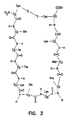

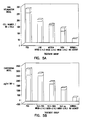
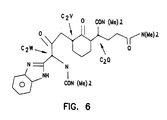

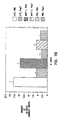
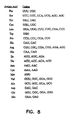
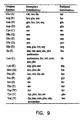


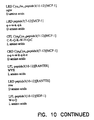
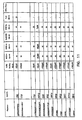

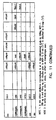
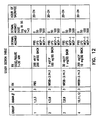
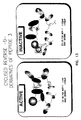

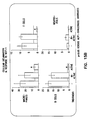

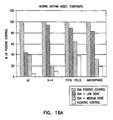

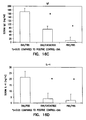
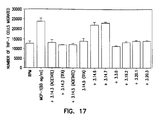

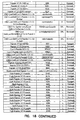
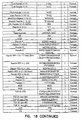
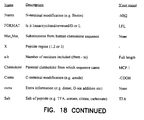
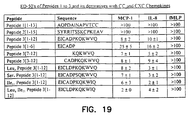

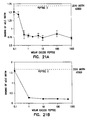

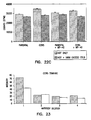


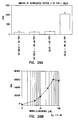
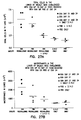
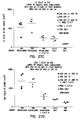
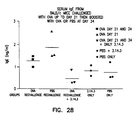
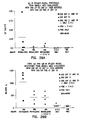
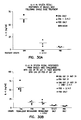

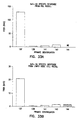

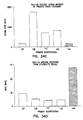

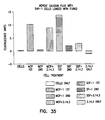
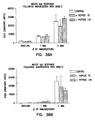

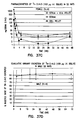


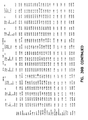
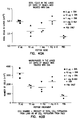


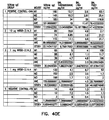


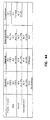
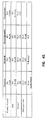

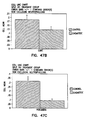
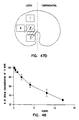




Classifications
-
- C—CHEMISTRY; METALLURGY
- C07—ORGANIC CHEMISTRY
- C07D—HETEROCYCLIC COMPOUNDS
- C07D457/00—Heterocyclic compounds containing indolo [4, 3-f, g] quinoline ring systems, e.g. derivatives of ergoline, of the formula:, e.g. lysergic acid
- C07D457/04—Heterocyclic compounds containing indolo [4, 3-f, g] quinoline ring systems, e.g. derivatives of ergoline, of the formula:, e.g. lysergic acid with carbon atoms having three bonds to hetero atoms with at the most one bond to halogen, e.g. ester or nitrile radicals, directly attached in position 8
-
- A—HUMAN NECESSITIES
- A61—MEDICAL OR VETERINARY SCIENCE; HYGIENE
- A61K—PREPARATIONS FOR MEDICAL, DENTAL OR TOILETRY PURPOSES
- A61K31/00—Medicinal preparations containing organic active ingredients
- A61K31/33—Heterocyclic compounds
- A61K31/395—Heterocyclic compounds having nitrogen as a ring hetero atom, e.g. guanethidine or rifamycins
- A61K31/435—Heterocyclic compounds having nitrogen as a ring hetero atom, e.g. guanethidine or rifamycins having six-membered rings with one nitrogen as the only ring hetero atom
- A61K31/4353—Heterocyclic compounds having nitrogen as a ring hetero atom, e.g. guanethidine or rifamycins having six-membered rings with one nitrogen as the only ring hetero atom ortho- or peri-condensed with heterocyclic ring systems
- A61K31/4375—Heterocyclic compounds having nitrogen as a ring hetero atom, e.g. guanethidine or rifamycins having six-membered rings with one nitrogen as the only ring hetero atom ortho- or peri-condensed with heterocyclic ring systems the heterocyclic ring system containing a six-membered ring having nitrogen as a ring heteroatom, e.g. quinolizines, naphthyridines, berberine, vincamine
-
- A—HUMAN NECESSITIES
- A61—MEDICAL OR VETERINARY SCIENCE; HYGIENE
- A61K—PREPARATIONS FOR MEDICAL, DENTAL OR TOILETRY PURPOSES
- A61K31/00—Medicinal preparations containing organic active ingredients
- A61K31/33—Heterocyclic compounds
- A61K31/395—Heterocyclic compounds having nitrogen as a ring hetero atom, e.g. guanethidine or rifamycins
- A61K31/435—Heterocyclic compounds having nitrogen as a ring hetero atom, e.g. guanethidine or rifamycins having six-membered rings with one nitrogen as the only ring hetero atom
- A61K31/44—Non condensed pyridines; Hydrogenated derivatives thereof
- A61K31/445—Non condensed piperidines, e.g. piperocaine
- A61K31/45—Non condensed piperidines, e.g. piperocaine having oxo groups directly attached to the heterocyclic ring, e.g. cycloheximide
-
- A—HUMAN NECESSITIES
- A61—MEDICAL OR VETERINARY SCIENCE; HYGIENE
- A61K—PREPARATIONS FOR MEDICAL, DENTAL OR TOILETRY PURPOSES
- A61K31/00—Medicinal preparations containing organic active ingredients
- A61K31/33—Heterocyclic compounds
- A61K31/395—Heterocyclic compounds having nitrogen as a ring hetero atom, e.g. guanethidine or rifamycins
- A61K31/435—Heterocyclic compounds having nitrogen as a ring hetero atom, e.g. guanethidine or rifamycins having six-membered rings with one nitrogen as the only ring hetero atom
- A61K31/47—Quinolines; Isoquinolines
- A61K31/472—Non-condensed isoquinolines, e.g. papaverine
-
- A—HUMAN NECESSITIES
- A61—MEDICAL OR VETERINARY SCIENCE; HYGIENE
- A61K—PREPARATIONS FOR MEDICAL, DENTAL OR TOILETRY PURPOSES
- A61K31/00—Medicinal preparations containing organic active ingredients
- A61K31/33—Heterocyclic compounds
- A61K31/395—Heterocyclic compounds having nitrogen as a ring hetero atom, e.g. guanethidine or rifamycins
- A61K31/435—Heterocyclic compounds having nitrogen as a ring hetero atom, e.g. guanethidine or rifamycins having six-membered rings with one nitrogen as the only ring hetero atom
- A61K31/47—Quinolines; Isoquinolines
- A61K31/475—Quinolines; Isoquinolines having an indole ring, e.g. yohimbine, reserpine, strychnine, vinblastine
-
- A—HUMAN NECESSITIES
- A61—MEDICAL OR VETERINARY SCIENCE; HYGIENE
- A61K—PREPARATIONS FOR MEDICAL, DENTAL OR TOILETRY PURPOSES
- A61K31/00—Medicinal preparations containing organic active ingredients
- A61K31/33—Heterocyclic compounds
- A61K31/395—Heterocyclic compounds having nitrogen as a ring hetero atom, e.g. guanethidine or rifamycins
- A61K31/495—Heterocyclic compounds having nitrogen as a ring hetero atom, e.g. guanethidine or rifamycins having six-membered rings with two or more nitrogen atoms as the only ring heteroatoms, e.g. piperazine or tetrazines
- A61K31/505—Pyrimidines; Hydrogenated pyrimidines, e.g. trimethoprim
- A61K31/513—Pyrimidines; Hydrogenated pyrimidines, e.g. trimethoprim having oxo groups directly attached to the heterocyclic ring, e.g. cytosine
- A61K31/515—Barbituric acids; Derivatives thereof, e.g. sodium pentobarbital
-
- A—HUMAN NECESSITIES
- A61—MEDICAL OR VETERINARY SCIENCE; HYGIENE
- A61K—PREPARATIONS FOR MEDICAL, DENTAL OR TOILETRY PURPOSES
- A61K47/00—Medicinal preparations characterised by the non-active ingredients used, e.g. carriers or inert additives; Targeting or modifying agents chemically bound to the active ingredient
- A61K47/50—Medicinal preparations characterised by the non-active ingredients used, e.g. carriers or inert additives; Targeting or modifying agents chemically bound to the active ingredient the non-active ingredient being chemically bound to the active ingredient, e.g. polymer-drug conjugates
- A61K47/51—Medicinal preparations characterised by the non-active ingredients used, e.g. carriers or inert additives; Targeting or modifying agents chemically bound to the active ingredient the non-active ingredient being chemically bound to the active ingredient, e.g. polymer-drug conjugates the non-active ingredient being a modifying agent
- A61K47/68—Medicinal preparations characterised by the non-active ingredients used, e.g. carriers or inert additives; Targeting or modifying agents chemically bound to the active ingredient the non-active ingredient being chemically bound to the active ingredient, e.g. polymer-drug conjugates the non-active ingredient being a modifying agent the modifying agent being an antibody, an immunoglobulin or a fragment thereof, e.g. an Fc-fragment
- A61K47/6891—Pre-targeting systems involving an antibody for targeting specific cells
- A61K47/6897—Pre-targeting systems with two or three steps using antibody conjugates; Ligand-antiligand therapies
- A61K47/6898—Pre-targeting systems with two or three steps using antibody conjugates; Ligand-antiligand therapies using avidin- or biotin-conjugated antibodies
-
- A—HUMAN NECESSITIES
- A61—MEDICAL OR VETERINARY SCIENCE; HYGIENE
- A61P—SPECIFIC THERAPEUTIC ACTIVITY OF CHEMICAL COMPOUNDS OR MEDICINAL PREPARATIONS
- A61P11/00—Drugs for disorders of the respiratory system
-
- A—HUMAN NECESSITIES
- A61—MEDICAL OR VETERINARY SCIENCE; HYGIENE
- A61P—SPECIFIC THERAPEUTIC ACTIVITY OF CHEMICAL COMPOUNDS OR MEDICINAL PREPARATIONS
- A61P11/00—Drugs for disorders of the respiratory system
- A61P11/02—Nasal agents, e.g. decongestants
-
- A—HUMAN NECESSITIES
- A61—MEDICAL OR VETERINARY SCIENCE; HYGIENE
- A61P—SPECIFIC THERAPEUTIC ACTIVITY OF CHEMICAL COMPOUNDS OR MEDICINAL PREPARATIONS
- A61P11/00—Drugs for disorders of the respiratory system
- A61P11/06—Antiasthmatics
-
- A—HUMAN NECESSITIES
- A61—MEDICAL OR VETERINARY SCIENCE; HYGIENE
- A61P—SPECIFIC THERAPEUTIC ACTIVITY OF CHEMICAL COMPOUNDS OR MEDICINAL PREPARATIONS
- A61P17/00—Drugs for dermatological disorders
- A61P17/02—Drugs for dermatological disorders for treating wounds, ulcers, burns, scars, keloids, or the like
-
- A—HUMAN NECESSITIES
- A61—MEDICAL OR VETERINARY SCIENCE; HYGIENE
- A61P—SPECIFIC THERAPEUTIC ACTIVITY OF CHEMICAL COMPOUNDS OR MEDICINAL PREPARATIONS
- A61P17/00—Drugs for dermatological disorders
- A61P17/06—Antipsoriatics
-
- A—HUMAN NECESSITIES
- A61—MEDICAL OR VETERINARY SCIENCE; HYGIENE
- A61P—SPECIFIC THERAPEUTIC ACTIVITY OF CHEMICAL COMPOUNDS OR MEDICINAL PREPARATIONS
- A61P19/00—Drugs for skeletal disorders
- A61P19/02—Drugs for skeletal disorders for joint disorders, e.g. arthritis, arthrosis
-
- A—HUMAN NECESSITIES
- A61—MEDICAL OR VETERINARY SCIENCE; HYGIENE
- A61P—SPECIFIC THERAPEUTIC ACTIVITY OF CHEMICAL COMPOUNDS OR MEDICINAL PREPARATIONS
- A61P19/00—Drugs for skeletal disorders
- A61P19/08—Drugs for skeletal disorders for bone diseases, e.g. rachitism, Paget's disease
- A61P19/10—Drugs for skeletal disorders for bone diseases, e.g. rachitism, Paget's disease for osteoporosis
-
- A—HUMAN NECESSITIES
- A61—MEDICAL OR VETERINARY SCIENCE; HYGIENE
- A61P—SPECIFIC THERAPEUTIC ACTIVITY OF CHEMICAL COMPOUNDS OR MEDICINAL PREPARATIONS
- A61P25/00—Drugs for disorders of the nervous system
-
- A—HUMAN NECESSITIES
- A61—MEDICAL OR VETERINARY SCIENCE; HYGIENE
- A61P—SPECIFIC THERAPEUTIC ACTIVITY OF CHEMICAL COMPOUNDS OR MEDICINAL PREPARATIONS
- A61P29/00—Non-central analgesic, antipyretic or antiinflammatory agents, e.g. antirheumatic agents; Non-steroidal antiinflammatory drugs [NSAID]
-
- A—HUMAN NECESSITIES
- A61—MEDICAL OR VETERINARY SCIENCE; HYGIENE
- A61P—SPECIFIC THERAPEUTIC ACTIVITY OF CHEMICAL COMPOUNDS OR MEDICINAL PREPARATIONS
- A61P31/00—Antiinfectives, i.e. antibiotics, antiseptics, chemotherapeutics
- A61P31/12—Antivirals
-
- A—HUMAN NECESSITIES
- A61—MEDICAL OR VETERINARY SCIENCE; HYGIENE
- A61P—SPECIFIC THERAPEUTIC ACTIVITY OF CHEMICAL COMPOUNDS OR MEDICINAL PREPARATIONS
- A61P31/00—Antiinfectives, i.e. antibiotics, antiseptics, chemotherapeutics
- A61P31/12—Antivirals
- A61P31/14—Antivirals for RNA viruses
- A61P31/18—Antivirals for RNA viruses for HIV
-
- A—HUMAN NECESSITIES
- A61—MEDICAL OR VETERINARY SCIENCE; HYGIENE
- A61P—SPECIFIC THERAPEUTIC ACTIVITY OF CHEMICAL COMPOUNDS OR MEDICINAL PREPARATIONS
- A61P33/00—Antiparasitic agents
-
- A—HUMAN NECESSITIES
- A61—MEDICAL OR VETERINARY SCIENCE; HYGIENE
- A61P—SPECIFIC THERAPEUTIC ACTIVITY OF CHEMICAL COMPOUNDS OR MEDICINAL PREPARATIONS
- A61P35/00—Antineoplastic agents
-
- A—HUMAN NECESSITIES
- A61—MEDICAL OR VETERINARY SCIENCE; HYGIENE
- A61P—SPECIFIC THERAPEUTIC ACTIVITY OF CHEMICAL COMPOUNDS OR MEDICINAL PREPARATIONS
- A61P37/00—Drugs for immunological or allergic disorders
- A61P37/02—Immunomodulators
-
- A—HUMAN NECESSITIES
- A61—MEDICAL OR VETERINARY SCIENCE; HYGIENE
- A61P—SPECIFIC THERAPEUTIC ACTIVITY OF CHEMICAL COMPOUNDS OR MEDICINAL PREPARATIONS
- A61P37/00—Drugs for immunological or allergic disorders
- A61P37/02—Immunomodulators
- A61P37/06—Immunosuppressants, e.g. drugs for graft rejection
-
- A—HUMAN NECESSITIES
- A61—MEDICAL OR VETERINARY SCIENCE; HYGIENE
- A61P—SPECIFIC THERAPEUTIC ACTIVITY OF CHEMICAL COMPOUNDS OR MEDICINAL PREPARATIONS
- A61P37/00—Drugs for immunological or allergic disorders
- A61P37/08—Antiallergic agents
-
- A—HUMAN NECESSITIES
- A61—MEDICAL OR VETERINARY SCIENCE; HYGIENE
- A61P—SPECIFIC THERAPEUTIC ACTIVITY OF CHEMICAL COMPOUNDS OR MEDICINAL PREPARATIONS
- A61P43/00—Drugs for specific purposes, not provided for in groups A61P1/00-A61P41/00
-
- A—HUMAN NECESSITIES
- A61—MEDICAL OR VETERINARY SCIENCE; HYGIENE
- A61P—SPECIFIC THERAPEUTIC ACTIVITY OF CHEMICAL COMPOUNDS OR MEDICINAL PREPARATIONS
- A61P9/00—Drugs for disorders of the cardiovascular system
-
- A—HUMAN NECESSITIES
- A61—MEDICAL OR VETERINARY SCIENCE; HYGIENE
- A61P—SPECIFIC THERAPEUTIC ACTIVITY OF CHEMICAL COMPOUNDS OR MEDICINAL PREPARATIONS
- A61P9/00—Drugs for disorders of the cardiovascular system
- A61P9/10—Drugs for disorders of the cardiovascular system for treating ischaemic or atherosclerotic diseases, e.g. antianginal drugs, coronary vasodilators, drugs for myocardial infarction, retinopathy, cerebrovascula insufficiency, renal arteriosclerosis
-
- B—PERFORMING OPERATIONS; TRANSPORTING
- B82—NANOTECHNOLOGY
- B82Y—SPECIFIC USES OR APPLICATIONS OF NANOSTRUCTURES; MEASUREMENT OR ANALYSIS OF NANOSTRUCTURES; MANUFACTURE OR TREATMENT OF NANOSTRUCTURES
- B82Y5/00—Nanobiotechnology or nanomedicine, e.g. protein engineering or drug delivery
-
- C—CHEMISTRY; METALLURGY
- C07—ORGANIC CHEMISTRY
- C07D—HETEROCYCLIC COMPOUNDS
- C07D211/00—Heterocyclic compounds containing hydrogenated pyridine rings, not condensed with other rings
- C07D211/04—Heterocyclic compounds containing hydrogenated pyridine rings, not condensed with other rings with only hydrogen or carbon atoms directly attached to the ring nitrogen atom
- C07D211/80—Heterocyclic compounds containing hydrogenated pyridine rings, not condensed with other rings with only hydrogen or carbon atoms directly attached to the ring nitrogen atom having two double bonds between ring members or between ring members and non-ring members
- C07D211/84—Heterocyclic compounds containing hydrogenated pyridine rings, not condensed with other rings with only hydrogen or carbon atoms directly attached to the ring nitrogen atom having two double bonds between ring members or between ring members and non-ring members with hetero atoms or with carbon atoms having three bonds to hetero atoms, with at the most one bond to halogen directly attached to ring carbon atoms
- C07D211/86—Oxygen atoms
- C07D211/88—Oxygen atoms attached in positions 2 and 6, e.g. glutarimide
-
- C—CHEMISTRY; METALLURGY
- C07—ORGANIC CHEMISTRY
- C07D—HETEROCYCLIC COMPOUNDS
- C07D457/00—Heterocyclic compounds containing indolo [4, 3-f, g] quinoline ring systems, e.g. derivatives of ergoline, of the formula:, e.g. lysergic acid
- C07D457/04—Heterocyclic compounds containing indolo [4, 3-f, g] quinoline ring systems, e.g. derivatives of ergoline, of the formula:, e.g. lysergic acid with carbon atoms having three bonds to hetero atoms with at the most one bond to halogen, e.g. ester or nitrile radicals, directly attached in position 8
- C07D457/06—Lysergic acid amides
-
- C—CHEMISTRY; METALLURGY
- C07—ORGANIC CHEMISTRY
- C07D—HETEROCYCLIC COMPOUNDS
- C07D459/00—Heterocyclic compounds containing benz [g] indolo [2, 3-a] quinolizine ring systems, e.g. yohimbine; 16, 18-lactones thereof, e.g. reserpic acid lactone
-
- C—CHEMISTRY; METALLURGY
- C07—ORGANIC CHEMISTRY
- C07K—PEPTIDES
- C07K14/00—Peptides having more than 20 amino acids; Gastrins; Somatostatins; Melanotropins; Derivatives thereof
- C07K14/435—Peptides having more than 20 amino acids; Gastrins; Somatostatins; Melanotropins; Derivatives thereof from animals; from humans
- C07K14/52—Cytokines; Lymphokines; Interferons
- C07K14/521—Chemokines
-
- G—PHYSICS
- G01—MEASURING; TESTING
- G01N—INVESTIGATING OR ANALYSING MATERIALS BY DETERMINING THEIR CHEMICAL OR PHYSICAL PROPERTIES
- G01N33/00—Investigating or analysing materials by specific methods not covered by groups G01N1/00 - G01N31/00
- G01N33/48—Biological material, e.g. blood, urine; Haemocytometers
- G01N33/50—Chemical analysis of biological material, e.g. blood, urine; Testing involving biospecific ligand binding methods; Immunological testing
- G01N33/68—Chemical analysis of biological material, e.g. blood, urine; Testing involving biospecific ligand binding methods; Immunological testing involving proteins, peptides or amino acids
- G01N33/6863—Cytokines, i.e. immune system proteins modifying a biological response such as cell growth proliferation or differentiation, e.g. TNF, CNF, GM-CSF, lymphotoxin, MIF or their receptors
-
- A—HUMAN NECESSITIES
- A61—MEDICAL OR VETERINARY SCIENCE; HYGIENE
- A61K—PREPARATIONS FOR MEDICAL, DENTAL OR TOILETRY PURPOSES
- A61K38/00—Medicinal preparations containing peptides
-
- G—PHYSICS
- G01—MEASURING; TESTING
- G01N—INVESTIGATING OR ANALYSING MATERIALS BY DETERMINING THEIR CHEMICAL OR PHYSICAL PROPERTIES
- G01N2500/00—Screening for compounds of potential therapeutic value
- G01N2500/02—Screening involving studying the effect of compounds C on the interaction between interacting molecules A and B (e.g. A = enzyme and B = substrate for A, or A = receptor and B = ligand for the receptor)
-
- Y—GENERAL TAGGING OF NEW TECHNOLOGICAL DEVELOPMENTS; GENERAL TAGGING OF CROSS-SECTIONAL TECHNOLOGIES SPANNING OVER SEVERAL SECTIONS OF THE IPC; TECHNICAL SUBJECTS COVERED BY FORMER USPC CROSS-REFERENCE ART COLLECTIONS [XRACs] AND DIGESTS
- Y02—TECHNOLOGIES OR APPLICATIONS FOR MITIGATION OR ADAPTATION AGAINST CLIMATE CHANGE
- Y02A—TECHNOLOGIES FOR ADAPTATION TO CLIMATE CHANGE
- Y02A50/00—TECHNOLOGIES FOR ADAPTATION TO CLIMATE CHANGE in human health protection, e.g. against extreme weather
- Y02A50/30—Against vector-borne diseases, e.g. mosquito-borne, fly-borne, tick-borne or waterborne diseases whose impact is exacerbated by climate change
Definitions
- Macrophage/monocyte recruitment plays a role in the morbidity and mortality of a broad spectrum of diseases, including autoimmune diseases, granulomatous diseases, allergic diseases, infectious diseases, osteoporosis and coronary artery disease.
- diseases including autoimmune diseases, granulomatous diseases, allergic diseases, infectious diseases, osteoporosis and coronary artery disease.
- monocytes adhere to the activated endothelium overlying the incipient plaque. Under appropriate conditions, the monocytes then migrate into the developing intima.
- macrophage In the intima, macrophage accumulate lipoprotein and excrete an excess of proteases relative to protease inhibitors. If the lipoproteins are oxidized, they are toxic to macrophage, which results in macrophage death and an increase in an unstable, necrotic, extracellular lipid pool. An excess of proteases results in loss of extracellular matrix and destabilization of the fibrous plaque. Plaque instability is the acute cause of myocardial infarction.
- chemokines e.g., monocyte chemoattractant protein-1 (MCP-1).
- MCP-1 monocyte chemoattractant protein-1
- 5,459,128 generally disclose analogs of MCP-1 that inhibit the monocyte chemoattractant activity of endogenous MCP-1.
- Analogs that are effective to inhibit endogenous MCP-1 are disclosed as analogs which are modified at 28-tyrosine, 24-arginine, 3-aspartate and/or in amino acids between residues 2-8 of MCP-1.
- MCP-1 is modified in one or more of the following ways: a) the 28-tyrosine is substituted by aspartate, b) the 24-arginine is substituted by phenylalanine, c) the 3-aspartate is substituted by alanine, and/or d) the 2-8 amino acid sequence is deleted" (col. 1, lines 49-54).
- MCP- 1 ( ⁇ 2-8) The deletion of amino acids 2-8 of MCP-1 results in a polypeptide that is inactive, i.e., MCP-1( ⁇ 2-8) is not a chemoattractant (col. 5, lines 22-23).
- MCP-1( ⁇ 2-8) The only effective MCP-1 inhibitor disclosed in Rollins et al. is MCP-1( ⁇ 2-8).
- MCP-1( ⁇ 2-8) exhibits a dominant negative effect, i.e., it forms heterodimers with wild-type MCP-1 that cannot elicit a biological effect ( Zhang et al., J. Biol_ Chem., 269,15918 (1994 ); Zhang et al., Mol. Cell. Biol., 15, 4851 (1995 )).
- MCP-1( ⁇ 2-8) does not exhibit properties of a classic receptor antagonist.
- MCP-1( ⁇ 2-8) is unlikely to be widely useful for inhibition of MCP-1 activity in vivo, as MCP-1( ⁇ 2-8) is a large polypeptide with undesirable pharmacodynamic properties.
- MCP-1( ⁇ 2-8) is active as a dominant-negative inhibitor of other chemokines associated with inflammation.
- agents that inhibit or enhance chemokine-induced macrophage and/or monocyte recruitment and which have desirable pharmacodynamic properties.
- agents that inhibit or enhance chemokine-induced activities of other cell types such as lymphocytes, neutrophils or eosinophils.
- agents that are pan-selective chemokine inhibitors are also considered.
- the invention provides a therapeutic agent comprising an isolated and purified chemokine peptide, chemokine peptide variant, chemokine analog, or a derivative thereof.
- the therapeutic agent of the invention inhibits the activity of more than one chemokine, although the agent may not inhibit the activity of all chemokines to the same extent.
- a preferred therapeutic agent of the invention specifically inhibits the activity of one chemokine to a greater extent than other chemokines.
- Yet another preferred therapeutic agent of the invention mimics the activity of a chemokine, e.g., it acts as an agonist.
- therapeutic agents that are chemokine antagonists and agonists are within the scope of the invention.
- a further preferred therapeutic agent of the invention is an agent that does not inhibit or mimic the activity of a chemokine but binds to or near the receptor for that chemokine, i.e., it is a neutral agent.
- a preferred embodiment of the invention is an isolated and purified CC chemokine peptide 3, e.g., a peptide derived from MCP- which corresponds to about residue 46 to about residue 67 of mature MCP-1 ("peptide 3 [MCP-1]”), a variant, an analog, or a derivative thereof.
- chemokine peptide 3, a variant, an analog or a derivative thereof is a chemokine receptor antagonist, although these therapeutic agents may exert their effect by a different mechanism, e.g., by inhibiting the arachidonic acid pathway (e.g., inhibition of leukotriene, thromboxane, or prostaglandin synthesis or stability) or by elevating TGF-beta levels, or by more than one mechanism.
- arachidonic acid pathway e.g., inhibition of leukotriene, thromboxane, or prostaglandin synthesis or stability
- a preferred peptide 3 of the invention is a compound of formula (I): X 2 - X 3 - C - X - X 7 - P a - X 4 - Z - X 5 - W - X 1 - X 6 b c
- X 2 is E, Q, D, N, L, P, I or M
- X 3 is I, V, M, A, P, norleucine or L
- X is A, L, V, M, P, norleucine or I
- X 4 is K, S, R, Q, N or T, wherein Z is Q, K, E, N, R, I, V, M, A, P, norleucine or L
- X 7 is D or P
- X 5 is K, E, R, S, Q, D, T, G, H or N
- X 1 is V, L, M, P, A, norleucine, or I
- a more preferred peptide 3 of the invention is a compound of formula (I): X 2 - X 3 - C - X - D - P a - [ X 4 - Z - X 5 - W - X 1 - X 6 ⁇ ] b c wherein X 2 is E, Q or M, wherein X 3 is I, V or L, wherein X is A, L or I, wherein X 4 is K, S or T, wherein Z is Q, K, E or L, wherein X 5 is K, E, R, S or T, wherein X 1 is V or I, wherein X 6 is Q or R, wherein a is 0-6, wherein b is 0-6, and wherein c is 1-6, with the proviso that a and b cannot both be 0.
- Yet another preferred peptide 3 of the invention is a compound of formula (II): X 4 - Z - X 5 a - W - X 1 - X 6 b c wherein X 4 is K, S or T, wherein Z is Q, K, E or L, wherein X 5 is K, E, R, S or T, wherein X 1 is V or I, wherein X 6 is Q or R, wherein a is 0-6, wherein b is 0-6, and wherein c is 1-6, with the proviso that a and b cannot both be 0.
- Another preferred peptide 3 of the invention is a compound of formula (II): X 4 - Z - X 5 a - - W - X 1 - X 6 b c wherein X 4 is K, S, R, Q, N or T, wherein Z is Q, K, E, N, R, I, V, M, A, P, norleucine or L, wherein X 5 is K, E, R, S, Q, D, T, G, H or N, wherein X 1 is V, L, M, P, A, norleucine, or I, wherein X 6 is Q, N, K or R, wherein a is 0-6, wherein b is 0-6, and wherein c is 1-6, with the proviso that a and b cannot both be 0.
- a more preferred peptide 3 of the invention is a compound of formula (XIII): X 8 - X - D - X 2 - X 4 - Z - X 5 - W - X 1 - Q - X 7 wherein X is A, L, V or I, wherein X 2 is P, G or L, wherein X 4 is K, T, R or N, wherein Z is Q, K, A or L, wherein X 5 is K, E, R, Q or P, wherein X 1 is V, L, A, M, F or I, and wherein X 8 and X 7 are independently C or absent.
- a preferred embodiment of the invention is an isolated and purified CC chemokine peptide 3, e.g., a peptide derived from MCP-1 which corresponds to SEQ ID NO:1 ("peptide 3(1-12)[MCP-1]”) or SEQ ID NO:7 (“peptide 3(3-12)[MCP-1]”), a fragment, a variant, an analog, or a derivative thereof.
- CC chemokine peptide 3 e.g., a peptide derived from MCP-1 which corresponds to SEQ ID NO:1 (“peptide 3(1-12)[MCP-1]”) or SEQ ID NO:7 (“peptide 3(3-12)[MCP-1]”)
- SEQ ID NO:1 amino acid-associated peptide 3(1-12)[MCP-1]
- Another preferred CC chemokine peptide 3 of the invention is peptide 3[MIP1 ⁇ ], and more preferably peptide 3(1-12)[MIP1 ⁇ ] which has an amino acid sequence corresponding to SEQ ID NO:42, a variant, an analog, a fragment or a derivative thereof.
- CC chemokine peptide 3 such as peptide 3(1-12)[MCP-4] (e.g., SEQ ID NO:65), peptide 3(1-12)[MCP-3](e.g., SEQ ID NO:66), peptide 3(1-12)[MCP-2] (e.g., SEQ ID NO:67), peptide 3(1-12)[eotaxin] (e.g., SEQ ID NO:68), peptide 3(1-12)[MIP1 ⁇ ],(e.g., SEQ ID NO:42), peptide 3(1-12)[MIP1 ⁇ ] (e.g., SEQ ID NO:43), peptide 3(1-12)[RANTES](e.g., SEQ ID NO:44), or a fragment thereof.
- MCP-4 e.g., SEQ ID NO:65
- peptide 3(1-12)[MCP-3] e.g., SEQ ID NO:66
- a preferred CXC chemokine peptide 3 of the invention is a compound of formula (III): X 2 - X 3 - C - L - X - X 7 a - X 4 - Z - X 5 - X 8 - X 1 - X 6 b c wherein X 2 is E or K, wherein X 3 is I, A, R or L, wherein X is D or N, wherein X 7 is Q, P or L, wherein X 4 is E, K, D, A or Q, wherein Z is A, R, S or E, wherein X 5 is P, N or K, wherein X 8 is F, W, R, I, M, L or A, wherein X 1 is L, V, Y or I, wherein X 6 is K or Q, wherein a is 0-6, wherein b is
- CXC chemokine peptide 3 such as peptide 3(1-12)[IL8] (e.g., SEQ ID NO:40), peptide 3(1-12)[SDF-1](e.g., SEQ ID NO:38), peptide 3(1-12)[ENA-78](e.g., SEQ ID NO:41), peptide 3(1-12)[GRO ⁇ ](e.g., SEQ ID NO:72), peptide 3(1-12)[GRO ⁇ ](e.g., SEQ ID NO:73), peptide 3(1-12)[GRO ⁇ ](e.g., SEQ ID NO:74), or fragments thereof.
- IL8 e.g., SEQ ID NO:40
- peptide 3(1-12)[SDF-1] e.g., SEQ ID NO:38
- peptide 3(1-12)[ENA-78] e.g., SEQ ID NO:41
- Yet other preferred embodiments of the invention are a CX 2 C, CX 3 C or C chemokine peptide 3, a variant, an analog or a derivative thereof.
- a chemokine peptide 3 inhibits the arachidonic acid pathway, e.g., inhibits the synthesis or stability, or binding, of thromboxane, prostaglandin, leukotriene, or any combination thereof.
- chemokine peptide 3 that is at least a tripeptide, a variant thereof or a derivative thereof.
- a preferred embodiment of the invention is the MCP-1 tripeptide KQK (i.e., peptide 3(9-12)[MCP-1], which specifically inhibits MCP-1, but not MIP1 ⁇ , IL8 and SDF1 ⁇ , chemokine-induced activity.
- Other preferred embodiments of the invention include isolated and purified chemokine tripeptides that specifically inhibit IL8, MIP1 ⁇ , SDF1, MCP-1, MCP-2, MCP-3, and MIP1 ⁇ , e.g., KEN, SEE, KLK, KKE, KER, TQK, and SES, respectively.
- a further preferred embodiment of the invention is a chemokine peptide 3 tripeptide that inhibits the activity of more than one chemokine, e.g., WVQ or WIQ.
- a tripeptide of the invention is not RFK.
- Yet another embodiment of the invention is a peptide which includes the amino acid sequence KXK, wherein X is an amino acid, preferably one of the twenty naturally occurring amino acids, and which peptide is a chemokine antagonist, activates TGF-beta (TGF-betal, TGF-beta2, TGF-beta3, or a combination thereof), or a combination thereof.
- the peptide increases the activation of TGF-betal.
- a peptide which includes the amino acid sequence KXK is less than about 15, preferably about 10, and more preferably about 8 amino acid residues in length.
- the peptide is not KKFK or RKPK.
- a further embodiment of the invention is a peptide which includes a basic amino acid residue followed by phenylalanine followed by another basic residue, wherein the peptide is not RFK, is not KRFK, or does not contain RFK or KRFK.
- Another preferred peptide of the invention is a compound of formula (VII): X 1 - Y - K - X 2 - K - X 3 wherein X 2 is V, A, D, E, P, R, C, H, M, F, K, L, N, Q, Y, or I; wherein Y is absent or is an amino acid that is not R or K; and wherein X 1 and X 3 are independently 0-20 amino acid residues or absent.
- X 2 is F, K, L, N, Q, Y, or 1. More preferably, X 2 is F, K, L, N, Q, Y, or I, and Y, X 1 and X 3 are absent.
- a sequence comparison of the receptor ligand under study from a variety of different species is performed, then the cross-reactivity of the receptor ligand from each species to the human receptor is assessed.
- the preferred sequence(s) are then obtained from the species which has the least sequence homology to the corresponding human receptor ligand, but which still binds and signals through the human receptor.
- the sequence of this most divergent but still functional receptor ligand is then aligned with the human sequence in order to identify regions that are conserved.
- conserved regions represent peptides of the invention useful in the methods of the invention.
- the process has been applied to identify peptides in human MCP-1 having, for example, antagonists, agonists or neutral properties.
- Such peptides include, but are not limited to, peptide 3, peptide 2 (described below) and related molecules (see below).
- Another example is the identification of peptides in the sequence of the cytokine TGF-beta having antagonist, agonist, or neutral receptor binding properties.
- the amino acid sequence of human TGF-betal was compared to that of Xenopus.
- Peptides identified by this method include LYIDFRQDLGWKW ("T1"; SEQ ID NO:111); HEPKGYHANFC ("T2"; SEQ ID NO:112); VYYVGRK ("T3"; SEQ ID NO:113) and KVEQLSNMVVKSC (“T4"; SEQ ID NO:114).
- a chemokine peptide variant has at least about 50%, preferably at least about 80%, and more preferably at least about 90% but less than 100%, contiguous amino acid sequence homology or identity to the amino acid sequence of the corresponding native chemokine, e.g., Ser 7 peptide 3(1-12)[MCP1] (SEQ ID NO:11) has less than 100% contiguous homology to the corresponding amino acid sequence of MCP-1, i.e., a peptide having SEQ ID NO:1.
- a preferred peptide 3 variant is Leu 4 Ile 11 peptide 3(3-12)[MCP-1], i.e., it is a ten amino acid peptide derived from peptide 3(1-12)[MCP-1] that lacks amino acid residues 1 and 2 of peptide 3(1-12)[MCP-1], and which has a leucine rather than alanine at position 4 of peptide 3(1-12)[MCP-1], and an isoleucine rather than valine at position eleven of peptide 3(1-12)[MCP-1].
- the invention also provides derivatives of chemokine peptides and peptide variants.
- a preferred derivative is a cyclic reverse sequence D isomer (CRD) derivative of a chemokine peptide, a variant or an analog thereof of the invention.
- CRD-Cys 13 Leu 4 Ile 11 peptide 3(3-12)[MCP-1] are compounds of the invention that are particularly useful in the practice of the methods of the invention, as described hereinbelow.
- a preferred analog of chemokine peptide 3 is an analog of WIQ, including a compound of formula (IV): wherein R 1 is aryl, heteroaryl, aryl(C 1 -C 3 )alkyl, heteroaryl(C 1 -C 3 )alkyl, coumaryl, coumaryl(C 1 -C 3 )alkyl, chromanyl or chromanyl(C 1 -C 3 )alkyl; wherein any aryl or heteroaryl group, or the benz-ring of any coumaryl or chromanyl group may optionally be substituted with one, two or three substituents selected from the group consisting of halo, nitro, cyano, hydroxy, (C 1 -C 6 )alkyl, (C 1 -C 6 )alkoxy, (C 1 -C 6
- a preferred embodiment of a compound of formula (IV) includes a compound of a formula (IV) wherein R 1 is aryl, heteroaryl, coumaryl, or chromanyl. Preferably aryl is phenyl; and heteroaryl is indolyl or pyridinyl.
- Another preferred embodiment of a compound of formula (IV) includes a compound of a formula (IV) wherein R 2 is N(R a )(R b ); and R 3 is N(R c )(R d ).
- Yet another preferred embodiment of a compound of formula (IV) includes a compound of a formula (IV) wherein Z is (C 1 -C 15 )alkyl.
- R 1 is aryl, heteroaryl, coumaryl or chromanyl; wherein R 2 is N(R a )(R b ); wherein R 3 is N(R c )(R d ); wherein Y is oxo or thioxo; wherein Z is (C 1 -C 15 )alkyl; wherein R a -R d are each independently hydrogen, (C 1 -C 10 )alkyl, (C 1 -C 10 )alkanoyl, phenyl, benzyl or phenethyl; or wherein R a and R b , or R c and R d , together with the nitrogen to which they are attached form a pyrrolidino, piperidino or morpholino ring; or a pharmaceutically acceptable salt thereof.
- a further preferred compound is a compound of formula (IV) wherein R 1 is indolyl; R 2 is N(R a )(R b ); R 3 is N(R c )(R d ); Y is S; Z is hydrogen; and R a , R b , R c , and R d are each methyl.
- a further preferred analog of WIQ is a compound of formula (XIV): wherein R 1 is O(Ra) wherein Ra is H, (C 1 -C 6 )alkyl, (C 1 -C 6 )alkanoyl, (C 1 -C 6 )alkanoyloxy, (C 6 -C 10 )aryl or (C 6 -C 10 )heteroaryl; or N(Rb)(Rc) wherein each Rb and Rc is independently H or (C 1 -C 6 )alkyl; R 2 is O(Ra) wherein Ra is H, (C 1 -C 6 )alkyl, (C 1 -C 6 )alkanoyl, (C 1 -C 6 )alkanoyloxy, (C 6 -C 10 )aryl or (C 6 C 10 )heteroaryl; or N(Rb)(Rc) wherein each Rb and Rc is independently H or (C 1 -C 6 )
- WIQ is a compound of formula (XIV) wherein R 1 is O(R a ), an amino acid, or N(R b )(R c ); R 2 is O(R a ) or N(R b )(R c ); R 3 is H, oxo or thioxo; R 4 is H, oxo, thioxo, O(R a ) or N(R b )(R c ); n is 0, 1, 2, 3, 4, 5 or 6; each R a is independently hydrogen, (C 1 -C 6 )alkyl, (C 1 -C 6 )alkanoyl, aryl, heteroaryl, or a saccharide; R b and R c are each independently H or (C 1 -C 6 )alkyl; wherein any (C 1 -C 6 )alkyl, (C 1 -C 6 )alkanoyl, (C 1 -C 6 )alkanoyl, (
- substituents selected from the group consisting of halo, cyano, nitro, trifluoromethyl, trifluoromethoxy, (C 1 -C 6 )alkyl, (C 1 -C 6 )allcoxy, (C 1 -C 6 )alkanoyl, (C 1 -C 6 )alkanoyloxy, (C 1 -C 6 )alkoxycarbonyl, hydroxy, oxo, sulfino (SO 2 H), sulfo (SO 3 H), and N(R b )(R c ); or a pharmaceutically acceptable salt thereof.
- R 1 can specifically be N(Rb)(Rc) wherein Rb is H and Rc is H;
- R 2 can specifically be O(Ra) wherein Ra is H, -CH 2 C(OH)C(OH)C(OH)C(OH)CHO or -CH 2 C(OH)C(OH)C(NH)CHO;
- R 3 can specifically be H;
- R 4 can specifically be H; and
- n can specifically be 1.
- Specific compounds of formula (XIV) are compounds wherein R 1 is amino, methylamino, dimethylamino or N-linked-glutamine; R 2 is hydroxy, R 3 is hydrogen, R 4 is hydrogen, and n is 0 or 1; or a pharmaceutically acceptable salt thereof.
- Preferred compounds of formula (XIV) possess the ring stereochemistry of yohimbine, however, the invention also provides compounds of formula (XIV) having the alloyohimbine and the rauwolscine ring systems.
- the compounds of the invention preferably exclude compounds of formula (XIV) wherein R 1 is a ⁇ - amino, hydroxy, or methoxy, when n is 0, R 2 is an ⁇ - methoxy, R 3 is hydrogen, and R 4 is hydroxy ( Baxter et al., J.Am. Chem. Soc., 1990, 112, 7682-7692 ); compounds of formula (XIV) wherein R 1 is methoxy, when n is 0, R 2 is hydroxy or acetoxy, R 3 is hydrogen, and R 4 is hydrogen ( Szantay et al., Chem. Ber., 1976, 109, 1737-1748 ; Toke et al., J. Org.
- R 1 is a ⁇ - O(R a ) or N(R b )(R c ) wherein R a is hydrogen or (C 1 -C 6 )alkyl and R b and R c are each hydrogen, when, n is 0, R 2 is an ⁇ - O(R a ) wherein R a is hydrogen, (C 1 -C 6 )alkyl, or (C 1 -C 6 )alkanoyl, R 3 is hydrogen, and R 4 is hydrogen ( U.S. Patent Number 5,807,482 ).
- R 1 is (C 1 -C 15 )alkyl, (C 2 -C 15 )alkenyl, (C 2 -C 15 )alkynyl, (C 1 -C 15 )alkoxy, aryl, heteroaryl, aryl(C 1 -C 6 )alkyl, heteroaryl(C 1 -C 6 )alkyl; and R 2 is hydrogen or (C 1 -C 15 is)alkyl; or R 1 and R 2 together with the atoms to which they are attached are a five or six membered heterocyclic ring comprising four or five carbon atoms, optionally substituted on carbon with oxo, and optionally substituted with a fused benzo group; R 3 is hydroxy, (C 1 -C 6 )alkoxy, or N(R a) (R b ); and R 4 is hydroxy, (C 1 -C
- a preferred group of compounds of formula (X) are compounds wherein R 1 is 9-decenyl, tert -butoxy, phenyl, 4-hydroxyphenyl, tert -butylcarbonylaminomethyl, benzoylaminomethyl, 4-hydroxybenzyloxycarbonylaminomethyl; and R 2 is hydrogen; or R 1 and R 2 together with the atoms to which they are attached are 2-(1,3-dioxo-1H-isoindolyl); R 3 is amino or hydroxy; and R 4 is hydroxy, amino, or 4-hydroxybenzylamino; or R 3 and R 4 together with the atoms to which they are attached are a six membered heterocyclic ring comprising five carbon atoms and N(H); R 5 is hydrogen; and R 6 is hydrogen.
- the center marked * has the (S) absolute configuration in a compound of formula (X).
- a preferred group of compounds of formula (X) are compounds wherein R 5 is (C 1 -C 6 )alkyl.
- A is C(R 2 ) or N;
- R 1 is (C 1 -C 15 )alkyl, (C 2 -C 15 )alkenyl, (C 2 -C 15 )alkynyl, (C 1 -C 15 )alkoxy, (C 1 -C 15 )alkanoyl, (C 2 -C 15 )alkenylcarbonyl, (C 2 -C 15 )alkynylcarbonyl, (C 1 -C 15 )alkoxycarbonyl, or N(R a )(R b );
- R 2 , R 3 , and R 4 are each independently hydrogen, halo, cyano, hydroxy, nitro, trifluoromethyl, trifluoromethoxy, (C 1 -C 6 )alkyl, (C 1 -C 6 )alkoxy, (C 1 -C 6 )al
- R 1 can specifically be (C 6 -C 15 )alkenyl, (C 6 -C 15 )alkenylcarbonyl, or N(R a )(R b ), wherein R a is hydrogen and R b is (C 6 C 15 )alkenyl, or (C 6 -C 15 )alkenylcarbonyl; or R 1 can specifically be 10-undecenoylamino or 9-decenoyl; R 2 can specifically be hydrogen; R 3 can specifically be sulfo; R 4 can specifically be hydrogen; and R 5 can specifically be hydrogen.
- An analog of WAQ useful in the methods of the invention is a compound of formula (XII): wherein: R 1 is hydrogen or (C 1 -C 6 )alkyl; R 2 is hydrogen, (C 1 -C 6 )alkyl, (C 1 -C 6 )alkanoyl, an amino acid, (amino acid)(C 1 -C 6 )alkyl, (amino acid)(C 1 -C 6 )alkanoyl, or N(R a )(R b ), wherein each R a and R b is independently hydrogen, (C 1 -C 6 )alkanoyl, an amino acid, phenyl, benzyl or phenethyl; R 3 is hydrogen, (C 1 -C 6 )alkyl, (C 1 -C 6 )alkanoyl, phenyl, benzyl, or phenethyl; and the bond represented by ---- is absent or present; wherein the
- a specific compound of formula (XII) is a compound of the following formula: wherein: R a is hydrogen or (C 1 -C 6 )alkyl; and R b is hydrogen or an amino acid; or a pharmaceutically acceptable salt thereof.
- R 1 can specifically be methyl or ethyl; and R 2 can specifically be glutamine linked through the amine nitrogen to form an amide.
- R is (C 1 -C 6 )alkyl, (C 1 -C 6 )alkanoyl, aryl, heteroaryl, (C 1 -C 6 )alkoxycarbonyl, or benzyloxycarbonyl, wherein aryl, heteroaryl, and the phenyl ring of the benzyloxycarbonyl can optionally be substituted with one or more (e.g.
- R' is (C 1 -C 6 )alkoxy, aryloxy, or NR a R b , wherein R a and R b are each independently hydrogen, (C 1 -C 6 )alkyl, aryl, benzyl, or phenethyl; or R a , and R b together with the nitrogen to which they are attached are a 5-6 membered heterocyclic ring (e.g.
- R is benzyloxycarbonyl and R' is dimethyl amino or diethylamine, or R is benzyloxycarbonyl; and R' is benzyloxy.
- R is (C 1 -C 6 )alkyl, (C 1 -C 6 )alkanoyl, aryl, heteroaryl, (C 1 -C 6 )alkoxycarbonyl, or benzyloxycarbonyl, wherein aryl, heteroaryl, and the phenyl ring of the benzyloxycarbonyl can optionally be substituted with one or more (e.g.
- R' is (C 1 -C 6 )alkoxy, aryloxy, or NR a R b , wherein R a and R b are each independently hydrogen, (C 1 -C 6 )alkyl, aryl, benzyl, or phenethyl; or R a , and R b together with the nitrogen to which they are attached are a 5-6 membered heterocyclic ring (e.g.
- R is benzyloxycarbonyl and R' is dimethyl amino or diethylamine, or R is benzyloxycarbonyl; and R' is benzyloxy.
- chemokine peptide 3 is an analog of KXK.
- R k , R l , R o , and R p are each hydrogen;
- R m are R n are each independently hydrogen, acetyl, (C 1 -C 10 )alkyl, (C 3 -C 6 )cycloalkyl, propoxy, butoxy, tert-butoxycarbonyl, 9-fluorenylmethoxycarbonyl or the C-terminal residue of an amino acid or a peptide of 2 to about 25 amino acid residues;
- R q are R r are each independently hydrogen, (C 1 -C 10 )alkyl, or (C 3 -C 6 )cycloalkyl.
- R 7 is methyl, 3-guanidinopropyl, aminocarbonylmethyl, carboxymethyl, mercaptomethyl, (2-carboxyl-2-aminoethyl)dithiomethyl, 2-carboxyethyl, 2-(aminocarbonyl)ethyl, hydrogen, 5-imadazoylmethyl, 4-amino-3-hydroxy propyl, 2-butyl, 2-methylprop-1-yl, 4-amino butyl, 2-(methylthio)ethyl, benzyl, hydroxy methyl, 1-hydroxyethyl, 3-indolylmethyl, 4-hydroxybenzyl, or isopropyl.
- R 7 is hydrogen, benzyl, 4-hydroxybenzyl, methyl, 2-hydroxy methyl, or mercaptomethyl.
- a preferred compound of formula (V) includes an analog of KGK, KFK, KYK, KAK, KSK, KCK or KQK.
- an analog of KQK includes a compound of formula (V): wherein R 4 is NR k R 1 ; R 5 is NR m R n ; R 6 is NR o R p ; R 7 is NR q R r ; R 8 is hydrogen, hydroxy, (C 1 -C 10 )alkyl, (C 3 -C 6 )cycloalkyl, (C 3 -C 6 )cycloalkyl(C 1 -C 6 )alkyl, (C 1 -C 10 )alkoxy, (C 3 -C 6 )cycloalkyl(C 1 -C 6 )alkoxy, NR s R t , the amino terminus of an amino acid or the N-terminal residue of a peptide of 2 to about 25 amino acid residues; R k , R 1
- R k , R t , R o , and R p are each hydrogen;
- R m are R n are each independently hydrogen, acetyl, (C 1 -C 10 )alkyl, (C 3 -C 6 )cycloalkyl, propoxy, butoxy, tert-butoxycarbonyl, 9-fluorenylmethoxycarbonyl or the C-terminal residue of an amino acid or a peptide of 2 to about 25 amino acid residues;
- R q are R r are each independently hydrogen, (C 1 -C 10 )alkyl, or (C 3 -C 6 )cycloalkyl
- chemokine peptide 3 is an analog of WVQ.
- the invention provides a compound of formula (VI): wherein R 10 is NR i R j ; R 11 is aryl, heteroaryl, aryl(C 1 -C 3 )alkyl, heteroaryl(C 1 -C 3 )alkyl, coumaryl, coumaryl(C 1 -C 3 )alkyl : chromanyl or chromanyl(C 1 -C 3 )alkyl; wherein any aryl or heteroaryl group, or the benz-ring of any coumaryl or chromanyl group may optionally be substituted with one, two or three substituents selected from the group consisting of halo, nitro, cyano, hydroxy, (C 1 -C 6 )alkyl, (C 1 -C 6 )alkoxy, (C 1 -C 6 )alkanoyl, (C 2 -C 6 )
- R 10 is NR i R j ;
- chemokine peptide 3 is an analog of WGQ.
- the invention provides a compound of formula (XV): wherein R 1 is aryl, heteroaryl, aryl(C 1 -C 10 )alkyl, aryl(C 1 -C 10 )alkanoyl, heteroaryl(C 1 -C 10 )alkyl, or heteroaryl(C 1 -C 10 )alkanoyl; R 2 is hydrogen, (C 1 -C 15 )alkyl, (C 3 -C 8 )cycloalkyl, (C 3 -C 8 )cycloalkyl(C 1 -C 10 )alkyl, aryl, or aryl(C 1 -C 10 )alkyl; R 3 is hydrogen, or (C 1 -C 10 )alkyl, R 4 is hydrogen, or (C 1 -C 10 )alkyl; R 5 is N(R a )(R b ); R 6 is
- R 1 can specifically be 3-indolylmethyl;
- R 2 can specifically be isopropyl, tert -butyl, or phenyl;
- R 3 can specifically be methyl;
- R 4 can specifically be hydrogen;
- R 5 can specifically be amino;
- R 6 can specifically be dimethylamino, benzylamino, or hydroxybenzylamino.
- R 1 is (C 7 -C 15 )alkyl, (C 7 -C 15 )alkenyl, (C 7 -C 15 )alkynyl (C 7 -C 15 )alkoxy, aryl(C 5 -C 10 )alkyl, or heteroaryl(C 5 -C 10 )alkyl
- R 2 is hydrogen or (C 1 -C 15 )alkyl
- R 3 is hydroxy, (C 1 -C 6 )alkoxy, or N(R a )(R b ) , wherein each R a and R b is independently hydrogen, (C 1 -C 6 )alkyl, (C 1 -C 6 )alkanoyl, (C 1 -C 6 )alkoxycarbonyl, aryl, aryl(C 1 -C 6 )alkyl, aryl(
- a preferred group of compounds of formula (XIX) are compounds wherein R 1 is 9-decenyl, R 2 is hydrogen, and R 3 is hydroxy, amino, or methoxy.
- a more preferred compound of formula (XIX) is a compound wherein R 1 is 9-decenyl, R 2 is hydrogen, and R 3 is amino; or a pharmaceutically acceptable salt thereof.
- the therapeutic agents of the invention include compounds having a chiral center that can be isolated in optically active and racemic forms.
- compositions, delivery systems, and kits comprising the therapeutic agents of the invention.
- the invention further provides methods to treat chemokine-associated indications.
- the invention provides a method of preventing or inhibiting an indication associated with chemokine-induced activity.
- the method comprises administering to a mammal afflicted with, or at risk of, the indication an amount of a chemokine peptide 3, a fragment thereof, a variant thereof, a derivative thereof, a compound of formula (IV), a compound of formula (V), a compound of formula (VI), a compound of formula (VII), a compound of formula (VIII), a compound of formula (IX), a compound of formula (X), a compound of formula (XI), a compound of formula (XII), a compound of formula (XIV), a compound of formula (XV), a compound of formula (XIX), or a combination thereof, effective to prevent or inhibit said activity.
- the peptide is not an IL-8 peptide, a NAP-2 peptide, or a PF4 peptide.
- the administration is effective to inhibit the activity of more than one chemokine (i.e., the peptide is a pan-selective inhibitor).
- Preferred pan-chemokine inhibitors are analogs of WVQ, e.g., YII (see page 54), analogs of WIQ, analogs of WGQ, e.g., AII (see page 56), Leu 4 Ile 11 peptide 3(3-12)[MCP-1], Leu 4 Ile 11 peptide 3(1-12)[MCP-1] and CRD-Cys 13 Leu 4 Ile 11 peptide 3(3-12). These agents are useful to treat indications such as multiple sclerosis, asthma, psoriasis, allergy, rheumatoid arthritis, organ transplant rejection, and autoimmune disorders.
- indications such as multiple sclerosis, asthma, psoriasis, allergy, rheumatoid arthritis, organ transplant rejection, and autoimmune disorders.
- Preferred chemokine peptides useful to treat or inhibit these indications include peptide 2 and/or peptide 3 from MCP-1, MCP-2, MCP-3, MCP-4, RANTES, MIP1 ⁇ , ENA78, MIG, GRO ⁇ , GRO ⁇ , GRO ⁇ , GCP-1, HCC-1, I-309, SCM-1, eotaxin, IP10, MIP ⁇ and SDF-1.
- peptide 3 its variants and derivatives may decrease Th2 responses and increase Th1 responses
- these compounds may be particularly useful to treat or prevent specific diseases in which a decrease in Th2 response and an increase in Th1 response is indicated.
- the invention also provides a method of preventing or inhibiting an indication associated with histamine release from basophils or mast cells.
- the method comprises administering to a mammal at risk of, or afflicted with, the indication an effective amount of a chemokine peptide 3, a variant thereof, a derivative thereof, a compound of formula (IV), a compound of formula (V), a compound of formula (VI), a compound of formula (VII), a compound of formula (VIII), a compound of formula (IX), a compound of formula (X), a compound of formula (XI), a compound of formula (XII), a compound of formula (XIV), a compound of formula (XV), a compound of formula (XIX), or a combination thereof.
- a method of preventing or inhibiting an indication associated with monocyte, macrophage, neutrophil, B cell, T cell or eosinophil recruitment, or B cell or T cell activation or proliferation comprises administering an effective amount of a chemokine peptide 3, a variant thereof, a derivative thereof, a compound of formula (IV), a compound of formula (V), a compound of formula (VI), a compound of formula (VII), a compound of formula (VIII), a compound of formula (IX), a compound of formula (X), a compound of formula (XI), a compound of formula (XII), a compound of formula (XIV), a compound of formula (XV), a compound of formula (XIX), or a combination thereof.
- a chemokine peptide 3, a variant thereof, or a derivative thereof may be useful to prevent or treat autoimmune or granulomatous indications.
- a therapeutic method to prevent or treat vascular indications comprising: administering to a mammal in need of such therapy an effective amount of a chemokine peptide 3, a variant thereof, a derivative thereof, a compound of formula (IV), a compound of formula (V), a compound of formula (VI), a compound of formula (VII), a compound of formula (VIII), a compound of formula (IX), a compound of formula (X), a compound of formula (XI), a compound of formula (XII), a compound of formula (XIV), a compound of formula (XV), a compound of formula (XIX), or a combination thereof, wherein the indication is coronary artery disease, myocardial infarction, unstable angina pectoris, atherosclerosis or vasculitis, e.g., Behçet's syndrome, giant cell arteritis, polymyalgia rheumatica, Wegener's granulomatosis, Churg-Str
- chemokine peptides for this embodiment of the invention include chemokine peptides of MCP-1, RANTES, GRO ⁇ , GRO ⁇ , GRO ⁇ , GCP-1, HCC-1,1-309, SCM-1, MIP1 ⁇ ;, IP10, MCP-4, and MIP1 ⁇ .
- the invention also provides a method to prevent or treat an autoimmune disorder.
- the method comprises administering to a mammal in need of said therapy an effective amount of a chemokine peptide 3, a variant thereof, a derivative thereof, a compound of formula (IV), a compound of formula (V), a compound of formula (VI), a compound of formula (VII), a compound of formula (VIII), a compound of formula (IX), a compound of formula (X), a compound of formula (XI), a compound of formula (XII), a compound of formula (XIV), a compound of formula (XV), a compound of formula (XIX), or a combination thereof.
- a preferred variant of peptide 3 useful to prevent or treat autoimmune disorders is Leu 4 Ile 11 peptide 3(1-12)[MCP-1] (SEQ ID NO: 14) or peptide 3 having WVQ.
- a preferred chemokine peptide 3 for use in preventing or treating multiple sclerosis includes SEE and peptide 3(1-14)[MIP1 ⁇ ] (SEQ ID NO:42).
- Other preferred peptides are chemokine peptides of RANTES.
- a method to modulate the chemokine-induced activity of macrophage, B cells, T cells or other hematopoietic cells, e.g., neutrophils, eosinophils or mast cells, at a preselected physiological site is provided.
- the method comprises administering a dosage form comprising an effective amount of a chemokine peptide 3, a variant thereof, a derivative thereof, a compound of formula (IV), a compound of formula (V), a compound of formula (VI), a compound of formula (VII), a compound of formula (VIII), a compound of formula (IX), a compound of formula (X), a compound of formula (XI), a compound of formula (XII), a compound of formula (XIV), a compound of formula (XV), a compound of formula (XIX), or a combination thereof, wherein the dosage form is linked, either covalently or noncovalently, to a targeting moiety.
- the targeting moiety binds to a cellular component at the preselected physiological site, e.g., to an antigen that is specific for tumor cells.
- an agent of the invention may be a targeting moiety, as some of the agents are selective chemokine inhibitors, rather than pan-chemokine inhibitors.
- an agent of the invention e.g., peptide 3
- an agent of the invention may be useful in the targeted delivery of an isotope or other cytotoxic molecule to certain cells.
- an agent of the invention that specifically targets a particular cell type may be useful in diagnostics.
- these agents can be radiolabeled ( Chianelli et al., Nucl, Med Comm, 18, 437 (1997 )), or labeled with any other detectable signal, such as those useful in diagnostic imaging (e.g., MRI and CAT) to image sites of inflammation in disorders like rheumatoid arthritis and diabetes mellitus (type I).
- diagnostic imaging e.g., MRI and CAT
- the invention also provides a therapeutic method to prevent or inhibit asthma.
- the method comprises administering to a mammal in need of such therapy an effective amount of an agent that inhibits airway reactivity and a chemokine peptide 3, a variant thereof, a derivative thereof, a compound of formula (IV), a compound of formula (V), a compound of formula (VI), a compound of formula (VII), a compound of formula (VIII), a compound of formula (IX), a compound of formula (X), a compound of formula (XI), a compound of formula (XII), a compound of formula (XIV), a compound of formula (XV), a compound of formula (XIX), or a combination thereof.
- a peptide of the invention inhibited cellular inflammation and IgE responses in the lung of mice exposed to ovalbumin.
- a therapeutic agent is administered to the upper and/or lower respiratory tract.
- Preferred peptides useful in this embodiment of the invention are chemokine peptides of RANTES, MCP-1 and MIP1 ⁇ .
- a therapeutic method to prevent or inhibit viral e.g., poxvirus, herpesvirus (e.g., Herpesvirus samiri ), cytomegalovirus (CMV) or lentivirus, infection or replication.
- viral e.g., poxvirus, herpesvirus (e.g., Herpesvirus samiri ), cytomegalovirus (CMV) or lentivirus
- the method comprises administering to a mammal in need of such therapy an effective amount of a chemokine peptide 3, a variant thereof, a derivative thereof, a compound of formula (IV), or a compound of formula (V), a compound of formula (VI), a compound of formula (VII), a compound of formula (VIII), a compound of formula (IX), a compound of formula (X), a compound of formula (XI), a compound of formula (XII), a compound of formula (XIV), a compound of formula (XV), a compound of formula (XIX), or a combination thereof.
- the therapeutic agents are employed to prevent or treat HIV.
- the agent is administered before, during or after the administration of an anti-viral agent, e.g., for HIV AZT, a non-nucleoside reverse transcriptase inhibitor, a protease inhibitor or a combination thereof.
- an anti-viral agent e.g., for HIV AZT, a non-nucleoside reverse transcriptase inhibitor, a protease inhibitor or a combination thereof.
- a combination of a chemokine peptide 3, a variant thereof, a derivative thereof, a compound of formula (IV), a compound of formula (V), a compound of formula (VI), a compound of formula (VII), a compound of formula (VIII), a compound of formula (IX), a compound of formula (X), a compound of formula (XI), a compound of formula (XII), a compound of formula (XIV), a compound of formula (XV), or a compound of formula (XIX) may be useful in the anti-viral methods and compositions of the invention.
- Preferred chemokine peptides useful to prevent or inhibit viral infection are those from IP10, MIP1 ⁇ , MIP1 ⁇ , SDF-1, IL-8, GRO ⁇ , GRO ⁇ , GRO ⁇ , GCP-1, HCC-1, I-309, SCM-1, RANTES, and MCP-1.
- a therapeutic method to prevent or treat low bone mineral density comprises administering to a mammal in need of such therapy an effective amount of a chemokine peptide 3, a variant thereof, a derivative thereof, a compound of formula (IV), a compound of formula (V), a compound of formula (VI), a compound of formula (VII), a compound of formula (VIII), a compound of formula (IX), a compound of formula (X), a compound of formula (XI), a compound of formula (XII), a compound of formula (XIV), a compound of formula (XV), a compound of formula (XIX), or a combination thereof.
- a preferred derivative of a variant of peptide 3 to prevent or treat low mineral bone density is CRD-Cys 13 Leu 4 Ike 11P eptide 3(3-12)[MCP-1].
- a preferred fragment of SEQ ID NO:1 useful in preventing or treating low mineral bone density is KQK.
- Also provided is a method of suppressing tumor growth in a vertebrate animal comprising administering to said vertebrate a therapeutically effective amount of a chemokine peptide 3, a variant thereof, a derivative thereof, a compound of formula (IV), a compound of formula (V), a compound of formula (VI), a compound of formula (VII), a compound of formula (VIII), a compound of formula (IX), a compound of formula (X), a compound of formula (XI), a compound of formula (XII), a compound of formula (XIV), a compound of formula (XV), a compound of formula (XIX), or a combination thereof.
- the method increases or enhances macrophage, B cell-, T cell- or other immune cell-associated activity at a tumor site.
- a preferred peptide for use in this embodiment of the invention is a MCP-1 peptide.
- a method for preventing or treating rheumatoid arthritis in a mammal comprising: administering to the mammal an effective amount of a chemokine peptide 3, a variant thereof, a derivative thereof, a compound of formula (IV), a compound of formula (V), a compound of formula (VI), a compound of formula (VII), a compound of formula (VIII), a compound of formula (IX), a compound of formula (X), a compound of formula (XI), a compound of formula (XII), a compound of formula (XIV), a compound of formula (XV), a compound of formula (XIX), or a combination thereof.
- a preferred peptide is a MCP-1, MIP1 ⁇ , MIP1 ⁇ , GRO ⁇ , and ENA78 peptide.
- a method to prevent or treat organ transplant rejection, and/or delayed organ or graft function comprises administering an effective amount of a chemokine peptide 3, a variant thereof, a derivative thereof, a compound of formula (IV), a compound of formula (V), a compound of formula (VI), a compound of formula (VII), a compound of formula (VIII), a compound of formula (IX), a compound of formula (X), a compound of formula (XI), a compound of formula (XII), a compound of formula (XIV), a compound of formula (XV), a compound of formula (XIX), or a combination thereof.
- a method for preventing or treating psoriasis in a mammal comprising: administering to the mammal an effective amount of a chemokine peptide 3, a variant thereof, a derivative thereof, a compound of formula (IV), a compound of formula (V), a compound of formula (VI), a compound of formula (VII), a compound of formula (VIII), a compound of formula (IX), a compound of formula (X), a compound of formula (XI), a compound of formula (XII), a compound of formula (XIV), a compound of formula (XV), a compound of formula (XIX), or a combination thereof.
- Preferred peptides to prevent or treat psoriasis are peptides of MCP-1, RANTES,, MIP1 ⁇ MIG, IP10, GROUP, GRO ⁇ , GRO ⁇ , GCP-1, HCC-1, I-309, SCM-1, or MCP-3.
- a preferred derivative to prevent or treat psoriasis is a CRD-derivative of peptide 3.
- the method comprises administering to a mammal an effective amount of a chemokine peptide 3, a variant thereof, a derivative thereof, a compound of formula (IV), a compound of formula (V), a compound of formula (VI), a compound of formula (VII), a compound of formula (VIII), a compound of formula (IX), a compound of formula (X), a compound of formula (XI), a compound of formula (XII), a compound of formula (XIV), a compound of formula (XV), a compound of formula (XIX), or a combination thereof.
- the invention also provides a method to modulate a chemokine-induced activity, e.g., to treat malaria, tuberculosis or other disorders caused by intracellular parasites.
- the method comprises administering to a mammal an effective amount of a chemokine peptide 3, a variant thereof, a derivative thereof, a compound of formula (IV), a compound of formula (V), a compound of formula (VI), a compound of formula (VII), a compound of formula (VIII), a compound of formula (IX), a compound of formula (X), a compound of formula (XI), a compound of formula (XII), a compound of formula (XIV), a compound of formula (XV), a compound of formula (XIX), or a combination thereof.
- a method for preventing or treating an allergy in a mammal comprising: administering to the mammal an effective amount of a chemokine peptide 3, a variant thereof, a derivative thereof, a compound of formula (IV), a compound of formula (V), a compound of formula (VI), a compound of formula (VII), a compound of formula (VIII), a compound of formula (IX), a compound of formula (X), a compound of formula (XI), a compound of formula (XII), a compound of formula (XIV), a compound of formula (XV), a compound of formula (XIX), or a combination thereof.
- Preferred peptides to prevent or treat allergies include peptides of RANTES, MIP1 ⁇ , MCP-1, MCP-2, MCP-3, MCP-4, eotaxin or MIP1 ⁇ .
- Yet another embodiment of the invention is a method to prevent or inhibit an indication associated with elevated TNF- ⁇ .
- the method comprises administering an effective amount of a chemokine peptide 3, a variant thereof, a derivative thereof, a compound of formula (IV), a compound of formula (V), a compound of formula (VI), a compound of formula (VII), a compound of formula (VIII), a compound of formula (IX) a compound of formula (X), a compound of formula (XI), a compound of formula (XII), a compound of formula (XIV), a compound of formula (XV), a compound of formula (XIX), or a combination thereof.
- the invention also provides methods in which the nucleic acid molecules of the invention are administered to a mammal afflicted with, or at risk of, an indication associated with a chemokine-induced activity.
- the invention also provides a method to identify a region of a chemokine receptor which binds to a chemokine peptide, a variant, derivative or analog thereof.
- the method comprises contacting a chemokine receptor with an amount of the chemokine peptide, a variant, derivative or analog thereof so as to result in a complex between the receptor and the chemokine peptide, a variant, derivative or analog thereof. Then it is determined which region of the receptor is bound to the chemokine peptide, variant, derivative or analog thereof.
- the invention further provides a method to identify a molecule which binds to a region of a chemokine receptor that is bound by a specific chemokine peptide, a variant, derivative or analog thereof.
- the method contacting the region with a population of molecules, and detecting or determining whether at least one molecule of the population of molecules specifically binds to the region.
- Yet another embodiment of the invention is a method to identify a molecule that binds to a chemokine receptor but which molecule does not form a heterodimer with at least one chemokine that binds to the receptor.
- the method comprises contacting the chemokine receptor with the molecule so as to form a complex between the receptor and the molecule.
- the complex is contacted with at least one chemokine. Then it is determined whether the molecule in the complex forms a heterodimer with the chemokine.
- a further embodiment of the invention also is a method to identify a molecule that binds to a chemokine receptor but which molecule does not form a heterodimer with a chemokine that binds to the receptor.
- the method comprises contacting the chemokine receptor with the molecule and at least one chemokine, and detecting or determining whether the molecule forms a heterodimer with the chemokine.
- the invention also provides a method to identify an agent that inhibits antigen-induced recall response.
- the method comprises administering to a mammal which is sensitized to an antigen an agent selected from 1) a compound of formula (XIV), (X), (XI), or (XII); or 2) a saccharide conjugate of a chemokine peptide 3, a variant thereof, a derivative thereof, a compound of formula (IV), a compound of formula (V), a compound of formula (VI), a compound of formula (X), a compound of formula (XI), a compound of formula (XII), a compound of formula (XIV), or a compound of formula (XIX); or a pharmaceutically acceptable salt thereof; or a combination thereof. It is then determined whether the agent inhibits the recall response.
- the invention further provides a method of preventing or inhibiting a recall response to an antigen, comprising: administering to a mammal which is sensitized to the antigen an amount of an agent effective to inhibit or decrease IL-4 levels in the mammal or to inhibit or decrease immunoglobulin levels in the mammal; wherein the agent is selected from: 1) a compound of formula (XIV), (X), (XI), (XIX), or (XII); and 2) a saccharide conjugate of a chemokine peptide 3, a variant thereof, a derivative thereof, a compound of formula (IV), a compound of formula (V), a compound of formula (VI), a compound of formula (X), a compound of formula (XI), a compound of formula (XII), a compound of formula (XIV), or a compound of formula (XIX); or a pharmaceutically acceptable salt thereof; or a combination thereof.
- the agent is selected from: 1) a compound of formula (XIV), (X), (XI),
- Yet a further embodiment of the invention is a method of suppressing the immune response of a mammal subjected to a therapy which employs an immunogenic therapeutic molecule, comprising: administering to the mammal an amount of an agent effective to inhibit antigen-induced recall response to the immunogenic therapeutic molecule; wherein the agent is selected from: 1) a compound of formula (XIV), (X), (XI), (XIX), and (XII); and 2) a saccharide conjugate of a chemokine peptide 3, a variant thereof, a derivative thereof, a compound of formula (IV), a compound of formula (V), a compound of formula (VI), a compound of formula (X), a compound of formula (XI), a compound of formula (XII), a compound of formula (XIV), or a compound of formula (XIX); or a pharmaceutically acceptable salt thereof; or a combination thereof.
- the agent is selected from: 1) a compound of formula (XIV), (X), (XI), (XIX
- the invention also provides a method to identify an agent which inhibits chemokine activity but does not compete with native chemokine for its receptor.
- the method comprises contacting cells with the agent, wherein the cells comprise receptors that bind native chemokine; and detecting or determining whether the agent specifically binds to a receptor which is not the receptor which binds native chemokine and inhibits chemokine activity.
- the invention also provides a method to prevent or inhibit stroke, comprising: administering to a mammal an effective amount of: 1) a compound of formula (XIV), (X), (XI), (XIX), or (XII); or 2) a saccharide conjugate of a chemokine peptide 3, a variant thereof, a derivative thereof, a compound of formula (IV), a compound of formula (V), a compound of formula (VI), a compound of formula (X), a compound of formula (XI), a compound of formula (XII), a compound of formula (XIV), or a compound of formula (XIX); or a pharmaceutically acceptable salt thereof; or a combination thereof.
- the invention further provides a method to increased in vivo half-life of compound selected from chemokine peptide 3, a variant thereof, a derivative thereof, a compound of formula (IV), a compound of formula (V), a compound of formula (VI), a compound of formula (XIV), a compound of formula (X), a compound of formula (XI), a compound of formula (XIX), and a compound of formula (XII), comprising linking a saccharide to the compound.
- the invention also provides a saccharide linked compound prepared by the above method.
- chemokines refers to a family of proinflammatory signaling molecules which act on macrophage, B cells, T cells, neutrophils, eosinophils, basophils, mast cells, smooth muscle cells, e.g., vascular smooth muscle cells, and the like (e.g., by affecting their migration, proliferation, or degranulation, or the immunomodulation of T cell development to Th1 and Th2 subtypes).
- Preferred chemokines are primate in origin, e.g., human, although the invention includes other mammalian chemokines, such as those of bovine, ovine, equine, canine, feline or rodent origin, as well as virally encoded chemokines.
- Chemokines include, but are not limited to, MCP-1 (SEQ ID NO: 16), MCP-2 (SEQ ID NO: 17), MCP-3 (SEQ ID NO: 18), MIG (SEQ ID NO:45), MIP1 ⁇ (SEQ ID NO:19), MIP1 ⁇ (SEQ ID NO:20), RANTES (SEQ ID NO:21), PF4 (SEQ ID NO:46), I-309 (SEQ ID NO:47), HCC-1 (SEQ ID NO:48), eotaxin (SEQ ID NO:25), C10 (SEQ ID NO:49), CCR-2 (SEQ ID NO:50), ENA-78 (SEQ ID NO:52), GRO ⁇ (SEQ ID NO:24), GRO ⁇ (SEQ ID NO:53), IL-8 (SEQ ID NO:23), IP, e.g., IP-10 (SEQ ID NO:54), SDF1 ⁇ (SEQ ID NO:22), SDF1 ⁇ (SEQ ID NO:56), GRO ⁇ (SEQ ID NO:57
- CXC or " ⁇ " chemokines include, but are not limited to, IL-8, PF4, IP10, NAP-2, GRO ⁇ , GRO ⁇ , GRO ⁇ , SDF1, MIP2, MGSA, ⁇ IP, CTAPIII, ⁇ -thromboglobulin, MIG, PBP, NAP-2 and ENA78.
- CC or “ ⁇ ” chemokines include, but are not limited to, MCP-1, MCP-2, MCP-3, MCP-4, MCP-5, RANTES, eotaxin, LARC, TARC, C10, MIP1 ⁇ , MIP1 ⁇ , I309, HCC-1, CK ⁇ 8, CCF18/MRP-2, MIP1 ⁇ .
- a third type of chemokines are "C” chemokines, e.g., lymphotactin.
- a fourth type of chemokines are “CX 3 C” chemokines such as fractakine or neurotactin ( Rollins et al., Blood, 90, 404 (1997 )).
- a fifth type of chemokines, CX 2 C chemokines, include CCIII.
- Peptide 3 refers to a peptide derived from a chemokine, which is generally located in (derived from) the carboxy-terminal half of the chemokine, and which inhibits the activity of at least the corresponding native chemokine, as determined by methods well known to the art.
- Peptide 3 comprises no more than 30, preferably about 3 to about 25, more preferably about 3 to about 15, and even more preferably about 3 to about 11, peptidyl residues which have 100% contiguous amino acid sequence homology or identity to the amino acid sequence of the corresponding native chemokine, preferably a mammalian chemokine, e.g., a primate chemokine such as a human chemokine, or a virally-encoded chemokine.
- a preferred peptide 3 of MCP-1 that inhibits at least the activity of MCP-1 is peptide 3(1-12)[MCP-1], e.g., a peptide which has an amino acid sequence corresponding to SEQ ID NO:1, or a fragment or derivative thereof.
- peptide 3(3-12)[MCP-1] e.g., a peptide having an amino acid sequence corresponding to SEQ ID NO:7, or a fragment or derivative thereof.
- a chemokine peptide 3 of the invention does not include a peptide of IL-8, PF-4 or NAP-2.
- chemokine amino acid sequences such as the alignment depicted in Table 1, provides a general method to identify the location of peptide 3 sequences in chemokines.
- peptide 3 in non-MCP-1 chemokines corresponds to about residue 46 to about residue 67 of mature human MCP-1.
- peptide 3 may comprise moieties other than the amino acid sequence which inhibits chemokine activity, e.g., amino acid residues not present in the native chemokine (i.e., a fusion protein), nucleic acid molecules or targeting moieties such as antibodies or fragments thereof or biotin, so long as these moieties do not substantially reduce the biological activity of peptide 3.
- a substantial reduction in activity means a reduction in activity of greater than about 99%.
- a peptide, variant, analog or derivative of the invention has increased affinity for at least one chemokine receptor, e.g., about 1 ⁇ M to about 1 nM, more preferably about 1 nM to about 1 pM, and also preferably has decreased Duffy binding, relative to a corresponding peptide having the native ("wild-type") sequence or relative to the corresponding native chemokine.
- chemokine receptor e.g., about 1 ⁇ M to about 1 nM, more preferably about 1 nM to about 1 pM
- Duffy binding e.g., a certain percentage of African Americans are Duffy - .
- agents useful to treat these populations may have Duffy binding affinity that is equal to or greater than that of the corresponding native chemokine.
- the terms “isolated and/or purified” refer to in vitro preparation, isolation and/or purification of a therapeutic agent of the invention, so that it is not associated with in vivo substances.
- an "isolated nucleic acid molecule” which includes a polynucleotide of genomic, cDNA, or synthetic origin or some combination thereof
- the "isolated nucleic acid molecule” (1) is not associated with all or a portion of a polynucleotide in which the "isolated nucleic acid molecule" is found in nature, (2) is operably linked to a polynucleotide which it is not linked to in nature, or (3) does not occur in nature as part of a larger sequence.
- An isolated nucleic acid molecule means a polymeric form of nucleotides of at least 10 bases in length, either ribonucleotides or deoxynucleotides or a modified form of either type of nucleotide.
- the term includes single and double stranded forms of DNA.
- oligonucleotide referred to herein includes naturally occurring, and modified nucleotides linked together by naturally occurring, and non-naturally occurring oligonucleotide linkages.
- Oligonucleotides are a polynucleotide subset with 200 bases or fewer in length.
- oligonucleotides are 10 to 60 bases in length and most preferably 12, 13, 14, 15, 16, 17, 18, 19, or 20 to 40 bases in length.
- Oligonucleotides are usually single stranded, e.g., for probes; although oligonucleotides may be double stranded, e.g., for use in the construction of a variant. Oligonucleotides of the invention can be either sense or antisense oligonucleotides.
- the term "naturally occurring nucleotides” referred to herein includes deoxyribonucleotides and ribonucleotides.
- modified nucleotides referred to herein includes nucleotides with modified or substituted sugar groups and the like.
- oligonucleotide linkages includes oligonucleotides linkages such as phosphorothioate, phosphorodithioate, phophoroselenoate, phosphorodiselenoate, phosphoroanilothioate, phosphoraniladate, phosphoranidate, and the like.
- An oligonucleotide can include a label for detection, if desired.
- isolated polypeptide means a polypeptide encoded by cDNA or recombinant RNA, or is synthetic origin, or some combination thereof, which isolated polypeptide (1) is not associated with proteins found in nature, (2) is free of other proteins from the same source, e.g., free of human proteins, (3) is expressed by a cell from a different species, or (4) does not occur in nature.
- sequence homology means the proportion of base matches between two nucleic acid sequences or the proportion amino acid matches between two amino acid sequences. When sequence homology is expressed as a percentage, e.g., 50%, the percentage denotes the proportion of matches over the length of sequence from a chemokine that is compared to some other sequence. Gaps (in either of the two sequences) are permitted to maximize matching; gap lengths of 15 bases or less are usually used, 6 bases or less are preferred with 2 bases or less more preferred.
- the sequence homology between the target nucleic acid and the oligonucleotide sequence is generally not less than 17 target base matches out of 20 possible oligonucleotide base pair matches (85%); preferably not less than 9 matches out of 10 possible base pair matches (90%), and more preferably not less than 19 matches out of 20 possible base pair matches (95%).
- the term "selectively hybridize” means to detectably and specifically bind.
- Polynucleotides, oligonucleotides and fragments of the invention selectively hybridize to nucleic acid strands under hybridization and wash conditions that minimize appreciable amounts of detectable binding to nonspecific nucleic acids.
- High stringency conditions can be used to achieve selective hybridization conditions as known in the art and discussed herein.
- the nucleic acid sequence homology between the polynucleotides, oligonucleotides, and fragments of the invention and a nucleic acid sequence of interest is at least 65%, and more typically with preferably increasing homologies of at least about 70%, about 90%, about 95%, about 98%, and 100%.
- Two amino acid sequences are homologous if there is a partial or complete identity between their sequences. For example, 85% homology means that 85% of the amino acids are identical when the two sequences are aligned for maximum matching. Gaps (in either of the two sequences being matched) are allowed in maximizing matching; gap lengths of 5 or less are preferred with 2 or less being more preferred. Alternatively and preferably, two protein sequences (or polypeptide sequences derived from them of at least 30 amino acids in length) are homologous, as this term is used herein, if they have an alignment score of at more than 5 (in standard deviation units) using the program ALIGN with the mutation data matrix and a gap penalty of 6 or greater. See Dayhoff, M.
- a polynucleotide sequence is homologous (i.e., is identical, not strictly evolutionarily related) to all or a portion of a reference polynucleotide sequence, or that a polypeptide sequence is identical to a reference polypeptide sequence.
- the term “complementary to” is used herein to mean that the complementary sequence is homologous to all or a portion of a reference polynucleotide sequence.
- the nucleotide sequence "TATAC” corresponds to a reference sequence "TATAC” and is complementary to a reference sequence "GTATA".
- reference sequence is a defined sequence used as a basis for a sequence comparison; a reference sequence may be a subset of a larger sequence, for example, as a segment of a full-length cDNA or gene sequence given in a sequence listing, or may comprise a complete cDNA or gene sequence. Generally, a reference sequence is at least 20 nucleotides in length, frequently at least 25 nucleotides in length, and often at least 50 nucleotides in length.
- two polynucleotides may each (1) comprise a sequence (i.e., a portion of the complete polynucleotide sequence) that is similar between the two polynucleotides, and (2) may further comprise a sequence that is divergent between the two polynucleotides
- sequence comparisons between two (or more) polynucleotides are typically performed by comparing sequences of the two polynucleotides over a "comparison window" to identify and compare local regions of sequence similarity.
- a “comparison window”, as used herein, refers to a conceptual segment of at least 20 contiguous nucleotides and wherein the portion of the polynucleotide sequence in the comparison window may comprise additions or deletions (i.e., gaps) of 20 percent or less as compared to the reference sequence (which does not comprise additions or deletions) for optimal alignment of the two sequences.
- Optimal alignment of sequences for aligning a comparison window may be conducted by the local homology algorithm of Smith and Waterman (1981) Adv. Appl. Math. 2: 482 , by the homology alignment algorithm of Needleman and Wunsch (1970) J. Mol Biol. 48: 443 , by the search for similarity method of Pearson and Lipman (1988) Proc.
- sequence identity means that two polynucleotide sequences are identical (i.e., on a nucleotide-by-nucleotide basis) over the window of comparison.
- percentage of sequence identity means that two polynucleotide sequences are identical (i.e., on a nucleotide-by-nucleotide basis) over the window of comparison.
- percentage of sequence identity is calculated by comparing two optimally aligned sequences over the window of comparison, determining the number of positions at which the identical nucleic acid base (e.g., A, T, C, G, U, or I) occurs in both sequences to yield the number of matched positions, dividing the number of matched positions by the total number of positions in the window of comparison (i.e., the window size), and multiplying the result by 100 to yield the percentage of sequence identity.
- the identical nucleic acid base e.g., A, T, C, G, U, or I
- substantially identical denote a characteristic of a polynucleotide sequence, wherein the polynucleotide comprises a sequence that has at least 85 percent sequence identity, preferably at least 90 to 95 percent sequence identity, more usually at least 99 percent sequence identity as compared to a reference sequence over a comparison window of at least 20 nucleotide positions, frequently over a window of at least 20-50 nucleotides, wherein the percentage of sequence identity is calculated by comparing the reference sequence to the polynucleotide sequence which may include deletions or additions which total 20 percent or less of the reference sequence over the window of comparison.
- the reference sequence may be a subset of a larger sequence, for example, as a segment of human MCP-1.
- substantially identical means that two peptide sequences, when optimally aligned, such as by the programs GAP or BESTFIT using default gap weights, share at least about 80 percent sequence identity, preferably at least about 90 percent sequence identity, more preferably at least about 95 percent sequence identity, and most preferably at least about 99 percent sequence identity.
- label refers to incorporation of a detectable marker, e.g., by incorporation of a radiolabeled amino acid or attachment to a polypeptide of biotinyl moieties that can be detected by marked avidin (e.g., streptavidin containing a fluorescent marker or enzymatic activity that can be detected by optical or colorimetric methods).
- marked avidin e.g., streptavidin containing a fluorescent marker or enzymatic activity that can be detected by optical or colorimetric methods.
- Various methods of labeling polypeptides are known in the art and may be used.
- labels for polypeptides include, but are not limited to, the following: radioisotopes (e.g., 3 H, 14 C, 35 S, 125 I, 131 I), fluorescent labels (e.g., FITC, rhodamine, lanthanide, phosphors), enzymatic labels (e.g., horseradish peroxidase, ⁇ -galactosidase, luciferase, alkaline phosphatase), chemiluminescent, biotinyl groups, predetermined polypeptide epitopes recognized by a secondary reporter (e.g., leucine zipper pair sequences, binding sites for secondary antibodies, metal binding domains, epitope tags).
- labels are attached by spacer arms of various lengths to reduce potential steric hindrance.
- substantially pure means an object species is the predominant species present (i.e., on a molar basis it is more abundant than any other individual species in the composition), and preferably a substantially purified fraction is a composition wherein the object species comprises at least about 50 percent (on a molar basis) of all macromolecular species present. Generally, a substantially pure composition will comprise more than about 80 percent of all macromolecular species present in the composition, more preferably more than about 85%, about 90%, about 95%, and about 99%. Most preferably, the object species is purified to essential homogeneity (contaminant species cannot be detected in the composition by conventional detection methods) wherein the composition consists essentially of a single macromolecular species.
- chemokine peptide variant of peptide 3 or peptide 2 is a peptide comprising no more than 30, preferably about 3 to about 25, and more preferably about 3 to about 18, and even more preferably about 3 to about 11, peptidyl residues which have at least 50%, preferably at least about 80%, and more preferably at least about 90% but less than 100%, contiguous amino acid sequence homology or identity to the amino acid sequence of the corresponding native chemokine, e.g., Ser 7 peptide 3(1-12)[MCP1] (SEQ ID NO:11) has less than 100% homology to the corresponding amino acid sequence of MCP-1, i.e., peptide 3(1-12)[MCP-1] (SEQ ID NO:1).
- a variant of the invention may include amino acid residues not present in the corresponding native chemokine, and internal deletions relative to the corresponding native chemokine.
- Chemokine peptide variants include peptides having at least one D-amino acid.
- Chemokine peptides or peptide variants which are subjected to chemical modifications, such as esterification, amidation, reduction, protection and the like, are referred to as chemokine "derivatives.”
- a modification known to improve the stability and bioavailability of peptides in vivo is the cyclization of the peptide, for example through one or more disulfide bonds.
- a preferred modification is the synthesis of a cyclic reverse sequence derivative (CRD) of a peptide of the invention.
- CCD cyclic reverse sequence derivative
- a linear peptide is synthesized with all D-form amino acids using the reverse (i.e., C-terminal to N-terminal) sequence of the peptide.
- CRD includes cyclization by other mechanisms, e.g., via a peptidyl bond, and the like.
- a preferred derivative of the invention is CRD-Cys 0 Cys 13 Leu 4 Ile 11 peptide 3[MCP-1] or CRD-Cys 13 Leu 4 Ile 11 peptide 3(3-12)[MCP-1].
- LRD derivatives have the reverse (i.e., C-terminal to N-terminal) sequence of the peptide with all D-form amino acids, but are not cyclized.
- CFL derivatives have the forward (i.e., N-terminal to C-terminal) sequence of the peptide with all L-form amino acids, but with additional N and C terminal cys residues (if the peptide sequence does not already have cys residues at either the N or the C terminal position), followed by oxidative cyclization, or cyclization by an alternative method.
- Other “derivatives" of the invention include branched peptides, circular, branched and branched circular peptides.
- a "chemokine analog” means a moiety that mimics or inhibits a chemokine-induced activity, or binds to or near a chemokine receptor but does not mimic or inhibit chemokine activity (neutral), wherein the portion of the moiety that mimics or inhibits the chemokine-induced activity, or binds to or near the receptor but is neutral, is not a peptide, and wherein the active portion of the analog is not a nucleic acid molecule.
- the term “mimics” means that the moiety induces an activity that is induced by a native chemokine, but that the induction by the analog is not necessarily of the same magnitude as the induction of activity by the native chemokine.
- the chemokine peptides, variants, analogs and derivatives thereof, of the invention may comprise moieties other than the portion which inhibits or mimics chemokine activity, or binds to or near a chemokine receptor without eliciting or inhibiting signaling, e.g., peptide or polypeptide molecules, such as antibodies or fragments thereof or fusion proteins, nucleic acid molecules, sugars, lipids, fats, a detectable signal molecule such as a radioisotope, e.g., gamma emitters, paramagnetic molecules or sound wave emitters, small chemicals, metals, salts, synthetic polymers, e.g., polylactide and polyglycolide, surfactants and glycosaminoglycans, which preferably are covalently attached or linked to the portion of the peptide, variant, analog or derivative that mimics or inhibits the chemokine-induced activity, so long as the other moieties do not alter the biological
- saccharide includes monosaccharides, disaccharides, trisaccharides and polysaccharides.
- the term includes glucose, sucrose fructose and ribose, as well as deoxy sugars such as deoxyribose and the like.
- Saccharide derivatives can conveniently be prepared as described in International Patent Applications Publication Numbers WO 96/34005 and WO97/03995 .
- a saccharide can conveniently be linked to the remainder of a compound of formula I through an ether bond.
- halo is fluoro, chloro, bromo, or iodo.
- alkyl and alkoxy denote both straight and branched groups, but reference to an individual radical such as "propyl” embraces only the straight chain radical, a branched chain isomer such as "isopropyl” being specifically referred to.
- Aryl denotes a phenyl radical or an ortho-fused bicyclic carbocyclic radical having about nine to ten ring atoms in which at least one ring is aromatic.
- Heteroaryl encompasses a radical attached via a ring carbon of a monocyclic aromatic ring containing five or six ring atoms consisting of carbon and one to four heteroatoms each selected from the group consisting of non-peroxide oxygen, sulfur, and N(R 4 ) wherein R 4 is absent or is hydrogen, (C 1 -C 4 )alkyl, phenyl or benzyl, as well as a radical of an ortho-fused bicyclic heterocycle of about eight to ten ring atoms derived therefrom, particularly a benz-derivative or one derived by fusing a propylene, trimethylene, or tetra methylene diradical thereto.
- a preferred embodiment of a compound of formula (IV) includes a compound of formula (IV) wherein R 1 is aryl, heteroaryl, coumaryl, or chromanyl. Preferably aryl is phenyl; and heteroaryl is indolyl or pyridinyl.
- Another preferred embodiment of a compound of formula (IV) includes a compound of a formula (IV) wherein R 2 is N(R a )(R b ); and R 3 is N(R c )(R d ).
- Yet another preferred embodiment of a compound of formula (IV) includes a compound of a formula (IV) wherein Z is (C 1 -C 15 )alkyl.
- a further preferred compound is a compound of formula (IV) wherein R 1 is indolyl; R 2 is N(R a )(R b ); R 3 is N(R c )(R d ); Y is S; Z is hydrogen; and R a , R b , R c , and R d are each methyl.
- Yet another preferred compound of formula (IV) includes a compound wherein R 1 is 2-benzimidazolyl; for R 2 is N(R a )(R b ); R 3 is N(R c )(R d ); Y is oxo; and Z is N(R e )(R f ) or a pharmaceutically acceptable salt thereof.
- Another preferred compound of formula (IV) is a compound wherein R 1 is 2-benzimidazolyl; R 2 is N(Me) 2 ; R 3 is N(Me) 2 ; Y is oxo; and Z is N(Me) 2 ; or a pharmaceutically acceptable salt thereof.
- Another preferred chemokine analog of the invention is a compound of formula (V): wherein R 4 is NR k R l ; wherein R 5 is NR m R n ; wherein R 6 is NR o R p ; wherein R 7 is Nr q R r ; wherein R 8 is hydrogen, hydroxy, (C 1 -C 10 )alkyl, (C 3 -C 6 )cycloalkyl, (C 3 C 6 )cycloalkyl(C 1 -C 6 )alkyl, (C 1 -C 10 )alkoxy, (C 3 -C 6 )cycloalkyl(C 1 -C 6 )alkoxy, NR s R t , the amino terminus of an amino acid or the N-terminal residue of a peptide of 2 to about 25 amino acid residues; wherein R k , R l , R o , and R p are each independently hydrogen, (C 1 -C 10 )al
- R k , R 1 , R o , and R p are each hydrogen;
- R m are R n are each independently hydrogen, acetyl, (C 1 -C 10 )alkyl, (C 3 -C 6 )cycloalkyl, propoxy, butoxy, tert-butoxycarbonyl, 9-fluorenylmethoxycarbonyl, the C-terminal residue of an amino acid or a peptide of 2 to about 25 amino acid residues;
- R q are R r are each independently hydrogen, (C 1 -C 10 )alkyl, or (C 3 -C 6 cycloalkyl.
- R 1 is aryl, heteroaryl, aryl(C 1 -C 10 )alkyl, aryl(C 1 -C 10 )alkanoyl, heteroaryl(C 1 -C 10 )alkyl, or heteroaryl(C 1 -C 10 )alkanoyl;
- R 2 is hydrogen, (C 1 -C 15 )alkyl, (C 3 -C 8 )cycloalkyl, (C 3 -C 8 )cycloalkyl(C 1 -C 10 )alkyl, aryl, or aryl(C 1 -C 10 )alkyl;
- R 3 is hydrogen, or (C 1 -C 10 )alkyl,
- R 4 is hydrogen, or (C 1 -C 10 )alkyl;
- R 5 is N(R a )(R a );
- R 5 is N(R a )(R b ); and
- R 1 can specifically be 3-indolylmethyl;
- R 2 can specifically be isopropyl, tert-butyl, or phenyl;
- R 3 can specifically be methyl;
- R 4 can specifically be hydrogen;
- R 5 can specifically be amino;
- R 6 can specifically be dimethylamino, benzylamino, or hydroxybenzylamino.
- R 1 is O(Ra) wherein Ra is H, (C 1 -C 6 )alkyl, (C 1 -C 6 )alkanoyl, (C 1 -C 6 )alkanoyloxy, (C 6 -C 10 )aryl or (C 6 -C 10 )heteroaryl; or N(Rb)(Rc) wherein each Rb and Rc is independently H or (C 1 -C 6 )alkyl;
- R 2 is O(Ra) wherein Ra is H, (C 1 -C 6 )alkyl, (C 1 -C 6 )alkanoyl, (C 1 -C 6 )alkanoyloxy, (C 6 -C 10 )aryl or (C 6 -C 10 )heteroaryl; or N(Rb)(Rc) wherein each Rb and Rc is independently H or (C 1 -C 6 )
- compounds of formula (IV), (V), (VI), (XIII), (XIV), (X), (XI), (XIX), and (XII), and compounds of the invention which are peptides having chiral centers may exist in and be isolated in optically active and racemic forms.
- compounds of the invention comprise ⁇ -amino acid residues in D or L form, or mixtures thereof. Some compounds may exhibit polymorphism.
- the present invention encompasses any racemic, optically-active, polymorphic, or stereoisomeric form, or mixtures thereof, of a compound of the invention, which possess the useful properties described herein.
- optically active forms for example, by resolution of the racemic form by recrystallization techniques, by synthesis, from optically-active starting materials, by chiral synthesis, or by chromatographic separation using a chiral stationary phase. It is also well known to the art how to determine a compounds ability to inhibit or enhance chemokine-induced activity using the standard tests described herein, or using other tests which are well known in the art.
- (C 1 -C 15 )alkyl can be methyl, ethyl, propyl, isopropyl, butyl, iso-butyl, sec-butyl, pentyl, 3-pentyl, hexyl, heptyl, octyl, nonyl, decyl, undecyl, 9-methylundecyl, dodecyl;
- (C 1 -C 6 )alkyl can be methyl, ethyl, propyl, isopropyl, butyl, iso-butyl, sec-butyl, pentyl, 3-pentyl, or hexyl;
- (C 1 -C 3 )alkyl can be methyl, ethyl, or propyl;
- agents of the invention e.g. peptide 3, varients or derivatives thereof, a compound of formula (IV), a compound of formula (V), a compound of formula (VI), a compound of formula (XIII), a compound of formula (XIV), a compound of formula (X), a compound of formula (XI), a compound of formula (XIX), or a compound of formula (XII)
- a preferred saccharide conjugate is the peptide derivative CRD-Leu 4 Ile 11 Cys 13 peptide 3(3-12)[MCP-1] linked to a one or more saccharides.
- the peptide derivative may be linked to the saccharide by an aminoglycosidic bond to either or both the amino terminus and one or both lysine ⁇ -amino groups (for example as prepared in example 18).
- the therapeutic agents of the invention are biologically active.
- the biological activity of a chemokine peptide, peptide variant, analog or derivative thereof, can be measured by methods known to the art, some of which are described hereinbelow.
- biologically active peptide 3[MCP-1] variants falling within the scope of the invention have at least about 1%, preferably at least about 10%, more preferably at least about 50%, and even more preferably at least about 90%, the activity of the corresponding native peptide sequence, e.g., peptide 3(1-12)[MCP-1] (SEQ ID NO:1), or the native chemokine, e.g., MCP-1 (SEQ ID NO:16).
- a peptide 3 variant e.g., Leu 4 Ile 11 peptide 3(1-12)[MCP-1] falling within the scope of the invention has an ED 50 for inhibition that is at least about 1%, preferably at least about 10%, more preferably at least about 50%, and even more preferably at least about 90%, the maximal activity of peptide 3(1-12)[MCP-1] (SEQ ID NO:1) at 100 ⁇ M.
- a chemokine-induced activity includes, but is not limited to, an activity that is elicited through the binding of a chemokine, a therapeutic agent of the invention or other moiety, e.g., viral protein, to a chemokine receptor, or the binding of a therapeutic agent or other moiety in close physical proximity to the receptor so that the activity is altered.
- Chemokine receptors include, but are not limited to, CCR1 (CC-CKRI), CCR2a, CCR2b, CCR3, CCR4, CCR5, CCR6, CCR7, CCR8, HGBER32 (WO9S/09171), CXCR1 (IL8RI), CXCR2, CXCR3, CX 3 CR1, CXCR4 and CXCR5.
- Chemotide receptors play a role in cell migration, cell activation, viral or parasite entry, release of proinflammatory compounds, and the like.
- chemokine-induced activity includes, but is not limited to, atherosclerosis and other forms of local or systemic vasculitis, e.g., Behçet's syndrome, giant cell arteritis, polymyalgia rheumatica, Wegener's granulomatosis, Churg-Strauss syndrome vasculitis, Henoch-Schönlein purpura, Kawasaki disease, microscopic polyanglitis, Takayasu's arteritis, essential cryoglobulinemic vasculitis, cutaneous leukocytoclastic anglitis, polyarteritis nodosa, primary granulomatous central nervous system vasculitis, drug-induced antineutrophil cytoplasmic autoantibodies (ANCA)-associated vasculitis, cryoglobulinemic vasculitis, lupus vasculitis, rheumatoid vasculitis, Sjögren's syndrome va
- ANCA antineutrophil cyto
- angiogenesis hypercholesterolemia
- congestive heart failure Kawasaki's disease
- stenosis or restenosis particularly in patients undergoing angioplasty
- pathologically low bone mineral density such as osteoporosis ( Posner et al., Bone, 21, 321 (1997 )); ulcerative colitis; chronic obstructive pulmonary disease; stroke; infection with human immunodeficiency virus (HIV), other lentiviruses or retroviruses with similar mechanisms of cell entry via chemokine receptor(s), or infection with other viruses, e.g., cytomegalovirus ( Sozzani et al., J. Leukoc.
- autoimmune disorders including, but not limited to, type I diabetes, Crohn's disease, multiple sclerosis, arthritis, rheumatoid arthritis ( Ogata et al., J. Pathol., 182, 106 (1997 ); Gong et al., J. Exp.
- autoimmune liver diseases such as hepatitis and primary biliary cirrhosis, hyperthyroidism (Graves' disease; thyrotoxicosis), insulin-resistant diabetes, autoimmune adrenal insufficiency (Addison's disease), autoimmune oophoritis, autoimmune orchitis, autoimmune hemolytic anemia, paroxysmal cold hemoglobinuria, Behcet's disease, autoimmune thrombocytopenia, autoimmune neutropenia, pernicious anemia, pure red cell anemia, autoimmune coagulopathies, myasthenia gravis, experimental allergic encephalomyelitis, autoimmune polyneuritis, pemphigus and other bullous diseases, rheumatic carditis, Goodpasture's syndrome, postcardiotomy syndrome, Sjogren's syndrome, polymyositis,
- neoplasia e.g., histocytoma, glioma, sarcoma, osteosarcoma, osteoma ( Zheng et al., J. Cell Biochem., 70, 121 (1998 )), melanoma, Kaposi's sarcoma, small cell lung cancer, and ovarian carcinoma as well as myelosuppression and mucositis associated with chemotherapy; inflammatory pseudotumor of the lung; brain or spinal cord trauma, such as after disc surgery ( Ghirnikar et al., J.Neurosci Res., 46, 727 (1996 ); Berman et al., J.
- helminth infections such as nematodes (round worms); (Trichuriasis, Enterobiasis, Ascariasis, Hookworm, Strongyloidiasis, Trichinosis, filariasis); trematodes (fluxes) (Schistosomiasis, Clonorchiasis), cestode (tape worms) (Echinococcosis, Taeniasis sagina
- the peptides of the invention may also be useful as contraceptives or to induce abortion, in acute respiratory distress syndrome, and diseases where steroids are routinely used (e.g., relapsing Beheers colitis and asthma).
- TNF ⁇ tumor necrosis factor ⁇
- indications associated with tumor necrosis factor ⁇ include, but are not limited to, endotoxic shock; Crohn's disease; fever, and flu-like symptoms; acute interstitial pneumonitis; septic and nonseptic shock; acute respiratory distress syndrome; thromboembolic conditions; bone resorption; arthritis; acute graft versus host disease; leprosy; malaria; cerebral malaria; cachexia of tuberculosis or cancer; and idiopathic fibrosis.
- Agents useful in the practice of the invention include agents that inhibit or reduce (e.g., chemokine receptor antagonists), or increase, augment or enhance (e.g., chemokine receptor agonists), chemokine-induced activity, e.g., monocyte or macrophage recruitment.
- agents that inhibit or reduce e.g., chemokine receptor antagonists
- augment or enhance e.g., chemokine receptor agonists
- chemokine-induced activity e.g., monocyte or macrophage recruitment.
- monocyte or macrophage recruitment e.g., monocyte or macrophage recruitment.
- the therapeutic agents of the invention may be direct receptor binding agonists and/or antagonists, or may act by a different mechanism, e.g., duplex formation of antisense nucleic acid with chemokine mRNA, or by more than one mechanism, so as to result in the alteration of chemokine-induced activity.
- varying amounts of the agent are mixed with cells in the presence of a known chemoattractant.
- a range of known concentrations of an agent e.g., a chemokine peptide
- a defined number e.g. 10 4 - 106
- Chemokine such as MCP-1, MIP1 ⁇ , IL8 or SDF-1 ⁇
- a concentration known to cause significant migration of THP-1 cells in the trans-well migration assay is placed in the lower compartment ( Figure 1 ).
- Cells are then incubated at 37°C for a period sufficient to allow migration, e.g., 4 hours. After incubation, the cells are gently removed from the top of the filter with a pipette, 20 ⁇ l of 20 mM EDTA in simple PBS is added into each top well, and incubated for 20 minutes at 4°C. The filter is carefully flushed with media using a gentle flow, and removed. A standard curve consisting of a two-fold dilution series of THP-1 cells (in 29 ⁇ l) is prepared to accurately quantify the number of cells that have migrated.
- Migrated cells are stained with 3 ⁇ l of MTT stock dye solution which is added directly into each well (5 mg/ml in RPMI-1640 without phenol red, Sigma Chemical Co.) and incubated at 37°C for 4 hours. The media is carefully aspirated from each well, and the converted dye is solubilized by 20 ⁇ l of DMSO. Absorbance of converted dye is measured at a wavelength of 595 nm using an ELISA plate reader. The number of migrated cells in each well is then determined by interpolation of the standard curve (see also Imai et al.,J. Biol. Chem., 272, 15036 (1997 )).
- Any method suitable for counting cells can be used, for example, counting with a hemocytometer, incubation of the cells with MTT (see above), or FACS analysis.
- a negative control assay is also performed, using TGF- ⁇ or another non-chemokine chemoattractant (e.g., IL1 ⁇ or TNF ⁇ ).
- TGF- ⁇ or another non-chemokine chemoattractant e.g., IL1 ⁇ or TNF ⁇ .
- THP-1 non-chemokine chemoattractant
- Agents which 1) are not cytotoxic at levels which inhibit migration, 2) are ineffective at inhibiting the negative control-induced migration, and 3) reduce or inhibit chemokine-induced THP-1 migration are agents which fall within the scope of the invention.
- Agents may also be screened in a chemotactic assay which employs human neutrophils, eosinophils, mast cells, basophils, platelets, lymphocytes or monocytes.
- a chemotactic assay employs human neutrophils, eosinophils, mast cells, basophils, platelets, lymphocytes or monocytes.
- monocytes 9 mls of fresh blood are transferred to a tube containing 1 ml of 3.8% sodium citrate, and left at room temperature for 15 minutes. Five mls of this anti-coagulated blood are carefully layered over 3.5 ml Polymorphprep® (Nycomed Pharma, Oslo), and centrifuged at 500 g for 35 minutes per the manufacturer's instructions. The top band at the sample/medium interface contains monocytes. The monocytes are carefully removed with a glass pipette, and reconstituted to the original volume (5 ml).
- the cells are washed with PBS plus 10% fetal calf serum, and centrifuged at 400 g for 10 minutes. The washing step is repeated three times before the cells are counted.
- Cells are resuspended at 1 ⁇ 10 7 cells/ml in RPMI-1640 + 10% fetal calf serum (FCS).
- FCS fetal calf serum
- the cells are counted, spun down, and reconstituted to 1 ⁇ 10 7 cells/ml in Gey's balanced salt solution + 1 mg/ml bovine serum albumin (BSA).
- BSA bovine serum albumin
- Chemotaxis is induced in a 48 or 96-well disposable chemotaxis chamber fitted with a 5-8 ⁇ m polycarbonate filter for monocytes, neutrophils or eosinophils, or a 3 ⁇ m filter for lymphocytes ( Uguccioni et al, Eur. J. Immunol., 25, 64 (1995 ); Loetscher et al., J. Exp.
- N -acetyl- ⁇ -D-glucosaminidase from monocytes may be employed to determine whether a therapeutic agent inhibits a cytokine-associated activity.
- Samples of 1.2 x 10 6 monocytes in 0.3 ml of prewarmed medium (136 mM NaCl, 4.8 mM KCl, 1.2 mM KH 2 PO 4 , 1 mM CaCl 2 , 20 mM Hepes, pH 7.4, 5 mM D-glucose, and 1 mg/ml fatty acid-free BSA) are pretreated for 2 minutes with cytochalasin B (2.7 mg/ml) and then stimulated with a chemokine in the presence or absence of the therapeutic agent. The reaction is stopped after 3 minutes by cooling on ice and centrifugation, and the enzyme activity is determined in the supernatant ( Uguccioni et al., Eur. J. Immunol., 25, 64 (1995 )).
- the release of elastase from neutrophils may also be employed to determine whether a therapeutic agent inhibits a cytokine-associated activity ( Pereri et al., J. Exp Med., 1547 (1988 ); Clark-Lewis et al., J. Biol. Chem., 269, 16075 (1994 )).
- Monocytes, eosinophils, neutrophils and lymphocytes loaded with Fura-2 (0.1 mmol/10 5 cells) are stimulated with a chemokine in the presence or absence of the therapeutic agent, and [Ca 2+ ] i -related fluorescence changes are recorded (Von Tschanner et al., Nature , 324 , 369 (1986)).
- monocytes are incubated with 0.5 ⁇ M Fura-2/AM for 30 minutes at 37°C in HEPES-buffered saline (145 mM NaCl, 5 mM KCl, 1 mM MgCl 2 , 10 mM HEPES, and 10 mM glucose), pH 7.4, at 37°C, supplemented with 1% albumin (w/v) and 1 mM CaCl 2 .
- HEPES-buffered saline 145 mM NaCl, 5 mM KCl, 1 mM MgCl 2 , 10 mM HEPES, and 10 mM glucose
- pH 7.4 pH 7.4
- albumin w/v
- the cells After loading with Fura-2, the cells are centrifuged for 5 minutes at 300 x g and then resuspended in buffer containing no added albumin, to a cell density of 1.5 x 10 6 cells/ml, and kept at room temperature until use.
- This protocol results in a cytosolic Fura-2 concentration of about 100 ⁇ M.
- Serial dilutions of chemokines in PBS plus 0.1 % albumin (w/v) (sterile filtered) are added to aliquots (0.7 ml) of cell suspension.
- the Fura-2 fluorescence of the monocyte suspension is measured at 37°C in a single excitation, single emission (500 nm) wavelength Perkin-Elmer LS5 fluorometer. [Ca 2+ ] ⁇ is calculated from changes in fluorescence measured at a single excitation wavelength of 340 nm.
- [Ca 2+ ] ⁇ measurements in cells that are stably transformed with a molecularly cloned chemokine receptor which is not expressed in the corresponding non-transformed cells are performed essentially as described above.
- cells (1 ⁇ 10 6 /ml) are kept in ice-cold medium (118 mM NaCl, 4.6 mM KCl, 25 mM NaHCO 3 , 1 mM KH 2 PO 4 , 11 mM glucose, 50 mM HEPES, 1 mM MgCl 2 , 1 mM CaCl 2 , 0.1% gelatin (pH 7.4).
- concentrations used in these types of studies vary for each chemokine and are set at levels known to induce the maximal response for [Ca 2+ ] ⁇ mobilization (see Forssmann et al., FEBS Lett., 408, 211 (1997 ); Sozzani et al., J. Leukoc. Biol., 57, 788 (1995 ); Berkhout et al., J. Biol. Chem., 272, 16404 (1997 )).
- specific binding is calculated as the amount of labeled agent bound in the absence of cold competitor minus the amount of labeled agent bound in the presence of cold competitor.
- the amount of specific binding in the presence of varied amounts of cold competitor can be used to determine the association constant for the agent, as well as the number of binding sites on the cell for the agent, using, for example, Scatchard Analysis.
- the agent may be labeled by radiolabeling (e.g., iodination) or with a suitable biochemical tag (e.g., biotin) or by addition of a photoactivatable crosslinking group.
- THP-1 cells have at least about 5,000 MCP-1 receptors/cell.
- monocytes are suspended in RPMI 1640 medium without bicarbonate containing 0.2% bovine serum albumin and 0.1% azide.
- Radiolabeled chemokine peptide is incubated with 1-2 x 10 6 cells, e.g., THP-1 cells, in the presence or absence of increasing concentrations of unlabeled chemokine (MCP-1, MCP-3, MCP-4, RANTES or MIP-1 ⁇ ) for 15 minutes at 37°C in a 96-well plate in a final volume of 0.2 ml (e.g., PBS + 0.5% FCS).
- ice-cold wash buffer (20 mM Tris, 0.5 M NaCl, pH 7.4) is added, and cells are collected onto a polyethyleneimine-treated Whatman GF/C filter using a Brandall cell harvester. Filters are washed with 4 ml of cold wash buffer, and the radioactivity bound to the filters is counted in a ⁇ -counter.
- the cmp bound is corrected for "no cell" controls.
- K d and capacity of binding specific binding data from homologous displacement experiments are fitted into a single-site ligand binding equation using the GraFit best fit program.
- Chemokine binding to cells stably transformed with a molecularly cloned chemokine receptor is performed essentially as described above except that radiolabeled agent is diluted with unlabeled chemokine. Cells are incubated with radiolabeled agent plus or minus unlabeled chemokines for 30 minutes at 37°C (see also, Imai et al., supra; Sozzani et al. (1995), supra; Berkhout et al., supra; WO 97/22698 ).
- the affinity of the therapeutic agent to DARC may be determined by any method known in the art, e.g., the ability of the agent to inhibit the binding of radio-iodinated MCP-1 to red blood cells.
- Agents which bind to DARC with a lower association constant (i.e., stronger binding) than they bind to chemokine receptors (i.e., a DARC selectivity ratio of ⁇ 1), and which bind to DARC with an association constant lower than 100 ⁇ M, preferably lower than 10 ⁇ M and more preferably lower than 1 ⁇ M, are useful in particular embodiments of the methods of the invention.
- agents which do not bind DARC, or do not bind to DARC with an affinity that is greater than their affinity for chemokine receptors are useful in the practice of other embodiments of the methods of the invention.
- FCS chemokines
- chemokines are co-mitogenic with low concentrations of FCS, e.g., 50 ng/ml MCP-1 + 0.5% FCS is a mitogen for smooth muscle cells.
- Assays well known to the art for determination of DNA synthesis induced by any known chemokine plus a low concentration ( ⁇ 5%) of FCS on suitable cells (e.g., smooth muscle cells) in the presence and absence of the agent may be employed to screen agents for such inhibitory activity. See Porreca et al., J Vasc. Res., 34, 58 (1997 ), the disclosure of which is incorporated by reference herein.
- an agent of the invention is a chemokine receptor agonist
- varying amounts of a labeled form of the agent e.g., biotinylated
- cells that express the receptor e.g., THP-1 cells express receptors for MCP-1, MIPI ⁇ , SDF-1 ⁇ and IL-8, while Jurkat cells express functional receptors for SDF-1.
- THP-1 cells express receptors for MCP-1, MIPI ⁇ , SDF-1 ⁇ and IL-8
- Jurkat cells express functional receptors for SDF-1.
- the affinity of the labeled agent for the cells is then determined.
- Agents that bind to receptors with a reasonable affinity and interact with the receptor by inducing signaling are within the scope of the invention. While not encompassed by the term "agonist” or "antagonist", agents that bind to or near the receptor but elicit no response are also within the scope of the invention, and are termed "neutral" agents.
- Agents with agonist activity may also be identified using the transwell migration assay, where the cells are placed in the upper compartment (see Figure 1 ) in the absence of agent, and the agent, e.g. peptide 2[MCP-1], is placed at varying concentrations in the lower compartment in place of the chemokine. If the agent(s) have agonist activity, more cells are found in the lower compartment at the end of the assay in wells containing the agent(s) than in wells containing inactive control, i.e., agent or medium alone.
- agents having agonist activity also stimulate migration of primary human cells, e.g., monocytes, in a transwell migration assay.
- weak agonists or neutral agonists can be identified by screening the agents for ability to displace the binding of HIV gp 120, specifically the V3 loop of gp120, to the surface of THP-1 cells or Jurkat cells. Cells are incubated with labeled (for example, radioiodinated) recombinant gp 120 protein in an amount effective to bind to the virus receptor, in the presence and absence of various concentrations of the agent(s). Agents which reduce or abolish gp120 binding are agonists or neutral agonists within the scope of the invention.
- a rapid method to determine whether an agent of the invention inhibits or augments an inflammatory response is to inject a selected chemokine into the skin of an animal in the presence or absence of an agent of the invention.
- animals are sacrificed and the number of inflammatory cells at the chemokine injection site in animals exposed to both chemokine and the test agent is compared to the number of inflammatory cells at the chemokine injection site in animals exposed to chemokine alone, e.g., by quantitative immunofluorescence, relative to control animals.
- Sources of nucleotide sequences from which the present nucleic acid molecules encoding a chemokine peptide, a variant thereof or the nucleic acid complement thereof include total or poly A + RNA from any eukaryotic, preferably mammalian, cellular source from which cDNAs can be derived by methods known in the art.
- Other sources of the DNA molecules of the invention include genomic libraries derived from any eukaryotic cellular source.
- the present DNA molecules may be prepared in vitro, e.g., by synthesizing an oligonucleotide of about 100, preferably about 75, more preferably about 50, and even more preferably about 40, nucleotides in length, or by subcloning a portion of a DNA segment that encodes a particular chemokine.
- a nucleic acid molecule encoding a chemokine can be identified and isolated using standard methods, as described by Sambrook et al., Molecular Cloning: A Laboratory Manual, Cold Spring Harbor, NY (1989 ).
- RT-PCR reverse-transcriptase PCR
- Oligo-dT can be employed as a primer in a reverse transcriptase reaction to prepare first-strand cDNAs from isolated RNA which contains RNA sequences of interest, e.g., total RNA isolated from human tissue.
- RNA can be isolated by methods known to the art, e.g., using TRIZOLTM reagent (GIBCO-BRL/Life Technologies, Gaithersburg, MD). Resultant first-strand cDNAs are then amplified in PCR reactions.
- PCR Polymerase chain reaction
- RNA and/or DNA are amplified as described in U.S. Patent No. 4,683,195 .
- sequence information from the ends of the region of interest or beyond is employed to design oligonucleotide primers comprising at least 7-8 nucleotides. These primers will be identical or similar in sequence to opposite strands of the template to be amplified.
- PCR can be used to amplify specific RNA sequences, specific DNA sequences from total genomic DNA, and cDNA transcribed from total cellular RNA, bacteriophage or plasmid sequences, and the like.
- Primers are made to correspond to highly conserved regions of polypeptides or nucleotide sequences which were identified and compared to generate the primers, e.g., by a sequence comparison of other eukaryotic chemokines.
- One primer is prepared which is predicted to anneal to the antisense strand, and another primer prepared which is predicted to anneal to the sense strand, of a DNA molecule which encodes a chemokine.
- the products of each PCR reaction are separated via an agarose gel and all consistently amplified products are gel-purified and cloned directly into a suitable vector, such as a known plasmid vector.
- a suitable vector such as a known plasmid vector.
- the resultant plasmids are subjected to restriction endonuclease and dideoxy sequencing of double-stranded plasmid DNAs.
- Another approach to identify, isolate and clone cDNAs which encode a chemokine is to screen a cDNA library. Screening for DNA fragments that encode all or a portion of a cDNA encoding a chemokine can be accomplished by probing the library with a probe which has sequences that are highly conserved between genes believed to be related to the chemokine, e.g., the homolog of a particular chemokine from a different species, or by screening of plaques for binding to antibodies that specifically recognize the chemokine.
- DNA fragments that bind to a probe having sequences which are related to the chemokine, or which are immunoreactive with antibodies to the chemokine can be subcloned into a suitable vector and sequenced and/or used as probes to identify other cDNAs encoding all or a portion of the chemokine.
- isolated and/or purified refer to in vitro isolation of a DNA or polypeptide molecule from its natural cellular environment, and from association with other components of the cell, such as nucleic acid or polypeptide, so that it can be sequenced, replicated, and/or expressed.
- isolated chemokine nucleic acid is RNA or DNA containing greater than 9, preferably 36, and more preferably 45 or more, sequential nucleotide bases that encode at least a portion of a chemokine, or a variant thereof, or a RNA or DNA complementary thereto, that is complementary or hybridizes, respectively, to RNA or DNA encoding the chemokine and remains stably bound under stringent conditions, as defined by methods well known in the art, e.g., in Sambrook et al., supra.
- the RNA or DNA is "isolated” in that it is free from at least one contaminating nucleic acid with which it is normally associated in the natural source of the RNA or DNA and is preferably substantially free of any other mammalian RNA or DNA.
- the phrase "free from at least one contaminating source nucleic acid with which it is normally associated” includes the case where the nucleic acid is reintroduced into the source or natural cell but is in a different chromosomal location or is otherwise flanked by nucleic acid sequences not normally found in the source cell.
- isolated chemokine nucleic acid is RNA or DNA that encodes human MCP-1 and shares at least about 80%, preferably at least about 90%, and more preferably at least about 95%, sequence identity with the MCP-1 polypeptide having SEQ ID NO:16.
- recombinant nucleic acid or "preselected nucleic acid,” e.g., "recombinant DNA sequence or segment” or “preselected DNA sequence or segment” refers to a nucleic acid, e.g., to DNA, that has been derived or isolated from any appropriate tissue source, that may be subsequently chemically altered in vitro, so that its sequence is not naturally occurring, or corresponds to naturally occurring sequences that are not positioned as they would be positioned in a genome which has not been transformed with exogenous DNA.
- An example of preselected DNA "derived” from a source would be a DNA sequence that is identified as a useful fragment within a given organism, and which is then chemically synthesized in essentially pure form.
- DNA "isolated" from a source would be a useful DNA sequence that is excised or removed from said source by chemical means, e.g., by the use of restriction endonucleases, so that it can be further manipulated, e.g., amplified, for use in the invention, by the methodology of genetic engineering.
- recovery or isolation of a given fragment of DNA from a restriction digest can employ separation of the digest on polyacrylamide or agarose gel by electrophoresis, identification of the fragment of interest by comparison of its mobility versus that of marker DNA fragments of known molecular weight, removal of the gel section containing the desired fragment, and separation of the gel from DNA.
- Preselected DNA includes completely synthetic DNA sequences, semi-synthetic DNA sequences, DNA sequences isolated from biological sources, and DNA sequences derived from RNA, as well as mixtures thereof.
- RNA molecule has complementary sequence identity to a particular DNA molecule.
- Nucleic acid molecules encoding amino acid sequence variants of a chemokine peptide are prepared by a variety of methods known in the art. These methods include, but are not limited to, isolation from a natural source (in the case of naturally occurring amino acid sequence variants) or preparation by oligonucleotide-mediated (or site-directed) mutagenesis, PCR mutagenesis, and cassette mutagenesis of an earlier prepared variant or a non-variant version of the chemokine peptide.
- Oligonucleotide-mediated mutagenesis is a preferred method for preparing amino acid substitution variants of a chemokine peptide.
- This technique is well known in the art as described by Adelman et al., DNA, 2,183 (1983 ). Briefly, chemokine DNA is altered by hybridizing an oligonucleotide encoding the desired mutation to a DNA template, where the template is the single-stranded form of a plasmid or bacteriophage containing the unaltered or native DNA sequence of the chemokine. After hybridization, a DNA polymerase is used to synthesize an entire second complementary strand of the template that will thus incorporate the oligonucleotide primer, and will code for the selected alteration in the chemokine DNA.
- oligonucleotides of at least 25 nucleotides in length are used.
- An optimal oligonucleotide will have 12 to 15 nucleotides that are completely complementary to the template on either side of the nucleotide(s) coding for the mutation. This ensures that the oligonucleotide will hybridize properly to the single-stranded DNA template molecule.
- the oligonucleotides are readily synthesized using techniques known in the art such as that described by Crea et al., Proc. Natl. Acad Sci U.S.A., 75, 5765 (1978 ).
- the DNA template can be generated by those vectors that are either derived from bacteriophage M13 vectors (the commercially available M13mp18 and M13mp19 vectors are suitable), or those vectors that contain a single-stranded phage origin of replication as described by Viera et al., Meth. Enzymol., 153, 3 (1987 ). Thus, the DNA that is to be mutated may be inserted into one of these vectors to generate single-stranded template. Production of the single-stranded template is described in Sections 4.21-4.41 of Sambrook et al., Molecular Cloning: A Laboratory Manual (Cold Spring Harbor Laboratory Press, N.Y. 1989 ).
- single-stranded DNA template may be generated by denaturing double-stranded plasmid (or other) DNA using standard techniques.
- the oligonucleotide is hybridized to the single-stranded template under suitable hybridization conditions.
- a DNA polymerizing enzyme usually the Klenow fragment of DNA polymerase I, is then added to synthesize the complementary strand of the template using the oligonucleotide as a primer for synthesis.
- a heteroduplex molecule is thus formed such that one strand of DNA encodes the mutated form of the chemokine, and the other strand (the original template) encodes the native, unaltered sequence of the chemokine.
- This heteroduplex molecule is then transformed into a suitable host cell, usually a prokaryote such as E . coli JM101.
- the cells are grown, they are plated onto agarose plates and screened using the oligonucleotide primer radiolabeled with 32-phosphate to identify the bacterial colonies that contain the mutated DNA.
- the mutated region is then removed and placed in an appropriate vector for peptide or polypeptide production, generally an expression vector of the type typically employed for transformation of an appropriate host.
- the method described immediately above may be modified such that a homoduplex molecule is created wherein both strands of the plasmid contain the mutations(s).
- the modifications are as follows:
- the single-stranded oligonucleotide is annealed to the single-stranded template as described above.
- a mixture of three deoxyribonucleotides, deoxyriboadenosine (dATP), deoxyriboguanosine (dGTP), and deoxyribothymidine (dTTP) is combined with a modified thiodeoxyribocytosine called dCTP-( ⁇ S) (which can be obtained from the Amersham Corporation). This mixture is added to the template-oligonucleotide complex.
- this new strand of DNA will contain dCTP-( ⁇ S) instead of dCTP, which serves to protect it from restriction endonuclease digestion.
- the template strand of the double-stranded heteroduplex is nicked with an appropriate restriction enzyme
- the template strand can be digested with ExoIII nuclease or another appropriate nuclease past the region that contains the site(s) to be mutagenized.
- the reaction is then stopped to leave a molecule that is only partially single-stranded.
- a complete double-stranded DNA homoduplex is then formed using DNA polymerase in the presence of all four deoxyribonucleotide triphosphates, ATP, and DNA ligase. This homoduplex molecule can then be transformed into a suitable host cell such as E. coli JM101.
- a preferred embodiment of the invention is an isolated and purified DNA molecule comprising a preselected DNA segment encoding peptide 3 (1-12)[MCP-1] having SEQ ID NO:1, wherein the DNA segment comprises SEQ ID NO:76, or variants of SEQ ID NO:76, having nucleotide substitutions which are "silent" (see Figure 8 ). That is, when silent nucleotide substitutions are present in a codon, the same amino acid is encoded by the codon with the nucleotide substitution as is encoded by the codon without the substitution. For example, valine is encoded by the codon GTT, GTC, GTA and GTG.
- a variant of SEQ ID NO:79 at the tenth codon in the mature polypeptide includes the substitution of GTT, GTA or GTG for GTC.
- Other "silent" nucleotide substitutions in SEQ ID NO:76 which can encode peptide 3 (1-12)[MCP-1] having SEQ ID NO:1 can be ascertained by reference to Figure 8 and page D1 in Appendix D in Sambrook et al., Molecular Cloning: A Laboratory Manual (1989). Nucleotide substitutions can be introduced into DNA segments by methods well known to the art. See, for example, Sambrook et al., supra.
- nucleic acid molecules encoding other mammalian, preferably human, chemokines may be modified in a similar manner.
- an animal model is identified for a human disease.
- Transgenic animal models for human disease may also be employed to identify agents useful in the methods of the invention.
- models of chemokine-induced macrophage recruitment associated with human atherosclerosis include, but are not limited to, mice with a homozygous deletion of the apolipoprotein E (apoE) gene, mice overexpressing human apoB and Watanabe heritable hyperlipidemic rabbits.
- models for autoimmune disease include the collagen-induced arthritis in DBA/1 mice and myelin basic protein-induced experimental autoimmune encephalomyelitis.
- Models for osteoporosis include ovariectomized female rats, mice, monkeys, rats treated with heparin or with glucocorticoids as well as suspension-induced osteoporosis in rats.
- Models for HIV infection include infection of monkeys with SIV, SIV isolates, HIV or HIV isolates, SCID-Hu mice with HIV or HIV isolates, or rabbits with HIV or HIV isolates.
- Other animal models for lentiviral infection include cats infected with FIV, horses with EIAV, and goats infected with CAEV (which is also an animal model for arthritis).
- an agent of the invention for anti-inflammatory therapy may be assessed by measuring the extent of inflammation, or the extent of macrophage infiltration of affected tissues. Macrophage infiltration can be detected by staining tissue sections with antibodies which specifically detect macrophages (e.g., mac-1 antiserum). Inflammation or other symptoms of disease may be detected by measuring appropriate clinical parameters, using techniques which are well known to those skilled in the art. For example, apoE knockout mice are treated with an agent, such as CRD-leu 4 ile 11 peptide 3, e.g., by intraperitoneal injection, for a period of twelve weeks, while control litter mates receive a suitable control peptide with no known biological activity.
- an agent such as CRD-leu 4 ile 11 peptide 3
- the animals are sacrificed and the effect of the agent is assessed by measuring the reduction in macrophage recruitment into the vessel wall by quantitative immunohistochemistry using mac-1 antiserum, and by measuring the reduction in the extent of vascular lipid lesion formation by histochemistry using oil red O staining in accordance with Paigen, Arteriosclerosis, 10, 316 (1990 ).
- Apo(a) transgenic mice develop lesions when fed a lipid-rich diet. These lesions do not contain any macrophages.
- C57B16 inbred mice develop lipid lesions of similar size and severity to those in apo(a) transgenic mice, but these lesions are rich in infiltrating macrophage.
- Lesions of apo(a) mice, C57B16 mice, and 6 other strains of mice which develop lipid lesions rich with macrophage were screened by quantitative immunofluorescence for levels of pro-inflammatory mediators, e.g., TNF- ⁇ , MCP-1, MIP-1 ⁇ , IL1 ⁇ , ICAM-1, VCAM-1, and P-selectin.
- TNF- ⁇ , MIP-1 ⁇ , IL1 ⁇ , ICAM-1, VCAM-1 and P-selectin were all expressed at identical levels in the apo(a) mouse lesions and the C57B16 lesions. Thus, while these pro-inflammatory mediators may be necessary to infiltration, they are not sufficient alone. In marked contrast, MCP-1 was completely absent from the lesions of apo(a) mice, but expressed at high levels in lesions from all other mouse lines which had macrophage-rich lesions.
- MCP-1 may be the missing "inflammatory mediator" in the apo(a) mouse model of atherosclerosis.
- Chemokines other than MCP-1 may also be involved in macrophage recruitment, inflammation and pathogenesis of atherosclerosis, and in other diseases associated with inappropriate proliferation.
- MIP1 ⁇ has been implicated in the inappropriate inflammation in multiple sclerosis.
- sequences analogous to peptide 2 and 3 from MIP1 ⁇ may be particularly useful to treat or prevent multiple sclerosis. Therefore, when a particular chemokine is implicated in a particular disease, sequences from that particular chemokine may be especially useful to treat or prevent that disease.
- Preferred agents falling within the scope of the invention are inhibitors of signaling of more than one chemokine, and preferably of all chemokines.
- chemokine peptide analogs having sequences from a chemokine other than the one(s) associated with a particular disease process may be preferable to prepare chemokine peptide analogs having sequences from a chemokine other than the one(s) associated with a particular disease process. Selection of a particular agent to treat a particular disease may be based on bioavailability, toxicity, DARC binding or other similar criteria.
- the recombinant or preselected DNA sequence or segment may be circular or linear, double-stranded or single-stranded.
- a preselected DNA sequence which encodes an RNA sequence that is substantially complementary to a mRNA sequence encoding a chemokine is typically a "sense" DNA sequence cloned into a cassette in the opposite orientation (i.e., 3' to 5' rather than 5' to 3').
- the preselected DNA sequence or segment is in the form of chimeric DNA, such as plasmid DNA, that can also contain coding regions flanked by control sequences which promote the expression of the preselected DNA present in the resultant cell line.
- chimeric means that a vector comprises DNA from at least two different species, or comprises DNA from the same species, which is linked or associated in a manner which does not occur in the "native" or wild type of the species.
- a portion of the preselected DNA may be untranscribed, serving a regulatory or a structural function.
- the preselected DNA may itself comprise a promoter that is active in mammalian cells, or may utilize a promoter already present in the genome that is the transformation target.
- promoters include the CMV promoter, as well as the SV40 late promoter and retroviral LTRs (long terminal repeat elements), although many other promoter elements well known to the art may be employed in the practice of the invention.
- elements functional in the host cells such as introns, enhancers, polyadenylation sequences and the like, may also be a part of the preselected DNA. Such elements may or may not be necessary for the function of the DNA, but may provide improved expression of the DNA by affecting transcription, stability of the mRNA, or the like. Such elements may be included in the DNA as desired to obtain the optimal performance of the transforming DNA in the cell.
- Control sequences is defined to mean DNA sequences necessary for the expression of an operably linked coding sequence in a particular host organism.
- the control sequences that are suitable for prokaryotic cells include a promoter, and optionally an operator sequence, and a ribosome binding site.
- Eukaryotic cells are known to utilize promoters, polyadenylation signals, and enhancers.
- operably linked is defined to mean that the nucleic acids are placed in a functional relationship with another nucleic acid sequence.
- DNA for a pre-sequence or secretory leader is operably linked to DNA for a peptide or polypeptide if it is expressed as a preprotein that participates in the secretion of the peptide or polypeptide;
- a promoter or enhancer is operably linked to a coding sequence if it affects the transcription of the sequence; or a ribosome binding site is operably linked to a coding sequence if it is positioned so as to facilitate translation.
- operably linked means that the DNA sequences being linked are contiguous and, in the case of a secretory leader, contiguous and in reading phase. However, enhancers do not have to be contiguous. Linking is accomplished by ligation at convenient restriction sites. If such sites do not exist, the synthetic oligonucleotide adaptors or linkers are used in accord with conventional practice.
- the preselected DNA to be introduced into the cells further will generally contain either a selectable marker gene or a reporter gene or both to facilitate identification and selection of transformed cells from the population of cells sought to be transformed.
- the selectable marker may be carried on a separate piece of DNA and used in a co-transformation procedure.
- Both selectable markers and reporter genes may be flanked with appropriate regulatory sequences to enable expression in the host cells.
- Useful selectable markers are well known in the art and include, for example, antibiotic and herbicide-resistance genes, such as neo, hpt, dhfr, bar, aroA, dapA and the like. See also, the genes listed on Table 1 of Lundquist et al. ( U.S. Patent No. 5,848,956 ).
- Reporter genes are used for identifying potentially transformed cells and for evaluating the functionality of regulatory sequences. Reporter genes which encode for easily assayable proteins are well known in the art.
- a reporter gene is a gene which is not present in or expressed by the recipient organism or tissue and which encodes a protein whose expression is manifested by some easily detectable property, e.g., enzymatic activity.
- Preferred genes include the chloramphenicol acetyl transferase gene (cat) from Tn9 of E . coli, the beta-glucuronidase gene (gus) of the uidA locus of E. coli, and the luciferase gene from firefly Photinus pyralis. Expression of the reporter gene is assayed at a suitable time after the DNA has been introduced into the recipient cells.
- the recombinant DNA can be readily introduced into the host cells, e.g., mammalian, bacterial, yeast or insect cells by transfection with an expression vector comprising DNA encoding a chemokine or its complement, by any procedure useful for the introduction into a particular cell, e.g., physical or biological methods, to yield a transformed cell having the recombinant DNA stably integrated into its genome, so that the DNA molecules, sequences, or segments, of the present invention are expressed by the host cell.
- the host cells e.g., mammalian, bacterial, yeast or insect cells by transfection with an expression vector comprising DNA encoding a chemokine or its complement
- Physical methods to introduce a preselected DNA into a host cell include calcium phosphate precipitation, lipofection, particle bombardment, microinjection, electroporation, and the like.
- Biological methods to introduce the DNA of interest into a host cell include the use of DNA and RNA viral vectors.
- the main advantage of physical methods is that they are not associated with pathological or oncogenic processes of viruses. However, they are less precise, often resulting in multiple copy insertions, random integration, disruption of foreign and endogenous gene sequences, and unpredictable expression. For mammalian gene therapy, it is desirable to use an efficient means of precisely inserting a single copy gene into the host genome.
- Viral vectors and especially retroviral vectors, have become the most widely used method for inserting genes into mammalian, e.g., human cells.
- Other viral vectors can be derived from poxviruses, herpes simplex virus I, adenoviruses and adeno-associated viruses, and the like.
- the term "cell line” or "host cell” is intended to refer to well-characterized homogenous, biologically pure populations of cells. These cells may be eukaryotic cells that are neoplastic or which have been “immortalized” in vitro by methods known in the art, as well as primary cells, or prokaryotic cells.
- the cell line or host cell is preferably of mammalian origin, but cell lines or host cells of non-mammalian origin may be employed, including plant, insect, yeast, fungal or bacterial sources.
- the preselected DNA sequence is related to a DNA sequence which is resident in the genome of the host cell but is not expressed, or not highly expressed, or, alternatively, over expressed.
- Transfected or transformed is used herein to include any host cell or cell line, the genome of which has been altered or augmented by the presence of at least one preselected DNA sequence, which DNA is also referred to in the art of genetic engineering as “heterologous DNA,” “recombinant DNA,” “exogenous DNA,” “genetically engineered,” “non-native,” or “foreign DNA,” wherein said DNA was isolated and introduced into the genome of the host cell or cell line by the process of genetic engineering.
- the host cells of the present invention are typically produced by transfection with a DNA sequence in a plasmid expression vector, a viral expression vector, or as an isolated linear DNA sequence.
- the Transfected DNA is a chromosomally integrated recombinant DNA sequence, which comprises a gene encoding the chemokine or its complement, which host cell may or may not express significant levels of autologous or "native" chemokine.
- assays include, for example, "molecular biological” assays well known to those of skill in the art, such as Southern and Northern blotting, RT-PCR and PCR; "biochemical” assays, such as detecting the presence or absence of a particular chemokine, e.g., by immunological means (ELISAs and Western blots) or by assays described hereinabove to identify agents falling within the scope of the invention.
- “molecular biological” assays well known to those of skill in the art, such as Southern and Northern blotting, RT-PCR and PCR
- biochemical assays, such as detecting the presence or absence of a particular chemokine, e.g., by immunological means (ELISAs and Western blots) or by assays described hereinabove to identify agents falling within the scope of the invention.
- RNA produced from introduced preselected DNA segments may be employed.
- PCR it is first necessary to reverse transcribe RNA into DNA, using enzymes such as reverse transcriptase, and then through the use of conventional PCR techniques amplify the DNA.
- PCR techniques while useful, will not demonstrate integrity of the RNA product.
- Further information about the nature of the RNA product may be obtained by Northern blotting. This technique demonstrates the presence of an RNA species and gives information about the integrity of that RNA. The presence or absence of an RNA species can also be determined using dot or slot blot Northern hybridizations. These techniques are modifications of Northern blotting and only demonstrate the presence or absence of an RNA species.
- Southern blotting and PCR may be used to detect the preselected DNA segment in question, they do not provide information as to whether the preselected DNA segment is being expressed. Expression may be evaluated by specifically identifying the peptide products of the introduced preselected DNA sequences or evaluating the phenotypic changes brought about by the expression of the introduced preselected DNA segment in the host cell.
- the present isolated, purified chemokine peptides, peptide variants or derivatives thereof, can be synthesized in vitro, e.g., by the solid phase peptide synthetic method or by recombinant DNA approaches (see above).
- the solid phase peptide synthetic method is an established and widely used method, which is described in the following references: Stewart et al., Solid Phase Peptide Synthesis, W. H. Freeman Co., San Francisco (1969 ); Merrifield, J. Am. Chem. Soc., 85 2149 (1963 ); Meienhofer in "Hormonal Proteins and Peptides," ed.; C.H. Li, Vol. 2 (Academic Press, 1973), pp.
- amides of the chemokine peptide or chemokine peptide variants of the present invention may also be prepared by techniques well known in the art for converting a carboxylic acid group or precursor, to an amide.
- a preferred method for amide formation at the C-terminal carboxyl group is to cleave the peptide from a solid support with an appropriate amine, or to cleave in the presence of an alcohol, yielding an ester, followed by aminolysis with the desired amine.
- Salts of carboxyl groups of a peptide or peptide variant of the invention may be prepared in the usual manner by contacting the peptide with one or more equivalents of a desired base such as, for example, a metallic hydroxide base, e.g., sodium hydroxide; a metal carbonate or bicarbonate base such as, for example, sodium carbonate or sodium bicarbonate; or an amine base such as, for example, triethylamine, triethanolamine, and the like.
- a desired base such as, for example, a metallic hydroxide base, e.g., sodium hydroxide
- a metal carbonate or bicarbonate base such as, for example, sodium carbonate or sodium bicarbonate
- an amine base such as, for example, triethylamine, triethanolamine, and the like.
- N-acyl derivatives of an amino group of the chemokine peptide or peptide variants may be prepared by utilizing an N-acyl protected amino acid for the final condensation, or by acylating a protected or unprotected peptide.
- O-acyl derivatives may be prepared, for example, by acylation of a free hydroxy peptide or peptide resin. Either acylation may be carried out using standard acylating reagents such as acyl halides, anhydrides, acyl imidazoles, and the like. Both N- and O-acylation may be carried out together, if desired.
- Formyl-methionine, pyroglutamine and trimethyl-alanine may be substituted at the N-terminal residue of the peptide or peptide variant.
- Other amino-terminal modifications include aminooxypentane modifications (see Simmons et al., Science, 276, 276 (1997 )).
- amino acid sequence of a chemokine peptide can be modified so as to result in a chemokine peptide variant.
- the modification includes the substitution of at least one amino acid residue in the peptide for another amino acid residue, including substitutions which utilize the D rather than L form, as well as other well known amino acid analogs, e.g., unnatural amino acids such as ⁇ , ⁇ -disubstituted amino acids, N-alkyl amino acids, lactic acid, and the like.
- analogs include phosphoserine, phosphothreonine, phosphotyrosine, hydroxyproline, gamma-carboxyglutamate; hippuric acid, octahydroindole-2-carboxylic acid, statine, 1,2,3,4,-tetrahydroisoquinoline-3-carboxylic acid, penicillamine, ornithine, citruline, ⁇ -methyl-alanine, para-benzoyl-phenylalanine, phenylglycine, propargylglycine, sarcosine, ⁇ -N,N,N-trimethyllysine, ⁇ -N-acetyllysine, N-acetylserine, N-formylmethionine, 3-methylhistidine, 5-hydroxylysine, ⁇ -N-methylarginine, and other similar amino acids and imino acids and tert-butylglycine.
- One or more of the residues of the peptide can be altered, so long as the peptide variant is biologically active.
- the variant has at least about 10% of the biological activity of the corresponding non-variant peptide, e.g., a peptide having SEQ ID NO: 1.
- Conservative amino acid substitutions are preferred--that is, for example, aspartic-glutamic as acidic amino acids; lysine/arginine/histidine as basic amino acids; leucine/isoleucine, methionine/valine, alanine/valine as hydrophobic amino acids; serine/glycine/alanine/threonine as hydrophilic amino acids.
- Conservative amino acid substitution also includes groupings based on side chains.
- a group of amino acids having aliphatic side chains is glycine, alanine, valine, leucine, and isoleucine; a group of amino acids having aliphatic-hydroxyl side chains is serine and threonine; a group of amino acids having amide-containing side chains is asparagine and glutamine; a group of amino acids having aromatic side chains is phenylalanine, tyrosine, and tryptophan; a group of amino acids having basic side chains is lysine, arginine, and histidine; and a group of amino acids having sulfur-containing side chains is cysteine and methionine.
- Amino acid substitutions falling within the scope of the invention are, in general, accomplished by selecting substitutions that do not differ significantly in their effect on maintaining (a) the structure of the peptide backbone in the area of the substitution, (b) the charge or hydrophobicity of the molecule at the target site, or (c) the bulk of the side chain.
- Naturally occurring residues are divided into groups based on common side-chain properties:
- Non-conservative substitutions entail exchanging a member of one of the classes described above for another.
- Acid addition salts of the peptide or variant peptide or of amino residues of the peptide or variant peptide may be prepared by contacting the peptide or amine with one or more equivalents of the desired inorganic or organic acid, such as, for example, hydrochloric acid.
- Esters of carboxyl groups of the peptides may also be prepared by any of the usual methods known in the art.
- the agents of the invention e.g., chemokine peptides
- These modified agents are termed "derivatives.”
- Methods to prepare such derivatives are well known to the art.
- One method to stabilize peptides is to prepare derivatives which are cyclized peptides (see EPA 471,453 (amide bonds), such as that between lysine and aspartic acid side chains; EPA 467,701 (disulfide bonds); EPA 467,699 (thioether bonds).
- EPA 471,453 amide bonds
- EPA 467,701 disulfide bonds
- EPA 467,699 thioether bonds
- a preferred embodiment of the invention is a chemokine peptide or variant that has been cyclized by addition of one or more cysteine residues to the N and/or C terminus of the peptide, as well as peptides which are constructed of the reverse sequence (i.e., reading C-terminal to N-terminal) of D-form amino acids.
- a more preferred embodiment of this invention is a peptide which is both cyclized and constructed with the reverse sequence of D-form amino acids, i.e., a CRD derivative.
- the invention includes antibodies specific for the therapeutic agents of the invention.
- rabbits were immunized with CRD-Leu 4 Ile 11 Cys 13 peptide 3(3-12)[MCP-1].
- the resulting antisera had a high titer but did not cross react with MCP-1.
- the antibodies may be useful in an immunoassay to detect CRD-Leu 4 Ile 11 Cys 13 peptide 3(3-12)[MCP-1].
- Chemokine analogs have properties analogous to those of the corresponding peptide. These analogs can be referred to as “peptide mimetics” or “peptidomimetics” ( Fauchere, J. (1986) Adv. Dru Res., 15:29 ; Veber and Freidinger (1985) TINS p. 392 ; and Evans et al. (1987) J. Med. Chem, 30:1229 , which are incorporated herein by reference) and can be developed with the aid of computerized molecular modeling.
- a particularly preferred non-peptide linkage is -CH 2 NH-.
- Such analogs may have greater chemical stability, enhanced pharmacological properties (half-life, absorption, potency, efficacy, etc.), altered specificity (e.g., a broad-spectrum of biological activities), reduced antigenicity, and be economically prepared.
- Labeling of analogs usually involves covalent attachment of one or more labels, directly or through a spacer (e.g., an amide group), to non-interfering positions(s) on the analog that are predicted by quantitative structure-activity data and/or molecular modeling.
- Such non-interfering positions generally are positions that do not form direct contacts with the macromolecule(s) to which the analog binds to produce the therapeutic effect.
- Systematic substitution of one or more amino acids of a consensus sequence with a D-amino acid of the same type may also be used to generate more stable peptides.
- 2-cyclohexen-1-one Aldrich C10,281-4
- 2-cyclohexen-1-one can be reacted with lithium dimethylcuprate in the presence of trimethylsilyl chloride prior to use in the reaction, by methods well known to those skilled in the art (e.g., House et al., J. Org. Chem., 40,1460 (1975 )).
- a compound of formula 101 can alternatively be prepared by conversion of the above trimethylsilyl ether enolate to the ⁇ -hydroxy ketone followed by formation of the ester, using procedures which are well known in the art.
- a compound of formula 101 can be alkylated, for example, with vinyl magnesium bromide under standard conditions, and dehydrated (for example, in the presence of molecular iodine and heat) to yield a diene of formula 102 :
- the cyclization reaction can be performed by mixing the compound of formula 102 and ethyl acrylate in a sealed tube and heating, essentially as described by Green et al. (Adv. Pest control Res., 3, 129 (1960 )).
- Oxidative cleavage of the double bond in a compound of formula 103 gives a diacid of formula 104.
- Such an oxidative cleavage may conveniently be carried out by ozonolysis or by oxidation with an acid chromate.
- an acid chromate for example, using CrO 3 in acid, the compound of formula 104 may be prepared, essentially as described by Eschenmoser & Winter, Science, 196, 1410 (1977 ).
- An intermediate of formula 107 may conveniently be prepared from a protected tryptophan (for example, N- ⁇ -tBOC-N in tBOC-L-tryptophan-OH; Novabiochem 04-12-0201) by reaction with the dianion derived of phenylmethylsulfone.
- a protected tryptophan for example, N- ⁇ -tBOC-N in tBOC-L-tryptophan-OH; Novabiochem 04-12-0201
- reaction with a dithiol, such as 1,2-ethanedithiol forms a thioacetal which can be hydrolyzed in the presence of H 2 S under anhydrous conditions, to yield the thioketone.
- Aryl substituents other than indolyl require preparation of suitably protected ⁇ -ketosulfone derivatives of the appropriate amino acid.
- the reaction can be performed using the appropriate tBOC or Fmoc protected amino acid (phenylalanine and tyrosine, respectively), for example, from Novabiochem.
- the suitably protected amino acid must first be prepared by methods well established in the art for synthesis of non-standard amino acids (for example, see Yuan and Hruby, Tetrahedron Lett., 38, 3853 (1997 )).
- a compound of formula (V) can conveniently be prepared from an ester of formula 13.
- Deprotonation with lithium diisopropylamide followed by alkylation with bromide 14 gives a compound of formula 15.
- Selective reduction of the ester, for example with diisobutylaluminum hydride, gives an aldehyde of formula 16, which can be converted to the difluoroalkene 17 by a Wittig reaction with PPh 3 CF 2 ( Hayashi et al., Chemistry Letters, 1980, pages 935-938 ) .
- a compound of formula (XIII) can be prepared as shown in the following scheme.
- a compound of formula (XIV) can be prepared from Yohimbine using procedures similar to those known in the art. As illustrated in Example 23, treatment of yohimbine with sodamide provides the corresponding amide of formula (XIV) wherein R 1 is amino. Further alkylation or acylation of this amide using standard conditions provides other compounds of formula (XIV).
- a compound of formula (X) wherein R 3 and R 4 form a ring can be prepared using the following general scheme.
- a compound of formula 114 can be used as a starting material for preparing other compounds of formula (X).
- a compound of formula (X) wherein R 3 and R 4 form a ring can also be prepared using the following general scheme.
- chemokine analogs may be identified by the methods described hereinabove.
- chemokine analogs that are orally bioavailable, and stable and potent inhibitors of chemokine activity are preferred.
- Chemokine peptides, variants, analogs or derivatives thereof may be targeted to a specific therapeutic site by linking the therapeutic agent to a moiety that specifically binds to a cellular component, e.g., antibodies or fragments thereof, lectins, transferrin (for liver targeting) and small molecule drugs, so as to form a therapeutic conjugate.
- a cellular component e.g., antibodies or fragments thereof, lectins, transferrin (for liver targeting) and small molecule drugs.
- Targeting of the therapeutic agents of the invention can result in increased concentration of the therapeutic agent at a specific anatomic location.
- the linking of a therapeutic agent of the invention to a binding moiety may increase the stability of the therapeutic agent in vivo.
- an anti-CD4 mimetic that binds to the CD4 receptor may be linked to a therapeutic agent of the invention so as to result in a therapeutic conjugate, a portion of which binds to the HIV co-receptor. This may enhance the ability to target the therapeutic agent to a particular cell type and thus block HIV infection of that cell type.
- anti-tumor antibodies such as NR-LU-10 (anti-carcinoma), NR-ML-5 (anti-melanoma), or anti-CD45 (anti-lymphoma), may be useful to localize the therapeutic agent to a particular type of tumor.
- antibodies which recognize a pathogen-specific epitope such as mAb 17. 41 (Cryptosporidium parvum) may be employed.
- anti-synovium or chondroitin sulfate e.g., Catalog No. C8035, Sigma Chemical Co., St. Louis, MO
- antibodies to the bronchial epithelium may be useful to prepare immunoconjugates for use in the methods of the invention.
- antibodies useful in targeting a therapeutic agent of the invention to a specific site or cell type include antibodies specific for blood vessels or lymphatics (e.g., Ulex europaeus-I lectin, Catalog No. U4754, Sigma Chemical Co., St. Louis, MO), blood clots or platelets (e.g., Catalog Nos. F9902, F4639, F2506, F8512, Sigma Chemical Co., St. Louis, MO), T cells (e.g., Catalog Nos. C7048 (CD3); C1805 (CD4); C7173 (CD5); and C7298 (CD7), Sigma Chemical Co., St. Louis, MO), brain (e.g., Catalog Nos. S2644 and S2407, Sigma Chemical Co., St.
- blood vessels or lymphatics e.g., Ulex europaeus-I lectin, Catalog No. U4754, Sigma Chemical Co., St. Louis, MO
- blood clots or platelets e.g., Catalog Nos. F9902, F46
- tumors e.g., Catalog No. C2331, Sigma Chemical Co., St. Louis, MO
- epithelial cells e.g., Catalog Nos. E6011 and C1041, Sigma Chemical Co., St. Louis, MO
- fibroblasts e.g., Catalog Nos. F4771 and V4630, Sigma Chemical Co., St. Louis, MO
- macrophage e.g., Catalog No. M1919, Sigma Chemical Co., St. Louis, MO
- stomach lumen e.g., Catalog No. M5293, Sigma Chemical Co., St. Louis, MO
- neutrophils e.g., Catalog Nos. N1890 and N1765, Sigma Chemical Co., St. Louis, MO
- tendons e.g., Catalog No.
- E4013, Sigma Chemical Co., St. Louis, MO skin (e.g., Catalog No. K4252, Sigma Chemical Co., St. Louis, MO) mammary tissue or epithelium (e.g., Catalog No. C6930, Sigma Chemical Co., St. Louis, MO) and skeletal muscle (e.g., Catalog Nos. D8281 and D1033, Sigma Chemical Co., St. Louis, MO).
- an antibody or fragment thereof having a specificity for a surface antigen on a malignant cell or virus-infected is attached to a therapeutic agent of the invention.
- a chemokine peptide or variant thereof is attached via peptide bonds to the carboxyl termini regions, e.g., CH3, of antibody heavy chains.
- the immunoconjugates can be prepared by genetic engineering techniques, i.e, by forming a nucleic acid construct encoding the chimeric immunoconjugate.
- the gene construct encoding the immunoconjugate includes, in 5' to 3' orientation, a DNA segment which encodes a heavy chain variable region, a DNA segment encoding the heavy chain constant region, and a DNA segment coding for the chemokine peptide, peptide variant, or repeats thereof.
- the fused gene is inserted into an expression vector for transfection of the appropriate recipient cells where it is expressed.
- the hybrid chain can be combined with a light (or heavy) chain counterpart to form monovalent and divalent immunoconjugates.
- the heavy chain constant region for the conjugates can be selected from any of the five isotypes: alpha, delta, epsilon, gamma or mu. Heavy chains or various subclasses (such as the IgG subclasses 1-4) can be used. The light chains can have either a kappa or lambda constant chain. DNA sequences for these immunoglobulin regions are well known in the art (see, e.g., Gillies et al., L Immunol. Meth., 125, 191 (1989 )).
- variable region is derived from an antibody specific for the target antigen (an antigen associated with a diseased cell such as a cancer cell or virus-infected cell), and the constant region includes the CH1, CH2 and CH3 domains.
- the gene encoding the chemokine peptide or variant is joined, e.g., by appropriate linkers, e.g., by DNA encoding (Gly 4 -Ser) 3 in frame to the 3' end of the gene encoding the constant region (e.g., CH3 exon), either directly or through an intergenic region.
- the intergenic region can comprise a nucleotide sequence coding for a proteolytic cleavage site.
- This site interposed between the immunoglobulin and the chemokine peptide or variant, can be designed to provide for proteolytic release of the chemokine peptide or variant at the target site.
- plasmin and trypsin cleave after lysine and arginine residues at sites that are accessible to the proteases.
- Many other site-specific endoproteases and the amino acid sequences they attack are well known.
- the nucleic acid construct can include the endogenous promoter and enhancer for the variable region-encoding gene to regulate expression of the chimeric immunoglobulin chain.
- the variable region encoding genes can be obtained as DNA fragments comprising the leader peptide, the VJ gene (functionally rearranged variable (V) regions with joining (J) segment) for the light chain or VDJ gene for heavy chain, and the endogenous promoter and enhancer for these genes.
- the gene coding for the variable region can be obtained apart from endogenous regulatory elements and used in an expression vector which provides these elements.
- Variable region genes can be obtained by standard DNA cloning procedures from cells that produce the desired antibody. Screening of the genomic library for a specific functionally rearranged variable region can be accomplished with the use of appropriate DNA probes such as DNA segments containing the J region DNA sequence and sequences downstream. Identification and confirmation of correct clones are then achieved by DNA sequencing of the cloned genes and comparison of the sequence to the corresponding sequence of the full length, properly spliced mRNA.
- variable region genes can be obtained generally from Ig-producing lymphoid cells.
- hybridoma cell lines producing Ig specific for tumor associated antigens or viral antigens can be produced by standard somatic cell hybridization techniques. These Ig-producing cell lines provide the source of variable region genes in functionally rearranged form.
- the variable region genes are typically of murine origin because the murine system lends itself to the production of a wide variety of Igs of desired specificity.
- the DNA fragment containing the functionally rearranged variable region gene is linked to a DNA fragment containing the gene encoding the desired constant region (or a portion thereof).
- Ig constant regions can be obtained from antibody-producing cells by standard gene cloning techniques. Genes for the two classes of human light chains and the five classes of human heavy chains have been cloned, and thus, constant regions of human origin are readily available from these clones.
- the fused gene encoding the hybrid IgH chain is assembled or inserted into expression vectors for incorporation into a recipient cell.
- the introduction of gene construct into plasmid vectors can be accomplished by standard gene splicing procedures.
- the chimeric IgH chain can be co-expressed in the same cell with a corresponding L chain so that a complete immunoglobulin can be expressed and assembled simultaneously.
- the heavy and light chain constructs can be placed in the same or separate vectors.
- Recipient cell lines are generally lymphoid cells.
- the preferred recipient cell is a myeloma (or hybridoma).
- Myelomas can synthesize, assemble, and secrete immunoglobulins encoded by transfected genes and they can glycosylate polypeptide.
- a particularly preferred recipient cell is the Sp2/0 myeloma which normally does not produce endogenous immunoglobulin. When transfected, the cell will produce only Ig encoded by the transfected gene constructs.
- Transfected myelomas can be grown in culture or in the peritoneum of mice where secreted immunoconjugate can be recovered from ascites fluid. Other lymphoid cells such as B lymphocytes can be used as recipient cells.
- lymphoid cells There are several methods for transfecting lymphoid cells with vectors containing the nucleic acid constructs encoding the chimeric Ig chain.
- a preferred way of introducing a vector into lymphoid cells is by spheroblast fusion (see Gillies et al., Biotechnol 2, 798-804 (1989 )).
- Alternative methods include electroporation or calcium phosphate precipitation.
- RNA sequence encoding the construct and its translation in an appropriate in vivo or in vitro system.
- Methods for purifying recombinant immunoglobulins are well known.
- a well known method of purifying antibodies involves protein A purification because of the propensity of protein A to bind the Fc region of antibodies.
- the antigen binding activity of the purified immunoconjugates can then be measured by methods well known to the art, such as described in Gillies et al. (J. Immunol Methol., 125, 191 (1989 )).
- immunoconjugate activity can be determined using antigen-coated plates in either a direct binding or competition assay format.
- humanized antibodies are prepared and then assayed for their ability to bind antigen.
- Methods to determine the ability of the humanized antibodies to bind antigen may be accomplished by any of numerous known methods for assaying antigen-antibody affinity.
- the murine antibody NR-LU-13 binds an approximately 40 kilodalton glycoprotein expressed on numerous carcinomas. This antigen has been characterized in Varki et al., Cancer Res., 44, 681 (1984 ); Okabe et al., Cancer Res., 44, 5273 (1989 ).
- methods for evaluating the ability of antibodies to bind to epitopes of this antigen are known.
- Humanized antibodies are useful tools in methods for therapeutic purposes. When determining the criteria for employing humanized antibodies or antibody conjugates for in vivo administration for therapeutic purposes, it is desirable that the general attainable targeting ratio is high and that the absolute dose of therapeutic agent delivered to the tumor is sufficient to elicit a significant tumor response. Methods for utilizing the humanized antibodies can be found, for example, in U.S. Patent Nos. 4,877,868 , 5,175,343 , 5,213,787 , 5,120,526 , and 5,202,169 .
- VSMC binding proteins e.g., polypeptides or carbohydrates, proteoglycans and the like, that are associated with the cell membranes of vascular smooth muscle cells can be employed to prepare therapeutic conjugates.
- the binding moiety is exemplified by chondroitin sulfate proteoglycans (CSPGs) synthesized by vascular smooth muscle cells and pericytes, and a discrete portion (termed an epitope herein) of the CSPG molecule having an apparent molecular weight of about 250 kD is especially preferred.
- the 250 kD target is an N-linked glycoprotein that is a component of a larger 400 kD proteoglycan complex.
- a vascular smooth muscle binding protein is provided by NR-AN-01 monoclonal antibody (a subculture of NR-ML-05) that binds to an epitope in a vascular smooth muscle CSPG target molecule.
- the monoclonal antibody designated NR-ML-05 reportedly binds a 250 kD CSPG synthesized by melanoma cells (Morgan et al., U.S. Pat. No. 4,897,255 ). Smooth muscle cells and pericytes also reportedly synthesize a 250 kD CSPG as well as other CSPGs.
- NR-ML-05 binding to smooth muscle cells has been disclosed (Fritzberg et al., U.S. Pat. No.
- NR-ML-05 No. 85-41-4I-A2, freeze # A2106, has been deposited with the American Type Culture Collection, Rockville, MD and granted Accession No. HB-9350.
- NR-ML-05 is the parent of, and structurally and functionally equivalent to, subclone NR-AN-01, disclosed herein. It will be recognized that NR-AN-01 is just one example of a vascular smooth muscle binding protein that specifically associates with the 400 kD CSPG target, and that other binding proteins associating with this target and other epitopes in this target are also useful in the therapeutic conjugates and methods of the invention.
- murine monoclonal antibody may be "chimerized” by genetically recombining the nucleotide sequence encoding the murine Fv region (i.e., containing the antigen binding sites) with the nucleotide sequence encoding a human constant domain region and an Fc region, e.g., in a manner similar to that disclosed in European Patent Application No. 0,411,893 A2 .
- Humanized vascular smooth muscle binding partners will be recognized to have the advantage of decreasing the immunoreactivity of the antibody or polypeptide in the host recipient, which may thereby be useful for increasing the in vivo half-life and reducing the possibility of adverse immune reactions. See also, N. Lonberg et al. (U.S. Patent Nos. 5,625,126 ; 5,545,806 ; and 5,569,825 ); and Surani et al. (U.S. Patent No. 5,545,807 ).
- Useful binding peptides for cancer treatment embodiments of the present invention include those associated with cell membrane and cytoplasmic epitopes of cancer cells and the like. These binding peptides localize to the surface membrane of intact cells and internal epitopes of disrupted cells, respectively, and deliver the therapeutic agent for assimilation into the target cells.
- Minimal peptides, mimetic organic compounds and human or humanized antibodies that localize to the requisite tumor cell types are also useful as binding peptides of the present invention.
- Such binding peptides may be identified and constructed or isolated in accordance with known techniques.
- Preferred binding peptides of these embodiments of the present invention bind to a target epitope with an association constant of at least about 10 -6 M.
- Coupled methods for linking the therapeutic agent through covalent or non-covalent bonds to the targeting moiety include chemical cross-linkers and heterobifunctional cross-linking compounds (i.e., "linkers") that react to form a bond between reactive groups (such as hydroxyl, amino, amido, or sulfhydryl groups) in a therapeutic agent and other reactive groups (of a similar nature) in the targeting moiety.
- reactive groups such as hydroxyl, amino, amido, or sulfhydryl groups
- This bond may be, for example, a peptide bond, disulfide bond, thioester bond, amide bond, thioether bond, and the like.
- conjugates of monoclonal antibodies with drugs have been summarized by Morgan and Foon (Monoclonal Antibody Therapy to Cancer: Preclinical Models and Investigations, Basic and Clinical Tumor Immunology, Vol. 2, Kluwer Academic Publishers, Hingham, MA ) and by Uhr, J. of Immunol. 133:i-vii, 1984 ).
- the conjugate contains a radionuclide cytostatic agent
- the therapeutic conjugate contains a vascular smooth muscle binding protein coupled covalently to a chemokine peptide or variant.
- the covalent bond of the linkage may be formed between one or more amino, sulfhydryl, or carboxyl groups of the vascular smooth muscle binding protein and the chemokine peptide or variant.
- an antibody conjugate is used in pretargeting methods.
- pretargeting methods are characterized by an improved targeting ratio or increased absolute dose to the target cell sites in comparison to conventional cancer diagnosis or therapy.
- a general description of pretargeting methods may be found in U.S. Patent No. 4,863,713 , 5,578,287 , and 5,630,996 . Typical pretargeting approaches are summarized below.
- Pretargeting methods are of two general types: three-step pretargeting methods and two-step pretargeting methods.
- a three-step pretargeting protocol includes the administration of a targeting moiety-ligand conjugate, which is allowed to localize at a target site and to dilute in the circulation. This is followed by administration of an anti-ligand which binds to the targeting moiety-ligand conjugate and clears unbound targeting moiety-ligand conjugate from the blood, as well as binds to targeting moiety-ligand conjugate at the target site.
- the anti-ligand fulfills a dual function by clearing targeting moiety-ligand conjugate not bound to the target site as well as attaches to the target site to form a targeting moiety-ligand : anti-ligand complex.
- a therapeutic agent-ligand conjugate that exhibits rapid whole body clearance is administered.
- the anti-ligand portion of the complex binds to the ligand portion of the circulating therapeutic agent-ligand conjugate, thus producing a targeting moiety-ligand : anti-ligand : ligand-therapeutic agent "sandwich" at the target site.
- a targeting moiety-ligand : anti-ligand : ligand-therapeutic agent "sandwich" at the target site.
- the unbound therapeutic agent is attached to a rapidly clearing ligand (rather than a slowly clearing targeting moiety, such as antibody or antibody fragment), this technique provides decreased non-target exposure to the active agent.
- two-step pretargeting methods eliminate the step of administering the above identified anti-ligand.
- These "two-step” procedures feature targeting moiety-ligand or targeting moiety-anti-ligand administration, followed by the administration of a therapeutic agent which is conjugated to the opposite member of the ligand/anti-ligand pair.
- ligand or anti-ligand designed specifically to provide a clearance function
- the clearing agent does not become bound to the target cell population, either directly or through the previously administered target cell bound targeting moiety-anti-ligand or targeting moiety-ligand conjugate.
- a targeting moiety in a pretargeting method binds to a defined target cell population, such as tumor cells.
- Preferred targeting moieties useful in this regard are antibodies (polyclonal or monoclonal), such as human monoclonal antibodies, or "humanized” murine or chimeric antibodies.
- Some examples of humanized antibodies include those that are CHO produced, produced in hosts such as plant (for example corn, soybean, tobacco, and the like), insect, mammalian, yeast, and bacterial.
- the humanized antibodies may be those that bind to the antigen bound by antibody NR-LU-13.
- the humanized antibody may not possess N-linked glycosylation or its N-linked glycosylation has been modified post expression to reduce immunogenicity or toxicity.
- Ligand/anti-ligand pairs suitable for use in targeting protocols include biotin/avidin or streptavidin, haptens and epitopes/antibody, fragments or analogs thereof, including mimetics, lectins/carbohydrates, zinc finger proteins/dsDNA fragments, enzyme inhibitors/enzymes; and analogs and derivatives thereof.
- Preferred ligands and anti-ligands bind to each other with an affinity of at least about K A ⁇ 10 9 M -1 or K D ⁇ 10 -9 M.
- Biotin/avidin or streptavidin is a preferred ligand/anti-ligand pair.
- such pretargeting methods preferably include the administration of an anti-ligand that provides a clearance function.
- the clearance is probably attributable to cross-linking and/or aggregation of conjugates that are circulating in the blood, which leads to complex/aggregate clearance by the recipient's RES (reticuloendothelial system).
- the anti-ligand clearance of this type is preferably accomplished with a multivalent molecule. However, a univalent molecule of sufficient size to be cleared by the RES on its own could also be employed.
- receptor-based clearance mechanisms e.g., Ashwell receptor or other receptors
- hexose residues such as galactose or mannose residues
- a clearing agent should not be necessary.
- Preferred clearing agents are disclosed in U.S. Patent Nos. 5,624,896 and 5,616,690 ; as well as PCT Application Publication Number WO 95/15978 .
- an effective therapeutic effective dosage and treatment protocol This will depend upon factors such as the particular selected therapeutic agent, route of delivery, the type of target site(s), affinity of the targeting moiety for target site of interest, any cross-reactivity of the targeting moiety with normal tissue, condition of the patient, whether the treatment is effected alone or in combination with other treatments, among other factors.
- a suitable dosage ranges from about 10 to about 2500 mg, more preferably from about 50 to 1500 mg, and most preferably from about 100 to 800 mg.
- the dosage of the ligand-therapeutic agent conjugate generally ranges from about 0.001 to about 10 mg and more preferably from about 0.1 to 2 mg.
- such pretargeting methods include the administration of a clearing agent.
- the dosage of the clearing agent is an amount which is sufficient to substantially clear the previously administered conjugate from the circulation, i.e., at least about 50%, more preferably at least about 90%, and most preferably approaching or at 100%.
- the clearing agent is administered several days after administration of the humanized antibody - streptavidin conjugate, preferably about 1 to 5 days after, more preferably at least about 1 to 2 days after.
- the determination of when to administer the clearing agent depends on the target uptake and endogenous clearance of targeting moiety conjugate.
- Particularly preferred clearing agents are those which provide for Ashwell receptor mediated clearance, such as galactosylated proteins, e.g., galactosylated biotinylated human serum albumin (HSA) and small molecule clearing agents containing galactose and biotin.
- a typical dosage of the clearing agent will range from about 100 to 1000 mg, and more preferably about 200-500 mg. If a clearing agent is administered, the ligand-therapeutic agent conjugate is preferably administered about 2 to 12 hours after.
- the conjugates may be administered by known methods of administration.
- Known methods of administration include, by way of example, intraperitoneal injection, intravenous injection, intramuscular injection, intranasal administration, among others. Intravenous administration is generally preferred.
- the agents of the invention are useful to treat a mammal afflicted with, to inhibit in a mammal at risk of, or to augment in a mammal at risk of, an indication associated with chemokine-induced activity, such as aberrant or pathological inflammatory processes.
- the chemokines participate in a broad range of inflammatory processes, both physiological and pathological.
- broad specificity chemokine inhibitors may be useful to treat or prevent a wide range of inflammatory diseases.
- the use of rationally designed chemokine inhibitors i.e., inhibitors with relative specificity for various chemokines, may reduce or inhibit side-effects associated with chronic therapies of broad spectrum chemokine inhibitors.
- these inhibitors may be designed to treat particular diseases, thereby minimizing side effects resulting from disrupting unrelated physiological processes.
- Atherosclerosis Development of atherosclerosis is a complex process involving smooth muscle cells, endothelial cells and inflammatory cells, and, in particular, monocyte-derived tissue macrophages, B or T cells.
- endothelial cells Once endothelial cells are activated, they express adhesion molecules important for the extravasation of inflammatory cells. For example, in the TGF ⁇ 1 knockout (-/-) mouse, the absence of this cytokine resulted in endothelial cell activation.
- the activated endothelial cells express, among other adhesion molecules, E-selectin, P-selectin, and ICAM-1, which in turn participate in the extravasation of leukocytes.
- chemokines were also expressed at the sites of incipient vascular lesions. TNF- ⁇ , IL-1, as well as several chemokines including IL-8 and MCP-1, have been detected at elevated levels in atherosclerotic lesions. Results described hereinabove show that the chemokine MCP-1 in particular plays a role in atherosclerotic vascular inflammation.
- macrophages secrete an excess of matrix-degrading enzymes (such as the matrix metalloproteinases) over their inhibitors, resulting in the loss of extracellular matrix (ECM) in the macrophage-rich shoulder and fibrous cap regions, a common feature of unstable or ruptured plaques; and macrophage-derived foam cells become necrotic, possibly in response to toxic oxidative metabolites of lipids, resulting in a lipid-filled extracellular pool which further destabilizes the local vessel wall architecture.
- matrix-degrading enzymes such as the matrix metalloproteinases
- ECM extracellular matrix
- Inhibitors of chemokine action may improve plaque stability and thus rapidly reduce the risk of myocardial infarction, without necessarily reducing the total atherosclerotic plaque burden.
- the agents of the invention may decrease lipid lesion formation and/or lipid lesion progression as well as increasing plaque stability ( Boring et al., Nature, 394, 894 (1998 )).
- agents of the invention e.g., peptide 3(1-12)[MCP-1] (SEQ ID NO:1), KQK, peptide 3[7-12] (SEQ ID NO:9), as well as variants, e.g., Leu 4 Ile 11 peptide 3(1-12)[MCP-1] (SEQ ID NO: 14), or derivatives thereof (e.g. NR58,4, Y-II, and L-II), may be useful to treat and/or prevent unstable angina pectoris, atherosclerosis, as well as other diseases characterized by local or systemic vasculitis, as well as the symptoms and diseases which occur secondarily to the vessel wall inflammation such as myocardial infarction.
- peptide 3(1-12)[MCP-1] SEQ ID NO:1
- KQK peptide 3[7-12]
- variants e.g., Leu 4 Ile 11 peptide 3(1-12)[MCP-1] (SEQ ID NO: 14), or derivative
- agents of the invention are also useful in combination with lipid lowering agents, such as the statins, or TGF-beta elevating agents (see, for example, WO 96/40098 , the disclosure of which is incorporated by reference herein).
- Osteoporosis Low bone mineral density, often categorized as osteoporosis, results from an imbalance between bone matrix deposition by osteoblasts and its subsequent resorption by osteoclasts. The balance between these two dynamic processes determines bone density.
- One strategy to increase bone density has been the use of analogs of tamoxifen, such as raloxifene, which mimic the effects of estrogen on bone and thus, promote osteoblast differentiation (increasing bone matrix deposition) and inhibit osteoclast recruitment (decreasing resorption).
- An alternative strategy is to decrease matrix resorption by directly inhibiting the mechanism by which osteoclasts are recruited to the bone.
- bone matrix degradation products such as the N-terminal and C-terminal telopeptides of collagen as well as pyridinium cross-links
- osteoclasts are continuously recruited to bone as precursor cells which circulate in the monocyte fraction, and which may be identical to monocytes. Once recruited, the precursors differentiate into osteoclasts which then resorb matrix until they die by apoptosis. Thus, the number of osteoclasts in bone tissue (and hence the osteoclast activity) can be rapidly regulated by modulating the osteoclast recruitment process.
- MCP-1 inhibitors may act to reduce monocyte recruitment and thus decrease osteoclast recruitment and/or decrease the number of cells differentiating into osteoclasts, which would result in a rapid increase in bone density, for example, over a period of weeks rather than years.
- the ability of the present therapeutic agents to increase bone density contrasts with existing drugs which prevent a further decrease in bone density but do not increase bone density.
- peptide 3 e.g., peptide 3(7-12)[MCP-1], and variants (e.g., Leu 4 Ile 11 peptide 3(1-12)[MCP-1]) and derivatives (e.g., CRD-Cys 13 Leu 4 Ile 11 peptide 3(3-12)[MCP-1]) thereof, may be useful to inhibit or prevent low bone density.
- derivatives with specificity for CC chemokines, such as KQK analogs and the WAQ analogs are preferred agents for the treatment of osteoporosis.
- HIV isolates can be divided into two subtypes, which depend on whether they can infect monocyte/macrophages (M-tropic strains) or helper T lymphocytes (T-tropic strains).
- M-tropic strains M-tropic strains
- T-tropic strains helper T lymphocytes
- chemokine ligands suggest that the chemokine receptors function as the HIV co-receptors: MIP1 ⁇ and RANTES inhibited the infection of monocytes with M-tropic strains (but not infection of T-cells by T-tropic strains), while SDF-1 inhibited T cell infection (but not monocyte infection).
- MIP1 ⁇ /RANTES receptor CCR-5 is the HIV co-receptor on monocytes while the SDF-1 receptor CXCR-4 (also termed LESTR and fusin) is the co-receptor on T-cells.
- SDF-1 receptor CXCR-4 also termed LESTR and fusin
- M-tropic virus predominates, a virus which is non-syncytium forming, less virulent and does not deplete T-cells.
- selection favors conversion to the more virulent, syncytium forming T-tropic strain, a strain which depletes helper T cells and leads to acquired immunodeficiency (AIDS).
- AIDS acquired immunodeficiency
- the agent preferably inhibits virus binding to more than one receptor, i.e., an agent would have to have broad specificity for chemokine receptors.
- CCR5 ⁇ 32 results in a truncated mRNA for CCR-5.
- the expression of the truncated CCR-5 does not produce any detectable CCR-5 protein on the cell surface.
- Individuals homozygous for this deficiency have been reported to be entirely resistant to HIV infection, even under exposure to extremely high viral challenge, although there is now a single report of a homozygous mutant individual seropositive for HIV infection.
- CCR-5 mediated chemokine signaling does not have a crucial role in normal physiology, since CCR-5 ⁇ 32 homozygotes have no detectable phenotype other than HIV resistance.
- inhibitors of chemokine receptors such as peptide 3, its variants, analogs or derivatives, may inhibit HIV infection as these agents have broad specificity.
- peptide 3[MCP-1] inhibited HIV binding and infection of Jurkat cells and macrophage.
- a preferred agent to prevent or inhibit HIV infection and/or replication is CRD-Cys 13 Leu 4 Ile 11 peptide 3(3-12)[MCP-1].
- peptide 3, its variants, analogs or derivatives, e.g., CRD-Cys 13 Leu 4 Ile 11 peptide 3(3-12)[MCP-1] may be especially useful to inhibit infection of M-tropic strains of HIV.
- Peptide 2, its variants, analogs or derivatives are also useful to prevent or inhibit HIV infection and/or replication, as peptide 2 inhibited HIV replication in T cells and macrophage.
- Preferred therapeutic agents have decreased Duffy binding and increased co-receptor affinity (in at least about the nM range) (see Example 5) relative to the corresponding chemokine or peptide having the native or wild-type sequence.
- Peptide 2, its variants, analogs or derivatives, e.g., LRD derivatives are useful to inhibit T-tropic strains of HIV.
- peptide 3, its variants, analogs or derivatives, and peptide 2, its variants, analogs or derivatives, may be particularly useful to prevent or treat HIV infection.
- these agents are useful for the treatment, as well as the prevention, of both HIV seropositives and of progression of seropositive patients to AIDS, when used, either alone, in combination, or in combination with other anti-viral therapies.
- an infected individual is pre-treated with viral inhibitors (such as a cocktail of reverse transcriptase and viral protease inhibitors) and then given doses of a general chemokine inhibitor, preferably peptide 3, peptide 2, their variants or derivatives, more preferably peptide 2[MIP1 ⁇ ], its analogs or derivatives.
- chemokine agonists and/or antagonists target the susceptible cell rather than the virus itself. Although the virus can rapidly mutate to generate strains resistant to the virus-targeted agents, cells mutate less readily and are under less or no selective pressure to mutate.
- chemokine co-receptor The extent to which the mutations in the HIV virus must occur to circumvent the use of a chemokine co-receptor is likely to be much greater than the mutations necessary to render a reverse transcriptase resistant to a reverse transcriptase inhibitor. Thus, the administration of chemokine analogs is likely to prove effective either alone or in combination with the virus-targeted therapies. Furthermore, chemokine inhibitors may have limited side effects in vivo, i.e., limited physiological impact, and therefore have a good therapeutic index when used in vivo.
- Stroke Inflammatory processes have been implicated in the pathophysiology of stroke or cerebral ischemia. The effects of the inflammatory response following stroke are detrimental, thus, there is a benefit afforded by preventing or inhibiting the inflammatory response.
- Activated neutrophils promote cerebral ischaemic injury by vascular plugging and by production of cytotoxic substances.
- the early post ischemic recruitment and influx of vascular leukocytes, mainly neutrophils, into the brain represents a therapeutic target for the agents of the invention.
- Selective chemokine expression by central nervous system cells is important for post-ischaemic vascular leukocyte targeting, e.g., MCP-1 as well as other chemokines are upregulated in the central nervous system of stroke patients.
- Psoriasis is an inflammatory disorder that is associated with MCP-1 and monocyte recruitment.
- Topical application of a therapeutic agent of the invention, e.g., peptide 3 is preferred to prevent or treat psoriasis as this delivery method reduces bioavailability problems.
- Derivatives of the therapeutic agents of the invention, e.g., CRD peptides, which are administered topically may exhibit enhanced bioavailability relative to non-derivatized counterparts.
- psoriasis may be treated by systemic administration of an agent of the invention such as for example, CRD-Leu4Ile 11 Cys 13 -peptide 3(3-13)[MCP-1], NR58,4, Y-II,and L-II).
- an agent of the invention such as for example, CRD-Leu4Ile 11 Cys 13 -peptide 3(3-13)[MCP-1], NR58,4, Y-II,and L-II).
- Autoimmune Diseases are characterized by inappropriate activation of the immune system, orchestrated by autoreactive leukocytes. Although it remains unclear what factors lead to the initial inappropriate recognition of self-antigens, a number of pro-inflammatory cytokines have been implicated in the continuing inflammation which underlies the tissue destruction that, in turn, leads to the morbidity and mortality associated with these diseases. Of these inflammatory cytokines, TNF- ⁇ and the chemokines (in particular MIP-1 ⁇ ) have been implicated.
- MIP-1 ⁇ expression is detected in experimental autoimmune encephalomyelitis, a model of T-cell mediated autoimmune disease with some common characteristics to human multiple sclerosis. Elevated MIP1 ⁇ activity is also detected in the cerebrospinal fluid of patients with multiple sclerosis.
- Antibody therapy to reduce chemokine levels has been shown to be effective in animal models of autoimmune diseases, but this method exhibits tachyphalaxis and only lowers chemokine levels for a short period, and is unlikely to be useful in human therapy.
- a general antagonist of chemokine signaling is likely to suppress the inappropriate inflammation indefinitely.
- peptide 3 may be useful to prevent and/or treat autoimmune disorders including, but not limited to, type I diabetes, multiple sclerosis, rheumatoid arthritis and systemic lupus erythematosus.
- MIP1 ⁇ may play a central role in multiple sclerosis.
- MIP1 ⁇ is a CC chemokine.
- the administration of a CC-selective agent of the invention can be used to treat multiple sclerosis (e.g., KQK compounds, compounds of formula (V), or Ser 7 Glu 8 Glu 9 peptide 3(1-12)[MCP-1]).
- CXC chemokines such as IL-8 play an important role in neutrophil attraction to the wound site, and that inhibition of IL-8 production reduces both neutrophil accumulation and subsequent scarring.
- blocking CC chemokines have similarly shown that they have a role in the attraction of macrophages to the wound site, and these cells may also promote rapid healing at the expense of wound quality.
- inhibition of either CXC or CC chemokines, or both may result in a decrease in the wound-induced inflammatory reaction, and in turn promote a balance between fast healing and good restoration of dermal architecture.
- a preferred embodiment of the invention is the topical application of a therapeutic agent of the invention that inhibits chemokine action at the site of the wound.
- a broad spectrum chemokine inhibitor such as peptide 3(1-12)[MCP-1], Leu 4 Ile 11 peptide 3(1-12)[MCP-1], CRD-Leu 4 Ile 11 peptide 3[MCP-1], NR58,4,Y-II, L-II, or WVQ, or combinations thereof may be administered.
- a selective inhibitor of IL-8 such as KEN, or a selective inhibitor of MCP-1, such as KQK, as well as combinations thereof may be administered.
- a combination of a broad spectrum inhibitor and a selective inhibitor may be administered.
- the various components of the wound-induced inflammatory process may be controlled as desired and the wound may be allowed to heal more slowly (under conditions where it is protected from infection, e.g., by simultaneous use of antibiotics) but with enhanced recovery of dermal architecture. See U.S. Patent No. 5,202,118 for methods to determine the efficacy of an agent to treat or enhance wound healing.
- Hypertension is a risk factor for atherosclerosis.
- a rabbit model is employed. New Zealand white rabbits are fed an atherogenic diet for three weeks to induce plaque formation. One half of each group of rabbits is administered an agent of the invention. Aortic coarctation is created in one group of the rabbits by wrapping a Dacron band around the midportion of the descending thoracic aorta (stenosis group). Another group of rabbits undergo the banding technique without aortic constriction. Yet another group of rabbits serve as nonoperated controls.
- Monocyte binding to the aortic endothelial surface is determined with epifluorescent microscopy on standard aortic segments proximal and distal to the band. Immunohistochemistry is performed using the following antibodies:VCAM-1, RAM11, CD11b, and factor VIII.
- VCAM-1 aorta proximal to the stenosis
- monocyte adhesion and endothelial VCAM-1 expression are increased, with intimal thickening and accumulation of macrophage.
- agent-treated rabbits monocyte adhesion and endothelial VCAM-1 expression, intimal thickening and accumulation of macrophage are decreased relative to non-agent-treated rabbits.
- agents of the invention may be useful to ameliorate the vascular remodeling which accompanies, and may cause, human hypertension. It is preferred, however, that agents of the invention that are used to treat hypertension have little or no adrenoreceptor binding. Thus, preferred agents for treating hypertension may exclude compounds of formula (XIV).
- Basophil-mediated Asthma is a disease characterized by hyper-reactive airways and chronic inflammation resulting from an influx of many cell types and inflammatory mediators.
- MCP-1 can play a role in asthma through several different effector functions such as: monocyte recruitment, basophil recruitment, lymphocyte recruitment, monocyte activation or by triggering the release of histamine from basophils or resident mast cells ( Bischoff et al., J. Exp. Med., 175(5), 1271 (1992 )). Inhibition of these processes are likely to reduce the severity of the disease.
- Allergic diseases like asthma, are manifested through a complex interaction of inflammatory mediators including monocytes/macrophages, lymphocytes and histamine release from mast cells and basophils.
- a preferred mode for administration of a therapeutic agent of the invention to treat or inhibit the symptoms associated with asthma is by inhalation.
- the DARC specificity of the therapeutic agent is less important for administration to the respiratory tract than for other modes of administration.
- Endotoxemia is an acute systemic illness often mediated by LPS, a major component in the cell wall of gram-negative bacteria. LPS stimulates the release of proinflammatory cytokines. MCP-1 and MCP-2 are expressed in endotoxemia and exert their effect by recruiting leukocytes to target organs. The intraperitoneal administration of recombinant murine MCP-1 to LPS-challenged mice protected them from endotoxic lethality ( Zisman et al., J. Clin. Invest., 99, 2832 (1997 )).
- preferred peptides for use in this embodiment of the invention are MCP-1 and MCP-2 peptides.
- Myocardial Infarction/Acute Ischemia Myocardial infarction is the result of acute closure of a coronary vessel usually due to thrombosis secondary to rupture of an atherosclerotic plaque.
- the damage to the adjacent myocardium and resultant heart failure is secondary to the period of ischemia and the damage caused during the reperfusion period.
- Reperfusion injuries are associated with increased oxygen free radicals and inflammatory mediators.
- MCP-1 is upregulated during the reperfusion period and is a key inflammatory mediator ( Kumar et al., Circulation, 90, 1427 (1994 ); Kumar et al., Circulation, 95,693 (1997 )). Inhibition of MCP-1 and the resultant inflammatory input may decease damage to the myocardium during recovery and reduce the incidence of heart failure.
- Rheumatoid Arthritis is a multi-systemic inflammatory disease involving primarily the joints but also the skin, blood vessels, heart, lung and muscle.
- the characteristic pathology of rheumatoid arthritis involves the accumulation of non-suppurative inflammatory cell infiltrate consisting of macrophages and lymphocytes within the joint.
- MCP-1 is produced by both synovial cells and infiltrating monocyte/macrophages in rheumatoid arthritis and is thought to contribute to the accumulation of inflammatory cells within the joint.
- Native MCP-1 and an antagonist of MCP-1 have been assessed in the MRL-lpr model of chronic arthritis.
- peptide 3 its variants, analogs and derivatives may be especially useful to treat or prevent rheumatoid arthritis.
- the therapeutic agents of the invention including a compound of formula (I)-(XV) and (XIX), including their salts, are preferably administered so as to achieve serum levels of about 0.01 pM to about 100 nM, more preferably at doses of about 0.01 pM to about 5 nM, and even more preferably at doses of about 0.1 pM to about 2 nM, of the therapeutic agent.
- the agent may be administered at dosages of at least about 0.01 to about 100 mg/kg, more preferably about 0.1 to about 50 mg/kg, and even more preferably about 0.1 to about 30 mg/kg, of body weight, although other dosages may provide beneficial results.
- the amount administered will vary depending on various factors including, but not limited to, the agent chosen, the disease, whether prevention or treatment is to be achieved, and if the agent is modified for bioavailability and in vivo stability.
- Administration of sense or antisense nucleic acid molecule may be accomplished through the introduction of cells transformed with an expression cassette comprising the nucleic acid molecule (see, for example, WO 93/02556 ) or the administration of the nucleic acid molecule (see, for example, Felgner et al., U.S. Patent No. 5,580,859 , Pardoll et al., Immunity 3, 165 (1995 ); Stevenson et al., Immunol. Rev., 145, 211 (1995 ); Molling, J. Mol, Med., 75, 242 (1997 ); Donnelly et al., Ann. N.Y. Acad.
- nucleic acids Pharmaceutical formulations, dosages and routes of administration for nucleic acids are generally disclosed, for example, in Felgner et al., supra.
- the amount of therapeutic agent administered is selected to treat a particular indication.
- the therapeutic agents of the invention are also amenable to chronic use for prophylactic purposes, preferably by systemic administration.
- Administration of the therapeutic agents in accordance with the present invention may be continuous or intermittent, depending, for example, upon the recipient's physiological condition, whether the purpose of the administration is therapeutic or prophylactic, and other factors known to skilled practitioners.
- the administration of the agents of the invention may be essentially continuous over a preselected period of time or may be in a series of spaced doses. Both local and systemic administration is contemplated.
- One or more suitable unit dosage forms comprising the therapeutic agents of the invention can be administered by a variety of routes including oral, or parenteral, including by rectal, buccal, vaginal and sublingual, transdermal, subcutaneous, intravenous, intramuscular, intraperitoneal, intrathoracic, intrapulmonary and intranasal routes.
- the formulations may, where appropriate, be conveniently presented in discrete unit dosage forms and may be prepared by any of the methods well known to pharmacy. Such methods may include the step of bringing into association the therapeutic agent with liquid carriers, solid matrices, semi-solid carriers, finely divided solid carriers or combinations thereof, and then, if necessary, introducing or shaping the product into the desired delivery system.
- the therapeutic agents of the invention are prepared for oral administration, they are preferably combined with a pharmaceutically acceptable carrier, diluent or excipient to form a pharmaceutical formulation, or unit dosage form.
- a pharmaceutically acceptable carrier diluent or excipient to form a pharmaceutical formulation, or unit dosage form.
- the total active ingredients in such formulations comprise from 0.1 to 99.9% by weight of the formulation.
- pharmaceutically acceptable it is meant the carrier, diluent, excipient, and/or salt must be compatible with the other ingredients of the formulation, and not deleterious to the recipient thereof.
- the active ingredient for oral administration may be present as a powder or as granules; as a solution, a suspension or an emulsion; or in achievable base such as a synthetic resin for ingestion of the active ingredients from a chewing gum.
- the active ingredient may also be presented as a bolus, electuary or paste.
- Formulations suitable for vaginal administration may be presented as pessaries, tampons, creams, gels, pastes, douches, lubricants, foams or sprays containing, in addition to the active ingredient, such carriers as are known in the art to be appropriate.
- Formulations suitable for rectal administration may be presented as suppositories.
- compositions containing the therapeutic agents of the invention can be prepared by procedures known in the art using well known and readily available ingredients.
- the agent can be formulated with common excipients, diluents, or carriers, and formed into tablets, capsules, suspensions, powders, and the like.
- excipients, diluents, and carriers that are suitable for such formulations include the following fillers and extenders such as starch, sugars, mannitol, and silicic derivatives; binding agents such as carboxymethyl cellulose, HPMC and other cellulose derivatives, alginates, gelatin, and polyvinyl-pyrrolidone; moisturizing agents such as glycerol; disintegrating agents such as calcium carbonate and sodium bicarbonate; agents for retarding dissolution such as paraffin; resorption accelerators such as quaternary ammonium compounds; surface active agents such as cetyl alcohol, glycerol monostearate; adsorptive carriers such as kaolin and bentonite; and lubricants such as talc, calcium and magnesium stearate, and solid polyethyl glycols.
- fillers and extenders such as starch, sugars, mannitol, and silicic derivatives
- binding agents such as carboxymethyl cellulose, HPMC and other cellulose derivatives
- tablets or caplets containing the agents of the invention can include buffering agents such as calcium carbonate, magnesium oxide and magnesium carbonate.
- Caplets and tablets can also include inactive ingredients such as cellulose, pregelatinized starch, silicon dioxide, hydroxy propyl methyl cellulose, magnesium stearate, microcrystalline cellulose, starch, talc, titanium dioxide, benzoic acid, citric acid, corn starch, mineral oil, polypropylene glycol, sodium phosphate, and zinc stearate, and the like.
- Hard or soft gelatin capsules containing an agent of the invention can contain inactive ingredients such as gelatin, microcrystalline cellulose, sodium lauryl sulfate, starch, talc, and titanium dioxide, and the like, as well as liquid vehicles such as polyethylene glycols (PEGs) and vegetable oil.
- enteric coated caplets or tablets of an agent of the invention are designed to resist disintegration in the stomach and dissolve in the more neutral to alkaline environment of the duodenum.
- the therapeutic agents of the invention can also be formulated as elixirs or solutions for convenient oral administration or as solutions appropriate for parenteral administration, for instance by intramuscular, subcutaneous or intravenous routes.
- the pharmaceutical formulations of the therapeutic agents of the invention can also take the form of an aqueous or anhydrous solution or dispersion, or alternatively the form of an emulsion or suspension.
- the therapeutic agent may be formulated for parenteral administration (e.g., by injection, for example, bolus injection or continuous infusion) and may be presented in unit dose form in ampules, pre-filled syringes, small volume infusion containers or in multi-dose containers with an added preservative.
- the active ingredients may take such forms as suspensions, solutions, or emulsions in oily or aqueous vehicles, and may contain formulatory agents such as suspending, stabilizing and/or dispersing agents.
- the active ingredients may be in powder form, obtained by aseptic isolation of sterile solid or by lyophilization from solution, for constitution with a suitable vehicle, e.g., sterile, pyrogen-free water, before use.
- formulations can contain pharmaceutically acceptable vehicles and adjuvants which are well known in the prior art. It is possible, for example, to prepare solutions using one or more organic solvent(s) that is/are acceptable from the physiological standpoint, chosen, in addition to water, from solvents such as acetone, ethanol, isopropyl alcohol, glycol ethers such as the products sold under the name "Dowanol”, polyglycols and polyethylene glycols, C 1 -C 4 alkyl esters of short-chain acids, preferably ethyl or isopropyl lactate, fatty acid triglycerides such as the products marketed under the name "Miglyol", isopropyl myristate, animal, mineral and vegetable oils and polysiloxanes.
- organic solvent(s) that is/are acceptable from the physiological standpoint, chosen, in addition to water, from solvents such as acetone, ethanol, isopropyl alcohol, glycol ethers such as the products sold under the name "Dowanol”, poly
- compositions according to the invention can also contain thickening agents such as cellulose and/or cellulose derivatives. They can also contain gums such as xanthan, guar or carbo gum or gum arabic, or alternatively polyethylene glycols, bentones and montmorillonites, and the like.
- an adjuvant chosen from antioxidants, surfactants, other preservatives, film-forming, keratolytic or comedolytic agents, perfumes and colorings.
- other active ingredients may be added, whether for the conditions described or some other condition.
- the galenical forms chiefly conditioned for topical application take the form of creams, milks, gels, dispersion or microemulsions, lotions thickened to a greater or lesser extent, impregnated pads, ointments or sticks, or alternatively the form of aerosol formulations in spray or foam form or alternatively in the form of a cake of soap.
- the agents are well suited to formulation as sustained release dosage forms and the like.
- the formulations can be so constituted that they release the active ingredient only or preferably in a particular part of the intestinal or respiratory tract, possibly over a period of time.
- the coatings, envelopes, and protective matrices may be made, for example, from polymeric substances, such as polylactide-glycolates, liposomes, microemulsions, microparticles, nanoparticles, or waxes. These coatings, envelopes, and protective matrices are useful to coat indwelling devices, e.g., stents, catheters, peritoneal dialysis tubing, and the like.
- the therapeutic agents of the invention can be delivered via patches for transdermal administration. See U.S. Patent No. 5,560,922 for examples of patches suitable for transdermal delivery of a therapeutic agent.
- Patches for transdermal delivery can comprise a backing layer and a polymer matrix which has dispersed or dissolved therein a therapeutic agent, along with one or more skin permeation enhancers.
- the backing layer can be made of any suitable material which is impermeable to the therapeutic agent.
- the backing layer serves as a protective cover for the matrix layer and provides also a support function.
- the backing can be formed so that it is essentially the same size layer as the polymer matrix or it can be of larger dimension so that it can extend beyond the side of the polymer matrix or overlay the side or sides of the polymer matrix and then can extend outwardly in a manner that the surface of the extension of the backing layer can be the base for an adhesive means.
- the polymer matrix can contain, or be formulated of, an adhesive polymer, such as polyacrylate or acrylate/vinyl acetate copolymer.
- an adhesive polymer such as polyacrylate or acrylate/vinyl acetate copolymer.
- Examples of materials suitable for making the backing layer are films of high and low density polyethylene, polypropylene, polyurethane, polyvinylchloride, polyesters such as poly(ethylene phthalate), metal foils, metal foil laminates of such suitable polymer films, and the like.
- the materials used for the backing layer are laminates of such polymer films with a metal foil such as aluminum foil. In such laminates, a polymer film of the laminate will usually be in contact with the adhesive polymer matrix.
- the backing layer can be any appropriate thickness which will provide the desired protective and support functions.
- a suitable thickness will be from about 10 to about 200 microns.
- those polymers used to form the biologically acceptable adhesive polymer layer are those capable of forming shaped bodies, thin walls or coatings through which therapeutic agents can pass at a controlled rate.
- Suitable polymers are biologically and pharmaceutically compatible, nonallergenic and insoluble in and compatible with body fluids or tissues with which the device is contacted. The use of soluble polymers is to be avoided since dissolution or erosion of the matrix by skin moisture would affect the release rate of the therapeutic agents as well as the capability of the dosage unit to remain in place for convenience of removal.
- Exemplary materials for fabricating the adhesive polymer layer include polyethylene, polypropylene, polyurethane, ethylene/propylene copolymers, ethylene/ethylacrylate copolymers, ethylene/vinyl acetate copolymers, silicone elastomers, especially the medical-grade polydimethylsiloxanes, neoprene rubber, polyisobutylene, polyacrylates, chlorinated polyethylene, polyvinyl chloride, vinyl chloride-vinyl acetate copolymer, crosslinked polymethacrylate polymers (hydrogel), polyvinylidene chloride, poly(ethylene terephthalate), butyl rubber, epichlorohydrin rubbers, ethylenvinyl alcohol copolymers, ethylene-vinyloxyethanol copolymers; silicone copolymers, for example, polysiloxane-polycarbonate copolymers, polysiloxanepolyethylene oxide copolymers, polysiloxane
- polysiloxane-ethylene copolymers e.g., polysiloxane-ethylene copolymers
- polysiloxane-alkylenesilane copolymers e.g., polysiloxane-ethylenesilane copolymers
- cellulose polymers for example methyl or ethyl cellulose, hydroxy propyl methyl cellulose, and cellulose esters
- polycarbonates polytetrafluoroethylene; and the like.
- a biologically acceptable adhesive polymer matrix should be selected from polymers with glass transition temperatures below room temperature.
- the polymer may, but need not necessarily, have a degree of crystallinity at room temperature.
- Cross-linking monomeric units or sites can be incorporated into such polymers.
- cross-linking monomers can be incorporated into polyacrylate polymers, which provide sites for cross-linking the matrix after dispersing the therapeutic agent into the polymer.
- Known cross-linking monomers for polyacrylate polymers include polymethacrylic esters of polyols such as butylene diacrylate and dimethacrylate, trimethylol propane trimethacrylate and the like.
- Other monomers which provide such sites include allyl acrylate, allyl methacrylate, diallyl maleate and the like.
- a plasticizer and/or humectant is dispersed within the adhesive polymer matrix.
- Water-soluble polyols are generally suitable for this purpose. Incorporation of a humectant in the formulation allows the dosage unit to absorb moisture on the surface of skin which in turn helps to reduce skin irritation and to prevent the adhesive polymer layer of the delivery system from failing.
- Therapeutic agents released from a transdermal delivery system must be capable of penetrating each layer of skin.
- a transdermal drug delivery system In order to increase the rate of permeation of a therapeutic agent, a transdermal drug delivery system must be able in particular to increase the permeability of the outermost layer of skin, the stratum corneum, which provides the most resistance to the penetration of molecules.
- the fabrication of patches for transdermal delivery of therapeutic agents is well known to the art.
- the therapeutic agents of the invention are conveniently delivered from an insufflator, nebulizer or a pressurized pack or other convenient means of delivering an aerosol spray.
- Pressurized packs may comprise a suitable propellant such as dichlorodifluoromethane, trichlorofluoromethane, dichlorotetrafluoroethane, carbon dioxide or other suitable gas.
- the dosage unit may be determined by providing a valve to deliver a metered amount.
- the composition may take the form of a dry powder, for example, a powder mix of the therapeutic agent and a suitable powder base such as lactose or starch.
- a powder mix of the therapeutic agent and a suitable powder base such as lactose or starch.
- the powder composition may be presented in unit dosage form in, for example, capsules or cartridges, or, e.g., gelatine or blister packs from which the powder may be administered with the aid of an inhalator, insufflator or a metered-dose inhaler.
- the therapeutic agent may be administered via nose drops, a liquid spray, such as via a plastic bottle atomizer or metered-dose inhaler.
- atomizers are the Mistometer (Wintrop) and the Medihaler (Riker).
- the local delivery of the therapeutic agents of the invention can also be by a variety of techniques which administer the agent at or near the site of disease.
- site-specific or targeted local delivery techniques are not intended to be limiting but to be illustrative of the techniques available.
- local delivery catheters such as an infusion or indwelling catheter, e.g., a needle infusion catheter, shunts and stents or other implantable devices, site specific carriers, direct injection, or direct applications.
- the therapeutic agents may be formulated as is known in the art for direct application to a target area.
- Conventional forms for this purpose include wound dressings, coated bandages or other polymer coverings, ointments, creams, lotions, pastes, jellies, sprays, and aerosols, as well as in toothpaste and mouthwash, or by other suitable forms, e.g., via a coated condom.
- Ointments and creams may, for example, be formulated with an aqueous or oily base with the addition of suitable thickening and/or gelling agents.
- Lotions may be formulated with an aqueous or oily base and will in general also contain one or more emulsifying agents, stabilizing agents, dispersing agents, suspending agents, thickening agents, or coloring agents.
- the active ingredients can also be delivered via iontophoresis, e.g., as disclosed in U.S. Patent Nos. 4,140,122 ; 4,383,529 ; or 4,051,842 .
- the percent by weight of a therapeutic agent of the invention present in a topical formulation will depend on various factors, but generally will be from 0.01% to 95% of the total weight of the formulation, and typically 0.1-25% by weight.
- the above-described formulations can be adapted to give sustained release of the active ingredient employed, e.g., by combination with certain hydrophilic polymer matrices, e.g., comprising natural gels, synthetic polymer gels or mixtures thereof.
- Drops such as eye drops or nose drops, may be formulated with an aqueous or non-aqueous base also comprising one or more dispersing agents, solubilizing agents or suspending agents.
- Liquid sprays are conveniently delivered from pressurized packs. Drops can be delivered via a simple eye dropper-capped bottle, or via a plastic bottle adapted to deliver liquid contents dropwise, via a specially shaped closure.
- the therapeutic agent may further be formulated for topical administration in the mouth or throat.
- the active ingredients may be formulated as a lozenge further comprising a flavored base, usually sucrose and acacia or tragacanth; pastilles comprising the composition in an inert base such as gelatin and glycerin or sucrose and acacia; mouthwashes comprising the composition of the present invention in a suitable liquid carrier; and pastes and gels, e.g., toothpastes or gels, comprising the composition of the invention.
- compositions described herein may also contain other ingredients such as antimicrobial agents, or preservatives.
- active ingredients may also be used in combination with other therapeutic agents, for example, oral contraceptives, bronchodilators, anti-viral agents e.g., ddI, ddC, AZT, protease inhibitors, or any combination thereof, steroids, leukotriene inhibitors, cyclosporin A, methotrexate, azathioprene, anti-IgE, Enbrel, Xenapax and the like.
- Sustained release dosage forms of the invention may comprise microparticles and/or nanoparticles having a therapeutic agent dispersed therein.
- the therapeutic dosage forms of this aspect of the present invention may be of any configuration suitable for sustained release.
- Preferred sustained release therapeutic dosage forms exhibit one or more of the following characteristics:
- Nanoparticle sustained release therapeutic dosage forms are preferably biodegradable and, optionally, bind to the vascular smooth muscle cells and enter those cells, primarily by endocytosis.
- the biodegradation of the nanoparticles occurs over time (e.g., 30 to 120 days; or 10 to 21 days) in prelysosomic vesicles and lysosomes.
- Preferred larger microparticle therapeutic dosage forms of the present invention release the therapeutic agents for subsequent target cell uptake with only a few of the smaller microparticles entering the cell by phagocytosis.
- a target cell assimilates and metabolizes a dosage form of the present invention depends on the morphology, physiology and metabolic processes of those cells.
- the size of the particle sustained release therapeutic dosage forms is also important with respect to the mode of cellular assimilation. For example, the smaller nanoparticles can flow with the interstitial fluid between cells and penetrate the infused tissue. The larger microparticles tend to be more easily trapped interstitially in the infused primary tissue, and thus are useful to therapeutic agents.
- Preferred sustained release dosage forms of the present invention comprise biodegradable microparticles or nanoparticles. More preferably, biodegradable microparticles or nanoparticles are formed of a polymer containing matrix that biodegrades by random, nonenzymatic, hydrolytic scissioning to release therapeutic agent, thereby forming pores within the particulate structure.
- Polymers derived from the condensation of alpha hydroxycarboxylic acids and related lactones are preferred for use in the present invention.
- a particularly preferred moiety is formed of a mixture of thermoplastic polyesters (e.g., polylactide or polyglycolide) or a copolymer of lactide and glycolide components, such as poly(lactide-co-glycolide).
- thermoplastic polyesters e.g., polylactide or polyglycolide
- a copolymer of lactide and glycolide components such as poly(lactide-co-glycolide).
- An exemplary structure, a random poly(DL-lactide-co-glycolide), is shown below, with the values of x and y being manipulable by a practitioner in the art to achieve desirable microparticle or nanoparticle properties.
- agents suitable for forming particulate dosage forms of the present invention include polyorthoesters and polyacetals ( Polymer Letters,18:293 (1980 ) and polyorthocarbonates ( U.S. Patent No. 4,093,709 ) and the like.
- Preferred lactic acid/glycolic acid polymer containing matrix particles of the present invention are prepared by emulsion-based processes, that constitute modified solvent extraction processes, see, for example, processes described by Cowsar et al., "Poly(Lactide-Co-Glycolide) Microcapsules for Controlled Release of Steroids," Methods Enzymology, 112:101-116,1985 (steroid entrapment in microparticles); Eldridge et al., "Biodegradable and Biocompatible Poly(DL-Lactide-Co-Glycolide) Microspheres as an Adjuvant for Staphylococcal Enterotoxin B Toxoid Which Enhances the Level of Toxin-Neutralizing Antibodies," Infection and Immunity, 52:2978-2986, 1991 (toxoid entrapment); Cohen et al., “Controlled Delivery Systems for Proteins Based on Poly(Lactic/Glycolic Acid) Microspheres," Pharmaceutical Research, 8(6):
- the procedure for forming particle dosage forms of the present invention involves dissolving the polymer in a halogenated hydrocarbon solvent, dispersing a therapeutic agent solution (preferably aqueous) therein, and adding an additional agent that acts as a solvent for the halogenated hydrocarbon solvent but not for the polymer.
- the polymer precipitates out from the polymer-halogenated hydrocarbon solution onto droplets of the therapeutic agent containing solution and entraps the therapeutic agent.
- the therapeutic agent is substantially uniformly dispersed within the sustained release dosage form of the present invention.
- they are washed and hardened with an organic solvent. Water washing and aqueous nonionic surfactant washing steps follow, prior to drying at room temperature under vacuum.
- particulate dosage forms characterized by a therapeutic agent dispersed in the matrix of the particles, are sterilized prior to packaging, storage or administration. Sterilization may be conducted in any convenient manner therefor.
- the particles can be irradiated with gamma radiation, provided that exposure to such radiation does not adversely impact the structure or function of the therapeutic agent dispersed in the therapeutic agent-polymer matrix or the binding protein/peptide attached thereto. If the therapeutic agent or binding protein/peptide is so adversely impacted, the particle dosage forms can be produced under sterile conditions.
- Biodegradation rate directly effects the kinetics of therapeutic agent release.
- the biodegradation rate is regulable by alteration of the composition or structure of the sustained release dosage form. For example, alteration of the lactide/glycolide ratio in preferred dosage forms of the present invention can be conducted, as described by Tice et al., "Biodegradable Controlled-Release Parenteral Systems," Pharmaceutical Technology, pp.
- the preferred lactide/glycolide structure is biocompatible with the mammalian physiological environment. Also, these preferred sustained release dosage forms have the advantage that biodegradation thereof forms lactic acid and glycolic acid, both normal metabolic products of mammals.
- Functional groups required for binding of the protein/peptide to the particle dosage form are optionally included in or on the particle matrix and are attached to the non-degradable or biodegradable polymeric units.
- Functional groups that are useful for this purpose include those that are reactive with peptides, e.g., carboxyl groups, amine groups, sulfhydryl groups and the like.
- Preferred binding enhancement moieties include the terminal carboxyl groups of the preferred (lactide-glycolide) polymer containing matrix or the like.
- SPS semipermeable surface
- Standards of peptide 3 (range of 1.5 ⁇ g/ml to 1000 ⁇ g/ml) in PBS were injected and a standard curve was created. 20 ⁇ l of serum and urine were injected and the areas under the peptide 3 peaks were obtained. The concentration was then calculated from the standard curve. This method can detect at least about 20 ⁇ g/ml of a peptide in physiological fluid samples.
- the peptides of the invention may also be detected and/or quantitated in physiological fluid, e.g., urine or serum, using LC-MS.
- physiological fluid e.g., urine or serum
- LC-MS LC-MS
- electrospray ionization ESI
- an LCQ ion trap mass spectrometer Thermoquest Finnigan, San Jose, CA
- the sheath gas flow rate is set to 55 units, while the auxiliary gas is turned off.
- the data are acquired with a maximum ion time of 500 ms and 1 total microscan.
- the analysis is performed using a full scan MS with m / z [335-1400] and/or a full scan MS/MS with m/z [280-1500] generated by fragmentation of the doubly charged ion with m / z 680.1 set to an isolation width of 2.0 amu and a collisional energy of 28%.
- HPLC grade solvents ('Baker Analyzed' from J.T. Baker, Phillipsburg, NJ), and formic acid (99%, ACS, Sigma, St. Louis, MO) were used.
- a Zorbax Eclipse XDB-C18 3.0 x 150 mm, 3.5 micron ('Zorbax', Hewlett-Packard, Palo Alto, CA) equipped with a 'SafeGuard' guard column containing a C18 cartridge (Phenomenex, Torrence, CA) is operated at a column temperature of 35°C and a maximum pressure of 400 bar. The flow rate is set to 0.500 mL/min.
- An HP1100 binary system (Hewlett-Packard, Palo Alto, CA) generates a 20 minute gradient starting with 0% B (acetonitrile) and 100% A (water/0.1% formic acid) at 0.0 to 3.0 minutes, then ramps up to 15% B at 3.5 minutes and runs isocratically until 12.0 minutes. This elution step is followed by a high organic wash step ramping up to 95% B from 12.0 to 14.0 minutes while increasing the flow rate to 0.800 mL/min at 14.1 minutes. At 16.0 to 16.5 minutes the system is resetting to 0% B and re-equilibrates for 3.5 minutes at 0.800 mL/min.
- a 15 minute gradient is generated starting with 98% A (water/0.1% formic acid (acetonitrile)) at 0-2.5 minutes, then ramps to 17% B at 2.5 minutes up to 11 minutes, then ramps to 95% B at 11 minutes.
- the flow rate is increased to 0.800 mL/minute at 11.1 minutes.
- the system resets to 1% B until 15 minutes.
- the LCQ divert valve is set to direct the flow to the detector between 8 and 11 minutes.
- 10 ⁇ l of each sample is injected using an HP1100 autosampler (Hewlett-Packard, Palo Alto, CA). Under the first set of conditions, CRD-Leu 4 Ile 11 Cys 13 peptide 3(3-12)[MCP-1 elutes at a retention time of 9.69 minutes.
- the standard analytes are prepared by adding different levels of CRD-Leu 4 Ile 11 Cys 13 peptide 3(3-12)[MCP-1] and a fixed amount of CRD-L-Leu 4 Ile 11 Cys 13 peptide 3(3-12)[MCP-1] triacetate salt to rat urine filtrated through a 'Sterile Acrodisc 13 0.2 ⁇ m' filter (Gelman Sciences, Prod. # 4454) or serum.
- Rat serum samples are analyzed as described above, for fast screens without prior purification, otherwise after liquid/liquid extraction with ice-cold acetonitrile followed by solvent removal in a speed vac over night and reconstitution in water/formic acid (0.1%) or HPLC grade water.
- 400 ⁇ l of ice cold acetonitrile is mixed with serum (about 100 ⁇ l) and centrifuged for 10 minutes at 10,000 rpm.
- 400 ⁇ l of supernatants were transferred into fresh tubes, dried under vacuum and reconstituted in 80 ⁇ l of HPLC grade water. Samples were spun for 10 minutes at 10,000 rpm and 70 ⁇ l transferred into 100 ⁇ l glass inserts in 2 mL HPLC vials for LC-MS analysis.
- An internal standard such as deuterated CRD-Leu 4 Ile 11 Cys 13 peptide 3(3-12)[MCP-1] can be added to account for losses during sample preparation. The standard curves are prepared accordingly.
- regions of homology between human and murine MCP-1 may represent regions that are involved in binding and/or signaling.
- three regions in MCP-1 were identified which were conserved between all the species examined.
- Three peptides (12-15mers) were prepared which had the greatest sequence homology between the human and mouse MCP-1 sequences (Table 1), and were purified to >95% purity. These peptides were screened for their ability to inhibit hMCP-1 induced THP-1 migration.
- a similar analysis was done for a non-chemokine, i.e., TGF-beta.
- the sequences of Xenopus laevis TGF-betal and TGF-beta3 and human TGF-betal and TGF-beta3 were compared, and 3 regions (each 10mer) of perfect homology were identified.
- THP-1 cells were maintained at a density of 4 ⁇ 10 5 cells per ml in RPMI-1640 supplemented with 10% fetal calf serum + 20 ⁇ M 2-mercaptoethanol.
- Chemotaxis was induced in a 96-well disposable chemotaxis chamber fitted with a 5 ⁇ M polycarbonate filter (PVP free, ChemoTX, Neuroprobe Inc., Cabin John). Twenty-nine ⁇ l of chemoattractant (recombinant human chemokine; 50 ng/ml, i.e., 5.9 nM) or control (100 ng/ml TGF ⁇ ) was added to the lower compartment of each well. The framed filter was aligned with the holes in the corner of the filter frame and placed over the wells.
- a strong agonist i.e., MCP-1
- peptide 2[MCP-1] having SEQ ID NO:3 a weak agonist, displaces MCP-1 from its receptor.
- peptide 2[MCP-1] exhibited weak agonist properties, i.e., peptide 2[MCP-1] stimulated chemotaxis.
- peptide 2(1-15)[SDF1 ⁇ ] had potent pan-chemokine antagonist properties.
- ED 50 50% inhibition
- Figure 2 A typical dose response curve is shown in Figure 2 .
- peptide 3(1-12)[MCP-1] having SEQ ID NO:1 abolished all of the MCP-1 induced THP-1 migration.
- peptide 1 [MCP-1] having SEQ ID NO:2 was a more efficient inhibitor of MCP-1 induced chemokine migration that it had been when it was incubated with the cells, inhibiting 48% of the MCP-1 induced migration at 100 ⁇ M compared to 10% inhibition when peptide 1[MCP-1] (SEQ ID NO:2) was incubated with the cells.
- Peptide 3(1-12)[MCP-1] (SEQ ID NO:1) also inhibited other functions of MCP-1, which may be mediated by different combinations of receptors.
- MCP-1 has been reported to be a weak co-mitogen with 0.5% fetal calf serum for cultured smooth muscle cells. It was found that 100 ⁇ M peptide 3(1-12)[MCP-1] (SEQ ID NO:1) completely abolished the co-mitogenic effect of MCP-1 for cultured smooth muscle cells, also consistent with the hypothesis that peptide 3(1-12)[MCP-1] (SEQ ID NO:1) is an MCP-1 receptor antagonist.
- peptide 3(1-12)[MCP-1] (SEQ ID NO:1) completely inhibits different responses to MCP-1 in different cell types suggests that peptide 3 may be a general antagonist of all chemokine receptors capable of binding and signaling in response to MCP-1.
- chemokines included a beta-chemokine (“CC”), MIP-1 ⁇ and RANTES, and two alpha-chemokines (“CXC”), IL-8 and SDF-1 ⁇ .
- CC beta-chemokine
- CXC alpha-chemokines
- TGF-beta was selected as a migration-inducing agent unrelated to the chemokine family, and as an agent which elicits a biological activity by signaling through identified, unrelated receptors.
- Peptide 3(1-12)[MCP-1] inhibited the THP-1 migration induced response to all four of the selected chemokines, with the order of potency: MIP-1 ⁇ MCP-1 > SDF1 ⁇ ⁇ IL-8 (see Table 2).
- peptide 1 [MCP-1] SEQ ID NO:2
- peptide 2(1-15)[MCP-1] SEQ ID NO:3
- Peptide 3 binds to THP-1 cells with an association constant of about 10 ⁇ M.
- peptide 3(1-12)[MCP-1] having SEQ ID NO:1 (as well as peptide 1[MCP-1] (SEQ ID NO:2) and peptide 2(1-15)[MCP-1] (SEQ ID NO:3)) did not significantly inhibit THP-1 migration induced by TGF-beta even at 100 ⁇ M.
- SEQ ID NO:1 a general (i.e., inhibits all chemokines tested) and specific (i.e., only inhibits chemokines) inhibitor of chemokine signaling.
- peptide 3(1-12)[MCP-1] shows weak selectivity for CC chemokines over CXC chemokines, nevertheless, at 100 ⁇ M, peptide 3(1-12)[MCP-1] (SEQ ID NO:1) inhibits >99% of the migration induced by any of the chemokines of either chemokine family tested (Table 2).
- peptide 3(1-12)[MCP-1] blocks all of the receptors which participate in the chemotactic and mitogenic signaling pathways elicited by MCP-1.
- peptide 3(1-12)[MCP-1] (SEQ ID NO:1)
- peptide 1[MCP-1] SEQ ID NO:2
- peptide 2(1-15)[MCP-1] SEQ ID NO:3
- peptide 3(1-12)[MCP-1] SEQ ID NO:1
- target cells smooth muscle cells, THP-1, Jurkat T-cell line and primary human monocytes.
- peptide 2(1-15)[MCP-1] SEQ ID NO:3 inhibition of MCP-1 induced migration of primary human monocytes (20%) was statistically significant (Table 2).
- Peptide 3[3-12] (SEQ ID NO:7) 8 7 9 9 n.s. Peptide 3[1-6] (SEQ ID NO:8) 33 25 17 19 n.s. Peptide 3[7-12] (SEQ ID NO:9) 7 5 6 6 n.s. Leu 4 peptide 3 (SEQ ID NO:10) 8 7 3 3 n.s. Ser 7 peptide 3 (SEQ ID NO:11) 7 6 3 4 n.s. Ile 11 peptide 3 (SEQ ID NO:13) 6 4 2 7 n.s. Leu 4 Ile 11 peptide 3 (SEQ ID NO:14) 2 1 3 3 n.s.
- Peptide 3(7-12)[MCP-1] (SEQ ID NO:9) showed essentially no selectivity, inhibiting migration by all chemokines tested with an ED 50 in the range of 7-9 ⁇ M, i.e., it was a pan-chemokine inhibitor.
- Peptide 3(1-6)[MCP-1] (SEQ ID NO:8) was much less efficient at inhibiting the CC chemokines (ED 50 of about 30 ⁇ M) but only slightly less efficient at inhibiting CXC chemokines (18 ⁇ M) compared with peptide 3(1-12)[MCP-1] (SEQ ID NO:1).
- the selectivity ratio is defined as the average ED 50 for MCP-1 and MIP1 ⁇ divided by the average ED 50 for IL-8 and SDF1 ⁇ .
- Selectivity ratios of greater than 1 indicate greater inhibition of CC chemokines relative to CXC chemokines; selectivity ratios of less than 1 indicate greater inhibition of CXC chemokines relative to CC chemokines; and a selectivity ratio of 1 indicates that both families of cytokines are inhibited to the same extent.
- peptide 3(1-6)[MCP-1] SEQ ID NO:8 showed a 2-fold selectivity for CXC chemokines.
- peptide 3(1-6)[MCP-1] (SEQ ID NO:8) is a preferred inhibitor of the CXC chemokines, with a selectivity ratio of 0.7
- peptide 3(7-12)[MCP-1] (SEQ ID NO:9) is a preferred inhibitor of both classes of chemokines, with a selectivity ratio of 1.1.
- the selectivity ratio for peptide 3(1-12)[MCP-1] (SEQ ID NO:1) is 1.5.
- Peptide 3(3-12)[MCP-1] had very similar properties to peptide 3(1-12)[MCP-1] (SEQ ID NO:1). This result suggested that the glutamate (E) and isoleucine (I) residues at positions 1 and 2 of the peptide 3(1-12)[MCP-1] (SEQ ID NO:1) sequence, which are not conserved in chemokine sequences other than MCP-1, are unimportant for receptor binding. Alignment of all human chemokine sequences in the peptide 3 region indicate a common conserved motif present in almost all chemokines whether of the alpha or beta subfamily (Table 3). This motif is: Cx 1 DPx 2 x 3 x 4 Wx 5 Q.
- Leu 4 peptide 3(1-12)[MCP-1] (SEQ ID NO:10) showed an approximately 4-fold increase in potency as an inhibitor of CXC chemokines compared with ala-containing peptide 3(1-12)[MCP-1] (SEQ ID NO:1), there was no decrease in the potency of CC chemokine inhibition (Table 4).
- Leu 4 peptide 3(1-12)[MCP-1] (SEQ ID NO:10) showed some CXC selectivity (a selectivity ratio of 0.37) and was the most CXC selective of all the derivatives tested other than the tripeptides (see below).
- chemokines As noted for position x 1 above, only three different amino acids appear at position x 5 (Table 1). Most chemokines have valine (V) at position x 5 as do the CXC chemokines IL-8 and MIP. In contrast, SDF-1 and IP10 have isoleucine (I) at this position, while ENA78 is the only chemokine with leucine (L) at this position.
- Leu 4 Ile 11 peptide 3(1-12)[MCP-1] (SEQ ID NO:14) was approximately 5-fold more potent as an inhibitor of CC chemokines than peptide 3(1-12)[MCP-1] (SEQ ID NO:1), or the single mutants Leu 4 peptide 3(1-12)[MCP-1] (SEQ ID NO:10) or Ile 11 peptide 3(1-12)[MCP-1] (SEQ ID NO:13).
- Leu 4 Ile 11 peptide 3(1-12)[MCP-1] was a more potent general chemokine inhibitor, with an average ED 50 of 2.3 ⁇ M compared with 10 ⁇ M for peptide 3(1-12)[MCP-1] (SEQ ID NO:1). Furthermore, the Leu 4 Ile 11 peptide 3(1-12)[MCP-1] (SEQ ID NO:14) unexpectedly preserved the modest CC selectivity of peptide 3(1-12)[MCP-1] (SEQ ID NO:1) with a selectivity ratio of 2.0.
- Leu 4 Ile 11 peptide 3(1-12)[MCP-1] (SEQ ID NO:1) was approximately 5-fold more potent as an inhibitor of MCP-1 signaling than peptide 3(1-12)[MCP-1] (SEQ ID NO:1), despite the fact that peptide 3(1-12)[MCP-1] (SEQ ID NO:1) contains the cognate sequence from human MCP-1.
- Leu 4 Ile 11 peptide 3(3-12)[MCP-1] (SEQ ID NO:1), like Leu 4 Ile 11 peptide 3(1-12)[MCP-1] (SEQ ID NO:14), was a higher affinity peptide analog of peptide 3(1-12)[MCP-1] (SEQ ID NO:1).
- chemokine receptors may be an important determinant of ligand specificity, e.g., CXCR4 which binds SDF-1 is negatively charged, while CCR5, which binds MIP1 ⁇ , MIP1 ⁇ and RANTES is positively charged.
- residues X 2 -X 4 may play an important role in receptor specificity.
- Ser 7 peptide 3(1-12)[MCP-1] substitutes the positively charged K residue present in MCP-1, MCP-2, Eotaxin, IL-8 and SDF-1 with the hydroxylated S residue present in MIP-1 ⁇ , MIP1 ⁇ and RANTES.
- this alteration did not markedly alter the selectivity.
- this alteration did not decrease the potency of inhibition of MCP-1 signaling, nor increase the potency of inhibition of MIP1 ⁇ signaling (Table 4).
- the CC selectivity of peptide 3(1-12)[MCP-1] can be converted to CXC selectivity by mutating A to L at position 4 (x 1 ) or by mutating V to I at position 11 (x 5 ).
- two variants had greater than 3-fold selectivity for one chemokine over the average ED 50 for all the others, i.e., Ile 11 peptide 3(1-12)[MCP-1] (SEQ ID NO:13) had weak overall selectivity for IL8 inhibition and Ser 7 Glu 8 Glu 9 peptide 3(1-12)[MCP-1] (SEQ ID NO:12) had weak overall selectivity for MIP1 ⁇ .
- peptide 3(1-12)[MCP-1] variants varied to a small extent in their ED 50 s and their specificity for either the ⁇ family or ⁇ family of chemokines, nevertheless, they were all similar to peptide 3(1-12)[MCP-1] (SEQ ID NO:1).
- the results in Table 6 showed that peptide 3(1-12)[MCP-1] (SEQ ID NO:1) and peptide 3(1-12)[MCP-1] variants inhibited migration induced by MCP-1, MIP1 ⁇ , IL8 and SDF1 ⁇ chemokines to a similar extent.
- Peptides are generally susceptible to chemical or enzymatic hydrolysis.
- peptides are not normally bioavailable by the oral route since they are not stable in the acid and proteolytic environment of the stomach.
- chemical or enzymatic hydrolysis leads to a very short in vivo half-life for peptides.
- in vitro active agents are modified in a manner that results in a derivative which may be orally bioavailable, have improved pharmacokinetics, and the administration of which may achieve concentrations in blood that inhibit chemokine activity.
- CCD cyclic-reverse-D
- CRD peptides are prepared by synthesizing the reverse sequence of the peptide (C-terminal to N-terminal) using the opposite stereoisomer (D-amino acids in place of L amino acids). The resulting peptide is then cyclized via N- and C-terminal cysteine residues.
- D-amino acids in place of L amino acids
- These derivatives retain a very similar steric arrangement of atoms to non-CRD peptide, but are not subject to enzymatic hydrolysis.
- Other derivatives which may exhibit an extended half-life in vivo include thienyl or pyridyl derivatives (e.g., U.S. Patent No. 4,992,463 ; U.S. Patent No. 5,091,396 ).
- peptide 3(3-12)[MCP-1] was modified according to Jameson et al. (Nature, 368, 744 (1994 )), which yielded CRD-Cys 13 Leu 4 Ile 11 peptide 3(3-12)[MCP-1] ( Figure 3 ).
- CRD-Cys 13 Leu 4 Ile 11 peptide 3(3-12)[MCP-1] was also resistant to hydrolysis in vivo and allowed therapeutically useful plasma concentrations to be achieved (> 10 ⁇ M 24 hours after a single intraperitoneal dose of 1 mg ofCRD-Cys 13 Leu 4 Ile 11 peptide 3(3-12)[MCP-1] in 250 ⁇ l saline).
- Cyclic-reverse D (CRD), linear reverse-D (LRD), cyclic forward L (CFL), and linear forward L (LFL) (i.e., the standard form of peptides) derivatives of Leu 4 Ile 11 peptide 3 were prepared and their MCP-1 inhibitory activity in the THP-1 transwell assay determined. The results were LFL-Leu 4 Ile 11 peptide 3 1-5 ⁇ M LRD-Leu 4 Ile 11 peptide 3 200-400 nM CFL-Cys 13 Leu 4 Ile 11 peptide 3 500-700 nM CRD-Cys 13 Leu 4 Ile 11 peptide 3 5-100 nM
- Leu 4 Ile 11 peptide 3(3-12)[MCP-1] was found to be a very potent inhibitor of MCP-1 induced THP-1 migration (ED 50 of about 1-10 nM).
- This increased potency compared to the parent Leu 4 Ile 11 peptide 3(1-12)[MCP-1] (SEQ ID NO:14) may reflect increased stability, even in vitro, or it may reflect the increased conformational stability of the peptide.
- this compound binds to the signaling receptor with the same affinity as native full-length MCP-1 but does not signal.
- CRD-Leu 4 Ile 11 Cys 13 peptide 3(3-12)[MCP-1] inhibited or enhanced the proliferation of T or B cells to conconavalin A or tetanus toxoid in culture
- proliferation of CD4 T cells and B cells was assessed by CFSE-FITC cell labeling.
- 50 ng of CRD-Leu 4 Ile 11 Cys 13 peptide 3(3-12) [MCP-1] inhibited ConA proliferation of CD4 T cells by 50% and 5 ng of CRD-Leu 4 Ile 11 Cys 13 peptide 3(3-12) [MCP-1 reduced ConA proliferation of CD4 T cells by ⁇ 3%.
- CRD-Leu 4 Ile 11 Cys 13 peptide 3(3-12)[MCP-1] had no effect on proliferation of B cells to tetanus toxoid.
- each of the residues except the terminal cysteines forming the disulfide bond was mutated individually from D to L, and the geometry re-optimized, starting with the minimum conformation of the all D peptide.
- each mutant was first run through the geometry optimization routine, then a molecular dynamics simulation, then another geometry optimization.
- the resulting mutant peptides were compared to the all-D form by overlaying the disulfide bond and one adjacent atom, and visually assessing the difference between the peptide backbones.
- the overall conformation was insensitive to change of chirality at positions 2, 3, 4, 8, 9, and 10, but was sensitive to change of chirality at positions 5, 6, and 7.
- CRD-Cys 13 Leu 4 Ile 11 peptide 3(3-12) was synthesized (left panel of Figure 13 ) and was found to be 1000-fold more potent as an inhibitor of THP-1 migration induced by MCP-1 than the D-ala derivative thereof (right panel of Figure 13 ).
- the D-alanine prevents the salt bridge formation between an aspartic acid and lysine residue, and so renders this derivative inactive even at a concentration of 100 ⁇ M.
- Red blood cells have a signaling-deficient chemokine receptor or binding protein, termed the Duffy Antigen Receptor for Chemokines (DARC). Although it does not signal, this receptor has a high affinity for chemokines (10 nM) and may play a role in clearing them from the circulation.
- DARC Duffy Antigen Receptor for Chemokines
- any chemokine receptor antagonist which has a high affinity for DARC may be sequestered by the huge pool of binding sites on red blood cells, and hence be unavailable to inhibit productive chemokine signaling in other tissues.
- agonists which bind DARC with high affinity are unavailable to productively signal through specific chemokine receptors.
- an agent of the invention preferably has some affinity for DARC, since peptides which do not bind to DARC are rapidly cleared at first pass by glomerular filtration.
- preferred agents have DARC binding (affinity constant) in the range 100 nM to 1 mM, more preferably in the range 1 ⁇ M to 100 ⁇ M and even more preferably in the range of 10 to 100 ⁇ M.
- the erythrocytes are removed and reconstituted to the original volume with binding medium (PBS + 1 mg/ml fatty acid free BSA, pH 7.4), and centrifuged at 900 x g for 10 minutes. This is repeated four times prior to counting the cell and adjusting the volume to 1 x 10 8 erythrocytes per well in a "v" bottomed microtiter plate.
- the cells are sedimented for 5 minutes at 670 x g and resuspended in binding medium containing 0.5 nM 125 -I MCP-1 (specific activity 2000 Ci/mmol; Amersham) in the presence of non-labeled MCP-1 or test agent.
- the cells After binding reached equilibrium (30 minutes at 37°C), the cells are separated from the unbound label by centrifugation for 5 minutes through a sucrose gradient. Counts associated with the cells are then determined by gamma-counting scintigraphy. In the absence of all peptides, the association constant for 125 I-labeled MCP-1 on human red blood cells was 5.45 nM, a value which is in accord with a previous report. Furthermore, Scatchard analysis confirmed the presence of a single high affinity binding site with 500-1000 copies per cell, consistent with the known properties of DARC. Thus, determination of 125 I-MCP-1 binding to red blood cells in this assay in the presence of various concentrations of the peptide(s) allows the association constant of the peptide for DARC to be accurately estimated.
- the DARC specificity ratio is also determined.
- the DARC specificity ratio is defined as the estimated ka for association with DARC divided by the ED 50 for biological activity.
- a DARC specificity ratio greater than 1 indicates that a peptide associates poorly with DARC and is bioavailable for modulating chemokine signaling, either as an antagonist or agonist.
- a DARC specificity ratio of about 1 indicates that the peptide binds DARC and the Thy-1 signaling receptors with similar affinity. Thus, it may be difficult to achieve biologically active (as a chemokine inhibitor) concentrations of such peptides in vivo without further modifications of the peptide.
- a DARC specificity ratio less than 1 indicates much higher affinity for DARC than for chemokine signaling receptors.
- Peptide 1[MCP-1] (SEQ ID NO:2) (which does not bind to chemokine receptors but functions in a dominant negative fashion) showed no binding to DARC (estimated ka > 100 ⁇ M).
- the weak agonist peptide 2(1-15)[MCP-1] (SEQ ID NO:3) showed high affinity binding to DARC.
- the association constant for peptide 2(1-15)[MCP1] (SEQ ID NO:3) for chemokine receptors on THP-1 cells was estimated at 2 ⁇ M using competition binding analysis. However, this peptide had an affinity for DARC of less than 500 nM, also assessed by competition binding analysis, using red blood cells.
- peptide 2 is a preferred therapeutic agent for the treatment or prevention of malaria (an action requiring DARC inhibition, but not modulation of chemokine signaling).
- Peptides such as peptide 2(1-15)[MCP-1] (SEQ ID NO:3) which have very high affinity for the DARC receptor, may have strong biological agonist activity in vivo (although they are only weak agonists or neutral agonists in vitro ). Moreover, peptide 2, variants and derivatives thereof may be strongly pro-inflammatory in vivo, or strongly exacerbate existing inflammation by preventing DARC from performing the function of binding chemokines. If DARC functions as a sink to remove chemokines from the circulation, then the concentration of chemokines may be markedly increased by the presence of peptide 2.
- peptide 2 may exacerbate that inflammation, allow the inflammation to persist longer than in the absence of the peptide or otherwise change the qualitative nature of the inflammatory reaction. For these reasons, peptides with a low DARC specificity ratio are useful for the treatment of conditions which require improved immune function, or conditions which are characterized by a pathologically inadequate inflammatory response.
- MIP1- ⁇ has previously been shown to be the only chemokine which does not bind with significant affinity to DARC.
- this agent did not inhibit THP-1 cell migration induced by MCP-1, MIP1 ⁇ , IL-8, or SDF1 ⁇ .
- this latter agent may be particularly useful as a neutral chemokine receptor binding agent in vivo, highly selective over DARC.
- Peptide 3(1-12)[MCP-1] (SEQ ID NO:1) also binds to DARC, although it binds to DARC with only a similar affinity to which it binds to the chemokine receptors (low ⁇ M concentration range).
- Leu 4 ile 11 peptide 3(1-12)[MCP-1] (SEQ ID NO:14) had essentially no DARC binding capacity (and at least 20-fold selectivity for receptors on THP-1 cells), while inhibiting MCP1 induced migration at concentrations around 1 ⁇ M.
- peptide 3 derivatives such as leu 4 ile 11 peptide 3(1-12)[MCP-1] (SEQ ID NO:14) may achieve antagonist properties in vivo.
- peptide 3[MCP-1] e.g., peptide 3(7-12)[MCP-1] (SEQ ID NO:9)
- DARC specificity ratios about 3.0 for peptide 3(7-12)[MCP-1] (SEQ ID NO:9)
- peptide 3(1-12)[MCP-1] SEQ ID NO:1
- CRD-Cys 13 Leu 4 Ile 11 peptide 3(3-12)[MCP-1] inhibited THP-1 cell migration induced by MCP-1, MIP1 ⁇ , IL-8, and SDF1, with very similar ED 50 s.
- CRD-peptide 2(1-15)[MCP-1] has more functional potency, less Duffy binding activity compared with the LFL derivative.
- LRD peptide 2(1-15)[MCP-1] had approximately a 100-fold decrease in Duffy binding (25 ⁇ M versus 100 ⁇ M for LFL).
- An alternative approach to preparing agents that are bioavailable is the preparation of non-peptide analogs of chemokines (see Examples 17-22 below).
- This agent inhibited THP-1 cell migration induced by MCP-1, MIP1 ⁇ , IL-8 and SDF1 ⁇ with very similar ED 50 s.
- a 'CC-specificity' is the average inhibitory ED 50 versus SDF1 and IL8 divided by average inhibitory ED 50 versus MCP-1 and MIP1 ⁇ .
- b 'Duffy selectivity' is the estimated ka for binding to red blood cells divided by average inhibitory ED 50 versus each of the chemokines (except for peptide 2; see footnote d below).
- c 'Average ED 50 ' is the average inhibitory ED 50 for inhibition of THP-1 migration induced by each of the chemokines (except for peptide 2; see footnote e below).
- d For the peptide 2 family, the 'average ED 50 ' is the estimated ka for binding to THP-1 cells.
- the 'Duffy selectivity' is calculated as the ka for binding to red blood cells divided by the ka for binding THP1-1 cells.
- CRD Cyclic reverse-D derivative
- LRD Linear reverse-D derivative
- CFL Cyclic derivative of standard L-form peptide
- fragments ofpeptide 3(1-12)[MCP-1] possessed biological activity.
- Peptide 3(10-12)[MCP-1] i.e., WVQ was found to be a potent inhibitor of all chemokines tested (Table 6).
- the amino acid residues at positions 10-12 (WVQ) are conserved in many other chemokines, e.g., MCP-3, MIP1 ⁇ , MIP1 ⁇ , RANTES, EOTAXIN, and IL8, although SDF1 has the sequence WIQ.
- WVQ inhibited all four of the exemplary chemokines tested, although, unlike peptide 3(1-12)[MCP-1] (SEQ ID NO:1), it was a more potent inhibitor of all the chemokines other than MCP-1, with ED 50 s around 1 ⁇ M.
- these tripeptides, WVQ and WIQ, as well as non-peptide analogs based on these tripeptides are pan-specific chemokine inhibitors.
- WVQ had good DARC selectivity (i.e., selectivity of 10).
- This agent inhibited THP-1 cell migration induced by MCP-1, but did not inhibit migration induced by MIP1 ⁇ , IL-8 or SDF1 ⁇ .
- tripeptides and a dipeptide of random sequence were also tested. None of these significantly inhibited migration induced by any of the chemokines. Thus, the tripeptide KQK was specific for inhibiting MCP-1 activity, showing more than 100-fold specificity for MCP-1 over all the other chemokines tested.
- the tripeptide was highly specific for its cognate chemokine (> 100-fold specific in each case).
- SEE the cognate peptide from MIP- ⁇ , showed greater than 100-fold selectivity for MIP1- ⁇ over the other chemokines.
- KLK was a specific and potent inhibitor of SDF1
- KEN was a specific and potent inhibitor of IL8. It is envisioned that tripeptides in which a conservative substitution is made may have the same specificity as the native tripeptide. Moreover, the corresponding tripeptides in other chemokines may be specific for their cognate chemokines.
- a dash indicates no statistically significant reduction in migration (all combinations of chemoattractant and tripeptide have been tested.
- the bolded values indicate the inhibition by each peptide of migration, induced by the chemoattractant from which it was derived, i.e., KQK was derived from MCP-1, etc.
- a The affinity constant for KQK binding to DARC is 15 ⁇ M.
- the ED 50 for KQK inhibiting MCP-1 induced migration is 7 ⁇ M.
- the affinity constant for WVQ binding to DARC is 2 ⁇ M.
- a modified LD 50 technique was used to determine the mouse intravenous LD 50 value for CRD-Leu 4 Ile 11 Cys 13 peptide 3(3-12)[MCP-1].
- the LD 50 11.4 mg/mouse IV, which is 569 mg/kg. This is ten times more than the efficacious dose seen in either the asthma model or the endotoxemia model (see Examples below). Intraperitoneal administration of 11 mg did not result in lethality. Histologically, toxicity was confined to the kidneys and lymphoid tissues.
- apoptosis of lymphocytes was seen in the spleen and gut-associated lymphoid tissue.
- the rate limiting toxicity was to the kidney.
- Acute tubular nephrosis is also seen in patients with massive release of myoglobin or hemoglobin after crush injuries or massive hemolysis.
- the intradermal sites of agonist injection were collected, bisected and the extent of the inflammatory response was assessed by histopathology and quantitative immunofluorescence (fixed and frozen) (for example, following MCP-1 injection, the number of monocyte/macrophages in the skin was determined using the anti-CD14 (MCA342 from Serotec; clone ED2) at 3 ⁇ g/ml overnight at 4°C.
- the second antibody was rat anti-mouse FITC (415-096-100 from Jackson ImmunoResearch) at 28 ⁇ g/ml for 6 hours at room temperature).
- toxicity of CRD-Leu 4 Ile 11 Cys 13 peptide 3(3-12)[MCP-1] was assessed by collection of the following tissue samples in 10% neutral buffered formalin for histologic analysis: lung, liver, kidney, spleen, thymus, heart, and antagonist (test agent) injection site.
- MCP-1 is fairly specific as a monocyte/macrophage chemoattractant
- dermal injection of LPS induces recruitment of a broader range of leukocytes, including T- and B-cells and neutrophils.
- Specific antibodies to rat B-cells (MCA 1432 from Serotec) were used at 10 ⁇ g/ml overnight at 4°C to determine whether CRD-Leu 4 Ile 11 Cys 13 peptide 3(3-12)[MCP-1] affected the recruitment of this leukocyte subpopulation.
- Secondary antibody was anti-mouse FITC (415-096-100 from Jackson ImmunoResearch, as above).
- CRD-Leu 4 Ile 11 Cys 13 peptide 3(3-12)[MCP-1] substantially inhibited the recruitment of B-cells to the site of the LPS injection ( Figure 7B ).
- the number of monocytes (anti-rat CD14, Serotec), T cells, neutrophils (anti-rat granulocytes, Harlan Seralab), B-lymphocytes (anti-rat B cells, Serotec), and MCP-1, IL-8, and TNF- ⁇ (anti-mouse TNF- ⁇ , R and D Systems) were measured. Eight test sections and two control sections were stained at each site for each animal through a distance of 2.5 mm. The median percentage area was determined for each animal and for each group using NIH image, as the largest variability of staining was between sections rather than in any one section.
- Panel A of Figure 14 shows the normal level of monocytes patrolling the rat skin surface.
- 500 ng of MCP-1 was injected in the rat abdomen, there is a significant increase in monocyte staining ( Figure 14 , panel B).
- These levels remain unaltered if treated with PBS or control peptide.
- the rats when treating the rats with 10 mg of the CRD-Leu 4 Ile 11 Cys 13 peptide 3(3-12) the inflammatory response is abolished (panels C and D of Figure 14 ).
- Sections from the LPS intradermal site were stained for pro-inflammatory cytokines and cellular infiltrates using quantitative immunofluorescence. Using specific antibodies for neutrophils, monocytes, CD4+ T lymphocytes, and B-lymphocytes, the data showed that the median percentage area stained for each cell type was abolished in each case compared to the PBS and inactive peptide controls ( Figure 15 ). In addition, when TNF- ⁇ , IL-8 and MCP-1 were measured in the same sections, TNF- ⁇ , IL-8 and MCP-1 were also substantially reduced when rats were treated with the active peptide, a pan-chemokine inhibitor.
- chemokines lie upstream of TNF- ⁇ in the inflammatory response pathway, and while inhibition of any of them singly does not inhibit TNF- ⁇ upregulation, inhibition of more than one at the same time (such as in response to the pan-chemokine inhibitors of this invention) reduces or abolishes TNF-alpha upregulation.
- Cys 13 peptide 3(3-12)[MCP-1] and other peptide 3 derivatives, analogs and variants are not limited to reducing or inhibiting macrophage (monocyte) accumulation but also inhibit recruitment of other leukocyte subsets, e.g., B cells, neutrophils, and CD4+ T lymphocytes, and inhibited the intra-lesional levels of TNF- ⁇ , IL-8 and MCP-1.
- a mouse endotoxemia model is used to screen agents of the invention for in vivo functional anti-inflammatory activity in a rapid manner.
- Female CD-1 mice are injected i.p. (ventral abdomen) with 583 ⁇ g LPS.
- mRNA and protein levels of TNF- ⁇ , IFN- ⁇ , IL-4 and MCP-1 and other markers of the inflammatory response are then determined.
- the animals were administered one of three different doses of CRD-Leu 4 Ile 11 Cys 13 peptide 3(3-12)[MCP-1] as an intravenous loading dose and a subcutaneous bolus dose (on dorsum).
- PBS treated animals with and without LPS administration were positive and negative controls.
- Levels of serum MCP-1 and liver MCP-1 RNA were elevated in LPS treated animals with no modulation by CRD-Leu 4 Ile 11 Cys 13 peptide 3(3-12)[MCP-1].
- Levels of serum IL-4 and IFN- ⁇ and liver IL-4 RNA were low or undetectable in all animals. Liver IFN- ⁇ RNA was increased in all LPS treated animals. There was a dose dependent decrease in serum TNF- ⁇ in CRD-Leu 4 Ile 11 Cys 13 peptide 3(3-12)[MCP-1] treated animals with statistical significance reached in the high dose group. Liver TNF- ⁇ RNA was high in all LPS treated animals.
- CRD-Leu 4 Ile 11 Cys 13 peptide 3(3-12)[MCP-1] treated mice may modulate the immune response via alterations in TNF- ⁇ levels.
- mice were injected intravenously, intravenously and intratracheally, or intratracheally alone with CRD-Leu 4 Ile 11 Cys 13 peptide 3(3-12)[MCP-1].
- Mice were sacrificed at 20-24 hours post injection. Lungs were collected for isolation of cells, which were subsequently counted and characterized by surface staining for CD3, CD4, CD8, B220, and Mac-1.
- the total number of cells isolated from the lungs was higher in all groups receiving a low dose ofCRD-Leu 4 Ile 11 Cys 13 peptide 3(3-12)[MCP-1] (0.3 ⁇ g IV and/or 10 ⁇ g IT) compared to PBS-treated mice. There were no significant differences in the total number of cells isolated from lungs of mice treated with the high dose CRD-Leu4Ile 11 Cys 13 peptide 3(3-12)[MCP-1] compared to PBS controls.
- mice were sensitized with 0.1 mg of ovalbumin (OVA) in 100 ⁇ l PBS (diluent control) intraperitoneally. Eight days following sensitization, mice received an intravenous loading dose (0.3 or 30 ⁇ g) and a subcutaneous depo dose (10 ⁇ g or 1 mg) of the pan-chemokine inhibitor CRD-Leu 4 Ile 11 Cys 13 peptide 3(3-12)[MCP-1]. Thirty minutes following CRD-Leu 4 Ile 11 Cys 13 peptide 3(3-12)[MCP-1] administration, mice were challenged with 1% ovalbumin or PBS (diluent control) intratracheally.
- OVA ovalbumin
- mice received a second intravenous loading dose (0.3 or 30 ⁇ g) and a subcutaneous dose (10 ⁇ g or 1 mg) of the pan-chemokine inhibitor CRD-Leu 4 Ile 11 Cys 13 peptide 3(3-12)[MCP-1].
- mice were challenged with 2% ovalbumin or PBS (diluent control) intratracheally. Mice were sacrificed 3 hours post-ovalbumin challenge on day 21. Lungs were collected for histopathology and for isolation of cells for total cell counts and FACS analysis. PBLs were collected for FACS analysis.
- mice treated with the high dose CRD-Leu 4 Ile 11 Cys 13 peptide 3(3-12)[MCP-1] had minimal to no inflammatory infiltrates in the lung, similar to mice treated with PBS alone.
- Mice that received low dose CRD-Leu 4 Ile 11 Cys 13 peptide 3(3-12)[MCP-1] also had minimal inflammation compared to mice treated with PBS and OVA.
- Rare eosinophils were seen only in the PBS OVA group (positive control), which is an expected response to OVA sensitization.
- IgE levels were significantly higher in mice treated with PBS and OVA compared to all other groups. IgE was not detectable above background in all groups of mice treated with CRD-Leu 4 Ile 11 Cys 13 peptide 3(3-12)[MCP-1]. Thus, treatment with the pan-chemokine inhibitor CRD-Leu 4 Ile 11 Cys 13 peptide 3(3-12)[MCP-1] before sensitization and before challenge prevented any inflammatory response being set up in response to OVA.
- mice were sensitized with 0.1 mg of ovalbumin or PBS (diluent control) intraperitoneally. Eight days following sensitization, mice received a subcutaneous dose (10.3 ⁇ g, 103 ⁇ g, or 1.03 mg) of the pan-chemokine inhibitor CRD-Leu 4 Ile 11 Cys 13 peptide 3(3-12)[MCP-1].
- mice were sensitized with 0.1 mg of ovalbumin or PBS (diluent control) intraperitoneally in the absence of the test agent. Eight days following initial sensitization, mice were treated with either 10.3 ⁇ g or 1.03 mg CRD-Leu4Ile 11 Cys 13 peptide 3(3-12)[MCP-1], or 1.03 mg of the inactive D-ala peptide, by the subcutaneous route. These treatments were given daily from day 8 through day 21. On day 8, thirty minutes following treatment, mice were challenged intratracheally with 1% ovalbumin or PBS.
- mice were challenged intratracheally with 2% ovalbumin or PBS. Mice were sacrificed 3 hours post-ovalbumin challenge, on day 21. Lungs were collected for histopathology, and for isolation of cells for total cell counts and FACS analysis. Bronchalveolar lavage (BAL) was collected for eicosinoid levels. Serum was collected for IgE and IL-4 levels. Spleens were collected for cytokine recall responses.
- BAL Bronchalveolar lavage
- mice treated with high dose (1.03 mg) of CRD-Leu 4 Ile 11 Cys 13 peptide 3(3-12)[MCP-1] were significantly (p ⁇ 0.05) reduced in mice treated with high dose (1.03 mg) of CRD-Leu 4 Ile 11 Cys 13 peptide 3(3-12)[MCP-1] as compared to controls ( Figure 40 ).
- T cell number There was no significant differences in T cell number.
- Mice treated with PBS alone had minimal to no inflammation in the lung.
- All mice challenged with OVA had eosinophils in the lung, including those mice treated with CRD-Leu 4 Ile 11 Cys 13 peptide 3
- CRD-Leu 4 Ile 11 Cys 13 peptide 3(3-12)[MCP-1] when delivered daily between days 8 and 21, by subcutaneous injection just prior to OVA challenge, reduced the trafficking of macrophages and B cells into the lung following exposure to the antigen OVA. More significantly, CRD-Leu 4 Ile 11 Cys 13 peptide 3(3-12)[MCP-1] reduced IgE antibody levels in the serum, and IL-4 levels in supernatants from spleen recall cultures, which are strongly associated with asthma. IgE responses are dependent on a Th2 cell response, which produces IL-4 and IL-5.
- mice were sensitized with 0.1 mg of ovalbumin (OVA) or PBS (diluent control) intraperitoneally. Eight days following initial sensitization mice were challenged intratracheally with 1% ovalbumin or PBS (diluent control). On days fifteen, eighteen, twenty one, and thirty four, mice were challenged intratracheally with 2% ovalbumin of PBS. To determine if a single dose of CRD-Leu 4 Ile 11 Cys 13 peptide 3(3-12)[MCP-1 had an effect on reducing pulmonary inflammation, IL-4 or IgE in mice with an established asthma phenotype, mice were treated with a 100 ⁇ g i.v.
- mice were challenged intratracheally with 2% OVA and sacrificed 3 hours after OVA challenge.
- mice were injected subcutaneously from day 21 to day 34 with CRD-Leu 4 IleCys 13 peptide 3(3-12)[MCP-1] or PBS.
- mice were re-challenged intratracheally with either 2% OVA or PBS.
- mice were sacrificed 3 hours after challenge. Following sacrifice on day 21 or 34, lungs were collected for histopathology and for isolation of cells for total cell counts and identification by FACS analysis. Serum was collected for IgE and IL-4 levels. Spleens were collected for cytokine and antibody recall responses.
- FACS analysis there were also significantly lower numbers of macrophages, B cells, and CD4+ T cells in the lungs of mice treated with CRD-Leu 4 Ile 11 Cys 13 peptide 3(3-12)[MCP-1] compared to positive controls ( Figure 27B , C and D ).
- OVA no CRD-Leu 4 Ile 11 Cys 13 peptide 3(3-12)[MCP-1] added
- Complete suppression of antibody production persisted up to 1 week in recall cultures ( Figures 30 Aand B; Tables 8 and 11).
- mice treated with PBS alone and never challenged with OVA had minimal to no inflammation in the lung. All mice challenged with OVA had eosinophils in the lung. However, those mice treated with CRD-Leu 4 Ile 11 Cys 13 peptide 3(3-12)[MCP-1] had fewer of any inflammatory cells including eosinophils.
- Cynomolgus monkeys were immunized with antigen that is a single chain Fv (scFv) protein. Each animal previously received 3 i.v. injections of the antigen and all developed high serum titers. Five animals were randomly divided into 2 groups. Two animals served as PBS treated controls and 3 were treated i.v. with 50 mg/kg CRD-Leu 4 Ile 11 Cys 13 peptide 3(3-12)[MCP-1]. Thirty minutes following CRD-Leu 4 Ile 11 Cys 13 peptide 3(3-12)[MCP-1] treatment all animals were challenged i.v. with 3.5 mg/kg antigen.
- scFv single chain Fv
- mice were challenged intradermal with each of the following in a volume of 50 ⁇ l:PBS; 50 ⁇ g antigen; 5 ⁇ g antigen; 0.5 ⁇ g antigen; 500 ng MCP-1; or 50 ng LPS. Serum was collected at 10 minutes, 30 minutes, 60 minutes, 4 hours, and 24 hours. Animals were sacrificed 24 hours after CRD-Leu 4 Ile 11 Cys 13 peptide 3(3-12)[MCP-1] injection and complete necropsy performed and tissues fixed for histopathology. Fixed and frozen skin samples were harvested for histopathology and immunohistochemistry. Blood, spleen, and lymph node were harvested for assessment of cell function in migration assay, proliferation assay, and antigen specific antibody and cytokine recall.
- Intradermal injection sites were evaluated histologically, however, there was no inflammatory response to the 2 positive controls (MCP-1 or LPS) so no further analysis was performed on these samples. No clinically significant changes were noted in the hematology results in any animal. No clinically significant changes were noted in the serum chemistry profiles following treatment with CRD-Leu 4 Ile 11 Cys 13 peptide 3(3-12)[MCP-1]. The levels of CRD-Leu 4 Ile 11 Cys 13 peptide 3(3-12)[MCP-1] in the serum were measured using LC-MS.
- T lymphocyte recall responses were measured by the assessment of IL-4 production by cells stimulated with ovalbumin.
- B lymphocyte recall responses were measured by the assessment of immunoglobulin production by cells stimulated with ovalbumin.
- a single dose of CRD-Leu 4 Ile 11 Cys 13 peptide 3(3-12)[MCP-1] in vivo resulted in a statistically significant reduction in the ability of the cells to produce IL-4, IgG + IgM or IgE in response to antigen challenge. ovalbumin.
- chemokine inhibitor has been shown to inhibit recall responses in B and T cells to a known allergen.
- This is very important in the treatment of allergic disease and is also very important in autoimmune diseases in which aberrant increases in IL-4 or Ig contribute to the pathophysiology, e.g., asthma, contact hypersensitivity, allergic rhinitis, rheumatoid arthritis, inflammatory bowel disease, as well as diseases that are mediated by aberrant immunoglobulin production or hypergammaglobulinemia, for example, immune-mediated glomerulonephritis, multiple myeloma (particularly patients with Bence Jones proteins (i.e., immunoglobulin in urine), autoimmune hemolytic anemia, myasthenia gravis, Goodpastures syndrome (anti-glomerular basement membrane induced nephritis), autoimmune uveitis, autoimmune thyroiditis, and autoimmune pancreatic islet cell destruction.
- the agents of the invention may be useful in indications in which an antibody response to an antibody response to an
- CRD-Leu 4 Ile 11 Cys 13 peptide 3(3-12)[MCP-1] when delivered IV and subcutaneously, or subcutaneously alone, altered the trafficking of lymphocytes into the lung following exposure to an antigen. More significantly, CRD-Leu 4 Ile 11 Cys 13 peptide 3(3-12)[MCP-1] reduced the cellular inflammation in the lung, IgE responses and IL-4 concentration in the serum, which are strongly associated with asthma. IgE responses are dependent on a Th2 T cell response, which produces IL-4 and IL-5.
- CRD-Leu 4 Ile 11 Cys 13 peptide 3(3-12)[MCP-1] has an effect on reducing IgE upon challenge with OVA strongly indicates that CRD-Leu 4 Ile 11 Cys 13 peptide 3(3-12)[MCP-1] may reduce IL-4 and IL-5 also.
- Preferred tripeptides of the invention include KXK peptides, where X is one of the twenty naturally occurring amino acids, e.g., KQK and KLK, as well as peptides having KXK.
- KXK peptides are anti-inflammatory by two distinct mechanisms.
- Some KXK peptides are TGF-beta activators and others are chemokine antagonists, and a subset are both (see Table 11).
- a direct ELISA-type assay can be used.
- Recombinant human latent TGF- ⁇ 1 produced in CHO cells (R&D Systems) was incubated with the test activator.
- 200 ng of latent TGF- ⁇ 1 (at 20 ⁇ g/ml) was incubated with test peptide at 100 nM final concentration at 37°C for 90 minutes.
- the TGF- ⁇ is incubated with the recombinant extracellular domain of the Type II TGF- ⁇ receptor (R2X) which binds only the active and not the latent forms of TGF- ⁇ 1 ( Clin. Chim. Acta, 235, 11 (1995 )).
- R2X Type II TGF- ⁇ receptor
- 1 ⁇ g of purified R2X is coated onto a Maxisorp ELISA plate well in 50 ⁇ l of 100 mM sodium carbonate for 2 hours at 4°C, and non-specific protein binding then blocked incubation with 5% sucrose 5% Tween-20 in Tris-buffered saline for 1 hour at room temperature.
- TGF- ⁇ sample is then incubated with the coated and blocked wells for 2 hours at room temperature with shaking. Wells are washed 3 times quickly with Tris-buffered saline containing 0.05% Tween-20 between each incubation. If any of the latent TGF- ⁇ 1 has been activated by the incubation with test peptide, it is captured by the R2X, while remaining latent TGF- ⁇ 1 is washed away. Captured active TGF- ⁇ 1 is then detected by incubation with a suitable detection agent, such as a peroxidase conjugated polyclonal anti-TGF-beta antibody.
- a suitable detection agent such as a peroxidase conjugated polyclonal anti-TGF-beta antibody.
- the wells are incubated with 200 ⁇ l of BDA19 chicken anti-TGF- ⁇ 1 antibody coupled to horseradish peroxidase for 90 minutes at room temperature with shaking. Any bound peroxidase is then detected using a suitable chromogenic substrate (e.g., K-BLUE TMB substrate solution).
- a suitable chromogenic substrate e.g., K-BLUE TMB substrate solution.
- the amount of active TGF- ⁇ generated is estimated by interpolation of a standard curve constructed using known amounts of active TGF- ⁇ 1 (R&D Systems).
- Chemokine antagonist activity may be determined using the THP-1 transwell migration assay described above in which the peptide is incubated in the top compartment with the cells while a chemokine is used as a chemoattractant in the lower compartment.
- Four chemokines were tested: IL-8; SDF-1 ⁇ ; MCP-1 and MIP1 ⁇ : pluses in Table 11 indicate that the peptide was active as an inhibitor of migration induced by at least one of these four chemoattractant chemokines.
- the number of pluses is a qualitative indicating of the activity of each peptide in each assay. A minus indicates no detectable activity in the assay, and n.d. indicates that no attempt to estimate the activity of the given peptide in this assay has been made to date.
- KFK was as active as RFK ( Schultz-Cherry et al., J. Biol. Chem., 270, 7304 (1995 )).
- other members of the KXK series were also active as TGF- ⁇ activators.
- the KYK was more active than KFK.
- KLK and KIK are of particular interest, since these agents are dual-action anti-inflammatory molecules. These tripeptides are specific antagonists of the SDF-1 ⁇ la receptor CXCR4, and also activate TGF-1 ⁇ . Thus, KLK, KIK and their analogs and derivatives are therefore likely to be particular useful pharmaceutical agents for the prevention or treatment of a wide range of anti-inflammatory disorders.
- a pan-chemokine inhibitor for graft eosinophilia, such as that associated with acute transplant rejection, a pan-chemokine inhibitor, or a selective inhibitor of eosinophil recruitment (such as KKK or an analog thereof), may be particularly beneficial.
- Such agents may be used alone or in conjunction with lower than normal doses of steroids, such as prednisolone, which are used currently to control acute rejection episodes. Severe side-effects are associated with the use of the highest dose of prednisolone (or other steroids) used during acute rejection, and use of agents which reduce or abolish the need to give steroids would be particularly useful.
- KYK analogs provide powerful activation of TGF- ⁇ in the absence of chemokine inhibition, while analogs of KLK have both properties.
- Analogs of KQK have inhibitory action on one or more chemokine receptors but do not activate TGF- ⁇ .
- KYK its analogs, and derivatives may be selected for use in diseases where TGF- ⁇ upregulation is particularly beneficial, for example, in atherosclerosis or osteoporosis.
- analogs of KQK may be selected where chemokine inhibition is desired but TGF- ⁇ upregulation may not be beneficial, for example, in treatment of HIV infection.
- the KXK peptides, and isosteres thereof, may be useful to treat low bone mineral density, where TGF-beta elevation and selective inhibition of MCP-1 are likely to be especially synergistic.
- Derivatives or analogs of the KXK class may be used alone or in combination with other therapies for the treatment of inflammatory disorders, or other diseases or indications such as those described herein.
- derivatives, or analogs of KYK may be used in conjunction with steroids for the treatment of inflammatory conditions, allowing lower than normal doses of steroids to be used reducing the side effects associated with chronic steroid use.
- one or both of the lysine side chains may be substituted with an arginyl side chain or an ornithinyl side chain.
- moieties other than those exemplified, including analogs of chemokine peptide 2 or 3, variants or derivatives thereof, which bind to DARC and/or chemokine receptors with a specific affinity e.g., they bind to functional chemokine receptors with high affinity but bind with lower affinity to DARC or bind to DARC with a high affinity but bind to chemokine receptors with lower affinity, may be identified using methods such as those described above.
- the agents of the invention may be useful in functional mapping of chemokine receptors. For example, both chemokine peptide 2 and peptide 3 block binding of the natural chemokine ligands in a competitive manner.
- peptide 2 is further distinguished from peptide 3 in their differential functional activity.
- Peptide 3 not only binds to the receptor but also blocks the functional activity of receptor signaling as indicated by inhibition of chemotaxis. Peptide 2 does not inhibit chemotaxis.
- these peptides together are particularly useful in identifying regions of chemokine receptors that are important in different functional activities. Once these regions are identified, they can be used to screen combinatorial libraries or compound banks for specific inhibitors to distinct chemokine functions that may be structurally unrelated to the starting compounds, but are functionally related.
- chemokines it may be important for chemokines to form dimers to activate the receptor of interest.
- the peptides of the invention lack the amino terminal domains that are thought to be important for chemokine dimer formation. If dimer formation is required for cell signaling, then the agents of the invention may inhibit activation as they can bind to the receptor but are unable to form dimers, e.g., with native chemokine ligand.
- a biotinylated peptide 3 derivative was shown to interact with a cell surface molecule on THP-1 cells, peptide 3 did not compete for binding to chemokine receptors in radioligand competition experiments on cell lines expressing cloned chemokine receptors.
- the THP-1 migration assay was used to assess the inhibitory activity of the biotinylated derivative, and to compare it with the non-labeled version of the same peptide.
- a competition ELISA is employed to show whether the labeled peptide contains functional biotin, i.e., whether the biotin is capable of binding streptavidin.
- Iodinated-RANTES and iodinated-MCP-1 were reconstituted in MilliQ water to a concentration of 50 nM (0.1 ⁇ Ci/ ⁇ l) with a specific activity of 2000 Ci/mmole.
- Iodinated-streptavidin was obtained (Amersham) at a stock concentration of 47 nM (0.1 ⁇ Ci/ ⁇ l) and a specific activity of 38 ⁇ Ci/ ⁇ g (55,000 Da).
- Cold RANTES and MCP-1 were purchased from R&D Systems (Minneapolis, MN), reconstituted in sterile PBS + 1 mg/ml fatty acid free BSA (FAF-BSA) (Sigma A-6003) at 10 ⁇ g/ml (1.25 ⁇ M).
- Cold streptavidin (Calbiochem) was reconstituted in sterile MilliQ to a concentration of 4 mg/ml (90 ⁇ M).
- FAF-BSA was used throughout. All experiments were performed in binding medium (50 mM HEPES, 1 mM CaCl 2 , 1 mM MgCl 2 , 0.5% FAF-BSA pH 7.5) as described by Ruffing et al. (Cell. Immunol., 189, 160 (1998 )) unless stated otherwise. Reactions were all performed at 4°C and all buffers were precooled to 4°C unless stated otherwise.
- the biotinylated peptide was synthesized as an N-terminal biotin conjugate of the sequence n'-CLDPKQKWIQC-c' (Affiniti Research) and confirmed as >90% pure by HPLC. Every molecule has a biotin associated with it.
- the peptide was reconstituted to 10 mM stock concentration in MilliQ water and stored frozen in small aliquots until required.
- an N-terminal biotin-labeled derivative of peptide 2(1-15)[MCP-1] was used as a positive control.
- HOS parental cells and CCR1-5 and CXCR4 transformants were obtained from the AIDS Reagent Program and were maintained as described on the supplier data sheet. Selection for the chemokine receptor-expressing plasmid was maintained throughout culture. CHO parental cells and CXCR1 and CXCR2 transformants were obtained form Dr. J. Navarro (Southwestern University, TX, USA) and maintained as described by the supplier under constant selection for expression of the chemokine receptor. All cells were split at about a 1:10 dilution approximately every 4 days, releasing the cells with EDTA solution and reseeding at known density.
- cells were released from the flask with EDTA solution and reseeded into 24 or 12 well plates as described at about 2 x 10 5 cells/well (4.4 x 10 4 cells/cm 2 ) 18-24 hours prior to the experiment. At the time of the experiment, all wells were at a nominal density of 3 x 10 5 cells/well.
- the biotinylated peptide was compared to the corresponding unlabeled peptide.
- the chemokine chemoattractant used was MCP-1 at 100 ng/ml in RPMI 1640 + 10% FCS. Migration was allowed to occur for 4 hours through a 5 ⁇ m filter at 37°C. MCP-1 as the chemoattractant increased the number of cells migrated by almost three fold, and this was inhibited by the presence of the unlabeled peptide in a dose-dependent fashion. The ED 50 for inhibition was about 9 ⁇ M, consistent with previously reported data for this peptide (2-3 ⁇ M).
- the labeled peptide also inhibited MCP-1 induced migration, with a similar ED 50 (about 4 ⁇ M) ( Figure 20 ). This experiment was repeated twice, and there was no statistically significant difference between the labeled and unlabeled peptides. Thus, the addition of the label did not infer with the function of the molecule.
- streptavidin was coated onto ELISA plate wells (Nunc Maxisorp plates) at 10 pmoles per well for 45 minutes in 50 mM sodium carbonate pH 8.5 at 4°C. After blocking (5% sucrose/5% Tween 20 in TBS), the plate was incubated with various concentrations of labeled peptide 3 (between 0.1 and 1,000-fold molar excess over the coated streptavidin) for 1 hour at room temperature.
- any residual free streptavidin was detected by adding a biotinylated mouse IgG (which would only bind if any streptavidin had not been blocked by the labeled peptide).
- Antimouse peroxidase was used to detect the bound mouse IgG.
- the concentration of labeled peptide 3 needed to prevent subsequent binding of biotinylated mouse IgG is a measure of the percentage of the peptide 3 molecules with a functional biotin (i.e., one capable of binding to streptavidin) ( Figure 21 ). The percentage labeling efficiency was estimated to be 100%, consistent with the fact that the biotin had been added co-synthetically.
- a Scatchard analysis was performed under the conditions determined to represent equilibrium binding.
- the purpose of this experiment was to estimate the number of high affinity binding sites (CCR5 receptors) on the cell surface, since the full Scatchard analysis is performed under conditions where the binding was limited by availability of binding sites, not by number of molecules RANTES added.
- the result indicated about 80,000 binding sites per cell on the parental line and about 200,000-400,000 binding sites per cell on the high expressing CCR5 line. Using this information, the conditions necessary to perform a full 12-point Scatchard analysis at equilibrium, limited by binding site number, were calculated.
- the conditions chosen were 0.03 nM labeled RANTES in 1.25 ml added to 3 x 10 5 cells at 4°C for 2 hours, in the absence or presence of cold RANTES at concentrations between 0.06 and 25 nM (2-fold to 800-fold excess).
- CCR5 receptors on the CCR5 over-expressing line was confirmed by immunostaining with a directly labeled (FITC-conjugated) anti-CCR5 antibody (Pharmingen; Clone 2D7).
- FITC-conjugated antibody Pharmingen; Clone 2D7
- this antibody gave significantly higher staining that an FITC-labeled IgG control antibody ( Figure 23 ) confirming the presence of CCR5 protein on the cell surface.
- this antibody is recommended for use at concentrations around 25 ⁇ g/ml. Based on both the functional data and the immunofluorescence data, it is very likely that the CCR5 line is expressing functional CCR5 receptors.
- propensity of these peptide substances to bind to hydrophobic surfaces may also account for much of the variability seen when the experimental protocols are transferred from one site to another (e.g., when different plastic tubes are used to handle the peptide substance).
- peptide 3 does not bind to human chemokine receptors at any appreciable affinity in vitro under the binding conditions normally used for chemokine receptor interaction studies, as well as under several other binding conditions.
- peptide 3 interacts with the chemokine receptors by collisional coupling, or by a mechanism with very short residence times.
- the most likely interpretation of the data is that peptide 3 is a functional chemokine inhibitor by a mechanism other than direct receptor antagonism, e.g., by preventing functional receptor ligand interactions, or by binding to a third component (other than receptor or ligand) which is necessary for ligand function.
- peptide 3 may bind to a cell surface site/receptor distinct from the known chemokine receptors, bind to extracellular matrix or cell membrane associated components (including, but not limited to, glycosaminoglycans (GAG), e.g., a GAG component of the plasma membrane, glycochalyx, proteoglycans, fibrinogen, chondroitin sulfate, heparin sulfate, keratin sulfate, hyaluronic acid, collagen and sulfated surface moieties), or interfere with signal transduction mechanisms in either a direct or indirect manner.
- GAG glycosaminoglycans
- peptide 3 With respect to the binding of peptide 3 to a distinct receptor or to extracellular matrix or cell membrane associated components, once bound, peptide 3 interferes with chemokine activity, but does not dislodge or hinder ligand binding to the cells.
- the number of binding sites (receptors) for peptide 3 on THP-1 cells was estimated to be 1000 receptors/cell ( Figures 28 and 29 ).
- a synthetic photoactivatable derivative may be employed for crosslinker aided purification of the receptor, or a ligand blotting approach may be employed.
- cell membrane proteins from THP-1 cells which have the receptor
- HOS a human osteosarcoma cell line
- biotin-labeled peptide 3 preferably after renaturation of the proteins (e.g., using a graded decrease in SDS over a period of time) and then detected with streptavidin peroxidase.
- a cross linkable affinity probe is synthesized, e.g., biotin-SLDPKQKWIQC-X (L-amino acid forward linear sequence).
- the purpose of the Ser 0 is to leave only one cys residue in the molecule.
- a photoactivatable crosslinking group is attached through the sulphahydryl group on the remaining Cys 13 residue, e.g., APDP (N-[4-(p-azidosalicylamido)butyl]-3'-(2'-pyridyldithio)propionamide).
- This derivative is then incubated with THP-1 cells to allow it to bind the receptor on the THP-1 cells and then the reaction is flashed with UV light which induces covalent crosslinking of the APDP group to the receptor.
- the cells are then disrupted and membrane proteins extracted and denatured.
- the protein mix is passed onto a streptavidin column.
- the peptide and the receptor are then released from the streptavidin column either by full denaturation (e.g., with 10 M urea) or by the use of 2-mercaptoethanol, which will uncouple the APDP from the peptide, freeing the receptor.
- the purified receptor is then identified by N-terminal sequencing methods, or by tandem nanoelectrospray mass spectroscopy.
- peptide 3 After peptide 3 binds to its receptor, it may block proteins required to effect the response (e.g., block specific integrins needed for chemokine-induced migration but not fMLP or TGFb induced migration), down regulate a chemokine receptor, or interfere with signal transduction mechanisms. Interference with signal transduction mechanisms can be detected in either a direct or indirect manner (for example, using assays for measuring intracellular calcium flux, cAMP, pI3, kinase activity, and DAG). In particular, with respect to calcium flux, CRD-Leu 4 Ile 11 Cys 13 peptide 3(3-12)[MCP-1] did not block MCP-1 induced calcium flux, but did block SDF-1 induced calcium flux ( Figure 38 ).
- the intraluminal thread (ILT) model is representative of clinical ischaemia reperfusion injury, it gives a focal ischemic lesion and is widely used in the pharmaceutical industry to test candidate compounds for neuroprotective efficacy.
- Fed, male Sprague Dawley rats (Charles Rivers, approximately 330 g) were anaesthetized with 2% halothane in 70/30 % N 2 O/O 2 and the left middle cerebral artery occluded (MCAo) for 90 minutes using the ILT approach.
- the MCAo is achieved by the placement of a 3/0 nylon suture into the internal carotid artery and advancing it approximately 18 mm from the carotid bifurcation such that its tip is positioned approximately 1 mm beyond the origin of the MCA. After the required ischemic period, the nylon suture is withdrawn into the external carotid artery and the lesion is reperfused from the normal antegrade direction.
- the ischemic damage was assessed by conventional magnetic resonance imaging (T2, diffusion and proton density sequences) on day 1, 2 and 3 post MCAo.
- T2 magnetic resonance imaging
- MRI was performed at 4.7T using a SIS-200 imaging spectrometer (Spectroscopy Imaging Systems, Fremont, CA, USA) and a home-built 75 mm diameter 8-legged birdcage radio frequency coil.
- 25 contiguous coronal slices starting at the level of the eyes, running rostral to caudal through the brain, were acquired using a 128*128 acquisition matrix covering a field of view of 4*4 cm. Each slice was 0.9 mm thick.
- Brains were sectioned every 100 ⁇ m, stained for neutrophils, and images from four regions of the brain on each of the lesion and contralateral sides were collected. There was a complete suppression of neutrophil accumulation (measured by quantitative immunofluorescence) in the penumbra of the lesion ( Figure 47 ). Regions 2 and 3 overlap the core of the infarct and more neutrophils were observed in sections in the penumbra regions. This is likely to be because the penumbra region remains fully perfused but the infarcted region is largely necrotic with little or no blood supply. Region 1 is the most penumbral and had the highest neutrophil number. The inhibition by the test agent is statistically significant in the penumbra (p ⁇ 0.01 in region 4 and p 0.02 in region 1). There was no significant neutrophil accumulation or effect of the agent on the contralateral side of the brain.
- Radiolabeled CRD-L-Leu 4 Ile 11 Cys 13 peptide 3(3-12)[MCP-1] peptide (molecular weight about 1360, 2.0 Ci mmol -1 , 302.3 ⁇ Ci mL -1 in sterile water for injection (SWI)), and non-labeled peptide were prepared.
- Doses of 100 ⁇ g total peptide and 20 ⁇ Ci of 3 H-CRD-L-Leu 4 Ile 11 Cys 13 peptide 3(3-12)[MCP-1] in 200 ⁇ l of PBS were prepared, taking into account the impact of tritiated peptide mass on the total dose. Each rat was injected i.v.
- Radiolabeled counting standards were prepared from the same solution.
- Serial blood samples (about 300-400 ⁇ L/timepoint) were removed via the jugular catheter at 0.17, 0.5, 1, 2, 4, 6, 20, 28, and 48 hours post-injection, and immediately placed into MICROTAINER® serum separator tubes (Becton Dickinson). The catheter was flushed with a small amount (20 ⁇ L) of heparin solution to prevent clotting, and blood volume was replaced with 400 ⁇ L of saline at each sampling. The serum tubes were centrifuged, and the resulting serum (100 ⁇ L) and cell pellet (weighed) were placed onto sample cones for processing by a Model 307 Packard sample oxidizer. The remaining serum was aliquoted and frozen for later analysis.
- Urine was sampled in time intervals of 0-4, 4-6, 6-10, 10-20, 20-28, 28-48, and 48-72 hours. 100 ⁇ L of each individual urine collection was placed onto sample cones for oxidation, and the remainder frozen for later analysis by HPLC and LC-MS. At 72 hours, the rats were anesthetized, exsanguinated by cardiac punctured, euthanized by cervical dislocation, and dissected to estimate the biodistribution of 3 H-CRD-L-Leu 4 Ile 11 Cys 13 peptide 3(3-12)[MCP-1]. Processed samples were counted in the Packard.
- the data indicate a biphasic clearance in both sets of animals.
- Curve-fitting pharmacokinetic analyses were done using a basic two-compartment biexponential model to the serum data.
- the actual time and concentration data is entered into a fitting program (PK Analyst, MicroMath Scientific Software. Salt Lake City, UT), and is fitted according to model selection (e.g., i.v. bolus, two-compartment distribution). Calculated concentration values are generated, and a curve is fit to the data.
- Urine from male rats was filtered through a 0.2 ⁇ filter (without decreasing the amount of radioactivity per unit volume), and analyzed by gradient reverse-phase HPLC with online radiodetection. The co-elution of the injected preparation (as a standard) with the 0-4 hour urine from rats 12 and 16 was observed. A single peak of radioactivity was seen in both urine samples, consistent with excretion of the 3 H-CRD-L-Leu 4 Ile 11 Cys 13 peptide 3(3-12)[MCP-1] as an intact moiety. For definitive structural characterization of the excreted molecule, all urine samples from the male rats were analyzed by LC-MS-MS.
- an LCQ ion trap mass spectrometer (Thermoquest Finnigan, San Jose, CA) is operated in the positive ion mode with the heated capillary set to 200°C, and 4.25 kV applied to the electrospray needle.
- the sheath gas flow rate is set to 50 units, while the auxiliary gas is turned off.
- the data are acquired with a maximum ion time of 500 ms and 1 total microscan.
- the analysis is performed using two scan events, a full scan MS with m/z [280-1500] and a data dependent full scan MS/MS with m/z [125-1300] generated by fragmentation of the doubly charged ion with m / z 680.1 set to an isolation width of 2.0 amu and a collisional energy of 28%.
- HPLC grade solvents ('Baker Analyzed') are purchased from J. T. Baker, Phillipsburg, NJ, and formic acid, 99%, ACS, is purchased from Sigma, St. Louis, MO.
- a Zorbax Eclipse XDB-C 18 3.0 ⁇ 150 mm, 3.5 micron ('Zorbax', Hewlett-Packard, Palo Alto, CA) equipped with a 'SafeGuard' guard column containing a C18 cartridge (Phenomenex, Torrence, CA) is operated at a column temperature of 35°C and a maximum pressure of 400 bar.
- An HP1100 binary system (Hewlett-Packard, Palo Alto, CA) generates a gradient at a flow rate of 0.500 ml/min from 2% B (acetonitrile) in water/0.1% formic acid (A) from 0.0 to 0.8 min, then ramping up to 20% B for 5 min.
- the organic content is further increased at 6 min to 95% B at 6.5 min, combined with an increase in flow rate to 0.800 ml/min at 6.55 min to elute lipophilic contaminants or metabolites.
- the column is re-equilibrated at a flow rate of 0.800 ml/min at 2% B for 2 min.
- the standard analytes are prepared by adding different levels of 3 H-CRD-L-Leu 4 Ile 11 Cys 13 peptide 3(3-12)[MCP-1] to rat urine filtrated through a 'Sterile Acrodisc 13 0.2 ⁇ m' filter (Gelman Sciences, Prod. #4454).
- the pharmacokinetic profile of a relatively small, highly polar molecule is consistent with the above parameter values and the structure of 3 H-CRD-L-Leu 4 Ile 11 Cys 13 peptide 3(3-12)[MCP-1].
- the antibiotic amikacin a relatively small (MW about 580), polycationic aminoglycoside
- V d 0.27 L / kg
- Molecules within this range of distribution volumes may be distributing rapidly through the extracellular fluid.
- 3 H-CRD-L-Leu 4 Ile 11 Cys 13 peptide 3(3-12)[MCP-1] appears to be rapidly and nearly quantitatively cleared via renal excretion.
- mice received a subcutaneous dose of 10 ⁇ g 3 H-CRD-L-Leu 4 Ile 11 Cys 13 peptide 3(3-12)[MCP-1] (see Figures 39-40 ).
- the average serum concentrations were 503 ng/g, which compare favorably with the 591 ng/g recorded at the same timepoint in female rats.
- the biodistribution data at 30 minutes for these mice are similar to those values for the rat study in process. Both species exhibit similar blood clearance and distribution profiles.
- HPLC grade water and acetonitrile were purchased from J. T. Baker (Phillipsburg, NJ).
- Formic acid 99%, ACS
- trifluoroacetic acid 99+%, spectrophotometric grade
- 1,2-ethanedithiol 90+%) were purchased from Sigma (St. Louis, MO).
- Phosphate-Buffered Saline (Dulbecco's Phosphate-Buffered Saline, 1x) was purchased from GibcoBRL (Grand Island, NY).
- Nitrogen used as a sheath gas for mass spectrometric analysis was drawn from a liquid nitrogen cylinder (99.998% purity) purchased from Byrne Specialty Gases (Seattle, WA).
- Heparin sodium for injection USP, 1000 units per ml, was purchased from Provet (Seattle, WA). Serum for preparation of calibration standards was prepared freshly from blood of female Sprague-Dawley rats (average body weight: 265 g) obtained from Hilltop Lab Animals (Scottdale, PA).
- Cys 13 peptide 3(3-12)[MCP-I] has a molecular mass of 1357.7 Da (monoisotopic), is amidated at the C-terminus, and was manufactured as triacetate salt with a purity >97% (Multiple Peptide Systems, San Diego, CA).
- Cys 13 peptide 3(3-12)[MCP-1] has a molecular mass of 1357.7 Da (monoisotopic) and is a diastereomer of CRD-Leu 4 Ile 11 Cys 13 peptide 3(3-12)[MCP-1].
- the diastereomer was synthesized by solid phase peptide synthesis inserting L-leucine instead of D-leucine as follows: Peptide synthesis was performed on an ABI Applied Biosystems Peptide Synthesizer 430A (Foster City, CA) using Fmoc chemistry with Rink amide resin (PE Applied Biosystems, Foster City, CA).
- the linear peptide was cleaved from the resin with trifluoracetic acid/1,2-ethanediothiol/water (95/2.5/2.5).
- the peptide was purified by preparative RP-HPLC using a Dynamax HPLC system with photo diode array detection (Rainin Instrument Company, Inc., Woburn, MA) applying a water/acetonitrile gradient containing 0.1% trifluoracetic acid.
- the correct molecular mass of the isolated linear peptide 1359.7 Da, monoisotopic was verified by ESI/MS analysis of the infused compound on a Finnigan LCQ ion trap (San Jose, CA).
- the linear peptide was cyclized oxidatively by stirring a highly diluted aqueous solution of peptide (0.05-0.1 mg/ml) at pH 8.5 at room temperature in an open flask for two days to form head to tail disulfide bonds.
- the intramolecularly linked peptide was purified by preparative RP-HPLC as described above.
- the resulting trifluoroacetate salt was dissolved in water and filtered through a column packed with a 36 fold molar excess of pre-washed AG 1-X2 strong anion exchange resin, analytical grade, 200-400 mesh, acetate form (Bio-Rad Laboratories, Richmond, CA). The eluting peptide triacetate salt was collected and lyophilized.
- the correct molecular mass of the diastereomer was verified by ESI/MS analysis of the infused compound on a Finnegan LCQ ion trap (San Jose, CA). The purity was assessed by RP-HPLC coupled with phot diode array detection, and ESI/MS analysis of the infused compund as described above..
- Chromatographic separation was carried out on an HP series 1100 system comprising a degasser, binary pump, auto sampler, and column compartment (Hewlett-Packard, Palo Alto, CA).
- the chromatograph was fitted with a Zorbax Eclipse XDB-C18 3.0 ⁇ 150 mm, 3.5 micron column (Hewlett-Packard, Palo Alto, CA) and a Phenomenex "SafeGuard" guard column with a C18 cartridge (Torrance, CA), and operated at a maximum pressure of 400 bar with a column temperature of 35°C.
- a flow rate of 500 ⁇ l/min was employed.
- the mobile phase utilized for separation of CRD-Leu 4 Ile 11 Cys 13 peptide 3(3-12)[MCP-I] and CRD-L-Leu 4 Ile 11 Cys 13 peptide 3(3-12)[MCP-1] was composed of water containing 1% formic acid (buffer A) and acetonitrile (buffer B). The gradient applied was 2% B for 2 min rising to 17% B within 0.5 min, then running isocratically for 7.5 min. A wash step was appended with 95% B for 3 min at an increased flow rate of 800 ⁇ l/min, followed by a re-equilibration step at 2% B for 3 minutes. Per sample, 10 ⁇ l was injected.
- the data were acquired in a full scan MS mode ( m / z [335-1400 Da/z]) using automoated gain with 1 microscan and a maximum ion time of 500 ms.
- the HPLC effluent was directed to waste for the first 6 minutes of the analysis, and then introduced into the electrospray source for 4 minutes.
- a 1.13 mg/ml working solution of CRD-L-Leu 4 Cys 13 peptide 3(3-12)[MCP-1] triacetate salt was prepared by dilution of the primary stock solution with water.
- Serum was prepared freshly from blood of untreated rats into Microtainer serum separator tubes (Becton Dickinson and Co., Franklin Lakes, NJ), followed by centrifugation for 10 minutes at 16,000 g, and sampling of the upper layer.
- the calibration standards' final concentrations were 0.008, 0.04, 0.08, 0.2, 0.4, 0.8, 2, 4, 8, 20, 40, 80, and 200 ⁇ g/ml of CRD-Leu 4 Ile 11 Cys 13 peptide3(3-12)[MCP-1]. All samples contained 16 ⁇ g/ml of internal standard CRD-L-Leu 4 Ile 11 Cys 13 peptide 3(3-12)[MCP-1].
- a blank sample was prepared by spiking 4 ⁇ l of water into 96 ⁇ l of serum from untreated rats followed by liquid/liquid extraction and reconstitution for LC-MS analysis as described above.
- a non-weighted linear regression line was fitted to the concentration ratios of CRD-Leu 4 Ile 11 Cys 13 peptide 3(3-12)[MCP-I] to CRD-L-Leu 4 Ile 11 Cys 13 peptide 3(3-12)[MCP-1] covering a concentration range of 200 ng/ml - 200 ⁇ l/ml of CRD-Leu 4 Ile 11 Cys 13 peptide 3(3-12)[MCP-I].
- the lower limit of quantitation (LLOQ) was determined as the level of the least concentrated calibration standard with a signal to noise ratio greater than 3:1.
- the accuracy of the method was calculated as % relative error (RE), and the precision as % relative standard deviation (RSD).
- mice Five female Sprague-Dawley rats (average body weight: 265 g) with surgically cannulated jugular veins were obtained from Hilltop Lab Animals (Scottdale, PA) and housed in a facility approved by the Association for the Assessment and Accreditation of Laboratory Animal Care. All experiments involving the use of animals were approved by the Institutional Animal Care and Use Committee. During the study, animals were housed in Nalgene metabolic cages (Nalgene Company, Rochester, NY) and supplied with food and water ad libitum.
- the method was applied to determine the serum profiles of five rats treated with a single i.v. bolus dose of 8.8 mg of CRD-Leu 4 Ile 11 Cys 13 peptide 3(3-12)[MCP-I]. With exception of one sample collected from rat #5 at 15 minutes post-injection, which exhibited a RSD of 17.7%, the analysis of all rat samples showed good precision with a RSD lower than 10%. The resulting five animals' serum concentration curves paralleled each other closely with increasing % STDEV at the later sampling time points approaching completion of elimination.
- urine levels of CRD-Leu 4 Ile 11 Cys 13 peptide 3(3-12)[MCP-I] were measured in samples collected at several time points post-injection to generate a cumulative urinary excretion profile. A total of about 70% of the administered dose was recovered over 24 hours, and greater than 55% was excreted over the first two hours. This high rate of urinary excretion is consistent with the rapid elimination of CRD-Leu 4 Ile 11 Cys 13 peptide 3(3-12)[MCP-I] from the vascular compartment and in agreement with the pharmacokinetic profiles of small, ionic, and highly polar molecules.
- an ideal internal standard is analytically distinguishable from the analyte, yet, exhibits nearly identical physical and chemical properties to correct for analyte loss during sample preparation, for matrix effects, and for drifting ion currents of the mass spectrometer.
- One class of compounds that meets these criteria very well is stable isotope analogs.
- stable isotope analogs are often difficult to synthesize, expensive, and frequently contain isotopic impurities that interfere with the analysis.
- Structurally related molecules that differ in molecular weight as well as physical and chemical properties are often used as internal standards when stable isotopes are not readily available.
- peptide isoforms have been used as internal standards (Carrascal et al., 1998). However, in this case the inclusion of two internal standards was necessary to compensate for variable recoveries after sample processing as well as instrumental inconsistencies.
- the peptide diastereomers CRD-Leu 4 Ile 11 Cys 13 peptide 3(3-12)[MCP-I] and CRD-L-Leu 4 Ile 11 Cys 13 peptide 3(3-12)[MCP-1] have the same amino acid composition, sequence, and hydrophobicity, thus, were expected to partition and react similarly during sample preparation. While RP-HPLC afforded base-line separation throughout a concentration range spanning three log scales, the diastereomers could be analyzed using the same mass spectrometric method as they show identical ESI mass spectra. In result, the calibration curve generated showed good precision and accuracy throughout a broad dynamic range.
- Preferred peptide 3 agents of the invention include reverse sequences made with D-amino acids, e.g., aqiwkqkpdlc, cqiwkqkpdlc, dqiwkqkpdlc, eqiwkqkpdlc, fqiwkqkpdlc, gqiwkqkpdlc, hqiwkqkpdlc, iqiwkqkpdlc, kqiwkqkpdlc, lqiwkqkpdlc, mqiwkqkpdlc, nqiwkqkpdlc, pqiwkqkpdlc, qqiwkqkpdlc, rqiwkqkpdlc, sqiwkqkpdlc, tqiwkqkpdlc, vqiwk
- peptide 3 agents of the invention include, but are not limited to, those which have one of the 19 D-amino acids in the second position of peptide3(3-12)[MCP-1], e.g., caiwkqkpdlc, cciwkqkpdlc, cdiwkqkpdlc, and cyiwkqkpdlc, as well as agents having a L-amino acid in the second position of peptide3(3-12)[MCP-1], e.g., cQiwkqkpdlc.
- peptide 3 agents of the invention have one of the 19 D-amino acids in the each of the positions of peptide3(3-12)[MCP-1], as well as agents having a L-amino acid in those positions, e.g., cqawkqkpdlc, cqywkqkpdlc, cqIwkqkpdlc, cqiwkqkpdla, cqiwkqkpdlc, cqiwkqkpdld, cqiwkqkpdly, and andcqiwkqkpdlc.
- the entire series of peptide 3 variants are tested for their chemokine inhibitory activity and those which are positive are tested for their potency (ED 50 ).
- Chemokines bind to glycosaminoglycans on the cell surface, which may facilitate chemokine receptor binding and subsequent signaling.
- CRD-Leu 4 Ile 11 Cys 13 peptide 3(3-12)[MCP-1] a pan-chemokine inhibitor, would competitively inhibit 125 I-MCP-1 from binding to heparin-coated agarose beads.
- a protocol described by Hoogerwerf et al. (Biochemistry, 36, 13570 (1997 )) was employed.
- Competition with increasing concentrations of approximately 10 -10 to 10 -7 M MCP-1 resulted in an increase in bound 125 I-MCP-1, consistent with MCP-1 multimer formation.
- N - ⁇ -Undec-10-enoyl-glutamic acid (8.00 g, 25.6 mmol) was dissolved in a mixture of THF (200 mL) and DMF (20 mL) and the solution was cooled to 0°C.
- N -Hydroxysuccinimide (2.94 g, 25.6 mmol) was added, followed by DCC (5.26 g, 25.6 mmol).
- the reaction was stirred at 0°C for 1 hour, and was then allowed to warm to 25°C and was stirred at this temperature for 24 hours.
- the reaction was filtered, and the filtrate was partitioned between EtOAc (400 mL) and 0.5 M HCl (aq) (300 mL).
- (S)-3-(tert-Butoxycarbonylamino)glutarimide (a compound of formula XV wherein R 1 is tert -butoxy; R 2 is hydrogen, R 3 and R 4 together with the atoms to which they are attached are a six membered heterocyclic ring comprising five carbon atoms and N(H); R 5 is hydrogen; and the center marked by * has the (S) configuration; 228 mg, 1 mmol) was dissolved in CH 2 Cl 2 (2 mL) and the solution was cooled to 0°C. Trifluoroacetic acid (1 mL) was added dropwise, and the reaction was stirred for 1 hour.
- Yohimbine (2 g) was added to freshly prepared sodamide (prepared by adding 3.6 g of sodium metal to approximately 100 ml liquid ammonia under reflux). The mixture was stirred for 5-6 hours, then the condenser was removed and the liquid ammonia allowed to vaporize. The residual material was dissolved in a mixture of warm water and ethyl acetate ( ⁇ 1:1). After shaking, the solvents were separated and the ethyl acetate was removed using a rotary evaporator. The resulting orange powder was dried in vacuo to give the title Yohimban-17-amide (Y-II; 1.8 g; 90%), the structure of which was confirmed by NMR.
- Lysergic acid (2 g) was dissolved in dry DMF and activated by addition of 1.8 g PyBOP. The reaction was stirred at room temperature for 1 hour, and 1.4 g of Fmoc-L-glutamine was added. After 16 hours, the reaction mixture was filtered and the filtrate partitioned between ethyl acetate (400 ml) and 0.5 M sodium hydroxide (200 ml). The organic layer was washed twice more with alkali, dried over sodium sulphate, and reduced in vacuo to give a white solid, which was recrystallized from ethyl acetate to give Lysergyl-glutamine (L-II; 1.1 g; 55%) as a white crystalline solid.
- L-II was found to possess solubility properties similar to those of valium. Accordingly, L-II can conveniently be formulated for administration in combination with carriers that are known to be useful for formulating valium.
- L-II can be administered in a pharmaceutical composition comprising a suitable polyhydroxy carrier (e.g. polypropylene glycol).
- the compound L-II can also be administered in a pharmaceutical composition comprising a polyhydroxy carrier and a suitable alcohol (e.g. a composition comprising about 10%-50% polypropylene glycol and about 5%-15% ethanol; preferably about 40% polypropylene glycol and 10% ethanol).
- WGQ inhibits THP-1 migration induced by MCP-1 with an ED 50 of about 1.75 ⁇ M ( Figure 43 ).
- Fourteen analogs of WGQ were synthesized and evaluated in a transwell THP-1 migration assay ( Figure 43 ).
- a structurally related compound, thalidomide, was also evaluated. All compounds were reconstituted in DMSO.
- Figure 43 shows the effect of these compounds at 100 ⁇ M and the percentage inhibition of THP-1 migration induced by MCP-1.
- the N-undec-10-enoyl series inhibited THP-1 migration induced by MCP--1 back to control levels, while the benzoyl series was inactive at 100 ⁇ M (less than 40% inhibition).
- thalidomide at 100 ⁇ M also inhibited THP-1 migration induced by MCP-1.
- an ED 50 was determined ( Figure 45 ).
- Thalidomide had an ED 50 of approximately 50 ⁇ M.
- mice 36 female CD-1 adult mice were divided into groups of 6 (Table 12). Each animal received a pretreatment (200 ul) by sub-cutaneous injection into the scruff at the back of the neck. All pre-treatment agents were administered at 1 mg per animal (approximately 40-50 mg/kg). After 30-45 minutes, animals in groups 2 through 6 received 750 ⁇ g bacterial lipopolysaccharide (LPS) in 300 ⁇ l PBS by intraperitoneal injection. Animals in group 1 received PBS vehicle alone.
- pretreatment 200 ul
- All pre-treatment agents were administered at 1 mg per animal (approximately 40-50 mg/kg).
- animals in groups 2 through 6 received 750 ⁇ g bacterial lipopolysaccharide (LPS) in 300 ⁇ l PBS by intraperitoneal injection. Animals in group 1 received PBS vehicle alone.
- LPS bacterial lipopolysaccharide
- NR58,4 suppressed TNF- ⁇ release generation to an equal or greater extent than CRD-Leu 4 Ile 11 Cys 13 peptide 3(3-12)[MCP-1], suggesting that NR58,4 which has similar potency as a chemokine inhibitor in vitro may also have similar anti-inflammatory properties in vivo.
- mice showed no obvious acute toxicity during treatment with the drug, although irritation was noted at the site of injection of the NR58,4, which may be due to the relatively high pH of the injected solution (the potassium salt was used).
- NR58,4 is at least as effective an anti-inflammatory agent as CRD-Leu 4 Ile 11 Cys 13 peptide 3(3-12)[MCP-1] (it is active at ⁇ 100 nM and likely ⁇ 10 nM).
- NR58,4 as a lipophilic molecule, may have a substantially longer residence time in vivo.
- thalidomide was also effective at lowering TNF- ⁇ levels in vivo, although it is questionable as to whether this effect is mediated through chemokine inhibition, since thalidomide is more than 4 orders of magnitude less potent as a chemokine inhibitor in vitro compared with NR58,4.
- the ED 50 (the concentration required to inhibit by 50% the migration induced by MCP-1 in the chemotaxis assay) for a number of agents is summarized in Table 13. TABLE 13 Compound ED 50 v MCP-1 Thalidomide 50 ⁇ M Yohimbine 30 nM ⁇ -Yohimbine 500 nM Glutethimide 50 ⁇ m Phenytoin 10 ⁇ M Oxymetazoline 75 ⁇ M Yohimbamide (Y-II) 0.5 nM NR58,4 (A-I) 2 nM Lysergyl-glutamine (L-II) 5 nM
- membranes For ⁇ 2-adrenoreceptor binding, membranes (A-213, RBI/Sigma) are diluted into binding buffer (75 mM Tris pH 7.4, 12.5 mM MgCl 2 and 2 mM EDTA). For example, 10 ⁇ l of membranes are diluted in 500 ⁇ l of binding buffer (i.e., 1:50 dilution), which is aliquoted into tubes. Cold competitor or test competitor is added, for example, 5 ⁇ l of 1 mM oxymetazoline (O-110, RBI/Sigma, 1 mM stock in MilliQ water).
- binding buffer 75 mM Tris pH 7.4, 12.5 mM MgCl 2 and 2 mM EDTA
- 10 ⁇ l of membranes are diluted in 500 ⁇ l of binding buffer (i.e., 1:50 dilution), which is aliquoted into tubes.
- Cold competitor or test competitor is added, for example, 5 ⁇ l of 1 mM oxymetazoline (O
- Radioligand is then added ( 3 H-RS-79948-197, TRK 1036, Amersham, 50 ⁇ Ci in 250 ⁇ l, 2.1 ⁇ M at 95 Ci/mmol).
- 1 nM is used.
- a 100x stock i.e., 100 nM is made by diluting the commercial stock 1:20 in binding buffer, and 5 ⁇ l is added to every tube.
- Control tubes have radioligand but no membranes. The mixtures are vortexed, then spun very briefly. The mixtures are then incubated for 1 hour at 27°C in a water bath. The mixture is filtered through GF/C filters over a vacuum.
- Each filter is pre-soaked in polyethyleneimine (0.3% in water; add 1 ml of 10% stock (P-261; RBI/Sigma) to 33 ml of MilliQ water).
- the tubes are washed with 2-3 ml of wash buffer (50 mM Tris pH 7.4) and the wash filtered.
- the filters are then rinsed with 3 ⁇ 5 ml of wash buffer, air dried, placed in a scintillation vial and 4.5 ml of scintillant added. The activity on the filter is then determined.
- membranes For SHT1a serotonin receptors, membranes (S-160, RBI/Sigma) are diluted into binding buffer (50 mM Tris pH 7.4 10 mM MgCl 2 and 0.5 mM EDTA, with ascorbate at 1 mg/ml added immediately before use), e.g., 10 ⁇ l of membranes in 500 ⁇ l assay volume (i.e., 1:50 dilution). Cold competitor or test competitor is then added, e.g., 5 ⁇ l of 100x stock solution such as 5 ⁇ l of 1 mM oxymetazoline.
- Radioligand ( 3 H-8-OH-DPAT, TRK850, Amersham, 250 ⁇ Ci in 250 ⁇ l; 4.5 ⁇ M at 222 Ci/mmol) is then added.
- ligand is employed (e.g., a 100x stock (i.e., 150 nM) is prepared by diluting the commercial stock 1:30 in binding buffer).
- Control tubes are prepared which have radioligand but no membranes. The tubes are vortexed then spun briefly. The mixtures are incubated for 1 hour at 4°C. The mixtures are filtered through GF/C filters pre-soaked in polyethyleneimine (0.3% in MilliQ water). The tubes are washed with 2-3 ml of wash buffer and filtered. The filter is washed with 3 x 5 ml of wash buffer, and air dried. 4.5 ml of scintillant is added to the dried filter in a scintillation vial and the filter counted on a tritium channel.
- membranes D-179, RBI/Sigma are diluted into binding buffer (75 mM Tris pH 7.4, 12.5 mM MgCl 2 and 2 mM EDTA). For example, 10 ⁇ l of membranes are diluted in 500 ⁇ l of binding buffer (i.e., 1:50 dilution), which is aliquoted into labelled tubes. Cold competitor or test competitor is added, (e.g., 5 ⁇ l of 100x stock solution; 5 ⁇ l of 1 mM haloperidol solution (H-100, RBI/Sigma in DMSO).
- binding buffer 75 mM Tris pH 7.4, 12.5 mM MgCl 2 and 2 mM EDTA.
- 10 ⁇ l of membranes are diluted in 500 ⁇ l of binding buffer (i.e., 1:50 dilution), which is aliquoted into labelled tubes.
- Cold competitor or test competitor is added, (e.g., 5 ⁇ l of 100x stock solution; 5 ⁇ l of 1
- Radioligand is then added ( 3 H-Spiperone, TRK 818, Amersham, 250 ⁇ Ci in 250 ⁇ l, 10.5 ⁇ M at 95 Ci/mmol).
- 0.5 nM is used.
- a 100x stock i.e., 50 nM is made by diluting the commercial stock 1:210 in binding buffer, and 5 ⁇ l is added to every tube.
- Control tubes have radioligand but no membranes. The mixtures are vortexed, then spun very briefly. The mixtures are then incubated for 1 hour at 27°C in a water bath. The mixture is filtered through GF/C filters over a vacuum.
- Each filter is pre-soaked in polyethyleneimine (0.3% in water; add 1 ml of 10% stock (P-261; RBI/Sigma) to 33 ml of MilliQ water).
- the tubes are washed with 2-3 ml of wash buffer (50 mM Tris pH 7.4) and the wash filtered.
- the filters are then rinsed with 3 ⁇ 5 ml of wash buffer, air dried, placed in a scintillation vial and 4.5 ml of scintillant added. The activity on the filter is then determined.
- membranes O-116, RBI/Sigma are diluted into binding buffer (75 mM Tris pH 7.4, 12.5 mM MgCl 2 and 2 mM EDTA). For example, 10 ⁇ l of membranes are diluted in 500 ⁇ l of binding buffer (i.e., 1:50 dilution), which is aliquoted into labelled tubes. Cold competitor or test competitor is added (e.g. 5 ⁇ l of 100x stock solution; 5 ⁇ l of 100 ⁇ M naltrindole solution (N-115, RBI/Sigma in DMSO).
- binding buffer 75 mM Tris pH 7.4, 12.5 mM MgCl 2 and 2 mM EDTA.
- 10 ⁇ l of membranes are diluted in 500 ⁇ l of binding buffer (i.e., 1:50 dilution), which is aliquoted into labelled tubes.
- Cold competitor or test competitor is added (e.g. 5 ⁇ l of 100x stock solution; 5 ⁇ l of 100 ⁇ M
- Radioligand is then added ( 3 H-Diprenorphine, TRK 1060, Amersham, 250 ⁇ Ci in 250 ⁇ l, 10.5 ⁇ M at 95 Ci/mmol).
- 0.5 nM is used.
- a 100x stock i.e., 50 nM
- Control tubes have radioligand but no membranes.
- the mixtures are vortexed, then spun very briefly.
- the mixtures are then incubated for 1 hour at 27°C in a water bath.
- the mixture is filtered through GF/C filters over a vacuum.
- Each filter is pre-soaked in polyethyleneimine (0.3% in water; add 1 ml of 10% stock (P-261; RBI/Sigma) to 33 ml of MilliQ water).
- the tubes are washed with 2-3 ml of wash buffer (50 mM Tris pH 7.4) and the wash filtered.
- the filters are then rinsed with 3 ⁇ 5 ml of wash buffer, air dried, placed in a scintillation vial and 4.5 ml of scintillant added. The activity on the filter is then determined.
- a competitive binding assay was used to determine the binding of A-I to chemokine receptors. These experiments were performed under 'Horuk' conditions ( Hesselgesser et al., J. Biol. Chem., 273, 15687 (1998 )), except that CHO cells expressing CCR-2 or CXCR-2 (AIDS Reagent Program, MRC London) were used. In each case, the specific binding of 0.25 nM labeled ligand to the cells was determined as the counts bound which were competable by 100 nM cold ligand. In each experiment, A-I was added from a stock solution in DMSO (with ⁇ 0.1% DMSO final concentration in the assay).
- the specificity of some of the agents against related G-protein coupled 7TM receptors e.g., ⁇ 2-adrenoreceptors, 5-HT-1 ⁇ serotonin receptors, D2s dopamine receptors, and ⁇ -opioid receptors, is shown in Table 15. In all cases 100 ⁇ M was the highest concentration tested. Where '>100 ⁇ M' is shown, no significant effect was observed at any concentration (including 100 ⁇ M).
- CRD-Leu 4 Ile 11 Cys 13 peptide 3(3-12)[MCP-1], A-I, yohimbamide (Y-II), L-II and WVQ are highly specific for chemokines over the other receptor types tested.
- yohimbine and thalidomide are chemokine inhibitors, they have greater activity against one (or more) other G-protein coupled receptors tested.
- yohimbine is selective for adrenoreceptors over chemokines and thalidomide for dopamine receptors over chemokines.
- A-I was the most selective (approximately 40,000 fold selective for MCP-1 inhibition over serotonin receptor binding).
- a MCP-1 ED 50 versus MCP-1 induced chemotaxis
- b ⁇ 2-A ED 50 for competition of RS79943 binding to ⁇ 2-adrenoceptors
- 5-HT1a ED 50 for competition of 8-OH-DPAT binding to S-HT1a receptors
- D2s ED 50 for competition of spiperone binding to short splice variant
- D2 dopamine receptor e ⁇ -opioid ED 50 for competition of diprenorphine binding to ⁇ -opioid receptors.
- f n.d. not yet determined.
- a glucose conjugate of CRD-Leu 4 Ile 11 Cys 13 peptide 3(3-12)[MCP-1] was prepared and administered to rats.
- the conjugate was synthesized by mixing D-glucose (50 mM) and CRD-Leu 4 Ile 11 Cys 13 peptide 3(3-12)[MCP-1] (1 mM) in phosphate buffered saline and incubating at room temperature for 16 hours.
- the reaction mixture was then subject to analytical HPLC which indicated a yield of about 30%.
- the material was then treated with cyanoborohydride to effect reduction of the schiffs base linkage and stabilize the glucosides for purification.
- the stabilized glucosides were then subjected to preparative HPLC and the mono- and di-substituted glucosides prepared separately.
- the monoglucoside was obtained at >90% purity in approximately 10% yield, and it is likely that the material is a mixture of Lys5-glucoside and Lys-7 glucoside.
- the CRD-Leu 4 Ile 11 Cys 13 peptide 3(3-12)[MCP-1] monoglucoside was injected into 3 rats (5 mg per rat via s.c. route in sterile PBS). Blood samples were withdrawn through an i.v. cannula at various time points, and CRD-Leu 4 Ile 11 Cys 13 peptide 3(3-12)[MCP-1] glucoside was quantitated in the serum.
- CRD-Leu4Ile 11 Cys 13 peptide 3(3-12)[MCP-1] was placed in the lower compartment of the migration chamber at various concentrations and 50,000 THP-1 cells were placed in the upper compartment. The number of cells in the lower compartment after 4 hours was then determined using the vital dye MTT. No agonist activity was detected in the concentration range where inhibitory effects on chemokine-induced migration are seen ( ⁇ 1 ⁇ M).
- the concentration of MIP-1 ⁇ in the bottom of the chemotaxis chamber was varied in the presence or absence of a half-maximally active dose of the inhibitor in the upper chamber of the plate (with the cells). Consistent with previous observations, increasing the concentration of MIP-1a in the absence of inhibitor first stimulates migration (at concentrations up to approximately 5 ng/ml) and thereafter further increases in MIP-1 ⁇ decrease migration. At 100 ng/ml MIP-1 ⁇ , there is no stimulation of migration ( Figure 49 ). This biphasic (or bell-shaped curve) is seen with any pro-migratory agent which is purely chemotactic (rather than chemokinetic), similar to the chemokines.
- moieties other than those exemplified, including analogs of chemokine peptide 2 or 3, variants or derivatives thereof, which bind to DARC and/or chemokine receptors with a specific affinity e.g., they bind to functional chemokine receptors with high affinity but bind with lower affinity to DARC or bind to DARC with a high affinity but bind to chemokine receptors with lower affinity, may be identified using methods such as those described above.
- the agents of the invention may be useful in functional mapping of chemokine receptors. For example, both chemokine peptide 2 and peptide 3 block binding of the natural chemokine ligands in a competitive manner.
- peptide 2 is further distinguished from peptide 3 in their differential functional activity.
- Peptide 3 not only binds to the receptor but also blocks the functional activity of receptor signaling as indicated by inhibition of chemotaxis. Peptide 2 does not inhibit chemotaxis.
- these peptides together are particularly useful in identifying regions of chemokine receptors that are important in different functional activities. Once these regions are identified, they can be used to screen combinatorial libraries or compound banks for specific inhibitors to distinct chemokine functions that may be structurally unrelated to the starting compounds, but are functionally related.
- chemokines it may be important for chemokines to form dimers to activate the receptor of interest.
- the peptides of the invention lack the amino terminal domains that are thought to be important for chemokine dimer formation. If dimer formation is required for cell signaling, then the agents of the invention may inhibit activation as they can bind to the receptor but are unable to form dimers, e.g., with native chemokine ligand.
- human T-cell derived Jurkat cells were incubated with an infectious T-tropic HIV isolate in the presence of (i) no inhibitor, (ii) peptide C (Table 17) as an inactive control peptide, (iii) 100 ⁇ M peptide 3(1-12)[MCP-1] (SEQ ID NO:1), or (iv) 100 ng/ml SDF-1, which should bind to and block all CXCR-4 receptors. After 3 weeks in culture, viral replication was assessed by a reverse transcriptase assay of the culture medium. Peptide 3(1-12)[MCP-1] (SEQ ID NO:1) was found to be an effective inhibitor of Jurkat cell infection by HIV.
- peptide 2(1-15)[MCP-1] (SEQ ID NO:3) was more effective than peptide 3(1-12)[MCP-1] (SEQ ID NO:1), and as effective as SDF1 ⁇ , in preventing virus entry.
- Peptide 2 derivatives are better inhibitors of Jurkat T cell infection by HIV (a CXCR4 mediated event) than peptide 3 derivatives, while surprisingly peptide 3 is a better inhibitor of THP-1 cell infection (a CCR-5 mediated event).
- combinations of peptide 2 and peptide 3 may be particularly useful for anti-HIV therapy, e.g., to inhibit productive infections by both M-tropic and T-tropic isolates.
- LRD peptide 2(1-15)[MCP-1] had a 100 nM affinity constant or lower for CCR5/CXCR4 and a 100 fold decrease in Duffy binding relative to LFL peptide 2[MCP-1]
- LRD derivatives may be more efficacious than their LFL counterparts (25 ⁇ M versus 100 ⁇ M for LFL).
- agents of the invention may be used in conjunction with other anti-viral therapies, e.g., protease inhibitors, reverse transcriptase inhibitors, or a combination thereof.
- SYRRITSSKSPKEAV Ser10 variant of peptide 2(1-15)[MCP-1]
- LRD Cys 0 Ser 10 Cys 16 derivative cvaekpsksstirrysc
- CRD derivative CRD derivative
- the assay therefore requires many replicate wells for each analysis, with as many as 24 replicates being routinely used.
- An alternative method is to use direct visualization of the HIV proteins, for example, by immunofluorescence microscopy.
- HIV proteins such as p24gag
- p24gag highly expressed HIV proteins
- the following method was employed to enhance the sensitivity of immunofluorescence, allowing the number of HIV infected cells to be accurately determined between 24 hours and 72 hours after infection.
- the signal to noise ratio of this technique allows automated counting of the infected cells using image analysis software.
- THP-1 cells For THP-1 cells, the cells are adhered to glass multiwell slides (for example, 16-well chamber slides; Nunc) using PMA and hydrocortisone. The cells are then exposed to virus in the chamber slide in the presence of various test agents.
- non-adherent cells such as Jurkat cells
- infections are carried out in, for example, 96-well culture plates as for RT assays, but prior to analysis the cells are attached to glass slides using a cytospin apparatus in accordance with the manufacturer's instructions.
- the infected cells on the glass slides are fixed between 24 hours and 72 hours after infection, for example, by immersing the slides in ice cold acetone for 90 seconds. Other methods of fixation compatible with quantitative immunofluorescence may also be used (see J.
- This incubation should be left on for at least 16 hours.
- Traditional immunofluorescence procedures use primary antibody incubation periods typically 1-2 hours in length, but longer incubation increases signal without increasing background ( J. Histochem. Cytochem., 44, 1043 (1997 )).
- the incubation may be left on for up to 36 hours without deleterious effects on the signal to noise ratio.
- Unbound antibody is then washed off. Typically, this involves 3 x 3 minute washes in PBS, although other washing regimens may be used (see J. Histochem. Cytochem., 44, 1043 (1997 )) for a comparison of washing methods).
- second antibody labelled with an appropriate fluorophore is then used to detect the unbound primary antibody.
- primary antibody is post-fixed to the section. This may be achieved, for example, by incubating the slide in freshly prepared 4% paraformaldehyde in PBS for 10 minutes at room temperature. After three further washes, e.g., 3 x 3 minutes in PBS, the slides are exposed to a secondary antibody specific for the species of the primary antibody coupled to an appropriate fluorophore (for example, antirabbit-IgG FITC conjugate at 1-100 ⁇ g/ml). A non-specific nuclear stain should be included in this incubation. For example, Hoescht 33342 at 1-100 ng/ml could be used, or propidium iodide at 1-100 ng/ml.
- This incubation is for a minimum of about 4 hours, preferably at least 8 hours and may be left up to 24 hours without detrimental effect on the signal to noise ratio.
- Slides are then washed, for example, 3 x 3 minutes in PBS, to remove unbound second antibody and mounted with a suitable mounting medium such as Citifluor AF1. Slides are left at least about 18 hours after mounting but less than about 72 hours in a dark box following mounting prior to analysis.
- Analysis may be performed manually using any suitable microscope with epifluorescence visualization capability and appropriate filter sets to allow examination of the fluorescence of the secondary antibody fluorophore selected (e.g., FITC) and the non-specific nuclear staining selected (e.g., Hoescht 33342) separately.
- the number of cells in each field of view is determined by counting nuclei using filters to visualize the non-specific nuclear stain.
- the number of cells infected with HIV in the same field of view is then determined by switching the filter set to visualize the fluorophore coupled to the secondary antibody. In each case, the number of cells may be determined by manual counting.
- image analysis software for example, OpenLab software: Improvision, U.K.
- image analysis software may be used to apply a consistent threshold to each image and count the number of separate objects above that threshold.
- Deagglomeration algorithms standard in the field of image analysis, may be applied if required according to the density of the cells on the slides. Provided that constant set of illumination conditions are used during image acquisition and that a constant threshold is applied, the fraction of HIV stained cells may be rapidly and accurately determined without reference to subjective considerations.
- Peptides The peptides were prepared by Affinity (Exeter, U.K.) by standard solid phase chemistry, followed by reverse phase HPLC purification to greater than 95% purity.
- Peptide 2 (derived from amino acids 28-42 of mature human MCP-1) has the sequence SYRRITSSKCPKEAV (SEQ ID NO:3).
- Peptide 3 (derived from amino acids 51-62 of mature human MCP-1) has the sequence EICADPKQKWVQ (SEQ ID NO:1). Labeled peptides were synthesized with an N-terminal biotin moiety.
- Peptides were also synthesized corresponding to the sequence of the full-length V3 loop (including terminal cysteine residues) of gp120 from HIV-1 IIIb and HIV-1 BaL. All peptides were prepared as TFA salts and dissolved in sterile MilliQ to give 10 mM stock solutions which were stored at -20°C until used.
- Binding assays Cells (either Jurkat T-cells or THP-1 cells) were grown in RPMI 1640 medium supplemented with 10% fetal calf serum, 2 mM glutamine, 20 ⁇ M ⁇ -mercaptoethanol, 100 U/ml penicillin and 100 ⁇ g/ml streptomycin and maintained between 2 ⁇ 10 5 and 1 ⁇ 10 6 cells/ml. Prior to performing a binding assay, cells were spun out (100 ⁇ g; 4 minutes) and washed 3 times in ice-cold PBS.
- PBS pH 7.2 containing 0.1% fatty acid-free bovine serum albumin (BSA)
- Cells were washed 3 times with 380 ⁇ l of ice-cold PBS, spinning out the cells each time (100 ⁇ g; 4 minutes), and resuspended in 100 ⁇ l binding medium containing streptavidin-peroxidase (Amersham International) at 1:1000 dilution. Cells were incubated for a further 15 minutes on ice to allow labeling of any bound biotinylated peptide, then washed 4 times as above. Cells were then incubated with 200 ⁇ l TMB substrate (K-Blue, Bionostics) for 20 minutes at room temperature, and the reaction stopped by addition of 50 ⁇ l 2 M HCl.
- TMB substrate K-Blue, Bionostics
- the plate was spun (3,000 ⁇ g; 3 minutes) and 200 ⁇ l of the colored product was transferred to an empty 96-well ELISA plate and the absorbance at 450 nm determined. For each assay, the absorbance of a blank reaction (no peptide added) was subtracted from all readings before further analysis.
- the absorbance readings at 450 nm were calibrated, by reference to a standard curve in which known amounts of labeled peptide were coupled to derivatized sepharose beads (activated thiol-sepharose 4B; Sigma T8512) via the cysteine residue in each peptide.
- known amounts (1 fmol to 1 pmol) of biotin-labeled peptide were incubated with 1 mg of activated thiol-sepharose beads in 100 ⁇ l of PBS at 37°C for 1 hour. Free activated thiols were then blocked by addition of cysteine to a final concentration of 10 mM.
- the peptide-conjugated beads were then washed 5 times in PBS and treated exactly as for the cells described above.
- the absorbance at 450 nm obtained when a known amount of peptide was coupled to the beads was used to construct a standard curve which was used to convert the absorbance readings obtained with cells into number of molecules of labeled peptide which had bound.
- This method has a sensitivity ⁇ 1 fmol of labeled peptide bound, allowing Scatchard analysis of binding even where the affinity is moderate or the number of binding sites relatively small.
- Binding experiments with labeled peptide 2 were performed with 10 nM labeled peptide in each reaction.
- Labeled peptide 3 was used at 250 nM and labeled peptides from the V3 loop of gp120 from HIV-1 were used at 100 ⁇ M, unless stated otherwise.
- Jurkat cells following HIV infection were attached to 8-well chamber slides (Becton-Dickinson) by spinning the slides using a plate rotor in a Labofuge centrifuge (Haeraeus) at 3,000 x g for 5 minutes. Attached Jurkat cells or THP-1 cells were then fixed by dipping the slides into ice-cold 70% ethanol for 90 seconds. Non-specific binding was blocked by incubation with 3% fatty acid-free BSA in TBS for 1 hour at room temperature. Cells were incubated with the mouse monoclonal anti-HIV-1 p24 gag antibody EH12E1 ( Ferns et al., L Gen.
- gp120 The binding of gp120 to chemokine receptors is likely to involve sequences in the V3 loop of gp 120 ( Ross et al., Proc. Nat'l Acad. Sci. U.S.A., 95, 7682 (1998 ); Cocchi et al., Nat. Med.,2, 1244 (1996 ); Jiang et al., Nat. Med., 3, 367 (1997 )). Therefore peptide sequences were synthesized from the V3 loop of the M-tropic BaL strain and the T-tropic IIIB strain and analyzed the binding of these biotinylated peptides to the THP-1 and Jurkat cells.
- N-terminally biotinylated peptides corresponding to the V3 loop sequence (including the terminal cysteines, residues 303-339 in gp120(IIIb)) from HIV IIIb of BaL were incubated at 100 ⁇ M with Jurkat cells (10 6 cells per reaction) or THP-1 cells (4 ⁇ 10 5 cells per reaction) at 4°C in binding medium. Bound peptide was then labeled with streptavidin-peroxidase and visualized using the chromogenic substrate TMB. Each reaction was performed in triplicate both in the absence or presence of 100-fold excess of the same peptide lacking the biotin label, to estimate the contribution of non-specific binding.
- HIV infection of Jurkat T-cells using the laboratory-adapted T-tropic isolate IIIb was monitored using two different assays. Firstly, Jurkat T-cells in 96-well plates were pre-treated with either peptide 2, peptide 3, vehicle (as a negative control) or SDFIa (as a positive control) for 1 hour, then exposed to HIV virus (10 6 TCID 50 ) and pulsed at 2-3 day intervals with peptide, SDF1 ⁇ or medium alone as appropriate. After two weeks in culture, the extent of viral infection was assayed by measuring the reverse transcriptase activity in the supernatant, as a measure of viral replication in the culture.
- Peptide 2 (100 ⁇ M) but not peptide 3 (100 ⁇ M) markedly inhibited virus replication following HIV exposure ( Figure 54A ), suggesting this peptide had inhibited HIV infectivity in vitro. No effect was seen on cell viability. Reverse transcriptase activity was inhibited by an average of 75% in six similar experiments, and in each case the inhibition achieved with peptide 2 was similar to that with SDF-1 ⁇ .
- HIV infection of Jurkat T-cells was also monitored by high sensitivity quantitative immunofluorescence detection of viral p24 gag expression.
- Jurkat cells were infected with HIV in the presence or absence of peptide 2 (100 ⁇ M), peptide 3 (100 ⁇ M) or SDF1 ⁇ (100 ng/ml) as described above. Approximately 48 hours after infection, the cells were attached to glass slides using a cytospin and then fixed by emersion in ice-cold 70% ethanol for 90 seconds. Expression of p24 gag was determined using quantitative immunofluorescence as previously described ( Mosedale et al., J. Histochem.
- THP-1 cells Infection of THP-1 cells with M-tropic isolates does not generate high levels of virus particles and hence the reverse transcriptase assay is not sufficiently sensitive to monitor the progress of the infection.
- THP-1 cells were differentiated with hydrocortisone and PMA, then treated with TNF ⁇ , resulting in adherent monolayers on glass chamber slides. The THP-1 cells were then treated with either peptide 2 (100 ⁇ M), peptide 3 (100 ⁇ M), MIP1 ⁇ (100 ng/ml) or SDF1 ⁇ (100 ng/ml) as for the Jurkat cells.
- THP-1 cells were infected with HIV strain MN at a concentration previously validated to produce easily detectable infection and growth for 72 hours prior to fixation and staining for p24 gag .
- Peptide 2 inhibited HIV infectivity of THP-1 cells by 28 ⁇ 5% (p ⁇ 0.05; Mann-Whiney U test), while peptide 3 inhibited infection of THP-1 cells by more than 80% ( Figure 54C , D ).
- Table 18 summarizes the DARC binding, ED50s for chemokine and gp120, as well as the percent of virus inhibition by various peptide 2 sequences.
Landscapes
- Health & Medical Sciences (AREA)
- Chemical & Material Sciences (AREA)
- Life Sciences & Earth Sciences (AREA)
- Organic Chemistry (AREA)
- Medicinal Chemistry (AREA)
- General Health & Medical Sciences (AREA)
- Veterinary Medicine (AREA)
- Pharmacology & Pharmacy (AREA)
- Public Health (AREA)
- Animal Behavior & Ethology (AREA)
- Engineering & Computer Science (AREA)
- Nuclear Medicine, Radiotherapy & Molecular Imaging (AREA)
- General Chemical & Material Sciences (AREA)
- Chemical Kinetics & Catalysis (AREA)
- Bioinformatics & Cheminformatics (AREA)
- Immunology (AREA)
- Molecular Biology (AREA)
- Epidemiology (AREA)
- Pulmonology (AREA)
- Physical Education & Sports Medicine (AREA)
- Rheumatology (AREA)
- Virology (AREA)
- Orthopedic Medicine & Surgery (AREA)
- Biomedical Technology (AREA)
- Urology & Nephrology (AREA)
- Dermatology (AREA)
- Proteomics, Peptides & Aminoacids (AREA)
- Hematology (AREA)
- Cardiology (AREA)
- Cell Biology (AREA)
- Nanotechnology (AREA)
- Heart & Thoracic Surgery (AREA)
- Biotechnology (AREA)
- Tropical Medicine & Parasitology (AREA)
- Communicable Diseases (AREA)
- Oncology (AREA)
- Biochemistry (AREA)
- Biophysics (AREA)
- Crystallography & Structural Chemistry (AREA)
- Physics & Mathematics (AREA)
Applications Claiming Priority (4)
| Application Number | Priority Date | Filing Date | Title |
|---|---|---|---|
| US22907199A | 1999-01-12 | 1999-01-12 | |
| US27119299A | 1999-03-17 | 1999-03-17 | |
| US09/452,406 US7238711B1 (en) | 1999-03-17 | 1999-12-01 | Compounds and methods to inhibit or augment an inflammatory response |
| EP00904325A EP1141011A2 (fr) | 1999-01-12 | 2000-01-12 | Composes et procedes destines a inhiber ou renforcer une reaction inflammatoire |
Related Parent Applications (1)
| Application Number | Title | Priority Date | Filing Date |
|---|---|---|---|
| EP00904325.8 Division | 2000-01-12 |
Publications (2)
| Publication Number | Publication Date |
|---|---|
| EP2386565A2 true EP2386565A2 (fr) | 2011-11-16 |
| EP2386565A3 EP2386565A3 (fr) | 2013-11-20 |
Family
ID=27397912
Family Applications (2)
| Application Number | Title | Priority Date | Filing Date |
|---|---|---|---|
| EP10012546.7A Withdrawn EP2386565A3 (fr) | 1999-01-12 | 2000-01-12 | Composés et procédés pour inhiber ou augmenter une réponse inflammatoire |
| EP00904325A Withdrawn EP1141011A2 (fr) | 1999-01-12 | 2000-01-12 | Composes et procedes destines a inhiber ou renforcer une reaction inflammatoire |
Family Applications After (1)
| Application Number | Title | Priority Date | Filing Date |
|---|---|---|---|
| EP00904325A Withdrawn EP1141011A2 (fr) | 1999-01-12 | 2000-01-12 | Composes et procedes destines a inhiber ou renforcer une reaction inflammatoire |
Country Status (6)
| Country | Link |
|---|---|
| EP (2) | EP2386565A3 (fr) |
| JP (2) | JP4712975B2 (fr) |
| AU (1) | AU2610000A (fr) |
| CA (2) | CA2363067C (fr) |
| HK (1) | HK1039784A1 (fr) |
| WO (1) | WO2000042071A2 (fr) |
Cited By (4)
| Publication number | Priority date | Publication date | Assignee | Title |
|---|---|---|---|---|
| CN102795977A (zh) * | 2012-08-27 | 2012-11-28 | 昆明博鸿生物科技有限公司 | 一种(7z,11z,13e)-十六碳三烯醛的合成方法 |
| WO2022091161A1 (fr) * | 2020-10-27 | 2022-05-05 | Ulisse Biomed S.P.A. | Utilisation de protéines pour traiter des pathologies associées à des toxines de formation de pores ou à des protéines virales |
| US11395820B2 (en) | 2016-03-16 | 2022-07-26 | H. Lee Moffitt Cancer Center And Research Institute, Inc. | Small molecules against cereblon to enhance effector t cell function |
| US11730726B2 (en) | 2018-07-11 | 2023-08-22 | H. Lee Moffitt Cancer Center And Research Institute, Inc. | Dimeric immuno-modulatory compounds against cereblon-based mechanisms |
Families Citing this family (26)
| Publication number | Priority date | Publication date | Assignee | Title |
|---|---|---|---|---|
| MXPA01008465A (es) * | 1999-02-22 | 2003-06-06 | Millennium Pharm Inc | Complejos de anticuerpo de quimiocina biotinilada. |
| US6869606B1 (en) | 1999-02-22 | 2005-03-22 | Millennium Pharmaceuticals, Inc. | Biotinylated-chemokine antibody complexes |
| US6706712B2 (en) | 2000-12-20 | 2004-03-16 | Bristol-Myers Squibb Pharma Company | Cyclic derivatives as modulators of chemokine receptor activity |
| CA2432908A1 (fr) | 2000-12-20 | 2002-06-27 | Bristol-Myers Squibb Pharma Company | Diamines servant de modulateurs de l'activite recepteur des chimiokines |
| DE102004054421B4 (de) * | 2003-11-12 | 2019-06-27 | Ajinomoto Co., Inc. | Geliermittel für Öl |
| CA2547651C (fr) | 2003-12-01 | 2015-06-23 | Cambridge University Technical Services Limited | Agents anti-inflammatoires |
| RU2267496C2 (ru) * | 2004-01-15 | 2006-01-10 | Сергей Иванович Черныш | Противоопухолевые и антивирусные пептиды |
| GB2418426A (en) | 2004-08-18 | 2006-03-29 | Univ Cambridge Tech | Alpha-(acylamino)-bicyclolactam derivatives for treatment of inflammatory disorders |
| GB2418427A (en) | 2004-09-02 | 2006-03-29 | Univ Cambridge Tech | Ligands for G-protein coupled receptors |
| GB0511060D0 (en) * | 2005-05-31 | 2005-07-06 | Novartis Ag | Organic compounds |
| GB0512238D0 (en) | 2005-06-15 | 2005-07-27 | Univ Cambridge Tech | Anti-inflammatory agents |
| US7713521B2 (en) | 2005-08-12 | 2010-05-11 | Schering Corporation | MCP1 fusions |
| WO2008084478A2 (fr) * | 2007-01-09 | 2008-07-17 | Yissum Research Development Company Of The Hebrew University Of Jerusalem Ltd. | Peptides antibactériens et méthodes de traitement de maladies au moyen de ceux-ci |
| GB2452696B (en) | 2007-08-02 | 2009-09-23 | Cambridge Entpr Ltd | 3-(2',2'-dimethylpropanoylamino)-tetrahydropyridin-2-one and its use in pharmaceutical compositions |
| GB2455539B (en) * | 2007-12-12 | 2012-01-18 | Cambridge Entpr Ltd | Anti-inflammatory compositions and combinations |
| FR2941232B1 (fr) * | 2009-01-16 | 2014-08-08 | Sederma Sa | Nouveaux peptides, compositions les comprenant et utilisations cosmetiques et dermo-pharmaceutiques. |
| EP3744729B1 (fr) | 2009-01-16 | 2023-03-01 | Sederma | Peptides, compositions comprenant ces derniers et leurs utilisations dans les domaines cosmétique et dermopharmaceutique |
| FR2941231B1 (fr) * | 2009-01-16 | 2016-04-01 | Sederma Sa | Nouveaux peptides, compositions les comprenant et utilisations cosmetiques et dermo-pharmaceutiques. |
| US8524217B2 (en) | 2010-05-11 | 2013-09-03 | Merck Sharp & Dohme Corp. | MCP1-Ig fusion variants |
| GB201009603D0 (en) | 2010-06-08 | 2010-07-21 | Cambridge Entpr Ltd | Anti-inflammatory agent |
| EP2911701A4 (fr) * | 2012-10-23 | 2016-06-08 | Univ Johns Hopkins | Nouveaux médicaments amphiphiles à auto-assemblage et méthodes de synthèse et d'utilisation |
| WO2014148136A1 (fr) * | 2013-03-19 | 2014-09-25 | 岐阜市 | Composé ayant une activité anti-allergique et son utilisation |
| ITRM20130199A1 (it) | 2013-04-03 | 2014-10-04 | Irbm Science Park S P A | Peptidi per uso dermatologico e/o cosmetico |
| CN113149982A (zh) | 2015-01-20 | 2021-07-23 | Xoc制药股份有限公司 | 麦角灵化合物及其用途 |
| JP2020522504A (ja) | 2017-06-01 | 2020-07-30 | エックスオーシー ファーマシューティカルズ インコーポレイテッドXoc Pharmaceuticals, Inc | 多環式化合物およびそれらの用途 |
| US20250255934A1 (en) * | 2021-05-07 | 2025-08-14 | Lateral IP Pty Ltd | Compositions for treating inflammatory airway disease and uses thereof |
Citations (45)
| Publication number | Priority date | Publication date | Assignee | Title |
|---|---|---|---|---|
| US4051842A (en) | 1975-09-15 | 1977-10-04 | International Medical Corporation | Electrode and interfacing pad for electrical physiological systems |
| US4093709A (en) | 1975-01-28 | 1978-06-06 | Alza Corporation | Drug delivery devices manufactured from poly(orthoesters) and poly(orthocarbonates) |
| US4140122A (en) | 1976-06-11 | 1979-02-20 | Siemens Aktiengesellschaft | Implantable dosing device |
| EP0045665A1 (fr) | 1980-08-06 | 1982-02-10 | Aktiebolaget Hässle | Inhibiteurs d'enzymes |
| US4383529A (en) | 1980-11-03 | 1983-05-17 | Wescor, Inc. | Iontophoretic electrode device, method and gel insert |
| US4675189A (en) | 1980-11-18 | 1987-06-23 | Syntex (U.S.A.) Inc. | Microencapsulation of water soluble active polypeptides |
| US4683195A (en) | 1986-01-30 | 1987-07-28 | Cetus Corporation | Process for amplifying, detecting, and/or-cloning nucleic acid sequences |
| US4863713A (en) | 1986-06-23 | 1989-09-05 | The Board Of Trustees Of Leland Stanford Jr. Univ. | Method and system for administering therapeutic and diagnostic agents |
| US4877868A (en) | 1986-03-12 | 1989-10-31 | Neorx Corporation | Radionuclide antibody coupling |
| US4879225A (en) | 1986-06-20 | 1989-11-07 | Neorx Corporation | Enhanced production of antibodies utilizing insolubilized immune complexes |
| US4897255A (en) | 1985-01-14 | 1990-01-30 | Neorx Corporation | Metal radionuclide labeled proteins for diagnosis and therapy |
| EP0411893A2 (fr) | 1989-07-31 | 1991-02-06 | Eli Lilly And Company | Anticorps chimériques dirigés contre un antigène glycoprotéique humain |
| US4992463A (en) | 1988-07-20 | 1991-02-12 | Monsanto Company | Thienyl peptide mimetic compounds which are useful in inhibiting platelet aggregation |
| US5091396A (en) | 1988-07-20 | 1992-02-25 | Monsanto Co. | Pyridyl peptide mimetic compounds which are useful platelet-aggregation inhibitors |
| US5120526A (en) | 1985-01-14 | 1992-06-09 | Neorx Corporation | Method of producing metal radionuclide labeled proteins for diagnosis and therapy |
| US5175343A (en) | 1985-01-14 | 1992-12-29 | Neorx Corporation | Metal radionuclide labeled proteins for diagnosis and therapy |
| WO1993002556A1 (fr) | 1991-07-26 | 1993-02-18 | University Of Rochester | Therapie du cancer faisant appel a des cellules malignes |
| US5202169A (en) | 1991-01-23 | 1993-04-13 | Spendlove Max J | Releasable fastener, method of releasably fastening, and releasable fastener dispenser |
| US5202118A (en) | 1987-12-18 | 1993-04-13 | Immunex Corporation | Method for promoting wound healing using IL-1 |
| US5213787A (en) | 1985-05-17 | 1993-05-25 | Neorx Corporation | Radiohalogenated small molecules for protein labeling |
| WO1995015978A1 (fr) | 1993-12-07 | 1995-06-15 | Neorx Corporation | Procede et composes permettant un ciblage prealable |
| US5459128A (en) | 1993-11-12 | 1995-10-17 | Dana-Farber Cancer Institute | Human monocyte chemoattractant protein-1 (MCP-1) derivatives |
| US5545807A (en) | 1988-10-12 | 1996-08-13 | The Babraham Institute | Production of antibodies from transgenic animals |
| US5545806A (en) | 1990-08-29 | 1996-08-13 | Genpharm International, Inc. | Ransgenic non-human animals for producing heterologous antibodies |
| US5560922A (en) | 1986-05-30 | 1996-10-01 | Rutgers, The State University Of New Jersey | Transdermal absorption dosage unit using a polyacrylate adhesive polymer and process |
| US5569825A (en) | 1990-08-29 | 1996-10-29 | Genpharm International | Transgenic non-human animals capable of producing heterologous antibodies of various isotypes |
| WO1996034005A1 (fr) | 1995-04-28 | 1996-10-31 | Sloan-Kettering Institute For Cancer Research | SYNTHESE DE L'ANTIGENE ASSOCIE A LA TUMEUR DU SEIN DEFINI PAR L'ANTICORPS MBr1 ET SES MODES D'UTILISATION |
| US5578287A (en) | 1992-06-09 | 1996-11-26 | Neorx Corporation | Three-step pretargeting methods using improved biotin-active agent |
| US5580859A (en) | 1989-03-21 | 1996-12-03 | Vical Incorporated | Delivery of exogenous DNA sequences in a mammal |
| WO1996040098A2 (fr) | 1995-06-07 | 1996-12-19 | Neorx Corporation | Prevention et traitement de pathologies cardio-vasculaires au moyen d'analogues de tamoxifene |
| US5596078A (en) | 1993-06-29 | 1997-01-21 | Ferring Ab | Synthesis of cyclic peptides |
| WO1997003995A1 (fr) | 1995-07-24 | 1997-02-06 | Sloan-Kettering Institute For Cancer Research | Synthese de glycoconjugues de l'epitope y de lewis et leurs utilisations |
| US5616690A (en) | 1992-06-09 | 1997-04-01 | Neorx Corporation | Hexose derivatized human serum albumin clearing agents |
| US5625126A (en) | 1990-08-29 | 1997-04-29 | Genpharm International, Inc. | Transgenic non-human animals for producing heterologous antibodies |
| US5624896A (en) | 1992-06-09 | 1997-04-29 | Neorx Corporation | Clearing agents useful in pretargeting methods |
| US5630996A (en) | 1992-06-09 | 1997-05-20 | Neorx Corporation | Two-step pretargeting methods using improved biotin-active agent conjugates |
| WO1997022698A2 (fr) | 1995-12-20 | 1997-06-26 | Icos Corporation | Recepteurs 88-2b[ckr-3] et 88c de chemokine et leurs anticorps |
| US5650150A (en) | 1990-11-09 | 1997-07-22 | Gillies; Stephen D. | Recombinant antibody cytokine fusion proteins |
| WO1997029192A1 (fr) | 1996-02-12 | 1997-08-14 | Schering Corporation | Reactifs constitues d'une chemokine de cellules dendritiques de mammiferes |
| US5661132A (en) | 1989-12-14 | 1997-08-26 | Auragen, Inc. | Wound healing |
| WO1998009171A1 (fr) | 1996-08-28 | 1998-03-05 | Smithkline Beecham Corporation | Nouveau dosage d'inhibition du recepteur de chemokine |
| US5807482A (en) | 1997-10-31 | 1998-09-15 | Uop Llc | Chiral stationary phase based on yohimbinic acid |
| WO1998054326A1 (fr) | 1997-05-29 | 1998-12-03 | Zymogenetics, Inc. | Chemokine humaine zchemo-8 |
| US5848956A (en) | 1997-03-18 | 1998-12-15 | Grettner; Norman L. | Multi-purpose lat sling |
| EP0904325A1 (fr) | 1996-06-05 | 1999-03-31 | E.I. Du Pont De Nemours And Company | Compositions cathodiques d'electrodeposition contenant de l'acide alcanesulfonique |
Family Cites Families (17)
| Publication number | Priority date | Publication date | Assignee | Title |
|---|---|---|---|---|
| US2857386A (en) * | 1956-04-09 | 1958-10-21 | Ciba Pharm Prod Inc | Iso reserpic and iso deserpidic acids, salts and esters |
| US3119819A (en) * | 1959-07-29 | 1964-01-28 | Ciba Geigy Corp | Intermediates for 18-o-alkyl-reserpic acid esters and related compounds |
| FR1451176A (fr) * | 1962-01-11 | 1966-01-07 | Procédé de préparation de dérivés de l'acide nicotinique des acides alpha-amino-carboxyliques | |
| US3291800A (en) * | 1963-07-23 | 1966-12-13 | Warner Lambert Pharmaceutical | 3-substituted derivatives of yohimbane alkaloids and process for their production |
| US3264303A (en) * | 1964-04-06 | 1966-08-02 | Ciba Geigy Corp | Process for the manufacture of yohimbane-18-omicron-ethers |
| HU172479B (hu) * | 1976-03-09 | 1978-09-28 | Gyogyszerkutato Intezet | Sposob poluchenija novykh soedinenij s ehrgolenovymi i |
| US4525359A (en) * | 1982-12-10 | 1985-06-25 | Greenway Frank L Iii | Treatment for selective weight control |
| JPS62501502A (ja) * | 1985-01-18 | 1987-06-18 | イミユーンテツク・フアーマシユーテイカルズ | 免疫調節性ペプチド |
| AU602483B2 (en) * | 1985-01-18 | 1990-10-18 | Immunetech Pharmaceuticals | Immunoregulatory peptides |
| US5028594A (en) * | 1988-12-27 | 1991-07-02 | Naxcor | Use of photodynamic compositions for cytotoxic effects |
| US5824647A (en) * | 1990-12-12 | 1998-10-20 | Postlethwaite; Arnold E. | Chemotactic wound healing peptides |
| US5326752A (en) * | 1991-11-27 | 1994-07-05 | Glycomed Incorporated | Substituted lactose and lactosamine derivatives as cell adhesion inhibitors |
| AU697624B2 (en) * | 1993-08-13 | 1998-10-15 | Government Of The United States Of America, As Represented By The Secretary Of The Department Of Health And Human Services, The | Methods and compositions for stimulating and inhibiting TGF-beta activity |
| JP3447809B2 (ja) * | 1994-07-12 | 2003-09-16 | 花王株式会社 | 浴用剤 |
| WO1996029074A1 (fr) * | 1995-03-22 | 1996-09-26 | Eli Lilly And Company | Procedes de traitement ou de prevention de la douleur ou de la nociception |
| US6214540B1 (en) * | 1997-03-26 | 2001-04-10 | University Of Maryland Biotechnology Institute | Chemokines that inhibit immunodeficiency virus infection and methods based thereon |
| US6989435B2 (en) * | 1997-09-11 | 2006-01-24 | Cambridge University Technical Services Ltd. | Compounds and methods to inhibit or augment an inflammatory response |
-
2000
- 2000-01-12 CA CA2363067A patent/CA2363067C/fr not_active Expired - Fee Related
- 2000-01-12 JP JP2000593637A patent/JP4712975B2/ja not_active Expired - Fee Related
- 2000-01-12 AU AU26100/00A patent/AU2610000A/en not_active Abandoned
- 2000-01-12 HK HK02100942.7A patent/HK1039784A1/zh unknown
- 2000-01-12 EP EP10012546.7A patent/EP2386565A3/fr not_active Withdrawn
- 2000-01-12 EP EP00904325A patent/EP1141011A2/fr not_active Withdrawn
- 2000-01-12 CA CA2697598A patent/CA2697598A1/fr not_active Abandoned
- 2000-01-12 WO PCT/US2000/000821 patent/WO2000042071A2/fr not_active Ceased
-
2010
- 2010-03-01 JP JP2010043809A patent/JP5351078B2/ja not_active Expired - Fee Related
Patent Citations (46)
| Publication number | Priority date | Publication date | Assignee | Title |
|---|---|---|---|---|
| US4093709A (en) | 1975-01-28 | 1978-06-06 | Alza Corporation | Drug delivery devices manufactured from poly(orthoesters) and poly(orthocarbonates) |
| US4051842A (en) | 1975-09-15 | 1977-10-04 | International Medical Corporation | Electrode and interfacing pad for electrical physiological systems |
| US4140122A (en) | 1976-06-11 | 1979-02-20 | Siemens Aktiengesellschaft | Implantable dosing device |
| EP0045665A1 (fr) | 1980-08-06 | 1982-02-10 | Aktiebolaget Hässle | Inhibiteurs d'enzymes |
| US4383529A (en) | 1980-11-03 | 1983-05-17 | Wescor, Inc. | Iontophoretic electrode device, method and gel insert |
| US4675189A (en) | 1980-11-18 | 1987-06-23 | Syntex (U.S.A.) Inc. | Microencapsulation of water soluble active polypeptides |
| US4897255A (en) | 1985-01-14 | 1990-01-30 | Neorx Corporation | Metal radionuclide labeled proteins for diagnosis and therapy |
| US5120526A (en) | 1985-01-14 | 1992-06-09 | Neorx Corporation | Method of producing metal radionuclide labeled proteins for diagnosis and therapy |
| US5175343A (en) | 1985-01-14 | 1992-12-29 | Neorx Corporation | Metal radionuclide labeled proteins for diagnosis and therapy |
| US5213787A (en) | 1985-05-17 | 1993-05-25 | Neorx Corporation | Radiohalogenated small molecules for protein labeling |
| US4683195A (en) | 1986-01-30 | 1987-07-28 | Cetus Corporation | Process for amplifying, detecting, and/or-cloning nucleic acid sequences |
| US4683195B1 (fr) | 1986-01-30 | 1990-11-27 | Cetus Corp | |
| US4877868A (en) | 1986-03-12 | 1989-10-31 | Neorx Corporation | Radionuclide antibody coupling |
| US5560922A (en) | 1986-05-30 | 1996-10-01 | Rutgers, The State University Of New Jersey | Transdermal absorption dosage unit using a polyacrylate adhesive polymer and process |
| US4879225A (en) | 1986-06-20 | 1989-11-07 | Neorx Corporation | Enhanced production of antibodies utilizing insolubilized immune complexes |
| US4863713A (en) | 1986-06-23 | 1989-09-05 | The Board Of Trustees Of Leland Stanford Jr. Univ. | Method and system for administering therapeutic and diagnostic agents |
| US5202118A (en) | 1987-12-18 | 1993-04-13 | Immunex Corporation | Method for promoting wound healing using IL-1 |
| US5091396A (en) | 1988-07-20 | 1992-02-25 | Monsanto Co. | Pyridyl peptide mimetic compounds which are useful platelet-aggregation inhibitors |
| US4992463A (en) | 1988-07-20 | 1991-02-12 | Monsanto Company | Thienyl peptide mimetic compounds which are useful in inhibiting platelet aggregation |
| US5545807A (en) | 1988-10-12 | 1996-08-13 | The Babraham Institute | Production of antibodies from transgenic animals |
| US5580859A (en) | 1989-03-21 | 1996-12-03 | Vical Incorporated | Delivery of exogenous DNA sequences in a mammal |
| EP0411893A2 (fr) | 1989-07-31 | 1991-02-06 | Eli Lilly And Company | Anticorps chimériques dirigés contre un antigène glycoprotéique humain |
| US5661132A (en) | 1989-12-14 | 1997-08-26 | Auragen, Inc. | Wound healing |
| US5545806A (en) | 1990-08-29 | 1996-08-13 | Genpharm International, Inc. | Ransgenic non-human animals for producing heterologous antibodies |
| US5569825A (en) | 1990-08-29 | 1996-10-29 | Genpharm International | Transgenic non-human animals capable of producing heterologous antibodies of various isotypes |
| US5625126A (en) | 1990-08-29 | 1997-04-29 | Genpharm International, Inc. | Transgenic non-human animals for producing heterologous antibodies |
| US5650150A (en) | 1990-11-09 | 1997-07-22 | Gillies; Stephen D. | Recombinant antibody cytokine fusion proteins |
| US5202169A (en) | 1991-01-23 | 1993-04-13 | Spendlove Max J | Releasable fastener, method of releasably fastening, and releasable fastener dispenser |
| WO1993002556A1 (fr) | 1991-07-26 | 1993-02-18 | University Of Rochester | Therapie du cancer faisant appel a des cellules malignes |
| US5616690A (en) | 1992-06-09 | 1997-04-01 | Neorx Corporation | Hexose derivatized human serum albumin clearing agents |
| US5630996A (en) | 1992-06-09 | 1997-05-20 | Neorx Corporation | Two-step pretargeting methods using improved biotin-active agent conjugates |
| US5578287A (en) | 1992-06-09 | 1996-11-26 | Neorx Corporation | Three-step pretargeting methods using improved biotin-active agent |
| US5624896A (en) | 1992-06-09 | 1997-04-29 | Neorx Corporation | Clearing agents useful in pretargeting methods |
| US5596078A (en) | 1993-06-29 | 1997-01-21 | Ferring Ab | Synthesis of cyclic peptides |
| US5459128A (en) | 1993-11-12 | 1995-10-17 | Dana-Farber Cancer Institute | Human monocyte chemoattractant protein-1 (MCP-1) derivatives |
| WO1995015978A1 (fr) | 1993-12-07 | 1995-06-15 | Neorx Corporation | Procede et composes permettant un ciblage prealable |
| WO1996034005A1 (fr) | 1995-04-28 | 1996-10-31 | Sloan-Kettering Institute For Cancer Research | SYNTHESE DE L'ANTIGENE ASSOCIE A LA TUMEUR DU SEIN DEFINI PAR L'ANTICORPS MBr1 ET SES MODES D'UTILISATION |
| WO1996040098A2 (fr) | 1995-06-07 | 1996-12-19 | Neorx Corporation | Prevention et traitement de pathologies cardio-vasculaires au moyen d'analogues de tamoxifene |
| WO1997003995A1 (fr) | 1995-07-24 | 1997-02-06 | Sloan-Kettering Institute For Cancer Research | Synthese de glycoconjugues de l'epitope y de lewis et leurs utilisations |
| WO1997022698A2 (fr) | 1995-12-20 | 1997-06-26 | Icos Corporation | Recepteurs 88-2b[ckr-3] et 88c de chemokine et leurs anticorps |
| WO1997029192A1 (fr) | 1996-02-12 | 1997-08-14 | Schering Corporation | Reactifs constitues d'une chemokine de cellules dendritiques de mammiferes |
| EP0904325A1 (fr) | 1996-06-05 | 1999-03-31 | E.I. Du Pont De Nemours And Company | Compositions cathodiques d'electrodeposition contenant de l'acide alcanesulfonique |
| WO1998009171A1 (fr) | 1996-08-28 | 1998-03-05 | Smithkline Beecham Corporation | Nouveau dosage d'inhibition du recepteur de chemokine |
| US5848956A (en) | 1997-03-18 | 1998-12-15 | Grettner; Norman L. | Multi-purpose lat sling |
| WO1998054326A1 (fr) | 1997-05-29 | 1998-12-03 | Zymogenetics, Inc. | Chemokine humaine zchemo-8 |
| US5807482A (en) | 1997-10-31 | 1998-09-15 | Uop Llc | Chiral stationary phase based on yohimbinic acid |
Non-Patent Citations (199)
| Title |
|---|
| "PCR Technology", 1989, STOCKTON PRESS |
| ABBOTT ET AL., ARCH. SURG., vol. 89, 1964, pages 645 |
| ABDALLAH ET AL., BIOL. CELL, vol. 85, 1995, pages 1 |
| ADELMAN ET AL., DNA, vol. 2, 1983, pages 183 |
| AJEUBAR ET AL., J. LEUKO. BIOL., vol. 63, 1998, pages 108 |
| ALKHATIB ET AL., J. BIOL. CHEM, vol. 272, 1997, pages 19771 |
| ALMQUIST, R. G. ET AL., J MED. CHEM., vol. 23, 1980, pages 1392 - 1398 |
| BAVAAY; MERRIFIELD: "The Peptides", vol. 2, 1980, ACADEMIC PRESS, pages: 3 - 285 |
| BAXTER ET AL., J.AM.CHEM. SOC., vol. 112, 1990, pages 7682 - 7692 |
| BEAMER ET AL., BLOOD, vol. 86, 1998, pages 3220 |
| BECK ET AL.: "Poly(DL-Lactide-Co- Glycolide)/Norethisterone Microcapsules: An Injectable Biodegradable Contraceptive", BIOL- REPROD., vol. 28, 1983, pages 186 - 195, XP002666669, DOI: doi:10.1095/biolreprod28.1.186 |
| BERKHOUT ET AL., T- BIOL CHEM., vol. 272, 1997, pages 16404 |
| BERMAN ET AL., J. IMMUNOL, vol. 156, 1996, pages 3017 |
| BISCHOFF ET AL., J. EXP. MED., vol. 175, no. 5, 1992, pages 1271 |
| BORING ET AL., NATURE, vol. 234, 1998, pages 894 |
| BURHARDT ET AL., RHEUM. INT., vol. 17, 1997, pages 91 |
| CA, vol. 22, 1982, pages 39405 |
| CAIRNS ET AL., NAT. MED, vol. 4, 1998, pages 563 |
| CAIRNS ET AL., NAT. MED., vol. 4, 1998, pages 563 |
| CAR ET AL., AM. J. RESPIR. CRIT. CARE MED, vol. 149, 1994, pages 655 |
| CARRASCAL ET AL., J. PHARN,. RIO. ANA, vol. 12, 1998, pages 1129 |
| CERI ET AL., ALLERGY, vol. 52, 1997, pages 739 |
| CHEMISTRY LETTERS, 1980, pages 935 - 940 |
| CHIANELLI ET AL., NUCL. MED. COMM., vol. 1R, 1997, pages 437 |
| CIINORTH, REL. RES, vol. 265, 1991, pages 42 |
| CLARKE ET AL., FERS LETT, vol. 430, 1998, pages 419 |
| CLARK-LEWIS ET AL., J. BIOL. CHEM, vol. 269, 1994, pages 16075 |
| CLARK-LEWIS ET AL., METH. ENZYMOL., vol. 287, 1997, pages 233 |
| COCCHI ET AL., NAT. MED, vol. 2, 1996, pages 1244 |
| COCCHI ET AL., SCIENCE, vol. 270, 1995, pages 1811 |
| COHEN ET AL.: "Controlled Delivery Systems for Proteins Based on Poly(Lactic/Glycolic Acid) Microspheres", PHARMACEUTICAL RESEARCH, vol. B46, 1991, pages 713 - 720, XP002001157, DOI: doi:10.1023/A:1015841715384 |
| CONTI ET AL., BLOOD, vol. 89, 1997, pages 4120 |
| CORRY ET AL., TRANSPL., vol. 16, 1973, pages 343 |
| COWSAR ET AL.: "Poly(Lactide-Co-Glycolide) Microcapsules for Controlled Release of Steroids", METHODS RNRYMOLOGY, vol. 112, 1985, pages 101 - 116 |
| CREA ET AL., PROC. NATL. ACAD- SCI. U.S.A., vol. 75, 1978, pages 5765 |
| DAYHOFF, M. O.: "Atlas of Protein Sequence and Structure", vol. 5, 1972, NATIONAL BIOMEDICAL RESEARCH FOUNDATION, pages: 101 - 110 |
| DEL PAPA ET AL., ARTHRITIS RHEUM., vol. 39, 1996, pages 758 |
| DONNELLY ET AL., ANN. N.Y. ACAD. SCI., vol. 772, 1995, pages 40 |
| DORANZ ET AL., CELL, vol. 85, 1996, pages 1149 |
| DRAGIC ET AL., J. VIROL ., vol. 22, 1998, pages 279 |
| DVORAK ET AL., L ALLERGY CLIN IMMUNOL., vol. 98, 1996, pages 355 |
| DWORKIN ET AL., J. HEART LUNG TRANSPL., vol. 10, 1991, pages 591 |
| ELDRIDGE ET AL.: "Biodegradable and Biocompatible Poly(DL-Lactide-Co-Glycolide) Microspheres as an Adjuvant for Staphylococcal Enterotoxin B Toxoid Which Enhances the Level of Toxin-Neutralizing Antibodies", INFECTION AND IMMUNITY, vol. 52, 1991, pages 2978 - 2986 |
| ELSON ET AL., GASTROENTER, vol. 109, 1998, pages 1344 |
| ESCHENMOSER; WINTER, SCIENCE, vol. 196, 1977, pages 1410 |
| EVANS ET AL., J MED. CHEM, vol. 30, 1987, pages 1229 |
| FARZAN ET AL., J. BIOL. CHEM., vol. 272, 1997, pages 6854 |
| FAUCHERE, J., ADV.DRU, RES., vol. 15, 1986, pages 29 |
| FERNS ET AL., L GEN VIROL, vol. 68, 1987, pages 1543 |
| FORSSMANN ET AL., FEBS LETT, vol. 408, 1997, pages 211 |
| FREED, EUR- RES- J, vol. 8, 1998, pages 1770 |
| FURUKAWA ET AL., LUPUS, vol. 6, 1997, pages 193 |
| GALLI ET AL., CIBA FOUNDATION SYMPOSIUM, vol. 147, 1989, pages 53 |
| GAY ET AL., CURR. OP. RHEUM., vol. 2, 1995, pages 199 |
| GESUALDO ET AL., KIDNEY INTERNATIONAL, vol. 51, 1997, pages 155 |
| GHIMIKAR ET AL., J. NEUROSCI. RES., vol. 46, 1996, pages 727 |
| GHINIKAR ET AL., J. NEUROSCI. RES., vol. 46, 1996, pages 727 |
| GILLIES ET AL., BIOTECHNOL, vol. 2, 1989, pages 798 - 804 |
| GILLIES ET AL., J. TMMUNOL. METHOL., vol. ILL, 1989, pages 191 |
| GILLIES ET AL., L TMMNNO1. METH., vol. 125, 1989, pages 191 |
| GILLITZER ET AL., ARCH. DERMATL. RES., vol. 284, 1992, pages 26 |
| GOEDDEL ET AL., NUCLEIC ACIDS RES., vol. 8, 1980, pages 4057 |
| GONG ET AL., J. EXP MED., vol. 186, 1997, pages 131 |
| GONG ET AL., J. EXP. MED., vol. 186, 1997, pages 131 |
| GONZALO ET AL., J DIN. INVEST., vol. 98, 1996, pages 2332 |
| GONZALO ET AL., J- EXP. MED., vol. 188, 1998, pages 157 |
| GONZALO ET AL., JCI, vol. 98, 1996, pages 2332 |
| GREEN ET AL., ADV. PEST CONTROL RES., vol. D, 1960, pages 129 |
| GRIFFITHS-JOHNSON ET AL., METH. ENZY., vol. 288, 1991, pages 241 |
| HANN, M. M., J CHEM. SOC- PERKIN TRANS I, 1982, pages 307 - 314 |
| HAYASHI ET AL., CHEMISTRY LETTERS, 1980, pages 935 - 938 |
| HAYES ET AL., ARTERIO. THROMB. VASC. BIOL., vol. 18, 1998, pages 397 |
| HERZ ET AL.: "New Horizons in Allergy Immunoth.", vol. 25, 1996, PLENUM PRESS, pages: 32 |
| HESSELGESSER ET AL., J BIOL. CHEM., vol. 273, 1998, pages 15687 |
| HOLLADAY, M. W. ET AL., TETRAHEDRON LETT., vol. 24, 1983, pages 4401 - 4404 |
| HOOGERWERF ET AL., BIOCHEMISTRY, vol. 36, 1997, pages 13570 |
| HOUSE ET AL., J. ORG CHEM., vol. 36, 1971, pages 2361 |
| HOUSE ET AL., J. ORG. CHEM., vol. 40, 1975, pages 1460 |
| HOUSE ET AL., J.ORG. CHEM., vol. 31, 1966, pages 3128 |
| HRUBY, V. J., LIFE SCI., vol. 31, 1982, pages 189 - 199 |
| HUDSON, D. ET AL., INT. J. PEPT. PROT. RES., vol. 14, 1979, pages 177 - 185 |
| IIDA ET AL., THORAX, vol. 52, 1997, pages 431 |
| IMAI ET AL., J. BIOL. CHEM., vol. 212, 1997, pages 15036 |
| J HISTOCHEM CZOCHEM., vol. 44, 1997, pages 1043 |
| J. HISTOCHEM. CYTOCHEM., vol. 44, 1997, pages 1043 |
| J. SAMBROOK ET AL.: "Molecular Cloning; A Y-aboratnry Manual", 1989, COLD SPRING HARBOR LABORATORY PRESS |
| JACOBS ET AL., AM. J. PATHOL., vol. 150, 1997, pages 2033 |
| JAMESON ET AL., NATURE, vol. 368, 1994, pages 744 |
| JENNINGS-WHITE, C. ET AL., TETRAHEDRON LETT., vol. 23, 1982, pages 2533 |
| JIANG ET AL., NAT MED., vol. 3, 1997, pages 367 |
| JOHNSTONE ET AL., J. NENROIMMUNOL., vol. 93, 1999, pages 182 |
| KANE, EUR RESP. J., vol. 2, 1991, pages 555 |
| KAUL ET AL., AM. J. TROP. MED. HYG., vol. 58, 1995, pages 240 |
| KLEDAL ET AL., SCIENCE, vol. 277, 1997, pages 1656 |
| KUMAR ET AL., CIRCULATING, vol. 9Q, 1994, pages 1427 |
| KUMAR ET AL., CIRCULATION, vol. 95, 1997, pages 693 |
| LADEN ET AL., ARCH. PATH., vol. 93, 1972, pages 240 |
| LAWN ET AL., NUCLEIC ACIDS RES., vol. 2, 1981, pages 6103 |
| LLOYD ET AL., J. LEUKO HINT, vol. 185, 1997, pages 1371 |
| LOETSCHER ET AL., J- EXP. MED., vol. 184, 1996, pages 569 |
| LUKACS ET AL., ADV. IMMUNOL, vol. 62, 1996, pages 257 |
| LUKACS: "Adv Immunol", 1996, ACADEMIC PRESS, pages: 257 - 304 |
| LUSTI-NARASIMAHN ET AL., L BIOL. CHEM., vol. 270, 1995, pages 2716 |
| LUSTI-NARASIMHAN ET AL., J BIOL. CHEM, vol. 271, 1996, pages 3148 |
| LUSTI-NARASIMHAN ET AL., J BIOT CHEM., vol. 270, 1995, pages 2716 |
| LUSTI-NARASIMHAN ET AL., J. BIOL - CHEM., vol. 211, 1996, pages 3148 |
| LYGO; RUDD, TETRAHEDRON LETT., vol. 36, 1995, pages 3577 |
| MACK ET AL., L EXP. MED., vol. 187, 1998, pages 1215 |
| MARCH: "Advanced Organic Chemistry, Reactions. Mechanism; and Structure", 1992, JOHN WILEY & SONS, INC., pages: 94 - 116 |
| MAZZUCCHELLI ET AL., J. PATHOL., vol. 178, 1996, pages 201 |
| MEIENHOFER: "Hormonal Proteins and Peptides", vol. 2, 1973, ACADEMIC PRESS, pages: 48 - 267 |
| MERRIFIELD, J- AM. HEM. SOC., vol. 85, 1963, pages 2149 |
| MITCHELL ET AL., TRANSPL., vol. 42, 1990, pages 835 |
| MOLL, BIOL. ABS., vol. 104, 1997, pages 21765 |
| MOLLING, J. MOL, MED,, vol. 75, 1997, pages 242 |
| MONTECLARO ET AL., J. BIOL. CHEM., vol. 272, 1997, pages 23186 |
| MORGAN; FOON: "Basic and Clinical Tumor Tmmunology", vol. 2, KLUWER ACADEMIC PUBLISHERS, article "Monoclonal Antibody Therapy to Cancer: Preclinical Models and Investigations" |
| MORLEY, J. S., TRENDS PHARM. SCI., 1980, pages 463 - 468 |
| MOSEDALE ET AL., J. HISTOCHEM. CYTOCHEM., vol. 44, 1996, pages 1043 |
| MULLIS ET AL., COLD SPRING HARBOR SYMP. QUANT. RIOL., vol. A, 1987, pages 263 |
| NAKAGUMA, INT. J. EXP. PATH., vol. 76, 1998, pages 65 |
| NANNEY ET AL., J. INVEST. DERMAT., vol. 106, 1996, pages 1169 |
| NATURE MED., vol. 3, 1997, pages 367 |
| NEEDLEMAN; WUNSCH, J. MOL. BIOL., vol. 48, 1970, pages 443 |
| NICKOFF ET AL., AJP, vol. 146, 1995, pages 580 |
| OGATA ET AL., J. PATHOL, vol. 182, 1997, pages 106 |
| OKABE ET AL., CANCER RSS., vol. 44, 1989, pages 5273 |
| PARDOLL ET AL., IMMUNITY, vol. 3, 1995, pages 165 |
| PEARSON; LIPMAN, PROC. NATL. ACAD SCI. (U.S.A.), vol. SI, 1988, pages 2444 |
| PERERI ET AL., J. EXP. MED, vol. 1547, 1988 |
| PLATER-ZYBERK ET AL., IMMUNNL LETT, vol. 57, 1997, pages 117 |
| POLYMER LETTERS, vol. 18, 1980, pages 293 |
| PORRECA ET AL., J. VASE. RES., vol. 34, 1997, pages 58 |
| POSNER ET AL., BONE, vol. 21, 1997, pages 321 |
| RANSOHOLF ET AL., J. LEUKO. BIOL, vol. 62, 1997, pages 645 |
| ROBBINS ET AL.: "Pathologic Basis of Disease" |
| ROLLINS ET AL., BLOOD, vol. 90, 1997, pages 404 |
| ROSS ET AL., J- VIROL, vol. 72, 1998, pages 1918 |
| ROSS ET AL., J. VIROL., vol. 22, 1998, pages 1918 |
| ROSS ET AL., PROC. NAT'1 ACAD. SCI. U.S.A., vol. 95, 1998, pages 7682 |
| ROSS ET AL., PROC. NAT'L ACAD. SCI. U.S.A., vol. 95, 1998, pages 7682 |
| ROSS ET AL., PROC. NATL. ACAD SCI. USA, vol. 95, 1998, pages 7682 |
| RUBOTTOM, J. ORG. CHEM., vol. 44, 1979, pages 1731 |
| RUFFING ET AL., CELL. IMMMOL., vol. 189, 1998, pages 160 |
| SACH ET AL., NEPHROL, DIAL. TRANSPLANT, vol. 12, 1997, pages 315 |
| SAMBROOK ET AL.: "Molecular Cloning: A Laboratory Manual", 1989 |
| SAMBROOK ET AL.: "Molecular Cloning: A Laboratory Manual", 1989, COLD SPRING HARBOR |
| SAMBROOK ET AL.: "Molecular Cloning: A Laboratory Manual", 1989, COLD SPRING HARBOR LABORATORY PRESS |
| SANDERS ET AL.: "Controlled Release of a Luteinizing Hormone-Releasing Hormone Analogue from Poly(D,L-Lactide-Co-Glycolide) Microspheres", J. PHARMACEUTICAL SCIENCE, vol. 73, no. 9, 1984, pages 1294 - 1297, XP000942987, DOI: doi:10.1002/jps.2600730927 |
| SCHULTZ-CHERRY ET AL., J. RIOL. CHEM., vol. 270, 1995, pages 7304 |
| SIMMONS ET AL., SCIENCE, vol. 226, 1997, pages 276 |
| SMITH; WATERMAN, ADV. ARPL. MATH., vol. 2, 1981, pages 482 |
| SOZZANI ET AL., J. LEUKOC. BIOL., vol. 62, 1997, pages 30 |
| SOZZANI ET AL., J. T .ENKOC. RIOL., vol. 51, 1995, pages 788 |
| SPATOLA, A. F. ET AL., LIFE SCI., vol. 38, 1986, pages 1243 - 1249 |
| SPATOLA, A. F.: "Chemistry and Biochemistry of Amino Acids, Peptides, and Proteins", 1983, MARCEL DEKKER, pages: 267 |
| SPATOLA, A. F.; VEGA DATA, PEPTIDE BACKBONE MODIFICATIONS, vol. 1, no. 3, March 1983 (1983-03-01) |
| STARK ET AL., ATHERO., THROMBOSIS, AND VASCULAR BIOLOGY, vol. 11, 1997, pages 1614 |
| STEVENSON ET AL., IMMUNOL. REV., vol. 145, 1995, pages 211 |
| STEWART ET AL.: "Solid Phase Peptide Synthesis", 1969, W. H. FREEMAN CO. |
| SUGIYAMA ET AL., EUR. RESPIR. J., E, vol. 1084, 1995 |
| SUNDBERG ET AL., PATHOBIOL, vol. 65, 1997, pages 271 |
| SUZUKI ET AL., J. HEART & LUNG TRANSPL., vol. 16, 1967, pages 1141 |
| SZANTAY ET AL., CHEM. BER., vol. 109, 1976, pages 1737 - 1748 |
| TAM ET AL., KID.INT., vol. 49, 1996, pages 715 |
| TEIYEIRA ET AL., JCI, vol. 100, 1997, pages 1657 |
| TICE ET AL.: "Biodegradable Controlled-Release Parenteral Systems", PHARMAREUTICAL TECHNOLOGY, 1984, pages 26 - 35 |
| TOKE ET AL., CHEM. BER., vol. 102, 1969, pages 3249 - 3259 |
| TOKE ET AL., J. ORG. CHEM., vol. 38, 1973, pages 2496 - 2500,2501-2509 |
| TOKE ET AL., J. ORG. CHEM., vol. 38, 1973, pages 2501 - 2509 |
| UGUCCIONI ET AL., EUR. J. IMMUNOL., vol. 25, 1995, pages 64 |
| UGUCCIONI ET AL., FUR. J. TMMUNOL., vol. 25, 1995, pages 64 |
| UHR, J. OF LMMUNOL., vol. 133, 1984, pages I - VII |
| VAN SETTEN ET AL., PEDIATR. RES., vol. 43, 1998, pages 759 |
| VARKI ET AL., CANCER 8ES., vol. 44, 1984, pages 681 |
| VEBER; FREIDINGER, TINS, 1985, pages 392 |
| VIERA ET AL., METH. ENZYMOL., vol. 153, 1987, pages 3 |
| VISWESWARIAH ET AL., SYNTHESIS, 1982, pages 309 - 310 |
| VOLEJNIKOVA ET AL., AM. J. PATHOL., vol. 150, 1997, pages 1711 |
| VOLEJNIKOVA, AM.J. PATHOL., vol. 150, 1997, pages 1711 |
| VON TSCHANNER ET AL., NATURE, vol. 324, 1986, pages 369 |
| WANG ET AL., ARTERIO. THROMB., vol. 11, 1991, pages 1166 |
| WEBER ET AL., L IMMUNO, vol. 4166, 1995 |
| WEGNER ET AL., SCIENCE, vol. 247, 1990, pages 456 |
| WELLS ET AL., METHODS, vol. 10, 1996, pages 126 |
| WELLS ET AL., METHODS, vol. ID, 1996, pages 126 |
| WILDER, CLIN RHEUMY ID, vol. 259, 1996 |
| WOLF ET AL., INT I DERMAT, vol. 3D, 1998, pages 448 |
| WOOLEY, CURR. OP. RHEUM., vol. 3, 1991, pages 407 |
| YANG ET AL., MOL. MED. TODAY, vol. 2, 1996, pages 476 |
| YU ET AL., LAB INVESTIG., vol. 11, 1994, pages 226 |
| YUAN; HRUBY, TETRAHEDRON LETT., vol. 38, 1997, pages 3853 |
| ZAGUNY ET AL., PROC. NAT'L ACAD. SCI. U.S.A., vol. 95, 1998, pages 3857 |
| ZEYNELOGLU ET AL., AM. J. OBSTET. GYNECOL, vol. 179, 1998, pages 438 |
| ZHANG ET AL., J. BIOL. CHEM., W, 1994, pages 15918 |
| ZHANG ET AL., MOL. CELL. RIOL., LI,, vol. 4851, 1995 |
| ZHENG ET AL., J. CELL RIOCHEM., vol. 2Q, 1998, pages 121 |
| ZISMAN ET AL., J- CLIN- INVEST, vol. 99, 1997, pages 2832 |
| ZISMAN ET AL., L CLIN. INVEST., vol. 99, 1997, pages 2832 |
Cited By (6)
| Publication number | Priority date | Publication date | Assignee | Title |
|---|---|---|---|---|
| CN102795977A (zh) * | 2012-08-27 | 2012-11-28 | 昆明博鸿生物科技有限公司 | 一种(7z,11z,13e)-十六碳三烯醛的合成方法 |
| US11395820B2 (en) | 2016-03-16 | 2022-07-26 | H. Lee Moffitt Cancer Center And Research Institute, Inc. | Small molecules against cereblon to enhance effector t cell function |
| US12564583B2 (en) | 2016-03-16 | 2026-03-03 | Lee Moffitt Cancer Center and Research Institute, Inc. | Small molecules against cereblon to enhance effector T cell function |
| US11730726B2 (en) | 2018-07-11 | 2023-08-22 | H. Lee Moffitt Cancer Center And Research Institute, Inc. | Dimeric immuno-modulatory compounds against cereblon-based mechanisms |
| US12233054B2 (en) | 2018-07-11 | 2025-02-25 | H. Lee Moffitt Cancer Center And Research Institute, Inc. | Dimeric immuno-modulatory compounds against cereblon-based mechanisms |
| WO2022091161A1 (fr) * | 2020-10-27 | 2022-05-05 | Ulisse Biomed S.P.A. | Utilisation de protéines pour traiter des pathologies associées à des toxines de formation de pores ou à des protéines virales |
Also Published As
| Publication number | Publication date |
|---|---|
| JP4712975B2 (ja) | 2011-06-29 |
| JP5351078B2 (ja) | 2013-11-27 |
| HK1039784A1 (zh) | 2002-05-10 |
| AU2610000A (en) | 2000-08-01 |
| EP1141011A2 (fr) | 2001-10-10 |
| CA2697598A1 (fr) | 2000-07-20 |
| CA2363067A1 (fr) | 2000-07-20 |
| WO2000042071A3 (fr) | 2001-05-31 |
| EP2386565A3 (fr) | 2013-11-20 |
| WO2000042071A2 (fr) | 2000-07-20 |
| CA2363067C (fr) | 2012-03-20 |
| JP2010174018A (ja) | 2010-08-12 |
| JP2005506947A (ja) | 2005-03-10 |
Similar Documents
| Publication | Publication Date | Title |
|---|---|---|
| US8481558B2 (en) | Compounds to inhibit or augment an inflammatory response | |
| CA2363067C (fr) | Composes et procedes destines a inhiber ou renforcer une reaction inflammatoire | |
| EP1012187B1 (fr) | Peptides de chemokines, variants, derives et analogues. leur utilisation dans des procedes pour inhiber ou renforcer une reaction inflammatoire | |
| US7291332B2 (en) | Inflammatory mediator antagonists | |
| CA2300046A1 (fr) | Modifications n-terminales de rantes et procedes d'utilisation | |
| EA009125B1 (ru) | Применение ингибиторов il-18 для лечения и/или предупреждения заболеваний, характерных для синдрома системной воспалительной реакции | |
| AU758576C (en) | Chemokines with amino-terminal modifications | |
| JP2003047492A (ja) | ヒトケモカインベータ−9 | |
| US7067117B1 (en) | Compounds and methods to inhibit or augment an inflammatory response | |
| HK1164339A (en) | Compounds and methods to inhibit or augment an inflammatory response | |
| Haringman et al. | Targeting cellular adhesion molecules, chemokines and chemokine receptors in rheumatoid arthritis |
Legal Events
| Date | Code | Title | Description |
|---|---|---|---|
| 17P | Request for examination filed |
Effective date: 20101025 |
|
| AC | Divisional application: reference to earlier application |
Ref document number: 1141011 Country of ref document: EP Kind code of ref document: P |
|
| AK | Designated contracting states |
Kind code of ref document: A2 Designated state(s): AT BE CH CY DE DK ES FI FR GB GR IE IT LI LU MC NL PT SE |
|
| AX | Request for extension of the european patent |
Extension state: AL LT LV MK RO SI |
|
| PUAI | Public reference made under article 153(3) epc to a published international application that has entered the european phase |
Free format text: ORIGINAL CODE: 0009012 |
|
| REG | Reference to a national code |
Ref country code: HK Ref legal event code: DE Ref document number: 1164339 Country of ref document: HK |
|
| PUAL | Search report despatched |
Free format text: ORIGINAL CODE: 0009013 |
|
| AK | Designated contracting states |
Kind code of ref document: A3 Designated state(s): AT BE CH CY DE DK ES FI FR GB GR IE IT LI LU MC NL PT SE |
|
| AX | Request for extension of the european patent |
Extension state: AL LT LV MK RO SI |
|
| RIC1 | Information provided on ipc code assigned before grant |
Ipc: C07D 211/88 20060101ALI20131011BHEP Ipc: A61K 31/4375 20060101ALI20131011BHEP Ipc: B82Y 5/00 20110101ALI20131011BHEP Ipc: A61K 31/475 20060101ALI20131011BHEP Ipc: C07D 459/00 20060101ALI20131011BHEP Ipc: G01N 33/50 20060101ALI20131011BHEP Ipc: A61K 31/515 20060101ALI20131011BHEP Ipc: C07D 457/04 20060101ALI20131011BHEP Ipc: A61K 38/00 20060101ALI20131011BHEP Ipc: C07K 4/00 20060101AFI20131011BHEP Ipc: A61K 31/45 20060101ALI20131011BHEP Ipc: C07D 457/06 20060101ALI20131011BHEP Ipc: A61K 31/472 20060101ALI20131011BHEP |
|
| STAA | Information on the status of an ep patent application or granted ep patent |
Free format text: STATUS: THE APPLICATION IS DEEMED TO BE WITHDRAWN |
|
| 18D | Application deemed to be withdrawn |
Effective date: 20140521 |
|
| REG | Reference to a national code |
Ref country code: HK Ref legal event code: WD Ref document number: 1164339 Country of ref document: HK |