EP2386861A2 - Cross-Beta-Struktur-bindende Verbindungen - Google Patents
Cross-Beta-Struktur-bindende Verbindungen Download PDFInfo
- Publication number
- EP2386861A2 EP2386861A2 EP11153446A EP11153446A EP2386861A2 EP 2386861 A2 EP2386861 A2 EP 2386861A2 EP 11153446 A EP11153446 A EP 11153446A EP 11153446 A EP11153446 A EP 11153446A EP 2386861 A2 EP2386861 A2 EP 2386861A2
- Authority
- EP
- European Patent Office
- Prior art keywords
- cross
- protein
- binding
- tpa
- compound
- Prior art date
- Legal status (The legal status is an assumption and is not a legal conclusion. Google has not performed a legal analysis and makes no representation as to the accuracy of the status listed.)
- Withdrawn
Links
Images














Classifications
-
- G—PHYSICS
- G01—MEASURING; TESTING
- G01N—INVESTIGATING OR ANALYSING MATERIALS BY DETERMINING THEIR CHEMICAL OR PHYSICAL PROPERTIES
- G01N33/00—Investigating or analysing materials by specific methods not covered by groups G01N1/00 - G01N31/00
- G01N33/48—Biological material, e.g. blood, urine; Haemocytometers
- G01N33/50—Chemical analysis of biological material, e.g. blood, urine; Testing involving biospecific ligand binding methods; Immunological testing
- G01N33/68—Chemical analysis of biological material, e.g. blood, urine; Testing involving biospecific ligand binding methods; Immunological testing involving proteins, peptides or amino acids
- G01N33/6893—Chemical analysis of biological material, e.g. blood, urine; Testing involving biospecific ligand binding methods; Immunological testing involving proteins, peptides or amino acids related to diseases not provided for elsewhere
- G01N33/6896—Neurological disorders, e.g. Alzheimer's disease
-
- A—HUMAN NECESSITIES
- A61—MEDICAL OR VETERINARY SCIENCE; HYGIENE
- A61P—SPECIFIC THERAPEUTIC ACTIVITY OF CHEMICAL COMPOUNDS OR MEDICINAL PREPARATIONS
- A61P43/00—Drugs for specific purposes, not provided for in groups A61P1/00-A61P41/00
Definitions
- the invention relates to the field of biochemistry, biophysical chemistry, molecular biology, structural biology and medicine. More in particular, the invention relates to a cross- ⁇ structure or cross- ⁇ structure induced conformations. Even more particular, the invention relates to compounds capable of binding to a protein comprising a cross- ⁇ structure.
- Polypeptides can refold spontaneously at the end of their life cycle, or refolding can be induced by environmental factors such as pH, glycation, oxidative stress, heat, irradiation, mechanical stress, proteolysis and so on, at least part of the polypeptide refolds and adopts the amyloid-like cross- ⁇ structure conformation. This conformation is then the signal that triggers a cascade of events that induces clearance and breakdown of the obsolete particle. When clearance is inadequate unwanted polypeptides can aggregate and form toxic structures ranging from soluble oligomers up to precipitating fibrils and amorphous plaques.
- Such cross- ⁇ structure conformation comprising aggregates underly various diseases, such as Alzheimer's disease, Huntington's disease, diabetes mellitus type 2, systemic amyloidoses or Creutzfeldt-Jakob's disease, depending on the underlying polypeptide that accumulates and on the part of the body where accumulation occurs.
- diseases such as Alzheimer's disease, Huntington's disease, diabetes mellitus type 2, systemic amyloidoses or Creutzfeldt-Jakob's disease, depending on the underlying polypeptide that accumulates and on the part of the body where accumulation occurs.
- cross- ⁇ structure comprising proteins can activate tPA and FXII, thereby initiating the fibrinolytic system and the contact system of hemostasis.
- the crows- ⁇ structure conformation may induce coagulation, platelet aggregation and blood clotting via direct platelet activation and/or the release of tissue factor (Tf) by activated endothelial cells (described in more detail in a co-pending patent application).
- Tf tissue factor
- the complement system is another example of a proteolytic cascade that is activated by cross- ⁇ structure conformation.
- This system can be activated by the amyloid- ⁇ peptide associated with Alzheimer's Disease or by zirconium or aluminum or titanium. The latter being compounds that can induce cross- ⁇ structure conformation in proteins.
- the innate and adaptive immune systems are yet another example.
- Amyloid- ⁇ activates the innate and adaptive immune response 2 .
- ⁇ 2-glycoprotein I is an auto-immune antigen only upon contact with a negatively charged lipid surface, such as cardiolipin 3 .
- cardiolipin induces cross- ⁇ structure conformation in ⁇ 2-glycoprotein I (described in more detail in a co-pending patent application).
- ligands for Toll-like receptors that are implicated in the regulation of immunity induce cross- ⁇ structure conformation in proteins. These ligands include lipopolysaccharide and CpG oligodeoxynucleotides (ODN) (described in more detail in a co-pending patent application).
- FXII can be activated by negatively charged agents. For example, when blood is drawn into a glass tube it rapidly clots, due to activation of FXII. However, when the tube is made of plastic clotting is delayed. This mechanism of this contact system of coagulation is termed the intrinsic pathway because all clotting factors are present in plasma; in contrast to the extrinsic pathway, which requires the presence of tissue factor on the surface of cells, that is not exposed to the circulation during homeostasis. Interestingly, the nature of the FXII activator in vivo is still unknown. We now found that cross- ⁇ structure, that is formed when globular proteins unfold due to any denaturing trigger, is a trigger for FXII and contact activation.
- amyloid binding reagents Congo Red, ThT, recombinant finger domains of tPA, FXII, HGFA and fibronectin, or full-length tPA, FXII, HGFA, fibronectin, serum amyloid P component (SAP), anti-cross- ⁇ structure antibodies and/or a soluble fragment of receptor for advanced glycation endproducts (sRAGE) inhibit activation of FXII induced by DXS500k, kaolin, any other activating surface, or by denatured polypeptides comprising the cross- ⁇ structure conformation.
- SAP serum amyloid P component
- sRAGE soluble fragment of receptor for advanced glycation endproducts
- tPA is a serine protease involved in fibrin clot lysis. tPA stimulates activation of plasminogen into plasmin. Fibrin serves as an efficient cofactor in stimulating tPA mediated plasmin formation. Besides fibrin and fibrin fragments a large number of other proteins or protein fragments have been found that stimulate tPA activity, though that exhibit no apparent amino-acid sequence homology. Therefore, the anticipated common structural basis underlying the acquired tPA binding remained elusive. We recently found that the amyloid-like cross- ⁇ structure (conformation), the structural element found in amyloid deposits in diseases such as Alzheimer's disease, is a prerequisite and the common denominator in tPA-binding ligands 1,4 .
- FXII shows close homology with tPA and is known to be activated by amyloid- ⁇ (A ⁇ ) and by bacteria with an amyloid core 5 .
- the domain structure of FXII includes, like tPA, a finger domain and its sequence shows the closest homologies with tPA.
- FXII also binds fibrin (Sanchez et al. 2003, ISTH XIX Congress; surface deposited fibrin activates FXII and the intrinsic coagulation pathway) and FXII can also, like tPA, mediate the conversion of plasminogen to plasmin 6 .
- FXII like tPA, is activated by polypeptides with amyloid-like cross- ⁇ structure conformation in general.
- tPA and factor XII are crows- ⁇ structure binding proteins. Moreover, cross- ⁇ structure comprising proteins can activate these proteins.
- cross- ⁇ structure binding compounds capable of binding to a protein comprising a cross- ⁇ structure, amongst others cross- ⁇ structure binding compounds.
- Such compounds are not only useful to be able to better understand cross- ⁇ structures, but are also very useful in respect of understanding the refolding from a native state, assembly and toxicity and are also useful for the development of diagnostic and therapeutic agents or useful as component of a diagnostic or therapeutic agent.
- the goal of the present invention is to provide methods for selecting or obtaining a cross- ⁇ structure binding compound and methods for selecting or obtaining a compound capable of binding to a cross- ⁇ structure induced conformation or capable of binding a protein comprising a cross- ⁇ structure or capable of binding selectively to a certain protein with cross- ⁇ structure and not to other proteins with cross- ⁇ structure conformation. Moreover, the invention also provides uses of such compounds.
- the invention provides a method for selecting a compound capable of binding to a cross- ⁇ structure in a protein, comprising
- a cross- ⁇ structure is defined as a part of a protein or peptide, or a part of an assembly of peptides and/or proteins, which comprises an ordered group of ⁇ -strands; typically a group of ⁇ -strands arranged in a ⁇ -sheet, in particular a group of stacked or layered ⁇ -sheets, also referred to as "amyloid".
- a typical form of stacked ⁇ -sheets is in a fibril-like structure in which the ⁇ -sheets may be stacked in either the direction of the axis of the fibril or perpendicular to the direction of the axis of the fibril.
- peptide is intended to include oligopeptides as well as polypeptides
- protein includes proteins with and without post-translational modifications, such as glycosylation. It also includes lipoproteins and complexes comprising proteins, such as protein-nucleic acid complexes (RNA and/or DNA), membrane-protein complexes, etc.
- a ⁇ -sheet is a secondary structural element in a peptide and/or protein.
- a cross- ⁇ structure comprises a tertiary or quaternary structural element in a peptide and/or protein and can be formed upon for example denaturation, proteolysis, chemical modification, multimerization or unfolding of proteins. Said cross- ⁇ structure is generally absent in non-altered globular proteins.
- Said cross- ⁇ structure is in general composed of stacked ⁇ -sheets.
- the individual ⁇ -strand run either perpendicular to the long axis of a fibril, or the ⁇ -strands run in parallel to the long axis of a fibril.
- the direction of the stacking of the ⁇ -sheets in cross- ⁇ structures is perpendicular to the long axis of the fibril 1 .
- a compound binds to a cross- ⁇ structure in a protein
- such a determined cross- ⁇ structure binding compound can further be used in the detection of other proteins that comprise a cross- ⁇ structure.
- the proteins that are detected by such a method are also included by the term cross- ⁇ binding structure.
- cross- ⁇ structure cross- ⁇ structure conformation
- cross- ⁇ conformation cross- ⁇ conformation
- the hexapeptide FP6 can form oligomers consisting of up to 15 peptide molecules, with cross- ⁇ structure conformation.
- These data provide insight in the diverse nature of the cross- ⁇ structure fold.
- the cross- ⁇ structure fold also referred to as ⁇ -pleated sheets, cross- ⁇ sheets or cross- ⁇ spine, is an ensemble of structures.
- Polypeptides differing in amino-acid sequence or length, or a polypeptide treated in different ways, may appear with cross- ⁇ structures that differ from each other to some extent.
- the inter- ⁇ -sheet distance within a cross- ⁇ structure may vary with amino-acid sequence, peptide length, and conditions leading to the formation of a cross- ⁇ structure.
- first protein comprising a cross- ⁇ structure includes a solution comprising a single type of protein or a solution comprising a set of different proteins. It is not necessary that all proteins in said solution comprise a cross- ⁇ structure. It is sufficient that only a part of said proteins comprise a cross- ⁇ structure.
- first protein comprising a cross- ⁇ structure also includes the situation wherein a protein is attached to the exterior a cell or wherein said protein is part of a (cell)matrix or part of a tissue. Said term further includes immobilized protein in general and more specific protein immobilized on a solid surface such as an ELISA well or a bead.
- said protein also includes a fragment or an equivalent of a full-length/complete protein. The only requirement is that said fragment or equivalent comprises a cross- ⁇ structure.
- Methods to determine whether a protein comprises a cross- ⁇ structure conformation are available to the skilled person. Examples of such methods include, but are not limited to staining with Congo red, Thioflavin S (ThS) or Thioflavin T (ThT), an ELISA binding assay using tPA or a functional fragment thereof, or an enzymatic assay such as a tPA activation assay, a factor XII activation assay or a X-ray fiber diffraction analysis. If it is determined or known that a certain protein or protein solution does not comprise or does not comprise sufficient cross- ⁇ structures the cross- ⁇ structure content in said protein or protein solution can be increased.
- Examples for the induction of a cross- ⁇ structure in a protein are provided in the experimental part herein and include factors such as those that involve changes in pH, glycation, oxidative stress, oxidation, alkylation, temperature and so on.
- a cross- ⁇ structure is induced in a protein by irradiation, mechanical stress, sonication, proteolysis, contact with or the addition of a denaturing compound, such as kaolin, dextran sulphate or an adjuvant, such as CpG-ODN or negatively charged phospholipids, including cardiolipin and so on.
- a method according to the invention further optionally comprises the induction of a cross- ⁇ structure in a first protein to induce or increase the amount of cross- ⁇ structure by subjecting said protein to a treatment that induces or increases the cross- ⁇ structure content.
- said step is performed before the step of contacting said compound with a first protein comprising a cross- ⁇ structure and allowing said compound and said protein to interact.
- the step of contacting said compound with (possible) cross- ⁇ structure binding capacity with a first protein comprising a cross- ⁇ structure can be performed in different ways. It is for example possible to contact a solution comprising a possible cross- ⁇ structure binding compound with a solution comprising a protein comprising a cross- ⁇ structure. It is also possible to coat a carrier (for example a tube or a well of an ELISA plate) with said possible cross- ⁇ structure binding compound and add a solution comprising a protein comprising a cross- ⁇ structure to said coated carrier. Or the other way around, in which a protein comprising a cross- ⁇ structure is used to coat a carrier. Methods to perform coating of a carrier are well known and will therefore not be discussed in more detail.
- cross- ⁇ structure binding compound and a protein comprising a cross- ⁇ structure are contacted, they are allowed to incubate/interact a sufficient amount of time to establish binding to each other.
- the conditions for said binding are adjusted to be as optimal as possible for each situation. For example, changes of the pH, amount of salt, temperature, concentration and so on are introduced if this is considered relevant/suitable.
- the invention thus provides a method for selecting a compound capable of binding to a cross- ⁇ structure in a protein, said method further comprises at least one and preferably more than one (for example 2 or 3) washing steps to allow for separation of bound and unbound molecules. Moreover, even if no immobilisation of the possible cross- ⁇ structure binding compound or a protein comprising a cross- ⁇ structure is performed, separation of unbound and bound material is still possible. In such a case use is for example made of a tagged possible cross- ⁇ structure binding compound.
- Said tagged possible cross- ⁇ structure binding compound is contacted with a protein comprising a cross- ⁇ structure. After allowing binding between the two, use is made of a counterpart of said tag.
- suitable tags and counterparts are the His-tag and Ni 2+ -NTA or biotin and streptavidin or gluthathione S-transferase (GST) and glutathion or maltose binding protein and anti-maltose binding protein antibody or GST and anti-GST antibody.
- GST and anti-GST antibody Specific antibodies directed to the possible cross- ⁇ structure binding compound are also useful in this respect.
- the material is contacted with Ni 2+ -NTA (immobilised) beads and hence bound and unbound protein is subsequently separated.
- the activation of tPA, or a functional equivalent thereof, factor XII or a functional equivalent thereof or a tPA or FXII-related protease or functional equivalent thereof is part of a method according to the invention to select said compound with cross- ⁇ structure binding capacity.
- the invention provides a method for selecting a compound capable of binding to a protein with cross- ⁇ structure, comprising
- the invention provides a method wherein at least one of said determining steps is performed with an enzymatic assay.
- an enzymatic assay comprises the use of tPA and plasminogen and plasmin substrate, preferably S-2251 (Chromogenix Spa, Milan, Italy), in a suitable buffer, preferably the buffer is HBS (10 mM HEPES, 4 mM KC1, 137 mM NaCl, pH 7.3).
- a suitable buffer preferably the buffer is HBS (10 mM HEPES, 4 mM KC1, 137 mM NaCl, pH 7.3).
- Such an assay further comprises a standard curve with a control with cross- ⁇ structure conformation and titration curve with a sample before and after a treatment/exposure to a putatively denaturing condition.
- FXII with activated FXII substrate, preferably S-2222 or S-2302 in a suitable buffer; preferably, the buffer contains 50 mM, 1 mM EDTA, 0.001% v/v Triton-X100.
- FXII with prekallikrein and high molecular weight kininogen and either substrate Chromozym-PK for kallikrein or a substrate for activated FXII in a suitable buffer; preferably HBS.
- Standard curves with known cross- ⁇ structure rich activators of FXII preferably DXS500k or kaolin with a protein; preferably the protein is endostatin or albumin; preferably with glycated haemoglobin, A ⁇ , amyloid fibrin peptide NH 2 -148KRLEVDIDIGIRS160-COOH with K157G mutation.
- a possible/suspected cross- ⁇ structure binding compounds binds (or at least binds in part) to a protein comprising a cross- ⁇ structure.
- Another way to determine whether said possible cross- ⁇ structure binding compound at least in part binds a protein comprising a cross- ⁇ structure is via a competition assay wherein said competition assay is performed with a compound of which it is known or of which it is established (for example with a method according of the invention) to have cross- ⁇ structure binding capabilities.
- the invention provides a method for selecting a compound capable of binding to a cross- ⁇ structure in a protein, comprising
- Yet another way to determine whether said possible cross- ⁇ structure binding compound at least in part binds a protein comprising a cross- ⁇ structure is via a competition assay wherein said competition assay is performed with a compound of which it is known or of which it is established (for example with a method according of the invention) to have cross- ⁇ structure binding capabilities.
- the invention provides a method for selecting a compound capable of binding to a cross- ⁇ structure in a protein, comprising
- the compounds listed in Table 1 and the proteins listed in Table 2 all bind to polypeptides with a non-native fold.
- this non-native fold has been designated as protein aggregates, amyloid, ⁇ -fibrils, amyloid oligomers, cross- ⁇ conformation, cross- ⁇ structure, cross- ⁇ spine, denatured protein, cross- ⁇ sheet, ⁇ -structure rich aggregates, infective aggregating form of a protein, unfolded protein, tangles, amyloid-like fold/conformation, (amyloid) plaques and other.
- the common theme amongst all polypeptides with a non-native fold, that are ligands for one or more of the compounds listed in Table 1 and 2 is the presence of a cross- ⁇ structure conformation.
- any compound or protein related to the ones listed in Table 1 and 2 are covered by the claims,
- point mutants, fragments, recombinantly produced combinations of cross- ⁇ structure binding domains and deletion- and insertion mutants are part of the set of compounds as long as they are capable of binding to a cross- ⁇ structure (i.e. as long as they are functional equivalents).
- any newly discovered small molecule or protein that exhibits affinity for the cross-ß structure fold can in principle be used in any one of the methods and applications disclosed herein.
- the compounds listed in Table 3 are also considered to be part of the 'Cross- ⁇ structure pathway', and this is based on literature data that indicates interactions of the listed molecules with compounds that likely comprise the cross- ⁇ structure but that have not been disclosed as such.
- scavenger receptor MARCO binds to acetylated low-density lipoprotein and to bacteria.
- protein modifications such as oxidation and glycation introduce the cross- ⁇ structure in proteins 1 and we pointed to a role for the amyloid core structures of bacteria in the interactions with a host 5 .
- a competition assay based on the use of at least two or more than 2 of the above-mentioned compounds is also part of the invention, i.e. any combination of the compounds mentioned in Table 1 or 2 or 3 are also included herein.
- the compound of which it has been established that it at least binds to a cross- ⁇ structure of a protein is selected as a cross- ⁇ structure binding compound. Uses of such a compound will be discussed in more detail at a later point.
- the above outlined method is also used to select a binding compound that does not bind to the cross- ⁇ structure itself but to an other structure in a protein which other structure is only present in a protein that comprises a cross- ⁇ structure and which other structure is absent if said protein does not comprise a crass- ⁇ structure.
- Such other structure is further referred to as a cross- ⁇ structure induced conformation.
- the invention also provides a method for selecting a compound capable of binding to a cross- ⁇ structure induced conformation in a protein comprising a cross- ⁇ structure, comprising
- the contacting step is performed, mutadis mutandis, as described above for a method for selecting a compound capable of binding to a cross- ⁇ structure in a protein. Separation of bound and unbound molecules and induction of a cross- ⁇ structure in a first protein are also optional steps. In this method, a competition assay as described earlier is used to confirm that binding does not occur at the cross- ⁇ structure.
- a cross- ⁇ structure induced conformation binding compound obtainable with such a method is also part of the invention as well as uses of such a cross- ⁇ structure induced conformation binding compound.
- the invention also provides a bi-specific cross- ⁇ structure binding compound obtainable with a method according to the invention.
- bi-specific includes a molecule capable of binding to a cross- ⁇ structure of a protein as well as capable of binding to any other sequence present in said protein.
- the first protein comprising a cross- ⁇ structure is for example a protein in solution, preferably obtained from an organism, preferably of an organism suffering from a protein misfolding disease/conformational disease/amyloidosis, and even more preferably said first protein comprising a cross- ⁇ structure is part of or obtained from a mammalian sample.
- useful samples include but are not limited to a body fluid (for example blood or lymph fluid, or cerebrospinal fluid or a part derived thereof (for example plasma)) or samples from tissues or cells which samples are optionally homogenized. It is clear for a person skilled in the art that said protein or a set of proteins can be directly applied in a method of the invention but the nature, i.e.
- amino acid composition, of said protein or set of proteins can also be identified by proteomics, including mass spectrometry. Subsequently said protein can be chemically synthesized or recombinantly expressed in vitro or in any cell, cell-based culture or organism and used for one of the embodiments of the present invention.
- the compound binding a protein comprising cross- ⁇ structure can be of diverse nature; it is for example a protein (for example an antibody or a functional fragment and/or a functional equivalent thereof), or a (small) chemical compound.
- said compound is derived from a library, preferably from a recombinant protein library or a small compound library or an antibody library or from a phage display library or from the B-cells of an immunized animal or a hybridoma collection or a quadridoma collection.
- a method according to the invention is suitable for large-scale or high-throughput screening.
- said first protein comprising a cross- ⁇ structure is optionally immobilized on a carrier.
- said first protein comprising a cross- ⁇ structure is provided with a label to, for example, facilitate identification.
- suitable labels are Universal Linkage System (ULSTM), maltose binding protein, glutathione S-transferase (GST), secreted human placental alkaline phosphatase (SEAP), His-tag, biotin, green fluorescent protein, (horse raddish) peroxidase, FLAG, myc, VSV. Immobilization and labelling of the cross- ⁇ structure binding compound is also possible.
- the invention provides a method for selecting a compound capable of binding a protein comprising a cross- ⁇ structure conformation comprising
- a cross- ⁇ structure comprising protein binding compound specific for said first compound is selected.
- multiple second proteins are tested to improve/establish the selectivity of said cross- ⁇ structure binding compound for said first protein.
- Such a specific compound is extremely useful for diagnostic and therapeutic application and will be discussed in more detail below.
- a cross- ⁇ structure binding compound or a cross- ⁇ structure induced conformation binding compound or a bi-specific binding compound obtainable according to a method of the invention is also included herein.
- Some useful applications of such a binding molecules are described and include, but are not limited to, detecting the presence of cross- ⁇ structure comprising proteins, inhibition of the formation of cross- ⁇ structure conformation, inhibition of the formation of amyloid fibrils, modulating cross- ⁇ structures induced toxicity and removal of cross- ⁇ structure containing molecules from any given sample or from the circulation of a mammal.
- said compound is coupled to a dialysis device that facilitates the removal of cross- ⁇ structure comprising proteins from any given sample or the circulation of a mammal.
- Such a sample can, for example, be a solution containing proteins, preferably purified proteins, more preferably proteins that are produced recombinantly, and even more preferably proteins that are prepared for use as therapeutics for the treatment of a mammal.
- a cross- ⁇ structure binding compound or a cross- ⁇ structure induced conformation binding compound obtainable according to a method of the invention provides methods for the detection or treatment of diseases associated with the formation of cross- ⁇ structure, such as, but not limited to, amyloidosis and include Alzheimer's disease (AD), light-chain amyloidosis, type II diabetes and spongiform encephalopathies.
- AD Alzheimer's disease
- light-chain amyloidosis type II diabetes
- spongiform encephalopathies s.
- a cross- ⁇ structure binding compound or a cross- ⁇ structure induced conformation binding compound obtainable according to a method of the invention is useful in methods to detect a compound with cross- ⁇ structure.
- a binding compound is bound or affixed to a solid surface, preferably a microtiter plate or preferably a chip of a surface plasmon resonance apparatus.
- the solid surfaces useful in this embodiment would be known to one of skill in the art.
- a solid surface is a bead, a column, a plastic or polymer dish, a plastic or polymer plate, a microscope slide, a nylon membrane, etc. (After blocking) the surface is incubated with a sample.
- bound molecules comprising the cross- ⁇ structure are subsequently detected using a second cross- ⁇ structure binding compound, preferably an anti-cross- ⁇ structure antibody or a molecule containing a finger module.
- the second cross- ⁇ structure compound is bound to a label, preferably an enzyme, such as peroxidase.
- the detectable label may also be a fluorescent label, biotin, digoxigenin, a His-tag, a SEAP tag, a Myc tag, a VSV tag, an MPB tag, a GST tag, a radioactive atom, a paramagnetic ion, or a chemiluminescent label.
- telomeres may also be labelled by covalent means such as chemical, enzymatic or other appropriate means with a moiety such as an enzyme or radioisotope.
- a detectable marker substance preferably radiolabeled with 125 I or biotin to provide reagents useful in detection and quantification of compound or its receptor bearing cells or its derivatives in solid tissue and fluid samples such as blood, cerebral spinal fluid, urine or other.
- samples may also include serum used for tissue culture or medium used for tissue culture.
- the solid surface can be microspheres for, for example, agglutination tests.
- a cross- ⁇ structure binding compound or a cross-structure induced conformation binding compound is used to stain tissue samples.
- the compound is fused to a protein or peptide suitable for detection, such as GST.
- the compound is coupled directly to a convenient label.
- the detectable label may be a fluorescent label, a biotin, a digoxigenin, a radioactive atom, a paramagnetic ion, and a chemiluminescent label. It may also be labelled by covalent means such as chemical, enzymatic or other appropriate means with a moiety such as an enzyme or radioisotope. Portions of the above mentioned compounds of the invention may be labelled by association with a detectable marker substance (e.
- radiolabeled with 125 I 99m Tc, 131 I, chelated radiolabels, or biotin to provide reagents useful in detection and quantification of compound or its receptor bearing cells or its derivatives in solid tissue and fluid samples such as blood or cerebral spinal fluid or urine.
- the cross- ⁇ structure binding compound or the cross- ⁇ structure induced conformation binding compound is incubated with the sample and after washing visualized with antibodies directed against the fused protein or polypeptide, preferably GST.
- the above sample is obtained form tissue from patients with or expected to suffer from a conformational disease.
- the tissue is derived from animals or from cells cultured in vitro.
- a cross- ⁇ structure binding compound or a cross- ⁇ structure induced conformation binding compound obtainable according to a method of the invention is also useful as part of a new diagnostic tool.
- Such use is particular useful for diagnostic identification of conformational diseases or diseases associated with amyloid formation, like AD or diabetes. It is clear that this diagnostic use is also useful for other diseases and processes which involve cross- ⁇ structure formation, like all amyloidosis type diseases, atherosclerosis, diabetes, bleeding, thrombosis, renal failure with kidney dialysis regime, multiple myeloma, lymphoma or sepsis and complications thereof such as disseminiated intravascular coagulation (DIC).
- DIC disseminiated intravascular coagulation
- cross- ⁇ structure binding compound For example, one can use the obtained cross- ⁇ structure binding compound and provide it with a label, such as, but not limited to a radiolabel, such as 125 I or a fluorescent label.
- a label such as, but not limited to a radiolabel, such as 125 I or a fluorescent label.
- This labelled cross- ⁇ structure binding compound can then be used either in vitro or in vivo for the detection of cross- ⁇ structure comprising proteins, hence for determining the presence of apoptotic cells, a plaque, a protein deposition, an occlusion in the circulation, a thrombus or a lesion or a necrotic area involved in a conformational disease.
- this invention provides a method for inhibiting the formation of protein aggregation and the formation of amyloid fibrils or to modulate cross- ⁇ structure induced effects, including, cell toxicity, inflammatory responses, immunogenicity, fibrinolytic activity or thrombogenicity, including activation of platelets.
- the inhibition of protein aggregation and/or amyloid formation preferably has the consequence of decreasing the load of protein aggregates and/or fibrils. Inhibition is not restricted to amyloid fibrils, and besides protein aggregates includes any other appearance of the cross- ⁇ structure fold, for example also in soluble oligomers.
- the inhibition of cross- ⁇ structure comprising oligomers, protein aggregation, amyloid fibril formation or modulating cross- ⁇ structure mediated cell toxicity, inflammation, immunogenicity, fibrinolytic activity or thrombogenicity, including platelet activation may also have the consequence of modulating cell death.
- the cell can be any cell, but preferably is a neuronal cell, an endothelial cell, a platelet, a renal cell, a liver cell, a macrophage or a tumor cell.
- the cell can be a human cell or a cell from any other organism.
- the cell may typically be present in a subject.
- the subject to which the cross- ⁇ structure binding compound is administered may be a mammal and preferably a human.
- the subject may be suffering from amyloidoses, from another conformational disease, from prion disease, from chronic renal failure and/or dialysis related amyloidosis, from atherosclerosis, from cardiovascular disease, from autoimmune disease, from multi organ dysfunction syndrome (MODS) or the subject may be obese.
- amyloidoses from another conformational disease, from prion disease, from chronic renal failure and/or dialysis related amyloidosis, from atherosclerosis, from cardiovascular disease, from autoimmune disease, from multi organ dysfunction syndrome (MODS) or the subject may be obese.
- the diseases which may be treated or prevented with the methods of the present invention include but are not limited to diabetes, Alzheimer's disease, senility, renal failure, hyperlipidemea atherosclerosis, neuronal cytotoxicity, Down's syndrome, dementia associated with head trauma, amyotrophic lateral sclerosis, multiple sclerosis, amyloidosis, male impotence, wound healing, periodontal disease, neuropathy, retinopathy, nephropathy or neuronal degeneration.
- a cross- ⁇ structure binding compound or a cross- ⁇ structure induced conformation binding compound obtainable by a method according to the invention may be constant or for a certain period of time.
- the compound may be delivered hourly, daily, weekly, monthly (e.g. in a time release form) or as a one-time delivery (bolus delivery).
- the delivery may also be continuous, e.g. intravenous delivery.
- the invention provides a pharmaceutical composition comprising a compound capable of binding to a protein with cross- ⁇ structure obtainable by the method according to the invention. Even more preferably, said compound is selected for its specificity, i.e.
- the invention provides use of a cross- ⁇ structure binding compound in the preparation of a medicament for the treatment of a cross- ⁇ structure related disease.
- a carrier may be used.
- the carrier may be a diluent, an aerosol, an aqueous solution, a nonaqueous solution or a solid carrier.
- This invention also provides pharmaceutical compositions including therapeutically effective amounts of a cross- ⁇ structure binding compound, together with suitable diluents, preservatives, solubilizers, emulsifiers, adjuvants and/or carriers.
- Such compositions may be liquids or lyophilized or otherwise dried formulations and include diluents of various buffer content (e. g., Tris-HCl., acetate, phosphate, carbonate, ammonium), pH and ionic strength, additives such as albumin or gelatin to prevent absorption to surfaces, detergents (e.
- solubilizing agents e. g., glycerol, polyethylene glycerol
- antioxidants e. g., ascorbic acid, sodium metabisulfite
- preservatives e. g., Thimerosal, benzyl alcohol, methylhydroxybenzoate, parabens, m-cresol
- bulking substances or tonicity modifiers e.
- lactose mannitol
- covalent attachment of polymers such as polyethylene glycol to the compound, in complex with metal ions, or incorporation of the compound into or onto particulate preparations of polymeric compounds such as polylactic acid, polglycolic acid, hydrogels, etc, or onto liposomes, micro emulsions, micelles, unilamellar or multi lamellar vesicles, erythrocyte ghosts, or spheroplasts.
- the administration of a cross- ⁇ structure binding compound obtainable by a method according to the invention may comprise intralesional, intraperitoneal, intramuscular, subcutaneous or intravenous injection; infusion; liposome-mediated delivery; topical, intrathecal, gingival pocket, per rectum, intrabronchial, nasal, oral, otic or ocular delivery.
- the administration includes intrabronchial administration, anal, intrathecal administration or transdermal delivery.
- the cross- ⁇ structure binding compound may be administered hourly, daily, weekly, monthly or annually.
- the effective amount of the cross- ⁇ structure binding compound comprises from about 0.000001 mg/kg body weight to about 1000 mg/kg body weight.
- the cross- ⁇ structure binding compound obtainable with a method according to the invention may be delivered locally via a capsule which allows sustained release of the agent over a period of time.
- Controlled or sustained release compositions include formulation in lipophilic depots (e. g., fatty acids, waxes, oils).
- particulate compositions coated with polymers e. g., poloxamers or poloxamines
- the cross- ⁇ structure binding compound coupled to antibodies directed against tissue-specific receptors, ligands or antigens or coupled to ligands of tissue-specific receptors.
- Other embodiments of the cross- ⁇ structure binding compound incorporate particulate forms of protective coatings, protease inhibitors or permeation enhancers for various routes of administration, including parenteral, pulmonary, nasal and oral.
- the effective amount of the cross- ⁇ structure binding compound preferably comprise 1 ng/kg body weight to about 1 gr/kg body weight.
- the actual effective amount will be based upon the size of the cross- ⁇ structure binding compound and its properties.
- the invention provides the use of a cross- ⁇ structure binding compound or a cross- ⁇ structure induced conformation binding compound for the detection and removal of compounds with cross- ⁇ structures.
- Said compound is preferably a cross- ⁇ structure binding molecule, more preferably a protein and/or a functional equivalent and/or a functional fragment thereof.
- the invention also comprises antibodies that bind proteins with cross- ⁇ structures. Examples of suitable antibodies are camel and lama antibodies.
- said protein is an antibody and/or a functional equivalent and/or a functional fragment thereof. With this use the invention provides for example a therapeutic method to remove cross- ⁇ structure comprising proteins from for example the circulation, preferably via extracorporeal dialysis.
- a patient with sepsis is subjected to such use by dialysis of blood of said patient through means which are provided with for example, preferably immobilized, cross- ⁇ structure binding compounds of the invention.
- all cross- ⁇ structure comprising proteins will be removed from the blood stream of said patient, thereby relieving said patients of the negative effects caused by said cross- ⁇ structure comprising proteins.
- the present invention discloses a composition comprising a compound capable of binding to a cross- ⁇ structure in a protein obtainable by a method of the invention or a compound capable of binding to a cross- ⁇ structure induced in a protein.
- the invention discloses a pharmaceutical composition comprising a compound capable of binding to a cross- ⁇ structure in a protein obtainable by a method of the invention or a compound capable of binding to a cross- ⁇ structure induced in a protein.
- the invention provides a method for at least partly removing from a solution a protein comprising a cross- ⁇ structure comprising contacting a compound capable of binding to a protein with cross- ⁇ structure obtainable by the method according to the invention with said solution and removing the resulting complex of said protein with cross- ⁇ structure and said compound from said solution.
- the invention provides the use of a compound capable of binding to a cross- ⁇ structure in a protein, said compound obtainable by a method of the invention or a compound capable of binding to a cross- ⁇ structure induced conformation in a protein, said compound obtainable by the method of any one of claims 2 to 8 for detection of a cross- ⁇ structure in a protein.
- the invention further provides a method for selecting an inhibitor that is capable of at least partly blocking the binding of a selected cross- ⁇ structure binding compound and a protein comprising a cross- ⁇ structure, comprising
- the invention further provides a method for selecting a binding molecule capable of binding to a selected cross- ⁇ structure binding compound, comprising
- the invention further provide use of a compound capable of binding to a cross- ⁇ structure in a protein or a compound capable of binding to a cross- ⁇ structure induced conformation in a protein obtainable by the method of the invention for diagnostics.
- Tables Table 1 cross- ⁇ structure binding compounds Congo red Chrysamine G Thioflavin T 2-(4'-(methylamino)phenyl)-6-methylbenzothiaziole Any other amyloid-binding dye/chemical Glycosaminoglycans Thioflavin S Styryl dyes BTA-1 Poly(thiophene acetic acid) conjugated polyeclectrolyte PTAA-Li
- Table 2 Proteins that bind to and/or interact with misfolded proteins and/or with proteins comprising cross- ⁇ structure Tissue-type plasminogen activator Finger domain(s) of tPA, factor XII, fibronectin, HGFA Apolipoprotein E Factor XII Plasmin(ogen) Matrix metalloprotease-1 Fibronectin 76kD-neurotrophin receptor (p75NTR) Matrix metalloprotease-2 Hepatocyte growth factor
- Example 1 Monoclonal antibodies bind specifically to peptide and protein aggregates with amyloid-like cross- ⁇ structure conformation.
- Lyophilized A ⁇ , FP13 K157G, FP6 and human ⁇ -globulins were dissolved at 10 mg ml -1 in 1,1,1, 6,6,6-hexafluoro-2-propanol and trifluoroacetic acid in a 1:1 volume ratio. Solvent was evaporated under an air stream and the polypeptides were dissolved in H 2 O.
- a ⁇ and FP6 at 10 mg ml -1 , FP13 K157G at 2 mg ml -1 and ⁇ -globulins at 1 mg ml -1 .
- a ⁇ and ⁇ -globulins were incubated for 72 h at 37°C or at room temperature, and afterwards stored at room temperature or at -20°C, respectively.
- HB-AGE was prepared by incubating haemoglobin (Hb, 5 mg ml- 1 , Sigma-Aldrich, H7379) for 32 weeks at 37°C with PBS containing 1 M of glucose-6-phosphate (g6p, Sigma-Aldrich, G7250) and 0.05% m/v of N a N 3 . In control solutions, g6p was omitted. After incubations, solutions were extensively dialyzed against distilled water and, subsequently, stored at 4°C. Protein concentrations were determined with Advanced protein-assay reagent ADV01 (Cytoskeleton, Denver, CO, USA).
- the immunizations were performed by the ABC-Hybridoma facility (Utrecht University, The Netherlands).
- a mouse (Balb/c) was immunized with 100 ⁇ g Aß in 100 ⁇ l H 2 O and 100 ⁇ l complete Freund's adjuvant.
- a first boost of 50 ⁇ g A ⁇ in H 2 O-Specol (ID-DLO, Lelystad, the Netherlands) was given, followed by a second boost 30 days after the first boost.
- the mouse was given two additional boosts with 50 ⁇ g A ⁇ in PBS (intravenously).
- mice Fourty nine weeks later, the mouse was immunized with 50 ⁇ g chicken serum amyloid A in H 2 O-Specol. Four weeks later, the mouse was immunized with 50 ⁇ g Hb-AGE. Finally, 31 and 32 days later the mouse was boosted twice intravenously with 50 ⁇ g FP6 in PBS. Three days after the final boost, the mouse was sacrificed and the spleen was used to prepare hybridomas.
- Hybridomas were screened for production of anti-cross-ß structure antibodies.
- 768 clones in 96-wells plates were screened for the presence of antibodies that bind to immobilized FP13 K157G amyloid and amyloid ⁇ -globulins.
- FP13 K157G and amyloid ⁇ -globulins were diluted together in H 2 O to 5 ⁇ g ml -1 of each polypeptide.
- Microlon high-binding ELISA plates (Greiner, Bio-One GmbH, Frickenhausen, Germany) were filled with 50 ⁇ l of this solution and air-dried overnight at 37°C.
- Tween-20 Ten ⁇ l of PBS/1% Tween-20 was added to the wells of the Exiqon plates, before cell supernatants were added. Tween-20 at a concentration of 0.1% is an effective instant blocker for Immobilize plates. Hundred ⁇ l of the hybridoma supernatants was transferred to the plates. Culture medium was used as negative control. Signals were calculated as multiples of the signals obtained when fresh culture medium with 10% FCS was incubated on the various immobilized antigens and controls. Signals were considered positive when exceeding 2.0x the background values obtained with fresh culture medium. Subsequent screening of 21 out of 35 clones was performed on Greiner plates, prepared as described above. The plates were now first blocked with Blocking reagent and washed.
- ⁇ -globulins with altered conformation was prepared as follows. To prepare heat-denatured ⁇ -globulins, lyophilized ⁇ -globulins were heated to 85°C. One mg ml -1 ⁇ -globulins in 67 mM NaPi buffer pH 7.0, 100 mM NaCl, was heated for five cycles in PCR cups in a PTC-200 thermal cycler (MJ Research, Inc., Waltham, MA, USA). In each cycle, ⁇ -globulins was heated from 30 to 85°C at a rate of 5°C/min.
- Acid- and base denatured ⁇ -globulins was prepared by adding either 60 ⁇ l 5 M HCl or 60 ⁇ l 5 M NaOH to 26 ml of 10 mg ml -1 ⁇ -globulins in HBS (10 mM HEPES, 4 mM KC1, 137 mM NaCl, pH 7.3), followed by a 40 min. incubation at 37°C. Then, either 60 ⁇ l 5 M NaOH or 60 ⁇ l 5 M HC1 was added respectively to neutralize the previously added acid or base. In a control solution, 60 ⁇ l 5 M HCl and 60 ⁇ l 5 M NaOH was pre-mixed and added to the ⁇ -globulins solution, before the 40 min.
- Oxidized forms of freshly dissolved ⁇ - globulins were obtained as follows: I . 3.1 mg ml -1 ⁇ -globulins in PBS with 20 ⁇ M CuSO 4 , II. 1 mg ml -1 ⁇ -globulins in PBS with 480 ⁇ M CuCl 2 , III. 367 ⁇ g ml -1 ⁇ -globulins in PBS with 480 ⁇ M CuCl 2 , and IV .
- 0.5 ⁇ g ml -1 amyloid ⁇ -globulins was immobilized onto a Greiner high-binding plate. It was determined that 80 times diluted hybridoma cell culture supernatant contains an amount of antibody that results in less than maximal signal when used in ELISAs with immobilized proteins with cross- ⁇ structure conformation (not shown). Now, concentration series of freshly dissolved-, amyloid-, acid-denatured- and base-denatured ⁇ -globulins at 0.1, 1, 10 and 100 ⁇ g ml -1 was added to the 80 times diluted hybridoma cell culture supernatant, and used to overlay the immobilized amyloid ⁇ -globulins. The amount of bound antibody was determined with RAMPO. The signals obtained with 0.1 ⁇ g ml -1 ⁇ -globulins added to the hybridoma cell culture supernatant solution was arbitrarily set to 100 for all four types of ⁇ -globulins.
- cross- ⁇ structure conformation activates components of the "Cross- ⁇ structure pathway"
- Refolding can also be induced by environmental factors such as pH, glycation, oxidative stress, heat, irradiation, mechanical stress, (proteolytic) breakdown. At least part of the polypeptide refolds and adopts the amyloid-like cross- ⁇ structure conformation. This structural motif is then the signal that triggers a cascade of events that induces clearance and breakdown of the obsolete particle. When clearing is inadequate, unwanted polypeptides can aggregate and form toxic structures ranging from soluble oligomers up to precipitating fibrils and amorphous plaques.
- Various diseases are associated with protein aggregation and amyloid formation, such as Alzheimer's disease, Huntington's disease, diabetes mellitus type 2, systemic amyloidoses or Creutzfeldt-Jakob's disease, depending on the underlying polypeptide that accumulates and on the part of the body where accumulation occurs.
- the immune system is also part of the proposed cross- ⁇ structure pathway (see patent P71713EP00).
- Cells including those of the innate immune system, such as macrophages and dendritic cells express scavenger receptors that bind proteins containing cross- ⁇ structure conformation. Together with extracellular proteases, such as tPA and factor XII, these cells act as a first defense mechanism to adequately regulate the turnover of unwanted proteins.
- a second line of defense within the cross- ⁇ structure pathway is the clearance of any particle exposing cross- ⁇ structure conformation by triggering the adaptive immune system to elicit specific antibodies to the 'foreign' structure and/or a T-cell response. Those antibodies may be raised against any sequential or structural detail of the obsolete particle, or against a combination thereof.
- the set of proteins with cross- ⁇ structure conformation that may trigger an immune response is broader than unfolded-/refolded- and aggregate self-polypeptides, and comprises, but is not restricted to, pathogens exposing coat proteins with amyloid-like structure 5 .
- ligands that activate Toll-like receptors include CpG-ODN or lipopolysaccharide (LPS).
- LPS lipopolysaccharide
- Hybridomas were formed and their cell culture supernatants were screened for the presence of antibodies that specifically recognize an epitope that is only recognized when cross- ⁇ structure conformation is present in any polypeptide with an amino-acid composition that is unrelated to antigens used for immunization.
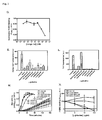
- cross- ⁇ structure conformation dependent antibodies would bind epitopes that require the presence of cross- ⁇ structure conformation in one of the used antigens, thus in either A ⁇ (1-40) E22Q, or serum amyloid A, or glycated Hb, Interestingly, 7H2 binds specifically to amyloid ⁇ -globulins and base-denatured ⁇ -globulins, but not to native ⁇ -globulins, nor to the amyloid antigens used for the immunizations, i.e. A ⁇ (1-40) E22Q, Hb-AGE:32 ( Fig. 1G-J ).
- cross- ⁇ structure conformation is part of the epitope for monoclonal antibody 7H2
- Monoclonal antibody 7H2 preferentially binds to a subset of amyloid-like aggregates of ⁇ -globulins
- 7H2 is a monoclonal antibody that specifically binds to a unique epitope in ⁇ -globulins that requires the presence of cross- ⁇ structure conformation, but only when induced by treatment at high pH, but not when induced by treatment at low pH. Similar inhibition studies are conducted with all six monoclonals and concentration series of tPA, K2P tPA, finger domains thereof, soluble fragment of receptor for advanced glycation endproducts, ThT, ThS, and mutual exchanged monoclonal antibodies.
- Antibodies with specificity for a subset of cross- ⁇ structure conformations relevance to the clinic
- Each type of specific or broad range anti-cross- ⁇ structure antibody can be tested for potential neutralizing properties in any kind of assay that serves as a model to test immunogenicity and/or toxicity and/or thrombogenicity of compounds that comprise the cross- ⁇ structure conformation, or in any other assay conducted to study the in vitro, in vivo or ex vivo pathophysiological or physiological role of amyloid.
- any kind of assay that serves as a model to test immunogenicity and/or toxicity and/or thrombogenicity of compounds that comprise the cross- ⁇ structure conformation, or in any other assay conducted to study the in vitro, in vivo or ex vivo pathophysiological or physiological role of amyloid.
- the role of cross- ⁇ structure conformation in fibrin(ogen) biology can be examined with the use of the antibodies, as well as the a role in blood platelet biology.
- anti-cross- ⁇ structure antibodies may have therapeutic value.
- monoclonal 7H2 may have beneficial effects when administered to patients suffering from (systemic
- Example 2 Anti- ⁇ 2GPI autoantibodies derived from patients with antiphospholipid syndrome recognize ⁇ 2GPI comprising crows- ⁇ structure, but not native ⁇ 2GPI.
- Plasminogen activation assay Plasminogen activation assay .
- Plasmin (Plm) activity was assayed as described 4 .
- Peptides and proteins that were tested for their stimulatory ability were used at 100 ⁇ g ml -1 , unless stated otherwise.
- Tissue-type plasminogen activator (tPA, Actilyse, Boehringer-Ingelheim) and plasminogen (Plg, purified form human plasma by lysine-affinity chromatography) were used at concentrations of 400 pM and 1.1 or 0.22 ⁇ M, respectively.
- Chromogenic substrate S-2251 Chromogenic substrate S-2251 (Chromogenix, Instrumentation Laboratory SpA, Milano, Italy) was used to measure Pls activity.
- Fluorescence of ThT - amyloid-like protein/peptide adducts was measured as follows. Solutions of 25 ⁇ g ml -1 of protein or peptide preparations were prepared in 50 mM glycine buffer pH 9.0 with 25 ⁇ M ThT. Fluorescence was measured at 485 nm upon excitation at 435 nm. Background signals from buffer, buffer with ThT and protein/peptide solution without ThT were subtracted from corresponding measurements with protein solution incubated with ThT. Regularly, fluorescence of A ⁇ was used as a positive control, and fluorescence of FP10, a non-amyloid fibrin fragment 4 , and buffer was used as a negative control. Fluorescence was measured in triplicate on a Hitachi F-4500 fluorescence spectrophotometer (Hitachi, Ltd., Tokyo, Japan).
- grids were prepared according to established procedures. Samples were applied to 100-mesh copper grids with carbon coated Formvar (Merck, Germany), and subsequently washed with PBS and H 2 O. Grids were applied to droplets of 2% (m/v) methylcellulose with 0.4% (m/v) uranylacetate pH 4. After a 2'-minutes incubation grids were dried on a filter. Micrographs were recorded at 80 kV, at suitable magnifications on a JEM-1200EX electron microscope (JEOL, Japan).
- ⁇ 2 -glycoprotein I ⁇ 2 GPI
- Recombinant human ⁇ 2 GPI was made using insect cells and purified as described 15 .
- Plasma derived ⁇ 2 GPI as used in a factor XII ELISA, the Plg-activation assay and in the anti-phospholipid syndrome antibody ELISA (see below) was purified from fresh human plasma as described.
- ⁇ 2 GPI was purified from, either fresh human plasma, or frozen plasma using an anti- ⁇ 2 GPI antibody affinity column 17 .
- Activation of tPA Actilyse, Boehringer-Ingelheim
- ⁇ 2 GPI preparations was tested in a Plg-activation assay (See above).
- Hundred ⁇ g ml -1 plasma ⁇ 2 GPI or recombinant ⁇ 2 GPI were tested for their stimulatory activity in the Plg-activation assay and were compared to the stimulatory activity of peptide FP13 4 .
- Binding of human factor XII from plasma (Calbiochem) or of recombinant human tPA to ⁇ 2 GPI purified from human plasma, or to recombinant human ⁇ 2 GPI was tested in an ELISA. Ten ⁇ g of factor XII or tPA in PBS was coated onto wells of a Costar 2595 ELISA plate and overlayed with concentration series of ⁇ 2 GPI. Binding of ⁇ 2 GPI was assessed with monoclonal antibody 2B2 17 .
- Binding of factor XII to ⁇ 2 GPI was also tested using immunoblotting.
- B 2 GPI 33 ⁇ g purified either from fresh plasma or from frozen plasma loaded onto a 7.5% poly-acrylamide gel. After blotting to a nitrocellulose membrane (Schleicher & Schuell), the blot was incubated with 1000x diluted rabbit polyclonal anti-human factor XII antibody (#233504, Calbiochem) and after washing with 3000x diluted peroxidase-coupled swine anti-rabbit immunoglobulins (SWARPO, #P0217, DAKO, Denmark).
- ThT fluorescence of B 2 GPI was measured as follows. Purified B 2 GPI from human plasma (400 ⁇ g ml -1 final concentration) was incubated with or without 100 ⁇ M CL vesicles or 250 ⁇ g ml -1 of the adjuvant dextran sulphate MW 500 kDa (DXS500k), in 25 mM Tris-HCl, 150 mM NaCl, pH 7.3.
- ThT fluorescence assay fluorescence of B 2 GPI in buffer, of CL or DXS500k in buffer, of buffer and ThT alone, and of B 2 GPI-CL adducts and ⁇ 2 GPI-DXS500k adducts, with or without ThT, was recorded as described above (section ThT fluorescence).
- TEM transmission electron microscopy
- the anti-phospholipid syndrome is an autoimmune disease characterized by the presence of anti- ⁇ 2 -glycoprotein I auto-antibodies 15,18 .
- Two of the major clinical concerns of the APS are the propensity of auto-antibodies to induce thrombosis and the risk for fetal resorption 19,20 . Little is known about the onset of the autoimmune disease.
- Recent work has demonstrated the need for conformational alterations in the main antigen in APS, ⁇ 2 -glycoprotein I (B 2 GPI), before the initially hidden epitope for auto-antibodies is exposed 15,18,21.
- binding of native ⁇ 2 GPI to certain types of ELISA plates mimicks the exposure of the cryptic epitopes that are apparently present in APS patients 15,18,21 . It has been demonstrated that anti-B 2 GPI autoantibodies do not bind to globular B 2 GPI in solution, but only when ⁇ 2 GPI has been immobilized to certain types of ELISA plates 15,18,21 .
- the globular (native) form of the protein is not immunogenic, but requires the addition of CL, apoptotic cells or modification by oxidation 3,22-24 . Thus the generation of autoantibodies seems to be triggered by and elicited against a conformationally altered form of ⁇ 2 GPI.
- Factor XII and tPA bind to recombinant ⁇ 2 GPI and to ⁇ 2 GPI purified from frozen plasma, but not to ⁇ 2 GPI purified from fresh plasma
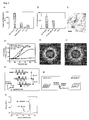
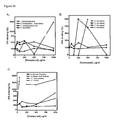
- Recombinant ⁇ 2 GPI, but not ⁇ 2 GPI purified from fresh plasma stimulate tPA-mediated conversion of Plg to plasmin, as measured as the conversion of the plasmin specific chromogenic substrate S-2251 ( Fig. 2A ).
- tPA and factor XII bind recombinant ⁇ 2 GPI, but not bind to ⁇ 2 GPI purified from fresh human plasma ( Fig. 2B, C ).
- Recombinant ⁇ 2 GPI binds to factor XII with a k D of 20 nM ( Fig. 2C ) and to tPA with a k D of 51 nM ( Fig. 2B ).
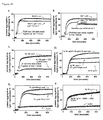
- Fig. 2F shows that exposure of B 2 GPI to CL or DXS500k introduces an increased ThT fluorescence signal, illustrating a conformational change in B 2 GPI accompanied with the formation of cross- ⁇ structure conformation.
- recombinant ⁇ 2 GPI initially already gave a higher ThT fluorescence signal than native B 2 GPI purified from plasma.
- exposure of plasma ⁇ 2GPI and rec. ⁇ 2GPI to adjuvants/denaturants LPS or CpG-ODN also induces an increase in ThT fluorescence, which is larger with rec.
- Epitopes for autoantibodies are specifically exposed on non-native conformations of ⁇ 2 GPI comprising cross- ⁇ structure conformation
- Figure 2 shows that preparations of ⁇ 2 GPI react with amyloid cross- ⁇ structure markers ThT, tPA and factor XII.
- exposure of B 2 GPI to cardiolipin (CL) introduces tPA binding capacity ( FIG. 2G ).
- large fibrillar structures are seen on TEM images of plasma ⁇ 2 GPI in contact with CL ( Fig. 2H , image 2 and 3).
- Small CL vesicles seem to be attached to the fibrillar ⁇ 2GPI. Images of plasma ⁇ 2 GPI alone ( Fig. 2H , image 1) or CL alone (not shown) revealed that no visible ultrastructures are present.
- ⁇ 2 GPI may be obtained by any other chemical or physical treatment, e.g. heating, pH changes, reduction-alkylation.
- a person skilled in the art is able to design and perform in vitro cellular assays and in vivo mouse models to obtain further evidence for the role of the cross- ⁇ structure conformation in autoimmunity (see below).
- inhibition studies can be conducted with any cross- ⁇ structure binding compound that may compete with antibody binding or that may prevent an immune response.
- cross- ⁇ structure conformation is necessary for the induction of an adaptive immune response.
- the cross- ⁇ structure conformation could also be part of an epitope recognized by autoimmune antibodies.
- other diseases and complications in which autoantibodies are implicated are mediated by a protein comprising cross- ⁇ structure conformation.
- such conditions include, but are not limited to systemic lupus erythematosus (SLE), type I diabetes, red cell aplasia and the formation of inhibitory antibodies in haemophilia patients treated with factor VIII.
- SLE systemic lupus erythematosus
- type I diabetes type I diabetes
- red cell aplasia red cell aplasia
- a person skilled in the art is now able to address whether the cross- ⁇ structure is present in proteins causing autoimmune disease.
- a skilled person can perform analysis to detect the presence of cross- ⁇ structure.
- Methods to determine whether a protein comprises a cross- ⁇ structure conformation are available to the skilled person. Examples of such methods include, but are not limited to staining with Congo red, Thioflavin S (ThS) or Thioflavin T (ThT), an ELISA binding assay using tPA or a functional fragment thereof, an ELISA using one of the compounds or proteins listed in Table 1-3, a tPA activation assay or a X-ray fiber diffraction analysis.
- Fibrin peptide FP6 adopts two distinct amyloid-like conformations
- FP6 fibrin peptide FP6, NH 2 -IDIKIR-COOH (Peptide facility, Dutch Cancer Institute, Amsterdam, the Netherlands) were prepared in various ways. FP6 was dissolved in hexafluoro-2-propanol and trifluoroacetic acid in a 1:1 volume ratio, at approximately 10 mg ml -1 . Solvents were subsequently evaporated and FP6 was dissolved in H 2 O at 1 mg ml -1 or at 10 mg ml -1 . Batches were incubated at 37°C or at 65°C, for 72h, and subsequently stored at room temperature.
- Size exclusion chromatography is performed on a Superdex peptide PC 3.2/30 column using a SmartSystem (Pharmacia Amersham Biosciences Europe, Roosendaal, The Netherlands) with FP6 that is freshly dissolved in H 2 O at 10 mg ml -1 and directly applied to the column.
- Running buffer was H 2 O and elution was monitored by absorbance measurements at 214 nm. Peak fractions were collected separately and after approximately three days of storage at 4°C applied to an electron spray ionization mass spectrometer (ESI-MS, Biomolecular MassSpectrometry Facility, Utrecht University, the Netherlands).
- fibrin peptide FP6 can arrange itself in two distinct amyloid-like conformations
- the fibrin peptide FP6, NH 2 -IDIKIR-COOH, has been described as the smallest fibrin fragment with tPA activating properties 27 . We were wondering whether this hexapeptide has similar structural properties as seen in non-fibrin polypeptides that activate tPA, i.e. the cross- ⁇ structure conformation 1,4 . Indeed we found that FP6 has properties illustrating the presence of amyloid-like cross- ⁇ structure conformation.
- the dissolved peptide activates tPA in the chromogenic plasmin activity assay, can form fibrils and enhances Congo red fluorescence ( Fig. 3A-D ).
- the peptide solution that was incubated for three weeks at room temperature shows stronger Congo red fluorescence enhancement and activates tPA to a higher extent than FP6 analyzed directly after it was dissolved, indicating that differing cross- ⁇ structure conformations or a different amount of active form of cross- ⁇ structure is present ( Fig. 3A , B, D).
- X-ray diffraction analyzes not only showed that FP6 comprises amyloid-like structure, but in addition revealed that at one site FP6 first dissolved in organic solvents, then in H 2 O and incubated at 37°C or at 65°C, or directly dissolved in H 2 O, and at the other site FP6 dissolved directly in H 2 O and kept at room temperature or dissolved directly in H 2 O pH 2 (HC1) and incubated at 65°C, have adopted two distinct conformations with properties that resemble the cross- ⁇ structure.
- the two distinguishable structures display similar structural features within the plane of the ⁇ -sheets that builds up a cross- ⁇ structure conformation, with respect to inter ⁇ -strand distance (4.7 ⁇ ) and dimension of the repeating unit in the direction of the peptide bonds.
- the X-ray diffraction experiments indicate that ⁇ -strands are oriented in an antiparallel manner ( Fig. 3E, F ).
- FP6-1 and FP6-2 have two different amyloid-like conformation that both have features of the crows- ⁇ structure, that is to say, both structures are composed of layered ⁇ -sheets.
- these ⁇ -sheet layers are positioned in an alternating fashion at 9-10 ⁇ or at 12-14 ⁇ distance in both structures ( Fig. 3G ).
- the two structures of FP6-1 and FP6-2 are however distinct with respect to the translational shift of two adjacent ⁇ -sheets.
- subsequent layers of ⁇ -sheets are positioned right on top of each other ( Fig. 3H ).
- adjacent layers are shifted over 2.35 ⁇ in the direction of the inter ⁇ -strand hydrogen bond direction (typically 4.7 ⁇ ) in a way that a staggered configuration is adopted ( Fig. 3I ).
- structure 2 can be designated as an amyloid-like cross- ⁇ structure. This is based on the fact that also fibrils with structure 2 are built up by layered ⁇ -sheets, like structure 1, and based on recent information that a seven-residue peptide segment from yeast prion-like protein Sup35 adopts an amyloid-like structure similar to structure 2 (ref. 28 ). Similar to the infectious nature of mammalian prions, conversion of Sup35 to amyloid-like fibrils is associated with transmissible infection.
- Polypeptides differing in amino-acid sequence or length, or a polypeptide treated in different ways, may appear with cross- ⁇ structures that differ from each other to some extent. This was already noticed for a long time when the varying inter ⁇ -sheets spacings are concerned.
- every polypeptide can arrange itself in a unique cross- ⁇ structure conformation with respect to inter ⁇ -sheet spacing and/or with respect to a translational shift between adjacent ⁇ -strands, with yet common aspects seen in every amyloid-like fold opens the way to the design of therapeutics, either small molecule drugs or protein-based pharmaceuticals, that are polypeptide- and disease specific.
- a drug that specifically abolishes the pathological effects of aggregation-prone serum amyloid A (SAA) by binding to aspects of SAA that are unique to the amyloid form of the protein does not disturb tPA-mediated fibrinolysis upon binding to the cross- ⁇ structure conformation in fibrin polymers.
- SAA serum amyloid A
- Example 4 Screening of compound libraries, recombinant proteins and/or antibodies for the identification of lead compounds that interact with misfolded proteins.
- AD Alzheimer's Disease
- type II diabetes type II diabetes
- amyloidoses Amyloid- ⁇ (AB(1-40)E22Q), related to the pathology of AD, heat-denatured misfolded amyloid-like ovalbumin (DOVA) and glycated amyloid-like haemoglobin (Hb-AGE), related to diabetes pathology, were used as model misfolded proteins.
- tissue-type plasminogen activator tPA
- tPA tissue-type plasminogen activator
- the screening technology is applicable for any protein that interacts with misfolded protein(s), such as those listed in Table 2 and Table 3.
- the human BiP gene except the signal peptide encoding region was obtained from Geneart (Germany).
- the gene was extended in a way that the transcribed protein contains a carboxy-terminal extension with amino-acid sequence KSKSKSMMAA, for purposes related to couplings to matrices.
- a BamHI restriction site was added to the 5' region, a NotI restriction site to the 3' region.
- the gene was supplied in a vector and digested with BamHI and NotI for ligation in the PABC674 expression vector of the local Expression Facility Utrecht (The Netherlands). Expression of BiP in this vector results in addition of a carboxy-terminal His-tag and a carboxy-terminal FLAG-tag.
- 2 ⁇ g of vector with BiP was transiently transfected in HEK 293E cells. Cells were allowed to grow for 4 days. Cell culture supernatant comprising BiP was used for binding studies.
- IgG Human broad spectrum immunoglobulin G antibodies, referred to as 'intravenous Ig' ('IVIg' or 'IgIV'), ⁇ gammaglobulin', 'intravenous immune globulin', 'intravenous immunoglobulin' or otherwise, were obtained from the local University Medical Center Utrecht Pharmacy.
- Octagam from Octapharma (Octapharma International Services N.V., Brussel, Belgium; dosage 2.5 gr. in 50 ml, was used.
- Octagam is supplied as a ready-to-use solution comprising 50 mg/ml IgIV.
- IVIg is stored at 4°C. According to the manufacturer, Octagam mainly consists of IgG's ( ⁇ 95%), with a minor IgA fraction ( ⁇ 5%). The distribution over the four IgG isotypes is: IgG1, 62.6%; IgG2, 30.1%; IgG3, 6.1%; IgG4, 1.2%. Octagam is used at room temperature. Solutions were kept at room temperature for at least 30' before use.
- Antigens used in IgIV binding ELISA's were bovine serum albumin (BSA, fraction V, catalogue number A-7906, initial fractionation by heat shock, purity ⁇ 98% (electrophoresis), remainder mostly globulins, Sigma-Aldrich, St. Louis, MO, USA), human haemoglobin (Hb, Sigma-Aldrich; catalogue number H7379), and their advanced glycated end products-modified counterparts BSA-AGE and Hb-AGE (see below).
- BSA bovine serum albumin
- Hb human haemoglobin
- Glycation of albumin and Hb was performed as follows. For preparation of BSA-AGE, 100 mg ml- 1 of albumin was incubated with phosphate-buffered saline (PBS, 140 mM sodium chloride, 2.7 mM potassium chloride, 10 mM disodium hydrogen phosphate, 1.8 mM potassium di-hydrogen phosphate, pH 7.3) containing 1 M of D-glucose-6-phosphate disodium salt hydrate (anhydrous) (g6p, ICN, Aurora, Ohio, USA) and 0.05% m/v NaN 3 , at 37°C in the dark. The solution was glycated for 70 weeks.
- PBS phosphate-buffered saline
- anhydrous g6p, ICN, Aurora, Ohio, USA
- Human Hb at 10 mg/ml was incubated for 58 weeks at 37°C with PBS containing 1 M of g6p and 0.05% m/v of NaN 3 . After incubations, albumin and Hb solutions were extensively dialysed against distilled water (BSA-AGE) or against 50 mM Tris, 150 mM NaCl, pH 7.3, and, subsequently, aliquoted and stored at -20°C. Protein concentrations were determined with Advanced protein-assay reagent ADV01 (Cytoskeleton, Denver, CO, USA).
- OVA ovalbumin
- PBS Purified chicken ovalbumin
- PTC-200 thermal cycler MJ Research, Inc., Waltham, MA, USA.
- protein was heated from 30 to 85°C at a rate of 5°C/min.
- Heat-denatured OVA (DOVA) solutions were stored at -80°C.
- Lyophilized human amyloid- ⁇ (1-40) with E22Q mutation 'Dutch type' was first dissolved in 1,1,1, 6,6,6-hexafluoro-2-propanol and trifluoroacetic acid in a 1:1 volume ratio. Solvent was evaporated under an air stream and A ⁇ was dissolved in H 2 O to a final concentration of 1 mg/ml, and stored at room temperature.
- Proteins at 5 ⁇ g/ml were coated for 1 h at room temperature with agitation, in Microlon high-binding ELISA plates (Greiner) in 50 mM NaHCO 3 pH 9.6. Buffer was coated as negative control. A twofold dilutions series of cell culture supernatant of HEK 293E cells over-expressing BiP was also coated to the plate for anti-FLAG-tag antibody control purposes. Plates were washed and blocked with 1 ⁇ 2*Blocking reagent (Roche). Undiluted cell culture supernatant enriched with 0.1% Tween20 was added to the wells with immobilized protein ligands and incubated for 1 h at room temperature with agitation.
- Mouse monoclonal anti-FLAG-tag antibody (Sigma, A8592, anti-FLAG M2PO conjugate) was diluted 1000x in PBST/0.1% Tween20 and added to all wells, including those that are coated with cell culture supernatant. After a 1 h incubation at room temperature with agitation and after washing, wells were overlayed with 3000x diluted RAMPO (DAKOCytomation) in PBS/0.1% Tween20.
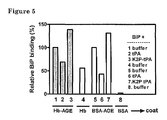
- cell culture supernatant with expressed and secreted BiP was diluted threefold in PBS/0.1% Tween20/10 mM ⁇ -amino caproic acid, and either tPA or K2P-tPA was added whereas PBS was added to a control sample.
- Hb-AGE, Hb, BSA-AGE, BSA and buffer were coated.
- the threefold diluted cell supernatants were applied to the ELISA plate in duplicates and BiP binding was subsequently measured as described above. Coat efficiency was checked with specific anti-AGE antibody, anti-albumin antibody and anti-Hb antibody.
- Binding of IgIV was determined using an enzyme linked immunosorbent assay (ELISA) set-up. For this purpose 50 ⁇ l/well of potential ligands at indicated concentrations or coat buffer only for control and background measurement purposes, were coated overnight at 4°C, with motion, in 50 mM NaHCO 3 pH 9.6. Glycated albumin and Hb (BSA-AGE and Hb-AGE), control BSA and control Hb were coated at 5 ⁇ g/ml. The BSA and Hb controls were prepared freshly by dissolving lyophilized proteins at 1 mg/ml in PBS upon resuspending by pipetting, followed by a 30' period at the roller bank, at room temperature.
- ELISA enzyme linked immunosorbent assay
- the protein solutions were centrifuged for 10' at 16,000*g and diluted in coat buffer. Coat controls were performed with anti-glycated protein antibody, anti-albumin antibody, anti-Hb antibody.
- the alkaline phosphatase-conjugated anti-human Ig antibodies were controlled by coating the IgIV's and overlaying them the secondary antibodies. After coating the plates were washed twice with 50 mM Tris-HCl pH 7.3, 150 mM NaCl, 0.1% v/v Tween20, and blocked with 175 ⁇ l/well Blocking reagent (Roche Diagnostics, Almere, The Netherlands; catalogue number 11112589001), for 1 h at room temperature, with motion.
- Plates were washed twice and incubated in triplicate with indicated antibodies dilution series, plasma dilution series or controls, including binding buffer only, in the absence or presence of putative inhibitors, in binding buffer; PBS/0.1% v/v Tween20, at 50 ⁇ l/well, for 1 h at room temperature, with constant motion. After four wash cycles, secondary antibodies were added to the wells, 50 ⁇ l/well, for 45' at room temperature, with motion. RAMPO and SWARPO were used at 2000 times dilution, goat anti-human IgG antibodies were diluted 3000 times, goat anti-human IgM antibodies were diluted 1000 times. After 5 washes with wash buffer followed by two washes with PBS, binding of antibodies was assessed.
- alkaline phosphatase conjugated secondary antibodies p-nitrophenyl phosphate (600 ⁇ g/ml) in DEA buffer pH 9.8 (10% v/v diethanolamine in H 2 O, with 240 ⁇ M MgCl 2 .6H 2 O, pH adjusted with HCl) was used at 100 ⁇ l/well, for ⁇ 5 minutes. The reaction was stopped by adding 50 ⁇ l/well of 2.4 M NaOH in H 2 O After 5' absorbance was read at 405 nm.
- OPD peroxidase-conjugated RAMPO and SWARPO
- 50 mM citric acid/100 mM Na 2 HPO 4 /0.06% v/v H 2 O 2 pH 5 was used at 100 ⁇ l/well, for ⁇ 5'.
- the reaction was stopped by adding 50 ⁇ l/well of 2 M H 2 SO 4 in H 2 O. After 5' absorbance was read at 490 nm.
- Each experiment has been performed at least twice. To test whether amyloid-like crossbeta structure binding compounds and controls (see ref.
- tPA and K2P tPA were tested in the presence of 10 mM ⁇ -amino caproic acid, to avoid binding of the kringle2 domain of tPA and K2P tPA to lysine- and arginine residues (tPA binding to amyloid-like structures is mediated by its finger domain, that is lacking in truncated K2P tPA; the kringle2 domain binds to exposed side chains of lysines and arginines). Binding buffer and K2P tPA serve as negative controls in these inhibition studies. Separately, similar inhibition studies were performed with immobilized AB or BSA-AGE, a suboptimal concentration of tPA (see ref.
- ELISA Binding of tPA to glycated haemoglobin, misfolded ovalbumin and amyloid- ⁇
- DOVA heat-denatured ovalbumin
- amyloid-B(1-40) E22Q 1, 3 and 9 ⁇ g/ml DOVA or AB was coated and overlayed with 0/1/3/9/27/81 nM tPA.
- the ⁇ ACA is used to avoid binding of tPA to ligands via the tPA Kringle2 domain.
- the DMSO is added in order to obtain the suitable reference for tPA binding, because in subsequent experiments the small compounds tested are all dissolved in DMSO and applied in the analyses in a tenfold diluted manner.
- ELISA Binding of tPA to glycated haemoglobin, heat-denatured Misfolded ovalbumin and amyloid- ⁇ ; influence of small compounds
- Enhancement of tPA binding was arbitrarily set to values > 100%.
- Inhibition of tPA binding to misfolded Hb-AGE was arbitrarily set to values smaller than 50%. With the chosen experimental lay-out, it can not be distinguished whether small compounds influence the interaction between tPA and Hb-AGE by binding to Hb-AGE only or by binding to tPA only or by binding to both tPA and Hb-AGE.
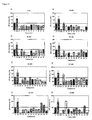
- Selection criteria were: a compound is assigned as an inhibitor of tPA binding when 50% or less of the signal of the control tPA binding to the ligand is observed; a compound is assigned as a stimulator of tPA binding when signals after tPA binding are increased in the presence of compounds, compared with the control tPA binding.
- DOVA or AB For similar ELISA's with DOVA and AB(1-40) E22Q, 1 ⁇ g/ml DOVA or AB was coated and overlayed with 80 nM tPA. Subsequently, DOVA or AB coated wells and buffer-coated control wells were first incubated with 500 ⁇ g/ml of the compounds, followed by an overlay with tPA.
- amyloid-B(1-40) E22Q Dutch type (AB) peptide aggregates with cross-B structure conformation on blood platelet aggregation was tested with washed platelets in an aggregometric assay. Freshly drawn human aspirin free blood was mixed gently with citrate buffer to avoid coagulation. Blood was spinned for 15' at 150*g at 20°C and supernatant was collected; platelet rich plasma (PRP). Buffer with 2.5% trisodium citrate, 1.5% citric acid and 2% glucose, pH 6.5 was added to a final volume ration of 1:10 (buffer-PRP).
- the pellet After spinning down the platelets upon centrifugation for 15' at 330*g at 20°C, the pellet was resuspended in HEPES-Tyrode buffer pH 6.5. Prostacyclin was added to a final concentration of 10 ng/ml, and the solution was centrifuged for 15' at 330*g at 20°C, with a soft brake. The pellet was resuspended in HEPES-Tyrode buffer pH 7.2 in a way that the final platelet number was adjusted to 200,000/ ⁇ l. Platelets were kept at 37°C for at least 30', before use in the assays, to ensure that they were in the resting state.
- TRAP synthetic thrombin receptor activating peptide
- the compounds were immobilized at 10/100/1000 ug/ml in the wells of 96-wells Greiner Microlon high binding plates, Nunc amino Immobilizer plates and Nunc Maxisorp plates. Compounds were coated in 100 mM NaHCO 3 pH 9.6, 50 ⁇ l/well, 1 h at room temperature with agitation. As a control, wells were coated with buffer only. After blocking of the plates, wells were overlayed with solutions of 0.1/1/10 ⁇ g/ml Hb-AGE or 10/100 ⁇ g/ml AB, in binding buffer (PBS/0.1% Tween20).
- Hb-AGE was assessed by overlaying wells with 1 ⁇ g/ml hybridoma antibody 4B5, which binds to glycations ( 2 ), followed by RAMPO. Binding of AB was visualized using 500x diluted anti-AB antibodies (mouse antibody beta-amyloid Clone 6F/3D #M0872, lot 00003503, DAKOCytomation; ß-amyloid (H-43) SC-9129, 200 ⁇ g/ml rabbit polyclonal IgG, Santa Cruz Biotechnology) and RAMPO/SWARPO in a 1:1 ratio. Finally, wells were overlayed with OPD/H 2 O 2 solution, and H 2 SO 4 , before absorbance readings at 490 nm.
- final concentrations tPA and tPA chromogenic substrate S-2765 (Chromogenix, Milano, Italy) were 100 nM and 250 ⁇ M, respectively. Protease activity of tPA was followed in time by absorbance readings each minute for 2 h, at 37°C.
- tPA/plasminogen activation was measured in a kinetic assay with chromogenic plasmin substrate PNAPEP1751 (BIOPEP, Mauguio, France). Concentrations of tPA and plasminogen are 400 pM and 20 ⁇ g/ml, respectively. Heated OVA, either in PBS/1% DMSO (positive control), or in the same buffer in the presence of 1 mg/ml of the compounds, was used 40-fold diluted in the assay. Negative control was buffer without OVA.
- the human BiP gene was extended with several tags at the carboxy-terminus.
- the synthetic gene was designed in a way that at the carboxy-terminus sequences were incorporated that may aid in efficient and oriented coupling of the BiP protein molecule to (chromatography) matrices, like for example CNBr-Sepharose, NHS-Sepharose, Carboxy-link, any Ni 2+ -based affinity matrix.
- the linker sequence may be used to couple labels to the protein molecule, like for example NHS-fluorescent probe, or Universal Linkage System-biotin, which can be used for detection purposes and/or for coupling purposes using for example Streptavidin-Sepharose.
- a FLAG-tag and a His-tag is added to this carboxy-terminus.
- the original 71 kDa BiP was extended with a linker meant for matrix coupling purposes, KSKSKSMMAA, a peptide with sequence DYKDDDDK (FLAG-tag) and HHHHHH (His-tag), with a total molecular mass of 2.9 kDa.
- recombinant BiP has an apparent molecular mass of approximately 75 kDa as seen on a Western blot (not shown).
- BiP is purified using for example Ni 2+ -based affinity chromatography, anion exchange chromatography and/or gel filtration chromatography.
- BiP glycated haemoglobin
- BSA glycated albumin
- Hb-AGE With Hb-AGE, tPA at 1 ⁇ M reduces BiP binding from 100% to 69%, whereas K2P-tPA seems to promote BiP binding to some extent. Also some binding of BiP is seen with freshly dissolved Hb, which may comprise a fraction misfolded protein due to for example lyophilization. Similar to Hb, BiP binds to BSA-AGE and hardly to BSA. When tPA is introduced in the BiP solution, BiP binding is inhibited for 57%, whereas again K2P-tPA seems to facilitate to some extent BiP binding.
- IgIV has affinity for misfolded proteins.
- glycated haemoglobin Hb-AGE
- ELISA glycated haemoglobin
- Figure 6A binding of IgIV to Hb-AGE is shown. Also some binding is seen to Hb that was freshly dissolved from lyophilized stock, which may result in a misfolded protein fraction, a phenomenon that is observed with lyophilized OVA (not shown).
- tPA fully inhibits the interaction of IgIV with misfolded protein ( Figure 6B ), whereas K2P-tPA that lacks the finger domain that interacts with misfolded protein, does not influence the interaction.
- Amyloid-binding dye Congo red fully blocks IgIV binding, similar to tPA.
- Thioflavin T and Thioflavin S enhance the binding of IgIV ( Figure 6D, E ). This activity is also seen with tPA binding to immobilized misfolded protein (not shown).
- ELISA Binding of tPA to glycated haemoglobin, misfolded ovalbumin and amyloid- ⁇
- DXS500k is known for its ability to interact with amyloid-like moieties, its ability to denature protein and for its ability to stimulate factor XII activation in the presence of protein. See Table 7 for the sub-set of twelve compounds, used for further analyses.
- concentration series of the twelve compounds were applied to immobilized AB, Hb-AGE or misfolded OVA, followed by an overlay with a sub-optimal concentration of tPA ( Figure 13 , 14 , 15 ).
- Activation of blood coagulation factor XII requires a cofactor in order to let activated factor XII-mediated prekallikrein activation to kallikrein occur.
- Figure 16 it is depicted that human serum albumin or ellagic acid alone are poor activators of factor XII. In contrast, when combined, serum albumin and ellagic acid turn into a potent activator of kallikrein generation. Similar cofactor activity is observed when classical factor XII activators kaolin and dextran sulphate 500,000 Da are used in combination with bovine serum albumin or collagen XVIII fragment endostatin, whereas all four compounds alone hardly activate the enzyme system (not shown).
- factor XII is activated by misfolded proteins like for example amyloid-B, glycated proteins and peptides with amyloid-like conformation
- these data point to a role for protein misfolding at the surface of the established factor XII activating molecules.
- native albumin is a poor activator, as is ellagic acid when applied at low enough concentration that does not allow factor XII, prekallikrein or HMWK to denature by exposure to the ellagic acid molecules.
- albumin and ellagic acid turn into potent activators. This shows protein denaturing capacity of ellagic acid, an ability that most likely also occurs when ellagic acid is subjected to an individual.
- OVA ovalbumin
- ThT Thioflavin T
- ellagic acid hydrate may potently compete for the binding sites with Thioflavin T, as shown when ellagic acid is added to pre-formed misfolded OVA, and/or ellagic acid can prevent formation of amyloid-like protein conformation, as shown with OVA and ellagic acid that were subjected to heat-denaturation together.
- Ellagic acid hydrate at 25 and 50 ⁇ g/ml influences 100 ⁇ g/ml AB-induced platelet aggregation in a opposite manner. Ellagic acid further enhances amyloid-B triggered aggregation ( Figure 19D ). When 25 or 50 ⁇ g/ml ellagic acid is added to the platelets alone (2000 times and 4000 times diluted 100 mg/ml stock), it is a strong inducer of aggregation ( Figure 19E ). In a control experiment, 1200-fold diluted DMSO had no influence on 100 ⁇ g/ml AB-induced platelet aggregation ( Figure 19F ).
- compound 1 dehydroglaucine derivative
- 2 thaliporphine, thalicmidine
- 4 isoboldine
- compound 6 is a inhibitor of tPA binding to Hb-AGE
- 10 ellagic acid hydrate
- IgIV, BiP and the eleven compounds selected from the set of small compounds are all newly identified molecules that interact with one or several different amyloid-like misfolded proteins.
- Table 9 all data gathered with the eleven small compounds is summarized. From Figure 10 a striking similarity between 2. thaliporphine and 4. isoboldine is recognized. This is indicative of a core chemical structure with affinity for a common structural aspect in the amyloid-like misfolded proteins tested, i.e. heat-denatured ovalbumin, glycated haemoglobin and amyloid-B. Further refinement using a specific library comprising compounds all related to these two identified compounds 2. and 4.
- the applied screening methods showed that individual compounds can be identified from a compound library, that have not yet been known for their ability to influence misfolded protein biology.
- the method is based on screening for compounds that influence the interaction between tPA and amyloid-like misfolded proteins. So, these results demonstrate a method for selecting a compound capable of binding to a cross- ⁇ structure or in general to amyloid-like misfolded protein conformation in a protein, comprising: contacting said compound with a first protein comprising amyloid-like conformation and allowing said compound and said protein to interact; determining whether said compound at least in part binds to said amyloid-like conformation; selecting the compound that at least in part binds to said amyloid-like misfolded protein.
- the conformation recognized by the compound is either the amyloid-like conformation itself, or a conformation induced by the amyloid-like conformation, c.q. the crossbeta structure.
- the screening method is applicable for use with small compound libraries as well as with recombinant proteins and antibodies.
- chaperone BiP and human IgIV were identified as molecules with affinity for amyloid-like misfolded protein.
- Our selection methods were based on immobilized misfolded proteins as well as on misfolded proteins in solution.
- Thioflavin T and tPA binding experiments, and tPA and tPA/plasminogen activation assays provide tools for the different approaches with respect to the presentation of the misfolded protein, i.e. soluble versus immobilized on a carrier.
- search key-words were the compound name, when known, and one or more of the key-words 'coagulation', 'amyloid', 'aggregation', 'fibril', 'misfolding', 'cell culture viability', 'thrombosis', 'NF-kappaB', 'tPA', 'factor XII', 'Alzheimer', 'amyloidosis', 'protocol', 'method', 'review'.
- Table 7 Selected small compounds and DXS500k, that interact with misfolded proteins # # according to Table 4, 5 compound 1 214 Dehydroglaucine derivative 2 201 Thaliporphine, thalicmidine 3 217 Ammophedrine HBr 4 202 isoboldine 5 51 Compound 5 (no name) 6 19 Compound 6 (no name) 7 15 Compound 7 (no name) 8 152 haematein 9 - DXS500k 10 117 ellagic acid hydrate 11 126 corynanthine 12 197 orcein Note: DXS500k was included as a positive control in subsequent assays based on its known ability to bind to misfolded protein in solution, when immobilized, and based on its ability to denature proteins, which provides Thioflavin T binding sites and factor XII activating properties in the misfolded protein.
- bronchoconstrictor effect d. inhibitory action on the central nervous system e. inhibitory effect on lipopolysaccharide (LPS)-induced proliferation of splenocytes f. protection of plants from invasion by micro-organisms 2 Thaliporphine, thalicmidine a. increased survival rate of LPS-treated mice b. attenuating endotoxin-induced circulatory failure and multiple organ injury c. suppression of TNF ⁇ , NO. and O 2- production. d. stimulated splenocyte proliferation induced by LPS e. may hold potential for the treatment of endotoxaemia f. potent vasoconstrictor 3 Ammophedrine ⁇ no information available ⁇ 4 isoboldine a.
- LPS lipopolysaccharide
- potency to suppress LPS-induced proliferation in vitro b. potent antiplasmodial activity c. potential antiviral activity 8 haematein a. inhibition of LPS/interferon-y (IFNy) induced NO production and iNOS expression in macrophages b. inhibition of LPS/interferon-y (IFNy) induced NF- ⁇ B activation in macrophages 10 ellagic acid a. anti-apoptotic activity (hydrate) b. promote anti-inflammatory activities c, activation of intrinsic pathway of coagulation by activation of factor XII d. antibacterial properties e. inhibition of the pathway that activates nuclear transcription factor ⁇ B, f.
- cancer inhibitor which has the ability to cause apoptosis in cancer cells g. antiviral properties h. stabilize mast cells i. promote anti-anaphylaxis activities j. apoptosis for breast, pancreas, esophageal, skin, colon and prostate cancer cells 11 corynanthine a. mediation of vasoconstriction 12 orcein a. binding to elastin fibers I. Immunoreactivities of anti-vitronectin and anti-amyloid P component were found to co-localize with orcein-stainable fibers in adults II. acid-orcein-Giemsa stain: amyloid has a distinctive light-blue color III.
Landscapes
- Health & Medical Sciences (AREA)
- Life Sciences & Earth Sciences (AREA)
- Engineering & Computer Science (AREA)
- Biomedical Technology (AREA)
- Chemical & Material Sciences (AREA)
- Urology & Nephrology (AREA)
- Molecular Biology (AREA)
- Immunology (AREA)
- Hematology (AREA)
- General Health & Medical Sciences (AREA)
- Medicinal Chemistry (AREA)
- Physics & Mathematics (AREA)
- General Physics & Mathematics (AREA)
- Pathology (AREA)
- Biochemistry (AREA)
- Analytical Chemistry (AREA)
- Neurology (AREA)
- Neurosurgery (AREA)
- Proteomics, Peptides & Aminoacids (AREA)
- Biotechnology (AREA)
- Cell Biology (AREA)
- Food Science & Technology (AREA)
- Microbiology (AREA)
- Veterinary Medicine (AREA)
- General Chemical & Material Sciences (AREA)
- Chemical Kinetics & Catalysis (AREA)
- Organic Chemistry (AREA)
- Bioinformatics & Cheminformatics (AREA)
- Pharmacology & Pharmacy (AREA)
- Nuclear Medicine, Radiotherapy & Molecular Imaging (AREA)
- Animal Behavior & Ethology (AREA)
- Public Health (AREA)
- Peptides Or Proteins (AREA)
- Steroid Compounds (AREA)
- Organic Low-Molecular-Weight Compounds And Preparation Thereof (AREA)
- Catalysts (AREA)
Priority Applications (1)
| Application Number | Priority Date | Filing Date | Title |
|---|---|---|---|
| EP11153446A EP2386861A3 (de) | 2005-07-13 | 2006-07-13 | Cross-Beta-Struktur-bindende Verbindungen |
Applications Claiming Priority (3)
| Application Number | Priority Date | Filing Date | Title |
|---|---|---|---|
| EP05076613 | 2005-07-13 | ||
| EP11153446A EP2386861A3 (de) | 2005-07-13 | 2006-07-13 | Cross-Beta-Struktur-bindende Verbindungen |
| EP06783842A EP1910844B1 (de) | 2005-07-13 | 2006-07-13 | Cross-beta-struktur-bindende verbindungen |
Related Parent Applications (1)
| Application Number | Title | Priority Date | Filing Date |
|---|---|---|---|
| EP06783842.5 Division | 2006-07-13 |
Publications (2)
| Publication Number | Publication Date |
|---|---|
| EP2386861A2 true EP2386861A2 (de) | 2011-11-16 |
| EP2386861A3 EP2386861A3 (de) | 2012-07-18 |
Family
ID=34938373
Family Applications (2)
| Application Number | Title | Priority Date | Filing Date |
|---|---|---|---|
| EP11153446A Withdrawn EP2386861A3 (de) | 2005-07-13 | 2006-07-13 | Cross-Beta-Struktur-bindende Verbindungen |
| EP06783842A Expired - Lifetime EP1910844B1 (de) | 2005-07-13 | 2006-07-13 | Cross-beta-struktur-bindende verbindungen |
Family Applications After (1)
| Application Number | Title | Priority Date | Filing Date |
|---|---|---|---|
| EP06783842A Expired - Lifetime EP1910844B1 (de) | 2005-07-13 | 2006-07-13 | Cross-beta-struktur-bindende verbindungen |
Country Status (7)
| Country | Link |
|---|---|
| US (1) | US8067187B2 (de) |
| EP (2) | EP2386861A3 (de) |
| AT (1) | ATE554394T1 (de) |
| AU (1) | AU2006267176A1 (de) |
| CA (1) | CA2615028A1 (de) |
| WO (1) | WO2007008072A2 (de) |
| ZA (1) | ZA200800862B (de) |
Families Citing this family (13)
| Publication number | Priority date | Publication date | Assignee | Title |
|---|---|---|---|---|
| EP1820806A1 (de) * | 2006-02-16 | 2007-08-22 | Crossbeta Biosciences B.V. | Affinitätsbereiche |
| US20070003552A1 (en) * | 2002-07-09 | 2007-01-04 | Gebbink Martijn F B | Cross-beta structure comprising amyloid binding proteins and methods for detection of the cross-beta structure, for modulating cross-beta structures fibril formation and for modulating cross-beta structure-mediated toxicity and method for interfering with blood coagulation |
| EP1380290A1 (de) | 2002-07-09 | 2004-01-14 | Universitair Medisch Centrum Utrecht | Cross-Beta-Strukturweg und seine therapeutische Relevanz |
| US20090202980A1 (en) * | 2005-03-21 | 2009-08-13 | Crossbeta Biosciences B.V. | Cross-Beta Structure Comprising Amyloid Binding Proteins and Methods for Detection of the Cross-Beta Structure, for Modulating Cross-Beta Structures Fibril Formation and for Modulating Cross-Beta Structure-Mediated Toxicity and Method for Interfering With Blood Coagulation |
| BRPI0613525A2 (pt) * | 2005-07-13 | 2011-05-31 | Crossbeta Biosciences Bv | métodos para produzir uma composição imunogênica, para melhorar a imunogenicidade de uma composição, para intensificar a imunogenicidade de uma composição de vacina, e para determinar a quantidade de estruturas beta-cruzadas em uma composição de vacina, usos de estruturas beta-cruzadas, e de uma composição imunogênica, vacina de subunidade, e, composição imunogênica |
| EP2386861A3 (de) | 2005-07-13 | 2012-07-18 | Crossbeta Biosciences B.V. | Cross-Beta-Struktur-bindende Verbindungen |
| CA2615078A1 (en) * | 2005-07-13 | 2007-01-18 | Crossbeta Biosciences B.V. | Methods for determining the effect of a treatment on the cross-.beta. structure content of a protein; selection of treatments and uses thereof |
| US8114832B2 (en) * | 2005-07-13 | 2012-02-14 | Crossbeta Biosciences B.V. | Method for detecting and/or removing a protein comprising a cross-beta structure from a pharmaceutical composition |
| WO2007108675A1 (en) * | 2006-03-17 | 2007-09-27 | Crossbeta Biosciences B.V. | Methods of binding of cross-beta structures by chaperones |
| EP2058000A1 (de) * | 2007-11-08 | 2009-05-13 | Crossbeta Biosciences B.V. | Zur Aktivierung von T-Zellen fähige immunogene Zusammensetzung |
| EP2058001A1 (de) * | 2007-11-08 | 2009-05-13 | Crossbeta Biosciences B.V. | Steigerung der Immunogenizität von Antigenen |
| SG188941A1 (en) * | 2011-09-26 | 2013-05-31 | Nanyang Polytechnic | Small molecules for extending the well being of cells and methods of use thereof |
| US12331320B2 (en) | 2018-10-10 | 2025-06-17 | The Research Foundation For The State University Of New York | Genome edited cancer cell vaccines |
Citations (2)
| Publication number | Priority date | Publication date | Assignee | Title |
|---|---|---|---|---|
| AU2003214375A1 (en) | 2002-02-28 | 2003-09-09 | Microsens Biophage Limited | Binding of pathological forms of prion proteins |
| WO2004004698A2 (en) | 2002-07-09 | 2004-01-15 | Universitair Medisch Centrum Utrecht | Proteins binding to cross-beta structure comprising amyloid and methods for detection and modulation of the cross-beta structure, its formation and its associated toxicity |
Family Cites Families (108)
| Publication number | Priority date | Publication date | Assignee | Title |
|---|---|---|---|---|
| US5801200A (en) * | 1984-03-19 | 1998-09-01 | The Picower Institute For Medical Research | Methods and materials for the diagnosis and treatment of conditions such as stroke |
| US5869534A (en) * | 1992-05-21 | 1999-02-09 | The Picower Institute For Medical Research | Glycosylation of lipids and lipid-containing particles, and diagnostic and therapeutic methods and materials derived therefrom |
| US5733933A (en) * | 1984-03-19 | 1998-03-31 | The Picower Institute For Medical Research | Methods and materials for the diagnosis and treatment of conditions such as stroke |
| US5733524A (en) * | 1984-03-19 | 1998-03-31 | The Picower Institute For Medical Research | Methods and materials for the diagnosis and treatment of conditions such as stroke |
| US5700447A (en) * | 1992-05-21 | 1997-12-23 | The Picowder Institute For Medical Research | Methods and materials for the diagnosis and treatment of conditions such as stroke |
| DE3682891D1 (de) | 1986-02-17 | 1992-01-23 | Stichting Centraal Lab | Gewebeplasminogen-aktivator-mutant, dafuer kodierende rekombinante genetische information und verfahren zur herstellung dieser mutanten, deren verwendung und pharmazeutische zusammensetzungen. |
| EP0319144A1 (de) * | 1987-11-06 | 1989-06-07 | Asahi Kasei Kogyo Kabushiki Kaisha | Sorbentmittel für beta-2-Mikroglobulin |
| DE3880647T2 (de) * | 1987-11-20 | 1993-11-18 | Kanegafuchi Chemical Ind | Sorbentmittel für Serum-Amyloid-Proteine. |
| US5216127A (en) * | 1987-11-20 | 1993-06-01 | Kanegafuchi Kagaku Kogyo Kabushiki Kaisha | Adsorbent for serum amyloid protein |
| US5151082A (en) | 1988-08-05 | 1992-09-29 | Heathdyne, Inc. | Apparatus and method for kidney dialysis using plasma in lieu of blood |
| CA1335361C (en) * | 1989-05-24 | 1995-04-25 | Andrei Z. Budzynski | Thrombus-targeted complexes of plasminogen activator and fibrin fragments |
| US5180615A (en) * | 1989-12-13 | 1993-01-19 | W.R. Grace & Co.-Conn. | Metallized bag for static protection of electronic components |
| US5591431A (en) * | 1990-03-09 | 1997-01-07 | G.D. Searle & Co. | Enhancement of clot lysis |
| US5753624A (en) * | 1990-04-27 | 1998-05-19 | Milkhaus Laboratory, Inc. | Materials and methods for treatment of plaquing disease |
| US5650418A (en) * | 1990-06-04 | 1997-07-22 | Therapy 2000 | Therapeutic lysine salt composition and method of use |
| US5230996A (en) * | 1990-06-04 | 1993-07-27 | Therapy 2000 | Use of ascorbate and tranexamic acid solution for organ and blood vessel treatment prior to transplantation |
| US5278189A (en) * | 1990-06-04 | 1994-01-11 | Rath Matthias W | Prevention and treatment of occlusive cardiovascular disease with ascorbate and substances that inhibit the binding of lipoprotein (A) |
| US5780587A (en) * | 1990-08-24 | 1998-07-14 | President And Fellows Of Harvard College | Compounds and methods for inhibiting β-protein filament formation and neurotoxicity |
| SE468881B (sv) | 1991-01-09 | 1993-04-05 | Kabi Pharmacia Ab | Anvaendning av vissa foereningar foer framstaellning av laekemedel foer behandling av endotoxininducerade effekter samt saett att avlaegsna endotoxiner ur diverse loesningar |
| US5221628A (en) * | 1991-03-19 | 1993-06-22 | Northwestern University | Binding of aggregated immunoglobulin or immune complexes by serum amyloid P component |
| US5276059A (en) * | 1992-07-10 | 1994-01-04 | The United States Of America As Represented By The Department Of Health And Human Services | Inhibition of diseases associated with amyloid formation |
| CA2101614A1 (en) | 1992-07-30 | 1994-01-31 | Shmuel Shaltiel | Synthetic peptides derived from vitronectin and pharmaceutical compositions comprising them |
| US5958883A (en) * | 1992-09-23 | 1999-09-28 | Board Of Regents Of The University Of Washington Office Of Technology | Animal models of human amyloidoses |
| DE4242736A1 (de) * | 1992-12-17 | 1994-06-23 | Behringwerke Ag | Synthetische Peptide, Antikörper dagegen und ihre Verwendung |
| US5955343A (en) * | 1992-12-28 | 1999-09-21 | Massachusetts Institute Of Technology | Stable macroscopic membranes formed by self-assembly of amphiphilic peptides and uses therefor |
| EP0683234B2 (de) | 1993-01-25 | 2007-06-06 | Takeda Chemical Industries, Ltd. | Antikörper gegen beta-amyloid oder derivative davon und seine verwendung |
| US5560418A (en) * | 1993-04-02 | 1996-10-01 | Advantage Office Systems, L.L.C. | Attachment bar for partition panel |
| US5449663A (en) * | 1993-06-11 | 1995-09-12 | Bicher; Haim I. | Antineoplastic compositions |
| ATE249234T1 (de) | 1993-12-17 | 2003-09-15 | Mochida Pharm Co Ltd | Lösliches thrombomodulin enthaltende zubereitung |
| US6410598B1 (en) * | 1994-02-03 | 2002-06-25 | Michael P. Vitek | Compositions and methods for advanced glycosylation endproduct-mediated modulation of amyloidosis |
| JPH09511492A (ja) * | 1994-02-03 | 1997-11-18 | ザ ピコワー インスティテュート フォア メディカル リサーチ | アミロイドーシスの前進性グリコシル化終末産物仲介モジュレーション用組成物及び方法 |
| KR0163563B1 (ko) * | 1994-03-23 | 1998-12-01 | 김종인 | 피부질환 치료용 의약조성물 |
| US5786324A (en) * | 1994-03-24 | 1998-07-28 | Regents Of The University Of Minnesota | Synthetic peptides with bactericidal activity and endotoxin neutralizing activity for gram negative bacteria and methods for their use |
| US5589154A (en) * | 1994-11-22 | 1996-12-31 | Rutgers, The State University Of New Jersey | Methods for the prevention or treatment of vascular hemorrhaging and Alzheimer's disease |
| US6136548A (en) * | 1994-11-22 | 2000-10-24 | Rutgers, The State University Of New Jersey | Methods for identifying useful T-PA mutant derivatives for treatment of vascular hemorrhaging |
| US5888774A (en) | 1994-12-19 | 1999-03-30 | Cangene Corporation | Recombinant DNA molecules and expression vectors for erythropoietin |
| US5854215A (en) * | 1995-03-14 | 1998-12-29 | Praecis Pharmaceuticals Incorporated | Modulators of β-amyloid peptide aggregation |
| US5817626A (en) * | 1995-03-14 | 1998-10-06 | Praecis Pharmaceuticals Incorporated | Modulators of beta-amyloid peptide aggregation |
| CA2214247C (en) * | 1995-03-14 | 2004-02-10 | Praecis Pharmaceuticals Incorporated | Modulators of amyloid aggregation |
| US5948763A (en) * | 1995-06-07 | 1999-09-07 | New York University | Peptides and pharmaceutical compositions thereof for treatment of disorders or diseases associated with abnormal protein folding into amyloid or amyloid-like deposits |
| US6436969B1 (en) * | 1995-09-12 | 2002-08-20 | Kansas University Medical Center Research Institute Inc. | Dialysis solutions and methods |
| JPH11513490A (ja) * | 1995-10-02 | 1999-11-16 | カトット,モハメド,ダブリュ. | 生物学的活性ポリマー |
| US5985242A (en) * | 1995-10-27 | 1999-11-16 | Praecis Pharmaceuticals, Inc. | Modulators of β-amyloid peptide aggregation comprising D-amino acids |
| US6310046B1 (en) * | 1995-11-17 | 2001-10-30 | The United States Of America As Represented By The Secretary Of The Army | Sequestrin of Plasmodium falciparum |
| WO1997026919A2 (en) * | 1996-01-24 | 1997-07-31 | Warner-Lambert Company | Method of imaging amyloid deposits |
| US5785187A (en) * | 1996-04-29 | 1998-07-28 | Lipman; Daniel | Mechandising display assembly |
| US6034211A (en) * | 1996-06-03 | 2000-03-07 | Kelly; Jeffery W. | β-sheet nucleating peptidomimetics |
| US6929807B1 (en) * | 1996-08-09 | 2005-08-16 | Mannatech, Inc. | Compositions of plant carbohydrates as dietary supplements |
| US6689275B1 (en) * | 1996-12-31 | 2004-02-10 | Ajay Gupta | Method and pharmaceutical composition for replacing iron losses in dialysis patients |
| US6372473B1 (en) * | 1997-05-28 | 2002-04-16 | Human Genome Sciences, Inc. | Tissue plasminogen activator-like protease |
| US20020122807A1 (en) * | 1998-07-07 | 2002-09-05 | Dan Michael D. | Antigen binding fragments, designated 4B5, that specifically detect cancer cells, nucleotides encoding the fragments, and use thereof for the prophylaxis and detection of cancers |
| DE19735902A1 (de) | 1997-08-19 | 1999-02-25 | Imtec Immundiagnostika Gmbh | Selektives Adsorbens für biologische Materialien |
| DK1014996T3 (da) * | 1997-08-28 | 2003-09-29 | Univ Washington | Præparater indeholdende saccharid til behandling af Alzheimers sygdom og andre amyloidoser |
| US6537969B1 (en) * | 1997-10-24 | 2003-03-25 | John P. Blass | Nutritional supplement for cerebral metabolic insufficiencies |
| JP4037525B2 (ja) | 1998-03-25 | 2008-01-23 | 生化学工業株式会社 | 新規抗菌性ペプチド |
| US7041287B2 (en) * | 1998-05-21 | 2006-05-09 | Trustees Of The University Of Pennsylvania | Compositions and methods for selective dissolution of nascent intravascular blood clots |
| US6416963B1 (en) | 1998-08-12 | 2002-07-09 | New York Blood Center | Cleaved fragments of fibrinogen |
| WO2000018398A1 (en) | 1998-09-25 | 2000-04-06 | Sunol Molecular Corporation | Pharmaceutically active compounds and methods of use thereof |
| IN190822B (de) | 1998-12-24 | 2003-08-23 | Council Scient Ind Res | |
| US6242473B1 (en) | 1999-01-08 | 2001-06-05 | Maxim Pharmaceuticals, Inc. | Treatment and prevention of reactive oxygen metabolite-mediated cellular damage |
| US6161547A (en) | 1999-01-15 | 2000-12-19 | Coaxia, Inc. | Medical device for flow augmentation in patients with occlusive cerebrovascular disease and methods of use |
| JP4579422B2 (ja) | 1999-04-30 | 2010-11-10 | 明 松本 | ヒト脳カルボキシペプチダーゼb |
| AT500670A1 (de) | 1999-05-19 | 2006-02-15 | Bio & Bio Licensing Sa | Arzneimittel zur lokalen anwendung |
| GB9917725D0 (en) | 1999-07-28 | 1999-09-29 | Medical Res Council | Peptides |
| JP2003507013A (ja) | 1999-08-13 | 2003-02-25 | ザ・トラスティーズ・オブ・コランビア・ユニバーシティー・イン・ザ・シティー・オブ・ニューヨーク | βシートフィブリルのRAGEへの結合を阻害する方法及びその結果 |
| US20040013647A1 (en) * | 1999-09-03 | 2004-01-22 | Ramot At Tel-Aviv University Ltd. | Methods and compositions for treating a plaque-forming disease |
| WO2001019836A1 (en) | 1999-09-14 | 2001-03-22 | Meiji Seika Kaisha, Ltd. | Phosphonic acid derivatives having carboxypeptidase b inhibitory activity |
| US6399314B1 (en) * | 1999-12-29 | 2002-06-04 | American Cyanamid Company | Methods of detection of amyloidogenic proteins |
| DE60116733T2 (de) | 2000-01-20 | 2006-11-02 | Regents Of The University Of Minnesota, Minneapolis | Peptide mit antibakterieller wirkung |
| WO2001058476A2 (en) | 2000-02-11 | 2001-08-16 | The European Molecular Biology Laboratory | Methods and compositions for treatment of alzheimer's disease by enhancing plasmin or plasmin-like activity |
| WO2001062284A2 (en) | 2000-02-21 | 2001-08-30 | Pharmexa A/S | Novel method for down-regulation of amyloid |
| HRP20020721B1 (en) * | 2000-02-21 | 2012-04-30 | H. Lundbeck A/S | Novel method for down-regulation of amyloid |
| EP1130031A1 (de) * | 2000-02-25 | 2001-09-05 | Universitair Medisch Centrum Utrecht | Verfahren zur Hemmung der Angiogenese unter Verwendung von Molekülen die die Plasminbildung steigern oder die Plasminaktivität verlängern |
| WO2001070762A2 (en) * | 2000-03-21 | 2001-09-27 | Research Foundation Of State University Of New York | Adsorption of polyampholytes to charged surfaces and assays incorporating same |
| US7270800B2 (en) * | 2000-08-24 | 2007-09-18 | University Of Pittsburgh | Thioflavin derivatives for use in antemortem diagnosis of Alzheimer's disease and in vivo imaging and prevention of amyloid deposition |
| RU2324686C2 (ru) | 2000-08-24 | 2008-05-20 | Юнивесити Оф Питсбэг | ПРОИЗВОДНЫЕ ТИОФЛАВИНА, СВЯЗЫВАЮЩИЕ АМИЛОИД, СПОСОБ ОБНАРУЖЕНИЯ in vivo ОТЛОЖЕНИЙ АМИЛОИДА И СПОСОБ РАСПОЗНАВАНИЯ БОЛЕЗНИ АЛЬЦГЕЙМЕРА |
| EP1186299A1 (de) * | 2000-09-12 | 2002-03-13 | Universitair Medisch Centrum Utrecht | Diagnose, Verbeugung und/oder Behandlung von Atherosklerose, Infectionen und Störungen des Immunsystems |
| DK1219300T3 (da) | 2000-12-28 | 2007-03-05 | Biomay Prod & Handel | Behandling af allergi |
| WO2002099098A1 (en) | 2001-04-04 | 2002-12-12 | American Diagnostica, Inc | Method of preparation of stabilized thrombin-activatable fibrinolysis inhibitor (tafi) and methods of use thereof |
| AU2002320045B2 (en) | 2001-05-31 | 2008-05-08 | Adlyfe, Inc. | Misfolded protein sensor method |
| US6960465B1 (en) * | 2001-06-27 | 2005-11-01 | Northwestern University | Increased cell resistance to toxic organic substances |
| US6737401B2 (en) | 2001-06-28 | 2004-05-18 | Metronic Minimed, Inc. | Methods of evaluating protein formulation stability and surfactant-stabilized insulin formulations derived therefrom |
| JP4351043B2 (ja) * | 2001-07-09 | 2009-10-28 | エラン ファーマシューティカルズ,インコーポレイテッド | アミロイド毒性の阻害方法 |
| JP2003024080A (ja) * | 2001-07-19 | 2003-01-28 | Univ Tokyo | p53依存性アポトーシス誘導タンパク質、およびアポトーシス調節剤のスクリーニング方法 |
| GB0202275D0 (en) | 2002-01-31 | 2002-03-20 | Hansa Medica Ab | Peptide |
| EP1820806A1 (de) * | 2006-02-16 | 2007-08-22 | Crossbeta Biosciences B.V. | Affinitätsbereiche |
| JP2005530768A (ja) * | 2002-05-09 | 2005-10-13 | メディジーンズ | 血漿または血清を含有した創傷治療用医薬組成物 |
| US20070003552A1 (en) * | 2002-07-09 | 2007-01-04 | Gebbink Martijn F B | Cross-beta structure comprising amyloid binding proteins and methods for detection of the cross-beta structure, for modulating cross-beta structures fibril formation and for modulating cross-beta structure-mediated toxicity and method for interfering with blood coagulation |
| US20050142611A1 (en) * | 2002-09-30 | 2005-06-30 | Auburn University | Method of isolation and self-assembly of small protein particles from blood and other biological materials |
| US7470667B2 (en) * | 2002-12-05 | 2008-12-30 | Medgenn (Hong Kong) Ltd | Methods of treating cancer using a modified endostatin protein |
| EP1449536A1 (de) | 2003-02-14 | 2004-08-25 | Prionics AG | Prioproteine als therapeutische mittel zur behandlung von AP-1 assoziierten krankheiten |
| US7172875B2 (en) * | 2003-02-18 | 2007-02-06 | The Ohio State University Research Foundation | Identifying inhibitors of intracellular protein fibrillization |
| DK2520654T3 (en) | 2003-08-26 | 2017-05-01 | Univ Colorado Regents | Inhibitors of serine protease activity and their use in methods and compositions for the treatment of bacterial infections |
| US7427659B2 (en) | 2003-10-24 | 2008-09-23 | Amgen Inc. | Process for purifying proteins in a hydrophobic interaction chromatography flow-through fraction |
| WO2006006172A2 (en) | 2004-07-15 | 2006-01-19 | Ramot At Tel Aviv University Ltd. | Use of anti-amyloid agents for treating and typing pathogen infections |
| US20080299212A1 (en) * | 2005-02-25 | 2008-12-04 | Medigenes Co., Ltd | Pharmaceutical Composition for Treating Avellino Cornea Dystrophy Comprising Blood Plasma or Serum |
| EP1704867A1 (de) * | 2005-03-18 | 2006-09-27 | Crossbeta Biosciences B.V. | Cross-Beta Strukturen auf Mikrobenorganismen |
| US20090202980A1 (en) * | 2005-03-21 | 2009-08-13 | Crossbeta Biosciences B.V. | Cross-Beta Structure Comprising Amyloid Binding Proteins and Methods for Detection of the Cross-Beta Structure, for Modulating Cross-Beta Structures Fibril Formation and for Modulating Cross-Beta Structure-Mediated Toxicity and Method for Interfering With Blood Coagulation |
| US20070015133A1 (en) * | 2005-07-13 | 2007-01-18 | Umc Utrecht Holding B.V. | Method for detecting and/or removing protein and/or peptide comprising a cross-beta structure from an aqueous solution comprising a protein |
| CA2615078A1 (en) * | 2005-07-13 | 2007-01-18 | Crossbeta Biosciences B.V. | Methods for determining the effect of a treatment on the cross-.beta. structure content of a protein; selection of treatments and uses thereof |
| BRPI0613525A2 (pt) | 2005-07-13 | 2011-05-31 | Crossbeta Biosciences Bv | métodos para produzir uma composição imunogênica, para melhorar a imunogenicidade de uma composição, para intensificar a imunogenicidade de uma composição de vacina, e para determinar a quantidade de estruturas beta-cruzadas em uma composição de vacina, usos de estruturas beta-cruzadas, e de uma composição imunogênica, vacina de subunidade, e, composição imunogênica |
| EP2386861A3 (de) | 2005-07-13 | 2012-07-18 | Crossbeta Biosciences B.V. | Cross-Beta-Struktur-bindende Verbindungen |
| US8114832B2 (en) * | 2005-07-13 | 2012-02-14 | Crossbeta Biosciences B.V. | Method for detecting and/or removing a protein comprising a cross-beta structure from a pharmaceutical composition |
| EP1912660A1 (de) | 2005-08-11 | 2008-04-23 | Medigenes Co., Ltd. | Pharmazeutische zusammensetzung zur behandlung von nervenschäden mit blutplasma oder serum |
| US8543424B2 (en) * | 2005-12-30 | 2013-09-24 | Darryl Mark Hunsaker | Vehicle insurance status display system |
| WO2007108675A1 (en) | 2006-03-17 | 2007-09-27 | Crossbeta Biosciences B.V. | Methods of binding of cross-beta structures by chaperones |
| EP2058001A1 (de) * | 2007-11-08 | 2009-05-13 | Crossbeta Biosciences B.V. | Steigerung der Immunogenizität von Antigenen |
| EP2058000A1 (de) * | 2007-11-08 | 2009-05-13 | Crossbeta Biosciences B.V. | Zur Aktivierung von T-Zellen fähige immunogene Zusammensetzung |
-
2006
- 2006-07-13 EP EP11153446A patent/EP2386861A3/de not_active Withdrawn
- 2006-07-13 EP EP06783842A patent/EP1910844B1/de not_active Expired - Lifetime
- 2006-07-13 CA CA002615028A patent/CA2615028A1/en not_active Abandoned
- 2006-07-13 AT AT06783842T patent/ATE554394T1/de active
- 2006-07-13 US US11/995,497 patent/US8067187B2/en not_active Expired - Fee Related
- 2006-07-13 WO PCT/NL2006/000364 patent/WO2007008072A2/en not_active Ceased
- 2006-07-13 AU AU2006267176A patent/AU2006267176A1/en not_active Abandoned
-
2008
- 2008-01-28 ZA ZA200800862A patent/ZA200800862B/xx unknown
Patent Citations (2)
| Publication number | Priority date | Publication date | Assignee | Title |
|---|---|---|---|---|
| AU2003214375A1 (en) | 2002-02-28 | 2003-09-09 | Microsens Biophage Limited | Binding of pathological forms of prion proteins |
| WO2004004698A2 (en) | 2002-07-09 | 2004-01-15 | Universitair Medisch Centrum Utrecht | Proteins binding to cross-beta structure comprising amyloid and methods for detection and modulation of the cross-beta structure, its formation and its associated toxicity |
Non-Patent Citations (29)
Also Published As
| Publication number | Publication date |
|---|---|
| EP1910844A2 (de) | 2008-04-16 |
| ZA200800862B (en) | 2009-01-28 |
| WO2007008072A3 (en) | 2007-05-18 |
| CA2615028A1 (en) | 2007-01-18 |
| WO2007008072A2 (en) | 2007-01-18 |
| US20080267948A1 (en) | 2008-10-30 |
| EP1910844B1 (de) | 2012-04-18 |
| US8067187B2 (en) | 2011-11-29 |
| EP2386861A3 (de) | 2012-07-18 |
| AU2006267176A1 (en) | 2007-01-18 |
| ATE554394T1 (de) | 2012-05-15 |
Similar Documents
| Publication | Publication Date | Title |
|---|---|---|
| US8158585B2 (en) | Cross-β structure comprising amyloid-binding proteins and methods for detection of the cross-β structure, for modulating cross-β structures fiber formation and modulating cross-β structure-mediated toxicity | |
| US8067187B2 (en) | Cross-β structure binding compounds | |
| US20090155254A1 (en) | Affinity Regions | |
| US20180072814A1 (en) | Methods and compositions for the generation and use of conformation-specific antibodies | |
| US20100015126A1 (en) | Methods of Binding of Cross-Beta Structures By Chaperones | |
| US20140065636A1 (en) | Methods for measuring concentrations of biomolecules | |
| US20190137505A1 (en) | Biomarkers of methylglyoxal and related methods thereof | |
| MXPA05007964A (es) | Oligomeros ¦-(1,42) amiloides, derivados de los mismos y anticuerpos de estos, metodos para la preparacion de los mismos y el uso de los mismos. | |
| JPH06294798A (ja) | 薬学的スクリーニングおよび抗体 | |
| US8114832B2 (en) | Method for detecting and/or removing a protein comprising a cross-beta structure from a pharmaceutical composition | |
| US20070003552A1 (en) | Cross-beta structure comprising amyloid binding proteins and methods for detection of the cross-beta structure, for modulating cross-beta structures fibril formation and for modulating cross-beta structure-mediated toxicity and method for interfering with blood coagulation | |
| US20090202980A1 (en) | Cross-Beta Structure Comprising Amyloid Binding Proteins and Methods for Detection of the Cross-Beta Structure, for Modulating Cross-Beta Structures Fibril Formation and for Modulating Cross-Beta Structure-Mediated Toxicity and Method for Interfering With Blood Coagulation | |
| US20080249606A1 (en) | Methods for Determining the Effect of a Treatment on the Cross-Beta Structure Content of a Protein; Selection of Treatments and Uses Thereof | |
| US20080057523A1 (en) | Detection of Protein Aggregates by Homologous Elisa | |
| Wiegand | Molecular epitope and affinity determination of protein-protein interactions by a combination of biosensor and mass spectrometric methods | |
| EP2090664A1 (de) | Neuroprotektive Peptide | |
| Mukherjee et al. | BRAIN COMMUNICATIONS AIN COMMUNICATIONS | |
| HK1164330A (en) | AMYLOID-β(1-42) OLIGOMERS, DERIVATIVES THEREOF AND ANTIBODIES THERETO, METHODS OF PREPARATION THEREOF AND USE THEREOF | |
| HK1161881A (en) | Amyloid-beta(1-42) oligomers, derivatives thereof, antibodies for the same, method for production and use thereof. | |
| HK1164888A (en) | Amyloid-beta(1-42) oligomers, derivatives thereof, antibodies for the same, method for production and use thereof. |
Legal Events
| Date | Code | Title | Description |
|---|---|---|---|
| 17P | Request for examination filed |
Effective date: 20110204 |
|
| AC | Divisional application: reference to earlier application |
Ref document number: 1910844 Country of ref document: EP Kind code of ref document: P |
|
| AK | Designated contracting states |
Kind code of ref document: A2 Designated state(s): AT BE BG CH CY CZ DE DK EE ES FI FR GB GR HU IE IS IT LI LT LU LV MC NL PL PT RO SE SI SK TR |
|
| PUAI | Public reference made under article 153(3) epc to a published international application that has entered the european phase |
Free format text: ORIGINAL CODE: 0009012 |
|
| RIC1 | Information provided on ipc code assigned before grant |
Ipc: A61P 43/00 20060101ALI20120217BHEP Ipc: A61K 39/395 20060101ALI20120217BHEP Ipc: G01N 33/68 20060101AFI20120217BHEP Ipc: A61K 31/00 20060101ALI20120217BHEP |
|
| PUAL | Search report despatched |
Free format text: ORIGINAL CODE: 0009013 |
|
| AK | Designated contracting states |
Kind code of ref document: A3 Designated state(s): AT BE BG CH CY CZ DE DK EE ES FI FR GB GR HU IE IS IT LI LT LU LV MC NL PL PT RO SE SI SK TR |
|
| RIC1 | Information provided on ipc code assigned before grant |
Ipc: A61P 43/00 20060101ALI20120608BHEP Ipc: A61K 39/395 20060101ALI20120608BHEP Ipc: A61K 31/00 20060101ALI20120608BHEP Ipc: G01N 33/68 20060101AFI20120608BHEP |
|
| STAA | Information on the status of an ep patent application or granted ep patent |
Free format text: STATUS: THE APPLICATION IS DEEMED TO BE WITHDRAWN |
|
| 18D | Application deemed to be withdrawn |
Effective date: 20130119 |