EP2393525B1 - Lentilles intraoculaires traitées avec des alkyl-phosphocholines pour un effet prophylactique de la cataracte secondaire - Google Patents
Lentilles intraoculaires traitées avec des alkyl-phosphocholines pour un effet prophylactique de la cataracte secondaire Download PDFInfo
- Publication number
- EP2393525B1 EP2393525B1 EP10704129.5A EP10704129A EP2393525B1 EP 2393525 B1 EP2393525 B1 EP 2393525B1 EP 10704129 A EP10704129 A EP 10704129A EP 2393525 B1 EP2393525 B1 EP 2393525B1
- Authority
- EP
- European Patent Office
- Prior art keywords
- lens
- cells
- medical material
- alkylphosphocholine
- intraocular
- Prior art date
- Legal status (The legal status is an assumption and is not a legal conclusion. Google has not performed a legal analysis and makes no representation as to the accuracy of the status listed.)
- Active
Links
Images





Classifications
-
- A—HUMAN NECESSITIES
- A61—MEDICAL OR VETERINARY SCIENCE; HYGIENE
- A61L—METHODS OR APPARATUS FOR STERILISING MATERIALS OR OBJECTS IN GENERAL; DISINFECTION, STERILISATION OR DEODORISATION OF AIR; CHEMICAL ASPECTS OF BANDAGES, DRESSINGS, ABSORBENT PADS OR SURGICAL ARTICLES; MATERIALS FOR BANDAGES, DRESSINGS, ABSORBENT PADS OR SURGICAL ARTICLES
- A61L27/00—Materials for grafts or prostheses or for coating grafts or prostheses
- A61L27/50—Materials characterised by their function or physical properties, e.g. injectable or lubricating compositions, shape-memory materials, surface modified materials
- A61L27/54—Biologically active materials, e.g. therapeutic substances
-
- A—HUMAN NECESSITIES
- A61—MEDICAL OR VETERINARY SCIENCE; HYGIENE
- A61L—METHODS OR APPARATUS FOR STERILISING MATERIALS OR OBJECTS IN GENERAL; DISINFECTION, STERILISATION OR DEODORISATION OF AIR; CHEMICAL ASPECTS OF BANDAGES, DRESSINGS, ABSORBENT PADS OR SURGICAL ARTICLES; MATERIALS FOR BANDAGES, DRESSINGS, ABSORBENT PADS OR SURGICAL ARTICLES
- A61L31/00—Materials for other surgical articles, e.g. stents, stent-grafts, shunts, surgical drapes, guide wires, materials for adhesion prevention, occluding devices, surgical gloves, tissue fixation devices
- A61L31/14—Materials characterised by their function or physical properties, e.g. injectable or lubricating compositions, shape-memory materials, surface modified materials
- A61L31/16—Biologically active materials, e.g. therapeutic substances
-
- A—HUMAN NECESSITIES
- A61—MEDICAL OR VETERINARY SCIENCE; HYGIENE
- A61P—SPECIFIC THERAPEUTIC ACTIVITY OF CHEMICAL COMPOUNDS OR MEDICINAL PREPARATIONS
- A61P27/00—Drugs for disorders of the senses
- A61P27/02—Ophthalmic agents
-
- A—HUMAN NECESSITIES
- A61—MEDICAL OR VETERINARY SCIENCE; HYGIENE
- A61P—SPECIFIC THERAPEUTIC ACTIVITY OF CHEMICAL COMPOUNDS OR MEDICINAL PREPARATIONS
- A61P27/00—Drugs for disorders of the senses
- A61P27/02—Ophthalmic agents
- A61P27/12—Ophthalmic agents for cataracts
-
- A—HUMAN NECESSITIES
- A61—MEDICAL OR VETERINARY SCIENCE; HYGIENE
- A61P—SPECIFIC THERAPEUTIC ACTIVITY OF CHEMICAL COMPOUNDS OR MEDICINAL PREPARATIONS
- A61P35/00—Antineoplastic agents
-
- A—HUMAN NECESSITIES
- A61—MEDICAL OR VETERINARY SCIENCE; HYGIENE
- A61L—METHODS OR APPARATUS FOR STERILISING MATERIALS OR OBJECTS IN GENERAL; DISINFECTION, STERILISATION OR DEODORISATION OF AIR; CHEMICAL ASPECTS OF BANDAGES, DRESSINGS, ABSORBENT PADS OR SURGICAL ARTICLES; MATERIALS FOR BANDAGES, DRESSINGS, ABSORBENT PADS OR SURGICAL ARTICLES
- A61L2300/00—Biologically active materials used in bandages, wound dressings, absorbent pads or medical devices
- A61L2300/20—Biologically active materials used in bandages, wound dressings, absorbent pads or medical devices containing or releasing organic materials
- A61L2300/216—Biologically active materials used in bandages, wound dressings, absorbent pads or medical devices containing or releasing organic materials with other specific functional groups, e.g. aldehydes, ketones, phenols, quaternary phosphonium groups
-
- A—HUMAN NECESSITIES
- A61—MEDICAL OR VETERINARY SCIENCE; HYGIENE
- A61L—METHODS OR APPARATUS FOR STERILISING MATERIALS OR OBJECTS IN GENERAL; DISINFECTION, STERILISATION OR DEODORISATION OF AIR; CHEMICAL ASPECTS OF BANDAGES, DRESSINGS, ABSORBENT PADS OR SURGICAL ARTICLES; MATERIALS FOR BANDAGES, DRESSINGS, ABSORBENT PADS OR SURGICAL ARTICLES
- A61L2300/00—Biologically active materials used in bandages, wound dressings, absorbent pads or medical devices
- A61L2300/40—Biologically active materials used in bandages, wound dressings, absorbent pads or medical devices characterised by a specific therapeutic activity or mode of action
- A61L2300/416—Anti-neoplastic or anti-proliferative or anti-restenosis or anti-angiogenic agents, e.g. paclitaxel, sirolimus
-
- A—HUMAN NECESSITIES
- A61—MEDICAL OR VETERINARY SCIENCE; HYGIENE
- A61L—METHODS OR APPARATUS FOR STERILISING MATERIALS OR OBJECTS IN GENERAL; DISINFECTION, STERILISATION OR DEODORISATION OF AIR; CHEMICAL ASPECTS OF BANDAGES, DRESSINGS, ABSORBENT PADS OR SURGICAL ARTICLES; MATERIALS FOR BANDAGES, DRESSINGS, ABSORBENT PADS OR SURGICAL ARTICLES
- A61L2430/00—Materials or treatment for tissue regeneration
- A61L2430/16—Materials or treatment for tissue regeneration for reconstruction of eye parts, e.g. intraocular lens, cornea
Definitions
- the invention relates to medical materials, and more particularly to ophthalmic implants containing alkylphosphocholines (APC). Such implants can be advantageously used in particular for the prophylaxis of Nachstar.
- APC alkylphosphocholines
- US 5,342,621 describes an antithrombogenic surface.
- medical devices containing heparin phosphatidylcholine (HPTC) or coated with such a material are described.
- MPC is poly (2-methacryloyloxyethylphosphocholine-co-n-butyl methacrylate).
- US 2003/0219909 A1 describes materials, in particular ophthalmic devices, which contain a coating of vesicles.
- the vesicles may be liposomes.
- Suitable materials for the formation of the liposomes can according to US 2003/0219909 Be phospholipids.
- Cataract or cataract is the most common cause of preventable blindness in old age and / or in association with diabetes mellitus ( Klein et al .; Ophthalmology 1984; 91: 1-9 ) worldwide (48%, WHO
- posterior capsular contracture or posterior capsule opafication also called after-cataract
- the posterior emerged in 11.8% of all patients within one year after surgical lens removal and implantation of an IOL and in up to 28.4% of all operated patients after 5 years.
- the highest incidence is observed in children after surgery for a congenital cataract (congenital cataract) exceeding 90% ( Kugelberg et al. J Cat Refract Surg 2005, 31: 757-762 ).
- the cause of the after-age formation are residual equatorial lens epithelial cells, which migrate from the equatorial region of the capsule bag remaining after the removal of the eye lens to the center of the optical axis (migration), multiply (proliferation) and adhere to the surface of the artificial lens (attachment), resulting in a significant reduction in central visual acuity.
- the surface material of the IOL appears to stimulate the lens epithelial cells, producing cytokines (IL-1 and 6; PGE2) which, in addition to the cellular response mentioned above, result in a disruption of the blood-aqueous barrier (PGE2 mediated) with inflammatory response.
- the gold standard for the therapy of the trained offspring is the Nd: YAG laser capsulotomy.
- Nd: YAG laser capsulotomy This is an easy to perform outpatient Procedure in which the fibrosed posterior lens capsule is opened by means of an Nd: YAG laser and a significant increase in the visual acuity occurs.
- the US annual cost of this type of therapy alone is approximately $ 250 million.
- modern IOLs such as the accommodative and multifocal lenses are severely impaired in their functionality by the laser intervention: accommodative IOLs lose their ability to accommodate ( Mastropasqua et al. Acta Ophthalmol Scand 2007, 85: 409-414 ) and multifocal IOLs may suffer from decentering of the lens in the capsular bag in its imaging quality.
- access to a Nd: YAG capsulotomy is not guaranteed in all parts of the world.
- the pharmacological approaches to post-cataract prophylaxis are numerous, but so far unsuccessful in a clinical context.
- the following pharmacological substances have been tested so far: mitomycin C (MMC; Chung et al. J Cataract Refract Surg 2000 ), Ethylenediaminetetraacetic acid (EDTA; Nishi et al. J Cataract Refract Surg 1999 ), 5-fluorouracil (5-FU; Ruiz et al. Ophthalmic Res 1990 ) and daunomycin ( Power et al.
- J Cataract Refract Surg 1994 and a variety of other, such as cytostatics, including antimetobolites such as methotrexate or 5-FU, antibiotics such as daunomycin or mitomycin, antimitotic drugs such as colchicine; NSAIDs such as indomethacin or diclofenac and others such as heparin, sumarin or transferrin. Due to lack of effectiveness or toxic side effects, the clinical use of these substances is limited (pilot studies). Effective substances like mitomycin C ( Kim et al. Clin Exp Ophthalmol 2007 ), Thapsigargin / 5-fluorouracil ( Abdelwahab et al.
- Substances such as heparin on surface-modified hydrophilic acrylic IOLs are ineffective in their prophylactic effect on post-star formation compared to hydrophobic acrylic IOLs (sensor®, AR 40e, AMO, Santa Ana, Calif., USA), as demonstrated in a recent randomized clinical study on one hundred patients ( Kang et al. Eur J Ophthalmol 2008 ).
- intracular application of heparin due to its blood thinning properties is expected to be associated with a risk of bleeding.
- the substances used hitherto for the post-cataract prophylaxis are often antitumor agents with unpleasant and unwanted side effects, which are well described and well characterized pharmaceutically.
- the substances used hitherto are usually very soluble in water and, due to their good solubility in water, adhere neither to hydrophilic nor to hydrophobic materials.
- An object of the present invention was therefore to provide medical materials with a favorable influence on the wound healing process.
- a medical material which is characterized in that it comprises an alkylphosphocholine compound of the formula (I) contains, in which R 1 is an optionally heteroatom-containing C 16 -C 24 hydrocarbon radical and n represents an integer from 1 to 5.
- the medical material containing an alkylphosphocholine compound of the present invention brings about an improvement in the wound healing reaction and a reduction in foreign body reactions.
- the medical material is preferably coated with the alkylphosphocholine compound.
- the alkylphosphocholine compound is applied by immersing the medical material in a solution of the alkylphosphocholine compound.
- the medical material according to the invention is in particular an inert biocompatible material, preferably an inert biocompatible solid material.
- Preferred medical materials are, for example, implants or medical devices.
- the medical material according to the invention is, in particular, a polymeric material from which medical devices or implants can then be formed.
- Suitable polymeric materials are, for example, hydrophilic or hydrophobic polymers, with hydrophilic polymers being preferred.
- examples of such polymeric materials include acrylates, in particular hydrophobic acrylate or hydrophilic acrylate, methacrylates, especially polymethyl methacrylate (PMMA) or silicones.
- the material may also be a metal or a metal alloy, including e.g. Titanium, iron or / and cobalt.
- the medical material according to the invention can be used in particular for the production of medical devices or implants. Therefore, the invention also includes medical implants or medical materials used in the diagnosis, therapy, prophylaxis and / or for the improvement of undesirable conditions, which are at least partially formed from the medical material according to the invention. Preferably, at least the part coming into contact with the body or body fluids is formed from the medical material according to the invention. But it is also possible to provide a complete medical implant or material of the medical material according to the invention.
- Materials which are formed at least in part from the medical material according to the invention are, for example, stents, heart valves, indwelling catheters, prostheses, implants or / and sutures or / and contact lenses.
- An object of the present invention was, in particular, to provide ophthalmologic implants which prevent or at least reduce post-star formation.
- an ophthalmological implant which is characterized in that it contains an alkylphosphocholine.
- the ophthalmic implants according to the invention provide an effective, non-toxic possibility of pharmacological after-stage prophylaxis.
- the active ingredient according to the invention is not only administered separately, for example by topical application, but is also a constituent of the ophthalmological implant.
- the active ingredient can be incorporated into the implant material.
- the surfaces of ophthalmological implants, in particular of intraocular lenses can be modified with alkylphosphocholines. This was surprising since a coating of ophthalmological implants, in particular of intraocular lenses with many substances, is not possible.
- alkyl phosphocholines can be used to coat ophthalmological implants and in particular intraocular lenses. This facilitates the application significantly. In particular, in this procedure, no longer operating times result from an intraocular application of an active substance. Rather, the already with the alkylphosphocholines (APC) surface-modified implant, in particular an intraocular lens, as usual also be implanted directly without additional operative measures.
- APC alkylphosphocholines
- APCs are also well tolerated in the posterior segment and in particular do not induce retinal toxicity. This is important because the surgical removal of an eye lens can also lead to a tear in the posterior lens capsule and thus create a connection between the anterior and posterior segments of the eye (by eliminating the diffusion barrier).
- the ophthalmological implant according to the invention is an intraocular lens.
- it can also be other implants, for example, a refractive, deformable polymer, as in the refractive lens surgery, the so-called “lens refilling" ( Nishi et al., J. Cat. Refract. Surg. 1998 and 2008 ; Koopmans et al., Invest Ophthalmol Vis Sci 2003 and 2006 ) is used.
- the polymer is preferably mixed with the alkylphosphocholine.
- the surface of the implant is modified.
- the surface of an ophthalmological implant in particular the surface of intraocular lenses, is particularly preferably coated with an alkylphosphocholine, in particular oleylphosphocholine, erucylphosphocholine (ErPC) or erucylphosphohomocholine (erufosin, ErPC 3 ), in particular with formation of a monomolecular surface film.
- an alkylphosphocholine in particular oleylphosphocholine, erucylphosphocholine (ErPC) or erucylphosphohomocholine (erufosin, ErPC 3 ), in particular with formation of a monomolecular surface film.
- the alkylphosphocholine compounds which can be used according to the invention are, in particular, lipophilic alkylphosphocholine compounds.
- Such lipophilic alkylphosphocholine compounds preferably have at least one hydrocarbon radical, in particular a saturated alkyl radical or a hydrocarbon radical which contains one or more unsaturated double bonds, having at least 16 carbon atoms.
- the use of lipophilic alkylphosphocholines enables a simple coating of medical materials, in particular of ophthalmological implants.
- a phosphocholine compound is used, which is surface-active and in particular has a pharmaceutical effect and particularly preferably antiproliferative, antiparasitic, antimycotic and / or antibacterial acts.
- a phosphocholine compound having an antiproliferative effect is used.
- the alkylphosphocholine compound preferably has the formula (I)
- R 1 is -O-PO 2 - -O- (CH 2 -) n -N + (CH 3 ) 3
- R 1 is an optionally heteroatom-containing C 16 -C 24 hydrocarbon radical and n is an integer from 1 to 5.
- N is particularly preferably 2 or 3.
- R 1 is in particular a C 16 -C 24 -hydrocarbon radical.
- R 1 may be a saturated alkyl radical, but it may also contain one, two, three or more unsaturated bonds, in particular cis double bonds.
- radical R 1 particularly preferably being an erucyl (C 22: 1-cis: ⁇ -9 radical) or an oleyl (C 18: 1 cis w-9 residue ) residue.
- the phosphocholine compound is an alkylphosphocholine of the formula (I)
- R 1 is -O-PO 2 - -O- (CH 2 -) n -N + (CH 3 ) 3
- R 1 is a C 16 -C 24 hydrocarbon radical and n is an integer from 1 to 5.
- N is particularly preferably 2 or 3.
- R 1 is more preferably a C 18 -C 24 hydrocarbon radical.
- This radical may be an alkyl radical, but it may also contain one or more unsaturated bonds. Particular preference is given to hydrocarbon radicals which contain at least one cis double bond.
- the radical R 1 is particularly preferably an erucyl (C 22 ) or an oleyl (C 18 ) radical.
- the phosphocholine compound is an alkylphosphocholine. Preferably, it is not a lecithin.
- the phosphocholine compound is erucyl phosphocholine, erucyl phosphohomocholine or oleyl phosphocholine.
- the substances preferably used according to the invention having an alkyl chain length of 16 to 24 carbon atoms are not dissolved in water or distributed monodisperse. They form many more superstructures in water and easily accumulate in interfaces or membranes. Phosphocholine compounds thus form a coating on materials, in particular on medical materials such as medical implants, preferably on ophthalmological implants and in particular on intraocular lenses. Furthermore, phosphocholines readily assemble into polymers with hydrophobic interfaces or surfaces.
- the coating of medical materials, in particular of ophthalmological implants, with an alkylphosphocholine compound is preferably carried out to form a monomolecular surface film.
- Alkylphosphocholines are effective inhibitors of ocular cell proliferation, migration and attachment in non-toxic concentrations.
- synthetic phospholipid derivatives they represent a new class of pharmacologically active substances ( Eibl H et al. Cancer Treat Rev 1990 ) and are due to their good antitumoral ( Leonard et al. J Clin Oncol 2001 ; Miltex®, Zentaris GmbH, Frankfurt) and antiparasitic ( Sundar et al. N Engl J Med 2002 ; Impavido®, Zentaris GmbH, Frankfurt) Properties successful in clinical use.
- APCs are suitable for incorporation into ophthalmological implants or for coating ophthalmological implants with them.
- the eye lens is surgically removed and filled a polymer of different composition in the capsular bag.
- This polymer serves as an elastic, potentially deformable replacement for the cloudy, "stiff" lens of the elderly patient, which has lost its deformability (accommodation ability) and thus readability.
- this so-called presbyopia begins at age 45, so they depend on reading glasses.
- a refractive lens exchange and the implantation of an accommodative lens or multifocal lens or the new approach of "lens refilling" these patients could avoid the reading glasses, which is perceived by many as a blemish.
- the injected polymer has similar optical properties Properties like the natural, deformable lens of the young person.
- the main problem is the training of a follow-up in the postoperative course, whereby the visual acuity worsens again.
- APCs offer the possibility of being mixed with the polymer and thus being introduced into the eye as a component of the new lens and remaining there.
- Ophthalmological implants mostly consist of materials such as acrylate materials, silicone materials or hydrogels, in particular hydrophobic acrylates, hydrophilic acrylates, silicone and preferably PMMA.
- Hydrophobic intraocular lenses which may be formed from acrylate or silicone, or hydrophilic intraocular lenses, which are formed from acrylate, are preferred according to the invention.
- a coating of such materials is extremely difficult.
- One reason for this is the high water solubility of the active ingredients used, such as 5-fluorouracil, methotrexate, Triton-X-100.
- a detachment of the active ingredients often occurs as soon as the intraocular lenses come into contact with an aqueous medium, as is present in the eye.
- implant materials can be excellently coated with alkylphosphocholines or that alkylphosphocholines can be readily incorporated into implant materials.
- lipophilic alkylphosphocholine compounds are outstandingly suitable for the coating of implant materials.
- the alkylphosphocholine compounds can be applied directly without auxiliary substances, without linkers and without the need for precoating or other measures directly as a coating on the implant materials.
- Alkyl phosphocholines as described herein have particular properties and form in water superstructures, so-called micelles, which can be well characterized by the critical micelle concentration. These micelles accumulate spontaneously in lipophilic surfaces and interfaces and can not or only with difficulty be removed by aqueous media, in contrast to water-soluble active substances which can be easily detached.
- the coating of intraocular implants with APCs does not require additional auxiliary substances, linkers or other modifications of the surfaces or of the material, for example of lenses. Rather, the APCs directly, for example, directly from the solution, for example, from an aqueous, for example from a physiological
- Saline or from water, or an alcoholic, in particular an ethanolic or methanolic solution can be applied directly to the surface of the medical material as a coating, or introduced into the medical material. Even with repeated washing with aqueous solutions, for example with aqueous physiological saline solution, the APCs remain adhered to the surface of the ophthalmological implant.
- the amount of incorporated or applied APC compound is advantageously from 0.1 to 200 uM, in particular from 1 to 100 uM APC, based on the mass of the ophthalmological implant or 1 to 600 pmol, preferably 2 to 100 pmol and in particular 4 to 8 pmol APC, per mm 2 surface of the medical implant, for example an ophthalmological implant, in particular a monomolecular layer of APC, on the surface.
- APC-coated ophthalmic implants such as intraocular lenses
- intraocular implants have excellent post-cataract prophylactic efficacy.
- the intraocular implants not only develop their pharmacological action immediately after implantation, but have a long-term prophylactic effect, in particular on cellular proliferation, migration and attachment, ie on the overall wound healing process. This is especially important for preventing the onset of post-cataracts, as this process can develop slowly over up to 5 years postoperatively.
- the lens epithelia remaining in the capsular bag slowly move into the optical axis and often only months or years after the operation to corresponding complaints from the patient, such as fog, dark or blurred vision, dazzling or complaints while reading.
- Intraocular lenses can be effectively prevented in the long term, a generation of the Nachstars.
- alkylphosphocholines due to their antiproliferative properties, their good compatibility and their compatibility with ophthalmological implant materials, are outstandingly suitable for use in pharmacological after-stage prophylaxis.
- the intraocular lenses are indistinguishable from uncoated control intraocular lenses of the same lot with the naked eye.
- Of particular interest is the surface modification of intraocular lenses with alkylphosphocholines.
- phosphocholine compounds in ophthalmic Diseases can be done in different ways, preferably by Surface modification and intraocular lenses, as coating agents and / or constituents of contact lenses, as additions to polymers for intraocular use (eg lens refilling), as addition or coating of intraocular devices, or as addition or coating of sustained release systems.
- Such perturbing glitter effects occur in about 40 to 67% of all patients implanted in a cataract surgery with a hydrophobic foldable acrylic lens.
- Another object of the invention is therefore the use of phosphocholine compounds to reduce glitter effects on intraocular lenses. It is believed that alkylphosphocholines can attenuate glittering effects caused by contact of the hydrophobic lens surface with the hydrophilic aqueous humor.
- FIG. 1 shows schematically the pathogenesis of the Nachstars ( Nishi et al., J Cat Refract Surg 1996 ).
- FIG. 2 shows the results of the cell viability study as determined by the trypan blue exclusion test and the live-dead assay, with no difference between APC-treated and control cells.
- FIG. 3 shows the concentration-dependent inhibition of human lens epithelial cell proliferation by APCs.
- FIG. 4 shows the dose-dependent inhibition of cell attachment of human lens epithelial cells by APCs.
- FIG. 5 shows the dose-dependent inhibition of migration of human lens epithelial cells.
- FIG. 6 Figure 4 shows the inhibition of human lens epithelial proliferation by oleylphosphocholine coated intraocular lenses in the form of a columnar plot.
- intraocular lenses made of various materials (hydrophobic acrylates, hydrophilic acrylates and silicones) with different haptic designs and optical diameters coated with alkylphosphocholines (OIPC) can inhibit the cell growth of already proliferating lens epithelial cells.
- a tetrazolium reduction assay [MTT (3- [4,5-dimethylthiazol-2-yl] -2,5-diphenyltetrazolium bromide]; (Sigma-Aldrich) was carried out.
- MTT tetrazolium reduction assay
- the intraocular lens was taken out and the cells were washed with PBS and incubated with the MTT reagent for 1 hour at 37 ° C. Only vital cells metabolize the solution Then the cell membrane was dissolved by means of DMSO (dimethylsulfoxide) and the optical density was measured in the ELISA reader at 550 nm The optical density correlates with this the number of proliferating cells.
- DMSO dimethylsulfoxide
- FIG. 7 Figure 10 shows the inhibition of human lens epithelial proliferation by erucyl-phosphohomocholine (ErPC3) -coated intraocular lenses in the form of a columnar graph.
- ErPC3 erucyl-phosphohomocholine
- intraocular lenses made of different materials (hydrophobic acrylates, hydrophilic acrylates and silicones), with different haptic designs and optical diameters coated with alkylphosphocholines (ErPC 3 ) can inhibit the cell growth of already proliferating lens epithelial cells.
- the determination was made as in FIG. 6 described.
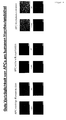
- FIG. 8 shows human lens epithelial cells in cell culture. The images were taken at 100x magnification in the phase contrast microscope.
- FIG. 8a shows lens epithelial cells next to an uncoated control IOL (left) and next to an APC-coated IOL (right) after 48 hours.
- FIG. 8b shows lens epithelial cells next to an uncoated control IOL (left) and next to an APC-coated IOL (right) after 48 hours.
- FIG. 8c and FIG. 8d show the effects after 72 hours.
- An alkylphosphocholine-coated intraocular lens when introduced into culture, results in inhibition of cellular proliferation and growth of cells both adjacent and under the intraocular lens.
- the effect increases over time (increase of the effect from 48 to 72 hours after introduction of the alkylphosphocholine coated intraocular lenses into the cell culture).
- FIG. 9 shows the biocompatibility of the alkylphosphocholines on the human corneal endothelium in the anterior segment of the eye.
- a live / dead test was performed.
- Cell nuclei of nonvital cells turned red in this case, since propidium iodide can only penetrate into dead cells.
- Cell nuclei of vital cells are stained blue with the membrane-common dye Hoechst 33342 (Intergen).
- the cells were seeded on four chamber slides and incubated with the APC concentrations 100 ⁇ M (APC low concentration), 1 mM (APC median concentration) and 10 mM (APC peak concentration) for 24 hrs at 37 ° C under standard cell culture conditions , The ratio of vital to nonvital cells was determined by counting under the epifluorescence microscope (Leica DMR).
- the weight of a single molecule edoxin is thus: 84 * 10 -23 [g].
- Example 1.2 Ten intraocular lenses were coated with erufosin as described in Example 1.2. The lenses were then transferred separately into new test tubes and subjected to four washings with physiological saline. In a further extraction step using methanol / acetonitrile (ratio 9: 1), the erufosin adhering to the lenses was peeled off and determined by mass spectroscopy.
- the specific amount of erufosin per lens was between 280 and 330 pmol. Even with repeated washing or rinsing with physiological saline thus no significant detachment of the erufosin coating was determined by the lenses.
- the human lens epithelial cell line HLE-B3 was incubated in Eagle's modified essential medium (MEM; Biochrom, Berlin, Germany) supplemented with FCS, 50 IU penicillin / ml and 50 ⁇ g streptomycin / ml at 37 ° C in a 5% carbon dioxide atmosphere incubator , cultivated. The medium was changed every third day. Trypsin-EDTA was used to subculture cells after confluence at 5 to 7 days. Cellular growth was monitored daily under a Leica phase contrast microscope.
- MEM Eagle's modified essential medium
- alkylphosphocholines erucyl-phosphocholine and erucylhomo-phosphocholine were used.
- the alkylphosphocholines were dissolved in PBS and stored at 4 ° C. By dilution series in PBS, final APC concentrations were obtained in equal volumes of PBS. As a control, the same volumes of PBS without addition of APCs were used in all experiments.
- the cell viability of HLE-B3 cells was assessed by two different methods: the trypan blue exclusion test and the live-dead assay.
- the trypan blue exclusion test was performed as follows: After the incubation period, samples of HLE-B3 cells in a hemocytometer chamber were counted by the trypan blue exclusion method and the proportion of dead cells was calculated.
- the live-dead assay a two-color fluorescence assay, was used to quantify cell viability. Nuclei of non-viable cells appear red due to staining by the membrane-impermeable dye propidium iodide (Sigma-Aldrich), whereas the nuclei of all cells were stained with the membrane-permeable dyes Hoechst 33342 (Intergen, Purchase, NY). Nearly confluent cultures of HLE-B3 cells grown on four chambers were treated with three different concentrations of APCs for 24 hours.
- cells were washed with PBS and incubated with 2.0 ⁇ g / ml propidium iodide and 1.0 ⁇ g / ml Hoechst 33342 for 20 minutes at 37 ° C. Subsequently, the cells were analyzed with an epifluorescence microscope (Leica DMR, Bensheim, Germany). Representative areas were then digitally photographed (Leica Image Capturer, Bensheim, Germany). The labeled nuclei were counted in fluorescence photomicrographs. Dead cells were reported as percentage of total nuclei in the field. The data are based on counts in three experiments, each in duplicate wells performed, with four documented representative fields per well.
- the APC concentrations used were 0.01 mM, 0.1 mM and 1 mM. This interval was chosen to span the estimated IC 50 concentration and to determine cell viability at potentially effective concentrations for inhibition of proliferation, adherence, and migration in vitro.
- the tetrazolium dye reduction assay (MTT, 3- [4,5-dimethylthiazol-2yl] -2,5-diphenyltetrazolium bromide) was used to determine the survival of the cells.
- HLE-B3 cells 150 ⁇ l / well at a density of 5 x 10 4 cells / well) were placed in 96-well plates and treated with various concentrations of APCs for 24 hours. The different concentrations of 0.01mM, 01mM and 1mM spanned the 50% inhibitory concentration (IC 50 ) as determined by preliminary assays.
- IC 50 is defined as the concentration of drug that results in a 50% reduction in cell number at non-toxic concentrations.
- the MTT test was carried out as described by Mosmann with some modifications. After removal of the medium, the cells were washed with PBS and the MTT solution was added. The cells were incubated at 37 ° C for 30 minutes. After three washes with PBS (pH 7.4), the insoluble formazan crystals were dissolved in dimethyl sulfoxide. The optical density in the wells was determined using a microplate reader at 550 nm (Molecular Probes, Garching, Germany). The results from the "wells" were reported as the mean percentage of control proliferation. The experiments were performed in triplicate and repeated three times. HLE-B3 cells of the same passage, which were incubated with PBS only, served as control.
- the intravenous lenses coated with alkylphosphocholines are introduced into a cell culture volume of 500 .mu.l corresponding to the volume of the human lens capsular bag into which the intraocular lenses are implanted in human cataract surgery.
- the coated intraocular lenses are introduced in vitro into a cell culture with already proliferating human lens epithelial cells. These are more difficult conditions compared to the in vivo situation because they are already activated cells.
- HLE-B3 proliferation was significantly reduced after a single treatment of the cells with APCs added to the culture medium in the presence of serum.
- the observed effect was concentration dependent and the IC 50 concentration was determined to be near 0.1 mM.
- 96-well plates (Nunc, Wiesbaden, Germany) were coated with 70 ⁇ l / well of fibronectin (50 ⁇ g / ml in PBS [pH 7.4], Sigma-Aldrich) for 16 hours at 4 ° C. Non-specific binding was blocked by 2 mg / mL ovalbumin (Sigma-Aldrich) in PBS for one hour at 37 ° C.
- HLE-B3 cells were inserted into 96-well plates (Nunc) at a density of 1 x 10 5 cells / well in 1 ml of MEM, 20% FCS. APCs in three different concentrations (0.01 mM, 0.1 mM and 1 mM) were added. After four hours, the cells were washed three times carefully using an automated plate washer (Molecular Devices, Garching, Germany).
- the number of cells adhering after the washing step was determined as described above.
- the number of viable cells adhered correlated with the absorbance (optical density OD) measured by the MTT test at 550 nm.
- the results from the wells were expressed as the mean percentage of the control (control OD at 550 nm records as 100%). ).
- Migration was determined by a modification of the Boyden's chamber method using microchemotaxis chambers (Neuroprobe, Gaithersburg, MD, USA) and polycarbonate filters (Nucleoprobe, Düsseldorf, Germany) with a pore size of 8.0 ⁇ m.
- a fibronectin-coated filter was placed on top of the lower half of the chamber containing 180 ⁇ l epidermal growth factor MEM (EGF-BB, PeptroTech, London) at a concentration of 20 ng / ml.
- the upper Half of the chamber was filled with a suspension of HLE-B3 cells at a density of 2 x 10 5 cells / ml in MEM and 1% in FCS (500 ⁇ l).
- APCs were added in two different concentrations, 0.1mM and 1mM. The cells were incubated for six hours at 37 ° C in 5% CO 2 . To eliminate cells that had not migrated through the filter, the top of the filter was scraped off with a cotton tip. Then the filter was removed and fixed in methanol and then stained with hematoxilyn and eosin. The number of cells in five randomly selected areas was determined at a magnification of 200 times using a phase-contrast microscope (Leica Microsystems GmbH, Wetzlar, Germany). HLE-B3 cells of the same passage, incubated with equal volume of PBS without the addition of APCs, served as control.
- HLE-B3 migration was effectively inhibited by APCs (see FIG. 5 ).
- APCs were able to induce a reduction in cell migration to 43.1% (0.1 mM) of the cells as compared to the controls.
- An APC concentration of 1 mM was able to induce a maximum migration inhibition of 95%.
- Intraocular lenses are coated with APC as explained in Example 1 and stored sterile at room temperature.
- Human lens epithelial cells are cultured as in Example 2.1 in Petri dishes under standard cell culture conditions. Once semiconfluency of the cells on the respective plate is achieved, an APC-coated intraocular lens is placed in the center of the plate.
- the controls are non-APC-treated intraocular lenses. After 3, 5 and 7 days, the lenses are removed and the Cell number of the remaining cells in the cell culture dishes, as described under 2.1, determined by means of cell counter and by means of the MTT test. There was a markedly reduced number of lens epithelial cells in the cell culture dishes into which an APC-coated intraocular lens was placed.
- FIG. 6 Column diagram for inhibition of human lens epithelial proliferation by Oley-phosphocholine coated intraocular lenses
- intraocular lenses of various materials hydrophobic acrylates, hydrophilic acrylates and silicones
- OIPC alkylphosphocholines
- a tetrazolium reduction assay [MTT (3- [4,5-dimethylthiazol-2-yl] -2,5-diphenyltetrazolium bromide]; (Sigma-Aldrich) was performed.) The intraocular lens was removed, the cells were washed with PBS and incubated with the MTT reagent for 1 hour at 37 ° C. Only vital cells metabolize the solution Then the cell membrane was dissolved by means of DMSO (dimethylsulfoxide) and the optical density was measured in the ELISA reader at 550 nm The optical density correlates with this the number of proliferating cells.
- MTT tetrazolium reduction assay
- FIG. 7 Column diagram for inhibition of human lens epithelial proliferation by erucyl phosphohomocholine coated intraocular lenses
- this is also shown for intraocular lenses made of various materials (hydrophobic acrylates, hydrophilic acrylates and silicones), with different haptic designs and optical diameters coated with ErPC 3 .
- alkylphosphocholines APC
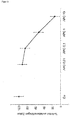
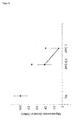
- preparations of the bovine retina were perfused with an oxygen-pre-equilibrated standard solution.
- the electroretinogram (ERG) was recorded using Ag / AgCl electrodes.
- EMG electroretinogram
- alkylphosphocholine at concentrations of 0.25 ⁇ M, 2.5 ⁇ M and 25 ⁇ M of nutrient solution was added.
- a series of tests were run at the same concentrations, assessing the effects of alkylphosphocholine on a-wave amplitude.
- aspartate was added to the nutrient solution in a concentration of 1 .mu.M to obtain stable a-wave amplitudes. Thereafter, alkylphosphocholine was added at the same concentrations of the nutrient solution. The ERG amplitudes were observed for 75 minutes.
- well 1 is filled with 1.5 ml of APC stock solution and well 3 with a 1.5 ml of physiological saline.
- An intraocular lens (IOL) is placed in well 1 in the APC stock solution (10 mM APC in physiological Saline) and incubated overnight at room temperature. Subsequently, the intraocular lens is removed and placed in the empty well 2 and incubated for 3 hours at 4 ° C. Thereafter, the intraocular lens is transferred to well 3 (physiological saline) and incubated at 37 ° C for 1 hour. After removal of the intraocular lens, the 6-well coating plate is wrapped in foil and stored at 4 ° C.
- the APC-coated intraocular lens (APC-IOL) is placed on proliferating HLE-B3 cells (6-well plate, ca. 60% confluency) (volume 1.5 ml MEM / 5% FCS).
- the control was an intraocular lens of the same type without APC coating.
- the cells were examined every two days for growth / overgrowth of the IOL or migration to the IOL and photographed.
- the IOLs are removed and the cells are detached and the cell count determined and compared.
- the cell number was determined in a Neubauer counting chamber or in a Casy Cell Counter).
- intraocular lenses IOLs of different designs (three-piece and one-piece IOLs) were placed in a stock solution of APC, washed with PBS and dried overnight. Uncoated IOLs with the same designs served as controls. The IOLs were each placed in a well of a 24-well plate containing proliferating human lens epithelial cells (HLE-B3) and cultured under standard cell culture conditions for three days. Then the MTT test became performed and calculated the cell number per well. On day 2 and 3, the cells were photodocumented next to and under the intraocular lens ( FIG. 8 ).
- HLE-B3 proliferating human lens epithelial cells
- APCs are suitable coating compositions for intraocular lenses, with which the proliferation of human lens epithelial cells can be significantly inhibited. Such lenses can thus be used for pharmacological prophylaxis against posterior capsule opacification.
Landscapes
- Health & Medical Sciences (AREA)
- Life Sciences & Earth Sciences (AREA)
- Chemical & Material Sciences (AREA)
- Medicinal Chemistry (AREA)
- Animal Behavior & Ethology (AREA)
- Veterinary Medicine (AREA)
- Public Health (AREA)
- General Health & Medical Sciences (AREA)
- Engineering & Computer Science (AREA)
- Epidemiology (AREA)
- Biomedical Technology (AREA)
- Molecular Biology (AREA)
- Pharmacology & Pharmacy (AREA)
- Organic Chemistry (AREA)
- Nuclear Medicine, Radiotherapy & Molecular Imaging (AREA)
- Ophthalmology & Optometry (AREA)
- General Chemical & Material Sciences (AREA)
- Chemical Kinetics & Catalysis (AREA)
- Dermatology (AREA)
- Oral & Maxillofacial Surgery (AREA)
- Transplantation (AREA)
- Bioinformatics & Cheminformatics (AREA)
- Heart & Thoracic Surgery (AREA)
- Surgery (AREA)
- Vascular Medicine (AREA)
- Pharmaceuticals Containing Other Organic And Inorganic Compounds (AREA)
- Materials For Medical Uses (AREA)
- Prostheses (AREA)
Claims (11)
- Matériau médical, caractérisé en ce qu'il contient un composé alkylphosphocholine de formule (I)

- Matériau médical selon la revendication 1, caractérisé en ce qu'il est revêtu d'un composé alkylphosphocholine, et/ou qu'un composé alkylphosphocholine est mélangé au matériau de base.
- Matériau médical selon l'une des revendications précédentes, caractérisé en ce qu'il est au moins une partie d'un implant ophtalmologique et/ou qu'il est au moins une partie d'une lentille intraoculaire.
- Matériau médical selon la revendication 1 ou 2, caractérisé en ce qu'il est au moins une partie d'un implant médical et/ou au moins une partie d'un matériau médical utilisé en diagnostic, en thérapie, en prophylaxie et/ou pour l'amélioration d'états indésirables.
- Matériau médical selon l'une des revendications 1 ou 2, caractérisé en ce qu'il est au moins une partie d'un stent, d'une valvule cardiaque, d'un cathéter à demeure, d'une prothèse, d'un implant et/ou d'un matériau de suture et/ou d'une lentille de contact.
- Matériau médical selon l'une des revendications précédentes, caractérisé en ce qu'il est choisi parmi les acrylates hydrophobes, les acrylates hydrophiles et la silicone.
- Matériau médical selon l'une des revendications précédentes, caractérisé en ce que le composé alkylphosphocholine est l'érucylphosphocholine ou l'érucylhomophosphocholine ou l'oléylphosphocholine.
- Matériau médical selon l'une des revendications précédentes, pour l'amélioration de la réaction de cicatrisation et/ou pour diminuer les réactions de rejet des corps étrangers.
- Matériau médical selon l'une des revendications précédentes, au moins en tant que partie d'un implant ophtalmologique pour la prophylaxie et/ou la prévention de la cataracte secondaire.
- Utilisation d'un composé alkylphosphocholine de formule (I)

pour la fabrication d'un matériau médical. - Utilisation selon la revendication 10 pour la fabrication d'un implant ophtalmologique pour la prophylaxie et/ou la prévention de la cataracte secondaire.
Applications Claiming Priority (2)
| Application Number | Priority Date | Filing Date | Title |
|---|---|---|---|
| DE102009007853A DE102009007853A1 (de) | 2009-02-06 | 2009-02-06 | Mit Alkylphosphocholinen behandelte Intraokularlinsen zur pharmakologischen Nachstarprophylaxe |
| PCT/EP2010/051490 WO2010089389A2 (fr) | 2009-02-06 | 2010-02-08 | Lentilles intraoculaires traitées aux alkyl-phosphocholines pour une prophylaxie pharmacologique de la cataracte secondaire |
Publications (2)
| Publication Number | Publication Date |
|---|---|
| EP2393525A2 EP2393525A2 (fr) | 2011-12-14 |
| EP2393525B1 true EP2393525B1 (fr) | 2015-01-07 |
Family
ID=42269339
Family Applications (1)
| Application Number | Title | Priority Date | Filing Date |
|---|---|---|---|
| EP10704129.5A Active EP2393525B1 (fr) | 2009-02-06 | 2010-02-08 | Lentilles intraoculaires traitées avec des alkyl-phosphocholines pour un effet prophylactique de la cataracte secondaire |
Country Status (5)
| Country | Link |
|---|---|
| US (1) | US20120027812A1 (fr) |
| EP (1) | EP2393525B1 (fr) |
| DE (1) | DE102009007853A1 (fr) |
| ES (1) | ES2534462T3 (fr) |
| WO (1) | WO2010089389A2 (fr) |
Families Citing this family (1)
| Publication number | Priority date | Publication date | Assignee | Title |
|---|---|---|---|---|
| US20160106591A1 (en) * | 2013-04-19 | 2016-04-21 | Nexxtvision Llc | Methods for preventing or treating posterior capsular opacification |
Family Cites Families (11)
| Publication number | Priority date | Publication date | Assignee | Title |
|---|---|---|---|---|
| US5219965A (en) * | 1990-11-27 | 1993-06-15 | Bausch & Lomb Incorporated | Surface modification of polymer objects |
| US5342621A (en) * | 1992-09-15 | 1994-08-30 | Advanced Cardiovascular Systems, Inc. | Antithrombogenic surface |
| US6838452B2 (en) * | 2000-11-24 | 2005-01-04 | Vascular Biogenics Ltd. | Methods employing and compositions containing defined oxidized phospholipids for prevention and treatment of atherosclerosis |
| DE10148067A1 (de) * | 2001-09-28 | 2003-04-17 | Max Planck Gesellschaft | Hitzesterilisierbare Alkylphosphocholin-Liposome |
| TW200304385A (en) * | 2002-03-13 | 2003-10-01 | Novartis Ag | Materials containing multiple layers of vesicles |
| CA2584537C (fr) * | 2004-10-19 | 2013-09-24 | Hansjorg Eibl | Formulations contenant des alkylphosphocholines faisant intervenir de nouveaux porteurs de charge negatifs |
| DE102004055284A1 (de) * | 2004-11-16 | 2006-05-18 | MAX-PLANCK-Gesellschaft zur Förderung der Wissenschaften e.V. | Formulierungen mit Alkylphosphocholinen unter Verwendung von neuen negativen Ladungsträgern |
| US8029515B2 (en) * | 2005-01-31 | 2011-10-04 | Yichieh Shiuey | Corneal implants and methods and systems for placement |
| US20090280153A1 (en) * | 2005-05-10 | 2009-11-12 | Angiotech International Ag | electrical devices, anti-scarring agents, and therapeutic compositions |
| WO2008005276A2 (fr) * | 2006-06-30 | 2008-01-10 | Directcontact Llc | Dispositif médical/système destiné à administrer un médicament pour soigner des blessures et prévenir une inflammation ou une maladie |
| NZ592645A (en) * | 2008-11-20 | 2013-01-25 | Insight Innovations Llc | Biocompatible biodegradable intraocular implant system |
-
2009
- 2009-02-06 DE DE102009007853A patent/DE102009007853A1/de not_active Ceased
-
2010
- 2010-02-08 ES ES10704129.5T patent/ES2534462T3/es active Active
- 2010-02-08 WO PCT/EP2010/051490 patent/WO2010089389A2/fr not_active Ceased
- 2010-02-08 US US13/148,127 patent/US20120027812A1/en not_active Abandoned
- 2010-02-08 EP EP10704129.5A patent/EP2393525B1/fr active Active
Also Published As
| Publication number | Publication date |
|---|---|
| WO2010089389A2 (fr) | 2010-08-12 |
| US20120027812A1 (en) | 2012-02-02 |
| ES2534462T3 (es) | 2015-04-23 |
| WO2010089389A3 (fr) | 2011-03-03 |
| EP2393525A2 (fr) | 2011-12-14 |
| DE102009007853A1 (de) | 2010-08-12 |
Similar Documents
| Publication | Publication Date | Title |
|---|---|---|
| DE69227187T2 (de) | Arzneistoffabgabesysteme mit verzögerter freisetzung | |
| DE69634009T2 (de) | Implantierbare vorrichtung zur kontrollierten abgabe von arzneimitteln unmittelbar an einen inneren teil des körpers | |
| DE69634491T2 (de) | Vorrichtung zur senkung des augeninnendruckes | |
| DE69307505T2 (de) | Opthalmische zusammensetzungen enthaltend ein cyclosporin | |
| DE69422707T2 (de) | Verfahren zur verhinderung der trübung der hinteren linsenkapsel | |
| DE60210568T2 (de) | Coenzym Q10 zur Behandlung von Erkrankungen der Augen | |
| Li et al. | Nature-derived bionanomaterials for sustained release of 5-fluorouracil to inhibit subconjunctival fibrosis | |
| DE69116010T2 (de) | Verwendung einer Zusammensetzung zur Herstellung eines Medicamentes zur Entfernung der Reste von Linsenmaterialien | |
| DE19955836C1 (de) | Ophthalmologisches Implantat | |
| DE69814612T2 (de) | Stoffe zur hemmung der bildung des pterygiums und seines postoperative wiederauftretens | |
| DE60111637T2 (de) | Biomaterial in Form von Mikropartikeln von Hyaluronsäure zur medizinischen Verwendung | |
| EP2393525B1 (fr) | Lentilles intraoculaires traitées avec des alkyl-phosphocholines pour un effet prophylactique de la cataracte secondaire | |
| DE69737421T2 (de) | Intraokulare linse mit abzugebendem medikament | |
| DE69634080T2 (de) | Mittel zur verhinderung der truebung der vorderen linsenkapsel | |
| DE60005992T2 (de) | Verwendung von ubiquinon q 10 zur vorbeugung und behandlung von postoperativen okularen pathologien | |
| DE69525631T2 (de) | Verwendung von prostaglandinen zur herstellung eines arzneimittels zur prävention und behandlung des sekundären katarakts | |
| DE60131100T4 (de) | Verfahren zur behandlung bestimmter augenkrankheiten | |
| DE60024875T2 (de) | Perfusionslösung zusammensetzungen für ophthalmische verfahren | |
| Reim et al. | Interactions between ocular surface fluid and cornea related to contact lenses | |
| EP1053757A1 (fr) | Construction cellulaire pour la chirurgie de transplantation | |
| DE10234398A1 (de) | Beschichtungszusammensetzung für eine implantierbare medizinische Vorrichtung und Verfahren zur Beschichtung einer solchen Vorrichtung | |
| Dick et al. | Division of viscoelastic substances for ophthalmological surgery | |
| EP2653169A1 (fr) | Colorant pour la coloration de la cornée | |
| DE2265164C3 (de) | Verwendung von Acrylsäureamidcopolymeren zur Herstellung von Grundlagen für ophthalmologische Arzneiformen | |
| DE102021130009A1 (de) | Stützmembran sowie Verfahren zur Herstellung einer Stützmembran |
Legal Events
| Date | Code | Title | Description |
|---|---|---|---|
| PUAI | Public reference made under article 153(3) epc to a published international application that has entered the european phase |
Free format text: ORIGINAL CODE: 0009012 |
|
| 17P | Request for examination filed |
Effective date: 20110905 |
|
| AK | Designated contracting states |
Kind code of ref document: A2 Designated state(s): AT BE BG CH CY CZ DE DK EE ES FI FR GB GR HR HU IE IS IT LI LT LU LV MC MK MT NL NO PL PT RO SE SI SK SM TR |
|
| AX | Request for extension of the european patent |
Extension state: AL BA RS |
|
| 17Q | First examination report despatched |
Effective date: 20120808 |
|
| REG | Reference to a national code |
Ref country code: DE Ref legal event code: R079 Ref document number: 502010008664 Country of ref document: DE Free format text: PREVIOUS MAIN CLASS: A61L0027120000 Ipc: A61L0027540000 |
|
| GRAP | Despatch of communication of intention to grant a patent |
Free format text: ORIGINAL CODE: EPIDOSNIGR1 |
|
| INTG | Intention to grant announced |
Effective date: 20140725 |
|
| RIC1 | Information provided on ipc code assigned before grant |
Ipc: A61L 27/54 20060101AFI20140715BHEP Ipc: A61L 31/16 20060101ALI20140715BHEP |
|
| GRAS | Grant fee paid |
Free format text: ORIGINAL CODE: EPIDOSNIGR3 |
|
| GRAA | (expected) grant |
Free format text: ORIGINAL CODE: 0009210 |
|
| AK | Designated contracting states |
Kind code of ref document: B1 Designated state(s): AT BE BG CH CY CZ DE DK EE ES FI FR GB GR HR HU IE IS IT LI LT LU LV MC MK MT NL NO PL PT RO SE SI SK SM TR |
|
| AX | Request for extension of the european patent |
Extension state: AL BA RS |
|
| REG | Reference to a national code |
Ref country code: GB Ref legal event code: FG4D Free format text: NOT ENGLISH |
|
| REG | Reference to a national code |
Ref country code: CH Ref legal event code: EP |
|
| REG | Reference to a national code |
Ref country code: IE Ref legal event code: FG4D Free format text: LANGUAGE OF EP DOCUMENT: GERMAN |
|
| REG | Reference to a national code |
Ref country code: AT Ref legal event code: REF Ref document number: 705248 Country of ref document: AT Kind code of ref document: T Effective date: 20150215 |
|
| REG | Reference to a national code |
Ref country code: DE Ref legal event code: R096 Ref document number: 502010008664 Country of ref document: DE Effective date: 20150219 |
|
| REG | Reference to a national code |
Ref country code: ES Ref legal event code: FG2A Ref document number: 2534462 Country of ref document: ES Kind code of ref document: T3 Effective date: 20150423 |
|
| REG | Reference to a national code |
Ref country code: NL Ref legal event code: VDEP Effective date: 20150107 |
|
| REG | Reference to a national code |
Ref country code: FR Ref legal event code: PLFP Year of fee payment: 6 |
|
| REG | Reference to a national code |
Ref country code: LT Ref legal event code: MG4D |
|
| PG25 | Lapsed in a contracting state [announced via postgrant information from national office to epo] |
Ref country code: BE Free format text: LAPSE BECAUSE OF NON-PAYMENT OF DUE FEES Effective date: 20150228 |
|
| PG25 | Lapsed in a contracting state [announced via postgrant information from national office to epo] |
Ref country code: FI Free format text: LAPSE BECAUSE OF FAILURE TO SUBMIT A TRANSLATION OF THE DESCRIPTION OR TO PAY THE FEE WITHIN THE PRESCRIBED TIME-LIMIT Effective date: 20150107 Ref country code: SE Free format text: LAPSE BECAUSE OF FAILURE TO SUBMIT A TRANSLATION OF THE DESCRIPTION OR TO PAY THE FEE WITHIN THE PRESCRIBED TIME-LIMIT Effective date: 20150107 Ref country code: HR Free format text: LAPSE BECAUSE OF FAILURE TO SUBMIT A TRANSLATION OF THE DESCRIPTION OR TO PAY THE FEE WITHIN THE PRESCRIBED TIME-LIMIT Effective date: 20150107 Ref country code: LT Free format text: LAPSE BECAUSE OF FAILURE TO SUBMIT A TRANSLATION OF THE DESCRIPTION OR TO PAY THE FEE WITHIN THE PRESCRIBED TIME-LIMIT Effective date: 20150107 Ref country code: NO Free format text: LAPSE BECAUSE OF FAILURE TO SUBMIT A TRANSLATION OF THE DESCRIPTION OR TO PAY THE FEE WITHIN THE PRESCRIBED TIME-LIMIT Effective date: 20150407 Ref country code: BG Free format text: LAPSE BECAUSE OF FAILURE TO SUBMIT A TRANSLATION OF THE DESCRIPTION OR TO PAY THE FEE WITHIN THE PRESCRIBED TIME-LIMIT Effective date: 20150407 |
|
| REG | Reference to a national code |
Ref country code: DE Ref legal event code: R082 Ref document number: 502010008664 Country of ref document: DE Representative=s name: PATENTANWAELTE WEICKMANN & WEICKMANN, DE Ref country code: DE Ref legal event code: R081 Ref document number: 502010008664 Country of ref document: DE Owner name: EIBL-LINDNER, KIRSTEN, DR., DE Free format text: FORMER OWNERS: LUDWIG-MAXIMILIANS-UNIVERSITAET MUENCHEN, 80539 MUENCHEN, DE; MAX-PLANCK-GESELLSCHAFT ZUR FOERDERUNG DER WISSENSCHAFTEN E.V., 80539 MUENCHEN, DE Ref country code: DE Ref legal event code: R081 Ref document number: 502010008664 Country of ref document: DE Owner name: KAMPIK, ANSELM, PROF. DR. MED., DE Free format text: FORMER OWNERS: LUDWIG-MAXIMILIANS-UNIVERSITAET MUENCHEN, 80539 MUENCHEN, DE; MAX-PLANCK-GESELLSCHAFT ZUR FOERDERUNG DER WISSENSCHAFTEN E.V., 80539 MUENCHEN, DE Ref country code: DE Ref legal event code: R081 Ref document number: 502010008664 Country of ref document: DE Owner name: EIBL, HANSJOERG, PROF.DR., DE Free format text: FORMER OWNERS: LUDWIG-MAXIMILIANS-UNIVERSITAET MUENCHEN, 80539 MUENCHEN, DE; MAX-PLANCK-GESELLSCHAFT ZUR FOERDERUNG DER WISSENSCHAFTEN E.V., 80539 MUENCHEN, DE Ref country code: DE Ref legal event code: R082 Ref document number: 502010008664 Country of ref document: DE Representative=s name: WEICKMANN & WEICKMANN PATENTANWAELTE - RECHTSA, DE Ref country code: DE Ref legal event code: R082 Ref document number: 502010008664 Country of ref document: DE Representative=s name: WEICKMANN & WEICKMANN PATENT- UND RECHTSANWAEL, DE |
|
| PG25 | Lapsed in a contracting state [announced via postgrant information from national office to epo] |
Ref country code: PL Free format text: LAPSE BECAUSE OF FAILURE TO SUBMIT A TRANSLATION OF THE DESCRIPTION OR TO PAY THE FEE WITHIN THE PRESCRIBED TIME-LIMIT Effective date: 20150107 Ref country code: IS Free format text: LAPSE BECAUSE OF FAILURE TO SUBMIT A TRANSLATION OF THE DESCRIPTION OR TO PAY THE FEE WITHIN THE PRESCRIBED TIME-LIMIT Effective date: 20150507 Ref country code: NL Free format text: LAPSE BECAUSE OF FAILURE TO SUBMIT A TRANSLATION OF THE DESCRIPTION OR TO PAY THE FEE WITHIN THE PRESCRIBED TIME-LIMIT Effective date: 20150107 Ref country code: LV Free format text: LAPSE BECAUSE OF FAILURE TO SUBMIT A TRANSLATION OF THE DESCRIPTION OR TO PAY THE FEE WITHIN THE PRESCRIBED TIME-LIMIT Effective date: 20150107 Ref country code: GR Free format text: LAPSE BECAUSE OF FAILURE TO SUBMIT A TRANSLATION OF THE DESCRIPTION OR TO PAY THE FEE WITHIN THE PRESCRIBED TIME-LIMIT Effective date: 20150408 |
|
| REG | Reference to a national code |
Ref country code: CH Ref legal event code: NV Representative=s name: E. BLUM AND CO. AG PATENT- UND MARKENANWAELTE , CH Ref country code: CH Ref legal event code: PUE Owner name: KIRSTEN EIBL-LINDNER, DE Free format text: FORMER OWNER: LUDWIG-MAXIMILIANS-UNIVERSITAET MUENCHEN, DE |
|
| REG | Reference to a national code |
Ref country code: DE Ref legal event code: R097 Ref document number: 502010008664 Country of ref document: DE |
|
| PG25 | Lapsed in a contracting state [announced via postgrant information from national office to epo] |
Ref country code: DK Free format text: LAPSE BECAUSE OF FAILURE TO SUBMIT A TRANSLATION OF THE DESCRIPTION OR TO PAY THE FEE WITHIN THE PRESCRIBED TIME-LIMIT Effective date: 20150107 Ref country code: CZ Free format text: LAPSE BECAUSE OF FAILURE TO SUBMIT A TRANSLATION OF THE DESCRIPTION OR TO PAY THE FEE WITHIN THE PRESCRIBED TIME-LIMIT Effective date: 20150107 Ref country code: RO Free format text: LAPSE BECAUSE OF FAILURE TO SUBMIT A TRANSLATION OF THE DESCRIPTION OR TO PAY THE FEE WITHIN THE PRESCRIBED TIME-LIMIT Effective date: 20150107 Ref country code: MC Free format text: LAPSE BECAUSE OF FAILURE TO SUBMIT A TRANSLATION OF THE DESCRIPTION OR TO PAY THE FEE WITHIN THE PRESCRIBED TIME-LIMIT Effective date: 20150107 Ref country code: SK Free format text: LAPSE BECAUSE OF FAILURE TO SUBMIT A TRANSLATION OF THE DESCRIPTION OR TO PAY THE FEE WITHIN THE PRESCRIBED TIME-LIMIT Effective date: 20150107 Ref country code: EE Free format text: LAPSE BECAUSE OF FAILURE TO SUBMIT A TRANSLATION OF THE DESCRIPTION OR TO PAY THE FEE WITHIN THE PRESCRIBED TIME-LIMIT Effective date: 20150107 |
|
| RAP2 | Party data changed (patent owner data changed or rights of a patent transferred) |
Owner name: KAMPIK, ANSELM Owner name: EIBL-LINDNER, KIRSTEN Owner name: EIBL, HANSJOERG |
|
| PLBE | No opposition filed within time limit |
Free format text: ORIGINAL CODE: 0009261 |
|
| STAA | Information on the status of an ep patent application or granted ep patent |
Free format text: STATUS: NO OPPOSITION FILED WITHIN TIME LIMIT |
|
| REG | Reference to a national code |
Ref country code: IE Ref legal event code: MM4A |
|
| REG | Reference to a national code |
Ref country code: GB Ref legal event code: 732E Free format text: REGISTERED BETWEEN 20151029 AND 20151104 |
|
| 26N | No opposition filed |
Effective date: 20151008 |
|
| PG25 | Lapsed in a contracting state [announced via postgrant information from national office to epo] |
Ref country code: IT Free format text: LAPSE BECAUSE OF FAILURE TO SUBMIT A TRANSLATION OF THE DESCRIPTION OR TO PAY THE FEE WITHIN THE PRESCRIBED TIME-LIMIT Effective date: 20150107 |
|
| PG25 | Lapsed in a contracting state [announced via postgrant information from national office to epo] |
Ref country code: IE Free format text: LAPSE BECAUSE OF NON-PAYMENT OF DUE FEES Effective date: 20150208 |
|
| REG | Reference to a national code |
Ref country code: FR Ref legal event code: PLFP Year of fee payment: 7 |
|
| REG | Reference to a national code |
Ref country code: FR Ref legal event code: TQ Owner name: EIBL, HANSJORG, DE Effective date: 20160122 Ref country code: FR Ref legal event code: TQ Owner name: KAMPIK, ANSELM, DE Effective date: 20160122 Ref country code: FR Ref legal event code: TQ Owner name: EIBL-LINDNER, KIRSTEN, DE Effective date: 20160122 |
|
| PG25 | Lapsed in a contracting state [announced via postgrant information from national office to epo] |
Ref country code: SI Free format text: LAPSE BECAUSE OF FAILURE TO SUBMIT A TRANSLATION OF THE DESCRIPTION OR TO PAY THE FEE WITHIN THE PRESCRIBED TIME-LIMIT Effective date: 20150107 |
|
| PG25 | Lapsed in a contracting state [announced via postgrant information from national office to epo] |
Ref country code: MT Free format text: LAPSE BECAUSE OF FAILURE TO SUBMIT A TRANSLATION OF THE DESCRIPTION OR TO PAY THE FEE WITHIN THE PRESCRIBED TIME-LIMIT Effective date: 20150107 |
|
| REG | Reference to a national code |
Ref country code: FR Ref legal event code: PLFP Year of fee payment: 8 |
|
| PGFP | Annual fee paid to national office [announced via postgrant information from national office to epo] |
Ref country code: DE Payment date: 20161130 Year of fee payment: 8 Ref country code: CH Payment date: 20170217 Year of fee payment: 8 Ref country code: FR Payment date: 20170217 Year of fee payment: 8 |
|
| PG25 | Lapsed in a contracting state [announced via postgrant information from national office to epo] |
Ref country code: SM Free format text: LAPSE BECAUSE OF FAILURE TO SUBMIT A TRANSLATION OF THE DESCRIPTION OR TO PAY THE FEE WITHIN THE PRESCRIBED TIME-LIMIT Effective date: 20150107 Ref country code: HU Free format text: LAPSE BECAUSE OF FAILURE TO SUBMIT A TRANSLATION OF THE DESCRIPTION OR TO PAY THE FEE WITHIN THE PRESCRIBED TIME-LIMIT; INVALID AB INITIO Effective date: 20100208 |
|
| PGFP | Annual fee paid to national office [announced via postgrant information from national office to epo] |
Ref country code: GB Payment date: 20170216 Year of fee payment: 8 Ref country code: AT Payment date: 20170217 Year of fee payment: 8 |
|
| PG25 | Lapsed in a contracting state [announced via postgrant information from national office to epo] |
Ref country code: CY Free format text: LAPSE BECAUSE OF FAILURE TO SUBMIT A TRANSLATION OF THE DESCRIPTION OR TO PAY THE FEE WITHIN THE PRESCRIBED TIME-LIMIT Effective date: 20150107 |
|
| PGFP | Annual fee paid to national office [announced via postgrant information from national office to epo] |
Ref country code: ES Payment date: 20170213 Year of fee payment: 8 |
|
| PG25 | Lapsed in a contracting state [announced via postgrant information from national office to epo] |
Ref country code: PT Free format text: LAPSE BECAUSE OF FAILURE TO SUBMIT A TRANSLATION OF THE DESCRIPTION OR TO PAY THE FEE WITHIN THE PRESCRIBED TIME-LIMIT Effective date: 20150507 |
|
| PG25 | Lapsed in a contracting state [announced via postgrant information from national office to epo] |
Ref country code: TR Free format text: LAPSE BECAUSE OF FAILURE TO SUBMIT A TRANSLATION OF THE DESCRIPTION OR TO PAY THE FEE WITHIN THE PRESCRIBED TIME-LIMIT Effective date: 20150107 |
|
| PG25 | Lapsed in a contracting state [announced via postgrant information from national office to epo] |
Ref country code: LU Free format text: LAPSE BECAUSE OF NON-PAYMENT OF DUE FEES Effective date: 20150208 |
|
| PG25 | Lapsed in a contracting state [announced via postgrant information from national office to epo] |
Ref country code: MK Free format text: LAPSE BECAUSE OF FAILURE TO SUBMIT A TRANSLATION OF THE DESCRIPTION OR TO PAY THE FEE WITHIN THE PRESCRIBED TIME-LIMIT Effective date: 20150107 |
|
| REG | Reference to a national code |
Ref country code: DE Ref legal event code: R119 Ref document number: 502010008664 Country of ref document: DE |
|
| REG | Reference to a national code |
Ref country code: CH Ref legal event code: PL |
|
| REG | Reference to a national code |
Ref country code: AT Ref legal event code: MM01 Ref document number: 705248 Country of ref document: AT Kind code of ref document: T Effective date: 20180208 |
|
| GBPC | Gb: european patent ceased through non-payment of renewal fee |
Effective date: 20180208 |
|
| PG25 | Lapsed in a contracting state [announced via postgrant information from national office to epo] |
Ref country code: LI Free format text: LAPSE BECAUSE OF NON-PAYMENT OF DUE FEES Effective date: 20180228 Ref country code: CH Free format text: LAPSE BECAUSE OF NON-PAYMENT OF DUE FEES Effective date: 20180228 Ref country code: AT Free format text: LAPSE BECAUSE OF NON-PAYMENT OF DUE FEES Effective date: 20180208 |
|
| REG | Reference to a national code |
Ref country code: FR Ref legal event code: ST Effective date: 20181031 |
|
| PG25 | Lapsed in a contracting state [announced via postgrant information from national office to epo] |
Ref country code: DE Free format text: LAPSE BECAUSE OF NON-PAYMENT OF DUE FEES Effective date: 20180901 |
|
| PG25 | Lapsed in a contracting state [announced via postgrant information from national office to epo] |
Ref country code: FR Free format text: LAPSE BECAUSE OF NON-PAYMENT OF DUE FEES Effective date: 20180228 Ref country code: GB Free format text: LAPSE BECAUSE OF NON-PAYMENT OF DUE FEES Effective date: 20180208 |
|
| REG | Reference to a national code |
Ref country code: ES Ref legal event code: FD2A Effective date: 20190801 |
|
| PG25 | Lapsed in a contracting state [announced via postgrant information from national office to epo] |
Ref country code: ES Free format text: LAPSE BECAUSE OF NON-PAYMENT OF DUE FEES Effective date: 20180209 |