EP2402442A2 - Immunostimulatorische Eigenschaften von Oligonukleotid-basierten Verbindungen mit modifizierten immunostimulatorischen Dinukleotiden - Google Patents
Immunostimulatorische Eigenschaften von Oligonukleotid-basierten Verbindungen mit modifizierten immunostimulatorischen Dinukleotiden Download PDFInfo
- Publication number
- EP2402442A2 EP2402442A2 EP11003299A EP11003299A EP2402442A2 EP 2402442 A2 EP2402442 A2 EP 2402442A2 EP 11003299 A EP11003299 A EP 11003299A EP 11003299 A EP11003299 A EP 11003299A EP 2402442 A2 EP2402442 A2 EP 2402442A2
- Authority
- EP
- European Patent Office
- Prior art keywords
- immunostimulatory
- oligonucleotide
- ctgac
- ttcag
- cagtcg
- Prior art date
- Legal status (The legal status is an assumption and is not a legal conclusion. Google has not performed a legal analysis and makes no representation as to the accuracy of the status listed.)
- Granted
Links
- 0 C*P(OCCCCC(NCC(CNC(CCCCOP(*)(O)SC)=O)OP(O*)(S)=O)=O)(S)=O Chemical compound C*P(OCCCCC(NCC(CNC(CCCCOP(*)(O)SC)=O)OP(O*)(S)=O)=O)(S)=O 0.000 description 1
Images




Classifications
-
- C—CHEMISTRY; METALLURGY
- C12—BIOCHEMISTRY; BEER; SPIRITS; WINE; VINEGAR; MICROBIOLOGY; ENZYMOLOGY; MUTATION OR GENETIC ENGINEERING
- C12N—MICROORGANISMS OR ENZYMES; COMPOSITIONS THEREOF; PROPAGATING, PRESERVING, OR MAINTAINING MICROORGANISMS; MUTATION OR GENETIC ENGINEERING; CULTURE MEDIA
- C12N15/00—Mutation or genetic engineering; DNA or RNA concerning genetic engineering, vectors, e.g. plasmids, or their isolation, preparation or purification; Use of hosts therefor
- C12N15/09—Recombinant DNA-technology
- C12N15/11—DNA or RNA fragments; Modified forms thereof; Non-coding nucleic acids having a biological activity
- C12N15/117—Nucleic acids having immunomodulatory properties, e.g. containing CpG-motifs
-
- A—HUMAN NECESSITIES
- A61—MEDICAL OR VETERINARY SCIENCE; HYGIENE
- A61P—SPECIFIC THERAPEUTIC ACTIVITY OF CHEMICAL COMPOUNDS OR MEDICINAL PREPARATIONS
- A61P11/00—Drugs for disorders of the respiratory system
- A61P11/04—Drugs for disorders of the respiratory system for throat disorders
-
- A—HUMAN NECESSITIES
- A61—MEDICAL OR VETERINARY SCIENCE; HYGIENE
- A61P—SPECIFIC THERAPEUTIC ACTIVITY OF CHEMICAL COMPOUNDS OR MEDICINAL PREPARATIONS
- A61P11/00—Drugs for disorders of the respiratory system
- A61P11/06—Antiasthmatics
-
- A—HUMAN NECESSITIES
- A61—MEDICAL OR VETERINARY SCIENCE; HYGIENE
- A61P—SPECIFIC THERAPEUTIC ACTIVITY OF CHEMICAL COMPOUNDS OR MEDICINAL PREPARATIONS
- A61P17/00—Drugs for dermatological disorders
-
- A—HUMAN NECESSITIES
- A61—MEDICAL OR VETERINARY SCIENCE; HYGIENE
- A61P—SPECIFIC THERAPEUTIC ACTIVITY OF CHEMICAL COMPOUNDS OR MEDICINAL PREPARATIONS
- A61P29/00—Non-central analgesic, antipyretic or antiinflammatory agents, e.g. antirheumatic agents; Non-steroidal antiinflammatory drugs [NSAID]
-
- A—HUMAN NECESSITIES
- A61—MEDICAL OR VETERINARY SCIENCE; HYGIENE
- A61P—SPECIFIC THERAPEUTIC ACTIVITY OF CHEMICAL COMPOUNDS OR MEDICINAL PREPARATIONS
- A61P31/00—Antiinfectives, i.e. antibiotics, antiseptics, chemotherapeutics
-
- A—HUMAN NECESSITIES
- A61—MEDICAL OR VETERINARY SCIENCE; HYGIENE
- A61P—SPECIFIC THERAPEUTIC ACTIVITY OF CHEMICAL COMPOUNDS OR MEDICINAL PREPARATIONS
- A61P35/00—Antineoplastic agents
-
- A—HUMAN NECESSITIES
- A61—MEDICAL OR VETERINARY SCIENCE; HYGIENE
- A61P—SPECIFIC THERAPEUTIC ACTIVITY OF CHEMICAL COMPOUNDS OR MEDICINAL PREPARATIONS
- A61P37/00—Drugs for immunological or allergic disorders
- A61P37/02—Immunomodulators
-
- A—HUMAN NECESSITIES
- A61—MEDICAL OR VETERINARY SCIENCE; HYGIENE
- A61P—SPECIFIC THERAPEUTIC ACTIVITY OF CHEMICAL COMPOUNDS OR MEDICINAL PREPARATIONS
- A61P37/00—Drugs for immunological or allergic disorders
- A61P37/02—Immunomodulators
- A61P37/04—Immunostimulants
-
- A—HUMAN NECESSITIES
- A61—MEDICAL OR VETERINARY SCIENCE; HYGIENE
- A61P—SPECIFIC THERAPEUTIC ACTIVITY OF CHEMICAL COMPOUNDS OR MEDICINAL PREPARATIONS
- A61P37/00—Drugs for immunological or allergic disorders
- A61P37/08—Antiallergic agents
-
- C—CHEMISTRY; METALLURGY
- C12—BIOCHEMISTRY; BEER; SPIRITS; WINE; VINEGAR; MICROBIOLOGY; ENZYMOLOGY; MUTATION OR GENETIC ENGINEERING
- C12N—MICROORGANISMS OR ENZYMES; COMPOSITIONS THEREOF; PROPAGATING, PRESERVING, OR MAINTAINING MICROORGANISMS; MUTATION OR GENETIC ENGINEERING; CULTURE MEDIA
- C12N2310/00—Structure or type of the nucleic acid
- C12N2310/10—Type of nucleic acid
- C12N2310/17—Immunomodulatory nucleic acids
-
- C—CHEMISTRY; METALLURGY
- C12—BIOCHEMISTRY; BEER; SPIRITS; WINE; VINEGAR; MICROBIOLOGY; ENZYMOLOGY; MUTATION OR GENETIC ENGINEERING
- C12N—MICROORGANISMS OR ENZYMES; COMPOSITIONS THEREOF; PROPAGATING, PRESERVING, OR MAINTAINING MICROORGANISMS; MUTATION OR GENETIC ENGINEERING; CULTURE MEDIA
- C12N2310/00—Structure or type of the nucleic acid
- C12N2310/30—Chemical structure
- C12N2310/31—Chemical structure of the backbone
- C12N2310/318—Chemical structure of the backbone where the PO2 is completely replaced, e.g. MMI or formacetal
-
- C—CHEMISTRY; METALLURGY
- C12—BIOCHEMISTRY; BEER; SPIRITS; WINE; VINEGAR; MICROBIOLOGY; ENZYMOLOGY; MUTATION OR GENETIC ENGINEERING
- C12N—MICROORGANISMS OR ENZYMES; COMPOSITIONS THEREOF; PROPAGATING, PRESERVING, OR MAINTAINING MICROORGANISMS; MUTATION OR GENETIC ENGINEERING; CULTURE MEDIA
- C12N2310/00—Structure or type of the nucleic acid
- C12N2310/30—Chemical structure
- C12N2310/32—Chemical structure of the sugar
- C12N2310/323—Chemical structure of the sugar modified ring structure
-
- C—CHEMISTRY; METALLURGY
- C12—BIOCHEMISTRY; BEER; SPIRITS; WINE; VINEGAR; MICROBIOLOGY; ENZYMOLOGY; MUTATION OR GENETIC ENGINEERING
- C12N—MICROORGANISMS OR ENZYMES; COMPOSITIONS THEREOF; PROPAGATING, PRESERVING, OR MAINTAINING MICROORGANISMS; MUTATION OR GENETIC ENGINEERING; CULTURE MEDIA
- C12N2310/00—Structure or type of the nucleic acid
- C12N2310/30—Chemical structure
- C12N2310/33—Chemical structure of the base
- C12N2310/336—Modified G
Definitions
- the invention relates to immunology and immunotherapy applications using oligonucleotides as immunostimulatory agents.
- Oligonucleotides have become indispensable tools in modem molecular biology, being used in a wide variety of techniques, ranging from diagnostic probing methods to PCR to antisense inhibition of gene expression and immunotherapy applications. This widespread use of oligonucleotides has led to an increasing demand for rapid, inexpensive and efficient methods for synthesizing oligonucleotides.
- oligonucleotides for antisense and diagnostic applications can now be routinely accomplished. See, e.g., Methods in Molecular Biology, Vol. 20: Protocols for Oligonucleotides and Analogs pp. 165-189 (S. Agrawal, ed., Humana Press, 1993 ); Oligonucleotides and Analogues, A Practical Approach, pp. 87-108 (F. Eckstein, ed., 1991 ); and Uhlmann and Peyman, supra; Agrawal and Iyer, Curr. Op. in Biotech.
- oligonucleotides as immunostimulatory agents in immunotherapy applications.
- the observation that phosphodiester and phosphorothioate oligonucleotides can induce immune stimulation has created interest in developing this side effect as a therapeutic tool.
- These efforts have focused on phosphorothioate oligonucleotides containing the dinucleotide natural CpG. Kuramoto et al., Jpn. J. Cancer Res. 83:1128-1131 (1992 ) teaches that phosphodiester oligonucleotides containing a palindrome that includes a CpG dinucleotide can induce interferon-alpha and gamma synthesis and enhance natural killer activity.
- CpG-containing phosphorothioate oligonucleotides can also affect their ability to act as modulators of immune response. See, e.g ., Zhao et al., Biochem. Pharmacol. (1996) 51:173-182 ; Zhao et al., Biochem Pharmacol. (1996) 52:1537-1544 ; Zhao et al., Antisense Nucleic Acid Drug Dev. (1997) 7:495-502 ; Zhao et al., Bioorg. Med. Chem. Lett. (1999) 9:3453-3458 ; Zhao et al., Bioorg. Med. Chem. Lett. (2000) 10:1051-1054 ; Yu et al., Bioorg. Med Chem.
- the invention provides methods for modulating the immune response caused by oligonucleotide compounds.
- the methods according to the invention enable modifying the cytokine profile produced by immunostimulatory oligonucleotides for immunotherapy applications.
- the present inventors have surprisingly discovered that modification of immunostimulatory dinucleotides allows flexibility in the nature of the immune response produced and that certain modifications overcome the species specificities observed to date of the immunostimulatory sequences.
- compositions comprise any one of the compositions disclosed in the first aspect of the invention and a pharmaceutically acceptable carrier.
- the invention provides a method for therapeutically treating a vertebrate having cancer an autoimmune disorder, airway inflammation, inflammatory disorders, skin disorders, allergy, asthma or a disease caused by a pathogen, such method comprising administering to the patient an immunostimulatory oligonucleotide having a structure from the group of 5'-TCG 1 AACG 1 TTCG 1 -X-G 1 CTTG4 1 CAAG 1 CT-5'; 5'-TCAGTCG 2 TTAG-X-GATTG 2 CTGACT-5'; 5'-TCG 2 TCG 2 TTAGA-X-AGATTG 2 CTG 2 CT-5'; 5'-CAGTCG 2 TTCAG-X-GACTTG 2 CTGAC-5'; 5'-TCAGTCG 1 TTAG-X-GATTG 1 CTGACT-5'; 5'-TCG 1 TCG 1 TTAGA-X-AGATTG 1 CTG 1 CT-5' and 5'-CAGTCG 1 TTCAG-X-GACTTG 1 CTGA
- the invention provides a method for preventing cancer, an autoimmune disorder, airway inflammation, inflammatory disorders, skin disorders, allergy, asthma or a disease caused by a pathogen in a vertebrate, such method comprising administering to the vertebrate an immunostimulatory oligonucleotide having a structure from the group of 5'-TCG 1 AACG 1 TTCG 1 -X-G 1 CTTG 1 CAAG 1 CT-5'; 5'-TCAGTCG 2 TTAG-X-GATTG 2 CTGACT-5'; 5'-TCG 2 TCG 2 TTAGA-X-AGATTG 2 CTG 2 CT-5'; 5'-CAGTCG 2 TTCAG-X-GACTTG 2 CTGAC-5'; 5'-TCAGTCG 1 TTAG-X-GATTG 1 CTGACT-5'; 5'-TCG 1 TCG 1 TTAGA-X-AGATTG 1 CTG 1 CT-5' and 5'-CAGTCG 1 TTCAG-X-GACTTG 1 CT
- the invention relates to the therapeutic use of oligonucleotides as immunostimulatory agents for immunotherapy applications.
- the issued patents, patent applications, and references that are cited herein are hereby incorporated by reference to the same extent as if each was specifically and individually indicated to be incorporated by reference. In the event of inconsistencies between any teaching of any reference cited herein and the present specification, the latter shall prevail for purposes of the invention.
- the invention provides methods for enhancing the immune response caused by immunostimulatory compounds used for immunotherapy applications such as, but not limited to, treatment of cancer, autoimmune disorders, asthma, respiratory allergies, food allergies, and bacteria, parasitic, and viral infections in adult and pediatric human and veterinary applications.
- the invention further provides compounds having optimal levels of immunostimulatory effect for immunotherapy and methods for making and using such compounds.
- compounds of the invention are useful as adjuvants in combination with DNA vaccines, antibodies, and allergens; and in combination with chemotherapeutic agents and/or antisense oligonucleotides.
- the present inventors have surprisingly discovered that modification of an immunostimulatory oligonucleotide to optimally present its 5' ends dramatically affects its immunostimulatory capabilities.
- the present inventors have discovered that the cytokine profile and species specificity of an immune response can be modulated by using novel purine or pyrimidine structures as part of an immunostimulatory oligonucleotide.
- the invention provides immunostimulatory oligonucleotides alone or comprising at least two oligonucleotides linked at their 3' ends, or an internucleoside linkage or a functionalized nucleobase or sugar to a non-nucleotidic linker, at least one of the oligonucleotides being an immunostimulatory oligonucleotide and having an accessible 5' end.
- accessible 5' end means that the 5' end of the oligonucleotide is sufficiently available such that the factors that recognize and bind to oligonucleotide and stimulate the immune system have access to it.
- the 5' OH position of the terminal sugar is not covalently linked to more than two nucleoside residues or any other moiety that interferes with interaction with the 5' end.
- the 5' OH can be linked to a phosphate, phosphorothioate, or phosphorodithioate moiety, an aromatic or aliphatic linker, cholesterol, or another entity which does not interfere with accessibility.
- the immunostimulatory oligonucleotides according to the invention preferably further comprise an immunostimulatory dinucleotide comprising a novel purine or pyrimidine.
- the immunostimulatory oligonucleotides include a ribozyme or a decoy oligonucleotide.
- ribozyme refers to an oligonucleotide that possesses catalytic activity.
- the ribozyme binds to a specific nucleic acid target and cleaves the target.
- decoy oligonucleotide refers to an oligonucleotide that binds to a transcription factor in a sequence-specific manner and arrests transcription activity.
- the ribozyme or decoy oligonucleotide exhibits secondary structure, including, without limitation, stem-loop or hairpin structures.
- at least one oligonucleotide comprises poly(I)-poly(C).
- at least one set of Nn includes a string of 3 to 10 dGs and/or Gs or 2'-substituted ribo or arabino Gs.
- oligonucleotide refers to a polynucleoside formed from a plurality of linked nucleoside units. Such oligonucleotides can be obtained from existing nucleic acid sources, including genomic or cDNA, but are preferably produced by synthetic methods.
- each nucleoside unit includes a heterocyclic base and a pentofuranosyl, trehalose, arabinose, 2'-deoxy-2'-substituted arabinose, 2'-O-substituted arabinose or hexose sugar group.
- the nucleoside residues can be coupled to each other by any of the numerous known internucleoside linkages.
- internucleoside linkages include, without limitation, phosphodiester, phosphorothioate, phosphorodithioate, alkylphosphonate, alkylphosphonothioate, phosphotriester, phosphoramidate, siloxane, carbonate, carboalkoxy, acetamidate, carbamate, morpholino, borano, thioether, bridged phosphoramidate, bridged methylene phosphonate, bridged phosphorothioate, and sulfone internucleoside linkages.
- oligonucleotide also encompasses polynucleosides having one or more stereospecific internucleoside linkage (e.g., ( R P ) - or ( S P )-phosphorothioate, alkylphosphonate, or phosphotriester linkages).
- the terms "oligonucleotide” and “dinucleotide” are expressly intended to include polynucleosides and dinucleosides having any such internucleoside linkage, whether or not the linkage comprises a phosphate group.
- these internucleoside linkages may be phosphodiester, phosphorothioate, or phosphorodithioate linkages, or combinations thereof.
- the oligonucleotides each have from about 3 to about 35 nucleoside residues, preferably from about 4 to about 30 nucleoside residues, more preferably from about 4 to about 20 nucleoside residues.
- the immunostimulatory oligonucleotides comprise oligonucleotides have from about 5 to about 18, or from about 5 to about 14, nucleoside residues. As used herein, the term "about” implies that the exact number is not critical.
- the number of nucleoside residues in the oligonucleotides is not critical, and oligonucleotides having one or two fewer nucleoside residues, or from one to several additional nucleoside residues are contemplated as equivalents of each of the embodiments described above.
- one or more of the oligonucleotides have 11 nucleotides.
- preferred embodiments have from about 13 to about 35 nucleotides, more preferably from about 13 to about 26 nucleotides.
- oligonucleotide also encompasses polynucleosides having additional substituents including, without limitation, protein groups, lipophilic groups, intercalating agents, diamines, folic acid, cholesterol and adamantane.
- oligonucleotide also encompasses any other nucleobase containing polymer, including, without limitation, peptide nucleic acids (PNA), peptide nucleic acids with phosphate groups (PHONA), locked nucleic acids (LNA), morpholino-backbone oligonucleotides, and oligonucleotides having backbone sections with alkyl linkers or amino linkers.
- PNA peptide nucleic acids
- PONA peptide nucleic acids with phosphate groups
- LNA locked nucleic acids
- morpholino-backbone oligonucleotides oligonucleotides having backbone sections with alkyl linkers or amino linkers.
- the oligonucleotides of the invention can include naturally occurring nucleosides, modified nucleosides, or mixtures thereof.
- modified nucleoside is a nucleoside that includes a modified heterocyclic base, a modified sugar moiety, or a combination thereof.
- the modified nucleoside is a non-natural pyrimidine or purine nucleoside, as herein described.
- the modified nucleoside is a 2'-substituted ribonucleoside an arabinonucleoside or a 2'-deoxy-2'-substituted-arabinoside.
- the term "2'-substituted ribonucleoside” or “2'-substituted arabinoside” includes ribonucleosides or arabinonucleoside in which the hydroxyl group at the 2' position of the pentose moiety is substituted to produce a 2'-substituted or 2'-O-substituted ribonucleoside.
- substitution is with a lower alkyl group containing 1-6 saturated or unsaturated carbon atoms, or with an aryl group having 6-10 carbon atoms, wherein such alkyl, or aryl group may be unsubstituted or may be substituted, e.g., with halo, hydroxy, trifluoromethyl, cyano, nitro, acyl, acyloxy, alkoxy, carboxyl, carboalkoxy, or amino groups.
- 2'-O-substituted ribonucleosides or 2'-O-substituted-arabinosides include, without limitation 2'-O-methylribonucleosides or 2'-O-methylarabinosides and 2'-O-methoxyethylribonucleosides or 2'-O-methoxyethylarabinosides.
- 2'-substituted ribonucleoside or "2'-substituted arabinoside” also includes ribonucleosides or arabinonucleosides in which the 2'-hydroxyl group is replaced with a lower alkyl group containing 1-6 saturated or unsaturated carbon atoms, or with an amino or halo group.
- Examples of such 2'-substituted ribonucleosides or 2'-substituted arabinosides include, without limitation, 2'-amino, 2'-fluoro, 2'-allyl, and 2'-propargyl ribonucleosides or arabinosides.
- oligonucleotide includes hybrid and chimeric oligonucleotides.
- a "chimeric oligonucleotide” is an oligonucleotide having more than one type of internucleoside linkage.
- One preferred example of such a chimeric oligonucleotide is a chimeric oligonucleotide comprising a phosphorothioate, phosphodiester or phosphorodithioate region and non-ionic linkages such as alkylphosphonate or alkylphosphonothioate linkages (see e.g ., Pederson et al. U.S. Patent Nos. 5,635,377 and 5,366,878 ).
- hybrid oligonucleotide is an oligonucleotide having more than one type of nucleoside.
- One preferred example of such a hybrid oligonucleotide comprises a ribonucleotide or 2'-substituted ribonucleotide region, and a deoxyribonucleotide region (see, e.g ., Metelev and Agrawal, U.S. Patent No. 5,652,355 , 6,346,614 and 6,143,881 ).
- the term “immunostimulatory oligonucleotide” refers to an oligonucleotide as described above that induces an immune response when administered to a vertebrate, such as a fish, fowl, or mammal.
- a vertebrate such as a fish, fowl, or mammal.
- mammal includes, without limitation rats, mice, cats, dogs, horses, cattle, cows, pigs, rabbits, non-human primates, and humans.
- immunostimulatory oligonucleotides can be found described in Agrawal et al., WO 98/49288, published November 5, 1998 ; WO 01/12804, published February 22, 2001 ; WO 01/55370, published August 2, 2001 ; PCT/US01/13682, filed April 30, 2001 ; and PCT/US01/30137, filed September 26,2001 .
- the immunostimulatory oligonucleotide comprises at least one phosphodiester, phosphorothioate, or phosphorodithioate internucleoside linkage.
- the immunostimulatory oligonucleotide comprises an immunostimulatory dinucleotide of formula 5'-Pyr-Pur-3', wherein Pyr is a natural or synthetic pyrimidine nucleoside and Pur is a natural or synthetic purine nucleoside.
- the immunostimulatory oligonucleotide comprises an immunostimulatory dinucleotide of formula 5'-Pur*-Pur-3', wherein Pur* is a synthetic purine nucleoside and Pur is a natural or synthetic purine nucleoside.
- the dinucleotide is expressed as RpG, C*pG or YZ, in which case respectively, R, C*, or Y represents a synthetic purine.
- a particularly preferred synthetic purine is 2-oxo-7-deaza-8-methyl-purine.
- species-specificity (sequence dependence) of the immunostimulatory effect is overcome and cytokine profile is improved.
- pyrimidine nucleoside refers to a nucleoside wherein the base component of the nucleoside is a monocyclic nucleobase.
- purine nucleoside refers to a nucleoside wherein the base component of the nucleoside is a bicyclic nucleobase.
- a “synthetic" pyrimidine or purine nucleoside includes a non-naturally occurring pyrimidine or purine base, a non-naturally occurring sugar moiety, or a combination thereof.
- Preferred pyrimidine nucleosides according to the invention have the structure ( I ): wherein:
- the sugar ring is derivatized with a phosphate moiety, modified phosphate moiety, or other linker moiety suitable for linking the pyrimidine nucleoside to another nucleoside or nucleoside analog.
- Preferred hydrogen bond donors include, without limitation, -NH-, -NH 2 , -SH and -OH.
- the base moiety in ( I ) is a non-naturally occurring pyrimidine base.
- non-naturally occurring pyrimidine bases include, without limitation, 5-hydroxycytosine, 5-hydroxymethylcytosine, N4-alkylcytosine, preferably N4-ethylcytosine, and 4-thiouracil.
- 5-bromocytosine is specifically excluded.
- the sugar moiety S' in ( I ) is a non-naturally occurring sugar moiety.
- a "naturally occurring sugar moiety” is a sugar moiety that occurs naturally as part of nucleic acid, e.g., ribose and 2'-deoxyribose
- a "non-naturally occurring sugar moiety” is any sugar that does not occur naturally as part of a nucleic acid, but which can be used in the backbone for an oligonucleotide, e.g, hexose.
- Arabinose and arabinose derivatives are examples of preferred sugar moieties.
- Preferred purine nucleoside analogs according to the invention have the structure ( II ): wherein:
- the sugar ring is derivatized with a phosphate moiety, modified phosphate moiety, or other linker moiety suitable for linking the pyrimidine nucleoside to another nucleoside or nucleoside analog.
- Preferred hydrogen bond donors include, without limitation, NH-, NH 2 , -SH and -OH.
- the base moiety in ( II ) is a non-naturally occurring purine base.
- preferred non-naturally occurring purine bases include, without limitation, 2-amino-6-thiopurine and 2-amino-6-oxo-7-deazapurine.
- the sugar moiety S' in ( II ) is a naturally occurring sugar moiety, as described above for structure ( I ).
- the immunostimulatory dinucleotide is selected from the group consisting of CpG, C*pG, CpG*, and C*pG*, wherein the base of C is cytosine, the base of C* is 2'-thymine, 5-hydroxycytosine, N4-alkyl-cytosine, 4-thiouracil or other non-natural pyrimidine, or 2-oxo-7-deaza-8-methylpurine, wherein when the base is 2-oxo-7-deaza-8-methyl-purine, it is preferably covalently bound to the 1'-position of a pentose via the 1 position of the base; the base of G is guanosine, the base of G* is 2-amino-6-oxo-7-deazapurine, 2-oxo-7-deaza-8-methylpurine, 6-thioguanine, 6-oxopurine, or other non-natural purine nucleoside, and p is an internucleoside linkage selected from the
- the immunostimulatory oligonucleotides may include immunostimulatory moieties on one or both sides of the immunostimulatory dinucleotide.
- the immunostimulatory oligonucleotide comprises an immunostimulatory domain of structure ( III ): 5'-Nn-N1-Y-Z-N1-Nn-3' ( III ) wherein:
- N1 and Nn independent at each occurrence, is preferably a naturally occurring or a synthetic nucleoside or an immunostimulatory moiety selected from the group consisting of abasic nucleosides, arabinonucleosides, 2'-deoxyuridine, ⁇ -deoxyribonucleosides, ⁇ -L-deoxyribonucleosides, and nucleosides linked by a phosphodiester or modified internucleoside linkage to the adjacent nucleoside on the 3' side, the modified internucleotide linkage being selected from, without limitation, a linker having a length of from about 2 angstroms to about 200 angstroms, C2-C18 alkyl linker, poly(ethylene glycol) linker, 2-aminobutyl-1,3-propanediol linker, glyceryl linker, 2'-5' internucleoside linkage, and phosphorothioate, phosphorodithioate, or methylphospho
- YZ is arabinocytidine or 2'-deoxy-2'-substituted arabinocytidine and arabinoguanosine or 2'deoxy-2'-substituted arabinoguanosine.
- Preferred immunostimulatory moieties include natural phosphodiester backbones and modifications in the phosphate backbones, including, without limitation, methylphosphonates, methylphosphonothioates, phosphotriesters, phosphothiotriesters, phosphorothioates, phosphorodithioates, triester prodrugs, sulfones, sulfonamides, sulfamates, formacetal, N-methylhydroxylamine, carbonate, carbamate; morpholino, boranophosphonate, phosphoramidates, especially primary amino-phosphoramidates, N3 phosphoramidates and N5 phosphoramidates, and stereospecific linkages (e.g., (R P )- or ( S P )-phosphorothioate, alkylphosphonate, or phosphotriester linkages).
- methylphosphonates methylphosphonothioates
- phosphotriesters phosphothiotriesters
- phosphorothioates
- Preferred immunostimulatory moieties according to the invention further include nucleosides having sugar modifications, including, without limitation, 2'-substituted pentose sugars including, without limitation, 2'-O-methylribose, 2'-O-methoxyethylribose, 2'-O-propargylribose, and 2'-deoxy-2'-fluororibose; 3'-substituted pentose sugars, including, without limitation, 3'-O-methylribose; 1',2'-dideoxyribose; arabinose; substituted arabinose sugars, including, without limitation, 1'-methylarabinose, 3'-hydroxymethylarabinose, 4'-hydroxymethylarabinose, 3'-hydroxyarabinose and 2'-substituted arabinose sugars; hexose sugars, including, without limitation, 1,5-anhydrohexitol; and alpha-anomers.
- the immunostimulatory moiety is attached to the adjacent nucleoside by way of a 2'-5' internucleoside linkage.
- Preferred immunostimulatory moieties according to the invention further include oligonucleotides having other carbohydrate backbone modifications and replacements, including peptide nucleic acids (PNA), peptide nucleic acids with phosphate groups (PHONA), locked nucleic acids (LNA), morpholino backbone oligonucleotides, and oligonucleotides having backbone linker sections having a length of from about 2 angstroms to about 200 angstroms, including without limitation, alkyl linkers or amino linkers.
- the alkyl linker may be branched or unbranched, substituted or unsubstituted, and chirally pure or a racemic mixture.
- alkyl linkers have from about 2 to about 18 carbon atoms. In some preferred embodiments such alkyl linkers have from about 3 to about 9 carbon atoms.
- Some alkyl linkers include one or more functional groups selected from the group consisting of hydroxy, amino, thiol, thioether, ether, amide, thioamide, ester, urea, and thioether.
- Some other functionalized alkyl linkers are peptides or amino acids.
- Preferred immunostimulatory moieties according to the invention further include DNA isoforms, including, without limitation, ⁇ -L-deoxyribonucleosides and ⁇ -deoxyribonucleosides.
- Preferred immunostimulatory moieties according to the invention incorporate 3' modifications, and further include nucleosides having unnatural internucleoside linkage positions, including, without limitation, 2'-5', 2'-2', 3'-3' and 5'-5' linkages.
- Preferred immunostimulatory moieties according to the invention further include nucleosides having modified heterocyclic bases, including, without limitation, 5-hydroxycytosine, 5-hydroxymethylcytosine, N4-alkylcytosine, preferably N4-ethylcytosine, 4-thiouracil, 6-thioguanine, 7-deazaguanine, inosine, nitropyrrole, C5-propynylpyrimidine, and diaminopurines, including, without limitation, 2,6-diaminopurine.
- modified heterocyclic bases including, without limitation, 5-hydroxycytosine, 5-hydroxymethylcytosine, N4-alkylcytosine, preferably N4-ethylcytosine, 4-thiouracil, 6-thioguanine, 7-deazaguanine, inosine, nitropyrrole, C5-propynylpyrimidine, and diaminopurines, including, without limitation, 2,6-diaminopurine.
- a methylphosphonate internucleoside linkage at position N1 or Nn is an immunostimulatory moiety
- a linker having a length of from about 2 angstroms to about 200 angstroms C2-C18 alkyl linker at position X1 is an immunostimulatory moiety
- a ⁇ -L-deoxyribonucleoside at position X1 is an immunostimulatory moiety. See Table 1 below for representative positions and structures of immunostimulatory moieties.
- reference to a linker as the immunostimulatory moiety at a specified position means that the nucleoside residue at that position is substituted at its 3'-hydroxyl with the indicated linker, thereby creating a modified internucleoside linkage between that nucleoside residue and the adjacent nucleoside on the 3' side.
- reference to a modified internucleoside linkage as the immunostimulatory moiety at a specified position means that the nucleoside residue at that position is linked to the adjacent nucleoside on the 3' side by way of the recited linkage.
- N1 Naturally-occurring nucleosides, abasic nucleoside, arabinonucleoside, 2'-deoxyuridine, ⁇ -L-deoxyribonucleoside C2-C18 alkyl linker, poly(ethylene glycol) linkage, 2-aminobutyl-1,3-propanediol linker (amino linker), 2'-5' internucleoside linkage, methylphosphonate internucleoside linkage Nn Naturally-occurring nucleosides, abasic nucleoside, arabinonucleosides, 2'-deoxyuridine, 2'-O-substituted ribonucleoside, 2'-5' internucleoside linkage, methylphosphonate internucleoside linkage, provided that N1 and N2 cannot both be abasic linkages
- Table 2 shows representative positions and structures of immunostimulatory moieties within an immunostimulatory oligonucleotide having an upstream potentiation domain.
- the term “Spacer 9" refers to a poly(ethylene glycol) linker of formula -O-(CH 2 CH 2 -O) n -, wherein n is 3.
- the term “Spacer 18" refers to a poly(ethylene glycol) linker of formula -O-(CH 2 CH 2 -O) n -, wherein n is 6.
- C2-C18 alkyl linker refers to a linker of formula -O-(CH 2 ) q -O-, where q is an integer from 2 to 18.
- C3-linker and C3-alkyl linker refer to a linker of formula -O-(CH 2 ) 3 -O-.
- the linker is connected to the adjacent nucleosides by way of phosphodiester, phosphorothioate, or phosphorodithioate linkages.
- Table 3 shows representative positions and structures of immunostimulatory moieties within an immunostimulatory oligonucleotide having a downstream potentiation domain.
- Table 3 Position TYPICAL IMMUNOSTIMULATORY MOIETY 5' N2 methylphosphonate internucleoside linkage 5' N1 methylphosphonate internucleoside linkage 3' N1 1',2'-dideoxyribose, methylphosphonate internucleoside linkage, 2'-O-methyl 3'N2 1',2'-dideoxyribose, ⁇ -L-deoxyribonucleoside, C2-C18 alkyl linker, Spacer 9, Spacer 18, 2-aminobutyl-1,3 -propanediol linker, methylphosphonate internucleoside linkage, 2'-O-methyl 3' N3 3'-deoxyribonucleoside, 3'-O-substituted ribonucleoside, 2'-
- the immunostimulatory oligonucleotides according to the invention comprise at least two oligonucleotides linked at their 3' ends or internucleoside linkage or a functionalized nucleobase or sugar via a non-nucleotidic linker.
- a "non-nucleotidic linker” is any moiety that can be linked to the oligonucleotides by way of covalent or non-covalent linkages.
- linker is from about 2 angstroms to about 200 angstroms in length.
- Non-covalent linkages include, but are not limited to, electrostatic interaction, hydrophobic interactions, ⁇ -stacking interactions, and hydrogen bonding.
- the term "non-nucleotidic linker" is not meant to refer to an internucleoside linkage, as described above, e.g., a phosphodiester, phosphorothioate, or phosphorodithioate functional group, that directly connects the 3'-hydroxyl groups of two nucleosides.
- a direct 3'-3' linkage is considered to be a "nucleotidic linkage.”
- the non-nucleotidic linker is a metal, including, without limitation, gold particles. In some other embodiments, the non-nucleotidic linker is a soluble or insoluble biodegradable polymer bead.
- the non-nucleotidic linker is an organic moiety having functional groups that permit attachment to the oligonucleotide. Such attachment preferably is by any stable covalent linkage.
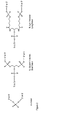
- the linker may be attached to any suitable position on the nucleoside, as illustrated in Figure 11 .
- the linker is attached to the 3'-hydroxyl.
- the linker preferably comprises a hydroxyl functional group, which preferably is attached to the 3'-hydroxyl by means of a phosphodiester, phosphorothioate, phosphorodithioate or non-phosphate-based linkages.
- the non-nucleotidic linker is a biomolecule, including, without limitation, polypeptides, antibodies, lipids, antigens, allergens, and oligosaccharides.
- the non-nucleotidic linker is a small molecule.
- a small molecule is an organic moiety having a molecular weight of less than 1,000 Da. In some embodiments, the small molecule has a molecular weight of less than 750 Da.
- the small molecule is an aliphatic or aromatic hydrocarbon, either of which optionally can include, either in the linear chain connecting the oligonucleotides or appended to it, one or more functional groups selected from the group consisting of hydroxy, amino, thiol, thioether, ether, amide, thioamide, ester, urea, and thiourea.
- the small molecule can be cyclic or acyclic.
- Examples of small molecule linkers include, but are not limited to, amino acids, carbohydrates, cyclodextrins, adamantane, cholesterol, haptens and antibiotics. However, for purposes of describing the non-nucleotidic linker, the term "small molecule" is not intended to include a nucleoside.
- the small molecule linker is glycerol or a glycerol homolog of the formula HO-(CH 2 ) o -CH(OH)-(CH 2 ) p -OH, wherein o and p independently are integers from 1 to about 6, from 1 to about 4, or from 1 to about 3.
- the small molecule linker is a derivative of 1,3-diamino-2-hydroxypropane.
- Some such derivatives have the formula HO-(CH 2 ) m -C(O)NH-CH 2 -CH(OH)-CH 2 -NHC(O)-(CH 2 ) m -OH wherein m is an integer from 0 to about 10, from 0 to about 6, from 2 to about 6, or from 2 to about 4.
- Some non-nucleotidic linkers according to the invention permit attachment of more than two oligonucleotides.
- the small molecule linker glycerol has three hydroxyl groups to which oligonucleotides may be covalently attached.
- Some immunostimulatory oligonucleotides according to the invention therefore, comprise more than two oligonucleotides linked at their 3' ends to a non-nucleotidic linker.
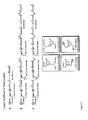
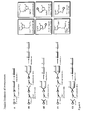
- the immunostimulatory oligonucleotides of the invention may conveniently be synthesized using an automated synthesizer and phosphoramidite approach as schematically depicted in Figures 3 and 4 , and further described in the Examples.
- the immunostimulatory oligonucleotides are synthesized by a linear synthesis approach (see Figure 3 ).
- linear synthesis refers to a synthesis that starts at one end of the immunostimulatory oligonucleotide and progresses linearly to the other end. Linear synthesis permits incorporation of either identical or un-identical (in terms of length, base composition and/or chemical modifications incorporated) monomeric units into the immunostimulatory oligonucleotides.
- An alternative mode of synthesis is "parallel synthesis", in which synthesis proceeds outward from a central linker moiety (see Figure 4 ).
- a solid support attached linker can be used for parallel synthesis, as is described in U.S. Patent No. 5,912,332 .
- a universal solid support such as phosphate attached controlled pore glass support can be used.
- Parallel synthesis of immunostimulatory oligonucleotides has several advantages over linear synthesis: (1) parallel synthesis permits the incorporation of identical monomeric units; (2) unlike in linear synthesis, both (or all) the monomeric units are synthesized at the same time, thereby the number of synthetic steps and the time required for the synthesis is the same as that of a monomeric unit; and (3) the reduction in synthetic steps improves purity and yield of the final immunostimulatory oligonucleotide product.
- the immunostimulatory oligonucleotides may conveniently be deprotected with concentrated ammonia solution or as recommended by the phosphoramidite supplier, if a modified nucleoside is incorporated.
- the product immunostimulatory oligonucleotide is preferably purified by reversed phase HPLC, detritylated, desalted and dialyzed.
- Table 4 shows representative immunostimulatory oligonucleotides according to the invention. Table 4. Examples of Immunostimulatory Oligonucleotides Sequences SEQ ID NO. Sequences and Modification 1 5'-TC G 1 AAC G 1 TTC G 1 - X- G 1 CTT G 1 CAA G 1 CT-5' 2 5'-TCAGTC G 2 TTAG-X-GATT G 2 CTGACT-5' 3 5'-TC G 2 TC G 2 TTAGA-X-AGATT G 2 CT G 2 CT-5' 4 5'-CAGTC G 2 TTCAG-X-GACTT G 2 CTGAC-5' 5 5'-TCAGTC G 1 TT AG-X-GATT G 1 CTGACT-5' 6 5'-TC G 1 TC G 1 TTAGA-X-AGATT G 1 CT G 1 CT-5' 7 5'-CAGTC G 1 TTCAG-X-GACTT G 1 CTGAC-5' 8 5'-ACACACCAACT-X-TCAACCACACA-5
- the invention provides immunostimulatory oligonucleotide conjugates comprising an immunostimulatory oligonucleotide, as described above, and an conjugated to the immunostimulatory oligonucleotide at a position other than the accessible 5' end.
- the non-nucleotidic linker comprises an antigen, which is conjugated to the oligonucleotide.
- the antigen is conjugated to the oligonucleotide at a position other than its 3' end.
- the antigen produces a vaccine effect.
- the antigen is preferably selected from the group consisting of antigens associated with a pathogen, antigens associated with a cancer, antigens associated with an auto-immune disorder, and antigens associated with other diseases such as, but not limited to, veterinary or pediatric diseases.
- the term "associated with” means that the antigen is present when the pathogen, cancer, auto-immune disorder, food allergy, respiratory allergy, asthma or other disease is present, but either is not present, or is present in reduced amounts, when the pathogen, cancer, auto-immune disorder, food allergy, respiratory allergy, or disease is absent.
- the immunostimulatory oligonucleotide is covalently linked to the antigen, or it is otherwise operatively associated with the antigen.
- the term "operatively associated with” refers to any association that maintains the activity of both immunostimulatory oligonucleotide and antigen. Nonlimiting examples of such operative associations include being part of the same liposome or other such delivery vehicle or reagent.
- such covalent linkage preferably is at any position on the immunostimulatory oligonucleotide other than an accessible 5' end of an immunostimulatory oligonucleotide.
- the antigen may be attached at an internucleoside linkage or may be attached to the non-nucleotidic linker. Alternatively, the antigen may itself be the non-nucleotidic linker.
- the invention provides pharmaceutical formulations comprising an immunostimulatory oligonucleotide or immunostimulatory oligonucleotide conjugate according to the invention and a physiologically acceptable carrier.
- physiologically acceptable refers to a material that does not interfere with the effectiveness of the immunostimulatory oligonucleotide and is compatible with a biological system such as a cell, cell culture, tissue, or organism.
- the biological system is a living organism, such as a vertebrate.
- carrier encompasses any excipient, diluent, filler, salt, buffer, stabilizer, solubilizer, lipid, or other material well known in the art for use in pharmaceutical formulations. It will be understood that the characteristics of the carrier, excipient, or diluent will depend on the route of administration for a particular application. The preparation of pharmaceutically acceptable formulations containing these materials is described in, e.g., Remington's Pharmaceutical Sciences, 18th Edition, ed. A. Gennaro, Mack Publishing Co., Easton, PA, 1990 .
- the invention provides methods for generating an immune response in a vertebrate, such methods comprising administering to the vertebrate an immunostimulatory oligonucleotide or immunostimulatory oligonucleotide conjugate according to the invention.
- the vertebrate is a mammal.
- the term "mammal" is expressly intended to include humans.
- the immunostimulatory oligonucleotide or immunostimulatory oligonucleotide conjugate is administered to a vertebrate in need of immunostimulation.
- administration of immunostimulatory oligonucleotide or immunostimulatory oligonucleotide conjugate can be by any suitable route, including, without limitation, parenteral, oral, sublingual, transdermal, topical, intranasal, aerosol, intraocular, intratracheal, intrarectal, vaginal, by gene gun, dermal patch or in eye drop or mouthwash form.
- Administration of the therapeutic compositions of immunostimulatory oligonucleotides can be carried out using known procedures at dosages and for periods of time effective to reduce symptoms or surrogate markers of the disease.
- the therapeutic composition When administered systemically, the therapeutic composition is preferably administered at a sufficient dosage to attain a blood level of immunostimulatory oligonucleotide from about 0.0001 micromolar to about 10 micromolar. For localized administration, much lower concentrations than this may be effective, and much higher concentrations may be tolerated.
- a total dosage of immunostimulatory oligonucleotide ranges from about 0.001 mg per patient per day to about 200 mg per kg body weight per day. It may be desirable to administer simultaneously, or sequentially a therapeutically effective amount of one or more of the therapeutic compositions of the invention to an individual as a single treatment episode.
- immunostimulatory oligonucleotide or immunostimulatory oligonucleotide conjugate according to the invention are administered in combination with vaccines, antibodies, cytotoxic agents, allergens, antibiotics, antisense oligonucleotides, peptides, proteins, gene therapy vectors, DNA vaccines and/or adjuvants to enhance the specificity or magnitude of the immune response.
- the immunostimulatory oligonucleotides of the invention can variously act as adjuvants and/or produce direct immunostimulatory effects.
- Either the immunostimulatory oligonucleotide or immunostimulatory oligonucleotide conjugate or the vaccine, or both, may optionally be linked to an immunogenic protein, such as keyhole limpet hemocyanin (KLH), cholera toxin B subunit, or any other immunogenic carrier protein.
- an immunogenic protein such as keyhole limpet hemocyanin (KLH), cholera toxin B subunit, or any other immunogenic carrier protein.
- KLH keyhole limpet hemocyanin
- MPL monophosphoryl lipid A
- alum and saponins, including QS-21, imiquimod, R848, or combinations thereof.
- the term "in combination with” means in the course of treating the same disease in the same patient, and includes administering the immunostimulatory oligonucleotide and/or the vaccine and/or the adjuvant in any order, including simultaneous administration, as well as temporally spaced order of up to several days apart.
- Such combination treatment may also include more than a single administration of the immunostimulatory oligonucleotide, and/or independently the vaccine, and/or independently the adjuvant.
- the administration of the immunostimulatory oligonucleotide and/or vaccine and/or adjuvant may be by the same or different routes.
- the methods according to this aspect of the invention are useful for model studies of the immune system.
- the methods are also useful for the prophylactic or therapeutic treatment of human or animal disease.
- the methods are useful for pediatric and veterinary vaccine applications.
- the invention provides methods for therapeutically treating a patient having a disease or disorder, such methods comprising administering to the patient an immunostimulatory oligonucleotide or immunostimulatory oligonucleotide conjugate according to the invention.
- the disease or disorder to be treated is cancer, an autoimmune disorder, airway inflammation, inflammatory disorders, allergy, asthma or a disease caused by a pathogen.
- Pathogens include bacteria, parasites, fungi, viruses, viroids and prions.
- Administration is carried out as described for the fourth aspect of the invention.
- the term “allergy” includes, without limitation, food allergies and respiratory allergies.
- airway inflammation includes, without limitation, asthma.
- autoimmune disorder refers to disorders in which "self' proteins undergo attack by the immune system. Such term includes autoimmune asthma,
- the immunostimulatory oligonucleotide or immunostimulatory oligonucleotide conjugate can be administered in combination with any other agent useful for treating the disease or condition that does not diminish the immunostimulatory effect of the immunostimulatory oligonucleotide.
- any other agent useful for treating the disease or condition that does not diminish the immunostimulatory effect of the immunostimulatory oligonucleotide for example, in the treatment of cancer, it is contemplated that the immunostimulatory oligonucleotide or immunostimulatory oligonucleotide conjugate may be administered in combination with a chemotherapeutic compound.
- Oligonucleotides were synthesized on a 1 ⁇ mol to 0.1 mM scale using an automated DNA synthesizer (OligoPilot II, AKTA, (Amersham) and/or Expedite 8909 (Applied Biosystem)), following the linear synthesis or parallel synthesis procedures outlined in Figures 3 and 4 .
- Oligonucleotides were synthesized on a 1 ⁇ mol to 0.1 mM scale using an automated DNA synthesizer (OligoPilot II, AKTA, (Amersham) and/or Expedite 8909 (Applied Biosystem)), following the linear synthesis or parallel synthesis procedures outlined in Figures 3 and 4 .
- 5'-DMT dA, dG, dC and T phosphoramidites were purchased from Proligo (Boulder, CO). 5'-DMT 7-deaza-dG and araG phosphoramidites were obtained from Chemgenes (Wilmington, MA). DiDMT-glycerol linker solid support was obtained from Chemgenes. 1-(2'-deoxy- ⁇ -D-ribofuranosyl)-2-oxo-7-deaza-8-methyl-purine amidite was obtained from Glen Research (Sterling, VA), 2'-O-methylribonuncleoside amidites were obtained from Promega (Obispo, CA). All oligonucleotides were phosphorothioate backbone modified.
- nucleoside phosphoramidites were characterized by 31 P and 1 H NMR spectra. Modified nucleosides were incorporated at specific sites using normal coupling cycles recommended by the supplier. After synthesis, oligonucleotides were deprotected using concentrated ammonium hydroxide and purified by reverse phase HPLC, detritylation, followed by dialysis. Purified oligonucleotides as sodium salt form were lyophilized prior to use. Purity was tested by CGE and MALDI-TOF MS. Endotoxin levels were determined by LAL test and were below 1.0 EU/mg.
- HEK293/mTLR9 cells (Invivogen, San Diego, CA) were cultured in 48-well plates in 250 ⁇ l/well DMEM supplemented with 10% heat-inactivated FBS in a 5% CO 2 incubator. At 80% confluence, cultures were transiently transformed with 400 ng/ml of Seap reporter plasmid (pNifty2-Seap) (San Diego CA) in the presence of 4 ⁇ l/ml of Lipofectamine (Invitrogen, CA) in culture medium. Plasmid DNA and Lipofectamine were diluted separately in serum-free medium and incubated at room temperature for 5 minutes. After incubation, the diluted DNA and Lipofectamine were mixed and the mixtures were incubated at room temperature for 20 minutes.
- Seap reporter plasmid pNifty2-Seap
- Lipofectamine Invitrogen, CA
- Example 3 IFN- ⁇ induction in human pDC
- PBMCs Peripheral blood mononuclear cells
- CBR Laboratories CBR Laboratories, Boston, MA
- pDCs were isolated from PBMCs by positive selection using the BDCA4 cell isolation kits (Miltenyi Biotec) according to the manufacturer's instructions.
- pDCs were plated in 96-well dishes using 1X10 6 cells/ml.
- the IMOs dissolved in DPBS pH 7.4; Mediatech
- the cells were then incubated at 37 °C for 24 hr and the supernatants were collected for ELISA assays.
- the experiments were performed in triplicate wells.
- the levels of IFN- ⁇ were measured by sandwich ELISA.
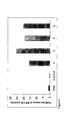
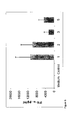
- the required reagents including cytokine antibodies and standards, were purchased from PharMingen. The results are shown in Figure 6 .
- Human PBMCs were plated in 48-well plates using 5X10 6 cells/ml.
- the IMOs dissolved in DPBS (pH 7.4; Mediatech) were added to a final concentration of 10.0 ⁇ g/ml to the cell cultures.
- the cells were then incubated at 37 °C for 24 hr and the supernatants were collected for ELISA assays.
- the experiments were performed in triplicate wells.
- the levels of IL-6 were measured by sandwich ELISA.
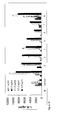
- the required reagents, including cytokine antibodies and standards, were purchased from PharMingen. The results are shown in Figure 7 .
- the culture medium used for the assay consisted of RPMI 1640 medium supplemented with 1.5 mM glutamine, 1 mM sodium pyruvate, 0.1 mM non-essential amino acids, 50 ⁇ M 2-mercaptoethanol, 100 IU/ml penicillin-streptomycin mix and 10% heat-inactivated fetal bovine serum.
- a total of 0.5 X 10 6 B cells per ml i.e. 1 X 10 5 /200 ⁇ l/well
- Spleen cells from 4-8 week old BALB/c or C57BL/6 mice were prepared and cultured in RPMI complete medium.
- Mouse spleen cells were plated in 24-well dishes at 5 X 10⁶ cells /ml.
- IMOs dissolved in TE buffer (10 mM Tris-HCL, pH 7.5, 1 mM EDTA) were added to a final concentration of 0.03, 0.1, 1.0, 3.0 or 10 ⁇ g/ml to the cell cultures.
- the cells were then incubated at 37 °C for 24 hr and the supernatants were collected for ELISA assays.
- IL-12 and IL-6 levels in supernatants were measured by sandwich ELISA.
- the required reagents including cytokine antibodies and standards were purchased from BD Pharmingen. Streptavidin-Peroxidase and substrate were from KPL. The results are shown in Figures 9 and 10 .
Landscapes
- Health & Medical Sciences (AREA)
- Life Sciences & Earth Sciences (AREA)
- Organic Chemistry (AREA)
- Chemical & Material Sciences (AREA)
- Engineering & Computer Science (AREA)
- General Health & Medical Sciences (AREA)
- Medicinal Chemistry (AREA)
- General Chemical & Material Sciences (AREA)
- Nuclear Medicine, Radiotherapy & Molecular Imaging (AREA)
- Chemical Kinetics & Catalysis (AREA)
- Pharmacology & Pharmacy (AREA)
- Animal Behavior & Ethology (AREA)
- Public Health (AREA)
- Veterinary Medicine (AREA)
- Bioinformatics & Cheminformatics (AREA)
- Immunology (AREA)
- Pulmonology (AREA)
- Genetics & Genomics (AREA)
- Biomedical Technology (AREA)
- General Engineering & Computer Science (AREA)
- Biotechnology (AREA)
- Zoology (AREA)
- Wood Science & Technology (AREA)
- Molecular Biology (AREA)
- Plant Pathology (AREA)
- Biophysics (AREA)
- Physics & Mathematics (AREA)
- Pain & Pain Management (AREA)
- Oncology (AREA)
- Microbiology (AREA)
- Rheumatology (AREA)
- Communicable Diseases (AREA)
- Biochemistry (AREA)
- Otolaryngology (AREA)
- Dermatology (AREA)
- Pharmaceuticals Containing Other Organic And Inorganic Compounds (AREA)
- Medicines That Contain Protein Lipid Enzymes And Other Medicines (AREA)
Applications Claiming Priority (2)
| Application Number | Priority Date | Filing Date | Title |
|---|---|---|---|
| PCT/US2005/042068 WO2007055704A2 (en) | 2005-11-07 | 2005-11-07 | Immunostimulatory properties of oligonucleotide-based compounds comprising modified immunostimulatory dinucleotides |
| EP05851907A EP1942945B1 (de) | 2005-11-07 | 2005-11-07 | Immunstimulatorische Eigenschaften von Verbindungen auf Oligonukleotid-basis mit modifizierten immunstimulatorischen Dinukleotiden |
Related Parent Applications (1)
| Application Number | Title | Priority Date | Filing Date |
|---|---|---|---|
| EP05851907.5 Division | 2005-11-07 |
Publications (3)
| Publication Number | Publication Date |
|---|---|
| EP2402442A2 true EP2402442A2 (de) | 2012-01-04 |
| EP2402442A3 EP2402442A3 (de) | 2012-03-28 |
| EP2402442B1 EP2402442B1 (de) | 2013-07-31 |
Family
ID=38023711
Family Applications (3)
| Application Number | Title | Priority Date | Filing Date |
|---|---|---|---|
| EP11001257A Withdrawn EP2371956A3 (de) | 2005-11-07 | 2005-11-07 | Immunostimulatorische Eigenschaften von Oligonukleotid-basierten Verbindungen mit modifizierten immunostimulatorischen Dinukleotiden |
| EP11003299.2A Expired - Lifetime EP2402442B1 (de) | 2005-11-07 | 2005-11-07 | Immunostimulatorische Eigenschaften von Oligonukleotid-basierten Verbindungen mit modifizierten immunostimulatorischen Dinukleotiden |
| EP05851907A Expired - Lifetime EP1942945B1 (de) | 2005-11-07 | 2005-11-07 | Immunstimulatorische Eigenschaften von Verbindungen auf Oligonukleotid-basis mit modifizierten immunstimulatorischen Dinukleotiden |
Family Applications Before (1)
| Application Number | Title | Priority Date | Filing Date |
|---|---|---|---|
| EP11001257A Withdrawn EP2371956A3 (de) | 2005-11-07 | 2005-11-07 | Immunostimulatorische Eigenschaften von Oligonukleotid-basierten Verbindungen mit modifizierten immunostimulatorischen Dinukleotiden |
Family Applications After (1)
| Application Number | Title | Priority Date | Filing Date |
|---|---|---|---|
| EP05851907A Expired - Lifetime EP1942945B1 (de) | 2005-11-07 | 2005-11-07 | Immunstimulatorische Eigenschaften von Verbindungen auf Oligonukleotid-basis mit modifizierten immunstimulatorischen Dinukleotiden |
Country Status (8)
| Country | Link |
|---|---|
| EP (3) | EP2371956A3 (de) |
| JP (1) | JP5184366B2 (de) |
| CN (1) | CN101351228A (de) |
| AT (1) | ATE529511T1 (de) |
| AU (1) | AU2005338035B2 (de) |
| CA (1) | CA2628306C (de) |
| MX (1) | MX2008006005A (de) |
| WO (1) | WO2007055704A2 (de) |
Families Citing this family (10)
| Publication number | Priority date | Publication date | Assignee | Title |
|---|---|---|---|---|
| US6207646B1 (en) | 1994-07-15 | 2001-03-27 | University Of Iowa Research Foundation | Immunostimulatory nucleic acid molecules |
| US7470674B2 (en) * | 2005-11-07 | 2008-12-30 | Idera Pharmaceuticals, Inc. | Immunostimulatory properties of oligonucleotide-based compounds comprising modified immunostimulatory dinucleotides |
| EP2357231A2 (de) * | 2007-07-09 | 2011-08-17 | Idera Pharmaceuticals, Inc. | Stabilisierte immunmodulatorische RNA (SIMRA)-Verbindungen |
| ES2539353T3 (es) * | 2007-08-01 | 2015-06-30 | Idera Pharmaceuticals, Inc. | Nuevos agonistas sintéticos de TLR9 |
| EP3164113B1 (de) | 2014-06-04 | 2019-03-27 | Exicure, Inc. | Multivalente freisetzung von immunmodulatoren durch liposomale sphärische nukleinsäuren für prophylaktische oder therapeutische anwendungen |
| US11213593B2 (en) | 2014-11-21 | 2022-01-04 | Northwestern University | Sequence-specific cellular uptake of spherical nucleic acid nanoparticle conjugates |
| JP7186094B2 (ja) | 2016-05-06 | 2022-12-08 | イグジキュア オペレーティング カンパニー | インターロイキン17受容体mRNAの特異的ノックダウンのためのアンチセンスオリゴヌクレオチド(ASO)を提示するリポソーム系球状核酸(SNA)構築物 |
| US11364304B2 (en) | 2016-08-25 | 2022-06-21 | Northwestern University | Crosslinked micellar spherical nucleic acids |
| US11696954B2 (en) | 2017-04-28 | 2023-07-11 | Exicure Operating Company | Synthesis of spherical nucleic acids using lipophilic moieties |
| WO2018209270A1 (en) | 2017-05-11 | 2018-11-15 | Northwestern University | Adoptive cell therapy using spherical nucleic acids (snas) |
Citations (9)
| Publication number | Priority date | Publication date | Assignee | Title |
|---|---|---|---|---|
| US5149798A (en) | 1989-04-06 | 1992-09-22 | Worcester Foundation For Experimental Biology | Process for synthesizing oligonucleotides and their analogs adaptable to large scale syntheses |
| US5366878A (en) | 1990-02-15 | 1994-11-22 | The Worcester Foundation For Experimental Biology | Method of site-specific alteration of RNA and production of encoded polypeptides |
| US5652355A (en) | 1992-07-23 | 1997-07-29 | Worcester Foundation For Experimental Biology | Hybrid oligonucleotide phosphorothioates |
| WO1998049288A1 (en) | 1997-04-30 | 1998-11-05 | Hybridon, Inc. | Oligonucleotide mediated specific cytokine induction and in vivo protection from infection |
| US5912332A (en) | 1996-07-26 | 1999-06-15 | Hybridon, Inc. | Affinity-based purification of oligonucleotides using soluble multimeric oligonucleotides |
| US6143881A (en) | 1992-07-23 | 2000-11-07 | University Of Massachusetts Worcester | Hybrid oligonucleotide phosphorothioates |
| WO2001012804A2 (en) | 1999-08-13 | 2001-02-22 | Hybridon, Inc. | MODULATION OF OLIGONUCLEOTIDE CpG-MEDIATED IMMUNE STIMULATION BY POSITIONAL MODIFICATION OF NUCLEOSIDES |
| WO2001055370A2 (en) | 2000-01-26 | 2001-08-02 | Hybridon, Inc. | MODULATION OF OLIGONUCLEOTIDE CpG-MEDIATED IMMUNE STIMULATION BY POSITIONAL MODIFICATION OF NUCLEOSIDES |
| US6346614B1 (en) | 1992-07-23 | 2002-02-12 | Hybridon, Inc. | Hybrid oligonucleotide phosphorothioates |
Family Cites Families (3)
| Publication number | Priority date | Publication date | Assignee | Title |
|---|---|---|---|---|
| WO2003035836A2 (en) * | 2001-10-24 | 2003-05-01 | Hybridon Inc. | Modulation of immunostimulatory properties of oligonucleotide-based compounds by optimal presentation of 5' ends |
| AU2004206820B2 (en) * | 2003-01-16 | 2010-06-10 | Idera Pharmaceuticals, Inc. | Modulation of immunostimulatory properties of oligonucleotide-based compounds by utilizing modified immunostimulatory dinucleotides |
| US7427405B2 (en) * | 2004-06-15 | 2008-09-23 | Idera Pharmaceuticals, Inc. | Immunostimulatory oligonucleotide multimers |
-
2005
- 2005-11-07 AT AT05851907T patent/ATE529511T1/de not_active IP Right Cessation
- 2005-11-07 MX MX2008006005A patent/MX2008006005A/es active IP Right Grant
- 2005-11-07 EP EP11001257A patent/EP2371956A3/de not_active Withdrawn
- 2005-11-07 WO PCT/US2005/042068 patent/WO2007055704A2/en not_active Ceased
- 2005-11-07 CN CNA2005800524843A patent/CN101351228A/zh active Pending
- 2005-11-07 EP EP11003299.2A patent/EP2402442B1/de not_active Expired - Lifetime
- 2005-11-07 CA CA2628306A patent/CA2628306C/en not_active Expired - Fee Related
- 2005-11-07 EP EP05851907A patent/EP1942945B1/de not_active Expired - Lifetime
- 2005-11-07 JP JP2008538857A patent/JP5184366B2/ja not_active Expired - Fee Related
- 2005-11-07 AU AU2005338035A patent/AU2005338035B2/en not_active Ceased
Patent Citations (10)
| Publication number | Priority date | Publication date | Assignee | Title |
|---|---|---|---|---|
| US5149798A (en) | 1989-04-06 | 1992-09-22 | Worcester Foundation For Experimental Biology | Process for synthesizing oligonucleotides and their analogs adaptable to large scale syntheses |
| US5366878A (en) | 1990-02-15 | 1994-11-22 | The Worcester Foundation For Experimental Biology | Method of site-specific alteration of RNA and production of encoded polypeptides |
| US5635377A (en) | 1990-02-15 | 1997-06-03 | Worcester Foundation For Experimental Biology, Inc. | Method of site-specific alteration of RNA and production of encoded polypeptides |
| US5652355A (en) | 1992-07-23 | 1997-07-29 | Worcester Foundation For Experimental Biology | Hybrid oligonucleotide phosphorothioates |
| US6143881A (en) | 1992-07-23 | 2000-11-07 | University Of Massachusetts Worcester | Hybrid oligonucleotide phosphorothioates |
| US6346614B1 (en) | 1992-07-23 | 2002-02-12 | Hybridon, Inc. | Hybrid oligonucleotide phosphorothioates |
| US5912332A (en) | 1996-07-26 | 1999-06-15 | Hybridon, Inc. | Affinity-based purification of oligonucleotides using soluble multimeric oligonucleotides |
| WO1998049288A1 (en) | 1997-04-30 | 1998-11-05 | Hybridon, Inc. | Oligonucleotide mediated specific cytokine induction and in vivo protection from infection |
| WO2001012804A2 (en) | 1999-08-13 | 2001-02-22 | Hybridon, Inc. | MODULATION OF OLIGONUCLEOTIDE CpG-MEDIATED IMMUNE STIMULATION BY POSITIONAL MODIFICATION OF NUCLEOSIDES |
| WO2001055370A2 (en) | 2000-01-26 | 2001-08-02 | Hybridon, Inc. | MODULATION OF OLIGONUCLEOTIDE CpG-MEDIATED IMMUNE STIMULATION BY POSITIONAL MODIFICATION OF NUCLEOSIDES |
Non-Patent Citations (26)
| Title |
|---|
| A. GENNARO,: "Remington's Pharmaceutical Sciences, 18th Edition,", 1990, MACK PUBLISHING CO. |
| AGRAWAL ET AL., PROC. NATL. ACAD SCI. (USA, vol. 85, 1988, pages 7079 - 7083 |
| AGRAWAL, GOODCHILD, TETRAHEDRON LETT., vol. 28, 1987, pages 3539 - 3542 |
| AGRAWAL, IYER, CURR. OP. IN BIOTECH., vol. 6, 1995, pages 12 |
| BEAUCAGE, CARUTHERS, TETRAHEDRON LETT., vol. 22, 1981, pages 1859 - 1862 |
| CONNOLLY ET AL., BIOCHEM., vol. 23, 1984, pages 3443 |
| CROOKE AND LEBLEU: "Antisense Research and Applications", 1993, CRC, PRESS |
| F. ECKSTEIN,: "Oligonucleotides and Analogues, A Practical Approach", 1991, pages: 87 - 108 |
| HARTMAN ET AL., J. IMMUNOL, vol. 164, 2000, pages 1617 - 1624 |
| JAGER ET AL., BIOCHEM., vol. 27, 1988, pages 7237 |
| KANDIMALLA ET AL., BIOORG. MED. CHEM., vol. 9, 2001, pages 807 - 813 |
| KHORANA ET AL., J. MOLEC. BIOL., vol. 72, 1972, pages 209 |
| KRIEG ET AL., NATURE, vol. 371, 1995, pages 546 - 549 |
| KURAMOTO ET AL., JPN. J. CANCER RES., vol. 83, 1992, pages 1128 - 1131 |
| LIANG, J. CLIN. INVEST., vol. 98, 1996, pages 1119 - 1129 |
| MCCLUSKIE, DAVIS, J. IMMUNOL., vol. 161, 1998, pages 4463 - 4466 |
| MOLDOVEANU ET AL., VACCINE, vol. 16, 1998, pages 1216 - 124 |
| REESE, TETRAHEDRON LETT., vol. 34, 1978, pages 3143 - 3179 |
| S. AGRAWAL: "Methods in Molecular Biology", vol. 20, 1993, HUMANA PRESS, article "Protocols for Oligonucleotides and Analogs", pages: 165 - 189 |
| YU ET AL., BIOORG. MED CHEM. LETT., vol. 10, 2000, pages 2585 - 2588 |
| YU ET AL., BIOORG. MED. CHEM. LETT., vol. 11, 2001, pages 2263 - 2267 |
| ZHAO ET AL., ANTISENSE NUCLEIC ACID DRUG DEV., vol. 7, 1997, pages 495 - 502 |
| ZHAO ET AL., BIOCHEM PHARMACOL., vol. 52, 1996, pages 1537 - 1544 |
| ZHAO ET AL., BIOCHEM. PHARMACOL., vol. 51, 1996, pages 173 - 182 |
| ZHAO ET AL., BIOORG. MED. CHEM LETT., vol. 10, 2000, pages 1051 - 1054 |
| ZHAO ET AL., BIOORG. MED. CHEM. LETT., vol. 9, 1999, pages 3453 - 3458 |
Also Published As
| Publication number | Publication date |
|---|---|
| AU2005338035B2 (en) | 2012-06-07 |
| EP2371956A2 (de) | 2011-10-05 |
| CA2628306C (en) | 2014-06-17 |
| EP2402442A3 (de) | 2012-03-28 |
| EP1942945B1 (de) | 2011-10-19 |
| EP2371956A3 (de) | 2012-01-04 |
| ATE529511T1 (de) | 2011-11-15 |
| AU2005338035A1 (en) | 2007-05-18 |
| EP1942945A2 (de) | 2008-07-16 |
| JP5184366B2 (ja) | 2013-04-17 |
| WO2007055704A3 (en) | 2007-12-06 |
| EP2402442B1 (de) | 2013-07-31 |
| MX2008006005A (es) | 2008-10-01 |
| CN101351228A (zh) | 2009-01-21 |
| JP2009514527A (ja) | 2009-04-09 |
| CA2628306A1 (en) | 2007-05-18 |
| WO2007055704A2 (en) | 2007-05-18 |
| EP1942945A4 (de) | 2009-01-21 |
Similar Documents
| Publication | Publication Date | Title |
|---|---|---|
| US7470674B2 (en) | Immunostimulatory properties of oligonucleotide-based compounds comprising modified immunostimulatory dinucleotides | |
| AU2010210016B2 (en) | Modulation of immunostimulatory properties of oligonucleotide-based compounds by utilizing modified immunostimulatory dinucleotides | |
| AU2002365141C1 (en) | Modulation of immunostimulatory properties of oligonucleotide-based compounds by optimal presentation of 5' ends | |
| EP1393745A1 (de) | Modulierung der immunstimulierenden Eigenschaften von Oligonukleotiden und Analoga durch optimale Darstellung der 5'-Enden | |
| US20040097719A1 (en) | Modulation of immunostimulatory properties of oligonucleotide-based compounds by optimal presentation of 5' ends | |
| US20110305684A1 (en) | Immunostimulatory properties of oligonucleotide-based compounds comprising modified immunostimulatory dinucleotides | |
| AU2005338035B2 (en) | Immunostimulatory properties of oligonucleotide-based compounds comprising modified immunostimulatory dinucleotides | |
| AU2005338050B2 (en) | Immunostimulatory properties of oligonucleotide-based compounds comprising modified immunostimulatory dinucleotides | |
| HK1121954A (en) | Immunostimulatory properties of oligonucleotide-based compounds comprising modified immunostimulatory dinucleotides | |
| JP2012051921A (ja) | 修飾された免疫刺激性ジヌクレオチドを含む、オリゴヌクレオチドに基づく化合物の免疫刺激特性 | |
| HK1122043A (en) | Immunostimulatory properties of oligonucleotide-based compounds comprising modified immunostimulatory dinucleotides |
Legal Events
| Date | Code | Title | Description |
|---|---|---|---|
| AC | Divisional application: reference to earlier application |
Ref document number: 1942945 Country of ref document: EP Kind code of ref document: P |
|
| AK | Designated contracting states |
Kind code of ref document: A2 Designated state(s): AT BE BG CH CY CZ DE DK EE ES FI FR GB GR HU IE IS IT LI LT LU LV MC NL PL PT RO SE SI SK TR |
|
| PUAI | Public reference made under article 153(3) epc to a published international application that has entered the european phase |
Free format text: ORIGINAL CODE: 0009012 |
|
| PUAL | Search report despatched |
Free format text: ORIGINAL CODE: 0009013 |
|
| AK | Designated contracting states |
Kind code of ref document: A3 Designated state(s): AT BE BG CH CY CZ DE DK EE ES FI FR GB GR HU IE IS IT LI LT LU LV MC NL PL PT RO SE SI SK TR |
|
| RIC1 | Information provided on ipc code assigned before grant |
Ipc: C12N 15/11 20060101AFI20120223BHEP Ipc: A61K 48/00 20060101ALI20120223BHEP Ipc: C12N 15/117 20100101ALI20120223BHEP |
|
| 17P | Request for examination filed |
Effective date: 20120925 |
|
| GRAP | Despatch of communication of intention to grant a patent |
Free format text: ORIGINAL CODE: EPIDOSNIGR1 |
|
| GRAS | Grant fee paid |
Free format text: ORIGINAL CODE: EPIDOSNIGR3 |
|
| GRAA | (expected) grant |
Free format text: ORIGINAL CODE: 0009210 |
|
| AC | Divisional application: reference to earlier application |
Ref document number: 1942945 Country of ref document: EP Kind code of ref document: P |
|
| AK | Designated contracting states |
Kind code of ref document: B1 Designated state(s): AT BE BG CH CY CZ DE DK EE ES FI FR GB GR HU IE IS IT LI LT LU LV MC NL PL PT RO SE SI SK TR |
|
| REG | Reference to a national code |
Ref country code: GB Ref legal event code: FG4D Ref country code: CH Ref legal event code: EP |
|
| REG | Reference to a national code |
Ref country code: AT Ref legal event code: REF Ref document number: 624689 Country of ref document: AT Kind code of ref document: T Effective date: 20130815 |
|
| REG | Reference to a national code |
Ref country code: IE Ref legal event code: FG4D |
|
| REG | Reference to a national code |
Ref country code: DE Ref legal event code: R096 Ref document number: 602005040702 Country of ref document: DE Effective date: 20130926 |
|
| REG | Reference to a national code |
Ref country code: AT Ref legal event code: MK05 Ref document number: 624689 Country of ref document: AT Kind code of ref document: T Effective date: 20130731 |
|
| REG | Reference to a national code |
Ref country code: NL Ref legal event code: VDEP Effective date: 20130731 |
|
| REG | Reference to a national code |
Ref country code: LT Ref legal event code: MG4D |
|
| PG25 | Lapsed in a contracting state [announced via postgrant information from national office to epo] |
Ref country code: SE Free format text: LAPSE BECAUSE OF FAILURE TO SUBMIT A TRANSLATION OF THE DESCRIPTION OR TO PAY THE FEE WITHIN THE PRESCRIBED TIME-LIMIT Effective date: 20130731 Ref country code: LT Free format text: LAPSE BECAUSE OF FAILURE TO SUBMIT A TRANSLATION OF THE DESCRIPTION OR TO PAY THE FEE WITHIN THE PRESCRIBED TIME-LIMIT Effective date: 20130731 Ref country code: IS Free format text: LAPSE BECAUSE OF FAILURE TO SUBMIT A TRANSLATION OF THE DESCRIPTION OR TO PAY THE FEE WITHIN THE PRESCRIBED TIME-LIMIT Effective date: 20131130 Ref country code: CY Free format text: LAPSE BECAUSE OF FAILURE TO SUBMIT A TRANSLATION OF THE DESCRIPTION OR TO PAY THE FEE WITHIN THE PRESCRIBED TIME-LIMIT Effective date: 20130731 Ref country code: AT Free format text: LAPSE BECAUSE OF FAILURE TO SUBMIT A TRANSLATION OF THE DESCRIPTION OR TO PAY THE FEE WITHIN THE PRESCRIBED TIME-LIMIT Effective date: 20130731 Ref country code: BE Free format text: LAPSE BECAUSE OF FAILURE TO SUBMIT A TRANSLATION OF THE DESCRIPTION OR TO PAY THE FEE WITHIN THE PRESCRIBED TIME-LIMIT Effective date: 20130731 Ref country code: PT Free format text: LAPSE BECAUSE OF FAILURE TO SUBMIT A TRANSLATION OF THE DESCRIPTION OR TO PAY THE FEE WITHIN THE PRESCRIBED TIME-LIMIT Effective date: 20131202 |
|
| PG25 | Lapsed in a contracting state [announced via postgrant information from national office to epo] |
Ref country code: NL Free format text: LAPSE BECAUSE OF FAILURE TO SUBMIT A TRANSLATION OF THE DESCRIPTION OR TO PAY THE FEE WITHIN THE PRESCRIBED TIME-LIMIT Effective date: 20130731 Ref country code: FI Free format text: LAPSE BECAUSE OF FAILURE TO SUBMIT A TRANSLATION OF THE DESCRIPTION OR TO PAY THE FEE WITHIN THE PRESCRIBED TIME-LIMIT Effective date: 20130731 Ref country code: PL Free format text: LAPSE BECAUSE OF FAILURE TO SUBMIT A TRANSLATION OF THE DESCRIPTION OR TO PAY THE FEE WITHIN THE PRESCRIBED TIME-LIMIT Effective date: 20130731 Ref country code: SI Free format text: LAPSE BECAUSE OF FAILURE TO SUBMIT A TRANSLATION OF THE DESCRIPTION OR TO PAY THE FEE WITHIN THE PRESCRIBED TIME-LIMIT Effective date: 20130731 Ref country code: LV Free format text: LAPSE BECAUSE OF FAILURE TO SUBMIT A TRANSLATION OF THE DESCRIPTION OR TO PAY THE FEE WITHIN THE PRESCRIBED TIME-LIMIT Effective date: 20130731 Ref country code: GR Free format text: LAPSE BECAUSE OF FAILURE TO SUBMIT A TRANSLATION OF THE DESCRIPTION OR TO PAY THE FEE WITHIN THE PRESCRIBED TIME-LIMIT Effective date: 20131101 |
|
| PG25 | Lapsed in a contracting state [announced via postgrant information from national office to epo] |
Ref country code: CZ Free format text: LAPSE BECAUSE OF FAILURE TO SUBMIT A TRANSLATION OF THE DESCRIPTION OR TO PAY THE FEE WITHIN THE PRESCRIBED TIME-LIMIT Effective date: 20130731 Ref country code: EE Free format text: LAPSE BECAUSE OF FAILURE TO SUBMIT A TRANSLATION OF THE DESCRIPTION OR TO PAY THE FEE WITHIN THE PRESCRIBED TIME-LIMIT Effective date: 20130731 Ref country code: SK Free format text: LAPSE BECAUSE OF FAILURE TO SUBMIT A TRANSLATION OF THE DESCRIPTION OR TO PAY THE FEE WITHIN THE PRESCRIBED TIME-LIMIT Effective date: 20130731 Ref country code: RO Free format text: LAPSE BECAUSE OF FAILURE TO SUBMIT A TRANSLATION OF THE DESCRIPTION OR TO PAY THE FEE WITHIN THE PRESCRIBED TIME-LIMIT Effective date: 20130731 Ref country code: DK Free format text: LAPSE BECAUSE OF FAILURE TO SUBMIT A TRANSLATION OF THE DESCRIPTION OR TO PAY THE FEE WITHIN THE PRESCRIBED TIME-LIMIT Effective date: 20130731 |
|
| PG25 | Lapsed in a contracting state [announced via postgrant information from national office to epo] |
Ref country code: ES Free format text: LAPSE BECAUSE OF FAILURE TO SUBMIT A TRANSLATION OF THE DESCRIPTION OR TO PAY THE FEE WITHIN THE PRESCRIBED TIME-LIMIT Effective date: 20130731 Ref country code: IT Free format text: LAPSE BECAUSE OF FAILURE TO SUBMIT A TRANSLATION OF THE DESCRIPTION OR TO PAY THE FEE WITHIN THE PRESCRIBED TIME-LIMIT Effective date: 20130731 |
|
| PLBE | No opposition filed within time limit |
Free format text: ORIGINAL CODE: 0009261 |
|
| STAA | Information on the status of an ep patent application or granted ep patent |
Free format text: STATUS: NO OPPOSITION FILED WITHIN TIME LIMIT |
|
| REG | Reference to a national code |
Ref country code: CH Ref legal event code: PL |
|
| 26N | No opposition filed |
Effective date: 20140502 |
|
| PG25 | Lapsed in a contracting state [announced via postgrant information from national office to epo] |
Ref country code: MC Free format text: LAPSE BECAUSE OF FAILURE TO SUBMIT A TRANSLATION OF THE DESCRIPTION OR TO PAY THE FEE WITHIN THE PRESCRIBED TIME-LIMIT Effective date: 20130731 Ref country code: CH Free format text: LAPSE BECAUSE OF NON-PAYMENT OF DUE FEES Effective date: 20131130 Ref country code: LI Free format text: LAPSE BECAUSE OF NON-PAYMENT OF DUE FEES Effective date: 20131130 |
|
| REG | Reference to a national code |
Ref country code: DE Ref legal event code: R097 Ref document number: 602005040702 Country of ref document: DE Effective date: 20140502 |
|
| REG | Reference to a national code |
Ref country code: IE Ref legal event code: MM4A |
|
| PG25 | Lapsed in a contracting state [announced via postgrant information from national office to epo] |
Ref country code: IE Free format text: LAPSE BECAUSE OF NON-PAYMENT OF DUE FEES Effective date: 20131107 |
|
| PGFP | Annual fee paid to national office [announced via postgrant information from national office to epo] |
Ref country code: FR Payment date: 20141118 Year of fee payment: 10 Ref country code: DE Payment date: 20141128 Year of fee payment: 10 Ref country code: GB Payment date: 20141127 Year of fee payment: 10 |
|
| PG25 | Lapsed in a contracting state [announced via postgrant information from national office to epo] |
Ref country code: TR Free format text: LAPSE BECAUSE OF FAILURE TO SUBMIT A TRANSLATION OF THE DESCRIPTION OR TO PAY THE FEE WITHIN THE PRESCRIBED TIME-LIMIT Effective date: 20130731 |
|
| PG25 | Lapsed in a contracting state [announced via postgrant information from national office to epo] |
Ref country code: LU Free format text: LAPSE BECAUSE OF NON-PAYMENT OF DUE FEES Effective date: 20131107 Ref country code: HU Free format text: LAPSE BECAUSE OF FAILURE TO SUBMIT A TRANSLATION OF THE DESCRIPTION OR TO PAY THE FEE WITHIN THE PRESCRIBED TIME-LIMIT; INVALID AB INITIO Effective date: 20051107 Ref country code: BG Free format text: LAPSE BECAUSE OF FAILURE TO SUBMIT A TRANSLATION OF THE DESCRIPTION OR TO PAY THE FEE WITHIN THE PRESCRIBED TIME-LIMIT Effective date: 20130731 |
|
| REG | Reference to a national code |
Ref country code: DE Ref legal event code: R119 Ref document number: 602005040702 Country of ref document: DE |
|
| GBPC | Gb: european patent ceased through non-payment of renewal fee |
Effective date: 20151107 |
|
| REG | Reference to a national code |
Ref country code: FR Ref legal event code: ST Effective date: 20160729 |
|
| PG25 | Lapsed in a contracting state [announced via postgrant information from national office to epo] |
Ref country code: DE Free format text: LAPSE BECAUSE OF NON-PAYMENT OF DUE FEES Effective date: 20160601 Ref country code: GB Free format text: LAPSE BECAUSE OF NON-PAYMENT OF DUE FEES Effective date: 20151107 |
|
| PG25 | Lapsed in a contracting state [announced via postgrant information from national office to epo] |
Ref country code: FR Free format text: LAPSE BECAUSE OF NON-PAYMENT OF DUE FEES Effective date: 20151130 |