EP2408246B1 - Kommunikationsverfahren, das eine Technik mit mehreren Eingängen und mehreren Ausgängen in Aufwärtsrichtung verwendet, und System dafür - Google Patents
Kommunikationsverfahren, das eine Technik mit mehreren Eingängen und mehreren Ausgängen in Aufwärtsrichtung verwendet, und System dafür Download PDFInfo
- Publication number
- EP2408246B1 EP2408246B1 EP09841312.3A EP09841312A EP2408246B1 EP 2408246 B1 EP2408246 B1 EP 2408246B1 EP 09841312 A EP09841312 A EP 09841312A EP 2408246 B1 EP2408246 B1 EP 2408246B1
- Authority
- EP
- European Patent Office
- Prior art keywords
- absolute grant
- data transmission
- uplink
- uplink data
- data streams
- Prior art date
- Legal status (The legal status is an assumption and is not a legal conclusion. Google has not performed a legal analysis and makes no representation as to the accuracy of the status listed.)
- Not-in-force
Links
- 238000004891 communication Methods 0.000 title claims description 31
- 238000000034 method Methods 0.000 title claims description 26
- 230000005540 biological transmission Effects 0.000 claims description 168
- 238000005516 engineering process Methods 0.000 claims description 23
- 238000010586 diagram Methods 0.000 description 4
- 239000000969 carrier Substances 0.000 description 3
- 238000011161 development Methods 0.000 description 3
- 238000013507 mapping Methods 0.000 description 3
- 230000003044 adaptive effect Effects 0.000 description 2
- 230000009977 dual effect Effects 0.000 description 2
- 230000003213 activating effect Effects 0.000 description 1
- FFBHFFJDDLITSX-UHFFFAOYSA-N benzyl N-[2-hydroxy-4-(3-oxomorpholin-4-yl)phenyl]carbamate Chemical compound OC1=C(NC(=O)OCC2=CC=CC=C2)C=CC(=C1)N1CCOCC1=O FFBHFFJDDLITSX-UHFFFAOYSA-N 0.000 description 1
- 238000012937 correction Methods 0.000 description 1
- 230000000415 inactivating effect Effects 0.000 description 1
- 230000002779 inactivation Effects 0.000 description 1
- 230000002452 interceptive effect Effects 0.000 description 1
- 238000010295 mobile communication Methods 0.000 description 1
- 238000012986 modification Methods 0.000 description 1
- 230000004048 modification Effects 0.000 description 1
- 230000003287 optical effect Effects 0.000 description 1
- 238000012545 processing Methods 0.000 description 1
Images

Classifications
-
- H—ELECTRICITY
- H04—ELECTRIC COMMUNICATION TECHNIQUE
- H04B—TRANSMISSION
- H04B7/00—Radio transmission systems, i.e. using radiation field
- H04B7/02—Diversity systems; Multi-antenna system, i.e. transmission or reception using multiple antennas
- H04B7/04—Diversity systems; Multi-antenna system, i.e. transmission or reception using multiple antennas using two or more spaced independent antennas
- H04B7/06—Diversity systems; Multi-antenna system, i.e. transmission or reception using multiple antennas using two or more spaced independent antennas at the transmitting station
- H04B7/0686—Hybrid systems, i.e. switching and simultaneous transmission
- H04B7/0689—Hybrid systems, i.e. switching and simultaneous transmission using different transmission schemes, at least one of them being a diversity transmission scheme
-
- H—ELECTRICITY
- H04—ELECTRIC COMMUNICATION TECHNIQUE
- H04B—TRANSMISSION
- H04B7/00—Radio transmission systems, i.e. using radiation field
- H04B7/02—Diversity systems; Multi-antenna system, i.e. transmission or reception using multiple antennas
- H04B7/04—Diversity systems; Multi-antenna system, i.e. transmission or reception using multiple antennas using two or more spaced independent antennas
- H04B7/0404—Diversity systems; Multi-antenna system, i.e. transmission or reception using multiple antennas using two or more spaced independent antennas the mobile station comprising multiple antennas, e.g. to provide uplink diversity
-
- H—ELECTRICITY
- H04—ELECTRIC COMMUNICATION TECHNIQUE
- H04B—TRANSMISSION
- H04B7/00—Radio transmission systems, i.e. using radiation field
- H04B7/02—Diversity systems; Multi-antenna system, i.e. transmission or reception using multiple antennas
- H04B7/04—Diversity systems; Multi-antenna system, i.e. transmission or reception using multiple antennas using two or more spaced independent antennas
- H04B7/0413—MIMO systems
Definitions
- the present invention relates to the field of communication technologies, and in particular to a communication method and system using uplink Multiple Input Multiple Output (MIMO) technology in the field of wireless communication technologies.
- MIMO Multiple Input Multiple Output
- WCDMA Wideband Code Division Multiple Access
- R99 Release99
- R4 Release4
- R5 Release5
- R6 Release6
- R7 Release8
- R8 Release8
- uplink data transmission speed and throughput are relatively low, which fails to support data communication services requiring a high speed such as mobile multimedia, a video conference in a mobile process, and an interactive multimedia game. Therefore, in the future R9 version or later versions, the uplink data speed and throughput of a User Equipment (UE) urgently need to be improved, so as to reduce a delay of data transmission and meet development needs of uplink data transmission services at a higher speed.
- UE User Equipment
- the MIMO technology is also used in the uplink as well, thereby further improving the uplink data speed of the UE and reducing the delay of data transmission.
- the UE needs to know whether to use a single-stream mode or a multi-stream mode during the uplink data transmission.
- the single-stream mode refers to that during a certain time range (such as 2 ms or 10 ms), the UE only uploads one transport block during uplink data transmission.
- the multi-stream mode refers to that during a certain time range (such as 2 ms or 10 ms), the UE uploads two or more transport blocks during uplink data transmission.
- WO 2006/138337 A1 describes techniques for performing rank prediction in a MIMO system.
- Performance metrics for a plurality of ranks are initially determined. Each rank is indicative of a different number of data streams to send simultaneously via a MIMO channel.
- the performance metrics may relate to the capacity or signal quality of the MIMO channel or the throughput of data transmission sent via the MIMO channel.
- Adjustments are applied to the performance metrics for the ranks to obtain adjusted performance metrics. The adjustments account for system losses such as losses due to an error correction code used for data transmission, channel estimation errors at a receiver, variation in interference observed by the receiver, variability in transmit power due to power control, and/or other factors.
- a rank is selected for use based on the adjusted performance metrics for the ranks.
- TEXAS INSTRUMENTS "Uplink SU-MIMO for E-UTRA", 3GPP DRAFT; R1-082496 TI ULSUMIMO; RAN WG1; Warsaw, Poland; 20080624, 24 June 2008 (2008-06-24 ), XP050110765, describes basic UL SU-MIMO operation and implication.
- WO 2006/116102 A2 describes the Absolute Grant messages for a multi-carrier UE with M uplink carriers may be transmitted on M independent AGCH PHY channels (in the same or different carriers), or these messages may be transmitted on a single PHY channel on a particular downlink carrier.
- M independent AGCH PHY channels in the same or different carriers
- these messages may be transmitted on a single PHY channel on a particular downlink carrier.
- Enhanced Absolute Grant Channel(s) therefore, either 1 or M such channels may be needed, depending, respectively, on whether each UE absolute grant applies overall (in the aggregate) to all the E-DPCHs on all the uplink carriers, or separately to each uplink carrier's E-DPCH.
- HUAWEI "A discussion on single stream with multi RV versions mode in DC-HSDPA operation", 3GPP DRAFT; R1-083078; Jeju; 20080813, 13 August 2008 (2008-08-13 ), XP050316521, describes a method for adaptive switching between Dual Streams and Single Stream Mode in DC-HSDPA operation.
- HS-SCCH orders may be used to indicate the adaptive switching between the single stream and dual streams mode.
- ERICSSON "HS-SCCH orders in MIMO mode", 3GPP DRAFT; R1-072491_25212CR21 HS-SCCH ORDERS IN MIMO MODE; RAN WG1, Kobe, Japan; 20070502, 2 May 207 (2007-05-02 ), XP050106207, describes HS-SCCH type M is used when the UE is configured in MIMO mode. If an HS-SCCH order is transmitted, the following information is transmitted by means of the HS-SCCH type M physical channel:
- a main objective of aspects of the present invention is to determine, in uplink MIMO technology, whether a UE uses a single-stream mode or a multi-stream mode during uplink data transmission, so that the UE uses different uplink data transmission modes according to different situations, therefore meeting requirements of uplink high-speed data communication services.
- an aspect of the present invention provides a communication method using the uplink MIMO technology, according to the subject-matter of claim 1.
- Another aspect of the present invention provides a communication system using the uplink MIMO technology, according to the subject-matter of independent claim 2.
- aspects of the present invention provide the communication method and system using the uplink MIMO technology, so that the network side device can determine whether the UE uses the single-stream mode or the multi-stream mode during uplink data transmission, and can conveniently notify the UE of the uplink data transmission mode determined by the network side device. Moreover, by using different modes, in the embodiments of the present invention, the indication information determined by the network side device is conveniently and timely notified to the UE. The operation is easy, and the transmission is convenient and easy to be implemented.
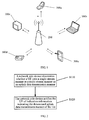
- FIG. 1 is a schematic diagram of a communication system 100 capable of applying an embodiment of the present invention.
- the communication system 100 includes a network side device 200 and a UE.
- the network side device 200 includes, but is not limited to, a Node B, a Radio Network Controller (RNC) and a Radio Network Subsystem (RNS).
- the UE includes, but is not limited to, a mobile phone 300a, a portable computer 300b, a Personal Digital Assistant (PDA) 300c, a portable game console 300d and a portable multimedia player 300e.
- PDA Personal Digital Assistant
- a communication method according to an embodiment of the present invention is described below.
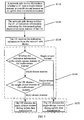
- the communication method using uplink MIMO technology includes the following steps.
- Determination step S110 A network side device determines whether a UE uses a single-stream mode or a multi-stream mode as an uplink data transmission mode.
- Notification step S120 The network side device notifies the UE of indication information indicating the determined uplink data transmission mode of the UE.
- the network side device determines whether the UE uses the single-stream mode or the multi-stream mode during the uplink data transmission, and notifies the UE of the uplink data transmission mode, which avoids problems such as a long delay, errors and even termination in data processing caused by factors such as a limited resource and scheduling capability of the network side device when the UE directly uses the multi-stream mode during the uplink data transmission.
- the network side device combines factors such as an uplink transmission data amount of the UE, quality of a channel related to the uplink data transmission and a power of the UE, so that the UE is capable of fully utilizing the resource of the network side device, and meanwhile capable of using a specific uplink data transmission mode according to an uplink data transmission situation of each UE combining a load situation of an entire cell, as well as different requirements for uplink data transmission of different UEs. In this mode, the delay of the uplink data transmission is reduced, and an uplink data transmission speed is increased, thereby satisfying development needs of uplink high-speed data communication services of the UE.
- the network side device can determine whether the UE uses the single-stream mode or the double-stream mode during the uplink data transmission according to any one of, several of or all of the following factors: the uplink transmission data amount of the UE, the quality of the channel related to the uplink data transmission, the scheduling capability of an Node B, the load situation of the serving cell where the UE is located and the power of the UE. For example, when the uplink transmission data amount of the UE is great, the quality of the channel related to the uplink data transmission is good, or the scheduling capability of the Node B is great, the network side device may determine that the UE uses the multi-stream mode during the uplink data transmission.
- the network side device may determine that the UE uses the single-stream mode during uplink data transmission. Alternatively, the network side device may determine the uplink data transmission mode of the UE after considering partial or all of the above factors in a comprehensive mode.
- an RNC may regard that the uplink data amount of the UE is great, thereby determining that the UE uses the multi-stream mode during the uplink data transmission.
- the RNC may regard that the uplink data amount of the UE is small, thereby determining that the UE uses the single-stream mode during the uplink data transmission.
- a block error rate of the channel is smaller than 5%, an RNS may regard that the quality of the channel is good, thereby determining that the UE uses the multi-stream mode during the uplink data transmission.
- the RNS may regard that the quality of the channel is poor, thereby determining that the UE uses the single-stream mode during the uplink data transmission.
- the Node B may regard the scheduling capability of the Node B is strong, thereby determining that the UE uses the multi-stream mode during the uplink data transmission.
- the Node B may regard that the scheduling capability of the Node B is limited, thereby determining that the UE uses the single-stream mode during the uplink data transmission.
- the Node B determines whether the UE uses the single-stream mode or the multi-stream mode during the uplink data transmission and notifies the UE of the uplink data transmission mode.
- the Node B may notify the UE of the indication information indicating the determined uplink data transmission mode of the UE in multiple modes.
- the Node B may notify the UE of the indication information by delivering a Shared Control Channel for High Speed Downlink Shared Channel (HS-DSCH) order (HS-SCCH order).
- HS-DSCH High Speed Downlink Shared Channel
- HS-SCCH order a Shared Control Channel for High Speed Downlink Shared Channel
- An HS-SCCH transmits the following related contents:
- the HARQ process information x hap,1 , x hap,2 , x hap,3 , x hap,4 and the redundancy and constellation version information x rvpb,1 , x rvpb,2 are set to x odt,1 , x odt,2 , x odt,3 , x ord,1 , x ord,2 , x ord,3 , where x odt,1 , x odt,2 , x odt,3 is order type, and x ord,1 , x ord,2 , x ord,3 is order.
- the channelization-code-set information x ccs1 , x ccs,2 , ..., x ccs,7 is fixedly set to 1110000.
- the modulation scheme and the number of the transport blocks information x ms,1 , x ms,2 , x ms,3 is fixedly set to 000.
- the precoding weight information x pwipb,1 , x pwipb,2 is fixedly set to 00.
- the transport block size information x rbspb,1 , x tbspb,2 , ..., x tbspb,6 is fixedly set to 111101.
- the above HS-SCCH order is notified to the UE through radio channel transmission after a series of coding processes.
- the indication information may be borne by setting the order type and the order, so as to indicate whether the uplink data transmission mode of the UE determined by the Node B is the single-stream mode or the multi-stream mode.
- the order x ord,1 or x ord,2 may be set to bear the indication information, or the order x ord,1 and x ord,2 may be set at the same time to bear the indication information.
- the order x odt,1 , x odt,2 , x odt,3 is set to any binary combination except "000" and "001 "
- the order x odt,1 or x odt,2 or x odt,3 or any combination of the order x odt,1 , x odt,2 , and x odt,3 may be set to bear the indication information.
- the order type and the order may be set to bear the indication information of a specific uplink transmission data stream.
- x odt,1 , x odt,2 , x odt,3
- the Node B uses the HS-SCCH order to bear the indication information of the uplink data transmission mode of the UE, which fully utilizes existing resources and improves a utilization ratio of the resources. Moreover, the operation is simple and easy to be implemented. Also, the solution of this embodiment has a good compatibility with the prior art.
- the Node B may notify the UE of the indication information through an absolute grant delivered on an E-AGCH.
- High Speed Uplink Packet Access (HSUPA) technology is introduced.
- An E-DCH transmission channel is newly added, and physical channels such as an E-AGCH and an E-RGCH are added correspondingly.
- the E-AGCH is sent from an E-DCH serving cell and bears the information of an absolute grant value and an absolute grant scope sent by the E-DCH serving cell to the UE.
- the E-AGCH is also a public channel and carries an absolute grant of an uplink E-DCH.
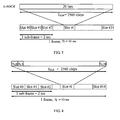
- a frame structure and sub-frame structure of the E-AGCH are shown in FIG. 3 .
- the TTI of the E-AGCH is also 2 ms. If the TTI of the E-DCH is 10 ms, absolute grant indications sent by the E-AGCH are repeated based on every 5 sub-frames.
- the absolute grant delivered on the E-AGCH includes contents in the following two aspects. 1.
- the absolute grant value x agv,1 , x agv,2 , ..., x agv,5 , and a range of the absolute grant value is 0 to 31, which represents a power ratio value between a maximum E-DCH Dedicated Physical Data Channel (E-DPDCH) that the UE is allowed to use and an E-DCH Dedicated Physical Control Channel (E-DPCCH).
- E-DPDCH E-DCH Dedicated Physical Data Channel
- E-DPCCH E-DCH Dedicated Physical Control Channel
- the absolute grant scope: x ags,1 is used to indicate activating or inactivating a particular or all HARQ processes. Mapping of the absolute grant scope is shown in Table 3. Table 3 Absolute grant scope x ags,1 An Absolute HARQ Process 1 All HARQ Processes 0
- the absolute grant value and the absolute grant scope arrive at the UE through transmission of the radio channel.
- the absolute grant sent by the E-AGCH includes the absolute grant value and the absolute grant scope. These two aspects of the contents bear information related to the uplink data transmission mode of the UE.
- Each uplink data stream has a corresponding E-AGCH. Therefore, the absolute grant value and the absolute grant scope delivered through the E-AGCH of each uplink transmission data stream of the UE may be set to bear the uplink data transmission mode of the UE determined by the Node B.
- the Node B when the Node B determines that the UE uses the single-stream mode as the uplink data transmission mode, the Node B sets the E-AGCH corresponding to one data stream in the multiple uplink transmission data streams, so as to deliver an absolute grant with an absolute grant value corresponding to an index value except 0 and 1; the Node B sets the E-AGCHs corresponding to the rest of the data streams in the multiple uplink transmission data streams, so as to respectively deliver an absolute grant with an absolute grant value corresponding to the index value 0 or 1 and with an absolute grant scope corresponding to the index value 0.
- the uplink transmission data stream corresponding to the E-AGCH is capable of uplink data transmission, and the rest of the uplink transmission streams are incapable of the uplink data transmission. Therefore, it is implemented that the Node B notifies the UE of the indication information indicating the single-stream mode, and the indication information can indicate the specific uplink transmission data stream on which the uplink transmission is performed.
- the Node B may set the E-AGCHs corresponding to at least two uplink transmission data streams of the multiple uplink transmission data streams, so as to respectively deliver the absolute grant with the absolute grant value corresponding to the index value except 0 and 1. Therefore, it is implemented that the Node B notifies the UE of the indication information indicating the multi-stream mode.
- the Node B may set the E-AGCHs corresponding to all data streams meeting uplink transmission conditions of the multiple uplink transmission data streams, so as to respectively deliver the absolute grant with the absolute grant value corresponding to the index value except 0 and 1.
- the Node B sets the E-AGCHs corresponding to the rest of the data streams of the multiple uplink transmission data streams, so as to respectively deliver the absolute grant with the absolute grant value corresponding to the index value 0 or 1 and with the absolute grant scope corresponding to the index value 0. Therefore, all the data streams meeting the uplink transmission conditions in the multiple uplink transmission data streams are capable of uplink data transmission, and the rest of the uplink transmission data streams are incapable of uplink data transmission.
- the Node B uses the absolute grant delivered through the E-AGCH to bear the indication information indicating the uplink data transmission mode of the UE, which fully utilizes the resources of the E-AGCH and improves the utilization ratio of the resources. Moreover, the operation is simple and easy to be implemented. In addition, the UE is not only capable of knowing whether it is the single-stream mode or the multi-stream mode that the Node B determines for the UE for uplink data transmission, but also capable of knowing the specific uplink transmission data streams on which the uplink transmission is performed.
- the Node B may establish an information bearing channel to bear the indication information indicating the uplink data transmission mode of the UE determined by the Node B.
- the information bearing channel may be established with reference to the E-RGCH.
- a downlink E-RGCH is further added.
- the E-RGCH bears scheduling information of the Node B for controlling an uplink transmission rate of the UE.
- a frame format of the E-RGCH is shown in FIG. 4 .
- a relative grant on the E-RGCH uses 3, 12 or 15 continuous slots to send information. Each slot is a sequence with a data length of 40. Therefore, a single E-RGCH supports power indications of 40 uplink users at most.
- This channel is divided into two types: the E-RGCH under a serving cell and the E-RGCH under a non-serving cell.
- the E-RGCH under the serving cell is a dedicated channel, which carries command information instructing the power of the UE to increase, hold and decrease, such as UP, HOLD and DOWN.
- the channel delivers a scheduling command every 2 ms (3 continuous slots); when the TTI is set to 10 ms, the channel delivers a scheduling command every 8 ms (12 continuous slots).
- the E-RGCH under the non-serving cell is a public channel, which carries load indication information of the cell such as a current load situation and whether the cell is overloaded.
- a scheduling delay of the channel is always 10 ms (15 continuous slots).
- the relative grant value a is +1, 0 or -1 (respectively representing increase, hold and decrease); in the non-serving E-DCH radio link set, the relative grant value a is 0 or -1.
- Table 4 shows mapping from a relative grant order to the relative grant value.
- Orthogonal signature sequences C ss,40, m(i) are shown in Table 5.
- An index m(i) of the slot i is obtained from Table 6.
- the E-RGCH signature sequence index / in Table 6 is configured by an upper layer.
- a specific method for selecting the signature sequence is described as follows: finding a corresponding row in the "Sequence index /" column of Table 6 according to a value of the signature sequence index / configured by the upper layer, obtaining values of the index m(i) of different slots according to the value of the slot i in the row, and then finding a corresponding row in Table 5 according to the value of m(i).
- the signature sequence expressed in the row is the signature sequence used by the slot i.
- Table 5 shows the signature sequences of the E-RGCH and the E-DCH HARQ Acknowledgement Indicator Channel (E-HICH).
- the Node B may conveniently notify the UE of the indication information indicating the determined uplink data transmission mode of the UE.
- the communication method may further include the following steps.
- Receiving step S130 The UE receives the indication information from the network side device.
- Decision step S140 The UE decides a transmission mode for the uplink data transmission according to the indication information.
- Transmission step S150 The UE performs the uplink data transmission according to the transmission mode decided in the decision step.
- the decision step S140 may include two solutions.
- the UE exactly according to the indication of the network side device, decides to use the uplink data transmission mode determined by the network side device during uplink data transmission. That is to say, when the network side device determines that the uplink data transmission mode of the UE is the single-stream mode in the determination step, the UE decides to use the single-stream mode during uplink data transmission; when the network side device determines that the uplink data transmission mode of the UE is the multi-stream mode in the determination step, the UE decides to use the multi-stream mode during uplink data transmission.
- the UE decides whether the uplink data transmission mode is the single-stream mode or the multi-stream mode with reference to the indication of the network side device. That is to say, when the network side device determines that the uplink data transmission mode of the UE is the single-stream mode in the determination step, the UE decides to use the single-stream mode during uplink data transmission.
- the network side device determines that the uplink data transmission mode of the UE is the multi-stream mode in the determination step
- the UE decides whether the uplink data transmission mode is the single-stream mode or the multi-stream mode based on the indication information of the network side device in combination with various conditions of the UE, for example, factors such as the power and the uplink data amount of the UE.
- the UE may decide that the uplink data transmission mode is the single-stream mode.
- the UE may decide that the uplink data transmission mode is the multi-stream mode.
- the network side device determines that the uplink data transmission mode of the UE is the single-stream mode, it means that the uplink transmission data amount of the UE is small and does not require the multi-stream mode, or the network side device does not meet conditions of the uplink data transmission through the multi-stream mode. Therefore, the UE may decide to use the single-stream mode during uplink data transmission. In another aspect, when the network side device determines that the uplink data transmission mode of the UE is the multi-stream mode, it indicates that the network side device is capable of accepting that the UE uses the multi-stream mode during uplink data transmission.
- the UE may also choose whether to use the single-stream mode or the multi-stream mode during uplink data transmission according to factors such as whether the uplink transmission data amount of the UE or whether the power of the UE is limited. For example, in a power shortage situation, the UE may decide to use the single-stream mode during uplink data transmission; or when the uplink transmission data amount is not great, the UE may also decide to use the single-stream mode rather than the multi-stream mode during uplink data transmission.
- the UE may give consideration to a situation of the network side device, a situation of the UE, and a specific actual situation, and meanwhile further optimize the uplink data transmission mode, so as to reduce the delay of the data transmission and improve a data uplink transmission speed, thereby making the UE more intelligent.
- the communication system using uplink MIMO technology includes a network side device 200 and a UE 300.
- the network side device 200 includes: a determination module 210, configured to determine whether an uplink data transmission mode of the UE 300 is a single-stream mode or a multi-stream mode, and a notification module 220, configured to notify the UE 300 of indication information indicating the determined uplink data transmission mode.
- the determination module 210 may determine the uplink data transmission mode of the UE according to any one of, several of or all of the following factors: an uplink transmission data amount of the UE, the quality of a channel related to uplink data transmission, a scheduling capability of a Node B, a load situation of a serving cell where the UE is located, and power of the UE.
- the notification module 220 may also use an information notification mode the same as or similar to the description in the communication method according to the embodiment of the present invention (namely the information notification mode used in step S120), for example, delivering an HS-SCCH order, delivering an E-AGCH grant through an E-AGCH or establishing a new channel to bear a uplink data mode, so as to notify the UE 300 of the indication information.
- an information notification mode the same as or similar to the description in the communication method according to the embodiment of the present invention (namely the information notification mode used in step S120), for example, delivering an HS-SCCH order, delivering an E-AGCH grant through an E-AGCH or establishing a new channel to bear a uplink data mode, so as to notify the UE 300 of the indication information.
- the UE 300 may further include a receiving module 310, a decision module 320 and a transmission module 330.
- the receiving module 310 receives the indication information from the network side device 200.
- the decision module 320 decides a transmission mode during uplink data transmission according to the indication information.
- the transmission module 330 performs the uplink data transmission using the transmission mode decided by the decision module 320.
- the decision module 320 decides to use the single-stream mode during uplink data transmission; when the indication information indicates the multi-stream mode, the decision module 320 may choose whether to use the single-stream mode or the multi-stream mode during uplink data transmission.
- the network side device determines the uplink data transmission mode of the UE when the UE performs the uplink data transmission and notifies the UE of the uplink data transmission mode, so that the network side device can provide more advanced services, therefore meeting requirements of uplink high-speed data communication services of the UE and improving a resource utilization ratio of the network side device.
- the UE fully utilizes resources provided by the network side device, and meanwhile gives consideration to a situation of the UE and a specific actual situation, thereby further optimizing the uplink data transmission mode, reducing a delay of data transmission, improving a data uplink transmission speed, and making the UE more intelligent.
- the multi-stream mode may be a double-stream mode.
- the multi-stream mode in a situation of two uplink antennas, the multi-stream mode only refers to the double-stream mode. In a situation with more uplink antennas, the multi-stream mode may refer to the double-stream mode, or refer to other multi-stream modes besides the double-stream mode.
- the program may be stored in a readable storage medium.
- the storage medium may be a Read-Only Memory (ROM), a Random Access Memory (RAM), a magnetic disk or an optical disk.
Landscapes
- Engineering & Computer Science (AREA)
- Computer Networks & Wireless Communication (AREA)
- Signal Processing (AREA)
- Mobile Radio Communication Systems (AREA)
Claims (2)
- Kommunikationsverfahren, das eine Aufwärtsstrecken-Mehrfacheingabe-Mehrfachausgabe-Technologie (uplink Multiple Input Multiple Output technology, Aufwärtsstrecken-MIMO-Technologie) verwendet und das Folgendes umfasst:Bestimmen (S110) durch eine netzseitige Vorrichtung, ob ein Anwendergerät (User Equipment, UE) eine Einzelstrombetriebsart oder eine Mehrfachstrombetriebsart als eine Aufwärtsstreckendatenübertragungsbetriebsart verwendet, wenn das UE die Aufwärtsstrecken-MIMO-Technologie zur Aufwärtsstreckendatenübertragung verwendet; undMelden (S 120) durch die netzseitige Vorrichtung dem UE von Angabeinformationen,die die bestimmte Aufwärtsstreckendatenübertragungsbetriebsart des UE angeben; wobei die netzseitige Vorrichtung ein "Node B" ist,dadurch gekennzeichnet, dass der Meldungsschritt Folgendes umfasst:Melden durch den "Node B" dem UE die Angabeinformationen über eine absolute Genehmigung, die auf einem verbesserten dedizierten Kanalabsolutgenehmigungskanal (Enhanced Dedicated Channel Absolute Grant Channel, E-AGCH) zugestellt wird, für jeden von mehreren Datenströmen, wobei die absolute Genehmigung für jeden der mehreren Datenströme einen Wert der absoluten Genehmigung und einen Umfang der absoluten Genehmigung umfasst, die eingestellt sind, um die Aufwärtsstreckendatenübertragungsbetriebsart des UE zu tragen;wobei dann, wenn der "Node B" bestimmt, dass die Aufwärtsstreckendatenübertragungsbetriebsart des UE die Einzelstrombetriebsart ist,der Meldungsschritt Folgendes umfasst:Einstellen durch den "Node B" eines E-AGCH, der einem Datenstrom aus den mehreren Datenströmen entspricht, um eine absolute Genehmigung mit einem Wert der absoluten Genehmigung, der einem Indexwert mit Ausnahme von 0 und 1 entspricht, zuzustellen; undEinstellen durch den "Node B" von E-AGCHs, die dem Rest der Datenströme aus den mehreren Datenströmen entsprechen, um jeweils für jeden aus dem Rest der Datenströme eine absolute Genehmigung mit einem Wert der absoluten Genehmigung, der dem Indexwert 0 oder 1 entspricht, und mit einem Umfang der absoluten Genehmigung, der dem Indexwert 0 entspricht, zuzustellen;wobei dann, wenn der "Node B" bestimmt, dass die Aufwärtsstreckendatenübertragungsbetriebsart des UE die Mehrfachstrombetriebsart ist,der Meldungsschritt Folgendes umfasst:Einstellen durch den "Node B" von E-AGCHs, die wenigstens zwei Datenströmen aus den mehreren Datenströmen entsprechen, um jeweils für jeden der wenigstens zwei Datenströme eine absolute Genehmigung mit einem Wert der absoluten Genehmigung, der einem Indexwert mit Ausnahme von 0 und 1 entspricht, zuzustellen.
- Kommunikationssystem zum Verwenden einer Aufwärtsstrecken-Mehrfacheingabe-Mehrfachausgabe-Technologie, Aufwärtsstrecken-MIMO-Technologie, das Folgendes umfasst:eine netzseitige Vorrichtung (200) und ein Anwendergerät (300), UE,wobei die netzseitige Vorrichtung Folgendes umfasst:ein Bestimmungsmodul (210), das konfiguriert ist zu bestimmen, ob das UE eine Einzelstrombetriebsart oder eine Mehrfachstrombetriebsart als eine Aufwärtsstreckendatenübertragungsbetriebsart verwendet, wenn das UE die Aufwärtsstrecken-MIMO-Technologie zur Aufwärtsstreckendatenübertragung verwendet; undein Meldungsmodul (220), das konfiguriert ist, dem UE Angabeinformationen, die die bestimmte Aufwärtsstreckendatenübertragungsbetriebsart des UE angeben, zu melden;wobei die netzseitige Vorrichtung ein "Node B" ist,dadurch gekennzeichnet, dassdas Meldungsmodul (220) ferner konfiguriert ist, dem UE die Angabeinformationen über eine absolute Genehmigung, die auf einem verbesserten dedizierten Kanalabsolutgenehmigungskanal, E-AGCH, zugestellt wird, für jeden der mehreren Datenströme zu melden, wobei die absolute Genehmigung für jeden der mehreren Datenströme einen Wert der absoluten Genehmigung und einen Umfang der absoluten Genehmigung umfasst, die eingestellt sind, um die Aufwärtsstreckendatenübertragungsbetriebsart des UE zu tragen;wobei dann, wenn das Bestimmungsmodul bestimmt, dass die Aufwärtsstreckendatenübertragungsbetriebsart des UE die Einzelstrombetriebsart ist,das Meldungsmodul (220) ferner konfiguriert ist:einen E-AGCH einzustellen, der einem Datenstrom aus den mehreren Datenströmen entspricht, um eine absolute Genehmigung mit einem Wert der absoluten Genehmigung, der einem Indexwert mit Ausnahme von 0 und 1 entspricht, zuzustellen; undE-AGCHs einzustellen, die dem Rest der Datenströme aus den mehreren Datenströmen entsprechen, um jeweils für jeden aus dem Rest der Datenströme eine absolute Genehmigung mit einem Wert der absoluten Genehmigung, der dem Indexwert 0 oder 1 entspricht, und mit einem Umfang der absoluten Genehmigung,der dem Indexwert 0 entspricht, zuzustellen;wobei dann, wenn das Bestimmungsmodul bestimmt, dass die Aufwärtsstreckendatenübertragungsbetriebsart des UE die Mehrfachstrombetriebsart ist,das Meldungsmodul (220) ferner konfiguriert ist:E-AGCHs einzustellen, die wenigstens zwei Datenströmen aus den mehreren Datenströmen entsprechen, um jeweils für jeden der wenigstens zwei Datenströme eine absolute Genehmigung mit einem Wert der absoluten Genehmigung, der einem Indexwert mit Ausnahme von 0 und 1 entspricht, zuzustellen.
Applications Claiming Priority (1)
| Application Number | Priority Date | Filing Date | Title |
|---|---|---|---|
| PCT/CN2009/070713 WO2010102443A1 (zh) | 2009-03-10 | 2009-03-10 | 采用上行多输入多输出技术的通信方法和系统 |
Publications (3)
| Publication Number | Publication Date |
|---|---|
| EP2408246A4 EP2408246A4 (de) | 2012-01-18 |
| EP2408246A1 EP2408246A1 (de) | 2012-01-18 |
| EP2408246B1 true EP2408246B1 (de) | 2014-12-24 |
Family
ID=42727776
Family Applications (1)
| Application Number | Title | Priority Date | Filing Date |
|---|---|---|---|
| EP09841312.3A Not-in-force EP2408246B1 (de) | 2009-03-10 | 2009-03-10 | Kommunikationsverfahren, das eine Technik mit mehreren Eingängen und mehreren Ausgängen in Aufwärtsrichtung verwendet, und System dafür |
Country Status (4)
| Country | Link |
|---|---|
| US (2) | US8913568B2 (de) |
| EP (1) | EP2408246B1 (de) |
| CN (1) | CN102282779B (de) |
| WO (1) | WO2010102443A1 (de) |
Families Citing this family (13)
| Publication number | Priority date | Publication date | Assignee | Title |
|---|---|---|---|---|
| EP2408246B1 (de) * | 2009-03-10 | 2014-12-24 | Huawei Technologies Co., Ltd. | Kommunikationsverfahren, das eine Technik mit mehreren Eingängen und mehreren Ausgängen in Aufwärtsrichtung verwendet, und System dafür |
| CN101959238B (zh) * | 2009-07-15 | 2013-04-17 | 华为技术有限公司 | 一种上行mimo模式下双流到单流的切换方法及装置 |
| CN102957501B (zh) * | 2011-08-30 | 2017-07-28 | 中兴通讯股份有限公司 | Mimo系统中秩自适应指示方法、网络侧网元和终端 |
| CN102571285B (zh) * | 2012-01-30 | 2014-12-03 | 华为技术有限公司 | 一种调度用户终端上行数据速率的方法和装置 |
| CN103312451B (zh) * | 2012-03-14 | 2017-04-12 | 华为技术有限公司 | 用于传输数据的方法和用户设备 |
| CN103327537B (zh) * | 2012-03-19 | 2016-03-30 | 华为技术有限公司 | 激活/去激活的方法、用户设备和基站 |
| CN102651675A (zh) * | 2012-03-26 | 2012-08-29 | 华为技术有限公司 | 确定服务授权信息的方法和用户设备 |
| CN103379631B (zh) * | 2012-04-19 | 2016-03-02 | 华为技术有限公司 | 增强专用信道绝对授权信道信息的发送方法、基站和终端 |
| WO2014121471A1 (zh) * | 2013-02-06 | 2014-08-14 | 华为技术有限公司 | 数据传输、获取方法、基站及用户设备 |
| CN105493532A (zh) * | 2013-02-22 | 2016-04-13 | 华为技术有限公司 | 一种数据传输的方法、设备和系统 |
| US11064517B2 (en) | 2013-05-08 | 2021-07-13 | Nokia Solutions And Networks Oy | Optimization of signalling of absolute grants for uplink transmission using time-division multiplexing |
| CN104734821B (zh) * | 2013-12-19 | 2019-04-05 | 电信科学技术研究院 | 数据传输方法和装置 |
| WO2020062098A1 (zh) | 2018-09-28 | 2020-04-02 | 华为技术有限公司 | 信号传输方法及通信装置 |
Family Cites Families (22)
| Publication number | Priority date | Publication date | Assignee | Title |
|---|---|---|---|---|
| JP4279789B2 (ja) * | 2005-02-02 | 2009-06-17 | 株式会社エヌ・ティ・ティ・ドコモ | 移動通信システム、無線基地局、移動局 |
| US8995547B2 (en) | 2005-03-11 | 2015-03-31 | Qualcomm Incorporated | Systems and methods for reducing uplink resources to provide channel performance feedback for adjustment of downlink MIMO channel data rates |
| KR100770863B1 (ko) * | 2005-04-04 | 2007-10-26 | 삼성전자주식회사 | 이동통신 시스템에서 기지국 추산 버퍼 상태 정보를 이용한 버퍼 상태 보고 방법 및 장치 |
| US7961700B2 (en) * | 2005-04-28 | 2011-06-14 | Qualcomm Incorporated | Multi-carrier operation in data transmission systems |
| CN101204021B (zh) * | 2005-05-11 | 2011-09-14 | 诺基亚公司 | 为高速上行链路分组接入(hsupa)提供零/全功率分配信令的方法、设备和计算机程序 |
| CN101213801B (zh) * | 2005-05-27 | 2012-12-12 | 诺基亚公司 | 用于网元、用户设备和系统的扩展的信令能力的方法和装置 |
| US8599945B2 (en) * | 2005-06-16 | 2013-12-03 | Qualcomm Incorporated | Robust rank prediction for a MIMO system |
| TWI388151B (zh) * | 2005-08-10 | 2013-03-01 | Koninkl Philips Electronics Nv | 操作一通信裝置與系統的方法,通信裝置及包含該通信裝置之系統 |
| US20070165576A1 (en) | 2005-12-29 | 2007-07-19 | Telefonaktiebolaget Lm Ericsson (Publ) | Mimo control channel with shared channelization codes |
| CN100562173C (zh) * | 2006-08-24 | 2009-11-18 | 中兴通讯股份有限公司 | 高速上行接入跨无线网络控制器的下行控制信道调整装置及方法 |
| US20080107197A1 (en) * | 2006-11-07 | 2008-05-08 | Innovative Sonic Limited | Method and apparatus for setting transmission grant of a multi-input multi-output user equipment in a network of a wireless communications system |
| CN101359949B (zh) * | 2007-08-01 | 2012-12-19 | 中兴通讯股份有限公司 | 自适应数据流模式切换方法 |
| CN101359953B (zh) * | 2007-08-01 | 2013-01-16 | 中兴通讯股份有限公司 | Td-scdma系统室外宏蜂窝中应用多输入多输出技术的方法 |
| CN101102141B (zh) * | 2007-08-03 | 2012-11-28 | 中兴通讯股份有限公司 | 多输入多输出数据流数目选择方法及系统 |
| US9137806B2 (en) * | 2007-09-21 | 2015-09-15 | Qualcomm Incorporated | Interference management employing fractional time reuse |
| US20090086698A1 (en) * | 2007-09-27 | 2009-04-02 | Interdigital Patent Holdings, Inc. | Method and apparatus for managing a collision in common e-dch transmissions |
| EP2241040A2 (de) * | 2008-01-24 | 2010-10-20 | Telefonaktiebolaget LM Ericsson (publ) | Hs-scch-anforderungen zur cqi-modusauswahl |
| US8781011B2 (en) * | 2008-02-25 | 2014-07-15 | Telefonaktiebolaget Lm Ericsson (Publ) | Receiver parametric covariance estimation for precoded MIMO transmissions |
| US8233939B2 (en) * | 2008-03-31 | 2012-07-31 | Intel Corporation | Multiuser sector micro diversity system |
| US8165099B2 (en) * | 2008-12-18 | 2012-04-24 | Telefonaktiebolaget Lm Ericsson | Continuous packet connectivity (CPC) scheduler |
| EP2408246B1 (de) * | 2009-03-10 | 2014-12-24 | Huawei Technologies Co., Ltd. | Kommunikationsverfahren, das eine Technik mit mehreren Eingängen und mehreren Ausgängen in Aufwärtsrichtung verwendet, und System dafür |
| EP2484038A2 (de) * | 2009-09-30 | 2012-08-08 | InterDigital Patent Holdings, Inc. | Verfahren und vorrichtung zur mehrantennen-übertragung in einer aufwärtsverbindung |
-
2009
- 2009-03-10 EP EP09841312.3A patent/EP2408246B1/de not_active Not-in-force
- 2009-03-10 CN CN200980121733.8A patent/CN102282779B/zh not_active Expired - Fee Related
- 2009-03-10 WO PCT/CN2009/070713 patent/WO2010102443A1/zh not_active Ceased
-
2011
- 2011-09-09 US US13/228,590 patent/US8913568B2/en active Active
-
2014
- 2014-12-01 US US14/556,509 patent/US20150085807A1/en not_active Abandoned
Non-Patent Citations (1)
| Title |
|---|
| ERICSSON ET AL: "Support of CPC feature", 3GPP DRAFT; R1-071173_25212CR0238REV5_VS_REV4, 3RD GENERATION PARTNERSHIP PROJECT (3GPP), MOBILE COMPETENCE CENTRE ; 650, ROUTE DES LUCIOLES ; F-06921 SOPHIA-ANTIPOLIS CEDEX ; FRANCE, vol. RAN WG1, no. St. Louis, USA; 20070218, 18 February 2007 (2007-02-18), XP050105154 * |
Also Published As
| Publication number | Publication date |
|---|---|
| WO2010102443A1 (zh) | 2010-09-16 |
| CN102282779A (zh) | 2011-12-14 |
| US20120002624A1 (en) | 2012-01-05 |
| CN102282779B (zh) | 2014-07-09 |
| EP2408246A4 (de) | 2012-01-18 |
| EP2408246A1 (de) | 2012-01-18 |
| US8913568B2 (en) | 2014-12-16 |
| US20150085807A1 (en) | 2015-03-26 |
Similar Documents
| Publication | Publication Date | Title |
|---|---|---|
| US8913568B2 (en) | Communication method and system using uplink Multiple Input Multiple Output technology | |
| EP3588825B1 (de) | Verfahren und vorrichtung zur übertragung von rückkopplungsinformationen | |
| US12193005B2 (en) | Signaling uplink control information in LTE-A | |
| EP2763462B1 (de) | Verfahren und vorrichtung zur änderung des übertragungszeitintervals tti | |
| US9807697B2 (en) | Method and apparatus for controlling transmit power in wireless communication system | |
| KR101553437B1 (ko) | 다수의 상향링크 반송파를 사용하는 무선 전송 방법 및 장치 | |
| RU2559830C2 (ru) | Управление мощностью для ack/nack - форматов с агрегированием несущих | |
| US8681708B2 (en) | Method for allocating control channels, method for transmitting packet data and RNC for multi-carrier HSDPA | |
| US8385217B2 (en) | Method for configuring channel and carrier resources for multi-carrier high speed downlink packet access | |
| US11463191B2 (en) | Link adaptation for 5G NR | |
| KR20150034808A (ko) | Mcs 지시 정보 전송 방법 및 장치 | |
| JP2008278339A (ja) | 基地局装置及び通信制御方法 | |
| MX2015005468A (es) | Terminal de usuario, sistema de comunicacion inalambrica y metodo de comunicacion inalambrica. | |
| US7653409B2 (en) | Radio base station apparatus and method for transmission power control of an uplink channel | |
| US9350512B2 (en) | Method for activating multiple streams transmission UE to transmit HS-DPCCH and UE thereof | |
| EP2262336A1 (de) | Verfahren zur verbesserten Verbindungsanpassung in drahtlosen zellulären Netzwerken | |
| KR101079084B1 (ko) | 소프터 핸드오버 영역에서 상향링크 강화 전용 채널에대한 스케줄링 명령 전송 방법 | |
| KR101399405B1 (ko) | 터미널 및 터미널의 그랜트 처리 방법 | |
| EP2717633B1 (de) | Verfahren und benutzergerät zur bestimmung von planungsgenehmigungen | |
| KR20060054663A (ko) | 이동통신 시스템에서 상향링크 패킷 데이터 서비스의 패킷크기 신호 체계를 송수신하는 방법 | |
| JP2006245838A (ja) | 移動通信システム、無線基地局及びそれらに用いる下り制御チャネル電力制御方法 | |
| HK1120953A (en) | A channel for multicarrier high speed downlink packet access and a method for allocating the carrier resource |
Legal Events
| Date | Code | Title | Description |
|---|---|---|---|
| PUAI | Public reference made under article 153(3) epc to a published international application that has entered the european phase |
Free format text: ORIGINAL CODE: 0009012 |
|
| 17P | Request for examination filed |
Effective date: 20110909 |
|
| A4 | Supplementary search report drawn up and despatched |
Effective date: 20111214 |
|
| AK | Designated contracting states |
Kind code of ref document: A1 Designated state(s): AT BE BG CH CY CZ DE DK EE ES FI FR GB GR HR HU IE IS IT LI LT LU LV MC MK MT NL NO PL PT RO SE SI SK TR |
|
| RAP1 | Party data changed (applicant data changed or rights of an application transferred) |
Owner name: HUAWEI TECHNOLOGIES CO., LTD. |
|
| RIN1 | Information on inventor provided before grant (corrected) |
Inventor name: WANG, ZONGJIE Inventor name: YANG, BO Inventor name: MA, XUELI Inventor name: ZHANG, YUANYU Inventor name: HE, CHUANFENG Inventor name: YAN, KUN Inventor name: LI, JING |
|
| DAX | Request for extension of the european patent (deleted) | ||
| 17Q | First examination report despatched |
Effective date: 20140116 |
|
| RIC1 | Information provided on ipc code assigned before grant |
Ipc: H04B 7/04 20060101ALN20140624BHEP Ipc: H04L 5/00 20060101ALN20140624BHEP Ipc: H04B 7/06 20060101ALN20140624BHEP Ipc: H04W 72/04 20090101AFI20140624BHEP |
|
| GRAP | Despatch of communication of intention to grant a patent |
Free format text: ORIGINAL CODE: EPIDOSNIGR1 |
|
| RIC1 | Information provided on ipc code assigned before grant |
Ipc: H04L 5/00 20060101ALN20140630BHEP Ipc: H04B 7/04 20060101ALN20140630BHEP Ipc: H04B 7/06 20060101ALN20140630BHEP Ipc: H04W 72/04 20090101AFI20140630BHEP |
|
| INTG | Intention to grant announced |
Effective date: 20140731 |
|
| RIC1 | Information provided on ipc code assigned before grant |
Ipc: H04B 7/04 20060101ALN20140721BHEP Ipc: H04L 5/00 20060101ALN20140721BHEP Ipc: H04W 72/04 20090101AFI20140721BHEP Ipc: H04B 7/06 20060101ALN20140721BHEP |
|
| GRAS | Grant fee paid |
Free format text: ORIGINAL CODE: EPIDOSNIGR3 |
|
| GRAA | (expected) grant |
Free format text: ORIGINAL CODE: 0009210 |
|
| AK | Designated contracting states |
Kind code of ref document: B1 Designated state(s): AT BE BG CH CY CZ DE DK EE ES FI FR GB GR HR HU IE IS IT LI LT LU LV MC MK MT NL NO PL PT RO SE SI SK TR |
|
| REG | Reference to a national code |
Ref country code: GB Ref legal event code: FG4D |
|
| REG | Reference to a national code |
Ref country code: CH Ref legal event code: EP |
|
| REG | Reference to a national code |
Ref country code: IE Ref legal event code: FG4D |
|
| REG | Reference to a national code |
Ref country code: AT Ref legal event code: REF Ref document number: 703677 Country of ref document: AT Kind code of ref document: T Effective date: 20150115 |
|
| REG | Reference to a national code |
Ref country code: DE Ref legal event code: R096 Ref document number: 602009028612 Country of ref document: DE Effective date: 20150212 |
|
| REG | Reference to a national code |
Ref country code: NL Ref legal event code: VDEP Effective date: 20141224 |
|
| PG25 | Lapsed in a contracting state [announced via postgrant information from national office to epo] |
Ref country code: FI Free format text: LAPSE BECAUSE OF FAILURE TO SUBMIT A TRANSLATION OF THE DESCRIPTION OR TO PAY THE FEE WITHIN THE PRESCRIBED TIME-LIMIT Effective date: 20141224 Ref country code: LT Free format text: LAPSE BECAUSE OF FAILURE TO SUBMIT A TRANSLATION OF THE DESCRIPTION OR TO PAY THE FEE WITHIN THE PRESCRIBED TIME-LIMIT Effective date: 20141224 Ref country code: NO Free format text: LAPSE BECAUSE OF FAILURE TO SUBMIT A TRANSLATION OF THE DESCRIPTION OR TO PAY THE FEE WITHIN THE PRESCRIBED TIME-LIMIT Effective date: 20150324 |
|
| REG | Reference to a national code |
Ref country code: LT Ref legal event code: MG4D |
|
| PG25 | Lapsed in a contracting state [announced via postgrant information from national office to epo] |
Ref country code: SE Free format text: LAPSE BECAUSE OF FAILURE TO SUBMIT A TRANSLATION OF THE DESCRIPTION OR TO PAY THE FEE WITHIN THE PRESCRIBED TIME-LIMIT Effective date: 20141224 Ref country code: HR Free format text: LAPSE BECAUSE OF FAILURE TO SUBMIT A TRANSLATION OF THE DESCRIPTION OR TO PAY THE FEE WITHIN THE PRESCRIBED TIME-LIMIT Effective date: 20141224 Ref country code: LV Free format text: LAPSE BECAUSE OF FAILURE TO SUBMIT A TRANSLATION OF THE DESCRIPTION OR TO PAY THE FEE WITHIN THE PRESCRIBED TIME-LIMIT Effective date: 20141224 Ref country code: GR Free format text: LAPSE BECAUSE OF FAILURE TO SUBMIT A TRANSLATION OF THE DESCRIPTION OR TO PAY THE FEE WITHIN THE PRESCRIBED TIME-LIMIT Effective date: 20150325 |
|
| REG | Reference to a national code |
Ref country code: AT Ref legal event code: MK05 Ref document number: 703677 Country of ref document: AT Kind code of ref document: T Effective date: 20141224 |
|
| PG25 | Lapsed in a contracting state [announced via postgrant information from national office to epo] |
Ref country code: NL Free format text: LAPSE BECAUSE OF FAILURE TO SUBMIT A TRANSLATION OF THE DESCRIPTION OR TO PAY THE FEE WITHIN THE PRESCRIBED TIME-LIMIT Effective date: 20141224 |
|
| PG25 | Lapsed in a contracting state [announced via postgrant information from national office to epo] |
Ref country code: RO Free format text: LAPSE BECAUSE OF FAILURE TO SUBMIT A TRANSLATION OF THE DESCRIPTION OR TO PAY THE FEE WITHIN THE PRESCRIBED TIME-LIMIT Effective date: 20141224 Ref country code: ES Free format text: LAPSE BECAUSE OF FAILURE TO SUBMIT A TRANSLATION OF THE DESCRIPTION OR TO PAY THE FEE WITHIN THE PRESCRIBED TIME-LIMIT Effective date: 20141224 Ref country code: EE Free format text: LAPSE BECAUSE OF FAILURE TO SUBMIT A TRANSLATION OF THE DESCRIPTION OR TO PAY THE FEE WITHIN THE PRESCRIBED TIME-LIMIT Effective date: 20141224 Ref country code: SK Free format text: LAPSE BECAUSE OF FAILURE TO SUBMIT A TRANSLATION OF THE DESCRIPTION OR TO PAY THE FEE WITHIN THE PRESCRIBED TIME-LIMIT Effective date: 20141224 Ref country code: CZ Free format text: LAPSE BECAUSE OF FAILURE TO SUBMIT A TRANSLATION OF THE DESCRIPTION OR TO PAY THE FEE WITHIN THE PRESCRIBED TIME-LIMIT Effective date: 20141224 |
|
| PG25 | Lapsed in a contracting state [announced via postgrant information from national office to epo] |
Ref country code: AT Free format text: LAPSE BECAUSE OF FAILURE TO SUBMIT A TRANSLATION OF THE DESCRIPTION OR TO PAY THE FEE WITHIN THE PRESCRIBED TIME-LIMIT Effective date: 20141224 Ref country code: IS Free format text: LAPSE BECAUSE OF FAILURE TO SUBMIT A TRANSLATION OF THE DESCRIPTION OR TO PAY THE FEE WITHIN THE PRESCRIBED TIME-LIMIT Effective date: 20150424 Ref country code: PL Free format text: LAPSE BECAUSE OF FAILURE TO SUBMIT A TRANSLATION OF THE DESCRIPTION OR TO PAY THE FEE WITHIN THE PRESCRIBED TIME-LIMIT Effective date: 20141224 |
|
| REG | Reference to a national code |
Ref country code: DE Ref legal event code: R097 Ref document number: 602009028612 Country of ref document: DE |
|
| PG25 | Lapsed in a contracting state [announced via postgrant information from national office to epo] |
Ref country code: MC Free format text: LAPSE BECAUSE OF FAILURE TO SUBMIT A TRANSLATION OF THE DESCRIPTION OR TO PAY THE FEE WITHIN THE PRESCRIBED TIME-LIMIT Effective date: 20141224 Ref country code: DK Free format text: LAPSE BECAUSE OF FAILURE TO SUBMIT A TRANSLATION OF THE DESCRIPTION OR TO PAY THE FEE WITHIN THE PRESCRIBED TIME-LIMIT Effective date: 20141224 Ref country code: LU Free format text: LAPSE BECAUSE OF FAILURE TO SUBMIT A TRANSLATION OF THE DESCRIPTION OR TO PAY THE FEE WITHIN THE PRESCRIBED TIME-LIMIT Effective date: 20150310 |
|
| REG | Reference to a national code |
Ref country code: CH Ref legal event code: PL |
|
| PLBE | No opposition filed within time limit |
Free format text: ORIGINAL CODE: 0009261 |
|
| STAA | Information on the status of an ep patent application or granted ep patent |
Free format text: STATUS: NO OPPOSITION FILED WITHIN TIME LIMIT |
|
| GBPC | Gb: european patent ceased through non-payment of renewal fee |
Effective date: 20150324 |
|
| 26N | No opposition filed |
Effective date: 20150925 |
|
| PG25 | Lapsed in a contracting state [announced via postgrant information from national office to epo] |
Ref country code: IT Free format text: LAPSE BECAUSE OF FAILURE TO SUBMIT A TRANSLATION OF THE DESCRIPTION OR TO PAY THE FEE WITHIN THE PRESCRIBED TIME-LIMIT Effective date: 20141224 |
|
| REG | Reference to a national code |
Ref country code: FR Ref legal event code: ST Effective date: 20151130 |
|
| REG | Reference to a national code |
Ref country code: IE Ref legal event code: MM4A |
|
| PG25 | Lapsed in a contracting state [announced via postgrant information from national office to epo] |
Ref country code: IE Free format text: LAPSE BECAUSE OF NON-PAYMENT OF DUE FEES Effective date: 20150310 Ref country code: GB Free format text: LAPSE BECAUSE OF NON-PAYMENT OF DUE FEES Effective date: 20150324 Ref country code: LI Free format text: LAPSE BECAUSE OF NON-PAYMENT OF DUE FEES Effective date: 20150331 Ref country code: CH Free format text: LAPSE BECAUSE OF NON-PAYMENT OF DUE FEES Effective date: 20150331 |
|
| PG25 | Lapsed in a contracting state [announced via postgrant information from national office to epo] |
Ref country code: SI Free format text: LAPSE BECAUSE OF FAILURE TO SUBMIT A TRANSLATION OF THE DESCRIPTION OR TO PAY THE FEE WITHIN THE PRESCRIBED TIME-LIMIT Effective date: 20141224 Ref country code: FR Free format text: LAPSE BECAUSE OF NON-PAYMENT OF DUE FEES Effective date: 20150331 |
|
| PG25 | Lapsed in a contracting state [announced via postgrant information from national office to epo] |
Ref country code: BE Free format text: LAPSE BECAUSE OF FAILURE TO SUBMIT A TRANSLATION OF THE DESCRIPTION OR TO PAY THE FEE WITHIN THE PRESCRIBED TIME-LIMIT Effective date: 20141224 |
|
| PG25 | Lapsed in a contracting state [announced via postgrant information from national office to epo] |
Ref country code: MT Free format text: LAPSE BECAUSE OF FAILURE TO SUBMIT A TRANSLATION OF THE DESCRIPTION OR TO PAY THE FEE WITHIN THE PRESCRIBED TIME-LIMIT Effective date: 20141224 |
|
| PG25 | Lapsed in a contracting state [announced via postgrant information from national office to epo] |
Ref country code: HU Free format text: LAPSE BECAUSE OF FAILURE TO SUBMIT A TRANSLATION OF THE DESCRIPTION OR TO PAY THE FEE WITHIN THE PRESCRIBED TIME-LIMIT; INVALID AB INITIO Effective date: 20090310 Ref country code: BG Free format text: LAPSE BECAUSE OF FAILURE TO SUBMIT A TRANSLATION OF THE DESCRIPTION OR TO PAY THE FEE WITHIN THE PRESCRIBED TIME-LIMIT Effective date: 20141224 |
|
| PG25 | Lapsed in a contracting state [announced via postgrant information from national office to epo] |
Ref country code: CY Free format text: LAPSE BECAUSE OF FAILURE TO SUBMIT A TRANSLATION OF THE DESCRIPTION OR TO PAY THE FEE WITHIN THE PRESCRIBED TIME-LIMIT Effective date: 20141224 |
|
| PG25 | Lapsed in a contracting state [announced via postgrant information from national office to epo] |
Ref country code: PT Free format text: LAPSE BECAUSE OF FAILURE TO SUBMIT A TRANSLATION OF THE DESCRIPTION OR TO PAY THE FEE WITHIN THE PRESCRIBED TIME-LIMIT Effective date: 20150424 |
|
| PG25 | Lapsed in a contracting state [announced via postgrant information from national office to epo] |
Ref country code: TR Free format text: LAPSE BECAUSE OF FAILURE TO SUBMIT A TRANSLATION OF THE DESCRIPTION OR TO PAY THE FEE WITHIN THE PRESCRIBED TIME-LIMIT Effective date: 20141224 |
|
| PG25 | Lapsed in a contracting state [announced via postgrant information from national office to epo] |
Ref country code: MK Free format text: LAPSE BECAUSE OF FAILURE TO SUBMIT A TRANSLATION OF THE DESCRIPTION OR TO PAY THE FEE WITHIN THE PRESCRIBED TIME-LIMIT Effective date: 20141224 |
|
| PGFP | Annual fee paid to national office [announced via postgrant information from national office to epo] |
Ref country code: DE Payment date: 20220203 Year of fee payment: 14 |
|
| REG | Reference to a national code |
Ref country code: DE Ref legal event code: R119 Ref document number: 602009028612 Country of ref document: DE |
|
| PG25 | Lapsed in a contracting state [announced via postgrant information from national office to epo] |
Ref country code: DE Free format text: LAPSE BECAUSE OF NON-PAYMENT OF DUE FEES Effective date: 20231003 |