EP2408455B1 - Inhibitoren von Cathepsin S zur Vorbeugung oder Behandlung von Adipositas-assoziierten Erkrankungen - Google Patents
Inhibitoren von Cathepsin S zur Vorbeugung oder Behandlung von Adipositas-assoziierten Erkrankungen Download PDFInfo
- Publication number
- EP2408455B1 EP2408455B1 EP10711654.3A EP10711654A EP2408455B1 EP 2408455 B1 EP2408455 B1 EP 2408455B1 EP 10711654 A EP10711654 A EP 10711654A EP 2408455 B1 EP2408455 B1 EP 2408455B1
- Authority
- EP
- European Patent Office
- Prior art keywords
- cathepsin
- mice
- glucose
- obesity
- obese
- Prior art date
- Legal status (The legal status is an assumption and is not a legal conclusion. Google has not performed a legal analysis and makes no representation as to the accuracy of the status listed.)
- Not-in-force
Links
Images



Classifications
-
- A—HUMAN NECESSITIES
- A61—MEDICAL OR VETERINARY SCIENCE; HYGIENE
- A61K—PREPARATIONS FOR MEDICAL, DENTAL OR TOILETRY PURPOSES
- A61K31/00—Medicinal preparations containing organic active ingredients
- A61K31/275—Nitriles; Isonitriles
-
- C—CHEMISTRY; METALLURGY
- C07—ORGANIC CHEMISTRY
- C07K—PEPTIDES
- C07K16/00—Immunoglobulins [IG], e.g. monoclonal or polyclonal antibodies
- C07K16/40—Immunoglobulins [IG], e.g. monoclonal or polyclonal antibodies against enzymes
-
- A—HUMAN NECESSITIES
- A61—MEDICAL OR VETERINARY SCIENCE; HYGIENE
- A61K—PREPARATIONS FOR MEDICAL, DENTAL OR TOILETRY PURPOSES
- A61K31/00—Medicinal preparations containing organic active ingredients
- A61K31/33—Heterocyclic compounds
- A61K31/395—Heterocyclic compounds having nitrogen as a ring hetero atom, e.g. guanethidine or rifamycins
- A61K31/535—Heterocyclic compounds having nitrogen as a ring hetero atom, e.g. guanethidine or rifamycins having six-membered rings with at least one nitrogen and one oxygen as the ring hetero atoms, e.g. 1,2-oxazines
- A61K31/5375—1,4-Oxazines, e.g. morpholine
-
- A—HUMAN NECESSITIES
- A61—MEDICAL OR VETERINARY SCIENCE; HYGIENE
- A61K—PREPARATIONS FOR MEDICAL, DENTAL OR TOILETRY PURPOSES
- A61K38/00—Medicinal preparations containing peptides
- A61K38/04—Peptides having up to 20 amino acids in a fully defined sequence; Derivatives thereof
- A61K38/05—Dipeptides
-
- A—HUMAN NECESSITIES
- A61—MEDICAL OR VETERINARY SCIENCE; HYGIENE
- A61P—SPECIFIC THERAPEUTIC ACTIVITY OF CHEMICAL COMPOUNDS OR MEDICINAL PREPARATIONS
- A61P1/00—Drugs for disorders of the alimentary tract or the digestive system
- A61P1/16—Drugs for disorders of the alimentary tract or the digestive system for liver or gallbladder disorders, e.g. hepatoprotective agents, cholagogues, litholytics
-
- A—HUMAN NECESSITIES
- A61—MEDICAL OR VETERINARY SCIENCE; HYGIENE
- A61P—SPECIFIC THERAPEUTIC ACTIVITY OF CHEMICAL COMPOUNDS OR MEDICINAL PREPARATIONS
- A61P3/00—Drugs for disorders of the metabolism
- A61P3/04—Anorexiants; Antiobesity agents
-
- A—HUMAN NECESSITIES
- A61—MEDICAL OR VETERINARY SCIENCE; HYGIENE
- A61P—SPECIFIC THERAPEUTIC ACTIVITY OF CHEMICAL COMPOUNDS OR MEDICINAL PREPARATIONS
- A61P3/00—Drugs for disorders of the metabolism
- A61P3/08—Drugs for disorders of the metabolism for glucose homeostasis
- A61P3/10—Drugs for disorders of the metabolism for glucose homeostasis for hyperglycaemia, e.g. antidiabetics
-
- C—CHEMISTRY; METALLURGY
- C12—BIOCHEMISTRY; BEER; SPIRITS; WINE; VINEGAR; MICROBIOLOGY; ENZYMOLOGY; MUTATION OR GENETIC ENGINEERING
- C12N—MICROORGANISMS OR ENZYMES; COMPOSITIONS THEREOF; PROPAGATING, PRESERVING, OR MAINTAINING MICROORGANISMS; MUTATION OR GENETIC ENGINEERING; CULTURE MEDIA
- C12N15/00—Mutation or genetic engineering; DNA or RNA concerning genetic engineering, vectors, e.g. plasmids, or their isolation, preparation or purification; Use of hosts therefor
- C12N15/09—Recombinant DNA-technology
- C12N15/11—DNA or RNA fragments; Modified forms thereof; Non-coding nucleic acids having a biological activity
- C12N15/113—Non-coding nucleic acids modulating the expression of genes, e.g. antisense oligonucleotides; Antisense DNA or RNA; Triplex- forming oligonucleotides; Catalytic nucleic acids, e.g. ribozymes; Nucleic acids used in co-suppression or gene silencing
- C12N15/1137—Non-coding nucleic acids modulating the expression of genes, e.g. antisense oligonucleotides; Antisense DNA or RNA; Triplex- forming oligonucleotides; Catalytic nucleic acids, e.g. ribozymes; Nucleic acids used in co-suppression or gene silencing against enzymes
Definitions
- the present invention relates to inhibitors of cathepsin S activity for use in the prevention of obesity-associated disorders.
- Obesity is a major nutritional disorder in industrialized and developing countries.
- the prevalence of obesity and frequently associated type 2 diabetes is rapidly increasing. Back in 1994, it was predicted that there would be 239 million people with diabetes in 2010. In 2007, however, there are already 246 millions diabetic people around the world [Diabetes Atlas 2006; http://www.eatlas.idf.org]. Much of this is driven by the obesity epidemics. WHO (World Health Organization, http://www.who.int) estimates that there are 1.6 billion adults (older than 15) who are overweight and 400 million adults who are obese. This is double of the estimations made in 1995. These numbers increase each year.
- Obesity is characterized by accumulation of body fat mass resulting from a positive imbalance between energy intake and energy expenditure. This accumulation of body fat is due to an excess of adipose tissue containing adipocytes, most predominately under the skin, in the abdominal cavity, round the blood vessels, and in mammary gland.
- a body mass index (BMI body weight (kg) / height (m) 2 ) above 30 kg/m 2 defines obesity.
- Obesity is associated with a myriad of complications and an increased risk for type 2 diabetes, dyslipidemia, hypertension, cardiovascular diseases, stroke, hepatic diseases, some cancer, sleep apnea, bone osteoarthritis, infertility, gallstones etc.
- obesity often involves pathologies or disorders associated with deregulation of glucose homeostasis, such as insulin resistance, glucose tolerance and type 2 diabetes.
- Type 2 diabetes also called maturity-onset diabetes mellitus or non-insulin-dependent diabetes mellitus, usually develops rather gradually after the age of 40.
- the number of children and adolescents with type 2 diabetes is increasing at a worrying rate, in parallel with the rise of the incidence of overweight and obesity in the youths.
- Type 2 diabetes is a consequence of deregulation of glycemia, which is too elevated.
- the proper level of blood glucose, or glycemia is maintained by several hormones. The most important are glucagon, which is a hyperglycemic hormone and insulin, which is the unique hypoglycemic hormone.
- the polypeptide hormone insulin acts mainly on muscle, liver, and adipose tissue cells to stimulate the synthesis of glycogen, triglycerides and proteins while inhibiting the breakdown of metabolic fuels, such as triglycerides.
- insulin stimulates the uptake of glucose by most cells, with the exception of brain and liver cells.
- Type 2 diabetic individuals have elevated plasma glucose and insulin levels. This results from resistance to the hypoglycaemic action of insulin in various tissues and organs.
- the molecular mechanisms of insulin resistance involve post-receptor alteration of signalling in insulin target cells, such as muscle cells. Concomitantly, progressive insulin secretory defect arises due to pancreatic ⁇ -cells exhaustion.
- Type 2 diabetes causes various disabling microvascular complications in patients. Besides retinopathy, nephropathy, neuropathy, erectile dysfunction, the disease is also associated with accelerated atherosclerosis and premature cardiovascular morbidity and mortality. Cardiovascular disease accounts for up to 60% of all deaths from diabetes and is the most common complication in Europeans with type 2 diabetes (2); those who are obese in middle age have twice to quadruple risk of being hospitalized for coronary heart disease in old age (3). Indeed, increased incidence of atherosclerosis, myocardial infarction, stroke, and peripheral vascular disease is intricately associated with insulin resistance, which is a major pathophysiologic abnormality in type 2 diabetes. Careful control of glycaemia is needed to reduce the risk of long term complications.
- Cathepsins are lysosomal cysteine proteases that belong to the papain superfamily. They are widely distributed and differentially expressed among tissues. These enzymes have a role in processes that involve proteolysis and turnover of specific proteins and tissues. Cathepsins also participate to proenzyme activation and to antigen presentation by MHC class 2 proteins in antigen-presenting cells. The various members of this family are differentially expressed, and some forms of cathepsins are closely associated with monocytes, macrophages, and other cells of the immune system.
- the secreted forms of several members of this family function in tissue remodelling through degradation of collagen, fibronectin, laminin, elastin, and other structural proteins and are implicated in inflammation associated with immunological response and in metastasis (8).
- Some cathepsins have been specifically implicated in obesity and related complications.
- the circulating concentrations of Cathepsin L and S are increased with obesity and type 2 diabetes (9; 10).
- Cathepsin S is expressed and secreted by human adipose tissue cells, in increasing amounts in response to inflammatory factors (9).
- Cathepsins S, L and K interfere with adipogenesis in vitro and with fat mass accretion in mice (10-12).
- Cathepsin L has been proposed to be a target for treatment and diagnosis of obesity and diabetes ( WO02064613 ). Moreover WO02064613 teaches that inhibition of cathepsin activity (including cathespin S activity) is useful for the treatment of type 2 diabetes type 2 diabetes, hyperglycemia, insulin resistance, and hyperinsulinemia. Cathepsin K and Cathepsin B inhibition are also proposed for the treatment of obesity ( CA2561032 , WO05097103 , WO06076796 ).
- the invention relates to an inhibitor of Cathepsin S activity for use in the prevention of a obesity-associated disorder in a subject in need thereof, wherein the obesity-associated disorder is selected from the group consisting type 2 diabetes, hyperglycemia, insulin resistance, and hyperinsulinemia.
- glucose homeostasis is related to any process involved in the maintenance of an internal equilibrium of glucose within the organism.
- the glucose homeostasis is controlled by many key hormones, which are among others insulin, glucagon, cortisol, and catecholamine.
- glucose homeostasis disorders include insulin resistance, fasting hyperglycemia and glucose intolerance.
- obesity-associated disorders refers to disorders which results from obesity or are favoured by obesity. These disorders include metabolic diseases (type 2 diabetes, hyperglycemia, insulin resistance, hyperinsulinemia, dyslipidemia), cardiovascular diseases, hypertension, pulmonary diseases (asthma, sleep apnoea), hepatic disease (NAFLD, NASH), infertility disorders (OPK), osteoarthritis, gall bladder disease.
- glucose homeostasis disorders as defined in the claims are included in the group of obesity-associated disorders.
- Cathepsin S has its general meaning in the art and refers to a secreted cystein protease from the family of Cathepsins (13).
- the term may include naturally occurring “Cathepsin S” and variants and modified forms thereof
- the term may also refer to fusion proteins in which a domain from Cathepsin S that retains the Cathepsin S activity is fused, for example, to another polypeptide (e.g., a polypeptide tag such as are conventional in the art).
- the Cathepsin S can be from any source, but typically is a mammalian (e.g., human and non-human primate) Cathepsin S, particularly a human Cathepsin S.
- An exemplary native Cathepsin S amino acid sequence is provided in GenPept database under accession number AAB22005 and an exemplary native nucleotide sequence encoding for Cathepsin S is provided in GenBank database under accession number NM_004079.
- inhibitor of Cathepsin S should be understood broadly; it encompasses inhibitors of cathepsin S activity and inhibitors of cathepsin S expression.
- An “inhibitor of expression” refers to a natural or synthetic compound that has a biological effect. to inhibit or significantly reduce the expression of a gene. Consequently an “inhibitor of Cathepsin S expression” refers to a natural or synthetic compound that has a biological effect to inhibit or significantly reduce the expression of the gene encoding for the Cathepsin S gene.
- an “inhibitor of activity” has its general meaning in the art, and refers to a compound (natural or not) which has the capability of reducing or suppressing the activity of a protein. It can be an antibody which binds the activity site of cathepsin S and inhibits its activity.
- a “selective inhibitor of cathepsin S activity” refers to such compound which inhibits the Cathepsin S activity more strongly than that of Cathepsins L and K activity in the sense that the inhibitor is at least 10 times, more preferably at least 100 times and most preferably at least 1000 times stronger inhibitor of the cathepsin S activity.
- a subject denotes a mammal, such as a rodent, a feline, a canine, and a primate.
- a subject according to the invention is a human.
- An “obese subject” is an otherwise healthy subject with a BMI greater than or equal to 30 kg/m 2 .
- a subject with a BMI greater than or equal 27 kg/m 2 is considered as overweight.
- preventing refers to preventing the onset of obesity-associated disorders in an obese subject or subject at risk of obesity.
- “Pharmaceutically” or “pharmaceutically acceptable” refers to molecular entities and compositions that do not produce an adverse, allergic or other untoward reaction when administered to a mammal, especially a human, as appropriate.
- a pharmaceutically acceptable carrier or excipient refers to a non-toxic solid, semi-solid or liquid filler, diluent, encapsulating material or formulation auxiliary of any type.
- a first object of the invention relates to an inhibitor of Cathepsin S activity for use in the prevention of a obesity-associated disorder in a subject in need thereof, wherein the obesity-associated disorder is selected from the group consisting type 2 diabetes, hyperglycemia, insulin resistance, and hyperinsulinemia.
- the inhibitor of Cathepsin S activity may be an inhibitor of activity of this Cathepsin, e. g. a small organic molecule.
- Several molecules have been described as inhibitors of Cathepsin S activity.
- inhibitors of Cathepsin S activity that could be used are described in Gauthier JY et al., 2007 (37); particularly, the compound 6 defined by the following formula can be used as a selective inhibitor of Cathepsin S activity:
- Paecilopeptin the dipeptide ⁇ -keto- ⁇ -aldehyde or the 4- Morpholineurea-Leu-HomoPhe-vinylsulphone (LHVS) or an antibody against Cathepsin S described in the patent application WO2007128987 .
- LHVS 4- Morpholineurea-Leu-HomoPhe-vinylsulphone
- WO2007128987 an antibody against Cathepsin S described in the patent application WO2007128987 .
- These molecules can also derives from the development of ligand-based and structure-based pharmacophore models for noncovalent and covalent Cathepsin S inhibitors (14) or pyrrolopyrimidine-based inhibitors (15).
- the inhibitor of Cathepsin S activity is an antibody or antibody fragment that can partially or completely blocks the Cathepsin S enzymatic activity (i. e. a partial or complete Cathepsin S blocking antibody or antibody fragment).
- the inhibitor of Cathepsin S activity may consist in an antibody directed against the Cathepsin S, in such a way that said antibody blocks the activity of Cathepsin S.
- Antibodies directed against the cathepsin S can be raised according to known methods by administering the appropriate antigen or epitope to a host animal selected, e.g., from pigs, cows, horses, rabbits, goats, sheep, and mice, among others.
- a host animal selected, e.g., from pigs, cows, horses, rabbits, goats, sheep, and mice, among others.
- Various adjuvants known in the art can be used to enhance antibody production.
- antibodies useful in practicing the invention can be polyclonal, monoclonal antibodies are preferred.
- Monoclonal antibodies against cathepsin S can be prepared and isolated using any technique that provides for the production of antibody molecules by continuous cell lines in culture.
- Techniques for production and isolation include but are not limited to the hybridoma technique originally described by Kohler and Milstein (16); the human B-cell hybridoma technique (17) and the EBV-hybridoma technique (34).
- techniques described for the production of single chain antibodies can be adapted to produce anti-cathepsin S, single chain antibodies.
- Cathepsin S inhibitors useful in practicing the present invention also include anti- cathepsin S fragments including F(ab')2 fragments, which can be generated by pepsin digestion of an intact antibody molecule, and Fab fragments, which can be generated by reducing the disulfide bridges of the F(ab')2 fragments.
- Fab and/or scFv expression libraries can be constructed to allow rapid identification of fragments having the desired specificity to cathepsin S.
- Humanized anti-cathepsin S antibodies and antibody fragments thereof can also be prepared according to known techniques.
- “Humanized antibodies” are forms of non-human (e.g., rodent) chimeric antibodies that contain minimal sequence derived from non-human immunoglobulin.
- humanized antibodies are human immunoglobulins (recipient antibody) in which residues from a hypervariable region (CDRs) of the recipient are replaced by residues from a hypervariable region of a non-human species (donor antibody) such as mouse, rat, rabbit or nonhuman primate having the desired specificity, affinity and capacity.
- donor antibody such as mouse, rat, rabbit or nonhuman primate having the desired specificity, affinity and capacity.
- framework region (FR) residues of the human immunoglobulin are replaced by corresponding non-human residues.
- humanized antibodies may comprise residues that are not found in the recipient antibody or in the donor antibody. These modifications are made to further refine antibody performance.
- the humanized antibody will comprise substantially all of at least one, and typically two, variable domains, in which all or substantially all of the hypervariable loops correspond to those of a non-human immunoglobulin and all or substantially all of the FRs are those of a human immunoglobulin sequence.
- the humanized antibody optionally also will comprise at least a portion of an immunoglobulin constant region (Fc), typically that of a human immunoglobulin.
- Fc immunoglobulin constant region
- the inhibitor of cathepsin S activity is an aptamer.
- Aptamers are a class of molecule that represents an alternative to antibodies in term of molecular recognition.
- Aptamers are oligonucleotide or oligopeptide sequences with the capacity to recognize virtually any class of target molecules with high affinity and specificity.
- Such ligands may be isolated through Systematic Evolution of Ligands by EXponential enrichment (SELEX) of a random sequence library, as described in Tuerk C. and Gold L. (18).
- the random sequence library is obtainable by combinatorial chemical synthesis of DNA. In this library, each member is a linear oligomer, eventually chemically modified, of a unique sequence.
- Peptide aptamers consists of a conformationally constrained antibody variable region displayed by a platform protein, such as E. coli Thioredoxin A that are selected from combinatorial libraries by two hybrid methods (20).
- the selective inhibitor of cathepsin S activity may be administered in the form of a pharmaceutical composition, as defined below.
- said inhibitor is administered in a therapeutically effective amount.
- a therapeutically effective amount is meant a sufficient amount of the inhibitor of cathepsin S to prevent obesity associated disorders at a reasonable benefit/risk ratio applicable to any medical treatment.
- the total daily usage of the compounds and compositions of the present invention will be decided by the attending physician within the scope of sound medical judgment.
- the specific therapeutically effective dose level for any particular patient will depend upon a variety of factors including the disorder being treated and the severity of the disorder; activity of the specific compound employed; the specific composition employed, the age, body weight, general health, sex and diet of the patient; the time of administration, route of administration, and rate of excretion of the specific compound employed; the duration of the treatment; drugs used in combination or coincidental with the specific polypeptide employed; and like factors well known in the medical arts.
- the daily dosage of the products may be varied over a wide range from 0.01 to 1,000 mg per adult per day.
- the compositions contain 0.01, 0.05, 0.1, 0.5, 1.0, 2.5, 5.0, 10.0, 15.0, 25.0, 50.0, 100, 250 and 500 mg of the active ingredient for the symptomatic adjustment of the dosage to the patient to be treated.
- a medicament typically contains from about 0.01 mg to about 500 mg of the active ingredient, preferably from 1 mg to about 100 mg of the active ingredient.
- An effective amount of the drug is ordinarily supplied at a dosage level from 0.0002 mg/kg to about 20 mg/kg of body weight per day, especially from about 0.001 mg/kg to 7 mg/kg of body weight per day.
- compositions for preventing obesity associated disorders comprising an inhibitor of Cathepsin S activity, preferably a selective inhibitor of Cathepsin S activity.
- the inhibitor(s) of Cathepsin S activity may be combined with pharmaceutically acceptable excipients, and optionally sustained-release matrices, such as biodegradable polymers, to form therapeutic compositions.
- the active principle in the pharmaceutical compositions of the present invention for oral, sublingual, subcutaneous, intramuscular, intravenous, transdermal, local or rectal administration, can be administered in a unit administration form, as a mixture with conventional pharmaceutical supports, to animals and human beings.
- Suitable unit administration forms comprise oral-route forms such as tablets, gel capsules, powders, granules and oral suspensions or solutions, sublingual and buccal administration forms, aerosols, implants, subcutaneous, transdermal, topical, intraperitoneal, intramuscular, intravenous, subdermal, transdermal, intrathecal and intranasal administration forms and rectal administration forms.
- the pharmaceutical compositions contain vehicles which are pharmaceutically acceptable for a formulation capable of being injected.
- vehicles which are pharmaceutically acceptable for a formulation capable of being injected.
- These may be in particular isotonic, sterile, saline solutions (monosodium or disodium phosphate, sodium, potassium, calcium or magnesium chloride or mixtures of such salts), or dry, especially freeze-dried compositions which upon addition, depending on the case, of sterilized water or physiological saline, permit the constitution of injectable solutions.
- the pharmaceutical forms suitable for injectable use include sterile aqueous solutions or dispersions; formulations including sesame oil, peanut oil or aqueous propylene glycol; and sterile powders for the extemporaneous preparation of sterile injectable solutions or dispersions.
- the form must be sterile and must be fluid to the extent that easy syringability exists. It must be stable under the conditions of manufacture and storage and must be preserved against the contaminating action of microorganisms, such as bacteria and fungi.
- Solutions comprising compounds of the invention as free base or pharmacologically acceptable salts can be prepared in water suitably mixed with a surfactant, such as hydroxypropylcellulose. Dispersions can also be prepared in glycerol, liquid polyethylene glycols, and mixtures thereof and in oils. Under ordinary conditions of storage and use, these preparations contain a preservative to prevent the growth of microorganisms.
- the inhibitor of Cathepsin S activity of the invention can be formulated into a composition in a neutral or salt form.
- Pharmaceutically acceptable salts include the acid addition salts (formed with the free amino groups of the protein) and which are formed with inorganic acids such as, for example, hydrochloric or phosphoric acids, or such organic acids as acetic, oxalic, tartaric, mandelic. Salts formed with the free carboxyl groups can also be derived from inorganic bases such as, for example, sodium, potassium, ammonium, calcium, or ferric hydroxides, and such organic bases as isopropylamine, trimethylamine, histidine, procaine.
- the carrier can also be a solvent or dispersion medium containing, for example, water, ethanol, polyol (for example, glycerol, propylene glycol, and liquid polyethylene glycol), suitable mixtures thereof, and vegetables oils.
- the proper fluidity can be maintained, for example, by the use of a coating, such as lecithin, by the maintenance of the required particle size in the case of dispersion and by the use of surfactants.
- the prevention of the action of microorganisms can be brought about by various antibacterial and antifungal agents, for example, parabens, chlorobutanol, phenol, sorbic acid, thimerosal. In many cases, it will be preferable to include isotonic agents, for example, sugars or sodium chloride. Prolonged absorption of the injectable compositions can be brought about by the use in the compositions of agents delaying absorption, for example, aluminium monostearate and gelatin.
- Sterile injectable solutions are prepared by incorporating the active polypeptides in the required amount in the appropriate solvent with several of the other ingredients enumerated above, as required, followed by filtered sterilization.
- dispersions are prepared by incorporating the various sterilized active ingredients into a sterile vehicle which contains the basic dispersion medium and the required other ingredients from those enumerated above.
- the preferred methods of preparation are vacuum-drying and freeze-drying techniques which yield a powder of the active ingredient plus any additional desired ingredient from a previously sterile-filtered solution thereof.
- solutions Upon formulation, solutions will be administered in a manner compatible with the dosage formulation and in such amount as is therapeutically effective.
- the formulations are easily administered in a variety of dosage forms, such as the type of injectable solutions described above, but drug release capsules can also be employed.
- aqueous solutions For parenteral administration in an aqueous solution, for example, the solution should be suitably buffered if necessary and the liquid diluent first rendered isotonic with sufficient saline or glucose.
- aqueous solutions are especially suitable for intravenous, intramuscular, subcutaneous and intraperitoneal administration.
- sterile aqueous media which can be employed will be known to those of skill in the art in light of the present disclosure.
- one dosage could be dissolved in 1 ml of isotonic NaCl solution and either added to 1000 ml of hypodermoclysis fluid or injected at the proposed site of infusion. Some variation in dosage will necessarily occur depending on the condition of the subject being treated. The person responsible for administration will, in any event, determine the appropriate dose for the individual subject.
- the inhibitor of Cathepsin S of the invention may be formulated within a therapeutic mixture to comprise about 0.0001 to 1.0 milligrams, or about 0.001 to 0.1 milligrams, or about 0.1 to 1.0 or even about 10 milligrams per dose. Multiple doses can also be administered.
- parenteral administration such as intravenous or intramuscular injection
- other pharmaceutically acceptable forms include, e.g. tablets or other solids for oral administration; liposomal formulations; time release capsules; and any other form currently used.
- the study enrolled a first population (P1) comprising 217 non diabetic obese subjects (BMI ⁇ 30 kg/m2) belonging to a larger population of individuals attending a metabolic ward at the Center for Detection and Prevention of Atherosclerosis (Marseille, France).
- the recruitment processes and study components have been previously described in (29).
- Local ethics committees approved the investigations and all subjects gave informed consent.
- QUICKI 1/ [log fasting insulin ( ⁇ M) + log fasting glycemia (mg/dl)] and by the glucose infusion rate (mg / min / kg) normalized to fat free mass (MMT3) during the clamp.
- Rodents were housed in a controlled environment, with free access to food and water. The animal experiments were validated by local ethical committees. Food intake was measured weekly during the experimental period by weighing the food container of cages housing 5 to 6 mice. Body weight was reported weekly. Various metabolic blood parameters were determined, including plasma glucose, triglyceride and adiponectin.
- OGTT oral glucose tolerance test
- mice were fasted for 6 hours and insulin was infused at the rate of 4 mU/kg/min with 3H-glucose (30 ⁇ Ci/min/kg) for 3 hours.
- Glucose (16.5%) was infused at variable rates in order to maintain euglycaemia. Blood was collected from the tip tail and biochemistry was performed in order to assess glucose specific activity and for calculation of the different parameters. In some experiments 3H-glucose (30 ⁇ Ci/min/kg) was infused without insulin to determine "basal" glucose turn over.
- CTSS KO mice Both male and female CTSS KO mice were slightly heavier than WT controls and the difference due to genotype is greater under high fat diet than under chow diet ( Figure 3 ). Food intake was increased in CTSS KO male and female mice fed a normal diet, but was similar under high fat diet ( Figure 4 ).
- CTSS KO mice show a better glucose tolerance as illustrated in Figure 6 , where a lower pic of glycemia is observed in CTSS KO mice as compared to WT mice of both sexes.
- high fat diet deteriorates glucose tolerance in WT mice, as evidenced by higher glycemic excursion after glucose load.
- CTSS KO mice remained strikingly normo-glucotolerant.
- CTSS KO mice were submitted to a euglycemic-hyperinsulinemic clamp.
- the glucose infusion rate is a measure of peripheral insulin sensitivity.
- These experiments were performed in mice fed a high fat diet to induce insulin resistance.
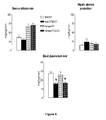
- CTSS KO mice did not display increased insulin sensitivity in these nutritional conditions, as shown by similar glucose infusion rate in CTSS KO and WT mice (male and female) ( Figure 8 ).
- we determined the rate of hepatic glucose production which was also not statistically different in CTSS KO and WT mice.
- Cathepsin S gene deletion slightly increases bodyweight gain. Despite this effect on body weight, the absence of Cathepsin S affects whole body glucose homeostasis in a way that decreases blood glucose levels and ameliorate glucose tolerance. This phenotype is maintained when mice are submitted to a high fat nutritional challenge and in older mice. Absence of Cathepsin S does not alter whole body insulin sensitivity, but may reduce hepatic glucose production. This result is consistent with their phenotype showing reduced blood glucose levels as compared to WT mice.
- Example 2 changes in energy balance predominantly affect cathepsin S in adipose tissue and in circulation.
- the second group included 29 postmenopausal non-diabetic women. They were recruited in the Quebec area (Canada) from 2003 to 2006 for a 6 month medically supervised weight loss program. Weight fluctuation was less than 2 kg for one month before inclusion.
- a hypocaloric diet of 500-800 kcal/day deficit was designed by using the food exchange list of the Canadian Diabetes Association. The women were prescribed a balanced diet providing 1100 to 1800 kcal/day. Food was self-selected and the macronutrient composition was standardized under the supervision of a registered dietician. All participants gave informed written consent before participating in the study in accordance with the ethical guidelines of the liable de Quebec Research Ethics Committee.
- Biopsies of various human tissues were obtained during gastric by-pass surgery in cohort 1 obese subjects, including subcutaneous and omental adipose tissue, jejunum, as the distal part of the Roux-en-Y gastrojejunostomy (i.e. 40 cm distal to the Treitz angle), liver, from the left hepatic lobe, and abdominal external oblique muscle.
- Surgical subcutaneous adipose tissue biopsies were obtained in a separate group of 13 non obese female subjects (Age: 38.8 ⁇ 2.48 years; BMI: 22.3 ⁇ 0.64 kg/m 2 ) during elective surgery (plastic surgery of abdominal wall, hernia or hysterectomy). Tissue samples were stored at - 80°C until RNA extraction.
- Adipose tissue cell fractionation and culture Adipose tissue cell fractionation and culture. Adipocytes and cells of the stromal vascular fraction (SVF) were separated by collagenase digestion of adipose tissue when a sufficient amount (around 2 g) was obtained. Cells of the SVF were separated into endothelial cells (CD34 + /CD31 + ) and macrophages (CD34-/CD14 + ) by immunoselection. Cells were lysed in RLT lysis buffer and stored at -20°C until RNA extraction.
- SVF stromal vascular fraction
- Pre-adipocytes were isolated after 2 passages of total SVF cells and either directly lysed in RLT lysis buffer and stored at -20°C before RNA extraction or differentiated for 10 days in the absence or presence of conditioned medium from human blood monocyte-derived macrophages.
- adipose tissue explants around 300 mg of thoroughly minced adipose tissue fragments ( ⁇ 4 to 8 mm 3 ) were incubated in 2 ml of ECBM (Promocell, Heidelberg, Germany) containing 3% bovine serum albumin and antibiotics for 24 hrs. Incubations were performed at least in triplicate. Conditioned media was stored at -80°C until use.
- RNA preparation and real time PCR RNA preparation and real time PCR. RNA extraction was performed using the RNeasy RNA Mini Kit (Qiagen, Courtaboeuf, France). Total RNA concentration and quality was confirmed using the Agilent 2100 bioanalyser (Agilent Technologies, Massy, France). Total RNA (1 ⁇ g) was reversed transcribed using random hexamers and Supercript II reverse transcriptase. Real time PCR was conducted using 25 ng cDNA with Taqman universal PCR mix in ABI 7700 (Applied Biosystems, Minneapolis, MN, USA). mRNA values were normalized to 18S rRNA (Eurogentec, Angers, France ). Primers for human and mouse cathepsins S, L and K genes are used.
- Cathepsins, cystatin C and leptin determination in serum and culture medium were measured in the serum and in the culture media of adipose tissue explants by enzyme-linked immunosorbent assay (ELISA).
- Cathepsin S R&D Systems, Oxford, UK
- cathepsin L Tebu Bio, Le Perray en Yvelines, France
- cathepsin K Immunodiagnostic Systems, Paris, France
- the intra-assay variability was less than 9% and the inter-assay variability was less than 11% for each cathepsin.
- Cystatin C was measured by a particle-enhanced immunonephelometric assay (DakoCytomation, Trappes, France) on an Immage analyser (Beckman-Coulter, Villepinte, France).
- the assay's analytical sensitivity was 0.07 ⁇ g/ml, and the intra- and inter-assay variability was 2.4% and 2.2%, respectively.
- the concentrations of leptin were determined in the same samples as cathepsins by ELISA (Quantikine human leptin, R&D Systems, Oxford, UK).
- the three forms of cathepsins were highly expressed in human adipose tissue.
- High levels of cathepsin S were detected in the adipose, but also in jejunum, while high levels of cathepsins L and K were only detected in the adipose tissue, as compared to jejunum, liver and muscle of the same obese subject.
- cathepsins S and L mRNA levels were 2-fold higher in omental than in subcutaneous adipose tissue.
- Adipose tissue cell fractionation showed that cathepsins S, L and K were expressed in both adipocytes and cells of the SVF, with cathepsins S and K mRNA levels being higher in stromal cells than in adipocytes.
- macrophages had the highest levels of cathepsins S and L, while cathepsin K was equally expressed in endothelial cells, pre-adipocytes and macrophages.
- cathepsins S, L and K are increased in the adipose tissue of obese rodent, while only cathepsin S is significantly affected in human obesity.
- Leptin release was 4-fold higher in obese (18 ⁇ 3.3 ng/g/24 hrs) than in non-obese adipose tissue conditioned media (5 ⁇ 2.0 ng/g/24 hrs, p ⁇ 0.05).
- Cohort 2 comprised obese women, who were older and exhibited a lower BMI than obese subjects of cohort 1.
- caloric restriction resulted in a 5% reduction of BMI, accompanied by a slight but significant decrease in circulating leptin concentrations and amelioration of glycemic parameters.
- serum cathepsin S was significantly reduced by 32% at the end of caloric restriction period, while no significant change was detected in serum cathepsin L.
- cystatin C Circulating cystatin C levels were significantly higher in the obese women of cohort 1 as compared to controls. In response to weight loss, cystatin C did not change significantly in obese subjects of cohort 1, but decreased slightly in cohort 2. In both groups, the ratio of cystatin C/cathepsin S circulating concentrations significantly increases after weight loss.
- cathepsin S is more influenced than cathepsins L and K by changes in energy balance in adipose tissue and circulation.
- Example 3 Analyze of gene expression in the liver of CTSS KO mice
- RNA extraction was performed using the RNeasy RNA Mini Kit (Qiagen, Courtaboeuf, France). Total RNA concentration and quality was confirmed using the Agilent 2100 bioanalyser (Agilent Technologies, Massy, France). Total RNA (1 ⁇ g) was reversed transcribed using random hexamers and Supercript II reverse transcriptase. Real time PCR was conducted using 25 ng cDNA with Taqman universal PCR mix in ABI 7700 (Applied Biosystems, Minneapolis, MN, USA). mRNA values were normalized to 18S rRNA (Eurogentec, Angers, France ).
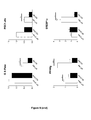
- Appropriate primers were used to determine the level of expression of selected enzymes and transcription factors involved in gluconeogenesis (PEPCK, F1,6 BP, G-6-Pase, PGC1 ⁇ ) and lipogenesis (FAS, ACC, PPAR ⁇ , SREBP1C).
Landscapes
- Health & Medical Sciences (AREA)
- Life Sciences & Earth Sciences (AREA)
- Chemical & Material Sciences (AREA)
- General Health & Medical Sciences (AREA)
- Medicinal Chemistry (AREA)
- Engineering & Computer Science (AREA)
- Veterinary Medicine (AREA)
- Public Health (AREA)
- Pharmacology & Pharmacy (AREA)
- Animal Behavior & Ethology (AREA)
- Organic Chemistry (AREA)
- Bioinformatics & Cheminformatics (AREA)
- Epidemiology (AREA)
- Genetics & Genomics (AREA)
- Diabetes (AREA)
- Molecular Biology (AREA)
- Biomedical Technology (AREA)
- Immunology (AREA)
- Proteomics, Peptides & Aminoacids (AREA)
- Nuclear Medicine, Radiotherapy & Molecular Imaging (AREA)
- General Chemical & Material Sciences (AREA)
- Gastroenterology & Hepatology (AREA)
- Chemical Kinetics & Catalysis (AREA)
- Biotechnology (AREA)
- Biochemistry (AREA)
- Biophysics (AREA)
- General Engineering & Computer Science (AREA)
- Zoology (AREA)
- Wood Science & Technology (AREA)
- Hematology (AREA)
- Obesity (AREA)
- Microbiology (AREA)
- Plant Pathology (AREA)
- Physics & Mathematics (AREA)
- Virology (AREA)
- Child & Adolescent Psychology (AREA)
- Endocrinology (AREA)
- Emergency Medicine (AREA)
- Medicines That Contain Protein Lipid Enzymes And Other Medicines (AREA)
- Pharmaceuticals Containing Other Organic And Inorganic Compounds (AREA)
Claims (2)
- Inhibitor der Cathepsin S-Aktivität für die Verwendung bei der Prävention einer Erkrankung im Zusammenhang mit Adipositas bei einem Individuum, das einer Behandlung bedarf, wobei die Erkrankung im Zusammenhang mit Adipositas aus der Gruppe ausgewählt wird, die aus Typ-2-Diabetes, Hyperglykämie, Insulinresistenz und Hyperinsulinämie besteht.
- Inhibitor der Cathepsin S-Aktivität für die Verwendung nach Anspruch 1, wobei das genannte Individuum ein adipöses Individuum ist.
Priority Applications (1)
| Application Number | Priority Date | Filing Date | Title |
|---|---|---|---|
| EP10711654.3A EP2408455B1 (de) | 2009-03-20 | 2010-03-22 | Inhibitoren von Cathepsin S zur Vorbeugung oder Behandlung von Adipositas-assoziierten Erkrankungen |
Applications Claiming Priority (4)
| Application Number | Priority Date | Filing Date | Title |
|---|---|---|---|
| EP09305249 | 2009-03-20 | ||
| EP10305119 | 2010-02-04 | ||
| PCT/EP2010/053674 WO2010106187A2 (en) | 2009-03-20 | 2010-03-22 | Inhibitors of cathepsin s for prevention or treatment of obesity-associated disorders |
| EP10711654.3A EP2408455B1 (de) | 2009-03-20 | 2010-03-22 | Inhibitoren von Cathepsin S zur Vorbeugung oder Behandlung von Adipositas-assoziierten Erkrankungen |
Publications (2)
| Publication Number | Publication Date |
|---|---|
| EP2408455A2 EP2408455A2 (de) | 2012-01-25 |
| EP2408455B1 true EP2408455B1 (de) | 2014-06-04 |
Family
ID=42229059
Family Applications (1)
| Application Number | Title | Priority Date | Filing Date |
|---|---|---|---|
| EP10711654.3A Not-in-force EP2408455B1 (de) | 2009-03-20 | 2010-03-22 | Inhibitoren von Cathepsin S zur Vorbeugung oder Behandlung von Adipositas-assoziierten Erkrankungen |
Country Status (3)
| Country | Link |
|---|---|
| US (2) | US8748493B2 (de) |
| EP (1) | EP2408455B1 (de) |
| WO (1) | WO2010106187A2 (de) |
Families Citing this family (2)
| Publication number | Priority date | Publication date | Assignee | Title |
|---|---|---|---|---|
| EP3307305A4 (de) * | 2015-06-10 | 2019-05-22 | Modernatx, Inc. | Gerichtete adaptive impfstoffe |
| CN115992234A (zh) * | 2022-08-11 | 2023-04-21 | 中国医科大学附属第一医院 | Ctss在皮肤纤维瘤中的应用 |
Family Cites Families (26)
| Publication number | Priority date | Publication date | Assignee | Title |
|---|---|---|---|---|
| GB8308235D0 (en) | 1983-03-25 | 1983-05-05 | Celltech Ltd | Polypeptides |
| US5225539A (en) | 1986-03-27 | 1993-07-06 | Medical Research Council | Recombinant altered antibodies and methods of making altered antibodies |
| US4946778A (en) | 1987-09-21 | 1990-08-07 | Genex Corporation | Single polypeptide chain binding molecules |
| US6506559B1 (en) | 1997-12-23 | 2003-01-14 | Carnegie Institute Of Washington | Genetic inhibition by double-stranded RNA |
| AUPP249298A0 (en) | 1998-03-20 | 1998-04-23 | Ag-Gene Australia Limited | Synthetic genes and genetic constructs comprising same I |
| US6566131B1 (en) | 2000-10-04 | 2003-05-20 | Isis Pharmaceuticals, Inc. | Antisense modulation of Smad6 expression |
| US6410323B1 (en) | 1999-08-31 | 2002-06-25 | Isis Pharmaceuticals, Inc. | Antisense modulation of human Rho family gene expression |
| US6107091A (en) | 1998-12-03 | 2000-08-22 | Isis Pharmaceuticals Inc. | Antisense inhibition of G-alpha-16 expression |
| US5981732A (en) | 1998-12-04 | 1999-11-09 | Isis Pharmaceuticals Inc. | Antisense modulation of G-alpha-13 expression |
| US6046321A (en) | 1999-04-09 | 2000-04-04 | Isis Pharmaceuticals Inc. | Antisense modulation of G-alpha-i1 expression |
| GB9927444D0 (en) | 1999-11-19 | 2000-01-19 | Cancer Res Campaign Tech | Inhibiting gene expression |
| WO2001068836A2 (en) | 2000-03-16 | 2001-09-20 | Genetica, Inc. | Methods and compositions for rna interference |
| US6365354B1 (en) | 2000-07-31 | 2002-04-02 | Isis Pharmaceuticals, Inc. | Antisense modulation of lysophospholipase I expression |
| US6566135B1 (en) | 2000-10-04 | 2003-05-20 | Isis Pharmaceuticals, Inc. | Antisense modulation of caspase 6 expression |
| US20030050260A1 (en) * | 2001-02-14 | 2003-03-13 | Yong Hamilton H. | Method for treating diabetes by reducing in vivo cathepsin L activity |
| WO2002064613A1 (en) * | 2001-02-14 | 2002-08-22 | Newmillennium Pharmaceutical, Inc. | Genetic therapeutics for obesity and diabetes by targeting cathepsin |
| CN1400018A (zh) * | 2001-08-08 | 2003-03-05 | 沈爱福 | 治疗肥胖症、糖尿病及相关疾病的药物 |
| WO2005097103A2 (en) | 2004-04-01 | 2005-10-20 | Axys Pharmaceuticals, Inc. | Diabetes and metabolic syndrome therapy utilizing cathepsin b inhibitors |
| EP1776386A1 (de) * | 2004-07-14 | 2007-04-25 | Eli Lilly And Company | Anti-ghrelin-antikörper |
| US20090005323A1 (en) | 2005-01-19 | 2009-01-01 | Michael David Percival | Cathepsin K Inhibitors and Obesity |
| SG170725A1 (en) * | 2006-02-21 | 2011-05-30 | Agency Science Tech & Res | Method and reagents for treating hepatic fibrosis and inflammation |
| AU2007246921A1 (en) * | 2006-04-10 | 2007-11-15 | Fusion Antibodies Limited | Therapy targeting Cathepsin S |
| EP2064178A4 (de) * | 2006-09-08 | 2011-10-05 | Merck Canada Inc | Prodrugs von inhibitoren von cathepsin s |
| CA2561032A1 (en) | 2006-09-27 | 2008-03-27 | Sylvan Pharmaceuticals Pty Ltd. | Inhibition of cathepsin k activity and the treatment and prevention of disease |
| US20100150914A1 (en) * | 2006-11-09 | 2010-06-17 | Irm Llc | Agonist trkb antibodies and uses thereof |
| GB0804701D0 (en) * | 2008-03-13 | 2008-04-16 | Amura Therapeutics Ltd | Compounds |
-
2010
- 2010-03-22 EP EP10711654.3A patent/EP2408455B1/de not_active Not-in-force
- 2010-03-22 US US13/202,339 patent/US8748493B2/en not_active Expired - Fee Related
- 2010-03-22 WO PCT/EP2010/053674 patent/WO2010106187A2/en not_active Ceased
-
2014
- 2014-02-12 US US14/178,819 patent/US20140199326A1/en not_active Abandoned
Non-Patent Citations (1)
| Title |
|---|
| ALICE LEE-DUTRA ET AL: "Cathepsin S inhibitors: 2004 - 2010", EXPERT OPINION ON THERAPEUTIC PATENTS, vol. 21, no. 3, 1 March 2011 (2011-03-01), pages 311 - 337, XP055100095, ISSN: 1354-3776, DOI: 10.1517/13543776.2011.553800 * |
Also Published As
| Publication number | Publication date |
|---|---|
| EP2408455A2 (de) | 2012-01-25 |
| US20140199326A1 (en) | 2014-07-17 |
| WO2010106187A3 (en) | 2011-02-03 |
| WO2010106187A2 (en) | 2010-09-23 |
| US8748493B2 (en) | 2014-06-10 |
| US20110301242A1 (en) | 2011-12-08 |
Similar Documents
| Publication | Publication Date | Title |
|---|---|---|
| US20160102063A1 (en) | Method of increasing metabolism | |
| US20130219534A1 (en) | Methods for the Treatment and Prevention of Metabolic Disorders | |
| EP2942060A1 (de) | Verwendung von Proteinkinase-C-Delta (PKCD-)Hemmern zur Behandlung von Diabetes, Adipositas und Leberverfettung | |
| CA2659461A1 (en) | Identification and characterization of hcv replicon variants with reduced susceptibility to hcv-796, and methods related thereto | |
| EP3501531A1 (de) | Neues target zur diabetesbehandlung und -vorbeugung | |
| US10059946B2 (en) | Method for treatment of heart failure | |
| CN106029101A (zh) | 生物材料和其治疗用途 | |
| JP2016538289A (ja) | マクロファージ活性化の主要制御因子としてのparp9およびparp14 | |
| JP2022501388A (ja) | 関節リウマチにおけるptprs及びプロテオグリカン | |
| US8748493B2 (en) | Inhibitors of cathepsin S for prevention or treatment of obesity-associated disorders | |
| US20240425863A1 (en) | Use of pi3kc2b inhibitors for the preservation of vascular endothelial cell barrier integrity | |
| JP2024063069A (ja) | 喘息及びアレルギー性疾患を処置するための方法及び組成物 | |
| AU2020204911A1 (en) | Co-administration of inhibitors to produce insulin producing gut cells | |
| US20130251702A1 (en) | Method for screening compounds for treating sepsis targeting nod2 signalling pathway and composition for treating sepsis comprising nod2 signalling pathway inhibitors | |
| US20130236480A1 (en) | Transglutaminase 2 inhibitors for use in the prevention or treatment of rapidly progressive glomerulonephritis | |
| US20160304881A1 (en) | Ddr1 antagonist or an inhibitor of ddr1 gene expression for use in the prevention or treatment of crescentic glomerulonephritis | |
| US10213434B2 (en) | Use of factor Xa inhibitors for regulating glycemia | |
| KR20200045910A (ko) | 섬유화 질환을 예방 또는 치료하는 조성물 | |
| US20200225249A1 (en) | Compositions and methods for the diagnosis and treatment of diseases of the liver | |
| WO2025096597A1 (en) | Compositions including inhibitors of pten expression or activity to prevent or treat type 2 diabetes | |
| EP4709857A1 (de) | Verfahren zur behandlung von chronischer nierenerkrankung | |
| US20090317357A1 (en) | Methods for treating or preventing autoimmune disease using histamine h1 receptor-blocking agents | |
| Arwood | Identification of T cell derived KLK1b22 as a novel regulator of systemic metabolism | |
| KR20130044183A (ko) | 엔에이디 글리코하이드롤라제 억제제를 유효성분으로 포함하는 당뇨병의 예방 또는 치료용 조성물 |
Legal Events
| Date | Code | Title | Description |
|---|---|---|---|
| PUAI | Public reference made under article 153(3) epc to a published international application that has entered the european phase |
Free format text: ORIGINAL CODE: 0009012 |
|
| 17P | Request for examination filed |
Effective date: 20110922 |
|
| AK | Designated contracting states |
Kind code of ref document: A2 Designated state(s): AT BE BG CH CY CZ DE DK EE ES FI FR GB GR HR HU IE IS IT LI LT LU LV MC MK MT NL NO PL PT RO SE SI SK SM TR |
|
| DAX | Request for extension of the european patent (deleted) | ||
| 17Q | First examination report despatched |
Effective date: 20121017 |
|
| GRAP | Despatch of communication of intention to grant a patent |
Free format text: ORIGINAL CODE: EPIDOSNIGR1 |
|
| INTG | Intention to grant announced |
Effective date: 20140320 |
|
| GRAS | Grant fee paid |
Free format text: ORIGINAL CODE: EPIDOSNIGR3 |
|
| GRAA | (expected) grant |
Free format text: ORIGINAL CODE: 0009210 |
|
| AK | Designated contracting states |
Kind code of ref document: B1 Designated state(s): AT BE BG CH CY CZ DE DK EE ES FI FR GB GR HR HU IE IS IT LI LT LU LV MC MK MT NL NO PL PT RO SE SI SK SM TR |
|
| REG | Reference to a national code |
Ref country code: GB Ref legal event code: FG4D |
|
| REG | Reference to a national code |
Ref country code: CH Ref legal event code: EP |
|
| REG | Reference to a national code |
Ref country code: AT Ref legal event code: REF Ref document number: 670632 Country of ref document: AT Kind code of ref document: T Effective date: 20140615 |
|
| REG | Reference to a national code |
Ref country code: IE Ref legal event code: FG4D |
|
| REG | Reference to a national code |
Ref country code: DE Ref legal event code: R096 Ref document number: 602010016431 Country of ref document: DE Effective date: 20140717 |
|
| REG | Reference to a national code |
Ref country code: AT Ref legal event code: MK05 Ref document number: 670632 Country of ref document: AT Kind code of ref document: T Effective date: 20140604 |
|
| REG | Reference to a national code |
Ref country code: NL Ref legal event code: VDEP Effective date: 20140604 |
|
| PG25 | Lapsed in a contracting state [announced via postgrant information from national office to epo] |
Ref country code: NO Free format text: LAPSE BECAUSE OF FAILURE TO SUBMIT A TRANSLATION OF THE DESCRIPTION OR TO PAY THE FEE WITHIN THE PRESCRIBED TIME-LIMIT Effective date: 20140904 Ref country code: FI Free format text: LAPSE BECAUSE OF FAILURE TO SUBMIT A TRANSLATION OF THE DESCRIPTION OR TO PAY THE FEE WITHIN THE PRESCRIBED TIME-LIMIT Effective date: 20140604 Ref country code: LT Free format text: LAPSE BECAUSE OF FAILURE TO SUBMIT A TRANSLATION OF THE DESCRIPTION OR TO PAY THE FEE WITHIN THE PRESCRIBED TIME-LIMIT Effective date: 20140604 Ref country code: CY Free format text: LAPSE BECAUSE OF FAILURE TO SUBMIT A TRANSLATION OF THE DESCRIPTION OR TO PAY THE FEE WITHIN THE PRESCRIBED TIME-LIMIT Effective date: 20140604 Ref country code: GR Free format text: LAPSE BECAUSE OF FAILURE TO SUBMIT A TRANSLATION OF THE DESCRIPTION OR TO PAY THE FEE WITHIN THE PRESCRIBED TIME-LIMIT Effective date: 20140905 |
|
| REG | Reference to a national code |
Ref country code: LT Ref legal event code: MG4D |
|
| PG25 | Lapsed in a contracting state [announced via postgrant information from national office to epo] |
Ref country code: LV Free format text: LAPSE BECAUSE OF FAILURE TO SUBMIT A TRANSLATION OF THE DESCRIPTION OR TO PAY THE FEE WITHIN THE PRESCRIBED TIME-LIMIT Effective date: 20140604 Ref country code: AT Free format text: LAPSE BECAUSE OF FAILURE TO SUBMIT A TRANSLATION OF THE DESCRIPTION OR TO PAY THE FEE WITHIN THE PRESCRIBED TIME-LIMIT Effective date: 20140604 Ref country code: HR Free format text: LAPSE BECAUSE OF FAILURE TO SUBMIT A TRANSLATION OF THE DESCRIPTION OR TO PAY THE FEE WITHIN THE PRESCRIBED TIME-LIMIT Effective date: 20140604 Ref country code: SE Free format text: LAPSE BECAUSE OF FAILURE TO SUBMIT A TRANSLATION OF THE DESCRIPTION OR TO PAY THE FEE WITHIN THE PRESCRIBED TIME-LIMIT Effective date: 20140604 |
|
| PG25 | Lapsed in a contracting state [announced via postgrant information from national office to epo] |
Ref country code: RO Free format text: LAPSE BECAUSE OF FAILURE TO SUBMIT A TRANSLATION OF THE DESCRIPTION OR TO PAY THE FEE WITHIN THE PRESCRIBED TIME-LIMIT Effective date: 20140604 Ref country code: ES Free format text: LAPSE BECAUSE OF FAILURE TO SUBMIT A TRANSLATION OF THE DESCRIPTION OR TO PAY THE FEE WITHIN THE PRESCRIBED TIME-LIMIT Effective date: 20140604 Ref country code: SK Free format text: LAPSE BECAUSE OF FAILURE TO SUBMIT A TRANSLATION OF THE DESCRIPTION OR TO PAY THE FEE WITHIN THE PRESCRIBED TIME-LIMIT Effective date: 20140604 Ref country code: EE Free format text: LAPSE BECAUSE OF FAILURE TO SUBMIT A TRANSLATION OF THE DESCRIPTION OR TO PAY THE FEE WITHIN THE PRESCRIBED TIME-LIMIT Effective date: 20140604 Ref country code: CZ Free format text: LAPSE BECAUSE OF FAILURE TO SUBMIT A TRANSLATION OF THE DESCRIPTION OR TO PAY THE FEE WITHIN THE PRESCRIBED TIME-LIMIT Effective date: 20140604 Ref country code: PT Free format text: LAPSE BECAUSE OF FAILURE TO SUBMIT A TRANSLATION OF THE DESCRIPTION OR TO PAY THE FEE WITHIN THE PRESCRIBED TIME-LIMIT Effective date: 20141006 |
|
| PG25 | Lapsed in a contracting state [announced via postgrant information from national office to epo] |
Ref country code: PL Free format text: LAPSE BECAUSE OF FAILURE TO SUBMIT A TRANSLATION OF THE DESCRIPTION OR TO PAY THE FEE WITHIN THE PRESCRIBED TIME-LIMIT Effective date: 20140604 Ref country code: NL Free format text: LAPSE BECAUSE OF FAILURE TO SUBMIT A TRANSLATION OF THE DESCRIPTION OR TO PAY THE FEE WITHIN THE PRESCRIBED TIME-LIMIT Effective date: 20140604 Ref country code: IS Free format text: LAPSE BECAUSE OF FAILURE TO SUBMIT A TRANSLATION OF THE DESCRIPTION OR TO PAY THE FEE WITHIN THE PRESCRIBED TIME-LIMIT Effective date: 20141004 |
|
| REG | Reference to a national code |
Ref country code: DE Ref legal event code: R097 Ref document number: 602010016431 Country of ref document: DE |
|
| PLBE | No opposition filed within time limit |
Free format text: ORIGINAL CODE: 0009261 |
|
| STAA | Information on the status of an ep patent application or granted ep patent |
Free format text: STATUS: NO OPPOSITION FILED WITHIN TIME LIMIT |
|
| PG25 | Lapsed in a contracting state [announced via postgrant information from national office to epo] |
Ref country code: DK Free format text: LAPSE BECAUSE OF FAILURE TO SUBMIT A TRANSLATION OF THE DESCRIPTION OR TO PAY THE FEE WITHIN THE PRESCRIBED TIME-LIMIT Effective date: 20140604 Ref country code: IT Free format text: LAPSE BECAUSE OF FAILURE TO SUBMIT A TRANSLATION OF THE DESCRIPTION OR TO PAY THE FEE WITHIN THE PRESCRIBED TIME-LIMIT Effective date: 20140604 |
|
| 26N | No opposition filed |
Effective date: 20150305 |
|
| REG | Reference to a national code |
Ref country code: DE Ref legal event code: R097 Ref document number: 602010016431 Country of ref document: DE Effective date: 20150305 |
|
| PG25 | Lapsed in a contracting state [announced via postgrant information from national office to epo] |
Ref country code: BE Free format text: LAPSE BECAUSE OF FAILURE TO SUBMIT A TRANSLATION OF THE DESCRIPTION OR TO PAY THE FEE WITHIN THE PRESCRIBED TIME-LIMIT Effective date: 20140604 |
|
| PG25 | Lapsed in a contracting state [announced via postgrant information from national office to epo] |
Ref country code: SI Free format text: LAPSE BECAUSE OF FAILURE TO SUBMIT A TRANSLATION OF THE DESCRIPTION OR TO PAY THE FEE WITHIN THE PRESCRIBED TIME-LIMIT Effective date: 20140604 |
|
| REG | Reference to a national code |
Ref country code: DE Ref legal event code: R119 Ref document number: 602010016431 Country of ref document: DE |
|
| PG25 | Lapsed in a contracting state [announced via postgrant information from national office to epo] |
Ref country code: LU Free format text: LAPSE BECAUSE OF FAILURE TO SUBMIT A TRANSLATION OF THE DESCRIPTION OR TO PAY THE FEE WITHIN THE PRESCRIBED TIME-LIMIT Effective date: 20150322 Ref country code: MC Free format text: LAPSE BECAUSE OF FAILURE TO SUBMIT A TRANSLATION OF THE DESCRIPTION OR TO PAY THE FEE WITHIN THE PRESCRIBED TIME-LIMIT Effective date: 20140604 |
|
| REG | Reference to a national code |
Ref country code: CH Ref legal event code: PL |
|
| GBPC | Gb: european patent ceased through non-payment of renewal fee |
Effective date: 20150322 |
|
| REG | Reference to a national code |
Ref country code: FR Ref legal event code: ST Effective date: 20151130 |
|
| REG | Reference to a national code |
Ref country code: IE Ref legal event code: MM4A |
|
| PG25 | Lapsed in a contracting state [announced via postgrant information from national office to epo] |
Ref country code: IE Free format text: LAPSE BECAUSE OF NON-PAYMENT OF DUE FEES Effective date: 20150322 Ref country code: DE Free format text: LAPSE BECAUSE OF NON-PAYMENT OF DUE FEES Effective date: 20151001 Ref country code: CH Free format text: LAPSE BECAUSE OF NON-PAYMENT OF DUE FEES Effective date: 20150331 Ref country code: GB Free format text: LAPSE BECAUSE OF NON-PAYMENT OF DUE FEES Effective date: 20150322 Ref country code: LI Free format text: LAPSE BECAUSE OF NON-PAYMENT OF DUE FEES Effective date: 20150331 |
|
| PG25 | Lapsed in a contracting state [announced via postgrant information from national office to epo] |
Ref country code: FR Free format text: LAPSE BECAUSE OF NON-PAYMENT OF DUE FEES Effective date: 20150331 |
|
| PG25 | Lapsed in a contracting state [announced via postgrant information from national office to epo] |
Ref country code: MT Free format text: LAPSE BECAUSE OF FAILURE TO SUBMIT A TRANSLATION OF THE DESCRIPTION OR TO PAY THE FEE WITHIN THE PRESCRIBED TIME-LIMIT Effective date: 20140604 |
|
| PG25 | Lapsed in a contracting state [announced via postgrant information from national office to epo] |
Ref country code: HU Free format text: LAPSE BECAUSE OF FAILURE TO SUBMIT A TRANSLATION OF THE DESCRIPTION OR TO PAY THE FEE WITHIN THE PRESCRIBED TIME-LIMIT; INVALID AB INITIO Effective date: 20100322 Ref country code: SM Free format text: LAPSE BECAUSE OF FAILURE TO SUBMIT A TRANSLATION OF THE DESCRIPTION OR TO PAY THE FEE WITHIN THE PRESCRIBED TIME-LIMIT Effective date: 20140604 Ref country code: BG Free format text: LAPSE BECAUSE OF FAILURE TO SUBMIT A TRANSLATION OF THE DESCRIPTION OR TO PAY THE FEE WITHIN THE PRESCRIBED TIME-LIMIT Effective date: 20140604 |
|
| PG25 | Lapsed in a contracting state [announced via postgrant information from national office to epo] |
Ref country code: TR Free format text: LAPSE BECAUSE OF FAILURE TO SUBMIT A TRANSLATION OF THE DESCRIPTION OR TO PAY THE FEE WITHIN THE PRESCRIBED TIME-LIMIT Effective date: 20140604 |
|
| PG25 | Lapsed in a contracting state [announced via postgrant information from national office to epo] |
Ref country code: MK Free format text: LAPSE BECAUSE OF FAILURE TO SUBMIT A TRANSLATION OF THE DESCRIPTION OR TO PAY THE FEE WITHIN THE PRESCRIBED TIME-LIMIT Effective date: 20140604 |