EP2410052A1 - In-vitro-verfahren zur erkennung von candida glabrata, diagnosekit und verwendung davon - Google Patents
In-vitro-verfahren zur erkennung von candida glabrata, diagnosekit und verwendung davon Download PDFInfo
- Publication number
- EP2410052A1 EP2410052A1 EP10753741A EP10753741A EP2410052A1 EP 2410052 A1 EP2410052 A1 EP 2410052A1 EP 10753741 A EP10753741 A EP 10753741A EP 10753741 A EP10753741 A EP 10753741A EP 2410052 A1 EP2410052 A1 EP 2410052A1
- Authority
- EP
- European Patent Office
- Prior art keywords
- seq
- glabrata
- dna
- nos
- lanes
- Prior art date
- Legal status (The legal status is an assumption and is not a legal conclusion. Google has not performed a legal analysis and makes no representation as to the accuracy of the status listed.)
- Granted
Links
Images






Classifications
-
- C—CHEMISTRY; METALLURGY
- C12—BIOCHEMISTRY; BEER; SPIRITS; WINE; VINEGAR; MICROBIOLOGY; ENZYMOLOGY; MUTATION OR GENETIC ENGINEERING
- C12Q—MEASURING OR TESTING PROCESSES INVOLVING ENZYMES, NUCLEIC ACIDS OR MICROORGANISMS; COMPOSITIONS OR TEST PAPERS THEREFOR; PROCESSES OF PREPARING SUCH COMPOSITIONS; CONDITION-RESPONSIVE CONTROL IN MICROBIOLOGICAL OR ENZYMOLOGICAL PROCESSES
- C12Q1/00—Measuring or testing processes involving enzymes, nucleic acids or microorganisms; Compositions therefor; Processes of preparing such compositions
- C12Q1/68—Measuring or testing processes involving enzymes, nucleic acids or microorganisms; Compositions therefor; Processes of preparing such compositions involving nucleic acids
- C12Q1/6876—Nucleic acid products used in the analysis of nucleic acids, e.g. primers or probes
- C12Q1/6888—Nucleic acid products used in the analysis of nucleic acids, e.g. primers or probes for detection or identification of organisms
-
- C—CHEMISTRY; METALLURGY
- C12—BIOCHEMISTRY; BEER; SPIRITS; WINE; VINEGAR; MICROBIOLOGY; ENZYMOLOGY; MUTATION OR GENETIC ENGINEERING
- C12Q—MEASURING OR TESTING PROCESSES INVOLVING ENZYMES, NUCLEIC ACIDS OR MICROORGANISMS; COMPOSITIONS OR TEST PAPERS THEREFOR; PROCESSES OF PREPARING SUCH COMPOSITIONS; CONDITION-RESPONSIVE CONTROL IN MICROBIOLOGICAL OR ENZYMOLOGICAL PROCESSES
- C12Q1/00—Measuring or testing processes involving enzymes, nucleic acids or microorganisms; Compositions therefor; Processes of preparing such compositions
- C12Q1/68—Measuring or testing processes involving enzymes, nucleic acids or microorganisms; Compositions therefor; Processes of preparing such compositions involving nucleic acids
- C12Q1/6876—Nucleic acid products used in the analysis of nucleic acids, e.g. primers or probes
- C12Q1/6888—Nucleic acid products used in the analysis of nucleic acids, e.g. primers or probes for detection or identification of organisms
- C12Q1/6895—Nucleic acid products used in the analysis of nucleic acids, e.g. primers or probes for detection or identification of organisms for plants, fungi or algae
Definitions
- the present invention relates to biotechnology, especially molecular diagnostic methods in vitro.
- Candida glabrata has been considered as a relatively non-pathogenic fungus in the normal flora of healthy individuals. That is, they rarely cause serious infections in humans.
- frequency of infections caused by mucosal or systemic routes by C. glabrata has increased significantly.
- C. glabrata is usually the second or third most common cause of infection after C. albicans, representing 17 to 23% of cases of candidiasis in the bloodstream in patients aged 16 to 65 years ( MA Pfaller, et. al, Journal of Clinical Microbiology, Mar. 2002, p. 852-856 VOl. 40, No. 3 ).
- infections with C. glabrata are common in abnormal hosts, eg, immunocompromised persons, patients with diabetes mellitus, cancer patients or, on the other hand, in neonates or elderly people. It is also common in hospital settings and in patients who have undergone surgery, have been handled by hospital staff (catheterization) or been hospitalized for prolonged periods and mortality in such patients is equal to the rate of infections caused by C. albicans.
- C. glabrata Infections of C. glabrata are difficult to treat and are generally resistant to many antifungal agents on the type of azoles, especially fluconazole, which is the most prescribed antifungal for candidiasis cases. Therefore, to be resistant to common antifungal and lack of a rapid and accurate diagnosis, infection of C. glabrata have a high mortality in hospital patients.
- the systems API 20 or API 20C are based on carbohydrate assimilation tests for identification of clinically relevant yeasts, the incubation time is approximately 72 hours, but is always recommended to correlate with morphology in cultures or similar methods, so it is not 100% specific for identification of fungi.
- There are improved tests such as Vitex Yeast Biochemical Card, which is an automated system wherein 26 conventional biochemical tests and 4 negative controls are done, with an accuracy greater than or equal to 85%, but if accuracy is less, additional morphological testing should be made ( J. Clin. Microbiol, May 1994, pp. 1184-1187, Vol. 32, No. 5 ; J. Clin.
- FISH fluorescence in situ hybridization
- variable data are reported in terms of specificity and sensitivity of the method, since in some reports there are inconsistencies with isolates that were positive, but when biochemical testing are performed, species other than Candida were detected, in some cases different Candida species were not detected in mixtures, and the reliability of the test depends on the design of oligonucleotide probes. In one of these reports the need for specific probes for C. glabrata is highlighted.
- U.S. Patent 6,497,880 reports a method by detecting gene sequences that code for proteins in response to heat (heat shock proteins, Hsps).
- Hsps heat shock proteins
- U.S. Patent, 6,017,699 reports a method for identifying candidas by detecting gene sequences of chitin synthase 1, CHS1 (chitin synthase). Methods for identifying candida by specific sequences in conserved genes can reduce their reliance on a mixture of phylogenetically close organisms.
- the lectin-like adhesins are proteins that have been described in several species of pathogens, including C. glabrata and C. albicans. These species adhere to host epithelial cells through the recognition of cell wall carbohydrates therein.
- Epa1 is a cell wall protein called Epa1 which is the primary adhesin responsible for adherence presenting cells of C. glabrata to epithelial cells in vitro.
- Epa1 is a lectin that recognizes glycoconjugate of N-acetyl-lactosamine present on the surface of mammalian epithelial cells (Cormack et al., 1999).
- EPA1 gene was initially identified by searching for mutants of C. glabrata unable to adhere to epithelial cells in vitro, and showed that a deletion of the EPA1 gene reduced the adherence of C. glabrata to undetectable levels.
- EPA7 and EPA6 are genes encoding other adhesins (conferred adherence to S. cerevisiae when expressed ectopically), and are located in subtelomeric regions. This location has meant that EPA6 and EPA7 (and other subtelomeric adhesins) are not expressed in vitro. For urinary tract infections, however, is induced at least Epa6 (Domergue et al., 2005).
- C. glabrata contains a family of cell wall proteins of at least 23 members.
- EPA1 is grouped with two other related genes, EPA2 and EPA3, in a region adjacent to the right side of the telomere on chromosome E.
- EPA4 and EPA5 At the right side of subtelomeric region of chromosome I, we also found genes EPA4 and EPA5 (De Las Pe ⁇ as et al., 2003).
- Epa In total, from the 23 members of the family Epa, at least 17 are located in regions adjacent to telomeres, and during in vitro growth are transcriptionally inactive (Brown et al. 2005; De Las Pe ⁇ as et al., 2003). This negative regulation depends on the repressive structure of chromatin in regions near telomeres (subtelomeric silencing).
- the present invention arises from a strategy analysis of the intergenic regions of the adhesins of C. glabrata, especially the variants of the regions containing the sequences of the negative elements (EN) to identify Candida glabrata and from the evidence of its usefulness in the identification of this organism. It is worth mentioning that this strategy has not been addressed in any report of prior art, so it is novel, not obvious and subject to industrial application.
- the present invention describes and claims a DNA molecule, wherein is an intergenic region of adhesin C. glabrata and is selected from the group consisting of SEQ ID No. 1, SEQ ID No. 2, SEQ ID No. 3, SEQ ID No. 4 and SEQ ID No. 5.
- said DNA molecule is comprised of the following intergenic regions: EPA1 to EPA 2 for SEQ ID No. 1 (2225 bp), EPAH to Telomere for SEQ. ID No. 2 (2438 bp), EPAK to EPA22 for SEQ. ID. No. 3 (8309 bp), EPA6 to Telomere for SEQ. ID. No. 4 (2432 bp) and EPA7 to Telomere for SEQ. ID. No. 5 (2498 bp).
- oligonucleotide for specific identification of C. glabrata, characterized in that it consists of a continuous sequence of 15 to 35 nucleotides of the DNA sequences selected from the group consisting of SEQ ID No. 1, SEQ ID No. 2, SEQ ID No. 3, SEQ ID SEQ ID No. 4 and No. 5., wherein said oligonucleotide is further characterized as consisting of sequences shown in SEQ ID Nos. 6 to 52. This oligonucleotide is further characterized because it has a homology between 90 and 100% with respect to SEQ ID Nos. 1 to 5.
- an in vitro method for the specific identification of C. glabrata which comprises the steps of: a) amplifying DNA fragments from a biological sample by PCR with the oligonucleotides described above and b) identify the amplified DNA fragments.
- the biological sample is derived from one subject to study.
- the study subject is a mammal, which in a preferred embodiment, but not limited is a human.
- said biological sample is selected from the group consisting of any sample containing DNA, fluids, tissue, or cell debris, midstream urine, urine culture tube, growing by nephrostomy (right and left kidney), hemodialysis water, pleural fluid, pyogenic culture, mieloculture, bone marrow, blood lysis (peripheral blood), blood culture (blood), leukocyte concentrate, concentrated red cell, throat, nasal discharge, vaginal discharge, prostate exudates, sputum, catheter, biopsies from different tissues such as lymph node, subcutaneous tissue, cornea, lung, pulmonary nodule, pancreas, jaw, skin, quantitative skin (cellulite, breast, scrotum, arm, hand), hair, nails, shinbone, muscle, bone, breast, synovial fluid, scar, thigh, joint capsule, knee, omentum, bronchoalveolar lavage (lingula, upper and lower lobe (left and right), left and right LBA (airways)
- the amplified DNA fragments were carried out with at least one oligonucleotide as defined above.
- the temperature reaction amplification of PCR is between 54°C and 67.6°C
- the concentration of genomic DNA is equal to or greater than 0.0008ng, preferably the concentration of DNA genome is between 0.0008ng to 345ng
- the concentration of oligonucleotide is between 100nM and 1200nM
- the concentration of dNTPs is between 5 to 50 ⁇ M.
- kits for the specific identification of Candida glabrata which comprises the oligonucleotides as defined above.
- said kit comprises at least one sample of genomic DNA from C. glabrata (positive control) and at least one sample of genomic DNA from at least one species phylogenetically related to C. glabrata (negative control).
- a DNA molecule that is an intergenic region of adhesion from C. glabrata and is selected from the group consisting of SEQ ID No. 1, SEQ ID No. 2, SEQ ID No. 3, SEQ ID No. 4 and SEQ ID No. 5, as described above, to generate oligonucleotides useful for specific identification of C. glabrata.
- oligonucleotides characterized because they consist of a continuous sequence of 15 to 35 nucleotides of the DNA sequences selected from the group consisting of SEQ ID No. 1, SEQ ID No. 2, SEQ ID No. 3, SEQ ID No. 4 and SEQ ID No. 5. Wherein such oligonucleotides are further characterized as consisting of the sequences as shown in SEQ ID Nos. 6 to 52. Said oligonucleotides are further characterized as having a homology between 90 and 100% with respect to SEQ ID Nos. 1 to 5, to identify C. glabrata.
- a preferred embodiment of the present invention comprises a DNA molecule useful for specific identification of C. glabrata, characterized in that it consists of a continuous sequence of 36 or more nucleotides comprised within DNA sequences are selected from the group consisting of SEQ ID No. 1, SEQ ID No. 2, SEQ ID No. 3, SEQ ID No. 4 and SEQ ID No. 5, wherein said molecule has a homology between 90 and 100% with respect to SEQ ID Nos. 1 to 5, as well as their use.
- an in vitro method for the specific identification of C. glabrata which comprises the steps of: a) hybridizing DNA fragments from a biological sample with the DNA molecules as defined in the previous paragraph b) identifying the hybridized DNA fragments, wherein steps a) and b ) are carried out by a technique selected from the group comprising: Dot-Blot, Southern blotting, Northern blotting, in situ hybridization or microarray, wherein the biological sample is derived from one subject to study, wherein the subject to study is a mammal, wherein said mammal is a human.
- Said biological sample is selected from the group consisting of any sample containing DNA, fluids, tissue, or cell debris, midstream urine, urine culture tube, growing by nephrostomy (right and left kidney), hemodialysis water, pleural fluid, pyogenic culture, mieloculture, bone marrow, blood lysis (peripheral blood), blood culture (blood), leukocyte concentrate, concentrated red cell, throat, nasal discharge, vaginal discharge, prostate exudates, sputum, catheter, biopsies from different tissues such as lymph node, subcutaneous tissue, cornea, lung, pulmonary nodule, pancreas, jaw, skin, quantitative skin (cellulite, breast, scrotum, arm, hand), hair, nails, shinbone, muscle, bone, breast, synovial fluid, scar, thigh, joint capsule, knee, omentum, bronchoalveolar lavage (lingula, upper and lower lobe (left and right), left and right LBA (airways)); post-mortem
- kits for the specific identification of Candida glabrata further comprising at least one DNA molecule as defined above, wherein said kit comprises at least one sample of genomic DNA from C. glabrata (positive control) and at least one sample of genomic DNA from at least one species phylogenetically related to C. glabrata (negative control).
- the regulatory sequences of genes for adhesins subject of this application are related to the regulation of expression, for example, the adhesin EPA1. It has been observed that regulation of the adhesin in vitro is complex: the gene is repressed in cultured cells in stationary phase and is strongly induced while diluted in fresh medium. During the exponential phase, expression is repressed by the action of a negative element (EN).
- EN is an element in cis, and initially functionally mapped the 3 'end of the TAA of EPA1.
- bioinformatic analysis it has been found that the functionally mapped element is found only in C. glabrata and at blocks, which can vary depending on the analyzed serotype. The genome of C.
- glabrata has 5 copies of the EN (including the original 3' end of EPA1), associated with any of the EPA gene family.
- EN including the original 3' end of EPA1
- the detection of EN by oligonucleotide generated along the sequence of these regions is essential for the identification of C. glabrata.
- the sequences identified as SEQ ID Nos. 1 to 5 comprise the intergenic regions with blocks of negative elements, and therefore, any oligonucleotide generated from these sequences is useful for identification of C. glabrata.
- the SEQ ID No. 1 (2225 bp) corresponds to the intergenic region between genes EPA1 and EPA2; SEQ ID No.
- SEQ. ID. Nos. 6 to 52 are shown, derived from SEQ. ID. Nos. 1 to 5, which allow the identification 100% specific and sensitive of clinical isolates of C. glabrata from different backgrounds.
- the relative alignment of SEQ. ID. Nos. 6 to 52 on SEQ. ID. Nos. 1 through 5 are represented in Figure 1 .
- oligonucleotides were generated as described in SEQ. ID. Nos. 6 to 52, which cover all intergenic regions of adhesins EPA1, EPA22, EPAH, EPA6 and EPA7.
- the position of these oligonucleotides is shown in Figure 1 , where one can see that these oligonucleotides were generated from the ends to the central regions. Also, it has been proved its usefulness for the identification of C. glabrata alone or in mixtures with other phylogenetically related species.
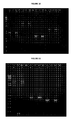
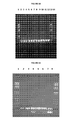
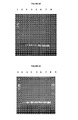
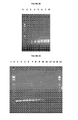
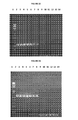
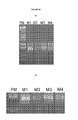
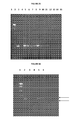
- Figures 2 to 11 show different combinatorial obtainable from the oligonucleotides of SEQ ID Nos. 6 to 52 and sizes of expected PCR product.
- the results show that all of the SEQ. ID. Nos. 1 to 5 serve as the basis for the generation of oligonucleotides specific for C. glabrata, maintaining sensitivity and specificity of the test, and it is possible to detect the fungus in a mixture with other yeasts. Therefore, any oligonucleotide generated from SEQ. ID. Nos. 1 to 5 falls within the scope of this application.
- Biological samples are from a subject of study, which is an animal, mammal, and in a preferred embodiment, said mammal is a human.
- Said samples can come from any biological fluid, tissue, or cell debris containing DNA in good condition to carry out PCR.
- Such samples can be selected, but are not limited to: midstream urine, urine culture tube, growing by nephrostomy (right and left kidney), hemodialysis water, pleural fluid, pyogenic culture, mieloculture, bone marrow, blood lysis (peripheral blood), blood culture (blood), leukocyte concentrate, concentrated red cell, throat, nasal discharge, vaginal discharge, prostate exudates, sputum, catheter, biopsies from different tissues such as lymph node, subcutaneous tissue, cornea, lung, pulmonary nodule, pancreas, jaw, skin, quantitative skin (cellulite, breast, scrotum, arm, hand), hair, nails, shinbone, muscle, bone, breast, synovial fluid, scar,
- the method of the present invention comprises the following steps:
- C. glabrata The identification of C. glabrata is carried out with 100% specificity and 100% sensitivity, because the sequences SEQ ID Nos. 1 to 5 are unique to the fungus and are not present in any other organism, and this is the first report about its usefulness for the identification of C. glabrata.
- Standardization of experimental conditions for the diagnosis of C. glabrata shows that a wide variety of pairs of primers designed from SEQ. ID. Nos. 1 to 5 can be used, and by adjusting the conditions of for example, concentration of genomic DNA, oligonucleotides, dNTPs and PCR reaction temperature, an excellent resolution of the PCR products of expected sizes for each sequence is provided, and as seen in Figures 2 to 11 and later in Figures 13 and 18 . Said identification is specific and sensitive for different isolates of C. glabrata from clinical isolates either alone or in combination with other species of fungi.
- Method of identifying C. glabrata of the present invention the urine samples are analyzed in an automated urine analyzer URISYS type coupled to UF-100i. The analysis was performed by flow cytometry with an argon laser. The UF-100i measures the properties of scattered light and fluorescence to count and identify the particles in the urine. The volume of the particles is determined from the impedance signals. Thus, according to the scatterplots, the result indicates which urine samples are likely to contain yeast cells. These samples are marked as YLC urine samples (yeast-form cells). The time of this first stage is 2 hours. Next, in urine samples marked as YLC, 1 ml is taken, centrifuged, the supernatant is discarded, resuspended and the pellet boiled.
- the genomic DNA obtained is tempate for the PCR using primers generated from SEQ ID Nos. 1 to 5, such as but not limited to those described in SEQ ID Nos. 6 to 52, under optimal reaction conditions.
- the PCR products were separated by agarose gel electrophoresis and the products are analyzed for the correct identification of C. glabrata. The total test time is 6 hours.
- Method to detect C. glabrata of the present invention in blood samples Blood samples are incubated for 72 hours in a BACTEC9240 automated equipment. When there is microorganisms growth, these metabolize the nutrients in the culture medium by releasing CO 2 . The release of CO 2 is detected by the computer and automatically marked as blood cultures positive for yeast. From blood samples marked as positive for yeast, 100 ⁇ l are taken, centrifuged, the supernatant is discarded, resuspended and the pellet boiled. The genomic DNA obtained is the template for PCR reaction where any of the oligonucleotides generated from SEQ ID Nos. 1 to 5, such as but not limited to those described in SEQ ID Nos. 6 to 52, are used in optimal reaction conditions. The PCR products are separated by agarose gel electrophoresis and the products are analyzed for the correct identification of C. glabrata. The total test time is 3 days.
- An alternative method is to take as the patient's blood sample without being seeded by blood culture.
- the above procedure is follower and the total test time is 4 hours.
- the critical step is to obtain sufficient genomic DNA from any of the types of samples described above (see obtaining clinical samples section), and from them, using the genomic DNA obtained as the template for PCR where any of the oligonucleotides generated from SEQ ID Nos. 1 to 5, such as but not limited to those described in SEQ ID Nos. 6 to 52, is used under optimal reaction.
- the PCR products are obtained and analyzed by any conventional method, such as but not limited to agarose gel electrophoresis, dot-blot hybridizations, Southern blotting, Northern blotting and similar RT-PCR, PCR-ELISA, and others known in the art (for example, but not limited to, Molecular Diagnostic PCR handbook. (2005), Gerrit J. Viljoen, Louis H.
- these oligonucleotides may comprise nucleotide unmarked or marked, such as but not limited to, radioactive labeling, chemoluminiscent, luminescent, fluorescent, biotinylated labeling.
- a further embodiment of the present invention comprises a diagnostic kit for C. glabrata, which will comprise at least one oligonucleotide generated from SEQ. ID. Nos. 1 to 5, from 15 to 35 pairs of bases, either lyophilized or resuspended in an acceptable carrier, a sample of genomic DNA from C. glabrata as positive control and a sample of genomic DNA from a phylogenetically close specie to C. glabrata as negative control. Variations in these elements are easily deducible by one skilled in the art and are within the scope of this application.
- Fragments of SEQ. ID Nos. 1 to 5 are useful for the detection of C. glabrata by methods of conventional nucleic acid hybridization. To this end, the steps are:
- the probe derived from SEQ ID Nos. 1 to 5 can be obtained from restriction enzymes cutting or can be a PCR product. Also, the probe may be radioactively, fluorescence, biotinylation, luminescence, chemiluminescence or the like labeled.
- Methods for detecting hybridization of the probe with the biological sample are those known as methods of nucleic acid hybridization and can be selected, for example but not limited to: Dot-Blot, Southern Blot, Northern Blot, microarray, in situ hybridization or the like. As a reference, but not to limit the scope of the invention, is quoted: MOLECULAR BIOMETHODS HANDBOOK 2008 JOHN M. WALKER RALPH RAPLEY, Handbook of Molecular and Cellular Methods in Biology and Medicine, 2nd ed. L. Cseke, et al., Ed., CRC Press, 2004, 600 pp ; Ausubel FM et al.
- a further embodiment of the present invention comprises a diagnostic kit for C. glabrata, which will comprise at least one molecule DNA molecule of at least 36 base pairs contained within the SEQ. ID. Nos. 1 to 5, either lyophilized or resuspended in an acceptable carrier, a sample of genomic DNA from C. glabrata as a positive control and a sample of genomic DNA of a phylogenecally close specie C. glabrata as negative control. Variations in these elements are easily deducible by one skilled in the art and are within the scope of this application.
- Example 1 Analysis of clinical urine specimens.
- Example 2 Comparison between several species of yeast and C. glabrata with the detection method of the present invention.
- Example 3 Sensitivity of the diagnostic test of the present invention in clinical isolates.
- Example 4 C. glabrata detection using different combinatorial oligonucleotides generated from SEQ ID Nos. 1-5.
- any oligonucleotide generated from SEQ. ID. Nos. 1 to 5 falls within the scope of this application.
- Example 5 C. glabrata detection by hybridization of nucleic acids.
- a Dot-Blot was performed using as a probe a nucleic acid sequence of 140 bp labeled with common luminescence for SEQ. ID Nos. 1, 2 and 3 to be hybridized against different DNA templates.
- said probe hybridazed only against the internal control, DNA from C. glabrata from two biological samples from clinical isolates and DNA from a strain of C. glabrata. No hybridization was obtained from the DNA of C. albicans and S. cerevisiae. Therefore, we find the sensitivity and specificity of the probes derived from SEQ ID Nos. 1 to 5 for the specific 100%identification of C. glabrata by nucleic acids hybridization methods.
Landscapes
- Chemical & Material Sciences (AREA)
- Life Sciences & Earth Sciences (AREA)
- Analytical Chemistry (AREA)
- Proteomics, Peptides & Aminoacids (AREA)
- Organic Chemistry (AREA)
- Engineering & Computer Science (AREA)
- Health & Medical Sciences (AREA)
- Zoology (AREA)
- Wood Science & Technology (AREA)
- Biotechnology (AREA)
- Microbiology (AREA)
- Biochemistry (AREA)
- Biophysics (AREA)
- Molecular Biology (AREA)
- Physics & Mathematics (AREA)
- Genetics & Genomics (AREA)
- General Health & Medical Sciences (AREA)
- Immunology (AREA)
- Bioinformatics & Cheminformatics (AREA)
- General Engineering & Computer Science (AREA)
- Botany (AREA)
- Mycology (AREA)
- Measuring Or Testing Involving Enzymes Or Micro-Organisms (AREA)
- Investigating Or Analysing Biological Materials (AREA)
Applications Claiming Priority (2)
| Application Number | Priority Date | Filing Date | Title |
|---|---|---|---|
| MX2009002935A MX352246B (es) | 2009-03-18 | 2009-03-18 | Metodo in vitro para la deteccion de candida glabrata, kit de diagnostico y usos de los mismos. |
| PCT/MX2010/000020 WO2010107292A1 (es) | 2009-03-18 | 2010-03-17 | Metodo in vitro para la deteccion de candida glabrata, kit de diagnostico y usos de los mismos |
Publications (4)
| Publication Number | Publication Date |
|---|---|
| EP2410052A1 true EP2410052A1 (de) | 2012-01-25 |
| EP2410052A9 EP2410052A9 (de) | 2012-04-04 |
| EP2410052A4 EP2410052A4 (de) | 2013-06-26 |
| EP2410052B1 EP2410052B1 (de) | 2015-12-02 |
Family
ID=42739820
Family Applications (1)
| Application Number | Title | Priority Date | Filing Date |
|---|---|---|---|
| EP10753741.7A Not-in-force EP2410052B1 (de) | 2009-03-18 | 2010-03-17 | In-vitro-verfahren zur erkennung von candida glabrata, diagnosekit und verwendung davon |
Country Status (5)
| Country | Link |
|---|---|
| EP (1) | EP2410052B1 (de) |
| DK (1) | DK2410052T3 (de) |
| ES (1) | ES2564416T3 (de) |
| MX (1) | MX352246B (de) |
| WO (1) | WO2010107292A1 (de) |
Cited By (6)
| Publication number | Priority date | Publication date | Assignee | Title |
|---|---|---|---|---|
| US8409807B2 (en) | 2010-10-22 | 2013-04-02 | T2 Biosystems, Inc. | NMR systems and methods for the rapid detection of analytes |
| US8563298B2 (en) | 2010-10-22 | 2013-10-22 | T2 Biosystems, Inc. | NMR systems and methods for the rapid detection of analytes |
| US9488648B2 (en) | 2010-10-22 | 2016-11-08 | T2 Biosystems, Inc. | NMR systems and methods for the rapid detection of analytes |
| US9562271B2 (en) | 2012-04-20 | 2017-02-07 | T2 Biosystems, Inc. | Compositions and methods for detection of Candida species |
| CN112143817A (zh) * | 2020-09-25 | 2020-12-29 | 中国农业科学院植物保护研究所 | 南美番茄潜叶蛾scar引物及其应用 |
| US11519016B2 (en) | 2016-01-21 | 2022-12-06 | T2 Biosystems, Inc. | NMR methods and systems for the rapid detection of bacteria |
Family Cites Families (10)
| Publication number | Priority date | Publication date | Assignee | Title |
|---|---|---|---|---|
| US5426027A (en) | 1993-05-20 | 1995-06-20 | The Government Of The United States Of America As Represented By The Secretary | Nucleic acid probes and methods for detecting Candida DNA cells in blood |
| US6017699A (en) | 1993-09-15 | 2000-01-25 | The University Of Pittsburgh | PCR identification and quantification of important Candida species |
| US5707802A (en) | 1995-01-13 | 1998-01-13 | Ciba Corning Diagnostics Corp. | Nucleic acid probes for the detection and identification of fungi |
| US6180339B1 (en) | 1995-01-13 | 2001-01-30 | Bayer Corporation | Nucleic acid probes for the detection and identification of fungi |
| US5763169A (en) | 1995-01-13 | 1998-06-09 | Chiron Diagnostics Corporation | Nucleic acid probes for the detection and identification of fungi |
| CA2265474C (en) * | 1996-09-16 | 2010-04-13 | The Government Of The United States Of America, Represented By The Secretary, Department Of Health And Human Services | Methods and compositions for the detection of candida spp. |
| US6497880B1 (en) | 1998-12-08 | 2002-12-24 | Stressgen Biotechnologies Corporation | Heat shock genes and proteins from Neisseria meningitidis, Candida glabrata and Aspergillus fumigatus |
| CA2374878C (en) * | 1999-05-28 | 2014-10-14 | Innogenetics N.V. | Nucleic acid probes and methods for detecting clinically important fungal pathogens |
| DE60234461D1 (de) | 2001-09-26 | 2009-12-31 | Us Gov Health & Human Serv | Nukleinsäuren zur identifizierung von pilzen und verfahren zu deren verwendung |
| CA2489194A1 (en) * | 2004-12-03 | 2006-06-03 | Guilhem Janbon | Polypeptides involved in candida biofilm formation and uses thereof |
-
2009
- 2009-03-18 MX MX2009002935A patent/MX352246B/es active IP Right Grant
-
2010
- 2010-03-17 WO PCT/MX2010/000020 patent/WO2010107292A1/es not_active Ceased
- 2010-03-17 ES ES10753741.7T patent/ES2564416T3/es active Active
- 2010-03-17 EP EP10753741.7A patent/EP2410052B1/de not_active Not-in-force
- 2010-03-17 DK DK10753741.7T patent/DK2410052T3/en active
Cited By (12)
| Publication number | Priority date | Publication date | Assignee | Title |
|---|---|---|---|---|
| US8409807B2 (en) | 2010-10-22 | 2013-04-02 | T2 Biosystems, Inc. | NMR systems and methods for the rapid detection of analytes |
| US8563298B2 (en) | 2010-10-22 | 2013-10-22 | T2 Biosystems, Inc. | NMR systems and methods for the rapid detection of analytes |
| US8883423B2 (en) | 2010-10-22 | 2014-11-11 | T2 Biosystems, Inc. | NMR systems and methods for the rapid detection of analytes |
| US9046493B2 (en) | 2010-10-22 | 2015-06-02 | T2 Biosystems, Inc. | NMR systems and methods for the rapid detection of analytes |
| US9488648B2 (en) | 2010-10-22 | 2016-11-08 | T2 Biosystems, Inc. | NMR systems and methods for the rapid detection of analytes |
| US9702852B2 (en) | 2010-10-22 | 2017-07-11 | T2 Biosystems, Inc. | NMR systems and methods for the rapid detection of analytes |
| US9714940B2 (en) | 2010-10-22 | 2017-07-25 | T2 Biosystems, Inc. | NMR systems and methods for the rapid detection of analytes |
| US9562271B2 (en) | 2012-04-20 | 2017-02-07 | T2 Biosystems, Inc. | Compositions and methods for detection of Candida species |
| US11098378B2 (en) | 2012-04-20 | 2021-08-24 | T2 Biosystems, Inc. | Compositions and methods for detection of candida species |
| US11519016B2 (en) | 2016-01-21 | 2022-12-06 | T2 Biosystems, Inc. | NMR methods and systems for the rapid detection of bacteria |
| CN112143817A (zh) * | 2020-09-25 | 2020-12-29 | 中国农业科学院植物保护研究所 | 南美番茄潜叶蛾scar引物及其应用 |
| CN112143817B (zh) * | 2020-09-25 | 2021-12-24 | 中国农业科学院植物保护研究所 | 南美番茄潜叶蛾scar引物及其应用 |
Also Published As
| Publication number | Publication date |
|---|---|
| WO2010107292A1 (es) | 2010-09-23 |
| ES2564416T3 (es) | 2016-03-22 |
| MX352246B (es) | 2017-10-25 |
| EP2410052A9 (de) | 2012-04-04 |
| EP2410052B1 (de) | 2015-12-02 |
| EP2410052A4 (de) | 2013-06-26 |
| DK2410052T3 (en) | 2016-02-29 |
| MX2009002935A (es) | 2010-09-30 |
Similar Documents
| Publication | Publication Date | Title |
|---|---|---|
| Pincus et al. | Yeast identification—past, present, and future methods | |
| US6054278A (en) | Ribosomal RNA gene polymorphism based microorganism identification | |
| Pryce et al. | Rapid identification of fungi by sequencing the ITS1 and ITS2 regions using an automated capillary electrophoresis system | |
| JP5317430B2 (ja) | プローブセット、プローブ担体、及び真菌の判別同定方法 | |
| JP3155992B2 (ja) | 真菌検出のための核酸プローブおよび方法 | |
| JP3510241B2 (ja) | 病原性カンジダ酵母の検出に用いる核酸プローブおよび方法 | |
| Latouche et al. | Comparison of use of phenotypic and genotypic characteristics for identification of species of the anamorph genus Candida and related teleomorph yeast species | |
| EP2410052B1 (de) | In-vitro-verfahren zur erkennung von candida glabrata, diagnosekit und verwendung davon | |
| US6248519B1 (en) | Detection of fermentation-related microorganisms | |
| CN112501268A (zh) | 一种基于纳米孔测序的快速鉴别呼吸道微生物引物组、试剂盒及其应用 | |
| AU5525500A (en) | Nucleic acid probes and methods for detecting clinically important fungal pathogens | |
| Khlif et al. | Evaluation of nested and real-time PCR assays in the diagnosis of candidaemia | |
| KR102055006B1 (ko) | 중합효소연쇄반응을 이용한 세포치료제 또는 생물학적 의약품에 오염되는 마이코플라즈마를 검출하는 방법 및 이 방법에 사용하기 위한 키트 | |
| US5693501A (en) | Compounds and methods to determine presence of Histoplasma capsulatum | |
| Hsiue et al. | Rapid identification of fungal pathogens in positive blood cultures using oligonucleotide array hybridization | |
| EP2092073B1 (de) | Nukleinsäuresonden zum nachweis von hefe- und pilzspezies | |
| JP3194943B2 (ja) | クリプトコックス・ネオホルマンスの検出に用いる核酸プローブおよび方法 | |
| AU769095B2 (en) | Rapid and sensitive method for detecting (Histoplasma capsulatum) | |
| Kiraz | Molecular techniques for clinical diagnostic mycology | |
| Arancia et al. | Construction and use of PCR primers from a 65 kDa mannoprotein gene for identification of C. albicans | |
| PT1761644E (pt) | Novos métodos e kits relativos à detecção, identificação e quantificação de levedura em vinho, cerveja e sumos | |
| US20020172945A1 (en) | Materials and methods for detection of pathogenic guignardia citricarpa | |
| US7465543B1 (en) | Multiplex DNA identification of clinical yeasts using flow cytometry | |
| US20150176084A1 (en) | Candida albicans oligonucleotides, detection method, and kit thereof | |
| TWI238194B (en) | Method for rapid identification of yeasts |
Legal Events
| Date | Code | Title | Description |
|---|---|---|---|
| PUAI | Public reference made under article 153(3) epc to a published international application that has entered the european phase |
Free format text: ORIGINAL CODE: 0009012 |
|
| 17P | Request for examination filed |
Effective date: 20110923 |
|
| AK | Designated contracting states |
Kind code of ref document: A1 Designated state(s): AT BE BG CH CY CZ DE DK EE ES FI FR GB GR HR HU IE IS IT LI LT LU LV MC MK MT NL NO PL PT RO SE SI SK SM TR |
|
| RTI1 | Title (correction) |
Free format text: IN VITRO METHOD FOR THE DETECTION OF CANDIDA GLABRATA, DIAGNOSTIC KIT AND USE THEREOF |
|
| DAX | Request for extension of the european patent (deleted) | ||
| REG | Reference to a national code |
Ref country code: DE Ref legal event code: R079 Ref document number: 602010029362 Country of ref document: DE Free format text: PREVIOUS MAIN CLASS: C12N0015113000 Ipc: C12Q0001680000 |
|
| RIC1 | Information provided on ipc code assigned before grant |
Ipc: C12Q 1/68 20060101AFI20130503BHEP |
|
| RIC1 | Information provided on ipc code assigned before grant |
Ipc: C12Q 1/68 20060101AFI20130514BHEP |
|
| A4 | Supplementary search report drawn up and despatched |
Effective date: 20130524 |
|
| 17Q | First examination report despatched |
Effective date: 20150128 |
|
| GRAP | Despatch of communication of intention to grant a patent |
Free format text: ORIGINAL CODE: EPIDOSNIGR1 |
|
| INTG | Intention to grant announced |
Effective date: 20150625 |
|
| GRAS | Grant fee paid |
Free format text: ORIGINAL CODE: EPIDOSNIGR3 |
|
| GRAA | (expected) grant |
Free format text: ORIGINAL CODE: 0009210 |
|
| AK | Designated contracting states |
Kind code of ref document: B1 Designated state(s): AT BE BG CH CY CZ DE DK EE ES FI FR GB GR HR HU IE IS IT LI LT LU LV MC MK MT NL NO PL PT RO SE SI SK SM TR |
|
| REG | Reference to a national code |
Ref country code: GB Ref legal event code: FG4D |
|
| REG | Reference to a national code |
Ref country code: AT Ref legal event code: REF Ref document number: 763670 Country of ref document: AT Kind code of ref document: T Effective date: 20151215 Ref country code: CH Ref legal event code: EP |
|
| REG | Reference to a national code |
Ref country code: IE Ref legal event code: FG4D |
|
| REG | Reference to a national code |
Ref country code: DE Ref legal event code: R096 Ref document number: 602010029362 Country of ref document: DE |
|
| REG | Reference to a national code |
Ref country code: DK Ref legal event code: T3 Effective date: 20160223 |
|
| REG | Reference to a national code |
Ref country code: FR Ref legal event code: PLFP Year of fee payment: 7 |
|
| REG | Reference to a national code |
Ref country code: ES Ref legal event code: FG2A Ref document number: 2564416 Country of ref document: ES Kind code of ref document: T3 Effective date: 20160322 |
|
| REG | Reference to a national code |
Ref country code: NL Ref legal event code: MP Effective date: 20160302 |
|
| REG | Reference to a national code |
Ref country code: LT Ref legal event code: MG4D |
|
| REG | Reference to a national code |
Ref country code: AT Ref legal event code: MK05 Ref document number: 763670 Country of ref document: AT Kind code of ref document: T Effective date: 20151202 |
|
| PG25 | Lapsed in a contracting state [announced via postgrant information from national office to epo] |
Ref country code: NO Free format text: LAPSE BECAUSE OF FAILURE TO SUBMIT A TRANSLATION OF THE DESCRIPTION OR TO PAY THE FEE WITHIN THE PRESCRIBED TIME-LIMIT Effective date: 20160302 Ref country code: LT Free format text: LAPSE BECAUSE OF FAILURE TO SUBMIT A TRANSLATION OF THE DESCRIPTION OR TO PAY THE FEE WITHIN THE PRESCRIBED TIME-LIMIT Effective date: 20151202 |
|
| PG25 | Lapsed in a contracting state [announced via postgrant information from national office to epo] |
Ref country code: FI Free format text: LAPSE BECAUSE OF FAILURE TO SUBMIT A TRANSLATION OF THE DESCRIPTION OR TO PAY THE FEE WITHIN THE PRESCRIBED TIME-LIMIT Effective date: 20151202 Ref country code: SE Free format text: LAPSE BECAUSE OF FAILURE TO SUBMIT A TRANSLATION OF THE DESCRIPTION OR TO PAY THE FEE WITHIN THE PRESCRIBED TIME-LIMIT Effective date: 20151202 Ref country code: GR Free format text: LAPSE BECAUSE OF FAILURE TO SUBMIT A TRANSLATION OF THE DESCRIPTION OR TO PAY THE FEE WITHIN THE PRESCRIBED TIME-LIMIT Effective date: 20160303 Ref country code: NL Free format text: LAPSE BECAUSE OF FAILURE TO SUBMIT A TRANSLATION OF THE DESCRIPTION OR TO PAY THE FEE WITHIN THE PRESCRIBED TIME-LIMIT Effective date: 20151202 Ref country code: LV Free format text: LAPSE BECAUSE OF FAILURE TO SUBMIT A TRANSLATION OF THE DESCRIPTION OR TO PAY THE FEE WITHIN THE PRESCRIBED TIME-LIMIT Effective date: 20151202 Ref country code: PL Free format text: LAPSE BECAUSE OF FAILURE TO SUBMIT A TRANSLATION OF THE DESCRIPTION OR TO PAY THE FEE WITHIN THE PRESCRIBED TIME-LIMIT Effective date: 20151202 Ref country code: AT Free format text: LAPSE BECAUSE OF FAILURE TO SUBMIT A TRANSLATION OF THE DESCRIPTION OR TO PAY THE FEE WITHIN THE PRESCRIBED TIME-LIMIT Effective date: 20151202 |
|
| PG25 | Lapsed in a contracting state [announced via postgrant information from national office to epo] |
Ref country code: IS Free format text: LAPSE BECAUSE OF FAILURE TO SUBMIT A TRANSLATION OF THE DESCRIPTION OR TO PAY THE FEE WITHIN THE PRESCRIBED TIME-LIMIT Effective date: 20151202 |
|
| PG25 | Lapsed in a contracting state [announced via postgrant information from national office to epo] |
Ref country code: IT Free format text: LAPSE BECAUSE OF FAILURE TO SUBMIT A TRANSLATION OF THE DESCRIPTION OR TO PAY THE FEE WITHIN THE PRESCRIBED TIME-LIMIT Effective date: 20151202 Ref country code: CZ Free format text: LAPSE BECAUSE OF FAILURE TO SUBMIT A TRANSLATION OF THE DESCRIPTION OR TO PAY THE FEE WITHIN THE PRESCRIBED TIME-LIMIT Effective date: 20151202 |
|
| PG25 | Lapsed in a contracting state [announced via postgrant information from national office to epo] |
Ref country code: SM Free format text: LAPSE BECAUSE OF FAILURE TO SUBMIT A TRANSLATION OF THE DESCRIPTION OR TO PAY THE FEE WITHIN THE PRESCRIBED TIME-LIMIT Effective date: 20151202 Ref country code: BE Free format text: LAPSE BECAUSE OF NON-PAYMENT OF DUE FEES Effective date: 20160331 Ref country code: EE Free format text: LAPSE BECAUSE OF FAILURE TO SUBMIT A TRANSLATION OF THE DESCRIPTION OR TO PAY THE FEE WITHIN THE PRESCRIBED TIME-LIMIT Effective date: 20151202 Ref country code: RO Free format text: LAPSE BECAUSE OF FAILURE TO SUBMIT A TRANSLATION OF THE DESCRIPTION OR TO PAY THE FEE WITHIN THE PRESCRIBED TIME-LIMIT Effective date: 20151202 Ref country code: SK Free format text: LAPSE BECAUSE OF FAILURE TO SUBMIT A TRANSLATION OF THE DESCRIPTION OR TO PAY THE FEE WITHIN THE PRESCRIBED TIME-LIMIT Effective date: 20151202 Ref country code: IS Free format text: LAPSE BECAUSE OF FAILURE TO SUBMIT A TRANSLATION OF THE DESCRIPTION OR TO PAY THE FEE WITHIN THE PRESCRIBED TIME-LIMIT Effective date: 20160402 Ref country code: PT Free format text: LAPSE BECAUSE OF FAILURE TO SUBMIT A TRANSLATION OF THE DESCRIPTION OR TO PAY THE FEE WITHIN THE PRESCRIBED TIME-LIMIT Effective date: 20160404 |
|
| REG | Reference to a national code |
Ref country code: DE Ref legal event code: R097 Ref document number: 602010029362 Country of ref document: DE |
|
| PLBE | No opposition filed within time limit |
Free format text: ORIGINAL CODE: 0009261 |
|
| STAA | Information on the status of an ep patent application or granted ep patent |
Free format text: STATUS: NO OPPOSITION FILED WITHIN TIME LIMIT |
|
| PG25 | Lapsed in a contracting state [announced via postgrant information from national office to epo] |
Ref country code: LU Free format text: LAPSE BECAUSE OF FAILURE TO SUBMIT A TRANSLATION OF THE DESCRIPTION OR TO PAY THE FEE WITHIN THE PRESCRIBED TIME-LIMIT Effective date: 20160317 Ref country code: MC Free format text: LAPSE BECAUSE OF FAILURE TO SUBMIT A TRANSLATION OF THE DESCRIPTION OR TO PAY THE FEE WITHIN THE PRESCRIBED TIME-LIMIT Effective date: 20151202 |
|
| REG | Reference to a national code |
Ref country code: CH Ref legal event code: PL |
|
| 26N | No opposition filed |
Effective date: 20160905 |
|
| PG25 | Lapsed in a contracting state [announced via postgrant information from national office to epo] |
Ref country code: SI Free format text: LAPSE BECAUSE OF FAILURE TO SUBMIT A TRANSLATION OF THE DESCRIPTION OR TO PAY THE FEE WITHIN THE PRESCRIBED TIME-LIMIT Effective date: 20151202 |
|
| REG | Reference to a national code |
Ref country code: IE Ref legal event code: MM4A |
|
| PG25 | Lapsed in a contracting state [announced via postgrant information from national office to epo] |
Ref country code: BE Free format text: LAPSE BECAUSE OF FAILURE TO SUBMIT A TRANSLATION OF THE DESCRIPTION OR TO PAY THE FEE WITHIN THE PRESCRIBED TIME-LIMIT Effective date: 20151202 |
|
| PG25 | Lapsed in a contracting state [announced via postgrant information from national office to epo] |
Ref country code: CH Free format text: LAPSE BECAUSE OF NON-PAYMENT OF DUE FEES Effective date: 20160331 Ref country code: LI Free format text: LAPSE BECAUSE OF NON-PAYMENT OF DUE FEES Effective date: 20160331 Ref country code: IE Free format text: LAPSE BECAUSE OF NON-PAYMENT OF DUE FEES Effective date: 20160317 |
|
| REG | Reference to a national code |
Ref country code: FR Ref legal event code: PLFP Year of fee payment: 8 |
|
| PG25 | Lapsed in a contracting state [announced via postgrant information from national office to epo] |
Ref country code: MT Free format text: LAPSE BECAUSE OF FAILURE TO SUBMIT A TRANSLATION OF THE DESCRIPTION OR TO PAY THE FEE WITHIN THE PRESCRIBED TIME-LIMIT Effective date: 20151202 |
|
| REG | Reference to a national code |
Ref country code: FR Ref legal event code: PLFP Year of fee payment: 9 |
|
| PG25 | Lapsed in a contracting state [announced via postgrant information from national office to epo] |
Ref country code: HU Free format text: LAPSE BECAUSE OF FAILURE TO SUBMIT A TRANSLATION OF THE DESCRIPTION OR TO PAY THE FEE WITHIN THE PRESCRIBED TIME-LIMIT; INVALID AB INITIO Effective date: 20100317 Ref country code: CY Free format text: LAPSE BECAUSE OF FAILURE TO SUBMIT A TRANSLATION OF THE DESCRIPTION OR TO PAY THE FEE WITHIN THE PRESCRIBED TIME-LIMIT Effective date: 20151202 |
|
| PGFP | Annual fee paid to national office [announced via postgrant information from national office to epo] |
Ref country code: FR Payment date: 20180327 Year of fee payment: 9 |
|
| PG25 | Lapsed in a contracting state [announced via postgrant information from national office to epo] |
Ref country code: MT Free format text: LAPSE BECAUSE OF FAILURE TO SUBMIT A TRANSLATION OF THE DESCRIPTION OR TO PAY THE FEE WITHIN THE PRESCRIBED TIME-LIMIT Effective date: 20160331 Ref country code: HR Free format text: LAPSE BECAUSE OF FAILURE TO SUBMIT A TRANSLATION OF THE DESCRIPTION OR TO PAY THE FEE WITHIN THE PRESCRIBED TIME-LIMIT Effective date: 20151202 Ref country code: MK Free format text: LAPSE BECAUSE OF FAILURE TO SUBMIT A TRANSLATION OF THE DESCRIPTION OR TO PAY THE FEE WITHIN THE PRESCRIBED TIME-LIMIT Effective date: 20151202 Ref country code: TR Free format text: LAPSE BECAUSE OF FAILURE TO SUBMIT A TRANSLATION OF THE DESCRIPTION OR TO PAY THE FEE WITHIN THE PRESCRIBED TIME-LIMIT Effective date: 20151202 |
|
| PG25 | Lapsed in a contracting state [announced via postgrant information from national office to epo] |
Ref country code: BG Free format text: LAPSE BECAUSE OF FAILURE TO SUBMIT A TRANSLATION OF THE DESCRIPTION OR TO PAY THE FEE WITHIN THE PRESCRIBED TIME-LIMIT Effective date: 20151202 |
|
| PGFP | Annual fee paid to national office [announced via postgrant information from national office to epo] |
Ref country code: ES Payment date: 20180430 Year of fee payment: 9 |
|
| PG25 | Lapsed in a contracting state [announced via postgrant information from national office to epo] |
Ref country code: FR Free format text: LAPSE BECAUSE OF NON-PAYMENT OF DUE FEES Effective date: 20190331 |
|
| REG | Reference to a national code |
Ref country code: ES Ref legal event code: FD2A Effective date: 20200727 |
|
| PG25 | Lapsed in a contracting state [announced via postgrant information from national office to epo] |
Ref country code: ES Free format text: LAPSE BECAUSE OF NON-PAYMENT OF DUE FEES Effective date: 20190318 |
|
| PGFP | Annual fee paid to national office [announced via postgrant information from national office to epo] |
Ref country code: GB Payment date: 20220330 Year of fee payment: 13 Ref country code: DK Payment date: 20220325 Year of fee payment: 13 Ref country code: DE Payment date: 20220330 Year of fee payment: 13 |
|
| REG | Reference to a national code |
Ref country code: DE Ref legal event code: R119 Ref document number: 602010029362 Country of ref document: DE |
|
| REG | Reference to a national code |
Ref country code: DK Ref legal event code: EBP Effective date: 20230331 |
|
| GBPC | Gb: european patent ceased through non-payment of renewal fee |
Effective date: 20230317 |
|
| PG25 | Lapsed in a contracting state [announced via postgrant information from national office to epo] |
Ref country code: GB Free format text: LAPSE BECAUSE OF NON-PAYMENT OF DUE FEES Effective date: 20230317 |
|
| PG25 | Lapsed in a contracting state [announced via postgrant information from national office to epo] |
Ref country code: GB Free format text: LAPSE BECAUSE OF NON-PAYMENT OF DUE FEES Effective date: 20230317 Ref country code: DE Free format text: LAPSE BECAUSE OF NON-PAYMENT OF DUE FEES Effective date: 20231003 |
|
| PG25 | Lapsed in a contracting state [announced via postgrant information from national office to epo] |
Ref country code: DK Free format text: LAPSE BECAUSE OF NON-PAYMENT OF DUE FEES Effective date: 20230331 |