EP2415212B1 - Verfahren und vorrichtung für punkt-zu-mehrpunkt-verkehrswegcodierung - Google Patents
Verfahren und vorrichtung für punkt-zu-mehrpunkt-verkehrswegcodierung Download PDFInfo
- Publication number
- EP2415212B1 EP2415212B1 EP09842774.3A EP09842774A EP2415212B1 EP 2415212 B1 EP2415212 B1 EP 2415212B1 EP 09842774 A EP09842774 A EP 09842774A EP 2415212 B1 EP2415212 B1 EP 2415212B1
- Authority
- EP
- European Patent Office
- Prior art keywords
- path
- node
- sub
- source
- network node
- Prior art date
- Legal status (The legal status is an assumption and is not a legal conclusion. Google has not performed a legal analysis and makes no representation as to the accuracy of the status listed.)
- Not-in-force
Links
- 238000000034 method Methods 0.000 title claims description 40
- 230000011664 signaling Effects 0.000 claims description 14
- 230000008569 process Effects 0.000 claims description 9
- 238000010586 diagram Methods 0.000 description 11
- 230000006835 compression Effects 0.000 description 7
- 238000007906 compression Methods 0.000 description 7
- 230000008901 benefit Effects 0.000 description 6
- 230000007246 mechanism Effects 0.000 description 6
- 101000852665 Alopecosa marikovskyi Omega-lycotoxin-Gsp2671a Proteins 0.000 description 4
- 230000006978 adaptation Effects 0.000 description 4
- 230000000644 propagated effect Effects 0.000 description 4
- 230000010076 replication Effects 0.000 description 2
- 235000008694 Humulus lupulus Nutrition 0.000 description 1
- 238000012986 modification Methods 0.000 description 1
- 230000004048 modification Effects 0.000 description 1
- 230000001902 propagating effect Effects 0.000 description 1
- 230000008685 targeting Effects 0.000 description 1
Images



Classifications
-
- H—ELECTRICITY
- H04—ELECTRIC COMMUNICATION TECHNIQUE
- H04L—TRANSMISSION OF DIGITAL INFORMATION, e.g. TELEGRAPHIC COMMUNICATION
- H04L45/00—Routing or path finding of packets in data switching networks
- H04L45/16—Multipoint routing
-
- H—ELECTRICITY
- H04—ELECTRIC COMMUNICATION TECHNIQUE
- H04L—TRANSMISSION OF DIGITAL INFORMATION, e.g. TELEGRAPHIC COMMUNICATION
- H04L45/00—Routing or path finding of packets in data switching networks
- H04L45/02—Topology update or discovery
-
- H—ELECTRICITY
- H04—ELECTRIC COMMUNICATION TECHNIQUE
- H04L—TRANSMISSION OF DIGITAL INFORMATION, e.g. TELEGRAPHIC COMMUNICATION
- H04L45/00—Routing or path finding of packets in data switching networks
- H04L45/50—Routing or path finding of packets in data switching networks using label swapping, e.g. multi-protocol label switch [MPLS]
Definitions
- the present invention relates to methods and arrangements to be used in connection with signaling of point-to-multipoint traffic paths and more particularly to the encoding of such traffic paths.
- LSPs Label Switched Paths
- An LSP is established by means of signaling using path messages that are distributed to the Label Switched Routers (LSRs) along the LSP.
- LSRs Label Switched Routers
- P2MP LSPs may e.g. be used for multicasting in the case of an IP-TV application.
- a P2MP LSP is comprised of multiple source-to-leaf (S2L) sub-LSPs. These S2L sub-LSPs are set up between the ingress and egress LSRs and are appropriately combined by means of propagating path messages that encodes the P2MP LSP to all the branches of connected LSRs that form the P2MP LSP.
- the IETF RFC 3209 "RSVP-TE: Extensions to RSVP for LSP Tunnel", December 2001 defines a mechanism for setting up P2P Traffic Engineered LSPs in Multi-Protocol Label Switching (MPLS) networks.
- the IETF RFC 3473 "Generalized Multi-Protocol Label Switching (GMPLS) Signaling Resource Reservation Protocol-Traffic Engineering (RSVP-TE) Extensions", January 2003 , defines extensions to the above mentioned RFC 3209 for setting up P2P TE LSPs in Generalized MPLS (GMPLS) networks.
- GPLS Generalized Multi-Protocol Label Switching
- RSVP-TE Signaling Resource Reservation Protocol-Traffic Engineering
- the IETF RFC 4875 "Extensions to Resource Reservation Protocol - Traffic Engineering (RSVP-TE) for Point-to-Multipoint TE Label Switched Paths (LSPs)", May 2007 , defines extensions to the RSVP-TE protocol described in the above RFC 3209 and RFC 3473 to support P2MP TE LSPs satisfying the set of requirements described in the IETF RFC4461 "Signaling Requirements for Point-to-Multipoint Traffic-Engineered MPLS Label Switched Paths (LSPs)", April 2006 .
- the RFC 4875 relies on the semantics of the Resource Reservation Protocol (RSVP) that RSVP-TE inherits for building P2MP LSPs.
- RSVP Resource Reservation Protocol
- the RFC 4875 describes a compression mechanism for encoding, a P2MP LSP that is based on explicit encoding of one S2L sub-LSP. For other S2L sub-LSPs of the P2MP LSP only the path from a branch LSR to the egress LSR of that S2L sub-LSP is explicitly encoded. Thus by means of this compression mechanism extra processing that can result if explicit routes are encoded from ingress to egress for each S2L sub-LSP is reduced and the sizes of Path messages is also reduced.
- An object of the present invention is to provide methods and arrangements that allow for set-up of point-to-multipoint traffic paths in e.g. Multi-Protocol Label Switching networks by means of an encoding scheme that is an alternative to encoding schemes according to prior art.
- An advantage of embodiments of the present invention is that they make it possible to encode point-to-multipoint traffic paths by means listing fewer network nodes in path messages. Thus the sizes of path messages can be reduced and a saving in the amount of signalling can be achieved.
- Another advantage of embodiments of the present invention is that the amount of signalling space saved is related to the topology deployed. The more complex the topology of the point-to-multipoint traffic path is, the higher the space saved. However, the amount of signalling required using the encoding scheme according to embodiments of the present invention is always less than that required when the encoding scheme according to the RFC 4875 is used.
- a further advantage of the encoding scheme according to embodiments of the present invention is that it does not introduce any further computational cost compared to the encoding scheme proposed in RFC 4875. Concluding, embodiments of the present invention provide an encoding scheme that is cost efficient without penalizing the computational complexity or other cost related aspects.
- the present invention provides methods and network nodes in which this encoding scheme can be used.
- point-to-multipoint LSPs can be established by allowing non-ingress nodes in the network to be replication/branch nodes.
- a branch node is a LSR that replicates the incoming data on to one or more outgoing interfaces.
- the solution according to RFC 4875 relies on RSVP-TE in the network for setting up a P2MP TE LSP.
- the P2MP TE LSP is set up by associating multiple S2L sub-LSPs and relying on data replication at branch nodes.
- the P2MP LSP is signalled using Path messages that are propagated to the LSRs in the P2MP tree.
- a Path message signals a single S2L sub-LSP (that is, the Path message is only targeting a single leaf in the P2MP tree)
- ERO EXPLICIT_ROUTE object
- the Path message also includes a S2L_SUB_LSP object for the S2L sub-LSP being signalled.
- the ⁇ [ ⁇ EXPLICIT_ROUTE>], ⁇ S2L_SUB_LSP> > tuple represents the S2L sub-LSP and is referred to as the sub-LSP descriptor.
- the path of the first S2L sub-LSP to the egress LSR is encoded in the ERO according to the solution in RFC 4875.
- the first S2L sub-LSP is the one that corresponds to the first S2L_SUB_LSP object in the Path message.
- the S2L sub-LSPs corresponding to the S2L_SUB_LSP objects that follow are termed as subsequent S2L sub-LSPs and the path of each subsequent S2L sub-LSP is encoded in a P2MP_SECONDARY_EXPLICIT_ROUTE object (SERO).
- SESO P2MP_SECONDARY_EXPLICIT_ROUTE object
- SERO The format of the SERO is the same as an ERO which means that each subsequent S2L sub-LSP is represented by tuples of the form ⁇ [ ⁇ P2MP SECONDARY_EXPLICIT_ROUTE>], ⁇ S2L_SUB_LSP> >.
- a SERO for a particular S2L sub-LSP includes only the path from a branch LSR to the egress LSR of that S2L sub-LSP in a manner that will be explained in further detail below.
- a branch must according to RFC 4875 appear as an explicit hop in the ERO or some other SERO.
- the first S2L_SUB_LSP object is a special case, and its explicit route is specified by the ERO. Therefore, the first should not, according to the solution in the RFC 4875 be followed by, a SERO.
- the encoding of the ERO, SERO and S2L_SUB_LSP object is described in detail in the RFC 4875.
- the S2L_SUB_LSP object includes the destination address of the S2L sub-LSP destination which e.g. can be an IPv4 or IPv6 address.
- the ERO and SERO includes a list of network addresses to LSRs along a S2L sub-LSP including the destination address of that S2L sub-LSP.
- RFC 4875 describe an algorithm in which this information is deduced from the explicit routes of other S2L sub-LSPs using explicit route compression in SEROs in a way that will be apparent from the example described below.
- Fig. 1 shows a P2MP LSP 1 with LSR A as the ingress LSR 2 and six egress LSRs 3: F, N, O, P, Q and R.
- the P2MP LSP 1 is composed of six S2L sub-LSPs 4 which are schematically illustrated with dashed lines.
- the six S2L sub_LSPs 4 are signalled in one Path message, assuming that the S2L sub-LSP to LSR F is the first S2L sub-LSP, the ingress LSR A could use the following encoding according to the compression technique described in RFC 4875 for creating a Path message to LSR B:
- the LSR B would then process the Path message from LSR A and create a new Path message for LSR E based on the received Path message by simply removing its own network address from the list of LSRs in the ERO.
- the LSR E is a branch LSR. After LSR E processes the incoming Path message from LSR B it sends a Path message to LSR D with the S2L sub-LSP explicit routes encoded as follows:
- LSR E also sends a Path message to LSR H, as follows:
- LSR H After LSR H processes the incoming Path message from E, it sends a Path message to LSR K, LSR L, and LSR I.
- the encoding for the Path message to LSR K is as follows:
- Path messages are then continued to be propagated to all the LSRs of the P2MP LSP 1 according to the same principles as described above.
- Embodiments of the present invention provide a solution that can even further reduce the redundancy of Path messages by means of avoiding repeating the same addresses in different descriptors to a greater extent than with the above described prior art solution.
- Embodiments of the present invention it is possible to reduce the sizes of path messages and thus the amount of signalling required for routing, by reducing the list of nodes in the SEROs lists. This is achieved by preventing the repetition of the initial common sequence of addresses.
- Embodiments of the present invention introduces a so called common Explicit Route Object (common ERO) which is used to list the nodes that are common to sub paths of a sub tree as will become apparent from the detailed description of an embodiment of the present invention below.
- common ERO common Explicit Route Object
- nodes A-R illustrated in Fig.1 were said to be Label Switched Routers (LSRs) and the illustrated topology was that of a Label Switched Path it is foreseen that embodiments of the present invention can be applied with other types of networks and nodes than those according to today's standards for Label Switching techniques. Therefore more general terms such as “node” or “network node” will also be used to refer to nodes A-R. More general terms such as “P2MP traffic path”, “traffic path” and “sub path” will also be used, and it is to be understood that the corresponding more specific terms "P2MP LSP", “LSP” and “sub-LSP” are examples according to specific embodiments of the present invention.
- LSRs Label Switched Routers
- the encoding according to the embodiment of the present invention would result in a path message with one additional SERO, but some of the SEROs are shorter than according to prior art. This saving of SERO size will accumulate in the further path messages that are propagated down the path tree.
- the node B would process the path message from node A and create a new path message for node E based on the received path message by simply removing its own network address from the list of nodes in the common ERO.
- the node E is a branch node. After node E processes the incoming path message from node B it sends a path message to node D with the S2L sub-path explicit routes encoded as follows:
- Node E also sends a path message to node H:
- the network address of node H is not repeated in the path message.
- node H After node H processes the incoming path message from node E, it sends a path message to node K, node L, and node I.
- the encoding above saves one repetition of the network address of node Q compared to the prior art encoding solution.
- 45 network addresses of nodes were used for the encoding instead of the 50 according to the above described encoding according to prior art.
- the common ERO specifies a list of so called common nodes.
- the node or nodes that are viewed as common nodes and therefore is/are to be included in the common ERO will depend on the node in the P2MP path that sends the path message in which the common ERO is included and also on the node that is to receive the path message with the common ERO.
- the common nodes are those nodes, downlink from the sending node, which every S2L sub path, traversing the receiving node, should traverse.
- the introduction of the common ERO comes at a cost in terms of added bytes of information but this cost is outbalanced by the saving that can be done in other sub path descriptors since their lists of nodes can be shortened compared to prior art solutions.
- the common ERO does not necessarily identify a source-to-leaf path since it does not always list an egress node. In such cases where the common ERO does not list an egress node, the S2L_SUB_LSP object may be removed compared with the ⁇ [ ⁇ EXPLICIT_ROUTE>], ⁇ S2L_SUB_LSP>> sub-LSP descriptor tuple.
- the common ERO will not include any indication of the path destination.
- the S2L_SUB_LSP object is used in the tuple. This behaviour allows saving further space as well as letting the receiver discern when the common ERO is also a source-to-leaf path or not.
- Fig. 2 is a schematic block diagram of a path message 21 that can be sent from node A to node B in Fig. 1 according to the prior art solution described above
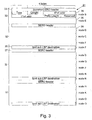
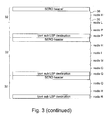
- Fig. 3 is a schematic block diagram of the corresponding path message 31 according to the embodiment of the present invention described above.
- the path message 21 of Fig. 2 comprises six path descriptors 22.
- the first path descriptor 22 includes an ERO header 23, a sub-LSP header 24, a sub-LSP destination address 25, which in this case specifies an IPv4 network address to node F of Fig. 1 , and a couple of sub objects 26, which in this case includes the network addresses of nodes B, E, D, C and F of Fig. 1 .
- the second path descriptor 22 includes a SERO header 27 instead of the ERO header 23 but is otherwise composed of the same type of message fields as the first path descriptor.
- the path message 31 of Fig. 3 comprises seven path descriptors 32.
- the first path descriptor 32 includes a common ERO header 33 and a couple of node indicators 36, which in this case indicates nodes B and E of Fig. 1 .
- Only the node indicator 36 indicating node B is illustrated in detail in Fig. 3 and is shown to be a sub object including an IPv4 network address of node B as well as 4 bytes of other information.
- the present invention is not limited to the use of node indicators 36 that include the actual network addresses of nodes, since the nodes might be identified by means of other types of information.
- the first path descriptor 32 is here a special case since it does not encode a source-to-leaf sub path but only specifies common nodes as defined above.
- the first path descriptor 32 does not include a sub-LSP destination address we will however still refer to it as a path descriptor herein.
- the second path descriptor 32 includes a SERO header 37, a sub-LSP destination address 35, which in this case specifies an IPv4 network address to node F, and a couple of node indicators 36, which in this case indicates nodes B, E, D, C and F of Fig. 1 .
- Fig. 3 it is assumed that the node A transmits one path message 31 to node B with all of the path descriptors 32 illustrated in Fig. 3 . It however possible that the path descriptors are distributed across a plurality of path messages from node A to node B.
- P2MP paths in e.g. MPLS or GMPLS networks are set up by means of a distributed routing mechanism in which path messages are propagated down to the different network nodes of the path tree, a new way of encoding the P2MP path will affect the way that path messages are created as well as the way in which path messages should be interpreted.
- network nodes must be adapted to handle the encoding scheme both in terms creating path messages to send and in terms of processing received path messages.
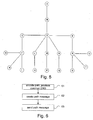
- Fig. 6 is a flow diagram illustrating an embodiment of a method according to the present invention.
- the method of fig. 6 is a method for signalling a point to multipoint traffic path and is carried out in a network node that sends a path message.
- the point-to-multipoint traffic path is encoded and a number of path descriptors are produced.
- the encoding scheme used includes producing the common explicit route object (ERO) as one of the number of path descriptors.
- the common ERO specifies a list consisting of network nodes, downlink from the current network node, which every source-to-leaf sub path, traversing the network node that is to receive the path message and belonging to the point-to-multipoint traffic path, should traverse.
- the path descriptors are then included in one or several path messages created in a step 62.
- the path message(s) is (are) then sent to the network node that is to receive the path message(s) in a step 63.
- Fig. 7 is a flow diagram illustrating another embodiment of a method according to the present invention.
- the method of Fig. 7 is a method for establishing routing of traffic according to a point-to-multipoint traffic path and is carried out in a network node that receives a path message.
- a step 71 one or several path messages are received.
- the path message(s) is then processed in a step 72.
- the processing includes interpreting a common explicit route object (ERO).
- ERO common explicit route object
- the common ERO specifies a list consisting of network nodes, downlink from the current network node, which every source-to-leaf sub path, traversing the current network node and belonging to the point-to-multipoint traffic path, should traverse.
- any further path messages should be forwarded to another network node to enable routing of traffic according to the point-to-multipoint traffic path. If the current network node is an egress node no further path message will be forwarded downlink, but otherwise one or several new path messages could be created and transmitted to other network nodes downlink from the current node. The method of fig. 6 could then be used when creating and sending any such path message.
- Embodiments of the present invention also provide network nodes that are adapted to carry out the methods of Fig. 6 and Fig. 7.
- Fig. 8 is a schematic block diagram illustrating an embodiment of such a network node 80.
- the network node 80 comprises an input unit 81 which is adapted to receive path messages and an output unit 82 which is adapted to send path messages to other network nodes.
- the network node 80 also comprises a processor unit 83, which is adapted to encode the point-to-multipoint traffic path using the encoding scheme discussed above and to create path messages based on this encoding scheme and process received path messages that are based on this encoding scheme.
- the processor unit is adapted to create and process path messages which include a common ERO as described above.
Landscapes
- Engineering & Computer Science (AREA)
- Computer Networks & Wireless Communication (AREA)
- Signal Processing (AREA)
- Data Exchanges In Wide-Area Networks (AREA)
Claims (11)
- Verfahren in einem ersten Netzknoten (80) zum Signalisieren eines Punkt-zu-Mehrpunktverkehrswegs (1) von einem Einlaufknoten (2) zu einer Mehrzahl von Ausstiegsknoten (3) in einem Netz, wobei der Verkehrsweg (1) eine Mehrzahl von Source-zu-Leaf-Unterpfaden (4) beinhaltet, wobei jeder Source-zu-Leaf-Unterpfad zwischen dem Einlaufknoten und einem Ausstiegsknoten eingerichtet ist, wobei das Verfahren folgende Schritte umfasst:Codieren (61) des Punkt-zu-Mehrpunktverkehrswegs unter Verwendung eines Codierungsschemas zum Erzeugen einer Anzahl von Pfaddeskriptoren,Einbeziehen (62) der Anzahl von Pfaddeskriptoren in wenigstens eine Pfadnachricht (21, 31),Senden (63) der wenigstens einen Pfadnachricht an wenigstens einen zweiten Netzknoten, um einen Leitweg für Verkehr gemäß dem Punkt-zu-Mehrpunktverkehrsweg zu ermöglichen,dadurch gekennzeichnet, dass das Codierungsschema einen Schritt des Erzeugens eines gemeinsamen expliziten Leitwegobjekts als einen der Anzahl von Wegdeskriptoren (32) beinhaltet, wobei das gemeinsame explizite Leitwegobjekt eine Liste festlegt, die aus Knotens abwärts vom ersten Netzknoten besteht, die jeder Source-zu-Leaf-Unterpfad, der den zweiten Netzknoten passiert und zum Punkt-zu-Mehrpunktverkehrsweg gehört, passieren sollte, und das Codierungsschema ferner einen Schritt des Erzeugens von wenigstens einem Unterpfad-Deskriptor (32) beinhaltet, der unter Ausschluss aller Knoten, die in dem gemeinsamen expliziten Leitwegobjekt aufgeführt sind, eine Liste von Knoten abwärts vom ersten Netzknoten festlegt, die die Source-zu-Leaf-Unterpfade (4) passieren sollten, um den Ausstiegsknoten (3) des Source-zu-Leaf-Unterpfads zu erreichen.
- Verfahren nach Anspruch 1, wobei das gemeinsame explizite Leitwegobjekt nur dann eine Festlegung eines Ausstiegsknotens (3) als Zieladresse eines Source-zu-Leaf-Unterpfads beinhaltet, wenn die Liste des gemeinsamen expliziten Leitwegobjekts wenigstens den abschließenden Teil eines Source-zu-Leaf-Unterpfads identifiziert.
- Verfahren nach Anspruch 1 oder 2, wobei die wenigstens eine Pfadnachricht eine Pfadnachricht gemäß Resource Reservation Protocol-Traffic Engineered, RSVP-TE, ist und wobei das gemeinsame explizite Leitwegobjekt in einem Feld EXPLICIT_ROUTE eines Sub-LSP-Deskriptors gemäß RSVP-TE beinhaltet ist.
- Erster Netzknoten (80), der zum Signalisieren eines Punkt-zu-Mehrpunktverkehrswegs (1) von einem Einlaufknoten (2) zu einer Mehrzahl von Ausstiegsknoten (3) in einem Netz angepasst ist, wobei der Verkehrsweg eine Mehrzahl von Source-zu-Leaf-Unterpfaden (4) beinhaltet, wobei jeder Source-zu-Leaf-Unterpfad zwischen einem Einlaufknoten und einem Ausstiegsknoten eingerichtet ist, wobei der erste Netzknoten Folgendes umfasst:eine Prozessoreinheit (83), die dazu angepasst ist,den Punkt-zu-Mehrpunktverkehrswegs unter Verwendung eines Codierungsschemas zum Erzeugen einer Anzahl von Pfaddeskriptoren (22, 32) zu codieren,die Anzahl von Pfaddeskriptoren in wenigstens eine Pfadnachricht (21, 31) einzubeziehen, und ferner umfassend,eine Ausgabeeinheit (82), die dazu angepasst ist, wenigstens eine Pfadnachricht an wenigstens einen zweiten Netzknoten zu senden, um einen Leitweg für Verkehr gemäß dem Punkt-zu-Mehrpunktverkehrsweg zu ermöglichen,dadurch gekennzeichnet, dass das Codierungsschema dazu angepasst ist, ein gemeinsames explizites Leitwegobjekt als einen der Anzahl von Wegdeskriptoren (32) zu erzeugen, wobei das gemeinsame explizite Leitwegobjekt eine Liste festlegt, die aus Knotens abwärts vom ersten Netzknoten besteht, die jeder Source-zu-Leaf-Unterpfad, der den zweiten Netzknoten passiert und zum Punkt-zu-Mehrpunktverkehrsweg gehört, passieren sollte, und das Codierungsschema ferner dazu angepasst ist, wenigstens einen Unterpfad-Deskriptor (32) zu erzeugen, der unter Ausschluss aller Knoten, die in dem gemeinsamen expliziten Leitwegobjekt aufgeführt sind, eine Liste von Knoten abwärts vom ersten Netzknoten festlegt, die die Source-zu-Leaf-Unterpfade (4) passieren sollten, um den Ausstiegsknoten (3) des Source-zu-Leaf-Unterpfads zu erreichen.
- Erster Netzknoten (80) nach Anspruch 4, wobei das gemeinsame explizite Leitwegobjekt nur dann eine Festlegung eines Ausstiegsknotens (3) als Zieladresse eines Source-zu-Leaf-Unterpfads (4) beinhaltet, wenn die Liste des gemeinsamen expliziten Leitwegobjekts wenigstens den abschließenden Teil eines Source-zu-Leaf-Unterpfads identifiziert.
- Erster Netzknoten nach Anspruch 4 oder 5, wobei die wenigstens eine Pfadnachricht eine Pfadnachricht gemäß Resource Reservation Protocol-Traffic Engineered, RSVP-TE, ist und wobei das gemeinsame explizite Leitwegobjekt in einem Feld EXPLICIT_ROUTE eines Sub-LSP-Deskriptors gemäß RSVP-TE beinhaltet ist.
- Verfahren in einem ersten Netzknoten (80) zum Herstellen eines Leitwegs für Verkehr gemäß einem Punkt-zu-Mehrpunktverkehrsweg (1) von einem Einlaufknoten (2) zu einer Mehrzahl von Ausstiegsknoten (3) in einem Netz, wobei der Verkehrsweg eine Mehrzahl von Source-zu-Leaf-Unterpfaden (4) beinhaltet, wobei jeder Source-zu-Leaf-Unterpfad zwischen dem Einlaufknoten und einem Ausstiegsknoten eingerichtet ist, wobei das Verfahren folgende Schritte umfasst:Empfangen (71) von wenigstens einer Pfadnachricht (21, 31), die Signalierungsinformationen beinhaltet, die den Punkt-zu-Mehrpunktverkehrsweg codieren,Verarbeiten (72) der wenigstens einen Pfadnachricht, um zu bestimmen (73), ob weitere Pfadnachrichten erstellt und an einen anderen Netzknoten weitergeleitet werden sollen, um einen Leitweg für Verkehr gemäß dem Punkt-zu-Mehrpunktverkehrsweg zu ermöglichen,dadurch gekennzeichnet, dass der Verarbeitungsschritt das Interpretieren eines gemeinsamen expliziten Leitwegobjekts in der wenigstens einen Pfadnachricht (31) beinhaltet, wobei das gemeinsame explizite Leitwegobjekt eine Liste festlegt, die aus Knoten abwärts vom Netzknoten besteht, die jeder Source-zu-Leaf-Unterpfad, der den Netzknoten passiert und zum Punkt-zu-Mehrpunktverkehrsweg gehört, passieren sollte, und dasas der Verarbeitungsschritt das Interpretieren von wenigstens einem Unterpfad-Deskriptor (32) einschließt, der unter Ausschluss aller Knoten, die in dem gemeinsamen expliziten Leitwegobjekt aufgeführt sind, eine Liste von Knoten abwärts vom Netzknoten festlegt, die die Source-zu-Leaf-Unterpfade (4) passieren sollten, um den Ausstiegsknoten (3) des Source-zu-Leaf-Unterpfads zu erreichen.
- Verfahren nach Anspruch 7, wobei das gemeinsame explizite Leitwegobjekt nur dann eine Festlegung eines Ausstiegsknotens (3) als Zieladresse eines Source-zu-Leaf-Unterpfads (4) beinhaltet, wenn die Liste des gemeinsamen expliziten Leitwegobjekts wenigstens den abschließenden Teil eines Source-zu-Leaf-Unterpfads identifiziert.
- Verfahren nach Anspruch 7 oder 8, wobei die wenigstens eine Pfadnachricht (31) eine Pfadnachricht gemäß Resource Reservation Protocol-Traffic Engineered, RSVP-TE, ist und wobei das gemeinsame explizite Leitwegobjekt in einem Feld EXPLICIT_ROUTE eines Sub-LSP-Deskriptors gemäß RSVP-TE beinhaltet ist.
- Netzknoten (80) zum Herstellen eines Leitwegs für Verkehr gemäß einem Punkt-zu-Mehrpunktverkehrsweg von einem Einlaufknoten (2) zu einer Mehrzahl von Ausstiegsknoten (3) in einem Netz, wobei der Verkehrsweg eine Mehrzahl von Source-zu-Leaf-Unterpfaden (4) beinhaltet, wobei jeder Source-zu-Leaf-Unterpfad zwischen dem Einlaufknoten und einem Ausstiegsknoten eingerichtet ist, wobei der Netzknoten Folgendes umfasst:eine Eingangseinheit (81), die dazu angepasst ist, wenigstens eine Pfadnachricht (21, 31) zu empfangen, die Signalierungsinformationen beinhaltet, die den Punkt-zu-Mehrpunktverkehrsweg codieren,eine Prozessoreinheit (83), die dazu angepasst ist, die wenigstens eine Pfadnachricht zu verarbeiten, um zu bestimmen, ob weitere Pfadnachrichten erstellt und an einen anderen Netzknoten weitergeleitet werden sollen, um einen Leitweg für Verkehr gemäß dem Punkt-zu-Mehrpunktverkehrsweg zu ermöglichen,dadurch gekennzeichnet, dass die Prozessoreinheit dazu angepasst ist, ein gemeinsames explizites Leitwegobjekt in der wenigstens einen Pfadnachricht zu interpretieren, wobei das gemeinsame explizite Leitwegobjekt eine Liste festlegt, die aus Knoten abwärts vom Netzknoten besteht, die jeder Source-zu-Leaf-Unterpfad, der den Netzknoten passiert und zum Punkt-zu-Mehrpunktverkehrsweg gehört, passieren sollte, und dass die Prozessoreinheit (83) ferner dazu angepasst ist, wenigstens einen Unterpfad-Deskriptor (32) zu interpretieren, der unter Ausschluss aller Knoten, die in dem gemeinsamen expliziten Leitwegobjekt aufgeführt sind, eine Liste von Knoten abwärts vom Netzknoten festlegt, die die Source-zu-Leaf-Unterpfade (4) passieren sollten, um den Ausstiegsknoten (3) des Source-zu-Leaf-Unterpfads zu erreichen.
- Netzknoten (80) nach Anspruch 10, wobei das gemeinsame explizite Leitwegobjekt nur dann eine Festlegung eines Ausstiegsknotens (3) als Zieladresse eines Source-zu-Leaf-Unterpfads beinhaltet, wenn die Liste des gemeinsamen expliziten Leitwegobjekts wenigstens den abschließenden Teil eines Source-zu-Leaf-Unterpfads identifiziert.
Applications Claiming Priority (1)
| Application Number | Priority Date | Filing Date | Title |
|---|---|---|---|
| PCT/SE2009/050338 WO2010114437A1 (en) | 2009-03-31 | 2009-03-31 | Methods and devices for point to multipoint traffic path encoding |
Publications (3)
| Publication Number | Publication Date |
|---|---|
| EP2415212A1 EP2415212A1 (de) | 2012-02-08 |
| EP2415212A4 EP2415212A4 (de) | 2013-10-16 |
| EP2415212B1 true EP2415212B1 (de) | 2015-12-02 |
Family
ID=42828524
Family Applications (1)
| Application Number | Title | Priority Date | Filing Date |
|---|---|---|---|
| EP09842774.3A Not-in-force EP2415212B1 (de) | 2009-03-31 | 2009-03-31 | Verfahren und vorrichtung für punkt-zu-mehrpunkt-verkehrswegcodierung |
Country Status (4)
| Country | Link |
|---|---|
| US (1) | US8923295B2 (de) |
| EP (1) | EP2415212B1 (de) |
| JP (1) | JP5138832B2 (de) |
| WO (1) | WO2010114437A1 (de) |
Families Citing this family (7)
| Publication number | Priority date | Publication date | Assignee | Title |
|---|---|---|---|---|
| CN101997760B (zh) * | 2009-08-14 | 2015-08-12 | 中兴通讯股份有限公司 | 一种确定转发邻接标签交换路径上首尾节点的方法及系统 |
| US9130911B2 (en) * | 2013-02-01 | 2015-09-08 | Chickasaw Management Company, Llc | System and method for electronic secure obfuscation network |
| US9537718B2 (en) * | 2013-03-15 | 2017-01-03 | Cisco Technology, Inc. | Segment routing over label distribution protocol |
| JP2014195179A (ja) * | 2013-03-28 | 2014-10-09 | Fujitsu Ltd | パケット通信装置、パケット通信方法及びパケット通信プログラム |
| US8953500B1 (en) * | 2013-03-29 | 2015-02-10 | Juniper Networks, Inc. | Branch node-initiated point to multi-point label switched path signaling with centralized path computation |
| US20170272326A1 (en) * | 2016-03-21 | 2017-09-21 | Futurewei Technologies, Inc. | Determining service group based network topologies |
| US11805010B2 (en) | 2019-06-21 | 2023-10-31 | Juniper Networks, Inc. | Signaling IP path tunnels for traffic engineering |
Family Cites Families (6)
| Publication number | Priority date | Publication date | Assignee | Title |
|---|---|---|---|---|
| JP4148099B2 (ja) * | 2003-10-24 | 2008-09-10 | 日本電信電話株式会社 | ポイントツーマルチポイントmpls通信方法 |
| JP4111129B2 (ja) * | 2003-12-01 | 2008-07-02 | 日本電信電話株式会社 | マルチキャストmpls通信方法 |
| JPWO2006011570A1 (ja) | 2004-07-30 | 2008-05-01 | 松下電器産業株式会社 | 移動通信アクセスシステム、パケット転送装置及びパス張り替え方法 |
| JP4522955B2 (ja) | 2006-02-09 | 2010-08-11 | 日本電信電話株式会社 | マルチキャストポイントツーポイント(mp2p)マルチプロトコルラベルスイッチング(mpls)トラヒックエンジニアリング(te)通信システム |
| US8218445B2 (en) * | 2006-06-02 | 2012-07-10 | Ciena Corporation | Smart ethernet edge networking system |
| JP4671911B2 (ja) * | 2006-05-29 | 2011-04-20 | 日本電信電話株式会社 | マルチキャストmplsにおけるlspの経路集約方法及びルータ及びlsp経路集約プログラム |
-
2009
- 2009-03-31 JP JP2012503355A patent/JP5138832B2/ja not_active Expired - Fee Related
- 2009-03-31 WO PCT/SE2009/050338 patent/WO2010114437A1/en not_active Ceased
- 2009-03-31 US US13/260,941 patent/US8923295B2/en active Active
- 2009-03-31 EP EP09842774.3A patent/EP2415212B1/de not_active Not-in-force
Also Published As
| Publication number | Publication date |
|---|---|
| EP2415212A1 (de) | 2012-02-08 |
| US20120044936A1 (en) | 2012-02-23 |
| WO2010114437A1 (en) | 2010-10-07 |
| US8923295B2 (en) | 2014-12-30 |
| JP2012522454A (ja) | 2012-09-20 |
| EP2415212A4 (de) | 2013-10-16 |
| JP5138832B2 (ja) | 2013-02-06 |
Similar Documents
| Publication | Publication Date | Title |
|---|---|---|
| US7433301B2 (en) | Method of transferring packets and router device therefor | |
| EP2415212B1 (de) | Verfahren und vorrichtung für punkt-zu-mehrpunkt-verkehrswegcodierung | |
| US9843513B2 (en) | Multicast flow overlay using registration over a reliable transport | |
| US7684420B2 (en) | Method for implementing cross-domain constraint routing | |
| EP2135393B1 (de) | Ethernet-spanning-tree-bereitstellung | |
| WO2009043256A1 (en) | Method, system and device for obtaining label switched path | |
| US20140293798A1 (en) | Mpls-tp network and link trace method thereof | |
| JP5115033B2 (ja) | パケット中継方法及び装置 | |
| US7787359B2 (en) | Method and system for data forwarding in label switching network | |
| WO2017211164A1 (zh) | 一种确定跨域标签交换路径隧道的方法、设备和系统 | |
| CN102202004B (zh) | 路由错误处理方法、装置和路由设备 | |
| WO2020036983A9 (en) | Source routing tunnel ingress protection | |
| CN101877892B (zh) | 节点关联通道能力的协商方法及节点设备 | |
| CN103188147A (zh) | 路径建立方法及系统 | |
| CN110380957B (zh) | 数据处理方法及装置 | |
| Rosen | Using BGP to Bind MPLS Labels to Address Prefixes | |
| CN101425879B (zh) | 一种基于t-mpls分组传送网的tdm/pw空时分集方法 | |
| CN112350936B (zh) | 一种内部网关协议泛洪优化方法及装置、存储介质 | |
| US8767736B2 (en) | Communication device, communication method, and recording medium for recording communication program | |
| CN101414951B (zh) | 一种t-mpls隧道下行处理的改进方法 | |
| CN103516534A (zh) | 实现双归保护倒换的方法及归属节点 | |
| CN100496023C (zh) | 一种传输链路状态信息的方法 | |
| EP2724513A1 (de) | Kommunikationsverfahren in einem pfadberechnungselement, kommunikationsprotokoll und netzwerkvorrichtung | |
| EP2594046A1 (de) | Verfahren und vorrichtung zur implementierung einer p2mp-wegberechnung | |
| Rosen | RFC 8277: Using BGP to Bind MPLS Labels to Address Prefixes |
Legal Events
| Date | Code | Title | Description |
|---|---|---|---|
| PUAI | Public reference made under article 153(3) epc to a published international application that has entered the european phase |
Free format text: ORIGINAL CODE: 0009012 |
|
| 17P | Request for examination filed |
Effective date: 20110720 |
|
| AK | Designated contracting states |
Kind code of ref document: A1 Designated state(s): AT BE BG CH CY CZ DE DK EE ES FI FR GB GR HR HU IE IS IT LI LT LU LV MC MK MT NL NO PL PT RO SE SI SK TR |
|
| DAX | Request for extension of the european patent (deleted) | ||
| A4 | Supplementary search report drawn up and despatched |
Effective date: 20130912 |
|
| RIC1 | Information provided on ipc code assigned before grant |
Ipc: H04L 12/761 20130101ALI20130906BHEP Ipc: H04L 12/751 20130101ALI20130906BHEP Ipc: H04L 12/723 20130101ALI20130906BHEP Ipc: H04L 12/28 20060101AFI20130906BHEP |
|
| RIC1 | Information provided on ipc code assigned before grant |
Ipc: H04L 12/751 20130101ALI20150508BHEP Ipc: H04L 12/28 20060101AFI20150508BHEP Ipc: H04L 12/723 20130101ALI20150508BHEP Ipc: H04L 12/761 20130101ALI20150508BHEP |
|
| GRAP | Despatch of communication of intention to grant a patent |
Free format text: ORIGINAL CODE: EPIDOSNIGR1 |
|
| INTG | Intention to grant announced |
Effective date: 20150623 |
|
| GRAS | Grant fee paid |
Free format text: ORIGINAL CODE: EPIDOSNIGR3 |
|
| GRAA | (expected) grant |
Free format text: ORIGINAL CODE: 0009210 |
|
| RIN1 | Information on inventor provided before grant (corrected) |
Inventor name: BELLAGAMBA, ELISA Inventor name: TREMBLAY, RICHARD Inventor name: TREMBLAY, BENOIT |
|
| AK | Designated contracting states |
Kind code of ref document: B1 Designated state(s): AT BE BG CH CY CZ DE DK EE ES FI FR GB GR HR HU IE IS IT LI LT LU LV MC MK MT NL NO PL PT RO SE SI SK TR |
|
| REG | Reference to a national code |
Ref country code: GB Ref legal event code: FG4D |
|
| REG | Reference to a national code |
Ref country code: AT Ref legal event code: REF Ref document number: 764047 Country of ref document: AT Kind code of ref document: T Effective date: 20151215 Ref country code: CH Ref legal event code: EP |
|
| REG | Reference to a national code |
Ref country code: IE Ref legal event code: FG4D |
|
| REG | Reference to a national code |
Ref country code: DE Ref legal event code: R096 Ref document number: 602009035156 Country of ref document: DE |
|
| REG | Reference to a national code |
Ref country code: NL Ref legal event code: MP Effective date: 20160302 |
|
| REG | Reference to a national code |
Ref country code: LT Ref legal event code: MG4D |
|
| REG | Reference to a national code |
Ref country code: AT Ref legal event code: MK05 Ref document number: 764047 Country of ref document: AT Kind code of ref document: T Effective date: 20151202 |
|
| PG25 | Lapsed in a contracting state [announced via postgrant information from national office to epo] |
Ref country code: LT Free format text: LAPSE BECAUSE OF FAILURE TO SUBMIT A TRANSLATION OF THE DESCRIPTION OR TO PAY THE FEE WITHIN THE PRESCRIBED TIME-LIMIT Effective date: 20151202 Ref country code: ES Free format text: LAPSE BECAUSE OF FAILURE TO SUBMIT A TRANSLATION OF THE DESCRIPTION OR TO PAY THE FEE WITHIN THE PRESCRIBED TIME-LIMIT Effective date: 20151202 Ref country code: HR Free format text: LAPSE BECAUSE OF FAILURE TO SUBMIT A TRANSLATION OF THE DESCRIPTION OR TO PAY THE FEE WITHIN THE PRESCRIBED TIME-LIMIT Effective date: 20151202 Ref country code: NO Free format text: LAPSE BECAUSE OF FAILURE TO SUBMIT A TRANSLATION OF THE DESCRIPTION OR TO PAY THE FEE WITHIN THE PRESCRIBED TIME-LIMIT Effective date: 20160302 |
|
| PG25 | Lapsed in a contracting state [announced via postgrant information from national office to epo] |
Ref country code: FI Free format text: LAPSE BECAUSE OF FAILURE TO SUBMIT A TRANSLATION OF THE DESCRIPTION OR TO PAY THE FEE WITHIN THE PRESCRIBED TIME-LIMIT Effective date: 20151202 Ref country code: LV Free format text: LAPSE BECAUSE OF FAILURE TO SUBMIT A TRANSLATION OF THE DESCRIPTION OR TO PAY THE FEE WITHIN THE PRESCRIBED TIME-LIMIT Effective date: 20151202 Ref country code: GR Free format text: LAPSE BECAUSE OF FAILURE TO SUBMIT A TRANSLATION OF THE DESCRIPTION OR TO PAY THE FEE WITHIN THE PRESCRIBED TIME-LIMIT Effective date: 20160303 Ref country code: AT Free format text: LAPSE BECAUSE OF FAILURE TO SUBMIT A TRANSLATION OF THE DESCRIPTION OR TO PAY THE FEE WITHIN THE PRESCRIBED TIME-LIMIT Effective date: 20151202 Ref country code: NL Free format text: LAPSE BECAUSE OF FAILURE TO SUBMIT A TRANSLATION OF THE DESCRIPTION OR TO PAY THE FEE WITHIN THE PRESCRIBED TIME-LIMIT Effective date: 20151202 Ref country code: SE Free format text: LAPSE BECAUSE OF FAILURE TO SUBMIT A TRANSLATION OF THE DESCRIPTION OR TO PAY THE FEE WITHIN THE PRESCRIBED TIME-LIMIT Effective date: 20151202 Ref country code: PL Free format text: LAPSE BECAUSE OF FAILURE TO SUBMIT A TRANSLATION OF THE DESCRIPTION OR TO PAY THE FEE WITHIN THE PRESCRIBED TIME-LIMIT Effective date: 20151202 |
|
| PG25 | Lapsed in a contracting state [announced via postgrant information from national office to epo] |
Ref country code: IS Free format text: LAPSE BECAUSE OF FAILURE TO SUBMIT A TRANSLATION OF THE DESCRIPTION OR TO PAY THE FEE WITHIN THE PRESCRIBED TIME-LIMIT Effective date: 20151202 |
|
| PG25 | Lapsed in a contracting state [announced via postgrant information from national office to epo] |
Ref country code: CZ Free format text: LAPSE BECAUSE OF FAILURE TO SUBMIT A TRANSLATION OF THE DESCRIPTION OR TO PAY THE FEE WITHIN THE PRESCRIBED TIME-LIMIT Effective date: 20151202 Ref country code: IT Free format text: LAPSE BECAUSE OF FAILURE TO SUBMIT A TRANSLATION OF THE DESCRIPTION OR TO PAY THE FEE WITHIN THE PRESCRIBED TIME-LIMIT Effective date: 20151202 |
|
| PG25 | Lapsed in a contracting state [announced via postgrant information from national office to epo] |
Ref country code: RO Free format text: LAPSE BECAUSE OF FAILURE TO SUBMIT A TRANSLATION OF THE DESCRIPTION OR TO PAY THE FEE WITHIN THE PRESCRIBED TIME-LIMIT Effective date: 20151202 Ref country code: IS Free format text: LAPSE BECAUSE OF FAILURE TO SUBMIT A TRANSLATION OF THE DESCRIPTION OR TO PAY THE FEE WITHIN THE PRESCRIBED TIME-LIMIT Effective date: 20160402 Ref country code: PT Free format text: LAPSE BECAUSE OF FAILURE TO SUBMIT A TRANSLATION OF THE DESCRIPTION OR TO PAY THE FEE WITHIN THE PRESCRIBED TIME-LIMIT Effective date: 20160404 Ref country code: SK Free format text: LAPSE BECAUSE OF FAILURE TO SUBMIT A TRANSLATION OF THE DESCRIPTION OR TO PAY THE FEE WITHIN THE PRESCRIBED TIME-LIMIT Effective date: 20151202 Ref country code: BE Free format text: LAPSE BECAUSE OF NON-PAYMENT OF DUE FEES Effective date: 20160331 Ref country code: EE Free format text: LAPSE BECAUSE OF FAILURE TO SUBMIT A TRANSLATION OF THE DESCRIPTION OR TO PAY THE FEE WITHIN THE PRESCRIBED TIME-LIMIT Effective date: 20151202 |
|
| REG | Reference to a national code |
Ref country code: DE Ref legal event code: R097 Ref document number: 602009035156 Country of ref document: DE |
|
| PLBE | No opposition filed within time limit |
Free format text: ORIGINAL CODE: 0009261 |
|
| STAA | Information on the status of an ep patent application or granted ep patent |
Free format text: STATUS: NO OPPOSITION FILED WITHIN TIME LIMIT |
|
| PG25 | Lapsed in a contracting state [announced via postgrant information from national office to epo] |
Ref country code: DK Free format text: LAPSE BECAUSE OF FAILURE TO SUBMIT A TRANSLATION OF THE DESCRIPTION OR TO PAY THE FEE WITHIN THE PRESCRIBED TIME-LIMIT Effective date: 20151202 Ref country code: LU Free format text: LAPSE BECAUSE OF FAILURE TO SUBMIT A TRANSLATION OF THE DESCRIPTION OR TO PAY THE FEE WITHIN THE PRESCRIBED TIME-LIMIT Effective date: 20160331 Ref country code: MC Free format text: LAPSE BECAUSE OF FAILURE TO SUBMIT A TRANSLATION OF THE DESCRIPTION OR TO PAY THE FEE WITHIN THE PRESCRIBED TIME-LIMIT Effective date: 20151202 |
|
| REG | Reference to a national code |
Ref country code: CH Ref legal event code: PL |
|
| 26N | No opposition filed |
Effective date: 20160905 |
|
| GBPC | Gb: european patent ceased through non-payment of renewal fee |
Effective date: 20160331 |
|
| PG25 | Lapsed in a contracting state [announced via postgrant information from national office to epo] |
Ref country code: SI Free format text: LAPSE BECAUSE OF FAILURE TO SUBMIT A TRANSLATION OF THE DESCRIPTION OR TO PAY THE FEE WITHIN THE PRESCRIBED TIME-LIMIT Effective date: 20151202 |
|
| REG | Reference to a national code |
Ref country code: IE Ref legal event code: MM4A |
|
| PG25 | Lapsed in a contracting state [announced via postgrant information from national office to epo] |
Ref country code: BE Free format text: LAPSE BECAUSE OF FAILURE TO SUBMIT A TRANSLATION OF THE DESCRIPTION OR TO PAY THE FEE WITHIN THE PRESCRIBED TIME-LIMIT Effective date: 20151202 |
|
| REG | Reference to a national code |
Ref country code: FR Ref legal event code: ST Effective date: 20161130 |
|
| PG25 | Lapsed in a contracting state [announced via postgrant information from national office to epo] |
Ref country code: FR Free format text: LAPSE BECAUSE OF NON-PAYMENT OF DUE FEES Effective date: 20160331 Ref country code: CH Free format text: LAPSE BECAUSE OF NON-PAYMENT OF DUE FEES Effective date: 20160331 Ref country code: IE Free format text: LAPSE BECAUSE OF NON-PAYMENT OF DUE FEES Effective date: 20160331 Ref country code: LI Free format text: LAPSE BECAUSE OF NON-PAYMENT OF DUE FEES Effective date: 20160331 Ref country code: GB Free format text: LAPSE BECAUSE OF NON-PAYMENT OF DUE FEES Effective date: 20160331 |
|
| PG25 | Lapsed in a contracting state [announced via postgrant information from national office to epo] |
Ref country code: MT Free format text: LAPSE BECAUSE OF FAILURE TO SUBMIT A TRANSLATION OF THE DESCRIPTION OR TO PAY THE FEE WITHIN THE PRESCRIBED TIME-LIMIT Effective date: 20151202 |
|
| PG25 | Lapsed in a contracting state [announced via postgrant information from national office to epo] |
Ref country code: HU Free format text: LAPSE BECAUSE OF FAILURE TO SUBMIT A TRANSLATION OF THE DESCRIPTION OR TO PAY THE FEE WITHIN THE PRESCRIBED TIME-LIMIT; INVALID AB INITIO Effective date: 20090331 Ref country code: CY Free format text: LAPSE BECAUSE OF FAILURE TO SUBMIT A TRANSLATION OF THE DESCRIPTION OR TO PAY THE FEE WITHIN THE PRESCRIBED TIME-LIMIT Effective date: 20151202 |
|
| PG25 | Lapsed in a contracting state [announced via postgrant information from national office to epo] |
Ref country code: TR Free format text: LAPSE BECAUSE OF FAILURE TO SUBMIT A TRANSLATION OF THE DESCRIPTION OR TO PAY THE FEE WITHIN THE PRESCRIBED TIME-LIMIT Effective date: 20151202 Ref country code: MK Free format text: LAPSE BECAUSE OF FAILURE TO SUBMIT A TRANSLATION OF THE DESCRIPTION OR TO PAY THE FEE WITHIN THE PRESCRIBED TIME-LIMIT Effective date: 20151202 |
|
| PG25 | Lapsed in a contracting state [announced via postgrant information from national office to epo] |
Ref country code: BG Free format text: LAPSE BECAUSE OF FAILURE TO SUBMIT A TRANSLATION OF THE DESCRIPTION OR TO PAY THE FEE WITHIN THE PRESCRIBED TIME-LIMIT Effective date: 20151202 |
|
| PGFP | Annual fee paid to national office [announced via postgrant information from national office to epo] |
Ref country code: DE Payment date: 20190327 Year of fee payment: 11 |
|
| REG | Reference to a national code |
Ref country code: DE Ref legal event code: R119 Ref document number: 602009035156 Country of ref document: DE |
|
| PG25 | Lapsed in a contracting state [announced via postgrant information from national office to epo] |
Ref country code: DE Free format text: LAPSE BECAUSE OF NON-PAYMENT OF DUE FEES Effective date: 20201001 |