EP2416569A1 - Récepteur de diffusion numérique - Google Patents
Récepteur de diffusion numérique Download PDFInfo
- Publication number
- EP2416569A1 EP2416569A1 EP10761287A EP10761287A EP2416569A1 EP 2416569 A1 EP2416569 A1 EP 2416569A1 EP 10761287 A EP10761287 A EP 10761287A EP 10761287 A EP10761287 A EP 10761287A EP 2416569 A1 EP2416569 A1 EP 2416569A1
- Authority
- EP
- European Patent Office
- Prior art keywords
- services
- service
- digital broadcast
- broadcast receiver
- control unit
- Prior art date
- Legal status (The legal status is an assumption and is not a legal conclusion. Google has not performed a legal analysis and makes no representation as to the accuracy of the status listed.)
- Granted
Links
Images



Classifications
-
- H—ELECTRICITY
- H04—ELECTRIC COMMUNICATION TECHNIQUE
- H04H—BROADCAST COMMUNICATION
- H04H40/00—Arrangements specially adapted for receiving broadcast information
- H04H40/18—Arrangements characterised by circuits or components specially adapted for receiving
- H04H40/27—Arrangements characterised by circuits or components specially adapted for receiving specially adapted for broadcast systems covered by groups H04H20/53 - H04H20/95
-
- H—ELECTRICITY
- H04—ELECTRIC COMMUNICATION TECHNIQUE
- H04H—BROADCAST COMMUNICATION
- H04H60/00—Arrangements for broadcast applications with a direct linking to broadcast information or broadcast space-time; Broadcast-related systems
- H04H60/35—Arrangements for identifying or recognising characteristics with a direct linkage to broadcast information or to broadcast space-time, e.g. for identifying broadcast stations or for identifying users
- H04H60/49—Arrangements for identifying or recognising characteristics with a direct linkage to broadcast information or to broadcast space-time, e.g. for identifying broadcast stations or for identifying users for identifying locations
- H04H60/50—Arrangements for identifying or recognising characteristics with a direct linkage to broadcast information or to broadcast space-time, e.g. for identifying broadcast stations or for identifying users for identifying locations of broadcast or relay stations
-
- H—ELECTRICITY
- H04—ELECTRIC COMMUNICATION TECHNIQUE
- H04N—PICTORIAL COMMUNICATION, e.g. TELEVISION
- H04N21/00—Selective content distribution, e.g. interactive television or video on demand [VOD]
- H04N21/40—Client devices specifically adapted for the reception of or interaction with content, e.g. set-top-box [STB]; Operations thereof
- H04N21/41—Structure of client; Structure of client peripherals
- H04N21/414—Specialised client platforms, e.g. receiver in car or embedded in a mobile appliance
- H04N21/41422—Specialised client platforms, e.g. receiver in car or embedded in a mobile appliance located in transportation means, e.g. personal vehicle
-
- H—ELECTRICITY
- H04—ELECTRIC COMMUNICATION TECHNIQUE
- H04N—PICTORIAL COMMUNICATION, e.g. TELEVISION
- H04N21/00—Selective content distribution, e.g. interactive television or video on demand [VOD]
- H04N21/40—Client devices specifically adapted for the reception of or interaction with content, e.g. set-top-box [STB]; Operations thereof
- H04N21/45—Management operations performed by the client for facilitating the reception of or the interaction with the content or administrating data related to the end-user or to the client device itself, e.g. learning user preferences for recommending movies, resolving scheduling conflicts
- H04N21/462—Content or additional data management e.g. creating a master electronic programme guide from data received from the Internet and a Head-end or controlling the complexity of a video stream by scaling the resolution or bit-rate based on the client capabilities
- H04N21/4622—Retrieving content or additional data from different sources, e.g. from a broadcast channel and the Internet
-
- H—ELECTRICITY
- H04—ELECTRIC COMMUNICATION TECHNIQUE
- H04N—PICTORIAL COMMUNICATION, e.g. TELEVISION
- H04N21/00—Selective content distribution, e.g. interactive television or video on demand [VOD]
- H04N21/40—Client devices specifically adapted for the reception of or interaction with content, e.g. set-top-box [STB]; Operations thereof
- H04N21/47—End-user applications
-
- H—ELECTRICITY
- H04—ELECTRIC COMMUNICATION TECHNIQUE
- H04N—PICTORIAL COMMUNICATION, e.g. TELEVISION
- H04N21/00—Selective content distribution, e.g. interactive television or video on demand [VOD]
- H04N21/40—Client devices specifically adapted for the reception of or interaction with content, e.g. set-top-box [STB]; Operations thereof
- H04N21/47—End-user applications
- H04N21/482—End-user interface for programme selection
- H04N21/4821—End-user interface for programme selection using a grid, e.g. sorted out by channel and broadcast time
-
- H—ELECTRICITY
- H04—ELECTRIC COMMUNICATION TECHNIQUE
- H04N—PICTORIAL COMMUNICATION, e.g. TELEVISION
- H04N21/00—Selective content distribution, e.g. interactive television or video on demand [VOD]
- H04N21/60—Network structure or processes for video distribution between server and client or between remote clients; Control signalling between clients, server and network components; Transmission of management data between server and client, e.g. sending from server to client commands for recording incoming content stream; Communication details between server and client
- H04N21/61—Network physical structure; Signal processing
- H04N21/6106—Network physical structure; Signal processing specially adapted to the downstream path of the transmission network
- H04N21/6112—Network physical structure; Signal processing specially adapted to the downstream path of the transmission network involving terrestrial transmission, e.g. DVB-T
Definitions
- the present invention relates to a digital broadcast receiver capable of receiving programs broadcast by a plurality of services among broadcast electric waves to which one physical channel is assigned, and, particularly, suitable for use in a vehicle.
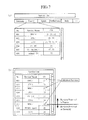
- the physical channel for services differs from region to region. Therefore, in the case of using a DVB-T receiver intended for moving objects in a moving object, such as a vehicle, when a user registers a service through channel scanning, he or she cannot browse a registered service list easily because many different physical channels have an identical service, as shown in Fig. 7(b) , for example. Particularly in Europe, because there is heavy traffic between countries, the number of physical channels registered further increases because the same DVB-T standard is adopted, and it is therefore difficult for the user to select a service which the user can receive in the country where he or she is staying from the list, and, particularly, the usability of the conventional DVB-T receiver is inferior in terms of visibility. On a screen shown in Fig. 7(b) , services (broadcast stations) which have been received in France are shown separately from services (broadcast stations) which have been received in Germany with a thick line.
- patent reference 1 discloses a technology of producing a monitor display of an EPG (electronic program guide) by using a limited display area on a monitor effectively to merge the EPG into an on-screen video image.
- patent reference 2 discloses a technology of collectively displaying information about identical programs being broadcast by an identical broadcast station in a single row to increase the amount of information included in a display of a program list.
- the present invention is made in order to solve the above-mentioned problem, and it is therefore an object of the present invention to provide a digital broadcast receiver whose usability is improved by using a newly-devised display form of a service list which complies with the DVB-T standard intended for moving objects.
- a digital broadcast receiver capable of receiving a program broadcast by a plurality of services from among broadcast electric waves to which a single physical channel is assigned and provided with at least an I/O device, the digital broadcast receiver including a control unit for determining whether or not there are identical services in services which the digital broadcast receiver has received in each of a plurality of regions, and for, when determining that there are identical services in the services, generating a service list for each of the above-mentioned regions or for each of the above-mentioned services while merging the above-mentioned physical channels, and then displaying the above-mentioned service list generated thereby on the above-mentioned I/O device to urge a viewer to perform a selection input.
- the digital broadcast receiver in accordance with the present invention can provide improved usability by using a newly-devised display form of a service list which complies with the DVB-T standard intended for moving objects.
- Fig. 1 is a block diagram showing the internal structure of a digital broadcast receiver in accordance with Embodiment 1 of the present invention.
- the digital broadcast receiver 1 in accordance with Embodiment 1 of the present invention is comprised of an antenna unit is, a front end unit 12, an MPEG (Moving Picture Experts Group) decoder unit 13, a memory unit 14, a control unit 15, a remote control light receiving unit 16, a graphic control unit 17, and a display 18.
- MPEG Motion Picture Experts Group
- the antenna unit 11 receives terrestrial wave digital television broadcasts in an RF band (including a UHF (Ultra High Frequency) band and a VHF (Very High Frequency) band in this embodiment), and furnishes them to the front end unit 12, and the front end unit 12 down-converts a selected one of these terrestrial wave digital television broadcasts into a signal having an IF (intermediate frequency) level and carries out OFDM demodulation by using an OFDM (Orthogonal Frequency Division Multiplex) demodulator built therein to generate an MPEG-TS (Transport Streaming) signal and then furnishes this MPEG-TS signal to the MPEG decoder unit 13.
- an RF band including a UHF (Ultra High Frequency) band and a VHF (Very High Frequency) band in this embodiment
- the MPEG decoder unit 13 includes a TS decoder 131, an AV encoder 132, and an ID information extracting unit 133.
- the TS decoder 131 demultiplexes the MPEG-TS signal inputted thereto into video and audio data and ID information, which are included in the MPEG-TS signal inputted thereto, and delivers the video and audio data to the AV encoder 132 and also delivers the ID information to the ID information extracting unit 133.
- the AV encoder 132 generates a video and audio signal from the video and audio data inputted thereto and outputs the video and audio signal to the display 18, and the ID information extracting unit 133 outputs the ID information which it has acquired from the TS decoder 131 to the control unit 15.
- the ID information about services, which has been acquired by the ID information extracting unit 133, and the receive period during which the service currently being watched has been received, as well as a service list generated by the control unit 15, are stored, as a history, in the memory unit 14.
- a priority is assigned to each physical channel monitored by the control unit 15 according to the receive period of each physical channel. The longer receive period each physical channel has, the higher priority each physical channel has.
- the control unit 15 has a function of determining whether or not there are identical services in the services which the receiver has received in each of a plurality of regions (in this case, each of a plurality of countries), generating a service list while merging the corresponding physical channels for each country or for each service if there are identical services in the services which the receiver has received in each of the plurality of regions, and displaying the service list generated thereby on the display 18 via the graphic control unit 17 and the AV encoder 132 to urge a viewer to perform a selection input using a not-shown remote controller.
- a plurality of regions in this case, each of a plurality of countries
- the control unit 15 also has a function of, when the receiver becomes unable to receive a service because of a change in the receiving environment due to a movement of the receiver, for example, carrying out channel scanning of physical channels providing the same service automatically according to the priorities which are assigned to the physical channels according to the histories of the receive periods of the physical channels stored in the memory unit 14.
- control unit 15 includes a country identification processing unit 151, an identical service determination processing unit 152, a sort processing unit 153, an operation processing unit 154, and a channel selection processing unit 155.
- the country identification processing unit 151 makes a country identification from a country code outputted by the ID information extracting unit 133, and the identical service determination processing unit 152 determines whether or not there are identical services from ID information outputted by the ID information extracting unit 133.
- the identical service determination processing unit 152 refers to either information about the numbers of services defined for a single region (LCNs: Logical Channel Numbers), which is included in the ID information, or TS identification information (TS_ID), service identification information (service_ID), and information about service arrangement (service_type), which are included in the ID information.
- the identical service determination processing unit car refer to service names (service_name). The details of each of the pieces of information will be mentioned below.
- the sort processing unit 153 generates a service list from the pieces of information outputted from the country identification processing unit 151 and the identical service determination processing unit 152 while merging the corresponding physical channels for each country or for each service, and furnishes the service list to the graphic control unit 17.
- the operation processing unit 154 captures a selection command of electing a physical channel, which is issued by the not-shown remote controller when the viewer browses the service list displayed on the display 18 and then operates the not-shown remote controller, via the remote control light receiving unit 16, and then furnishes the selection command to the operation processing unit 154.
- the channel selection processing unit 155 makes a search for the physical channel which the channel selection processing unit is commanded to select (carries out the channel scanning) by controlling the local oscillation frequency of the front end unit 12 according to the physical channel.
- the graphic control unit 17 converts the service list outputted by the sort processing unit 153 into such service list screen information as shown in Fig. 7(a) , for example, and outputs, as a video and audio signal, the service list screen information to the display 18 which consists of a display device, such as an LCD (Liquid Crystal Display Device), via the AV encoder 132 of the MPEG decoder unit 13.
- a display device such as an LCD (Liquid Crystal Display Device)
- control unit 15 functions as a "control unit for determining whether or not there are identical services in services which the digital broadcast receiver has received in each of a plurality of regions, and for, when determining that there are identical services in the services, generating a service list for each of the above-mentioned regions or for each of the above-mentioned services while merging the above-mentioned physical channels, and then displaying the above-mentioned service list generated thereby on the above-mentioned I/O device to urge a viewer to perform a selection input", the not-shown remote control and the display 18 functions as the "input unit" described above, and the front end unit 12 functions as a "reception demodulating unit for down-converting a signal in an RF band which the digital broadcast receiver has received via an antenna into a transport stream signal having an intermediate frequency level".
- Fig. 2 is a view showing an example of the packet format of the MPEG-TS signal which the digital broadcast receiver 1 in accordance with Embodiment 1 of the present invention generates.
- the MPEG-TS signal is divided into TS packets 10 each having a 188-byte fixed length, and each of which is called a TS packet, and the TS packets 10 are transmitted.
- each TS packet 10 is constructed of a TS header part 101 and a payload part 102.
- 13-bit information which is called a packet identifier (PID) is included, and information showing what is transmitted via each TS packet 10 is set as the 13-bint information.
- TS packets of the same video and audio data have the same PID.
- Information showing whether LCN data which will be mentioned below exists is also included in the TS header part 101.
- the control unit 15 makes a country identification from the TS packets 10 of each service (broadcast station), and displays the service list on the display 18. At this time, the control unit makes a country identification by acquiring the country code from the Local time offset descriptor of TOT (Time Offset Table) included in the payload part 102 of each TS packet 10 and then identifying the country where the broadcast station is providing the services.
- the country code has a data length of 24 bits, and includes three 8-bit letters of the alphabet in ASCII code which are described therein. Because such a set of three letters of the alphabet is defined as a country code which complies with IS03166-1, the control unit 15 can make a country identification by using indexes of a table as shown in Fig. 3 , for example.
- the control unit 15 determines the identical services from specific ID information which will be mentioned below among the pieces of ID information when carrying out service registration.
- the control unit refers to the LCNs (Logical Channel Numbers) showing the numbers of services which are predetermined in the country.
- the LCNs are shown by the descriptor of the NIT (Network Information table) included in the payload part 102 of each TS packet 10. For example, the LCN of British BBC NEWS24 is "0x050".
- each TS packet 10 has pieces of information about a plurality of services (broadcast stations), and therefore the pieces of ID information (LCNs #1 to #3) corresponding to the number of services exist in each TS packet.
- control unit can refer to the TS_ID, the service IDs (service_IDs) each of which is the identifier of a broadcast station, and the service type (service_type) of each service showing the broadcast type, such as television or radio.
- the TS_ID and the service IDs #1 to #3 are shown in the NIT included in the payload part 102 of each TS packet, and the service type (service_type) of each service is shown in the SDT (Service Description table).
- SDT Service Description table
- the control unit also refers to the service ID and the service type of each service.
- Fig. 4 is a flow chart showing a fundamental operation of the digital broadcast receiver 1 in accordance with Embodiment 1 of the present invention.
- the fundamental operation of the digital broadcast receiver 1 in accordance with Embodiment 1 of the present invention shown in Fig. 1 will be explained in detail with reference to the flow chart of Fig. 4 .
- the channel selection processing unit 155 controls the front end unit 12 to perform the channel scanning (step ST401).
- the MPEG decoder unit 13 to which TS packets 10 are furnished through the channel scanning determines whether the receiver can receive broadcasts by measuring the received field strength or decoding errors (step ST402).
- the TS decoder 131 extracts the ID information from each TS packet via the ID information extracting unit 133, and furnishes the ID information to the country identification processing unit 151 and the identical service determination processing unit 152 of the control unit 15 (step ST403).
- the country identification processing unit 151 acquires the country code from the Local time offset descriptor of TOT included in the payload part 102 of each TS packet 10 to identify the country where the broadcast station is providing the services (step SDT404).
- the country identification processing unit 151 identifies the country
- the identical service determination processing unit 152 determines that the number of services registered in the corresponding country where the receiver is moving is not zero (if "NO” in step ST405), and also determines that an LCN exists with reference to the TS header part 101 of each TS packet 10 (if "YES” in step ST406)
- the identical service determination processing unit acquires the LCN value shown by the descriptor of NIT included in the payload part 102 of each TS packet 10 to judge whether the LCN value matches the one of a service in the corresponding service list (step ST407).
- the identical service determination processing unit 152 determines whether or not there is a match with a service in the corresponding service list with reference to the TS_ID of NIT included in the payload part 102 of each TS packet 10, and the service IDs (service_IDs), and the service types (service_types) in the SDT (step SDT408).
- the identical service determination processing unit 152 determines that the received service (broadcast station) is identical to the service, and starts the sort processing unit 153 in order to merge the identical services (broadcast stations) into the same service list.
- the sort processing unit 153 which has received this start command merges the corresponding physical channels for each country or for each service, and adds the merged result to the service list (step ST409).
- step ST405 determines that the number of services registered is zero (if "YES” in step ST405), the sort processing unit 153 omits the above-mentioned identical service determination process and adds the service to the service list as a new service after the country identification processing unit 151 completes the country identification process (step ST410).
- step ST410 determines that the number of services registered is zero (if "YES” in step ST405), the sort processing unit 153 omits the above-mentioned identical service determination process and adds the service to the service list as a new service after the country identification processing unit 151 completes the country identification process (step ST410).
- step ST411 determines that the number of services registered is zero (if "YES” in step ST405)
- the sort processing unit 153 omits the above-mentioned identical service determination process and adds the service to the service list as a new service after the country identification processing unit 151 completes the country identification process.
- step ST411 determines that the number of services registered
- the sort processing unit 153 furnishes the generated service list in which the identical services are merged for each country or for each service to the graphic control unit 17, and the graphic control unit 17 converts this service list into a list having such a display form as shown in Fig. 7(a) , for example, and displays the list on the display 18 to urge the viewer to perform a selection input of a number (No.) for which physical channels are merged (step ST413).
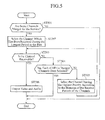
- Fig. 5 is a flow chart showing the channel scanning operation of the digital broadcast receiver 1 in accordance with Embodiment 1 of the present invention. Whereafter, the channel scanning operation of the digital broadcast receiver 1 in accordance with Embodiment 1 of the present invention shown in Fig. 1 will be explained in detail with reference to the flow chart of Fig. 5 .
- the channel selection processing unit 155 of the control unit 15 determines whether the signal received via the remote control light receiving unit 16 shows a request to watch a program provided by a service for which some physical channels are merged first (step ST501), and, when determining that the signal shows a request to watch a program provided by a service for which some physical channels are merged (if "YES" in step ST501), the channel selection processing unit 155 acquires the number of the physical channel which the digital broadcast receiver has received during the longest period in the past with reference to the memory unit 14, and selects the physical channel number and issues a search command to the front end unit 12, and the front end unit 12 which has received this command performs the channel scanning based on the physical channel number (step ST502).
- the MPEG decoder unit 13 converts the video and audio data which are separated and extracted by the TS decoder 131 into a video and audio signal by using the AV encoder 132, and outputs the video and audio signal to the display 18 (step ST506).
- step ST503 when it is determined, in step ST503, that the digital broadcast receiver cannot receive the physical channel (if "NO” in step ST503), the channel selection processing unit 155 determines whether the channel selection (channel scanning) on all the merged physical channels has been completed (step ST504), and, when a yet-to-be-selectedphysical channel remains to be processed (if "NO” in step ST504), selects a physical channel having the next highest priority from the memory unit 14 and controls the front end unit 12 to perform the channel scanning (channel selection) (step SDT505).
- the priority information about the priorities assigned to the physical channels according to the histories of the receive periods of the physical channels monitored by the control unit 15 is stored in the memory unit 14, as described above.
- control unit 15 determines whether or not there are identical services in the services which the digital broadcast receiver has received in each of a plurality of regions (countries), generates a service list while merging the corresponding physical channels for each region or for each service if there are identical services in the services, and displays the service list generated thereby to urge a viewer to perform a selection input. Therefore, the digital broadcast receiver improves the visibility of the service list to enable the viewer to easily select a physical channel, and can provide improved usability.
- the digital broadcast receiver carries out the determination of whether or not there are identical services in the services which the digital broadcast receiver has received by referring to either information (LCN) about the numbers of services defined within each region included in the ID information, or the transport stream identification information (TS_ID), the service identification information (service_ID), and the information about service arrangement (service_type) which are included in the ID information.
- LN information about the numbers of services defined within each region included in the ID information
- TS_ID transport stream identification information
- service_ID service identification information
- service_type information about service arrangement
- control unit 15 searches for a physical channel according to the priorities which are assigned to physical channels providing the same service according to the histories of the receive periods of the physical channels. Therefore, the digital broadcast receiver can automatically perform the channel scanning on the physical channels sorted according to the priorities, and can provide improved performance. As a result, the digital broadcast receiver reduces the burden of the channel scanning on the user, and provides further-improved usability.
- Fig. 6 is a flow chart showing a fundamental operation of a digital broadcast receiver 1 in accordance with Embodiment 2 of the present invention.
- the identical service determination processing unit 152 of the control unit 15 determines whether or not there are identical services by referring to either information (LCN) about the numbers of services defined within each region included in the ID information of the TS signal, or the TS identification information, the service identification information, and the information about service arrangement which are included in the ID information.
- the digital broadcast receiver in accordance with Embodiment 2 which will be explained hereafter, determines whether or not there are identical services by referring to information about service names included in the ID information.
- steps ST601 to ST604 from a process of controlling a front end unit 12 to perform channel scanning, which is carried out by a channel selection processing unit 155 of a control unit 15, up to a process of acquiring the country code from the Local time offset descriptor of TOT included in the payload part 102 of each TS packet 10 to identify the country where the broadcast station is providing the services, which is carried out by a country identification processing unit 151, are the same as those in steps SDT401 to ST404 of Embodiment 1 shown in Fig. 4 , an explanation of the processes will be omitted hereafter to avoid a duplicated explanation.
- an identical service determination processing unit 152 determines that the number of services registered in the corresponding country where the receiver is moving is not zero (if "NO" in step ST605), and then judges whether the service name (service_name) included in the SDT of the payload part 102 of each TS packet 10 has a match with one of the names of the already-registered services (step ST606).
- the identical service determination processing unit 152 determines that the received service (broadcast station) is identical to the service, and starts a sort processing unit 153 in order to merge the identical services (broadcast stations) into the same service list.
- the sort processing unit 153 which has received this start command merges the corresponding physical channels for each country or for each service, and adds the merged result to the service list (step ST607).
- step ST605 determines that the number of services registered is zero (if "YES” in step ST605), the sort processing unit 153 omits the above-mentioned identical service determination process and adds the service to the service list as a new service after the country identification processing unit completes the country identification process (step ST608).
- the control unit 15 causes the front end unit 12 to switch to the physical channel under the control by the channel selection processing unit 155 (step ST610), and repeatedly performs the above-mentioned series of processes on all the physical channels (steps ST602 to ST608).
- the sort processing unit 153 furnishes the generated service list in which the identical services are merged for each country or for each service to a graphic control unit 17, and the graphic control unit 17 converts this service list into a list having such a display form as shown in Fig. 7(a) , for example, and displays the list on a display 18 to urge a viewer to perform a selection input (step ST611).
- the control unit 15 searches for a physical channel according to priorities which are assigned to physical channels providing the same service according to histories of the receive periods of the physical channels according to a procedure shown by the flow chart shown in Fig. 5 , like that in accordance with Embodiment 1.
- control unit 15 determines whether or not there are identical services in the services which the digital broadcast receiver has received in each of a plurality of regions (countries), generates a service list while merging the corresponding physical channels for each region or for each service if there are identical services in the services, and displays the service list generated thereby to urge a viewer to perform a selection input. Therefore, the digital broadcast receiver improves the visibility of the service list to enable the viewer to easily select a physical channel, and can provide improved usability.
- the digital broadcast receiver carries out the determination of whether or not there are identical services in the services which the digital broadcast receiver has received by referring to the service names (service_name) included in the SDT of the payload part 102 of each TS packet 10.
- control unit 15 searches for a physical channel according to the priorities which are assigned to physical channels providing the same service according to the histories of the receive periods of the physical channels, like that in accordance with Embodiment 1. Therefore, the digital broadcast receiver can automatically perform the channel scanning on the physical channels sorted according to the priorities, and can provide improved performance. As a result, the digital broadcast receiver reduces the burden of the channel scanning on the user, and provides further-improved usability.
- All of the function which the control unit 15 shown in Fig. 1 has can be implemented via software, or at least a part of the function can be implemented via hardware.
- the data process of determining whether or not there are identical services in the services which the digital broadcast receiver has received in each of the plurality of regions, generating a service list while merging the corresponding physical channels for each region or for each service if there are identical services in the services, and displaying the service list generated on an I/O device (e.g., the display 18) to urge a viewer to perform a selection input, which is carried out by the control unit 15, can be implemented by one or more programs on a computer, or at least a part of the data process can be implemented via hardware.
- the digital broadcast receiver in accordance with the present invention can improve its ease of use by using a newly-devised display form of a service list which complies with the DVB-T standard intended for moving objects, the digital broadcast receiver in accordance with the present invention is suitable for use as a vehicle-mounted digital broadcast receiver, etc.
Landscapes
- Engineering & Computer Science (AREA)
- Signal Processing (AREA)
- Multimedia (AREA)
- Databases & Information Systems (AREA)
- Human Computer Interaction (AREA)
- Circuits Of Receivers In General (AREA)
- Two-Way Televisions, Distribution Of Moving Picture Or The Like (AREA)
Applications Claiming Priority (2)
| Application Number | Priority Date | Filing Date | Title |
|---|---|---|---|
| JP2009082441 | 2009-03-30 | ||
| PCT/JP2010/000300 WO2010116579A1 (fr) | 2009-03-30 | 2010-01-20 | Récepteur de diffusion numérique |
Publications (3)
| Publication Number | Publication Date |
|---|---|
| EP2416569A1 true EP2416569A1 (fr) | 2012-02-08 |
| EP2416569A4 EP2416569A4 (fr) | 2012-12-12 |
| EP2416569B1 EP2416569B1 (fr) | 2017-04-26 |
Family
ID=42935880
Family Applications (1)
| Application Number | Title | Priority Date | Filing Date |
|---|---|---|---|
| EP10761287.1A Not-in-force EP2416569B1 (fr) | 2009-03-30 | 2010-01-20 | Récepteur de diffusion numérique |
Country Status (5)
| Country | Link |
|---|---|
| US (1) | US8421930B2 (fr) |
| EP (1) | EP2416569B1 (fr) |
| JP (1) | JP5465236B2 (fr) |
| CN (1) | CN102342126B (fr) |
| WO (1) | WO2010116579A1 (fr) |
Cited By (1)
| Publication number | Priority date | Publication date | Assignee | Title |
|---|---|---|---|---|
| EP3672268A1 (fr) * | 2018-12-22 | 2020-06-24 | Advanced Digital Broadcast S.A. | Base de données centralisée d'objets liés au contenu dans la couche middleware |
Families Citing this family (13)
| Publication number | Priority date | Publication date | Assignee | Title |
|---|---|---|---|---|
| CN102957942B (zh) * | 2011-08-17 | 2017-07-25 | 国家新闻出版广电总局广播科学研究院 | 数字多媒体广播中传输数据的方法、装置和系统 |
| US9237298B2 (en) | 2011-12-28 | 2016-01-12 | Mitsubishi Electric Corporation | Digital broadcast receiving device and station selection method |
| JP2015510347A (ja) * | 2012-02-07 | 2015-04-02 | ヒルシュマン カー コミュニケーション ゲゼルシャフト ミット ベシュレンクテル ハフツングHirschmann Car Communication GmbH | 異なる規格間での送信所追跡 |
| KR20140102061A (ko) * | 2013-02-13 | 2014-08-21 | 삼성전자주식회사 | 디스플레이장치, 서버 및 그 제어방법 |
| JP2015133662A (ja) * | 2014-01-15 | 2015-07-23 | シャープ株式会社 | 携帯通信端末 |
| JP6667128B2 (ja) * | 2014-08-28 | 2020-03-18 | パナソニックIpマネジメント株式会社 | 送信方法、受信方法、送信装置及び受信装置 |
| WO2016031173A1 (fr) | 2014-08-28 | 2016-03-03 | パナソニックIpマネジメント株式会社 | Procédé de transmission, procédé de réception, dispositif de transmission et dispositif de réception |
| CN112118479A (zh) * | 2015-02-02 | 2020-12-22 | 麦克赛尔株式会社 | 广播接收装置和内容输出方法 |
| CN112911396A (zh) * | 2015-02-03 | 2021-06-04 | 麦克赛尔株式会社 | 广播接收装置、广播接收方法和内容输出方法 |
| CN105744353B (zh) * | 2016-04-14 | 2019-11-19 | 深圳Tcl数字技术有限公司 | 逻辑频道号解析方法及装置 |
| KR102213760B1 (ko) * | 2017-02-10 | 2021-02-05 | 히르쉬만 카 커뮤니케이션 게엠베하 | 터널을 통한 차량들에 의한 이동들 동안의 송신기 식별 |
| CN107318040A (zh) * | 2017-08-14 | 2017-11-03 | 青岛海信电器股份有限公司 | 电视节目排序的方法及装置 |
| JP7220031B2 (ja) * | 2018-07-30 | 2023-02-09 | 株式会社デンソーテン | 放送受信機および放送局リスト更新方法 |
Family Cites Families (10)
| Publication number | Priority date | Publication date | Assignee | Title |
|---|---|---|---|---|
| WO2002011328A1 (fr) * | 2000-07-28 | 2002-02-07 | Sony Corporation | Systeme de radiodiffusion numerique |
| JP2004135166A (ja) | 2002-10-11 | 2004-04-30 | Funai Electric Co Ltd | デジタル放送受信装置 |
| CN100550997C (zh) * | 2003-08-07 | 2009-10-14 | 皇家飞利浦电子股份有限公司 | 数字电视的频道编号排序 |
| US7697077B2 (en) | 2003-08-07 | 2010-04-13 | Koninklijke Philips Electronics N.V. | Channel number sorting for digital television |
| JP2007013562A (ja) | 2005-06-30 | 2007-01-18 | Toshiba Corp | 受信装置および受信方法 |
| CN101268687A (zh) * | 2005-09-21 | 2008-09-17 | 三洋电机株式会社 | 数字广播接收装置 |
| JP2007201700A (ja) * | 2006-01-25 | 2007-08-09 | Mitsubishi Electric Corp | 受信装置 |
| JP4544212B2 (ja) * | 2006-07-03 | 2010-09-15 | ソニー株式会社 | 地上デジタルテレビ放送の受信機 |
| KR100826025B1 (ko) * | 2006-07-04 | 2008-04-28 | 엘지전자 주식회사 | 영상표시기기의 선호 채널 관리 장치 및 방법 |
| KR101266480B1 (ko) * | 2006-11-09 | 2013-05-23 | 삼성전자주식회사 | 지역별 방송 채널 리스트를 표시하는 방송 수신 장치 및 그방법 |
-
2010
- 2010-01-20 JP JP2011508191A patent/JP5465236B2/ja not_active Expired - Fee Related
- 2010-01-20 WO PCT/JP2010/000300 patent/WO2010116579A1/fr not_active Ceased
- 2010-01-20 CN CN201080011423.3A patent/CN102342126B/zh not_active Expired - Fee Related
- 2010-01-20 EP EP10761287.1A patent/EP2416569B1/fr not_active Not-in-force
- 2010-01-20 US US13/139,818 patent/US8421930B2/en not_active Expired - Fee Related
Cited By (1)
| Publication number | Priority date | Publication date | Assignee | Title |
|---|---|---|---|---|
| EP3672268A1 (fr) * | 2018-12-22 | 2020-06-24 | Advanced Digital Broadcast S.A. | Base de données centralisée d'objets liés au contenu dans la couche middleware |
Also Published As
| Publication number | Publication date |
|---|---|
| US8421930B2 (en) | 2013-04-16 |
| US20110249193A1 (en) | 2011-10-13 |
| EP2416569A4 (fr) | 2012-12-12 |
| EP2416569B1 (fr) | 2017-04-26 |
| CN102342126A (zh) | 2012-02-01 |
| WO2010116579A1 (fr) | 2010-10-14 |
| JPWO2010116579A1 (ja) | 2012-10-18 |
| JP5465236B2 (ja) | 2014-04-09 |
| CN102342126B (zh) | 2014-04-02 |
Similar Documents
| Publication | Publication Date | Title |
|---|---|---|
| EP2416569B1 (fr) | Récepteur de diffusion numérique | |
| US8120712B2 (en) | Channel selection in a receiver for terrestrial digital television broadcasting | |
| US7644428B2 (en) | Receiving apparatus having integrated program guide that integrates program information received from plural transmission media | |
| USRE43102E1 (en) | Apparatus and method for displaying additional information | |
| US20080066105A1 (en) | Method for automatically searching for data applications for all channels and video apparatus adopting the method | |
| US20070094696A1 (en) | Digital broadcast receiver apparatus, digital broadcast receiving method and program | |
| EP1909499A1 (fr) | Appareil de réception d'émissions numériques et méthode d'affichage de programme | |
| US8059209B2 (en) | Broadcast signal receiving device and method | |
| US20080074557A1 (en) | Method for switching a channel of an image display device and apparatus therefor | |
| JP2005045508A (ja) | 受信装置および受信方法 | |
| KR100693653B1 (ko) | 지상파 dmb수신기에 채널 튜닝 시 서비스 맵 구현방법 | |
| JP2002320167A (ja) | 車載用ディジタル放送受信機及びその番組案内表示方法 | |
| JP2006253771A (ja) | 受信装置および受像装置 | |
| JP5355258B2 (ja) | デジタル放送受信装置およびデジタル放送受信方法 | |
| KR100672420B1 (ko) | 케이블 밴드 자동 검색 방법 | |
| JPH11122548A (ja) | 放送受信方法及び装置 | |
| JP2004304691A (ja) | 地上波デジタル放送受信装置 | |
| JP4931503B2 (ja) | ディジタル放送受信装置および周波数リスト作成方法 | |
| EP0987889B1 (fr) | Récepteur et méthode de réception de télévision numérique en réseau de fréquences multiples | |
| JP2007288603A (ja) | 放送受信装置 | |
| JP4850681B2 (ja) | 通信端末及びチャンネル決定方法。 | |
| KR20070064810A (ko) | 디지털 방송 시스템의 방송 채널 튜닝 방법 | |
| JP2014022779A (ja) | テレビチューナ装置及びプログラム | |
| KR20140010824A (ko) | 이동통신단말기에서의 방송 컨텐츠 핸드오버 방법 | |
| KR20090076701A (ko) | 터치스크린 기반의 텔레텍스트 수신장치 |
Legal Events
| Date | Code | Title | Description |
|---|---|---|---|
| PUAI | Public reference made under article 153(3) epc to a published international application that has entered the european phase |
Free format text: ORIGINAL CODE: 0009012 |
|
| 17P | Request for examination filed |
Effective date: 20110627 |
|
| AK | Designated contracting states |
Kind code of ref document: A1 Designated state(s): AT BE BG CH CY CZ DE DK EE ES FI FR GB GR HR HU IE IS IT LI LT LU LV MC MK MT NL NO PL PT RO SE SI SK SM TR |
|
| DAX | Request for extension of the european patent (deleted) | ||
| A4 | Supplementary search report drawn up and despatched |
Effective date: 20121108 |
|
| RIC1 | Information provided on ipc code assigned before grant |
Ipc: H04N 21/434 20110101ALI20121102BHEP Ipc: H04H 60/37 20080101ALI20121102BHEP Ipc: H04B 1/16 20060101ALI20121102BHEP Ipc: H04N 5/44 20110101ALI20121102BHEP Ipc: H04N 21/482 20110101ALI20121102BHEP Ipc: H04N 21/462 20110101ALI20121102BHEP Ipc: H04N 5/445 20110101ALI20121102BHEP Ipc: H04H 60/42 20080101ALI20121102BHEP Ipc: H04N 7/173 20110101AFI20121102BHEP Ipc: H04N 5/00 20110101ALI20121102BHEP |
|
| GRAP | Despatch of communication of intention to grant a patent |
Free format text: ORIGINAL CODE: EPIDOSNIGR1 |
|
| RIC1 | Information provided on ipc code assigned before grant |
Ipc: H04N 5/00 20110101ALI20161122BHEP Ipc: H04N 5/44 20060101ALI20161122BHEP Ipc: H04H 60/37 20080101ALI20161122BHEP Ipc: H04N 21/462 20110101ALI20161122BHEP Ipc: H04N 5/445 20060101ALI20161122BHEP Ipc: H04B 1/16 20060101ALI20161122BHEP Ipc: H04H 60/50 20080101ALI20161122BHEP Ipc: H04N 21/414 20110101ALI20161122BHEP Ipc: H04N 21/434 20110101ALI20161122BHEP Ipc: H04N 21/61 20110101ALI20161122BHEP Ipc: H04H 60/42 20080101ALI20161122BHEP Ipc: H04H 40/27 20080101ALI20161122BHEP Ipc: H04N 21/482 20110101ALI20161122BHEP Ipc: H04N 7/173 20060101AFI20161122BHEP |
|
| INTG | Intention to grant announced |
Effective date: 20161220 |
|
| GRAS | Grant fee paid |
Free format text: ORIGINAL CODE: EPIDOSNIGR3 |
|
| GRAA | (expected) grant |
Free format text: ORIGINAL CODE: 0009210 |
|
| AK | Designated contracting states |
Kind code of ref document: B1 Designated state(s): AT BE BG CH CY CZ DE DK EE ES FI FR GB GR HR HU IE IS IT LI LT LU LV MC MK MT NL NO PL PT RO SE SI SK SM TR |
|
| REG | Reference to a national code |
Ref country code: GB Ref legal event code: FG4D |
|
| REG | Reference to a national code |
Ref country code: CH Ref legal event code: EP |
|
| REG | Reference to a national code |
Ref country code: AT Ref legal event code: REF Ref document number: 888798 Country of ref document: AT Kind code of ref document: T Effective date: 20170515 |
|
| REG | Reference to a national code |
Ref country code: IE Ref legal event code: FG4D |
|
| REG | Reference to a national code |
Ref country code: DE Ref legal event code: R096 Ref document number: 602010041871 Country of ref document: DE |
|
| REG | Reference to a national code |
Ref country code: NL Ref legal event code: MP Effective date: 20170426 |
|
| REG | Reference to a national code |
Ref country code: LT Ref legal event code: MG4D |
|
| REG | Reference to a national code |
Ref country code: AT Ref legal event code: MK05 Ref document number: 888798 Country of ref document: AT Kind code of ref document: T Effective date: 20170426 |
|
| PG25 | Lapsed in a contracting state [announced via postgrant information from national office to epo] |
Ref country code: NL Free format text: LAPSE BECAUSE OF FAILURE TO SUBMIT A TRANSLATION OF THE DESCRIPTION OR TO PAY THE FEE WITHIN THE PRESCRIBED TIME-LIMIT Effective date: 20170426 |
|
| PG25 | Lapsed in a contracting state [announced via postgrant information from national office to epo] |
Ref country code: ES Free format text: LAPSE BECAUSE OF FAILURE TO SUBMIT A TRANSLATION OF THE DESCRIPTION OR TO PAY THE FEE WITHIN THE PRESCRIBED TIME-LIMIT Effective date: 20170426 Ref country code: FI Free format text: LAPSE BECAUSE OF FAILURE TO SUBMIT A TRANSLATION OF THE DESCRIPTION OR TO PAY THE FEE WITHIN THE PRESCRIBED TIME-LIMIT Effective date: 20170426 Ref country code: GR Free format text: LAPSE BECAUSE OF FAILURE TO SUBMIT A TRANSLATION OF THE DESCRIPTION OR TO PAY THE FEE WITHIN THE PRESCRIBED TIME-LIMIT Effective date: 20170727 Ref country code: HR Free format text: LAPSE BECAUSE OF FAILURE TO SUBMIT A TRANSLATION OF THE DESCRIPTION OR TO PAY THE FEE WITHIN THE PRESCRIBED TIME-LIMIT Effective date: 20170426 Ref country code: NO Free format text: LAPSE BECAUSE OF FAILURE TO SUBMIT A TRANSLATION OF THE DESCRIPTION OR TO PAY THE FEE WITHIN THE PRESCRIBED TIME-LIMIT Effective date: 20170726 Ref country code: AT Free format text: LAPSE BECAUSE OF FAILURE TO SUBMIT A TRANSLATION OF THE DESCRIPTION OR TO PAY THE FEE WITHIN THE PRESCRIBED TIME-LIMIT Effective date: 20170426 Ref country code: LT Free format text: LAPSE BECAUSE OF FAILURE TO SUBMIT A TRANSLATION OF THE DESCRIPTION OR TO PAY THE FEE WITHIN THE PRESCRIBED TIME-LIMIT Effective date: 20170426 |
|
| PG25 | Lapsed in a contracting state [announced via postgrant information from national office to epo] |
Ref country code: SE Free format text: LAPSE BECAUSE OF FAILURE TO SUBMIT A TRANSLATION OF THE DESCRIPTION OR TO PAY THE FEE WITHIN THE PRESCRIBED TIME-LIMIT Effective date: 20170426 Ref country code: LV Free format text: LAPSE BECAUSE OF FAILURE TO SUBMIT A TRANSLATION OF THE DESCRIPTION OR TO PAY THE FEE WITHIN THE PRESCRIBED TIME-LIMIT Effective date: 20170426 Ref country code: BG Free format text: LAPSE BECAUSE OF FAILURE TO SUBMIT A TRANSLATION OF THE DESCRIPTION OR TO PAY THE FEE WITHIN THE PRESCRIBED TIME-LIMIT Effective date: 20170726 Ref country code: IS Free format text: LAPSE BECAUSE OF FAILURE TO SUBMIT A TRANSLATION OF THE DESCRIPTION OR TO PAY THE FEE WITHIN THE PRESCRIBED TIME-LIMIT Effective date: 20170826 Ref country code: PL Free format text: LAPSE BECAUSE OF FAILURE TO SUBMIT A TRANSLATION OF THE DESCRIPTION OR TO PAY THE FEE WITHIN THE PRESCRIBED TIME-LIMIT Effective date: 20170426 |
|
| REG | Reference to a national code |
Ref country code: DE Ref legal event code: R097 Ref document number: 602010041871 Country of ref document: DE |
|
| PG25 | Lapsed in a contracting state [announced via postgrant information from national office to epo] |
Ref country code: DK Free format text: LAPSE BECAUSE OF FAILURE TO SUBMIT A TRANSLATION OF THE DESCRIPTION OR TO PAY THE FEE WITHIN THE PRESCRIBED TIME-LIMIT Effective date: 20170426 Ref country code: SK Free format text: LAPSE BECAUSE OF FAILURE TO SUBMIT A TRANSLATION OF THE DESCRIPTION OR TO PAY THE FEE WITHIN THE PRESCRIBED TIME-LIMIT Effective date: 20170426 Ref country code: CZ Free format text: LAPSE BECAUSE OF FAILURE TO SUBMIT A TRANSLATION OF THE DESCRIPTION OR TO PAY THE FEE WITHIN THE PRESCRIBED TIME-LIMIT Effective date: 20170426 Ref country code: EE Free format text: LAPSE BECAUSE OF FAILURE TO SUBMIT A TRANSLATION OF THE DESCRIPTION OR TO PAY THE FEE WITHIN THE PRESCRIBED TIME-LIMIT Effective date: 20170426 Ref country code: RO Free format text: LAPSE BECAUSE OF FAILURE TO SUBMIT A TRANSLATION OF THE DESCRIPTION OR TO PAY THE FEE WITHIN THE PRESCRIBED TIME-LIMIT Effective date: 20170426 |
|
| PG25 | Lapsed in a contracting state [announced via postgrant information from national office to epo] |
Ref country code: IT Free format text: LAPSE BECAUSE OF FAILURE TO SUBMIT A TRANSLATION OF THE DESCRIPTION OR TO PAY THE FEE WITHIN THE PRESCRIBED TIME-LIMIT Effective date: 20170426 Ref country code: SM Free format text: LAPSE BECAUSE OF FAILURE TO SUBMIT A TRANSLATION OF THE DESCRIPTION OR TO PAY THE FEE WITHIN THE PRESCRIBED TIME-LIMIT Effective date: 20170426 |
|
| PLBE | No opposition filed within time limit |
Free format text: ORIGINAL CODE: 0009261 |
|
| STAA | Information on the status of an ep patent application or granted ep patent |
Free format text: STATUS: NO OPPOSITION FILED WITHIN TIME LIMIT |
|
| 26N | No opposition filed |
Effective date: 20180129 |
|
| PG25 | Lapsed in a contracting state [announced via postgrant information from national office to epo] |
Ref country code: SI Free format text: LAPSE BECAUSE OF FAILURE TO SUBMIT A TRANSLATION OF THE DESCRIPTION OR TO PAY THE FEE WITHIN THE PRESCRIBED TIME-LIMIT Effective date: 20170426 |
|
| REG | Reference to a national code |
Ref country code: CH Ref legal event code: PL |
|
| GBPC | Gb: european patent ceased through non-payment of renewal fee |
Effective date: 20180120 |
|
| PG25 | Lapsed in a contracting state [announced via postgrant information from national office to epo] |
Ref country code: LU Free format text: LAPSE BECAUSE OF NON-PAYMENT OF DUE FEES Effective date: 20180120 Ref country code: FR Free format text: LAPSE BECAUSE OF NON-PAYMENT OF DUE FEES Effective date: 20180131 |
|
| REG | Reference to a national code |
Ref country code: IE Ref legal event code: MM4A |
|
| REG | Reference to a national code |
Ref country code: FR Ref legal event code: ST Effective date: 20180928 |
|
| REG | Reference to a national code |
Ref country code: BE Ref legal event code: MM Effective date: 20180131 |
|
| PG25 | Lapsed in a contracting state [announced via postgrant information from national office to epo] |
Ref country code: LI Free format text: LAPSE BECAUSE OF NON-PAYMENT OF DUE FEES Effective date: 20180131 Ref country code: GB Free format text: LAPSE BECAUSE OF NON-PAYMENT OF DUE FEES Effective date: 20180120 Ref country code: BE Free format text: LAPSE BECAUSE OF NON-PAYMENT OF DUE FEES Effective date: 20180131 Ref country code: CH Free format text: LAPSE BECAUSE OF NON-PAYMENT OF DUE FEES Effective date: 20180131 |
|
| PG25 | Lapsed in a contracting state [announced via postgrant information from national office to epo] |
Ref country code: IE Free format text: LAPSE BECAUSE OF NON-PAYMENT OF DUE FEES Effective date: 20180120 |
|
| REG | Reference to a national code |
Ref country code: DE Ref legal event code: R084 Ref document number: 602010041871 Country of ref document: DE |
|
| PG25 | Lapsed in a contracting state [announced via postgrant information from national office to epo] |
Ref country code: MC Free format text: LAPSE BECAUSE OF FAILURE TO SUBMIT A TRANSLATION OF THE DESCRIPTION OR TO PAY THE FEE WITHIN THE PRESCRIBED TIME-LIMIT Effective date: 20170426 |
|
| PG25 | Lapsed in a contracting state [announced via postgrant information from national office to epo] |
Ref country code: MT Free format text: LAPSE BECAUSE OF NON-PAYMENT OF DUE FEES Effective date: 20180120 |
|
| PG25 | Lapsed in a contracting state [announced via postgrant information from national office to epo] |
Ref country code: TR Free format text: LAPSE BECAUSE OF FAILURE TO SUBMIT A TRANSLATION OF THE DESCRIPTION OR TO PAY THE FEE WITHIN THE PRESCRIBED TIME-LIMIT Effective date: 20170426 |
|
| PG25 | Lapsed in a contracting state [announced via postgrant information from national office to epo] |
Ref country code: PT Free format text: LAPSE BECAUSE OF FAILURE TO SUBMIT A TRANSLATION OF THE DESCRIPTION OR TO PAY THE FEE WITHIN THE PRESCRIBED TIME-LIMIT Effective date: 20170426 Ref country code: HU Free format text: LAPSE BECAUSE OF FAILURE TO SUBMIT A TRANSLATION OF THE DESCRIPTION OR TO PAY THE FEE WITHIN THE PRESCRIBED TIME-LIMIT; INVALID AB INITIO Effective date: 20100120 |
|
| PG25 | Lapsed in a contracting state [announced via postgrant information from national office to epo] |
Ref country code: CY Free format text: LAPSE BECAUSE OF FAILURE TO SUBMIT A TRANSLATION OF THE DESCRIPTION OR TO PAY THE FEE WITHIN THE PRESCRIBED TIME-LIMIT Effective date: 20170426 Ref country code: MK Free format text: LAPSE BECAUSE OF NON-PAYMENT OF DUE FEES Effective date: 20170426 |
|
| PGFP | Annual fee paid to national office [announced via postgrant information from national office to epo] |
Ref country code: DE Payment date: 20210105 Year of fee payment: 12 |
|
| REG | Reference to a national code |
Ref country code: DE Ref legal event code: R119 Ref document number: 602010041871 Country of ref document: DE |
|
| PG25 | Lapsed in a contracting state [announced via postgrant information from national office to epo] |
Ref country code: DE Free format text: LAPSE BECAUSE OF NON-PAYMENT OF DUE FEES Effective date: 20220802 |