EP2435367B1 - Procédé de fabrication de produits de type sel naturellement purifiés - Google Patents
Procédé de fabrication de produits de type sel naturellement purifiés Download PDFInfo
- Publication number
- EP2435367B1 EP2435367B1 EP10781133.3A EP10781133A EP2435367B1 EP 2435367 B1 EP2435367 B1 EP 2435367B1 EP 10781133 A EP10781133 A EP 10781133A EP 2435367 B1 EP2435367 B1 EP 2435367B1
- Authority
- EP
- European Patent Office
- Prior art keywords
- solid
- slurry
- liquid stream
- salt
- magnesium sulfate
- Prior art date
- Legal status (The legal status is an assumption and is not a legal conclusion. Google has not performed a legal analysis and makes no representation as to the accuracy of the status listed.)
- Not-in-force
Links
- 150000003839 salts Chemical class 0.000 title claims description 120
- 238000000034 method Methods 0.000 title claims description 87
- 235000002639 sodium chloride Nutrition 0.000 claims description 178
- 239000007787 solid Substances 0.000 claims description 145
- 239000007788 liquid Substances 0.000 claims description 135
- CSNNHWWHGAXBCP-UHFFFAOYSA-L Magnesium sulfate Chemical compound [Mg+2].[O-][S+2]([O-])([O-])[O-] CSNNHWWHGAXBCP-UHFFFAOYSA-L 0.000 claims description 127
- FAPWRFPIFSIZLT-UHFFFAOYSA-M Sodium chloride Chemical compound [Na+].[Cl-] FAPWRFPIFSIZLT-UHFFFAOYSA-M 0.000 claims description 114
- 239000002002 slurry Substances 0.000 claims description 108
- TWRXJAOTZQYOKJ-UHFFFAOYSA-L Magnesium chloride Chemical compound [Mg+2].[Cl-].[Cl-] TWRXJAOTZQYOKJ-UHFFFAOYSA-L 0.000 claims description 86
- 239000011833 salt mixture Substances 0.000 claims description 58
- 239000011780 sodium chloride Substances 0.000 claims description 57
- 229910052943 magnesium sulfate Inorganic materials 0.000 claims description 45
- 229910001629 magnesium chloride Inorganic materials 0.000 claims description 43
- 235000019341 magnesium sulphate Nutrition 0.000 claims description 41
- XLYOFNOQVPJJNP-UHFFFAOYSA-N water Substances O XLYOFNOQVPJJNP-UHFFFAOYSA-N 0.000 claims description 40
- 238000000926 separation method Methods 0.000 claims description 37
- WRUGWIBCXHJTDG-UHFFFAOYSA-L magnesium sulfate heptahydrate Chemical group O.O.O.O.O.O.O.[Mg+2].[O-]S([O-])(=O)=O WRUGWIBCXHJTDG-UHFFFAOYSA-L 0.000 claims description 27
- 229940061634 magnesium sulfate heptahydrate Drugs 0.000 claims description 21
- 238000002425 crystallisation Methods 0.000 claims description 17
- 230000008025 crystallization Effects 0.000 claims description 17
- FYYHWMGAXLPEAU-UHFFFAOYSA-N Magnesium Chemical compound [Mg] FYYHWMGAXLPEAU-UHFFFAOYSA-N 0.000 claims description 14
- 239000011777 magnesium Substances 0.000 claims description 14
- 238000001816 cooling Methods 0.000 claims description 13
- 229910052749 magnesium Inorganic materials 0.000 claims description 13
- VEXZGXHMUGYJMC-UHFFFAOYSA-M Chloride anion Chemical compound [Cl-] VEXZGXHMUGYJMC-UHFFFAOYSA-M 0.000 claims description 12
- ZLMJMSJWJFRBEC-UHFFFAOYSA-N Potassium Chemical compound [K] ZLMJMSJWJFRBEC-UHFFFAOYSA-N 0.000 claims description 11
- -1 astrakanite Chemical compound 0.000 claims description 11
- 238000004519 manufacturing process Methods 0.000 claims description 11
- 239000011591 potassium Substances 0.000 claims description 11
- 229910052700 potassium Inorganic materials 0.000 claims description 11
- 238000005406 washing Methods 0.000 claims description 11
- PMZURENOXWZQFD-UHFFFAOYSA-L Sodium Sulfate Chemical compound [Na+].[Na+].[O-]S([O-])(=O)=O PMZURENOXWZQFD-UHFFFAOYSA-L 0.000 claims description 10
- 229910052928 kieserite Inorganic materials 0.000 claims description 9
- 239000002245 particle Substances 0.000 claims description 8
- DGAQECJNVWCQMB-PUAWFVPOSA-M Ilexoside XXIX Chemical compound C[C@@H]1CC[C@@]2(CC[C@@]3(C(=CC[C@H]4[C@]3(CC[C@@H]5[C@@]4(CC[C@@H](C5(C)C)OS(=O)(=O)[O-])C)C)[C@@H]2[C@]1(C)O)C)C(=O)O[C@H]6[C@@H]([C@H]([C@@H]([C@H](O6)CO)O)O)O.[Na+] DGAQECJNVWCQMB-PUAWFVPOSA-M 0.000 claims description 7
- 238000004140 cleaning Methods 0.000 claims description 7
- 238000001035 drying Methods 0.000 claims description 7
- 239000011734 sodium Substances 0.000 claims description 7
- 238000010924 continuous production Methods 0.000 claims description 6
- 238000002360 preparation method Methods 0.000 claims description 6
- 238000010926 purge Methods 0.000 claims description 6
- 229910052708 sodium Inorganic materials 0.000 claims description 6
- 241001131796 Botaurus stellaris Species 0.000 claims description 5
- QAOWNCQODCNURD-UHFFFAOYSA-N Sulfuric acid Chemical compound OS(O)(=O)=O QAOWNCQODCNURD-UHFFFAOYSA-N 0.000 claims description 5
- QAOWNCQODCNURD-UHFFFAOYSA-L Sulfate Chemical compound [O-]S([O-])(=O)=O QAOWNCQODCNURD-UHFFFAOYSA-L 0.000 claims description 4
- 238000000227 grinding Methods 0.000 claims description 4
- 238000005549 size reduction Methods 0.000 claims description 4
- 241000272875 Ardeidae Species 0.000 claims description 3
- 238000010923 batch production Methods 0.000 claims description 3
- 238000004064 recycling Methods 0.000 claims description 3
- 229910001414 potassium ion Inorganic materials 0.000 claims description 2
- FYFZBFKTXYAOQL-UHFFFAOYSA-J O.O.O.O.O.O.S(=O)(=O)([O-])[O-].[Mg+2].O.O.O.O.O.O.O.S(=O)(=O)([O-])[O-].[Mg+2] Chemical compound O.O.O.O.O.O.S(=O)(=O)([O-])[O-].[Mg+2].O.O.O.O.O.O.O.S(=O)(=O)([O-])[O-].[Mg+2] FYFZBFKTXYAOQL-UHFFFAOYSA-J 0.000 claims 1
- 239000000047 product Substances 0.000 description 77
- 239000000243 solution Substances 0.000 description 68
- 230000008569 process Effects 0.000 description 39
- 235000011147 magnesium chloride Nutrition 0.000 description 35
- 229960003390 magnesium sulfate Drugs 0.000 description 30
- WCUXLLCKKVVCTQ-UHFFFAOYSA-M Potassium chloride Chemical compound [Cl-].[K+] WCUXLLCKKVVCTQ-UHFFFAOYSA-M 0.000 description 24
- 238000011084 recovery Methods 0.000 description 23
- 239000000203 mixture Substances 0.000 description 17
- 238000002156 mixing Methods 0.000 description 16
- 150000001875 compounds Chemical class 0.000 description 15
- 239000001103 potassium chloride Substances 0.000 description 12
- 235000011164 potassium chloride Nutrition 0.000 description 12
- 239000013078 crystal Substances 0.000 description 11
- 229940091250 magnesium supplement Drugs 0.000 description 10
- 150000002500 ions Chemical class 0.000 description 9
- HPALAKNZSZLMCH-UHFFFAOYSA-M sodium;chloride;hydrate Chemical compound O.[Na+].[Cl-] HPALAKNZSZLMCH-UHFFFAOYSA-M 0.000 description 9
- 239000007858 starting material Substances 0.000 description 9
- 230000008901 benefit Effects 0.000 description 8
- 239000012267 brine Substances 0.000 description 6
- 229910052564 epsomite Inorganic materials 0.000 description 6
- 238000001704 evaporation Methods 0.000 description 6
- 230000008020 evaporation Effects 0.000 description 6
- 239000000463 material Substances 0.000 description 6
- 238000005057 refrigeration Methods 0.000 description 6
- 239000013535 sea water Substances 0.000 description 6
- 238000010438 heat treatment Methods 0.000 description 5
- 229910052938 sodium sulfate Inorganic materials 0.000 description 5
- 238000007738 vacuum evaporation Methods 0.000 description 5
- 239000002198 insoluble material Substances 0.000 description 4
- WALYXZANOBBHCI-UHFFFAOYSA-K magnesium sodium trichloride hydrate Chemical compound O.[Cl-].[Na+].[Mg+2].[Cl-].[Cl-] WALYXZANOBBHCI-UHFFFAOYSA-K 0.000 description 4
- 229930014626 natural product Natural products 0.000 description 4
- 229910001415 sodium ion Inorganic materials 0.000 description 4
- JLVVSXFLKOJNIY-UHFFFAOYSA-N Magnesium ion Chemical compound [Mg+2] JLVVSXFLKOJNIY-UHFFFAOYSA-N 0.000 description 3
- 239000007832 Na2SO4 Substances 0.000 description 3
- 230000005484 gravity Effects 0.000 description 3
- LFCFXZHKDRJMNS-UHFFFAOYSA-L magnesium;sulfate;hydrate Chemical compound O.[Mg+2].[O-]S([O-])(=O)=O LFCFXZHKDRJMNS-UHFFFAOYSA-L 0.000 description 3
- 239000008247 solid mixture Substances 0.000 description 3
- 238000013461 design Methods 0.000 description 2
- 238000010586 diagram Methods 0.000 description 2
- 238000004090 dissolution Methods 0.000 description 2
- 239000000428 dust Substances 0.000 description 2
- 239000012467 final product Substances 0.000 description 2
- 239000010419 fine particle Substances 0.000 description 2
- 239000010442 halite Substances 0.000 description 2
- 150000004687 hexahydrates Chemical class 0.000 description 2
- 229910001425 magnesium ion Inorganic materials 0.000 description 2
- 229940076230 magnesium sulfate monohydrate Drugs 0.000 description 2
- 238000001953 recrystallisation Methods 0.000 description 2
- 235000011152 sodium sulphate Nutrition 0.000 description 2
- 238000012546 transfer Methods 0.000 description 2
- 239000000080 wetting agent Substances 0.000 description 2
- OYPRJOBELJOOCE-UHFFFAOYSA-N Calcium Chemical compound [Ca] OYPRJOBELJOOCE-UHFFFAOYSA-N 0.000 description 1
- BVKZGUZCCUSVTD-UHFFFAOYSA-L Carbonate Chemical compound [O-]C([O-])=O BVKZGUZCCUSVTD-UHFFFAOYSA-L 0.000 description 1
- VEXZGXHMUGYJMC-UHFFFAOYSA-N Hydrochloric acid Chemical compound Cl VEXZGXHMUGYJMC-UHFFFAOYSA-N 0.000 description 1
- 241001465754 Metazoa Species 0.000 description 1
- 238000005054 agglomeration Methods 0.000 description 1
- 230000002776 aggregation Effects 0.000 description 1
- 230000005587 bubbling Effects 0.000 description 1
- 239000006227 byproduct Substances 0.000 description 1
- 239000011575 calcium Substances 0.000 description 1
- 229910052791 calcium Inorganic materials 0.000 description 1
- 238000001311 chemical methods and process Methods 0.000 description 1
- 238000000975 co-precipitation Methods 0.000 description 1
- 238000010960 commercial process Methods 0.000 description 1
- 238000011109 contamination Methods 0.000 description 1
- 239000002826 coolant Substances 0.000 description 1
- 239000003599 detergent Substances 0.000 description 1
- QUPIMAUJJOFJDO-UHFFFAOYSA-J dimagnesium potassium disulfate Chemical compound S(=O)(=O)([O-])[O-].[Mg+2].[Mg+2].S(=O)(=O)([O-])[O-].[K+] QUPIMAUJJOFJDO-UHFFFAOYSA-J 0.000 description 1
- WZISDKTXHMETKG-UHFFFAOYSA-H dimagnesium;dipotassium;trisulfate Chemical compound [Mg+2].[Mg+2].[K+].[K+].[O-]S([O-])(=O)=O.[O-]S([O-])(=O)=O.[O-]S([O-])(=O)=O WZISDKTXHMETKG-UHFFFAOYSA-H 0.000 description 1
- 239000003337 fertilizer Substances 0.000 description 1
- 239000000945 filler Substances 0.000 description 1
- 238000011010 flushing procedure Methods 0.000 description 1
- 239000013505 freshwater Substances 0.000 description 1
- 229910001385 heavy metal Inorganic materials 0.000 description 1
- 229910052930 hexahydrite Inorganic materials 0.000 description 1
- 150000004677 hydrates Chemical class 0.000 description 1
- 239000012535 impurity Substances 0.000 description 1
- 239000008141 laxative Substances 0.000 description 1
- 229940125722 laxative agent Drugs 0.000 description 1
- 239000000314 lubricant Substances 0.000 description 1
- ZLNQQNXFFQJAID-UHFFFAOYSA-L magnesium carbonate Chemical compound [Mg+2].[O-]C([O-])=O ZLNQQNXFFQJAID-UHFFFAOYSA-L 0.000 description 1
- 239000001095 magnesium carbonate Substances 0.000 description 1
- 229910000021 magnesium carbonate Inorganic materials 0.000 description 1
- LRIXWBJFBQKGBX-UHFFFAOYSA-J magnesium disodium disulfate tetrahydrate Chemical compound O.O.O.O.[Na+].[Na+].[Mg++].[O-]S([O-])(=O)=O.[O-]S([O-])(=O)=O LRIXWBJFBQKGBX-UHFFFAOYSA-J 0.000 description 1
- 239000000395 magnesium oxide Substances 0.000 description 1
- CPLXHLVBOLITMK-UHFFFAOYSA-N magnesium oxide Inorganic materials [Mg]=O CPLXHLVBOLITMK-UHFFFAOYSA-N 0.000 description 1
- AXZKOIWUVFPNLO-UHFFFAOYSA-N magnesium;oxygen(2-) Chemical compound [O-2].[Mg+2] AXZKOIWUVFPNLO-UHFFFAOYSA-N 0.000 description 1
- AAIXGPLMFDSDPW-UHFFFAOYSA-K magnesium;potassium;chloride;sulfate Chemical compound [Mg+2].[K]Cl.[O-]S([O-])(=O)=O AAIXGPLMFDSDPW-UHFFFAOYSA-K 0.000 description 1
- BMQVDVJKPMGHDO-UHFFFAOYSA-K magnesium;potassium;chloride;sulfate;trihydrate Chemical compound O.O.O.[Mg+2].[Cl-].[K+].[O-]S([O-])(=O)=O BMQVDVJKPMGHDO-UHFFFAOYSA-K 0.000 description 1
- RDPLOLUNEKBWBR-UHFFFAOYSA-L magnesium;sodium;sulfate Chemical compound [Na+].[Mg+2].[O-]S([O-])(=O)=O RDPLOLUNEKBWBR-UHFFFAOYSA-L 0.000 description 1
- 238000012986 modification Methods 0.000 description 1
- 230000004048 modification Effects 0.000 description 1
- 229910052939 potassium sulfate Inorganic materials 0.000 description 1
- OTYBMLCTZGSZBG-UHFFFAOYSA-L potassium sulfate Chemical compound [K+].[K+].[O-]S([O-])(=O)=O OTYBMLCTZGSZBG-UHFFFAOYSA-L 0.000 description 1
- 238000001556 precipitation Methods 0.000 description 1
- 238000012545 processing Methods 0.000 description 1
- 238000011027 product recovery Methods 0.000 description 1
- 238000000746 purification Methods 0.000 description 1
- 230000009257 reactivity Effects 0.000 description 1
- 238000012216 screening Methods 0.000 description 1
- 239000007790 solid phase Substances 0.000 description 1
- 229910052929 starkeyite Inorganic materials 0.000 description 1
- 230000008719 thickening Effects 0.000 description 1
- 230000007306 turnover Effects 0.000 description 1
- 238000011144 upstream manufacturing Methods 0.000 description 1
- 238000010792 warming Methods 0.000 description 1
Images
Classifications
-
- C—CHEMISTRY; METALLURGY
- C01—INORGANIC CHEMISTRY
- C01F—COMPOUNDS OF THE METALS BERYLLIUM, MAGNESIUM, ALUMINIUM, CALCIUM, STRONTIUM, BARIUM, RADIUM, THORIUM, OR OF THE RARE-EARTH METALS
- C01F5/00—Compounds of magnesium
- C01F5/40—Magnesium sulfates
-
- C—CHEMISTRY; METALLURGY
- C01—INORGANIC CHEMISTRY
- C01D—COMPOUNDS OF ALKALI METALS, i.e. LITHIUM, SODIUM, POTASSIUM, RUBIDIUM, CAESIUM, OR FRANCIUM
- C01D3/00—Halides of sodium, potassium or alkali metals in general
- C01D3/14—Purification
-
- C—CHEMISTRY; METALLURGY
- C01—INORGANIC CHEMISTRY
- C01D—COMPOUNDS OF ALKALI METALS, i.e. LITHIUM, SODIUM, POTASSIUM, RUBIDIUM, CAESIUM, OR FRANCIUM
- C01D3/00—Halides of sodium, potassium or alkali metals in general
- C01D3/14—Purification
- C01D3/18—Purification with selective solvents
Definitions
- the present disclosure relates generally to producing naturally purified salt products such as magnesium sulfate heptahydrate from mixtures of various salts. Aspects of the disclosure are particularly directed to production of a high purity salt product. The present disclosure also relates to the recovery of other salts from the process, including sodium chloride and magnesium chloride. The process makes use of natural compounds, such as those produced from sea water, as starting materials and throughout the process.
- Salt production methods seek to maximize the various commercial products that can be recovered from salt mixtures, but struggle to find methods that are as efficient and as cost-effective as possible. Moreover, there is growing awareness of the need to develop sustainable processes that are environmentally-friendly.
- Sodium chloride can be recovered from a salt water source such as sea water, salt lake water, brine wells, underground deposits, etc., through evaporation of water and manual recovery of the sodium chloride.
- a salt water source such as sea water, salt lake water, brine wells, underground deposits, etc.
- sodium chloride is generally the first significant compound precipitated from the evaporation of sea water in salt ponds.
- other mixed salts can then be precipitated from the remaining brine.
- These mixed salts can comprise any number of salts, including sodium chloride (also called Halite or NaCl), magnesium sulfate (MgSO 4 ), magnesium chloride (MgCl), potassium chloride (KCl), magnesium sulfate heptahydrate (Epsom salts or Epsomite, MgSO 4 ⁇ 7H 2 O), magnesium sulfate hexahydrate (Hexahydrate, MgSO 4 ⁇ 6H 2 O), magnesium sulfate monohydrate (Kierserite, MgSO 4 ⁇ 1H 2 O), as well as double salts such as potassium sulfate dimagnesium sulfate (Langbeinite, K 2 SO 4 ⁇ 2 MgSO 4 ), potassium chloride plus sodium chloride (Sylvinite, KCl+ NaCl), sodium magnesium sulfate (Bloedite or Astrakanite.
- sodium chloride also called Halite or NaCl
- magnesium sulfate magnesium chloride
- Na 2 SO 4 ⁇ MgSO 4 ⁇ 4H 2 O sodium sulfate
- NaSO 4 sodium sulfate
- potassium magnesium chloride sulfate Kainite, 4KCl ⁇ 4MgSO 4 ⁇ 11H 2 O.
- These salts can be either in solid form or can be found in solution as separate ions, such as sodium, magnesium, potassium, calcium, chloride, sulfate, and carbonate.
- Magnesium sulfate salts and hydrates such as Epsom salts also have several uses including as bath salts, laxatives, fertilizers, animal feeds and detergent fillers. Magnesium chloride can be used as a dust suppressant, deicer, anti-icer, or a pre-wetting agent.
- Some of the issues encountered when trying to recover these products from the salt mixture include the similar chemistry between sodium and magnesium ions, the tendency of Epsomite and sodium sulfate to form double salts such as Astrakanite, the various hydrate forms that magnesium sulfate can be found in, the energy requirements to separate the compounds, and the residual byproducts produced from known methods.
- salts such as magnesium sulfate are usually made via other means.
- the most common method of producing magnesium sulfate is through the chemical process of reacting sulfuric acid with either magnesium oxide or magnesium carbonate. This industrial method is expensive, and may also result in heavy metals in the product due to contamination in the feed stocks, which then have to be removed via further processing.
- Another common process used to produce compounds such as magnesium sulfate and Epsom salts from salt mixtures such as salt ponds is to subject the salt mixture to further evaporation, refrigeration, and re-crystallization (see, e.g., Fernandez-Lozano, J. A. "Recovery of Epsomite and Sylvite From Seawater Bittern by Crystallization.” Fourth Symposium on Salt, Alan H. Coogan, The Northern Geological Society, Inc. Cleveland, Ohio, vol. 2, pp. 501-510 (1974 )). Following evaporation, the mixture is diluted by adding fresh water to control precipitation of sodium chloride.
- One process disclosed in U.S. Pat. No. 5,281,242 involves treating a starting two compound mixture of magnesium sulfate heptahydrate (MgSO 4 .7H 2 O) and sodium chloride (NaCl) by applying heat to the mixture in order to convert the magnesium sulfate heptahydrate into clusters of lower hydrate compounds such as magnesium sulfate hexahydrate (MgSO 4 .6H 2 O), magnesium sulfate monohydrate (MgSO 4 .1H 2 O) or anhydrous magnesium sulfate (MgSO 4 ).
- MgSO 4 .7H 2 O magnesium sulfate heptahydrate
- NaCl sodium chloride
- the present disclosure relates to a method as defined in claim 1.
- the naturally purified salt product comprises magnesium sulfate heptahydrate, magnesium sulfate hexahydrate, astrakanite, kieserite, or combinations thereof.
- the purity of the magnesium sulfate heptahydrate is greater than 80 percent.
- the salt mixture feedstock from which the salt product is recovered can be a number of starting materials, including bitterns or bittern salts (the mixture of salts remaining after sodium chloride is crystallized and harvested from sea water), legacy salts, salt brines obtained from springs, lakes or wells, salt ponds, underground deposits, evaporator discharge slurry or purge, or any mixed salt containing magnesium, sodium, potassium, chloride, sulfate ions, or combinations thereof.
- the starting feedstock salt mixture can contain a variety of naturally occurring salts and double salts, including compounds containing magnesium, sulfate, sodium, potassium and chloride ions either in solution or in a solid salt form, where at least a part of it is in solid form.
- the treating step is performed by a variety of processes. These include multi-stage, co-current, counter-current, single stage, batch or continuous processes to selectively dissolve the magnesium sulfate over the sodium chloride and other salts with the magnesium chloride solution. This can be done at a temperature range of about 90 °F (32°C) to about 150°F (66°C) and at a residence time of between one minute and two hours. In another embodiment the residence time is between about five minutes and one hour, and in yet another embodiment, between ten minutes and twenty minutes.
- the temperature of the first slurry can be maintained from the treating step to the first separation step.
- the crystallization step can comprise cooling the first liquid stream to a temperature of between 60°F (16°C) to 80°F (27°C).
- the separation steps can be performed by a number of methods, including by double-stage centrifuge, solid bowl centrifuge, screen bowl centrifuge, pusher centrifuge, decanter, wet screens, hydroclones, vacuum filters, belt filters, settling, or by combinations of any of these methods.
- the salt mixture is prepared prior to the treating step.
- This preparation step can be accomplished by reducing the size of the particles in the salt mixture, washing the salt mixture, grinding, de-watering, solids handling, or a combination of these steps.
- the size reduction step comprises reducing the size of the salt mixture particles to a size of less than one inch. This can assist in increasing the surface area of the particles in the salt mixture prior to treatment with the solution.
- Another embodiment further comprises the steps of washing, cleaning, or drying the third solid, and combinations thereof of these steps, to yield a naturally purified salt product.
- One embodiment relates to a method of producing high purity salt products from a salt mixture as defined in claim 5 by treating the salt mixture with a first solution, where at least a portion of the solution comprises magnesium chloride, at a raised temperature to form a first slurry.
- This first slurry undergoes a first separation step to yield a first solid, where sodium chloride comprises at least a portion of the first solid, and a second slurry.
- a second separation of the second slurry yields a second solid and a first liquid stream.
- the first liquid stream then undergoes a first crystallizing of a third solid in the first liquid stream to yield a third slurry.
- a third separating step of the third slurry yields a second liquid stream and a third solid, where at least a portion of the second liquid stream comprises magnesium chloride.
- the third solid then undergoes a dissolving step in a second solution to yield a third liquid stream.
- a second crystallizating of a fourth solid in the third liquid stream yields a fourth slurry.
- a fourth separation step of the fourth slurry yields a fourth liquid stream and a fourth solid, where at least a portion of the fourth liquid stream comprises magnesium sulfate, and where the fourth solid comprises a high purity salt product.
- Another embodiment further comprises the steps of washing, cleaning, or drying the fourth solid, and combinations thereof of these steps, to yield a high purity salt product.
- the high purity salt product comprises magnesium sulfate heptahydrate, magnesium sulfate hexahydrate, astrakanite, kieserite, or combinations thereof.
- the process results in a high purity salt product with a purity of greater than 97 percent on a dry weight basis (% dry wt. basis).
- the high purity salt product meets the United States Pharmacopia (USP) standards for magnesium sulfate.
- USP United States Pharmacopia
- the second liquid stream that is recovered from the third separation step comprises a magnesium chloride solution or a heavy magnesium chloride brine. At least a portion of this second liquid stream can be recycled back into the beginning of the process and used as the solution to treat the salt mixture at an elevated temperature to form a first slurry.
- other materials downstream in the process can be recycled upstream in the process such as by adding the second solution the fourth liquid stream recovered from the fourth separation step to the first liquid stream, to the first crystallization step, and/or to the dissolving step.
- water may be used as the second solution added to the first liquid stream, to the first crystallization step, and/or to the dissolving step.
- the present invention has the benefit of allowing recovery of naturally purified salt products of relatively high purity as compared to other known processes.
- the purity of the naturally purified salt product comprising magnesium sulfate heptahydrate is at least 80% dry wt basis.
- the process results in a high purity salt product with a purity of greater than 97% by weight.
- the high purity salt product meets the United States Pharmacopia (USP) standards for magnesium sulfate.
- USP United States Pharmacopia
- purifying the first solid comprising sodium chloride leads to the purity of the sodium chloride of greater than 70% dry wt. basis.
- One of the advantages of the present invention is that it is capable of producing naturally purified salt product with a high purity and a high recovery percentage at the same time. It is possible to produce a naturally purified salt product with a purity greater than 90% dry wt. basis while at the same time having a relatively high recovery of greater than 50% by wt. In other processes, there is often a trade-off between obtaining higher recoveries and achieving high purity of the final product.
- Another advantage of the disclosed method is the ability to recover the first solid which comprises sodium chloride.
- the purity of the sodium chloride is greater than 70% dry wt. basis.
- the purity of the sodium chloride is greater than 80% dry wt. basis.
- the purity of the sodium chloride is greater than 90% dry wt. basis.
- the recovery of sodium chloride from the salt mixture is greater than 50% by wt.
- salt mixture refers to a natural product starting material feedstock from which the salt product is recovered.
- the salt mixture feedstock from which the salt product is recovered can be any number of starting materials, including bitterns or bittern salts (the mixture of salts remaining after sodium chloride is crystallized and harvested from sea water), legacy salts, salt brines obtained from springs, lakes, wells, salt ponds, evaporator discharge slurry, discharge purge, underground deposits, or any mixed salt containing magnesium, sodium, potassium, sulfate and chloride ions.
- the starting feedstock salt mixture often contains a variety of naturally occurring salts and double salts, but at a minimum either contains compounds with magnesium, sulfate, sodium, and chloride, or with magnesium, sulfate, sodium, potassium and chloride ions in solution or in a slurry, where at least a portion is in solid phase.
- naturally purified salt product refers to the product primarily containing a magnesium sulfate salt such as magnesium sulfate, magnesium sulfate hexahydrate, magnesium sulfate heptahydrate, astrakanite, kieserite, or combinations thereof.
- a magnesium sulfate salt such as magnesium sulfate, magnesium sulfate hexahydrate, magnesium sulfate heptahydrate, astrakanite, kieserite, or combinations thereof.
- treating refers to any number of processes performed on the starting salt mixture to form a slurry by mixing with a solution, such as selective dissolution. These processes can include a multi-stage, co-current, counter-current, single stage, batch, or continuous process.
- solution refers to the water-based solution used throughout the process such as in the treating step to form a slurry with the salt mixture.
- the solution primarily contains magnesium and chloride ions.
- the solution can also be a heavy brine solution such as the second liquid stream (at least a portion of which comprises magnesium chloride) recovered from the third separation step that can be recycled back to the treating step.
- the solution can also comprise the third liquid stream (at least a portion of which comprises magnesium sulfate) separated from the fourth slurry.
- first slurry refers to the combination of the salt mixture with the solution.
- separating refers to the step of disassociating a slurry into a majority of the solid portion from a majority of the liquid portion.
- first solid refers to the primarily solid mixture comprising sodium chloride that is separated out of a first slurry.
- second slurry refers to the compound resulting from the removal of the first solid from the first slurry in the first separation step.
- second solid refers to the primarily solid mixture comprising potassium and other ions that is removed from the second slurry in the second separation step.
- first liquid stream refers to the liquid separated out of the second slurry comprising magnesium, sulfate, and chloride ions.
- Other ions may also be present at lower levels, such as sodium and potassium.
- crystallizing refers to any one of a series of techniques to obtain a product from a liquid mixture.
- the crystallizing step can be performed by any number of methods such as by a draft tube crystallizer, scraped surface crystallizer, various heat exchangers such as shell and tube or annular, sparge or inject, forced circulation, draft tube baffled, surface cooled, direct contact refrigeration crystallizer, batch crystallizer, or draft tube crystallizer.
- third solid refers to the solid that is crystallized in the first liquid stream to form a third slurry, then separated out of the third slurry as a naturally purified salt product.
- third slurry refers to the mixture resulting from the crystallization of the third solid in the first liquid stream.
- second liquid stream refers to a liquid primarily containing magnesium chloride, such as a heavy brine solution.
- the second liquid stream can be recycled back into the process as the solution in the treating step.
- preparing refers to the step of reducing the size, washing, grinding, de-watering, or solids handling of the salt mixture, or combinations thereof.
- high purity salt product refers to the product primarily containing a magnesium sulfate salt such as magnesium sulfate, magnesium sulfate hexahydrate, magnesium sulfate heptahydrate, astrakanite, kierserite, or combinations therof.
- fourth slurry refers to the compound resulting from crystallizing of the fourth solid in the third liquid stream.
- third liquid stream refers to the liquid resulting from dissolving the third solid in a second solution.
- second solution refers to a water-based solution in which the third solid is dissolved, resulting in a third liquid stream.
- the second solution can comprise water or the fourth liquid stream where at least a portion of it comprises magnesium sulfate.
- fourth solid refers to the solid mixture separated out of the fourth slurry that comprises a high purity salt product.
- fourth liquid stream refers to the liquid separated from the fourth slurry, where at least a portion of it comprises magnesium sulfate.
- the fourth liquid stream can also be recycled back by adding it to the first liquid, to the first crystallization step, and/or to the dissolving step.
- particles refers to the discreet crystals or agglomeration of the discreet crystals in the salt mixture.
- dissolving refers to the step of putting the third solid in a second solution to yield a third liquid stream.
- the present invention provides for various methods to produce naturally purified salt products from a salt mixture.
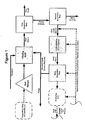
- the salt mixture is treated with a solution comprising magnesium chloride at a temperature above ambient to form an initial slurry, which is then separated into a first solid comprising sodium chloride and a second slurry.
- the second slurry is then separated to yield a second solid comprising potassium and other ions and a first liquid stream.
- a third solid is then crystallized from the first liquid stream to yield a third slurry.
- the method also allows recovery of sodium chloride as the first solid.
- the solution comprising magnesium chloride can be recycled throughout the process or can be recovered as a product as well.
- the salt mixture can be prepared prior to treating.
- the naturally purified salt product can be further purified to produce a high purity salt product.
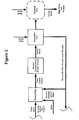
- the third solid separated from the third slurry can undergo a dissolving step in a second solution to yield a third liquid stream.
- a second crystallizating of a fourth solid in the third liquid stream yields a fourth slurry.
- a fourth separation step of the fourth slurry yields a fourth liquid stream and a fourth solid, where at least a portion of the fourth liquid stream comprises magnesium sulfate, and where the fourth solid comprises a high purity salt product.
- Another embodiment further comprises the steps of washing, cleaning, or drying the fourth solid, and combinations thereof of these steps, to yield a high purity salt product.
- the high purity salt product comprises magnesium sulfate heptahydrate, magnesium sulfate hexahydrate, astrakanite, kieserite, or combinations thereof.
- the starting material salt mixture is a natural product, it is treated and processed using natural products, and the final products are natural and natural derived products.
- the process is essentially a closed system and can recycle products throughout the process.
- the present invention allows both higher yield and as well as high purity of the final product.
- the heat transfer is more efficient and less energy intensive than other processes.
- the methods allow recovery of several products, including magnesium sulfate, sodium chloride, and magnesium chloride.
- the method involves treating a salt mixture with a solution at an elevated temperature to form a first slurry where the solution comprises magnesium chloride.
- the magnesium chloride solution is added to the starting material salt mixture to create a slurry.
- the treating step allows the magnesium chloride solution to selectively dissolve the magnesium sulfate over the sodium chloride as well as over any other salts in the salt mixture.
- Magnesium and sodium ions have a very similar chemistry and reactivity, which typically makes separation of the two difficult.
- Treating the salt mixture with a magnesium chloride solution to selectively dissolve magnesium sulfate allows separating of the sodium chloride from the slurry in solid form in the following step.
- the treating step of selectively dissolving magnesium sulfate can be done via multi-stage, co-current, counter-current, single stage, batch, continuous process or combinations thereof.
- the treating step is done by a single stage continuous process.
- the treating process is performed by a counter-current multi-stage continuous process.
- the solution is a liquid where at least a portion of the solution comprises magnesium chloride.
- This can be made from a simple combination of adding solid magnesium chloride to water to form a solution.
- a bittern solution from any natural source such as salt water, lakes, ponds or underground deposits which contains magnesium chloride can be used as the solution.
- at least a portion of the second liquid stream separated from the third slurry, which comprises a heavy magnesium chloride brine, can be used as solution in the treating step. This allows co-products to be recycled back through the process to increase efficiency and reduce loss of material.
- the treating step occurs at a temperature above ambient.
- the temperature of the treating step can occur at about between 90°F (32°C) and 150°F (66°C). In another embodiment the temperature is between about 100°F (38°C) and 140°F (60°C). In another embodiment the temperature is between about 110°F (43°C) and 120°F (49°C) to allow selective dissolution to occur.
- the temperature can be elevated by any number of means, including heating the salt mixture, heating the solution prior to addition to the salt mixture, or heating the first slurry.
- the magnesium chloride solution is heated prior to addition to the salt mixture. In one embodiment, the solution comprises about 10-31% by wt. of magnesium chloride, about 3-16% by wt.
- the solution comprises about 20-30% by wt. of magnesium chloride, about 4-10% by wt. of magnesium sulfate, about 0.1-5% by wt. of sodium chloride, and about 0.1-2% by wt. of potassium chloride with the remainder of the solution comprising water.
- the solution comprises about 18-24% by wt. of magnesium chloride, about 9-12% by wt. of magnesium sulfate, about 2-6% by wt. of sodium chloride, about 1-2.5% by wt. of potassium chloride, and the remainder of the solution comprising water.
- the first slurry is created from the salt mixture and a solution comprising magnesium chloride, where the salt mixture typically comprises a variety of salts depending on the starting materiel feedstock. Magnesium, sodium, potassium, chloride, and sulfate ions are often present in the salt mixture.
- the percent solids by weight (% by wt.) of the first slurry comprises about from about 28% to about 50% by wt. solids or ions.
- the percent solids of the first slurry comprises about from about 30% to 38% by wt. solids or ions.
- the residence time for the treating step is at least one minute. In another embodiment, the residence time is one minute to two hours. In another embodiment, the residence time is five minutes to one hour. In yet another embodiment, the residence time is 10 minutes to 20 minutes.
- the first slurry is separated to yield a first solid and a second slurry. At least a portion of the first solid comprises sodium chloride.
- One of the unique aspects of this step in combination with the treating step is that it allows separation of the magnesium sulfate by dissolving it into the solution while leaving the sodium chloride with higher purity and clearer cuts as compared to known methods or would be expected given the similar chemistry between them.
- the temperature of the second slurry in the separation step is maintained at the same temperature of the treating step.
- the liquid-solid separation can be done by a variety of methods, including double-stage centrifuge, solid bowl centrifuge (decanter), screen bowl centrifuge, pusher centrifuge, decanter, wet screens, hydroclones, vacuum filters, belt filters, or by combinations of any of these methods.
- a solid bowl centrifuge with a wet screen is used to separate the sodium chloride and the second slurry.
- a pusher centrifuge is used.
- the magnesium sulfate, along with any other compounds such as other salts, suspended solids, other fine particles as well as magnesium chloride, remain in the second slurry.
- a centrifuge with a screen is used to separate out the fine particles to keep them from settling out with the sodium chloride, thereby increasing the purity of the sodium chloride.
- 30-70 mesh screen (210 to 595 ⁇ m) is used.
- the first solid comprising sodium chloride separated out can have purity greater than 70% on a dry wt. basis.
- the purity of the sodium chloride is greater than 80% on a dry wt. basis, which is suitable for use in the solar salt making process.
- the process can obtain high recovery of the sodium chloride.
- the recovery of the sodium chloride is greater than 50% by wt. In another embodiment, the recovery is greater than 60% by wt.
- the recovery of the sodium chloride is greater than 70% by wt.
- Another advantage of this process is the high recovery rate in addition to the high purity level of the sodium chloride.
- the recovery rate of the sodium chloride is from about 50% to about 75% by wt., and purity level is from about 70% to about 95% on a dry wt. basis.
- the second slurry undergoes a second separation step resulting in a second solid and a first liquid stream.
- the second solid comprises potassium ions in addition to other salts and ions.
- the separation step can be done by methods described above.
- less than 10% suspended solids by wt. remain in the first liquid stream that is to be crystallized. In another embodiment, the suspended solids remaining are less than 5% by wt. In another embodiment, the suspended solids remaining are less than 2% by wt.
- the third solid slurry can comprise a magnesium sulfate hydrate, including magnesium sulfate heptahydrate (Epsom salts), magnesium sulfate hexahydrate (Hexahdyrate), astrakanite, kierserite, or combinations thereof.
- the third solid comprises magnesium sulfate heptahydrate. Hexahydrate can be further treated to form magnesium sulfate heptahydrate.
- the first liquid stream is cooled during the crystallization step.
- Several methods of cooling can be used, including direct contact cooling, surface cooling, vacuum cooling, or other types of cooling methods.
- direct contact cooling can be done by bubbling a coolant into the body of the first liquid stream, such as by CO 2 gas, or by any type of heat transfer liquid.
- surface cooling can be used.
- magnesium chloride may become encrusted on the sides of the crystallizer. This scaling issue can be resolved by flushing with water, re-heating and warming to re-dissolve the crystals formed on the sides.
- vacuum cooling is used, which has the advantage of avoiding the scaling issues.
- One of the advantages of the present invention is that crystallization is performed at temperatures above ambient temperature.
- ambient temperature typically to 5°F (-15°C) or lower
- the cooler temperatures substantially increase the viscosity of the magnesium chloride, which can become almost like a lubricant compared to the magnesium sulfate. This can lead to scaling issues as well as high energy usage to cool the solution and evaporate the liquid.
- the present invention avoids these issues and incurs less energy usage as the energy is used only for cooling and not evaporation (sensible cooling) with little to no net evaporation.
- the lower viscosity of the magnesium chloride when at higher temperatures also leads to better separation.
- the crystallizing step can be performed by any number of methods such as by a draft tube crystallizer, scraped surface crystallizer, various heat exchangers such as shell and tube or annular, sparge or inject. Other types are forced circulation, draft tube baffled, surface cooled, direct contact refrigeration crystallizer, batch crystallizer.
- a draft tube crystallizer is used, which is essentially a continuous stirred tank.
- the first liquid stream entering the crystallizer i.e., the crystallizer feed temperature
- the separating step of between about 90°F (32°C) and 150°F (66°C).
- the first liquid stream is cooled to a temperature of between about 50°F (10°C) and 140°F (60°C). In another embodiment, the temperature of the first liquid stream is between about 100°F (38°C)and 130°F (54°C) as it enters the crystallizer. In yet another embodiment, the temperature of the first liquid stream as it enters the crystallizer is between about 119°F (48°C) and 122°F (50°C). The first liquid stream is then cooled in the crystallizer from the temperature in the treating and separating step in another embodiment.
- the temperature of the first liquid stream is cooled in the crystallizer by methods as described above to a temperature of about 60°F (16°C) to about 80°F (27°C) to yield a third slurry.
- the temperature is about 67°F (19°C) to about 72°F (22°C).
- the temperature is about 68°F (20°C) to about 70°F (21°C).
- the third slurry in the crystallizer tank will be at a temperature range of about 60°F (16°C) to about 80°F (27°C).
- the first solution in the crystallizer is heated up to a temperature of about 250°F (121°C) to produce kieserite.
- the first liquid stream will enter the crystallizer at about the same rate as it is discharged from the crystallizer tank as the third slurry.
- the first liquid stream is added to the crystallizer (essentially as a supersaturated liquid), it is mixed with the third slurry, dispersed, and crystallizes by growing onto the crystals already in the third slurry.
- the first liquid stream will undergo approximately three turnovers per minute, which will result in sufficiently homogenous mixing.
- water can be added to the first liquid stream or third slurry to prevent co-precipitation of sodium chloride at ambient temperatures and at a rate of about 2-4% of the first liquid stream.
- the second solution comprising the fourth liquid stream, water, or both can be added to the first liquid stream or third slurry of the crystallization step.
- the third slurry is a combination of solids and liquids, where the third solid is crystallized in the first liquid stream.
- the third solid is separated from the third slurry to yield a second liquid stream and a naturally purified salt product.
- the naturally purified salt product can comprise magnesium sulfate heptahydrate, magnesium sulfate hexahydrate, astrakanite, kieserite, or combinations thereof.
- This liquid-solid separating step can be performed using any of the same methods of the previous separating step, including double-stage centrifuge, solid bowl centrifuge (decanter), screen bowl centrifuge, pusher centrifuge, decanter, wet screens, hydroclones, vacuum filters, belt filters, or by combinations of any of these methods.
- a pusher centrifuge is used for separation.
- a vacuum filter is used for separation.
- the second solution comprising the fourth liquid stream, water, or both can be added to the third slurry of the third separation step.
- at least a portion of the third solid may be re-added to the first crystallization step to increase the slurry density and improve crystal growth.
- the second liquid stream recovered from the separation step comprises a magnesium chloride solution (a heavy magnesium chloride brine) that undergoes a purge.
- the purge is 25% to 50%.
- at least a portion of the purge can be added to the starting material salt mixture in order to recycle and reuse it.
- the second liquid stream comprising magnesium chloride has a variety of commercial uses such as a dust suppressor, a deicer, anti-icer, or pre-wetting agent. At least a portion of the second liquid stream can also be recycled back into the process as the solution in the treating step.
- the third solid recovered from the third separation step will comprise a naturally purified salt product such as magnesium sulfate heptahydrate.
- a naturally purified salt product such as magnesium sulfate heptahydrate.
- the purity of this product is greater than 80% by wt.
- the purity of the product is greater than 90% by wt.
- purity of greater than 95% by wt. can be achieved.
- the recovery percentage of the naturally purified salt product is also relatively high. In one embodiment, the recovery of the naturally purified salt product is greater than 50% by wt.
- Another embodiment further comprises purifying steps such as steps of washing, cleaning, or drying the fourth solid, and combinations thereof of these steps, to yield a high purity salt product. In one embodiment, these steps are performed after the fourth separating step.
- the present disclosure also relates to a method for producing high purity salt products.
- the third solid separated from the third slurry can undergo a purifying step to yield a high purity salt product. Any number of methods can be used in this step, including dissolving, crystallizing, separating, washing, cleaning, drying, or any combination of these steps.
- the separation steps and the crystallizing steps can be performed as described herein.
- the method comprises the steps of dissolving, crystallizing, and separating.
- the third solid can then be dissolved in a second solution to yield a third liquid stream.
- the dissolving step can occur at an elevated temperature, wherein the temperature is in the range of about 90°F (32°C) to about 150°F (66°C). In another embodiment, the temperature is at about 100°F (38°C) to about 140°F (60°C). In yet another embodiment, the temperature is about 110°F (43°C) to about 120°F (49°C).
- the second solution used to dissolve the third solid can be water, at least a portion of the fourth liquid stream, or a combination thereof. By recycling back the fourth liquid stream as the second solution, loss of materials is minimized.
- a second crystallizing step to crystallize out a fourth solid in the third liquid stream yields a fourth slurry.
- the crystallization step can be performed as disclosed herein.
- a fourth separation step on the fourth slurry yields a fourth liquid stream and a fourth solid, where at least a portion of the fourth liquid stream comprises magnesium sulfate, and where the fourth solid comprises a high purity salt product.
- the high purity salt product comprises magnesium sulfate heptahydrate, magnesium sulfate hexahydrate, astrakanite, kieserite, or combinations thereof.
- the high purity salt product comprises magnesium sulfate heptahydrate (Epsom salts).
- the process results in a high purity salt product with a purity of greater than 97 percent on a dry weight basis (% dry wt. basis).
- the high purity salt product meets the United States Pharmacopia (USP) standards for magnesium sulfate.
- the second solution comprising water, the fourth liquid stream, or both can be added to the fourth slurry in the fourth separation step.
- about 90% of the particle size of the high purity salt product is greater than 50 mesh.
- the purity of the high purity salt product in one embodiment is greater than 90% dry wt. basis. In another embodiment, it is greater than 95% dry wt. basis. In yet another embodiment, it is greater than 98% dry wt. basis.
- the third solid or fourth solid processed through these steps can alternatively be washed, cleaned and/or dried by processes well-known in the industry.
- the high purity salt product obtained from purifying step comprising magnesium sulfate heptahydrate has a purity of greater than 97% by weight. In another embodiment, the purity of the high purity salt product is greater than 98% by weight. In yet another embodiment, the purity of the high purity salt product is greater than 99% by weight.
- the salt mixture can undergo a preparation step prior to the treating step.
- the salt mixture may contain impurities such as excessive water, high amounts of unwanted compounds including other salts, or other products such as dirt.
- the particles in the salt mixture may be of a very large size.
- the preparation step comprises size reduction, washing, grinding, de-watering, solids handling, or combinations of any of the above, on the salt mixture. These steps can be performed by any methods well-known in the industry.
- the preparation step comprises reducing the size of the particles of the salt mixture to less than one inch (2.54 cm).
- 163 gallons (617 l) of 24 weight percent magnesium chloride solution are pumped into a 300 gallon (1136 l) jacketed mixing tank.
- the solution is mixed with an axial flow impeller at the rate of 2500 gallons per minute (gpm) (9464 l/min) and heated through the tank jacket to 135° F (57°C) with low pressure steam.
- 765 pounds (Lbs) (347 kg) of salt mixture is then dropped into the mixing tank resulting in the first slurry.
- the tank is mixed for 18 minutes while maintaining the temperature of 122°F (50°C).
- the slurry is pumped to a pusher type centrifuge, Baker Perkins model S-8.
- the centrifuge basket has screen gaps of 13 tenths of an inch (3.3 cm) and operated at 1800 revolutions per minute (RPM).
- the first slurry contains 39 weight percent suspended solids.
- the first solid comprising sodium chloride is separated from the first slurry yielding the second slurry.
- the second slurry continues to a second jacketed mixing tank (surge tank), which is the same design as the previous mixing tank mixed at a lower rate of 1750 gpm (6624 l/min).
- the second slurry contains 16 weight percent suspended solids and is processed with a Siebtechnik horizontal solid bowl decanter type centrifuge.
- the second solid is collected while yielding the first liquid stream, which is discharged to a jacketed surge tank.
- the first liquid contains 1.5 weight percent suspended solids and the second solid has approximately 47 weight percent entrained brine.
- the first liquid stream is pumped from the surge tank at 132°F (56°C) and inline mixed with water which prevents or limits the crystallization of sodium chloride in the crystallizer.
- the water addition rate is 45 Lbs per hour (20 kg/hr) corresponding to the first liquid stream rate.
- the first liquid is pumped into a draft tube baffled vacuum evaporation crystallizer from the heated surge tank at 122° F (50°C) at a rate of 1.1 gpm (4.2 1/min).
- the crystallizer is operated at the temperature of 70°F (21°C) and the absolute pressure of 11 mm Hg (1.5 kPa).
- the first liquid stream is immediately mixed with the third slurry upon entering the crystallizer and cooled by vacuum evaporation.
- the third slurry is pumped into a 50-gallon (189 l) tank and settled.
- the third slurry is thickened by decanting some portion of the second liquid stream and is pumped back into the crystallizer or to the centrifuge feed mixing tank.
- the natural weight percent suspended solid inside the crystallizer is 8 weight percent but is increased to 20 weight percent suspended solids with this technique.
- the thickened third slurry (59 weight percent suspended solids) is gravity fed to a KMPT pusher centrifuge.
- the centrifuge model operated is the SZ 21 centrifuge with screen gaps of 508 thousandths of an inch (12.9 mm).
- the solids are washed on the centrifuge with the fourth liquid stream and/or water.
- the application rate of the fourth liquid stream as the wash is 0.06 pounds (27 g) of fourth liquid per pound of third solid.
- the application rate of water as the wash is 0.05 pounds (23 g) of water per pound of third solid.
- the third solid or naturally purified salt is separated from the second liquid stream. See Tables 1, 2, and 3 for all compositions.
- the centrifuge basket has screen gaps of 13 tenths of an inch (3.3 cm) and operates at 1800 RPM.
- the first slurry contains 35 weight percent suspended solids.
- the first solid comprising sodium chloride is separated from the first slurry yielding the second slurry.
- the second slurry continues on to a second jacketed mixing tank (surge tank), which is the same design as the previous mixing tank mixed at a lower rate of 1750 gpm (66241/min)
- the second slurry contains 10 weight percent suspended solids and is processed with a Siebtechnik horizontal solid bowl decanter type centrifuge.
- the second solid is collected while yielding the first liquid stream, which is discharged to a jacketed surge tank.
- the first liquid contains 1.5 weight percent suspended solids and the second solid has approximately 37 weight percent entrained brine.
- the first liquid stream is pumped from the surge tank at 133°F (56°C) and inline mixed with water which prevents or limits the crystallization of sodium chloride in the crystallizer.
- the water addition rate is 45 Lbs per hour (20 kr/hr).
- the first liquid is pumped into a draft tube baffled vacuum evaporation crystallizer from the heated surge tank at 122° F (50°C) at a rate of 0.7 gpm (2.6 l/min).
- the crystallizer is operated at a temperature of 69°F (21°C) and an absolute pressure of 11 mm Hg (1.5 kPa)
- the first liquid stream is immediately mixed with the third slurry upon entering the crystallizer and cooled by vacuum evaporation.
- the application rate of the fourth liquid stream as the wash is 0.06 pounds (27 g) of fourth liquid per pound of third solid.
- the third solid or naturally purified salt is separated from the second liquid stream. See Tables 4, 5, and 6 for all compositions.
- Table 4 - Salt Mixture Composition as estimated compounds and as Ions MgSO 4 MgCl 2 KCl NaCl Na 2 SO 4 Water INSOLUBLE Material 27% 0% 6% 28% 6% 33% 3% Mg +2 Na +1 K +1 Cl -1 SO 4 -2 Water INSOLUBLE Material 7% 12% 3% 20% 25% 25% 3% TABLE 5 - Composition data for all liquid and solid streams
- Naturally purified salt (Third Solid) from example 1 is dissolved in water inside the jacketed mixing tank to yield the third liquid stream.
- the dissolving takes place at a temperature of 125°F (52°C) and is heated by way of low pressure steam.
- the third liquid stream is pumped from the mixing tank into a jacketed surge tank to maintain the temperature of 133°F (56°C).
- the third liquid stream is then pumped into the draft tube baffled vacuum evaporation crystallizer at 130°F (54°C), which contains the fourth slurry.
- the crystallizer temperature is operated at 65°F (18°C) and the absolute pressure is 15 m Hg (2.0 kPa) Seventy four percent of the evaporated water is condensed and refluxed back into the crystallizer.
- the fourth slurry (23 weight percent suspended solids) is discharge from the crystallizer into the 50-gallon (189 l) thickening tank.
- the fourth slurry is thickened by decanting a portion of the fourth liquid stream from the 50-gallon (189 l) tank.
- the thickened fourth slurry (36 weight percent suspended solids) is then pumped to the centrifuge feed tank.
- the fourth slurry is gravity fed to a KMPT pusher centrifuge model SZ 21 with screen gaps of 5.08 thousandths of an inch (12.9 mm).
- the high purity salt product is separated and washed with water.
- compositions of streams and solids from purification of naturally purified salt to a high purity salt have a combination of ppm and weight percent units.
- TABLE 8 Screen data of naturally purified salt product US MESH Weight Percent On 12 0.1% 16 3.0% 20 18.9% 30 42.5% 40 19.8% 50 9.4% 60 1.0% 70 3.2% 100 1.2% 140 0.7% 200 0.0% Pan 0.1%
Landscapes
- Chemical & Material Sciences (AREA)
- Organic Chemistry (AREA)
- Inorganic Chemistry (AREA)
- Engineering & Computer Science (AREA)
- Materials Engineering (AREA)
- Life Sciences & Earth Sciences (AREA)
- Geology (AREA)
- Compounds Of Alkaline-Earth Elements, Aluminum Or Rare-Earth Metals (AREA)
- Seasonings (AREA)
- Organic Low-Molecular-Weight Compounds And Preparation Thereof (AREA)
- Pharmaceuticals Containing Other Organic And Inorganic Compounds (AREA)
Claims (15)
- Procédé de production d'un produit de type sel purifié contenant un sel de sulfate de magnésium à partir d'un mélange de sels comprenant du magnésium, un sulfate, du sodium et un chlorure, comprenant les étapes suivantes :a. le traitement du mélange de sels avec une solution à une température située entre 32 °C et 66 °C pour former une première suspension, dans lequel au moins une partie de la solution comprend du chlorure de magnésium ;b. une première séparation de la première suspension pour donner un premier solide et une deuxième suspension, dans lequel au moins une partie du premier solide comprend du chlorure de sodium et la deuxième suspension comprend du sulfate de magnésium ;c. une deuxième séparation de la deuxième suspension pour donner un deuxième solide et un premier courant liquide comprenant des ions de magnésium, sulfate et chlorure ;d. la cristallisation d'un troisième solide contenant du sulfate de magnésium dans le premier courant liquide pour donner une troisième suspension, ete. une troisième séparation de la troisième suspension pour donner un second courant liquide et un troisième solide, dans lequel au moins une partie du second courant liquide comprend du chlorure de magnésium, et dans lequel le troisième solide comprend le produit de type sel purifié contenant un sel de sulfate de magnésium.
- Procédé selon la revendication 1, dans lequel le produit de type sel purifié est le sulfate de magnésium heptahydraté présentant une pureté supérieure à 80 % en poids sec.
- Procédé selon les revendications 1, comprenant en outre les étapes de lavage, de nettoyage, de séchage, ou des combinaisons de celles-ci, du troisième solide.
- Procédé selon la revendication 1, dans lequel la pureté du chlorure de sodium est supérieure à 70 % en poids sec.
- Procédé selon la revendication 1 de production d'un produit de type sel purifié à partir du mélange de sels, comprenant en outre les étapes suivantes :f. la dissolution du troisième solide dans une seconde solution pour donner un troisième courant liquide ;g. une seconde cristallisation d'un quatrième solide dans le troisième courant liquide pour donner une quatrième suspension ; eth. une quatrième séparation de la quatrième suspension pour donner un quatrième courant liquide et le quatrième solide, dans lequel au moins une partie du quatrième courant liquide comprend du sulfate de magnésium, et dans lequel le quatrième solide comprend un produit de type sel purifié.
- Procédé selon la revendication 5, comprenant en outre les étapes de lavage, de nettoyage, de séchage, ou des combinaisons de celles-ci, du quatrième solide.
- Procédé selon la revendication 1 ou 5, dans lequel le produit de type sel purifié comprend du sulfate de magnésium heptahydraté du sulfate de magnésium hexahydraté, de l'astrakanite, de la kiesérite, ou des combinaisons de ceux-ci.
- Procédé selon la revendication 7, dans lequel le produit de type sel purifié présente une pureté supérieure à 97 % en poids sec.
- Procédé selon la revendication 1 ou 5, dans lequel le mélange de sels contient des ions de magnésium, sulfate, de sodium, de potassium et chlorure ; des sels hérités ; des solutions mères ; des sels de solutions mères ; des saumures salées de sources, lacs, puits, étangs salés ou dépôts souterrains ; une suspension ou purge d'évacuation d'évaporateur; tout mélange de sels contenant des ions de magnésium, de sodium, chlorure, de potassium ou sulfate ; ou des combinaisons de ceux-ci.
- Procédé selon la revendication 1 ou 5, dans lequel l'étape de traitement comprend un procédé à plusieurs étapes, à co-courant, à contre-courant, à une seule étape, discontinu ou continu et est effectuée à une température située dans la plage allant de 90 °F (32 °C) à 150 °F (66 °C) et à un temps de séjour situé entre une minute et deux heures ; dans lequel l'étape de cristallisation comprend en outre le refroidissement du premier courant liquide à une température située entre 60 °F (16 °C) et 80 °F (27 °C) ; et dans lequel les étapes de séparation sont effectuées par une centrifugeuse à deux étages, une centrifugeuse à bol solide, une centrifugeuse à bol à tamis, une centrifugeuse à poussoir, un décanteur, des tamis humides, des hydroclones, des filtres à vide, des filtres à bandes, ou des combinaisons de ceux-ci.
- Procédé selon la revendication 1 ou 5, comprenant en outre une étape de recyclage, dans lequel au moins une partie du deuxième courant liquide récupéré à partir de la troisième étape de séparation comprend la solution dans l'étape de traitement.
- Procédé selon la revendication 1 ou 5, comprenant en outre la préparation du mélange de sels, dans lequel l'étape de préparation comprend une réduction de taille, un lavage, un broyage, une déshydratation, une manipulation de solides, ou des combinaisons de ceux-ci, et dans lequel l'étape de réduction de taille comprend en outre la réduction de la taille des particules dans le mélange de sels à moins d'un pouce (2,54 cm).
- Procédé selon la revendication 5, comprenant en outre l'ajout en tant que seconde solution du quatrième courant liquide récupéré à partir de la quatrième étape de séparation, d'eau, ou de combinaisons de ceux-ci, au premier courant liquide, à la première étape de cristallisation et/ou à l'étape de dissolution.
- Procédé selon la revendication 5, dans lequel la pureté du chlorure de sodium est supérieure à 70 % en poids sec.
- Procédé selon la revendication 1, dans lequel le deuxième solide comprend des ions de potassium.
Applications Claiming Priority (2)
| Application Number | Priority Date | Filing Date | Title |
|---|---|---|---|
| US18234209P | 2009-05-29 | 2009-05-29 | |
| PCT/US2010/036193 WO2010138583A1 (fr) | 2009-05-29 | 2010-05-26 | Procédé de fabrication de produits de type sel naturellement purifiés |
Publications (3)
| Publication Number | Publication Date |
|---|---|
| EP2435367A1 EP2435367A1 (fr) | 2012-04-04 |
| EP2435367A4 EP2435367A4 (fr) | 2015-09-02 |
| EP2435367B1 true EP2435367B1 (fr) | 2020-12-16 |
Family
ID=43223045
Family Applications (1)
| Application Number | Title | Priority Date | Filing Date |
|---|---|---|---|
| EP10781133.3A Not-in-force EP2435367B1 (fr) | 2009-05-29 | 2010-05-26 | Procédé de fabrication de produits de type sel naturellement purifiés |
Country Status (8)
| Country | Link |
|---|---|
| US (1) | US8951305B2 (fr) |
| EP (1) | EP2435367B1 (fr) |
| CN (1) | CN102762499B (fr) |
| AR (1) | AR076724A1 (fr) |
| AU (1) | AU2010254155B2 (fr) |
| ES (1) | ES2844280T3 (fr) |
| MX (1) | MX2011012662A (fr) |
| WO (1) | WO2010138583A1 (fr) |
Families Citing this family (6)
| Publication number | Priority date | Publication date | Assignee | Title |
|---|---|---|---|---|
| NZ598071A (en) * | 2006-10-27 | 2013-08-30 | Signal Pharm Llc | Uses of and pharmaceutical compositions comprising 4-[9-(tetrahydro-furan-3-yl)-8-(2,4,6-trifluoro-phenylamino)-9h-purin-2-ylamino]-cyclohexan-1-ol compounds |
| US9505639B2 (en) | 2010-12-22 | 2016-11-29 | Schlumberger Technology Corporation | Sulfate molecule removal through inorganic or divalent ion nuclei seeding |
| US9266754B2 (en) * | 2010-12-22 | 2016-02-23 | Schlumberger Technology Corporation | Sulfate molecule removal through inorganic or divalent ion nuclei seeding |
| CN107758707B (zh) * | 2017-11-22 | 2019-09-17 | 中国科学院青海盐湖研究所 | 从硫酸镁粗矿中制备高纯硫酸镁的方法 |
| CN107739042B (zh) * | 2017-11-22 | 2019-09-17 | 中国科学院青海盐湖研究所 | 由硫酸镁废弃物制备高纯硫酸镁的方法 |
| CN107935003B (zh) * | 2017-11-22 | 2019-09-17 | 中国科学院青海盐湖研究所 | 一种由硫酸镁废弃物制备高纯硫酸镁的方法 |
Family Cites Families (8)
| Publication number | Priority date | Publication date | Assignee | Title |
|---|---|---|---|---|
| CN1020272C (zh) * | 1988-02-12 | 1993-04-14 | 轻工业部制盐工业科学研究所 | 由高温盐制硫酸镁的方法 |
| US5447543A (en) | 1991-06-10 | 1995-09-05 | Exportadora De Sal, S.A. De C.V. | Process for crystallizing inorganic salts |
| US5281242A (en) * | 1991-06-10 | 1994-01-25 | Exportadora De Sal, S.A De C.V. | Method for recovering magnesium sulfate products from mixtures of epsomite and halite |
| CN1041510C (zh) * | 1994-08-04 | 1999-01-06 | 中国石油天然气公司工程技术研究院 | 分离高温盐中硫酸盐和氯化钠的工艺和装置 |
| CN1057978C (zh) * | 1997-04-10 | 2000-11-01 | 中国石油天然气总公司工程技术研究院 | 一种苦卤综合利用的方法 |
| DE10256046A1 (de) * | 2002-11-30 | 2004-06-09 | Kali-Umwelttechnik Gmbh K-Utec | Verfahren zur Herstellung von Natriumchlorid und Bittersalz aus Bittern |
| JP2007290927A (ja) * | 2006-04-26 | 2007-11-08 | Aoi Umi:Kk | にがりの製造方法、その製造方法において得られた塩類、及びその塩類を使用した低ナトリウム塩 |
| CN100595152C (zh) * | 2008-07-16 | 2010-03-24 | 化工部长沙设计研究院 | 一种利用氯化钠和泻利盐的混合盐制取一水硫酸镁的方法 |
-
2010
- 2010-05-26 US US13/322,762 patent/US8951305B2/en active Active
- 2010-05-26 AU AU2010254155A patent/AU2010254155B2/en active Active
- 2010-05-26 MX MX2011012662A patent/MX2011012662A/es active IP Right Grant
- 2010-05-26 WO PCT/US2010/036193 patent/WO2010138583A1/fr not_active Ceased
- 2010-05-26 ES ES10781133T patent/ES2844280T3/es active Active
- 2010-05-26 EP EP10781133.3A patent/EP2435367B1/fr not_active Not-in-force
- 2010-05-26 CN CN201080033575.3A patent/CN102762499B/zh active Active
- 2010-05-31 AR ARP100101912A patent/AR076724A1/es active IP Right Grant
Non-Patent Citations (1)
| Title |
|---|
| None * |
Also Published As
| Publication number | Publication date |
|---|---|
| WO2010138583A1 (fr) | 2010-12-02 |
| MX2011012662A (es) | 2011-12-16 |
| US20120066868A1 (en) | 2012-03-22 |
| EP2435367A4 (fr) | 2015-09-02 |
| CN102762499B (zh) | 2015-11-25 |
| AU2010254155A1 (en) | 2011-12-22 |
| US8951305B2 (en) | 2015-02-10 |
| EP2435367A1 (fr) | 2012-04-04 |
| AU2010254155B2 (en) | 2013-10-10 |
| ES2844280T3 (es) | 2021-07-21 |
| AR076724A1 (es) | 2011-06-29 |
| CN102762499A (zh) | 2012-10-31 |
Similar Documents
| Publication | Publication Date | Title |
|---|---|---|
| AU2015380289B2 (en) | Processing of lithium containing material including HCL sparge | |
| EP2300371B1 (fr) | Procédé de production de chlorure de sodium | |
| US10167531B2 (en) | Processing of lithium containing material | |
| CN102203012B (zh) | 氯化钠生产方法 | |
| US4222989A (en) | Method for the manufacture of pure aluminum oxide from aluminum ore | |
| EP2435367B1 (fr) | Procédé de fabrication de produits de type sel naturellement purifiés | |
| JP2014530160A (ja) | 硫酸マグネシウム | |
| EP2763769B1 (fr) | Traitement de solutions aqueuses | |
| CN102264644B (zh) | 联合生产碳酸钠和碳酸氢钠的方法 | |
| JPS58151303A (ja) | 次亜塩素酸カルシウムの製法 | |
| CN108455636B (zh) | 一种高盐高硫卤水生产氯化钠和一水硫酸镁的方法 | |
| RU2196734C2 (ru) | Способ получения хлорида калия | |
| JP2025041197A (ja) | 結晶の製造方法 |
Legal Events
| Date | Code | Title | Description |
|---|---|---|---|
| PUAI | Public reference made under article 153(3) epc to a published international application that has entered the european phase |
Free format text: ORIGINAL CODE: 0009012 |
|
| 17P | Request for examination filed |
Effective date: 20111222 |
|
| AK | Designated contracting states |
Kind code of ref document: A1 Designated state(s): AL AT BE BG CH CY CZ DE DK EE ES FI FR GB GR HR HU IE IS IT LI LT LU LV MC MK MT NL NO PL PT RO SE SI SK SM TR |
|
| DAX | Request for extension of the european patent (deleted) | ||
| RA4 | Supplementary search report drawn up and despatched (corrected) |
Effective date: 20150805 |
|
| RIC1 | Information provided on ipc code assigned before grant |
Ipc: C01D 3/14 20060101ALI20150730BHEP Ipc: C01F 5/40 20060101AFI20150730BHEP Ipc: C01D 3/18 20060101ALI20150730BHEP |
|
| STAA | Information on the status of an ep patent application or granted ep patent |
Free format text: STATUS: EXAMINATION IS IN PROGRESS |
|
| 17Q | First examination report despatched |
Effective date: 20180327 |
|
| GRAP | Despatch of communication of intention to grant a patent |
Free format text: ORIGINAL CODE: EPIDOSNIGR1 |
|
| STAA | Information on the status of an ep patent application or granted ep patent |
Free format text: STATUS: GRANT OF PATENT IS INTENDED |
|
| INTG | Intention to grant announced |
Effective date: 20200707 |
|
| RIN1 | Information on inventor provided before grant (corrected) |
Inventor name: DURCH, NICOLE, M. Inventor name: BOLLINGER, MATTHEW, L. Inventor name: LEE, ROBERT, SUNG |
|
| GRAS | Grant fee paid |
Free format text: ORIGINAL CODE: EPIDOSNIGR3 |
|
| GRAA | (expected) grant |
Free format text: ORIGINAL CODE: 0009210 |
|
| STAA | Information on the status of an ep patent application or granted ep patent |
Free format text: STATUS: THE PATENT HAS BEEN GRANTED |
|
| AK | Designated contracting states |
Kind code of ref document: B1 Designated state(s): AL AT BE BG CH CY CZ DE DK EE ES FI FR GB GR HR HU IE IS IT LI LT LU LV MC MK MT NL NO PL PT RO SE SI SK SM TR |
|
| REG | Reference to a national code |
Ref country code: GB Ref legal event code: FG4D |
|
| REG | Reference to a national code |
Ref country code: IE Ref legal event code: FG4D |
|
| REG | Reference to a national code |
Ref country code: DE Ref legal event code: R096 Ref document number: 602010066165 Country of ref document: DE |
|
| REG | Reference to a national code |
Ref country code: AT Ref legal event code: REF Ref document number: 1345420 Country of ref document: AT Kind code of ref document: T Effective date: 20210115 |
|
| PG25 | Lapsed in a contracting state [announced via postgrant information from national office to epo] |
Ref country code: NO Free format text: LAPSE BECAUSE OF FAILURE TO SUBMIT A TRANSLATION OF THE DESCRIPTION OR TO PAY THE FEE WITHIN THE PRESCRIBED TIME-LIMIT Effective date: 20210316 Ref country code: FI Free format text: LAPSE BECAUSE OF FAILURE TO SUBMIT A TRANSLATION OF THE DESCRIPTION OR TO PAY THE FEE WITHIN THE PRESCRIBED TIME-LIMIT Effective date: 20201216 Ref country code: GR Free format text: LAPSE BECAUSE OF FAILURE TO SUBMIT A TRANSLATION OF THE DESCRIPTION OR TO PAY THE FEE WITHIN THE PRESCRIBED TIME-LIMIT Effective date: 20210317 |
|
| REG | Reference to a national code |
Ref country code: AT Ref legal event code: MK05 Ref document number: 1345420 Country of ref document: AT Kind code of ref document: T Effective date: 20201216 |
|
| REG | Reference to a national code |
Ref country code: NL Ref legal event code: MP Effective date: 20201216 |
|
| PG25 | Lapsed in a contracting state [announced via postgrant information from national office to epo] |
Ref country code: LV Free format text: LAPSE BECAUSE OF FAILURE TO SUBMIT A TRANSLATION OF THE DESCRIPTION OR TO PAY THE FEE WITHIN THE PRESCRIBED TIME-LIMIT Effective date: 20201216 Ref country code: SE Free format text: LAPSE BECAUSE OF FAILURE TO SUBMIT A TRANSLATION OF THE DESCRIPTION OR TO PAY THE FEE WITHIN THE PRESCRIBED TIME-LIMIT Effective date: 20201216 Ref country code: BG Free format text: LAPSE BECAUSE OF FAILURE TO SUBMIT A TRANSLATION OF THE DESCRIPTION OR TO PAY THE FEE WITHIN THE PRESCRIBED TIME-LIMIT Effective date: 20210316 |
|
| PG25 | Lapsed in a contracting state [announced via postgrant information from national office to epo] |
Ref country code: NL Free format text: LAPSE BECAUSE OF FAILURE TO SUBMIT A TRANSLATION OF THE DESCRIPTION OR TO PAY THE FEE WITHIN THE PRESCRIBED TIME-LIMIT Effective date: 20201216 Ref country code: HR Free format text: LAPSE BECAUSE OF FAILURE TO SUBMIT A TRANSLATION OF THE DESCRIPTION OR TO PAY THE FEE WITHIN THE PRESCRIBED TIME-LIMIT Effective date: 20201216 |
|
| REG | Reference to a national code |
Ref country code: LT Ref legal event code: MG9D |
|
| REG | Reference to a national code |
Ref country code: ES Ref legal event code: FG2A Ref document number: 2844280 Country of ref document: ES Kind code of ref document: T3 Effective date: 20210721 |
|
| PG25 | Lapsed in a contracting state [announced via postgrant information from national office to epo] |
Ref country code: CZ Free format text: LAPSE BECAUSE OF FAILURE TO SUBMIT A TRANSLATION OF THE DESCRIPTION OR TO PAY THE FEE WITHIN THE PRESCRIBED TIME-LIMIT Effective date: 20201216 Ref country code: EE Free format text: LAPSE BECAUSE OF FAILURE TO SUBMIT A TRANSLATION OF THE DESCRIPTION OR TO PAY THE FEE WITHIN THE PRESCRIBED TIME-LIMIT Effective date: 20201216 Ref country code: SM Free format text: LAPSE BECAUSE OF FAILURE TO SUBMIT A TRANSLATION OF THE DESCRIPTION OR TO PAY THE FEE WITHIN THE PRESCRIBED TIME-LIMIT Effective date: 20201216 Ref country code: SK Free format text: LAPSE BECAUSE OF FAILURE TO SUBMIT A TRANSLATION OF THE DESCRIPTION OR TO PAY THE FEE WITHIN THE PRESCRIBED TIME-LIMIT Effective date: 20201216 Ref country code: RO Free format text: LAPSE BECAUSE OF FAILURE TO SUBMIT A TRANSLATION OF THE DESCRIPTION OR TO PAY THE FEE WITHIN THE PRESCRIBED TIME-LIMIT Effective date: 20201216 Ref country code: PT Free format text: LAPSE BECAUSE OF FAILURE TO SUBMIT A TRANSLATION OF THE DESCRIPTION OR TO PAY THE FEE WITHIN THE PRESCRIBED TIME-LIMIT Effective date: 20210416 Ref country code: LT Free format text: LAPSE BECAUSE OF FAILURE TO SUBMIT A TRANSLATION OF THE DESCRIPTION OR TO PAY THE FEE WITHIN THE PRESCRIBED TIME-LIMIT Effective date: 20201216 |
|
| PG25 | Lapsed in a contracting state [announced via postgrant information from national office to epo] |
Ref country code: PL Free format text: LAPSE BECAUSE OF FAILURE TO SUBMIT A TRANSLATION OF THE DESCRIPTION OR TO PAY THE FEE WITHIN THE PRESCRIBED TIME-LIMIT Effective date: 20201216 Ref country code: AT Free format text: LAPSE BECAUSE OF FAILURE TO SUBMIT A TRANSLATION OF THE DESCRIPTION OR TO PAY THE FEE WITHIN THE PRESCRIBED TIME-LIMIT Effective date: 20201216 |
|
| PGFP | Annual fee paid to national office [announced via postgrant information from national office to epo] |
Ref country code: ES Payment date: 20210617 Year of fee payment: 12 |
|
| REG | Reference to a national code |
Ref country code: DE Ref legal event code: R097 Ref document number: 602010066165 Country of ref document: DE |
|
| PG25 | Lapsed in a contracting state [announced via postgrant information from national office to epo] |
Ref country code: IS Free format text: LAPSE BECAUSE OF FAILURE TO SUBMIT A TRANSLATION OF THE DESCRIPTION OR TO PAY THE FEE WITHIN THE PRESCRIBED TIME-LIMIT Effective date: 20210416 |
|
| PLBE | No opposition filed within time limit |
Free format text: ORIGINAL CODE: 0009261 |
|
| STAA | Information on the status of an ep patent application or granted ep patent |
Free format text: STATUS: NO OPPOSITION FILED WITHIN TIME LIMIT |
|
| PG25 | Lapsed in a contracting state [announced via postgrant information from national office to epo] |
Ref country code: IT Free format text: LAPSE BECAUSE OF FAILURE TO SUBMIT A TRANSLATION OF THE DESCRIPTION OR TO PAY THE FEE WITHIN THE PRESCRIBED TIME-LIMIT Effective date: 20201216 Ref country code: AL Free format text: LAPSE BECAUSE OF FAILURE TO SUBMIT A TRANSLATION OF THE DESCRIPTION OR TO PAY THE FEE WITHIN THE PRESCRIBED TIME-LIMIT Effective date: 20201216 |
|
| 26N | No opposition filed |
Effective date: 20210917 |
|
| PG25 | Lapsed in a contracting state [announced via postgrant information from national office to epo] |
Ref country code: DK Free format text: LAPSE BECAUSE OF FAILURE TO SUBMIT A TRANSLATION OF THE DESCRIPTION OR TO PAY THE FEE WITHIN THE PRESCRIBED TIME-LIMIT Effective date: 20201216 |
|
| REG | Reference to a national code |
Ref country code: DE Ref legal event code: R119 Ref document number: 602010066165 Country of ref document: DE |
|
| REG | Reference to a national code |
Ref country code: CH Ref legal event code: PL |
|
| GBPC | Gb: european patent ceased through non-payment of renewal fee |
Effective date: 20210526 |
|
| PG25 | Lapsed in a contracting state [announced via postgrant information from national office to epo] |
Ref country code: LU Free format text: LAPSE BECAUSE OF NON-PAYMENT OF DUE FEES Effective date: 20210526 Ref country code: LI Free format text: LAPSE BECAUSE OF NON-PAYMENT OF DUE FEES Effective date: 20210531 Ref country code: MC Free format text: LAPSE BECAUSE OF FAILURE TO SUBMIT A TRANSLATION OF THE DESCRIPTION OR TO PAY THE FEE WITHIN THE PRESCRIBED TIME-LIMIT Effective date: 20201216 Ref country code: CH Free format text: LAPSE BECAUSE OF NON-PAYMENT OF DUE FEES Effective date: 20210531 |
|
| REG | Reference to a national code |
Ref country code: BE Ref legal event code: MM Effective date: 20210531 |
|
| PG25 | Lapsed in a contracting state [announced via postgrant information from national office to epo] |
Ref country code: SI Free format text: LAPSE BECAUSE OF FAILURE TO SUBMIT A TRANSLATION OF THE DESCRIPTION OR TO PAY THE FEE WITHIN THE PRESCRIBED TIME-LIMIT Effective date: 20201216 |
|
| PG25 | Lapsed in a contracting state [announced via postgrant information from national office to epo] |
Ref country code: IE Free format text: LAPSE BECAUSE OF NON-PAYMENT OF DUE FEES Effective date: 20210526 Ref country code: GB Free format text: LAPSE BECAUSE OF NON-PAYMENT OF DUE FEES Effective date: 20210526 Ref country code: DE Free format text: LAPSE BECAUSE OF NON-PAYMENT OF DUE FEES Effective date: 20211201 |
|
| PG25 | Lapsed in a contracting state [announced via postgrant information from national office to epo] |
Ref country code: IS Free format text: LAPSE BECAUSE OF FAILURE TO SUBMIT A TRANSLATION OF THE DESCRIPTION OR TO PAY THE FEE WITHIN THE PRESCRIBED TIME-LIMIT Effective date: 20210416 Ref country code: FR Free format text: LAPSE BECAUSE OF NON-PAYMENT OF DUE FEES Effective date: 20210531 |
|
| PG25 | Lapsed in a contracting state [announced via postgrant information from national office to epo] |
Ref country code: BE Free format text: LAPSE BECAUSE OF NON-PAYMENT OF DUE FEES Effective date: 20210531 |
|
| PG25 | Lapsed in a contracting state [announced via postgrant information from national office to epo] |
Ref country code: HU Free format text: LAPSE BECAUSE OF FAILURE TO SUBMIT A TRANSLATION OF THE DESCRIPTION OR TO PAY THE FEE WITHIN THE PRESCRIBED TIME-LIMIT; INVALID AB INITIO Effective date: 20100526 Ref country code: CY Free format text: LAPSE BECAUSE OF FAILURE TO SUBMIT A TRANSLATION OF THE DESCRIPTION OR TO PAY THE FEE WITHIN THE PRESCRIBED TIME-LIMIT Effective date: 20201216 |
|
| REG | Reference to a national code |
Ref country code: ES Ref legal event code: FD2A Effective date: 20230727 |
|
| PG25 | Lapsed in a contracting state [announced via postgrant information from national office to epo] |
Ref country code: ES Free format text: LAPSE BECAUSE OF NON-PAYMENT OF DUE FEES Effective date: 20220527 |
|
| PG25 | Lapsed in a contracting state [announced via postgrant information from national office to epo] |
Ref country code: MK Free format text: LAPSE BECAUSE OF FAILURE TO SUBMIT A TRANSLATION OF THE DESCRIPTION OR TO PAY THE FEE WITHIN THE PRESCRIBED TIME-LIMIT Effective date: 20201216 |
|
| PG25 | Lapsed in a contracting state [announced via postgrant information from national office to epo] |
Ref country code: TR Free format text: LAPSE BECAUSE OF FAILURE TO SUBMIT A TRANSLATION OF THE DESCRIPTION OR TO PAY THE FEE WITHIN THE PRESCRIBED TIME-LIMIT Effective date: 20201216 |
|
| PG25 | Lapsed in a contracting state [announced via postgrant information from national office to epo] |
Ref country code: MT Free format text: LAPSE BECAUSE OF FAILURE TO SUBMIT A TRANSLATION OF THE DESCRIPTION OR TO PAY THE FEE WITHIN THE PRESCRIBED TIME-LIMIT Effective date: 20201216 |