EP2438925A2 - Composés qui modulent la croissance neuronale et leurs utilisations - Google Patents
Composés qui modulent la croissance neuronale et leurs utilisations Download PDFInfo
- Publication number
- EP2438925A2 EP2438925A2 EP11170573A EP11170573A EP2438925A2 EP 2438925 A2 EP2438925 A2 EP 2438925A2 EP 11170573 A EP11170573 A EP 11170573A EP 11170573 A EP11170573 A EP 11170573A EP 2438925 A2 EP2438925 A2 EP 2438925A2
- Authority
- EP
- European Patent Office
- Prior art keywords
- cyclic peptide
- peptide
- trk
- arg
- receptor
- Prior art date
- Legal status (The legal status is an assumption and is not a legal conclusion. Google has not performed a legal analysis and makes no representation as to the accuracy of the status listed.)
- Withdrawn
Links
- 150000001875 compounds Chemical class 0.000 title claims abstract description 125
- 230000007514 neuronal growth Effects 0.000 title abstract description 44
- 108010069514 Cyclic Peptides Proteins 0.000 claims abstract description 301
- 102000001189 Cyclic Peptides Human genes 0.000 claims abstract description 301
- 238000000034 method Methods 0.000 claims abstract description 215
- 230000000694 effects Effects 0.000 claims abstract description 162
- 230000001404 mediated effect Effects 0.000 claims abstract description 99
- 230000014511 neuron projection development Effects 0.000 claims abstract description 94
- 210000003169 central nervous system Anatomy 0.000 claims abstract description 82
- 230000012010 growth Effects 0.000 claims abstract description 58
- 230000008439 repair process Effects 0.000 claims abstract description 24
- 239000008194 pharmaceutical composition Substances 0.000 claims abstract description 23
- 150000001413 amino acids Chemical class 0.000 claims description 115
- 235000001014 amino acid Nutrition 0.000 claims description 110
- 229940024606 amino acid Drugs 0.000 claims description 108
- 230000004044 response Effects 0.000 claims description 86
- 239000003112 inhibitor Substances 0.000 claims description 44
- 235000018417 cysteine Nutrition 0.000 claims description 31
- 210000004899 c-terminal region Anatomy 0.000 claims description 28
- 125000004122 cyclic group Chemical group 0.000 claims description 21
- 239000003814 drug Substances 0.000 claims description 20
- 150000001945 cysteines Chemical group 0.000 claims description 19
- 102000008130 Cyclic AMP-Dependent Protein Kinases Human genes 0.000 claims description 18
- 108010049894 Cyclic AMP-Dependent Protein Kinases Proteins 0.000 claims description 18
- 102000038030 PI3Ks Human genes 0.000 claims description 18
- 108091007960 PI3Ks Proteins 0.000 claims description 18
- 108090000430 Phosphatidylinositol 3-kinases Proteins 0.000 claims description 18
- 108010077641 Nogo Proteins Proteins 0.000 claims description 16
- 102000010410 Nogo Proteins Human genes 0.000 claims description 16
- 108010009111 arginyl-glycyl-glutamic acid Proteins 0.000 claims description 13
- XUJNEKJLAYXESH-UHFFFAOYSA-N cysteine Natural products SCC(N)C(O)=O XUJNEKJLAYXESH-UHFFFAOYSA-N 0.000 claims description 12
- 125000000524 functional group Chemical group 0.000 claims description 12
- AUFHLLPVPSMEOG-YUMQZZPRSA-N Arg-Gly-Glu Chemical compound NC(N)=NCCC[C@H](N)C(=O)NCC(=O)N[C@@H](CCC(O)=O)C(O)=O AUFHLLPVPSMEOG-YUMQZZPRSA-N 0.000 claims description 11
- 239000000969 carrier Substances 0.000 claims description 10
- 108010005298 Oligodendrocyte-Myelin Glycoprotein Proteins 0.000 claims description 8
- 102100026746 Oligodendrocyte-myelin glycoprotein Human genes 0.000 claims description 8
- 239000003085 diluting agent Substances 0.000 claims description 8
- 230000002708 enhancing effect Effects 0.000 claims description 8
- RMVRSNDYEFQCLF-UHFFFAOYSA-N phenyl mercaptan Natural products SC1=CC=CC=C1 RMVRSNDYEFQCLF-UHFFFAOYSA-N 0.000 claims description 8
- 238000012216 screening Methods 0.000 claims description 8
- 239000004472 Lysine Substances 0.000 claims description 7
- KDXKERNSBIXSRK-UHFFFAOYSA-N Lysine Natural products NCCCCC(N)C(O)=O KDXKERNSBIXSRK-UHFFFAOYSA-N 0.000 claims description 7
- AHLPHDHHMVZTML-BYPYZUCNSA-N L-Ornithine Chemical compound NCCC[C@H](N)C(O)=O AHLPHDHHMVZTML-BYPYZUCNSA-N 0.000 claims description 6
- AHLPHDHHMVZTML-UHFFFAOYSA-N Orn-delta-NH2 Natural products NCCCC(N)C(O)=O AHLPHDHHMVZTML-UHFFFAOYSA-N 0.000 claims description 6
- UTJLXEIPEHZYQJ-UHFFFAOYSA-N Ornithine Natural products OC(=O)C(C)CCCN UTJLXEIPEHZYQJ-UHFFFAOYSA-N 0.000 claims description 6
- 229960003104 ornithine Drugs 0.000 claims description 6
- 239000000546 pharmaceutical excipient Substances 0.000 claims description 6
- 102000005598 Chondroitin Sulfate Proteoglycans Human genes 0.000 claims description 5
- 108010059480 Chondroitin Sulfate Proteoglycans Proteins 0.000 claims description 5
- CKLJMWTZIZZHCS-REOHCLBHSA-N L-aspartic acid Chemical compound OC(=O)[C@@H](N)CC(O)=O CKLJMWTZIZZHCS-REOHCLBHSA-N 0.000 claims description 5
- 125000000729 N-terminal amino-acid group Chemical group 0.000 claims description 5
- 229940009098 aspartate Drugs 0.000 claims description 5
- ZONXBXMWKSOXCA-RXMQYKEDSA-N (2r)-2-sulfanylpyrrolidine-2-carboxylic acid Chemical compound OC(=O)[C@]1(S)CCCN1 ZONXBXMWKSOXCA-RXMQYKEDSA-N 0.000 claims description 4
- LJRDOKAZOAKLDU-UDXJMMFXSA-N (2s,3s,4r,5r,6r)-5-amino-2-(aminomethyl)-6-[(2r,3s,4r,5s)-5-[(1r,2r,3s,5r,6s)-3,5-diamino-2-[(2s,3r,4r,5s,6r)-3-amino-4,5-dihydroxy-6-(hydroxymethyl)oxan-2-yl]oxy-6-hydroxycyclohexyl]oxy-4-hydroxy-2-(hydroxymethyl)oxolan-3-yl]oxyoxane-3,4-diol;sulfuric ac Chemical compound OS(O)(=O)=O.N[C@@H]1[C@@H](O)[C@H](O)[C@H](CN)O[C@@H]1O[C@H]1[C@@H](O)[C@H](O[C@H]2[C@@H]([C@@H](N)C[C@@H](N)[C@@H]2O)O[C@@H]2[C@@H]([C@@H](O)[C@H](O)[C@@H](CO)O2)N)O[C@@H]1CO LJRDOKAZOAKLDU-UDXJMMFXSA-N 0.000 claims description 4
- VRVRGVPWCUEOGV-UHFFFAOYSA-N 2-aminothiophenol Chemical compound NC1=CC=CC=C1S VRVRGVPWCUEOGV-UHFFFAOYSA-N 0.000 claims description 4
- DKIDEFUBRARXTE-UHFFFAOYSA-N 3-mercaptopropanoic acid Chemical compound OC(=O)CCS DKIDEFUBRARXTE-UHFFFAOYSA-N 0.000 claims description 4
- ZDXPYRJPNDTMRX-VKHMYHEASA-N L-glutamine Chemical compound OC(=O)[C@@H](N)CCC(N)=O ZDXPYRJPNDTMRX-VKHMYHEASA-N 0.000 claims description 4
- 125000003047 N-acetyl group Chemical group 0.000 claims description 4
- ZDXPYRJPNDTMRX-UHFFFAOYSA-N glutamine Natural products OC(=O)C(N)CCC(N)=O ZDXPYRJPNDTMRX-UHFFFAOYSA-N 0.000 claims description 4
- 125000001909 leucine group Chemical group [H]N(*)C(C(*)=O)C([H])([H])C(C([H])([H])[H])C([H])([H])[H] 0.000 claims description 4
- 229960001639 penicillamine Drugs 0.000 claims description 4
- 125000003607 serino group Chemical group [H]N([H])[C@]([H])(C(=O)[*])C(O[H])([H])[H] 0.000 claims description 4
- 125000001433 C-terminal amino-acid group Chemical group 0.000 claims description 2
- QIVBCDIJIAJPQS-VIFPVBQESA-N L-tryptophane Chemical compound C1=CC=C2C(C[C@H](N)C(O)=O)=CNC2=C1 QIVBCDIJIAJPQS-VIFPVBQESA-N 0.000 claims description 2
- ROHFNLRQFUQHCH-UHFFFAOYSA-N Leucine Natural products CC(C)CC(N)C(O)=O ROHFNLRQFUQHCH-UHFFFAOYSA-N 0.000 claims description 2
- MTCFGRXMJLQNBG-UHFFFAOYSA-N Serine Natural products OCC(N)C(O)=O MTCFGRXMJLQNBG-UHFFFAOYSA-N 0.000 claims description 2
- QIVBCDIJIAJPQS-UHFFFAOYSA-N Tryptophan Natural products C1=CC=C2C(CC(N)C(O)=O)=CNC2=C1 QIVBCDIJIAJPQS-UHFFFAOYSA-N 0.000 claims description 2
- 238000004519 manufacturing process Methods 0.000 claims 1
- 239000000816 peptidomimetic Substances 0.000 abstract description 158
- 239000011230 binding agent Substances 0.000 abstract description 84
- 239000000203 mixture Substances 0.000 abstract description 43
- 230000008569 process Effects 0.000 abstract description 26
- 230000003376 axonal effect Effects 0.000 abstract description 24
- 230000006576 neuronal survival Effects 0.000 abstract description 20
- 238000009472 formulation Methods 0.000 abstract description 18
- 230000003956 synaptic plasticity Effects 0.000 abstract description 18
- 230000001737 promoting effect Effects 0.000 abstract description 12
- 108090000765 processed proteins & peptides Proteins 0.000 description 253
- 108010025020 Nerve Growth Factor Proteins 0.000 description 198
- 210000002569 neuron Anatomy 0.000 description 124
- 102000007072 Nerve Growth Factors Human genes 0.000 description 117
- 210000004027 cell Anatomy 0.000 description 108
- 239000003795 chemical substances by application Substances 0.000 description 102
- 230000002401 inhibitory effect Effects 0.000 description 101
- 102000004196 processed proteins & peptides Human genes 0.000 description 100
- 108090000715 Brain-derived neurotrophic factor Proteins 0.000 description 89
- 102000004219 Brain-derived neurotrophic factor Human genes 0.000 description 89
- 102000015336 Nerve Growth Factor Human genes 0.000 description 82
- 229940077737 brain-derived neurotrophic factor Drugs 0.000 description 82
- 229940053128 nerve growth factor Drugs 0.000 description 79
- 108090000099 Neurotrophin-4 Proteins 0.000 description 65
- 125000003275 alpha amino acid group Chemical group 0.000 description 64
- 238000002474 experimental method Methods 0.000 description 64
- 230000027455 binding Effects 0.000 description 59
- 102000003683 Neurotrophin-4 Human genes 0.000 description 53
- 125000000539 amino acid group Chemical group 0.000 description 51
- 229920001184 polypeptide Polymers 0.000 description 48
- 239000000556 agonist Substances 0.000 description 47
- 108010013731 Myelin-Associated Glycoprotein Proteins 0.000 description 45
- 102000017099 Myelin-Associated Glycoprotein Human genes 0.000 description 45
- 239000005557 antagonist Substances 0.000 description 37
- 102000005962 receptors Human genes 0.000 description 36
- 108020003175 receptors Proteins 0.000 description 36
- 230000002490 cerebral effect Effects 0.000 description 34
- 239000003446 ligand Substances 0.000 description 32
- 108090000742 Neurotrophin 3 Proteins 0.000 description 29
- 239000013078 crystal Substances 0.000 description 27
- 102100029268 Neurotrophin-3 Human genes 0.000 description 26
- 239000001963 growth medium Substances 0.000 description 23
- 239000000018 receptor agonist Substances 0.000 description 23
- 229940044601 receptor agonist Drugs 0.000 description 23
- 101150056950 Ntrk2 gene Proteins 0.000 description 22
- 235000018102 proteins Nutrition 0.000 description 22
- 102000004169 proteins and genes Human genes 0.000 description 22
- 108090000623 proteins and genes Proteins 0.000 description 22
- 102100033857 Neurotrophin-4 Human genes 0.000 description 21
- 230000006870 function Effects 0.000 description 21
- 125000005647 linker group Chemical group 0.000 description 21
- 230000004048 modification Effects 0.000 description 21
- 238000012986 modification Methods 0.000 description 21
- 239000000126 substance Substances 0.000 description 21
- 102000006386 Myelin Proteins Human genes 0.000 description 19
- 108010083674 Myelin Proteins Proteins 0.000 description 19
- 210000005012 myelin Anatomy 0.000 description 19
- 230000008685 targeting Effects 0.000 description 19
- 230000015572 biosynthetic process Effects 0.000 description 18
- 229940079593 drug Drugs 0.000 description 18
- 210000002241 neurite Anatomy 0.000 description 18
- 238000012360 testing method Methods 0.000 description 18
- XLYOFNOQVPJJNP-UHFFFAOYSA-N water Chemical compound O XLYOFNOQVPJJNP-UHFFFAOYSA-N 0.000 description 18
- 102000000905 Cadherin Human genes 0.000 description 17
- 108050007957 Cadherin Proteins 0.000 description 17
- 101150111783 NTRK1 gene Proteins 0.000 description 17
- 238000007363 ring formation reaction Methods 0.000 description 17
- 210000001519 tissue Anatomy 0.000 description 17
- 150000008574 D-amino acids Chemical class 0.000 description 15
- 108050000637 N-cadherin Proteins 0.000 description 15
- 101000979249 Homo sapiens Neuromodulin Proteins 0.000 description 14
- 238000005481 NMR spectroscopy Methods 0.000 description 14
- 102100023206 Neuromodulin Human genes 0.000 description 14
- 239000012634 fragment Substances 0.000 description 14
- 230000001965 increasing effect Effects 0.000 description 14
- 230000005764 inhibitory process Effects 0.000 description 14
- 230000011664 signaling Effects 0.000 description 14
- 238000003786 synthesis reaction Methods 0.000 description 14
- -1 tert-butyloxycarbonyl (Boc) group Chemical group 0.000 description 14
- 238000004458 analytical method Methods 0.000 description 13
- 208000037265 diseases, disorders, signs and symptoms Diseases 0.000 description 13
- 238000001727 in vivo Methods 0.000 description 13
- 230000003993 interaction Effects 0.000 description 13
- 239000000178 monomer Substances 0.000 description 13
- 238000003522 neurite outgrowth assay Methods 0.000 description 13
- 229920005989 resin Polymers 0.000 description 13
- 239000011347 resin Substances 0.000 description 13
- 102100035108 High affinity nerve growth factor receptor Human genes 0.000 description 12
- 101000596894 Homo sapiens High affinity nerve growth factor receptor Proteins 0.000 description 12
- 241001465754 Metazoa Species 0.000 description 12
- 125000003277 amino group Chemical group 0.000 description 12
- 238000006243 chemical reaction Methods 0.000 description 12
- 239000000463 material Substances 0.000 description 12
- 239000000243 solution Substances 0.000 description 12
- 238000002560 therapeutic procedure Methods 0.000 description 12
- 108010064880 trkB Receptor Proteins 0.000 description 12
- 102000015534 trkB Receptor Human genes 0.000 description 12
- 239000006144 Dulbecco’s modified Eagle's medium Substances 0.000 description 11
- 108090000379 Fibroblast growth factor 2 Proteins 0.000 description 11
- 102000003974 Fibroblast growth factor 2 Human genes 0.000 description 11
- 101150117329 NTRK3 gene Proteins 0.000 description 11
- 238000003556 assay Methods 0.000 description 11
- 238000013461 design Methods 0.000 description 11
- 238000005016 nuclear Overhauser enhanced spectroscopy Methods 0.000 description 11
- 229940044551 receptor antagonist Drugs 0.000 description 11
- 239000002464 receptor antagonist Substances 0.000 description 11
- 238000011282 treatment Methods 0.000 description 11
- 101000996663 Homo sapiens Neurotrophin-4 Proteins 0.000 description 10
- 150000008575 L-amino acids Chemical class 0.000 description 10
- 125000004429 atom Chemical group 0.000 description 10
- 239000003153 chemical reaction reagent Substances 0.000 description 10
- 238000003501 co-culture Methods 0.000 description 10
- 201000010099 disease Diseases 0.000 description 10
- 238000011084 recovery Methods 0.000 description 10
- 210000002966 serum Anatomy 0.000 description 10
- 208000020431 spinal cord injury Diseases 0.000 description 10
- 150000003573 thiols Chemical class 0.000 description 10
- 230000009286 beneficial effect Effects 0.000 description 9
- 238000010790 dilution Methods 0.000 description 9
- 239000012895 dilution Substances 0.000 description 9
- 230000001225 therapeutic effect Effects 0.000 description 9
- PECYZEOJVXMISF-UHFFFAOYSA-N 3-aminoalanine Chemical compound [NH3+]CC(N)C([O-])=O PECYZEOJVXMISF-UHFFFAOYSA-N 0.000 description 8
- 101800001318 Capsid protein VP4 Proteins 0.000 description 8
- 102000016359 Fibronectins Human genes 0.000 description 8
- 108010067306 Fibronectins Proteins 0.000 description 8
- 108010039918 Polylysine Proteins 0.000 description 8
- 241000700159 Rattus Species 0.000 description 8
- 150000001408 amides Chemical class 0.000 description 8
- 230000000903 blocking effect Effects 0.000 description 8
- 239000000539 dimer Substances 0.000 description 8
- 231100000673 dose–response relationship Toxicity 0.000 description 8
- 238000000302 molecular modelling Methods 0.000 description 8
- 229920000656 polylysine Polymers 0.000 description 8
- 239000002904 solvent Substances 0.000 description 8
- 241000124008 Mammalia Species 0.000 description 7
- 102100029946 Sialic acid-binding Ig-like lectin 7 Human genes 0.000 description 7
- 229940044572 TrkB antagonist Drugs 0.000 description 7
- 239000000427 antigen Substances 0.000 description 7
- 108091007433 antigens Proteins 0.000 description 7
- 102000036639 antigens Human genes 0.000 description 7
- 238000004364 calculation method Methods 0.000 description 7
- 238000009833 condensation Methods 0.000 description 7
- 230000005494 condensation Effects 0.000 description 7
- 238000010168 coupling process Methods 0.000 description 7
- 230000006378 damage Effects 0.000 description 7
- 238000005516 engineering process Methods 0.000 description 7
- 150000002148 esters Chemical class 0.000 description 7
- 238000005755 formation reaction Methods 0.000 description 7
- 238000002513 implantation Methods 0.000 description 7
- 239000011159 matrix material Substances 0.000 description 7
- 238000002156 mixing Methods 0.000 description 7
- 150000007523 nucleic acids Chemical class 0.000 description 7
- 230000003647 oxidation Effects 0.000 description 7
- 238000007254 oxidation reaction Methods 0.000 description 7
- 125000002924 primary amino group Chemical group [H]N([H])* 0.000 description 7
- 238000001228 spectrum Methods 0.000 description 7
- 238000002424 x-ray crystallography Methods 0.000 description 7
- IDDDVXIUIXWAGJ-DDSAHXNVSA-N 4-[(1r)-1-aminoethyl]-n-pyridin-4-ylcyclohexane-1-carboxamide;dihydrochloride Chemical compound Cl.Cl.C1CC([C@H](N)C)CCC1C(=O)NC1=CC=NC=C1 IDDDVXIUIXWAGJ-DDSAHXNVSA-N 0.000 description 6
- TUSCYCAIGRVBMD-UHFFFAOYSA-N ANA-12 Chemical compound C=1C2=CC=CC=C2SC=1C(=O)NC1=CC=CC=C1C(=O)NC1CCCCNC1=O TUSCYCAIGRVBMD-UHFFFAOYSA-N 0.000 description 6
- 208000024827 Alzheimer disease Diseases 0.000 description 6
- 108091035707 Consensus sequence Proteins 0.000 description 6
- IAZDPXIOMUYVGZ-UHFFFAOYSA-N Dimethylsulphoxide Chemical compound CS(C)=O IAZDPXIOMUYVGZ-UHFFFAOYSA-N 0.000 description 6
- DHMQDGOQFOQNFH-UHFFFAOYSA-N Glycine Chemical compound NCC(O)=O DHMQDGOQFOQNFH-UHFFFAOYSA-N 0.000 description 6
- 102000003886 Glycoproteins Human genes 0.000 description 6
- 108090000288 Glycoproteins Proteins 0.000 description 6
- 208000018737 Parkinson disease Diseases 0.000 description 6
- 208000006011 Stroke Diseases 0.000 description 6
- DTQVDTLACAAQTR-UHFFFAOYSA-N Trifluoroacetic acid Chemical compound OC(=O)C(F)(F)F DTQVDTLACAAQTR-UHFFFAOYSA-N 0.000 description 6
- 239000012655 TrkB antagonist Substances 0.000 description 6
- 230000004913 activation Effects 0.000 description 6
- 125000003178 carboxy group Chemical group [H]OC(*)=O 0.000 description 6
- 238000005859 coupling reaction Methods 0.000 description 6
- 208000037765 diseases and disorders Diseases 0.000 description 6
- 125000004435 hydrogen atom Chemical group [H]* 0.000 description 6
- 238000000338 in vitro Methods 0.000 description 6
- 239000003590 rho kinase inhibitor Substances 0.000 description 6
- 239000007787 solid Substances 0.000 description 6
- 239000000758 substrate Substances 0.000 description 6
- 238000013268 sustained release Methods 0.000 description 6
- 239000012730 sustained-release form Substances 0.000 description 6
- 238000001551 total correlation spectroscopy Methods 0.000 description 6
- 101100356682 Caenorhabditis elegans rho-1 gene Proteins 0.000 description 5
- 241000283707 Capra Species 0.000 description 5
- QOSSAOTZNIDXMA-UHFFFAOYSA-N Dicylcohexylcarbodiimide Chemical compound C1CCCCC1N=C=NC1CCCCC1 QOSSAOTZNIDXMA-UHFFFAOYSA-N 0.000 description 5
- XUJNEKJLAYXESH-REOHCLBHSA-N L-Cysteine Chemical compound SC[C@H](N)C(O)=O XUJNEKJLAYXESH-REOHCLBHSA-N 0.000 description 5
- KDXKERNSBIXSRK-YFKPBYRVSA-N L-lysine Chemical compound NCCCC[C@H](N)C(O)=O KDXKERNSBIXSRK-YFKPBYRVSA-N 0.000 description 5
- 101150111584 RHOA gene Proteins 0.000 description 5
- 238000013459 approach Methods 0.000 description 5
- 229920001222 biopolymer Polymers 0.000 description 5
- 238000003776 cleavage reaction Methods 0.000 description 5
- 230000008878 coupling Effects 0.000 description 5
- 238000011161 development Methods 0.000 description 5
- 230000018109 developmental process Effects 0.000 description 5
- 210000002950 fibroblast Anatomy 0.000 description 5
- 230000004927 fusion Effects 0.000 description 5
- 108020001507 fusion proteins Proteins 0.000 description 5
- 102000037865 fusion proteins Human genes 0.000 description 5
- 230000007246 mechanism Effects 0.000 description 5
- 239000002609 medium Substances 0.000 description 5
- 239000012528 membrane Substances 0.000 description 5
- 230000003278 mimic effect Effects 0.000 description 5
- 230000007935 neutral effect Effects 0.000 description 5
- 102000039446 nucleic acids Human genes 0.000 description 5
- 108020004707 nucleic acids Proteins 0.000 description 5
- 238000010647 peptide synthesis reaction Methods 0.000 description 5
- 230000002829 reductive effect Effects 0.000 description 5
- 230000008929 regeneration Effects 0.000 description 5
- 238000011069 regeneration method Methods 0.000 description 5
- 230000002441 reversible effect Effects 0.000 description 5
- 230000007017 scission Effects 0.000 description 5
- 125000006850 spacer group Chemical group 0.000 description 5
- 238000006467 substitution reaction Methods 0.000 description 5
- 239000013589 supplement Substances 0.000 description 5
- 239000000725 suspension Substances 0.000 description 5
- 108010064884 trkA Receptor Proteins 0.000 description 5
- 102000015533 trkA Receptor Human genes 0.000 description 5
- LMDZBCPBFSXMTL-UHFFFAOYSA-N 1-ethyl-3-(3-dimethylaminopropyl)carbodiimide Chemical compound CCN=C=NCCCN(C)C LMDZBCPBFSXMTL-UHFFFAOYSA-N 0.000 description 4
- OYIFNHCXNCRBQI-UHFFFAOYSA-N 2-aminoadipic acid Chemical compound OC(=O)C(N)CCCC(O)=O OYIFNHCXNCRBQI-UHFFFAOYSA-N 0.000 description 4
- 102000014105 Semaphorin Human genes 0.000 description 4
- 108050003978 Semaphorin Proteins 0.000 description 4
- 150000001540 azides Chemical class 0.000 description 4
- 230000008901 benefit Effects 0.000 description 4
- 238000004113 cell culture Methods 0.000 description 4
- HVYWMOMLDIMFJA-DPAQBDIFSA-N cholesterol Chemical compound C1C=C2C[C@@H](O)CC[C@]2(C)[C@@H]2[C@@H]1[C@@H]1CC[C@H]([C@H](C)CCCC(C)C)[C@@]1(C)CC2 HVYWMOMLDIMFJA-DPAQBDIFSA-N 0.000 description 4
- 238000010511 deprotection reaction Methods 0.000 description 4
- 239000012636 effector Substances 0.000 description 4
- RWSXRVCMGQZWBV-WDSKDSINSA-N glutathione Chemical compound OC(=O)[C@@H](N)CCC(=O)N[C@@H](CS)C(=O)NCC(O)=O RWSXRVCMGQZWBV-WDSKDSINSA-N 0.000 description 4
- 210000004408 hybridoma Anatomy 0.000 description 4
- 230000006872 improvement Effects 0.000 description 4
- 208000014674 injury Diseases 0.000 description 4
- 210000005036 nerve Anatomy 0.000 description 4
- 210000004248 oligodendroglia Anatomy 0.000 description 4
- 239000007800 oxidant agent Substances 0.000 description 4
- 238000003752 polymerase chain reaction Methods 0.000 description 4
- 230000003389 potentiating effect Effects 0.000 description 4
- 238000002360 preparation method Methods 0.000 description 4
- 125000006239 protecting group Chemical group 0.000 description 4
- 230000009257 reactivity Effects 0.000 description 4
- 238000004007 reversed phase HPLC Methods 0.000 description 4
- 230000019491 signal transduction Effects 0.000 description 4
- 238000004088 simulation Methods 0.000 description 4
- 239000007790 solid phase Substances 0.000 description 4
- 238000010561 standard procedure Methods 0.000 description 4
- 238000007920 subcutaneous administration Methods 0.000 description 4
- 230000004083 survival effect Effects 0.000 description 4
- 150000003568 thioethers Chemical class 0.000 description 4
- 230000000699 topical effect Effects 0.000 description 4
- 238000005084 2D-nuclear magnetic resonance Methods 0.000 description 3
- WFDIJRYMOXRFFG-UHFFFAOYSA-N Acetic anhydride Chemical compound CC(=O)OC(C)=O WFDIJRYMOXRFFG-UHFFFAOYSA-N 0.000 description 3
- BWGNESOTFCXPMA-UHFFFAOYSA-N Dihydrogen disulfide Chemical compound SS BWGNESOTFCXPMA-UHFFFAOYSA-N 0.000 description 3
- 108010016626 Dipeptides Proteins 0.000 description 3
- 102000004190 Enzymes Human genes 0.000 description 3
- 108090000790 Enzymes Proteins 0.000 description 3
- WQZGKKKJIJFFOK-GASJEMHNSA-N Glucose Natural products OC[C@H]1OC(O)[C@H](O)[C@@H](O)[C@@H]1O WQZGKKKJIJFFOK-GASJEMHNSA-N 0.000 description 3
- PEDCQBHIVMGVHV-UHFFFAOYSA-N Glycerine Chemical compound OCC(O)CO PEDCQBHIVMGVHV-UHFFFAOYSA-N 0.000 description 3
- 239000004471 Glycine Substances 0.000 description 3
- 102000001706 Immunoglobulin Fab Fragments Human genes 0.000 description 3
- 108010054477 Immunoglobulin Fab Fragments Proteins 0.000 description 3
- ZHEHVZXPFVXKEY-RUAOOFDTSA-N KT 5720 Chemical compound C12=C3N4C5=CC=CC=C5C3=C3CNC(=O)C3=C2C2=CC=CC=C2N1[C@@H]1C[C@](C(=O)OCCCCCC)(O)[C@@]4(C)O1 ZHEHVZXPFVXKEY-RUAOOFDTSA-N 0.000 description 3
- 241000699670 Mus sp. Species 0.000 description 3
- 241000283973 Oryctolagus cuniculus Species 0.000 description 3
- 239000012828 PI3K inhibitor Substances 0.000 description 3
- 206010035226 Plasma cell myeloma Diseases 0.000 description 3
- FAPWRFPIFSIZLT-UHFFFAOYSA-M Sodium chloride Chemical compound [Na+].[Cl-] FAPWRFPIFSIZLT-UHFFFAOYSA-M 0.000 description 3
- 208000030886 Traumatic Brain injury Diseases 0.000 description 3
- 208000027418 Wounds and injury Diseases 0.000 description 3
- 238000006640 acetylation reaction Methods 0.000 description 3
- 239000002253 acid Substances 0.000 description 3
- 239000002671 adjuvant Substances 0.000 description 3
- 238000001042 affinity chromatography Methods 0.000 description 3
- 150000008064 anhydrides Chemical class 0.000 description 3
- 239000011324 bead Substances 0.000 description 3
- WQZGKKKJIJFFOK-VFUOTHLCSA-N beta-D-glucose Chemical compound OC[C@H]1O[C@@H](O)[C@H](O)[C@@H](O)[C@@H]1O WQZGKKKJIJFFOK-VFUOTHLCSA-N 0.000 description 3
- 230000004071 biological effect Effects 0.000 description 3
- 210000004556 brain Anatomy 0.000 description 3
- 239000000872 buffer Substances 0.000 description 3
- 239000006227 byproduct Substances 0.000 description 3
- 150000001718 carbodiimides Chemical class 0.000 description 3
- 238000007796 conventional method Methods 0.000 description 3
- 238000012258 culturing Methods 0.000 description 3
- 230000003247 decreasing effect Effects 0.000 description 3
- 230000001419 dependent effect Effects 0.000 description 3
- 229940039227 diagnostic agent Drugs 0.000 description 3
- 239000000032 diagnostic agent Substances 0.000 description 3
- UAOMVDZJSHZZME-UHFFFAOYSA-N diisopropylamine Chemical compound CC(C)NC(C)C UAOMVDZJSHZZME-UHFFFAOYSA-N 0.000 description 3
- 208000035475 disorder Diseases 0.000 description 3
- 229940088598 enzyme Drugs 0.000 description 3
- 206010015037 epilepsy Diseases 0.000 description 3
- 238000011156 evaluation Methods 0.000 description 3
- 239000003102 growth factor Substances 0.000 description 3
- 229940088597 hormone Drugs 0.000 description 3
- 239000005556 hormone Substances 0.000 description 3
- 230000001771 impaired effect Effects 0.000 description 3
- 238000005304 joining Methods 0.000 description 3
- 108010045069 keyhole-limpet hemocyanin Proteins 0.000 description 3
- 230000000670 limiting effect Effects 0.000 description 3
- 238000005259 measurement Methods 0.000 description 3
- 238000000329 molecular dynamics simulation Methods 0.000 description 3
- 201000000050 myeloid neoplasm Diseases 0.000 description 3
- 230000001537 neural effect Effects 0.000 description 3
- 230000000926 neurological effect Effects 0.000 description 3
- 239000003921 oil Substances 0.000 description 3
- 235000019198 oils Nutrition 0.000 description 3
- 125000001151 peptidyl group Chemical class 0.000 description 3
- 229940043441 phosphoinositide 3-kinase inhibitor Drugs 0.000 description 3
- 229940043437 protein kinase A inhibitor Drugs 0.000 description 3
- 238000000746 purification Methods 0.000 description 3
- 230000006340 racemization Effects 0.000 description 3
- 102000000568 rho-Associated Kinases Human genes 0.000 description 3
- 108010041788 rho-Associated Kinases Proteins 0.000 description 3
- 210000000278 spinal cord Anatomy 0.000 description 3
- 238000011200 topical administration Methods 0.000 description 3
- 230000009529 traumatic brain injury Effects 0.000 description 3
- 238000011179 visual inspection Methods 0.000 description 3
- IAKHMKGGTNLKSZ-INIZCTEOSA-N (S)-colchicine Chemical compound C1([C@@H](NC(C)=O)CC2)=CC(=O)C(OC)=CC=C1C1=C2C=C(OC)C(OC)=C1OC IAKHMKGGTNLKSZ-INIZCTEOSA-N 0.000 description 2
- 125000003088 (fluoren-9-ylmethoxy)carbonyl group Chemical group 0.000 description 2
- GSWYUZQBLVUEPH-UHFFFAOYSA-N 3-(azaniumylmethyl)benzoate Chemical compound NCC1=CC=CC(C(O)=O)=C1 GSWYUZQBLVUEPH-UHFFFAOYSA-N 0.000 description 2
- 206010001258 Adenoviral infections Diseases 0.000 description 2
- 241000894006 Bacteria Species 0.000 description 2
- 108091003079 Bovine Serum Albumin Proteins 0.000 description 2
- 241000195493 Cryptophyta Species 0.000 description 2
- FBPFZTCFMRRESA-KVTDHHQDSA-N D-Mannitol Chemical compound OC[C@@H](O)[C@@H](O)[C@H](O)[C@H](O)CO FBPFZTCFMRRESA-KVTDHHQDSA-N 0.000 description 2
- WQZGKKKJIJFFOK-QTVWNMPRSA-N D-mannopyranose Chemical compound OC[C@H]1OC(O)[C@@H](O)[C@@H](O)[C@@H]1O WQZGKKKJIJFFOK-QTVWNMPRSA-N 0.000 description 2
- 239000003155 DNA primer Substances 0.000 description 2
- 229920002307 Dextran Polymers 0.000 description 2
- KCXVZYZYPLLWCC-UHFFFAOYSA-N EDTA Chemical compound OC(=O)CN(CC(O)=O)CCN(CC(O)=O)CC(O)=O KCXVZYZYPLLWCC-UHFFFAOYSA-N 0.000 description 2
- 241000196324 Embryophyta Species 0.000 description 2
- 108091008794 FGF receptors Proteins 0.000 description 2
- 102000034615 Glial cell line-derived neurotrophic factor Human genes 0.000 description 2
- 108091010837 Glial cell line-derived neurotrophic factor Proteins 0.000 description 2
- 206010061431 Glial scar Diseases 0.000 description 2
- 206010018341 Gliosis Diseases 0.000 description 2
- 108010024636 Glutathione Proteins 0.000 description 2
- 206010019196 Head injury Diseases 0.000 description 2
- 241000238631 Hexapoda Species 0.000 description 2
- 101100281008 Homo sapiens FGF2 gene Proteins 0.000 description 2
- 101000801254 Homo sapiens Tumor necrosis factor receptor superfamily member 16 Proteins 0.000 description 2
- 208000023105 Huntington disease Diseases 0.000 description 2
- 108060003951 Immunoglobulin Proteins 0.000 description 2
- 102000018071 Immunoglobulin Fc Fragments Human genes 0.000 description 2
- 108010091135 Immunoglobulin Fc Fragments Proteins 0.000 description 2
- 102000008394 Immunoglobulin Fragments Human genes 0.000 description 2
- 108010021625 Immunoglobulin Fragments Proteins 0.000 description 2
- 108091092195 Intron Proteins 0.000 description 2
- 102000004856 Lectins Human genes 0.000 description 2
- 108090001090 Lectins Proteins 0.000 description 2
- 102000008072 Lymphokines Human genes 0.000 description 2
- 108010074338 Lymphokines Proteins 0.000 description 2
- 229930195725 Mannitol Natural products 0.000 description 2
- NWIBSHFKIJFRCO-WUDYKRTCSA-N Mytomycin Chemical compound C1N2C(C(C(C)=C(N)C3=O)=O)=C3[C@@H](COC(N)=O)[C@@]2(OC)[C@@H]2[C@H]1N2 NWIBSHFKIJFRCO-WUDYKRTCSA-N 0.000 description 2
- 102000007339 Nerve Growth Factor Receptors Human genes 0.000 description 2
- 102000005781 Nogo Receptor Human genes 0.000 description 2
- 108020003872 Nogo receptor Proteins 0.000 description 2
- 108091028043 Nucleic acid sequence Proteins 0.000 description 2
- 108700020796 Oncogene Proteins 0.000 description 2
- 108091005804 Peptidases Proteins 0.000 description 2
- 102000035195 Peptidases Human genes 0.000 description 2
- 102000004022 Protein-Tyrosine Kinases Human genes 0.000 description 2
- 108090000412 Protein-Tyrosine Kinases Proteins 0.000 description 2
- 206010038997 Retroviral infections Diseases 0.000 description 2
- 206010040030 Sensory loss Diseases 0.000 description 2
- CZMRCDWAGMRECN-UGDNZRGBSA-N Sucrose Chemical compound O[C@H]1[C@H](O)[C@@H](CO)O[C@@]1(CO)O[C@@H]1[C@H](O)[C@@H](O)[C@H](O)[C@@H](CO)O1 CZMRCDWAGMRECN-UGDNZRGBSA-N 0.000 description 2
- 229930006000 Sucrose Natural products 0.000 description 2
- 108060008682 Tumor Necrosis Factor Proteins 0.000 description 2
- 102100033725 Tumor necrosis factor receptor superfamily member 16 Human genes 0.000 description 2
- 230000021736 acetylation Effects 0.000 description 2
- 230000002378 acidificating effect Effects 0.000 description 2
- 238000007083 alkoxycarbonylation reaction Methods 0.000 description 2
- 230000004075 alteration Effects 0.000 description 2
- WNROFYMDJYEPJX-UHFFFAOYSA-K aluminium hydroxide Chemical compound [OH-].[OH-].[OH-].[Al+3] WNROFYMDJYEPJX-UHFFFAOYSA-K 0.000 description 2
- 238000007112 amidation reaction Methods 0.000 description 2
- 238000010976 amide bond formation reaction Methods 0.000 description 2
- 125000003368 amide group Chemical group 0.000 description 2
- 210000004102 animal cell Anatomy 0.000 description 2
- 230000000890 antigenic effect Effects 0.000 description 2
- 239000002246 antineoplastic agent Substances 0.000 description 2
- 239000003963 antioxidant agent Substances 0.000 description 2
- 125000001797 benzyl group Chemical group [H]C1=C([H])C([H])=C(C([H])=C1[H])C([H])([H])* 0.000 description 2
- 125000002619 bicyclic group Chemical group 0.000 description 2
- 239000007975 buffered saline Substances 0.000 description 2
- 238000004422 calculation algorithm Methods 0.000 description 2
- 239000003554 cannabinoid 1 receptor agonist Substances 0.000 description 2
- 239000002775 capsule Substances 0.000 description 2
- 150000001720 carbohydrates Chemical class 0.000 description 2
- 235000014633 carbohydrates Nutrition 0.000 description 2
- 150000001732 carboxylic acid derivatives Chemical class 0.000 description 2
- 230000015861 cell surface binding Effects 0.000 description 2
- 230000001413 cellular effect Effects 0.000 description 2
- 239000001913 cellulose Substances 0.000 description 2
- 229920002678 cellulose Polymers 0.000 description 2
- 239000002738 chelating agent Substances 0.000 description 2
- 235000012000 cholesterol Nutrition 0.000 description 2
- 238000007621 cluster analysis Methods 0.000 description 2
- 239000011248 coating agent Substances 0.000 description 2
- 238000000576 coating method Methods 0.000 description 2
- 238000002884 conformational search Methods 0.000 description 2
- 239000006071 cream Substances 0.000 description 2
- 125000000151 cysteine group Chemical group N[C@@H](CS)C(=O)* 0.000 description 2
- LOKCTEFSRHRXRJ-UHFFFAOYSA-I dipotassium trisodium dihydrogen phosphate hydrogen phosphate dichloride Chemical compound P(=O)(O)(O)[O-].[K+].P(=O)(O)([O-])[O-].[Na+].[Na+].[Cl-].[K+].[Cl-].[Na+] LOKCTEFSRHRXRJ-UHFFFAOYSA-I 0.000 description 2
- 239000002270 dispersing agent Substances 0.000 description 2
- 239000012153 distilled water Substances 0.000 description 2
- 239000003937 drug carrier Substances 0.000 description 2
- 239000013604 expression vector Substances 0.000 description 2
- 239000003527 fibrinolytic agent Substances 0.000 description 2
- 230000003480 fibrinolytic effect Effects 0.000 description 2
- 125000002485 formyl group Chemical group [H]C(*)=O 0.000 description 2
- 239000000499 gel Substances 0.000 description 2
- 238000002523 gelfiltration Methods 0.000 description 2
- 230000002068 genetic effect Effects 0.000 description 2
- 239000008103 glucose Substances 0.000 description 2
- 229960003180 glutathione Drugs 0.000 description 2
- 125000003630 glycyl group Chemical group [H]N([H])C([H])([H])C(*)=O 0.000 description 2
- 238000003384 imaging method Methods 0.000 description 2
- 230000002163 immunogen Effects 0.000 description 2
- 102000018358 immunoglobulin Human genes 0.000 description 2
- 230000001976 improved effect Effects 0.000 description 2
- CGIGDMFJXJATDK-UHFFFAOYSA-N indomethacin Chemical compound CC1=C(CC(O)=O)C2=CC(OC)=CC=C2N1C(=O)C1=CC=C(Cl)C=C1 CGIGDMFJXJATDK-UHFFFAOYSA-N 0.000 description 2
- 238000007689 inspection Methods 0.000 description 2
- 230000003834 intracellular effect Effects 0.000 description 2
- 238000007917 intracranial administration Methods 0.000 description 2
- 238000007918 intramuscular administration Methods 0.000 description 2
- 238000007912 intraperitoneal administration Methods 0.000 description 2
- 238000001990 intravenous administration Methods 0.000 description 2
- 229940043355 kinase inhibitor Drugs 0.000 description 2
- 150000003951 lactams Chemical class 0.000 description 2
- 150000002605 large molecules Chemical class 0.000 description 2
- 201000010901 lateral sclerosis Diseases 0.000 description 2
- 239000002523 lectin Substances 0.000 description 2
- 239000002502 liposome Substances 0.000 description 2
- 239000007788 liquid Substances 0.000 description 2
- 229920002521 macromolecule Polymers 0.000 description 2
- 210000004962 mammalian cell Anatomy 0.000 description 2
- 239000000594 mannitol Substances 0.000 description 2
- 235000010355 mannitol Nutrition 0.000 description 2
- 239000012577 media supplement Substances 0.000 description 2
- 125000002496 methyl group Chemical group [H]C([H])([H])* 0.000 description 2
- 230000005012 migration Effects 0.000 description 2
- 238000013508 migration Methods 0.000 description 2
- 239000002480 mineral oil Substances 0.000 description 2
- 235000010446 mineral oil Nutrition 0.000 description 2
- 238000010369 molecular cloning Methods 0.000 description 2
- 238000000324 molecular mechanic Methods 0.000 description 2
- 238000012900 molecular simulation Methods 0.000 description 2
- 230000037023 motor activity Effects 0.000 description 2
- 208000005264 motor neuron disease Diseases 0.000 description 2
- SHDMMLFAFLZUEV-UHFFFAOYSA-N n-methyl-1,1-diphenylmethanamine Chemical compound C=1C=CC=CC=1C(NC)C1=CC=CC=C1 SHDMMLFAFLZUEV-UHFFFAOYSA-N 0.000 description 2
- 230000009223 neuronal apoptosis Effects 0.000 description 2
- 239000000346 nonvolatile oil Substances 0.000 description 2
- 238000000655 nuclear magnetic resonance spectrum Methods 0.000 description 2
- 230000000269 nucleophilic effect Effects 0.000 description 2
- 238000005457 optimization Methods 0.000 description 2
- 230000001590 oxidative effect Effects 0.000 description 2
- 210000001428 peripheral nervous system Anatomy 0.000 description 2
- 235000019271 petrolatum Nutrition 0.000 description 2
- 239000012071 phase Substances 0.000 description 2
- 239000002953 phosphate buffered saline Substances 0.000 description 2
- 230000026731 phosphorylation Effects 0.000 description 2
- 238000006366 phosphorylation reaction Methods 0.000 description 2
- 239000003757 phosphotransferase inhibitor Substances 0.000 description 2
- 230000035790 physiological processes and functions Effects 0.000 description 2
- 239000004033 plastic Substances 0.000 description 2
- 229920003023 plastic Polymers 0.000 description 2
- 229920000729 poly(L-lysine) polymer Polymers 0.000 description 2
- 108091033319 polynucleotide Proteins 0.000 description 2
- 102000040430 polynucleotide Human genes 0.000 description 2
- 239000002157 polynucleotide Substances 0.000 description 2
- 239000003755 preservative agent Substances 0.000 description 2
- 239000000047 product Substances 0.000 description 2
- 230000000069 prophylactic effect Effects 0.000 description 2
- 238000000159 protein binding assay Methods 0.000 description 2
- 230000005855 radiation Effects 0.000 description 2
- 230000001172 regenerating effect Effects 0.000 description 2
- 230000001105 regulatory effect Effects 0.000 description 2
- 230000001177 retroviral effect Effects 0.000 description 2
- 238000012552 review Methods 0.000 description 2
- 102000011843 rho-Specific Guanine Nucleotide Dissociation Inhibitors Human genes 0.000 description 2
- 108010036036 rho-Specific Guanine Nucleotide Dissociation Inhibitors Proteins 0.000 description 2
- 150000003839 salts Chemical class 0.000 description 2
- 239000000523 sample Substances 0.000 description 2
- 230000035807 sensation Effects 0.000 description 2
- 230000001953 sensory effect Effects 0.000 description 2
- 238000007086 side reaction Methods 0.000 description 2
- 238000002922 simulated annealing Methods 0.000 description 2
- 238000010532 solid phase synthesis reaction Methods 0.000 description 2
- 238000001179 sorption measurement Methods 0.000 description 2
- 210000004989 spleen cell Anatomy 0.000 description 2
- 238000010186 staining Methods 0.000 description 2
- 150000003431 steroids Chemical class 0.000 description 2
- 125000001424 substituent group Chemical group 0.000 description 2
- 239000005720 sucrose Substances 0.000 description 2
- 238000001356 surgical procedure Methods 0.000 description 2
- 230000002889 sympathetic effect Effects 0.000 description 2
- 210000000115 thoracic cavity Anatomy 0.000 description 2
- 238000011269 treatment regimen Methods 0.000 description 2
- 108010064892 trkC Receptor Proteins 0.000 description 2
- 102000047459 trkC Receptor Human genes 0.000 description 2
- 210000004881 tumor cell Anatomy 0.000 description 2
- 102000003390 tumor necrosis factor Human genes 0.000 description 2
- 239000003981 vehicle Substances 0.000 description 2
- 230000000007 visual effect Effects 0.000 description 2
- 238000001363 water suppression through gradient tailored excitation Methods 0.000 description 2
- 210000005253 yeast cell Anatomy 0.000 description 2
- WRIDQFICGBMAFQ-UHFFFAOYSA-N (E)-8-Octadecenoic acid Natural products CCCCCCCCCC=CCCCCCCC(O)=O WRIDQFICGBMAFQ-UHFFFAOYSA-N 0.000 description 1
- FDKXTQMXEQVLRF-ZHACJKMWSA-N (E)-dacarbazine Chemical compound CN(C)\N=N\c1[nH]cnc1C(N)=O FDKXTQMXEQVLRF-ZHACJKMWSA-N 0.000 description 1
- APQIUTYORBAGEZ-UHFFFAOYSA-N 1,1-dibromoethane Chemical compound CC(Br)Br APQIUTYORBAGEZ-UHFFFAOYSA-N 0.000 description 1
- AZQWKYJCGOJGHM-UHFFFAOYSA-N 1,4-benzoquinone Chemical compound O=C1C=CC(=O)C=C1 AZQWKYJCGOJGHM-UHFFFAOYSA-N 0.000 description 1
- ASOKPJOREAFHNY-UHFFFAOYSA-N 1-Hydroxybenzotriazole Chemical compound C1=CC=C2N(O)N=NC2=C1 ASOKPJOREAFHNY-UHFFFAOYSA-N 0.000 description 1
- BLCJBICVQSYOIF-UHFFFAOYSA-N 2,2-diaminobutanoic acid Chemical compound CCC(N)(N)C(O)=O BLCJBICVQSYOIF-UHFFFAOYSA-N 0.000 description 1
- JVSFQJZRHXAUGT-UHFFFAOYSA-N 2,2-dimethylpropanoyl chloride Chemical compound CC(C)(C)C(Cl)=O JVSFQJZRHXAUGT-UHFFFAOYSA-N 0.000 description 1
- GOJUJUVQIVIZAV-UHFFFAOYSA-N 2-amino-4,6-dichloropyrimidine-5-carbaldehyde Chemical group NC1=NC(Cl)=C(C=O)C(Cl)=N1 GOJUJUVQIVIZAV-UHFFFAOYSA-N 0.000 description 1
- SNDPXSYFESPGGJ-UHFFFAOYSA-N 2-aminopentanoic acid Chemical compound CCCC(N)C(O)=O SNDPXSYFESPGGJ-UHFFFAOYSA-N 0.000 description 1
- HBAHZZVIEFRTEY-UHFFFAOYSA-N 2-heptylcyclohex-2-en-1-one Chemical compound CCCCCCCC1=CCCCC1=O HBAHZZVIEFRTEY-UHFFFAOYSA-N 0.000 description 1
- LQJBNNIYVWPHFW-UHFFFAOYSA-N 20:1omega9c fatty acid Natural products CCCCCCCCCCC=CCCCCCCCC(O)=O LQJBNNIYVWPHFW-UHFFFAOYSA-N 0.000 description 1
- 125000004042 4-aminobutyl group Chemical group [H]C([*])([H])C([H])([H])C([H])([H])C([H])([H])N([H])[H] 0.000 description 1
- BTJIUGUIPKRLHP-UHFFFAOYSA-N 4-nitrophenol Chemical compound OC1=CC=C([N+]([O-])=O)C=C1 BTJIUGUIPKRLHP-UHFFFAOYSA-N 0.000 description 1
- SLXKOJJOQWFEFD-UHFFFAOYSA-N 6-aminohexanoic acid Chemical compound NCCCCCC(O)=O SLXKOJJOQWFEFD-UHFFFAOYSA-N 0.000 description 1
- QSBYPNXLFMSGKH-UHFFFAOYSA-N 9-Heptadecensaeure Natural products CCCCCCCC=CCCCCCCCC(O)=O QSBYPNXLFMSGKH-UHFFFAOYSA-N 0.000 description 1
- 241000251468 Actinopterygii Species 0.000 description 1
- QNAYBMKLOCPYGJ-UHFFFAOYSA-N Alanine Chemical compound CC([NH3+])C([O-])=O QNAYBMKLOCPYGJ-UHFFFAOYSA-N 0.000 description 1
- 241000271566 Aves Species 0.000 description 1
- 102100035080 BDNF/NT-3 growth factors receptor Human genes 0.000 description 1
- WKBOTKDWSSQWDR-UHFFFAOYSA-N Bromine atom Chemical compound [Br] WKBOTKDWSSQWDR-UHFFFAOYSA-N 0.000 description 1
- 102000014914 Carrier Proteins Human genes 0.000 description 1
- 108010078791 Carrier Proteins Proteins 0.000 description 1
- 102000000844 Cell Surface Receptors Human genes 0.000 description 1
- 108010001857 Cell Surface Receptors Proteins 0.000 description 1
- 102000009016 Cholera Toxin Human genes 0.000 description 1
- 108010049048 Cholera Toxin Proteins 0.000 description 1
- 102000008186 Collagen Human genes 0.000 description 1
- 108010035532 Collagen Proteins 0.000 description 1
- 102000012422 Collagen Type I Human genes 0.000 description 1
- 108010022452 Collagen Type I Proteins 0.000 description 1
- 241000938605 Crocodylia Species 0.000 description 1
- 239000004971 Cross linker Substances 0.000 description 1
- VVNCNSJFMMFHPL-VKHMYHEASA-N D-penicillamine Chemical compound CC(C)(S)[C@@H](N)C(O)=O VVNCNSJFMMFHPL-VKHMYHEASA-N 0.000 description 1
- 108010000437 Deamino Arginine Vasopressin Proteins 0.000 description 1
- 238000002965 ELISA Methods 0.000 description 1
- LFQSCWFLJHTTHZ-UHFFFAOYSA-N Ethanol Chemical compound CCO LFQSCWFLJHTTHZ-UHFFFAOYSA-N 0.000 description 1
- 102000044168 Fibroblast Growth Factor Receptor Human genes 0.000 description 1
- GYHNNYVSQQEPJS-UHFFFAOYSA-N Gallium Chemical compound [Ga] GYHNNYVSQQEPJS-UHFFFAOYSA-N 0.000 description 1
- 101000993347 Gallus gallus Ciliary neurotrophic factor Proteins 0.000 description 1
- 108010010803 Gelatin Proteins 0.000 description 1
- SXRSQZLOMIGNAQ-UHFFFAOYSA-N Glutaraldehyde Chemical compound O=CCCCC=O SXRSQZLOMIGNAQ-UHFFFAOYSA-N 0.000 description 1
- 102000010029 Homer Scaffolding Proteins Human genes 0.000 description 1
- 108010077223 Homer Scaffolding Proteins Proteins 0.000 description 1
- 241000282412 Homo Species 0.000 description 1
- 101000596896 Homo sapiens BDNF/NT-3 growth factors receptor Proteins 0.000 description 1
- 101001111439 Homo sapiens Beta-nerve growth factor Proteins 0.000 description 1
- 101001090172 Homo sapiens Kinectin Proteins 0.000 description 1
- UFHFLCQGNIYNRP-UHFFFAOYSA-N Hydrogen Chemical compound [H][H] UFHFLCQGNIYNRP-UHFFFAOYSA-N 0.000 description 1
- LCWXJXMHJVIJFK-UHFFFAOYSA-N Hydroxylysine Natural products NCC(O)CC(N)CC(O)=O LCWXJXMHJVIJFK-UHFFFAOYSA-N 0.000 description 1
- PMMYEEVYMWASQN-DMTCNVIQSA-N Hydroxyproline Chemical compound O[C@H]1CN[C@H](C(O)=O)C1 PMMYEEVYMWASQN-DMTCNVIQSA-N 0.000 description 1
- HEFNNWSXXWATRW-UHFFFAOYSA-N Ibuprofen Chemical compound CC(C)CC1=CC=C(C(C)C(O)=O)C=C1 HEFNNWSXXWATRW-UHFFFAOYSA-N 0.000 description 1
- 206010062016 Immunosuppression Diseases 0.000 description 1
- 241000764238 Isis Species 0.000 description 1
- 102100034751 Kinectin Human genes 0.000 description 1
- WHUUTDBJXJRKMK-VKHMYHEASA-N L-glutamic acid Chemical compound OC(=O)[C@@H](N)CCC(O)=O WHUUTDBJXJRKMK-VKHMYHEASA-N 0.000 description 1
- OUYCCCASQSFEME-QMMMGPOBSA-N L-tyrosine Chemical compound OC(=O)[C@@H](N)CC1=CC=C(O)C=C1 OUYCCCASQSFEME-QMMMGPOBSA-N 0.000 description 1
- 229920001367 Merrifield resin Polymers 0.000 description 1
- AFVFQIVMOAPDHO-UHFFFAOYSA-N Methanesulfonic acid Chemical compound CS(O)(=O)=O AFVFQIVMOAPDHO-UHFFFAOYSA-N 0.000 description 1
- 238000000342 Monte Carlo simulation Methods 0.000 description 1
- 241000699666 Mus <mouse, genus> Species 0.000 description 1
- NQTADLQHYWFPDB-UHFFFAOYSA-N N-Hydroxysuccinimide Chemical compound ON1C(=O)CCC1=O NQTADLQHYWFPDB-UHFFFAOYSA-N 0.000 description 1
- 206010028980 Neoplasm Diseases 0.000 description 1
- 108010032605 Nerve Growth Factor Receptors Proteins 0.000 description 1
- 239000005642 Oleic acid Substances 0.000 description 1
- ZQPPMHVWECSIRJ-UHFFFAOYSA-N Oleic acid Natural products CCCCCCCCC=CCCCCCCCC(O)=O ZQPPMHVWECSIRJ-UHFFFAOYSA-N 0.000 description 1
- 229930012538 Paclitaxel Natural products 0.000 description 1
- 108090000526 Papain Proteins 0.000 description 1
- 235000019483 Peanut oil Nutrition 0.000 description 1
- 241001494479 Pecora Species 0.000 description 1
- 229940122985 Peptide agonist Drugs 0.000 description 1
- 229940083963 Peptide antagonist Drugs 0.000 description 1
- 239000004264 Petrolatum Substances 0.000 description 1
- GLUBLISJVJFHQS-VIFPVBQESA-N Phe-Gly Chemical compound OC(=O)CNC(=O)[C@@H](N)CC1=CC=CC=C1 GLUBLISJVJFHQS-VIFPVBQESA-N 0.000 description 1
- 241000276498 Pollachius virens Species 0.000 description 1
- 239000004365 Protease Substances 0.000 description 1
- 108010029485 Protein Isoforms Proteins 0.000 description 1
- 102000001708 Protein Isoforms Human genes 0.000 description 1
- 229940123924 Protein kinase C inhibitor Drugs 0.000 description 1
- 238000004617 QSAR study Methods 0.000 description 1
- 230000010799 Receptor Interactions Effects 0.000 description 1
- 108020004511 Recombinant DNA Proteins 0.000 description 1
- 229920001872 Spider silk Polymers 0.000 description 1
- 239000000150 Sympathomimetic Substances 0.000 description 1
- 229940122803 Vinca alkaloid Drugs 0.000 description 1
- 238000002441 X-ray diffraction Methods 0.000 description 1
- 241000269370 Xenopus <genus> Species 0.000 description 1
- 125000002777 acetyl group Chemical group [H]C([H])([H])C(*)=O 0.000 description 1
- 150000007513 acids Chemical class 0.000 description 1
- 230000003213 activating effect Effects 0.000 description 1
- 239000000654 additive Substances 0.000 description 1
- 230000002776 aggregation Effects 0.000 description 1
- 238000004220 aggregation Methods 0.000 description 1
- 235000004279 alanine Nutrition 0.000 description 1
- 150000001295 alanines Chemical class 0.000 description 1
- 125000003172 aldehyde group Chemical group 0.000 description 1
- 125000003545 alkoxy group Chemical group 0.000 description 1
- 125000005907 alkyl ester group Chemical group 0.000 description 1
- 230000000172 allergic effect Effects 0.000 description 1
- 150000001370 alpha-amino acid derivatives Chemical class 0.000 description 1
- 235000008206 alpha-amino acids Nutrition 0.000 description 1
- 125000000266 alpha-aminoacyl group Chemical group 0.000 description 1
- VREFGVBLTWBCJP-UHFFFAOYSA-N alprazolam Chemical compound C12=CC(Cl)=CC=C2N2C(C)=NN=C2CN=C1C1=CC=CC=C1 VREFGVBLTWBCJP-UHFFFAOYSA-N 0.000 description 1
- 150000001412 amines Chemical class 0.000 description 1
- 238000003277 amino acid sequence analysis Methods 0.000 description 1
- 238000007098 aminolysis reaction Methods 0.000 description 1
- 229940035676 analgesics Drugs 0.000 description 1
- 229940035674 anesthetics Drugs 0.000 description 1
- 238000010171 animal model Methods 0.000 description 1
- 230000000954 anitussive effect Effects 0.000 description 1
- 239000000730 antalgic agent Substances 0.000 description 1
- 230000000507 anthelmentic effect Effects 0.000 description 1
- 229940124339 anthelmintic agent Drugs 0.000 description 1
- 239000000921 anthelmintic agent Substances 0.000 description 1
- 239000003242 anti bacterial agent Substances 0.000 description 1
- 230000003257 anti-anginal effect Effects 0.000 description 1
- 230000002456 anti-arthritic effect Effects 0.000 description 1
- 230000003474 anti-emetic effect Effects 0.000 description 1
- 230000002924 anti-infective effect Effects 0.000 description 1
- 229940121363 anti-inflammatory agent Drugs 0.000 description 1
- 239000002260 anti-inflammatory agent Substances 0.000 description 1
- 230000003110 anti-inflammatory effect Effects 0.000 description 1
- 229940044684 anti-microtubule agent Drugs 0.000 description 1
- 230000001754 anti-pyretic effect Effects 0.000 description 1
- 230000002421 anti-septic effect Effects 0.000 description 1
- 230000002365 anti-tubercular Effects 0.000 description 1
- 229940124345 antianginal agent Drugs 0.000 description 1
- 229940124346 antiarthritic agent Drugs 0.000 description 1
- 229940088710 antibiotic agent Drugs 0.000 description 1
- 239000000935 antidepressant agent Substances 0.000 description 1
- 229940005513 antidepressants Drugs 0.000 description 1
- 239000000729 antidote Substances 0.000 description 1
- 229940075522 antidotes Drugs 0.000 description 1
- 229940125683 antiemetic agent Drugs 0.000 description 1
- 239000002111 antiemetic agent Substances 0.000 description 1
- 229940121375 antifungal agent Drugs 0.000 description 1
- 239000000739 antihistaminic agent Substances 0.000 description 1
- 229940125715 antihistaminic agent Drugs 0.000 description 1
- 239000002220 antihypertensive agent Substances 0.000 description 1
- 229940030600 antihypertensive agent Drugs 0.000 description 1
- 229960005475 antiinfective agent Drugs 0.000 description 1
- 239000003430 antimalarial agent Substances 0.000 description 1
- 229940033495 antimalarials Drugs 0.000 description 1
- 239000004599 antimicrobial Substances 0.000 description 1
- 239000002282 antimigraine agent Substances 0.000 description 1
- 229940125684 antimigraine agent Drugs 0.000 description 1
- 229940041181 antineoplastic drug Drugs 0.000 description 1
- 229940045988 antineoplastic drug protein kinase inhibitors Drugs 0.000 description 1
- 239000002221 antipyretic Substances 0.000 description 1
- 229940125716 antipyretic agent Drugs 0.000 description 1
- 229940064004 antiseptic throat preparations Drugs 0.000 description 1
- 239000004019 antithrombin Substances 0.000 description 1
- 239000003434 antitussive agent Substances 0.000 description 1
- 229940124584 antitussives Drugs 0.000 description 1
- 239000003443 antiviral agent Substances 0.000 description 1
- 229940121357 antivirals Drugs 0.000 description 1
- 239000002830 appetite depressant Substances 0.000 description 1
- 239000012736 aqueous medium Substances 0.000 description 1
- 208000010668 atopic eczema Diseases 0.000 description 1
- 229910052788 barium Inorganic materials 0.000 description 1
- DSAJWYNOEDNPEQ-UHFFFAOYSA-N barium atom Chemical compound [Ba] DSAJWYNOEDNPEQ-UHFFFAOYSA-N 0.000 description 1
- FEMYXXCBVRPCFV-UHFFFAOYSA-N benzenesulfinylbenzene;trichloro(methyl)silane Chemical compound C[Si](Cl)(Cl)Cl.C=1C=CC=CC=1S(=O)C1=CC=CC=C1 FEMYXXCBVRPCFV-UHFFFAOYSA-N 0.000 description 1
- RROBIDXNTUAHFW-UHFFFAOYSA-N benzotriazol-1-yloxy-tris(dimethylamino)phosphanium Chemical compound C1=CC=C2N(O[P+](N(C)C)(N(C)C)N(C)C)N=NC2=C1 RROBIDXNTUAHFW-UHFFFAOYSA-N 0.000 description 1
- 238000005574 benzylation reaction Methods 0.000 description 1
- 235000021028 berry Nutrition 0.000 description 1
- 150000001576 beta-amino acids Chemical class 0.000 description 1
- 230000001588 bifunctional effect Effects 0.000 description 1
- 239000012867 bioactive agent Substances 0.000 description 1
- 238000004166 bioassay Methods 0.000 description 1
- 230000005540 biological transmission Effects 0.000 description 1
- 230000002051 biphasic effect Effects 0.000 description 1
- 230000008499 blood brain barrier function Effects 0.000 description 1
- 210000001218 blood-brain barrier Anatomy 0.000 description 1
- 230000037396 body weight Effects 0.000 description 1
- 238000006664 bond formation reaction Methods 0.000 description 1
- 210000000988 bone and bone Anatomy 0.000 description 1
- 229940098773 bovine serum albumin Drugs 0.000 description 1
- GDTBXPJZTBHREO-UHFFFAOYSA-N bromine Substances BrBr GDTBXPJZTBHREO-UHFFFAOYSA-N 0.000 description 1
- 229910052794 bromium Inorganic materials 0.000 description 1
- BPKIGYQJPYCAOW-FFJTTWKXSA-I calcium;potassium;disodium;(2s)-2-hydroxypropanoate;dichloride;dihydroxide;hydrate Chemical compound O.[OH-].[OH-].[Na+].[Na+].[Cl-].[Cl-].[K+].[Ca+2].C[C@H](O)C([O-])=O BPKIGYQJPYCAOW-FFJTTWKXSA-I 0.000 description 1
- 244000309466 calf Species 0.000 description 1
- 201000011510 cancer Diseases 0.000 description 1
- 229910052799 carbon Inorganic materials 0.000 description 1
- 125000002915 carbonyl group Chemical group [*:2]C([*:1])=O 0.000 description 1
- 150000007942 carboxylates Chemical group 0.000 description 1
- 239000004359 castor oil Substances 0.000 description 1
- 235000019438 castor oil Nutrition 0.000 description 1
- 230000015556 catabolic process Effects 0.000 description 1
- 239000003054 catalyst Substances 0.000 description 1
- 239000000799 cathartic agent Substances 0.000 description 1
- 230000007910 cell fusion Effects 0.000 description 1
- 230000010261 cell growth Effects 0.000 description 1
- 210000000170 cell membrane Anatomy 0.000 description 1
- 239000000919 ceramic Substances 0.000 description 1
- 210000000782 cerebellar granule cell Anatomy 0.000 description 1
- 238000001311 chemical methods and process Methods 0.000 description 1
- 238000004587 chromatography analysis Methods 0.000 description 1
- 229960001338 colchicine Drugs 0.000 description 1
- 229920001436 collagen Polymers 0.000 description 1
- 239000000512 collagen gel Substances 0.000 description 1
- 230000000295 complement effect Effects 0.000 description 1
- 239000002299 complementary DNA Substances 0.000 description 1
- 230000001010 compromised effect Effects 0.000 description 1
- 235000009508 confectionery Nutrition 0.000 description 1
- 239000000039 congener Substances 0.000 description 1
- 239000000356 contaminant Substances 0.000 description 1
- 229940124558 contraceptive agent Drugs 0.000 description 1
- 239000003433 contraceptive agent Substances 0.000 description 1
- 239000002872 contrast media Substances 0.000 description 1
- 230000001276 controlling effect Effects 0.000 description 1
- 238000012937 correction Methods 0.000 description 1
- 238000005100 correlation spectroscopy Methods 0.000 description 1
- 239000007819 coupling partner Substances 0.000 description 1
- 239000003431 cross linking reagent Substances 0.000 description 1
- 239000012228 culture supernatant Substances 0.000 description 1
- 229940127089 cytotoxic agent Drugs 0.000 description 1
- 238000013500 data storage Methods 0.000 description 1
- 238000001804 debridement Methods 0.000 description 1
- 230000006735 deficit Effects 0.000 description 1
- YSMODUONRAFBET-UHFFFAOYSA-N delta-DL-hydroxylysine Natural products NCC(O)CCC(N)C(O)=O YSMODUONRAFBET-UHFFFAOYSA-N 0.000 description 1
- NFLWUMRGJYTJIN-NXBWRCJVSA-N desmopressin Chemical compound C([C@H]1C(=O)N[C@H](C(N[C@@H](CC(N)=O)C(=O)N[C@@H](CSSCCC(=O)N[C@@H](CC=2C=CC(O)=CC=2)C(=O)N1)C(=O)N1[C@@H](CCC1)C(=O)N[C@@H](CCCNC(N)=N)C(=O)NCC(N)=O)=O)CCC(=O)N)C1=CC=CC=C1 NFLWUMRGJYTJIN-NXBWRCJVSA-N 0.000 description 1
- 229960004281 desmopressin Drugs 0.000 description 1
- 238000001514 detection method Methods 0.000 description 1
- 239000008121 dextrose Substances 0.000 description 1
- VILAVOFMIJHSJA-UHFFFAOYSA-N dicarbon monoxide Chemical compound [C]=C=O VILAVOFMIJHSJA-UHFFFAOYSA-N 0.000 description 1
- 235000014113 dietary fatty acids Nutrition 0.000 description 1
- 238000002050 diffraction method Methods 0.000 description 1
- 238000009792 diffusion process Methods 0.000 description 1
- 229940043279 diisopropylamine Drugs 0.000 description 1
- 238000006471 dimerization reaction Methods 0.000 description 1
- MGHPNCMVUAKAIE-UHFFFAOYSA-N diphenylmethanamine Chemical compound C=1C=CC=CC=1C(N)C1=CC=CC=C1 MGHPNCMVUAKAIE-UHFFFAOYSA-N 0.000 description 1
- 238000007323 disproportionation reaction Methods 0.000 description 1
- 238000009826 distribution Methods 0.000 description 1
- 239000002934 diuretic Substances 0.000 description 1
- 229940030606 diuretics Drugs 0.000 description 1
- 208000002173 dizziness Diseases 0.000 description 1
- PMMYEEVYMWASQN-UHFFFAOYSA-N dl-hydroxyproline Natural products OC1C[NH2+]C(C([O-])=O)C1 PMMYEEVYMWASQN-UHFFFAOYSA-N 0.000 description 1
- 229940000406 drug candidate Drugs 0.000 description 1
- 238000007876 drug discovery Methods 0.000 description 1
- 239000000975 dye Substances 0.000 description 1
- 230000009881 electrostatic interaction Effects 0.000 description 1
- 230000008030 elimination Effects 0.000 description 1
- 238000003379 elimination reaction Methods 0.000 description 1
- 239000008387 emulsifying waxe Substances 0.000 description 1
- YSMODUONRAFBET-UHNVWZDZSA-N erythro-5-hydroxy-L-lysine Chemical compound NC[C@H](O)CC[C@H](N)C(O)=O YSMODUONRAFBET-UHNVWZDZSA-N 0.000 description 1
- LCFXLZAXGXOXAP-QPJJXVBHSA-N ethyl (2e)-2-cyano-2-hydroxyiminoacetate Chemical compound CCOC(=O)C(=N\O)\C#N LCFXLZAXGXOXAP-QPJJXVBHSA-N 0.000 description 1
- 125000004494 ethyl ester group Chemical group 0.000 description 1
- WBJINCZRORDGAQ-UHFFFAOYSA-N ethyl formate Chemical compound CCOC=O WBJINCZRORDGAQ-UHFFFAOYSA-N 0.000 description 1
- 230000005281 excited state Effects 0.000 description 1
- 239000003172 expectorant agent Substances 0.000 description 1
- 230000003419 expectorant effect Effects 0.000 description 1
- 229940066493 expectorants Drugs 0.000 description 1
- 238000000605 extraction Methods 0.000 description 1
- 229930195729 fatty acid Natural products 0.000 description 1
- 239000000194 fatty acid Substances 0.000 description 1
- 150000004665 fatty acids Chemical class 0.000 description 1
- 230000002349 favourable effect Effects 0.000 description 1
- 239000012894 fetal calf serum Substances 0.000 description 1
- 239000000835 fiber Substances 0.000 description 1
- 102000052178 fibroblast growth factor receptor activity proteins Human genes 0.000 description 1
- 238000001914 filtration Methods 0.000 description 1
- 238000002124 flame ionisation detection Methods 0.000 description 1
- 239000012530 fluid Substances 0.000 description 1
- 239000007850 fluorescent dye Substances 0.000 description 1
- 229910052733 gallium Inorganic materials 0.000 description 1
- BTCSSZJGUNDROE-UHFFFAOYSA-N gamma-aminobutyric acid Chemical compound NCCCC(O)=O BTCSSZJGUNDROE-UHFFFAOYSA-N 0.000 description 1
- LEZNRPFLOGYEIO-QSEDPUOVSA-N ganglioside GT1b Chemical compound O[C@@H]1[C@@H](O)[C@H](OC[C@H](NC(=O)CCCCCCCCCCCCCCCCC)[C@H](O)\C=C\CCCCCCCCCCCCC)O[C@H](CO)[C@H]1O[C@H]1[C@H](O)[C@@H](O[C@]2(O[C@H]([C@H](NC(C)=O)[C@@H](O)C2)[C@H](O)[C@@H](CO)O[C@]2(O[C@H]([C@H](NC(C)=O)[C@@H](O)C2)[C@H](O)[C@H](O)CO)C(O)=O)C(O)=O)[C@@H](O[C@H]2[C@@H]([C@@H](O[C@H]3[C@@H]([C@@H](O[C@]4(O[C@H]([C@H](NC(C)=O)[C@@H](O)C4)[C@H](O)[C@H](O)CO)C(O)=O)[C@@H](O)[C@@H](CO)O3)O)[C@@H](O)[C@@H](CO)O2)NC(C)=O)[C@@H](CO)O1 LEZNRPFLOGYEIO-QSEDPUOVSA-N 0.000 description 1
- 230000002496 gastric effect Effects 0.000 description 1
- 239000008273 gelatin Substances 0.000 description 1
- 229920000159 gelatin Polymers 0.000 description 1
- 235000019322 gelatine Nutrition 0.000 description 1
- 235000011852 gelatine desserts Nutrition 0.000 description 1
- 239000003193 general anesthetic agent Substances 0.000 description 1
- 239000011521 glass Substances 0.000 description 1
- 229930195712 glutamate Natural products 0.000 description 1
- 125000005456 glyceride group Chemical group 0.000 description 1
- ZEMPKEQAKRGZGQ-XOQCFJPHSA-N glycerol triricinoleate Natural products CCCCCC[C@@H](O)CC=CCCCCCCCC(=O)OC[C@@H](COC(=O)CCCCCCCC=CC[C@@H](O)CCCCCC)OC(=O)CCCCCCCC=CC[C@H](O)CCCCCC ZEMPKEQAKRGZGQ-XOQCFJPHSA-N 0.000 description 1
- 210000000020 growth cone Anatomy 0.000 description 1
- 230000009036 growth inhibition Effects 0.000 description 1
- 230000023597 hemostasis Effects 0.000 description 1
- 238000004128 high performance liquid chromatography Methods 0.000 description 1
- 229940125697 hormonal agent Drugs 0.000 description 1
- 102000046917 human NGF Human genes 0.000 description 1
- WJRBRSLFGCUECM-UHFFFAOYSA-N hydantoin Chemical compound O=C1CNC(=O)N1 WJRBRSLFGCUECM-UHFFFAOYSA-N 0.000 description 1
- 229940091173 hydantoin Drugs 0.000 description 1
- 238000006698 hydrazinolysis reaction Methods 0.000 description 1
- 239000001257 hydrogen Substances 0.000 description 1
- 229910052739 hydrogen Inorganic materials 0.000 description 1
- 150000001261 hydroxy acids Chemical class 0.000 description 1
- 125000002887 hydroxy group Chemical group [H]O* 0.000 description 1
- QJHBJHUKURJDLG-UHFFFAOYSA-N hydroxy-L-lysine Natural products NCCCCC(NO)C(O)=O QJHBJHUKURJDLG-UHFFFAOYSA-N 0.000 description 1
- 229960002591 hydroxyproline Drugs 0.000 description 1
- 239000003326 hypnotic agent Substances 0.000 description 1
- 230000000147 hypnotic effect Effects 0.000 description 1
- 229960001680 ibuprofen Drugs 0.000 description 1
- 238000010166 immunofluorescence Methods 0.000 description 1
- 229940072221 immunoglobulins Drugs 0.000 description 1
- 230000001506 immunosuppresive effect Effects 0.000 description 1
- 238000010348 incorporation Methods 0.000 description 1
- 229910052738 indium Inorganic materials 0.000 description 1
- APFVFJFRJDLVQX-UHFFFAOYSA-N indium atom Chemical compound [In] APFVFJFRJDLVQX-UHFFFAOYSA-N 0.000 description 1
- 229960000905 indomethacin Drugs 0.000 description 1
- 230000006698 induction Effects 0.000 description 1
- 230000001939 inductive effect Effects 0.000 description 1
- 229940102223 injectable solution Drugs 0.000 description 1
- 229940102213 injectable suspension Drugs 0.000 description 1
- 238000002347 injection Methods 0.000 description 1
- 239000007924 injection Substances 0.000 description 1
- PNDPGZBMCMUPRI-UHFFFAOYSA-N iodine Chemical compound II PNDPGZBMCMUPRI-UHFFFAOYSA-N 0.000 description 1
- 229910052740 iodine Inorganic materials 0.000 description 1
- 238000004255 ion exchange chromatography Methods 0.000 description 1
- 239000012948 isocyanate Substances 0.000 description 1
- 150000002513 isocyanates Chemical class 0.000 description 1
- QXJSBBXBKPUZAA-UHFFFAOYSA-N isooleic acid Natural products CCCCCCCC=CCCCCCCCCC(O)=O QXJSBBXBKPUZAA-UHFFFAOYSA-N 0.000 description 1
- 150000002576 ketones Chemical class 0.000 description 1
- 150000002596 lactones Chemical class 0.000 description 1
- 230000033001 locomotion Effects 0.000 description 1
- 230000005923 long-lasting effect Effects 0.000 description 1
- 239000006210 lotion Substances 0.000 description 1
- 210000003141 lower extremity Anatomy 0.000 description 1
- 230000014759 maintenance of location Effects 0.000 description 1
- 230000000873 masking effect Effects 0.000 description 1
- 238000004949 mass spectrometry Methods 0.000 description 1
- 230000010534 mechanism of action Effects 0.000 description 1
- 230000002503 metabolic effect Effects 0.000 description 1
- 229910052751 metal Inorganic materials 0.000 description 1
- 239000002184 metal Substances 0.000 description 1
- 150000002739 metals Chemical class 0.000 description 1
- 230000011987 methylation Effects 0.000 description 1
- 238000007069 methylation reaction Methods 0.000 description 1
- 229960004857 mitomycin Drugs 0.000 description 1
- 238000012544 monitoring process Methods 0.000 description 1
- 238000013425 morphometry Methods 0.000 description 1
- 239000003887 narcotic antagonist Substances 0.000 description 1
- 230000017066 negative regulation of growth Effects 0.000 description 1
- 229940032018 neurotrophin 3 Drugs 0.000 description 1
- 231100000252 nontoxic Toxicity 0.000 description 1
- 230000003000 nontoxic effect Effects 0.000 description 1
- 238000012585 nuclear overhauser effect spectroscopy experiment Methods 0.000 description 1
- 239000002674 ointment Substances 0.000 description 1
- ZQPPMHVWECSIRJ-KTKRTIGZSA-N oleic acid Chemical compound CCCCCCCC\C=C/CCCCCCCC(O)=O ZQPPMHVWECSIRJ-KTKRTIGZSA-N 0.000 description 1
- 239000004006 olive oil Substances 0.000 description 1
- 235000008390 olive oil Nutrition 0.000 description 1
- 150000007524 organic acids Chemical class 0.000 description 1
- 235000005985 organic acids Nutrition 0.000 description 1
- 150000002894 organic compounds Chemical class 0.000 description 1
- 238000005009 overhauser spectroscopy Methods 0.000 description 1
- 229960001592 paclitaxel Drugs 0.000 description 1
- 238000002638 palliative care Methods 0.000 description 1
- 229940055729 papain Drugs 0.000 description 1
- 235000019834 papain Nutrition 0.000 description 1
- 239000000734 parasympathomimetic agent Substances 0.000 description 1
- 230000001499 parasympathomimetic effect Effects 0.000 description 1
- 229940005542 parasympathomimetics Drugs 0.000 description 1
- 230000036961 partial effect Effects 0.000 description 1
- 239000002245 particle Substances 0.000 description 1
- 238000004810 partition chromatography Methods 0.000 description 1
- 230000037361 pathway Effects 0.000 description 1
- 239000000312 peanut oil Substances 0.000 description 1
- 239000000810 peripheral vasodilating agent Substances 0.000 description 1
- 229960002116 peripheral vasodilator Drugs 0.000 description 1
- 229940066842 petrolatum Drugs 0.000 description 1
- 239000003208 petroleum Substances 0.000 description 1
- 230000000144 pharmacologic effect Effects 0.000 description 1
- 150000002989 phenols Chemical class 0.000 description 1
- 150000003013 phosphoric acid derivatives Chemical class 0.000 description 1
- 230000004962 physiological condition Effects 0.000 description 1
- 238000007747 plating Methods 0.000 description 1
- 229920000728 polyester Polymers 0.000 description 1
- 229920000642 polymer Polymers 0.000 description 1
- 229920005990 polystyrene resin Polymers 0.000 description 1
- 239000000843 powder Substances 0.000 description 1
- 238000001556 precipitation Methods 0.000 description 1
- 239000002243 precursor Substances 0.000 description 1
- 230000002028 premature Effects 0.000 description 1
- 230000037452 priming Effects 0.000 description 1
- 238000012545 processing Methods 0.000 description 1
- 235000019833 protease Nutrition 0.000 description 1
- 239000012656 protein kinase A inhibitor Substances 0.000 description 1
- 239000003881 protein kinase C inhibitor Substances 0.000 description 1
- 239000003909 protein kinase inhibitor Substances 0.000 description 1
- 108010065251 protein kinase modulator Proteins 0.000 description 1
- 230000017854 proteolysis Effects 0.000 description 1
- 229940024999 proteolytic enzymes for treatment of wounds and ulcers Drugs 0.000 description 1
- 238000000425 proton nuclear magnetic resonance spectrum Methods 0.000 description 1
- 230000005610 quantum mechanics Effects 0.000 description 1
- 230000002285 radioactive effect Effects 0.000 description 1
- 108091006082 receptor inhibitors Proteins 0.000 description 1
- 229940075993 receptor modulator Drugs 0.000 description 1
- 102000027426 receptor tyrosine kinases Human genes 0.000 description 1
- 108091008598 receptor tyrosine kinases Proteins 0.000 description 1
- 238000010188 recombinant method Methods 0.000 description 1
- 230000027425 release of sequestered calcium ion into cytosol Effects 0.000 description 1
- 238000011160 research Methods 0.000 description 1
- 230000000717 retained effect Effects 0.000 description 1
- 238000013341 scale-up Methods 0.000 description 1
- 150000003335 secondary amines Chemical class 0.000 description 1
- 239000000932 sedative agent Substances 0.000 description 1
- 229940125723 sedative agent Drugs 0.000 description 1
- 238000000926 separation method Methods 0.000 description 1
- 238000002864 sequence alignment Methods 0.000 description 1
- 239000008159 sesame oil Substances 0.000 description 1
- 235000011803 sesame oil Nutrition 0.000 description 1
- 239000002356 single layer Substances 0.000 description 1
- 239000011780 sodium chloride Substances 0.000 description 1
- 210000004872 soft tissue Anatomy 0.000 description 1
- 239000003549 soybean oil Substances 0.000 description 1
- 235000012424 soybean oil Nutrition 0.000 description 1
- 241000894007 species Species 0.000 description 1
- 230000007480 spreading Effects 0.000 description 1
- 238000003892 spreading Methods 0.000 description 1
- 230000006641 stabilisation Effects 0.000 description 1
- 238000011105 stabilization Methods 0.000 description 1
- 239000012086 standard solution Substances 0.000 description 1
- 239000008223 sterile water Substances 0.000 description 1
- 239000000021 stimulant Substances 0.000 description 1
- 239000011232 storage material Substances 0.000 description 1
- 229910052712 strontium Inorganic materials 0.000 description 1
- CIOAGBVUUVVLOB-UHFFFAOYSA-N strontium atom Chemical compound [Sr] CIOAGBVUUVVLOB-UHFFFAOYSA-N 0.000 description 1
- 238000005556 structure-activity relationship Methods 0.000 description 1
- 239000006228 supernatant Substances 0.000 description 1
- 230000001629 suppression Effects 0.000 description 1
- 239000000375 suspending agent Substances 0.000 description 1
- 230000001975 sympathomimetic effect Effects 0.000 description 1
- 229940064707 sympathomimetics Drugs 0.000 description 1
- 208000024891 symptom Diseases 0.000 description 1
- 230000002195 synergetic effect Effects 0.000 description 1
- 230000009897 systematic effect Effects 0.000 description 1
- RCINICONZNJXQF-MZXODVADSA-N taxol Chemical compound O([C@@H]1[C@@]2(C[C@@H](C(C)=C(C2(C)C)[C@H](C([C@]2(C)[C@@H](O)C[C@H]3OC[C@]3([C@H]21)OC(C)=O)=O)OC(=O)C)OC(=O)[C@H](O)[C@@H](NC(=O)C=1C=CC=CC=1)C=1C=CC=CC=1)O)C(=O)C1=CC=CC=C1 RCINICONZNJXQF-MZXODVADSA-N 0.000 description 1
- 229910052713 technetium Inorganic materials 0.000 description 1
- GKLVYJBZJHMRIY-UHFFFAOYSA-N technetium atom Chemical compound [Tc] GKLVYJBZJHMRIY-UHFFFAOYSA-N 0.000 description 1
- 125000000999 tert-butyl group Chemical group [H]C([H])([H])C(*)(C([H])([H])[H])C([H])([H])[H] 0.000 description 1
- 239000010409 thin film Substances 0.000 description 1
- 238000012876 topography Methods 0.000 description 1
- 238000007070 tosylation reaction Methods 0.000 description 1
- 239000003053 toxin Substances 0.000 description 1
- 231100000765 toxin Toxicity 0.000 description 1
- 108700012359 toxins Proteins 0.000 description 1
- 239000003204 tranquilizing agent Substances 0.000 description 1
- 230000002936 tranquilizing effect Effects 0.000 description 1
- 238000013519 translation Methods 0.000 description 1
- 230000008733 trauma Effects 0.000 description 1
- 239000005483 tyrosine kinase inhibitor Substances 0.000 description 1
- 229940121358 tyrosine kinase inhibitor Drugs 0.000 description 1
- 150000004917 tyrosine kinase inhibitor derivatives Chemical class 0.000 description 1
- 230000002485 urinary effect Effects 0.000 description 1
- 235000013311 vegetables Nutrition 0.000 description 1
- 238000005406 washing Methods 0.000 description 1
- 239000000080 wetting agent Substances 0.000 description 1
- 239000003871 white petrolatum Substances 0.000 description 1
- QDLHCMPXEPAAMD-QAIWCSMKSA-N wortmannin Chemical compound C1([C@]2(C)C3=C(C4=O)OC=C3C(=O)O[C@@H]2COC)=C4[C@@H]2CCC(=O)[C@@]2(C)C[C@H]1OC(C)=O QDLHCMPXEPAAMD-QAIWCSMKSA-N 0.000 description 1
- QDLHCMPXEPAAMD-UHFFFAOYSA-N wortmannin Natural products COCC1OC(=O)C2=COC(C3=O)=C2C1(C)C1=C3C2CCC(=O)C2(C)CC1OC(C)=O QDLHCMPXEPAAMD-UHFFFAOYSA-N 0.000 description 1
Images


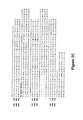


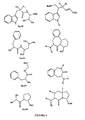


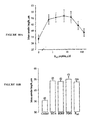
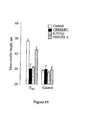
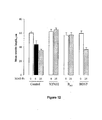


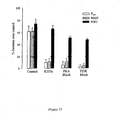
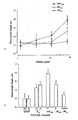
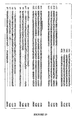
Classifications
-
- A—HUMAN NECESSITIES
- A61—MEDICAL OR VETERINARY SCIENCE; HYGIENE
- A61K—PREPARATIONS FOR MEDICAL, DENTAL OR TOILETRY PURPOSES
- A61K38/00—Medicinal preparations containing peptides
- A61K38/04—Peptides having up to 20 amino acids in a fully defined sequence; Derivatives thereof
- A61K38/12—Cyclic peptides, e.g. bacitracins; Polymyxins; Gramicidins S, C; Tyrocidins A, B or C
-
- A—HUMAN NECESSITIES
- A61—MEDICAL OR VETERINARY SCIENCE; HYGIENE
- A61K—PREPARATIONS FOR MEDICAL, DENTAL OR TOILETRY PURPOSES
- A61K38/00—Medicinal preparations containing peptides
- A61K38/04—Peptides having up to 20 amino acids in a fully defined sequence; Derivatives thereof
- A61K38/10—Peptides having 12 to 20 amino acids
-
- A—HUMAN NECESSITIES
- A61—MEDICAL OR VETERINARY SCIENCE; HYGIENE
- A61P—SPECIFIC THERAPEUTIC ACTIVITY OF CHEMICAL COMPOUNDS OR MEDICINAL PREPARATIONS
- A61P25/00—Drugs for disorders of the nervous system
-
- A—HUMAN NECESSITIES
- A61—MEDICAL OR VETERINARY SCIENCE; HYGIENE
- A61P—SPECIFIC THERAPEUTIC ACTIVITY OF CHEMICAL COMPOUNDS OR MEDICINAL PREPARATIONS
- A61P25/00—Drugs for disorders of the nervous system
- A61P25/14—Drugs for disorders of the nervous system for treating abnormal movements, e.g. chorea, dyskinesia
- A61P25/16—Anti-Parkinson drugs
-
- A—HUMAN NECESSITIES
- A61—MEDICAL OR VETERINARY SCIENCE; HYGIENE
- A61P—SPECIFIC THERAPEUTIC ACTIVITY OF CHEMICAL COMPOUNDS OR MEDICINAL PREPARATIONS
- A61P25/00—Drugs for disorders of the nervous system
- A61P25/28—Drugs for disorders of the nervous system for treating neurodegenerative disorders of the central nervous system, e.g. nootropic agents, cognition enhancers, drugs for treating Alzheimer's disease or other forms of dementia
-
- A—HUMAN NECESSITIES
- A61—MEDICAL OR VETERINARY SCIENCE; HYGIENE
- A61P—SPECIFIC THERAPEUTIC ACTIVITY OF CHEMICAL COMPOUNDS OR MEDICINAL PREPARATIONS
- A61P43/00—Drugs for specific purposes, not provided for in groups A61P1/00-A61P41/00
-
- A—HUMAN NECESSITIES
- A61—MEDICAL OR VETERINARY SCIENCE; HYGIENE
- A61P—SPECIFIC THERAPEUTIC ACTIVITY OF CHEMICAL COMPOUNDS OR MEDICINAL PREPARATIONS
- A61P9/00—Drugs for disorders of the cardiovascular system
- A61P9/10—Drugs for disorders of the cardiovascular system for treating ischaemic or atherosclerotic diseases, e.g. antianginal drugs, coronary vasodilators, drugs for myocardial infarction, retinopathy, cerebrovascula insufficiency, renal arteriosclerosis
-
- C—CHEMISTRY; METALLURGY
- C07—ORGANIC CHEMISTRY
- C07K—PEPTIDES
- C07K7/00—Peptides having 5 to 20 amino acids in a fully defined sequence; Derivatives thereof
- C07K7/04—Linear peptides containing only normal peptide links
- C07K7/06—Linear peptides containing only normal peptide links having 5 to 11 amino acids
-
- C—CHEMISTRY; METALLURGY
- C07—ORGANIC CHEMISTRY
- C07K—PEPTIDES
- C07K7/00—Peptides having 5 to 20 amino acids in a fully defined sequence; Derivatives thereof
- C07K7/04—Linear peptides containing only normal peptide links
- C07K7/08—Linear peptides containing only normal peptide links having 12 to 20 amino acids
Definitions
- the present invention relates to compositions and methods for modulating the growth and repair of the central nervous system (CNS), including processes such as neuronal survival, axonal growth and synaptic plasticity. More specifically, the invention relates to compounds (including cyclic peptides and peptidomimetic compounds) that are either agonists or antagonists of a family of receptors, known as Turk receptors, that are expressed on the surface of neuronal cells and which regulate such processes of CNS growth and repair. Further, the invention relates to methods for promoting CNS growth and repair using a p75 binding agent.
- CNS central nervous system
- CNS central nervous system
- neuroptrophins polypeptide growth factors
- NTs neuroptrophins
- NTs neuroptrophins
- bind to and activate cell surface receptors having an intrinsic tyrosine kinase activity Upon neurotrophin binding, these receptors are believed become autophosphorylated on one or more amino acid residues and subsequently associate with intracellular molecules important for signal transduction.
- the first identified neurotrophin is known in the art as nerve growth factor (NGF) and has a prominent effect on developing sensory and sympathetic neurons of the peripheral nervous system.
- NGF nerve growth factor
- NGF orthologs have also been isolated and characterized in a number of other species, including mice, birds, reptiles and fishes ( Scott et al., Nature 1983, 302:538-540 ; Schwartz et al., J. Neurochem. 1989, 52:1203-1209 ; and Hallböök et al., Neuron 1991, 6:845-858 .
- NTs are also known in the art. These include brain-derived neurotrophic factor (BDNF), which is also known as neurotrophin-2 (NT-2). See, Leibrock et al., Nature 1989, 341:149-152 . Still other NTs include a factor originally called neuronal factor (NF) and now commonly referred to as neurotrophin-3 or "NT-3" ( Ernfors et al., Proc. Natl. Acad. Sci. U.S.A.
- BDNF brain-derived neurotrophic factor
- NT-2 neurotrophin-2
- NT-3 neurotrophin-3
- Neurotrophins-4 and -5 are also known.
- Trk-receptors include a family of receptor tyrosine kinases that are expressed on the surface of neuronal cells and referred to collectively as Trk-receptors. At least three different Trk-receptors are known and have been described in the art: TrkA, TrkB and Trkc. For a review, see U.S. Patent Nos. 5,844,092 ; 5,877,016 ; 6,025,166 ; 6,027,927 ; and 6,153,189 all by Presta et al. Although the structure and sequences of the different Trk-receptors are similar, alternate splicing increases the complexity of this family giving rise to several different isoforms of each receptor.
- TrkA is believed to bind not only NGF, but also NT-3 and NT-4/5 (but not BDNF).
- TrkB is believed to bind BDNF, NT-3, NT-4 and NT-4/5, but not NGF.
- TrkC is believed to bind only NT-3 and not any of the other neurotrophins.
- Trk-receptors have validated the Trk-receptors as therapeutic targets for brain repair. See, for example, Liu et al., J. Neurosci. 1999, 19:4370-4387 ; Menei et al., Eur. J. Neurosci. 1998, 10:607-621 ; and Kobayashi et, al., J. Neurosci. 1997, 17:9583-9595 .
- the Trk-receptors and their ligands have also been studied using X-ray crystallography to obtain three-dimensional structures of the ligand-receptor binding complexes.
- Trk-receptor "agonists” therapeutic compounds which target and activate Trk-receptors
- Trk-receptor "agonists” therapeutic compounds which target and activate Trk-receptors
- agonists therapeutic compounds which target and activate Trk-receptors
- Trk-receptor "agonists” therapeutic compounds which target and activate Trk-receptors
- BDNF neurotrophins
- Trk-receptors have also been unsuccessful.
- cyclic peptides derived from loop 1 of the neurotrophin NGF have been reported to moderately mimic the survival activity of NGF.
- these peptides appear to function in a p75, rather Trk-receptor, dependent manner.
- Some NGF loop 4 cyclic peptides are said to show NGF-like survival activity that is blocked by a Trk antagonist.
- the maximal survival response induced by those peptides is reported to be only 10-15% of the maximal response promoted by the NGF neurotrophin itself.
- compositions that can modulate (i.e ., increase or inhibit) neuronal growth and recovery.
- processes and methods that effectively modulate neuronal growth and recovery.
- the p75 receptor is known to play roles in signaling complexes for neuronal apoptosis and growth inhibition. Barker, Neuron 2004, 42:529-533 .
- the p75 receptor is a member of the tumor necrosis factor (TNR) superfamily and is characterized by cysteine-rich domains (CRDs) in its extracellular portion. These CRDs are required for neurotrophin binding, and p75 receptor serves as a low affinity receptor for neurotrophins such as NGF, BDNF, NT-3, and NT-4. Huang and Reichardt, Annu. Rev. Biochem. 2003, 72:609-642 . NGF, BDNF, NT-3 and NT-4 can effectively compete with each other for binding to p75 receptor. In inhibitory environments, these neurotrophins can be used to compete out each other's binding to p75 receptor in order to reveal responses that depend solely on Trk signaling. Barker and Shooter, Neuron 1994, 13:203-215 .
- TDIKGKE motif that constitutes the first ⁇ hairpin loop of NGF plays a crucial role in the binding of NGF to the p75 receptor.
- constrained TDIKGKE motifs interact with the p75 receptor and are expected to compete for neurotrophin binding to this receptor. Longo et al., J. Neurosci. Res. 1997, 48:1-17 .
- the cyclic peptides and peptidomimetic compounds derived from loop 1 of NGF have been reported to moderately mimic NGF's neuron growth-promoting activity (see U.S. Patent No. 6,017,878 to Saragovi et al .), and these peptides appear to function in a p75 receptor-dependent manner ( Longo et al., J. Neurosci. Res. 1997, 48:1-17 ).
- Some NGF loop 4 cyclic peptides are said to show NGF-like neuron growth promotion that is blocked by a Trk antagonist.
- the maximal response induced by those peptides is reported to be only 10-15% of the maximal response promoted by the NGF neurotrophin itself.
- central nervous system The central nervous system's limited ability to repair injuries is thought to be at least partly due to the presence of inhibitory products that prevent axonal regeneration - including inhibitors associated with damaged myelin ( Berry, Bibl. Anat. 1982, 23:1-11 ). Indeed, biochemical studies on central myelin have identified two protein fractions that contain inhibitory activity for cell spreading ( Caroni & Schwab, J. Cell Biol. 1988, 106:1281-1288 ) and monoclonal antibodies that bind to those fractions enhance the growth of cultured sensory and sympathetic neurons in what are otherwise non-permissive substrates for neurite growth ( Caroni & Schwab, Neuron 1988, 1:85-96 ).
- At least three myelin derived molecules are known that are potent inhibitors of axonal growth: the myelin-associated glycoprotein, which is also referred to as "MAG" (described by McKerracher et al., Neuron 1994, 13:805-811 ; and by Mukhopadhyay et al., Neuron 1994, 13:757-767 ); Nogo-A (see, Chen et al., Nature 2000, 403:434-439 ; GrandPre et al., Nature 2000, 403:439-444 ; and Prinjha et al., Nature 2000, 403:383-384 ) and the oligodendrocyte myelin glycoprotein ( Wang et al., Nature 2002, 417:941-944 ).
- MAG myelin-associated glycoprotein
- the Nogo receptor also referred to as “NgR”
- the ganglioside GT1b and the p75 neurotrophin receptor also referred to as “p75 NTR “ or “p75NTR”
- p75 NTR neurotrophin receptor
- binding to NgR is said to be required for inhibitory activity by all three inhibitors MAG, Nogo-A and oligodendrocyte glycoprotein (Domeniconi et al., 2002; Liu et al., 2002; Wang et al., 2002b).
- MAG can also bind directly to the GT1b receptor ( Vyas & Schnaar, Biochimie 2001, 83:677-682 ).
- GT1b receptor can mimic the inhibitory response produced by MAG (see, Vinson et al, J. Biol. Chem. 2001, 276:20280-20285 ; and Vyas et al., Proc. Natl. Acad. Sci. U.SA. 2002, 99:8412-8417 ).
- the p75 receptor is the signaling component of a multimeric receptor complex than can bind all three myelin receptors. See Domeniconi et al., Neuron 2002, 35:283-290 ; Liu et al., Science 2002, 297:1190-1993 ; Wang et al., Nature 2002, 417:941-944 . Interactions between the GT1b and p75 NTR receptors have been reported (Yamashita et al., 2002), as have interactions between the NgR and p75 NTR receptors (see, Wang et al., 2002a; and Wong et al., 2002). Such interactions with p75 NTR are thought to be important in the transmission of inhibitory signals ( e.g.
- neurotrophins e.g ., NGF, BDNF, NT-3 and NT-4/5
- neurotrophins and inhibitory molecules for example, MAG, Nogo-A and oligodendrocyte glycoprotein
- Rho-GDI Rho-GDI
- neurotrophins to effectively counteract inhibitory signals such as those described above.
- the treatment of cultured neurons with neurotrophins such as NGF, BDNF or GDNF does not normally counteract the inhibitory activity of myelin unless the neurons are first "primed” by exposure to the neurotrophin for several hours before exposure to the inhibitory signal ( Cai et al., Neuron 1999, 22:89-101 ).
- Such priming is of limited effect, time consuming, cumbersome to apply, and impractical for clinical and other in vivo applications.
- neurotrophins themselves, which are large molecules, presents considerable and possibly insurmountable technical challenges.
- neurotrophins may be compromised in their ability to promote regeneration because they bind to the inhibitory complex through their interaction with the p75 receptor.
- the present invention provides at least a partial solution to the above-mentioned problems in the art by providing compounds and formulations thereof which modulate (e.g ., enhance or inhibit) activity mediated by a Trk receptor such as TrkA, TrkB or TrkC.
- a Trk receptor such as TrkA, TrkB or TrkC.
- the invention provides compounds that are Trk antagonists and, as such, inhibit Trk mediated activity.
- the invention provides compounds that are Trk agonists and, as such, enhance or increase Trk mediated activity.
- Trk receptors and their ligands are associated with the growth and repair of the central nervous system (CNS).
- Trk modulator compounds of the present invention can be used to modulate such processes, including processes of neuronal growth and survival, axonal growth, neurite outgrowth, and synaptic plasticity.
- the present invention provides methods (including therapeutic methods) that use Trk modulator compounds of the invention to modulate ( e.g ., enhance or inhibit) such processes.
- the invention provides cyclic peptide compounds that modulates Trk receptor mediated activity.
- These cyclic peptides preferably comprise, within a cyclic peptide ring, the amino acid sequence: Arg-Gly-Glu.
- the cyclic peptide comprises the formula:
- the elements Y 1 and Y 2 are independently selected amino acids with a covalent bond formed between Y 1 and Y 2 .
- the element X 1 and X 2 are optional and, if present, are independently selected amino acids or sequences of amino acids joined by peptide bonds.
- X 1 and/or X 2 are each between zero and about 10 amino acids in length, and are more preferably about 1, 2, 3, 4 or 5 amino acids in length.
- X 1 and X 2 are also preferably selected so that the size of the cyclic peptide ring ranges from about 5 to about 15 amino acids in length, and is more preferably between about 5-10 amino acids in length.
- cyclic peptides having the formula: where Y 1 and Y 2 are as described above, for Formula I.
- Particularly preferred cyclic peptides of the invention are ones comprising the amino acid sequence: CSRRGEC (SEQ ID NO:1), N-Ac-CSRRGEC-NH 2 (SEQ ID NO:2), CARRGEC (SEQ ID NO:3), N-Ac- CARRGEC-NH 2 (SEQ ID NO:4), CFHRGEC (SEQ ID NO:5), N-Ac- CFHRGEC -NH 2 (SEQ ID NO:6), CSHRGEC (SEQ ID NO:7), N-Ac- CFHRGE -NH 2 (SEQ ID NO:8), CRGEC (SEQ ID NO:9), N-Ac- CRGEC -NH 2 (SEQ ID NO:10), N-Ac- KRGED -NH 2 (SEQ ID NO:11), H-C(O)- CRGEC -
- cyclic peptides of the above formulas and sequences are Trk antagonists.
- the invention also provides, in other embodiments, cyclic peptides that are Trk agonists.
- Such cyclic peptides preferably have the formula:
- the elements Y 1 and Y 2 are independently selected amino acids with a covalent bond formed between Y 1 and Y 2 .
- the elements Z 1 , Z 2 and Z 0 are optional and, if present, are independently selected amino acids or sequences of amino acids joined by peptide bonds.
- Z 1 , Z 2 and/or Z 0 are each no more than about ten amino acids in length, and are more preferably only about 1, 2, 3, 4, 5 or 10 amino acids in length.
- the lengths of Z 1 , Z 2 and/or Z 0 are preferably selected so that the size of the cyclic peptide ring ranges from about 10-50 amino acids in length, and more preferably from about 10-25 or from about 15-20 amino acids in length.
- the elements Z 1 , Z 2 and Z 0 are selected such that the tandem Arg-Gly-Glu sequences in Formula I adopt a conformation where they are adjacent and anti-parallel to each other.
- the invention provides cyclic peptides according to Formula II that have the formula where the elements Y 1 and Y 2 are as set forth, supra, for Formula II.
- Particularly preferred peptides according to Formula II which are also a part of the present invention, are cyclic peptides comprising the amino acid sequence: CSRRGELAASRRGELC (SEQ ID NO:17) and N-Ac- CSRRGELAASRRGELC -NH 2 (SEQ ID NO: 18), (where the underlined portion of each amino acid sequence indicates that portion of the peptide that is cyclized).
- cyclic peptides comprising, within a cyclic ring of the cyclic peptide, the D amino acid sequence: dGlu-Gly-dArg wherein the cyclic peptide modulates Trk receptor mediated activity.
- Preferred cyclic peptides that modulate Trk receptor mediated activity comprising D amino acid sequences are c[dLdEGdRdRdSdLdEGdRdRdS] (SEQ ID NO:40), (where the bracketed portion of the amino acid sequence indicates that portion of the peptide that is cyclized by a peptide bond)and Ac- dCdLdEGdRdRdSdAdAdLdEGdRdRdSdC -NH 2 (SEQ ID NO:41).
- the invention provides the cyclic peptide having the amino acid sequence c[SRRGELSRRGEL] (SEQ ID NO:39).
- the invention also provides methods for identifying other compounds (i.e ., "candidate compounds") that modulate Trk receptor mediated activity or are likely to modulate such activity. These methods involve comparing a three-dimensional structure of the candidate compound with the three-dimensional structure of a cyclic peptide of the invention. Similarity between the structure of the candidate compound and the structure of the cyclic peptide is indicative of the candidate compound's ability to modulate Trk receptor mediated activity. Hence, a candidate compound having a substantially similar structure to the three-dimensional structure of the cyclic peptide is likely to be a compound which modulates Trk receptor mediated activity.
- the invention provides peptidomimetic compounds that are Trk modulators, and such compounds are considered another aspect of the invention.
- the peptidomimetic compounds of the invention are compounds having a three-dimensional structure that is substantially similar to the three-dimensional structure of a cyclic peptide of the invention (i.e ., a cyclic peptide that modulates Trk mediated activity and comprises, within a cyclic ring thereof, the amino acid sequence Arg-Gly-Glu).
- the invention additionally provides methods, including therapeutic methods, that use cyclic peptides and peptidomimetic compounds to modulate Trk mediated activity.
- the invention provides methods for inhibiting Trk mediated activity. Such methods involve contacting a cell ( in vitro or in vivo ) with an amount of a cyclic peptide or peptidomimetic compound of the invention that inhibits Trk mediated activity.
- the amount of the cyclic peptide or peptidomimetic compound contacted to the cell should be an amount that effectively inhibits the Trk receptor mediated activity.
- the invention provides methods for enhancing Trk mediated activity. Such methods involve contacting a cell ( in vitro or in vivo ) with an amount of a cyclic peptide or peptidomimetic compound of the invention that enhances Trk mediated activity.
- the amount of the cyclic peptide or peptidomimetic compound contacted to the cell should be an amount that effectively enhances the Trk receptor mediated activity.
- Trk mediated activities that can be modulated (e.g. , enhanced or inhibited) by such methods include: neuronal growth and survival, axonal growth, neurite outgrowth and synaptic plasticity and well as other processes of central nervous system (CNS) growth and/or repair.
- the invention additionally provides methods for enhancing growth or repair of the central nervous system in an individual. These methods involve administering to the individual an amount of a cyclic peptide or a peptidomimetic compound of the invention that enhances Trk mediated activity.
- the amount of the cyclic peptide or peptidomimetic compound administered should be an amount that effectively enhances CNS growth or repair.
- the invention additionally provides methods that use Trk agonists and antagonists to modulate responses that inhibit CNS growth and repair, including responses that normally inhibit processes such as neuronal growth, neuronal survival, axonal growth, neurite outgrowth and synaptic plasticity.
- Trk agonists and antagonists of the invention can be used to modulate inhibitory factors and/or inhibitory signals generated by such factors. Examples include factors associated with myelin, including the myelin associated glycoprotein (MAG), Nogo-A and the oligodendrocyte myelin glycoprotein.
- MAG myelin associated glycoprotein
- Nogo-A oligodendrocyte myelin glycoprotein
- the invention provides methods using Trk agonists and/or antagonists to modulate a CNS inhibitor response mediated by a signal cascade with one or more components that are themselves modulated by a factor or factors involved in signaling by a Trk receptor. These include, for example, components such as Rho that are modulated by protein kinase A (PKA) and/or by phosphoinositide-3 kinase (PI3K).
- PKA protein kinase A
- PI3K phosphoinositide-3 kinase
- the invention provides methods for reducing such "CNS inhibitor" responses by contacting a cell with a Trk agonists (e.g ., a cyclic peptide or peptidomimetic) of the invention in an amount that is effective for reducing the CNS-inhibitor response.
- Trk agonists e.g ., a cyclic peptide or peptidomimetic
- the invention also provides methods for reducing a CNS inhibitor response in an individual, by administering to the individual an amount of a Trk agonists (e.g. , a cyclic peptide or peptidomimetic) of the invention in an amount that effectively reduces the CNS inhibitor response.
- a Trk agonists e.g. , a cyclic peptide or peptidomimetic
- the invention provides pharmaceutical compositions that can be used in therapeutic methods, such as those described above.
- Such pharmaceutical compositions comprise an amount of a cyclic peptide or peptidomimetic compound of the invention, along with one or more carriers, diluents or excipients that are pharmaceutically and/or physiologically acceptable.
- the present invention is based on the discovery that agents which interfere with the binding of neurotrophins to the p75 receptor promote CNS neuron growth in an inhibitory environment.
- Trk receptors and their ligands are associated with the growth and repair of CNS neurons.
- neurotrophins such as NGF, BDNF, NT-3, NT-4 and NT-5
- Trk activity triggers signaling cascades which promote neuronal growth.
- the p75 receptor binds neurotrophins with low affinity and, when the p75 receptor is engaged in an inhibitory complex, this interaction compromises the ability of neurotrophins to promote CNS neuron growth.
- the invention provides methods for promoting CNS neuron growth using a p75 receptor binding agent, which interferes with the binding of a neurotrophin to the p75 receptor.
- a method for promoting CNS neuron growth in an inhibitory environment comprises administering to an individual a therapeutically effective amount of a p75 receptor, binding agent.
- the p75 receptor binding agent includes a neurotrophin binding motif or a peptidomimetic thereof.
- the p75 receptor binding agent comprises a cyclic peptide or peptidomimetic comprising, within a cyclic ring thereof, the amino acid sequence Thr-Asp-Ile-Lys-Gly-Lys-Glu (TDIKGKE) (SEQ ID NO:42).
- a preferred p75 receptor binding agent is N-Ac- CTDIKGKEC -NH 2 (SEQ ID NO:43).
- the individual is preferably a mammal and more preferably a human.
- the present invention provides methods for promoting CNS neuron growth in an inhibitory environment, which comprise administering to an individual a therapeutically effective amount of a p75 receptor binding agent in combination with a neurotrophin.
- the neurotrophin is selected from the group consisting of NGF, BDNF, NT-3, NT-4 and NT-5.
- the p75 receptor binding agent is administered in an amount about 10 to about 100 fold greater than the neurotrophin.
- the p75 receptor binding agent is a neurotrophin that interferes with another, different neurotrophin for binding to the p75 receptor, but does not interfere with binding of the another, different neurotrophin to a Trk receptor expressed on an injured neuron.
- the p75 receptor binding agent is NGF and the neurotrophin is BDNF wherein NGF is administered in an amount about 10 to about 100 fold greater than BDNF.
- the individual is preferably a mammal, and more preferably, a human.
- Trk-receptor modulator compounds As noted above, the present invention provides compounds, including peptides and peptidomimetics, that modulate (e.g ., increase or decrease) activity mediated by Trk-receptors such as TrkA, TrkB and TrkC. Such compounds are generally referred to here as Trk-receptor modulator compounds or "Trk modulators.”
- Trk modulators of the invention are useful, e.g ., for modulating processes such as neuronal growth and survival, axonal growth, neurite outgrowth, synaptic plasticity and other processes that are mediated, at least in part, by a Trk-receptor. These uses include therapeutic methods that may involve Modulating the growth and repair of the central nervous system in vitro ( e.g., in a cell culture) or in vivo (such as in a patient or other individual). Trk modulators of the invention therefore have utility in the treatment of diseases such as stroke, Alzheimer's disease, Parkinson's disease, head trauma, spinal cord injury, and epilepsy to name a few.
- diseases such as stroke, Alzheimer's disease, Parkinson's disease, head trauma, spinal cord injury, and epilepsy to name a few.
- Trk receptors a key interaction between Trk receptors and their neurotrophin ligands occurs through a conserved short linear sequence motif of three amino acid residues - Arg-Gly-Glu (i.e., "RGE” in the single letter amino acid code) found at the N-terminal of mature neurotrophin amino acid sequences.
- RGE conserved short linear sequence motif of three amino acid residues - Arg-Gly-Glu
- the RGE motif is present in all neurotrophins and, when bound to the Trk receptor, exists as half a helix in what is considered a tight loop.
- Applicants have also discovered that properly constrained peptides (for example, cyclic peptides) of the small linear RGE motif have a high structural overlap with the native NT structure and are able to function as Trk receptor antagonists.
- peptidomimetic compounds having high structural overlap with such constrained RGE peptides are also expected to have high structural overlap with the native NT structure and, as such, can also function as Trk receptor antagonists.
- Trk modulators of the present invention can also be targeted to specific Trk receptors, by selecting flanking amino acid sequences from an NT ligand that preferably binds to the desired Trk receptor.
- Trk antagonist compounds i.e., Trk modulator compounds that inhibit Trk receptor mediated activity
- such flanking residues preferably range in length from no more than about 0 to 10 amino acid residues in length, with sizes between about 2-5 or 2-3 amino acid residues being particularly preferred.
- the size of the cyclic peptide ring (or the corresponding peptidomimetic structure) preferably ranges from only about 4 to 15 amino acid residues, with sizes from about 5 to 10 amino acid residues being particularly preferred.
- Applicants have also determined that, in crystal structures of NT dimers in complex with their binding domain of a Trk receptor, the RGE motif runs anti-parallel to itself in the NT dimer. That is to say, the RGE helix in the first NT molecule is aligned with and in an anti-parallel orientation to the RGE helix in the second NT molecule in that dimer. See, in particular, Figures 6A-6C .
- Applicants have moreover discovered that, when a tandem repeat peptide or peptidomimetic of the RGE motif is properly constrained (as in a cyclic peptide or peptidomimetic), it adopts the same anti-parallel alignment conformation and has a high structural overlap with the native NT structure.
- Such "tandem-repeat" RGE cyclic peptides and peptide mimetics are, surprisingly, able to function as Trk receptor agonists ( i.e ., they are able to increase activity mediated by a Trk receptor). As such, these compounds are also among the Trk modulator compounds of the invention.
- constrained peptides and peptidomimetics comprising a tandem repeat of the RGE motif are useful as agonists for a wide variety of Trk receptors, including TrkA, TrkB and TrkC.
- the compounds can also be targeted to specific Trk receptors, for example, by selecting flanking amino acid sequences from a NT ligand that preferably binds to the desired Trk receptor.
- flanking amino acid sequences from a NT ligand that preferably binds to the desired Trk receptor.
- such flanking residues preferably range in length from no more than about 0 to 10 amino acid residues in length, with sizes from 2-5 or 2-3 being more preferred.
- Tandem repeat cyclic peptides and peptidomimetics of the invention may, optionally, contain additional amino acid residues situated between the two tandem repeats of the RGE motif.
- additional amino acid residues therefore function as "spacer" moieties to join the two RGE motifs together in such a way that they adopt the anti-parallel alignment conformation having a high structural overlap with the RGE motif in the native NT structure(s).
- the exact identity of the spacer amino acid residue(s) is not important and their identities may or may not correspond to identities of amino acid residues flanking the RGE motif in a particular neurotrophin.
- the spacer moiety (if present) in a tandem repeat cyclic peptide or peptidomimetic is short; e.g. , not longer than five amino acid residues in length, with spacer moieties between about 0-3 amino acid residues in length being more preferred. Particularly preferred spacer moieties are only about 1 or 2 amino acid residues in length.
- the total size of such "tandem-repeat" cyclic peptides and peptidomimetics is moreover, typically about twice that of a Trk antagonist cyclic peptide or peptidomimetic of the invention.
- preferred sizes of the peptide ring (or corresponding peptidomimetic structure) are preferably from about 8 to 30 amino acid residues in length, with sizes from about 10 to 20 amino acid residues in length being particularly preferred.
- cyclic peptides that comprise the RGE motif and/or tandem repeats thereof are described in Section 6.1, infra.
- Section 6.2 describes routine experimental methods by which a person skilled in the art can determine, e.g ., by X-ray crystallography or NMR spectroscopy, three-dimensional "pharmacophore" structures for these and other cyclic peptides, and methods using such pharmacophore structures to design appropriate peptidomimetic compounds are provided in Section 6.3, infra, along with exemplary peptidomimetic modifications.
- Trk modulator compounds of the invention are described in Section 6.4, including pharmaceutical formulations and medicinal uses.
- Section 6.5 describes routine assays by which a person skilled in the art may verify the Trk modulator activity of a compound, such as a peptidomimetic compound.
- Section 6.6 then describes certain preferred exemplary uses of such compounds in methods for modulating Trk mediated activities such as neuronal survival, axonal growth and synaptic plasticity.
- Formulations of Trk modulators (including pharmaceutical formulations) that are particularly suitable for such uses are provided in Section 6.7.
- the specification concludes with a series of examples, at Section 7, demonstrating certain exemplary embodiments of the invention.
- the present invention also provides methods for the administration of a p75 receptor binding agent to an individual, wherein the p75 receptor binding agent interferes with the binding of a neurotrophin to a p75 receptor engaged in an inhibitory complex and, thus, promotes neurotrophin binding to a Trk receptor.
- These methods are useful in the treatment of conditions wherein CNS neurons are damaged or injured, for example, diseases such as stroke, Alzheimer's disease, Parkinson's disease, traumatic brain injury and spinal cord injury.
- the present invention is based, in part, on the discovery that agents designed to interfere with neurotrophin binding to a p75 receptor engaged in an inhibitory complex facilitate neurotrophin-mediated CNS neurite outgrowth.
- neurite outgrowth assays were performed using cultured rat cerebellar neurons in an inhibitory environment.
- the inhibitory culture media was supplemented with NGF, NGF in combination with BDNF, a constrained monomer of the NGF first binding loop (N-Ac- CTDIKGKEC -NH 2 ) (SEQ ID NO:43), or the NGF loop 1 peptide in combination with BDNF. Cultures were maintained for 23 hours, fixed, and stained for GAP-43.
- the mean length of the longest neurite was then determined from 100-120 neurons under each culture condition. It was found that NGF alone and the constrained monomer alone did not promote neurite outgrowth, but the combinations of NGF with BDNF in ratios of 10:1 1 and 100:1 1 and the NGF loop 1 peptide at 100 ⁇ g/ml with BDNF at 1 ng/ml promoted neurite outgrowth. These findings show that administration of a p75 receptor binding agent, which is a neurotrophin that does not bind the expressed Trk receptor in combination with another, different neurotrophin, which binds a Trk receptor expressed on the injured neurons results in CNS neuron growth in an inhibitory environment.
- a p75 receptor binding agent which is a neurotrophin that does not bind the expressed Trk receptor in combination with another, different neurotrophin, which binds a Trk receptor expressed on the injured neurons results in CNS neuron growth in an inhibitory environment.
- the neurotrophin which does not bind to an expressed Trk receptor (i.e., a p75 receptor binding agent) was administered in an amount about 10 to about 100 fold greater than the neurotrophin, which binds to an expressed Trk receptor (i.e., not a p75 receptor binding agent).
- an inhibitory environment means an environment in which growth of a damaged or injured neuron is inhibited.
- An inhibitory environment is present in the milieu surrounding damaged or injured neurons.
- Damaged or injured neurons are present in conditions, which include, for example, diseases and disorders that are associated with damage to or impaired function of the CNS. Exemplary conditions include, but are not limited to, Alzheimer's disease, Parkinson's disease, Huntington's disease, amyotrophin lateral sclerosis, stroke, traumatic brain injury, and spinal cord injury.
- an inhibitory environment is an environment wherein a p75 receptor is engaged in an inhibitory complex (i.e., a p75 receptor is engaged with a molecule that binds a p75 receptor, e.g., a myelin-derived molecule such as MAG or Nogo-A), and this binding results in inhibition of neurotrophin-mediated neuron growth).
- a p75 receptor is engaged in an inhibitory complex
- a p75 receptor is engaged with a molecule that binds a p75 receptor, e.g., a myelin-derived molecule such as MAG or Nogo-A
- terapéuticaally effective means that quantity of a compound or pharmaceutical composition that is sufficient to result in a desired activity upon administration to an individual in need thereof.
- a therapeutically effective amount can ameliorate or prevent a clinically significant deficit in the activity, function and response of the individual.
- a therapeutically effective amount is sufficient to cause an improvement in a clinically significant condition in the individual.
- therapeutically effective means an amount or dose of a p75 receptor inhibitor sufficient to promote the growth of a neuron in the CNS in an inhibitory environment.
- the phrase “pharmaceutically acceptable” refers to molecular entities and compositions that are "generally regarded as safe”, e.g ., that are physiologically tolerable and do not typically produce an allergic or similar untoward reaction, such as gastric upset, dizziness and the like, when administered to a human.
- pharmaceutically acceptable means approved by a regulatory agency of the Federal or a state government of listed in the U.S. Pharmacopeia or other generally recognized pharmacopeia for use in animals, and more particularly in humans.
- carrier refers to a diluent, adjuvant, excipient, or vehicle with which the compound is administered.
- Such pharmaceutical carriers can be sterile liquids, such as water and oils, including those of petroleum, animal, vegetable, or synthetic origin, such as peanut oil, soybean oil, mineral oil, sesame oil and the like.
- Water or aqueous saline solutions and aqueous dextrose and glycerol solutions are preferably employed as carriers, particularly for injectable solutions. Suitable pharmaceutical carriers are described in "Remington's Pharmaceutical Sciences” by E.W. Martin.
- an "individual” or “patient” as used herein is preferably a mammal and more preferably a human, but can be any animal, including a laboratory animal in the context of a clinical trial or screening or activity experiment.
- the methods of the present invention are particularly suited to administration to any animal, particularly a mammal, and including, but not limited to domestic animals, wild animals and research animals.
- cyclic peptide refers to a peptide or salt thereof that comprises: (1) an intramolecular covalent bond between two non-adjacent residues; and (2) at least one Trk-receptor recognition sequence RGE (i.e ., Arg-Gly-Glu) within a cyclic ring of the cyclic peptide.
- RGE Trk-receptor recognition sequence
- preferred peptides of the invention which function as either Trk receptor agonists or antagonists will be constrained and, hence, are preferably cyclic peptides.
- non-cyclic or “linear" peptides are also useful (e.g ., as intermediate compounds for making cyclic peptides of the invention).
- non-cyclic versions of the cyclic peptides described throughout this application are also considered part of the present invention.
- the intramolecular bond may be a backbone to backbone, side-chain to backbone or side-chain to side-chain bond (i.e ., terminal functional groups of a linear peptide and/or side-chain functional groups of a terminal or interior residue may be linked to achieve cyclization).
- Preferred intramolecular bonds include, but are not limited to, disulfide, amide and thioether bonds.
- a variety of means for cyclizing polypeptides are well known in the art, as are many other modifications that can be made to such peptides. For a general discussion, see International Patent Publication Nos. WO 01/53331 and WO 98/02452 .
- cyclic bonds and other modifications can also be applied to the cyclic peptides and derivative compounds of this invention.
- cyclic peptides of the invention are frequently illustrated in this application showing particular cyclic bonds, which may or may not be preferred.
- other embodiments of these cyclic peptides comprising additional and/or alternative cyclic bonds will be apparent to those persons skilled in the art and are therefore considered part of this invention.
- a cyclic peptide of the invention preferably comprises an N-acetyl group (i.e ., an amino group present on the amino terminal residue of the peptide is acetylated, preferably prior to cyclization).
- a cyclic peptide of the invention may comprise an N-formyl group ( i.e ., the amino group present on the amino terminal residue of the peptide is formylated, preferably prior to cyclization).
- the amino group present on the amino terminal residue of the peptide may be mesylated; again, preferably prior to cyclization. The presence of such terminal groups may, for example, enhance cyclic peptide activity or stability in certain applications.
- a cyclic peptide of the invention may comprise a C-amide group.
- preferred cyclic peptides of the present invention satisfy the general formula: where Y 1 and Y 2 are amino acid residues whose identities are independently selected and having a covalent bond between the residues Y 1 and Y 2 .
- the elements X 1 and X 2 are optional and, if present, they are independently selected from the amino acid residues and combinations thereof that are linked by peptide bonds.
- X 1 or X 2 or both X 1 and X 2 may be a single amino acid residue or, alternatively, may each be a sequence comprising a plurality of amino acid residues linked by peptide bonds.
- a cyclic peptide satisfying Formula I, above will modulate one or more Trk-receptor mediated activities.
- a peptide satisfying Formula I will inhibit one or more Trk-receptor mediated activities and, as such, will be a Trk antagonist.
- a peptide satisfying Formula I will increase one or more Trk receptor mediated activities and, as such, will be a Trk agonist.
- cyclic peptides of the invention generally comprise at least one additional residue within the cyclic ring so that preferably at least one of either X 1 or X 2 in Formula I is present.
- the size of X 1 and/or X 2 will depend upon the desired activity of the cyclic peptide. For example, where a cyclic peptide that is a Trk antagonist is desired, shorter peptide sequences are preferred. Accordingly, in such embodiments, X 1 and/or X 2 are each preferably between 0 and about 10 amino acids in length, with sizes of about 1, 2, 3, 4 or 5 amino acid residues being particularly preferred.
- the lengths of X 1 and/or X 2 are also preferably selected so that the size of the cyclic peptide ring ranges from about 5 to about 15 amino acid residues, and is more preferably between about 5-10 amino acid residues in length. Peptide ring sizes of about 5-7 amino acid residues in length are particularly preferred.
- Such additional residues i.e., X 1 and/or X 2 in Formula I, supra ) may be present on either the N-terminal or C-terminal side of the RGE sequence, or they may be present on both sides of the RGE sequence.
- the additional residues are derived from sequences that flank the RGE sequence within one or more naturally occurring neurotrophins (e.g ., NGF, BDNF, NT-3, NT-4, NT-5 and NT-4/5) with or without amino acid substitutions and/or other modifications.
- the presence of flanking sequences from a neurotrophin may help target a cyclic peptide for a particular Trk receptor of interest.
- a cyclic peptide of the invention may comprise amino acid residues flanking either the N-terminal, C-terminal or both sides of the RGE sequence that are derived from flanking sequences in a neurotrophin that preferably binds to the targeted Trk receptor.
- Table I infra, list certain preferred cyclic peptides that comprise additional amino acid residues derived from particular neurotrophins whose identities are also indicated in the table.
- the right-hand column in Table I also indicates a Trk receptor to which the neurotrophin preferably binds (or, rather, binds with the highest binding affinity).
- each cyclic peptide listed in Table I may, in one embodiment, be used to inhibit the particular Trk receptor indicated along side it, in the right hand column of Table I.
- the cyclic peptides listed in Table I can also be used as antagonists of other Trk receptors.
- the cyclic peptide N-Ac- CSRRGEC -NH 2 which contains additional residues from the neurotrophin NT-4, is a more potent TrkB antagonist than are the peptides N-Ac- CSHRGEC -NH 2 and N-Ac- CFRRGEC -NH 2 , equivalent peptides designed with additional residues from the neurotrophins NT-3 and NGF, respectively.
- TABLE I TRK ANTAGONISTS Peptide Formula NT Trk-R NT-4 TrkB BDNF TrkB NGF TrkA NT-3 TrkC
- Examples of particularly preferred cyclic peptide sequences of the invention include: CSRRGEC (SEQ ID NO:1), N-Ac- CSRRGEC -NH 2 (SEQ ID NO:2), CARRGEC (SEQ ID NO:3), N-Ac- CARRGEC -NH 2 (SEQ ID NO:4), CFHRGEC (SEQ ID NO:5), N-Ac- CFHRGEC -NH 2 (SEQ ID NO:6), CSHRGEC (SEQ ID NO:7), N-Ac- CFHRGE -NH 2 (SEQ ID NO:8), CRGEC (SEQ ID NO:9), and N-Ac- CRGEC -NH 2 (SEQ ID NO:10).
- CSRRGEC SEQ ID NO:1
- N-Ac- CSRRGEC -NH 2 SEQ ID NO:2
- CARRGEC SEQ ID NO:3
- N-Ac- CARRGEC -NH 2 SEQ ID NO:4
- N-Ac denotes an acetylated N-terminal amino group
- NH 2 denotes a C-terminal amide group
- relatively small cyclic peptides of the invention that do not contain significant sequences flanking the RGE consensus sequence are particularly preferred.
- Such peptides may or may not contain an N-acetyle group and they may or may not contain a C-amide group.
- Examples of preferred, small cyclic peptides of the invention include: N-Ac- CRGEC -NH 2 (SEQ ID NO:10), N-Ac- KRGED -NH 2 (SEQ ID NO:11), H-C(O)- CRGEC -NH 2 (SEQ ID NO:12), CH 3 -SO 2 -NH- CRGEC -NH 2 (SEQ ID NO:13), N-Ac- CRGEC -Y-NH 2 (SEQ ID NO:14), H-C(O)- CRGEC -Y-NH 2 (SEQ ID NO:15), and CH 3 -SO 2 -NH- CRGEC -Y-NH 2 (SEQ ID NO:16).
- Trk agonist In other embodiments of the invention, where a Trk agonist is desired, longer peptide sequences are generally preferred.
- preferred cyclic peptides of the invention that are Trk agonists comprise at least one "tandem repeat" of the RGE motif. Accordingly, where such cyclic peptides satisfy Formula I, supra, at least one of X 1 and X 2 will be present and comprises a second RGE sequence. More specifically, such cyclic peptides of the invention preferably satisfy the following general formula:
- Y 1 and Y 2 are amino acid residues whose identities are independently selected and having a covalent bond between the residues Y 1 and Y 2.
- the elements Z 1 and Z 2 are optional and, if present, they are independently selected from the amino acid residues and combinations thereof that are linked by peptide bonds.
- the element Z 0 is also optional, and if present is an amino acid residue or some combination thereof, linked by peptide bonds.
- Z 1 Z 2 , Z 0 or any combination thereof, if present may each be a single amino acid residue or, alternatively, they may each be a sequence comprising a plurality of amino acid residues linked by peptide bonds.
- cyclic peptides of the invention generally comprise one additional residues within the cyclic ring so that, preferably, at least one of either Z 1 , Z 2 and/or Z 0 is present.
- Z 1 , Z 2 and/or Z 0 are each preferably no more than about ten amino acid residues in length, and more preferably are each only 1, 2, 3, 4 or 5 amino acid residues in length.
- the lengths of Z 1 , Z 2 and/or Z 0 are preferably selected so that the size of the cyclic peptide ring ranges from about 8-50 amino acid residues, and more preferably from about 8-25 or from about 15-20 amino acid residues.
- the additional residues i.e ., Z 1 , Z 2 and/or Z 0
- the additional residues can be derived from sequences that flank the RGE sequence within one or more naturally occurring neurotrophin (e.g. , NGF, BDNF, NT-3, NT-4, NT-5 or NT-4/5), with or without amino acid substitutions and/or other modifications.
- the presence of flanking amino acid residues from a particular neurotrophin may help target a cyclic peptide for a particular Trk receptor of interest.
- a cyclic peptide of the invention may comprise amino acid residues flanking the N-terminal and/or C-terminal of one or both tandem repeat RGE sequences, and these flanking sequences may be derived from a neurotrophin that preferably binds to the targeted Trk receptor of interest.
- preferred tandem repeat cyclic peptides of the invention have the two RGE sequences aligned anti-parallel to each other.
- the element Z 0 is present and can function as an effective "spacer moiety" to align the two RGE sequences together in an anti-parallel alignment conformation.
- Z 0 is not more than 10 amino acid residues in length, and is preferably five or fewer amino acid residues in length.
- Preferred sizes for Z 0 are about 1, 2, 3, 4 or 5 amino acid residues in length. The exact sequence of amino acid residues in Z 0 is not critical.
- the element Z 0 may or may not comprise a sequence of amino acid residues corresponding to a sequence from either the N-terminal or C-terminal of the RGE motif in a natural neurotrophin (e.g ., NGF, BDNF, NT-3, NT-4, NT-5 and NT-4/5). Where Z 0 does comprise sequences from a neurotrophin, those sequences may or may not comprise amino acid substitutions and/or modifications.
- a natural neurotrophin e.g ., NGF, BDNF, NT-3, NT-4, NT-5 and NT-4/5.
- cyclic peptide sequences of the invention which are preferably Trk agonists, include:
- SEQ ID NOs: 30, 31, and 32 are TrkA, TrkB, and TrkC agonists, respectively.
- SEQ ID NO:30 is derived from NGF.
- SEQ ID NO: 31 is derived from BDNF.
- SEQ ID NO: 32 is derived from NT-3.
- Cyclic peptides as described herein may comprise residues of L-amino acids, D-amino acids, or any combination thereof.
- the amino acids may from natural or non-natural sources provided that at least one amino group and at least one carboxyl group are present in the molecule.
- A- and ⁇ -amino acids are generally preferred.
- the 20 L-amino acids commonly found in proteins are particularly preferred in the present invention. These amino acids are identified herein by their conventional three-letter and one-letter abbreviations, whereas the corresponding D- amino acids are designated by the prefix "d".
- cyclic peptides of the invention may comprise a sequence of D-amino acid residues that is the opposite of a sequence of L-amino acid residues provided herein.
- the invention provides certain Trk receptor agonist polypeptides, referred to herein as riB AG1 and hriB AG2 (SEQ ID NOS:40-41) that comprise sequences of D-amino acid sequences which are the reverse sequence of another Trk receptor agonist polypeptide refereed to as the B AG polypeptide (SEQ ID NO:17).
- Trk receptor agonist polypeptides referred to herein as riB AG1 and hriB AG2 (SEQ ID NOS:40-41) that comprise sequences of D-amino acid sequences which are the reverse sequence of another Trk receptor agonist polypeptide refereed to as the B AG polypeptide (SEQ ID NO:17).
- the present invention also contemplates polypeptides having the reverse sequence of L-amino acid residues.
- peptides and peptidomimetics of the present invention comprise sequences of L-amino acid residues including the Arg-Gly-Glu (i.e ., "RGE") motif described, supra.
- the invention also provides, in an alternative embodiment) peptides and peptidomimetics comprising sequences of D-amino acid residues including the short linear sequence motif dGlu-Gly-dArg ( i.e., "dEGdR").
- Cyclic peptides may also contain one or more rare amino acids (such as 4-hydroxyproline or hydroxylysine), organic acids or amides and/or derivatives of common amino acids, such as amino acids having the C-terminal carboxylate esterified (e.g ., benzyl, methyl or ethyl ester) or amidated and/or having modifications of the N-terminal amino group ( e.g. , acetylation or alkoxycarbonylation), with or without any of a wide variety of side-chain modifications and/or substitutions (e.g ., methylation, benzylation, t-butylation, tosylation, alkoxycarbonylation, and the like).
- rare amino acids such as 4-hydroxyproline or hydroxylysine
- organic acids or amides and/or derivatives of common amino acids such as amino acids having the C-terminal carboxylate esterified (e.g ., benzyl, methyl or ethyl ester) or
- Preferred derivatives include amino acids having an N-acetyl group (such that the amino group that represents the N-terminus of the linear peptide prior to cyclization is acetylated) and/or a C-terminal amide group ( i.e ., the carboxy terminus of the linear peptide prior to cyclization is amidated).
- Residues other than common amino acids that may be present with a cyclic peptide include, but are not limited to, penicillamine, ⁇ , ⁇ -tetramethylene cysteine, ⁇ , ⁇ -pentamethylene cysteine, ( ⁇ -mercaptopropionic acid, ⁇ , ⁇ -pentamethylene- ⁇ -mercaptopropionic acid, 2-mercaptobenzene, 2-mercaptoaniline, 2-mercaptoproline, ornithine, diaminobutyric acid, ⁇ -aminoadipic acid, m-aminomethylbenzoic acid and ⁇ , ⁇ -diaminopropionic acid.
- Cyclic peptides as described herein may be synthesized by methods well known in the art, including recombinant DNA methods and chemical synthesis. Chemical synthesis may generally be performed using standard solution phase or solid phase peptide synthesis techniques, in which a peptide linkage occurs through the direct condensation of the ⁇ -amino group of one amino acid with the ⁇ -carboxy group of the other amino acid with the elimination of a water molecule. Peptide bond synthesis by direct condensation, as formulated above, requires suppression of the reactive character of the amino group of the first and of the carboxyl group of the second amino acid. The masking substituents must permit their ready removal, without inducing breakdown of the labile peptide molecule.
- Solid phase peptide synthesis uses an insoluble polymer for support during organic synthesis.
- the polymer-supported peptide chain permits the use of simple washing and filtration steps instead of laborious purifications at intermediate steps.
- Solid-phase peptide synthesis may generally be performed according to the method of Merrifield et al., J. Am. Chem. Soc. 1963,85:2149 . These methods involve assembling a linear peptide chain on a resin support using protected amino acids.
- Solid phase peptide synthesis typically utilizes either the Boc or Fmoc strategy.
- the Boc strategy uses a 1% cross-linked polystyrene resin.
- the standard protecting group for ⁇ -amino functions is the tert-butyloxycarbonyl (Boc) group.
- This group can be removed with dilute solutions of strong acids such as 25% trifluoroacetic acid (TFA).
- TFA trifluoroacetic acid
- the next Boc-amino acid is typically coupled to the amino acyl resin using dicyclohexylcarbodiimide (DCC).
- DCC dicyclohexylcarbodiimide
- the peptide-resin is treated with anhydrous HF to cleave the benzyl ester link and liberate the free peptide.
- Side-chain functional groups are usually blocked during synthesis by benzyl-derived blocking groups, which are also cleaved by HF.
- the free peptide is then extracted from the resin with a suitable solvent, purified and characterized.
- Newly synthesized peptides can be purified, for example, by gel filtration, HPLC, partition chromatography and/or ion-exchange chromatography, and may be characterized by, for example, mass spectrometry or amino acid sequence analysis.
- Boc strategy C-terminal amidated peptides can be obtained using benzhydrylamine or methylbenzhydrylamine resins, which yield peptide amides directly upon cleavage with HF.
- the selectivity of the side-chain blocking groups and of the peptide-resin link depends upon the differences in the rate of acidolytic cleavage.
- Orthoganol systems have been introduced in which the side-chain blocking groups and the peptide-resin link are completely stable to the reagent used to remove the ⁇ -protecting group at each step of the synthesis. The most common of these methods involves the 9-fluorenylmethyloxycarbonyl (Fmoc) approach.
- Fmoc 9-fluorenylmethyloxycarbonyl
- the side-chain protection and the peptide-resin link are cleaved by mild acidolysis.
- the repeated contact with base makes the Merrifield resin unsuitable for Fmoc chemistry, and p-alkoxybenzyl esters linked to the resin are generally used. Deprotection and cleavage are generally accomplished using TFA.
- solid phase synthesis deprotection and coupling reactions must go to completion and the side-chain blocking groups must be stable throughout the entire synthesis.
- solid phase synthesis is generally most suitable when peptides are to be made on a small scale.
- Acetylation of the N-terminal can be accomplished by reacting the final peptide with acetic anhydride before cleavage from the resin. C-amidation is accomplished using an appropriate resin such as methylbenzhydrylamine resin using the Boc technology.
- cyclization may be achieved by any of a variety of techniques well known in the art.
- a bond may be generated between reactive amino acid side chains.
- a disulfide bridge may be formed from a linear peptide comprising two thiol-containing residues by oxidizing the peptide using any of a variety of methods.
- air oxidation of thiols can generate disulfide linkages over a period of several days using either basic or neutral aqueous media.
- the peptide is used in high dilution to minimize aggregation and intermolecular side reactions.
- This method suffers from the disadvantage of being slow but has the advantage of only producing H 2 O as a side product.
- strong oxidizing agents such as I 2 and K 3 Fe(CN) 6 can be used to form disulfide linkages.
- Those of ordinary skill in the art will recognize that care must be taken not to oxidize the sensitive side chains of Met, Tyr, Trp or His. Cyclic peptides produced by this method require purification using standard techniques, but this oxidation is applicable at acid pHs.
- Oxidizing agents also allow concurrent deprotection/oxidation of suitable S-protected linear precursors to avoid premature, nonspecific oxidation of free cysteine.
- DMSO unlike I 2 and K 3 Fe(CN) 6 , is a mild oxidizing agent which does not cause oxidative side reactions of the nucleophilic amino acids mentioned above. DMSO is miscible with H 2 O at all concentrations, and oxidations can be performed at acidic to neutral pHs with harmless byproducts.
- Methyltrichlorosilane-diphenylsulfoxide may alternatively be used as an oxidizing agent, for concurrent deprotection/oxidation of S-Acm, S-Tacm or S-t-Bu of cysteine without affecting other nucleophilic amino acids. There are no polymeric products resulting from intermolecular disulfide bond formation.
- Suitable thiol-containing residues for use in such oxidation methods include, but are not limited to, cysteine, ⁇ , ⁇ -dimethyl cysteine (penicillamine or Pen), ⁇ , ⁇ -tetramethylene cysteine (Tmc), ( ⁇ , ⁇ -pentamethylene cysteine (Pmc), ( ⁇ -mercaptopropionic acid (Mpr), ⁇ , ⁇ -pentamethylene- ⁇ -mercaptopropionic acid (Pmp), 2-mercaptobenzene, 2-mercaptoaniline and 2-mercaptoproline.
- cyclization may be achieved by amide bond formation.
- a peptide bond may be formed between terminal functional groups (i.e., the amino and carboxy termini of a linear peptide prior to cyclization).
- terminal functional groups i.e., the amino and carboxy termini of a linear peptide prior to cyclization.
- peptides include c(SRRGE) (SEQ ID NO:33), c( ARRGE ) (SEQ ID NO:34), c( FHRGE ) (SEQ ID NO:35) and c (SHRGE (SEQ ID NO:36).
- An example of one particularly preferred peptide having such a cyclic amide bond is the peptide c(SRRGELSRRGEL) (SEQ ID NO:39).
- the linear peptide comprises a D-amino acid.
- the Examples, infra describe another preferred peptide that is referred to as the hriB AG2 peptide.
- This peptide which contains a cyclic amide bond as described, supra, comprises the following sequence of D amino acid residues: c[dLdEdGdRdRdSdLdEdGdRdRdS] (SEQ ID NO:40).
- cyclization may be accomplished by linking one terminus and a residue side chain or using two side chains, as in KRGED (SEQ ID NO:37) or KSRRGED (SEQ ID NO:38), with or without an N-terminal acetyl group and/or a C-terminal amide.
- Residues capable of forming a lactam bond include lysine, ornithine (Orn), ⁇ -amino adipic acid, m-aminomethylbenzoic acid, ⁇ , ⁇ -diaminopropionic acid, glutamate or aspartate.
- carbodiimide-mediated lactam formation can be accomplished by reaction of the carboxylic acid with DCC, DIC, EDAC or DCCI, resulting in the formation of an O-acylurea that can be reacted immediately with the free amino group to complete the cyclization.
- the formation of the inactive N-acylurea, resulting from an O ⁇ N migration can be circumvented by converting the O-acylurea to an active ester by reaction with an N-hydroxy compound such as 1-hydroxybenzotriazole, 1-hydroxysuccinimide, 1-hydroxynorbornene carboxamide or ethyl 2-hydroximino-2-cyanoacetate.
- an N-hydroxy compound such as 1-hydroxybenzotriazole, 1-hydroxysuccinimide, 1-hydroxynorbornene carboxamide or ethyl 2-hydroximino-2-cyanoacetate.
- these additives also serve as catalysts during cyclization and assist in lowering racemization.
- cyclization can be performed using the azide method, in which a reactive azide intermediate is generated from an alkyl ester via a hydrazide.
- DPPA diphenylphosphoryl acid
- the slow reactivity of azides and the formation of isocyanates by their disproportionation restrict the usefulness of this method.
- the mixed anhydride method of lactam formation is widely used because of the facile removal of reaction by-products.
- the anhydride is formed upon reaction of the carboxylate anion with an alkyl chloroformate or pivaloyl chloride.
- the attack of the amino component is then guided to the carbonyl carbon of the acylating component by the electron donating effect of the alkoxy group or by the steric bulk of the pivaloyl chloride t-butyl group, which obstructs attack on the wrong carbonyl group.
- Mixed anhydrides with phosphoric acid derivatives have also been successfully used.
- cyclization can be accomplished using activated esters.
- the presence of electron withdrawing substituents on the alkoxy carbon of esters increases their susceptibility to aminolysis.
- the high reactivity of esters of p-nitrophenol, N-hydroxy compounds and polyhalogenated phenols has made these "active esters" useful in the synthesis of amide bonds.
- BOP benzotriazolyloxytris-(dimethylamino)phosphonium hexafluorophosphonate
- a thioether linkage may be formed between the side chain of a thiol-containing residue and an appropriately derivatized ⁇ -amino acid.
- a lysine side chain can be coupled to bromoacetic acid through the carbodiimide coupling method (DCC, EDAC) and then reacted with the side chain of any of the thiol containing residues mentioned above to form a thioether linkage.
- DCC carbodiimide coupling method
- EDAC carbodiimide coupling method
- any two thiol containing side-chains can be reacted with dibromoethane and diisopropylamine in DMF.
- Examples of thiol-containing linkages include: and where X may be (CH 2 ) 4 , CH 2 or
- Cyclization may also be achieved using ⁇ 1 ⁇ 1 -Ditryptophan (i.e., Ac-Trp-Gly-Gly-Trp-OMe), as shown below:
- pharmacophore refers to the collection of functional groups on a compound that are arranged in three-dimensional space in a manner complementary to the target protein, and that are responsible for biological activity as a result of compound binding to the target protein.
- Useful three-dimensional pharmacophore models are best derived from either crystallographic or nuclear magnetic resonance structures of the target, but can also be derived from homology models based on the structures of related targets or three-dimensional quantitative structure-activity relationships derived from a previously discovered series of active compounds.
- the present invention provides pharmacophores of certain representative cyclic peptides (i.e. , three-dimensional conformations of the neurotrophin consensus sequence RGE within such peptides).
- Such three-dimensional structures provide the information required to most efficiently direct the design and optimization of peptidomimetics.
- the three-dimensional structures of cyclic peptides are generally determined using X-ray crystallography.
- X-ray crystallography See, also, Macromolecular Crystallography, Parts A-B (Carter&Sweet, Eds.) In: Methods Enzymol. 1997, Vols. 276-277 ; Jan Drenth, Principles of Protein X-Ray Crystallography (New York: Springer-Verlag, 1994 ).
- crystal refers, generally, to any ordered (or at least partially ordered) three-dimensional array of molecules.
- ordering of molecules within a crystal is at least sufficient to produce a sharp X-ray diffraction pattern so that the molecules' three-dimensional structure may be determined.
- crystals of the present invention comprise at least one biomolecule, such as a cyclic peptide described, supra, in Section 6.1. Crystals of the invention may even comprise a complex or assembly of two or more proteins or other biomolecules.
- a crystal may comprise molecules of a ligand, such as a neurotrophin, bound to molecules of a receptor, such as a Trk receptor.
- crystals that contain biological molecules such as proteins will contain other molecules as well, such molecules of solvent (e.g. , water molecules) and/or salt.
- solvent e.g. , water molecules
- salt e.g., water molecules
- pharmacophore structures of the invention are determined using the X-ray crystal structure(s) of a neurotrophin bound to an appropriate Trk receptor (or fragment thereof). These three-dimensional structures can then be used to design peptidomimetics of the invention or, alternatively, to design additional cyclic peptides that are likely to be Trk modulators.
- the three-dimensional structures of cyclic peptides may generally be determined using nuclear magnetic resonance (NMR) techniques that are well known in the art.
- NMR data acquisition is preferably carried out in aqueous systems that closely mimic physiological conditions to ensure that a relevant structure is obtained.
- NMR techniques use the magnetic properties of certain atomic nuclei (such as 1 H, 13 C, 15 N and 31 P), which have a magnetic moment or spin, to probe the chemical environment of such nuclei.
- the NMR data can be used to determine distances between atoms in the molecule, which can be used to derive a three-dimensional model or the molecule.
- proton NMR is preferably used. More specifically, when a molecule is placed in a strong magnetic field, the two spin states of the hydrogen atoms are no longer degenerate. The spin aligned parallel to the field will have a lower energy and the spin aligned antiparallel to the field will have a higher energy. At equilibrium, the spin of the hydrogen atoms will be populated according to the Boltzmann distribution equation. This equilibrium of spin populations can be perturbed to an excited state by applying radio frequency (RF) pulses. When the nuclei revert to the equilibrium state, they emit RF radiation that can be measured.
- RF radio frequency
- the exact frequency of the emitted radiation from each nucleus depends on the molecular environment of the nucleus and is different for each atom (except for those atoms that have the same molecular environment). These different frequencies are obtained relative to a reference signal and are called chemical shifts.
- the nature, duration and combination of applied RF pulses can be varied greatly and different molecular properties can be probed by those of ordinary skill in the art, by selecting an appropriate combination of pulses.
- one-dimensional NMR spectra are generally insufficient, as limited information pertaining to conformation may be obtained.
- One-dimensional NMR is generally used to verify connectivity within a molecule and yields incomplete data concerning the orientation of side chains within a peptide.
- Two-dimensional NMR spectra are much more useful in this respect and allow for unambiguous determination of side-chain-to-side-chain interactions and the conformation of the peptide backbone.
- Two-dimensional NMR spectra are generally presented as a contour plot in which the diagonal corresponds to a one-dimensional NMR spectrum and the cross peaks off the diagonal result from interactions between hydrogen atoms that are directly scalar coupled.
- Two-dimensional experiments generally contain a preparation period, an evolution period where spins are "labeled" as they process in the XY plane according to their chemical shift, a mixing period, during which correlations are made with other spins and a detection period in which a free induction decay is recorded.
- Two-dimensional NMR methods are distinguished by the nature of the correlation that is probed during the mixing period.
- a DQF-COSY (double quantum filtered correlation spectroscopy) analysis gives peaks between hydrogen atoms that are covalently connected through one or two other atoms.
- Nuclear Overhauser effect spectroscopy (NOESY) gives peaks between pairs of hydrogen atoms that are close together in space, even if connected by way of a large number of intervening atoms.
- TOCSY total correlation spectroscopy
- Rotating-frame Overhauser Spectroscopy (ROESY) experiments may be thought of as the rotating frame analogue of NOESY, and yields peaks between pairs of hydrogen atoms that are close together in space.
- ROESY Rotating-frame Overhauser Spectroscopy
- One or more such methods may be used, in conjunction with the necessary water-suppression techniques such as WATERGATE and water flip-back, to determine the three-dimensional structure of a cyclic peptide or candidate peptidomimetic under aqueous conditions.
- Such techniques are well known and are necessary to suppress the resonance of the solvent (HDO) during acquisition of NMR data.
- both TOCSY and NOESY may be applied to representative cyclic peptides for the purpose of determining the conformation and the assignment.
- the water solvent resonance may be suppressed by application of the WATERGATE procedure.
- a water flipback pulse may also be applied at the end of the mixing period for both TOCSY and NOESY experiments to maintain the water signal at equilibrium and to minimize the loss of amide proton resonances due to their rapid exchange at the near neutral Ph conditions (i.e., Ph 6.8) used in the experiment.
- NMR data may be processed using spectrometer software using a squared cosine window function along both directions. Baseline corrections may be applied to the NOESY, ROESY and TOCSY spectra using the standard Bruker polynomial method.
- NOESY data may be acquired at several mixing times ranging from 80 ms to 250 ms.
- the shorter mixing time NOESY may be acquired to ensure that no diffusion effects were present in the NOESY spectrum acquired at the longer mixing times.
- the interproton distances may generally be determined from the 250 ms NOESY.
- the sequence-specific assignment of the proton resonances may be determined by standard methods (see Wuthrich, NMR of Proteins and Nucleic Acids, Wiley & Sons, New York, 1986 ), making use of both the results of the TOCSY and NOESY data.
- the NOE cross peaks may be initially converted to a uniform distance upper and lower bounds of 1.8-5.0 angstroms regardless of the NOE intensities.
- the NOE distances may be refined iteratively through a comparison of computed and experimental NOEs at the various mixing times. This refinement may be much in the spirit of the PEPFLEX-II procedure ( Wang et al., Techniques in Protein Chemistry IV, 1993, Evaluation of NMR Based Structure Determination for Flexible Peptides: Application to Desmopressin p. 569 ), although preferably initial NOE-based distances with very loose upper bounds ( e.g. , 5 angstroms) are used to permit the generation of a more complete set of conformations in agreement with experimental data.
- Dihedral-angle constraints may be derived from the values of the 3 JC ⁇ H coupling constants. A tolerance value of 40 degrees may be added to each of the dihedral angle constraints to account for the conformational flexibility of the peptide.
- Distance geometry calculations may be carried out utilizing fixed bond lengths and bond angles provided in the ECEPP/2 database ( Ni et al., Biochemistry 1992, 31:11551-11557 ). The ⁇ -angles are generally fixed at 180 degrees, but all other dihedral angles may be varied during structure optimization.
- Structures with the lowest constraint violations may be subjected to energy minimization using a distance-restrained Monte Carlo method ( Ripoll & Ni, Biopolymers 1992, 32:359-365 ; Ni, J. Magn. Reson. B 1995, 106:147-155 ), and modified to include the ECEPP/3 force field ( Ni et al., J. Mol. Biol. 1995, 252:656-671 ). All ionizable groups may be treated as charged during constrained Monte Carlo minimization of the ECEPP/3 energy. Electrostatic interactions among all charges may be screened by use of a distance-dependent dielectric to account for the absence of solvent effects in conformational energy calculations.
- Low-energy conformations of the peptide from Monte Carlo calculations may be used in NOE simulations to identify proximate protons with no observable NOEs and sets of distance upper bounds that warrant recalibration.
- the refined set of NOE distances including distance lower bounds derived from absent NOEs are used in the next cycles of Monte Carlo calculations, until the resulting conformations produced simulate NOE spectra close to those observed experimentally ( Ning et al., Biopolymers 1994, 34:1125-1137 ; Ni et al., J. Mol. Biol. 1995, 252:656-671 ).
- Theoretical NOE spectra may be calculated using a tumbling correlation time of 1.5 ns based on the molecular weight of the peptide and the experimental temperature ( Cantor& Schimmel (1980) Biophysical Chemistry, W. H. Freeman & Co., San Francisco ). All candidate peptide conformations are included with equal weights in an ensemble-averaged relaxation matrix analysis of interconverting conformations ( Ni & Zhu, J. Magn. Reson. B 1994, 102:180-184 ). NOE simulations may also incorporate parameters to account for the local motions of the methyl groups and the effects of incomplete relaxation decay of the proton demagnitizations ( Ning et al., Biopolymers 1994, 34:1125-1137 ).
- the computed NOE intensities are converted to the two-dimensional FID's ( Ni, Magn. Reson. B 1995, 106:147-155 ) using the chemical shift of assignments, estimated linewidths and coupling constants for all resolved proton resonances.
- Calculated FIDs may be converted to simulated NOESY spectra using identical processing procedures as used for the experimental NOE data sets.
- peptidomimetics are compounds in which at least a portion of the RGE sequence within a cyclic peptide is modified, such that the three dimensional structure of the peptidomimetic remains substantially the same as that of the RGE sequence.
- Peptidomimetics may be peptide analogues that are, themselves, cyclic peptides containing one or more substitutions or other modifications within the RGE sequence.
- at least a portion of the RGE sequence may be replaced with a nonpeptide structure, such that the three-dimensional structure of the cyclic peptide is substantially retained.
- one, two or three amino acid residues within the RGE sequence may be replaced by a non-peptide structure.
- peptide portions of the cyclic peptide may, but need not, be replaced with a non-peptide structure.
- Peptidomimetics both peptide and non-peptidyl analogues
- Peptidomimetics generally have improved oral availability, which makes them especially suited to treatment of conditions such as cancer.
- peptidomimetics may or may not have similar two-dimensional chemical structures, but share common three-dimensional structural features and geometry.
- Each peptidomimetic may further have one or more unique additional binding elements.
- the present invention provides methods for identifying peptidomimetics.
- All peptidomimetics provided herein have a three-dimensional structure that is substantially similar to a three-dimensional structure of a cyclic peptide as described above. In general, two three-dimensional structures are said to be substantially structurally similar to each other if their pharmacophore atomic coordinates have a root-mean square deviation (RMSD) less than or equal to 1 angstrom, as calculated using the Molecular Similarity module within the QUANTA program (QUANTA, available from Molecular Simulations Inc., San Diego, Calif.). All peptidomimetics provided herein have at least one low-energy three-dimensional structure that is substantially similar to at least one low-energy three-dimensional structure of a cyclic peptide as described above.
- RMSD root-mean square deviation
- Low energy conformations may be identified by conformational energy calculations using, for example, the CHARMM program ( Brooks et al., J. Comput. Chem. 1983, 4:187-217 ).
- the energy terms include bonded and non-bonded terms, including bond length energy, angle energy, dihedral angle energy, Van der Waals energy and electrostatic energy. It will be apparent that the conformational energy can be also calculated using any of a variety of other commercially available quantum mechanic or molecular mechanic programs.
- a low energy structure has a conformational energy that is within 50 kcal/mol of the global minimum.
- the low energy conformation(s) of candidate peptidomimetics are compared to the low energy conformations of the cyclic peptide (as determined, for example, by NMR or X-ray crystallography) to determine how closely the conformation of the candidate mimics that of the cyclic peptide. In such comparisons, particular attention should be given to the locations and orientations of the elements corresponding to the crucial side chains. If at least one of the candidate low energy conformations is substantially similar to a solution conformation of a cyclic peptide (i.e. , differs with a root-mean square deviation (RMSD) of 1 angstrom or less), the candidate compound is considered a peptidomimetic.
- RMSD root-mean square deviation
- low energy conformations of candidate peptidomimetics in solution may be studied using, for example, the CHARMM molecular mechanics and molecular dynamics program ( Brooks et al., J. Comput. Chem. 1983, 4:187-217 ), with the TIP3P water model ( Jorgensen et al., J. Chem Phys. 1983, 79:926-935 ) used to represent water molecules.
- the CHARM22 force field may be used to represent the designed peptidomimetics.
- low energy conformations may be identified using a combination of two procedures.
- the first procedure involves a simulated annealing molecular dynamics simulation approach.
- the system (which includes the designed peptidomimetics and water molecules) is heated up to above room temperature, preferably around 600 K, and simulated for a period of 100 picoseconds (ps) or longer; then gradually reduced to 500 K and simulated for a period of 100 ps or longer; then gradually reduced to 400 K and simulated for a period of 100 ps or longer; gradually reduced to 300 K and simulated for a period of 500 ps or longer.
- the trajectories are recorded for analysis.
- This simulated annealing procedure is known for its ability for efficient conformational search.
- the second procedure involves the use of the self-guided molecular dynamics (SGMD) method ( Wu & Wang, J. Physical Chemistry 1998, 102:7238-7250 ).
- the SGMD method has been demonstrated to have an extremely enhanced conformational searching capability.
- simulation may be performed at 300 K for 1000 ps or longer and the trajectories recorded for analysis.
- Conformational analysis may be carried out using the QUANTA molecular modeling package.
- cluster analysis may be performed using the trajectories generated from molecular dynamic simulations. From each cluster, the lowest energy conformation may be selected as the representative conformation for this cluster and may be compared to other conformational clusters.
- major conformational clusters may be identified and compared to the solution conformations of the cyclic peptide(s). The conformational comparison may be carried out using the Molecular Similarity module within the QUANTA program.
- Similarity in structure may also be evaluated by visual comparison of the three-dimensional structures displayed in a graphical format, or by any of a variety of computational comparisons.
- an atom equivalency may be defined in the peptidomimetic and cyclic peptide three-dimensional structures, and a fitting operation used to establish the level of similarity.
- an "atom equivalency” is a set of conserved atoms in the two structures.
- a “fitting operation” may be any process by which a candidate compound structure is translated and rotated to obtain an optimum fit with the cyclic peptide structure.
- a fitting operation may be a rigid fitting operation ( e.g.
- the cyclic peptide three-dimensional structure can be kept rigid and the three-dimensional structure of the peptidomimetic can be translated and rotated to obtain an optimum fit with the cyclic peptide).
- the fitting operation may use a least squares fitting algorithm that computes the optimum translation and rotation to be applied to the moving compound structure, such that the root mean square difference of the fit over the specified pairs of equivalent atoms is a minimum.
- atom equivalencies may be established by the user and the fitting operation is performed using any of a variety of available software applications (e.g. , QUANTA, available from Molecular Simulations Inc., San Diego, Calif.).
- Three-dimensional structures of candidate compounds for use in establishing substantial similarity may be determined experimentally (e.g., using NMR techniques as described herein or x-ray crystallography), or may be computer-generated using, for example, methods provided herein.
- Certain peptidomimetics maybe designed, based on the cyclic peptide structure. For example, such peptidomimetics may mimic the local topography about the cleavable amide bonds (amide bond isosteres). Examples of backbone modifications are given in Figures 3A and 3B (see also, Figures 4A-4B in WO 01/53331 ). These mimetics often match the peptide backbone atom-for-atom, while retaining functionality that makes important contacts with the binding sites. Amide bond mimetics may also include the incorporation of unusual amino acids or dipeptide surrogates. Examples of such unusual amino acids and dipeptide surrogates are illustrated here, in Figure 4 (see also Figure 5 in WO 01/53331 ).
- heuristic rules that have been developed through experience may be used to systematically modify a cyclic peptide.
- empirical data of various kinds are generally collected throughout an iterative refinement process.
- optimal efficiency in peptidomimetic design requires a three-dimensional structure of the pharmacophore.
- Pharmacophores as provided herein permit structure-based peptidomimetic design through, for example, peptide scaffold modification as described above. Certain peptidomimetics may be identified through visual inspection of one or more pharmacophores, as compared to the neurotrophin RGE conformation. Peptidomimetics can also be designed based on a visual comparison of a cyclic peptide pharmacophore with a three-dimensional structure of a candidate compound, using knowledge of the structure-activity relationships of the cyclic peptide. Structure-activity studies have established important binding elements in the cyclic peptides, and have permitted the development of pharmacophore models. Peptidomimetics designed in this manner should retain these binding elements.
- Peptidomimetics may also be designed around replacing the disulfide bond (--S--S--) with a thioether (--S--CH 2 --C(O)--).
- the disulfide bond in general is not very stable as it can readily be reduced under acidic conditions. Replacing the disulfide bond with a thioether moiety (--S--CH 2 --C(O)--) can significantly improve the stability of the peptide and therefore the oral availability.
- libraries e.g. , containing hydantoin and/or oxopiperazine compounds
- combinatorial chemical technology enables the parallel synthesis of organic compounds through the systematic addition of defined chemical components using highly reliable chemical reactions and robotic instrumentation. Large libraries of compounds result from the combination of all possible reactions that can be done at one site with all the possible reactions that can be done at a second, third or greater number of sites. Combinatorial chemical methods can potentially generate tens to hundreds of millions of new chemical compounds as mixtures, attached to a solid support, or as individual compounds.
- Pharmacophores can be used to facilitate the screening of such chemical libraries. For example, instead of producing all possible members of every library (resulting in an unwieldy number of compounds), library synthesis can focus on the library members with the greatest probability of interacting with the target.
- the integrated application of structure-based design and combinatorial chemical technologies can produce synergistic improvements in the efficiency of drug discovery.
- peptidomimetics are compounds that appear to be unrelated to the original peptide, but contain functional groups positioned on a nonpeptide scaffold that serve as topographical mimics. This type of peptidomimetic is referred to herein as a "non-peptidyl analogue.”
- Such peptidomimetics may be identified using library screens of large chemical databases. Such screens use the three-dimensional conformation of a pharmacophore to search such databases in three-dimensional space. A single three-dimensional structure may be used as a pharmacophore model in such a search. Alternatively, a pharmacophore model may be generated by considering the crucial chemical structural features present within multiple three-dimensional structures.
- a database of three-dimensional structures may be prepared by generating three-dimensional structures of a database of compounds, and storing the three-dimensional structures in the form of data storage material encoded with machine-readable data.
- the three-dimensional structures can be displayed on a machine capable of displaying a graphical three-dimensional representation and programmed with instructions for using the data.
- three-dimensional structures are supplied as a set of coordinates that define the three-dimensional structure.
- the 3D-database contains at least 100,000 compounds, with small, non-peptidyl molecules having relatively simple chemical structures particularly preferred. It is also important that the 3D co-ordinates of the compounds in the database be accurately and correctly represented.
- NCI National Cancer Institute
- ACD Available Chemicals Directory
- Chem-X program (Oxford Molecular Group PLC; Oxford UK) is capable of searching thousands or even millions of conformations for a flexible compound. This capability of Chem-X provides a real advantage in dealing with compounds that can adopt multiple conformations. Using this approach, although the NCI-3D database presently contains a total of 465,000 compounds, hundreds of millions of conformations can be searched in a 3D-pharmacophore searching process.
- a pharmacophore search typically involves three steps.
- the first step is the generation of a pharmacophore query.
- Such queries may be developed from an evaluation of critical distances in the three dimensional structure of a cyclic peptide.
- a distance bit screening is performed on the database to identify compounds that fulfill the required geometrical constraints. In other words, compounds that satisfy the specified critical pair-wise distances are identified.
- the program After a compound passed the distance bit screening step, the program next checks whether the compound meets the substructural requirements as specified in the pharmacophore query. After a compound passes this sub-structural check, it is finally subjected to a conformational analysis. In this step, conformations are generated and evaluated with regard to geometric requirements specified in the pharmacophore query. Compounds that have at least one conformation satisfying the geometric requirements, are considered as 'hits' and are recorded in a result database.
- a compound structure may be optimized using screens as provided herein.
- screens the effect of specific alterations of a candidate compound on three-dimensional structure may be evaluated, in order to optimize three-dimensional similarity to a cyclic peptide.
- Such alterations include, for example, changes in hydrophobicity, steric bulk, electrostatic properties, size and bond angle.
- peptidomimetics should function in a substantially similar manner as a structurally similar cyclic peptide.
- a peptidomimetic of the cyclic peptide N-Ac-CSRRGEC-NH 2 should bind to a TRK with an affinity that is at least half the affinity of the cyclic peptide N-Ac-CSRRGEC-NH 2 (SEQ ID NO:2), as measured using standard binding assays.
- a peptidomimetic of the cyclic peptide N-Ac-CSRRGEC-NH 2 should modulate a TRK-mediated function using a representative assay provided herein at a level that is at least half the level of modulation achieved using N-Ac-CSRRGEC-NH 2 (SEQ ID NO:2).
- related analogues may be identified using two-dimensional similarity searching. Such searching may be performed, for example, using the program ISIS Base (Molecular Design Limited). Two-dimensional similarity searching permits the identification of other available, closely related compounds, which may be readily screened to optimize biological activity.
- Trk modulator is used here to describe any molecule comprising at least one cyclic peptide or peptidomimetic compound of the invention containing the neurotrophin motif RGE (i.e., Arg-Gly-Glu). Multiple cyclic peptides and/or peptidomimetics can be present in a modulating agent of the invention. Moreover, additional RGE sequences (for example, tandem repeats of RGE sequences) may be included in a modulating agent.
- RGE neurotrophin motif
- Linkers may or may not be used to separate RGE sequences in a Trk modulator, including tandem repeats of RGE sequences (such as in preferred Trk agonists of the invention). Linkers can also be used to attach a modulating agent of the invention to a solid support or material, as described below.
- a linker may be any molecule (including peptide and/or non-peptide sequences as well as single amino acids or other molecules), that does not contain a RGE sequence and that can be covalently linked to at least two peptide sequences and/or peptidomimetics. Using a linker, peptidomimetics and other peptide or protein sequences may be joined in a variety of orientations.
- Linkers preferably produce a distance between CAR sequences and/or peptidomimetics between 0.1 to 10,000 nm, more preferably about 0.1-400 nm.
- a separation distance between recognition sites may generally be determined according to the desired function of the modulating agent.
- Trk antagonists the linker distance should be small (0.1-400 nm).
- Trk agonists the linker distance should be 400-10,000 nm.
- One linker that can be used for such purposes is (H 2 N(CH 2 ) n CO 2 H) m , or derivatives thereof, where n ranges from 1 to about 10 and m ranges from 1 to about 4000.
- each glycine unit corresponds to a linking distance of about 2.45 angstroms, or 0.245 nm, as determined by calculation of its lowest energy conformation when linked to other amino acids using molecular modeling techniques.
- aminopropanoic acid corresponds to a linking distance of about 3.73 angstroms, aminobutanoic acid to about 4.96 angstroms, aminopentanoic acid to about 6.30 angstroms and amino hexanoic acid to about 6.12 angstroms.
- linkers that may be used will be apparent to those of ordinary skill in the art and include, for example, linkers based on repeat units of 2,3-diaminopropanoic acid, lysine and/or ornithine.
- 2,3-Diaminopropanoic acid can provide a linking distance of either 2.51 or 3.11 angstroms depending on whether the side-chain amino or terminal amino is used in the linkage.
- lysine can provide linking distances of either 2.44 or 6.95 angstroms and ornithine 2.44 or 5.61 angstroms.
- Peptide and non-peptide linkers may generally be incorporated into a modulating agent using any appropriate method known in the art.
- Modulating agents that are Trk antagonists may contain one or more peptidomimetics.
- peptidomimetics are adjacent to one another (i.e., without intervening sequences) or are in close proximity ( i.e., separated by peptide and/or non-peptide linkers to give a distance between the peptidomimetics that ranges from about 0.1 to 400 nm). It will be apparent that other neurotrophin sequences, as discussed above, may also be included.
- a modulating agent may consist entirely of one or more peptidomimetics, or may contain additional peptide and/or non-peptide components.
- Peptide portions may be synthesized as described above or may be prepared using recombinant methods. Within such methods, all or part of a modulating agent can be synthesized in living cells, using any of a variety of expression vectors known to those of ordinary skill in the art to be appropriate for the particular host cell. Suitable host cells may include bacteria, yeast cells, mammalian cells, insect cells, plant cells, algae and other animal cells ( e.g. , hybridoma, CHO, myeloma). The DNA sequences expressed in this manner may encode portions of an endogenous neurotrophin.
- sequences may be prepared based on known Cdna or genomic sequences, or from sequences isolated by screening an appropriate library with probes designed based on the sequences of known cadherins. Such screens may generally be performed as described in Sambrook et al., Molecular Cloning: A Laboratory Manual, Cold Spring Harbor Laboratories, Cold Spring Harbor, N.Y., 1989 (and references cited therein). Polymerase chain reaction (PCR) may also be employed, using oligonucleotide primers in methods well known in the art, to isolate nucleic acid molecules encoding all or a portion of an endogenous neurotrophin.
- PCR Polymerase chain reaction
- an endogenous sequence may be modified using well known techniques.
- portions of the desired nucleic acid sequences may be synthesized using well known techniques, and then ligated together to form a sequence encoding a portion of the modulating agent.
- Trk modulating agents of the present invention may additionally comprise an antibody, or antigen-binding fragment thereof, that specifically binds to a NT sequence or, alternatively an antibody or antigen-binding fragment thereof that specifically binds to a Trk receptor sequence.
- an antibody, or antigen-binding fragment thereof is said to "specifically bind" to a NT or Trk sequence (with or without flanking amino acids) if it reacts at a detectable level (within, for example, an ELISA, as described by Newton et al., Develop.
- Antibodies and fragments thereof may be prepared using standard techniques. See, e.g. , Harlow & Lane, Antibodies: A Laboratory Manual, Cold Spring Harbor Laboratory, 1988 .
- an immunogen comprising a NT or Trk sequence is initially injected into any of a wide variety of mammals (e.g. , mice, rats, rabbits, sheep or goats). Small immunogens ( i.e. , less than about 20 amino acids) are preferably joined to a carrier protein, such as bovine serum albumin or keyhole limpet hemocyanin. Following one or more injections, the animals are bled periodically. Polyclonal antibodies specific for the NT or Trk sequence may then be purified from such antisera by, for example, affinity chromatography using the modulating agent or antigenic portion thereof coupled to a suitable solid support.
- Monoclonal antibodies specific for a NT (or Trk) sequence may be prepared, for example, using the technique of Kohler & Milstein, (Eur. J. Immunol. 1976, 6:511-519 ) and improvements thereto. Briefly, these methods involve the preparation of immortal cell lines capable of producing antibodies having the desired specificity from spleen cells obtained from an animal immunized as described above.
- the spleen cells are immortalized by, for example, fusion with a myeloma cell fusion partner, preferably one that is syngeneic with the immunized animal. Single colonies are selected and their culture supernatants tested for binding activity against the modulating agent or antigenic portion thereof. Hybridomas having high reactivity and specificity are preferred.
- Monoclonal antibodies may be isolated from the supernatants of growing hybridoma colonies, with or without the use of various techniques known in the art to enhance the yield. Contaminants may be removed from the antibodies by conventional techniques, such as chromatography, gel filtration, precipitation, and extraction. Antibodies having the desired activity may generally be identified using immunofluorescence analyses of tissue sections, cell or other samples where the target cadherin is localized.
- monoclonal antibodies may be specific for particular NTs or, alternatively, for particular Trk receptors.
- the antibody may bind to NGF, but do not bind to BNDF, or vice versa.
- a monoclonal antibody may bind specifically to TrkB and not bind specifically to TrkA, or vice versa.
- Such antibodies may be prepared as described above, using (to generate antibodies for a particular NT) an immunogen that comprises the RGE sequence and also sufficient flanking sequence to generate the desired specificity (e.g. , 5 amino acids on each side is generally sufficient).
- representative assays as described herein and/or conventional antigen-binding assays may be employed.
- Such antibodies may generally be used for therapeutic, diagnostic and assay purposes, as described herein.
- such antibodies may be linked to a drug and administered to a mammal to target the drug to a particular Trk -expressing cell, such as a particular neuronal cell.
- antigen-binding fragments of antibodies may be preferred.
- Such fragments include Fab fragments, which may be prepared using standard techniques. Briefly, immunoglobulins may be purified from rabbit serum by affinity chromatography on Protein A bead columns ( Harlow & Lane, Antibodies: A Laboratory Manual, Cold Spring Harbor Laboratory, 1988 ; see especially page 309) and digested by papain to yield Fab and Fc fragments. The Fab and Fc fragments may be separated by affinity chromatography on protein A bead columns (Harlow & Lane, 1988, pages 628-29).
- peptidomimetics, cyclic peptides and other Trk modulators of the invention are capable of modulating (i.e. , enhancing or inhibiting) Trk mediated activities including, for example, neuronal survival, axonal growth and synaptic plasticity.
- a modulating agent or a suspected modulating agent
- Trk mediated activity can generally be evaluated either in vitro or in vivo by assaying one or more of these effects.
- a test compound is a Trk antagonist if, within such a representative assay, contact of test cells with the candidate results in a discernible disruption of the Trk mediated activity being measured.
- a candidate compound is generally considered a Trk agonist if, within such a representative assay, contact of test cells with the candidate compound results in a discernible increase of the Trk mediated activity measured.
- the activity of a Trk modulator or candidate compound is evaluated in vivo in a neurite outgrowth assay.
- a neurite outgrowth assay which is demonstrated in the Examples, infra, neurons may be cultured on a monolayer of cells (preferably 3T3 cells or cell lines derived therefrom).
- monolayers of 3T3 fibroblasts can be established by overnight culture of cells (preferably about 80,000) in individual wells of an 8-chamber well tissue culture slide.
- Approximately 3,000 cerebellar neurons isolated from post natal day 3 (PND3) mouse brains may be cultured for 18 hours on the various monolayers in control media (SATO/2% FCS) or in media supplemented with various concentrations of the candidate modulating agent.
- the cells may be cultured in media supplemented with a control peptide (for example, a non-cyclic, linear peptide having the same amino acid sequence as a Trk modulator cyclic peptide) or with a neurotrophin (e.g. , NGF, BDNF, NT-3, NT-4, NT-5 or NT-4/5).
- a control peptide for example, a non-cyclic, linear peptide having the same amino acid sequence as a Trk modulator cyclic peptide
- a neurotrophin e.g. , NGF, BDNF, NT-3, NT-4, NT-5 or NT-4/5.
- the cell cultures may then be fixed and stained for GAP43 or with some other agent that specifically binds neurons and their neurites.
- the length of the longest neurite on each GAP43 positive neuron may then be measured, preferably using computer assisted morphometry.
- a compound that is a Trk modulator will generally modulate ( e.g. , inhibit or enhance) neurite outgrowth in such a cell culture assay.
- modulating agents and compositions of the present invention can be used for modulating (e.g ., inhibiting or enhancing) activities that are mediated by a Trk receptor including activities mediated by TrkA, TrkB and/or TrkC.
- Trk receptors are implicated in the growth and repair of the central nervous system (CNS) and mediate, at least in part, such processes as neuronal survival, axonal growth, neurite outgrowth, synaptic plasticity and, more generally, neurological growth.
- modulating agents and compositions of the invention can be used to modulate any of these processes.
- Such uses include, inter alia, therapeutic methods and pharmaceutical compositions for treating conditions, diseases and disorders that are associated with such processes. Exemplary conditions, diseases and disorders include Alzheimer's disease, Parkinson's disease, stroke, and head and spinal cord injury to name a few.
- Trk agonist of the invention can be used to increase or enhance activities that are mediated by a Trk receptor.
- Trk agonist of the invention may be used, e.g. , to increase or enhance the growth and/or repair of the CNS, for example by increasing or enhancing such processes a neuronal growth, neuronal survival, axonal growth, neurite outgrowth and synaptic plasticity.
- Trk agonists of the invention are therefore useful, e.g. , in therapeutic methods for treating diseases and disorders that involve or are otherwise associated with damage to or impaired function of the central nervous system. These include, inter alia, the disease and disorders listed above.
- Trk antagonists of the invention can be used to decrease or inhibit activity mediated by a Trk receptor.
- Trk antagonists may inhibit processes such as neuronal growth, neuronal survival, axonal growth, neurite outgrowth and synaptic plasticity.
- Trk antagonists are also useful in therapeutic methods, for example to treat or ameliorate diseases and disorders (for example, epilepsy) that are associated either with increased Trk receptor activity, or with increased activity of a neurotrophin (for example, BDNF) that binds to and activates a Trk receptor.
- diseases and disorders for example, epilepsy
- BDNF neurotrophin
- Trk agonists and antagonists of the invention can also be used to modulate responses that inhibit CNS growth and repair (i.e., "CNS inhibitors"), including responses that inhibit processes such as neuronal growth, neuronal survival, axonal growth, neurite outgrowth and synaptic plasticity.
- CNS inhibitors CNS growth and repair
- Trk agonists of the invention for example a B AG or other agonist polypeptide or peptide mimetic
- Trk agonists of the invention can be used to block or reduce a CNS inhibitor response.
- Trk agonists for example, a B AG or other agonist polypeptide or peptide mimetic
- Trk agonists can be used to enhance and/or promote neuronal growth and recovery, even administered in an inhibitory environment such as in the presence of one or more CNS inhibitors.
- inhibitory factors such as those associated with myelin
- myelin associated glycoprotein also referred to as "MAG”
- Nogo-A the myelin associated glycoprotein
- Trk agonists and antagonists of the invention can be used to modulate responses that are produced by these and other CNS inhibitors.
- Trk receptors modulate CNS growth and repair at least in part by a mechanism or mechanisms that involve protein kinase A (PKA) and phosphinositide 3-kinase (PI3K).
- PKA protein kinase A
- PI3K phosphinositide 3-kinase
- Trk agonists and antagonists of the invention can, in preferred embodiments, modulate effects of inhibitory signals that are mediated by one or more components which are themselves modulated by either PKA or PI3K.
- PKA is understood to activate Rho by direct phosphorylation on Ser188 of that molecule ( Ellerbroek et al., J. Biol. Chem. 2003, 278:19023-19031 ).
- Trk agonists and antagonists of the present invention can be used to modulate signals mediated by inhibitory cascades involving Rho.
- inhibitory cascades involving Rho include, inter alia, inhibitory signals mediated by myelin inhibitors such as MAG (and MAG fusion constructs such as MAG-Fc), Nogo-A, the oligodendrocyte myelin glycoprotein, NgR, GT1b and p75 NTR .
- Other CNS inhibitors involving Rho include signals mediated by chondroitin sulfate proteoglycans from CNS glial scar ( Monnier et al., Neurosci.
- Trk agonists and antagonists of the present invention can additionally be used to modulate these CNS inhibitors.
- Trk modulating agent administered should be an "effective amount" - that is to say, it should be an amount that effectively modulates a Trk mediated activity of interest or, alternatively, an amount that effectively modulates a CNS inhibitor of interest.
- amount administered should be an amount that effectively ameliorates (but does not necessarily eliminate or cure) the condition, disease or disorder being treated.
- the amount administered may be an amount effective to ameliorate (but not necessarily eliminate) one or more symptoms associated with the condition, disease or disorder being treated.
- a Trk modulating agent of the invention can be used to modulate (e.g. , inhibit or enhance) neurological growth, such as neurite outgrowth.
- neurite outgrowth may be enhanced and/or directed by contacting a neuron with one or more Trk agonists of the invention (e.g. , the cyclic peptide N-Ac- CSRRGELLAASRRGELC -NH 2 ).
- Trk antagonists of the invention e.g. , the cyclic peptide N-Ac- CSRRGEC -NH 2 ).
- Preferred modulating agents for use within such methods are preferably linked to a polymeric matrix or other support, and comprise a cyclic peptide as described in Section 6.1, supra, or a peptidomimetic thereof (as described in Section 6.3).
- Modulating agents comprising antibodies, or fragments thereof may also be used in such methods, with or without the use of linkers or support materials.
- a neuron may be contacted ( e.g. , via implantation) with one or more Trk modulating agents linked to a support material such as a suture, fiber nerve guide or other prosthetic device so that the neurite outgrowth is directed along the support material.
- a support material such as a suture, fiber nerve guide or other prosthetic device
- Trk modulating agents linked to a support material
- a tubular nerve guide may be employed in which the lumen of the nerve guide contains a composition comprising the modulating agent or agents.
- such nerve guides or other supported modulating agents may be implanted using well known techniques to, for example, facilitate the growth of severed neuronal connections and/or to treat spinal cord injuries. It will be apparent to those of ordinary skill in the art that the structure and composition of the support should be appropriate for the particular injury being treated.
- a polymeric matrix may similarly be used to direct the growth of neurons onto patterned surfaces as described, for example, in U.S. Patent No. 5,510,628 .
- a modulating agent as described herein may, but need not, be linked to one or more additional molecules.
- a support molecule e.g. , keyhole limpet hemocyanin
- a solid support such as a polymeric matrix (which may be formulated as a membrane or microstructure, such as an ultra thin film), a container surface (e.g. , the surface of a tissue culture plate or the interior surface of a bioreactor), or a bead or other particle, which may be prepared from a variety of materials including glass, plastic or ceramics.
- biodegradable support materials such as cellulose and derivatives thereof, collagen, spider silk or any of a variety of polyesters ( e.g ., those derived from hydroxy acids and/or lactones) or sutures (see U.S. Pat. No. 5,245,012 ).
- Suitable methods for linking a modulating agent to a support material will depend upon the composition of the support and the intended use, and will be readily apparent to those of ordinary skill in the art. Attachment may generally be achieved through noncovalent association, such as adsorption or affinity or, preferably, via covalent attachment (which may be a direct linkage between a modulating agent and functional groups on the support, or may be a linkage by way of a cross-linking agent or linker). Attachment of a modulating agent by adsorption may be achieved by contact, in a suitable buffer, with a solid support for a suitable amount of time. The contact time varies with temperature, but is generally between about 5 seconds and 1 day, and typically between about 10 seconds and 1 hour.
- Covalent attachment of a modulating agent to a molecule or solid support may generally be achieved by first reacting the support material with a bifunctional reagent that will also react with a functional group, such as a hydroxyl, thiol, carboxyl, ketone or amino group, on the modulating agent.
- a modulating agent may be bound to an appropriate polymeric support or coating using benzoquinone, by condensation of an aldehyde group on the support with an amine and an active hydrogen on the modulating agent or by condensation of an amino group on the support with a carboxylic acid on the modulating agent.
- a preferred method of generating a linkage is via amino groups using glutaraldehyde.
- a modulating agent may be linked to cellulose via ester linkages.
- amide linkages may be suitable for linkage to other molecules such as keyhole limpet hemocyanin or other support materials.
- Multiple modulating agents and/or molecules comprising other NT and/or Trk receptor sequences may be attached, for example, by random coupling, in which equimolar amounts of such molecules are mixed with a matrix support and allowed to couple at random.
- a targeting agent may also, or alternatively, be linked to a modulating agent to facilitate targeting to one or more specific tissues.
- a targeting agent may be any substance (such as a compound or cell) that, when linked to a modulating agent enhances the transport of the modulating agent to a target tissue, thereby increasing the local concentration of the modulating agent.
- Targeting agents include antibodies or fragments thereof, receptors, ligands and other molecules that bind to cells of, or in the vicinity of, the target tissue.
- Known targeting agents include serum hormones, antibodies against cell surface antigens, lectins, adhesion molecules, tumor cell surface binding ligands, steroids, cholesterol, lymphokines, fibrinolytic enzymes and those drugs and proteins that bind to a desired target site.
- An antibody targeting agent may be an intact (whole) molecule, a fragment thereof, or a functional equivalent thereof. Examples of antibody fragments are F(ab') 2 ,-Fab', Fab and F[v] fragments, which may be produced by conventional methods or by genetic or protein engineering.
- Linkage is generally covalent and may be achieved by, for example, direct condensation or other reactions, or by way of bi- or multi-functional linkers.
- it may also be possible to target a polynucleotide encoding a modulating agent to a target tissue, thereby increasing the local concentration of modulating agent.
- Such targeting may be achieved using well known techniques, including retroviral and adenoviral infection.
- drug refers to any bioactive agent intended for administration to a mammal to prevent or treat a disease or other undesirable condition.
- Drugs include hormones, growth factors, proteins, peptides and other compounds. The use of certain specific drugs within the context of the present invention is discussed below.
- one or more modulating agents as described herein may be present within a pharmaceutical composition.
- a pharmaceutical composition comprises one or more modulating agents in combination with one or more pharmaceutically or physiologically acceptable carriers, diluents or excipients.
- Such compositions may comprise buffers (e.g. , neutral buffered saline or phosphate buffered saline), carbohydrates ( e.g. , glucose, mannose, sucrose or dextrans), mannitol, proteins, polypeptides or amino acids such as glycine, antioxidants, chelating agents such as EDTA or glutathione, adjuvants (e.g. , aluminum hydroxide) and/or preservatives.
- buffers e.g. , neutral buffered saline or phosphate buffered saline
- carbohydrates e.g. , glucose, mannose, sucrose or dextrans
- mannitol e.g. , proteins, polypeptides or amino acids such as
- compositions of the present invention may be formulated as a lyophilizate.
- a modulating agent (alone or in combination with a targeting agent and/or drug) may, but need not, be encapsulated within liposomes using well known technology.
- Compositions of the present invention may be formulated for any appropriate manner of administration, including for example, topical, oral, nasal, intravenous, intracranial, intraperitoneal, subcutaneous, or intramuscular administration. For certain topical applications, formulation as a cream or lotion, using well known components, is preferred.
- a pharmaceutical composition may also contain one or more drugs, which may be linked to a modulating agent or may be free within the composition.
- any drug may be administered in combination with a modulating agent as described herein, for a variety of purposes as described below.
- types of drugs that may be administered with a modulating agent include but are not limited to analgesics, anesthetics, antianginals, antifungals, antibiotics, anticancer drugs (e.g., taxol or mitomycin C), antiinflammatories (e.g.
- anthelmintics e.g., abuprofen and indomethacin
- antidepressants e.g., aprofen and indomethacin
- antihistamines e.g., antihistamines
- antihypertensives e.g., antimalarials
- antimicrotubule agents e.g. , colchicine or vinca alkaloids
- antimigraine agents e.g., antimicrobials, antiphsychotics, antipyretics, antiseptics, anti-signaling agents (e.g.
- protein kinase C inhibitors or inhibitors of intracellular calcium mobilization protein kinase C inhibitors or inhibitors of intracellular calcium mobilization
- antiarthritics antithrombin agents
- antituberculotics antitussives
- antivirals appetite suppressants
- cardioactive drugs chemical dependency drugs, cathartics, chemotherapeutic agents, coronary, cerebral or peripheral vasodilators, contraceptive agents, depressants, diuretics, expectorants, growth factors, hormonal agents, hypnotics, immunosuppression agents, narcotic antagonists, parasympathomimetics, sedatives, stimulants, sympathomimetics, toxins ( e.g ., cholera toxin), tranquilizers and urinary antiinfectives.
- antiarthritics antithrombin agents
- antituberculotics antitussives
- antivirals appetite suppressants
- cardioactive drugs chemical dependency drugs
- cathartics chemotherapeutic agents
- coronary cerebral or peripheral
- diagnostic agents may be incorporated into a pharmaceutical composition, either linked to a modulating agent or free within the composition.
- Diagnostic agents include any substance administered to illuminate a physiological function within a patient, while leaving other physiological functions generally unaffected. Diagnostic agents include metals, radioactive isotopes and radioopaque agents (e.g. , gallium, technetium, indium, strontium, iodine, barium, bromine and phosphoms-containing compounds), radiolucent agents, contrast agents, dyes (e.g. , fluorescent dyes and chromophores) and enzymes that catalyze a calorimetric or fluorometric reaction. In general, such agents may be attached using a variety of techniques as described above, and may be present in any orientation.
- compositions described herein may be administered as part of a sustained release formulation (i.e. , a formulation such as a capsule or sponge that effects a slow release of modulating agent following administration).
- sustained release formulations may generally be prepared using well known technology and administered by, for example, oral, rectal or subcutaneous implantation, or by implantation at the desired target site.
- Sustained-release formulations may contain a modulating agent dispersed in a carrier matrix and/or contained within a reservoir surrounded by a rate controlling membrane (see, e.g. , European Patent Application 710,491A ).
- Carriers for use within such formulations are biocompatible, and may also be biodegradable; preferably the formulation provides a relatively constant level of modulating agent release.
- the amount of modulating agent contained within a sustained release formulation depends upon the site of implantation, the rate and expected duration of release and the nature of the condition to be treated or prevented.
- compositions of the present invention may be administered in a manner appropriate to the disease to be treated (or prevented). Appropriate dosages and the duration and frequency of administration will be determined by such factors as the condition of the patient, the type and severity of the patient's disease and the method of administration. In general, an appropriate dosage and treatment regimen provides the modulating agent(s) in an amount sufficient to provide therapeutic and/or prophylactic benefit.
- a modulating agent or pharmaceutical composition as described herein may be administered at a dosage ranging from 0.001 to 50 mg/kg body weight, preferably from 0.1 to 20 mg/kg, on a regimen of single or multiple daily doses.
- a cream typically comprises an amount of modulating agent ranging from 0.00001 % to 1%, preferably 0.0001 % to 0.2%, and more preferably from 0.0001% to 0.002%.
- Fluid compositions typically contain about 10 ng/ml to 5 mg/ml, preferably from about 10 .mu.g to 2 mg/Ml peptidomimetic. Appropriate dosages may generally be determined using experimental models and/or clinical trials. In general, the use of the minimum dosage that is sufficient to provide effective therapy is preferred. Patients may generally be monitored for therapeutic effectiveness using assays suitable for the condition being treated or prevented, which will be familiar to those of ordinary skill in the art.
- Trk receptor modulators can also be formulated according to the description provided in section 6.9, infra.
- p75 receptor binding agent is used herein to describe a naturally-occurring or synthetic (e.g., recombinant) molecule, which binds to a p75 receptor engaged in an inhibitory complex, and interferes with p75 receptor:neurotrophin interaction but not neurotrophin:Trk receptor interaction.
- a p75 receptor binding agent facilitates neurotrophin-mediated neuron growth in an inhibitory environment.
- a p75 receptor is engaged in an inhibitory complex when it interacts with a nogo receptor and any of the myelin-associated proteins (e.g., MAG, Nogo-A, oligodendocyte myelin glycoprotein).
- p75 receptor binding agents include, but are not limited to, neurotrophins, such as NGF, and agents derived from neurotrophins, such as the NGF binding loop-derived N-Ac-CTDIKGKEC-NH 2 (SEQ ID NO:43).
- a neurotrophin is a p75 receptor binding agent according to the invention if it interferes with binding of another, different neurotrophin to the p75 receptor and does not interact with the Trk receptor expressed on the injured neuron.
- the neurotrophin NGF is a p75 receptor binding agent because NGF will compete (i.e., interfere) with a neurotrophin that binds TrkB (e.g., BDNF) for p75 receptor binding but will not interfere with neurotrophin binding (e.g., BDNF) to the TrkB receptor.
- TrkB e.g., BDNF
- BDNF neurotrophin binding
- a p75 receptor binding agent comprises at least one cyclic peptide or peptidomimetic compound containing the NGF motif TDIKGKE (i.e. , Thr-Asp-Ile-Lys-Gly-Lys-Glu) (SEQ ID NO:42) within a cyclic ring of the cyclic peptide or peptidomimetic compound.
- NGF motif TDIKGKE i.e. , Thr-Asp-Ile-Lys-Gly-Lys-Glu
- An especially preferred p75 receptor binding agent is N-Ac- CTDIKGKEC -NH 2 (SEQ ID NO:43).
- underlined peptide sequences denote a peptide that has been cyclised by a covalent bond between the two last underlined residues.
- the p75 binding agents were cyclized by a disulfide bond between two cysteine residues, acetylated and amide blocked. It is understood that preferred peptides which bind to a p75 receptor will be constrained and, hence, are preferably cyclic peptides. Methods for cyclization of peptides are described in section 6.1, supra.
- cyclic peptides and/or peptidomimetics can be present in a p75 receptor binding agent.
- additional TDIKGKE sequences for example, tandem repeats of TDIKGKE sequences may be included in a p75 receptor binding agent.
- Linkers may or may not be used to separate p75 receptor binding sequences in a p75 receptor binding agent, including tandem repeats of p75 receptor binding sequences.
- a linker may be any molecule (including peptide and/or non-peptide sequences as well as single amino acids or other molecules), that can be covalently linked to at least two peptide sequences and/or peptidomimetics, and does not contain a p75 receptor binding sequence. Using a linker, peptidomimetics and other peptide or protein sequences may be joined in a variety of orientations.
- p75 receptor binding agents may contain one or more peptidomimetics. Preferably such peptidomimetics are adjacent to one another ( i.e. , without intervening sequences) or are in close proximity ( i.e., separated by peptide and/or non-peptide linkers to give a distance between the peptidomimetics that ranges from about 0.1 to 400 nm).
- a p75 receptor binding agent may consist entirely of one or more peptidomimetics, or may contain additional peptide and/or non-peptide components. Methods for making a peptidomimetic are described in sections 6.2 and 6.3, supra.
- All or part of a p75 receptor binding agent can be synthesized in living cells, using any of a variety of expression vectors known to those of ordinary skill in the art to be appropriate for the particular host cell.
- Suitable host cells may include bacteria, yeast cells, mammalian cells, insect cells, plant cells, algae and other animal cells ( e.g. , hybridoma, CHO, myeloma).
- the DNA sequences expressed in this manner may encode portions of an endogenous neurotrophin.
- Such sequences may be prepared based on known cDNA or genomic sequences, or from sequences isolated by screening an appropriate library.
- Such screens may generally be performed as described in Sambrook et al., Molecular Cloning: A Laboratory Manual, Cold Spring Harbor Laboratories, Cold Spring Harbor, N.Y., 1989 (and references cited therein).
- Polymerase chain reaction (PCR) may also be employed, using oligonucleotide primers in methods well known in the art, to isolate nucleic acid molecules encoding all or a portion of an endogenous neurotrophin.
- PCR Polymerase chain reaction
- an endogenous sequence may be modified using well known techniques.
- portions of the desired nucleic acid sequences may be synthesized using well known techniques, and then ligated together to form a sequence encoding a portion of the p75 receptor binding agent.
- the present invention provides methods for promoting CNS growth, which comprise administering a p75 receptor binding agent.
- Trk receptors are implicated in the growth and repair of the CNS and mediate such processes as neuronal survival, axonal growth, neurite outgrowth, synaptic plasticity, and more generally, neurological growth.
- p75 receptors bind neurotrophins with low affinity and this binding compromises the ability of neurotrophins to activate Trk receptors in the situation where the p75 receptor is engaged in an inhibitory complex.
- methods which interfere with the binding of neurotrophins to p75 receptor allows neurotrophins to bind to and activate Trk receptors, and thus promote CNS neuron growth in an inhibitory environment.
- a method which comprises administering to an individual a therapeutically effective amount of a p75 receptor binding agent in combination with at least one neurotrophin.
- a preferred neurotrophin is NGF, BDNF, NT-3, NT-4 or NT-5.
- the p75 receptor binding agent is administered in an amount about 10 to about 100 fold greater than that of the neurotrophin.
- the p75 receptor binding agent is NGF and the neurotrophin is BDNF.
- the methods of the present invention can be used to treat conditions, diseases and disorders that are associated with damage to or impaired function of the CNS. Exemplary conditions include, but are not limited to, Alzheimer's disease, Parkinson's disease, Huntington's disease, amyotrophin lateral sclerosis, stroke, traumatic brain injury, and spinal cord injury.
- a neurotrophin is a p75 receptor binding agent when the neurotrophin interferes with the binding of another, different neurotroplin to a p75 receptor engaged in an inhibitory complex, but does not interfere with the binding of the another, different neurotrophin to a Trk receptor expressed on an injured CNS neuron.
- NGF is a p75 receptor binding agent according to the present invention if it is co-administered with BDNF to an individual with neurons that express the TrkB receptor because NGF competes with BDNF for binding to the p75 receptor but does not compete with BDNF for binding to the TrkB receptor.
- a p75 receptor agent as described herein can be present within a pharmaceutical composition.
- a pharmaceutical composition comprises a p75 receptor binding agent in combination with one or more pharmaceutically or physiologically acceptable carriers, diluents or excipients.
- Such compositions may comprise buffers (e.g. , neutral buffered saline or phosphate buffered saline), carbohydrates ( e.g. , glucose, mannose, sucrose or dextrans), mannitol, proteins, polypeptides or amino acids such as glycine, antioxidants, chelating agents such as EDTA or glutathione, adjuvants ( e.g. , aluminum hydroxide) and/or preservatives.
- compositions of the present invention may be formulated as a lyophilizate.
- a p75 receptor binding agent (alone or in combination with a targeting agent and/or drug) can be encapsulated within liposomes using well known technology.
- compositions of the present invention may be formulated for any appropriate manner of administration, including for example, topical, intravenous, intracranial, intraperitoneal, subcutaneous, or intramuscular administration.
- Pharmaceutical compositions comprising a p75 receptor binding agent can be administered by any means that allows the p75 receptor binding agent to reach and bind with p75 receptors in the body of an individual.
- Sterile injectable forms of pharmaceutical compositions comprising a p75 receptor binding agent can be aqueous or oleaginous suspensions. These suspensions may be formulated according to techniques known in the art using suitable dispersing or wetting agents and suspending agents.
- a sterile injectable preparation can also be a sterile injectable solution or suspension in a non-toxic parenterally-acceptable diluent or solvent.
- acceptable vehicles and solvents that can be employed are sterile water, lactated Ringer's solution and isotonic sodium chloride solution.
- sterile, fixed oils are conventionally employed as a solvent or suspending medium. For this purpose, any bland fixed oil may be employed including synthetic mono- or di-glycerides.
- Fatty acids such as oleic acid and its glyceride derivatives
- injectables are useful in the preparation of injectables, as are natural pharmaceutically-acceptable oils, such as olive oil or castor oil, especially in their polyoxyethylated versions.
- oils such as olive oil or castor oil, especially in their polyoxyethylated versions.
- oil solutions or suspensions may also contain a long-chain alcohol diluent or dispersant.
- a p75 receptor binding agent can also be formulated according to the description provided in section 6.7, supra.
- p75 receptor binding agents can be administered topically.
- a p75 receptor binding agent may be applied topically to the exposed spinal cord of an individual following spinal cord injury or during surgery.
- a pharmaceutical composition can be formulated in a suitable ointment containing the p75 receptor binding agent suspended or dissolved in one or more carriers.
- Carriers for topical administration of p75 receptor binding agents include, but are not limited to, mineral oil, liquid petrolatum, white petrolatum, emulsifying wax, water, or absorbable materials, such as, for example, Type I collagen gel or gelatin hemostasis sponge (Gelfoam®, Pharmacia & Upjohn, Kalamazoo, MI).
- Appropriate dosages and the duration and frequency of administration will be determined by such factors as the condition of the patient, the type and severity of the patient's disease and the method of administration.
- an appropriate dosage and treatment regimen provides the p75 binding agent(s) in an amount sufficient to provide therapeutic and/or prophylactic benefit.
- Various considerations for determining appropriate dosages are described, e.g., in Gilman et al. (eds), The Pharmacological Bases of Therapeutics, 8th Ed. (1990), Pergamon Press .
- Appropriate dosages may generally be determined using experimental models and/or clinical trials. In general, the use of the minimum dosage that is sufficient to provide effective therapy is preferred.
- Patients can be monitored for therapeutic effectiveness using physical examination, imaging studies, or assays suitable for the condition being treated or prevented, which will be familiar to those of ordinary skill in the art. Dose adjustments can be made based on the monitoring findings. For example, an individual with a spinal cord injury associated with loss of sensation in an arm can be monitored, following administration of a p75 receptor binding agent according to the invention, for return of sensation to the arm by physical examination.
- compositions comprising a p75 receptor binding agent may be administered as part of a sustained release formulation (i.e. , a formulation such as a capsule or sponge that effects a slow release of p75 receptor binding agent following administration).
- sustained release formulations may generally be prepared using well known technology and administered by, for example, subcutaneous implantation or implantation at the desired target site.
- Sustained-release formulations may contain a p75 receptor binding agent dispersed in a carrier matrix and/or contained within a reservoir surrounded by a rate-controlling membrane ( see, e.g., European Patent Application 710,491A ).
- Carriers for use within such formulations are biocompatible, and may also be biodegradable; preferably the formulation provides a relatively constant level of binding agent release. The amount of binding agent contained within a sustained release formulation depends upon the site of implantation, the rate and expected duration of release and the nature of the condition to be treated.
- a targeting agent can be linked to a p75 receptor binding agent to facilitate targeting to one or more specific tissues.
- a p75 receptor "targeting agent” may be any substance (such as a compound or cell) that, when linked to a p75 receptor binding agent, enhances the transport of the p75 receptor binding agent to a target tissue ( i.e ., a damaged neuron), thereby increasing the local concentration of the p75 receptor binding agent.
- Targeting agents can include antibodies or fragments thereof, receptors, ligands and other molecules that bind to cells of, or in the vicinity of, the target tissue.
- Known targeting agents include serum hormones, antibodies against cell surface antigens, lectins, adhesion molecules, tumor cell surface binding ligands, steroids, cholesterol, lymphokines, fibrinolytic enzymes and those drugs and proteins that bind to a desired target site.
- An antibody targeting agent may be an intact (whole) molecule, a fragment thereof, or a functional equivalent thereof.
- a MAG, Nogo-A or myelin glycoprotein antibody can be a targeting agent.
- antibody fragments are F(ab')2,-Fab', Fab and F[v] fragments, which may be produced by conventional methods or by genetic or protein engineering.
- Linkage is generally covalent and may be achieved by, for example, direct condensation or other reactions, or by way of bi- or multi-functional linkers.
- a drug may be beneficial to link a drug to a p75 receptor binding agent.
- drugs suitable for linking to a p75 receptor binding agent see section 6.7, supra.
- 3T3 cells (or LK8 cells) were plated into individual chambers of an eight-chamber tissue culture slide coated with poly-L-lysine and fibronectin.
- the plated cells were maintained overnight in Dulbecco's modified Eagle's medium ("DMEM") supplemented with 10% FCS to allow for the formation of confluent monolayers.
- DMEM Dulbecco's modified Eagle's medium
- FCS 10% FCS
- X-ray crystallography structures of the NGF/TrkA and NT-4/TrkB complexes were used for molecular modeling. These structures have been previously described (See, respectively, Wiesmann et al. Nature 1999, 401:184-188 ; and Banfield et al. Structue (Camb) 2001, 9:1191-1199 ) and can be readily accessed, e.g. , over the internet from the Protein Data Bank (PDB) under the accession numbers 1www (for NGF/TrkA) and 1hcf (for NT-4/TrkB). Swiss PDB software packages were used to isolate the structures of various motifs from the binding interfaces of the crystals, and Accelrys software was used to generate images.
- PDB Protein Data Bank
- Contact profiles were generated from various ligand/receptor interfaces at the NT-4/TrkB crystal structure by measuring the average number of receptor contacts per ligand residue against the ligand residue sequence number. The average was taken over a three residue window and the contact number is the number of receptor residues that are within five Angstroms of the given ligand amino acid.
- Recombined human FGF2, BDNF and NT-4/5 were all obtained from R&D systems (Minneapolis, MN).
- the CB1 cannabinoid receptor agonist WIN55,2122-2 mesylate was obtained and used as previously described (see, Williams et al., J. Cell. Biol. 2003, 160:481-486 ).
- the Trk receptor antagonist K252a was obtained from Calbiochem (San Diego, CA).
- the PD173074 FGFR antagonist Mohammadi et al., Embo J. 1998, 17:5986-5904 ) was synthesized and used as previously described by Skaper et al. (J. Neurochem. 2000, 75:1520-1527 ) and by Hamby et al., J. Med. Chem. 1997, 40:2296-2303 ).
- Synthetic peptides were all obtained from a commercial supplier (Multiple Peptide Systems, San Diego, GA). All peptides were purified by reverse-phase high performance liquid chromatography (RP-HPLC) according to routine methods, and obtained at the highest level of purity (i.e. , greater than 95% pure).
- RP-HPLC reverse-phase high performance liquid chromatography
- peptide sequences are underlined (throughout this specification) denotes a peptide that has been cyclised by a covalent bond between the two last underlined residues. In these examples, peptides were cyclized by a disulfide bond between two cysteine residues, acetylated and amide blocked.
- LIP linear peptide
- the contact profile analysis indicates that the N-terminal of the NT ligand makes the most intimate contact with the Trk receptor ( Figure 6C ). Moreover, a small linear motif (SRRGE) situated at the dominant peak in the contact profile exists as half a helix and can be considered a tight loop.
- SRRGE small linear motif
- the sequence is closely conserved in BDNF (ARRGE), which also binds to the TrkB receptor, and is partially conserved in NGF (FHRGE) and NT-3 (SHRGE), ligands for the TrkA and TrkC receptors, respectively.
- FHRGE NGF
- SHRGE NT-3
- this region of neurotrophins is disordered in crystal structures of unbound NT (see, McDonald et al., Nature 1991, 354:411-414 ) and therefore has not previously been the subject of peptide studies.
- NT loops 1-4 which others have implicated in the NT/Trk interaction ( LeS originally et al., J. Biol. Chem. 1995, 270:6564-6569 ) are highlighted. However, none of these loops figure in the a 1 /b 1 interface and only loop 1 is involved in the a 1 /b 2 interface.
- Cerebellar neurons isolated from rat pups at PND2, were cultured over monolayers of 3T3 fibroblasts in either control media or in media supplemented with a range of BDNF and/or NT-4 concentrations. After 16 hours, the co-cultures were fixed and mean neurite length determined as has been previously described ( Williams et al., J. Biol. Chem.2000, 275:4007-4012 ). The results, which are illustrated in Figure 7A , show that both ligands stimulate neurite outgrowth in a dose-dependent manner with a maximal response seen at between about 1 and 10 ng/ml.
- AN NT-4 LIP IS A MORE POTENT TRKB ANTAGONIST THAN EQUIVALENT NT3 AND NGF LIPS
- the RGE sequence motif is shared by all the NTs. However, the amino sequences flanking this motif differ between the TrkA, TrkB and TrkC ligands. A series of "equivalent" peptides, designed from sequences of different NT ligands, was therefore tested to determine if an extended peptide from the TrkB ligand might be a more active TrkB receptor antagonist.
- N-Ac-CSRRGEC-NH 2 shares structural overlap with the natural SRRGE motif of NT-4. Accordingly, this peptide sequence was tested alongside equivalent peptides derived from NGF (N-Ac- CFHRGEC- NH 2 ) and NT-3 (N-Ac-CSHRGEC-NH 2 ) for their ability to inhibit the BDNF and NT-4 responses in the neurite outgrowth assay described in Section 7.3, supra. Surprisingly, the N-Ac-CSRRGEC-NH 2 derived from NT-4 was approximately 5-fold better than the NGF and NT-3 derived peptides at inhibiting the BDNF response, with a 50% inhibition seen at 27 ⁇ 6 ⁇ M. These results are illustrated in Figure 7C .
- Trk receptors i.e. , to a TrkA, TrkB or TrkC receptor
- RGE flanking amino acid sequences from an NT ligand that preferably binds to the desired Trk receptor.
- the cyclic peptides did not inhibit any of these responses, even when administered at concentrations that fully inhibited the NT-4 and BDNF responses.
- the SRRGE motif in NT-4 runs anti-parallel to itself in the NT-4 dimer.
- the corresponding motif exhibits a similar anti-parallel alignment in crystal structures of the NGF/TrkA receptor complex.
- a "tandem-repeat" mimetic approach has been used to develop peptide agonist ofN-cadherin. See, Williams et al., J. Biol. Chem. 2002, 277:4361-4367 .
- the anti-parallel arrangement of the RGE motif in neurotrophins suggests that the "tandem-repeat" approach might also be used to develop Trk receptor agonist peptides.
- FIG 10A The results from such an experiment are illustrated in Figure 10A .
- the peptide can be seen to stimulate neurite outgrowth in a dose-dependent manner, with an EC 50 of about 300 nM and a near maximal response at about 600 Nm.
- the response of neurite outgrowth to the BAG peptide is biphasic (compare Figures 7A and 10A ).
- the B AG peptide's ability to stimulate axonal growth was compared to that of established growth promoting peptides.
- the data from these experiments, which are illustrated in Figure 10B demonstrate that at 6 ⁇ M the B AG peptide promotes axonal growth by the same extent as maximally active concentrations of NT-R, BDNF and FGF2.
- the TrkB antagonist peptide can fully inhibit the activity of a maximally active concentration of the BAG peptide.
- the linear version of this peptide i.e. , the peptide N-Ac-SRRGELA-NH 2
- K252a a compound which is reported to be a relatively specific Trk receptor antagonist ( Tapley et al., Oncogene 1992, 7:371-381 )
- PD17304 a specific FGF receptor antagonist, did not inhibit the response.
- Trk receptor agonists of the invention can counteract the activity of inhibitory molecules and/or their receptors.
- reagents and culture treatment were obtained and as set forth supra, in Section 7.1.3 et seq.
- recombinant human FGF2 and BDNF were obtained from R&D systems (Minneapolis, MN) and used at final concentrations of 5 ng/ml.
- the Trk receptor agonist K252a was obtained from Calbiochem (San Diego, CA) and used at a final concentration of 100 nM.
- the Trk agonist peptide B AG (SEQ ID NO:18) was obtained from a commercial supplier (Multiple Peptide Systems, San Diego CA).
- Recombinant MAG-Fc chimera was obtained from R&D Systems (Minneapolis, MN) and used at a final concentration of 5-25 ⁇ g/ml.
- Monoclonal antibody to GT1b (clone GMR5) was obtained from Seikagaku America (Falmouth, MA) and used at a final concentration of 20 ⁇ g/ml.
- a p75 NTR rabbit polyclonal antibody was raised against the extracellular domain of that receptor as previously described (see, Huber & Chao, Dev. Biol. 1995, 167:227-238 ) and used at a 1:200 dilution of serum.
- the known PKA inhibitors KT5720 and H-89 were obtained from Calbiochem (San Diego, CA) and used at final concentrations of 200 and 400 nM, respectively.
- the known PI3K inhibitors Wortmnannin and LY294002 were also obtained from Calbiochem (San Diego, CA) and were both used at final concentrations of 10 ⁇ M.
- the Rho kinase inhibitor Y27632 was obtained from Tocris (Bristol, UK) and used at 10 ⁇ M final concentration.
- Neurite outgrowth assays were performed as described in Section 7.1.1, supra.
- the Trk receptor agonist B AG block MAG inhibitory activity .
- Myelin associated glycoprotein (MAG) has been previously shown to inhibit neurite outgrowth response from post-natal day 2-3 rat cerebellar neurons when presented to those cells as either a transfected molecule in the cellular substrate ( Mukhopadhyay et al., Neuron 1994, 13:757-767 ) or when added as a soluble Fc chimeric protein ( Tang et al., Mol. Cell. Neurosci. 1997, 9:333-346 ).
- MAG-Fc does not inhibit neurite outgrowth under these conditions, even when present in the culture medium at concentrations as high as 25 ⁇ g/ml ( Figure 12 ).
- Trk agonist polypeptide B AG SEQ ID NO:18, described in Section 7.5 above
- MAG-Fc failed to inhibit neurite outgrowth under these conditions, even when present in the culture medium at concentrations as high as 25 ⁇ g/ml ( Figure 12 ).
- the neurotrophin BDNF was present in the culture medium at a concentration of 5 ng/ml there was no measurable effect on the MAG response - i . e.
- MAG-Fc continued to inhibit neurite outgrowth ( Figure 12 ). This result is consistent with previous reports that neuron cells must be “primed” with neurotrophins to circumvent the inhibitor activity of MAG and myelin ( see, Cai et al., Neuron 1999,22:89-101 ).
- Trk receptor agonists such as the B AG polypeptide can be used to effectively prevent or reduce inhibitory responses produced by signaling molecules such as MAG.
- the results from these experiments additionally show that Trk receptor agonists ( e.g. , B AG ) promote neuronal growth and recovery, even when administered in an inhibitory environment, such as in the presence of the inhibitory signaling molecule MAG.
- B AG blocks inhibition by GT1b.
- the B AG polypeptide's ability to circumvent inhibitory activity of GT1b was also treated in neurite outgrowth assays.
- Previous reports have described multivalent IgM antibodies to GT1b that can inhibit neurite outgrowth from cerebellar granule cells ( Vinson et al., J. Biol. Chem. 2001, 276:20280-20285 ).
- cerebellar neurons were cultured over monolayers of N-cadherin expressing 3T3 cells in both control media and in media containing 20 ⁇ g/ml of monoclonal antibody for GT1b. Data from these experiments are shown in the bar graph at Figure 15 .
- Trk-receptor agonist B AG is present in the culture medium (6 ⁇ M) with antibody to GT1b
- the antibody's inhibitor effect is effectively eliminated; i.e. , a level of neurite outgrowth is observed which is comparable to that seen when antibody is not present in the culture medium. Compare the column labeled (2) in Figure 15 to column C in that same figure.
- Trk receptor agonists such as the B AG polypeptide can be used to effectively reduce or prevent inhibitory activity produced by such receptors such as GT1b.
- the results from these experiments additionally show that Trk receptor agonists ( e.g. , B AG ) promote neuronal growth and recovery, even when administered in an inhibitory environment, such as in the presence of the inhibitory signaling by GT1b.
- B AG blocks inhibition by p75 NTR . Because inhibitory molecules in myelin are believed to signal either directly or indirectly via the p75 NTR receptor, the B AG peptide's ability to circumvent that receptor's inhibitory activity was also investigated. To verify, first, that signaling from this receptor does inhibit neurite outgrowth, cerebellar neurons were cultured over monolayers ofN-cadherin expressing 3T3 cells in both control media and in media containing polyclonal antibody to p75 NTR (1:200 serum dilution). Data from these experiments are presented in the bar graph at Figure 16 . Pretreatment of the cells with antibody for 60 minutes effectively inhibits the subsequent outgrowth of neurons, as can be seen by visually comparing the columns labeled (1) and C in the bar graph at Figure 16 .
- Trk receptor agonists such as the B AG polypeptide can be used to effectively reduce or prevent inhibitory responses produced by the p75 NTR pathway. he results additionally show that Trk receptor agonists ( e.g ., B AG) promote neuronal growth and recovery, even when administered in an inhibitory environment, such as in the presence of the inhibitory signaling by p75 NTR .
- B AG signaling is mediated by PKA and PI3K.
- cerebellar neurons were cultured for 18 hours over 3T3 monolayers in control media or in media supplemented with what hade been determined to be maximally active concentrations of either the BAG polypeptide (6 ⁇ M final concentration), the neurotrophin BDNF (5 ng/ml final concentration) or FGF2 (5 ng/ml final concentration). Findings from these experiments are depicted in the bar graph at Figure 17 . Under these conditions, each of the three factors (B AG , BDNF and FGF2) enhances neurite length by about 60-70% compared to the control culture.
- neuronal cells were cultured either with the protein kinase A (PKA) inhibitor KT5720 (200 nM final concentration) or H-89 (400 nM final concentration), or with the phosphoinositide 3-kinase (PI3K) inhibitor Worthmannin (10 ⁇ M final concentration) of LY294002 (10 ⁇ M final concentration) in the culture media.
- PKA protein kinase A
- PI3K phosphoinositide 3-kinase
- Trk agonists of this invention can be effective at blocking or reducing a wide variety of inhibitory signals.
- Trk agonists of the invention can be effective at blocking inhibitory signals mediated by signal cascades with one or more components that are inhibited or inactivated by either PKA or PI3K.
- Trk agonists of the present invention can be used to block or reduce signals mediated by inhibitory cascades involving Rho.
- inhibitory signals mediated by myelin inhibitors such as MAG (or by MAG fusion constructs such as an MAG-Fc), Nogo-A, the oligodendrocyte myelin glycoprotein, NgR, GT1b and p75 NTR as well as signals mediated by chondroitin sulfate proteoglycans from the CNS glial scar ( Monnier et al. Neurosci. 2003, 22:319-330 ).
- activation of PI3K is expected to overcome inhibitory activity of semaphorins ( Eickholt et al., J. Cell Biol. 2002, 157:211-217 ).
- Trk agonists of the present invention can be used to block or reduce these inhibitory signals as well.
- This example describes additional peptides and peptidomimetic compounds that are either based on or derived from the B AG polypeptide described in the preceding examples. Data from biological assays are also presented, demonstrating that these novel compounds also exhibit activity as Trk receptor agonists.
- hB AG2 TRK RECEPTOR AGONIST COMPOUNDS Identifier Sequence Key hB AG2 c(SRRGELSRRGEL) (SEQ ID NO:39) • cyclized peptide bond.
- riB AG1 Ac-d CdLdEGdRdRdSdAdAdLdEGdRdRdSdC -NH s (SEQ ID NO:40) • D-amino acid residues. • Cyclized by cysteine disulfide bonds. hriB AG2 c(dLdEGdRdRdSdLdEGdRdRdS) (SEQ ID NO:41) • D-amino acid residues. • Cyclized peptide bond.
- the lowercase “c” is used to denote a cyclization by a peptide or amide bond joining the amino-terminal amino acid residue to the carboxy-terminal amino acid residue.
- the HB AG1 polypeptide (SEQ ID NO:39) preferably comprises an amide bond joining the N-terminal serine residue to the C-terminal leucine residue.
- the peptide hriB AG2 (SEQ ID NO:41) preferably comprises an amid bond joining the N-terminal leucine residue to the C-terminal serine residue.
- polypeptides riB AG1 and hriB AG2 preferably comprise D-amino acid residues. Indeed, all of the amino acid residues in these polypeptides (with the exception of the glycine residues, which are neither L nor D amino acid residues) are preferably D-amino acid residues.
- polypeptides of the invention which comprise a sequence of D-amino acid residues are expected to adopt three dimensional structures (i.e ., "conformations") that are substantially similar or identical to the three dimensional conformation of a polypeptide comprising the reverse sequence of L-amino acid.
- peptides and peptidomimetics of the present invention comprise sequences of L-amino acid residues including the Arg-Gly-Glu ( i.e ., "RGE") motif described, supra.
- RGE Arg-Gly-Glu
- the invention also provides, in an alternative embodiment) peptides and peptidomimetics comprising sequences of D-amino acid residues including the short linear sequence motif dGlu-Gly-dArg ( i.e ., "dEGdR").
- Peptides and peptidomimetics of the invention that comprise such D-amino acid residues are expected to be more stable and less readily degraded in vivo, e.g., by proteolytic enzymes.
- cyclic amide bonds such as those used in the hB AG2 and hriB AG2 polypeptides, are also expected to be less readily degraded in vivo.
- Shortened peptides e.g., hB AG , which lacks two terminal cysteines and two central alanines compared to BAG
- such peptides may be preferred, e.g ., for use in pharmaceutical compositions and administration to an individual.
- the hB AG2 , riB AG1 and briB AG2 polypeptides were tested in a substrate based assay, to evaluate their ability to promote neurite outgrowth in an inhibitory environment.
- the myelin associated glycoprotein (MAG) has been previously shown to inhibit neurite outgrowth response. See, for example, Mukhopadhyay et al., Neuron 1994, 13:757-767 ; and Tang et al., Mol. Cell. Neurosci. 1997, 9:333-346 .
- Trk receptor agonists such as the B AG polypeptide are able to block MAG inhibitory activity, and promote neurite outgrowth in that inhibitory environment ( i.e ., in the presence of MAG).
- the data presented in the experiments described here demonstrate that the hB AG2 , riB AG1 and hriB AG2 polypeptides also block MAG inhibitory activity and promote neurite outgrowth.
- standard plastic 8 chamber tissue-culture slides were coated as follows with either: (a) polylysine; (b) polylysine and a mixture of goat anti-human IgG and fibronectin; or (c) polylysine, a mixture of goat anti-human IgG (Fc-specific) and fibronectin and MAG-Fc.
- slides are coated with polylysine at 17 ⁇ g/ml in distilled water ("dH 2 O) for thirty (30) minutes at room temperature. After aspirating the wells, a mixture of anti-human IgG and/or fibronectin (both at 10 ⁇ g/ml in DMEM) is added to wells to be coated with those compounds, and incubated for 120 minutes.
- the wells are again aspirated and (for wells coated with MAG-Fc) incubated for sixty (60) minutes with MAG-Fc (0.25 ⁇ g/ml in DMEM and 10% FCS).
- PND2/3 rat cerebellar neurons are then added at 15K to each well in DMEM, 10% FCS, 25 mM KCl and 5 ng/ml FGF2, bringing the final media volume to 300 ⁇ l in each well.
- the cerebellar neurons are cultured for 27 hours before fixing and staining for GAP-43.
- Polylysine, goat anti-human IgG (Fc-specific) and fibronectin are available from SIGMA (St. Louis, Missouri).
- a neurite growth response can be observed at a dose of about 10 ⁇ g/ml and is almost double the value seen in the inhibitory environment without the peptidomimetic at a dose of 33 ⁇ g/ml (the highest concentration tested).
- hB AG2 (SEQ ID NO:39) promotes neurite growth at a dose of 33 ⁇ g/ml.
- riB AG1 (SEQ ID NO: 41) does not promote growth at the same concentration.
- Figure 18B shows a bar graph depicting neurite growth in the inhibitory environment in the presence of BDNF, B AG , hriB AG2 , hB AG2 or riB AG .
- BDNF has no effect on neurite growth at concentrations of 10 ⁇ g/ ml and 100 ⁇ g/ml.
- B AG peptide promotes neurite growth at concentrations of both 10 ⁇ g/ml and 100 ⁇ g/ml.
- hriB AG2 at a concentration of 33 ⁇ g/ml promoted neurite growth to a substantially greater extent than BDNF, B AG peptide, and the hB AG2 and riB AG1 at any concentration.
- hB AG2 at a concentration of 33 ⁇ g/ml promoted neurite growth to an extent comparable to BAG polypeptide at a concentration of 10 ⁇ g/ml.
- This example describes experiments investigating the effect of p75 receptor binding agents under conditions that normally inhibit neuronal growth.
- the experiments demonstrate that p75 receptor binding agents counteract the activity of inhibitory molecules and/or their receptors.
- 3T3 cells (or LK8 cells) were plated into individual chambers of an eight-chamber tissue culture slide coated with poly-L-lysine and fibronectin.
- the plated cells were maintained overnight in Dulbecco's modified Eagle's medium ("DMEM") supplemented with 10% FCS to allow for the formation of confluent monolayers.
- DMEM Dulbecco's modified Eagle's medium
- FCS 10% FCS
- Recombined human NGF and BDNF were obtained from R&D systems (Minneapolis, MN). Synthetic peptides were all obtained from a commercial supplier (Multiple Peptide Systems, San Diego, CA). All peptides were purified by reverse-phase high performance liquid chromatography (RP-HPLC) according to routine methods, and obtained at the highest level of purity (i.e ., greater than 95% pure).
- RP-HPLC reverse-phase high performance liquid chromatography
- the p75 receptor binding agents promote neurotrophin-mediated neuron growth in an inhibitory environment.
- Myelin associated glycoprotein (MAG) has been previously shown to inhibit neurite outgrowth response from post-natal day 2-3 rat cerebellar neurons when presented to those cells as either a transfected molecule in the cellular substrate ( Mukhopadhyay et al., Neuron 1994, 13:757-767 ) or when added as a soluble Fc chimeric protein ( Tang et al., Mol. Cell. Neurosci. 1997, 9:333-346 ).
- the inhibitory culture medium was further supplemented with BDNF at 1 ng/ml, NGF at 10 ng/ml or 100 ng/ml, BDNF (at 1 ng/ml) in combination with NGF (at 10 ng/ml or 100 ng/ml), a constrained monomer of the loop 1 motif in NGF which binds to the p75 receptor (N-Ac- CTDIKGKEC -NH 2 ) at 100 ⁇ g/ml, or the NGF loop 1 peptide (at 100 ⁇ g/ml) in combination with BDNF (at 1 ng/ml).
- the growth media containing MAG-Fc alone was the control.
- the constrained monomer of the NGF loop 1 binding motif alone also had no effect on neurite outgrowth in the presence of MAG-Fc ( Figure 19 ).
- the NGF loop 1 peptide in combination with BDNF produced a significant neurite outgrowth response.
- a significant neurite outgrowth response was also observed when BDNF and NGF were added together ( Figure 19 ) in a ratio of 1:10 or 1:100 (BDNF to NGF).
- results from these experiments suggest that, when NGF and BDNF are administered to an inhibitory environment, NGF allows BDNF to promote neurite outgrowth.
- results additionally show that administration of a constrained monomer of the first ⁇ hairpin loop in NGF allows BDNF to promote CNS neuron growth in an inhibitory environment.
- a patient is diagnosed with a thoracic spinal cord injury and has loss of sensation and motor activity in his legs.
- the patient undergoes surgery to stabilize the thoracic spine. Following debridement of soft tissue and bone, the damaged spinal cord is exposed.
- a sterile pharmaceutical powder comprising a p75 receptor binding agent is mixed with sterile normal saline to form a gel. The surgeon topically applies the p75 receptor binding agent gel to the exposed surface of the cord. The stabilization procedure is completed in the usual fashion. Post-operatively, the patient is monitored for improvement in sensation and/or motor activity in the lower extremities.
Landscapes
- Health & Medical Sciences (AREA)
- Chemical & Material Sciences (AREA)
- Life Sciences & Earth Sciences (AREA)
- Organic Chemistry (AREA)
- Medicinal Chemistry (AREA)
- General Health & Medical Sciences (AREA)
- Engineering & Computer Science (AREA)
- Bioinformatics & Cheminformatics (AREA)
- Public Health (AREA)
- Pharmacology & Pharmacy (AREA)
- Veterinary Medicine (AREA)
- Animal Behavior & Ethology (AREA)
- Proteomics, Peptides & Aminoacids (AREA)
- Biomedical Technology (AREA)
- Neurosurgery (AREA)
- Neurology (AREA)
- Nuclear Medicine, Radiotherapy & Molecular Imaging (AREA)
- General Chemical & Material Sciences (AREA)
- Chemical Kinetics & Catalysis (AREA)
- Biophysics (AREA)
- Epidemiology (AREA)
- Biochemistry (AREA)
- Gastroenterology & Hepatology (AREA)
- Immunology (AREA)
- Molecular Biology (AREA)
- Genetics & Genomics (AREA)
- Heart & Thoracic Surgery (AREA)
- Cardiology (AREA)
- Vascular Medicine (AREA)
- Urology & Nephrology (AREA)
- Psychology (AREA)
- Hospice & Palliative Care (AREA)
- Psychiatry (AREA)
- Medicines That Contain Protein Lipid Enzymes And Other Medicines (AREA)
- Peptides Or Proteins (AREA)
- Investigating Or Analysing Biological Materials (AREA)
Applications Claiming Priority (4)
| Application Number | Priority Date | Filing Date | Title |
|---|---|---|---|
| US50186403P | 2003-09-10 | 2003-09-10 | |
| US55989804P | 2004-04-05 | 2004-04-05 | |
| US60318704P | 2004-08-20 | 2004-08-20 | |
| EP04788721A EP1663276A4 (fr) | 2003-09-10 | 2004-09-10 | Composes qui modulent la croissance neuronale et leurs utilisations |
Related Parent Applications (1)
| Application Number | Title | Priority Date | Filing Date |
|---|---|---|---|
| EP04788721.1 Division | 2004-09-10 |
Publications (2)
| Publication Number | Publication Date |
|---|---|
| EP2438925A2 true EP2438925A2 (fr) | 2012-04-11 |
| EP2438925A3 EP2438925A3 (fr) | 2012-08-29 |
Family
ID=34317473
Family Applications (2)
| Application Number | Title | Priority Date | Filing Date |
|---|---|---|---|
| EP11170573A Withdrawn EP2438925A3 (fr) | 2003-09-10 | 2004-09-10 | Composés qui modulent la croissance neuronale et leurs utilisations |
| EP04788721A Withdrawn EP1663276A4 (fr) | 2003-09-10 | 2004-09-10 | Composes qui modulent la croissance neuronale et leurs utilisations |
Family Applications After (1)
| Application Number | Title | Priority Date | Filing Date |
|---|---|---|---|
| EP04788721A Withdrawn EP1663276A4 (fr) | 2003-09-10 | 2004-09-10 | Composes qui modulent la croissance neuronale et leurs utilisations |
Country Status (7)
| Country | Link |
|---|---|
| US (1) | US7196061B2 (fr) |
| EP (2) | EP2438925A3 (fr) |
| JP (2) | JP4944611B2 (fr) |
| AU (1) | AU2004272107B2 (fr) |
| BR (1) | BRPI0414323A (fr) |
| CA (1) | CA2535279A1 (fr) |
| WO (1) | WO2005025514A2 (fr) |
Families Citing this family (10)
| Publication number | Priority date | Publication date | Assignee | Title |
|---|---|---|---|---|
| DE102005004343A1 (de) * | 2005-01-25 | 2006-08-10 | Eberhard-Karls-Universität Tübingen Universitätsklinikum | Behandlung von Phantomphänomenen |
| WO2006130781A2 (fr) * | 2005-06-01 | 2006-12-07 | The Scripps Research Institute | Cristal d'un complexe cytochrome-ligand et ses procedes d'utilisation |
| US8195021B2 (en) | 2006-11-03 | 2012-06-05 | Tufts University/Trustees Of Tufts College | Biopolymer optical waveguide and method of manufacturing the same |
| US8529835B2 (en) * | 2006-11-03 | 2013-09-10 | Tufts University | Biopolymer sensor and method of manufacturing the same |
| JP2010509645A (ja) | 2006-11-03 | 2010-03-25 | トラスティーズ オブ タフツ カレッジ | ナノパターンが形成されたバイオポリマー光学デバイスおよびその製造方法 |
| JP2011231085A (ja) * | 2010-04-30 | 2011-11-17 | Osaka Prefecture Univ | 環状ペプチド |
| WO2016146730A1 (fr) * | 2015-03-19 | 2016-09-22 | Neuheart S.R.L. | Peptides ayant une activité agoniste du récepteur trka ou une activité antagoniste du ngf |
| CN113993880A (zh) * | 2019-06-11 | 2022-01-28 | 富士胶片株式会社 | 环肽、细胞支架材料、细胞分离材料及培养基 |
| WO2021256619A1 (fr) * | 2020-06-18 | 2021-12-23 | 연세대학교 산학협력단 | Composition pour prévenir, soulager ou traiter un dysfonctionnement cognitif, comprenant un peptide capable de réguler la plasticité synaptique |
| US20230312651A1 (en) * | 2020-07-10 | 2023-10-05 | The University Of Tokyo | Cyclic Peptide, Peptide Complex, and Drug Composition Containing Said Cyclic Peptide and/or Said Peptide Complex |
Citations (9)
| Publication number | Priority date | Publication date | Assignee | Title |
|---|---|---|---|---|
| US5245012A (en) | 1990-04-19 | 1993-09-14 | The United States Of America As Represented By The Secretary Of The Army | Method to achieve solubilization of spider silk proteins |
| US5364769A (en) | 1990-09-25 | 1994-11-15 | Genentech, Inc. | Nucleic acid encoding neurotrophic factor four (NT-4), vectors, host cells and methods of production |
| US5510628A (en) | 1987-03-06 | 1996-04-23 | Geo-Centers, Inc. | Deep ultraviolet photolithographically defined ultra-thin films for selective cell adhesion and outgrowth and method of manufacturing the same and devices containing the same |
| EP0710491A1 (fr) | 1994-11-02 | 1996-05-08 | The Population Council, Center For Biomedical Research | Dispositif implantable sous-cutané |
| WO1998002452A2 (fr) | 1996-07-12 | 1998-01-22 | Mcgill University | Composes et procedes pour la modulation de l'adherence cellulaire |
| US5844092A (en) | 1994-03-18 | 1998-12-01 | Genentech, Inc. | Human TRK receptors and neurotrophic factor inhibitors |
| US5877016A (en) | 1994-03-18 | 1999-03-02 | Genentech, Inc. | Human trk receptors and neurotrophic factor inhibitors |
| US6017878A (en) | 1994-02-07 | 2000-01-25 | Mcgill University | Nerve growth factor structural analogs and their uses |
| WO2001053331A2 (fr) | 2000-01-24 | 2001-07-26 | Adherex Technologies, Inc. | Modulateurs peptidomimetiques de l'adhesion cellulaire |
Family Cites Families (5)
| Publication number | Priority date | Publication date | Assignee | Title |
|---|---|---|---|---|
| US5981478A (en) * | 1993-11-24 | 1999-11-09 | La Jolla Cancer Research Foundation | Integrin-binding peptides |
| CA2256543C (fr) * | 1996-05-31 | 2010-12-07 | The Scripps Research Institute | Procedes et compositions inhibant l'angiogenese |
| US6096707A (en) * | 1997-07-11 | 2000-08-01 | Biotie Therapies Ltd. | Integrin binding peptide and use thereof |
| HU229520B1 (en) * | 1999-02-12 | 2014-01-28 | Scripps Research Inst | Methods for treatment of tumors and metastases using a combination of anti-angiogenic and immuno therapies |
| AU2001273245A1 (en) * | 2000-07-05 | 2002-01-14 | Pangene Corporation | Modulators of trk protein activity, compositions and uses |
-
2004
- 2004-09-09 US US10/938,409 patent/US7196061B2/en not_active Expired - Fee Related
- 2004-09-10 EP EP11170573A patent/EP2438925A3/fr not_active Withdrawn
- 2004-09-10 BR BRPI0414323-0A patent/BRPI0414323A/pt not_active IP Right Cessation
- 2004-09-10 WO PCT/US2004/029888 patent/WO2005025514A2/fr not_active Ceased
- 2004-09-10 AU AU2004272107A patent/AU2004272107B2/en not_active Ceased
- 2004-09-10 JP JP2006526381A patent/JP4944611B2/ja not_active Expired - Fee Related
- 2004-09-10 EP EP04788721A patent/EP1663276A4/fr not_active Withdrawn
- 2004-09-10 CA CA002535279A patent/CA2535279A1/fr not_active Abandoned
-
2010
- 2010-10-20 JP JP2010235591A patent/JP2011057685A/ja active Pending
Patent Citations (12)
| Publication number | Priority date | Publication date | Assignee | Title |
|---|---|---|---|---|
| US5510628A (en) | 1987-03-06 | 1996-04-23 | Geo-Centers, Inc. | Deep ultraviolet photolithographically defined ultra-thin films for selective cell adhesion and outgrowth and method of manufacturing the same and devices containing the same |
| US5245012A (en) | 1990-04-19 | 1993-09-14 | The United States Of America As Represented By The Secretary Of The Army | Method to achieve solubilization of spider silk proteins |
| US5364769A (en) | 1990-09-25 | 1994-11-15 | Genentech, Inc. | Nucleic acid encoding neurotrophic factor four (NT-4), vectors, host cells and methods of production |
| US6017878A (en) | 1994-02-07 | 2000-01-25 | Mcgill University | Nerve growth factor structural analogs and their uses |
| US5844092A (en) | 1994-03-18 | 1998-12-01 | Genentech, Inc. | Human TRK receptors and neurotrophic factor inhibitors |
| US5877016A (en) | 1994-03-18 | 1999-03-02 | Genentech, Inc. | Human trk receptors and neurotrophic factor inhibitors |
| US6025166A (en) | 1994-03-18 | 2000-02-15 | Genentech, Inc. | Human trk receptors and neurotrophic factor inhibitors |
| US6027927A (en) | 1994-03-18 | 2000-02-22 | Genentech, Inc. | Human trk receptors and neurotrophic factor inhibitors |
| US6153189A (en) | 1994-03-18 | 2000-11-28 | Genentech, Inc. | Human TRK receptors and neurotrophic factor inhibitors |
| EP0710491A1 (fr) | 1994-11-02 | 1996-05-08 | The Population Council, Center For Biomedical Research | Dispositif implantable sous-cutané |
| WO1998002452A2 (fr) | 1996-07-12 | 1998-01-22 | Mcgill University | Composes et procedes pour la modulation de l'adherence cellulaire |
| WO2001053331A2 (fr) | 2000-01-24 | 2001-07-26 | Adherex Technologies, Inc. | Modulateurs peptidomimetiques de l'adhesion cellulaire |
Non-Patent Citations (134)
| Title |
|---|
| "Methods Enzymol.", 1997, article "Macroinolecular Crystallography", pages: 276 - 277 |
| "The Peptides: Analysis, Synthesis, Biology", vol. 1-4, 1979, ACADEMIC PRESS |
| "The Pharmacological Bases of Therapeutics", 1990, PERGAMON PRESS |
| ANGELETTI ET AL., BIOCHEMISTTY, vol. 12, 1973, pages 100 - 115 |
| ANGELETTI, BRADSHAW, PROC. NATL. ACAD. SCI. U.S.A., vol. 68, 1971, pages 2417 - 2420 |
| ATWAL ET AL., J NEUROSCI., vol. 23, 2003, pages 7602 - 7609 |
| BANFIELD ET AL., STRUCTUE (CAMB, vol. 9, 2001, pages 1191 - 1199 |
| BANFIELD ET AL., STRUCTURE (CAMB, 2001, pages 1191 - 1199 |
| BANFIELD ET AL., STRUCTURE (CAMB, vol. 9, 2001, pages 1191 - 1199 |
| BANFIELD ET AL., STURCUTRE (CAMB., vol. 9, 2001, pages 1191 |
| BANFIELD, STRUCTURE (CAMB, vol. 9, 2001, pages 1191 - 1199 |
| BARKER, NEURON, vol. 42, 2004, pages 529 - 533 |
| BARKER, SHOOTER, NEURON, vol. 13, 1994, pages 203 - 215 |
| BERKMEIER ET AL., NEURON, vol. 7, 1991, pages 857 - 866 |
| BERRY, BIBL. ANAT., vol. 23, 1982, pages 1 - 11 |
| BINDER ET AL., TRENDS NEUROSCI., vol. 24, 2001, pages 47 - 53 |
| BODANSKY, BODANSKY: "The Practice of Peptide Synthesis", 1994, SPRINGER VERLAG |
| BREGMAN ET AL., NATURE, vol. 378, 1995, pages 498 - 501 |
| BROOKS ET AL., J. COMPUT. CHEM., vol. 4, 1983, pages 187 - 217 |
| BROOKS, J. COMPUT. CHEM., vol. 4, 1983, pages 187 - 217 |
| CAI ET AL., NEURON, vol. 22, 1999, pages 89 - 101 |
| CANTOR, SCHIMMEL: "Biophysical Chemistry", 1980, W. H. FREEMAN & CO. |
| CANTOR, SCHIMMEL: "Biophysical Chemistry", vol. I-III, 1980, W. H. FREEMAN AND COMPANY |
| CARONI, SCHWAB, J. CELL BIOL., vol. 106, 1988, pages 1281 - 1288 |
| CARONI, SCHWAB, NEURON, vol. 1, 1988, pages 85 - 96 |
| CHEN ET AL., NATURE, vol. 403, 2000, pages 434 - 439 |
| DAVIES ET AL., BIOCHEM. J, vol. 351, 2000, pages 95 - 105 |
| DERGHAM ET AL., J NEUROSCI., vol. 22, 2002, pages 6570 - 6570 |
| DERGHAM ET AL., J NEUROSCI., vol. 22, 2002, pages 6570 - 6577 |
| DOHERTY ET AL., MOL. CELL NEUROSCI, vol. 16, 2000, pages 283 - 295 |
| DOHERTY ET AL., NEURON, vol. 6, 1991, pages 247 - 258 |
| DOMENICONI ET AL., NEURON, vol. 35, 2002, pages 283 - 290 |
| EICKHOLT ET AL., J CELL BIOL., vol. 157, 2002, pages 211 - 217 |
| ELLERBROEK ET AL., J BIOL. CHEM., vol. 278, 2003, pages 19023 - 19031 |
| ELLERBROEK ET AL., J. BIOL. CHEM., vol. 278, 2003, pages 19023 - 19031 |
| ERNFORS ET AL., PROC. NATL. ACAD. SCI. U.S.A., vol. 87, 1990, pages 5454 - 5458 |
| FOURNIER ET AL., J NEUROSCI., vol. 23, 2003, pages 1416 - 1423 |
| FOURNIER ET AL., J. NEUROSCI., vol. 23, 2003, pages 1416 - 1423 |
| GILLESPIE, BIOPOLYMERS, vol. 43, 1997, pages 191 - 217 |
| GRANDPRE ET AL., NATURE, vol. 403, 2000, pages 439 - 444 |
| HALLBOOK ET AL., NEURON, vol. 6, 1991, pages 845 - 858 |
| HALLBÖÖK ET AL., NEURON, vol. 6, 1991, pages 845 - 858 |
| HAMBY ET AL., J. MED. CHEM., vol. 40, 1997, pages 2296 - 2303 |
| HARLOW, LANE: "Antibodies: A Laboratory Manual", 1988, COLD SPRING HARBOR LABORATORY |
| HARLOW, LANE: "Antibodies: A Laboratory Manual", 1988, COLD SPRING HARBOR LABORATORY, pages: 309 |
| HE, GARCIA, SCIENCE, vol. 304, 2004, pages 870 - 875 |
| HÖHN ET AL., NATURE, vol. 344, 1990, pages 339 |
| HOMER, GAGE, NATURE, vol. 407, 2000, pages 963 - 970 |
| HUANG, REICHARDT, ANNU. REV. BIOCHEM., vol. 72, 2003, pages 609 - 642 |
| HUBER, CHAO, DEV. BIOL., vol. 167, 1995, pages 227 - 238 |
| IBANEZ ET AL., CELL, vol. 69, 1992, pages 329 - 341 |
| IP ET AL., PROC. NATL. ACAD. SCI. U.S.A., vol. 89, 1992, pages 3060 - 3064 |
| JAN DRENTH: "Principles ofProtein X-Ray Crystallography", 1994, SPRINGER-VERLAG |
| JONES, REICHARDT, PROC. NATL. ACAD. SCI. U.S.A., vol. 87, 1990, pages 8060 - 8064 |
| JORGENSEN ET AL., J CHEM PHYS., vol. 79, 1983, pages 926 - 935 |
| KAISHO ET AL., FEBS LETT., vol. 266, 1990, pages 187 |
| KAPLAN, MILLER, CURR. OPIN. NEUROBIOL., vol. 10, 2000, pages 381 - 391 |
| KOBAYASHI ET AL., J NEUROSCI., vol. 17, 1997, pages 9583 - 9595 |
| KOHLER, MILSTEIN, EUR. J IMMUNOL., vol. 6, 1976, pages 511 - 519 |
| LEE ET AL., CURR. OPIN. NEUROBIOL., vol. 11, 2001, pages 281 - 286 |
| LEHMANN ET AL., J NEUROSCI., vol. 19, 1999, pages 7537 - 7547 |
| LEHMANN ET AL., J. NEUROSCI., vol. 19, 1999, pages 7537 - 7547 |
| LEIBROCK ET AL., NATURE, vol. 341, 1989, pages 149 - 152 |
| LESAUTEUR ET AL., J. BIOL. CHEM., vol. 270, 1995, pages 6564 - 6569 |
| LEVI-MONTALCINI, ANGELETTI, PHYSIOL. REV., vol. 48, 1968, pages 534 - 569 |
| LINDSAY ET AL., EXP. NEUROL., vol. 124, 1993, pages 103 - 118 |
| LIU ET AL., J. NEUROSCI., vol. 19, 1999, pages 4370 - 4387 |
| LIU ET AL., SCIENCE, vol. 297, 2002, pages 1190 - 1993 |
| LONG ET AL., J. NEUROSCI. RES., vol. 48, 1997, pages 1 - 17 |
| LONGO ET AL., J. NEUROSCI. RES., vol. 48, 1997, pages 1 - 17 |
| MAISONPIERRE ET AL., SCIENCE, vol. 247, 1990, pages 1446 |
| MALIARTCHOUK ET AL., J BIOL. CHEM., vol. 275, 2000, pages 9946 - 9956 |
| MALIARTCHOUK ET AL., J. BIOL. CHEM., vol. 275, 2000, pages 9946 - 9956 |
| MCDONALD ET AL., NATURE, vol. 354, 1991, pages 411 - 414 |
| MCINNES, SYKES, BIOPOLYMERS, vol. 43, 1997, pages 339 - 366 |
| MCKERRACHER ET AL., NEURON, vol. 13, 1994, pages 805 - 811 |
| MENEI ET AL., EUR. J NEUROSCI., vol. 10, 1998, pages 607 - 621 |
| MERRIFIELD ET AL., J ANT. CHEM. SOC., vol. 85, 1963, pages 2149 |
| MILNE ET AL., J CHEM. INF. COMPUT. SCI., vol. 34, 1994, pages 1219 - 1224 |
| MOHAMMADI ET AL., EMBO J, vol. 17, 1998, pages 5986 - 5904 |
| MONNIER ET AL., NEUROSCI., vol. 22, 2003, pages 319 - 330 |
| MUKHOPADHYAY ET AL., NEURON, vol. 13, 1994, pages 757 - 767 |
| NARUMIYA ET AL., METHODS ENZYMOL., vol. 325, 2000, pages 273 - 284 |
| NEWTON ET AL., DEVELOP. DYNAMICS, vol. 197, 1993, pages 1 - 13 |
| NI ET AL., BIOCHEMISTRY, vol. 31, 1992, pages 11551 - 11557 |
| NI ET AL., J MOL. BIOL., vol. 252, 1995, pages 656 - 671 |
| NI, J MAGN. RESON. B, vol. 106, 1995, pages 147 - 155 |
| NI, MAGN. RESON. B, vol. 106, 1995, pages 147 - 155 |
| NI, ZHU, J MAGN. RESON. B, vol. 102, 1994, pages 180 - 184 |
| NING ET AL., BIOPOLYMERS, vol. 34, 1994, pages 1125 - 1137 |
| NING ET AL., BIOPOTYMERS, vol. 34, 1994, pages 1125 - 1137 |
| O'LEARY ET AL., J. BIOL. CHEM., vol. 278, 2 May 2003 (2003-05-02), pages 25738 - 25744 |
| OLSON, NEUROCHEM. INT., vol. 25, 1994, pages 1 - 3 |
| PEREZ ET AL., MOL. CELL NEUROSCI., vol. 6, 1995, pages 97 - 105 |
| PRINJHA ET AL., NATURE, vol. 403, 2000, pages 383 - 384 |
| RIPOLL, NI, BIOPOLYMERS, vol. 32, 1992, pages 359 - 365 |
| ROSENTHAL ET AL., NEURON, vol. 4, 1990, pages 767 |
| SAMBROOK ET AL.: "Molecular Cloning: A Laboratory Manual", 1989, COLD SPRING HARBOR LABORATORIES, COLD SPRING HARBOR |
| SCHNELL, SCHWAB, NATURE, vol. 343, 1990, pages 269 - 272 |
| SCHWARTZ ET AL., J. NEUROCHEM., vol. 52, 1989, pages 1203 - 1209 |
| SCOTT ET AL., NATURE, vol. 302, 1983, pages 538 - 540 |
| SKAPER ET AL., J NEUROCHEM., vol. 75, 2000, pages 1520 - 1527 |
| SNIDER, CELL, vol. 77, 1994, pages 627 - 638 |
| TANG ET AL., MOL. CELL. NEUROSCI., vol. 9, 1997, pages 333 - 346 |
| TAPLEY ET AL., ONCOGENE, vol. 7, 1992, pages 371 - 381 |
| THOENEN ET AL., REV. PHYSIOL. BIOCHEM. PHARMACOL., vol. 109, 1987, pages 145 - 178 |
| THOENEN, BARDE, PHYSIOL. REV., vol. 60, 1980, pages 1284 - 1325 |
| ULRICH, SCHLESSINGER, CELL, vol. 61, 1990, pages 203 - 212 |
| URFER ET AL., EMBO J, vol. 13, 1994, pages 5896 - 5909 |
| URFER ET AL., EMBO J., vol. 14, 1995, pages 2795 - 2805 |
| VINSON ET AL., J BIOL. CHEM., vol. 276, 2001, pages 20280 - 20285 |
| VINSON ET AL., J. BIOL. CHEM., vol. 276, 2001, pages 20280 - 20285 |
| VYAS ET AL., PROC. NATL. ACAD. SCI. U.S.A., vol. 99, 2002, pages 8412 - 8417 |
| VYAS, SCLMAAR, BIOCHIMIE, vol. 83, 2001, pages 677 - 682 |
| WANG ET AL., NATURE, vol. 417, 2002, pages 941 - 944 |
| WANG ET AL., TECHNIQUES IN PROTEIN CHEMISTRY IV, 1993 |
| WARDER ET AL., FEBS LETT., vol. 411, 1997, pages 19 - 26 |
| WHITTEMORE, SEIGER, BRAIN RES., vol. 434, 1987, pages 439 - 464 |
| WIESMAN ET AL., NATURE, vol. 401, 1999, pages 184 - 188 |
| WIESMANN ET AL., NATURE, vol. 401, 1999, pages 184 |
| WIESMANN ET AL., NATURE, vol. 401, 1999, pages 184 - 188 |
| WIESMANN, NATURE, vol. 401, 1999, pages 184 - 188 |
| WILLIAMS ET AL., CELL BIOL., vol. 160, 2003, pages 481 - 486 |
| WILLIAMS ET AL., J CELL. BIOL., vol. 160, 2003, pages 481 - 486 |
| WILLIAMS ET AL., J. BIOL. CHEM., vol. 275, 2000, pages 4007 - 4012 |
| WILLIAMS ET AL., J. BIOL. CHEM., vol. 277, 2002, pages 4361 - 4367 |
| WILLIAMS ET AL., J. CELL BIOL., vol. 160, 2003, pages 481 - 486 |
| WILLIAMS ET AL., NEURON, vol. 13, 1994, pages 583 - 594 |
| WU, WANG, J. PHYSICAL CHEMISTRY, vol. 102, 1998, pages 7238 - 7250 |
| WUTHRICH: "NMR of Proteins and Nucleic Acids", 1986, WILEY & SONS |
| XIE ET AL., J BIOL. CHEM., vol. 275, 2000, pages 29868 - 29874 |
| XIE ET AL., J. BIOL. CHEM., vol. 275, 2000, pages 29868 - 29874 |
| YAMASHITA, TOHYAMA, NAT. NEUROSCI., vol. 6, 2003, pages 461 - 467 |
| YAMASHITA, TOHYMA, NAT. NEUROSCI., vol. 6, 2003, pages 461 - 471 |
Also Published As
| Publication number | Publication date |
|---|---|
| JP2011057685A (ja) | 2011-03-24 |
| WO2005025514A2 (fr) | 2005-03-24 |
| AU2004272107B2 (en) | 2011-04-07 |
| EP1663276A2 (fr) | 2006-06-07 |
| CA2535279A1 (fr) | 2005-03-24 |
| US7196061B2 (en) | 2007-03-27 |
| EP1663276A4 (fr) | 2009-02-18 |
| WO2005025514A3 (fr) | 2005-08-11 |
| AU2004272107A1 (en) | 2005-03-24 |
| JP2007505145A (ja) | 2007-03-08 |
| JP4944611B2 (ja) | 2012-06-06 |
| BRPI0414323A (pt) | 2006-11-07 |
| US20050164920A1 (en) | 2005-07-28 |
| EP2438925A3 (fr) | 2012-08-29 |
Similar Documents
| Publication | Publication Date | Title |
|---|---|---|
| US7268115B2 (en) | Peptidomimetic modulators of cell adhesion | |
| JP2011057685A (ja) | ニューロンの成長を調節する化合物およびそれらの使用 | |
| US20040006011A1 (en) | Peptidomimetic modulators of cell adhesion | |
| US6110747A (en) | Compounds and methods for modulating tissue permeability | |
| US6169071B1 (en) | Compounds and methods for modulating cell adhesion | |
| AU2006215406A1 (en) | Amyloid-binding peptides, analogues and uses thereof | |
| CA2506037A1 (fr) | Composes et techniques destines a moduler des fonctions de cadherines non classiques | |
| US7456153B2 (en) | Compounds and methods for modulating functions of classical cadherins | |
| Gisemba et al. | Conformational constraint between aromatic residue side chains in the “message” sequence of the peptide arodyn using ring closing metathesis results in a potent and selective kappa opioid receptor antagonist | |
| MX2011007882A (es) | HOMOLOGOS-PEPTIDO NOVEDOSO PARA INHIBIR ANTICUERPOS ß1- ADRENOCEPTORES. | |
| US6207639B1 (en) | Compounds and methods for modulating neurite outgrowth | |
| US20080260829A1 (en) | Bmp Gene and Fusion Protein | |
| US6333307B1 (en) | Compounds and method for modulating neurite outgrowth | |
| CN1849132A (zh) | 调节神经元生长的化合物以及它们的用途 | |
| HK1168049A (en) | Compounds that modulate neuronal growth and their uses | |
| EP1210360A1 (fr) | Composes servant a imiter les brins beta | |
| JP2003502295A (ja) | 脳由来神経栄養因子の小さな環状模擬体 | |
| Schmidt et al. | Structural modifications of the N-terminal tetrapeptide segment of [D-Ala2] deltorphin I: effects on opioid receptor affinities and activities in vitro and on antinociceptive potency | |
| MXPA06002557A (es) | Compuestos que modulan el crecimiento neuronal y sus usos | |
| CA2308115A1 (fr) | Interaction de peptides d'alpha-conotoxine avec des recepteurs neuraux d'acetylcholine nicotinique |
Legal Events
| Date | Code | Title | Description |
|---|---|---|---|
| AC | Divisional application: reference to earlier application |
Ref document number: 1663276 Country of ref document: EP Kind code of ref document: P |
|
| AK | Designated contracting states |
Kind code of ref document: A2 Designated state(s): AT BE BG CH CY CZ DE DK EE ES FI FR GB GR HU IE IT LI LU MC NL PL PT RO SE SI SK TR |
|
| PUAI | Public reference made under article 153(3) epc to a published international application that has entered the european phase |
Free format text: ORIGINAL CODE: 0009012 |
|
| RIC1 | Information provided on ipc code assigned before grant |
Ipc: C07K 7/08 20060101ALI20120322BHEP Ipc: A61K 38/10 20060101ALI20120322BHEP Ipc: C07K 7/06 20060101ALI20120322BHEP Ipc: A61K 38/08 20060101AFI20120322BHEP |
|
| PUAL | Search report despatched |
Free format text: ORIGINAL CODE: 0009013 |
|
| RIC1 | Information provided on ipc code assigned before grant |
Ipc: A61K 38/10 20060101ALI20120628BHEP Ipc: C07K 7/06 20060101ALI20120628BHEP Ipc: C07K 7/08 20060101ALI20120628BHEP Ipc: A61K 38/08 20060101AFI20120628BHEP |
|
| AK | Designated contracting states |
Kind code of ref document: A3 Designated state(s): AT BE BG CH CY CZ DE DK EE ES FI FR GB GR HU IE IT LI LU MC NL PL PT RO SE SI SK TR |
|
| REG | Reference to a national code |
Ref country code: HK Ref legal event code: DE Ref document number: 1168049 Country of ref document: HK |
|
| 17P | Request for examination filed |
Effective date: 20130228 |
|
| 17Q | First examination report despatched |
Effective date: 20130524 |
|
| STAA | Information on the status of an ep patent application or granted ep patent |
Free format text: STATUS: THE APPLICATION IS DEEMED TO BE WITHDRAWN |
|
| 18D | Application deemed to be withdrawn |
Effective date: 20131005 |