EP2447252A2 - Theramuteinmodulatoren - Google Patents
Theramuteinmodulatoren Download PDFInfo
- Publication number
- EP2447252A2 EP2447252A2 EP11180106A EP11180106A EP2447252A2 EP 2447252 A2 EP2447252 A2 EP 2447252A2 EP 11180106 A EP11180106 A EP 11180106A EP 11180106 A EP11180106 A EP 11180106A EP 2447252 A2 EP2447252 A2 EP 2447252A2
- Authority
- EP
- European Patent Office
- Prior art keywords
- alkyl
- aryl
- cycloalkyl
- aralkyl
- theramutein
- Prior art date
- Legal status (The legal status is an assumption and is not a legal conclusion. Google has not performed a legal analysis and makes no representation as to the accuracy of the status listed.)
- Granted
Links
- 0 CN(C(N=C*)=N)[Ru] Chemical compound CN(C(N=C*)=N)[Ru] 0.000 description 8
- UITFXFXYGOKSEL-UHFFFAOYSA-N CC(C)C(C)[N+]([O-])=O Chemical compound CC(C)C(C)[N+]([O-])=O UITFXFXYGOKSEL-UHFFFAOYSA-N 0.000 description 1
- COFYDPRYVZWVRD-NOSVUULISA-O CC(C[C@H](C1)C(C2)[C@@H]1C1)(C[C@]21N)c(cc1/C=N\Nc(nc2N3CCOCC3)ncc2F)ccc1[OH2+] Chemical compound CC(C[C@H](C1)C(C2)[C@@H]1C1)(C[C@]21N)c(cc1/C=N\Nc(nc2N3CCOCC3)ncc2F)ccc1[OH2+] COFYDPRYVZWVRD-NOSVUULISA-O 0.000 description 1
- AVYSKRKCNVVHHS-RECYIEQESA-N CC/C=C(/C=CC(C)=N1)\C1=C/C Chemical compound CC/C=C(/C=CC(C)=N1)\C1=C/C AVYSKRKCNVVHHS-RECYIEQESA-N 0.000 description 1
- PHCSURIKAUXLGI-FOKLQQMPSA-N OC(c1cccc(-c2ccc(/C=N/Nc(nc3)nc(N4CCOCC4)c3F)[o]2)c1)=O Chemical compound OC(c1cccc(-c2ccc(/C=N/Nc(nc3)nc(N4CCOCC4)c3F)[o]2)c1)=O PHCSURIKAUXLGI-FOKLQQMPSA-N 0.000 description 1
- PJIRQYRZCCWKGD-UHFFFAOYSA-N Oc(c(C(NNc(cc1)nc(N2CCOCC2)c1F)=O)cc(Br)c1)c1Cl Chemical compound Oc(c(C(NNc(cc1)nc(N2CCOCC2)c1F)=O)cc(Br)c1)c1Cl PJIRQYRZCCWKGD-UHFFFAOYSA-N 0.000 description 1
- PVGWHJOTFALHKD-UHFFFAOYSA-N Oc(ccc1ccccc11)c1/[I]=N/Nc(nc1)nc(N2CCOCC2)c1F Chemical compound Oc(ccc1ccccc11)c1/[I]=N/Nc(nc1)nc(N2CCOCC2)c1F PVGWHJOTFALHKD-UHFFFAOYSA-N 0.000 description 1
- JKXQKIZQEINHPG-UHFFFAOYSA-N Oc1ccccc1C(NNc(nc1)nc(N2CCOCC2)c1F)=O Chemical compound Oc1ccccc1C(NNc(nc1)nc(N2CCOCC2)c1F)=O JKXQKIZQEINHPG-UHFFFAOYSA-N 0.000 description 1
Images





Classifications
-
- A—HUMAN NECESSITIES
- A61—MEDICAL OR VETERINARY SCIENCE; HYGIENE
- A61K—PREPARATIONS FOR MEDICAL, DENTAL OR TOILETRY PURPOSES
- A61K31/00—Medicinal preparations containing organic active ingredients
- A61K31/33—Heterocyclic compounds
- A61K31/395—Heterocyclic compounds having nitrogen as a ring hetero atom, e.g. guanethidine or rifamycins
- A61K31/535—Heterocyclic compounds having nitrogen as a ring hetero atom, e.g. guanethidine or rifamycins having six-membered rings with at least one nitrogen and one oxygen as the ring hetero atoms, e.g. 1,2-oxazines
- A61K31/5375—1,4-Oxazines, e.g. morpholine
- A61K31/5377—1,4-Oxazines, e.g. morpholine not condensed and containing further heterocyclic rings, e.g. timolol
-
- A—HUMAN NECESSITIES
- A61—MEDICAL OR VETERINARY SCIENCE; HYGIENE
- A61K—PREPARATIONS FOR MEDICAL, DENTAL OR TOILETRY PURPOSES
- A61K31/00—Medicinal preparations containing organic active ingredients
- A61K31/16—Amides, e.g. hydroxamic acids
- A61K31/165—Amides, e.g. hydroxamic acids having aromatic rings, e.g. colchicine, atenolol, progabide
- A61K31/166—Amides, e.g. hydroxamic acids having aromatic rings, e.g. colchicine, atenolol, progabide having the carbon of a carboxamide group directly attached to the aromatic ring, e.g. procainamide, procarbazine, metoclopramide, labetalol
-
- A—HUMAN NECESSITIES
- A61—MEDICAL OR VETERINARY SCIENCE; HYGIENE
- A61K—PREPARATIONS FOR MEDICAL, DENTAL OR TOILETRY PURPOSES
- A61K31/00—Medicinal preparations containing organic active ingredients
- A61K31/16—Amides, e.g. hydroxamic acids
- A61K31/17—Amides, e.g. hydroxamic acids having the group >N—C(O)—N< or >N—C(S)—N<, e.g. urea, thiourea, carmustine
- A61K31/175—Amides, e.g. hydroxamic acids having the group >N—C(O)—N< or >N—C(S)—N<, e.g. urea, thiourea, carmustine having the group, >N—C(O)—N=N— or, e.g. carbonohydrazides, carbazones, semicarbazides, semicarbazones; Thioanalogues thereof
-
- A—HUMAN NECESSITIES
- A61—MEDICAL OR VETERINARY SCIENCE; HYGIENE
- A61K—PREPARATIONS FOR MEDICAL, DENTAL OR TOILETRY PURPOSES
- A61K31/00—Medicinal preparations containing organic active ingredients
- A61K31/185—Acids; Anhydrides, halides or salts thereof, e.g. sulfur acids, imidic, hydrazonic or hydroximic acids
- A61K31/19—Carboxylic acids, e.g. valproic acid
- A61K31/195—Carboxylic acids, e.g. valproic acid having an amino group
-
- A—HUMAN NECESSITIES
- A61—MEDICAL OR VETERINARY SCIENCE; HYGIENE
- A61K—PREPARATIONS FOR MEDICAL, DENTAL OR TOILETRY PURPOSES
- A61K31/00—Medicinal preparations containing organic active ingredients
- A61K31/21—Esters, e.g. nitroglycerine, selenocyanates
- A61K31/27—Esters, e.g. nitroglycerine, selenocyanates of carbamic or thiocarbamic acids, meprobamate, carbachol, neostigmine
-
- A—HUMAN NECESSITIES
- A61—MEDICAL OR VETERINARY SCIENCE; HYGIENE
- A61K—PREPARATIONS FOR MEDICAL, DENTAL OR TOILETRY PURPOSES
- A61K31/00—Medicinal preparations containing organic active ingredients
- A61K31/33—Heterocyclic compounds
- A61K31/395—Heterocyclic compounds having nitrogen as a ring hetero atom, e.g. guanethidine or rifamycins
- A61K31/41—Heterocyclic compounds having nitrogen as a ring hetero atom, e.g. guanethidine or rifamycins having five-membered rings with two or more ring hetero atoms, at least one of which being nitrogen, e.g. tetrazole
- A61K31/415—1,2-Diazoles
-
- A—HUMAN NECESSITIES
- A61—MEDICAL OR VETERINARY SCIENCE; HYGIENE
- A61K—PREPARATIONS FOR MEDICAL, DENTAL OR TOILETRY PURPOSES
- A61K31/00—Medicinal preparations containing organic active ingredients
- A61K31/33—Heterocyclic compounds
- A61K31/395—Heterocyclic compounds having nitrogen as a ring hetero atom, e.g. guanethidine or rifamycins
- A61K31/41—Heterocyclic compounds having nitrogen as a ring hetero atom, e.g. guanethidine or rifamycins having five-membered rings with two or more ring hetero atoms, at least one of which being nitrogen, e.g. tetrazole
- A61K31/4196—1,2,4-Triazoles
-
- A—HUMAN NECESSITIES
- A61—MEDICAL OR VETERINARY SCIENCE; HYGIENE
- A61K—PREPARATIONS FOR MEDICAL, DENTAL OR TOILETRY PURPOSES
- A61K31/00—Medicinal preparations containing organic active ingredients
- A61K31/33—Heterocyclic compounds
- A61K31/395—Heterocyclic compounds having nitrogen as a ring hetero atom, e.g. guanethidine or rifamycins
- A61K31/435—Heterocyclic compounds having nitrogen as a ring hetero atom, e.g. guanethidine or rifamycins having six-membered rings with one nitrogen as the only ring hetero atom
- A61K31/44—Non condensed pyridines; Hydrogenated derivatives thereof
-
- A—HUMAN NECESSITIES
- A61—MEDICAL OR VETERINARY SCIENCE; HYGIENE
- A61K—PREPARATIONS FOR MEDICAL, DENTAL OR TOILETRY PURPOSES
- A61K31/00—Medicinal preparations containing organic active ingredients
- A61K31/33—Heterocyclic compounds
- A61K31/395—Heterocyclic compounds having nitrogen as a ring hetero atom, e.g. guanethidine or rifamycins
- A61K31/435—Heterocyclic compounds having nitrogen as a ring hetero atom, e.g. guanethidine or rifamycins having six-membered rings with one nitrogen as the only ring hetero atom
- A61K31/44—Non condensed pyridines; Hydrogenated derivatives thereof
- A61K31/4427—Non condensed pyridines; Hydrogenated derivatives thereof containing further heterocyclic ring systems
- A61K31/4436—Non condensed pyridines; Hydrogenated derivatives thereof containing further heterocyclic ring systems containing a heterocyclic ring having sulfur as a ring hetero atom
-
- A—HUMAN NECESSITIES
- A61—MEDICAL OR VETERINARY SCIENCE; HYGIENE
- A61K—PREPARATIONS FOR MEDICAL, DENTAL OR TOILETRY PURPOSES
- A61K31/00—Medicinal preparations containing organic active ingredients
- A61K31/33—Heterocyclic compounds
- A61K31/395—Heterocyclic compounds having nitrogen as a ring hetero atom, e.g. guanethidine or rifamycins
- A61K31/435—Heterocyclic compounds having nitrogen as a ring hetero atom, e.g. guanethidine or rifamycins having six-membered rings with one nitrogen as the only ring hetero atom
- A61K31/44—Non condensed pyridines; Hydrogenated derivatives thereof
- A61K31/4427—Non condensed pyridines; Hydrogenated derivatives thereof containing further heterocyclic ring systems
- A61K31/444—Non condensed pyridines; Hydrogenated derivatives thereof containing further heterocyclic ring systems containing a six-membered ring with nitrogen as a ring heteroatom, e.g. amrinone
-
- A—HUMAN NECESSITIES
- A61—MEDICAL OR VETERINARY SCIENCE; HYGIENE
- A61K—PREPARATIONS FOR MEDICAL, DENTAL OR TOILETRY PURPOSES
- A61K31/00—Medicinal preparations containing organic active ingredients
- A61K31/33—Heterocyclic compounds
- A61K31/395—Heterocyclic compounds having nitrogen as a ring hetero atom, e.g. guanethidine or rifamycins
- A61K31/435—Heterocyclic compounds having nitrogen as a ring hetero atom, e.g. guanethidine or rifamycins having six-membered rings with one nitrogen as the only ring hetero atom
- A61K31/47—Quinolines; Isoquinolines
-
- A—HUMAN NECESSITIES
- A61—MEDICAL OR VETERINARY SCIENCE; HYGIENE
- A61K—PREPARATIONS FOR MEDICAL, DENTAL OR TOILETRY PURPOSES
- A61K31/00—Medicinal preparations containing organic active ingredients
- A61K31/33—Heterocyclic compounds
- A61K31/395—Heterocyclic compounds having nitrogen as a ring hetero atom, e.g. guanethidine or rifamycins
- A61K31/435—Heterocyclic compounds having nitrogen as a ring hetero atom, e.g. guanethidine or rifamycins having six-membered rings with one nitrogen as the only ring hetero atom
- A61K31/47—Quinolines; Isoquinolines
- A61K31/4709—Non-condensed quinolines and containing further heterocyclic rings
-
- A—HUMAN NECESSITIES
- A61—MEDICAL OR VETERINARY SCIENCE; HYGIENE
- A61K—PREPARATIONS FOR MEDICAL, DENTAL OR TOILETRY PURPOSES
- A61K31/00—Medicinal preparations containing organic active ingredients
- A61K31/33—Heterocyclic compounds
- A61K31/395—Heterocyclic compounds having nitrogen as a ring hetero atom, e.g. guanethidine or rifamycins
- A61K31/495—Heterocyclic compounds having nitrogen as a ring hetero atom, e.g. guanethidine or rifamycins having six-membered rings with two or more nitrogen atoms as the only ring heteroatoms, e.g. piperazine or tetrazines
-
- A—HUMAN NECESSITIES
- A61—MEDICAL OR VETERINARY SCIENCE; HYGIENE
- A61K—PREPARATIONS FOR MEDICAL, DENTAL OR TOILETRY PURPOSES
- A61K31/00—Medicinal preparations containing organic active ingredients
- A61K31/33—Heterocyclic compounds
- A61K31/395—Heterocyclic compounds having nitrogen as a ring hetero atom, e.g. guanethidine or rifamycins
- A61K31/495—Heterocyclic compounds having nitrogen as a ring hetero atom, e.g. guanethidine or rifamycins having six-membered rings with two or more nitrogen atoms as the only ring heteroatoms, e.g. piperazine or tetrazines
- A61K31/505—Pyrimidines; Hydrogenated pyrimidines, e.g. trimethoprim
-
- A—HUMAN NECESSITIES
- A61—MEDICAL OR VETERINARY SCIENCE; HYGIENE
- A61K—PREPARATIONS FOR MEDICAL, DENTAL OR TOILETRY PURPOSES
- A61K31/00—Medicinal preparations containing organic active ingredients
- A61K31/33—Heterocyclic compounds
- A61K31/395—Heterocyclic compounds having nitrogen as a ring hetero atom, e.g. guanethidine or rifamycins
- A61K31/495—Heterocyclic compounds having nitrogen as a ring hetero atom, e.g. guanethidine or rifamycins having six-membered rings with two or more nitrogen atoms as the only ring heteroatoms, e.g. piperazine or tetrazines
- A61K31/505—Pyrimidines; Hydrogenated pyrimidines, e.g. trimethoprim
- A61K31/506—Pyrimidines; Hydrogenated pyrimidines, e.g. trimethoprim not condensed and containing further heterocyclic rings
-
- A—HUMAN NECESSITIES
- A61—MEDICAL OR VETERINARY SCIENCE; HYGIENE
- A61K—PREPARATIONS FOR MEDICAL, DENTAL OR TOILETRY PURPOSES
- A61K31/00—Medicinal preparations containing organic active ingredients
- A61K31/33—Heterocyclic compounds
- A61K31/395—Heterocyclic compounds having nitrogen as a ring hetero atom, e.g. guanethidine or rifamycins
- A61K31/495—Heterocyclic compounds having nitrogen as a ring hetero atom, e.g. guanethidine or rifamycins having six-membered rings with two or more nitrogen atoms as the only ring heteroatoms, e.g. piperazine or tetrazines
- A61K31/505—Pyrimidines; Hydrogenated pyrimidines, e.g. trimethoprim
- A61K31/517—Pyrimidines; Hydrogenated pyrimidines, e.g. trimethoprim ortho- or peri-condensed with carbocyclic ring systems, e.g. quinazoline, perimidine
-
- A—HUMAN NECESSITIES
- A61—MEDICAL OR VETERINARY SCIENCE; HYGIENE
- A61K—PREPARATIONS FOR MEDICAL, DENTAL OR TOILETRY PURPOSES
- A61K31/00—Medicinal preparations containing organic active ingredients
- A61K31/33—Heterocyclic compounds
- A61K31/395—Heterocyclic compounds having nitrogen as a ring hetero atom, e.g. guanethidine or rifamycins
- A61K31/53—Heterocyclic compounds having nitrogen as a ring hetero atom, e.g. guanethidine or rifamycins having six-membered rings with three nitrogens as the only ring hetero atoms, e.g. chlorazanil, melamine
-
- A—HUMAN NECESSITIES
- A61—MEDICAL OR VETERINARY SCIENCE; HYGIENE
- A61P—SPECIFIC THERAPEUTIC ACTIVITY OF CHEMICAL COMPOUNDS OR MEDICINAL PREPARATIONS
- A61P31/00—Antiinfectives, i.e. antibiotics, antiseptics, chemotherapeutics
-
- A—HUMAN NECESSITIES
- A61—MEDICAL OR VETERINARY SCIENCE; HYGIENE
- A61P—SPECIFIC THERAPEUTIC ACTIVITY OF CHEMICAL COMPOUNDS OR MEDICINAL PREPARATIONS
- A61P31/00—Antiinfectives, i.e. antibiotics, antiseptics, chemotherapeutics
- A61P31/12—Antivirals
- A61P31/14—Antivirals for RNA viruses
- A61P31/18—Antivirals for RNA viruses for HIV
-
- A—HUMAN NECESSITIES
- A61—MEDICAL OR VETERINARY SCIENCE; HYGIENE
- A61P—SPECIFIC THERAPEUTIC ACTIVITY OF CHEMICAL COMPOUNDS OR MEDICINAL PREPARATIONS
- A61P35/00—Antineoplastic agents
-
- A—HUMAN NECESSITIES
- A61—MEDICAL OR VETERINARY SCIENCE; HYGIENE
- A61P—SPECIFIC THERAPEUTIC ACTIVITY OF CHEMICAL COMPOUNDS OR MEDICINAL PREPARATIONS
- A61P43/00—Drugs for specific purposes, not provided for in groups A61P1/00-A61P41/00
-
- C—CHEMISTRY; METALLURGY
- C07—ORGANIC CHEMISTRY
- C07C—ACYCLIC OR CARBOCYCLIC COMPOUNDS
- C07C243/00—Compounds containing chains of nitrogen atoms singly-bound to each other, e.g. hydrazines, triazanes
- C07C243/24—Hydrazines having nitrogen atoms of hydrazine groups acylated by carboxylic acids
- C07C243/38—Hydrazines having nitrogen atoms of hydrazine groups acylated by carboxylic acids with acylating carboxyl groups bound to carbon atoms of six-membered aromatic rings
-
- C—CHEMISTRY; METALLURGY
- C07—ORGANIC CHEMISTRY
- C07D—HETEROCYCLIC COMPOUNDS
- C07D213/00—Heterocyclic compounds containing six-membered rings, not condensed with other rings, with one nitrogen atom as the only ring hetero atom and three or more double bonds between ring members or between ring members and non-ring members
- C07D213/02—Heterocyclic compounds containing six-membered rings, not condensed with other rings, with one nitrogen atom as the only ring hetero atom and three or more double bonds between ring members or between ring members and non-ring members having three double bonds between ring members or between ring members and non-ring members
- C07D213/04—Heterocyclic compounds containing six-membered rings, not condensed with other rings, with one nitrogen atom as the only ring hetero atom and three or more double bonds between ring members or between ring members and non-ring members having three double bonds between ring members or between ring members and non-ring members having no bond between the ring nitrogen atom and a non-ring member or having only hydrogen or carbon atoms directly attached to the ring nitrogen atom
- C07D213/60—Heterocyclic compounds containing six-membered rings, not condensed with other rings, with one nitrogen atom as the only ring hetero atom and three or more double bonds between ring members or between ring members and non-ring members having three double bonds between ring members or between ring members and non-ring members having no bond between the ring nitrogen atom and a non-ring member or having only hydrogen or carbon atoms directly attached to the ring nitrogen atom with hetero atoms or with carbon atoms having three bonds to hetero atoms with at the most one bond to halogen, e.g. ester or nitrile radicals, directly attached to ring carbon atoms
- C07D213/72—Nitrogen atoms
- C07D213/76—Nitrogen atoms to which a second hetero atom is attached
- C07D213/77—Hydrazine radicals
-
- C—CHEMISTRY; METALLURGY
- C07—ORGANIC CHEMISTRY
- C07D—HETEROCYCLIC COMPOUNDS
- C07D213/00—Heterocyclic compounds containing six-membered rings, not condensed with other rings, with one nitrogen atom as the only ring hetero atom and three or more double bonds between ring members or between ring members and non-ring members
- C07D213/02—Heterocyclic compounds containing six-membered rings, not condensed with other rings, with one nitrogen atom as the only ring hetero atom and three or more double bonds between ring members or between ring members and non-ring members having three double bonds between ring members or between ring members and non-ring members
- C07D213/04—Heterocyclic compounds containing six-membered rings, not condensed with other rings, with one nitrogen atom as the only ring hetero atom and three or more double bonds between ring members or between ring members and non-ring members having three double bonds between ring members or between ring members and non-ring members having no bond between the ring nitrogen atom and a non-ring member or having only hydrogen or carbon atoms directly attached to the ring nitrogen atom
- C07D213/60—Heterocyclic compounds containing six-membered rings, not condensed with other rings, with one nitrogen atom as the only ring hetero atom and three or more double bonds between ring members or between ring members and non-ring members having three double bonds between ring members or between ring members and non-ring members having no bond between the ring nitrogen atom and a non-ring member or having only hydrogen or carbon atoms directly attached to the ring nitrogen atom with hetero atoms or with carbon atoms having three bonds to hetero atoms with at the most one bond to halogen, e.g. ester or nitrile radicals, directly attached to ring carbon atoms
- C07D213/78—Carbon atoms having three bonds to hetero atoms, with at the most one bond to halogen, e.g. ester or nitrile radicals
- C07D213/81—Amides; Imides
-
- C—CHEMISTRY; METALLURGY
- C07—ORGANIC CHEMISTRY
- C07D—HETEROCYCLIC COMPOUNDS
- C07D213/00—Heterocyclic compounds containing six-membered rings, not condensed with other rings, with one nitrogen atom as the only ring hetero atom and three or more double bonds between ring members or between ring members and non-ring members
- C07D213/02—Heterocyclic compounds containing six-membered rings, not condensed with other rings, with one nitrogen atom as the only ring hetero atom and three or more double bonds between ring members or between ring members and non-ring members having three double bonds between ring members or between ring members and non-ring members
- C07D213/04—Heterocyclic compounds containing six-membered rings, not condensed with other rings, with one nitrogen atom as the only ring hetero atom and three or more double bonds between ring members or between ring members and non-ring members having three double bonds between ring members or between ring members and non-ring members having no bond between the ring nitrogen atom and a non-ring member or having only hydrogen or carbon atoms directly attached to the ring nitrogen atom
- C07D213/60—Heterocyclic compounds containing six-membered rings, not condensed with other rings, with one nitrogen atom as the only ring hetero atom and three or more double bonds between ring members or between ring members and non-ring members having three double bonds between ring members or between ring members and non-ring members having no bond between the ring nitrogen atom and a non-ring member or having only hydrogen or carbon atoms directly attached to the ring nitrogen atom with hetero atoms or with carbon atoms having three bonds to hetero atoms with at the most one bond to halogen, e.g. ester or nitrile radicals, directly attached to ring carbon atoms
- C07D213/78—Carbon atoms having three bonds to hetero atoms, with at the most one bond to halogen, e.g. ester or nitrile radicals
- C07D213/86—Hydrazides; Thio or imino analogues thereof
-
- C—CHEMISTRY; METALLURGY
- C07—ORGANIC CHEMISTRY
- C07D—HETEROCYCLIC COMPOUNDS
- C07D213/00—Heterocyclic compounds containing six-membered rings, not condensed with other rings, with one nitrogen atom as the only ring hetero atom and three or more double bonds between ring members or between ring members and non-ring members
- C07D213/02—Heterocyclic compounds containing six-membered rings, not condensed with other rings, with one nitrogen atom as the only ring hetero atom and three or more double bonds between ring members or between ring members and non-ring members having three double bonds between ring members or between ring members and non-ring members
- C07D213/04—Heterocyclic compounds containing six-membered rings, not condensed with other rings, with one nitrogen atom as the only ring hetero atom and three or more double bonds between ring members or between ring members and non-ring members having three double bonds between ring members or between ring members and non-ring members having no bond between the ring nitrogen atom and a non-ring member or having only hydrogen or carbon atoms directly attached to the ring nitrogen atom
- C07D213/60—Heterocyclic compounds containing six-membered rings, not condensed with other rings, with one nitrogen atom as the only ring hetero atom and three or more double bonds between ring members or between ring members and non-ring members having three double bonds between ring members or between ring members and non-ring members having no bond between the ring nitrogen atom and a non-ring member or having only hydrogen or carbon atoms directly attached to the ring nitrogen atom with hetero atoms or with carbon atoms having three bonds to hetero atoms with at the most one bond to halogen, e.g. ester or nitrile radicals, directly attached to ring carbon atoms
- C07D213/78—Carbon atoms having three bonds to hetero atoms, with at the most one bond to halogen, e.g. ester or nitrile radicals
- C07D213/86—Hydrazides; Thio or imino analogues thereof
- C07D213/87—Hydrazides; Thio or imino analogues thereof in position 3
-
- C—CHEMISTRY; METALLURGY
- C07—ORGANIC CHEMISTRY
- C07D—HETEROCYCLIC COMPOUNDS
- C07D215/00—Heterocyclic compounds containing quinoline or hydrogenated quinoline ring systems
- C07D215/02—Heterocyclic compounds containing quinoline or hydrogenated quinoline ring systems having no bond between the ring nitrogen atom and a non-ring member or having only hydrogen atoms or carbon atoms directly attached to the ring nitrogen atom
- C07D215/16—Heterocyclic compounds containing quinoline or hydrogenated quinoline ring systems having no bond between the ring nitrogen atom and a non-ring member or having only hydrogen atoms or carbon atoms directly attached to the ring nitrogen atom with hetero atoms or with carbon atoms having three bonds to hetero atoms with at the most one bond to halogen, e.g. ester or nitrile radicals, directly attached to ring carbon atoms
- C07D215/38—Nitrogen atoms
-
- C—CHEMISTRY; METALLURGY
- C07—ORGANIC CHEMISTRY
- C07D—HETEROCYCLIC COMPOUNDS
- C07D215/00—Heterocyclic compounds containing quinoline or hydrogenated quinoline ring systems
- C07D215/02—Heterocyclic compounds containing quinoline or hydrogenated quinoline ring systems having no bond between the ring nitrogen atom and a non-ring member or having only hydrogen atoms or carbon atoms directly attached to the ring nitrogen atom
- C07D215/16—Heterocyclic compounds containing quinoline or hydrogenated quinoline ring systems having no bond between the ring nitrogen atom and a non-ring member or having only hydrogen atoms or carbon atoms directly attached to the ring nitrogen atom with hetero atoms or with carbon atoms having three bonds to hetero atoms with at the most one bond to halogen, e.g. ester or nitrile radicals, directly attached to ring carbon atoms
- C07D215/48—Carbon atoms having three bonds to hetero atoms with at the most one bond to halogen
- C07D215/50—Carbon atoms having three bonds to hetero atoms with at the most one bond to halogen attached in position 4
-
- C—CHEMISTRY; METALLURGY
- C07—ORGANIC CHEMISTRY
- C07D—HETEROCYCLIC COMPOUNDS
- C07D231/00—Heterocyclic compounds containing 1,2-diazole or hydrogenated 1,2-diazole rings
- C07D231/02—Heterocyclic compounds containing 1,2-diazole or hydrogenated 1,2-diazole rings not condensed with other rings
- C07D231/10—Heterocyclic compounds containing 1,2-diazole or hydrogenated 1,2-diazole rings not condensed with other rings having two or three double bonds between ring members or between ring members and non-ring members
- C07D231/14—Heterocyclic compounds containing 1,2-diazole or hydrogenated 1,2-diazole rings not condensed with other rings having two or three double bonds between ring members or between ring members and non-ring members with hetero atoms or with carbon atoms having three bonds to hetero atoms with at the most one bond to halogen, e.g. ester or nitrile radicals, directly attached to ring carbon atoms
-
- C—CHEMISTRY; METALLURGY
- C07—ORGANIC CHEMISTRY
- C07D—HETEROCYCLIC COMPOUNDS
- C07D239/00—Heterocyclic compounds containing 1,3-diazine or hydrogenated 1,3-diazine rings
- C07D239/02—Heterocyclic compounds containing 1,3-diazine or hydrogenated 1,3-diazine rings not condensed with other rings
- C07D239/24—Heterocyclic compounds containing 1,3-diazine or hydrogenated 1,3-diazine rings not condensed with other rings having three or more double bonds between ring members or between ring members and non-ring members
- C07D239/28—Heterocyclic compounds containing 1,3-diazine or hydrogenated 1,3-diazine rings not condensed with other rings having three or more double bonds between ring members or between ring members and non-ring members with hetero atoms or with carbon atoms having three bonds to hetero atoms with at the most one bond to halogen, directly attached to ring carbon atoms
- C07D239/32—One oxygen, sulfur or nitrogen atom
- C07D239/42—One nitrogen atom
-
- C—CHEMISTRY; METALLURGY
- C07—ORGANIC CHEMISTRY
- C07D—HETEROCYCLIC COMPOUNDS
- C07D239/00—Heterocyclic compounds containing 1,3-diazine or hydrogenated 1,3-diazine rings
- C07D239/02—Heterocyclic compounds containing 1,3-diazine or hydrogenated 1,3-diazine rings not condensed with other rings
- C07D239/24—Heterocyclic compounds containing 1,3-diazine or hydrogenated 1,3-diazine rings not condensed with other rings having three or more double bonds between ring members or between ring members and non-ring members
- C07D239/28—Heterocyclic compounds containing 1,3-diazine or hydrogenated 1,3-diazine rings not condensed with other rings having three or more double bonds between ring members or between ring members and non-ring members with hetero atoms or with carbon atoms having three bonds to hetero atoms with at the most one bond to halogen, directly attached to ring carbon atoms
- C07D239/46—Two or more oxygen, sulphur or nitrogen atoms
- C07D239/48—Two nitrogen atoms
-
- C—CHEMISTRY; METALLURGY
- C07—ORGANIC CHEMISTRY
- C07D—HETEROCYCLIC COMPOUNDS
- C07D239/00—Heterocyclic compounds containing 1,3-diazine or hydrogenated 1,3-diazine rings
- C07D239/70—Heterocyclic compounds containing 1,3-diazine or hydrogenated 1,3-diazine rings condensed with carbocyclic rings or ring systems
- C07D239/72—Quinazolines; Hydrogenated quinazolines
- C07D239/78—Quinazolines; Hydrogenated quinazolines with hetero atoms directly attached in position 2
- C07D239/84—Nitrogen atoms
-
- C—CHEMISTRY; METALLURGY
- C07—ORGANIC CHEMISTRY
- C07D—HETEROCYCLIC COMPOUNDS
- C07D253/00—Heterocyclic compounds containing six-membered rings having three nitrogen atoms as the only ring hetero atoms, not provided for by group C07D251/00
- C07D253/02—Heterocyclic compounds containing six-membered rings having three nitrogen atoms as the only ring hetero atoms, not provided for by group C07D251/00 not condensed with other rings
- C07D253/06—1,2,4-Triazines
- C07D253/065—1,2,4-Triazines having three double bonds between ring members or between ring members and non-ring members
-
- C—CHEMISTRY; METALLURGY
- C07—ORGANIC CHEMISTRY
- C07D—HETEROCYCLIC COMPOUNDS
- C07D253/00—Heterocyclic compounds containing six-membered rings having three nitrogen atoms as the only ring hetero atoms, not provided for by group C07D251/00
- C07D253/02—Heterocyclic compounds containing six-membered rings having three nitrogen atoms as the only ring hetero atoms, not provided for by group C07D251/00 not condensed with other rings
- C07D253/06—1,2,4-Triazines
- C07D253/065—1,2,4-Triazines having three double bonds between ring members or between ring members and non-ring members
- C07D253/07—1,2,4-Triazines having three double bonds between ring members or between ring members and non-ring members with hetero atoms, or with carbon atoms having three bonds to hetero atoms with at the most one bond to halogen, e.g. ester or nitrile radicals, directly attached to ring carbon atoms
- C07D253/075—Two hetero atoms, in positions 3 and 5
-
- C—CHEMISTRY; METALLURGY
- C07—ORGANIC CHEMISTRY
- C07D—HETEROCYCLIC COMPOUNDS
- C07D401/00—Heterocyclic compounds containing two or more hetero rings, having nitrogen atoms as the only ring hetero atoms, at least one ring being a six-membered ring with only one nitrogen atom
- C07D401/02—Heterocyclic compounds containing two or more hetero rings, having nitrogen atoms as the only ring hetero atoms, at least one ring being a six-membered ring with only one nitrogen atom containing two hetero rings
- C07D401/12—Heterocyclic compounds containing two or more hetero rings, having nitrogen atoms as the only ring hetero atoms, at least one ring being a six-membered ring with only one nitrogen atom containing two hetero rings linked by a chain containing hetero atoms as chain links
-
- C—CHEMISTRY; METALLURGY
- C07—ORGANIC CHEMISTRY
- C07D—HETEROCYCLIC COMPOUNDS
- C07D403/00—Heterocyclic compounds containing two or more hetero rings, having nitrogen atoms as the only ring hetero atoms, not provided for by group C07D401/00
- C07D403/02—Heterocyclic compounds containing two or more hetero rings, having nitrogen atoms as the only ring hetero atoms, not provided for by group C07D401/00 containing two hetero rings
- C07D403/12—Heterocyclic compounds containing two or more hetero rings, having nitrogen atoms as the only ring hetero atoms, not provided for by group C07D401/00 containing two hetero rings linked by a chain containing hetero atoms as chain links
-
- C—CHEMISTRY; METALLURGY
- C07—ORGANIC CHEMISTRY
- C07D—HETEROCYCLIC COMPOUNDS
- C07D405/00—Heterocyclic compounds containing both one or more hetero rings having oxygen atoms as the only ring hetero atoms, and one or more rings having nitrogen as the only ring hetero atom
- C07D405/02—Heterocyclic compounds containing both one or more hetero rings having oxygen atoms as the only ring hetero atoms, and one or more rings having nitrogen as the only ring hetero atom containing two hetero rings
- C07D405/12—Heterocyclic compounds containing both one or more hetero rings having oxygen atoms as the only ring hetero atoms, and one or more rings having nitrogen as the only ring hetero atom containing two hetero rings linked by a chain containing hetero atoms as chain links
-
- C—CHEMISTRY; METALLURGY
- C07—ORGANIC CHEMISTRY
- C07D—HETEROCYCLIC COMPOUNDS
- C07D409/00—Heterocyclic compounds containing two or more hetero rings, at least one ring having sulfur atoms as the only ring hetero atoms
- C07D409/02—Heterocyclic compounds containing two or more hetero rings, at least one ring having sulfur atoms as the only ring hetero atoms containing two hetero rings
- C07D409/12—Heterocyclic compounds containing two or more hetero rings, at least one ring having sulfur atoms as the only ring hetero atoms containing two hetero rings linked by a chain containing hetero atoms as chain links
-
- C—CHEMISTRY; METALLURGY
- C12—BIOCHEMISTRY; BEER; SPIRITS; WINE; VINEGAR; MICROBIOLOGY; ENZYMOLOGY; MUTATION OR GENETIC ENGINEERING
- C12Q—MEASURING OR TESTING PROCESSES INVOLVING ENZYMES, NUCLEIC ACIDS OR MICROORGANISMS; COMPOSITIONS OR TEST PAPERS THEREFOR; PROCESSES OF PREPARING SUCH COMPOSITIONS; CONDITION-RESPONSIVE CONTROL IN MICROBIOLOGICAL OR ENZYMOLOGICAL PROCESSES
- C12Q1/00—Measuring or testing processes involving enzymes, nucleic acids or microorganisms; Compositions therefor; Processes of preparing such compositions
- C12Q1/48—Measuring or testing processes involving enzymes, nucleic acids or microorganisms; Compositions therefor; Processes of preparing such compositions involving transferase
- C12Q1/485—Measuring or testing processes involving enzymes, nucleic acids or microorganisms; Compositions therefor; Processes of preparing such compositions involving transferase involving kinase
-
- G—PHYSICS
- G01—MEASURING; TESTING
- G01N—INVESTIGATING OR ANALYSING MATERIALS BY DETERMINING THEIR CHEMICAL OR PHYSICAL PROPERTIES
- G01N33/00—Investigating or analysing materials by specific methods not covered by groups G01N1/00 - G01N31/00
- G01N33/48—Biological material, e.g. blood, urine; Haemocytometers
- G01N33/50—Chemical analysis of biological material, e.g. blood, urine; Testing involving biospecific ligand binding methods; Immunological testing
- G01N33/5005—Chemical analysis of biological material, e.g. blood, urine; Testing involving biospecific ligand binding methods; Immunological testing involving human or animal cells
- G01N33/5008—Chemical analysis of biological material, e.g. blood, urine; Testing involving biospecific ligand binding methods; Immunological testing involving human or animal cells for testing or evaluating the effect of chemical or biological compounds, e.g. drugs, cosmetics
- G01N33/5011—Chemical analysis of biological material, e.g. blood, urine; Testing involving biospecific ligand binding methods; Immunological testing involving human or animal cells for testing or evaluating the effect of chemical or biological compounds, e.g. drugs, cosmetics for testing antineoplastic activity
-
- G—PHYSICS
- G01—MEASURING; TESTING
- G01N—INVESTIGATING OR ANALYSING MATERIALS BY DETERMINING THEIR CHEMICAL OR PHYSICAL PROPERTIES
- G01N33/00—Investigating or analysing materials by specific methods not covered by groups G01N1/00 - G01N31/00
- G01N33/48—Biological material, e.g. blood, urine; Haemocytometers
- G01N33/50—Chemical analysis of biological material, e.g. blood, urine; Testing involving biospecific ligand binding methods; Immunological testing
- G01N33/5005—Chemical analysis of biological material, e.g. blood, urine; Testing involving biospecific ligand binding methods; Immunological testing involving human or animal cells
- G01N33/5008—Chemical analysis of biological material, e.g. blood, urine; Testing involving biospecific ligand binding methods; Immunological testing involving human or animal cells for testing or evaluating the effect of chemical or biological compounds, e.g. drugs, cosmetics
- G01N33/502—Chemical analysis of biological material, e.g. blood, urine; Testing involving biospecific ligand binding methods; Immunological testing involving human or animal cells for testing or evaluating the effect of chemical or biological compounds, e.g. drugs, cosmetics for testing non-proliferative effects
-
- G—PHYSICS
- G01—MEASURING; TESTING
- G01N—INVESTIGATING OR ANALYSING MATERIALS BY DETERMINING THEIR CHEMICAL OR PHYSICAL PROPERTIES
- G01N33/00—Investigating or analysing materials by specific methods not covered by groups G01N1/00 - G01N31/00
- G01N33/48—Biological material, e.g. blood, urine; Haemocytometers
- G01N33/50—Chemical analysis of biological material, e.g. blood, urine; Testing involving biospecific ligand binding methods; Immunological testing
- G01N33/5005—Chemical analysis of biological material, e.g. blood, urine; Testing involving biospecific ligand binding methods; Immunological testing involving human or animal cells
- G01N33/5008—Chemical analysis of biological material, e.g. blood, urine; Testing involving biospecific ligand binding methods; Immunological testing involving human or animal cells for testing or evaluating the effect of chemical or biological compounds, e.g. drugs, cosmetics
- G01N33/502—Chemical analysis of biological material, e.g. blood, urine; Testing involving biospecific ligand binding methods; Immunological testing involving human or animal cells for testing or evaluating the effect of chemical or biological compounds, e.g. drugs, cosmetics for testing non-proliferative effects
- G01N33/5041—Chemical analysis of biological material, e.g. blood, urine; Testing involving biospecific ligand binding methods; Immunological testing involving human or animal cells for testing or evaluating the effect of chemical or biological compounds, e.g. drugs, cosmetics for testing non-proliferative effects involving analysis of members of signalling pathways
-
- G—PHYSICS
- G01—MEASURING; TESTING
- G01N—INVESTIGATING OR ANALYSING MATERIALS BY DETERMINING THEIR CHEMICAL OR PHYSICAL PROPERTIES
- G01N33/00—Investigating or analysing materials by specific methods not covered by groups G01N1/00 - G01N31/00
- G01N33/48—Biological material, e.g. blood, urine; Haemocytometers
- G01N33/50—Chemical analysis of biological material, e.g. blood, urine; Testing involving biospecific ligand binding methods; Immunological testing
- G01N33/53—Immunoassay; Biospecific binding assay; Materials therefor
- G01N33/573—Immunoassay; Biospecific binding assay; Materials therefor for enzymes or isoenzymes
-
- G—PHYSICS
- G01—MEASURING; TESTING
- G01N—INVESTIGATING OR ANALYSING MATERIALS BY DETERMINING THEIR CHEMICAL OR PHYSICAL PROPERTIES
- G01N33/00—Investigating or analysing materials by specific methods not covered by groups G01N1/00 - G01N31/00
- G01N33/48—Biological material, e.g. blood, urine; Haemocytometers
- G01N33/50—Chemical analysis of biological material, e.g. blood, urine; Testing involving biospecific ligand binding methods; Immunological testing
- G01N33/53—Immunoassay; Biospecific binding assay; Materials therefor
- G01N33/575—Immunoassay; Biospecific binding assay; Materials therefor for cancer
-
- G—PHYSICS
- G01—MEASURING; TESTING
- G01N—INVESTIGATING OR ANALYSING MATERIALS BY DETERMINING THEIR CHEMICAL OR PHYSICAL PROPERTIES
- G01N2333/00—Assays involving biological materials from specific organisms or of a specific nature
- G01N2333/90—Enzymes; Proenzymes
- G01N2333/91—Transferases (2.)
- G01N2333/912—Transferases (2.) transferring phosphorus containing groups, e.g. kinases (2.7)
-
- G—PHYSICS
- G01—MEASURING; TESTING
- G01N—INVESTIGATING OR ANALYSING MATERIALS BY DETERMINING THEIR CHEMICAL OR PHYSICAL PROPERTIES
- G01N2333/00—Assays involving biological materials from specific organisms or of a specific nature
- G01N2333/90—Enzymes; Proenzymes
- G01N2333/91—Transferases (2.)
- G01N2333/912—Transferases (2.) transferring phosphorus containing groups, e.g. kinases (2.7)
- G01N2333/91205—Phosphotransferases in general
- G01N2333/9121—Phosphotransferases in general with an alcohol group as acceptor (2.7.1), e.g. general tyrosine, serine or threonine kinases
- G01N2333/91215—Phosphotransferases in general with an alcohol group as acceptor (2.7.1), e.g. general tyrosine, serine or threonine kinases with a definite EC number (2.7.1.-)
-
- G—PHYSICS
- G01—MEASURING; TESTING
- G01N—INVESTIGATING OR ANALYSING MATERIALS BY DETERMINING THEIR CHEMICAL OR PHYSICAL PROPERTIES
- G01N2500/00—Screening for compounds of potential therapeutic value
-
- G—PHYSICS
- G01—MEASURING; TESTING
- G01N—INVESTIGATING OR ANALYSING MATERIALS BY DETERMINING THEIR CHEMICAL OR PHYSICAL PROPERTIES
- G01N2500/00—Screening for compounds of potential therapeutic value
- G01N2500/10—Screening for compounds of potential therapeutic value involving cells
Definitions
- P-gp P-glycoprotein
- P-gp protein known as P-glycoprotein
- the protein is capable of pumping toxic chemical agents, including many classical anti-cancer drugs, out of the cell. Consequently, upregulation of P-glycoprotein usually results in resistance to multiple drugs. Upregulation of P-glycoprotein in tumor cells may represent a defense mechanism which has evolved in mammalian cells to prevent damage from toxic chemical agents.
- Other related drug resistance proteins have now been identified with similar functions to P-gp, including multidrug-resistance-associated protein family members such as MRP1 and ABCG2. In any event, with the advent of the development of compounds that are specific for a given target protein, and less toxic, the importance of P-glycoprotein and related ATP-binding cassette (ABC) transporter proteins in clinically significant drug resistance has lessened.
- ABSC ATP-binding cassette
- Another possible molecular mechanism of acquired drug resistance is that alternative signal pathways are responsible for continued survival and metabolism of cells, even though the original drug is still effective against its target. Furthermore, alterations in intracellular metabolism of the drug can lead to loss of therapeutic efficacy as well. In addition, changes in gene expression as well as gene amplification events can occur, resulting in increased or decreased expression of a given target protein, and frequently requiring increasing dosages of the drug to maintain the same effects. (Adcock and Lane, 2003)
- Mutation induced drug resistance is a frequently occurring event in the infectious disease area.
- several drugs have been developed that inhibit either the viral reverse transcriptase or the viral protease encoded in the human immunodeficiency (HIV) viral genome.
- HIV human immunodeficiency
- the appearance of drug resistance during the course of HIV treatment is not surprising considering the rate at which errors are introduced into the HIV genome.
- the HIV reverse transcriptase enzyme is known to be particularly error prone, with a forward mutation rate of about 3.4 x 10 -5 mutations per base pair per replication cycle ( Mansky et al., J. Virol. 69:5087-94 (1995 )).
- analogous mutation rates for endogenous genes encoded in mammalian cells are more than an order of magnitude lower.
- New evidence shows that drug resistance can also arise from a mutational event involving the gene encoding the drug target (Gorre et al., Science, 2001; PCT/US02/18729 ).
- a specific therapeutic substance such as a given cancer drug that targets a specific protein-of-interest (POI, or "target” protein)
- POI protein-of-interest
- Chronic myelogenous leukemia is characterized by excess proliferation of myeloid progenitors that retain the capacity for differentiation during the stable or chronic phase of the disease.
- Multiple lines of evidence have established deregulation of the Abl tyrosine kinase as the causative oncogene in certain forms of CML.
- the deregulation is commonly associated with a chromosomal translocation known as the Philadelphia chromosome (Ph), which results in expression of a fusion protein comprised of the BCR gene product fused to the Abelson tyrosine kinase, thus forming p210 Bcr-Abl which has tyrosine kinase activity.
- Pr Philadelphia chromosome
- a related fusion protein termed p190 Bcr-Abl , that arises from a different breakpoint in the BCR gene, and has been shown to occur in patients with Philadelphia chromosome positive (Ph+) Acute Lymphoblastic Leukemia (ALL) (Melo, 1994; Ravandi et al., 1999). Transformation appears to result from activation of multiple signal pathways including those involving RAS, MYC, and JUN.
- Imatinib mesylate (“STI-571" or "Gleevec ® ” is a 2-phenylamino pyrimidine that targets the ATP binding site of the kinase domain of Abl ( Druker et al, NEJM 2001, p. 1038 ).
- PDGF platelet-derived growth factor
- Kit tyrosine kinase the latter of which is involved in the development of gastrointestinal stromal tumors (see below).
- mutant forms of p210 Bcr-Abl which were less responsive to Gleevec treatment than was the original cancer causing version.
- mutations that emerged conferred upon the mutant protein a relative resistance to the effects of the protein kinase inhibitor drug, while maintaining a certain degree of the original substrate specificity of the mutant protein kinase.
- mutated proteins are beginning to be recognized and understood to be important targets in recurring cancers, and will become important in other diseases as well.
- therapeutic agents that are active against such drug resistant variant forms of cellular proteins that may arise before, during or following normally effective drug therapies.
- a key purpose of this invention is to provide compounds that may serve as potential therapeutic agents useful in overcoming mutation-induced drug resistance in endogenously occurring proteins.
- This invention relates to agents that are inhibitors or activators of variant forms of endogenous proteins and novel methods of identifying such variants.
- inhibitors and activators of endogenous protein variants encoded by genes which have mutated, which variants often arise or are at least first identified as having arisen following exposure to a chemical agent which is known to be an inhibitor or activator of the corresponding unmutated endogenous protein.
- prototheramuteins Such protein variants (mutant proteins) are herein termed “theramuteins,” may occur either spontaneously in an organism (and be pre-existing mutations in some cases), or said mutants may arise as a result of selective pressure which results when the organism is treated with a given chemical agent capable of inhibiting the non-mutated form of said theramutein (herein termed a "prototheramutein”). It will be understood that in some cases a prototheramutein may be a "wild type" form of a POI (e.g., a protein that gives rise to a disease due to disregulation).
- POI wild type form of a POI
- the prototheramutein will be a disease causing variant of a "wild type” protein, having already mutated and thereby contributing to the development of the diseased state as a result of said prior mutation.
- One example of the latter type of prototheramutein is the P210 BCR-ABL oncoprotein, and a mutant form of this protein harboring a threonine (T) to isoleucine (I) mutation at position 315 is termed P210 BCR-ABL-T315I and is one example of a theramutein.
- T threonine
- I isoleucine
- Theramuteins are a rare class of endogenous proteins that harbor mutations that render said proteins resistant to drugs that are known to inhibit or activate in a therapeutically effective manner their non-mutated counterparts.
- the endogenous genes encoding a few such proteins are presently known to exhibit such mutations under certain circumstances.
- This Invention is directed toward compositions that inhibit certain drug-resistant mutants (theramuteins) of the Abelson tyrosine kinase protein, originally termed P210-Bcr-AM in the literature, that is involved in the development of Chronic myelogenous leukemia.
- the invention is also directed toward general methods of identifying compounds that inhibit or activate any theramutein,
- the present method is particularly directed toward the identification of specific inhibitors or specific activators of theramuteins.
- Use of the term “specific” in the context of the terms “inhibitor” or “activator” means that said inhibitor or activator binds to the theramutein and inhibits or activates the cellular functioning of the theramutein without also binding to and activating or inhibiting a wide variety of other proteins or non-protein targets in the cell.
- the skilled investigator is well aware that there is a certain degree of variability in the medical literature with respect to the concept of a specific inhibitor or a specific activator, and of the related concept of target protein "specificity" when discussing the actions of inhibitors or activators of a protein.
- a substance is a specific inhibitor or a specific activator of a given theramutein if said substance is capable of inhibiting or activating said theramutein at a given concentration such that a corresponding phenoresponse is modulated in the appropriate manner, without having an appreciable effect at the same given concentration upon the phenoresponse of a corresponding control cell that essentially does not express either the theramutein or its corresponding prototheramutein.
- a substance may be a modulator of the prototheramutein as well as the theramutein.
- a substance in addition to being a modulator of the prototheramutein and theramutein, a substance may also modulate the activities of proteins that have similar functions.
- imatinib mesylate is also capable of inhibiting the c-kit oncogene product (also a tyrosine kinase) which is overexpressed in certain gastrointestinal stromal tumors, as well as the PDGF ⁇ receptor (also a tyrosine kinase), which is expressed in certain chronic myelomonocytic leukemias (CMML).
- CMML chronic myelomonocytic leukemias
- the invention also provides a general method that can be used to identify substances that will activate or inhibit a theramutein, to the same extent, and preferably to an even greater extent than a known drug substance is capable of inhibiting the corresponding "wild type” form of that protein.
- a known drug substance is capable of inhibiting the corresponding "wild type” form of that protein.
- the present invention provides inhibitors of the P210 BCR-ABL-T315I theramutein having the formula I wherein:
- the invention provides for a fundamentally new way of treating cancer and other diseases where treatment with an existing drug compound, by whatever mechanism, is followed by identifiable (clinically significant) theramutein-mediatcd drug resistance, by providing alternative drugs that can be administered as theramuteins and are identified as such (Wakai et al., 2004, reports an example wherein a theramutein may arise during the course of an on-going treatment regimen), or preemptively before the outgrowth of clinically significant populations of theramuteins expressing cells.
- the invention enables the tailoring of treatments for those subjects by providing alternative drug substances that will be effective against said theramutein.
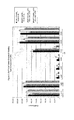
- Figure 1 shows the effect on growth and viability of different concentrations of Compound 2 (C2) for non-transformed vector control Ba/F3 cells (which are IL-3 dependent) as well as Ba/F3 cells expressing the "wild type" p210 Bcr-Abl (designated p210 Bcr-Abl-wt ), and Ba/F3 cells expressing the p210 Bcr-Abl-T315I drug resistant mutant.
- C2 Compound 2
- STI-571 potently inhibits growth of the P210 cell line (grey bar) whereas it is unable to inhibit the growth of the T315I cell line (white bar) even at 10 ⁇ M concentration.
- 500 nM C2 shows the largest specificity gap within this dose-response series. Compare STI-571 at 10 ⁇ M to C2 at 500 nM on the T315I cell line (white bars).
- Figure 2 shows the effect on growth and viability of different concentrations of Compound 6 (C6) for non-transformed vector control Ba/F3 cells as well as Ba/F3 cells expressing the p210 Bcr-Abl-T315I drug resistant mutant. All other details are as per Fig. 1 .
- Figure 3 shows various determinations of the specificity gap by comparing the effects of various compounds identified in the screen in terms of their effects on the prototheramutein- and theramutein-expressing cell lines.
- Compound 3 (C3) shows the best example of the ability of the method to identify a compound that exerts an even greater effect on the theramutein than on its corresponding prototheramutein.
- Panel E Panel A: control DMSO treatments; B: negative heterologous specificity gap; C: slightly positive heterologous specificity gap; D: large positive homologous specificity gap; E: positive heterologous specificity gap. See text for explanations.
- Panel A control DMSO treatments; B: negative heterologous specificity gap; C: slightly positive heterologous specificity gap; D: large positive homologous specificity gap; See text for explanations.
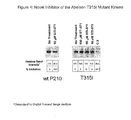
- Figure 4 shows an autoradiograph of recombinant P210 Bcr-Abl wild type and T315I mutant kinase domains assayed for autophosphorylation activity. 200 ng of protein were preincubated with test substances for 10 minutes under standard autophosphoryation reaction conditions and then radiolabelled ATP was added and the reactions proceeded for 30 minutes at 30°C, after which the samples were separated by SDS-PAGE. The gels were silver-stained, dried down under vacuum and exposed to X-ray film. Note that whereas 10 ⁇ M STI 571 is effective against wild type P210 Bcr-Abl, it is virtually ineffective against the T315I kinase domain, even at concentrations up to 100 ⁇ M.
- P210 cell line refers to cells expressing p210 BCR-ABL-wt .
- T315I cell line refers to cells expressing p210 BCR-ABL-T315I .
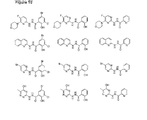
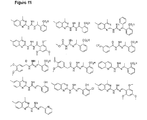
- Figure 5 shows the chemical structures of representative compounds of the present invention.
- Figure 6 shows the chemical structures of representative compounds of the present invention.
- Figure 7 shows the chemical structures of representative compounds of the present invention.
- Figure 8 shows the chemical structures of representative compounds of the present invention.
- Figure 9 shows the chemical structures of representative compounds of the present invention.
- Figure 10 shows the chemical structures of representative compounds of the present invention.
- Figure 11 shows the chemical structures of representative compounds of the present invention.
- Figure 12 shows the chemical structures of representative compounds of the present invention.
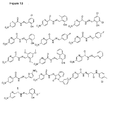
- Figure 13 shows the chemical structures of representative compounds of the present invention.
- halo or halogen as used herein includes fluorine, chlorine, bromine and iodine.
- alkyl as used herein contemplates substituted and unsubstituted, straight and branched chain alkyl radicals having from 1 to 6 carbon atoms.
- Preferred alkyl groups include methyl, ethyl, propyl, isopropyl, butyl, isobutyl, tert -butyl, and the like. Additionally, the alkyl group may be optionally substituted with one or more substituents selected from halo, CN, CO 2 R, C(O)R, C(O)NR 2 , NR 2 , cyclic-amino, NO 2 , and OR.
- cycloalkyl as used herein contemplates substituted and unsubstituted cyclic alkyl radicals.
- Preferred cycloalkyl groups are those with a single ring containing 3 to 7 carbon atoms and includes cyclopropyl, cyclopentyl, cyclohexyl, and the like.
- Other cycloalkyl groups may be selected from C 7 to C 10 bicyclic systems or from C 9 to C 14 tricyclic systems.
- the cycloalkyl group may be optionally substituted with one or more substituents selected from halo, CN, CO 2 R, C(O)R, C(O)NR 2 , NR 2 , cyclic-amino, NO 2 , and OR.
- alkenyl as used herein contemplates substituted and unsubstituted, straight and branched chain alkene radicals. Preferred alkenyl groups are those containing two to six carbon atoms. Additionally, the alkenyl group may be optionally substituted with one or more substituents selected from halo, CN, CO 2 R C(O)R, C(O)NR 2 , NR 2 , cyclic-amino, NO 2 , and OR.
- alkynyl as used herein contemplates substituted and unsubstituted, straight and branched chain alkyne radicals. Preferred alkynyl groups are those containing two to six carbon atoms. Additionally, the alkynyl group may be optionally substituted with one or more substituents selected from halo, CN, CO 2 R, C(O)R, C(O)NR 2 , NR 2 , cyclic-amino, NO 2 , and OR.
- aralkyl as used herein contemplates an alkyl group which has as a substituent an aromatic group, which aromatic group may be substituted and unsubstituted.
- the aralkyl group may be optionally substituted on the aryl with one or more substituents selected from halo, CN, CF 3 , NR 2 , cyclic-amino, NO 2 , OR, CF 3 , -(CH 2 ) x C(O)(CH 2 ) y R, - (CH 2 ) x C(O)N(R')(R"), -(CH 2 ) x C(O)O(CH 2 ) y R, -(CH 2 ) x N(R')(R"), -N(R)SO 2 R, -O(CH 2 ) x C(O)N(R')(R"), -SO 2 N(R')(R") -(CH 2 ) x N(R)-(CH
- heterocyclic group or “heterocyclic ring” as used herein contemplates aromatic and non-aromatic cyclic radicals having at least one heteroatom as a ring member.
- Preferred heterocyclic groups are those containing 5 or 6 ring atoms which includes at least one hetero atom, and includes cyclic amines such as morpholino, piperidino, pyrrolidino, and the like, and cyclic ethers, such as tetrahydrofuran, tetrahydropyran, and the like.
- Aromatic heterocyclic groups also termed "heteroaryl” groups contemplates single-ring hetero-aromatic groups that may include from one to three heteroatoms, for example, pyrrole, furan, thiophene, imidazole, oxazole, thiazole, triazole, pyrazole, pyridine, pyrazine, pyridazine, pyrimidine, and the like.
- heteroaryl also includes polycyclic hetero-aromatic systems having two or more rings in which two atoms are common to two adjoining rings (the rings are "fused") wherein at least one of the rings is a heteroaryl, e.g., the other rings can be cycloalkyls, cycloalkenyls, aryl, heterocycles and/or heteroaryls.
- polycyclic heteroaromatic systems include quinoline, isoquinoline, tetrahydroisoquinoline, quinoxaline, quinaxoline, benzimidazole, benzofuran, purine, imidazopyridine, benzotriazole, and the like.
- heterocyclic groups may be optionally substituted with halo, CN, CF 3 , NR 2 , cyclic-amino, NO 2 , OR, CF 3 , -(CH 2 ) x C(O)(CH 2 ) y R, -(CH 2 ) x C(O)N(R')(R"), -(CH 2 ) x C(O)O(CH 2 ) y R -(CH 2 ) x N(R')(R"), -N(R)SO 2 R, -O(CH 2 ) x C(O)N(R')(R"), -SO 2 N(R')(R"), -(CH 2 ) x N(R)-(CH 2 ) y -R, - (CH 2 ) x N(R)-C(O)-(CH 2 ) y -R, - (CH 2 ) x N(R)-C(O)-O)-
- aryl or "aromatic group” as used herein contemplates single-ring aromatic groups (for example, phenyl, pyridyl, pyrazole, etc.) and polycyclic ring systems (naphthyl, quinoline, etc.).
- the polycyclic rings may have two or more rings in which two atoms are common to two adjoining rings (the rings are "fused") wherein at least one of the rings is aromatic, e.g., the other rings can be cycloalkyls, cycloalkenyls, aryl, heterocycles and/or heteroaryls.
- the aryl groups may be optionally substituted with one or more substituents selected from halo, CN, CF 3 , NR 2 , cyclic-amino, NO 2 , OR, CF 3 , -(CH 2 ) x C(O)(CH 2 ) y R, -(CH 2 ) x C(O)N(R')(R"), -(CH 2 ) x C(O)O(CH 2 ) y R, -(CH 2 ) x N(R')(R"), -N(R)SO 2 R, -O(CH 2 ) x C(O)N(R')(R"), -SO 2 N(R')(R"), -(CH 2 ) x N(R)-(CH 2 ) y - R, -(CH 2 ) x N(R)-C(O)-(CH 2 ) y -R,-(CH 2 ) x ,N
- heteroatom particularly as a ring heteroatom, refers to N, O, and S.
- Each R is independently selected from H, substituted and unsubstituted alkyl, substituted and unsubstituted cycloalkyl, substituted and unsubstituted aralkyl, substituted and unsubstituted aryl and a substituted and unsubstituted heterocyclic ring, wherein the substituted alkyl, substituted cycloalkyl, substituted aralkyl, substituted aryl and substituted heterocyclic ring may be substituted with one or more halo, CN, CF 3 , OH, CO 2 H NO 2 , C 1-6 alkyl, -O-(C 1-6 alkly), -NH 2 , -NH(C 1-6 alkyl) and -N(C 1-6 alkyl) 2 .
- Each R' and R" are independently selected from H, or substituted and unsubstituted alkyl, substituted and unsubstituted cycloalkyl, substituted and unsubstituted aralkyl, substituted and unsubstituted aryl and a substituted and unsubstituted heterocyclic ring, wherein the substituted alkyl, substituted cycloalkyl, substituted aralkyl, substituted aryl and substituted heterocyclic ring may be substituted with one or more halo, CN, CF 3 , OH, CO 2 H, NO 2 , C 1-6 alkyl, -O-(C 1-6 alkyl), -NH 2 , -NH(C 1-6 alkyl) and -N(C 1-6 alkyl) 2 ; or R' and R" may be taken together with the nitrogen to which they are attached form a 5- to 7- membered ring which may optionally contain up to three further heteroatoms.
- the present invention provides inhibitors of the P210 BCR-ABL-T315I theramutein having the formula I wherein:
- ring A is an aromatic ring.
- X 1 or X 2 is N. In another preferred embodiment, both X 1 and X 2 are N.
- Ring A is a pyridine ring or a pyrimidine ring. In still further preferred embodiments, Ring A is selected from the structures provided below:
- R 31 is not selected from halo, -NH 2 , -N(H)(R 0 ), -N(R 0 ) 2 , -O-R 0 , or OH.
- the present invention provides inhibitors of the P210 BCR-ABL-T315I theramutein having the formula I a wherein:
- the present invention provides inhibitors of the P210 BCR-ABL-T315I theramutein having the formula I b wherein:
- R 6 or R 7 is an aryl group, which may be optionally substituted.
- Particularly preferred aryl groups include substituted or unsubstituted phenyl and pyridyl.
- R 21 and R 22 are independently selected from groups which have small steric bulk and are preferably selected from H and CH 3 , and more preferably are H.
- the present invention provides inhibitors of the P210 BCR-ABL-T315I theramutein having the formula II wherein ring A is a 5-, 6-, or 7- membered ring or a 7- to 12-membered fused bicyclic ring; X 1 is selected from N, N-R 0 or C-R 1 ; X 2 is selected from N, N-R 0 or C-R 1 ; the dotted lines represent optional double bonds; each R 1 is independently selected from the group consisting of H, alkyl, cycloalkyl, alkenyl, alkynyl, aralkyl, CN, CF 3 , NO 2 , OR 11 , -(CH 2 ) p C(O)(CH 2 ) q R 11 , -(CH 2 ) p C(O)N(R 12 )(R 13 ), -(CH 2 ) p C(O)O(CH 2 ) q R 11 , -
- the present invention provides inhibitors of the P210 BCR-ABL-T315I theramutein having the formula II a wherein ring A is a 5-, 6-, or 7- membered ring or a 7- to 12-membered fused bicyclic ring; X 1 is selected from N, N-P 0 or C-R 1 ; X 2 is selected from N, N-R 0 or C-R 1 ; the dotted lines represent optional double bonds; each R 1 is independently selected from the group consisting of H, alkyl, cycloalkyl, alkenyl, alkynyl, aralkyl, CN, CF 3 , NO 2 , OR 11 , -(CH 2 ) p C(O)(CH 2 ) q R 11 , -(CH 2 ) p C(O)N(R 12 )(R 13 ), -(CH 2 ) p C(O)O(CH 2 ) q R 11 ,
- the present invention provides inhibitors of the P210 BCR-ABL-T315I theramutein having the formula II b wherein:
- R 60 is selected from halo, CF 3 , and OH.
- Exemplary compounds of the formula II, II a or II b includes the following structures:
- the present invention provides inhibitors of the P210 BCR-ABL-T315I theramutein having the formula III wherein ring A is a 5-, 6-, or 7- membered ring or a 7- to 12-membered fused bicyclic ring; X 1 is selected from N, N-R 0 or C-R 1 ; X 2 is selected from N, N-R 0 or C-R 1 ; the dotted lines represent optional double bonds; each R 1 is independently selected from the group consisting ofH, alkyl, cycloalkyl, alkenyl, alkynyl, aralkyl, CN, CF 3 , NO 2 , OR 11 , -(CH 2 ) p C(O)(CH 2 ) q R 11 , -(CH 2 ) p C(O)N(R 12 )(R 13 ), -(CH 2 ) p C(O)O(CH 2 ) q R 11 ,-(
- the present invention provides inhibitors of the P210 BCR-ABL-T315I theramutein having the formula III a wherein:
- Exemplary compounds of the formula III or III a includes the following structures:
- the present invention provides inhibitors of the P210 BCR-ABLT315I theramutein having the formula IV wherein:
- Exemplary compounds of the formula IV include the following structures:
- the present invention provides inhibitors of the P210 BCR-ABL-T315I theramutein having the formula V wherein:
- the present invention provides inhibitors of the P210 BCR-ABL-T3151 theramutein having the formula V a wherein:
- Exemplary compounds of the formula V or V a include the following structures:
- the present invention provides inhibitors of the P210 BCR-ABL-T315I theramutein having the formula VI wherein:
- the present invention provides inhibitors of the P210 BCR-ABL-T315I theramutein having the formula VI a wherein:
- Exemplary compounds of the formula VI or VI a include the following structures:
- each expression e.g. alkyl, m, n, R, R' etc., when it occurs more than once in any structure, is intended to be independent of its definition elsewhere in the same structure.
- both the cis- and trans- isomers are intended to be encompassed by the formulae depicted herein.
- chemical structures such as, for example, structures II, II a , V, V a , VI, and VI a
- both configurations are meant to be encompassed by the each of the formulae.
- compounds of the invention may exist in several tautomeric forms. Accordingly, the chemical structures depicted herein encompass all possible tautomeric fo of the illustrated compounds.
- the compounds of the invention may generally be prepared from commercially available starting materials and known chemical techniques. Embodiments of the invention may be synthesized as follows. One of skill in the art of medicinal or synthetic chemistry would be readily familiar with the procedures and techniques necessary to accomplish the synthetic approaches given below.
- a protic solvent such as a C 1 to C 6 alcohol
- product C may be isolated by evaporation of the solvent and purification by chromatography using silica gel, alumina, or C 4 to C 18 reverse phase medium. Similar methodology would be applicable in the cases where "Aryl" is replaced by other groups defined under R 5 .
- an insert solvent such as dichloromethane, 1,2-dichloroethane, orN,N-dimethylformamidc
- a base such as pyridine or another tertiary amine
- a catalyst such as 4- N,N -dimethylaininopyridine
- Precursors such as A and D may be prepared by reaction of an appropriate nucleophile, for example, a hydrazine derivative, with a heteroaromatic compound bearing a halo substituent at a position adjacent to a nitrogen atom.
- an appropriate nucleophile for example, a hydrazine derivative
- a heteroaromatic compound bearing a halo substituent at a position adjacent to a nitrogen atom for example, using methods analogous to those described by Wu, et al. (J. Heterocyclic Chem. 1990, 27, 1559-1563 ), Breshears, et al. (J. Am. Chem. Soc. 1959, 81, 3789-3792 ), or Gineinah, et al. (Arch. Pharm. Med. Chem.
- examples of compounds A and D may be prepared starting from, for example, a 2,4-dihalopyrimidine derivative, many of which are commercially available or are otherwise readily prepared by one skilled in the art.
- a 2,4-dihalopyrimidine derivative G treatment of an appropriate 2,4-dihalopyrimidine derivative G with an amine or other nucleophile (Z), optionally in the presence of an added base, selectively displaces the 4-halo substituent on the pyrimidine ring.
- LG leaving group
- Structure G above and the product of reaction of structure G with nucleophile Z, as illustrated above, are examples of such appropriate Ring A derivatives J.
- Suitable LG' groups are halo, alkylthio, alkylsulfonyl, alkylsulfonate or arylsulfonate.
- Treatment of J with an amine R 12 NH 2 effects displacement of LG' to afford intermediates K .
- Intermediates of structure K are transformed to compounds of the invention by simultaneous or sequential introduction of the elements, of R 3 , R 4 , and R 5 .
- intermediates of structure K treatment of intermediates of structure K with a reagent such as cyanamide (NH 2 -CN), typically under conditions of heating and optionally in the presence of acid in a solvent such as ethyl acetate or dioxane, affords intermediates N .
- a reagent such as cyanamide (NH 2 -CN)
- a solvent such as ethyl acetate or dioxane
- An example of such a transformation using cyanamide is reported by Latham et al., J. Org. Chem. 1950,15, 884 .
- An example using nitroguanidine is reported by Davis, Proc. Natl. Acad. Sci. USA 1925, 11, 72 .
- Use of amidinosulfonic acid was reported by Shearer, et al. Bioorg. Med. Chem Lett. 1997
- intermediates K are converted, respectively, to compounds represented by P or Q , which are further embodiments of the invention.
- the non-guanidino carbon-nitrogen double bond of U can be selectively reduced by an appropriate reducing agent such as a metal (boron, aluminum, silicon, etc.) hydride reagents, preferably with properties, to compounds V of the invention.
- an appropriate reducing agent such as a metal (boron, aluminum, silicon, etc.) hydride reagents, preferably with properties, to compounds V of the invention.
- Treatment of the activated carboxylic acid with hydrazine affords the corresponding hydrazide Y.
- Treatment of Y with an aldehyde or ketone affords the desired final product Z.
- Ring A-derived carboxylic acids W may be prepared by treatment of starting material J above with cyanide ion, optionally with heating or transition metal catalysis, to replace the leaving group LG'with a cyano residue. Basic or acidic hydrolysis of the cyano group affords the desired carboxylic acid intermediate W.
- R 32 is not H
- a protected form of monosubstituted hydrazine may be used in the above scheme in place of hydrazine,.
- treatment of the activated carboxylic acid from W with R 32 NHNH-PG, where PG is a nitrogen protecting group such as benzyloxycarbonyl or t-butyioxycarbonyl, followed by deprotection and treatment with an appropriate aldehyde or ketone as above affords Z ', a further embodiment of the invention.
- protecting group means temporary modifications of a potentially reactive functional group which protect it from undesired chemical transformations.
- protecting groups include esters of carboxylic acids, silyl ethers of alcohols, and acetals and ketals of aldehydes and ketones, respectively.
- the field of protecting group chemistry has been reviewed ( Greene, T. W.; Wuts, P. G. M. Protective Groups in Organic Synthesis, 2nd ed.; Wiley: New York, 1991 ).
- a “mutein” is a protein having an amino acid sequence that is altered as a result of a mutation that has occurred in its corresponding gene (Weigel et al, 1989). Such mutations may result in changes in one or more of the characteristics of the encoded protein. For example, an enzyme variant that has modified catalytic activity resulting from a change in one or more amino acids is a mutein.
- This invention is concerned with proteins harboring an alteration of at least one amino acid residue (the terms "amino acid sequence change” or “amino acid sequence alteration” include changes, deletions, or additions, of at least one amino acid residue, or any combination of deletions, additions, changes) such that the resulting mutein has become (as a result of the mutation) resistant to a known therapeutic agent relative to the sensitivity of the non-mutated version of said protein to the therapeutic agent.
- This specialized class of muteins is hereinafter referred to as a theramutein, and the corresponding protein lacking the mutation is referred to herein as aprototheramutein.
- prototheramutein refers to an endogenously occurring protein in a cell that is susceptible to mutation that confers relative insensitivity (i.e. resistance) to a therapeutic compound which otherwise inhibits or activates the protein.
- theramutein refers to an endogenously occurring protein or portion of a protein in a cell that contains at least one amino acid sequence alteration relative to an endogenous form of the protein, wherein the amino acid sequence change is or was identified or becomes identifiable, and is or has been shown to be clinically significant for the development or progression of a given disease, following exposure of at least one human being to a substance that is known to inhibit or activate the prototheramutein.
- a substance need not be limited to a chemical agent for the purposes of first defining the existence of a theramutein.
- a theramutein is a protein which harbors a mutation in its corresponding endogenous gene, wherein said mutation is associated with the development of clinical resistance in a patient to a drug that is normally able to activate or inhibit the non-mutated protein.
- the term "corresponding prototheramutein” refers to the prototheramutein which, through mutation, gives rise to said theramutein.
- the “corresponding theramutein” refers to the theramutein which has arisen by mutation from said prototheramutein.
- the definition of a theramutein excludes proteins encoded by disease-causing infectious agents such as viruses and bacteria.
- endogenous gene refers to a gene that has been present in the chromosomes of the organism at least in its unmutated form, since inception.
- cell refers to a living eukaryotic cell whether in an organism or maintained under appropriate laboratory tissue or organ culture conditions outside of an organism.
- a theramutein is a protein that is altered for the first time with respect to a commonly occurring "wild type" form of the protein (i.e. the prototheramutein).
- a theramutein is a variant of a protein (prototheramutein) that is, itself, already a mutein.
- a theramutein may be further mutated as compared to a previously existing theramutein.
- the first theramutein such as the T315I mutant of p210 BCR-ABL (see below)
- T315I mutant such as the T315I mutant of p210 BCR-ABL (see below)
- subsequent mutations of the (already mutated) T315I variant may be termed a secondary theramutein, tertiary theramutein, etc.
- a mutein of the invention is a variant of Bcr-Ab1 tyrosine kinase that escapes inhibition by an inhibitor of the "wild type" Bcr-Ab1.
- Such a Bcr-Ab1 mutein is altered with respect to a more common or "wild type" form of Bcr-Ab1 (which is also a mutein as well) in such a way that a property of the protein is altered.
- a mutein of primary interest is a theramutein that may have the same, increased, or decreased specific activity relative to its prototheramutein, and that it is not inhibited or is poorly inhibited by an agent that is capable of inhibiting the prototheramutein.
- another theramutein of primary interest is one that has the same, increased or decreased specific activity (relative to its prototheramutein) and that is not activated or is poorly activated by an agent that is capable of activating the prototheramutein.
- theramuteins can include naturally occurring or commonly observed variants of a protein, for example, variants that are expressed from different alleles of a particular gene.
- variants may be unremarkable with respect to their normal cellular function, with functional differences becoming apparent only in the presence of agents that differentially inhibit or activate the cellular function of the variants.
- agents that differentially inhibit or activate the cellular function of the variants For example, naturally occurring variants of a particular enzyme may have activity profiles that are not substantially different, but a therapeutic agent that modulates one may be ineffective in modulating the other.
- one aspect of the invention is the identification of an agent that is active against a theramutein that arises or becomes dominant (by any mechanism) during the course of a treatment for a given disease
- another aspect is the identification of an agent that is active against a mutein that is common within a population of unafflicted individuals, but wherein said mutein is less susceptible to modulation by an approved drug, and where the variation in the activity profile of the mutein becomes important (and is therefore first identified as being a theramutein) in a disease state such as where it is overexpressed or participates in a signaling process which has otherwise become abnormally regulated.
- a neoplastic disease may be caused by abnormal regulation of a cellular component other than the theramutein or its prototheramutein, and still be treatable with an inhibitor of the prototheramutein, whereas the same treatment would be less effective or ineffective where the theramutein was present.
- This can be an issue where it is observed that the response of a particular tumor type to an anticancer agent varies among individuals that express different variants of an enzyme against which the anticancer agent is directed (Lynch et al., 2004).
- the variants would not have arisen or become predominant during the course of treatment of the disease, but are preexisting in the healthy population and are detected only by their altered responsiveness to a particular course of established therapeutic treatment.
- agonist and “activator” of a protein are used interchangeably.
- An activator is limited to a substance that binds to and activates the functioning of a given protein. Unless explicitly stated otherwise, an “activator”, an “agonist”, and an “activator of a protein” are identical in meaning. The activation by an activator may be partial or complete.
- antagonist and “inhibitor” of a protein are used interchangeably.
- An inhibitor is limited to a substance that binds to and inhibits the functioning of a given protein.
- a substance "inhibit(s)" a protein means the substance binds to the protein and reduce(s) the protein's activity in the cell without materially reducing the amount of the protein in the cell.
- a substance "activate(s)" a protein such as a prototheramutein or theramutein, is to state that the substance increased the defined function of the protein in the cell without substantially altering the level of the protein in the cell.
- an "inhibitor”, an “antagonist” and an “inhibitor of a protein” are also synonymous.
- the inhibition by an inhibitor may be partial or complete.
- a modulator is an activator or an inhibitor.
- an “activator of PKC ⁇ 1” should be construed to mean a substance that binds to and activates PKC ⁇ 1 .
- an “inhibitor of p214 Bcr-Ab1 " is a substance that binds to and inhibits the functioning of p210 Bcr-Ab1 .
- To state that a substance "inhibits a protein” requires that the substance bind to the protein in order to exert it inhibitory effect.
- to state that a substance "activates protein X” is to state that the substance binds to and activates protein X.
- binding has their ordinary meanings in the field of biochemistry in terms of describing the interaction between two substances (e.g., enzyme-substrate, protein-DNA, receptor-ligand, etc.).
- the term “binds to” is synonymous with “interacts with” in the context of discussing the relationship between a substance and its corresponding target protein.
- the specificity gap refers to difference between the ability of a given substance, under comparable conditions to inhibit the theramuteins in a cell-based assay system as compared to either:
- heterologous specificity gap (SG) determination when a comparison is made between the effects of two distinct substances (generally, but not always), one of which is tested on the theramutein and the other on the prototheramutein, respectively, the result is termed a heterologous specificity gap (SG) determination.
- SG heterologous specificity gap
- (a) and (c) as given above are examples of heterologous specificity gap (SG) determinations (although one uses the same substance in both instances), whereas (b) is an example of a homologous specificity gap determination.
- substances that are more effective against a theramutein have a "positive specificity gap.”
- a "zero, null or no” specificity gap indicates that there is no significant measurable difference between the effect of a substance on the theramutein as compared to its effect on the prototheramutein (however such compounds may be quite useful in their ability to inhibit or activate both a theramutein and its corresponding prototheramutein), and a "negative specificity gap" indicates a substance that at a given concentration is less effective against the given theramutein than against a form of the corresponding prototheramutein or other comparative form of the theramutein (such as one that may harbor a different mutation).
- the latter category is generally of lesser interest than the former categories of compounds, except in the case where the compound is so potent that its relatively lesser effect on the theramutein is of no real concern from the perspective of therapeutic efficacy.
- the skilled investigator can easily recognize a variety of approaches to quantifying the specificity gap assessment in a manner tailored to his or her needs.
- the invention also provides a means for identifying compounds that exhibit a desired specificity gap. Such compounds can be identified and their ability to inhibit or activate the theramutein determined using an in vitro cell-based assay system where the effect of a substance on the cellular functioning of the mutated endogenous form of the protein is compared to the effect of the same drug on the cellular functioning of a non-mutated endogenous form of the protein.
- the system enables the discovery of compounds capable of binding to a theramutein and exerting a greater modulatory effect on the cellular functioning of said theramutein than on its corresponding prototheramutein. Further, the system enables the discovery of compounds capable of binding to a theramutein and exerting at least as great or greater modulatory effect on the cellular functioning of a theramutein than previously known compounds are able to exert on the corresponding prototheramutein.
- a compound may be screened for and identified that 1) is at least as effective against the theramutein as the original drug is against the prototheramutein, and/or 2) is similarly effective against the prototheramutein as against the theramutein ( i.e. , displays a small or essentially zero specificity gap).
- cells that overexpress a theramutein of, interest are used to identify chemical agents that are inhibitors or activators of (i.e. , that bind to and inhibit or that bind to and activate) at least the selected theramutein.
- the chemical agents may also be inhibitors or activators of the prototheramutein or even other theramuteins of the same prototheramutein.
- the terms "chemical agent” and “compound” are used interchangeably, and both terms refer exclusively to substances that have a molecular weight up to, but not including, 2000 atomic mass units (Daltons).
- biological agents are molecules which include proteins, polypeptides, and nucleic acids, and have molecular weights equal to or greater than 2000 atomic mass units (Daltons).
- a theramutein is selected and used in a cell-based assay system designed to identify agents that are inhibitors or activators of the theramutein. Where two or more distinct theramuteins originating from the same prototheramutein are known, it is preferable to select the most resistant theramutein available for use in the assay system.
- the degree of resistance of a theramutein to a given chemical agent is determined relative to its non-mutated counterpart (prototheramutein) using the drug that was first administered and known to inhibit or activate the prototheramutein and against which the theramutein "arose.”
- the methods of determining the degree of such resistance for example by analysis of IC 50 or AC 50 values, are well known and standard in the art and will not be reiterated herein.
- no causal relationship is necessary or should be inferred between the treatment of the patient with a given therapeutic agent per se and the subsequent appearance of a theramutein. Rather, what is required in order to practice the invention is that a true theramutein be properly selected according to the teachings herein.
- the disclosed compound was able to inhibit a theramutein that is partially resistant to STI-571, but had no activity against the T315I mutant of Bcr-Abl., which was already known at that time to be the theramutein that exhibited the most resistance to STI-571.
- the Huron methodology failed to identify an effective inhibitor of the p210 Bcr-AblT315I theramutein.
- a test cell that displays a carefully selected phenotypic characteristic (as defined below) which is linked to the presence and functional activity of the particular theramutein-of-interest (TOI) in the cell under appropriate conditions.
- phenotypic characteristic i.e. a non-genotypic characteristic of the cell
- TOI the particular theramutein-of-interest
- a phenotypic characteristic is a property which is observed (measured), selected and/or defined for subsequent use in an assay method as described herein. Expression of the phenotypic characteristic is responsive to the total activity of the theramutein in the cell, and is a result of the absolute amount of the theramutein, and its specific activity.
- the phenotypic characteristic is observable as a result of elevated levels of theramutein activity and is not apparent in cells that express low amounts of the theramutein or low amounts of its corresponding prototheramutein. Further, it can often be demonstrated that the phenotypic characteristic is modulated by modulating the specific activity of the theramutein with an inhibitor or activator of the theramutein, although this is not always the case since an inhibitor or activator of the TOI may not always be available at the time the skilled investigator undertakes such a project.
- the skilled investigator may also use a substance capable of increasing or decreasing the expression of the theragene, which will in turn lead to increases or decreases of the level of the corresponding theramutein.
- This allows the skilled investigator to simulate the effects of certain types of activators or inhibitors of the theramutein (such as a suicide inhibitor of the theramutein, which is a class of chemical agent which binds irreversibly and covalently modifies the TOI, rendering it permanently inactive), without actually having access to such a compound, for the purposes of refining the appropriate phenotypic characteristic for subsequently establishing a useful cellular assay system.
- the selected phenotypic characteristic is linked to the activity of the theramutein in the test cell.
- the selected phenotypic characteristic is usually also displayed by a cell that overexpresses the prototheramutein and in which the phenotypic characteristic is modulated by known inhibitors or activators of the prototheramutein.
- a phenotypic characteristic is simply a characteristic of a cell other than a genotypic characteristic of the cell. Except for the specific requirements of a properly defined phenotypic characteristic as disclosed herein for the purposes of creating useful cellular assay systems according to the teachings of certain of the embodiments of the invention, no other limitation of the term phenotypic characteristic of any kind or nature is intended or appropriate in order to properly and effectively practice the invention. Indeed, the skilled artisan must be able to select any characteristic of the cell that maximizes the utility of establishing the proper cell-based assay for his or her needs.
- the phenotypic characteristic can be quantitative or qualitative and be observable or measurable directly (e.g ., observable with the naked eye or with a microscope), but most commonly the characteristic is measured indirectly using standard automated laboratory equipment and assay procedures which are known to those of skill in the art.
- the term "observable” means that a characteristic may be measured or is otherwise detectable under appropriate conditions by any means whatsoever, including the use of any type of laboratory instrumentation available.
- the term “detectable” is not the same as “detected”. A characteristic may be detectable to a skilled artisan without being detected at any given time, depending upon how the investigator chooses to design the assay system.
- Phenotypic characteristics include but are not limited to growth characteristics, transformation state, differentiation state, substrate phosphorylation state, catalytic activity, ion flux across the cell membrane (calcium, sodium, chloride, potassium, hydrogen ions, etc.), pH changes, fluctuations of second messenger molecules or other intracellular chemical species such as cAMP, phosphoinositides, cyclic nucleotides, modulations of gene expression, and the like.
- the characteristic of the cell may be observable or measurable continuously (e.g ., growth rate of a cell), or after a period of time (e.g ., terminal density of a cell culture), or transiently (e.g ., modulation of a mutein causes a transient change in phosphorylation of a substrate of the mutein, or a transient flux in ion flow across the membrane, or elevations or reductions in intracellular cAMP levels).
- a selected phenotypic characteristic may be detected only in the presence of a modulator of the prototheramutein or the theramutein. No limitations are intended with respect to a characteristic that may be selected for measurement.
- a phenotypic characteristic can be focus formation that becomes observable when a cell that over expresses a selected protein is cultured in the presence of an activator of the protein, or it may be a transient increase or decrease in the level of an intracellular metabolite or ion, such as cAMP, calcium, sodium, chloride, potassium, lithium, phosphatidylinositol, cGMP, bicarbonate, etc.
- the characteristic so measured may be determined on a sub-cellular fraction of the cell.
- the initial treatment of the cell with a substance which thereby causes the substance to come into contact with the cell, must be performed on the intact cell, not a sub-cellular fraction.
- the characteristic selected for measurement within the cell must not be an intrinsic physical or chemical property of the theramutein or prototheramutein itself (such as the mere amount (mass) of the protein inside the cell), but rather must be a characteristic that results from the activity of the theramutein inside the cell, thus affecting a characteristic of the cell which is distinct from the theramutein itself, as discussed in detail above.
- theramutein is a protein kinase that is capable of undergoing autophosphorylation
- a process whereby the enzyme is capable of catalyzing the phosphorylation of itself by transferring a terminal phosphate group from ATP onto itself it would NOT be appropriate to select the phosphorylation state of the TOI as an appropriate phenotypic characteristic of the cell for measurement. This is because such a characteristic does not reflect the activity of the TOI on other cellular components.
- autophosphorylation is not necessarily reflective of the activity of a protein kinase in a cell, since mutants of protein kinases are known that retain enzymatic activity sufficient to undergo autophosphorylation, yet have lost the capability to engage in signal transduction events within the cell.
- the classic paper by White et al. (1988) is both educational and noteworthy in this respect.
- responsive phenotypic characteristic means a characteristic of the cell which is responsive to inhibitors or activators of a given protein (prototheramutein or theramutein).
- known therapeutic agent is defined as any agent that has been administered to a human being for the treatment of a disease in a country of the world.
- a useful phenotypic characteristic is disregulation of cell growth and proliferation. It is noted that the same or similar assay may be appropriate for use with many different proteins of interest. For example, disregulations of growth, proliferation, and/or differentiation are common phenotypic characteristics that may result from overexpression of a variety of different cellular proteins. It is an important teaching of this invention that by overexpressing a selected protein in order to cause the appearance of such a phenotypic characteristic, the characteristic becomes linked to the presence, amount, and specific activity of that selected protein under suitable conditions, and this linkage allows the skilled investigator to identify inhibitors or activators of a theramutein of interest (TOI) as desired. Accordingly, the phenotypic characteristic is responsive to changes in the level and/or specific activity of the selected protein. Such a responsive phenotypic characteristic is referred to herein as a "phenoresponse.”
- phenotypic characteristics linked to the functioning of the theramutein generally become more distinguishable (easier to measure) as a theramutein is overexpressed to a greater extent.
- phenoresponses that are observed in response to modulators of the theramutein are often amplified as the functional level of the theramutein is increased. Expressed another way, the selected phenoresponse observed in cells that overexpress the theramutein is particularly sensitive to modulators of the theramutein.
- the theramutein is stably expressed in a test cell.
- Stable expression results in a level of the theramutein in the cell that remains relatively unchanged during the course of an assay.
- stimulation or activation of a component of a signaling pathway may be followed by a refractory period during which signaling is inhibited due to down-regulation of the component.
- such down-regulation is usually sufficiently overcome by artificially overexpressing the theramutein.
- the expression is sufficiently maintained that changes in a phenotypic characteristic that are observed during the course of an assay are due primarily to inhibition or activation of the theramutein, rather than a change in its level, even if down-modulation of the theramutein subsequently occurs.
- transfection followed by transient expression of the theramutein may be employed provided that the selected phenotypic characteristic is measurable and the duration of the assay system is short relative to the progressive decline in the levels of the transiently expressed theramutein is to be expected in such systems over time.
- stably expressing cell lines are preferred ( U.S. Patent No. 4,980,281 ).
- a preferred drug screening method of the present invention involves the following:
- Identification of a theramutein for which a novel inhibitor or activator is desired may be performed using standard techniques (See, Gorre et al., Science, 2001 ; see also PCT/US02/18729 ). Briefly, patients that have been given a course of a therapeutically effective treatment using an activator or inhibitor of a known or suspected prototheramutein and have subsequently shown clinical signs and symptoms consistent with disease relapse are identified, and cells or tissue samples derived from such patients are obtained. Using standard laboratory techniques such as RT-PCR, the sequence of the prototheramutein is determined and compared to the previously determined nucleic acid sequence of the known prototheramutein gene or cDNA sequence.
- Mutations, if present, are identified and are correlated with functional resistance of the prototheramutein's function either in cell-based or, more commonly, cell-free assay systems, again using standard methodology. Once resistance-inducing mutations are confirmed, then said one or more confirmed mutants comprise a defined theramutein which may be used in the subsequent methods as described herein.
- Provision of a test cell that expresses a theramutein of interest and displays an observable (measurable) phenotypic characteristic which has been previously shown to be responsive to inhibitors or activators of the theramutein or, more commonly, the corresponding prototheramutein.
- Said specific phenotypic characteristic that has been previously shown to be responsive to inhibitors or activators of the theramutein-of-interest (TOI), and/or the prototheramutein-of-interest (pTOI) is defined herein for the first time as a "phenoresponse.”
- TOI the theramutein-of-interest
- pTOI prototheramutein-of-interest
- One embodiment of this invention is the definitive use of the phenoresponse for the purpose of identifying compounds that are likely to be inhibitors or activators of the TOI.
- This may be accomplished through the use of a high-throughput screen using a cell line overproducing a given TOI and for which an appropriate phenoresponse has been identified and characterized.
- a high-throughput primary screen using a more generic phenotypic characteristic of a cell line (that does not qualify as a phenoresponse according to the teachings herein) and then utilize a secondary screen according to the teachings herein to distinguish between compounds that are true positive "hits", i.e. inhibitors or activators of the theramutein of interest, from false positive compounds that are not inhibitors or activators of the theramutein of interest.
- a cell is selected that naturally expresses the theramutein such that a responsive phenotypic characteristic is present under suitable culture conditions which are obvious to one of ordinary skill in the art.
- the theramutein is overexpressed, in some instances in a host cell that does not otherwise express the theramutein at all. This usually involves construction of an expression vector from which the theramutein can be introduced into a suitable host cell and overexpressed using standard vector systems and methodology. (Gorre et al., 2002; Housey et al., 1988).
- overexpression results in a level of the theramutein that is at least about 3 times the, amount of the protein usually present in a cell. Alternatively, the amount is at least about 10 times the amount usually present in a cell. In another embodiment, the amount is at least about 20 times or more preferably at least about 50 times the amount usually present in a cell.
- the control cell usually displays substantially the same phenotypic characteristic as the test cell.
- the phenotypic characteristic need not be quantitatively alike in both cells, however.
- a mutation that leads to reactivation of the prototheramutein may also increase, decrease, or otherwise affect its specific activity with respect to one or more of its substrates in the cell. As a result, it may exhibit the selected phenotypic characteristic to a greater or lesser extent.
- test and control cells may be desirable in some cases to adjust expression of either or both of the prototheramutein and the theramutein such that test and control cells exhibit the phenotypic characteristic to approximately the same degree.
- This may be done, for example, by expressing the proteins from promoters whose activity can be adjusted by adjusting the amount of inducer present, all using standard methodology (see, for example, Maniatis et al.)
- a properly defined phenoresponse may be quantitatively different between the prototheramutein- and the theramutein-expressing cell lines as a result of differences in the specific activity (if any) between the theramutein and its corresponding prototheramutein.
- Theramutein-inducing mutations may increase or decrease the specific activity of said theramutein relative to the corresponding prototheramutein.
- the selected phenoresponse is qualitatively the same in both cell types.
- the skilled investigator may choose to normalize the activity of the theramutein-expressing cell line to that of the prototheramutein-expressing cell line, or vice versa.
- Such normalization methods are standard in the art. See, for example, Bolstad et al. (2003).
- the skilled investigator may also wish to use unmodified host cells or host cells harboring the expression vector only as control cells for certain experimental procedures.
- the host cells are the cells into which an expression vector encoding the theramutein was introduced in order to generate the test cells.
- This may be the case where the investigator is only interested in identifying a specific inhibitor or activator of the theramutein of interest, irrespective of whether or not said compound is also active against the prototheramutein of interest (pTOI). [Replace the work active]
- test and control cells are then maintained or propagated (although not necessarily at the same time) in growth media (or even in intact animals) under suitable conditions such that the phenoresponse may be expressed and assayed.
- Control cells that are expressing the prototheramutein may be treated with a known modulator of the prototheramutein, or with a test substance, and test cells are treated with test compounds to determine whether they are active against the theramutein, as measured by the ability of said substances to modulate the phenoresponse in the expected manner.
- control cells not expressing the prototheramutein may also be substituted, depending upon the particular phenoresponse that the skilled investigator has chosen for study. Substances may then be assayed on the test cells and, optionally, on the control cells at the same time, or at another time, and the results compared.
- substances that are active with regard to the test cells can be rapidly identified by their ability to modulate the phenoresponse of the test cells in the same manner as, for example, the known modulator of the prototheramutein alters the phenoresponse of prototheramutein-expressing control cells.
- active substances may be identified by their ability to modulate the activity of the theramutein in the test cells while having little or no effect on the unmodified (prototheramutein and/or theramutein non-expressing) control cells.
- modulators that are more effective against the theramutein, or that are equally effective against both the prototheramutein and one or more corresponding specific theramuteins.
- phenoresponses can be observed and/or measured and include, for example, detection of substrates of the prototheramutein, and detection of gene expression changes that are regulated by the activity of the theramutein.
- any characteristic of the cell that the skilled investigator has previously correlated with the functional activity of the theramutein may be suitable for use with such methods.
- the skilled investigator must first verify that said characteristic fulfills the criteria of being a phenoresponse according the teachings as given in detail herein.
- the skilled investigator may also wish to normalize the phenoresponse with the theramutein expressing cells to that of the prototheramutein expressing cells.
- Characteristics suitable for detection may be measured by a variety of methods very well known to those of skill in the art. Such methods include, but are not limited to, detection of fluorescence of suitably labeled proteins (FACS), immunohistochemistry (IHC) for detection of protein expression, competitive radioligand binding assays, solid matrix blotting techniques, such as Northern, Southern, and Western blots of cell extracts, reverse transcriptase polymerase chain reaction (RT-PCR), enzyme linked immunosorbent assays (ELISA), phosphorylation assays, gel retardation assays, membrane potential perturbations, and the like.
- FACS fluorescence of suitably labeled proteins
- IHC immunohistochemistry
- solid matrix blotting techniques such as Northern, Southern, and Western blots of cell extracts, reverse transcriptase polymerase chain reaction (RT-PCR), enzyme linked immunosorbent assays (ELISA), phosphorylation assays, gel retardation assays, membrane potential perturbations, and the like.
- the method is used to identify substances that are inhibitors of the p210 Bcr-Abl-T315I theramutein.
- the prototheramutein and theramutein are each expressed in Ba/F3 (murine) cells using standard methodology and the phenoresponses that are observed are growth characteristics (terminal cell density for a carefully defined cell culture, and growth in the absence of Interleukin-3 (IL-3).
- Unmodified host cells, or host cells containing the expression vector only or both, may optionally also be used.
- the test cells alone may be used with or without reference to a known inhibitor or activator.
- Another useful assay is the determination of the state of phosphorylation of a direct substrate of p210 Bcr-Abl-T315I .
- a direct substrate of p210 Bcr-Abl-T315I One such substrate is Crkl ( Gorre et al., Science 293:876-80 (2001 )), an adapter protein which mediates the connection between Bcr-Abl and Ras.
- the phosphorylation state of CRKL is representative of the signaling activity of p210 Bcr-Abl in a cell.
- Another downstream substrate is p62DOK. Any such substrate would suffice for these purposes, provided of course that phosphorylation of said substrate has been shown to occur inside the cell, and is not simply an autophosphorylation event of the TOI or PTOI as discussed above.
- Signal transduction cascade components may also be monitored, including src family kinases, STAT5, PI3 Kinase, raf kinase, RAS, MEK, ERK1 and ERK2, JNK1, 2 and 3, MLK1, 2 and 3, MKK4, MKK7, AKT, mTOR, HSP90, and others.
- src family kinases STAT5, PI3 Kinase, raf kinase, RAS, MEK, ERK1 and ERK2, JNK1, 2 and 3, MLK1, 2 and 3, MKK4, MKK7, AKT, mTOR, HSP90, and others.
- inhibitors of the T315I theramutein have been identified. Furthermore, these inhibitors are also active to differing extents against the wild type prototheramutein p210 Bcr-Abl-Wt .
- a therapeutically effective amount of one or more compounds that modulate the functional activity of a p210 Bcr-Abl theramutein is administered to a mammal in need thereof.
- administering means delivering the compounds of the present invention to a mammal by any method that may achieve the result sought. They may be administered, for example, orally, parenterally (intravenously or intramuscularly), topically, transdemally or by inhalation.
- mammal as used herein is intended to include, but is not limited to, humans, laboratory animals, domestic pets and farm animals.
- “Therapeutically effective amount” means an amount of a compound that, when administered to a mammal, is effective in producing the desired therapeutic effect, such as inhibiting kinase activity, inhibiting cancer cell growth and division, etc.
- the invention provides a method of treating disease in a mammal by administering to the mammal an effective amount, of a modulator of a theramutein.
- Suitable diseases to be treated according to the present invention include, but are not limited to, relapsing neoplastic or other proliferative disorders that have become resistant to previously administered drugs.
- the method is also useful for overcoming variation among individuals with respect to susceptibility to drug treatment that results from allelic differences among therapy targets. For example, the role of p210 Bcr-Abl yrosine kinase signaling in CML has been extensively demonstrated, as has the role of theramuteins of p210 Bcr-Abl in drug resistant recurrence of CML.
- theramutein modulators are administered in combination with one or more other anti-neoplastic agents.
- Any suitable anti-neoplastic agent can be used, such as a chemotherapeutic agent, radiation or combinations thereof.
- the anti-neoplastic agent can be an alkylating agent or an anti-metabolite. Examples of alkylating agents include, but are not limited to, cisplatin, cyclophosphamide, melphalan, and dacarbazine.
- anti-metabolites include, but not limited to, doxorubicin, daunorubicin, and paclitaxel, gemcitabine, and topoisomerase inhibitors irinotecan (CPT-11), aminocamptothecin, camptothecin, DX-8951f, topotecan (topoisomerase I inhibitor), and etoposide (VP-16; topoisomerase II inhibitor) and teniposide (VM-26; topoisomerase II inhibitor).
- the anti-neoplastic agent is radiation
- the source of the radiation can be either external (external beam radiation therapy - EBRT) or internal (brachytherapy - BT) to the patient being treated.
- the dose of anti-neoplastic agent administered depends on numerous factors, including, for example, the type of agent, the type and severity of the tumor being treated and the route of administration of the agent. It should be emphasized, however, that the present invention is not limited to any particular dose, route of administration, or combination of chemotherapeutic agents or other therapeutic regimens that are combined with the administration of theramutein modulators.
- Anti-neoplastic agents which are presently known in the art or being evaluated can be grouped into a variety of classes including, for example, mitotic inhibitors, alkylating agents, anti-metabolites, intercalating antibiotics, growth factor inhibitors, cell cycle inhibitors, enzymes, topoisomerase inhibitors, anti survival agents, biological response modifiers, anti-hormones, and anti-angiogenesis agents, all of which can be administered with inhibitors or activators of theramuteins.
- a modulator of a theramutein can be administered with antibodies that neutralize other receptors involved in tumor growth. Further, a modulator of a theramutein can be administered with a compound that otherwise modulates a component of a signal transduction pathway, preferably a component of the signal transduction pathway in which the theramutein is active and which is common to one or more other signal transduction pathways.
- a theramutein modulator is used in combination with a receptor antagonist that binds specifically to the Epidermal Growth Factor Receptor (EGFR).
- EGFR Epidermal Growth Factor Receptor
- Particularly preferred are antigen-binding proteins that bind to the extracellular domain of EGFR and block binding of one or more of its ligands and/or neutralize ligand-induced activation of EGFR.
- An EGFR antagonist can be an antibody that binds to EGFR or a ligand of EGFR and inhibits binding of EGFR to its ligand.
- Ligands for EGFR include, for example, EGF, TGF- ⁇ , amphiregulin, heparin-binding EGF (HB-EGF) and betacellulin.
- EGF and TGF- ⁇ are thought to be the main endogenous ligands that result in EGFR-mediated stimulation, although TGF- ⁇ has been shown to be more potent in promoting angiogenesis.
- the EGFR antagonist can bind externally to the extracellular portion of EGFR, which can or can not inhibit binding of the ligand, or internally to the tyrosine kinase domain in the case of chemical agents.
- EGFR antagonists that bind EGFR include, without limitation, biological agents such as antibodies (and functional equivalents thereof) specific for EGFR, and chemical agents (small molecules), such as synthetic kinase inhibitors that act directly on the cytoplasmic domain of EGFR.
- VDGFR-1 and VEGFR-2 vascular endothelial growth factor-1 and VEGFR-2
- PDGFR-1 and VEGFR-2 platelet-derived growth factor
- NGFR nerve growth factor
- FGFR fibroblast growth factor
- the theramutein inhibitor is administered before, during, or after commencing therapy with another agent, as well as any combination thereof, i . e ., before and during, before and after, during and after, or before, during and after commencing the anti-neoplastic agent therapy.
- the theramutein inhibitor can be administered between 1 and 30 days, preferably 3 and 20 days, more preferably between 5 and 12 days before commencing radiation therapy.
- chemotherapy is administered prior to, concurrently with or, more preferably, subsequent to antibody therapy.
- any suitable method or route can be used to administer theramutein inhibitors of the invention, and optionally, to co-administer anti-neoplastic agents and/or antagonists of other receptors.
- the anti-neoplastic agent regimens utilized according to the invention include any regimen believed to be optimally suitable for the treatment of the patient's neoplastic condition. Different malignancies can require use of specific anti-tumor antibodies and specific anti-neoplastic agents, which will be determined on a patient to patient basis.
- Routes of administration include, for example, oral, intravenous, intraperitoneal, subcutaneous, or intramuscular administration.
- the dose of antagonist administered depends on numerous factors, including, for example, the type of antagonists, the type and severity tumor being treated and the route of administration of the antagonists. It should be emphasized, however, that the present invention is not limited to any particular method or route of administration.
- Suitable carriers include, for examples, one or more of water, saline, phosphate buffered saline, dextrose, glycerol, ethanol and the like, as well as combinations thereof. Carriers can further comprise minor amounts of auxiliary substances, such as wetting or emulsifying agents, preservatives or buffers, which enhance the shelf life or effectiveness of the theramutein modulator as the active ingredient.
- the compositions can, as is well known in the art, be formulated so as to provide quick, sustained or delayed release of the active ingredient after administration to the mammal.
- compositions of this invention can be in a variety of forms. These include, for example, solid, semi-solid and liquid dosage forms, such as tablets, pills, powders, liquid solutions, dispersions or suspensions, liposomes, suppositories, -injectable and infusible solutions.
- solid, semi-solid and liquid dosage forms such as tablets, pills, powders, liquid solutions, dispersions or suspensions, liposomes, suppositories, -injectable and infusible solutions.
- the preferred form depends on the intended mode of administration and therapeutic application.
- compositions of the present invention are prepared in a manner well known in the pharmaceutical art.
- the active ingredient will usually be mixed with a carrier, or diluted by a carrier and/or enclosed within a carrier which can, for example, be in the form of a capsule, sachet, paper or other container.
- a carrier which can, for example, be in the form of a capsule, sachet, paper or other container.
- the carrier serves as a diluent, it can be a solid, semi-solid, or liquid material, which acts as a vehicle, excipient or medium for the active ingredient.
- the composition can be in the form of tablets, lozenges, sachets, cachets, elixirs, suspensions, aerosols (as a solid or in a liquid medium), ointments containing, for example, up to 10% by weight of the active compound, soft and hard gelatin capsules, suppositories, injection solutions, suspensions, sterile packaged powders and as a topical patch.
- compositions of the present invention can be administered to any suitable mammal, such as a rabbit, rat, or mouse. More preferably, the mammal is a human.
- the compounds according to the invention may also be present as salts.
- Pharmaceutically acceptable salts refers to an acid addition salt or a basic addition salt of a compound of the invention in which the resulting counter ion is understood in the art to be generally acceptable for pharmaceutical uses.
- Pharmaceutically acceptable salts can be salts of the compounds according to the invention with inorganic or organic acids.
- salts with inorganic acids such as, for example, hydrochloric acid, hydrobromic acid, phosphoric acid or sulfuric acid
- organic carboxylic or sulfonic acids such as, for example, acetic acid, maleic acid, fumaric acid, malic acid, citric acid, tartaric acid, lactic acid, benzoic acid, or methanesulfonic acid, ethanesulfonic acid, phenylsulfonic acid, toluenesulfonic acid or naphthalenedisulfonic acid.
- Pharmaceutically acceptable salts can also be metal or ammonium salts of the compounds according to the invention.
- ammonium salts which are derived from ammonia or organic amines, such as, for example, ethylamine, di- or triethylamine, di- or triethanolamine, dicyclohexylamine, dimethylaminoethanol, arginine, lysine, ethylenediamine or 2-phenylethylamine. (see, Berge et al. J. Pharm. Sci, 1977, 66, 1-19 ).
- p210 Bcr-Abl-T315I is a theramutein of the p210Ber-Abl protein (p210 Bcr-AbI ) that is resistant to inhibition by imatinib mesylate (Gleevec, STI-571).
- the mutation at position 315 converts a threonine to an isoleucine residue and is one of several mutations that are observed among resistant or relapsed patients. This particular mutant, however, is the most resistant such theramutein yet identified.
- a phenoresponse was determined for a Ba/F3 cell line engineered to overexpress the p210 Bcr-Abl-T315I theramutein.
- the phenoresponse was determined relative to non-transformed Ba/F3 cells and Ba/F3 cells that express the p210 Bcr-Abl-wt prototheramutein.
- the phenoresponse was the ability of the T315I mutants to grow to a higher cell saturation density under analogous culture conditions as compared to the control non-transformed Ba/F3 cell line, and to grow in the absence of interleukin 3 (IL-3), which is required for maintenance of the control non-transformed Ba/F3 cell line.
- the phenoresponse was defined and characterized according to the teachings given above.
- the detection system utilized was a high speed cell imaging and counting system in which 3 ⁇ l sample volumes of cells were sequentially injected through a 5 ⁇ l optical microcell, digitally imaged and electronically stored, scanned, and then counted, all under a microcomputer-based control system.
- the system has the capacity to perform direct cell counts on samples from cultures as small as 500 ⁇ l and provides statistically significant total cell counts from culture samples containing as few as 12,500 cells. All of the figures displaying cell count and viability assays utilized this system for data acquisition and analysis.
- the system is also capable of determining overall cell viability by distinguishing counted, imaged cells that have excluded trypan blue (counted as “viable” cells) from cells which have taken up the trypan blue dye (counted as "non-viable” cells). Injection of trypan blue into the cell sample occurs immediately prior to the sample being sequentially injected into the microcell for simultaneous cell counting and imaging.
- the system may be integrated into the workflow of high-throughput screening devices to provide a sensitive and precise cell counting and cell viability assay system that is more reliable and less prone to confounding effects of metabolic viability-based cellular assays such as XTT or Alamar blue.
- Compounds of interest were those that differentially inhibited growth of Ba/F3 cells expressing the p210 Bcr-Abl-T315I theramutein relative to non - transformed wild type Ba/F3 cells.
- Six compounds were identified that fulfilled the desired criteria, and some of these compounds were analyzed in further detail using the Ba/F3 p210 Bcr-Abl-wt cells line (Ba/F3 P210 cells) as well.
- One compound was unavailable for further testing due to lack of availability of additional material from the chemical supplier.
- the remaining five compounds were independently evaluated in additional cell-based assays using the aforementioned cell lines as well as in a cell-free purified protein kinase assay using human recombinantly produced 120 Kd kinase domain fragments isolated from both wild type P210 Bcr-Ab1 as well as P210 T315I mutant kinase domain.
- FIG. 1 and 2 Representative examples of the cell-based assay results demonstrating selective inhibition of growth of the Ba/F3 T315I cell line relative to the wild type non-transformed Ba/F3 cells are shown in Figures 1 and 2 .
- the compounds inhibited growth and reduced the viability of cells expressing the T315I theramutein at concentrations under which the growth and viability of the wild type Ba/F3 non-transformed cells (not expressing either p210 Bcr-Abl-wt or p210 Bcr-Abl-T315I ) were relatively unaffected, whereas cells expressing both the prototheramutein as well as the theramutein were substantially inhibited.
- the T315I expressing cells were inhibited to an even greater extent than the P210 prototheramutein expressing cells. (See, for example, Figure 3 , right hand side, Compound 3 results against P210 and T315I cells.
- the methods presented herein provide a fundamental advance in the form of a generalizable approach for creating or identifying modulators of any given theramutein.
- the results demonstrate conclusively the power of the method to identify critically needed compounds to overcome a specific type of acquired drug resistance that is uniformly fatal in certain patient populations and is presently untreatable.
- the techniques and methods described herein may, using obvious modifications, be straighforwardly generalized to any potential theramutein of clinical significance.
Landscapes
- Health & Medical Sciences (AREA)
- Chemical & Material Sciences (AREA)
- Organic Chemistry (AREA)
- Life Sciences & Earth Sciences (AREA)
- Engineering & Computer Science (AREA)
- General Health & Medical Sciences (AREA)
- Medicinal Chemistry (AREA)
- Immunology (AREA)
- Biomedical Technology (AREA)
- Pharmacology & Pharmacy (AREA)
- Animal Behavior & Ethology (AREA)
- Public Health (AREA)
- Veterinary Medicine (AREA)
- Epidemiology (AREA)
- Molecular Biology (AREA)
- Hematology (AREA)
- Urology & Nephrology (AREA)
- Biotechnology (AREA)
- Microbiology (AREA)
- Biochemistry (AREA)
- Analytical Chemistry (AREA)
- Physics & Mathematics (AREA)
- Cell Biology (AREA)
- Food Science & Technology (AREA)
- Pathology (AREA)
- General Physics & Mathematics (AREA)
- Bioinformatics & Cheminformatics (AREA)
- Tropical Medicine & Parasitology (AREA)
- Toxicology (AREA)
- Chemical Kinetics & Catalysis (AREA)
- General Chemical & Material Sciences (AREA)
- Nuclear Medicine, Radiotherapy & Molecular Imaging (AREA)
- Emergency Medicine (AREA)
- Oncology (AREA)
- Virology (AREA)
- Zoology (AREA)
- Communicable Diseases (AREA)
- Proteomics, Peptides & Aminoacids (AREA)
- Wood Science & Technology (AREA)
- Genetics & Genomics (AREA)
Priority Applications (2)
| Application Number | Priority Date | Filing Date | Title |
|---|---|---|---|
| EP17200818.7A EP3461813A1 (de) | 2004-05-23 | 2005-05-23 | Theramuteinmodulatoren |
| EP13157641.5A EP2612852A1 (de) | 2004-05-23 | 2005-05-23 | Theramuteinmodulatoren |
Applications Claiming Priority (4)
| Application Number | Priority Date | Filing Date | Title |
|---|---|---|---|
| US57396204P | 2004-05-23 | 2004-05-23 | |
| US63301304P | 2004-12-03 | 2004-12-03 | |
| PCT/US2005/018412 WO2005115992A1 (en) | 2004-05-23 | 2005-05-23 | Theramutein modulators |
| EP05754265A EP1751115A4 (de) | 2004-05-23 | 2005-05-23 | Theramuteinmodulatoren |
Related Parent Applications (2)
| Application Number | Title | Priority Date | Filing Date |
|---|---|---|---|
| EP05754265.6 Division | 2005-05-23 | ||
| EP05754265A Division EP1751115A4 (de) | 2004-05-23 | 2005-05-23 | Theramuteinmodulatoren |
Related Child Applications (3)
| Application Number | Title | Priority Date | Filing Date |
|---|---|---|---|
| EP17200818.7A Division-Into EP3461813A1 (de) | 2004-05-23 | 2005-05-23 | Theramuteinmodulatoren |
| EP17200818.7A Division EP3461813A1 (de) | 2004-05-23 | 2005-05-23 | Theramuteinmodulatoren |
| EP13157641.5A Division-Into EP2612852A1 (de) | 2004-05-23 | 2005-05-23 | Theramuteinmodulatoren |
Publications (3)
| Publication Number | Publication Date |
|---|---|
| EP2447252A2 true EP2447252A2 (de) | 2012-05-02 |
| EP2447252A3 EP2447252A3 (de) | 2013-03-06 |
| EP2447252B1 EP2447252B1 (de) | 2020-01-15 |
Family
ID=35450812
Family Applications (4)
| Application Number | Title | Priority Date | Filing Date |
|---|---|---|---|
| EP17200818.7A Withdrawn EP3461813A1 (de) | 2004-05-23 | 2005-05-23 | Theramuteinmodulatoren |
| EP13157641.5A Withdrawn EP2612852A1 (de) | 2004-05-23 | 2005-05-23 | Theramuteinmodulatoren |
| EP11180106.4A Revoked EP2447252B1 (de) | 2004-05-23 | 2005-05-23 | Theramuteinmodulatoren |
| EP05754265A Withdrawn EP1751115A4 (de) | 2004-05-23 | 2005-05-23 | Theramuteinmodulatoren |
Family Applications Before (2)
| Application Number | Title | Priority Date | Filing Date |
|---|---|---|---|
| EP17200818.7A Withdrawn EP3461813A1 (de) | 2004-05-23 | 2005-05-23 | Theramuteinmodulatoren |
| EP13157641.5A Withdrawn EP2612852A1 (de) | 2004-05-23 | 2005-05-23 | Theramuteinmodulatoren |
Family Applications After (1)
| Application Number | Title | Priority Date | Filing Date |
|---|---|---|---|
| EP05754265A Withdrawn EP1751115A4 (de) | 2004-05-23 | 2005-05-23 | Theramuteinmodulatoren |
Country Status (11)
| Country | Link |
|---|---|
| US (11) | US8367038B2 (de) |
| EP (4) | EP3461813A1 (de) |
| JP (6) | JP2008514547A (de) |
| KR (1) | KR101347830B1 (de) |
| CN (2) | CN106434833A (de) |
| AU (1) | AU2005247943A1 (de) |
| CA (2) | CA2567813C (de) |
| DK (1) | DK2447252T3 (de) |
| ES (1) | ES2777924T3 (de) |
| NZ (1) | NZ552298A (de) |
| WO (1) | WO2005115992A1 (de) |
Families Citing this family (13)
| Publication number | Priority date | Publication date | Assignee | Title |
|---|---|---|---|---|
| RS20060190A (sr) | 2003-10-14 | 2008-08-07 | Pfizer Products Inc., | Biciklični /3.1.0/ derivati kao inhibitori transportera glicina |
| EP3461813A1 (de) | 2004-05-23 | 2019-04-03 | Gerard M. Housey | Theramuteinmodulatoren |
| GEP20105053B (en) | 2005-04-08 | 2010-07-26 | Pfizer Prod Inc | Bicyclic [3.1.0] heteroaryl amides as type i glycine transport inhibitors |
| US8431110B2 (en) | 2005-05-23 | 2013-04-30 | Hmi Medical Innovations, Llc. | Compounds and method of identifying, synthesizing, optimizing and profiling protein modulators |
| NZ564222A (en) * | 2005-06-14 | 2011-10-28 | Taigen Biotechnology Co Ltd | Pyrimidine compounds |
| US8193206B2 (en) | 2005-06-14 | 2012-06-05 | Taigen Biotechnology Co., Ltd. | Pyrimidine compounds |
| EP1928847A4 (de) * | 2005-08-29 | 2011-08-10 | Gerard M Housey | Theramuteinmodulatoren |
| CN103789389B (zh) * | 2005-11-23 | 2017-01-04 | 杰勒德·M·豪斯 | 鉴定、合成、优化和表征蛋白调节剂的化合物和方法 |
| WO2008091681A2 (en) * | 2007-01-23 | 2008-07-31 | Housey Gerard M | Theramutein modulators |
| WO2008106202A1 (en) * | 2007-02-27 | 2008-09-04 | Housey Gerard M | Theramutein modulators |
| DK2268635T3 (en) | 2008-04-21 | 2015-09-14 | Taigen Biotechnology Co Ltd | Heterocyclic Compounds |
| WO2022115645A1 (en) | 2020-11-25 | 2022-06-02 | Akagera Medicines, Inc. | Lipid nanoparticles for delivery of nucleic acids, and related methods of use |
| CA3256897A1 (en) | 2022-05-25 | 2023-11-30 | Akagera Medicines, Inc. | Lipid nanoparticles for the administration of nucleic acids and their methods of use |
Citations (3)
| Publication number | Priority date | Publication date | Assignee | Title |
|---|---|---|---|---|
| US4980281A (en) | 1988-02-10 | 1990-12-25 | Housey Gerard M | Method of screening for protein inhibitors and activators |
| US5506107A (en) | 1991-05-10 | 1996-04-09 | Genentech, Inc. | Selecting ligand agonists and antagonists |
| US6004931A (en) | 1993-05-25 | 1999-12-21 | Genentech, Inc. | Method for inhibiting growth hormone action |
Family Cites Families (88)
| Publication number | Priority date | Publication date | Assignee | Title |
|---|---|---|---|---|
| US3887699A (en) | 1969-03-24 | 1975-06-03 | Seymour Yolles | Biodegradable polymeric article for dispensing drugs |
| US3647858A (en) | 1970-05-01 | 1972-03-07 | Merck & Co Inc | Process for preparing 1-benzylidene-3-indenyl acetic acids |
| US3940486A (en) | 1971-05-10 | 1976-02-24 | Ciba-Geigy Corporation | Imidazole derivatives in the treatment of pain |
| JPS599170B2 (ja) | 1976-06-11 | 1984-02-29 | 株式会社クボタ | スカム吸引方法とその装置 |
| AU518216B2 (en) | 1977-09-06 | 1981-09-17 | Hafslund Nycomed Pharma Aktiengesellschaft | Thienothiazine derivatives |
| DE2756113A1 (de) | 1977-12-16 | 1979-06-21 | Thomae Gmbh Dr K | Neue 4-hydroxy-2h-1,2-benzothiazin- 3-carboxamid-1,1-dioxide, verfahren zu ihrer herstellung und diese enthaltende arzneimittel |
| PH19942A (en) | 1980-11-18 | 1986-08-14 | Sintex Inc | Microencapsulation of water soluble polypeptides |
| IE52535B1 (en) | 1981-02-16 | 1987-12-09 | Ici Plc | Continuous release pharmaceutical compositions |
| US4480038A (en) | 1982-04-30 | 1984-10-30 | E. I. Dupont De Nemours And Company | Density separation of protein overproducing bacteria |
| US4500637A (en) | 1982-07-19 | 1985-02-19 | The United States Of America As Represented By The Department Of Health And Human Services | Prevention of graft versus host disease following bone marrow transplantation |
| US4532204A (en) | 1982-07-19 | 1985-07-30 | Massachusetts Institute Of Technology | Mutation assays involving blood cells that metabolize toxic substances |
| US4714613A (en) | 1982-09-30 | 1987-12-22 | The Albert Einstein College Of Medicine Of Yeshiva University | Method of suppressing cell growth by immunotherapy |
| EP0133968B1 (de) | 1983-07-29 | 1989-06-07 | Mitsubishi Denki Kabushiki Kaisha | Festkörperüberstromdetektor |
| HUT35524A (en) | 1983-08-02 | 1985-07-29 | Hoechst Ag | Process for preparing pharmaceutical compositions containing regulatory /regulative/ peptides providing for the retarded release of the active substance |
| DE3413608A1 (de) | 1984-04-11 | 1985-10-24 | Hoechst Ag, 6230 Frankfurt | Implantierbare zubereitungen von regulatorischen peptiden mit gesteuerter freisetzung und verfahren zu ihrer herstellung |
| US4569916A (en) | 1984-05-21 | 1986-02-11 | Massachusetts Institute Of Technology | Assay for tumor promoting agents |
| US4738922A (en) | 1984-05-25 | 1988-04-19 | Dana Farber Cancer Institute | Trans-acting transcriptional factors |
| US4736866B1 (en) | 1984-06-22 | 1988-04-12 | Transgenic non-human mammals | |
| JPS6147500A (ja) | 1984-08-15 | 1986-03-07 | Res Dev Corp Of Japan | キメラモノクロ−ナル抗体及びその製造法 |
| US4557398A (en) | 1984-08-17 | 1985-12-10 | International Paper Company | End closure structure for a container |
| GB8422238D0 (en) | 1984-09-03 | 1984-10-10 | Neuberger M S | Chimeric proteins |
| WO1986003007A1 (en) | 1984-11-16 | 1986-05-22 | Chou Iih Nan | Assay for the detection of epigenetic toxic substances |
| JPS61134325A (ja) | 1984-12-04 | 1986-06-21 | Teijin Ltd | ハイブリツド抗体遺伝子の発現方法 |
| DE3588134T2 (de) | 1984-12-24 | 1997-03-20 | Genentech Inc | Fusionen von AIDS-verwandten Polypeptiden |
| US4695459A (en) | 1984-12-26 | 1987-09-22 | The Board Of Trustees Of Leland Stanford Junior University | Method of treating autoimmune diseases that are mediated by Leu3/CD4 phenotype T cells |
| EP0193284B1 (de) | 1985-02-05 | 1990-07-18 | THE UNITED STATES OF AMERICA as represented by the Secretary United States Department of Commerce | Verfahren zum Nachweis von HTLV-III neutralisierenden Antikörpern in Sera |
| US4761371A (en) | 1985-02-12 | 1988-08-02 | Genentech, Inc. | Insulin receptor |
| JP2702911B2 (ja) | 1985-09-11 | 1998-01-26 | ユナイテツド・バイオメデイカル・インコ−ポレ−テツド | 合成ペプチド、並びにそれを用いたエイズおよびプリ・エイズの検出方法 |
| GB8525615D0 (en) | 1985-10-17 | 1985-11-20 | Hoffmann La Roche | Polypeptides |
| US4859585A (en) | 1986-04-17 | 1989-08-22 | Trustees Of Tufts College | In-vitro methods for identifying compositions which are agonists and antagonists of estrogens |
| US5030576A (en) | 1986-04-30 | 1991-07-09 | Genentech, Inc. | Receptors for efficient determination of ligands and their antagonists or agonists |
| US4859609A (en) | 1986-04-30 | 1989-08-22 | Genentech, Inc. | Novel receptors for efficient determination of ligands and their antagonists or agonists |
| US4857637A (en) | 1986-05-07 | 1989-08-15 | Genentech, Inc. | Methods and compositions for immunologically modulating growth hormone receptor activity |
| US4935372A (en) | 1986-05-20 | 1990-06-19 | Dana Farber Cancer Institute | Art nucleotide segments, vectors, cell lines methods of preparation and use |
| EP0247557B1 (de) | 1986-05-27 | 1994-04-20 | F. Hoffmann-La Roche Ag | HTLV-III(LAV)Decke-Peptide |
| AU7544987A (en) | 1986-06-03 | 1988-01-11 | Pert, C.B. | Small peptides which inhibit binding to t-4 receptors |
| US5145842A (en) | 1986-06-11 | 1992-09-08 | Alder Research Center Limited Partnership | Protein kinase c. modulators. d. |
| DK169582B1 (da) | 1986-06-23 | 1994-12-12 | Squibb Bristol Myers Co | Humant monoklonalt antistof, der er i stand til at reagere med en epitop på LAV/HTLV-III kappeglycoproteinet gp41, cellelinier, som producerer sådant antistof, farmaceutisk præparat indeholdende antistoffet samt fremgangsmåde til bestemmelse af nærværelsen af LAV/HTLV-III i en biologisk prøve og fremgangsmåde til separering af specifikke antigendeterminanter af LAV/HTLV-III under anvendelse af ant |
| US5071773A (en) | 1986-10-24 | 1991-12-10 | The Salk Institute For Biological Studies | Hormone receptor-related bioassays |
| US4910132A (en) | 1987-05-12 | 1990-03-20 | Centocor | Virus-free in vitro assay for anti-HIV agents |
| US5057417A (en) | 1987-06-12 | 1991-10-15 | Genentech, Inc. | Compositions and methods for the synthesis of growth hormone receptor and growth hormone binding protein |
| EP0382781B1 (de) | 1987-10-23 | 1993-09-29 | Genetics Institute, Inc. | Zusammensetzung zur behandlung von krebs, gekennzeichnet durch überexpression des c-fms-proto-onkogens |
| US4981784A (en) | 1987-12-02 | 1991-01-01 | The Salk Institute For Biological Studies | Retinoic acid receptor method |
| US6372438B1 (en) | 1988-02-02 | 2002-04-16 | The Regents Of The University Of California | Human platelet-derived growth factor receptors |
| AU607306B2 (en) | 1988-02-02 | 1991-02-28 | Regents Of The University Of California, The | Human platelet-derived growth factor receptor |
| US6110737A (en) | 1988-02-02 | 2000-08-29 | The Regents Of The University Of California | Human platelet-derived growth factor receptor, type A |
| US5688655A (en) | 1988-02-10 | 1997-11-18 | Ict Pharmaceuticals, Inc. | Method of screening for protein inhibitors and activators |
| US5266464A (en) | 1988-02-10 | 1993-11-30 | Ict Pharmaceuticals, Inc. | Method of screening for protein inhibitors and activators |
| ATA39088A (de) | 1988-02-18 | 1990-06-15 | Binder Dieter Dr | Basisch substituierte thienoisothiazol-3(2h)-on-1,1-dioxide und ihre pharmazeutisch vertraeglichen salze, verfahren zu ihrer herstellung und ihre verwendung |
| US4985352A (en) | 1988-02-29 | 1991-01-15 | The Trustees Of Columbia University In The City Of New York | DNA encoding serotonin 1C (5HT1c) receptor, isolated 5HT1c receptor, mammalian cells expressing same and uses thereof |
| AT390060B (de) | 1988-05-02 | 1990-03-12 | Cl Pharma | Verfahren zur herstellung von 5-chlor-3chlorsulfonyl-2-thiophencarbonsaeureestern |
| DE3827974A1 (de) | 1988-08-18 | 1990-02-22 | Boehringer Mannheim Gmbh | Kombinationspraeparate von proteinkinase-c-inhibitoren mit lipiden, lipid-analoga, cytostatica oder inhibitoren von phospholipasen |
| US5225323A (en) | 1988-11-21 | 1993-07-06 | Baylor College Of Medicine | Human high-affinity neurotransmitter uptake system |
| US5665543A (en) | 1989-07-18 | 1997-09-09 | Oncogene Science, Inc. | Method of discovering chemicals capable of functioning as gene expression modulators |
| US5260200A (en) | 1991-01-18 | 1993-11-09 | Joslin Diabetes Center, Inc. | Isolated DNA encoding an insulin receptor substrate |
| US5650276A (en) | 1991-03-11 | 1997-07-22 | Creative Biomolecules, Inc. | Morphogenic protein screening method |
| FR2677356B1 (fr) | 1991-06-05 | 1995-03-17 | Sanofi Sa | Derives heterocycliques d'acylamino-2 thiazoles-5 substitues, leur preparation et compositions pharmaceutiques en contenant. |
| AU4668493A (en) | 1992-07-10 | 1994-01-31 | John D. Breitenbach | Composite-action roof truss system |
| US5604260A (en) | 1992-12-11 | 1997-02-18 | Merck Frosst Canada Inc. | 5-methanesulfonamido-1-indanones as an inhibitor of cyclooxygenase-2 |
| EP0679157B1 (de) | 1993-01-15 | 1997-11-19 | G.D. Searle & Co. | 3,4-diarylthiophene und analoga davon, sowie deren verwendung als entzündungshemmende mittel |
| EP0695547B1 (de) | 1993-04-09 | 2001-08-08 | Toyama Chemical Co., Ltd. | Immunomodulator, zelladhäsionsinhibitor und mittel zur behandlung und vorbeugung von autoimmunerkrankungen |
| CA2161789A1 (en) | 1993-05-13 | 1994-11-24 | Jacques Yves Gauthier | 2-substituted-3,4-diarylthiophene derivatives as inhibitors of cyclooxygenase |
| US5380738A (en) | 1993-05-21 | 1995-01-10 | Monsanto Company | 2-substituted oxazoles further substituted by 4-fluorophenyl and 4-methylsulfonylphenyl as antiinflammatory agents |
| FR2705893B1 (fr) | 1993-06-02 | 1995-08-04 | Oreal | Composés hydro-fluoro-carbonés, leur utilisation dans des compositions cosmétiques et les compositions cosmétiques en comportant. |
| US5576590A (en) | 1994-07-26 | 1996-11-19 | Nec Corporation | Piezoelectric ceramic transformer |
| US5858701A (en) | 1994-10-03 | 1999-01-12 | Joslin Diabetes Center, Inc. | DNA encoding an insulin receptor substrate |
| WO1996023075A1 (en) * | 1995-01-23 | 1996-08-01 | Microcide Pharmaceuticals, Inc. | Screening for modulators of biomolecules |
| US5821072A (en) | 1996-02-20 | 1998-10-13 | Sloan-Kettering Institute For Cancer Research | Combinations of PKC inhibitors and therapaeutic agents for treating cancers |
| US5869195A (en) | 1997-01-03 | 1999-02-09 | Exxon Research And Engineering Company | Corrosion resistant carbon steel |
| GB9712966D0 (en) * | 1997-06-19 | 1997-08-27 | Indena Spa | Novel chalcones |
| ES2124202B1 (es) | 1997-07-15 | 1999-11-16 | Keylink Gestao E Investimentos | Un procedimiento para la preparacion de laminas continuas recubiertas para su impresion con impresoras termicas sin impacto, y lamina asi constituida. |
| WO1999008110A1 (en) * | 1997-08-08 | 1999-02-18 | Newbiotics, Inc. | Methods and compositions for overcoming resistance to biologic and chemotherapy |
| TWI269654B (en) * | 1999-09-28 | 2007-01-01 | Baxter Healthcare Sa | N-substituted indole-3-glyoxylamide compounds having anti-tumor action |
| US6617115B1 (en) * | 1999-10-27 | 2003-09-09 | Cytokinetics, Inc. | Methods of screening for modulators of cell proliferation |
| GB0007401D0 (en) * | 2000-03-27 | 2000-05-17 | Cancer Res Campaign Tech | Substituted chalcones as therapeeutic compounds |
| DE10024174A1 (de) | 2000-05-17 | 2001-11-29 | Gsf Forschungszentrum Umwelt | Verfahren zum Selektieren von Inhibitoren für Enzyme |
| AU2001265656A1 (en) * | 2000-06-05 | 2001-12-17 | Johnny Easmon | Heterocyclic hydrazones for use as anti-cancer agents |
| US6290929B1 (en) * | 2000-07-28 | 2001-09-18 | The Procter & Gamble Company | Cancer treatment |
| US6660737B2 (en) * | 2001-05-04 | 2003-12-09 | The Procter & Gamble Company | Medicinal uses of hydrazones |
| DE60232370D1 (de) * | 2001-06-14 | 2009-06-25 | Univ California | Mutationen in der mit der resistenz gegenüber sti- |
| PT2017335E (pt) | 2001-10-05 | 2011-03-02 | Novartis Ag | Domínios da cinase abl mutados |
| WO2003049698A2 (en) * | 2001-12-10 | 2003-06-19 | Temple University - Of The Commonwealth System Of Higher Education | Substituted hydrazones as inhibitors of cyclooxygenase-2 |
| GB0202871D0 (en) | 2002-02-07 | 2002-03-27 | Cancer Res Ventures Ltd | Assays,methods and means |
| AU2002951976A0 (en) * | 2002-10-10 | 2002-10-24 | The University Of Newcastle Research Associates Limited | A preclinical screening method for predicting the development of resistance to drugs |
| WO2004063195A1 (en) | 2003-01-03 | 2004-07-29 | Sloan-Kettering Institute For Cancer Research | Pyridopyrimidine kinase inhibitors |
| EP3461813A1 (de) * | 2004-05-23 | 2019-04-03 | Gerard M. Housey | Theramuteinmodulatoren |
| GB0606096D0 (en) | 2006-03-27 | 2006-05-03 | Cbmm Sa | Screening method |
| WO2010098866A1 (en) * | 2009-02-27 | 2010-09-02 | Supergen, Inc. | Cyclopentathiophene/cyclohexathiophene dna methyltransferase inhibitors |
-
2005
- 2005-05-23 EP EP17200818.7A patent/EP3461813A1/de not_active Withdrawn
- 2005-05-23 JP JP2007515309A patent/JP2008514547A/ja not_active Withdrawn
- 2005-05-23 WO PCT/US2005/018412 patent/WO2005115992A1/en not_active Ceased
- 2005-05-23 EP EP13157641.5A patent/EP2612852A1/de not_active Withdrawn
- 2005-05-23 CN CN201610836114.9A patent/CN106434833A/zh active Pending
- 2005-05-23 CN CN201310077862XA patent/CN103356636A/zh active Pending
- 2005-05-23 CA CA2567813A patent/CA2567813C/en not_active Expired - Lifetime
- 2005-05-23 KR KR1020067027205A patent/KR101347830B1/ko not_active Expired - Fee Related
- 2005-05-23 AU AU2005247943A patent/AU2005247943A1/en not_active Abandoned
- 2005-05-23 EP EP11180106.4A patent/EP2447252B1/de not_active Revoked
- 2005-05-23 ES ES11180106T patent/ES2777924T3/es not_active Expired - Lifetime
- 2005-05-23 CA CA2904275A patent/CA2904275C/en not_active Expired - Lifetime
- 2005-05-23 EP EP05754265A patent/EP1751115A4/de not_active Withdrawn
- 2005-05-23 NZ NZ552298A patent/NZ552298A/en not_active IP Right Cessation
- 2005-05-23 DK DK11180106.4T patent/DK2447252T3/da active
- 2005-05-23 US US10/569,315 patent/US8367038B2/en active Active
-
2012
- 2012-09-06 JP JP2012195996A patent/JP2013005810A/ja not_active Withdrawn
-
2013
- 2013-02-04 US US13/758,422 patent/US20130150358A1/en not_active Abandoned
-
2014
- 2014-06-06 US US14/297,863 patent/US9579326B2/en not_active Expired - Lifetime
-
2015
- 2015-08-06 JP JP2015156340A patent/JP2015226544A/ja active Pending
-
2017
- 2017-01-05 US US15/399,543 patent/US9795610B2/en not_active Expired - Fee Related
- 2017-07-07 JP JP2017133717A patent/JP2017225445A/ja active Pending
- 2017-10-20 US US15/789,476 patent/US10471065B2/en not_active Expired - Lifetime
-
2019
- 2019-09-24 JP JP2019173101A patent/JP2020022463A/ja active Pending
- 2019-10-17 US US16/656,271 patent/US10806738B2/en not_active Expired - Lifetime
-
2020
- 2020-09-30 US US17/038,353 patent/US11504377B2/en not_active Expired - Lifetime
- 2020-09-30 US US17/038,457 patent/US11491164B2/en not_active Expired - Lifetime
-
2021
- 2021-12-16 JP JP2021203775A patent/JP2022050418A/ja active Pending
-
2022
- 2022-07-05 US US17/857,492 patent/US11839617B2/en not_active Expired - Lifetime
- 2022-07-05 US US17/857,478 patent/US11925647B2/en not_active Expired - Lifetime
-
2024
- 2024-02-06 US US18/433,881 patent/US12226420B2/en not_active Expired - Lifetime
Patent Citations (3)
| Publication number | Priority date | Publication date | Assignee | Title |
|---|---|---|---|---|
| US4980281A (en) | 1988-02-10 | 1990-12-25 | Housey Gerard M | Method of screening for protein inhibitors and activators |
| US5506107A (en) | 1991-05-10 | 1996-04-09 | Genentech, Inc. | Selecting ligand agonists and antagonists |
| US6004931A (en) | 1993-05-25 | 1999-12-21 | Genentech, Inc. | Method for inhibiting growth hormone action |
Non-Patent Citations (63)
| Title |
|---|
| ADCOCK, I.M., LANE, S.J.: "Mechanisms of Steroid Action and Resistance in Inflammation", JOURNAL OF ENDOCRINOLOGY, vol. 178, 2003, pages 347 - 355 |
| ALLEN, P.B., WIEDEMANN, L.M.: "An Activating Mutation in the ATP Binding Site of the ABL Kinase Domain", THE JOURNAL OF BIOLOGICAL CHEMISTRY, vol. 271, 9 August 1996 (1996-08-09), pages 19585 - 19591 |
| AMBACORTI-PASSERINI, C., BARNI, R., LE COUTRE, P., ZUCCHETTI, M., CABRITA, G., CLERIS, L., ROSSI, F., GIANAZZA, E., BRUEGGEN, J.,: "Role of ?1 Acid Glycoprotein in the In Vivo Resistance of Human BCR-ABL+. Leukemic Cells to the AbI Inhibitor STI571", JOURNAL OF THE NATIONAL CANCER INSTITUTE, vol. 92, 18 October 2000 (2000-10-18), pages 1641 - 1650 |
| BARTHE, C., CONY-MAKHOUL, P., MELO, J.V., REIFFERS, J., MAHON, F,X.: "Roots of Clinical Resistance to STI-571 Cancer Therapy", SCIENCE, vol. 293, 21 September 2001 (2001-09-21), pages 2163A |
| BERGE ET AL., J. PHARM. SCI., vol. 66, 1977, pages 1 - 19 |
| BONIFACINO, J.S. ET AL.: "Current Protocols in Cell Biology", 1999, WILEY & SONS |
| BRANFORD, S., RUDZKI, Z., WALSH, S., GRIGG, A., ARTHUR, C., TAYLOR, K., HERMANN, R., LYNCH, K.P., HUGHES, T.P.: "High Frequency of Point Mutations Clustered Within the Adenosine Triphosphate-Binding Region of BCR/ABL in Patients with Chronic Myeloid Leukemia or Ph-positive Acute Lymphoblastic Leukemia Who Develop Imatinib (STI571) Resistance", BLOOD, vol. 99, 1 May 2002 (2002-05-01), pages 3472 - 3475 |
| BRESHEARS ET AL., J. AM. CHEM. SOC., vol. 81, 1959, pages 3789 - 3792 |
| CAPPS ET AL., J. AGRIC. FOOD CHEM., vol. 41, 1993, pages 2411 - 2415 |
| COLIGAN, J. ET AL.: "Current Protocols in Immunology", 1994, WILEY & SONS, INCORPORATED |
| CORBIN, A. S., BUCHDUNGER, E., PASCAL, F., DRUKER, B. J.: "Analysis of the Structural Basis of Specificity of Inhibition of the Abl Kinase by STI571", THE JOURNAL OF BIOLOGICAL CHEMISTRY, vol. 277, 30 August 2002 (2002-08-30), pages 32214 - 32219 |
| CUNNINGHAM, B.C., DE VOS, A.M., MULKERRIN, M.G., ULTSCH, M, WELLS, J.A, SELECTING LIGAND AGONISTS AND ANTAGONISTS |
| CUNNINGHAM, B.C., WELLS, J.A., CLARK, R. G., OLSON, K., FUH, G.G., METHOD FOR INHIBITING GROWTH HORMONE ACTION |
| DALEY, G. Q., VAN ETTEN, R. A., BALTIMORE, D.: "Induction of Chronic Myelogenous Leukemia in Mice by the P210 brc/abl Gene of the Philadelphia Chromosome", SCIENCE, vol. 247, 16 February 1990 (1990-02-16), pages 824 - 830 |
| DAVIS, PROC. NATL. ACAD. SCI. USA, vol. 11, 1925, pages 72 |
| DRUKER ET AL., NEJM, 2001, pages 1038 |
| DRUKER, B. J., TAMURA, S., BUCHDUNGER, E., OHNO, S., SEGAL, G.M., FANNING, S., ZIMMERMANN, J., LYDON, N.B.: "Effects of a Selective Inhibitor of the AbI Tyrosine Kinase on the Growth of Bcr-AbI Positive Cells", NATURE MEDICINE, vol. 2, May 1996 (1996-05-01), pages 561 - 566 |
| DRUKER, B.J. ET AL.: "Efficacy and Safety of a Specific Inhibitor of the BCR-ABL Tyrosine Kinase in Chronic Myeloid Leukemia", THE NEW ENGLAND JOURNAL OF MEDICINE, vol. 344, 5 April 2001 (2001-04-05), pages 1031 - 1037 |
| DRUKER, B.J., M.D., SAWYERS, C.L., M.D., KANTARJIAN, H., M.D., RESTA, D. J., R.N., REESE, S.F., M.D., FORD, J.M., M.D., CAPDEVILLE: "Activity of a Specific Inhibitor of the BCR-ABL Tyrosine Kinase in the Blast Crisis of Chronic Myeloid Leukemia and Acute Lymphoblastic Leukemia with the Philadelphia Chromosome", THE NEW ENGLAND JOURNAL OF MEDICINE, vol. 344, 5 April 2001 (2001-04-05), pages 1038 - 1042 |
| ENNA S.J. ET AL.: "Current Protocols in Pharmacology", 1991, WILEY & SONS |
| ENNA, S.J. ET AL.: "Current Protocols in Pharmacology", 1991, WILEY & SONS |
| FADERL, S., M.D., TALPAZ, M., M.D., ESTROV, Z., M.D., O'BRIEN, S., M.D., KURZROCK, R., M.D., KANTARJIAN, H. M., M.D.: "The Biology of Chronic Myeloid Leukemia", THE NEW ENGLAND JOURNAL OF MEDICINE, vol. 341, 15 July 1999 (1999-07-15), pages 164 - 172 |
| FOREMAN, J. C., JOHANSEN, T.: "Blood", vol. 11, 30 September 2004, CRC PRESS, article "Textbook of Receptor Pharmacology" |
| GINEINAH ET AL., ARCH. PHARM. MED. CHEM., vol. 11, 2002, pages 556 - 562 |
| GORRE ET AL., SCIENCE, 2001 |
| GORRE ET AL., SCIENCE, vol. 293, 2001, pages 876 - 880 |
| GORRE, M.E., MOHAMMED, M., ELLWOOD, K., HSU, N., PAQUETTE, R., RAO, P.N., SAWYERS, C.L.: "Clinical Resistance to STI- 571 Cancer Therapy Caused by BCR- ABL Gene Mutation or Amplification", SCIENCE, vol. 293, 3 August 2001 (2001-08-03), pages 876 - 880 |
| GREENE, T. W., WUTS, R. G. M.: "Protective Groups in Organic Synthesis", 1991, WILEY |
| HOFMANN, W. K., JONES, L.C., LEMP, N.A., DEVOS, S., GSCHAIDMEIER, H., HOELZER, D., OTTMANN, O. G., KOEFFLER, H. P.: "Ph+ Acute Lymphoblastic Leukemia csistant to the Tyrosine Kinase Inhibitor STI571 has a Unique BCR-ABL Gene Mutation", BLOOD, vol. 99, 1 March 2002 (2002-03-01), pages 1860 - 1862 |
| HOU, Y.Y., TAN, Y.S., SUN, M.H., WEI, Y.K., XU, J.F., LU, S.H., A-KE-SU, S.J., ZHOU, Y.N., GAO, F., ZHENG, A.H.: "C-kit Gene Mutation in Human Gastrointestinal Stromal Tumors", WORLD JOURNAL OF GASTROENTEROLOGY, vol. 10, 1 May 2004 (2004-05-01), pages 1310 - 1314 |
| LA ROSEE, P., CORBIN, A. S., STOFFREGEN, E. P., DEININGER, M.W., DRUKER, B. J.: "Activity of the Bcr-Abl Kinase Inhibitor PD180970 Against Clinically Relevant Bcr-Abl Isoforms That Cause Resistance to Imatinib Mesylate (Gleevec, STI-571)", CANCER RESEARCH, vol. 62, 15 December 2002 (2002-12-15), pages 7149 - 7153 |
| LATHAM ET AL., J. ORG. CHEM., vol. 15, 1950, pages 884 |
| LE COUTRE, P., TASSI, E., VARELLA-GARCIA, M., BARNI, R., MOLOGNI, L., CABRITA, G., MARCHESI, E., SUPINO, R., GAMBACORTI-PASSERINI,: "Induction of Resistance to the Abelson Inhibitor STI571 in Human Leukemic Cells Through Gene Amplification", BLOOD, vol. 95, 1 March 2000 (2000-03-01), pages 1758 - 1766 |
| LEONARD, G.D., FOJO, T., BATES, S.E.: "The Role of ABC Transporters in Clinical Practice", THE ONCOLOGIST, vol. 8, 2003, pages 411 - 424 |
| LEUKEMIA, 21 October 2004 (2004-10-21) |
| LOUTFY, M.R., WALMSLEY, S.L.: "Salvage Antiretroviral Therapy in HIV Infection", EXPERT OPINION, vol. 3, 2002, pages 81 - 90 |
| LYNCH, T.J., M.D., BELL, D.W., PH.D., SORDELLA, R., PH.D., GURUBHAGAVATULA, S., M.D., OKIMOTO, R.A., B.S., BRANNIGAN, B.W., B.A.,: "Activating Mutations in the Epidermal Growth Factor Receptor Underlying Responsiveness of Non-Small-Cell Lung Cancer to Gefitinib", THE NEW ENGLAND JOURNAL OF MEDICINE, vol. 350, 20 May 2004 (2004-05-20), pages 2129 - 2139 |
| MAHON, F. X., DEININGER, M. W.N., SCHULTHEIS, B., CHABROL, J., REIFFERS, J., GOLDMAN, J.M., MELO, J.V.: "Selection and Characterization ofBCR-ABL Positive Cell Lines with Differential Sensitivity to the Tyrosine Kinase Inhibitor STI571: Diverse Mechanisms of Resistance", BLOOD, vol. 96, 1 August 2000 (2000-08-01), pages 1070 - 1079 |
| MANSK-Y ET AL., J. VIROL., vol. 69, 1995, pages 5087 - 5094 |
| MARSHALL ET AL., J. CHEM. SOC., 1951, pages 1004 - 1015 |
| MARX, J.: "Why a New Cancer Drug Works Well, in Some Patients", SCIENCE, vol. 304, 30 April 2004 (2004-04-30), pages 658 - 659 |
| N. VON BUBNOFF ET AL.: "Inhibition of Wild-Type and Mutant Bcr-Abl by Pyrido-Pyrimidine-Type Small Molecule Kinase Inhibitors", CANCER RESEARCH, vol. 63, 1 October 2003 (2003-10-01), pages 6395 - 6404, XP003023719 |
| NOBLE, M.E.M., ENDICOTT, J.A., JOHNSON, L.N.: "Protein Kinase Inhibitors: Insights into Drug Design from Structure", SCIENCE, vol. 303, 19 March 2004 (2004-03-19), pages 1800 - 1805 |
| O'HARE ET AL., BLOOD, 2004 |
| O'HARE T. ET AL., LEUKEMIA, vol. 18, no. 8, August 2004 (2004-08-01), pages 1352 - 1356 |
| PAEZ, J.G., JÄNNE, P.A., LEE, J.C., TRACY, S., GREULICH, H., GABRIEL, S., HERMAN, P., KAYE, F.J., LINDEMAN, N., BOGGON, T.J., EGFR MUTATIONS IN LUNG CANCER: CORRELATION WITH CLINICAL RESPONSE TO GEFITINIB THERAPY, 29 April 2004 (2004-04-29), pages 1 - 4 |
| SAMBROOK, J ET AL.: "Molecular Cloning: A Laboratory Manual", 1989, COLD SPRING HARBOR LABORATORY PRESS |
| SAMBROOK, RUSSELL: "Molecular Cloning: A Laboratory Manual", vol. 1-3, 2001, COLD SPRING HARBOR LABORATORY PRESS |
| SAWYERS,C.L. M.D.: "Chronic Myeloid Leukemia", THE NEW ENGLAND JOURNAL OF MEDICINE, vol. 340, 29 April 1999 (1999-04-29), pages 1330 - 1340 |
| SCHINDLER, T., BORNMANN,W., PELLICENA, P., MILLER, W. T., CLARKSON, B., KURIYAN, J.: "Structural Mechanism for STI-571 Inhibition of Abelson Tyrosine Kinase", SCIENCE, vol. 289, 15 September 2000 (2000-09-15), pages 1938 - 1942 |
| SENECHAL, K., HALPERN, J., SAWYERS, C.L.: "The CRKL Adaptor Protein Transforms Fibroblasts and Functions in Transformation by the BCR-ABL Onocogene", THE JOURNAL OF BIOLOGICAL CHEMISTRY, vol. 271, 20 September 1996 (1996-09-20), pages 23255 - 23261 |
| SENECHAL, K., HEANEY, C., DRUKER, B., SAWYERS, C.L.: "Structural Requirements for Function of the Crkl Adapter Protein in Fibroblasts and Hematopoietic Cells", MOLECULAR AND CELLULAR BIOLOGY, vol. 18, September 1998 (1998-09-01), pages 5082 - 5090 |
| SHAH ET AL., SCIENCE, August 2004 (2004-08-01) |
| SHEARER ET AL., BIOORG. MED. CHEM. LETT, vol. 7, 1997, pages 1763 |
| TIPPING ET AL., LEUKEMIA, 2004 |
| VON BUBNOFF, N., SCHNELLER, F., PESCHEL, C., DUYSTER, J.: "BCR-ABL Gene Mutations in Relation to Clinical Resistance of Philadelphia-Chromosome-Positive Leukaemia to STI571: A Prospective Study", THE LANCET, vol. 359, 9 February 2002 (2002-02-09), pages 487 - 491 |
| VON BUBNOFFN, VEACH DR, VAN DER KUIP H, AULITZKY WE, SANGER J, SEIPEL P, BORNMANN WG, PESCHEL C, CLARKSON B, DUYSTER J.: "Mutation of the Insulin Receptor at Tyrosine 960 Inhibits Signal Transmission but Does Not Affect Its Tyrosine Kinase Activity", CELL, vol. 54, 1988, pages 641 - 649 |
| WAKAI, T., KANDA, T., HIROTA, S., OHASHI, A., SHIRAI, Y., HATAKEYAMA, K.: "Late Resistance to Imatinib Therapy in a Metastatic Gastrointestinal Stromal Tumour is Associated With a Second KIT Mutation", BRITISH JOURNAL OF CANCER, 20 April 2004 (2004-04-20), pages 1 - 3 |
| WEIGEL, U., MEYER, M., SEBALD, W.: "Mutant Proteins of Human Interleukin 2. Renaturation Yield, Proliferative Activity and Receptor Binding", EUROPEAN JOURNAL OF BIOCHEMISTRY, vol. 180, 15 March 1989 (1989-03-15), pages 295 - 300 |
| WEISBERG E. ET AL., BLOOD, vol. 104, no. 8, 15 October 2004 (2004-10-15), pages 2532 - 2539 |
| WEISBERG ET AL., LEUKEMIA, 2004 |
| WEISBERG, E., GRIFFIN, J. D.: "Mechanism of Resistance to the ABL Tyrosine Kinase Inhibitor STI 571 in BCR/ABL-Transformed Hematopoietic Cell Lines", BLOOD, vol. 95, 1 June 2000 (2000-06-01), pages 3498 - 3505 |
| WU ET AL., J. HETEROCYCLIC CHEM., vol. 27, 1990, pages 1559 - 1563 |
Also Published As
Similar Documents
| Publication | Publication Date | Title |
|---|---|---|
| US11839617B2 (en) | Theramutein modulators | |
| WO2008106202A1 (en) | Theramutein modulators | |
| US20240125769A1 (en) | Compounds and methods of identifying, synthesizing, optimizing and profiling protein modulators | |
| US20100016298A1 (en) | Theramutein modulators | |
| EP1960535B1 (de) | Verbindungen und verfahren zur identifizierung, synthese, optimierung und profilerstellung von proteinmodulatoren | |
| AU2012203664B2 (en) | Theramutein modulators | |
| CN1989110A (zh) | Theramutein调节剂 | |
| Class et al. | Patent application title: Compounds and Method of Identifying, Synthesizing, Optimizing and Profiling Protein Modulators Inventors: Gerard M. Housefly (Southfield, MI, US) Gerard M. Housefly (Southfield, MI, US) Hmi Medical Innovations, Llc. Assignees: HMI MEDICAL INNOVATIONS, LLC. |
Legal Events
| Date | Code | Title | Description |
|---|---|---|---|
| PUAI | Public reference made under article 153(3) epc to a published international application that has entered the european phase |
Free format text: ORIGINAL CODE: 0009012 |
|
| AC | Divisional application: reference to earlier application |
Ref document number: 1751115 Country of ref document: EP Kind code of ref document: P |
|
| AK | Designated contracting states |
Kind code of ref document: A2 Designated state(s): AT BE BG CH CY CZ DE DK EE ES FI FR GB GR HU IE IS IT LI LT LU MC NL PL PT RO SE SI SK TR |
|
| AX | Request for extension of the european patent |
Extension state: AL BA HR LV MK YU |
|
| PUAL | Search report despatched |
Free format text: ORIGINAL CODE: 0009013 |
|
| AK | Designated contracting states |
Kind code of ref document: A3 Designated state(s): AT BE BG CH CY CZ DE DK EE ES FI FR GB GR HU IE IS IT LI LT LU MC NL PL PT RO SE SI SK TR |
|
| AX | Request for extension of the european patent |
Extension state: AL BA HR LV MK YU |
|
| RIC1 | Information provided on ipc code assigned before grant |
Ipc: C07D 213/87 20060101ALI20130129BHEP Ipc: C07D 253/065 20060101ALI20130129BHEP Ipc: C07D 213/81 20060101AFI20130129BHEP Ipc: C07D 239/48 20060101ALI20130129BHEP Ipc: C07D 239/42 20060101ALI20130129BHEP Ipc: C07D 405/12 20060101ALI20130129BHEP Ipc: C07D 409/12 20060101ALI20130129BHEP Ipc: C07D 215/50 20060101ALI20130129BHEP Ipc: C07D 231/14 20060101ALI20130129BHEP Ipc: C07D 239/84 20060101ALI20130129BHEP Ipc: C07D 401/12 20060101ALI20130129BHEP |
|
| 17P | Request for examination filed |
Effective date: 20130906 |
|
| RAX | Requested extension states of the european patent have changed |
Extension state: AL Payment date: 20130906 Extension state: BA Payment date: 20130906 Extension state: MK Payment date: 20130906 Extension state: YU Payment date: 20130906 Extension state: LV Payment date: 20130906 Extension state: HR Payment date: 20130906 |
|
| RBV | Designated contracting states (corrected) |
Designated state(s): AT BE BG CH CY CZ DE DK EE ES FI FR GB GR HU IE IS IT LI LT LU MC NL PL PT RO SE SI SK TR |
|
| 17Q | First examination report despatched |
Effective date: 20151117 |
|
| STAA | Information on the status of an ep patent application or granted ep patent |
Free format text: STATUS: EXAMINATION IS IN PROGRESS |
|
| STAA | Information on the status of an ep patent application or granted ep patent |
Free format text: STATUS: THE APPLICATION IS DEEMED TO BE WITHDRAWN |
|
| 18D | Application deemed to be withdrawn |
Effective date: 20170819 |
|
| STAA | Information on the status of an ep patent application or granted ep patent |
Free format text: STATUS: EXAMINATION IS IN PROGRESS |
|
| 18RA | Request filed for re-establishment of rights before grant |
Effective date: 20180314 |
|
| D18D | Application deemed to be withdrawn (deleted) | ||
| GRAP | Despatch of communication of intention to grant a patent |
Free format text: ORIGINAL CODE: EPIDOSNIGR1 |
|
| STAA | Information on the status of an ep patent application or granted ep patent |
Free format text: STATUS: GRANT OF PATENT IS INTENDED |
|
| INTG | Intention to grant announced |
Effective date: 20190416 |
|
| TPAC | Observations filed by third parties |
Free format text: ORIGINAL CODE: EPIDOSNTIPA |
|
| GRAS | Grant fee paid |
Free format text: ORIGINAL CODE: EPIDOSNIGR3 |
|
| GRAJ | Information related to disapproval of communication of intention to grant by the applicant or resumption of examination proceedings by the epo deleted |
Free format text: ORIGINAL CODE: EPIDOSDIGR1 |
|
| GRAL | Information related to payment of fee for publishing/printing deleted |
Free format text: ORIGINAL CODE: EPIDOSDIGR3 |
|
| STAA | Information on the status of an ep patent application or granted ep patent |
Free format text: STATUS: EXAMINATION IS IN PROGRESS |
|
| INTC | Intention to grant announced (deleted) | ||
| RAP1 | Party data changed (applicant data changed or rights of an application transferred) |
Owner name: HMI, INC. |
|
| RIN1 | Information on inventor provided before grant (corrected) |
Inventor name: HOUSEY, GERARD M. |
|
| GRAP | Despatch of communication of intention to grant a patent |
Free format text: ORIGINAL CODE: EPIDOSNIGR1 |
|
| STAA | Information on the status of an ep patent application or granted ep patent |
Free format text: STATUS: GRANT OF PATENT IS INTENDED |
|
| INTG | Intention to grant announced |
Effective date: 20190809 |
|
| TPAC | Observations filed by third parties |
Free format text: ORIGINAL CODE: EPIDOSNTIPA |
|
| GRAA | (expected) grant |
Free format text: ORIGINAL CODE: 0009210 |
|
| STAA | Information on the status of an ep patent application or granted ep patent |
Free format text: STATUS: THE PATENT HAS BEEN GRANTED |
|
| AC | Divisional application: reference to earlier application |
Ref document number: 1751115 Country of ref document: EP Kind code of ref document: P |
|
| AK | Designated contracting states |
Kind code of ref document: B1 Designated state(s): AT BE BG CH CY CZ DE DK EE ES FI FR GB GR HU IE IS IT LI LT LU MC NL PL PT RO SE SI SK TR |
|
| AX | Request for extension of the european patent |
Extension state: AL BA HR LV MK YU |
|
| RAP1 | Party data changed (applicant data changed or rights of an application transferred) |
Owner name: HMI MEDICAL INNOVATIONS, LLC. |
|
| REG | Reference to a national code |
Ref country code: CH Ref legal event code: EP |
|
| REG | Reference to a national code |
Ref country code: IE Ref legal event code: FG4D |
|
| REG | Reference to a national code |
Ref country code: DE Ref legal event code: R096 Ref document number: 602005056580 Country of ref document: DE |
|
| REG | Reference to a national code |
Ref country code: AT Ref legal event code: REF Ref document number: 1225038 Country of ref document: AT Kind code of ref document: T Effective date: 20200215 |
|
| REG | Reference to a national code |
Ref country code: CH Ref legal event code: NV Representative=s name: TR-IP CONSULTING LLC, CH |
|
| REG | Reference to a national code |
Ref country code: FI Ref legal event code: FGE |
|
| REG | Reference to a national code |
Ref country code: DK Ref legal event code: T3 Effective date: 20200313 |
|
| REG | Reference to a national code |
Ref country code: SE Ref legal event code: TRGR |
|
| REG | Reference to a national code |
Ref country code: NL Ref legal event code: FP |
|
| REG | Reference to a national code |
Ref country code: LT Ref legal event code: MG4D |
|
| PG25 | Lapsed in a contracting state [announced via postgrant information from national office to epo] |
Ref country code: PT Free format text: LAPSE BECAUSE OF FAILURE TO SUBMIT A TRANSLATION OF THE DESCRIPTION OR TO PAY THE FEE WITHIN THE PRESCRIBED TIME-LIMIT Effective date: 20200607 |
|
| REG | Reference to a national code |
Ref country code: ES Ref legal event code: FG2A Ref document number: 2777924 Country of ref document: ES Kind code of ref document: T3 Effective date: 20200806 |
|
| PG25 | Lapsed in a contracting state [announced via postgrant information from national office to epo] |
Ref country code: IS Free format text: LAPSE BECAUSE OF FAILURE TO SUBMIT A TRANSLATION OF THE DESCRIPTION OR TO PAY THE FEE WITHIN THE PRESCRIBED TIME-LIMIT Effective date: 20200515 Ref country code: GR Free format text: LAPSE BECAUSE OF FAILURE TO SUBMIT A TRANSLATION OF THE DESCRIPTION OR TO PAY THE FEE WITHIN THE PRESCRIBED TIME-LIMIT Effective date: 20200416 Ref country code: BG Free format text: LAPSE BECAUSE OF FAILURE TO SUBMIT A TRANSLATION OF THE DESCRIPTION OR TO PAY THE FEE WITHIN THE PRESCRIBED TIME-LIMIT Effective date: 20200415 |
|
| REG | Reference to a national code |
Ref country code: DE Ref legal event code: R026 Ref document number: 602005056580 Country of ref document: DE |
|
| PLBI | Opposition filed |
Free format text: ORIGINAL CODE: 0009260 |
|
| PLAX | Notice of opposition and request to file observation + time limit sent |
Free format text: ORIGINAL CODE: EPIDOSNOBS2 |
|
| PG25 | Lapsed in a contracting state [announced via postgrant information from national office to epo] |
Ref country code: EE Free format text: LAPSE BECAUSE OF FAILURE TO SUBMIT A TRANSLATION OF THE DESCRIPTION OR TO PAY THE FEE WITHIN THE PRESCRIBED TIME-LIMIT Effective date: 20200115 Ref country code: LT Free format text: LAPSE BECAUSE OF FAILURE TO SUBMIT A TRANSLATION OF THE DESCRIPTION OR TO PAY THE FEE WITHIN THE PRESCRIBED TIME-LIMIT Effective date: 20200115 Ref country code: RO Free format text: LAPSE BECAUSE OF FAILURE TO SUBMIT A TRANSLATION OF THE DESCRIPTION OR TO PAY THE FEE WITHIN THE PRESCRIBED TIME-LIMIT Effective date: 20200115 Ref country code: CZ Free format text: LAPSE BECAUSE OF FAILURE TO SUBMIT A TRANSLATION OF THE DESCRIPTION OR TO PAY THE FEE WITHIN THE PRESCRIBED TIME-LIMIT Effective date: 20200115 Ref country code: SK Free format text: LAPSE BECAUSE OF FAILURE TO SUBMIT A TRANSLATION OF THE DESCRIPTION OR TO PAY THE FEE WITHIN THE PRESCRIBED TIME-LIMIT Effective date: 20200115 |
|
| REG | Reference to a national code |
Ref country code: FI Ref legal event code: MDE Opponent name: JAMES POOLE LIMITED |
|
| 26 | Opposition filed |
Opponent name: JAMES POOLE LIMITED Effective date: 20201006 |
|
| REG | Reference to a national code |
Ref country code: AT Ref legal event code: MK05 Ref document number: 1225038 Country of ref document: AT Kind code of ref document: T Effective date: 20200115 |
|
| PG25 | Lapsed in a contracting state [announced via postgrant information from national office to epo] |
Ref country code: AT Free format text: LAPSE BECAUSE OF FAILURE TO SUBMIT A TRANSLATION OF THE DESCRIPTION OR TO PAY THE FEE WITHIN THE PRESCRIBED TIME-LIMIT Effective date: 20200115 Ref country code: MC Free format text: LAPSE BECAUSE OF FAILURE TO SUBMIT A TRANSLATION OF THE DESCRIPTION OR TO PAY THE FEE WITHIN THE PRESCRIBED TIME-LIMIT Effective date: 20200115 |
|
| PG25 | Lapsed in a contracting state [announced via postgrant information from national office to epo] |
Ref country code: SI Free format text: LAPSE BECAUSE OF FAILURE TO SUBMIT A TRANSLATION OF THE DESCRIPTION OR TO PAY THE FEE WITHIN THE PRESCRIBED TIME-LIMIT Effective date: 20200115 Ref country code: PL Free format text: LAPSE BECAUSE OF FAILURE TO SUBMIT A TRANSLATION OF THE DESCRIPTION OR TO PAY THE FEE WITHIN THE PRESCRIBED TIME-LIMIT Effective date: 20200115 |
|
| PLBB | Reply of patent proprietor to notice(s) of opposition received |
Free format text: ORIGINAL CODE: EPIDOSNOBS3 |
|
| TPAC | Observations filed by third parties |
Free format text: ORIGINAL CODE: EPIDOSNTIPA |
|
| PLAB | Opposition data, opponent's data or that of the opponent's representative modified |
Free format text: ORIGINAL CODE: 0009299OPPO |
|
| R26 | Opposition filed (corrected) |
Opponent name: JAMES POOLE LIMITED Effective date: 20201006 |
|
| PG25 | Lapsed in a contracting state [announced via postgrant information from national office to epo] |
Ref country code: TR Free format text: LAPSE BECAUSE OF FAILURE TO SUBMIT A TRANSLATION OF THE DESCRIPTION OR TO PAY THE FEE WITHIN THE PRESCRIBED TIME-LIMIT Effective date: 20200115 Ref country code: CY Free format text: LAPSE BECAUSE OF FAILURE TO SUBMIT A TRANSLATION OF THE DESCRIPTION OR TO PAY THE FEE WITHIN THE PRESCRIBED TIME-LIMIT Effective date: 20200115 |
|
| APBM | Appeal reference recorded |
Free format text: ORIGINAL CODE: EPIDOSNREFNO |
|
| APBP | Date of receipt of notice of appeal recorded |
Free format text: ORIGINAL CODE: EPIDOSNNOA2O |
|
| APAH | Appeal reference modified |
Free format text: ORIGINAL CODE: EPIDOSCREFNO |
|
| APBQ | Date of receipt of statement of grounds of appeal recorded |
Free format text: ORIGINAL CODE: EPIDOSNNOA3O |
|
| P01 | Opt-out of the competence of the unified patent court (upc) registered |
Effective date: 20230526 |
|
| APAH | Appeal reference modified |
Free format text: ORIGINAL CODE: EPIDOSCREFNO |
|
| PGFP | Annual fee paid to national office [announced via postgrant information from national office to epo] |
Ref country code: NL Payment date: 20231121 Year of fee payment: 19 Ref country code: LU Payment date: 20231121 Year of fee payment: 19 |
|
| PGFP | Annual fee paid to national office [announced via postgrant information from national office to epo] |
Ref country code: GB Payment date: 20231121 Year of fee payment: 19 |
|
| PGFP | Annual fee paid to national office [announced via postgrant information from national office to epo] |
Ref country code: ES Payment date: 20231129 Year of fee payment: 19 |
|
| PGFP | Annual fee paid to national office [announced via postgrant information from national office to epo] |
Ref country code: SE Payment date: 20231121 Year of fee payment: 19 Ref country code: IT Payment date: 20231123 Year of fee payment: 19 Ref country code: IE Payment date: 20231123 Year of fee payment: 19 Ref country code: FR Payment date: 20231121 Year of fee payment: 19 Ref country code: FI Payment date: 20231122 Year of fee payment: 19 Ref country code: DK Payment date: 20231121 Year of fee payment: 19 Ref country code: DE Payment date: 20231123 Year of fee payment: 19 Ref country code: CH Payment date: 20231123 Year of fee payment: 19 |
|
| PGFP | Annual fee paid to national office [announced via postgrant information from national office to epo] |
Ref country code: BE Payment date: 20231121 Year of fee payment: 19 |
|
| APBU | Appeal procedure closed |
Free format text: ORIGINAL CODE: EPIDOSNNOA9O |
|
| REG | Reference to a national code |
Ref country code: DE Ref legal event code: R103 Ref document number: 602005056580 Country of ref document: DE Ref country code: DE Ref legal event code: R064 Ref document number: 602005056580 Country of ref document: DE |
|
| RDAF | Communication despatched that patent is revoked |
Free format text: ORIGINAL CODE: EPIDOSNREV1 |
|
| STAA | Information on the status of an ep patent application or granted ep patent |
Free format text: STATUS: PATENT REVOKED |
|
| RDAG | Patent revoked |
Free format text: ORIGINAL CODE: 0009271 |
|
| REG | Reference to a national code |
Ref country code: CH Ref legal event code: PL |
|
| 27W | Patent revoked |
Effective date: 20240607 |
|
| GBPR | Gb: patent revoked under art. 102 of the ep convention designating the uk as contracting state |
Effective date: 20240607 |
|
| REG | Reference to a national code |
Ref country code: SE Ref legal event code: ECNC |
|
| PG25 | Lapsed in a contracting state [announced via postgrant information from national office to epo] |
Ref country code: IT Free format text: LAPSE BECAUSE OF NON-PAYMENT OF DUE FEES Effective date: 20240523 |
|
| PG25 | Lapsed in a contracting state [announced via postgrant information from national office to epo] |
Ref country code: BE Free format text: LAPSE BECAUSE OF NON-PAYMENT OF DUE FEES Effective date: 20240531 Ref country code: NL Free format text: THE PATENT HAS BEEN ANNULLED BY A DECISION OF A NATIONAL AUTHORITY Effective date: 20240607 |
|
| PG25 | Lapsed in a contracting state [announced via postgrant information from national office to epo] |
Ref country code: FI Free format text: LAPSE BECAUSE OF NON-PAYMENT OF DUE FEES Effective date: 20240607 |
|
| PG25 | Lapsed in a contracting state [announced via postgrant information from national office to epo] |
Ref country code: ES Free format text: LAPSE BECAUSE OF NON-PAYMENT OF DUE FEES Effective date: 20240524 |
|
| PG25 | Lapsed in a contracting state [announced via postgrant information from national office to epo] |
Ref country code: SE Free format text: LAPSE BECAUSE OF NON-PAYMENT OF DUE FEES Effective date: 20240524 |
|
| PG25 | Lapsed in a contracting state [announced via postgrant information from national office to epo] |
Ref country code: LU Free format text: LAPSE BECAUSE OF NON-PAYMENT OF DUE FEES Effective date: 20240531 |
|
| PG25 | Lapsed in a contracting state [announced via postgrant information from national office to epo] |
Ref country code: LU Free format text: LAPSE BECAUSE OF NON-PAYMENT OF DUE FEES Effective date: 20250607 |