EP2448362A1 - Freigabeverarbeitungsverfahren für verbindungsressourcen und vorrichtung dafür - Google Patents
Freigabeverarbeitungsverfahren für verbindungsressourcen und vorrichtung dafür Download PDFInfo
- Publication number
- EP2448362A1 EP2448362A1 EP10805952A EP10805952A EP2448362A1 EP 2448362 A1 EP2448362 A1 EP 2448362A1 EP 10805952 A EP10805952 A EP 10805952A EP 10805952 A EP10805952 A EP 10805952A EP 2448362 A1 EP2448362 A1 EP 2448362A1
- Authority
- EP
- European Patent Office
- Prior art keywords
- msc
- connection
- service
- reference number
- message
- Prior art date
- Legal status (The legal status is an assumption and is not a legal conclusion. Google has not performed a legal analysis and makes no representation as to the accuracy of the status listed.)
- Granted
Links
Images


Classifications
-
- H—ELECTRICITY
- H04—ELECTRIC COMMUNICATION TECHNIQUE
- H04W—WIRELESS COMMUNICATION NETWORKS
- H04W76/00—Connection management
- H04W76/30—Connection release
-
- H—ELECTRICITY
- H04—ELECTRIC COMMUNICATION TECHNIQUE
- H04W—WIRELESS COMMUNICATION NETWORKS
- H04W24/00—Supervisory, monitoring or testing arrangements
- H04W24/04—Arrangements for maintaining operational condition
-
- H—ELECTRICITY
- H04—ELECTRIC COMMUNICATION TECHNIQUE
- H04W—WIRELESS COMMUNICATION NETWORKS
- H04W74/00—Wireless channel access
-
- H—ELECTRICITY
- H04—ELECTRIC COMMUNICATION TECHNIQUE
- H04W—WIRELESS COMMUNICATION NETWORKS
- H04W76/00—Connection management
-
- H—ELECTRICITY
- H04—ELECTRIC COMMUNICATION TECHNIQUE
- H04W—WIRELESS COMMUNICATION NETWORKS
- H04W76/00—Connection management
- H04W76/10—Connection setup
-
- H—ELECTRICITY
- H04—ELECTRIC COMMUNICATION TECHNIQUE
- H04W—WIRELESS COMMUNICATION NETWORKS
- H04W76/00—Connection management
- H04W76/10—Connection setup
- H04W76/11—Allocation or use of connection identifiers
-
- H—ELECTRICITY
- H04—ELECTRIC COMMUNICATION TECHNIQUE
- H04W—WIRELESS COMMUNICATION NETWORKS
- H04W76/00—Connection management
- H04W76/20—Manipulation of established connections
-
- H—ELECTRICITY
- H04—ELECTRIC COMMUNICATION TECHNIQUE
- H04W—WIRELESS COMMUNICATION NETWORKS
- H04W76/00—Connection management
- H04W76/20—Manipulation of established connections
- H04W76/27—Transitions between radio resource control [RRC] states
-
- H—ELECTRICITY
- H04—ELECTRIC COMMUNICATION TECHNIQUE
- H04W—WIRELESS COMMUNICATION NETWORKS
- H04W92/00—Interfaces specially adapted for wireless communication networks
- H04W92/04—Interfaces between hierarchically different network devices
- H04W92/14—Interfaces between hierarchically different network devices between access point controllers and backbone network device
Definitions
- the present invention relates to the field of wireless communications technologies, and in particular, to a method and an apparatus for processing release of connection resources.
- a Base Station Controller In a conventional mobile network, a Base Station Controller (BSC) is only connected to one Mobile Switch Center (MSC), while the MSC may be connected to a plurality of BSCs.
- An interface between the MSC and the BSC is an A interface, and the protocol of the A interface is borne on the Signaling Connection Control Part (SCCP).
- SCCP Signaling Connection Control Part
- a user initiates a certain service, for example, a call
- an SCCP connection between the MSC and the BSC may be established for the service.
- the establishment of the SCCP connection may be initiated by the BSC, or may also be initiated by the MSC.
- the BSC may be connected to a plurality of MSCs through a Serving Node Selection Function (SNSF).
- SNSF Serving Node Selection Function
- the BSC may be connected to different SNSFs through different links, and the SNSF presents a unique MSC identifier for the BSC, and therefore, the BSC is still merely connected to one MSC.
- a service request transmitted by the BSC is forwarded through the SNSF, and is distributed to different MSCs for processing. In this way, when a failure occurs on a certain MSC in the MSC Pool, the service may still be forwarded to other MSCs for processing, thereby improving the reliability of the network.
- the MSC Before the MSC Pool networking, the MSC transmits a message to the BSC through a signaling point of the BSC, and then the BSC transmits the message to the MSC through a signaling point of the MSC. After the MSC Pool networking, the message transmitted between the MSC and the BSC is forwarded to the opposite end through the SNSF therebetween.
- the interaction message since the interaction message is lost, a phenomenon that the SCCP connection resource at one side is released while the SCCP connection resource at the other side is still occupied may occur.
- the following two solutions are provided in the SCCP.
- the SCCP defines a connection check and release mechanism, that is, an Inactivity Test (IT) message is used to perform steady state detection. Specifically, after the failure of the MSC is removed, the MSC does not transmit the global reset message to the BSC, and all the corresponding original SCCP connections of the MSC on the BSC after the failure is removed need to be released through the IT detection.
- IT Inactivity Test
- the global reset message is transmitted to all the BSCs, and the BSCs release all the calls after receiving the global reset message.
- the services distributed to other normal MSCs are also abnormally released, that is, all the calls of the whole MSC Pool networking are abnormally released after the failure of the single MSC is removed.
- the T(iar) timer of the SCCP connection since the duration of the T(iar) timer of the SCCP connection is relatively long (the T(iar) timer is set at a local end, and the timer is restarted every time the message from the opposite end is received, and if the T(iar) timer expires, it is considered that the deadlock of the local connection resources occurs, and then the local connection resources are released), before the T(iar) timer of the SCCP connection at the BSC side expires, a connection reference number allocated by the MSC corresponding to the SCCP connection recorded on the BSC is released on the MSC. Therefore, when a new service is distributed to the MSC, the SCCP connection allocated by the MSC to the new service may still be not released on the BSC.
- connection reference number newly allocated by the MSC practically exists in a mapping record of the BSC, and a phenomenon where two records on the BSC correspond to one connection reference number allocated by the MSC might occur. For example, a user A initiates a call, the connection reference number allocated on the MSC is "1 "; after the failure of the MSC is removed, a user B initiates a call, and the MSC allocates the connection reference number "1" to the user B.
- the BSC transmits the subsequent service message of the user A to the MSC through a DT1 message, where the DT1 message merely includes a destination local reference number (allocated by the MSC), and the MSC may treat the service message of the user A as the service message of the user B for processing according to the destination local reference number in the DT1 message.
- the MSC may treat the service message of the user A as the service message of the user B for processing according to the destination local reference number in the DT1 message.
- the present invention is directed to a method and an apparatus for processing release of connection resources, to solve a defect in the prior artwhere that normal services of other MSCs or new services are affected as a reset message is transmitted after a failure of an MSC in the MSC Pool networking is removed, so that the connection corresponding to the originally failed MSC on the BSC may be released, thereby ensuring the QoS of the services.
- An embodiment of the present invention provides a method for processing release of connection resources, where the method includes:
- An embodiment of the present invention provides a method for processing release of connection resources, where the method includes:
- An embodiment of the present invention provides a method for processing release of connection resources, where the method includes:
- An embodiment of the present invention provides a method for processing release of connection resources, where the method includes:
- An embodiment of the present invention provides a method for processing release of connection resources, where the method includes:
- An embodiment of the present invention provides a method for processing release of connection resources, where the method includes:
- An embodiment of the present invention provides an SNSF device, where the device includes:
- An embodiment of the present invention provides an SNSF device, where the device includes:
- An embodiment of the present invention provides a BSC, where the BSC includes:
- An embodiment of the present invention provides an MSC device, where the device includes:
- An embodiment of the present invention provides an MSC device, where the device includes:
- An embodiment of the present invention provides an MSC device, where the device includes:
- the embodiments of the present invention provide the following solutions, so that after the MSC in the MSC Pool networking transmits a reset message due to reasons such as the removal of the failure, it is ensured that the services of other MSCs are not affected and the connection corresponding to the originally failed MSC on the BSC can be released, so new services are not affected.
- FIG. 1 is a schematic diagram of a signaling flow of establishing a SCCP connection in MSC Pool networking according to an embodiment of the present invention, and as shown in FIG. 1 , the flow includes the following steps.
- Step 1a a BSC allocates a connection reference number of a local side, transmits a Connection Request (CR) message of the SCCP to an SNSF, where the CR message carries a source local reference number (a value thereof is the connection reference number allocated by the BSC).
- CR Connection Request
- a source signaling point in the CR message is a signaling point of the BSC, and a destination signaling point in the CR message is a signaling point of the SNSF (the signaling point of the SNSF is a unified signaling point presented by a core network for the BSC).
- Step 2a the SNSF receives the CR message from the BSC, determines to which MSC the CR message should be forwarded according to a certain principle, for example, a user identifier, replaces the destination signaling point in the message with the determined signaling point of the MSC, and forwards the message to the corresponding MSC, where the source signaling point in the CR message is still the signaling point of the BSC, and the destination signaling point is replaced by the determined signaling point of the MSC.
- a certain principle for example, a user identifier
- Step 3a the MSC receives the CR message from the BSC, allocates the connection reference number of the local side, records the connection reference number of an opposite end BSC, and establishes a corresponding relation between the connection reference number of the local side and the connection reference number of the opposite end.
- connection reference number allocated by the MSC carries an NRI, and the NRI may uniquely identify the MSC in the MSC Pool networking.
- the connection reference number is a value with 3 bytes, where a part of the information is the NRI, for example, it is specified that the previous 4 bits is the NRI.
- the MSC transmits a Connection Confirm (CC) message, where the CC message carries a source local reference number (a value thereof is the connection reference number allocated by the MSC) and a destination local reference number (a value thereof is the connection reference number allocated by the BSC).
- the source signaling point in the CC message is the signaling point of the MSC, and the destination signaling point is the signaling point of the BSC.
- the CC message is transmitted to the SNSF through a link.
- Step 4a the SNSF receives the CC message, replaces the source signaling point in the CC message, which is originally the signaling point of the MSC, with the signaling point of the SNSF, where the destination signaling point in the CC message is still the signaling point of the BSC, and forwards the CC message to the BSC.
- the BSC receives the CC message, records the connection reference number of the opposite end MSC, and establishes the corresponding relation between the connection reference number of the local side and the connection reference number of the opposite end.
- Step 5a when the BSC transmits a current service message to the MSC, the service message is delivered through a DT1 message of the SCCP.
- the BSC transmits the DT1 message to the MSC, where the DT1 message carries the destination local reference number (that is, the connection reference number allocated by the MSC side).
- the source signaling point in the DT1 message is the signaling point of the BSC, and the destination signaling point in the DT1 message is the signaling point of the SNSF.
- Step 6a the SNSF receives the DT1 message from the BSC, determines to which MSC the DT1 message should be forwarded according to the NRI information in the destination local reference number in the DT1 message, replaces the destination signaling point in the message with the corresponding signaling point of the MSC, and forwards the DT1 message to the corresponding MSC, where the source signaling point in the DT1 message is still the signaling point of the BSC, and the destination signaling point is replaced by the determined signaling point of the MSC.
- the MSC receives the DT1 message from the BSC, and finds the corresponding SCCP connection according to the destination local reference number in the DT1 message for corresponding service processing.
- Step 7a when the MSC transmits the current service message to the BSC, the service message is delivered through the DT1 message of the SCCP.
- the MSC transmits the DT1 message, where the DT1 message carries the destination local reference number (that is, the connection reference number allocated by the BSC side).
- the source signaling point in the DT1 message is the signaling point of the MSC, and the destination signaling point is the signaling point of the BSC.
- the DT1 message is transmitted to the SNSF through a link.
- Step 8a the SNSF replaces the source signaling point in the DT1 message, which is originally the signaling point of the MSC, with the signaling point of the SNSF, where the destination signaling point in the DT1 message is still the signaling point of the BSC, and forwards the DT1 message to the BSC.
- the BSC receives the DT1 message from the MSC, and finds the corresponding SCCP connection according to the destination local reference number in the DT1 message for corresponding service processing.
- Step 9a when the current service processing is over, the corresponding SCCP connection needs to be removed.
- the MSC transmits a Released message of the SCCP to the BSC, where the Released message carries a source local reference number (a value thereof is the connection reference number allocated by the MSC) and a destination local reference number (a value thereof is the connection reference number allocated by the BSC).
- the source signaling point in the Released message is the signaling point of the MSC, and the destination signaling point is the signaling point of the BSC.
- the Released message is transmitted to the SNSF through a link.
- Step 10a the SNSF replaces the source signaling point in the Released message, which is originally the signaling point of the MSC, with the signaling point of the SNSF, where the destination signaling point in the Released message is still the signaling point of the BSC, and forwards the Released message to the BSC.
- Step 11a the BSC receives the Released message from the MSC, transmits a Release Complete message of the SCCP to the MSC, and releases the related SCCP connection resources.
- the BSC transmits the Release Complete message to the MSC, where the Release Complete message carries a source local reference number (a value thereof is the connection reference number allocated by the BSC) and a destination local reference number (a value thereof is the connection reference number allocated by the MSC).
- the source signaling point in the Release Complete message is the signaling point of the BSC, and the destination signaling point in the Release Complete message is the signaling point of the SNSF.
- Step 12a the SNSF receives the Release Complete message from the BSC, determines to which MSC the Release Complete message should be forwarded according to the NRI information in the destination local reference number in the Release Complete message, replaces the destination signaling point in the Release Complete message with the corresponding signaling point of the MSC, and forwards the Release Complete message to the corresponding MSC, where the source signaling point in the Release Complete message is still the signaling point of the BSC, and the destination signaling point is replaced by the determined signaling point of the MSC.
- the SCCP defines a connection check and release mechanism and uses an IT message to perform stability detection. The steps are specifically as follows.
- a receiving timer T(iar) that is, “the receive inactivity control timer”
- a sending timer T(ias) that is, “the send inactivity control timer”.
- the T(ias) timer is restarted each time a message is transmitted to the opposite end, and if the T(ias) timer expires, the IT message is transmitted to the opposite end.
- the T(iar) timer is restarted each time the message is received from the opposite end, and if the T(iar) timer expires, it is considered that the deadlock of the local connection resources occurs, and then the local connection resources are released.
- the duration of the T(iar) timer needs to be longer than the duration of the T(ias) timer, and generally two times longer.
- the embodiments of the present invention provide the following solutions described in detail. It should be noted that, in the following embodiments, many reasons for initiating the MSC to transmit a reset message exist, for example, the reset message is transmitted after the MSC is restarted when the failure is removed; the reset message is transmitted in a restart flow initiated by maintenance personnel due to version upgrades; or the MSC is triggered to transmit the reset message as the maintenance personnel directly inputs commands at a maintenance console. For simplicity, in the embodiments provided in various solutions of the present invention, the reset message is transmitted after the MSC is restarted when the failure is removed, which is not limited thereto.
- One solution provided in the embodiment of the present invention is as follows. After a certain MSC in the MSC Pool networking is restarted when the failure is removed, the MSC still transmits the reset message to the BSC. After the SNSF between the MSC and the BSC receives the reset message transmitted by the restarted MSC when the failure is removed to the BSC, the SNSF stops transmitting the service message to the MSC in the first preset duration, and restores transmission of the service message to the MSC after the first preset duration, where the release of the connection resources between the BSC and the MSC is ensured to be completed in the first preset duration.
- the difference between this embodiment and the prior art lies in that, after the SNSF receives the reset message transmitted by the MSC, the SNSF does not forward the reset message to the BSC, but instead, captures the reset message instead of transmitting the reset message to the BSC, and returns a Reset Acknowledge message to the MSC in replacement of the BSC.
- the SNSF learns that the MSC is restarted when the failure is removed according to the reset message, and it is considered that the MSC is in an abnormal state in the first preset duration according to the presetting, so that the SNSF does not forward any new service message to the MSC in the first preset duration. After the specified first preset duration, it is considered that the MSC is restored to a normal state, and new service messages may be distributed to the MSC again.
- the key point is to determine the length of the first preset duration, the release of the connection resources between the BSC and the MSC is ensured to be completed in the first preset duration, that is, the original SCCP connection corresponding to the MSC on the BSC is ensured to be released through the IT mechanism, and generally, the first preset duration is longer than or equal to T(iar).
- the first preset duration is longer than or equal to T(iar).
- one state (a transition state) of the service processing entity, for example, the MSC is added at a service distribution node, for example, the SNSF, where the transition state is a state of the MSC after restart and is a transition stage from the restart to the normal state of the MSC, and in such a state, the SNSF does not distribute new services to the MSC.
- the SNSF detects that the MSC enters the transition state after the MSC becomes normal as the failure is removed, sets the MSC to the normal state after a preset period, and forwards the new service messages to the MSC after the MSC enters the normal state.
- the length of the transition state may be flexibly processed by the SNSF, for example, after it is detected that the link with the MSC is restored, the SNSF considers that the MSC is restored after a period of time.
- the period of time may be controlled by starting a timer, or by reading the system time at a specific event and comparing the time that has passed.
- the transition period of time may be adjusted according to the failure time of the MSC. For example, if the failure of the MSC lasts for a long time, the transition time is set to be short, and the related connection resources on the BSC are ensured to be released. Alternatively, if the failure of the MSC lasts for a long time, the transition time is set to be long, and in such a case, the failure of the MSC is probably severe and the MSC needs a certain buffer time.
- the failure duration may start from complete break of the link to the detection that a first link is restored.
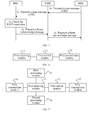
- FIG 2 is a signaling diagram of Embodiment 1 of a method for processing release of connection resources according to the present invention. As shown in FIG. 2 , the processing method where an SNSF intercepts a reset message includes the following steps.
- step 1b after an MSC is restarted, the MSC transmits a reset message to an SNSF to request the SNSF to forward the message to a BSC, so that the BSC releases a previously established SCCP connection.
- the restart of the MSC may be implemented after a failure is removed, or directly triggered by the operating personnel.
- the MSC may transmit the reset message to all the SNSFs after the MSC is restarted when the failure is removed; or the MSC may transmit the reset message to one of the SNSFs, and then the SNSF transmits a notification message to other SNSFs to inform the restart of the MSC.
- step 2b after the SNSF receives the reset message from the MSC, the SNSF does not forward the message to the BSC, but constructs a Reset Acknowledge message itself and returns the Reset Acknowledge message to the MSC.
- step 3b the SNSF starts a first protection timer for the MSC, and sets a first preset duration on the first protection timer, to control the transmission of the service message.
- the step is specifically as follows: before the first protection timer expires, the SNSF records that the MSC is in an abnormal state and does not distribute new service messages to the MSC; and when the first protection timer expires, the SNSF records that the MSC is restored and distributes new service messages to the MSC.
- steps 2b and 3b in the foregoing embodiment are not required to be performed in a certain order.
- the foregoing embodiment may be implemented without setting the protection timer, and the steps thereof are specifically as follows. After the SNSF receives the reset message transmitted to the BSC by the restarted MSC, the SNSF records a current first system time and sets an unavailability identifier indicating that the MSC is unable to receive the service message, that is, the MSC is in a transition state.
- the SNSF After the SNSF receives a connection establishment request message transmitted by the BSC, the SNSF judges that the unavailability identifier is correspondingly set for the MSC and judges whether a time interval between the first system time and the current system time exceeds the first preset duration, and if the duration exceeds the first preset duration, the SNSF clears the unavailability identifier, that is, the MSC is in the normal state, and restores transmission of the service message to the MSC.
- the foregoing embodiment further includes the following steps.
- the SNSF detects that the failures occur in all the links with the MSC, the SNSF records a current second system time and sets the unavailability identifier indicating that the MSC is unable to receive the service message.
- the SNSF judges whether a time interval between the second system time and the current system time exceeds the first preset duration, and if the duration exceeds the first preset duration, the SNSF clears the unavailability identifier, that is, the MSC is in the normal state, and restores transmission of the service message to the MSC.
- the first preset duration is adjusted to a difference value between the resource release time and the first time interval, and the unavailability identifier is cleared after the first preset duration. That is to say, the duration of the transition state of the MSC is adjusted, so that the related connection resources on the BSC may be ensured to be released in the total duration of the MSC failure duration plus the MSC transition duration.
- the first preset duration on the SNSF may be manually adjusted. That is, in the case of the newly added MSC, the first preset duration on the SNSF may be manually modified in advance, for example, the first preset duration may be modified to "0". Alternatively, since each BSC completes the resource release in the different duration, the first preset duration involved in the foregoing embodiments may also be adjustable.
- the SNSF is improved, so that the SNSF does not forward the reset message received from the MSC to the BSC, but controls the time of distributing new services to the MSC according to the first preset duration. Therefore, after the MSC is restarted, it is ensured that the services of other MSCs are not affected and the connection corresponding to the originally failed MSC on the BSC can be released, so new services are not affected, thereby improving the QoS of the services.
- Another solution provided in the embodiment of the present invention is that, after an MSC in the MSC Pool networking is restarted, a reset message transmitted to the BSC by the MSC is modified, and specifically, an MSC identifier, that is, NRI information, configured to uniquely identify the MSC in the MSC Pool networking is added in the reset message, so as to instruct the BSC to release the connection resources occupied by the service connection corresponding to the NRI information.
- the BSC receives the reset message forwarded by the SNSF, obtains the destination service connection corresponding to the NRI information carried in the reset message in the established service connection according to the NRI information included in the connection reference number allocated by the MSC and the NRI information carried in the reset message, and then releases the connection resources occupied by the destination service connection.
- FIG 3 is a signaling diagram of Embodiment 2 of a method for processing release of connection resources according to the present invention.
- the processing method of adding NRI information in a reset message includes the following steps.
- step 1c after an MSC is restarted, the MSC transmits a reset message to an SNSF to request the SNSF to forward the message to a BSC, so that the BSC releases a previously established SCCP connection, where the reset message carries the NRI information.
- the restart of the MSC may be implemented after a failure is removed, or directly triggered by the operating personnel.
- step 2c the SNSF forwards the reset message to the BSC.
- step 3c the BSC checks the established SCCP connection. If the NRI information in a connection reference number of an opposite end recorded in the SCCP connection is the same as the NRI information in the reset message, the BSC releases the corresponding SCCP connection; and if the NRI information in the connection reference number of the opposite end recorded in the SCCP connection is different from the NRI information in the reset message, the corresponding SCCP connection is not affected.
- step 4c the BSC transmits a Reset Acknowledge message to the SNSF.
- step 5c the SNSF forwards the Reset Acknowledge message to the MSC.
- the reset message transmitted by the MSC is directly transmitted to the BSC, and the BSC returns the Reset Acknowledge message to the MSC after receiving the reset message.
- the MSC adds the NRI information in the reset message, so that the BSC receives the reset message transmitted by the MSC, finds the SCCP connection requiring resource release according to the NRI information in the reset message, and releases the occupied resources. Therefore, it is ensured that the services of other MSCs are not affected and the connection corresponding to the originally failed MSC on the BSC can be released, so new services are not affected, thereby improving the QoS of the services.
- Still another solution provided in the embodiment of the present invention is as follows. After an MSC in the MSC Pool networking is restarted, the MSC does not transmit a reset message to the BSC, divides the SCCP connection reference number resources, and adopts different allocation policies according to actual requirements, so as to avoid the conflict between the newly allocated connection reference number resources and the connection reference number resources allocated before the failure.
- One implementation manner thereof is that, after the MSC is restarted, in other connection reference number groups different from the original connection reference number group, the connection reference number configured to establish the service connection is allocated to the service messages transmitted by the BSC through the SNSF, where the original connection reference number group is a connection reference number group configured to allocate the connection reference number by the MSC before the failure.
- the MSC divides all the allocatable connection reference number resources into a plurality of connection reference number groups, and after each restart, the MSC switches the connection reference number groups, that is, the connection reference number is allocated to the SCCP service connection in a new connection reference number group, so as to avoid that the allocated connection reference number overlaps the connection reference number allocated in the connection reference number groups before the failure.
- the connection reference number groups may be divided according to the NRI information included in the connection reference number. Specifically, one MSC corresponds to two or more NRI identifiers, and after each restart, the MSC switches to an effective NRI identifier.
- the MSC allocates the connection reference number configured to establish the service connection to the service message transmitted by the BSC through the SNSF in a second connection reference number group, and switches to the first connection reference number group after the second preset duration to allocate the connection reference number configured to establish the service connection to the service message transmitted by the BSC through the SNSF, where the release of the connection resources between the BSC and the MSC is ensured to be completed in the second preset duration.
- the MSC divides all the allocatable connection reference number resources into a plurality of connection reference number groups, for example, two connection reference number groups are divided in this embodiment, and the two connection reference number groups are respectively a first connection reference number group and a second connection reference number group.
- the MSC allocates the connection reference number to the service connection in two different connection reference number groups in different periods of time in this embodiment.
- the second preset duration that is, the switch duration, should be longer than or equal to T(iar).
- the MSC allocates the connection reference number in the second connection reference number group, and in a period over T(iar), the MSC allocates the connection reference number in the first connection reference number group.
- the MSC may also divide the connection reference number resources into a plurality of connection reference number groups, and selects according to a certain switch principle, so as to ensure that the connection reference number allocated in the T(iar) period is different from the previously allocated connection reference number.
- the second connection reference number group is a connection reference number with a final digit being 0, while the first connection reference number group is a connection reference number with a final digit being not 0.
- connection reference number groups may be divided according to the NRI information included in the connection reference number.
- the specific step thereof may be as follows: one MSC corresponds to two or more NRI identifiers, and the MSC switches to an effective NRI identifier according to the set second preset duration.
- the second preset duration may be controlled by a second protection timer on the MSC, the second preset duration is set on the second protection timer, and the second protection timer is started to control the selection of different connection reference number groups after the MSC is restarted.
- the timer is not started, the system time when the MSC is restarted is recorded to judge the time that has passed from the restart time, and different signs are set to determine which group of the connection reference resources is allocated.
- the MSC does not transmit the reset message to the BSC after restart, divides the SCCP connection reference number resources, and adopts different allocation policies according to actual requirements, so as to avoid the conflict between the newly allocated connection reference number resources and the connection reference number resources allocated before the failure. Therefore, it is ensured that the services of other MSCs are not affected and the connection corresponding to the originally failed MSC on the BSC can be released, so new services are not affected, thereby improving the QoS of the services.
- the SNSF judges which state the MSC is in by detecting a service processing entity, for example, the MSC.
- the SNSF records states of the MSCs, which may be divided into a normal state, a failure state, and a transition state.
- the MSC is marked to be in the failure state.
- the MSC is marked to be in the transition state.
- the SNSF marks the MSC in the transition state to be in the normal state after a period of time. The duration when the specific MSC is in the transition state may be adjusted according to actual requirements.
- the transition duration is set to be long, and the related connection resources on the BSC are ensured to be released.
- the SNSF After receiving a service request from the BSC, the SNSF forwards the service request to the MSC in the normal state for processing. Specifically, after detecting that failures occur in all the links with the MSC, the SNSF sets the unavailability identifier indicating that the MSC is unable to receive the service message to record that the MSC is in the failure state, and record the failure start time of the MSC as a current third system time.
- the SNSF records that the MSC is in the transition state and records the failure end time of the MSC as the current system time, and the failure duration of the MSC is obtained by subtracting the failure start time from the failure end time.
- the transition stage duration is set according to the failure duration.
- the SNSF checks the MSC has passed the transition stage duration, clears the unavailability identifier, and records that the MSC is in the normal state.
- the SNSF may control the transition state of the MSC by starting the timer, for example, after the SNSF detects that the first link with the MSC is restored, the SNSF records that the MSC is in the transition state, starts the timer, where the duration of the timer is the transition stage duration, and sets the MSC to be in the normal state after the timer expires.
- the SNSF may also control the transition state of the MSC by reading the system time when a specific event starts, for example, after detecting that the first link with the MSC is restored, the SNSF records that the MSC is in the transition state and records the start time of the transition state as the current system time, and when the service request message from the BSC is received, the SNSF subtracts the start time of the transition state from the current system time for the MSC in the transition state, and if the value thereof exceeds the transition stage duration, the MSC is recorded to be in the normal state.
- the failure stage duration and the transition stage duration are added to obtain the total failure-transition stage duration, the total failure-transition stage duration should be longer than or equal to the first preset duration, and the connection established on the BSC before the failure is ensured to be released through the IT mechanism in the first preset duration.
- the MSC is not required to transmit the reset message, nor perform special processing of allocating the connection reference number, so that the conflict between the newly allocated connection reference number resources and the allocated connection reference number resources before the failure is avoided. Therefore, it is ensured that the services of other MSCs are not affected and the connection corresponding to the originally failed MSC on the BSC can be released, so new services are not affected, thereby improving the QoS of the services.
- the foregoing solution is still effective, where the SUA may be referred to as the SCCP adaptation layer protocol for short.
- the SUA protocol belongs to the Signaling Transport (SIGTRAN) protocol suite.
- SIGTRAN Signaling Transport protocol suite.
- the foregoing embodiments are not limited to the MSC Pool distribution, and may be used in any system configured with service distribution.
- the program may be stored in a computer readable storage medium.
- the storage medium may be any medium that is capable of storing program codes, such as a ROM, a RAM, a magnetic disk, or an optical disk.
- FIG. 4 is a schematic structure diagram of Embodiment 1 of an SNSF according to the present invention.
- the SNSF includes a first receiving module 11, a first transmission module 12, and a first control module 13.
- the first receiving module 11 is configured to receive a reset message transmitted by an MSC.
- the first transmission module 12 is configured to transmit a service message to the MSC.
- the first control module 13 is configured to control the first transmission module 12 to stop transmitting the service message to the MSC in a first preset duration after the first receiving module 11 receives the reset message, and control the first transmission module 12 to restore the transmission of the service message to the MSC after the first preset duration, where release of connection resources between a BSC and the MSC is ensured to be completed in the first preset duration.
- the MSC still transmits the reset message to the BSC.
- the first receiving module 11 in the SNSF receives the reset message transmitted by the restarted MSC to the BSC
- the first control module 13 starts a timer, it is considered that the MSC is in an abnormal state in the first preset duration, and the first control module 13 controls the first transmission module 12 not to forward any new service messages to the MSC.
- the specified first preset duration is passed for the timer, it is considered that the MSC is restored to a normal state, and the first control module 13 controls the first transmission module 12 to distribute new service messages to the MSC.
- the release of the connection resources between the BSC and the MSC is ensured to be completed in the first preset duration, that is, the original SCCP connection corresponding to the MSC on the BSC can be released through an IT mechanism, and generally, the first preset duration is longer than or equal to T(iar).
- the reset message is transmitted to all the BSCs causing that all the service connections including the normal service connection are released accordingly.
- new services are not distributed to the MSC in the duration not shorter than T(iar)
- two records correspond to one connection reference number allocated by the MSC on the BSC, thereby improving the QoS of the services.
- FIG. 5 is a schematic structure diagram of Embodiment 2 of an SNSF according to the present invention.
- the SNSF includes the first receiving module 11, the first transmission module 12, and the first control module 13, and further includes a first construction module 14 configured to construct a Reset Acknowledge message and return the Reset Acknowledge message to the MSC.
- the SNSF constructs the Reset Acknowledge message through the first construction module 14 and returns the message to the MSC in replacement of the BSC, so as to inform the MSC that the corresponding BSC receives the reset message and is ready to release the connection resources.
- the SNSF provided in this embodiment further includes a first processing module 15 configured to record a current first system time after receiving the reset message from the MSC, set an unavailability identifier indicating that the MSC is unable to receive the service message, and judge whether a time interval between the first system time and the current system time exceeds the first preset duration after receiving a connection establishment request message transmitted by the BSC, and if the time interval exceeds the first preset duration, clear the unavailability identifier.
- a first processing module 15 configured to record a current first system time after receiving the reset message from the MSC, set an unavailability identifier indicating that the MSC is unable to receive the service message, and judge whether a time interval between the first system time and the current system time exceeds the first preset duration after receiving a connection establishment request message transmitted by the BSC, and if the time interval exceeds the first preset duration, clear the unavailability identifier.
- the SNSF further includes a second processing module 16 configured to record a current second system time after detecting that failures occur in all the links with the MSC, set an unavailability identifier indicating that the MSC is unable to receive the service message, and clear the unavailability identifier according to the second system time and the current system time after receiving the reset message.
- the step of clearing the unavailability identifier specifically includes the following steps.
- the unavailability identifier is cleared.
- the first preset duration is adjusted to a difference value between the resource release time and the first time interval, and the unavailability identifier is cleared after the first preset duration.
- This embodiment provides a network system, which includes an MSC, a BSC, and an SNSF between the MSC and the BSC, where the SNSF may use the SNSF provided in the embodiments as described in FIG. 4 or FIG. 5 , and the structure and function thereof are referred to the foregoing embodiments, which are not described in detail herein again.
- the reset message is transmitted to all the BSCs by the MSC causing that all the service connections including the normal service connections are released accordingly, and it is also avoided that two records correspond to one connection reference number allocated by the MSC on the BSC, thereby improving the QoS of the services.
- FIG. 6 is a schematic structure diagram of an embodiment of a BSC according to the present invention.
- the BSC includes a second receiving module 21, an obtaining module 22, and a release processing module 23.
- the second receiving module 21 is configured to receive a reset message forwarded by an MSC through an SNSF, where the reset message carries NRI information of the MSC.
- the obtaining module 22 is configured to obtain a destination service connection corresponding to the NRI information carried in the reset message in the established service connection according to the NRI information included in a connection reference number allocated by the MSC and the NRI information carried in the reset message.
- the release processing module 23 is configured to release connection resources occupied by the destination service connection obtained by the obtaining module 22.
- the MSC transmits the reset message to the SNSF to request the SNSF to forward the message to the BSC, so that the BSC releases a previously established SCCP connection, where the reset message carries the NRI information.
- the SNSF forwards the reset message to the BSC.
- the obtaining module 22 checks the established SCCP connection.
- the release processing module 23 releases the corresponding SCCP connection resources; and if the NRI information in the connection reference number of an opposite end recorded in the SCCP connection is different from the NRI information in the reset message, the corresponding SCCP connection is not affected.
- the SCCP connection requiring resource release is found according to the NRI information in the reset message, and the occupied resources are released. Therefore, it is ensured that the services of other MSCs are not affected and the connection corresponding to the originally failed MSC on the BSC can be released, so new services are not affected, thereby improving the QoS of the services.
- FIG. 7 is a schematic structure diagram of Embodiment 1 of an MSC device according to the present invention.
- the MSC includes a second construction module 31 and a second transmission module 32.
- the second construction module 31 is configured to construct a reset message, where the reset message carries NRI information of the MSC.
- the second transmission module 32 is configured to transmit the reset message to a BSC through an SNSF, so as to instruct the BSC to release connection resources occupied by a service connection corresponding to the NRI.
- the second construction module 31 constructs the reset message, and adds the NRI information in the reset message.
- the second transmission module 32 transmits the reset message to the SNSF to request the SNSF to forward the message to the BSC, so that the BSC releases previously established SCCP connection resources.
- the MSC provided in this embodiment adds the NRI information in the reset message, so that the BSC finds the SCCP connection requiring resource release according to the NRI information, and releases the occupied resources. Therefore, it is ensured that the services of other MSCs are not affected and the connection corresponding to the MSC (for example, the failed MSC) that originally transmits the reset message on the BSC can be released, so new services are not affected, thereby improving the QoS of the services.
- This embodiment further provides a network system, which includes an MSC, a BSC and an SNSF between the MSC and the BSCwhere.
- the BSC may use the BSC provided in the embodiment as described in FIG. 6
- the MSC may use the MSC provided in the embodiment as described in FIG. 7
- the structure and function thereof may be referred to the foregoing embodiments, which are not described in detail herein again.
- FIG. 8 is a schematic structure diagram of Embodiment 2 of an MSC device according to the present invention.
- the MSC includes a first allocation module 41 and a second control module 42.
- the first allocation module 41 is configured to allocate a connection reference number configured to establish a service connection to a service message transmitted by a BSC through an SNSF.
- the second control module 42 is configured to, after the MSC is restarted, control the first allocation module 41 to allocate the connection reference number in other connection reference number groups different from an original connection reference number group, where the original connection reference number group is a connection reference number group configured to allocate the connection reference number to the MSC before a failure.
- the MSC divides all the allocatable connection reference number resources into a plurality of connection reference number groups, and after each restart due to removal of a failure or an active operation of an operator, the MSC controls the first allocation module 41 to switch the connection reference number group through the second control module 42, and selects an SCCP service connection in a new connection reference number group, so as to avoid that the allocated connection reference number overlaps the connection reference number allocated in the connection reference number groups before the failure.
- the connection reference number groups may be divided according to the NRI information included in the connection reference number.
- the MSC provided in this embodiment does not transmit the reset message to the BSC after restart, divides the SCCP connection reference number resources, and adopts different allocation policies according to actual requirements, so as to avoid the conflict between the newly allocated connection reference number resources and the connection reference number resources allocated before the failure. Therefore, it is ensured that the services of other MSCs are not affected and the connection corresponding to the originally failed MSC on the BSC can be released, so new services are not affected, thereby improving the QoS of the services.
- This embodiment further provides a network system, which includes an MSC, a BSC, and an SNSF between the MSC and the BSCwhere.
- the MSC may use the MSC provided in the embodiment as described in FIG. 8 , and the structure and function thereof may be referred to the foregoing embodiment, which is not described in detail herein again.
- the network system in this embodiment it is ensured that the services of other MSCs are not affected and the connection corresponding to the originally failed MSC on the BSC can be released, so new services are not affected, thereby improving the QoS of the services.
- FIG. 9 is a schematic structure diagram of Embodiment 3 of an MSC device according to the present invention.
- the MSC includes a second allocation module 51 and a third control module 52.
- the second allocation module 51 is configured to allocate a connection reference number configured to establish a service connection to a service message transmitted by the BSC through the SNSF.
- the third control module 52 is configured to, in a second preset duration after the MSC is restarted, control the second allocation module 51 to allocate, in a second connection reference number group, the connection reference number configured to establish the service connection to the service message transmitted by the BSC through the SNSF, and switch to a first connection reference number group after the second preset duration, and allocate the connection reference number configured to establish the service connection to the service message transmitted by the BSC through the SNSF, where release of connection resources between the BSC and the MSC is ensured to be completed in the second preset duration.
- the MSC divides all the allocatable connection reference number resources into a plurality of connection reference number groups, for example, a first connection reference number group and a second connection reference number group, in order to avoid that the second allocation module 51 repeatedly allocates the originally allocated connection reference number to other services during the process that the BSC releases the connection resources through an IT mechanism; therefore, the second allocation module 51 allocates the connection reference number to the service connection in two different connection reference number groups respectively in different periods.
- the second preset duration that is, the switch time should be longer than or equal to T(iar), and in a duration not shorter than T(iar), the second allocation module 51 allocates the connection reference number in the second connection reference number group; while in a duration over T(iar), the second allocation module 51 allocates the connection reference number in the first connection reference number group.
- the third control module 52 in the MSC controls the second allocation module 51 to switch the connection reference number group.
- the MSC may divide the connection reference number resources into a plurality of connection reference number groups, and further, the MSC may divide according to the NRI information included in the connection reference number.
- the MSC provided in this embodiment does not transmit the reset message to the BSC after restart due to removal of a failure and an active operation of the operator, divides the SCCP connection reference number resources, and adopts different allocation policies according to actual requirements, so as to avoid the conflict between the newly allocated connection reference number resources and the connection reference number resources allocated before the failure. Therefore, it is ensured that the services of other MSCs are not affected and the connection corresponding to the originally failed MSC on the BSC can be released, so new services are not affected, thereby improving the QoS of the services.
- This embodiment further provides a network system, which includes an MSC, a BSC, and an SNSF between the MSC and the BSCwhere.
- the MSC may use the MSC provided in the embodiment as described in FIG. 9 , and the structure and function thereof may be referred to the foregoing embodiment, which are not described in detail herein again.
- the network system in this embodiment it is ensured that the services of other MSCs are not affected and the connection corresponding to the originally failed MSC on the BSC can be released, so new services are not affected, thereby improving the QoS of the services.
- FIG. 10 is a schematic structure diagram of Embodiment 3 of an SNSF according to the present invention.
- the SNSF includes a first detection module 61, a second detection module 62, and a third transmission module 63.
- the first detection module 61 in the SNSF records a current third system time after detecting that failures occur in all the links between the SNSF and a service processing entity, for example, an MSC, and sets an unavailability identifier indicating that the MSC is unable to receive a service message.
- the second detection module 62 is configured to judge whether a time interval between the third system time and the current system time exceeds a first preset duration after detecting the links between the SNSF and the MSC are restored.
- the third transmission module 63 clears the unavailability identifier, that is, it indicates that the MSC is in a normal state, and restores the transmission of the service message to the MSC, where release of connection resources related to the MSC and established before the failure is ensured to be completed in the first preset duration.
- the third transmission module 63 delays a period, so that the time interval between the delayed system time and the third system time exceeds the first preset duration, clears the unavailability identifier, and restores the transmission of the service message to the service processing entity.
- the SNSF provided in this embodiment does not forward new service messages to the MSC in a protection time by judging whether a failure occurs in the link between the SNSF and the MSC or whether the failure is removed.
- the MSC is not required to transmit the reset message, and also not required to perform special processing of allocating the connection reference number, so as to avoid the conflict of the SCCP connection resources between new services and existing services.
- This embodiment provides a network system, which includes an MSC, a BSC, and an SNSF between the MSC and the BSCwhere.
- the SNSF may use the SNSF provided in the embodiment as described in FIG. 10 , and the structure and function thereof may be referred to the foregoing embodiment, which is not described in detail herein again.
- the MSC is not required to transmit the reset message, and also not required to perform special processing of allocating the connection reference number, so as to avoid the conflict of the SCCP connection resources between new services and existing services, thereby improving the QoS of the services.
Landscapes
- Engineering & Computer Science (AREA)
- Computer Networks & Wireless Communication (AREA)
- Signal Processing (AREA)
- Mobile Radio Communication Systems (AREA)
Applications Claiming Priority (2)
| Application Number | Priority Date | Filing Date | Title |
|---|---|---|---|
| CN2009101641929A CN101640941B (zh) | 2009-08-06 | 2009-08-06 | 连接资源释放处理方法和装置 |
| PCT/CN2010/071060 WO2011015048A1 (zh) | 2009-08-06 | 2010-03-16 | 连接资源释放处理方法和装置 |
Publications (3)
| Publication Number | Publication Date |
|---|---|
| EP2448362A1 true EP2448362A1 (de) | 2012-05-02 |
| EP2448362A4 EP2448362A4 (de) | 2012-05-09 |
| EP2448362B1 EP2448362B1 (de) | 2015-07-29 |
Family
ID=41615645
Family Applications (1)
| Application Number | Title | Priority Date | Filing Date |
|---|---|---|---|
| EP10805952.8A Active EP2448362B1 (de) | 2009-08-06 | 2010-03-16 | Freigabeverarbeitungsverfahren für verbindungsressourcen und vorrichtung dafür |
Country Status (4)
| Country | Link |
|---|---|
| US (1) | US8737970B2 (de) |
| EP (1) | EP2448362B1 (de) |
| CN (1) | CN101640941B (de) |
| WO (1) | WO2011015048A1 (de) |
Families Citing this family (6)
| Publication number | Priority date | Publication date | Assignee | Title |
|---|---|---|---|---|
| CN101640941B (zh) * | 2009-08-06 | 2012-03-21 | 华为技术有限公司 | 连接资源释放处理方法和装置 |
| JP6351761B2 (ja) * | 2014-02-10 | 2018-07-04 | テレフオンアクチーボラゲット エルエム エリクソン(パブル) | 無線ネットワーク内のネットワークリソースのリセット |
| CN104486262B (zh) * | 2014-11-25 | 2017-09-26 | 盛科网络(苏州)有限公司 | 基于交换机芯片实现Dying Gasp的控制方法及装置 |
| US10721159B2 (en) * | 2018-04-25 | 2020-07-21 | Hewlett Packard Enterprise Development Lp | Rebuilt flow events |
| CN117768304B (zh) * | 2022-09-19 | 2026-05-15 | 锐捷网络股份有限公司 | 一种路由方法及路由转发系统 |
| CN115604764A (zh) * | 2022-09-21 | 2023-01-13 | 广西壮族自治区公众信息产业有限公司(Cn) | 一种基站与核心网的reset消息优化的方法 |
Family Cites Families (24)
| Publication number | Priority date | Publication date | Assignee | Title |
|---|---|---|---|---|
| FI105878B (fi) * | 1997-06-13 | 2000-10-13 | Nokia Networks Oy | Yhteydentunnistus langattoman tietoliikenneverkon siirtojärjestelmässä ATM-protokollapinon yli |
| US7027389B2 (en) | 2000-12-11 | 2006-04-11 | Cisco Technology, Inc. | Fast failure detection using RTT time considerations on a non-retransmit medium |
| ATE384411T1 (de) * | 2001-04-23 | 2008-02-15 | Nokia Corp | Verfahren und system zum implementieren einer zeichengabeverbindung in einem verteilten funkzugriffsnetzwerk |
| US7089002B2 (en) * | 2001-05-11 | 2006-08-08 | Telefonaktiebolaget Lm Ericsson (Publ) | Releasing plural radio connections with omnibus release message |
| CN1163082C (zh) * | 2002-08-29 | 2004-08-18 | 西安大唐电信有限公司 | 多模块七号信令系统信令连接控制部分分布任务处理方法 |
| US7835265B2 (en) | 2002-10-31 | 2010-11-16 | Conexant Systems, Inc. | High availability Ethernet backplane architecture |
| WO2004043086A2 (en) * | 2002-11-05 | 2004-05-21 | Telefonaktiebolaget Lm Ericsson (Publ) | Collective notification of node reset to subset of connections in radio access network |
| US7423993B2 (en) * | 2003-02-10 | 2008-09-09 | Nokia Corporation | Connection release in communication network |
| SE0302004D0 (sv) * | 2003-07-04 | 2003-07-04 | Ericsson Telefon Ab L M | Method and arrangement in a telecommunication system |
| JP2006254283A (ja) * | 2005-03-14 | 2006-09-21 | Hitachi Kokusai Electric Inc | 通信制御装置 |
| CN1856148A (zh) | 2005-04-21 | 2006-11-01 | 上海华为技术有限公司 | 通信系统中业务处理资源的管理方法 |
| CN100389566C (zh) * | 2005-07-01 | 2008-05-21 | 华为技术有限公司 | 分布式通信系统复位资源的方法 |
| CN1741476A (zh) * | 2005-09-20 | 2006-03-01 | 广东省电信有限公司研究院 | 信令网关与媒体网关控制器之间的连接故障的处理方法 |
| CN101047601B (zh) | 2006-04-10 | 2010-12-01 | 华为技术有限公司 | 基于vpls的双归属网络的实现方法及系统 |
| US8265034B2 (en) * | 2006-05-17 | 2012-09-11 | Research In Motion Limited | Method and system for a signaling connection release indication |
| CN101115285B (zh) * | 2006-07-24 | 2010-09-08 | 中兴通讯股份有限公司 | 支持IuFlex技术的核心网节点选择方法 |
| CN101141364A (zh) * | 2006-09-07 | 2008-03-12 | 华为技术有限公司 | 在环状以太网中实现保护倒换的方法和装置 |
| US20080089272A1 (en) * | 2006-10-12 | 2008-04-17 | Tommi Ahokangas | Connection establishment method |
| KR100821173B1 (ko) * | 2006-10-31 | 2008-04-14 | 주식회사 케이티프리텔 | Nbap 리셋 절차를 이용한 무선 링크 자원 해제 방법 |
| CN101242569B (zh) * | 2007-02-05 | 2013-03-20 | 中兴通讯股份有限公司 | 一种防止或减少多媒体广播组播服务业务中断的方法 |
| EP2061192B1 (de) * | 2007-11-13 | 2012-04-11 | Research In Motion Limited | Verfahren und Vorrichtung für Status-/Modusübergänge |
| CN101179815B (zh) | 2007-12-12 | 2010-09-08 | 华为技术有限公司 | 移动交换中心池故障处理方法、装置及系统 |
| CN101345919A (zh) * | 2008-08-12 | 2009-01-14 | 中兴通讯股份有限公司 | 服务节点选择方法及装置 |
| CN101640941B (zh) | 2009-08-06 | 2012-03-21 | 华为技术有限公司 | 连接资源释放处理方法和装置 |
-
2009
- 2009-08-06 CN CN2009101641929A patent/CN101640941B/zh not_active Expired - Fee Related
-
2010
- 2010-03-16 EP EP10805952.8A patent/EP2448362B1/de active Active
- 2010-03-16 WO PCT/CN2010/071060 patent/WO2011015048A1/zh not_active Ceased
-
2012
- 2012-02-03 US US13/365,945 patent/US8737970B2/en not_active Expired - Fee Related
Non-Patent Citations (4)
| Title |
|---|
| "3rd Generation Partnership Project; Technical Specification Group Radio Access Network; UTRAN Iu interface Radio Access Network Application Part (RANAP) signalling (Release 8)", 3GPP STANDARD; 3GPP TS 25.413, 3RD GENERATION PARTNERSHIP PROJECT (3GPP), MOBILE COMPETENCE CENTRE ; 650, ROUTE DES LUCIOLES ; F-06921 SOPHIA-ANTIPOLIS CEDEX ; FRANCE, no. V8.3.0, 1 June 2009 (2009-06-01), pages 1-398, XP050368301, * |
| "3rd Generation Partnership Project; Technical Specification Group Services and System Aspects; Feasibility Study on NAS Node Selection Function above BSC/ RNC (Release 10)", 3GPP STANDARD; 3GPP TR 23.823, 3RD GENERATION PARTNERSHIP PROJECT (3GPP), MOBILE COMPETENCE CENTRE ; 650, ROUTE DES LUCIOLES ; F-06921 SOPHIA-ANTIPOLIS CEDEX ; FRANCE, no. V1.2.0, 2 February 2010 (2010-02-02), pages 1-40, XP050401858, [retrieved on 2010-02-02] * |
| "3rd Generation Partnership Project; Technical Specification Group Services and System Aspects; Feasibility Study on NAS Node Selection Function above BSC/ RNC (Release 9)", 3GPP STANDARD; 3GPP TR 23.823, 3RD GENERATION PARTNERSHIP PROJECT (3GPP), MOBILE COMPETENCE CENTRE ; 650, ROUTE DES LUCIOLES ; F-06921 SOPHIA-ANTIPOLIS CEDEX ; FRANCE, no. V0.2.0, 1 February 2009 (2009-02-01), pages 1-18, XP050361587, * |
| See also references of WO2011015048A1 * |
Also Published As
| Publication number | Publication date |
|---|---|
| US8737970B2 (en) | 2014-05-27 |
| US20120135768A1 (en) | 2012-05-31 |
| CN101640941B (zh) | 2012-03-21 |
| CN101640941A (zh) | 2010-02-03 |
| WO2011015048A1 (zh) | 2011-02-10 |
| EP2448362B1 (de) | 2015-07-29 |
| EP2448362A4 (de) | 2012-05-09 |
Similar Documents
| Publication | Publication Date | Title |
|---|---|---|
| US8737970B2 (en) | Method and apparatus for processing release of connection resources | |
| US8805395B2 (en) | Implementation method for improving service call completion ratio and radio network controller | |
| JP2022502926A (ja) | Ue移行方法、装置、システム、および記憶媒体 | |
| JP2013530581A (ja) | Lte/epcネットワークにおけるmmeの障害を処理する方法 | |
| WO2010142203A1 (zh) | 控制隧道标识分配的方法、装置和系统 | |
| CN101150380A (zh) | 用于无线通信系统处理无线链路失败的方法及其相关装置 | |
| EP3606222B1 (de) | Funkressourcenkonfigurationsverfahren und -vorrichtung, benutzergerät und netzwerkelement | |
| EP3425850B1 (de) | Verfahren und vorrichtung zur verarbeitung von kommunikationswegen | |
| WO2014101171A1 (zh) | 连接失败恢复方法、装置和系统 | |
| CN101536568A (zh) | 用于在无线电通信系统中出现故障的情况下恢复连通性的方法及其控制节点 | |
| EP2785135A1 (de) | Verbesserungen bei der Ressourcenzuweisung zur MBSFN-Übertragung in einem MBSFN-Bereich | |
| CN112075057A (zh) | 对用户平面路径上检测和处置故障的改进 | |
| CN101304544B (zh) | 业务保持方法及通讯系统以及相关设备 | |
| WO2010017781A1 (zh) | 呼叫释放方法及装置 | |
| CN101299878B (zh) | 信道切换过程中的监控方法以及终端 | |
| CN102548026B (zh) | 连接资源释放处理方法和装置 | |
| US8767679B2 (en) | Physical channel establishment | |
| AU2018402119A1 (en) | Handover processing method, network device, terminal device, and computer storage medium | |
| CN101534530B (zh) | 对用户设备进行小区重配的方法、系统和控制设备 | |
| CN110876206B (zh) | 一种并发切换处理方法及装置 | |
| CN101123799A (zh) | 分组切换过程中的异常处理方法及系统 | |
| CN1332533C (zh) | 一种对相邻接入网络及之间链路的监测方法 | |
| US8504078B2 (en) | Method for ensuring the accessibility of mobile radio devices using an optimized paging mechanism | |
| CN100389566C (zh) | 分布式通信系统复位资源的方法 | |
| WO2025008926A1 (en) | Method and system for restoring connection between peer network nodes |
Legal Events
| Date | Code | Title | Description |
|---|---|---|---|
| PUAI | Public reference made under article 153(3) epc to a published international application that has entered the european phase |
Free format text: ORIGINAL CODE: 0009012 |
|
| 17P | Request for examination filed |
Effective date: 20120123 |
|
| AK | Designated contracting states |
Kind code of ref document: A1 Designated state(s): AT BE BG CH CY CZ DE DK EE ES FI FR GB GR HR HU IE IS IT LI LT LU LV MC MK MT NL NO PL PT RO SE SI SK SM TR |
|
| A4 | Supplementary search report drawn up and despatched |
Effective date: 20120411 |
|
| RIC1 | Information provided on ipc code assigned before grant |
Ipc: H04W 28/04 20090101ALN20120403BHEP Ipc: H04W 28/08 20090101ALN20120403BHEP Ipc: H04W 92/14 20090101ALN20120403BHEP Ipc: H04W 76/06 20090101AFI20120403BHEP |
|
| DAX | Request for extension of the european patent (deleted) | ||
| 17Q | First examination report despatched |
Effective date: 20140414 |
|
| RIC1 | Information provided on ipc code assigned before grant |
Ipc: H04W 28/08 20090101ALN20150115BHEP Ipc: H04W 28/04 20090101ALN20150115BHEP Ipc: H04W 92/14 20090101ALN20150115BHEP Ipc: H04W 76/06 20090101AFI20150115BHEP |
|
| GRAP | Despatch of communication of intention to grant a patent |
Free format text: ORIGINAL CODE: EPIDOSNIGR1 |
|
| RIC1 | Information provided on ipc code assigned before grant |
Ipc: H04W 92/14 20090101ALN20150119BHEP Ipc: H04W 28/08 20090101ALN20150119BHEP Ipc: H04W 76/06 20090101AFI20150119BHEP Ipc: H04W 28/04 20090101ALN20150119BHEP |
|
| INTG | Intention to grant announced |
Effective date: 20150219 |
|
| RIC1 | Information provided on ipc code assigned before grant |
Ipc: H04W 28/08 20090101ALN20150209BHEP Ipc: H04W 92/14 20090101ALN20150209BHEP Ipc: H04W 28/04 20090101ALN20150209BHEP Ipc: H04W 76/06 20090101AFI20150209BHEP |
|
| GRAS | Grant fee paid |
Free format text: ORIGINAL CODE: EPIDOSNIGR3 |
|
| GRAA | (expected) grant |
Free format text: ORIGINAL CODE: 0009210 |
|
| AK | Designated contracting states |
Kind code of ref document: B1 Designated state(s): AT BE BG CH CY CZ DE DK EE ES FI FR GB GR HR HU IE IS IT LI LT LU LV MC MK MT NL NO PL PT RO SE SI SK SM TR |
|
| REG | Reference to a national code |
Ref country code: GB Ref legal event code: FG4D |
|
| REG | Reference to a national code |
Ref country code: CH Ref legal event code: EP |
|
| REG | Reference to a national code |
Ref country code: AT Ref legal event code: REF Ref document number: 740091 Country of ref document: AT Kind code of ref document: T Effective date: 20150815 |
|
| REG | Reference to a national code |
Ref country code: IE Ref legal event code: FG4D |
|
| REG | Reference to a national code |
Ref country code: DE Ref legal event code: R096 Ref document number: 602010026317 Country of ref document: DE |
|
| REG | Reference to a national code |
Ref country code: SE Ref legal event code: TRGR |
|
| REG | Reference to a national code |
Ref country code: AT Ref legal event code: MK05 Ref document number: 740091 Country of ref document: AT Kind code of ref document: T Effective date: 20150729 |
|
| REG | Reference to a national code |
Ref country code: LT Ref legal event code: MG4D |
|
| REG | Reference to a national code |
Ref country code: NL Ref legal event code: MP Effective date: 20150729 |
|
| PG25 | Lapsed in a contracting state [announced via postgrant information from national office to epo] |
Ref country code: GR Free format text: LAPSE BECAUSE OF FAILURE TO SUBMIT A TRANSLATION OF THE DESCRIPTION OR TO PAY THE FEE WITHIN THE PRESCRIBED TIME-LIMIT Effective date: 20151030 Ref country code: NO Free format text: LAPSE BECAUSE OF FAILURE TO SUBMIT A TRANSLATION OF THE DESCRIPTION OR TO PAY THE FEE WITHIN THE PRESCRIBED TIME-LIMIT Effective date: 20151029 Ref country code: FI Free format text: LAPSE BECAUSE OF FAILURE TO SUBMIT A TRANSLATION OF THE DESCRIPTION OR TO PAY THE FEE WITHIN THE PRESCRIBED TIME-LIMIT Effective date: 20150729 Ref country code: LV Free format text: LAPSE BECAUSE OF FAILURE TO SUBMIT A TRANSLATION OF THE DESCRIPTION OR TO PAY THE FEE WITHIN THE PRESCRIBED TIME-LIMIT Effective date: 20150729 Ref country code: LT Free format text: LAPSE BECAUSE OF FAILURE TO SUBMIT A TRANSLATION OF THE DESCRIPTION OR TO PAY THE FEE WITHIN THE PRESCRIBED TIME-LIMIT Effective date: 20150729 |
|
| PG25 | Lapsed in a contracting state [announced via postgrant information from national office to epo] |
Ref country code: AT Free format text: LAPSE BECAUSE OF FAILURE TO SUBMIT A TRANSLATION OF THE DESCRIPTION OR TO PAY THE FEE WITHIN THE PRESCRIBED TIME-LIMIT Effective date: 20150729 Ref country code: PT Free format text: LAPSE BECAUSE OF FAILURE TO SUBMIT A TRANSLATION OF THE DESCRIPTION OR TO PAY THE FEE WITHIN THE PRESCRIBED TIME-LIMIT Effective date: 20151130 Ref country code: HR Free format text: LAPSE BECAUSE OF FAILURE TO SUBMIT A TRANSLATION OF THE DESCRIPTION OR TO PAY THE FEE WITHIN THE PRESCRIBED TIME-LIMIT Effective date: 20150729 Ref country code: ES Free format text: LAPSE BECAUSE OF FAILURE TO SUBMIT A TRANSLATION OF THE DESCRIPTION OR TO PAY THE FEE WITHIN THE PRESCRIBED TIME-LIMIT Effective date: 20150729 Ref country code: PL Free format text: LAPSE BECAUSE OF FAILURE TO SUBMIT A TRANSLATION OF THE DESCRIPTION OR TO PAY THE FEE WITHIN THE PRESCRIBED TIME-LIMIT Effective date: 20150729 Ref country code: IS Free format text: LAPSE BECAUSE OF FAILURE TO SUBMIT A TRANSLATION OF THE DESCRIPTION OR TO PAY THE FEE WITHIN THE PRESCRIBED TIME-LIMIT Effective date: 20151129 |
|
| PG25 | Lapsed in a contracting state [announced via postgrant information from national office to epo] |
Ref country code: NL Free format text: LAPSE BECAUSE OF FAILURE TO SUBMIT A TRANSLATION OF THE DESCRIPTION OR TO PAY THE FEE WITHIN THE PRESCRIBED TIME-LIMIT Effective date: 20150729 |
|
| PG25 | Lapsed in a contracting state [announced via postgrant information from national office to epo] |
Ref country code: SK Free format text: LAPSE BECAUSE OF FAILURE TO SUBMIT A TRANSLATION OF THE DESCRIPTION OR TO PAY THE FEE WITHIN THE PRESCRIBED TIME-LIMIT Effective date: 20150729 Ref country code: IT Free format text: LAPSE BECAUSE OF FAILURE TO SUBMIT A TRANSLATION OF THE DESCRIPTION OR TO PAY THE FEE WITHIN THE PRESCRIBED TIME-LIMIT Effective date: 20150729 Ref country code: EE Free format text: LAPSE BECAUSE OF FAILURE TO SUBMIT A TRANSLATION OF THE DESCRIPTION OR TO PAY THE FEE WITHIN THE PRESCRIBED TIME-LIMIT Effective date: 20150729 Ref country code: CZ Free format text: LAPSE BECAUSE OF FAILURE TO SUBMIT A TRANSLATION OF THE DESCRIPTION OR TO PAY THE FEE WITHIN THE PRESCRIBED TIME-LIMIT Effective date: 20150729 Ref country code: DK Free format text: LAPSE BECAUSE OF FAILURE TO SUBMIT A TRANSLATION OF THE DESCRIPTION OR TO PAY THE FEE WITHIN THE PRESCRIBED TIME-LIMIT Effective date: 20150729 |
|
| REG | Reference to a national code |
Ref country code: DE Ref legal event code: R097 Ref document number: 602010026317 Country of ref document: DE |
|
| PG25 | Lapsed in a contracting state [announced via postgrant information from national office to epo] |
Ref country code: RO Free format text: LAPSE BECAUSE OF FAILURE TO SUBMIT A TRANSLATION OF THE DESCRIPTION OR TO PAY THE FEE WITHIN THE PRESCRIBED TIME-LIMIT Effective date: 20150729 |
|
| PLBE | No opposition filed within time limit |
Free format text: ORIGINAL CODE: 0009261 |
|
| STAA | Information on the status of an ep patent application or granted ep patent |
Free format text: STATUS: NO OPPOSITION FILED WITHIN TIME LIMIT |
|
| 26N | No opposition filed |
Effective date: 20160502 |
|
| PG25 | Lapsed in a contracting state [announced via postgrant information from national office to epo] |
Ref country code: BE Free format text: LAPSE BECAUSE OF NON-PAYMENT OF DUE FEES Effective date: 20160331 Ref country code: SI Free format text: LAPSE BECAUSE OF FAILURE TO SUBMIT A TRANSLATION OF THE DESCRIPTION OR TO PAY THE FEE WITHIN THE PRESCRIBED TIME-LIMIT Effective date: 20150729 |
|
| REG | Reference to a national code |
Ref country code: DE Ref legal event code: R119 Ref document number: 602010026317 Country of ref document: DE |
|
| PG25 | Lapsed in a contracting state [announced via postgrant information from national office to epo] |
Ref country code: LU Free format text: LAPSE BECAUSE OF FAILURE TO SUBMIT A TRANSLATION OF THE DESCRIPTION OR TO PAY THE FEE WITHIN THE PRESCRIBED TIME-LIMIT Effective date: 20160316 Ref country code: MC Free format text: LAPSE BECAUSE OF FAILURE TO SUBMIT A TRANSLATION OF THE DESCRIPTION OR TO PAY THE FEE WITHIN THE PRESCRIBED TIME-LIMIT Effective date: 20150729 |
|
| REG | Reference to a national code |
Ref country code: CH Ref legal event code: PL |
|
| GBPC | Gb: european patent ceased through non-payment of renewal fee |
Effective date: 20160316 |
|
| REG | Reference to a national code |
Ref country code: IE Ref legal event code: MM4A |
|
| PG25 | Lapsed in a contracting state [announced via postgrant information from national office to epo] |
Ref country code: BE Free format text: LAPSE BECAUSE OF FAILURE TO SUBMIT A TRANSLATION OF THE DESCRIPTION OR TO PAY THE FEE WITHIN THE PRESCRIBED TIME-LIMIT Effective date: 20150729 |
|
| REG | Reference to a national code |
Ref country code: FR Ref legal event code: ST Effective date: 20161130 |
|
| PG25 | Lapsed in a contracting state [announced via postgrant information from national office to epo] |
Ref country code: IE Free format text: LAPSE BECAUSE OF NON-PAYMENT OF DUE FEES Effective date: 20160316 Ref country code: CH Free format text: LAPSE BECAUSE OF NON-PAYMENT OF DUE FEES Effective date: 20160331 Ref country code: LI Free format text: LAPSE BECAUSE OF NON-PAYMENT OF DUE FEES Effective date: 20160331 Ref country code: FR Free format text: LAPSE BECAUSE OF NON-PAYMENT OF DUE FEES Effective date: 20160331 Ref country code: GB Free format text: LAPSE BECAUSE OF NON-PAYMENT OF DUE FEES Effective date: 20160316 Ref country code: DE Free format text: LAPSE BECAUSE OF NON-PAYMENT OF DUE FEES Effective date: 20161001 |
|
| PG25 | Lapsed in a contracting state [announced via postgrant information from national office to epo] |
Ref country code: MT Free format text: LAPSE BECAUSE OF FAILURE TO SUBMIT A TRANSLATION OF THE DESCRIPTION OR TO PAY THE FEE WITHIN THE PRESCRIBED TIME-LIMIT Effective date: 20150729 |
|
| PG25 | Lapsed in a contracting state [announced via postgrant information from national office to epo] |
Ref country code: SM Free format text: LAPSE BECAUSE OF FAILURE TO SUBMIT A TRANSLATION OF THE DESCRIPTION OR TO PAY THE FEE WITHIN THE PRESCRIBED TIME-LIMIT Effective date: 20150729 Ref country code: CY Free format text: LAPSE BECAUSE OF FAILURE TO SUBMIT A TRANSLATION OF THE DESCRIPTION OR TO PAY THE FEE WITHIN THE PRESCRIBED TIME-LIMIT Effective date: 20150729 Ref country code: HU Free format text: LAPSE BECAUSE OF FAILURE TO SUBMIT A TRANSLATION OF THE DESCRIPTION OR TO PAY THE FEE WITHIN THE PRESCRIBED TIME-LIMIT; INVALID AB INITIO Effective date: 20100316 |
|
| PG25 | Lapsed in a contracting state [announced via postgrant information from national office to epo] |
Ref country code: TR Free format text: LAPSE BECAUSE OF FAILURE TO SUBMIT A TRANSLATION OF THE DESCRIPTION OR TO PAY THE FEE WITHIN THE PRESCRIBED TIME-LIMIT Effective date: 20150729 Ref country code: MT Free format text: LAPSE BECAUSE OF FAILURE TO SUBMIT A TRANSLATION OF THE DESCRIPTION OR TO PAY THE FEE WITHIN THE PRESCRIBED TIME-LIMIT Effective date: 20160331 Ref country code: MK Free format text: LAPSE BECAUSE OF FAILURE TO SUBMIT A TRANSLATION OF THE DESCRIPTION OR TO PAY THE FEE WITHIN THE PRESCRIBED TIME-LIMIT Effective date: 20150729 |
|
| PG25 | Lapsed in a contracting state [announced via postgrant information from national office to epo] |
Ref country code: BG Free format text: LAPSE BECAUSE OF FAILURE TO SUBMIT A TRANSLATION OF THE DESCRIPTION OR TO PAY THE FEE WITHIN THE PRESCRIBED TIME-LIMIT Effective date: 20150729 |
|
| PGFP | Annual fee paid to national office [announced via postgrant information from national office to epo] |
Ref country code: SE Payment date: 20260211 Year of fee payment: 17 |