EP2457579A1 - Interleukine 10 à liaison covalente - Google Patents
Interleukine 10 à liaison covalente Download PDFInfo
- Publication number
- EP2457579A1 EP2457579A1 EP10015036A EP10015036A EP2457579A1 EP 2457579 A1 EP2457579 A1 EP 2457579A1 EP 10015036 A EP10015036 A EP 10015036A EP 10015036 A EP10015036 A EP 10015036A EP 2457579 A1 EP2457579 A1 EP 2457579A1
- Authority
- EP
- European Patent Office
- Prior art keywords
- polypeptide
- cells
- interleukin
- nucleic acid
- linker
- Prior art date
- Legal status (The legal status is an assumption and is not a legal conclusion. Google has not performed a legal analysis and makes no representation as to the accuracy of the status listed.)
- Withdrawn
Links
- 108090000174 Interleukin-10 Proteins 0.000 title claims abstract description 228
- 102000003814 Interleukin-10 Human genes 0.000 title claims abstract description 225
- 229940076144 interleukin-10 Drugs 0.000 title claims abstract description 213
- 108090000765 processed proteins & peptides Proteins 0.000 claims abstract description 159
- 102000004196 processed proteins & peptides Human genes 0.000 claims abstract description 122
- 229920001184 polypeptide Polymers 0.000 claims abstract description 112
- 239000000178 monomer Substances 0.000 claims abstract description 80
- 102000039446 nucleic acids Human genes 0.000 claims abstract description 50
- 108020004707 nucleic acids Proteins 0.000 claims abstract description 50
- 150000007523 nucleic acids Chemical class 0.000 claims abstract description 46
- 239000013598 vector Substances 0.000 claims abstract description 38
- 238000000034 method Methods 0.000 claims abstract description 26
- 241000282414 Homo sapiens Species 0.000 claims abstract description 21
- 208000027866 inflammatory disease Diseases 0.000 claims abstract description 12
- 239000008194 pharmaceutical composition Substances 0.000 claims abstract description 12
- 238000004519 manufacturing process Methods 0.000 claims abstract description 11
- 230000004071 biological effect Effects 0.000 claims description 23
- 201000004681 Psoriasis Diseases 0.000 claims description 8
- 241000700605 Viruses Species 0.000 claims description 7
- 206010039073 rheumatoid arthritis Diseases 0.000 claims description 6
- 208000022559 Inflammatory bowel disease Diseases 0.000 claims description 5
- 238000012258 culturing Methods 0.000 claims description 5
- 201000005008 bacterial sepsis Diseases 0.000 claims description 3
- 210000004027 cell Anatomy 0.000 description 92
- 125000005647 linker group Chemical group 0.000 description 66
- 102000004127 Cytokines Human genes 0.000 description 50
- 108090000695 Cytokines Proteins 0.000 description 50
- 235000001014 amino acid Nutrition 0.000 description 36
- 150000001413 amino acids Chemical class 0.000 description 34
- 230000006870 function Effects 0.000 description 32
- 108090000623 proteins and genes Proteins 0.000 description 32
- 239000002158 endotoxin Substances 0.000 description 27
- 229920006008 lipopolysaccharide Polymers 0.000 description 27
- 241000699666 Mus <mouse, genus> Species 0.000 description 26
- 102000005962 receptors Human genes 0.000 description 25
- 108020003175 receptors Proteins 0.000 description 25
- 230000000694 effects Effects 0.000 description 24
- 102000003675 cytokine receptors Human genes 0.000 description 22
- 108010057085 cytokine receptors Proteins 0.000 description 22
- 102000004169 proteins and genes Human genes 0.000 description 21
- 235000018102 proteins Nutrition 0.000 description 20
- 206010061218 Inflammation Diseases 0.000 description 16
- 239000000539 dimer Substances 0.000 description 16
- 230000004054 inflammatory process Effects 0.000 description 16
- 210000001519 tissue Anatomy 0.000 description 16
- 241000699670 Mus sp. Species 0.000 description 15
- 210000002540 macrophage Anatomy 0.000 description 15
- 230000001629 suppression Effects 0.000 description 14
- 108010012236 Chemokines Proteins 0.000 description 12
- 102000019034 Chemokines Human genes 0.000 description 12
- 239000012634 fragment Substances 0.000 description 12
- 238000000338 in vitro Methods 0.000 description 12
- 238000006366 phosphorylation reaction Methods 0.000 description 12
- 241001529936 Murinae Species 0.000 description 11
- 230000006698 induction Effects 0.000 description 11
- 239000003112 inhibitor Substances 0.000 description 11
- 239000002609 medium Substances 0.000 description 11
- 230000035755 proliferation Effects 0.000 description 11
- 210000003491 skin Anatomy 0.000 description 11
- 101001033233 Homo sapiens Interleukin-10 Proteins 0.000 description 10
- 108060008682 Tumor Necrosis Factor Proteins 0.000 description 10
- 102000000852 Tumor Necrosis Factor-alpha Human genes 0.000 description 10
- 102000052620 human IL10 Human genes 0.000 description 10
- 230000004044 response Effects 0.000 description 10
- 230000011664 signaling Effects 0.000 description 10
- 238000003556 assay Methods 0.000 description 9
- 239000002299 complementary DNA Substances 0.000 description 9
- 238000002347 injection Methods 0.000 description 9
- 239000007924 injection Substances 0.000 description 9
- 244000052769 pathogen Species 0.000 description 9
- 230000026731 phosphorylation Effects 0.000 description 9
- 230000028327 secretion Effects 0.000 description 9
- 210000004988 splenocyte Anatomy 0.000 description 9
- -1 IL-14 Proteins 0.000 description 8
- 108010017324 STAT3 Transcription Factor Proteins 0.000 description 8
- 102100024040 Signal transducer and activator of transcription 3 Human genes 0.000 description 8
- 230000004913 activation Effects 0.000 description 8
- 241000894007 species Species 0.000 description 8
- 238000002965 ELISA Methods 0.000 description 7
- 102000014150 Interferons Human genes 0.000 description 7
- 108010050904 Interferons Proteins 0.000 description 7
- 210000003719 b-lymphocyte Anatomy 0.000 description 7
- 230000008827 biological function Effects 0.000 description 7
- 230000015572 biosynthetic process Effects 0.000 description 7
- 230000006378 damage Effects 0.000 description 7
- 239000000710 homodimer Substances 0.000 description 7
- 238000001727 in vivo Methods 0.000 description 7
- UCSJYZPVAKXKNQ-HZYVHMACSA-N streptomycin Chemical compound CN[C@H]1[C@H](O)[C@@H](O)[C@H](CO)O[C@H]1O[C@@H]1[C@](C=O)(O)[C@H](C)O[C@H]1O[C@@H]1[C@@H](NC(N)=N)[C@H](O)[C@@H](NC(N)=N)[C@H](O)[C@H]1O UCSJYZPVAKXKNQ-HZYVHMACSA-N 0.000 description 7
- 108091032973 (ribonucleotides)n+m Proteins 0.000 description 6
- 241000894006 Bacteria Species 0.000 description 6
- 108010017213 Granulocyte-Macrophage Colony-Stimulating Factor Proteins 0.000 description 6
- 102100039620 Granulocyte-macrophage colony-stimulating factor Human genes 0.000 description 6
- 101001033265 Mus musculus Interleukin-10 Proteins 0.000 description 6
- 108010076504 Protein Sorting Signals Proteins 0.000 description 6
- 241000282898 Sus scrofa Species 0.000 description 6
- 210000001744 T-lymphocyte Anatomy 0.000 description 6
- 125000003275 alpha amino acid group Chemical group 0.000 description 6
- 150000001875 compounds Chemical class 0.000 description 6
- 208000037265 diseases, disorders, signs and symptoms Diseases 0.000 description 6
- 239000013604 expression vector Substances 0.000 description 6
- 210000000987 immune system Anatomy 0.000 description 6
- 230000001965 increasing effect Effects 0.000 description 6
- 208000015181 infectious disease Diseases 0.000 description 6
- 230000002757 inflammatory effect Effects 0.000 description 6
- 229940047124 interferons Drugs 0.000 description 6
- 230000010076 replication Effects 0.000 description 6
- 238000003786 synthesis reaction Methods 0.000 description 6
- 241000282693 Cercopithecidae Species 0.000 description 5
- 241000701022 Cytomegalovirus Species 0.000 description 5
- 108020004414 DNA Proteins 0.000 description 5
- 241000588724 Escherichia coli Species 0.000 description 5
- 241000282412 Homo Species 0.000 description 5
- 108010074328 Interferon-gamma Proteins 0.000 description 5
- 102000004551 Interleukin-10 Receptors Human genes 0.000 description 5
- 108010017550 Interleukin-10 Receptors Proteins 0.000 description 5
- 108010002386 Interleukin-3 Proteins 0.000 description 5
- 102000000646 Interleukin-3 Human genes 0.000 description 5
- 108090001005 Interleukin-6 Proteins 0.000 description 5
- 101150099493 STAT3 gene Proteins 0.000 description 5
- 210000004369 blood Anatomy 0.000 description 5
- 239000008280 blood Substances 0.000 description 5
- 238000013461 design Methods 0.000 description 5
- 201000010099 disease Diseases 0.000 description 5
- 210000003714 granulocyte Anatomy 0.000 description 5
- 210000003630 histaminocyte Anatomy 0.000 description 5
- 230000028709 inflammatory response Effects 0.000 description 5
- 210000004962 mammalian cell Anatomy 0.000 description 5
- 210000004379 membrane Anatomy 0.000 description 5
- 238000002360 preparation method Methods 0.000 description 5
- 230000008569 process Effects 0.000 description 5
- 230000000770 proinflammatory effect Effects 0.000 description 5
- 238000000746 purification Methods 0.000 description 5
- 230000000717 retained effect Effects 0.000 description 5
- 239000006228 supernatant Substances 0.000 description 5
- 230000009885 systemic effect Effects 0.000 description 5
- 238000012360 testing method Methods 0.000 description 5
- 238000001262 western blot Methods 0.000 description 5
- DHMQDGOQFOQNFH-UHFFFAOYSA-N Glycine Chemical compound NCC(O)=O DHMQDGOQFOQNFH-UHFFFAOYSA-N 0.000 description 4
- 102000015696 Interleukins Human genes 0.000 description 4
- 108010063738 Interleukins Proteins 0.000 description 4
- ZDXPYRJPNDTMRX-VKHMYHEASA-N L-glutamine Chemical compound OC(=O)[C@@H](N)CCC(N)=O ZDXPYRJPNDTMRX-VKHMYHEASA-N 0.000 description 4
- 229930182555 Penicillin Natural products 0.000 description 4
- JGSARLDLIJGVTE-MBNYWOFBSA-N Penicillin G Chemical compound N([C@H]1[C@H]2SC([C@@H](N2C1=O)C(O)=O)(C)C)C(=O)CC1=CC=CC=C1 JGSARLDLIJGVTE-MBNYWOFBSA-N 0.000 description 4
- 230000003110 anti-inflammatory effect Effects 0.000 description 4
- 238000004166 bioassay Methods 0.000 description 4
- 230000001413 cellular effect Effects 0.000 description 4
- 230000008878 coupling Effects 0.000 description 4
- 238000010168 coupling process Methods 0.000 description 4
- 238000005859 coupling reaction Methods 0.000 description 4
- 230000002950 deficient Effects 0.000 description 4
- 238000010494 dissociation reaction Methods 0.000 description 4
- 230000005593 dissociations Effects 0.000 description 4
- 230000028993 immune response Effects 0.000 description 4
- 230000001939 inductive effect Effects 0.000 description 4
- 229940047122 interleukins Drugs 0.000 description 4
- 239000003446 ligand Substances 0.000 description 4
- 230000000670 limiting effect Effects 0.000 description 4
- 239000012528 membrane Substances 0.000 description 4
- 239000000203 mixture Substances 0.000 description 4
- 230000004048 modification Effects 0.000 description 4
- 238000012986 modification Methods 0.000 description 4
- 210000001616 monocyte Anatomy 0.000 description 4
- 229940049954 penicillin Drugs 0.000 description 4
- 210000002966 serum Anatomy 0.000 description 4
- 238000007910 systemic administration Methods 0.000 description 4
- 230000000451 tissue damage Effects 0.000 description 4
- 231100000827 tissue damage Toxicity 0.000 description 4
- 238000013518 transcription Methods 0.000 description 4
- 230000035897 transcription Effects 0.000 description 4
- 241000700199 Cavia porcellus Species 0.000 description 3
- IAZDPXIOMUYVGZ-UHFFFAOYSA-N Dimethylsulphoxide Chemical compound CS(C)=O IAZDPXIOMUYVGZ-UHFFFAOYSA-N 0.000 description 3
- 241000238631 Hexapoda Species 0.000 description 3
- 101000611183 Homo sapiens Tumor necrosis factor Proteins 0.000 description 3
- 102100037850 Interferon gamma Human genes 0.000 description 3
- 108010002350 Interleukin-2 Proteins 0.000 description 3
- 102000000588 Interleukin-2 Human genes 0.000 description 3
- 108010002616 Interleukin-5 Proteins 0.000 description 3
- 229930182816 L-glutamine Natural products 0.000 description 3
- 241000829100 Macaca mulatta polyomavirus 1 Species 0.000 description 3
- 230000005867 T cell response Effects 0.000 description 3
- 102100040247 Tumor necrosis factor Human genes 0.000 description 3
- 208000027418 Wounds and injury Diseases 0.000 description 3
- 238000004458 analytical method Methods 0.000 description 3
- 230000001580 bacterial effect Effects 0.000 description 3
- 239000000872 buffer Substances 0.000 description 3
- 238000004113 cell culture Methods 0.000 description 3
- 238000001516 cell proliferation assay Methods 0.000 description 3
- 238000010367 cloning Methods 0.000 description 3
- 230000001419 dependent effect Effects 0.000 description 3
- 230000004069 differentiation Effects 0.000 description 3
- 239000003937 drug carrier Substances 0.000 description 3
- 239000012636 effector Substances 0.000 description 3
- 210000003527 eukaryotic cell Anatomy 0.000 description 3
- 230000013595 glycosylation Effects 0.000 description 3
- 238000006206 glycosylation reaction Methods 0.000 description 3
- 210000005260 human cell Anatomy 0.000 description 3
- 230000008595 infiltration Effects 0.000 description 3
- 238000001764 infiltration Methods 0.000 description 3
- 230000005764 inhibitory process Effects 0.000 description 3
- 230000015788 innate immune response Effects 0.000 description 3
- 230000009545 invasion Effects 0.000 description 3
- 230000003902 lesion Effects 0.000 description 3
- 210000000265 leukocyte Anatomy 0.000 description 3
- 239000006166 lysate Substances 0.000 description 3
- 239000003550 marker Substances 0.000 description 3
- 108020004999 messenger RNA Proteins 0.000 description 3
- 230000017074 necrotic cell death Effects 0.000 description 3
- 230000001717 pathogenic effect Effects 0.000 description 3
- 239000002953 phosphate buffered saline Substances 0.000 description 3
- 239000013612 plasmid Substances 0.000 description 3
- 239000000047 product Substances 0.000 description 3
- 108020001580 protein domains Proteins 0.000 description 3
- 239000007790 solid phase Substances 0.000 description 3
- 210000004989 spleen cell Anatomy 0.000 description 3
- 229960005322 streptomycin Drugs 0.000 description 3
- 241001529453 unidentified herpesvirus Species 0.000 description 3
- 241001515965 unidentified phage Species 0.000 description 3
- XLYOFNOQVPJJNP-UHFFFAOYSA-N water Substances O XLYOFNOQVPJJNP-UHFFFAOYSA-N 0.000 description 3
- AASBXERNXVFUEJ-UHFFFAOYSA-N (2,5-dioxopyrrolidin-1-yl) propanoate Chemical compound CCC(=O)ON1C(=O)CCC1=O AASBXERNXVFUEJ-UHFFFAOYSA-N 0.000 description 2
- NHBKXEKEPDILRR-UHFFFAOYSA-N 2,3-bis(butanoylsulfanyl)propyl butanoate Chemical compound CCCC(=O)OCC(SC(=O)CCC)CSC(=O)CCC NHBKXEKEPDILRR-UHFFFAOYSA-N 0.000 description 2
- ZDNGLXCKYXBSRI-UHFFFAOYSA-N 2-(2,5-dioxopyrrolidin-1-yl)butanoic acid Chemical compound CCC(C(O)=O)N1C(=O)CCC1=O ZDNGLXCKYXBSRI-UHFFFAOYSA-N 0.000 description 2
- NLXLAEXVIDQMFP-UHFFFAOYSA-N Ammonia chloride Chemical compound [NH4+].[Cl-] NLXLAEXVIDQMFP-UHFFFAOYSA-N 0.000 description 2
- 206010002091 Anaesthesia Diseases 0.000 description 2
- 101150067964 BcRF1 gene Proteins 0.000 description 2
- 241000283690 Bos taurus Species 0.000 description 2
- 108050005711 C Chemokine Proteins 0.000 description 2
- 102000017483 C chemokine Human genes 0.000 description 2
- 102000001902 CC Chemokines Human genes 0.000 description 2
- 108010040471 CC Chemokines Proteins 0.000 description 2
- 108050006947 CXC Chemokine Proteins 0.000 description 2
- 102000019388 CXC chemokine Human genes 0.000 description 2
- 241000283707 Capra Species 0.000 description 2
- 108091026890 Coding region Proteins 0.000 description 2
- 208000011231 Crohn disease Diseases 0.000 description 2
- 239000006144 Dulbecco’s modified Eagle's medium Substances 0.000 description 2
- WSFSSNUMVMOOMR-UHFFFAOYSA-N Formaldehyde Chemical compound O=C WSFSSNUMVMOOMR-UHFFFAOYSA-N 0.000 description 2
- 239000004471 Glycine Substances 0.000 description 2
- NTYJJOPFIAHURM-UHFFFAOYSA-N Histamine Chemical compound NCCC1=CN=CN1 NTYJJOPFIAHURM-UHFFFAOYSA-N 0.000 description 2
- HNDVDQJCIGZPNO-UHFFFAOYSA-N Histidine Chemical compound OC(=O)C(N)CC1=CN=CN1 HNDVDQJCIGZPNO-UHFFFAOYSA-N 0.000 description 2
- 241000701044 Human gammaherpesvirus 4 Species 0.000 description 2
- 102100026120 IgG receptor FcRn large subunit p51 Human genes 0.000 description 2
- 102000017727 Immunoglobulin Variable Region Human genes 0.000 description 2
- 108010067060 Immunoglobulin Variable Region Proteins 0.000 description 2
- 102000008070 Interferon-gamma Human genes 0.000 description 2
- 102000000589 Interleukin-1 Human genes 0.000 description 2
- 108010002352 Interleukin-1 Proteins 0.000 description 2
- 102100030236 Interleukin-10 receptor subunit alpha Human genes 0.000 description 2
- 101710146672 Interleukin-10 receptor subunit alpha Proteins 0.000 description 2
- 102100030703 Interleukin-22 Human genes 0.000 description 2
- 241000235058 Komagataella pastoris Species 0.000 description 2
- PXHVJJICTQNCMI-UHFFFAOYSA-N Nickel Chemical compound [Ni] PXHVJJICTQNCMI-UHFFFAOYSA-N 0.000 description 2
- 241000700635 Orf virus Species 0.000 description 2
- 241000283973 Oryctolagus cuniculus Species 0.000 description 2
- 239000002033 PVDF binder Substances 0.000 description 2
- 201000001263 Psoriatic Arthritis Diseases 0.000 description 2
- 208000036824 Psoriatic arthropathy Diseases 0.000 description 2
- 239000012083 RIPA buffer Substances 0.000 description 2
- 239000012980 RPMI-1640 medium Substances 0.000 description 2
- 240000004808 Saccharomyces cerevisiae Species 0.000 description 2
- 235000014680 Saccharomyces cerevisiae Nutrition 0.000 description 2
- 206010040070 Septic Shock Diseases 0.000 description 2
- MTCFGRXMJLQNBG-UHFFFAOYSA-N Serine Natural products OCC(N)C(O)=O MTCFGRXMJLQNBG-UHFFFAOYSA-N 0.000 description 2
- VYPSYNLAJGMNEJ-UHFFFAOYSA-N Silicium dioxide Chemical compound O=[Si]=O VYPSYNLAJGMNEJ-UHFFFAOYSA-N 0.000 description 2
- 102000002689 Toll-like receptor Human genes 0.000 description 2
- 108020000411 Toll-like receptor Proteins 0.000 description 2
- 102000004887 Transforming Growth Factor beta Human genes 0.000 description 2
- 108090001012 Transforming Growth Factor beta Proteins 0.000 description 2
- 241000700618 Vaccinia virus Species 0.000 description 2
- 206010052428 Wound Diseases 0.000 description 2
- 239000002253 acid Substances 0.000 description 2
- 230000009471 action Effects 0.000 description 2
- 230000006022 acute inflammation Effects 0.000 description 2
- 208000038016 acute inflammation Diseases 0.000 description 2
- 125000003172 aldehyde group Chemical group 0.000 description 2
- 125000000539 amino acid group Chemical group 0.000 description 2
- 238000001949 anaesthesia Methods 0.000 description 2
- 230000037005 anaesthesia Effects 0.000 description 2
- 229940053198 antiepileptics succinimide derivative Drugs 0.000 description 2
- 210000000612 antigen-presenting cell Anatomy 0.000 description 2
- 238000013459 approach Methods 0.000 description 2
- 239000012298 atmosphere Substances 0.000 description 2
- 230000009286 beneficial effect Effects 0.000 description 2
- 230000003115 biocidal effect Effects 0.000 description 2
- 239000012620 biological material Substances 0.000 description 2
- PFKFTWBEEFSNDU-UHFFFAOYSA-N carbonyldiimidazole Chemical compound C1=CN=CN1C(=O)N1C=CN=C1 PFKFTWBEEFSNDU-UHFFFAOYSA-N 0.000 description 2
- 230000005754 cellular signaling Effects 0.000 description 2
- 239000003795 chemical substances by application Substances 0.000 description 2
- 239000002975 chemoattractant Substances 0.000 description 2
- 230000001684 chronic effect Effects 0.000 description 2
- 230000006020 chronic inflammation Effects 0.000 description 2
- 208000037976 chronic inflammation Diseases 0.000 description 2
- 238000000978 circular dichroism spectroscopy Methods 0.000 description 2
- 230000004087 circulation Effects 0.000 description 2
- 238000003776 cleavage reaction Methods 0.000 description 2
- 125000000151 cysteine group Chemical group N[C@@H](CS)C(=O)* 0.000 description 2
- 230000007123 defense Effects 0.000 description 2
- 229940042399 direct acting antivirals protease inhibitors Drugs 0.000 description 2
- 231100000673 dose–response relationship Toxicity 0.000 description 2
- 239000003814 drug Substances 0.000 description 2
- 239000000839 emulsion Substances 0.000 description 2
- 210000002889 endothelial cell Anatomy 0.000 description 2
- YQGOJNYOYNNSMM-UHFFFAOYSA-N eosin Chemical compound [Na+].OC(=O)C1=CC=CC=C1C1=C2C=C(Br)C(=O)C(Br)=C2OC2=C(Br)C(O)=C(Br)C=C21 YQGOJNYOYNNSMM-UHFFFAOYSA-N 0.000 description 2
- 210000003979 eosinophil Anatomy 0.000 description 2
- 210000002615 epidermis Anatomy 0.000 description 2
- 210000002950 fibroblast Anatomy 0.000 description 2
- 239000003102 growth factor Substances 0.000 description 2
- 210000002443 helper t lymphocyte Anatomy 0.000 description 2
- 210000003958 hematopoietic stem cell Anatomy 0.000 description 2
- 238000004128 high performance liquid chromatography Methods 0.000 description 2
- 230000002209 hydrophobic effect Effects 0.000 description 2
- 238000000099 in vitro assay Methods 0.000 description 2
- 238000011534 incubation Methods 0.000 description 2
- 230000003993 interaction Effects 0.000 description 2
- 239000007788 liquid Substances 0.000 description 2
- 238000011068 loading method Methods 0.000 description 2
- 210000004698 lymphocyte Anatomy 0.000 description 2
- 125000005439 maleimidyl group Chemical group C1(C=CC(N1*)=O)=O 0.000 description 2
- 239000000463 material Substances 0.000 description 2
- 230000035800 maturation Effects 0.000 description 2
- 238000002844 melting Methods 0.000 description 2
- 230000008018 melting Effects 0.000 description 2
- 230000000813 microbial effect Effects 0.000 description 2
- KQTSOJHOCCWAEH-UHFFFAOYSA-N n'-(2,5-dioxopyrrolidin-1-yl)butanediamide Chemical compound NC(=O)CCC(=O)NN1C(=O)CCC1=O KQTSOJHOCCWAEH-UHFFFAOYSA-N 0.000 description 2
- 210000000822 natural killer cell Anatomy 0.000 description 2
- 230000001338 necrotic effect Effects 0.000 description 2
- 210000000440 neutrophil Anatomy 0.000 description 2
- 230000003448 neutrophilic effect Effects 0.000 description 2
- OKXGHXHZNCJMSV-UHFFFAOYSA-N nitro phenyl carbonate Chemical compound [O-][N+](=O)OC(=O)OC1=CC=CC=C1 OKXGHXHZNCJMSV-UHFFFAOYSA-N 0.000 description 2
- 239000002773 nucleotide Substances 0.000 description 2
- 125000003729 nucleotide group Chemical group 0.000 description 2
- 230000007170 pathology Effects 0.000 description 2
- 239000000137 peptide hydrolase inhibitor Substances 0.000 description 2
- 238000010647 peptide synthesis reaction Methods 0.000 description 2
- 239000013600 plasmid vector Substances 0.000 description 2
- 238000007747 plating Methods 0.000 description 2
- 229920002401 polyacrylamide Polymers 0.000 description 2
- 230000008488 polyadenylation Effects 0.000 description 2
- 229920000642 polymer Polymers 0.000 description 2
- 102000040430 polynucleotide Human genes 0.000 description 2
- 108091033319 polynucleotide Proteins 0.000 description 2
- 239000002157 polynucleotide Substances 0.000 description 2
- 229920002981 polyvinylidene fluoride Polymers 0.000 description 2
- 239000000843 powder Substances 0.000 description 2
- 230000000644 propagated effect Effects 0.000 description 2
- 230000001681 protective effect Effects 0.000 description 2
- RXWNCPJZOCPEPQ-NVWDDTSBSA-N puromycin Chemical compound C1=CC(OC)=CC=C1C[C@H](N)C(=O)N[C@H]1[C@@H](O)[C@H](N2C3=NC=NC(=C3N=C2)N(C)C)O[C@@H]1CO RXWNCPJZOCPEPQ-NVWDDTSBSA-N 0.000 description 2
- 230000009467 reduction Effects 0.000 description 2
- 238000011160 research Methods 0.000 description 2
- 238000009738 saturating Methods 0.000 description 2
- 230000037390 scarring Effects 0.000 description 2
- 230000007017 scission Effects 0.000 description 2
- 230000003248 secreting effect Effects 0.000 description 2
- 238000013207 serial dilution Methods 0.000 description 2
- 239000007787 solid Substances 0.000 description 2
- 239000000243 solution Substances 0.000 description 2
- 210000000952 spleen Anatomy 0.000 description 2
- 238000010561 standard procedure Methods 0.000 description 2
- KZNICNPSHKQLFF-UHFFFAOYSA-N succinimide Chemical class O=C1CCC(=O)N1 KZNICNPSHKQLFF-UHFFFAOYSA-N 0.000 description 2
- 239000000725 suspension Substances 0.000 description 2
- 210000001258 synovial membrane Anatomy 0.000 description 2
- 230000008718 systemic inflammatory response Effects 0.000 description 2
- ZRKFYGHZFMAOKI-QMGMOQQFSA-N tgfbeta Chemical compound C([C@H](NC(=O)[C@H](C(C)C)NC(=O)CNC(=O)[C@H](CCC(O)=O)NC(=O)[C@H](CCCNC(N)=N)NC(=O)[C@H](CC(N)=O)NC(=O)[C@H](CC(C)C)NC(=O)[C@H]([C@@H](C)O)NC(=O)[C@H](CCC(O)=O)NC(=O)[C@H]([C@@H](C)O)NC(=O)[C@H](CC(C)C)NC(=O)CNC(=O)[C@H](C)NC(=O)[C@H](CO)NC(=O)[C@H](CCC(N)=O)NC(=O)[C@@H](NC(=O)[C@H](C)NC(=O)[C@H](C)NC(=O)[C@@H](NC(=O)[C@H](CC(C)C)NC(=O)[C@@H](N)CCSC)C(C)C)[C@@H](C)CC)C(=O)N[C@@H]([C@@H](C)O)C(=O)N[C@@H](C(C)C)C(=O)N[C@@H](CC=1C=CC=CC=1)C(=O)N[C@@H](C)C(=O)N1[C@@H](CCC1)C(=O)N[C@@H]([C@@H](C)O)C(=O)N[C@@H](CC(N)=O)C(=O)N[C@@H](CCC(O)=O)C(=O)N[C@@H](C)C(=O)N[C@@H](CC=1C=CC=CC=1)C(=O)N[C@@H](CCCNC(N)=N)C(=O)N[C@@H](C)C(=O)N[C@@H](CC(C)C)C(=O)N1[C@@H](CCC1)C(=O)N1[C@@H](CCC1)C(=O)N[C@@H](CCCNC(N)=N)C(=O)N[C@@H](CCC(O)=O)C(=O)N[C@@H](CCCNC(N)=N)C(=O)N[C@@H](CO)C(=O)N[C@@H](CCCNC(N)=N)C(=O)N[C@@H](CC(C)C)C(=O)N[C@@H](CC(C)C)C(O)=O)C1=CC=C(O)C=C1 ZRKFYGHZFMAOKI-QMGMOQQFSA-N 0.000 description 2
- 230000001225 therapeutic effect Effects 0.000 description 2
- 230000014616 translation Effects 0.000 description 2
- 210000004881 tumor cell Anatomy 0.000 description 2
- 241001430294 unidentified retrovirus Species 0.000 description 2
- 239000013603 viral vector Substances 0.000 description 2
- 230000003612 virological effect Effects 0.000 description 2
- WZUVPPKBWHMQCE-XJKSGUPXSA-N (+)-haematoxylin Chemical compound C12=CC(O)=C(O)C=C2C[C@]2(O)[C@H]1C1=CC=C(O)C(O)=C1OC2 WZUVPPKBWHMQCE-XJKSGUPXSA-N 0.000 description 1
- ZJIFDEVVTPEXDL-UHFFFAOYSA-N (2,5-dioxopyrrolidin-1-yl) hydrogen carbonate Chemical compound OC(=O)ON1C(=O)CCC1=O ZJIFDEVVTPEXDL-UHFFFAOYSA-N 0.000 description 1
- MTCFGRXMJLQNBG-REOHCLBHSA-N (2S)-2-Amino-3-hydroxypropansäure Chemical compound OC[C@H](N)C(O)=O MTCFGRXMJLQNBG-REOHCLBHSA-N 0.000 description 1
- FDKWRPBBCBCIGA-REOHCLBHSA-N (2r)-2-azaniumyl-3-$l^{1}-selanylpropanoate Chemical compound [Se]C[C@H](N)C(O)=O FDKWRPBBCBCIGA-REOHCLBHSA-N 0.000 description 1
- RAXXELZNTBOGNW-UHFFFAOYSA-N 1H-imidazole Chemical compound C1=CNC=N1 RAXXELZNTBOGNW-UHFFFAOYSA-N 0.000 description 1
- NBWRJAOOMGASJP-UHFFFAOYSA-N 2-(3,5-diphenyl-1h-tetrazol-1-ium-2-yl)-4,5-dimethyl-1,3-thiazole;bromide Chemical compound [Br-].S1C(C)=C(C)N=C1N1N(C=2C=CC=CC=2)N=C(C=2C=CC=CC=2)[NH2+]1 NBWRJAOOMGASJP-UHFFFAOYSA-N 0.000 description 1
- GOJUJUVQIVIZAV-UHFFFAOYSA-N 2-amino-4,6-dichloropyrimidine-5-carbaldehyde Chemical group NC1=NC(Cl)=C(C=O)C(Cl)=N1 GOJUJUVQIVIZAV-UHFFFAOYSA-N 0.000 description 1
- QXZGLTYKKZKGLN-UHFFFAOYSA-N 4-(2,5-dioxopyrrolidin-1-yl)oxy-4-oxobutanoic acid Chemical compound OC(=O)CCC(=O)ON1C(=O)CCC1=O QXZGLTYKKZKGLN-UHFFFAOYSA-N 0.000 description 1
- UZOVYGYOLBIAJR-UHFFFAOYSA-N 4-isocyanato-4'-methyldiphenylmethane Chemical compound C1=CC(C)=CC=C1CC1=CC=C(N=C=O)C=C1 UZOVYGYOLBIAJR-UHFFFAOYSA-N 0.000 description 1
- 102000007469 Actins Human genes 0.000 description 1
- 108010085238 Actins Proteins 0.000 description 1
- 108010011170 Ala-Trp-Arg-His-Pro-Gln-Phe-Gly-Gly Proteins 0.000 description 1
- 208000008822 Ankylosis Diseases 0.000 description 1
- 208000023275 Autoimmune disease Diseases 0.000 description 1
- 238000011725 BALB/c mouse Methods 0.000 description 1
- 241000193830 Bacillus <bacterium> Species 0.000 description 1
- 208000035143 Bacterial infection Diseases 0.000 description 1
- 208000027496 Behcet disease Diseases 0.000 description 1
- 241000537222 Betabaculovirus Species 0.000 description 1
- 102000004506 Blood Proteins Human genes 0.000 description 1
- 108010017384 Blood Proteins Proteins 0.000 description 1
- 241000701822 Bovine papillomavirus Species 0.000 description 1
- ZTQSAGDEMFDKMZ-UHFFFAOYSA-N Butyraldehyde Chemical group CCCC=O ZTQSAGDEMFDKMZ-UHFFFAOYSA-N 0.000 description 1
- 125000001433 C-terminal amino-acid group Chemical group 0.000 description 1
- 241000282465 Canis Species 0.000 description 1
- 108010078239 Chemokine CX3CL1 Proteins 0.000 description 1
- 206010009895 Colitis ischaemic Diseases 0.000 description 1
- 206010056979 Colitis microscopic Diseases 0.000 description 1
- 206010009900 Colitis ulcerative Diseases 0.000 description 1
- 241000699802 Cricetulus griseus Species 0.000 description 1
- FDKWRPBBCBCIGA-UWTATZPHSA-N D-Selenocysteine Natural products [Se]C[C@@H](N)C(O)=O FDKWRPBBCBCIGA-UWTATZPHSA-N 0.000 description 1
- 101150074155 DHFR gene Proteins 0.000 description 1
- 241000702421 Dependoparvovirus Species 0.000 description 1
- 201000004624 Dermatitis Diseases 0.000 description 1
- 102100024746 Dihydrofolate reductase Human genes 0.000 description 1
- 241000255581 Drosophila <fruit fly, genus> Species 0.000 description 1
- 206010059866 Drug resistance Diseases 0.000 description 1
- 108010031111 EBV-encoded nuclear antigen 1 Proteins 0.000 description 1
- 241000196324 Embryophyta Species 0.000 description 1
- 206010014824 Endotoxic shock Diseases 0.000 description 1
- 102000004190 Enzymes Human genes 0.000 description 1
- 108090000790 Enzymes Proteins 0.000 description 1
- YQYJSBFKSSDGFO-UHFFFAOYSA-N Epihygromycin Natural products OC1C(O)C(C(=O)C)OC1OC(C(=C1)O)=CC=C1C=C(C)C(=O)NC1C(O)C(O)C2OCOC2C1O YQYJSBFKSSDGFO-UHFFFAOYSA-N 0.000 description 1
- 108010008655 Epstein-Barr Virus Nuclear Antigens Proteins 0.000 description 1
- 241000588722 Escherichia Species 0.000 description 1
- 206010064503 Excessive skin Diseases 0.000 description 1
- 108700024394 Exon Proteins 0.000 description 1
- 102000013818 Fractalkine Human genes 0.000 description 1
- 208000001034 Frostbite Diseases 0.000 description 1
- 102000001390 Fructose-Bisphosphate Aldolase Human genes 0.000 description 1
- 108010068561 Fructose-Bisphosphate Aldolase Proteins 0.000 description 1
- 241000967808 Garra Species 0.000 description 1
- 239000012571 GlutaMAX medium Substances 0.000 description 1
- 201000005569 Gout Diseases 0.000 description 1
- WZUVPPKBWHMQCE-UHFFFAOYSA-N Haematoxylin Natural products C12=CC(O)=C(O)C=C2CC2(O)C1C1=CC=C(O)C(O)=C1OC2 WZUVPPKBWHMQCE-UHFFFAOYSA-N 0.000 description 1
- 101001002470 Homo sapiens Interferon lambda-1 Proteins 0.000 description 1
- 101001002469 Homo sapiens Interferon lambda-2 Proteins 0.000 description 1
- 101000853002 Homo sapiens Interleukin-25 Proteins 0.000 description 1
- 101000853000 Homo sapiens Interleukin-26 Proteins 0.000 description 1
- 101000998139 Homo sapiens Interleukin-32 Proteins 0.000 description 1
- 101000960969 Homo sapiens Interleukin-5 Proteins 0.000 description 1
- 101001076408 Homo sapiens Interleukin-6 Proteins 0.000 description 1
- 101001128431 Homo sapiens Myeloid-derived growth factor Proteins 0.000 description 1
- 102000008100 Human Serum Albumin Human genes 0.000 description 1
- 108091006905 Human Serum Albumin Proteins 0.000 description 1
- 206010020751 Hypersensitivity Diseases 0.000 description 1
- 101710177940 IgG receptor FcRn large subunit p51 Proteins 0.000 description 1
- 102000009786 Immunoglobulin Constant Regions Human genes 0.000 description 1
- 108010009817 Immunoglobulin Constant Regions Proteins 0.000 description 1
- 102000001617 Interferon Receptors Human genes 0.000 description 1
- 108010054267 Interferon Receptors Proteins 0.000 description 1
- 108010014726 Interferon Type I Proteins 0.000 description 1
- 102000002227 Interferon Type I Human genes 0.000 description 1
- 102100026720 Interferon beta Human genes 0.000 description 1
- 101710147309 Interferon epsilon Proteins 0.000 description 1
- 102100026688 Interferon epsilon Human genes 0.000 description 1
- 102100020989 Interferon lambda-2 Human genes 0.000 description 1
- 108010047761 Interferon-alpha Proteins 0.000 description 1
- 102000006992 Interferon-alpha Human genes 0.000 description 1
- 108090000467 Interferon-beta Proteins 0.000 description 1
- 102100020788 Interleukin-10 receptor subunit beta Human genes 0.000 description 1
- 101710199214 Interleukin-10 receptor subunit beta Proteins 0.000 description 1
- 108090000177 Interleukin-11 Proteins 0.000 description 1
- 102000003815 Interleukin-11 Human genes 0.000 description 1
- 108010065805 Interleukin-12 Proteins 0.000 description 1
- 108090000176 Interleukin-13 Proteins 0.000 description 1
- 108090000172 Interleukin-15 Proteins 0.000 description 1
- 101800003050 Interleukin-16 Proteins 0.000 description 1
- 102000013691 Interleukin-17 Human genes 0.000 description 1
- 108050003558 Interleukin-17 Proteins 0.000 description 1
- 108090000171 Interleukin-18 Proteins 0.000 description 1
- 108050009288 Interleukin-19 Proteins 0.000 description 1
- 108010065637 Interleukin-23 Proteins 0.000 description 1
- 108010066979 Interleukin-27 Proteins 0.000 description 1
- 101710181613 Interleukin-31 Proteins 0.000 description 1
- 108010067003 Interleukin-33 Proteins 0.000 description 1
- 108090000978 Interleukin-4 Proteins 0.000 description 1
- 108010002586 Interleukin-7 Proteins 0.000 description 1
- 108090001007 Interleukin-8 Proteins 0.000 description 1
- 108010002335 Interleukin-9 Proteins 0.000 description 1
- 108091092195 Intron Proteins 0.000 description 1
- 230000004163 JAK-STAT signaling pathway Effects 0.000 description 1
- 206010023198 Joint ankylosis Diseases 0.000 description 1
- DCXYFEDJOCDNAF-REOHCLBHSA-N L-asparagine Chemical compound OC(=O)[C@@H](N)CC(N)=O DCXYFEDJOCDNAF-REOHCLBHSA-N 0.000 description 1
- 235000019687 Lamb Nutrition 0.000 description 1
- 102000043131 MHC class II family Human genes 0.000 description 1
- 108091054438 MHC class II family Proteins 0.000 description 1
- 241000124008 Mammalia Species 0.000 description 1
- PWHULOQIROXLJO-UHFFFAOYSA-N Manganese Chemical compound [Mn] PWHULOQIROXLJO-UHFFFAOYSA-N 0.000 description 1
- 241001465754 Metazoa Species 0.000 description 1
- 102000005431 Molecular Chaperones Human genes 0.000 description 1
- 108010006519 Molecular Chaperones Proteins 0.000 description 1
- 101001033276 Mus musculus Interleukin-3 Proteins 0.000 description 1
- 101000960966 Mus musculus Interleukin-5 Proteins 0.000 description 1
- 101001076414 Mus musculus Interleukin-6 Proteins 0.000 description 1
- NQTADLQHYWFPDB-UHFFFAOYSA-N N-Hydroxysuccinimide Chemical compound ON1C(=O)CCC1=O NQTADLQHYWFPDB-UHFFFAOYSA-N 0.000 description 1
- 108010057466 NF-kappa B Proteins 0.000 description 1
- 206010028698 Nail dystrophy Diseases 0.000 description 1
- 229930193140 Neomycin Natural products 0.000 description 1
- 206010028980 Neoplasm Diseases 0.000 description 1
- 102100023050 Nuclear factor NF-kappa-B p105 subunit Human genes 0.000 description 1
- 108091028043 Nucleic acid sequence Proteins 0.000 description 1
- 108700006385 OmpF Proteins 0.000 description 1
- 102000009890 Osteonectin Human genes 0.000 description 1
- 108010077077 Osteonectin Proteins 0.000 description 1
- 241001111421 Pannus Species 0.000 description 1
- 241000577979 Peromyscus spicilegus Species 0.000 description 1
- 241000286209 Phasianidae Species 0.000 description 1
- 102000004160 Phosphoric Monoester Hydrolases Human genes 0.000 description 1
- 108090000608 Phosphoric Monoester Hydrolases Proteins 0.000 description 1
- NBBJYMSMWIIQGU-UHFFFAOYSA-N Propionic aldehyde Chemical group CCC=O NBBJYMSMWIIQGU-UHFFFAOYSA-N 0.000 description 1
- 102000007056 Recombinant Fusion Proteins Human genes 0.000 description 1
- 108010008281 Recombinant Fusion Proteins Proteins 0.000 description 1
- 239000006146 Roswell Park Memorial Institute medium Substances 0.000 description 1
- 241000293869 Salmonella enterica subsp. enterica serovar Typhimurium Species 0.000 description 1
- 241000710961 Semliki Forest virus Species 0.000 description 1
- 229920002684 Sepharose Polymers 0.000 description 1
- 206010040047 Sepsis Diseases 0.000 description 1
- 241000256248 Spodoptera Species 0.000 description 1
- 241000187747 Streptomyces Species 0.000 description 1
- 102100036011 T-cell surface glycoprotein CD4 Human genes 0.000 description 1
- 210000000662 T-lymphocyte subset Anatomy 0.000 description 1
- 108700012920 TNF Proteins 0.000 description 1
- 239000004098 Tetracycline Substances 0.000 description 1
- 108010022394 Threonine synthase Proteins 0.000 description 1
- 108700029229 Transcriptional Regulatory Elements Proteins 0.000 description 1
- 241000209140 Triticum Species 0.000 description 1
- 235000021307 Triticum Nutrition 0.000 description 1
- 201000006704 Ulcerative Colitis Diseases 0.000 description 1
- LEHOTFFKMJEONL-UHFFFAOYSA-N Uric Acid Chemical compound N1C(=O)NC(=O)C2=C1NC(=O)N2 LEHOTFFKMJEONL-UHFFFAOYSA-N 0.000 description 1
- 238000002835 absorbance Methods 0.000 description 1
- 238000011481 absorbance measurement Methods 0.000 description 1
- 230000021736 acetylation Effects 0.000 description 1
- 238000006640 acetylation reaction Methods 0.000 description 1
- 150000007513 acids Chemical class 0.000 description 1
- 230000003213 activating effect Effects 0.000 description 1
- 210000005006 adaptive immune system Anatomy 0.000 description 1
- 230000004721 adaptive immunity Effects 0.000 description 1
- 239000000654 additive Substances 0.000 description 1
- 238000005273 aeration Methods 0.000 description 1
- 239000000443 aerosol Substances 0.000 description 1
- 238000001042 affinity chromatography Methods 0.000 description 1
- 208000026935 allergic disease Diseases 0.000 description 1
- 235000019270 ammonium chloride Nutrition 0.000 description 1
- 229960000723 ampicillin Drugs 0.000 description 1
- AVKUERGKIZMTKX-NJBDSQKTSA-N ampicillin Chemical compound C1([C@@H](N)C(=O)N[C@H]2[C@H]3SC([C@@H](N3C2=O)C(O)=O)(C)C)=CC=CC=C1 AVKUERGKIZMTKX-NJBDSQKTSA-N 0.000 description 1
- 230000000845 anti-microbial effect Effects 0.000 description 1
- 230000002141 anti-parasite Effects 0.000 description 1
- 239000000427 antigen Substances 0.000 description 1
- 230000030741 antigen processing and presentation Effects 0.000 description 1
- 108091007433 antigens Proteins 0.000 description 1
- 102000036639 antigens Human genes 0.000 description 1
- 210000001188 articular cartilage Anatomy 0.000 description 1
- 230000003305 autocrine Effects 0.000 description 1
- 208000022362 bacterial infectious disease Diseases 0.000 description 1
- 210000003651 basophil Anatomy 0.000 description 1
- 230000000975 bioactive effect Effects 0.000 description 1
- 230000037396 body weight Effects 0.000 description 1
- 210000000988 bone and bone Anatomy 0.000 description 1
- 210000004899 c-terminal region Anatomy 0.000 description 1
- 229910052799 carbon Inorganic materials 0.000 description 1
- 210000004413 cardiac myocyte Anatomy 0.000 description 1
- 239000000969 carrier Substances 0.000 description 1
- 230000008568 cell cell communication Effects 0.000 description 1
- 230000010261 cell growth Effects 0.000 description 1
- 238000005119 centrifugation Methods 0.000 description 1
- 239000002561 chemical irritant Substances 0.000 description 1
- 230000035605 chemotaxis Effects 0.000 description 1
- 210000000349 chromosome Anatomy 0.000 description 1
- 238000012761 co-transfection Methods 0.000 description 1
- 230000015271 coagulation Effects 0.000 description 1
- 238000005345 coagulation Methods 0.000 description 1
- 208000008609 collagenous colitis Diseases 0.000 description 1
- 210000001072 colon Anatomy 0.000 description 1
- 238000004590 computer program Methods 0.000 description 1
- 238000007796 conventional method Methods 0.000 description 1
- 238000002316 cosmetic surgery Methods 0.000 description 1
- 238000004132 cross linking Methods 0.000 description 1
- 239000013078 crystal Substances 0.000 description 1
- 238000012926 crystallographic analysis Methods 0.000 description 1
- 230000009089 cytolysis Effects 0.000 description 1
- 230000007812 deficiency Effects 0.000 description 1
- 238000012217 deletion Methods 0.000 description 1
- 230000037430 deletion Effects 0.000 description 1
- 238000001514 detection method Methods 0.000 description 1
- 238000011161 development Methods 0.000 description 1
- 230000018109 developmental process Effects 0.000 description 1
- 238000010586 diagram Methods 0.000 description 1
- 102000004419 dihydrofolate reductase Human genes 0.000 description 1
- 108020001096 dihydrofolate reductase Proteins 0.000 description 1
- 239000003085 diluting agent Substances 0.000 description 1
- 238000006471 dimerization reaction Methods 0.000 description 1
- LOKCTEFSRHRXRJ-UHFFFAOYSA-I dipotassium trisodium dihydrogen phosphate hydrogen phosphate dichloride Chemical compound P(=O)(O)(O)[O-].[K+].P(=O)(O)([O-])[O-].[Na+].[Na+].[Cl-].[K+].[Cl-].[Na+] LOKCTEFSRHRXRJ-UHFFFAOYSA-I 0.000 description 1
- 208000035475 disorder Diseases 0.000 description 1
- 201000008243 diversion colitis Diseases 0.000 description 1
- AFOSIXZFDONLBT-UHFFFAOYSA-N divinyl sulfone Chemical group C=CS(=O)(=O)C=C AFOSIXZFDONLBT-UHFFFAOYSA-N 0.000 description 1
- 230000003828 downregulation Effects 0.000 description 1
- 239000006196 drop Substances 0.000 description 1
- 229940079593 drug Drugs 0.000 description 1
- 230000002828 effect on organs or tissue Effects 0.000 description 1
- 230000002500 effect on skin Effects 0.000 description 1
- 239000003623 enhancer Substances 0.000 description 1
- 230000002708 enhancing effect Effects 0.000 description 1
- 210000002919 epithelial cell Anatomy 0.000 description 1
- 210000000981 epithelium Anatomy 0.000 description 1
- 210000003743 erythrocyte Anatomy 0.000 description 1
- 238000011124 ex vivo culture Methods 0.000 description 1
- 230000001747 exhibiting effect Effects 0.000 description 1
- 238000002474 experimental method Methods 0.000 description 1
- 239000013613 expression plasmid Substances 0.000 description 1
- 238000000605 extraction Methods 0.000 description 1
- 239000000945 filler Substances 0.000 description 1
- 210000004905 finger nail Anatomy 0.000 description 1
- 238000009472 formulation Methods 0.000 description 1
- 239000012737 fresh medium Substances 0.000 description 1
- 230000002538 fungal effect Effects 0.000 description 1
- 230000004927 fusion Effects 0.000 description 1
- 108020001507 fusion proteins Proteins 0.000 description 1
- 102000037865 fusion proteins Human genes 0.000 description 1
- 238000001502 gel electrophoresis Methods 0.000 description 1
- 238000001641 gel filtration chromatography Methods 0.000 description 1
- 230000002068 genetic effect Effects 0.000 description 1
- 238000010353 genetic engineering Methods 0.000 description 1
- 210000004392 genitalia Anatomy 0.000 description 1
- ZDXPYRJPNDTMRX-UHFFFAOYSA-N glutamine Natural products OC(=O)C(N)CCC(N)=O ZDXPYRJPNDTMRX-UHFFFAOYSA-N 0.000 description 1
- 230000012010 growth Effects 0.000 description 1
- 239000001963 growth medium Substances 0.000 description 1
- 230000003394 haemopoietic effect Effects 0.000 description 1
- 210000003780 hair follicle Anatomy 0.000 description 1
- 230000035876 healing Effects 0.000 description 1
- 230000036541 health Effects 0.000 description 1
- 210000003494 hepatocyte Anatomy 0.000 description 1
- 229960001340 histamine Drugs 0.000 description 1
- 125000000487 histidyl group Chemical group [H]N([H])C(C(=O)O*)C([H])([H])C1=C([H])N([H])C([H])=N1 0.000 description 1
- 206010020718 hyperplasia Diseases 0.000 description 1
- 230000009610 hypersensitivity Effects 0.000 description 1
- 210000002865 immune cell Anatomy 0.000 description 1
- 239000012642 immune effector Substances 0.000 description 1
- 230000008105 immune reaction Effects 0.000 description 1
- 230000003832 immune regulation Effects 0.000 description 1
- 230000037451 immune surveillance Effects 0.000 description 1
- 230000036039 immunity Effects 0.000 description 1
- 230000016784 immunoglobulin production Effects 0.000 description 1
- 239000002955 immunomodulating agent Substances 0.000 description 1
- 229940121354 immunomodulator Drugs 0.000 description 1
- 238000001114 immunoprecipitation Methods 0.000 description 1
- 230000001976 improved effect Effects 0.000 description 1
- 230000002779 inactivation Effects 0.000 description 1
- 208000027138 indeterminate colitis Diseases 0.000 description 1
- 230000003960 inflammatory cascade Effects 0.000 description 1
- 210000004969 inflammatory cell Anatomy 0.000 description 1
- 230000004968 inflammatory condition Effects 0.000 description 1
- 238000001802 infusion Methods 0.000 description 1
- 230000002401 inhibitory effect Effects 0.000 description 1
- 230000000977 initiatory effect Effects 0.000 description 1
- 208000014674 injury Diseases 0.000 description 1
- 210000005007 innate immune system Anatomy 0.000 description 1
- 230000002452 interceptive effect Effects 0.000 description 1
- 229940079322 interferon Drugs 0.000 description 1
- 229960003130 interferon gamma Drugs 0.000 description 1
- 108010018844 interferon type III Proteins 0.000 description 1
- 108090000681 interleukin 20 Proteins 0.000 description 1
- 108040006870 interleukin-10 receptor activity proteins Proteins 0.000 description 1
- 108010074108 interleukin-21 Proteins 0.000 description 1
- 108010074109 interleukin-22 Proteins 0.000 description 1
- 108090000237 interleukin-24 Proteins 0.000 description 1
- 238000007918 intramuscular administration Methods 0.000 description 1
- 238000001990 intravenous administration Methods 0.000 description 1
- 238000010253 intravenous injection Methods 0.000 description 1
- 238000004255 ion exchange chromatography Methods 0.000 description 1
- 230000005865 ionizing radiation Effects 0.000 description 1
- IQPQWNKOIGAROB-UHFFFAOYSA-N isocyanate group Chemical group [N-]=C=O IQPQWNKOIGAROB-UHFFFAOYSA-N 0.000 description 1
- 238000002955 isolation Methods 0.000 description 1
- BPHPUYQFMNQIOC-NXRLNHOXSA-N isopropyl beta-D-thiogalactopyranoside Chemical compound CC(C)S[C@@H]1O[C@H](CO)[C@H](O)[C@H](O)[C@H]1O BPHPUYQFMNQIOC-NXRLNHOXSA-N 0.000 description 1
- 229960000318 kanamycin Drugs 0.000 description 1
- 229930027917 kanamycin Natural products 0.000 description 1
- SBUJHOSQTJFQJX-NOAMYHISSA-N kanamycin Chemical compound O[C@@H]1[C@@H](O)[C@H](O)[C@@H](CN)O[C@@H]1O[C@H]1[C@H](O)[C@@H](O[C@@H]2[C@@H]([C@@H](N)[C@H](O)[C@@H](CO)O2)O)[C@H](N)C[C@@H]1N SBUJHOSQTJFQJX-NOAMYHISSA-N 0.000 description 1
- 229930182823 kanamycin A Natural products 0.000 description 1
- 125000000468 ketone group Chemical group 0.000 description 1
- 210000003734 kidney Anatomy 0.000 description 1
- 210000003292 kidney cell Anatomy 0.000 description 1
- 210000003127 knee Anatomy 0.000 description 1
- 150000002597 lactoses Chemical class 0.000 description 1
- 231100000518 lethal Toxicity 0.000 description 1
- 230000001665 lethal effect Effects 0.000 description 1
- 239000002502 liposome Substances 0.000 description 1
- 230000033001 locomotion Effects 0.000 description 1
- 210000004072 lung Anatomy 0.000 description 1
- 210000001165 lymph node Anatomy 0.000 description 1
- 208000004341 lymphocytic colitis Diseases 0.000 description 1
- 125000003588 lysine group Chemical group [H]N([H])C([H])([H])C([H])([H])C([H])([H])C([H])([H])C([H])(N([H])[H])C(*)=O 0.000 description 1
- 239000012139 lysis buffer Substances 0.000 description 1
- 238000012423 maintenance Methods 0.000 description 1
- 239000011159 matrix material Substances 0.000 description 1
- 230000001404 mediated effect Effects 0.000 description 1
- 201000001441 melanoma Diseases 0.000 description 1
- 125000000325 methylidene group Chemical group [H]C([H])=* 0.000 description 1
- 244000000010 microbial pathogen Species 0.000 description 1
- 230000004089 microcirculation Effects 0.000 description 1
- 238000000386 microscopy Methods 0.000 description 1
- 230000003228 microsomal effect Effects 0.000 description 1
- 238000002406 microsurgery Methods 0.000 description 1
- 230000005012 migration Effects 0.000 description 1
- 238000013508 migration Methods 0.000 description 1
- 238000010369 molecular cloning Methods 0.000 description 1
- 230000009456 molecular mechanism Effects 0.000 description 1
- 238000002887 multiple sequence alignment Methods 0.000 description 1
- 210000003205 muscle Anatomy 0.000 description 1
- 210000001665 muscle stem cell Anatomy 0.000 description 1
- 230000035772 mutation Effects 0.000 description 1
- 210000003643 myeloid progenitor cell Anatomy 0.000 description 1
- 239000007922 nasal spray Substances 0.000 description 1
- 229940097496 nasal spray Drugs 0.000 description 1
- 229960004927 neomycin Drugs 0.000 description 1
- 108010068617 neonatal Fc receptor Proteins 0.000 description 1
- 210000000653 nervous system Anatomy 0.000 description 1
- 210000004498 neuroglial cell Anatomy 0.000 description 1
- 210000002569 neuron Anatomy 0.000 description 1
- 230000003472 neutralizing effect Effects 0.000 description 1
- 229910052759 nickel Inorganic materials 0.000 description 1
- 231100000252 nontoxic Toxicity 0.000 description 1
- 230000003000 nontoxic effect Effects 0.000 description 1
- 239000002674 ointment Substances 0.000 description 1
- 210000000056 organ Anatomy 0.000 description 1
- 239000003960 organic solvent Substances 0.000 description 1
- 210000001672 ovary Anatomy 0.000 description 1
- 229910052760 oxygen Inorganic materials 0.000 description 1
- 239000001301 oxygen Substances 0.000 description 1
- 206010033675 panniculitis Diseases 0.000 description 1
- 239000012188 paraffin wax Substances 0.000 description 1
- 244000045947 parasite Species 0.000 description 1
- 102000007863 pattern recognition receptors Human genes 0.000 description 1
- 108010089193 pattern recognition receptors Proteins 0.000 description 1
- 239000000816 peptidomimetic Substances 0.000 description 1
- 210000003516 pericardium Anatomy 0.000 description 1
- 210000004180 plasmocyte Anatomy 0.000 description 1
- 210000004224 pleura Anatomy 0.000 description 1
- 230000017363 positive regulation of growth Effects 0.000 description 1
- 230000001124 posttranscriptional effect Effects 0.000 description 1
- 230000003389 potentiating effect Effects 0.000 description 1
- 125000002924 primary amino group Chemical group [H]N([H])* 0.000 description 1
- 230000000750 progressive effect Effects 0.000 description 1
- 210000001236 prokaryotic cell Anatomy 0.000 description 1
- 230000002035 prolonged effect Effects 0.000 description 1
- 238000000159 protein binding assay Methods 0.000 description 1
- 230000012846 protein folding Effects 0.000 description 1
- 238000001742 protein purification Methods 0.000 description 1
- 239000012460 protein solution Substances 0.000 description 1
- 238000001243 protein synthesis Methods 0.000 description 1
- 230000001185 psoriatic effect Effects 0.000 description 1
- 229950010131 puromycin Drugs 0.000 description 1
- 238000010188 recombinant method Methods 0.000 description 1
- 230000012121 regulation of immune response Effects 0.000 description 1
- 230000031337 regulation of inflammatory response Effects 0.000 description 1
- 230000001105 regulatory effect Effects 0.000 description 1
- 230000008439 repair process Effects 0.000 description 1
- 108091008146 restriction endonucleases Proteins 0.000 description 1
- 210000001995 reticulocyte Anatomy 0.000 description 1
- 230000001177 retroviral effect Effects 0.000 description 1
- 238000004007 reversed phase HPLC Methods 0.000 description 1
- 230000002441 reversible effect Effects 0.000 description 1
- 125000000548 ribosyl group Chemical group C1([C@H](O)[C@H](O)[C@H](O1)CO)* 0.000 description 1
- 229920002477 rna polymer Polymers 0.000 description 1
- 229920006395 saturated elastomer Polymers 0.000 description 1
- 210000004761 scalp Anatomy 0.000 description 1
- 231100000241 scar Toxicity 0.000 description 1
- 210000003786 sclera Anatomy 0.000 description 1
- 239000006152 selective media Substances 0.000 description 1
- ZKZBPNGNEQAJSX-UHFFFAOYSA-N selenocysteine Natural products [SeH]CC(N)C(O)=O ZKZBPNGNEQAJSX-UHFFFAOYSA-N 0.000 description 1
- 235000016491 selenocysteine Nutrition 0.000 description 1
- 229940055619 selenocysteine Drugs 0.000 description 1
- 230000035945 sensitivity Effects 0.000 description 1
- 230000036303 septic shock Effects 0.000 description 1
- 239000004017 serum-free culture medium Substances 0.000 description 1
- 108091006024 signal transducing proteins Proteins 0.000 description 1
- 102000034285 signal transducing proteins Human genes 0.000 description 1
- 230000019491 signal transduction Effects 0.000 description 1
- 239000000377 silicon dioxide Substances 0.000 description 1
- 238000001542 size-exclusion chromatography Methods 0.000 description 1
- 210000000813 small intestine Anatomy 0.000 description 1
- 210000001057 smooth muscle myoblast Anatomy 0.000 description 1
- 239000002904 solvent Substances 0.000 description 1
- 230000000087 stabilizing effect Effects 0.000 description 1
- 238000013179 statistical model Methods 0.000 description 1
- 210000000130 stem cell Anatomy 0.000 description 1
- 239000008174 sterile solution Substances 0.000 description 1
- 238000007920 subcutaneous administration Methods 0.000 description 1
- 238000010254 subcutaneous injection Methods 0.000 description 1
- 239000007929 subcutaneous injection Substances 0.000 description 1
- 210000004304 subcutaneous tissue Anatomy 0.000 description 1
- 239000000126 substance Substances 0.000 description 1
- 230000004083 survival effect Effects 0.000 description 1
- 238000004114 suspension culture Methods 0.000 description 1
- 210000001179 synovial fluid Anatomy 0.000 description 1
- 210000002437 synoviocyte Anatomy 0.000 description 1
- 201000004595 synovitis Diseases 0.000 description 1
- 230000009897 systematic effect Effects 0.000 description 1
- 229960002180 tetracycline Drugs 0.000 description 1
- 229930101283 tetracycline Natural products 0.000 description 1
- 235000019364 tetracycline Nutrition 0.000 description 1
- 150000003522 tetracyclines Chemical class 0.000 description 1
- 125000003396 thiol group Chemical group [H]S* 0.000 description 1
- 230000017423 tissue regeneration Effects 0.000 description 1
- 210000004906 toe nail Anatomy 0.000 description 1
- 239000003053 toxin Substances 0.000 description 1
- 231100000765 toxin Toxicity 0.000 description 1
- 108700012359 toxins Proteins 0.000 description 1
- 238000013519 translation Methods 0.000 description 1
- 230000006433 tumor necrosis factor production Effects 0.000 description 1
- 230000002792 vascular Effects 0.000 description 1
- 238000005406 washing Methods 0.000 description 1
- 239000000080 wetting agent Substances 0.000 description 1
- 238000011816 wild-type C57Bl6 mouse Methods 0.000 description 1
- 230000029663 wound healing Effects 0.000 description 1
- DGVVWUTYPXICAM-UHFFFAOYSA-N β‐Mercaptoethanol Chemical compound OCCS DGVVWUTYPXICAM-UHFFFAOYSA-N 0.000 description 1
Images




Classifications
-
- C—CHEMISTRY; METALLURGY
- C07—ORGANIC CHEMISTRY
- C07K—PEPTIDES
- C07K14/00—Peptides having more than 20 amino acids; Gastrins; Somatostatins; Melanotropins; Derivatives thereof
- C07K14/435—Peptides having more than 20 amino acids; Gastrins; Somatostatins; Melanotropins; Derivatives thereof from animals; from humans
- C07K14/52—Cytokines; Lymphokines; Interferons
- C07K14/54—Interleukins [IL]
- C07K14/5428—IL-10
-
- A—HUMAN NECESSITIES
- A61—MEDICAL OR VETERINARY SCIENCE; HYGIENE
- A61K—PREPARATIONS FOR MEDICAL, DENTAL OR TOILETRY PURPOSES
- A61K38/00—Medicinal preparations containing peptides
-
- C—CHEMISTRY; METALLURGY
- C07—ORGANIC CHEMISTRY
- C07K—PEPTIDES
- C07K2319/00—Fusion polypeptide
Definitions
- the present invention relates to a polypeptide having interleukin-10 function, comprising two interleukin-10 monomer subunits covalently linked by a linker.
- the present invention further relates to a nucleic acid molecule encoding the polypeptide of the invention; a vector comprising said nucleic acid molecule, a non-human host transformed with the nucleic acid molecule or the vector of the invention as well as a method for the production of a recombinant polypeptide of the invention.
- the present invention further relates to a pharmaceutical composition as well as to the polypeptide, the nucleic acid molecule, the vector or the host or host cell of the invention for use in treating and/or preventing inflammatory diseases.
- IL-10 interleukin-10
- TGF- ⁇ transforming growth factor- ⁇
- IL-10 was originally discovered in 1989 as a factor that suppresses the secretion of pro-inflammatory mediators by macrophages in vitro (reviewed in Moore, 2001). IL-10 potently limits both innate and adaptive immunity (Moore, 2001). Most hematopoietic cell types but also epithelial cells are capable of secreting IL-10 (Moore, 2001). A number of different T cell subsets have been identified as important regulators of immune responses. The importance of IL-10 secretion by these cells, however, for in vivo immune regulation remains unclear. Recently, IL-10 produced by Th1 effector cells was shown to be of critical importance for the control of anti-parasite T cell responses (Anderson, 2007; Jankovic, 2007).
- IL-10 deficient mice mount exaggerated innate immune responses. For example, their sensitivity to bacterial lipopolysaccharide (LPS) is drastically enhanced in comparison to wildtype mice.
- LPS bacterial lipopolysaccharide
- IL-10 -/- mice After a local subcutaneous injection of LPS, IL-10 -/- mice develop extensive neutrophil-dominated inflammatory infiltration and tissue necrosis, while wildtype animals display only mild infiltration with macrophages but no tissue damage (Siewe 2006).
- IL-10-deficient mice (Kühn, 1993) are also characterized by enhanced Th1 responses to numerous pathogens (Moore, 2001). In many cases, an infection that is cleared without problems in control mice is lethal in IL-10 -/- mice due to the uncontrolled T cell-response, which results in severe tissue damage.
- the knock out-animals spontaneously develop inflammatory bowel disease (Riehn 1993).
- the present invention relates to a polypeptide having cytokine function, comprising two cytokine monomer subunits covalently linked by a linker.
- polypeptide as used herein interchangeably with the term “protein” describes linear molecular chains of amino acids, including single chain proteins or their fragments, containing more than 30 amino acids. Accordingly, the term “peptide” as used in the present invention describes linear chains of amino acids containing up to 30 amino acids. Polypeptides may further form oligomers consisting of at least two identical or different molecules. The corresponding higher order structures of such multimers are, correspondingly, termed homo- or heterodimers, homo- or heterotrimers etc. Homodimers etc. of cytokine, such as IL-10, monomer subunits giving rise to the corresponding polypeptide having cytokine (e.g.
- polypeptide IL-10 function of the present invention thus fall under the definition of the term "polypeptide”.
- polypeptide peptidomimetics of such proteins/polypeptides where amino acid(s) and/or peptide bond(s) have been replaced by functional analogues are also encompassed by the invention.
- Such functional analogues include all known amino acids other than the 20 gene-encoded amino acids, such as selenocysteine.
- polypeptide also refers to naturally modified polypeptides where the modification is effected e.g. by glycosylation, acetylation, phosphorylation and similar modifications which are well known in the art.
- cytokine in accordance with the present invention, relates to small cell-signaling proteins that act as immuno-modulating agents. Cytokines include for example interleukins, interferons, granulocyte-macrophage colony-stimulating factor and chemokines and are secreted by numerous cells, such as e.g. glial cells of the nervous system and cells of the immune system.
- Interleukins are mainly synthesized by helper CD4+ T lymphocytes, but also by through monocytes, macrophages, and endothelial cells. Interleukins include IL-1, IL-2, IL-3, IL-4, IL-5, IL-6, IL-7, IL-8, IL-9, IL-10, IL-11, IL-12, IL-13, IL-14, IL-15, IL-16, IL-17, IL-18, IL-19, IL-20, IL-21, IL-22, IL-23, IL-24, IL-25, IL-26, IL-27, IL-28, IL-29, IL-30, IL-31, IL-32, IL-33 and IL-35.
- T cell response For example, stimulation of growth and differentiation of T cell response, activation of NK cells, maturation and proliferation of B-cells, co-stimulation of T helper cells, differentiation and proliferation of myeloid progenitor cells, growth promotion of mast cells and histamine release therefrom, proliferation and differentiation of activated B cells as well as IgG1 and IgE synthesis, production of eosinophils or antibody secretion from plasma cells.
- Interferons are made and released by lymphocytes in response to the presence of tumor cells or pathogens such as e.g. viruses, bacteria, or parasites. IFNs enable communication between cells, which then triggers the protective defenses of the immune system that attack pathogens or tumors. IFNs further activate immune cells, such as natural killer cells and macrophages, increase the recognition of infections or tumor cells by up-regulating antigen presentation to T lymphocytes and increase the ability of uninfected host cells to resist new infection by virus.
- pathogens e.g. viruses, bacteria, or parasites.
- IFNs Interferons
- interferons IFN- ⁇ , IFN- ⁇ , IFN- ⁇ , - ⁇ , - ⁇ , - ⁇ , and - ⁇ , IFN- ⁇ , IFN- ⁇ (type I interferons), IFN- ⁇ (type II interferon) and IFN- ⁇ 1, IFN- ⁇ 2 and IFN- ⁇ 3 (type III interferon) have been identified in mammals.
- Granulocyte-macrophage colony-stimulating factor also referred to as GM-CSF
- GM-CSF is a cytokine secreted by macrophages, T cells, mast cells, endothelial cells and fibroblasts.
- GM-CSF functions as a white blood cell growth factor. It stimulates stem cells to produce granulocytes (neutrophils, eosinophils, and basophils) and monocytes. Monocytes exit the circulation and migrate into tissue, whereupon they mature into macrophages. It is thus part of the immune/inflammatory cascade, by which activation of a small number of macrophages can rapidly lead to an increase in their numbers, a process crucial for fighting infection.
- Chemokines are cytokines that have the ability to induce directed chemotaxis in nearby responsive cells - i.e. they are chemotactic cytokines. Chemokines have shared structural characteristics such as small size (approximately 8-10 kilodaltons in size), and the presence of four cysteine residues in conserved locations that are key to forming their 3-dimensional shape. Chemokines function as chemoattractant to guide the migration of cells, which follow a signal of increasing chemokine concentration towards the source of the chemokine.
- chemokines control cells of the immune system during processes of immune surveillance, such as directing lymphocytes to the lymph nodes enabling them to screen for invasion of pathogens by interacting with antigen-presenting cells residing in these tissues.
- Chemokines can also act inflammatory and are released from a wide variety of cells in response to bacterial infection, viruses and agents that cause physical damage such as silica or the urate crystals that occur in gout.
- Inflammatory chemokines function mainly as chemoattractants for leukocytes, recruiting monocytes, neutrophils and other effector cells from the blood to sites of infection or tissue damage.
- Chemokines include the group of CC chemokines (or ß-chemokines), including at least 27 members, the group of CXC chemokines (or ⁇ -chemokines), including at least 17 different members, the group of C chemokines (or ⁇ chemokines), for which only two members have been described so far and the group of CX 3 C chemokines (or d-chemokines), for which only fractalkine (or CX 3 CL1) has been discovered so far.
- the cytokine is selected from the group of cytokines that forms dimers or that act as dimers upon binding to their respective receptors. More preferably, the cytokine is selected from the group consisting of IL-5, INF ⁇ and IL-6.
- the amino acid sequences for IL-5, INF ⁇ and IL-6 are well known and have been published in protein databases.
- polypeptide of the invention will comprise monomers of the mature polypeptide.
- linker is well known in the art and relates to means for attaching a first moiety to a second moiety by introduction of a third moiety which is referred to as linker.
- linker relates to peptide linkers as well as to non-peptide linkers, which covalently link the cytokine monomer subunits, such as e.g. IL-10 monomer subunits.
- “Peptide linkers” as envisaged by the present invention are linkers of at least 1 amino acid in length.
- the linker has a length of between at least 1 amino acid and less than 100 amino acids, such as for example between at least 2 amino acids and less than 75 amino acids, more preferably between at least 3 amino acids and less than 50 amino acids, such as for example between at least 4 amino acids and less than 25 amino acids, such as for example between at least 5 amino acids and less than 20 amino acids and even more preferably between at least 6 amino acids and less than 15 amino acids. More preferably, the linker has a length of between at least 7 amino acids and less than 10 amino acids.
- the linker has a length of 7 amino acids.
- the linker is a flexible linker.
- the flexible linker comprises or consists of the amino acids glycine, aspargine and/or serine. More preferably, the flexible linker comprises or consists of the amino acids glycine and serine.
- the linker when the polypeptide of the invention is a single polypeptide chain, the linker is a peptide linker. Alternatively, when the polypeptide of the invention comprises two or more separate polypeptide chains, the linker may also be a non-peptide linker.
- non-peptide linker refers to linkage groups having two or more reactive groups but excluding peptide linkers as defined above.
- the non-peptide linker may be a polymer having reactive groups at both ends.
- the reactive groups of the non-peptide linker individually bind to reactive groups of the polypeptide of the invention, for example, to a lysine residue, a histidine residue or a cysteine residue.
- the reactive groups of the non-peptide linker include an aldehyde group, a propionic aldehyde group, a butyl aldehyde group, a maleimide group, a ketone group, a vinyl sulfone group, a thiol group, a hydrazide group, a carbonyldimidazole (CDI) group, a nitrophenyl carbonate (NPC) group, a trysylate group, an isocyanate group, and succinimide derivatives.
- CDI carbonyldimidazole
- NPC nitrophenyl carbonate
- succinimide derivatives include succinimidyl propionate (SPA), succinimidyl butanoic acid (SBA), succinimidyl carboxymethylate (SCM), succinimidyl succinamide (SSA), succinimidyl succinate (SS), succinimidyl carbonate, and N-hydroxy succinimide (NHS).
- SPA succinimidyl propionate
- SBA succinimidyl butanoic acid
- SCM succinimidyl carboxymethylate
- SSA succinimidyl succinamide
- SS succinimidyl succinate
- NHS N-hydroxy succinimide
- the reactive groups at both ends of the non-peptide linker may be the same or different.
- the non-peptide linker may have a maleimide group at one end and an aldehyde group at another end.
- the linker serves to keep the two monomers in close contact, thus preventing dissociation of the polypeptide of the invention.
- the linker serves to physically separate the monomers in the polypeptide of the invention, thus ensuring that the monomers are sufficiently distanced from each other to enable dimerisation of the monomers in an anti-parallel orientation.
- preferred linkers should not interfere with the formation of a homodimer, as it is a prerequisite that the polypeptide of the invention comprising monomers covalently linked by a linker maintains its biological function as defined above, such as e.g. the capacity to interact and activate the respective cytokine receptor (e.g. the IL-10 receptor).
- linker may be employed that covalently links the two monomers via their C-termini, such a linker has to be sufficiently long and/or flexible to still enable the formation of a dimer having an anti-parallel orientation of the two monomers.
- preferred linkers should adopt a flexible conformation and should have minimal hydrophobic or charged character, to avoid interaction with the functional protein domains and/or solvent.
- the linker is chosen to be a moiety capable of avoiding detection by the immune system. The skilled person knows how to design appropriate linker molecules based on his/her common knowledge.
- peptide linkers can be chosen from the LIP (Loops in Proteins) database (Michalsky et al., 2003) obtained commercially (see, for example, the catalogue from Glen Research, 22825 Davis Drive, Sterling, Virginia, 20164 USA).
- the linker may be appended to the N- or the C-terminus or, if deemed suitable, also to an amino acid apart from the terminal amino acids of the polypeptide of the present invention.
- the linker preferably connects the C-terminus of one monomer and the N-terminus of the other monomer.
- the properties of the linker can easily be tested by comparing the activity of the polypeptide having a certain cytokine function of the present invention with the respective naturally occurring, non-covalently linked cytokine.
- the activity of a polypeptide having IL-10 function of the present invention can be compared with naturally occurring, non-covalently linked IL-10, as described for example in the appended examples.
- the stability of the resulting molecule can also be measured by e.g. melting point analysis in circular dichroism spectroscopy.
- the present invention relates to a polypeptide having interleukin-10 function, comprising two interleukin-10 monomer subunits covalently linked by a linker.
- interleukin-10 relates to an anti-inflammatory cytokine capable of inhibiting synthesis of pro-inflammatory cytokines such as for example IFN- ⁇ , IL-2, IL-3, TNF ⁇ and GM-CSF. Interleukin-10 is also referred to herein as IL-10.
- Naturally occurring interleukin-10 is a homodimer of two identical polypeptide chains non-covalently associated in an anti-parallel orientation (Moore 2001). In humans, each monomer is approx. 18 kD and is composed of 178 amino acids, of which an 18 amino acid signal peptide is cleaved off during maturation of the monomer, thus resulting in a 160 amino acid monomer.
- IL-10 The sequence of IL-10 has been elucidated for a large amount of different species (reviewed in Moore 2001).
- Genbank database contains entries for the human (Vieira et al., 1991), mouse (Moore et al., 1990), rat (Langley et al., 2001), guinea pig (Scarozza et al., 1998), dog (Lu et al., 1995), monkey (Villinger et al., 1995) cow or pig (Blancho et al., 1995) interleukin-10 monomers.
- Naturally occurring IL-10 is encoded by the IL-10 gene, which is highly conserved between species, with e.g. mouse and human IL-10 being 73% identical.
- the IL-10 gene is located in chromosome 1 and consists of 5 exons.
- the protein is characterized by an ⁇ -helical bundle structure similar to interferons and hematopoietic cytokines (Moore, 2001).
- the receptor for IL-10 is composed of at least two subunits that are members of the interferon receptor family: IL-10R1 is the ligand-binding subunit and IL-10R2 represents an accessory subunit for signaling (Moore 2001).
- Human IL-10 is believed to not be glycosylated, while both recombinant and T cell-derived murine IL-10 appear to be heterogeneously N-glycosylated at a site near the N-terminus. Glycosylation of murine IL-10 does not appear to have any influence on biological activity. Human IL-10 is active on both mouse and human cells, whereas murine IL-10 is effective only on mouse cells. Biochemical (Syto et al. 1995) and X-ray crystallographic analyses (Walter 1998) of human IL-10 demonstrated that IL-10 is an acid-sensitive, non-covalent homodimer of two interpenetrating polypeptide chains, similar to interferon- ⁇ . Syto et al. demonstrated that around pH 5.5 - which is also measured on sites of inflammation - human IL-10 significantly looses its potential to induce proliferation of an IL-10-depependent cell line and further that this loss of function was due to dimer dissociation.
- interleukin-10 function denotes in particular any known biological function or activity of interleukin-10.
- biological function or activity include its anti-inflammatory activities, such as the inhibition of the synthesis of a number of cytokines, including IFN-gamma, IL-2, IL-3, TNF and GM-CSF produced by activated macrophages and by helper T-cells.
- cytokines including IFN-gamma, IL-2, IL-3, TNF and GM-CSF produced by activated macrophages and by helper T-cells.
- Further examples are the down-regulation of the expression of MHC class II antigens and co-stimulatory molecules on antigen presenting cells. It also includes the enhancing of B cell survival, proliferation, and antibody production.
- IL-10 can block NF- ⁇ B activity. IL-10 signals via the JAK-STAT signaling pathway.
- IL-10 polypeptide chains of approx. 18 kDa, as described above.
- Naturally occurring IL-10 is a homodimer of two such polypeptide chains that are non-covalently associated.
- a polypeptide containing two IL-10 monomers covalently connected by a linker is folded correctly and displays biological activity in vitro and in vivo.
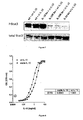
- bioactivity was determined in three different assays (induction of STAT3 phosphorylation in cultivated murine splenocytes, induction of proliferation of the IL-10 dependent cell line Ba/F3, suppression of LPS-induced TNF ⁇ release from murine splenocytes in vitro).
- two preparations of commercial bacterially expressed murine IL-10 did not display any biological activity while the polypeptide having IL-10 function according to the present invention expressed in human cells was active.
- a comparison of the wildtype IL-10 and the polypeptide having IL-10 function of the invention (both expressed in parallel in human cells and treated equally) in these in vitro assays showed an activity of the polypeptide of the invention at least equal to the activity of non-covalently linked murine wildtype IL-10.
- IL-10 action is short-ranged only and limited to the immediate vicinity of the IL-10-secreting cell.
- a molecular mechanism to ensure such a short-ranged action could be the rapid dissociation of the IL-10 dimer into less active monomers, in particular at conditions of low pH, which are encountered at sites of inflammation.
- the polypeptide having IL-10 function of the present invention overcomes these drawbacks and offers a novel tool for the suppression of inflammation in vivo both after local and/or systemic administration, as it is significantly more stable at sites of inflammation as compared to wildtype IL-10 and, therefore, more active.
- the polypeptide of the present invention represents a new anti-inflammatory compound that is more effective in the treatment of inflammatory diseases than wildtype IL-10.
- the polypeptide of the present invention simplifies the production of the respective cytokine, such as e.g. IL-10 for experimental or therapeutic use.
- cytokine such as e.g. IL-10
- commercial murine IL-10 obtained from two different manufacturers did not display any biological activity (see e.g. fig. 3 ), while the IL-10 prepared in accordance with the present invention reliably showed robust activity in a number of bioassays. This observation may be, as discussed above, due to limited stability of the wildtype homo-dimer.
- it is expected that the intra-molecular dimer-formation of the polypeptide of the present invention may occur more readily as compared to dimerisation after in vitro expression of the wildtype cytokine, due to the close physical association of the monomers.
- the polypeptide of the present invention also provides the opportunity to develop new biomaterials.
- An emerging new field is the design of artificial matrices or scaffolds that are loaded with growth factors or cytokines to facilitate processes like tissue regeneration or wound healing (Hubbell 2005).
- IL-10 has important effects on tissue repair (Eming 2007).
- Excisional wounds in IL-10-deficient mice display a more intense inflammatory tissue response, heal faster but result in enhanced collagen-deposition and thus increased scar tissue.
- minimal scarring is of prime importance.
- the interleukin-10 monomers are independently selected from the group consisting of mammalian- and virus-derived interleukin-10 monomers.
- the mammalian-derived interleukin-10 monomers are selected from the group consisting of human (Vieira et al., 1991), mouse (Moore et al., 1990), rat (Langley et al., 2001), guinea pig (Scarozza et al., 1998), dog (Lu et al., 1995), monkey (Villinger et al., 1995) cow or pig (Blancho et al., 1995) interleukin-10 monomers.
- virus-derived interleukin-10 monomers are selected from the group consisting of Epstein-Barr virus (BCRF1) (Hsu et al., 1990), herpes virus type 2 (Rode et al., 1994), cytomegalovirus (Kotenko et al., 2000; Spencer, 2002), and Orf virus (Fleming et al., 1997).
- BCRF1 Epstein-Barr virus
- herpes virus type 2 Rode et al., 1994
- cytomegalovirus Zatenko et al., 2000; Spencer, 2002
- Orf virus Fet al., 1997
- independently selected encompasses the selection of monomers from the same species but also the selection of monomers from different species, such as for example one monomer selected from human and one monomer selection from mouse.
- the interleukin-10 monomers are independently selected from (i) any one of SEQ ID NOs:1 to 7, and/or (ii) a sequence having at least 70% sequence identity to SEQ ID NO:1 and essentially retaining the biological activity of IL-10.
- SEQ ID NO:1 corresponds to the mature human IL-10 monomere (based on RefSeq accession number NP_000563.1, without the signalling peptide), while SEQ ID NO:2 corresponds to mature murine IL-10 monomere (based on RefSeq accession number NP_034678.1, without the signalling peptide), SEQ ID NO:3 corresponds to the mature monkey monomere (based on RefSeq accession number NP_001038192.1, without the signalling peptide), SEQ ID NO:4 corresponds to the dog monomere (RefSeq accession number 001003077.1), SEQ ID NO:5 corresponds to the rat monomere (RefSeq accession number NP_036986), SEQ ID NO:6 corresponds to the guinea pig monomere (UniProt accession number Q9Z1Y5) and SEQ ID NO:7 corresponds to the swine monomere (RefSeq accession
- the immature polypeptides may be employed in order to express the respective monomers of human, mouse or monkey IL-10 in a cell prior to purification and covalent linkage thereof.
- Such immature forms of IL-10 monomers will be processed by the host or host cell by cleavage of the signaling peptide or may be cleaved in vitro after purification and before linkage.
- the monomers may be selected from SEQ ID NOs: 8 to 10, which represent human, mouse or monkey IL-10 monomers with the signaling peptide, respectively.
- the IL-10 monomers may be selected from a sequence having at least 70% sequence identity to SEQ ID NO:1. More preferably, the IL-10 monomers are selected from a sequence that has at least 80%, even more preferably at least 85% sequence identity to SEQ ID NO:1. Even more preferably the IL-10 monomers are selected from a sequence that has at least 90 % sequence identity to SEQ ID NO:1, such as at least 95% sequence identity and most preferably at least 98% sequence identity to SEQ ID NO:1. Such molecules may be splice forms, homologous molecules from other species, such as orthologs, or mutated sequences from the same species to mention the most prominent examples.
- the term "% sequence identity" describes the number of matches ("hits") of identical amino acids of two or more aligned amino acid sequences as compared to the number of amino acid residues making up the overall length of the amino acid sequences (or the overall compared part thereof).
- hits the percentage of amino acid residues that are the same (e.g., 80% or 85% identity) may be determined, when the (sub)sequences are compared and aligned for maximum correspondence over a window of comparison, or over a designated region as measured using a sequence comparison algorithm as known in the art, or when manually aligned and visually inspected.
- Preferred polypeptides in accordance with the invention are those where the described identity exists over a region that is at least about 15 to 25 amino acids in length, more preferably, over a region that is at least about 50 to 100 amino acids in length. More preferred polypeptides in accordance with the present invention are those having the described sequence identity over the entire length of the polypeptide.
- Those having skill in the art will know how to determine percent sequence identity between/among sequences using, for example, algorithms such as those based on the NCBI BLAST algorithm ( Stephen F. Altschul, Thomas L. Madden, Alejandro A. Schffer, Jinghui Zhang, Zheng Zhang, Webb Miller, and David J.
- the biological activity of IL-10 is essentially retained if at least 60% of the biological activity of IL-10 is retained. Preferably, at least 75% or more preferably at least 80% of the IL-10 activity is retained. More preferred is that at least 90% such as at least 95%, even more preferred at least 98% such as at least 99% of the biological activity of IL-10 is retained. Most preferred is that the biological activity is fully, i.e. to 100%, retained. Also in accordance with the invention are polypeptides having increased biological activity compared to IL-10, i.e. more than 100% activity. It will be understood by the person skilled in the art that the biological activity of IL-10 refers to the IL-10 function defined herein above.
- the requirement that the interleukin-10 monomers essentially retain the biological activity of IL-10 refers to the biological activity of the IL-10 molecule resulting from the dimerisation of the respective IL-10 monomers.
- the monomers have to retain the capability to form functional IL-10 dimers having the above defined minimal biological activity as compared to naturally occurring IL-10.
- the interleukin-10 monomers are independently selected from SEQ ID NO:1 or SEQ ID NO:2.
- the two IL-10 monomers are identical in their amino acid sequence.
- the linker is a peptide linker.
- polypeptide of the invention is a single polypeptide chain.
- the peptide linker is selected from the group consisting of (Gly 3 SerGly 3 ) n , (Gly 2 Ser 1 Gly 2 ) n , (GlySer 1 Gly) n , and (Gly 3 Ser 1 Gly 2 ) n , wherein n is an integer independently selected from 0, 1, 2, 3 or 4.
- the linker sequence is Gly 3 SerGly 3 .
- the resulting dimeric IL-10 protein is enhanced, such that the N-terminus of one subunit is located adjacent to the C-terminus of the other subunit and vice-versa.
- the anti-parallel orientation of the resulting IL-10 dimer is shown in figures 1 and 2 .
- the polypeptide further comprises at least one additional polypeptide or peptide.
- the additional polypeptide or peptide is unrelated to cytokines and can be, for example, a tag or a functional (poly)peptide suitable to improve the performance of the polypeptide of the invention.
- the tag can e.g. be a Strep-tag, a His-tag, a Myc-tag or a Flag-tag.
- Functional (poly)peptides are e.g.
- a kappa secretion leader human serum albumin (hsa) or fragments thereof, (poly)peptides capable of binding to hsa or other serum proteins; (poly)peptides capable of binding to neonatal Fc receptor (FcRn), human muscle aldolase (hma) or fragments thereof, CD8 hinge region, immunoglobulin constant regions or variable regions.
- fragments thereof in connection with the present invention refers to fragments of the molecules still having one or more of the biological functions of the full-length molecules.
- functional molecules such as for examples (poly)peptides may be cleaved to yield fragments with unaltered or substantially unaltered function. Such cleavage may include the removal of a given number of N- and/or C-terminal amino acids. Additionally or alternatively, a number of internal (non-terminal) amino acids may be removed, provided the obtained (poly)peptide has the function of the full length (poly)peptide.
- Said number of amino acids to be removed from the termini and/or internal regions may be one, two, three, four, five, six, seven, eight, nine, ten, 15, 20, 25, 30, 40, 50 or more than 50. Any other number between one and 50 is also deliberately envisaged in accordance with this invention.
- Means and methods for determining such functional domains of (poly)peptides are well known in the art and include experimental and bioinformatic means.
- Experimental means include the systematic generation of deletion mutants and their assessment in assays for the desired functions above known in the art.
- Bioinformatic means include database searches. Suitable databases included protein sequence databases as well as databases for glycobiology. In this case a multiple sequence alignment of significant hits is indicative of domain boundaries, wherein the domain(s) is/are comprised of the/those sub-sequences exhibiting an elevated level of sequence conservation as compared to the remainder of the sequence.
- Further suitable databases include databases of statistical models of conserved protein domains such as Pfam maintained by the Sanger Institute, UK (www.sanger.ac.uk/Software/Pfam).
- the additional (poly)peptides or the fragments of (poly)peptides as envisaged in this embodiment are capable of increasing the stability and/or the serum half-life of the polypeptide of the present invention.
- the use of immunoglobulin variable regions as additional (poly)peptides or fragments thereof enables the generation of polypeptides in accordance with the present invention that can be targeted to a specific cell type. Such a polypeptide would specifically act on this particular cell type.
- the additional (poly)peptides or fragments thereof may facilitate the purification of the polypeptide of the invention when recombinantly expressed.
- the polypeptide of the invention could thus be introduced into bacteriophages as part of the bacteriophage proteins and variants of the polypeptide of the invention with new binding properties could be select by phage binding assays.
- the present invention further relates to a nucleic acid molecule encoding the polypeptide of the present invention.
- nucleic acid molecule defines a linear molecular chain consisting of more than 100 nucleotides.
- the group of molecules designated herein as “nucleic acid molecules” also comprises complete genes.
- Nucleic acid molecules include DNA, such as for example cDNA or genomic DNA, and RNA, for example mRNA. Further included are nucleic acid mimicking molecules known in the art such as for example synthetic or semi-synthetic derivatives of DNA or RNA and mixed polymers. Such nucleic acid mimicking molecules or nucleic acid derivatives according to the invention include phosphorothioate nucleic acid, phosphoramidate nucleic acid, 2'-O-methoxyethyl ribonucleic acid, morpholino nucleic acid, hexitol nucleic acid (HNA) and locked nucleic acid (LNA) (see Braasch and Corey, Chem Biol 2001, 8:1).
- LNA is an RNA derivative in which the ribose ring is constrained by a methylene linkage between the 2'-oxygen and the 4'-carbon. They may contain additional non-natural or derivative nucleotide bases, as will be readily appreciated by those skilled in the art.
- nucleic acid molecule of the invention encodes the polypeptide of the invention in those instances where the polypeptide is a single-chain polypeptide, i.e. when the linker is a peptide linker.
- the present invention also relates to a vector comprising the nucleic acid molecule of the invention.
- the vector is a plasmid, cosmid, virus, bacteriophage or another vector used e.g. conventionally in genetic engineering.
- the nucleic acid molecule of the present invention may be inserted into several commercially available vectors.
- Non-limiting examples include prokaryotic plasmid vectors, such as the pUC-series, pBluescript (Stratagene), the pET-series of expression vectors (Novagen) or pCRTOPO (Invitrogen) and vectors compatible with expression in mammalian cells like pCEP4 (Invitrogen), pREP (Invitrogen), pSecTag2HygroC (Invitrogen), pcDNA3 (Invitrogen), pMC1neo (Stratagene), pXT1 (Stratagene), pSG5 (Stratagene), EBO-pSV2neo, pBPV-1, pdBPVMMTneo, pRSVgpt, pRSVneo, pSV2-dhfr, pIZD35, pLXIN, pSIR (C
- the nucleic acid molecule of the present invention may also be inserted into vectors such that a translational fusion with another nucleic acid molecule is generated.
- the other nucleic acid molecules may encode a (poly)peptide which can e.g. increase the solubility and/or facilitate the purification of the protein encoded by the nucleic acid molecule of the invention.
- Non-limiting examples include pET32, pET41, pET43 (Novagen).
- the vectors may also contain an additional expressible polynucleotide coding for one or more chaperones to facilitate correct protein folding.
- Suitable bacterial expression hosts comprise e. g. strains derived from BL21 (such as BL21(DE3), BL21(DE3)PlysS, BL21(DE3)RIL, BL21(DE3)PRARE) or Rosetta®.
- vectors can contain one or more origins of replication (ori) and inheritance systems for cloning or expression, one or more markers for selection in the host, e. g., antibiotic resistance, and one or more expression cassettes.
- origins of replication include, for example, the Col E1, the SV40 viral and the M 13 origins of replication.
- a typical mammalian expression vector contains the promoter element, which mediates the initiation of transcription of mRNA, the protein coding sequence, and signals required for the termination of transcription and polyadenylation of the transcript. Moreover, elements such as origin of replication, drug resistance gene, regulators (as part of an inducible promoter) may also be included.
- the lac promoter is a typical inducible promoter, useful for prokaryotic cells, which can be induced using the lactose analogue isopropylthiol-b-D-galactoside. ("IPTG").
- IPTG lactose analogue isopropylthiol-b-D-galactoside.
- the nucleic acid molecule of the invention is operably linked to such expression control sequences allowing expression in prokaryotes or eukaryotic cells.
- the vector may further comprise nucleotide sequences encoding secretion signals as further regulatory elements.
- nucleotide sequences are well known to the person skilled in the art. This sequence is typically located immediately 5' to the gene encoding the polypeptide of the invention, and will thus be transcribed at the amino terminus thereof. However, in certain cases, the signal sequence has been demonstrated to be located at positions other than 5' to the gene encoding the protein to be secreted. This sequence targets the protein to which it is attached across the inner membrane of e.g. a bacterial cell.
- the DNA encoding the signal sequence may be obtained as a restriction endonuclease fragment from any gene encoding a protein that has a signal sequence.
- Suitable prokaryotic signal sequences may be obtained from genes encoding, for example, LamB or OmpF (Wong et al., Gene, 68:1931 (1983), MalE, PhoA and other genes. Additional elements might include enhancers, Kozak sequences and intervening sequences flanked by donor and acceptor sites for RNA splicing. Highly efficient transcription can be achieved with the early and late promoters from SV40, the long terminal repeats (LTRs) from retroviruses, e.g., RSV, HTLVI, HIVI, and the early promoter of the cytomegalovirus (CMV). However, cellular elements can also be used (e.g., the human actin promoter).
- LTRs long terminal repeats
- CMV cytomegalovirus
- cellular elements can also be used (e.g., the human actin promoter).
- Suitable expression vectors for use in practicing the present invention include, for example, vectors such as pSVL and pMSG (Pharmacia, Uppsala, Sweden), pRSVcat (ATCC 37152), pSV2dhfr (ATCC 37146) and pBC12MI (ATCC 67109).
- a selectable marker such as dhfr, gpt, neomycin, hygromycin genes for eukaryotic cells or tetracycline, kanamycin or ampicillin resistance genes for culturing in E. coli and other bacteria allows the identification and isolation of the transfected cells.
- the transfected nucleic acid can also be amplified to express large amounts of the encoded (poly)peptide.
- the DHFR (dihydrofolate reductase) marker is useful to develop cell lines that carry several hundred or even several thousand copies of the gene of interest.
- Another useful selection marker is the enzyme glutamine synthase (GS) (Murphy et al. 1991; Bebbington et al. 1992). Using these markers, the mammalian cells are grown in selective medium and the cells with the highest resistance are selected.
- the coding sequences inserted in the vector can e.g. be synthesized by standard methods, or isolated from natural sources or produced semi-synthetically, i.e. by combining chemical synthesis and recombinant techniques. Ligation of the coding sequences to transcriptional regulatory elements and/or to other amino acid encoding sequences can be carried out using established methods.
- nucleic acid molecules of the invention as described herein above may be designed for direct introduction or for introduction via liposomes, phage vectors or viral vectors (e.g. adenoviral, retroviral) into the cell.
- viral vectors e.g. adenoviral, retroviral
- baculoviral systems or systems based on vaccinia virus or Semliki Forest virus can be used as eukaryotic expression system for the nucleic acid molecules of the invention.
- Expression vectors derived from viruses such as retroviruses, vaccinia virus, adeno-associated virus, herpes viruses, or bovine papilloma virus, may be used for delivery of the polynucleotides or vector into targeted cell population.
- the present invention also relates to a non-human host transformed with the nucleic acid molecule or the vector of the invention.
- Said host may be produced by introducing the nucleic acid molecule or the vector of the invention into a host, which upon its presence mediates the expression of the polypeptide encoded by the nucleic acid molecule or the vector.
- the host is a cell, such as an isolated cell which may be part of a cell culture.
- Suitable prokaryotic host cells comprise e.g. bacteria of the species Escherichia, Bacillus , Streptomyces and Salmonella typhimurium.
- Suitable eukaryotic host cells are e.g. fungal cells, inter alia, yeasts such as Saccharomyces cerevisiae or Pichia pastoris or insect cells such as Drosophila S2 and Spodoptera Sf9 cells and plant cells as well as mammalian cells.
- Mammalian host cells include without being limiting human HEK293, Hela, H9 and Jurkat cells, mouse NIH3T3 and C127 cells, COS 1, COS 7 and CV1, quail QC1-3 cells, mouse L cells, Chinese hamster ovary (CHO) cells and Bowes melanoma cells.
- the host cell may also be a primary cell or primary cell line.
- Primary cells are cells which are directly obtained from an organism. Suitable primary cells are, for example, mouse embryonic fibroblasts, mouse primary hepatocytes, cardiomyocytes and neuronal cells as well as mouse muscle stem cells (satellite cells) and stable, immortalized cell lines derived thereof.
- host cell may be adjusted to achieved the desired posttranscriptional modification of the polypeptide of the invention, such as for example the presence or absence of glycosylation.
- eukaryotic host cells mutated with respect to its ability to glycosylated may be employed, see e.g. Deutscher et al . 1984.
- the present invention further relates to a method for the production of a recombinant polypeptide having cytokine, preferably interleukin-10 function comprising culturing the host or the host cell of the invention under suitable conditions and isolating the polypeptide having cytokine, preferably interleukin-1 0 function produced.
- Suitable conditions for culturing a prokaryotic or eukaryotic host are well known to the person skilled in the art.
- suitable conditions for culturing bacteria are growing them under aeration in Luria Bertani (LB) medium.
- the medium can be buffered or supplemented with suitable additives known to enhance or facilitate both.
- E. coli can be cultured from 4 to about 37°C, the exact temperature or sequence of temperatures depends on the molecule to be over-expressed. In general, the skilled person is also aware that these conditions may have to be adapted to the needs of the host and the requirements of the polypeptide expressed.
- an inducible promoter controls the nucleic acid molecule of the invention in the vector present in the host cell
- expression of the polypeptide can be induced by addition of an appropriate inducing agent. Suitable expression protocols and strategies are known to the skilled person.
- mammalian cell cultures can e.g. be carried out in RPMI or DMEM medium containing 10% (v/v) FCS, 2mM L-glutamine and 100 U/ml penicillin/streptomycine.
- the cells can be kept at 37 °C in a 5% CO 2 , water saturated atmosphere.
- Suitable media for insect cell culture is e.g. TNM + 10% FCS or SF900 medium.
- Insect cells are usually grown at 27 °C as adhesion or suspension culture.
- Methods of isolating the polypeptide produced are well-known in the art and comprise, without being limiting, method steps such as ion exchange chromatography, gel filtration chromatography (size exclusion chromatography), affinity chromatography, high pressure liquid chromatography (HPLC), reversed phase HPLC, disc gel electrophoresis or immunoprecipitation, see, for example, in Sambrook, 2001, loc. cit.
- polypeptide of the invention may be produced synthetically, e.g. by direct peptide synthesis using solid-phase techniques (cf Stewart et al. (1969) Solid Phase Peptide Synthesis; Freeman Co, San Francisco ; Merrifield, J. Am. Chem. Soc. 85 (1963), 2149-2154 ).
- Synthetic protein synthesis may be performed using manual techniques or by automation. Automated synthesis may be achieved, for example, using the Applied Biosystems 431A Peptide Synthesizer (Perkin Elmer, Foster City CA) in accordance with the instructions provided by the manufacturer.
- Various fragments may be chemically synthesized separately and combined using chemical methods to produce the full length molecule. As indicated above, chemical synthesis, such as the solid phase procedure described by Houghton (Proc. Natl. Acad. Sci., 1985, 82: 5131 ) can be used.
- a further, alternative, method for producing the polypeptide in accordance with the invention is in vitro translation of mRNA.
- Suitable cell-free expression systems for use in accordance with the present invention include rabbit reticulocyte lysate, wheat germ extract, canine pancreatic microsomal membranes, E. coli S30 extract, and coupled transcription/transiation systems such as the TNT-system (Promega). These systems allow the expression of recombinant polypeptides upon the addition of cloning vectors, DNA fragments, or RNA sequences containing coding regions and appropriate promoter elements.
- the present invention further relates to a pharmaceutical composition
- a pharmaceutical composition comprising at least one of (a) the polypeptide of the invention; (b) the nucleic acid molecule of the invention; (c) the vector of the invention; and/or (d) the host of the invention.
- the term "pharmaceutical composition” relates to a composition for administration to a patient, preferably a human patient.
- the pharmaceutical composition of the invention comprises the compounds recited above, alone or in combination. It may, optionally, comprise further molecules capable of altering the characteristics of the compounds of the invention thereby, for example, stabilizing, modulating and/or activating their function.
- the composition may e.g. be in solid or liquid form and may be, inter alia , in the form of (a) powder(s), (a) tablet(s), (a) solution(s) or (an) aerosol(s).
- the pharmaceutical composition of the present invention may, optionally and additionally, comprise a pharmaceutically acceptable carrier.
- pharmaceutically acceptable carrier is meant a non-toxic solid, semisolid or liquid filler, diluent, encapsulating material or formulation auxiliary of any type.
- suitable pharmaceutically acceptable carriers include phosphate buffered saline solutions, water, emulsions, such as oil/water emulsions, various types of wetting agents, sterile solutions, organic solvents including DMSO etc. Compositions comprising such carriers can be formulated by well known conventional methods.
- compositions can be administered to the subject at a suitable dose.
- the dosage regimen will be determined by the attending physician and clinical factors. As is well known in the medical arts, dosages for any one patient depend upon many factors, including the patient's size, body surface area, age, the particular compound to be administered, sex, time and route of administration, general health, and other drugs being administered concurrently. The therapeutically effective amount for a given situation will readily be determined by routine experimentation and is within the skills and judgement of the ordinary clinician or physician. The skilled person knows that the effective amount of a pharmaceutical composition administered to an individual will, inter alia, depend on the nature of the compound.
- the total pharmaceutically effective amount of pharmaceutical composition administered parenterally per dose will be in the range of about 1 ⁇ g protein/kg/day to 10 mg protein /kg/day of patient body weight, although, as noted above, this will be subject to therapeutic discretion. More preferably, this dose is at least 0.01 mg protein/kg/day, and most preferably for humans between about 0.01 and 1 mg protein/kg/day.
- the length of treatment needed to observe changes and the interval following treatment for responses to occur vary depending on the desired effect. The particular amounts may be determined by conventional tests which are well known to the person skilled in the art.
- compositions of the invention may for example be administered orally, rectally, parenterally, intracisternally, intraperitoneally, topically (as by powders, ointments, drops or transdermal patch), bucally, or as a nasal spray.
- parenteral refers to modes of administration, which include intravenous, intramuscular, intrasternal, subcutaneous and intraarticular injection and infusion.
- nucleic acid molecule of the invention when the pharmaceutical composition comprises the nucleic acid molecule of the invention, said nucleic acid molecule is provided in a suitable form to ensure expression of the polypeptide of the invention.
- the nucleic acid molecule may be operatively linked to a promoter or may be provided in form of the vector or the host of the invention.
- the present invention further relates to the polypeptide, the nucleic acid molecule, the vector or the host of the present invention for use in treating and/or preventing inflammatory diseases.
- Inflammatory diseases include all diseases associated with acute or chronic inflammation.
- Acute inflammation is the initial response of the body to harmful stimuli and results from an increased movement of plasma and leukocytes (such as e.g. granulocytes) from the blood into the injured tissues.
- a number of biochemical events propagates and matures the inflammatory response, involving the local vascular system, the immune system, and various cells within the injured tissue.
- Prolonged inflammation is referred to as chronic inflammation, which leads to a progressive shift in the type of cells present at the site of inflammation and is characterized by simultaneous destruction and healing of the tissue from the inflammatory process.
- Inflammatory diseases can be caused by e.g.
- the inflammatory disease is selected from the group consisting of inflammatory bowel disease, rheumatoid arthritis, psoriasis and bacterial sepsis.
- inflammatory bowel disease refers to a group of inflammatory conditions of the colon and small intestine including for example Crohn's disease, ulcerative colitis, collagenous colitis, lymphocytic colitis, ischaemic colitis, diversion colitis, Behçet's syndrome and indeterminate colitis.
- Rheumatoid arthritis in accordance with the present invention, is an autoimmune disorder that causes the body's immune system to attack the bone joints ( Muller B et al. 1998. Springer Semin Immunopathol. 20:181-96 ).
- Rheumatoid arthritis is a chronic, systemic inflammatory disorder that may affect many tissues and organs, but principally attacks synovial joints. The process produces an inflammatory response of the synovium (synovitis) secondary to hyperplasia of synovial cells, excess synovial fluid, and the development of pannus in the synovium. The pathology of the disease process often leads to the destruction of articular cartilage and ankylosis of the joints.
- Rheumatoid arthritis can also produce diffuse inflammation in the lungs, pericardium, pleura, and sclera, and also nodular lesions, most common in subcutaneous tissue under the skin.
- Psoriasis in accordance with the present invention, is a disease which affects the skin and joints. It commonly causes red scaly patches to appear on the skin.
- Psoriasis is hypothesized to be immune-mediated and is not contagious.
- the disorder is a chronic recurring condition which varies in severity from minor localised patches to complete body coverage.
- Fingernails and toenails are frequently affected (psoriatic nail dystrophy) - and can be seen as an isolated finding. Psoriasis can also cause inflammation of the joints, which is known as psoriatic arthritis. Ten to fifteen percent of people with psoriasis have psoriatic arthritis.
- bacterial sepsis refers to life-threatening conditions resulting from the circulation of bacteria in the blood stream. Sepsis results in generalized systemic production of proinflammatory cytokines that results in tissue damage and ultimately septic shock due to failure of the microcirculation.
- the present invention further relates to an inhibitor of cytokine receptor activity, wherein the inhibitor is a polypeptide comprising two cytokine monomer subunits covalently linked by a linker, wherein (a) one monomer binds to a receptor chain of the cytokine receptor to be inhibited and the second monomer does not bind to a receptor chain of said cytokine receptor; and/or (b) the linker interferes with dimerisation of the cytokine receptor chains of the receptor to be inhibited.
- the inhibitor is a polypeptide comprising two cytokine monomer subunits covalently linked by a linker, wherein (a) one monomer binds to a receptor chain of the cytokine receptor to be inhibited and the second monomer does not bind to a receptor chain of said cytokine receptor; and/or (b) the linker interferes with dimerisation of the cytokine receptor chains of the receptor to be inhibited.
- inhibitor in accordance with the present invention, relates to a polypeptide having the above defined structure and reducing the biological activity of a cytokine receptor by at least 50%, preferably by at least 75%, more preferred by at least 90% and even more preferred by at least 95% such as at least 98% or even at least 99%, such as 100%.
- a reduction by e.g. 98% denotes that only 2% of the biological activity of the receptor are maintained in the presence of the inhibitor as compared to the biological activity of said receptor in the absence of the inhibitor.
- Biological function denotes in particular any known biological function of cytokine receptors. Examples of said biological function are provided herein above. All these functions can be tested for by the skilled person either on the basis of common general knowledge or on the basis of the teachings of this specification, optionally in conjunction with the teachings of the documents cited therein.
- the second monomer is not able to bind to a receptor chain of said cytokine receptor at all or (ii) that the second monomer binds to a receptor chain of a different cytokine receptor.
- receptor chain of said cytokine receptor as well as “the same cytokine receptor chain”, as used herein, relate to a chain of the same cytokine receptor type, such as for example an IL-10 receptor chain and of the same species.
- Many cytokines activate their receptor by first binding to a first ligand binding receptor chain, generating a complex of a cytokine monomer and a first receptor chain.
- another receptor chain is occupied by a second cytokine monomer. Then both occupied receptor chains come together and in the cytokine binding area both cytokine molecules form a dimer.
- cytokine receptor a different cytokine receptor
- cytokine receptor chains that are receptor chains for different cytokine, such as IL-10 and IL-6, but also cytokine receptor chains for the same cytokine, such as e.g. IL-10, but of a different species.
- a "monomer that is not able to bind to a receptor chain of said cytokine receptor” in accordance with option (i) above may e.g. be a human IL-10 monomer comprising mutations that result in the monomer not being able to bind to the IL-10 receptor chain any longer.
- a dimer may be employed having e.g. an IL-10 monomer covalently linked to an IL-6 monomer. Both monomer subunits will bind to their respective cytokine receptor chains, thus resulting in an inhibition of both signalling pathways.
- a covalently linked cytokine dimer comprising e.g.
- a human IL-10 monomer and a mouse IL-10 monomer may be employed (fulfilling the requirements of both option (i) and option (ii)).
- Such a dimer will result in the inhibition of human IL-10 receptor signalling, as the mouse IL-10 monomer is not able to bind to the IL-10 receptor.
- the linker that covalently links the two cytokine monomers interferes with dimerisation of the cytokine receptor chains of the receptor to be inhibited.
- the linker may be a peptide or a non-peptide linker in accordance with the above detailed definitions.
- the considerations for linker design in accordance with option (b) of this embodiment of the inhibitor of the invention are directed to a sterical hindrance of receptor dimerisation.
- the linker may e.g. be designed to have certain hydrophobic or charged moieties that result in interaction with the functional protein domains of the receptor chains, while not interfering with dimerisation of the inhibitor of the invention.
- peptide linkers can be chosen from the LIP (Loops in Proteins) database (Michalsky et al., 2003) obtained commercially (see, for example, the catalogue from Glen Research, 22825 Davis Drive, Sterling, Virginia, 20164 USA).
- the above outlined methods for testing the suitability of different linkers apply also to this embodiment, e.g. the properties of the linker may be tested by assessing the activation (or lack thereof) of the target receptor in the presence of the inhibitor of the present invention as compared to activation of the target receptor in the presence of a known ligand, such as for example a wild-type cytokine known to induce receptor activity.
- the stability of the resulting molecule can also be measured, as outlined above, by e.g. melting point analysis in circular dichroism spectroscopy.
- the polypeptide comprises a human IL-10 monomer and a mouse IL-10 monomer covalently linked by a linker.
- Ba/F3 cells were provided by Kastelein R.A. (SCHERING-PLOUGH BIOPHARMA, Palo Alto) and maintained in Ba/F3 medium: RPMI 1640 supplemented with 10% FCS, 1% Penicillin Streptomycin (Biochrom), 2mM L-glutamin, 50 ⁇ M b-mercaptoethanol and 10 ng/ml mouse IL-3 (Natutec).
- IL-10 preparations cells were collected by centrifugation, washed three times in Ba/F3 medium without IL-3, counted, and resuspended to the appropriate density for plating.
- the neutralizing antibody clone Jes5-2a5 was used to control for the specificity of effects induced by IL-10 preparations.
- rabbit anti-phospho-Stat3 cell signaling
- mouse anti-Stat3 Santa Cruz
- swine anti-rabbit Hrp DAKO
- goat anti mouse Hrp R&D Systems
- Tyrosine-phosphorylation of STAT-3 in mouse splenocytes was analysed by Western blot.
- C57/BL6 spleens were homogenized and red blood cells were lysed by short incubation in ammonium chloride buffer.
- Equal amounts of cells where mixed with different concentrations of the IL-10 of the invention and wildtype IL-10, incubated for 30 min at 37 °C and lysed by RIPA-buffer supplemented with phostop (Roche) and protease inhibitors (Complete, Roche). Cleared lysates were loaded onto a polyacrylamide gel under reducing conditions.
- the gel was blotted to a PVDF membrane and probed with anti phospho-Stat3 antibody and swine anti-rabbit HRP secondary antibody.
- total STAT3 was detected after stripping by re-probing with mouse anti- STAT3 and goat anti-mouse HRP.
- Chemiluminescence (ECL, Pierce) was detected by X-ray films.
- the Ba/F3 proliferation assay was performed in 96-well flat bottom plates in Ba/F3 medium (without IL-3). The assay volume was 100 ⁇ L per well. Bioassay plates were incubated in a humidified atmosphere (37°C, 5% CO2) for 40-48 hours. IL-10 was prepared to working concentration and added first to the well. Serial dilutions of 1:2 were performed with Ba/F3 medium across the wells. Cells were suspended to the appropriate density for plating and added to the well. The proliferation rate was measured by adding MTT (Sigma) to a final concentration of 0.5 mg/ml. After 4 hours, cells were lysed by adding 100 ⁇ l of lysis buffer (0,1 N HCl, 10% SDS) and incubation over night. Absorbance was read at 570 nm.
- Fresh mouse splenocytes were generated by pushing the spleen through a cell strainer. Cells were resuspended in IMDM medium (10% FCS, 1% Penicillin Streptomycin, 2 mM L-glutamin). Equal numbers of total spleen cells were plated in a 96-well plate and incubated with LPS (lipopolysaccharide) and different concentrations of "stable", wt or commercial IL-10 for 24 h at 37°C. Supernatant was harvested and TNF ⁇ concentrations were determined by ELISA.
- mice of the same age and gender got inhalation anaesthesia and were intravenously injected with recombinant "stable" or wt IL-10 followed by injections of LPS 30 min later. After 1.5 h blood samples were taken from the retroorbital plexus. After complete coagulation serum samples were assayed by ELISA. Mice were always narcotized by inhalation anaesthesia before injections and blood taking
- LPS (10 ⁇ g) was injected under skin of IL-10 -/- once per day for two consecutive days. In some cases LPS was mixed with high amounts of wt IL-10 and injected likewise. On day four after the first injection the skin was excised, fixed in formalin and processed for histology. Skin sections were stained with haematoxylin and eosin and were put onto an object slide for microscopy
- peritoneal lavage cells (macrophages, B cells and mast cells) from wildtype C57BL/6 mice were incubated at 37°C in RPMI 1640 medium. The cells were stimulated with 1 ⁇ g/ml LPS for 1 hour. Total RNA was isolated from the cells and reverse transcribed using oligo-dt primers. The IL-10 cDNA was amplified with specific primers containing a Nhel restriction site to the 5'and a BamHI restriction site to the 3'end. This PCR-product and the mammalian expression vector (see fig. 2 ) were both digested with Nhel and BamHI and purified by gel extraction.
- IL-10 cDNA was amplified again, this time using a primer containing a BamHI site and the polypeptide linker and a primer containing a BamHI site. After BamHI restriction digest of this PCR product, it was ligated behind the IL-cDNA of the wildtype construct that was also cleaved by BamHI. The resulting construct (shown in figure 2 ) was also propagated in E.coli.
- Human embryonic kidney cells (Hek293) were transfected with the constructs encoding wildtype IL-10 or the IL-10 of the invention.
- Cells were propagated in DMEM/F12 Glutamax media (Invitrogen) supplemented with 10% FCS and 1% Penicillin Streptomycin (Biochrom).
- the antibiotic puromycin was added. After the propagation period, the cells were maintained in serum-free media. Every second day medium was harvested and stored at -20°C. Fresh medium was added. For protein purification, the frozen medium was thawed and loaded onto a nickel NTA-sepharose column (Amersham) exploiting the N-terminal histidin-tag of the recombinant proteins.
- the column was eluted with PBS buffer containing imidazol.
- the eluted fractions were analyzed on a polyacrylamid-gel.
- the IL-10-containing fractions were pooled and dialyzed against PBS buffer.
- the protein solution was sterile-filtered and stored in working aliquots at -80°C.
- the comparison of recombinant wildtype IL-10 and the IL-10 of the invention demonstrated that the IL-10 of the invention showed robust activity that was slightly higher than that of wildtype IL-10 ( Figure 4 ).
- the next assay exploits the fact that IL-10 signals via STAT3.
- STAT3 phosphorylation can be determined by Western blot analysis using a phospho-STAT3-specific antibody. As shown in Figure 5 , phospho-STAT3 was undetectable in short-term ex vivo cultures of mouse splenocytes without addition of recombinant IL-10. Both, wildtype IL-10 and the IL-10 of the invention induced robust STAT3 phosphorylation.
- Example 5 Bioactivity of the IL-10 of the invention in vivo
- IL-10 preparations were tested for their capacity to suppress the systemic inflammatory response to LPS.
- BALB/c mice were intravenously injected with recombinant IL-10 followed by i.v. injections of LPS 30 min later. After 1.5 hours, serum concentrations of TNF ⁇ were assayed by ELISA. At the concentrations tested, which seem to be saturating, both wt and the "stable" IL-10 of the invention show a comparable suppression of the inflammatory response ( figure 9 ).
Landscapes
- Chemical & Material Sciences (AREA)
- Health & Medical Sciences (AREA)
- Life Sciences & Earth Sciences (AREA)
- Organic Chemistry (AREA)
- General Health & Medical Sciences (AREA)
- Gastroenterology & Hepatology (AREA)
- Biochemistry (AREA)
- Biophysics (AREA)
- Zoology (AREA)
- Genetics & Genomics (AREA)
- Medicinal Chemistry (AREA)
- Molecular Biology (AREA)
- Proteomics, Peptides & Aminoacids (AREA)
- Toxicology (AREA)
- Peptides Or Proteins (AREA)
- Medicines That Contain Protein Lipid Enzymes And Other Medicines (AREA)
Priority Applications (4)
| Application Number | Priority Date | Filing Date | Title |
|---|---|---|---|
| EP10015036A EP2457579A1 (fr) | 2010-11-26 | 2010-11-26 | Interleukine 10 à liaison covalente |
| EP11801626.0A EP2643013A1 (fr) | 2010-11-26 | 2011-11-25 | Interleukine-10 à liaison covalente |
| PCT/EP2011/071023 WO2012069627A1 (fr) | 2010-11-26 | 2011-11-25 | Interleukine-10 à liaison covalente |
| US13/989,425 US20130316404A1 (en) | 2010-11-26 | 2011-11-25 | Covalently linked interleukin-10 |
Applications Claiming Priority (1)
| Application Number | Priority Date | Filing Date | Title |
|---|---|---|---|
| EP10015036A EP2457579A1 (fr) | 2010-11-26 | 2010-11-26 | Interleukine 10 à liaison covalente |
Publications (1)
| Publication Number | Publication Date |
|---|---|
| EP2457579A1 true EP2457579A1 (fr) | 2012-05-30 |
Family
ID=43607956
Family Applications (2)
| Application Number | Title | Priority Date | Filing Date |
|---|---|---|---|
| EP10015036A Withdrawn EP2457579A1 (fr) | 2010-11-26 | 2010-11-26 | Interleukine 10 à liaison covalente |
| EP11801626.0A Withdrawn EP2643013A1 (fr) | 2010-11-26 | 2011-11-25 | Interleukine-10 à liaison covalente |
Family Applications After (1)
| Application Number | Title | Priority Date | Filing Date |
|---|---|---|---|
| EP11801626.0A Withdrawn EP2643013A1 (fr) | 2010-11-26 | 2011-11-25 | Interleukine-10 à liaison covalente |
Country Status (3)
| Country | Link |
|---|---|
| US (1) | US20130316404A1 (fr) |
| EP (2) | EP2457579A1 (fr) |
| WO (1) | WO2012069627A1 (fr) |
Cited By (1)
| Publication number | Priority date | Publication date | Assignee | Title |
|---|---|---|---|---|
| RU2725830C1 (ru) * | 2016-10-31 | 2020-07-06 | Колон Лайф Сайенс, Инк. | Композиция для облегчения или лечения боли |
Families Citing this family (12)
| Publication number | Priority date | Publication date | Assignee | Title |
|---|---|---|---|---|
| WO2013070076A1 (fr) | 2011-11-08 | 2013-05-16 | Umc Utrecht Holding B.V. | Protéine hybride contenant interleukine-4 et interleukine |
| AU2015364396B2 (en) | 2014-12-19 | 2018-08-09 | Alkermes, Inc. | Single chain Fc fusion proteins |
| US20220362342A1 (en) * | 2015-09-21 | 2022-11-17 | Kolon Life Science, Inc. | Composition for treating pain |
| WO2018005226A2 (fr) * | 2016-06-22 | 2018-01-04 | Alkermes, Inc. | Compositions et méthodes permettant de moduler les propriétés immunostimulantes et anti-inflammatoires de l'il-10 |
| AU2019240370B2 (en) * | 2018-03-23 | 2024-03-07 | Gavish-Galilee Bio Applications Ltd. | Genetically reprogrammed Tregs expressing membrane-bound IL-10 |
| WO2020212598A1 (fr) | 2019-04-19 | 2020-10-22 | Synerkine Pharma B.V. | Protéine de fusion comprenant de l'il13 |
| FI4065585T3 (fi) | 2019-11-25 | 2025-09-26 | Alkermes Inc | Substituoituja makrosyklisiä yhdisteitä ja niihin liittyviä hoitomenetelmiä |
| CA3180304A1 (fr) * | 2020-05-28 | 2021-12-02 | Kenan Christopher GARCIA | Polypeptides d'interleukine-10 genetiquement modifies et leurs utilisations |
| US11760747B2 (en) | 2020-12-21 | 2023-09-19 | Alkermes, Inc. | Substituted piperidino compounds and related methods of treatment |
| WO2022140797A1 (fr) | 2020-12-23 | 2022-06-30 | Immunowake Inc. | Immunocytokines et utilisations associées |
| IL305758A (en) | 2021-03-10 | 2023-11-01 | Immunowake Inc | Immunomodulatory compounds and their uses |
| WO2023102493A2 (fr) * | 2021-12-01 | 2023-06-08 | Synthekine, Inc. | Variants d'il10 et leurs utilisations |
Citations (1)
| Publication number | Priority date | Publication date | Assignee | Title |
|---|---|---|---|---|
| WO2004044006A1 (fr) * | 2002-11-14 | 2004-05-27 | Maxygen, Inc. | Conjugues de l'interleukine-10 et de polymeres |
Family Cites Families (1)
| Publication number | Priority date | Publication date | Assignee | Title |
|---|---|---|---|---|
| EP1738683A1 (fr) * | 2005-06-30 | 2007-01-03 | Pixartis SA | Reconstruction d'images de température par microondes |
-
2010
- 2010-11-26 EP EP10015036A patent/EP2457579A1/fr not_active Withdrawn
-
2011
- 2011-11-25 WO PCT/EP2011/071023 patent/WO2012069627A1/fr not_active Ceased
- 2011-11-25 EP EP11801626.0A patent/EP2643013A1/fr not_active Withdrawn
- 2011-11-25 US US13/989,425 patent/US20130316404A1/en not_active Abandoned
Patent Citations (1)
| Publication number | Priority date | Publication date | Assignee | Title |
|---|---|---|---|---|
| WO2004044006A1 (fr) * | 2002-11-14 | 2004-05-27 | Maxygen, Inc. | Conjugues de l'interleukine-10 et de polymeres |
Non-Patent Citations (53)
| Title |
|---|
| "gene bank accession", Database accession no. AAK94013 |
| ANDERSON CF; OUKKA M; KUCHROO VJ; SACKS D.: "CD4(+)CD25(-)Foxp3(-) Th1 cells are the source of IL-10-mediated immune suppression in chronic cutaneous leishmaniasis", J EXP MED, vol. 204, 2007, pages 285 - 97 |
| ASADULLAH K ET AL: "Interleukin-10 therapy: Review of a new approach.", PHARMACOLOGICAL REVIEWS, vol. 55, no. 2, June 2003 (2003-06-01), pages 241 - 269, XP002626073, ISSN: 0031-6997 * |
| ASADULLAH K; STERRY W; VOLK HD: "Interleukin-10 therapy--review of a new approach", PHARMACOL REV., vol. 55, 2003, pages 241 - 69 |
| AUSUBEL: "Current Protocols in Molecular Biology", 2001, GREEN PUBLISHING ASSOCIATES AND WILEY INTERSCIENCE |
| BERG DJ; KÜHN R; RAJEWSKY K; MÜLLER W; MENON S; DAVIDSON N; CRÜNIG G; RENNICK D: "Interleukin-10 is a central regulator of the response to LPS in murine models of endotoxic shock and the Shwartzman reaction but not endotoxin tolerance", J CLIN INVEST., vol. 199, no. 96, pages 2339 - 47 |
| BLANCHO ET AL., PROC. NATL. ACAD. SCI U.S.A., vol. 92, 1995, pages 2800 |
| BRAASCH; COREY, CHEM BIOL, vol. 8, 2001, pages 1 |
| DE WAAL MALEFYT R; ABRAMS J; BENNETT B; FIGDOR CG; DE VRIES JE: "Interleukin 10(IL-10) inhibits cytokine synthesis by human monocytes: an autoregulatory role of IL-10 produced by monocytes", J EXP MED, vol. 174, 1991, pages 1209 - 20 |
| DEUTSCHER ET AL.: "Translocation at golgi vesicle membranes: a CHO glycosylation mutant deficient in CMP-sialic acid transport", CELL, vol. 39, no. 2, 1984, pages 295 - 299 |
| DING YAOZHONG ET AL: "A single amino acid determines the immunostimulatory activity of interleukin 10", JOURNAL OF EXPERIMENTAL MEDICINE, vol. 191, no. 2, 17 January 2000 (2000-01-17), pages 213 - 223, XP002626074, ISSN: 0022-1007 * |
| EMING SA; WERNER S; BUGNON P; WICKENHAUSER C; SIEWE L; UTERM6HLEN 0; DAVIDSON JM; KRIEG T; ROERS A: "Accelerated wound closure in mice deficient for interleukin-10", AM J PATHOL., vol. 170, 2007, pages 188 - 202 |
| FICKENSCHER H HOR S KUPERS H KNAPPE A WITTMANN S STICHT H: "The interleukin-10 family of cytokines", TRENDS IN IMMUNOLOGY, ELSEVIER, RAHWAY, NJ, US, vol. 23, no. 2, 1 February 2002 (2002-02-01), pages 89 - 96, XP004347860, ISSN: 1471-4906, DOI: 10.1016/S1471-4906(01)02149-4 * |
| FILLATREAU S; SWEENIE CH; MCGEACHY MJ; GRAY D; ANDERTON SM: "B cells regulate autoimmunity by provision of IL-10", NAT IMMUNOL, vol. 3, 2002, pages 944 - 50 |
| FIORENTINO DF; ZLOTNIK A; MOSMANN TR; HOWARD M; O'GARRA A: "IL-10 inhibits cytokine production by activated macrophages", J IMMUNOL, vol. 147, 1991, pages 3815 - 22 |
| FLEMING SB; MCCAUGHAN CA; ANDREWS AE; NASH AD; MERCER AA: "A homolog of interleukin-10 is encoded by the poxvirus orf virus", J VIROL, vol. 71, 1997, pages 4857 - 4861 |
| GLOCKER EO ET AL.: "Inflammatory bowel disease and mutations affecting the interleukin-10 receptor", N ENGL J MED., vol. 361, 2009, pages 2033 - 45 |
| HENIKOFF, PROC. NATL. ACAD. SCI., vol. 89, 1989, pages 10915 |
| HOUGHTON, PROC. NATL. ACAD. SCI., vol. 82, 1985, pages 5131 |
| HSU DH; DE WAAL MALEFYT R; FIORENTINO DF; DANG MN; VIEIRA P; DE VRIES J; SPITS H; MOSMANN TR; MOORE KW: "Expression of interleukin-10 activity by Epstein-Barr virus protein BCRF1", SCIENCE (WASH DC), vol. 250, 1990, pages 830 - 832 |
| IGYARTO BZ; JENISON MC; DUDDA JC; ROERS A; MÜLLER W; KONI PA; CAMPBELL DJ; SHLOMCHIK MJ; KAPLAN DH: "Langerhans cells suppress contact hypersensitivity responses via cognate CD4 interaction and langerhans cell-derived IL-10", J IMMUNOL., vol. 183, 2009, pages 5085 - 93 |
| JANKOVIC D; KULLBERG, MC; FENG CG ET AL.: "Conventional T-bet+Foxp3- Th1 cells are the major source of host-protective regulatory IL-10 during intracellular protozoan infection", J EXP MED, vol. 204, 2007, pages 273 - 83 |
| JOSEPHSON ET AL., IMMUNITY, vol. 14, 2001, pages 35 - 46 |
| KANG K; HAMMERBERG C; MEUNIER L; COOPER KD: "CD11b+ macrophages that infiltrate human epidermis after in vivo ultraviolet exposure potently produce IL-10 and represent the major secretory source of epidermal IL-10 protein", J IMMUNOL., vol. 153, 1994, pages 5256 - 64 |
| KOTENKO SV; SACCANI S; IZOTOVA LS; MIROCHNITCHENKO OV; PESTKA S: "Human cytomegalovirus harbors its own unique IL-10 homolog (cmv IL-10)", PROC NATL ACAD SCI USA, vol. 97, 2000, pages 1695 - 1700 |
| KÜHN R; LOHLER J; RENNICK D; RAJEWSKY K; MULLER W: "Interleukin-10-deficient mice develop chronic enterocolitis", CELL, vol. 75, 1993, pages 263 - 74 |
| LU ET AL., J. INTERF. CYTOKINE RES., vol. 15, 1995, pages 1103 |
| LUTOLF MP; HUBBELL JA: "Synthetic biomaterials as instructive extracellular microenvironments for morphogenesis in tissue engineering", NAT BIOTECHNOL., vol. 23, 2005, pages 47 - 55 |
| MADAN R ET AL.: "Nonredundant roles for B cell-derived IL-10 in immune counter-regulation", J IMMUNOL., vol. 183, 2009, pages 2312 - 20 |
| MANGAN NE; FALLON RE; SMITH P; VAN ROOIJEN N; MCKENZIE AN: "Fallon PG. Helminth infection protects mice from anaphylaxis via IL-10-producing B cells", J IMMUNOL, vol. 173, 2004, pages 6346 - 56 |
| MAURI C; GRAY D; MUSHTAQ N; LONDEI M: "Prevention of arthritis by interleukin 10-producing B cells", J EXP MED, vol. 197, 2003, pages 489 - 501 |
| MERRIFIELD, J. AM. CHEM. SOC., vol. 85, 1963, pages 2149 - 2154 |
| MIZOGUCHI A; MIZOGUCHI E; TAKEDATSU H; BLUMBERG RS; BHAN AK: "Chronic intestinal inflammatory condition generates IL-10-producing regulatory B cell subset characterized by CD1 d upregulation", IMMUNITY, vol. 16, 2002, pages 219 - 30 |
| MOORE K; VIEIRA P; FIORENTINO DF; TROUNSINE ML; KHAN TA; MOSMANN TR: "Homology of Cytokine Synthesis Inhibitory Factor (IL-10) to the Epstein-Barr Virus Gene BCRFI", SCIENCE, vol. 248, no. 4960, 1990, pages 1230 - 1234 |
| MOORE KW; DE WAAL MALEFYT R; COFFMAN RL: "O'Garra A Interleukin-10 and the interleukin-10 receptor", ANNU REV IMMUNOL., vol. 19, 2001, pages 683 - 765 |
| MULIER B ET AL., SPRINGER SEMIN IMMUNOPATHOL., vol. 20, 1998, pages 181 - 96 |
| O'GARRA A; CHANG R; GO N; HASTINGS R; HAUGHTON G; HOWARD M: "Ly-1 B (B-1) cells are the main source of B cell-derived interleukin 10", EUR J IMMUNOL, vol. 22, 1992, pages 711 - 17 |
| PEARSON; LIPMAN, PROC. NATL. ACAD. SCI., vol. 85, 1988, pages 2444 |
| RODE HJ; BUGERT JJ; HANDERMANN M; SCHNITZLER P; KEHM R; JANSSEN W; DELIUS H; DARAI G: "Molecular characterization and determination of the coding capacity of the genome of equine herpesvirus type 2 between the genome coordinates 0.235 and 0.258 (the EcoRl DNA fragment N; 4.2kbp)", VIRUS GENES, vol. 9, 1994, pages 61 - 75 |
| ROERS A; SIEWE L; STRITTMATTER E ET AL.: "T cell-specific Inactivation of the interleukin-10 gene in mice results in enhanced T cell responses but normal innate responses to lipopolysaccharide or skin irritation", J EXP MED, vol. 200, 2004, pages 1289 - 97 |
| RUBTSOV YP; RASMUSSEN JP; CHI EY; FONTENOT J; CASTELLI L; YE X; TREUTING P; SIEWE L; ROERS A; HENDERSON WR JR, RUDENSKY AY IMMUNITY. REGULATORY T CELL-DERIVED INTERLEUKIN-10 LIMITS INFLAMMATION AT ENVIRONMENTAL INTERFACES, vol. 28, 2008, pages 546 - 58 |
| SAMBROOK; RUSSEL: "Molecular Cloning, A Laboratory Manual", 2001, COLD SPRING HARBOR LABORATORY |
| SCAROZZA ET AL., CYTOKINE, vol. 10, 1998, pages 851 |
| SIEWE L; BOLLATI-FOGOLIN M; WICKENHAUSER C; KRIEG T; MULLER W; ROERS A: "Interleukin-10 derived from macrophages and/or neutrophils regulates the inflammatory response to LPS but not the response to CpG DNA", EUR J IMMUNOL., vol. 36, 2006, pages 3248 - 55 |
| SPENCER JV; LOCKRIDGE KM; BARRY PA; LIN G; TSANG M; PENFOLD ME; SCHALL TJ: "Potent immunosuppressive activities of cytomegalovirus-encoded IL-10", J VIROL, vol. 76, 2002, pages 1285 - 1292 |
| STEPHEN F. ALTSCHUL; THOMAS L. MADDEN; ALEJANDRO A. SCHAFFER; JINGHUI ZHANG; ZHENG ZHANG; WEBB MILLER; DAVID J. LIPMAN: "Gapped BLAST and PSI-BLAST: a new generation of protein database search programs", NUCLEIC ACIDS RES., vol. 25, 1997, pages 3389 - 3402 |
| STEWART ET AL.: "Solid Phase Peptide Synthesis", 1969, FREEMAN CO |
| SUTTERWALA FS; NOEL GJ; SALGAME P; MOSSER DM: "Reversal of proinflammatory responses by ligating the macrophage Fcgamma receptor type I", J EXP MED., vol. 188, 1998, pages 217 - 22 |
| SYTO ROSALINDA ET AL: "Structural and biological stability of the human interleukin 10 homodimer", BIOCHEMISTRY, vol. 37, no. 48, 1 December 1998 (1998-12-01), pages 16943 - 16951, XP002626072, ISSN: 0006-2960 * |
| THOMPSON NUCL. ACIDS RES., vol. 2, 1994, pages 4673 - 4680 |
| VIEIRA P; DE WAAL-MALEFYT R; DANG MN; JOHNSON KE; KASTELEIN R; FIORENTINO DF; DEVRIES JE; RONCAROLO MG; MOSMANN TR; MOORE KW: "Isolation and expression of human cytokine synthesis inhibitory factor cDNA clones: homology to Epstein-Barr virus open reading frame BCRFI", PNAS, vol. 88, no. 4, 1991, pages 1172 - 1176 |
| VILLINGER ET AL., J. IMMUNOL., vol. 155, 1995, pages 3946 |
| WONG ET AL., GENE, vol. 68, 1983, pages 1931 |
Cited By (1)
| Publication number | Priority date | Publication date | Assignee | Title |
|---|---|---|---|---|
| RU2725830C1 (ru) * | 2016-10-31 | 2020-07-06 | Колон Лайф Сайенс, Инк. | Композиция для облегчения или лечения боли |
Also Published As
| Publication number | Publication date |
|---|---|
| WO2012069627A1 (fr) | 2012-05-31 |
| EP2643013A1 (fr) | 2013-10-02 |
| US20130316404A1 (en) | 2013-11-28 |
Similar Documents
| Publication | Publication Date | Title |
|---|---|---|
| EP2457579A1 (fr) | Interleukine 10 à liaison covalente | |
| JP7121496B2 (ja) | 癌治療で使用するためのペグ化インターロイキン-10 | |
| EP3068425B1 (fr) | Méthodes d'utilisation de l'interleukine-10 pour le traitement de maladies et de troubles | |
| US7186805B2 (en) | IL-21 antagonists | |
| EP1803733B1 (fr) | Polypeptides comprenant le domaine extracellulaire de IL-20RA et / ou IL-20RB | |
| US20190314456A1 (en) | Methods of using interleukin-10 for treating diseases and disorders | |
| EP3209320B1 (fr) | Procédés d'utilisation de l'interleukine-10 pour le traitement de maladies et de troubles | |
| US9403891B2 (en) | Methods and compositions for modulating TNF/TNFR signaling | |
| MX2012013899A (es) | Proteinas de fusion vstm3 dimericas y composiciones y metodos relacionados. | |
| Bird et al. | Advances in fish cytokine biology give clues to the evolution of a complex network | |
| EP2578603B1 (fr) | Antagoniste du facteur d'activation des lymphocytes b et son procédé de préparation et son utilisation | |
| KR20180038553A (ko) | 질환 및 장애를 치료하기 위한 인터류킨-10을 사용하는 방법 | |
| CA2986774A1 (fr) | Procedes d'utilisation de l'interleukine-10 pour le traitement de maladies et de troubles | |
| WO2016126615A1 (fr) | Procédés d'utilisation de l'interleukine-10 pour le traitement de maladies et de troubles | |
| WO2007081465A2 (fr) | Anticorps dirigés contre l'interleukine 20 et procédé d'inhibition de la prolifération cellulaire induite par l'interleukine 20 | |
| Class et al. | Patent application title: COVALENTLY LINKED INTERLEUKIN-10 Inventors: Axel Roers (Dresden, DE) Sebastian Lanvermann (Dresden, DE) Werner Müller (Köln, DE) Werner Müller (Köln, DE) Assignees: THE UNIVERSITY OF MANCHESTER TECHNISCHE UNIVERSITÄT DRESDEN | |
| KR20210036622A (ko) | IL-32γ 단백질을 발현하는 면역 세포 및 그 면역 세포를 유효성분으로 포함하는 약학적 조성물 | |
| Fantuzzi | Interleukin18 Binding Protein | |
| CN108430583A (zh) | 使用白介素-10治疗疾病和病症的方法 |
Legal Events
| Date | Code | Title | Description |
|---|---|---|---|
| PUAI | Public reference made under article 153(3) epc to a published international application that has entered the european phase |
Free format text: ORIGINAL CODE: 0009012 |
|
| AK | Designated contracting states |
Kind code of ref document: A1 Designated state(s): AL AT BE BG CH CY CZ DE DK EE ES FI FR GB GR HR HU IE IS IT LI LT LU LV MC MK MT NL NO PL PT RO RS SE SI SK SM TR |
|
| AX | Request for extension of the european patent |
Extension state: BA ME |
|
| RIN1 | Information on inventor provided before grant (corrected) |
Inventor name: MUELLER, WERNER Inventor name: LANVERMANN, SEBASTIAN Inventor name: ROERS, AXEL |
|
| STAA | Information on the status of an ep patent application or granted ep patent |
Free format text: STATUS: THE APPLICATION IS DEEMED TO BE WITHDRAWN |
|
| 18D | Application deemed to be withdrawn |
Effective date: 20121201 |