EP2463370A1 - Verwendung von genetisch modifizierten Organismen zur Erzeugung von Enzymen zum Abbau von Biomasse - Google Patents
Verwendung von genetisch modifizierten Organismen zur Erzeugung von Enzymen zum Abbau von Biomasse Download PDFInfo
- Publication number
- EP2463370A1 EP2463370A1 EP11184458A EP11184458A EP2463370A1 EP 2463370 A1 EP2463370 A1 EP 2463370A1 EP 11184458 A EP11184458 A EP 11184458A EP 11184458 A EP11184458 A EP 11184458A EP 2463370 A1 EP2463370 A1 EP 2463370A1
- Authority
- EP
- European Patent Office
- Prior art keywords
- seq
- endoxylanase
- organism
- gene
- biomass
- Prior art date
- Legal status (The legal status is an assumption and is not a legal conclusion. Google has not performed a legal analysis and makes no representation as to the accuracy of the status listed.)
- Granted
Links
- 102000004190 Enzymes Human genes 0.000 title abstract description 252
- 108090000790 Enzymes Proteins 0.000 title abstract description 252
- 239000002028 Biomass Substances 0.000 title abstract description 144
- 230000000593 degrading effect Effects 0.000 title abstract description 93
- 235000003869 genetically modified organism Nutrition 0.000 title description 3
- 238000000034 method Methods 0.000 claims abstract description 169
- 230000000243 photosynthetic effect Effects 0.000 claims abstract description 81
- 238000004519 manufacturing process Methods 0.000 claims abstract description 52
- 108010001817 Endo-1,4-beta Xylanases Proteins 0.000 claims description 66
- 241000195493 Cryptophyta Species 0.000 claims description 60
- 108090000765 processed proteins & peptides Proteins 0.000 claims description 56
- 230000002792 vascular Effects 0.000 claims description 36
- 239000006166 lysate Substances 0.000 claims description 30
- 125000003729 nucleotide group Chemical group 0.000 claims description 30
- 239000002773 nucleotide Substances 0.000 claims description 25
- 241000192700 Cyanobacteria Species 0.000 claims description 24
- 241000199914 Dinophyceae Species 0.000 claims description 19
- 241000195623 Euglenida Species 0.000 claims description 19
- 230000000694 effects Effects 0.000 claims description 15
- 230000001580 bacterial effect Effects 0.000 claims description 14
- 210000002706 plastid Anatomy 0.000 claims description 13
- 241000195628 Chlorophyta Species 0.000 claims description 11
- 241001147674 Chlorarachniophyceae Species 0.000 claims description 10
- 241001517276 Glaucocystophyceae Species 0.000 claims description 10
- 241000206759 Haptophyceae Species 0.000 claims description 10
- 241000206572 Rhodophyta Species 0.000 claims description 10
- 241000206761 Bacillariophyta Species 0.000 claims description 9
- 241000206751 Chrysophyceae Species 0.000 claims description 9
- 241000224472 Eustigmatophyceae Species 0.000 claims description 9
- 241000199919 Phaeophyceae Species 0.000 claims description 9
- 241001518925 Raphidophyceae Species 0.000 claims description 9
- 241000206764 Xanthophyceae Species 0.000 claims description 9
- 238000002835 absorbance Methods 0.000 claims description 9
- 230000002538 fungal effect Effects 0.000 claims description 7
- 239000000758 substrate Substances 0.000 claims description 6
- 238000001914 filtration Methods 0.000 claims description 5
- 239000013592 cell lysate Substances 0.000 claims description 4
- 210000004027 cell Anatomy 0.000 abstract description 223
- 108090000623 proteins and genes Proteins 0.000 abstract description 184
- 210000003763 chloroplast Anatomy 0.000 abstract description 146
- 102000004169 proteins and genes Human genes 0.000 abstract description 72
- LFQSCWFLJHTTHZ-UHFFFAOYSA-N Ethanol Chemical compound CCO LFQSCWFLJHTTHZ-UHFFFAOYSA-N 0.000 abstract description 38
- 239000000203 mixture Substances 0.000 abstract description 38
- 239000002551 biofuel Substances 0.000 abstract description 22
- 230000006652 catabolic pathway Effects 0.000 abstract description 2
- 238000013537 high throughput screening Methods 0.000 abstract description 2
- 229940088598 enzyme Drugs 0.000 description 247
- 241000195597 Chlamydomonas reinhardtii Species 0.000 description 112
- 239000013598 vector Substances 0.000 description 112
- 150000007523 nucleic acids Chemical class 0.000 description 109
- 238000003752 polymerase chain reaction Methods 0.000 description 99
- 102000039446 nucleic acids Human genes 0.000 description 90
- 108020004707 nucleic acids Proteins 0.000 description 90
- 241000196324 Embryophyta Species 0.000 description 76
- 235000018102 proteins Nutrition 0.000 description 63
- 238000006243 chemical reaction Methods 0.000 description 62
- 108020003589 5' Untranslated Regions Proteins 0.000 description 57
- 101150075980 psbA gene Proteins 0.000 description 57
- 102000004196 processed proteins & peptides Human genes 0.000 description 52
- 230000009466 transformation Effects 0.000 description 52
- 108091033319 polynucleotide Proteins 0.000 description 51
- 102000040430 polynucleotide Human genes 0.000 description 51
- 239000002157 polynucleotide Substances 0.000 description 51
- 229920001184 polypeptide Polymers 0.000 description 51
- 108010047754 beta-Glucosidase Proteins 0.000 description 49
- 230000014509 gene expression Effects 0.000 description 47
- 108020004414 DNA Proteins 0.000 description 46
- 102000006995 beta-Glucosidase Human genes 0.000 description 46
- 239000000047 product Substances 0.000 description 44
- 108700019146 Transgenes Proteins 0.000 description 40
- 239000003550 marker Substances 0.000 description 36
- 239000006180 TBST buffer Substances 0.000 description 35
- 241000894006 Bacteria Species 0.000 description 32
- 108020005345 3' Untranslated Regions Proteins 0.000 description 27
- 239000002609 medium Substances 0.000 description 27
- 230000001131 transforming effect Effects 0.000 description 27
- 238000003780 insertion Methods 0.000 description 26
- 230000037431 insertion Effects 0.000 description 26
- 108091028043 Nucleic acid sequence Proteins 0.000 description 25
- 238000001262 western blot Methods 0.000 description 25
- 241000499912 Trichoderma reesei Species 0.000 description 21
- 235000013861 fat-free Nutrition 0.000 description 21
- 235000013336 milk Nutrition 0.000 description 21
- 239000008267 milk Substances 0.000 description 21
- 210000004080 milk Anatomy 0.000 description 21
- OKTJSMMVPCPJKN-UHFFFAOYSA-N Carbon Chemical compound [C] OKTJSMMVPCPJKN-UHFFFAOYSA-N 0.000 description 19
- 229910052799 carbon Inorganic materials 0.000 description 19
- 230000037361 pathway Effects 0.000 description 19
- 230000001105 regulatory effect Effects 0.000 description 19
- 241000195633 Dunaliella salina Species 0.000 description 18
- KCXVZYZYPLLWCC-UHFFFAOYSA-N EDTA Chemical compound OC(=O)CN(CC(O)=O)CCN(CC(O)=O)CC(O)=O KCXVZYZYPLLWCC-UHFFFAOYSA-N 0.000 description 18
- 239000000446 fuel Substances 0.000 description 18
- 230000002573 hemicellulolytic effect Effects 0.000 description 18
- 229930027917 kanamycin Natural products 0.000 description 18
- 229960000318 kanamycin Drugs 0.000 description 18
- SBUJHOSQTJFQJX-NOAMYHISSA-N kanamycin Chemical compound O[C@@H]1[C@@H](O)[C@H](O)[C@@H](CN)O[C@@H]1O[C@H]1[C@H](O)[C@@H](O[C@@H]2[C@@H]([C@@H](N)[C@H](O)[C@@H](CO)O2)O)[C@H](N)C[C@@H]1N SBUJHOSQTJFQJX-NOAMYHISSA-N 0.000 description 18
- 229930182823 kanamycin A Natural products 0.000 description 18
- 108700010070 Codon Usage Proteins 0.000 description 17
- 230000001461 cytolytic effect Effects 0.000 description 17
- 230000001533 ligninolytic effect Effects 0.000 description 17
- FAPWRFPIFSIZLT-UHFFFAOYSA-M Sodium chloride Chemical compound [Na+].[Cl-] FAPWRFPIFSIZLT-UHFFFAOYSA-M 0.000 description 16
- CZMRCDWAGMRECN-UGDNZRGBSA-N Sucrose Chemical compound O[C@H]1[C@H](O)[C@@H](CO)O[C@@]1(CO)O[C@@H]1[C@H](O)[C@@H](O)[C@H](O)[C@@H](CO)O1 CZMRCDWAGMRECN-UGDNZRGBSA-N 0.000 description 15
- 229930006000 Sucrose Natural products 0.000 description 15
- 238000004458 analytical method Methods 0.000 description 15
- 238000005119 centrifugation Methods 0.000 description 15
- 239000012528 membrane Substances 0.000 description 15
- 239000005720 sucrose Substances 0.000 description 15
- 239000006228 supernatant Substances 0.000 description 15
- 229920001817 Agar Polymers 0.000 description 14
- 239000008272 agar Substances 0.000 description 14
- 239000003795 chemical substances by application Substances 0.000 description 14
- 238000010276 construction Methods 0.000 description 14
- 238000012216 screening Methods 0.000 description 14
- DGVVWUTYPXICAM-UHFFFAOYSA-N β‐Mercaptoethanol Chemical compound OCCS DGVVWUTYPXICAM-UHFFFAOYSA-N 0.000 description 14
- 238000010348 incorporation Methods 0.000 description 13
- 241000209149 Zea Species 0.000 description 12
- 238000000137 annealing Methods 0.000 description 12
- 101150088806 atpA gene Proteins 0.000 description 12
- 230000008901 benefit Effects 0.000 description 12
- 239000001913 cellulose Substances 0.000 description 12
- 229920002678 cellulose Polymers 0.000 description 12
- 239000013604 expression vector Substances 0.000 description 12
- 239000011347 resin Substances 0.000 description 12
- 229920005989 resin Polymers 0.000 description 12
- 238000000844 transformation Methods 0.000 description 12
- 108020004705 Codon Proteins 0.000 description 11
- 235000005824 Zea mays ssp. parviglumis Nutrition 0.000 description 11
- 235000002017 Zea mays subsp mays Nutrition 0.000 description 11
- 235000005822 corn Nutrition 0.000 description 11
- 239000012139 lysis buffer Substances 0.000 description 11
- 238000010369 molecular cloning Methods 0.000 description 11
- 238000000527 sonication Methods 0.000 description 11
- 239000010907 stover Substances 0.000 description 11
- 108091026890 Coding region Proteins 0.000 description 10
- FYYHWMGAXLPEAU-UHFFFAOYSA-N Magnesium Chemical compound [Mg] FYYHWMGAXLPEAU-UHFFFAOYSA-N 0.000 description 10
- 230000003321 amplification Effects 0.000 description 10
- 239000011777 magnesium Substances 0.000 description 10
- 229910052749 magnesium Inorganic materials 0.000 description 10
- MYWUZJCMWCOHBA-VIFPVBQESA-N methamphetamine Chemical compound CN[C@@H](C)CC1=CC=CC=C1 MYWUZJCMWCOHBA-VIFPVBQESA-N 0.000 description 10
- 238000003199 nucleic acid amplification method Methods 0.000 description 10
- 101150074945 rbcL gene Proteins 0.000 description 10
- XLYOFNOQVPJJNP-UHFFFAOYSA-N water Substances O XLYOFNOQVPJJNP-UHFFFAOYSA-N 0.000 description 10
- 238000005286 illumination Methods 0.000 description 9
- 239000002245 particle Substances 0.000 description 9
- 238000000746 purification Methods 0.000 description 9
- 238000012106 screening analysis Methods 0.000 description 9
- 229920001213 Polysorbate 20 Polymers 0.000 description 8
- 229920002472 Starch Polymers 0.000 description 8
- 238000003556 assay Methods 0.000 description 8
- 230000001413 cellular effect Effects 0.000 description 8
- 239000000256 polyoxyethylene sorbitan monolaurate Substances 0.000 description 8
- 235000010486 polyoxyethylene sorbitan monolaurate Nutrition 0.000 description 8
- 239000011780 sodium chloride Substances 0.000 description 8
- 239000008107 starch Substances 0.000 description 8
- 235000019698 starch Nutrition 0.000 description 8
- 238000012546 transfer Methods 0.000 description 8
- LENZDBCJOHFCAS-UHFFFAOYSA-N tris Chemical compound OCC(N)(CO)CO LENZDBCJOHFCAS-UHFFFAOYSA-N 0.000 description 8
- 235000011330 Armoracia rusticana Nutrition 0.000 description 7
- 240000003291 Armoracia rusticana Species 0.000 description 7
- 241000195585 Chlamydomonas Species 0.000 description 7
- 235000010469 Glycine max Nutrition 0.000 description 7
- 238000010222 PCR analysis Methods 0.000 description 7
- 239000002033 PVDF binder Substances 0.000 description 7
- 239000007983 Tris buffer Substances 0.000 description 7
- 241000209140 Triticum Species 0.000 description 7
- 235000021307 Triticum Nutrition 0.000 description 7
- 239000002253 acid Substances 0.000 description 7
- UDSAIICHUKSCKT-UHFFFAOYSA-N bromophenol blue Chemical compound C1=C(Br)C(O)=C(Br)C=C1C1(C=2C=C(Br)C(O)=C(Br)C=2)C2=CC=CC=C2S(=O)(=O)O1 UDSAIICHUKSCKT-UHFFFAOYSA-N 0.000 description 7
- 235000013339 cereals Nutrition 0.000 description 7
- 238000001514 detection method Methods 0.000 description 7
- 238000002474 experimental method Methods 0.000 description 7
- 230000012010 growth Effects 0.000 description 7
- 238000003306 harvesting Methods 0.000 description 7
- 230000010354 integration Effects 0.000 description 7
- 238000009630 liquid culture Methods 0.000 description 7
- 239000012160 loading buffer Substances 0.000 description 7
- 230000001404 mediated effect Effects 0.000 description 7
- 229920002981 polyvinylidene fluoride Polymers 0.000 description 7
- 101150010007 psbD gene Proteins 0.000 description 7
- 230000035945 sensitivity Effects 0.000 description 7
- 238000002415 sodium dodecyl sulfate polyacrylamide gel electrophoresis Methods 0.000 description 7
- 239000000126 substance Substances 0.000 description 7
- 230000014616 translation Effects 0.000 description 7
- QKNYBSVHEMOAJP-UHFFFAOYSA-N 2-amino-2-(hydroxymethyl)propane-1,3-diol;hydron;chloride Chemical compound Cl.OCC(N)(CO)CO QKNYBSVHEMOAJP-UHFFFAOYSA-N 0.000 description 6
- 241000228245 Aspergillus niger Species 0.000 description 6
- 102000016928 DNA-directed DNA polymerase Human genes 0.000 description 6
- 108010014303 DNA-directed DNA polymerase Proteins 0.000 description 6
- 108091029865 Exogenous DNA Proteins 0.000 description 6
- 241000223261 Trichoderma viride Species 0.000 description 6
- 150000007513 acids Chemical class 0.000 description 6
- 238000013459 approach Methods 0.000 description 6
- 239000012620 biological material Substances 0.000 description 6
- 238000004113 cell culture Methods 0.000 description 6
- 239000000356 contaminant Substances 0.000 description 6
- ODKNJVUHOIMIIZ-RRKCRQDMSA-N floxuridine Chemical compound C1[C@H](O)[C@@H](CO)O[C@H]1N1C(=O)NC(=O)C(F)=C1 ODKNJVUHOIMIIZ-RRKCRQDMSA-N 0.000 description 6
- 229960000961 floxuridine Drugs 0.000 description 6
- 238000011534 incubation Methods 0.000 description 6
- 101150074029 psbC gene Proteins 0.000 description 6
- 239000011535 reaction buffer Substances 0.000 description 6
- 230000002441 reversible effect Effects 0.000 description 6
- 235000021309 simple sugar Nutrition 0.000 description 6
- UCSJYZPVAKXKNQ-HZYVHMACSA-N streptomycin Chemical compound CN[C@H]1[C@H](O)[C@@H](O)[C@H](CO)O[C@H]1O[C@@H]1[C@](C=O)(O)[C@H](C)O[C@H]1O[C@@H]1[C@@H](NC(N)=N)[C@H](O)[C@@H](NC(N)=N)[C@H](O)[C@H]1O UCSJYZPVAKXKNQ-HZYVHMACSA-N 0.000 description 6
- 238000013519 translation Methods 0.000 description 6
- 108700026220 vif Genes Proteins 0.000 description 6
- 244000105624 Arachis hypogaea Species 0.000 description 5
- 102000005575 Cellulases Human genes 0.000 description 5
- 108010084185 Cellulases Proteins 0.000 description 5
- 241000588724 Escherichia coli Species 0.000 description 5
- 244000207740 Lemna minor Species 0.000 description 5
- 235000006439 Lemna minor Nutrition 0.000 description 5
- 241001520808 Panicum virgatum Species 0.000 description 5
- 235000001855 Portulaca oleracea Nutrition 0.000 description 5
- 108700008625 Reporter Genes Proteins 0.000 description 5
- 108091028664 Ribonucleotide Proteins 0.000 description 5
- 240000006394 Sorghum bicolor Species 0.000 description 5
- 230000015556 catabolic process Effects 0.000 description 5
- 238000010367 cloning Methods 0.000 description 5
- 238000006731 degradation reaction Methods 0.000 description 5
- 238000000855 fermentation Methods 0.000 description 5
- 230000004151 fermentation Effects 0.000 description 5
- 238000010353 genetic engineering Methods 0.000 description 5
- 239000001963 growth medium Substances 0.000 description 5
- 238000002744 homologous recombination Methods 0.000 description 5
- 230000006801 homologous recombination Effects 0.000 description 5
- 230000001965 increasing effect Effects 0.000 description 5
- 239000000463 material Substances 0.000 description 5
- 235000015097 nutrients Nutrition 0.000 description 5
- -1 phosphinotricin Chemical compound 0.000 description 5
- 238000003753 real-time PCR Methods 0.000 description 5
- 238000007670 refining Methods 0.000 description 5
- 230000010076 replication Effects 0.000 description 5
- 239000002336 ribonucleotide Substances 0.000 description 5
- 125000002652 ribonucleotide group Chemical group 0.000 description 5
- 241000894007 species Species 0.000 description 5
- 238000013518 transcription Methods 0.000 description 5
- 230000035897 transcription Effects 0.000 description 5
- 230000009261 transgenic effect Effects 0.000 description 5
- 108091032973 (ribonucleotides)n+m Proteins 0.000 description 4
- 229920000936 Agarose Polymers 0.000 description 4
- 244000064895 Cucumis melo subsp melo Species 0.000 description 4
- 108010020195 FLAG peptide Proteins 0.000 description 4
- XZWYTXMRWQJBGX-VXBMVYAYSA-N FLAG peptide Chemical compound NCCCC[C@@H](C(O)=O)NC(=O)[C@H](CC(O)=O)NC(=O)[C@H](CC(O)=O)NC(=O)[C@H](CC(O)=O)NC(=O)[C@H](CC(O)=O)NC(=O)[C@H](CCCCN)NC(=O)[C@@H](NC(=O)[C@@H](N)CC(O)=O)CC1=CC=C(O)C=C1 XZWYTXMRWQJBGX-VXBMVYAYSA-N 0.000 description 4
- 235000007340 Hordeum vulgare Nutrition 0.000 description 4
- 240000005979 Hordeum vulgare Species 0.000 description 4
- 241000219823 Medicago Species 0.000 description 4
- 108010085220 Multiprotein Complexes Proteins 0.000 description 4
- 102000007474 Multiprotein Complexes Human genes 0.000 description 4
- 235000002637 Nicotiana tabacum Nutrition 0.000 description 4
- 244000061176 Nicotiana tabacum Species 0.000 description 4
- 240000007594 Oryza sativa Species 0.000 description 4
- 235000007164 Oryza sativa Nutrition 0.000 description 4
- 235000010617 Phaseolus lunatus Nutrition 0.000 description 4
- 235000010627 Phaseolus vulgaris Nutrition 0.000 description 4
- 244000046052 Phaseolus vulgaris Species 0.000 description 4
- 241000219000 Populus Species 0.000 description 4
- 240000004808 Saccharomyces cerevisiae Species 0.000 description 4
- 235000014680 Saccharomyces cerevisiae Nutrition 0.000 description 4
- 235000011684 Sorghum saccharatum Nutrition 0.000 description 4
- 241000192584 Synechocystis Species 0.000 description 4
- 239000002154 agricultural waste Substances 0.000 description 4
- 150000001413 amino acids Chemical class 0.000 description 4
- 239000000872 buffer Substances 0.000 description 4
- OPTASPLRGRRNAP-UHFFFAOYSA-N cytosine Chemical compound NC=1C=CNC(=O)N=1 OPTASPLRGRRNAP-UHFFFAOYSA-N 0.000 description 4
- 244000013123 dwarf bean Species 0.000 description 4
- 239000012149 elution buffer Substances 0.000 description 4
- 230000005484 gravity Effects 0.000 description 4
- UYTPUPDQBNUYGX-UHFFFAOYSA-N guanine Chemical compound O=C1NC(N)=NC2=C1N=CN2 UYTPUPDQBNUYGX-UHFFFAOYSA-N 0.000 description 4
- 230000001939 inductive effect Effects 0.000 description 4
- 230000000670 limiting effect Effects 0.000 description 4
- 150000002632 lipids Chemical class 0.000 description 4
- 244000005700 microbiome Species 0.000 description 4
- 230000008569 process Effects 0.000 description 4
- 210000001938 protoplast Anatomy 0.000 description 4
- 239000011534 wash buffer Substances 0.000 description 4
- 244000045232 Canavalia ensiformis Species 0.000 description 3
- 244000025254 Cannabis sativa Species 0.000 description 3
- 235000009467 Carica papaya Nutrition 0.000 description 3
- 240000006432 Carica papaya Species 0.000 description 3
- 108010059892 Cellulase Proteins 0.000 description 3
- 108700031407 Chloroplast Genes Proteins 0.000 description 3
- 240000001980 Cucurbita pepo Species 0.000 description 3
- GUBGYTABKSRVRQ-CUHNMECISA-N D-Cellobiose Chemical compound O[C@@H]1[C@@H](O)[C@H](O)[C@@H](CO)O[C@H]1O[C@@H]1[C@@H](CO)OC(O)[C@H](O)[C@H]1O GUBGYTABKSRVRQ-CUHNMECISA-N 0.000 description 3
- 101710121765 Endo-1,4-beta-xylanase Proteins 0.000 description 3
- WQZGKKKJIJFFOK-GASJEMHNSA-N Glucose Natural products OC[C@H]1OC(O)[C@H](O)[C@@H](O)[C@@H]1O WQZGKKKJIJFFOK-GASJEMHNSA-N 0.000 description 3
- 244000068988 Glycine max Species 0.000 description 3
- 244000299507 Gossypium hirsutum Species 0.000 description 3
- 108010025815 Kanamycin Kinase Proteins 0.000 description 3
- 241000219739 Lens Species 0.000 description 3
- 235000017587 Medicago sativa ssp. sativa Nutrition 0.000 description 3
- 235000008577 Pinus radiata Nutrition 0.000 description 3
- 241000218621 Pinus radiata Species 0.000 description 3
- 108020004511 Recombinant DNA Proteins 0.000 description 3
- 241000192707 Synechococcus Species 0.000 description 3
- 108010022394 Threonine synthase Proteins 0.000 description 3
- 101150067314 aadA gene Proteins 0.000 description 3
- 238000001042 affinity chromatography Methods 0.000 description 3
- 229960000723 ampicillin Drugs 0.000 description 3
- AVKUERGKIZMTKX-NJBDSQKTSA-N ampicillin Chemical compound C1([C@@H](N)C(=O)N[C@H]2[C@H]3SC([C@@H](N3C2=O)C(O)=O)(C)C)=CC=CC=C1 AVKUERGKIZMTKX-NJBDSQKTSA-N 0.000 description 3
- 101150026213 atpB gene Proteins 0.000 description 3
- 238000006065 biodegradation reaction Methods 0.000 description 3
- 150000001720 carbohydrates Chemical class 0.000 description 3
- 235000014633 carbohydrates Nutrition 0.000 description 3
- 229940106157 cellulase Drugs 0.000 description 3
- 238000005336 cracking Methods 0.000 description 3
- 102000004419 dihydrofolate reductase Human genes 0.000 description 3
- 238000001035 drying Methods 0.000 description 3
- 235000005489 dwarf bean Nutrition 0.000 description 3
- 235000013399 edible fruits Nutrition 0.000 description 3
- 230000009088 enzymatic function Effects 0.000 description 3
- 239000011521 glass Substances 0.000 description 3
- 239000008103 glucose Substances 0.000 description 3
- 238000004128 high performance liquid chromatography Methods 0.000 description 3
- 238000002955 isolation Methods 0.000 description 3
- 239000007788 liquid Substances 0.000 description 3
- 108020004999 messenger RNA Proteins 0.000 description 3
- 239000010813 municipal solid waste Substances 0.000 description 3
- 230000035772 mutation Effects 0.000 description 3
- 210000000056 organ Anatomy 0.000 description 3
- 239000011368 organic material Substances 0.000 description 3
- 230000029553 photosynthesis Effects 0.000 description 3
- 238000010672 photosynthesis Methods 0.000 description 3
- 235000009566 rice Nutrition 0.000 description 3
- 239000010902 straw Substances 0.000 description 3
- 229960005322 streptomycin Drugs 0.000 description 3
- 238000012360 testing method Methods 0.000 description 3
- 210000001519 tissue Anatomy 0.000 description 3
- 239000002699 waste material Substances 0.000 description 3
- YBJHBAHKTGYVGT-ZKWXMUAHSA-N (+)-Biotin Chemical compound N1C(=O)N[C@@H]2[C@H](CCCCC(=O)O)SC[C@@H]21 YBJHBAHKTGYVGT-ZKWXMUAHSA-N 0.000 description 2
- 108020004465 16S ribosomal RNA Proteins 0.000 description 2
- 235000007173 Abies balsamea Nutrition 0.000 description 2
- 244000283070 Abies balsamea Species 0.000 description 2
- 229930024421 Adenine Natural products 0.000 description 2
- GFFGJBXGBJISGV-UHFFFAOYSA-N Adenine Chemical compound NC1=NC=NC2=C1N=CN2 GFFGJBXGBJISGV-UHFFFAOYSA-N 0.000 description 2
- 240000007241 Agrostis stolonifera Species 0.000 description 2
- 244000144725 Amygdalus communis Species 0.000 description 2
- 235000011437 Amygdalus communis Nutrition 0.000 description 2
- 108010065511 Amylases Proteins 0.000 description 2
- 102000013142 Amylases Human genes 0.000 description 2
- 244000226021 Anacardium occidentale Species 0.000 description 2
- 244000099147 Ananas comosus Species 0.000 description 2
- 235000007119 Ananas comosus Nutrition 0.000 description 2
- 235000010777 Arachis hypogaea Nutrition 0.000 description 2
- 241000228215 Aspergillus aculeatus Species 0.000 description 2
- IJGRMHOSHXDMSA-UHFFFAOYSA-N Atomic nitrogen Chemical compound N#N IJGRMHOSHXDMSA-UHFFFAOYSA-N 0.000 description 2
- 235000007319 Avena orientalis Nutrition 0.000 description 2
- 244000075850 Avena orientalis Species 0.000 description 2
- 241000335053 Beta vulgaris Species 0.000 description 2
- 241000219310 Beta vulgaris subsp. vulgaris Species 0.000 description 2
- 241001474374 Blennius Species 0.000 description 2
- 235000011331 Brassica Nutrition 0.000 description 2
- 241000219198 Brassica Species 0.000 description 2
- 240000002791 Brassica napus Species 0.000 description 2
- 235000011299 Brassica oleracea var botrytis Nutrition 0.000 description 2
- 240000003259 Brassica oleracea var. botrytis Species 0.000 description 2
- 241001674345 Callitropsis nootkatensis Species 0.000 description 2
- 235000003255 Carthamus tinctorius Nutrition 0.000 description 2
- 244000020518 Carthamus tinctorius Species 0.000 description 2
- 235000010523 Cicer arietinum Nutrition 0.000 description 2
- 244000045195 Cicer arietinum Species 0.000 description 2
- 240000006740 Cichorium endivia Species 0.000 description 2
- 244000298479 Cichorium intybus Species 0.000 description 2
- 241000207199 Citrus Species 0.000 description 2
- 241001672694 Citrus reticulata Species 0.000 description 2
- 235000013162 Cocos nucifera Nutrition 0.000 description 2
- 244000060011 Cocos nucifera Species 0.000 description 2
- 229920000742 Cotton Polymers 0.000 description 2
- 235000009847 Cucumis melo var cantalupensis Nutrition 0.000 description 2
- 240000008067 Cucumis sativus Species 0.000 description 2
- 235000009854 Cucurbita moschata Nutrition 0.000 description 2
- 235000009852 Cucurbita pepo Nutrition 0.000 description 2
- 235000009355 Dianthus caryophyllus Nutrition 0.000 description 2
- 240000006497 Dianthus caryophyllus Species 0.000 description 2
- 244000078127 Eleusine coracana Species 0.000 description 2
- YQYJSBFKSSDGFO-UHFFFAOYSA-N Epihygromycin Natural products OC1C(O)C(C(=O)C)OC1OC(C(=C1)O)=CC=C1C=C(C)C(=O)NC1C(O)C(O)C2OCOC2C1O YQYJSBFKSSDGFO-UHFFFAOYSA-N 0.000 description 2
- 101100437498 Escherichia coli (strain K12) uidA gene Proteins 0.000 description 2
- 241000672609 Escherichia coli BL21 Species 0.000 description 2
- 240000002395 Euphorbia pulcherrima Species 0.000 description 2
- 241000233866 Fungi Species 0.000 description 2
- DHMQDGOQFOQNFH-UHFFFAOYSA-N Glycine Chemical compound NCC(O)=O DHMQDGOQFOQNFH-UHFFFAOYSA-N 0.000 description 2
- 239000005562 Glyphosate Substances 0.000 description 2
- 244000020551 Helianthus annuus Species 0.000 description 2
- 235000003222 Helianthus annuus Nutrition 0.000 description 2
- 229920002488 Hemicellulose Polymers 0.000 description 2
- 241000238631 Hexapoda Species 0.000 description 2
- 235000005206 Hibiscus Nutrition 0.000 description 2
- 235000007185 Hibiscus lunariifolius Nutrition 0.000 description 2
- 244000284380 Hibiscus rosa sinensis Species 0.000 description 2
- 244000267823 Hydrangea macrophylla Species 0.000 description 2
- 235000014486 Hydrangea macrophylla Nutrition 0.000 description 2
- 206010020649 Hyperkeratosis Diseases 0.000 description 2
- SIKJAQJRHWYJAI-UHFFFAOYSA-N Indole Chemical compound C1=CC=C2NC=CC2=C1 SIKJAQJRHWYJAI-UHFFFAOYSA-N 0.000 description 2
- FBOZXECLQNJBKD-ZDUSSCGKSA-N L-methotrexate Chemical compound C=1N=C2N=C(N)N=C(N)C2=NC=1CN(C)C1=CC=C(C(=O)N[C@@H](CCC(O)=O)C(O)=O)C=C1 FBOZXECLQNJBKD-ZDUSSCGKSA-N 0.000 description 2
- 235000003228 Lactuca sativa Nutrition 0.000 description 2
- 240000008415 Lactuca sativa Species 0.000 description 2
- 235000014647 Lens culinaris subsp culinaris Nutrition 0.000 description 2
- 241000219745 Lupinus Species 0.000 description 2
- 235000007688 Lycopersicon esculentum Nutrition 0.000 description 2
- 235000014826 Mangifera indica Nutrition 0.000 description 2
- 240000007228 Mangifera indica Species 0.000 description 2
- 241001465754 Metazoa Species 0.000 description 2
- 240000005561 Musa balbisiana Species 0.000 description 2
- 241000234479 Narcissus Species 0.000 description 2
- 229930193140 Neomycin Natural products 0.000 description 2
- 240000007817 Olea europaea Species 0.000 description 2
- 235000007199 Panicum miliaceum Nutrition 0.000 description 2
- 235000007195 Pennisetum typhoides Nutrition 0.000 description 2
- 240000007377 Petunia x hybrida Species 0.000 description 2
- IAJOBQBIJHVGMQ-UHFFFAOYSA-N Phosphinothricin Natural products CP(O)(=O)CCC(N)C(O)=O IAJOBQBIJHVGMQ-UHFFFAOYSA-N 0.000 description 2
- 241000218606 Pinus contorta Species 0.000 description 2
- 235000013267 Pinus ponderosa Nutrition 0.000 description 2
- 235000008566 Pinus taeda Nutrition 0.000 description 2
- 241000218679 Pinus taeda Species 0.000 description 2
- 235000010582 Pisum sativum Nutrition 0.000 description 2
- 240000004713 Pisum sativum Species 0.000 description 2
- 108010059820 Polygalacturonase Proteins 0.000 description 2
- 240000001416 Pseudotsuga menziesii Species 0.000 description 2
- 102000007056 Recombinant Fusion Proteins Human genes 0.000 description 2
- 108010008281 Recombinant Fusion Proteins Proteins 0.000 description 2
- 241000208422 Rhododendron Species 0.000 description 2
- 201000001718 Roberts syndrome Diseases 0.000 description 2
- 208000012474 Roberts-SC phocomelia syndrome Diseases 0.000 description 2
- 240000000111 Saccharum officinarum Species 0.000 description 2
- 235000007201 Saccharum officinarum Nutrition 0.000 description 2
- 235000007238 Secale cereale Nutrition 0.000 description 2
- 244000082988 Secale cereale Species 0.000 description 2
- 240000005498 Setaria italica Species 0.000 description 2
- 240000003768 Solanum lycopersicum Species 0.000 description 2
- 235000002595 Solanum tuberosum Nutrition 0.000 description 2
- 244000061456 Solanum tuberosum Species 0.000 description 2
- 235000021536 Sugar beet Nutrition 0.000 description 2
- 229940100389 Sulfonylurea Drugs 0.000 description 2
- 241000192581 Synechocystis sp. Species 0.000 description 2
- 108020005038 Terminator Codon Proteins 0.000 description 2
- 244000269722 Thea sinensis Species 0.000 description 2
- 244000299461 Theobroma cacao Species 0.000 description 2
- 235000009470 Theobroma cacao Nutrition 0.000 description 2
- 241000218638 Thuja plicata Species 0.000 description 2
- 241000219793 Trifolium Species 0.000 description 2
- 240000003021 Tsuga heterophylla Species 0.000 description 2
- ISAKRJDGNUQOIC-UHFFFAOYSA-N Uracil Chemical compound O=C1C=CNC(=O)N1 ISAKRJDGNUQOIC-UHFFFAOYSA-N 0.000 description 2
- 244000078534 Vaccinium myrtillus Species 0.000 description 2
- 235000010749 Vicia faba Nutrition 0.000 description 2
- 240000006677 Vicia faba Species 0.000 description 2
- 235000002098 Vicia faba var. major Nutrition 0.000 description 2
- 241000219977 Vigna Species 0.000 description 2
- 240000004922 Vigna radiata Species 0.000 description 2
- 235000010721 Vigna radiata var radiata Nutrition 0.000 description 2
- 235000011469 Vigna radiata var sublobata Nutrition 0.000 description 2
- 235000010726 Vigna sinensis Nutrition 0.000 description 2
- 229960000643 adenine Drugs 0.000 description 2
- 235000019418 amylase Nutrition 0.000 description 2
- 229940025131 amylases Drugs 0.000 description 2
- 239000011324 bead Substances 0.000 description 2
- 230000003115 biocidal effect Effects 0.000 description 2
- 230000033228 biological regulation Effects 0.000 description 2
- 244000022203 blackseeded proso millet Species 0.000 description 2
- 210000002421 cell wall Anatomy 0.000 description 2
- 235000003733 chicria Nutrition 0.000 description 2
- 125000001309 chloro group Chemical group Cl* 0.000 description 2
- 235000020971 citrus fruits Nutrition 0.000 description 2
- 238000012790 confirmation Methods 0.000 description 2
- 238000005520 cutting process Methods 0.000 description 2
- 229940104302 cytosine Drugs 0.000 description 2
- 230000003413 degradative effect Effects 0.000 description 2
- 239000005547 deoxyribonucleotide Substances 0.000 description 2
- 125000002637 deoxyribonucleotide group Chemical group 0.000 description 2
- 230000001419 dependent effect Effects 0.000 description 2
- 238000011161 development Methods 0.000 description 2
- 230000018109 developmental process Effects 0.000 description 2
- 238000004821 distillation Methods 0.000 description 2
- VLCYCQAOQCDTCN-UHFFFAOYSA-N eflornithine Chemical compound NCCCC(N)(C(F)F)C(O)=O VLCYCQAOQCDTCN-UHFFFAOYSA-N 0.000 description 2
- 238000004520 electroporation Methods 0.000 description 2
- 230000007613 environmental effect Effects 0.000 description 2
- 230000009483 enzymatic pathway Effects 0.000 description 2
- 238000006911 enzymatic reaction Methods 0.000 description 2
- 210000003527 eukaryotic cell Anatomy 0.000 description 2
- 239000000706 filtrate Substances 0.000 description 2
- 230000006870 function Effects 0.000 description 2
- 108020001507 fusion proteins Proteins 0.000 description 2
- 102000037865 fusion proteins Human genes 0.000 description 2
- XDDAORKBJWWYJS-UHFFFAOYSA-N glyphosate Chemical compound OC(=O)CNCP(O)(O)=O XDDAORKBJWWYJS-UHFFFAOYSA-N 0.000 description 2
- 229940097068 glyphosate Drugs 0.000 description 2
- 230000002363 herbicidal effect Effects 0.000 description 2
- 239000004009 herbicide Substances 0.000 description 2
- 239000010800 human waste Substances 0.000 description 2
- 239000012978 lignocellulosic material Substances 0.000 description 2
- 230000007246 mechanism Effects 0.000 description 2
- 229960000485 methotrexate Drugs 0.000 description 2
- 229960004927 neomycin Drugs 0.000 description 2
- 235000019198 oils Nutrition 0.000 description 2
- 235000020232 peanut Nutrition 0.000 description 2
- 230000004481 post-translational protein modification Effects 0.000 description 2
- 238000005001 rutherford backscattering spectroscopy Methods 0.000 description 2
- 230000028327 secretion Effects 0.000 description 2
- 239000013605 shuttle vector Substances 0.000 description 2
- 238000002741 site-directed mutagenesis Methods 0.000 description 2
- 239000000243 solution Substances 0.000 description 2
- UNFWWIHTNXNPBV-WXKVUWSESA-N spectinomycin Chemical compound O([C@@H]1[C@@H](NC)[C@@H](O)[C@H]([C@@H]([C@H]1O1)O)NC)[C@]2(O)[C@H]1O[C@H](C)CC2=O UNFWWIHTNXNPBV-WXKVUWSESA-N 0.000 description 2
- 229960000268 spectinomycin Drugs 0.000 description 2
- ATHGHQPFGPMSJY-UHFFFAOYSA-N spermidine Chemical compound NCCCCNCCCN ATHGHQPFGPMSJY-UHFFFAOYSA-N 0.000 description 2
- 235000000346 sugar Nutrition 0.000 description 2
- YROXIXLRRCOBKF-UHFFFAOYSA-N sulfonylurea Chemical class OC(=N)N=S(=O)=O YROXIXLRRCOBKF-UHFFFAOYSA-N 0.000 description 2
- RWQNBRDOKXIBIV-UHFFFAOYSA-N thymine Chemical compound CC1=CNC(=O)NC1=O RWQNBRDOKXIBIV-UHFFFAOYSA-N 0.000 description 2
- 230000002103 transcriptional effect Effects 0.000 description 2
- 108091008023 transcriptional regulators Proteins 0.000 description 2
- 230000000007 visual effect Effects 0.000 description 2
- 239000002023 wood Substances 0.000 description 2
- CXNPLSGKWMLZPZ-GIFSMMMISA-N (2r,3r,6s)-3-[[(3s)-3-amino-5-[carbamimidoyl(methyl)amino]pentanoyl]amino]-6-(4-amino-2-oxopyrimidin-1-yl)-3,6-dihydro-2h-pyran-2-carboxylic acid Chemical compound O1[C@@H](C(O)=O)[C@H](NC(=O)C[C@@H](N)CCN(C)C(N)=N)C=C[C@H]1N1C(=O)N=C(N)C=C1 CXNPLSGKWMLZPZ-GIFSMMMISA-N 0.000 description 1
- QRBLKGHRWFGINE-UGWAGOLRSA-N 2-[2-[2-[[2-[[4-[[2-[[6-amino-2-[3-amino-1-[(2,3-diamino-3-oxopropyl)amino]-3-oxopropyl]-5-methylpyrimidine-4-carbonyl]amino]-3-[(2r,3s,4s,5s,6s)-3-[(2s,3r,4r,5s)-4-carbamoyl-3,4,5-trihydroxy-6-(hydroxymethyl)oxan-2-yl]oxy-4,5-dihydroxy-6-(hydroxymethyl)- Chemical compound N=1C(C=2SC=C(N=2)C(N)=O)CSC=1CCNC(=O)C(C(C)=O)NC(=O)C(C)C(O)C(C)NC(=O)C(C(O[C@H]1[C@@]([C@@H](O)[C@H](O)[C@H](CO)O1)(C)O[C@H]1[C@@H]([C@](O)([C@@H](O)C(CO)O1)C(N)=O)O)C=1NC=NC=1)NC(=O)C1=NC(C(CC(N)=O)NCC(N)C(N)=O)=NC(N)=C1C QRBLKGHRWFGINE-UGWAGOLRSA-N 0.000 description 1
- BTJIUGUIPKRLHP-UHFFFAOYSA-N 4-nitrophenol Chemical compound OC1=CC=C([N+]([O-])=O)C=C1 BTJIUGUIPKRLHP-UHFFFAOYSA-N 0.000 description 1
- 240000004507 Abelmoschus esculentus Species 0.000 description 1
- 235000004507 Abies alba Nutrition 0.000 description 1
- 235000014081 Abies amabilis Nutrition 0.000 description 1
- 244000101408 Abies amabilis Species 0.000 description 1
- 244000178606 Abies grandis Species 0.000 description 1
- 235000017894 Abies grandis Nutrition 0.000 description 1
- 235000004710 Abies lasiocarpa Nutrition 0.000 description 1
- 240000005020 Acaciella glauca Species 0.000 description 1
- QTBSBXVTEAMEQO-UHFFFAOYSA-M Acetate Chemical compound CC([O-])=O QTBSBXVTEAMEQO-UHFFFAOYSA-M 0.000 description 1
- 108010000700 Acetolactate synthase Proteins 0.000 description 1
- 241000588626 Acinetobacter baumannii Species 0.000 description 1
- 235000009436 Actinidia deliciosa Nutrition 0.000 description 1
- 244000298697 Actinidia deliciosa Species 0.000 description 1
- 101100068321 Aequorea victoria GFP gene Proteins 0.000 description 1
- 235000001674 Agaricus brunnescens Nutrition 0.000 description 1
- 108020004774 Alkaline Phosphatase Proteins 0.000 description 1
- 102000002260 Alkaline Phosphatase Human genes 0.000 description 1
- 241000234282 Allium Species 0.000 description 1
- 235000005254 Allium ampeloprasum Nutrition 0.000 description 1
- 240000006108 Allium ampeloprasum Species 0.000 description 1
- 235000002732 Allium cepa var. cepa Nutrition 0.000 description 1
- 240000002234 Allium sativum Species 0.000 description 1
- 101100301006 Allochromatium vinosum (strain ATCC 17899 / DSM 180 / NBRC 103801 / NCIMB 10441 / D) cbbL2 gene Proteins 0.000 description 1
- GUBGYTABKSRVRQ-XLOQQCSPSA-N Alpha-Lactose Chemical compound O[C@@H]1[C@@H](O)[C@@H](O)[C@@H](CO)O[C@H]1O[C@@H]1[C@@H](CO)O[C@H](O)[C@H](O)[C@H]1O GUBGYTABKSRVRQ-XLOQQCSPSA-N 0.000 description 1
- 241000219318 Amaranthus Species 0.000 description 1
- 241000609240 Ambelania acida Species 0.000 description 1
- 235000004047 Amorpha fruticosa Nutrition 0.000 description 1
- 240000002066 Amorpha fruticosa Species 0.000 description 1
- 244000144730 Amygdalus persica Species 0.000 description 1
- 235000001274 Anacardium occidentale Nutrition 0.000 description 1
- 235000003276 Apios tuberosa Nutrition 0.000 description 1
- 240000007087 Apium graveolens Species 0.000 description 1
- 235000015849 Apium graveolens Dulce Group Nutrition 0.000 description 1
- 235000010591 Appio Nutrition 0.000 description 1
- 241000218156 Aquilegia Species 0.000 description 1
- 235000003911 Arachis Nutrition 0.000 description 1
- 235000010744 Arachis villosulicarpa Nutrition 0.000 description 1
- 101001065065 Aspergillus awamori Feruloyl esterase A Proteins 0.000 description 1
- 241001465318 Aspergillus terreus Species 0.000 description 1
- 235000007558 Avena sp Nutrition 0.000 description 1
- 235000000832 Ayote Nutrition 0.000 description 1
- 108700003918 Bacillus Thuringiensis insecticidal crystal Proteins 0.000 description 1
- 241000193388 Bacillus thuringiensis Species 0.000 description 1
- 241000218993 Begonia Species 0.000 description 1
- 235000016068 Berberis vulgaris Nutrition 0.000 description 1
- 235000021533 Beta vulgaris Nutrition 0.000 description 1
- 108010006654 Bleomycin Proteins 0.000 description 1
- 244000178993 Brassica juncea Species 0.000 description 1
- 235000014698 Brassica juncea var multisecta Nutrition 0.000 description 1
- 235000011293 Brassica napus Nutrition 0.000 description 1
- 235000006008 Brassica napus var napus Nutrition 0.000 description 1
- 240000000385 Brassica napus var. napus Species 0.000 description 1
- 240000007124 Brassica oleracea Species 0.000 description 1
- 235000003899 Brassica oleracea var acephala Nutrition 0.000 description 1
- 235000011301 Brassica oleracea var capitata Nutrition 0.000 description 1
- 235000017647 Brassica oleracea var italica Nutrition 0.000 description 1
- 235000001169 Brassica oleracea var oleracea Nutrition 0.000 description 1
- 240000008100 Brassica rapa Species 0.000 description 1
- 235000006618 Brassica rapa subsp oleifera Nutrition 0.000 description 1
- 235000000540 Brassica rapa subsp rapa Nutrition 0.000 description 1
- 235000004977 Brassica sinapistrum Nutrition 0.000 description 1
- 241000220243 Brassica sp. Species 0.000 description 1
- 235000004936 Bromus mango Nutrition 0.000 description 1
- UXVMQQNJUSDDNG-UHFFFAOYSA-L Calcium chloride Chemical compound [Cl-].[Cl-].[Ca+2] UXVMQQNJUSDDNG-UHFFFAOYSA-L 0.000 description 1
- 235000012766 Cannabis sativa ssp. sativa var. sativa Nutrition 0.000 description 1
- 235000012765 Cannabis sativa ssp. sativa var. spontanea Nutrition 0.000 description 1
- 235000002566 Capsicum Nutrition 0.000 description 1
- 241000218645 Cedrus Species 0.000 description 1
- 235000013912 Ceratonia siliqua Nutrition 0.000 description 1
- 240000008886 Ceratonia siliqua Species 0.000 description 1
- 241000219312 Chenopodium Species 0.000 description 1
- 108020004998 Chloroplast DNA Proteins 0.000 description 1
- 235000007516 Chrysanthemum Nutrition 0.000 description 1
- 244000189548 Chrysanthemum x morifolium Species 0.000 description 1
- 235000007542 Cichorium intybus Nutrition 0.000 description 1
- 241001633993 Cineraria Species 0.000 description 1
- 244000241235 Citrullus lanatus Species 0.000 description 1
- 235000012828 Citrullus lanatus var citroides Nutrition 0.000 description 1
- 235000008733 Citrus aurantifolia Nutrition 0.000 description 1
- 235000005979 Citrus limon Nutrition 0.000 description 1
- 244000131522 Citrus pyriformis Species 0.000 description 1
- 240000000560 Citrus x paradisi Species 0.000 description 1
- 241000218631 Coniferophyta Species 0.000 description 1
- 244000018436 Coriandrum sativum Species 0.000 description 1
- 241000522193 Coronilla Species 0.000 description 1
- 235000004035 Cryptotaenia japonica Nutrition 0.000 description 1
- 241000219112 Cucumis Species 0.000 description 1
- 235000015510 Cucumis melo subsp melo Nutrition 0.000 description 1
- 235000015001 Cucumis melo var inodorus Nutrition 0.000 description 1
- 240000002495 Cucumis melo var. inodorus Species 0.000 description 1
- 235000010071 Cucumis prophetarum Nutrition 0.000 description 1
- 235000010799 Cucumis sativus var sativus Nutrition 0.000 description 1
- 235000009804 Cucurbita pepo subsp pepo Nutrition 0.000 description 1
- 241000219130 Cucurbita pepo subsp. pepo Species 0.000 description 1
- 235000003954 Cucurbita pepo var melopepo Nutrition 0.000 description 1
- 244000007835 Cyamopsis tetragonoloba Species 0.000 description 1
- 241000612153 Cyclamen Species 0.000 description 1
- 235000017788 Cydonia oblonga Nutrition 0.000 description 1
- 244000019459 Cynara cardunculus Species 0.000 description 1
- 235000019106 Cynara scolymus Nutrition 0.000 description 1
- IGXWBGJHJZYPQS-SSDOTTSWSA-N D-Luciferin Chemical compound OC(=O)[C@H]1CSC(C=2SC3=CC=C(O)C=C3N=2)=N1 IGXWBGJHJZYPQS-SSDOTTSWSA-N 0.000 description 1
- WQZGKKKJIJFFOK-QTVWNMPRSA-N D-mannopyranose Chemical compound OC[C@H]1OC(O)[C@@H](O)[C@@H](O)[C@@H]1O WQZGKKKJIJFFOK-QTVWNMPRSA-N 0.000 description 1
- HMFHBZSHGGEWLO-SOOFDHNKSA-N D-ribofuranose Chemical compound OC[C@H]1OC(O)[C@H](O)[C@@H]1O HMFHBZSHGGEWLO-SOOFDHNKSA-N 0.000 description 1
- 102000053602 DNA Human genes 0.000 description 1
- 108090000626 DNA-directed RNA polymerases Proteins 0.000 description 1
- 102000004163 DNA-directed RNA polymerases Human genes 0.000 description 1
- 240000004585 Dactylis glomerata Species 0.000 description 1
- 235000012040 Dahlia pinnata Nutrition 0.000 description 1
- 244000033273 Dahlia variabilis Species 0.000 description 1
- 241000208296 Datura Species 0.000 description 1
- 235000002767 Daucus carota Nutrition 0.000 description 1
- 244000000626 Daucus carota Species 0.000 description 1
- CYCGRDQQIOGCKX-UHFFFAOYSA-N Dehydro-luciferin Natural products OC(=O)C1=CSC(C=2SC3=CC(O)=CC=C3N=2)=N1 CYCGRDQQIOGCKX-UHFFFAOYSA-N 0.000 description 1
- 241000202296 Delphinium Species 0.000 description 1
- 108010054576 Deoxyribonuclease EcoRI Proteins 0.000 description 1
- 235000011511 Diospyros Nutrition 0.000 description 1
- 244000236655 Diospyros kaki Species 0.000 description 1
- 235000014466 Douglas bleu Nutrition 0.000 description 1
- 235000007349 Eleusine coracana Nutrition 0.000 description 1
- 235000013499 Eleusine coracana subsp coracana Nutrition 0.000 description 1
- 244000024675 Eruca sativa Species 0.000 description 1
- 235000014755 Eruca sativa Nutrition 0.000 description 1
- 244000004281 Eucalyptus maculata Species 0.000 description 1
- 235000009419 Fagopyrum esculentum Nutrition 0.000 description 1
- 240000008620 Fagopyrum esculentum Species 0.000 description 1
- 241000234643 Festuca arundinacea Species 0.000 description 1
- 241000218218 Ficus <angiosperm> Species 0.000 description 1
- BJGNCJDXODQBOB-UHFFFAOYSA-N Fivefly Luciferin Natural products OC(=O)C1CSC(C=2SC3=CC(O)=CC=C3N=2)=N1 BJGNCJDXODQBOB-UHFFFAOYSA-N 0.000 description 1
- 240000006927 Foeniculum vulgare Species 0.000 description 1
- 235000004204 Foeniculum vulgare Nutrition 0.000 description 1
- 235000016623 Fragaria vesca Nutrition 0.000 description 1
- 240000009088 Fragaria x ananassa Species 0.000 description 1
- 235000011363 Fragaria x ananassa Nutrition 0.000 description 1
- 229930182566 Gentamicin Natural products 0.000 description 1
- CEAZRRDELHUEMR-URQXQFDESA-N Gentamicin Chemical compound O1[C@H](C(C)NC)CC[C@@H](N)[C@H]1O[C@H]1[C@H](O)[C@@H](O[C@@H]2[C@@H]([C@@H](NC)[C@@](C)(O)CO2)O)[C@H](N)C[C@@H]1N CEAZRRDELHUEMR-URQXQFDESA-N 0.000 description 1
- 241000735332 Gerbera Species 0.000 description 1
- 241000245654 Gladiolus Species 0.000 description 1
- 240000005322 Gloxinia perennis Species 0.000 description 1
- 108010060309 Glucuronidase Proteins 0.000 description 1
- 102000053187 Glucuronidase Human genes 0.000 description 1
- 239000005561 Glufosinate Substances 0.000 description 1
- 108010070675 Glutathione transferase Proteins 0.000 description 1
- 102000005720 Glutathione transferase Human genes 0.000 description 1
- 239000004471 Glycine Substances 0.000 description 1
- 229920002527 Glycogen Polymers 0.000 description 1
- 240000000047 Gossypium barbadense Species 0.000 description 1
- 235000009429 Gossypium barbadense Nutrition 0.000 description 1
- 235000009432 Gossypium hirsutum Nutrition 0.000 description 1
- 108010043121 Green Fluorescent Proteins Proteins 0.000 description 1
- 102000004144 Green Fluorescent Proteins Human genes 0.000 description 1
- 241000234473 Hippeastrum Species 0.000 description 1
- 101000664737 Homo sapiens Somatotropin Proteins 0.000 description 1
- UFHFLCQGNIYNRP-UHFFFAOYSA-N Hydrogen Chemical compound [H][H] UFHFLCQGNIYNRP-UHFFFAOYSA-N 0.000 description 1
- 241001495448 Impatiens <genus> Species 0.000 description 1
- 108020005350 Initiator Codon Proteins 0.000 description 1
- 235000021506 Ipomoea Nutrition 0.000 description 1
- 241000207783 Ipomoea Species 0.000 description 1
- 235000002678 Ipomoea batatas Nutrition 0.000 description 1
- 244000017020 Ipomoea batatas Species 0.000 description 1
- 101100288095 Klebsiella pneumoniae neo gene Proteins 0.000 description 1
- QIVBCDIJIAJPQS-VIFPVBQESA-N L-tryptophane Chemical compound C1=CC=C2C(C[C@H](N)C(O)=O)=CNC2=C1 QIVBCDIJIAJPQS-VIFPVBQESA-N 0.000 description 1
- GUBGYTABKSRVRQ-QKKXKWKRSA-N Lactose Natural products OC[C@H]1O[C@@H](O[C@H]2[C@H](O)[C@@H](O)C(O)O[C@@H]2CO)[C@H](O)[C@@H](O)[C@H]1O GUBGYTABKSRVRQ-QKKXKWKRSA-N 0.000 description 1
- 241000219729 Lathyrus Species 0.000 description 1
- 241000209499 Lemna Species 0.000 description 1
- 235000010643 Leucaena leucocephala Nutrition 0.000 description 1
- 240000007472 Leucaena leucocephala Species 0.000 description 1
- 108010054320 Lignin peroxidase Proteins 0.000 description 1
- 108090001060 Lipase Proteins 0.000 description 1
- 102000004882 Lipase Human genes 0.000 description 1
- 239000004367 Lipase Substances 0.000 description 1
- 241000208682 Liquidambar Species 0.000 description 1
- 235000006552 Liquidambar styraciflua Nutrition 0.000 description 1
- 240000004296 Lolium perenne Species 0.000 description 1
- 108060001084 Luciferase Proteins 0.000 description 1
- 239000005089 Luciferase Substances 0.000 description 1
- DDWFXDSYGUXRAY-UHFFFAOYSA-N Luciferin Natural products CCc1c(C)c(CC2NC(=O)C(=C2C=C)C)[nH]c1Cc3[nH]c4C(=C5/NC(CC(=O)O)C(C)C5CC(=O)O)CC(=O)c4c3C DDWFXDSYGUXRAY-UHFFFAOYSA-N 0.000 description 1
- 241000208467 Macadamia Species 0.000 description 1
- 235000018330 Macadamia integrifolia Nutrition 0.000 description 1
- 240000007575 Macadamia integrifolia Species 0.000 description 1
- 241000218922 Magnoliophyta Species 0.000 description 1
- 235000011430 Malus pumila Nutrition 0.000 description 1
- 235000015103 Malus silvestris Nutrition 0.000 description 1
- 108010059896 Manganese peroxidase Proteins 0.000 description 1
- 240000003183 Manihot esculenta Species 0.000 description 1
- 235000004456 Manihot esculenta Nutrition 0.000 description 1
- 108091022912 Mannose-6-Phosphate Isomerase Proteins 0.000 description 1
- 102000048193 Mannose-6-phosphate isomerases Human genes 0.000 description 1
- 240000004658 Medicago sativa Species 0.000 description 1
- 235000010624 Medicago sativa Nutrition 0.000 description 1
- 241000213996 Melilotus Species 0.000 description 1
- 235000009072 Mesembryanthemum Nutrition 0.000 description 1
- 241000219480 Mesembryanthemum Species 0.000 description 1
- 101100261636 Methanothermobacter marburgensis (strain ATCC BAA-927 / DSM 2133 / JCM 14651 / NBRC 100331 / OCM 82 / Marburg) trpB2 gene Proteins 0.000 description 1
- 108060004795 Methyltransferase Proteins 0.000 description 1
- 101150054907 Mrps12 gene Proteins 0.000 description 1
- 241000234295 Musa Species 0.000 description 1
- 235000003805 Musa ABB Group Nutrition 0.000 description 1
- 235000018290 Musa x paradisiaca Nutrition 0.000 description 1
- 101710135898 Myc proto-oncogene protein Proteins 0.000 description 1
- 102100038895 Myc proto-oncogene protein Human genes 0.000 description 1
- 235000006508 Nelumbo nucifera Nutrition 0.000 description 1
- 240000002853 Nelumbo nucifera Species 0.000 description 1
- 235000006510 Nelumbo pentapetala Nutrition 0.000 description 1
- 239000004677 Nylon Substances 0.000 description 1
- 235000002725 Olea europaea Nutrition 0.000 description 1
- 229940122060 Ornithine decarboxylase inhibitor Drugs 0.000 description 1
- 102000052812 Ornithine decarboxylases Human genes 0.000 description 1
- 108700005126 Ornithine decarboxylases Proteins 0.000 description 1
- 238000009004 PCR Kit Methods 0.000 description 1
- 235000001591 Pachyrhizus erosus Nutrition 0.000 description 1
- 244000215747 Pachyrhizus erosus Species 0.000 description 1
- 235000018669 Pachyrhizus tuberosus Nutrition 0.000 description 1
- 241000208181 Pelargonium Species 0.000 description 1
- 244000038248 Pennisetum spicatum Species 0.000 description 1
- 244000115721 Pennisetum typhoides Species 0.000 description 1
- 239000006002 Pepper Substances 0.000 description 1
- 108091005804 Peptidases Proteins 0.000 description 1
- 102000035195 Peptidases Human genes 0.000 description 1
- 241000218196 Persea Species 0.000 description 1
- 244000025272 Persea americana Species 0.000 description 1
- 235000008673 Persea americana Nutrition 0.000 description 1
- 244000062780 Petroselinum sativum Species 0.000 description 1
- 241000222385 Phanerochaete Species 0.000 description 1
- 241000219833 Phaseolus Species 0.000 description 1
- 235000006089 Phaseolus angularis Nutrition 0.000 description 1
- 244000100170 Phaseolus lunatus Species 0.000 description 1
- LTQCLFMNABRKSH-UHFFFAOYSA-N Phleomycin Natural products N=1C(C=2SC=C(N=2)C(N)=O)CSC=1CCNC(=O)C(C(O)C)NC(=O)C(C)C(O)C(C)NC(=O)C(C(OC1C(C(O)C(O)C(CO)O1)OC1C(C(OC(N)=O)C(O)C(CO)O1)O)C=1NC=NC=1)NC(=O)C1=NC(C(CC(N)=O)NCC(N)C(N)=O)=NC(N)=C1C LTQCLFMNABRKSH-UHFFFAOYSA-N 0.000 description 1
- 108010035235 Phleomycins Proteins 0.000 description 1
- 108010064785 Phospholipases Proteins 0.000 description 1
- 102000015439 Phospholipases Human genes 0.000 description 1
- 101100124346 Photorhabdus laumondii subsp. laumondii (strain DSM 15139 / CIP 105565 / TT01) hisCD gene Proteins 0.000 description 1
- 240000000020 Picea glauca Species 0.000 description 1
- 235000008127 Picea glauca Nutrition 0.000 description 1
- 241000218595 Picea sitchensis Species 0.000 description 1
- 235000005205 Pinus Nutrition 0.000 description 1
- 241000218602 Pinus <genus> Species 0.000 description 1
- 235000008331 Pinus X rigitaeda Nutrition 0.000 description 1
- 235000011613 Pinus brutia Nutrition 0.000 description 1
- 241000018646 Pinus brutia Species 0.000 description 1
- 235000008593 Pinus contorta Nutrition 0.000 description 1
- 241001236219 Pinus echinata Species 0.000 description 1
- 235000005018 Pinus echinata Nutrition 0.000 description 1
- 235000011334 Pinus elliottii Nutrition 0.000 description 1
- 241000142776 Pinus elliottii Species 0.000 description 1
- 244000019397 Pinus jeffreyi Species 0.000 description 1
- 235000017339 Pinus palustris Nutrition 0.000 description 1
- 241000555277 Pinus ponderosa Species 0.000 description 1
- 235000013269 Pinus ponderosa var ponderosa Nutrition 0.000 description 1
- 235000013268 Pinus ponderosa var scopulorum Nutrition 0.000 description 1
- 235000016761 Piper aduncum Nutrition 0.000 description 1
- 240000003889 Piper guineense Species 0.000 description 1
- 235000017804 Piper guineense Nutrition 0.000 description 1
- 235000008184 Piper nigrum Nutrition 0.000 description 1
- 241000219843 Pisum Species 0.000 description 1
- 108010064851 Plant Proteins Proteins 0.000 description 1
- 235000015266 Plantago major Nutrition 0.000 description 1
- 241000209504 Poaceae Species 0.000 description 1
- 239000002202 Polyethylene glycol Substances 0.000 description 1
- 235000000497 Primula Nutrition 0.000 description 1
- 241000245063 Primula Species 0.000 description 1
- 239000004365 Protease Substances 0.000 description 1
- 108020001991 Protoporphyrinogen Oxidase Proteins 0.000 description 1
- 102000005135 Protoporphyrinogen oxidase Human genes 0.000 description 1
- 244000018633 Prunus armeniaca Species 0.000 description 1
- 235000009827 Prunus armeniaca Nutrition 0.000 description 1
- 241001290151 Prunus avium subsp. avium Species 0.000 description 1
- 235000006029 Prunus persica var nucipersica Nutrition 0.000 description 1
- 235000006040 Prunus persica var persica Nutrition 0.000 description 1
- 244000017714 Prunus persica var. nucipersica Species 0.000 description 1
- 235000008572 Pseudotsuga menziesii Nutrition 0.000 description 1
- 235000005386 Pseudotsuga menziesii var menziesii Nutrition 0.000 description 1
- 241000508269 Psidium Species 0.000 description 1
- 240000001679 Psidium guajava Species 0.000 description 1
- 235000013929 Psidium pyriferum Nutrition 0.000 description 1
- 244000294611 Punica granatum Species 0.000 description 1
- 235000014360 Punica granatum Nutrition 0.000 description 1
- 235000014443 Pyrus communis Nutrition 0.000 description 1
- 244000088415 Raphanus sativus Species 0.000 description 1
- 235000006140 Raphanus sativus var sativus Nutrition 0.000 description 1
- 108010052090 Renilla Luciferases Proteins 0.000 description 1
- PYMYPHUHKUWMLA-LMVFSUKVSA-N Ribose Natural products OC[C@@H](O)[C@@H](O)[C@@H](O)C=O PYMYPHUHKUWMLA-LMVFSUKVSA-N 0.000 description 1
- 235000011449 Rosa Nutrition 0.000 description 1
- 235000004789 Rosa xanthina Nutrition 0.000 description 1
- 241000109329 Rosa xanthina Species 0.000 description 1
- 235000017848 Rubus fruticosus Nutrition 0.000 description 1
- 240000007651 Rubus glaucus Species 0.000 description 1
- 235000011034 Rubus glaucus Nutrition 0.000 description 1
- 235000009122 Rubus idaeus Nutrition 0.000 description 1
- 241000209051 Saccharum Species 0.000 description 1
- 241000124033 Salix Species 0.000 description 1
- 101100199945 Schizosaccharomyces pombe (strain 972 / ATCC 24843) rps1201 gene Proteins 0.000 description 1
- 241001138418 Sequoia sempervirens Species 0.000 description 1
- 235000008515 Setaria glauca Nutrition 0.000 description 1
- 235000007226 Setaria italica Nutrition 0.000 description 1
- 235000002597 Solanum melongena Nutrition 0.000 description 1
- 244000061458 Solanum melongena Species 0.000 description 1
- 235000007230 Sorghum bicolor Nutrition 0.000 description 1
- 244000062793 Sorghum vulgare Species 0.000 description 1
- 238000002105 Southern blotting Methods 0.000 description 1
- 235000009337 Spinacia oleracea Nutrition 0.000 description 1
- 244000300264 Spinacia oleracea Species 0.000 description 1
- 235000009184 Spondias indica Nutrition 0.000 description 1
- 108091081024 Start codon Proteins 0.000 description 1
- 108010090804 Streptavidin Proteins 0.000 description 1
- 241001112810 Streptocarpus Species 0.000 description 1
- 241000583281 Sugiura Species 0.000 description 1
- 241000192560 Synechococcus sp. Species 0.000 description 1
- 235000012308 Tagetes Nutrition 0.000 description 1
- 241000736851 Tagetes Species 0.000 description 1
- 239000004098 Tetracycline Substances 0.000 description 1
- 235000006468 Thea sinensis Nutrition 0.000 description 1
- 241001313706 Thermosynechococcus Species 0.000 description 1
- 240000006909 Tilia x europaea Species 0.000 description 1
- 235000011941 Tilia x europaea Nutrition 0.000 description 1
- 108700029229 Transcriptional Regulatory Elements Proteins 0.000 description 1
- 101710150448 Transcriptional regulator Myc Proteins 0.000 description 1
- 102000007641 Trefoil Factors Human genes 0.000 description 1
- 235000015724 Trifolium pratense Nutrition 0.000 description 1
- 235000001484 Trigonella foenum graecum Nutrition 0.000 description 1
- 244000250129 Trigonella foenum graecum Species 0.000 description 1
- 235000019714 Triticale Nutrition 0.000 description 1
- 244000098338 Triticum aestivum Species 0.000 description 1
- QIVBCDIJIAJPQS-UHFFFAOYSA-N Tryptophan Natural products C1=CC=C2C(CC(N)C(O)=O)=CNC2=C1 QIVBCDIJIAJPQS-UHFFFAOYSA-N 0.000 description 1
- 235000008554 Tsuga heterophylla Nutrition 0.000 description 1
- 241000722923 Tulipa Species 0.000 description 1
- 241000722921 Tulipa gesneriana Species 0.000 description 1
- 235000003095 Vaccinium corymbosum Nutrition 0.000 description 1
- 235000017537 Vaccinium myrtillus Nutrition 0.000 description 1
- 235000007212 Verbena X moechina Moldenke Nutrition 0.000 description 1
- 240000001519 Verbena officinalis Species 0.000 description 1
- 235000001594 Verbena polystachya Kunth Nutrition 0.000 description 1
- 235000007200 Verbena x perriana Moldenke Nutrition 0.000 description 1
- 235000002270 Verbena x stuprosa Moldenke Nutrition 0.000 description 1
- 241000219873 Vicia Species 0.000 description 1
- 235000002096 Vicia faba var. equina Nutrition 0.000 description 1
- 240000002895 Vicia hirsuta Species 0.000 description 1
- 235000010711 Vigna angularis Nutrition 0.000 description 1
- 240000007098 Vigna angularis Species 0.000 description 1
- 241000863480 Vinca Species 0.000 description 1
- 241000405217 Viola <butterfly> Species 0.000 description 1
- 235000009754 Vitis X bourquina Nutrition 0.000 description 1
- 235000012333 Vitis X labruscana Nutrition 0.000 description 1
- 240000006365 Vitis vinifera Species 0.000 description 1
- 235000014787 Vitis vinifera Nutrition 0.000 description 1
- 108700040099 Xylose isomerases Proteins 0.000 description 1
- 240000003307 Zinnia violacea Species 0.000 description 1
- 241000588902 Zymomonas mobilis Species 0.000 description 1
- FJJCIZWZNKZHII-UHFFFAOYSA-N [4,6-bis(cyanoamino)-1,3,5-triazin-2-yl]cyanamide Chemical compound N#CNC1=NC(NC#N)=NC(NC#N)=N1 FJJCIZWZNKZHII-UHFFFAOYSA-N 0.000 description 1
- 108010093941 acetylxylan esterase Proteins 0.000 description 1
- 239000011149 active material Substances 0.000 description 1
- 239000013543 active substance Substances 0.000 description 1
- 238000013019 agitation Methods 0.000 description 1
- 150000001298 alcohols Chemical class 0.000 description 1
- 235000020224 almond Nutrition 0.000 description 1
- 108090000637 alpha-Amylases Proteins 0.000 description 1
- HMFHBZSHGGEWLO-UHFFFAOYSA-N alpha-D-Furanose-Ribose Natural products OCC1OC(O)C(O)C1O HMFHBZSHGGEWLO-UHFFFAOYSA-N 0.000 description 1
- 102000005840 alpha-Galactosidase Human genes 0.000 description 1
- 108010030291 alpha-Galactosidase Proteins 0.000 description 1
- 108010084650 alpha-N-arabinofuranosidase Proteins 0.000 description 1
- 229940126575 aminoglycoside Drugs 0.000 description 1
- 102000006646 aminoglycoside phosphotransferase Human genes 0.000 description 1
- 239000003242 anti bacterial agent Substances 0.000 description 1
- 230000000340 anti-metabolite Effects 0.000 description 1
- 229940100197 antimetabolite Drugs 0.000 description 1
- 239000002256 antimetabolite Substances 0.000 description 1
- 235000016520 artichoke thistle Nutrition 0.000 description 1
- 235000000183 arugula Nutrition 0.000 description 1
- 239000013584 assay control Substances 0.000 description 1
- MXWJVTOOROXGIU-UHFFFAOYSA-N atrazine Chemical compound CCNC1=NC(Cl)=NC(NC(C)C)=N1 MXWJVTOOROXGIU-UHFFFAOYSA-N 0.000 description 1
- 229940097012 bacillus thuringiensis Drugs 0.000 description 1
- 239000010905 bagasse Substances 0.000 description 1
- WQZGKKKJIJFFOK-VFUOTHLCSA-N beta-D-glucose Chemical compound OC[C@H]1O[C@@H](O)[C@H](O)[C@@H](O)[C@@H]1O WQZGKKKJIJFFOK-VFUOTHLCSA-N 0.000 description 1
- 230000008238 biochemical pathway Effects 0.000 description 1
- 229960000074 biopharmaceutical Drugs 0.000 description 1
- 229960002685 biotin Drugs 0.000 description 1
- 235000020958 biotin Nutrition 0.000 description 1
- 239000011616 biotin Substances 0.000 description 1
- 235000021029 blackberry Nutrition 0.000 description 1
- CXNPLSGKWMLZPZ-UHFFFAOYSA-N blasticidin-S Natural products O1C(C(O)=O)C(NC(=O)CC(N)CCN(C)C(N)=N)C=CC1N1C(=O)N=C(N)C=C1 CXNPLSGKWMLZPZ-UHFFFAOYSA-N 0.000 description 1
- 229960001561 bleomycin Drugs 0.000 description 1
- OYVAGSVQBOHSSS-UAPAGMARSA-O bleomycin A2 Chemical compound N([C@H](C(=O)N[C@H](C)[C@@H](O)[C@H](C)C(=O)N[C@@H]([C@H](O)C)C(=O)NCCC=1SC=C(N=1)C=1SC=C(N=1)C(=O)NCCC[S+](C)C)[C@@H](O[C@H]1[C@H]([C@@H](O)[C@H](O)[C@H](CO)O1)O[C@@H]1[C@H]([C@@H](OC(N)=O)[C@H](O)[C@@H](CO)O1)O)C=1N=CNC=1)C(=O)C1=NC([C@H](CC(N)=O)NC[C@H](N)C(N)=O)=NC(N)=C1C OYVAGSVQBOHSSS-UAPAGMARSA-O 0.000 description 1
- 235000021014 blueberries Nutrition 0.000 description 1
- 210000000081 body of the sternum Anatomy 0.000 description 1
- 239000006227 byproduct Substances 0.000 description 1
- 210000004899 c-terminal region Anatomy 0.000 description 1
- 239000001110 calcium chloride Substances 0.000 description 1
- 229910001628 calcium chloride Inorganic materials 0.000 description 1
- 235000009120 camo Nutrition 0.000 description 1
- 235000020226 cashew nut Nutrition 0.000 description 1
- 101150004101 cbbL gene Proteins 0.000 description 1
- 230000022131 cell cycle Effects 0.000 description 1
- 210000000170 cell membrane Anatomy 0.000 description 1
- 108010080434 cephalosporin-C deacetylase Proteins 0.000 description 1
- 230000008859 change Effects 0.000 description 1
- 235000005607 chanvre indien Nutrition 0.000 description 1
- 239000002738 chelating agent Substances 0.000 description 1
- 239000003153 chemical reaction reagent Substances 0.000 description 1
- 235000019693 cherries Nutrition 0.000 description 1
- 229960005091 chloramphenicol Drugs 0.000 description 1
- WIIZWVCIJKGZOK-RKDXNWHRSA-N chloramphenicol Chemical compound ClC(Cl)C(=O)N[C@H](CO)[C@H](O)C1=CC=C([N+]([O-])=O)C=C1 WIIZWVCIJKGZOK-RKDXNWHRSA-N 0.000 description 1
- 238000004587 chromatography analysis Methods 0.000 description 1
- 238000004891 communication Methods 0.000 description 1
- 230000000052 comparative effect Effects 0.000 description 1
- 239000002299 complementary DNA Substances 0.000 description 1
- 150000001875 compounds Chemical class 0.000 description 1
- 238000004132 cross linking Methods 0.000 description 1
- 239000000287 crude extract Substances 0.000 description 1
- 210000004748 cultured cell Anatomy 0.000 description 1
- 238000012258 culturing Methods 0.000 description 1
- 229930186364 cyclamen Natural products 0.000 description 1
- 210000000172 cytosol Anatomy 0.000 description 1
- 230000002939 deleterious effect Effects 0.000 description 1
- 230000009025 developmental regulation Effects 0.000 description 1
- 239000000539 dimer Substances 0.000 description 1
- 230000003292 diminished effect Effects 0.000 description 1
- 235000004879 dioscorea Nutrition 0.000 description 1
- 229940079593 drug Drugs 0.000 description 1
- 239000003814 drug Substances 0.000 description 1
- 238000001962 electrophoresis Methods 0.000 description 1
- 230000000408 embryogenic effect Effects 0.000 description 1
- 210000002257 embryonic structure Anatomy 0.000 description 1
- 238000005516 engineering process Methods 0.000 description 1
- 239000003623 enhancer Substances 0.000 description 1
- 239000003344 environmental pollutant Substances 0.000 description 1
- 230000002255 enzymatic effect Effects 0.000 description 1
- 238000001952 enzyme assay Methods 0.000 description 1
- 230000007717 exclusion Effects 0.000 description 1
- 108010038658 exo-1,4-beta-D-xylosidase Proteins 0.000 description 1
- 108010093305 exopolygalacturonase Proteins 0.000 description 1
- 239000000284 extract Substances 0.000 description 1
- 238000000605 extraction Methods 0.000 description 1
- 210000003608 fece Anatomy 0.000 description 1
- 239000012467 final product Substances 0.000 description 1
- 239000004459 forage Substances 0.000 description 1
- 238000005194 fractionation Methods 0.000 description 1
- 239000012634 fragment Substances 0.000 description 1
- 230000004927 fusion Effects 0.000 description 1
- 235000004611 garlic Nutrition 0.000 description 1
- 238000012239 gene modification Methods 0.000 description 1
- 230000002068 genetic effect Effects 0.000 description 1
- 230000005017 genetic modification Effects 0.000 description 1
- 235000013617 genetically modified food Nutrition 0.000 description 1
- 239000003365 glass fiber Substances 0.000 description 1
- IAJOBQBIJHVGMQ-BYPYZUCNSA-N glufosinate-P Chemical compound CP(O)(=O)CC[C@H](N)C(O)=O IAJOBQBIJHVGMQ-BYPYZUCNSA-N 0.000 description 1
- 229940096919 glycogen Drugs 0.000 description 1
- 230000013595 glycosylation Effects 0.000 description 1
- 238000006206 glycosylation reaction Methods 0.000 description 1
- PCHJSUWPFVWCPO-UHFFFAOYSA-N gold Chemical compound [Au] PCHJSUWPFVWCPO-UHFFFAOYSA-N 0.000 description 1
- 229910052737 gold Inorganic materials 0.000 description 1
- 239000010931 gold Substances 0.000 description 1
- 235000021331 green beans Nutrition 0.000 description 1
- 239000005090 green fluorescent protein Substances 0.000 description 1
- 229910001385 heavy metal Inorganic materials 0.000 description 1
- 108010002430 hemicellulase Proteins 0.000 description 1
- 239000011487 hemp Substances 0.000 description 1
- 244000038280 herbivores Species 0.000 description 1
- 101150113423 hisD gene Proteins 0.000 description 1
- HNDVDQJCIGZPNO-UHFFFAOYSA-N histidine Natural products OC(=O)C(N)CC1=CN=CN1 HNDVDQJCIGZPNO-UHFFFAOYSA-N 0.000 description 1
- 239000010903 husk Substances 0.000 description 1
- BHEPBYXIRTUNPN-UHFFFAOYSA-N hydridophosphorus(.) (triplet) Chemical compound [PH] BHEPBYXIRTUNPN-UHFFFAOYSA-N 0.000 description 1
- 229910052739 hydrogen Inorganic materials 0.000 description 1
- 239000001257 hydrogen Substances 0.000 description 1
- 229930190166 impatien Natural products 0.000 description 1
- 238000011065 in-situ storage Methods 0.000 description 1
- PZOUSPYUWWUPPK-UHFFFAOYSA-N indole Natural products CC1=CC=CC2=C1C=CN2 PZOUSPYUWWUPPK-UHFFFAOYSA-N 0.000 description 1
- RKJUIXBNRJVNHR-UHFFFAOYSA-N indolenine Natural products C1=CC=C2CC=NC2=C1 RKJUIXBNRJVNHR-UHFFFAOYSA-N 0.000 description 1
- 230000000977 initiatory effect Effects 0.000 description 1
- 108010090785 inulinase Proteins 0.000 description 1
- 239000008101 lactose Substances 0.000 description 1
- 235000021374 legumes Nutrition 0.000 description 1
- 239000003446 ligand Substances 0.000 description 1
- 229920005610 lignin Polymers 0.000 description 1
- 108010062085 ligninase Proteins 0.000 description 1
- 230000002479 lignolytic effect Effects 0.000 description 1
- 239000004571 lime Substances 0.000 description 1
- 235000019421 lipase Nutrition 0.000 description 1
- 239000002502 liposome Substances 0.000 description 1
- 238000004811 liquid chromatography Methods 0.000 description 1
- 239000010871 livestock manure Substances 0.000 description 1
- 230000004807 localization Effects 0.000 description 1
- 235000014684 lodgepole pine Nutrition 0.000 description 1
- 230000002934 lysing effect Effects 0.000 description 1
- 238000012423 maintenance Methods 0.000 description 1
- 210000004962 mammalian cell Anatomy 0.000 description 1
- 229910052751 metal Inorganic materials 0.000 description 1
- 239000002184 metal Substances 0.000 description 1
- 150000002739 metals Chemical class 0.000 description 1
- 239000011785 micronutrient Substances 0.000 description 1
- 235000013369 micronutrients Nutrition 0.000 description 1
- 235000019713 millet Nutrition 0.000 description 1
- 238000003801 milling Methods 0.000 description 1
- 238000012986 modification Methods 0.000 description 1
- 230000004048 modification Effects 0.000 description 1
- 150000002772 monosaccharides Chemical class 0.000 description 1
- 238000002703 mutagenesis Methods 0.000 description 1
- 231100000350 mutagenesis Toxicity 0.000 description 1
- 238000007857 nested PCR Methods 0.000 description 1
- 229910052757 nitrogen Inorganic materials 0.000 description 1
- 210000004940 nucleus Anatomy 0.000 description 1
- 235000014571 nuts Nutrition 0.000 description 1
- 229920001778 nylon Polymers 0.000 description 1
- 229920001542 oligosaccharide Polymers 0.000 description 1
- 150000002482 oligosaccharides Chemical class 0.000 description 1
- 239000002818 ornithine decarboxylase inhibitor Substances 0.000 description 1
- 235000002252 panizo Nutrition 0.000 description 1
- 239000010893 paper waste Substances 0.000 description 1
- 230000036961 partial effect Effects 0.000 description 1
- 230000002351 pectolytic effect Effects 0.000 description 1
- 239000008188 pellet Substances 0.000 description 1
- 235000011197 perejil Nutrition 0.000 description 1
- 108010082527 phosphinothricin N-acetyltransferase Proteins 0.000 description 1
- 239000010908 plant waste Substances 0.000 description 1
- 235000021118 plant-derived protein Nutrition 0.000 description 1
- 231100000719 pollutant Toxicity 0.000 description 1
- 229920001223 polyethylene glycol Polymers 0.000 description 1
- 238000001556 precipitation Methods 0.000 description 1
- 238000002360 preparation method Methods 0.000 description 1
- 230000000135 prohibitive effect Effects 0.000 description 1
- 210000001236 prokaryotic cell Anatomy 0.000 description 1
- 238000002731 protein assay Methods 0.000 description 1
- 230000004853 protein function Effects 0.000 description 1
- 235000015136 pumpkin Nutrition 0.000 description 1
- 238000004445 quantitative analysis Methods 0.000 description 1
- 238000009790 rate-determining step (RDS) Methods 0.000 description 1
- 239000002683 reaction inhibitor Substances 0.000 description 1
- 239000011541 reaction mixture Substances 0.000 description 1
- 235000003499 redwood Nutrition 0.000 description 1
- 239000012925 reference material Substances 0.000 description 1
- 230000001172 regenerating effect Effects 0.000 description 1
- 230000014493 regulation of gene expression Effects 0.000 description 1
- 230000022532 regulation of transcription, DNA-dependent Effects 0.000 description 1
- 102000037983 regulatory factors Human genes 0.000 description 1
- 108091008025 regulatory factors Proteins 0.000 description 1
- 230000000284 resting effect Effects 0.000 description 1
- 108091008146 restriction endonucleases Proteins 0.000 description 1
- 210000003705 ribosome Anatomy 0.000 description 1
- 101150015537 rps12 gene Proteins 0.000 description 1
- 101150098466 rpsL gene Proteins 0.000 description 1
- 150000003839 salts Chemical class 0.000 description 1
- 239000006152 selective media Substances 0.000 description 1
- 239000010865 sewage Substances 0.000 description 1
- 235000000673 shore pine Nutrition 0.000 description 1
- 239000010802 sludge Substances 0.000 description 1
- 239000007974 sodium acetate buffer Substances 0.000 description 1
- 239000002689 soil Substances 0.000 description 1
- 239000002910 solid waste Substances 0.000 description 1
- 125000006850 spacer group Chemical group 0.000 description 1
- 229940063673 spermidine Drugs 0.000 description 1
- 235000020354 squash Nutrition 0.000 description 1
- 238000003756 stirring Methods 0.000 description 1
- 229940124530 sulfonamide Drugs 0.000 description 1
- 150000003456 sulfonamides Chemical class 0.000 description 1
- 238000003786 synthesis reaction Methods 0.000 description 1
- 229960002180 tetracycline Drugs 0.000 description 1
- 229930101283 tetracycline Natural products 0.000 description 1
- 235000019364 tetracycline Nutrition 0.000 description 1
- 150000003522 tetracyclines Chemical class 0.000 description 1
- 229940113082 thymine Drugs 0.000 description 1
- 238000004448 titration Methods 0.000 description 1
- 108091006106 transcriptional activators Proteins 0.000 description 1
- 238000001890 transfection Methods 0.000 description 1
- 230000014621 translational initiation Effects 0.000 description 1
- 238000011282 treatment Methods 0.000 description 1
- 235000001019 trigonella foenum-graecum Nutrition 0.000 description 1
- 239000013638 trimer Substances 0.000 description 1
- 101150081616 trpB gene Proteins 0.000 description 1
- 101150111232 trpB-1 gene Proteins 0.000 description 1
- WFKWXMTUELFFGS-UHFFFAOYSA-N tungsten Chemical compound [W] WFKWXMTUELFFGS-UHFFFAOYSA-N 0.000 description 1
- 229910052721 tungsten Inorganic materials 0.000 description 1
- 239000010937 tungsten Substances 0.000 description 1
- 229940035893 uracil Drugs 0.000 description 1
- 235000015112 vegetable and seed oil Nutrition 0.000 description 1
- 235000013311 vegetables Nutrition 0.000 description 1
- 230000003612 virological effect Effects 0.000 description 1
- 239000011782 vitamin Substances 0.000 description 1
- 235000013343 vitamin Nutrition 0.000 description 1
- 229940088594 vitamin Drugs 0.000 description 1
- 229930003231 vitamin Natural products 0.000 description 1
- 238000010792 warming Methods 0.000 description 1
- 238000004065 wastewater treatment Methods 0.000 description 1
- 238000005303 weighing Methods 0.000 description 1
- 241000228158 x Triticosecale Species 0.000 description 1
- 239000010925 yard waste Substances 0.000 description 1
- 210000005253 yeast cell Anatomy 0.000 description 1
Images


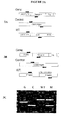
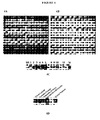

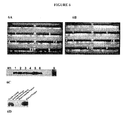
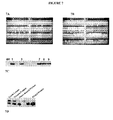




Classifications
-
- C—CHEMISTRY; METALLURGY
- C12—BIOCHEMISTRY; BEER; SPIRITS; WINE; VINEGAR; MICROBIOLOGY; ENZYMOLOGY; MUTATION OR GENETIC ENGINEERING
- C12Q—MEASURING OR TESTING PROCESSES INVOLVING ENZYMES, NUCLEIC ACIDS OR MICROORGANISMS; COMPOSITIONS OR TEST PAPERS THEREFOR; PROCESSES OF PREPARING SUCH COMPOSITIONS; CONDITION-RESPONSIVE CONTROL IN MICROBIOLOGICAL OR ENZYMOLOGICAL PROCESSES
- C12Q1/00—Measuring or testing processes involving enzymes, nucleic acids or microorganisms; Compositions therefor; Processes of preparing such compositions
- C12Q1/68—Measuring or testing processes involving enzymes, nucleic acids or microorganisms; Compositions therefor; Processes of preparing such compositions involving nucleic acids
- C12Q1/6876—Nucleic acid products used in the analysis of nucleic acids, e.g. primers or probes
- C12Q1/6888—Nucleic acid products used in the analysis of nucleic acids, e.g. primers or probes for detection or identification of organisms
- C12Q1/6895—Nucleic acid products used in the analysis of nucleic acids, e.g. primers or probes for detection or identification of organisms for plants, fungi or algae
-
- C—CHEMISTRY; METALLURGY
- C12—BIOCHEMISTRY; BEER; SPIRITS; WINE; VINEGAR; MICROBIOLOGY; ENZYMOLOGY; MUTATION OR GENETIC ENGINEERING
- C12N—MICROORGANISMS OR ENZYMES; COMPOSITIONS THEREOF; PROPAGATING, PRESERVING, OR MAINTAINING MICROORGANISMS; MUTATION OR GENETIC ENGINEERING; CULTURE MEDIA
- C12N15/00—Mutation or genetic engineering; DNA or RNA concerning genetic engineering, vectors, e.g. plasmids, or their isolation, preparation or purification; Use of hosts therefor
- C12N15/09—Recombinant DNA-technology
- C12N15/11—DNA or RNA fragments; Modified forms thereof; Non-coding nucleic acids having a biological activity
-
- C—CHEMISTRY; METALLURGY
- C12—BIOCHEMISTRY; BEER; SPIRITS; WINE; VINEGAR; MICROBIOLOGY; ENZYMOLOGY; MUTATION OR GENETIC ENGINEERING
- C12N—MICROORGANISMS OR ENZYMES; COMPOSITIONS THEREOF; PROPAGATING, PRESERVING, OR MAINTAINING MICROORGANISMS; MUTATION OR GENETIC ENGINEERING; CULTURE MEDIA
- C12N15/00—Mutation or genetic engineering; DNA or RNA concerning genetic engineering, vectors, e.g. plasmids, or their isolation, preparation or purification; Use of hosts therefor
- C12N15/09—Recombinant DNA-technology
- C12N15/63—Introduction of foreign genetic material using vectors; Vectors; Use of hosts therefor; Regulation of expression
- C12N15/79—Vectors or expression systems specially adapted for eukaryotic hosts
- C12N15/82—Vectors or expression systems specially adapted for eukaryotic hosts for plant cells, e.g. plant artificial chromosomes (PACs)
- C12N15/8201—Methods for introducing genetic material into plant cells, e.g. DNA, RNA, stable or transient incorporation, tissue culture methods adapted for transformation
- C12N15/8214—Plastid transformation
-
- Y—GENERAL TAGGING OF NEW TECHNOLOGICAL DEVELOPMENTS; GENERAL TAGGING OF CROSS-SECTIONAL TECHNOLOGIES SPANNING OVER SEVERAL SECTIONS OF THE IPC; TECHNICAL SUBJECTS COVERED BY FORMER USPC CROSS-REFERENCE ART COLLECTIONS [XRACs] AND DIGESTS
- Y02—TECHNOLOGIES OR APPLICATIONS FOR MITIGATION OR ADAPTATION AGAINST CLIMATE CHANGE
- Y02E—REDUCTION OF GREENHOUSE GAS [GHG] EMISSIONS, RELATED TO ENERGY GENERATION, TRANSMISSION OR DISTRIBUTION
- Y02E50/00—Technologies for the production of fuel of non-fossil origin
- Y02E50/10—Biofuels, e.g. bio-diesel
Definitions
- Fuel is becoming increasingly more expensive. Also, fuel refinery is associated with the generation of pollutants and global warming. There is an increasing need in the industry to find cheaper, safer, and more environmentally unharmful ways to generate fuels.
- the development of means to produce fuel from biological material is an essential component of the future energy landscape.
- One of the most important elements in the production of fuel from biologic materials is the ability to digest or reduce certain molecular structures, such as cellulose, to molecular species recognizable as substrate for fuel generating processes, such as fermentation.
- a primary advantage of using genetic engineering techniques for producing such enzymes is that the methods allow for the generation of large amounts of a desired protein.
- the only other way to obtain sufficient quantities of biological materials from non-engineered secretion sources is by purifying the naturally occurring biological material from cells of an organism that produce the agent.
- enzymes capable of degrading organic materials could only be isolated by growing the organism, typically a bacterial or fungal species, in large quantities and extracting the protein. Such procedures are often complex and economically prohibitive for use in fuel production.
- Bacteria provide an environment suitable to the production of such enzymes; however, byproducts produced by some bacteria would contaminate fuel sources. Thus, even where bacteria can be used to produce the biological material, additional steps such as purification or refining may be required to obtain biologically active material and/or bio-fuel. Furthermore, the use of non-photosynthetic systems requires the addition of costly sugar or other organic carbon sources to feed the recombinant organism. Additionally, there is typically a large capital investment associated with building fermenters.
- Recombinant proteins also can be produced in eukaryotic cells, including, for example, fungi, insect cells and mammalian cells, which may provide the necessary environment to process an expressed protein into a biologically active agent.
- eukaryotic cells including, for example, fungi, insect cells and mammalian cells, which may provide the necessary environment to process an expressed protein into a biologically active agent.
- these systems typically suffer from the same cost prohibitions (sugar/organic carbon sources and fermenters).
- a need exists for methods to conveniently produce enzymes that are biologically active can produce large quantities of enzymes and/or provide a host organism which is compatible with production of degradative enzymes.
- compositions and methods for the production of biomass degrading enzymes and biofuels are provided herein.
- the inventions disclosed herein provide novel methods for the production of biomass degrading enzymes, typically in genetically modified photosynthetic organisms such as algae and cyanobacteria.
- compositions and methods for transforming photosynthetic organisms and methods of screening transformants are presented herein.
- one aspect of the present invention provides a vector comprising a nucleic acid encoding a biomass degrading enzyme and a promoter configured for expression of the nucleic acids in a non-vascular photosynthetic organism.
- Vectors of the present invention may contain nucleic acids encoding more than one biomass degrading enzyme and, in other instances, may contain nucleic acids encoding polypeptides which covalently link biomass degrading enzymes.
- Biomass degrading enzymes may include cellulolytic enzymes, hemicellulolytic enzymes and ligninolytic enzymes.
- the biomass degrading enzymes may be exo- ⁇ -glucanase, endo- ⁇ -glucanase, ⁇ -glucosidase, endoxylanase, or lignase.
- Nucleic acids encoding the biomass degrading enzymes may be derived from fungal or bacterial sources, for example, those encoding exo- ⁇ -glucanase in Trichoderma viride, exo- ⁇ -glucanase in Trichoderma reesei, exo- ⁇ -glucanase in Aspergillus aculeatus, endo- ⁇ -glucanase in Trichoderma reesei, endo- ⁇ -glucanase in Aspergillus niger, ⁇ -glucosidase in Trichoderma reesei, ⁇ -glucosidase in Aspergillus niger endoxylanase in Trichoderma reesei, and endoxylanase
- a vector of the present invention may also contain a selectable marker, allowing for direct screening of transformed organisms.
- the vectors of the present invention may be capable of stable transformation of multiple photosynthetic organisms, including, but not limited to, photosynthetic bacteria (including cyanobacteria), cyanophyta, prochlorophyta, rhodophyta, chlorophyta, heterozziphyta, tribophyta, glaucophyta, chlorarachniophytes, euglenophyta, euglenoids, haptophyta, chrysophyta, cryptophyta, cryptomonads, dinophyta, dinoflagellata, pyrmnesiophyta, bacillariophyta, xanthophyta, eustigmatophyta, raphidophyta, phaeophyta, and phytoplankton.
- vectors of the present invention are capable of stable transformation of C. reinhardtii, D. salina or H. pluvalis. Still other vectors contain nucleic acids which are biased to an organism's (e.g., C. reinhardtii ) codon preference.
- Specific vectors of the present invention contain sequences provided herein (SEQ ID NO. 19, SEQ ID NO. 20, SEQ ID NO. 21, SEQ ID NO. 22, SEQ ID NO. 23, SEQ ID NO. 24, SEQ ID NO. 25, SEQ ID NO. 26, or SEQ ID NO. 27).
- Host cells comprising the vectors of the present invention are also provided.
- the host cell is a non-vascular photosynthetic organism, for example, an organism classified as photosynthetic bacteria (including cyanobacteria), cyanophyta, prochlorophyta, rhodophyta, chlorophyta, heterozziphyta, tribophyta, glaucophyta, chlorarachniophytes, euglenophyta, euglenoids, haptophyta, chrysophyta, cryptophyta, cryptomonads, dinophyta, dinoflagellata, pyrmnesiophyta, bacillariophyta, xanthophyta, eustigmatophyta, raphidophyta, phaeophyta, and phytoplankton.
- photosynthetic bacteria including cyanobacteria
- a host cell of the present invention may also be a microalga species including, but not limited to, C. reinhardtii, D. salina or H. pluvalis.
- the host cell may be one or more cells of a multicellular photosynthetic organism.
- the host cell may be grown in the absence of light and/or in the presence of an organic carbon source.
- compositions containing one or more exogenous biomass degrading enzymes derived from one or more non-vascular photosynthetic organisms may also contain elements of the non-vascular photosynthetic organisms.
- the ratio (w/w) of enzymes to elements of the organisms may be at least 1:10, or the elements may be found only in trace amounts.
- Some of the compositions comprise at least one of the following enzymes: exo- ⁇ -glucanase, endo- ⁇ -glucanase, ⁇ -glucosidase, endoxylanase, and/or lignase; where the enzyme(s) is isolated from one or more of the following organisms: C. reinhardtii , D.
- the organism may be grown in the absence of light and/or in the presence of an organic carbon source.
- the present invention also provides a composition containing a plurality of vectors each of which encodes a different biomass degrading enzyme and a promoter for expression of said biomass degrading enzymes in a chloroplast.
- Such compositions may contain multiple copies of a particular vector encoding a particular enzyme.
- the vectors will contain nucleic acids encoding cellulolytic, hemicellulolytic and/or ligninolytic enzymes.
- the plurality of vectors may contain vectors capable of expressing exo- ⁇ -glucanase, endo- ⁇ -glucanase, ⁇ -glucosidase, endoxylanase and/or lignase.
- Some of the vectors of this embodiment are capable of insertion into a chloroplast genome and such insertion can lead to disruption of the photosynthetic capability of the transformed chloroplast. Insertion of other vectors into a chloroplast genome does not disrupt photosynthetic capability of the transformed chloroplast.
- Some vectors provide for expression of biomass degrading enzymes which are sequestered in a transformed chloroplast. Still other vectors may contain specific sequences provided herein (SEQ ID NO. 19, SEQ ID NO. 20, SEQ ID NO. 21, SEQ ID NO. 22, or SEQ ID NO. 23, SEQ ID NO. 24, SEQ ID NO. 25, SEQ ID NO. 26, or SEQ ID NO. 27).
- the present invention also provides an algal cell containing the vector compositions described above and specifically provides C. reinhardtii, D. salina or H. pluvalis cells containing the vector compositions. For some embodiments, the cell may be grown in the absence of light and/or in the presence of an organic carbon source.
- Another vector of the present invention encodes a plurality of distinct biomass degrading enzymes and a promoter for expression of the biomass degrading enzymes in a non-vascular photosynthetic organism.
- the biomass degrading enzymes may be one or more of cellulollytic, hemicellulolytic or ligninolytic enzymes.
- the plurality of distinct biomass degrading enzymes is two or more of exo- ⁇ -glucanase, endo- ⁇ -glucanase, ⁇ -glucosidase, lignase and endoxylanase.
- the plurality of enzymes is operatively linked.
- the plurality of enzymes is expressed as a functional protein complex.
- Vectors encoding a plurality of distinct enzymes may lead to production of enzymes which are sequestered in a chloroplast of a transformed organism.
- the present invention also provides an algal cell or cyanobacterial cell transformed with a vector encoding a plurality of distinct enzymes.
- the algal cell is C. reinhardtii , D. salina or H. pluvalis.
- the cyanobacterial cell is a species of the genus Synechocystis or the genus Synechococcus or the genus Athrospira.
- the organism may be grown in the absence of light and/or in the presence of an organic carbon source.
- Yet another aspect of the present invention provides a genetically modified chloroplast producing one or more biomass degrading enzymes.
- Such enzymes may be cellulolytic, hemicellulolytic or ligninolytic enzymes, and more specifically, may be an exo- ⁇ -glucanase, an endo- ⁇ -glucanase, a ⁇ -glucosidase, an endoxylanase, a lignase and/or combinations thereof.
- the one or more enzymes are be sequestered in the chloroplast in some embodiments.
- the present invention also provides photosynthetic organisms containing the genetically modified chloroplasts of the present invention.
- Yet another aspect provides a method for preparing a biomass-degrading enzyme.
- This method comprises the steps of (1) transforming a photosynthetic, non-vascular organism to produce or increase production of said biomass-degrading enzyme and (2) collecting the biomass-degrading enzyme from said transformed organism. Transformation may be conducted with a composition containing a plurality of different vectors encoding different biomass degrading enzymes. Transformation may also be conducted with a vector encoding a plurality of distinct biomass degrading enzymes. Any or all of the enzymes may be operatively linked to each other. In some instances, a chloroplast is transformed.
- This method of the invention may have one or more additional steps, including: (a) harvesting transformed organisms; (b) drying transformed organisms; (c) harvesting enzymes from a cell medium; (d) mechanically disrupting transformed organisms; or (e) chemically disrupting transformed organisms.
- the method may also comprise further purification of an enzyme through performance liquid chromatography.
- the transformed organism is an alga or a photosynthetic bacteria, e.g., cyanobacteria.
- the organism may be grown in the absence of light and/or in the presence of an organic carbon source.
- Still another method of the present invention allows for preparing a biofuel.
- One step of this method includes treating a biomass with one or more biomass degrading enzymes derived from a photosynthetic, non-vascular organism for a sufficient amount of time to degrade at least a portion of said biomass.
- the biofuel produced may be ethanol.
- the enzymes of this method may contain at least traces of said photosynthetic non-vascular organism from which they are derived.
- the enzymes useful for some embodiments of this method include cellulolytic, hemicellulolytic and ligninolytic enzymes.
- Specific enzymes useful for some aspects of this method include exo- ⁇ -glucanase, endo- ⁇ -glucanase, ⁇ -glucosidase, endoxylanase, and/or lignase.
- the organisms of this method may include photosynthetic bacteria (including cyanobacteria), cyanophyta, prochlorophyta, rhodophyta, chlorophyta, heteronochphyta, tribophyta, glaucophyta, chlorarachniophytes, euglenophyta, euglenoids, haptophyta, chrysophyta, cryptophyta, cryptomonads, dinophyta, dinoflagellata, pyrmnesiophyta, bacillariophyta, xanthophyta, eustigmatophyta, raphidophyta, phaeophyt
- organisms used for this method are microalgae including, but not limited to C. reinhardtii, D. salina and H. pluvalis.
- the organism may be grown in the absence of light and/or in the presence of an organic carbon source.
- Multiple types of biomass including agricultural waste, paper mill waste, corn stover, wheat stover, soy stover, switchgrass, duckweed, poplar trees, woodchips, sawdust, wet distiller grain, dray distiller grain, human waste, newspaper, recycled paper products, or human garbage may be treated with this method of the invention.
- Biomass may also be derived from a high-cellulose content organism, such as switchgrass or duckweed.
- the enzyme(s) used in this method may be liberated from the organism and this liberation may involve chemical or mechanical disruption of the cells of the organism.
- the enzyme(s) are secreted from the organism and then collected from a culture medium.
- the treatment of the biomass may involve a fermentation process, which may utilize a microorganism other than the organism which produced the enzyme(s).
- the non-vascular photosynthetic organism may be added to a saccharification tank.
- This method of the invention may also comprise the step of collecting the biofuel. Collection may be performed by distillation. In some instances, the biofuel is mixed with another fuel.
- An additional method of the present invention provides for making at least one biomass degrading enzyme by transforming a chloroplast to make a biomass degrading enzyme.
- the biomass degrading enzyme may be a cellulolytic enzyme, a hemicellulolytic enzyme, or a ligninolytic enzyme, and specifically may be exo- ⁇ -glucanase, endo- ⁇ -glucanase, ⁇ -glucosidase, endoxylanase, or lignase.
- the biomass degrading enzyme is sequestered in the transformed chloroplast.
- the method may further involve disrupting, via chemical or mechanical means, the transformed chloroplast to release the biomass degrading enzyme(s).
- biomass degrading enzymes may be of fungal or bacterial origin, for example, exo- ⁇ -glucanase, endo- ⁇ -glucanase, ⁇ -glucosidase, endoxylanase, lignase, or a combination thereof.
- Yet another method of the present invention provides for screening a transformed non-vascular photosynthetic organism, by amplifying a first nucleic acid sequence from a chloroplast of said organism and amplifying a second nucleic acid sequence from said chloroplast of said organism and determining the plasmic state of said organism based on results from amplification of said first sequence and second sequence.
- the first and second amplifying step is performed simultaneously.
- the first nucleic acid sequence may be an endogenous chloroplast genome sequence and the second nucleic acid sequence may be at least partially from an exogenous nucleic acid.
- a third nucleic acid sequence from the chloroplast may be amplified as a control.
- This third nucleic acid sequence may be a wild-type sequence that remains intact after integration of exogenous nucleic acid(s). Where this third nucleic acid is amplified, such amplification may be performed concurrently with the first or second amplifying step, or all three amplifications may be performed concurrently.
- the specific primers provided herein - SEQ ID NO. 1, SEQ ID NO. 2, SEQ ID NO. 3, SEQ ID NO. 4, SEQ ID NO. 5, SEQ ID NO. 6, SEQ ID NO. 7, SEQ ID NO. 8, SEQ ID NO. 9, SEQ ID NO. 10, SEQ ID NO. 11, SEQ ID NO. 12, SEQ ID NO. 13, SEQ ID NO. 14, or SEQ ID NO. 15 - may be utilized.
- Amplification of the first and/or second nucleic acid may utilize more than thirty cycles of PCR. In some instances, determining the plasmic state is performed by visual analysis of products from the amplifying steps. One or more amplifications may be performed using real-time or quantitative PCR.
- the plasmic state determined by this method may be homoplasmy and the organism tested may be a microalga, specifically, one of the microalga species C. reinhardtii, D. salina or H. pluvalis.
- the organism may contain an exogenous nucleic acid which contains a gene of interest and a selectable marker.
- the gene of interest may encode a biomass degrading enzyme, for example a cellulolytic, hemicellulolytic or lignolytic enzyme.
- the biomass degrading enzyme may be exo- ⁇ -glucanase, endo- ⁇ -glucanase, ⁇ -glucosidase, endoxylanase or lignase.
- the exogenous nucleic acid may be one of the nucleic acids specifically provided herein- SEQ ID NO. 19, SEQ ID NO. 20, SEQ ID NO. 21, SEQ ID NO. 22, SEQ ID NO. 23, SEQ ID NO. 24, SEQ ID NO. 25, SEQ ID NO. 26, SEQ ID NO. 27, SEQ ID NO. 28, SEQ ID NO. 29, SEQ ID NO. 30, or SEQ ID NO. 31.
- the present invention also provides a non-vascular photosynthetic organism containing a homoplasmic chloroplast population, where the chloroplast population comprises an exogenous nucleic acid and where the homoplasmic state of the chloroplast population is determined by at least two different PCR reactions. In some instances, the chloroplast population is more than one chloroplast.
- the non-vascular photosynthetic organism may be a microalga, specifically one of the species C. reinhardtii, D. salina or H. pluvalis. The organism may be screened using at least two different PCR reactions performed simultaneously. These PCR reactions may utilize one of the specific primers disclosed herein - SEQ ID NO. 1, SEQ ID NO. 2, SEQ ID NO. 3, SEQ ID NO. 4, SEQ ID NO.
- the PCR reactions may utilize more than thirty cycles.
- the organism may contain an exogenous nucleic acid comprising at least one gene of interest and a selectable marker.
- This gene may encode a biomass degrading enzyme, specifically a cellulolytic, hemicellulolytic or ligninolytic enzyme.
- the biomass degrading enzyme may be exo- ⁇ -glucanase, endo- ⁇ -glucanase, ⁇ -glucosidase, endoxylanase or lignase.
- the exogenous nucleic acid present in this organism of the present invention may be on of the nucleic acids specifically described herein - SEQ ID NO. 19, SEQ ID NO. 20, SEQ ID NO. 21, SEQ ID NO. 22, SEQ ID NO. 23, SEQ ID NO. 24, SEQ ID NO. 25, SEQ ID NO. 26, SEQ ID NO. 27, SEQ ID NO. 28, SEQ ID NO. 29, SEQ ID NO. 30, or SEQ ID NO. 31.
- Another method for producing a genetically-modified homoplasmic non-vascular photosynthetic organism.
- This method involves transforming at least one chloroplast of the organism with an exogenous nucleic acid, amplifying a first nucleic acid sequence and a second nucleic acid sequence, and determining the plasmic state of the organism based on results from the amplifying step.
- the first and second nucleic acid sequences may be within the chloroplast genome. Additionally, the first nucleic acid sequence may be an endogenous chloroplast sequence. The second nucleic acid sequence may be at least partially from the exogenous nucleic acid.
- This method may also involve amplifying a third nucleic acid sequence from the chloroplast as a control.
- the third nucleic acid is a wild-type sequence that remains intact after integration of an exogenous nucleic acid.
- This method may involve PCR using one of the specifically disclosed primers herein - SEQ ID NO. 1, SEQ ID NO. 2, SEQ ID NO. 3, SEQ ID NO. 4, SEQ ID NO. 5, SEQ ID NO. 6, SEQ ID NO. 7, SEQ ID NO. 8, SEQ ID NO. 9, SEQ ID NO. 10, SEQ ID NO. 11, SEQ ID NO. 12, SEQ ID NO. 13, SEQ ID NO. 14, or SEQ ID NO. 15.
- Amplification of the first and second nucleic acid sequences may utilize more than thirty cycles of PCR.
- the determination of plasmic state using this method may involve visual analysis of the products of the amplifying step(s).
- the plasmic state determined by this method may be homoplasmy and the organism may be a microalga, specifically one of the species C. reinhardtii, D. salina or H. pluvalis.
- the exogenous nucleic acid may contain at least one gene of interest and a selectable marker.
- the gene of interest encodes a biomass degrading enzyme, specifically a cellulolytic, hemicellulolytic or ligninolytic enzyme.
- the biomass degrading enzyme may be exo- ⁇ -glucanase, endo- ⁇ -glucanase, ⁇ -glucosidase, endoxylanase or lignase.
- exogenous nucleic acid may be one specifically described herein- SEQ ID NO. 19, SEQ ID NO. 20, SEQ ID NO. 21, SEQ ID NO. 22, SEQ ID NO. 23, SEQ ID NO. 24, SEQ ID NO. 25, SEQ ID NO. 26, SEQ ID NO. 27, SEQ ID NO. 28, SEQ ID NO. 29, SEQ ID NO. 30, or SEQ ID NO. 31.
- kits for determining plasmic state of a genetically-modified non-vascular photosynthetic organism may contain amplification primer(s) for amplifying a first nucleic acid sequence of a chloroplast genome corresponding to an endogenous sequence and amplification primer(s) for amplifying a second nucleic acid sequence of a chloroplast genome that is an introduced or non-naturally occurring sequence.
- a kit may also contain a PCR buffer and/or amplification primer(s) for amplifying a control nucleic acid sequence.
- a kit may contain one or more of the PCR primers specifically disclosed herein- SEQ ID NO. 1, SEQ ID NO. 2, SEQ ID NO. 3, SEQ ID NO.
- the primer(s) for amplifying a first nucleic acid sequence in a kit of the present invention may bind to at least a portion of a psbA 5'UTR, a psbA coding sequence, an psbC 5' UTR, a psbD 5' UTR, an atpA 5' UTR, or a 3HB locus.
- At least one of the primer(s) for amplifying a second nucleic acid sequence will bind to at least a portion of a sequence encoding a biomass degrading enzyme, such as a cellulolytic, hemicellulolytic or ligninolytic enzyme.
- a biomass degrading enzyme such as a cellulolytic, hemicellulolytic or ligninolytic enzyme.
- Specific biomass degrading enzymes encoded by the second nucleic acid may be exo- ⁇ -glucanase, endo- ⁇ -glucanase, ⁇ -glucosidase, endoxylanase or lignase.
- the primers may amplify at least a portion of one or more of the sequences specifically disclosed herein - SEQ ID NO. 19, SEQ ID NO. 20, SEQ ID NO. 21, SEQ ID NO.
- kits may contain instructions for use.
- Figure 1 illustrates transformation of alga cells, selection, confirmation, and scaling of production of enzymes.
- Figure 2 illustrates two constructs for insertion of a gene into a chloroplast genome.
- Figure 3 illustrates primer pairs for PCR screening of transformants and expected band profiles for wild-type, heteroplasmic and homoplasmic strains.
- Figure 4 illustrates results from PCR screening and Western blot analysis of endo- ⁇ -glucanase transformed C. reinhardtii clones.
- Figure 5 illustrates results from PCR screening and Western blot analysis of exo- ⁇ -glucanase transformed C. reinhardtii clones.
- Figure 6 illustrates results from PCR screening and Western blot analysis of ⁇ -glucosidase transformed C. reinhardtii clones.
- Figure 7 illustrates results from PCR screening and Western blot analysis of endoxylanase transformed C. reinhardtii clones.
- Figure 8 illustrates determination of the level of endo- ⁇ -glucanase protein produced by transformed C. reinhardtii clones.
- Figure 9 is a graphic representation of an embodiment of the present invention, showing generalized constructs for insertion of multiple genes into a chloroplast genome.
- Figure 10 illustrates results from PCR screening and Western blot analysis of endo- ⁇ -glucanase transformed C. reinhardtii clones.
- Figure 11 illustrates results from PCR screening and Western blot analysis of ⁇ -glucosidase transformed C. reinhardtii clones.
- Figure 12 is a graphic representation of two exogenous DNA constructs for insertion into a chloroplast genome.
- Figure 13 is a graphic representation of two exogenous DNA constructs for insertion into a cyanobacterial genome.
- Figure 14 illustrates results from PCR screening and Western blot analysis of endo- ⁇ -glucanase transformed C. reinhardtii clones.
- Figure 15 illustrates results from PCR screening and Western blot analysis of endoxylanase transformed C. reinhardtii clones.
- Figure 16 illustrates results from PCR screening and Western blot analysis of exo- ⁇ -glucanase transformed C. reinhardtii clones.
- Figure 17 illustrates activity of bacterially-produced biomass degrading enzymes.
- Standard reference literature teaching general methodologies and principles of yeast genetics useful for selected aspects of the invention include: Sherman et al. "Laboratory Course Manual Methods in Yeast Genetics", Cold Spring Harbor Laboratory, Cold Spring Harbor, N.Y., 1986 and Guthrie et al., "Guide to Yeast Genetics and Molecular Biology", Academic, New York, 1991 .
- the present invention relates to the production of enzymes, e.g., biomass degrading enzymes, by genetically modified organisms.
- Another aspect of the present invention relates to compositions and methods for using biologic material to create products, such as ethanol, using biomass degrading enzymes produced by photosynthetic microorganisms, such as, but not limited to, algae.
- photosynthetic microorganisms such as, but not limited to, algae.
- photosynthetic organisms do not possess all of the necessary enzymes to degrade biomass.
- the present invention takes advantage of the ability to introduce exogenous nucleic acids into algal cells, and particularly into the chloroplasts of those cells.
- One advantage of using molecular biology and genetic engineering to create enzyme-expressing and/or enzymatic pathway-expressing algal strains is the potential for the production of large quantities of active enzymes.
- alga cells e.g., Chlamydomonas reinhardti, Dunaliella salina, Hernatococcus pluvalis
- a transformation may introduce nucleic acids into any plastid of the host alga cell (e.g., chloroplast).
- Transformed cells are typically plated on selective media following introduction of exogenous nucleic acids. This method may also comprise several steps for screening.
- a screen of primary transformants is typically conducted to determine which clones have proper insertion of the exogenous nucleic acids. Clones which show the proper integration may be patched and re-screened to ensure genetic stability. Such methodology ensures that the transformants contain the genes of interest. In many instances, such screening is performed by polymerase chain reaction (PCR); however, any other appropriate technique known in the art may be utilized. Many different methods of PCR are known in the art (e.g., nested PCR, real time PCR). For any given screen, one of skill in the art will recognize that PCR components may be varied to achieve optimal screening results. For example, magnesium concentration may need to be adjusted upwards when PCR is performed on disrupted alga cells as many such organisms have magnesium chelators.
- PCR polymerase chain reaction
- magnesium concentration may need to be adjusted upward, or downward (compared to the standard concentration in commercially available PCR kits) by 0.1, 0.2, 0.3, 0.4, 0.5, 0.6, 0.7, 0.8, 0.9, 1.0, 1.1, 1.2, 1.3, 1.4, 1.5, 1.6, 1.7, 1.8, 1.9, or 2.0 mM.
- final magnesium concentration in a PCR reaction may be, for example 0.7, 0.8, 0.9, 1.0, 1.1, 1.2, 1.3, 1.4, 1.5, 1.6, 1.7, 1.8, 1.9,2.0,2.1,2.2,2.3,2.4, 2.5, 2.6, 2.7, 2.8, 2.9, 3.0,3.1,3.2, 3.3, 3.4, 3.5 mM or higher.
- Particular examples are utilized in the examples described herein; however, one of skill in the art will recognize that other PCR techniques may be substituted for the particular protocols described.
- Protein expression screening typically is performed by Western blot analysis and/or enzyme activity assays.
- selected clones may be scaled up for production of biofuels through biomass degradation, first in smaller volumes of 1, 2, 3, 4, 5, 6, 7, 8,9,10, 11, 12, 13, 14, 15, 16, 17, 18, 19,20,21,22,23,24,25,26,27,28,29,30,31,32,33,34,35,36,37, 38, 39, 40, 41, 42, 43, 44, 45, 46, 47, 48, 49, 50, 51, 52, 53, 54, 55, 56, 57, 58, 59, 60 61, 62, 63, 64, 65, 66, 67, 68, 69, 70, 71, 72, 73, 74, 75, 76, 77, 78, 79, 80, 81, 82, 83, 84, 85, 86, 87, 88, 89, 90, 91, 92, 93, 94, 95, 96, 97, 98, 99, 100 or more liter
- larger scale degradation of biomass may be performed in larger quantities.
- a partially closed bioreactor system is shown in FIG. 1 , step 6.
- growth of the transformed strains for biomass degradation and/or biofuel production can also be accomplished in man-made structures such as ponds, aqueducts, reservoirs and/or landfills.
- the strains can also be grown directly in naturally occurring bodies of water, e.g., in ocean, sea, lakes, or rivers.
- transformed strains are grown near ethanol production plants or other facilities.
- the biomass degrading cells may be grown near regions (e.g., electrical generating plants, concrete plants, oil refineries, other industrial facilities, cities, highways, etc.) generating CO 2 .
- the methods disclosed herein further contemplate business methods for selling carbon credits to ethanol plants or other facilities or regions generating CO 2 while making or catalyzing the production of fuels by growing one or more of the modified organisms described herein near the ethanol production plant.
- the present invention contemplates making biomass degrading enzymes by transforming host cells (e.g., alga cells such as C. reinhardtii, D. salina, H. pluvalis and cyanobacterial cells) and/or organisms comprising host cells with nucleic acids encoding one or more different biomass degrading enzymes (e.g., cellulolytic enzymes, hemicellulolytic enzymes, xylanases, lignases and cellulases).
- a single enzyme may be produced.
- a cellulase which breaks down pretreated cellulose fragments into double glucose molecules (cellobiose) or a cellulase which splits cellobiose into glucose may be produced.
- Some host cells may be transformed with multiple genes encoding one or more enzymes.
- a single transformed cell may contain exogenous nucleic acids encoding an entire biodegradation pathway.
- a pathway might include genes encoding an exo- ⁇ -glucanase (acts on the cellulose end chain), an endo- ⁇ -glucanase (acts on the interior portion of a cellulose chain), ⁇ -glucosidase (avoids reaction inhibitors by / degrades cellobiose), and endoxylanase (acts on hemicellulose cross linking).
- Such cells transformed with entire pathways and/or enzymes extracted from them can degrade certain components of biomass.
- Constructs may contain multiple copies of the same gene, and/or multiple genes encoding the same enzyme from different organisms, and/or multiple genes with mutations in one or more parts of the coding sequences.
- biomass degradation pathways can be created by transforming host cells with the individual enzymes of the pathway and then combining the cells producing the individual enzymes.
- This approach allows for the combination of enzymes to more particularly match the biomass of interest by altering the relative ratios of the multiple transformed strains. For example, two times as many cells expressing the first enzyme of a pathway may be added to a mix where the first step of the reaction pathway is the limiting step.
- the biomass degrading enzymes may be collected from the organisms/cells. Collection may be by any means known in the art, including, but not limited to concentrating cells, mechanical or chemical disruption of cells, and purification of enzymes from cell cultures and/or cell lysates. Cells and/or organisms can be grown and then the enzyme(s) collected by any means.
- One method of extracting the enzyme is by harvesting the host cell or a group of host cells and then drying the host cell(s). The enzyme(s) from the dried host cell(s) are then harvested by crushing the cells to expose the enzyme. The whole product of crushed cells is then used to degrade biomass.
- proteins from intact cells are well known in the art, and are also contemplated herein (e.g., introducing an exogenous nucleic acid construct in which an enzyme-encoding sequence is operably linked to a sequence encoding a secretion signal - excreted enzyme is isolated from the growth medium).
- the protein may be purified from the crude extract such that the enzyme may comprise 1, 2, 3, 4, 5, 6, 7, 8, 9, 10, 11, 12, 13, 14, 15, 16, 17, 18, 19, 20, 30, 40, 50, 60, 70, 80, 90, 95, 99 percent or higher of the total protein.
- Purification steps include, but are not limited to, using HPLC, affinity columns, and antibody-based purification methods.
- Extracting and utilizing the biomass-degrading enzyme can also be accomplished by expressing a vector containing nucleic acids that encode a biomass production-modulation molecule in the host cell.
- the host cell produces the biomass, and also produces a biomass-degrading enzyme.
- the biomass-degrading enzyme can then degrade the biomass produced by the host cell.
- vector used for the production of a biomass-degrading enzyme may not be continuously active.
- Such vectors can comprise one or more activatable promoters and one or more biomass-degrading enzymes. Such promoters activate the production of biomass-degrading enzymes, for example, after the biomass has grown to sufficient density or reached certain maturity.
- a method of the invention can be performed by introducing a recombinant nucleic acid molecule into a chloroplast, wherein the recombinant nucleic acid molecule includes a first polynucleotide, which encodes at least one polypeptide (i.e., 1, 2, 3, 4, or more).
- a polypeptide is operatively linked to a second, third, fourth, fifth, sixth, seventh, eighth, ninth, tenth and/or subsequent polypeptide.
- several enzymes in a biodegradation pathway may be linked, either directly or indirectly, such that products produced by one enzyme in the pathway, once produced, are in close proximity to the next enzyme in the pathway.
- one major benefit of the present invention is the utilization of a recombinant nucleic acid construct which contains both a selectable marker and one or more genes of interest.
- transformation of chloroplasts is performed by co-transformation of chloroplasts with two constructs: one containing a selectable marker and a second containing the gene(s) of interest. Screening of such transformants is laborious and time consuming for multiple reasons. First, the time required to grow some transformed organisms is lengthy. Second, transformants must be screened both for presence of the selectable marker and for the presence of the gene(s) of interest. Typically, secondary screening for the gene(s) of interest is performed by Southern blot (see, e.g. PCT/US2007/072465 ).
- Constructs of the current invention allow for a PCR-based screening method in which transformants can be screened using a combination of primers specific for the insert and wild-type sequences ( FIG. 3 , lanes: G - gene specific reaction; C - control reaction; WT - wild type reaction; M - multiplex ).
- This methodology provides a rapid screening process and advances over older techniques. For example, selection of transformants receiving unlinked markers inherently yields a lower percentage of clones with the transgenes. Because of this, the likelihood of obtaining homoplasmic lines from a primary transformation is low.
- transgenic clones By linking the marker and the gene(s) of interest, the likelihood of obtaining transgenic clones with the transgene, especially homoplasmic clones, is improved on the first pass.
- Specific PCR protocols for screening transformants are detailed in the Examples below, but one of skill in the art will recognize that these protocols may be altered to provide quantitative analysis of transformants. For example, different ratios of primers for a particular reaction may be utilized to compare insert copy number to a control reaction. Such variation may be performed where the multiplex reactions ( FIG. 3 , row M ) are run concurrently or separately.
- Determination of insert copy number may be important in some embodiments where an optimal level of expression of the exogenous gene(s) of interest is, in part, determined by gene copy number. For example, transformation of an alga host cell (e.g., C. reinhardtii, D. salina, H. pluvalis) which results in incorporation of the exogenous nucleic acid in less than half of the copies of the chloroplast genomes in a cell may yield little or no detectable expression of the gene(s) of interest.
- an alga host cell e.g., C. reinhardtii, D. salina, H. pluvalis
- exogenous nucleic acid incorporation of exogenous nucleic acid in all the copies of the chloroplast genomes in a cell may yield little or no detectable expression of the gene(s) of interest where there are few initial copies of the genome (e.g., quantitative PCR analysis will allow for exclusion of homoplasmic clones which have low insert copy number, and thus may not have sufficiently high production of the gene and/or polypeptide of interest).
- exogenous DNA may encode a protein which, whether through transcriptional, translational, or other control mechanisms, is optimally produced when it is present in a particular range of copy number.
- determining the copy number of such exogenous DNA for example by quantitative PCR, may allow selection and/or production of transformed organisms which produce protein(s) of interest at an efficient level.
- recombinant nucleic acid molecules of the present invention may be operatively linked to a second and/or subsequent nucleotide sequence.
- the nucleotide sequences encoding enzymes of a biodegradation pathway may be operatively linked such that expression of these sequences may be controlled with a single inducing stimulus or controlled by a single transcriptional activator.
- Such systems are similar to bacterial operons (e.g., the Escherischia coli Lac operon).
- these groupings of operatively linked nucleotide sequences in the present invention are synthetic and designed to function in plant plastids, preferably are incorporated into the chloroplast genome.
- operatively linked means that two or more molecules are positioned with respect to each other such that they act as a single unit and affect a function attributable to one or both molecules or a combination thereof.
- a polynucleotide encoding a polypeptide can be operatively linked to a transcriptional or translational regulatory element, in which case the element confers its regulatory effect on the polynucleotide similarly to the way in which the regulatory element would affect a polynucleotide sequence with which it normally is associated with in a cell.
- a first polynucleotide coding sequence also can be operatively linked to a second (or more) coding sequence such that a chimeric polypeptide can be expressed from the operatively linked coding sequences.
- the chimeric polypeptide produced from such a construct can be a fusion protein, in which the two (or more) encoded peptides are translated into a single polypeptide, i.e., are covalently bound through a peptide bond, either directly or with a short spacer region.
- chloroplasts In chloroplasts, regulation of gene expression generally occurs after transcription, and often during translation initiation. This regulation is dependent upon the chloroplast translational apparatus, as well as nuclear-encoded regulatory factors (see Barkan and Goldschmidt-Clermont, Biochernie 82:559-572, 2000 ; Zerges, Biochernie 82:583-601, 2000 ).
- the chloroplast translational apparatus generally resembles that in bacteria; chloroplasts contain 70S ribosomes; have mRNAs that lack 5' caps and generally do not contain 3' poly-adenylated tails ( Harris et al., Microbiol. Rev. 58:700-754, 1994 ); and translation is inhibited in chloroplasts and in bacteria by selective agents such as chloramphenicol.
- Some methods of the present invention take advantage of proper positioning of a ribosome binding sequence (RBS) with respect to a coding sequence. It has previously been noted that such placement of an RB results in robust translation in plant chloroplasts (see U.S. Application 2004/0014174 , incorporated herein by reference), and that polypeptides that an advantage of expressing polypeptides in chloroplasts is that the polypeptides do not proceed through cellular compartments typically traversed by polypeptides expressed from a nuclear gene and, therefore, are not subject to certain post-translational modifications such as glycosylation. As such, the polypeptides and protein complexes produced by some methods of the invention can be expected to be produced without such post-translational modification.
- RBS ribosome binding sequence
- RNA elements ribosome binding and proper translation start site selection are thought to be mediated, at least in part, by cis-acting RNA elements.
- a potential regulator has been identified within the 5'UTR's of chloroplast mRNAs ( Alexander et al., Nucl. Acids Res. 26:2265-2272, 1998 ; Hirose and Sugiura, EMBO J. 15:1687-1695, 1996 ; Mayfield et al., J. Cell Biol. 127:1537-1545, 1994 ; Sakamoto et al., Plant J. 6:503-512, 1994 , each of which is incorporated herein by reference). These elements may interact with nuclear-encoded factors.
- chloroplast mRNAs contain elements resembling prokaryotic RBS elements ( Bonham-Smith and Bourque, Nucl. Acids Res. 17:2057-2080, 1989 ; Ruf and Kossel, FEBS Lett. 240:41-44, 1988 , each of which is incorporated herein by reference).
- RBS sequences have been unclear as several studies have shown differing effects of these elements on translation ( Betts and Spremulli, J. Biol. Chem. 269:26456-26465, 1994 ; Hirose et al., FEBS Lett. 430:257-260, 1998 ; Fargo et al., Mol. Gen. Genet.
- Some aspects (e.g., vectors) of the present invention may include an RBS.
- RBSs can be chemically synthesized, or can be isolated from a naturally occurring nucleic acid molecule (e.g., isolation from a chloroplast gene).
- embodiments with a 5'UTR can include transcriptional regulatory elements such as a promoter.
- a 5'UTR may be chemically synthesized, or can be isolated from a naturally occurring nucleic acid molecule.
- Non-limiting examples of 5'UTRs which may be used for the present invention include, but art not limited to, an atpA 5'UTR; a psbC 5'UTR, a psbD 5'UTR, a psbA 5'UTR, a rbcL 5'UTR and/or a 16S rRNA 5'UTR.
- a ribonucleotide sequence may further include an initiation codon, (e.g., an AUG codon), operatively linked to an RBS.
- Initiation codons may be endogenous (e.g., naturally occurring in a cloned gene) or can be synthetic (e.g., inserted in a linker polypeptide or PCR primer).
- An isolated ribonucleotide sequence may be obtained by any method known in the art, including, but not limited to being chemically synthesized, generated using an enzymatic method, (e.g., generated from a DNA or RNA template using a DNA dependent RNA polymerase or an RNA dependent RNA polymerase).
- a DNA template encoding the ribonucleotide of the invention can be chemically synthesized, can be isolated from a naturally occurring DNA molecule, or can be derived from a naturally occurring DNA sequence that is modified to have the required characteristics.
- polynucleotide or “nucleotide sequence” or “nucleic acid molecule” is used broadly herein to mean a sequence of two or more deoxyribonucleotides or ribonucleotides that are linked together by a phosphodiester bond.
- the terms include RNA and DNA, which can be a gene or a portion thereof, a cDNA, a synthetic polydeoxyribonucleic acid sequence, or the like, and can be single stranded or double stranded, as well as a DNA/RNA hybrid.
- nucleic acid molecules which can be isolated from a cell
- synthetic polynucleotides which can be prepared, for example, by methods of chemical synthesis or by enzymatic methods such as by the polymerase chain reaction (PCR).
- PCR polymerase chain reaction
- nucleotides comprising a polynucleotide are naturally occurring deoxyribonucleotides, such as adenine, cytosine, guanine or thymine linked to 2'-deoxyribose, or ribonucleotides such as adenine, cytosine, guanine or uracil linked to ribose.
- a polynucleotide also can contain nucleotide analogs, including non-naturally occurring synthetic nucleotides or modified naturally occurring nucleotides.
- Nucleotide analogs are well known in the art and commercially available, as are polynucleotides containing such nucleotide analogs ( Lin et al., Nucl. Acids Res. 22:5220-5234, 1994 ; Jellinek et al., Biochemistry 34:11363-11372, 1995 ; Pagratis et al., Nature Biotechnol. 15:68-73, 1997 ).
- a phosphodiester bond links the nucleotides of a polynucleotide of the present invention, however other bonds, including a thiodiester bond, a phosphorothioate bond, a peptide-like bond and any other bond known in the art may be utilized to produce synthetic polynucleotides ( Tam et al., Nucl. Acids Res. 22:977-986, 1994 ; Ecker and Crooke, BioTechnology 13:351360, 1995 ).
- a polynucleotide comprising naturally occurring nucleotides and phosphodiester bonds can be chemically synthesized or can be produced using recombinant DNA methods, using an appropriate polynucleotide as a template.
- a polynucleotide comprising nucleotide analogs or covalent bonds other than phosphodiester bonds generally are chemically synthesized, although an enzyme such as T7 polymerase can incorporate certain types of nucleotide analogs into a polynucleotide and, therefore, can be used to produce such a polynucleotide recombinantly from an appropriate template (Jellinek et al., supra, 1995).
- Polynucleotides useful for practicing a method of the present invention may be isolated from any organism.
- the biodegradative enzymes utilized in practicing the present invention are encoded by nucleotide sequences from bacteria or fungi. Non-limiting examples of such enzymes and their sources are shown in Table I.
- Such polynucleotides may be isolated and/or synthesized by any means known in the art, including, but not limited to cloning, sub-cloning, and PCR.
- Codons of an encoding polynucleotide can be biased to reflect chloroplast codon usage.
- Most amino acids are encoded by two or more different (degenerate) codons, and it is well recognized that various organisms utilize certain codons in preference to others.
- Such preferential codon usage which also is utilized in chloroplasts, is referred to herein as "chloroplast codon usage”.
- the codon bias of Chlamydomonas reinhardtii has been reported. See U.S. Application 2004/0014174 .
- bias when used in reference to a codon, means that the sequence of a codon in a polynucleotide has been changed such that the codon is one that is used preferentially in the target which the bias is for, e.g., alga cells, chloroplasts, or the like.
- a polynucleotide that is biased for chloroplast codon usage can be synthesized de novo, or can be genetically modified using routine recombinant DNA techniques, for example, by a site directed mutagenesis method, to change one or more codons such that they are biased for chloroplast codon usage.
- Chloroplast codon bias can be variously skewed in different plants, including, for example, in alga chloroplasts as compared to tobacco.
- the chloroplast codon bias selected reflects chloroplast codon usage of the plant which is being transformed with the nucleic acids of the present invention.
- the chloroplast codon usage is biased to reflect alga chloroplast codon usage (about 74.6% AT bias in the third codon position).
- One method of the invention can be performed using a polynucleotide that encodes a first polypeptide and at least a second polypeptide.
- the polynucleotide can encode, for example, a first polypeptide and a second polypeptide; a first polypeptide, a second polypeptide, and a third polypeptide; etc.
- any or all of the encoded polypeptides can be the same or different.
- the polypeptides expressed in chloroplasts of the microalga C. reinhardtii may be assembled to form functional polypeptides and protein complexes.
- a method of the invention provides a means to produce functional protein complexes, including, for example, dimers, trimers, and tetramers, wherein the subunits of the complexes can be the same or different (e.g., homodimers or heterodimers, respectively).
- recombinant nucleic acid molecule is used herein to refer to a polynucleotide that is manipulated by human intervention.
- a recombinant nucleic acid molecule can contain two or more nucleotide sequences that are linked in a manner such that the product is not found in a cell in nature.
- the two or more nucleotide sequences can be operatively linked and, for example, can encode a fusion polypeptide, or can comprise an encoding nucleotide sequence and a regulatory element.
- a recombinant nucleic acid molecule also can be based on, but manipulated so as to be different, from a naturally occurring polynucleotide, (e.g.
- a recombinant nucleic acid molecule may further contain a peptide tag (e.g., His-6 tag), which can facilitate identification of expression of the polypeptide in a cell.
- Additional tags include, for example: a FLAG epitope, a c-myc epitope; biotin; and glutathione S-transferase. Such tags can be detected by any method known in the art (e.g., anti-tag antibodies, streptavidin). Such tags may also be used to isolate the operatively linked polypeptide(s), for example by affinity chromatography.
- compositions herein comprise nucleic acids which encode one or more different biomass degrading enzymes and/or one or more different biomass-production modulating agent and vectors of such nucleic acids.
- the nucleic acids can be heterologous to a photosynthetic host cell to which they are inserted.
- the vector can include one or a plurality of copies of the nucleic acids which encode the biomass degrading enzymes and/or one or a plurality of copies of the nucleic acids which encode the biomass-production modulating agents.
- at least 2, 3, 4, 5, 6 7, 8, 9, or 10 copies of the nucleic acids e.g., encoding a single biomass degrading enzyme
- This allows for an increased level of their production in the host cell.
- a recombinant nucleic acid molecule useful in a method of the invention can be contained in a vector. Furthermore, where the method is performed using a second (or more) recombinant nucleic acid molecules, the second recombinant nucleic acid molecule also can be contained in a vector, which can, but need not, be the same vector as that containing the first recombinant nucleic acid molecule.
- the vector can be any vector useful for introducing a polynucleotide into a chloroplast and, preferably, includes a nucleotide sequence of chloroplast genomic DNA that is sufficient to undergo homologous recombination with chloroplast genomic DNA, for example, a nucleotide sequence comprising about 400 to 1500 or more substantially contiguous nucleotides of chloroplast genomic DNA.
- Chloroplast vectors and methods for selecting regions of a chloroplast genome for use as a vector are well known (see, for example, Bock, J. Mol. Biol.
- such vectors include promoters.
- Promoters useful for the present invention may come from any source (e.g., viral, bacterial, fungal, protist, animal).
- the promoters contemplated herein can be specific to photosynthetic organisms, non-vascular photosynthetic organisms, and vascular photosynthetic organisms (e.g., algae, flowering plants).
- non-vascular photosynthetic organism refers to any macroscopic or microscopic organism, including, but not limited to, algae, cyanobacteria and photosynthetic bacteria, which does not have a vascular system such as that found in higher plants.
- the nucleic acids above are inserted into a vector that comprises a promoter of a photosynthetic organism, e.g., algae.
- the promoter can be a promoter for expression in a chloroplast and/or other plastid.
- the nucleic acids are chloroplast based. Examples of promoters contemplated for insertion of any of the nucleic acids herein into the chloroplast include those disclosed in US Application No. 2004/0014174 .
- the promoter can be a constitutive promoter or an inducible promoter.
- a promoter typically includes necessary nucleic acid sequences near the start site of transcription, (e.g., a TATA element).
- a “constitutive” promoter is a promoter that is active under most environmental and developmental conditions.
- An “inducible” promoter is a promoter that is active under environmental or developmental regulation. Examples of inducible promoters/regulatory elements include, for example, a nitrate-inducible promoter ( Back et al, Plant Mol. Biol. 17:9 (1991 )), or a light-inducible promoter, ( Feinbaum et al, Mol Gen. Genet. 226:449 (1991 ); Lam and Chua, Science 248:471 (1990 )), or a heat responsive promoter ( Muller et al., Gene 111: 165-73 (1992 )).
- the nucleotide sequence of the chloroplast genomic DNA is selected such that it is not a portion of a gene, including a regulatory sequence or coding sequence, particularly a gene that, if disrupted due to the homologous recombination event, would produce a deleterious effect with respect to the chloroplast, for example, for replication of the chloroplast genome, or to a plant cell containing the chloroplast.
- the website containing the C. reinhardtii chloroplast genome sequence also provides maps showing coding and non-coding regions of the chloroplast genome, thus facilitating selection of a sequence useful for constructing a vector of the invention.
- the chloroplast vector, p322 which was used in experiments disclosed herein, is a clone extending from the Eco (Eco RI) site at about position 143.1 kb to the Xho (Xho I) site at about position 148.5 kb (see, world wide web, at the URL "biology.duke.edu/chlamy_genome/chloro.html", and clicking on "maps of the chloroplast genome” link, and "140-150 kb" link; also accessible directly on world wide web at URL "biology.duke.edu/chlam y/chloro/chloro140.html”; see, also, Example 1).
- a vector utilized in the practice of the invention also can contain one or more additional nucleotide sequences that confer desirable characteristics on the vector, including, for example, sequences such as cloning sites that facilitate manipulation of the vector, regulatory elements that direct replication of the vector or transcription of nucleotide sequences contain therein, sequences that encode a selectable marker, and the like.
- the vector can contain, for example, one or more cloning sites such as a multiple cloning site, which can, but need not, be positioned such that a heterologous polynucleotide can be inserted into the vector and operatively linked to a desired element.
- the vector also can contain a prokaryote origin of replication (ori), for example, an E. coli ori or a cosmid ori, thus allowing passage of the vector in a prokaryote host cell, as well as in a plant chloroplast, as desired.
- ori prokaryote origin of replication
- a regulatory element broadly refers to a nucleotide sequence that regulates the transcription or translation of a polynucleotide or the localization of a polypeptide to which it is operatively linked. Examples include, but are not limited to, an RBS, a promoter, enhancer, transcription terminator, an initiation (start) codon, a splicing signal for intron excision and maintenance of a correct reading frame, a STOP codon, an amber or ochre codon, an IRES. Additionally, a cell compartmentalization signal (i.e., a sequence that targets a polypeptide to the cytosol, nucleus, chloroplast membrane or cell membrane). Such signals are well known in the art and have been widely reported (see, e.g., U.S. Pat. No. 5,776,689 ).
- a vector or other recombinant nucleic acid molecule may include a nucleotide sequence encoding a reporter polypeptide or other selectable marker.
- reporter or “selectable marker” refers to a polynucleotide (or encoded polypeptide) that confers a detectable phenotype.
- a reporter generally encodes a detectable polypeptide, for example, a green fluorescent protein or an enzyme such as luciferase, which, when contacted with an appropriate agent (a particular wavelength of light or luciferin, respectively) generates a signal that can be detected by eye or using appropriate instrumentation ( Giacomin, Plant Sci. 116:59-72, 1996 ; Scikantha, J. Bacteriol.
- a selectable marker generally is a molecule that, when present or expressed in a cell, provides a selective advantage (or disadvantage) to the cell containing the marker, for example, the ability to grow in the presence of an agent that otherwise would kill the cell.
- a selectable marker can provide a means to obtain prokaryotic cells or plant cells or both that express the marker and, therefore, can be useful as a component of a vector of the invention (see, for example, Bock, supra, 2001).
- selectable markers include, but are not limited to, those that confer antimetabolite resistance, for example, dihydrofolate reductase, which confers resistance to methotrexate ( Reiss, Plant Physiol. (Life Sci. Adv.) 13:143-149, 1994 ); neomycin phosphotransferase, which confers resistance to the aminoglycosides neomycin, kanamycin and paromycin ( Herrera-Estrella, EMBO J.
- hygro which confers resistance to hygromycin
- Marsh, Gene 32:481-485, 1984 trpB, which allows cells to utilize indole in place of tryptophan
- hisD which allows cells to utilize histinol in place of histidine
- mannose-6-phosphate isomerase which allows cells to utilize mannose
- WO 94/20627 mannose-6-phosphate isomerase which allows cells to utilize mannose
- ornithine decarboxylase which confers resistance to the ornithine decarboxylase inhibitor, 2-(difluoromethyl)-DL-ornithine (DFMO; McConlogue, 1987, In: Current Communications in Molecular Biology, Cold Spring Harbor Laboratory ed .); and deaminase from Aspergillus terreus , which confers resistance to Blasticidin S ( Tamura, Biosci. Biotechnol. Biochem. 59:2336-2338, 1995 ).
- Additional selectable markers include those that confer herbicide resistance, for example, phosphinothricin acetyltransferase gene, which confers resistance to phosphinothricin ( White et al., Nucl. Acids Res. 18:1062, 1990 ; Spencer et al., Theor. Appl. Genet. 79:625-631, 1990 ), a mutant EPSPV-synthase, which confers glyphosate resistance ( Hinchee et al., BioTechnology 91:915-922, 1998 ), a mutant acetolactate synthase, which confers imidazolione or sulfonylurea resistance ( Lee et al., EMBO J.
- herbicide resistance for example, phosphinothricin acetyltransferase gene, which confers resistance to phosphinothricin ( White et al., Nucl. Acids Res. 18:1062, 1990
- psbA which confers resistance to atrazine
- atrazine Smeda et al., Plant Physiol. 103:911-917, 1993
- protoporphyrinogen oxidase see U.S. Pat. No. 5,767,373
- markers conferring resistance to an herbicide such as glufosinate include polynucleotides that confer dihydrofolate reductase (DHFR) or neomycin resistance for eukaryotic cells and tetracycline; ampicillin resistance for prokaryotes such as E.
- DHFR dihydrofolate reductase
- neomycin resistance for eukaryotic cells and tetracycline
- ampicillin resistance for prokaryotes such as E.
- Reporter genes have been successfully used in chloroplasts of higher plants, and high levels of recombinant protein expression have been reported. In addition, reporter genes have been used in the chloroplast of C. reinhardtii, but, in most cases very low amounts of protein were produced. Reporter genes greatly enhance the ability to monitor gene expression in a number of biological organisms. In chloroplasts of higher plants, ⁇ -glucuronidase (uidA, Staub and Maliga, EMBO J. 12:601-606, 1993 ), neomycin phosphotransferase (nptII, Carrer et al., Mol. Gen. Genet.
- adenosyl-3-adenyltransf- erase (aadA, Svab and Maliga, Proc. Natl. Acad. Sci., USA 90:913-917, 1993 )
- the Aequorea victoria GFP Sidorov et al., Plant J. 19:209-216, 1999 ) have been used as reporter genes ( Heifetz, Biochemie 82:655-666, 2000 ).
- Each of these genes has attributes that make them useful reporters of chloroplast gene expression, such as ease of analysis, sensitivity, or the ability to examine expression in situ.
- heterologous proteins have been expressed in the chloroplasts of higher plants such as Bacillus thuringiensis Cry toxins, conferring resistance to insect herbivores ( Kota et al., Proc. Natl. Acad. Sci., USA 96:1840-1845, 1999 ), or human somatotropin ( Staub et al., Nat. Biotechnol. 18:333-338, 2000 ), a potential biopharmaceutical.
- Several reporter genes have been expressed in the chloroplast of the eukaryotic green alga, C. reinhardtii , including aadA ( Goldschmidt-Clermont, Nucl. Acids Res.
- the vectors of the present invention will contain elements such as an E. coli or S. cerevisiae origin of replication. Such features, combined with appropriate selectable markers, allows for the vector to be "shuttled" between the target host cell and the bacterial and/or yeast cell.
- the ability to passage a shuttle vector of the invention in a secondary host may allow for more convenient manipulation of the features of the vector.
- a reaction mixture containing the vector and putative inserted polynucleotides of interest can be transformed into prokaryote host cells such as E. coli , amplified and collected using routine methods, and examined to identify vectors containing an insert or construct of interest.
- the vector can be further manipulated, for example, by performing site directed mutagenesis of the inserted polynucleotide, then again amplifying and selecting vectors having a mutated polynucleotide of interest.
- a shuttle vector then can be introduced into plant cell chloroplasts, wherein a polypeptide of interest can be expressed and, if desired, isolated according to a method of the invention.
- a polynucleotide or recombinant nucleic acid molecule of the invention can be introduced into plant chloroplasts using any method known in the art.
- a polynucleotide can be introduced into a cell by a variety of methods, which are well known in the art and selected, in part, based on the particular host cell.
- the polynucleotide can be introduced into a plant cell using a direct gene transfer method such as electroporation or microprojectile mediated (biolistic) transformation using a particle gun, or the "glass bead method," or by pollen-mediated transformation, liposome-mediated transformation, transformation using wounded or enzyme-degraded immature embryos, or wounded or enzyme-degraded embryogenic callus ( Potrykus, Ann. Rev. Plant. Physiol. Plant Mol. Biol. 42:205-225, 1991 ).
- a direct gene transfer method such as electroporation or microprojectile mediated (biolistic) transformation using a particle gun, or the "glass bead method”
- pollen-mediated transformation liposome-mediated transformation
- transformation using wounded or enzyme-degraded immature embryos or wounded or enzyme-degraded embryogenic callus
- exogenous is used herein in a comparative sense to indicate that a nucleotide sequence (or polypeptide) being referred to is from a source other than a reference source, or is linked to a second nucleotide sequence (or polypeptide) with which it is not normally associated, or is modified such that it is in a form that is not normally associated with a reference material.
- a polynucleotide encoding an biomass degrading enzyme is heterologous with respect to a nucleotide sequence of a plant chloroplast, as are the components of a recombinant nucleic acid molecule comprising, for example, a first nucleotide sequence operatively linked to a second nucleotide sequence, as is a mutated polynucleotide introduced into a chloroplast where the mutant polynucleotide is not normally found in the chloroplast.
- chloroplast transformation involves introducing regions of chloroplast DNA flanking a desired nucleotide sequence, allowing for homologous recombination of the exogenous DNA into the target chloroplast genome. In some instances one to 1.5 kb flanking nucleotide sequences of chloroplast genomic DNA may be used.
- Microprojectile mediated transformation also can be used to introduce a polynucleotide into a plant cell chloroplast ( Klein et al., Nature 327:70-73, 1987 ).
- This method utilizes microprojectiles such as gold or tungsten, which are coated with the desired polynucleotide by precipitation with calcium chloride, spermidine or polyethylene glycol.
- the microprojectile particles are accelerated at high speed into a plant tissue using a device such as the BIOLISTIC PD-1000 particle gun (BioRad; Hercules Calif.).
- BIOLISTIC PD-1000 particle gun BioRad; Hercules Calif.
- Microprojectile mediated transformation has been used, for example, to generate a variety of transgenic plant species, including cotton, tobacco, corn, hybrid poplar and papaya.
- Important cereal crops such as wheat, oat, barley, sorghum and rice also have been transformed using microprojectile mediated delivery ( Duan et al., Nature Biotech. 14:494-498, 1996 ; Shimamoto, Curr. Opin. Biotech. 5:158-162, 1994 ).
- the transformation of most dicotyledonous plants is possible with the methods described above. Transformation of monocotyledonous plants also can be transformed using, for example, biolistic methods as described above, protoplast transformation, electroporation of partially permeabilized cells, introduction of DNA using glass fibers, the glass bead agitation method, and the like.
- Transformation frequency may be increased by replacement of recessive rRNA or r-protein antibiotic resistance genes with a dominant selectable marker, including, but not limited to the bacterial aadA gene ( Svab and Maliga, Proc. Natl. Acad. Sci., USA 90:913-917, 1993 ). Approximately 15 to 20 cell division cycles following transformation are generally required to reach a homoplastidic state. It is apparent to one of skill in the art that a chloroplast may contain multiple copies of its genome, and therefore, the term "homoplasmic" or “homoplasmy” refers to the state where all copies of a particular locus of interest are substantially identical.
- Plastid expression in which genes are inserted by homologous recombination into all of the several thousand copies of the circular plastid genome present in each plant cell, takes advantage of the enormous copy number advantage over nuclear-expressed genes to permit expression levels that can readily exceed 10% of the total soluble plant protein.
- microalga C. reinhardtii.
- the use of microalgae to express a polypeptide or protein complex according to a method of the invention provides the advantage that large populations of the microalgae can be grown, including commercially (Cyanotech Corp.; Kailua-Kona HI), thus allowing for production and, if desired, isolation of large amounts of a desired product.
- the ability to express, for example, functional mammalian polypeptides, including protein complexes, in the chloroplasts of any plant allows for production of crops of such plants and, therefore, the ability to conveniently produce large amounts of the polypeptides.
- the methods of the invention can be practiced using any plant having chloroplasts, including, for example, macroalgae, for example, marine algae and seaweeds, as well as plants that grow in soil, for example, corn ( Zea ways ), Brassica sp. (e.g., B. napus , B. rapa , B.
- chloroplasts including, for example, macroalgae, for example, marine algae and seaweeds, as well as plants that grow in soil, for example, corn ( Zea ways ), Brassica sp. (e.g., B. napus , B. rapa , B.
- juncea particularly those Brassica species useful as sources of seed oil, alfalfa ( Medicago sativa ), rice ( Oryza sativa ), rye ( Secale cereale ), sorghum ( Sorghum bicolor , Sorghum vulgare ), millet (e.g., pearl millet ( Pennisetum glaucum ), proso millet ( Panicum miliaceum ), foxtail millet ( Setaria italica ), finger millet ( Eleusine coracana )), sunflower ( Helianthus annuus ), safflower ( Carthamus tinctorius ), wheat ( Triticum aestivum ), soybean ( Glycine max ), tobacco ( Nicotiana tabacum ), potato ( Solanum tuberosum ), peanuts ( Arachis hypogaea ), cotton ( Gossypium barbadense , Gossypium hirsutum ), sweet potato ( Ipomoea
- Ornamentals such as azalea ( Rhododendron spp.), hydrangea ( Macrophylla hydrangea ), hibiscus ( Hibiscus rosasanensis ), roses ( Rosa spp.), tulips ( Tulipa spp.), daffodils ( Narcissus spp.), petunias ( Petunia hybrida ), carnation ( Dianthus caryophyllus ), poinsettia ( Euphorbia pulcherrima ), and chrysanthemum are also included.
- Ornamentals such as azalea ( Rhododendron spp.), hydrangea ( Macrophylla hydrangea ), hibiscus ( Hibiscus rosasanensis ), roses ( Rosa spp.), tulips ( Tulipa spp.), daffodils ( Narcissus spp.), petunias ( Petuni
- Additional ornamentals useful for practicing a method of the invention include impatiens, Begonia, Pelargonium, Viola, Cyclamen, Verbena, Vinca, Tagetes, Primula, Saint Paulia, Agertum, Amaranthus, Antihirrhinum, Aquilegia, Cineraria, Clover, Cosmo, Cowpea, Dahlia, Datura, Delphinium, Gerbera, Gladiolus, Gloxinia, Hippeastrum, Mesembryanthemum, Salpiglossos, and Zinnia.
- Conifers that may be employed in practicing the present invention include, for example, pines such as loblolly pine ( Pinus taeda ), slash pine ( Pinus elliotii ), ponderosa pine ( Pinus ponderosa ), lodgepole pine ( Pinus contorta), and Monterey pine ( Pinus radiata ), Douglas-fir ( Pseudotsuga menziesii ); Western hemlock ( Tsuga ultilane ); Sitka spruce ( Picea glauca ); redwood ( Sequoia sempervirens ); true firs such as silver fir ( Abies amabilis ) and balsam fir ( Abies balsamea ); and cedars such as Western red cedar ( Thuja plicata ) and Alaska yellow-cedar ( Chamaecyparis nootkatensis ).
- pines such as loblolly pine ( Pinus taeda ), s
- Leguminous plants useful for practicing a method of the invention include beans and peas.
- Beans include guar, locust bean, fenugreek, soybean, garden beans, cowpea, mung bean, lima bean, fava bean, lentils, chickpea, etc.
- Legumes include, but are not limited to, Arachis , e.g., peanuts, Vicia, e.g., crown vetch, hairy vetch, adzuki bean, mung bean, and chickpea, Lupinus, e.g., lupine, trifolium, Phaseolus, e.g., common bean and lima bean, Pisum , e.g., field bean, Melilotus, e.g., clover, Medicago, e.g., alfalfa, Lotus , e.g., trefoil, lens, e.g., lentil, and false indigo.
- Arachis e.g., peanuts
- Vicia e.g., crown vetch, hairy vetch, adzuki bean, mung bean, and chickpea
- Lupinus e.g., lupine, trifolium
- Phaseolus e.g., common bean
- Preferred forage and turf grass for use in the methods of the invention include alfalfa, orchard grass, tall fescue, perennial ryegrass, creeping bent grass, and redtop.
- Other plants useful in the invention include Acacia, aneth, artichoke, arugula, blackberry, canola, cilantro, clementines, escarole, eucalyptus, fennel, grapefruit, honey dew, jicama, kiwifruit, lemon, lime, mushroom, nut, okra, orange, parsley, persimmon, plantain, pomegranate, poplar, radiata pine, radicchio, Southern pine, sweetgum, tangerine, triticale, vine, yams, apple, pear, quince, cherry, apricot, melon, hemp, buckwheat, grape, raspberry, chenopodium, blueberry, nectarine, peach, plum, strawberry, watermelon
- plant is used broadly herein to refer to a eukaryotic organism containing plastids, particularly chloroplasts, and includes any such organism at any stage of development, or to part of a plant, including a plant cutting, a plant cell, a plant cell culture, a plant organ, a plant seed, and a plantlet.
- a plant cell is the structural and physiological unit of the plant, comprising a protoplast and a cell wall.
- a plant cell can be in the form of an isolated single cell or a cultured cell, or can be part of higher organized unit, for example, a plant tissue, plant organ, or plant.
- a plant cell can be a protoplast, a gamete producing cell, or a cell or collection of cells that can regenerate into a whole plant.
- a seed which comprises multiple plant cells and is capable of regenerating into a whole plant, is considered plant cell for purposes of this disclosure.
- a plant tissue or plant organ can be a seed, protoplast, callus, or any other groups of plant cells that is organized into a structural or functional unit.
- Particularly useful parts of a plant include harvestable parts and parts useful for propagation of progeny plants.
- a harvestable part of a plant can be any useful part of a plant, for example, flowers, pollen, seedlings, tubers, leaves, stems, fruit, seeds, roots, and the like.
- a part of a plant useful for propagation includes, for example, seeds, fruits, cuttings, seedlings, tubers, rootstocks, and the like.
- a method of the invention can generate a plant containing chloroplasts that are genetically modified to contain a stably integrated polynucleotide ( Hager and Bock, Appl. Microbiol. Biotechnol. 54:302-310, 2000 ). Accordingly, the present invention further provides a transgenic (transplastomic) plant, e.g. C. reinhardtii, which comprises one or more chloroplasts containing a polynucleotide encoding one or more heterologous polypeptides, including polypeptides that can specifically associate to form a functional protein complex.
- a transgenic (transplastomic) plant e.g. C. reinhardtii, which comprises one or more chloroplasts containing a polynucleotide encoding one or more heterologous polypeptides, including polypeptides that can specifically associate to form a functional protein complex.
- transformants and/or transplastomic plants comprising a recombinant polynucleotide encoding a single enzyme of a particular biodegradative pathway (e.g., the cellulosic pathway), may be combined with transformants comprising recombinant polynucleotides encoding the other enzymes of the biodegradative pathway.
- a biochemical pathway utilizes four enzymes to produce a product from a substrate
- four transformant lines may be combined to provide the enzymes of that pathway.
- Such combinations may contain as many transformant lines as is necessary to comprise a mixture of cells producing the entire enzyme pathway, or a portion thereof. Additionally, such combinations may comprise different ratios of cells of the different transformants.
- a combination of cells may contain 2, 3, 4, 5, 6, 7, 8, 9, 10 times or higher numbers of cells producing the rate limiting enzyme.
- ratios of transformants may be achieved through simple methods (e.g., weighing dried tranformants and combining).
- individual enzymes may be isolated from the transformants (e.g., "cracking" algal transformants to isolate sequestered enzymes) and then combined following isolation. Such approaches may allow for tailoring of enzyme concentrations to different biomass or other substrate materials which may contain different relative ratios of substrates or other components.
- a protein produced by a transgenic organism of the present invention is isolated after it is produced. Therefore, the present invention also contemplates a method of producing a heterologous polypeptide or protein complex in a chloroplast or in a transgenic plant which may include a step of isolating an expressed polypeptide or protein complex from the plant cell chloroplasts.
- isolated or “substantially purified” means that a polypeptide or polynucleotide being referred to is in a form that is relatively free of proteins, nucleic acids, lipids, carbohydrates or other materials with which it is naturally associated.
- An isolated polypeptide may constitute at least 1, 2, 3, 4, 5, 6, 7, 8, 9, 10,11,12,13,14,15,16,17,18,19,20,21,22,23,24,25,26,27,28,29,30,31,32,33,34,35,36,37,38, 39, 40, 41, 42, 43, 44, 45, 46, 47, 48, 49, 50, 51, 52, 53, 54, 55, 56, 57, 58, 59, 60 61, 62, 63, 64, 65, 66, 67, 68, 69, 70, 71, 72, 73, 74, 75, 76, 77, 78, 79, 80, 81, 82, 83, 84, 85, 86, 87, 88, 89, 90, 91, 92, 93, 94, 95, 96, 97, 98, 99, or 100 percent of a sample.
- a polypeptide or protein complex can be isolated from chloroplasts using any method suitable for the particular polypeptide or protein complex, including, for example, salt fractionation methods and chromatography methods such as an affinity chromatography method using a ligand or receptor that specifically binds the polypeptide or protein complex.
- a determination that a polypeptide or protein complex produced according to a method of the invention is in an isolated form can be made using well known methods, for example, by performing electrophoresis and identifying the particular molecule as a relatively discrete band or the particular complex as one of a series of bands. Accordingly, the present invention also provides an isolated polypeptide or protein complex produced by a method of the invention. In some instances, an enzyme of the present invention may be produced but sequestered in the chloroplast.
- access to the active enzyme may be had upon "cracking" the cells containing the enzyme (e.g., using mechanical, chemical, and/or biological means to disrupt the cell wall).
- the timing of such cracking may be planned to occur at the time the enzyme(s) produced by the cells are to be utilized to perform their enzymatic capabilities.
- the enzyme may be secreted by the host cell.
- the enzyme may be collected directly from the culture medium of the organism. Enzymes present in such media may be used directly, without purification, may be dried (e.g., air dried, lyophilized), and/or may be subjected to purification by any means known in the art (e.g., affinity chromatography, high performance liquid chromatography).
- biomass-degrading enzymes examples include: cellulolytic enzymes, hemicellulolytic enzymes, pectinolytic enzymes, xylanases, ligninolytic enzymes, cellulases, cellobiases, softening enzymes (e.g., endopolygalacturonase), amylases, lipases, proteases, RNAses, DNAses, inulinase, lysing enzymes, phospholipases, pectinase, pullulanase, glucose isomerase, endoxylanase, beta-xylosidase, alpha-L-arabinofuranosidase, alpha-glucoronidase, alpha-galactosidase, acetylxylan esterase, and feruloyl esterase.
- cellulolytic enzymes examples include: cellulolytic enzymes, hemicellulolytic enzymes, pectinolytic enzymes,
- genes that encode such enzymes include, but are not limited to, amylases, cellulases, hemicellulases, (e.g., ⁇ -glucosidase, endocellulase, exocellulase), exo- ⁇ -glucanase, endo- ⁇ -glucanase and xylanse (endoxylanase and exoxylanse).
- ligninolytic enzymes include, but are not limited to, lignin peroxidase and manganese peroxidase from Phanerochaete chryososporium.
- Biomass-production modulating agents include agents that increase biomass production in an organism, e.g., photosynthetic organism.
- the present invention also contemplates a host cell transformed with one or more of the nucleic acids herein.
- the host cell is photosynthetic.
- the host cell is photosynthetic and non-vascular.
- the host cell is photosynthetic and vascular.
- the host cell can be eukaryotic or prokaryotic.
- the host cell is transfected with a vector described herein (e.g., a vector comprising one or more biomass degrading enzymes and/or one or more biomass-production modulating agents).
- the vector may contain a plastid promoter or a nucleic promoter for transfecting a chloroplast or other plastid of the host cell.
- the vector may also encode a fusion protein or agent that selectively targets the vector product to the chloroplast or other plastid. Transfection of a host cell can occur using any method known in the art.
- a host organism is an organism comprising a host cell.
- the host organism is photosynthetic.
- a photosynthetic organism is one that naturally photosynthesizes (has a plastid) or that is genetically engineered or otherwise modified to be photosynthetic.
- a photosynthetic organism may be transformed with a construct of the invention which renders all or part of the photosynthetic apparatus inoperable. In some instances it is non-vascular and photosynthetic.
- the host cell can be prokaryotic. Examples of some prokaryotic organisms of the present invention include, but are not limited to cyanobacteria (e.g., Synechococcus , Synechocystis , Athrospira ).
- the host organism can be unicellular or multicellular.
- the host organism is eukaryotic (e.g. green algae).
- eukaryotic e.g. green algae
- organisms contemplated herein include, but are not limited to, rhodophyta, chlorophyta, heterozziphyta, tribophyta, glaucophyta, chlorarachniophytes, euglenoids, haptophyta, cryptomonads, dinoflagellata, and phytoplankton.
- a host organism may be grown under conditions which permit photosynthesis, however, this is not a requirement (e.g., a host organism may be grown in the absence of light). In some instances, the host organism may be genetically modified in such a way that photosynthetic capability is diminished and/or destroyed (see examples below). In growth conditions where a host organism is not capable of photosynthesis (e.g., because of the absence of light and/or genetic modification), typically, the organism will be provided with the necessary nutrients to support growth in the absence of photosynthesis.
- a culture medium in (or on) which an organism is grown may be supplemented with any required nutrient, including an organic carbon source, nitrogen source, phosphorous source, vitamins, metals, lipids, nucleic acids, micronutrients, or an organism-specific requirement.
- Organic carbon sources included any source of carbon which the host organism is able to metabolize including, but not limited to, acetate, simple carbohydrates (e.g., glucose, sucrose, lactose), complex carbohydrates (e.g., starch, glycogen), proteins, and lipids.
- a host organism can be grown on land, e.g., ponds, aqueducts, landfills, or in closed or partially closed bioreactor systems.
- the host organisms herein can also be grown directly in water, e.g., in ocean, sea, on lakes, rivers, reservoirs, etc.
- the algae can be grown in high density photobioreactors
- Methods of mass-culturing algae are known. For example, algae can be grown in high density photobioreactors (see, e.g., Lee et al, Biotech. Bioengineering 44:1161-1167, 1994 ) and other bioreactors (such as those for sewage and waste water treatments) (e.g., Sawayama et al, Appl.
- algae may be mass-cultured to remove heavy metals (e.g., Wilkinson, Biotech. Letters, 11:861-864, 1989 ), hydrogen (e.g., U.S. Patent Application Publication No. 20030162273 ), and pharmaceutical compounds
- host organism(s) are grown near ethanol production plants or other facilities or regions (e.g., electrical generating plants, concrete plants, oil refineries, other industrial facilities, cities, highways, etc.) generating CO 2 .
- the methods herein contemplate business methods for selling carbon credits to ethanol plants or other facilities or regions generating CO 2 while making or catalyzing the production of fuels by growing one or more of the modified organisms described herein near the ethanol production plant.
- biomass is any organic material. In some instances, biomass is substantially free or free of starch and simple sugars. Biomass can be broken down into starch or simple sugars that can be subsequently utilized for the production of fuel. Any cellulosic or lignocellulosic material and materials comprising cellulose, hemicellulose, lignin, starch, oligosaccharides and/or monosaccharides are also considered to be biomass. Biomass may also comprise additional components, such as protein and/or lipid. Biomass may be derived from a single source, or biomass can comprise a mixture derived from more than one source; for example, biomass could comprise a mixture of corn cobs and corn stover, or a mixture of grass and leaves.
- Biomass includes, but is not limited to, bioenergy crops, agricultural residues, municipal solid waste, industrial solid waste, sludge from paper manufacture, yard waste, wood and forestry waste.
- biomass include, but are not limited to, corn grain, corn cobs, crop residues such as corn husks, corn stover, grasses, wheat, wheat straw, barley, barley straw, hay, rice straw, switchgrass, waste paper, sugar cane bagasse, sorghum, soy, components obtained from milling of grains, trees, branches, roots, leaves, wood chips, sawdust, paper, shrubs and bushes, vegetables, fruits, flowers and animal manure.
- Agricultural waste is one form of biomass used for the production of fuel.
- Non-limiting examples of agricultural waste include corn stover, wheat stover, and soy stover.
- Another source of biomass in this invention is a high cellulose content organism.
- a high cellulose content organism is an organism whose weight is at least 30% or more attributable to biomass that is substantially free of starch or simple sugars.
- High cellulose content organism(s) can be selectively grown in large quantities to produce biomass, which can be degraded with biomass-degrading enzyme(s) of this invention to create starch and simple sugars.
- Examples of high cellulose content organisms include, but are not limited to: willow, duckweed, sugarbeets, and switchgrass.
- a third example of biomass comprises organisms that are genetically modified to have an increased cellulose or biomass.
- Such organisms are optionally photosynthetic and may comprise a host cell incorporating a vector that encodes a biomass production-modulating agent.
- the same vector can encode both a biomass production-modulating agent and a biomass-degrading enzyme.
- the vector encoding the biomass production-modulating agent and the vector encoding the biomass degrading enzyme are separate.
- the present invention relates to methods of producing a biofuel.
- Such methods comprise expressing a gene encoding a biomass-degrading enzyme in a photosynthetic organism (e.g., non-vascular).
- the method further comprises utilizing the biomass-degrading enzyme and breaking down biomass with the enzyme.
- the method may further involve refining the degraded biomass.
- the final product e.g., ethanol
- the invention relates to a method of producing a biofuel comprising expressing a vector or vectors encoding a biomass-degrading enzyme, a biomass-degrading enzymatic pathway, and/or a biomass production-modulating agent in photosynthetic organism (e.g., non-vascular).
- the host cell comprising the vector could then both make and degrade its own biomass.
- the method can comprise extracting only the product of the biomass degradation. In this manner, the enzyme would not have to be extracted to use for the creation of a biofuel.
- the production of the biofuel may further involve refining the product of the breaking down of the biomass.
- the production of biofuel may also involve the utilization of saccharification tanks. Such devices are well known in the art, see, for example U.S. Patent Nos. 5,114,491 ; 5,534,075 ; and 5,559,031 (each of which is herein incorporated by reference).
- the biofuel is ethanol or other biologically produced alcohols.
- the refining may include a fermentation step to produce ethanol from products of biomass degradation including starch and simple sugars.
- refining may include using microorganisms which are capable of fermenting starch, simple sugars, and/or biomass materials, including, but not limited to Saccharomyces cerevisiae and Zymomonas mobiles.
- Transforming DNA (SEQ ID NO. 20, Table 4) is shown graphically in FIG. 2A .
- the segment labeled "Transgene” is the endo- ⁇ -glucanase encoding gene (SEQ ID NO. 16, Table 3)
- the segment labeled "psbA 5' UTR” is the 5' UTR and promoter sequence for the psbA gene from C. reinhardtii
- the segment labeled "psbA 3' UTR” contains the 3' UTR for the psbA gene from C.
- the segment labeled "Selection Marker” is the kanamycin resistance encoding gene from bacteria, which is regulated by the 5' UTR and promoter sequence for the atpA gene from C. reinhardtii and the 3' UTR sequence for the rbcL gene from from C. reinhardtii.
- the transgene cassette is targeted to the psbA loci of C. reinhardtii via the segments labeled "5' Homology” and "3' Homology,” which are identical to sequences of DNA flanking the psbA locus on the 5' and 3' sides, respectively.
- PCR was used to identify transformed strains.
- 10 6 algae cells from agar plate or liquid culture
- 10 mM EDTA were suspended in 10 mM EDTA and heated to 95°C for 10 minutes, then cooled to near 23°C.
- a PCR cocktail consisting of reaction buffer, MgC12, dNTPs, PCR primer pair(s) (Table 2 and shown graphically in FIG. 3A ), DNA polymerase, and water was prepared.
- Algae lysate in EDTA was added to provide template for reaction. Magnesium concentration is varied to compensate for amount and concentration of algae lysate in EDTA added.
- Annealing temperature gradients were employed to determine optimal annealing temperature for specific primer pairs.
- a primer pair was used in which one primer anneals to a site within the psbA 5'UTR (SEQ ID NO. 1) and the other primer anneals within the endo- ⁇ -glucanase coding segment (SEQ ID NO. 3). Desired clones are those that yield a PCR product of expected size.
- a PCR reaction consisting of two sets of primer pairs were employed (in the same reaction).
- the first pair of primers amplifies the endogenous locus targeted by the expression vector and consists of a primer that anneals within the psbA 5'UTR (SEQ ID NO. 8) and one that anneals within the psbA coding region (SEQ ID NO. 9).
- the second pair of primers (SEQ ID NOs. 6 and 7) amplifies a constant, or control region that is not targeted by the expression vector, so should produce a product of expected size in all cases. This reaction confirms that the absence of a PCR product from the endogenous locus did not result from cellular and/or other contaminants that inhibited the PCR reaction.
- Concentrations of the primer pairs are varied so that both reactions work in the same tube; however, the pair for the endogenous locus is 5X the concentration of the constant pair. The number of cycles used was >30 to increase sensitivity.
- the most desired clones are those that yield a product for the constant region but not for the endogenous gene locus. Desired clones are also those that give weak-intensity endogenous locus products relative to the control reaction.
- FIG. 4A shows PCR results using the transgene-specific primer pair. As can be seen, multiple transformed clones are positive for insertion of the exo- ⁇ -glucanase gene (e.g. numbers 1-14).
- Figure 4B shows the PCR results using the primer pairs to differentiate homoplasmic from heteroplasmic clones. As can be seen, multiple transformed clones are either homoplasmic or heteroplasmic to a degree in favor of incorporation of the transgene (e.g. numbers 1-14). Unnumbered clones demonstrate the presence of wild-type psbA and, thus, were not selected for further analysis. Table 2. PCR primers. SEQ ID NO. Use Sequence 1.
- the membrane was blocked with TBST + 5% dried, nonfat milk at 23°C for 30 min, incubated with anti-FLAG antibody (diluted 1:1,000 in TBST + 5% dried, nonfat milk) at 4°C for 10 hours, washed three times with TBST, incubated with horseradish-linked anti-mouse antibody (diluted 1:10,000 in TBST + 5% dried, nonfat milk) at 23°C for 1 hour, and washed three times with TBST. Proteins were visualized with chemiluminescent detection. Results from multiple clones ( FIG. 4C ) show that expression of the endo- ⁇ -glucanase gene in C. reinhardtii cells resulted in production of the protein.
- Cultivation of C. reinhardtii transformants for expression of endo- ⁇ -glucanase was carried out in liquid TAP medium at 23°C under constant illumination of 5,000 Lux on a rotary shaker set at 100 rpm, unless stated otherwise. Cultures were maintained at a density of 1x10 7 cells per ml for at least 48 hr prior to harvest.
- Transforming DNA (SEQ ID NO. 19, Table 4) is shown graphically in FIG. 2A .
- the segment labeled "Transgene” is the exo- ⁇ -glucanase encoding gene (SEQ ID NO. 15, Table 3)
- the segment labeled "psbA 5' UTR” is the 5' UTR and promoter sequence for the psbA gene from C. reinhardtii
- the segment labeled "psbA 3' UTR” contains the 3' UTR for the psbA gene from C.
- the segment labeled "Selection Marker” is the kanamycin resistance encoding gene from bacteria, which is regulated by the 5' UTR and promoter sequence for the atpA gene from C. reinhardtii and the 3' UTR sequence for the rbcL gene from from C. reinhardtii.
- the transgene cassette is targeted to the psbA loci of C. reinhardtii via the segments labeled "5' Homology” and "3' Homology,” which are identical to sequences of DNA flanking the psbA locus on the 5' and 3' sides, respectively.
- PCR was used to identify transformed strains.
- 10 6 algae cells from agar plate or liquid culture
- 10 mM EDTA were suspended in 10 mM EDTA and heated to 95°C for 10 minutes, then cooled to near 23°C.
- a PCR cocktail consisting of reaction buffer, MgC12, dNTPs, PCR primer pair(s) (Table 2 and shown graphically in FIG. 3A ), DNA polymerase, and water was prepared.
- Algae lysate in EDTA was added to provide template for reaction. Magnesium concentration is varied to compensate for amount and concentration of algae lysate in EDTA added.
- Annealing temperature gradients were employed to determine optimal annealing temperature for specific primer pairs.
- a primer pair was used in which one primer anneals to a site within the psbA 5'UTR (SEQ ID NO. 1) and the other primer anneals within the exo- ⁇ -glucanase coding segment (SEQ ID NO. 2). Desired clones are those that yield a PCR product of expected size.
- a PCR reaction consisting of two sets of primer pairs were employed (in the same reaction).
- the first pair of primers amplifies the endogenous locus targeted by the expression vector and consists of a primer that anneals within the psbA 5'UTR (SEQ ID NO. 8) and one that anneals within the psbA coding region (SEQ ID NO. 9).
- the second pair of primers (SEQ ID NOs. 6 and 7) amplifies a constant, or control region that is not targeted by the expression vector, so should produce a product of expected size in all cases. This reaction confirms that the absence of a PCR product from the endogenous locus did not result from cellular and/or other contaminants that inhibited the PCR reaction.
- Concentrations of the primer pairs are varied so that both reactions work in the same tube; however, the pair for the endogenous locus is 5X the concentration of the constant pair. The number of cycles used was >30 to increase sensitivity.
- the most desired clones are those that yield a product for the constant region but not for the endogenous gene locus. Desired clones are also those that give weak-intensity endogenous locus products relative to the control reaction.
- FIG. 5A shows PCR results using the transgene-specific primer pair. As can be seen, multiple transformed clones are positive for insertion of the endo- ⁇ -glucanase gene (e.g. numbers 1-14).
- Figure 4B shows the PCR results using the primer pairs to differentiate homoplasmic from heteroplasmic clones. As can be seen, multiple transformed clones are either homoplasmic or heteroplasmic to a degree in favor of incorporation of the transgene (e.g. numbers 1-14). Unnumbered clones demonstrate the presence of wild-type psbA and, thus, were not selected for further analysis.
- the membrane was blocked with TBST + 5% dried, nonfat milk at 23°C for 30 min, incubated with anti-FLAG antibody (diluted 1:1,000 in TBST + 5% dried, nonfat milk) at 4°C for 10 hours, washed three times with TBST, incubated with horseradish-linked anti-mouse antibody (diluted 1:10,000 in TBST + 5% dried, nonfat milk) at 23°C for 1 hour, and washed three times with TBST. Proteins were visualized with chemiluminescent detection. Results from multiple clones ( FIG. 5C ) show that expression of the exo- ⁇ -glucanase gene in C. reinhardtii cells resulted in production of the protein.
- Cultivation of C. reinhardtii transformants for expression of endo- ⁇ -glucanase was carried out in liquid TAP medium at 23°C under constant illumination of 5,000 Lux on a rotary shaker set at 100 rpm, unless stated otherwise. Cultures were maintained at a density of 1x10 7 cells per ml for at least 48 hr prior to harvest.
- Transforming DNA (SEQ ID NO. 21, Table 4) is shown graphically in FIG. 2A .
- the amino acid sequence encoded by this gene is shown in Table 3.
- the segment labeled "Transgene” is the ⁇ -glucosidase encoding gene (SEQ ID NO. 17, Table 3)
- the segment labeled "psbA 5' UTR” is the 5' UTR and promoter sequence for the psbA gene from C. reinhardtii
- the segment labeled "psbA 3' UTR” contains the 3' UTR for the psbA gene from C.
- the segment labeled "Selection Marker” is the kanamycin resistance encoding gene from bacteria, which is regulated by the 5' UTR and promoter sequence for the atpA gene from C . reinhardtii and the 3' UTR sequence for the rbcL gene from from C. reinhardtii.
- the transgene cassette is targeted to the psbA loci of C . reinhardtii via the segments labeled "5' Homology” and "3' Homology,” which are identical to sequences of DNA flanking the psbA locus on the 5' and 3' sides, respectively.
- PCR was used to identify transformed strains.
- 10 6 algae cells from agar plate or liquid culture
- 10 mM EDTA were suspended in 10 mM EDTA and heated to 95°C for 10 minutes, then cooled to near 23°C.
- a PCR cocktail consisting of reaction buffer, MgC12, dNTPs, PCR primer pair(s) (Table 2 and shown graphically in FIG . 3A ), DNA polymerase, and water was prepared.
- Algae lysate in EDTA was added to provide template for reaction. Magnesium concentration is varied to compensate for amount and concentration of algae lysate in EDTA added.
- Annealing temperature gradients were employed to determine optimal annealing temperature for specific primer pairs.
- a primer pair was used in which one primer anneals to a site within the psbA 5'UTR (SEQ ID NO. 1) and the other primer anneals within the ⁇ -glucosidase coding segment (SEQ ID NO. 4). Desired clones are those that yield a PCR product of expected size.
- a PCR reaction consisting of two sets of primer pairs were employed (in the same reaction).
- the first pair of primers amplifies the endogenous locus targeted by the expression vector and consists of a primer that anneals within the psbA 5'UTR (SEQ ID NO. 8) and one that anneals within the psbA coding region (SEQ ID NO. 9).
- the second pair of primers (SEQ ID NOs. 6 and 7) amplifies a constant, or control region that is not targeted by the expression vector, so should produce a product of expected size in all cases. This reaction confirms that the absence of a PCR product from the endogenous locus did not result from cellular and/or other contaminants that inhibited the PCR reaction.
- Concentrations of the primer pairs are varied so that both reactions work in the same tube; however, the pair for the endogenous locus is 5X the concentration of the constant pair. The number of cycles used was >30 to increase sensitivity.
- the most desired clones are those that yield a product for the constant region but not for the endogenous gene locus. Desired clones are also those that give weak-intensity endogenous locus products relative to the control reaction.
- FIG. 6A shows PCR results using the transgene-specific primer pair. As can be seen, multiple transformed clones are positive for insertion of the endo- ⁇ -glucanase gene (e.g. numbers 1-9).
- Figure 6B shows the PCR results using the primer pairs to differentiate homoplasmic from heteroplasmic clones. As can be seen, multiple transformed clones are either homoplasmic or heteroplasmic to a degree in favor of incorporation of the transgene (e.g. numbers 1-9). Unnumbered clones demonstrate the presence of wild-type psbA and, thus, were not selected for further analysis.
- the membrane was blocked with TBST + 5% dried, nonfat milk at 23°C for 30 min, incubated with anti-FLAG antibody (diluted 1:1,000 in TBST + 5% dried, nonfat milk) at 4°C for 10 hours, washed three times with TBST, incubated with horseradish-linked anti-mouse antibody (diluted 1:10,000 in TBST + 5% dried, nonfat milk) at 23°C for 1 hour, and washed three times with TBST. Proteins were visualized with chemiluminescent detection. Results from multiple clones ( FIG . 6C ) show that expression of the ⁇ -glucosidase gene in iC. reinhardtii cells resulted in production of the protein.
- Transforming DNA (SEQ ID NO. 22, Table 4) is shown graphically in FIG . 2A .
- the amino acid sequence encoded by this gene is shown in Table 3.
- the segment labeled "Transgene” is the endoxylanase encoding gene (SEQ ID NO. 18, Table 3)
- the segment labeled "psbA 5' UTR” is the 5' UTR and promoter sequence for the psbA gene from C. reinhardtii
- the segment labeled "psbA 3' UTR” contains the 3' UTR for the psbA gene from C .
- the segment labeled "Selection Marker” is the kanamycin resistance encoding gene from bacteria, which is regulated by the 5' UTR and promoter sequence for the atpA gene from C . reinhardtii and the 3' UTR sequence for the rbcL gene from from C . reinhardtii.
- the transgene cassette is targeted to the psbA loci of C . reinhardtii via the segments labeled "5' Homology” and "3' Homology,” which are identical to sequences of DNA flanking the psbA locus on the 5' and 3' sides, respectively.
- PCR was used to identify transformed strains.
- 10 6 algae cells from agar plate or liquid culture
- 10 mM EDTA were suspended in 10 mM EDTA and heated to 95°C for 10 minutes, then cooled to near 23°C.
- a PCR cocktail consisting of reaction buffer, MgC12, dNTPs, PCR primer pair(s) (Table 2 and shown graphically in FIG . 3A ), DNA polymerase, and water was prepared.
- Algae lysate in EDTA was added to provide template for reaction. Magnesium concentration is varied to compensate for amount and concentration of algae lysate in EDTA added.
- Annealing temperature gradients were employed to determine optimal annealing temperature for specific primer pairs.
- a primer pair was used in which one primer anneals to a site within the psbA 5'UTR (SEQ ID NO. 1) and the other primer anneals within the endoxylanase coding segment (SEQ ID NO. 5). Desired clones are those that yield a PCR product of expected size.
- a PCR reaction consisting of two sets of primer pairs were employed (in the same reaction).
- the first pair of primers amplifies the endogenous locus targeted by the expression vector and consists of a primer that anneals within the psbA 5'UTR (SEQ ID NO. 8) and one that anneals within the psbA coding region (SEQ ID NO. 9).
- the second pair of primers (SEQ ID NOs. 6 and 7) amplifies a constant, or control region that is not targeted by the expression vector, so should produce a product of expected size in all cases. This reaction confirms that the absence of a PCR product from the endogenous locus did not result from cellular and/or other contaminants that inhibited the PCR reaction.
- Concentrations of the primer pairs are varied so that both reactions work in the same tube; however, the pair for the endogenous locus is 5X the concentration of the constant pair. The number of cycles used was >30 to increase sensitivity.
- the most desired clones are those that yield a product for the constant region but not for the endogenous gene locus. Desired clones are also those that give weak-intensity endogenous locus products relative to the control reaction.
- FIG. 7A shows PCR results using the transgene-specific primer pair. As can be seen, multiple transformed clones are positive for insertion of the endo- ⁇ -glucanase gene (e.g. numbers 1-9).
- Figure 7B shows the PCR results using the primer pairs to differentiate homoplasmic from heteroplasmic clones. As can be seen, multiple transformed clones are either homoplasmic or heteroplasmic to a degree in favor of incorporation of the transgene (e.g. numbers 1-9). Unnumbered clones demonstrate the presence of wild-type psbA and, thus, were not selected for further analysis.
- the membrane was blocked with TBST + 5% dried, nonfat milk at 23°C for 30 min, incubated with anti-FLAG antibody (diluted 1:1,000 in TBST + 5% dried, nonfat milk) at 4°C for 10 hours, washed three times with TBST, incubated with horseradish-linked anti-mouse antibody (diluted 1:10,000 in TBST + 5% dried, nonfat milk) at 23°C for 1 hour, and washed three times with TBST. Proteins were visualized with chemiluminescent detection. Results from multiple clones ( FIG . 7C ) show that expression of the endoxylanase gene in C . reinhardtii cells resulted in production of the protein.
- Example 5 Determination of level of protein expression in a C . reinhardtii strain producing exogneous endo- ⁇ -glucanase.
- the FLAG control protein was a FLAG tagged bacterial alkaline phosphatase protein standard (Sigma-Aldrich, St. Louis, Mo). Lysate was mixed 1:1 with loading buffer (5% SDS, 5% beta-mercaptoethanol, 30% sucrose, bromophenol blue) and proteins were separated by SDS-PAGE, followed by transfer to PVDF membrane.
- the membrane was blocked with TBST + 5% dried, nonfat milk at 23°C for 30 min, incubated with anti-FLAG antibody (diluted 1:1,000 in TBST + 5% dried, nonfat milk) at 4°C for 10 hours, washed three times with TBST, incubated with horseradish-linked anti-mouse antibody (diluted 1:10,000 in TBST + 5% dried, nonfat milk) at 23°C for 1 hour, and washed three times with TBST. Proteins were visualized with chemiluminescent detection.
- FIG. 8 To ascertain the level of cellulase accumulating in the transformants under different growth conditions, we carried out the titration shown in FIG. 8 . Five, ten and twenty ⁇ g of total protein from a transformant expressing endo-B-glucanase (BD5-26) were separated along with 10, 50, 100 and 200 ug of a control protein. Both proteins contain the FLAG epitope tag on their carboxy terminus, thus a direct comparison can be made between the two proteins to determine expression levels. A comparison of the signal intensity between the 5 ug samples form either 24 or 48 hours growth, show a signal greater than the 50 ng control peptide and close in intensity to the 100 ng sample.
- BD5-26 transformant expressing endo-B-glucanase
- a 1% total protein expression level would equal 1/100 or 50 ng of a 5 ug sample.
- the intensity shows a signal equal to a level of twice that, or 100 ng in the 5 ug sample which is equal to 2% of total protein.
- Table 3 Amino Acid Sequences of Cellulolytic Enzymes. SEQ ID NO. Sequence Source 15 Exo- ⁇ -glucanase from T . viride 16 Endo- ⁇ -glucanase from T . reesei 17 ⁇ -glucosidase from T . reesei 18 Endo-xylanase from T . reesei
- Example 6 Construction of a C . reinhardtii strain transformed with multiple biodegradative enzyme-encoding genes
- FIG. 9 An example of constructs which could be used to transform such a strain is shown in FIG . 9 .
- the upper construct contains three enzyme-coding sequences ( FIG . 9 BD-5, BD-1, and BD-9).
- the lower construct contains three enzyme-coding sequences ( FIG . 9 BD-2, BD-4, and BD-11).
- the genes encode different enzymes in one or more biomass degrading pathways. In other instances, one or more of the genes encode the same enzyme, but one may be a mutated form or some may be from multiple organisms. Both constructs contain terminal regions which have homology to the C . reinhardtii genome to facilitate integration into the chloroplast genome. Proper transformation, integration, protein production and protein function is analyzed as described above.
- Each construct contains a selectable marker ( FIG . 9 Marker I and Marker II).
- the C . reinhardtii cells are transformed as described above. Introduction of the two constructs can be by co-transformation with both constructs. In such instances, potential transformants are selected by growth on TAP medium supplemented with substances which will select for the presence of both markers (e.g., streptomycin and kanamycin resistance).
- the genes of both constructs may be placed under control of a single transcriptional control, in essence introducing a synthetic operon ("chloroperon") into the chloroplasts of the alga cells. Such an approach allows for an entire pathway to be engineered into a chloroplast.
- the separate constructs may be placed under control of different transcriptional regulators.
- each gene so introduced may be placed under control of different transcriptional regulators.
- Example 7 Construction of a C . reinhardtii strain transformed with a construct that does not disrupt photosynthetic capability
- Transforming DNA (SEQ ID NO. 30, Table 4) is shown graphically in FIG . 2B .
- the segment labeled "Transgene” is the endo- ⁇ -glucanase encoding gene (SEQ ID NO. 16, Table 3)
- the segment labeled 5' UTR is the 5' UTR and promoter sequence for the psbD gene from C . reinhardtii
- the segment labeled 3' UTR contains the 3' UTR for the psbA gene from C .
- the segment labeled " Selection Marker” is the kanamycin resistance encoding gene from bacteria, which is regulated by the 5' UTR and promoter sequence for the atpA gene from C. reinhardtii and the 3' UTR sequence for the rbcL gene from C . reinhardtii.
- the transgene cassette is targeted to the 3HB locus of C. reinhardtii via the segments labeled "5' Homology" and "3' Homology,” which are identical to sequences of DNA flanking the 3HB locus on the 5' and 3' sides, respectively.
- PCR was used to identify transformed strains.
- 10 6 algae cells from agar plate or liquid culture
- 10 mM EDTA were suspended in 10 mM EDTA and heated to 95°C for 10 minutes, then cooled to near 23°C.
- a PCR cocktail consisting of reaction buffer, MgC12, dNTPs, PCR primer pair(s) (Table 2 and shown graphically in FIG . 3B ), DNA polymerase, and water was prepared.
- Algae lysate in EDTA was added to provide template for reaction. Magnesium concentration is varied to compensate for amount and concentration of algae lysate in EDTA added.
- Annealing temperature gradients were employed to determine optimal annealing temperature for specific primer pairs.
- a primer pair was used in which one primer anneals to a site within the psbD 5'UTR (SEQ ID NO. 11) and the other primer anneals within the endo- ⁇ -glucanase coding segment (SEQ ID NO. 3). Desired clones are those that yield a PCR product of expected size.
- a PCR reaction consisting of two sets of primer pairs were employed (in the same reaction). The first pair of primers amplifies the endogenous locus targeted by the expression vector (SEQ ID NOs. 13 and 14).
- the second pair of primers (SEQ ID NOs. 6 and 7) amplifies a constant, or control region that is not targeted by the expression vector, so should produce a product of expected size in all cases.
- This reaction confirms that the absence of a PCR product from the endogenous locus did not result from cellular and/or other contaminants that inhibited the PCR reaction.
- Concentrations of the primer pairs are varied so that both reactions work in the same tube; however, the pair for the endogenous locus is 5X the concentration of the constant pair. The number of cycles used was >30 to increase sensitivity.
- the most desired clones are those that yield a product for the constant region but not for the endogenous gene locus. Desired clones are also those that give weak-intensity endogenous locus products relative to the control reaction.
- FIG . 14 Results from this PCR on 96 clones were determined and the results are shown in FIG . 14 .
- Figure 14A shows PCR results using the transgene-specific primer pair. As can be seen, multiple transformed clones are positive for insertion of the endo- ⁇ -glucanase gene (e.g. numbers 1, 4, and 14).
- Figure 14B shows the PCR results using the primer pairs to differentiate homoplasmic from heteroplasmic clones. As can be seen, multiple transformed clones are either homoplasmic or heteroplasmic to a degree in favor of incorporation of the transgene (e.g. numbers 1, 4, and 14). Unnumbered clones demonstrate the presence of wild-type psbA and, thus, were not selected for further analysis.
- the membrane was blocked with TBST + 5% dried, nonfat milk at 23°C for 30 min, incubated with anti-FLAG antibody (diluted 1:1,000 in TBST + 5% dried, nonfat milk) at 4°C for 10 hours, washed three times with TBST, incubated with horseradish-linked anti-mouse antibody (diluted 1:10,000 in TBST + 5% dried, nonfat milk) at 23°C for 1 hour, and washed three times with TBST. Proteins were visualized with chemiluminescent detection. Results from multiple clones ( FIG. 14C ) show that expression of the endo- ⁇ -glucanase gene in C . reinhardtii cells resulted in production of the protein.
- FIG. 15 Similar results were seen ( FIG. 15 ) with a similar construct containing the endoxylanase gene from T. reesei (SEQ ID NO. 31, Table 4).
- the construct containing the endoxylanase gene is depicted in FIG. 2 B.
- the segment labeled "Transgene” is the endoxylanase encoding gene (SEQ ID NO. 18, Table 3)
- the segment labeled 5' UTR is the 5' UTR and promoter sequence for the psbD gene from C . reinhardtii
- the segment labeled 3' UTR contains the 3' UTR for the psbA gene from C.
- the segment labeled "Selection Marker” is the kanamycin resistance encoding gene from bacteria, which is regulated by the 5' UTR and promoter sequence for the atpA gene from C. reinhardtii and the 3' UTR sequence for the rbcL gene from from C. reinhardtii.
- the transgene cassette is targeted to the 3HB locus of C. reinhardtii via the segments labeled "5' Homology" and "3' Homology,” which are identical to sequences of DNA flanking the 3HB locus on the 5' and 3' sides, respectively.
- FIG. 15A shows PCR using the gene-specific primer pair. As can be seen, multiple transformed clones are positive for insertion of the endoxylanase gene.
- Figure 15B shows the PCR results using the primer pairs to differentiate homoplasmic from heteroplasmic clones. As can be seen, multiple transformed clones are either homoplasmic or heteroplasmic to a degree in favor of incorporation of the transgene. Unnumbered clones demonstrate the presence of wild-type psbA and, thus, were not selected for further analysis. Western blot analysis demonstrating protein expression is demonstrated in FIG. 15C .
- FIG. 16 Similar results were seen ( FIG . 16 ) with a similar construct containing the exo- ⁇ -glucanase gene from T. viride (SEQ ID NO. 29, Table 4).
- the construct containing the exo- ⁇ -glucanase gene is depicted in FIG . 2B .
- the segment labeled "Transgene” is the exo- ⁇ -glucanase encoding gene (SEQ ID NO. 15, Table 3)
- the segment labeled 5' UTR is the 5' UTR and promoter sequence for the psbD gene from C. reinhardtii
- the segment labeled 3' UTR contains the 3' UTR for the psbA gene from C .
- the segment labeled "Selection Marker” is the kanamycin resistance encoding gene from bacteria, which is regulated by the 5' UTR and promoter sequence for the atpA gene from C . reinhardtii and the 3' UTR sequence for the rbcL gene from from C . reinhardtii.
- the transgene cassette is targeted to the 3HB locus of C . reinhardtii via the segments labeled "5' Homology” and "3' Homology,” which are identical to sequences of DNA flanking the 3HB locus on the 5' and 3' sides, respectively.
- FIG. 16A shows PCR using the gene-specific primer pair. As can be seen, multiple transformed clones are positive for insertion of the endoxylanase gene.
- Figure 16B shows the PCR results using the primer pairs to differentiate homoplasmic from heteroplasmic clones. As can be seen, multiple transformed clones are either homoplasmic or heteroplasmic to a degree in favor of incorporation of the transgene. Unnumbered clones demonstrate the presence of wild-type psbA and, thus, were not selected for further analysis. Western blot analysis demonstrating protein expression is demonstrated in FIG. 16C .
- Example 8 Construction of a C. reinhardtii strain transformed with a construct that does not disrupt photosynthetic capability
- Transforming DNA (SEQ ID NO. 28, Table 4) is shown graphically in FIG. 2 B.
- the segment labeled “Transgene” is the endo- ⁇ -glucanase encoding gene (SEQ ID NO. 16, Table 3)
- the segment which drives expression of the transgene (labeled 5' UTR) is the 5' UTR and promoter sequence for the psbC gene from C . reinhardtii"
- the segment labeled 3' UTR contains the 3' UTR for the psbA gene from C .
- the segment labeled "Selection Marker” is the kanamycin resistance encoding gene from bacteria, which is regulated by the 5' UTR and promoter sequence for the atpA gene from C . reinhardtii and the 3' UTR sequence for the rbcL gene from from C. reinhardtii.
- the transgene cassette is targeted to the 3HB locus of C. reinhardtii via the segments labeled "5' Homology" and "3' Homology,” which are identical to sequences of DNA flanking the 3HB locus on the 5' and 3' sides, respectively.
- PCR was used to identify transformed strains.
- 10 6 algae cells from agar plate or liquid culture
- 10 mM EDTA were suspended in 10 mM EDTA and heated to 95°C for 10 minutes, then cooled to near 23°C.
- a PCR cocktail consisting of reaction buffer, MgC12, dNTPs, PCR primer pair(s) (Table 2 and shown graphically in FIG. 3B ), DNA polymerase, and water was prepared.
- Algae lysate in EDTA was added to provide template for reaction. Magnesium concentration is varied to compensate for amount and concentration of algae lysate in EDTA added.
- Annealing temperature gradients were employed to determine optimal annealing temperature for specific primer pairs.
- a primer pair was used in which one primer anneals to a site within the psbC 5'UTR (SEQ ID NO. 10) and the other primer anneals within the endo- ⁇ -glucanase coding segment (SEQ ID NO. 3). Desired clones are those that yield a PCR product of expected size.
- a PCR reaction consisting of two sets of primer pairs were employed (in the same reaction). The first pair of primers amplifies the endogenous locus targeted by the expression vector (SEQ ID NOs. 13 and 14).
- the second pair of primers (SEQ ID NOs. 6 and 7) amplifies a constant, or control region that is not targeted by the expression vector, so should produce a product of expected size in all cases.
- This reaction confirms that the absence of a PCR product from the endogenous locus did not result from cellular and/or other contaminants that inhibited the PCR reaction.
- Concentrations of the primer pairs are varied so that both reactions work in the same tube; however, the pair for the endogenous locus is 5X the concentration of the constant pair. The number of cycles used was >30 to increase sensitivity.
- the most desired clones are those that yield a product for the constant region but not for the endogenous gene locus. Desired clones are also those that give weak-intensity endogenous locus products relative to the control reaction.
- FIG. 10A shows PCR results using the transgene-specific primer pair. As can be seen, multiple transformed clones are positive for insertion of the endo- ⁇ -glucanase gene.
- Figure 10B shows the PCR results using the primer pairs to differentiate homoplasmic from heteroplasmic clones. As can be seen, multiple transformed clones are either homoplasmic or heteroplasmic to a degree in favor of incorporation of the transgene (e.g. numbers 67, 92). Unnumbered clones demonstrate the presence of wild-type psbA and, thus, were not selected for further analysis.
- the membrane was blocked with TBST + 5% dried, nonfat milk at 23°C for 30 min, incubated with anti-FLAG antibody (diluted 1:1,000 in TBST + 5% dried, nonfat milk) at 4°C for 10 hours, washed three times with TBST, incubated with horseradish-linked anti-mouse antibody (diluted 1:10,000 in TBST + 5% dried, nonfat milk) at 23°C for 1 hour, and washed three times with TBST. Proteins were visualized with chemiluminescent detection. Results from multiple clones ( FIG. 10C ) show that expression of the endo- ⁇ -glucanase gene in C . reinhardtii cells resulted in production of the protein.
- FIG. 11 Similar results were seen ( FIG. 11 ) with a similar construct containing the ⁇ -glucosidase gene from T . reesei (SEQ ID NO. 23, Table 4).
- the construct containing the endoxylanase gene is depicted in FIG. 2B .
- the segment labeled "Transgene” is the ⁇ -glucosidase encoding gene (SEQ ID NO. 17, Table 3)
- the segment which drives expression of the transgene (labeled 5' UTR) is the 5' UTR and promoter sequence for the psbC gene from C . reinhardtii
- the segment labeled 3' UTR contains the 3' UTR for the psbA gene from C .
- the segment labeled "Selection Marker” is the kanamycin resistance encoding gene from bacteria, which is regulated by the 5' UTR and promoter sequence for the atpA gene from C . reinhardtii and the 3' UTR sequence for the rbcL gene from from C . reinhardtii.
- the transgene cassette is targeted to the 3HB locus of C. reinhardtii via the segments labeled "5' Homology" and "3' Homology,” which are identical to sequences of DNA flanking the 3HB locus on the 5' and 3' sides, respectively.
- FIG. 11A shows PCR using the gene-specific primer pair. As can be seen, multiple transformed clones are positive for insertion of the ⁇ -glucosidase gene.
- Figure 11B shows the PCR results using the primer pairs to differentiate homoplasmic from heteroplasmic clones. As can be seen, multiple transformed clones are either homoplasmic or heteroplasmic to a degree in favor of incorporation of the transgene (e.g. numbers 16, 64). Unnumbered clones demonstrate the presence of wild-type psbA and, thus, were not selected for further analysis. Western blot analysis demonstrating protein expression is demonstrated in FIG. 11C .
- Example 9 Construction of a Cyanobacteria strain expressing a biomass degrading enzyme construct that does not disrupt photosynthetic capability
- a construct is made which is capable of insertion into a selected cyanobacteria species (e.g., Synechocystis sp. strain PCC6803, Synechococcus sp. strain PCC7942, Thermosynechococcus elongates BP-1, and Prochloroccus marina).
- a selected cyanobacteria species e.g., Synechocystis sp. strain PCC6803, Synechococcus sp. strain PCC7942, Thermosynechococcus elongates BP-1, and Prochloroccus marina.
- a selected cyanobacteria species e.g., Synechocystis sp. strain PCC6803, Synechococcus sp. strain PCC7942, Thermosynechococcus elongates BP-1, and Prochloroccus marina.
- Examples of such constructs are represented graphically in FIG
- the transgene may be any gene of interest, but is preferably a biomass degrading enzyme (e.g., a cellulolytic, hemicellulolytic, ligninolytic enzyme).
- a cassette, or portion of the vector may be integrated into the host cell genome via homologous recombination when the exogenous DNA to be inserted is flanked by regions which share homology to portions of the cyanobacterial genome.
- the construct may be a self-replicating vector which does not integrate into the host cell genome, but stably or transiently transforms the host cell.
- regulatory elements, transgenes, and/or selectable markers may need to be biased to the preferred codon usage of the host organism.
- Transformation of Synechocystis with a construct of the present invention can be carried out by any method known in the art. (See, e.g., Dzelzkalns and Bogorad, J. Bacteriol. 165: 964-71 (1986 )).
- Synechocystis sp. strain 6803 is grown to a density of approximately 2x10 8 cells per ml and harvested by centrifugation. The cell pellet is re-suspended in fresh BG-11 medium (ATCC Medium 616) at a density of 1x10 9 cells per ml and used immediately for transformation.
- One-hundred microliters of these cells are mixed with 5 ul of a mini-prep solution containing the construct and the cells are incubated with light at 30°C for 4 hours. This mixture is then plated onto nylon filters resting on BG-11 agar supplemented with TES pH 8.0 and grown for 12-18 hours. The filters are then transferred to BG-11 agar + TES + 5ug/ml ampicillin and allowed to grow until colonies appear, typically within 7-10 days.
- Colonies are then picked into BG-11 liquid media containing 5 ug/ml ampicillin and grown for 5 days.
- the transformed cells are incubated under low light intensity for 1-2 days and thereafter moved to normal growth conditions. These cells are then transferred to BG-11 media containing 10ug/ml ampicilin and allowed to grow for 5 days. Cells were then harvested for PCR analysis to determine the presence of the exogenous insert.
- Western blots may be performed (essentially as described above) to determine expression levels of the protein(s) encoded by the inserted construct.
- a nucleic acid encoding endo- ⁇ -glucanase from T. reesei was cloned into pET-21a using the NdeI and XhoI restriction sites present in both the gene and pET-21a.
- Nucleic acids encoding exo- ⁇ -glucanase, ⁇ -glucosidase and endoxylanase were also cloned into pET-21.
- Enzyme activity was also measured, essentially as previously described. Results, which are presented in background-subtracted values, are provided in Table 5. Table 5. Enzyme activity of bacterially-produced biomass degrading enzymes Enzyme Added Filter paper assay ⁇ -glucosidase assay Xylanase assay Control (TBS) 0.000 0.000 0.000 0.000 0.000 0.000 endo- ⁇ -glucanase 0.194 0.000 0.020 ⁇ -glucosidase 0.006 0.525 0.000 endoxylanase 0.000 0.011 3.131
Landscapes
- Life Sciences & Earth Sciences (AREA)
- Health & Medical Sciences (AREA)
- Chemical & Material Sciences (AREA)
- Engineering & Computer Science (AREA)
- Genetics & Genomics (AREA)
- Organic Chemistry (AREA)
- Biotechnology (AREA)
- Zoology (AREA)
- Wood Science & Technology (AREA)
- Biomedical Technology (AREA)
- General Engineering & Computer Science (AREA)
- Bioinformatics & Cheminformatics (AREA)
- Analytical Chemistry (AREA)
- Proteomics, Peptides & Aminoacids (AREA)
- Molecular Biology (AREA)
- Biophysics (AREA)
- Physics & Mathematics (AREA)
- Biochemistry (AREA)
- General Health & Medical Sciences (AREA)
- Microbiology (AREA)
- Plant Pathology (AREA)
- Immunology (AREA)
- Mycology (AREA)
- Cell Biology (AREA)
- Botany (AREA)
- Micro-Organisms Or Cultivation Processes Thereof (AREA)
- Enzymes And Modification Thereof (AREA)
- Measuring Or Testing Involving Enzymes Or Micro-Organisms (AREA)
- Investigating Or Analysing Biological Materials (AREA)
- Processing Of Solid Wastes (AREA)
- Preparation Of Compounds By Using Micro-Organisms (AREA)
- Breeding Of Plants And Reproduction By Means Of Culturing (AREA)
Applications Claiming Priority (4)
| Application Number | Priority Date | Filing Date | Title |
|---|---|---|---|
| US94145207P | 2007-06-01 | 2007-06-01 | |
| US7038408P | 2008-03-20 | 2008-03-20 | |
| US7043708P | 2008-03-20 | 2008-03-20 | |
| EP08767983A EP2162537B1 (de) | 2007-06-01 | 2008-05-30 | Verwendung gentechnisch veränderter organismen zur erzeugung biomasse abbauender enzyme |
Related Parent Applications (1)
| Application Number | Title | Priority Date | Filing Date |
|---|---|---|---|
| EP08767983.3 Division | 2008-05-30 |
Publications (2)
| Publication Number | Publication Date |
|---|---|
| EP2463370A1 true EP2463370A1 (de) | 2012-06-13 |
| EP2463370B1 EP2463370B1 (de) | 2013-07-31 |
Family
ID=40094332
Family Applications (3)
| Application Number | Title | Priority Date | Filing Date |
|---|---|---|---|
| EP20080767981 Ceased EP2171085A4 (de) | 2007-06-01 | 2008-05-30 | Screening gentechnisch modifizierter photosynthetischer organismen mit hohem durchsatz |
| EP11184458.5A Not-in-force EP2463370B1 (de) | 2007-06-01 | 2008-05-30 | Verwendung von genetisch modifizierten Organismen zur Erzeugung von Enzymen zum Abbau von Biomasse |
| EP08767983A Not-in-force EP2162537B1 (de) | 2007-06-01 | 2008-05-30 | Verwendung gentechnisch veränderter organismen zur erzeugung biomasse abbauender enzyme |
Family Applications Before (1)
| Application Number | Title | Priority Date | Filing Date |
|---|---|---|---|
| EP20080767981 Ceased EP2171085A4 (de) | 2007-06-01 | 2008-05-30 | Screening gentechnisch modifizierter photosynthetischer organismen mit hohem durchsatz |
Family Applications After (1)
| Application Number | Title | Priority Date | Filing Date |
|---|---|---|---|
| EP08767983A Not-in-force EP2162537B1 (de) | 2007-06-01 | 2008-05-30 | Verwendung gentechnisch veränderter organismen zur erzeugung biomasse abbauender enzyme |
Country Status (15)
| Country | Link |
|---|---|
| US (4) | US8143039B2 (de) |
| EP (3) | EP2171085A4 (de) |
| JP (2) | JP2010528609A (de) |
| KR (2) | KR20100031700A (de) |
| CN (2) | CN101835901B (de) |
| AT (1) | ATE540112T1 (de) |
| AU (2) | AU2008260555B2 (de) |
| BR (1) | BRPI0812042A2 (de) |
| CA (2) | CA2692893C (de) |
| DK (1) | DK2162537T3 (de) |
| IL (2) | IL202303A (de) |
| MX (2) | MX2009012840A (de) |
| NZ (2) | NZ581473A (de) |
| SG (1) | SG178735A1 (de) |
| WO (2) | WO2008150463A2 (de) |
Families Citing this family (17)
| Publication number | Priority date | Publication date | Assignee | Title |
|---|---|---|---|---|
| EP2171085A4 (de) * | 2007-06-01 | 2010-07-14 | Sapphire Energy | Screening gentechnisch modifizierter photosynthetischer organismen mit hohem durchsatz |
| US8314222B2 (en) | 2007-10-05 | 2012-11-20 | Sapphire Energy, Inc. | System for capturing and modifying large pieces of genomic DNA and constructing organisms with chloroplasts |
| KR101389254B1 (ko) * | 2007-10-05 | 2014-04-24 | 사파이어 에너지, 인크. | 거대 게놈 dna의 포획 및 변형 및 합성 엽록체를 갖는 생물의 구성을 위한 시스템 |
| CA2705542A1 (en) * | 2007-11-13 | 2009-05-22 | Sapphire Energy, Inc. | Production of fc-fusion polypeptides in eukaryotic algae |
| JP5777884B2 (ja) | 2008-01-03 | 2015-09-09 | プロテロ インコーポレイテッド | トランスジェニック光合成微生物およびフォトバイオリアクター |
| WO2010051489A1 (en) * | 2008-10-31 | 2010-05-06 | Sapphire Energy, Inc. | Animal feedstock comprising genetically modified algae |
| FI122957B (fi) * | 2009-06-24 | 2012-09-14 | Neste Oil Oyj | Menetelmä rasvan tuottamiseksi |
| CN101892159B (zh) * | 2010-01-15 | 2012-03-28 | 新奥科技发展有限公司 | 一株衣藻藻株及其应用 |
| WO2011103428A2 (en) * | 2010-02-18 | 2011-08-25 | Stc. Unm | Production of cellulases and hemicellulases in algal biofuel feedstocks |
| US8592188B2 (en) * | 2010-05-28 | 2013-11-26 | Solazyme, Inc. | Tailored oils produced from recombinant heterotrophic microorganisms |
| EP2635663B1 (de) | 2010-11-03 | 2019-05-08 | Corbion Biotech, Inc. | Mikrobielle öle mit redzuzierten giesspunkten, dielektrische flüssigkeiten daraus und zugehörige verfahren |
| US9315838B2 (en) | 2012-11-07 | 2016-04-19 | Board Of Trustees Of Michigan State University | Method to increase algal biomass and enhance its quality for the production of fuel |
| WO2014130357A1 (en) | 2013-02-19 | 2014-08-28 | Heliae Development, Llc | Bioreactor array and methods of combinatorial testing |
| WO2015016375A1 (ja) * | 2013-08-02 | 2015-02-05 | 株式会社ユーグレナ | β-1,3-グルカナーゼ,ポリヌクレオチド,組換えベクター,形質転換体,β-1,3-グルカナーゼの製造方法,酵素製剤及び低分子化パラミロンの製造方法 |
| CN109996810B (zh) | 2016-11-27 | 2023-08-22 | 特里同阿盖亚创新公司 | 从微藻中纯化重组骨桥蛋白的方法 |
| CN112646830A (zh) * | 2019-10-10 | 2021-04-13 | 天津科技大学 | 一种通用质粒及其构建方法和集胞藻表达外源基因的新方法 |
| CN110684704A (zh) * | 2019-10-11 | 2020-01-14 | 天津科技大学 | 生产纤维素酶的集胞藻pcc6803的基因工程藻株及其构建方法 |
Citations (15)
| Publication number | Priority date | Publication date | Assignee | Title |
|---|---|---|---|---|
| US5114491A (en) | 1983-06-09 | 1992-05-19 | Vogelbusch Gmbh | Method for hydrolyzing starch to produce saccharified mash |
| WO1994020627A1 (en) | 1993-03-02 | 1994-09-15 | Sandoz Ltd. | Mannose or xylose based positive selection |
| WO1995016783A1 (en) | 1993-12-14 | 1995-06-22 | Calgene Inc. | Controlled expression of transgenic constructs in plant plastids |
| US5451513A (en) | 1990-05-01 | 1995-09-19 | The State University of New Jersey Rutgers | Method for stably transforming plastids of multicellular plants |
| US5534075A (en) | 1992-07-07 | 1996-07-09 | Organo Corporation | Process for the production of glucose |
| US5545818A (en) | 1994-03-11 | 1996-08-13 | Calgene Inc. | Expression of Bacillus thuringiensis cry proteins in plant plastids |
| US5545817A (en) | 1994-03-11 | 1996-08-13 | Calgene, Inc. | Enhanced expression in a plant plastid |
| US5559031A (en) | 1987-08-12 | 1996-09-24 | Technipetrol S.P.A. | Apparatus for the continuous production of ethanol from cereals |
| US5767373A (en) | 1994-06-16 | 1998-06-16 | Novartis Finance Corporation | Manipulation of protoporphyrinogen oxidase enzyme activity in eukaryotic organisms |
| US5776689A (en) | 1996-07-19 | 1998-07-07 | The Regents Of The University Of California | Protein recruitment system |
| US20030162273A1 (en) | 2002-02-04 | 2003-08-28 | Anastasios Melis | Modulation of sulfate permease for photosynthetic hydrogen production |
| US20040014174A1 (en) | 2002-04-23 | 2004-01-22 | Mayfield Stephen P. | Expression of polypeptides in chloroplasts, and compositions and methods for expressing same |
| EP1574580A2 (de) * | 1996-09-12 | 2005-09-14 | Syngenta Participations AG | Cellulolytische enzyme-exprimierende transgene Pflanzen |
| WO2007005646A2 (en) * | 2005-07-01 | 2007-01-11 | The University Of Florida Research Foundation, Inc. | Recombinant host cells and media for ethanol production |
| US20070072465A1 (en) | 2005-09-29 | 2007-03-29 | Waddell Raymond J | Marking and fastening device and method of using same |
Family Cites Families (61)
| Publication number | Priority date | Publication date | Assignee | Title |
|---|---|---|---|---|
| IL57712A (en) * | 1979-07-03 | 1984-02-29 | Yissum Res Dev Co | Cultivation of halophilic algae of the dunaliella species for the production of fuel-like product |
| JPS5939000B2 (ja) * | 1979-07-04 | 1984-09-20 | 積水化成品工業株式会社 | 燃料組成物 |
| US5200215A (en) * | 1988-04-20 | 1993-04-06 | Nabisco, Inc. | Enzyme treated low moisture content comestible products |
| US4795479A (en) * | 1988-05-02 | 1989-01-03 | R. T. Vanderbilt Company, Inc. | Fuel compositions containing terpene derivatives of 2,5-dimercapto-1,3,4-thiadiazole |
| US5932479A (en) * | 1988-09-26 | 1999-08-03 | Auburn University | Genetic engineering of plant chloroplasts |
| US6680426B2 (en) * | 1991-01-07 | 2004-01-20 | Auburn University | Genetic engineering of plant chloroplasts |
| US5693507A (en) * | 1988-09-26 | 1997-12-02 | Auburn University | Genetic engineering of plant chloroplasts |
| US7129391B1 (en) * | 1988-09-26 | 2006-10-31 | Auburn University | Universal chloroplast integration and expression vectors, transformed plants and products thereof |
| US5877402A (en) * | 1990-05-01 | 1999-03-02 | Rutgers, The State University Of New Jersey | DNA constructs and methods for stably transforming plastids of multicellular plants and expressing recombinant proteins therein |
| PT98419B (pt) | 1990-07-24 | 1999-01-29 | Gist Brocades Nv | Processo para a preparacao de sequencias de adn que codificam para xilanases, de construcoes de adn que contem essas sequencias, paraa transformacao de hospedeiros microbianos com essas construcoes, para a preparacao de xilanases por expressao nesses hospedeiros e para a degradacao de xilano por accao dessas xilanases |
| US5661017A (en) * | 1993-09-14 | 1997-08-26 | Dunahay; Terri Goodman | Method to transform algae, materials therefor, and products produced thereby |
| CA2118071C (en) * | 1993-10-28 | 2004-09-14 | Rodney B. Croteau | Dna encoding limonene synthase from mentha spicata |
| US5958761A (en) * | 1994-01-12 | 1999-09-28 | Yeda Research And Developement Co. Ltd. | Bioreactor and system for improved productivity of photosynthetic algae |
| US5607486A (en) * | 1994-05-04 | 1997-03-04 | Wilkins, Jr.; Joe S. | Engine fuels |
| USRE37629E1 (en) * | 1994-05-04 | 2002-04-09 | Joe S. Wilkins, Jr. | Engine fuels |
| EP0904359A1 (de) * | 1996-04-12 | 1999-03-31 | Novo Nordisk A/S | Enzym mit -g(b)-1,3-glucanase aktivitaet |
| US5824774A (en) | 1996-04-12 | 1998-10-20 | Board Of Trustees Of The University Of Kentucky | Chimeric isoprenoid synthases and uses thereof |
| WO1997047771A1 (en) * | 1996-06-14 | 1997-12-18 | Rutgers, The State University Of New Jersey | Editing-based selectable plastid marker genes |
| CN1552849B (zh) * | 1996-09-12 | 2013-08-14 | 辛根塔参与股份公司 | 表达纤维素分解酶的转基因植物 |
| USRE39350E1 (en) * | 1997-01-17 | 2006-10-17 | The Scripps Research Institute | RNA binding protein and binding site useful for expression of recombinant molecules |
| JP3562280B2 (ja) * | 1997-12-16 | 2004-09-08 | トヨタ自動車株式会社 | ゲラニル二リン酸合成酵素遺伝子 |
| JPH11226351A (ja) * | 1998-02-12 | 1999-08-24 | Spirulina Kenkyusho:Kk | 清浄化空気の製造方法及び空気清浄化装置 |
| KR20010082520A (ko) * | 1998-03-11 | 2001-08-30 | 한스 루돌프 하우스, 헨리테 브룬너, 베아트리체 귄터 | 식물에서 트레할로즈 생합성 유전자의 발현 |
| US6271444B1 (en) * | 1998-07-10 | 2001-08-07 | Calgene Llc | Enhancer elements for increased translation in plant plastids |
| JP2002520019A (ja) * | 1998-07-10 | 2002-07-09 | カルジーン エルエルシー | 植物色素体における真核性ペプチドの発現 |
| CA2339641C (en) | 1998-08-03 | 2010-11-02 | Rutgers, The State University Of New Jersey | Translation control elements for high-level protein expression in the plastids of higher plants and methods of use thereof |
| AR022383A1 (es) * | 1998-09-18 | 2002-09-04 | Univ Kentucky Res Found | Sintasas |
| US6515206B1 (en) * | 1998-12-23 | 2003-02-04 | Calgene Llc | Plastid transformation of Brassica |
| AU1092201A (en) * | 1999-10-18 | 2001-04-30 | Washington State University Research Foundation | Geranyl diphosphate synthase large subunit, and methods of use |
| AU3008601A (en) * | 1999-12-08 | 2001-06-18 | International Centre For Genetic Engineering And Biotechnology | Plastid transformation |
| EP1268832A4 (de) | 2000-02-29 | 2003-04-02 | Univ Auburn | Herstellung von antikörpern in transgenen plastiden |
| US20030041353A1 (en) * | 2001-04-18 | 2003-02-27 | Henry Daniell | Mutiple gene expression for engineering novel pathways and hyperexpression of foreign proteins in plants |
| EP1274846A4 (de) | 2000-03-01 | 2004-09-29 | Univ Auburn | Plastidentransformationsvektoren für die expression von menschlichen proteinen in pflanzen |
| AU2001278098A1 (en) * | 2000-07-31 | 2002-02-13 | Frederick M. Hahn | Manipulation of genes of the mevalonate and isoprenoid pathways to create novel traits in transgenic organisms |
| EP1383864B1 (de) * | 2000-09-29 | 2008-01-16 | Cargill Incorporated | Isoprenoidproduktion |
| EP1231273A1 (de) * | 2001-02-12 | 2002-08-14 | Plant Research International B.V. | Terpen Synthase/Cyclase und Olefin Synthase sowie deren Verwendung |
| WO2002073485A2 (en) * | 2001-02-28 | 2002-09-19 | Hata Internat Company Ltd | System for providing medical service |
| US7405057B2 (en) * | 2001-03-09 | 2008-07-29 | Board Of Trustees Of The University Of Kentucky | Cytochrome P450s and uses thereof |
| US7172886B2 (en) * | 2001-12-06 | 2007-02-06 | The Regents Of The University Of California | Biosynthesis of isopentenyl pyrophosphate |
| ATE392472T1 (de) * | 2002-02-28 | 2008-05-15 | Takara Bio Inc | Promotor und intron aus algen |
| EP1510583A1 (de) * | 2002-05-10 | 2005-03-02 | Kyowa Hakko Kogyo Co., Ltd. | Verfahren zur herstellung von mevalonsäure |
| US20050239182A1 (en) * | 2002-05-13 | 2005-10-27 | Isaac Berzin | Synthetic and biologically-derived products produced using biomass produced by photobioreactors configured for mitigation of pollutants in flue gases |
| CA2488443A1 (en) * | 2002-05-13 | 2003-11-20 | Greenfuel Technologies Corporation | Photobioreactor and process for biomass production and mitigation of pollutants in flue gases |
| AU2003252144A1 (en) * | 2002-07-31 | 2004-02-16 | Washington State University Research Foundation | Geranyl diphosphate synthase molecules, and nucleic acid molecules encoding same |
| US7279018B2 (en) * | 2002-09-06 | 2007-10-09 | Fortum Oyj | Fuel composition for a diesel engine |
| WO2004035734A2 (en) * | 2002-10-15 | 2004-04-29 | Syngenta Participations Ag | Plastid transformation |
| US20040074760A1 (en) * | 2002-10-17 | 2004-04-22 | Carnegie Mellon University | Production of biofuels |
| US6872516B2 (en) * | 2003-04-16 | 2005-03-29 | Advanced Breath Diagnostics, Llc | Methods of producing carbon-13 labeled biomass |
| US20050154669A1 (en) * | 2004-01-08 | 2005-07-14 | Foy Streetman | Carbon credit marketing system |
| BRPI0513837B1 (pt) * | 2004-07-27 | 2021-10-13 | The Regents Of The University Of California | Célula hospedeira saccharomyces cerevisiae geneticamente modificada; composição compreendendo a mesma e método para aumentar a produção de isoprenoides |
| US7367995B2 (en) * | 2005-02-28 | 2008-05-06 | Board Of Trustees Of Michigan State University | Biodiesel additive and method of preparation thereof |
| EP1874934B1 (de) | 2005-04-19 | 2013-11-27 | University of Kentucky Research Foundation | Transformierte pflanzen mit terpenanreicherung |
| WO2007005604A2 (en) | 2005-07-05 | 2007-01-11 | The Regents Of The University Of California | Polynucleotides encoding isoprenoid modifying enzymes and methods of use thereof |
| EP1928994A2 (de) * | 2005-08-25 | 2008-06-11 | Solix Biofuels, Inc. | Verfahren, vorrichtung und system zur biodieselproduktion aus algen |
| WO2007115201A2 (en) * | 2006-03-30 | 2007-10-11 | Novozymes, Inc. | Polypeptides having endoglucanase activity and polynucleotides encoding same |
| WO2007133558A2 (en) | 2006-05-09 | 2007-11-22 | The Scripps Research Institute | Robust expression of a bioactive mammalian protein in chlamydomonas chloroplast |
| US7947478B2 (en) | 2006-06-29 | 2011-05-24 | The Regents Of The University Of California | Short chain volatile hydrocarbon production using genetically engineered microalgae, cyanobacteria or bacteria |
| US7846222B2 (en) * | 2006-10-10 | 2010-12-07 | Amyris Biotechnologies, Inc. | Fuel compositions comprising farnesane and farnesane derivatives and method of making and using same |
| US7842264B2 (en) * | 2007-04-12 | 2010-11-30 | Cefco, Llc | Process and apparatus for carbon capture and elimination of multi-pollutants in flue gas from hydrocarbon fuel sources and recovery of multiple by-products |
| US20090004715A1 (en) * | 2007-06-01 | 2009-01-01 | Solazyme, Inc. | Glycerol Feedstock Utilization for Oil-Based Fuel Manufacturing |
| EP2171085A4 (de) * | 2007-06-01 | 2010-07-14 | Sapphire Energy | Screening gentechnisch modifizierter photosynthetischer organismen mit hohem durchsatz |
-
2008
- 2008-05-30 EP EP20080767981 patent/EP2171085A4/de not_active Ceased
- 2008-05-30 US US12/156,450 patent/US8143039B2/en not_active Expired - Fee Related
- 2008-05-30 WO PCT/US2008/006879 patent/WO2008150463A2/en not_active Ceased
- 2008-05-30 AT AT08767983T patent/ATE540112T1/de active
- 2008-05-30 DK DK08767983.3T patent/DK2162537T3/da active
- 2008-05-30 JP JP2010510358A patent/JP2010528609A/ja active Pending
- 2008-05-30 CN CN2008801011769A patent/CN101835901B/zh not_active Expired - Fee Related
- 2008-05-30 KR KR1020097027397A patent/KR20100031700A/ko not_active Ceased
- 2008-05-30 EP EP11184458.5A patent/EP2463370B1/de not_active Not-in-force
- 2008-05-30 US US12/156,432 patent/US8268553B2/en not_active Expired - Fee Related
- 2008-05-30 AU AU2008260555A patent/AU2008260555B2/en not_active Ceased
- 2008-05-30 MX MX2009012840A patent/MX2009012840A/es active IP Right Grant
- 2008-05-30 NZ NZ581473A patent/NZ581473A/en not_active IP Right Cessation
- 2008-05-30 AU AU2008260557A patent/AU2008260557B2/en not_active Ceased
- 2008-05-30 CA CA2692893A patent/CA2692893C/en not_active Expired - Fee Related
- 2008-05-30 EP EP08767983A patent/EP2162537B1/de not_active Not-in-force
- 2008-05-30 SG SG2012006995A patent/SG178735A1/en unknown
- 2008-05-30 CA CA2857507A patent/CA2857507C/en not_active Expired - Fee Related
- 2008-05-30 NZ NZ581472A patent/NZ581472A/en not_active IP Right Cessation
- 2008-05-30 MX MX2009012839A patent/MX2009012839A/es active IP Right Grant
- 2008-05-30 BR BRPI0812042-0A2A patent/BRPI0812042A2/pt not_active IP Right Cessation
- 2008-05-30 WO PCT/US2008/006876 patent/WO2008150461A2/en not_active Ceased
- 2008-05-30 KR KR1020137001559A patent/KR20130020842A/ko not_active Ceased
- 2008-05-30 CN CN2008801007566A patent/CN101896603A/zh active Pending
-
2009
- 2009-11-24 IL IL202303A patent/IL202303A/en active IP Right Grant
- 2009-11-26 IL IL202349A patent/IL202349A/en not_active IP Right Cessation
-
2011
- 2011-10-07 US US13/269,414 patent/US8318436B2/en not_active Expired - Fee Related
-
2012
- 2012-08-14 US US13/585,758 patent/US8669059B2/en not_active Expired - Fee Related
-
2014
- 2014-11-07 JP JP2014226707A patent/JP2015037424A/ja active Pending
Patent Citations (15)
| Publication number | Priority date | Publication date | Assignee | Title |
|---|---|---|---|---|
| US5114491A (en) | 1983-06-09 | 1992-05-19 | Vogelbusch Gmbh | Method for hydrolyzing starch to produce saccharified mash |
| US5559031A (en) | 1987-08-12 | 1996-09-24 | Technipetrol S.P.A. | Apparatus for the continuous production of ethanol from cereals |
| US5451513A (en) | 1990-05-01 | 1995-09-19 | The State University of New Jersey Rutgers | Method for stably transforming plastids of multicellular plants |
| US5534075A (en) | 1992-07-07 | 1996-07-09 | Organo Corporation | Process for the production of glucose |
| WO1994020627A1 (en) | 1993-03-02 | 1994-09-15 | Sandoz Ltd. | Mannose or xylose based positive selection |
| WO1995016783A1 (en) | 1993-12-14 | 1995-06-22 | Calgene Inc. | Controlled expression of transgenic constructs in plant plastids |
| US5545817A (en) | 1994-03-11 | 1996-08-13 | Calgene, Inc. | Enhanced expression in a plant plastid |
| US5545818A (en) | 1994-03-11 | 1996-08-13 | Calgene Inc. | Expression of Bacillus thuringiensis cry proteins in plant plastids |
| US5767373A (en) | 1994-06-16 | 1998-06-16 | Novartis Finance Corporation | Manipulation of protoporphyrinogen oxidase enzyme activity in eukaryotic organisms |
| US5776689A (en) | 1996-07-19 | 1998-07-07 | The Regents Of The University Of California | Protein recruitment system |
| EP1574580A2 (de) * | 1996-09-12 | 2005-09-14 | Syngenta Participations AG | Cellulolytische enzyme-exprimierende transgene Pflanzen |
| US20030162273A1 (en) | 2002-02-04 | 2003-08-28 | Anastasios Melis | Modulation of sulfate permease for photosynthetic hydrogen production |
| US20040014174A1 (en) | 2002-04-23 | 2004-01-22 | Mayfield Stephen P. | Expression of polypeptides in chloroplasts, and compositions and methods for expressing same |
| WO2007005646A2 (en) * | 2005-07-01 | 2007-01-11 | The University Of Florida Research Foundation, Inc. | Recombinant host cells and media for ethanol production |
| US20070072465A1 (en) | 2005-09-29 | 2007-03-29 | Waddell Raymond J | Marking and fastening device and method of using same |
Non-Patent Citations (85)
| Title |
|---|
| ALEXANDER ET AL., NUCL. ACIDS RES., vol. 26, 1998, pages 2265 - 2272 |
| AOKI YUKIHISA ET AL: "Preparation of recombinant polysaccharide-degrading enzymes from the marine bacterium, Pseudomonas sp ND137 for the production of protoplasts of Porphyra yezoensis", EUROPEAN JOURNAL OF PHYCOLOGY, CAMBRIDGE UNIVERSITY PRESS, CAMBRIDGE, DE, vol. 41, no. 3, 1 August 2006 (2006-08-01), pages 321 - 328, XP002576421, ISSN: 0967-0262, DOI: 10.1080/09670260600801682 * |
| ARMIN HALLMANN: "Algal Transgenics and Biotechnology", TRANSGENIC PLANT JOURNAL, GLOBAL SCIENCE BOOKS LTD, GB, vol. 1, no. 1, 2007, pages 81 - 98, XP007919286, ISSN: 1749-0413, Retrieved from the Internet <URL:http://www.uni-bielefeld.de/biologie/Zellbiologie/publik/paper/2007tpj.p> * |
| BACK ET AL., PLANT MOL. BIOL., vol. 17, 1991, pages 9 |
| BARKAN, GOLDSCHMIDT-CLERMONT, BIOCHEMIE, vol. 82, 2000, pages 559 - 572 |
| BATEMAN, PURTON, MOL. GEN. GENET, vol. 263, 2000, pages 404 - 410 |
| BETTS, SPREMULLI, J. BIOL. CHEM., vol. 269, 1994, pages 26456 - 26465 |
| BOCK, J. MOL. BIOL., vol. 312, 2001, pages 425 - 438 |
| BONHAM-SMITH, BOURQUE, NUCL. ACIDS RES., vol. 17, 1989, pages 2057 - 2080 |
| CARRER ET AL., MOL. GEN. GENET., vol. 241, 1993, pages 49 - 56 |
| CHRISTOU, TRENDS IN PLANT SCIENCE, vol. 1, 1996, pages 423 - 431 |
| COHEN ET AL., METH. ENZYMOL., vol. 297, 1998, pages 192 - 208 |
| COHEN ET AL.: "Meth. Enzymol.", vol. 297, 1998, pages: 192 - 208 |
| DAVIES C M ET AL: "Plant and algal interference in bacterial beta-D-galactosidase and beta-D-glucuronidase assays.", APPLIED AND ENVIRONMENTAL MICROBIOLOGY NOV 1994 LNKD- PUBMED:7993085, vol. 60, no. 11, November 1994 (1994-11-01), pages 3959 - 3964, XP002671375, ISSN: 0099-2240 * |
| DUAN ET AL., NATURE BIOTECH., vol. 14, 1996, pages 494 - 498 |
| DZELZKALNS, BOGORAD, J. BACTERIOL., vol. 165, 1986, pages 964 - 71 |
| ECKER, CROOKE, BIOTECHNOLOGY, vol. 13, 1995, pages 351 - 360 |
| FARGO ET AL., MOL. GEN. GENET., vol. 257, 1998, pages 271 - 282 |
| FEINBAUM ET AL., MOL GEN. GENET., vol. 226, 1991, pages 449 |
| GERDES, FEBS LETT., vol. 389, 1996, pages 44 - 47 |
| GIACOMIN, PLANT SCI., vol. 116, 1996, pages 59 - 72 |
| GOLDSCHMIDT-CLERMONT, NUCL. ACIDS RES., vol. 19, 1991, pages 4083 - 4089 |
| GORMAN, LEVINE, PROC. NATL. ACAD. SCI., USA, vol. 54, 1965, pages 1665 - 1669 |
| GUTHRIE ET AL.: "Guide to Yeast Genetics and Molecular Biology", 1991, ACADEMIC |
| HAGER, BOCK, APPL. MICROBIOL. BIOTECHNOL., vol. 54, 2000, pages 302 - 310 |
| HARRIS ET AL., MICROBIOL. REV., vol. 58, 1994, pages 700 - 754 |
| HEIFETZ, BIOCHEMIE, vol. 82, 2000, pages 655 - 666 |
| HERRERA-ESTRELLA, EMBO J., vol. 2, 1983, pages 987 - 995 |
| HIMMEL M E ET AL: "Biomass recalcitrance: Engineering plants and enzymes for biofuels production", SCIENCE, AMERICAN ASSOCIATION FOR THE ADVANCEMENT OF SCIENCE, WASHINGTON, DC; US, vol. 315, no. 5813, 9 February 2007 (2007-02-09), pages 804 - 807, XP002491108, ISSN: 0036-8075, DOI: 10.1126/SCIENCE.1137016 * |
| HINCHEE ET AL., BIOTECHNOLOGY, vol. 91, 1998, pages 915 - 922 |
| HIROSE ET AL., FEBS LETT., vol. 430, 1998, pages 257 - 260 |
| HIROSE, SUGIURA, EMBO J., vol. 15, 1996, pages 1687 - 1695 |
| ISHIKURA ET AL., J. BIOSCI. BIOENG., vol. 87, 1999, pages 307 - 314 |
| JEFFERSON, EMBO J., vol. 6, 1997, pages 3901 - 3907 |
| JELLINEK ET AL., BIOCHEMISTRY, vol. 34, 1995, pages 11363 - 11372 |
| KAUFMAN ET AL.,: "Handbook of Molecular and Cellular Methods in Biology and Medicine", 1995, CRC PRESS |
| KAVANAGH ET AL., GENETICS, vol. 152, 1999, pages 1111 - 1122 |
| KIYOHIDE ISHIKURA ET AL: "Expression of a Foreign Gene in Chlamydomonas reinhardtii Chloroplast", JOURNAL OF BIOSCIENCE AND BIOENGINEERING, ELSEVIER, AMSTERDAM, NL, vol. 81, no. 3, 1 November 1999 (1999-11-01), pages 307 - 314, XP008126773, ISSN: 1389-1723 * |
| KLEIN ET AL., NATURE, vol. 327, 1987, pages 70 - 73 |
| KOO, SPREMULLI, J. BIOL. CHEM., vol. 269, 1994, pages 7494 - 7500 |
| KOTA ET AL., PROC. NATL. ACAD. SCI., USA, vol. 96, 1999, pages 1840 - 1845 |
| LAM, CHUA, SCIENCE, vol. 248, 1990, pages 471 |
| LEE ET AL., BIOTECH. BIOENGINEERING, vol. 44, 1994, pages 1161 - 1167 |
| LEE ET AL., EMBO J., vol. 7, 1988, pages 1241 - 1248 |
| LIN ET AL., NUCL. ACIDS RES., vol. 22, 1994, pages 5220 - 5234 |
| MALIGA ET AL.: "Methods in Plant Molecular Biology", 1995, COLD SPRING HARBOR LABORATORY PRESS, pages: 39 |
| MARSH, GENE, vol. 32, 1984, pages 481 - 485 |
| MAYFIELD ET AL., J. CELL BIOL., vol. 127, 1994, pages 1537 - 1545 |
| MAYFIELD ET AL: "Chlamydomonas reinhardtii chloroplasts as protein factories", CURRENT OPINION IN BIOTECHNOLOGY, LONDON, GB, vol. 18, no. 2, 17 April 2007 (2007-04-17), pages 126 - 133, XP022032091, ISSN: 0958-1669, DOI: 10.1016/J.COPBIO.2007.02.001 * |
| MCBRIDE ET AL., PROC. NATL. ACAD. SCI., USA, vol. 91, 1994, pages 7301 - 7305 |
| MCCONLOGUE: "Current Communications in Molecular Biology", 1987, COLD SPRING HARBOR LABORATORY |
| MCPHERSON,: "Directed Mutagenesis: A Practical Approach", 1991, IRL PRESS |
| MINKO ET AL., MOL. GEN. GENET., vol. 262, 1999, pages 421 - 425 |
| MULLER ET AL., GENE, vol. 111, 1992, pages 165 - 73 |
| PAGRATIS ET AL., NATURE BIOTECHNOL., vol. 15, 1997, pages 68 - 73 |
| POTRYKUS, ANN. REV. PLANT. PHYSIOL. PLANT MOL. BIOL., vol. 42, 1991, pages 205 - 225 |
| REISS, PLANT PHYSIOL., vol. 13, 1994, pages 143 - 149 |
| ROCHAIX, PLANT MOL. BIOL., vol. 32, 1996, pages 327 - 341 |
| RUF, KOSSEL, FEBS LETT., vol. 240, 1988, pages 41 - 44 |
| SAKAMOTO ET AL., PLANT J., vol. 6, 1994, pages 503 - 512 |
| SAKAMOTO ET AL., PROC. NATL. ACAD. SCI., USA, vol. 90, 1993, pages 477 - 501 |
| SAMBROOK ET AL.: "Molecular Cloning: A Laboratory Manual, 2d ed.", 1989, COLD SPRING HARBOR LABORATORY PRESS |
| SATOSHI KATAHIRA ET AL: "Ethanol fermentation from lignocellulosic hydrolysate by a recombinant xylose and cellooligosaccharide-assimilating yeast strain", APPLIED MICROBIOLOGY AND BIOTECHNOLOGY, SPRINGER, BERLIN, DE, vol. 72, no. 6, 31 March 2006 (2006-03-31), pages 1136 - 1143, XP019441681, ISSN: 1432-0614, DOI: 10.1007/S00253-006-0402-X * |
| SAWAYAMA ET AL., APPL. MICRO. BIOTECH., vol. 41, 1994, pages 729 - 731 |
| SCIKANTHA, J. BACTERIOL., vol. 178, 1996, pages 121 |
| SCOTT E FRANKLIN ET AL: "Prospects for molecular farming in the green alga Chlamydomonas reinhardtii", CURRENT OPINION IN PLANT BIOLOGY, QUADRANT SUBSCRIPTION SERVICES, GB, vol. 7, 1 April 2004 (2004-04-01), pages 159 - 165, XP008126748, ISSN: 1369-5266, DOI: 10.1016/J.PBI.2004.01.012 * |
| SHERMAN ET AL.: "Laboratory Course Manual Methods in Yeast Genetics", 1986, COLD SPRING HARBOR LABORATORY |
| SHIMAMOTO, CURR. OPIN. BIOTECH., vol. 5, 1994, pages 158 - 162 |
| SIDOROV ET AL., PLANT J., vol. 19, 1999, pages 209 - 216 |
| SMEDA ET AL., PLANT PHYSIOL., vol. 103, 1993, pages 911 - 917 |
| SPENCER ET AL., THEOR. APPL. GENET., vol. 79, 1990, pages 625 - 631 |
| STAUB ET AL., NAT. BIOTECHNOL., vol. 18, 2000, pages 333 - 338 |
| STAUB, MALIGA, EMBO J., vol. 12, 1993, pages 601 - 606 |
| STAUB, MALIGA, PLANT CELL, vol. 4, 1992, pages 39 - 45 |
| SVAB ET AL., PROC. NATL. ACAD. SCI., USA, vol. 87, 1990, pages 8526 - 8530 |
| SVAB, MALIGA, PROC. NATL. ACAD. SCI., USA, vol. 90, 1993, pages 913 - 917 |
| TAM ET AL., NUCL. ACIDS RES., vol. 22, 1994, pages 977 - 986 |
| TAMURA, BIOSCI. BIOTECHNOL. BIOCHERN., vol. 59, 1995, pages 2336 - 2338 |
| WHITE ET AL., NUCL. ACIDS RES., vol. 18, 1990, pages 1062 |
| WILKINSON, BIOTECH. LETTERS, vol. 11, 1989, pages 861 - 864 |
| XIAO ET AL., BIOTECH. BIOENGINEER, vol. 88, 2004, pages 832 - 37 |
| XIAO ET AL., BIOTECH. BIOENGINEER., vol. 88, 2004, pages 832 - 37 |
| YU REIKO ET AL: "Production of eicosapentaenoic acid by a recombinant marine cyanobacterium, Synechococcus sp", LIPIDS, SPRINGER, US LNKD- DOI:10.1007/S11745-000-0619-6, vol. 35, no. 10, 1 October 2000 (2000-10-01), pages 1061 - 1064, XP009130290, ISSN: 0024-4201 * |
| ZERGES, BIOCHEMIE, vol. 82, 2000, pages 583 - 601 |
| ZERGES, ROCHAIX, MOL. CELL BIOL., vol. 14, 1994, pages 5268 - 5277 |
Also Published As
Similar Documents
| Publication | Publication Date | Title |
|---|---|---|
| EP2162537B1 (de) | Verwendung gentechnisch veränderter organismen zur erzeugung biomasse abbauender enzyme | |
| KR101389254B1 (ko) | 거대 게놈 dna의 포획 및 변형 및 합성 엽록체를 갖는 생물의 구성을 위한 시스템 | |
| AU2003239182A1 (en) | Expression of polypeptides in chloroplasts, and compositions and methods for expressing same | |
| AU2009302889B2 (en) | System for capturing and modifying large pieces of genomic DNA and constructing organisms with synthetic chloroplasts | |
| AU2012241142B2 (en) | Use of genetically modified organisms to generate biomass degrading enzymes | |
| US20090269816A1 (en) | System for capturing and modifying large pieces of genomic DNA and constructing organisms with synthetic chloroplasts | |
| AU2013203045B2 (en) | System for capturing and modifying large pieces of genomic DNA and constructing organisms with synthetic chloroplasts | |
| US7745698B2 (en) | Peptide extension for enhancement of transgene expression in chloroplasts | |
| AU2008202053A1 (en) | Expression of polypeptides in chloroplasts, and compositions and methods for expressing same |
Legal Events
| Date | Code | Title | Description |
|---|---|---|---|
| PUAI | Public reference made under article 153(3) epc to a published international application that has entered the european phase |
Free format text: ORIGINAL CODE: 0009012 |
|
| 17P | Request for examination filed |
Effective date: 20120322 |
|
| AC | Divisional application: reference to earlier application |
Ref document number: 2162537 Country of ref document: EP Kind code of ref document: P |
|
| AK | Designated contracting states |
Kind code of ref document: A1 Designated state(s): AT BE BG CH CY CZ DE DK EE ES FI FR GB GR HR HU IE IS IT LI LT LU LV MC MT NL NO PL PT RO SE SI SK TR |
|
| REG | Reference to a national code |
Ref country code: DE Ref legal event code: R079 Ref document number: 602008026533 Country of ref document: DE Free format text: PREVIOUS MAIN CLASS: C12N0015090000 Ipc: C12N0015820000 |
|
| RIC1 | Information provided on ipc code assigned before grant |
Ipc: C12N 15/82 20060101AFI20130121BHEP Ipc: C12Q 1/68 20060101ALI20130121BHEP |
|
| GRAP | Despatch of communication of intention to grant a patent |
Free format text: ORIGINAL CODE: EPIDOSNIGR1 |
|
| GRAS | Grant fee paid |
Free format text: ORIGINAL CODE: EPIDOSNIGR3 |
|
| GRAA | (expected) grant |
Free format text: ORIGINAL CODE: 0009210 |
|
| AC | Divisional application: reference to earlier application |
Ref document number: 2162537 Country of ref document: EP Kind code of ref document: P |
|
| AK | Designated contracting states |
Kind code of ref document: B1 Designated state(s): AT BE BG CH CY CZ DE DK EE ES FI FR GB GR HR HU IE IS IT LI LT LU LV MC MT NL NO PL PT RO SE SI SK TR |
|
| REG | Reference to a national code |
Ref country code: GB Ref legal event code: FG4D Ref country code: CH Ref legal event code: EP |
|
| REG | Reference to a national code |
Ref country code: AT Ref legal event code: REF Ref document number: 624698 Country of ref document: AT Kind code of ref document: T Effective date: 20130815 |
|
| REG | Reference to a national code |
Ref country code: IE Ref legal event code: FG4D |
|
| REG | Reference to a national code |
Ref country code: DE Ref legal event code: R096 Ref document number: 602008026533 Country of ref document: DE Effective date: 20131002 |
|
| REG | Reference to a national code |
Ref country code: SE Ref legal event code: TRGR |
|
| REG | Reference to a national code |
Ref country code: NL Ref legal event code: T3 |
|
| REG | Reference to a national code |
Ref country code: AT Ref legal event code: MK05 Ref document number: 624698 Country of ref document: AT Kind code of ref document: T Effective date: 20130731 |
|
| REG | Reference to a national code |
Ref country code: LT Ref legal event code: MG4D |
|
| PG25 | Lapsed in a contracting state [announced via postgrant information from national office to epo] |
Ref country code: LT Free format text: LAPSE BECAUSE OF FAILURE TO SUBMIT A TRANSLATION OF THE DESCRIPTION OR TO PAY THE FEE WITHIN THE PRESCRIBED TIME-LIMIT Effective date: 20130731 Ref country code: IS Free format text: LAPSE BECAUSE OF FAILURE TO SUBMIT A TRANSLATION OF THE DESCRIPTION OR TO PAY THE FEE WITHIN THE PRESCRIBED TIME-LIMIT Effective date: 20131130 Ref country code: PT Free format text: LAPSE BECAUSE OF FAILURE TO SUBMIT A TRANSLATION OF THE DESCRIPTION OR TO PAY THE FEE WITHIN THE PRESCRIBED TIME-LIMIT Effective date: 20131202 Ref country code: BE Free format text: LAPSE BECAUSE OF FAILURE TO SUBMIT A TRANSLATION OF THE DESCRIPTION OR TO PAY THE FEE WITHIN THE PRESCRIBED TIME-LIMIT Effective date: 20130731 Ref country code: NO Free format text: LAPSE BECAUSE OF FAILURE TO SUBMIT A TRANSLATION OF THE DESCRIPTION OR TO PAY THE FEE WITHIN THE PRESCRIBED TIME-LIMIT Effective date: 20131031 Ref country code: HR Free format text: LAPSE BECAUSE OF FAILURE TO SUBMIT A TRANSLATION OF THE DESCRIPTION OR TO PAY THE FEE WITHIN THE PRESCRIBED TIME-LIMIT Effective date: 20130731 Ref country code: CY Free format text: LAPSE BECAUSE OF FAILURE TO SUBMIT A TRANSLATION OF THE DESCRIPTION OR TO PAY THE FEE WITHIN THE PRESCRIBED TIME-LIMIT Effective date: 20130828 Ref country code: AT Free format text: LAPSE BECAUSE OF FAILURE TO SUBMIT A TRANSLATION OF THE DESCRIPTION OR TO PAY THE FEE WITHIN THE PRESCRIBED TIME-LIMIT Effective date: 20130731 |
|
| PG25 | Lapsed in a contracting state [announced via postgrant information from national office to epo] |
Ref country code: SI Free format text: LAPSE BECAUSE OF FAILURE TO SUBMIT A TRANSLATION OF THE DESCRIPTION OR TO PAY THE FEE WITHIN THE PRESCRIBED TIME-LIMIT Effective date: 20130731 Ref country code: GR Free format text: LAPSE BECAUSE OF FAILURE TO SUBMIT A TRANSLATION OF THE DESCRIPTION OR TO PAY THE FEE WITHIN THE PRESCRIBED TIME-LIMIT Effective date: 20131101 Ref country code: PL Free format text: LAPSE BECAUSE OF FAILURE TO SUBMIT A TRANSLATION OF THE DESCRIPTION OR TO PAY THE FEE WITHIN THE PRESCRIBED TIME-LIMIT Effective date: 20130731 Ref country code: LV Free format text: LAPSE BECAUSE OF FAILURE TO SUBMIT A TRANSLATION OF THE DESCRIPTION OR TO PAY THE FEE WITHIN THE PRESCRIBED TIME-LIMIT Effective date: 20130731 Ref country code: FI Free format text: LAPSE BECAUSE OF FAILURE TO SUBMIT A TRANSLATION OF THE DESCRIPTION OR TO PAY THE FEE WITHIN THE PRESCRIBED TIME-LIMIT Effective date: 20130731 |
|
| PG25 | Lapsed in a contracting state [announced via postgrant information from national office to epo] |
Ref country code: CY Free format text: LAPSE BECAUSE OF FAILURE TO SUBMIT A TRANSLATION OF THE DESCRIPTION OR TO PAY THE FEE WITHIN THE PRESCRIBED TIME-LIMIT Effective date: 20130731 |
|
| PG25 | Lapsed in a contracting state [announced via postgrant information from national office to epo] |
Ref country code: CZ Free format text: LAPSE BECAUSE OF FAILURE TO SUBMIT A TRANSLATION OF THE DESCRIPTION OR TO PAY THE FEE WITHIN THE PRESCRIBED TIME-LIMIT Effective date: 20130731 Ref country code: SK Free format text: LAPSE BECAUSE OF FAILURE TO SUBMIT A TRANSLATION OF THE DESCRIPTION OR TO PAY THE FEE WITHIN THE PRESCRIBED TIME-LIMIT Effective date: 20130731 Ref country code: EE Free format text: LAPSE BECAUSE OF FAILURE TO SUBMIT A TRANSLATION OF THE DESCRIPTION OR TO PAY THE FEE WITHIN THE PRESCRIBED TIME-LIMIT Effective date: 20130731 Ref country code: RO Free format text: LAPSE BECAUSE OF FAILURE TO SUBMIT A TRANSLATION OF THE DESCRIPTION OR TO PAY THE FEE WITHIN THE PRESCRIBED TIME-LIMIT Effective date: 20130731 Ref country code: DK Free format text: LAPSE BECAUSE OF FAILURE TO SUBMIT A TRANSLATION OF THE DESCRIPTION OR TO PAY THE FEE WITHIN THE PRESCRIBED TIME-LIMIT Effective date: 20130731 |
|
| PG25 | Lapsed in a contracting state [announced via postgrant information from national office to epo] |
Ref country code: ES Free format text: LAPSE BECAUSE OF FAILURE TO SUBMIT A TRANSLATION OF THE DESCRIPTION OR TO PAY THE FEE WITHIN THE PRESCRIBED TIME-LIMIT Effective date: 20130731 Ref country code: IT Free format text: LAPSE BECAUSE OF FAILURE TO SUBMIT A TRANSLATION OF THE DESCRIPTION OR TO PAY THE FEE WITHIN THE PRESCRIBED TIME-LIMIT Effective date: 20130731 |
|
| PLBE | No opposition filed within time limit |
Free format text: ORIGINAL CODE: 0009261 |
|
| STAA | Information on the status of an ep patent application or granted ep patent |
Free format text: STATUS: NO OPPOSITION FILED WITHIN TIME LIMIT |
|
| 26N | No opposition filed |
Effective date: 20140502 |
|
| REG | Reference to a national code |
Ref country code: DE Ref legal event code: R097 Ref document number: 602008026533 Country of ref document: DE Effective date: 20140502 |
|
| PG25 | Lapsed in a contracting state [announced via postgrant information from national office to epo] |
Ref country code: LU Free format text: LAPSE BECAUSE OF FAILURE TO SUBMIT A TRANSLATION OF THE DESCRIPTION OR TO PAY THE FEE WITHIN THE PRESCRIBED TIME-LIMIT Effective date: 20140530 |
|
| PG25 | Lapsed in a contracting state [announced via postgrant information from national office to epo] |
Ref country code: MC Free format text: LAPSE BECAUSE OF FAILURE TO SUBMIT A TRANSLATION OF THE DESCRIPTION OR TO PAY THE FEE WITHIN THE PRESCRIBED TIME-LIMIT Effective date: 20130731 |
|
| REG | Reference to a national code |
Ref country code: FR Ref legal event code: PLFP Year of fee payment: 8 |
|
| PGFP | Annual fee paid to national office [announced via postgrant information from national office to epo] |
Ref country code: IE Payment date: 20150223 Year of fee payment: 8 Ref country code: NL Payment date: 20150305 Year of fee payment: 8 |
|
| PGFP | Annual fee paid to national office [announced via postgrant information from national office to epo] |
Ref country code: SE Payment date: 20150318 Year of fee payment: 8 |
|
| PGFP | Annual fee paid to national office [announced via postgrant information from national office to epo] |
Ref country code: CH Payment date: 20150429 Year of fee payment: 8 Ref country code: DE Payment date: 20150306 Year of fee payment: 8 Ref country code: GB Payment date: 20150428 Year of fee payment: 8 |
|
| PGFP | Annual fee paid to national office [announced via postgrant information from national office to epo] |
Ref country code: FR Payment date: 20150330 Year of fee payment: 8 |
|
| PG25 | Lapsed in a contracting state [announced via postgrant information from national office to epo] |
Ref country code: MT Free format text: LAPSE BECAUSE OF FAILURE TO SUBMIT A TRANSLATION OF THE DESCRIPTION OR TO PAY THE FEE WITHIN THE PRESCRIBED TIME-LIMIT Effective date: 20130731 |
|
| PG25 | Lapsed in a contracting state [announced via postgrant information from national office to epo] |
Ref country code: BG Free format text: LAPSE BECAUSE OF FAILURE TO SUBMIT A TRANSLATION OF THE DESCRIPTION OR TO PAY THE FEE WITHIN THE PRESCRIBED TIME-LIMIT Effective date: 20130731 |
|
| PG25 | Lapsed in a contracting state [announced via postgrant information from national office to epo] |
Ref country code: TR Free format text: LAPSE BECAUSE OF FAILURE TO SUBMIT A TRANSLATION OF THE DESCRIPTION OR TO PAY THE FEE WITHIN THE PRESCRIBED TIME-LIMIT Effective date: 20130731 Ref country code: HU Free format text: LAPSE BECAUSE OF FAILURE TO SUBMIT A TRANSLATION OF THE DESCRIPTION OR TO PAY THE FEE WITHIN THE PRESCRIBED TIME-LIMIT; INVALID AB INITIO Effective date: 20080530 |
|
| REG | Reference to a national code |
Ref country code: DE Ref legal event code: R119 Ref document number: 602008026533 Country of ref document: DE |
|
| REG | Reference to a national code |
Ref country code: CH Ref legal event code: PL |
|
| REG | Reference to a national code |
Ref country code: NL Ref legal event code: MM Effective date: 20160601 |
|
| GBPC | Gb: european patent ceased through non-payment of renewal fee |
Effective date: 20160530 |
|
| PG25 | Lapsed in a contracting state [announced via postgrant information from national office to epo] |
Ref country code: LI Free format text: LAPSE BECAUSE OF NON-PAYMENT OF DUE FEES Effective date: 20160531 Ref country code: CH Free format text: LAPSE BECAUSE OF NON-PAYMENT OF DUE FEES Effective date: 20160531 |
|
| REG | Reference to a national code |
Ref country code: IE Ref legal event code: MM4A |
|
| PG25 | Lapsed in a contracting state [announced via postgrant information from national office to epo] |
Ref country code: NL Free format text: LAPSE BECAUSE OF NON-PAYMENT OF DUE FEES Effective date: 20160601 Ref country code: SE Free format text: LAPSE BECAUSE OF NON-PAYMENT OF DUE FEES Effective date: 20160531 |
|
| REG | Reference to a national code |
Ref country code: FR Ref legal event code: ST Effective date: 20170131 |
|
| PG25 | Lapsed in a contracting state [announced via postgrant information from national office to epo] |
Ref country code: FR Free format text: LAPSE BECAUSE OF NON-PAYMENT OF DUE FEES Effective date: 20160531 Ref country code: DE Free format text: LAPSE BECAUSE OF NON-PAYMENT OF DUE FEES Effective date: 20161201 |
|
| PG25 | Lapsed in a contracting state [announced via postgrant information from national office to epo] |
Ref country code: IE Free format text: LAPSE BECAUSE OF NON-PAYMENT OF DUE FEES Effective date: 20160530 Ref country code: GB Free format text: LAPSE BECAUSE OF NON-PAYMENT OF DUE FEES Effective date: 20160530 |