EP2468059B1 - Acquittement d'une transmission de liaison montante sur une ressource basée sur une contention dans un système de communication sans fil - Google Patents
Acquittement d'une transmission de liaison montante sur une ressource basée sur une contention dans un système de communication sans fil Download PDFInfo
- Publication number
- EP2468059B1 EP2468059B1 EP10738092.5A EP10738092A EP2468059B1 EP 2468059 B1 EP2468059 B1 EP 2468059B1 EP 10738092 A EP10738092 A EP 10738092A EP 2468059 B1 EP2468059 B1 EP 2468059B1
- Authority
- EP
- European Patent Office
- Prior art keywords
- message
- wireless communication
- resource
- communication device
- offset
- Prior art date
- Legal status (The legal status is an assumption and is not a legal conclusion. Google has not performed a legal analysis and makes no representation as to the accuracy of the status listed.)
- Active
Links
Images


Classifications
-
- H—ELECTRICITY
- H04—ELECTRIC COMMUNICATION TECHNIQUE
- H04W—WIRELESS COMMUNICATION NETWORKS
- H04W74/00—Wireless channel access
- H04W74/08—Non-scheduled access, e.g. ALOHA
- H04W74/0833—Random access procedures, e.g. with 4-step access
-
- H—ELECTRICITY
- H04—ELECTRIC COMMUNICATION TECHNIQUE
- H04W—WIRELESS COMMUNICATION NETWORKS
- H04W12/00—Security arrangements; Authentication; Protecting privacy or anonymity
- H04W12/60—Context-dependent security
- H04W12/69—Identity-dependent
- H04W12/75—Temporary identity
-
- H—ELECTRICITY
- H04—ELECTRIC COMMUNICATION TECHNIQUE
- H04W—WIRELESS COMMUNICATION NETWORKS
- H04W72/00—Local resource management
- H04W72/04—Wireless resource allocation
-
- H—ELECTRICITY
- H04—ELECTRIC COMMUNICATION TECHNIQUE
- H04W—WIRELESS COMMUNICATION NETWORKS
- H04W72/00—Local resource management
- H04W72/12—Wireless traffic scheduling
- H04W72/1263—Mapping of traffic onto schedule, e.g. scheduled allocation or multiplexing of flows
- H04W72/1268—Mapping of traffic onto schedule, e.g. scheduled allocation or multiplexing of flows of uplink data flows
-
- H—ELECTRICITY
- H04—ELECTRIC COMMUNICATION TECHNIQUE
- H04W—WIRELESS COMMUNICATION NETWORKS
- H04W72/00—Local resource management
- H04W72/12—Wireless traffic scheduling
- H04W72/1263—Mapping of traffic onto schedule, e.g. scheduled allocation or multiplexing of flows
- H04W72/1273—Mapping of traffic onto schedule, e.g. scheduled allocation or multiplexing of flows of downlink data flows
-
- H—ELECTRICITY
- H04—ELECTRIC COMMUNICATION TECHNIQUE
- H04W—WIRELESS COMMUNICATION NETWORKS
- H04W74/00—Wireless channel access
- H04W74/002—Transmission of channel access control information
Definitions
- the present disclosure relates generally to wireless communications and more particularly to acknowledgment by a base station of an uplink transmission by a wireless communication terminal on contention based uplink resource in a wireless communication system.
- eNode B eNode B
- eNB eNode B
- TCP transmission control protocol
- the use of such contention based uplink resources reduces both latency and signaling overhead. It can also reduce time spent in the "start up phase" of TCP.
- the contention based resources are made available by the eNB only when there are resources that are not used for the conventional grants, e.g., dedicated uplink resource grants. Since more than one UE can utilize a particular contention based uplink resource, it is necessary to uniquely identify the UE using the contention based resource. To identify the UE, it is known to include an identifier, e.g., cell radio network temporary identifier (C-RNTI), of the UE in the transmission on the contention based uplink resource. Moreover, when a UE transmits a TCP acknowledgement using a contention based grant, it is necessary for the eNB to acknowledge the transmission if it is received correctly. R2-093812 however does not describe how such a transmission is acknowledged by the eNB.
- C-RNTI cell radio network temporary identifier
- FIG. 1 illustrates a wireless communication system
- FIG. 2 is a schematic block diagram of a wireless communication entity.
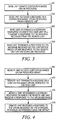
- FIG. 3 is a process flow diagram from the perspective of a base unit.
- FIG. 4 is a process flow diagram from the perspective of a remote unit.
- FIG. 5 illustrates a radio frame having a offset downlink resource.
- a wireless communication system 100 comprises one or more fixed base infrastructure entities 101 forming a network distributed over a geographical region for serving remote units in the time and/or frequency and/ or spatial domain.
- a base unit may also be referred to as an access point, access terminal, base, base station, Node-B (NB), eNode-B (eNB), Home Node-B (HNB), Home eNode-B (HeNB), relay node (RN), or by other terminology used in the art.
- Each base unit comprises one or more transmitters for sending downlink transmissions and one or more receivers for receiving uplink transmissions.
- the base units are generally part of a radio access network that may include one or more controllers communicably coupled to one or more corresponding base units.
- the access network is generally communicably coupled to one or more core networks, which may be coupled to other networks like the Internet and public switched telephone networks (PSTNs) among other entities.
- PSTNs public switched telephone networks
- the one or more base units each serve a number of remote units 103, 105 within a corresponding serving area, for example, a cell or a cell sector, via a wireless communication link.
- the remote units may be fixed or mobile.
- the remote units may also be referred to as subscriber units or stations, mobiles, mobile stations, users, terminals, user equipment (UE), user terminals, wireless communication devices, or by other terminology used in the art.
- Each remote unit also comprises one or more transmitters and one or more receivers.
- the base unit generally transmits downlink communications to serve the remote units in the time and/or frequency and/or code domain.
- the remote units communicate with base units via uplink communication signals.
- a base unit may be a "serving" base unit or a "non-serving" base unit relative to the a particular remote unit. Communications between a remote unit and a serving base unit are generally two-way communications. Communications between remote unit and a non-serving base unit are generally one-way comnmnications wherein the remote unit monitors transmissions from the base unit.
- a remote unit may also communicate with abase unit via a relay node.
- the wireless communication system is compliant with the 3GPP Universal Mobile Telecommunications System (UMTS) protocol.
- the wireless communication system is compliant with the 3GPP Universal Mobile Telecommunications System (UMTS) LTE protocol, also referred to as EUTRA or some later generation thereof, wherein the base units transmit using an orthogonal frequency division multiplexing (OFDM) modulation scheme on the downlink and the user terminals transmit using a single carrier frequency division multiple access (SC-FDMA) scheme on the uplink.
- OFDM orthogonal frequency division multiplexing
- SC-FDMA single carrier frequency division multiple access
- the wireless communication system is compliant with the 3GPP Universal Mobile Telecommunications System (UMTS) LTE-Advanced protocol, also referred to as LTE-A or some later generation or release thereof, wherein the base unit transmits using an OFDM modulation scheme on a single or a plurality of downlink component carriers and the user terminals transmit on the uplink using a single or plurality of uplink component carriers.
- UMTS Universal Mobile Telecommunications System
- the wireless communication system may implement some other open or proprietary communication protocol, for example, the WiMAX protocol, among other existing and future protocols.
- the architecture may also include the use of spreading techniques such as multi-carrier CDMA (MC-CDMA), multi-carrier direct sequence CDMA (MC-DS-CDMA), Orthogonal Frequency and Code Division Multiplexing (OFCDM) with one or two dimensional spreading.
- MC-CDMA multi-carrier CDMA
- MC-DS-CDMA multi-carrier direct sequence CDMA
- OFDM Orthogonal Frequency and Code Division Multiplexing
- the architecture in which the features of the instant disclosure are implemented may also be based on less complex time and/or frequency division multiplexing/multiple access techniques, or a combination of these various techniques.
- the wireless communication system may utilize other comnmnication system protocols including, but not limited to, TDMA or direct sequence CDMA.
- the communication system may be a TDD (Time Division Duplex) or FDD (Frequency Division Duplex) system.
- TDD Time Division Duplex
- FDD Frequency Division Duplex
- the wireless communication entity 200 comprises a controller 210 coupled to memory 212 and to a transceiver 214 via a system bus 220.
- the wireless comnmnication entity 200 may be implemented as a base unit or a remote unit and includes additional elements depending on the particular implementation.
- the wireless communication entity 200 would likely include user interface elements like a keypad and a display, not shown but well known to those having ordinary skill in the art.
- the wireless communication entity is generally compliant with the same wireless communication protocol as the base units with which it communicates, for example, the 3GPP LTE Rel-8 or later generation protocol discussed above.
- the controller is readily implemented as a digitally programmable processor that executes software or firmware based instructions stored in memory.
- the functionality of the wireless communication terminal described herein may also be implemented on hardware equivalent circuits or a combination of software and hardware based circuit elements.
- the base unit 101 generally allocates resources to the wireless communication terminals within its serving area for uplink and downlink communications.
- Dedicated radio resources are specific to a particular remote unit in response to a scheduling request.
- Contention based radio resources are available to all remote units served by the base unit.
- Contention based resources are generally granted in the absence of scheduling requests when resources are available, although in some implementations some resources may be permanently designated for allocation as contention based resources.
- a remote unit Since more than one remote unit can utilize a particular contention based uplink resource, it is necessary to uniquely identify the remote that transmits on a particular contention based resource.
- To uniquely identify a remote unit herein means to be able to distinguish the remote unit relative to other remote units served by the same base unit.
- information associated with the remote unit may be included in the transmission on the contention based uplink resource as discussed more fully below. It is also desirable in some instances for the base unit to acknowledge receipt of a transmission from a remote unit on a contention based resource.
- a remote unit when a remote unit communicates a transmission control protocol (TCP) acknowledgement, which is generally a 40-byte message, using a contention based uplink resource it is sometimes desirable or necessary for the base unit to acknowledge the transmission with one or more bits.
- TCP transmission control protocol
- the base unit acknowledgement indicates that the TCP acknowledgment was received correctly by the base unit.
- a remote unit may transmit a small message such as a text message or SMS message on a contention based resource. It is necessary for the base unit to acknowledge the transmission with one or more bits to indicate that the text message was received correctly by the base unit.
- a remote unit may transmit a "keep-alive" message on a contention based resource, wherein the keep-alive message indicates a status of the remote unit.
- the base unit may acknowledge that the keep-alive message was correctly received by the base unit.
- an acknowledgement sent by the base unit could be misinterpreted by one or more remote units as an indication of a successful uplink communication absent some mechanism to associate the acknowledgement sent by the base unit with a particular remote unit.
- an offset is used to determine a downlink resource on which the base unit transmits, and the remote unit receives, an acknowledgement or a response to a communication from the remote unit. The offset is based generally on information associated with the remote unit that communicated the message being acknowledged.
- the base unit grants contention based uplink resources to remote units served by the base unit.
- the contention based resource is a physical uplink shared channel (PUSCH).
- the controller of the base unit is configurable by software or firmware or equivalent hardware circuits generally to allocate resources to remote units served by the base unit. More particularly, the base unit controller is configured or configurable to allocate or grant contention based uplink resources to the remote units served by the base unit.
- Contention based resource grants are received by all remote units served by the base unit and the contention based resources are thus available for use by all remote units.
- a remote unit receives a contention based resource grant.
- the remote unit transmits a message on a contention based uplink resource to the base unit.
- the message originated from the remote unit includes information associated with the remote unit.
- the information associated with the remote unit is an identifier of the remote unit, for example, a cell radio network temporary identifier (C-RNTI) or some other identifier.
- C-RNTI cell radio network temporary identifier
- the information associated with the remote unit is some other information permanently or temporarily associated with the remote unit.
- a base unit receives, from a remote unit, a message on a contention based uplink resource.
- the message generally includes information associated with the remote unit, e.g., a permanent or temporary identifier of or for the remote unit, originating the message.
- the inclusion of an identifier in the message from the remote unit enables the base unit to determine the source or origination of the message transmitted on the contention based uplink resource.
- the remote unit may transmit a message on a contention based resource without first scheduling transmission of the message with the base unit.
- the remote unit may request scheduling of a message on a contention free, i.e., a dedicated, uplink resource and also transmit the message on a contention based uplink resource. If transmission on the contention based resource is successful before a dedicated resource is scheduled, there is no need for the remote unit to transmit the message on the dedicated resource.
- the base unit determines a downlink resource on which the base unit will transmit or send a response to the message received from the remote unit.
- the downlink resource is determined by applying an offset to a predetermined downlink resource.
- the resource may be a sub-frame or some other time-frequency radio resource.
- the predetermined downlink resource is a resource that is known a priori by both the base unit and the remote unit.
- the predetermined downlink resource is associated with the contention based uplink resource on which the message was sent by the remote unit.
- a physical hybrid automatic repeat request indicator channel (PHICH) in frame n is predetermined and known a priori by both the remote unit and the base unit.
- the PHICH is determined based on the starting resource block of the contention based uplink resource used by the remote unit.
- a downlink radio resource is pre-determined or pre-designated for responding to an uplink message.
- the base unit responds in the downlink using a pre-determined radio resource wherein the pre-determined radio resource is part of the physical downlink control channel (PDCCH) region.
- the PDCCH in this embodiment then points to a data region in the sub-frame where a downlink message may be found, wherein the downlink message is in response to the uplink message.
- the PDCCH may point to a downlink radio resource on the same carrier or on a different carrier.
- the pre-designated downlink radio resource is located within the data region of the sub-frame.
- the downlink radio resource may be pre-designated in one of n sub-frames to provide some flexibility to the base unit when scheduling other remote units. The remote unit then attempts to decode the pre-designated radio resource in multiple downlink sub-frames.
- the pre-designated downlink radio resource may be on another carrier that is known a priori by the remote unit or the remote unit may need to attempt to decode the pre-designated radio resource on multiple carriers known a priori to the remote unit.
- FIG. 5 illustrates a radio resource 500 in the time and frequency domain, but more generally the radio resource may be in any domain, for example, a time, frequency or code domain or a combination thereof.
- the exemplary radio resource is in the form of a sub-frame that includes a control region 510 with a predetermined downlink resource 512 for responding to a message sent on a contention based uplink resource.
- the predetermined downlink resource is a physical hybrid automatic repeat request indicator channel (PHICH).
- the predetermined downlink resource e.g., a PHICH
- the predetermined downlink resource is offset in the time or frequency domain based on the identifier of the remote unit that sent the message on the contention based resource.
- the PHICH is a 1-bit resource. More generally however the predetermined downlink resource may accommodate more than a single bit.
- the downlink resource 514 is offset relative to the predetermined downlink resource and thus the base unit will transmit the response or acknowledgement to the remote unit on the downlink resource 514.
- the controller of the base unit is configurable by software or firmware or equivalent hardware circuits generally to offset a predetermined resource based on information associated with the remote units that originated the message to which the base unit will respond or acknowledge.
- the offset is based on the identifier associated with the wireless communication device that originated the message.
- the identifier of the remote unit is the identifier included in the message received by the base unit on the contention based uplink resource from the remote unit.
- the identifier of the remote device is a CRNTI. In other embodiments other identifiers could be used.
- the offset is determined as a function of the identifier of the wireless communication device.
- the identifier could be subject to a Hash function wherein the resulting Hash value is the offset applied to the predetermined downlink resource to determine the downlink resource.
- the Hash value could be the basis for the offset.
- a portion of the identifier may be use to compute a decimal number that corresponds to the offset.
- the particular function or mechanism by which the base unit computes the offset based on the information associated with the remote unit that sends a message on the contention based uplink resource is relevant only to the extent that the base unit can compute an offset for the remote unit that differs from offsets computed for other remote units served by the base unit.
- the base unit can provide a response or acknowledgement uniquely associated with the remote unit that sent the message.
- the controller of the base unit is generally configurable by software or firmware or equivalent hardware circuits to determine the offset based on information associated with the remote unit to which the response or acknowledgement will be sent.
- the remote unit also determines a downlink resource on which the wireless communication device may receive a response to the uplink message.
- the remote unit may or may not be sent a response to or acknowledgement of the message sent on the contention based uplink resource, depending on whether the uplink message was received correctly.
- the remote unit determines the downlink resource in the same manner as the base unit since the downlink resource determined by the remote unit and the base unit must be the same in order for the remote unit to receive the response or acknowledgement sent by the base unit.
- the remote unit determines the downlink resource by applying an offset to the predetermined downlink resource wherein the offset is a function of the information associated with the remote unit.
- the identity associated with the remote unit and the function from which the offset is generated are both known a priori by both the remote unit and the base unit.
- the controller of the base unit is configurable by software or firmware or equivalent hardware circuits to determine the offset for a predetermined resource and the corresponding downlink resource based on information associated with the remote unit.
- the base unit transmits a response to the message received on the contention based uplink resource to the remote unit on the downlink resource determined using the offset.
- the remote unit receives a response to the uplink message on the downlink resource determined using the offset.
Landscapes
- Engineering & Computer Science (AREA)
- Computer Networks & Wireless Communication (AREA)
- Signal Processing (AREA)
- Computer Security & Cryptography (AREA)
- Mobile Radio Communication Systems (AREA)
Claims (21)
- Procédé pour un dispositif de communication sans fil, le procédé comprenant :l'émission, à partir du dispositif de communication sans fil, d'un message de liaison montante comprenant des informations associées au dispositif de communication sans fil ; caractérisé par :la détermination d'une ressource de liaison descendante (430) sur laquelle le dispositif de communication sans fil peut recevoir une réponse au message de liaison montante, la ressource de liaison descendante étant déterminée par application d'un décalage à une ressource de liaison descendante prédéterminée,le décalage étant basé sur les informations associées au dispositif de communication sans fil ; etla réception (440), au dispositif de communication sans fil, d'une réponse au message de liaison montante sur la ressource de liaison descendante.
- Procédé selon la revendication 1, comprenant en outre la détermination du décalage en fonction des informations associées au dispositif de communication sans fil, les informations étant un identificateur d'unité distante.
- Procédé selon la revendication 1, comprenant en outre la détermination du décalage en fonction des informations associées au dispositif de communication sans fil, les informations étant une identification temporaire de réseau cellulaire radio.
- Procédé selon la revendication 1, comprenant en outre :la réception d'une attribution de ressource de liaison montante basée sur une contention,le message de liaison montante étant émis en utilisant la ressource de liaison montante basée sur une contention,la réponse reçue acquittant la réception du message de liaison montante.
- Procédé selon la revendication 1, comprenant en outre :la réception d'une attribution de ressource de liaison montante basée sur une contention,l'émission du message de liaison montante comprenant l'émission d'un acquittement TCP sur la ressource de liaison montante basée sur une contention,la réponse au message de liaison montante reçu sur la ressource de liaison descendante acquittant la réception du message de liaison montante.
- Dispositif de communication sans fil comprenant :un émetteur-récepteur (214) ;un contrôleur (210) couplé à l'émetteur-récepteur,le contrôleur (210) étant configuré pour amener l'émetteur-récepteur (214) à émettre un message sur une ressource de liaison montante, le message comprenant des informations associées au dispositif de communication sans fil, caractérisé par le fait que :le contrôleur (210) est configuré pour déterminer une ressource de liaison descendante sur laquelle le dispositif de communication sans fil peut recevoir une réponse au message envoyé sur la ressource de liaison montante,la ressource de liaison descendante est déterminée par application d'un décalage à une ressource de liaison descendante prédéterminée,le décalage est basé sur les informations associées au dispositif de communication sans fil.
- Dispositif selon la revendication 6, dans lequel le contrôleur (210) est configuré pour déterminer le décalage en fonction des informations associées au dispositif de communication sans fil.
- Dispositif selon la revendication 7, dans lequel les informations associées au dispositif de communication sans fil sont une identification temporaire de réseau cellulaire radio.
- Dispositif selon la revendication 6, dans lequel la ressource de liaison montante est une ressource de liaison montante basée sur une contention sur laquelle d'autres dispositifs de communication sans fil peuvent également émettre des messages de liaison montante.
- Dispositif selon la revendication 6, dans lequel :la ressource de liaison montante est une ressource de liaison montante basée sur une contention sur laquelle d'autres dispositifs de communication sans fil peuvent également émettre des messages de liaison montante,le message est un acquittement TCP.
- Dispositif selon la revendication 6, dans lequel le décalage est dans un domaine choisi parmi un groupe comprenant un domaine temporel, un domaine fréquentiel, ou un domaine de code.
- Procédé pour une entité d'infrastructure de communication sans fil, le procédé comprenant :la réception (320) d'un message comprenant des informations associées à un dispositif de communication sans fil dont est issu le message ; le procédé étant caractérisé par :la détermination (330) d'une ressource de liaison descendante sur laquelle une réponse au message sera envoyée, la ressource de liaison descendante étant déterminée par application d'un décalage à une ressource de liaison descendante prédéterminée,le décalage étant basé sur les informations associées au dispositif de communication sans fil dont est issu le message ;l'émission (340) d'une réponse sur la ressource de liaison descendante ; etle message étant reçu sur une ressource de liaison montante basée sur une contention, la ressource de liaison montante basée sur une contention étant disponible pour plus d'un dispositif de communication sans fil pour des émissions de liaison montante.
- Procédé selon la revendication 12, déterminant le décalage en fonction des informations associées au dispositif de communication sans fil dont est issu le message, les informations associées au dispositif de communication sans fil étant une identification temporaire de réseau cellulaire radio.
- Procédé selon la revendication 12, comprenant en outre :l'attribution de la ressource de liaison montante basée sur une contention pour de multiples dispositifs de communication sans fil avant la réception du message,la réception du message sur la ressource de liaison montante basée sur une contention sans la planification en premier de l'émission du message,l'émission de la réponse sur la ressource de liaison descendante comprenant un récépissé d'acquittement du message reçu sur la ressource de liaison montante basée sur une contention.
- Procédé selon la revendication 12, comprenant en outre :la réception du message comprenant un acquittement TCP,l'émission de la réponse comprenant l'acquittement de réception de l'acquittement TCP.
- Procédé selon la revendication 12, dans lequel le décalage est dans un domaine choisi parmi un groupe comprenant un domaine temporel, un domaine fréquentiel, ou un domaine de code.
- Entité d'infrastructure de communication sans fil comprenant :un émetteur-récepteur (214) ;un contrôleur (210) couplé à l'émetteur-récepteur,le contrôleur (210) étant configuré pour amener le récepteur à recevoir un message comprenant des informations associées à un dispositif de communication sans fil dont est issu le message, caractérisée par le fait que :l'émetteur-récepteur (214) reçoit le message sur une ressource de liaison montante basée sur une contention, la ressource de liaison montante basée sur une contention étant disponible pour plus d'un dispositif de communication sans fil pour des transmissions de liaison montante ;le contrôleur (210) est configuré pour déterminer une ressource de liaison descendante sur laquelle une réponse au message peut être envoyée, la ressource de liaison descendante étant déterminée par application d'un décalage d'une ressource de liaison descendante prédéterminée, etle décalage est basé sur les informations associées au dispositif de communication sans fil dont est issu le message.
- Dispositif selon la revendication 17, le contrôleur (210) étant configuré pour déterminer le décalage en fonction des informations associées au dispositif de communication sans fil dont est issu le message, les informations étant une identification temporaire de réseau cellulaire radio.
- Dispositif selon la revendication 17, le contrôleur (210) étant configuré pour amener l'émetteur-récepteur (214) à émettre une attribution à la ressource de liaison montante basée sur une contention vers de multiples dispositifs de communication sans fil avant la réception du message,
la réponse étant un acquittement de réception du message sur la ressource de liaison montante basée sur une contention. - Dispositif selon la revendication 17, comprenant en outre :le message qui est un acquittement TCP,la réponse qui est un acquittement de réception de l'acquittement TCP.
- Dispositif selon la revendication 17, dans lequel le décalage est dans un domaine choisi parmi un groupe comprenant un domaine temporel, un domaine fréquentiel, ou un domaine de code.
Applications Claiming Priority (2)
| Application Number | Priority Date | Filing Date | Title |
|---|---|---|---|
| US12/545,463 US20110044260A1 (en) | 2009-08-21 | 2009-08-21 | Acknowledgment of Uplink Transmission on Contention Based Resource in Wireless Communication System |
| PCT/US2010/042826 WO2011022160A1 (fr) | 2009-08-21 | 2010-07-22 | Acquittement d'une transmission de liaison montante sur une ressource basée sur une contention dans un système de communication sans fil |
Publications (2)
| Publication Number | Publication Date |
|---|---|
| EP2468059A1 EP2468059A1 (fr) | 2012-06-27 |
| EP2468059B1 true EP2468059B1 (fr) | 2013-11-20 |
Family
ID=43003402
Family Applications (1)
| Application Number | Title | Priority Date | Filing Date |
|---|---|---|---|
| EP10738092.5A Active EP2468059B1 (fr) | 2009-08-21 | 2010-07-22 | Acquittement d'une transmission de liaison montante sur une ressource basée sur une contention dans un système de communication sans fil |
Country Status (6)
| Country | Link |
|---|---|
| US (1) | US20110044260A1 (fr) |
| EP (1) | EP2468059B1 (fr) |
| KR (1) | KR20120058563A (fr) |
| CN (1) | CN102598834B (fr) |
| ES (1) | ES2443843T3 (fr) |
| WO (1) | WO2011022160A1 (fr) |
Families Citing this family (9)
| Publication number | Priority date | Publication date | Assignee | Title |
|---|---|---|---|---|
| JP2011142532A (ja) * | 2010-01-08 | 2011-07-21 | Sharp Corp | 無線通信システム、基地局装置、移動局装置、無線通信方法および集積回路 |
| CN102752858B (zh) * | 2011-04-19 | 2017-06-13 | 中兴通讯股份有限公司 | 一种随机接入信道资源配置和发送的方法及系统 |
| CN103889060B (zh) * | 2012-12-20 | 2018-04-27 | 财团法人工业技术研究院 | 传输方法、接收方法、传送器及接收器 |
| US9750056B2 (en) | 2015-01-27 | 2017-08-29 | Huawei Technologies Co., Ltd. | System and method for transmission in a grant-free uplink transmission scheme |
| US10772120B2 (en) * | 2015-04-17 | 2020-09-08 | Telefonaktiebolaget Lm Ericsson (Publ) | Method and access node for signaling scheduling information to terminal device and method and terminal device for performing scheduled communications |
| EP3667974A1 (fr) * | 2015-07-29 | 2020-06-17 | Huawei Technologies Co., Ltd. | Procédé et appareil d'informations de rétroaction et appareil et procédé de réception d'informations de rétroaction |
| US10980048B2 (en) | 2015-09-17 | 2021-04-13 | Telefonakbebolaget LM Ericsson (Publ) | Contention based signaling in a wireless communication system |
| JP6917983B2 (ja) * | 2016-05-06 | 2021-08-11 | 株式会社Nttドコモ | 端末、無線通信方法及び基地局 |
| US11191094B2 (en) * | 2017-02-10 | 2021-11-30 | Lg Electronics Inc. | Method for transmitting or receiving signal in wireless communication system and apparatus therefor |
Family Cites Families (8)
| Publication number | Priority date | Publication date | Assignee | Title |
|---|---|---|---|---|
| GB2386294B (en) * | 2002-03-06 | 2004-05-05 | Lucent Technologies Inc | A method of setting up a call connection a method of preventing or alleviating denial of service attacks a ratio telecommunications network and a base station |
| CN1293729C (zh) * | 2003-08-08 | 2007-01-03 | 华为技术有限公司 | 一种防止无线局域网频繁进行网络选择交互的方法 |
| WO2007083230A2 (fr) * | 2006-01-20 | 2007-07-26 | Nokia Corporation | Procédure d'accès aléatoire avec couverture améliorée |
| US20070206546A1 (en) * | 2006-03-02 | 2007-09-06 | Alberth William P Jr | Method and apparatus for preventing denial of service attacks on cellular infrastructure access channels |
| US8042033B2 (en) * | 2006-11-29 | 2011-10-18 | Lg Electronics Inc. | Protection of access information in wireless communications |
| US7804799B2 (en) * | 2006-12-29 | 2010-09-28 | Intel Corporation | Uplink contention based access with quick access channel |
| KR101049138B1 (ko) * | 2007-03-19 | 2011-07-15 | 엘지전자 주식회사 | 이동 통신 시스템에서, 수신확인신호 수신 방법 |
| US9374837B2 (en) * | 2008-08-12 | 2016-06-21 | Google Technology Holdings LLC | Preventing misuse of random access procedure in wireless communication system |
-
2009
- 2009-08-21 US US12/545,463 patent/US20110044260A1/en not_active Abandoned
-
2010
- 2010-07-22 CN CN201080037185.3A patent/CN102598834B/zh active Active
- 2010-07-22 EP EP10738092.5A patent/EP2468059B1/fr active Active
- 2010-07-22 KR KR1020127007327A patent/KR20120058563A/ko not_active Ceased
- 2010-07-22 WO PCT/US2010/042826 patent/WO2011022160A1/fr not_active Ceased
- 2010-07-22 ES ES10738092.5T patent/ES2443843T3/es active Active
Also Published As
| Publication number | Publication date |
|---|---|
| ES2443843T3 (es) | 2014-02-20 |
| CN102598834B (zh) | 2015-09-09 |
| WO2011022160A1 (fr) | 2011-02-24 |
| CN102598834A (zh) | 2012-07-18 |
| KR20120058563A (ko) | 2012-06-07 |
| EP2468059A1 (fr) | 2012-06-27 |
| US20110044260A1 (en) | 2011-02-24 |
Similar Documents
| Publication | Publication Date | Title |
|---|---|---|
| US11595991B2 (en) | Method for indicating the allocated resources for a HARQ message in a random access procedure for a low-complexity, narrowband terminal | |
| EP2468059B1 (fr) | Acquittement d'une transmission de liaison montante sur une ressource basée sur une contention dans un système de communication sans fil | |
| US10868610B2 (en) | Communications device, communications apparatus operating as a relay node, infrastructure equipment and methods | |
| CN104995980B (zh) | 终端装置、基站装置、通信方法以及集成电路 | |
| US9301316B2 (en) | Scheduling request enabled uplink transmission | |
| EP2880943B1 (fr) | Signalisation et modèles de voie pour des communications d2d | |
| EP3562221B1 (fr) | Procédé et appareil d'attribution de puissance pour canal de liaison montante | |
| KR20200038291A (ko) | 사이드링크 피드백을 위한 시스템 및 방법 | |
| US20140204800A1 (en) | Buffer status indication in wireless communication | |
| CN105557056A (zh) | 用于改善随机接入消息的发送的通信装置和方法 | |
| JP2022078280A (ja) | 通信システム | |
| EP3726915B1 (fr) | Réduction de champ crc dans un message dci compact sur m-pdcch pour dispositifs de communication de type machine (mtc) à faible coût | |
| US20100074201A1 (en) | Method for improving uplink signaling transmission for a wireless communications system and related communication device | |
| CN104995979A (zh) | 终端装置、基站装置、通信方法以及集成电路 | |
| CN104871442A (zh) | 用于无线通信系统中的装置至装置(d2d)的信号传输方法和装置 | |
| KR101669266B1 (ko) | 네트워크에서 통신하는 방법, 제 2 스테이션 및 이를 위한 시스템 | |
| TW202243532A (zh) | 處理量測的通訊裝置及方法 | |
| EP2403308B1 (fr) | Procédé pour effectuer une transmission de données correspondant à des ressources semi-constantes dans un système de communication sans fil | |
| CN114223305A (zh) | 用于随机接入的方法和装置 | |
| JP5097505B2 (ja) | 移動通信システム、基地局装置、ユーザ装置及び通信方法 | |
| TWI784764B (zh) | 處理混合自動重傳請求重新傳送的裝置 | |
| EP2410812B1 (fr) | Procédé de fonctionnement d'un nýud de relais d'un réseau de communication mobile et nýud de relais d'un réseau de communication mobile |
Legal Events
| Date | Code | Title | Description |
|---|---|---|---|
| PUAI | Public reference made under article 153(3) epc to a published international application that has entered the european phase |
Free format text: ORIGINAL CODE: 0009012 |
|
| 17P | Request for examination filed |
Effective date: 20120321 |
|
| AK | Designated contracting states |
Kind code of ref document: A1 Designated state(s): AL AT BE BG CH CY CZ DE DK EE ES FI FR GB GR HR HU IE IS IT LI LT LU LV MC MK MT NL NO PL PT RO SE SI SK SM TR |
|
| RAP1 | Party data changed (applicant data changed or rights of an application transferred) |
Owner name: MOTOROLA MOBILITY LLC |
|
| DAX | Request for extension of the european patent (deleted) | ||
| REG | Reference to a national code |
Ref country code: DE Ref legal event code: R079 Ref document number: 602010011909 Country of ref document: DE Free format text: PREVIOUS MAIN CLASS: H04W0074080000 Ipc: H04W0074000000 |
|
| GRAP | Despatch of communication of intention to grant a patent |
Free format text: ORIGINAL CODE: EPIDOSNIGR1 |
|
| RIC1 | Information provided on ipc code assigned before grant |
Ipc: H04W 74/08 20090101ALN20130701BHEP Ipc: H04W 74/00 20090101AFI20130701BHEP |
|
| INTG | Intention to grant announced |
Effective date: 20130729 |
|
| GRAS | Grant fee paid |
Free format text: ORIGINAL CODE: EPIDOSNIGR3 |
|
| GRAA | (expected) grant |
Free format text: ORIGINAL CODE: 0009210 |
|
| AK | Designated contracting states |
Kind code of ref document: B1 Designated state(s): AL AT BE BG CH CY CZ DE DK EE ES FI FR GB GR HR HU IE IS IT LI LT LU LV MC MK MT NL NO PL PT RO SE SI SK SM TR |
|
| REG | Reference to a national code |
Ref country code: GB Ref legal event code: FG4D |
|
| REG | Reference to a national code |
Ref country code: CH Ref legal event code: EP |
|
| REG | Reference to a national code |
Ref country code: AT Ref legal event code: REF Ref document number: 642272 Country of ref document: AT Kind code of ref document: T Effective date: 20131215 |
|
| REG | Reference to a national code |
Ref country code: IE Ref legal event code: FG4D |
|
| REG | Reference to a national code |
Ref country code: NL Ref legal event code: T3 |
|
| REG | Reference to a national code |
Ref country code: DE Ref legal event code: R096 Ref document number: 602010011909 Country of ref document: DE Effective date: 20140116 |
|
| REG | Reference to a national code |
Ref country code: ES Ref legal event code: FG2A Ref document number: 2443843 Country of ref document: ES Kind code of ref document: T3 Effective date: 20140220 |
|
| REG | Reference to a national code |
Ref country code: AT Ref legal event code: MK05 Ref document number: 642272 Country of ref document: AT Kind code of ref document: T Effective date: 20131120 |
|
| REG | Reference to a national code |
Ref country code: LT Ref legal event code: MG4D |
|
| PG25 | Lapsed in a contracting state [announced via postgrant information from national office to epo] |
Ref country code: LT Free format text: LAPSE BECAUSE OF FAILURE TO SUBMIT A TRANSLATION OF THE DESCRIPTION OR TO PAY THE FEE WITHIN THE PRESCRIBED TIME-LIMIT Effective date: 20131120 Ref country code: NO Free format text: LAPSE BECAUSE OF FAILURE TO SUBMIT A TRANSLATION OF THE DESCRIPTION OR TO PAY THE FEE WITHIN THE PRESCRIBED TIME-LIMIT Effective date: 20140220 Ref country code: HR Free format text: LAPSE BECAUSE OF FAILURE TO SUBMIT A TRANSLATION OF THE DESCRIPTION OR TO PAY THE FEE WITHIN THE PRESCRIBED TIME-LIMIT Effective date: 20131120 Ref country code: IS Free format text: LAPSE BECAUSE OF FAILURE TO SUBMIT A TRANSLATION OF THE DESCRIPTION OR TO PAY THE FEE WITHIN THE PRESCRIBED TIME-LIMIT Effective date: 20140320 Ref country code: SE Free format text: LAPSE BECAUSE OF FAILURE TO SUBMIT A TRANSLATION OF THE DESCRIPTION OR TO PAY THE FEE WITHIN THE PRESCRIBED TIME-LIMIT Effective date: 20131120 |
|
| PG25 | Lapsed in a contracting state [announced via postgrant information from national office to epo] |
Ref country code: LV Free format text: LAPSE BECAUSE OF FAILURE TO SUBMIT A TRANSLATION OF THE DESCRIPTION OR TO PAY THE FEE WITHIN THE PRESCRIBED TIME-LIMIT Effective date: 20131120 Ref country code: AT Free format text: LAPSE BECAUSE OF FAILURE TO SUBMIT A TRANSLATION OF THE DESCRIPTION OR TO PAY THE FEE WITHIN THE PRESCRIBED TIME-LIMIT Effective date: 20131120 Ref country code: BE Free format text: LAPSE BECAUSE OF FAILURE TO SUBMIT A TRANSLATION OF THE DESCRIPTION OR TO PAY THE FEE WITHIN THE PRESCRIBED TIME-LIMIT Effective date: 20131120 |
|
| PG25 | Lapsed in a contracting state [announced via postgrant information from national office to epo] |
Ref country code: PT Free format text: LAPSE BECAUSE OF FAILURE TO SUBMIT A TRANSLATION OF THE DESCRIPTION OR TO PAY THE FEE WITHIN THE PRESCRIBED TIME-LIMIT Effective date: 20140320 |
|
| PG25 | Lapsed in a contracting state [announced via postgrant information from national office to epo] |
Ref country code: EE Free format text: LAPSE BECAUSE OF FAILURE TO SUBMIT A TRANSLATION OF THE DESCRIPTION OR TO PAY THE FEE WITHIN THE PRESCRIBED TIME-LIMIT Effective date: 20131120 |
|
| REG | Reference to a national code |
Ref country code: DE Ref legal event code: R097 Ref document number: 602010011909 Country of ref document: DE |
|
| PG25 | Lapsed in a contracting state [announced via postgrant information from national office to epo] |
Ref country code: CZ Free format text: LAPSE BECAUSE OF FAILURE TO SUBMIT A TRANSLATION OF THE DESCRIPTION OR TO PAY THE FEE WITHIN THE PRESCRIBED TIME-LIMIT Effective date: 20131120 Ref country code: RO Free format text: LAPSE BECAUSE OF FAILURE TO SUBMIT A TRANSLATION OF THE DESCRIPTION OR TO PAY THE FEE WITHIN THE PRESCRIBED TIME-LIMIT Effective date: 20131120 Ref country code: PL Free format text: LAPSE BECAUSE OF FAILURE TO SUBMIT A TRANSLATION OF THE DESCRIPTION OR TO PAY THE FEE WITHIN THE PRESCRIBED TIME-LIMIT Effective date: 20131120 Ref country code: SK Free format text: LAPSE BECAUSE OF FAILURE TO SUBMIT A TRANSLATION OF THE DESCRIPTION OR TO PAY THE FEE WITHIN THE PRESCRIBED TIME-LIMIT Effective date: 20131120 |
|
| PLBE | No opposition filed within time limit |
Free format text: ORIGINAL CODE: 0009261 |
|
| STAA | Information on the status of an ep patent application or granted ep patent |
Free format text: STATUS: NO OPPOSITION FILED WITHIN TIME LIMIT |
|
| PG25 | Lapsed in a contracting state [announced via postgrant information from national office to epo] |
Ref country code: DK Free format text: LAPSE BECAUSE OF FAILURE TO SUBMIT A TRANSLATION OF THE DESCRIPTION OR TO PAY THE FEE WITHIN THE PRESCRIBED TIME-LIMIT Effective date: 20131120 |
|
| 26N | No opposition filed |
Effective date: 20140821 |
|
| REG | Reference to a national code |
Ref country code: DE Ref legal event code: R097 Ref document number: 602010011909 Country of ref document: DE Effective date: 20140821 |
|
| PG25 | Lapsed in a contracting state [announced via postgrant information from national office to epo] |
Ref country code: LU Free format text: LAPSE BECAUSE OF FAILURE TO SUBMIT A TRANSLATION OF THE DESCRIPTION OR TO PAY THE FEE WITHIN THE PRESCRIBED TIME-LIMIT Effective date: 20140722 Ref country code: SI Free format text: LAPSE BECAUSE OF FAILURE TO SUBMIT A TRANSLATION OF THE DESCRIPTION OR TO PAY THE FEE WITHIN THE PRESCRIBED TIME-LIMIT Effective date: 20131120 |
|
| REG | Reference to a national code |
Ref country code: CH Ref legal event code: PL |
|
| REG | Reference to a national code |
Ref country code: IE Ref legal event code: MM4A |
|
| PG25 | Lapsed in a contracting state [announced via postgrant information from national office to epo] |
Ref country code: LI Free format text: LAPSE BECAUSE OF NON-PAYMENT OF DUE FEES Effective date: 20140731 Ref country code: CH Free format text: LAPSE BECAUSE OF NON-PAYMENT OF DUE FEES Effective date: 20140731 |
|
| PG25 | Lapsed in a contracting state [announced via postgrant information from national office to epo] |
Ref country code: IE Free format text: LAPSE BECAUSE OF NON-PAYMENT OF DUE FEES Effective date: 20140722 |
|
| REG | Reference to a national code |
Ref country code: DE Ref legal event code: R082 Ref document number: 602010011909 Country of ref document: DE Representative=s name: KASTEL PATENTANWAELTE, DE Ref country code: DE Ref legal event code: R082 Ref document number: 602010011909 Country of ref document: DE Representative=s name: BETTEN & RESCH PATENT- UND RECHTSANWAELTE PART, DE |
|
| PG25 | Lapsed in a contracting state [announced via postgrant information from national office to epo] |
Ref country code: MC Free format text: LAPSE BECAUSE OF FAILURE TO SUBMIT A TRANSLATION OF THE DESCRIPTION OR TO PAY THE FEE WITHIN THE PRESCRIBED TIME-LIMIT Effective date: 20131120 Ref country code: SM Free format text: LAPSE BECAUSE OF FAILURE TO SUBMIT A TRANSLATION OF THE DESCRIPTION OR TO PAY THE FEE WITHIN THE PRESCRIBED TIME-LIMIT Effective date: 20131120 |
|
| PG25 | Lapsed in a contracting state [announced via postgrant information from national office to epo] |
Ref country code: MT Free format text: LAPSE BECAUSE OF FAILURE TO SUBMIT A TRANSLATION OF THE DESCRIPTION OR TO PAY THE FEE WITHIN THE PRESCRIBED TIME-LIMIT Effective date: 20131120 Ref country code: GR Free format text: LAPSE BECAUSE OF FAILURE TO SUBMIT A TRANSLATION OF THE DESCRIPTION OR TO PAY THE FEE WITHIN THE PRESCRIBED TIME-LIMIT Effective date: 20140221 Ref country code: BG Free format text: LAPSE BECAUSE OF FAILURE TO SUBMIT A TRANSLATION OF THE DESCRIPTION OR TO PAY THE FEE WITHIN THE PRESCRIBED TIME-LIMIT Effective date: 20131120 Ref country code: CY Free format text: LAPSE BECAUSE OF FAILURE TO SUBMIT A TRANSLATION OF THE DESCRIPTION OR TO PAY THE FEE WITHIN THE PRESCRIBED TIME-LIMIT Effective date: 20131120 |
|
| REG | Reference to a national code |
Ref country code: FR Ref legal event code: PLFP Year of fee payment: 7 |
|
| PG25 | Lapsed in a contracting state [announced via postgrant information from national office to epo] |
Ref country code: TR Free format text: LAPSE BECAUSE OF FAILURE TO SUBMIT A TRANSLATION OF THE DESCRIPTION OR TO PAY THE FEE WITHIN THE PRESCRIBED TIME-LIMIT Effective date: 20131120 Ref country code: HU Free format text: LAPSE BECAUSE OF FAILURE TO SUBMIT A TRANSLATION OF THE DESCRIPTION OR TO PAY THE FEE WITHIN THE PRESCRIBED TIME-LIMIT; INVALID AB INITIO Effective date: 20100722 |
|
| REG | Reference to a national code |
Ref country code: FR Ref legal event code: PLFP Year of fee payment: 8 |
|
| REG | Reference to a national code |
Ref country code: NL Ref legal event code: PD Owner name: GOOGLE TECHNOLOGY HOLDINGS LLC; US Free format text: DETAILS ASSIGNMENT: CHANGE OF OWNER(S), ASSIGNMENT; FORMER OWNER NAME: MOTOROLA MOBILITY LLC Effective date: 20170626 |
|
| REG | Reference to a national code |
Ref country code: GB Ref legal event code: 732E Free format text: REGISTERED BETWEEN 20170831 AND 20170906 |
|
| REG | Reference to a national code |
Ref country code: ES Ref legal event code: PC2A Owner name: GOOGLE TECHNOLOGY HOLDING LLC Effective date: 20171121 |
|
| REG | Reference to a national code |
Ref country code: FR Ref legal event code: TP Owner name: GOOGLE TECHNOLOGY HOLDINGS LLC, US Effective date: 20171214 |
|
| REG | Reference to a national code |
Ref country code: DE Ref legal event code: R082 Ref document number: 602010011909 Country of ref document: DE Representative=s name: BETTEN & RESCH PATENT- UND RECHTSANWAELTE PART, DE Ref country code: DE Ref legal event code: R081 Ref document number: 602010011909 Country of ref document: DE Owner name: GOOGLE TECHNOLOGY HOLDINGS LLC, MOUNTAIN VIEW, US Free format text: FORMER OWNER: MOTOROLA MOBILITY LLC, LIBERTYVILLE, ILL., US |
|
| PG25 | Lapsed in a contracting state [announced via postgrant information from national office to epo] |
Ref country code: MK Free format text: LAPSE BECAUSE OF FAILURE TO SUBMIT A TRANSLATION OF THE DESCRIPTION OR TO PAY THE FEE WITHIN THE PRESCRIBED TIME-LIMIT Effective date: 20131120 |
|
| REG | Reference to a national code |
Ref country code: FR Ref legal event code: PLFP Year of fee payment: 9 |
|
| PG25 | Lapsed in a contracting state [announced via postgrant information from national office to epo] |
Ref country code: AL Free format text: LAPSE BECAUSE OF FAILURE TO SUBMIT A TRANSLATION OF THE DESCRIPTION OR TO PAY THE FEE WITHIN THE PRESCRIBED TIME-LIMIT Effective date: 20131120 |
|
| P01 | Opt-out of the competence of the unified patent court (upc) registered |
Effective date: 20230512 |
|
| PGFP | Annual fee paid to national office [announced via postgrant information from national office to epo] |
Ref country code: NL Payment date: 20240726 Year of fee payment: 15 |
|
| PGFP | Annual fee paid to national office [announced via postgrant information from national office to epo] |
Ref country code: DE Payment date: 20240729 Year of fee payment: 15 Ref country code: FI Payment date: 20240725 Year of fee payment: 15 |
|
| PGFP | Annual fee paid to national office [announced via postgrant information from national office to epo] |
Ref country code: GB Payment date: 20240729 Year of fee payment: 15 |
|
| PGFP | Annual fee paid to national office [announced via postgrant information from national office to epo] |
Ref country code: FR Payment date: 20240725 Year of fee payment: 15 |
|
| PGFP | Annual fee paid to national office [announced via postgrant information from national office to epo] |
Ref country code: ES Payment date: 20240801 Year of fee payment: 15 |
|
| PGFP | Annual fee paid to national office [announced via postgrant information from national office to epo] |
Ref country code: IT Payment date: 20240719 Year of fee payment: 15 |
|
| REG | Reference to a national code |
Ref country code: DE Ref legal event code: R119 Ref document number: 602010011909 Country of ref document: DE |
|
| REG | Reference to a national code |
Ref country code: NL Ref legal event code: MM Effective date: 20250801 |
|
| GBPC | Gb: european patent ceased through non-payment of renewal fee |
Effective date: 20250722 |
|
| PG25 | Lapsed in a contracting state [announced via postgrant information from national office to epo] |
Ref country code: GB Free format text: LAPSE BECAUSE OF NON-PAYMENT OF DUE FEES Effective date: 20250722 |
|
| PG25 | Lapsed in a contracting state [announced via postgrant information from national office to epo] |
Ref country code: DE Free format text: LAPSE BECAUSE OF NON-PAYMENT OF DUE FEES Effective date: 20260203 |
|
| PG25 | Lapsed in a contracting state [announced via postgrant information from national office to epo] |
Ref country code: FI Free format text: LAPSE BECAUSE OF NON-PAYMENT OF DUE FEES Effective date: 20250722 |
|
| PG25 | Lapsed in a contracting state [announced via postgrant information from national office to epo] |
Ref country code: NL Free format text: LAPSE BECAUSE OF NON-PAYMENT OF DUE FEES Effective date: 20250801 |
|
| PG25 | Lapsed in a contracting state [announced via postgrant information from national office to epo] |
Ref country code: FR Free format text: LAPSE BECAUSE OF NON-PAYMENT OF DUE FEES Effective date: 20250731 |