EP2475194B1 - Procédé, système et dispositif d'accès au service basé sur une authentification d'accès au réseau local sans fil wlan - Google Patents
Procédé, système et dispositif d'accès au service basé sur une authentification d'accès au réseau local sans fil wlan Download PDFInfo
- Publication number
- EP2475194B1 EP2475194B1 EP10811116.2A EP10811116A EP2475194B1 EP 2475194 B1 EP2475194 B1 EP 2475194B1 EP 10811116 A EP10811116 A EP 10811116A EP 2475194 B1 EP2475194 B1 EP 2475194B1
- Authority
- EP
- European Patent Office
- Prior art keywords
- user equipment
- authentication center
- identity token
- service authentication
- cookie
- Prior art date
- Legal status (The legal status is an assumption and is not a legal conclusion. Google has not performed a legal analysis and makes no representation as to the accuracy of the status listed.)
- Active
Links
Images






Classifications
-
- H—ELECTRICITY
- H04—ELECTRIC COMMUNICATION TECHNIQUE
- H04W—WIRELESS COMMUNICATION NETWORKS
- H04W12/00—Security arrangements; Authentication; Protecting privacy or anonymity
- H04W12/06—Authentication
-
- H—ELECTRICITY
- H04—ELECTRIC COMMUNICATION TECHNIQUE
- H04L—TRANSMISSION OF DIGITAL INFORMATION, e.g. TELEGRAPHIC COMMUNICATION
- H04L63/00—Network architectures or network communication protocols for network security
- H04L63/08—Network architectures or network communication protocols for network security for authentication of entities
- H04L63/0815—Network architectures or network communication protocols for network security for authentication of entities providing single-sign-on or federations
-
- H—ELECTRICITY
- H04—ELECTRIC COMMUNICATION TECHNIQUE
- H04W—WIRELESS COMMUNICATION NETWORKS
- H04W12/00—Security arrangements; Authentication; Protecting privacy or anonymity
- H04W12/06—Authentication
- H04W12/069—Authentication using certificates or pre-shared keys
Definitions
- the present invention relates to the field of radio communications and particularly to a service access method, system and device based upon Wireless local Area Network (WLAN) access authentication.
- WLAN Wireless local Area Network
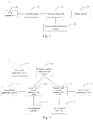
- Fig. 1 illustrates a structure of a WLAN access authentication system 1 which may include a user equipment 11, an Access Point (AP) 12, an Access Controller (AC) 13, an access authentication server 14 and a portal server 15.
- the access point 12 can provide a radio access of the user equipment 11.
- the access controller 13 controls an access of the user equipment 11 to a WLAN.
- the access controller 13, the access authentication server 14 and the portal server 15 cooperate to perform access authentication on the user equipment 11.
- This WLAN access authentication method has been detailed in the pending Chinese Patent Application No. 200610169785.0 (Publication No. CN 101212297 A ) of the present applicant.
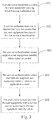
- Fig. 2 illustrates a single-site login system 2 which enables a user equipment to access services of a plurality of application systems through one service authentication process.
- the system 2 may include application systems, service authentication centers and user equipment databases.
- the application systems may be divided into a first level application system 21 and a second level application system 22 which are associated respectively with a first level service authentication center 23 and a second level service authentication center 24.
- the application system can acquire a desired user equipment identity token through an associated service authentication center and provide a user equipment with a service access according to the user equipment identity token.
- Each second level service authentication center 24 is associated with a user equipment database 25 in which a plurality of user equipment information are recorded.
- This single-site login system has been detailed in the unpublished Chinese Patent Application No. 200810116578.8 of the present applicant.
- Document WO 03073783 A1 provides a system, method and apparatus wherein a cellular Federation of mobile network operators becomes an SSO authentication authority for subscribers of this Federation accessing Service Providers having such agreement with a mobile network pperator of the Federation.
- Document US 2008228919 A1 discloses a method, which includes establishing a persistent session with one or more network management servers, where each persistent session is identified relative to a session identifier, authenticating one or more clients requesting access; receiving, from a client, a request to access a selected network management server of the one or more network management servers; generating a ticket for the client; and transmitting a redirection message to the client, where the redirection message identifiers the selected network management server and includes the ticket and the session identifier corresponding to the selected network management server.
- Document DE 10 2006 007793 B3 discloses a method which involves accomplishing a user authentication between a client device and an Internet gateway, via hypertext transfer protocol (HTTP) or hypertext mark up language (HTML).
- HTTP hypertext transfer protocol
- HTML hypertext mark up language
- Appropriate status information is installed on the device by the gateway. An access is granted for the user after the authentication.
- the information is transmitted from the device to the gateway that checks the information, where an HTTP redirect is transmitted on a web page that is requested by the client device, with a positive result. A re-authentication is required by the device with a negative result.
- the user equipment which has passed WLAN access authentication can access services provided from a plurality of application systems without any service authentication, thereby improving the experience of a user and alleviating a system overhead of the application systems.
- the application system can acquire a user equipment identity token through a service authentication center associated with the user equipment and provide the user equipment with a service access according to the user equipment identity token without any service authentication.
- the user equipment identity token is information desired for the application system to provide the user equipment with the service access, e.g., a Mobile Station international ISDN number (MSISDN) of the user equipment, charge information, etc.
- MSISDN Mobile Station international ISDN number
- a portal server can transmit an access authentication result page to a user equipment.
- the portal server can transmit a cookie to the user equipment in addition to the access authentication result page transmitted to the user equipment which has passed WLAN access authentication.
- the cookie is a text file stored at the user equipment, and the contents of the cookie transmitted from the portal server to the user equipment can include a user equipment identifier and an access authentication pass indication.
- the user equipment identifier is an identification code which can identify uniquely the identity of the user equipment, e.g., the MSISDN of the user equipment, etc.
- the access authentication pass indication can be various pieces of information which can indicate that the user equipment has passed WLAN access authentication, the identifier of the portal server (e.g., the name or address of the portal server, etc.) as a non-limiting example.
- the portal server can transmit the cookie together with the access authentication result page to the user equipment or transmit the cookie separately to the user equipment before or after the access authentication result page is transmitted.
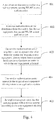
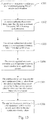
- a service access method based upon WLAN access authentication will be described below with reference to Fig. 3 to Fig. 7 , where a system providing a service access is in the two-level architecture as illustrated in Fig. 2 .
- the first operation of the method illustrated in Fig. 3 to Fig. 7 can be the operation as described above in which a portal server transmits a cookie to a user equipment which has passed WLAN access authentication.
- the application system can check whether there is a user equipment identity token present therein, and if so, then the application system can provide the user equipment directly with a service access. Therefore respective operations following the first operation in the method as illustrated in Fig. 3 to Fig. 7 in which the portal server transmits the cookie to the user equipment which has passed WLAN access authentication will be performed only in the case that the user equipment identity token of the user equipment requesting the service access is absent in the application system.
- a service authentication center associated with the application system can determine from the cookie in the user equipment whether the user equipment has passed WLAN access authentication (the operation 302). At this time the application system redirects the service access request to the service authentication center associated with the application system. For example, if the user equipment is to access a service of a first level application system, then a first level service authentication center determines whether the user equipment has passed WLAN access authentication; or if the user equipment is to access a service of a second level application system, then a second level service authentication center associated with the second level application system determines whether the user equipment has passed WLAN access authentication.
- the portal server has transmitted the cookie including a user equipment identifier and an access authentication pass indication to the user equipment which has passed WLAN access authentication during WLAN access authentication of the user equipment, thus the service authentication center can determine from the access authentication pass indication included in the cookie in the user equipment that the user equipment has passed WLAN access authentication.
- the service authentication center can acquire a desired user equipment identity token using the cookie (the operation 303).
- the service authentication center transmits the user equipment identity token to the application system upon reception thereof (the operation 304), and the application system can provide the user equipment with a service access according to the user equipment identity token (the operation 305).
- the service authentication center can firstly transmit the user equipment identity token to the user equipment which in turn transmits it to the application system so that the application can provide the user equipment with the desired service access.
- a portal server transmits a cookie to a user equipment which has passed WLAN access authentication in the operation 401.
- a service authentication center determines from the cookie in the user equipment that the user equipment has passed WLAN access authentication (the operation 402)
- the service authentication center can acquire a user equipment identity token using the cookie in such a way that the service authentication center can acquire a user equipment identifier from the cookie and request the user equipment identity token from a second level service authentication center to which the user equipment is homed according to the user equipment identifier (the operation 403).
- the service authentication center transmits the user equipment identity token to an application system upon reception thereof (the operation 404).
- the application system can provide the user equipment with a service access according to the user equipment identity token (the operation 405).
- each second level service authentication center is associated with a user equipment database in which information of user equipments is recorded.
- a user equipment being "homed" to a specific second level service authentication center refers to that information of the user equipment is recorded in a user equipment database associated with the second level service authentication center.
- the service authentication center will firstly determine which second level service authentication center the user equipment is homed to before the user equipment identity token is requested from the second level service authentication center to which the user equipment is homed, and the service authentication center can determine the second level service authentication center, to which the user equipment is homed, according to the user equipment identifier acquired from the cookie in various existing methods, none of which will be detailed in the invention for the sake of brevity.
- the service authentication center transmits the user equipment identifier to the second level service authentication center, to which the user equipment is homed, to request the user equipment identity token, and thus the second level service authentication center to which the user equipment is homed can acquire the corresponding user equipment identity token according to the user equipment identifier and transmit it to the service authentication center.
- the second level service authentication center to which the user equipment is homed can search the user equipment database associated therewith for the user equipment identity token according to the user equipment identifier in various existing methods, none of which will be further described here.
- the user equipment identity token can be stored at the service authentication center.
- the service authentication center can firstly determine whether the user equipment identity token corresponding to the user equipment identifier is stored locally after acquiring the user equipment identifier from the cookie, and if not, then the service authentication center will request the user equipment identity token from the second level service authentication center to which the user equipment is homed according to the user equipment identifier; otherwise, the process of requesting the user equipment identity token from the second level service authentication center to which the user equipment is homed can be omitted.
- a table of user equipment identity tokens, in which user equipment identity tokens are stored can be configured at the service authentication center.
- each user equipment identity token can be indexed with a user equipment identifier in the table of user equipment identity tokens. Stated otherwise, correspondence relationships between user equipment identifiers and user equipment identity tokens can be recorded in the table of user equipment identity tokens. Therefore the service authentication center can search the table of user equipment identity tokens for the corresponding user equipment identity token according to the user equipment identifier.
- the cookie transmitted from the portal server to the user equipment can include an encrypted user equipment identifier, and thus the service authentication center shall acquire the user equipment identifier only after the encrypted user equipment identifier in the cookie is decrypted.
- the service authentication center shall acquire the user equipment identifier only after the encrypted user equipment identifier in the cookie is decrypted.
- Those skilled in the art can encrypt and decrypt the user equipment identifier in various cipher systems.
- a symmetric cipher algorithm can be adopted, that is, the portal server and the service authentication center share a key Ka.
- the cookie in the user equipment which has passed WLAN access authentication includes a cipher text generated by the portal server encrypting the user equipment identifier with the key Ka, and the service authentication center acquires the correct user equipment identifier after the encrypted user equipment identifier is decrypted with the key Ka upon acquisition of the cookie.
- Various symmetric cipher algorithms can be adopted, e.g., the DES algorithm, the 3-DES algorithm, the AES algorithm, etc.
- an asymmetric cipher algorithm can be adopted, that is, the cookie in the user equipment which has passed WLAN access authentication includes a cipher text generated by the portal server encrypting the user equipment identifier with a public key Kp, and the service authentication center can decrypt the encrypted user equipment identifier with its private key Ks upon acquisition of the cookie.
- Various asymmetric cipher algorithms can be adopted, e.g., the RSA algorithm, the ElGmal algorithm, the ECC algorithm, etc.
- the service authentication center can store the user equipment identifier after the user equipment identifier is acquired from the cookie and allocate a user equipment identifier index to each user equipment identifier in an embodiment of the invention.
- the service authentication center can transmit a rewritten cookie to the user equipment to replace the cookie provided previously from the portal server, and the rewritten cookie can include the identifier of the service authentication center (e.g., the name or address of the service authentication center, etc.) and the user equipment identifier index corresponding to the user equipment identifier.
- the service authentication center can firstly transmit the user equipment identity token to the user equipment which in turn transmits it to the application system, in the operation in which the service authentication center transmits the user equipment identity token to the application system. Therefore the rewritten cookie can be transmitted to the user equipment to replace the original cookie while the service authentication center transmits the user equipment identity token to the application system via the user equipment.
- a service authentication center associated with the other application system can transmit the user equipment identifier index included in the rewritten cookie to the service authentication center represented by the identifier of the service authentication center included in the rewritten cookie according to the identifier of the service authentication center and the user equipment identifier index, and the service authentication center represented by the identifier of the service authentication center acquires the corresponding user equipment identifier according to the user equipment identifier index to thereby acquire the desired user equipment identity token.
- the table of user equipment identity tokens in which user equipment identity tokens are stored, is created in the service authentication center
- the table of user equipment identity tokens can be modified by including therein a table entry in which the user equipment identifier index corresponding to the user equipment identifier is recorded.
- the service authentication center represented by the identifier of the service authentication center in the rewritten cookie can search the table of user equipment identity tokens according to the user equipment identifier index, and if no corresponding user equipment identity token is found, then the service authentication center can acquire the corresponding user equipment identifier from the table of user equipment identity tokens and acquire the desired user equipment identity token according to the user equipment identifier.
- the cookie including the user equipment identifier will be used once only if it is the first time for the user equipment to request a service access after which has passed WLAN access authentication to thereby avoid a replay attack.
- secure transmission channels can be established between the service authentication center and the second level service authentication center to which the user equipment is homed and between the service authentication center and the associated application system for transmission of the user equipment identifier and/or the user equipment identity token.
- the secure transmission channels can be a Virtual Private Network (VPN), e.g., an SSL secure tunnel, etc.
- VPN Virtual Private Network
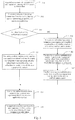
- Fig. 5 and Fig. 6 illustrates a service access method based upon WLAN access authentication in a third implementation solution and a fourth implementation solution of the invention, where a second level service authentication center requests via a first level service authentication center a user equipment identity token from a second level service authentication center to which a user equipment is homed instead of requesting the user equipment identity token directly from the second level service authentication center to which the user equipment is homed, and this can avoid a mesh access condition due to interconnectivity between the different second level service authentication centers and hence avoid possible information congestion.
- a portal server transmits a cookie to a user equipment which has passed WLAN access authentication (the operation 501 in Fig. 5 and the operation 601 in Fig. 6 ), and a service authenticator center determines from the cookie in the user equipment that the user equipment has passed WLAN access authentication (the operation 502 in Fig. 5 and the operation 602 in Fig. 6 ). Thereafter it can be determined whether the level of the service authenticator center is a first level or a second level (the operation 503 in Fig. 5 and the operation 603 in Fig. 6 ).
- the first level service authentication center acquires a user equipment identifier from the cookie and requests a user equipment identity token from a second level service authentication center to which the user equipment is homed according to the user equipment identifier (the operation 504 in Fig. 5 and the operation 604 in Fig. 6 ). If the service authentication center is determined as a second level service authentication center, then a process of the method illustrated in Fig. 5 is slightly different from that of the method illustrated in Fig. 6 .
- the second level service authentication center transmits a user equipment identifier to a first level service authentication center after the user equipment identifier is acquired from the cookie (the operation 505), and the first level service authentication center requests a user equipment identity token from a second level service authentication center to which the user equipment is homed according to the user equipment identifier (the operation 506) and transmits the user equipment identity token to the second level service authentication center requesting the user equipment identity token (the operation 507).
- the second level service authentication center transmits the cookie to a first level service authentication center (the operation 605), and the first level service authentication center acquires a user equipment identifier from the cookie and requests a user equipment identity token from a second level service authentication center to which the user equipment is homed according to the user equipment identifier (the operation 606) and transmits the user equipment identity token to the second level service authentication center requesting the user equipment identity token (the operation 607).
- the second level service authentication center is responsible for acquiring the user equipment identifier from the cookie in the method illustrated in Fig. 5
- the first level service authentication center acquires the user equipment identifier from the cookie in the method illustrated in Fig. 6 .
- the service authentication center will perform the same process of the method illustrated in Fig. 5 as that of the method illustrated in Fig. 6 upon reception of the user equipment identity token in that the service authentication center transmits the user equipment identity token to an application system (the operation 508 in Fig. 5 and the operation 608 in Fig. 6 ), and the application system can provide the user equipment with a service access according to the user equipment identity token (the operation 509 in Fig. 5 and the operation 609 in Fig. 6 ).
- the user equipment identity token can be stored and also a table of user equipment identity tokens, in which correspondence relationships between user equipment identifiers and user equipment identity tokens are recorded, can be created at the service authentication center.
- the service authentication center is determined as a first level service authentication center in the operation 503 illustrated in Fig. 5 or the operation 603 illustrated in Fig.
- the first level service authentication center can firstly determine whether the desired user equipment identity token is stored locally at the first level service authentication center after the user equipment identifier is acquired from the cookie, and if not, then the service authentication center can request the user equipment identity token from the second level service authentication center to which the user equipment is homed according to the user equipment identifier; otherwise, the process of requesting the user equipment identity token from the second level service authentication center to which the user equipment is homed can be omitted.
- the service authentication center is a second level service authentication center, in the method illustrated in Fig.
- the second level service authentication center can determine whether the desired user equipment identity token is stored locally after the user equipment identifier is acquired from the cookie, and if so, then the subsequent process in which the first level service authentication center requests the user equipment identity token from the second level service authentication center to which the user equipment is homed can be omitted; and in the method illustrated in Fig. 6 , the first level service authentication center determines whether the desired user equipment identity token is stored at the first level service authentication center after the user equipment identifier is acquired from the cookie received from the second level service authentication center, and if so, then the process of requesting the user equipment identity token from the second level service authentication center to which the user equipment is homed can be omitted.
- a secure transmission channel can also be established for transmission of the user equipment identifier and/or the user equipment identity token.
- the secure transmission channel can be a VPN, e.g., an SSL secure tunnel, etc.
- the cookie transmitted from the WLAN portal server to the user equipment can include an encrypted user equipment identifier.
- the first level service authentication center acquires the user equipment identifier from the cookie in the method illustrated in Fig. 6 , thus it is not necessary for the second level service authentication center to store a key Ka (a symmetric encryption algorithm) or a private key Ks (an asymmetric encryption algorithm) required for decryption, and thus the amount of stored data and the amount of computation of the second level service authentication center can be lowered.
- Ka a symmetric encryption algorithm
- Ks an asymmetric encryption algorithm
- the method illustrated in Fig. 5 and Fig. 6 can further include the operation in which the service authentication center transmits a rewritten cookie to the user equipment to replace the cookie provided previously from the portal server, where the rewritten cookie can include the identifier of the service authentication center and a user equipment identifier index corresponding to the user equipment identifier.
- the service authentication center is a second level authentication center
- the first level service authentication center can alternatively transmit the user equipment identifier to the second level service authentication center when the user equipment identifier token is transmitted to the second level service authentication center although the first level service authentication center acquires the user equipment identifier from the cookie. Therefore the service authentication center can store the user equipment identifier and allocate a user equipment identifier index to each user equipment identifier after the user equipment identifier is acquired.
- the service authentication center transmits the user equipment identifier token to the application system upon acquisition thereof.
- the service authentication center can configure, for example, a table of user equipment identifier tokens in which acquired user equipment identifier tokens are stored, the service authentication center can set a corresponding user equipment identifier token number for each stored user equipment identifier token.
- the service authentication center 7 illustrates the method in this implementation, after the operation 701 in which a portal server transmits a cookie to a user equipment which has passed WLAN access authentication, the operation 702 in which a service authentication center determines from the cookie in the user equipment that the user equipment has passed WLAN access authentication and the operation 703 in which the service authentication center acquires a user equipment identity token, the service authentication center stores the user equipment identity token, for example, in a table of user equipment identity tokens instead of transmitting the user equipment identity token directly to an application system and sets a corresponding user equipment identity token number thereof. Therefore the service authentication center transmits the user equipment identity token number to the application system (the operation 704) instead of transmitting the user equipment identity token directly.
- the application system establishes a secure transmission channel with the service authentication center upon reception of the user equipment identity token number and provides the service authentication center with the user equipment identity token number, and the service authentication center searches the table of user equipment identity tokens for the corresponding user equipment identity token and further transmits the user equipment identity token to the application system via the secure transmission channel (the operation 705).
- a VPN e.g., an SSL secure tunnel, etc.
- the application system can provide the user equipment with a service access according to the user equipment identity token after the user equipment identity token is acquired (the operation 706).
- the service authentication center can transmit the user equipment identity token to the application system via the user equipment so that the application system can provide the user equipment with the desired service access.
- the security of a transmission channel between the service authentication center and the user equipment and a transmission channel between the user equipment and the application system is typically poor, thus transmission of the user equipment identity token may result in such a potential security risk that the user equipment identity token may be stolen.
- the service authentication center transmits only the user equipment identity token number to the application system via the user equipment, and the user equipment identity token is transmitted on the secure transmission channels, thereby improving the security.
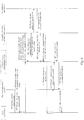
- Fig. 8 represents an illustrative scenario in which a user equipment 'a' which has passed WLAN access authentication accesses a first level application system A, where the first level application system A is associated with a first level service authentication center 1, and a second level service authentication center 2 is associated with a user equipment database B in which information of the user equipment 'a' is recorded, that is, the user equipment 'a' is homed to the second level service authentication center 2.
- a WLAN portal server transmits a cookie including an access authentication pass indication and an encrypted user equipment identifier to the user equipment 'a' which has passed WLAN access authentication.
- Fig. 8 illustrates the following process flow:
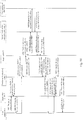
- Fig. 9 represents an illustrative scenario in which a user equipment 'a' which has passed WLAN access authentication accesses a second level application system A', where the second level application system A' is associated with a second level service authentication center 3 which is associated with a first level service authentication center 1.
- a second level service authentication center 2 is associated with a user equipment database B in which information of the user equipment 'a' is recorded, that is, the user equipment 'a' is homed to the second level service authentication center 2.
- a WLAN portal server transmits a cookie including an access authentication pass indication and an encrypted user equipment identifier to the user equipment 'a' which has passed WLAN access authentication.
- Fig. 9 illustrates the following process flow:
- the application system can acquire a user equipment identity token through an associated service authentication center which can acquire the user equipment identity token through a WLAN portal server, and after the user equipment identity token of the user equipment is acquired, the application server can provide the user equipment with a service access according to the user equipment identity token without any service authentication.
- the user equipment identity token is information desired for the application system to provide the user equipment with the service access, e.g., a Mobile Station international ISDN number (MSISDN) of the user equipment, charge information, etc.
- MSISDN Mobile Station international ISDN number
- a portal server can transmit an access authentication result page to a user equipment.
- the portal server can transmit a cookie to the user equipment in addition to the access authentication result page transmitted to the user equipment which has passed WLAN access authentication.
- the cookie is a text file stored at the user equipment, and the contents of the cookie transmitted from the portal server to the user equipment can include an access authentication pass indication which can be various pieces of information which can indicate that the user equipment has passed WLAN access authentication, the identifier of the WLAN portal server (e.g., the name or address of the portal server, etc.) as a non-limiting example.
- the cookie transmitted from the portal server to the user equipment can further include a user equipment identifier index of the user equipment.
- the user equipment identifier can be an identification code which can identify uniquely the identity of the user equipment, e.g., the MSISDN of the user equipment, etc, and the user equipment identifier index refers to information from which the portal server can determine the user equipment identifier.
- a table of user equipment identifiers in which each user equipment identifier corresponds to one user equipment identifier index, is set in the portal server, and thus the portal server can search the table of user equipment identifiers for the corresponding user equipment identifier according to the user equipment identifier index.
- the portal server can acquire the user equipment identifier during WLAN access authentication of the user equipment, and thus the portal server can add the correspondence relationship between the user equipment identifier and the user equipment identifier index to the table of user equipment identifiers each time the user equipment identifier is acquired.
- the cookie including the access authentication pass indication and the user equipment identifier index is stored in the user equipment which has passed WLAN access authentication.
- the portal server can transmit the cookie together with the access authentication result page to the user equipment or transmit the cookie separately to the user equipment before or after the access authentication result page is transmitted.
- a service access method based upon WLAN access authentication will be detailed below with reference to Fig. 10 to Fig. 13 , where a system providing a service access is in the two-level architecture as illustrated in Fig. 2 .
- the first operation of the method illustrated in Fig. 10 to Fig. 13 can be the operation as described above in which a portal server transmits a cookie to a user equipment which has passed WLAN access authentication.
- the application system can check whether there is a user equipment identity token present in the application system, and if so, then the application system can provide the user equipment directly with a service access. Therefore respective operations following the first operation in the method as illustrated in Fig. 10 to Fig. 13 will be performed only in the case that the user equipment identity token of the user equipment requesting the service access is absent in the application system.
- a service authentication center associated with the application system can determine from the cookie in the user equipment whether the user equipment has passed WLAN access authentication (the operation 1002). At this time the application system redirects the service access request to the service authentication center associated with the application system.
- a first level service authentication center associated with the first level application system determines whether the user equipment has passed WLAN access authentication; or if the user equipment is to access a service of a second level application system, then a second level service authentication center associated with the second level application system determines whether the user equipment has passed WLAN access authentication.
- the cookie can include, for example, an access authentication pass indication and a user equipment identifier index, thus the service authentication center can determine, for example, from the access authentication pass indication included in the cookie in the user equipment that the user equipment has passed WLAN access authentication.
- the service authentication center can transmit a request to the portal server using the cookie, and the portal server provides a user equipment identity token (the operation 1003).
- the service authentication center transmits the user equipment identity token to the application system upon reception thereof (the operation 1004), and the application system can provide the user equipment with a service access according to the user equipment identity token (the operation 1005).
- the service authentication center can firstly transmit the user equipment identity token to the user equipment which in turn transmits it to the application system so that the application can provide the user equipment with the desired service access.
- a secure transmission channels can be established between the service authentication center and the portal server and between the service authentication center and the application system for transmission of the user equipment identifier and the user equipment identity token.
- a Virtual Private Network e.g., an SSL secure tunnel, etc.
- VPN Virtual Private Network
- a service authentication center determines from the cookie in the user equipment that the user equipment has passed WLAN access authentication (the operation 1102), and the service authentication center can acquire a user equipment identifier index from the cookie and transmit the user equipment identifier index to the portal server to request a user equipment identity token (the operation 1103).
- the cookie transmitted from the portal server to the user equipment can include the user equipment identifier index of the user equipment, and the portal server configures and maintains a table of user equipment identifiers in which correspondence relationships between user equipment identifier indexes and user equipment identifiers are recorded.
- the portal server can, for example, search the table of user equipment identifiers for a corresponding user equipment identifier according to the user equipment identifier index received from the service authentication center, request the user equipment identity token from a second level service authentication center to which the user equipment is homed according to the user equipment identifier and transmit the acquired user equipment identity token to the requesting service authentication center (the operation 1104).
- the service authentication center transmits the user equipment identity token to an application system upon acquisition thereof (the operation 1105), and the application system can provide the user equipment with a service access according to the user equipment identity token (the operation 1106).
- each second level service authentication center is associated with a user equipment database in which information of user equipments is recorded.
- a user equipment being "homed" to a specific second level service authentication center refers to that information of the user equipment is recorded in a user equipment database associated with the second level service authentication center.
- the portal server can determine which second level service authentication center the user equipment is homed to before the user equipment identity token is requested from the second level service authentication center to which the user equipment is homed.
- the portal server can determine the second level service authentication center, to which the user equipment is homed, according to the user equipment identifier in various existing methods, none of which will be detailed in the invention.
- the portal server can transmit the user equipment identifier to the second level service authentication center, to which the user equipment is homed, to request the user equipment identity token from the second level service authentication center.
- the second level service authentication center can acquire the corresponding user equipment identity token according to the user equipment identifier and transmit it to the portal server.
- the second level service authentication center to which the user equipment is homed can search the associated user equipment database for the user equipment identity token according to the user equipment identifier in various existing methods, none of which will be further described here.
- Fig. 12 illustrates the method according to a third implementation solution of the invention, where user equipment identity tokens can be stored at a portal server, and the portal server can extend the table of user equipment identifiers described previously, in which correspondence relationships between user equipment identifier indexes and user equipment identifiers are recoded, by recoding therein correspondence relationship between the stored user equipment identity tokens and user equipment identifiers.
- the portal server can search the extended table of user equipment identifiers for a corresponding user equipment identity token according to a user equipment identifier. Specific operations of the method illustrated in Fig. 12 will be detailed below.
- a portal server transmits a cookie to a user equipment which has passed WLAN access authentication (the operation 1201), and thereafter a service authentication center can determine from the cookie in the user equipment that the user equipment requesting a service access has passed WLAN access authentication (the operation 1202) and acquire from the cookie and transmit a user equipment identifier index to the portal server to request a user equipment identity token (the operation 1203).
- the portal server can acquire a corresponding user equipment identifier according to the received user equipment identifier index and determine from the user equipment identifier whether the corresponding user equipment identity token is stored locally at the portal server in the operation 1204 of the method illustrated in Fig. 12 .
- the portal server can search the extended table of user equipment identifiers to determine whether the corresponding user equipment identity token is stored. If the corresponding user equipment identity token is stored locally at the portal server, then the user equipment identity token can be transmitted to the service authentication center (the operation 1205). On the other hand, if the corresponding user equipment identity token is not stored locally at the portal server, then the user equipment identity token can be requested from a second level service authentication center to which the user equipment is homed according to the user equipment identifier, and the user equipment identity token is transmitted to the service authentication center requesting the user equipment identity token and also stored locally at the portal server upon acquisition thereof (the operation 1206).
- the service authentication center transmits the user equipment identity token to an application system upon acquisition thereof (the operation 1207), and the application system can provide the user equipment with the service access according to the user equipment identity token (the operation 1208).
- the portal server can update the correspondence relationship between the user equipment identity token and the user equipment identifier in the extended table of user equipment identifiers each time the user equipment identity token is stored.
- secure transmission channels can be established between the service authentication center and the portal server, between the portal server and the second level service authentication center to which the user equipment is homed and between the service authentication center and the application system for transmission of the user equipment identifier and the user equipment identity token in the method illustrated in Fig. 11 and Fig. 12 .
- a VPN e.g., an SSL secure tunnel, etc.
- SSL secure tunnel etc.
- the service authentication center transmits the user equipment identity token to the application system after it is acquired through the portal server.
- the service authentication center can store the acquired user equipment identity token, for example, configure a table of user equipment identity tokens and set a corresponding user equipment identity token number for each user equipment identity token.
- Fig. 13 illustrates the method in this implementation solution, where a portal server transmits a cookie to a user equipment which has passed WLAN access authentication during WLAN access authentication of the user equipment (the operation 1301).
- a service authentication center determines from the cookie that the user equipment has passed WLAN access authentication (the operation 1302), and the portal server receives a request from the service authentication center for a user equipment identity token and transmits the user equipment identity token to the service authentication center (the operation 1303), and then the service authentication center stores the user equipment identity token, for example, in a table of user equipment identity tokens instead of transmitting the user equipment identity token directly to an application system and sets a corresponding user equipment identity token number thereof. Therefore the service authentication center transmits the user equipment identity token number to the application system (the operation 1304) instead of transmitting the user equipment identity token directly.
- the application system establishes a secure transmission channel with the service authentication center upon reception of the user equipment identity token number and provides the service authentication center with the user equipment identity token number, and the service authentication center searches the table of user equipment identity tokens for the corresponding user equipment identity token and further transmits the user equipment identity token to the application system via the secure transmission channel (the operation 1305).
- a VPN e.g., an SSL secure tunnel, etc.
- the application system can provide the user equipment with a service access according to the user equipment identity token after the user equipment identity token is acquired (the operation 1306).
- the service authentication center can transmit the user equipment identity token to the application system via the user equipment so that the application system can provide the user equipment with the desired service access.
- the security of a transmission channel between the service authentication center and the user equipment and a transmission channel between the user equipment and the application system is typically poor, thus transmission of the user equipment identity token may result in such a potential security risk that the user equipment identity token may be stolen.
- the service authentication center transmits only the user equipment identity token number to the application system via the user equipment, and the user equipment identity token is transmitted on the secure transmission channels, thereby improving the security.
- an application system A is associated with a service authentication center 1, where the application system A can be a first level application system or a second level application system, and in correspondence therewith, the service authentication center 1 can be a first level service authentication center or a second level service authentication center.
- a second level service authentication center 2 is associated with a user equipment database B in which information of a user equipment 'a' is recorded, that is, the user equipment 'a' is homed to the second level service authentication center 2.
- a portal server P transmits a cookie including an access authentication pass indication and a user equipment identifier index to the user equipment 'a' which has passed WLAN access authentication, and the portal server P is capable of storing user equipment identity tokens.
- Fig. 14 illustrates the following process flow of the specific example:
- Fig. 15 is a schematic structural diagram of a service access system based upon Wireless local Area Network (WLAN) access authentication according to the invention, and the system includes:
- the associated service authentication center 152 is particularly configured to acquire a user equipment identifier from the first cookie and to request the user equipment identity token from a second level service authentication center to which the user equipment is homed according to the user equipment identifier.
- the system further includes a first level service authentication center 154;
- the associated service authentication center 152 is particularly configured to acquire the user equipment identity token via the first level service authentication center 154; and
- the first level service authentication center 154 is configured to request, from the second level service authentication center to which the user equipment is homed using the first cookie, the user equipment identity token to be provided to the associated service authentication center 152.
- the associated service authentication center is particularly configured to transmit the first cookie to the first level service authentication center 154; and
- the first level service authentication center 154 is particularly configured to acquire the user equipment identifier from the first cookie, to request the user equipment identity token from the second level service authentication center to which the user equipment is homed according to the user equipment identifier, and to transmit the user equipment identity token and the user equipment identifier to the associated service authentication center 152.
- the associated service authentication center 152 is further configured to store the user equipment identifier transmitted from the first level service authentication center 154 and allocate a user equipment identifier index for the user equipment identifier upon reception of the user equipment identifier, and to transmit a second cookie including the identifier of the associated service authentication center 152 and the user equipment identifier index to the user equipment to replace the first cookie.
- the associated service authentication center 152 is a second level service authentication center
- the associated service authentication center 152 is particularly configured to acquire the user equipment identifier from the first cookie and transmit the user equipment identifier to a first level service authentication center 154
- the first level service authentication center 154 is particularly configured to request the user equipment identity token from the second level service authentication center to which the user equipment is homed according to the user equipment identifier and to transmit the user equipment identity token to the associated service authentication center 152.
- the associated service authentication center 152 is further configured to store the user equipment identifier and allocate a user equipment identifier index for the user equipment identifier after the user equipment identifier is acquired from the first cookie, and to transmit a second cookie including the identifier of the associated service authentication center 152 and the user equipment identifier index to the user equipment to replace the first cookie.
- the associated service authentication center 152 is further configured to transmit a request to the WLAN portal server using the first cookie and to acquire the user equipment identity token of the user equipment from the WLAN portal server; and
- the WLAN portal server 150 is further configured to acquire the user equipment identity token of the user equipment and to transmit the user equipment identity token to the associated service authentication center 152.
- the WLAN portal server 150 is further configured to configure and maintain a table of user equipment identifiers in which correspondence relationships between user equipment identifier indexes and user equipment identifiers are recorded.
- the WLAN portal server 150 is particularly configured to acquire from the table of user equipment identifiers a user equipment identifier corresponding to a user equipment identifier index transmitted from the associated service authentication center 152 according to the user equipment identifier index, where the user equipment identifier index is acquired by the associated service authentication center 152 from the first cookie, to request the user equipment identity token of the user equipment from a second level service authentication center to which the user equipment is homed according to the corresponding user equipment identifier, and to transmit the acquired user equipment identity token to the associated service authentication center 152.
- the WLAN portal server 150 is further configured to store the user equipment identity token, and the table of user equipment identifiers further includes correspondence relationships between user equipment identity tokens and user equipment identifiers.
- the WLAN portal server 150 is particularly configured to search the table of user equipment identifiers for the user equipment identifier according to a user equipment identifier index transmitted from the associated service authentication center 152, where the user equipment identifier index is acquired by the associated service authentication center 152 from the first cookie, and if the user equipment identity token corresponding to the user equipment identifier is not stored locally, then request the user equipment identity token from a second level service authentication center to which the user equipment is homed according to the user equipment identifier, and store locally and transmit the acquired user equipment identity token to the associated service authentication center 152; or if the user equipment identity token corresponding to the user equipment identifier is stored locally, then transmit the corresponding user equipment identity token to the associated service authentication center 152.
- the associated service authentication center 152 is further configured to establish a secure transmission channel with the WLAN portal server 150 and the application system 153 and to transmit the user equipment identity token on the established secure transmission channel.
- the associated service authentication center 152 is further configured to store the user equipment identity token and to set a user equipment identity token number corresponding to each user equipment identity token; and The associated service authentication center 152 is particularly configured to transmit the user equipment identity token number to the application system 153 and to transmit the user equipment identity token corresponding to the user equipment identity token number to the application system 153 on a secure transmission channel established with the application system 153 according to the user equipment identity token number transmitted from the application system 153 to request the user equipment identity token.
- Fig. 16 is a schematic structural diagram of a service access device based upon Wireless Local Area Network (WLAN) access authentication according to the invention, and the device includes:
- the acquiring module 162 includes:
- the device further includes: a storing and transmitting module 164 configured to store the user equipment identifier and allocate a user equipment identifier index for the user equipment identifier after the user equipment identifier is acquired from the first cookie, and to transmit a second cookie including the identifier of the associated service authentication center and the user equipment identifier index to the user equipment.
- a storing and transmitting module 164 configured to store the user equipment identifier and allocate a user equipment identifier index for the user equipment identifier after the user equipment identifier is acquired from the first cookie, and to transmit a second cookie including the identifier of the associated service authentication center and the user equipment identifier index to the user equipment.
- the acquiring module 162 is particularly configured to transmit a request to the WLAN portal server using the first cookie and to acquire the user equipment identity token of the user equipment from the WLAN portal server.
- the storing and transmitting module 164 is further configured to store the acquired user equipment identity token of the user equipment and to set a corresponding user equipment identity token number for each user equipment identity token.
- the first transmitting module 163 is further configured to transmit the user equipment identity token number to the application system and to transmit the user equipment identity token corresponding to the user equipment identity token number to the application system on a secure transmission channel established with the application system according to the user equipment identity token number transmitted from the application system to request the user equipment identity token.
- Fig. 17 is a schematic structural diagram of a service access device based upon Wireless Local Area Network (WLAN) access authentication according to the invention, and the device includes:
- the device further includes: a second acquiring module 173 configured to acquire the user equipment identity token in response to a request transmitted from an associated service authentication center.
- the device further includes: a storing module 174 configured to configure and maintain a table of user equipment identifiers in which correspondence relationships between user equipment identifier indexes and user equipment identifiers are recorded.
- a storing module 174 configured to configure and maintain a table of user equipment identifiers in which correspondence relationships between user equipment identifier indexes and user equipment identifiers are recorded.
- the second acquiring module 173 includes:
- the storing module 174 is further configured to store the user equipment identity token, and the table of user equipment identifiers further includes correspondence relationships between user equipment identity tokens and user equipment identifiers.
- the identifier acquiring unit 1731 is further configured to search the table of user equipment identifiers for the user equipment identifier according to a user equipment identifier index transmitted from the associated service authentication center, where the user equipment identifier index is acquired by the associated service authentication center from the first cookie; and the token acquiring unit 1732 is further configured to, if the user equipment identity token corresponding to the user equipment identifier is not stored locally, then request the user equipment identity token from a second level service authentication center to which the user equipment is homed according to the user equipment identifier, and store locally and transmit the acquired user equipment identity token to the associated service authentication center through the second transmitting unit 172; if the user equipment identity token corresponding to the user equipment identifier is stored locally, transmit the corresponding user equipment identity token to the associated service authentication center through the second transmitting unit 172.
Landscapes
- Engineering & Computer Science (AREA)
- Computer Security & Cryptography (AREA)
- Computer Networks & Wireless Communication (AREA)
- Signal Processing (AREA)
- Computer Hardware Design (AREA)
- Computing Systems (AREA)
- General Engineering & Computer Science (AREA)
- Mobile Radio Communication Systems (AREA)
Claims (15)
- Procédé d'accès à des services basé sur une authentification d'accès à un réseau local sans fil, WLAN, comportant :un serveur de portail WLAN transmettant (301, 401, 501, 601, 701, 1001, 1101, 1201, 1301) un premier témoin de connexion à un équipement d'utilisateur qui a réussi une authentification d'accès à un WLAN pendant l'authentification d'accès au WLAN de l'équipement d'utilisateur, dans lequel le premier témoin de connexion comporte une indication que l'équipement d'utilisateur a réussi l'authentification d'accès au WLAN ;un centre d'authentification de service associé à un système d'application déterminant (302, 402, 502, 602, 702, 1002, 1102, 1202, 1302), à partir du premier témoin de connexion dans l'équipement d'utilisateur qui a réussi l'authentification d'accès au WLAN, que l'équipement d'utilisateur a réussi l'authentification d'accès au WLAN lorsque l'équipement d'utilisateur demande à accéder à un service du système d'application ;le centre d'authentification de service associé acquérant (303, 703, 1003) un jeton d'identité d'équipement d'utilisateur de l'équipement d'utilisateur en utilisant le premier témoin de connexion ;le centre d'authentification de service associé transmettant (304, 404, 508, 608, 704, 1004, 1105, 1207, 134) le jeton d'identité d'équipement d'utilisateur acquis au système d'application ; etle système d'application donnant (305, 405, 509, 609, 706, 1005, 1106, 1208, 1306) à l'équipement d'utilisateur un accès au service en fonction du jeton d'identité d'équipement d'utilisateur.
- Procédé selon la revendication 1, dans lequel le premier témoin de connexion comporte : une indication de réussite d'authentification d'accès et un identifiant d'équipement d'utilisateur ; et
l'acquisition par le centre d'authentification de service associé d'un jeton d'identité d'équipement d'utilisateur de l'équipement d'utilisateur en utilisant le premier témoin de connexion comporte les étapes consistant à :acquérir, par le centre d'authentification de service associé, l'identifiant d'équipement d'utilisateur à partir du premier témoin de connexion ; etdemander le jeton d'identité d'équipement d'utilisateur auprès d'un second centre d'authentification de service de second niveau dans lequel se situe l'équipement d'utilisateur en fonction de l'identifiant d'équipement d'utilisateur. - Procédé selon la revendication 2, dans lequel si le centre d'authentification de service associé est un centre d'authentification de service de second niveau, alors la requête du jeton d'identité d'équipement d'utilisateur auprès d'un centre d'authentification de service de second niveau dans lequel se situe l'équipement d'utilisateur en fonction de l'identifiant d'équipement d'utilisateur comporte les étapes suivante :le centre d'authentification de service associé demande le jeton d'identité d'équipement d'utilisateur auprès du centre d'authentification de service de second niveau dans lequel se situe l'équipement d'utilisateur en utilisant le premier témoin de connexion via un centre d'authentification de service de premier niveau ; et dans lequel,la demande du jeton d'identité d'équipement d'utilisateur auprès du centre d'authentification de service de second niveau dans lequel se situe l'équipement d'utilisateur en utilisant le premier témoin de connexion comporte les étapes consistant à :recevoir, par le centre d'authentification de service de premier niveau, le premier témoin de connexion transmis à partir du centre d'authentification de service associé ; etacquérir, par le centre d'authentification de service de premier niveau, l'identifiant d'équipement d'utilisateur à partir du premier témoin de connexion, demander le jeton d'identité d'équipement d'utilisateur auprès du centre d'authentification de service de second niveau dans lequel se situe l'équipement d'utilisateur en fonction de l'identifiant d'équipement d'utilisateur, et transmettre le jeton d'identité d'équipement d'utilisateur et l'identifiant d'équipement d'utilisateur au centre d'authentification de service associé ;ou comporte les étapes suivantes :le centre d'authentification de service de premier niveau reçoit l'identifiant d'équipement d'utilisateur transmis à partir du centre d'authentification de service associé, qui est acquis à partir du premier témoin de connexion ; etle service de premier niveau demande le jeton d'identité d'équipement d'utilisateur auprès du centre d'authentification de service de second niveau dans lequel se situe l'équipement d'utilisateur en fonction de l'identifiant d'équipement d'utilisateur, et transmettre le jeton d'identité d'équipement d'utilisateur au centre d'authentification de service associé.
- Procédé selon la revendication 2 ou 3, comportant en outre les étapes consistant à :stocker, par le centre d'authentification de service associé, l'identifiant d'équipement d'utilisateur après l'acquisition de l'identifiant d'équipement d'utilisateur ; etallouer un indice d'identifiant d'équipement d'utilisateur pour l'identifiant d'équipement d'utilisateur, et transmettre un second témoin de connexion comportant l'identifiant du centre d'authentification de service associé et l'indice d'identifiant d'équipement d'utilisateur à l'équipement d'utilisateur pour remplacer le premier témoin de connexion.
- Procédé selon la revendication 1, dans lequel l'acquisition par le centre d'authentification de service associé d'un jeton d'identité d'équipement d'utilisateur de l'équipement d'utilisateur en utilisant le premier témoin de connexion comporte l'étape consistant à :
transmettre, par le centre d'authentification de service associé, une requête au serveur de portail WLAN en utilisant le premier témoin de connexion et acquérir le jeton d'identité d'équipement d'utilisateur de l'équipement d'utilisateur auprès du serveur de portail WLAN. - Procédé selon la revendication 5, dans lequel le premier témoin de connexion comporte : une indication de réussite d'authentification d'accès et un indice d'identifiant d'équipement d'utilisateur ;
le serveur de portail WLAN configure et met à jour une table d'identifiants d'équipement d'utilisateur dans laquelle une relation de correspondance entre des indices d'identifiant d'équipement d'utilisateur et des identifiants d'équipement d'utilisateur sont enregistrés ; et l'acquisition du jeton d'identité d'équipement d'utilisateur de l'équipement d'utilisateur auprès du serveur de portail WLAN comporte les étapes consistant à :acquérir, par le serveur de portail WLAN, à partir de la table mise à jour des identifiants d'équipement d'utilisateur, un identifiant d'équipement d'utilisateur correspondant à un indice d'identifiant d'équipement d'utilisateur transmis à partir du centre d'authentification de service associé en fonction de l'indice d'identification d'équipement d'utilisateur, dans lequel l'indice d'identifiant d'équipement d'utilisateur est acquis par le centre d'authentification de service associé à partir du premier témoin de connexion ; etdemander, par le serveur de portail WLAN, le jeton d'identité d'équipement d'utilisateur de l'équipement d'utilisateur auprès d'un centre d'authentification de service de second niveau dans lequel se situe l'équipement d'utilisateur en fonction de l'identifiant d'équipement d'utilisateur correspondant, et transmettre le jeton d'identité d'équipement d'utilisateur acquis au centre d'authentification de service associé ; ousi le serveur de portail WLAN stocke le jeton d'identité d'équipement d'utilisateur, et que la table d'identifiants d'équipement d'utilisateur comporte en outre des relations de correspondance entre des jetons d'identité d'équipement d'utilisateur et des identifiants d'équipement d'utilisateur, l'acquisition du jeton d'identité d'équipement d'utilisateur de l'équipement d'utilisateur auprès du serveur de portail WLAN comporte les étapes consistant à :le serveur de portail WLAN recherche dans la table d'identifiants d'équipement d'utilisateur, un identifiant d'équipement d'utilisateur correspondant à un indice d'identifiant d'équipement d'utilisateur transmis à partir du centre d'authentification de service associé en fonction de l'indice d'identifiant d'équipement d'utilisateur, dans lequel l'indice d'identifiant d'équipement d'utilisateur est acquis par le centre authentification de service associé à partir du premier témoin de connexion ; etsi le jeton d'identité d'équipement d'utilisateur correspondant à l'identifiant d'équipement d'utilisateur correspondant n'est pas stocké localement sur le serveur de portail WLAN, alors le serveur de portail WLAN demande le jeton d'identité d'équipement d'utilisateur auprès d'un centre d'authentification de service de second niveau dans lequel se situe l'équipement d'utilisateur en fonction de l'identifiant d'équipement d'utilisateur, et stocke localement et transmet le jeton d'identité d'équipement d'utilisateur acquis au centre d'authentification de service associé ; ousi le jeton d'identité d'équipement d'utilisateur correspondant à l'identifiant d'équipement d'utilisateur correspondant est stocké localement sur le serveur de portail WLAN, alors le serveur de portail WLAN transmet le jeton d'identité d'équipement d'utilisateur correspondant au centre d'authentification de service associé. - Procédé selon la revendication 1, comportant en outre l'étape suivante :le centre d'authentification de service associé stocke le jeton d'identité d'équipement d'utilisateur acquis de l'équipement d'utilisateur et définit un numéro de jeton d'identité d'équipement d'utilisateur correspondant pour chaque jeton d'identité d'équipement d'utilisateur ; etla transmission par le centre d'authentification de service associé du jeton d'identité d'équipement d'utilisateur acquis au système d'application comporte les étapes suivantes :le centre d'authentification de service associé acquiert le numéro de jeton d'identité d'équipement d'utilisateur au système d'application ; etle centre d'authentification de service associé transmet le jeton d'identité d'équipement d'utilisateur correspondant au numéro de jeton d'identité d'équipement d'utilisateur au système d'application sur un canal de transmission sécurisée établi avec le système d'application en fonction du numéro de jeton d'identité d'équipement d'utilisateur transmis à partir du système d'application pour demander le jeton d'identité d'équipement d'utilisateur.
- Système d'accès à des services basé sur une authentification d'accès à un réseau local sans fil, WLAN, comportant :un serveur de portail WLAN (150) configuré pour transmettre un premier témoin de connexion à un équipement d'utilisateur (151) qui a réussi une authentification d'accès à un WLAN pendant une authentification d'accès au WLAN de l'équipement d'utilisateur (151), dans lequel le premier témoin de connexion comporte une indication que l'équipement d'utilisateur a réussi l'authentification d'accès au WLAN ;un centre d'authentification de service associé (152) configuré pour déterminer, à partir du premier témoin de connexion dans l'équipement d'utilisateur (151) qui a réussi l'authentification d'accès au WLAN, que l'équipement d'utilisateur (151) a réussi l'authentification d'accès au WLAN, acquérir un jeton d'identité d'équipement d'utilisateur de l'équipement d'utilisateur (151) en utilisant le premier témoin de connexion et transmettre le jeton d'identité d'équipement d'utilisateur acquis à un système d'application (153), lorsque l'équipement d'utilisateur (151) demande l'accès à un service du système d'application (153) ; etle système d'application (153) est configuré pour donner à l'équipement d'utilisateur un accès à un service en fonction du jeton d'identité d'équipement d'utilisateur.
- Dispositif d'accès à des services basé sur une authentification d'accès à un réseau local sans fil, WLAN, comportant :un module de détermination (161) configuré pour déterminer à partir d'un premier témoin de connexion dans un équipement d'utilisateur que l'équipement d'utilisateur a réussi une authentification d'accès à un WLAN, dans lequel le premier témoin de connexion est transmis à partir d'un serveur de portail WLAN à l'équipement d'utilisateur qui a réussi l'authentification d'accès au WLAN pendant l'authentification d'accès au WLAN de l'équipement d'utilisateur, et dans lequel le premier témoin de connexion comporte une indication que l'équipement d'utilisateur a réussi l'authentification d'accès au WLAN ;un module d'acquisition (162) configuré pour acquérir un jeton d'identité d'équipement d'utilisateur de l'équipement d'utilisateur en utilisant le premier témoin de connexion ; etun premier module de transmission (163) configuré pour transmettre le jeton d'identité d'équipement d'utilisateur acquis à un système d'application.
- Dispositif selon la revendication 9, dans lequel le module d'acquisition comporte :une première unité d'acquisition (1622) configurée pour acquérir un identifiant d'équipement d'utilisateur à partir du premier témoin de connexion ; etune seconde unité d'acquisition (1623) configurée pour demander le jeton d'identité d'équipement d'utilisateur auprès d'un centre d'authentification de service de second niveau dans lequel se situe l'équipement d'utilisateur en fonction de l'identifiant d'équipement d'utilisateur.
- Dispositif selon la revendication 9, comportant en outre :
un module de stockage et de transmission (164) configuré pour stocker l'identifiant d'équipement d'utilisateur et allouer un indice d'identifiant d'équipement d'utilisateur pour l'identifiant d'équipement d'utilisateur après l'acquisition de l'identifiant d'équipement d'utilisateur à partir du premier témoin de connexion, et pour transmettre un second témoin de connexion comportant l'identifiant du centre d'authentification de service associé et l'indice d'identifiant d'équipement d'utilisateur à l'équipement d'utilisateur. - Dispositif selon la revendication 9, dans lequel le module d'acquisition (162) est en particulier configuré pour transmettre une requête au serveur de portail WLAN en utilisant le premier témoin de connexion et pour acquérir le jeton d'identité d'équipement d'utilisateur de l'équipement d'utilisateur auprès du serveur de portail WLAN.
- Dispositif selon la revendication 9, dans lequel le module de stockage et de transmission (164) est en outre configuré pour stocker le jeton d'identité d'équipement d'utilisateur acquis de l'équipement d'utilisateur et pour définir un numéro de jeton d'identité d'équipement d'utilisateur correspondant pour chaque jeton d'identité d'équipement d'utilisateur ; et
le premier module de transmission (163) est en outre configuré pour transmettre le numéro de jeton d'identité d'équipement d'utilisateur au système d'application et pour transmettre le jeton d'identité d'équipement d'utilisateur correspondant au numéro de jeton d'identité d'équipement d'utilisateur au système d'application sur un canal de transmission sécurisée établi avec le système d'application en fonction du numéro de jeton d'identité d'équipement d'utilisateur transmis à partir du système d'application pour demander le jeton d'identité d'équipement d'utilisateur. - Dispositif d'accès à des services basé sur une authentification d'accès à un réseau local sans fil, WLAN, comportant :un module de génération (171) configuré pour générer un premier témoin de connexion pour un équipement d'utilisateur qui a réussi une authentification d'accès à un WLAN pendant une authentification d'accès au WLAN de l'équipement d'utilisateur, dans lequel le premier témoin de connexion comporte une indication que l'équipement d'utilisateur a réussi l'authentification d'accès au WLAN ; etun second module de transmission (172) configuré pour transmettre le premier témoin de connexion à l'équipement d'utilisateur qui a réussi l'authentification d'accès au WLAN, dans lequel le premier témoin de connexion est utilisé pour acquérir, par un centre d'authentification de service associé à un système d'application, le jeton d'identité d'équipement d'utilisateur de l'équipement d'utilisateur lorsque l'équipement d'utilisateur demande un accès à un service du système d'application.
- Dispositif selon la revendication 14, comportant en outre :un second module d'acquisition (173) configuré pour acquérir le jeton d'identité d'équipement d'utilisateur en réponse à une requête transmise à partir d'un centre d'authentification de service associé ; etun module de stockage (174) configuré pour configurer et mettre à jour une table d'identifiants d'équipement d'utilisateur dans laquelle des relations de correspondance entre des indices d'identifiant d'équipement d'utilisateur et des identifiants d'équipement d'utilisateur sont enregistrées ; et dans lequel,le second module d'acquisition (173) comporte :une unité d'acquisition d'identifiant (1731) configurée pour acquérir à partir de la table d'identifiants d'équipement d'utilisateur un identifiant d'équipement d'utilisateur correspondant à un indice d'identifiant d'équipement d'utilisateur transmis à partir du centre d'authentification de service associé en fonction de l'indice d'identifiant d'équipement d'utilisateur, dans lequel l'indice d'identifiant d'équipement d'utilisateur est acquis par le centre d'authentification de service associé à partir du premier témoin de connexion ; etune unité d'acquisition de jeton (1732) configurée pour demander le jeton d'identité d'équipement d'utilisateur de l'équipement d'utilisateur auprès d'un centre d'authentification de service de second niveau dans lequel se situe l'équipement d'utilisateur en fonction de l'identifiant d'équipement d'utilisateur correspondant, et pour transmettre le jeton d'identité d'équipement d'utilisateur acquis au centre d'authentification de service associé ;le module de stockage (174) est en outre configuré pour stocker le jeton d'identité d'équipement d'utilisateur, et la table d'identifiants d'équipement d'utilisateur comporte en outre des relations de correspondance entre des jetons d'identité d'équipement d'utilisateur et des identifiants d'équipement d'utilisateur ;l'unité d'acquisition d'identifiant (1731) est en outre configurée pour rechercher dans la table d'identifiants d'équipement d'utilisateur l'identifiant d'équipement d'utilisateur en fonction d'un indice d'identifiant d'équipement d'utilisateur transmis à partir du centre d'authentification de service associé, dans lequel l'indice d'identifiant d'équipement d'utilisateur est acquis par le centre d'authentification de service associé à partir du premier témoin de connexion ; etl'unité d'acquisition de jeton (1732) est en outre configurée pour, si le jeton d'identité d'équipement d'utilisateur correspondant à l'identifiant d'équipement d'utilisateur n'est pas stocké localement, alors demander le jeton d'identité d'équipement d'utilisateur auprès d'un centre d'authentification de service de second niveau dans lequel se situe l'équipement d'utilisateur en fonction de l'identifiant d'équipement d'utilisateur, et stocker localement et transmettre le jeton d'identité d'équipement d'utilisateur acquis au centre d'authentification de service associé ; si le jeton d'identité d'équipement d'utilisateur correspondant à l'identifiant d'équipement d'utilisateur est stocké localement, alors transmettre le jeton d'identité d'équipement d'utilisateur correspondant au centre d'authentification de service associé.
Applications Claiming Priority (3)
| Application Number | Priority Date | Filing Date | Title |
|---|---|---|---|
| CN200910169685.1A CN101998406B (zh) | 2009-08-31 | 2009-08-31 | 基于wlan接入认证的业务访问方法 |
| CN200910169686.6A CN101998407B (zh) | 2009-08-31 | 2009-08-31 | 基于wlan接入认证的业务访问方法 |
| PCT/CN2010/001327 WO2011022950A1 (fr) | 2009-08-31 | 2010-08-31 | Procédé, système et dispositif d'accès au service basé sur une authentification d'accès au réseau local sans fil wlan |
Publications (3)
| Publication Number | Publication Date |
|---|---|
| EP2475194A1 EP2475194A1 (fr) | 2012-07-11 |
| EP2475194A4 EP2475194A4 (fr) | 2017-08-02 |
| EP2475194B1 true EP2475194B1 (fr) | 2018-12-19 |
Family
ID=43627188
Family Applications (1)
| Application Number | Title | Priority Date | Filing Date |
|---|---|---|---|
| EP10811116.2A Active EP2475194B1 (fr) | 2009-08-31 | 2010-08-31 | Procédé, système et dispositif d'accès au service basé sur une authentification d'accès au réseau local sans fil wlan |
Country Status (6)
| Country | Link |
|---|---|
| US (1) | US20120198539A1 (fr) |
| EP (1) | EP2475194B1 (fr) |
| JP (1) | JP2013503514A (fr) |
| KR (1) | KR101442136B1 (fr) |
| RU (1) | RU2573212C2 (fr) |
| WO (1) | WO2011022950A1 (fr) |
Families Citing this family (13)
| Publication number | Priority date | Publication date | Assignee | Title |
|---|---|---|---|---|
| CN103780654B (zh) * | 2012-10-24 | 2018-05-18 | 华为技术有限公司 | 业务请求处理方法、用户终端、业务路由器及网络系统 |
| CN105530224B (zh) * | 2014-09-30 | 2019-01-25 | 中国电信股份有限公司 | 终端认证的方法和装置 |
| JP2017004133A (ja) * | 2015-06-08 | 2017-01-05 | 株式会社リコー | サービス提供システム、情報処理システム、情報処理装置、サービス提供方法、及びプログラム |
| CN105072608B (zh) * | 2015-06-30 | 2019-02-12 | 青岛海信移动通信技术股份有限公司 | 一种管理认证令牌的方法及装置 |
| RU2607990C1 (ru) * | 2015-12-09 | 2017-01-11 | Федеральное государственное казенное военное образовательное учреждение высшего образования "Академия Федеральной службы охраны Российской Федерации" (Академия ФСО России) | Способ идентификации устройства и пользователя |
| US10212145B2 (en) | 2016-04-06 | 2019-02-19 | Avaya Inc. | Methods and systems for creating and exchanging a device specific blockchain for device authentication |
| US10164977B2 (en) * | 2016-11-17 | 2018-12-25 | Avaya Inc. | Mobile caller authentication for contact centers |
| CN109863771B (zh) | 2017-05-11 | 2022-02-08 | 柏思科技有限公司 | 在无线网络节点处处理传输数据分组的方法和设备 |
| US10541990B2 (en) * | 2017-07-31 | 2020-01-21 | Hewlett Packard Enterprise Development Lp | Client device ticket |
| US11233790B2 (en) * | 2019-02-22 | 2022-01-25 | Crowd Strike, Inc. | Network-based NT LAN manager (NTLM) relay attack detection and prevention |
| US11451401B2 (en) * | 2020-07-25 | 2022-09-20 | Login Id Inc. | User device gated secure authentication computing systems and methods |
| US12014395B1 (en) * | 2021-01-11 | 2024-06-18 | Walgreen Co. | System and method for automatic generation and delivery of personalized content |
| CN116361818A (zh) * | 2021-12-27 | 2023-06-30 | 戴尔产品有限公司 | 用于访问管理控制器的自动安全验证 |
Family Cites Families (23)
| Publication number | Priority date | Publication date | Assignee | Title |
|---|---|---|---|---|
| US7194764B2 (en) * | 2000-07-10 | 2007-03-20 | Oracle International Corporation | User authentication |
| US7802174B2 (en) * | 2000-12-22 | 2010-09-21 | Oracle International Corporation | Domain based workflows |
| US7185364B2 (en) * | 2001-03-21 | 2007-02-27 | Oracle International Corporation | Access system interface |
| AU2002358301A1 (en) * | 2001-12-26 | 2003-07-24 | Autodesk, Inc. | Mobile device locator system |
| AU2003217103A1 (en) * | 2002-02-28 | 2003-09-09 | Telefonaktiebolaget L M Ericsson | System, method and apparatus for federated single sign-on services |
| FR2842055B1 (fr) | 2002-07-05 | 2004-12-24 | Nortel Networks Ltd | Procede pour controler l'acces a un systeme cellulaire de radiocommunication a travers un reseau local sans fil, et organe de controle pour la mise en oeuvre du procede |
| JP2005149341A (ja) * | 2003-11-19 | 2005-06-09 | Fuji Xerox Co Ltd | 認証方法および装置、サービス提供方法および装置、情報入力装置、管理装置、認証保証装置、並びにプログラム |
| US20050138355A1 (en) * | 2003-12-19 | 2005-06-23 | Lidong Chen | System, method and devices for authentication in a wireless local area network (WLAN) |
| WO2005064882A2 (fr) * | 2003-12-29 | 2005-07-14 | Telefonaktiebolaget Lm Ericsson (Publ) | Moyens et procede pour acces par ouverture de session unique a un reseau de service, via un reseau d'acces |
| US7136651B2 (en) * | 2004-08-30 | 2006-11-14 | Tatara Systems, Inc. | Mobile services control platform providing a converged voice service |
| CN1855814A (zh) * | 2005-04-29 | 2006-11-01 | 中国科学院计算机网络信息中心 | 一种安全的统一身份认证方案 |
| WO2007030920A2 (fr) * | 2005-09-12 | 2007-03-22 | Sand Box Technologies Inc. | Systeme et procede permettant de controler la distribution de donnees electroniques |
| CA2571255C (fr) * | 2005-12-23 | 2016-05-10 | Bce Inc. | Authentification d'un dispositif sans fil entre des reseaux differents |
| DE102006007793B3 (de) * | 2006-02-20 | 2007-05-31 | Siemens Ag | Verfahren zum sicheren Erkennen des Endes einer Anwender-Sitzung |
| JP2008048212A (ja) * | 2006-08-17 | 2008-02-28 | Ntt Communications Kk | 無線通信システム、無線基地局装置、無線端末装置、無線通信方法、及びプログラム |
| CN101212297B (zh) | 2006-12-28 | 2012-01-25 | 中国移动通信集团公司 | 基于web的wlan接入认证方法及系统 |
| US8650297B2 (en) * | 2007-03-14 | 2014-02-11 | Cisco Technology, Inc. | Unified user interface for network management systems |
| CN101399724B (zh) * | 2007-09-28 | 2011-11-30 | 中国电信股份有限公司 | 面向用户的网络接入和业务使用的一次认证方法 |
| US8782759B2 (en) * | 2008-02-11 | 2014-07-15 | International Business Machines Corporation | Identification and access control of users in a disconnected mode environment |
| US7706784B2 (en) * | 2008-03-14 | 2010-04-27 | Accells Technologies (2009), Ltd. | Method and system for providing a product or service using a mobile communication device |
| US8010089B2 (en) * | 2009-01-19 | 2011-08-30 | Telefonaktiebolaget L M Ericsson (Publ) | System and method of providing identity correlation for an over the top service in a telecommunications network |
| US8621585B2 (en) * | 2009-06-16 | 2013-12-31 | Z2Live, Inc. | Invitation service for multi-device application sessions |
| US8732753B2 (en) * | 2010-06-07 | 2014-05-20 | Guest Tek Interactive Entertainment Ltd. | Method of operating one or more controllable devices in dependence upon commands received from a plurality of mobile devices and system controller thereof |
-
2010
- 2010-08-31 JP JP2012525856A patent/JP2013503514A/ja active Pending
- 2010-08-31 US US13/393,162 patent/US20120198539A1/en not_active Abandoned
- 2010-08-31 RU RU2012108415/08A patent/RU2573212C2/ru active
- 2010-08-31 EP EP10811116.2A patent/EP2475194B1/fr active Active
- 2010-08-31 KR KR1020127008361A patent/KR101442136B1/ko active Active
- 2010-08-31 WO PCT/CN2010/001327 patent/WO2011022950A1/fr not_active Ceased
Non-Patent Citations (1)
| Title |
|---|
| None * |
Also Published As
| Publication number | Publication date |
|---|---|
| KR20120062859A (ko) | 2012-06-14 |
| US20120198539A1 (en) | 2012-08-02 |
| KR101442136B1 (ko) | 2014-09-18 |
| EP2475194A4 (fr) | 2017-08-02 |
| JP2013503514A (ja) | 2013-01-31 |
| WO2011022950A1 (fr) | 2011-03-03 |
| RU2012108415A (ru) | 2014-02-10 |
| EP2475194A1 (fr) | 2012-07-11 |
| RU2573212C2 (ru) | 2016-01-20 |
Similar Documents
| Publication | Publication Date | Title |
|---|---|---|
| EP2475194B1 (fr) | Procédé, système et dispositif d'accès au service basé sur une authentification d'accès au réseau local sans fil wlan | |
| JP6612358B2 (ja) | ネットワークアクセスデバイスをワイヤレスネットワークアクセスポイントにアクセスさせるための方法、ネットワークアクセスデバイス、アプリケーションサーバ、および不揮発性コンピュータ可読記憶媒体 | |
| JP6651096B1 (ja) | データ処理方法、装置、端末及びアクセスポイントコンピュータ | |
| KR102134302B1 (ko) | 무선 네트워크 접속 방법 및 장치, 및 저장 매체 | |
| US11363010B2 (en) | Method and device for managing digital certificate | |
| EP3633949B1 (fr) | Procédé et système d'exécution de négociation ssl | |
| CN111052672B (zh) | 无证书或预共享对称密钥的安全密钥传输协议 | |
| US8527762B2 (en) | Method for realizing an authentication center and an authentication system thereof | |
| EP2544117A1 (fr) | Procédé et système pour partager et stocker des données personnelles sans perte de confidentialité | |
| EP2890073A1 (fr) | Système et procédé pour sécuriser des communications machine-machine | |
| CN107040922A (zh) | 无线网络连接方法、装置及系统 | |
| JP2013243553A (ja) | サービス要求装置、サービス提供システム、サービス要求方法およびサービス要求プログラム | |
| CN106209749A (zh) | 单点登录方法及装置、相关设备和应用的处理方法及装置 | |
| CN116074028B (zh) | 加密流量的访问控制方法、装置及系统 | |
| WO2008006312A1 (fr) | Procédé de fourniture de service push de gaa et dispositif associé | |
| EP2060050A2 (fr) | Systèmes et procédés d'obtention d'authentifiants réseau | |
| CN112738800A (zh) | 一种网络切片的数据安全传输实现方法 | |
| CN101998407B (zh) | 基于wlan接入认证的业务访问方法 | |
| CN107026823A (zh) | 应用于无线局域网wlan中的接入认证方法和终端 | |
| CN103716280B (zh) | 数据传输方法、服务器及系统 | |
| CN113656365A (zh) | 一种基于区块链的数据共享方法及系统 | |
| US10412057B2 (en) | Service access method and system, and apparatus | |
| CN101998405B (zh) | 基于wlan接入认证的业务访问方法 | |
| CN101483867B (zh) | 无线应用协议业务中用户身份验证方法、相关设备及系统 | |
| HK1207495A1 (en) | Secret key negotiating method and device |
Legal Events
| Date | Code | Title | Description |
|---|---|---|---|
| PUAI | Public reference made under article 153(3) epc to a published international application that has entered the european phase |
Free format text: ORIGINAL CODE: 0009012 |
|
| 17P | Request for examination filed |
Effective date: 20120328 |
|
| AK | Designated contracting states |
Kind code of ref document: A1 Designated state(s): AL AT BE BG CH CY CZ DE DK EE ES FI FR GB GR HR HU IE IS IT LI LT LU LV MC MK MT NL NO PL PT RO SE SI SK SM TR |
|
| DAX | Request for extension of the european patent (deleted) | ||
| REG | Reference to a national code |
Ref country code: DE Ref legal event code: R079 Ref document number: 602010055969 Country of ref document: DE Free format text: PREVIOUS MAIN CLASS: H04W0012000000 Ipc: H04W0012060000 |
|
| RA4 | Supplementary search report drawn up and despatched (corrected) |
Effective date: 20170704 |
|
| RIC1 | Information provided on ipc code assigned before grant |
Ipc: H04W 12/06 20090101AFI20170628BHEP Ipc: H04L 29/06 20060101ALI20170628BHEP Ipc: H04L 12/24 20060101ALI20170628BHEP |
|
| GRAP | Despatch of communication of intention to grant a patent |
Free format text: ORIGINAL CODE: EPIDOSNIGR1 |
|
| STAA | Information on the status of an ep patent application or granted ep patent |
Free format text: STATUS: GRANT OF PATENT IS INTENDED |
|
| INTG | Intention to grant announced |
Effective date: 20180731 |
|
| GRAS | Grant fee paid |
Free format text: ORIGINAL CODE: EPIDOSNIGR3 |
|
| GRAA | (expected) grant |
Free format text: ORIGINAL CODE: 0009210 |
|
| STAA | Information on the status of an ep patent application or granted ep patent |
Free format text: STATUS: THE PATENT HAS BEEN GRANTED |
|
| AK | Designated contracting states |
Kind code of ref document: B1 Designated state(s): AL AT BE BG CH CY CZ DE DK EE ES FI FR GB GR HR HU IE IS IT LI LT LU LV MC MK MT NL NO PL PT RO SE SI SK SM TR |
|
| REG | Reference to a national code |
Ref country code: GB Ref legal event code: FG4D |
|
| REG | Reference to a national code |
Ref country code: CH Ref legal event code: EP |
|
| REG | Reference to a national code |
Ref country code: DE Ref legal event code: R096 Ref document number: 602010055969 Country of ref document: DE |
|
| REG | Reference to a national code |
Ref country code: IE Ref legal event code: FG4D |
|
| REG | Reference to a national code |
Ref country code: AT Ref legal event code: REF Ref document number: 1080016 Country of ref document: AT Kind code of ref document: T Effective date: 20190115 |
|
| REG | Reference to a national code |
Ref country code: NL Ref legal event code: MP Effective date: 20181219 |
|
| PG25 | Lapsed in a contracting state [announced via postgrant information from national office to epo] |
Ref country code: LT Free format text: LAPSE BECAUSE OF FAILURE TO SUBMIT A TRANSLATION OF THE DESCRIPTION OR TO PAY THE FEE WITHIN THE PRESCRIBED TIME-LIMIT Effective date: 20181219 Ref country code: NO Free format text: LAPSE BECAUSE OF FAILURE TO SUBMIT A TRANSLATION OF THE DESCRIPTION OR TO PAY THE FEE WITHIN THE PRESCRIBED TIME-LIMIT Effective date: 20190319 Ref country code: HR Free format text: LAPSE BECAUSE OF FAILURE TO SUBMIT A TRANSLATION OF THE DESCRIPTION OR TO PAY THE FEE WITHIN THE PRESCRIBED TIME-LIMIT Effective date: 20181219 Ref country code: BG Free format text: LAPSE BECAUSE OF FAILURE TO SUBMIT A TRANSLATION OF THE DESCRIPTION OR TO PAY THE FEE WITHIN THE PRESCRIBED TIME-LIMIT Effective date: 20190319 Ref country code: FI Free format text: LAPSE BECAUSE OF FAILURE TO SUBMIT A TRANSLATION OF THE DESCRIPTION OR TO PAY THE FEE WITHIN THE PRESCRIBED TIME-LIMIT Effective date: 20181219 Ref country code: LV Free format text: LAPSE BECAUSE OF FAILURE TO SUBMIT A TRANSLATION OF THE DESCRIPTION OR TO PAY THE FEE WITHIN THE PRESCRIBED TIME-LIMIT Effective date: 20181219 |
|
| REG | Reference to a national code |
Ref country code: LT Ref legal event code: MG4D |
|
| REG | Reference to a national code |
Ref country code: AT Ref legal event code: MK05 Ref document number: 1080016 Country of ref document: AT Kind code of ref document: T Effective date: 20181219 |
|
| PG25 | Lapsed in a contracting state [announced via postgrant information from national office to epo] |
Ref country code: SE Free format text: LAPSE BECAUSE OF FAILURE TO SUBMIT A TRANSLATION OF THE DESCRIPTION OR TO PAY THE FEE WITHIN THE PRESCRIBED TIME-LIMIT Effective date: 20181219 Ref country code: AL Free format text: LAPSE BECAUSE OF FAILURE TO SUBMIT A TRANSLATION OF THE DESCRIPTION OR TO PAY THE FEE WITHIN THE PRESCRIBED TIME-LIMIT Effective date: 20181219 Ref country code: GR Free format text: LAPSE BECAUSE OF FAILURE TO SUBMIT A TRANSLATION OF THE DESCRIPTION OR TO PAY THE FEE WITHIN THE PRESCRIBED TIME-LIMIT Effective date: 20190320 |
|
| PG25 | Lapsed in a contracting state [announced via postgrant information from national office to epo] |
Ref country code: NL Free format text: LAPSE BECAUSE OF FAILURE TO SUBMIT A TRANSLATION OF THE DESCRIPTION OR TO PAY THE FEE WITHIN THE PRESCRIBED TIME-LIMIT Effective date: 20181219 |
|
| PG25 | Lapsed in a contracting state [announced via postgrant information from national office to epo] |
Ref country code: PT Free format text: LAPSE BECAUSE OF FAILURE TO SUBMIT A TRANSLATION OF THE DESCRIPTION OR TO PAY THE FEE WITHIN THE PRESCRIBED TIME-LIMIT Effective date: 20190419 Ref country code: CZ Free format text: LAPSE BECAUSE OF FAILURE TO SUBMIT A TRANSLATION OF THE DESCRIPTION OR TO PAY THE FEE WITHIN THE PRESCRIBED TIME-LIMIT Effective date: 20181219 Ref country code: ES Free format text: LAPSE BECAUSE OF FAILURE TO SUBMIT A TRANSLATION OF THE DESCRIPTION OR TO PAY THE FEE WITHIN THE PRESCRIBED TIME-LIMIT Effective date: 20181219 Ref country code: PL Free format text: LAPSE BECAUSE OF FAILURE TO SUBMIT A TRANSLATION OF THE DESCRIPTION OR TO PAY THE FEE WITHIN THE PRESCRIBED TIME-LIMIT Effective date: 20181219 Ref country code: IT Free format text: LAPSE BECAUSE OF FAILURE TO SUBMIT A TRANSLATION OF THE DESCRIPTION OR TO PAY THE FEE WITHIN THE PRESCRIBED TIME-LIMIT Effective date: 20181219 |
|
| PG25 | Lapsed in a contracting state [announced via postgrant information from national office to epo] |
Ref country code: SM Free format text: LAPSE BECAUSE OF FAILURE TO SUBMIT A TRANSLATION OF THE DESCRIPTION OR TO PAY THE FEE WITHIN THE PRESCRIBED TIME-LIMIT Effective date: 20181219 Ref country code: EE Free format text: LAPSE BECAUSE OF FAILURE TO SUBMIT A TRANSLATION OF THE DESCRIPTION OR TO PAY THE FEE WITHIN THE PRESCRIBED TIME-LIMIT Effective date: 20181219 Ref country code: RO Free format text: LAPSE BECAUSE OF FAILURE TO SUBMIT A TRANSLATION OF THE DESCRIPTION OR TO PAY THE FEE WITHIN THE PRESCRIBED TIME-LIMIT Effective date: 20181219 Ref country code: IS Free format text: LAPSE BECAUSE OF FAILURE TO SUBMIT A TRANSLATION OF THE DESCRIPTION OR TO PAY THE FEE WITHIN THE PRESCRIBED TIME-LIMIT Effective date: 20190419 Ref country code: SK Free format text: LAPSE BECAUSE OF FAILURE TO SUBMIT A TRANSLATION OF THE DESCRIPTION OR TO PAY THE FEE WITHIN THE PRESCRIBED TIME-LIMIT Effective date: 20181219 |
|
| REG | Reference to a national code |
Ref country code: DE Ref legal event code: R097 Ref document number: 602010055969 Country of ref document: DE |
|
| PLBE | No opposition filed within time limit |
Free format text: ORIGINAL CODE: 0009261 |
|
| STAA | Information on the status of an ep patent application or granted ep patent |
Free format text: STATUS: NO OPPOSITION FILED WITHIN TIME LIMIT |
|
| PG25 | Lapsed in a contracting state [announced via postgrant information from national office to epo] |
Ref country code: DK Free format text: LAPSE BECAUSE OF FAILURE TO SUBMIT A TRANSLATION OF THE DESCRIPTION OR TO PAY THE FEE WITHIN THE PRESCRIBED TIME-LIMIT Effective date: 20181219 Ref country code: AT Free format text: LAPSE BECAUSE OF FAILURE TO SUBMIT A TRANSLATION OF THE DESCRIPTION OR TO PAY THE FEE WITHIN THE PRESCRIBED TIME-LIMIT Effective date: 20181219 |
|
| 26N | No opposition filed |
Effective date: 20190920 |
|
| PG25 | Lapsed in a contracting state [announced via postgrant information from national office to epo] |
Ref country code: SI Free format text: LAPSE BECAUSE OF FAILURE TO SUBMIT A TRANSLATION OF THE DESCRIPTION OR TO PAY THE FEE WITHIN THE PRESCRIBED TIME-LIMIT Effective date: 20181219 |
|
| PG25 | Lapsed in a contracting state [announced via postgrant information from national office to epo] |
Ref country code: TR Free format text: LAPSE BECAUSE OF FAILURE TO SUBMIT A TRANSLATION OF THE DESCRIPTION OR TO PAY THE FEE WITHIN THE PRESCRIBED TIME-LIMIT Effective date: 20181219 |
|
| PG25 | Lapsed in a contracting state [announced via postgrant information from national office to epo] |
Ref country code: LU Free format text: LAPSE BECAUSE OF NON-PAYMENT OF DUE FEES Effective date: 20190831 Ref country code: LI Free format text: LAPSE BECAUSE OF NON-PAYMENT OF DUE FEES Effective date: 20190831 Ref country code: CH Free format text: LAPSE BECAUSE OF NON-PAYMENT OF DUE FEES Effective date: 20190831 Ref country code: MC Free format text: LAPSE BECAUSE OF FAILURE TO SUBMIT A TRANSLATION OF THE DESCRIPTION OR TO PAY THE FEE WITHIN THE PRESCRIBED TIME-LIMIT Effective date: 20181219 |
|
| REG | Reference to a national code |
Ref country code: BE Ref legal event code: MM Effective date: 20190831 |
|
| PG25 | Lapsed in a contracting state [announced via postgrant information from national office to epo] |
Ref country code: IE Free format text: LAPSE BECAUSE OF NON-PAYMENT OF DUE FEES Effective date: 20190831 |
|
| PG25 | Lapsed in a contracting state [announced via postgrant information from national office to epo] |
Ref country code: BE Free format text: LAPSE BECAUSE OF NON-PAYMENT OF DUE FEES Effective date: 20190831 |
|
| PG25 | Lapsed in a contracting state [announced via postgrant information from national office to epo] |
Ref country code: CY Free format text: LAPSE BECAUSE OF FAILURE TO SUBMIT A TRANSLATION OF THE DESCRIPTION OR TO PAY THE FEE WITHIN THE PRESCRIBED TIME-LIMIT Effective date: 20181219 |
|
| PG25 | Lapsed in a contracting state [announced via postgrant information from national office to epo] |
Ref country code: HU Free format text: LAPSE BECAUSE OF FAILURE TO SUBMIT A TRANSLATION OF THE DESCRIPTION OR TO PAY THE FEE WITHIN THE PRESCRIBED TIME-LIMIT; INVALID AB INITIO Effective date: 20100831 Ref country code: MT Free format text: LAPSE BECAUSE OF FAILURE TO SUBMIT A TRANSLATION OF THE DESCRIPTION OR TO PAY THE FEE WITHIN THE PRESCRIBED TIME-LIMIT Effective date: 20181219 |
|
| PG25 | Lapsed in a contracting state [announced via postgrant information from national office to epo] |
Ref country code: MK Free format text: LAPSE BECAUSE OF FAILURE TO SUBMIT A TRANSLATION OF THE DESCRIPTION OR TO PAY THE FEE WITHIN THE PRESCRIBED TIME-LIMIT Effective date: 20181219 |
|
| PGFP | Annual fee paid to national office [announced via postgrant information from national office to epo] |
Ref country code: DE Payment date: 20250827 Year of fee payment: 16 |
|
| PGFP | Annual fee paid to national office [announced via postgrant information from national office to epo] |
Ref country code: GB Payment date: 20250703 Year of fee payment: 16 |
|
| PGFP | Annual fee paid to national office [announced via postgrant information from national office to epo] |
Ref country code: FR Payment date: 20250826 Year of fee payment: 16 |