EP2476748A9 - Kulturverfahren für blutbildende stammzellen - Google Patents
Kulturverfahren für blutbildende stammzellen Download PDFInfo
- Publication number
- EP2476748A9 EP2476748A9 EP10815420.4A EP10815420A EP2476748A9 EP 2476748 A9 EP2476748 A9 EP 2476748A9 EP 10815420 A EP10815420 A EP 10815420A EP 2476748 A9 EP2476748 A9 EP 2476748A9
- Authority
- EP
- European Patent Office
- Prior art keywords
- sfrp
- hematopoietic stem
- cells
- protein
- stem cells
- Prior art date
- Legal status (The legal status is an assumption and is not a legal conclusion. Google has not performed a legal analysis and makes no representation as to the accuracy of the status listed.)
- Withdrawn
Links
- 210000003958 hematopoietic stem cell Anatomy 0.000 title claims abstract description 69
- 238000012136 culture method Methods 0.000 title description 5
- 102000004169 proteins and genes Human genes 0.000 claims abstract description 41
- 108090000623 proteins and genes Proteins 0.000 claims abstract description 41
- 238000012258 culturing Methods 0.000 claims abstract description 12
- 238000000034 method Methods 0.000 claims description 17
- 239000013604 expression vector Substances 0.000 claims description 13
- 239000000427 antigen Substances 0.000 claims description 7
- 102000036639 antigens Human genes 0.000 claims description 7
- 108091007433 antigens Proteins 0.000 claims description 7
- 210000002798 bone marrow cell Anatomy 0.000 claims description 7
- 210000000601 blood cell Anatomy 0.000 claims description 5
- 102000016971 Proto-Oncogene Proteins c-kit Human genes 0.000 claims description 4
- 108010014608 Proto-Oncogene Proteins c-kit Proteins 0.000 claims description 4
- 101001046686 Homo sapiens Integrin alpha-M Proteins 0.000 claims description 3
- 102100022338 Integrin alpha-M Human genes 0.000 claims description 3
- 239000003795 chemical substances by application Substances 0.000 claims description 3
- 101001065556 Mus musculus Lymphocyte antigen 6G Proteins 0.000 claims description 2
- 238000011134 hematopoietic stem cell transplantation Methods 0.000 abstract description 9
- 210000004027 cell Anatomy 0.000 description 66
- 108010020277 WD repeat containing planar cell polarity effector Proteins 0.000 description 17
- 230000003394 haemopoietic effect Effects 0.000 description 16
- 238000002054 transplantation Methods 0.000 description 12
- 241000699670 Mus sp. Species 0.000 description 10
- 210000001185 bone marrow Anatomy 0.000 description 10
- 239000002609 medium Substances 0.000 description 10
- 210000000988 bone and bone Anatomy 0.000 description 8
- 230000007774 longterm Effects 0.000 description 8
- 239000011886 peripheral blood Substances 0.000 description 7
- 210000005259 peripheral blood Anatomy 0.000 description 7
- 230000035755 proliferation Effects 0.000 description 5
- 210000001519 tissue Anatomy 0.000 description 5
- 230000008901 benefit Effects 0.000 description 4
- 230000003247 decreasing effect Effects 0.000 description 4
- 210000003743 erythrocyte Anatomy 0.000 description 4
- 210000004700 fetal blood Anatomy 0.000 description 4
- 238000001943 fluorescence-activated cell sorting Methods 0.000 description 4
- 241001465754 Metazoa Species 0.000 description 3
- 206010028980 Neoplasm Diseases 0.000 description 3
- 239000002246 antineoplastic agent Substances 0.000 description 3
- 229940041181 antineoplastic drug Drugs 0.000 description 3
- 210000004748 cultured cell Anatomy 0.000 description 3
- 230000004069 differentiation Effects 0.000 description 3
- 210000003714 granulocyte Anatomy 0.000 description 3
- 239000001963 growth medium Substances 0.000 description 3
- 210000002540 macrophage Anatomy 0.000 description 3
- 230000005855 radiation Effects 0.000 description 3
- 239000006228 supernatant Substances 0.000 description 3
- 241001430294 unidentified retrovirus Species 0.000 description 3
- YBJHBAHKTGYVGT-ZKWXMUAHSA-N (+)-Biotin Chemical compound N1C(=O)N[C@@H]2[C@H](CCCCC(=O)O)SC[C@@H]21 YBJHBAHKTGYVGT-ZKWXMUAHSA-N 0.000 description 2
- 208000032467 Aplastic anaemia Diseases 0.000 description 2
- 208000002250 Hematologic Neoplasms Diseases 0.000 description 2
- 241000282412 Homo Species 0.000 description 2
- 206010025323 Lymphomas Diseases 0.000 description 2
- 208000034578 Multiple myelomas Diseases 0.000 description 2
- 241000699666 Mus <mouse, genus> Species 0.000 description 2
- 201000003793 Myelodysplastic syndrome Diseases 0.000 description 2
- 206010035226 Plasma cell myeloma Diseases 0.000 description 2
- 238000003556 assay Methods 0.000 description 2
- 210000004369 blood Anatomy 0.000 description 2
- 239000008280 blood Substances 0.000 description 2
- 201000011510 cancer Diseases 0.000 description 2
- 201000010099 disease Diseases 0.000 description 2
- 208000037265 diseases, disorders, signs and symptoms Diseases 0.000 description 2
- 210000001357 hemopoietic progenitor cell Anatomy 0.000 description 2
- 238000000338 in vitro Methods 0.000 description 2
- 230000010354 integration Effects 0.000 description 2
- 208000032839 leukemia Diseases 0.000 description 2
- 239000003550 marker Substances 0.000 description 2
- 210000003593 megakaryocyte Anatomy 0.000 description 2
- 108020004999 messenger RNA Proteins 0.000 description 2
- 238000001167 microscope projection photolithography Methods 0.000 description 2
- 210000001616 monocyte Anatomy 0.000 description 2
- 238000002203 pretreatment Methods 0.000 description 2
- 238000011084 recovery Methods 0.000 description 2
- 239000007787 solid Substances 0.000 description 2
- 210000004881 tumor cell Anatomy 0.000 description 2
- FWMNVWWHGCHHJJ-SKKKGAJSSA-N 4-amino-1-[(2r)-6-amino-2-[[(2r)-2-[[(2r)-2-[[(2r)-2-amino-3-phenylpropanoyl]amino]-3-phenylpropanoyl]amino]-4-methylpentanoyl]amino]hexanoyl]piperidine-4-carboxylic acid Chemical compound C([C@H](C(=O)N[C@H](CC(C)C)C(=O)N[C@H](CCCCN)C(=O)N1CCC(N)(CC1)C(O)=O)NC(=O)[C@H](N)CC=1C=CC=CC=1)C1=CC=CC=C1 FWMNVWWHGCHHJJ-SKKKGAJSSA-N 0.000 description 1
- 238000011740 C57BL/6 mouse Methods 0.000 description 1
- 241000725101 Clea Species 0.000 description 1
- 108091026890 Coding region Proteins 0.000 description 1
- 102000029816 Collagenase Human genes 0.000 description 1
- 108060005980 Collagenase Proteins 0.000 description 1
- 108020004414 DNA Proteins 0.000 description 1
- 241000588724 Escherichia coli Species 0.000 description 1
- 238000002738 Giemsa staining Methods 0.000 description 1
- 108010017080 Granulocyte Colony-Stimulating Factor Proteins 0.000 description 1
- 102000004269 Granulocyte Colony-Stimulating Factor Human genes 0.000 description 1
- 102100031573 Hematopoietic progenitor cell antigen CD34 Human genes 0.000 description 1
- 101000777663 Homo sapiens Hematopoietic progenitor cell antigen CD34 Proteins 0.000 description 1
- 108010002386 Interleukin-3 Proteins 0.000 description 1
- 238000011779 Ly5.1 mouse Methods 0.000 description 1
- 241000124008 Mammalia Species 0.000 description 1
- 102100026261 Metalloproteinase inhibitor 3 Human genes 0.000 description 1
- 108091005804 Peptidases Proteins 0.000 description 1
- 239000004365 Protease Substances 0.000 description 1
- 102000007056 Recombinant Fusion Proteins Human genes 0.000 description 1
- 108010008281 Recombinant Fusion Proteins Proteins 0.000 description 1
- 102100037486 Reverse transcriptase/ribonuclease H Human genes 0.000 description 1
- 108010090804 Streptavidin Proteins 0.000 description 1
- 108010031429 Tissue Inhibitor of Metalloproteinase-3 Proteins 0.000 description 1
- 241000251539 Vertebrata <Metazoa> Species 0.000 description 1
- 210000003651 basophil Anatomy 0.000 description 1
- 239000011324 bead Substances 0.000 description 1
- 229960002685 biotin Drugs 0.000 description 1
- 235000020958 biotin Nutrition 0.000 description 1
- 239000011616 biotin Substances 0.000 description 1
- 238000004113 cell culture Methods 0.000 description 1
- 230000004663 cell proliferation Effects 0.000 description 1
- 239000003153 chemical reaction reagent Substances 0.000 description 1
- 238000002512 chemotherapy Methods 0.000 description 1
- 229960002424 collagenase Drugs 0.000 description 1
- 239000002299 complementary DNA Substances 0.000 description 1
- 238000007796 conventional method Methods 0.000 description 1
- 238000012217 deletion Methods 0.000 description 1
- 230000037430 deletion Effects 0.000 description 1
- 238000010494 dissociation reaction Methods 0.000 description 1
- 230000005593 dissociations Effects 0.000 description 1
- 230000000694 effects Effects 0.000 description 1
- 210000003979 eosinophil Anatomy 0.000 description 1
- 238000002474 experimental method Methods 0.000 description 1
- MHMNJMPURVTYEJ-UHFFFAOYSA-N fluorescein-5-isothiocyanate Chemical group O1C(=O)C2=CC(N=C=S)=CC=C2C21C1=CC=C(O)C=C1OC1=CC(O)=CC=C21 MHMNJMPURVTYEJ-UHFFFAOYSA-N 0.000 description 1
- 102000037865 fusion proteins Human genes 0.000 description 1
- 108020001507 fusion proteins Proteins 0.000 description 1
- 239000010437 gem Substances 0.000 description 1
- 102000054766 genetic haplotypes Human genes 0.000 description 1
- 238000011773 genetically engineered mouse model Methods 0.000 description 1
- 239000011521 glass Substances 0.000 description 1
- 238000001727 in vivo Methods 0.000 description 1
- 238000011534 incubation Methods 0.000 description 1
- 230000001939 inductive effect Effects 0.000 description 1
- 238000002955 isolation Methods 0.000 description 1
- 210000000265 leukocyte Anatomy 0.000 description 1
- 210000004698 lymphocyte Anatomy 0.000 description 1
- 238000012423 maintenance Methods 0.000 description 1
- 238000004519 manufacturing process Methods 0.000 description 1
- 238000012986 modification Methods 0.000 description 1
- 230000004048 modification Effects 0.000 description 1
- 238000010369 molecular cloning Methods 0.000 description 1
- 230000035772 mutation Effects 0.000 description 1
- 239000013642 negative control Substances 0.000 description 1
- 210000000440 neutrophil Anatomy 0.000 description 1
- 210000000056 organ Anatomy 0.000 description 1
- 230000002093 peripheral effect Effects 0.000 description 1
- 230000001766 physiological effect Effects 0.000 description 1
- 239000013612 plasmid Substances 0.000 description 1
- 230000002062 proliferating effect Effects 0.000 description 1
- 238000000746 purification Methods 0.000 description 1
- 239000004017 serum-free culture medium Substances 0.000 description 1
- YEENEYXBHNNNGV-XEHWZWQGSA-M sodium;3-acetamido-5-[acetyl(methyl)amino]-2,4,6-triiodobenzoate;(2r,3r,4s,5s,6r)-2-[(2r,3s,4s,5r)-3,4-dihydroxy-2,5-bis(hydroxymethyl)oxolan-2-yl]oxy-6-(hydroxymethyl)oxane-3,4,5-triol Chemical compound [Na+].CC(=O)N(C)C1=C(I)C(NC(C)=O)=C(I)C(C([O-])=O)=C1I.O[C@H]1[C@H](O)[C@@H](CO)O[C@]1(CO)O[C@@H]1[C@H](O)[C@@H](O)[C@H](O)[C@@H](CO)O1 YEENEYXBHNNNGV-XEHWZWQGSA-M 0.000 description 1
- 241000894007 species Species 0.000 description 1
- 210000000130 stem cell Anatomy 0.000 description 1
- 230000001225 therapeutic effect Effects 0.000 description 1
- 238000002560 therapeutic procedure Methods 0.000 description 1
Images


Classifications
-
- C—CHEMISTRY; METALLURGY
- C12—BIOCHEMISTRY; BEER; SPIRITS; WINE; VINEGAR; MICROBIOLOGY; ENZYMOLOGY; MUTATION OR GENETIC ENGINEERING
- C12N—MICROORGANISMS OR ENZYMES; COMPOSITIONS THEREOF; PROPAGATING, PRESERVING, OR MAINTAINING MICROORGANISMS; MUTATION OR GENETIC ENGINEERING; CULTURE MEDIA
- C12N5/00—Undifferentiated human, animal or plant cells, e.g. cell lines; Tissues; Cultivation or maintenance thereof; Culture media therefor
- C12N5/06—Animal cells or tissues; Human cells or tissues
- C12N5/0602—Vertebrate cells
- C12N5/0634—Cells from the blood or the immune system
- C12N5/0647—Haematopoietic stem cells; Uncommitted or multipotent progenitors
-
- A—HUMAN NECESSITIES
- A61—MEDICAL OR VETERINARY SCIENCE; HYGIENE
- A61K—PREPARATIONS FOR MEDICAL, DENTAL OR TOILETRY PURPOSES
- A61K35/00—Medicinal preparations containing materials or reaction products thereof with undetermined constitution
- A61K35/12—Materials from mammals; Compositions comprising non-specified tissues or cells; Compositions comprising non-embryonic stem cells; Genetically modified cells
- A61K2035/124—Materials from mammals; Compositions comprising non-specified tissues or cells; Compositions comprising non-embryonic stem cells; Genetically modified cells the cells being hematopoietic, bone marrow derived or blood cells
-
- C—CHEMISTRY; METALLURGY
- C12—BIOCHEMISTRY; BEER; SPIRITS; WINE; VINEGAR; MICROBIOLOGY; ENZYMOLOGY; MUTATION OR GENETIC ENGINEERING
- C12N—MICROORGANISMS OR ENZYMES; COMPOSITIONS THEREOF; PROPAGATING, PRESERVING, OR MAINTAINING MICROORGANISMS; MUTATION OR GENETIC ENGINEERING; CULTURE MEDIA
- C12N2501/00—Active agents used in cell culture processes, e.g. differentation
- C12N2501/40—Regulators of development
- C12N2501/415—Wnt; Frizzeled
Definitions
- the present invention relates to methods for culturing hematopoietic stem cells.
- Hematopoietic stem cells refer to stem cells that can differentiate into all blood lineage cells, such as leucocytes (including neutrophils, eosinophils, basophils, and lymphocytes), erythrocytes, platelets, etc.
- Hematopoietic stem cells reside mainly in the bone marrow, which is a hematopoietic organ, in human adults, and sustain life-long production of blood cells by having two functions: self-renewal and differentiation into each type of blood cells.
- Hematopoietic stem cells also reside in umbilical cord blood, and are present in peripheral blood during leukocyte recovery after chemotherapy and in the administration of G-CSF.
- Hematopoietic stem cell transplantation A therapeutic strategy in which hematopoietic stem cells are transplanted in a patient with decreased hematopoietic ability to recover the hematopoietic ability is referred to as hematopoietic stem cell transplantation.
- Hematopoietic stem cell transplantation has two main goals. One goal is to recover the hematopoietic function in patients with diseases accompanied by decreased hematopoietic function, such as aplastic anemia, by taking advantage of hematopoietic stem cell transplantation.
- the other goal is to recover hematopoietic cells which have been damaged by pre-treatment with high-dose anticancer drug or radiation, which kills tumor cells, in patients with hematologic malignancies, such as leukemia, myelodysplastic syndromes, malignant lymphoma, and multiple myeloma, or certain type of solid cancer.
- hematopoietic stem cells reside in the bone marrow, umbilical cord blood, and peripheral blood
- peripheral blood-isolated hematopoietic stem cells, bone marrow, and umbilical cord blood are used as transplants for hematopoietic stem cell transplantation. They have their own advantages and disadvantages, and are properly used depending on the purpose of transplantation.
- transplantations using these hematopoietic stem cells it is expected that better treatment results will be achieved by efficiently proliferating hematopoietic stem cells, or by improving integration rate of transplanted hematopoietic stem cells and thus improving their hematopoietic ability and long-term bone marrow-repopulating ability.
- a method has been developed for improving the physiological properties of hematopoietic stem cells by adding TIMP-3 to the culture medium of hematopoietic stem cells ( W02007/148609 ).
- the present invention has been made to provide methods for culturing hematopoietic stem cells, by which hematopoietic stem cells for hematopoietic stem cell transplantation can be produced.
- the method for culturing hematopoietic stem cells includes the step of culturing the hematopoietic stem cells in the presence of a SFRP-2.
- the SFRP-2 protein may be added to the medium, or an expression vector of the SFRP-2 protein may be introduced into the hematopoietic stem cells.
- the concentration of the SFRP-2 protein in the medium may be in the range of 0.1 ⁇ g/mL or more to 10 ⁇ g/mL or less.
- any of the above-mentioned culture methods may include the step of isolating CD-34-negative, Sca-1-positive, c-Kit-positive, and lineage-antigen-negative hematopoietic stem cells from bone marrow cells or blood cells.
- the aforementioned lineage antigen may be a set of antigens consisting of CD5, CD45R (B220), CD11b, Gr-1 (Ly-6G/C), 7-4, and Ter-119.7.
- the agent for improving a function of hematopoietic stem cells contains a SFRP-2 protein or an expression vector that expresses the SFRP-2 protein.
- the kit for culturing hematopoietic stem cells according to the present invention includes a SFRP-2 protein or an expression vector that expresses the SFRP-2 protein.
- Embodiments of the present invention accomplished based on the above-described findings are hereinafter described in detail by giving Examples. Unless otherwise explained, methods described in standard sets of protocols such as J. Sambrook and E. F. Fritsch & T. Maniatis (Ed.), "Molecular Cloning, a Laboratory Manual (3rd edition), Cold Spring Harbor Press and Cold Spring Harbor, New York (1989 ) ; and F. M. Ausubel, R. Brent, R. E. Scientific, D. D. Moore, J. G. Seidman, J. A. Smith, and K. Struhl (Ed.),"Current Protocols in Molecular Biology," John Wiley & Sons Ltd. , and/or their modified/changed methods are used. When using commercial reagent kits and measuring apparatus, unless otherwise explained, protocols attached to them are used.
- hematopoietic stem cells to be used in the culture method according to the present invention are prepared.
- the animal species from which hematopoietic stem cells are derived are not particularly limited, but preferred are vertebrates, more preferred are mammals, and the most preferred and humans.
- the tissues from which hematopoietic stem cells are obtained are not particularly limited as long as the tissue contains hematopoietic stem cells, but preferred are hematopoietic tissues. In human adults, preferred is the bone marrow, umbilical cord blood, or peripheral blood.
- the tissues obtained may be dissociated by treatment with protease, collagenase, or the like, into separated discrete cells, which may be used for culture without any further treatment.
- Tissues such as blood, in which cells are discrete, may be used as they are for culture without dissociation treatment of cells.
- Tissues such as blood, in which cells are discrete, may be used as they are for culture without dissociation treatment of cells.
- isolating hematopoietic stem cells from the dissociated cells only the hematopoietic stem cells may be used.
- Markers for isolating hematopoietic stem cells may be selected by a conventional way of those skilled in the art.
- mice for example, using CD34-negative, Sca-1- positive, c-Kit-positive, and lineage antigens-negative property, cell populations containing hematopoietic stem cells with long-term bone marrow-repopulating ability at a high proportion can be obtained.
- CD34- positive, Sca-1-positive, c-Kit-positive, and lineage antigens-negative property cell populations containing hematopoietic stem cells with short-term bone marrow-repopulating ability at a high proportion can be obtained.
- lineage antigens refer to marker antigens of blood cells other than hematopoietic stem cells, exemplified by a set of antigens: CD5, CD45R (B220), CD11b, Gr-1 (Ly-6 G/C), 7-4, and Ter-119.
- the isolation method is not particularly limited, either; cells possessing each marker property can be isolated using the antibodies, each of which has been made against each of the markers, by FACS, magnetic beads, or the like.
- the culture medium for hematopoietic stem cells may be selected according to a conventional way known to those skilled in the art.
- Exemplary culture media include, without limitation, ⁇ -MEM+10% FBS, commercial serum-free media for hematopoietic stem cell culture, such as S-Clone SF-02 (Sanko Junyaku Co., Ltd.) and StemPro-34 (Invitrogen).
- hematopoietic stem cells are cultured in the presence of SFRP-2 protein.
- the specific method for culture in this manner is not particularly limited.
- SFRP-2 protein may be exogenously added to the medium.
- SFRP-2 expression vector may be introduced into cultured cells, and their supernatant containing expressed SFRP-2 protein may be added; or alternatively, SFRP-2 expression vector may be introduced into hematopoietic stem cells.
- the method for preparing SFRP-2 protein to be added is also not particularly limited, and SFRP-2 protein may be purified from cells expressing the protein; or alternatively, may be produced as a recombinant protein using E. coli, cultured cells, or the like.
- the degree of purification of SFRP-2 protein is not particularly limited, either.
- the origin of the SFRP-2 protein is not particularly limited.
- the protein may be derived from either human SFRP-2 (mRNA: Protein: NM_003013, NP_003004) or mouse SFRP-2 (mRNA: Protein: NM_009144, NP_033170); or alternatively, homologues or orthologues of other animals, but it is preferred that the species of the homologues or orthologues is the same as that of the animal from which the hematopoietic stem cells are derived.
- the concentration of SFRP-2 protein in the medium is not particularly limited, but a preferred range is 0.1 ⁇ g/mL or more to 10 ⁇ g/mL or more, a more preferred range is 0.5 ⁇ g/mL or more to 5 ⁇ g/mL or more, and the most preferred range is around 1 ⁇ g/mL.
- the SFRP-2 protein may be a fusion protein engineered by fusing to a tag or a protein containing a mutation such as deletion in a portion whose function of is not affected to the protein, as long as the protein does not lose the function of improving hematopoietic ability and long-term bone marrow -repopulating ability in hematopoietic stem cells.
- Transplantation of hematopoietic stem cells grown as above may also be performed by a conventional method known to those skilled in the art.
- their hematopoietic function in the transplanted recipient is recovered gradually.
- this step by improving the hematopoietic ability and long-term bone marrow-repopulating ability of hematopoietic stem cells, their ability of functional recovery is enhanced.
- SFRP-2 protein When hematopoietic stem cells cultured in the presence of SFRP-2 protein according to the present invention are used for transplantation, the hematopoietic ability and long-term bone marrow-repopulating ability of the hematopoietic stem cells are improved, compared with hematopoietic stem cells cultured in the absence of SFRP-2 protein, as shown in the following examples. Therefore, SFRP-2 protein or expression vectors that can express SFRP-2 protein are useful as agents for improving the functions of hematopoietic stem cells.
- kits for culturing hematopoietic stem cells may be designed which includes SFRP-2 protein or an expression vector that can express SFRP-2 protein so that anyone can carry out easily the method according to the present invention.
- This kit may include a medium and hematopoietic stem cells, etc. in addition to SFRP-2 protein or an SFRP-2 protein-expressing expression vector.
- Hematopoietic stem cell transplantation aims, for example, to recover the hematopoietic function in patients with diseases associated by decreased hematopoietic function, such as aplastic anemia.
- An alternative aim is to recover hematopoietic cells that have been damaged by pre-treatment with high-dose anticancer drug or radiation to kill tumor cells.
- the therapy is applied to tumors susceptible to anti-cancer drugs and/or radiation: specifically, hematologic malignancies, such as leukemia, myelodysplastic syndromes, malignant lymphoma, and multiple myeloma, or certain type of solid cancer.
- Hematopoietic stem cells to be used in this invention may be autologous hematopoietic stem cells or those obtained from a haploidentical related/unrelated donor who shares many HLA haplotypes with the recipient.
- CD34-KSL cell were isolated in the following procedure ( Ema H et al., Nat. Protoc. 2006; vol. 1, p. 2979-2987 ).
- bone marrow cells were isolated from 8- to 12-week-old C57BL/6 mice (Clea Japan), and then monocytes were isolated from the bone marrow cells, using Lymphoprep (Nycomed Pharma AS).
- Lymphoprep Nemoprep
- the cell population was depleted of lineage-positive cells using Lineage Cell Depletion Kit (Miltenyi Biotec).
- the remaining cells were bound to FITC-conjugated anti-CD34 antibody, PE-conjugated anti-Sca-1 antibody, APC-conjugated anti-c-Kit antibody, and biotin-conjugated anti-lineage antibody cocktail in Lineage Cell Depletion Kit, followed by binding to streptavidin PE-Cy7. Then, using either FACS Calibur or FACS Aria, the cell populations were analyzed and CD34-KSL cells were isolated.
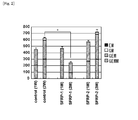
- CD34-KSL cells were sorted at one cell per well into a 96-well culture plate, and cultured in S-clone SF03 (Sanko Junyaku) (containing 0.5% BSA, 50 ng/mL SCF, 50 ng/mL TPO, and 1 ⁇ g/mL SFRP-2) (cells obtained were defined as the SFRP-2 group) (denoted as SFRP-1 in the figures).
- SFRP-1 or SFRP-2 expression vector was introduced into CD34-KSL cells and constitutively expressed in the cells.
- the effect of each protein on the proliferation ability of CD34-KSL cells was examined.
- the coding region of SFRP-1 or SFRP-2 was amplified by PCR with the following primers.
- the resulting DNA was digested with EcoRI and BamHI and was inserted into the EcoRI-BamHI sites of the expression vector pMXs-IG.
- CD34-KSL cells were cultured in the same manner as described above. After 1 week (denoted as 1W in the figures) or 2 weeks (denoted as 2W in the figures), the medium was exchanged with a differentiation-inducing medium (S-clone SF03 (Sanko Junyaku) containing 10% FBS, 20 ng/ml SCF, 20 ng/ml IL-3, 50 ng/ml TPO, and 2-U/ml Epo). The cells were allowed to differentiate into each type by incubation for 7 more days, and recovered on glass slides for cytospin. Cell morphology was examined with May-Giemsa staining.
- the colonies formed were classified into the colonies containing erythrocytes and megakaryocytes (EM), colonies containing granulocytes and macrophages (GM), colonies containing granulocytes, erythrocytes, and macrophages (GEM), and colonies containing granulocytes, erythrocytes, macrophages, and megakaryocytes (GEMM) .
- the number of colonies for each was graphed.
- the number of multipotent progenitors was significantly decreased to about half of that in the control group. This indicates that differentiation of CD34-KSL cells was promoted during the 2-week culture in the presence of SFRP-1, and many of the cells lost their multipotency.
- the number of MPPs in the SFRP-2 group was about 1.2-fold increased compared with that in the control group, showing that SFRP-2 maintains, or slightly enhances, the multipotency of CD34-KSL cells.
- bone marrow cells were harvested from mice 24 weeks after CD34-KSL cells were transplanted into the mice and transplanted secondarily into B6-Ly5.2 mice.
- 2 x 10 6 bone marrow cells were transplanted into lethally irradiated (950 rad) B6-Ly5.2 mice.
- the percentage of the donor cell-derived cells in peripheral blood was measured (denoted as 4W and 12W, respectively, in the figures).
- the integration rate in the bone marrow increases, and the hematopoietic ability and long-term bone marrow-repopulating ability are improved.
- the present invention has made it possible to provide a method for culturing hematopoietic stem cells, by which hematopoietic stem cells for hematopoietic stem cell transplantation can be produced.
Landscapes
- Health & Medical Sciences (AREA)
- Engineering & Computer Science (AREA)
- Life Sciences & Earth Sciences (AREA)
- Biomedical Technology (AREA)
- Genetics & Genomics (AREA)
- Zoology (AREA)
- Hematology (AREA)
- Biotechnology (AREA)
- Organic Chemistry (AREA)
- Bioinformatics & Cheminformatics (AREA)
- Chemical & Material Sciences (AREA)
- Wood Science & Technology (AREA)
- Microbiology (AREA)
- Immunology (AREA)
- Developmental Biology & Embryology (AREA)
- Biochemistry (AREA)
- General Engineering & Computer Science (AREA)
- General Health & Medical Sciences (AREA)
- Cell Biology (AREA)
- Micro-Organisms Or Cultivation Processes Thereof (AREA)
- Medicines Containing Material From Animals Or Micro-Organisms (AREA)
Applications Claiming Priority (2)
| Application Number | Priority Date | Filing Date | Title |
|---|---|---|---|
| JP2009209763A JP5409222B2 (ja) | 2009-09-10 | 2009-09-10 | 造血幹細胞の培養方法 |
| PCT/JP2010/065528 WO2011030825A1 (ja) | 2009-09-10 | 2010-09-09 | 造血幹細胞の培養方法 |
Publications (3)
| Publication Number | Publication Date |
|---|---|
| EP2476748A1 EP2476748A1 (de) | 2012-07-18 |
| EP2476748A4 EP2476748A4 (de) | 2013-09-04 |
| EP2476748A9 true EP2476748A9 (de) | 2014-04-02 |
Family
ID=43732494
Family Applications (1)
| Application Number | Title | Priority Date | Filing Date |
|---|---|---|---|
| EP10815420.4A Withdrawn EP2476748A4 (de) | 2009-09-10 | 2010-09-09 | Kulturverfahren für blutbildende stammzellen |
Country Status (4)
| Country | Link |
|---|---|
| US (1) | US20120258538A1 (de) |
| EP (1) | EP2476748A4 (de) |
| JP (1) | JP5409222B2 (de) |
| WO (1) | WO2011030825A1 (de) |
Families Citing this family (3)
| Publication number | Priority date | Publication date | Assignee | Title |
|---|---|---|---|---|
| WO2015006762A1 (en) * | 2013-07-12 | 2015-01-15 | The Board Of Trustees Of The University Of Arkansas | Methods and compositions for expanding long-term hematopoietic stem cell populations |
| CN104830772A (zh) * | 2015-05-28 | 2015-08-12 | 深圳富利鑫健康产业发展有限公司 | 一种造血干细胞培养基及其应用和干细胞培养方法 |
| JP2023063965A (ja) * | 2021-10-25 | 2023-05-10 | 国立研究開発法人理化学研究所 | 造血幹細胞含有組成物 |
Family Cites Families (10)
| Publication number | Priority date | Publication date | Assignee | Title |
|---|---|---|---|---|
| EP1108011A2 (de) * | 1998-06-08 | 2001-06-20 | Osiris Therapeutics, Inc. | In vitro-erhaltung von hämatopoietischenstammzellen. |
| US6673904B2 (en) * | 2000-12-23 | 2004-01-06 | Kirin Beer Kabushiki Kaisha | Stem cell growth factor-like polypeptides |
| US20040171559A1 (en) * | 2002-12-06 | 2004-09-02 | Irving Weissman | Protection of stem cells from cytotoxic agents by modulation of beta-catenin signaling pathways |
| US20040265995A1 (en) * | 2003-04-01 | 2004-12-30 | Tamara Byk | sFRP1 and uses thereof |
| SG150387A1 (en) * | 2003-05-02 | 2009-03-30 | Insception Bioscience Inc | Apparatus and methods for amplification of blood stem cell numbers |
| WO2005056778A1 (ja) * | 2003-12-11 | 2005-06-23 | Riken | 造血幹細胞の分化抑制又は増殖方法 |
| CA3022238A1 (en) * | 2005-08-19 | 2007-02-22 | Duke University | Stem cell derived factors for treating pathologic conditions |
| GB2445338A (en) * | 2005-10-07 | 2008-07-02 | Cellartis Ab | A method for obtaining a xeno-free HBS cell line |
| JP2009219354A (ja) | 2006-06-20 | 2009-10-01 | Univ Of Tokyo | TIMP−3による造血幹細胞または造血前駆細胞のExvivo/invivo増殖 |
| AU2008295441A1 (en) * | 2007-09-04 | 2009-03-12 | Queensland University Of Technology | A feeder cell-free culture medium and system |
-
2009
- 2009-09-10 JP JP2009209763A patent/JP5409222B2/ja not_active Expired - Fee Related
-
2010
- 2010-09-09 WO PCT/JP2010/065528 patent/WO2011030825A1/ja not_active Ceased
- 2010-09-09 EP EP10815420.4A patent/EP2476748A4/de not_active Withdrawn
- 2010-09-09 US US13/395,177 patent/US20120258538A1/en not_active Abandoned
Also Published As
| Publication number | Publication date |
|---|---|
| WO2011030825A1 (ja) | 2011-03-17 |
| US20120258538A1 (en) | 2012-10-11 |
| EP2476748A1 (de) | 2012-07-18 |
| JP2011055768A (ja) | 2011-03-24 |
| JP5409222B2 (ja) | 2014-02-05 |
| EP2476748A4 (de) | 2013-09-04 |
Similar Documents
| Publication | Publication Date | Title |
|---|---|---|
| JP6866385B2 (ja) | 造血幹細胞における遺伝子編集のための方法および組成物 | |
| Rizo et al. | Long-term maintenance of human hematopoietic stem/progenitor cells by expression of BMI1 | |
| CA2898180C (en) | Reprogramming of human endothelium into hematopoietic multi-lineage progenitors by defined factors | |
| Pulecio et al. | Conversion of human fibroblasts into monocyte-like progenitor cells | |
| Hof-Nahor et al. | Human mesenchymal stem cells shift CD8+ T cells towards a suppressive phenotype by inducing tolerogenic monocytes | |
| Soland et al. | Modulation of human mesenchymal stem cell immunogenicity through forced expression of human cytomegalovirus us proteins | |
| Yang et al. | Enhanced self-renewal of hematopoietic stem/progenitor cells mediated by the stem cell gene Sall4 | |
| JP2016513974A (ja) | 造血幹細胞系列を初期化するための組成物および方法 | |
| AU2016336868B2 (en) | CXCR6-transduced T cells for targeted tumor therapy | |
| Codispoti et al. | Recombinant TAT-BMI-1 fusion protein induces ex vivo expansion of human umbilical cord blood-derived hematopoietic stem cells | |
| JP2022500038A (ja) | 癌免疫療法用mr1制限t細胞受容体 | |
| EP2476748A9 (de) | Kulturverfahren für blutbildende stammzellen | |
| Yang et al. | B lymphocytes transdifferentiate into immunosuppressive erythroblast-like cells | |
| Fukutani et al. | Human iPSC-derived NK cells armed with CCL19, CCR2B, high-affinity CD16, IL-15, and NKG2D complex enhance anti-solid tumor activity | |
| Chen et al. | Co-transplantation with mesenchymal stem cells expressing a SDF-1/HOXB4 fusion protein markedly improves hematopoietic stem cell engraftment and hematogenesis in irradiated mice | |
| US20250290040A1 (en) | Gamma delta t cell compositions and methods of use | |
| CA2628865A1 (en) | Methods and compositions for modulation of stem cell aging | |
| Mizokami et al. | Preferential expansion of human umbilical cord blood-derived CD34-positive cells on major histocompatibility complex-matched amnion-derived mesenchymal stem cells | |
| Du et al. | Gene editing of CD3 epsilon gene to redirect regulatory T cells for adoptive T cell transfer | |
| WO2024050534A2 (en) | In vitro generated hematopoietic stem progenitor cells and t cells and methods of making and using the same | |
| Deola et al. | Molecular purging of multiple myeloma cells by ex-vivo culture and retroviral transduction of mobilized-blood CD34+ cells | |
| Plaisse et al. | Regulatory T cell therapies: biological foundations, engineering strategies, and clinical translation | |
| Hasan | Characterizing the Impact of the RNA Demethylase ALKBH5 on Hematopoietic Stem and Progenitor Cells | |
| Pizzato | Metabolic Control and Immune Barriers of Hematopoietic Stem Cells | |
| JP2026509809A (ja) | 遺伝子改変された胎盤由来の粘膜関連不変t細胞(mait細胞)及びその用途 |
Legal Events
| Date | Code | Title | Description |
|---|---|---|---|
| PUAI | Public reference made under article 153(3) epc to a published international application that has entered the european phase |
Free format text: ORIGINAL CODE: 0009012 |
|
| 17P | Request for examination filed |
Effective date: 20120410 |
|
| AK | Designated contracting states |
Kind code of ref document: A1 Designated state(s): AL AT BE BG CH CY CZ DE DK EE ES FI FR GB GR HR HU IE IS IT LI LT LU LV MC MK MT NL NO PL PT RO SE SI SK SM TR |
|
| DAX | Request for extension of the european patent (deleted) | ||
| A4 | Supplementary search report drawn up and despatched |
Effective date: 20130802 |
|
| RIC1 | Information provided on ipc code assigned before grant |
Ipc: C12N 5/10 20060101ALI20130729BHEP Ipc: C12N 5/02 20060101AFI20130729BHEP Ipc: C12N 15/09 20060101ALI20130729BHEP |
|
| 17Q | First examination report despatched |
Effective date: 20140702 |
|
| STAA | Information on the status of an ep patent application or granted ep patent |
Free format text: STATUS: THE APPLICATION IS DEEMED TO BE WITHDRAWN |
|
| 18D | Application deemed to be withdrawn |
Effective date: 20161108 |