EP2479307A1 - Acier pour pile à combustible à oxyde solide ayant une excellente résistance à l'oxydation - Google Patents
Acier pour pile à combustible à oxyde solide ayant une excellente résistance à l'oxydation Download PDFInfo
- Publication number
- EP2479307A1 EP2479307A1 EP10817115A EP10817115A EP2479307A1 EP 2479307 A1 EP2479307 A1 EP 2479307A1 EP 10817115 A EP10817115 A EP 10817115A EP 10817115 A EP10817115 A EP 10817115A EP 2479307 A1 EP2479307 A1 EP 2479307A1
- Authority
- EP
- European Patent Office
- Prior art keywords
- oxidation resistance
- steel
- solid oxide
- oxide fuel
- less
- Prior art date
- Legal status (The legal status is an assumption and is not a legal conclusion. Google has not performed a legal analysis and makes no representation as to the accuracy of the status listed.)
- Granted
Links
Images

Classifications
-
- H—ELECTRICITY
- H01—ELECTRIC ELEMENTS
- H01M—PROCESSES OR MEANS, e.g. BATTERIES, FOR THE DIRECT CONVERSION OF CHEMICAL ENERGY INTO ELECTRICAL ENERGY
- H01M8/00—Fuel cells; Manufacture thereof
- H01M8/02—Details
- H01M8/0202—Collectors; Separators, e.g. bipolar separators; Interconnectors
- H01M8/0204—Non-porous and characterised by the material
- H01M8/0206—Metals or alloys
- H01M8/0208—Alloys
- H01M8/021—Alloys based on iron
-
- C—CHEMISTRY; METALLURGY
- C22—METALLURGY; FERROUS OR NON-FERROUS ALLOYS; TREATMENT OF ALLOYS OR NON-FERROUS METALS
- C22C—ALLOYS
- C22C1/00—Making non-ferrous alloys
- C22C1/02—Making non-ferrous alloys by melting
-
- C—CHEMISTRY; METALLURGY
- C22—METALLURGY; FERROUS OR NON-FERROUS ALLOYS; TREATMENT OF ALLOYS OR NON-FERROUS METALS
- C22C—ALLOYS
- C22C38/00—Ferrous alloys, e.g. steel alloys
- C22C38/005—Ferrous alloys, e.g. steel alloys containing rare earths, i.e. Sc, Y, Lanthanides
-
- C—CHEMISTRY; METALLURGY
- C22—METALLURGY; FERROUS OR NON-FERROUS ALLOYS; TREATMENT OF ALLOYS OR NON-FERROUS METALS
- C22C—ALLOYS
- C22C38/00—Ferrous alloys, e.g. steel alloys
- C22C38/02—Ferrous alloys, e.g. steel alloys containing silicon
-
- C—CHEMISTRY; METALLURGY
- C22—METALLURGY; FERROUS OR NON-FERROUS ALLOYS; TREATMENT OF ALLOYS OR NON-FERROUS METALS
- C22C—ALLOYS
- C22C38/00—Ferrous alloys, e.g. steel alloys
- C22C38/04—Ferrous alloys, e.g. steel alloys containing manganese
-
- C—CHEMISTRY; METALLURGY
- C22—METALLURGY; FERROUS OR NON-FERROUS ALLOYS; TREATMENT OF ALLOYS OR NON-FERROUS METALS
- C22C—ALLOYS
- C22C38/00—Ferrous alloys, e.g. steel alloys
- C22C38/06—Ferrous alloys, e.g. steel alloys containing aluminium
-
- C—CHEMISTRY; METALLURGY
- C22—METALLURGY; FERROUS OR NON-FERROUS ALLOYS; TREATMENT OF ALLOYS OR NON-FERROUS METALS
- C22C—ALLOYS
- C22C38/00—Ferrous alloys, e.g. steel alloys
- C22C38/18—Ferrous alloys, e.g. steel alloys containing chromium
- C22C38/20—Ferrous alloys, e.g. steel alloys containing chromium with copper
-
- C—CHEMISTRY; METALLURGY
- C22—METALLURGY; FERROUS OR NON-FERROUS ALLOYS; TREATMENT OF ALLOYS OR NON-FERROUS METALS
- C22C—ALLOYS
- C22C38/00—Ferrous alloys, e.g. steel alloys
- C22C38/18—Ferrous alloys, e.g. steel alloys containing chromium
- C22C38/22—Ferrous alloys, e.g. steel alloys containing chromium with molybdenum or tungsten
-
- C—CHEMISTRY; METALLURGY
- C22—METALLURGY; FERROUS OR NON-FERROUS ALLOYS; TREATMENT OF ALLOYS OR NON-FERROUS METALS
- C22C—ALLOYS
- C22C38/00—Ferrous alloys, e.g. steel alloys
- C22C38/18—Ferrous alloys, e.g. steel alloys containing chromium
- C22C38/40—Ferrous alloys, e.g. steel alloys containing chromium with nickel
- C22C38/42—Ferrous alloys, e.g. steel alloys containing chromium with nickel with copper
-
- C—CHEMISTRY; METALLURGY
- C22—METALLURGY; FERROUS OR NON-FERROUS ALLOYS; TREATMENT OF ALLOYS OR NON-FERROUS METALS
- C22C—ALLOYS
- C22C38/00—Ferrous alloys, e.g. steel alloys
- C22C38/18—Ferrous alloys, e.g. steel alloys containing chromium
- C22C38/40—Ferrous alloys, e.g. steel alloys containing chromium with nickel
- C22C38/44—Ferrous alloys, e.g. steel alloys containing chromium with nickel with molybdenum or tungsten
-
- C—CHEMISTRY; METALLURGY
- C22—METALLURGY; FERROUS OR NON-FERROUS ALLOYS; TREATMENT OF ALLOYS OR NON-FERROUS METALS
- C22C—ALLOYS
- C22C38/00—Ferrous alloys, e.g. steel alloys
- C22C38/18—Ferrous alloys, e.g. steel alloys containing chromium
- C22C38/40—Ferrous alloys, e.g. steel alloys containing chromium with nickel
- C22C38/50—Ferrous alloys, e.g. steel alloys containing chromium with nickel with titanium or zirconium
-
- H—ELECTRICITY
- H01—ELECTRIC ELEMENTS
- H01M—PROCESSES OR MEANS, e.g. BATTERIES, FOR THE DIRECT CONVERSION OF CHEMICAL ENERGY INTO ELECTRICAL ENERGY
- H01M8/00—Fuel cells; Manufacture thereof
- H01M8/02—Details
- H01M8/0202—Collectors; Separators, e.g. bipolar separators; Interconnectors
- H01M8/023—Porous and characterised by the material
- H01M8/0232—Metals or alloys
-
- H—ELECTRICITY
- H01—ELECTRIC ELEMENTS
- H01M—PROCESSES OR MEANS, e.g. BATTERIES, FOR THE DIRECT CONVERSION OF CHEMICAL ENERGY INTO ELECTRICAL ENERGY
- H01M8/00—Fuel cells; Manufacture thereof
- H01M8/10—Fuel cells with solid electrolytes
- H01M8/12—Fuel cells with solid electrolytes operating at high temperature, e.g. with stabilised ZrO2 electrolyte
-
- H—ELECTRICITY
- H01—ELECTRIC ELEMENTS
- H01M—PROCESSES OR MEANS, e.g. BATTERIES, FOR THE DIRECT CONVERSION OF CHEMICAL ENERGY INTO ELECTRICAL ENERGY
- H01M8/00—Fuel cells; Manufacture thereof
- H01M8/10—Fuel cells with solid electrolytes
- H01M8/12—Fuel cells with solid electrolytes operating at high temperature, e.g. with stabilised ZrO2 electrolyte
- H01M2008/1293—Fuel cells with solid oxide electrolytes
-
- Y—GENERAL TAGGING OF NEW TECHNOLOGICAL DEVELOPMENTS; GENERAL TAGGING OF CROSS-SECTIONAL TECHNOLOGIES SPANNING OVER SEVERAL SECTIONS OF THE IPC; TECHNICAL SUBJECTS COVERED BY FORMER USPC CROSS-REFERENCE ART COLLECTIONS [XRACs] AND DIGESTS
- Y02—TECHNOLOGIES OR APPLICATIONS FOR MITIGATION OR ADAPTATION AGAINST CLIMATE CHANGE
- Y02E—REDUCTION OF GREENHOUSE GAS [GHG] EMISSIONS, RELATED TO ENERGY GENERATION, TRANSMISSION OR DISTRIBUTION
- Y02E60/00—Enabling technologies; Technologies with a potential or indirect contribution to GHG emissions mitigation
- Y02E60/30—Hydrogen technology
- Y02E60/50—Fuel cells
Definitions
- the invention relates to a steel for solid oxide fuel cells, having improved oxidation resistance.
- Solid oxide fuel cells have properties such as high power generation efficiency, low emission of SOx, NOx and CO 2 , good responsiveness to a fluctuation of load, and compactness.
- solid oxide fuel cells are expected to be applied to various power generation systems such as large-scale centralized type, suburban distributed type, and home power generation systems, as an alternative for thermal power generation.
- ceramics have been mainly used for parts for solid oxide fuel cells, such as separators, interconnectors and current collectors, since the parts are required to have good oxidation resistance, good electrical conductivity, and thermal expansion coefficient close to those of electrolytes and electrodes at a high temperature around 1000°C.
- ceramics have poor workability and are expensive.
- the inventors have conducted a study on chemical compositions for improving oxidation resistance based on the ferritic stainless steels proposed in Patent Literatures 1 and 2. As a result, it has been found that oxidation resistance can be improved by minimizing amounts of C, Si and Al as impurity elements. It has been also found that reducing amount of Mn, which forms a spinel-type oxide layer together with Cr at the top surface of the ferritic stainless steels, decrease a growth rate of the oxide layer, thereby improving oxidation resistance.
- the inventors have conducted a study on alloying elements and the amounts thereof for more securely reducing evaporation of Cr from a metallic part, since the evaporation degrades a performance of a ceramic part such as electrodes when the metal is used for example as a separator or an interconnector in solid oxide fuel cells.
- a ceramic part such as electrodes
- W is effective for suppressing outward diffusion of Cr.
- a study was conducted on an appropriate content of each element which allows drastic improvement of suppressing the evaporation of Cr, thereby obtaining the invention.
- the invention provides a steel for solid oxide fuel cells having improved oxidation resistance.
- the steel comprises, by mass percent, C: not more than 0.1%, Al: not more than 0.2%, Si: not more than 0.2%, Mn: 0.05 to 0.4%, Cr: 16.0 to 28.0%, Ni: not more than 1.5%, one or more of REM and Zr: not more than 1.0% in total, W: 1.0 to 3.0%, Cu: more than 0.2% and not more than 4.0%, and the balance being Fe and impurities.
- a preferable range of Cu is more than 0.2% and not more than 2.0% by mass percent, and a more preferable range is Mn: 0.1% to 0.35%, Cr: 18.0 to 26.0%, Ni: 0.1 to 1.0%, and one or more of REM and Zr: 0.01 to 0.85% in total.
- La is selected for REM, and added in combination with Zr.
- La and Zr are preferably added in combination in a range of La: 0.005 to 0.10% and Zr: 0.01 to 0.80%, wherein La + Zr: 0.01 to 0.85%.
- a particularly preferable range is Al: not more than 0.1%, and Si: not more than 0.1%, by mass percent.
- C not more than 0.05%
- Al not more than 0.05%
- Si not more than 0.05%
- a more preferable composition of the invention is, by mass percent, C: not more than 0.05%, Al: not more than 0.05%, Si: not more than 0.05%, Mn: 0.1 to 0.35%, Cr: 21.0 to 25.0%, Ni: 0.2 to 0.8%, La: 0.005 to 0.10%, Zr: 0.01 to 0.80% wherein La + Zr: 0.01 to 0.85%, W: 1.0 to 2.5%, Cu: 0.4 to 2.0%, and the balance being Fe and impurities.
- a total amount of C, Si and Al is not more than 0.12%.
- the steel for solid oxide fuel cells according to the invention can have drastically improved oxidation resistance and reduced evaporation of Cr, thereby significantly suppressing a degradation of a performance of fuel cells. Moreover, maintained are good electrical conductivity of the steel and a small difference of thermal expansion between the steel and the electrolyte or electrode material. Therefore, the invention can greatly contribute to an improvement of durability and high performance even when it is used for a metallic part in the solid oxide fuel cell, such as a separator, an interconnector and so on which is required to have high performance.
- An important characteristics of the invention lies in a composition based on the ferritic stainless steel containing one or more of REM and Zr as proposed by the applicant.
- an amount of impurity elements is limited to a low level, W is added for a purpose of suppressing outward diffusion of Cr and Cu is added to improve oxidation resistance. Thereby, oxidation resistance can be improved and a decline of performance of the fuel cells can be suppressed.
- the invention will be described in detail.
- Cr 16.0 to 28.0% Cr (Chromium) is necessary to form a dense Cr oxide layer, typically Cr 2 O 3 , at operating temperatures of solid oxide fuel cells and to realize excellent oxidation resistance. Moreover, Cr is also an important element to maintain electrical conductivity. Therefore, Cr is required to be contained by 16.0% at minimum. However, excessive addition of Cr is not much effective in the improvement of oxidation resistance, but rather causes deterioration of workability. Thus, its upper limit is defined to be 28.0%. A preferable range ofCr is 18.0 to 26.0%. More preferably, the upper limit of Cr is 25.0% and the lower limit is 20.0%. A further preferable lower limit is 21.0%.
- One or more of REM and Zr not more than 1.0%
- a small amount of REM (rare earth element) or Zr (zirconium) makes an oxide film dense or improves adhesion strength of the oxide layers, and thus has an effect in significantly improving oxidation resistance and electrical conductivity of the oxide layers. Since the oxidation resistance is obtained mainly by a formation of a dense Cr oxide layers in the invention, singular or combined addition of REM and Zr is indispensable to improve the adhesion strength of the Cr oxide.
- one or more elements of REM and Zr are added indispensably by exceeding no-addition level (0%).
- the amount of one or more of REM and Zr are limited to be not more than 1.0% in total, since excessive addition thereof deteriorates hot workability.
- a preferable range is 0.01 to 0.85%, and more preferably they may be added singularly or in combination in a range of 0.005 to 0.10% ofREM and 0.01 to 0.85% of Zr.
- REM may include La, Ce, Y, Nd and mixtures thereof It is preferable to select La among the rare earth elements and added in combination with Zr, since La has an excellent effect of improving oxidation resistance at a high temperature. La and Zr have an effect of significantly improving oxidation resistance and electrical conductivity of oxide layers when they are added in combination, respectively in a small amount. When La and Zr are added in combination, a total amount of La and Zr is determined to be not more than 1.0%, preferably 0.01 to 0.85%. Preferable respective contents of La and Zr are in a range of 0.005 to 0.10% of La and 0.01 to 0.80% of Zr.
- W 1.0 to 3.0%
- Mo mobdenum
- W tungsten
- the steel for solid oxide fuel cells according to the invention has Cr oxide layers (3) having a two-layer structure including a Cr 2 O 3 oxide layer (1) and a spinel-type oxide layer (2) containing Mn on the Cr 2 O 3 oxide layer, as shown in Fig. 3 , at operating temperatures of around 700 to 900°C.
- Cu has an effect of making the spinel-type oxide containing Mn dense and suppresses an evaporation of Cr from the Cr 2 O 3 oxide layer. For the reason, Cu is indispensably added up to 4.0%. Even if more than 4.0% Cu is added, there is no further advantageous effect but there is a risk that hot workability degrades or a ferrite phase becomes unstable.
- Cu is determined to be not more than 4. 0 %.
- a preferable range is not more than 2.0%.
- the effect of Cu can be obtained when more than 0.2% Cu is indispensably added.
- a lower limit of Cu is preferably set to be 0.4%.
- Mn 0.05 to 0.4%
- Mn manganese
- the spinel-type oxide layer containing Mn is formed on an outer side (surface side) of a Cr 2 O 3 oxide layer.
- the spinel-type oxide layer has a protection effect of preventing Cr evaporation from the steel.
- the evaporated Cr forms a complex oxide deposited onto a ceramic part such as an electrolyte/electrode and causes the degradation of the performance of fuel cells.
- the spinel-type oxide acts disadvantageously for oxidation resistance since it usually has a larger oxidation rate compared with that of Cr 2 O 3 .
- Mn is required up to 0.05%.
- a preferable lower limit of Mn is 0.1%. Excessive addition of Mn increases growth rate of the oxide layers, thereby deteriorating oxidation resistance. Therefore, an upper limit of Mn is determined to be 0.4%, preferably 0.35%.
- Ni is an austenite-forming element.
- Ni is an austenite-forming element.
- a ferrite-austenite binary phase structure is formed easily, thereby increasing a thermal expansion coefficient.
- Ni may be inevitably added in the steel for example if raw melting materials include recycled materials when manufacturing a ferritic stainless steel. If a Ni content becomes excessive, there is a concern the contact decrease with a ceramic part. Thus, a large amount ofNi is not preferable.
- hot workability is deteriorated because of red shortness if Cu is contained in the steel of the invention. In order to prevent it, it is effective to add a small amount of Ni. Thus, Ni is added up to 1.5% in the invention.
- a preferable upper limit of Ni is 1.0%, and a more preferably 0.8%. Although the effect of Ni can be obtained when Ni is added exceeding a no-addition level (0%), and preferable lower limit ofNi is 0.1%, further preferable 0.2%, to achieve the effect more securely.
- C not more than 0.1%
- Carbon (C) functions to form carbide to increase a high-temperature strength.
- carbon deteriorates workability and also decreases an amount of Cr which is effective in keeping oxidation resistance, since carbon combines with Cr. If Cr density in a matrix decreases below a critical value which is necessary for stably maintaining Cr oxide layers, the Cr oxide layers can not be maintained. Thus, it is effective to make carbon contents as low as possible, and carbon is limited in a range of not more than 0.1% in the invention.
- an upper limit of carbon is determined to be 0.05%. A more preferable upper limit is 0.03%.
- Si not more than 0.2% Si (silicon) forms a SiO 2 layer near an interface between a Cr oxide layers and a matrix at operating temperatures of solid oxide fuel cells. This means that Si in the matrix is oxidized by a small amount of oxygen which defuses into the matrix from an outside through the dense Cr oxide layers, thereby deteriorating oxidation resistance. Moreover, since an electrical resistivity of SiO 2 is higher than that of Cr, Si will reduce an electrical conductivity of the oxide layers. When more than 0.2% of Si is contained, the SiO 2 layer is formed. Although it is thin and discontinuous, it deteriorates oxidation resistance and electrical conductivity. Thus, Si is limited to be in a range of not more than 0.2% in the invention. In order to more securely achieve the effect by reducing Si, an upper limit of Si is determined to be 0.1%, more preferably 0.05%. Preferably, Si content is not more than 0.03%, and it is not a problem even if no Si is added.
- Al not more than 0.2%
- Al (aluminum) forms Al 2 O 3 in granular and acicular shapes in a metal matrix in a vicinity of Cr oxide layers at operating temperatures of solid oxide fuel cells. This indicates that Al in a matrix is oxidized by a small amount of oxygen which defuses into the matrix from an outside through the dense Cr oxide film, like the formation of SiO 2 . This makes outward diffusion of Cr ununiformity and prevents stable formation of the Cr oxide layers, thereby deteriorating oxidation resistance. Moreover, Al 2 O 3 in the vicinity of the oxidation layers reduce electrical conductivity. When formation of Al 2 O 3 in the vicinity of the oxide layers is limited to an extremely low level, excellent oxidation resistance and good electrical conductivity are obtained.
- Al is limited to a range of not more than 0.2% in the invention.
- an upper limit of Al is determined to be 0.1%, and more preferably 0.05%.
- the Al content is not more than 0.03%, and it is not a problem even if no Al is added.
- the above elements carbon, Si and Al can be used as a deoxidizer to reduce oxygen in the steel. For the reason, when deoxidizing is performed by carbon, Si and Al, an upper limit of each element is preferably controlled in the above range, and more preferably a total amount of carbon, Si and Al is controlled to be not more than 0.12%.
- sulfur (S) forms a sulfide-type inclusion with rare earth elements and decreases an effective amount of rare earth elements which are effective for oxidation resistance.
- sulfur not only reduces oxidation resistance by forming a sulfide, but also deteriorates hot workability and surface finish. Therefore, sulfur is preferably not more than 0.015%, more preferably not more than 0.008%.
- Oxygen (0) forms an oxide-type inclusion with Al, Si, Mn, Cr, Zr, rare earth and so on, thereby deteriorating hot workability and cold workability. Oxygen also reduces dissolved amounts of rare earth elements, Zr and so on which significantly contribute to an improvement of oxidation resistance, and thus reduces effects of these elements in improving oxidation resistance. Therefore, oxygen is preferably limited to be not more than 0.010%, more preferably not more than 0.009%.
- P not more than 0.04%
- Phosphorous (P) is more likely to be oxidized than Cr that forms an oxidation layers, and deteriorates oxidation resistance.
- a phosphorous content is preferably limited to be not more than 0.04%, more preferably not more than 0.03%, further more preferably not more than 0.02%, and further more preferably not more than 0.01%.
- N not more than 0.05%
- Nitrogen (N) is an austenite-forming element. When nitrogen is excessively contained in the ferritic stainless steel of the invention, it not only forms an austenitic phase so that the single ferritic phase is not able to be maintained, but also forms a nitride-type inclusion with Cr and so on.
- the nitrogen content is preferably limited to be not more than 0.05%, more preferably not more than 0.03%, and further more preferably not more than 0.02%.
- B not more than 0.003%
- Boron (B) increases a growth rate of oxide layers at a high temperature of not less than about 700°C, thereby deteriorating oxidation resistance. Moreover, it increases a surface roughness of the oxide layers and decreases a contact area between the oxide film and an electrode, thereby increasing contact resistance. Therefore, the boron content is preferably limited to be not more than 0.003%, and preferably reduced to 0% as low as possible. A more preferable upper limit thereof is 0.002%, and further more preferably less than 0.001%.
- H not more than 0.0003%
- hydrogen is contained excessively in a Fe-Cr based ferritic matrix
- hydrogen is likely to be concentrated in a defect portion such as a grain boundary, and may cause hydrogen embrittlement, thereby generating cracking during manufacturing.
- hydrogen is preferably limited to be not more than 0.0003%. More preferably, the hydrogen content is not more than 0.0002%.
- the steel for solid oxide fuel cells according to the invention suppresses Cr evaporation and has excellent oxidation resistance.
- it is suitably applied to, for example, separators, interconnectors, and current collecting parts.
- separators, interconnectors, and current collecting parts Of course, it can be also used for other parts such as bolts.
- Table 1 shows chemical compositions of steels Nos. 1 to 11 according to the invention, and comparative steels Nos. 21 to 29.
- the comparative steel No. 25 in Table 1 corresponds to the alloy disclosed in Patent Literature 1. Impurity elements are not shown in Table 1 but they range H ⁇ 0.0003%, B ⁇ 0.001%, N ⁇ 0.05%, O ⁇ 0.010%, P ⁇ 0.04%, and S ⁇ 0.015%.
- Specimens were cut out from the materials and were subjected to various tests.
- a plate-like specimen of 10 mm (w) x 10 mm (1) x 3 mm (t) was used to measure oxidation weight gain after heating at 850°C for 500 hours in air.
- the specimen after heating was used to measure electrical resistance at 750°C in air.
- the electrical resistance was measured by a four-terminal method with a Pt mesh fixed to a specimen surface with Pt paste, and is represented by area resistivity (m ⁇ cm2).
- m ⁇ cm2 area resistivity
- An extremely thin plate-like specimen of 15 mm (w) x 15 mm (1) x 0.1 mm (t) was used to measure an oxidation weight gain after heating at 850°C for 500 hours in air.
- the test with 15 mm x 15 mm x 0.1 mm specimen was not conducted for steels which have a large oxidation weight gain with the plate-like specimen of 10 mm x 10 mm x 3 mm.
- a degree of suppressing evaporation of Cr was investigated.
- a plate-like specimen of 10 mm (w) x 10 mm (1) x 3 mm (t) was subjected to a heating at 850°C for 30 hours in air with ceramic plates disposed below and above it.
- the steels according to the invention showed extremely small oxidation weight gains not greater than about 1/3 compared with those of the comparative steels Nos. 21 to 25, after heating the thick plate-like specimen of 10 mm x 10 mm x 3 mm at 850°C for 500 hours in air. Thus, oxidation resistance was drastically improved. This is considered as follows. A growth of a spinel-type oxide layer at an utmost surface was suppressed by reduction of Mn in addition to indispensably added Cu and W, and an internal oxidation was sufficiently suppressed by reduction of Si and Al.
- All of the steels according to the invention have an average thermal expansion coefficient from 30 to 850°C in an order of about 12 x 10 -6 /°C, which is close to that of stabilized zirconia of a solid electrolyte.
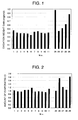
- Fig. 1 shows oxidation weight gains of the thin plate-like specimens having a shape of 15 mm x 15 mm x 0.1 mm after a heating treatment at 850°C for 500 hours in air.
- the steels according to the invention exhibited drastic reduction of oxidation weight gains since the steels prevent substantially anomalous oxidation compared with the comparative steel No. 25 disclosed in Patent Literature 1.
- the comparative steel No. 29 has a comparable amount of impurity and Mn but is free of W, and it exhibited a large oxidation weight gain.
- Fig. 2 shows amounts of evaporated Cr when thick plate-like specimens having a shape of 10 mm x 10 mm x 3 mm were heated at 850°C for 30 hours in air, as a relative value when a value for the comparative steel No. 25 is set to be 1.
- Cr evaporation of the comparative steel No. 25, which is used as the reference is suppressed due to a thick spinel-type oxide layer containing Mn at an utmost surface formed through an oxidation treatment, since an amount of Mn is higher compared with the steels according to the invention and the comparative steel No. 26.
- an oxidation weight gain is increased as shown in Fig.
- the spinel-type oxide layer has a high oxidation rate.
- An amount of evaporated Cr in the comparative steel No. 26 is increased. This is because a thickness of a spinel-type oxide layer at an utmost surface of the comparative steel No. 26 is reduced by decreasing an amount of Mn to improve oxidation resistance.
- the steels according to the invention have a spinel-type oxide layer of the same thickness with the comparative steel No.26 and are added with Cu. But, the steels according to the invention exhibited a decreased level of Cr evaporation equal to or lower than that of comparative steel No. 25. This is considered since the spinel-type oxide layer containing Mn was densified by the addition of Cu.
- the steel according to the invention has good oxidation resistance even after heating for long hours at around 700 to 900°C.
- the steel also forms oxide layers having good electrical conductivity and effect of suppressing Cr evaporation in this temperature range, and has a thermal expansion which has small difference with ceramics. Therefore, it can be processed into various shapes such as steel bar, wire, powder, powder sintered metals, porous metals, or steel foil, which are used for a part for solid oxide fuel cells for which oxidation resistance is required, and for any other applications for which similar properties are required.
Landscapes
- Chemical & Material Sciences (AREA)
- Engineering & Computer Science (AREA)
- Materials Engineering (AREA)
- Mechanical Engineering (AREA)
- Metallurgy (AREA)
- Organic Chemistry (AREA)
- Life Sciences & Earth Sciences (AREA)
- Manufacturing & Machinery (AREA)
- Sustainable Development (AREA)
- Sustainable Energy (AREA)
- Chemical Kinetics & Catalysis (AREA)
- Electrochemistry (AREA)
- General Chemical & Material Sciences (AREA)
- Fuel Cell (AREA)
Applications Claiming Priority (3)
| Application Number | Priority Date | Filing Date | Title |
|---|---|---|---|
| JP2009214525 | 2009-09-16 | ||
| JP2010145373 | 2010-06-25 | ||
| PCT/JP2010/065604 WO2011034002A1 (fr) | 2009-09-16 | 2010-09-10 | Acier pour pile à combustible à oxyde solide ayant une excellente résistance à l'oxydation |
Publications (3)
| Publication Number | Publication Date |
|---|---|
| EP2479307A1 true EP2479307A1 (fr) | 2012-07-25 |
| EP2479307A4 EP2479307A4 (fr) | 2017-07-19 |
| EP2479307B1 EP2479307B1 (fr) | 2018-08-22 |
Family
ID=43758607
Family Applications (1)
| Application Number | Title | Priority Date | Filing Date |
|---|---|---|---|
| EP10817115.8A Active EP2479307B1 (fr) | 2009-09-16 | 2010-09-10 | Acier pour pile à combustible à oxyde solide ayant une excellente résistance à l'oxydation |
Country Status (7)
| Country | Link |
|---|---|
| US (1) | US9065084B2 (fr) |
| EP (1) | EP2479307B1 (fr) |
| JP (1) | JP5660331B2 (fr) |
| KR (1) | KR20120041259A (fr) |
| CN (1) | CN102482745A (fr) |
| CA (1) | CA2774035C (fr) |
| WO (1) | WO2011034002A1 (fr) |
Families Citing this family (11)
| Publication number | Priority date | Publication date | Assignee | Title |
|---|---|---|---|---|
| CA2833693C (fr) * | 2011-04-22 | 2015-07-07 | Hitachi Metals, Ltd. | Acier pour piles a combustible a oxyde solide ayant une excellente resistance a l'oxydation, et element pour piles a combustible a oxyde solide utilisant ledit acier |
| US9537158B2 (en) * | 2011-11-30 | 2017-01-03 | Korea Institute Of Science And Technology | Oxidation resistant ferritic stainless steel including copper-containing spinel-structured oxide, method of manufacturing the steel, and fuel cell interconnect using the steel |
| EP2851984B1 (fr) | 2012-05-17 | 2019-02-13 | Kyocera Corporation | Élément conducteur, empilement de cellules, module électrochimique, et dispositif électrochimique |
| JP6395037B2 (ja) * | 2014-09-29 | 2018-09-26 | 日立金属株式会社 | 固体酸化物形燃料電池用帯鋼 |
| KR101929138B1 (ko) | 2014-09-30 | 2018-12-13 | 히타치 긴조쿠 가부시키가이샤 | 고체 산화물형 연료 전지용 강 및 그 제조방법 |
| JP2016189243A (ja) * | 2015-03-30 | 2016-11-04 | 日立金属株式会社 | 燃料電池用インターコネクタ及びこれを用いたセルスタック |
| CN105304917A (zh) * | 2015-10-29 | 2016-02-03 | 华中科技大学 | 一种中温平板式固体氧化物燃料电池金属连接体 |
| WO2019189845A1 (fr) * | 2018-03-30 | 2019-10-03 | 大阪瓦斯株式会社 | Unité de cellule individuelle de batterie à combustible, module de batterie à combustible et dispositif de batterie à combustible |
| CN112331893B (zh) * | 2020-10-28 | 2022-02-15 | 华中科技大学 | 一种平板式固体氧化物燃料电池及其密封方法 |
| JP7169333B2 (ja) * | 2020-11-24 | 2022-11-10 | 森村Sofcテクノロジー株式会社 | 電気化学反応セルスタック |
| JP7543336B2 (ja) * | 2021-04-26 | 2024-09-02 | 森村Sofcテクノロジー株式会社 | インターコネクタ-電気化学反応単セル複合体、および、電気化学反応セルスタック |
Family Cites Families (15)
| Publication number | Priority date | Publication date | Assignee | Title |
|---|---|---|---|---|
| JPH03257143A (ja) | 1990-01-31 | 1991-11-15 | Hitachi Metals Ltd | 耐熱疲労性にすぐれたフェライト系耐熱鋳鋼 |
| JP3704655B2 (ja) * | 1997-04-08 | 2005-10-12 | 日立金属株式会社 | 固体電解質型燃料電池セパレータ用鋼 |
| JP4310723B2 (ja) * | 2001-09-27 | 2009-08-12 | 日立金属株式会社 | 固体酸化物型燃料電池セパレータ用鋼 |
| JP4524760B2 (ja) * | 2001-09-27 | 2010-08-18 | 日立金属株式会社 | 耐酸化性鋼及びそれを用いてなる固体酸化物型燃料電池用部品 |
| EP1298228B2 (fr) * | 2001-09-27 | 2012-08-22 | Hitachi Metals, Ltd. | Acier pour séparateurs de pile à combustible de type oxyde solide |
| CN100441721C (zh) * | 2003-12-26 | 2008-12-10 | 杰富意钢铁株式会社 | 铁素体类含Cr钢材 |
| JP2005248263A (ja) * | 2004-03-04 | 2005-09-15 | Daido Steel Co Ltd | マルテンサイト系ステンレス鋼 |
| JP4737600B2 (ja) * | 2004-04-09 | 2011-08-03 | 日立金属株式会社 | 固体酸化物型燃料電池セパレータ用鋼 |
| JP4675066B2 (ja) * | 2004-06-23 | 2011-04-20 | 日新製鋼株式会社 | 固体酸化物型燃料電池セパレーター用フェライト系ステンレス鋼 |
| JP4756905B2 (ja) * | 2005-05-10 | 2011-08-24 | 日新製鋼株式会社 | 固体酸化物型燃料電池セパレータ材 |
| JP2007016297A (ja) | 2005-07-11 | 2007-01-25 | Hitachi Metals Ltd | 固体酸化物型燃料電池セパレータ用鋼 |
| DE102006007598A1 (de) * | 2006-02-18 | 2007-08-30 | Forschungszentrum Jülich GmbH | Kriechfester ferritischer Stahl |
| WO2008013498A1 (fr) * | 2006-07-26 | 2008-01-31 | Sandvik Intellectual Property Ab | Acier au chrome ferritique |
| JP2010013727A (ja) * | 2008-02-06 | 2010-01-21 | Hitachi Metals Ltd | 耐酸化性の優れたフェライト系ステンレス鋼 |
| KR100993412B1 (ko) | 2008-12-29 | 2010-11-09 | 주식회사 포스코 | 고분자 연료전지 분리판용 스테인리스강 및 그 제조방법 |
-
2010
- 2010-09-10 US US13/496,347 patent/US9065084B2/en active Active
- 2010-09-10 KR KR1020127006561A patent/KR20120041259A/ko not_active Ceased
- 2010-09-10 EP EP10817115.8A patent/EP2479307B1/fr active Active
- 2010-09-10 JP JP2011531906A patent/JP5660331B2/ja active Active
- 2010-09-10 CN CN2010800401346A patent/CN102482745A/zh active Pending
- 2010-09-10 WO PCT/JP2010/065604 patent/WO2011034002A1/fr not_active Ceased
- 2010-09-10 CA CA2774035A patent/CA2774035C/fr active Active
Non-Patent Citations (1)
| Title |
|---|
| See references of WO2011034002A1 * |
Also Published As
| Publication number | Publication date |
|---|---|
| KR20120041259A (ko) | 2012-04-30 |
| EP2479307B1 (fr) | 2018-08-22 |
| CA2774035C (fr) | 2015-01-27 |
| EP2479307A4 (fr) | 2017-07-19 |
| JP5660331B2 (ja) | 2015-01-28 |
| JPWO2011034002A1 (ja) | 2013-02-14 |
| CA2774035A1 (fr) | 2011-03-24 |
| US20120177530A1 (en) | 2012-07-12 |
| WO2011034002A1 (fr) | 2011-03-24 |
| US9065084B2 (en) | 2015-06-23 |
| CN102482745A (zh) | 2012-05-30 |
Similar Documents
| Publication | Publication Date | Title |
|---|---|---|
| EP2479307B1 (fr) | Acier pour pile à combustible à oxyde solide ayant une excellente résistance à l'oxydation | |
| CA2833693C (fr) | Acier pour piles a combustible a oxyde solide ayant une excellente resistance a l'oxydation, et element pour piles a combustible a oxyde solide utilisant ledit acier | |
| AU2007214896B2 (en) | Creep-resistant ferritic steel | |
| JP4310723B2 (ja) | 固体酸化物型燃料電池セパレータ用鋼 | |
| KR101411671B1 (ko) | 페라이트 크롬강 | |
| US8163435B2 (en) | Porous body and production method | |
| EP1298228B2 (fr) | Acier pour séparateurs de pile à combustible de type oxyde solide | |
| JP3321888B2 (ja) | 固体電解質型燃料電池用金属材料 | |
| EP1600520B1 (fr) | Acier résistant aux températures élevées | |
| JP6120199B2 (ja) | 固体酸化物形燃料電池用鋼及びその製造方法 | |
| JP4737600B2 (ja) | 固体酸化物型燃料電池セパレータ用鋼 | |
| JP4524760B2 (ja) | 耐酸化性鋼及びそれを用いてなる固体酸化物型燃料電池用部品 | |
| JP2007016297A (ja) | 固体酸化物型燃料電池セパレータ用鋼 | |
| JP4385328B2 (ja) | 固体酸化物型燃料電池セパレータ用鋼 |
Legal Events
| Date | Code | Title | Description |
|---|---|---|---|
| PUAI | Public reference made under article 153(3) epc to a published international application that has entered the european phase |
Free format text: ORIGINAL CODE: 0009012 |
|
| 17P | Request for examination filed |
Effective date: 20120329 |
|
| AK | Designated contracting states |
Kind code of ref document: A1 Designated state(s): AL AT BE BG CH CY CZ DE DK EE ES FI FR GB GR HR HU IE IS IT LI LT LU LV MC MK MT NL NO PL PT RO SE SI SK SM TR |
|
| DAX | Request for extension of the european patent (deleted) | ||
| RA4 | Supplementary search report drawn up and despatched (corrected) |
Effective date: 20170619 |
|
| RIC1 | Information provided on ipc code assigned before grant |
Ipc: C22C 38/42 20060101ALI20170612BHEP Ipc: C22C 38/44 20060101ALI20170612BHEP Ipc: C22C 38/50 20060101ALI20170612BHEP Ipc: C22C 38/02 20060101ALI20170612BHEP Ipc: C22C 38/04 20060101ALI20170612BHEP Ipc: H01M 8/124 20160101ALI20170612BHEP Ipc: H01M 8/12 20160101ALI20170612BHEP Ipc: C22C 38/00 20060101AFI20170612BHEP Ipc: C22C 38/20 20060101ALI20170612BHEP Ipc: H01M 8/02 20160101ALI20170612BHEP Ipc: H01M 8/0232 20160101ALI20170612BHEP Ipc: C22C 1/02 20060101ALI20170612BHEP Ipc: H01M 8/021 20160101ALI20170612BHEP Ipc: C22C 38/22 20060101ALI20170612BHEP Ipc: C22C 38/06 20060101ALI20170612BHEP |
|
| RIC1 | Information provided on ipc code assigned before grant |
Ipc: C22C 38/42 20060101ALI20180215BHEP Ipc: H01M 8/021 20160101ALI20180215BHEP Ipc: C22C 38/02 20060101ALI20180215BHEP Ipc: H01M 8/02 20160101ALI20180215BHEP Ipc: H01M 8/12 20160101ALI20180215BHEP Ipc: C22C 38/22 20060101ALI20180215BHEP Ipc: C22C 1/02 20060101ALI20180215BHEP Ipc: C22C 38/04 20060101ALI20180215BHEP Ipc: C22C 38/00 20060101AFI20180215BHEP Ipc: C22C 38/44 20060101ALI20180215BHEP Ipc: H01M 8/0232 20160101ALI20180215BHEP Ipc: C22C 38/06 20060101ALI20180215BHEP Ipc: H01M 8/124 20160101ALI20180215BHEP Ipc: C22C 38/20 20060101ALI20180215BHEP Ipc: C22C 38/50 20060101ALI20180215BHEP |
|
| GRAP | Despatch of communication of intention to grant a patent |
Free format text: ORIGINAL CODE: EPIDOSNIGR1 |
|
| STAA | Information on the status of an ep patent application or granted ep patent |
Free format text: STATUS: GRANT OF PATENT IS INTENDED |
|
| INTG | Intention to grant announced |
Effective date: 20180321 |
|
| GRAS | Grant fee paid |
Free format text: ORIGINAL CODE: EPIDOSNIGR3 |
|
| GRAA | (expected) grant |
Free format text: ORIGINAL CODE: 0009210 |
|
| STAA | Information on the status of an ep patent application or granted ep patent |
Free format text: STATUS: THE PATENT HAS BEEN GRANTED |
|
| RAP1 | Party data changed (applicant data changed or rights of an application transferred) |
Owner name: HITACHI METALS, LTD. |
|
| AK | Designated contracting states |
Kind code of ref document: B1 Designated state(s): AL AT BE BG CH CY CZ DE DK EE ES FI FR GB GR HR HU IE IS IT LI LT LU LV MC MK MT NL NO PL PT RO SE SI SK SM TR |
|
| REG | Reference to a national code |
Ref country code: GB Ref legal event code: FG4D |
|
| REG | Reference to a national code |
Ref country code: CH Ref legal event code: EP |
|
| REG | Reference to a national code |
Ref country code: AT Ref legal event code: REF Ref document number: 1032595 Country of ref document: AT Kind code of ref document: T Effective date: 20180915 |
|
| REG | Reference to a national code |
Ref country code: IE Ref legal event code: FG4D |
|
| REG | Reference to a national code |
Ref country code: DE Ref legal event code: R096 Ref document number: 602010053017 Country of ref document: DE |
|
| REG | Reference to a national code |
Ref country code: NL Ref legal event code: MP Effective date: 20180822 |
|
| REG | Reference to a national code |
Ref country code: LT Ref legal event code: MG4D |
|
| PG25 | Lapsed in a contracting state [announced via postgrant information from national office to epo] |
Ref country code: LT Free format text: LAPSE BECAUSE OF FAILURE TO SUBMIT A TRANSLATION OF THE DESCRIPTION OR TO PAY THE FEE WITHIN THE PRESCRIBED TIME-LIMIT Effective date: 20180822 Ref country code: IS Free format text: LAPSE BECAUSE OF FAILURE TO SUBMIT A TRANSLATION OF THE DESCRIPTION OR TO PAY THE FEE WITHIN THE PRESCRIBED TIME-LIMIT Effective date: 20181222 Ref country code: NO Free format text: LAPSE BECAUSE OF FAILURE TO SUBMIT A TRANSLATION OF THE DESCRIPTION OR TO PAY THE FEE WITHIN THE PRESCRIBED TIME-LIMIT Effective date: 20181122 Ref country code: GR Free format text: LAPSE BECAUSE OF FAILURE TO SUBMIT A TRANSLATION OF THE DESCRIPTION OR TO PAY THE FEE WITHIN THE PRESCRIBED TIME-LIMIT Effective date: 20181123 Ref country code: SE Free format text: LAPSE BECAUSE OF FAILURE TO SUBMIT A TRANSLATION OF THE DESCRIPTION OR TO PAY THE FEE WITHIN THE PRESCRIBED TIME-LIMIT Effective date: 20180822 Ref country code: FI Free format text: LAPSE BECAUSE OF FAILURE TO SUBMIT A TRANSLATION OF THE DESCRIPTION OR TO PAY THE FEE WITHIN THE PRESCRIBED TIME-LIMIT Effective date: 20180822 Ref country code: BG Free format text: LAPSE BECAUSE OF FAILURE TO SUBMIT A TRANSLATION OF THE DESCRIPTION OR TO PAY THE FEE WITHIN THE PRESCRIBED TIME-LIMIT Effective date: 20181122 Ref country code: NL Free format text: LAPSE BECAUSE OF FAILURE TO SUBMIT A TRANSLATION OF THE DESCRIPTION OR TO PAY THE FEE WITHIN THE PRESCRIBED TIME-LIMIT Effective date: 20180822 |
|
| REG | Reference to a national code |
Ref country code: AT Ref legal event code: MK05 Ref document number: 1032595 Country of ref document: AT Kind code of ref document: T Effective date: 20180822 |
|
| PG25 | Lapsed in a contracting state [announced via postgrant information from national office to epo] |
Ref country code: HR Free format text: LAPSE BECAUSE OF FAILURE TO SUBMIT A TRANSLATION OF THE DESCRIPTION OR TO PAY THE FEE WITHIN THE PRESCRIBED TIME-LIMIT Effective date: 20180822 Ref country code: AL Free format text: LAPSE BECAUSE OF FAILURE TO SUBMIT A TRANSLATION OF THE DESCRIPTION OR TO PAY THE FEE WITHIN THE PRESCRIBED TIME-LIMIT Effective date: 20180822 Ref country code: LV Free format text: LAPSE BECAUSE OF FAILURE TO SUBMIT A TRANSLATION OF THE DESCRIPTION OR TO PAY THE FEE WITHIN THE PRESCRIBED TIME-LIMIT Effective date: 20180822 |
|
| PG25 | Lapsed in a contracting state [announced via postgrant information from national office to epo] |
Ref country code: CZ Free format text: LAPSE BECAUSE OF FAILURE TO SUBMIT A TRANSLATION OF THE DESCRIPTION OR TO PAY THE FEE WITHIN THE PRESCRIBED TIME-LIMIT Effective date: 20180822 Ref country code: IT Free format text: LAPSE BECAUSE OF FAILURE TO SUBMIT A TRANSLATION OF THE DESCRIPTION OR TO PAY THE FEE WITHIN THE PRESCRIBED TIME-LIMIT Effective date: 20180822 Ref country code: RO Free format text: LAPSE BECAUSE OF FAILURE TO SUBMIT A TRANSLATION OF THE DESCRIPTION OR TO PAY THE FEE WITHIN THE PRESCRIBED TIME-LIMIT Effective date: 20180822 Ref country code: ES Free format text: LAPSE BECAUSE OF FAILURE TO SUBMIT A TRANSLATION OF THE DESCRIPTION OR TO PAY THE FEE WITHIN THE PRESCRIBED TIME-LIMIT Effective date: 20180822 Ref country code: PL Free format text: LAPSE BECAUSE OF FAILURE TO SUBMIT A TRANSLATION OF THE DESCRIPTION OR TO PAY THE FEE WITHIN THE PRESCRIBED TIME-LIMIT Effective date: 20180822 Ref country code: AT Free format text: LAPSE BECAUSE OF FAILURE TO SUBMIT A TRANSLATION OF THE DESCRIPTION OR TO PAY THE FEE WITHIN THE PRESCRIBED TIME-LIMIT Effective date: 20180822 Ref country code: EE Free format text: LAPSE BECAUSE OF FAILURE TO SUBMIT A TRANSLATION OF THE DESCRIPTION OR TO PAY THE FEE WITHIN THE PRESCRIBED TIME-LIMIT Effective date: 20180822 |
|
| REG | Reference to a national code |
Ref country code: CH Ref legal event code: PL |
|
| REG | Reference to a national code |
Ref country code: DE Ref legal event code: R097 Ref document number: 602010053017 Country of ref document: DE |
|
| PG25 | Lapsed in a contracting state [announced via postgrant information from national office to epo] |
Ref country code: DK Free format text: LAPSE BECAUSE OF FAILURE TO SUBMIT A TRANSLATION OF THE DESCRIPTION OR TO PAY THE FEE WITHIN THE PRESCRIBED TIME-LIMIT Effective date: 20180822 Ref country code: SM Free format text: LAPSE BECAUSE OF FAILURE TO SUBMIT A TRANSLATION OF THE DESCRIPTION OR TO PAY THE FEE WITHIN THE PRESCRIBED TIME-LIMIT Effective date: 20180822 Ref country code: SK Free format text: LAPSE BECAUSE OF FAILURE TO SUBMIT A TRANSLATION OF THE DESCRIPTION OR TO PAY THE FEE WITHIN THE PRESCRIBED TIME-LIMIT Effective date: 20180822 |
|
| REG | Reference to a national code |
Ref country code: BE Ref legal event code: MM Effective date: 20180930 |
|
| REG | Reference to a national code |
Ref country code: IE Ref legal event code: MM4A |
|
| PG25 | Lapsed in a contracting state [announced via postgrant information from national office to epo] |
Ref country code: MC Free format text: LAPSE BECAUSE OF FAILURE TO SUBMIT A TRANSLATION OF THE DESCRIPTION OR TO PAY THE FEE WITHIN THE PRESCRIBED TIME-LIMIT Effective date: 20180822 Ref country code: LU Free format text: LAPSE BECAUSE OF NON-PAYMENT OF DUE FEES Effective date: 20180910 |
|
| PLBE | No opposition filed within time limit |
Free format text: ORIGINAL CODE: 0009261 |
|
| STAA | Information on the status of an ep patent application or granted ep patent |
Free format text: STATUS: NO OPPOSITION FILED WITHIN TIME LIMIT |
|
| GBPC | Gb: european patent ceased through non-payment of renewal fee |
Effective date: 20181122 |
|
| 26N | No opposition filed |
Effective date: 20190523 |
|
| PG25 | Lapsed in a contracting state [announced via postgrant information from national office to epo] |
Ref country code: IE Free format text: LAPSE BECAUSE OF NON-PAYMENT OF DUE FEES Effective date: 20180910 |
|
| PG25 | Lapsed in a contracting state [announced via postgrant information from national office to epo] |
Ref country code: FR Free format text: LAPSE BECAUSE OF NON-PAYMENT OF DUE FEES Effective date: 20181022 Ref country code: SI Free format text: LAPSE BECAUSE OF FAILURE TO SUBMIT A TRANSLATION OF THE DESCRIPTION OR TO PAY THE FEE WITHIN THE PRESCRIBED TIME-LIMIT Effective date: 20180822 Ref country code: CH Free format text: LAPSE BECAUSE OF NON-PAYMENT OF DUE FEES Effective date: 20180930 Ref country code: LI Free format text: LAPSE BECAUSE OF NON-PAYMENT OF DUE FEES Effective date: 20180930 Ref country code: BE Free format text: LAPSE BECAUSE OF NON-PAYMENT OF DUE FEES Effective date: 20180930 |
|
| PG25 | Lapsed in a contracting state [announced via postgrant information from national office to epo] |
Ref country code: GB Free format text: LAPSE BECAUSE OF NON-PAYMENT OF DUE FEES Effective date: 20181122 |
|
| PG25 | Lapsed in a contracting state [announced via postgrant information from national office to epo] |
Ref country code: MT Free format text: LAPSE BECAUSE OF NON-PAYMENT OF DUE FEES Effective date: 20180910 |
|
| PG25 | Lapsed in a contracting state [announced via postgrant information from national office to epo] |
Ref country code: TR Free format text: LAPSE BECAUSE OF FAILURE TO SUBMIT A TRANSLATION OF THE DESCRIPTION OR TO PAY THE FEE WITHIN THE PRESCRIBED TIME-LIMIT Effective date: 20180822 |
|
| PG25 | Lapsed in a contracting state [announced via postgrant information from national office to epo] |
Ref country code: PT Free format text: LAPSE BECAUSE OF FAILURE TO SUBMIT A TRANSLATION OF THE DESCRIPTION OR TO PAY THE FEE WITHIN THE PRESCRIBED TIME-LIMIT Effective date: 20180822 Ref country code: HU Free format text: LAPSE BECAUSE OF FAILURE TO SUBMIT A TRANSLATION OF THE DESCRIPTION OR TO PAY THE FEE WITHIN THE PRESCRIBED TIME-LIMIT; INVALID AB INITIO Effective date: 20100910 |
|
| PG25 | Lapsed in a contracting state [announced via postgrant information from national office to epo] |
Ref country code: CY Free format text: LAPSE BECAUSE OF FAILURE TO SUBMIT A TRANSLATION OF THE DESCRIPTION OR TO PAY THE FEE WITHIN THE PRESCRIBED TIME-LIMIT Effective date: 20180822 Ref country code: MK Free format text: LAPSE BECAUSE OF NON-PAYMENT OF DUE FEES Effective date: 20180822 |
|
| P01 | Opt-out of the competence of the unified patent court (upc) registered |
Effective date: 20230525 |
|
| PGFP | Annual fee paid to national office [announced via postgrant information from national office to epo] |
Ref country code: DE Payment date: 20250730 Year of fee payment: 16 |