EP2489724A1 - Zur produktion von antikörpern geeignete hansenula polymorpha, antikörperherstellungsverfahren damit und in diesem verfahren hergestellte antikörper - Google Patents
Zur produktion von antikörpern geeignete hansenula polymorpha, antikörperherstellungsverfahren damit und in diesem verfahren hergestellte antikörper Download PDFInfo
- Publication number
- EP2489724A1 EP2489724A1 EP10823486A EP10823486A EP2489724A1 EP 2489724 A1 EP2489724 A1 EP 2489724A1 EP 10823486 A EP10823486 A EP 10823486A EP 10823486 A EP10823486 A EP 10823486A EP 2489724 A1 EP2489724 A1 EP 2489724A1
- Authority
- EP
- European Patent Office
- Prior art keywords
- antibody
- gene
- chain
- partial
- fab
- Prior art date
- Legal status (The legal status is an assumption and is not a legal conclusion. Google has not performed a legal analysis and makes no representation as to the accuracy of the status listed.)
- Withdrawn
Links
Images



Classifications
-
- C—CHEMISTRY; METALLURGY
- C12—BIOCHEMISTRY; BEER; SPIRITS; WINE; VINEGAR; MICROBIOLOGY; ENZYMOLOGY; MUTATION OR GENETIC ENGINEERING
- C12N—MICROORGANISMS OR ENZYMES; COMPOSITIONS THEREOF; PROPAGATING, PRESERVING, OR MAINTAINING MICROORGANISMS; MUTATION OR GENETIC ENGINEERING; CULTURE MEDIA
- C12N15/00—Mutation or genetic engineering; DNA or RNA concerning genetic engineering, vectors, e.g. plasmids, or their isolation, preparation or purification; Use of hosts therefor
- C12N15/09—Recombinant DNA-technology
- C12N15/63—Introduction of foreign genetic material using vectors; Vectors; Use of hosts therefor; Regulation of expression
- C12N15/79—Vectors or expression systems specially adapted for eukaryotic hosts
- C12N15/80—Vectors or expression systems specially adapted for eukaryotic hosts for fungi
- C12N15/81—Vectors or expression systems specially adapted for eukaryotic hosts for fungi for yeasts
- C12N15/815—Vectors or expression systems specially adapted for eukaryotic hosts for fungi for yeasts for yeasts other than Saccharomyces
-
- C—CHEMISTRY; METALLURGY
- C07—ORGANIC CHEMISTRY
- C07K—PEPTIDES
- C07K16/00—Immunoglobulins [IG], e.g. monoclonal or polyclonal antibodies
- C07K16/18—Immunoglobulins [IG], e.g. monoclonal or polyclonal antibodies against material from animals or humans
- C07K16/24—Immunoglobulins [IG], e.g. monoclonal or polyclonal antibodies against material from animals or humans against cytokines, lymphokines or interferons
- C07K16/241—Tumor Necrosis Factors
-
- C—CHEMISTRY; METALLURGY
- C07—ORGANIC CHEMISTRY
- C07K—PEPTIDES
- C07K2317/00—Immunoglobulins specific features
- C07K2317/10—Immunoglobulins specific features characterized by their source of isolation or production
- C07K2317/14—Specific host cells or culture conditions, e.g. components, pH or temperature
-
- C—CHEMISTRY; METALLURGY
- C07—ORGANIC CHEMISTRY
- C07K—PEPTIDES
- C07K2317/00—Immunoglobulins specific features
- C07K2317/20—Immunoglobulins specific features characterized by taxonomic origin
- C07K2317/21—Immunoglobulins specific features characterized by taxonomic origin from primates, e.g. man
-
- C—CHEMISTRY; METALLURGY
- C07—ORGANIC CHEMISTRY
- C07K—PEPTIDES
- C07K2317/00—Immunoglobulins specific features
- C07K2317/50—Immunoglobulins specific features characterized by immunoglobulin fragments
- C07K2317/55—Fab or Fab'
Definitions
- the present invention relates to Hansenula polymorpha that produces an antibody, a production method of an antibody using same, and an antibody obtained thereby.
- low molecular antibodies having smaller molecular weights by removing a part or the entirety of the region other than the antigen binding site of full length antibody are being developed.
- the low molecular antibody for example, Fab, scFv, F(ab') 2 and the like can be mentioned (non-patent document 1).
- the characteristic of the low molecular antibody is, for example, expected high accumulation in the target moiety.
- Fab-type antibody is a full length antibody less Fc region and hinge moiety, and consists of Fd chain and L chain.
- Fab-type antibody has been produced by a method including degrading full length antibody by digestion with an enzyme such as papain and the like, followed by purification.
- an enzyme such as papain and the like
- a gene recombination method including directly producing Fab-type antibody alone is considered at present (non-patent document 2).
- a host appropriate for the protein needs to be selected, such as animal cell, insect such as Bombyx mori and the like and insect cell, animals such as chicken, bovine and the like, microorganisms such as Escherichia coli, yeast and the like.
- animals having a high heteromeric structure such as antibody, since expression is reported only in a particular species of yeast (non-patent document 3), a particularly optimal species needs to be selected.
- antibody pharmaceutical products are produced by mainly using animal cells such as CHO (Chinese Hamster Ovary) cell and the like.
- animal cells such as CHO (Chinese Hamster Ovary) cell and the like.
- the problem is that expensive media and long-time culture are required and the production cost becomes very high.
- the production of a heterologous protein by Escherichia coli which is most frequently used as a production host for biopharmaceuticals, is advantageous in that the proliferation rate of Escherichia coli is high and the production cost is low, the tendency of the absence of sugar chain modification, insufficient folding that causes accumulation of protein in an inactive form in bacterial cells and the like is often seen.
- it also has a demerit of complicated purification process, since Escherichia coli has difficulty in secretory expression of heterologous protein.
- yeast enables a large-scale, high density culture in an economical medium, and can produce a heterologous protein at a low cost.
- signal peptide secretory expression in a culture medium is possible and purification process can be facilitated.
- the merit of possible post-translational modification such as sugar chain addition and the like is also expected.
- Hansenula polymorpha is known as a host for production of a heterologous protein, and examples of the production include green fluorescence protein, human serum albumin, Hepatitis B virus surface antigen, human epidermal growth factor, hirudin and the like (non-patent document 4).
- green fluorescence protein human serum albumin
- Hepatitis B virus surface antigen human epidermal growth factor
- hirudin human epidermal growth factor
- an example of the expression of an antibody at a practical expression level is not known.
- the problem of the present invention is secretory expression of an antibody, specifically a partial antibody, particularly a Fab-type antibody, by using Hansenula polymorpha. Moreover, the problem is provision of a Hansenula polymorpha transformant capable of secretory expression of an antibody, specifically a partial antibody, particularly a Fab-type antibody. In addition, the problem is provision of a method of producing the transformant, and a vector to be used for the method.
- a transformant that expresses an antibody and a partial antibody, each in an activity form has been successfully prepared by transforming Hansenula polymorpha by using a linearized vector.
- the present invention has succeeded in the secretory expression of an antibody and a partial antibody by culturing the transformant. Since a failure of secretory expression of a Fab-type antibody in Hansenula polymorpha using a circular expression vector is known, use of a linear expression vector was not expected to succeed. However, the use of a linear expression vector has unexpectedly solved the problem, which resulted in the completion of the present invention.
- the present invention has one or plural characteristics below.
- One of the characteristics of the present invention is a transformant of Hansenula polymorpha that produces an antibody and/or a partial antibody.
- One of the characteristics of the present invention is a transformant of Hansenula polymorpha that secretes an antibody and/or a partial antibody, which is characterized by incorporation of a linearized expression vector containing an antibody gene and/or a partial antibody gene into a chromosome.
- One of the characteristics of the present invention is a transformant of Hansenula polymorpha that secretes an antibody and/or a partial antibody, which is characterized in that the partial antibody is a Fab-type antibody.
- One of the characteristics of the present invention is a production method of an antibody and/or a partial antibody, which uses a transformant of Hansenula polymorpha that produces the antibody and/or the partial antibody.
- One of the characteristics of the present invention is an antibody and/or a partial antibody produced by a production method of an antibody and/or a partial antibody, which uses a transformant of Hansenula polymorpha that produces the antibody and/or the partial antibody.
- a transformant of Hansenula polymorpha that produces an antibody or a partial antibody, a production method of an antibody or a partial antibody using same, and an antibody or a partial antibody obtained thereby are provided.
- the antibody refers to a heterotetrameric protein constituted by a disulfide bond of two polypeptide chains each of L chain and H chain, and is not particularly limited as long as it has an ability to bind to a particular antigen.
- the partial antibody is a bindable fragment of the aforementioned antibody, which specifically refers to Fab-type antibody, F(ab') 2 type antibody, scFv type antibody, diabody type antibody, derivatives thereof and the like, and is not particularly limited as long as it has an ability to bind to a particular antigen.
- the Fab-type antibody refers to a heteromeric protein wherein L chain and Fd chain of an antibody are bonded by an S-S bond, and is not particularly limited as long as it has an ability to bind to a particular antigen.
- the F(ab') 2 type antibody refers to a heterotetrameric protein wherein Fd chains of two Fab-type antibodies are bonded by an S-S bond via a hinge moiety.
- the scFv type antibody refers to a protein wherein a heavy chain variable region (VH) and a light chain variable region (VL) are linked by a linker peptide to give a single strand
- the diabody type antibody refers to a dimer wherein two fragments (e.g., scFv etc.) of VH and VL bonded by a linker etc. are bonded.
- the derivatives thereof include those wherein the above-mentioned molecules are modified by a molecule having a protein stabilizing action such as polyethylene glycol (PEG) and the like.
- the kind of the antibody of the present invention is not particularly limited, for example, human antibody, humanized antibody, mouse antibody, dog antibody, cat antibody, horse antibody, bovine antibody, swine antibody, chicken antibody and chimera antibody which is a fused antibody thereof can be mentioned.
- the kind of the partial antibody (e.g., Fab-type antibody) of the present invention is not particularly limited, for example, a partial antibody (e.g., Fab-type antibody) consisting of a partial sequence of human antibody, humanized antibody, mouse antibody, dog antibody, cat antibody, horse antibody, bovine antibody, swine antibody, chicken antibody or chimera antibody which is a fused antibody thereof and the like can be mentioned.
- the partial antibody of the present invention is particularly preferably a Fab-type antibody.
- antigens known as a target of drug discovery such as CD20, HER2, IL2R, CD33, CD52, EGFR, VEGF, CD3, CD25, TNF ⁇ , CD11, IgE, CD2, ⁇ 4integrin, CD80, CD86, IL6R, C5a, GPIIb/IIIa, RSVF Protein, VEGF-A, GM-CSF and the like can be preferably mentioned.
- the gene encoding the antibody of the present invention is an L chain gene and an H chain gene (i.e., combination of L chain gene and H chain gene).
- a gene encoding a Fab-type antibody may be L chain gene and Fd chain gene (i.e., combination of L chain gene and Fd chain gene), or L chain Fd chain fusion gene or Fd chain L chain fusion gene.
- the L chain Fd chain fusion gene is a gene having L chain gene and Fd chain gene in order, and a linker sequence between them (i.e., L chain gene - linker sequence - Fd chain gene from the upstream), and the Fd chain L chain fusion gene is a gene having Fd chain gene and L chain gene in order, and a linker sequence between them (i.e., Fd chain gene - linker sequence - L chain gene from the upstream).
- L chain gene, H chain gene, Fd chain gene and the like is not particularly limited, and they may be prepared from various antibody-producing cells, hybridoma and phage display library by PCR and the like, or may be prepared by total synthesis of the gene from the base sequence.
- Hansenula polymorpha is preferably a strain such as NCYC495 (ATCC14754), 8V (ATCC34438), DL-1 (ATCC26012) and the like. These strains are available from American Type Culture Collection. In addition, derivative strain and the like from the strain are also included and, for example, leucine requiring strains such as BY4329 derived from NCYC495, BY5242 derived from 8V, BY5243 derived from DL-1, and the like can be mentioned, which are available from National BioResource Project.
- the transformant is a transformant of Hansenula polymorpha that produces an antibody and/or a partial antibody (Fab-type antibody etc.).
- the transformant can be obtained by transforming host Hansenula polymorpha with an expression vector containing a linearized antibody and/or a partial antibody (Fab-type antibody etc.) gene.
- linearized state of a vector in the present invention means a state where one or more sites of a circular expression vector is/are cleaved to become linear.
- a circular vector may be linearized by cleaving with a restriction enzyme etc. or by a method including conducting PCR using a circular vector as a template.
- the expression vector to be used in the present invention is not particularly limited as long as it can express an antibody and/or a partial antibody in host Hansenula polymorpha.
- Examples of usable expression vector include pSH19, pSH15, pUC19 and the like.
- the expression vector to be used in the present invention contains the aforementioned antibody and/or partial antibody (Fab-type antibody etc.) gene in an expressible manner when incorporated into the chromosome of the host Hansenula polymorpha.
- the expression vector of the Fab-type antibody contains a base sequence containing L chain gene and Fd chain gene, a base sequence containing L chain Fd chain fusion gene and/or a base sequence containing Fd chain L chain fusion gene.
- an expression vector of Fab-type antibody may be one kind of (single) vector wherein L chain gene and Fd chain gene are present on the same vector, as shown in Example 1, or two kinds of vectors wherein L chain gene and Fd chain gene are present on different vectors (i.e., combination of two kinds of expression vectors) as shown in Example 3. The same applies to the expression vector of antibody and expression vector of partial antibody other than Fab-type antibody.
- the expression vector preferably has a promoter and a base sequence encoding a signal sequence on the 5'-side, and a termination codon and/or a terminator sequence on the 3'-side, of the antibody and/or partial antibody gene.
- the promoter used in the present invention is not particularly limited as long as it permits induction of expression in Hansenula polymorpha and, for example, methanol oxidase (hereinafter to be abbreviated as MOX), GAP, TEF, FMD promoters and the like can be mentioned.
- MOX methanol oxidase
- GAP GAP
- TEF te promoter
- FMD promoters FMD promoters and the like
- it is an MOX promoter or GAP promoter of Hansenula polymorpha (preferably host Hansenula polymorpha).
- base sequence encoding a signal sequence is not particularly limited as long as it is a base sequence encoding a signal sequence that permits secretory expression of a protein in Hansenula polymorpha, and a base sequence encoding Mating Factor ⁇ (MF ⁇ ) preprosignal (e.g., SEQ ID NO: 8) of Saccharomyces cerevisiae and the like can be mentioned.
- a base sequence encoding an appropriate linker sequence may be present between a base sequence encoding a signal sequence and an antibody gene and/or a partial antibody gene (e.g., L chain gene, Fd chain gene, H chain gene, L chain Fd chain fusion gene, Fd chain L chain fusion gene etc.). While the base sequence encoding a linker sequence is not particularly limited, it is preferably a base sequence capable of separating a signal sequence and an antibody and/or partial antibody gene product (L chain, Fd chain, H chain, L chain Fd chain fusion protein or Fd chain L chain fusion protein etc.) after secretory production.
- a partial antibody gene e.g., L chain gene, Fd chain gene, H chain gene, L chain Fd chain fusion gene, Fd chain L chain fusion gene etc.
- a base sequence encoding the amino acid sequence of Lys-Arg which is recognized and cleaved by KEX2p of Hansenula polymorpha, which is one kind of protease, can be used as a base sequence encoding a linker sequence.
- the terminator sequence is not particularly limited as long as it enables Hansenula polymorpha to terminate the gene transcription.
- a terminator of the MOX gene of Hansenula polymorpha can be used.
- the expression vector used in the present invention preferably has a base sequence having not less than 50% (preferably not less than 70%, more preferably not less than 80%, still more preferably not less than 90%, most preferably 100%) of sequence identity with not less than 50 bp base sequence contained in the chromosome of Hansenula polymorpha (preferably, host Hansenula polymorpha).
- identity means the proportion (%) of the same base sequences to all overlapping base sequences in the optimal alignment where two base sequences are aligned using a mathematic algorithm known in the relevant technical field (preferably, the algorithm is such that a gap can be introduced into one or both of the sequences for the optimal alignment).
- Algorithms to determine the identity of a base sequences include, for example, the algorithm described in Karlin et al., Proc. Natl. Acad. Sci. USA, 90: 5873-5877 (1993 ) [the algorithm is incorporated in the NBLAST and XBLAST programs (version 2.0) ( Altschul et al., Nucleic Acids Res., 25: 3389-3402 (1997 ))], the algorithm described in Needleman et al., J. Mol.
- the base sequence having not less than 50% of sequence identity with not less than 50 bp base sequence contained in the chromosome of the aforementioned Hansenula polymorpha is a promoter sequence present on the 5'-side of the antibody and/or partial antibody gene, and/or a termination sequence present on the 3'-side of the antibody and/or partial antibody gene.
- the expression vector used in the present invention has a promoter sequence of MOX gene or GAP gene of Hansenula polymorpha (preferably, host Hansenula polymorpha) as the promoter sequence present on the 5'-side of the antibody gene and/or the partial antibody gene, and/or a terminator sequence of MOX gene of Hansenula polymorpha (preferably, host Hansenula polymorpha) as the terminator sequence present on the 3'-side of the antibody gene and/or the partial antibody gene.
- a promoter sequence of MOX gene or GAP gene of Hansenula polymorpha preferably, host Hansenula polymorpha
- a terminator sequence of MOX gene of Hansenula polymorpha preferably, host Hansenula polymorpha
- Preferable examples of the order of respective constituent elements contained in the expression vector of Fab-type antibody and the expression vector of antibody used in the present invention from the 5'-side to the 3'-side are as follows.
- the first promoter and the second promoter may be the same or different.
- the first and the second promoters are preferably MOX promoter or GAP promoter of Hansenula polymorpha (preferably, host Hansenula polymorpha).
- the first signal sequence and the second signal sequence may be the same or different.
- the first and the second signal sequences are preferably Mating Factor ⁇ (MF ⁇ ) preprosignal of Saccharomyces cerevisiae.
- the first terminator sequence and the second terminator sequence may be the same or different.
- the first and the second terminator sequence are preferably terminator sequences of MOX gene of Hansenula polymorpha.
- the expression vector to be used in the present invention preferably includes selection markers such as auxotrophic complementary gene, drug resistance gene and the like.
- the transformant of the present invention can be obtained by transforming host Hansenula polymorpha with the above-mentioned expression vector, and selecting the transformant incorporating the expression vector by utilizing the selection marker.
- the selection marker is not particularly limited, an auxotrophic complementary gene such as URA3 gene, LEU2 gene, ADE1 gene, HIS4 gene and the like
- the transformant can be selected by recovery of a prototrophic strain phenotype in auxotrophic strains such as uracil, leucine, adenine and histidine.
- the transformant can be selected by resistance on a medium containing G418, zeocin, hygromycin, respectively.
- the position of the selection marker in an expression vector is not particularly limited as long as a transformant incorporating the expression vector can be selected using the selection marker. Preferably, it is on the 5'-side from the promoter on the 5'-side of an antibody gene and/or a partial antibody gene. In the above-mentioned embodiments (1) - (4), the 5'-side of the first promoter is preferable. In the embodiments (5) and (6), a selection marker is preferably present at the 5'-side of each of the first promoter and the second promoter.
- Hansenula polymorpha can be transformed by a known method (e.g., electroporation etc.). For example, it can be transformed according to the method described in Meth. Enzymol., 194: 182-187 (1991 ), Proc. Natl. Acad. Sci. USA, 75: 1929 (1978 ) and the like.
- a linearized expression vector containing an antibody gene and/or a partial antibody (Fab-type antibody etc.) gene is preferably incorporated into the chromosome of host Hansenula polymorpha. While the number of copies of the expression vector per chromosome is not particularly limited and 1 copy or 2 or more copies. For high production, 2 or more copies are preferable. The number of copies of the expression vector per chromosome can be confirmed by, for example, Southern blotting method. To be specific, a genomic DNA is extracted from a transformant and treated with an appropriate restriction enzyme.
- the treated genomic DNA is separated by agarose gel electrophoresis, transferred on a nylon membrane, and hybridized using a probe having a base sequence complementary to a suitable gene in an expression vector, whereby the number of copies of the expression vectors incorporated into the genomic DNA can be confirmed.
- Such confirmation method can be analyzed by, for example, the method shown in Example 14.
- use of various selection marker genes (LEU2, URA3, ADE1, HIS4) with a transcription amount decreased by shortening the promoter region as a selection marker can be mentioned.
- Example 3 a method using LEU2 gene, URSA3 gene and the like with a shorter promoter region, as constructed in Example 3, as a selection marker can be mentioned.
- a transformant incorporating two or more copies of expression vector is incorporated, a plurality of expression vectors may be incorporated into the same site, or one copy each at different sites.
- the method of incorporating an expression vector containing an antibody gene and/or a partial antibody (Fab-type antibody etc.) gene on the chromosome may be a nonspecific one without using a homologous region, one using one homologous region, or a double integration type using two homologous regions.
- the homologous region only needs to show not less than 50% of sequence identity when compared with the base sequences of the expression vector and chromosome.
- the length thereof is not particularly limited, either, but not less than 50 bp is preferable.
- the sequence identity of a homologous region is more preferably not less than 70%, further preferably not less than 80%, still more preferably not less than 90%, and most preferably 100%.
- the "identity" is determined as mentioned above.
- homologous recombination is preferably performed by increasing the sequence identity of the base sequence of the terminal portion of a homologous region, and those of ordinary skill in the art can select a homologous region having a preferable sequence identity.
- the length of the homologous region is more preferably not less than 100 bp, further preferably not less than 500 bp, and still more preferably not less than 1000 bp.
- not more than 10 kbp is more preferable, not more than 5 kbp is further preferable, and not more than 3 kbp is still more preferable.
- the upper limit can be appropriately determined.
- homologous recombination is preferably performed by increasing the length of the homologous region, and the lower limit can be appropriately selected.
- Those of ordinary skill in the art can select a homologous region with a preferable length.
- a homologous region of a plasmid vector is cleaved with restriction enzyme at one or more sites such that the homologous region comes to the terminal of the linear expression vector, and transformation can be performed.
- the expression vector to be used in the present invention has a base sequence having not less than 50% (preferably not less than 70%, more preferably not less than 80%, further preferably not less than 90%, most preferably 100%) of sequence identity with the base sequence of not less than 50 bp contained in the chromosome of Hansenula polymorpha (preferably, host Hansenula polymorpha), particularly when the base sequence having not less than 50% of sequence identity with the base sequence of not less than 50 bp contained in the chromosome of Hansenula polymorpha (preferably, host Hansenula polymorpha) is a promoter sequence present on the 5'-side of an antibody gene and/or a partial antibody gene and/or a terminator sequence present on the 3'-side of an antibody gene and/or a partial antibody gene, incorporation onto the chromosome by homologous recombination is expected to be facilitated.
- an expression vector containing an antibody gene and/or a partial antibody (Fab-type antibody etc.) gene on the chromosome of Hansenula polymorpha is not particularly limited as long as the transformant produces the antibody and/or the partial antibody (Fab-type antibody etc.), it is preferably around MOX gene, more preferably MOX promoter region or an MOX terminator region of MOX gene.
- MOX terminator for homologous integration into MOX terminator, an expression vector containing MOX terminator, which is linearized by cleaving with the EcoRV site present at one site in the MOX terminator sequence, is used for incorporation into the MOX terminator.
- a base sequence having sequence identity of not less than 50% (preferably not less than 70%, more preferably not less than 80%, further preferably not less than 90%, most preferably 100%) with an MOX promoter region sequence (e.g., SEQ ID NO: 1) and an MOX terminator region sequence (SEQ ID NO: 2) on the chromosome of Hansenula polymorpha a transformant wherein a homologous recombination occurs in an MOX terminator region and/or an MOX promoter region, and the incorporation site is an MOX terminator region and/or an MOX promoter region on the chromosome, can be obtained.
- the MOX gene deficiency refers to the state where a part or the entirety of the MOX gene on the chromosome does not function due to deficiency or destruction and the like.
- the deficiency of MOX gene can be confirmed by, as in Example 6, the presence or absence of growth in a medium containing methanol as a sole carbon source.
- a preparation method of a strain deficient in MOX gene a method including, as in Example 6, inserting a Fab-type antibody expression vector into MOX gene and the like can be mentioned.
- the state where a part or the entirety of the MOX gene on the chromosome does not function due to deficiency or destruction and the like refers to (1) a state where transcription regulation of promoter, operator and the like of MOX gene does not function, and MOX gene is not expressed, (2) a state where frame shift occurs, and MOX protein is not expressed as active protein, (3) a state where a part or the entirety of structural gene in MOX gene is deficient and active protein is not expressed, and the like, which are due to the deficiency of base in the base sequence of gene on the chromosomal DNA.
- the state of (3) can be mentioned.
- the state of (3) can be mentioned. For example, as mentioned above, when an expression vector is incorporated into an MOX promoter region and an MOX terminator region of an MOX gene, the deficiency of the MOX gene is expected.
- the transformant obtained as mentioned above can be cultured by a known method.
- a method of producing an antibody and a partial antibody (Fab-type antibody etc.) by using the transformant of the present invention a method including culturing the above-mentioned transformant of Hansenula polymorpha and accumulating the (partial) antibody in the culture supernatant thereof can be mentioned.
- any medium can be used as long as it contains a nutrient source generally utilizable for Hansenula polymorpha.
- a conventional medium containing an appropriate mixture and blend of nutrient sources such as carbon sources (e.g., saccharides such as glucose, sucrose, maltose and the like, organic acids such as lactic acid, acetic acid, citric acid, propionic acid and the like, alcohols such as methanol, ethanol, glycerol and the like, hydrocarbons such as paraffin and the like, fats and oils such as soybean oil, rape seed oil and the like, mixtures thereof and the like), nitrogen sources (e.g., ammonium sulfate, ammonium phosphate, urea, yeast extract, meat extract, peptone, corn steep liquor and the like), other inorganic salts, vitamins and the like can be used, and both batch culture and continuous culture can be employed.
- carbon sources e.g., saccharides such as glucose, sucrose, maltose and the like, organic acids such as lactic acid, acetic acid, citric acid, propionic acid and the like, alcohols such as
- culture can be generally performed under normal conditions, for example, by cultivating at pH 2.5 - 10.0, temperature range 10°C - 48°C aerobically for 10 hr - 10 days.
- a transformant that produces not less than 1 mg/L of Fab-type antibody secretory production amount in the culture supernatant when Fab-type antibody wherein L chain and Fd chain of HUMIRA (registered trade mark) are bonded by an S-S bond in the present invention is subjected to secretory production by a test tube culture is a transformant of Hansenula polymorpha that produces Fab-type antibody at a concentration of not less than 1 mg/L by transforming Hansenula polymorpha by the method shown in Example 5 with an expression vector containing Fab-type antibody gene shown in Example 1, culturing the obtained transformant in a test tube by the method shown in Example 7, and analyzing the secretory production amount of Fab-type antibody in the obtained culture supernatant.
- the antibody and/or partial antibody (Fab-type antibody etc.) produced by the transformant of the present invention may be in the state of a culture supernatant, or may be isolated therefrom by any method.
- the antibody and/or partial antibody (Fab-type antibody etc.) can be isolated from a culture supernatant by using known protein purification methods in an appropriately combination. For example, the isolation can be performed as follows. First, the transformant is cultured in a suitable medium, and fungus is removed from the culture supernatant by centrifugation or filtration treatment of the culture medium.
- the obtained culture supernatant is subjected to methods such as salting out (ammonium sulfate precipitation, sodium phosphate precipitation and the like), solvent precipitation (protein fraction precipitation method by acetone, ethanol and the like), dialysis, gel filtration chromatography, ion exchange chromatography, hydrophobic chromatography, affinity chromatography, reversed-phase chromatography, ultrafiltration and the like alone or in combination, whereby the antibody and/or partial antibody (Fab-type antibody etc.) of the present invention is isolated from the culture supernatant.
- salting out ammonium sulfate precipitation, sodium phosphate precipitation and the like
- solvent precipitation protein fraction precipitation method by acetone, ethanol and the like
- dialysis gel filtration chromatography, ion exchange chromatography, hydrophobic chromatography, affinity chromatography, reversed-phase chromatography, ultrafiltration and the like alone or in combination, whereby the antibody and/or partial antibody (Fab-type antibody etc.) of the
- Fab-type antibody etc. can be directly used, or can also be used after modification that provides pharmacological changes such as pegylation and the like, modification to add a function of enzyme, isotope and the like. In addition, various formulation treatments may be applied.
- MOX promoter SEQ ID NO: 1
- MOX terminator SEQ ID NO: 2
- LEU2 gene SEQ ID NO: 3
- LEU2 gene with shortened promoter region SEQ ID NO: 4
- URA3 gene SEQ ID NO: 5
- URA3 gene with shortened promoter region SEQ ID NO: 6
- GAP promoter SEQ ID NO: 7
- An antibody gene was prepared by PCR using chemically synthesized L chain (SEQ ID NO: 9) and H chain (SEQ ID NO: 10) ( JP-A-2009-082033 ) as a template based on the published sequence information of complete humanized anti TNF- ⁇ antibody (adalimumab; HUMIRA (registered trade mark)).
- Prime STAR HS DNA Polymerase (manufactured by TAKARA BIO INC.) was used for PCR, and the reaction conditions were those of the method described in the attached manual. Genomic DNA was prepared by using Gentorukun (manufactured by TAKARA BIO INC.) from each strain under the conditions described therein.
- Each plasmid was prepared by transforming Escherichia coli DH5 ⁇ competent cell (manufactured by TAKARA BIO INC.).
- the plasmid was prepared from plasmid-retaining strain by using QIAprep spin miniprep kit (manufactured by QIAGEN).
- a gene segment (SEQ ID NO: 11) having HindIII-NotI-BamHI-SpeI-MunI-BglII-XbaI-EcoRI site was totally synthesized, and this was inserted into pUC19 HindIII-EcoRI site to prepare pUC-1.
- a gene segment having HindIII site on both sides of LEU2 gene was prepared by PCR using primers 1 and 2 (SEQ ID NOs: 12 and 13) and, after HindIII treatment, inserted into pUC-1 HindIII site (pUC-2).
- a gene segment having BamHI site on both sides of MOX promoter was prepared by PCR using primers 3 and 4 (SEQ ID NOs: 14 and 15) and, after BamHI treatment, inserted into pUC-2 BamHI site (pUC-3).
- a gene segment having MunI site on both sides of MOX promoter was prepared by PCR using primers 5 and 6 (SEQ ID NOs: 16 and 17) inserted into pUC-3 MunI site after MunI treatment (pUC-4).
- a gene segment having XbaI site on both sides of MOX terminator was prepared by PCR using primers 7 and 8 (SEQ ID NOs: 18 and 19) and, after XbaI treatment, inserted into pUC-4 XbaI site (pUC-PmPmTm).
- a gene segment having SpeI site at the upstream of MF ⁇ was prepared by PCR using primers 9 and 10 (SEQ ID NOs: 20 and 21).
- a gene segment having 20 bp MF ⁇ 3' terminal at the upstream of L chain and SpeI site at the downstream thereof was prepared by PCR using primers 11 and 12 (SEQ ID NOs: 22 and 23). These gene segments were mixed and used as a template, and a gene segment having SpeI site on both sides of a fusion gene of MF ⁇ and L chain was prepared by PCR using primers 9 and 12. After SpeI treatment, this gene segment was inserted into pUC-PmPmTm SpeI site, and pUC-PmLPmTm was constructed.
- a gene segment having BglII site at the upstream of MF ⁇ was prepared by PCR using primers 13 (SEQ ID NO: 24) and 10.
- a gene segment having 20 bp MF ⁇ 3' terminal at the upstream of Fd chain and BglII site at the downstream thereof was prepared by PCR using primers 14 and 15 (SEQ ID NOs: 25 and 26).
- These gene segments were mixed and used as a template, and a gene segment having BglII site on both sides of a fusion gene of MF ⁇ and Fd chain was prepared by PCR using primers 13 and 15.
- this gene segment was inserted into pUC-PmLPmTm BglII site, and pUC-PmLPmFTm was constructed.
- This expression vector is designed such that L chain and Fd chain of Fab-type antibody are each expressed under the control of different MOX promoters.
- the expression vector was constructed such that L chain and Fd chain of Fab-type antibody were expressed under the control of GAP promoter. That is, a gene segment having BamHI site on both sides of GAP promoter was prepared by PCR using primers 16 and 17 (SEQ ID NOs: 27 and 28) and, after BamHI treatment, inserted into the pUC-2 BamHI site described in Example 1 (pUC-5). A gene segment having MunI site on both sides of GAP promoter was prepared by PCR using primers 18 and 19 (SEQ ID NOs: 29 and 30) and, after MunI treatment, inserted into pUC-5 MunI site (pUC-6).
- a gene segment having XbaI site on both sides of the MOX terminator prepared in Example 1 was inserted into pUC-6 XbaI site (pUC-PgPgTm).
- a gene segment having SpeI site on both sides of a fusion gene of MF ⁇ and L chain prepared in Example 1 was inserted into pUC-PgPgTm SpeI site, and pUC-PgLPgTm was constructed.
- a gene segment having BglII site on both sides of fusion gene of MF ⁇ and Fd chain prepared in Example 1 was inserted into pUC-PgLPgTm BglII site, and pUC-PgLPgFTm was constructed.
- This expression vector is designed such that L chain and Fd chain of Fab-type antibody are each secreted to express under the control of different GAP promoters.
- a fragment having MunI site on both sides of the MOX promoter prepared in Example 1 was prepared by PCR and, after MunI treatment, inserted into the pUC-1 MunI site constructed in Example 1 (pUC-7).
- a gene segment having XbaI site on both sides of the MOX terminator prepared in Example 1 was prepared by PCR and inserted into pUC-7 XbaI site (pUC-8).
- gene segments having HindIII site on both sides of LEU2 gene and LEU2 gene with shortened promoter region were prepared by PCR using primers 1 and 2, primer 20 (SEQ ID NO: 31) and 2 and, after HindIII treatment, inserted into pUC-8 HindIII site, respectively (pUC-PmTm-1, pUC-PmTm-2).
- a gene segment having BglII site at the upstream of MF ⁇ was prepared by PCR using primers 13 and 10.
- a gene segment having 20 bp MF ⁇ 3' terminal at the upstream of L chain and BglII site at the downstream thereof was prepared by PCR using primers 11 and 21 (SEQ ID NOs: 32).
- a gene segment having BglII site on the both sides of a fusion gene of MF ⁇ and L chain was prepared by PCR using primers 13 and 21. After BglII treatment, this gene segment was inserted into BglII sites of pUC-PmTm-1 and pUC-PmTm-2, and pUC-PmLTm-1 and pUC-PmLTm-2 were constructed.
- This L chain expression vector is designed such that L chain gene of Fab-type antibody is expressed by secretion under the control of MOX promoter.
- pUC-PmLTm-1 uses LEU2 gene as a selection marker
- pUC-PmLTm-2 uses LEU2 gene with shortened promoter region as a selection marker.
- gene segments having EcoRI site on both sides of URA3 gene and URA3 gene with shortened promoter region were prepared by PCR using primers 22 and 23 (SEQ ID NOs: 33 and 34), primer 24 (SEQ ID NO: 35) and 23 and, after EcoRI treatment, inserted into EcoRI site of pUC-8 (pUC-PmTm-3, pUC-PmTm-4).
- a gene segment having BglII site on both sides of a fusion gene of MF ⁇ and Fd chain prepared in Example 1 was inserted into BglII site of each of pUC-PmTm-3 and pUC-PmTm-4, and pUC-PmFTm-1 and pUC-PmFTm-2 was constructed.
- Fd chain expression vectors are designed such that Fd chain gene of Fab-type antibody is expressed by secretion under the control of MOX promoter.
- pUC-PmFTm-1 uses URA3 gene as a selection marker and pUC-PmFTm-2 uses URA3 gene with shortened promoter region as a selection marker.
- a gene segment having BglII site at the upstream of MF ⁇ prepared in Example 1 was prepared by PCR.
- a gene segment having 20 bp 3' terminal MF ⁇ at the upstream of H chain, and BglII site at the downstream thereof was prepared by PCR using primers 14 and 25 (SEQ ID NO: 36). These gene segments were mixed and used as a template, and a gene segment having BglII site on both sides of a fusion gene of MF ⁇ and H chain was prepared by PCR using primers 13 and 25.
- this gene segment was inserted into BglII site of pUC-PmLPmTm prepared in Example 1 and pUC-PmLPmHTm was constructed.
- This expression vector is designed such that L chain and H chain of Fab-type antibody are each expressed by secretion under the control of different MOX promoters.
- Various antibody expression vectors constructed in Examples 1 - 4 were linearized by digesting with EcoRV or NruI site in MOX terminator. Using the fragments, Hansenula polymorpha was transformed.
- the transformation method included inoculating each of Hansenula polymorpha BY4329 (NCYC495-derived, leu1-1), BY5242 (8V-derived, leu1-1), BY5243 (DL-1-derived, leu1-1) and BY4868 (NCYC495-derived, ura3 leu1-1) in 3 ml of YPD medium (1% yeast extract bacto (manufactured by Difco), 2% tryptone bacto (manufactured by Difco), 2% glucose), and culturing with shaking at 37°C overnight to give preculture medium.
- YPD medium 1% yeast extract bacto (manufactured by Difco), 2% tryptone bacto (manufactured by Difco), 2% glucose
- the obtained preculture medium (500 ⁇ l) was inoculated in 50 ml of YPD medium, and cultured with shaking at 30°C until OD600 reached 1 - 1.5 and collected (3000 ⁇ g, 10 min, 20°C).
- the fungus was suspended in 10 ml of 50 mM potassium phosphate buffer, pH 7.5 containing 250 ⁇ l of 1M DTT (final concentration 25 mM), and the suspension was incubated at 37°C for 15 min. After harvest (3000 ⁇ g, 10 min, 4°C), the fungus was re-suspended in 50 ml of ice-cooled STM buffer (270 mM sucrose, 10 mM Tris-HCl, 1 mM magnesium chloride, pH 7.5).
- the fungus was re-suspended in 25 ml of ice-cooled STM buffer. After harvest (3000 ⁇ g, 10 min, 4°C), the fungus was re-suspended in 250 ⁇ l of ice-cooled STM buffer and used as a competent cell solution.
- the competent cell solution (60 ⁇ l) and each linear plasmid solution (3 ⁇ l) (DNA amount 0.5 - 1 ⁇ g) were mixed, placed in an electroporation cuvette (disposable cuvette electrode, electrode interval 2 mm; manufactured by BM EQUIPMENT), and electroporated under the conditions of 7.5 kV/cm, 10 ⁇ F, 900 Q.
- the fungus was suspended in YPD medium (1 ml) and stood at 37°C for 1 hr. After harvest (3000 ⁇ g, 5 min, room temperature), the fungus was washed with 1 ml of YNB medium (0.67% yeast nitrogen base (manufactured by Difco), 1% glucose), and harvested (3000 ⁇ g, 5 min, room temperature) again. The fungus was suspended in an adequate amount of YNB medium, and smeared on a YNB selection agar plate. Strains that grew by static culture at 37°C for 3 days were selected and various recombinant antibody expression strains were obtained.
- YNB medium 0.67% yeast nitrogen base (manufactured by Difco), 1% glucose
- a Fab-type antibody expression strain was obtained by the method of Example 5, the obtained transformant was inoculated in a medium containing methanol as a single carbon source (0.67% yeast nitrogen base (manufactured by Difco), 1% methanol), and cultured with shaking at 30°C for 72 hr. A strain that did not grow was selected to give Fab-type antibody expression strain deficient in the MOX gene on the chromosome.
- the amount of expression by secretion of Fab antibody and complete antibody in culture supernatant was analyzed by sandwich ELISA (Enzyme-Linked Immunosorbent Assay) method.
- Culture supernatant was prepared as follows. That is, each antibody expression strain obtained in Example 5 or 6 was inoculated in 2 ml of BMGMY medium (1% yeast extract bacto, 2% peptone, 1.34% yeast nitrogen base, 0.4 mg/l Biotin, 100 mM potassium phosphate (pH 6.0), 1% Glycerol, 1% Methanol), cultured by shaking at 30°C for 72 hr, and centrifuged (15,000 rpm, 1 min, 4°C) to give a culture supernatant.
- BMGMY medium 1% yeast extract bacto, 2% peptone, 1.34% yeast nitrogen base, 0.4 mg/l Biotin, 100 mM potassium phosphate (pH 6.0), 1% Glycerol, 1% Methanol
- ANTI-HUMAN IgG Fab SPECIFIC
- immobilization buffer 0.1N sodium bicarbonate solution, pH 9.6
- IMMUNOBLOCK manufactured by Dainippon Sumitomo Pharmaceuticals Co., Ltd.
- PBST PBS (manufactured by TAKARA BIO INC.)+0.1% Tween20
- serially diluted standard protein Anti-Human IgG Fab; manufactured by rockland
- a diluted solution of culture supernatant were added at 50 ⁇ l/well, and the mixture was reacted at room temperature for 1 hr.
- the solution in the well was removed, and the well was washed twice with PBST, the secondary antibody solution (secondary antibody: Anti-Human IgG (Fab SPECIFIC) PEROXIDASE CONJUGATE Antibody developed in Goat Affinity Isolated Antibody; manufactured by SIGMA) 8000-fold diluted with PBSTIB (PBST+1/50 dilution IMMUNOBLOCK) solution was added at 50 ⁇ l/well, and the mixture was reacted at room temperature for 1 hr.
- secondary antibody solution secondary antibody: Anti-Human IgG (Fab SPECIFIC) PEROXIDASE CONJUGATE Antibody developed in Goat Affinity Isolated Antibody; manufactured by SIGMA
- PBSTIB PBST+1/50 dilution IMMUNOBLOCK
- Table 1 Host vector number copy on chromosome MOX gene clone No. Fab (mg/L) BY4329 pUC-PmLPmFTm 1 not defective 1 7.6 1 not defective 2 6.4 pUC-PmLPmFTm 1 defective 1 9.8 pUC-PgLPgFTm 1 not defective 1 10.1 BY5242 pUC-PmLPmFTm 1 not defective 1 4.6 1 not defective 2 4.1 BY5243 pUC-PmLPmFTm 1 not defective 1 2.1 1 not defective 2 4.8 BY4868 pUC-PmLPmLTm-1 1 not defective 1 6.5 pUC-PmLPmFTm-1 1 pUC-PmLPmLTm-2 2 not defective 1 10.8 pUC-PmLPmFTm-2 2
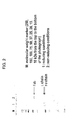
- Fab antibody and complete antibody were detected by the Western blotting method. That is, the culture supernatant obtained in Example 5 and fungus fraction (10 ⁇ l) were each mixed with 2 ⁇ sample buffer (10% SDS, 50% Glycerol, 0.3125M Tris-HCl, pH 6.8, 0.01% BPB) (10 ⁇ l) and subjected to SDS-PAGE using 15% e-PAGEL (manufactured by ATTO) under non-reducing conditions.
- sample buffer 10% SDS, 50% Glycerol, 0.3125M Tris-HCl, pH 6.8, 0.01% BPB
- the membrane after transfer was blocked by immersing in TBST (0.24% Tris, 0.8% NaCl, pH 7.6, 0.1% Tween20) containing 3% BSA for 1 hr.
- the membrane was washed with TBST 15 min ⁇ 1, 5 minx2 and reacted with secondary antibody: Anti-Human IgG (Fab SPECIFIC) PEROXIDASE CONJUGATE Antibody developed in Goat Affinity Isolated Antibody (manufactured by SIGMA) solution 20000-fold diluted with TBST, at room temperature for 1 hr.
- the membrane was washed with TBST (15 min ⁇ 1, 5 minx2), and made to emit light with ECL Western Blotting Detection Reagents (manufactured by GE Bioscience).
- the membrane that emitted light was exposed to light with an imager (ChemiDoc XRS; manufactured by Bio-Rad) for a suitable time.
- Fab antibody was purified from a culture supernatant by the method shown below.
- the culture supernatant obtained in Example 7 was clarified with 0.2 ⁇ m filter (DISMIC; manufactured by TOYO filter paper), and applied to a protein G column (HiTrap ProteinG Fast Flow; manufactured by GE healthcare bioscience) equilibrated in advance with equilibration buffer (20 mM sodium phosphate, pH 7.0), and a purified Fab fraction was obtained from the fraction eluted with elution buffer (0.1M Glycine-HCl, pH 3.0). Furthermore, a concentrated solution was obtained by ultrafiltration using microcon 3 (manufactured by Millipore).
- the Fab antibody obtained in Example 9 was analyzed by SDS-PAGE. That is, a mixture of 10 ⁇ l of the concentrated solution and an equal amount of 2 ⁇ sample buffer was subjected to SDS-PAGE electrophoresis using 15% e-PAGEL (manufactured by ATTO) under non-reducing and reducing conditions (DTT in 2 ⁇ sample buffer). After migration, the gel was washed with water for 15 min, stained with a staining solution (Bio-Safe CBB G-250 stain; manufactured by Bio-Rad) for 30 min, and decolorized with water.
- a staining solution Bio-Safe CBB G-250 stain; manufactured by Bio-Rad
- TNF- ⁇ The binding ability of Fab antibody expressed by secretion by Hansenula to antigen (TNF- ⁇ ) was evaluated by the ELISA method. That is, TNF- ⁇ (manufactured by PEPROTECH) diluted with PBS was added to a plate for ELISA (MaxiSoap; manufactured by NUNC) at 50 ⁇ l/well, and incubated overnight at 4°C. After incubation, the solution in the well was removed, 5-fold diluted Immunoblock (manufactured by Dainippon Sumitomo Pharmaceuticals Co., Ltd.) was added at 250 ⁇ l/well, and the mixture was blocked by being stood at room temperature for 1 hr.
- Example 9 The solution in the well was removed, and the cells were washed 3 times with PBST (PBS+0.1% Tween20). The concentrated solution obtained Example 9 was diluted and added at 50 ⁇ l/well, and the mixture was reacted at room temperature for 2 hr. After washing twice with PBST, a secondary antibody solution (secondary antibody: Anti-Human IgG (Fab SPECIFIC) PEROXIDASE CONJUGATE Antibody developed in Goat Affinity Isolated Antibody; manufactured by SIGMA) was 7500-fold diluted with PBSTIB (PBST+1/50 diluted immunoblock) solution and added by 50 ⁇ l per well, and the mixture was reacted at room temperature for 1 hr.
- PBST Anti-Human IgG
- PEROXIDASE CONJUGATE Antibody developed in Goat Affinity Isolated Antibody
- TMB 1-Component Microwell Peroxidase Substrate, SureBlue (manufactured by KPL) was added, and the mixture was stood at room temperature for 20 min.
- 100 ⁇ l of TMB Stop Solution (manufactured by KPL) was added to discontinue the reaction, and the absorbance at 450 nm was measured by a microplatereader (BenchMark Plus; manufactured by Bio-Rad).
- BenchMark Plus manufactured by Bio-Rad
- a full length antibody was purified by the method shown below.
- the culture supernatant of the full length antibody expressing strain prepared in Example 7 was clarified with 0.2 ⁇ m filter (DISMIC; manufactured by TOYO filter paper), and applied to a protein A column (HiTrap rProtein A Fast Flow; manufactured by GE healthcare bioscience) equilibrated in advance with equilibration buffer (20 mM sodium phosphate, pH 7.0), and eluted with an elution buffer (0.1 M sodium citrate, pH 3.0) to purify a full length antibody.
- equilibration buffer 20 mM sodium phosphate, pH 7.0
- an elution buffer 0.1 M sodium citrate, pH 3.0
- a complete humanized anti-TNF- ⁇ full length antibody was detected by the method shown below. That is, the full length antibody solution obtained in Example 12 and standard IgG (ImmunoPure Human IgG, whole Molecule (manufactured by Thermo scientific)) were detected by the Western blotting method using Anti-Human IgG-Fc HRP conjugate Antibody (manufactured by Bethyl Laboratories, Inc.) and Anti-Human IgG (Fab SPECIFIC) HRP conjugate Antibody (manufactured by SIGMA).
- standard IgG ImmunoPure Human IgG, whole Molecule (manufactured by Thermo scientific)
- Western blotting method using Anti-Human IgG-Fc HRP conjugate Antibody (manufactured by Bethyl Laboratories, Inc.) and Anti-Human IgG (Fab SPECIFIC) HRP conjugate Antibody (manufactured by SIGMA).
- a mixture of 10 ⁇ l of a sample and an equal amount of 2 ⁇ sample buffer (10% SDS, 50% Glycerol, 0.3125M Tris-HCl, pH 6.8, 0.01% BPB) was subjected to SDS-PAGE electrophoresis using 15% e-PAGEL (manufactured by ATTO) under non-reducing and reducing conditions (condition with addition of 50 mM DTT to the aforementioned 2 ⁇ sample buffer).
- the membrane after transfer was blocked by immersing in TBST (0.24% Tris, 0.8% NaCl, pH 7.6, 0.1% Tween20) containing 3% BSA for 1 hr.
- the membrane was washed with TBST 15 min ⁇ 1, 5 min ⁇ 2 and reacted with a secondary antibody 50000-fold diluted with TBST: Anti-Human IgG-Fc HRP conjugate Antibody (manufactured by Bethyl Laboratories, Inc.) solution or a secondary antibody 20000-fold diluted with TBST: Anti-Human IgG (Fab SPECIFIC) HRP conjugate Antibody (manufactured by SIGMA) solution, at room temperature for 1 hr.
- TBST 0.24% Tris, 0.8% NaCl, pH 7.6, 0.1% Tween20
- the membrane was washed with TBST (15 min ⁇ 1, 5 min ⁇ 2), and made to emit light with ECL Western Blotting Detection Reagents (manufactured by GE Bioscience).
- the membrane that emitted light was exposed to light with an imager (ChemiDoc XRS; manufactured by Bio-Rad) for a suitable time. As a result, a band was observed at the same position as standard IgG under non-reducing conditions.
- Southern blotting of genomic DNA was performed using DIG-High Prime DNA Labeling and Detection Starter Kit (manufactured by Roche). For detection of the respective Fab-type antibody expression vectors and L chain expression vectors described in Examples 1 - 4, LEU2 gene was used as a probe. For detection of Fd chain expression vector described in Example 3, URA3 gene was used as a probe.
- the genomic DNA of each antibody expression strain prepared in Example 5 was digested with restriction enzyme (BglII), and applied to agarose gel electrophoresis. The gel was immersed in a hydrolysis solution (0.25M HCl) for 30 min, and washed with water.
- the membrane treatments thereafter were performed under the conditions described in the aforementioned kit.
- the membrane after luminescence of the probe was exposed to light by an imager (ChemiDoc XRS; manufactured by Bio-Rad) for a suitable time.
- the number of introduced copies of each F expression vector was calculated by calculating the relative value of the number and intensity of the bands of the vector-derived LEU2 gene or URA3 gene relative to the band intensity of LEU2 gene or URA3 gene on Hansenula polymorpha chromosome (one copy is present on the chromosome).
- the number of the introduced copies of Fab-type antibody expression vector and L chain expression vector using LEU2 gene and URA3 gene as a selection marker was 1.
- the number of the introduced copies of L chain expression vector and Fd chain expression vector using LEU2 gene and URA3 gene with shortened promoter region as a selection marker was 2 - 3.
- a desired antibody pharmaceutical product can be produced conveniently and at a low cost as compared to the conventional antibody production methods including cultivation of animal cells.
Landscapes
- Life Sciences & Earth Sciences (AREA)
- Health & Medical Sciences (AREA)
- Genetics & Genomics (AREA)
- Chemical & Material Sciences (AREA)
- Organic Chemistry (AREA)
- Engineering & Computer Science (AREA)
- Bioinformatics & Cheminformatics (AREA)
- Mycology (AREA)
- Biotechnology (AREA)
- General Engineering & Computer Science (AREA)
- Molecular Biology (AREA)
- Biophysics (AREA)
- Biomedical Technology (AREA)
- General Health & Medical Sciences (AREA)
- Wood Science & Technology (AREA)
- Zoology (AREA)
- Biochemistry (AREA)
- Physics & Mathematics (AREA)
- Microbiology (AREA)
- Plant Pathology (AREA)
- Immunology (AREA)
- Medicinal Chemistry (AREA)
- Proteomics, Peptides & Aminoacids (AREA)
- Preparation Of Compounds By Using Micro-Organisms (AREA)
- Micro-Organisms Or Cultivation Processes Thereof (AREA)
- Peptides Or Proteins (AREA)
Applications Claiming Priority (2)
| Application Number | Priority Date | Filing Date | Title |
|---|---|---|---|
| JP2009239471 | 2009-10-16 | ||
| PCT/JP2010/068206 WO2011046218A1 (ja) | 2009-10-16 | 2010-10-15 | 抗体を生産するハンゼヌラ・ポリモルファ、それを用いた抗体の生産方法、およびそれにより得られる抗体 |
Publications (2)
| Publication Number | Publication Date |
|---|---|
| EP2489724A1 true EP2489724A1 (de) | 2012-08-22 |
| EP2489724A4 EP2489724A4 (de) | 2013-05-01 |
Family
ID=43876267
Family Applications (1)
| Application Number | Title | Priority Date | Filing Date |
|---|---|---|---|
| EP10823486.5A Withdrawn EP2489724A4 (de) | 2009-10-16 | 2010-10-15 | Zur produktion von antikörpern geeignete hansenula polymorpha, antikörperherstellungsverfahren damit und in diesem verfahren hergestellte antikörper |
Country Status (3)
| Country | Link |
|---|---|
| EP (1) | EP2489724A4 (de) |
| JP (1) | JPWO2011046218A1 (de) |
| WO (1) | WO2011046218A1 (de) |
Cited By (3)
| Publication number | Priority date | Publication date | Assignee | Title |
|---|---|---|---|---|
| EP2669375A4 (de) * | 2011-01-27 | 2015-06-10 | Kaneka Corp | Hefe zur transformation und verfahren zur herstellung von protein |
| EP2990485A4 (de) * | 2013-04-25 | 2017-01-11 | Kaneka Corporation | Fd-kettengen oder l-kettengen zur erhöhung der sekretionsmenge des antikörpers vom fab-typ |
| WO2019055535A1 (en) * | 2017-09-18 | 2019-03-21 | Amyris, Inc. | METHODS OF GENOMIC INTEGRATION FOR HOST CELLS COMPRISING HANSENULA AND ARXULA |
Families Citing this family (2)
| Publication number | Priority date | Publication date | Assignee | Title |
|---|---|---|---|---|
| WO2014208584A1 (ja) * | 2013-06-26 | 2014-12-31 | 株式会社カネカ | 新規ポリペプチド及びその用途 |
| JP6387345B2 (ja) * | 2013-06-26 | 2018-09-05 | 株式会社カネカ | 新規ポリペプチド及びその用途 |
Family Cites Families (6)
| Publication number | Priority date | Publication date | Assignee | Title |
|---|---|---|---|---|
| EP0414374B1 (de) * | 1989-07-25 | 1997-10-08 | Smithkline Biologicals S.A. | Antigene sowie Verfahren zu deren Herstellung |
| ES2162863T3 (es) * | 1993-04-29 | 2002-01-16 | Unilever Nv | Produccion de anticuerpos o fragmentos (funcionalizados) de los mismos derivados de inmunoglobulinas de cadena pesada de camelidae. |
| DK1027439T3 (da) * | 1997-10-27 | 2010-05-10 | Bac Ip Bv | Multivalente antigenbindende proteiner |
| WO2001061351A1 (en) * | 2000-02-17 | 2001-08-23 | Laboratory Of Molecular Biophotonics | Method for quantitatively detecting antigen |
| JP2009082033A (ja) | 2007-09-28 | 2009-04-23 | Kaneka Corp | 完全ヒト型抗体生産法 |
| JP2009239471A (ja) | 2008-03-26 | 2009-10-15 | Panasonic Corp | Mos集積回路、及びそれを備えた電子機器 |
-
2010
- 2010-10-15 JP JP2011536200A patent/JPWO2011046218A1/ja active Pending
- 2010-10-15 EP EP10823486.5A patent/EP2489724A4/de not_active Withdrawn
- 2010-10-15 WO PCT/JP2010/068206 patent/WO2011046218A1/ja not_active Ceased
Cited By (4)
| Publication number | Priority date | Publication date | Assignee | Title |
|---|---|---|---|---|
| EP2669375A4 (de) * | 2011-01-27 | 2015-06-10 | Kaneka Corp | Hefe zur transformation und verfahren zur herstellung von protein |
| EP2990485A4 (de) * | 2013-04-25 | 2017-01-11 | Kaneka Corporation | Fd-kettengen oder l-kettengen zur erhöhung der sekretionsmenge des antikörpers vom fab-typ |
| US10570197B2 (en) | 2013-04-25 | 2020-02-25 | Kaneka Corporation | Fd chain gene or L chain gene capable of increasing secretion amount of fab-type antibody |
| WO2019055535A1 (en) * | 2017-09-18 | 2019-03-21 | Amyris, Inc. | METHODS OF GENOMIC INTEGRATION FOR HOST CELLS COMPRISING HANSENULA AND ARXULA |
Also Published As
| Publication number | Publication date |
|---|---|
| JPWO2011046218A1 (ja) | 2013-03-07 |
| WO2011046218A1 (ja) | 2011-04-21 |
| EP2489724A4 (de) | 2013-05-01 |
Similar Documents
| Publication | Publication Date | Title |
|---|---|---|
| US11976284B2 (en) | Promoter variants for protein production | |
| CN108350447A (zh) | 启动子变体 | |
| EP2684948B1 (de) | Verfahren zur herstellung von antikörper oder antikörperfragmenten unter verwendung von hefe mit einem abgeschalteten vps-gen | |
| EP2489724A1 (de) | Zur produktion von antikörpern geeignete hansenula polymorpha, antikörperherstellungsverfahren damit und in diesem verfahren hergestellte antikörper | |
| WO2012102171A1 (ja) | 形質転換用酵母およびタンパク質の製造方法 | |
| EP2990485B1 (de) | Fd-kettengen oder l-kettengen zur erhöhung der sekretionsmenge des antikörpers vom fab-typ | |
| US7718399B2 (en) | Expression vector for secreting antibody fragment using E. coli signal sequence and method for mass-producing antibody fragment | |
| US11485979B2 (en) | Cell and method for producing target protein using same | |
| JP2016146789A (ja) | 新規オガタエア属酵母及びそれを用いた異種タンパク質の製造方法。 | |
| EP3015548B1 (de) | Neuartiges polypeptid und verwendung davon | |
| WO2017170468A1 (ja) | メタノール資化性酵母由来新規タンパク質及びそれを用いた目的タンパク質の製造方法 | |
| JP6387346B2 (ja) | 新規ポリペプチド及びその用途 | |
| JP7012663B2 (ja) | 新規宿主細胞及びそれを用いた目的タンパク質の製造方法 | |
| JP2018038286A (ja) | 新規宿主細胞及びそれを用いた目的タンパク質の製造方法 | |
| CN120795143A (zh) | 一种抗nmi单克隆抗体及其制备方法与应用 | |
| WO2021187560A1 (ja) | 内在性遺伝子の発現が増強された遺伝子組換え細胞の製造方法 | |
| CN116536359A (zh) | 一种表达载体及其在目的基因克隆或表达中的应用 |
Legal Events
| Date | Code | Title | Description |
|---|---|---|---|
| PUAI | Public reference made under article 153(3) epc to a published international application that has entered the european phase |
Free format text: ORIGINAL CODE: 0009012 |
|
| 17P | Request for examination filed |
Effective date: 20120515 |
|
| AK | Designated contracting states |
Kind code of ref document: A1 Designated state(s): AL AT BE BG CH CY CZ DE DK EE ES FI FR GB GR HR HU IE IS IT LI LT LU LV MC MK MT NL NO PL PT RO RS SE SI SK SM TR |
|
| DAX | Request for extension of the european patent (deleted) | ||
| RAP1 | Party data changed (applicant data changed or rights of an application transferred) |
Owner name: KANEKA CORPORATION |
|
| A4 | Supplementary search report drawn up and despatched |
Effective date: 20130402 |
|
| RIC1 | Information provided on ipc code assigned before grant |
Ipc: C12N 1/19 20060101AFI20130325BHEP Ipc: C07K 16/18 20060101ALI20130325BHEP Ipc: C12N 15/09 20060101ALI20130325BHEP |
|
| 17Q | First examination report despatched |
Effective date: 20151005 |
|
| STAA | Information on the status of an ep patent application or granted ep patent |
Free format text: STATUS: THE APPLICATION IS DEEMED TO BE WITHDRAWN |
|
| 18D | Application deemed to be withdrawn |
Effective date: 20160216 |