EP2495320A1 - Procédé permettant d'induire la différenciation des cellules souches en hépatocytes - Google Patents
Procédé permettant d'induire la différenciation des cellules souches en hépatocytes Download PDFInfo
- Publication number
- EP2495320A1 EP2495320A1 EP10826636A EP10826636A EP2495320A1 EP 2495320 A1 EP2495320 A1 EP 2495320A1 EP 10826636 A EP10826636 A EP 10826636A EP 10826636 A EP10826636 A EP 10826636A EP 2495320 A1 EP2495320 A1 EP 2495320A1
- Authority
- EP
- European Patent Office
- Prior art keywords
- gene
- cells
- differentiation
- hepatocytes
- hex
- Prior art date
- Legal status (The legal status is an assumption and is not a legal conclusion. Google has not performed a legal analysis and makes no representation as to the accuracy of the status listed.)
- Granted
Links
Images







Classifications
-
- C—CHEMISTRY; METALLURGY
- C12—BIOCHEMISTRY; BEER; SPIRITS; WINE; VINEGAR; MICROBIOLOGY; ENZYMOLOGY; MUTATION OR GENETIC ENGINEERING
- C12N—MICROORGANISMS OR ENZYMES; COMPOSITIONS THEREOF; PROPAGATING, PRESERVING, OR MAINTAINING MICROORGANISMS; MUTATION OR GENETIC ENGINEERING; CULTURE MEDIA
- C12N5/00—Undifferentiated human, animal or plant cells, e.g. cell lines; Tissues; Cultivation or maintenance thereof; Culture media therefor
- C12N5/06—Animal cells or tissues; Human cells or tissues
- C12N5/0602—Vertebrate cells
- C12N5/067—Hepatocytes
-
- C—CHEMISTRY; METALLURGY
- C12—BIOCHEMISTRY; BEER; SPIRITS; WINE; VINEGAR; MICROBIOLOGY; ENZYMOLOGY; MUTATION OR GENETIC ENGINEERING
- C12N—MICROORGANISMS OR ENZYMES; COMPOSITIONS THEREOF; PROPAGATING, PRESERVING, OR MAINTAINING MICROORGANISMS; MUTATION OR GENETIC ENGINEERING; CULTURE MEDIA
- C12N2500/00—Specific components of cell culture medium
- C12N2500/05—Inorganic components
- C12N2500/10—Metals; Metal chelators
- C12N2500/20—Transition metals
- C12N2500/24—Iron; Fe chelators; Transferrin
- C12N2500/25—Insulin-transferrin; Insulin-transferrin-selenium
-
- C—CHEMISTRY; METALLURGY
- C12—BIOCHEMISTRY; BEER; SPIRITS; WINE; VINEGAR; MICROBIOLOGY; ENZYMOLOGY; MUTATION OR GENETIC ENGINEERING
- C12N—MICROORGANISMS OR ENZYMES; COMPOSITIONS THEREOF; PROPAGATING, PRESERVING, OR MAINTAINING MICROORGANISMS; MUTATION OR GENETIC ENGINEERING; CULTURE MEDIA
- C12N2500/00—Specific components of cell culture medium
- C12N2500/30—Organic components
- C12N2500/36—Lipids
-
- C—CHEMISTRY; METALLURGY
- C12—BIOCHEMISTRY; BEER; SPIRITS; WINE; VINEGAR; MICROBIOLOGY; ENZYMOLOGY; MUTATION OR GENETIC ENGINEERING
- C12N—MICROORGANISMS OR ENZYMES; COMPOSITIONS THEREOF; PROPAGATING, PRESERVING, OR MAINTAINING MICROORGANISMS; MUTATION OR GENETIC ENGINEERING; CULTURE MEDIA
- C12N2500/00—Specific components of cell culture medium
- C12N2500/30—Organic components
- C12N2500/44—Thiols, e.g. mercaptoethanol
-
- C—CHEMISTRY; METALLURGY
- C12—BIOCHEMISTRY; BEER; SPIRITS; WINE; VINEGAR; MICROBIOLOGY; ENZYMOLOGY; MUTATION OR GENETIC ENGINEERING
- C12N—MICROORGANISMS OR ENZYMES; COMPOSITIONS THEREOF; PROPAGATING, PRESERVING, OR MAINTAINING MICROORGANISMS; MUTATION OR GENETIC ENGINEERING; CULTURE MEDIA
- C12N2500/00—Specific components of cell culture medium
- C12N2500/30—Organic components
- C12N2500/46—Amines, e.g. putrescine
-
- C—CHEMISTRY; METALLURGY
- C12—BIOCHEMISTRY; BEER; SPIRITS; WINE; VINEGAR; MICROBIOLOGY; ENZYMOLOGY; MUTATION OR GENETIC ENGINEERING
- C12N—MICROORGANISMS OR ENZYMES; COMPOSITIONS THEREOF; PROPAGATING, PRESERVING, OR MAINTAINING MICROORGANISMS; MUTATION OR GENETIC ENGINEERING; CULTURE MEDIA
- C12N2501/00—Active agents used in cell culture processes, e.g. differentation
- C12N2501/10—Growth factors
- C12N2501/115—Basic fibroblast growth factor (bFGF, FGF-2)
-
- C—CHEMISTRY; METALLURGY
- C12—BIOCHEMISTRY; BEER; SPIRITS; WINE; VINEGAR; MICROBIOLOGY; ENZYMOLOGY; MUTATION OR GENETIC ENGINEERING
- C12N—MICROORGANISMS OR ENZYMES; COMPOSITIONS THEREOF; PROPAGATING, PRESERVING, OR MAINTAINING MICROORGANISMS; MUTATION OR GENETIC ENGINEERING; CULTURE MEDIA
- C12N2501/00—Active agents used in cell culture processes, e.g. differentation
- C12N2501/10—Growth factors
- C12N2501/119—Other fibroblast growth factors, e.g. FGF-4, FGF-8, FGF-10
-
- C—CHEMISTRY; METALLURGY
- C12—BIOCHEMISTRY; BEER; SPIRITS; WINE; VINEGAR; MICROBIOLOGY; ENZYMOLOGY; MUTATION OR GENETIC ENGINEERING
- C12N—MICROORGANISMS OR ENZYMES; COMPOSITIONS THEREOF; PROPAGATING, PRESERVING, OR MAINTAINING MICROORGANISMS; MUTATION OR GENETIC ENGINEERING; CULTURE MEDIA
- C12N2501/00—Active agents used in cell culture processes, e.g. differentation
- C12N2501/10—Growth factors
- C12N2501/155—Bone morphogenic proteins [BMP]; Osteogenins; Osteogenic factor; Bone inducing factor
-
- C—CHEMISTRY; METALLURGY
- C12—BIOCHEMISTRY; BEER; SPIRITS; WINE; VINEGAR; MICROBIOLOGY; ENZYMOLOGY; MUTATION OR GENETIC ENGINEERING
- C12N—MICROORGANISMS OR ENZYMES; COMPOSITIONS THEREOF; PROPAGATING, PRESERVING, OR MAINTAINING MICROORGANISMS; MUTATION OR GENETIC ENGINEERING; CULTURE MEDIA
- C12N2501/00—Active agents used in cell culture processes, e.g. differentation
- C12N2501/10—Growth factors
- C12N2501/16—Activin; Inhibin; Mullerian inhibiting substance
-
- C—CHEMISTRY; METALLURGY
- C12—BIOCHEMISTRY; BEER; SPIRITS; WINE; VINEGAR; MICROBIOLOGY; ENZYMOLOGY; MUTATION OR GENETIC ENGINEERING
- C12N—MICROORGANISMS OR ENZYMES; COMPOSITIONS THEREOF; PROPAGATING, PRESERVING, OR MAINTAINING MICROORGANISMS; MUTATION OR GENETIC ENGINEERING; CULTURE MEDIA
- C12N2501/00—Active agents used in cell culture processes, e.g. differentation
- C12N2501/60—Transcription factors
-
- C—CHEMISTRY; METALLURGY
- C12—BIOCHEMISTRY; BEER; SPIRITS; WINE; VINEGAR; MICROBIOLOGY; ENZYMOLOGY; MUTATION OR GENETIC ENGINEERING
- C12N—MICROORGANISMS OR ENZYMES; COMPOSITIONS THEREOF; PROPAGATING, PRESERVING, OR MAINTAINING MICROORGANISMS; MUTATION OR GENETIC ENGINEERING; CULTURE MEDIA
- C12N2501/00—Active agents used in cell culture processes, e.g. differentation
- C12N2501/90—Polysaccharides
- C12N2501/91—Heparin
-
- C—CHEMISTRY; METALLURGY
- C12—BIOCHEMISTRY; BEER; SPIRITS; WINE; VINEGAR; MICROBIOLOGY; ENZYMOLOGY; MUTATION OR GENETIC ENGINEERING
- C12N—MICROORGANISMS OR ENZYMES; COMPOSITIONS THEREOF; PROPAGATING, PRESERVING, OR MAINTAINING MICROORGANISMS; MUTATION OR GENETIC ENGINEERING; CULTURE MEDIA
- C12N2506/00—Differentiation of animal cells from one lineage to another; Differentiation of pluripotent cells
- C12N2506/02—Differentiation of animal cells from one lineage to another; Differentiation of pluripotent cells from embryonic cells
-
- C—CHEMISTRY; METALLURGY
- C12—BIOCHEMISTRY; BEER; SPIRITS; WINE; VINEGAR; MICROBIOLOGY; ENZYMOLOGY; MUTATION OR GENETIC ENGINEERING
- C12N—MICROORGANISMS OR ENZYMES; COMPOSITIONS THEREOF; PROPAGATING, PRESERVING, OR MAINTAINING MICROORGANISMS; MUTATION OR GENETIC ENGINEERING; CULTURE MEDIA
- C12N2506/00—Differentiation of animal cells from one lineage to another; Differentiation of pluripotent cells
- C12N2506/45—Differentiation of animal cells from one lineage to another; Differentiation of pluripotent cells from artificially induced pluripotent stem cells
-
- C—CHEMISTRY; METALLURGY
- C12—BIOCHEMISTRY; BEER; SPIRITS; WINE; VINEGAR; MICROBIOLOGY; ENZYMOLOGY; MUTATION OR GENETIC ENGINEERING
- C12N—MICROORGANISMS OR ENZYMES; COMPOSITIONS THEREOF; PROPAGATING, PRESERVING, OR MAINTAINING MICROORGANISMS; MUTATION OR GENETIC ENGINEERING; CULTURE MEDIA
- C12N2510/00—Genetically modified cells
Definitions
- the present invention relates to a method of differentiation from pluripotent stem cells such as embryonic stem cells (hereinafter, also referred to as "ES cells”) or induced pluripotent stem cells (hereinafter, also referred to as "iPS cells”) to hepatocytes.
- pluripotent stem cells such as embryonic stem cells (hereinafter, also referred to as "ES cells”) or induced pluripotent stem cells (hereinafter, also referred to as "iPS cells”
- ES cells embryonic stem cells
- iPS cells induced pluripotent stem cells
- Pluripotent stem cells are undifferentiated cells that have pluripotency and self-replication competence and are suggested to have potency to repair damaged tissues. For that reason, pluripotent stem cells have been studied intensively, as they are considered useful in the field of screening for therapeutic drugs for various diseases and also in the field of regeneration medicine.
- pluripotent stem cells iPS cells (induced pluripotent stem cells) are stem cells prepared by dedifferentiation of somatic cells, such as fibroblasts, by introduction of a particular transcription factor, such as OCT3/4, SOX2, KLF4 or C-MYC, into the cells. Theoretically, totipotent cells can induce differentiation into all tissues and organs including liver.
- Nonpatent Literatures 1 to 4 Formation of spheroids (embryoid bodies), addition of a humoral factor to the medium, and addition for example of a suitable extracellular matrix, feeder cells and matrigel, as properly selected, were mainly studied as the methods for induction of differentiation from pluripotent stem cells to hepatocytes. However, it was reported that these methods demand longer culture period and are extremely lower in differentiation-inducing efficiency and that the hepatocytes thus obtained are also lower in drug-metabolizing enzyme activity (Nonpatent Literatures 1 to 4).
- introduction of a gene playing an important role in differentiation may be introduced, for example, into pluripotent stem cells but, because there is no established method of introducing such a gene efficiently, there is almost no report on induction of differentiation into hepatocytes by gene introduction.
- the stem cells For differentiation from stem cells to mature hepatocytes, the stem cells should differentiate via endodermal cells and hepatic stem cells into juvenile hepatocytes.
- a humoral factor such as activin A, basic fibroblast growth factor (bFGF), BMP4 (bone morphogenetic protein 4), FGF4, retinoic acid or DMSO, is used in the culture system.
- Nonpatent Literature 5 transcription factors such as HEX, HNF4A, HNF6 and FOXA2 are reported to be required embryologically as the factors for inducing differentiation to hepatocytes.
- HEX gene is found to be generated, for example, in thyroid gland, lung, liver, blood cells and vascular endothelial cells.
- HEX gene-deficient mice are found to have no hepatocyte and die approximately on the 10.5th day of viviparity (E10.5).
- the HEX gene is considered to regulate expression, for example, of GATA4, HNF4A and FGF receptor genes.
- Nonpatent Literature 6 a transcription factor that can induce differentiation of pluripotent stem cells such as ES cells only to hepatocytes, and the action of the factor is yet to be elucidated sufficiently.
- Ad adenovirus
- CAR coxsackievirus-adenovirus receptor
- Nonpatent Literature 7 There is a report on gene delivery to mesenchymal stem cells by using such an improved Ad vector. It is disclosed here that genes are introduced for example into mesenchymal stem cells by using various improved Ad vectors. However, mesenchymal stem cells and ES cells are completely different from each other. In addition, the Nonpatent Literature only discloses that the Ad vector has a role of delivering a gene into cells (Drug Delivery System). It was reported that Ad vectors can be used as a tool for differentiation of mouse ES and iPS cells (Nonpatent Literatures 8 and 9). However, these Nonpatent Literatures do not disclose a method of inducing differentiation from stem cells to hepatocytes.
- the inventors After intensive studies to achieve the objects above, the inventors have found that it is possible to introduce a particular gene into pluripotent stem cells such as ES or iPS cells by using an Ad vector and to induce differentiation to hepatocytes effectively by introducing a particular gene using the vector, and made the present invention.
- the present invention includes the following aspects:
- the Ad vector according to the present invention it was found that it is possible, by using the Ad vector according to the present invention, to introduce a gene involved in induction of differentiation of pluripotent stem cells such as ES or iPS cells effectively and to induce differentiation to hepatocytes. Specifically, it is possible to induce differentiation from stem cells such as ES or iPS cells to hepatocytes effectively by introducing one or more genes selected from HEX, HNF4A, HNF6 and SOX17 genes into the stem cells. In particular, it was confirmed that it is possible to induce differentiation from stem cells to hepatocytes effectively by introducing HEX gene into stem cells. It was further confirmed that it is possible to induce differentiation from stem cells to hepatocytes more effectively by introducing additionally other genes such as SOX17 gene and/or HNF4A gene, as needed, according to the progress of cell differentiation.
- the present invention relates to a method of introducing a gene into stem cells by using an Ad vector and thus inducing differentiation from stem cells to hepatocytes.
- the stem cell is a pluripotent stem cell such as ES cell or iPS cell, particularly favorably a human ES cell or a human iPS cell, but cells that can differentiate into the directed hepatocyte by introduction of a gene into human ES or iPS cells, such as mesendodermal, endodermal and hepatic stem cells, are also included.
- hepatocytes according to the present invention examples include mature hepatocytes and also cells can differentiate into directed hepatocytes by introduction of a gene into stem cells, such as hepatic stem cells and juvenile hepatocytes.
- the ES cell is a pluripotent stem cell obtained by in vitro culture of a cell mass, called inner cell mass, that is present in the embryo at the blastocyst stage and isolation from the culture as undifferentiated stem cell population.
- the ES cell was established as a cell line pluripotent in mouse by M. J. Evans & M. H. Kaufman (Nature, 292, 154, 1981 ) and then by G. R. Martin (Natl. Acad. Sci. USA, 78, 7634, 1981 ).
- G. R. Martin Neatl. Acad. Sci. USA, 78, 7634, 1981
- An ES cell is generally established by culture of an early embryonic cell, but it is possible to prepare an ES cell from an early embryo containing the nucleus of somatic cell transplanted.
- a cell structure like the embryo at the blastocyst stage may be produced by transplanting the cell nucleus of a desired animal into cytoplasts or ooplastoids prepared by dividing egg cells or denucleated egg cells of a foreign animal into multiple pieces and an ES cell may be produced based on the cell.
- the ES cell used in the present invention may be an ES cell prepared by such a known method or an ES cell that is prepared by a new method that will be developed in the future.
- the iPS cell is an induced pluripotent stem cell that is pluripotent and proliferating similarly to ES cells that was prepared without use of eggs, embryos or ES cells by reprogramming differentiated cell by introduction of several kinds of genes into a somatic cell and was established from a mouse fibroblast in 2006 for the first time in the world. It was also reported that human iPS cells were successfully established with four human genes OCT3/4, SOX2, KLF4 and C-MYC homologous to the four genes used in establishing mouse iPS cells ( Cell 131: 861-872, 2007 ) introduced in a human fibroblast.
- the iPS cell for use in the present invention may be an iPS cell prepared by such a known method or an iPS cell that is prepared by a new method developed in the future.
- the method of culturing the stem cells such as ES or iPS cells is not particularly limited and may be any known method.
- a known medium or a new medium to be developed in the future may be used as the medium for keeping the ES cells in the undifferentiated and pluripotent state and also as the medium suitable for induction of differentiation.
- Typical examples thereof include commercially available basal media for mammal cells, such as DMEM and/or DMEM/F12, containing serum or knock-out serum replacement (KSR) and bFGF and others added thereto, commercially available media for primate ES cells, a basal medium hESF-GRO for proliferation of primate ES cells, a basal medium hESF-DIF for induction of differentiation of primate ES cells, and a medium CSTI-7 for proliferation of primate ES cells.
- basal media for mammal cells such as DMEM and/or DMEM/F12, containing serum or knock-out serum replacement (KSR) and bFGF and others added thereto
- KSR knock-out serum replacement
- bFGF bFGF
- the medium may contain known additives suitable for use in culture of pluripotent stem cells such as ES or iPS cells, for example one or more additives selected from N2 supplement, B27 supplement, insulin, bFGF, activin A, heparin, various inhibitors such as ROCK inhibitor and GSK-3 inhibitor and others, at suitable concentrations.
- the media and the additives can be used, as they are selected properly for example according to the cells used and the differentiation stage. For example, they may be selected by the method described in Tiss, Cult. Res. Commun., 27: 139-147 (2008 ).
- the Ad vector used in the present invention is not particularly limited and an Ad vector prepared by a known method may be used.
- it may be an improved Ad vector improved for introduction thereof into cells expressing no or very limited CAR or an Ad vector for introduction thereof into cells expressing CAR.
- Ad vectors containing a DNA coding an cell adhesion peptide (RGD sequence), a representative of adhesion peptides, a DNA coding a peptide compatible with heparan sulfate (K7 (KKKKKKK) sequence), a DNA coding a peptide compatible with laminin receptor, or a DNA coding a peptide compatible with E-selectin and also the Ad vectors for example shown in Patent Documents 1 to 3.
- a desired gene shown below can be introduced into the Ad vector by any known method or any method to be developed in the future.
- Such a gene can be introduced into the Ad vector according to the present invention by cleaving the vector with one or more restriction enzymes at the respective recognition sequences, introducing the gene there with or without a shuttle vector and ligating the product in vitro.
- the gene to be introduced by using the Ad vector may be any gene that can induce differentiation of pluripotent stem cells such as ES or iPS cells to hepatocytes effectively.
- a gene selected from HEX, HNF4A, HNF6 and SOX17 genes into stem cells, and in particular, introduction of HEX gene is favorable (see FIGS. 1 , 8 , 11 , 14 , 16 and 20 ).
- Introduction of the HEX gene results in induction of differentiation from stem cells to hepatocytes.
- the gene that can effectively induce differentiation from stem cells to hepatocytes is a gene selected from HEX, HNF4A and HNF6 genes, more preferably HEX gene. It is possible to direct differentiation to hepatocytes more effectively by introducing the SOX17 gene into the stem cells before introduction of the gene. Further, it is possible to induce differentiation to hepatocytes more effectively, by introducing a gene selected from HNF4A, HNF6 and FOXA2 genes, particularly favorably HNF4A gene into the cultured cells after step 3).
- hepatocytes from iPS cells efficiently, by introducing, in addition to SOX17, HEX and HNF4A, one or more genes that are involved in differentiation and proliferation of hepatocytes, such as GATA4, GATA6, HNF1A, HNF1B, FOXA1/HNF3A, FOXA2/HNF3B, FOXA3/HNF3G, CEBPA, CEBPB, TBX3 and PROX1.
- the step of introducing each gene can be selected properly according to the differentiation stage of the cells.
- Sall4 and HNF6 genes are introduced into the stem cells, by the Ad vectors containing desired genes into contact with the stem cells according to the differentiation stage of the cells.
- the HEX gene used may be, for example, the gene of GenBank Accession No. BC014336; the HNF4A gene used, the gene of GenBank Accession No. NM000457; the HNF6 gene used, the gene of GenBank Accession No. NM004498; the FOXA2 gene used, the gene of GenBank Accession No. BC011780; and the SOX17 gene used, the gene of GenBank Accession No. NM_022454.
- Ad vector according to the present invention can be prepared by a method comprising the following steps A) and B):
- the Ad vector according to the present invention may be prepared by constructing a shuttle vector containing the expression construct of step A) and ligating the gene expression shuttle vector into the Ad genome between the steps A) and B) above.
- humoral factors such as activin A, bFGF, BMP4 and FGF-4 are used in the differentiation steps from undifferentiated cells to mature hepatocytes.
- the humoral factors may be brought into contact with the cells in combination also in the step of induction of differentiation from stem cells such as ES or iPS cells to hepatocytes according to the present invention.
- the step of bringing the humoral factors into contact with the cells is not particularly limited and may be carried out before or after introduction of the various selected genes above. If multiple genes are to be introduced, the humoral factors may be brought into contact with the cells between the introduction steps of respective genes.
- Adhesion between cells or between cells and other cells or substrate is needed for growth and division of normal cells, and proteins (extracellular matrix) present between cells or between the cells and the substrate are also needed.
- the extracellular matrices described above may be added in the steps above.
- the extracellular matrices include matrigel, fibronectin, vitronectin, laminin, nidogen, tenascin, thrombospondin, type-I collagen, type-IV collagen, gelatin, and synthetic substrates equivalent thereto, and in the present invention, matrigel or laminin can be used particularly favorably. Specifically, they can be used, as they are coated on or added to a container for culture.
- the present invention also relates to a stem cell such as ES or iPS cell containing an Ad vector having the gene introduced therein. It also relates to a hepatocytes generated from the stem cell containing the Ad vector having the gene introduced therein.
- hepatocytes prepared by the method of inducing differentiation according to the present invention it is possible by using hepatocytes prepared by the method of inducing differentiation according to the present invention to examine pharmaceutical toxicity and pharmacokinetics. Specifically, it is possible to predict the toxicity of a candidate drug compound in the body by adding the candidate drug compound to the hepatocytes prepared according to the present invention and analyzing expression and fluctuation of hepatotoxicity markers. It is also possible to predict the pharmacokinetics (metabolite) of a candidate drug compound in the body by adding the candidate drug compound to the hepatocytes prepared according to the present invention and analyzing the metabolites of the compound. It is possible in this way to screen candidate drug compounds to be eliminated because of problems in toxicity and pharmacokinetics rapidly and thus to accelerate drug development.
- the present invention also relates to a method of using the hepatocytes prepared by the method of inducing differentiation according to the present invention for evaluation of pharmaceutical toxicity and pharmacokinetics.
- AdHM41-K7 An Ad vector having a gene introduced into the E1-deficient region of a E1-deficient type-5 Ad genome (pAdHM41-K7) and an EF-1 ⁇ promoter in the region upstream thereof was prepared.
- the gene introduced was the HEX gene having the sequence of GenBank Accession No. BG014336.
- Human iPS cells (Tic (JCRB1331), Dotcom (JCRB1327), and Squeaky (JCRB1329)) were used in this Example.
- Cultured human iPS cells were obtained by using mouse fetal fibroblasts (MEF) as feeder cells and the medium 1 shown in Reference Example according to the method described in Tiss. Cult. Res. Commun., 27:139-147 (2008 ). The culture medium was replaced with the medium 3 shown in Reference Example, two days before induction of differentiation of the human iPS cells.
- MEF mouse fetal fibroblasts
- the culture solution was then treated with a cell dissociation solution Accutase® (Invitrogen) at 37°C for 3 minutes and the supernatant containing floating feeder cells was removed.
- Human iPS cells were then collected by using the medium 3 and the cell suspension was centrifuged at 1,300 rpm for 3 minutes. The cells were resuspended in the medium 4 shown in Reference Example and centrifuged at 1,300 rpm for 3 minutes additionally twice.
- the human iPS cells obtained by centrifugation were resuspended in the medium 4 containing 50 ng/ml of activin A (R&D Systems) and 10 ng/ml of bFGF (R&D Systems); the human iPS cells were inoculated in each well of a laminin (sigma)-coated cell culture plate (12 wells) in an amount of 2.5 ⁇ 10 5 cell/well; the medium was replaced every day with the medium 4 containing 50 ng/ml of activin A (R&D Systems) and 10 ng/ml of bFGF (R&D Systems) cultured at 37°C. The day when the human iPS cells were inoculated is the 0th day of differentiation induction.
- the human iPS cells were separated from the cell culture plate with 0.0125% trypsin-0.01325 mM EDTA; and after trypsin was neutralized with 0.1 mg/ml trypsin inhibitor, the cells were centrifuged from the medium 5 shown in Reference Example twice at 1,300 rpm for 3 minutes.
- the human iPS cells obtained after centrifugation was resuspended in the medium 5 containing 50 ng/ml of activin A (R&D Systems) and 10 ng/ml of bFGF (R&D Systems), inoculated in each well of a laminin (sigma)-coated cell culture plate (12 wells) in an amount of 5.0 ⁇ 10 5 cell/well and cultured at 37°C.
- the cells were infected with the AdK7 (Ad vector containing K7 peptide in the fiber knob region) vector containing the HEX gene introduced in step 1) at a concentration of 3,000 VP (vector particle)/cell for 1.5 hours, and the medium was replaced with the medium 5 containing 10 ng/ml of BMP4 (R&D Systems) and 10 ng/ml of FGF-4 (R&D Systems) added thereto. The medium was then replaced every day with the medium 5 containing 10 ng/ml of MBP4 (R&D Systems) and 10 ng/ml of FGF-4 (R&D Systems) added thereto.
- AdK7 Ad vector containing K7 peptide in the fiber knob region vector containing the HEX gene introduced in step 1
- the medium was replaced with the medium 5 containing 10 ng/ml of BMP4 (R&D Systems) and 10 ng/ml of FGF-4 (R&D Systems) added thereto.
- AFP Alexa®594-labeled anti- ⁇ -fetoprotein
- Dako Alexa®488-labeled anti-CK7 antibody
- CK7 a marker for biliary epithelial cells.
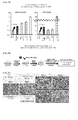
- FIG. 2 it was found that both markers reacted significantly in the systems containing the HEX gene introduced with the Ad vector than in the systems without the gene introduced. The results show that introduction of HEX gene using the Ad vector leads to enhanced induction of differentiation from human iPS cells to hepatocytes.
- the expression amounts of possible hepatic stem cell markers AFP and albumin were determined on the 0th day of culture (undifferentiated cell), 5th day (endodermal cell) and 12th day by a real-time PCR method of using TaqMan® Gene Expression Assays (Applied Biosystems, catalog number: Hs0 1040607_1 for AFP and Hs00910225_m for albumin). The expression amounts were calculated, based on the standard (100) of the expression amount of each gene in Human Fetal Liver Total RNA (Clontech, catalog number: 636540).
- HEX gene was introduced by using an Ad vector into the human ES cells (KhES-1) established by the Inst. for Frontier Medical Science, Kyoto Univ., replacing the human iPS cells above, and induction of differentiation from human ES cells to hepatocytes was studied.
- KhES-1 human ES cells
- an Ad vector for introduction of HEX gene was constructed
- 3) the HEX gene was introduced into human ES cells, and the test was performed in a manner similar to Example 1, except that the cultured human ES cells were prepared by using mouse fetal fibroblasts (MEF) as the feeder cells and the medium 2 shown in Reference Example according to the method described in Tiss. Cult, Res. Commun., 27: 139-147 (2008 ).
- MEF mouse fetal fibroblasts
- AFP and albumin, indicators of differentiation were determined by a real-time PCR method on the 0th day of culture (undifferentiated cell), 5th day (endodermal cell) and 12th day by the method similar to that in Example 1-2
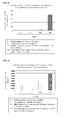
- FIG. 1 The experimental scheme in this Example is shown in FIG. 1 .
- 1) Construction of an Ad vector for introduction of HEX gene, 2) culture of human iPS cells and 3) introduction of HEX gene into human iPS cells were carried out in a manner similar to Example 1.
- Human iPS cells (Squeaky (JCRB1329)) were used.
- AFP is a marker for hepatic stem cells
- CK7 a marker for biliary epithelial cells. As shown in FIG. 7 , it was found that both markers reacted significantly in the systems containing the HEX gene introduced with the Ad vector than in the systems without the gene introduced. The results show that introduction of HEX gene using the Ad vector leads to enhanced induction of differentiation from human iPS cells to hepatocytes.
- the expression amounts of possible hepatic stem cell markers AFP and albumin were determined on the 0th day of culture (undifferentiated cell), 5th day (endodermal cell) and 12th day by a real-time PCR method of using TaqMan® Gene Expression Assays (Applied Biosystems, catalog number: Hs0 1040607_1 for AFP and Hs00910225_m for albumin). The expression amounts were calculated, based on the standard (100) of the expression amount of each gene in Human Fetal Liver Total RNA (Clontech, catalog number: 636540).
- AFP is the marker for hepatic stem cells, albumin, the marker for hepatocytes, and CK7, the marker for biliary epithelial cells. As shown in FIG.
- Example 11 induction of differentiation from gene-containing human iPS and ES cells, which are prepared by introducing the HEX gene into human iPS and ES cells using an Ad vector, to hepatocytes will be described.
- the experimental scheme in this Example is shown in FIG. 11 .
- 1) Construction of an Ad vector for introduction of HEX gene, 2) culture of human iPS cells and 3) introduction of HEX gene into human iPS cells were carried out in a manner similar to Example 1.
- the human iPS cells used were Tic (JCRB1331) and Dotcom (JCRB1327) and the ES cells used were khES1 ES cells.
- the expression amounts of the genes of possible endodermal cell markers FOXA2 and SOX17 and possible hepatic stem cell markers AFP and albumin in the cells on the 0th day of culture (undifferentiated cells), 6th day (endodermal cells) and 12th day were determined. Expression of respective genes was determined by a real-time PCR method of using TaqMan® Gene Expression Assays (Applied Biosystems, catalog number: Hs00232764_ml for FOXA2, Hs00751752_s1 for SOX17, Hs01040607_ml for AFP and Hs00910225_m for albumin). The expression amounts were calculated, based on the standard (1) of the cells of human iPS cell Tic on the 0th day of culture (undifferentiated cells).
- the expression amounts of the endodermal cell markers FOXA2 and SOX17 were the largest in the cell line Dotcom on the 6th day (endodermal cells).
- the possible hepatic stem cell marker AFP and the possible hepatocyte marker albumin showed the largest increase in expression amount in the cell line Dotcom when the HEX gene was introduced into the cells with an Ad vector. The results show that introduction of a HEX gene by using the Ad vector leads to enhanced induction of differentiation from the cells expressing an endodermal marker significantly to hepatocytes.
- human iPS cells Tic (JCRB133D) were used.
- the cells were cultured similarly to (Example 1) until the 9th day after differentiation induction.
- the cells were then harvested with 0.0125% trypsin-0.01325 mM EDTA on the 9th day of culture and resuspended in HCMTM Hepatocyte Culture Medium (Lonza) containing SingleQuots® (Lonza), 10 ng/ml of fibroblast growth factor 4 (FGF4), 10 ng/ml of hepatocyte growth factor (HGF) (R&D Systems), 10 ng/ml of oncostatin M (R&D Systems) and 10 -7 M dexamethasone (Sigma) added thereto, as described in Stem Cells, 26: 1117-27 (2008 ), and the suspension was inoculated on a type-I collagen (Nitta Gelatin)-coated cell culture plate (12 wells). The medium was exchanged once a day.
- FGF4 fibroblast
- Example 16 induction of differentiation from human iPS cells containing a HEX gene introduced by using an Ad vector to hepatocytes will be described.
- the experimental scheme in this Example is shown in FIG. 16 .
- 1) Construction of an Ad vector for introduction of HEX gene and 3) introduction of HEX gene into human iPS cells were carried out in a manner similar to Example 1, while 2) culture of human iPS cells was carried out in a manner similar to Example 6.
- Human iPS cells Tic (JCRB1331)
- the expression amount of the drug-metabolizing enzyme cytochrome P450 3A4 (CYP3A4) in the cells on the 18th day of culture was determined by a real-time PCR method by using TaqMan® Gene Expression Assays (Applied Biosystems, catalog number: Hs00430021_ml for CYP3A4). The expression amount was calculated, based on the standard (100) of the expression amounts of respective genes in Human Adult Liver Total RNA (Clontech, catalog number: 636531) ( FIG. 17 ).
- CYP3A4 25 ⁇ M rifampicin (Sigma) or DMSO was added to human iPS cell-derived hepatocytes or human hepatoma cell line HepG2 on the 18th day after differentiation induction and the activity of CYP3A4 was determined by using P450-Glo TM CYP3A4 Assay Kit (Promega) after 72 hours. The activity was determined quantitatively by using a luminometer (Lumat LB 9507, Berthold).
- Example 16 induction of differentiation from human iPS cells containing a HEX gene introduced by using an Ad vector to hepatocytes will be described.
- the experimental scheme in this Example is shown in FIG. 16 .
- 1) Construction of an Ad vector for introduction of HEX gene and 3) introduction of HEX gene into human iPS cells were carried out in a manner similar to Example 1, while 2) culture of human iPS cells was carried out in a manner similar to Example 6.
- human iPS cells Tic (JCRB1331) and Dotcom (JCRB 1327) were used.
- CYP3A4 The activity of CYP3A4 was determined in a manner similar to Example 7-2. As a result, it was possible, by introducing the HEX gene with an Ad vector, to induce differentiation from a cell line Dotcom higher in the potential of differentiating into endodermal cells to hepatocytes that express albumin and GYP3A4 in greater amounts ( FIG. 19 ).
- the shape of the cells on the 0th day of culture (undifferentiated cell), 6th day (endodermal cell), 9th day (hepatic stem cell) and 21st day was observed.
- the appearance of the cells changed from the shape of dense cells (0th day of culture) to the shape characteristic for the differentiated cells, in which the cellular density is low (6th day of culture).
- the cells in the system containing HEX gene introduced with an Ad vector changed into epithelial cell-like shape characteristic to hepatocytes over the period of 9th to 21 st day of culture.
- the results of morphological observation also suggested that the differentiated cells induced by introduction of the HEX gene were hepatocytes ( FIG. 21 ).
- an Ad vector having a gene introduced in the E1-deficient region of E1-deficient type-5 Ad genome (pAdHM41-K7) and an EF-1 ⁇ promoter in the region upstream thereof was prepared.
- the introduced gene was the SOX17 gene having the sequence of GenBank Accession No. NM_022454.
- the Ad vector for introduction of HEX gene was prepared in a manner similar to Example 1.
- Human iPS cells (201B7(JCRB)) were used in this Example. The cells were cultured similarly to the method of Example 1 until the 3rd day after differentiation induction.
- the cells were infected with the AdK7 vector containing SOX17 gene inserted in step 1) at 3,000 VP/cell for 1.5 hours, and the medium was replaced with the medium 4 containing 50 ng/ml of activin A (R&D Systems) and 10 ng/ml of bFGF (R&D Systems) added thereto. The medium was then replaced with the medium 4 containing 50 ng/ml of Activin A (R&D Systems) and 10 ng/ml ofbFGF (R&D Systems) every day.
- the human iPS cells were separated with 0.0125% trypsin-0.01325 mM EDTA from the cell culture plate; trypsin was neutralized with 0.1mg/ml trypsin inhibitor; and the suspension was centrifuged from the medium 5 shown in Reference Example at 1,300 rpm for 3 minutes.
- the human iPS cells obtained after centrifugation was resuspended into the medium 5 containing 50 ng/ml of activin A (R&D Systems) and 10 ng/ml of bFGF (R&D Systems), inoculated in each well of a laminin (sigma)-coated cell culture plate (12 wells) at 5.0 ⁇ 10 5 cell/well and cultured at 37°C.
- the cells were infected with the AdK7 vector containing the HEX gene inserted thereto at 3, 000 VP/cell for 1.5 hours, and the medium was replaced with the medium 5 containing 10 ng/ml of BMP4 (R&D Systems) and 10 ng/ml of FGF4 (R&D Systems).
- the medium was then exchanged with the medium 5 containing 10 ng/ml of BMP4 (R&D Systems) and 10 ng/ml of FGF4 (R&D Systems) once a day.
- AFP Alexa®594-labeled anti- ⁇ -fetoprotein
- ALB Alexa®594-labeled anti-albumin
- SIGMA Alexa®488-labeled anti-CK7 antibody
- AFP is a marker for hepatic stem cells, albumin, a marker for hepatocytes, and CK7, a marker for biliary epithelial cells.
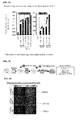
- the hepatic stem cell marker reacted significantly more in the cells overexpressing SOX17 and HEX genes, as introduced with the Ad vector, than in the cells overexpressing only the HEX gene introduced, but the biliary epithelial cell marker was not expressed in neither of the cells.
- the hepatocyte marker was found to react significantly more in the cells overexpressing SOX17 gene and HEX gene, as introduced with the Ad vector, than in the cells overexpressing only the HEX gene introduced.
- the expression amounts of the possible hepatic stem cell markers AFP and albumin in the cells on the 9the and 12th days of culture were determined by a real-time PCR method by using TaqMan® Gene Expression Assays (Applied Biosystems, catalog number: Hs01040607_m1 for AFP and Hs00910225_m for albumin). The expression amounts were calculated, based on the standard (100) of the expression amount of each gene in Human Fetal Liver Total RNA (Clontech, catalog number: 636540). The results show that introduction of SOX17 and HEX genes with the Ad vector leads to increased induction of differentiation from human iPS cells to hepatocytes, compared to the case when only the HEX gene was used ( FIG. 24 ).
- AdHM41-K7 An Ad vector having the gene introduced in the E1-deficient region of E1-deficient type-5 Ad genome (pAdHM41-K7) and an EF-1 ⁇ promoter in the region upstream thereof was prepared.
- the introduced gene was the HNF4A gene having the sequence of GenBank Accession No. NM_000457.
- the Ad vector for introduction of HEX gene was prepared in a manner similar to Example 1.
- Human iPS cells Tic (JCRB1331), Dotcom (JCRB1327), and 201B7) were used in this Example. The cells were cultured in a manner similar to Example 1 until the 9th day from induction of differentiation.
- the cells were infected with the AdK7 vector containing the HNF4A gene inserted in step 1) at 3,000 VP/cell for 1.5 hours, and the medium was replaced with the HCM TM medium (Lonza) containing 10 ng/ml of hepatocyte growth factor (HGF) (R&D Systems), 10 ng/ml of oncostatin M (R&D Systems), and 10 -7 M dexamethasone (Sigma).
- HGF hepatocyte growth factor
- R&D Systems 10 ng/ml of oncostatin M
- 10 -7 M dexamethasone Sigma
- the medium was then exchanged with the HCM TM medium (Lonza) containing 10 ng/ml of HGF (R&D Systems), 10 ng/ml of oncostatin M (R&D Systems) and 10 -7 M dexamethasone (Sigma) once every two days.
- HCM TM medium Longza
- CYP2D6 Alexa®594-labeled anti-drug-metabolizing enzyme P450 2D6
- Alexa®594-labeled anti-drug-metabolizing enzyme P450 7A1 CYP7A1 antibody (manufactured by Santa Cruz).
- CYP2D6, CYP3A4 and CYP7A1 are all hepatocyte markers. As shown in FIG. 26 , on 18th day of culture, all hepatocyte markers were found to react significantly more in the cells overexpressing HEX gene and HNF4A gene, as introduced with the Ad vector, than in the cells overexpressing only the HEX gene introduced,
- the expression amounts of the possible hepatocyte markers CYP2D6, CYP3A4 and CYP7A1 in the cells on the 18th day of culture were determined by a real-time PCR method by using TaqMan® Gene Expression Assays (Applied Biosystems, catalog number: Hs02576168_g1 for CYP2D6, Hs00430021_m1 for GYP3A4 and Hs00167982_ml for CYP7A1). The expression amounts were calculated, based on the standard (100) of the expression amount of each gene in Human Adult Liver Total RNA (Clontech, catalog number: 636531).
- rifampicin (Sigma) or DMSO was added to hepatocyte or human hepatoma cell line HepG2 derived from the human iPS cells on the 18th day from induction of differentiation and the activity of CYP3A4 was determined by using P450-Glo TM CYP3A4 Assay Kit (Promega) after 72 hours. The activity was determined quantitatively by using a luminometer (Lumat LB 9507, Berthold). The results showed that introduction of HEX and HNF4A genes with the Ad vector leads to increase of the activity of CYP3A4 and also increase in drug response to rifampicin, compared to the case where only the HEX gene was used. It was thus possible to obtain hepatocytes higher in the activity of drug-metabolizing enzyme than normal cells, by introduction of the HEX and HNF4A genes with the Ad vector by the method above ( FIG. 28 ).
- Example 12 Method of differentiation from human iPS cells to hepatocytes by introducing SOX17, HEX and HNF4A genes in combination
- Human iPS cells (Tic (JCRB1331)) were used in this Example. The cells were cultured in a manner similar to Example 1 until the 3rd day after induction of differentiation.
- the cells were infected with the AdK7 vector containing the SOX17 gene inserted thereto at 3,000 VP/cell for 1.5 hours, and the medium was replaced with the medium 4 containing 50 ng/ml of activin A (R&O Systems) and 10 ng/ml of bFGF (R&D Systems). The medium was then replaced with the medium 4 containing 50 ng/ml of activin A (R&D Systems) and 10 ng/ml of bFGF (R&D Systems) once a day.
- the cells without SOX17 gene introduced were uses as a control group.
- the cells were separated from the cell culture plate with 0.0125% trypsin-0.01325 mM EDTA; trypsin was neutralized with 0.1 mg/ml trypsin inhibitor; and the cells were centrifuged at 1,300 rpm for 3 minutes twice by using the medium 5 shown in Reference Example.
- the human iPS cells obtained after centrifugation were resuspended in the medium 5 containing 50 ng/ml of activin A (R&D Systems) and 10 ng/ml of bFGF (R&D Systems) added thereto, inoculated in each well on a laminin (sigma)-coated cell culture plate (12 wells) in an amount of 5.0 ⁇ 10 5 cell/well and cultured at 37°C. After 24 hours, the cells were infected with the AdK7 vector containing the inserted HEX gene at 3,000 VP/cell for 1.5 hours and the medium was replaced with the medium 5 containing 10 ng/ml of BMP4 (R&D Systems) and 10 ng/ml of FGF4 (R&D Systems).
- the medium was then exchanged with the medium 5 containing 10 ng/ml of BMP4 (R&D Systems) and 10 ng/ml of FGF4 (R&D Systems) added thereto once a day.
- the cells without the HEX gene introduced were used as a control group.
- the cells were infected with the AdK7 vector containing the HNF4A gene inserted in step 1) above at 3,000 VP/cell for 1.5 hours and the medium was replaced with the HCM TM medium (Lonza) containing 10 ng/ml of HGF (R&D Systems), 10 ng/ml of oncostatin M (R&D Systems) and 10 -7 M dexamethasone (Sigma) added thereto.
- HCM TM medium Longza
- the medium was then exchanged with the HCM TM medium (Lonza) containing 10 ng/ml of HGF (R&D Systems), 10 ng/ml of oncostatin M (R&D Systems) and 10 -7 M dexamethasone (Sigma) added thereto once every two days.
- the cells without the HNF4A gene introduced were used as a control group.
- the expression amounts of possible hepatocyte markers ALB, GYP2D6, CYP3A4 and CYP7A1 were determined by a real-time PCR method by using TaqMan® Gene Expression Assays (Applied Biosystems, catalog number: Hs00910225_m for albumin (ALB), Hs02576168_gl for GYP2D6, Hs00430021_ml for CYP3A4 and Hs00167982_ml for CYP7A1).
- the expression amounts were calculated, based on the standard (100) of the expression amounts of respective genes in human adult liver total RNA (Clontech, catalog number 636531). The results are shown in FIG. 30 .
- the number on the abscissa in FIG. 30 represents the combination of genes shown in Table 1.
- albumin, CYP2D6, CYP3A4, CYP7A1 were expressed in drastically increased amounts in the cells containing all three SOX17, HEX and HNF4A genes introduced by using an Ad vector, compared to the case when other combinations of genes were introduced, and thus, it was possible to obtain hepatocytes that give the drug-metabolizing enzyme in an amount greater than normal cells.
- Ad vector As described above in detail, it was shown that it is possible by using the Ad vector according to the present invention to introduce genes associated with induction of differentiation of pluripotent stem cells such as ES or iPS cells effectively and to induce differentiation to hepatocytes. Specifically, it is possible to induce differentiation to hepatocytes effectively by introducing one or more genes selected from HEX, HNF4A, HNF6 and SOX17 genes into stem cells such as ES or iPS cells. It was found that it is possible to induce differentiation from stem cells to hepatocytes effectively, especially by introducing a HEX gene into stem cells. It was also found that it is possible to induce of differentiation from stem cells to hepatocytes more effectively by introducing for example SOX17 gene and/or HNF4A gene additionally, as needed, according to progress of cell differentiation.
- hepatocytes prepared by the method of differentiation according to the present invention It is possible for example to perform evaluation of pharmaceutical toxicity and pharmacokinetics by using the hepatocytes prepared by the method of differentiation according to the present invention. Specifically, it is possible to predict toxicity of a candidate drug compound in the body previously by adding the candidate drug compound to the hepatocytes prepared according to the present invention and analyzing the fluctuation in expression of hepatotoxicity markers. It is also possible to predict the pharmacokinetics (metabolites) of a candidate drug compound previously by adding the candidate drug compound to the hepatocytes prepared according to the present invention and analyzing the metabolites of the compound. It is possible in this way to screen rapidly candidate drug compounds that are to be eliminated because of their problems in toxicity and pharmacokinetics, thus accelerating drug development.
- the method according to the present invention may pave a way to treatment by regenerative medicine of diseases that can be treated only with organ transplantation traditionally and thus, it is quite useful.
Landscapes
- Health & Medical Sciences (AREA)
- Engineering & Computer Science (AREA)
- Life Sciences & Earth Sciences (AREA)
- Biomedical Technology (AREA)
- Genetics & Genomics (AREA)
- Zoology (AREA)
- Organic Chemistry (AREA)
- Bioinformatics & Cheminformatics (AREA)
- Biotechnology (AREA)
- Chemical & Material Sciences (AREA)
- Wood Science & Technology (AREA)
- Gastroenterology & Hepatology (AREA)
- Microbiology (AREA)
- Biochemistry (AREA)
- General Engineering & Computer Science (AREA)
- General Health & Medical Sciences (AREA)
- Cell Biology (AREA)
- Micro-Organisms Or Cultivation Processes Thereof (AREA)
Applications Claiming Priority (4)
| Application Number | Priority Date | Filing Date | Title |
|---|---|---|---|
| JP2009247342 | 2009-10-28 | ||
| JP2010121282 | 2010-05-27 | ||
| JP2010154225 | 2010-07-06 | ||
| PCT/JP2010/068703 WO2011052504A1 (fr) | 2009-10-28 | 2010-10-22 | Procédé permettant d'induire la différenciation des cellules souches en hépatocytes |
Publications (3)
| Publication Number | Publication Date |
|---|---|
| EP2495320A1 true EP2495320A1 (fr) | 2012-09-05 |
| EP2495320A4 EP2495320A4 (fr) | 2013-07-24 |
| EP2495320B1 EP2495320B1 (fr) | 2019-02-27 |
Family
ID=43921926
Family Applications (1)
| Application Number | Title | Priority Date | Filing Date |
|---|---|---|---|
| EP10826636.2A Not-in-force EP2495320B1 (fr) | 2009-10-28 | 2010-10-22 | Procédé permettant d'induire la différenciation des cellules souches en hépatocytes |
Country Status (5)
| Country | Link |
|---|---|
| US (2) | US20120231490A1 (fr) |
| EP (1) | EP2495320B1 (fr) |
| JP (1) | JP5745423B2 (fr) |
| CN (1) | CN102666853B (fr) |
| WO (1) | WO2011052504A1 (fr) |
Cited By (4)
| Publication number | Priority date | Publication date | Assignee | Title |
|---|---|---|---|---|
| EP2671945A4 (fr) * | 2011-01-31 | 2014-11-19 | Nat Inst Biomedical Innovation | Procédé de culture de cellules souches pluripotentes humaines |
| US9260722B2 (en) | 2010-04-13 | 2016-02-16 | Cellular Dynamics International, Inc. | Hepatocyte production by forward programming |
| WO2018152120A1 (fr) | 2017-02-14 | 2018-08-23 | University Of Pittsburgh - Of The Commonwealth System Of Higher Education | Procédés d'ingénierie de cellules souches pluripotentes induites humaines pour produire un tissu hépatique |
| US20210024887A1 (en) * | 2015-03-09 | 2021-01-28 | Keio University | Method For Differentiating Pluripotent Stem Cells Into Desired Cell Type |
Families Citing this family (14)
| Publication number | Priority date | Publication date | Assignee | Title |
|---|---|---|---|---|
| US20130071365A1 (en) * | 2010-02-16 | 2013-03-21 | Kyushu University, National University Corporation | Induced hepatocytes |
| JP5970245B2 (ja) * | 2012-06-06 | 2016-08-17 | 公益財団法人ヒューマンサイエンス振興財団 | 幹細胞から肝細胞への分化誘導方法 |
| CN103981147B (zh) | 2013-02-08 | 2017-11-10 | 中国科学院上海生命科学研究院 | 一种新的制备肝实质细胞的方法 |
| JP6421335B2 (ja) | 2013-04-08 | 2018-11-14 | 国立研究開発法人医薬基盤・健康・栄養研究所 | 肝幹前駆様細胞の培養方法及びその培養物 |
| CN104830906B (zh) * | 2014-02-12 | 2018-09-04 | 北京维通达生物技术有限公司 | 一种重编程获得功能性人肝脏实质细胞的方法 |
| SMT201900005T1 (it) * | 2015-02-20 | 2019-05-10 | Inst Nat Sante Rech Med | Uso di una laminina per la differenziazione di cellule pluripotenti in cellule di lignaggio epatocitario |
| WO2016147975A1 (fr) * | 2015-03-13 | 2016-09-22 | 国立研究開発法人医薬基盤・健康・栄養研究所 | Cellules épithélioïdes intestinales |
| CN107709543B (zh) * | 2015-04-14 | 2021-11-09 | 国立大学法人京都大学 | 制造适于向体细胞分化诱导的干细胞克隆的方法 |
| JP6792857B2 (ja) * | 2016-01-29 | 2020-12-02 | 国立大学法人千葉大学 | 肝細胞系譜細胞を取得するための方法および物質 |
| AU2017363145B2 (en) | 2016-11-16 | 2024-02-15 | Allele Biotechnology & Pharmaceuticals, Inc. | Induction of pancreatic beta cells by stem cell differentiation with RNA |
| WO2018094111A1 (fr) * | 2016-11-16 | 2018-05-24 | Allele Biotechnology & Pharmaceuticals, Inc. | Induction d'hépatocytes par différenciation de cellules souches avec l'arn |
| CA3066060A1 (fr) * | 2017-06-07 | 2018-12-13 | Wild Type, Inc. | Production de chair ex vivo |
| JP7307478B2 (ja) * | 2017-10-23 | 2023-07-12 | 国立大学法人九州大学 | ダイレクトリプログラミングによる肝幹細胞又は肝前駆細胞の製造方法 |
| MX2022011245A (es) | 2020-03-11 | 2023-01-11 | Bit Bio Ltd | Método de generación de células hepáticas. |
Family Cites Families (4)
| Publication number | Priority date | Publication date | Assignee | Title |
|---|---|---|---|---|
| US7473555B2 (en) * | 2000-04-27 | 2009-01-06 | Geron Corporation | Protocols for making hepatocytes from embryonic stem cells |
| JP3635462B2 (ja) | 2000-05-31 | 2005-04-06 | 国立医薬品食品衛生研究所長 | アデノウイルスベクター |
| JP2003250566A (ja) | 2002-03-01 | 2003-09-09 | Kokuritsu Iyakuhin Shokuhin Eisei Kenkyusho | アデノウイルスベクター |
| JP2008136381A (ja) | 2006-11-30 | 2008-06-19 | Japan Health Science Foundation | 改変型アデノウイルスベクター及びその作製方法 |
-
2010
- 2010-10-22 US US13/504,149 patent/US20120231490A1/en not_active Abandoned
- 2010-10-22 JP JP2011538399A patent/JP5745423B2/ja not_active Expired - Fee Related
- 2010-10-22 EP EP10826636.2A patent/EP2495320B1/fr not_active Not-in-force
- 2010-10-22 CN CN201080057923.0A patent/CN102666853B/zh not_active Expired - Fee Related
- 2010-10-22 WO PCT/JP2010/068703 patent/WO2011052504A1/fr not_active Ceased
-
2016
- 2016-09-16 US US15/267,178 patent/US20170009203A1/en not_active Abandoned
Cited By (7)
| Publication number | Priority date | Publication date | Assignee | Title |
|---|---|---|---|---|
| US9260722B2 (en) | 2010-04-13 | 2016-02-16 | Cellular Dynamics International, Inc. | Hepatocyte production by forward programming |
| EP2671945A4 (fr) * | 2011-01-31 | 2014-11-19 | Nat Inst Biomedical Innovation | Procédé de culture de cellules souches pluripotentes humaines |
| US20210024887A1 (en) * | 2015-03-09 | 2021-01-28 | Keio University | Method For Differentiating Pluripotent Stem Cells Into Desired Cell Type |
| US11891621B2 (en) * | 2015-03-09 | 2024-02-06 | Keio University | Method for differentiating pluripotent stem cells into desired cell type |
| WO2018152120A1 (fr) | 2017-02-14 | 2018-08-23 | University Of Pittsburgh - Of The Commonwealth System Of Higher Education | Procédés d'ingénierie de cellules souches pluripotentes induites humaines pour produire un tissu hépatique |
| EP3583201A4 (fr) * | 2017-02-14 | 2020-12-16 | University of Pittsburgh - Of the Commonwealth System of Higher Education | Procédés d'ingénierie de cellules souches pluripotentes induites humaines pour produire un tissu hépatique |
| US11530388B2 (en) | 2017-02-14 | 2022-12-20 | University of Pittsburgh—of the Commonwealth System of Higher Education | Methods of engineering human induced pluripotent stem cells to produce liver tissue |
Also Published As
| Publication number | Publication date |
|---|---|
| CN102666853B (zh) | 2014-12-03 |
| JPWO2011052504A1 (ja) | 2013-03-21 |
| CN102666853A (zh) | 2012-09-12 |
| JP5745423B2 (ja) | 2015-07-08 |
| US20170009203A1 (en) | 2017-01-12 |
| US20120231490A1 (en) | 2012-09-13 |
| EP2495320A4 (fr) | 2013-07-24 |
| WO2011052504A1 (fr) | 2011-05-05 |
| EP2495320B1 (fr) | 2019-02-27 |
Similar Documents
| Publication | Publication Date | Title |
|---|---|---|
| EP2495320B1 (fr) | Procédé permettant d'induire la différenciation des cellules souches en hépatocytes | |
| EP3397753B1 (fr) | Formation d'un microtissu à l'aide d'hépatocytes humains dérivés de cellules souches | |
| KR100729971B1 (ko) | 만능 줄기 세포에서 유래되는 간세포 계통 세포 | |
| JP5970245B2 (ja) | 幹細胞から肝細胞への分化誘導方法 | |
| US8278105B2 (en) | Induction, propagation and isolation of liver progenitor cells | |
| US20080019949A1 (en) | Differentiation of stem cells from umbilical cord matrix into hepatocyte lineage cells | |
| JP6421335B2 (ja) | 肝幹前駆様細胞の培養方法及びその培養物 | |
| AU2005289088A1 (en) | Methods for the generation of hepatocyte-like cells from human blastocyst-derived stem (hBS) | |
| US20250164464A1 (en) | Liver organoid-derived cultured hepatocytes | |
| EP3868870B1 (fr) | Procédé de production de cellules souches/précurseurs, à l'aide d'un composé de faible poids moléculaire, à partir de cellules dérivées de tissu ou d'organe endodermique | |
| US11208629B2 (en) | Non-human primate induced pluripotent stem cell derived hepatocytes and uses thereof | |
| JP7148134B2 (ja) | 肝芽細胞から胆管上皮前駆細胞への段階的誘導方法 | |
| JPWO2011016485A1 (ja) | iPS細胞から肝実質細胞への分化誘導方法 | |
| Negoro et al. | Establishment of MDR1-knockout human induced pluripotent stem cell line | |
| JP6486619B2 (ja) | 薬物評価用細胞及び薬物評価方法 | |
| KR20250075707A (ko) | 심장 섬유아세포의 제조 방법 | |
| JP2024531682A (ja) | コミットされた心臓始原細胞の製造方法 | |
| Karsari et al. | MULTIPOTENCY OF RABBIT (ORYCTOLAGUS CUNICULUS) SKIN-DERIVED MESENCHYMAL STEM CELLS (SMSCs) INDUCED TO ADIPOGENIC PROGENITORS IN VITRO. | |
| HK40058180B (en) | Method for producing stem/precursor cells, by using low molecular weight compound, from cells derived from endodermal tissue or organ |
Legal Events
| Date | Code | Title | Description |
|---|---|---|---|
| PUAI | Public reference made under article 153(3) epc to a published international application that has entered the european phase |
Free format text: ORIGINAL CODE: 0009012 |
|
| 17P | Request for examination filed |
Effective date: 20120507 |
|
| AK | Designated contracting states |
Kind code of ref document: A1 Designated state(s): AL AT BE BG CH CY CZ DE DK EE ES FI FR GB GR HR HU IE IS IT LI LT LU LV MC MK MT NL NO PL PT RO RS SE SI SK SM TR |
|
| DAX | Request for extension of the european patent (deleted) | ||
| A4 | Supplementary search report drawn up and despatched |
Effective date: 20130626 |
|
| RIC1 | Information provided on ipc code assigned before grant |
Ipc: C12N 15/09 20060101AFI20130620BHEP Ipc: C12N 5/10 20060101ALI20130620BHEP |
|
| 17Q | First examination report despatched |
Effective date: 20160222 |
|
| STAA | Information on the status of an ep patent application or granted ep patent |
Free format text: STATUS: EXAMINATION IS IN PROGRESS |
|
| GRAP | Despatch of communication of intention to grant a patent |
Free format text: ORIGINAL CODE: EPIDOSNIGR1 |
|
| STAA | Information on the status of an ep patent application or granted ep patent |
Free format text: STATUS: GRANT OF PATENT IS INTENDED |
|
| INTG | Intention to grant announced |
Effective date: 20180919 |
|
| GRAS | Grant fee paid |
Free format text: ORIGINAL CODE: EPIDOSNIGR3 |
|
| GRAA | (expected) grant |
Free format text: ORIGINAL CODE: 0009210 |
|
| STAA | Information on the status of an ep patent application or granted ep patent |
Free format text: STATUS: THE PATENT HAS BEEN GRANTED |
|
| AK | Designated contracting states |
Kind code of ref document: B1 Designated state(s): AL AT BE BG CH CY CZ DE DK EE ES FI FR GB GR HR HU IE IS IT LI LT LU LV MC MK MT NL NO PL PT RO RS SE SI SK SM TR |
|
| REG | Reference to a national code |
Ref country code: GB Ref legal event code: FG4D |
|
| REG | Reference to a national code |
Ref country code: CH Ref legal event code: EP |
|
| REG | Reference to a national code |
Ref country code: AT Ref legal event code: REF Ref document number: 1101373 Country of ref document: AT Kind code of ref document: T Effective date: 20190315 |
|
| REG | Reference to a national code |
Ref country code: IE Ref legal event code: FG4D |
|
| REG | Reference to a national code |
Ref country code: DE Ref legal event code: R096 Ref document number: 602010057294 Country of ref document: DE |
|
| REG | Reference to a national code |
Ref country code: NL Ref legal event code: MP Effective date: 20190227 |
|
| REG | Reference to a national code |
Ref country code: LT Ref legal event code: MG4D |
|
| PG25 | Lapsed in a contracting state [announced via postgrant information from national office to epo] |
Ref country code: FI Free format text: LAPSE BECAUSE OF FAILURE TO SUBMIT A TRANSLATION OF THE DESCRIPTION OR TO PAY THE FEE WITHIN THE PRESCRIBED TIME-LIMIT Effective date: 20190227 Ref country code: LT Free format text: LAPSE BECAUSE OF FAILURE TO SUBMIT A TRANSLATION OF THE DESCRIPTION OR TO PAY THE FEE WITHIN THE PRESCRIBED TIME-LIMIT Effective date: 20190227 Ref country code: NL Free format text: LAPSE BECAUSE OF FAILURE TO SUBMIT A TRANSLATION OF THE DESCRIPTION OR TO PAY THE FEE WITHIN THE PRESCRIBED TIME-LIMIT Effective date: 20190227 Ref country code: PT Free format text: LAPSE BECAUSE OF FAILURE TO SUBMIT A TRANSLATION OF THE DESCRIPTION OR TO PAY THE FEE WITHIN THE PRESCRIBED TIME-LIMIT Effective date: 20190627 Ref country code: SE Free format text: LAPSE BECAUSE OF FAILURE TO SUBMIT A TRANSLATION OF THE DESCRIPTION OR TO PAY THE FEE WITHIN THE PRESCRIBED TIME-LIMIT Effective date: 20190227 Ref country code: NO Free format text: LAPSE BECAUSE OF FAILURE TO SUBMIT A TRANSLATION OF THE DESCRIPTION OR TO PAY THE FEE WITHIN THE PRESCRIBED TIME-LIMIT Effective date: 20190527 |
|
| PG25 | Lapsed in a contracting state [announced via postgrant information from national office to epo] |
Ref country code: HR Free format text: LAPSE BECAUSE OF FAILURE TO SUBMIT A TRANSLATION OF THE DESCRIPTION OR TO PAY THE FEE WITHIN THE PRESCRIBED TIME-LIMIT Effective date: 20190227 Ref country code: RS Free format text: LAPSE BECAUSE OF FAILURE TO SUBMIT A TRANSLATION OF THE DESCRIPTION OR TO PAY THE FEE WITHIN THE PRESCRIBED TIME-LIMIT Effective date: 20190227 Ref country code: IS Free format text: LAPSE BECAUSE OF FAILURE TO SUBMIT A TRANSLATION OF THE DESCRIPTION OR TO PAY THE FEE WITHIN THE PRESCRIBED TIME-LIMIT Effective date: 20190627 Ref country code: LV Free format text: LAPSE BECAUSE OF FAILURE TO SUBMIT A TRANSLATION OF THE DESCRIPTION OR TO PAY THE FEE WITHIN THE PRESCRIBED TIME-LIMIT Effective date: 20190227 Ref country code: BG Free format text: LAPSE BECAUSE OF FAILURE TO SUBMIT A TRANSLATION OF THE DESCRIPTION OR TO PAY THE FEE WITHIN THE PRESCRIBED TIME-LIMIT Effective date: 20190527 Ref country code: GR Free format text: LAPSE BECAUSE OF FAILURE TO SUBMIT A TRANSLATION OF THE DESCRIPTION OR TO PAY THE FEE WITHIN THE PRESCRIBED TIME-LIMIT Effective date: 20190528 |
|
| REG | Reference to a national code |
Ref country code: AT Ref legal event code: MK05 Ref document number: 1101373 Country of ref document: AT Kind code of ref document: T Effective date: 20190227 |
|
| PG25 | Lapsed in a contracting state [announced via postgrant information from national office to epo] |
Ref country code: ES Free format text: LAPSE BECAUSE OF FAILURE TO SUBMIT A TRANSLATION OF THE DESCRIPTION OR TO PAY THE FEE WITHIN THE PRESCRIBED TIME-LIMIT Effective date: 20190227 Ref country code: RO Free format text: LAPSE BECAUSE OF FAILURE TO SUBMIT A TRANSLATION OF THE DESCRIPTION OR TO PAY THE FEE WITHIN THE PRESCRIBED TIME-LIMIT Effective date: 20190227 Ref country code: IT Free format text: LAPSE BECAUSE OF FAILURE TO SUBMIT A TRANSLATION OF THE DESCRIPTION OR TO PAY THE FEE WITHIN THE PRESCRIBED TIME-LIMIT Effective date: 20190227 Ref country code: CZ Free format text: LAPSE BECAUSE OF FAILURE TO SUBMIT A TRANSLATION OF THE DESCRIPTION OR TO PAY THE FEE WITHIN THE PRESCRIBED TIME-LIMIT Effective date: 20190227 Ref country code: SK Free format text: LAPSE BECAUSE OF FAILURE TO SUBMIT A TRANSLATION OF THE DESCRIPTION OR TO PAY THE FEE WITHIN THE PRESCRIBED TIME-LIMIT Effective date: 20190227 Ref country code: AL Free format text: LAPSE BECAUSE OF FAILURE TO SUBMIT A TRANSLATION OF THE DESCRIPTION OR TO PAY THE FEE WITHIN THE PRESCRIBED TIME-LIMIT Effective date: 20190227 Ref country code: EE Free format text: LAPSE BECAUSE OF FAILURE TO SUBMIT A TRANSLATION OF THE DESCRIPTION OR TO PAY THE FEE WITHIN THE PRESCRIBED TIME-LIMIT Effective date: 20190227 Ref country code: DK Free format text: LAPSE BECAUSE OF FAILURE TO SUBMIT A TRANSLATION OF THE DESCRIPTION OR TO PAY THE FEE WITHIN THE PRESCRIBED TIME-LIMIT Effective date: 20190227 |
|
| REG | Reference to a national code |
Ref country code: DE Ref legal event code: R082 Ref document number: 602010057294 Country of ref document: DE Representative=s name: ZWICKER SCHNAPPAUF & PARTNER PATENTANWAELTE PA, DE |
|
| REG | Reference to a national code |
Ref country code: DE Ref legal event code: R097 Ref document number: 602010057294 Country of ref document: DE |
|
| PG25 | Lapsed in a contracting state [announced via postgrant information from national office to epo] |
Ref country code: PL Free format text: LAPSE BECAUSE OF FAILURE TO SUBMIT A TRANSLATION OF THE DESCRIPTION OR TO PAY THE FEE WITHIN THE PRESCRIBED TIME-LIMIT Effective date: 20190227 Ref country code: SM Free format text: LAPSE BECAUSE OF FAILURE TO SUBMIT A TRANSLATION OF THE DESCRIPTION OR TO PAY THE FEE WITHIN THE PRESCRIBED TIME-LIMIT Effective date: 20190227 |
|
| PG25 | Lapsed in a contracting state [announced via postgrant information from national office to epo] |
Ref country code: AT Free format text: LAPSE BECAUSE OF FAILURE TO SUBMIT A TRANSLATION OF THE DESCRIPTION OR TO PAY THE FEE WITHIN THE PRESCRIBED TIME-LIMIT Effective date: 20190227 |
|
| PLBE | No opposition filed within time limit |
Free format text: ORIGINAL CODE: 0009261 |
|
| STAA | Information on the status of an ep patent application or granted ep patent |
Free format text: STATUS: NO OPPOSITION FILED WITHIN TIME LIMIT |
|
| 26N | No opposition filed |
Effective date: 20191128 |
|
| PG25 | Lapsed in a contracting state [announced via postgrant information from national office to epo] |
Ref country code: SI Free format text: LAPSE BECAUSE OF FAILURE TO SUBMIT A TRANSLATION OF THE DESCRIPTION OR TO PAY THE FEE WITHIN THE PRESCRIBED TIME-LIMIT Effective date: 20190227 |
|
| PG25 | Lapsed in a contracting state [announced via postgrant information from national office to epo] |
Ref country code: TR Free format text: LAPSE BECAUSE OF FAILURE TO SUBMIT A TRANSLATION OF THE DESCRIPTION OR TO PAY THE FEE WITHIN THE PRESCRIBED TIME-LIMIT Effective date: 20190227 |
|
| PG25 | Lapsed in a contracting state [announced via postgrant information from national office to epo] |
Ref country code: MC Free format text: LAPSE BECAUSE OF FAILURE TO SUBMIT A TRANSLATION OF THE DESCRIPTION OR TO PAY THE FEE WITHIN THE PRESCRIBED TIME-LIMIT Effective date: 20190227 |
|
| REG | Reference to a national code |
Ref country code: CH Ref legal event code: PL |
|
| PG25 | Lapsed in a contracting state [announced via postgrant information from national office to epo] |
Ref country code: LI Free format text: LAPSE BECAUSE OF NON-PAYMENT OF DUE FEES Effective date: 20191031 Ref country code: CH Free format text: LAPSE BECAUSE OF NON-PAYMENT OF DUE FEES Effective date: 20191031 Ref country code: LU Free format text: LAPSE BECAUSE OF NON-PAYMENT OF DUE FEES Effective date: 20191022 |
|
| REG | Reference to a national code |
Ref country code: BE Ref legal event code: MM Effective date: 20191031 |
|
| PG25 | Lapsed in a contracting state [announced via postgrant information from national office to epo] |
Ref country code: BE Free format text: LAPSE BECAUSE OF NON-PAYMENT OF DUE FEES Effective date: 20191031 |
|
| PG25 | Lapsed in a contracting state [announced via postgrant information from national office to epo] |
Ref country code: IE Free format text: LAPSE BECAUSE OF NON-PAYMENT OF DUE FEES Effective date: 20191022 |
|
| PGFP | Annual fee paid to national office [announced via postgrant information from national office to epo] |
Ref country code: FR Payment date: 20200914 Year of fee payment: 11 |
|
| PGFP | Annual fee paid to national office [announced via postgrant information from national office to epo] |
Ref country code: DE Payment date: 20201006 Year of fee payment: 11 Ref country code: GB Payment date: 20201014 Year of fee payment: 11 |
|
| PG25 | Lapsed in a contracting state [announced via postgrant information from national office to epo] |
Ref country code: CY Free format text: LAPSE BECAUSE OF FAILURE TO SUBMIT A TRANSLATION OF THE DESCRIPTION OR TO PAY THE FEE WITHIN THE PRESCRIBED TIME-LIMIT Effective date: 20190227 |
|
| PG25 | Lapsed in a contracting state [announced via postgrant information from national office to epo] |
Ref country code: HU Free format text: LAPSE BECAUSE OF FAILURE TO SUBMIT A TRANSLATION OF THE DESCRIPTION OR TO PAY THE FEE WITHIN THE PRESCRIBED TIME-LIMIT; INVALID AB INITIO Effective date: 20101022 Ref country code: MT Free format text: LAPSE BECAUSE OF FAILURE TO SUBMIT A TRANSLATION OF THE DESCRIPTION OR TO PAY THE FEE WITHIN THE PRESCRIBED TIME-LIMIT Effective date: 20190227 |
|
| REG | Reference to a national code |
Ref country code: DE Ref legal event code: R119 Ref document number: 602010057294 Country of ref document: DE |
|
| GBPC | Gb: european patent ceased through non-payment of renewal fee |
Effective date: 20211022 |
|
| PG25 | Lapsed in a contracting state [announced via postgrant information from national office to epo] |
Ref country code: MK Free format text: LAPSE BECAUSE OF FAILURE TO SUBMIT A TRANSLATION OF THE DESCRIPTION OR TO PAY THE FEE WITHIN THE PRESCRIBED TIME-LIMIT Effective date: 20190227 |
|
| PG25 | Lapsed in a contracting state [announced via postgrant information from national office to epo] |
Ref country code: GB Free format text: LAPSE BECAUSE OF NON-PAYMENT OF DUE FEES Effective date: 20211022 Ref country code: DE Free format text: LAPSE BECAUSE OF NON-PAYMENT OF DUE FEES Effective date: 20220503 |
|
| PG25 | Lapsed in a contracting state [announced via postgrant information from national office to epo] |
Ref country code: FR Free format text: LAPSE BECAUSE OF NON-PAYMENT OF DUE FEES Effective date: 20211031 |