EP2501199A1 - Mobilkommunikationsverfahren, sitzungssteuerungsknoten, gateway-vorrichtung und mobilverwaltungsknoten - Google Patents
Mobilkommunikationsverfahren, sitzungssteuerungsknoten, gateway-vorrichtung und mobilverwaltungsknoten Download PDFInfo
- Publication number
- EP2501199A1 EP2501199A1 EP10828398A EP10828398A EP2501199A1 EP 2501199 A1 EP2501199 A1 EP 2501199A1 EP 10828398 A EP10828398 A EP 10828398A EP 10828398 A EP10828398 A EP 10828398A EP 2501199 A1 EP2501199 A1 EP 2501199A1
- Authority
- EP
- European Patent Office
- Prior art keywords
- paging
- prioritized
- base station
- radio base
- received
- Prior art date
- Legal status (The legal status is an assumption and is not a legal conclusion. Google has not performed a legal analysis and makes no representation as to the accuracy of the status listed.)
- Withdrawn
Links
Images


Classifications
-
- H—ELECTRICITY
- H04—ELECTRIC COMMUNICATION TECHNIQUE
- H04W—WIRELESS COMMUNICATION NETWORKS
- H04W68/00—User notification, e.g. alerting and paging, for incoming communication, change of service or the like
- H04W68/02—Arrangements for increasing efficiency of notification or paging channel
-
- H—ELECTRICITY
- H04—ELECTRIC COMMUNICATION TECHNIQUE
- H04L—TRANSMISSION OF DIGITAL INFORMATION, e.g. TELEGRAPHIC COMMUNICATION
- H04L65/00—Network arrangements, protocols or services for supporting real-time applications in data packet communication
- H04L65/10—Architectures or entities
- H04L65/1016—IP multimedia subsystem [IMS]
-
- H—ELECTRICITY
- H04—ELECTRIC COMMUNICATION TECHNIQUE
- H04L—TRANSMISSION OF DIGITAL INFORMATION, e.g. TELEGRAPHIC COMMUNICATION
- H04L65/00—Network arrangements, protocols or services for supporting real-time applications in data packet communication
- H04L65/10—Architectures or entities
- H04L65/102—Gateways
- H04L65/1023—Media gateways
- H04L65/103—Media gateways in the network
-
- H—ELECTRICITY
- H04—ELECTRIC COMMUNICATION TECHNIQUE
- H04L—TRANSMISSION OF DIGITAL INFORMATION, e.g. TELEGRAPHIC COMMUNICATION
- H04L65/00—Network arrangements, protocols or services for supporting real-time applications in data packet communication
- H04L65/10—Architectures or entities
- H04L65/102—Gateways
- H04L65/1033—Signalling gateways
- H04L65/104—Signalling gateways in the network
-
- H—ELECTRICITY
- H04—ELECTRIC COMMUNICATION TECHNIQUE
- H04L—TRANSMISSION OF DIGITAL INFORMATION, e.g. TELEGRAPHIC COMMUNICATION
- H04L65/00—Network arrangements, protocols or services for supporting real-time applications in data packet communication
- H04L65/10—Architectures or entities
- H04L65/1046—Call controllers; Call servers
-
- H—ELECTRICITY
- H04—ELECTRIC COMMUNICATION TECHNIQUE
- H04L—TRANSMISSION OF DIGITAL INFORMATION, e.g. TELEGRAPHIC COMMUNICATION
- H04L65/00—Network arrangements, protocols or services for supporting real-time applications in data packet communication
- H04L65/1066—Session management
- H04L65/1069—Session establishment or de-establishment
-
- H—ELECTRICITY
- H04—ELECTRIC COMMUNICATION TECHNIQUE
- H04W—WIRELESS COMMUNICATION NETWORKS
- H04W72/00—Local resource management
- H04W72/50—Allocation or scheduling criteria for wireless resources
- H04W72/56—Allocation or scheduling criteria for wireless resources based on priority criteria
-
- H—ELECTRICITY
- H04—ELECTRIC COMMUNICATION TECHNIQUE
- H04W—WIRELESS COMMUNICATION NETWORKS
- H04W76/00—Connection management
- H04W76/10—Connection setup
-
- H—ELECTRICITY
- H04—ELECTRIC COMMUNICATION TECHNIQUE
- H04W—WIRELESS COMMUNICATION NETWORKS
- H04W80/00—Wireless network protocols or protocol adaptations to wireless operation
- H04W80/08—Upper layer protocols
- H04W80/10—Upper layer protocols adapted for application session management, e.g. SIP [Session Initiation Protocol]
-
- H—ELECTRICITY
- H04—ELECTRIC COMMUNICATION TECHNIQUE
- H04W—WIRELESS COMMUNICATION NETWORKS
- H04W88/00—Devices specially adapted for wireless communication networks, e.g. terminals, base stations or access point devices
- H04W88/08—Access point devices
-
- H—ELECTRICITY
- H04—ELECTRIC COMMUNICATION TECHNIQUE
- H04W—WIRELESS COMMUNICATION NETWORKS
- H04W88/00—Devices specially adapted for wireless communication networks, e.g. terminals, base stations or access point devices
- H04W88/16—Gateway arrangements
Definitions
- the present invention relates to a mobile communication method, a session control node, a gateway device, and a mobility management node.
- Non-patent document 1 has disclosed a mobile communication system using IMS (IP Multimedia Subsystem), and Non-patent document 2 has disclosed an incoming voice call control method using "CS Fallback”.
- IMS IP Multimedia Subsystem
- Non-patent document 1 3GPP TS 23.228Non-patent document 2: 3GPP TS 23.272
- a call that should be prioritized such as an important communication (hereinafter, referred to as a prioritized call) destined to a mobile station UE that is in an idle state, if a mobility management node MME (Mobility Management Entity) or a radio base station eNodeB is congested, it is not possible to preferentially process the arrival of the prioritized call over the arrival of a normal call.
- MME Mobility Management Entity
- eNodeB Radio base station
- a session control node S/P-CSCF (Call Session Control Function) transfers the Invite signal to a gateway device P-GW (PDN-Gateway) in step S1002.
- the gateway device P-GW transmits user data such as GTP-U (GPRS Tunneling Protocol-U plane) data including the Invite signal, to a gateway device S-GW (Serving-Gateway).
- GTP-U GPRS Tunneling Protocol-U plane
- S-GW Serving-Gateway
- the gateway device S-GW transmits "Downlink Data Notification" to a mobility management node MME in step S1004.
- the mobility management node MME determines whether the received "Downlink Data Notification" corresponds to a signal related to a prioritized call or corresponds to a signal related to a normal call.
- step S1005 it is not possible for the mobility management node MME in a congestion state to preferentially perform a transmission process of "Paging" for the "Downlink Data Notification” related to the prioritized call over a transmission process of "Paging” for the "Downlink Data Notification” related to the normal call as described above, resulting in a problem that the "Downlink Data Notification" related to the prioritized call is discarded.
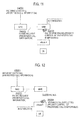
- step S2001 to step S2004 are identical to the operations of step S1001 to step S1004 illustrated in Fig. 8 .
- the mobility management node MME transmits "Paging" to a radio base station eNodeB in step S2005.
- the radio base station eNodeB determines whether the received "Paging" corresponds to a signal related to a prioritized call or corresponds to a signal related to a normal call.
- step S2006 it is not possible for the radio base station eNodeB in a congestion state to preferentially perform a transmission process of the "Paging" related to the prioritized call over a transmission process of "the "Paging” related to the normal call as described above, resulting in a problem that the "Paging" related to the prioritized call is discarded.
- step S3001 to step S3005 are identical to the operations of step S2001 to step S2005 illustrated in Fig. 9 .
- the radio base station eNodeB transmits the "Paging" to a mobile station UE camping on a subordinate cell in step S3006.
- step S3007 the mobile station UE transmits "RRC Connection Request" to the radio base station eNodeB in response to the "Paging" received from the radio base station eNodeB.
- radio base station eNodeB it is not possible for the radio base station eNodeB to determine whether the received "RRC Connection Request" corresponds to a signal related to a prioritized call or corresponds to a signal related to a normal call.
- step S3008 it is not possible for the radio base station eNodeB in a congestion state to preferentially perform a process for the "RRC Connection Request" related to the prioritized call over a process for the "RRC Connection Request” related to the normal call as described above, resulting in a problem that the "RRC Connection Request" related to the prioritized call is discarded.
- a mobile switching center MSC Mobile-service Switching Center transmits "Paging Request" including the prioritized-call information to the mobility management node MME in step S4002.
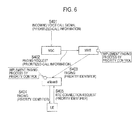
- step S4003 it is not possible for the mobility management node MME to perform priority control for a transmission process of "Paging" based on the prioritized-call information. Therefore, as illustrated in step S4003, it is not possible for the mobility management node MME in a congestion state to preferentially perform a transmission process of the "Paging" related to the prioritized call over a transmission process of the "Paging” related to the normal call as described above, resulting in a problem that the "Paging Request" including the prioritized-call information is discarded.
- step S5001 and step S5002 are identical to the operations of step S4001 and step S4002 illustrated in Fig. 11 .
- the mobility management node MME transmits "Paging" to the radio base station eNodeB, to the radio base station eNodeB, in step S5003.
- the radio base station eNodeB determines whether the received "Paging" corresponds to a signal related to a prioritized call or corresponds to a signal related to a normal call.
- step S5004 it is not possible for the radio base station eNodeB in a congestion state to preferentially perform a transmission process of the "Paging" related to the prioritized call over a transmission process of the "Paging” related to the normal call as described above, resulting in a problem that the "Paging" related to the prioritized call is discarded.
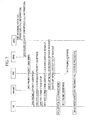
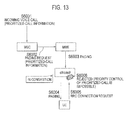
- step S6001 to step S6003 are identical to the operations of step S5001 to step S5003 illustrated in Fig. 12 .
- the radio base station eNodeB transmits the "Paging" to a mobile station UE camping on a subordinate cell in step S6004.
- step S6005 the mobile station UE transmits "RRC Connection Request" to the radio base station eNodeB in response to the "Paging" received from the radio base station eNodeB.
- radio base station eNodeB it is not possible for the radio base station eNodeB to determine whether the received "RRC Connection Request" corresponds to a signal related to a prioritized call or corresponds to a signal related to a normal call.
- step S6006 it is not possible for the radio base station eNodeB in a congestion state to preferentially perform a process for the "RRC Connection Request" related to the prioritized call over a process for the "RRC Connection Request” related to the normal call as described above, resulting in a problem that the "RRC Connection Request" related to the prioritized call is discarded.
- the present invention has been achieved in view of the above-described problems, and an object thereof is to provide a mobile communication method, a session control node, a gateway device, and a mobility management node, by which it is possible to preferentially process the arrival of a prioritized call to a mobile station UE in an idle state over the arrival of a normal call even when a mobility management node MME or a radio base station eNodeB is congested.
- a first characteristic of the present invention is summarized as a mobile communication method that includes: a step of establishing, by a session control node, a prioritized-call bearer between a gateway device and a mobile station when a session start signal including prioritized-call information is received; a step of transmitting, by the session control node, the session start signal to the gateway device after the prioritized-call bearer is established; and a step of transmitting, by the gateway device, the session start signal to the mobile station.
- a second characteristic of the present invention is summarized as a mobile communication method that includes: a step of transferring, by a session control node, a session start signal to a first gateway device when the session start signal including prioritized-call information is received; a step of transmitting, by the first gateway device, user data including the session start signal to a second gateway device; a step of transmitting, by the second gateway device, when the prioritized-call information is included in the session start signal included in the received user data, a notification signal including a priority identifier indicating the inclusion, to a mobility management node; a step of transmitting, by the mobility management node, a paging signal including the priority identifier to a radio base station; a step of transmitting, by the radio base station, the paging signal including the priority identifier to a mobile station; and a step of transmitting, by the mobile station, a connection setup request signal including the priority identifier to the radio base station in response to the paging signal received from the radio base station.
- a third characteristic of the present invention is summarized as a mobile communication method that includes: a step of transferring, by a session control node, by a session start signal to a first gateway device when the session start signal including prioritized-call information is received; a step of transmitting, by the first gateway device, when the prioritized-call information is included in the received session start signal, user data including a priority identifier indicating the inclusion and the session start signal, to a second gateway device; a step of transmitting, by the second gateway device, a notification signal including the priority identifier to a mobility management node; a step of transmitting, by the mobility management node, a paging signal including the priority identifier to a radio base station; a step of transmitting, by the radio base station, the paging signal including the priority identifier to a mobile station; and a step of transmitting, by the mobile station, a connection setup request signal including the priority identifier to the radio base station in response to the paging signal received from the radio base station.
- a fourth characteristic of the present invention is summarized as a mobile communication method that includes: a step of transmitting, by a core network device of a first communication scheme, a paging request signal including prioritized-call information to a core network device of a second communication scheme when an incoming call signal including the prioritized-call information is received; a step of transmitting, by the core network device of the second communication scheme, when the prioritized-call information is included in the received paging request signal, a paging signal including a priority identifier indicating the inclusion, to a radio base station; a step of transmitting, by the radio base station, the paging signal including the priority identifier to a mobile station; and a step of transmitting, by the mobile station, a connection setup request signal including the priority identifier to the radio base station in response to the paging signal received from the radio base station.
- a fifth characteristic of the present invention is summarized in that a session control node is configured to instruct a policy and charging control node to establish a prioritized-call bearer between a gateway device and a mobile station when a session start signal including prioritized-call information is received, and to transmit the session start signal to the gateway device after the prioritized-call bearer is established.
- a sixth characteristic of the present invention is summarized in that a gateway device connected to a first gateway device and a mobility management node is configured to transmit, when prioritized-call information is included in a session start signal included in user data received from the first gateway device, a notification signal including a priority identifier indicating the inclusion, to the mobility management node.
- a seventh characteristic of the present invention is summarized in that a gateway device connected to a session control node and a second gateway device is configured to transmit, when prioritized-call information is included in the session start signal received from the session control node, user data including a priority identifier indicating the inclusion and a session start signal, to the second gateway device.
- a mobility management node is configured to preferentially transmit, when prioritized-call information is included in a paging request signal received from a core network device of another communication scheme, a paging signal including a priority identifier indicating the inclusion, to a subordinate radio base station over a paging signal including no priority identifier.
- a mobile communication method a session control node, a gateway device, and a mobility management node, by which it is possible to preferentially process the arrival of a prioritized call to a mobile station UE in an idle state over the arrival of a normal call even when a mobility management node MME or a radio base station eNodeB is congested.
- the mobile communication system according to the present embodiment is a mobile communication system of an E-UTRAN scheme.
- a gateway device P-GW corresponds to a mobile switching center GGSN
- a gateway device S-GW and a mobility management node MME correspond to a mobile switching center SGSN
- a radio base station eNodeB corresponds to a radio line control station RNC.
- the mobile communication system is provided with a radio base station eNodeB, a mobility management node MME, a gateway device S-GW, a gateway device P-GW, a policy and charging control node PCRF (Policy and Charging Rules Function), a session control node S/P-CSCF and the like.
- a radio base station eNodeB a radio base station eNodeB
- MME mobility management node
- S-GW Serving Mobility Management Entity
- P-GW gateway device P-GW
- PCRF Policy and Charging Rules Function
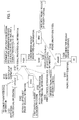
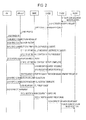
- the session control node S/P-CSCF transmits a bearer setup request including the prioritized-call information to the policy and charging control node PCRF in step S102, and the result is that a process for establishing a prioritized-call bearer is triggered between the gateway device P-GW and a mobile station UE in step S103 to S125 illustrated in Fig. 2 .
- step S103 the policy and charging control node PCRF decides to start a "Dedicated Bearer Activation procedure", and transmits a policy control notification (IP-CAN Session Modification) including the prioritized-call information, to the gateway device P-GW.
- IP-CAN Session Modification IP-CAN Session Modification
- the gateway device P-GW transmits "Create Bearer Request" including the prioritized-call information, to the gateway device S-GW in step S104.
- the gateway device S-GW transmits the "Create Bearer Request" including the prioritized-call information to the mobility management node MME in step S105.
- the mobility management node MME transmits "Paging" that includes a priority identifier indicating that the prioritized-call information is included in the "Create Bearer Request", to the radio base station eNodeB in step S106.
- the radio base station eNodeB If the "Paging" is received from the mobility management node MME, the radio base station eNodeB transmits the "Paging" including the priority identifier, to a mobile station UE camping on a subordinate cell in step S107.
- step S108 the mobile station UE transmits "RRC Connection Request" that includes a priority identifier for requesting the setup of a prioritized-call bearer, to the radio base station eNodeB, in response to the "Paging" received from the radio base station eNodeB.
- the radio base station eNodeB may reduce the total quantity of the "Paging” transmitted to the subordinate cell (for example, may discard “Paging” with no priority identifier at a predetermined ratio), thereby preferentially processing the "Paging (step S107)" corresponding to the "Paging (step S106)", which is received from the mobility management node MME and includes the priority identifier, over another "Paging".
- the radio base station eNodeB it is possible for the radio base station eNodeB to uniformly accept the "RRC Connection Request" transmitted by the mobile station UE in response to the "Paging".
- the mobile station UE may not set the priority identifier to the "RRC Connection Request" to be transmitted to the radio base station eNodeB.
- step S109 the radio base station eNodeB transmits "RRC Connection Setup" to the mobile station UE, and in step S110, the mobile station UE transmits "RRC Connection Complete” including "Service Request” to the radio base station eNodeB.
- step S111 the radio base station eNodeB transmits "S1-AP Initial UE Message" including the "Service Request” to the mobility management node MME, and in step S112, the mobility management node MME transmits "S1-AP Initial Context Setup Request" to the radio base station eNodeB.
- step S113 a bearer is set between the radio base station eNodeB and the mobile station UE.
- step S114 the radio base station eNodeB transmits "S1-AP Initial Context Setup Request Complete" to the mobility management node MME, and in step S115, the mobility management node MME transmits "Modify Bearer Request" to the gateway device S-GW.
- the gateway device S-GW transmits "Modify Bearer Response" to the mobility management node MME in step S 116.
- step S117 the mobility management node MME transmits "Bearer Setup Request/Session Management Request" to the radio base station eNodeB.
- the radio base station eNodeB transmits "RRC Connection Reconfiguration" to the mobile station UE in step S118, the mobile station UE transmits "RRC Connection Reconfiguration Complete” to the radio base station eNodeB in step S119, and the radio base station eNodeB transmits "Bearer Setup Response" to the mobility management node MME in step S120.
- step S121 the mobile station UE transmits "Direct Transfer" to the radio base station eNodeB, and in step S122, the radio base station eNodeB transmits "Session Management Response" to the mobility management node MME.
- step S123 the mobility management node MME transmits "Create Bearer Response" to the gateway device S-GW, and in step S124, the gateway device S-GW transmits "Create Bearer Response" to the gateway device P-GW.
- step S125 the gateway device P-GW transmits a policy control notification Ack (IP-CAN Session Modification) to the policy and charging control node PCRF.
- a policy control notification Ack IP-CAN Session Modification
- step S126 the policy and charging control node PCRF transmits a bearer setup completion notification that indicates that the above-mentioned prioritized-call bearer is completely set, to the session control node S/P-CSCF.
- the session control node S/P-CSCF transmits an Invite signal including prioritized-call information, to the gateway device P-GW in step S127.
- the Invite signal is transmitted to the mobile station UE shifted to an active state by the process of setting the prioritized-call bearer of step S103 to step S125.
- the prioritized-call bearer is set between the gateway device P-GW and the mobile station UE, so that the mobile station UE is configured to be shifted to an active state.
- the mobility management node MME since it is possible for the mobility management node MME to detect that the received "Downlink Data Notification” corresponds to a signal related to the prioritized call and it is possible for the radio base station eNodeB to detect that the received "Paging" corresponds to a signal related to the prioritized call, and the received "RRC Connection Request” corresponds to a signal related to the prioritized call, even when the mobility management node MME or the radio base station eNodeB is congested, it is possible to preferentially process the arrival of the prioritized call to the mobile station UE in an idle state over the arrival of the normal call, that is, to allow the mobile station UE to be shifted to an active state and to notify the mobile station UE of the arrival of the prioritized call.
- a mobile communication system according to a second embodiment of the present invention will be described.
- the mobile communication system according to the second embodiment of the present invention will be described while focusing on the difference from the mobile communication system according to the first embodiment as described above.
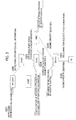
- the session control node S/P-CSCF transfers the Invite signal to the gateway device P-GW in step S202.
- step S203 the gateway device P-GW transmits GTP-U data including the Invite signal to the gateway device S-GW.
- step S204 the gateway device S-GW checks the content of the received GTP-U data, and when the prioritized-call information is included in the GTP-U data, transmits "Downlink Data Notification" that includes a priority identifier indicating to that effect, to the mobility management node MME.
- gateway device S-GW buffers the received GTP-U data.
- the mobility management node MME transmits "Paging" including the priority identifier to the radio base station eNodeB in step S205.
- the mobility management node MME preferentially transmits "Paging" corresponding to the "Downlink Data Notification” including the priority identifier over "Paging” corresponding to "Downlink Data Notification” including no priority identifier.
- the radio base station eNodeB transmits the "Paging" including the priority identifier to a subordinate cell in step S206.
- the radio base station eNodeB preferentially transmits the "Paging" including the priority identifier over "Paging" including no priority identifier.
- the mobile station UE transmits "RRC Connection Request" including the priority identifier to the radio base station eNodeB in step S207.
- the radio base station eNodeB may reduce the total quantity of the "Paging” transmitted to the subordinate cell (for example, may discard “Paging” with no priority identifier at a predetermined ratio), thereby preferentially processing the "Paging (step S206)" corresponding to the "Paging (step S205)", which is received from the mobility management node MME and includes the priority identifier, over another "Paging".
- the radio base station eNodeB it is possible for the radio base station eNodeB to uniformly accept the "RRC Connection Request" transmitted by the mobile station UE in response to the "Paging".
- the mobile station UE may not set the priority identifier to the "RRC Connection Request" to be transmitted to the radio base station eNodeB.
- step S208 the radio base station eNodeB transmits "RRC Connection Setup" to the mobile station UE, and in step S209, the mobile station UE transmits "RRC Connection Complete” including "Service Request” to the radio base station eNodeB.
- step S210 the radio base station eNodeB transmits "S1-AP Initial UE Message" including the "Service Request” to the mobility management node MME, and in step S211, the mobility management node MME transmits "S1-AP Initial Context Setup Request" to the radio base station eNodeB.
- step S212 a bearer is set between the radio base station eNodeB and the mobile station UE.
- step S213 the radio base station eNodeB transmits "S1-AP Initial Context Setup Request Complete" to the mobility management node MME, and in step S214, the mobility management node MME transmits "Modify Bearer Request" to the gateway device S-GW.
- the gateway device S-GW cancels the buffering of the above-mentioned GTP-U data in step S215, extracts the Invite signal from the GTP-U data to transmit user data including the Invite signal to the mobile station UE in step S216, and transmits "Modify Bearer Response" to the mobility management node MME in step S217.
- the mobility management node MME since it is possible for the mobility management node MME to detect that the received "Downlink Data Notification” corresponds to a signal related to the prioritized call and it is possible for the radio base station eNodeB to detect that the received "Paging” corresponds to a signal related to the prioritized call, and the received "RRC Connection Request” corresponds to a signal related to the prioritized call, even when the mobility management node MME or the radio base station eNodeB is congested, it is possible to preferentially process the arrival of the prioritized call to the mobile station UE in an idle state over the arrival of the normal call.
- a mobile communication system according to a third embodiment of the present invention will be described.
- the mobile communication system according to the third embodiment of the present invention will be described while focusing on the difference from the mobile communication system according to the second embodiment as described above.
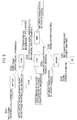
- the session control node S/P-CSCF transfers the Invite signal to the gateway device P-GW in step S302.
- step S303 the gateway device P-GW checks the content of the received Invite signal, and transmits GTP-U data including the Invite signal to the gateway device S-GW when the prioritized-call information is included in the Invite signal.
- the gateway device P-GW sets a priority identifier that indicates that the prioritized-call information is included in the Invite signal, to a header portion (a GTP-U header) of the GTP-U data.
- the gateway device S-GW transmits "Downlink Data Notification" including the priority identifier to the mobility management node MME in step S304.
- gateway device S-GW buffers the received GTP-U data.
- the mobility management node MME transmits "Paging" including the priority identifier to the radio base station eNodeB in step S305.
- the mobility management node MME preferentially transmits "Paging" corresponding to the "Downlink Data Notification” including the priority identifier over "Paging” corresponding to "Downlink Data Notification” including no priority identifier.
- the radio base station eNodeB transmits the "Paging" including the priority identifier to a mobile station UE camping on a subordinate cell in step S306.
- the radio base station eNodeB preferentially transmits the "Paging" including the priority identifier over "Paging" including no priority identifier.
- the mobile station UE transmits "RRC Connection Request" including the priority identifier to the radio base station eNodeB in step S307.
- the radio base station eNodeB may reduce the total quantity of the "Paging” transmitted to the subordinate cell (for example, may discard “Paging” with no priority identifier at a predetermined ratio), thereby preferentially processing the "Paging (step S305)" corresponding to the "Paging (step S306)", which is received from the mobility management node MME and includes the priority identifier, over another "Paging".
- the radio base station eNodeB it is possible for the radio base station eNodeB to uniformly accept the "RRC Connection Request" transmitted by the mobile station UE in response to the "Paging".
- the mobile station UE may not set the priority identifier to the "RRC Connection Request" to be transmitted to the radio base station eNodeB.
- step S208 to step S217 illustrated in Fig. 4 .
- the mobility management node MME since it is possible for the mobility management node MME to detect that the received "Downlink Data Notification” corresponds to a signal related to the prioritized call and it is possible for the radio base station eNodeB to detect that the received "Paging” corresponds to a signal related to the prioritized call, and the received "RRC Connection Request” corresponds to a signal related to the prioritized call, even when the mobility management node MME or the radio base station eNodeB is congested, it is possible to preferentially process the arrival of the prioritized call to the mobile station UE in an idle state over the arrival of the normal call.
- a mobile communication system according to a fourth embodiment of the present invention will be described.
- the mobile communication system according to the fourth embodiment of the present invention will be described while focusing on the difference from the mobile communication system according to the first embodiment as described above.
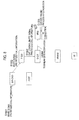
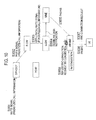
- the mobile switching center MSC transmits "Paging Request" including the prioritized-call information to the mobility management node MME in step S402.
- the mobility management node MME transmits "Paging" including the priority identifier to the radio base station eNodeB in step S403.
- the mobility management node MME preferentially transmits "Paging" corresponding to the "Paging Request” including the priority identifier over "Paging” corresponding to "Paging Request” including no priority identifier.
- the radio base station eNodeB transmits the "Paging" including the priority identifier to a mobile station UE camping on a subordinate cell in step S404.
- the radio base station eNodeB preferentially transmits the "Paging" including the priority identifier over "Paging" including no priority identifier.
- the mobile station UE transmits "RRC Connection Request" including the priority identifier to the radio base station eNodeB in step S405.
- the radio base station eNodeB may reduce the total quantity of the "Paging” transmitted to the subordinate cell (for example, may discard “Paging” with no priority identifier at a predetermined ratio), thereby preferentially processing the "Paging (step S404)" corresponding to the "Paging (step S403)", which is received from the mobility management node MME and includes the priority identifier, over another "Paging".
- the radio base station eNodeB it is possible for the radio base station eNodeB to uniformly accept the "RRC Connection Request" transmitted by the mobile station UE in response to the "Paging".
- step S405 the mobile station UE may not set the priority identifier to the "RRC Connection Request" to be transmitted to the radio base station eNodeB.
- step S406 the radio base station eNodeB transmits "RRC Connection Setup" to the mobile station UE, and in step S407, the mobile station UE transmits "RRC Connection Complete” including "Extended Service Request” to the radio base station eNodeB.
- step S408 the radio base station eNodeB transmits "S1-AP Initial UE Message" including the "Extended Service Request” to the mobility management node MME, and in step S409, the mobility management node MME transmits "S1-AP Initial Context Setup Request" to the radio base station eNodeB.
- step S410 the mobile station UE switches an E-UTRAN scheme to a UTRAN scheme.
- step S411 the mobile station UE transmits "Paging Response” to radio line control station RNC (Radio Network Controller), and the radio line control station RNC transmits the "Paging Response” to the mobility management node MME.
- RNC Radio Network Controller
- step S413 a control procedure for a circuit switched incoming call signal (an incoming voice call signal) is performed between the mobility management node MME and the mobile station UE.
- the mobility management node MME it is possible for the mobility management node MME to preferentially control a transmission process of the "Paging" based on the prioritized-call information included in the received "Paging Request".
- the mobility management node MME in a congestion state it is possible for the mobility management node MME in a congestion state to preferentially perform a transmission process of the "Paging" based on the prioritized-call information corresponding to the received "Paging Request" over a transmission process of "Paging” related to a normal call.
- the radio base station eNodeB determines whether the received "Paging" corresponds to a signal related to the prioritized call or corresponds to a signal related to the normal call, so that it is possible for the radio base station eNodeB in a congestion state to preferentially perform a transmission process of the "Paging" related to the prioritized call over a transmission process of "Paging" related to the normal call as described above.
- the radio base station eNodeB determines whether the received "RRC Connection Request" corresponds to a signal related to the prioritized call or corresponds to a signal related to the normal call, so that it is possible for the radio base station eNodeB in a congestion state to preferentially perform a process for the "RRC Connection Request” related to the prioritized call over a process for "RRC Connection Request” related to the normal call as described above.
- a first characteristic of the present embodiment is summarized as a mobile communication method that includes: a step of establishing, by a session control node S/P-CSCF, a prioritized-call bearer between a gateway device P-GW and a mobile station UE when an Invite signal (a session start signal) including prioritized-call information is received; a step of transmitting, by the session control node S/P-CSCF, the Invite signal including the prioritized-call information to the gateway device P-GW after the prioritized-call bearer is established; and a step of transmitting, by the gateway device P-GW, the Invite signal including the prioritized-call information to the mobile station UE.
- a second characteristic of the present embodiment is summarized as a mobile communication method that includes: a step of transferring, by a session control node S/P-CSCF, an Invite signal including prioritized-call information to a gateway device P-GW (a first gateway device) when the Invite signal including the prioritized-call information is received; a step of transmitting, by the gateway device P-GW, GTP-U data (user data) including the Invite signal including the prioritized-call information to a gateway device S-GW (a second gateway device); a step of transmitting, by the gateway device S-GW, when the prioritized-call information is included in the Invite signal included in the received GTP-U data, "Downlink Data Notification (a notification signal)" including a priority identifier indicating the inclusion, to a mobility management node MME; a step of transmitting, by the mobility management node MME, "Paging (a paging signal)" including the priority identifier to a radio base station eNodeB; a step of transmitting, by the radio
- a third characteristic of the present embodiment is summarized as a mobile communication method that includes: a step of transferring, by a session control node S/P-CSCF, an Invite signal including prioritized-call information to a gateway device P-GW when the Invite signal including the prioritized-call information is received; a step of transmitting, by the gateway device P-GW, when the prioritized-call information is included in the received Invite signal, GTP-U data including a priority identifier indicating the inclusion and the Invite signal, to a gateway device S-GW; a step of transmitting, by the gateway device S-GW, "Downlink Data Notification" including the priority identifier to a mobility management node MME; a step of transmitting, by the mobility management node MME, "Paging" including the priority identifier to a radio base station eNodeB; a step of transmitting, by the radio base station eNodeB, the "Paging" including the priority identifier to a mobile station UE; and a step of transmitting, by
- a fourth characteristic of the present embodiment is summarized as a mobile communication method that includes: a step of transmitting, by a mobile switching center MSC (a core network device of a first communication scheme), "Paging Request (a paging request signal)" including prioritized-call information to a mobility management node MME (a core network device of a second communication scheme) when an incoming call signal (for example, an incoming voice call signal) including the prioritized-call information is received; a step of transmitting, by the mobility management node MME, when the prioritized-call information is included in the received "Paging Request", “Paging” including a priority identifier indicating the inclusion, to a radio base station eNodeB; a step of transmitting, by the radio base station eNodeB, the "Paging" including the priority identifier to a mobile station UE; and a step of transmitting, by the mobile station UE, "RRC Connection Request” including the priority identifier to the radio base station eNodeB in response to the "P
- a fifth characteristic of the present embodiment is summarized in that a session control node S/P-CSCF is configured to instruct a policy and charging control node PCRF to establish a prioritized-call bearer between a gateway device P-GW and a mobile station UE when an Invite signal including prioritized-call information is received, and to transmit the Invite signal including the prioritized-call information to the gateway device P-GW after the prioritized-call bearer is established.
- a sixth characteristic of the present embodiment is summarized in that a gateway device S-GW connected to a gateway device P-GW and a mobility management node MME is configured to transmit, when prioritized-call information is included in an Invite signal included in GTP-U data received from the gateway device P-GW, "Downlink Data Notification" including a priority identifier indicating the inclusion, to the mobility management node MME.
- the gateway device S-GW may be configured to set a priority identifier to an unencrypted header portion of the "Downlink Data Notification".
- a seventh characteristic of the present embodiment is summarized in that a gateway device P-GW connected to a session control node S/P-CSCF and a gateway device S-GW is configured to transmit, when prioritized-call information is included in the Invite signal received from the session control node S/P-CSCF, GTP-U data including a priority identifier indicating the inclusion and an Invite signal, to the gateway device S-GW.
- the gateway device P-GW may be configured to set a priority identifier to an unencrypted header portion of the Invite signal.
- a mobility management node is configured to preferentially transmit, when prioritized-call information is included in "Paging Request" received from a mobile switching center MSC (a core network device of another communication scheme), "Paging" including a priority identifier indicating the inclusion, to a subordinate radio base station eNodeB over "Paging" including no priority identifier the priority identifier.
- the operation of the above-mentioned the radio base station eNodeB, the mobility management node MME, the session control node S/P-CSCF, the charging control node PCRF, the gateway device P-GW or the gateway device S-GW may be implemented by hardware, may also be implemented by a software module executed by a processor, or may further be implemented by the combination of the both.
- the software module may be arranged in a storage medium of an arbitrary format such as a RAM (Random Access Memory), a flash memory, a ROM (Read Only Memory), an EPROM (Erasable Programmable ROM), an EEPROM (Electronically Erasable and Programmable ROM), a register, a hard disk, a removable disk, or a CD-ROM.
- a RAM Random Access Memory
- flash memory a ROM (Read Only Memory)
- EPROM Erasable Programmable ROM
- EEPROM Electrically Erasable and Programmable ROM
- Such a storage medium is connected to the processor so that the processor can write and read information into and from the storage medium.
- Such a storage medium may also be accumulated in the processor.
- Such storage medium and processor may be arranged in an ASIC.
- Such ASIC may be arranged in the radio base station eNodeB, the mobility management node MME, the session control node S/P-CSCF, the charging control node PCRF, the gateway device P-GW or the gateway device S-GW.
- As a discrete component such storage medium and processor may be arranged in the radio base station eNodeB, the mobility management node MME, the session control node S/P-CSCF, the charging control node PCRF, the gateway device P-GW or the gateway device S-GW.
Landscapes
- Engineering & Computer Science (AREA)
- Computer Networks & Wireless Communication (AREA)
- Signal Processing (AREA)
- Multimedia (AREA)
- Business, Economics & Management (AREA)
- General Business, Economics & Management (AREA)
- Mobile Radio Communication Systems (AREA)
- Data Exchanges In Wide-Area Networks (AREA)
Applications Claiming Priority (2)
| Application Number | Priority Date | Filing Date | Title |
|---|---|---|---|
| JP2009256585A JP4756091B2 (ja) | 2009-11-09 | 2009-11-09 | 移動通信方法、サービングゲートウェイ装置及び移動管理用ノード |
| PCT/JP2010/069914 WO2011055840A1 (ja) | 2009-11-09 | 2010-11-09 | 移動通信方法、セッション制御用ノード、ゲートウェイ装置及び移動管理用ノード |
Publications (2)
| Publication Number | Publication Date |
|---|---|
| EP2501199A1 true EP2501199A1 (de) | 2012-09-19 |
| EP2501199A4 EP2501199A4 (de) | 2017-07-19 |
Family
ID=43970072
Family Applications (1)
| Application Number | Title | Priority Date | Filing Date |
|---|---|---|---|
| EP10828398.7A Withdrawn EP2501199A4 (de) | 2009-11-09 | 2010-11-09 | Mobilkommunikationsverfahren, sitzungssteuerungsknoten, gateway-vorrichtung und mobilverwaltungsknoten |
Country Status (10)
| Country | Link |
|---|---|
| US (1) | US9282534B2 (de) |
| EP (1) | EP2501199A4 (de) |
| JP (1) | JP4756091B2 (de) |
| KR (1) | KR101352482B1 (de) |
| CN (1) | CN102687584B (de) |
| AU (1) | AU2010316207B2 (de) |
| CA (1) | CA2780300C (de) |
| MX (1) | MX2012005420A (de) |
| NZ (1) | NZ600364A (de) |
| WO (1) | WO2011055840A1 (de) |
Cited By (4)
| Publication number | Priority date | Publication date | Assignee | Title |
|---|---|---|---|---|
| WO2015003972A1 (en) * | 2013-07-10 | 2015-01-15 | Telefonaktiebolaget L M Ericsson (Publ) | A node and method for obtaining priority information in a header of a control plane message |
| CN105432131A (zh) * | 2013-07-29 | 2016-03-23 | Lg电子株式会社 | 用于ims服务的寻呼方法和设备 |
| EP3007400A1 (de) * | 2014-10-08 | 2016-04-13 | Vodafone GmbH | Netzwerkressourcenpriorisierung für mobile Dienste |
| EP3300438A4 (de) * | 2015-06-23 | 2018-08-08 | Huawei Technologies Co., Ltd. | Funkrufverfahren und -vorrichtung |
Families Citing this family (12)
| Publication number | Priority date | Publication date | Assignee | Title |
|---|---|---|---|---|
| US9560632B2 (en) | 2011-08-12 | 2017-01-31 | Qualcomm Incorporated | Devices for title of invention reduced overhead paging |
| US9560630B2 (en) * | 2011-08-12 | 2017-01-31 | Qualcomm Incorporated | Devices for reduced overhead paging |
| US9137778B2 (en) | 2011-12-05 | 2015-09-15 | Qualcomm Incorporated | Systems and methods for low overhead paging |
| CN104509185B (zh) * | 2012-07-24 | 2019-07-16 | 瑞典爱立信有限公司 | 用于寻呼请求基于应用的处理的优先级的节点和方法 |
| KR20140035785A (ko) * | 2012-09-14 | 2014-03-24 | 삼성전자주식회사 | 무선 통신 시스템에서 망 혼잡상황에서 특정 서비스를 제어하는 방법 및 장치 |
| US9301280B2 (en) * | 2013-10-02 | 2016-03-29 | Verizon Patent And Licensing Inc. | Optimizing paging based on services |
| EP2869648B1 (de) * | 2013-10-31 | 2020-07-08 | Alcatel Lucent | Beantwortung von Funkrufaufforderungen während des Wartens auf die Anfrage zur Verbindung mit einem drahtlosen Netzwerk |
| RU2628771C1 (ru) * | 2013-10-31 | 2017-08-22 | Хуавэй Текнолоджиз Ко., Лтд. | Способ, система и устройство согласования характеристик |
| US9585160B2 (en) * | 2014-12-01 | 2017-02-28 | Telefonaktiebolaget L M Ericsson (Publ) | Prioritizing location request of a certain type in a congestion situation |
| JP6799584B2 (ja) * | 2016-04-01 | 2020-12-16 | 株式会社Nttドコモ | 接続制御方法及び接続制御装置 |
| US10321300B2 (en) * | 2016-05-26 | 2019-06-11 | Oracle International Corporation | Methods, systems, and computer readable media for providing end-to-end priority service in long term evolution (LTE) or subsequent generation networks |
| US11973614B2 (en) * | 2018-12-13 | 2024-04-30 | Comcast Cable Communications, Llc | Methods and systems for communication |
Family Cites Families (7)
| Publication number | Priority date | Publication date | Assignee | Title |
|---|---|---|---|---|
| WO1993017531A1 (en) | 1992-02-27 | 1993-09-02 | Telefonaktiebolaget Lm Ericsson | Call priority in a mobile radiotelephone system |
| US20080025250A1 (en) * | 2006-07-28 | 2008-01-31 | Motorola, Inc. | Method and system for setting paging indication sequences in paging messages |
| US8837382B2 (en) * | 2008-08-11 | 2014-09-16 | Cisco Technology, Inc. | Multimedia broadcast and multicast service enhancements |
| CN101394667B (zh) | 2008-09-19 | 2012-03-07 | 中兴通讯股份有限公司 | 紧急会话切换方法 |
| JP2009153141A (ja) * | 2008-12-24 | 2009-07-09 | Kyocera Corp | 無線加入者システム、無線加入者システムの回線接続制御装置及び記録媒体 |
| US8428625B2 (en) * | 2009-02-27 | 2013-04-23 | Cisco Technology, Inc. | Paging heuristics in packet based networks |
| WO2011162667A1 (en) * | 2010-06-21 | 2011-12-29 | Telefonaktiebolaget L M Ericsson (Publ) | Method and arrangement for paging in a wireless communications system |
-
2009
- 2009-11-09 JP JP2009256585A patent/JP4756091B2/ja active Active
-
2010
- 2010-11-09 AU AU2010316207A patent/AU2010316207B2/en not_active Ceased
- 2010-11-09 WO PCT/JP2010/069914 patent/WO2011055840A1/ja not_active Ceased
- 2010-11-09 US US13/508,629 patent/US9282534B2/en active Active
- 2010-11-09 NZ NZ60036410A patent/NZ600364A/xx unknown
- 2010-11-09 CA CA 2780300 patent/CA2780300C/en not_active Expired - Fee Related
- 2010-11-09 CN CN201080050760.3A patent/CN102687584B/zh active Active
- 2010-11-09 MX MX2012005420A patent/MX2012005420A/es active IP Right Grant
- 2010-11-09 EP EP10828398.7A patent/EP2501199A4/de not_active Withdrawn
- 2010-11-09 KR KR20127012410A patent/KR101352482B1/ko not_active Expired - Fee Related
Non-Patent Citations (1)
| Title |
|---|
| See references of WO2011055840A1 * |
Cited By (7)
| Publication number | Priority date | Publication date | Assignee | Title |
|---|---|---|---|---|
| WO2015003972A1 (en) * | 2013-07-10 | 2015-01-15 | Telefonaktiebolaget L M Ericsson (Publ) | A node and method for obtaining priority information in a header of a control plane message |
| US9876881B2 (en) | 2013-07-10 | 2018-01-23 | Telefonaktiebolaget L M Ericsson (Publ) | Node and method for obtaining priority information in a header of a control plane message |
| CN105432131A (zh) * | 2013-07-29 | 2016-03-23 | Lg电子株式会社 | 用于ims服务的寻呼方法和设备 |
| EP3030022A4 (de) * | 2013-07-29 | 2017-03-29 | LG Electronics Inc. | Funkrufverfahren und vorrichtung für ims-dienst |
| EP3007400A1 (de) * | 2014-10-08 | 2016-04-13 | Vodafone GmbH | Netzwerkressourcenpriorisierung für mobile Dienste |
| US10555325B2 (en) | 2014-10-08 | 2020-02-04 | Vodafone Gmbh | Network resource prioritization for mobile termination services |
| EP3300438A4 (de) * | 2015-06-23 | 2018-08-08 | Huawei Technologies Co., Ltd. | Funkrufverfahren und -vorrichtung |
Also Published As
| Publication number | Publication date |
|---|---|
| JP2011101332A (ja) | 2011-05-19 |
| KR101352482B1 (ko) | 2014-01-17 |
| MX2012005420A (es) | 2012-06-19 |
| US9282534B2 (en) | 2016-03-08 |
| CA2780300C (en) | 2015-02-24 |
| CN102687584A (zh) | 2012-09-19 |
| JP4756091B2 (ja) | 2011-08-24 |
| KR20120082922A (ko) | 2012-07-24 |
| CN102687584B (zh) | 2016-03-16 |
| US20120270574A1 (en) | 2012-10-25 |
| WO2011055840A1 (ja) | 2011-05-12 |
| CA2780300A1 (en) | 2011-05-12 |
| NZ600364A (en) | 2013-05-31 |
| AU2010316207A1 (en) | 2012-06-07 |
| EP2501199A4 (de) | 2017-07-19 |
| AU2010316207B2 (en) | 2014-07-03 |
Similar Documents
| Publication | Publication Date | Title |
|---|---|---|
| AU2010316207B2 (en) | Mobile communication method, session control node, gateway device, and mobile management node | |
| JP4742171B2 (ja) | 移動通信方法、呼制御ノード、優先度制御ノード及び移動管理ノード | |
| US9264964B2 (en) | Traffic offload via local network based on APN-specific or non-APN-specific information | |
| US8787159B2 (en) | Mechanism for wireless access networks to throttle traffic during congestion | |
| CA2733540C (en) | Mobile communication method, mobile station and mobile switching center | |
| EP2326135B1 (de) | Notfall-diensthandoververfahren | |
| EP2536239B1 (de) | Mobilkommunikationsverfahren, netzwerkvorrichtung mit funkzugang und mobilstation | |
| EP2247039A1 (de) | Steuerverfahren, system und vorrichtung für schaltungsdomänen-fallbacks | |
| EP2677782A1 (de) | Mobilkommunikationsverfahren und anrufsitzungssteuerknoten | |
| WO2013069669A1 (ja) | 移動通信方法、ポリシー及び課金ルールサーバ装置及び移動管理ノード | |
| JP5285678B2 (ja) | 移動通信方法及びコアネットワーク装置 | |
| CN102388636A (zh) | 移动通信方法、移动台以及交换台 | |
| KR101364263B1 (ko) | 이동통신방법 및 이동 관리 노드 | |
| EP2584860A1 (de) | Mobilkommunikationsverfahren | |
| EP2696563A1 (de) | Mobilkommunikationsverfahren, netzwerkvorrichtung mit servicesteuerung und mobilverwaltungsknoten | |
| KR102098216B1 (ko) | 호 처리 결정 방법 및 장치와 그 호 처리 시스템 | |
| JP2011155704A (ja) | 移動通信方法 |
Legal Events
| Date | Code | Title | Description |
|---|---|---|---|
| PUAI | Public reference made under article 153(3) epc to a published international application that has entered the european phase |
Free format text: ORIGINAL CODE: 0009012 |
|
| 17P | Request for examination filed |
Effective date: 20120530 |
|
| AK | Designated contracting states |
Kind code of ref document: A1 Designated state(s): AL AT BE BG CH CY CZ DE DK EE ES FI FR GB GR HR HU IE IS IT LI LT LU LV MC MK MT NL NO PL PT RO RS SE SI SK SM TR |
|
| DAX | Request for extension of the european patent (deleted) | ||
| RA4 | Supplementary search report drawn up and despatched (corrected) |
Effective date: 20170616 |
|
| RIC1 | Information provided on ipc code assigned before grant |
Ipc: H04W 80/10 20090101ALN20170609BHEP Ipc: H04W 76/02 20090101ALN20170609BHEP Ipc: H04W 68/02 20090101AFI20170609BHEP |
|
| GRAP | Despatch of communication of intention to grant a patent |
Free format text: ORIGINAL CODE: EPIDOSNIGR1 |
|
| RIC1 | Information provided on ipc code assigned before grant |
Ipc: H04W 80/10 20090101ALN20180619BHEP Ipc: H04W 68/02 20090101AFI20180619BHEP Ipc: H04W 76/10 20180101ALN20180619BHEP |
|
| RIC1 | Information provided on ipc code assigned before grant |
Ipc: H04W 80/10 20090101ALN20180622BHEP Ipc: H04W 76/10 20180101ALN20180622BHEP Ipc: H04W 68/02 20090101AFI20180622BHEP |
|
| INTG | Intention to grant announced |
Effective date: 20180710 |
|
| STAA | Information on the status of an ep patent application or granted ep patent |
Free format text: STATUS: THE APPLICATION IS DEEMED TO BE WITHDRAWN |
|
| 18D | Application deemed to be withdrawn |
Effective date: 20181121 |