EP2502992A1 - Vecteur de chromosome artificiel humain - Google Patents
Vecteur de chromosome artificiel humain Download PDFInfo
- Publication number
- EP2502992A1 EP2502992A1 EP10831600A EP10831600A EP2502992A1 EP 2502992 A1 EP2502992 A1 EP 2502992A1 EP 10831600 A EP10831600 A EP 10831600A EP 10831600 A EP10831600 A EP 10831600A EP 2502992 A1 EP2502992 A1 EP 2502992A1
- Authority
- EP
- European Patent Office
- Prior art keywords
- human
- gene
- chromosome
- fragment
- human antibody
- Prior art date
- Legal status (The legal status is an assumption and is not a legal conclusion. Google has not performed a legal analysis and makes no representation as to the accuracy of the status listed.)
- Withdrawn
Links
Images









Classifications
-
- A—HUMAN NECESSITIES
- A01—AGRICULTURE; FORESTRY; ANIMAL HUSBANDRY; HUNTING; TRAPPING; FISHING
- A01K—ANIMAL HUSBANDRY; AVICULTURE; APICULTURE; PISCICULTURE; FISHING; REARING OR BREEDING ANIMALS, NOT OTHERWISE PROVIDED FOR; NEW BREEDS OF ANIMALS
- A01K67/00—Rearing or breeding animals, not otherwise provided for; New or modified breeds of animals
- A01K67/027—New or modified breeds of vertebrates
- A01K67/0275—Genetically modified vertebrates, e.g. transgenic
- A01K67/0278—Knock-in vertebrates, e.g. humanised vertebrates
-
- C—CHEMISTRY; METALLURGY
- C07—ORGANIC CHEMISTRY
- C07K—PEPTIDES
- C07K16/00—Immunoglobulins [IG], e.g. monoclonal or polyclonal antibodies
-
- C—CHEMISTRY; METALLURGY
- C07—ORGANIC CHEMISTRY
- C07K—PEPTIDES
- C07K16/00—Immunoglobulins [IG], e.g. monoclonal or polyclonal antibodies
- C07K16/12—Immunoglobulins [IG], e.g. monoclonal or polyclonal antibodies against material from bacteria
- C07K16/1267—Gram-positive bacteria
- C07K16/1278—Bacillus (G)
-
- C—CHEMISTRY; METALLURGY
- C12—BIOCHEMISTRY; BEER; SPIRITS; WINE; VINEGAR; MICROBIOLOGY; ENZYMOLOGY; MUTATION OR GENETIC ENGINEERING
- C12N—MICROORGANISMS OR ENZYMES; COMPOSITIONS THEREOF; PROPAGATING, PRESERVING, OR MAINTAINING MICROORGANISMS; MUTATION OR GENETIC ENGINEERING; CULTURE MEDIA
- C12N15/00—Mutation or genetic engineering; DNA or RNA concerning genetic engineering, vectors, e.g. plasmids, or their isolation, preparation or purification; Use of hosts therefor
- C12N15/09—Recombinant DNA-technology
- C12N15/63—Introduction of foreign genetic material using vectors; Vectors; Use of hosts therefor; Regulation of expression
- C12N15/79—Vectors or expression systems specially adapted for eukaryotic hosts
- C12N15/85—Vectors or expression systems specially adapted for eukaryotic hosts for animal cells
-
- C—CHEMISTRY; METALLURGY
- C12—BIOCHEMISTRY; BEER; SPIRITS; WINE; VINEGAR; MICROBIOLOGY; ENZYMOLOGY; MUTATION OR GENETIC ENGINEERING
- C12N—MICROORGANISMS OR ENZYMES; COMPOSITIONS THEREOF; PROPAGATING, PRESERVING, OR MAINTAINING MICROORGANISMS; MUTATION OR GENETIC ENGINEERING; CULTURE MEDIA
- C12N15/00—Mutation or genetic engineering; DNA or RNA concerning genetic engineering, vectors, e.g. plasmids, or their isolation, preparation or purification; Use of hosts therefor
- C12N15/09—Recombinant DNA-technology
- C12N15/63—Introduction of foreign genetic material using vectors; Vectors; Use of hosts therefor; Regulation of expression
- C12N15/79—Vectors or expression systems specially adapted for eukaryotic hosts
- C12N15/85—Vectors or expression systems specially adapted for eukaryotic hosts for animal cells
- C12N15/8509—Vectors or expression systems specially adapted for eukaryotic hosts for animal cells for producing genetically modified animals, e.g. transgenic
-
- A—HUMAN NECESSITIES
- A01—AGRICULTURE; FORESTRY; ANIMAL HUSBANDRY; HUNTING; TRAPPING; FISHING
- A01K—ANIMAL HUSBANDRY; AVICULTURE; APICULTURE; PISCICULTURE; FISHING; REARING OR BREEDING ANIMALS, NOT OTHERWISE PROVIDED FOR; NEW BREEDS OF ANIMALS
- A01K2207/00—Modified animals
- A01K2207/15—Humanized animals
-
- A—HUMAN NECESSITIES
- A01—AGRICULTURE; FORESTRY; ANIMAL HUSBANDRY; HUNTING; TRAPPING; FISHING
- A01K—ANIMAL HUSBANDRY; AVICULTURE; APICULTURE; PISCICULTURE; FISHING; REARING OR BREEDING ANIMALS, NOT OTHERWISE PROVIDED FOR; NEW BREEDS OF ANIMALS
- A01K2217/00—Genetically modified animals
- A01K2217/05—Animals comprising random inserted nucleic acids (transgenic)
- A01K2217/052—Animals comprising random inserted nucleic acids (transgenic) inducing gain of function
-
- A—HUMAN NECESSITIES
- A01—AGRICULTURE; FORESTRY; ANIMAL HUSBANDRY; HUNTING; TRAPPING; FISHING
- A01K—ANIMAL HUSBANDRY; AVICULTURE; APICULTURE; PISCICULTURE; FISHING; REARING OR BREEDING ANIMALS, NOT OTHERWISE PROVIDED FOR; NEW BREEDS OF ANIMALS
- A01K2217/00—Genetically modified animals
- A01K2217/07—Animals genetically altered by homologous recombination
- A01K2217/072—Animals genetically altered by homologous recombination maintaining or altering function, i.e. knock in
-
- A—HUMAN NECESSITIES
- A01—AGRICULTURE; FORESTRY; ANIMAL HUSBANDRY; HUNTING; TRAPPING; FISHING
- A01K—ANIMAL HUSBANDRY; AVICULTURE; APICULTURE; PISCICULTURE; FISHING; REARING OR BREEDING ANIMALS, NOT OTHERWISE PROVIDED FOR; NEW BREEDS OF ANIMALS
- A01K2227/00—Animals characterised by species
- A01K2227/10—Mammal
- A01K2227/101—Bovine
-
- A—HUMAN NECESSITIES
- A01—AGRICULTURE; FORESTRY; ANIMAL HUSBANDRY; HUNTING; TRAPPING; FISHING
- A01K—ANIMAL HUSBANDRY; AVICULTURE; APICULTURE; PISCICULTURE; FISHING; REARING OR BREEDING ANIMALS, NOT OTHERWISE PROVIDED FOR; NEW BREEDS OF ANIMALS
- A01K2267/00—Animals characterised by purpose
- A01K2267/01—Animal expressing industrially exogenous proteins
-
- C—CHEMISTRY; METALLURGY
- C12—BIOCHEMISTRY; BEER; SPIRITS; WINE; VINEGAR; MICROBIOLOGY; ENZYMOLOGY; MUTATION OR GENETIC ENGINEERING
- C12N—MICROORGANISMS OR ENZYMES; COMPOSITIONS THEREOF; PROPAGATING, PRESERVING, OR MAINTAINING MICROORGANISMS; MUTATION OR GENETIC ENGINEERING; CULTURE MEDIA
- C12N2800/00—Nucleic acids vectors
- C12N2800/20—Pseudochromosomes, minichrosomosomes
- C12N2800/208—Pseudochromosomes, minichrosomosomes of mammalian origin, e.g. minichromosome
Definitions
- the present invention relates to a human artificial chromosome vector comprising a human antibody heavy chain gene, a human antibody light chain gene, and a human antibody surrogate light chain gene, an animal having the human artificial chromosome vector, and a method for producing a human antibody.
- Non-Patent Document 1 and Patent Document 1 The development of a technology of producing a chimeric animal by fusing micronuclei comprising human chromosome fragments with cells having pluripotent differentiation to obtain hybrid cells allows to prepare a non-human animal maintaining large exogenous genes to be produced (Non-Patent Document 1 and Patent Document 1).
- HAC human artificial chromosome
- Patent Document 2 As a method for modifying a chromosome fragment to be introduced into a non-human animal, a technology of preparing a deleted chromosome with a high efficiency by inserting a telomere sequence into a desired sequence on a human chromosome kept in a chicken DT40 cell by gene targeting has been developed (Patent Document 2).
- a fragment SC20 comprising an antibody heavy chain gene locus derived from the human chromosome 14 may be obtained, and the fragment is stably maintained in an embryonic stem (ES) cell and an individual of the mouse and has high transmission efficiency to progeny (Patent Document 2).
- ES embryonic stem
- a ⁇ HAC comprising a human antibody heavy chain and a human ⁇ chain was constructed by translocating a fragment comprising the antibody ⁇ type light chain gene locus on the human chromosome 22 through the Cre/loxP site specific recombination system using such SC20 as a basic skeleton of a vector (Non-Patent Document 2 and Patent Document 3).
- the ⁇ HAC has the stability and transmission efficiency to progeny almost equivalent to the SC20 and a chimeric mouse which stably maintains a ⁇ HAC was produced by introducing the _ ⁇ HAC into the mouse ES cells (Non-Patent Document 2 and Patent Document 3). It is now possible to construct a HAC vector including a human chromosome region having a specific megabase (Mb) size by the method.
- Mb megabase
- chromosome fragments ⁇ HAC and ⁇ HAC with an optimal size including the antibody ⁇ type light chain ( ⁇ chain) gene region were prepared (Patent Document 4), based on the structural information of the human chromosome 22 (Non-Patent Document 3).
- the ⁇ HAC and ⁇ HAC include regions having 2.5 Mb and 1.5 Mb sizes, respectively, which are shorter than the periphery of the antibody ⁇ type light chain gene region on the ⁇ HAC, 10 Mb, to impart a transmission efficiency to progeny higher than that of the ⁇ HAC (Patent Document 4).
- human polyclonal antibodies currently used for treatment and prevention of various diseases are prepared from a serum pool obtained from a plurality of human donors. For this reason, the performance of the human polyclonal antibodies depends largely on human donor sera as a supplying source, and thus a process of selecting a donor having a desired antigen reactivity or titer is required in preparing.
- Non-Patent Document 4 and Patent Document 5 a bovine into which the above-described HAC, specifically ⁇ HAC and ⁇ HAC are introduced to produce human polyclonal antibodies.
- Non-Patent Document 4 In the neonatal sera of the bovine into which these HACs were introduced, 13 to 258 ng/mL of the human immunoglobulin (Ig) G was produced (Non-Patent Document 4).
- ⁇ HAC is a vector constructed by translocating a fragment comprising the antibody ⁇ chain gene locus on the human chromosome 2 onto the SC20.
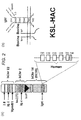
- FIG. 1 a schematic view of ⁇ HAC is shown.
- clone 468 which was the highest antibody producing individual constantly produced a human IgG at 1 g/L or more in the serum from the 84 days after birth, and exhibited a titer exceeding 2 g/L at the 210 days after birth.
- the present inventors modified the HAC vector for the purpose of achieving high production amount of the human IgG and stably producing a bovine individual with a high titer, compared to the conventional HAC.
- the present invention relates to the following (1) to (8).
- Human antibodies may be produced with high efficiency by introducing the HAC vector comprising the human antibody heavy chain gene, the human antibody light chain gene, and the human antibody surrogate light chain gene of the present invention into an animal as compared to the vector produced by the conventional HAC technology.
- an animal which is capable of producing a human antibody with high efficiency may be stably produced by introducing the human artificial chromosome vector of the present invention into an animal.
- a human artificial chromosome vector which further comprises a gene of a non-human animal-derived IgM heavy chain constant region in addition to the human antibody heavy chain gene, the human antibody light chain gene, and the human antibody surrogate light chain gene is introduced into an animal, a human antibody may be produced with a further higher efficiency, and an animal which is capable of producing a human antibody with such high efficiency may be stably produced.
- the present invention relates to (1) a human artificial chromosome vector comprising a human antibody heavy chain gene, a human antibody light chain gene, and a human antibody surrogate light chain gene, (2) an animal having the human artificial chromosome vector, and (3) a method for producing a human antibody, comprising administering a target antigen into the animal to produce and accumulate the antigen-specific human antibody in the serum of the animal, and recovering the antigen-specific human antibody from the serum.
- the human artificial chromosome vector of the present invention is a human artificial chromosome vector of the present invention.
- the human artificial chromosome vector refers to a vector which comprises a human chromosome-derived centromere sequence, a telomere sequence, and a replication origin and exists independently from a chromosome of a host cell in a nucleus of the host cell.
- the vector refers to a human artificial chromosome (HAC) vector prepared by translocating a desired region on the human chromosome into a stable human chromosome fragment.
- HAC human artificial chromosome
- a method for preparing a HAC include a method comprising: inserting a telomere sequence and a sequence loxP recognized by a Cre recombinant enzyme such that a desired region on a human chromosome or a chromosome fragment may be included, and binding a region inserted between the telomere sequence of the chromosome or the chromosome fragment and the loxP sequence to a region inserted between a telomere sequence on another chromosome or chromosome fragment (preferably a chromosome fragment which is stable in the nucleus and has a high transmission efficiency to progeny) and the loxP sequence by translocation ( Kuroiwa et al., Nature Biotechnology, 18, 1086-1090, 2000 and WO No. 00/10383 ).
- the human artificial chromosome vector of the present invention comprises a human antibody heavy chain gene.
- the human antibody heavy chain gene refers to a gene which, among two identical heavy chains and two identical light chains constituting a human immunoglobulin molecule, encodes the former.
- human antibody heavy chain gene examples include a gene encoding a variable region of the human antibody heavy chain and genes encoding the ⁇ chain, ⁇ chain, ⁇ chain, ⁇ chain, and ⁇ chain which determine the structure of the constant region.
- the artificial chromosome vector of the present invention comprises a gene encoding a variable region of the human antibody heavy chain and genes encoding the ⁇ chain, ⁇ chain, ⁇ chain, ⁇ chain, and ⁇ chain which determine the structure of the constant region, as the human antibody heavy chain gene.
- the human artificial chromosome vector of the present invention “comprising the human antibody heavy chain gene” refers to comprising a DNA encoding the human antibody heavy chain gene.
- the human artificial chromosome vector of the present invention may be prepared by inserting a DNA encoding the human antibody heavy chain gene into any position or inserting or ligating_a chromosome fragment comprising a DNA encoding the human antibody heavy chain gene.
- the artificial chromosome vector of the present invention preferably comprises a human chromosome 14, more preferably a human chromosome 14 at which the variable region gene and the constant region gene of the human antibody heavy chain are positioned, and further preferably a human chromosome 14 comprising the 14q32 region.
- the human artificial chromosome vector of the present invention comprises a human antibody light chain gene.
- the human antibody light chain gene refers to a gene that, among two identical heavy chains and two identical light chains constituting a human immunoglobulin molecule, encodes the latter.
- human antibody light chain gene examples include two types of genes, i.e., the ⁇ chain gene and the ⁇ chain gene.
- the gene of each chain comprises a gene encoding a variable region and a gene encoding a constant region.
- the human artificial chromosome vector of the present invention may comprise either ⁇ chain gene or the ⁇ chain gene only, or both of the genes as the human antibody light chain gene.
- human artificial chromosome vector of the present invention “comprising the human antibody light chain gene” refers to comprising a DNA encoding the human antibody light chain gene.
- the human artificial chromosome vector of the present invention may be prepared by inserting a DNA encoding the human antibody light chain gene into any position or inserting or ligating a chromosome fragment comprising a DNA encoding the human antibody light chain gene.
- Each of the variable region gene and constant region of the ⁇ chain and the ⁇ chain forms a cluster to be positioned on a chromosome.
- the ⁇ chain gene cluster is positioned at 2p11.2-12 of the human chromosome 2 ( Gottfrie et al., Genomics, 16. 512-514, 1993 ) and the ⁇ chain gene cluster is positioned at 22q11.2 of the human chromosome 22 ( Collins et al., Nature, 377, 367-379, 1995 ).
- the artificial chromosome vector of the present invention preferably comprises a human chromosome 2 fragment, more preferably a human chromosome 2 fragment at which the ⁇ chain gene cluster is positioned, and even more preferably a human chromosome 2 fragment comprising the 2p11.2-12 region.
- the artificial chromosome vector of the present invention preferably comprises a human chromosome 22 fragment, more preferably a human chromosome 22 fragment at which the ⁇ chain gene cluster is positioned, and even more preferably a human chromosome 22 fragment comprising the 22q11.2 region.
- the human artificial chromosome vector of the present invention comprises a human antibody surrogate light chain gene.
- the human antibody surrogate light chain gene refers to a gene encoding an imaginary antibody light chain which is associated with an antibody heavy chain produced by a gene reconstitution in the human pro-B cell to constitute the pre-B cell receptor (preBCR).
- human antibody surrogate light chain gene examples include the VpreB gene and the ⁇ 5 gene.
- the human artificial chromosome vector of the present invention preferably comprises the VpreB gene and the ⁇ 5 gene as a human antibody surrogate light chain gene.
- the VpreB gene of the present invention preferably comprises either or both of the VpreB1 gene and the VpreB3 gene and more preferably both of the VpreB1 gene and the VpreB3 gene.
- human artificial chromosome vector of the present invention “comprising the human antibody surrogate light chain gene” refers to comprising a DNA encoding the human antibody surrogate light chain gene.
- the human artificial chromosome vector of the present invention may be prepared by inserting a DNA encoding the human antibody surrogate light chain gene into any position or inserting or ligating a chromosome fragment comprising a DNA encoding the human antibody surrogate light chain gene.
- the human artificial chromosome vector of the present invention preferably comprises the human chromosome 22, more preferably the human chromosome 22 comprising the VpreB gene and the ⁇ 5 gene, and furthermore preferably the human chromosome 22 comprising the 22q11.2 region.
- the human artificial chromosome vector of the present invention also preferably comprises a non-human animal-derived IgM heavy chain constant region ( ⁇ chain) gene.
- the non-human animal is not particularly limited so long as the animal is a non-human animal which can be a host into which the human artificial chromosome vector of the present invention is introduced, and may be any of ungulates such as cows, horses, goats, sheep, and pigs; rodents such as mice, rats, and rabbits; poultry such as chickens, domestic ducks, and geese.
- the non-human animal is preferably a non-human mammalian animal, more preferably an ungulate animal, and furthermore preferably a bovine.
- the IgM heavy chain constant region gene refers to a gene encoding the IgM heavy chain constant region.
- the IgM heavy chain constant region promotes the generation of the B cell by interacting with the B cell membrane molecule Ig ⁇ /Ig ⁇ to cause a signal transduction in cells.
- Specific examples of the IgM heavy chain constant region gene include genes encoding constant region domains such as CH1, CH2, CH3, and CH4, and the B-cell transmembrane domains such as TM1 and TM2.
- the IgM heavy chain constant region gene derived from a non-human animal which is comprised in the human artificial chromosome vector of the present invention is not particularly limited so long as the region is in a range which may sufficiently induce the signal of the B cell generation in the above-described IgM heavy chain constant region, but preferably comprises TM1 domain and TM2 domain derived from a non-human animal, and more preferably genes encoding CH2 domain, CH3 domain, CH4 domain, TM1 domain, and TM2 domain which are derived from a non-human animal.
- non-human animal-derived IgM heavy chain constant region gene refers to comprising a DNA encoding a non-human animal-derived IgM heavy chain constant region gene.
- the human artificial chromosome vector of the present invention may be prepared by inserting a DNA encoding IgM heavy chain constant region gene derived from a non-human animal into any position, or ligating a chromosome fragment comprising a DNA encoding a human IgM heavy chain constant region gene.
- the DNAs encoding the TM1 domain and the TM2 domain in the human IgM heavy chain constant region gene on the human artificial chromosome are preferably substituted with the DNAs encoding the TM1 domain and the TM2 domain of the non-human IgM heavy chain constant region gene, respectively; and the DNAs encoding the CH2 domain, the CH3 domain, the CH4 domain, the TM1 domain, and the TM2 domain, respectively, in the human IgM heavy chain constant region gene are more preferably substituted with the DNAs encoding the CH2 domain, the CH3 domain, the CH4 domain, the TM1 domain, and the TM2 domain of the non-human IgM heavy chain constant region gene, respectively.
- the IgM heavy chain constant region gene derived from a non-human animal is preferably the IgM heavy chain constant region gene of a non-human mammalian animal, more preferably the IgM heavy chain constant region gene of an ungulate animal, and furthermore preferably the IgM heavy chain constant region gene of a bovine.
- the IgM heavy chain constant region gene of the bovine is preferably a gene encoding a bovine IgM heavy chain constant region which is included in an IGHM region at which a bovine endogenous IgM heavy chain gene is positioned (derived from IGHM) or a gene encoding a bovine IgM heavy chain constant region in an IGHML1 region (derived from IGHML1), and more preferably a gene encoding a bovine IgM heavy chain constant region which is included in the IGHM region.
- the human artificial chromosome vector comprising the human antibody heavy chain gene, the human antibody light chain gene, and the human antibody surrogate light chain gene of the present invention may be constructed by using the following (1) to (3) methods.
- the human artificial chromosome vector comprising the human antibody heavy chain gene may be constructed by isolating the human chromosome 14 from a human normal cell to obtain a chromosome fragment comprising a human antibody heavy chain gene from the chromosome in accordance with a method described in WO98/037757 .
- a chromosome fragment which is incidentally generated during an isolation process of the human chromosome 14 or a process of maintaining the chromosome in a cell may be isolated by a method described in WO00/010383
- a chromosome fragment may be obtained by irradiating an ionized radiation on the human chromosome 14 to break the chromosome
- a chromosome fragment may be also obtained by inserting a telomere sequence into a desired position of the human chromosome 14 to generate a deletion at the position.
- the thus obtained human artificial chromosome vector may be constructed by inserting or ligating a human chromosome fragment which does not comprise the human antibody heavy chain gene into a fragment comprising the human chromosome 14-derived human antibody heavy chain gene by using a method by Kuroiwa et al. ( Kuroiwa et al., Nature Biotechnology, 18, 1086-1090, 2000 and WO00/010383 ).
- Examples of the human artificial chromosome fragment comprising the human antibody heavy chain gene include SC20 ( Tomizuka et al., Proceeding of the National Academy of Sciences, 97, 722-727, 2000 and WO98/037757 ), ⁇ HAC ( Kuroiwa et al., Nature Biotechnology, 18, 1086-1090, 2000 and WO00/010383 ), ⁇ HAC ( Kuroiwa et al., Nature Biotechnology, 27, 173-181, 2009 and WO09/111086 ), ⁇ HAC and ⁇ HAC ( Kuroiwa et al., Nature Biotechnology, 18, 1086-1090, 2000 and WO00/10383 ), and the like.
- SC20 Tomizuka et al., Proceeding of the National Academy of Sciences, 97, 722-727, 2000 and WO98/037757
- ⁇ HAC Kuroiwa et al., Nature Biotechnology, 18, 1086-1090, 2000 and WO00/010383
- the human artificial chromosome fragment comprising the human antibody ⁇ chain gene may be constructed by isolating the human chromosome 2 from a human normal cell to obtain a chromosome fragment comprising a human antibody ⁇ chain gene from the chromosome in accordance with a method described in WO98/037757 .
- a chromosome fragment which is incidentally generated during the isolation process of the human chromosome 2 or the process of maintaining the chromosome in a cell may be isolated by a method described in WO00/010383
- a chromosome fragment may be obtained by irradiating an ionized radiation on the human chromosome 2 to break the chromosome
- a chromosome fragment may also be obtained by inserting a telomere sequence into a desired position of the human chromosome 2 to generate a deletion at the position.
- a human artificial chromosome fragment comprising the human antibody ⁇ chain gene may be constructed by inserting or ligating a fragment comprising the human antibody ⁇ chain gene derived from the human chromosome 2 into a human chromosome fragment which does not comprise the human antibody ⁇ chain gene derived from the human chromosome 2 by using a method by Kuroiwa et al. ( Kuroiwa et al., Nature Biotechnology, 27, 173-181, 2009 and WO09/111086 ).
- Examples of the human artificial chromosome fragment comprising the human antibody ⁇ chain gene to be thus obtained include ⁇ HAC ( Kuroiwa et al., Nature Biotechnology, 27, 173-181, 2009 and WO09/111086 ).
- the human artificial chromosome fragment comprising the human antibody ⁇ chain gene may be constructed by isolating the human chromosome 22 from a human normal cell to obtain a chromosome fragment comprising a human antibody ⁇ chain gene from the chromosome in accordance with a method described in WO98/037757 .
- a chromosome fragment which is incidentally generated during the isolation process of the human chromosome 22 or the process of maintaining the chromosome in a cell may be isolated by a method described in WO00/010383
- a chromosome fragment may be obtained by irradiating an ionized radiation on the human chromosome 22 to break the chromosome
- a chromosome fragment may also be obtained by inserting a telomere sequence into a desired position of the human chromosome 22 to generate a deletion at the position.
- a human artificial chromosome fragment comprising the human antibody ⁇ chain gene may be constructed by inserting or ligating a fragment comprising the human antibody ⁇ chain gene derived from the human chromosome 22 into a human chromosome fragment which does not comprise the human antibody ⁇ chain gene by using a method of Kuroiwa et al. ( Kuroiwa et al., Nature Biotechnology, 18, 1086-1090, 2000 and WO00/010383 .
- Examples of the thus obtained human artificial chromosome fragment comprising the human antibody heavy chain gene include ⁇ HAC ( Kuroiwa et al., Nature Biotechnology, 18, 1086-1090, 2000 and WO00/010383 ), ⁇ HAC and ⁇ HAC ( Kuroiwa et al., Nature Biotechnology, 20, 889-894, 2002 and WO02/092812 ).
- ⁇ HAC Kuroiwa et al., Nature Biotechnology, 18, 1086-1090, 2000 and WO00/010383
- ⁇ HAC and ⁇ HAC Kuroiwa et al., Nature Biotechnology, 20, 889-894, 2002 and WO02/092812 .
- the human artificial chromosome fragment comprising the human antibody surrogate light chain gene may be constructed by isolating the human chromosome 22 from a human normal cell to obtain a chromosome fragment comprising a human antibody surrogate light chain gene from the chromosome in accordance with a method described in WO98/037757 .
- a chromosome fragment which is incidentally generated during the isolation process of the human chromosome 22 or the process of maintaining the chromosome in a cell may be isolated by a method described in WO00/010383
- a chromosome fragment may be obtained by irradiating ionized radiation on the human chromosome 22 to break the chromosome
- a chromosome fragment may also be obtained by inserting a telomere sequence into a desired position of the human chromosome 22 to generate a deletion at the position.
- a human artificial chromosome fragment comprising the human antibody surrogate light chain gene may be constructed by inserting or ligating a fragment comprising the human antibody surrogate light chain gene into a human chromosome fragment which does not comprise the human antibody surrogate light chain gene by using a method of Kuroiwa et al. ( Kuroiwa et al., Nature Biotechnology, 18, 1086-1090, 2000 and WO00/010383 .
- the human artificial chromosome vector comprising the human antibody heavy chain gene, the human antibody light chain gene, and the human antibody surrogate light chain gene of the present invention may be constructed by ligating a human chromosome 2 fragment comprising the human ⁇ chain gene constructed by the method of (2) and a human chromosome 22 fragment comprising the human ⁇ chain gene and the human antibody surrogate light chain gene constructed by the methods of (2) and (3) into a human chromosome 14 fragment comprising the human antibody heavy chain gene constructed by the method of (1).
- a human artificial chromosome vector comprising the human antibody heavy chain gene, the human antibody light chain gene, and the human antibody surrogate light chain gene of the present invention may be constructed in the following manner.
- a loxP sequence and a lox2272 sequence which are recognition sequences of a Cre recombinant enzyme are inserted into the cos138 site ( Kuroiwa et al., Nature Biotechnology, 27, 173-181, 2009 ) which is positioned on the polar centromere side and into the AC104134 site (Gene Accession No.) which is positioned on the polar telomere side of the human ⁇ chain gene cluster region on the human chromosome 2 fragment, respectively, by homologous recombination.
- telomere sequence is inserted into the AP000350 site (Gene Accession No.) on the polar telomere side of a cluster region comprising the human ⁇ chain gene and the human antibody surrogate light chain gene on the human chromosome 22 fragment by homologous recombination and then cut the chromosome
- the lox 2272 sequence is inserted into the AP000553 site (Gene Accession No.) on the polar centromere side by homologous recombination.
- loxP sequence is introduced into the RNR2 gene locus ( Worton et al., Science, 239, 64-68, 1988 ) on the human chromosome 14 fragment by homologous recombination.
- both chromosomes are ligated by translocating the AP000553 site on the human chromosome 22 fragment into the AC104134 site on the human chromosome 2 fragment.
- three chromosomes are ligated by translocating the RNR2 gene locus on the human chromosome 14 fragment into the cos138 site on the human chromosome 2 fragment of the above ligated bodies.
- FIG. 2 illustrates a schematic view of KSL-HAC.
- KSL-HAC further comprises a gene encoding a human antibody surrogate light chain as compared to the structure of ⁇ HAC ( FIG. 1 ), it can produce human antibodies with higher efficiency when it is introduced into an animal.
- KSL-HAC may stably produce an animal which is capable of producing a human antibody with such high efficiency.
- human artificial chromosome vector of the present invention comprising a non-human animal-derived IgM constant region gene may be constructed by the following method.
- the non-human animal-derived IgM heavy chain constant region gene may be inserted into a human artificial chromosome fragment by substituting the human IgM heavy chain constant region gene of the human artificial chromosome fragment comprising the human antibody heavy chain gene which is constructed by the method of the above (1) with a non-human animal-derived IgM heavy chain constant region gene.
- the non-human animal-derived IgM heavy chain constant region gene may be constructed by substituting the DNAs encoding the TM1 domain and the TM2 domain in the human IgM heavy chain constant region gene on the human artificial chromosome fragment comprising the human antibody heavy chain gene constructed by the method of the above (1) with the DNAs encoding the TM1 domain and the TM2 domain of the non-human IgM heavy chain constant region gene, respectively, by homologous recombination; preferably the DNAs encoding the CH2 domain, the CH3 domain, the CH4 domain, the TM1 domain, and the TM2 domain with the DNAs encoding the CH2 domain, the CH3 domain, the CH4 domain, the TM1 domain, and the TM2 domain of the non-human IgM heavy chain constant region gene, respectively, by homologous recombination.
- the human artificial chromosome vector comprising the human antibody heavy chain gene and the human antibody light chain gene and also comprising the non-human animal-derived IgM heavy chain constant region gene may be constructed by substituting the DNAs encoding the TM1 domain and the TM2 domain in the human IgM heavy chain constant region gene on the human artificial chromosome fragment comprising the human antibody heavy chain gene in the human artificial chromosome vector comprising the human antibody heavy chain gene and the human antibody light chain gene constructed by the methods of the above (1) to (3) with the DNAs encoding the TM1 domain and the TM2 domain of the non-human IgM heavy chain constant region gene, respectively, by homologous recombination, preferably the DNAs encoding the CH2 domain, the CH3 domain, the CH4 domain, the TM1 domain, and the TM2 domain with the DNAs encoding the CH2 domain, the CH3 domain, the CH4 domain, the TM1 domain, and the TM2 domain of the non-human IgM heavy chain constant region gene
- human artificial chromosome vector comprising the human antibody heavy chain gene, the human antibody light chain gene, and the human antibody surrogate light chain gene of the present invention and also comprising the non-human animal-derived IgM heavy chain constant region gene may be constructed by using the methods of the above (1) to (4).
- the human artificial chromosome vector comprising the human antibody heavy chain gene, the human antibody light chain gene, and the human antibody surrogate light chain gene as well as the non-human animal-derived IgM heavy chain constant region gene may be constructed by substituting the human IgM heavy chain constant region gene on the human chromosome 14 fragment comprising the human antibody heavy chain gene constructed by the method of (1) with the non-human animal-derived IgM heavy chain constant region gene by the method of (3), and then ligating the human chromosome 2 fragment comprising the human ⁇ chain gene constructed by the method of (2) and the human chromosome 22 fragment comprising the human ⁇ chain gene and the human antibody surrogate light chain gene constructed by the methods of (2) and (3).
- a human artificial chromosome vector comprising the human antibody heavy chain gene, the human antibody light chain gene, and the human antibody surrogate light chain gene of the present invention and also comprising the non-human animal-derived IgM heavy chain constant region gene may be constructed in the following manner.
- the DNAs encoding the TM1 domain and the TM2 domain in the human IgM heavy chain constant region gene on the human chromosome 14 fragment are substituted with the DNAs encoding the TM1 domain and the TM2 domain of the non-human IgM heavy chain constant region gene, respectively, and the DNAs encoding the CH2 domain, the CH3 domain, the CH4 domain, the TM1 domain, and the TM2 domain are preferably substituted with the DNAs encoding the CH2 domain, the CH3 domain, the CH4 domain, the TM1 domain, and the TM2 domain of the non-human IgM heavy chain constant region gene, respectively, by homologous recombination.
- a loxP sequence is inserted into the RNR2 gene locus ( Worton et al., Science, 239, 64-68, 1988 ) on the human chromosome 14 fragment by homologous recombination.
- a loxP sequence and a lox2272 sequence which are recognition sequences of a Cre recombinant enzyme, are inserted into the cos138 site ( Kuroiwa, Nature Biotechnology, 27, 173-181, 2009 ) which is positioned on the polar centromere side and into the AC104134 site (Gene Accession No.) which is positioned on the polar telomere side of the human ⁇ chain gene cluster region on the human chromosome 2 fragment, respectively, by homologous recombination.
- telomere sequence is inserted into the AP000350 site (Gene Accession No.) on the polar telomere side of a cluster region comprising the human ⁇ chain gene and the human antibody surrogate light chain gene on the human chromosome 22 fragment by homologous recombination and then cut the chromosome
- a lox 2272 sequence is inserted into the AP000553 site (Gene Accession No.) on the polar centromere side by homologous recombination.
- both chromosomes are ligated by translocating the AP000553 site on the human chromosome 22 fragment into the AC104134 site on the human chromosome 2 fragment.
- three chromosomes are ligated by translocating the RNR2 gene locus on the human chromosome 14 fragment into the cos 138 site on the human chromosome 2 fragment of the above ligated bodies.
- Examples of the human artificial chromosome vector of the present invention to be constructed in this manner include cKSL-HAC ⁇ .
- FIG. 3 a schematic view of cKSL-HAC ⁇ is shown.
- cKSL-HAC ⁇ further comprises a gene encoding a human antibody surrogate light chain and a non-human animal (bovine)-derived IgM heavy chain constant region gene compared to the structure of ⁇ HAC ( FIG. 1 ), it can produce human antibodies with higher efficiency when it is introduced into an animal, and an animal which is capable of producing human antibodies with such a high efficiency may also be stably produced.
- the animal having the human artificial chromosome vector of the present invention refers to an animal into which the human artificial chromosome vector of the present invention is introduced.
- the animal having the human artificial chromosome of the present invention is not particularly limited so long as the animal is an animal in which the human artificial chromosome fragment may be introduced into a cell thereof, and any non-human animals, for example, ungulates such as cows, horses, goats, sheep, and pigs; rodents such as mice, rats, and rabbits; poultry such as chickens, domestic ducks, and geese; and the like may be used.
- any non-human animals for example, ungulates such as cows, horses, goats, sheep, and pigs; rodents such as mice, rats, and rabbits; poultry such as chickens, domestic ducks, and geese; and the like may be used.
- the non-human animal is preferably a non-human mammalian animal, more preferably an ungulate animal, and even more preferably a bovine.
- An animal having the human artificial chromosome vector of the present invention may be constructed by introducing the human artificial chromosome vector of the present invention constructed by the method of the above (2) into an oocyte of a host animal.
- the human artificial chromosome vector of the present invention to be constructed by the method of the above (2) using the method described in WO2005/104835 and the method of Kuroiwa et al. ( Kuroiwa et al., Nature Biotechnology, 20, 889-894 ) is introduced into a somatic cell derived from a host animal by a microcell fusion method. Thereafter, the animal having the human artificial chromosome vector may be constructed by transplanting a nucleus or chromatin agglomerate of the cell into an oocyte and transplanting the oocyte or an embryo to be formed from the oocyte into the uterus of a host animal to give birth.
- Kuroiwa et al. Kuroiwa et al., Nature Biotechnology, 18, 1086-1090, 2000 and Kuroiwa et al., Nature Biotechnology, 20, 889-894 ) whether an animal constructed by the above method has the human artificial chromosome vector of the present invention.
- a antigen-specific human antibody may be produced by immunizing the animal having the human artificial chromosome vector of the present invention constructed in the above (3) with a desired antigen to produce the antigen-specific human antibody in the serum of the animal and recovering the antigen-specific human antibody from the serum.
- the antigens for immunizing the animal having the human artificial chromosome vector of the present invention are not particularly limited and examples include a tumor-associated antigen, an antigen associated with allergy or inflammation, an antigen associated with cardiovascular disease, an antigen associated with autoimmune disease, an antigen associated with neurodegenerative disease, and an antigen associated with viral or bacterial infections.
- tumor-associated antigens examples include CD1a, CD2, CD3, CD4, CD5, CD6, CD7, CD9, CD10, CD13, CD19, CD20, CD21, CD22, CD25, CD28, CD30, CD32, CD33, CD38, CD40, CD40 ligand (CD40L), CD44, CD45, CD46, CD47, CD52, CD54, CD55, CD55, CD59, CD63, CD64, CD66b, CD69, CD70, CD74, CD80, CD89, CD95, CD98, CD105, CD134, CD137, CD138, CD147, CD158, CD160, CD162, CD 164, CD200, CD227, adrenomedullin, angiopoietin related protein 4 (ARP4), aurora, B7-H1, B7-DC, integlin, bone marrow stromal antigen 2 (BST2), CA125, CA19.9, carbonic anhydrase 9 (CA9), cadherin,
- antigens associated with allergy or flare include IL-6, IL-6R, IL-5, IL-5R, IL-4, IL-4R, TNF, TNF receptor, CCR4, chemokine, chemokine receptor, and the like.
- antigens associated with cardiovascular disease include GPIIb /IIIa, PDGF, PDGF receptor, blood coagulation factor, IgE, ⁇ V ⁇ 3 , ⁇ 4 ⁇ 7 , and the like.
- antigens associated with viral or bacterial infections include gp120, CD4, CCR5, a verotoxin, an anthrax protective antigen, a methicillin-resistant Staphylococcus aureus (MRSA) antigen, a hepatitis type B virus (HBV) antigen, a cytomegalovirus (CMV) antigen, a Rabies antigen, a Varicella zoster antigen, and the like.
- T cell surface membrane protein mixtures examples thereof include a Rh (D) antigen, crotalid venom, digoxin, and the like.
- the immunization is carried out by administering the antigen with, for example, a complete Freund's adjuvant or an appropriate adjuvant such as an aluminum hydroxide gel, and pertussis bacteria vaccine, subcutaneously, intravenously, or intraperitoneally into an animal.
- a complete Freund's adjuvant or an appropriate adjuvant such as an aluminum hydroxide gel, and pertussis bacteria vaccine
- Examples of the form of administering the antigen into an animal having the human artificial chromosome vector of the present invention include peptides, protein, bacteria, viruses, cells, biological tissue pieces, and the like.
- a conjugate is produced with a carrier protein such as bovine serum albumin (BSA), keyhole Limpet hemocyanin (KLH) or the like, and is used as the immunogen.
- BSA bovine serum albumin
- KLH keyhole Limpet hemocyanin
- the antigen is administered once to 10 times every 1 to 4 weeks after the first administration. After 1 to 14 days from each administration, blood is collected from the animal to measure the antibody value of the serum.
- Examples of the method for detecting and measuring the antigen-specific human antibody included in the serum include a binding assay by an enzyme-linked immunosorbent assay [ Antibodies-A Laboratory Manual, Cold Spring Harbor Laboratory (1988 )], a biosensor Biacore, and the like.
- the binding amount of a human antibody in the serum may be measured by incubating the serum comprising the human antibody with antigen expressing cells, and then using an antibody specifically recognizing a human antibody.
- the antibody may be selected by identifying a target antigen of the antibody according to a method known in the art ( The Prostate, 67, 1163, 2007 ).
- Examples of the method for recovering human antibodies from the serum include a method of purifying by adsorbing the human antibody on a protein A carrier, a protein G carrier, or a carrier on which the human immunoglobulin specific antibody is supported.
- a human antibody produced by the above method may be a polyclonal antibody or a monoclonal antibody, and preferably a polyclonal antibody.
- a genomic DNA fragment Dk-F9R9 used as a homology arm was amplified by PCR consisting of 40 cycles of 98°C for 10 seconds and 68°C for 9 minutes by using two primer DNAs of kD-F9 (5'-tcgaggatccgccagggagacagatgccaagtacggtttag-3') (SEQ ID NO:1) and kD-R9 (5'-tcgaggatccaggatctttgggggactgaatggggtgtgct-3') (SEQ ID NO:2) and a genomic DNA of a chicken DT40 cell line KTL1 ( Kuroiwa et al., Nat. Biotechnol. 27: 173-181, 2009 ) having the human chromosome 2 as a template.
- the plasmid pTEL'hisDpuro lox2272 was constructed in the following order.
- the plasmid pPUR lox2272 was constructed by annealing two oligo DNA fragments [a DNA fragment consisting of a nucleotide sequence of 5'-agcttggatccataacttcgtataggatactttatacgaagttata-3' (SEQ ID NO:3) and a DNA fragment consisting of a nucleotide sequence of 5'-agcttataacttcgtataaagtatcctatacgaagttatggatcca-3' (SEQ ID NO:4)] comprising a modified type lox2272 sequence, followed by cloning into the Hind III site of the plasmid pPUR (BD Bioscience Clontech).
- the plasmid pTEL'hisDPm was constructed by substituting the puromycin resistance gene (hereinafter referred to as puro r ) of the plasmid pTELpuro ( Kuroiwa et al., Nat Biotechnol. 18: 1086-1090, 2000 , Kuroiwa et al., Nat Biotechnol. 20: 889-894, 2002 , and Kuroiwa et al., Nat Biotechnol. 27: 173-181, 2009 ) with the hisD gene, substituting the Eco RI site with the Srf I site, and substituting the Spe I site with the Pme I site.
- puro r puromycin resistance gene
- the obtained fragment was cloned into the Pme I site of the pTEL'hisDPm and thus obtained plasmid was named as the pTEL'hisDpuro lox2272 .
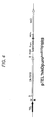
- the plasmid pTEL'hisDpuro lox2272 F9R9 was constructed by subcloning the Dk-F9R9 amplified by the above PCR into the Bam HI site of the pTEL'hisDpuro lox2272 ( FIG. 4 ).
- the pTELCAGzeo(Sr)Pm was constructed by substituting the Eco RI site of the plasmid pTELpuro with the Srf I site, then substituting the Srf I site with the Pme I site, and further substituting the puro gene with the CAGzeo gene.
- a genomic DNA fragment used as a homology arm was amplified by repeating 40 cycles of 98°C for 10 seconds and 68°C for 9 minutes by using SL-F2 (5'-tcgaggatccggcctcccaaaggattatagacgtgagccactgt-3') (SEQ ID NO:5) and SL-R2 (5'-tcgaggatccaaagaaggggcccgcctctgctctaaatcctgac-3') (SEQ ID NO:6) as a PCR primer set and a chromosome DNA of a chicken DT40 cell line 52-18 ( Kuroiwa et al., Nucleic Acids Res 26: 3447-3448, 1998 ) having the human chromosome 22 as a template.
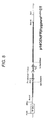
- the pTELCAGzeoSLF2R2 was constructed by subcloning the PCR product obtained into the Bam HI site of the plasmid pTELCAGzeo(Sr)Pm ( FIG. 5 ).
- the amplification of the AP000553 site fragment was carried out by PCR consisting of 40 cycles of 98°C for 10 seconds and 68°C for 15 minutes by using 553-F3 (5'-tgtagctgactttagccacccacaagtac-3') (SEQ ID NO:7) and 553-R3 (5'-cttgctgattatacctcatctccttccctc-3') (SEQ ID NO:8) as a primer set and a genomic DNA of the chicken DT40 cell 52-18 as a template.
- 553-F3 5'-tgtagctgactttagccacccacaagtac-3'
- 553-R3 5'-cttgctgattatacctcatctccttcccctc-3'
- DT-A diphtheria toxin A fragment
- the pDRIVE-CAG (InvivoGen) was modified as follows.
- the oligo DNAs [5'-gtacaataacttcgtatagcatacattatacgaagttatagatctg-3' (SEQ ID NO:9) and 5'-aattcagatctataacttcgtataatgtatgctatacgaagttatt-3' (SEQ ID NO:10)] each comprising the loxP sequence were annealed and the lacZ fragment of the pDRIVE-CAG was substituted.
- the pCAG loxP was constructed by cloning the fragment digested with Sda I and Swa I into the pBluescript SK-(Stratagene) digested with Pst I and Sma I.
- the loxP sequence of the pCAG loxP was substituted with a sequence comprising the lox2272 produced by annealing the two oligo DNAs [5'-gatctataacttcgtataggatactttatacgaagttatg-3' (SEQ ID NO:11) and 5'-ctagcataacttcgtataaagtatcctatacgaagttata-3' (SEQ ID NO:12)].
- the pCAG loxP2272 bsr was constructed by inserting the blasticidin-resistance gene (bsr gene) into the Spe I site.
- a genomic DNA used as a homology arm was amplified by PCR consisting of 40 cycles of 98°C for 10 seconds and 68°C for 15 minutes by using SC355-F3 (5'-gtacaatcttggatcactacaacctctgcctacca-3') (SEQ ID NO:13) and SC355-R3 (5'-tgctgtgtctaatcaggtgttgaacccatctacta-3') (SEQ ID NO:14) as a primer set and a genomic DNA of the chicken DT40 cell comprising the human chromosome 14 as a template.
- the Kpn I site of the plasmid pBluescript was substituted with the SrfI site, and the DNA fragment amplified above was subcloned into the SpeI site.
- the obtained plasmid was used as the pSC355F3R3.
- the loxP sequence of the pCAG loxP was substituted with a sequence comprising lox511 produced by annealing the two oligo DNAs [a DNA fragment consisting of the sequence 5'-gatctataacttcgtatagtatacattatacgaagttatg-3' (SEQ ID NO:15) and a DNA fragment consisting of the nucleotide sequence 5'-ctagcataacttcgtataatgtatactatacgaagttata-3' (SEQ ID NO:16)] and used as the pCAG lox511 .
- the pCAG lox511 hisD was constructed by inserting the hisD gene into the Spe I site of the pCAG lox511 .
- a fragment (CAG-lox511-polyA-hisD) digested with Not I and Kpn I was cloned into the Eco RV site of the pSC355F3R3.
- the plasmid obtained by subcloning the DT-A fragment into the Not I site was used as the pSC355CAG lox511 hisDDT ( FIG. 7 ).
- a genomic DNA used as a homology arm was amplified by PCR consisting of 40 cycles of 98°C for 10 seconds and 68°C for 15 minutes by using 14 CEN-F (5'-tcgaggatccttcgccaccccaaagatgattacagattac-3') (SEQ ID NO:17) and 14 CEN-R (5'-tcgaggatcctacactagaagcacaaaccccaccattacacat-3') (SEQ ID NO:18) as a primer set and a genomic DNA of the chicken DT40 cell comprising the human chromosome 14 as a template.
- the p14CEN(FR) was constructed by subcloning the PCR product into the Bam HI site of the pBluescript in which the Kpn I site was substituted with the Pme I site.
- the oligo DNAs [a DNA fragment consisting of a nucleotide sequence of 5'-agcttggatccataacttcgtatagtatacattatacgaagttata-3' (SEQ ID NO:19) and a DNA fragment consisting of a nucleotide sequence of 5'-agcttataacttcgtataatgtatactatacgaagttatggatcca-3' (SEQ ID NO:20)] comprising the lox511 sequence were annealed.
- the plasmid pPUR lox511 was constructed by cloning the fragment obtained into the Hind III site of the plasmid pPUR (BD Bioscience Clontech).
- the pHygPuro lox511 was constructed by cloning the Bam HI-digested fragment of the pPUR lox511 into the Bam HI site of the pBluescript, and the hygromycin resistance gene (hyg gene) into the Eco RV site, respectively.
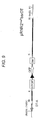
- the targeting vector pRNR2 loxP bsrDT ( FIG. 9 ) was constructed by inserting the DT-A fragment into the vector pRNR2 loxP bsr ( Kuroiwa et al., Nat Biotechnol. 18: 1086-1090, 2000 ).
- a ⁇ phage genomic library of ⁇ HAC ( W02009/111086 ) was constructed from the CHO cell comprising ⁇ HAC by a Custom Library Construction Service (Loftstrand Labs, Ltd.) by using the ⁇ FIX II vector.
- a clone comprising the human IgM constant region from the constructed genomic library was screened by using, as a probe, a PCR product amplified by PCR consisting of 40 cycles of 98°C for 10 seconds, 64°C for 30 seconds, and 72°C for 1 minute with DNAs consisting of nucleotide sequences of 5'-cagtccccggcagattcaggtgtcc-3' (SEQ ID NO:89) and of 5'-gaaagtggcattggggtggctctcg-3' (SEQ ID NO:90) as a primer and a chromosome DNA extracted from the CHO cell ( W02009/111086 ) comprising ⁇ HAC as a template.
- clones #1, #4, and #7 were isolated.
- the pmAYSpB was constructed by subcloning a fragment (about 2 kb) digested with Sph I and Bam HI from the plasmid pBC ⁇ AY37-95 in which the Sal I-bovine IGHM chromosome fragment was cloned into the pBluescript, into the Sph I -Bam HI site of the plasmid obtained above.
- the pmAYSpBPml was constructed by subcloning a fragment (about 2 kb) digested with Bam HI and Pml I of the pBC ⁇ AY37-95 into the Bam HI -Pml I site (with which the original Spe I site is substituted) of the pmAYSpB.
- the pRISe was constructed by subcloning the Eco RI- Sex AI fragment (about 0.6 kb) of the above clone #1 into the Eco RI- Sex A1 site of the pmAYSpBPml.
- the pRISeCAGzeo(R) was constructed by subcloning the CAGzeo into which the loxP sequence was introduced, into the Van 91I site of the pRISe. Further, the pRISeCAGzeoE was constructed by substituting the Not I site of the pRISeCAGzeo(R) with the Eco RI site.
- the pCH2S(F) was constructed by subcloning the Pml I fragment (about 1.7 kb) of the above clone #4 into the Sma I site of the pBluescript in which the Eco RV site was substituted with the Mlu I site.
- the pCH2LS was constructed by cloning a fragment (about 6.6 kb) digested with Mlu I and Eco RI of the above clone #1 into the Mlu I -Eco RI site of the pCH2S(F).
- the pCH2CAGzeo(F) was constructed by subcloning the Eco RI fragment of the pRISeCAGzeoE into the Eco RI site of the pCH2LS.
- the pCH2CAGzeoDT FIG. 10 was completed by subcloning the DT-A fragment into the Not I site of the pCH2CAGzeo(F).
- the targeting vector pTEL'hisDpurolox2272F9R9 was linearized with Srf I (Stratagene) and introduced into KTL1 ( Kuroiwa et al., Nat. Biotechnol. 27: 173-181, 2009 ) which was a chicken DT40 cell line having the human chromosome 2 fragment digested at the CD8A gene locus by electroporation (550 V, 25 ⁇ F).
- the electroporation of the DT40 cell was carried out by a method described in the publication ( Kuroiwa et al., Nat. Biotechnol. 18: 1086-1090, 2000 ).
- Colonies were subjected to selection by histidinol (0.5 mg/ml, Sigma) for two weeks and the sensitivity to puromycin (1 ⁇ g/ml, Sigma) was measured as an index of deletion of the puro r cassette on the CD8A gene locus.
- the chromosome DNA was extracted from a colony having the puromycin sensitivity by using the Gentra Puregene cell kit (QIAGEN), and was subjected to a PCR screening using the FABP1-F (5'-tatcaagggggtgtcggaaatcgtg-3') (SEQ ID NO:23) and the FABP1-R (5'-actgggcctgggagaacctgagact-3') (SEQ ID NO:24) as primers.
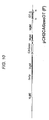
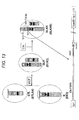
- FIG. 11 illustrates an outline of a method for modifying the human chromosome 2 in a chicken DT40 cell.
- the targeting vector pTELCAGzeoSLFR was linearized with Pme I (New England Biolabs) and introduced into 52-18 ( Kuroiwa et al., Nucleic Acids Res 26: 3447-3448, 1998 ) which is a chicken DT40 cell line having the human chromosome 22 by electroporation (550 V, 25 ⁇ F).
- a colony was subjected to selection by Zeocin (1 mg/ml, Invitrogen) for 2 weeks.
- a genomic DNA extracted from the thus obtained colony was subjected to PCR screening by using 350T-F (5'-gaggtgggctgaggggcaagtgtg-3') (SEQ ID NO:25) and 350T-R (5'-tacgaggaggggaggcagtgagagg-3') (SEQ ID NO:26) as primers.
- PCR was carried out under conditions (repeating 30 cycles of 98°C for 10 seconds, 63°C for 30 seconds, and 72°C for 1 minute) in which the AP000350 site which was present at 52-18 but was not present at a clone in which the targeting occurred, was amplified.
- clone ST13 was identified as a clone in which a deletion was generated exactly.
- the targeting vector p553CAGlox2272bsrDT which was linearized with Pme I (New England Biolabs) was introduced into ST13 by electroporation (550 V, 25 ⁇ F).
- FIG. 12 illustrates an outline of a method for modifying the human chromosome 22 in a chicken DT40 cell.
- a SLKH fragment was constructed in a chicken DT40 hybrid cell according to a method of the publication ( Kuroiwa et al., Nat. Biotechnol. 27: 173-181, 2009 ).
- the K53 ( Kuroiwa et al., Nat. Biotechnol. 27: 173-181, 2009 ) comprising a fragment derived from the human chromosome 2 having a hyg r cassette prepared in Example 2(1) and the STL54 comprising a fragment derived from the human chromosome 22 having a bs r cassette prepared in Example 2(2) were fused by using the PEG1500 (Roche) to prepare a DT40 hybrid cell.
- the colony was maintained in the presence of hygromycin B (1.5 mg/ml, Invitrogen) and blasticidin S (20 ⁇ g/ml, Invitrogen) for 3 weeks to select a cell maintaining both human chromosome fragments.
- a genomic DNA was extracted from the colony and was subjected to PCR.
- PCR1 and 7 were carried out at 40 cycles of 98°C for 10 seconds, 60°C for 30 seconds, and 72°C for 1 minute
- PCR2 and 3 were carried out at 40 cycles of 98°C for 10 seconds, 63°C for 30 seconds, and 72°C for 1 minute
- PCR4 and 5 were carried out at 40 cycles of 98°C for 10 seconds, 56°C for 30 seconds, and 72°C for 1 minute
- PCR6 was carried out at 40 cycles of 98°C for 10 minutes, 65°C for 30 seconds, and 72°C for 1 minute
- PCR8 was carried out at 40 cycles of 98°C for 10 seconds and 68°C for 6 minutes.
- FISH fluorescence in situ hybridization
- the Cre expression plasmid was introduced into SLK2 by electroporation (550 V, 25 ⁇ F).
- a recombinant was selected in the presence of puromycin (1 to 5 ⁇ g/ml, Invitrogen) for 10 days by using the puromycin resistance imparted by the CAG promoter-lox2272-puro r cassette generated at the translocation position.
- FIG. 13 illustrates an outline of a method for constructing the SLKH fragment in a DT40 hybrid cell.
- the SLKH fragment in Example 2(3) was transferred from a DT40 hybrid cell line SLKH6 into a wild type DT40 cell by the MMCT method ( Kuroiwa et al., Nat. Biotechnol. 18: 1086-1090, 2000 ).
- the puromycin resistant cell was selected in the presence of puromycin (0.5 ⁇ g/ml, Invitrogen) for 2 weeks by fusing micronuclei purified from SLKH6 with 2 ⁇ 10 7 of DT40 cells by using PEG1500 (Roche).
- the colony had lost resistance to blasticidin and therefore the test for sensitivity of the colony to blasticidin S (10 ⁇ g/ml, Invitrogen) was carried out. Further, it was confirmed that the SLKH fragment was maintained by extracting a genomic DNA from the colony with sensitivity to blasticidin S and using the following combination of PCR primers.
- a combination of IGKC-F and IGKC-R, a combination of IGKV-F and IGKV-R, a combination of RPIA-F and RPIA-R, a combination of EIF2AK3-F and EIF2AK3-R, a combination of cos138KO-F and cos138KO-R, a combination of CAGpuro-F3 and CAGpuro-R3, a combination of 553P-F and 553P-R, a combination of hVpreB1-F and hVpreB1-R, a combination of hVpreB3-F and hVpreB3-R, a combination of IgL-F and IgL-R, a combination of 344-F and 344-R, a combination of hL5-F and hL5-R, a combination of 350P-F and 350P-R, and a combination of 553KO-F and 553 KO-R were used [all described in
- KSL-HAC was constructed in the following DT40 hybrid cell according to a method described in the publication ( Kuroiwa et al., Nat. Biotechnol. 27: 173-181, 2009 ).
- a DT40 hybrid cell was constructed by fusing SLKD18 having the hyg r cassette obtained in Example 2(4) with a DT40 cell line R56 ( Kuroiwa et al., Nat. Biotechnol. 27: 173-181, 2009 ) comprising the SC20 fragment having the bs r cassette by using PEG1500 (Roche).
- the colony was maintained in the presence of hygromycin B (1.5 mg/ml, Invitrogen) and blasticidin S (20 ⁇ g/ml, Invitrogen) for 3 weeks to select a cell maintaining both of the SLKH fragment and the SC20.
- a genomic DNA was extracted from the colony and was subjected to PCR.
- PCR for confirming whether the SLKH fragment was maintained was carried out by using primer combinations of IGKC-F and IGKC-R, IGKV-F and IGKV-R, RPIA-F and RPIA-R, EIF2AK3-F and EIF2AK3-R, cos138KO-F and cos138KO-R, CAGpuro-F3 and CAGpuro-R3, 553P-F and 553P-R, hVpreB1-F and hVpreB1-R, hVpreB3-F and hVpreB3-R, IgL-F and IgL-R, 344-F and 344-R, hL5-F and hL5-R, 350P-F and 350P-R, and 553KO-F and 553 KO-R [all described in Example 2(3)].
- clone KSL3 was identified as a positive clone.
- GFP positive cells were sorted by using FACSAria according to a method described in the publication ( Kuroiwa et al., Nat. Biotechnol. 27: 173-181, 2009 ), and a recombinant was concentrated. In order to obtain a GFP positive cell with a purity of 95% or more, the sorting was carried out twice.
- the GFP cassette was confirmed by PCR consisting of 40 cycles of 98°C for 10 seconds, 59°C for 30 seconds, and 72°C for 1 minute by using PGK2 (5'-tgttctcctcttcctcatctcc-3') (SEQ ID NO:69) and GFP2 (5'-tgaaggtagtgaccagtgttgg-3') (SEQ ID NO:70) as primers.
- FIG. 14 illustrates an outline of a method for constructing KSL-HAC in a DT40 hybrid cell.
- KSL-HAC in (5) was transferred from the DT40 hybrid cell line KSLH12(2) into Chinese Hamster Ovary (CHO) cells by a partially modified method of a MMCT method or WCF method described in the publication ( Kuroiwa et al., Nat. Biotechnol. 18: 1086-1090, 2000 ).
- micronuclei purified from KSLH12(2) were fused with about 2 ⁇ 10 7 of CHO cells by using PEG1500 (Roche), and selection was carried out in the presence of G418 (600 ⁇ g/ml, Invitrogen) and Ouabain (10 -5 mol/L, Sigma) for 3 weeks.
- a G418 resistant colony was selected and a genomic DNA was extracted and subjected to PCR screening.
- KSL-HAC KSL-HAC was maintained. That is, a combination of IGKC-F and IGKC-R, a combination of IGKV-F and IGKV-R, a combination of RPIA-F and RPIA-R, a combination of EIF2AK3-F and EIF2AK3-R, a combination of cos138KO-F and cos138KO-R, a combination of CAGpuro-F3 and CAGpuro-R3, a combination of 553P-F and 553P-R, a combination of hVpreB1-F and hVpreB1-R, a combination of hVpreB3-F and hVpreB3-R, a combination of IgL-F and IgL-R, a combination of 344-F and 344-R, a combination of hL5-F and hL5-R, a combination of 350P-F and 350P-R, and a
- the presence of the gene loci of the human immunoglobulin heavy chain (IgH), the immunoglobulin ⁇ chain (Ig ⁇ ), and the immunoglobulin ⁇ chain (Ig ⁇ ) on KSL-HAC was confirmed by a three-color FISH using the BAC clone RP11-417P24, RP11-316G9, and RP11-22M5 from Roswell Park Cancer Institute Human Male BAC Library (RPCI-11), (Advanced Geno Techs Co.) as probes.
- RP11-417P24 was labeled with Red-dUTP, RP11-316G9 with Green-dUTP, and RP11-22M5 with Orange-dUTP, respectively, by using the Nick Translation Kit (Abbott Molecular) to develop chromosomes on the slide, and all the three probes were used for hybridization according to a document attached to the product.
- DAPI II Abbott Molecular was used for counter staining.
- the targeting vector pSC355CAGlox511hisDDT linearized with Srf I (Stratagene) was introduced into the DT40 cell maintaining an intact human chromosome 14 labeled with pSTneo [ Katoh et al., Cell Structure and Function, 12, 575-580, 1987 ; Japanese Collection of Research Biologicals(JCRB) Bank, Deposit Number VE039] by electroporation (550 V, 25 ⁇ F).
- the electroporation method into the DT40 cell is described in the publication ( Kuroiwa et al., Nat. Biotechnol. 18: 1086-1090, 2000 ).
- the colony was subjected to selection by histidinol (0.5 mg/ml, Sigma) for two weeks, and thus a genomic DNA extracted from the resistant colony was subjected to PCR screening.
- PCR was carried out with 40 cycles of 98°C for 10 seconds and 68°C for 6 minutes by using primers amplifying a clone in which the targeting occurred SC355KO-F2 (5'-acggcgtgaggaccaaggagcgaaacc-3') (SEQ ID NO:71) and SC355KO-R2 (5'-tgagcgacgaattaaaacaggcgatgac-3') (SEQ ID NO:72) and also with 40 cycles of 98°C for 10 seconds, 60°C for 30 seconds, and 72°C for 1 minute by using primers amplifying a clone in which vector fragments were randomly integrated 355N-F (5'-gggcaacatagcaagacaccattc-3') (SEQ ID NO:73) and 355N-R (5'-tcctctcacctcagcctccatagta-3') (SEQ ID NO:74).
- clone I355-2 was identified as a clone which generated the targeting.
- the targeting vector p14CEN(FR)hygpuro lox511DT linearized with Not I was introduced into I355-2 by electroporation (550 V, 25 ⁇ F).
- the colony was subjected to selection by hygromycin (1.5 mg/ml, Introgen) for two weeks, and thus a genomic DNA extracted from the resistant colony was subjected to PCR screening. It was determined by PCR under conditions of 40 cycles of 98°C for 10 seconds and 68°C for 5 minutes by using the primers 14CENKO-F3 (5'-actgaaatattttaaatgtttgcccttcccactcc-3') (SEQ ID NO:75) and 14CENKO-R3 (5'-agacctccgcgccccgcaacctccccttctac-3') (SEQ ID NO:76) whether or not the targeting occurred.
- 14CENKO-F3 5'-actgaaatattttaaatgtttgcccttcccactcc-3'
- 14CENKO-R3 5'-agacctccgcgcccg
- a random insertion was determined by PCR under conditions of 30 cycles of 98°C for 10 seconds, 60°C for 30 seconds, and 72°C for 1 minute by using the primers 14CEN(N)-F2 (5'-aacagttgaatttatggggagtc-3') (SEQ ID NO:77) and 14CEN(N)-R2 (5'-tcaggctttaaacacagtatcacag-3') (SEQ ID NO:78).
- clone I156-10 was identified as a clone in which the targeting was completed.
- a Cre expression plasmid was introduced into the I156-10 by electroporation (550 V, 25 ⁇ F).
- the colony was cultured for 4 days and was subjected to selection by puromycin (5 ⁇ g/ml, Sigma).
- the sequences of PCR products were analyzed by carrying out PCR using the primers CAGpuro-F3 and CAGpuro-R3 described in Example 2(3), and thus the presence of the cassette was confirmed.
- clone D8 was identified as a clone in which a desired deletion was achieved.
- the targeting vector pRNR2loxPbsrDT linearized with Swa I was introduced into clone D8 by electroporation (550 V, 25 ⁇ F).
- the colony was subjected to selection by blasticidin S (20 ⁇ g/ml, Invitrogen) for two weeks, and a genomic DNA of the resistant colony was subjected to PCR screening using the primers RNR2-1 and STOP-3 described in Example 2(5).
- clones 14D1 and 14D3 were identified as positive clones maintaining the 14D fragment.
- the targeting vector pCH2CAGzeoDT(F) linearized with Sal I was introduced into clone 14D1 by electroporation (550 V, 25 ⁇ F).
- the colony was subjected to Zeocin (1 mg/ml, Invitrogen) selection for two weeks, and thus a genomic DNA of the resistant colony was subjected to PCR screening.
- PCR was carried out under conditions of 40 cycles of 98°C for 10 seconds and 68°C for 5 minutes by using the primers cHAC-F (5'-acgcctgctcgcctgcccgctcgctcgcttctctct-3') (SEQ ID NO:79) and cHAC-R (5'-ttgccagggccacagttaacggatacg-3') (SEQ ID NO:80).
- the ligated part at 5' and 3' of the bovine sequence and the human sequence was confirmed by analyzing the sequences of the PCR products by carrying out PCR under conditions of 40 cycles of 98°C for 10 seconds, 64°C for 30 seconds, and 72°C for 1 minute by using the primers CH2 5'-F (5'-cagcaccccaacggcaacaaagaaa-3') (SEQ ID NO:81) and CH2 5'-R (5'-ccccagggctgcactcaccaacat-3') (SEQ ID NO:82) and of 40 cycles of 98°C for 10 seconds and 68°C for 8 minutes by using cHAC-F3 (5'-tgcaggtgaagtgacggccagccaagaaca-3') (SEQ ID NO:83) and cHAC-R3 (5'-tggcagcagggtgacagggaaggcagggaaag-3') (SEQ ID NO:84) as primers.
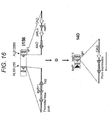
- FIGS. 15 and 16 illustrate an outline of a method for constructing a CH2D fragment by modifying the human chromosome 14 in a DT 40 cell.
- KSL-HAC ⁇ was constructed in a DT40 hybrid cell in the same manner as KSL-HAC in Example 2(5).
- SLKD17 or SLKD18 comprising the hyg r cassette in Example 2(4) and the 14D1 comprising the bs r cassette in Example 3(1) were fused by using PEG1500 (Roche) to construct a DT40 hybrid cell.
- the colony was maintained in the presence of hygromycin B (1.5 mg/ml, Invitrogen) and blasticidin S (20 ⁇ g/ml, Invitrogen) for 3 weeks to select a cell comprising both of SLKH and 14D fragments.
- a genomic DNA was extracted from the resistant colony and was subjected to PCR.
- clones KSLD1 and KSLD16 were identified as positive clones.
- a Cre expression plasmid was introduced into KSLD1 and KSLD16 by electroporation (550 V, 25 ⁇ F) according to the description in Example 2(5).
- GFP positive cells were sorted by using FACSAria according to a method described in the publication ( Kuroiwa et al., Nat. Biotechnol. 18: 1086-1090, 2000 ), and recombinants were concentrated.
- KSLD1-derived KSLDH1(2L) and KSLD16-derived KSLDH16(2L) were DT40 hybrid cell lines consisting of cell groups which maintained KSL-HAC ⁇ and exhibited a low GFP expression level.
- KSL-HAC ⁇ described in Example 3(2) was transferred from the DT40 hybrid cell line KSLDH1(2L) or KSLDH16(2L) to the CHO cell by using the MMCT method or WCF method.
- micronuclei purified from KSLDH1(2L) or KSLDH16(2L) were fused with 2 ⁇ 10 7 of CHO cells by using PEG1500 (Roche), and selection was carried out by Zeocin (800 ⁇ g/ml, Invitrogen) and Ouabain (10 -5 mol/L, Sigma) for 3 weeks.
- KSLDH1(2L) or KSLDH16(2L) were fused with 2 ⁇ 10 7 of CHO cells by using PEG1500 (Roche), and selection was carried out by Zeocin (800 ⁇ g/ml, Invitrogen) and Ouabain (10 -5 mol/L, Sigma) for 3 weeks.
- KSL-HAC ⁇ was maintained. That is, a combination of IGKC-F and IGKC-R, a combination of IGKV-F and IGKV-R, a combination of RPIA-F and RPIA-R, a combination of EIF2AK3-F and EIF2AK3-R, a combination of cos138KO-F and cos138KO-R, a combination of CAGpuro-F3 and CAGpuro-R3, a combination of 553P-F and 553P-R, a combination of hVpreB1-F and hVpreB1-R, a combination of hVpreB3-F and hVpreB3-R, a combination of IgL-F and IgL-R, a combination of 344-F and 344-R, a combination of hL5-F and hL5-R, a combination of 350P-F and 350P-R, and
- KSL-HAC ⁇ was maintained.
- the IgH, Ig ⁇ , and Ig ⁇ gene loci on KSL-HAC ⁇ were confirmed by a three-color FISH using the BAC clones RP11-417 P24, RP11-316G9, and RP11-22M5 described in Example 2(6).
- SLKD 17 or SLKD18 comprising the hyg r cassette in Example 2(4) and the CH2D-4 comprising the bs r cassette in Example 3(1) were fused by using PEG1500 (Roche) to construct a DT40 hybrid cell.
- the colony was maintained in the presence of hygromycin B (1.5 mg/ml, Invitrogen) and blasticidin S (20 ⁇ g/ml, Invitrogen) for 3 weeks to select a cell maintaining both of the SLKH fragment and the CH2D fragment.
- a genomic DNA was extracted from the colony and was subjected to PCR.
- a combination of IGKC-F and IGKC-R a combination of IGKV-F and IGKV-R, a combination of RPIA-F and RPIA-R, a combination of EIF2AK3-F and EIF2AK3-R, a combination of cos138KO-F and cos138KO-R, a combination of CAGpuro-F3 and CAGpuro-R3, a combination of 553P-F and 553P-R, a combination of hVpreB1-F and hVpreB1-R, a combination of hVpreB3-F and hVpreB3-R, a combination of IgL-F and IgL-R, a combination of 344-F and 344-R, a combination of hL5-F and hL5-R, a combination of 350P-F and 350P-R, and a
- a Cre expression vector was introduced into cKSLD2 and cKSLD22 by electroporation (550 V, 25 ⁇ F).
- GFP positive cells were sorted by using FACSAria according to a method described in the publication ( Kuroiwa et al., Nat. Biotechnol. 18: 1086-1090, 2000 ), and recombinants were concentrated.
- Sorting was carried out twice to obtain a GFP positive cell group having two different GFP expression levels in the same manner as Example 3(2).
- FIG. 17 illustrates an outline of a method for constructing cKSL-HAC ⁇ in a DT40 hybrid cell.
- cKSL-HAC ⁇ described in Example 4(1) was transferred from the DT40 hybrid cell line cKSLDH2(2L) or cKSLDH22(2L) to the CHO cell by the MMCT method.
- Micronuclei purified from cKSLDH2(2L) or cKSLDH22(2L) were fused with 2 ⁇ 10 7 of CHO cells by using PEG1500 (Roche), and a selection was carried out by Zeocin (800 ⁇ g/ml, Invitrogen) and Ouabain (10 -5 M, Sigma) for 3 weeks.
- cKSL-HAC ⁇ was maintained. That is, a combination of IGKC-F and IGKC-R, a combination of IGKV-F and IGKV-R, a combination of RPIA-F and RPIA-R, a combination of EIF2AK3-F and EIF2AK3-R, a combination of cos138KO-F and cos138KO-R, a combination of CAGpuro-F3 and CAGpuro-R3, a combination of 553P-F and 553P-R, a combination of hVpreB1-F and hVpreB1-R, a combination of hVpreB3-F and hVpreB3-R, a combination of IgL-F and IgL-R, a combination of 344-F and 344-R, a combination of
- KSL-HAC, KSL-HAC ⁇ , and cKSL-HAC ⁇ was transferred from DT40 hybrid cells to CHO cells by the MMCT method ( Kuroiwa et al., Nat Biotechnol. 18: 1086-1090, 2000 ).
- the CHO clone comprising the HAC was cultured in F12 medium (Gibco) supplemented with 10% FBS (Gibco) and 0.8 mg/ml of Zeocin under conditions of 37°C and 5% CO 2 .
- a HAC-comprising clone was expanded in culture in 12 of T25 flasks. After the cell density reached 80 to 90%, colcemid (Sigma) was added to the medium to give a final concentration of 0.1 ⁇ g/ml.
- DMEM medium Invitrogen
- cytochalasin B 10 ⁇ g/ml of cytochalasin B (Sigma).
- Micronuclei were recovered by centrifuging the flask at 8000 rpm for 60 minutes. The micronuclei were purified through 8-, 5-, and 3- ⁇ m filters (Costar), followed by resuspension in a DMEM medium. The obtained micronuclei were used for fusion with bovine fibroblasts as described below.
- Bovine fetal fibroblasts (IGHM -/- IGHML1 -/- , Kuroiwa et al., Nat Biotechnol. 27: 173-181, 2009 ) were cultured in ⁇ -MEM (Invitrogen) medium supplemented with 15% FBS (Hyclone) under conditions of 38.5°C and 6.5% CO 2 .
- the fibroblasts were expanded in culture in a T175 flask. When the cell density reached 70 to 80%, the cells were detached from the flask with 0.05% trypsin. The fibroblast cells were washed twice with a DMEM medium and then overlayed on the micronuclei suspension.
- micronuclei-fibroblast suspension was centrifuged at 1,500 rpm for 5 minutes, PEG1500 (Roche) was added to the pellet according to the attached protocol to allow the micronuclei to be fused with the bovine fibroblasts.
- the fused cells were plated into ten 24-well plates and cultured in an ⁇ -MEM medium supplemented with 15% FBS for 24 hours. After that, the medium was exchanged with a medium containing 0.6 mg/ml of Zeocin.
- the selected fused cells comprising various HACs were used as a chromatin donor, and thus a bovine comprising various HACs was produced by a chromatin transfer method described in WO2002/051997 .
- the human IgG levels in various HAC bovine sera constructed were measured by a method described in the publication ( Kuroiwa et al., Nat Biotechnol. 27: 173-181, 2009 ).
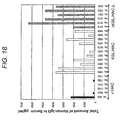
- the total amount of the human IgG in each serum of 6-month-old HAC bovines is shown in the following FIG. 18 .
- the average value of the total amount of the human IgG in various 6-month-old HAC bovine sera is shown in the following Table 4.
- the amount of human IgG production in serum in bovines having KSL-HAC and cKSL-HAC ⁇ was significantly increased as compared to bovines having ⁇ HAC.
- the number of B cells expressing IgM in the cKSL-HAC ⁇ bovine peripheral blood was increased as compared to that in the ⁇ HAC bovine peripheral blood. Further, the number of B cells expressing IgM even in the KSL-HAC bovine and the cKSL-HAC ⁇ bovine lymph nodes was increased as compared to the number in the ⁇ HAC bovine lymph node.
- T cell surface membrane protein mixture fraction of CEM cell membrane formulation
- a RPMI1640 medium comprising 10% bovine fetal serum (Hyclone)
- the human T cell line CCRF-CEM ATCC was allowed to proliferate in a constant humidity and temperature chamber at 37°C and 5% CO 2 until the cells in a flask of 225 cm 2 was confluent (2 ⁇ 10 6 cells/mL).
- the cells were made into a pellet by centrifugation using a Sorvall RC12BP at 450 ⁇ g and 2 to 8°C for 30 minutes.
- the cell pellet was resuspended into sterilized iced PBS, followed by washing operation twice.
- the cell pellet was suspended at a density of 2 ⁇ 10 8 cells/mL in an iced lysis buffer (20 mM Tris chloride, 10 mM NaCl, and 0.1 mM MgCl 2 ) comprising 1 mM PMSF (Sigma), various protease inhibitors [1.6 ⁇ M Aprotinin, 40 ⁇ M Leupeptin, 2 mM AEBSF, 0.1 mM Bestatin, 30 ⁇ M E-64, and 20 ⁇ M PepstatinA (CalBioChem)], and 25.6 ⁇ g/ml DNAseI (Sigma). Then, the cells were immediately freezed in liquid nitrogen. The frozen cells were stored at -80°C until further use.
- an iced lysis buffer (20 mM Tris chloride, 10 mM NaCl, and 0.1 mM MgCl 2 ) comprising 1 mM PMSF (Sigma), various protease inhibitors [1.6 ⁇ M Aprotinin, 40 ⁇ M Le
- the frozen CEM cells were melted in a cooling water bath.
- the CEM cells were subjected to ultrasonication twice to three times in a cooling water bath under conditions of 40 amps and 30 seconds by using an ultra sonic processor (Sonics & Materials).
- the CEM membranes were made into a pellet by ultracentrifugation at 80,000 ⁇ g (70.1 Ti rotor) for 50 minutes at 4°C. After supernatant was carefully removed with a sterilized Pasteur pipette, the CEM membranes were once washed by ultracentrifugation at 4°C for 50 minutes by using sterilized iced PBS. Finally, the CEM cell membranes were resuspended in PBS.
- the CEM cell membranes were subjected to ultrasonication in a cooling water bath under conditions of 20 amps and 30 seconds by using an ultrasonic processor.
- the CEM membrane crushed material was stored at -80°C until further use.
- the CEM membrane preparation was prepared by Montanide ISA 25 adjuvant (Seppic) which was an oil-in-water type emulsion with a saponin-derived immune inducer Quil A (Accurate Chemicals). Bovine was immunized four times at intervals of 4 weeks.
- Montanide ISA 25 adjuvant Seppic
- Quil A saponin-derived immune inducer
- Bovine was immunized four times at intervals of 4 weeks.
- the vaccine was intramuscularly inoculated to the cervical region (2 mL/dose).
- serum samples were collected prior to immunization and on days 10 and 14 after immunization. After blood was allowed to stand still in a serum separation tube to clot, and serum was separated by centrifugation. Further, the serum was dispensed at 0.5 to 1 mL, and freezed and stored until future assay.
- the titer of anti-CEM antibody was determined by CEM cell specific human IgG ELISA.
- the plate was washed with 100 to 200 ⁇ L of PBS three times to remove non-bound proteins. After each washing operation, the plates were subjected to centrifugation at 2850 ⁇ g for 5 minutes to carefully suck in and remove supernatant from each well. After three washing operations, 100 ⁇ L of HRP-labeled donkey anti-human IgG antibody (Jackson Immuno Research) diluted with 5% Membrane Block/PBS buffer by 50,000 times was added to each well to resuspend the cell pellet in a HRP solution.
- HRP-labeled donkey anti-human IgG antibody Jackson Immuno Research
- the plate was washed with PBS three times same as above. Finally, the bound anti-CEM antibody was detected by dividing 100 ⁇ L/well of the TMB+H 2 O 2 matrix mixture solution (KPL) into the plate, and the plate was also allowed to stand still at 25°C for 15 minutes. After the chromogenic reaction was stopped by 100 ⁇ L/well of 10% phosphoric acid, 450 nm was measured by using a microplate reader (Biotek Instruments).
- KPL TMB+H 2 O 2 matrix mixture solution
- a four-parameter standard curve was prepared from values of seven-step dilution series, and a value of the serum sample was calculated by intrapolation on the curve with Gen5 Secure Software. An average titer was calculated by carrying out a dilution assay three to four times for each measurement serum sample.
- the antigen specific human IgG in the bovine serum was produced at about 1000 to 2000 U/mg IgG in the KSL-HAC bovine, and at about 550 U/mg IgG in the cKSL-HAC ⁇ bovine among the total human IgG.
- a plasmid pSTneo [ Katoh et al., Cell Structure and Function, 12, 575-580, 1987 ; Japanese Collection of Research Biologicals (JCRB) Bank, Deposit No. VE039] is introduced into a human normal fibroblast HFL-1 (RIKEN Japan Cell Bank, Deposit No. RCB0251) to obtain a transformed cell, followed by cell fusion of the transformed cell with a mouse fibroblast A9 ( Oshimura et al., Environmental Health Perspectives, 93, 57-58, 1991 ; JCRB Cell Bank, Deposit No. JCRB0211) to construct a hybrid cell.
- micronuclei are prepared from the hybrid cell to be fused with the mouse A9 cell.
- Each clone comprising desired human chromosome 2, 14, and 22 is identified from obtained clones by genome PCR, genomic Southern Analysis, fluorescence in situ hybridization (FISH), and the like.
- the human chromosome 2 is introduced from the A9 cell comprising the human chromosome 2 obtained in Reference Example 1 into the chicken B cell DT40 (JCRB Cell Bank, Deposit No. JCRB2221).
- telomere sequence is inserted into the CD8A gene locus on the human chromosome 2 by introducing a targeting vector pTELPuroCD8A ( Kuroiwa et al., Nature Biotechnology, 18, 1086-1090, 2000 ) into the DT40 hybrid cell by using a telomere truncation method described in W02008/013067 , and the truncation of the chromosome is induced at the insertion site.
- a DT40 hybrid cell kTL1 comprising a human chromosome 2 which has a deleted region from the CD8A gene locus to the telomere end may be constructed by the manipulation.
- the human chromosome 22 is introduced from the A9 cell comprising the human chromosome 22 obtained in Reference Example 1 into the chicken B cell DT40 (JCRB Cell Bank, Deposit No. JCRB2221).
- a DT40 hybrid cell 52-18 comprising the human chromosome 22 may be constructed by the manipulation.
- a loxP sequence is inserted into the RNR2 gene locus on the human chromosome 14 by introducing a targeting vector pRNR210xPbsr ( Kuroiwa et al., Nature Biotechnology, 18, 1086-1090, 2000 ) into a DT40 cell (International Patent Organism Depositary, National Institute of Advanced Industrial Science and Technology (AIST), Deposit No. FERMBP-7583) comprising the human chromosome 14 fragment SC20.
- the DT40 hybrid cell R56 comprising SC20 which has the loxP sequence at the RNR2 gene locus may be constructed by the manipulation.
- the human chromosome 14 is introduced from the A9 cell comprising the human chromosome 14 obtained in Reference Example 1 into the chicken B cell DT40 (JCRB Cell Bank, Deposit No. JCRB2221).
- the DT40 hybrid cell #14/DT40 comprising the human chromosome 14 may be constructed by the manipulation.
- the present invention provides a human artificial chromosome vector comprising a gene encoding the human antibody heavy chain, a gene encoding the human antibody light chain, and a gene encoding IgM heavy chain constant region derived from a non-human animal; and being capable of producing a human antibody with a higher efficiency when the vector is introduced into an animal.
- a human artificial chromosome vector of the present invention By immunizing the animal produced using a human artificial chromosome vector of the present invention with a desired antigen, a large quantity of human polyclonal antibodies can be supplied.
Landscapes
- Health & Medical Sciences (AREA)
- Life Sciences & Earth Sciences (AREA)
- Genetics & Genomics (AREA)
- Chemical & Material Sciences (AREA)
- Organic Chemistry (AREA)
- Engineering & Computer Science (AREA)
- Biotechnology (AREA)
- General Health & Medical Sciences (AREA)
- Zoology (AREA)
- Biophysics (AREA)
- Wood Science & Technology (AREA)
- Molecular Biology (AREA)
- Bioinformatics & Cheminformatics (AREA)
- Biochemistry (AREA)
- General Engineering & Computer Science (AREA)
- Biomedical Technology (AREA)
- Immunology (AREA)
- Physics & Mathematics (AREA)
- Plant Pathology (AREA)
- Proteomics, Peptides & Aminoacids (AREA)
- Microbiology (AREA)
- Medicinal Chemistry (AREA)
- Veterinary Medicine (AREA)
- Environmental Sciences (AREA)
- Animal Behavior & Ethology (AREA)
- Animal Husbandry (AREA)
- Biodiversity & Conservation Biology (AREA)
- Peptides Or Proteins (AREA)
- Micro-Organisms Or Cultivation Processes Thereof (AREA)
- Preparation Of Compounds By Using Micro-Organisms (AREA)
Applications Claiming Priority (2)
| Application Number | Priority Date | Filing Date | Title |
|---|---|---|---|
| US26193509P | 2009-11-17 | 2009-11-17 | |
| PCT/JP2010/070513 WO2011062206A1 (fr) | 2009-11-17 | 2010-11-17 | Vecteur de chromosome artificiel humain |
Publications (2)
| Publication Number | Publication Date |
|---|---|
| EP2502992A1 true EP2502992A1 (fr) | 2012-09-26 |
| EP2502992A4 EP2502992A4 (fr) | 2013-06-12 |
Family
ID=44059683
Family Applications (2)
| Application Number | Title | Priority Date | Filing Date |
|---|---|---|---|
| EP10831601.9A Active EP2502993B1 (fr) | 2009-11-17 | 2010-11-17 | Vecteur de chromosome humain artificiel |
| EP10831600.1A Withdrawn EP2502992A4 (fr) | 2009-11-17 | 2010-11-17 | Vecteur de chromosome artificiel humain |
Family Applications Before (1)
| Application Number | Title | Priority Date | Filing Date |
|---|---|---|---|
| EP10831601.9A Active EP2502993B1 (fr) | 2009-11-17 | 2010-11-17 | Vecteur de chromosome humain artificiel |
Country Status (8)
| Country | Link |
|---|---|
| US (3) | US9315824B2 (fr) |
| EP (2) | EP2502993B1 (fr) |
| JP (2) | JPWO2011062206A1 (fr) |
| CN (2) | CN102803488A (fr) |
| AU (2) | AU2010320129A1 (fr) |
| CA (2) | CA2780945C (fr) |
| NZ (1) | NZ600002A (fr) |
| WO (2) | WO2011062206A1 (fr) |
Cited By (1)
| Publication number | Priority date | Publication date | Assignee | Title |
|---|---|---|---|---|
| EP3533867A4 (fr) * | 2016-10-31 | 2020-07-22 | National University Corporation Tottori University | Animal non humain produisant un anticorps humain et procédé de préparation d'anticorps humains l'utilisant |
Families Citing this family (29)
| Publication number | Priority date | Publication date | Assignee | Title |
|---|---|---|---|---|
| US9445581B2 (en) | 2012-03-28 | 2016-09-20 | Kymab Limited | Animal models and therapeutic molecules |
| DK3622815T3 (da) | 2009-07-08 | 2023-06-26 | Kymab Ltd | Gnavermodeller og terapeutiske molekyler |
| SMT202600080T1 (it) | 2010-02-08 | 2026-03-09 | Regeneron Pharma | Topo con catena leggera comune |
| US20130045492A1 (en) | 2010-02-08 | 2013-02-21 | Regeneron Pharmaceuticals, Inc. | Methods For Making Fully Human Bispecific Antibodies Using A Common Light Chain |
| US9796788B2 (en) | 2010-02-08 | 2017-10-24 | Regeneron Pharmaceuticals, Inc. | Mice expressing a limited immunoglobulin light chain repertoire |
| HUE047278T2 (hu) | 2011-08-05 | 2020-04-28 | Regeneron Pharma | Humanizált univerzális könnyûláncú egerek |
| BR112014006394A2 (pt) | 2011-09-19 | 2017-03-28 | Kymab Ltd | manipulação de diversidade genética de imunoglobulina e terapêuticos multi-anticorpos |
| WO2013045916A1 (fr) | 2011-09-26 | 2013-04-04 | Kymab Limited | Chaînes légères substituts (cls) chimères comprenant vpreb humain |
| GB2495083A (en) * | 2011-09-26 | 2013-04-03 | Kymab Ltd | Human VpreB and chimaeric surrogate light chains in transgenic non-human vertebrates |
| US9253965B2 (en) | 2012-03-28 | 2016-02-09 | Kymab Limited | Animal models and therapeutic molecules |
| SG11201405059XA (en) * | 2012-03-28 | 2014-09-26 | Kymab Ltd | Transgenic non-human vertebrate for the expression of class - switched, fully human, antibodies |
| GB2502127A (en) | 2012-05-17 | 2013-11-20 | Kymab Ltd | Multivalent antibodies and in vivo methods for their production |
| US10251377B2 (en) | 2012-03-28 | 2019-04-09 | Kymab Limited | Transgenic non-human vertebrate for the expression of class-switched, fully human, antibodies |
| AU2013296182B2 (en) * | 2012-08-03 | 2018-03-08 | Sab, Llc | Complex chromosome engineering for production of human antibodies in transgenic animals |
| US9788534B2 (en) | 2013-03-18 | 2017-10-17 | Kymab Limited | Animal models and therapeutic molecules |
| US9783618B2 (en) | 2013-05-01 | 2017-10-10 | Kymab Limited | Manipulation of immunoglobulin gene diversity and multi-antibody therapeutics |
| US11707056B2 (en) | 2013-05-02 | 2023-07-25 | Kymab Limited | Animals, repertoires and methods |
| US9783593B2 (en) | 2013-05-02 | 2017-10-10 | Kymab Limited | Antibodies, variable domains and chains tailored for human use |
| AU2014330922A1 (en) | 2013-10-01 | 2016-03-03 | Kymab Limited | Animal models and therapeutic molecules |
| CA3124228C (fr) | 2014-03-21 | 2024-05-14 | Regeneron Pharmaceuticals, Inc. | Animaux non humains qui produisent des proteines de liaison monodomaine |
| EP3138903B1 (fr) * | 2014-05-02 | 2022-02-09 | Chiome Bioscience Inc. | Cellules pour la production d'anticorps humain |
| CA2979702A1 (fr) | 2015-03-19 | 2016-09-22 | Regeneron Pharmaceuticals, Inc. | Animaux non humains qui selectionnent des regions variables de chaines legeres qui se lient a l'antigene |
| US11072649B2 (en) | 2015-11-25 | 2021-07-27 | Sab, Llc | Systems and methods for the production of human polyclonal antibodies |
| FR3064484A1 (fr) | 2017-03-31 | 2018-10-05 | Laboratoire Francais Du Fractionnement Et Des Biotechnologies | Composition d'immunoglobulines utiles pour traiter des infections virales |
| IL314733A (en) | 2018-03-26 | 2024-10-01 | Regeneron Pharma | Humanized rodents for testing therapeutic agents |
| US12331320B2 (en) | 2018-10-10 | 2025-06-17 | The Research Foundation For The State University Of New York | Genome edited cancer cell vaccines |
| JP7664916B2 (ja) | 2019-11-04 | 2025-04-18 | ビオタ リミテッド | 難水溶性の有効成分を含有する経口投与可能なフィルム及びその調製 |
| EP4204005A1 (fr) | 2020-08-31 | 2023-07-05 | Sab, Llc | Immunoglobuline polyclonale dérivée d'ongulés spécifique à la protéine de coronavirus et ses utilisations |
| EP4665391A1 (fr) | 2023-02-17 | 2025-12-24 | Sab, Llc | Immunoglobuline polyclonale dérivée d'ongulés spécifique du virus de la grippe et ses utilisations |
Family Cites Families (18)
| Publication number | Priority date | Publication date | Assignee | Title |
|---|---|---|---|---|
| GB8823869D0 (en) * | 1988-10-12 | 1988-11-16 | Medical Res Council | Production of antibodies |
| US5874299A (en) * | 1990-08-29 | 1999-02-23 | Genpharm International, Inc. | Transgenic non-human animals capable of producing heterologous antibodies |
| US5625126A (en) * | 1990-08-29 | 1997-04-29 | Genpharm International, Inc. | Transgenic non-human animals for producing heterologous antibodies |
| KR100308764B1 (ko) * | 1995-08-29 | 2001-12-17 | 마나배게이사꾸 | 키메라동물및그의제작법 |
| US6632976B1 (en) | 1995-08-29 | 2003-10-14 | Kirin Beer Kabushiki Kaisha | Chimeric mice that are produced by microcell mediated chromosome transfer and that retain a human antibody gene |
| ATE455179T1 (de) | 1997-02-28 | 2010-01-15 | Kyowa Hakko Kirin Co Ltd | Humanes chromosomfragment und ein vektor, der dies enthält |
| TWI255853B (en) | 1998-08-21 | 2006-06-01 | Kirin Brewery | Method for modifying chromosomes |
| AU2001297523B2 (en) | 2000-11-17 | 2007-01-18 | Sab, Llc | Expression of xenogenous (human) immunoglobulins in cloned, transgenic ungulates |
| MXPA03005624A (es) | 2000-12-22 | 2004-12-03 | Vaurox Llc | Metodos para clonar mamiferos usando cromatina reprogramada del donador o celulas donadoras. |
| CN1789416B (zh) | 2001-05-11 | 2011-11-16 | 协和发酵麒麟株式会社 | 含人抗体λ轻链基因的人类人工染色体 |
| CN1668187A (zh) | 2002-05-17 | 2005-09-14 | 赫马技术有限公司 | 能够产生人抗体的转基因有蹄动物 |
| EP2347767A3 (fr) * | 2003-01-31 | 2013-06-12 | Albor Biologics, Inc. | Régulation immunitaire basée sur le ciblage de molécules d'activation précoce |
| AU2005237494B2 (en) * | 2004-04-22 | 2010-06-10 | Kyowa Hakko Kirin Co., Ltd | Transgenic animals and uses thereof |
| US20080026457A1 (en) * | 2004-10-22 | 2008-01-31 | Kevin Wells | Ungulates with genetically modified immune systems |
| US20100047171A1 (en) * | 2006-01-24 | 2010-02-25 | Roland Beckmann | Fusion Proteins That Contain Natural Junctions |
| TW200817512A (en) | 2006-07-07 | 2008-04-16 | Kirin Pharma Kk | Human artificial chromosome (hac) vector, and human cell pharmaceutical comprising human artificial chromosome (hac) vector |
| CN101679974B (zh) * | 2007-03-27 | 2015-09-30 | 航道生物技术有限责任公司 | 包含抗体替代轻链序列的构建体和文库 |
| WO2009111086A1 (fr) | 2008-03-07 | 2009-09-11 | Kirin Pharma Kabushiki Kaisha | Mammifères transgéniques non humains avec une chaîne légère kappa d’immunoglobuline xénogénique |
-
2010
- 2010-11-17 EP EP10831601.9A patent/EP2502993B1/fr active Active
- 2010-11-17 CN CN201080052081XA patent/CN102803488A/zh active Pending
- 2010-11-17 WO PCT/JP2010/070513 patent/WO2011062206A1/fr not_active Ceased
- 2010-11-17 JP JP2011541940A patent/JPWO2011062206A1/ja active Pending
- 2010-11-17 CN CN201080052158.3A patent/CN102741404B/zh active Active
- 2010-11-17 US US13/510,327 patent/US9315824B2/en active Active
- 2010-11-17 NZ NZ600002A patent/NZ600002A/en unknown
- 2010-11-17 EP EP10831600.1A patent/EP2502992A4/fr not_active Withdrawn
- 2010-11-17 US US13/510,305 patent/US20120233715A1/en not_active Abandoned
- 2010-11-17 JP JP2011541941A patent/JP5796846B2/ja active Active
- 2010-11-17 AU AU2010320129A patent/AU2010320129A1/en not_active Abandoned
- 2010-11-17 WO PCT/JP2010/070514 patent/WO2011062207A1/fr not_active Ceased
- 2010-11-17 AU AU2010320130A patent/AU2010320130B2/en active Active
- 2010-11-17 CA CA2780945A patent/CA2780945C/fr active Active
- 2010-11-17 CA CA2781159A patent/CA2781159A1/fr not_active Abandoned
-
2016
- 2016-03-15 US US15/070,842 patent/US9775332B2/en active Active
Non-Patent Citations (5)
| Title |
|---|
| A. J. BANKOVICH ET AL: "Structural Insight into Pre-B Cell Receptor Function", SCIENCE, vol. 316, no. 5822, 13 April 2007 (2007-04-13), pages 291-294, XP55060847, ISSN: 0036-8075, DOI: 10.1126/science.1139412 * |
| LONBERG NILS: "Human antibodies from transgenic animals", NATURE BIOTECHNOLOGY, NATURE PUBLISHING GROUP, NEW YORK, NY, US, vol. 23, no. 9, 1 September 2005 (2005-09-01), pages 1117-1125, XP002442149, ISSN: 1087-0156, DOI: 10.1038/NBT1135 * |
| PENICHET M L ET AL: "Design and engineering human forms of monoclonal antibodies", DRUG DEVELOPMENT RESEARCH, NEW YORK, NY, US, vol. 61, no. 3, 1 March 2004 (2004-03-01), pages 121-136, XP002397470, ISSN: 0272-4391, DOI: 10.1002/DDR.10347 * |
| See also references of WO2011062206A1 * |
| YOSHIMI KUROIWA ET AL: "Antigen-specific human polyclonal antibodies from hyperimmunized cattle", NATURE BIOTECHNOLOGY, vol. 27, no. 2, 1 February 2009 (2009-02-01), pages 173-181, XP055012629, ISSN: 1087-0156, DOI: 10.1038/nbt.1521 * |
Cited By (2)
| Publication number | Priority date | Publication date | Assignee | Title |
|---|---|---|---|---|
| EP3533867A4 (fr) * | 2016-10-31 | 2020-07-22 | National University Corporation Tottori University | Animal non humain produisant un anticorps humain et procédé de préparation d'anticorps humains l'utilisant |
| US12063913B2 (en) | 2016-10-31 | 2024-08-20 | National University Corporation Tottori University | Human antibody-producing non-human animal and method for preparing human antibodies using same |
Also Published As
| Publication number | Publication date |
|---|---|
| CN102741404B (zh) | 2017-03-08 |
| CN102741404A (zh) | 2012-10-17 |
| US9315824B2 (en) | 2016-04-19 |
| US20120222140A1 (en) | 2012-08-30 |
| EP2502993A4 (fr) | 2013-06-12 |
| WO2011062206A1 (fr) | 2011-05-26 |
| CA2781159A1 (fr) | 2011-05-26 |
| US9775332B2 (en) | 2017-10-03 |
| CA2780945C (fr) | 2018-09-04 |
| EP2502993B1 (fr) | 2017-07-26 |
| JPWO2011062206A1 (ja) | 2013-04-04 |
| NZ600002A (en) | 2014-08-29 |
| AU2010320130B2 (en) | 2015-03-12 |
| CA2780945A1 (fr) | 2011-05-26 |
| US20120233715A1 (en) | 2012-09-13 |
| WO2011062207A1 (fr) | 2011-05-26 |
| AU2010320130A1 (en) | 2012-06-07 |
| EP2502992A4 (fr) | 2013-06-12 |
| CN102803488A (zh) | 2012-11-28 |
| JPWO2011062207A1 (ja) | 2013-04-04 |
| JP5796846B2 (ja) | 2015-10-21 |
| EP2502993A1 (fr) | 2012-09-26 |
| US20160235045A1 (en) | 2016-08-18 |
| AU2010320129A1 (en) | 2012-06-07 |
Similar Documents
| Publication | Publication Date | Title |
|---|---|---|
| US9775332B2 (en) | Human artificial chromosome vector | |
| AU2013296182B2 (en) | Complex chromosome engineering for production of human antibodies in transgenic animals | |
| JP7078400B2 (ja) | Vlドメインを含む結合タンパク質を作製するマウス | |
| EP3251503B1 (fr) | Génie génétique de souris destinées à la production d'anticorps chimériques | |
| JP2003501103A (ja) | 非同種スイッチ領域を介して、ヒト抗体の特定のアイソタイプを産生するためのトランスジェニック動物 | |
| HK1176638A (en) | Human artificial chromosome vector | |
| HK1176637A (en) | Human artificial chromosome vector | |
| HK1176637B (en) | Human artificial chromosome vector | |
| HK1210621B (en) | Complex chromosome engineering for production of human antibodies in transgenic animals |
Legal Events
| Date | Code | Title | Description |
|---|---|---|---|
| PUAI | Public reference made under article 153(3) epc to a published international application that has entered the european phase |
Free format text: ORIGINAL CODE: 0009012 |
|
| 17P | Request for examination filed |
Effective date: 20120516 |
|
| AK | Designated contracting states |
Kind code of ref document: A1 Designated state(s): AL AT BE BG CH CY CZ DE DK EE ES FI FR GB GR HR HU IE IS IT LI LT LU LV MC MK MT NL NO PL PT RO RS SE SI SK SM TR |
|
| DAX | Request for extension of the european patent (deleted) | ||
| A4 | Supplementary search report drawn up and despatched |
Effective date: 20130515 |
|
| RAP1 | Party data changed (applicant data changed or rights of an application transferred) |
Owner name: SANFORD APPLIED BIOSCIENCES L.L.C. |
|
| RIC1 | Information provided on ipc code assigned before grant |
Ipc: C12N 15/85 20060101ALN20130508BHEP Ipc: C12N 15/09 20060101AFI20130508BHEP Ipc: A01K 67/027 20060101ALI20130508BHEP Ipc: C07K 16/12 20060101ALN20130508BHEP Ipc: C07K 16/00 20060101ALI20130508BHEP |
|
| REG | Reference to a national code |
Ref country code: HK Ref legal event code: DE Ref document number: 1176638 Country of ref document: HK |
|
| STAA | Information on the status of an ep patent application or granted ep patent |
Free format text: STATUS: THE APPLICATION IS DEEMED TO BE WITHDRAWN |
|
| 18D | Application deemed to be withdrawn |
Effective date: 20131214 |