EP2503334A2 - Identifizierung von regulatorischen T-Zellen über den globalen Genregulator SatB1 - Google Patents
Identifizierung von regulatorischen T-Zellen über den globalen Genregulator SatB1 Download PDFInfo
- Publication number
- EP2503334A2 EP2503334A2 EP12166847A EP12166847A EP2503334A2 EP 2503334 A2 EP2503334 A2 EP 2503334A2 EP 12166847 A EP12166847 A EP 12166847A EP 12166847 A EP12166847 A EP 12166847A EP 2503334 A2 EP2503334 A2 EP 2503334A2
- Authority
- EP
- European Patent Office
- Prior art keywords
- satb1
- cells
- reg
- foxp3
- expression
- Prior art date
- Legal status (The legal status is an assumption and is not a legal conclusion. Google has not performed a legal analysis and makes no representation as to the accuracy of the status listed.)
- Granted
Links
Images




















Classifications
-
- G—PHYSICS
- G01—MEASURING; TESTING
- G01N—INVESTIGATING OR ANALYSING MATERIALS BY DETERMINING THEIR CHEMICAL OR PHYSICAL PROPERTIES
- G01N33/00—Investigating or analysing materials by specific methods not covered by groups G01N1/00 - G01N31/00
- G01N33/48—Biological material, e.g. blood, urine; Haemocytometers
- G01N33/50—Chemical analysis of biological material, e.g. blood, urine; Testing involving biospecific ligand binding methods; Immunological testing
- G01N33/5005—Chemical analysis of biological material, e.g. blood, urine; Testing involving biospecific ligand binding methods; Immunological testing involving human or animal cells
- G01N33/5008—Chemical analysis of biological material, e.g. blood, urine; Testing involving biospecific ligand binding methods; Immunological testing involving human or animal cells for testing or evaluating the effect of chemical or biological compounds, e.g. drugs, cosmetics
- G01N33/5044—Chemical analysis of biological material, e.g. blood, urine; Testing involving biospecific ligand binding methods; Immunological testing involving human or animal cells for testing or evaluating the effect of chemical or biological compounds, e.g. drugs, cosmetics involving specific cell types
- G01N33/5047—Cells of the immune system
- G01N33/505—Cells of the immune system involving T-cells
Definitions
- the present invention provides a method for the identification of regulatory T cells based on the diminished abundance or even absence of the global gene regulator SATB1 in such regulatory T cells.
- the invention relates to a method utilizing ligands that specifically bind to SATB1 for identifying regulatory T cells which are cells showing a reduced binding to said ligand. Such method is suitable for quality determination of T cell populations.
- the invention further provides a kit or diagnostic composition for such method.
- T reg Regulatory T cells
- the forkhead transcription factor FOXP3 is essential for T reg development and function as mutations in FOXP3 cause severe autoimmunity in mice and humans ( Hori, S. et al., Science 299:1057-1061 (2003 ); Fontenot, J.D et al., Nat.
- T reg are characterized by their suppressive function and inability to produce cytokines.
- Expression of FOXP3 is required for the establishment and maintenance of T reg lineage, identity and suppressor function ( Hori, S. et al., Science 299:1057-1061 (2003 ); Fontenot, J.D et al., Nat. Immunol. 4:330-336 (2003 ); Khattri, R. et al., Nat. Immunol. 4:337-342 (2003 ); Lin, W. et al., Nat. Immunol. 8:359-368 (2007 ); Wan, Y.Y., Flavell, R.A., Nature 445:766-770 (2007 ); Lahl, K.
- T effector differentiation by FOXP3 might be the direct modulation of transcription factors ( Ziegler, S.F., Annu. Rev. Immunol. 24:209-226 (2006 )), such as interferon regulatory factor-4 (IRF4), which is necessary for T reg -mediated suppression of TH2 effector cell differentiation ( Zheng, Y. et al., Nature (2009 )).
- transcription factors Ziegler, S.F., Annu. Rev. Immunol. 24:209-226 (2006 )
- IRF4 interferon regulatory factor-4
- the present invention provides novel marker genes for the specific identification and characterization of human suppressive and/or regulatory T cells including natural, adaptive, and expanded CD4 + CD25 + FOXP3 + T cells in healthy individuals as well as tumor patients or patients with autoimmune diseases.
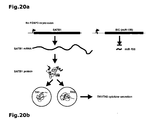
- FOXP3 reduces SATB1 expression directly as a transcriptional repressor at the SATB1 locus and indirectly via the induction of microRNAs miR-155, miR-21, miR-7, miR-34, and miR-18a, specifically binding to the 3'UTR of the SATB1 mRNA.
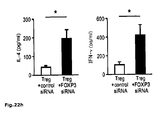
- Reduced SATB1 expression in FOXP3 + cells achieved either by overexpression or induction of FOXP3 is linked to significant reduction in TH1 and TH2 cytokines.
- the methods of aspects (1) to (5) of the invention identify the regulatory T cells in the cell population due to the significant reduction (or even absence) of binding of such regulatory T cells to ligands that specifically bind to SATB1 as compared to the remaining cells of the cell population. In other words, all cells (except for the regulatory T cells) of the cell population show binding with said ligands.
- Ligands can be antibodies or fragments thereof, including human, murine, rabbit and goat antibodies and antibody fragments. Particularly suitable ligands are monoclonal antibodies or fragments thereof.
- the ligands/antibodies carry functional moieties allowing detection, including but not limited to labels (such as fluorescence and bioluminescence dyes and radioactive labels), ligands (such as DNA, RNA and protein molecules, Ig fusion molecules, bifunctional RNA molecules and cell membrane penetrating molecules that are coupled to a ligand), toxins (such as ricine, lectine and diphtheriatoxin).
- labels such as fluorescence and bioluminescence dyes and radioactive labels
- ligands such as DNA, RNA and protein molecules, Ig fusion molecules, bifunctional RNA molecules and cell membrane penetrating molecules that are coupled to a ligand
- toxins such as ricine, lectine and diphtheriatoxin.
- the method of the invention is applicable to any type of cell population including, but not limited to, cell culture, whole blood and fractions of whole blood, and cells of any origin including, but not limited to, mammalian cells such as human cells and murine cells.
- the method is suitable for quality control of T cell populations, notably of regulatory T cell populations, where contaminating effector T cells are detected in the population of regulatory T cells, or an effector T cell population, where contaminating regulatory T cells are detected in the population of effector T cells.
- the method of the invention may be combined with other detection methods for regulatory T cells known in the art.
- identifying human T cells it is desirable that the T cell population is contacted with one or more ligands that specifically bind to CD4, CD25 and/or CD127 on the T cells.
- a further method is assaying for FOXP3 expression.
- the kit of aspect (6) of the invention may - apart from the ligands/antibodies/antibody fragments - comprise buffers and reagents for performing the detection method of the invention, standard cell suspensions and also reagents for performing the additional detection methods referred to above.
- mice C57BL/6 (B6) mice were purchased from the Jackson Laboratory.
- DEREG, scurfy and DEREG x scurfy mice were previously described ( Brunkow, M.E. et al., Nat. Genet. 27:68-73 (2001 ); Lahl, K. et al., J. Immunol. in revision; Lahl K. et al., J. Exp. Med. 204:57-63 (2007 )).
- the male DEREG x scurfy mice were indistinguishable from scurfy mice in regard to the immunological and clinical manifestations of autoimmunity while female DEREG mice heterozygous for FOXP3 were symptom free. Mice were housed under specific pathogen-free conditions and used according to the guidelines of the Institutional Animal Care Committee at the Institute for Medical Microbiology, Immunology and Hygiene, TU Kunststoff.
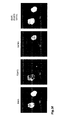
- Antibodies and FACS analysis Fluorescent-dye-conjugated antibodies were purchased from BD, Biolegend, or eBioscience. Alexa 647-conjugated mouse anti-human SATB1 monoclonal antibody (clone 14) cross-reactive to murine SATB1 was prepared by labeling the commercially available antibody (BD Biosciences material number 611182) with the dye. FACS data were acquired on a FACSCanto flow cytometer (Becton Dickinson) and analyzed using FlowJo software package (Tri-Star).
- Intracellular staining of human and murine FOXP3 and SATB1 was conducted using either the human or mouse FOXP3 Mouse Regulatory T cell Staining Kit (Biolegend) with the addition of FcR-blocking reagents (CD16/CD32 or human IgG) 15 min before intranuclear staining.
- Human T reg and T effector were purified from whole blood of healthy human donors in compliance with institutional review board (IRB) protocols by negative selection using CD4-RosetteSep (Stem Cell), followed by positive-selection using CD25-specific MACS beads (Miltenyi Biotech) or sorting on a FACSDiVa cell sorter (Becton Dickinson) after incubating cells with combinations of fluorochrome-labeled monoclonal antibodies to CD4, CD25, and CD127. For experiments with non-sorted cells, only samples with >95% T reg were used.
- IRB institutional review board
- Murine GFP + T reg were purified from thymus, spleen, or peripheral lymph nodes by sorting on a MoFlo high performance cytometer (Beckman Coulter) directly or after positive enrichment of CD4 + T cells after positive-selection using CD4-specific MACS beads (Miltenyi Biotech).
- induced T reg Human CD4 + lymphocytes were purified from whole blood of healthy human donors by negative selection using CD4-RosetteSep (Stem Cell). This population was then incubated with CD25-specific MACS beads (Miltenyi Biotech). After negative selection, conventional CD4 + lymphocytes were incubated with CD45RA-specific MACS beads (Miltenyi Biotech). Na ⁇ ve conventional T cells were obtained by passing the cell mixture over MidiMACS magnetic separation columns (Miltenyi Biotech) and collecting the CD4 + CD25 - CD45RA + T cells.
- Naive T reg -depleted CD4 + T cells (5 x 10 4 cells well -1 ) were stimulated in serum-free Aim-V/X-Cell (50%/50% V/V) medium with 5 x 10 4 magnetic beads coated with 5% CD3 (OKT3, Ortho Biotech), 12% CD28 (9.3), and 83% anti-MHC-I (W6/32) monoclonal antibody well -1 and TGFß1 (R&D systems) 5 ng ml -1 for a period of 7 days in the absence of IL-2.
- the TGFß1 was not acid-treated before addition.
- the described composition of beads was optimized for the induction of T reg cells.
- In vitro suppression assay For in vitro suppression assays, CFSE-labeled T effector (1 x 10 5 cells well -1 ) were co-cultured with PKH-26-labeled natural or induced T reg at indicated ratios in the presence of CD3/CD28/MHC-I-coated magnetic beads (3.3 x 10 4 beads well -1 ) in 96-well plates in X-Vivo-15 medium supplemented with 10% FCS for 72 h. CFSE dilution was measured on a FACSCanto flow cytometer.
- Cytokine cytometric bead array IL-4, IL-6, and IFN-gamma concentrations were measured using the human TH1/TH2 cytokine kit II (BD Pharmingen).
- qRT -PCR on human samples Total RNA from T conv or T reg was used to generate cDNA along with the Transcriptor First Strand cDNA synthesis kit (Roche Diagnostics). qRT-PCR was performed using the LightCycler Taqman master kit and the Universal Probe Library assay specific for SATB1, FOXP3, IL-5, IFN-gamma and beta-2 microglobulin (B2M; Roche Diagnostics). For each experiment at least two technical replicates were performed. Results were normalized to B2M expression.
- qPCR was performed using the LightCycler Taqman master kit and the Universal Probe Library assay (Roche Diagnostics). PCR primer sequences are listed in Table 2.
- Electromobility shift assays, chromatin immunoprecipitation and qPCR were performed with fluorescent-dye conjugated oligonucleotides as described previously ( Mantel, P.Y. et al., J. Immunol. 176:3593-3602 (2006 )) with nuclear extracts from expanded human MACS purified CD4 + CD25 + T reg according to the manufacturer's recommendations (LI-COR) and analyzed with the Odyssey infrared imaging system following electrophoresis.
- FOXP3 (eBioscience) and IgG antibody (BD Bioscience) ChIPs were performed using expanded human MACS purified CD4 + CD25 + T reg following the manufacturer's instructions (Active Motif).
- RNA profiling and qRT-PCR All RNA was extracted using TRIZOL (Invitrogen) and purified in our laboratory using standard methods. Sample amplification, labeling and hybridization on Illumina miRNA array matrix were performed with the human v1 MicroRNA Expression Profiling kit for all arrays in this study according to the manufacturer's instructions (Illumina) using an Illumina BeadStation. All data analyses were performed by using Bioconductor for the statistical software R (http://www.r- project.org). Expression values were normalized and summarized by using the IlluminaGUI package. From the resulting data sets we extracted a list of miRNAs with a significant different expression in T reg compared to T conv .
- First strand complementary DNA for each miRNA assessed was synthesized by using the TaqMan MicroRNA RT kit and the corresponding miRNA specific kit (Apllied Biosystems). Levels of miRNA were measured by qPCR using the TaqMan Universal PCR MasterMix (Applied Biosystems) on an iQ5 Cycler (Bio-Rad). Ubiquitously expressed U6 small nuclear RNA or miR-26b were used for normalization.
- PCR primer sequences are listed in Table 4.
- miRNA mimics were designed according to the sequences published in miRBase and resembling the double-stranded Dicer-cleavage products. miRNA-inhibitors were designed as single-stranded antisense 2'OM oligonucelotides. These were transfected into freshly isolated primary human T reg with nucleofection as previously described ( Mantei, A. et al., Eur. J. Immunol. 38:2616-2625 (2008 )).
- HEK293T cells were transfected with both the reporter plasmids and the small RNA duplexes using Lipofectamine 2000 in a 96-well format and luciferase activity was measured 24 h later.
- Luciferase assays Human embryonic kidney (HEK) 293T (ATCC CRL-11268) were maintained in DMEM containing 10% heat-inactivated fetal calf serum and penicillin/streptomycin. The 200 bp surrounding the human FOXP3 binding site in intron 2 of SATB1 and the 3'UTR of human SATB1 was amplified using PCR and cloned into a psiCHECK II vector to generate psiCHECK II-SATB1-intron 2 respectively psiCHECK II-SATB1-3'UTR.
- constructs (2 ng) were co-transfected seperately into HEK293T cells in 96-well plates together with 2 ng of control plasmid or plasmids expressing FOXP3 respectively a miRNA mimic for miR-155 or a scrambled control miRNA. Lysis and analysis were performed 24 h post transfection using the Promega Dual Luciferase Kit. Luciferase activity was counted in a Mithras plate reader (Berthold).
- T reg -depleted human CD4 + T conv cells were lentivirally transduced with a pELNS YFP 2A FOXP3 or control plasmids containing GFP as previously described ( Basu, S. et al., J. Immunol., 180:5794-5798 (2008 )) and assessed after 72-120 h for SATB1 expression.
- Bisulphite sequencing Genomic DNA from human T reg cells and conventional T cells purified by negative selection using CD4-RosetteSep (Stem Cell), followed by sorting on a FACSDiVa cell sorter (Becton Dickinson) after incubating cells with combinations of fluorochrome-labeled monoclonal antibodies to CD4, CD25, and CD127 was isolated using the phenol/chloroform extraction following the supplier's recommendations. Sodium bisulphate treatment of genomic DNA was performed resulting in the deamination of unmethylated cytosines to uracil, whereas methylated cytosines remain unchanged. After amplification PCR products were purified and sequenced in both directions.
- One method to generate antibodies against SATB1 involves administering an antigen presenting cell (APC) to animals, e.g. mouse, rat, rabbit, goat. This results in the activation of B-cells to produce antibodies recognizing T reg cells in a SATB1 specific fashion.
- the APC can be pulsed with SATB1 or a peptide of SATB1 that binds to a major histocompatibility complex molecule.
- Another method includes the generation of antibodies against SATB1 by administering SATB1 or a peptide of SATB1 that binds to a major histocompatibility complex molecule, which is processed by an antigen presenting cell, which, in turn, activates B-cells to produce antibodies recognizing T reg cells in a SATB1 specific fashion.
- the SATB1 polypeptide or peptide of SATB1 used in this method can be administered in association with an adjuvant.
- one method involves administering a nucleic acid molecule encoding SATB1 or a peptide of SATB1 that binds to a major histocompatibility complex molecule.
- the nucleic acid molecule is expressed so that it can be processed by an antigen presenting cells, which activate B-cells to produce antibodies recognizing SATB1 in a SATB1 specific fashion.
- the nucleic acid molecule encoding SATB1 or a peptide of SATB1 can be present in an expression vector.
- Another method of generating antibodies against SATB1 involves usage of SATB1 or a peptide of SATB1 to bind antibodies expressed by a phage library. Numerous antibodies are expressed in the library as fusions with the coat protein of a bacteriophage, so that they are displayed on the surface of the viral particle. DNA extracted from interacting phages contains the sequences of the specific antibodies recognizing SATB1 in a SATB1 specific fashion.
- Table 1 SATB1 expression No n Donor celltype condition 1 4 healthy CD4+ 12 h cultured then CD3CD28 activated for 8 h 2 4 healthy CD4+ 8 h CD3CD28 activated 3 4 healthy CD4+ 8 h CD3CD28 activated and TGFb1 4 4 healthy CD4+ 12 h cultured then CD3CD28 activated and TGFb1 for 8 h 5 4 healthy CD4+ 8 h CD3CD28 activated and VEGF 6 3 healthy CD4+ 12 h cultured then CD3CD28 activated and VEGF for 8 h 7 4 healthy CD4+ 8 h CD3CD28 activated and IL10 8 3 healthy CD4+ 12 h cultured then CD3CD28 activated and IL10 for 8 h 9 4 healthy CD4+ 8 h CD3CD28 activated and PGE2 10 4 healthy CD4+ 8 h CD3CD28 activated and PD1 11 4 healthy CD4+ 8 h CD3CD28 activated and CTLA4 12 4 healthy CD4+ 8 h
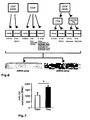
- Example 1 To identify regulatory circuits involved in FOXP3-mediated inhibition of T effector cell differentiation a large transcriptome experiment was initiated comprising 171 individual samples in 48 experimental conditions of human resting or activated conventional FOXP3 - CD25 - T cells (T conv ) and natural regulatory CD25 + FOXP3 + T cells (nT reg ) ( Fig. 6 and Table 1). Since miRNA represent an additional level of gene regulation we performed microRNA (miRNA) profiling of 753 human miRNAs in T reg versus T conv allowing us to calculate inverse correlations between gene expression and miRNA expression (total of 35 x 10 6 correlations).
- miRNA microRNA
- Genes were filtered 1) by their differential expression between T reg and T conv samples, 2) by a significant inverse correlation between gene expression and those microRNAs significantly enriched in T reg , and 3) by their gene ontology associated with e.g. transcriptional regulation, DNA methylation or histone modification.
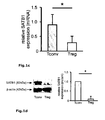
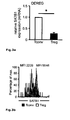
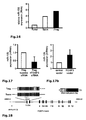
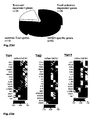
- the special AT-rich sequence-binding protein 1 (SATB1) ( Fig.1a ) was among the genes with the most significant inverse correlation to a particular miRNA, namely miR-155 ( Fig 1b ), a miRNA which was significantly enriched in T reg ( Fig. 7 ).
- SATB1 has been shown to function as a global transcriptional regulator specifically anchoring the looped topology of the TH2 cytokine locus, a pre-requisite for the induction of certain TH2 cytokines ( Cai, S. et al., Nat. Genet 38-1278-1288 (2006 ); Pipkin, M.E., Monticell, S., Immunology 124:23-32 (2008 )). Since SATB1-deficient thymocytes do not develop beyond the double-positive stage ( Alvarez, J.D. et al., Genes dev. (14: 521-535 (2000 ); Cai, S. et al., Nat. Genet.
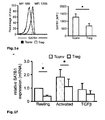
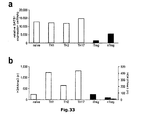
- nT reg SATB1 can be regulated by exogenous signals such as T cell receptor (TCR) and costimulation (here CD28), however expression never exceeded levels observed in resting T conv ( Fig 1f ).
- TCR T cell receptor
- CD28 costimulation
- TGFß significantly decreases SATB1 expression both in nT reg and in T conv , while only stimulated T conv but not nT reg expressed TH1 and TH2 cytokines ( Fig. 1f and Fig. 7 ). Since TGFß is the major stimulus for the induction of adaptive or induced T reg cells (iT reg ) ( Chen, W. et al., J. Exp. Med. 198:1875-1886 (2003 )), we assessed SATB1 regulation under these conditions. Naive human CD25 - CD45RA + T cells were stimulated via TCR and CD28 with or without TGFß.
- T cells stimulated in the presence of TGFß exhibited the hallmarks of iT reg , namely significant expression of FOPX3 mRNA, and protein as well as T cell suppressive function ( Fig. 8 ).
- TCR and CD28 stimulation could also induce transient FOXP3 and suppressive function, however, this was variable and always inferior to iT reg .
- SATB1 mediated chromatin remodelling via modification of histone acetylation and nucleosome placement has been linked to reduced IL-2RA gene transcription ( Yasui, D.
- MiR-155 has been linked to normal B- and T-cell development and differentiation but also tumorigenesis ( Rodriguez, A. et al., Science 316:608-611 (2007 ; Thai, T.H. et al., Science 316:604-608 ; Eis, P.S. et al., Proc. Natl. Acad. Scie. USA 102:3627-3632 (2005 )). More recently it was suggested as a downstream target of FOXP3 ( Zheng, Y. et al., Nature 445:936-940 (2007 ); Lu, L.F. et al., Immunity 30:80-91 (2009 )).
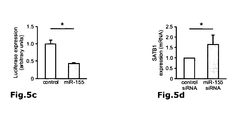
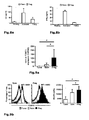
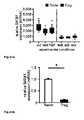
- MiR-155 is highly expressed in human T cells, particularly in nt reg ( Fig. 5a ) but also in iT reg ( Fig. 15 ) ( Cobb, B.S. et al., J. Exp. Med. 203:2519-2527 (2006 )).
- SiRNA-mediated knockdown of FOXP3 in human T reg cells resulted in a marked decrease in miR-155 expression while FOXP3 overexpression induced miR-155 expression corroborating the regulation of miR-155 by FOXP3 ( Fig. 16 ). Binding of seed-matched sites was computationally predicted using miRBase Targets ( Griffiths-Jones, S. et al., Nucleic Acids Res.
- H3 trimethylation at lysine residue 4 H3K4me3
- H3 trimethylation at lysine residue 27 H3K27me3 which has been associated with gene silencing was absent in all T-cell subset ( Fig. 18a, b ).
- T reg compose a network of continuously activated regulatory circuits suppressing major target genes such as SATB1 required for the differentiation of T effector .
- An active and continuous blockade of T effector function instead of terminal T reg differentiation allows T cells a higher degree of plasticity. This might be particularly interesting in situations where there is a temporary induction of adaptive T reg cells that can gain T effector function once FOXP3 is switched off again.
- Recent data concerning regulation of transcription factors such as IRF4 Zheng, Y.
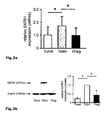
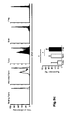
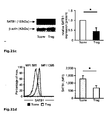
- Example 2 To identify regulatory circuits involved in FOXP3-mediated inhibition of T effector differentiation, whole transcriptome analysis of human resting or activated conventional FOXP3 - CD25 - T cells (T conv ) and natural regulatory CD25 + FOXP3 + T cells (nT reg ) was performed ( Fig. 25 and Table 1). Of the 47 genes specifically differentiating between T reg and T conv , special AT-rich sequence-binding protein 1 (SATB1) ( Fig. 21a ) was among the genes that were always expressed at significantly lower levels in T reg compared to T conv . Re-assessment of transcriptome data from previous reports confirmed our observation of SATB1 to be a potential target of FOXP3-mediated repression ( Pfoertner, S.
- SATB1 AT-rich sequence-binding protein 1
- SATB1 is a transcription factor and chromatin organizer essential for controlling a large number of genes participating in T-cell development and activation ( Alvarez, J. D. et al., Genes Dev 14, 521-535 (2000 )). SATB1 regulates gene expression by directly recruiting chromatin modifying factors ( Yasui, D. et al., Nature 419, 641-645 (2002 )) and anchoring matrix attachment regions to the nuclear matrix ( Cai, S.
- SATB1 has been shown to function as a global transcriptional regulator specifically anchoring the looped topology of the TH2 cytokine locus, a pre-requisite for the induction of certain TH2 cytokines ( Cai, S. et al., Nat Genet 38, 1278-1288 (2006 )). Since SATB1-deficient thymocytes do not develop beyond the double-positive stage ( Alvarez, J. D. et al. Genes Dev 14, 521-535 (2000 ); Cai, S.
- TGF ⁇ is a major stimulus for the induction of adaptive or induced T reg (iT reg ) ( Chen, W. et al., J Exp Med 198, 1875-1886 (2003 )), we assessed SATB1 regulation under these conditions.
- Na ⁇ ve human CD25 - CD45RA + T cells were stimulated via TCR and CD28 with or without TGF ⁇ .
- T cells stimulated in the presence of TGF ⁇ exhibited the hallmarks of iT reg , namely significant expression of FOPX3 mRNA, and protein as well as T-cell suppressive function (data not shown).
- TCR and CD28 stimulation could also induce transient FOXP3 expression and suppressive function, however, this was variable and always inferior to iT reg .
- FOXP3 might act directly as a transcriptional repressor of the SATB1 locus.
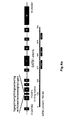
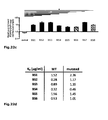
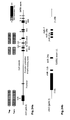
- FOXP3-ChIP tiling arrays of human natural T reg Fig. 22a
- bioinformatic in silico prediction to identify 8 sides for qPCR validation which were located -5kb upstream of the TSS as well as in the genomic locus of SATB1 ( Fig. 22b ).
- FOXP3 binding within the promoter region or genomic locus of SATB1 in T reg was demonstrated by ChIP-coupled quantitative PCR (ChIP-qPCR) ( Fig.
- a luciferase reporter reporter assays was performed for six of the FOXP3 binding regions.
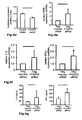
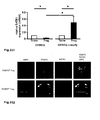
- FOXP3 binding regions were cloned between a minP promoter element and a luciferase reporter gene. Expression of these constructs resulted in luciferase activity and co-transfection of human FOXP3 led to a significant decrease in activity for five of the six regions analyzed ( Fig. 22e ).
- Using the mutated FOXP3 binding motives within these regions decreased luciferase activity was rescued ( Fig. 22e ) indicating that SATB1 expression is actively repressed by binding of FOXP3 to several functional binding sites within the genomic SATB1 locus.
- T effector cytokines Blockade of T effector cytokines is necessary but not sufficient for T reg to exert suppressive function.
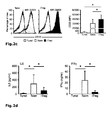
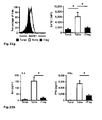
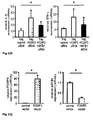
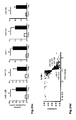
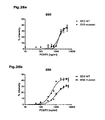
- SATB1-expressing T reg cells lost suppressive function ( Fig. 23a ).
- these cells gained expression of TH1 (IFN- ⁇ ) and TH2 (IL-4) cytokines ( Fig. 23b ) suggesting a reprogramming of T reg cells into T effector once regulation of SATB1 is lost in T reg .
- Another level of SATB1 regulation might be achieved by epigenetic control of the SATB1 locus, e.g. by DNA methylation at CpG-rich sites.
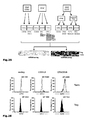
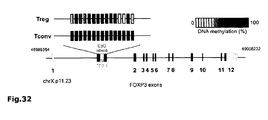
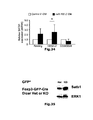
- CpG density analysis of the SATB1 locus revealed three CpG rich-sites upstream of exon 1 ( Fig. 24a ) which were analyzed by bisulphite sequencing.
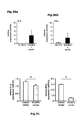
- the site of differential methylation at the FOXP3 locus ( Floess, S. et al., PLoS Biol 5, e38 (2007 )) was used as positive control ( Fig. 31 ). While there was a clear difference in methylation of the FOXP3 locus between T reg and T conv , the SATB1 locus was similarly demethylated in both cell types ( Fig.
- H3 trimethylation at lysine residue 4 H3K4me3
- H3 trimethylation at lysine residue 27 H3K27me3
- the lack of silencing histone and DNA methylation is compatible with accessibility of the SATB1 locus for gene transcription in T reg .
- microRNAs might represent an additional post-transcriptional level of gene regulation modulating SATB1 expression in human Treg.
- miRNA profiling of 753 human miRNAs in T reg versus T conv allowed to establish differentially expressed miRNAs in T reg and to calculate inverse correlations between SATB1 gene expression and miRNA expression ( Fig. 24a ).
- Fig. 24b 5 miRNAs were identified that were differentially expressed between T reg and T conv ( Fig.
- miR-155, miR-21, and miR-7 are direct targets of FOXP3 as previously reported for miR-155 ( Zheng, Y. et al., Nature 445, 936-940 (2007 ); Lu, L. F. et al., Immunity 30, 80-91 (2009 )) and miR-21 and confirmed by FOXP3-ChIP tiling arrays ( Fig. 24e ) as well as functional analysis (Simon Barry, unpublished data).
- SEQ ID Designation 1/2 >gi
- a method for identifying regulatory human T cells comprising
- a method of detecting the presence of contaminating effector T cells in a population of regulatory T cells comprises detecting cells with elevated levels of SATB1 expression in the population of T cells.
- a method of detecting unstable regulatory T cells in a population of regulatory T cells that have the potential for converting to effector T cell functionality comprises detecting cells with elevated levels of SATB1 expression in the population of T cells.
- a method of determining the presence of contaminating regulatory T cells in a population of effector T cells which comprises detecting cells with decreased levels of SATB1 expression in the population of T cells.
- kit or diagnostic composition for identifying regulatory T cells as defined above, wherein the kit or the diagnostic composition comprises one or more ligands that specifically bind to SATB1.
- kit or the diagnostic composition as defined above which comprises an antibody or antibody fragment binding to SATB1 as defined above.
- the kit as defined above which is for quality control of regulatory T cell populations.
Landscapes
- Health & Medical Sciences (AREA)
- Life Sciences & Earth Sciences (AREA)
- Immunology (AREA)
- Engineering & Computer Science (AREA)
- Biomedical Technology (AREA)
- Cell Biology (AREA)
- Molecular Biology (AREA)
- Hematology (AREA)
- Chemical & Material Sciences (AREA)
- Urology & Nephrology (AREA)
- Physics & Mathematics (AREA)
- Biochemistry (AREA)
- Bioinformatics & Cheminformatics (AREA)
- Biotechnology (AREA)
- Tropical Medicine & Parasitology (AREA)
- Food Science & Technology (AREA)
- Medicinal Chemistry (AREA)
- Toxicology (AREA)
- Analytical Chemistry (AREA)
- Microbiology (AREA)
- General Health & Medical Sciences (AREA)
- General Physics & Mathematics (AREA)
- Pathology (AREA)
- Micro-Organisms Or Cultivation Processes Thereof (AREA)
- Medicines Containing Antibodies Or Antigens For Use As Internal Diagnostic Agents (AREA)
- Medicines That Contain Protein Lipid Enzymes And Other Medicines (AREA)
- Measuring Or Testing Involving Enzymes Or Micro-Organisms (AREA)
Applications Claiming Priority (2)
| Application Number | Priority Date | Filing Date | Title |
|---|---|---|---|
| US16597009P | 2009-04-02 | 2009-04-02 | |
| EP10715520A EP2414832A1 (de) | 2009-04-02 | 2010-04-06 | Identifizierung von regulatorischen t-zellen über den globalen genregulator satb1 |
Related Parent Applications (2)
| Application Number | Title | Priority Date | Filing Date |
|---|---|---|---|
| EP10715520A Division EP2414832A1 (de) | 2009-04-02 | 2010-04-06 | Identifizierung von regulatorischen t-zellen über den globalen genregulator satb1 |
| EP10715520.2 Division | 2010-04-06 |
Publications (3)
| Publication Number | Publication Date |
|---|---|
| EP2503334A2 true EP2503334A2 (de) | 2012-09-26 |
| EP2503334A3 EP2503334A3 (de) | 2013-02-27 |
| EP2503334B1 EP2503334B1 (de) | 2014-12-31 |
Family
ID=42246267
Family Applications (2)
| Application Number | Title | Priority Date | Filing Date |
|---|---|---|---|
| EP12166847.9A Active EP2503334B1 (de) | 2009-04-02 | 2010-04-06 | Identifizierung von regulatorischen T-Zellen über den globalen Genregulator SatB1 |
| EP10715520A Withdrawn EP2414832A1 (de) | 2009-04-02 | 2010-04-06 | Identifizierung von regulatorischen t-zellen über den globalen genregulator satb1 |
Family Applications After (1)
| Application Number | Title | Priority Date | Filing Date |
|---|---|---|---|
| EP10715520A Withdrawn EP2414832A1 (de) | 2009-04-02 | 2010-04-06 | Identifizierung von regulatorischen t-zellen über den globalen genregulator satb1 |
Country Status (4)
| Country | Link |
|---|---|
| US (1) | US20120171701A1 (de) |
| EP (2) | EP2503334B1 (de) |
| ES (1) | ES2533185T3 (de) |
| WO (1) | WO2010115863A1 (de) |
Families Citing this family (2)
| Publication number | Priority date | Publication date | Assignee | Title |
|---|---|---|---|---|
| US20220110975A1 (en) * | 2020-10-12 | 2022-04-14 | Kyverna Therapeutics, Inc. | Method for treating disease using foxp3+cd4+ t cells |
| WO2022165419A1 (en) | 2021-02-01 | 2022-08-04 | Kyverna Therapeutics, Inc. | Methods for increasing t-cell function |
Family Cites Families (3)
| Publication number | Priority date | Publication date | Assignee | Title |
|---|---|---|---|---|
| CA2655993A1 (en) * | 2005-09-30 | 2007-07-05 | The Regents Of The University Of California | Satb1: a determinant of morphogenesis and tumor metastatis |
| ES2686593T3 (es) * | 2006-05-31 | 2018-10-18 | The Regents Of The University Of California | Expresión de CD127 que correlaciona inversamente con FoxP3 y la función supresora de Treg CD4+ |
| EP2944651B1 (de) * | 2007-10-02 | 2018-01-31 | Universität zu Köln | Neuartige markergene für regulatorische t-zellen aus menschlichem blut |
-
2010
- 2010-04-06 EP EP12166847.9A patent/EP2503334B1/de active Active
- 2010-04-06 EP EP10715520A patent/EP2414832A1/de not_active Withdrawn
- 2010-04-06 US US13/260,921 patent/US20120171701A1/en not_active Abandoned
- 2010-04-06 WO PCT/EP2010/054488 patent/WO2010115863A1/en not_active Ceased
- 2010-04-06 ES ES12166847.9T patent/ES2533185T3/es active Active
Non-Patent Citations (62)
| Title |
|---|
| ALVAREZ, J. D. ET AL., GENES DEV, vol. 14, 2000, pages 521 - 535 |
| ALVAREZ, J.D. ET AL., GENES DEV., vol. 14, 2000, pages 521 - 535 |
| ANZ, D. ET AL., J IMMUNOL, vol. 184, pages 939 - 946 |
| BALKAID, Y., NAT. REV. IMMUNOL, vol. 7, 2007, pages 875 - 888 |
| BARON, U. ET AL., J. IMMUNOL., vol. 37, 2007, pages 2378 - 2389 |
| BASU, S. ET AL., J. IMMUNOL., vol. 180, 2008, pages 5794 - 5798 |
| BENNETT, C.L. ET AL., NAT. GENET., vol. 27, 2001, pages 20 - 21 |
| BETEL, D. ET AL., NUCLEIC ACIDS RES., vol. 36, 2008, pages D149 - 153 |
| BEYER, M.; SCHULTZE, J., BLOOD, vol. 1008, 2006, pages 804 - 811 |
| BRUNKOW, M.E. ET AL., NAT. GENET., vol. 27, 2001, pages 68 - 73 |
| CAI, S. ET AL., NAT GENET, vol. 34, 2003, pages 42 - 51 |
| CAI, S. ET AL., NAT GENET, vol. 38, 2006, pages 1278 - 1288 |
| CAI, S. ET AL., NAT. GENET, vol. 38, 2006, pages 1278 - 1288 |
| CAI, S. ET AL., NAT. GENET., vol. 34, 2003, pages 42 - 51 |
| CAI, S. ET AL., NAT. GENET., vol. 38, 2006, pages 1278 - 1288 |
| CHEN, W. ET AL., J EXP MED, vol. 198, 2003, pages 1875 - 1886 |
| CHEN, W. ET AL., J. EXP. MED., vol. 198, 2003, pages 1875 - 1886 |
| CLASSEN, S. ET AL., J. IMMUNOL., vol. 178, 2007, pages 6931 - 6940 |
| COBB, B.S. ET AL., J. EXP. MED., vol. 203, 2006, pages 2519 - 2527 |
| EIS, P.S. ET AL., PROC. NATL. ACAD. SCIE. USA, vol. 102, 2005, pages 3627 - 3632 |
| FLOESS, S. ET AL., PLOS BIOL, vol. 5, 2007, pages E38 |
| FLOESS, S. ET AL., PLOS BIOL., vol. 5, 2007, pages E38 |
| FONTENOT, J.D ET AL., NAT. IMMUNOL., vol. 4, 2003, pages 330 - 336 |
| GAVIN, M.A. ET AL., NATURE, vol. 445, 2007, pages 771 - 775 |
| GRIFFITHS-JONES, S. ET AL., NUCLEIC ACIDS RES., vol. 36, 2008, pages D154 - 158 |
| HAN, H.J. ET AL., NATURE, vol. 452, 2008, pages 187 - 193 |
| HORI, S. ET AL., SCIENCE, vol. 299, 2003, pages 1057 - 1061 |
| KHATTRI, R. ET AL., NAT. IMMUNOL., vol. 4, 2003, pages 337 - 342 |
| KREK, A. ET AL., NAT. GENET., vol. 37, 2005, pages 495 - 500 |
| KUCZMA, M. ET AL., J IMMUNOL, vol. 183, 2009, pages 3731 - 3741 |
| LAHL K. ET AL., J. EXP. MED., vol. 204, 2007, pages 57 - 63 |
| LAHL, K. ET AL., J EXP MED, vol. 204, 2007, pages 57 - 63 |
| LAHL, K. ET AL., J. EXP. MED., vol. 204, 2007, pages 57 - 63 |
| LAHL, K. ET AL., J. IMMUNOL. |
| LAHL, K. ET AL., J. IMMUNOL., 2009 |
| LEWIS, B.P. ET AL., CELL, vol. 115, 2003, pages 787 - 798 |
| LIN, W. ET AL., NAT. IMMUNOL., vol. 8, 2007, pages 359 - 368 |
| LU, L. F. ET AL., IMMUNITY, vol. 30, 2009, pages 80 - 91 |
| LU, L.F. ET AL., IMMUNITY, vol. 30, 2009, pages 80 - 91 |
| LUND, R. ET AL., EUR J IMMUNOL, vol. 35, 2005, pages 3307 - 3319 |
| LUND, R. ET AL., EUR. J. IMMUNOL., vol. 35, 2005, pages 3307 - 3319 |
| MANTEI, A. ET AL., EUR. J. IMMUNOL., vol. 38, 2008, pages 2616 - 2625 |
| MANTEL, P.Y. ET AL., J. IMMUNOL., vol. 176, 2006, pages 3593 - 3602 |
| NIE, H. ET AL., J. IMMUNOL., vol. 174, 2005, pages 4745 - 4752 |
| PFOERTNER, S. ET AL., GENOME BIOL, vol. 7, 2006, pages R54 |
| PIPKIN, M.E.; MONTICELL, S., IMMUNOLOGY, vol. 124, 2008, pages 23 - 32 |
| RODRIGUEZ, A. ET AL., SCIENCE, vol. 316, 2007, pages 608 - 611 |
| SAKAGUCHI, S. ET AL., CELL, vol. 133, 2008, pages 775 - 787 |
| SUGIMOTO, N. ET AL., INT IMMUNOL, vol. 18, 2006, pages 1197 - 1209 |
| THAI, T.H. ET AL., SCIENCE, vol. 316, pages 604 - 608 |
| WAN, Y.Y.; FLAVELL, R.A., NATURE, vol. 445, 2007, pages 766 - 770 |
| WEI, G. ET AL., IMMUNITY, vol. 30, 2009, pages 155 - 167 |
| WILDIN, R.S. ET AL., NAT. GENET., vol. 27, 2001, pages 18 - 20 |
| WILLIAMS, L. M.; RUDENSKY, A. Y., NAT IMMUNOL, vol. 8, 2007, pages 277 - 284 |
| WILLIAMS, L. M.; RUDENSKY, A.Y., NAT. IMMUNOL., vol. 8, 2007, pages 277 - 284 |
| WILLIAMS, L.M. ET AL., NAT. IMMUNOL, vol. 8, 2007, pages 277 - 284 |
| YASUI, D. ET AL., NATURE, vol. 419, 2002, pages 641 - 645 |
| ZHENG, Y. ET AL., NATURE, 2009 |
| ZHENG, Y. ET AL., NATURE, vol. 445, 2007, pages 936 - 940 |
| ZHOU, L. ET AL., NATURE, vol. 453, 2008, pages 236 - 240 |
| ZHOU, X. ET AL., NAT IMMUNOL, vol. 10, 2009, pages 1000 - 1007 |
| ZIEGLER, S.F., ANNU. REV. IMMUNOL., vol. 24, 2006, pages 209 - 226 |
Also Published As
| Publication number | Publication date |
|---|---|
| EP2414832A1 (de) | 2012-02-08 |
| WO2010115863A1 (en) | 2010-10-14 |
| US20120171701A1 (en) | 2012-07-05 |
| EP2503334B1 (de) | 2014-12-31 |
| EP2503334A3 (de) | 2013-02-27 |
| ES2533185T3 (es) | 2015-04-08 |
Similar Documents
| Publication | Publication Date | Title |
|---|---|---|
| Walker et al. | Polychromic reporter mice reveal unappreciated innate lymphoid cell progenitor heterogeneity and elusive ILC3 progenitors in bone marrow | |
| Guo et al. | cBAF complex components and MYC cooperate early in CD8+ T cell fate | |
| Beyer et al. | Repression of the genome organizer SATB1 in regulatory T cells is required for suppressive function and inhibition of effector differentiation | |
| de Kouchkovsky et al. | microRNA-17–92 regulates IL-10 production by regulatory T cells and control of experimental autoimmune encephalomyelitis | |
| Wang et al. | Pairing of single-cell RNA analysis and T cell antigen receptor profiling indicates breakdown of T cell tolerance checkpoints in atherosclerosis | |
| Bhairavabhotla et al. | Transcriptome profiling of human FoxP3+ regulatory T cells | |
| Hayatsu et al. | Analyses of a mutant Foxp3 allele reveal BATF as a critical transcription factor in the differentiation and accumulation of tissue regulatory T cells | |
| Lu et al. | The miR-155–PU. 1 axis acts on Pax5 to enable efficient terminal B cell differentiation | |
| Anandagoda et al. | microRNA-142–mediated repression of phosphodiesterase 3B critically regulates peripheral immune tolerance | |
| Pang et al. | Genome-wide identification of long noncoding RNAs in CD8+ T cells | |
| Stehle et al. | T-bet and RORα control lymph node formation by regulating embryonic innate lymphoid cell differentiation | |
| Wissink et al. | MicroRNAs and their targets are differentially regulated in adult and neonatal mouse CD8+ T cells | |
| Jebbawi et al. | A microRNA profile of human CD8+ regulatory T cells and characterization of the effects of microRNAs on Treg cell-associated genes | |
| Wells et al. | Let-7 enhances murine anti-tumor CD8 T cell responses by promoting memory and antagonizing terminal differentiation | |
| Kaur et al. | Characterisation of Foxp3 splice variants in human CD4+ and CD8+ T cells—identification of Foxp3Δ7 in human regulatory T cells | |
| Chen et al. | Genome-wide CRISPR screen in human T cells reveals regulators of FOXP3 | |
| Verma et al. | Leukocyte function-associated antigen-1/intercellular adhesion molecule-1 interaction induces a novel genetic signature resulting in T-cells refractory to transforming growth factor-β signaling | |
| Liu et al. | The TGF‐β/miR‐31/CEACAM1‐S axis inhibits CD4+ CD25+ Treg differentiation in systemic lupus erythematosus | |
| EP2503334B1 (de) | Identifizierung von regulatorischen T-Zellen über den globalen Genregulator SatB1 | |
| US8815526B2 (en) | Methods and reagents for identifying/isolating T regulatory (Treg) cells and for treating individuals | |
| Mahlobo et al. | The impact of HIV infection on the frequencies, function, spatial localization and heterogeneity of T follicular regulatory cells (TFRs) within human lymph nodes | |
| Kurd et al. | Molecular determinants and heterogeneity of tissue-resident memory CD8+ T lymphocytes revealed by single-cell RNA sequencing | |
| Shin et al. | Establishment of single-cell screening system for the rapid identification of transcriptional modulators involved in direct cell reprogramming | |
| Sun et al. | MicroRNA‑155‑5p affects regulatory T cell activation and immunosuppressive function by targeting BCL10 in myasthenia gravis | |
| Palli et al. | Transcriptomic signatures in peripheral CD4+ T-lymphocytes may reflect melanoma staging and immunotherapy responsiveness prior to ICI initiation |
Legal Events
| Date | Code | Title | Description |
|---|---|---|---|
| PUAI | Public reference made under article 153(3) epc to a published international application that has entered the european phase |
Free format text: ORIGINAL CODE: 0009012 |
|
| AC | Divisional application: reference to earlier application |
Ref document number: 2414832 Country of ref document: EP Kind code of ref document: P |
|
| AK | Designated contracting states |
Kind code of ref document: A2 Designated state(s): AT BE BG CH CY CZ DE DK EE ES FI FR GB GR HR HU IE IS IT LI LT LU LV MC MK MT NL NO PL PT RO SE SI SK SM TR |
|
| RIC1 | Information provided on ipc code assigned before grant |
Ipc: G01N 33/50 20060101AFI20120830BHEP |
|
| PUAL | Search report despatched |
Free format text: ORIGINAL CODE: 0009013 |
|
| AK | Designated contracting states |
Kind code of ref document: A3 Designated state(s): AT BE BG CH CY CZ DE DK EE ES FI FR GB GR HR HU IE IS IT LI LT LU LV MC MK MT NL NO PL PT RO SE SI SK SM TR |
|
| RIC1 | Information provided on ipc code assigned before grant |
Ipc: G01N 33/50 20060101AFI20130124BHEP |
|
| 17P | Request for examination filed |
Effective date: 20130827 |
|
| RBV | Designated contracting states (corrected) |
Designated state(s): AT BE BG CH CY CZ DE DK EE ES FI FR GB GR HR HU IE IS IT LI LT LU LV MC MK MT NL NO PL PT RO SE SI SK SM TR |
|
| 17Q | First examination report despatched |
Effective date: 20131028 |
|
| GRAP | Despatch of communication of intention to grant a patent |
Free format text: ORIGINAL CODE: EPIDOSNIGR1 |
|
| INTG | Intention to grant announced |
Effective date: 20140728 |
|
| GRAS | Grant fee paid |
Free format text: ORIGINAL CODE: EPIDOSNIGR3 |
|
| GRAA | (expected) grant |
Free format text: ORIGINAL CODE: 0009210 |
|
| AC | Divisional application: reference to earlier application |
Ref document number: 2414832 Country of ref document: EP Kind code of ref document: P |
|
| AK | Designated contracting states |
Kind code of ref document: B1 Designated state(s): AT BE BG CH CY CZ DE DK EE ES FI FR GB GR HR HU IE IS IT LI LT LU LV MC MK MT NL NO PL PT RO SE SI SK SM TR |
|
| REG | Reference to a national code |
Ref country code: CH Ref legal event code: EP Ref country code: GB Ref legal event code: FG4D |
|
| REG | Reference to a national code |
Ref country code: IE Ref legal event code: FG4D |
|
| REG | Reference to a national code |
Ref country code: AT Ref legal event code: REF Ref document number: 704700 Country of ref document: AT Kind code of ref document: T Effective date: 20150215 |
|
| REG | Reference to a national code |
Ref country code: DE Ref legal event code: R096 Ref document number: 602010021524 Country of ref document: DE Effective date: 20150219 |
|
| REG | Reference to a national code |
Ref country code: ES Ref legal event code: FG2A Ref document number: 2533185 Country of ref document: ES Kind code of ref document: T3 Effective date: 20150408 Ref country code: NL Ref legal event code: T3 |
|
| PG25 | Lapsed in a contracting state [announced via postgrant information from national office to epo] |
Ref country code: LT Free format text: LAPSE BECAUSE OF FAILURE TO SUBMIT A TRANSLATION OF THE DESCRIPTION OR TO PAY THE FEE WITHIN THE PRESCRIBED TIME-LIMIT Effective date: 20141231 Ref country code: FI Free format text: LAPSE BECAUSE OF FAILURE TO SUBMIT A TRANSLATION OF THE DESCRIPTION OR TO PAY THE FEE WITHIN THE PRESCRIBED TIME-LIMIT Effective date: 20141231 Ref country code: NO Free format text: LAPSE BECAUSE OF FAILURE TO SUBMIT A TRANSLATION OF THE DESCRIPTION OR TO PAY THE FEE WITHIN THE PRESCRIBED TIME-LIMIT Effective date: 20150331 |
|
| REG | Reference to a national code |
Ref country code: LT Ref legal event code: MG4D |
|
| PG25 | Lapsed in a contracting state [announced via postgrant information from national office to epo] |
Ref country code: GR Free format text: LAPSE BECAUSE OF FAILURE TO SUBMIT A TRANSLATION OF THE DESCRIPTION OR TO PAY THE FEE WITHIN THE PRESCRIBED TIME-LIMIT Effective date: 20150401 Ref country code: LV Free format text: LAPSE BECAUSE OF FAILURE TO SUBMIT A TRANSLATION OF THE DESCRIPTION OR TO PAY THE FEE WITHIN THE PRESCRIBED TIME-LIMIT Effective date: 20141231 Ref country code: SE Free format text: LAPSE BECAUSE OF FAILURE TO SUBMIT A TRANSLATION OF THE DESCRIPTION OR TO PAY THE FEE WITHIN THE PRESCRIBED TIME-LIMIT Effective date: 20141231 Ref country code: HR Free format text: LAPSE BECAUSE OF FAILURE TO SUBMIT A TRANSLATION OF THE DESCRIPTION OR TO PAY THE FEE WITHIN THE PRESCRIBED TIME-LIMIT Effective date: 20141231 |
|
| REG | Reference to a national code |
Ref country code: AT Ref legal event code: MK05 Ref document number: 704700 Country of ref document: AT Kind code of ref document: T Effective date: 20141231 |
|
| PG25 | Lapsed in a contracting state [announced via postgrant information from national office to epo] |
Ref country code: CZ Free format text: LAPSE BECAUSE OF FAILURE TO SUBMIT A TRANSLATION OF THE DESCRIPTION OR TO PAY THE FEE WITHIN THE PRESCRIBED TIME-LIMIT Effective date: 20141231 Ref country code: SK Free format text: LAPSE BECAUSE OF FAILURE TO SUBMIT A TRANSLATION OF THE DESCRIPTION OR TO PAY THE FEE WITHIN THE PRESCRIBED TIME-LIMIT Effective date: 20141231 Ref country code: RO Free format text: LAPSE BECAUSE OF FAILURE TO SUBMIT A TRANSLATION OF THE DESCRIPTION OR TO PAY THE FEE WITHIN THE PRESCRIBED TIME-LIMIT Effective date: 20141231 |
|
| PG25 | Lapsed in a contracting state [announced via postgrant information from national office to epo] |
Ref country code: PL Free format text: LAPSE BECAUSE OF FAILURE TO SUBMIT A TRANSLATION OF THE DESCRIPTION OR TO PAY THE FEE WITHIN THE PRESCRIBED TIME-LIMIT Effective date: 20141231 Ref country code: AT Free format text: LAPSE BECAUSE OF FAILURE TO SUBMIT A TRANSLATION OF THE DESCRIPTION OR TO PAY THE FEE WITHIN THE PRESCRIBED TIME-LIMIT Effective date: 20141231 Ref country code: IS Free format text: LAPSE BECAUSE OF FAILURE TO SUBMIT A TRANSLATION OF THE DESCRIPTION OR TO PAY THE FEE WITHIN THE PRESCRIBED TIME-LIMIT Effective date: 20150430 |
|
| REG | Reference to a national code |
Ref country code: DE Ref legal event code: R097 Ref document number: 602010021524 Country of ref document: DE |
|
| PG25 | Lapsed in a contracting state [announced via postgrant information from national office to epo] |
Ref country code: DK Free format text: LAPSE BECAUSE OF FAILURE TO SUBMIT A TRANSLATION OF THE DESCRIPTION OR TO PAY THE FEE WITHIN THE PRESCRIBED TIME-LIMIT Effective date: 20141231 Ref country code: EE Free format text: LAPSE BECAUSE OF FAILURE TO SUBMIT A TRANSLATION OF THE DESCRIPTION OR TO PAY THE FEE WITHIN THE PRESCRIBED TIME-LIMIT Effective date: 20141231 |
|
| PLBE | No opposition filed within time limit |
Free format text: ORIGINAL CODE: 0009261 |
|
| STAA | Information on the status of an ep patent application or granted ep patent |
Free format text: STATUS: NO OPPOSITION FILED WITHIN TIME LIMIT |
|
| PG25 | Lapsed in a contracting state [announced via postgrant information from national office to epo] |
Ref country code: MC Free format text: LAPSE BECAUSE OF FAILURE TO SUBMIT A TRANSLATION OF THE DESCRIPTION OR TO PAY THE FEE WITHIN THE PRESCRIBED TIME-LIMIT Effective date: 20141231 |
|
| REG | Reference to a national code |
Ref country code: CH Ref legal event code: PL |
|
| 26N | No opposition filed |
Effective date: 20151001 |
|
| REG | Reference to a national code |
Ref country code: IE Ref legal event code: MM4A |
|
| PG25 | Lapsed in a contracting state [announced via postgrant information from national office to epo] |
Ref country code: LI Free format text: LAPSE BECAUSE OF NON-PAYMENT OF DUE FEES Effective date: 20150430 Ref country code: CH Free format text: LAPSE BECAUSE OF NON-PAYMENT OF DUE FEES Effective date: 20150430 |
|
| PG25 | Lapsed in a contracting state [announced via postgrant information from national office to epo] |
Ref country code: SI Free format text: LAPSE BECAUSE OF FAILURE TO SUBMIT A TRANSLATION OF THE DESCRIPTION OR TO PAY THE FEE WITHIN THE PRESCRIBED TIME-LIMIT Effective date: 20141231 |
|
| REG | Reference to a national code |
Ref country code: FR Ref legal event code: PLFP Year of fee payment: 7 |
|
| PG25 | Lapsed in a contracting state [announced via postgrant information from national office to epo] |
Ref country code: IE Free format text: LAPSE BECAUSE OF NON-PAYMENT OF DUE FEES Effective date: 20150406 |
|
| PG25 | Lapsed in a contracting state [announced via postgrant information from national office to epo] |
Ref country code: MT Free format text: LAPSE BECAUSE OF FAILURE TO SUBMIT A TRANSLATION OF THE DESCRIPTION OR TO PAY THE FEE WITHIN THE PRESCRIBED TIME-LIMIT Effective date: 20141231 |
|
| REG | Reference to a national code |
Ref country code: FR Ref legal event code: PLFP Year of fee payment: 8 |
|
| PG25 | Lapsed in a contracting state [announced via postgrant information from national office to epo] |
Ref country code: SM Free format text: LAPSE BECAUSE OF FAILURE TO SUBMIT A TRANSLATION OF THE DESCRIPTION OR TO PAY THE FEE WITHIN THE PRESCRIBED TIME-LIMIT Effective date: 20141231 Ref country code: HU Free format text: LAPSE BECAUSE OF FAILURE TO SUBMIT A TRANSLATION OF THE DESCRIPTION OR TO PAY THE FEE WITHIN THE PRESCRIBED TIME-LIMIT; INVALID AB INITIO Effective date: 20100406 Ref country code: BG Free format text: LAPSE BECAUSE OF FAILURE TO SUBMIT A TRANSLATION OF THE DESCRIPTION OR TO PAY THE FEE WITHIN THE PRESCRIBED TIME-LIMIT Effective date: 20141231 |
|
| PG25 | Lapsed in a contracting state [announced via postgrant information from national office to epo] |
Ref country code: CY Free format text: LAPSE BECAUSE OF FAILURE TO SUBMIT A TRANSLATION OF THE DESCRIPTION OR TO PAY THE FEE WITHIN THE PRESCRIBED TIME-LIMIT Effective date: 20141231 |
|
| PG25 | Lapsed in a contracting state [announced via postgrant information from national office to epo] |
Ref country code: PT Free format text: LAPSE BECAUSE OF FAILURE TO SUBMIT A TRANSLATION OF THE DESCRIPTION OR TO PAY THE FEE WITHIN THE PRESCRIBED TIME-LIMIT Effective date: 20150501 |
|
| PG25 | Lapsed in a contracting state [announced via postgrant information from national office to epo] |
Ref country code: TR Free format text: LAPSE BECAUSE OF FAILURE TO SUBMIT A TRANSLATION OF THE DESCRIPTION OR TO PAY THE FEE WITHIN THE PRESCRIBED TIME-LIMIT Effective date: 20141231 |
|
| REG | Reference to a national code |
Ref country code: FR Ref legal event code: PLFP Year of fee payment: 9 |
|
| PG25 | Lapsed in a contracting state [announced via postgrant information from national office to epo] |
Ref country code: MK Free format text: LAPSE BECAUSE OF FAILURE TO SUBMIT A TRANSLATION OF THE DESCRIPTION OR TO PAY THE FEE WITHIN THE PRESCRIBED TIME-LIMIT Effective date: 20141231 |
|
| PGFP | Annual fee paid to national office [announced via postgrant information from national office to epo] |
Ref country code: DE Payment date: 20250319 Year of fee payment: 16 |
|
| PGFP | Annual fee paid to national office [announced via postgrant information from national office to epo] |
Ref country code: ES Payment date: 20250502 Year of fee payment: 16 |
|
| PGFP | Annual fee paid to national office [announced via postgrant information from national office to epo] |
Ref country code: GB Payment date: 20260319 Year of fee payment: 17 |
|
| PGFP | Annual fee paid to national office [announced via postgrant information from national office to epo] |
Ref country code: LU Payment date: 20260319 Year of fee payment: 17 Ref country code: BE Payment date: 20260319 Year of fee payment: 17 Ref country code: IT Payment date: 20260319 Year of fee payment: 17 |
|
| PGFP | Annual fee paid to national office [announced via postgrant information from national office to epo] |
Ref country code: NL Payment date: 20260319 Year of fee payment: 17 |
|
| PGFP | Annual fee paid to national office [announced via postgrant information from national office to epo] |
Ref country code: FR Payment date: 20260320 Year of fee payment: 17 |