EP2519625B1 - Auf saccharose wachsende rekombinante thraustochytride sowie zusammensetzungen, herstellungsverfahren und verwendungen davon - Google Patents
Auf saccharose wachsende rekombinante thraustochytride sowie zusammensetzungen, herstellungsverfahren und verwendungen davon Download PDFInfo
- Publication number
- EP2519625B1 EP2519625B1 EP10841651.2A EP10841651A EP2519625B1 EP 2519625 B1 EP2519625 B1 EP 2519625B1 EP 10841651 A EP10841651 A EP 10841651A EP 2519625 B1 EP2519625 B1 EP 2519625B1
- Authority
- EP
- European Patent Office
- Prior art keywords
- thraustochytrid
- cell
- sucrose
- oil
- biomass
- Prior art date
- Legal status (The legal status is an assumption and is not a legal conclusion. Google has not performed a legal analysis and makes no representation as to the accuracy of the status listed.)
- Not-in-force
Links
Images







Classifications
-
- C—CHEMISTRY; METALLURGY
- C12—BIOCHEMISTRY; BEER; SPIRITS; WINE; VINEGAR; MICROBIOLOGY; ENZYMOLOGY; MUTATION OR GENETIC ENGINEERING
- C12N—MICROORGANISMS OR ENZYMES; COMPOSITIONS THEREOF; PROPAGATING, PRESERVING, OR MAINTAINING MICROORGANISMS; MUTATION OR GENETIC ENGINEERING; CULTURE MEDIA
- C12N15/00—Mutation or genetic engineering; DNA or RNA concerning genetic engineering, vectors, e.g. plasmids, or their isolation, preparation or purification; Use of hosts therefor
- C12N15/09—Recombinant DNA-technology
- C12N15/63—Introduction of foreign genetic material using vectors; Vectors; Use of hosts therefor; Regulation of expression
- C12N15/79—Vectors or expression systems specially adapted for eukaryotic hosts
-
- C—CHEMISTRY; METALLURGY
- C12—BIOCHEMISTRY; BEER; SPIRITS; WINE; VINEGAR; MICROBIOLOGY; ENZYMOLOGY; MUTATION OR GENETIC ENGINEERING
- C12N—MICROORGANISMS OR ENZYMES; COMPOSITIONS THEREOF; PROPAGATING, PRESERVING, OR MAINTAINING MICROORGANISMS; MUTATION OR GENETIC ENGINEERING; CULTURE MEDIA
- C12N1/00—Microorganisms; Compositions thereof; Processes of propagating, maintaining or preserving microorganisms or compositions thereof; Processes of preparing or isolating a composition containing a microorganism; Culture media therefor
- C12N1/12—Unicellular algae; Culture media therefor
-
- C—CHEMISTRY; METALLURGY
- C12—BIOCHEMISTRY; BEER; SPIRITS; WINE; VINEGAR; MICROBIOLOGY; ENZYMOLOGY; MUTATION OR GENETIC ENGINEERING
- C12N—MICROORGANISMS OR ENZYMES; COMPOSITIONS THEREOF; PROPAGATING, PRESERVING, OR MAINTAINING MICROORGANISMS; MUTATION OR GENETIC ENGINEERING; CULTURE MEDIA
- C12N1/00—Microorganisms; Compositions thereof; Processes of propagating, maintaining or preserving microorganisms or compositions thereof; Processes of preparing or isolating a composition containing a microorganism; Culture media therefor
- C12N1/14—Fungi; Culture media therefor
-
- A—HUMAN NECESSITIES
- A23—FOODS OR FOODSTUFFS; TREATMENT THEREOF, NOT COVERED BY OTHER CLASSES
- A23K—FODDER
- A23K20/00—Accessory food factors for animal feeding-stuffs
- A23K20/10—Organic substances
-
- A—HUMAN NECESSITIES
- A23—FOODS OR FOODSTUFFS; TREATMENT THEREOF, NOT COVERED BY OTHER CLASSES
- A23K—FODDER
- A23K50/00—Feeding-stuffs specially adapted for particular animals
- A23K50/80—Feeding-stuffs specially adapted for particular animals for aquatic animals, e.g. fish, crustaceans or molluscs
-
- A—HUMAN NECESSITIES
- A23—FOODS OR FOODSTUFFS; TREATMENT THEREOF, NOT COVERED BY OTHER CLASSES
- A23L—FOODS, FOODSTUFFS OR NON-ALCOHOLIC BEVERAGES, NOT OTHERWISE PROVIDED FOR; PREPARATION OR TREATMENT THEREOF
- A23L2/00—Non-alcoholic beverages; Dry compositions or concentrates therefor; Preparation or treatment thereof
- A23L2/52—Adding ingredients
-
- A—HUMAN NECESSITIES
- A23—FOODS OR FOODSTUFFS; TREATMENT THEREOF, NOT COVERED BY OTHER CLASSES
- A23L—FOODS, FOODSTUFFS OR NON-ALCOHOLIC BEVERAGES, NOT OTHERWISE PROVIDED FOR; PREPARATION OR TREATMENT THEREOF
- A23L33/00—Modifying nutritive qualities of foods; Dietetic products; Preparation or treatment thereof
- A23L33/10—Modifying nutritive qualities of foods; Dietetic products; Preparation or treatment thereof using additives
-
- C—CHEMISTRY; METALLURGY
- C12—BIOCHEMISTRY; BEER; SPIRITS; WINE; VINEGAR; MICROBIOLOGY; ENZYMOLOGY; MUTATION OR GENETIC ENGINEERING
- C12N—MICROORGANISMS OR ENZYMES; COMPOSITIONS THEREOF; PROPAGATING, PRESERVING, OR MAINTAINING MICROORGANISMS; MUTATION OR GENETIC ENGINEERING; CULTURE MEDIA
- C12N1/00—Microorganisms; Compositions thereof; Processes of propagating, maintaining or preserving microorganisms or compositions thereof; Processes of preparing or isolating a composition containing a microorganism; Culture media therefor
- C12N1/10—Protozoa; Culture media therefor
-
- C—CHEMISTRY; METALLURGY
- C12—BIOCHEMISTRY; BEER; SPIRITS; WINE; VINEGAR; MICROBIOLOGY; ENZYMOLOGY; MUTATION OR GENETIC ENGINEERING
- C12N—MICROORGANISMS OR ENZYMES; COMPOSITIONS THEREOF; PROPAGATING, PRESERVING, OR MAINTAINING MICROORGANISMS; MUTATION OR GENETIC ENGINEERING; CULTURE MEDIA
- C12N9/00—Enzymes; Proenzymes; Compositions thereof; Processes for preparing, activating, inhibiting, separating or purifying enzymes
- C12N9/14—Hydrolases (3)
- C12N9/24—Hydrolases (3) acting on glycosyl compounds (3.2)
- C12N9/2402—Hydrolases (3) acting on glycosyl compounds (3.2) hydrolysing O- and S- glycosyl compounds (3.2.1)
- C12N9/2405—Glucanases
-
- C—CHEMISTRY; METALLURGY
- C12—BIOCHEMISTRY; BEER; SPIRITS; WINE; VINEGAR; MICROBIOLOGY; ENZYMOLOGY; MUTATION OR GENETIC ENGINEERING
- C12P—FERMENTATION OR ENZYME-USING PROCESSES TO SYNTHESISE A DESIRED CHEMICAL COMPOUND OR COMPOSITION OR TO SEPARATE OPTICAL ISOMERS FROM A RACEMIC MIXTURE
- C12P7/00—Preparation of oxygen-containing organic compounds
- C12P7/64—Fats; Fatty oils; Ester-type waxes; Higher fatty acids, i.e. having at least seven carbon atoms in an unbroken chain bound to a carboxyl group; Oxidised oils or fats
- C12P7/6436—Fatty acid esters
- C12P7/6445—Glycerides
- C12P7/6458—Glycerides by transesterification, e.g. interesterification, ester interchange, alcoholysis or acidolysis
-
- C—CHEMISTRY; METALLURGY
- C12—BIOCHEMISTRY; BEER; SPIRITS; WINE; VINEGAR; MICROBIOLOGY; ENZYMOLOGY; MUTATION OR GENETIC ENGINEERING
- C12P—FERMENTATION OR ENZYME-USING PROCESSES TO SYNTHESISE A DESIRED CHEMICAL COMPOUND OR COMPOSITION OR TO SEPARATE OPTICAL ISOMERS FROM A RACEMIC MIXTURE
- C12P7/00—Preparation of oxygen-containing organic compounds
- C12P7/64—Fats; Fatty oils; Ester-type waxes; Higher fatty acids, i.e. having at least seven carbon atoms in an unbroken chain bound to a carboxyl group; Oxidised oils or fats
- C12P7/6436—Fatty acid esters
- C12P7/6445—Glycerides
- C12P7/6463—Glycerides obtained from glyceride producing microorganisms, e.g. single cell oil
-
- C—CHEMISTRY; METALLURGY
- C12—BIOCHEMISTRY; BEER; SPIRITS; WINE; VINEGAR; MICROBIOLOGY; ENZYMOLOGY; MUTATION OR GENETIC ENGINEERING
- C12P—FERMENTATION OR ENZYME-USING PROCESSES TO SYNTHESISE A DESIRED CHEMICAL COMPOUND OR COMPOSITION OR TO SEPARATE OPTICAL ISOMERS FROM A RACEMIC MIXTURE
- C12P7/00—Preparation of oxygen-containing organic compounds
- C12P7/64—Fats; Fatty oils; Ester-type waxes; Higher fatty acids, i.e. having at least seven carbon atoms in an unbroken chain bound to a carboxyl group; Oxidised oils or fats
- C12P7/6436—Fatty acid esters
- C12P7/649—Biodiesel, i.e. fatty acid alkyl esters
-
- C—CHEMISTRY; METALLURGY
- C12—BIOCHEMISTRY; BEER; SPIRITS; WINE; VINEGAR; MICROBIOLOGY; ENZYMOLOGY; MUTATION OR GENETIC ENGINEERING
- C12Y—ENZYMES
- C12Y302/00—Hydrolases acting on glycosyl compounds, i.e. glycosylases (3.2)
- C12Y302/01—Glycosidases, i.e. enzymes hydrolysing O- and S-glycosyl compounds (3.2.1)
- C12Y302/01026—Beta-fructofuranosidase (3.2.1.26), i.e. invertase
-
- C—CHEMISTRY; METALLURGY
- C12—BIOCHEMISTRY; BEER; SPIRITS; WINE; VINEGAR; MICROBIOLOGY; ENZYMOLOGY; MUTATION OR GENETIC ENGINEERING
- C12Y—ENZYMES
- C12Y302/00—Hydrolases acting on glycosyl compounds, i.e. glycosylases (3.2)
- C12Y302/01—Glycosidases, i.e. enzymes hydrolysing O- and S-glycosyl compounds (3.2.1)
- C12Y302/01048—Sucrose alpha-glucosidase (3.2.1.48), i.e. sucrase
-
- A—HUMAN NECESSITIES
- A23—FOODS OR FOODSTUFFS; TREATMENT THEREOF, NOT COVERED BY OTHER CLASSES
- A23V—INDEXING SCHEME RELATING TO FOODS, FOODSTUFFS OR NON-ALCOHOLIC BEVERAGES AND LACTIC OR PROPIONIC ACID BACTERIA USED IN FOODSTUFFS OR FOOD PREPARATION
- A23V2002/00—Food compositions, function of food ingredients or processes for food or foodstuffs
-
- Y—GENERAL TAGGING OF NEW TECHNOLOGICAL DEVELOPMENTS; GENERAL TAGGING OF CROSS-SECTIONAL TECHNOLOGIES SPANNING OVER SEVERAL SECTIONS OF THE IPC; TECHNICAL SUBJECTS COVERED BY FORMER USPC CROSS-REFERENCE ART COLLECTIONS [XRACs] AND DIGESTS
- Y02—TECHNOLOGIES OR APPLICATIONS FOR MITIGATION OR ADAPTATION AGAINST CLIMATE CHANGE
- Y02E—REDUCTION OF GREENHOUSE GAS [GHG] EMISSIONS, RELATED TO ENERGY GENERATION, TRANSMISSION OR DISTRIBUTION
- Y02E50/00—Technologies for the production of fuel of non-fossil origin
- Y02E50/10—Biofuels, e.g. bio-diesel
Definitions
- the present invention is directed to recombinant thraustochytrids that grow on sucrose and cell cultures comprising the recombinant thraustochytrids, as well as methods of producing cell cultures, biomasses, microbial oils, and compositions using the recombinant thraustochytrids.
- Fatty acids are classified based on the length and saturation characteristics of the carbon chain. Fatty acids are termed short chain, medium chain, or long chain fatty acids based on the number of carbons present in the chain, are termed saturated fatty acids when no double bonds are present between the carbon atoms, and are termed unsaturated fatty acids when double bonds are present. Unsaturated long chain fatty acids are monounsaturated when only one double bond is present and are polyunsaturated when more than one double bond is present.
- PUFAs Polyunsaturated fatty acids
- omega-3 (n-3) fatty acids contain a first double bond at the third carbon
- omega-6 (n-6) fatty acids contain a first double bond at the sixth carbon.
- docosahexaenoic acid is an omega-3 long chain polyunsaturated fatty acid (LC-PUFA) with a chain length of 22 carbons and 6 double bonds, often designated as “22:6 n-3.”
- omega-3 LC-PUFAs include eicosapentaenoic acid (“EPA”), designated as “20:5 n-3,” and omega-3 docosapentaenoic acid (“DPA n-3”), designated as "22:5 n-3.”
- DHA and EPA have been termed "essential” fatty acids.
- Omega-6 LC-PUFAs include arachidonic acid (“ARA”), designated as “20:4 n-6,” and omega-6 docosapentaenoic acid (“DPA n-6”), designated as "22:5 n-6.”
- ARA arachidonic acid
- DPA n-6 omega-6 docosapentaenoic acid
- Omega-3 fatty acids are biologically important molecules that affect cellular physiology due to their presence in cell membranes, regulate production and gene expression of biologically active compounds, and serve as biosynthetic substrates.
- DHA for example, accounts for approximately 15%-20% of lipids in the human cerebral cortex and 30%-60% of lipids in the retina, is concentrated in the testes and sperm, and is an important component of breast milk.
- DHA accounts for up to 97% of the omega-3 fatty acids in the brain and up to 93% of the omega-3 fatty acids in the retina. Moreover, DHA is essential for both fetal and infant development as well as maintenance of cognitive functions in adults. Id. Omega-3 fatty acids, including DHA and EPA, also possess anti-inflammatory properties. See, e.g., id. and Simopoulos, A.P., J. Am. Coll.
- Thraustochytrids which are microalgal organisms of the order Thraustochytriales, are recognized as alternative sources for the production of lipids.
- strains of thraustrochytrid species have been reported to produce omega-3 fatty acids as a high percentage of the total fatty acids produced by the organisms. See, e.g., U.S. Patent No. 5,130,242 ; Huang, J. et al., J. Am. Oil. Chem. Soc. 78: 605-610 (2001 ); and Huang, J. et al., Mar. Biotechnol. 5: 450-457 (2003 ).
- Thraustochytrids have also been recognized as sources of lipids for the production of biofuels. See, e.g., U.S. Publ. No. 2009/0064567 and WO 2008/067605 .
- thraustochytrids metabolize glucose and/or fructose, which are the two sugar components of sucrose, they do not appear to naturally metabolize sucrose. See, e.g., Aki et al., JAOCS 80:789-794 (2003 ); Yokochi et al., Appl. Microbiol. Biotechnol. 49:72-76 (1998 ); Honda et al., Mycol. Res. 4:439-448 (1998 ); Singh, World J. of Microbiology 12:76-81 (1996 ); Goldstein, American J. of Botany 50:271-279 (1963 ); and U.S. Pat. No. 5,340,742 . As such, thraustochytrid cultures, including commercial and industrial cultures, currently require glucose syrups as carbon and energy sources, rather than more inexpensive carbohydrate sources containing sucrose.
- the present invention is directed to a method of producing a thraustochytrid cell culture, comprising: (a) transforming a thraustochytrid cell with a nucleic acid molecule comprising a polynucleotide sequence encoding a heterologous invertase, wherein the invertase is bound to the plasma membrane of the thraustochytrid cell, and (b) growing the transformed thraustochytrid cell in a culture medium comprising sucrose as a carbon source.
- the invertase is operably linked to a signal peptide.
- the polynucleotide sequence encoding the heterologous invertase is at least 90% identical to the polynucleotide sequence of SEQ ID NO: 1.
- the method further comprises transforming the thraustochytrid cell with a nucleic acid molecule comprising a polynucleotide sequence encoding a heterologous sucrose transporter.
- the polynucleotide sequence encoding the heterologous sucrose transporter is at least 90% identical to the polynucleotide sequence of Accession No. L47346.
- the thraustochytrid is a Schizochytrium or a Thraustochytrium.
- the present invention is also directed to a thraustochytrid cell comprising a nucleic acid molecule comprising a polynucleotide sequence encoding a heterologous invertase, wherein the invertase is bound to the plasma membrane of the thraustochytrid cell.
- the invertase is operably linked to a signal peptide.
- the polynucleotide sequence encoding the heterologous invertase is at least 90% identical to the polynucleotide sequence of SEQ ID NO: 1.
- the cell further comprises a polynucleotide sequence encoding a heterologous sucrose transporter.
- the polynucleotide sequence encoding the heterologous sucrose transporter is at least 90% identical to the polynucleotide sequence of Accession No. L47346.
- the thraustochytrid is a Schizochytrium or a Thraustochytrium.
- the present invention is also directed to a thraustochytrid culture comprising: (a) any of the thraustochytrid cells of the invention, and (b) a cell culture medium comprising sucrose as a carbon source.
- the present invention is also directed to a method of producing a thraustochytrid biomass, comprising: (a) growing any of the thraustochytrid cells of the invention in a culture medium comprising sucrose as a carbon source, and (b) harvesting the biomass from the culture medium.
- the present invention is also directed to a method of producing a microbial oil, comprising: (a) growing any of the thraustochytrid cells of the invention in a culture medium comprising sucrose as a carbon source to produce a biomass, and (b) extracting an oil from the biomass.
- the present invention is also directed to a method of producing a food product, cosmetic, industrial composition, or pharmaceutical composition for an animal or human, comprising: (a) growing any of the thraustochytrid cells of the invention in a culture medium comprising sucrose as a carbon source, (b) harvesting a biomass from the culture medium, and (c) preparing the food product, cosmetic, industrial composition, or pharmaceutical composition from the biomass.
- the method further comprises extracting an oil from the biomass and preparing the food product, cosmetic, industrial composition, or pharmaceutical composition from the oil.
- the food product is an infant formula.
- the food product is milk, a beverage, a therapeutic drink, a nutritional drink, or a combination thereof.
- the food product is an additive for animal or human food.
- the food product is a nutritional supplement.
- the food product is an animal feed.
- the present invention is directed to recombinant thraustochytrids that grow on sucrose and cell cultures comprising the recombinant thraustochytrids, as well as methods of producing cell cultures, biomasses, microbial oils, and compositions using the recombinant thraustochytrids.
- thraustochytrid refers to any member of the order Thraustochytriales, which includes the family Thraustochytriaceae.
- the current taxonomic placement of the thraustochytrids can be summarized as follows: Realm: Stramenopila (Chromista) Phylum: Labyrinthulomycota (Heterokonta) Class: Labyrinthulomycetes (Labyrinthulae)
- strains described as thraustochytrids include the following organisms: Order: Thraustochytriales; Family: Thraustochytriaceae; Genera: Thraustochytrium (Species: sp., arudimentale, aureum, benthicola, globosum, kinnei, motivum, multirudimentale, pachydermum, proliferum, roseum, striatum), Ulkenia (Species: sp., amoeboidea, kerguelensis, minuta, profunda, radiata, sailens, sarkariana, schizochytrops, visurgensis, yorkensis), Schizochytrium (Species: sp., aggregatum, limnaceum, mangrovei, minutum, octosporum), Japonochytrium (Species: sp., marinum ), Aplanochytrium (Species: sp., arudimentale, au
- Strains of Thraustochytriales include, but are not limited to, deposited strains PTA-10212, PTA-10213, PTA-10214, PTA-10215, PTA-9695, PTA-9696, PTA-9697, PTA-9698, PTA-10208, PTA-10209, PTA-10210, PTA-10211, Thraustochytrium sp. (23B) (ATCC 20891); Thraustochytrium striatum (Schneider) (ATCC 24473); Thraustochytrium aureum (Goldstein) (ATCC 34304); Thraustochytrium roseum (Goldstein) (ATCC 28210); and Japonochytrium sp.
- Schizochytrium include, but are not limited to Schizochytrium aggregatum, Schizochytrium limacinum, Schizochytrium sp. (S31) (ATCC 20888), Schizochytrium sp. (S8) (ATCC 20889), Schizochytrium sp. (LC-RM) (ATCC 18915), Schizochytrium sp. (SR 21), deposited strain ATCC 28209 and deposited Schizochytrium limacinum strain IFO 32693.
- the thraustochytrid cell of the invention is a Schizochytrium or a Thraustochytrium cell.
- the thraustochytrid is from a species selected from Schizochytrium sp., Schizochytrium aggregatum, Schizochytrium limacinum, Schizochytrium minutum, Thraustochytrium sp., Thraustochytrium striatum, Thraustochytrium aureum, Thraustochytrium roseum, Japonochytrium sp., and strains derived therefrom.
- the term "transformation” is used to refer to any method by which a nucleic acid molecule (i.e., a recombinant nucleic acid molecule) can be inserted into a thraustochytrid cell of the invention.
- a nucleic acid molecule i.e., a recombinant nucleic acid molecule
- transformation is used to describe an inherited change due to the acquisition of exogenous nucleic acids by the microorganism and is essentially synonymous with the term “transfection.”
- Suitable transformation techniques for introducing nucleic acid molecules into thraustochytrid cells include, but are not limited to, particle bombardment, electroporation, microinjection, lipofection, adsorption, infection, and protoplast fusion.
- nucleic acid molecule primarily refers to the physical nucleic acid molecule and the phrases “nucleic acid sequence” or “polynucleotide sequence” primarily refers to the sequence of nucleotides in the nucleic acid molecule, the phrases are used interchangeably, especially with respect to a nucleic acid molecule, polynucleotide sequence, or a nucleic acid sequence that is capable of encoding a protein.
- isolated nucleic acid molecules as described herein are produced using recombinant DNA technology (e.g., polymerase chain reaction (PCR) amplification or cloning) or chemical synthesis.
- PCR polymerase chain reaction
- an "isolated" nucleic acid molecule is a nucleic acid molecule that has been removed from its natural milieu (i.e., that has been subject to human manipulation), its natural milieu being the genome or chromosome in which the nucleic acid molecule is found in nature.
- isolated does not necessarily reflect the extent to which the nucleic acid molecule has been purified, but indicates that the molecule does not include an entire genome or an entire chromosome in which the nucleic acid molecule is found in nature.
- An isolated nucleic acid molecule can include DNA, RNA (e.g., mRNA), or derivatives of either DNA or RNA (e.g., cDNA).
- Isolated nucleic acid molecules include natural nucleic acid molecules and homologues thereof, including, but not limited to, natural allelic variants and modified nucleic acid molecules in which nucleotides have been inserted, deleted, substituted, and/or inverted in such a manner that such modifications provide the desired effect on sequence, function, and/or the biological activity of the encoded peptide or protein.
- protein includes single-chain polypeptide molecules as well as multiple-polypeptide complexes where individual constituent polypeptides are linked by covalent or non-covalent means.
- polypeptide includes peptides of two or more amino acids in length, typically having more than 5, 10, or 20 amino acids.
- a polypeptide as described herein is a heterologous polypeptide.
- heterologous refers to a polypeptide (or polynucleotide) sequence, for example, that is not naturally found in the thraustochytrid cell of the invention.
- Schizochytrium naturally uses hexose sugars and glycerol as a carbon source instead of sucrose. Examination of the genome database of Schizochytrium did not reveal genes required for the initial steps of sucrose catabolism, supporting the general finding that thraustochytrids metabolize glucose and/or fructose, which are the two sugar components of sucrose, but do not naturally metabolize sucrose. See also, e.g., Aki et al., JAOCS 80:789-794 (2003 ); Yokochi et al., Appl. Microbiol. Biotechnol. 49:72-76 (1998 ); Hyundai et al., Mycol. Res. 4:439-448 (1998 ); Singh, World J. of Microbiology 12:76-81 (1996 ); Goldstein, American J. of Botany 50:271-279 (1963 ); and U.S. Pat. No. 5,340,742 .
- the present invention is directed to a thraustochytrid cell transformed with a nucleic acid molecule comprising a polynucleotide sequence encoding a heterologous polypeptide associated with sucrose metabolism.
- the polypeptide is a heterologous polypeptide.
- a thraustochytrid cell of the invention comprises one or more nucleic acid molecules comprising one or more polynucleotide sequences encoding one or more heterologous sucrases, comprising an invertase.
- the thraustochytrid cell comprises a nucleic acid molecule comprising a polynucleotide sequence encoding a secreted invertase.
- the thraustochytrid cell comprises a nucleic acid molecule comprising a polynucleotide sequence encoding a cytoplasmic sucrase. Described herein, the thraustochytrid cell comprises a nucleic acid molecule comprising a polynucleotide sequence encoding a sucrose transporter. In some embodiments, the thraustochytrid cell comprises one or more nucleic acid molecules comprising one or more polynucleotides encoding one or more heterologous sucrases and a heterologous sucrose transporter.
- the thraustochytrid cell comprises one or more nucleic acid molecules comprising one or more polynucleotides encoding a heterologous cytoplasmic invertase and a heterologous sucrose transporter. In some embodiments, the thraustochytrid cell comprises one or more nucleic acid molecules comprising one or more polynucleotides encoding a heterologous secreted invertase and a heterologous sucrose transporter.
- the thraustochytrid cell comprises one or more nucleic acid molecules comprising one or more polynucleotides encoding a heterologous cytoplasmic invertase, a heterologous secreted invertase, and a heterologous sucrose transporter.
- the polynucleotide sequence is codon-optimized to maximize translation efficiency in the thraustochytrid cell.
- the polynucleotide sequence encoding the sucrase, sucrose transporter, or combination thereof is integrated into the genome of the thraustochytrid cell.
- the polynucleotide sequence encoding the sucrase, sucrose transporter, or combination thereof is stably integrated into the genome of the thraustochytrid cell.
- Sucrases are part of a family of enzymes known as glycoside hydrolases (also termed glycosidases) that catalyze the hydrolysis of glycosidic linkages to generate two smaller sugars.
- glycoside hydrolases also termed glycosidases
- a "sucrase” is any enzyme that catalyzes the hydrolysis of sucrose (also known as saccharose or table sugar) to fructose and glucose.
- the sucrase may be a sucrase-isomaltase, a levanase, sacridase, beta-fructosidase, beta-fructofuranosidases, fructohydrolase, saccharase, inulinase, sucrose alpha-glucohydrolase, alpha-D-glucosidase, or a combination thereof.
- the sucrase is an invertase.
- the sucrase is the invertase SUC2 from Saccharomyces cerevisiae; the invertase SacC from Zymomonas ; the invertase INV1 from Pichia; the invertase INV from Debaryomyces ; an invertase from other fungal, protist, algal, plant, or eukaryotic sources; or any combinations thereof.
- the sucrase is from a prokaryotic source such as coryneform bacteria or Escherichia coli.
- a sucrase expressed in a thraustochytrid cell of the invention comprises a different glycosylation pattern than when expressed in the organism from which the sucrase is derived.
- the sucrase that is expressed in the thraustochytrid cell is a glycoprotein comprising high-mannose oligosaccharides.
- the thraustochytrid cell also comprises a polynucleotide sequence encoding an enzyme required for saccharification of a cellulose feedstock (e.g., sugar cane). See, e.g., U.S. 2009/0064567 .
- the thraustochytrid cell also comprises a polynucleotide sequence encoding a fructokinase, a glucokinase, a hexokinase, or a combination thereof.
- the expression system used for the production of a sucrase, a sucrose transporter, or a combination thereof in a thraustochytrid cell comprises regulatory elements that are derived from thraustochytrid sequences. In some embodiments, the expression system used for the production of a sucrase, a sucrose transporter, or a combination thereof in a thraustochytrid cell comprises regulatory elements that are derived from non-thraustochytrid sequences, including sequences derived from non-thraustochytrid algal sequences.
- the expression system comprises a polynucleotide sequence encoding a sucrase, a sucrose transporter, or the combination of the two wherein the polynucleotide sequence is operably linked to any promoter sequence, any terminator sequence, and/or any other regulatory sequence that is functional in a thraustochytrid cell.
- the expression system comprises polynucleotide sequences encoding a cytoplasmically expressed sucrase and a sucrose transporter. Inducible or constitutively active regulatory sequences can be used. Regulatory sequences include but are not limited to the Schizochytrium regulatory sequences described in U.S. Publ. No. 2010/0233760 , U.S. Patent No.
- an OrfC promoter such as: an OrfC promoter, an OrfC terminator, an EF1 short promoter, EF1 long promoter, a Sec1 promoter, 60S short promoter, 60S long promoter, an acetolactate synthase promoter, an acetolactate synthase terminator, an ⁇ -tubulin promoter, a promoter from a polyketide synthase (PKS) system, a fatty acid desaturase promoter, an actin promoter, an actin terminator, an elongation factor 1 alpha (ef1 ⁇ ) promoter, an ef1 ⁇ terminator, a glyceraldehyde 3-phosphate dehydrogenase (gapdh) promoter, a gapdh terminator, and combinations thereof.
- PKS polyketide synthase
- the sucrase is secreted into the fermentation medium by a recombinant thraustochytrid transformed with a sucrase gene.
- the sucrase is a secreted protein comprising a signal peptide.
- the signal peptide is naturally associated with the exogenous sucrase (i.e., the signal peptide is the native signal sequence of the exogenous sucrase).
- the signal peptide is not naturally associated with the exogenous sucrase but is instead a heterologous signal peptide, such as a signal peptide from a microorganism of the phylum Labyrinthulomycota.
- the signal peptide is from a thraustochytrid. In some embodiments, the signal peptide is from a Schizochytrium or a Thraustochytrium. In some embodiments, the signal peptide is the Schizochytrium Sec1 signal peptide (SEQ ID NO:3).
- a "signal peptide” includes full-length peptides and functional fragments thereof, fusion peptides, and homologues of a naturally occurring signal peptide.
- a homologue of a signal peptide differs from a naturally occurring signal peptide in that at least one or a few, but not limited to one or a few, amino acids have been deleted (e.g., a truncated version of the protein, such as a peptide or fragment), inserted, inverted, substituted, and/or derivatized (e.g., by glycosylation, phosphorylation, acetylation, acylation (e.g., myristoylation and palmitoylation), prenylation, amidation, and/or addition of glycosylphosphatidyl inositol).
- a truncated version of the protein such as a peptide or fragment
- derivatized e.g., by glycosylation, phosphorylation, acetylation, acylation (e.g., myristoylation and palmitoylation), prenylation, amidation, and/or addition of glycosylphosphatidy
- homologues of a signal peptide retain activity as a signal at least in a thraustochytrid, although the activity can be increased, decreased, or made dependent upon certain stimuli.
- the signal peptide sequence includes, but is not limited to, a Schizochytrium sequence described in U.S. Publ. No.
- a Na/Pi transporter signal peptide such as: a Na/Pi transporter signal peptide, a shortened Na/Pi transporter signal peptide, an alpha-1,6-mannosyltransferase (ALG12) signal peptide, a binding immunoglobulin protein (BiP) signal peptide, an alpha-1,3-glucosidase (GLS2) signal peptide, an alpha-1,3-1,6-mannosidase-like signal peptide, an alpha-1,3-1,6-mannosidase-like #1 signal peptide, an alpha-1,2-mannosidase-like signal peptide, a beta-xylosdiase-like signal peptide, a carotene synthase signal peptide, and a Sec1 signal peptide.
- a Na/Pi transporter signal peptide such as: a Na/Pi transporter signal peptide, a shortened Na/Pi
- the sucrase is expressed cytoplasmically along with expression of a sucrose transporter.
- the sucrase is membrane bound, e.g., sucrase-isomaltase, which has an N-terminal membrane spanning domain (signal anchor).
- the sucrase is localized to the exterior of the plasma membrane. Described herein, the sucrase is fused to a membrane spanning domain.
- an expression cassette is used for the expression of a sucrase, a sucrose transporter, or a combination thereof in a thraustochytrid cell.
- the design and construction of expression cassettes use standard molecular biology techniques known to persons skilled in the art. See, e.g., Sambrook et al., 2001, Molecular Cloning: A Laboratory Manual, 3rd editi on.
- the thraustochytrid cell comprises an expression cassette containing genetic elements, such as at least the following operably linked in such a way that they are functional in the thraustochytrid cell: a promoter; a coding sequence comprising a sucrase, a sucrose transporter, or a combination thereof;, and a terminator region.
- the expression cassette further comprises a polynucleotide sequence encoding a signal peptide or a membrane domain operably linked to the sucrase or sucrose transporter.
- membrane domain refers to any domain within a polypeptide that targets the polypeptide to a membrane and/or allows the polypeptide to maintain association with a membrane and includes, but is not limited to, a transmembrane domain (e.g., a single or multiple membrane spanning region), an integral monotopic domain, a signal anchor sequence, an ER signal sequence, an N-terminal or internal or C-terminal stop transfer signal, a glycosylphosophatidylinositol anchor, and combinations thereof.
- a membrane domain can be located at any position in the polypeptide, including the N-terminal, C-terminal, or middle of the polypeptide.
- a membrane domain can be associated with permanent or temporary attachment of a polypeptide to a membrane.
- a recombinant vector comprises the expression cassette.
- Recombinant vectors include, but are not limited to, plasmids, phages, and viruses.
- the recombinant vector is a linearized vector.
- the recombinant vector is an expression vector.
- expression vector refers to a vector that is suitable for production of an encoded product (e.g., a sucrase, a sucrose transporter, or a combination thereof).
- a polynucleotide sequence encoding the sucrase, sucrose transporter, or combination thereof is inserted into the recombinant vector to produce a recombinant nucleic acid molecule.
- the polynucleotide sequence encoding the sucrase, sucrose transporter, or combination thereof is inserted into the vector in a manner that operatively links the nucleic acid sequence to regulatory sequences in the vector, which enables the transcription and translation of the nucleic acid sequence within the recombinant microorganism.
- a selectable marker enables the selection of a recombinant microorganism into which a recombinant nucleic acid molecule of the present invention has successfully been introduced.
- Selectable markers include but are not limited to the selectable markers described in U.S. Publ. No. 2010/0233760 and U.S. Patent No. 7,001,772 , such as Schizochytrium acetolactate synthase or bacterial ble.
- the selection marker is an auxotrophic marker, a dominant selection marker (such as, for example, an enzyme that degrades antibiotic activity), or another protein involved in transformation selection.
- the thraustochytrid cell is genetically modified to introduce or delete genes involved in biosynthetic pathways associated with the transport and/or synthesis of carbohydrates, including those involved in glycosylation.
- the thraustochytrid cell can be modified by deleting endogenous glycosylation genes and/or inserting human or animal glycosylation genes to allow for glycosylation patterns that more closely resemble those of humans. Modification of glycosylation in yeast is exemplified in, for example, U.S. Patent No. 7,029,872 and U.S. Publ. Nos.
- the thraustochytrid cell includes a cell in which RNA viral elements are employed to increase or regulate gene expression.
- a polynucleotide sequence of any of the methods of the invention encodes a heterologous polypeptide comprising an amino acid sequence that is at least 90%, at least 91%, at least 92%, at least 93%, at least 94%, at least 95%, at least 96%, at least 97%, at least 98%, at least 99%, or that is identical to the amino acid sequence of a polypeptide associated with an invertase.
- a polynucleotide sequence of any of the methods of the invention encodes a heterologous polypeptide comprising an amino acid sequence that is at least 90%, at least 91%, at least 92%, at least 93%, at least 94%, at least 95%, at least 96%, at least 97%, at least 98%, at least 99%, or that is identical to: the amino acid sequence of the invertase SUC2 from Saccharomyces cerevisiae; the invertase SacC from Zymomonas ; the invertase INV1 from Pichia; the invertase INV from Debaryomyces ; an invertase from other fungal, protist, algal, plant, or eukaryotic sources; or an invertase from a prokaryotic source such as coryneform bacteria or Escherichia coli.
- a polynucleotide sequence of any of the methods of the invention encodes a polypeptide comprising an amino acid sequence that is at least 90%, at least 91%, at least 92%, at least 93%, at least 94%, at least 95%, at least 96%, at least 97%, at least 98%, at least 99%, or that is identical to the amino acid sequence encoded by Accession No. L47346.
- a polynucleotide sequence of any of the methods of the invention encodes a polypeptide comprising an amino acid sequence that is at least 90%, at least 91%, at least 92%, at least 93%, at least 94%, at least 95%, at least 96%, at least 97%, at least 98%, at least 99%, or that is identical to the amino acid sequence encoded by SEQ ID NO:1.
- a polynucleotide sequence of any of the methods of the invention is at least 90%, at least 91%, at least 92%, at least 93%, at least 94%, at least 95%, at least 96%, at least 97%, at least 98%, at least 99%, or that is identical to: the polynucleotide sequence of Accession No. L47346 or the polynucleotide sequence of SEQ ID NO:1.
- the present invention is also directed to a thraustochytrid cell culture comprising any of the thraustochytrid cells of the invention as described herein and a cell culture medium comprising sucrose as a carbon source.
- Described herein is a method of producing a thraustochytrid cell culture, comprising transforming a thraustochytrid cell with a nucleic acid molecule comprising a polynucleotide sequence encoding a polypeptide associated with sucrose metabolism as described herein, selecting the transformed thraustochytrid cell, and growing the transformed thraustochytrid cell in a culture medium comprising sucrose as a carbon source, wherein a thraustochytrid cell culture is produced.
- Described herein is a thraustochytrid cell culture produced by the method.
- sucrose is the primary carbon source in the cell culture medium. In some embodiments, sucrose is the only carbon source in the cell culture medium.
- Sucrose sources include but are not limited to sugar cane, sugar beets, and other plants.
- the composition of the purified or partially purified sucrose can be predominantly sucrose, i.e., purified/refined sucrose, crude sucrose extracts, or a mixture of sucrose, glucose, and fructose (e.g., molasses).
- the culture medium comprises molasses, a syrup, or juice from any sucrose-producing vegetable (e.g., sugar cane juice or sugar beet juice), or combinations thereof.
- the culture medium comprises a cellulose-containing feedstock, such as sugar cane bagasse.
- the cell culture medium comprises a sucrase. Described herein, the thraustochytrid cell secretes a heterologous sucrase into the culture medium.
- Culture conditions for thraustochytrid cells include, but are not limited to, effective media, bioreactor, temperature, pH, and oxygen conditions that permit protein production and/or recombination.
- An effective medium refers to any medium in which a thraustochytrid cell is typically cultured.
- Such medium typically comprises an aqueous medium having assimilable carbon, nitrogen, and phosphate sources, as well as appropriate salts, minerals, metals, and other nutrients, such as vitamins.
- Nitrogen sources include, but are not limited to, peptone, yeast extract, polypeptone, malt extract, meat extract, casamino acid, corn steep liquor, organic nitrogen sources, sodium glutamate, urea, inorganic nitrogen sources, ammonium acetate, ammonium sulfate, ammonium chloride, ammonium nitrate, and sodium sulfate.
- Non-limiting culture conditions suitable for thraustochytrids are described, for example, in U.S. Patent No. 5,340,742 .
- Various fermentation parameters for inoculating, growing, and recovering microflora are also described, for example, in U.S. Patent No. 5,130,242 .
- Liquid or solid media can contain natural or artificial sea water.
- Thraustochytrid cells of the present invention can be cultured in fermentation bioreactors, shake flasks, test tubes, microtiter dishes, and petri plates.
- the fermentation volume can be any volume used for the growth of thraustochytrids, including commercial and industrial volumes.
- the fermentation volume (volume of culture) is at least 2 L, at least 10 L, at least 50 L, at least 100 L, at least 200 L, at least 500 L, at least 1000 L, at least 10,000 L, at least 20,000 L, at least 50,000 L, at least 100,000 L, at least 150,000 L, at least 200,000 L, or at least 250,000 L, at least 300,000 L, at least 350,000 L, at least 400,000 L, or at least 500,000 L.
- the fermentation volume is 2 L to 2,000,000 L, 2 L to 1,000,000 L, 2 L to 500,000 L, 2 L to 200,000 L, 2 L to 100,000 L, 2 L to 50,000 L, 2 L to 25,000 L, 2 L to 20,000 L, 2 L to 15,000 L, 2 L to 10,000 L, 2 L to 5,000 L, 2 L to 1,000 L, 2 L to 500 L, or 2 L to 100 L.
- the present invention is also directed to a method of producing a thraustochytrid biomass comprising growing a thraustochytrid cell of the invention in a culture medium comprising sucrose as a carbon source, and harvesting a biomass from the culture medium.
- a thraustochytrid biomass is a harvested cellular biomass obtained by any conventional method for the isolation of a thraustochytrid biomass, such as described in U.S. Pat. No. 5,130,242 and U.S. Publ. No. 2002/0001833 .
- a harvested biomass can contain thraustochytrid cells as well as thraustochytrid cellular fragments.
- the present invention is also directed to a method of producing a microbial oil comprising growing a thraustochytrid cell of the invention in a culture medium comprising sucrose as a carbon source to produce a biomass, and extracting an oil from the biomass.
- the oil can be extracted from a freshly harvested biomass or can be extracted from a previously harvested biomass that has been stored under conditions that prevent spoilage.
- Known methods can be used to culture a thraustochytrid of the invention, to isolate a biomass from the culture, to extract a microbial oil from the biomass, and to analyze the fatty acid profile of oils extracted from the biomass. See, e.g., U.S. Pat. No. 5,130,242 .
- a microbial oil can be any oil derived from any thraustochytrid, including, for example: a crude oil extracted from the biomass of a thraustochytrid without further processing; a refined oil that is obtained by treating a crude oil with further processing such as refining, bleaching, and/or deodorizing; a diluted oil obtained by diluting a crude or refined oil; or an enriched oil that is obtained, for example, by treating a crude or refined oil with further methods of purification to increase the concentration of a fatty acid in the oil.
- the crude oil can be isolated from a thraustochytrid using standard techniques, without being subjected to further refinement or purification.
- the crude oil can be isolated using solvent extraction, such as, but not limited to, hexane extraction or isopropanol extraction.
- the crude oil can be isolated using physical and/or mechanical extraction methods such as, but not limited to, extraction through the use of a homogenizer or by pressing.
- the crude oil can be subjected to further processing, such as refining, desolventization, deodorization, winterization, chill filtration, and/or bleaching.
- processing oils include microbial oils that have been subjected to solvent extraction and one or more further processing.
- oils are minimally processed.
- Minially processed oils include microbial oils that have been subjected to solvent extraction and filtration. In certain embodiments, minimally processed oils are further subjected to winterization.
- a method similar to the FRIOLEX® process is used to extract the microbial oils produced by the thraustochytrids.
- the FRIOLEX® process is a water-based physical oil extraction process, whereby raw material containing oil can be used directly for extracting oil without using any conventional solvent extraction methods.
- a watersoluble organic solvent can be used as a process aid and the oil is separated from the raw material broth by density separation using gravity or centrifugal forces.
- WO 96/05278 discloses such extraction methods.
- the oil can be recovered or separated from non-lipid components by any suitable means known in the art.
- low-cost physical and/or mechanical techniques are used to separate the lipid-containing compositions from non-lipid compositions. For example, if multiple phases or fractions are created by the extraction method used to extract the oil, where one or more phases or fractions contain lipids, a method for recovering the lipid-containing phases or fractions can involve physically removing the lipid-containing phases or fractions from the non-lipid phases or fractions, or vice versa.
- a FRIOLEX® type method is used to extract the lipids produced by the microorganisms, and the lipid-rich light phase is then physically separated from the protein-rich heavy phase (such as by skimming off the lipid-rich phase that is on top of the protein-rich heavy phase after density separation).
- the microbial oils produced by thraustochytrids of the present invention can be recovered from autolysis or induced lysis by exposing thraustochytrid cells to a condition including, but not limited to, a certain pH, a certain temperature, the presence of an enzyme, the presence of a detergent, physical disruptions, or combinations thereof.
- lysis or autolysis of the thraustochytrid cells is performed by the use of mechanical forces.
- the lysis or autolysis of thraustochytrid cells is followed by mechanical separation of the lipids from the non-lipid compositions.
- Suitable enzymes that can be used to induce lysis of the thraustochytrid cells include, but are not limited to, commercially available enzymes or enzyme mixtures such as Proteinase K or ALCALASE®.
- the oil-producing thraustochytrids undergo induced lysis in the presence of a detergent such as ionic (cationic or anionic) detergents, nonionic detergents, zwitterionic detergents, or combinations thereof.
- a detergent such as ionic (cationic or anionic) detergents, nonionic detergents, zwitterionic detergents, or combinations thereof.
- physical disruption methods such as mechanical grinding, liquid homogenization, use of high frequency sound waves in sonication, freeze/thaw cycles methods, pressing, extruding, or milling can be used to induce lysis of the oil-producing thraustochytrids.
- the extraction of the oils can take place in the fermentors at the end of the fermentation by in-tank lysis of the thraustochy
- the cell cultures, biomasses, and microbial oils produced from the thraustochytrid cells of the invention grown on sucrose have the same or substantially similar characteristics (e.g., cell densities, dry cell weights, fatty acid productivities, and fatty acid profiles) associated with cultures, biomasses, and microbial oils produced from the corresponding untransformed thraustochytrid cells grown on glucose and/or fructose.
- the dry cell weight of a biomass produced from a thraustochytrid culture of the invention is higher after growth on sucrose than the dry cell weight obtained under identical conditions from growth of a culture of the corresponding untransformed thraustochytrid cells on glucose and/or fructose.
- the total amount of fatty acids as a percentage of the dry cell weight of the biomass is higher after growth of a thraustochytrid of the invention on sucrose than the amount obtained under identical conditions from growth of a corresponding untransformed thraustochytrid cell on glucose and/or fructose.
- the present invention is also directed to a method of preparing a food product, cosmetic, industrial composition, or pharmaceutical composition for animals or humans, comprising growing a thraustochytrid cell of the invention in a culture medium comprising sucrose as a carbon source to produce a biomass, harvesting the biomass, and preparing the food product, cosmetic, industrial composition, or pharmaceutical composition for animals or humans from the biomass.
- Thraustochytrid biomasses can be dried prior to use in a composition by methods including, but not limited to, freeze drying, air drying, spray drying, tunnel drying, vacuum drying (lyophilization), or a similar process.
- a harvested and washed biomass can be used directly in a composition without drying. See, e.g., U.S. Pat. Nos. 5,130,242 and 6,812,009 .
- the method of preparing a food product, cosmetic, industrial composition, or pharmaceutical composition for animals or humans further comprises extracting an oil from the biomass.
- Microbial oils can be used as starting material to more efficiently produce a product enriched in a fatty acid such as DHA or EPA.
- the microbial oils can be subjected to various purification techniques known in the art, such as distillation or urea adduction, to produce a higher potency product with higher concentrations of DHA, EPA, or another fatty acid.
- the microbial oils can also be used in chemical reactions to produce compounds derived from fatty acids in the oils, such as esters and salts of DHA, EPA, or another fatty acid.
- any thraustochytrid that has been transformed as described herein to grow on sucrose can be selected for preparing any of the described compositions based on a desirable attribute of the thraustochytrid, such as but not limited to the cell density of a cell culture of the thraustochytrid, the percentages and types of fatty acids associated with the dry cell of a biomass of the thraustochytrid, the fatty acid profile associated with the biomass and/or the microbial oil of the thraustochytrid, or a combination thereof.
- the thraustochytrid biomass or microbial oil comprises a greater percentage of polyunsaturated fatty acids than monounsaturated fatty acids.
- the thraustochytrid biomass or microbial oil comprises a greater percentage of omega-3 fatty acids than omega-6 fatty acids. In some embodiments, the thraustochytrid biomass or microbial oil comprises a greater percentage of DHA than other omega-3 fatty acids. In some embodiments, the thraustochytrid biomass comprises a greater percentage of DHA than other polyunsaturated fatty acids. In some embodiments, the thraustochytrid biomass or microbial oil comprises a greater percentage of EPA than other omega-3 fatty acids. In some embodiments, the thraustochytrid biomass or microbial oil comprises a greater percentage of EPA than other polyunsaturated fatty acids.
- a composition can include one or more excipients.
- excipient refers to a component, or mixture of components, that is used in a composition to give desirable characteristics to the composition, including foods as well as pharmaceutical, cosmetic, and industrial compositions.
- An excipient can be described as a "pharmaceutically acceptable" excipient when added to a pharmaceutical composition, meaning that the excipient is a compound, material, composition, salt, and/or dosage form which is, within the scope of sound medical judgment, suitable for contact with the tissues of human beings and animals without excessive toxicity, irritation, allergic response, or other problematic complications over the desired duration of contact commensurate with a reasonable benefit/risk ratio.
- the term "pharmaceutically acceptable” means approved by a regulatory agency of the Federal or a state government or listed in the U.S. Pharmacopeia or other generally recognized international pharmacopeia for use in animals, and more particularly in humans.
- Various excipients can be used.
- the excipient can be, but is not limited to, an alkaline agent, a stabilizer, an antioxidant, an adhesion agent, a separating agent, a coating agent, an exterior phase component, a controlled-release component, a solvent, a surfactant, a humectant, a buffering agent, a filler, an emollient, or combinations thereof.
- Excipients in addition to those discussed herein can include excipients listed in, though not limited to, Remington: The Science and Practice of Pharmacy, 21st ed. (2005 ).
- the composition is a food product.
- a food product is any food for animal or human consumption, and includes both solid and liquid compositions.
- a food product can be an additive to animal or human foods.
- Foods include, but are not limited to, common foods; liquid products, including milks, beverages, therapeutic drinks, and nutritional drinks; functional foods; supplements; nutraceuticals; infant formulas, including formulas for pre-mature infants; foods for pregnant or nursing women; foods for adults; geriatric foods; and animal foods.
- a thraustochytrid biomass or microbial oil can be used directly as or included as an additive within one or more of: an oil, shortening, spread, other fatty ingredient, beverage, sauce, dairy-based or soy-based food (such as milk, yogurt, cheese and ice-cream), a baked good, a nutritional product, e.g., as a nutritional supplement (in capsule or tablet form), a vitamin supplement, a diet supplement, a powdered drink, a finished or semi-finished powdered food product, and combinations thereof.
- a partial list of food compositions that can include a microbial oil includes, but is not limited to, soya based products (milks, ice creams, yogurts, drinks, creams, spreads, whiteners); soups and soup mixes; doughs, batters, and baked food items including, for example, fine bakery wares, breakfast cereals, cakes, cheesecakes, pies, cupcakes, cookies, bars, breads, rolls, biscuits, muffins, pastries, scones, croutons, crackers, sweet goods, snack cakes, pies, granola/snack bars, and toaster pastries; candy; hard confectionery; chocolate and other confectionery; chewing gum; liquid food products, for example milks, energy drinks, infant formula, carbonated drinks, teas, liquid meals, fruit juices, fruit-based drinks, vegetable-based drinks; multivitamin syrups, meal replacers, medicinal foods, and syrups; powdered beverage mixes; pasta; processed fish products; processed meat products; processed poultry products; gravies and sauces; condiments
- a microbial oil can be used to supplement infant formula.
- Infant formula can be supplemented with a microbial oil alone or in combination with a physically refined oil derived from an arachidonic acid (ARA)-producing microorganism.
- ARA arachidonic acid
- An ARA-producing microorganism for example, is Mortierella alpina or Mortierella sect. schmuckeri.
- infant formulas can be supplemented with a microbial oil in combination with an oil rich in ARA, including ARASCO® (Martek Biosciences, Columbia, MD).
- the composition is an animal feed.
- An "animal” means any non-human organism belonging to the kingdom Animalia, and includes, without limitation, aquatic animals and terrestrial animals.
- the term "animal feed” or “animal food” refers to any food intended for non-human animals, whether for fish; commercial fish; ornamental fish; fish larvae; bivalves; mollusks; crustaceans; shellfish; shrimp; larval shrimp; artemia; rotifers; brine shrimp; filter feeders; amphibians; reptiles; mammals; domestic animals; farm animals; zoo animals; sport animals; breeding stock; racing animals; show animals; heirloom animals; rare or endangered animals; companion animals; pet animals such as dogs, cats, guinea pigs, rabbits, rats, mice, or horses; primates such as monkeys (e.g., cebus, rhesus, African green, patas, cynomolgus, and cercopithecus), apes, orangutans, baboons,
- the composition is a feed or feed supplement for any animal whose meat or products are consumed by humans, such as any animal from which meat, eggs, or milk is derived for human consumption.
- nutrients such as LC-PUFAs can be incorporated into the flesh, milk, eggs or other products of such animals to increase their content of these nutrients.
- the composition is a spray-dried material that can be crumbled to form particles of an appropriate size for consumption by zooplankton, artemia, rotifers, and filter feeders.
- the zooplankton, artemia, or rotifers fed by the composition are in turn fed to fish larvae, fish, shellfish, bivalves, or crustaceans.
- the composition is a pharmaceutical composition.
- suitable pharmaceutical compositions include, but are not limited to, an anti-inflammatory composition, a drug for treatment of coronary heart disease, a drug for treatment of arteriosclerosis, a chemotherapeutic agent, an active excipient, an osteoporosis drug, an anti-depressant, an anti-convulsant, an anti-Helicobacter pylori drug, a drug for treatment of neurodegenerative disease, a drug for treatment of degenerative liver disease, an antibiotic, a cholesterol lowering composition, and a triglyceride lowering composition.
- the composition is a medical food.
- a medical food includes a food that is in a composition to be consumed or administered externally under the supervision of a physician and that is intended for the specific dietary management of a condition, for which distinctive nutritional requirements, based on recognized scientific principles, are established by medical evaluation.
- the microbial oil can be formulated in a dosage form.
- Dosage forms can include, but are not limited to, tablets, capsules, cachets, pellets, pills, powders and granules, and parenteral dosage forms, which include, but are not limited to, solutions, suspensions, emulsions, and dry powders comprising an effective amount of the microbial oil. It is also known in the art that such formulations can also contain pharmaceutically acceptable diluents, fillers, disintegrants, binders, lubricants, surfactants, hydrophobic vehicles, water soluble vehicles, emulsifiers, buffers, humectants, moisturizers, solubilizers, preservatives, and the like.
- Administration forms can include, but are not limited to, tablets, dragees, capsules, caplets, and pills, which contain the microbial oil and one or more suitable pharmaceutically acceptable carriers.
- the microbial oil can be combined with pharmaceutically acceptable carriers well known in the art.
- Such carriers enable the microbial oils to be formulated as tablets, pills, dragees, capsules, liquids, gels, syrups, slurries, suspensions, and the like, for oral ingestion by a subject to be treated.
- the dosage form is a tablet, pill or caplet.
- Pharmaceutical preparations for oral use can be obtained by adding a solid excipient, optionally grinding the resulting mixture, and processing the mixture of granules, after adding suitable auxiliaries, if desired, to obtain tablets or dragee cores.
- Suitable excipients include, but are not limited to, fillers such as sugars, including, but not limited to, lactose, sucrose, mannitol, and sorbitol; cellulose preparations such as, but not limited to, maize starch, wheat starch, rice starch, potato starch, gelatin, gum tragacanth, methyl cellulose, hydroxypropylmethyl cellulose, sodium carboxymethyl cellulose, and polyvinylpyrrolidone (PVP).
- disintegrating agents can be added, such as, but not limited to, the cross-linked polyvinyl pyrrolidone, agar, or alginic acid or a salt thereof such as sodium alginate.
- Pharmaceutical preparations that can be used orally include, but are not limited to, push-fit capsules made of gelatin, as well as soft, sealed capsules made of gelatin and a plasticizer, such as glycerol or sorbitol.
- the composition is a cosmetic.
- Cosmetics include, but are not limited to, emulsions, creams, lotions, masks, soaps, shampoos, washes, facial creams, conditioners, make-ups, bath agents, and dispersion liquids.
- Cosmetic agents can be medicinal or non-medicinal.
- the composition is an industrial composition.
- the composition is a starting material for one or more manufactures.
- a manufacture includes, but is not limited to, a polymer; a photographic photosensitive material; a detergent; an industrial oil; or an industrial detergent.
- U.S. Patent No. 7,259,006 describes use of DHA-containing fat and oil for production of behenic acid and production of photographic sensitive materials using behenic acid.
- Described herein is a method for producing a biofuel from a recombinant thraustochytrid of the invention.
- biofuel refers to any fuel that is produced from or using a biomass or a microbial oil of a thraustochytrid of the invention, including, but not limited to, a biodiesel, a renewable diesel, a co-processed renewable diesel, a jet biofuel, a heating oil, and a fuel additive. Any method known in the art can be used to generate a biofuel from the biomasses and microbial oils of the thraustochytrids of the present invention, including but not limited to any methods described in WO 2005/035693 , U.S. Publ. No. 2005/0112735 , 2007/027633 , WO 2006/127512 , U.S. Publ. No.
- biofuels described herein can be blended with a fossil fuel.
- a biodiesel can be blended with a fossil diesel at ratios of 1%-99%.
- a microbial oil of a thraustochytrid of the invention is used as a starting point for production of a biofuel even though it has not been subjected to conventional processing.
- oils have not been subjected to refining, desolventization, deodorization, winterization, chill filtration, bleaching, or a combination thereof.
- the method of producing a biofuel comprises growing a thraustochytrid of the invention in a culture medium comprising sucrose as a carbon source to produce a biomass, extracting an oil from the biomass, and producing a biofuel by transesterifying the oil, cracking the oil, processing the oil by thermal depolymerization, adding the oil to a traditional petroleum refining process, or a combination thereof.
- the biofuel is produced by transesterifying the oil.
- the biofuel is a biodiesel.
- biodiesel Various forms of biodiesel are known and include, but are not limited to, biodiesels described in WO 07/061903 , U.S. Pat. No. 7,172,635 , EP Pat. No. 1 227 143 , WO 02/38709 , WO 02/38707 , and U.S. Publ. No. 2007/0113467 .
- Transesterification of triglycerides in the oil produces long chain fatty acid esters, i.e., alkyl esters, and can be performed by any method known in the art for the production of biofuels.
- the alkyl ether is a methyl ester or an ethyl ester.
- the extracting the oil from the thraustochytrid biomass and transesterifying the oil can be performed simultaneously.
- the extracting the oil from the thraustochytrid biomass and transesterifying the oil are performed separately. See, e.g., U.S. Publ. No. 2009/0064567 .
- transesterification is performed using a lower alkyl alcohol and an acid or base catalyst.
- Alcohols suitable for use in the present invention include any lower alkyl alcohol containing from 1 to 6 carbon atoms (i.e., a C 1-6 alkyl alcohol, such as methyl, ethyl, isopropyl, butyl, pentyl, hexyl alcohols and isomers thereof).
- the alcohol comprises from 5 wt. % to 70 wt. %, 5 wt. % to 60 wt. %, 5 wt. % to 50 wt. %, 7 wt. % to 40 wt. %, 9 wt.
- the oil composition and the base can be added to either pure ethanol or pure methanol.
- the amount of alcohol used can vary with the solubility of the oil in the alcohol.
- Any base known in the art to be suitable for use as a reactant can be used, including bases of the formula RO-M, wherein M is a monovalent cation and RO is an alkoxide of a C 1-6 alkyl alcohol.
- Suitable bases include, but are not limited to, elemental sodium, sodium methoxide, sodium ethoxide, potassium methoxide, and potassium ethoxide. Described herein, the base is sodium ethoxide. Described herein, the base is added to the reaction with the oil composition and the alcohol in an amount of from 0.05 to 2.0 molar equivalents of triglycerides in the oil, 0.05 to 1.5 molar equivalents, 0.1 to 1.4 molar equivalents, 0.2 to 1.3 molar equivalents, or 0.25 to 1.2 molar equivalents.
- the oil comprising triglycerides, the alcohol, and the base are reacted together at a temperature and for an amount of time that allows the production of an ester from the fatty acid residues and the alcohol. Described herein, the reacting of the composition in the presence of an alcohol and a base is performed at a temperature from 20 °C to 140 °C, from 20 °C to 120 °C, from 20 °C to 110 °C, from 20 °C to 100 °C, or from 20 °C to 90 °C.
- the reacting of the composition in the presence of an alcohol and a base is performed at a temperature of at least 20 °C, at least 75 °C, at least 80 °C, at least 85 °C, at least 90 °C, at least 95 °C, at least 105 °C, or at least 120 °C.
- the reacting of the composition in the presence of an alcohol and a base is performed at a temperature of 20 °C, 75 °C, 80 °C, 85 °C, 90 °C, 95 °C, 105 °C, or 120 °C.
- the reacting of the composition in the presence of an alcohol and a base is performed for a time from 2 hours to 36 hours, from 3 hours to 36 hours, from 4 hours to 36 hours, from 5 hours to 36 hours, or from 6 hours to 36 hours.
- the reacting of the composition in the presence of an alcohol and a base is performed for 0.25, 0.5, 1, 2, 4, 5, 5.5, 6, 6.5, 7, 7.5, 8, 8.5, 10, 12, 16, 20, 24, 28, 32, or 36 hours.
- the reacting of the oil composition, alcohol, and base can be conducted by refluxing the components to produce the fatty acid esters, such as PUFA esters.
- the reacting of the oil composition can be carried out at a temperature that does not result in the refluxing of the reaction components.
- carrying out the reacting the oil composition under pressures greater than atmospheric pressure can increase the boiling point of the solvents present in the reaction mixture.
- the reaction can occur at a temperature at which the solvents would boil at atmospheric pressure, but would not result in the refluxing of the reaction components.
- the reaction is conducted at a pressure from 5 pounds per square inch (psi) to 20 psi; from 7 psi to 15 psi; or from 9 psi to 12 psi.
- the reaction is conducted at a pressure of 7, 8, 9, 10, 11, or 12 psi.
- Reactions conducted under pressure can be carried out at the reaction temperatures listed above. Described herein, reactions conducted under pressure can be carried out at least from 20 °C to 140 °C, from 20 °C to 120 °C, from 20 °C to 110 °C, from 20 °C to 100 °C, or from 20 °C to 90 °C. Described herein, reactions conducted under pressure can be carried out at least 70 °C, at least 75 °C, at least 80 °C, at least 85 °C, or at least 90 °C. Described herein, reactions conducted under pressure can be carried out at 70 °C, 75 °C, 80 °C, 85 °C, or 90 °C.
- Reduced amounts of PUFA in an oil used for producing a biofuel can increase the energy density of the biofuel and can reduce the number of sites for potential oxidation or sulfation.
- the thraustochytrid biomass or microbial oil, or triglyceride fraction thereof comprises a greater percentage of monounsaturated fatty acids than polyunsaturated fatty acids.
- the microbial oil is fractionated to remove polyunsaturated fatty acids.
- the oil is hydrogenated in order to convert polyunsaturated fatty acids to monounsaturated fatty acids.
- thraustochytrids that produce low levels of PUFAs are used to produce the microbial oils.
- thraustochytrids of the invention are selected that produce greater amounts of monounsaturated fatty acids than polyunsaturated fatty acids. Described herein, less than 50% of unsaturated fatty acids in the biological oil are PUFAs.
- the unsaturated fatty acids in the biological oil contain less than 40%, less than 30%, less than 20%, less than 10%, or less than 5% PUFAs.
- the microbial oil comprises less than 50%, less than 40%, less than 30%, less than 20%, less than 10%, or less than 5% by weight of PUFAs.
- a thraustochytrid cell of the invention also comprises a polynucleotide sequence encoding a lipase for catalysis of transesterification of triglycerides within the cytoplasm. See, for example, U.S.
- the biofuel is produced by cracking the oil.
- the biofuel is a jet biofuel.
- "Cracking" is understood in the art to describe the reduction of the chain length of fatty acids in an oil by methods such as those used in the oil industry.
- the presence of a significant amount of polyunsaturated fatty acid in the oil will provide greater flexibility and variety for the production of hydrocarbons, since the multiple sites of unsaturation in a polyunsaturated fatty acid provide multiple sites for cleavage to make hydrocarbons.
- certain jet fuels require hydrocarbons with two to eight carbons.
- Polyunsaturated fatty acids can be cleaved through known processes in the art, such as cracking, to produce shorter hydrocarbons of various chain lengths.
- the biofuel is produced by thermal depolymerization.
- the biofuel is a renewable diesel.
- thermal depolymerization includes any process for the production of renewable diesel using superheated water.
- the biofuel is produced by adding the oil to a petroleum refining process during the production of diesel fuel.
- the biofuel is a co-processed renewable diesel.
- the vector pAB0018 (ATCC Accession No. PTA-9616) was digested with Bam HI and Nde I resulting in two fragments of 838 bp and 9879 bp in length.
- the 9879 bp fragment was fractionated by standard electrophoretic techniques in an agar gel, purified using commercial DNA purification kits, and ligated to a sequence (SEQ ID NO:1) comprising a polynucleotide sequence encoding the native secretion signal of the Sec1 protein of Schizochytrium sp.
- the ligation product was then used to transform a commercially supplied strain of competent DH5 ⁇ E. coli cells (Invitrogen) using the manufacturer's protocols. Several of the resulting clones were propagated and their plasmids were extracted and purified. These plasmids were then screened by restriction digests and/or PCR to confirm that the ligation generated the expected plasmid vectors.
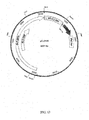
- One such plasmid vector resulting from the ligation of the 9879 bp fragment and SEQ ID NO:1 was verified by Sanger sequencing and designated pCL0076 (SEQ ID NO:2). See FIG. 2 .
- M2B medium consisting of 10 g/L glucose, 0.8 g/L (NH 4 ) 2 SO 4 , 5 g/L Na 2 SO 4 , 2 g/L MgSO 4 •7H 2 O, 0.5 g/L KH 2 PO 4 , 0.5 g/L KCl, 0.1 g/L CaCl 2 •2H 2 O, 0.1 M MES (pH 6.0) 0.1% PB26 metals, and 0.1% PB26 Vitamins (v/v).
- M2B medium consisting of 10 g/L glucose, 0.8 g/L (NH 4 ) 2 SO 4 , 5 g/L Na 2 SO 4 , 2 g/L MgSO 4 •7H 2 O, 0.5 g/L KH 2 PO 4 , 0.5 g/L KCl, 0.1 g/L CaCl 2 •2H 2 O, 0.1 M MES (pH 6.0) 0.1% PB26 metals, and 0.1% PB26 Vitamins (v/
- PB26 vitamins consisted of 50 mg/mL vitamin B12, 100 ⁇ g/mL thiamine, and 100 ⁇ g/mL Ca-pantothenate.
- PB26 metals were adjusted to pH 4.5 and consisted of 3 g/L FeSO 4 •7H 2 O, 1 g/L MnCl 2 • 4 H 2 O, 800 mg/mL ZnSO 4 •7H 2 O, 20 mg/mL CoCl 2 •6H 2 O, 10 mg/mL Na 2 MoO 4 •2H 2 O, 600 mg/mL CuSO 4 •5H 2 O, and 800 mg/mL NiSO 4 •6H 2 O.
- PB26 stock solutions were filter sterilized separately and added to the broth after autoclaving.
- Glucose, KH 2 PO 4 , and CaCl 2 •2H 2 O were each autoclaved separately from the remainder of the broth ingredients before mixing to prevent salt precipitation and carbohydrate caramelizing. All medium ingredients were purchased from Sigma Chemical (St. Louis, MO).
- Strain B76-32 is a derivative of Schizochytrium sp. ATCC 20888 engineered according to U.S. Pat. No. 7,211,418 and U.S. Publ. Nos. 2008/0022422 and 2008/0026434 .
- Cultures of Schizochytrium sp. ATCC 20888 and B76-32 were grown to log phase and were transformed with the vector pCL0076 using electroporation with enzyme pretreatment as described below.
- Electroporation with enzyme pretreatment - Cells were grown in 50 mL of M50-20 media (see U.S. Publ. No. 2008/0022422 ) on a shaker at 200 rpm for 2 days at 30 °C.
- the cells were diluted at 1:100 into M2B media (see following paragraph) and grown overnight (16-24 h), attempting to reach mid-log phase growth (OD600 of 1.5-2.5).
- the cells were centrifuged in a 50 mL conical tube for 5 min at about 3000 x g. The supernatant was removed and the cells were resuspended in 1 M mannitol, pH 5.5, in a suitable volume to reach a final concentration of 2 OD 600 units.
- the supernatant was removed and the cells were gently resuspended with 5 mL of ice cold 10% glycerol. The cells were re-centrifuged for 5 min at about 2500 x g in round-bottom tubes. The supernatant was removed and the cells were gently resuspended with 500 ⁇ L of ice cold 10% glycerol, using wide-bore pipette tips. 90 ⁇ L of cells were aliquoted into a prechilled electro-cuvette (Gene Pulser® cuvette - 0.1 cm gap or 0.2 cm gap, Bio-Rad, Hercules, CA).
- the cells were centrifuged for 5 min at about 2500 x g in round bottom tubes. The supernatant was removed and the cell pellet was resuspended in 0.5 mL of M50-20 media. Cells were plated onto an appropriate number (2 to 5) of M2B plates with appropriate selection (if needed) and incubated at 30 °C.
- Transformants were selected for growth in either M2B + SMM media or directly selected for growth on sucrose by plating onto MSFM + sucrose.
- MSFM + sucrose selection after 1-2 weeks colonies were replated with several passes onto fresh sucrose-containing media. It was determined that expression of invertase can be used as a selectable marker for thraustochytrid colonies grown on sucrose as a sole carbon source.
- ATCC 20888 transformants growing on sucrose were selected for further characterization and were designated as 1-1, 1-3, 1-24, 3-1, 3-2, 3-5, 3-21, 4-1, 4-24, and 4-31, respectively.
- Nine of the B76-32 transformants growing on sucrose were selected for further characterization and were designated as B76-32 #2, #12, #19, #26, #30, #39, #42, #56, and #61.
- Colonies growing on sucrose (1-1, 1-3, 1-24, 3-1, 3-2, 3-5, 3-21, 4-1, 4-24, 4-31) were removed from plates using an inoculation loop and transferred into culture tubes containing 5 mL of sucrose media and grown for 4 days at 29 °C on a shaker. 2 mL of this culture was used to inoculate 50 mL of media (MSFM or SSFM) in 250 ml flasks and grown at 29 °C on a shaker at 200 rpm.
- MSFM or SSFM media
- Control flasks of the parental strain Schizochytrium sp. ATCC 20888 were grown the same way but using glucose containing media. Cells were harvested after 7 days. Cells were centrifuged and washed with a 50% isopropanol:distilled water mixture. The pelleted cells were freeze-dried, weighed, and a fatty acid methyl esters (FAME) analysis was performed.
- FAME fatty acid methyl esters
- oils were extracted from cell cultures using standard procedures and analyzed for fatty acid composition as a percent of total fatty acid methyl esters (FAMEs). See, e.g., U.S. Publ. No. 2010/0239533 . Growth and fat content of CL0076 transformants of Schizochytrium sp. ATCC 20888 or B76-32 were assayed gravimetrically and by gas chromatography of derivatized oils as previously described in U.S. Publ. No. 2008/0022422 .
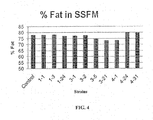
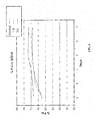
- Results are shown in Tables 5-8. Dry weights and fat content of pellets from shake flask cultures of transformants as well as parent strains are shown in FIGs. 3-8 .
- SSFM media 50 g/L glucose or sucrose, 13.6 g/L Na 2 SO 4 , 0.7 g/L K 2 SO 4 , 0.36 g/L KCl, 2.3 g/L MgSO 4 •7H 2 O, 0.1M MES (pH 6.0), 1.2 g/L (NH 4 ) 2 SO 4 , 0.13 g/L monosodium glutamate, 0.056 g/L KH 2 PO 4 , and 0.2 g/L CaCl 2 •2H 2 O. Vitamins were added at 1 mL/L from a stock consisting of 0.16 g/L vitamin B12, 9.7 g/L thiamine, and 3.3 g/L Ca-pantothenate.
- Trace metals were added at 2 mL/L from a stock consisting of 1 g/L citric acid, 5.2 g/L FeSO 4 •7H 2 O, 1.5 g/L MnCl 2 • 4 H 2 O, 1.5 g/L ZnSO 4 •7H 2 O, 0.02 g/L CoCl 2 •6H 2 O, 0.02 g/L Na 2 MoO 4 •2H 2 O, 1.0 g/L CuSO 4 •5H 2 O, and 1.0 g/L NiSO 4 •6H 2 O, adjusted to pH 2.5.
- Modified SFM (MSFM) media 10 g/L glucose or sucrose, 25.0 g/L NaCl, 1.0 g/L KCl, 0.2 g/L (NH4)2SO4, 5 g/L, 5.0 g/L MgSO4•7H2O, 0.1 g/L KH 2 PO 4 , 0.3 g/L CaCl2•2H2O, 0.1 M HEPES (pH 7.0), 0.1% PB26 metals, and 0.1% PB26 Vitamins (v/v). Vitamins were added at 2 mL/L from a stock consisting of 0.16 g/L vitamin B12, 9.7 g/L thiamine, and 3.3 g/L Ca-pantothenate.
- Trace metals were added at 2 mL/L from a stock consisting of 1 g/L citric acid, 5.2 g/L FeSO4•7H2O, 1.5 g/L MnCl2•4H2O, 1.5 g/L ZnSO4•7H2O, 0.02 g/L CoCl2•6H2O, 0.02 g/L Na2MoO4•2H2O, 1.0 g/L CuSO4•5H2O, and 1.0 g/L NiSO4•6H2O, adjusted to pH 2.5.
- Table 5 shows the growth and fat levels of Schizochytrium sp. ATCC 20888 grown in MSFM with glucose, fructose, sucrose, or no added carbon source.
- Table 6 shows the dry weight and % fatty acid for Schizochytrium sp. ATCC 20888 grown in MSFM media with glucose (control) and Schizochytrium sp. ATCC 20888 transformed cell lines grown in MSFM media with sucrose.
- Table 7 shows the dry weight and % fatty acid for Schizochytrium sp.
- the proteins (0.625 ⁇ g to 5 ⁇ g) were separated by SDS-PAGE on a bis-tris gel (Invitrogen, Carlsbad, CA, USA). The proteins were then stained with Coomassie blue (SimplyBlue Safe Stain, Invitrogen, Carlsbad, CA, USA) or transferred onto polyvinylidene fluoride membrane and probed for the presence of invertase protein with an invertase antisera (Open Biosystems, Huntsville, AL) derived from rabbits that had been injected with a pure preparation of Saccharomyces cerevisiae invertase (Sigma, St. Louis, MO).
- Coomassie blue SimplyBlue Safe Stain, Invitrogen, Carlsbad, CA, USA
- invertase antisera Open Biosystems, Huntsville, AL
- the membrane was subsequently incubated with a mouse anti-rabbit secondary antibody coupled to alkaline phosphatase (Promega Corporation, Madison, WI). The membrane was then treated with 5-bromo-4-chloro-3-indoyl-phosphate/nitroblue tetrazolium solution (BCIP/NBT) according to the manufacturer's instructions (KPL, Gaithersburg, MD). An example is presented in FIG. 9 . Anti-invertase immunoblot and corresponding Coomassie blue-stained gel are presented in panels 9A and 9B, respectively. Of the four major bands seen in culture supernatants of clone 1-3, only one was shown to react with anti-invertase antisera. The identity of the protein was confirmed by peptide sequence analysis.
- Sucrase activity was measured by the rate of liberation of fructose and glucose from sucrose.
- the assay was performed by adding sucrose to fermentation broth supernatant and the glucose/fructose content was measured by HPLC.
- Schizochytrium sp. B76-32 clone #2 transformed with pCL0076 (Example 2) was grown in MSFM (with sucrose) until the OD 600nm reached about 4 in 50 mL shake flasks at 29 °C. Cells were spun down for 15 min at 4500 x g and invertase activity was measured in the supernatant. Invertase was assayed by adding 0.1 M sucrose to varying volumes of fermentation broth and adjusting the final volume to 1 mL. The reaction was incubated at 55 °C for 3 min. Termination of the reaction was done at 100 °C for 10 min, and then frozen prior to quantification of glucose, fructose, and sucrose by HPLC.
- HPLC was performed using a modified version of the process described in Liu et al., Food Sci. 28:293-296 (2007 ). Briefly, mono- and di-saccharides were separated using an HPLC with a Luna NH 2 column and detected using an RID (refractive index detector). Identification was carried out by comparing retention times to those of standards. Quantitation was by an external standard calibration. The reaction rate as a function of sucrose concentration is shown in FIG. 10A . The Km (33.4 mM) and Vmax (6.8 mM glucose/min) were calculated from a standard Lineweaver-Burk plot. See FIG. 10B .
- Supernatant proteins from Example 4 were separated by SDS-PAGE on a 4-12% bis-tris gel (Invitrogen). The proteins were then stained with Coomassie blue (SimplyBlueTM Safe Stain, Invitrogen, Carlsbad, CA). The stained proteins of interest were cut from the gel and slices cut into smaller pieces ( ⁇ 1 mm 3 ) and destained alternately with 40 mM Ammonium bicarbonate (AmBic) and 100% acetonitrile until the color turned clear. Destained gel was reswelled in 10 mM DTT in 40 mM Ambic at 55 °C for 1 h. The DTT solution was exchanged with 55 mM Iodoacetamide (IAM) and incubated in the dark for 45 min.
- Coomassie blue SimplyBlueTM Safe Stain, Invitrogen, Carlsbad, CA
- AmBic Ammonium bicarbonate
- IAM Iodoacetamide
- Extracted tryptic digest was passed through a C18 Sep-Pak® cartridge (Waters Corporation, Milford, MA) and washed with 5% acetic acid to remove contaminants (such as salts and SDS). Peptides and glycopeptides were eluted in series with 20% isopropanol in 5% acetic acid, 40% isopropanol in 5% acetic acid, and 100% isopropanol and were dried in a speed vacuum concentrator. The dried samples were combined and then reconstituted with 50 mM sodium phosphate buffer (pH 7.5) and heated at 100 °C for 5 min to inactivate trypsin.
- the tryptic digest was incubated with PNGase F at 37 °C overnight to release N-glycans. After digestion, the sample was passed through a C18 Sep-Pak® cartridge and the carbohydrate fraction was eluted with 5% acetic acid and dried by lyophilization. Released N-linked oligosaccharides were permethylated based on the method of Anumula and Taylor (Anumula and Taylor, 1992) and profiled by mass spectrometry. Mass spectrometric analysis was performed following the method developed at the Complex Carbohydrates Research Center ( Aoki K et al., J. Biol. Chem. 282:9127-42 (2007 ).
- Mass analysis was determined by using NSI-LTQ/MS n . Briefly, permethylated glycans were dissolved in 1 mM NaOH in 50% methanol and infused directly into the instrument (FinniganTM LTQTM Linear Ion Trap Mass Spectrometer, Thermo Electron Corporation, Waltham, MA) at a constant flow rate of 0.4 ( ⁇ L/min. The MS analysis was performed in the positive ion mode. For total ion mapping, automated MS/MS analysis (at 35 collision energy), m/z range from 500 to 2000 was scanned in successive 2.8 mass unit windows that overlapped the preceding window by 2 mass units.
- Total ion mapping was performed to examine the presence of fragment ions indicative of glycans. All MS/MS data from m/z 500 through m/z 2000 were taken and the raw data were analyzed manually. The chromatogram and table of species obtained by NSI-total ion mapping are shown in FIG. 11 and FIG. 12 . This chromatogram was processed by the scan filter, neutral loss of m/z 139, which is the one of characteristic neutral loss of high-mannose type glycans. Total ion mapping revealed that this sample contains a series of high-mannose type glycans with long mannose chains.
- the vector pAB0018 (ATCC Accession No. PTA-9616) was digested with HindIII, treated with mung bean nuclease, purified, and then further digested with Kpnl generating four fragments of various sizes. A fragment of 2552 bp was isolated by standard electrophoretic techniques in an agar gel and purified using commercial DNA purification kits. A second digest of pAB0018 with Pmel and Kpn was then performed. A fragment of 6732 bp was isolated and purified from this digest and ligated to the 2552 bp fragment. The ligation product was then used to transform commercially supplied strains of competent DH5- ⁇ E. coli cells (Invitrogen) using the manufacturer's protocol.
- Plasmids from ampicillin-resistant clones were propagated, purified, and then screened by restriction digests or PCR to confirm that the ligation generated the expected plasmid structures.
- One verified plasmid was designated pCL0120. See FIG. 13 and SEQ ID NO:5.
- the polynucleotide sequence encoding the mature form of the Suc1 secreted invertase protein from the fungus Aspergillus niger was codon-optimized for expression in Schizochytrium using the Schizochytrium codon usage table of FIG. 1 (codon optimization was performed by Blue Heron Biotechnology, Bothell, WA).
- the codon-optimized sequence was synthesized and the resulting polynucleotide sequence was fused to a polynucleotide sequence encoding the Schizochytrium Sec1 signal peptide ("Sec1 ss”) as an N-terminal leader in place of the endogenous signal peptide.
- the resulting coding region of the "s1Suc1" nucleic acid sequence (SEQ ID NO:4) is shown in FIG. 14 .
- This codon-optimized slSucl polynucleotide was cloned to the vector pCL0120 using the 5' and 3' restriction sites BamHI and Ndel for insertion and ligation according to standard techniques.
- a plasmid map of the resulting vector, pCL0137, is shown in FIG. 15 . Wild-type strain Schizochytrium sp. ATCC 20888 was transformed with this vector and the resulting clones were selected on solid SSFM media containing SMM.
- SMM-resistant clones were then re-plated to SSFM solid media containing sucrose as a sole carbon source to assay for growth. Depending on the transformation experiment, between 50% and 90% of the SMM-resistant primary transformants were capable of growth on sucrose media.
- Saccharomyces cerevisiae AGT1 alpha-glucoside transporter gene (GenBank Accession No. L47346) was codon-optimized for expression in Schizochytrium and was inserted into the vector pCL0121 (SEQ ID NO:6), comprising a ZEOCINTM selectable marker, to produce the vector pCL0125 (SEQ ID NO:7).
- the Solanum tuberosum (potato) SUT1 sucrose transporter gene (GenBank Accession No. X69165) was codon-optimized for expression in Schizochytrium and was inserted into the vector pCL0121 (SEQ ID NO:6), comprising a ZEOCINTM selectable marker, to produce the vector pCL0126 (SEQ ID NO:8).
- the polynucleotide sequence encoding the Saccharomyces cerevisiae cytoplasmic SUC2 invertase protein was codon-optimized for expression in Schizochytrium and was inserted into the vector pCL0122 (SEQ ID NO:9), comprising a paromomycin selectable marker, to produce the vector pCL0127 (SEQ ID NO:10).
- Schizochytrium sp. B76-32 clone #19 transformed with pCL0076 was further transformed with either pCL0125 or pCL0126, comprising the AGT1 alpha-glucoside transporter and SUT1 sucrose transporter, respectively.
- Transformants were selected on antibiotics and the presence of the transporter genes was confirmed by PCR.
- Transformants were further transformed with pCL0127 comprising cytoplasmic SUC2, were selected on antibiotic, and were analyzed for growth on sucrose based on dry weight and FAME content as described in Example 2. Growth on sucrose and production of fatty acids were observed.
- Wild type Schizochytrium sp. ATCC 20888 cells were transformed with either: (1) pCL0125, comprising the AGT1 alpha-glucoside transporter, in combination with pCL0127, comprising cytoplasmic SUC2; or (2) pCL0126, comprising the SUT1 sucrose transporter, in combination with pCL0127, comprising cytoplasmic SUC2. Transformants were grown and selected on sucrose. Each of the combinations of pCL0125/pCL0127 and pCL0126/pCL0127 produced transformants capable of growth on sucrose. Positive transformants were identified and frozen. At a subsequent date, the positive transformants are thawed, are further transformed with pCL0076 comprising secreted invertase, are selected on antibiotic, and are analyzed for growth levels and FAME as described in Example 2.
- Schizochytrium sp. ATCC 20888 transformed with pCL0076 comprising the SUC2 secreted invertase (clone 1-3, Example 2) was further transformed with either: (1) pCL0125, comprising the AGT1 alpha-glucoside transporter, in combination with pCL0127, comprising cytoplasmic SUC2; or (2) pCL0126, comprising the SUT1 sucrose transporter, in combination with pCL0127, comprising cytoplasmic SUC2.
- Transformants were grown and selected on ZEOCINTM and paromomycin. Positive transformants were identified and frozen. At a subsequent date, the positive transformants are thawed and are analyzed for growth on sucrose and for fatty acid methyl esters as described in Example 2.
Landscapes
- Chemical & Material Sciences (AREA)
- Life Sciences & Earth Sciences (AREA)
- Organic Chemistry (AREA)
- Engineering & Computer Science (AREA)
- Health & Medical Sciences (AREA)
- Zoology (AREA)
- Wood Science & Technology (AREA)
- Genetics & Genomics (AREA)
- Bioinformatics & Cheminformatics (AREA)
- Biotechnology (AREA)
- General Engineering & Computer Science (AREA)
- Biochemistry (AREA)
- General Health & Medical Sciences (AREA)
- Microbiology (AREA)
- Biomedical Technology (AREA)
- General Chemical & Material Sciences (AREA)
- Chemical Kinetics & Catalysis (AREA)
- Oil, Petroleum & Natural Gas (AREA)
- Medicinal Chemistry (AREA)
- Polymers & Plastics (AREA)
- Food Science & Technology (AREA)
- Virology (AREA)
- Tropical Medicine & Parasitology (AREA)
- Molecular Biology (AREA)
- Cell Biology (AREA)
- Botany (AREA)
- Nutrition Science (AREA)
- Animal Husbandry (AREA)
- Mycology (AREA)
- Biophysics (AREA)
- Plant Pathology (AREA)
- Physics & Mathematics (AREA)
- Insects & Arthropods (AREA)
- Marine Sciences & Fisheries (AREA)
- Birds (AREA)
- Preparation Of Compounds By Using Micro-Organisms (AREA)
- Micro-Organisms Or Cultivation Processes Thereof (AREA)
Claims (13)
- Verfahren zum Erzeugen einer Thraustochytriden-Zellkultur, das Folgendes umfasst:(a) Transformieren einer Thraustochytridenzelle mit einem Nukleinsäuremolekül, das eine Polynukleotidsequenz, die für eine heterologe Invertase codiert, umfasst, wobei die Invertase an die Plasmamembran der Thraustochytridenzelle gebunden ist, und(b) Züchten der transformierten Thraustochytridenzelle in einem Kulturmedium, das Saccharose als Kohlenstoffquelle umfasst.
- Thraustochytridenzelle, umfassend ein Nukleinsäuremolekül, das eine Polynukleotidsequenz, die für eine heterologe Invertase codiert, umfasst, wobei die Invertase an die Plasmamembran der Thraustochytridenzelle gebunden ist.
- Zelle nach Anspruch 2, wobei die Invertase operativ mit einem Signalpeptid verknüpft ist.
- Zelle nach einem der Ansprüche 2-3, wobei die Polynukleotidsequenz, die für die heterologe Invertase codiert, zu mindestens 90% zu der Polynukleotidsequenz gemäß SEQ ID NO: 1 identisch ist.
- Zelle nach einem der Ansprüche 2-4, wobei die Zelle weiterhin ein Nukleinsäuremolekül umfasst, das eine Polynukleotidsequenz, die für einen heterologen Saccharosetransporter codiert, umfasst.
- Zelle nach Anspruch 5, wobei die Polynukleotidsequenz, die für den heterologen Saccharosetransporter codiert, zu mindestens 90% zu der Polynukleotidsequenz von Zugang Nr. L47346 identisch ist.
- Zelle nach einem der Ansprüche 2-6, wobei es sich bei dem Thraustochytriden um ein Schizochytrium oder ein Thraustochytrium handelt.
- Thraustochytridenkultur, die Folgendes umfasst:(a) die Thraustochytridenzelle nach einem der Ansprüche 2-7 und(b) ein Zellkulturmedium, das Saccharose als Kohlenstoffquelle umfasst.
- Verfahren zum Produzieren einer Thraustochytridenbiomasse, das Folgendes umfasst:(a) Züchten der Thraustochytridenzelle nach einem der Ansprüche 2-7 in einem Kulturmedium, das Saccarose als Kohlenstoffquelle umfasst und(b) Ernten der Biomasse von dem Kulturmedium.
- Verfahren zum Produzieren eines mikrobiellen Öls, das Folgendes umfasst:(a) Züchten der Thraustochytridenzelle nach einem der Ansprüche 2-7 in einem Kulturmedium, das Saccarose als Kohlenstoffquelle umfasst, um eine Biomasse zu produzieren, und(b) Extrahieren eines Öls aus der Biomasse.
- Verfahren zum Erzeugen eines Nahrungsmittels, eines Kosmetikums, einer industriellen Zusammensetzung oder einer pharmazeutischen Zusammensetzung für ein Tier oder einen Menschen, das Folgendes umfasst:(a) Züchten der Thraustochytridenzelle nach einem der Ansprüche 2-7 in einem Kulturmedium, das Saccharose als Kohlenstoffquelle umfasst,(b) Ernten einer Biomasse von dem Kulturmedium und(c) Erzeugen des Nahrungsmittels, des Kosmetikums, der industriellen Zusammensetzung oder der pharmazeutischen Zusammensetzung aus der Biomasse.
- Verfahren nach Anspruch 11, das weiterhin Folgendes umfasst: Extrahieren eines Öls aus der Biomasse und Erzeugen des Nahrungsmittels, des Kosmetikums, der industriellen Zusammensetzung oder der pharmazeutischen Zusammensetzung aus dem Öl.
- Verfahren nach Anspruch 11 oder Anspruch 12, wobei das Nahrungsmittel aus (a) einer Babynahrung, (b) Milch, (c) einem Getränk, (d) einem therapeutischen Drink, (e) einem Nähr-Drink, (f) einem Zusatzstoff für Tierfutter oder menschliche Nahrung, (g) einem Nahrungsergänzungsstoff, (h) einem Tierfutter und (i) einer Kombination von (b), (c), (d) und/oder (e) ausgewählt ist.
Applications Claiming Priority (2)
| Application Number | Priority Date | Filing Date | Title |
|---|---|---|---|
| US29044309P | 2009-12-28 | 2009-12-28 | |
| PCT/US2010/062277 WO2011082190A1 (en) | 2009-12-28 | 2010-12-28 | Recombinant thraustochytrids that grow on sucrose, and compositions, methods of making, and uses thereof |
Publications (3)
| Publication Number | Publication Date |
|---|---|
| EP2519625A1 EP2519625A1 (de) | 2012-11-07 |
| EP2519625A4 EP2519625A4 (de) | 2013-07-31 |
| EP2519625B1 true EP2519625B1 (de) | 2018-09-26 |
Family
ID=44226796
Family Applications (1)
| Application Number | Title | Priority Date | Filing Date |
|---|---|---|---|
| EP10841651.2A Not-in-force EP2519625B1 (de) | 2009-12-28 | 2010-12-28 | Auf saccharose wachsende rekombinante thraustochytride sowie zusammensetzungen, herstellungsverfahren und verwendungen davon |
Country Status (5)
| Country | Link |
|---|---|
| US (2) | US20110195449A1 (de) |
| EP (1) | EP2519625B1 (de) |
| CN (2) | CN103068965A (de) |
| ES (1) | ES2701403T3 (de) |
| WO (1) | WO2011082190A1 (de) |
Families Citing this family (18)
| Publication number | Priority date | Publication date | Assignee | Title |
|---|---|---|---|---|
| TWI324181B (en) | 2001-04-16 | 2010-05-01 | Martek Biosciences Corp | Product and process for transformation of thraustochytriales microorganisms |
| TWI504749B (zh) | 2009-03-16 | 2015-10-21 | Dsm Ip Assets Bv | 於網黏菌門微生物中生產蛋白質之技術 |
| ES2651313T3 (es) * | 2009-12-28 | 2018-01-25 | Dsm Ip Assets B.V. | Traustoquítridos recombinantes que crecen en xilosa, y composiciones, métodos de preparación y usos de los mismos |
| BR122015020119B8 (pt) | 2010-01-19 | 2021-05-04 | Dsm Ip Assets Bv | óleo microbiano, produtos alimentícios para um animal não humano e biomassa isolada |
| WO2013013211A1 (en) | 2011-07-21 | 2013-01-24 | Dsm Ip Assets B.V. | Fatty acid compositions |
| CN104011217B (zh) * | 2011-07-21 | 2018-09-04 | 帝斯曼知识产权资产管理有限公司 | 生产二十碳五烯酸的微生物、脂肪酸组合物及其制作方法与用途 |
| CN103740776B (zh) * | 2013-06-05 | 2014-11-05 | 湖北欣和生物科技有限公司 | 一种裂殖壶菌发酵培养基 |
| EP3200604B2 (de) | 2014-10-02 | 2025-05-07 | Evonik Operations GmbH | Verfahren zur herstellung eines futtermittels |
| US11464244B2 (en) | 2014-10-02 | 2022-10-11 | Evonik Operations Gmbh | Feedstuff of high abrasion resistance and good stability in water, containing PUFAs |
| BR112017006838B1 (pt) | 2014-10-02 | 2021-07-06 | Evonik Operations Gmbh | Processo para produzir um alimento para animais compreendendo biomassa contendo pufa, alimento para animais e método para criar animais |
| EP3200606B1 (de) * | 2014-10-02 | 2021-03-31 | Evonik Operations GmbH | Verfahren zur herstellung eines pufas enthaltenden futtermittels durch extrusion einer pufas enthaltenden biomasse des typs labyrinthulomycetes |
| CA2978770A1 (en) * | 2015-03-12 | 2016-09-15 | Synthetic Genomics, Inc. | Microorganisms for fatty acid production using elongase and desaturase enzymes |
| FR3038913B1 (fr) * | 2015-07-17 | 2020-05-01 | Fermentalg | Biomasse de thraustochytrides, procede de culture et utilisations |
| EP3487969B1 (de) * | 2016-07-20 | 2024-04-17 | Mara Renewables Corporation | Zweistufiges fraktionierungsverfahren zur einwinterung von öl |
| CN108504616B (zh) * | 2018-04-03 | 2020-05-29 | 广西科学院 | 一种高效发酵蔗糖的重组拜氏梭菌以及提高拜氏梭菌蔗糖发酵性能的方法 |
| CN111012736A (zh) * | 2020-02-11 | 2020-04-17 | 福建蓝昊肽生物科技发展有限公司 | 一种阻断新型冠状病毒2019-nCov的无菌喷剂敷料的应用 |
| KR102490870B1 (ko) * | 2021-01-18 | 2023-01-20 | 씨제이제일제당 주식회사 | 트라우스토키트리드과 미세조류의 동결 보존용 조성물 및 이를 이용한 트라우스토키트리드과 미세조류의 동결 보존 방법 |
| CN115927005B (zh) * | 2022-10-14 | 2024-11-22 | 广西中医药大学 | 两面针内生真菌y118的固体发酵培养基及其制备和培养方法 |
Family Cites Families (41)
| Publication number | Priority date | Publication date | Assignee | Title |
|---|---|---|---|---|
| US5130242A (en) | 1988-09-07 | 1992-07-14 | Phycotech, Inc. | Process for the heterotrophic production of microbial products with high concentrations of omega-3 highly unsaturated fatty acids |
| US5340742A (en) | 1988-09-07 | 1994-08-23 | Omegatech Inc. | Process for growing thraustochytrium and schizochytrium using non-chloride salts to produce a microfloral biomass having omega-3-highly unsaturated fatty acids |
| IL100908A0 (en) * | 1991-02-22 | 1992-11-15 | Salk Inst Biotech Ind | Invertase genes and their use |
| DE59506314D1 (de) | 1994-08-16 | 1999-08-05 | Frische Gmbh | Verfahren zur gewinnung von nicht wasserlöslichen, nativen produkten aus nativen stoffgemengen mit hilfe der zentrifugalkraft |
| PT996740E (pt) | 1997-08-01 | 2005-11-30 | Martek Biosciences Corp | Composicoes nutritivas contendo dha e metodos para a sua producao |
| US8003772B2 (en) | 1999-01-14 | 2011-08-23 | Martek Biosciences Corporation | Chimeric PUFA polyketide synthase systems and uses thereof |
| AU1417901A (en) | 1999-11-26 | 2001-06-04 | Kansai Chemical Engineering Co., Ltd. | Process for producing fatty acid lower alcohol ester |
| ES2352001T3 (es) | 2000-01-19 | 2011-02-14 | Martek Biosciences Corporation | Procedimiento de extracción sin disolvente. |
| US20020061510A1 (en) | 2000-10-16 | 2002-05-23 | Jonathan Miller | Method and system for designing proteins and protein backbone configurations |
| WO2002038709A2 (en) | 2000-11-08 | 2002-05-16 | Aae Technologies International Limited | Fuel composition |
| GB0027274D0 (en) | 2000-11-08 | 2000-12-27 | Aae Technologies Internat Ltd | Fuels |
| PT1227143E (pt) | 2001-01-29 | 2005-07-29 | Cognis Deutschland Gmbh | Aditivos para combustivel |
| TWI324181B (en) * | 2001-04-16 | 2010-05-01 | Martek Biosciences Corp | Product and process for transformation of thraustochytriales microorganisms |
| GB0110354D0 (en) | 2001-04-27 | 2001-06-20 | Aae Technologies Internat Ltd | Fuel additives |
| PT1497418E (pt) | 2002-04-19 | 2013-01-25 | Dsm Ip Assets Bv | Fosfolípases, ácidos nucleicos que as codificam e métodos para as preparar e utilizar |
| US7226771B2 (en) | 2002-04-19 | 2007-06-05 | Diversa Corporation | Phospholipases, nucleic acids encoding them and methods for making and using them |
| JP4280158B2 (ja) | 2002-12-27 | 2009-06-17 | 富士フイルム株式会社 | ドコサヘキサエン酸生産能を有する微生物及びその利用 |
| EP2853593B1 (de) | 2003-03-07 | 2017-10-04 | DSM IP Assets B.V. | Hydrolasen, Nucleinsäuren zur Codierung davon sowie Verfahren zur Herstellung und Verwendung davon |
| JP2007508922A (ja) | 2003-10-02 | 2007-04-12 | ミシシッピ・ステイト・ユニバーシティ | 廃水処理プラント汚泥からのバイオディーゼル燃料及び他の有用な化学物質の生成 |
| KR20070046787A (ko) | 2004-04-21 | 2007-05-03 | 카아길, 인코포레이팃드 | 오일 추출을 위한 옥수수 처리량 증가 방법 |
| ES2461857T3 (es) | 2004-06-16 | 2014-05-21 | Dsm Ip Assets B.V. | Composiciones y métodos para la decoloración enzimática de clorofila |
| WO2006037334A1 (en) | 2004-10-08 | 2006-04-13 | Novozymes A/S | Hydrolysis of ester bonds with lipase |
| JP4796786B2 (ja) | 2005-04-28 | 2011-10-19 | 富士フイルム株式会社 | ラビリンチュラ類を形質転換可能なベクター |
| JP4796787B2 (ja) | 2005-04-28 | 2011-10-19 | 富士フイルム株式会社 | ラビリンチュラ類への遺伝子導入法 |
| US8685680B2 (en) | 2005-05-13 | 2014-04-01 | Thomas P. Binder | Method for producing fats or oils |
| WO2006127512A1 (en) | 2005-05-20 | 2006-11-30 | Cargill, Incorporated | Biofuel production |
| BRPI0611892A2 (pt) | 2005-06-13 | 2011-01-04 | Novozymes As | método para produzir alquil ésteres de ácidos graxos de teor de fósforo reduzido |
| US7857872B2 (en) | 2005-10-21 | 2010-12-28 | Regents Of The University Of Minnesota | Co-production of biodiesel and an enriched food product from distillers grains |
| US20070099278A1 (en) | 2005-11-01 | 2007-05-03 | Aare Palaniswamy R | Production of biodiesel from combination of corn (maize) and other feed stocks |
| EP1948767A1 (de) | 2005-11-17 | 2008-07-30 | CPS Biofuels, Inc. | Alternativbrennstoff und brennstoffzusatz-zusammensetzungen |
| EP1788065A1 (de) | 2005-11-18 | 2007-05-23 | Biodiesel Engineering Limited | Verfahren und Anlage zum Reinigen von Biodiesel |
| US20070113467A1 (en) | 2005-11-23 | 2007-05-24 | Novus International Inc. | Biodiesel fuel compositions having increased oxidative stability |
| US20070151146A1 (en) | 2005-12-29 | 2007-07-05 | Inmok Lee | Processes of Producing Biodiesel and Biodiesel Produced Therefrom |
| EP2099924B1 (de) | 2006-12-05 | 2015-07-15 | Biomass Research & Refining Pty Ltd | Produktion von biodiesel |
| CN104212844A (zh) * | 2007-06-01 | 2014-12-17 | 索拉兹米公司 | 在微生物中生产油 |
| JP2010538642A (ja) | 2007-09-12 | 2010-12-16 | マーテック バイオサイエンシーズ コーポレーション | 生物油ならびにその生産および使用 |
| MX338039B (es) * | 2008-04-09 | 2016-03-30 | Solazyme Inc | Modificacion quimica directa de biomasa bacteriana y aceites microbianos. |
| EP2370554B1 (de) * | 2008-11-28 | 2019-05-15 | Corbion Biotech, Inc. | Herstellung von massgeschneiderten ölen in rekombinanten heterotrophen mikroorganismen |
| TWI504749B (zh) | 2009-03-16 | 2015-10-21 | Dsm Ip Assets Bv | 於網黏菌門微生物中生產蛋白質之技術 |
| US8207363B2 (en) | 2009-03-19 | 2012-06-26 | Martek Biosciences Corporation | Thraustochytrids, fatty acid compositions, and methods of making and uses thereof |
| US20120156717A1 (en) * | 2009-08-28 | 2012-06-21 | Phycal, Inc. | Biofuel from recombinant oleaginous algae using sugar carbon sources |
-
2010
- 2010-12-28 EP EP10841651.2A patent/EP2519625B1/de not_active Not-in-force
- 2010-12-28 CN CN2010800648599A patent/CN103068965A/zh active Pending
- 2010-12-28 CN CN201710629140.9A patent/CN107858297A/zh active Pending
- 2010-12-28 WO PCT/US2010/062277 patent/WO2011082190A1/en not_active Ceased
- 2010-12-28 ES ES10841651T patent/ES2701403T3/es active Active
- 2010-12-28 US US12/980,322 patent/US20110195449A1/en not_active Abandoned
-
2017
- 2017-01-06 US US15/400,318 patent/US20170183669A1/en not_active Abandoned
Non-Patent Citations (1)
| Title |
|---|
| None * |
Also Published As
| Publication number | Publication date |
|---|---|
| WO2011082190A1 (en) | 2011-07-07 |
| ES2701403T3 (es) | 2019-02-22 |
| US20170183669A1 (en) | 2017-06-29 |
| EP2519625A1 (de) | 2012-11-07 |
| US20110195449A1 (en) | 2011-08-11 |
| EP2519625A4 (de) | 2013-07-31 |
| CN103068965A (zh) | 2013-04-24 |
| CN107858297A (zh) | 2018-03-30 |
Similar Documents
| Publication | Publication Date | Title |
|---|---|---|
| US20170183669A1 (en) | Recombinant thraustochytrids that grow on sucrose, and compositions, methods of making, and uses thereof | |
| EP2519642B1 (de) | Auf xylose wachsende rekombinante thraustochytride sowie zusammensetzungen, herstellungsverfahren und verwendungen davon | |
| US11104923B2 (en) | Biological oils and production and uses thereof | |
| US20220322705A1 (en) | Eicosapentaenoic acid-producing microorganisms, fatty acid compositions, and methods of making and uses thereof | |
| WO2013010090A2 (en) | Algal lipid compositions and methods of preparing and utilizing the same | |
| EP3040415A1 (de) | Ungesättigstes omega-3-fettsäure-enzym und verfahren zur herstellung von eicosapentaensäure | |
| HK1198545B (en) | Eicosapentaenoic acid-producing microorganisms, fatty acid compositions, and methods of making and uses thereof |
Legal Events
| Date | Code | Title | Description |
|---|---|---|---|
| PUAI | Public reference made under article 153(3) epc to a published international application that has entered the european phase |
Free format text: ORIGINAL CODE: 0009012 |
|
| 17P | Request for examination filed |
Effective date: 20120725 |
|
| AK | Designated contracting states |
Kind code of ref document: A1 Designated state(s): AL AT BE BG CH CY CZ DE DK EE ES FI FR GB GR HR HU IE IS IT LI LT LU LV MC MK MT NL NO PL PT RO RS SE SI SK SM TR |
|
| DAX | Request for extension of the european patent (deleted) | ||
| RIC1 | Information provided on ipc code assigned before grant |
Ipc: C12N 1/10 20060101AFI20130619BHEP |
|
| A4 | Supplementary search report drawn up and despatched |
Effective date: 20130628 |
|
| 17Q | First examination report despatched |
Effective date: 20150522 |
|
| STAA | Information on the status of an ep patent application or granted ep patent |
Free format text: STATUS: EXAMINATION IS IN PROGRESS |
|
| GRAP | Despatch of communication of intention to grant a patent |
Free format text: ORIGINAL CODE: EPIDOSNIGR1 |
|
| STAA | Information on the status of an ep patent application or granted ep patent |
Free format text: STATUS: GRANT OF PATENT IS INTENDED |
|
| INTG | Intention to grant announced |
Effective date: 20180416 |
|
| GRAS | Grant fee paid |
Free format text: ORIGINAL CODE: EPIDOSNIGR3 |
|
| GRAA | (expected) grant |
Free format text: ORIGINAL CODE: 0009210 |
|
| STAA | Information on the status of an ep patent application or granted ep patent |
Free format text: STATUS: THE PATENT HAS BEEN GRANTED |
|
| AK | Designated contracting states |
Kind code of ref document: B1 Designated state(s): AL AT BE BG CH CY CZ DE DK EE ES FI FR GB GR HR HU IE IS IT LI LT LU LV MC MK MT NL NO PL PT RO RS SE SI SK SM TR |
|
| REG | Reference to a national code |
Ref country code: GB Ref legal event code: FG4D |
|
| REG | Reference to a national code |
Ref country code: CH Ref legal event code: EP |
|
| REG | Reference to a national code |
Ref country code: AT Ref legal event code: REF Ref document number: 1046067 Country of ref document: AT Kind code of ref document: T Effective date: 20181015 |
|
| REG | Reference to a national code |
Ref country code: IE Ref legal event code: FG4D |
|
| REG | Reference to a national code |
Ref country code: DE Ref legal event code: R096 Ref document number: 602010053945 Country of ref document: DE |
|
| REG | Reference to a national code |
Ref country code: NL Ref legal event code: MP Effective date: 20180926 |
|
| PG25 | Lapsed in a contracting state [announced via postgrant information from national office to epo] |
Ref country code: RS Free format text: LAPSE BECAUSE OF FAILURE TO SUBMIT A TRANSLATION OF THE DESCRIPTION OR TO PAY THE FEE WITHIN THE PRESCRIBED TIME-LIMIT Effective date: 20180926 Ref country code: LT Free format text: LAPSE BECAUSE OF FAILURE TO SUBMIT A TRANSLATION OF THE DESCRIPTION OR TO PAY THE FEE WITHIN THE PRESCRIBED TIME-LIMIT Effective date: 20180926 Ref country code: SE Free format text: LAPSE BECAUSE OF FAILURE TO SUBMIT A TRANSLATION OF THE DESCRIPTION OR TO PAY THE FEE WITHIN THE PRESCRIBED TIME-LIMIT Effective date: 20180926 Ref country code: BG Free format text: LAPSE BECAUSE OF FAILURE TO SUBMIT A TRANSLATION OF THE DESCRIPTION OR TO PAY THE FEE WITHIN THE PRESCRIBED TIME-LIMIT Effective date: 20181226 Ref country code: FI Free format text: LAPSE BECAUSE OF FAILURE TO SUBMIT A TRANSLATION OF THE DESCRIPTION OR TO PAY THE FEE WITHIN THE PRESCRIBED TIME-LIMIT Effective date: 20180926 Ref country code: NO Free format text: LAPSE BECAUSE OF FAILURE TO SUBMIT A TRANSLATION OF THE DESCRIPTION OR TO PAY THE FEE WITHIN THE PRESCRIBED TIME-LIMIT Effective date: 20181226 Ref country code: GR Free format text: LAPSE BECAUSE OF FAILURE TO SUBMIT A TRANSLATION OF THE DESCRIPTION OR TO PAY THE FEE WITHIN THE PRESCRIBED TIME-LIMIT Effective date: 20181227 |
|
| PGFP | Annual fee paid to national office [announced via postgrant information from national office to epo] |
Ref country code: DE Payment date: 20181218 Year of fee payment: 9 |
|
| REG | Reference to a national code |
Ref country code: LT Ref legal event code: MG4D |
|
| REG | Reference to a national code |
Ref country code: ES Ref legal event code: FG2A Ref document number: 2701403 Country of ref document: ES Kind code of ref document: T3 Effective date: 20190222 |
|
| PG25 | Lapsed in a contracting state [announced via postgrant information from national office to epo] |
Ref country code: HR Free format text: LAPSE BECAUSE OF FAILURE TO SUBMIT A TRANSLATION OF THE DESCRIPTION OR TO PAY THE FEE WITHIN THE PRESCRIBED TIME-LIMIT Effective date: 20180926 Ref country code: LV Free format text: LAPSE BECAUSE OF FAILURE TO SUBMIT A TRANSLATION OF THE DESCRIPTION OR TO PAY THE FEE WITHIN THE PRESCRIBED TIME-LIMIT Effective date: 20180926 Ref country code: AL Free format text: LAPSE BECAUSE OF FAILURE TO SUBMIT A TRANSLATION OF THE DESCRIPTION OR TO PAY THE FEE WITHIN THE PRESCRIBED TIME-LIMIT Effective date: 20180926 |
|
| PGFP | Annual fee paid to national office [announced via postgrant information from national office to epo] |
Ref country code: GB Payment date: 20181031 Year of fee payment: 12 |
|
| REG | Reference to a national code |
Ref country code: AT Ref legal event code: MK05 Ref document number: 1046067 Country of ref document: AT Kind code of ref document: T Effective date: 20180926 |
|
| PG25 | Lapsed in a contracting state [announced via postgrant information from national office to epo] |
Ref country code: IS Free format text: LAPSE BECAUSE OF FAILURE TO SUBMIT A TRANSLATION OF THE DESCRIPTION OR TO PAY THE FEE WITHIN THE PRESCRIBED TIME-LIMIT Effective date: 20190126 Ref country code: AT Free format text: LAPSE BECAUSE OF FAILURE TO SUBMIT A TRANSLATION OF THE DESCRIPTION OR TO PAY THE FEE WITHIN THE PRESCRIBED TIME-LIMIT Effective date: 20180926 Ref country code: NL Free format text: LAPSE BECAUSE OF FAILURE TO SUBMIT A TRANSLATION OF THE DESCRIPTION OR TO PAY THE FEE WITHIN THE PRESCRIBED TIME-LIMIT Effective date: 20180926 Ref country code: EE Free format text: LAPSE BECAUSE OF FAILURE TO SUBMIT A TRANSLATION OF THE DESCRIPTION OR TO PAY THE FEE WITHIN THE PRESCRIBED TIME-LIMIT Effective date: 20180926 Ref country code: CZ Free format text: LAPSE BECAUSE OF FAILURE TO SUBMIT A TRANSLATION OF THE DESCRIPTION OR TO PAY THE FEE WITHIN THE PRESCRIBED TIME-LIMIT Effective date: 20180926 Ref country code: RO Free format text: LAPSE BECAUSE OF FAILURE TO SUBMIT A TRANSLATION OF THE DESCRIPTION OR TO PAY THE FEE WITHIN THE PRESCRIBED TIME-LIMIT Effective date: 20180926 Ref country code: PL Free format text: LAPSE BECAUSE OF FAILURE TO SUBMIT A TRANSLATION OF THE DESCRIPTION OR TO PAY THE FEE WITHIN THE PRESCRIBED TIME-LIMIT Effective date: 20180926 |
|
| PGFP | Annual fee paid to national office [announced via postgrant information from national office to epo] |
Ref country code: ES Payment date: 20190102 Year of fee payment: 9 Ref country code: IT Payment date: 20181220 Year of fee payment: 9 |
|
| PG25 | Lapsed in a contracting state [announced via postgrant information from national office to epo] |
Ref country code: SM Free format text: LAPSE BECAUSE OF FAILURE TO SUBMIT A TRANSLATION OF THE DESCRIPTION OR TO PAY THE FEE WITHIN THE PRESCRIBED TIME-LIMIT Effective date: 20180926 Ref country code: PT Free format text: LAPSE BECAUSE OF FAILURE TO SUBMIT A TRANSLATION OF THE DESCRIPTION OR TO PAY THE FEE WITHIN THE PRESCRIBED TIME-LIMIT Effective date: 20190126 Ref country code: SK Free format text: LAPSE BECAUSE OF FAILURE TO SUBMIT A TRANSLATION OF THE DESCRIPTION OR TO PAY THE FEE WITHIN THE PRESCRIBED TIME-LIMIT Effective date: 20180926 |
|
| REG | Reference to a national code |
Ref country code: DE Ref legal event code: R097 Ref document number: 602010053945 Country of ref document: DE |
|
| PG25 | Lapsed in a contracting state [announced via postgrant information from national office to epo] |
Ref country code: DK Free format text: LAPSE BECAUSE OF FAILURE TO SUBMIT A TRANSLATION OF THE DESCRIPTION OR TO PAY THE FEE WITHIN THE PRESCRIBED TIME-LIMIT Effective date: 20180926 |
|
| REG | Reference to a national code |
Ref country code: CH Ref legal event code: PL |
|
| PLBE | No opposition filed within time limit |
Free format text: ORIGINAL CODE: 0009261 |
|
| STAA | Information on the status of an ep patent application or granted ep patent |
Free format text: STATUS: NO OPPOSITION FILED WITHIN TIME LIMIT |
|
| PG25 | Lapsed in a contracting state [announced via postgrant information from national office to epo] |
Ref country code: LU Free format text: LAPSE BECAUSE OF NON-PAYMENT OF DUE FEES Effective date: 20181228 Ref country code: MC Free format text: LAPSE BECAUSE OF FAILURE TO SUBMIT A TRANSLATION OF THE DESCRIPTION OR TO PAY THE FEE WITHIN THE PRESCRIBED TIME-LIMIT Effective date: 20180926 |
|
| 26N | No opposition filed |
Effective date: 20190627 |
|
| REG | Reference to a national code |
Ref country code: IE Ref legal event code: MM4A |
|
| REG | Reference to a national code |
Ref country code: BE Ref legal event code: MM Effective date: 20181231 |
|
| PG25 | Lapsed in a contracting state [announced via postgrant information from national office to epo] |
Ref country code: IE Free format text: LAPSE BECAUSE OF NON-PAYMENT OF DUE FEES Effective date: 20181228 Ref country code: SI Free format text: LAPSE BECAUSE OF FAILURE TO SUBMIT A TRANSLATION OF THE DESCRIPTION OR TO PAY THE FEE WITHIN THE PRESCRIBED TIME-LIMIT Effective date: 20180926 |
|
| PG25 | Lapsed in a contracting state [announced via postgrant information from national office to epo] |
Ref country code: BE Free format text: LAPSE BECAUSE OF NON-PAYMENT OF DUE FEES Effective date: 20181231 |
|
| PG25 | Lapsed in a contracting state [announced via postgrant information from national office to epo] |
Ref country code: LI Free format text: LAPSE BECAUSE OF NON-PAYMENT OF DUE FEES Effective date: 20181231 Ref country code: CH Free format text: LAPSE BECAUSE OF NON-PAYMENT OF DUE FEES Effective date: 20181231 |
|
| PG25 | Lapsed in a contracting state [announced via postgrant information from national office to epo] |
Ref country code: MT Free format text: LAPSE BECAUSE OF NON-PAYMENT OF DUE FEES Effective date: 20181228 |
|
| PGFP | Annual fee paid to national office [announced via postgrant information from national office to epo] |
Ref country code: FR Payment date: 20191115 Year of fee payment: 10 |
|
| PG25 | Lapsed in a contracting state [announced via postgrant information from national office to epo] |
Ref country code: TR Free format text: LAPSE BECAUSE OF FAILURE TO SUBMIT A TRANSLATION OF THE DESCRIPTION OR TO PAY THE FEE WITHIN THE PRESCRIBED TIME-LIMIT Effective date: 20180926 |
|
| PG25 | Lapsed in a contracting state [announced via postgrant information from national office to epo] |
Ref country code: MK Free format text: LAPSE BECAUSE OF NON-PAYMENT OF DUE FEES Effective date: 20180926 Ref country code: HU Free format text: LAPSE BECAUSE OF FAILURE TO SUBMIT A TRANSLATION OF THE DESCRIPTION OR TO PAY THE FEE WITHIN THE PRESCRIBED TIME-LIMIT; INVALID AB INITIO Effective date: 20101228 Ref country code: CY Free format text: LAPSE BECAUSE OF FAILURE TO SUBMIT A TRANSLATION OF THE DESCRIPTION OR TO PAY THE FEE WITHIN THE PRESCRIBED TIME-LIMIT Effective date: 20180926 |
|
| REG | Reference to a national code |
Ref country code: DE Ref legal event code: R119 Ref document number: 602010053945 Country of ref document: DE |
|
| GBPC | Gb: european patent ceased through non-payment of renewal fee |
Effective date: 20191228 |
|
| PG25 | Lapsed in a contracting state [announced via postgrant information from national office to epo] |
Ref country code: DE Free format text: LAPSE BECAUSE OF NON-PAYMENT OF DUE FEES Effective date: 20200701 Ref country code: GB Free format text: LAPSE BECAUSE OF NON-PAYMENT OF DUE FEES Effective date: 20191228 Ref country code: IT Free format text: LAPSE BECAUSE OF NON-PAYMENT OF DUE FEES Effective date: 20191228 |
|
| REG | Reference to a national code |
Ref country code: ES Ref legal event code: FD2A Effective date: 20210524 |
|
| PG25 | Lapsed in a contracting state [announced via postgrant information from national office to epo] |
Ref country code: ES Free format text: LAPSE BECAUSE OF NON-PAYMENT OF DUE FEES Effective date: 20191229 |
|
| PG25 | Lapsed in a contracting state [announced via postgrant information from national office to epo] |
Ref country code: FR Free format text: LAPSE BECAUSE OF NON-PAYMENT OF DUE FEES Effective date: 20201231 |