EP2531910B1 - Procédés pour l'identification de points d'action dans des cellules électriquement actives - Google Patents
Procédés pour l'identification de points d'action dans des cellules électriquement actives Download PDFInfo
- Publication number
- EP2531910B1 EP2531910B1 EP11740493.9A EP11740493A EP2531910B1 EP 2531910 B1 EP2531910 B1 EP 2531910B1 EP 11740493 A EP11740493 A EP 11740493A EP 2531910 B1 EP2531910 B1 EP 2531910B1
- Authority
- EP
- European Patent Office
- Prior art keywords
- cell
- model
- submodel
- volume
- action
- Prior art date
- Legal status (The legal status is an assumption and is not a legal conclusion. Google has not performed a legal analysis and makes no representation as to the accuracy of the status listed.)
- Not-in-force
Links
Images







Classifications
-
- G—PHYSICS
- G16—INFORMATION AND COMMUNICATION TECHNOLOGY [ICT] SPECIALLY ADAPTED FOR SPECIFIC APPLICATION FIELDS
- G16B—BIOINFORMATICS, i.e. INFORMATION AND COMMUNICATION TECHNOLOGY [ICT] SPECIALLY ADAPTED FOR GENETIC OR PROTEIN-RELATED DATA PROCESSING IN COMPUTATIONAL MOLECULAR BIOLOGY
- G16B5/00—ICT specially adapted for modelling or simulations in systems biology, e.g. gene-regulatory networks, protein interaction networks or metabolic networks
- G16B5/10—Boolean models
-
- G—PHYSICS
- G01—MEASURING; TESTING
- G01N—INVESTIGATING OR ANALYSING MATERIALS BY DETERMINING THEIR CHEMICAL OR PHYSICAL PROPERTIES
- G01N33/00—Investigating or analysing materials by specific methods not covered by groups G01N1/00 - G01N31/00
- G01N33/48—Biological material, e.g. blood, urine; Haemocytometers
- G01N33/50—Chemical analysis of biological material, e.g. blood, urine; Testing involving biospecific ligand binding methods; Immunological testing
- G01N33/5005—Chemical analysis of biological material, e.g. blood, urine; Testing involving biospecific ligand binding methods; Immunological testing involving human or animal cells
- G01N33/5008—Chemical analysis of biological material, e.g. blood, urine; Testing involving biospecific ligand binding methods; Immunological testing involving human or animal cells for testing or evaluating the effect of chemical or biological compounds, e.g. drugs, cosmetics
- G01N33/5044—Chemical analysis of biological material, e.g. blood, urine; Testing involving biospecific ligand binding methods; Immunological testing involving human or animal cells for testing or evaluating the effect of chemical or biological compounds, e.g. drugs, cosmetics involving specific cell types
- G01N33/5058—Neurological cells
-
- G—PHYSICS
- G06—COMPUTING OR CALCULATING; COUNTING
- G06F—ELECTRIC DIGITAL DATA PROCESSING
- G06F30/00—Computer-aided design [CAD]
- G06F30/20—Design optimisation, verification or simulation
-
- G—PHYSICS
- G16—INFORMATION AND COMMUNICATION TECHNOLOGY [ICT] SPECIALLY ADAPTED FOR SPECIFIC APPLICATION FIELDS
- G16B—BIOINFORMATICS, i.e. INFORMATION AND COMMUNICATION TECHNOLOGY [ICT] SPECIALLY ADAPTED FOR GENETIC OR PROTEIN-RELATED DATA PROCESSING IN COMPUTATIONAL MOLECULAR BIOLOGY
- G16B5/00—ICT specially adapted for modelling or simulations in systems biology, e.g. gene-regulatory networks, protein interaction networks or metabolic networks
Definitions
- the present invention relates to the field of cell modeling, and, more particularly, to a model and methods for identifying a point of action of a substance in an electrically active cell.
- a primary challenge common to both toxicology and drug development is the accurate in vitro determination of targets for a toxin or drug.
- Numerous methods have been developed to quantify the physiological change induced by toxins/drugs in whole cell sensing devices [1,2].
- One of the techniques frequently used for monitoring the state and activity of excitable cells is the recording of action potentials (APs) [3, 4].
- APs action potentials
- the shape of a given AP contains a significant amount of information, as it is dependent on the concerted action of ion channels located in cellular membranes. Ion currents through ion channels are tightly regulated by receptors and the intracellular messenger systems [5, 6], calcium [7], sodium [8], and potassium [9].
- the invention is defined by the appended claims.
- the invention is a computer-implemented method as recited in claim 1 and a method of identifying a point of action of a stimulus applied to an electrically active cell as recited in claim 11.
- the model as described in the claims is capable of reacting to stimuli which are internal or external to the cell.
- the stimulus may include any compound or composition that triggers the cell to generate an electrical response.
- an electrical stimulus is included in the term "stimulus.”
- exposure to electromagnetic radiation, for example, light waves would also induce the cell to generate an electrical response in some cases. All of these are included in the term "stimulus.”
- the first, second and third submodels are computer implemented. The first submodel quantifies changes in intracellular processes based on physiological changes in the cell responsive to input received from the second and third submodels.
- the second submodel comprises a plurality of modeled physiological compartments, each having an associated compartment volume.
- the modeled physiological compartments comprise whole cell volume, mitochondrial volume, endoplasmic reticulum volume, nuclear volume and extracellular volume.
- the mitochondrial volume, endoplasmic reticulum volume and nuclear volume are nested in the whole cell volume.
- the third submodel further comprises network topology and dynamic state for each pathway node to thereby assign relative importance to a pathway node with respect to overall response of a biological network. More specifically, the third submodel may further comprise Glass dynamics providing a continuous time course simulation.
- the disclosed model may be used to generate a library of simulation results comprising model parameters of the mammalian neuronal cell.
- the library of simulation results is stored in a structured query language database programmed in a computer.
- the results stored comprise a plurality of parameters selected from simulated action potentials, Boolean model data of simulated cell signaling cascades, scaling factors of cell metabolic processes, ion and ATP concentrations, data for ion channels included in the Hodgkin-Huxley calculations, and combinations thereof.
- the simulation results are in the form of action potential shapes of an electrically active cell.
- the disclosed model provides a method of identifying a point of action of a stimulus applied to a mammalian neuronal cell.
- the stimulus may be external, for example, as when a compound or composition is applied to a cell, e.g., an antibiotic, a toxin, an unknown compound.
- the stimulus could also be internal, for example, when a gene is activated.
- the method of this embodiment of the invention comprises storing a library of calculated action potentials and associated cellular parameters generated by a model having a first submodel based on Hodgkin-Huxley calculations, a second submodel operably linked thereto and based on reaction kinetics of neuronal cell metabolism and a third submodel operably linked to the first and second submodels and based on Boolean dynamics representing signaling and associated cellular processes.
- the method continues by applying the stimulus to the mammalian neuronal cell in vitro so that the cell generates an action potential; and then comparing the cell-generated action potential with the calculated action potentials stored in the library, wherein a match is predictive of the cellular point of action of the applied stimulus according to the parameters stored for the matching calculated action potential.
- the stimulus may comprise a drug or a toxin.
- An aspect of the disclosure is to provide a model of an entire mammalian neuronal cell that is capable of reacting to both internal and external stimuli.
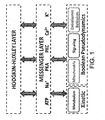
- the hybrid whole-cell model is the combination of three submodels that communicate via messengers ( Figure 1 ):
- the final product of this invention is a database containing simulation results from the hybrid model in the form of AP shapes and their corresponding model parameters.
- the shape of APs recorded from neuronal cells, in the presence or absence of drugs, toxins or combinations thereof, can be compared automatically to simulated AP shapes stored in the database.
- the model parameters saved in the database along with AP shapes describe internal states of the cell under investigation. Parametric changes over time indicate a drug or toxins point(s) of action inside the cell.
- the produced database will contain more detailed information about the possible internal or external stimuli and thus represent an invaluable tool for drug discovery, systems biology and functional genomics research.
- Ion channels are regulated by all common intracellular mechanisms including phosphorylation and second messenger dependent systems [15], with intracellular ions playing an equally significant role of second messengers in cells [16]. Electrical activity is highly dependent on the state/physiology/pathophysiology of the cells [17]. Action potential shape is determined by intracellular ionic concentrations, ATP, calcium, cAMP and other second messenger dependent channels and pumps [18-20].
- APs are generated by a Hodgkin-Huxley (HH) submodel.
- HH Hodgkin-Huxley
- the scientists Hodgkin and Huxley published an electrical equivalent circuit, composed of resistors and capacitances, in order to reproduce the shape of APs recorded from squid neurons.
- the original HH model did not couple intracellular processes to electrophysiological parameters and action potential generation was considered as an 'all-or-none' process, without significant variability. This view is in contrast with findings concerning participation of ion channels in intracellular signaling and metabolic pathways [15].
- Realistic, experimentally validated cell models have already been developed and couple electrophysiological properties of the cell membrane to complex intracellular pathways [22, 23].
- HH-model was coupled to other models which are containing all relevant cellular processes (metabolism, signaling, etc.) in order to enable quantification of changes in intracellular processes based on physiological changes in the behavior of the cells.
- the HH-model is capable (but not limited) to compute voltage-gated sodium ( Na ), potassium ( K ) and calcium ( Ca ) as well as general leak ( l ) currents. A detailed description of the model and its calibration can be found in [21].
- this invention links a part of the K-currents with the cytosolic concentration of adenosine triphosphate (ATP).
- ATP adenosine triphosphate
- the potassium currents are a combination of currents through two separate ion channels. Potassium currents are partially governed by g k n 4 and thus purely voltage-gated, whereas g KATP z describes an additional influence due to the intracellular concentration of ATP.
- the model of an NG108-15 was implemented in the commercially available tool box SimBiology ® for the scientific programming environment Matlab® (both from The Mathworks, Inc.). However, in order to capture the experimental environment, the models were implemented with physiological compartments, including physiological compartment volumes.
- the cellular volume of the NG108-15 hybrid cell was calculated to be ⁇ 4.7712938E-8 ml using the equation for the volume of a sphere.
- the radius used, 22.5 ⁇ m, is within the experimentally observed range published by the American Type Culture Collection (ATCC).
- the mitochondrial volume was calculated to be ⁇ 1.0471975E-12 ml using the equation for the volume of an ellipsoid, with a length of 2 ⁇ m, width of 1 ⁇ m and depth of 1 ⁇ m.
- the mitochondrial volume was multiplied by 400, an estimated number of mitochondria in an NG108-15 hybrid cell, and implemented as total mitochondrial, volume.
- the volumes of the endoplasmic reticulum and the nucleus were approximated at 10% of the cellular volume, or ⁇ 4.7712938E-9 ml. Presuming a total simulation volume of 1 ml, the extracellular volume was calculated to be ⁇ 0.9940835 ml.
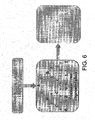
- the compartments were implemented in SimBiology ® as nested ( Figure 2 ), whereby the nuclear, endoplasmic reticulum and mitochondrial volumes were nested in the cellular volume and the cellular volume was nested in the extracellular volume.
- the compartments were implemented as volumetric ratios, in order to address issues regarding solver tolerances (solver: Solaris).
- the volumetric ratios were calculated to be 2.0834675E7 (extracellular), 1.0 (cellular), 8.779149E-3 (mitochondrial), 0.1 (endoplasmic reticulum) and 0.1 (nuclear).
- the compartmentalized metabolic model of an NG108-15 response to ATP load couples the metabolic models originally proposed by Lambeth (glycolysis) [33] and Cortassa (mitochondria) [34].
- the glycolysis model ( Figure 3 ) converts glycogen to lactate through a series of fourteen reactions involving 21 species.
- the model contains fully reversible kinetic equations for each enzymatic reaction, along with phosphate buffering via creatine kinase.
- the pyruvate generated by the glycolytic pathway is then either converted to lactate by means of lactate dehydrogenase or to acetyl coenzyme A (AcCoA), for use in the TCA cycle, by means of pyruvate dehydrogenase.
- the detailed mitochondrial model ( Figure 4 ) consisting of 27 chemical species and 22 reactions, including the tricarboxylic acid (TCA) cycle, oxidative phosphorylation and mitochondrial transport processes, was also constructed [34].
- TCA cycle completes the oxidation of AcCoA to CO 2 producing NADH and FADH 2 , which provides the driving force for oxidative phosphorylation.
- AcCoA concentrations are low, the TCA cycle is driven primarily by consumption of glutamate, while high, the carbon flux through the TCA cycle can be regulated by the production of glutamate.
- TCA cycle dehydrogenases are regulated by mitochondrial Ca 2+ concentration, and in this way, the rate of Ca 2+ uptake by mitochondria is involved in membrane polarization through the TCA cycle and oxidative phosphorylation.
- the model includes both the explicit electrical gradient ( ⁇ m ) and proton gradient ( ⁇ pH) across the mitochondrial inner membrane established by oxidative phosphorylation.
- the large ⁇ m of the mitochondrial inner membrane determines the electrochemical transport of ions, including calcium influx and efflux.
- the model considers the explicit dependence of the citric acid cycle dehydrogenases on mitochondrial calcium concentration. Calcium dynamics are an important part of this model, as the action of many toxins includes prolonged increase in cytoplasmic Ca 2+ concentration [35].
- malate-aspartate shuttle was included in the whole cell model in order to maintain NAD+ concentrations in the cytosol adequate to maintain flux through glycolysis.
- the rate equation for the malate-aspartate shuttle was implemented using irreversible mass action kinetics. A reaction for phosphate transport into the mitochondria has been included as well.
- the network dynamics are determined by Boolean rules for each node, that determine the state of the node at the next time-step based on the state of the upstream nodes, and the nodal update strategy.
- Rule-based Boolean network models have been successfully used to aid in explaining experimentally observed robustness of cellular networks [25, 27, 28], and to determine the effects of an alteration in the network components and individual reaction rates [29].
- the hybrid whole-cell model contains an important augmented Boolean pseudo-dynamics approach to identify and quantitatively rank the importance of a node using a Boolean description of a cellular interaction network.
- Boolean N etwork D ynamics and T arget I dentification combines network topology and dynamic state information to determine the relative importance of a particular node with respect to the overall response of the network [30]. While Boolean models offer a convenient tool to quantitatively model regulatory networks, current formulations have not been coupled with a HH to provide the capability to enable the simulation of AP response to perturbation of underlying cellular processes.
- the whole-cell model contains a hybrid Boolean and kinetic model of neuronal signaling on the plasma membrane.
- a Boolean function is used to describe the activation/inactivation of a plasma membrane ion channel or receptor as a response to a specific stimulus concentration.
- the kinetic function is used to describe the association/dissociation of the stimulus with the ion channel or receptor and the neuronal signaling mediated by the ion channel or receptor.
- the interaction of the stimulus with a general plasma membrane receptor has been implemented as a rule in SimBiology ® .
- the rule evaluates a Boolean function in a Matlab ® file that is evaluated at each simulation step.
- additional details regarding its targets and its potency for its targets can be further specified in the Boolean function.
- the association/dissociation kinetics of the stimulus and its targets can be specified as a reaction in SimBiology®.
- the whole-cell model provides a conceptual hybrid Boolean and kinetic model of neuronal signaling on the plasma membrane that can be expanded to include other stimuli and their associated kinetics ( Figure 5 ).
- the primary benefit from using a Boolean approach is the ability to incorporate all biological information at hand in one framework without a detailed knowledge of the underlying chemical kinetics.
- the interaction between nodes in the network is determined by a set of logical rules, based on connectivity. All interactions are characterized as logical operators (AND, OR, NOT), enabling automated translation of pathway files to logical rules.
- the SBML pathway model is used to obtain the reaction type between all pairs of species.
- the form of the logical rule is dictated by the reaction type, i.e., activation, inhibition or binding/association between species.
- Species activated by multiple other species form an OR rule
- species inhibited by one or multiple other species form an AND NOT rule
- species binding/associating with other species form an AND rule.
- the protein Ras of the mitogen-activated protein kinase (MAPK) signaling pathway may be activated by SOS, RasGRF, RasGRP, RapGEF, or PKC, but may be inhibited by Gaplm, p120GAP, or NF1. Therefore, the logical rule for Ras is:
- the logical rule assigned to each species can be used to simulate the system and generate Boolean state trajectories.
- OBDD ordered binary decision diagram
- the initial values of the network nodes can be assigned, the input/output nodes can be identified and their values fixed.
- the nodes of the network represent the genes and can have an active (1) or an inactive state (0).
- Input nodes are specific nodes that have been identified as initiators of the stimulus/response, and output nodes are monitored to analyze the effect of the input node.
- the state of the input node is prescribed (fixed or time varying variable) throughout the simulation, and the initial values for all network nodes are randomly generated at the start of each simulation so that an ensemble of simulations can be performed to enable the characterization of the ensemble averaged network behavior [26-28, 45, 46].
- Boolean Network Dynamics and Target Identification combines network topology and dynamic state information to determine the relative importance of a particular node with respect to the overall response of the network [30].
- the individual nodes of the regulatory network are updated in a pseudodynamic manner at each time-step [26-28, 45, 46].
- the update method is an asynchronous method [29, 47, 48]. This method assumes that the distribution of time-scales within the cellular system is Gaussian. Nodes are updated once during each time interval, with the update order being randomly selected at the beginning of each time step.
- Asynchronous updating is known to closely mimic the dynamic picture of cellular events, and has been shown to effectively capture rare events [26, 29]. The flexibility in an asynchronous update allows for one node to update once, whereas other nodes could be updated at a faster rate.
- the selection of the number of time-steps is governed by the ability to capture the system steady-state profile [26].
- the output from BPD is an array of 0's and 1's describing the state trajectories in the system.
- an ensemble of simulations is performed. The proposing team has observed that 10,000 simulations have generally proved to be sufficient.
- the static analysis based on network topology can be supplemented by a time-course dynamic simulation.
- the Boolean pseudodynamics algorithm is an excellent approach to study the dynamics of regulatory systems when kinetic information is unavailable.
- a commonly employed approach that is closest to a realistic network description is one that employs a continuous simulation strategy.
- Glass and Kaufmann introduced a seminal technique hitherto referred as Glass dynamics [31, 32].
- Glass dynamics provide a link between discrete Boolean and continuous ordinary differential equation models, with the advantage of not requiring a kinetic description of the underlying processes.
- Each equation is composed of two terms.
- the first term is an exponential decay term in the continuous variable
- the second term represents the Boolean transfer function F that captures the interaction with other nodes.
- This Boolean function is composed of discrete variables. Borrowing notation from Chaves and co-workers, we let ⁇ i , represent the continuous component of the variable associated with node l [49].
- ⁇ is bounded in the region (0, 1).
- the discrete variable represents whether the particular node is active or inactive, i.e., on or off, within the network.
- the limiting solution of the nodes is given by [0, 1] and this represents the situation signifying the absence, and maximum concentration of the nodal species, respectively.
- the parameter ⁇ provides a link between the continuous and Boolean parts of the nodal dynamic equation. When ⁇ i ( t ) > ⁇ , the Boolean variable is switched to the activated or on state, whereas it persists in the inactivated state otherwise. Thus the parameter ⁇ determines the fractional level of maximum concentration required for the nodal species to function, and characterizes the continuous response of the system. It is also interesting to note that the steady-state solutions for both this hybrid method and the discrete asynchronous update BPD algorithm are the same.
- the Glass dynamics model incorporates several additional components. Since the Glass dynamics equation is modeling an individual chemical species ( X i ), that species (in general) participates in chemical reactions, represented in Eq. 6 by the kinetic rate. The species X i may also be affected by the action of individual cellular processes that is turned on/off depending on the state of the cell. Also, the time constant for the response of X i to the individual cellular process can vary significantly. The aforementioned dependences are included in the second term in Eq. 6. Finally, the background state decay rate that ensures the Glass dynamics system will attain the proper steady state is included as the final term in Eq. 6. The background decay rate is essential to achieving proper steady state, and has a tunable time constant.
- a commercially available Structured Query Language (SQL) database is used to store simulation results from the hybrid whole-cell model with their corresponding model parameters.
- the stored data is comprised of simulated APs (0.5 s, resampled at 20 kHz) including eight characteristic values, the corresponding Boolean-model parameters of simulated cell-signalling cascades, scaling factors of metabolic processes, resulting ion and ATP concentrations as well as all parameters describing ion channel parameters for the HH model.
- SQL Structured Query Language
- the method comprises preparing the whole-cell model, generating an AP database and using it to find a a point of action of a substance. Portions of the method include:
- the method of using the whole cell model can be implemented using the internet.
- the database can be provided by a server application and can be updated centrally.
- a user such as a customer or licensor can use the database to identify a substance's point of action.
- This example calibrates the submodels for NG108/15 cells and generates an AP database for variations in cytosolic glycogenolysis and mitochondrial metabolism as well as parametric changes in the HH-model that reflect various cell sizes and experimental parameters.
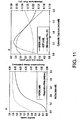
- NG108-15 cells were cultured, experiments performed and model parameters fitted according to published protocols [21, 60]. Exemplary data is provided in Figure 7 as well as Figure 8 . Changes in intracellular ion or ATP concentrations lead to different AP shapes, as depicted in Figure 8 .
- NG108-15 cells were cultured according to [21]. In addition to the published standard plating on coverslips, 1,000,000 cells were plated in either 6 or 12 75 cm T-flasks for differentiation. After 4 days in differentiation, the culturing media was replaced by 1 ml of the published [21] extracellular solution used during patch-clamp experiments.
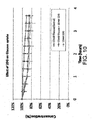
- the extracellular solution includes 10 mM 2-Desoxy-Glucose (2DG). 2DG is favored over glucose by the glucose transporters, located in the cell membrane. In contrast to glucose, 2DG cannot be used by the cell to generate energy and thus affects the cellular metabolism.
- T-flasks After 4 days in differentiation, the media of cells in T-flasks was replaced by the published extracellular solution, including 10 mM 2DG.
- the first Cells in the first T-flask were lysed immediately to determine the intracellular ATP concentration using commercially available ATP kits. Every 30 min, cells in another T-flask were lysed for ATP experiments. The ATP-containing analytes were stored at -20 °C until all samples were collected. The ATP concentrations were determined using calorimetric ATP kits.
- PLC phospholipase C
- This example also includes the implementation of a simple rate equation for IP 3 and DAG consumption, which used mass action kinetics.
- IP 3 activates IP 3 R calcium channels on the endoplasmic reticulum membrane, through which endoplasmic reticulum calcium is released into the cytosol ( Figure 3 ).
- a primary ion involved in both the control of membrane potential and the mediation of neuronal signaling is calcium. While the flux of calcium to and from the mitochondria has been addressed by the implementation of the mitochondrial metabolism model [34], we have addressed the endoplasmic reticulum calcium flux by implementing reactions from Marhl et al. [58].
- the reaction rate of the IP 3 R calcium channel was modified from Chen et al. [59] to include a dependence on IP 3 , which was absent from the channel reaction rate from Marhl et al. Calcium dynamics are important in the development of the neuronal whole cell model, as the action of many toxins includes prolonged increases in cytosolic calcium.
- the shape of recorded and simulated APs is characterized by eight characteristic values: the initial membrane voltage, the maximum amplitude, the AP width at half-max, the voltage at four distinct time points in steps of 25 ms after the stimulation as well as the tail potential.
- a classification of recorded action potentials is performed by a closest-match search in the database, given the eight characteristic AP values.
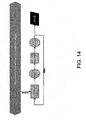
- the calibrated and adjusted submodels were used in concert to create action potentials based on simulated intracellular ion and ATP concentrations ( Figure 14 ).
- a 9-dimensional parameter space was selected with ranges as listed in Table 1.
- the simulated APs were evaluated for their 8 characteristic values and added to the database including all parameters used to create the output.
- Table 1 Exemplary parameter space for database generation. Simulation outputs were generated for every possible combination.
- FIG. 15 illustrates the extraction of parameters from the database.
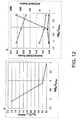
- the changes for HH-parameters are depicted in Figure 16 .
- the parameters associated with the found matches describe a decrease in calcium currents, followed by a slow decrease in sodium currents, which lead to a steep increase in general leak and ATP-gated potassium currents. These results indicate cell death due to poisoning by a toxin.
- Other exemplary drugs and their points of action are depicted in Figure 17 .
- the presently disclosed invention was further envisioned to be applicable to cell modeling where the stimuli include but are not limited to NAD/NADH, pyruvate, phosphate and calcium metabolism, as well as to gene transcription and various signaling pathways.
- any temperature, weight, volume, time interval, pH, salinity, molarity or molality, range, concentration and any other measurements, quantities or numerical figures expressed herein are intended to be approximate and not an exact or critical figure unless expressly stated to the contrary.
Landscapes
- Health & Medical Sciences (AREA)
- Engineering & Computer Science (AREA)
- Life Sciences & Earth Sciences (AREA)
- Physics & Mathematics (AREA)
- Bioinformatics & Cheminformatics (AREA)
- Biomedical Technology (AREA)
- Molecular Biology (AREA)
- Immunology (AREA)
- General Health & Medical Sciences (AREA)
- Biotechnology (AREA)
- Theoretical Computer Science (AREA)
- Cell Biology (AREA)
- Hematology (AREA)
- Chemical & Material Sciences (AREA)
- Urology & Nephrology (AREA)
- Physiology (AREA)
- Bioinformatics & Computational Biology (AREA)
- Medical Informatics (AREA)
- Spectroscopy & Molecular Physics (AREA)
- Biophysics (AREA)
- Evolutionary Biology (AREA)
- General Physics & Mathematics (AREA)
- Food Science & Technology (AREA)
- Biochemistry (AREA)
- Tropical Medicine & Parasitology (AREA)
- Toxicology (AREA)
- Neurology (AREA)
- Medicinal Chemistry (AREA)
- Analytical Chemistry (AREA)
- Microbiology (AREA)
- Neurosurgery (AREA)
- Pathology (AREA)
- Computer Hardware Design (AREA)
- Evolutionary Computation (AREA)
- Geometry (AREA)
- General Engineering & Computer Science (AREA)
- Investigating Or Analysing Biological Materials (AREA)
- Apparatus Associated With Microorganisms And Enzymes (AREA)
Claims (15)
- Procédé mis en oeuvre par ordinateur consistant à produire une bibliothèque de résultats de simulation, lesdits résultats de simulation étant sous la forme de formes de potentiel d'action d'une cellule électriquement active, dans lequel la bibliothèque comprend une base de données de langage d'interrogation structurée des résultats de simulation et leurs paramètres de modèle correspondants, ledit procédé comprenant :l'utilisation d'un modèle pour produire des potentiels d'action prévus d'une cellule électriquement active, ledit modèle comprenant :un premier sous-modèle contenant des éléments de Hodgkin-Huxley produisant des potentiels d'action basés sur des circuits équivalents électriques ;un deuxième sous-modèle basé sur une cinétique de réaction de métabolisme de cellule et relié de manière opérationnelle audit premier sous-modèle ; etun troisième sous-modèle basé sur une dynamique Booléenne représentant une signalisation et des processus cellulaires associés et relié de manière opérationnelle auxdits premier et deuxième sous-modèles,dans lequel les premier, deuxième et troisième sous-modèles sont mis en oeuvre par ordinateur ; etle stockage des résultats du modèle mis en oeuvre et des paramètres dans une base de données.
- Procédé selon la revendication 1, dans lequel le modèle est susceptible de réagir à des stimuli qui sont internes ou externes à la cellule.
- Procédé selon la revendication 1, dans lequel le premier sous-modèle évalue quantitativement des changements de processus intracellulaires basés sur des changements physiologiques de la cellule en réponse à une entrée reçue en provenance des deuxième et troisième sous-modèles.
- Procédé selon la revendication 1, dans lequel le deuxième sous-modèle comprend une pluralité de compartiments physiologiques modélisés, chacun ayant un volume de compartiment associé.
- Procédé selon la revendication 4, dans lequel les compartiments physiologiques modélisés comprennent le volume entier de cellule, le volume mitochondrial, le volume de réticulum endoplasmique, le volume nucléaire et le volume extracellulaire.
- Procédé selon la revendication 5, dans lequel le volume mitochondrial, le volume de réticulum endoplasmique, le volume nucléaire sont imbriqués dans le volume entier de cellule.
- Procédé selon la revendication 1, dans lequel le troisième sous-modèle comprend en outre une topologie de réseau et un état dynamique pour chaque noeud de voie pour attribuer de ce fait une importance relative à un noeud de voie par rapport à une réponse globale d'un réseau biologique.
- Procédé selon la revendication 1, dans lequel le troisième sous-modèle comprend en outre une dynamique de Glass fournissant une simulation de décours temporel continu.
- Procédé selon la revendication 1, utilisé pour prévoir une réponse d'une cellule électriquement active à un stimulus appliqué.
- Procédé selon la revendication 1, dans lequel la cellule électriquement active comprend une cellule neuronale mammifère.
- Procédé d'identification d'un point d'action d'un stimulus appliqué à une cellule électriquement active, le procédé comprenant :le stockage d'une bibliothèque de potentiels d'action calculée et de paramètres cellulaires associés produits par un modèle comprenant un premier sous-modèle basé sur des calculs d'Hodgkin-Huxley, un deuxième sous-modèle lié à ce dernier de manière opérationnelle et basé sur une cinétique de réaction de métabolisme de cellule neuronale et un troisième sous-modèle lié de manière opérationnelle aux premier et deuxième sous-modèles et basé sur une dynamique Booléenne représentant une signalisation et des processus cellulaires associés ;l'application du stimulus à la cellule électriquement active in vitro de sorte que la cellule produit un potentiel d'action ; etla comparaison du potentiel d'action produit par la cellule aux potentiels d'action calculés stockés dans la bibliothèque, dans laquelle une concordance est prédictive du point cellulaire d'action du stimulus appliqué selon les paramètres stockés pour le potentiel d'action calculé concordant.
- Procédé selon la revendication 11, dans lequel le stimulus est sélectionné à partir d'un rayonnement électromagnétique et d'électricité, d'une composition, d'un composé, et de combinaisons de ceux-ci.
- Procédé selon la revendication 11, dans lequel le stimulus comprend une toxine.
- Procédé selon la revendication 11, dans lequel la cellule électriquement active comprend une cellule neuronale mammifère.
- Procédé selon la revendication 11, dans lequel le premier sous-modèle évalue quantitativement des changements de processus intracellulaires basés sur des changements physiologiques dans la cellule en réponse à une entrée reçue en provenance des deuxième et troisième sous-modèles.
Applications Claiming Priority (2)
| Application Number | Priority Date | Filing Date | Title |
|---|---|---|---|
| US30166910P | 2010-02-05 | 2010-02-05 | |
| PCT/US2011/023921 WO2011097574A1 (fr) | 2010-02-05 | 2011-02-07 | Modèle et procédés pour l'identification de points d'action dans des cellules électriquement actives |
Publications (3)
| Publication Number | Publication Date |
|---|---|
| EP2531910A1 EP2531910A1 (fr) | 2012-12-12 |
| EP2531910A4 EP2531910A4 (fr) | 2013-08-07 |
| EP2531910B1 true EP2531910B1 (fr) | 2015-04-08 |
Family
ID=44355828
Family Applications (1)
| Application Number | Title | Priority Date | Filing Date |
|---|---|---|---|
| EP11740493.9A Not-in-force EP2531910B1 (fr) | 2010-02-05 | 2011-02-07 | Procédés pour l'identification de points d'action dans des cellules électriquement actives |
Country Status (4)
| Country | Link |
|---|---|
| US (1) | US9489474B2 (fr) |
| EP (1) | EP2531910B1 (fr) |
| CA (1) | CA2788905A1 (fr) |
| WO (1) | WO2011097574A1 (fr) |
Cited By (2)
| Publication number | Priority date | Publication date | Assignee | Title |
|---|---|---|---|---|
| CN107091727A (zh) * | 2017-05-11 | 2017-08-25 | 哈尔滨工程大学 | 一种空气中主动控制系泊试验装置 |
| US10386360B2 (en) | 2009-03-13 | 2019-08-20 | University Of Central Florida Research Foundation, Inc. | Bio-microelectromechanical system transducer and associated methods |
Families Citing this family (18)
| Publication number | Priority date | Publication date | Assignee | Title |
|---|---|---|---|---|
| US9163216B1 (en) | 2009-04-23 | 2015-10-20 | University Of Central Florida Research Foundation, Inc. | Method for culturing skeletal muscle for tissue engineering |
| US8815584B1 (en) | 2009-04-23 | 2014-08-26 | University Of Central Florida Research Foundation, Inc. | Method of co-culturing mammalian muscle cells and motoneurons |
| US8835168B2 (en) | 2009-04-23 | 2014-09-16 | University Of Central Florida Research Foundation, Inc. | Synthetic mammalian neuromuscular junction and method of making |
| US8828721B1 (en) | 2009-05-28 | 2014-09-09 | University Of Central Florida Research Foundation, Inc. | Method of myelinating isolated motoneurons |
| US9404140B1 (en) | 2009-11-03 | 2016-08-02 | The University Of Central Florida Research Foundation, Inc. | Patterned cardiomyocyte culture on microelectrode array |
| EP2531910B1 (fr) | 2010-02-05 | 2015-04-08 | University of Central Florida Research Foundation, Inc. | Procédés pour l'identification de points d'action dans des cellules électriquement actives |
| US20150219622A1 (en) | 2012-08-17 | 2015-08-06 | University Of Central Florida Research Foundation, Inc. | Methods, systems and compositions for functional in vitro cellular models of mammalian systems |
| EP2951281B1 (fr) | 2013-01-30 | 2018-06-27 | University of Central Florida Research Foundation, Inc. | Système et procédé pour imiter une fonction cardiaque |
| CN103310040B (zh) * | 2013-05-23 | 2015-11-18 | 南京南瑞继保工程技术有限公司 | 电气二次装置仿真中通用定制平台的构建方法 |
| JP6634626B2 (ja) | 2013-11-05 | 2020-01-22 | エレーナ モロカノヴァElena MOLOKANOVA | 受容体およびイオンチャネルの位置特異的サブタイプの調節のためのナノ構造物複合体 |
| KR101400946B1 (ko) * | 2013-12-27 | 2014-05-29 | 한국과학기술정보연구원 | 생물학적 네트워크 분석 장치 및 방법 |
| WO2015168162A1 (fr) * | 2014-04-29 | 2015-11-05 | The Regents Of The University Of California | Procédé de mesure de bio-impédance à l'aide d'une excitation par stimulus électrique biphasique pour stimulateur implantable |
| US10935541B2 (en) | 2014-08-07 | 2021-03-02 | University Of Central Florida Research Foundation, Inc. | Devices and methods comprising neuromuscular junctions |
| EP3562591A4 (fr) | 2016-12-30 | 2020-08-19 | University of Central Florida Research Foundation, Inc. | Système d'organe sur puce microfluidique sans pompe comprenant un système immunitaire fonctionnel |
| US10767164B2 (en) | 2017-03-30 | 2020-09-08 | The Research Foundation For The State University Of New York | Microenvironments for self-assembly of islet organoids from stem cells differentiation |
| FR3066302B1 (fr) * | 2017-05-10 | 2019-07-05 | Universite de Bordeaux | Methode de segmentation d'une image tridimensionnelle pour la generation d'un modele de paroi du myocarde pour la detection d'au moins une zone de circulation electrique singuliere |
| WO2019150328A1 (fr) * | 2018-02-02 | 2019-08-08 | Simula Innovation | Procédés de détermination d'effets de médicament |
| CN116343904B (zh) * | 2023-03-24 | 2026-02-13 | 河北工业大学 | 一种神经元-星形胶质细胞三方突触的建模方法 |
Family Cites Families (35)
| Publication number | Priority date | Publication date | Assignee | Title |
|---|---|---|---|---|
| US5442510A (en) | 1993-06-23 | 1995-08-15 | The United States Of America As Represented By The Secretary Of The Navy | Control system for tracking nonlinear systems |
| US20090239940A1 (en) | 1997-07-22 | 2009-09-24 | Del Monte Federica | Treating heart failure and ventricular arrhythmias |
| US7923015B2 (en) | 1997-08-14 | 2011-04-12 | Institut Pasteur | Methods for direct visualization of active synapses |
| US5948621A (en) | 1997-09-30 | 1999-09-07 | The United States Of America As Represented By The Secretary Of The Navy | Direct molecular patterning using a micro-stamp gel |
| US7266457B1 (en) * | 1999-05-21 | 2007-09-04 | Hesperos, Llc | High throughput functional genomics |
| EP1240525A2 (fr) | 1999-12-23 | 2002-09-18 | PHARMACIA & UPJOHN COMPANY | Titrages et methodes diagnostiques et therapeutiques bases sur l'utilisation des canaux sodiques comme cibles de proteine beta-amyloide ou d'agregats de celle-ci |
| US20020133324A1 (en) * | 2000-11-03 | 2002-09-19 | Weaver James C. | Functional simulation method |
| US6844028B2 (en) | 2001-06-26 | 2005-01-18 | Accelr8 Technology Corporation | Functional surface coating |
| US7704745B2 (en) * | 2001-08-06 | 2010-04-27 | Vanderbilt University | Apparatus and methods for monitoring the status of a metabolically active cell |
| BR0212566A (pt) | 2001-08-17 | 2004-10-13 | Avery Dennison Corp | Composições de revestimento de topo,substratos contendo um revestimento de topo derivado das mesmas, e métodos para fabricá-las |
| US6916541B2 (en) | 2001-09-07 | 2005-07-12 | Penn State Research Foundation | Modified substrates for the attachment of biomolecules |
| US8153424B2 (en) | 2001-10-03 | 2012-04-10 | Wisconsin Alumni Research Foundation | Method of in vitro differentiation of neural stem cells, motor neurons and dopamine neurons from primate embryonic stem cells |
| US20030144823A1 (en) * | 2001-11-01 | 2003-07-31 | Fox Jeffrey J. | Scale-free network inference methods |
| WO2003081204A2 (fr) | 2002-03-20 | 2003-10-02 | Purdue Research Foundation | Microdetecteur et dispositif s'y rapportant, et procede de fabrication |
| US20040076961A1 (en) | 2002-10-21 | 2004-04-22 | Lewis Mark A. | Biomolecule retaining material and methods for attaching biomolecules to a surface |
| US7341841B2 (en) | 2003-07-12 | 2008-03-11 | Accelr8 Technology Corporation | Rapid microbial detection and antimicrobial susceptibility testing |
| EP1649008A2 (fr) | 2003-07-16 | 2006-04-26 | Boston Scientific Limited | Structures d'echafaudage alignees pour regeneration myocardique accrue |
| DK1745144T3 (da) | 2004-05-11 | 2011-02-07 | Axiogenesis Ag | Analysefremgangsmåde til opsporing af lægemidler på grundlag af in vitro-differentierede celler |
| US20060085048A1 (en) * | 2004-10-20 | 2006-04-20 | Nervonix, Inc. | Algorithms for an active electrode, bioimpedance-based tissue discrimination system |
| US7865236B2 (en) * | 2004-10-20 | 2011-01-04 | Nervonix, Inc. | Active electrode, bio-impedance based, tissue discrimination system and methods of use |
| US7807462B2 (en) | 2004-11-16 | 2010-10-05 | University Of Medicine And Dentistry Of New Jersey | Method for producing a functional neuron |
| US7691629B2 (en) | 2004-11-17 | 2010-04-06 | Neuralstem, Inc. | Transplantation of human neural cells for treatment of neurodegenerative conditions |
| WO2006138161A2 (fr) | 2005-06-16 | 2006-12-28 | The Regents Of The University Of California | Recherche d'allergie a grande echelle par tests immunologiques paralleles et dispositif d'excitation du champ evanescent de la fluorescence |
| US20070015138A1 (en) | 2005-07-08 | 2007-01-18 | Braincells, Inc. | Methods for identifying agents and conditions that modulate neurogenesis |
| AU2006326853B2 (en) | 2005-12-22 | 2012-02-16 | Es Cell International Pte Ltd | Direct differentiation of cardiomyocytes from human embryonic stem cells |
| WO2007098065A2 (fr) | 2006-02-17 | 2007-08-30 | The United States Of America As Represented By The Department Of Veterans Affairs | Isoformes de canaux sodium humains |
| US7927671B2 (en) | 2006-09-21 | 2011-04-19 | Chisso Corporation | Trifunctional compound, composition and polymer thereof |
| US8193225B2 (en) | 2006-10-13 | 2012-06-05 | The Board Of Regents Of The University Of Texas System | Isoxazole amides, derivatives and methods of chemical induction of neurogenesis |
| EP2192908A4 (fr) | 2007-07-25 | 2010-09-01 | Bioe Inc | Différenciation de cellules de progéniteur à multiples lignées en chondrocytes |
| US8835168B2 (en) | 2009-04-23 | 2014-09-16 | University Of Central Florida Research Foundation, Inc. | Synthetic mammalian neuromuscular junction and method of making |
| US20120128639A1 (en) | 2009-05-28 | 2012-05-24 | University Of Central Florida Research Foundation, Inc. | In Vitro Production Of Oligodendrocytes From Human Umbilical Cord Stem Cells |
| WO2010138679A1 (fr) | 2009-05-28 | 2010-12-02 | University Of Central Florida Research Foundation, Inc. | Procédé de criblage de médicaments pour une inversion de la neurotoxicité de l'amyloïde bêta |
| EP2531910B1 (fr) | 2010-02-05 | 2015-04-08 | University of Central Florida Research Foundation, Inc. | Procédés pour l'identification de points d'action dans des cellules électriquement actives |
| EP2710120B1 (fr) | 2011-05-17 | 2017-03-29 | University of Central Florida Research Foundation, Inc. | Neurones électriquement actifs stables provenant de tissus adultes |
| US20150219622A1 (en) | 2012-08-17 | 2015-08-06 | University Of Central Florida Research Foundation, Inc. | Methods, systems and compositions for functional in vitro cellular models of mammalian systems |
-
2011
- 2011-02-07 EP EP11740493.9A patent/EP2531910B1/fr not_active Not-in-force
- 2011-02-07 WO PCT/US2011/023921 patent/WO2011097574A1/fr not_active Ceased
- 2011-02-07 CA CA2788905A patent/CA2788905A1/fr not_active Abandoned
- 2011-02-07 US US13/576,442 patent/US9489474B2/en not_active Expired - Fee Related
Cited By (3)
| Publication number | Priority date | Publication date | Assignee | Title |
|---|---|---|---|---|
| US10386360B2 (en) | 2009-03-13 | 2019-08-20 | University Of Central Florida Research Foundation, Inc. | Bio-microelectromechanical system transducer and associated methods |
| CN107091727A (zh) * | 2017-05-11 | 2017-08-25 | 哈尔滨工程大学 | 一种空气中主动控制系泊试验装置 |
| CN107091727B (zh) * | 2017-05-11 | 2019-05-21 | 哈尔滨工程大学 | 一种空气中主动控制系泊试验装置 |
Also Published As
| Publication number | Publication date |
|---|---|
| CA2788905A1 (fr) | 2011-08-11 |
| WO2011097574A1 (fr) | 2011-08-11 |
| US20130096888A1 (en) | 2013-04-18 |
| EP2531910A1 (fr) | 2012-12-12 |
| US9489474B2 (en) | 2016-11-08 |
| EP2531910A4 (fr) | 2013-08-07 |
Similar Documents
| Publication | Publication Date | Title |
|---|---|---|
| US9489474B2 (en) | Model and methods for identifying points of action in electrically active cells | |
| Siebenmorgen et al. | Computational prediction of protein–protein binding affinities | |
| Wang et al. | Constructing Markov State Models to elucidate the functional conformational changes of complex biomolecules | |
| Nissley et al. | Universal protein misfolding intermediates can bypass the proteostasis network and remain soluble and less functional | |
| Tveito et al. | Inversion and computational maturation of drug response using human stem cell derived cardiomyocytes in microphysiological systems | |
| Pathmanathan et al. | Uncertainty quantification of fast sodium current steady-state inactivation for multi-scale models of cardiac electrophysiology | |
| Lampert et al. | Markov modeling of ion channels: implications for understanding disease | |
| Bose et al. | Effect of solvation on electron detachment and excitation energies of a green fluorescent protein chromophore variant | |
| Keren et al. | Experimentally guided modelling of dendritic excitability in rat neocortical pyramidal neurones | |
| Belete et al. | Metabolomics studies in common multifactorial eye disorders: a review of biomarker discovery for age-related macular degeneration, glaucoma, diabetic retinopathy and myopia | |
| Hinner et al. | Location, tilt, and binding: a molecular dynamics study of voltage-sensitive dyes in biomembranes | |
| Kula et al. | Distribution of data in cellular electrophysiology: Is it always normal? | |
| Leone et al. | From snapshots to ensembles: Integrating experimental data and dynamics | |
| CN120183480A (zh) | 数字细胞模型的构建方法、系统及储存介质 | |
| C. Silva et al. | Data-driven rescoring of metabolite annotations significantly improves sensitivity | |
| Mahalingam et al. | Prediction of fatty acid-binding residues on protein surfaces with three-dimensional probability distributions of interacting atoms | |
| Salari et al. | Modeling the kinetic mechanisms of voltage-gated ion channels | |
| Lam et al. | Orientation and Membrane Partition Free Energy of PeT-Based Voltage-Sensitive Dyes from Molecular Simulations | |
| Sigg et al. | Markov models and long-term memory in ion channels: A contradiction in terms? | |
| EP2656071B1 (fr) | Procédé pour identifier la toxicité du foie au moyen de profils de métabolites | |
| Le Huray et al. | Rapid Prediction of Lipid Interaction Sites on Pleckstrin Homology Domains Using Deep Graph Neural Networks and Molecular Dynamics Simulations | |
| Cino et al. | Analyzing lipid distributions and curvature in molecular dynamics simulations of complex membranes | |
| Li et al. | Structural and dynamic properties of the YTH domain in complex with N6‐methyladenosine RNA studied by accelerated molecular dynamics simulations | |
| Von Wegner et al. | Stochastic simulation of calcium microdomains in the vicinity of an L-type calcium channel | |
| Aghaaminiha | Application of Molecular Simulations and Machine Learning Methods to Study Biological and Metallic Interfaces in Aqueous Environment |
Legal Events
| Date | Code | Title | Description |
|---|---|---|---|
| PUAI | Public reference made under article 153(3) epc to a published international application that has entered the european phase |
Free format text: ORIGINAL CODE: 0009012 |
|
| 17P | Request for examination filed |
Effective date: 20120904 |
|
| AK | Designated contracting states |
Kind code of ref document: A1 Designated state(s): AL AT BE BG CH CY CZ DE DK EE ES FI FR GB GR HR HU IE IS IT LI LT LU LV MC MK MT NL NO PL PT RO RS SE SI SK SM TR |
|
| DAX | Request for extension of the european patent (deleted) | ||
| A4 | Supplementary search report drawn up and despatched |
Effective date: 20130710 |
|
| RIC1 | Information provided on ipc code assigned before grant |
Ipc: G06F 7/60 20060101AFI20130704BHEP Ipc: G06F 19/12 20110101ALI20130704BHEP |
|
| GRAP | Despatch of communication of intention to grant a patent |
Free format text: ORIGINAL CODE: EPIDOSNIGR1 |
|
| INTG | Intention to grant announced |
Effective date: 20140314 |
|
| GRAP | Despatch of communication of intention to grant a patent |
Free format text: ORIGINAL CODE: EPIDOSNIGR1 |
|
| RAP1 | Party data changed (applicant data changed or rights of an application transferred) |
Owner name: UNIVERSITY OF CENTRAL FLORIDA RESEARCH FOUNDATION, |
|
| RIN1 | Information on inventor provided before grant (corrected) |
Inventor name: SOMMERHAGE, FRANK Inventor name: HICKMAN, JAMES Inventor name: JENKINS, JERRY Inventor name: MOLNAR, PETER Inventor name: HOOD, JONATHAN |
|
| GRAJ | Information related to disapproval of communication of intention to grant by the applicant or resumption of examination proceedings by the epo deleted |
Free format text: ORIGINAL CODE: EPIDOSDIGR1 |
|
| GRAP | Despatch of communication of intention to grant a patent |
Free format text: ORIGINAL CODE: EPIDOSNIGR1 |
|
| INTG | Intention to grant announced |
Effective date: 20140813 |
|
| INTG | Intention to grant announced |
Effective date: 20140820 |
|
| INTG | Intention to grant announced |
Effective date: 20140903 |
|
| GRAS | Grant fee paid |
Free format text: ORIGINAL CODE: EPIDOSNIGR3 |
|
| RIN1 | Information on inventor provided before grant (corrected) |
Inventor name: JENKINS, JERRY Inventor name: SOMMERHAGE, FRANK Inventor name: MOLNAR, PETER Inventor name: HOOD, JONATHAN Inventor name: HICKMAN, JAMES |
|
| GRAA | (expected) grant |
Free format text: ORIGINAL CODE: 0009210 |
|
| AK | Designated contracting states |
Kind code of ref document: B1 Designated state(s): AL AT BE BG CH CY CZ DE DK EE ES FI FR GB GR HR HU IE IS IT LI LT LU LV MC MK MT NL NO PL PT RO RS SE SI SK SM TR |
|
| REG | Reference to a national code |
Ref country code: GB Ref legal event code: FG4D |
|
| REG | Reference to a national code |
Ref country code: CH Ref legal event code: EP |
|
| REG | Reference to a national code |
Ref country code: IE Ref legal event code: FG4D |
|
| REG | Reference to a national code |
Ref country code: AT Ref legal event code: REF Ref document number: 721017 Country of ref document: AT Kind code of ref document: T Effective date: 20150515 |
|
| REG | Reference to a national code |
Ref country code: DE Ref legal event code: R096 Ref document number: 602011015491 Country of ref document: DE Effective date: 20150521 |
|
| REG | Reference to a national code |
Ref country code: AT Ref legal event code: MK05 Ref document number: 721017 Country of ref document: AT Kind code of ref document: T Effective date: 20150408 |
|
| REG | Reference to a national code |
Ref country code: NL Ref legal event code: VDEP Effective date: 20150408 |
|
| REG | Reference to a national code |
Ref country code: LT Ref legal event code: MG4D |
|
| PG25 | Lapsed in a contracting state [announced via postgrant information from national office to epo] |
Ref country code: NL Free format text: LAPSE BECAUSE OF FAILURE TO SUBMIT A TRANSLATION OF THE DESCRIPTION OR TO PAY THE FEE WITHIN THE PRESCRIBED TIME-LIMIT Effective date: 20150408 |
|
| PG25 | Lapsed in a contracting state [announced via postgrant information from national office to epo] |
Ref country code: LT Free format text: LAPSE BECAUSE OF FAILURE TO SUBMIT A TRANSLATION OF THE DESCRIPTION OR TO PAY THE FEE WITHIN THE PRESCRIBED TIME-LIMIT Effective date: 20150408 Ref country code: ES Free format text: LAPSE BECAUSE OF FAILURE TO SUBMIT A TRANSLATION OF THE DESCRIPTION OR TO PAY THE FEE WITHIN THE PRESCRIBED TIME-LIMIT Effective date: 20150408 Ref country code: HR Free format text: LAPSE BECAUSE OF FAILURE TO SUBMIT A TRANSLATION OF THE DESCRIPTION OR TO PAY THE FEE WITHIN THE PRESCRIBED TIME-LIMIT Effective date: 20150408 Ref country code: NO Free format text: LAPSE BECAUSE OF FAILURE TO SUBMIT A TRANSLATION OF THE DESCRIPTION OR TO PAY THE FEE WITHIN THE PRESCRIBED TIME-LIMIT Effective date: 20150708 Ref country code: PT Free format text: LAPSE BECAUSE OF FAILURE TO SUBMIT A TRANSLATION OF THE DESCRIPTION OR TO PAY THE FEE WITHIN THE PRESCRIBED TIME-LIMIT Effective date: 20150810 Ref country code: FI Free format text: LAPSE BECAUSE OF FAILURE TO SUBMIT A TRANSLATION OF THE DESCRIPTION OR TO PAY THE FEE WITHIN THE PRESCRIBED TIME-LIMIT Effective date: 20150408 |
|
| PG25 | Lapsed in a contracting state [announced via postgrant information from national office to epo] |
Ref country code: RS Free format text: LAPSE BECAUSE OF FAILURE TO SUBMIT A TRANSLATION OF THE DESCRIPTION OR TO PAY THE FEE WITHIN THE PRESCRIBED TIME-LIMIT Effective date: 20150408 Ref country code: GR Free format text: LAPSE BECAUSE OF FAILURE TO SUBMIT A TRANSLATION OF THE DESCRIPTION OR TO PAY THE FEE WITHIN THE PRESCRIBED TIME-LIMIT Effective date: 20150709 Ref country code: AT Free format text: LAPSE BECAUSE OF FAILURE TO SUBMIT A TRANSLATION OF THE DESCRIPTION OR TO PAY THE FEE WITHIN THE PRESCRIBED TIME-LIMIT Effective date: 20150408 Ref country code: LV Free format text: LAPSE BECAUSE OF FAILURE TO SUBMIT A TRANSLATION OF THE DESCRIPTION OR TO PAY THE FEE WITHIN THE PRESCRIBED TIME-LIMIT Effective date: 20150408 Ref country code: IS Free format text: LAPSE BECAUSE OF FAILURE TO SUBMIT A TRANSLATION OF THE DESCRIPTION OR TO PAY THE FEE WITHIN THE PRESCRIBED TIME-LIMIT Effective date: 20150808 |
|
| REG | Reference to a national code |
Ref country code: DE Ref legal event code: R082 Ref document number: 602011015491 Country of ref document: DE Representative=s name: WUESTHOFF & WUESTHOFF, PATENTANWAELTE PARTG MB, DE |
|
| REG | Reference to a national code |
Ref country code: DE Ref legal event code: R097 Ref document number: 602011015491 Country of ref document: DE |
|
| PG25 | Lapsed in a contracting state [announced via postgrant information from national office to epo] |
Ref country code: DK Free format text: LAPSE BECAUSE OF FAILURE TO SUBMIT A TRANSLATION OF THE DESCRIPTION OR TO PAY THE FEE WITHIN THE PRESCRIBED TIME-LIMIT Effective date: 20150408 Ref country code: EE Free format text: LAPSE BECAUSE OF FAILURE TO SUBMIT A TRANSLATION OF THE DESCRIPTION OR TO PAY THE FEE WITHIN THE PRESCRIBED TIME-LIMIT Effective date: 20150408 |
|
| PLBE | No opposition filed within time limit |
Free format text: ORIGINAL CODE: 0009261 |
|
| STAA | Information on the status of an ep patent application or granted ep patent |
Free format text: STATUS: NO OPPOSITION FILED WITHIN TIME LIMIT |
|
| REG | Reference to a national code |
Ref country code: FR Ref legal event code: PLFP Year of fee payment: 6 |
|
| PG25 | Lapsed in a contracting state [announced via postgrant information from national office to epo] |
Ref country code: CZ Free format text: LAPSE BECAUSE OF FAILURE TO SUBMIT A TRANSLATION OF THE DESCRIPTION OR TO PAY THE FEE WITHIN THE PRESCRIBED TIME-LIMIT Effective date: 20150408 Ref country code: PL Free format text: LAPSE BECAUSE OF FAILURE TO SUBMIT A TRANSLATION OF THE DESCRIPTION OR TO PAY THE FEE WITHIN THE PRESCRIBED TIME-LIMIT Effective date: 20150408 Ref country code: SK Free format text: LAPSE BECAUSE OF FAILURE TO SUBMIT A TRANSLATION OF THE DESCRIPTION OR TO PAY THE FEE WITHIN THE PRESCRIBED TIME-LIMIT Effective date: 20150408 Ref country code: RO Free format text: LAPSE BECAUSE OF NON-PAYMENT OF DUE FEES Effective date: 20150408 |
|
| 26N | No opposition filed |
Effective date: 20160111 |
|
| PG25 | Lapsed in a contracting state [announced via postgrant information from national office to epo] |
Ref country code: IT Free format text: LAPSE BECAUSE OF FAILURE TO SUBMIT A TRANSLATION OF THE DESCRIPTION OR TO PAY THE FEE WITHIN THE PRESCRIBED TIME-LIMIT Effective date: 20150408 |
|
| PGFP | Annual fee paid to national office [announced via postgrant information from national office to epo] |
Ref country code: DE Payment date: 20160224 Year of fee payment: 6 |
|
| PG25 | Lapsed in a contracting state [announced via postgrant information from national office to epo] |
Ref country code: BE Free format text: LAPSE BECAUSE OF NON-PAYMENT OF DUE FEES Effective date: 20160229 Ref country code: SI Free format text: LAPSE BECAUSE OF FAILURE TO SUBMIT A TRANSLATION OF THE DESCRIPTION OR TO PAY THE FEE WITHIN THE PRESCRIBED TIME-LIMIT Effective date: 20150408 |
|
| PGFP | Annual fee paid to national office [announced via postgrant information from national office to epo] |
Ref country code: FR Payment date: 20160223 Year of fee payment: 6 Ref country code: GB Payment date: 20160224 Year of fee payment: 6 |
|
| PG25 | Lapsed in a contracting state [announced via postgrant information from national office to epo] |
Ref country code: BE Free format text: LAPSE BECAUSE OF FAILURE TO SUBMIT A TRANSLATION OF THE DESCRIPTION OR TO PAY THE FEE WITHIN THE PRESCRIBED TIME-LIMIT Effective date: 20150408 |
|
| PG25 | Lapsed in a contracting state [announced via postgrant information from national office to epo] |
Ref country code: LU Free format text: LAPSE BECAUSE OF FAILURE TO SUBMIT A TRANSLATION OF THE DESCRIPTION OR TO PAY THE FEE WITHIN THE PRESCRIBED TIME-LIMIT Effective date: 20160207 Ref country code: MC Free format text: LAPSE BECAUSE OF FAILURE TO SUBMIT A TRANSLATION OF THE DESCRIPTION OR TO PAY THE FEE WITHIN THE PRESCRIBED TIME-LIMIT Effective date: 20150408 |
|
| REG | Reference to a national code |
Ref country code: CH Ref legal event code: PL |
|
| PG25 | Lapsed in a contracting state [announced via postgrant information from national office to epo] |
Ref country code: LI Free format text: LAPSE BECAUSE OF NON-PAYMENT OF DUE FEES Effective date: 20160229 Ref country code: CH Free format text: LAPSE BECAUSE OF NON-PAYMENT OF DUE FEES Effective date: 20160229 |
|
| REG | Reference to a national code |
Ref country code: IE Ref legal event code: MM4A |
|
| PG25 | Lapsed in a contracting state [announced via postgrant information from national office to epo] |
Ref country code: IE Free format text: LAPSE BECAUSE OF NON-PAYMENT OF DUE FEES Effective date: 20160207 |
|
| PG25 | Lapsed in a contracting state [announced via postgrant information from national office to epo] |
Ref country code: SE Free format text: LAPSE BECAUSE OF FAILURE TO SUBMIT A TRANSLATION OF THE DESCRIPTION OR TO PAY THE FEE WITHIN THE PRESCRIBED TIME-LIMIT Effective date: 20150408 |
|
| PG25 | Lapsed in a contracting state [announced via postgrant information from national office to epo] |
Ref country code: MT Free format text: LAPSE BECAUSE OF FAILURE TO SUBMIT A TRANSLATION OF THE DESCRIPTION OR TO PAY THE FEE WITHIN THE PRESCRIBED TIME-LIMIT Effective date: 20150408 |
|
| REG | Reference to a national code |
Ref country code: DE Ref legal event code: R119 Ref document number: 602011015491 Country of ref document: DE |
|
| GBPC | Gb: european patent ceased through non-payment of renewal fee |
Effective date: 20170207 |
|
| REG | Reference to a national code |
Ref country code: FR Ref legal event code: ST Effective date: 20171031 |
|
| PG25 | Lapsed in a contracting state [announced via postgrant information from national office to epo] |
Ref country code: DE Free format text: LAPSE BECAUSE OF NON-PAYMENT OF DUE FEES Effective date: 20170901 Ref country code: FR Free format text: LAPSE BECAUSE OF NON-PAYMENT OF DUE FEES Effective date: 20170228 |
|
| PG25 | Lapsed in a contracting state [announced via postgrant information from national office to epo] |
Ref country code: GB Free format text: LAPSE BECAUSE OF NON-PAYMENT OF DUE FEES Effective date: 20170207 |
|
| PG25 | Lapsed in a contracting state [announced via postgrant information from national office to epo] |
Ref country code: CY Free format text: LAPSE BECAUSE OF FAILURE TO SUBMIT A TRANSLATION OF THE DESCRIPTION OR TO PAY THE FEE WITHIN THE PRESCRIBED TIME-LIMIT Effective date: 20150408 Ref country code: HU Free format text: LAPSE BECAUSE OF FAILURE TO SUBMIT A TRANSLATION OF THE DESCRIPTION OR TO PAY THE FEE WITHIN THE PRESCRIBED TIME-LIMIT; INVALID AB INITIO Effective date: 20110207 Ref country code: SM Free format text: LAPSE BECAUSE OF FAILURE TO SUBMIT A TRANSLATION OF THE DESCRIPTION OR TO PAY THE FEE WITHIN THE PRESCRIBED TIME-LIMIT Effective date: 20150408 |
|
| PG25 | Lapsed in a contracting state [announced via postgrant information from national office to epo] |
Ref country code: MK Free format text: LAPSE BECAUSE OF FAILURE TO SUBMIT A TRANSLATION OF THE DESCRIPTION OR TO PAY THE FEE WITHIN THE PRESCRIBED TIME-LIMIT Effective date: 20150408 Ref country code: TR Free format text: LAPSE BECAUSE OF FAILURE TO SUBMIT A TRANSLATION OF THE DESCRIPTION OR TO PAY THE FEE WITHIN THE PRESCRIBED TIME-LIMIT Effective date: 20150408 Ref country code: MT Free format text: LAPSE BECAUSE OF FAILURE TO SUBMIT A TRANSLATION OF THE DESCRIPTION OR TO PAY THE FEE WITHIN THE PRESCRIBED TIME-LIMIT Effective date: 20160229 |
|
| PG25 | Lapsed in a contracting state [announced via postgrant information from national office to epo] |
Ref country code: BG Free format text: LAPSE BECAUSE OF FAILURE TO SUBMIT A TRANSLATION OF THE DESCRIPTION OR TO PAY THE FEE WITHIN THE PRESCRIBED TIME-LIMIT Effective date: 20150408 |
|
| PG25 | Lapsed in a contracting state [announced via postgrant information from national office to epo] |
Ref country code: AL Free format text: LAPSE BECAUSE OF FAILURE TO SUBMIT A TRANSLATION OF THE DESCRIPTION OR TO PAY THE FEE WITHIN THE PRESCRIBED TIME-LIMIT Effective date: 20150408 |