EP2532664A1 - Quinolizines indolo [2,3-a] substituées pour le traitement de cancer - Google Patents
Quinolizines indolo [2,3-a] substituées pour le traitement de cancer Download PDFInfo
- Publication number
- EP2532664A1 EP2532664A1 EP11075135A EP11075135A EP2532664A1 EP 2532664 A1 EP2532664 A1 EP 2532664A1 EP 11075135 A EP11075135 A EP 11075135A EP 11075135 A EP11075135 A EP 11075135A EP 2532664 A1 EP2532664 A1 EP 2532664A1
- Authority
- EP
- European Patent Office
- Prior art keywords
- compound
- quinolizine
- indolo
- hydroxybenzoyl
- dihydro
- Prior art date
- Legal status (The legal status is an assumption and is not a legal conclusion. Google has not performed a legal analysis and makes no representation as to the accuracy of the status listed.)
- Withdrawn
Links
- 0 CC(c1c(CC2*)c(cc(*)cc3)c3[n]1)(C(*)=C1)N2C=C1C(c1ccccc1*)=O Chemical compound CC(c1c(CC2*)c(cc(*)cc3)c3[n]1)(C(*)=C1)N2C=C1C(c1ccccc1*)=O 0.000 description 8
- ZKEMIBPSGLPTOK-UHFFFAOYSA-N CCOC(C(c1c(CC2)c(cccc3)c3[nH]1)(C(C(OC)=O)=C1)N2C=C1C(c1ccccc1O)=O)=O Chemical compound CCOC(C(c1c(CC2)c(cccc3)c3[nH]1)(C(C(OC)=O)=C1)N2C=C1C(c1ccccc1O)=O)=O ZKEMIBPSGLPTOK-UHFFFAOYSA-N 0.000 description 1
Images




Classifications
-
- C—CHEMISTRY; METALLURGY
- C07—ORGANIC CHEMISTRY
- C07D—HETEROCYCLIC COMPOUNDS
- C07D471/00—Heterocyclic compounds containing nitrogen atoms as the only ring hetero atoms in the condensed system, at least one ring being a six-membered ring with one nitrogen atom, not provided for by groups C07D451/00 - C07D463/00
- C07D471/12—Heterocyclic compounds containing nitrogen atoms as the only ring hetero atoms in the condensed system, at least one ring being a six-membered ring with one nitrogen atom, not provided for by groups C07D451/00 - C07D463/00 in which the condensed system contains three hetero rings
- C07D471/14—Ortho-condensed systems
-
- A—HUMAN NECESSITIES
- A61—MEDICAL OR VETERINARY SCIENCE; HYGIENE
- A61P—SPECIFIC THERAPEUTIC ACTIVITY OF CHEMICAL COMPOUNDS OR MEDICINAL PREPARATIONS
- A61P35/00—Antineoplastic agents
-
- A—HUMAN NECESSITIES
- A61—MEDICAL OR VETERINARY SCIENCE; HYGIENE
- A61P—SPECIFIC THERAPEUTIC ACTIVITY OF CHEMICAL COMPOUNDS OR MEDICINAL PREPARATIONS
- A61P35/00—Antineoplastic agents
- A61P35/02—Antineoplastic agents specific for leukemia
-
- A—HUMAN NECESSITIES
- A61—MEDICAL OR VETERINARY SCIENCE; HYGIENE
- A61P—SPECIFIC THERAPEUTIC ACTIVITY OF CHEMICAL COMPOUNDS OR MEDICINAL PREPARATIONS
- A61P35/00—Antineoplastic agents
- A61P35/04—Antineoplastic agents specific for metastasis
Definitions
- the present invention relates to novel substituted indolo [2,3-a] quinolizines and stereoisomeric forms, prodrugs, solvates, hydrates and/or pharmaceutically acceptable salts of these compounds as well as pharmaceutical compositions containing at least one of these substituted indolo [2,3-a] quinolizines together with pharmaceutically acceptable carrier, excipient and/or diluents.
- Said novel substituted indolo [2,3-a] quinolizines have been identified as useful for the prophylaxis and treatment of cancer by the induction of strong mitotic delays, chromosomal misalignments and mitotic tri-and multipolarization leading to cell cycle stop and apoptosis.
- a synthesis for preparation of the substituted indolo [2,3-a] quinolizines is disclosed in the present invention.
- Cell division is a fundamental process required throughout the life of all eukaryotes.
- the biochemical and morphological stages that a cell passes through when stimulated to divide are referred to as the cell cycle, which is conveniently divided into several phases: G1 (Gap-1), S (DNA synthesis), G2 (Gap-2), and M (mitosis).
- G1 Gap-1
- S DNA synthesis
- G2 Gap-2
- M mitosis
- Not all of the cells in the body are actively dividing, i.e., are actively engaged in the cell cycle.
- Cells may exit the cell cycle at G1 and enter a nonproliferative phase called G0 or quiescence. In response to specific mitogenic stimuli, quiescent cells will exit G0 and reenter the cell cycle at the level of early G 1.
- indolo[2,3-a]quinolizines of the general formula (I) induce strong mitotic delays, chromosomal misalignments, mitotic tri-and multipolarization, cell cycle stop and apoptosis in cancer cells.
- inventive compounds thereby are useful for the treatment of cancer, tumors and proliferative diseases.
- the present invention relates to the substituted indolo[2,3- a ]quinolizines of the general formula (I): wherein
- prodrug is defined as a pharmacological substance, a drug, which is administered in an inactive or significantly less active form. Once administered, the prodrug is metabolized in the body in vivo into the active compound.
- tautomer is defined as an organic compound that is interconvertible by a chemical reaction called tautomerization. Tautomerization can be catalyzed preferably by bases or acids or other suitable compounds.
- R 3 , R 4 and R 5 represent -H as represented by the following general formula (II):
- R 7 , R 8 , R 13 represent independently of each other -H, -CH 3 , -C 2 H 5 , -CH 2 -CH 2 F, -CH 2 -CF 3 , -CH 2 -CH 2 Cl, -CH 2 -CH 2 Br, -CH 2 -CH 2 l.
- R 1 represent -OR 7 .
- R 7 , R 8 , R 13 represent independently of each other -CH 3 or -C 2 H 5.
- the present invention also comprises pharmaceutically acceptable salts of the compounds according to the general formula (I), all stereoisomeric forms of the compounds according to the general formula (I) as well as solvates, especially hydrates or prodrugs thereof.
- the compounds of the present invention may form salts with organic or inorganic acids or bases.
- suitable acids for such acid addition salt formation are hydrochloric acid, hydrobromic acid, sulfuric acid, phosphoric acid, acetic acid, citric acid, oxalic acid, malonic acid, salicylic acid, p-aminosalicylic acid, malic acid, fumaric acid, succinic acid, ascorbic acid, maleic acid, sulfonic acid, phosphonic acid, perchloric acid, nitric acid, formic acid, propionic acid, gluconic acid, lactic acid, tartaric acid, hydroxymaleic acid, pyruvic acid, phenylacetic acid, benzoic acid, p-aminobenzoic acid, p-hydroxybenzoic acid, methanesulfonic acid, ethanesulfonic acid, nitrous acid, hydroxyethanesulfonic acid, ethylenesulfonic acid, p-toluenesul
- salts could also be formed with inorganic or organic bases.
- suitable inorganic or organic bases are, for example, NaOH, KOH, NH 4 OH, tetraalkylammonium hydroxide, lysine or arginine and the like.
- Salts may be prepared in a conventional manner using methods well known in the art, for example by treatment of a solution of the compound of the general formula (I) with a solution of an acid, selected out of the group mentioned above.
- Some of the compounds of the present invention may be crystallised or recrystallised from solvents such as aqueous and organic solvents. In such cases solvates may be formed.
- This invention includes within its scope stoichiometric solvates including hydrates as well as compounds containing variable amounts of water that may be produced by processes such as lyophilisation.
- the compounds of the general formula (I) exist in the form of optical isomers, i.e. enantiomers and mixtures of said isomers in all ratios, e.g. racemic mixtures.
- the invention includes all such forms, in particular the pure isomeric forms or enantiomeric forms.
- the different isomeric forms may be separated or resolved one from the other by conventional methods, or any given isomer may be obtained by conventional synthetic methods or by stereospecific or asymmetric syntheses.
- a compound according to the general formula (I) contains an alkene moiety, the alkene can be presented as a cis or trans isomer or a mixture thereof.
- an isomeric form of a compound of the invention When an isomeric form of a compound of the invention is provided substantially free of other isomers, it will preferably contain less than 5% w/w, more preferably less than 2% w/w and especially less than 1 % w/w of the other isomer(s).
- Another aspect of the present invention relates to the use of the inventive substituted indolo[2,3-a]quinolizines as drugs, i.e. as pharmaceutically active agents applicable in medicine.
- indolo[2,3-a]quinolizines as well as the pharmaceutical compositions comprising said indolo[2,3-a]quinolizines are useful for treatment or prophylaxis of cancer, tumors and proliferative diseases as they induce cell cycle stop and apoptosis.
- the indolo[2,3-a]quinolizines compounds of the present invention can be used for prophylaxis and treatment of cancer, tumors and proliferative diseases or for the preparation of a pharmaceutical formulation for prophylaxis and treatment of cancer, tumors and proliferative diseases.
- cancer types which can be treated and/or prevented by the inventive compounds are selected from the group comprising or consisting of adenocarcinoma, choroidal melanoma, acute leukemia, acoustic neurinoma, ampullary carcinoma, anal carcinoma, astrocytoma, basal cell carcinoma, pancreatic cancer, desmoid tumor, bladder cancer, bronchial carcinoma, non-small cell lung cancer (NSCLC), breast cancer, Burkitt's lymphoma, corpus cancer, CUP-syndrome (carcinoma of unknown primary), colorectal cancer, small intestine cancer, small intestinal tumors, ovarian cancer, endometrial carcinoma, ependymoma, epithelial cancer types, Ewing's tumors, gastrointestinal tumors, gastric cancer, gallbladder cancer, gall bladder carcinomas, uterine cancer, cervical cancer, cervix, glioblastomas, gynecologic tumors, ear, nose and throat
- Apoptosis or programmed cell death is defined as a mechanism which occurs after sufficient cellular damage. It is characteristically different from cell necrosis in morphology and biochemistry.
- Apoptosis results in the condensation of the nuclues, and the cell shrinks. Visible in apoptotic cells is chromosomal fragmentation due to the controlled digestion of DNA by apoptosis DNAses. Cytoplasmic blebbing and apoptotic bodies are also seen during apoptosis.
- apoptosis The end result of apoptosis is cell death without inflammation of the surrounding tissue.
- Research on apoptosis has increased substantially since the early 1990s.
- defective apoptotic processes have been implicated in an extensive variety of diseases. Excessive apoptosis causes hypotrophy, such as in ischemic damage, whereas an insufficient amount results in uncontrolled cell proliferation, such as cancer.
- Apoptosis is an integral part of tissue development. Development of an organ or tissue is often preceded by the extensive division and differentiation of a particular cell, the resultant mass is then "pruned" into the correct form by apoptosis. Unlike cellular death caused by injury, apoptosis results in cell shrinkage and fragmentation. This allows the cells to be efficiently phagocytosed and their components reused without releasing potentially harmful intracellular substances into the surrounding tissue.
- Extracellular signals may include hormones, growth factors, nitric oxide or cytokines and therefore must either cross the plasma membrane or transduce to affect a response. These signals may positively or negatively induce apoptosis; in this context the binding and subsequent initiation of apoptosis by a molecule is termed positive, whereas the active repression of apoptosis by a molecule is termed negative.
- Intracellular apoptotic signalling is a response initiated by a cell in response to stress, and may ultimately result in cell suicide.
- the binding of nuclear receptors by glucocorticoids, heat, radiation, nutrient deprivation, viral infection, and hypoxia are all factors that can lead to the release of intracellular apoptotic signals by a damaged cell.
- apoptotic signals Before the actual process of cell death is carried out by enzymes, apoptotic signals must be connected to the actual death pathway by way of regulatory proteins. This step allows apoptotic signals to either culminate in cell death, or be aborted should the cell no longer need to die.
- regulatory proteins Several proteins are involved, however two main methods of achieving regulation have been identified; targeting mitochondria functionality, or directly transducing the signal via adapter proteins to the apoptotic mechanisms. The whole preparation process requires energy and functioning cell machinery.
- the mitochondria are essential to multicellular life. Without them, a cell ceases to respire aerobically and quickly dies - a fact exploited by some apoptotic pathways. Apoptotic proteins that target mitochondria affect them in different ways; they may cause mitochondrial swelling through the formation of membrane pores, or they may increase the permeability of the mitochondrial membrane and cause apoptotic effectors to leak out. Nitric oxide (NO) is able to induce apoptosis by helping to dissipate the membrane potential of mitochondria and therefore make it more permeable.
- NO Nitric oxide
- SMACs second mitochondria-derived activator of caspases
- IAPs inhibitor of apoptosis proteins
- caspases caspases
- a cell undergoing apoptosis shows a characteristic morphology that can be observed with a microscope:Cell shrinkage and rounding due to the breakdown of the proteinaceous cytoskeleton by caspases. The cytoplasm appears dense, and the organelles appear tightly packed.
- Chromatin undergoes condensation into compact patches against the nuclear envelope in a process known as pyknosis, a hallmark of apoptosis.
- the nuclear envelope becomes discontinuous and the DNA inside it is fragmented in a process referred to as karyorrhexis.
- the nucleus breaks into several discrete chromatin bodies or nucleosomal units due to the degradation of DNA.
- the cell membrane shows irregular buds.
- the cell breaks apart into several vesicles called apoptotic bodies, which are then phagocytosed.
- Apoptosis can occur when a cell is damaged beyond repair, infected with a virus, or undergoing stress conditions such as starvation.
- DNA damage from ionizing radiation or toxic chemicals can also induce apoptosis via the actions of the tumor-suppressing gene p53.
- the "decision" for apoptosis can come from the cell itself, from the surrounding tissue, or from a cell that is part of the immune system. In these cases apoptosis functions to remove the damaged cell, preventing it from sapping further nutrients from the organism, or to prevent the spread of viral infection.
- the induction of apoptosis as disclosed for the compounds of the present invention is useful in the treatment of cancer by inducing the death of the malignant cells. Since all kinds of cancer cells are destroyable through the induction of apoptosis and cell cycle stop, all different kinds of cancer and abnormal proliferating cells can be treated with the compounds of the present invention.
- compositions comprising at least one compound of the present invention as active ingredient, together with at least one pharmaceutically acceptable carrier, excipient and/or diluents.
- the pharmaceutical compositions of the present invention can be prepared in a conventional solid or liquid carrier or diluent and a conventional pharmaceutically-made adjuvant at suitable dosage level in a known way.
- the preferred preparations are adapted for oral application.
- These administration forms include, for example, pills, tablets, film tablets, coated tablets, capsules, powders and deposits.
- the present invention also includes pharmaceutical preparations for parenteral application, including dermal, intradermal, intragastral, intracutan, intravasal, intravenous, intramuscular, intraperitoneal, intranasal, intravaginal, intrabuccal, percutan, rectal, subcutaneous, sublingual, topical, or transdermal application, which preparations in addition to typical vehicles and/or diluents contain at least one compound according to the present invention and/or a pharmaceutical acceptable salt thereof as active ingredient.
- compositions according to the present invention containing at least one compound according to the present invention, and/or a pharmaceutical acceptable salt thereof as active ingredient will typically be administered together with suitable carrier materials selected with respect to the intended form of administration, i.e. for oral administration in the form of tablets, capsules (either solid filled, semi-solid filled or liquid filled), powders for constitution, extrudates, deposits, gels, elixirs, dispersable granules, syrups, suspensions, and the like, and consistent with conventional pharmaceutical practices.
- suitable carrier materials selected with respect to the intended form of administration, i.e. for oral administration in the form of tablets, capsules (either solid filled, semi-solid filled or liquid filled), powders for constitution, extrudates, deposits, gels, elixirs, dispersable granules, syrups, suspensions, and the like, and consistent with conventional pharmaceutical practices.
- the active drug component may be combined with any oral non-toxic pharmaceutically acceptable carrier, preferably with an inert carrier like lactose, starch, sucrose, cellulose, magnesium stearate, dicalcium phosphate, calcium sulfate, talc, mannitol, ethyl alcohol (liquid filled capsules) and the like.
- suitable binders, lubricants, disintegrating agents and coloring agents may also be incorporated into the tablet or capsule.
- Powders and tablets may contain about 5 to about 95 weight % of the benzothiophene-1,1-dioxide derived compound and/or the respective pharmaceutically active salt as active ingredient.
- Suitable binders include starch, gelatin, natural sugars, corn sweeteners, natural and synthetic gums such as acacia, sodium alginate, carboxymethylcellulose, polyethylene glycol and waxes.
- suitable lubricants there may be mentioned boric acid, sodium benzoate, sodium acetate, sodium chloride, and the like.
- Suitable disintegrants include starch, methylcellulose, guar gum, and the like. Sweetening and flavoring agents as well as preservatives may also be included, where appropriate. The disintegrants, diluents, lubricants, binders etc. are discussed in more detail below.
- compositions of the present invention may be formulated in sustained release form to provide the rate controlled release of any one or more of the components or active ingredients to optimise the therapeutic effect(s), e.g. antihistaminic activity and the like.
- Suitable dosage forms for sustained release include tablets having layers of varying disintegration rates or controlled release polymeric matrices impregnated with the active components and shaped in tablet form or capsules containing such impregnated or encapsulated porous polymeric matrices.
- Liquid form preparations include solutions, suspensions, and emulsions. As an example, there may be mentioned water or water/propylene glycol solutions for parenteral injections or addition of sweeteners and opacifiers for oral solutions, suspensions, and emulsions. Liquid form preparations may also include solutions for intranasal administration. Aerosol preparations suitable for inhalation may include solutions and solids in powder form, which may be present in combination with a pharmaceutically acceptable carrier such as an inert, compressed gas, e.g. nitrogen.
- a pharmaceutically acceptable carrier such as an inert, compressed gas, e.g. nitrogen.
- a low melting fat or wax such as a mixture of fatty acid glycerides like cocoa butter is melted first, and the active ingredient is then dispersed homogeneously therein e.g. by stirring. The molten, homogeneous mixture is then poured into conveniently sized moulds, allowed to cool, and thereby solidified.
- solid form preparations which are intended to be converted, shortly before use, to liquid form preparations for either oral or parenteral administration.
- liquid forms include solutions, suspensions, and emulsions.
- the compounds according to the present invention may also be delivered transdermally.
- the transdermal compositions may have the form of a cream, a lotion, an aerosol and/or an emulsion and may be included in a transdermal patch of the matrix or reservoir type as is known in the art for this purpose.
- capsule refers to a specific container or enclosure made e.g. of methyl cellulose, polyvinyl alcohols, or denatured gelatins or starch for holding or containing compositions comprising the active ingredient(s).
- Capsules with hard shells are typically made of blended of relatively high gel strength gelatins from bones or pork skin.
- the capsule itself may contain small amounts of dyes, opaquing agents, plasticisers and/or preservatives.
- Under tablet a compressed or moulded solid dosage form is understood which comprises the active ingredients with suitable diluents.
- the tablet may be prepared by compression of mixtures or granulations obtained by wet granulation, dry granulation, or by compaction well known to a person of ordinary skill in the art.
- Oral gels refer to the active ingredients dispersed or solubilised in a hydrophilic semi-solid matrix.
- Powders for constitution refers to powder blends containing the active ingredients and suitable diluents which can be suspended e.g. in water or in juice.
- Suitable diluents are substances that usually make up the major portion of the composition or dosage form. Suitable diluents include sugars such as lactose, sucrose, mannitol, and sorbitol, starches derived from wheat, corn rice, and potato, and celluloses such as microcrystalline cellulose.
- the amount of diluent in the composition can range from about 5 to about 95 % by weight of the total composition, preferably from about 25 to about 75 weight %, and more preferably from about 30 to about 60 weight %.
- disintegrants refers to materials added to the composition to support break apart (disintegrate) and release the pharmaceutically active ingredients of a medicament.
- Suitable disintegrants include starches, "cold water soluble" modified starches such as sodium carboxymethyl starch, natural and synthetic gums such as locust bean, karaya, guar, tragacanth and agar, cellulose derivatives such as methylcellulose and sodium carboxymethylcellulose, microcrystalline celluloses, and cross-linked microcrystalline celluloses such as sodium croscaramellose, alginates such as alginic acid and sodium alginate, clays such as bentonites, and effervescent mixtures.
- the amount of disintegrant in the composition may range from about 2 to about 20 weight % of the composition, more preferably from about 5 to about 10 weight %.
- Binders are substances which bind or "glue” together powder particles and make them cohesive by forming granules, thus serving as the "adhesive" in the formulation. Binders add cohesive strength already available in the diluent or bulking agent. Suitable binders include sugars such as sucrose, starches derived from wheat corn rice and potato, natural gums such as acacia, gelatin and tragacanth, derivatives of seaweed such as alginic acid, sodium alginate and ammonium calcium alginate, cellulose materials such as methylcellulose, sodium carboxymethylcellulose and hydroxypropylmethylcellulose, polyvinylpyrrolidone, and inorganic compounds such as magnesium aluminum silicate. The amount of binder in the composition may range from about 2 to about 20 weight % of the composition, preferably from about 3 to about 10 weight %, and more preferably from about 3 to about 6 weight %.
- Lubricants refer to a class of substances which are added to the dosage form to enable the tablet granules etc. after being compressed to release from the mould or die by reducing friction or wear.
- Suitable lubricants include metallic stearates such as magnesium stearate, calcium stearate, or potassium stearate, stearic acid, high melting point waxes, and other water soluble lubricants such as sodium chloride, sodium benzoate, sodium acetate, sodium oleate, polyethylene glycols and D,L-leucine. Lubricants are usually added at the very last step before compression, since they must be present at the surface of the granules.
- the amount of lubricant in the composition may range from about 0.2 to about 5 weight % of the composition, preferably from about 0.5 to about 2 weight %, and more preferably from about 0.3 to about 1.5 weight % of the composition.
- Glidents are materials that prevent caking of the components of the pharmaceutical composition and improve the flow characteristics of granulate so that flow is smooth and uniform.
- Suitable glidents include silicon dioxide and talc.
- the amount of glident in the composition may range from about 0.1 to about 5 weight % of the final composition, preferably from about 0.5 to about 2 weight %.
- Coloring agents are excipients that provide coloration to the composition or the dosage form. Such excipients can include food grade dyes adsorbed onto a suitable adsorbent such as clay or aluminum oxide.
- the amount of the coloring agent may vary from about 0.1 to about 5 weight % of the composition, preferably from about 0.1 to about 1 weight %.
- compositions further comprise at least one active indolo[2,3-a]quinolizine of the general formula (I).
- Compound C is further reacted to the novel compounds of general formula (I) by the addition of tryptamine (compound D) for 5-10 minutes followed by the addition of an acid and preferably an organic chiral acid such as camphor sulphonic acid (CSA) or chiral phosphoric acids (e.g. compound E) and further stirring the reaction mixture for 5-30 minutes leading to the formation of indoloquinolizines of general formula (I), wherein R 2 is hydrogen in good yields.
- tryptamine compound D
- an acid and preferably an organic chiral acid such as camphor sulphonic acid (CSA) or chiral phosphoric acids (e.g. compound E)
- chiral compounds of formula (I) are synthesized by the use of chiral acids for the reaction of compound C and compound D and the subsequent rearrangement to the final products of general formula (I) wherein R 2 is hydrogen.
- chiral acids are chiral organic phosphoric acids such as Compound E mentioned below, tartaric acid, malic acid or other chiral organic acids which are used as pure enantiomer or pure diastereomer in order to produce enantiomerically and/or diastereomerically pure products.
- an enantiomeric excess (ee) as well as in case of a substituent with another chiral center a diastereomeric excess (de) of at least 80%, more preferably of at least 85%, still more preferably of at least 90% and most preferably of at least 95% can be obtained.
- the enantioselective and/or diastereoselective synthesis is important for these inventive compounds, where the single enantiomers or single disatereomers display enantiomer specific or diastereomer specific biological activities, for instance, strong mitotic delays, chromosomal misalignments and mitotic tri- and multipolarization at micro molar concentrations.
- inventive compounds show in general therapeutically valuable biological activities, for instance, strong mitotic delays, chromosomal misalignments and mitotic tri- and multipolarization at micro molar concentrations. Moreover their ability to induce apoptosis and reducing cell proliferation in different cell lines make them to good anticancer drugs.
- the compound G / imine (1.2 eq., 0.6 mmol) was dissolved in toluene (5mL) in a Radley Reaction Glass Tube, and the solution was heated to 80°C. After full dissolution of the imine, compound F, the chromone-diene (1.0 eq., 0.5 mmol) and Zn catalyst (20 mol%, 0.1 mmol) were added to the mixture, and was left stirring overnight. When TLC or LCMS showed total disparition of the chromone-diene, the solution was allowed to cool down to room temperature. 25 mL of DCM were added to the solution and washed twice with brine, and the organic layer was dried over Na 2 SO 4 and reduced by vacuum. The residue was then purified through preparative HPLC (10 to 100% water in acetonitrile on C18 nucleodur column) with a retention time of 6min
- Optical rotations were determined using a Schmidt+Haensch HH8. Melting points were measured on a Büchi B-540. TLCs were run on TLC aluminium sheets Silica gel 60 F254 by Merck. HRMS were recorded using electrospray ionization on an LTQ Orbitrap coupled to an Accela HPLC-System with a Hypersil GOLD column, both instruments and column from Thermo Electron. Separation of enantiomers was in general performed on an Agilent 1100 using a Daicel IC-column and isohexane /methylene chloride / ethanol (60:40:0.8) as mobile phase.
- the substituted indolo[2,3-a]quinolizine 1-01 has only one chiral center which is generated during the Pictet-Spengler cyclization. Bronsted acid catalysis using chiral phosphoric acids has been reported to induce enantioselectivity in the Pictet-Spengler reaction. Therefore, employing a shorter version of the long cascade sequence described above and using chiral phosphoric acid Compound E as catalyst, an enantioselective route to the indolo[2,3-a]quinolizine 1-01 was developed.
- the racemic allyl protected indoloquinolizine was resolved by chiral HPLC using a Dionex UltiMate3000 and a Daicel Chiralpak IC column (10x260 mm) eluting with isohexane/DCM/EtOH (20:80:1.6) at 4 ml/min.
- the racemic mixture (60 mg) was weighed into a round bottom flask and dissolved in 20 ml CHCl 3 /MeOH (9:1) by sonication. The mixture was narrowed to about 1 ml and DCM (6 ml) was added. The mixture was again narrowed to about 1 ml and DCM (3 ml) was added. The sample was filtered and injected to HPLC immediately.
- the (R)-enantiomer eluted after 10.5 minutes, the (S)-enantiomer after 16 minutes.
- the pure enantiomers were isolated as amorphous yellow solid.
- the imine (1.2 eq., 0.30 mmol) was dissolved in ethyl acetate (5mL) in a Radley Reaction Glass Tube, and the solution was heated to 80°C. After full dissolution of the imine, the chromone-diene (1.0 eq., 0.25 mmol) and ZnCl 2 (20 mol%, 0.05mmol) were added to the mixture, that was left stirring for 4 to 48h. When TLC or LCMS showed total disparition of the chromone-diene, the solution was allowed to cool down to room temperature. 25 mL of DCM were added to the solution and washed twice with brine, and the organic layer was dried over Na 2 SO 4 and reduced by vacuum.
- Compound 1-36 was prepared according to the procedure as disclosed for compound 1-33.
- Compound 1-40 was prepared according to the procedure as disclosed for compound 1-33.
- the imine (1.2 eq., 0.30 mmol) was dissolved in DCM (5mL) in a Radley Reaction Glass Tube, and the solution was stirred at room temperature under argon atmosphere. After full dissolution of the imine, the chromone-diene (1.0 eq., 0.25 mmol) and ZnEt 2 (20 mol%, 0.05mmol) were added to the mixture, that was left stirring for 5min to 8h. When TLC or LCMS showed total disparition of the chromone-diene, the solution was allowed to cool down to room temperature. 25 mL of DCM were added to the solution and washed twice with brine, and the organic layer was dried over Na 2 SO 4 and reduced by vacuum.
- Compound 1-46 was prepared according to the procedure as disclosed for compound 1-45.
- Compound 1-47 was prepared according to the procedure as disclosed for compound 1-45.
- Compound 1-48 was prepared according to the procedure as disclosed for compound 1-45.
- Compound 1-50 was prepared according to the procedure as disclosed for compound 1-49.
- Compound 1-51 was prepared according to the procedure as disclosed for compound 1-49.
- Compound 1-52 was prepared according to the procedure as disclosed for compound 1-49.
- Compound 1-53 was prepared according to the procedure as disclosed for compound 1-49.
- HeLa human cervical carcinoma cell line, the human breast cancer cell line MCF7, and the human colorectal carcinoma cell line SW480 were maintained in Dulbecco's Modified Eagle's medium (DMEM, PAA, Pasching Austria).
- the colorectal cell line HT29 was cultured in McCoy's 5A medium (PAA, Pasching, Austria).
- DMEM medium was supplemented with 10 % fetal calf serum, sodium pyruvate, non-essential amino acids, penicillin and streptomycin
- McCoy's 5A medium was supplemented with 10% fetal calf serum, penicillin and streptomycin. All cell lines were cultured at 37°C in a 5% CO 2 humidified atmosphere.
- fluorescent activated cell sorting was used successfully to analyze the cell cycle and mitotic arrest under the influence of indoloquinolizines.
- HeLa cells were fixed and stained for FACS analysis 24h after compound treatment. Cells were trypsinized and combined with any floating cells, pelleted, and resuspended in 1 ml PBS. Ice cold ethanol (70%) was added, and samples were incubated at -20 °C until analysis. After fixation the cells were pelleted, resuspended in 500 ⁇ l staining solution (50 ⁇ g/ml propidium iodide, 0.1 mg/ml RNase A, 0.05% Triton X-100) and incubated for 40 min at 37 °C. 3 ml PBS were added; the cells were pelleted again and resuspended in 500 ⁇ l PBS. The DNA content was measured with a Becton Dickinson LSRII and analyzed with FlowJo 7.5 software.
- the cell cycle of compound treated HeLa cells was analyzed by fluorescence activated cell sorting ( Figure 1 ).
- the cell cycle analysis of DMSO treated cells shows that 39% of the cells are in G1 phase and 16% are in G2/M phase, whereas in nocodazole treated cells ( Figure 1b ) only 4% are in G1 phase and 40% are in G2/M phase.
- a similar distribution is given in (-)- 1-01 treated cells ( Figures 1c and 1d ); here 9% are in G1 and 38% in G2/M phase (25 ⁇ M) respectively; 8% in G1 and 40% in G2/M phase (50 ⁇ M). This means that the mitotic index is increased by more than two fold (from 0.16 to 0.38 respectively 0.40), indicating a mitotic arrest after compound treatment.
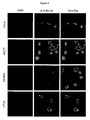
- Example 54B Cell cycle analyses by live-Cell Imaging and Immunofluorescence
- HeLa human cervical carcinoma cell line, the human breast cancer cell line MCF7, the African green monkey kidney cell line BS-C-1 and the human colorectal carcinoma cell lines HCT116 and SW480 were maintained in Dulbecco's Modified Eagle's medium (DMEM, PAA, Pasching Austria).
- the colorectal cell line HT29 was cultured in McCoy's 5A medium (PAA, Pasching, Austria).
- the prostate carcinoma cells PC3 and the osteosarcoma cells Saos2 were cultured in RPMI medium (PAA, Pasching Austria). All media were supplemented with 10 % fetal calf serum, L-glutamine, penicillin and streptomycin. All cell lines were maintained at 37°C in a 5% CO 2 humidified atmosphere.
- the cell proliferation was determined as a function of the metabolic activity by means of the cell proliferation reagent WST-1 (Roche, Mannheim Germany). Cells were plated in quadruplicates into the wells of 96 well plates and were allowed to attach for 24 hours. Cells were then treated with different concentrations of the compounds for 19 hours. All samples contained 0.5% DMSO. Control cells were treated with 0.5% DMSO or 20 ⁇ M doxorubicin or 1 ⁇ M staurosporine. After the treatment the WST-1 reagent was added to the cells according to the manufacturer's protocol. The absorbance was measured with the TECAN Inifinite ® M200 plate reader at 450/690 nm. The blank value was subtracted from each value and the percentage of viable cells was determined compared to the DMSO treated cells.
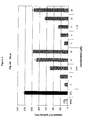
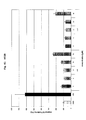
- the biological activity of the indoloquinolizines was evaluated in different cell lines by means of WST-1 assay. Cells were treated with different compound concentrations (3.125 up to 50 ⁇ M) for 19 h. In HeLa cells the (-)-enantiomers of 1-01 and 1-04 caused the most dramatic decrease in cell proliferation rate with increasing concentrations ( Figure 3 ). At 50 ⁇ M concentration (-)- 1-01 reduced the cell proliferation rate to 60 % and (-)- 1-04 to 67 % ( Figure 3 ). The calculated IC 50 values in HeLa cells for (-)- 1-01 and (-)- 1-04 are 28.43 ⁇ 0.61 ⁇ M and 15.70 ⁇ 1.43 ⁇ M respectively (calculated from two and three experiments respectively).
- Example 55B Cell apoptosis assay
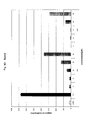
- Caspase-3/7 activities were determined using the Apo-ONE ® homogeneous caspase-3/7 assay (Promega, Mannheim Germany) according to the manufacturer's protocol. Briefly, cells were plated in quadruplicates in 384-well cell culture plate. After 24 hours cells were exposed for 42 hours to the compounds at different concentrations. Control cells were treated with 0.5 % DMSO or staurosporine (STS). Subsequently cells were lysed with a lysis buffer containing the caspase-3/7 substrate Z-DEVD-R110 and were incubated at room temperature until further analysis. The fluorescence was detected with the TECAN Inifinite ® M200 plate reader at excitation/emission wavelength 485/520 nm. The blank value was subtracted from each value and the relative caspase-3/7 activity was calculated compared to the DMSO treated cells.
Landscapes
- Organic Chemistry (AREA)
- Chemical & Material Sciences (AREA)
- Health & Medical Sciences (AREA)
- Pharmacology & Pharmacy (AREA)
- General Chemical & Material Sciences (AREA)
- Medicinal Chemistry (AREA)
- Nuclear Medicine, Radiotherapy & Molecular Imaging (AREA)
- Chemical Kinetics & Catalysis (AREA)
- Life Sciences & Earth Sciences (AREA)
- Animal Behavior & Ethology (AREA)
- General Health & Medical Sciences (AREA)
- Public Health (AREA)
- Veterinary Medicine (AREA)
- Oncology (AREA)
- Hematology (AREA)
- Pharmaceuticals Containing Other Organic And Inorganic Compounds (AREA)
Priority Applications (2)
| Application Number | Priority Date | Filing Date | Title |
|---|---|---|---|
| EP11075135A EP2532664A1 (fr) | 2011-06-09 | 2011-06-09 | Quinolizines indolo [2,3-a] substituées pour le traitement de cancer |
| US13/408,616 US20120316192A1 (en) | 2011-06-09 | 2012-02-29 | Substituted indolo [2,3-a] quinolizines |
Applications Claiming Priority (1)
| Application Number | Priority Date | Filing Date | Title |
|---|---|---|---|
| EP11075135A EP2532664A1 (fr) | 2011-06-09 | 2011-06-09 | Quinolizines indolo [2,3-a] substituées pour le traitement de cancer |
Publications (1)
| Publication Number | Publication Date |
|---|---|
| EP2532664A1 true EP2532664A1 (fr) | 2012-12-12 |
Family
ID=44356124
Family Applications (1)
| Application Number | Title | Priority Date | Filing Date |
|---|---|---|---|
| EP11075135A Withdrawn EP2532664A1 (fr) | 2011-06-09 | 2011-06-09 | Quinolizines indolo [2,3-a] substituées pour le traitement de cancer |
Country Status (2)
| Country | Link |
|---|---|
| US (1) | US20120316192A1 (fr) |
| EP (1) | EP2532664A1 (fr) |
Families Citing this family (1)
| Publication number | Priority date | Publication date | Assignee | Title |
|---|---|---|---|---|
| CN113121548A (zh) * | 2021-04-23 | 2021-07-16 | 青岛农业大学 | 一种吲哚并八元中环化合物及其制备方法 |
Citations (3)
| Publication number | Priority date | Publication date | Assignee | Title |
|---|---|---|---|---|
| US4358425A (en) * | 1981-02-17 | 1982-11-09 | Beckman Instruments, Inc. | Penetrable centrifuge tube |
| EP1433789A1 (fr) * | 2002-12-24 | 2004-06-30 | Aponetics AG | Pyrrolopyrazines et leur utilisation comme inducteurs sélectifs d'apoptose |
| WO2005121143A1 (fr) * | 2004-06-11 | 2005-12-22 | Dabur Pharma Ltd. | Derives de flavopereirine pour le traitement du cancer |
-
2011
- 2011-06-09 EP EP11075135A patent/EP2532664A1/fr not_active Withdrawn
-
2012
- 2012-02-29 US US13/408,616 patent/US20120316192A1/en not_active Abandoned
Patent Citations (3)
| Publication number | Priority date | Publication date | Assignee | Title |
|---|---|---|---|---|
| US4358425A (en) * | 1981-02-17 | 1982-11-09 | Beckman Instruments, Inc. | Penetrable centrifuge tube |
| EP1433789A1 (fr) * | 2002-12-24 | 2004-06-30 | Aponetics AG | Pyrrolopyrazines et leur utilisation comme inducteurs sélectifs d'apoptose |
| WO2005121143A1 (fr) * | 2004-06-11 | 2005-12-22 | Dabur Pharma Ltd. | Derives de flavopereirine pour le traitement du cancer |
Non-Patent Citations (1)
| Title |
|---|
| R-CORRFA JR A, AMBROSI. S. JAKUPOVIC, K. SAXENA, H. SCHWALB., M. KAISER., H. WALDMANN., CHEM. ASIAN J., vol. 2, 2007, pages 1109 - 1126 |
Also Published As
| Publication number | Publication date |
|---|---|
| US20120316192A1 (en) | 2012-12-13 |
Similar Documents
| Publication | Publication Date | Title |
|---|---|---|
| EP4001276B1 (fr) | Inhibiteur de la kinase aurora et son utilisation | |
| JP6441861B2 (ja) | Fak阻害剤としてのピリミジン誘導体 | |
| EP2142533B1 (fr) | Dérivés d'imidazolidinone | |
| JP5969016B2 (ja) | Trpv4拮抗薬 | |
| AU2004259737A1 (en) | 2-aminopyrimidine and 2-aminopyridine-4-carbamates for use in the treatment of autoimmune diseases | |
| SG176461A1 (en) | Imidazo[1,2-b]pyridazine and pyrazolo[1,5-a]pyrimidine derivatives and their use as protein kinase inhibitors | |
| AU2009200689A1 (en) | Deazapurines and uses thereof | |
| WO2003055866A1 (fr) | Composes derives de quinazoline et de quinoline servant d'inhibiteurs de prolylpeptidase, d'inducteurs d'apoptose et d'agents therapeutiques anticancereux | |
| WO2003055890A1 (fr) | Composes derives de thienopyrimidine utilises comme inhibiteurs de la prolylpeptidase, inducteurs d'apoptose et agents de traitement anticancereux | |
| WO2019158025A1 (fr) | Composé dérivé de triazolo pyrimidine, composition pharmaceutique le comprenant et son utilisation | |
| KR100997027B1 (ko) | 트리시클릭 화합물, 이의 제조 방법 및 이를 함유하는 약제조성물 | |
| CN101166719B (zh) | Bcrp/abcg2抑制剂 | |
| PL153341B1 (en) | Method for manufacturing new heterocyclic carboxyamides | |
| CA3204401A1 (fr) | Composes d'aminopyrimidine d'isoindolinone en tant qu'inhibiteurs de kinases nuak, leurs compositions et utilisations | |
| EA012295B1 (ru) | Конденсированные пирролокарбазолы | |
| WO2006008874A1 (fr) | INHIBITEURS SÉLECTIFS CONTRE LES Cdk4 ET Cdk6 AYANT UN SQUELETTE D'AMINOTHIAZOLE | |
| NZ334201A (en) | Bisindolylmaleimide derivative linked via an indolyl nitrogen to an alkyl terminated with an aryl or heteroaryl | |
| EP2733144B1 (fr) | Nouveau composé ayant une activité d'inhibition de parp | |
| HU204052B (en) | Process for producing imidazopyridazines and pharmaceutical comprising such compounds | |
| EP0799210B1 (fr) | Derives de la piperazine-2,5-dione employes comme modulateurs de la resistance multiple aux anticancereux | |
| US6346625B1 (en) | Protein kinase inhibitors | |
| EP3628664A1 (fr) | Inhibiteurs irréversibles de kras g12c mutantes | |
| KR20110047179A (ko) | 신규한 옥사졸리딘계 및 인돌계 화합물, 이의 제조방법 및 이를 포함하는 약학 조성물 | |
| CN103980252A (zh) | 制备含1,2,4-三氮唑的吡唑类席夫碱治疗肿瘤的药物 | |
| US20120316192A1 (en) | Substituted indolo [2,3-a] quinolizines |
Legal Events
| Date | Code | Title | Description |
|---|---|---|---|
| PUAI | Public reference made under article 153(3) epc to a published international application that has entered the european phase |
Free format text: ORIGINAL CODE: 0009012 |
|
| 17P | Request for examination filed |
Effective date: 20120526 |
|
| AK | Designated contracting states |
Kind code of ref document: A1 Designated state(s): AL AT BE BG CH CY CZ DE DK EE ES FI FR GB GR HR HU IE IS IT LI LT LU LV MC MK MT NL NO PL PT RO RS SE SI SK SM TR |
|
| AX | Request for extension of the european patent |
Extension state: BA ME |
|
| STAA | Information on the status of an ep patent application or granted ep patent |
Free format text: STATUS: THE APPLICATION HAS BEEN WITHDRAWN |
|
| 18W | Application withdrawn |
Effective date: 20130418 |