EP2535403A1 - VSEL (Very Small Embryonic-Like)-Stammzellen und Verfahren zur Isolierung und Verwendung davon - Google Patents
VSEL (Very Small Embryonic-Like)-Stammzellen und Verfahren zur Isolierung und Verwendung davon Download PDFInfo
- Publication number
- EP2535403A1 EP2535403A1 EP12166007A EP12166007A EP2535403A1 EP 2535403 A1 EP2535403 A1 EP 2535403A1 EP 12166007 A EP12166007 A EP 12166007A EP 12166007 A EP12166007 A EP 12166007A EP 2535403 A1 EP2535403 A1 EP 2535403A1
- Authority
- EP
- European Patent Office
- Prior art keywords
- cells
- cell
- stem cells
- lin
- vsel
- Prior art date
- Legal status (The legal status is an assumption and is not a legal conclusion. Google has not performed a legal analysis and makes no representation as to the accuracy of the status listed.)
- Granted
Links
Images












Classifications
-
- C—CHEMISTRY; METALLURGY
- C12—BIOCHEMISTRY; BEER; SPIRITS; WINE; VINEGAR; MICROBIOLOGY; ENZYMOLOGY; MUTATION OR GENETIC ENGINEERING
- C12N—MICROORGANISMS OR ENZYMES; COMPOSITIONS THEREOF; PROPAGATING, PRESERVING, OR MAINTAINING MICROORGANISMS; MUTATION OR GENETIC ENGINEERING; CULTURE MEDIA
- C12N5/00—Undifferentiated human, animal or plant cells, e.g. cell lines; Tissues; Cultivation or maintenance thereof; Culture media therefor
- C12N5/06—Animal cells or tissues; Human cells or tissues
- C12N5/0602—Vertebrate cells
- C12N5/0607—Non-embryonic pluripotent stem cells, e.g. MASC
-
- A—HUMAN NECESSITIES
- A61—MEDICAL OR VETERINARY SCIENCE; HYGIENE
- A61P—SPECIFIC THERAPEUTIC ACTIVITY OF CHEMICAL COMPOUNDS OR MEDICINAL PREPARATIONS
- A61P9/00—Drugs for disorders of the cardiovascular system
- A61P9/10—Drugs for disorders of the cardiovascular system for treating ischaemic or atherosclerotic diseases, e.g. antianginal drugs, coronary vasodilators, drugs for myocardial infarction, retinopathy, cerebrovascula insufficiency, renal arteriosclerosis
-
- C—CHEMISTRY; METALLURGY
- C12—BIOCHEMISTRY; BEER; SPIRITS; WINE; VINEGAR; MICROBIOLOGY; ENZYMOLOGY; MUTATION OR GENETIC ENGINEERING
- C12N—MICROORGANISMS OR ENZYMES; COMPOSITIONS THEREOF; PROPAGATING, PRESERVING, OR MAINTAINING MICROORGANISMS; MUTATION OR GENETIC ENGINEERING; CULTURE MEDIA
- C12N2501/00—Active agents used in cell culture processes, e.g. differentation
- C12N2501/10—Growth factors
- C12N2501/11—Epidermal growth factor [EGF]
-
- C—CHEMISTRY; METALLURGY
- C12—BIOCHEMISTRY; BEER; SPIRITS; WINE; VINEGAR; MICROBIOLOGY; ENZYMOLOGY; MUTATION OR GENETIC ENGINEERING
- C12N—MICROORGANISMS OR ENZYMES; COMPOSITIONS THEREOF; PROPAGATING, PRESERVING, OR MAINTAINING MICROORGANISMS; MUTATION OR GENETIC ENGINEERING; CULTURE MEDIA
- C12N2501/00—Active agents used in cell culture processes, e.g. differentation
- C12N2501/10—Growth factors
- C12N2501/115—Basic fibroblast growth factor (bFGF, FGF-2)
-
- C—CHEMISTRY; METALLURGY
- C12—BIOCHEMISTRY; BEER; SPIRITS; WINE; VINEGAR; MICROBIOLOGY; ENZYMOLOGY; MUTATION OR GENETIC ENGINEERING
- C12N—MICROORGANISMS OR ENZYMES; COMPOSITIONS THEREOF; PROPAGATING, PRESERVING, OR MAINTAINING MICROORGANISMS; MUTATION OR GENETIC ENGINEERING; CULTURE MEDIA
- C12N2501/00—Active agents used in cell culture processes, e.g. differentation
- C12N2501/20—Cytokines; Chemokines
- C12N2501/22—Colony stimulating factors (G-CSF, GM-CSF)
-
- C—CHEMISTRY; METALLURGY
- C12—BIOCHEMISTRY; BEER; SPIRITS; WINE; VINEGAR; MICROBIOLOGY; ENZYMOLOGY; MUTATION OR GENETIC ENGINEERING
- C12N—MICROORGANISMS OR ENZYMES; COMPOSITIONS THEREOF; PROPAGATING, PRESERVING, OR MAINTAINING MICROORGANISMS; MUTATION OR GENETIC ENGINEERING; CULTURE MEDIA
- C12N2501/00—Active agents used in cell culture processes, e.g. differentation
- C12N2501/20—Cytokines; Chemokines
- C12N2501/23—Interleukins [IL]
Definitions
- the presently disclosed subject matter relates, in general, to the identification, isolation, and use of a population of stem cells isolated from bone marrow, umbilical cord blood, and/or other sources and that are referred to herein as very small embryonic-like (VSEL) stem cells. More particularly, the presently disclosed subject matter relates to isolating said VSEL stem cells and employing the same, optionally after in vitro manipulation, to treat tissue and/or organ damage in a subject in need thereof.
- VSEL very small embryonic-like
- stem cells and stem cell derivatives have gained increased interest in medical research, particularly in the area of providing reagents for treating tissue damage either as a result of genetic defects, injuries, and/or disease processes.
- cells that are capable of differentiating into the affected cell types could be transplanted into a subject in need thereof, where they would interact with the organ microenvironment and supply the necessary cell types to repair the injury.
- U.S. Patent No. 5,750,397 to Tsukamoto et al. discloses the isolation and growth of human hematopoietic stem cells that are reported to be capable of differentiating into lymphoid, erythroid, and myelomonocytic lineages.
- U.S. Patent No. 5,736,396 to Bruder et al. discloses methods for lineage-directed differentiation of isolated human mesenchymal stem cells under the influence of appropriate growth and/or differentiation factors. The derived cells can then be introduced into a host for mesenchymal tissue regeneration or repair.
- ES cells embryonic stem cells
- PGCs primordial germ cells
- pluripotent and/or totipotent stem cells proliferate in vitro in an undifferentiated state, retain a normal karyotype, and retain the potential to differentiate to derivatives of all three embryonic germ layers (endoderm, mesoderm, and ectoderm) makes these cells attractive as potential sources of cells for use in regenerative therapies in post-natal subjects.
- Both hES and hEG cells have the desirable characteristics of pluripotent stem cells in that they are capable of being propagated in vitro without differentiating, they generally maintain a normal karyotype, and they remain capable of differentiating into a number of different cell types.
- Clonally derived human embryonic stem cell lines maintain pluripotency and proliferative potential for prolonged periods in culture ( Amit et al. (2000) 227 Dev Biol 271-278 ).
- the cells were cultured in the presence of bFGF, TGF ⁇ 1, activin-A, BMP-4, HGF, EGF, ⁇ NGF, or retinoic acid.
- Each growth factor had a unique effect on the differentiation pathway, but none of the growth factors directed differentiation exclusively to one cell type.
- stem and/or precursor cells from a subject that could be purified and/or manipulated in vitro before being reintroduced into the subject for treatment purposes.
- the use of a subject's own cells would obviate the need to employ adjunct immunosuppressive therapy, thereby maintaining the competency of the subject's immune system.
- the current strategies for isolating ES cell lines, particularly hES cell lines preclude isolating the cells from a subject and reintroducing them into the same subject.
- MSCs mesenchymal stem cells
- MSCs mesenchymal stem cells
- MPCs multipotent adult progenitor cells
- MAPCs have also been shown to be able to differentiate under defined culture conditions into various mesenchymal cell types (e.g., osteoblasts, chondroblasts, adipocytes, and skeletal myoblasts), endothelium, neuroectoderm cells, and more recently, into hepatocytes ( Schwartz et al. (2000) 109 J Clin Invest 1291-1302 ).
- mesenchymal cell types e.g., osteoblasts, chondroblasts, adipocytes, and skeletal myoblasts
- endothelium e.g., endothelium
- neuroectoderm cells e.g., hepatocytes
- HSCs hematopoietic stem cells
- BM hematopoietic stem cells have been reported to be able to 'transdifferentiate' into cells that express early heart ( Orlic et al. (2003) 7 Pediatr Transplant 86-88 ; Makino et al. (1999) 103 J Clin Invest 697-705 ), skeletal muscle ( Labarge & Blau (2002) 111 Cell 589-601 ; Corti et al. (2002) 277 Exp Cell Res 74-85 ), neural ( Sanchez-Ramos (2002) 69 Neurosci Res 880-893 ), liver ( Petersen et al.
- pancreatic cell pancreatic cell
- PB peripheral blood
- transplantation of CD34 + peripheral blood (PB) stem cells led to the appearance of donor-derived hepatocytes ( Korbling et al. (2002) 346 N Engl J Med 738-746 ), epithelial cells ( Korbling et al. (2002) 346 N Engl J Med 738-746 ), and neurons ( Hao et al. (2003) 12 J Hematother Stem Cell Res 23-32 ).
- human BM-derived cells have been shown to contribute to the regeneration of infarcted myocardium ( Stamm et al. (2003) 361 Lancet 45-46 ).
- the presently disclosed subject matter provides methods for forming an embryoid body-like sphere from a population of very small embryonic-like (VSEL) stem cells or derivatives thereof.
- the methods comprise (a) providing a population of CD45 - cells comprising VSEL stem cells or derivatives thereof; and (b) culturing the VSEL stem cells or derivatives thereof in a medium comprising one or more factors that induce embryoid body-like sphere formation of the VSEL stem cells or derivatives thereof for a time sufficient for an embryoid body-like sphere to form.
- the VSEL stem cells or derivatives thereof comprise CD34 + /lin - /GD45 - or Sca-1 + /lin - /CD45 - very small embryonic-like (VSEL) stem cells.
- the VSEL stem cells are about 3-4 ⁇ m in diameter, express at least one of SSEA-1, Oct-4, Rev-1, and Nanog, posses large nuclei surrounded by a narrow rim of cytoplasm, and have open-type chromatin (euchromatin).
- the population of CD45 - cells comprising VSEL stem cells or derivatives thereof is isolated from a human or from a mouse.
- the population of CD45 - cells comprising VSEL stem cells or derivatives thereof is isolated from a source in the human or the mouse selected from the group consisting of bone marrow, peripheral blood, spleen, cord blood, and combinations thereof.
- the one or more growth factors that induce embryoid body-like sphere formation of the VSEL stem cells or derivatives thereof comprise epidermal growth factor (EGF), fibroblast growth factor-2, and combinations thereof.
- the one or more factors are provided to the VSEL stem cells or derivatives thereof by co-culturing the VSEL stem cells or derivatives thereof with C2C12 cells.
- the presently disclosed methods further comprise isolating the population of CD45 - cells comprising VSEL stem cells or derivatives thereof by a method comprising the steps of (a) providing an initial population of cells suspected of comprising CD45 - stem cells; (b) contacting the initial population of cells with a first antibody that is specific for CD45 and a second antibody that is specific for CD34 or Sca-1 under conditions sufficient to allow binding of each antibody to its target, if present, on each cell of the initial population of cells; (c) selecting a first subpopulation of cells that are CD34 + or Sca-1 + , and are also CD45 - ; (d) contacting the first subpopulation of cells with one or more antibodies that are specific for one or more cell surface markers selected from the group consisting of CD45R/B220, Gr-1, TCR ⁇ , TCR ⁇ , CD11b, and Ter-119 under conditions sufficient to allow binding of each antibody to its target, if present, on each cell of the population of cells; (e) removing from the first sub
- each antibody comprises a detectable label.
- the detectable label comprises a fluorescent label or a moiety that can be detected by a reagent comprising a fluorescent label.
- the separating comprises FACS sorting.
- the presently disclosed methods further comprise isolating those cells that are c-met + , c-kit + , and/or LIF-R + .
- the presently disclosed methods further comprise isolating those cells that express one or more genes selected from the group consisting of SSEA-1, Oct-4, Rev-1, and Nanog.
- the population of cells comprises a bone marrow sample, a cord blood sample, or a peripheral blood sample.
- the population of cells is isolated from peripheral blood of a subject subsequent to treating the subject with an amount of a mobilizing agent sufficient to mobilize the CD45- stem cells comprising VSEL stem cells from bone marrow into the peripheral blood of the subject.
- the mobilizing agent comprises at least one of granulocyte-colony stimulating factor (G-CSF) and a CXCR4 antagonist.
- the CXCR4 antagonist is a T140 peptide.
- the subject is a mouse.
- the presently disclosed methods further comprise contacting the subpopulation of stem cells with an antibody that binds to CXCR4 and isolating from the subpopulation of stem cells those cells that are CXCR4 + .
- the presently disclosed methods further comprise isolating those cells that are CXCR4 + and/or AC133 + .
- the presently disclosed methods further comprise selecting those cells that are HLA-DR - , MHC class I - , CD90 - , CD29 - , CD105 - , or combinations thereof.
- the presently disclosed subject matter also provides embryoid body-like spheres comprising a plurality of very small embryonic-like (VSEL) stem cells.
- VSEL very small embryonic-like
- the presently disclosed subject matter also provides cell cultures comprising embryoid body-like spheres as disclosed herein.
- the embryoid body-like spheres disclosed herein are provided in a medium comprising one or more factors that induce embryoid body-like sphere formation of the VSEL stem cells or derivatives thereof.
- the presently disclosed subject matter also provides methods for differentiating a very small embryonic-like (VSEL) stem cell into a cell type of interest.
- the method comprise (a) providing an embryoid body-like sphere comprising VSEL stem cells or derivatives thereof; and (b) culturing the embryoid body-like sphere in a culture medium comprising a differentiation-inducing amount of one or more factors that induce differentiation of the VSEL stem cells or derivatives thereof into the cell type of interest until the cell type of interest appears in the culture.
- the cell type of interest is a neuronal cell or a derivative thereof.
- the neuronal cell or derivative thereof is selected from the group consisting of an oligodendrocyte, an astrocyte, a glial cell, and a neuron.
- the neuronal cell or derivative thereof expresses a marker selected from the group consisting of GFAP, nestin, ⁇ III tubulin, Olig1, and Olig2.
- the culturing is for at least about 10 days.
- the culture medium comprises about 10 ng/ml rhEGF, about 20 ng/ml FGF-2, and about 20 ng/ml NGF.
- the cell type of interest is an endodermal cell or derivative thereof.
- the culturing comprises culturing the embryoid body-like sphere in a first culture medium comprising Activin A; and thereafter culturing the embryoid body-like sphere in a second culture medium comprising N2 supplement-A, B27 supplement, and about 10 mM nicotinamide.
- the culturing in the first culture medium is for about 48 hours.
- the culturing in the second culture medium is for at least about 12 days.
- the endodermal cell or derivative thereof expresses a marker selected from the group consisting of Nkx 6.1, Pdx 1, and C-peptide.
- the cell type of interest is a cardiomyocyte or a derivative thereof.
- the culturing is for at least about 15 days.
- the culture medium comprises a combination of basic fibroblast growth factor, vascular endothelial growth factor, and transforming growth factor ⁇ 1 in an amount sufficient to cause a subset of the embryoid body-like sphere cells to differentiate into cardiomyocytes.
- the cardiomyocyte or derivative thereof expresses a marker selected from the group consisting of Nsx2.5/Csx and GATA-4.
- the embryoid body-like sphere is prepared by (a) providing a population of CD45 - cells comprising VSEL stem cells; and (b) culturing the VSEL stem cells in a culture medium comprising one or more factors that induce embryoid body-like sphere formation of the VSEL cells for a time sufficient for an embryoid body-like sphere to appear.
- the presently disclosed subject matter also provides formulations comprising the differentiated very small embryonic-like (VSEL) stem cells disclosed herein in a pharmaceutically acceptable carrier or excipient.
- the pharmaceutically acceptable carrier or excipient is acceptable for use in humans.
- the presently disclosed subject matter also provides methods for treating an injury to a tissue in a subject.
- the methods comprise administering to the subject a composition comprising a plurality of isolated CD45 - stem cells comprising VSEL stem cells in a pharmaceutically acceptable carrier, in an amount and via a route sufficient to allow at least a fraction of the population of CD45 - stem cells to engraft the tissue and differentiate therein, whereby the injury is treated.
- the injury is selected from the group consisting of an ischemic injury, a myocardial infarction, and stroke.
- the subject is a mammal.
- the mammal is selected from the group consisting of a human and a mouse.
- the isolated CD45 - stem cells comprising VSEL stem cells were isolated from a source selected from the group consisting of bone marrow, peripheral blood, spleen, cord blood, and combinations thereof.
- the presently disclosed methods further comprise differentiating the isolated CD45 - stem cells to produce a pre-determined cell type prior to administering the composition to the subject.
- the pre-determined cell type is selected from the group consisting of a neural cell, an endoderm cell, a cardiomyocyte, and derivatives thereof.
- the presently disclosed subject matter also provides methods for producing a chimeric animal.
- the method comprise adding one or more of a population of CD45- stem cells comprising VSEL stem cells to an embryo such that the one or more of the CD45- stem cells develop into one or more cell types of the embryo.
- the adding comprises injecting the one or more CD45 - stem cells into the blastocoel of a blastocyst stage embryo.
- the adding comprises aggregating the one or more CD45 - stem cells comprising the VSEL stem cells with a morula stage embryo.
- the presently disclosed methods further comprise gestating the embryo after adding the one or more CD45 - stem cells comprising the VSEL stem cells at least until birth to provide a chimeric animal.
- the presently disclosed subject matter also provides methods for purifying a very small embryonic-like (VSEL) stem cell for a cell type of interest from a population of CD45 - stem cells.
- the methods comprise (a) providing a population of CD45 - stem cells comprising VSEL stem cells; (b) identifying a subpopulation of the CD45 - stem cells that express a marker of VSEL stem cells; and (c) purifying the subpopulation.
- the population and the subpopulation are both CD34 + /CXCR4 + /lin - or Sca-1 + /lin - in addition to being CD45 - .
- the population of CD45 - stem cells comprising VSEL stem cells was isolated from a source selected from the group consisting of bone marrow, peripheral blood, spleen, cord blood, and combinations thereof.
- the cell type of interest is selected from the group consisting of a skeletal muscle cell, an intestinal epithelium cell, a pancreas cell, an endothelial cell, an epidermis cell, a melanocyte, a neuronal cell, a myocardial cell, a chondrocyte, an adipocyte, a liver cell, a pancreas cell, an endothelial cell, an epithelial cell, a retinal pigment cell, and an endodermal cell.
- the marker is selected from the group consisting of GFAP, Nestin, ⁇ III tubulin, Olig1, Olig2, Myf5, MyoD, Myogenin, Nsx2.5/Csx, GATA-4, ⁇ -Fetoprotein, CK19, Nkx 2-3, Tcf4, Nkx 6.1, Pdx 1, VE-cadherin, Krt 2-5, Krt 2-6a, BNC, DCT, TYR, and TRP.
- the cell type of interest is a myocardial cell and the marker is selected from the group consisting of Nkx2.5/Csx, GATA-4, and MEF2C.
- the cell type of interest is an endothelial cell and the marker is selected from the group consisting of VEGFR2, VE-cadherin, von Willebrand factor, and TIE2.
- the cell type of interest is a skeletal muscle cell and the marker is selected from the group consisting of Myf5, MyoD, and myogenin.
- the cell type of interest is a liver cell and the marker is selected from the group consisting of ⁇ -fetoprotein and CK19.
- the cell type of interest is a neural cell and the marker is selected from the group consisting of ⁇ III tubulin, Olig1, Olig2, GFAP, and nestin.
- the cell type of interest is a pancreas cell and the marker is selected from the group consisting of Nkx 6.1 and Pdx 1.
- the cell type of interest is a melanocyte and the marker is selected from the group consisting of DCT, TYR, and TRP. the presently disclosed subject matter also provides methods for identifying an inducer of embryoid body-like sphere formation.
- the methods comprise (a) preparing a cDNA library comprising a plurality of cDNA clones from a cell known to comprise the inducer; (b) transforming a plurality of cells that do not comprise the inducer with the cDNA library; (c) culturing a plurality VSEL stem cells or derivatives thereof in the presence of the transformed plurality of cells under conditions sufficient to cause the VSEL stem cells or derivatives thereof to form an embryoid body-like sphere; (d) isolating the transformed cell comprising the inducer; (e) recovering a cDNA clone from the transformed cell; and (f) identifying a polypeptide encoded by the cDNA clone recovered, whereby an inducer of embryoid body-like sphere formation is identified.
- the cell known to comprise the inducer is a C2C12 cell.
- the plurality of cDNA clones comprise at least one primer binding site flanking at least one side of a cDNA cloning site in a cloning vector into which the cDNA clones are inserted.
- the presently disclosed methods further comprise amplifying the cDNA clone present in the transformed cell using primers that hybridize to primer sites flanking both sides of the cDNA cloning site.
- the identifying is by sequencing the cDNA clone.
- the presently disclosed subject matter also provides methods for isolating a subpopulation of CD45 - stem cells comprising VSEL stem cells from umbilical cord blood or a fraction thereof.
- the methods comprise (a) contacting the umbilical cord blood or the fraction thereof with a first antibody that is specific for CD45 and a second antibody that is specific for CD34 or Sca-1 under conditions sufficient to allow binding of each antibody to its target, if present, on each cell of the population of cells; (b) selecting a first subpopulation of cells that are CD34 + or Sca-1 + , and are also CD45 - ; (c) contacting the first subpopulation of cells with one or more antibodies that are specific for one or more cell surface markers selected from the group consisting of CD45R/B220, Gr-1, TCR ⁇ ⁇ , TCR ⁇ , CD11b, and Ter-119 under conditions sufficient to allow binding of each antibody to its target, if present, on each cell of the population of cells; (d) removing from the first subpopulation of cells
- the presently disclosed methods further comprise incubating the umbilical cord blood or the fraction thereof or any of the subpopulations in a hypotonic solution for a time sufficient to lyse essentially all erythocytes that might be present. In some embodiments, the presently disclosed methods further comprise isolating those cells that are positive for at least one of CXCR4, c-met, c-kit, or LIF-R.
- SEQ ID NOs:1-64 are the nucleotide sequences of 32 primer pairs that can be used to amplify various murine nucleic acid sequences as summarized in Table 1.
- Table 1 Sequences of Murine Primers Employed for Real Time RT-PCR Gene Sequences (presented in 5' to 3' order) (GENBANK® Accession No.) ⁇ 2 microglobulin CATACGCCTGCAGAGTTAAGCA (SEQ ID NO: 1) (NM_009735) GATCACATGTCTCGATCCCAGTAG (SEQ ID NO: 2) Oct4 ACCTTCAGGAGATATGCAAATCG (SEQ ID NO: 3) (X52437) TTCTCAATGCTAGTTCGCTTTCTCTCT (SEQ ID NO: 4) Nanog CGTTCCCAGAATTCGATGCTT (SEQ ID NO: 5) (AY278951) TTTTCAGAAATCCCTTCCCTCG (SEQ ID NO: 6) Rex1 AGATGGCTTCCCTGACGGATA (
- SEQ ID NOs: 65-80 are the nucleotide sequences of 8 primer pairs that can be used to amplify various human nucleic acid sequences as summarized in Table 2.
- Table 2 Sequences of Human Primers Employed for Real Time RT-PCR Gene Sequences (presented in 5' to 3' order) (GENBANK® Accession No.) Oct4 TTGCCAAGCTCCTGAAGCA (SEQ ID NO: 65) (DQ486513) CGTTTGGCTGAATACCTTCCC (SEQ ID NO: 66) Nanog CCCAAAGCTTGCCTTGCTTT (SEQ ID NO: 67) (NM_024865) AGACAGTCTCCGTGTGAGGCAT (SEQ ID NO: 68) Oct4 GATGTGGTCCGAGTGTGGTTCT (SEQ ID NO: 69) (DQ486513) TGTGCATAGTCGCTGCTTGAT (SEQ ID NO: 70) Nanog GCAGAAGGCCTCAGCACCTA (SEQ ID NO:
- HSC hematopoietic stem cells isolated from relatively easily accessible sources such as bone marrow (BM), mobilized peripheral blood (mPB), or cord blood (CB)
- BM bone marrow
- mPB mobilized peripheral blood
- CB cord blood
- HSC hematopoietic stem cells
- stem cell plasticity is based on the appearance of epigenetic changes in cells exposed to external stimuli (e.g., organ damage, non-physiological culture conditions, and/or other stresses). Both cell fusion and epigenetic changes, however, are extremely rare, randomly occurring events that would not appear to fully account for the previously published positive "trans-dedifferentiation" data. Furthermore, fusion was excluded as a major contributor to the observed donor derived chimerism in several recently published studies.
- BM stem cells are heterogeneous and expected to be pluripotent.
- BM has been shown to contain endothelial-, bone-, skeletal muscle-, cardiac-, hepatic-, and neural-tissue committed stem cells.
- murine bone marrow contains a population of rare ( ⁇ 0.02% of BMMNC) Sca-1 + /lin - /CD45 - cells that express markers of non-hematopoietic stem cells. More importantly, these rare cells were able to differentiate into cardiomyocytes, pancreatic cells, and grow neurospheres in in vitro cultures. These Sca-1 + /lin - /CD45 - cells have the morphology of, and express several markers of, undifferentiated embryonic-like stem cells.
- VSEL stem cells a subpopulation of rare CD34 + /lin - /CD45 - (human) or Sca-1 + /lin - /CD45 - (mouse) cells, referred to herein as "very small embryonic-like (VSEL) stem cells".
- VSEL stem cells express markers of pluripotent stem cells (PSC) such as SSEA-1, Oct-4, Nanog, and Rex-1.
- VSEL stem cells are small (about 3-4 ⁇ m), possess large nuclei surrounded by a narrow rim of cytoplasm, and contain open-type chromatin (euchromatin) that is typical of embryonic stem cells.
- the number of VSEL stem cells is highest in BM from young ( ⁇ 1 month-old) mice, and decreases with age. It is also significantly diminished in short living DBA/2J mice as compared to long living C57BL/6 animals.
- VSEL stem cells respond strongly to SDF-1, HGF/SF, and LIF in vitro, and express CXCR4, c-met, and LIF-R.
- This population of VSEL stem cells expressing pluripotent- and tissue committed stem cells markers can be a source of pluripotent stem cells for tissue and/or organ regeneration.
- a stem cell refers to one or more stem cells, unless the context clearly indicates otherwise.
- target tissue and “target organ” as used herein refer to an intended site for accumulation of VSEL stem cells and/or an in vitro differentiated VSEL stem cell derivative following administration to a subject.
- the methods of the presently disclosed subject matter involve a target tissue or a target organ that has been damaged, for example by ischemia or other injury.
- control tissue refers to a site suspected to substantially lack accumulation of an administered cell.
- a tissue or organ that has not been injured or damaged is a representative control tissue, as is a tissue or organ other than the intended target tissue.
- the intended target tissue would be the heart, and essentially all other tissues and organs in the subject can be considered control tissues.
- a cell for example, a VSEL stem cells and/or an in vitro differentiated VSEL stem cell derivative thereof
- selective targeting and “selective homing” as used herein refer to a preferential localization of a cell (for example, a VSEL stem cells and/or an in vitro differentiated VSEL stem cell derivative thereof) that results in an accumulation of the administered VSEL stem cells and/or an in vitro differentiated VSEL stem cell derivative thereof in a target tissue that is in some embodiments about 2-fold greater than accumulation of the administered VSEL stem cells and/or an in vitro differentiated VSEL stem cell derivative thereof in a control tissue, in some embodiments accumulation of the administered VSEL stem cells and/or an in vitro differentiated VSEL stem cell derivative thereof that is about 5-fold or greater, and in some embodiments an accumulation of the administered VSEL stem cells and/or an in vitro differentiated VSEL stem cell derivative thereof that is about 10-fold or greater than in an control tissue.
- a cell for example, a VSEL stem cells and/or an in vitro differentiated VSEL stem cell derivative thereof
- selective targeting and “selective homing” also refer to accumulation of a VSEL stem cells and/or an in vitro differentiated VSEL stem cell derivative thereof in a target tissue concomitant with an absence of accumulation in a control tissue, in some embodiments the absence of accumulation in all control tissues.
- absence of targeting is used herein to describe substantially no binding or accumulation of a VSEL stem cells and/or an in vitro differentiated VSEL stem cell derivative thereof in one or more control tissues under conditions wherein accumulation would be detectable if present.
- the phrase also is intended to include minimal, background accumulation of a VSEL stem cells and/or an in vitro differentiated VSEL stem cell derivative thereof in one or more control tissues under such conditions.
- subject refers to a member of any invertebrate or vertebrate species. Accordingly, the term “subject” is intended to encompass any member of the Kingdom Animalia including, but not limited to the phylum Chordata (i.e., members of Classes Osteichythyes (bony fish), Amphibia (amphibians), Reptilia (reptiles), Aves (birds), and Mammalia (mammals)), and all Orders and Families encompassed therein.
- phylum Chordata i.e., members of Classes Osteichythyes (bony fish), Amphibia (amphibians), Reptilia (reptiles), Aves (birds), and Mammalia (mammals)
- genes, gene names, and gene products disclosed herein are intended to correspond to homologs from any species for which the compositions and methods disclosed herein are applicable.
- the terms include, but are not limited to genes and gene products from humans and mice. It is understood that when a gene or gene product from a particular species is disclosed, this disclosure is intended to be exemplary only, and is not to be interpreted as a limitation unless the context in which it appears clearly indicates.
- Tables 1 and 2 which disclose GENBANK® Accession Nos. for the murine and human nucleic acid sequences, respectively, are intended to encompass homologous genes and gene products from other animals including, but not limited to other mammals, fish, amphibians, reptiles, and birds.
- the methods of the presently disclosed subject matter are particularly useful for warm-blooded vertebrates.
- the presently disclosed subject matter concerns mammals and birds. More particularly contemplated is the isolation, manipulation, and use of VSEL stem cells from mammals such as humans and other primates, as well as those mammals of importance due to being endangered (such as Siberian tigers), of economic importance (animals raised on farms for consumption by humans) and/or social importance (animals kept as pets or in zoos) to humans, for instance, carnivores other than humans (such as cats and dogs), swine (pigs, hogs, and wild boars), ruminants (such as cattle, oxen, sheep, giraffes, deer, goats, bison, and camels), rodents (such as mice, rats, and rabbits), marsupials, and horses.
- carnivores other than humans such as cats and dogs
- swine pigs, hogs, and wild boars
- kits for treating diseases and conditions are also provided on birds, including those kinds of birds that are endangered, kept in zoos, as well as fowl, and more particularly domesticated fowl, e.g., poultry, such as turkeys, chickens, ducks, geese, guinea fowl, and the like, as they are also of economic importance to humans.
- domesticated fowl e.g., poultry, such as turkeys, chickens, ducks, geese, guinea fowl, and the like, as they are also of economic importance to humans.
- VSEL stem cells from livestock, including but not limited to domesticated swine (pigs and hogs), ruminants, horses, poultry, and the like.
- isolated indicates that the nucleic acid or polypeptide exists apart from its native environment.
- An isolated nucleic acid or polypeptide can exist in a purified form or can exist in a non-native environment.
- nucleic acid molecule and “nucleic acid” refer to deoxyribonucleotides, ribonucleotides, and polymers thereof, in single-stranded or double-stranded form. Unless specifically limited, the term encompasses nucleic acids containing known analogues of natural nucleotides that have similar properties as the reference natural nucleic acid.
- nucleic acid molecule and “nucleic acid” can also be used in place of "gene”, “cDNA”, and “mRNA”. Nucleic acids can be synthesized, or can be derived from any biological source, including any organism.
- isolated indicates that the cell exists apart from its native environment.
- An isolated cell can also exist in a purified form or can exist in a non-native environment.
- a cell exists in a "purified form" when it has been isolated away from all other cells that exist in its native environment, but also when the proportion of that cell in a mixture of cells is greater than would be found in its native environment. Stated another way, a cell is considered to be in "purified form" when the population of cells in question represents an enriched population of the cell of interest, even if other cells and cell types are also present in the enriched population.
- a cell can be considered in purified form when it comprises in some embodiments at least about 10% of a mixed population of cells, in some embodiments at least about 20% of a mixed population of cells, in some embodiments at least about 25% of a mixed population of cells, in some embodiments at least about 30% of a mixed population of cells, in some embodiments at least about 40% of a mixed population of cells, in some embodiments at least about 50% of a mixed population of cells, in some embodiments at least about 60% of a mixed population of cells, in some embodiments at least about 70% of a mixed population of cells, in some embodiments at least about 75% of a mixed population of cells, in some embodiments at least about 80% of a mixed population of cells, in some embodiments at least about 90% of a mixed population of cells, in some embodiments at least about 95% of a mixed population of cells, and in some embodiments about 100% of a mixed population of cells, with the proviso that the cell comprises a greater percentage of the total cell population in the "purified" population that it did in the population prior
- VSEL Very Small Embryonic-like Stem Cells
- the method comprises (a) providing a population of cells suspected of comprising CD45 - stem cells; (b) contacting the population of cells with a first antibody that is specific for CD45 and a second antibody that is specific for CD34 or Sca-1 under conditions sufficient to allow binding of each antibody to its target, if present, on each cell of the population of cells; (c) selecting a first subpopulation of cells that are CD34 + or Sca-1 + , and are also CD45 - ; (d) contacting the first subpopulation of cells with one or more antibodies that are specific for one or more cell surface markers selected from the group including but not limited to CD45R/B220, Gr-1, TCRa ⁇ , TCR ⁇ , CD11b, and Ter-119 under conditions sufficient to allow binding of each antibody to its target, if present, on each cell of the population of cells; (e) removing from the first subpopulation
- CD45 refers to a tyrosine phosphatase, also known as the leukocyte common antigen (LCA), and having the gene symbol PTPRC.
- This gene corresponds to GENBANK® Accession Nos. NP_002829 (human), NP_035340 (mouse), NP_612516 (rat), XP_002829 (dog), XP_599431 (cow) and AAR16420 (pig).
- the amino acid sequences of additional CD45 homologs are also present in the GENBANK® database, including those from several fish species and several non-human primates.
- CD34 refers to a cell surface marker found on certain hematopoietic and non-hematopoietic stem cells, and having the gene symbol CD34.
- the GENBANK® database discloses amino acid and nucleic acid sequences of CD34 from humans (e.g., AAB25223), mice (NP_598415), rats (XP_223083), cats (NP_001009318), pigs (MP_999251), cows (NP_776434), and others.
- stem cells also express the stem cell antigen Sca-1 (GENBANK® Accession No. NP_034868), also referred to as Lymphocyte antigen Ly-6A.2.
- Sca-1 GENERAL® Accession No. NP_034868
- the subpopulation of CD45 - stem cells represents a subpopulation of all CD45- cells that are present in the population of cells prior to the separating step.
- the subpopulation of CD45 - stem cells are from a human, and are CD34 + /CXCR4 + /lin - /CD45 - .
- the subpopulation of CD45 - stem cells are from a mouse, and are Sca-1 + /lin/CD45-.
- the isolation of the disclosed subpopulations can be performed using any methodology that can separate cells based on expression or lack of expression of the one or more of the CD45, CXCR4, CD34, AC133, Sca-1, CD45R/B220, Gr-1, TCRa ⁇ , TCR ⁇ , CD11b, and Ter-119 markers including, but not limited to fluorescence-activated cell sorting (FACS).
- FACS fluorescence-activated cell sorting
- lin - refers to a cell that does not express any of the following markers: CD45R/B220, Gr-1, TCRa ⁇ , TCR ⁇ , CD11b, and Ter-119. These markers are found on cells of the B cell lineage from early Pro-B to mature B cells (CD45R/B220); cells of the myeloid lineage such as monocytes during development in the bone marrow, bone marrow granulocytes, and peripheral neutrophils (Gr-1); thymocytes, peripheral T cells, and intestinal intraepithelial lymphocytes (TCRa ⁇ and TCR ⁇ ); myeloid cells, NK cells, some activated lymphocytes, macrophages, granulocytes, B1 cells, and a subset of dendritic cells (CD11b); and mature erythrocytes and erythroid precursor cells (Ter-119).
- the separation step can be performed in a stepwise manner as a series of steps or concurrently. For example, the presence or absence of each marker can be assessed individually, producing two subpopulations at each step based on whether the individual marker is present. Thereafter, the subpopulation of interest can be selected and further divided based on the presence or absence of the next marker.
- the subpopulation can be generated by separating out only those cells that have a particular marker profile, wherein the phrase "marker profile" refers to a summary of the presence or absence of two or more markers.
- a mixed population of cells can contain both CD34 + and CD34 - cells.
- the same mixed population of cells can contain both CD45 + and CD45 - cells.
- certain of these cells will be CD34 + /CD45 +
- others will be CD34 + /CD45 -
- others will be CD34 - /CD45 +
- others will be CD34 - /CD45 +
- others will be CD34 - /CD45 - .
- Each of these individual combinations of markers represents a different marker profile.
- the profiles can become more complex and correspond to a smaller and smaller percentage of the original mixed population of cells.
- the cells of the presently disclosed subject matter have a marker profile of CD34 + /CXCR4 + /lin/CD45 -
- the cells of the presently disclosed subject matter have a marker profile of Sca-1 + /lin - /CD45 - .
- antibodies specific for markers expressed by a cell type of interest e.g., polypeptides expressed on the surface of a CD34 + /CXCR4 + /lin - /CD45 - or a Sca-1 + /lin - /CD45 - cell
- a cell type of interest e.g., polypeptides expressed on the surface of a CD34 + /CXCR4 + /lin - /CD45 - or a Sca-1 + /lin - /CD45 - cell
- the antibodies can be used to positively or negatively select fractions of a populations, which in some embodiments are then further fractionated.
- each antibody, or fragment or derivative thereof is specific for a marker selected from the group including but not limited to Ly-6A/E (Sca-1), CD34, CXCR4, AC133, CD45, CD45R, B220, Gr-1, TCR ⁇ , TCR ⁇ , CD11b, Ter-119, c-met, LIF-R, SSEA-1, Oct-4, Rev-1, and Nanog.
- cells that express one or more genes selected from the group including but not limited to SSEA-1, Oct-4, Rev-1, and Nanog are isolated and/or purified.
- the presently disclosed subject matter relates to a population of cells that in some embodiments express the following antigens: CXCR4, AC133, CD34, SSEA-1 (mouse) or SSEA-4 (human), fetal alkaline phosphatase (AP), c-met, and the LIF-Receptor (LIF-R).
- the cells of the presently disclosed subject matter do not express the following antigens: CD45, Lineage markers ( i.e., the cells are lin - ), HLA-DR, MHC class I, CD90, CD29, and CD105.
- the cells of the presently disclosed subject matter can be characterized as follows: CXCR4 + /AC133 + /CD34 + /SSEA-1 + (mouse) or SSEA-4 + (human)/AP + /c-met + /LIF-R + /CD45 - /lin - /HLA-DR - /MHC class I - /GD90 - /CD29 - /CD105 - .
- each antibody, or fragment or derivative thereof comprises a detectable label.
- Different antibodies, or fragments or derivatives thereof, which bind to different markers can comprise different detectable labels or can employ the same detectable label.
- detectable labels are known to the skilled artisan, as are methods for conjugating the detectable labels to biomolecules such as antibodies and fragments and/or derivatives thereof.
- the phrase "detectable label” refers to any moiety that can be added to an antibody, or a fragment or derivative thereof, that allows for the detection of the antibody.
- Representative detectable moieties include, but are not limited to, covalently attached chromophores, fluorescent moieties, enzymes, antigens, groups with specific reactivity, chemiluminescent moieties, and electrochemically detectable moieties, etc.
- the antibodies are biotinylated.
- the biotinylated antibodies are detected using a secondary antibody that comprises an avidin or streptavidin group and is also conjugated to a fluorescent label including, but not limited to Cy3, Cy5, and Cy7.
- a fluorescent label including, but not limited to Cy3, Cy5, and Cy7.
- the antibody, fragment, or derivative thereof is directly labeled with a fluorescent label such as Cy3, Cy5, or Cy7.
- the antibodies comprise biotin-conjugated rat anti-mouse Ly-6A/E (Sca-1; clone E13-161.7), streptavidin-PE-Cy5 conjugate, anti-CD45-APCCy7 (clone 30-F11), anti-CD45R/B220-PE (clone RA3-6B2), anti-Gr-1-PE (clone RB6-8C5), anti-TCR ⁇ PE (clone H57-597), anti-TCR ⁇ PE (clone GL3), anti-CD11b PE (clone M1/70) and anti-Ter-119 PE (clone TER-119).
- the antibody, fragment, or derivative thereof is directly labeled with a fluorescent label and cells that bind to the antibody are separated by fluorescence-activated cell sorting. Additional detection strategies are known to the skilled artisan.
- FACS scanning is a convenient method for purifying subpopulations of cells, it is understood that other methods can also be employed.
- An exemplary method that can be used is to employ antibodies that specifically bind to one or more of CD45, CXCR4, CD34, AC133, Sca-1, CD45R/B220, Gr-1, TCRa ⁇ , TCR ⁇ , CD11b, and Ter-119, with the antibodies comprising a moiety (e.g., biotin) for which a high affinity binding reagent is available (e.g., avidin or streptavidin).
- a moiety e.g., biotin
- a high affinity binding reagent e.g., avidin or streptavidin
- a biotin moiety could be attached to antibodies for each marker for which the presence on the cell surface is desirable (e.g., CD34, Sca-1, CXCR4), and the cell population with bound antibodies could be contacted with an affinity reagent comprising an avidin or streptavidin moiety (e.g., a column comprising avidin or streptavidin). Those cells that bound to the column would be recovered and further fractionated as desired.
- an affinity reagent comprising an avidin or streptavidin moiety
- the antibodies that bind to markers present on those cells in the population that are to be removed can be labeled with biotin, and the cells that do not bind to the affinity reagent can be recovered and purified further.
- a population of cells containing the CD34 + /CXCR4 + /lin - /CD45 - or Sca-1 + /lin - /CD45 - cells of the presently disclosed subject matter can be isolated from any subject or from any source within a subject that contains them.
- the population of cells comprises a bone marrow sample, a cord blood sample, or a peripheral blood sample.
- the population of cells is isolated from peripheral blood of a subject subsequent to treating the subject with an amount of a mobilizing agent sufficient to mobilize the CD45 - stem cells from bone marrow into the peripheral blood of the subject.
- the phrase "mobilizing agent” refers to a compound (e.g., a peptide, polypeptide, small molecule, or other agent) that when administered to a subject results in the mobilization of a VSEL stem cell or a derivative thereof from the bone marrow of the subject to the peripheral blood.
- a mobilizing agent e.g., a peptide, polypeptide, small molecule, or other agent
- administration of a mobilizing agent to a subject results in the presence in the subject's peripheral blood of an increased number of VSEL stem cells and/or VSEL stem cell derivatives than were present therein immediately prior to the administration of the mobilizing agent.
- the effect of the mobilizing agent need not be instantaneous, and typically involves a lag time during which the mobilizing agent acts on a tissue or cell type in the subject in order to produce its effect.
- the mobilizing agent comprises at least one of granulocyte-colony stimulating factor (G-CSF) and a CXCR4 antagonist (e.g., a T140 peptide; Tamamura et al. (1998) 253 Biochem Biophys Res Comm 877-882 ).
- a VSEL stem cell or derivative thereof also expresses a marker selected from the group including but not limited to c-met, c-kit, LIF-R, and combinations thereof.
- the disclosed isolation methods further comprise isolating those cells that are c-met + , c-kit + , and/or LIF-R + .
- the VSEL stem cell or derivative thereof also expresses SSEA-1, Oct-4, Rev-1, and Nanog, and in some embodiments, the disclosed isolation methods further comprise isolating those cells that express these genes.
- the presently disclosed subject matter also provides a population of CD45 - stem cells isolated by the presently disclosed methods.
- CD34 + /CXCR4 + /lin - /CD45 - or Sca-1 + /lin - /CD45 - cells comprise a heterogeneous population of cells comprising pluripotent and tissue-committed stem cells.
- strategies that can be employed for purifying the disclosed subpopulations.
- the heterogeneous subpopulation is further fractionated to enrich for VSEL stem cells of certain lineages.
- the CD34 + /CXCR4 + /lin - /CD45 - or Sca-1 + /lin - /CD45 - subpopulations comprise VSEL stem cells for various tissues including, but not limited to neural cells, skeletal muscle cells, cardiac cells, liver cells, intestinal epithelium cells, pancreas cells, endothelium cells, epidermis cells, and melanocytes.
- VSEL stem cells for neural tissue can be fractionated using reagents that detect the expression of glial fibrillary acidic protein (GFAP), nestin, ⁇ III tubulin, oligodendrocyte transcription factor 1 (Olig1), and/or oligodendrocyte transcription factor 2 (Olig2).
- GFAP glial fibrillary acidic protein
- Olig1 oligodendrocyte transcription factor 1
- Olig2 oligodendrocyte transcription factor 2
- VSEL stem cells for skeletal muscle can be fractionated using reagents that detect the expression of Myf5, MyoD, and/or myogenin.
- VSEL stem cell types and markers that can be employed include, but are not limited to cardiomyocyte VSEL stem cells (Nsx2.5/Csx, GATA-4), liver cell VSEL stem cells ( ⁇ -Fetoprotein, CK19), intestinal epithelium VSEL stem cells (Nkx 2-3, Tcf4), pancreas cell TCSCs (Nkx 6.1, Pdx 1, C-peptide), endothelial cell VSEL stem cells (VE-cadherin), epidermal cell VSEL stem cells (Krt 2-5, Krt 2-6a, BNC), and melanocyte VSEL stem cells (DCT, TYR, TRP).
- cardiomyocyte VSEL stem cells Nsx2.5/Csx, GATA-4
- liver cell VSEL stem cells ⁇ -Fetoprotein, CK19
- intestinal epithelium VSEL stem cells Nkx 2-3, Tcf4
- pancreas cell TCSCs Nkx 6.1, Pdx 1, C-peptide
- the presently disclosed subject matter also provides a method of differentiating VSEL stem cells.
- the methods comprise first generating an embryoid body-like sphere.
- embryoid body-like sphere and “embryoid body-like” refer to an aggregate of cells that appears morphologically similar to an embryoid body formed by ES cells under appropriate in vitro culturing conditions.
- embryoid body As used herein, the phrase is used interchangeably with "embryoid body" to refer to such aggregates when the cells that make up the embryoid body are CD34 + /CXCR4 + /lin - /CD45 - or Sca-1 + /lin - /CD45 - cells isolated and/or purified using the presently disclosed techniques.
- Methods of generating EBs from ES cells are known in the art (see e.g., Martin & Evans (1975) in Teratomas and Differentiation (M. I. Sherman & D. Solter, Eds.), pp. 169-187, Academic Press, New York, New York, United States of America ; Doetschman et al.
- EB-like spheres from other multipotent and pluripotent cells, including the CD34 + /CXCR4 + /lin - /CD45 - or Sca-1 + /lin - /CD45 - cells.
- a method of forming an embryoid-like body from a population of very small embryonic-like (VSEL) stem cells or derivatives thereof comprises (a) providing a population of CD45 - cells comprising VSEL stem cells or derivatives thereof; and (b) culturing the VSEL stem cells or derivatives thereof in vitro in a medium comprising one or more factors that induce embryoid-like body formation of the VSEL stem cells or derivatives thereof for a time sufficient for an embryoid-like body to appear.
- the term "one or more factors that induce embryoid-like body formation of the VSEL stem cells or derivatives thereof” refers to a biomolecule or plurality of biomolecules that when in contact with a plurality of VSEL stem cells or derivatives thereof induces the VSEL stem cells or derivatives thereof to form one or more embryoid body (EB-iike)-like spheres.
- the one or more factors that induce embryoid body-like formation of the VSEL stem cells or derivatives thereof comprise epidermal growth factor (EGF), fibroblast growth factor-2, and combinations thereof.
- the one or more factors are provided to the VSEL stem cells or derivatives thereof by co-culturing the VSEL stem cells or derivatives thereof with C2C12 cells.
- a method of differentiating a very small embryonic-like (VSEL) stem cell or derivative thereof into a cell type of interest in vitro comprises (a) providing an embryoid body-like comprising VSEL stem cells or derivatives thereof; and (b) culturing the embryoid body-like in a culture medium comprising a differentiation-inducing amount of one or more factors that induce differentiation of the VSEL stem cells or derivatives thereof into the cell type of interest until the cell type of interest appears in the in vitro culture.
- VSEL very small embryonic-like
- the phrase "differentiation-inducing amount” refers to an amount of a growth factor or other activator that when present within an in vitro differentiation medium, causes a VSEL stem cell or derivative thereof to differentiate into a cell type of interest.
- the growth factor or other activator includes, but is not limited to epidermal growth factor (EGF), fibroblast growth factor-2 (FGF-2), nerve growth factor (NGF), basic fibroblast growth factor (bFGF), vascular endothelial growth factor (VEGF), transforming growth factor ⁇ 1 (TGF ⁇ 1), and combinations thereof, and/or other supplements including, but not limited to N2 supplement-A, B27 supplement, and nicotinamide (available from Stem Cell Technologies Inc., Vancouver, British Columbia, Canada). See also Fraichard et al. (1995) 108 J Cell Sci 3181-3188 .
- the choice of growth factors and/or other supplements can depend on the cell type desired into which the EB-like spheres are to differentiate.
- the EB-like spheres can be differentiated into neuronal derivatives including, but not limited to neurons, oligodendrocytes, astrocytes, and glial cells.
- EB-like spheres can be differentiated into neuronal derivatives by culturing them in medium comprising NEUROCULT® Basal Medium (Stem Cell Technologies Inc., Vancouver, British Columbia, Canada) supplemented with rhEGF, FGF-2, and NGF.
- EB-like spheres can be differentiated into endodermal derivatives by culturing them in medium comprising Activin A (see EXAMPLE 23). Also, EB-like spheres can be differentiated into cardiomyocytes by culturing them in medium comprising bFGF, VEGF, and TGF ⁇ 1 (see EXAMPLE 24).
- ES cells include, but are not limited to hepatocytes ( Yamada et al. (2002) 20 Stem Cells 146-154 ), hematopoietic cells, and pancreatic cells.
- the presently disclosed subject matter also provides a method for treating an injury to a tissue or organ in a subject, the method comprising administering to the subject a pharmaceutical composition, wherein the pharmaceutical composition comprises a plurality of isolated CD45 - stem cells comprising VSEL stem cells in a pharmaceutically acceptable carrier, in an amount and via a route sufficient to allow at least a fraction of the population of CD45 - stem cells comprising VSEL stem cells to engraft the tissue and differentiate therein, whereby the injury is treated.
- the phrase "treating an injury to a tissue or organ in a subject” refers to both intervention designed to ameliorate the symptoms of causes of the injury in a subject ( e.g. , after initiation of the disease process) as well as to interventions that are designed to prevent the disease from occurring in the subject.
- the terms “treating” and grammatical variants thereof are intended to be interpreted broadly to encompass meanings that refer to reducing the severity of and/or to curing a disease, as well as meanings that refer to prophylaxis. In this latter respect, “treating” refers to "preventing” or otherwise enhancing the ability of the subject to resist the disease process.
- compositions of the presently disclosed subject matter comprise in some embodiments a composition that includes a carrier, particularly a pharmaceutically acceptable carrier, such as but not limited to a carrier pharmaceutically acceptable in humans.
- a carrier particularly a pharmaceutically acceptable carrier, such as but not limited to a carrier pharmaceutically acceptable in humans.
- Any suitable pharmaceutical formulation can be used to prepare the compositions for administration to a subject.
- suitable formulations can include aqueous and nonaqueous sterile injection solutions that can contain anti-oxidants, buffers, bacteriostatics, bactericidal antibiotics, and solutes that render the formulation isotonic with the bodily fluids of the intended recipient.
- formulations of the presently disclosed subject matter can include other agents conventional in the art with regard to the type of formulation in question.
- sterile pyrogen-free aqueous and nonaqueous solutions can be used.
- compositions of the presently disclosed subject matter can be used with additional adjuvants or biological response modifiers including, but not limited to, cytokines and other immunomodulating compounds.
- Suitable methods for administration the cells of the presently disclosed subject matter include, but are not limited to intravenous administration and delivery directly to the target tissue or organ.
- the method of administration encompasses features for regionalized delivery or accumulation of the cells at the site in need of treatment.
- the cells are delivered directly into the tissue or organ to be treated.
- selective delivery of the presently disclosed cells is accomplished by intravenous injection of cells, where they home to the target tissue or organ and engraft therein.
- the presently disclosed cells home to the target tissue or organ as a result of the production of an SDF-1 gradient produced by the target tissue or organ, which acts as a chemotactic attractant to the CXCR4 + cells disclosed herein.
- a “treatment effective amount” or a “therapeutic amount” is an amount of a therapeutic composition sufficient to produce a measurable response (e.g., a biologically or clinically relevant response in a subject being treated).
- a measurable response e.g., a biologically or clinically relevant response in a subject being treated.
- Actual dosage levels of active ingredients in the compositions of the presently disclosed subject matter can be varied so as to administer an amount of the active compound(s) that is effective to achieve the desired therapeutic response for a particular subject. The selected dosage level will depend upon the activity of the therapeutic composition, the route of administration, combination with other drugs or treatments, the severity of the condition being treated, and the condition and prior medical history of the subject being treated.
- VSEL stem cells e.g., the CD34 + /CXCR4 + /lin - /CD45 - or Sca-1 + /lin/CD45 - cells of the presently disclosed subject matter
- VSEL stem cells e.g., the CD34 + /CXCR4 + /lin - /CD45 - or Sca-1 + /lin/CD45 - cells of the presently disclosed subject matter
- VSEL stem cells e.g., the CD34 + /CXCR4 + /lin - /CD45 - or Sca-1 + /lin/CD45 - cells of the presently disclosed subject matter
- VSEL stem cells e.g., the CD34 + /CXCR4 + /lin - /CD45 - or Sca-1 + /lin/CD45 - cells of the presently disclosed subject matter
- VSEL stem cells e.g., the CD34 + /CXCR4 + /lin
- a chimera produced by introducing a VSEL stem cell or a derivative thereof into a recipient is a germline chimera that can transmit the genome of the VSEL stem cell to a subsequent generation.
- VSEL stem cells and derivatives thereof disclosed herein can also be employed for monitoring differentiation of cells in a target tissue (e.g., in a chimeric animal).
- a target tissue e.g., in a chimeric animal
- chimeric animals can be generated using purified subpopulations of VSEL stem cells (e.g., a purified subpopulation of cardiomyocyte VSEL stem cells), and the differentiation and/or development of derivatives of the VSEL stem cells can be examined in the chimera.
- the VSEL stem cell comprises a detectable marker (e.g., a coding sequence encoding GFP operably linked to a promoter operable in the cells types to be monitored) to facilitate distinguishing VSEL stem cell derivatives from cells derived from the host animal into which the VSEL stem cells were introduced.
- VSEL stem cells and derivatives thereof disclosed herein can also be employed for gene expression studies.
- gene expression profiles can be determined for VSEL stem cells and derivatives thereof including, but not limited to purified subpopulations of VSEL stem cells, which can then be compared to other cell types including, but not limited to cell types that are either more or less differentiated than a VSEL stem cell.
- VSEL stem cells and derivatives thereof can be employed for producing and comparing gene expression profiles among various cell types along a differentiation pathway from a totipotent cell to a terminally differentiated cell, thereby identifying what genes are downregulated and upregulated as a cell differentiates from a totipotent cell to a VSEL stem cell to a terminally differentiated cell.
- gene expression profiles can be compared between VSEL stem cells and ES cells to identify genes the expression of which differ between these stem cell types.
- the presently disclosed cells and methods can also be employed for identifying an inducer of embryoid body-like sphere formation.
- the phrase "inducer of embryoid body-like sphere formation” refers to a molecule (e.g., a biomolecule including, but not limited to a polypeptide, a peptide, or a lipid) that cause a plurality of VSEL stem cells or derivatives thereof to form one or more embryoid body-like spheres under conditions wherein the VSEL stem cells or derivatives thereof do not otherwise form one or more embryoid body-like spheres.
- such conditions include, but are not limited to culturing in a culture medium in which in the absence of the inducer, the VSEL stem cells or derivatives do not form one or more embryoid body-like spheres, but when the inducer is added to an identical culture medium, results in the VSEL stem cells or derivatives thereof forming one or more embryoid body-like spheres.
- the instant methods comprise (a) preparing a cDNA library comprising a plurality of cDNA clones from a cell known to comprise the inducer; (b) transforming a plurality of cells that do not comprise the inducer with the cDNA library; (c) culturing a plurality VSEL stem cells or derivatives thereof in the presence of the transformed plurality of cells under conditions sufficient to cause the VSEL stem cells or derivatives thereof to form an embryoid body-like sphere; (d) isolating the transformed cell comprising the inducer; (e) recovering a cDNA clone from the transformed cell; and (f) identifying a polypeptide encoded by the cDNA clone recovered, whereby an inducer of embryoid body-like formation is identified.
- the plurality of cDNA clones are present within a cDNA cloning vector, and the vector comprises at least one nucleotide sequence flanking at least one side of the cloning site in the vector into which the cDNA clones are inserted that can bind a primer such as a sequencing primer.
- both primer-binding nucleotide sequences are present flanking each side of the cloning site, allowing the cDNA insert to be amplified using the polymerase chain reaction (PCR).
- the instant methods further comprise amplifying the cDNA clone present in the transformed cell using primers that hybridize to primer sites flanking both sides of the cDNA cloning site, and in some embodiments the identifying step is performed by sequencing the cDNA clone directly or by sequencing the amplified PCR product.
- the cell known to comprise the inducer is a C2C12 cell.
- C2C12-conditioned medium can be tested to determine whether the inducer present in C2C12 cultures is a diffusible molecule (e.g., a peptide, polypeptide, or bioactive lipid). If the inducer is a diffusible molecule, the C2C12-conditioned medium can be heat treated to determine whether the inducer is heat labile (such as a peptide or polypeptide) or not heat labile (such as a bioactive lipid). Fractionation studies including, but not limited to proteomic analysis and/or lipid chromatography can then be employed to identify putative inducer.
- C2C12-conditioned medium does not comprise an inducer, it implies that the inducer is present on C2C12 cells.
- Techniques that can be applied for identifying a membrane-bound inducer that is present on C2C12 cells include, but are not limited to the use of monoclonal antibodies and/or siRNAs.
- gene expression analysis can be employed, including, for example, the use of gene arrays, differential display, etc.
- a putative inducer When a putative inducer is identified, its status as an inducer can be confirmed by transforming a cell line that does not contain the inducer with a nucleotide sequence encoding the inducer and confirming that the transformed cell line supports the formation of embryoid body-like spheres by VSEL stem cells or derivatives thereof.
- VSEL stem cells and derivatives thereof can be employed for identifying other cells and cell lines that are capable of inducing formation of embryoid body-like spheres.
- Exemplary cell lines that can be examined include, but are not limited to murine fetal fibroblasts, and other murine and human malignant cell lines (e.g., teratomas and sarcomas).
- Murine mononuclear cells were isolated from BM flushed from the femurs of pathogen-free, 3 week, 1 month, and 1 year old female C57BL/6 or DBA/2J mice obtained from The Jackson Laboratory, Bar Harbor, Maine, United States of America. Erythrocytes were removed with a hypotonic solution (Lysing Buffer, BD Biosciences, San Jose, California, United States of America).
- MNCs were isolated from murine BM flushed from the femurs of pathogen-free, 4- to 6-week-old female Balb/C mice (Jackson Laboratory) and subjected to Ficoll-Paque centrifugation to obtain light density MNCs.
- Sca-1 + cells were isolated by employing paramagnetic mini-beads (Miltenyi Biotec, Auburn, California, United States of America) according to the manufacturer's protocol.
- Light-density human BMMNCs were obtained from four cadaveric BM donors (age 52-65 years) and, if necessary, depleted of adherent cells and T lymphocytes (A-T-MNC) as described in Ratajczak et al. (2004a) 103 Blood 2071-2078 and Majka et al. (2001) 97 Blood 3075-3085 .
- CD34 + cells were isolated by immunoaffinity selection with MINIMACSTM paramagnetic beads (Miltenyi Biotec), according to the manufacturer's protocol and as described in Ratajczak et al. (2004a) 103 Blood 2071-2078 and Majka et al. (2001) 97 Blood 3075-3085 . The purity of isolated CD34 + cells was determined to be >98% by FACS analysis.
- Sca-1 + /lin - /CD45 - and Sca-1 + /lin - /CD45 + cells were isolated from a suspension of murine BMMNCs by multiparameter, live sterile cell sorting using a FACSVANTAGETM SE (Becton Dickinson, Mountain View, California, United States of America).
- BMMNCs 100 x 10 6 cells/ml were resuspended in cell sort medium (CSM), containing 1x Hank's Balanced Salt Solution without phenol red (GIBCO, Grand Island, New York, United States of America), 2% heat-inactivated fetal calf serum (FCS; GIBCO),10 mM HEPES buffer (GIBCO), and 30 U/ml of Gentamicin (GIBCO).
- mAbs monoclonal antibodies
- biotin-conjugated rat anti-mouse Ly-6A/E (Sca-1; clone E13-161.7), streptavidin-PE-Cy5 conjugate, anti-CD45-APCCy7 (clone 30-F11), anti-CD45R/B220-PE (clone RA3-6B2), anti-Gr-1-PE (clone RB6-8C5), anti-TCR ⁇ PE (clone H57-597), anti-TCR ⁇ PE (clone GL3), anti-CD11b PE (clone M1/70) and anti-Ter-119 PE (clone TER-119). All mAbs were added at saturating concentrations and the cells were incubated for 30 minutes on ice and washed twice, then resuspended for sort in CSM at a concentration of 5 x 10 6 cells/ml.
- BD lysing buffer (BD Biosciences, San Jose, California, United States of America) for 15 minutes at room temperature and washed twice in PBS.
- a single cell suspension was stained for lineage markers (CD45R/B220 (clone RA3-6B2), Gr-1 (clone RB6-8C5), TCR ⁇ (clone H57-597), TCR ⁇ (clone GL3), CD11b (clone M1/70), Ter-119 (clone TER-119)) conjugated with PE, CD45 (clone 30-F11) conjugated with PE-Cy5, biotin-conjugated rat anti-mouse Ly-6A/E (Sca-1) (clone E13-161.7), streptavidin-APC and MHC class I (clone CTDb), HLA-DR (clone YE2/36HLK), CD105/Endoglin, CD29 and CD90 (Thy 1) conjugated with FITC,
- lineage markers CD45R/B
- CXCR4 + /CD45 + , CXCR4 + /CD45 - , CXCR4 - /CD45 + , and CXCR4 - /CD45 - BMMNCs were isolated by employing FITC-labeled anti-CD45 and PE-labeled anti-CXCR4 monoclonal antibodies from BD Biosciences Pharmingen (Palo Alto, California, United States of America) and a MOFLOTM cell sorter (DakoCytomation California Inc., Carpinteria, California, United States of America) as described in Ratajczak et al. (2004b) 18 Leukemia 29-40.
- RNA isolation kit Qiagen, Inc., Valencia, California, United States of America
- SP Side Population
- SP cells were isolated from the bone marrow according to the method of Goodell et al. (2005) Methods Mol Biol 343-352 . Briefly, BMMNC were resuspended at 10 6 cells/ml in pre-warmed DMEM/2% FBS and pre-incubated at 37°C for 30 minutes. The cells were then labeled with 5 ⁇ g/ml Hoechst 33342 (Sigma Aldrich, St. Louis, Missouri, United States of America) in DMEM/2% FBS and incubated at 37°C for 90 minutes. After staining, the cells were pelleted, resuspended in ice-cold cell sort medium, and then maintained on ice until their sorting.
- Hoechst 33342 Sigma Aldrich, St. Louis, Missouri, United States of America
- FACSVANTAGETM Becton Dickinson, Mountain View, California, United States of America.
- the Hoechst dye was excited at 350 nm and its fluorescence emission was collected with a 424/44 band pass (BP) filter (Hoechst blue) and a 675/20 BP filter (Hoechst red). All of the parameters were collected using linear amplification in list mode and displayed in a Hoechst blue versus Hoechst red dotplot to visualize the SP.
- BP band pass
- Sca-1 + /lin - /CD45 - and Sca-1 + /lin - /CD45 + cells were isolated from a suspension of SP using biotin-conjugated rat anti-mouse Ly-6A/E (Sca-1; clone E13-161.7), streptavidin-PE-Cy5 conjugate, anti-CD45-APC-Cy7 (clone 30-F11), anti-CD45R/B220-PE (clone RA3-6B2), anti-Gr-1-PE (clone RB6-8C5), anti-TCR ⁇ PE (clone H57-597), anti-TCR ⁇ PE (clone GL3), anti-CD11b PE (clone M1/70), and anti-Ter-119 PE (clone TER-119) antibodies.
- the Sca-1 + /lin - /CD45 - and Sca-1 + /lin - /CD45 + cells were fixed in 3% glutaraldehyde in 0.1M cacodylate buffer pH 7.4 for 10 hours at 4°C, post-fixed in osmium tetride, and dehydrated. Fixed cells were subsequently embedded in LX112 and sectioned at 800A, stained with uranyl acetate and lead citrate and viewed on a Philips CM10 electron microscope operating at 60 kV.
- RT-PCR Reverse Transcription-Polymerase Chain Reaction
- mRNA was reverse-transcribed with TAQMAN® Reverse Transcription Reagents (Applied Biosystems, Foster City, California, United States of America). Detection of Oct4, Nanog, Rex1, Dppa3, Rif1, Myf5, MyoD, Myogenin, GFAP, nestin, ⁇ III tubulin, Olig1, Olig2, ⁇ -fetoprotein, CK19, Nsx2.5/Csx, GATA-4, VE-cadherin, DCT, TYR, TRP, Nkx 2-3, Tcf4, Krt 2-5, Krt 2-6a, BNC, Nkx 6.1 and Pdx1 and R2-microglobulin mRNA levels was performed by real-time RT-PCR using an ABI PRISM@ 7000 Sequence Detection System (ABI, Foster City, California, United States of America) employing the primers disclosed in Table 1.
- TAQMAN® Reverse Transcription Reagents Applied Biosystems, Foster City, California,
- a 25 ⁇ l reaction mixture contains 12.5 ⁇ l SYBR® Green PCR Master Mix, 10 ng of cDNA template, and forward and reverse primers. Primers were designed with PRIMER EXPRESS® software (Applied Biosystems, Foster City, California, United States of America)and are listed in Table 1.
- Alexa Fluor 488 goat anti-rabbit IgG Alexa Fluor 594 goat anti-mouse IgG
- Alexa Fluor 594 goat anti-mouse IgG Alexa Fluor 488 goat anti-mouse IgM
- Alexa Fluor 594 rabbit anti-goat IgG were used (1:400; Molecular Probes, Eugene, Oregon, United States of America).
- murine or human sorted BMMNCs were plated in serum-free methylcellulose cultures in the presence of granulocyte macrophage colony stimulating factor (GM-CSF) + interleukin (IL)-3 for colony-forming unit-granulocyte macrophage (CFU-GM) colonies, erythropoietin (EPO) + stem cell factor (SCF) for burst forming unit-erythroid (BFU-E) colonies, and thrombopoietin (TPO) for CFU-megakaryocytic colonies as described in Ratajczak et al. (2004a) 103 Blood 2071-2078 and Majka et al. (2001) 97 Blood 3075-3085 . Using an inverted microscope, murine hematopoietic colonies were scored on day 7 and human hematopoietic colonies on day 12.
- GM-CSF granulocyte macrophage colony stimulating factor
- IL interleukin
- SCF stem cell factor
- mice Female Balb/C mice (4-6 weeks old) were irradiated with a lethal dose of ⁇ -irradiation (900 cGy). After 24 hours, the mice were transplanted with 1 x 10 4 sorted BMMNCs obtained from syngeneic mice via tail-vein injection. On day 12, spleens were removed and fixed in Tellysyniczky's fixative and CFU-Spleen colonies were counted on the surface of the spleen using a magnifying glass as described in Ratajczak et al. (2004a) 103 Blood 2071-2078 .
- C57BL/6 (Ly 5.2) mice were irradiated with a lethal dose of ⁇ -irradiation (900 cGy). After 24 hours, the mice were transplanted (by tail vein injection) with 10 6 of BMMNC isolated from C57BL/6 (Ly5.2) along with 2x10⁴ of Sca-1 + /lin - /CD45 - cells or 2x10 4 of Sca-1 + /lin - /CD45 + from C57BL/6 (Ly5.1) mice. Transplanted mice were bled at various intervals from the retro-orbital plexus to obtain samples for Ly5 phenotyping. Final analysis of donor-derived chimerism was evaluated 8 months after transplantation.
- the SDF-1 at the concentration of 200 ng/ml or HGF/SF (10 ng/ml) or LIF (100 ng/ml) were dissolved in a Growth Factor Reduced MATRIGEL® Matrix (BD Bioscience, Bedford, Massachusetts, United States of America) at 4°C.
- a Growth Factor Reduced MATRIGEL® Matrix without chemoattractant was used.
- the drop of MATRIGEL® was transferred onto a glass bottom well (Willco Wells BV, Amsterdam, The Netherlands) and incubated at 37°C for 30 minutes to polymerize.
- the Sca-1 + /lin - /CD45 - cells were resuspended in DMEM with 0.5% BSA were added at a density of 2 x 10 3 per well.
- BM contains a population of hematopoietic Sca-1 + /lin - /CD45 + and a population of non-hematopoietic Sca-1 + /lin - /CD45 - stem cells ( Kucia et al. (2005b) 19 Leukemia 1118-1127 ), and that the latter cells are highly enriched in mRNA for markers of early VSEL stem cells. See Kucia et al. (2005b) 33 Exp Hematol 613-623 and Kucia et al. (2004b) Circ Res 1191-1199 . Disclosed herein is an evaluation of the morphology of these rare cells by employing transmission electron microscopy (TEM).
- TEM transmission electron microscopy
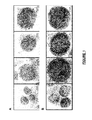
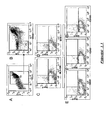
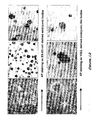
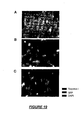
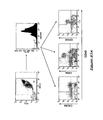
- Sca-1 + /lin - /CD45 - ( Figure 1 A) cells as compared to Sca-1 + /lin - /CD45 + ( Figure 1 B) cells are smaller in size (3-4 ⁇ m vs. 8-10 ⁇ m), contain relatively large nuclei, and have a narrow rim of cytoplasm. Additionally, DNA in the nuclei of these small Sca-1 + /lin - /CD45 - cells contain open-type euchromatin that is characteristic of pluripotent embryonic stem cells (see Figure 1A ). Thus, disclosed herein for the first time is morphological evidence for the presence of embryonic-like cells in adult BM.
- PSC Pluripotent Stem Cell
- Sca-1 + /lin - /CD45 - cells express mRNA typical for VSEL stem cells.
- an expanded panel of genes for several markers of VSEL stem cells for neural tissue, skeletal and heart muscle, liver, pancreas, epidermis, melanocytes and intestinal epithelium was evaluated.
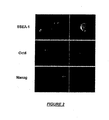
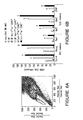
- SSEA-1, Oct-4, and Nanog were detectable on 57 ⁇ 7%, 43 ⁇ 6%, and 28 ⁇ 4% of Sca-1 + /lin/CD45 - cells, respectively, demonstrating that PSC proteins are expressed in a freshly isolated defined population of cells from the BM.
- BM-derived cells that express markers of VSEL stem cells could be isolated from a suspension of BMMNC by employing chemotaxis to stromal derived factor-1 (SDF-1), hepatocyte growth factor/scatter factor, (HGF/SF) or leukemia inhibitory factor (LIF) gradients ( Ratajczak et al. (2004b) 18 Leukemia 29-40 ).
- SDF-1 stromal derived factor-1
- HGF/SF hepatocyte growth factor/scatter factor
- LIF leukemia inhibitory factor
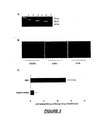
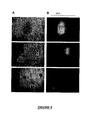
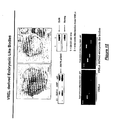
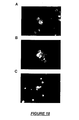
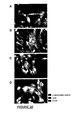
- FIG. 3A shows that Sca-1 + /lin - /CD45 - cells sorted by FACS express mRNA for all of these receptors. Additionally, as shown in Figure 3B , expression of these receptors was also confirmed by immunostaining. These receptors were present on 82 ⁇ 6% (CXCR4), 61 ⁇ 8% (c-met), and 43 ⁇ 5% (LIF-R) of purified Sca-1 + /lin - /CD45 - cells. Furthermore, in direct chemotactic studies, it was determined that these highly purified cells respond robustly to SDF-1 (see Figure 3C ), HGF/SF, and LIF gradients.
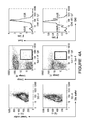
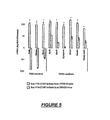
- both Sca-1 + /lin - /CD45 + (SP Sca-1 + /lin - /CD45 + ) and Sca-1 + /lin - /CD45 - (SP Sca-1 + /lin - /CD45 - ) cells were isolated from SP BMMNC. All of these populations of cells were compared along with unpurified BMMNC for expression of mRNA for early PSC/VSEL stem cells. As shown in Figure 6B , SP is highly enriched in mRNA for markers of PSC/VSEL stem cells.
- mice were enriched for some long term hematopoietic repopulating stem cells
- the contribution of these cells to long-term repopulation of the hematopoietic system after transplantation to lethally irradiated mice was studied by employing donor/recipient animals congenic at the Ly.5 locus.
- BM-derived cells Contribution of BM-derived cells to organ regeneration has been explained by some investigators to involve the phenomenon of trans-dedifferentiation of HSC.
- the co-inventors have determined that BM contains a population of rare Sca-1 + /lin - /CD45 - cells that express several markers of non-hematopoietic stem cells and are able to differentiate in vitro cultures into mesoderm-derived cardiomyocytes and ectoderm-derived neural cells. These cells have been referred to as very small embryonic-like (VSEL) stem cells. It is possible that VSEL stem cells circulate during organogenesis and rapid body growth/expansion. Since VSEL stem cells respond to an SDF-1 gradient, the SDF-1-CXCR4 axis alone or in combination with other chemoattractants might play a crucial role in accumulation of these cells in young BM.
- VSEL very small embryonic-like
- BM-derived Sca-1 + /lin/CD45 - cells express both at the mRNA and protein level several embryonic stem cell markers, such as surface marker SSEA-1 and transcription factors Oct-4, Nanog, and Rex-1.
- SSEA-1 surface marker SSEA-1
- transcription factors Oct-4, Nanog, and Rex-1 transcription factors Oct-4, Nanog, and Rex-1.
- these cells are very small (3-4 ⁇ m) and show a very immature morphology (e.g., they posses relatively large nuclei and contain immature open-type euchromatin).
- chromatin in these cells correlates with the presence of mRNA not only for embryonic stem cells but also mRNA for several VSEL stem cells, such as those that are competent to differentiate into skeletal muscle, heart muscle, neural, liver, intestinal epithelium, skin epidermis, melanocytes, and endocrine pancreas.
- VSEL stem cells such as those that are competent to differentiate into skeletal muscle, heart muscle, neural, liver, intestinal epithelium, skin epidermis, melanocytes, and endocrine pancreas.
- the number of embryonic-like stem cells identified is higher in BM in young animals, and their number decreases with age. Furthermore, Sca-1 + /lin - /CD45 - cells are barely detectable in 1 year old mice which corresponds to a 50 year old human. This age dependent content of VSEL stem cells in BM might explain why regeneration processes are more efficient in younger individuals. Differences were also noticed in the content of Sca-1 + /lin - /GD45 - cells among BMMNC between long and short living mouse strains. The concentration of these cells is much higher in BM of long living (e.g., C57BL/6) as compared to relatively short living (DBA/2J) mice.
- VSEL stem cells were highly mobile and responded to an SDF-1 gradient and adhered to BM-derived fibroblasts. Time-lapse studies revealed that these cells attach rapidly to, migrate beneath, and/or undergo emperipolesis in these cells. Interaction of VSEL stem cells with BM-derived fibroblasts was efficiently inhibited after their preincubation with CXCR4 antagonist, T140. Since fibroblasts secrete SDF-1 and other chemottractants, they might create a homing environment for these cells. Their robust interaction with BM-derived fibroblasts has an important implication - suggesting that isolated BM stromal cells might be "contaminated" by these small embryonic-like PSC/VSEL stem cells.
- Sca-1 + /lin - /CD45 - cells disclosed herein represent a new subpopulation of BM-derived stem cells.
- MSC mesenchymal stem cells
- Hematopoietic cells are CD45 + .
- MSC are also CXCR4 - and CD34 - , and have never been identified at the single cell level.
- putative multipotent adult progenitor cells have not been definitively identified at the single cells level, nor have USSC cells or MIAMI cells. The existences of these cells have only been postulated based on observed in vitro differentiation of cord blood or marrow cells to different tissues.
- Sca-1 + /lin - /CD45 - PSC/VSEL stem cells are very small should be considered, especially in protocols based on gradient or velocity centrifugation employed to isolate stem cells from BM, mPB, and CB. It is very likely that the majority of PSC/VSEL stem cells could be lost during those isolation procedures because of their very small size.
- VSEL-DS VSEL stem cell-derived spheres
- the embryonic bodies were fixed in 3.5% paraformaldehyde for 20 minutes, permeabilized by 0.1 % Triton X100, washed in PBS, pre-blocked with 2% BSA and subsequently stained with antibodies to SSEA-1 (1:200, mouse monoclonal IgM; Chemicon Intl., Temecula, California, United States of America; see Figure 8A ), or Oct-4 (1:200, mouse monoclonal IgG; Chemicon Intl.; see Figure 8B ).
- Appropriate secondary Alexa Fluor 594 anti-mouse IgM and Alexa Fluor 594 goat anti-mouse IgG were used (1:400; Molecular Probes, Eugene, Oregon, United States of America).
- Murine C2C12 cells are a primitive myoblastic cells line is employed as a model for myogeneic differentiation.
- FACS BM-derived Sca-1 + /lin - /CD45 - VSEL stem cells were plated over C2C12 cells. 5-10% of plated VSEL stem cells began proliferate and form slightly attached/floating embryoid body-like spheres containing round cells.
- VSEL stem cells were isolated from GFP + mice and embryoid body-like spheres were formed as in EXAMPLE 20. It was determined that the embryoid body-like spheres were formed by the GFP + VSEL stem cells.
- HSCs hematopoietic stem cells
- VSEL stem cells Sca-1 + /lin - /CD45 -
- DNA contents per cell were determined by staining cells with propidium iodide and subsequent FACS analysis (see Figure 10 ).
- embryoid body-like spheres expressed embryonic stem cell-specific alkaline phosphatase (see Figure 13 ).
- VSEL stem cells Developmental migration of VSEL stem cells can be orchestrated by SDF-1, HGF/SF, and LIF. It was further determined that cells isolated from VSEL stem cell-derived embryoid body-like spheres responded to stimulation by these factors by robust phosphorylation of MAPKp42/44, which suggested that these factors might play a role in their development and migration. It was further determined that the corresponding receptors (CXCR4, c-met, and LIF-R, respectively) were expressed on the surface of the VSEL stem cell-derived embryoid body-like spheres ( Figure 15 , middle panel).
- VSEL-DS VSEL stem cell-derived embryoid body-like spheres
- RT-PCR analysis of cells isolated from the embryoid body-like spheres from consecutive passages revealed an increase in expression of mRNA for genes regulating gastrulation of embryonic bodies, such as GATA-6, Cdx2, Sox2, HNF3, AFP ( Figure 15 , lower panel).
- neuronal derivatives neuronal derivatives (neurons, oligodendrocytes, glial cells)
- 10-50 embryoid body-like spheres/35 mm glass bottom plate were plated in NeuroCult Basal Medium (Stem Cell Technologies, Vancouver, British Columbia, Canada) supplemented with 10 ng/ml rhEGF, 20 ng/ml FGF-2, and 20 ng/ml NGF.
- Cells were cultured for 10-15 days. Growth factors were added every 24 hours and medium was replaced every 2-3 days.
- the cells were fixed in 3.5% paraformaldehyde for 20 minutes, permeabilized by 0.1 % Triton X100, washed in PBS, pre-blocked with 2% BSA, and subsequently stained with antibodies to ⁇ III tubulin (1:100, rabbit polyclonal IgG; Santa Cruz Biotechnology, Santa Cruz, California, United States of America), nestin (1:200, mouse monoclonal IgG1; Chemicon Intl., Temecula, California, United States of America), or 04 (1:200, oligodendrocyte marker 4, mouse monoclonal IgM; Chemicon Intl.).
- Figures 16A-16C and 17A-17D summarize the staining of oligodendrocytes ( Figures 16A-16C ) and neurons ( Figures 17A-17D ) derived from VSEL stem cells.
- the blue color is indicative of DAPI staining of nuclei (Molecular Probes; blue color), nestin staining appears red, and Green Fluorescent Protein (GFP) was visualized by anti-green fluorescent protein Alexa Fluor 488 conjugate (1:400; Molecular Probes, Eugene, Oregon, United States of America).
- the GFP is present in the isolated cells, which were isolated from GFP + mice (C57BL/6-Tg(ACTbEGFP)1Osb/J mice purchased from The Jackson Laboratory, Bar Harbor, Maine, United States of America).
- the fluorescence images were collected with the TE-FM Epi-Fluorescence system attached to a Nikon Inverted Microscope Eclipse TE300 and captured by a cool snap HQ digital B/W CCD (Roper Scientific, Arlington, Arizona, United States of America) camera.
- embryoid body-like spheres were given a brief wash in PBS. 10-50 embryoid body-like spheres per 35 mm glass bottom plate were plated in DMEM/F12 Medium with 4 mM L-glutamine, 4.5 g/I glucose, 1 % heat-inactivated FBS, and 50 ng/ml of recombinant human Activin A.
- FIGs 18A-18C summarize the staining of endodermal cells derived from VSEL stem cells.
- the blue color is indicative of DAPI staining of nuclei (Molecular Probes, Eugene, Oregon, United States of America; blue color), C-peptide staining appears red, and Green Fluorescent Protein (GFP) was visualized by anti-green fluorescent protein Alexa Fluor 488 conjugate (1:400; Molecular Probes, Eugene, Oregon, United States of America).
- the GFP is present in the isolated cells, which were isolated from GFP + mice (C57BL/6-Tg(ACTB-EGFP)1Osb/J mice purchased from The Jackson Laboratory, Bar Harbor, Maine, United States of America).
- the fluorescence images were collected with the TE-FM Epi-Fluorescence system attached to a Nikon Inverted Microscope Eclipse TE300 and captured by a cool snap HQ digital B/W CCD (Roper Scientific, Arlington, Arizona, United States of America) camera.
- 10-50 embryoid body-like spheres/35 mm glass bottom plate were plated in DMEM with 4 mM L-glutamine, 4.5 g/I glucose, 10% heat-inactivated FBS, and 10 ng/ml bFGF, 10 ng/ml VEGF, and 10 ng/ml TGF ⁇ 1. Growth factors were added every 24 hours and medium was replaced every 2-3 days. Cardiomyocytes differentiated after about 15-17 days of differentiation.
- Figures 19A-19C and 20A-20D summarize the staining of cardiomyocytes derived from VSEL stem cells.
- the blue color is indicative of DAPI staining of nuclei (Molecular Probes, Eugene, Oregon, United States of America; blue color), troponin I staining appears red, and Green Fluorescent Protein (GFP) was visualized by anti-green fluorescent protein Alexa Fluor 488 conjugate (1:400; Molecular Probes, Eugene, Oregon, United States of America).
- the red color corresponds to staining of ⁇ sarcomeric actinin.
- the GFP is present in the isolated cells, which were isolated from GFP + mice (C57BL/6-Tg(ACTB-EGFP)10sb/J mice purchased from The Jackson Laboratory, Bar Harbor, Maine, United States of America).
- the fluorescence images were collected with the TE-FM Epi-Fluorescence system attached to a Nikon Inverted Microscope Eclipse TE300 and captured by a cool snap HQ digital B/W CCD (Roper Scientific, Arlington, Arizona, United States of America) camera.
- mice in group I underwent a 30 minute coronary occlusion followed by reperfusion while mice in group II underwent a sham operation (1 hour open-chest state). See Guo et al. (1998) 275 Am J Physiol H1375-1387 and Guo et al. (1999) 96 Proc Natl Acad Sci. U S A 11507-11512 .
- Mice (n 6 mice in each group at each time-point) were sacrificed at 6 hours, 24 hours, 48 hours, or 96 hours after the onset of reperfusion.
- PBMNCs peripheral blood mononuclear cells
- the ability of the bone marrow-derived Sca-1 + /lin - /CD45 - MNCs to differentiate into a cardiomyocyte phenotype in culture was tested. Due to the inability of the Sca-1 + /lin - /CD45 - cells to survive when cultured alone, Sca-1 + /lin - /CD45 - and Sca-1 + /lin - /CD45 + BMMNCs were cultured in separate plates along with unpurified bone marrow cells that provide a conducive milieu for cell survival. Twenty-one days later, these cells were immunostained to examine the expression of cardiac-specific myosin heavy chain and cardiac troponin I.
- FITC-and TRITC-labeled secondary antibodies were used for the detection of GATA-4 and Nkx2.5/Csx, respectively.
- Cells positive for cardiac markers were counted using a confocal microscope (Zeiss LSM 510, Carl Zeiss, Thornwood, New York, United States of America) and expressed as a percentage of total MNCs.
- VSEL stem cells in young versus old mice were also investigated.
- the yield of Sca-1 + /lin - /CD45 - cells that could be sorted by FACS was observed to decrease with age ( Figure 23 and 24 ).
- VSEL-DS could be formed in co-cultures with C2C12 cells only by VSEL stem cells that were isolated from young mice ( Figure 25 ).
- VSEL stem cells from 2.5-year old animals formed cells clusters of round cells when co-cultured with C2C12. These round cells expressed the CD45 antigen and were able to grow hematopoietic colonies in secondary cultures in methylloculose ( Figure 26 ).
- CB Cord Blood
- CXCR4 + /lin - /CD45 - , CD34 + lin - /CD45 - , or CD133 + /lin - /CD45 - cells were sorted from a suspension of CB MNC by multiparameter, live sterile cell sorting (MOFLOTM, Dako A/S, Fort Collins, Colorado, United States of America, or BD FACSARIATM Cell-Sorting System, BD Biosciences, San Jose, California, United States of America).
- MOFLOTM live sterile cell sorting
- TEM Transmission electron microscopy
- Primer sequences for Oct4 were forward primer: 5'-TTG CCA AGC TCC TGA AGC A -3' (SEQ ID NO: 65) and reverse primer: 5'- CGT TTG GCT GAA TAC CTT CCC-3' (SEQ ID NO: 66), for Nanog were forward primer: 5'-CCC AAA GCT TGC CTT GCT TT -3' (SEQ ID NO: 67) and reverse primer: 5'-AGA CAG ICT CCG TGT GAG GCA T-3' (SEQ ID NO: 68) .
- the correct size of PCR products was confirmed by separation on agarose gel.
- Real time RT-PCR For analysis of Oct4, Nanog, Nkx2.5/Csx, VE-cadherin, and GFAP mRNA levels, total mRNA was isolated from cells with the RNEASY® Mini Kit (Qiagen Inc., Valencia, California, United States of America). mRNA was reverse-transcribed with TAQMAN® Reverse Transcription Reagents (Applied Biosystems, Foster City, California, United States of America).
- a 25 ⁇ l reaction mixture contains 12.5 ⁇ l SYBR Green PCR Master Mix, 10 ng of cDNA template, 5'-GAT GTG GTC CGA GTG TGG TTC T -3' (SEQ ID NO: 69) forward and 5'-TGT GCA TAG TCG CTG CTT GAT -3' (SEQ ID NO: 70) reverse primers for Oct4; 5'- GCA GAA GGC CTC AGC ACC TA -3' (SEQ ID NO: 71) forward and 5'- AGG TTC CCA GTC GGG TTC A -3' (SEQ ID NO: 72) reverse primers for Nanog; 5'- CCC CTG GAT TTT GCA TTC AC -3' (SEQ ID NO: 73) forward and 5'- CGT GCG CAA GAA CAA ACG -3' (SEQ ID NO: 74) reverse primers for Nkx2.5/Csx; 5'- CCG ACA GTT GTA GGC CCT GTT -3' (
- the threshold cycle (Ct; i.e., the cycle number at which the amount of amplified gene of interest reached a fixed threshold) was determined subsequently. Relative quantitation of Oct4 and Nanog mRNA expression was calculated with the comparative Ct method.
- CB-derived VSEL stem cells Fluorescent staining of CB-derived VSEL stem cells. The expression of each antigen was examined in cells from four independent experiments. CXCR4 + /lin - /CD45 - cells were fixed in 3.5% paraformaldehyde for 20 minutes, permeabilized by 0.1 % Triton X100, washed in PBS, pre-blocked with 2% BSA, and subsequently stained with antibodies to SSEA-4 (clone MC-813-70; 1:100; mouse monoclonal IgG, Chemicon Intl., Temecula, California, United States of America), Oct-4 (clone 9E3; 1:100; mouse monoclonal IgG, Chemicon Intl., Temecula, California, United States of America), and Nanog (1:200; goat polyclonal IgG, Santa Cruz Biotechnology, Inc., Santa Cruz, California, United States of America).
- Alexa Fluor 488 goat anti-mouse IgG Alexa Fluor 594 goat anti-mouse IgG
- Alexa Fluor 594 rabbit anti-goat were used (1:400; Molecular Probes, Eugene, Oregon, United States of America).
- VSEL stem cells were also isolated from human cord blood using the general FACS procedure outlined in EXAMPLE 2.
- antibodies directed against CXCR4 labeled with allophycocyanin (APC)
- CD45 labeleled with phycoerythrin (PE)
- CD19 CD16, CD2, CD14, CD3, CD24, CD56, CD66b, and CD235a were employed.
- Antibodies against the lineage markers were labeled with fluorescein isothiocyanate (FITC).
- VSEL stem cells were CXCR4 + /lin - /CD45 - , under TEM looked like murine VSEL stem cells (i.e ., were about 3-4 ⁇ m in diameter, posses large nuclei surrounded by a narrow rim of cytoplasm, and contain open-type chromatin (euchromatin)), and were enriched in markers of pluripotent stem cells by real time RT-PCR (see EXAMPLE 7).
- a population of CD34 + CD133 + CXCR4 + lin - / CD45 - cells is present in CB
- CB MNC human CB mononuclear cells
- CXCR4 + /CD133 + /CD34 + /lin - /CD45 - cells were sorted by FACS in a manner similar to VSEL stem cells, did not grow hematopoietic colonies in vitro, and also similar to murine VSEL stem cells are very small (about 3-5 m; Figure 27B , upper panel).
- CB-derived fin-/CD45 + hematopoietic cells are larger (> 6 ⁇ m; Figure 27B , lower panel). Furthermore, a significant overlap in co-expression of CXCR4, CD34, and CD133 antigens was observed among CB-derived small lin - /CD45 - cells, and it was determined that 0.015 ⁇ 0.005% of lin - /CD45 - cells were CXCR4 + /CD133 + /CD34 + .
- these cells are also enriched in mRNA for several developmental genes for different organs/tissues such as Nkx2.5/Csx, VE-cadherin, and GFAP, which are markers for cardiac-, endothelial- and neural tissue committed stem cells (TCSC), respectively.
- organs/tissues such as Nkx2.5/Csx, VE-cadherin, and GFAP, which are markers for cardiac-, endothelial- and neural tissue committed stem cells (TCSC), respectively.
- TCSC neural tissue committed stem cells
- CB-derived CXCR4 + lin - / CD45 - cells express SSEA-4, Oct-4, and Nanog at the protein level.
- Murine BM-derived VSEL stem cells express SSEA-1, Oct-4, and Nanog at the protein level.
- immunofluorescence staining was performed to evaluate if CB-VSEL stem cells also expressed similar embryonic stem cell markers.
- Figure 29 shows an example of staining showing that highly purified CB-derived CXCR4 + / lin - /CD45 - cells expressed SSEA-4 on their surface and Oct-4 and Nanog transcription factors in nuclei.
- VSEL-DS Can Differentiate into Hematopoietic Cells
- VSEL stem cells might be a source of the most primitive HSC in BM.
- VSEL-DS are trypsynized and plated in methylcellulose-based medium (StemCell Technologies Inc., Vancouver, British Columbia, Canada). At day 5 of culture in methylcellulose medium, cells proliferate and form small spheres. These spheres are recovered from methylcellulose cultures by aspiration, are washed and trypsinized to obtain a single cell suspension, and re-plated in methylcellulose-based medium that contains a selected combination of cytokines and growth factors for hematopoietic colony formation.
- mIL-3 murine interleukin-3 + murine granulocyte-macrophage colony stimulating factor m(GM-CSF) is added.
- GM-CSF murine granulocyte-macrophage colony stimulating factor
- an aliquot of these cells is plated in plasma clot cultures. The reason for this is that these cultures are suitable for analysis by immunofluorescence and immunohistochemical staining.
- hematopoietic colonies are formed both in methylcellulose and plasma clot conditions. Cells from the colonies growing in methylcellulose are recovered for mRNA isolation or FACS analysis.
Landscapes
- Health & Medical Sciences (AREA)
- Engineering & Computer Science (AREA)
- Life Sciences & Earth Sciences (AREA)
- Bioinformatics & Cheminformatics (AREA)
- Biomedical Technology (AREA)
- Chemical & Material Sciences (AREA)
- Organic Chemistry (AREA)
- Zoology (AREA)
- Wood Science & Technology (AREA)
- Genetics & Genomics (AREA)
- Biotechnology (AREA)
- General Health & Medical Sciences (AREA)
- Microbiology (AREA)
- Developmental Biology & Embryology (AREA)
- General Engineering & Computer Science (AREA)
- Biochemistry (AREA)
- Cell Biology (AREA)
- Medicinal Chemistry (AREA)
- Heart & Thoracic Surgery (AREA)
- Public Health (AREA)
- Urology & Nephrology (AREA)
- Pharmacology & Pharmacy (AREA)
- Nuclear Medicine, Radiotherapy & Molecular Imaging (AREA)
- General Chemical & Material Sciences (AREA)
- Veterinary Medicine (AREA)
- Chemical Kinetics & Catalysis (AREA)
- Cardiology (AREA)
- Animal Behavior & Ethology (AREA)
- Vascular Medicine (AREA)
- Micro-Organisms Or Cultivation Processes Thereof (AREA)
- Medicines Containing Material From Animals Or Micro-Organisms (AREA)
Priority Applications (1)
| Application Number | Priority Date | Filing Date | Title |
|---|---|---|---|
| PL12166007T PL2535403T3 (pl) | 2005-12-08 | 2006-11-02 | Bardzo małe komórki macierzyste typu embrionalnego (VSEL) oraz sposoby ich izolowania i zastosowania |
Applications Claiming Priority (3)
| Application Number | Priority Date | Filing Date | Title |
|---|---|---|---|
| US74868505P | 2005-12-08 | 2005-12-08 | |
| PCT/US2006/042780 WO2007067280A2 (en) | 2005-12-08 | 2006-11-02 | Very small embryonic-like (vsel) stem cells and methods of isolating and using the same |
| EP06827358A EP1974018A4 (de) | 2005-12-08 | 2006-11-02 | Vsel (very small embryonic-like)-stammzellen und verfahren zur isolierung und verwendung davon |
Related Parent Applications (2)
| Application Number | Title | Priority Date | Filing Date |
|---|---|---|---|
| EP06827358.0 Division | 2006-11-02 | ||
| EP06827358A Division EP1974018A4 (de) | 2005-12-08 | 2006-11-02 | Vsel (very small embryonic-like)-stammzellen und verfahren zur isolierung und verwendung davon |
Publications (2)
| Publication Number | Publication Date |
|---|---|
| EP2535403A1 true EP2535403A1 (de) | 2012-12-19 |
| EP2535403B1 EP2535403B1 (de) | 2019-06-19 |
Family
ID=38123356
Family Applications (2)
| Application Number | Title | Priority Date | Filing Date |
|---|---|---|---|
| EP06827358A Withdrawn EP1974018A4 (de) | 2005-12-08 | 2006-11-02 | Vsel (very small embryonic-like)-stammzellen und verfahren zur isolierung und verwendung davon |
| EP12166007.0A Not-in-force EP2535403B1 (de) | 2005-12-08 | 2006-11-02 | VSEL (Very Small Embryonic-Like)-Stammzellen und Verfahren zur Isolierung und Verwendung davon |
Family Applications Before (1)
| Application Number | Title | Priority Date | Filing Date |
|---|---|---|---|
| EP06827358A Withdrawn EP1974018A4 (de) | 2005-12-08 | 2006-11-02 | Vsel (very small embryonic-like)-stammzellen und verfahren zur isolierung und verwendung davon |
Country Status (6)
| Country | Link |
|---|---|
| US (1) | US20090220466A1 (de) |
| EP (2) | EP1974018A4 (de) |
| CN (2) | CN103952373A (de) |
| HK (1) | HK1200866A1 (de) |
| PL (1) | PL2535403T3 (de) |
| WO (1) | WO2007067280A2 (de) |
Cited By (1)
| Publication number | Priority date | Publication date | Assignee | Title |
|---|---|---|---|---|
| US11312940B2 (en) | 2015-08-31 | 2022-04-26 | University Of Louisville Research Foundation, Inc. | Progenitor cells and methods for preparing and using the same |
Families Citing this family (46)
| Publication number | Priority date | Publication date | Assignee | Title |
|---|---|---|---|---|
| US20030161817A1 (en) | 2001-03-28 | 2003-08-28 | Young Henry E. | Pluripotent embryonic-like stem cells, compositions, methods and uses thereof |
| US9155762B2 (en) | 2005-12-08 | 2015-10-13 | University Of Louisville Research Foundation, Inc. | Uses and isolation of stem cells from bone marrow |
| US20090155225A1 (en) | 2006-11-02 | 2009-06-18 | Mariusz Ratajczak | Uses and isolation of very small of embryonic-like (vsel) stem cells |
| WO2008075371A2 (en) * | 2006-12-21 | 2008-06-26 | Biokine Therapeutics Ltd. | T-140 peptide analogs having cxcr4 super-agonist activity for immunomodulation |
| AU2009205886B2 (en) * | 2008-01-18 | 2015-08-27 | Katholieke Universiteit Leuven | Stem cell aggregates and methods for making and using |
| GB0805670D0 (en) * | 2008-03-28 | 2008-04-30 | Smith & Nephew | Increasing the plasticity of stem cells |
| JP2011523357A (ja) * | 2008-05-06 | 2011-08-11 | ジョスリン ダイアビーティス センター インコーポレイテッド | 褐色脂肪細胞分化を誘導するための方法および組成物 |
| EP2294185A2 (de) * | 2008-05-08 | 2011-03-16 | Coretherapix Slu | Multipotente adulte stammzellenpopulation |
| WO2010039241A1 (en) * | 2008-09-30 | 2010-04-08 | University Of Louisville Research Foundation, Inc. | Methods for isolating very small embryonic-like (vsel) stem cells |
| WO2010057110A1 (en) * | 2008-11-14 | 2010-05-20 | University Of Louisville Research Foundation, Inc. | Methods and compositions for long term hematopoietic repopulation |
| BRPI1009663A2 (pt) | 2009-06-14 | 2016-10-11 | Biokine Therapeutics Ltd | "método para elevação dos níveis plaquetários em um indivíduo com essa necessidade, método de inibição de hemorragia em um indivíduo que a necessite e composição farmacêutica" |
| CN101962628B (zh) * | 2009-07-24 | 2013-03-20 | 北京大学 | 肝脏内胚层细胞及其制备和纯化方法 |
| WO2011069117A1 (en) * | 2009-12-04 | 2011-06-09 | Neostem, Inc. | Method of isolation of stem cell populations from peripheral blood using sized-based separation (elutriation) |
| CN102373176B (zh) * | 2010-08-23 | 2014-02-12 | 杨跃进 | 一种极小类胚胎样干细胞的制备方法 |
| EP2609191B1 (de) | 2010-08-24 | 2017-11-22 | Regents Of The University Of Minnesota | Nichtstatische suspensionskultur aus zellverbänden |
| US20130323197A1 (en) * | 2010-10-07 | 2013-12-05 | University Of Louisville Research Foundation, Inc. | Ifg-1 dependent modulation of vsels |
| US9078878B2 (en) | 2010-12-01 | 2015-07-14 | Alderbio Holdings Llc | Anti-NGF antibodies that selectively inhibit the association of NGF with TrkA, without affecting the association of NGF with p75 |
| US9067988B2 (en) | 2010-12-01 | 2015-06-30 | Alderbio Holdings Llc | Methods of preventing or treating pain using anti-NGF antibodies |
| US11214610B2 (en) | 2010-12-01 | 2022-01-04 | H. Lundbeck A/S | High-purity production of multi-subunit proteins such as antibodies in transformed microbes such as Pichia pastoris |
| US9539324B2 (en) | 2010-12-01 | 2017-01-10 | Alderbio Holdings, Llc | Methods of preventing inflammation and treating pain using anti-NGF compositions |
| EP2646468B1 (de) | 2010-12-01 | 2018-07-25 | AlderBio Holdings LLC | Anti-ngf-zusammensetzungen und ihre verwendung |
| US9884909B2 (en) | 2010-12-01 | 2018-02-06 | Alderbio Holdings Llc | Anti-NGF compositions and use thereof |
| EP2694651A4 (de) * | 2011-04-01 | 2014-11-26 | Univ Louisville Res Found | Verfahren und zusammensetzungen zur grossflächigen isolierung sehr kleiner embryonal-ähnlicher stammzellen |
| US20140112891A1 (en) * | 2011-04-08 | 2014-04-24 | Neostem, Inc. | AUTOLOGOUS HUMAN ADULT PLURIPOTENT VERY SMALL EMBRYONIC-LIKE (hVSEL) STEM CELL REGENERATION OF BONE AND CARTILAGE |
| CN102229910B (zh) * | 2011-05-23 | 2013-09-11 | 杨跃进 | 一种分选人骨髓极小胚胎样干细胞的方法 |
| WO2012174225A2 (en) | 2011-06-14 | 2012-12-20 | The University Of North Carolina At Chapel Hill | Isolation, expansion and use of autologous pluripotent stem cells |
| CN102864123B (zh) * | 2011-07-06 | 2015-04-22 | 北京大学第三医院 | 一种外周血间充质干细胞的获得方法及其应用 |
| EP2841084B1 (de) | 2012-04-24 | 2018-05-30 | Biokine Therapeutics Ltd. | Cxcr4 antagonist peptid zur verwendung in der behandlung von lungenkrebs |
| CN105431543B (zh) * | 2013-03-14 | 2019-02-19 | 尔湾科学销售公司 | 用于体外受精技术的基于分子的小鼠胚胎分析的方法和质量控制 |
| US11229789B2 (en) | 2013-05-30 | 2022-01-25 | Neurostim Oab, Inc. | Neuro activator with controller |
| EP3441109A1 (de) | 2013-05-30 | 2019-02-13 | Graham H. Creasey | Flexibles hautpflaster für ein stimulatorsystem für topische nerven |
| CN105675378A (zh) * | 2014-11-18 | 2016-06-15 | 上海张江转化医学研发中心有限公司 | 一种简单的分离单个循环肿瘤细胞的方法和装置 |
| US11077301B2 (en) | 2015-02-21 | 2021-08-03 | NeurostimOAB, Inc. | Topical nerve stimulator and sensor for bladder control |
| US10786547B2 (en) | 2015-07-16 | 2020-09-29 | Biokine Therapeutics Ltd. | Compositions, articles of manufacture and methods for treating cancer |
| US20180369287A1 (en) | 2015-10-08 | 2018-12-27 | Neurona Therapeutics Inc. | Neural precursor cell populations and uses thereof |
| US11802272B2 (en) | 2015-11-04 | 2023-10-31 | The Board Of Regents Of The University Of Texas System | Enrich and amplify highly potent human mesenchymal stem cells from elderly cell populations |
| CN105532642B (zh) * | 2015-12-25 | 2018-04-10 | 华中农业大学 | 一种团头鲂成鱼肌间骨染色的方法及应用 |
| KR102033920B1 (ko) | 2016-02-23 | 2019-10-18 | 바이오라인알엑스 리미티드 | 급성 골수성 백혈병을 치료하는 방법 |
| WO2017152073A1 (en) | 2016-03-04 | 2017-09-08 | University Of Louisville Research Foundation, Inc. | Methods and compositions for ex vivo expansion of very small embryonic-like stem cells (vsels) |
| CN106047804B (zh) * | 2016-05-30 | 2019-11-12 | 浙江大学 | 一种脂肪干细胞的纯化方法及干细胞在成骨诱导及成软骨诱导上的应用 |
| WO2019094365A1 (en) | 2017-11-07 | 2019-05-16 | Neurostim Oab, Inc. | Non-invasive nerve activator with adaptive circuit |
| CN108588009A (zh) * | 2018-05-10 | 2018-09-28 | 广州四叶草健康科技有限公司 | 一种分离并激活人外周血极小胚胎样干细胞的方法 |
| CA3144957A1 (en) | 2019-06-26 | 2020-12-30 | Neurostim Technologies Llc | Non-invasive nerve activator with adaptive circuit |
| CN110412002B (zh) * | 2019-08-08 | 2022-01-11 | 中山大学孙逸仙纪念医院 | 一种鉴别人源细胞和小鼠源细胞的方法 |
| WO2021126921A1 (en) | 2019-12-16 | 2021-06-24 | Neurostim Solutions, Llc | Non-invasive nerve activator with boosted charge delivery |
| CN119955716B (zh) * | 2025-04-10 | 2025-07-25 | 深圳泰华赛尔生物科技有限公司 | 一种脂肪来源极小类胚胎样干细胞的培养基与培养方法、应用 |
Citations (10)
| Publication number | Priority date | Publication date | Assignee | Title |
|---|---|---|---|---|
| US5650550A (en) | 1993-10-01 | 1997-07-22 | The United States Of America As Represented By The Department Of Health And Human Services | Mutant mice having a deficit of functional estrogen receptors |
| US5736396A (en) | 1995-01-24 | 1998-04-07 | Case Western Reserve University | Lineage-directed induction of human mesenchymal stem cell differentiation |
| US5750397A (en) | 1990-03-30 | 1998-05-12 | Systemix, Inc. | Human hematopoietic stem cell |
| US5777195A (en) | 1996-05-17 | 1998-07-07 | The Rockefeller University | Knockout mutant mouse for DARPP-32 and use thereof |
| US5843780A (en) | 1995-01-20 | 1998-12-01 | Wisconsin Alumni Research Foundation | Primate embryonic stem cells |
| US6090622A (en) | 1997-03-31 | 2000-07-18 | The Johns Hopkins School Of Medicine | Human embryonic pluripotent germ cells |
| WO2001011011A2 (en) * | 1999-08-05 | 2001-02-15 | Mcl Llc | Multipotent adult stem cells and methods for isolation |
| WO2004043990A2 (en) * | 2002-11-07 | 2004-05-27 | University Of Chicago | Human stem cell materials and methods |
| WO2005042723A2 (en) * | 2003-10-28 | 2005-05-12 | Caritas St. Elizabeth's Medical Center Of Boston, Inc. | Novel multipotent stem cells and use thereof |
| US20050181502A1 (en) * | 1999-08-05 | 2005-08-18 | Athersys, Inc. | Multipotent adult stem cells and methods for isolation |
Family Cites Families (7)
| Publication number | Priority date | Publication date | Assignee | Title |
|---|---|---|---|---|
| WO1993016177A1 (en) * | 1992-02-11 | 1993-08-19 | Cell Genesys, Inc. | Homogenotization of gene-targeting events |
| DE19525285C2 (de) * | 1995-06-28 | 1999-04-15 | Inst Pflanzengenetik & Kultur | In vitro Testverfahren zum Nachweis Chemikalien-induzierter embryotoxischer/teratogener Effekte |
| US6458589B1 (en) * | 2000-04-27 | 2002-10-01 | Geron Corporation | Hepatocyte lineage cells derived from pluripotent stem cells |
| US7422736B2 (en) * | 2002-07-26 | 2008-09-09 | Food Industry Research And Development Institute | Somatic pluripotent cells |
| CA2548580A1 (en) * | 2003-04-03 | 2004-10-21 | Neostem, Inc. | Elective collection and banking of autologous peripheral blood stem cells |
| US20080038231A1 (en) * | 2006-06-15 | 2008-02-14 | Rodgerson Denis O | Processing procedure for peripheral blood stem cells |
| US20090155225A1 (en) * | 2006-11-02 | 2009-06-18 | Mariusz Ratajczak | Uses and isolation of very small of embryonic-like (vsel) stem cells |
-
2006
- 2006-11-02 WO PCT/US2006/042780 patent/WO2007067280A2/en not_active Ceased
- 2006-11-02 CN CN201310618525.7A patent/CN103952373A/zh active Pending
- 2006-11-02 US US12/096,754 patent/US20090220466A1/en not_active Abandoned
- 2006-11-02 EP EP06827358A patent/EP1974018A4/de not_active Withdrawn
- 2006-11-02 PL PL12166007T patent/PL2535403T3/pl unknown
- 2006-11-02 CN CNA200680052508XA patent/CN101573441A/zh active Pending
- 2006-11-02 EP EP12166007.0A patent/EP2535403B1/de not_active Not-in-force
-
2015
- 2015-01-29 HK HK15100995.8A patent/HK1200866A1/xx unknown
Patent Citations (10)
| Publication number | Priority date | Publication date | Assignee | Title |
|---|---|---|---|---|
| US5750397A (en) | 1990-03-30 | 1998-05-12 | Systemix, Inc. | Human hematopoietic stem cell |
| US5650550A (en) | 1993-10-01 | 1997-07-22 | The United States Of America As Represented By The Department Of Health And Human Services | Mutant mice having a deficit of functional estrogen receptors |
| US5843780A (en) | 1995-01-20 | 1998-12-01 | Wisconsin Alumni Research Foundation | Primate embryonic stem cells |
| US5736396A (en) | 1995-01-24 | 1998-04-07 | Case Western Reserve University | Lineage-directed induction of human mesenchymal stem cell differentiation |
| US5777195A (en) | 1996-05-17 | 1998-07-07 | The Rockefeller University | Knockout mutant mouse for DARPP-32 and use thereof |
| US6090622A (en) | 1997-03-31 | 2000-07-18 | The Johns Hopkins School Of Medicine | Human embryonic pluripotent germ cells |
| WO2001011011A2 (en) * | 1999-08-05 | 2001-02-15 | Mcl Llc | Multipotent adult stem cells and methods for isolation |
| US20050181502A1 (en) * | 1999-08-05 | 2005-08-18 | Athersys, Inc. | Multipotent adult stem cells and methods for isolation |
| WO2004043990A2 (en) * | 2002-11-07 | 2004-05-27 | University Of Chicago | Human stem cell materials and methods |
| WO2005042723A2 (en) * | 2003-10-28 | 2005-05-12 | Caritas St. Elizabeth's Medical Center Of Boston, Inc. | Novel multipotent stem cells and use thereof |
Non-Patent Citations (72)
| Title |
|---|
| AMIT ET AL., DEV BIOL, vol. 227, 2000, pages 271 - 278 |
| BRADLEY ET AL., NATURE, vol. 309, 1984, pages 255 - 258 |
| CAPLAN ET AL., TRENDS MOL MED, vol. 7, 2001, pages 259 - 64 |
| CASTRO ET AL., SCIENCE, vol. 297, 2002, pages 1299 |
| CERADINI ET AL., NAT MED, vol. 10, 2004, pages 858 - 864 |
| CORTI ET AL., EXP CELL RES, vol. 277, 2002, pages 74 - 85 |
| D'IPPOLITO GIANLUCA ET AL: "Marrow-isolated adult multilineage inducible (MIAMI) cells, a unique population of postnatal young and old human cells with extensive expansion and differentiation potential", JOURNAL OF CELL SCIENCE, vol. 117, no. 14, 15 June 2004 (2004-06-15), pages 2971 - 2981, XP002559663, ISSN: 0021-9533 * |
| DOETSCHMAN ET AL., J EMBRYOL EXP MORPHOL, vol. 87, 1985, pages 27 - 45 |
| FRAICHARD ET AL., J CELL SCI, vol. 108, 1995, pages 3181 - 3188 |
| GEIGER ET AL., BLOOD, vol. 100, pages 721 - 723 |
| GOODELL ET AL., J EXP MED, vol. 183, 1996, pages 1797 - 1806 |
| GOODELL ET AL., METHODS MOL BIOL, 2005, pages 343 - 352 |
| GUO ET AL., AM J PHYSIOL, vol. 275, 1998, pages H 1375 - 1387 |
| GUO ET AL., AM J PHYSIOL, vol. 275, 1998, pages H1375 - 1387 |
| GUO ET AL., PROC NATL ACAD SCI. U S A, vol. 96, 1999, pages 11507 - 11512 |
| GUO ET AL., STEM CELLS, vol. 23, 2005, pages 1324 - 1332 |
| HAO ET AL., J HEMATOTHER STEM CELL RES, vol. 12, 2003, pages 23 - 32 |
| HAYNESWORTH ET AL., BONE, vol. 13, 1992, pages 81 - 88 |
| HOLDEN; VOGEL, SCIENCE, vol. 296, 2002, pages 2126 - 2129 |
| JACKSON ET AL., J CLIN INVEST, vol. 107, 2001, pages 1395 - 1402 |
| JAENISCH, SCIENCE, vol. 240, 1988, pages 1468 - 1474 |
| JIANG Y ET AL: "Pluripotency of mesenchymal stem cells derived from adult marrow", NATURE 20020704 GB, vol. 418, no. 6893, 4 July 2002 (2002-07-04), pages 41 - 49, XP002559664, ISSN: 0028-0836 * |
| KAWADA; OGAWA, BLOOD, vol. 98, 2001, pages 2008 - 2013 |
| KOGLER ET AL., J EXP MED, vol. 200, 2004, pages 123 - 135 |
| KOGLER GESINE ET AL: "A new human somatic stem cell from placental cord blood with intrinsic pluripotent differentiation potential", JOURNAL OF EXPERIMENTAL MEDICINE, vol. 200, no. 2, 19 July 2004 (2004-07-19), pages 123 - 135, XP002559665, ISSN: 0022-1007 * |
| KORBLING ET AL., N ENGL J MED, vol. 346, 2002, pages 738 - 746 |
| KUCIA ET AL., BLOOD CELLS MOL DIS, vol. 32, 2004, pages 52 - 57 |
| KUCIA ET AL., CIRC RES, 2004, pages 1191 - 1199 |
| KUCIA ET AL., EXP HEMATOL, vol. 33, 2005, pages 613 - 623 |
| KUCIA ET AL., LEUKEMIA, 2005, pages 1118 - 1127 |
| KUCIA ET AL., LEUKEMIA, vol. 19, 2005, pages 1118 - 1127 |
| KUCIA ET AL., STEM CELLS, vol. 23, 2005, pages 879 - 894 |
| KUCIA M ET AL: "Are bone marrow stem cells plastic or heterogenous-That is the question", EXPERIMENTAL HEMATOLOGY, NEW YORK, NY, US, vol. 33, no. 6, 1 June 2005 (2005-06-01), pages 613 - 623, XP004899127, ISSN: 0301-472X * |
| KUCIA M ET AL: "Bone marrow as a home of heterogenous populations of nonhematopoietic stem cells", LEUKEMIA (BASINGSTOKE), vol. 19, no. 7, July 2005 (2005-07-01), pages 1118 - 1127, XP002559661, ISSN: 0887-6924 * |
| KUCIA M ET AL: "Bone marrow as a source of circulating CXCR4(+) tissue-committed stem cells", BIOLOGY OF THE CELL, ELSEVIER, PARIS, FR, vol. 97, no. 2, 1 February 2005 (2005-02-01), pages 133 - 146, XP002409123, ISSN: 0248-4900 * |
| KUCIA M ET AL: "Cells enriched in markers of neural tissue-committed stem cells reside in the bone marrow and are mobilized into the peripheral blood following stroke", LEUKEMIA, MACMILLAN PRESS LTD, US, vol. 20, no. 1, 3 November 2005 (2005-11-03), pages 18 - 28, XP002604061, ISSN: 0887-6924, [retrieved on 20051103], DOI: 10.1038/SJ.LEU.2404011 * |
| KUCIA M ET AL: "Identification of very small embryonic like (VSEL) stem cells in bone marrow", CELL AND TISSUE RESEARCH, SPRINGER, BERLIN, DE, vol. 331, no. 1, 9 September 2007 (2007-09-09), pages 125 - 134, XP019564036, ISSN: 1432-0878 * |
| KUCIA MAGDA ET AL: "Cells expressing early cardiac markers reside in the bone marrow and are mobilized into the peripheral blood after myocardial infarction", CIRCULATION RESEARCH, GRUNE AND STRATTON, BALTIMORE, US, vol. 95, no. 12, 10 December 2004 (2004-12-10), pages 1191 - 1199, XP002592556, ISSN: 0009-7330, [retrieved on 20041118], DOI: 10.1161/01.RES.0000150856.47324.5B * |
| LABARGE; BLAU, CELL, vol. 111, 2002, pages 589 - 601 |
| LANUS ET AL., J CLIN INVEST, vol. 111, 2003, pages 843 - 850 |
| LEE; STOFFEL, J CLIN INVEST, vol. 111, 2003, pages 799 - 801 |
| LEMISCHKA, EXP HEMATOL, vol. 30, 2002, pages 848 - 852 |
| MACKAY ET AL., TISSUE ENG, vol. 4, 1998, pages 415 - 28 |
| MACPHERSON ET AL., J CELL SCI, vol. 118, pages 2441 - 2450 |
| MAJKA ET AL., BLOOD, vol. 97, 2001, pages 3075 - 3085 |
| MAKINO ET AL., J CLIN INVEST, vol. 103, 1999, pages 697 - 705 |
| MARTIN; EVANS: "Teratomas and Differentiation", 1975, ACADEMIC PRESS, pages: 169 - 187 |
| MCKINNEY-FREEMAN ET AL., PROC NATL ACAD SCI U S A, vol. 99, 2002, pages 1341 - 1346 |
| NAGY ET AL.: "Manipulating the Mouse Embryo. A Laboratory Manual", 2003, COLD SPRING HARBOR LABORATORY PRESS |
| ORLIC ET AL., PEDIATR TRANSPLANT, vol. 7, 2003, pages 86 - 88 |
| PENNACCHIETTI ET AL., CANCER CELL, vol. 3, 2003, pages 347 - 361 |
| PETERSEN ET AL., SCIENCE, vol. 284, 1999, pages 1168 - 1170 |
| PITTENGER ET AL., CURR TOP MICROBIOL IMMUNOL, vol. 251, 2000, pages 3 - 11 |
| PROCKOP D J: "Marrow stromal cells as stem cells for nonhematopoietic tissues", SCIENCE 19970404 US, vol. 276, no. 5309, 4 April 1997 (1997-04-04), pages 71 - 74, XP002559662, ISSN: 0036-8075 * |
| RATAJCZAK ET AL., BLOOD, vol. 103, 2004, pages 2071 - 2078 |
| RATAJCZAK ET AL., LEUKEMIA, vol. 18, 2004, pages 29 - 40 |
| REYES ET AL., BLOOD, vol. 98, 2001, pages 2615 - 2625 |
| REYES; VERFAILLIE, ANN NYACAD SCI, vol. 938, 2001, pages 231 - 235 |
| ROBERTSON ET AL., NATURE, vol. 323, 1986, pages 445 - 447 |
| ROBERTSON, BIOL REPROD, vol. 44, 1991, pages 238 - 45 |
| SANCHEZ-RAMOS, NEUROSCI RES, vol. 69, 2002, pages 880 - 893 |
| SCHULDINER ET AL., PROC NATL ACAD SCI U S A, vol. 97, 2000, pages 11307 - 11312 |
| SCHWARTZ ET AL., J CLIN INVEST, vol. 109, 2000, pages 1291 - 1302 |
| SHAMBLOTT ET AL., PROC NATL ACAD SCI U S A, vol. 95, 1998, pages 13726 - 13731 |
| STAMM ET AL., LANCET, vol. 361, 2003, pages 45 - 46 |
| TAMAMURA ET AL., BIOCHEM BIOPHYS RES COMM, vol. 253, 1998, pages 877 - 882 |
| THOMSON ET AL., PROC NATL ACAD SCI U S A, vol. 92, 1995, pages 7844 - 7848 |
| THOMSON ET AL., SCIENCE, vol. 282, 1998, pages 1145 - 1147 |
| WAGERS ET AL., SCIENCE, vol. 297, 2002, pages 2256 - 2259 |
| YAMADA ET AL., STEM CELLS, vol. 20, 2002, pages 146 - 154 |
| YOO ET AL., J BONE JOINT SURG AM, vol. 80, 1998, pages 1745 - 57 |
| YOUNG ET AL., J ORTHOP RES, vol. 16, 1998, pages 406 - 13 |
Cited By (1)
| Publication number | Priority date | Publication date | Assignee | Title |
|---|---|---|---|---|
| US11312940B2 (en) | 2015-08-31 | 2022-04-26 | University Of Louisville Research Foundation, Inc. | Progenitor cells and methods for preparing and using the same |
Also Published As
| Publication number | Publication date |
|---|---|
| PL2535403T3 (pl) | 2019-10-31 |
| EP1974018A2 (de) | 2008-10-01 |
| EP1974018A4 (de) | 2010-01-27 |
| WO2007067280A3 (en) | 2009-04-30 |
| US20090220466A1 (en) | 2009-09-03 |
| HK1200866A1 (en) | 2015-08-14 |
| CN103952373A (zh) | 2014-07-30 |
| CN101573441A (zh) | 2009-11-04 |
| WO2007067280A2 (en) | 2007-06-14 |
| EP2535403B1 (de) | 2019-06-19 |
Similar Documents
| Publication | Publication Date | Title |
|---|---|---|
| EP2535403B1 (de) | VSEL (Very Small Embryonic-Like)-Stammzellen und Verfahren zur Isolierung und Verwendung davon | |
| US20090155225A1 (en) | Uses and isolation of very small of embryonic-like (vsel) stem cells | |
| US20120021482A1 (en) | Methods for isolating very small embryonic-like (vsel) stem cells | |
| Kucia et al. | A population of very small embryonic-like (VSEL) CXCR4+ SSEA-1+ Oct-4+ stem cells identified in adult bone marrow | |
| US9155762B2 (en) | Uses and isolation of stem cells from bone marrow | |
| US12116592B2 (en) | Methods and compositions for ex vivo expansion of very small embryonic-like stem cells (VSELs) | |
| KR20040029311A (ko) | 다능성 줄기 세포의 동종이식편의 내성화 | |
| EP1687411B1 (de) | Identifizierung und isolierung hämatopoetischer stammzellen | |
| Kucia et al. | Adult marrow-derived very small embryonic-like stem cells and tissue engineering | |
| WO2012133948A1 (ja) | 生体組織から単離できるssea-3陽性の多能性幹細胞を含む他家移植用細胞治療用組成物 | |
| US20230374458A1 (en) | Compositions and methods for generating human yolk sac-like hematopoietic cells | |
| US8501397B2 (en) | Enrichment of stem cells from adult tissues | |
| US20160151421A1 (en) | Methods and compositions for long term hematopoietic repopulation | |
| Yoshimoto et al. | Bone marrow engraftment but limited expansion of hematopoietic cells from multipotent germline stem cells derived from neonatal mouse testis | |
| KR20230094841A (ko) | 태반-유래 줄기세포 및 이를 함유하는 신경 재생 치료용 세포치료제 | |
| US11312940B2 (en) | Progenitor cells and methods for preparing and using the same | |
| Mizokami et al. | Preferential expansion of human umbilical cord blood-derived CD34-positive cells on major histocompatibility complex-matched amnion-derived mesenchymal stem cells | |
| KR102011634B1 (ko) | 향상된 산후 부착형 세포 및 그의 용도 | |
| Lewis | Development of a three-dimensional haematopoietic stem cell-permissive bone marrow niche model using magnetic levitation | |
| Tang | Generation of alveolar-like macrophages derived from safe and universal pluripotent cell source for allogeneic cell therapies | |
| WO2025199576A1 (en) | Haematopoietic stem/progenitor cells and methods for their production | |
| Hierlihy | Identification and characterization of stem cell-like SP cells in the post-natal myocardium. |
Legal Events
| Date | Code | Title | Description |
|---|---|---|---|
| PUAI | Public reference made under article 153(3) epc to a published international application that has entered the european phase |
Free format text: ORIGINAL CODE: 0009012 |
|
| AC | Divisional application: reference to earlier application |
Ref document number: 1974018 Country of ref document: EP Kind code of ref document: P |
|
| AK | Designated contracting states |
Kind code of ref document: A1 Designated state(s): AT BE BG CH CY CZ DE DK EE ES FI FR GB GR HU IE IS IT LI LT LU LV MC NL PL PT RO SE SI SK TR |
|
| 17P | Request for examination filed |
Effective date: 20130619 |
|
| RBV | Designated contracting states (corrected) |
Designated state(s): AT BE BG CH CY CZ DE DK EE ES FI FR GB GR HU IE IS IT LI LT LU LV MC NL PL PT RO SE SI SK TR |
|
| 17Q | First examination report despatched |
Effective date: 20140702 |
|
| GRAP | Despatch of communication of intention to grant a patent |
Free format text: ORIGINAL CODE: EPIDOSNIGR1 |
|
| STAA | Information on the status of an ep patent application or granted ep patent |
Free format text: STATUS: GRANT OF PATENT IS INTENDED |
|
| INTG | Intention to grant announced |
Effective date: 20190109 |
|
| GRAS | Grant fee paid |
Free format text: ORIGINAL CODE: EPIDOSNIGR3 |
|
| GRAA | (expected) grant |
Free format text: ORIGINAL CODE: 0009210 |
|
| STAA | Information on the status of an ep patent application or granted ep patent |
Free format text: STATUS: THE PATENT HAS BEEN GRANTED |
|
| AC | Divisional application: reference to earlier application |
Ref document number: 1974018 Country of ref document: EP Kind code of ref document: P |
|
| AK | Designated contracting states |
Kind code of ref document: B1 Designated state(s): AT BE BG CH CY CZ DE DK EE ES FI FR GB GR HU IE IS IT LI LT LU LV MC NL PL PT RO SE SI SK TR |
|
| REG | Reference to a national code |
Ref country code: GB Ref legal event code: FG4D |
|
| REG | Reference to a national code |
Ref country code: CH Ref legal event code: EP |
|
| REG | Reference to a national code |
Ref country code: IE Ref legal event code: FG4D |
|
| REG | Reference to a national code |
Ref country code: DE Ref legal event code: R096 Ref document number: 602006058191 Country of ref document: DE |
|
| REG | Reference to a national code |
Ref country code: AT Ref legal event code: REF Ref document number: 1145541 Country of ref document: AT Kind code of ref document: T Effective date: 20190715 |
|
| REG | Reference to a national code |
Ref country code: NL Ref legal event code: MP Effective date: 20190619 |
|
| PG25 | Lapsed in a contracting state [announced via postgrant information from national office to epo] |
Ref country code: LT Free format text: LAPSE BECAUSE OF FAILURE TO SUBMIT A TRANSLATION OF THE DESCRIPTION OR TO PAY THE FEE WITHIN THE PRESCRIBED TIME-LIMIT Effective date: 20190619 Ref country code: SE Free format text: LAPSE BECAUSE OF FAILURE TO SUBMIT A TRANSLATION OF THE DESCRIPTION OR TO PAY THE FEE WITHIN THE PRESCRIBED TIME-LIMIT Effective date: 20190619 Ref country code: FI Free format text: LAPSE BECAUSE OF FAILURE TO SUBMIT A TRANSLATION OF THE DESCRIPTION OR TO PAY THE FEE WITHIN THE PRESCRIBED TIME-LIMIT Effective date: 20190619 |
|
| REG | Reference to a national code |
Ref country code: LT Ref legal event code: MG4D |
|
| PG25 | Lapsed in a contracting state [announced via postgrant information from national office to epo] |
Ref country code: GR Free format text: LAPSE BECAUSE OF FAILURE TO SUBMIT A TRANSLATION OF THE DESCRIPTION OR TO PAY THE FEE WITHIN THE PRESCRIBED TIME-LIMIT Effective date: 20190920 Ref country code: LV Free format text: LAPSE BECAUSE OF FAILURE TO SUBMIT A TRANSLATION OF THE DESCRIPTION OR TO PAY THE FEE WITHIN THE PRESCRIBED TIME-LIMIT Effective date: 20190619 Ref country code: BG Free format text: LAPSE BECAUSE OF FAILURE TO SUBMIT A TRANSLATION OF THE DESCRIPTION OR TO PAY THE FEE WITHIN THE PRESCRIBED TIME-LIMIT Effective date: 20190919 |
|
| REG | Reference to a national code |
Ref country code: AT Ref legal event code: MK05 Ref document number: 1145541 Country of ref document: AT Kind code of ref document: T Effective date: 20190619 |
|
| PG25 | Lapsed in a contracting state [announced via postgrant information from national office to epo] |
Ref country code: SK Free format text: LAPSE BECAUSE OF FAILURE TO SUBMIT A TRANSLATION OF THE DESCRIPTION OR TO PAY THE FEE WITHIN THE PRESCRIBED TIME-LIMIT Effective date: 20190619 Ref country code: CZ Free format text: LAPSE BECAUSE OF FAILURE TO SUBMIT A TRANSLATION OF THE DESCRIPTION OR TO PAY THE FEE WITHIN THE PRESCRIBED TIME-LIMIT Effective date: 20190619 Ref country code: RO Free format text: LAPSE BECAUSE OF FAILURE TO SUBMIT A TRANSLATION OF THE DESCRIPTION OR TO PAY THE FEE WITHIN THE PRESCRIBED TIME-LIMIT Effective date: 20190619 Ref country code: NL Free format text: LAPSE BECAUSE OF FAILURE TO SUBMIT A TRANSLATION OF THE DESCRIPTION OR TO PAY THE FEE WITHIN THE PRESCRIBED TIME-LIMIT Effective date: 20190619 Ref country code: PT Free format text: LAPSE BECAUSE OF FAILURE TO SUBMIT A TRANSLATION OF THE DESCRIPTION OR TO PAY THE FEE WITHIN THE PRESCRIBED TIME-LIMIT Effective date: 20191021 Ref country code: EE Free format text: LAPSE BECAUSE OF FAILURE TO SUBMIT A TRANSLATION OF THE DESCRIPTION OR TO PAY THE FEE WITHIN THE PRESCRIBED TIME-LIMIT Effective date: 20190619 Ref country code: AT Free format text: LAPSE BECAUSE OF FAILURE TO SUBMIT A TRANSLATION OF THE DESCRIPTION OR TO PAY THE FEE WITHIN THE PRESCRIBED TIME-LIMIT Effective date: 20190619 |
|
| PG25 | Lapsed in a contracting state [announced via postgrant information from national office to epo] |
Ref country code: IT Free format text: LAPSE BECAUSE OF FAILURE TO SUBMIT A TRANSLATION OF THE DESCRIPTION OR TO PAY THE FEE WITHIN THE PRESCRIBED TIME-LIMIT Effective date: 20190619 Ref country code: ES Free format text: LAPSE BECAUSE OF FAILURE TO SUBMIT A TRANSLATION OF THE DESCRIPTION OR TO PAY THE FEE WITHIN THE PRESCRIBED TIME-LIMIT Effective date: 20190619 Ref country code: IS Free format text: LAPSE BECAUSE OF FAILURE TO SUBMIT A TRANSLATION OF THE DESCRIPTION OR TO PAY THE FEE WITHIN THE PRESCRIBED TIME-LIMIT Effective date: 20191019 |
|
| PG25 | Lapsed in a contracting state [announced via postgrant information from national office to epo] |
Ref country code: TR Free format text: LAPSE BECAUSE OF FAILURE TO SUBMIT A TRANSLATION OF THE DESCRIPTION OR TO PAY THE FEE WITHIN THE PRESCRIBED TIME-LIMIT Effective date: 20190619 |
|
| PG25 | Lapsed in a contracting state [announced via postgrant information from national office to epo] |
Ref country code: DK Free format text: LAPSE BECAUSE OF FAILURE TO SUBMIT A TRANSLATION OF THE DESCRIPTION OR TO PAY THE FEE WITHIN THE PRESCRIBED TIME-LIMIT Effective date: 20190619 |
|
| PG25 | Lapsed in a contracting state [announced via postgrant information from national office to epo] |
Ref country code: IS Free format text: LAPSE BECAUSE OF FAILURE TO SUBMIT A TRANSLATION OF THE DESCRIPTION OR TO PAY THE FEE WITHIN THE PRESCRIBED TIME-LIMIT Effective date: 20200224 |
|
| REG | Reference to a national code |
Ref country code: DE Ref legal event code: R119 Ref document number: 602006058191 Country of ref document: DE |
|
| REG | Reference to a national code |
Ref country code: CH Ref legal event code: PL |
|
| PLBE | No opposition filed within time limit |
Free format text: ORIGINAL CODE: 0009261 |
|
| STAA | Information on the status of an ep patent application or granted ep patent |
Free format text: STATUS: NO OPPOSITION FILED WITHIN TIME LIMIT |
|
| PG2D | Information on lapse in contracting state deleted |
Ref country code: IS |
|
| PG25 | Lapsed in a contracting state [announced via postgrant information from national office to epo] |
Ref country code: MC Free format text: LAPSE BECAUSE OF FAILURE TO SUBMIT A TRANSLATION OF THE DESCRIPTION OR TO PAY THE FEE WITHIN THE PRESCRIBED TIME-LIMIT Effective date: 20190619 Ref country code: LI Free format text: LAPSE BECAUSE OF NON-PAYMENT OF DUE FEES Effective date: 20191130 Ref country code: CH Free format text: LAPSE BECAUSE OF NON-PAYMENT OF DUE FEES Effective date: 20191130 Ref country code: LU Free format text: LAPSE BECAUSE OF NON-PAYMENT OF DUE FEES Effective date: 20191102 |
|
| 26N | No opposition filed |
Effective date: 20200603 |
|
| REG | Reference to a national code |
Ref country code: BE Ref legal event code: MM Effective date: 20191130 |
|
| PG25 | Lapsed in a contracting state [announced via postgrant information from national office to epo] |
Ref country code: SI Free format text: LAPSE BECAUSE OF FAILURE TO SUBMIT A TRANSLATION OF THE DESCRIPTION OR TO PAY THE FEE WITHIN THE PRESCRIBED TIME-LIMIT Effective date: 20190619 |
|
| PG25 | Lapsed in a contracting state [announced via postgrant information from national office to epo] |
Ref country code: DE Free format text: LAPSE BECAUSE OF NON-PAYMENT OF DUE FEES Effective date: 20200603 Ref country code: IE Free format text: LAPSE BECAUSE OF NON-PAYMENT OF DUE FEES Effective date: 20191102 |
|
| PG25 | Lapsed in a contracting state [announced via postgrant information from national office to epo] |
Ref country code: BE Free format text: LAPSE BECAUSE OF NON-PAYMENT OF DUE FEES Effective date: 20191130 |
|
| PG25 | Lapsed in a contracting state [announced via postgrant information from national office to epo] |
Ref country code: CY Free format text: LAPSE BECAUSE OF FAILURE TO SUBMIT A TRANSLATION OF THE DESCRIPTION OR TO PAY THE FEE WITHIN THE PRESCRIBED TIME-LIMIT Effective date: 20190619 |
|
| PG25 | Lapsed in a contracting state [announced via postgrant information from national office to epo] |
Ref country code: HU Free format text: LAPSE BECAUSE OF FAILURE TO SUBMIT A TRANSLATION OF THE DESCRIPTION OR TO PAY THE FEE WITHIN THE PRESCRIBED TIME-LIMIT; INVALID AB INITIO Effective date: 20061102 |
|
| PGFP | Annual fee paid to national office [announced via postgrant information from national office to epo] |
Ref country code: FR Payment date: 20211119 Year of fee payment: 16 Ref country code: GB Payment date: 20211029 Year of fee payment: 16 |
|
| PGFP | Annual fee paid to national office [announced via postgrant information from national office to epo] |
Ref country code: PL Payment date: 20211026 Year of fee payment: 16 |
|
| GBPC | Gb: european patent ceased through non-payment of renewal fee |
Effective date: 20221102 |
|
| P01 | Opt-out of the competence of the unified patent court (upc) registered |
Effective date: 20230713 |
|
| PG25 | Lapsed in a contracting state [announced via postgrant information from national office to epo] |
Ref country code: GB Free format text: LAPSE BECAUSE OF NON-PAYMENT OF DUE FEES Effective date: 20221102 |
|
| PG25 | Lapsed in a contracting state [announced via postgrant information from national office to epo] |
Ref country code: FR Free format text: LAPSE BECAUSE OF NON-PAYMENT OF DUE FEES Effective date: 20221130 |
|
| PG25 | Lapsed in a contracting state [announced via postgrant information from national office to epo] |
Ref country code: PL Free format text: LAPSE BECAUSE OF NON-PAYMENT OF DUE FEES Effective date: 20221102 |