EP2542004B1 - Procédé et système de configuration pour un signal de référence de sondage dans un système de type long term evolution-advanced - Google Patents
Procédé et système de configuration pour un signal de référence de sondage dans un système de type long term evolution-advanced Download PDFInfo
- Publication number
- EP2542004B1 EP2542004B1 EP10848774.5A EP10848774A EP2542004B1 EP 2542004 B1 EP2542004 B1 EP 2542004B1 EP 10848774 A EP10848774 A EP 10848774A EP 2542004 B1 EP2542004 B1 EP 2542004B1
- Authority
- EP
- European Patent Office
- Prior art keywords
- srs
- subframe
- frequency domain
- enb
- uplink subframes
- Prior art date
- Legal status (The legal status is an assumption and is not a legal conclusion. Google has not performed a legal analysis and makes no representation as to the accuracy of the status listed.)
- Active
Links
Images





Classifications
-
- H—ELECTRICITY
- H04—ELECTRIC COMMUNICATION TECHNIQUE
- H04L—TRANSMISSION OF DIGITAL INFORMATION, e.g. TELEGRAPHIC COMMUNICATION
- H04L5/00—Arrangements affording multiple use of the transmission path
- H04L5/0091—Signalling for the administration of the divided path, e.g. signalling of configuration information
- H04L5/0094—Indication of how sub-channels of the path are allocated
-
- H—ELECTRICITY
- H04—ELECTRIC COMMUNICATION TECHNIQUE
- H04L—TRANSMISSION OF DIGITAL INFORMATION, e.g. TELEGRAPHIC COMMUNICATION
- H04L5/00—Arrangements affording multiple use of the transmission path
- H04L5/003—Arrangements for allocating sub-channels of the transmission path
- H04L5/0048—Allocation of pilot signals, i.e. of signals known to the receiver
-
- H—ELECTRICITY
- H04—ELECTRIC COMMUNICATION TECHNIQUE
- H04L—TRANSMISSION OF DIGITAL INFORMATION, e.g. TELEGRAPHIC COMMUNICATION
- H04L5/00—Arrangements affording multiple use of the transmission path
- H04L5/003—Arrangements for allocating sub-channels of the transmission path
- H04L5/0048—Allocation of pilot signals, i.e. of signals known to the receiver
- H04L5/0051—Allocation of pilot signals, i.e. of signals known to the receiver of dedicated pilots, i.e. pilots destined for a single user or terminal
-
- H—ELECTRICITY
- H04—ELECTRIC COMMUNICATION TECHNIQUE
- H04L—TRANSMISSION OF DIGITAL INFORMATION, e.g. TELEGRAPHIC COMMUNICATION
- H04L5/00—Arrangements affording multiple use of the transmission path
- H04L5/003—Arrangements for allocating sub-channels of the transmission path
- H04L5/0078—Timing of allocation
- H04L5/0082—Timing of allocation at predetermined intervals
-
- H—ELECTRICITY
- H04—ELECTRIC COMMUNICATION TECHNIQUE
- H04L—TRANSMISSION OF DIGITAL INFORMATION, e.g. TELEGRAPHIC COMMUNICATION
- H04L5/00—Arrangements affording multiple use of the transmission path
- H04L5/0091—Signalling for the administration of the divided path, e.g. signalling of configuration information
- H04L5/0092—Indication of how the channel is divided
Definitions
- the present invention relates to the field of communication, and specifically, to a configuration method and system for a sounding reference signal in a Long Term Evolution Advanced (LTE-A) system.
- LTE-A Long Term Evolution Advanced
- a User Equipment uses a certain resource to transmit a Sounding Reference Signal (SRS) periodically at a certain time location and frequency location.
- SRS Sounding Reference Signal
- the eNB measures a radio Channel State Information (CSI) according to the received SRS, and performs operations such as scheduling, power control and resource allocation and so on according to the obtained CSI.
- CSI radio Channel State Information
- DwPTS Downlink Pilot Time Slot
- GP Guard Period
- UpPTS Uplink Pilot Time Slot
- the resource allocation in the LTE system takes a Resource Block (RB) (or called as a Physical Resource Block (PRB)) as a unit, one RB occupies 12 Resource Elements (REs) in a frequency domain and one time slot in a time domain, that is, 7 (Normal cyclic prefix (Normal CP)) or 6 (Extended cyclic prefix (Extended CP)) Single Carrier Frequency-Division Multiple Access (SC-FDMA) symbols.
- RB Resource Block
- PRB Physical Resource Block
- N RB UL a total number of RBs corresponding to an uplink system bandwidth in the frequency domain
- indexes of the RB are 0,1,..., N RB UL ⁇ 1
- indexes of a sub-carrier are 0,1,..., N RB UL ⁇ N SC RB ⁇ 1
- N SC RB is the number of sub-carriers corresponding to one RB in the frequency domain.
- a structure of the RB is as shown in FIG. 3 (a common CP is taken as an example).
- the SRS is sent periodically, and the configuration information therein includes following contents.
- frequency domain bandwidth of the SRS is configured using a tree structure.
- B_SRS SRS bandwidth configurations within different uplink bandwidth scopes are given.
- the SRS-Bandwidth of this layer is the bandwidth corresponding to 16 RBs, and one SRS-Bandwidth of the upper layer is splitted into 2 SRS-Bandwidths of layer 1;
- the sub-carriers of the SRS in the same SRS frequency band is placed at intervals, that is to say, a comb structure is used to transmit the SRS, wherein, the number of frequency combs is 2.
- a comb structure is used to transmit the SRS, wherein, the number of frequency combs is 2.
- the comb structure allows more users to transmit SRSs in the same SRS bandwidth.
- An SRS sequence sent by the UE is obtained by performing cycle shift on a root sequence. Performing different cycle shifts ⁇ on the same root sequence can obtain different SRS sequences, and these obtained SRS sequences are mutual orthogonal with each other, therefore, these SRS sequences can be allocated to different UEs to use, so as to make these UEs transmit the SRSs simultaneously in the same time resource and frequency resource.
- the SRS sequence defines 8 cycle shifts, namely 0, 1, 2, 3, 4, 5, 6 and 7 respectively, which are indicated by 3bit signalings. That is to say, in the same time resource and frequency resource, the UE in a cell has 8 available code resources, and the eNB can configure at most 8 UEs to transmit the SRSs simultaneously.
- the UE determines a frequency domain initial position for the UE itself transmitting the SRS according to an upper layer signaling n RRC sent from the eNB. As shown in FIG. 6 , the UEs allocated with different n RRC signalings will transmit the SRSs in different domains of the cell SRS bandwidth. The UE will calculate an SRS frequency domain initial position of each SRS transmission period subsequently according to the frequency domain initial position and certain frequency hopping rules.
- the eNB firstly allocates an SRS bandwidth configuration index C SRS to all UEs in the cell, according to the number of RBs N RB UL corresponding to the current uplink system bandwidth, can determine which one to be used in the Table 1 ⁇ Table 4, and then according to the C SRS , can determine the SRS bandwidth configuration used by the current cell.
- the eNB will also allocate an SRS bandwidth index B SRS (or called as the index of the located layer) to the UE.
- B SRS or called as the index of the located layer
- the UE can obtain the SRS Bandwidth used by itself.
- the eNB will also appoint to each UE the SRS frequency domain initial position of the UE, and the UE calculates the frequency domain initial position of each moment for transmitting the SRS subsequently according to the initial position and certain frequency hopping rules.
- the UE only transmits the SRS on the last SC-FDMA symbol of the subframe.
- the UE transmitting a configuration of the SRS in the time domain is related to four parameters: a cell-specific period ( T SFC ) and a subframe offset ( ⁇ SFC ), a UE-specific period ( T SRS ) and a subframe offset ( T offset ) .
- T SFC cell-specific period
- ⁇ SFC subframe offset
- T SRS UE-specific period
- T offset subframe offset
- a configuration 8 in table 5, of which a period is 5 subframes and subframe offset is ⁇ 2, 3 ⁇ , means that the shortest SRS period in the current cell is 5ms and only two positions may be used to transmit the SRS in the 5ms, which are the subframe 2 and subframe 3 respectively in the 5 subframes (namely subframe 0, subframe 1.... subframe 4 respectively) within the 5ms.
- the UE-specific period and subframe offset give a specific time domain period and subframe positions for a certain UE transmitting the SRS.
- a configuration 2 in table 7 means that an SRS period of a certain UE is 5ms, and the transmission is made on the subframe 0 in the 5 subframes (namely subframe 0, subframe 1.... subframe 4 respectively) within the 5ms. It should be noted that, a transmission position specified by the UE-specific parameters must be included in a cell-specific transmission position.
- Table 5 FDD Cell Specific SRS period and subframe offset configuration srsSubframeConfiguration Binary Configuration Period T SFC (subframes) Transmission offset ⁇ SFC (subframes) 0 0000 1 ⁇ 0 ⁇ 1 0001 2 ⁇ 0 ⁇ 2 0010 2 ⁇ 1 ⁇ 3 0011 5 ⁇ 0 ⁇ 4 0100 5 ⁇ 1 ⁇ 5 0101+' 5 ⁇ 2 ⁇ 6 0110 5 ⁇ 3 ⁇ 7 0111 5 ⁇ 0,1 ⁇ 8 1000 5 ⁇ 2,3 ⁇ 9 1001 10 ⁇ 0 ⁇ 10 1010 10 ⁇ 1 ⁇ 11 1011 10 ⁇ 2 ⁇ 12 1100 10 ⁇ 3 ⁇ 13 1101 10 (0,1,2,3,4,6,8) 14 1110 10 (0,1,2,3,4,5,6,8) 15 1111 reserved reserved Table 6 TDD Cell Specific SRS period and subframe offset configuration srsSubframeConfiguration Binary Configuration Period T SFC (subframes) Transmission offset ⁇ SFC (subframes) 0 0000 5 ⁇ 1 ⁇ 1 0001 5 ⁇ 1,2 ⁇ 2 0010 5
- the LTE-A system is a further evolution of the LTE system.
- the eNB is required to obtain the channel information much faster so as to perform uplink resource allocation, scheduling and power control and use channel reciprocity to estimate a downlink channel.
- the current periodic SRS could not meet the demand of channel measurement.
- ERICSSON ET AL "Further Discussions on SRS Enhancements", 3GPP DRAFT; R1-100860, 3RD GENERATION PARTNERSHIP PROJECT (3GPP), MOBILE COMPETENCE CENTRE; 650, ROUTE DES LUCIOLES; F-06921 SOPHIA-ANTIPOLIS CEDEX; FRANCE, vol. RAN WG1, no. San Francisco, USA; 20100222, 16 February 2010 discloses adopting dynamic aperiodic transmission of reference signals for sounding and to support triggering of such transmission using the UL grant. It furthermore discusses alternatives for how to determine the UE specific parameters of the reference signal.
- CATT "SRS Enhancements for LTE-A", 3GPP DRAFT; R1-100893, 3RD GENERATION PARTNERSHIP PROJECT (3GPP), MOBILE COMPETENCE CENTRE; 650, ROUTE DES LUCIOLES; F-06921 SOPHIA-ANTIPOLIS CEDEX; FRANCE, vol. RAN WG1, no. San Francisco, USA; 20100222, 16 February 2010 discloses SRS Enhancements for LTE-A.
- PANTECH "Further consideration on Aperiodic/Periodic Sounding RS", 3GPP DRAFT; R1-100993, 3RD GENERATION PARTNERSHIP PROJECT (3GPP), MOBILE COMPETENCE CENTRE; 650, ROUTE DES LUCIOLES; F-06921 SOPHIA-ANTIPOLIS CEDEX; FRANCE, vol. RAN WG1, no. San Francisco, USA; 20100222, 16 February 2010 discloses Further consideration on Aperiodic/Periodic Sounding RS.
- ASUSTEK "Discussion on Dynamic Aperiodic Sounding", 3GPP DRAFT; R1-100997 DISCUSSION ON DYNAMIC APERIODIC SOUNDING, 3RD GENERATION PARTNERSHIP PROJECT (3GPP), MOBILE COMPETENCE CENTRE; 650, ROUTE DES LUCIOLES; F-06921 SOPHIA-ANTIPOLIS CEDEX; FRANCE, vol. RAN WG1, no. San Francisco, USA; 20100222, 16 February 2010 discloses Discussion on Dynamic Aperiodic Sounding.
- CN 101 540 631 A and EP 2 426 831 A1 disclose a multi-antenna transmitting method and apparatus for a Sounding Reference Signal (SRS).
- SRS Sounding Reference Signal
- a UE in the case of transmitting the uplink SRSs with precoding, a UE can provide orthogonal resources to the different precoding matrixes by a CDM, or TDM, or FDM, or their combination; in the case of transmitting the uplink SRSs without precoding, the UE can transmit the SRSs in the orthogonal resources by the CDM, or TDM, or FDM, or their combination.
- the scheme of the present invention provides a practical implementation solution for transmitting the uplink SRSs in the multi-antenna case.
- MOTOROLA "Views on SRS Enhancements for LTE-A", 3GPP DRAFT; R1-101134-SRS ENHANCEMENTS LTE-A, 3RD GENERATION PARTNERSHIP PROJECT (3GPP), MOBILE COMPETENCE CENTRE; 650, ROUTE DES LUCIOLES; F-06921 SOPHIA-ANTIPOLIS CEDEX; FRANCE, vol. RAN WG1, no. San Francisco, USA; 20100222, 17 February 2010 discloses Views on SRS Enhancements for LTE-A.
- the technical problem required to be solved by the present invention is to provide a configuration method, system, eNB and user equipment for a sounding reference signal in an LTE-A system according to appended independent claims, so as to make the eNB trigger the UE to transmit the SRS and perform measurement on channel at any time. Further improvements and embodiments are provided in the dependent claims.
- the resources used by the non-periodic SRS can be determined, channel measurement frequency of the UE can be enhanced, and channel measurement requirement of the LTE-A system can be better satisfied.
- the non-periodic SRS resources influence and conflict between the periodic SRS and non-periodic SRS in the LTE-A system can be avoided effectively.
- an aperiodic SRS configuration mechanism in order to satisfy channel measurement requirements of an LTE-Advanced system, an aperiodic SRS configuration mechanism is disclosed, so as to make an eNB can trigger a UE to transmit an SRS and perform channel measurement at any time (anytime at which the eNB considers a need).
- resources for transmitting a periodic SRS are called as periodic SRS resources, and resources for transmitting an aperiodic SRS are called as non-periodic SRS resources.
- the inventive concept of the present invention is as shown in FIG. 21 , including: an eNB triggering one or multiple UEs to transmit an aperiodic SRS on one or multiple uplink subframes through a downlink control signaling.
- It also includes: after receiving the downlink control signaling sent by the eNB, the UE using non-periodic SRS resources to transmit the non-periodic SRS on the uplink subframes according to the triggering of the eNB.
- the number of the uplink subframes is informed by the eNB to the UE through an upper layer signaling or a physical layer signaling, or is appointed by the eNB and UE.
- the first subframe in the uplink subframes hereinafter refers to the uplink subframe; and if the non-periodic SRS is triggered to be transmitted on multiple uplink subframes, the first subframe in the uplink subframes hereinafter refers to a uplink subframe closest in time domain in the multiple uplink subframes.
- the eNB can pre-configure time-frequency configurations for transmitting the non-periodic SRS with the UE, at the point, the eNB can trigger the UE to transmit the non-periodic SRS only through a lbit downlink control signaling, which has a small overhead, and the downlink control signaling can be transmitted together with other signalings to the UE in a Physical Downlink Control Channel (PDCCH).
- a lbit downlink control signaling which has a small overhead
- the downlink control signaling can be transmitted together with other signalings to the UE in a Physical Downlink Control Channel (PDCCH).
- PDCH Physical Downlink Control Channel
- the eNB also can pre-configure the time-frequency configurations of a part of non-periodic SRSs with the UE, send another part of the configurations of non-periodic SRSs through the downlink control signaling, and trigger the UE to send the non-periodic SRSs through the downlink control signaling; and the UE determines time-frequency positions for transmitting the non-periodic SRSs according to a previous time-frequency configuration and the time-frequency configurations sent by the eNB.
- the eNB also can send all the configurations through the downlink control signaling, and meanwhile, trigger the UE to transmit the non-periodic SRSs through the downlink control signaling, and the method needs a larger overhead.
- the above time-frequency configurations of the non-periodic SRS include configurations related to time domain and configurations related to frequency domain; wherein, the configurations related to time domain are used to make the UE acquire a time domain position transmitting the non-periodic SRS, and the UE can be informed in the following ways specifically: the eNB and UE appoint the subframes for transmitting the non-periodic SRS in advance, and thus, the UE transmits the non-periodic SRS on the subframes appointed in advance after receiving the downlink control signaling; or, the eNB implicitly informs the UE of the uplink subframes transmitting the non-periodic SRS by a downlink subframe for transmitting the downlink control signaling, and a specific way can be that: if a subframe number of the downlink subframe used by the eNB for transmitting the downlink control signaling is x, the UE can transmit the non-periodic SRS on a corresponding uplink subframe, that is,
- the eNB also can inform the UE of the uplink subframe transmitting the non-periodic SRS explicitly and directly through the signaling.
- the first subframe in the uplink subframes is: a subframe appointed by the eNB and UE in advance, or a subframe implicitly informed by the eNB to the UE through the downlink subframe transmitting the downlink control signaling, or a subframe informed by the eNB to the UE directly through the downlink control signaling.
- the rest uplink subframes are subframes appointed by the eNB and UE in advance or subframes informed by the eNB to the UE through the downlink control signaling.
- the UE preferably performs transmission on the last SC-FDMA symbol of the determined subframes.
- the eNB controls the UE to transmit the non-periodic SRS in a subframe scope of the periodic SRS, that is, the eNB triggers the UE to transmit the non-periodic SRS within the subframe scope, therefore, conflict between the non-periodic SRS and PUCCH can be avoided.
- the subframe scope of the periodic SRS refers to a subframe scope specified by a cell-specific period and subframe offset of the periodic SRS.
- the configurations related to frequency domain are used to make the UE acquire a frequency domain position for transmitting the non-periodic SRS, including: a frequency domain bandwidth and a frequency domain initial position for transmitting the non-periodic SRS.
- the frequency domain position at which the UE transmitting the non-periodic SRS is decided by the configurations related to frequency domain, and the configurations related to frequency domain are appointed by the eNB and UE, or the eNB transmits part or all of the configurations related to frequency domain to the UE through the downlink control signaling.
- the frequency domain position at which the UE transmitting the non-periodic SRS is decided by the configurations related to the frequency domain, and all the configurations related to frequency domain are appointed by the eNB and UE, or the eNB transmits the configurations related to frequency domain of all the uplink subframes to the UE through the downlink control signaling, or the eNB and UE appoint the configurations of a part of the uplink subframes, and the configurations of another part of the uplink subframes are sent to the UE through the downlink control signaling.
- the frequency domain bandwidth of the non-periodic SRS can be the same as or different from the frequency domain bandwidth of the periodic SRS sent by the UE (e.g. the former is an integral multiple of the latter).
- the frequency domain initial position of the non-periodic SRS on the first subframe in the uplink subframes is the same as the frequency domain initial position for the UE transmitting the periodic SRS on a certain subframe n.
- the subframe n is a transmission subframe of the first periodic SRS after the transmission subframe of the non-periodic SRS, that is, the frequency domain initial position of the non-periodic SRS on the first subframe in the uplink subframes is the same as the frequency domain initial position of a next periodic SRS to be sent; or the subframe n is a transmission subframe of the periodic SRS prior to the transmission subframe of the non-periodic SRS, that is, the frequency domain initial position of the non-periodic SRS on the first subframe in the downlink subframes is the same as the frequency domain initial position of a previously sent periodic SRS.
- the frequency domain initial position of the non-periodic SRS in the rest uplink subframes is the same as the frequency domain initial position of the non-periodic SRS on the first uplink subframe, or is obtained through calculation according to a frequency hopping rule of the periodic SRS.
- the frequency domain initial position of the non-periodic SRS is the same as the frequency domain initial position of the next periodic SRS to be sent
- the frequency domain initial position of the next periodic SRS to be sent can be unchanged, that is, the frequency domain initial position of the periodic SRS after the non-periodic SRS is not influenced by the non-periodic SRS, or is changed according to the frequency domain position of the non-periodic SRS.
- the UE takes the frequency domain position of the non-periodic SRS on the first uplink subframe in the uplink subframes as a start, and in combination with the frequency hopping rule of the periodic SRS, recalculates frequency domain initial positions of transmission moments of each periodic SRS.
- the UE takes the frequency domain position of the non-periodic SRS on the first uplink subframe in the uplink subframes as a start, and in combination with the frequency hopping rule of the periodic SRS, calculates the frequency domain initial positions of each periodic SRS and/or non-periodic SRSs triggered by the same downlink control signaling subsequently.
- the UE before transmitting the non-periodic SRS, if judging that there are periodic SRSs on the subframes triggered to transmit the non-periodic SRS by the eNB required to be sent, the UE selects to transmit the periodic SRS and/or non-periodic SRS.
- a frequency division mode can be used to perform transmission, that is, the periodic SRS is transmitted on one frequency band and the non-periodic SRS is transmitted on another frequency band.
- the eNB also can reserve the non-periodic SRS resources for one or multiple UEs, the reserved non-periodic SRS resources can be shared by multiple UE.
- the reserved non-periodic SRS resources are only used for the UE transmitting the non-periodic SRS, and the eNB pre-configures (through an appointment or signaling configuration) one or multiple kinds of the following resources as the reserved non-periodic SRS resources: code resources, frequency domain resources and time domain resources.
- the eNB makes the UE acquire the reserved code resource by configuring an SRS root sequence and/or a sequence cycle shift.
- the eNB makes the UE acquire the reserved frequency domain resources by configuring Comb information and/or frequency band information, wherein, the frequency band information includes a frequency domain starting point and bandwidth.
- the eNB makes the UE acquire the reserved time domain resources by configuring the subframes for transmitting the non-periodic SRS.
- the eNB indicates the resources reserved for one or multiple UEs and used for the non-periodic SRS through a Radio Resource Control (RRC) layer signaling, that is, configures the UE with the reserved resources through the RRC layer signaling.
- RRC Radio Resource Control
- the downlink control signaling is a physical layer signaling preferably, and when the eNB triggers the non-periodic SRS through the physical layer signaling, the UE uses the 7 non-periodic SRS resources to transmit the non-periodic SRS.
- the physical layer signaling is a signaling in the PDCCH.
- the appointment in the present invention includes a condition when the configuration is directly appointed between the eNB and UE, and a condition when the configuration is known through calculation with appointed parameters and rules.
- a configuration system for implementing the above method includes an eNB and a UE, wherein:
- both the eNB and UE have a configuration module, configured to: save configurations appointed by the two parties or acquired through a certain mechanism, and also have a transmission module and a receiving module, configured to: complete interactions between the eNB and UE.
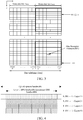
- a cell-specific period and subframe offset of a periodic SRS are configured as 7 (i.e. the configuration 7 in Table 5). If a UE specific SRS period and subframe offset of UE1 are configured as 7, a transmission moment of the periodic SRS is shown as the position " " in FIG. 7 .
- an eNB uses a downlink control signaling to trigger an aperiodic SRS on one uplink subframe; after receiving the downlink control signaling, a UE uses the pre-configured non-periodic SRS resources to transmit the non-periodic SRS on the subframe 5 of the uplink radio frame m, namely, a time domain position " " shown in the figure.
- the non-periodic SRS has no influence on the periodic SRS to be sent subsequently.
- a time-frequency configuration of the pre-configured non-periodic SRS resources includes that: a bandwidth of the non-periodic SRS is the same as a bandwidth of the periodic SRS, and a frequency domain initial position of the non-periodic SRS is the same as a frequency domain initial position of a next periodic SRS to be sent, that is, the same as the frequency domain initial position of the periodic SRS on a subframe 0 of a radio frame m+1, and after there is the non-periodic SRS, the frequency domain initial position of the periodic SRS on the subframe 0 of the radio frame m+1 is unchanged.
- Subframes for transmitting the non-periodic SRS belong to a subframe scope in which a cell may transmit the periodic SRS.
- a cell-specific period and subframe offset of a periodic SRS are configured as 7 (i.e. the configuration 7 in Table 5). If a UE specific SRS period and subframe offset of a UE1 are configured as 7, a transmission moment of the periodic SRS is shown as the position " " in FIG. 8 .
- an eNB uses a downlink control signaling to trigger an aperiodic SRS on one uplink subframe; after receiving the downlink control signaling, a UE uses the pre-configured non-periodic SRS resources to transmit the non-periodic SRS on a subframe 5 of an uplink radio frame m, namely, a time domain position " " shown in the figure.
- the non-periodic SRS has no influence on the periodic SRS to be sent subsequently.
- a time-frequency configuration of the pre-configured non-periodic SRS resources includes that: a bandwidth of the non-periodic SRS is the same as a bandwidth of the periodic SRS, and a frequency domain initial position of the non-periodic SRS is the same as a frequency domain initial position of a previously sent periodic SRS, that is, the same as the frequency domain initial position of the periodic SRS on a subframe 0 of a radio frame m, and after there is the non-periodic SRS, the frequency domain initial position of the periodic SRS on the subframe 0 of the radio frame m is unchanged.
- Subframes for transmitting the non-periodic SRS belong to a subframe scope in which a cell may transmit the periodic SRS.
- a cell-specific period and subframe offset of a periodic SRS are configured as 7 (i.e. a configuration 7 in Table 5). If a UE specific SRS period and subframe offset of a UE1 are configured as 7, a transmission moment of the periodic SRS is shown as the position " " in FIG. 9 .
- an eNB uses a downlink control signaling to trigger an aperiodic SRS on one uplink subframe; after receiving the downlink control signaling, a UE uses the pre-configured non-periodic SRS resources to transmit the non-periodic SRS on a subframe 5 of an uplink radio frame m, namely, a time domain position " " shown in the figure.
- a frequency domain position of the periodic SRS to be sent after the non-periodic SRS is changed due to the transmission of the non-periodic SRS.
- an actual transmission position is with reference to " ".
- a time-frequency configuration of the pre-configured non-periodic SRS resources includes that: a bandwidth of the non-periodic SRS is the same as a bandwidth of the periodic SRS, and a frequency domain initial position of the non-periodic SRS is the same as a frequency domain initial position of a next periodic SRS to be sent, that is, the same as the frequency domain initial position of the periodic SRS on a subframe 0 of a radio frame m+1, and after there is the non-periodic SRS, the frequency domain initial position of the periodic SRS on the subframe 0 of the radio frame m+1 is the same as the frequency domain initial position of the next periodic SRS, that is, the same as the frequency domain initial position of the periodic SRS on a radio frame m+2, and so on.
- Subframes for transmitting the non-periodic SRS belong to a subframe scope in which a cell may transmit the periodic SRS.
- a cell-specific period and subframe offset of a periodic SRS are configured as 7 (i.e. a configuration 7 in Table 5). If a UE specific SRS period and subframe offset of a UE1 are configured as 7, a transmission moment of the periodic SRS is shown as the position " " in FIG. 10 .
- an eNB uses a downlink control signaling to trigger an aperiodic SRS on one uplink subframe; after receiving the downlink control signaling, a UE uses the pre-configured non-periodic SRS resources to transmit the non-periodic SRS on a subframe 5 of an uplink radio frame m, namely, a time domain position " " shown in the figure.
- the non-periodic SRS has no influence on the periodic SRS to be sent subsequently.
- a time-frequency configuration of the pre-configured non-periodic SRS resources includes that: a bandwidth of the non-periodic SRS is different from a bandwidth of the periodic SRS (the bandwidth of the non-periodic SRS is twice the bandwidth of the periodic SRS in the example), and a frequency domain initial position of the non-periodic SRS is the same as a frequency domain initial position of a next periodic SRS to be sent, that is, the same as the frequency domain initial position of the periodic SRS on a subframe 0 of a radio frame m+1, and after there is the non-periodic SRS, the frequency domain initial position of the periodic SRS on the subframe 0 of the radio frame m+1 is unchanged.
- Subframes for transmitting the non-periodic SRS belong to a subframe scope in which a cell may transmit the periodic SRS.
- a cell-specific period and subframe offset of a periodic SRS are configured as 7 (i.e. a configuration 7 in Table 5). If a UE specific SRS period and subframe offset of a UE1 are configured as 7, a transmission moment of the periodic SRS is shown as the position " " in FIG. 11 .
- an eNB uses a downlink control signaling to trigger an aperiodic SRS on one uplink subframe; after receiving the downlink control signaling, a UE uses the pre-configured non-periodic SRS resources to transmit the non-periodic SRS on a subframe 5 of an uplink radio frame m, namely, a time domain position " " shown in the figure.
- the non-periodic SRS has no influence on the periodic SRS to be sent subsequently.
- a time-frequency configuration of the pre-configured non-periodic SRS resources includes that: a bandwidth of the non-periodic SRS is different from a bandwidth of the periodic SRS (the bandwidth of the non-periodic SRS is twice the bandwidth of the periodic SRS in the example), and a frequency domain initial position of the non-periodic SRS is the same as a frequency domain initial position of a prev sent periodic SRS, that is, the same as the frequency domain initial position of the periodic SRS on a subframe 0 of a radio frame m, and after there is the non-periodic SRS, the frequency domain initial position of the periodic SRS on the subframe 0 of the radio frame m is unchanged.
- Subframes for transmitting the non-periodic SRS belong to a subframe scope in which a cell may transmit the periodic SRS.
- a cell-specific period and subframe offset of a periodic SRS are configured as 7 (i.e. a configuration 7 in Table 5). If a UE specific SRS period and subframe offset of a UE1 are configured as 7, a transmission moment of the periodic SRS is shown as the position " " in FIG. 12 .
- an eNB uses a downlink control signaling to trigger an aperiodic SRS on one uplink subframe; after receiving the downlink control signaling, a UE uses the pre-configured non-periodic SRS resources to transmit the non-periodic SRS on a subframe 5 of an uplink radio frame m, namely, a time domain position " " shown in the figure.
- a frequency domain position of the periodic SRS to be sent after the non-periodic SRS is changed due to the transmission of the non-periodic SRS.
- the actual transmission position of the periodic SRS which should be transmitted at the position shown as “ " is recalculated by the UE and is with reference to " ", and a frequency domain bandwidth of the periodic SRS is unchanged.
- a time-frequency configuration of the pre-configured non-periodic SRS resources includes that: a bandwidth of the non-periodic SRS is different from a bandwidth of the periodic SRS (the bandwidth of the non-periodic SRS is twice the bandwidth of the periodic SRS in the example), and a frequency domain initial position of the non-periodic SRS is the same as a frequency domain initial position of a next periodic SRS to be sent, that is, the same as the frequency domain initial position of the periodic SRS on a subframe 0 of a radio frame m+1, and after there is the non-periodic SRS, the frequency domain initial position of the periodic SRS on the subframe 0 of the radio frame m+1 is the same as the frequency domain initial position of the next periodic SRS, that is, the same as the frequency domain initial position of the periodic SRS on a radio frame m+2, and so on.
- Subframes for transmitting the non-periodic SRS belong to a subframe scope in which a cell may transmit the periodic SRS
- a cell-specific period and subframe offset of a periodic SRS are configured as 7 (i.e. a configuration 7 in Table 5). If a UE specific SRS period and subframe offset of a UE1 are configured as 7, a transmission moment of the periodic SRS is shown as the position " " in FIG. 13 .
- an eNB uses a downlink control signaling to trigger an aperiodic SRS on one uplink subframe; after receiving the downlink control signaling, a UE uses the pre-configured non-periodic SRS resources to transmit the non-periodic SRS on a subframe 4 of an uplink radio frame m, namely, a time domain position " " shown in the figure.
- the non-periodic SRS has no influence on the periodic SRS to be sent subsequently.
- a time-frequency configuration of the pre-configured non-periodic SRS resources includes that: a bandwidth of the non-periodic SRS is the same as a bandwidth of the periodic SRS, and a frequency domain initial position of the non-periodic SRS is the same as a frequency domain initial position of a next periodic SRS to be sent, that is, the same as the frequency domain initial position of the periodic SRS on a subframe 0 of a radio frame m+1, and after there is the non-periodic SRS, the frequency domain initial position of the periodic SRS on the subframe 0 of the radio frame m+1 is unchanged.
- Subframes for transmitting the non-periodic SRS do not belong to a subframe scope in which a cell may transmit the periodic SRS.
- a cell-specific period and subframe offset of a periodic SRS are configured as 7 (i.e. a configuration 7 in Table 5). If a UE specific SRS period and subframe offset of a UE1 are configured as 7, a transmission moment of the periodic SRS is shown as the position " " in FIG. 14 .
- an eNB uses a downlink control signaling to trigger an aperiodic SRS on one uplink subframe; after receiving the downlink control signaling, a UE uses the pre-configured non-periodic SRS resources to transmit the non-periodic SRS on a subframe 4 of an uplink radio frame m, namely, a time domain position " " shown in the figure.
- the non-periodic SRS has no influence on the periodic SRS to be sent subsequently.
- a time-frequency configuration of the pre-configured non-periodic SRS resources includes that: a bandwidth of the non-periodic SRS is the same as a bandwidth of the periodic SRS, and a frequency domain initial position of the non-periodic SRS is the same as a frequency domain initial position of a previously sent periodic SRS, that is, the same as the frequency domain initial position of the periodic SRS on a subframe 0 of a radio frame m, and after there is the non-periodic SRS, the frequency domain initial position of the periodic SRS on the subframe 0 of the radio frame m is unchanged.
- Subframes for transmitting the non-periodic SRS do not belong to a subframe scope in which a cell may transmit the periodic SRS.
- a cell-specific period and subframe offset of a periodic SRS are configured as 7 (i.e. a configuration 7 in Table 5). If a UE specific SRS period and subframe offset of a UE1 are configured as 7, a transmission moment of the periodic SRS is shown as the position " " in FIG. 15 .
- an eNB uses a downlink control signaling to trigger an aperiodic SRS on one uplink subframe; after receiving the downlink control signaling, a UE uses the pre-configured non-periodic SRS resources to transmit the non-periodic SRS on a subframe 4 of an uplink radio frame m, namely, a time domain position " " shown in the figure.
- a frequency domain position of the periodic SRS to be sent after the non-periodic SRS is changed due to the transmission of the non-periodic SRS.
- an actual transmission position is with reference to " ".
- a time-frequency configuration of the pre-configured non-periodic SRS resources includes that: a bandwidth of the non-periodic SRS is the same as a bandwidth of the periodic SRS, and a frequency domain initial position of the non-periodic SRS is the same as a frequency domain initial position of a next periodic SRS to be sent, that is, the same as the frequency domain initial position of the periodic SRS on a subframe 0 of a radio frame m+1, and after there is the non-periodic SRS, the frequency domain initial position of the periodic SRS on the subframe 0 of the radio frame m+1 is the same as the frequency domain initial position of the next periodic SRS, that is, the same as the frequency domain initial position of the periodic SRS on a radio frame m+2, and so on.
- Subframes for transmitting the non-periodic SRS do not belong to a subframe scope in which a cell may transmit the periodic SRS.
- a cell-specific period and subframe offset of a periodic SRS are configured as 7 (i.e. a configuration 7 in Table 5). If a UE specific SRS period and subframe offset of a UE1 are configured as 7, a transmission moment of the periodic SRS is shown as the position " " in FIG. 16 .
- an eNB uses a downlink control signaling to trigger an aperiodic SRS on one uplink subframe; after receiving the downlink control signaling, a UE uses the pre-configured non-periodic SRS resources to transmit the non-periodic SRS on a subframe 4 of an uplink radio frame m, namely, a time domain position " " shown in the figure.
- the non-periodic SRS has no influence on the periodic SRS to be sent subsequently.
- a time-frequency configuration of the pre-configured non-periodic SRS resources includes that: a bandwidth of the non-periodic SRS is different from a bandwidth of the periodic SRS (the bandwidth of the non-periodic SRS is twice the bandwidth of the periodic SRS in the example), and a frequency domain initial position of the non-periodic SRS is the same as a frequency domain initial position of a next periodic SRS to be sent, that is, the same as the frequency domain initial position of the periodic SRS on a subframe 0 of a radio frame m+1, and after there is the non-periodic SRS, the frequency domain initial position of the periodic SRS on the subframe 0 of the radio frame m+1 is unchanged.
- Subframes for transmitting the non-periodic SRS do not belong to a subframe scope in which a cell may transmit the periodic SRS.
- a cell-specific period and subframe offset of a periodic SRS are configured as 7 (i.e. a configuration 7 in Table 5). If a UE specific SRS period and subframe offset of a UE1 are configured as 7, a transmission moment of the periodic SRS is shown as the position " " in FIG. 17 .
- an eNB uses a downlink control signaling to trigger an aperiodic SRS on one uplink subframe; after receiving the downlink control signaling, a UE uses the pre-configured non-periodic SRS resources to transmit the non-periodic SRS on a subframe 4 of an uplink radio frame m, namely, a time domain position " " shown in the figure.
- the non-periodic SRS has no influence on the periodic SRS to be sent subsequently.
- a time-frequency configuration of the pre-configured non-periodic SRS resources includes that: a bandwidth of the non-periodic SRS is different from a bandwidth of the periodic SRS (the bandwidth of the non-periodic SRS is twice the bandwidth of the periodic SRS in the example), and a frequency domain initial position of the non-periodic SRS is the same as a frequency domain initial position of a prev sent periodic SRS, that is, the same as the frequency domain initial position of the periodic SRS on a subframe 0 of a radio frame m, and after there is the non-periodic SRS, the frequency domain initial position of the periodic SRS on the subframe 0 of the radio frame m is unchanged.
- Subframes for transmitting the non-periodic SRS do not belong to a subframe scope in which a cell may transmit the periodic SRS.
- a cell-specific period and subframe offset of a periodic SRS are configured as 7 (i.e. a configuration 7 in Table 5). If a UE specific SRS period and subframe offset of a UE1 are configured as 7, a transmission moment of the periodic SRS is shown as the position " " in FIG. 18 .
- an eNB uses a downlink control signaling to trigger an aperiodic SRS on one uplink subframe; after receiving the downlink control signaling, a UE uses the pre-configured non-periodic SRS resources to transmit the non-periodic SRS on a subframe 4 of an uplink radio frame m, namely, a time domain position " " shown in the figure.
- a frequency domain position of the periodic SRS to be sent after the non-periodic SRS is changed due to the transmission of the non-periodic SRS.
- an actual transmission position is with reference to " ", and a frequency domain bandwidth of the periodic SRS is unchanged.
- a time-frequency configuration of the pre-configured non-periodic SRS resources includes that: a bandwidth of the non-periodic SRS is different from a bandwidth of the periodic SRS (the bandwidth of the non-periodic SRS is twice the bandwidth of the periodic SRS in the example), and a frequency domain initial position of the non-periodic SRS is the same as a frequency domain initial position of a next periodic SRS to be sent, that is, the same as the frequency domain initial position of the periodic SRS on a subframe 0 of a radio frame m+1, and after there is the non-periodic SRS, the frequency domain initial position of the periodic SRS on the subframe 0 of the radio frame m+1 is the same as the frequency domain initial position of the next periodic SRS, that is, the same as the frequency domain initial position of the periodic SRS on a radio frame m+2, and so on.
- Subframes for transmitting the non-periodic SRS do not belong to a subframe scope in which a cell may transmit the periodic
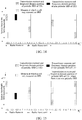
- the frequency domain initial positions of the second non-periodic SRS and the subsequent periodic SRS can be obtained based on the period frequency hopping rule with reference to FIG. 19 and FIG. 20 respectively.
- the example also provides an eNB in a Long Term Evolution Advanced (LTE-A) system, and the eNB includes: a transmission module, configured to: trigger one or multiple User Equipment (UE) to transmit an aperiodic Sounding Reference Signal (SRS) on one or multiple uplink subframes through a downlink control signaling, so as to make the UE use non-periodic SRS resources to transmit the non-periodic SRS on the uplink subframes according to the triggering of the eNB after receiving the downlink control signaling sent by the eNB.
- UE User Equipment
- SRS Sounding Reference Signal
- the example also provides user equipment in a Long Term Evolution Advanced (LTE-A) system, and the user equipment includes:
- LTE-A Long Term Evolution Advanced
- the resources used by the non-periodic SRS can be determined, channel measurement frequency of the UE can be enhanced, and channel measurement requirement of the LTE-A system can be better satisfied.
- the non-periodic SRS resources influence and conflict between the periodic SRS and non-periodic SRS in the LTE-A system can be avoided effectively.
Landscapes
- Engineering & Computer Science (AREA)
- Signal Processing (AREA)
- Computer Networks & Wireless Communication (AREA)
- Mobile Radio Communication Systems (AREA)
Claims (12)
- Procédé de configuration pour un signal de référence de sondage dans un système de type Long Term Evolution-Advanced, LTE-A, comprenant :le déclenchement, par un eNB, d'un ou de plusieurs équipements utilisateur, UE, pour transmettre un signal de référence de sondage, SRS, apériodique sur une ou plusieurs sous-trames de liaison montante par l'intermédiaire d'une signalisation de commande de liaison descendante,après la réception de la signalisation de commande de liaison descendante envoyée par l'eNB, l'utilisation par l'UE des ressources de SRS apériodique pour transmettre le SRS apériodique sur les sous-trames de liaison montante en fonction du déclenchement de l'eNB,caractérisé en ce que la position initiale de domaine fréquentiel du SRS apériodique sur une première sous-trame dans les sous-trames de liaison montante est la même que la position initiale de domaine fréquentiel d'un SRS périodique suivant à envoyer, ou la position initiale de domaine fréquentiel du SRS apériodique sur la première sous-trame dans les sous-trames de liaison montante est la même que la position initiale de domaine fréquentiel du SRS périodique avant une sous-trame de transmission du SRS apériodique ;lorsque l'eNB déclenche l'UE pour transmettre le SRS apériodique sur plusieurs sous-trames de liaison montante, pour le reste des sous-trames de liaison montante à l'exception de la première sous-trame dans les sous-trames de liaison montante, la position initiale de domaine fréquentiel du SRS apériodique sur le reste des sous-trames de liaison montante est la même que la position initiale de domaine fréquentiel du SRS apériodique sur la première sous-trame, ou la position initiale de domaine fréquentiel du SRS apériodique dans le reste des sous-trames de liaison montante est obtenue au moyen d'un calcul selon une règle de saut de fréquence du SRS périodique,la première sous-trame dans les sous-trames de liaison montante est : une sous-trame prédéterminée à l'avance par l'eNB et l'UE, ou une sous-trame signalée implicitement par l'eNB à l'UE par l'intermédiaire d'une sous-trame de liaison descendante transmettant la signalisation de commande de liaison descendante, ou une sous-trame signalée par l'eNB à l'UE par l'intermédiaire de la signalisation de commande de liaison descendante.
- Procédé selon la revendication 1, dans lequel,
le nombre des sous-trames de liaison montante est signalé par l'eNB à l'UE par l'intermédiaire d'une signalisation de couche supérieure ou d'une signalisation de couche physique, ou le nombre des sous-trames de liaison montante est prédéterminé par l'eNB et l'UE. - Procédé selon la revendication 1, dans lequel,
lorsque le nombre des sous-trames de liaison montante est supérieur à un, le reste des sous-trames de liaison montante, à l'exception de la première sous-trame dans les sous-trames de liaison montante, sont : des sous-trames prédéterminées à l'avance par l'eNB et l'UE, ou des sous-trames signalées par l'eNB à l'UE par l'intermédiaire de la signalisation de commande de liaison descendante ;
la signalisation implicite par l'eNB à l'UE de la première sous-trame dans les sous-trames de liaison montante par l'intermédiaire de la sous-trame de liaison descendante transmettant la signalisation de commande de liaison descendante signifie que :
l'UE acquiert à l'avance un décalage A, et s'il est supposé que l'eNB transmet la signalisation de commande de liaison descendante sur une sous-trame de liaison descendante x dans une trame radio de liaison descendante m, l'UE transmet le SRS apériodique de la première sous-trame sur une sous-trame de liaison montante y dans une sous-trame radio de liaison montante correspondante n, où 0 <= A <= 320. - Procédé selon la revendication 1, dans lequel,
les sous-trames de liaison montante appartiennent à une gamme de sous-trames spécifiée par une période spécifique à une cellule et un décalage de sous-trame d'un SRS périodique. - Procédé selon la revendication 1, dans lequel,
l'UE transmet le SRS apériodique sur un dernier symbole d'accès multiple par répartition en fréquence à porteuse unique, SC-FDMA, des sous-trames de liaison montante. - Procédé selon la revendication 1, dans lequel,
lorsque l'eNB déclenche l'UE pour transmettre le SRS apériodique sur une sous-trame de liaison montante, la position de domaine fréquentiel à laquelle l'UE transmet le SRS apériodique est déterminée par des configurations relatives à un domaine fréquentiel ; les configurations relatives au domaine fréquentiel sont prédéterminées par l'eNB et l'UE, ou l'eNB transmet tout ou partie des configurations relatives au domaine fréquentiel à l'UE par l'intermédiaire de la signalisation de commande de liaison descendante ; et les configurations relatives au domaine fréquentiel comprennent une bande passante de domaine fréquentiel et une position initiale de domaine fréquentiel pour transmettre le SRS apériodique ;
lorsque l'eNB déclenche l'UE pour transmettre le SRS apériodique sur plusieurs sous-trames de liaison montante, la position de domaine fréquentiel à laquelle l'UE transmet le SRS apériodique est déterminée par les configurations relatives au domaine fréquentiel ; toutes les configurations relatives au domaine fréquentiel sont prédéterminées par l'eNB et l'UE, ou l'eNB transmet les configurations relatives au domaine fréquentiel de toutes les sous-trames de liaison montante à l'UE par l'intermédiaire de la signalisation de commande de liaison descendante, ou l'eNB et l'UE prédéterminent les configurations d'une partie des sous-trames de liaison montante et les configurations d'une autre partie des sous-trames de liaison montante sont envoyées à l'UE par l'intermédiaire de la signalisation de commande de liaison descendante ; et les configurations relatives au domaine fréquentiel comprennent la bande passante de domaine fréquentiel et la position initiale de domaine fréquentiel pour transmettre le SRS apériodique ; une bande passante du SRS apériodique est identique à une bande passante pour l'UE transmettant le SRS périodique. - Procédé selon la revendication 1, dans lequel,
la position initiale de domaine fréquentiel du SRS périodique après le SRS apériodique n'est pas influencée par le SRS apériodique, ou
l'UE considère comme un point de départ la position de domaine fréquentiel du SRS apériodique sur la première sous-trame dans les sous-trames de liaison montante et, en association avec la règle de saut de fréquence du SRS périodique, calcule ensuite les positions initiales de domaine fréquentiel de chaque SRS périodique ou des SRS apériodiques déclenchés par la même signalisation de commande de liaison descendante. - Procédé selon la revendication 1, dans lequel,
avant l'étape de transmission par l'UE du SRS apériodique, le procédé comprend en outre : si l'UE considère qu'il existe encore des SRS périodiques sur les sous-trames de liaison montante qui doivent être envoyées, la sélection par l'UE de la transmission : du SRS périodique ou du SRS apériodique. - Procédé selon la revendication 1, dans lequel,
l'eNB réserve des ressources pour le SRS apériodique, une ressource réservée est utilisée par un ou plusieurs UE, et l'eNB préconfigure un ou plusieurs types des ressources suivantes comme ressources de SRS apériodique réservées : des ressources de code, des ressources de domaine fréquentiel et des ressources de domaine temporel ;
l'eNB entraîne l'acquisition par l'UE des ressources de code réservées en configurant une séquence racine de SRS ou un décalage de cycle de séquence ; l'eNB entraîne l'acquisition par l'UE des ressources de domaine fréquentiel réservées en configurant des informations Comb ou des informations de bande de fréquences, dans lequel, les informations de bande de fréquences comprennent un point de départ et une bande passante de domaine fréquentiel ; et l'eNB entraîne l'acquisition par l'UE des ressources de domaine temporel réservées en configurant les sous-trames pour transmettre le SRS apériodique ;
l'eNB indique les ressources réservées utilisées pour la transmission de SRS apériodique par l'intermédiaire d'une signalisation de couche de commande de ressources radio. - Procédé selon la revendication 1, dans lequel,
la signalisation de commande de liaison descendante est une signalisation de couche physique ; et la signalisation de couche physique est une signalisation dans un canal de commande de liaison descendante physique. - Système de type Long Term Evolution-Advanced, LTE-A, comprenant un eNB et un ou plusieurs équipements utilisateur, UE, dans lequel,
l'eNB comprend un module de transmission qui est configuré pour : déclencher un ou plusieurs UE pour transmettre un signal de référence de sondage, SRS, apériodique sur une ou plusieurs sous-trames de liaison montante par l'intermédiaire d'une signalisation de commande de liaison descendante, afin d'entraîner l'utilisation par l'UE de ressources de SRS apériodique pour transmettre le SRS apériodique sur les sous-trames de liaison montante en fonction du déclenchement de l'eNB après la réception de la signalisation de commande de liaison descendante envoyée par l'eNB,
caractérisé en ce que, la position initiale de domaine fréquentiel du SRS apériodique sur la première sous-trame dans les sous-trames de liaison montante est la même que la position initiale de domaine fréquentiel d'un SRS périodique suivant à envoyer, ou la position initiale de domaine fréquentiel du SRS apériodique sur la première sous-trame dans les sous-trames de liaison montante est la même que la position initiale de domaine fréquentiel du SRS périodique avant une sous-trame de transmission du SRS apériodique ;
lorsque l'eNB déclenche l'UE pour transmettre le SRS apériodique sur plusieurs sous-trames de liaison montante, pour le reste des sous-trames de liaison montante à l'exception de la première sous-trame dans les sous-trames de liaison montante, la position initiale de domaine fréquentiel du SRS apériodique sur le reste des sous-trames de liaison montante est la même que la position initiale de domaine fréquentiel du SRS apériodique sur la première sous-trame, ou la position initiale de domaine fréquentiel du SRS apériodique dans le reste des sous-trames de liaison montante est obtenue au moyen d'un calcul selon une règle de saut de fréquence du SRS périodique,
la première sous-trame dans les sous-trames de liaison montante est : une sous-trame prédéterminée à l'avance par l'eNB et l'UE, ou une sous-trame signalée implicitement par l'eNB à l'UE par l'intermédiaire d'une sous-trame de liaison descendante transmettant la signalisation de commande de liaison descendante, ou une sous-trame signalée par l'eNB à l'UE par l'intermédiaire de la signalisation de commande de liaison descendante. - Équipement utilisateur dans un système de type Long Terme Evolution-Advanced, LTE-A, comprenant :un module de réception, conçu pour : recevoir une signalisation de commande de liaison descendante, utilisée pour déclencher l'équipement utilisateur pour transmettre un signal de référence de sondage, SRS, apériodique sur une ou plusieurs sous-trames de liaison montante, à un eNB ; etun module de transmission, conçu pour : après la réception de la signalisation de commande de liaison descendante envoyée par l'eNB, utiliser des ressources de SRS apériodique pour transmettre le SRS apériodique sur les sous-trames de liaison montante en fonction du déclenchement de l'eNB,caractérisé en ce que, la position initiale de domaine fréquentiel du SRS apériodique sur la première sous-trame dans les sous-trames de liaison montante est la même que la position initiale de domaine fréquentiel d'un SRS périodique suivant à envoyer, ou la position initiale de domaine fréquentiel du SRS apériodique sur la première sous-trame dans les sous-trames de liaison montante est la même que la position initiale de domaine fréquentiel du SRS périodique avant une sous-trame de transmission du SRS apériodique ;lorsque l'eNB déclenche l'UE pour transmettre le SRS apériodique sur plusieurs sous-trames de liaison montante, pour le reste des sous-trames de liaison montante à l'exception de la première sous-trame dans les sous-trames de liaison montante, la position initiale de domaine fréquentiel du SRS apériodique sur le reste des sous-trames de liaison montante est la même que la position initiale de domaine fréquentiel du SRS apériodique sur la première sous-trame, ou la position initiale de domaine fréquentiel du SRS apériodique dans le reste des sous-trames de liaison montante est obtenue au moyen d'un calcul selon une règle de saut de fréquence du SRS périodique,la première sous-trame dans les sous-trames de liaison montante est : une sous-trame prédéterminée à l'avance par l'eNB et l'UE, ou une sous-trame signalée implicitement par l'eNB à l'UE par l'intermédiaire d'une sous-trame de liaison descendante transmettant la signalisation de commande de liaison descendante, ou une sous-trame signalée par l'eNB à l'UE par l'intermédiaire de la signalisation de commande de liaison descendante.
Applications Claiming Priority (2)
| Application Number | Priority Date | Filing Date | Title |
|---|---|---|---|
| CN201010157091.1A CN101808409B (zh) | 2010-04-01 | 2010-04-01 | 一种lte-a系统中测量参考信号的配置方法和系统 |
| PCT/CN2010/079944 WO2011120316A1 (fr) | 2010-04-01 | 2010-12-17 | Procédé et système de configuration pour un signal de référence de sondage dans un système de type long term evolution-advanced |
Publications (3)
| Publication Number | Publication Date |
|---|---|
| EP2542004A1 EP2542004A1 (fr) | 2013-01-02 |
| EP2542004A4 EP2542004A4 (fr) | 2017-07-05 |
| EP2542004B1 true EP2542004B1 (fr) | 2020-06-10 |
Family
ID=42609968
Family Applications (1)
| Application Number | Title | Priority Date | Filing Date |
|---|---|---|---|
| EP10848774.5A Active EP2542004B1 (fr) | 2010-04-01 | 2010-12-17 | Procédé et système de configuration pour un signal de référence de sondage dans un système de type long term evolution-advanced |
Country Status (4)
| Country | Link |
|---|---|
| US (1) | US20130028138A1 (fr) |
| EP (1) | EP2542004B1 (fr) |
| CN (1) | CN101808409B (fr) |
| WO (1) | WO2011120316A1 (fr) |
Families Citing this family (76)
| Publication number | Priority date | Publication date | Assignee | Title |
|---|---|---|---|---|
| CN101827444B (zh) * | 2010-03-31 | 2015-03-25 | 中兴通讯股份有限公司 | 一种测量参考信号的信令配置系统及方法 |
| CN101808409B (zh) * | 2010-04-01 | 2015-03-25 | 中兴通讯股份有限公司 | 一种lte-a系统中测量参考信号的配置方法和系统 |
| TWI462622B (zh) | 2010-06-18 | 2014-11-21 | Mediatek Inc | 載波聚合下之探測方法以及使用者設備 |
| US8855053B2 (en) | 2010-06-18 | 2014-10-07 | Mediatek Inc. | Sounding mechanism and configuration under carrier aggregation |
| CN102083033B (zh) * | 2010-09-13 | 2016-08-03 | 电信科学技术研究院 | 非周期探测参考信号的传输指示及传输方法、设备 |
| CN102404074B (zh) | 2010-09-17 | 2014-06-18 | 电信科学技术研究院 | Tdd系统中的非周期srs的传输方法和设备 |
| CN102448088B (zh) * | 2010-09-30 | 2014-12-03 | 华为技术有限公司 | 测量资源指示的方法、测量方法和装置 |
| CN103237317B (zh) * | 2010-09-30 | 2014-11-05 | 华为技术有限公司 | 一种用于干扰协调的发送方法及系统 |
| CN104349384B (zh) * | 2010-09-30 | 2019-01-08 | 华为技术有限公司 | 一种用于干扰协调的测量、发送方法及装置和系统 |
| CN102448102B (zh) | 2010-09-30 | 2014-11-05 | 华为技术有限公司 | 一种用于干扰协调的测量、发送方法及装置和系统 |
| JP4938123B1 (ja) * | 2010-10-04 | 2012-05-23 | 株式会社エヌ・ティ・ティ・ドコモ | 無線基地局装置、移動端末装置、無線通信方法及び無線通信システム |
| CN102457911B (zh) * | 2010-10-26 | 2014-06-11 | 普天信息技术研究院有限公司 | 上行侦听参考信号的发送方法及装置 |
| WO2012083483A1 (fr) * | 2010-12-20 | 2012-06-28 | Nec (China) Co., Ltd. | Procédé et appareil d'ordonnancement de transmissions en liaison descendante |
| KR101521034B1 (ko) * | 2010-12-22 | 2015-05-15 | 후지쯔 가부시끼가이샤 | 리소스 할당 방법, 채널 상태 정보 송신 방법, 기지국 및 사용자 장비 |
| US20120170497A1 (en) * | 2011-01-04 | 2012-07-05 | HT mMobile Inc. | Method for reporting srs in discontinuous reception and wireless communication system thereof |
| WO2012092721A1 (fr) * | 2011-01-07 | 2012-07-12 | 富士通株式会社 | Procédé et équipement utilisateur pour transmettre un signal de référence de sondage, et nœud b évolué correspondant |
| WO2012092720A1 (fr) * | 2011-01-07 | 2012-07-12 | 富士通株式会社 | Procédé d'envoi de signal de référence de sondage, nœud b évolué et équipement utilisateur |
| CN103299558B (zh) | 2011-01-07 | 2016-07-06 | 交互数字专利控股公司 | 无线发射/接收单元和由无线发射/接收单元执行的方法 |
| CN102655680B (zh) * | 2011-03-02 | 2017-12-15 | 山东比特智能科技股份有限公司 | 一种回程链路上发送测量参考信号的方法及系统 |
| CN102685707A (zh) * | 2011-03-09 | 2012-09-19 | 华为技术有限公司 | 一种解决非周期srs和上行控制信令碰撞的方法及装置 |
| CN102694637B (zh) * | 2011-03-22 | 2016-09-28 | 中兴通讯股份有限公司 | 时分双工系统下测量参考信号的发送方法及装置 |
| CN102761984A (zh) * | 2011-04-28 | 2012-10-31 | 普天信息技术研究院有限公司 | 一种资源释放方法 |
| EP2710844B1 (fr) * | 2011-05-16 | 2018-11-07 | Avago Technologies General IP (Singapore) Pte. Ltd. | Procédé et appareil pour configurer un signal de référence de sondage pour porteuse de segment |
| CN102223726A (zh) * | 2011-06-10 | 2011-10-19 | 中兴通讯股份有限公司 | 一种srs的发送方法和系统 |
| CN102857957B (zh) * | 2011-06-29 | 2017-10-03 | 中兴通讯股份有限公司 | 具有互易性的移动通信系统的信号处理方法及其装置 |
| EP3416433B1 (fr) * | 2011-07-13 | 2021-07-28 | Sun Patent Trust | Appareil terminal, appareil de station de base, procédé de transmission et procédé de réception |
| EP2733999A4 (fr) | 2011-07-15 | 2015-03-11 | Fujitsu Ltd | Procédé de transmission de symbole de référence sonore, station de base et équipement d'utilisateur |
| CN102291189B (zh) * | 2011-08-12 | 2016-03-23 | 电信科学技术研究院 | 天线校准方法和设备 |
| MY164105A (en) | 2011-08-12 | 2017-11-30 | Interdigital Patent Holdings Inc | Interference measurement in wireless networks |
| CN107819559A (zh) | 2011-09-30 | 2018-03-20 | 华为技术有限公司 | 干扰测量指示方法和干扰测量方法及相关设备和通信系统 |
| CN103096346A (zh) * | 2011-11-03 | 2013-05-08 | 华为技术有限公司 | 测量参考信号srs发送和信道检测的方法、装置及终端 |
| US9461794B2 (en) * | 2012-04-03 | 2016-10-04 | Lg Electronics Inc. | Method and apparatus for transmitting sounding reference signals in wireless communication systems |
| EP3883172A1 (fr) | 2012-06-04 | 2021-09-22 | Interdigital Patent Holdings, Inc. | Communication d'informations d'état de canal (csi) de multiples points de transmission |
| WO2014005282A1 (fr) * | 2012-07-03 | 2014-01-09 | 华为技术有限公司 | Procédé de transmission d'informations, équipement utilisateur et dispositif de réseau |
| CN103840930A (zh) * | 2012-11-21 | 2014-06-04 | 华为技术有限公司 | 一种测量参考信号的配置方法、发送方法及装置 |
| CN103873124B (zh) * | 2012-12-17 | 2019-06-21 | 北京三星通信技术研究有限公司 | 一种移动终端及其信道状态信息测量参考信号的测量方法 |
| WO2014182541A2 (fr) | 2013-05-08 | 2014-11-13 | Interdigital Patent Holdings, Inc. | Procédés, systèmes et appareils pour annulation et/ou suppression de brouillage assistée par réseau (naics) dans des systèmes d'évolution à long terme (lte) |
| US9680522B2 (en) * | 2013-05-09 | 2017-06-13 | Texas Instruments Incorporated | Dynamic reconfiguration of uplink transmission in a TDD wireless communication system |
| JP2015159356A (ja) * | 2014-02-21 | 2015-09-03 | 富士通株式会社 | 無線通信システム、無線通信制御方法、及び、アクセスポイント |
| WO2015127616A1 (fr) | 2014-02-27 | 2015-09-03 | 华为技术有限公司 | Procédé et dispositif de transmission de données de réseau local sans fil |
| CN104955158B (zh) * | 2014-03-27 | 2019-05-31 | 上海朗帛通信技术有限公司 | 一种非周期srs的方法和装置 |
| CN104301273B (zh) * | 2014-08-25 | 2020-03-10 | 中兴通讯股份有限公司 | 使用非授权载波发送及接收信号的方法、基站及用户设备 |
| EP3813464B1 (fr) * | 2015-05-14 | 2023-11-29 | Huawei Technologies Co., Ltd. | Procédés et appareil de transmission et réception de signal de référence de sondage |
| CN106712919B (zh) | 2015-11-18 | 2020-06-02 | 华为技术有限公司 | 上行探测信号的触发方法、装置及系统 |
| CN106982465B (zh) * | 2016-01-15 | 2021-02-23 | 华为技术有限公司 | 一种无线帧的传输方法以及无线网络设备 |
| CN113747599B (zh) | 2016-02-02 | 2024-04-05 | 北京三星通信技术研究有限公司 | 用户设备、基站及其方法 |
| JP2019057746A (ja) * | 2016-02-04 | 2019-04-11 | シャープ株式会社 | 端末装置および通信方法 |
| US10225109B2 (en) * | 2016-03-11 | 2019-03-05 | Lg Electronics Inc. | Method and apparatus for transmitting and receiving information related to SRS transmission in FDR mode |
| CN108605315B (zh) * | 2016-03-31 | 2021-06-01 | 华为技术有限公司 | 信号传输方法、信号传输控制方法、用户设备及基站 |
| US10367616B2 (en) * | 2016-04-04 | 2019-07-30 | Qualcomm Incorporated | Dynamic sounding reference signal scheduling |
| US20170331606A1 (en) * | 2016-05-13 | 2017-11-16 | Mediatek Inc. | Sounding Reference Signal Design for LAA |
| CN110176949A (zh) | 2016-08-12 | 2019-08-27 | 华为技术有限公司 | 数据发送方法、信令发送方法、装置及系统 |
| CN107733606A (zh) * | 2016-08-12 | 2018-02-23 | 电信科学技术研究院 | 通信系统中上行参考信号的触发方法、发送方法及装置 |
| CN107786313B (zh) * | 2016-08-27 | 2020-10-09 | 华为技术有限公司 | 一种参考信号的配置方法及相关设备 |
| MX393506B (es) * | 2016-09-12 | 2025-03-24 | Guangdong Oppo Mobile Telecommunications Corp Ltd | Método de transmisión de señal piloto y dispositivo |
| MX2019003336A (es) | 2016-09-23 | 2019-06-03 | Guangdong Oppo Mobile Telecommunications Corp Ltd | Metodo de transmision de srs, dispositivo de red y dispositivo terminal. |
| WO2018076361A1 (fr) * | 2016-10-31 | 2018-05-03 | 华为技术有限公司 | Procédé de transmission de liaison montante, dispositif terminal et dispositif de réseau d'accès |
| CN108023705B (zh) * | 2016-11-04 | 2021-01-08 | 维沃移动通信有限公司 | 一种半静态参考信号配置、收发方法、基站及终端 |
| RU2735548C1 (ru) | 2016-12-29 | 2020-11-03 | Гуандун Оппо Мобайл Телекоммьюникейшнз Корп., Лтд. | Способ передачи сигналов, терминал и сетевое устройство |
| US10680866B2 (en) | 2017-03-24 | 2020-06-09 | Huawei Technologies Co., Ltd. | Sounding reference signal design |
| CN108633033B (zh) * | 2017-03-24 | 2023-05-12 | 中兴通讯股份有限公司 | 一种传输资源确定方法、装置及用户设备 |
| WO2018173004A1 (fr) * | 2017-03-24 | 2018-09-27 | Telefonaktiebolaget L M Ericsson (Publ) | Positions de début et de fin multiples pour une transmission de liaison descendante ordonnancée sur un spectre sans licence |
| US10681743B2 (en) * | 2017-06-09 | 2020-06-09 | Samsung Electronics Co., Ltd. | Method and apparatus for facilitating coexistence of 4th and 5th generation communication systems |
| CN108111271B (zh) * | 2017-06-16 | 2023-09-19 | 中兴通讯股份有限公司 | 参考信号的信令指示、参考信号的发送方法及装置 |
| CN109257150B (zh) * | 2017-07-14 | 2021-08-17 | 维沃移动通信有限公司 | 资源映射方法、网络设备、终端及计算机可读存储介质 |
| CN108702282B (zh) * | 2018-04-25 | 2019-11-15 | 北京小米移动软件有限公司 | 信息指示、解读方法及装置、基站和用户设备 |
| CN110943813A (zh) * | 2018-09-21 | 2020-03-31 | 中国移动通信有限公司研究院 | 一种SRS resource传输的方法和设备 |
| CN111294930B (zh) * | 2018-12-07 | 2022-10-04 | 华为技术有限公司 | 一种通信方法及装置 |
| CN111092703A (zh) * | 2019-07-26 | 2020-05-01 | 中兴通讯股份有限公司 | 一种信号发送方法、装置、通讯节点及存储介质 |
| CN112821929B (zh) | 2019-11-18 | 2023-02-03 | 华为技术有限公司 | Csi测量方法及装置 |
| KR102889236B1 (ko) * | 2020-07-07 | 2025-11-20 | 지티이 코포레이션 | 사운드 참조 신호 시간 번들링의 방법 |
| CN113132899B (zh) * | 2020-07-31 | 2022-10-11 | 华为技术有限公司 | 通信方法、装置及系统 |
| CA3187824A1 (fr) | 2020-07-31 | 2022-02-03 | Jinping HAO | Procede de communication, appareil et systeme |
| EP4205467A4 (fr) | 2020-10-12 | 2024-02-21 | Apple Inc. | Déclenchement de signal de référence de sondage (srs) apériodique flexible dans un système de communication cellulaire |
| CN114390533B (zh) * | 2020-10-20 | 2025-08-19 | 维沃移动通信有限公司 | 非周期rs传输方法、终端及网络侧设备 |
| US11737109B2 (en) * | 2021-06-21 | 2023-08-22 | Qualcomm Incorporated | Techniques for subcarrier tone reservation |
Family Cites Families (9)
| Publication number | Priority date | Publication date | Assignee | Title |
|---|---|---|---|---|
| US7773535B2 (en) * | 2004-08-12 | 2010-08-10 | Motorola, Inc. | Method and apparatus for closed loop transmission |
| CN1981447A (zh) * | 2004-08-12 | 2007-06-13 | 摩托罗拉公司 | 用于闭环传输的方法和装置 |
| GB0708345D0 (en) * | 2007-04-30 | 2007-06-06 | Nokia Siemens Networks Oy | Signalling within a communication system |
| CN102017506B (zh) * | 2008-03-16 | 2014-06-04 | Lg电子株式会社 | 在无线通信系统中执行混合自动重传请求(harq)的方法 |
| US8724488B2 (en) * | 2009-03-17 | 2014-05-13 | Interdigital Patent Holdings, Inc. | Method and apparatus for power control of sounding reference signal (SRS) transmission |
| CN101540631B (zh) * | 2009-04-27 | 2014-03-12 | 中兴通讯股份有限公司 | 测量参考信号的多天线发送方法及装置 |
| EP2487826A3 (fr) * | 2009-10-05 | 2013-02-20 | Nokia Siemens Networks Oy | Transmission simultanée d'informations de controle |
| EP2497297B1 (fr) * | 2009-11-02 | 2021-10-13 | HMD Global Oy | Système de transmission de sondage de liaison montante à plusieurs cellules |
| CN101808409B (zh) * | 2010-04-01 | 2015-03-25 | 中兴通讯股份有限公司 | 一种lte-a系统中测量参考信号的配置方法和系统 |
-
2010
- 2010-04-01 CN CN201010157091.1A patent/CN101808409B/zh active Active
- 2010-12-17 US US13/638,004 patent/US20130028138A1/en not_active Abandoned
- 2010-12-17 WO PCT/CN2010/079944 patent/WO2011120316A1/fr not_active Ceased
- 2010-12-17 EP EP10848774.5A patent/EP2542004B1/fr active Active
Non-Patent Citations (1)
| Title |
|---|
| None * |
Also Published As
| Publication number | Publication date |
|---|---|
| CN101808409B (zh) | 2015-03-25 |
| WO2011120316A1 (fr) | 2011-10-06 |
| US20130028138A1 (en) | 2013-01-31 |
| EP2542004A1 (fr) | 2013-01-02 |
| EP2542004A4 (fr) | 2017-07-05 |
| CN101808409A (zh) | 2010-08-18 |
Similar Documents
| Publication | Publication Date | Title |
|---|---|---|
| EP2542004B1 (fr) | Procédé et système de configuration pour un signal de référence de sondage dans un système de type long term evolution-advanced | |
| CN101931456B (zh) | 一种移动通信系统中测量参考信号的发送方法 | |
| JP6578292B2 (ja) | 無線通信システムにおいて低い遅延のための信号送受信方法及びこのための装置 | |
| EP2779495B1 (fr) | Procédé et appareil de transmission d'informations de commande dans un système de communication sans fil | |
| EP2873279B1 (fr) | Procédé, point d'emission/réception et ue pour la commande de puissance d'émission d'un signal de référence de sondage en liaison montante | |
| EP3038281B1 (fr) | Procede et systeme pour configurer un parametre de commande de puissance de signal de reference de sondage dans un systeme a duplexage par repartition temporelle | |
| EP2469947B1 (fr) | Système et procédé pour l'attribution de signal de sondage de référence | |
| CN101867403B (zh) | 一种测量参考信号的多天线发送方法、终端 | |
| EP3125632B1 (fr) | Procédé et appareil permettant d'attribuer des ressources dans un système d'accès sans fil prenant en charge la transmission fdr | |
| TWI568297B (zh) | 資源分配之方法及用於非週期性頻道探測之發信號 | |
| CN101795145B (zh) | 测量参考信号的发送方法及系统 | |
| KR101587508B1 (ko) | 단말의 상향링크 전력제어방법 및 그 단말 | |
| EP3157188B1 (fr) | Procédé et dispositif pour émettre un signal de liaison descendante dans un système de communication sans fil | |
| EP3520302B1 (fr) | Commande de signalisation apériodique de srs pour systèmes sans fil | |
| US10097324B2 (en) | SRS transmission in PUSCH | |
| CN106559169B (zh) | 信令配置方法和装置 | |
| US20110235682A1 (en) | Method and apparatus for determining reference signals in mobile communication system | |
| CN102694637B (zh) | 时分双工系统下测量参考信号的发送方法及装置 | |
| EP3373494B1 (fr) | Procédés d'émission et de réception de signal de référence de sondage et dispositifs l'utilisant | |
| US20150124724A1 (en) | Control signal transceiving method and apparatus for same | |
| US9264262B2 (en) | Method and apparatus for transmitting aperiodic sounding reference signal in wireless communication system | |
| CN103312444A (zh) | 指示信息的发送和接收方法及装置 | |
| EP3836675B1 (fr) | Procédé d'émission et de réception par liaison latérale et terminal correspondant | |
| CN106411375B (zh) | Srs的指示发送方法、srs的发送方法和装置 | |
| CN106559195B (zh) | 测量参考信号发送方法和装置 |
Legal Events
| Date | Code | Title | Description |
|---|---|---|---|
| PUAI | Public reference made under article 153(3) epc to a published international application that has entered the european phase |
Free format text: ORIGINAL CODE: 0009012 |
|
| 17P | Request for examination filed |
Effective date: 20120928 |
|
| AK | Designated contracting states |
Kind code of ref document: A1 Designated state(s): AL AT BE BG CH CY CZ DE DK EE ES FI FR GB GR HR HU IE IS IT LI LT LU LV MC MK MT NL NO PL PT RO RS SE SI SK SM TR |
|
| DAX | Request for extension of the european patent (deleted) | ||
| RA4 | Supplementary search report drawn up and despatched (corrected) |
Effective date: 20170607 |
|
| RIC1 | Information provided on ipc code assigned before grant |
Ipc: H04W 72/04 20090101AFI20170531BHEP Ipc: H04L 5/00 20060101ALI20170531BHEP |
|
| STAA | Information on the status of an ep patent application or granted ep patent |
Free format text: STATUS: EXAMINATION IS IN PROGRESS |
|
| 17Q | First examination report despatched |
Effective date: 20181001 |
|
| GRAP | Despatch of communication of intention to grant a patent |
Free format text: ORIGINAL CODE: EPIDOSNIGR1 |
|
| STAA | Information on the status of an ep patent application or granted ep patent |
Free format text: STATUS: GRANT OF PATENT IS INTENDED |
|
| INTG | Intention to grant announced |
Effective date: 20191106 |
|
| GRAS | Grant fee paid |
Free format text: ORIGINAL CODE: EPIDOSNIGR3 |
|
| GRAA | (expected) grant |
Free format text: ORIGINAL CODE: 0009210 |
|
| STAA | Information on the status of an ep patent application or granted ep patent |
Free format text: STATUS: THE PATENT HAS BEEN GRANTED |
|
| AK | Designated contracting states |
Kind code of ref document: B1 Designated state(s): AL AT BE BG CH CY CZ DE DK EE ES FI FR GB GR HR HU IE IS IT LI LT LU LV MC MK MT NL NO PL PT RO RS SE SI SK SM TR |
|
| REG | Reference to a national code |
Ref country code: GB Ref legal event code: FG4D |
|
| REG | Reference to a national code |
Ref country code: AT Ref legal event code: REF Ref document number: 1280189 Country of ref document: AT Kind code of ref document: T Effective date: 20200615 Ref country code: CH Ref legal event code: EP |
|
| REG | Reference to a national code |
Ref country code: IE Ref legal event code: FG4D |
|
| REG | Reference to a national code |
Ref country code: DE Ref legal event code: R096 Ref document number: 602010064599 Country of ref document: DE |
|
| REG | Reference to a national code |
Ref country code: LT Ref legal event code: MG4D |
|
| PG25 | Lapsed in a contracting state [announced via postgrant information from national office to epo] |
Ref country code: LT Free format text: LAPSE BECAUSE OF FAILURE TO SUBMIT A TRANSLATION OF THE DESCRIPTION OR TO PAY THE FEE WITHIN THE PRESCRIBED TIME-LIMIT Effective date: 20200610 Ref country code: NO Free format text: LAPSE BECAUSE OF FAILURE TO SUBMIT A TRANSLATION OF THE DESCRIPTION OR TO PAY THE FEE WITHIN THE PRESCRIBED TIME-LIMIT Effective date: 20200910 Ref country code: FI Free format text: LAPSE BECAUSE OF FAILURE TO SUBMIT A TRANSLATION OF THE DESCRIPTION OR TO PAY THE FEE WITHIN THE PRESCRIBED TIME-LIMIT Effective date: 20200610 Ref country code: GR Free format text: LAPSE BECAUSE OF FAILURE TO SUBMIT A TRANSLATION OF THE DESCRIPTION OR TO PAY THE FEE WITHIN THE PRESCRIBED TIME-LIMIT Effective date: 20200911 Ref country code: SE Free format text: LAPSE BECAUSE OF FAILURE TO SUBMIT A TRANSLATION OF THE DESCRIPTION OR TO PAY THE FEE WITHIN THE PRESCRIBED TIME-LIMIT Effective date: 20200610 |
|
| REG | Reference to a national code |
Ref country code: NL Ref legal event code: MP Effective date: 20200610 |
|
| PG25 | Lapsed in a contracting state [announced via postgrant information from national office to epo] |
Ref country code: BG Free format text: LAPSE BECAUSE OF FAILURE TO SUBMIT A TRANSLATION OF THE DESCRIPTION OR TO PAY THE FEE WITHIN THE PRESCRIBED TIME-LIMIT Effective date: 20200910 Ref country code: RS Free format text: LAPSE BECAUSE OF FAILURE TO SUBMIT A TRANSLATION OF THE DESCRIPTION OR TO PAY THE FEE WITHIN THE PRESCRIBED TIME-LIMIT Effective date: 20200610 Ref country code: HR Free format text: LAPSE BECAUSE OF FAILURE TO SUBMIT A TRANSLATION OF THE DESCRIPTION OR TO PAY THE FEE WITHIN THE PRESCRIBED TIME-LIMIT Effective date: 20200610 Ref country code: LV Free format text: LAPSE BECAUSE OF FAILURE TO SUBMIT A TRANSLATION OF THE DESCRIPTION OR TO PAY THE FEE WITHIN THE PRESCRIBED TIME-LIMIT Effective date: 20200610 |
|
| REG | Reference to a national code |
Ref country code: AT Ref legal event code: MK05 Ref document number: 1280189 Country of ref document: AT Kind code of ref document: T Effective date: 20200610 |
|
| PG25 | Lapsed in a contracting state [announced via postgrant information from national office to epo] |
Ref country code: AL Free format text: LAPSE BECAUSE OF FAILURE TO SUBMIT A TRANSLATION OF THE DESCRIPTION OR TO PAY THE FEE WITHIN THE PRESCRIBED TIME-LIMIT Effective date: 20200610 Ref country code: NL Free format text: LAPSE BECAUSE OF FAILURE TO SUBMIT A TRANSLATION OF THE DESCRIPTION OR TO PAY THE FEE WITHIN THE PRESCRIBED TIME-LIMIT Effective date: 20200610 |
|
| PG25 | Lapsed in a contracting state [announced via postgrant information from national office to epo] |
Ref country code: ES Free format text: LAPSE BECAUSE OF FAILURE TO SUBMIT A TRANSLATION OF THE DESCRIPTION OR TO PAY THE FEE WITHIN THE PRESCRIBED TIME-LIMIT Effective date: 20200610 Ref country code: PT Free format text: LAPSE BECAUSE OF FAILURE TO SUBMIT A TRANSLATION OF THE DESCRIPTION OR TO PAY THE FEE WITHIN THE PRESCRIBED TIME-LIMIT Effective date: 20201012 Ref country code: SM Free format text: LAPSE BECAUSE OF FAILURE TO SUBMIT A TRANSLATION OF THE DESCRIPTION OR TO PAY THE FEE WITHIN THE PRESCRIBED TIME-LIMIT Effective date: 20200610 Ref country code: EE Free format text: LAPSE BECAUSE OF FAILURE TO SUBMIT A TRANSLATION OF THE DESCRIPTION OR TO PAY THE FEE WITHIN THE PRESCRIBED TIME-LIMIT Effective date: 20200610 Ref country code: AT Free format text: LAPSE BECAUSE OF FAILURE TO SUBMIT A TRANSLATION OF THE DESCRIPTION OR TO PAY THE FEE WITHIN THE PRESCRIBED TIME-LIMIT Effective date: 20200610 Ref country code: RO Free format text: LAPSE BECAUSE OF FAILURE TO SUBMIT A TRANSLATION OF THE DESCRIPTION OR TO PAY THE FEE WITHIN THE PRESCRIBED TIME-LIMIT Effective date: 20200610 Ref country code: IT Free format text: LAPSE BECAUSE OF FAILURE TO SUBMIT A TRANSLATION OF THE DESCRIPTION OR TO PAY THE FEE WITHIN THE PRESCRIBED TIME-LIMIT Effective date: 20200610 Ref country code: CZ Free format text: LAPSE BECAUSE OF FAILURE TO SUBMIT A TRANSLATION OF THE DESCRIPTION OR TO PAY THE FEE WITHIN THE PRESCRIBED TIME-LIMIT Effective date: 20200610 |
|
| PG25 | Lapsed in a contracting state [announced via postgrant information from national office to epo] |
Ref country code: IS Free format text: LAPSE BECAUSE OF FAILURE TO SUBMIT A TRANSLATION OF THE DESCRIPTION OR TO PAY THE FEE WITHIN THE PRESCRIBED TIME-LIMIT Effective date: 20201010 Ref country code: PL Free format text: LAPSE BECAUSE OF FAILURE TO SUBMIT A TRANSLATION OF THE DESCRIPTION OR TO PAY THE FEE WITHIN THE PRESCRIBED TIME-LIMIT Effective date: 20200610 Ref country code: SK Free format text: LAPSE BECAUSE OF FAILURE TO SUBMIT A TRANSLATION OF THE DESCRIPTION OR TO PAY THE FEE WITHIN THE PRESCRIBED TIME-LIMIT Effective date: 20200610 |
|
| REG | Reference to a national code |
Ref country code: DE Ref legal event code: R097 Ref document number: 602010064599 Country of ref document: DE |
|
| PLBE | No opposition filed within time limit |
Free format text: ORIGINAL CODE: 0009261 |
|
| STAA | Information on the status of an ep patent application or granted ep patent |
Free format text: STATUS: NO OPPOSITION FILED WITHIN TIME LIMIT |
|
| PG25 | Lapsed in a contracting state [announced via postgrant information from national office to epo] |
Ref country code: DK Free format text: LAPSE BECAUSE OF FAILURE TO SUBMIT A TRANSLATION OF THE DESCRIPTION OR TO PAY THE FEE WITHIN THE PRESCRIBED TIME-LIMIT Effective date: 20200610 |
|
| 26N | No opposition filed |
Effective date: 20210311 |
|
| PG25 | Lapsed in a contracting state [announced via postgrant information from national office to epo] |
Ref country code: SI Free format text: LAPSE BECAUSE OF FAILURE TO SUBMIT A TRANSLATION OF THE DESCRIPTION OR TO PAY THE FEE WITHIN THE PRESCRIBED TIME-LIMIT Effective date: 20200610 |
|
| REG | Reference to a national code |
Ref country code: CH Ref legal event code: PL |
|
| GBPC | Gb: european patent ceased through non-payment of renewal fee |
Effective date: 20201217 |
|
| PG25 | Lapsed in a contracting state [announced via postgrant information from national office to epo] |
Ref country code: MC Free format text: LAPSE BECAUSE OF FAILURE TO SUBMIT A TRANSLATION OF THE DESCRIPTION OR TO PAY THE FEE WITHIN THE PRESCRIBED TIME-LIMIT Effective date: 20200610 |
|
| REG | Reference to a national code |
Ref country code: BE Ref legal event code: MM Effective date: 20201231 |
|
| PG25 | Lapsed in a contracting state [announced via postgrant information from national office to epo] |
Ref country code: FR Free format text: LAPSE BECAUSE OF NON-PAYMENT OF DUE FEES Effective date: 20201231 Ref country code: LU Free format text: LAPSE BECAUSE OF NON-PAYMENT OF DUE FEES Effective date: 20201217 Ref country code: IE Free format text: LAPSE BECAUSE OF NON-PAYMENT OF DUE FEES Effective date: 20201217 |
|
| PG25 | Lapsed in a contracting state [announced via postgrant information from national office to epo] |
Ref country code: LI Free format text: LAPSE BECAUSE OF NON-PAYMENT OF DUE FEES Effective date: 20201231 Ref country code: CH Free format text: LAPSE BECAUSE OF NON-PAYMENT OF DUE FEES Effective date: 20201231 Ref country code: GB Free format text: LAPSE BECAUSE OF NON-PAYMENT OF DUE FEES Effective date: 20201217 |
|
| PG25 | Lapsed in a contracting state [announced via postgrant information from national office to epo] |
Ref country code: IS Free format text: LAPSE BECAUSE OF FAILURE TO SUBMIT A TRANSLATION OF THE DESCRIPTION OR TO PAY THE FEE WITHIN THE PRESCRIBED TIME-LIMIT Effective date: 20201010 Ref country code: TR Free format text: LAPSE BECAUSE OF FAILURE TO SUBMIT A TRANSLATION OF THE DESCRIPTION OR TO PAY THE FEE WITHIN THE PRESCRIBED TIME-LIMIT Effective date: 20200610 Ref country code: MT Free format text: LAPSE BECAUSE OF FAILURE TO SUBMIT A TRANSLATION OF THE DESCRIPTION OR TO PAY THE FEE WITHIN THE PRESCRIBED TIME-LIMIT Effective date: 20200610 Ref country code: CY Free format text: LAPSE BECAUSE OF FAILURE TO SUBMIT A TRANSLATION OF THE DESCRIPTION OR TO PAY THE FEE WITHIN THE PRESCRIBED TIME-LIMIT Effective date: 20200610 |
|
| PG25 | Lapsed in a contracting state [announced via postgrant information from national office to epo] |
Ref country code: MK Free format text: LAPSE BECAUSE OF FAILURE TO SUBMIT A TRANSLATION OF THE DESCRIPTION OR TO PAY THE FEE WITHIN THE PRESCRIBED TIME-LIMIT Effective date: 20200610 |
|
| PG25 | Lapsed in a contracting state [announced via postgrant information from national office to epo] |
Ref country code: BE Free format text: LAPSE BECAUSE OF NON-PAYMENT OF DUE FEES Effective date: 20201231 |
|
| PGFP | Annual fee paid to national office [announced via postgrant information from national office to epo] |
Ref country code: DE Payment date: 20250930 Year of fee payment: 16 |