EP2545159B1 - Souches de levure et leurs applications à la production de lipides - Google Patents
Souches de levure et leurs applications à la production de lipides Download PDFInfo
- Publication number
- EP2545159B1 EP2545159B1 EP11754172.2A EP11754172A EP2545159B1 EP 2545159 B1 EP2545159 B1 EP 2545159B1 EP 11754172 A EP11754172 A EP 11754172A EP 2545159 B1 EP2545159 B1 EP 2545159B1
- Authority
- EP
- European Patent Office
- Prior art keywords
- weight
- microorganism
- isolated
- producing
- microbial oil
- Prior art date
- Legal status (The legal status is an assumption and is not a legal conclusion. Google has not performed a legal analysis and makes no representation as to the accuracy of the status listed.)
- Active
Links
Images




Classifications
-
- A—HUMAN NECESSITIES
- A61—MEDICAL OR VETERINARY SCIENCE; HYGIENE
- A61P—SPECIFIC THERAPEUTIC ACTIVITY OF CHEMICAL COMPOUNDS OR MEDICINAL PREPARATIONS
- A61P1/00—Drugs for disorders of the alimentary tract or the digestive system
- A61P1/04—Drugs for disorders of the alimentary tract or the digestive system for ulcers, gastritis or reflux esophagitis, e.g. antacids, inhibitors of acid secretion, mucosal protectants
-
- A—HUMAN NECESSITIES
- A61—MEDICAL OR VETERINARY SCIENCE; HYGIENE
- A61P—SPECIFIC THERAPEUTIC ACTIVITY OF CHEMICAL COMPOUNDS OR MEDICINAL PREPARATIONS
- A61P13/00—Drugs for disorders of the urinary system
- A61P13/12—Drugs for disorders of the urinary system of the kidneys
-
- A—HUMAN NECESSITIES
- A61—MEDICAL OR VETERINARY SCIENCE; HYGIENE
- A61P—SPECIFIC THERAPEUTIC ACTIVITY OF CHEMICAL COMPOUNDS OR MEDICINAL PREPARATIONS
- A61P19/00—Drugs for skeletal disorders
- A61P19/08—Drugs for skeletal disorders for bone diseases, e.g. rachitism, Paget's disease
- A61P19/10—Drugs for skeletal disorders for bone diseases, e.g. rachitism, Paget's disease for osteoporosis
-
- A—HUMAN NECESSITIES
- A61—MEDICAL OR VETERINARY SCIENCE; HYGIENE
- A61P—SPECIFIC THERAPEUTIC ACTIVITY OF CHEMICAL COMPOUNDS OR MEDICINAL PREPARATIONS
- A61P25/00—Drugs for disorders of the nervous system
- A61P25/08—Antiepileptics; Anticonvulsants
-
- A—HUMAN NECESSITIES
- A61—MEDICAL OR VETERINARY SCIENCE; HYGIENE
- A61P—SPECIFIC THERAPEUTIC ACTIVITY OF CHEMICAL COMPOUNDS OR MEDICINAL PREPARATIONS
- A61P25/00—Drugs for disorders of the nervous system
- A61P25/24—Antidepressants
-
- A—HUMAN NECESSITIES
- A61—MEDICAL OR VETERINARY SCIENCE; HYGIENE
- A61P—SPECIFIC THERAPEUTIC ACTIVITY OF CHEMICAL COMPOUNDS OR MEDICINAL PREPARATIONS
- A61P29/00—Non-central analgesic, antipyretic or antiinflammatory agents, e.g. antirheumatic agents; Non-steroidal antiinflammatory drugs [NSAID]
-
- A—HUMAN NECESSITIES
- A61—MEDICAL OR VETERINARY SCIENCE; HYGIENE
- A61P—SPECIFIC THERAPEUTIC ACTIVITY OF CHEMICAL COMPOUNDS OR MEDICINAL PREPARATIONS
- A61P3/00—Drugs for disorders of the metabolism
- A61P3/06—Antihyperlipidemics
-
- A—HUMAN NECESSITIES
- A61—MEDICAL OR VETERINARY SCIENCE; HYGIENE
- A61P—SPECIFIC THERAPEUTIC ACTIVITY OF CHEMICAL COMPOUNDS OR MEDICINAL PREPARATIONS
- A61P31/00—Antiinfectives, i.e. antibiotics, antiseptics, chemotherapeutics
- A61P31/04—Antibacterial agents
-
- A—HUMAN NECESSITIES
- A61—MEDICAL OR VETERINARY SCIENCE; HYGIENE
- A61P—SPECIFIC THERAPEUTIC ACTIVITY OF CHEMICAL COMPOUNDS OR MEDICINAL PREPARATIONS
- A61P9/00—Drugs for disorders of the cardiovascular system
-
- A—HUMAN NECESSITIES
- A61—MEDICAL OR VETERINARY SCIENCE; HYGIENE
- A61P—SPECIFIC THERAPEUTIC ACTIVITY OF CHEMICAL COMPOUNDS OR MEDICINAL PREPARATIONS
- A61P9/00—Drugs for disorders of the cardiovascular system
- A61P9/10—Drugs for disorders of the cardiovascular system for treating ischaemic or atherosclerotic diseases, e.g. antianginal drugs, coronary vasodilators, drugs for myocardial infarction, retinopathy, cerebrovascula insufficiency, renal arteriosclerosis
-
- C—CHEMISTRY; METALLURGY
- C12—BIOCHEMISTRY; BEER; SPIRITS; WINE; VINEGAR; MICROBIOLOGY; ENZYMOLOGY; MUTATION OR GENETIC ENGINEERING
- C12N—MICROORGANISMS OR ENZYMES; COMPOSITIONS THEREOF; PROPAGATING, PRESERVING, OR MAINTAINING MICROORGANISMS; MUTATION OR GENETIC ENGINEERING; CULTURE MEDIA
- C12N1/00—Microorganisms; Compositions thereof; Processes of propagating, maintaining or preserving microorganisms or compositions thereof; Processes of preparing or isolating a composition containing a microorganism; Culture media therefor
- C12N1/14—Fungi; Culture media therefor
- C12N1/145—Fungi isolates
-
- C—CHEMISTRY; METALLURGY
- C12—BIOCHEMISTRY; BEER; SPIRITS; WINE; VINEGAR; MICROBIOLOGY; ENZYMOLOGY; MUTATION OR GENETIC ENGINEERING
- C12N—MICROORGANISMS OR ENZYMES; COMPOSITIONS THEREOF; PROPAGATING, PRESERVING, OR MAINTAINING MICROORGANISMS; MUTATION OR GENETIC ENGINEERING; CULTURE MEDIA
- C12N1/00—Microorganisms; Compositions thereof; Processes of propagating, maintaining or preserving microorganisms or compositions thereof; Processes of preparing or isolating a composition containing a microorganism; Culture media therefor
- C12N1/14—Fungi; Culture media therefor
- C12N1/16—Yeasts; Culture media therefor
-
- C—CHEMISTRY; METALLURGY
- C12—BIOCHEMISTRY; BEER; SPIRITS; WINE; VINEGAR; MICROBIOLOGY; ENZYMOLOGY; MUTATION OR GENETIC ENGINEERING
- C12P—FERMENTATION OR ENZYME-USING PROCESSES TO SYNTHESISE A DESIRED CHEMICAL COMPOUND OR COMPOSITION OR TO SEPARATE OPTICAL ISOMERS FROM A RACEMIC MIXTURE
- C12P7/00—Preparation of oxygen-containing organic compounds
- C12P7/64—Fats; Fatty oils; Ester-type waxes; Higher fatty acids, i.e. having at least seven carbon atoms in an unbroken chain bound to a carboxyl group; Oxidised oils or fats
- C12P7/6409—Fatty acids
-
- C—CHEMISTRY; METALLURGY
- C12—BIOCHEMISTRY; BEER; SPIRITS; WINE; VINEGAR; MICROBIOLOGY; ENZYMOLOGY; MUTATION OR GENETIC ENGINEERING
- C12P—FERMENTATION OR ENZYME-USING PROCESSES TO SYNTHESISE A DESIRED CHEMICAL COMPOUND OR COMPOSITION OR TO SEPARATE OPTICAL ISOMERS FROM A RACEMIC MIXTURE
- C12P7/00—Preparation of oxygen-containing organic compounds
- C12P7/64—Fats; Fatty oils; Ester-type waxes; Higher fatty acids, i.e. having at least seven carbon atoms in an unbroken chain bound to a carboxyl group; Oxidised oils or fats
- C12P7/6409—Fatty acids
- C12P7/6427—Polyunsaturated fatty acids [PUFA], i.e. having two or more double bonds in their backbone
-
- C—CHEMISTRY; METALLURGY
- C12—BIOCHEMISTRY; BEER; SPIRITS; WINE; VINEGAR; MICROBIOLOGY; ENZYMOLOGY; MUTATION OR GENETIC ENGINEERING
- C12P—FERMENTATION OR ENZYME-USING PROCESSES TO SYNTHESISE A DESIRED CHEMICAL COMPOUND OR COMPOSITION OR TO SEPARATE OPTICAL ISOMERS FROM A RACEMIC MIXTURE
- C12P7/00—Preparation of oxygen-containing organic compounds
- C12P7/64—Fats; Fatty oils; Ester-type waxes; Higher fatty acids, i.e. having at least seven carbon atoms in an unbroken chain bound to a carboxyl group; Oxidised oils or fats
- C12P7/6409—Fatty acids
- C12P7/6427—Polyunsaturated fatty acids [PUFA], i.e. having two or more double bonds in their backbone
- C12P7/6431—Linoleic acids [18:2[n-6]]
-
- C—CHEMISTRY; METALLURGY
- C12—BIOCHEMISTRY; BEER; SPIRITS; WINE; VINEGAR; MICROBIOLOGY; ENZYMOLOGY; MUTATION OR GENETIC ENGINEERING
- C12P—FERMENTATION OR ENZYME-USING PROCESSES TO SYNTHESISE A DESIRED CHEMICAL COMPOUND OR COMPOSITION OR TO SEPARATE OPTICAL ISOMERS FROM A RACEMIC MIXTURE
- C12P7/00—Preparation of oxygen-containing organic compounds
- C12P7/64—Fats; Fatty oils; Ester-type waxes; Higher fatty acids, i.e. having at least seven carbon atoms in an unbroken chain bound to a carboxyl group; Oxidised oils or fats
- C12P7/6409—Fatty acids
- C12P7/6427—Polyunsaturated fatty acids [PUFA], i.e. having two or more double bonds in their backbone
- C12P7/6432—Eicosapentaenoic acids [EPA]
-
- C—CHEMISTRY; METALLURGY
- C12—BIOCHEMISTRY; BEER; SPIRITS; WINE; VINEGAR; MICROBIOLOGY; ENZYMOLOGY; MUTATION OR GENETIC ENGINEERING
- C12P—FERMENTATION OR ENZYME-USING PROCESSES TO SYNTHESISE A DESIRED CHEMICAL COMPOUND OR COMPOSITION OR TO SEPARATE OPTICAL ISOMERS FROM A RACEMIC MIXTURE
- C12P7/00—Preparation of oxygen-containing organic compounds
- C12P7/64—Fats; Fatty oils; Ester-type waxes; Higher fatty acids, i.e. having at least seven carbon atoms in an unbroken chain bound to a carboxyl group; Oxidised oils or fats
- C12P7/6409—Fatty acids
- C12P7/6427—Polyunsaturated fatty acids [PUFA], i.e. having two or more double bonds in their backbone
- C12P7/6434—Docosahexenoic acids [DHA]
-
- C—CHEMISTRY; METALLURGY
- C12—BIOCHEMISTRY; BEER; SPIRITS; WINE; VINEGAR; MICROBIOLOGY; ENZYMOLOGY; MUTATION OR GENETIC ENGINEERING
- C12R—INDEXING SCHEME ASSOCIATED WITH SUBCLASSES C12C - C12Q, RELATING TO MICROORGANISMS
- C12R2001/00—Microorganisms ; Processes using microorganisms
- C12R2001/645—Fungi ; Processes using fungi
Definitions
- the invention is directed to isolated microorganisms, as well as biomasses, cultures, microbial oils, and compositions thereof.
- the invention also provides methods of producing the microbial oils and methods of using the isolated microorganisms, biomasses, cultures, and microbial oils.
- Fatty acids are classified based on the length and saturation characteristics of the carbon chain. Fatty acids are termed saturated fatty acids when no double bonds are present between the carbon atoms and are termed unsaturated fatty acids when double bonds are present. Unsaturated long chain fatty acids are monounsaturated when only one double bond is present and are polyunsaturated when more than one double bond is present.
- PUFAs Polyunsaturated fatty acids
- omega-3 (n-3) fatty acids contain a first double bond at the third carbon
- omega-6 (n-6) fatty acids contain a first double bond at the sixth carbon.
- docosahexaenoic acid is an omega-3 long chain polyunsaturated fatty acid (“LC-PUFA”) with a chain length of 22 carbons and 6 double bonds, often designated as “22:6 n-3.”
- omega-3 LC-PUFAs include eicosapentae.noic acid (“EPA”), designated as “20:5 n-3,” and omega7-3 docosapentaenoic acid (“DPA n-3”), designated as "22:5 n-3.”
- DHA and EPA have been termed “essential” fatty acids.
- Omega-6 LC-PUFAs include arachidonic acid (“ARA”), designated as “20:4 n-6,” and omega-6 docosapentaenoic acid (“DPA n-6”), designated as "22:5 n-6.”
- ARA arachidonic acid
- DPA n-6 omega-6 docosapentaenoic acid
- biological oils from sources such as plants (including oilseeds), microorganisms, and animals is essential for various purposes. For example, it is desirable to increase the dietary intake of many beneficial nutrients found in biological oils.
- Particularly beneficial nutrients include fatty acids such as omega-3 and omega-6 fatty acids and esters thereof.
- Omega-3 fatty acids are recognized as important dietary compounds for preventing arteriosclerosis and coronary heart disease, for alleviating inflammatory conditions and for retarding the growth of tumor cells.
- Omega fatty acids serve not only as structural lipids in the human body, but also as precursors for a number of factors in inflammation, such as prostaglandins, leukotrienes, and oxylipins.
- omega-3 and omega-6 essential fatty acids Because humans and many other animals cannot directly synthesize omega-3 and omega-6 essential fatty acids, they must be obtained in the diet.
- Traditional dietary sources of essential fatty acids include vegetable oils, marine animal oils, fish oils and oilseeds.
- oils produced by certain microorganisms have been found to be rich in essential fatty acids.
- Oleic acid is another important beneficial fatty acid.
- Oleic acid is an omega-9 fatty acid that has been associated with health benefits such as slowing the development of heart disease and promoting the production of antioxidants. It is also used as an ingredient in Lorenzo's oil, a medication developed to prevent the onset of adrenoleukodystrophy (ALD). Oleic acid has also been used as a cosmetic ingredient due to its moisturizing effect.
- Linoleic acid is also an example of an important fatty acid. It is an unsaturated omega-6 fatty acid that is essential to various biological processes, such as those involved in hair loss, wound healing, cystic fibrosis, dermatitis, and diabetes. Linoleic acid is also used as a cosmetic ingredient due to its beneficial effects on the skin, and in the making of soaps and emulsifiers.
- PUFA polyunsaturated fatty acid
- US2004/0161831 discloses microorganism having the ability of producing docosahexaenoic acid.
- the organism is a Thraustochytrium.
- the present invention is directed to an isolated microorganism selected from the list including the microorganism deposited under ATCC Accession No. PTA-11615, the microorganism deposited under ATCC Accession No. PTA-11616 and the microorganism deposited under ATCC Accession No. PTA-11617.
- the invention is further related to a method for producing a microbial oil, comprising: growing the isolated deposited microorganisms above, or an isolated microorganism that is of the species Sporidiobolus pararoseus, wherein the microorganism is capable of producing a microbial oil comprising less than 30% by weight saturated fatty acids, or mixtures thereof in a culture to produce a microbial oil and extracting the microbial oil.
- the isolated microorganisms are capable of producing fatty acids in an amount that is at least 30% by weight of the dry cell weight. In some embodiments, the isolated microorganisms are capable of producing fatty acids in an amount that is at least 40%, at least 50%, or at least 60% by weight of the dry cell weight.
- the isolated microorganisms of the invention are capable of producing a microbial oil comprising greater than 30% by weight, greater than 40% by weight, greater than 50% by weight, or greater than 60% by weight oleic acid.
- the isolated microorganisms of the invention are capable of producing a microbial oil comprising greater than 5% by weight, greater than 10% by weight, or greater than 15% by weight linoleic acid.
- the isolated microorganisms of the invention are capable of producing a microbial oil comprising less than 25% by weight saturated fatty acids.
- the microorganisms of the invention are capable of producing a microbial oil comprising less than 25% by weight, less than 20% by weight, or less than 15% by weight palmitic acid.
- the isolated microorganisms of the invention are capable of producing a microbial oil comprising less than 10% by weight, or less than 5% by weight long chain polyunsaturated fatty acids of 20 or more carbon chain length.
- the present invention is further directed to an isolated microorganism of the Sporidiobolus pararoseus species, wherein the microorganism is capable of producing fatty acids in an amount that is at least 50% by weight of the dry cell weight.
- the isolated microorganisms of the Sporidiobolus pararoseus species are capable of producing fatty acids in an amount that is at least 55% or at least 60% by weight of the dry cell weight.
- the present invention is directed to an isolated microorganism of the species selected from the group consisting of Sporidiobolus pararoseus, wherein the microorganism is capable of producing a microbial oil comprising 0.5% to 30% by weight saturated fatty acids, and wherein the microorganism is capable of producing fatty acids in an amount that is 30% to 80% by weight of the dry cell weight.
- the present invention is also directed to an isolated microorganism of the species selected from the group consisting of Sporidiobolus pararoseus, wherein the microorganism is capable of producing a microbial oil comprising 30% to 70% by weight oleic acid and 5% to 30% by weight linoleic acid.
- the present invention is further directed to an isolated microorganism of the Sporidiobolus pararoseus species, wherein the microorganism is capable of producing fatty acids in an amount that is 50% to 80% by weight of the dry cell weight, and wherein the microorganism is capable of producing a microbial oil comprising 5% to 30% by weight linoleic acid.
- the present invention is directed to an isolated microorganism deposited under ATCC Accession No. PTA-11615, an isolated microorganism deposited under ATCC Accession No. PTA-11616, and an isolated microorganism deposited under ATCC Accession No. PTA-11617.
- the present invention is also directed to an isolated microorganism having the characteristics of the microorganism deposited under ATCC Accession No. PTA-11615, an isolated microorganism having the characteristics of the microorganism deposited under ATCC Accession No. PTA-11616, and an isolated microorganism having the characteristics of the microorganism deposited under ATCC Accession No. PTA-11617.
- the present invention is directed to an isolated biomass comprising an isolated microorganism of the invention or mixtures of the isolated microorganisms of the invention.
- At least 30% by weight of the dry cell weight of the isolated biomass are fatty acids.
- the present invention is also directed to a culture comprising an isolated microorganism of invention or mixtures of the isolated microorganisms of the invention.
- the culture comprises at least 5 g/L of biomass of the isolated microorganism.
- the present invention is directed to a method for producing a microbial oil, comprising: growing an isolated microorganism of the invention or mixtures of isolated microorganisms of the invention in a culture to produce a microbial oil.
- the method further comprises extracting the microbial oil.
- the isolated microorganisms are grown in the presence of a carbon source selected from the group consisting of sucrose, glucose, fructose, xylose, glycerol, mannose, arabinose, lactose, galactose, maltose, cellulose, lignocellulose, and combinations thereof.
- a carbon source selected from the group consisting of sucrose, glucose, fructose, xylose, glycerol, mannose, arabinose, lactose, galactose, maltose, cellulose, lignocellulose, and combinations thereof.
- the method produces a culture comprising biomass of the isolated microorganism, and the culture comprises at least 5 g/L of the biomass.
- the present invention is further directed to microbial oils produced by the methods of the invention, and to the use of the isolated microorganism, biomass, culture, or microbial oil of the invention for the manufacture of a food, supplement, cosmetic, or pharmaceutical composition for a non- human animal or human.
- the present invention is directed to isolated microorganism of the Pseudozyma aphidis, Pseudozyma rugulosa, Sporidiobolus pararoseus, or Rhodotorula ingeniosa species, as well as microorganisms having the characteristics of the isolated microorganisms, and biomasses, microbial oils, compositions, and cultures thereof.
- the present invention is also directed to methods of producing microbial oils from the isolated microorganisms of the invention, and methods of using the isolated microorganisms, biomasses, cultures, and microbial oils,
- the isolated microorganism described herein are highly productive as compared to prior isolates and produce unique fatty acid profiles, characterized in part by high levels of short-chain unsaturated fatty acids, low levels of saturated fatty acids, and low levels of long chain polyunsaturated fatty acids.
- the isolated microorganisms of the invention are capable of producing fatty acids in an amount that is at least 30% by weight of the dry cell weight. In some embodiments, the isolated microorganisms of the invention are capable of producing fatty acids in an amount that is at least 35%, at least 40%, at least 45%, at least 50%, at least 55%, at least 60%, or at least 65% by weight of the dry cell weight.
- the isolated microorganisms of the invention are capable of producing fatty acids in an amount that is 30% to 80% by weight of the dry cell weight, 35% to 80% by weight of the dry cell weight, 40% to 80% by weight of the dry cell weight, 45% to 75% by weight of the dry cell weight, 50% to 75% by weight of the dry cell weight, 55% to 70% by weight of the dry cell weight, or 60% to 70% by weight of the dry cell weight.
- the invention is directed to an isolated microorganism of the Pseudozyma aphidis, Pseudozyma rugulosa, or Rhodotorula ingeniosa species, wherein the microorganism is capable of producing fatty acids in an amount that is at least 30% by weight of the dry cell weight.
- an isolated microorganisms of the Pseudozyma aphidis, Pseudozyma rugulosa, or Rhodotorula ingeniosa species are capable of producing fatty acids in an amount that is at least 35%, at least 40%, at least 45%, at least 50%, or at least 55% by weight of the dry cell weight.
- the isolated microorganisms of the Pseudozyma aphidis, Pseudozyma rugulosa, or Rhodotorula ingeniosa species are capable of producing fatty acids in an amount that is 30% to 80% by weight of the dry cell weight, 35% to 75% by weight of the dry cell weight, 40% to 70% by weight of the dry cell weight, 45% to 70% by weight of the dry cell weight, 50% to 65% by weight of the dry cell weight, or 55% to 65% by weight of the dry cell weight.
- the present invention is also directed to an isolated microorganism of the Sporidiobolus pararoseus, species, wherein the microorganism is capable of producing fatty acids in an amount that is greater than 45% by weight of the dry cell weight.
- the isolated microorganisms of the Sporidiobolus pararoseus species are capable of producing fatty acids in an amount that is at least 46%, at least 47%, at least 48%, at least 49%, at least 50%, at least 55%, at least 60%, at least 65%, or at least 70% by weight of the dry cell weight.
- the isolated microorganisms of the Sporidiobolus pararoseus species are capable of producing fatty acids in an amount that is 30% to 85% by weight of the dry cell weight, 40% to 80% by weight of the dry cell weight, 45% to 80% by weight of the dry cell weight, 46% to 80% by weight of the dry cell weight, 47% to 80% by weight of the dry cell weight, 48% to 80% by weight of the dry cell weight, 49% to 80% by weight of the dry cell weight, 50% to 80% by weight of the dry cell weight, 55% to 75% by weight of the dry cell weight, 60% to 70% by weight of the dry cell weight, or 65% to 70% by weight of the dry cell weight.
- the invention is directed to an isolated microorganism of the Pseudozyma aphids, Pseudozyma rugulosa, Sporidiobolus pararoseus, or Rhodotorula ingeniosa species, wherein the microorganism is capable of producing a microbial oil comprising greater than 30% by weight oleic acid (18:1 n-9).
- the isolated microorganism of the invention is capable of producing a microbial oil comprising greater than 35%, greater than 40%, greater than 45%, greater than 50%, greater than 55%, greater than 60%, or greater than 65% by weight of oleic acids.
- the isolated microorganism of the invention is capable of producing a microbial oil comprising from 30% to 70% by weight of oleic acid, from 35% to 70% by weight of oleic acid, from 40% to 65% by weight of oleic acid, from 45% to 65% by weight of oleic acid, from 50% to 65% by weight of oleic acid, from 55% to 65% by weight of oleic acid, or from 60% to 65% by weight of oleic acids.
- the isolated microorganism of the invention is capable of producing a microbial oil comprising greater than 5% by weight linoleic acid (18:2). In some embodiments, the isolated microorganism of the invention is capable of producing a microbial oil comprising greater than 7%, greater than 10%, greater than 12%, greater than 15%, greater than 17%, or greater than 20% by weight of linoleic acid.
- the isolated microorganism of the invention is capable of producing a microbial oil comprising from 5% to 30% by weight of linoleic acid, from 7% to 28% by weight of linoleic acid, from 10% to 25% by weight of linoleic acid, from 12% to 25% by weight of linoleic acid, from 15% to 25% by weight of linoleic acid, from 17% to 25% by weight of linoleic acid, or from 20% to 23% by weight of linoleic acid.
- the isolated microorganism of the invention is capable of producing a microbial oil comprising less than 30% by weight saturated fatty acids. In some embodiments, the isolated microorganism of the invention is capable of producing a microbial oil comprising less than 25%, less than 20%, less than 15%, less than 10%, less than 8%, or less than 5% by weight of saturated fatty acids.
- the isolated microorganism of the invention is capable of producing a microbial oil comprising from 0.5% to 30% by weight of saturated fatty acids, from 1% to 25% by weight of saturated fatty acids, from 1% to 20% by weight of saturated fatty acids, from 1% to 15% by weight of saturated fatty acids, from 1% to 10% by weight of saturated fatty acids, from 1% to 8% by weight of saturated fatty acids, or from 1% to 5% by weight of saturated fatty acid.
- the isolated microorganisms of the invention is capable of producing a microbial oil comprising less than 25% by weight palmitic acid (16:0). In some embodiments, the isolated microorganism of the invention is capable of producing a microbial oil comprising less than 23%, less than 20%, less than 18%, or less than 15% by weight of palmitic acid.
- the isolated microorganism of the invention is capable of producing a microbial oil comprising from 0.5% to 25% by weight of palmitic acid, from 1% to 20% by weight of palmitic acid, from 1% to 18% by weight of palmitic acid, from 1% to 15% by weight of palmitic acid, from 5% to 15% by weight of palmitic acid, or from 10% to 15% by weight of palmitic acid.
- the isolated microorganism of the invention is capable of producing a microbial oil comprising less than 10% by weight long chain polyunsaturated fatty acids (LC-PUFAs) of 20 or more carbon chain length. In some embodiments, the isolated microorganisms of the invention is capable of producing a microbial oil comprising less than 8%, less than 5%, less than 4%, less than 3%, less than 2%, less than 1%, or less than 0.5% by weight of LCPUFAs of 20 or more carbon chain length.
- LC-PUFAs long chain polyunsaturated fatty acids
- the isolated microorganism of the invention is capable of producing a microbial oil comprising from 0% to 10% by weight, from 0% to 8% by weight, from 0% to 5% by weight, from 0% to 4% by weight, from 0% to 3% by weight, from 0% to 2% by weight, or from 0% to 1% by weight of LCPOF As of 20 or more carbon chain length.
- the isolated microorganism of the invention is capable of producing a microbial oil with no detectable amount of LCPUFAs of 20 or more carbon chain length
- the isolated microorganism of the invention is capable of producing a microbial oil comprising less than 10%, less than 8%, less than 5%, less than 4%, less than 3%, less than 2%, less than 1%, or less than 0.5% by weight of docosahexaenoic acid (DHA).
- DHA docosahexaenoic acid
- the isolated microorganism of the invention is capable of producing a microbial oil comprising from 0% to 10% by weight of DHA, from 0% to 8% by weight of DHA, from 0% to 5% by weight of DHA, from 0% to 4% by weight of DHA, from 0% to 3% by weight of DHA, ..from 0% to 2% by weight of DHA, or from 0% to 1% by weight of DHA.
- the isolated microorganism of the invention is capable of producing a microbial oil with no detectable amount of DHA.
- the isolated microorganism of the invention is capable of producing a microbial oil comprising less than 10%, less than 8%, less than 5%, less than 4%, less than 3%, less than 2%, less than 1%, or less than 0.5% by weight of eicosapentaenoic acid (EPA).
- EPA eicosapentaenoic acid
- the isolated microorganism of the invention is capable of producing a microbial oil comprising from 0% to 10% by weight of EPA, from 0% to 8% by weight of EPA, from 0% to 5% by weight of EPA, from 0% to 4% by weight of EPA, from 0% to 3% by weight of EPA, from 0% to 2% by weight of EPA, or from 0% to 1% by weight of EPA.
- the isolated microorganism of the invention is capable of producing a microbial oil with no detectable amount of EPA.
- the isolated microorganism of the invention is capable of producing a microbial oil comprising less than 10%, less than 8%, less than 5%, less than 4%, less than 3%, less than 2%, less than 1%, or less than 0.5% by weight of omega-3 docosapentaenoic acid (DPA n-3).
- DPA n-3 omega-3 docosapentaenoic acid
- the isolated microorganism of the invention is capable of producing a microbial oil comprising from 0% to 10% by weight of DPA n-3, from 0% to 8% by weight of DPA n-3, from 0% to 5% by weight of DPA n-3, from 0% to 4% by weight of DPA n-3, from 0% to 3% by weight of DPA n-3, from 0% to 2% by weight of DPA n-3, or from 0% to 1% by weight of DPA n-3.
- the isolated microorganism of the invention is capable of producing a microbial oil with no detectable amount of DPA n-3.
- the isolated microorganism of the invention is capable of producing a microbial oil comprising less than 10%, less than 8%, less than 5%, less than 4%, less than 3%, less than 2%, less than 1%, or less than 0.5% by weight of omega-6 docosapentaenoic acid (DFA n-6).
- DFA n-6 omega-6 docosapentaenoic acid
- the isolated microorganism of the invention is capable of producing a microbial oil comprising from 0% to 10% by weight of DPA n-6, from 0% to 8% by weight of DPA n-6, from 0% to 5% by weight of DPA n-6, from 0% to 4% by weight of DPA n-6, from 0% to 3% by weight of DPA n-6, from 0% to 2% by weight of DPA n-6, or from 0% to 1% by weight of DPA n-6.
- the isolated microorganism of the invention is capable of producing a microbial oil with no detectable amount of DPA n-6.
- the isolated microorganism of the invention is capable of producing a microbial oil comprising less than 10%, less than 8%, less than 5%, less than 4%, less than 3%, less than 2%, less than 1%, or less than 0.5% by weight of omega-6 arachidonic acid (ARA).
- the isolated microorganism of the invention is capable of producing a microbial oil comprising from 0% to 10% by weight of ARA, from 0% to 8% by weight of ARA, from 0% to 5% by weight of ARA, from 0% to 4% by weight of ARA, from 0% to 3% by weight of ARA, from 0% to 2% by weight of ARA, or from 0% to 1% by weight of ARA.
- the isolated microorganism of the invention is capable of producing a microbial oil with no detectable amount of ARA.
- the invention is directed to an isolated microorganism of the Pseudozyma aphidis, Pseudozyma rugulosa, Sporidiobolus pararoseus, or Rhodotorula ingeniosa species, wherein the microorganism is capable of producing a microbial oil comprising 0.5% to 30% by weight saturated fatty acids, and wherein the microorganism is capable of producing fatty acids in an amount that is 30% to 80% by weight of the dry cell weight.
- the isolated microorganism of the Pseudozyma aphidis, Pseudozyma rugulosa, Sporidiobolus pararoseus, or Rhodotorula ingeniosa species is capable of producing a microbial oil comprising 1% to 25% by weight saturated fatty acids, and is capable of producing fatty acids in an amount that is 40% to 80% by weight of the dry cell weight.
- the isolated microorganism of the Pseudozyma aphidis, Pseudozyma rugulosa, Sporidiobolus pararoseus, or Rhodotorula ingeniosa species is capable of producing a microbial oil comprising 1% to 20% by weight saturated fatty acids, and is capable of producing fatty acids in an amount that is 50% to 80% by weight of the dry cell weight
- the isolated microorganism of the Pseudozyma aphids, Pseudonyma rugulosa, Sporidiobolus pararoseus, or Rhodotorula ingeniosa species is capable of producing a microbial oil comprising 1% to 20% by weight saturated fatty acids, and is capable of producing fatty acids in an amount that is 55% to 75% by weight of the dry cell weight
- the isolated microorganism of the Pseudozyma aphidis, Pseudozyma rugulosa, Sporidiobolus pururoseus, or Rhodotorula ingeniosa species is capable of producing a microbial oil comprising 1% to 20% by weight saturated fatty acids, and is capable of producing fatty acids in an amount that is 60% to 70% by weight of the dry cell weight.
- the invention is directed to an isolated microorganism of the Pseudozyma aphidis, Pseudozyma rugulosa, Sporidiobolus pararoseus, or Rhodotorula ingeniosa species, wherein the microorganism is capable of producing a microbial oil comprising 30% to 70% by weight oleic acid and 5% to 30% by weight linoleic acid.
- the isolated microorganism of the Pseudozyma aphidis, Pseudozyma rugulosa, Sporidiobolus pararoseus, or Rhodotorula ingeniosa species is capable of producing a microbial oil comprising 35% to 70% by weight oleic acid and 5% to 25% by weight linoleic acid.
- the isolated microorganism of the Pseudozyma aphidis, Pseudozyma rugulosa, Sporidiobolus pararoseus, or Rhodotorula ingeniosa species is capable of producing a microbial oil comprising 40% to 65% by weight oleic acid and 5% to 20% by weight linoleic acid.
- the isolated microorganism of the Pseudozyma aphidis, Pseudozyma rugulosa, Sporidiobolus pararoseus, or Rhodotorula ingeniosa species is capable of producing a microbial oil comprising 45% to 65% by weight oleic acid and 5% to 20% by weight linoleic acid.
- the isolated microorganisms of the Pseudozyma aphidis, Pseudozyma rugulosa, Sporidiobolus pararoseus, or Rhodotorula ingeniosa species is capable of producing a microbial oil comprising 50% to 65% by weight oleic acid and 7% to 20% by weight linoleic acid.
- the isolated microorganism of the Pseudozyma aphidis, Pseudozyma rugulosa, Sporidiobolus pararoseus, or Rhodotorula ingeniosa species is capable of producing a microbial oil comprising 55% to 65% by weight oleic acid and 7% to 15% by weight linoleic acid.
- the invention is directed to an isolated microorganism of the Sporidiobolus pararoseus species, wherein the microorganism is capable of producing fatty acids in an amount that is 50% to 80% by weight of the dry cell weight, and wherein the microorganism is capable of producing a microbial oil comprising 5% to 30% by weight linoleic acid.
- the isolated microorganism of the Sporidiobolus pararoseus species is capable of producing fatty acids in an amount that is 55% to 75% by weight of the dry cell weight, and wherein the microorganism is capable of producing a microbial oil comprising 5% to 25% by weight linoleic acid.
- the isolated microorganism of the Sporidiobolus pararoseus species is capable of producing fatty acids in an amount that is 60% to 70% by weight of the dry cell weight, and wherein the microorganisms is capable of producing a microbial oil comprising 7% to 20% by weight linoleic acid.
- the isolated microorganism of the Sporidiobolus pararoseus, species is capable of producing fatty acids in an amount that is 65% to 70% by weight of the dry cell weight, and wherein the microorganism is capable of producing a microbial oil comprising 7% to 15% by weight linoleic acid.
- the invention is directed to an isolated microorganism of the species deposited under ATCC Accession No. PTA-11615.
- the isolated microorganism is also known herein as Pseudozyma aphidis / rugulosa ATCC PTA-11615.
- the isolated microorganism associated with ATCC Accession No. PTA-11.615 was deposited under the Budapest Treaty on January 26, 2011 at the American Type Culture Collection, Patent Depository, 10801 University Boulevard, Manassas, Va. 20110-2209.
- the invention is directed to an isolated microorganism of the species deposited under ATCC Accession No. PTA-11616.
- the isolated microorganism is also known herein as Sporidiobolus pararoseus ATCC PTA-11616.
- the isolated microorganism associated with ATCC Accession No. PTA-11616. was deposited under the Budapest Treaty on January 26, 2011 at the American Type Culture Collection, Patent Depository, 10801 University Boulevard, Manassas, Va. 20110-2209.
- the invention is directed to an isolated microorganism of the species deposited under ATCC Accession No. PTA-11617.
- the isolated microorganism is also known herein as Rhodotorula ingeniosa ATCC PTA-11617.
- the isolated microorganism associated with ATCC Accession No. PTA-11617 was deposited under the Budapest Treaty on January 26, 2011 at the American Type Culture Collection, Patent Depository, 10801 University Boulevard, Manassas, Va. 20110-2209.
- the invention is directed to an isolated microorganism having the characteristics of the microorganism deposited under ATCC Accession No. PTA-11615, ATCC Accession No. PTA-11616, or ATCC Accession No. PTA-11617.
- the characteristics of the species deposited under ATCC Accession No. PTA-11615, ATCC Accession No, PTA-11616, or ATCC Accession No. PTA-11617 include its growth and phenotypic properties (examples of phenotypic properties include morphological and reproductive properties), its physical and chemical properties (such as dry weighs and lipid profiles), and its gene sequences.
- the isolated micororganisms of the invention have substantially identical phenotypic properties of the microorganism deposited under ATCC Accession No. PTA-11615, ATCC Accession No. PTA-11616, or ATCC Accession No. PTA-11617. In some embodiments, the isolated microorganisms of the invention have substantially identical growth properties of the microorganisms deposited under ATCC Accession No, PTA-11615, ATCC Accession No. PTA-11616, or ATCC Accession No. PTA-116I7.
- the invention is further directed to an isolated biomass comprising the isolated microorganisms of the invention.
- An isolated biomass of the invention is a harvested cellular biomass obtained by any conventional method for the isolation of a microbial biomass.
- the biomass of the invention contains a high level of fatty acids.
- at least 30% by weight of the dry cell weight of the biomass of the invention are fatty acids.
- at least 40%, at least 45%, at least 50%, at least 55%, at least 60%, or at least 65% by weight of the dry cell weight of the biomass of the invention are fatty acids.
- the biomass of the invention comprises from 30% to 75%, from 40% to 75%, from 45% to 70%, from 50% to 70%, from 55% to 65% fatty acids by the dry cell weight of the biomass.
- the invention is further directed to a culture comprising one or more isolated microorganisms of the invention.
- Various fermentation parameters for inoculating, growing, and recovering yeast strains are known in the art. Any conventional medium for growth of yeasts can be used.
- the cultures of the invention contain a high amount of biomass per liter of culture broth, indicating efficient growth of the isolated microorganisms.
- the cultures comprise at least 1 g/L of biomass of the isolated microorganisms of the invention.
- the cultures comprise at least 2 g/L, at least 3 g/L, at least 4 g/L, at least 5 g/L, at least 6 g/L, at least 7 g/L, at least 8 g/L, at least 9 g/L, or at least 10 g/L of biomass of the isolated microorganisms of the invention.
- the cultures comprises 1 g/L to 10 g/L, 2 g/L to 10 g/L, 3 g/L to 10 g/L, 4 g/L to 10 g/L, 5 g/L to 10 g/L, 6 g/L to 10 g/L, 7 g/L to 10 g/L, 8 g/L to 10 g/L, or 9 g/L to 10 g/L of biomass of the isolated microorganisms of the invention.
- the present invention is further directed to methods of producing microbial oils.
- the method comprises growing an isolated microorganism of the invention or mixtures thereof in a culture to produce a microbial oil.
- the isolated microorganisms of the invention can be grown in the presence of various carbon sources, including, for example, sucrose, glucose, fructose, xylose, glycerol, mannose, arabinose, lactose, galactose, maltose, cellulose, lignocellulose, or combinations thereof.
- the method can further comprise extracting the microbial oil.
- the oil can be extracted from a freshly harvested biomass or can be extracted from a previously harvested biomass that has been stored under conditions that prevent spoilage.
- Known methods can be used to culture a microorganism of the invention, to isolate a biomass from the culture, to extract a microbial oil from the biomass, and to analyze the fatty acid profile of oils extracted from the biomass.
- the invention is further directed to a microbial oil produced by the methods of the invention.
- the microbial oil comprises a fatty acid profile having the same characteristics as the fatty acid profile of the isolated microorganisms of the invention.
- a microbial oil of the invention can be any oil derived from a microorganism, including, for example: a crude oil extracted from the biomass of the microorganism without further processing; a refined oil that is obtained by treating a crude microbial oil with further processing steps such as refining, bleaching, and/or deodorizing; a diluted microbial oil obtained by diluting a crude or refined microbial oil; or an enriched oil that is obtained, for example, by treating a crude or refined microbial oil with further methods of purification to increase the concentration of a fatty acid in the oil.
- the invention is also directed to the use of the isolated microorganism, biomass, culture, or microbial oil of the invention for the manufacture of a food, dietary supplement, cosmetic, or pharmaceutical composition for a non-human animal or human.
- the invention is further directed to compositions comprising an isolated microorganism of the invention, an isolated biomass of the invention, a microbial oil of the invention, or combinations thereof.
- An isolated microorganism, biomass, or microbial oil of the invention can be further chemically or physically modified or processed based on the requirements of the composition by any known technique.
- Microorganism cells or biomasses can be dried prior to use in a composition by methods including, but not limited to, freeze drying, air drying, spray drying, tunnel drying, vacuum drying (lyophilization), or a similar process.
- a harvested and washed biomass can be used directly in a composition without drying.
- Microbial oils of the invention can be used as starting material to more efficiently produce a product enriched in a fatty acid.
- the microbial oils of the invention can be subjected to various purification techniques known in the art, such as distillation or urea adduction, to produce a higher potency product with higher concentrations of a particular fatty acid.
- the microbial oils of the invention can also be used in chemical reactions to produce compounds derived from fatty acids in the oils, such as esters and salts of a fatty acid.
- a composition of the invention can include one or more excipients.
- excipient refers to a component, or mixture of components, that is used in a composition of the present invention to give desirable characteristics to the composition, including foods as well as pharmaceutical, cosmetic, and industrial compositions.
- An excipient of the present invention can be described as a "pharmaceutically acceptable" excipient when added to a pharmaceutical composition, meaning that the excipient is a compound, material, composition, salt, and/or dosage form which is, within the scope of sound medical judgment, suitable for contact with the tissues of human beings and animals without excessive toxicity, irritation, allergic response, or other problematic complications over the desired duration of contact commensurate with a reasonable benefit/risk ratio.
- the term "pharmaceutically acceptable” means approved by a regulatory agency of the Federal or a state government or listed in the U.S. Pharmacopeia or other generally recognized international pharmacopoeia for use in animals, and more particularly in humans. Various excipients can be used.
- the excipient can be, but is not limited to, an alkaline agent, a stabilizer, an antioxidant, an adhesion agent, a separating agent, a coating agent, an exterior phase component, a controlled-release component, a solvent, a surfactant, a humectant, a buffeting agent, a filler, an emollient, or combinations thereof
- Excipients in addition to those discussed herein can include excipients listed in, though not limited to, Remington: The Science and Practice of Pharmarcy, 21st ed. (2005 ). Inclusion of an excipient in a particular classification herein (e.g., "solvent”) is intended to illustrate rather than limit the role of the excipient. A particular excipient can fall within multiple classifications.
- compositions of the invention include, but are not limited to, food products, pharmaceutical compositions, cosmetics, and industrial compositions.
- the composition is a food product.
- a food product is any food for animal or human consumption, and includes both solid and liquid compositions.
- a food product can be an additive to animal or human foods.
- Foods include, but are not limited to, common foods; liquid products, including milks, beverages, therapeutic drinks, and nutritional drinks; functional foods; supplements; nutraceuticals; infant formulas, including formulas for pre-mature infants; foods for pregnant or nursing women; foods for adults; geriatric foods; and animal foods.
- an isolated microorganism, biomass, or microbial oil of the invention can be used directly as or included as an additive within one or more of: an oil, shortening, spread, other fatty ingredient, beverage, sauce, dairy-based or soy-based food (such as milk, yogurt, cheese and ice-cream), a baked good, a nutritional product, e.g., as a nutritional supplement (in capsule or tablet form), a vitamin supplement, a diet supplement, a powdered drink, a finished or semi-finished powdered food product, and combinations thereof.
- a partial list of food compositions that can include a microbial oil of the invention includes, but is not limited to, soya based products (milks, ice creams, yogurts, drinks, creams, spreads, whiteners); soups and soup mixes; doughs, batters, and baked food items including, for example, fine bakery wares, breakfast cereals, cakes, cheesecakes, pies, cupcakes, cookies, bars, breads, rolls, biscuits, muffins, pastries, scones, croutons, crackers, sweet goods, snack cakes, pies, granola/snack bars, and toaster pastries; candy; hard confectionery; chocolate and other confectionery; chewing gum; liquid food products, for example milks, energy drinks, infant formula, carbonated drinks, teas, liquid meals, fruit juices, fruit-based drunks, vegetable-based drinks; multivitamin syrups, meal replacers, medicinal foods, and syrups; powdered beverage mixes; pasta; processed fish products; processed meat products; processed poultry products; gravies and sauce
- a microbial oil of the invention can be used to supplement infant formula.
- Infant formula can be supplemented with a microbial oil of the invention alone or in combination with a physically refined oil derived from an arachidonic acid (ARA)-producing microorganism.
- ARA arachidonic acid
- the composition is an animal feed.
- An "animal” means any non-human organism belonging to the kingdom Animalia, and includes, without limitation, aquatic animals and terrestrial animals.
- the term "animal feed” or “animal food” refers to any food intended for non-human animals, whether for fish; commercial fish; ornamental fish; fish larvae; bivalves; mollusks; crustaceans; shellfish; shrimp; larval shrimp; artemia; rotifers; brine shrimp; filter feeders; amphibians; reptiles; mammals; domestic animals; farm animals; zoo animals; sport animals; breeding stock; racing animals; show animals; heirloom animals; rare or endangered animals; companion animals; pet animals such as dogs, cats, guinea pigs, rabbits, rats, mice, or horses; primates such as monkeys (e.g., cebus, rhesus, African green, patas, cynomolgus, and cercopithecus), apes, orangutans, baboons,
- the composition is a feed or feed supplement for any animal whose meat or products are consumed by humans, such as any animal from which meat, eggs, or milk is derived for human consumption.
- nutrients such as certain fatty acids can be incorporated into the flesh, milk, eggs or other products of such animals to increase their content of these nutrients.
- the composition is a spray-dried material that can be crumbled to form particles of an appropriate size for consumption by zooplankton, artemia, rotifers, and filter feeders.
- the zooplankton, artemia, or rotifers fed by the composition are in turn fed to fish larvae, fish, shellfish, bivalves, or crustaceans.
- the composition is a pharmaceutical composition.
- suitable pharmaceutical compositions include, but are not limited to, an anti-inflammatory composition, a drug for treatment of coronary heart disease, a drug for treatment of arteriosclerosis, a chemotherapeutic agent, an active excipient, an osteoporosis drug, an anti-depressant, an anti-convulsant, an anti-Helicobacter pylori drug, a drug for treatment of neurodegenerative disease, a drug for treatment of degenerative liver disease, an antibiotic, a cholesterol lowering composition, and a triglyceride lowering composition.
- the composition is a medical food.
- a medical food includes a food that is in a composition to be consumed or administered externally under the supervision of a physician and that is intended for the specific dietary management of a condition, for which distinctive nutritional requirements, based on recognized scientific principles, are established by medical evaluation.
- the microbial oil can be formulated in a dosage form.
- Dosage forms can include, but are not limited to, tablets, capsules, cachets, pellets, pills, powders and granules, and parenteral dosage forms, which include, but are not limited to, solution, suspensions, emulsions, and dry powders comprising an effective amount of the microbial oil. It is also known in the art that such formulations can also contain pharmaceutically acceptable diluents, fillers, disintegrants, binders, lubricants, surfactants, hydrophobic vehicles, water soluble vehicles, emulsifiers, buffers, humectants, moisturizers, solubilizers, preservatives and the like.
- Administration forms can include, but are not limited to, tablets, dragees, capsules, caplets, and pills, which contain the microbial oil and one or more suitable pharmaceutically acceptable carriers.
- the microbial oil can be combined witch pharmaceutically acceptable carriers well known in the art.
- Such carrier enable the microbial oils of the invention to be formulated as tablets, pills, dragees, capsules, liquids, gels, syrups, slurries, suspension and the like, for oral ingestion by a subject to be treated.
- the dosage form is a tablet, pill or caplet.
- Pharmaceutical preparations for oral use can be obtained by adding a solid excipient, optionally grinding the resulting mixture, and processing the mixture of granules, after adding suitable auxiliaries, if desired, to obtain tablets or dragee cores.
- Suitable excipients include, but are not limited to, fillers such as sugar, including, but not limited to, lactose, sucrose, mannitol, and sorbitol; cellulose preparations such as, but not limited to, maize starch, wheat starch, rice starch, potato starch, gelatin, gum tragacanth, methyl cellulose, hydroxypropylmethyl cellulose, sodium carboxymethyl cellulose, and polyvinylpyrrolidone (PVP).
- disintegrating agents can be added, such as, but not limited to, the cross-linked polyvinyl pyrrolidone, agar, or alginic acid or a salt thereof such as sodium alginate.
- Pharmaceutical preparations that can be used orally include, but are not limited to, push-fit capsules made of gelatin, as well as soft, sealed capsules made of gelatin and a plasticizer, such as glycerol, or sorbitol.
- the composition is a cosmetic.
- Cosmetics include, but are not limited to, emulsions, creams, lotions, masks, soaps, shampoos, washes, facial creams, conditioners, make-ups, bath agents, and dispersion liquids.
- Cosmetic agents can be medicinal or non-medicinal.
- the composition is an industrial composition.
- the composition is a starting material for one or more manufactures.
- a manufacture includes, but is not limited to, a polymer; a photographic photosensitive material; a detergent; an industrial oil; or an industrial detergent.
- U.S. Pat. No. 7,259,006 describes use of DHA-containing fat and oil for production of behenic acid and production of photographic sensitive materials using behenic acid.
- the composition is a lipid-based biofuel manufactured by converting the biological oil of the invention into lipid-based biofuel through known means in the art, such as through transesterifying the biological oil to produce biodiesel.
- Different uses of the biological oils of the present invention for lipid-based biofuel purposes include, but are not limited to, uses as heating oil, transportation biodiesel, jet fuel, fuel additives, specialty fuels and lubricants.
- the conversion of biological oils into lipid-based biofuels involves chemical processes and refining techniques known in the art which may also produce or be used to produce specialty chemical compounds similar to petroleum distillates.
- kits or packages containing one or more units of a composition of the invention.
- Kits or packages can include units of a food product, pharmaceutical composition, cosmetic, or industrial composition comprising the isolated microorganism, biomass, or microbial oil of the invention, or combinations thereof.
- Kits or packages can also include an additive comprising the isolated microorganism, biomass, or microbial oil of the invention, or combinations thereof for preparation of a food, cosmetic, pharmaceutical composition, or industrial composition.
- the kit or package contains one or more units of a pharmaceutical composition to be administered according to the methods of the present invention.
- the kit or package can contain one dosage unit, or more than one dosage unit (i.e., multiple dosage units). If multiple dosage units are present in the kit or package, the multiple dosage units can be optionally arranged for sequential administration.
- kits of the present invention can optionally contain instructions associated with the units or dosage forms of the kits.
- Such instructions can be in a form prescribed by a governmental agency regulating the manufacture, use or sale of pharmaceutical products, which notice reflects approval by the agency of the manufacture, use or salve for human administration to treat a condition or disorder.
- the instructions can be in any form which conveys information on the use of the units or dosage forms in the kit according to the methods of the invention.
- the instructions can be in the form of printed matter, or in the form of a pre-recorded media devise.
- a medical professional can determine that administration of one of the methods of the present invention is appropriate for the patient, or the physician can determine that the patient's condition can be improved by the administration of one of the methods of the present invention.
- the physician can counsel the patient, for example, on the various risks and benefits associated with the regimen.
- the patient can be provided full disclosure of all known and suspected risks associated with the regimen.
- Such counseling can be provided verbally, as well as in written form.
- the physician can provide the patient with literature materials on the regimen, such as product information, educational materials, and the like.
- the present invention is also directed to methods of educating consumers about the methods of treatment, the method comprising distributing the dosage forms with consumer information at a point of sale. In some embodiments, the distribution will occur at a point of sale having a pharmacist or healthcare provider.
- consumer information can include, but is not limited to, an English language text, non-English language text, visual image, chart, telephone recording, website, and access to a live customer service representative.
- consumer information will provide directions for use of then dosage forms according to the methods of the present invention, appropriate age use, indication, contraindications, appropriate dosing, warnings, telephone number of websife address.
- the method further comprises providing professional information to relevant persons in a position to answer consumer questions retarding use of the disclosed regimens according to the methods of then present invention.
- professional information includes, but is not limited to, information concerning the regimen when administered according to the methods of the present invention that is designed to enable a medical professional to answer customer questions.
- a “medical professional,” includes, for example, a physician, physician assistant, nurse practitioner, pharmacist and customer service representative.
- yeasts ATCC Accession No. PTA-11615 (Strain 28428), (ATCC Accession No. PTA-11616 (Strain 29404) and (ATCC Accession No. PTA-11617 (Strain 29794).
- the yeasts were plated on Malt Agar. DNA extractions were conducted and ribosomal gene sequence analysis performed. Sequence homology comparisons were done between the D1D2 and ITS regions and known DNA sequences from yeast strains in the public databases. Morphological examination was also conducted for comparisons to known yeast species.
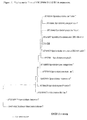
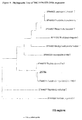
- Strain 28428 DNA sequences ( Fig. 1 ) matched 100% with the Genbank sequence for the Type strain of Pseudozyma aphids in the first region analyzed (D1/D2 domains of the Large subunit) and differed by 1 mismatch from the Type strain of Pseudozyma rugulosa ( Fig. 2 ).
- the strain showed 2 mismatches from the Type strain of P. aphids and again 1 from the Type strain of P. rugulosa. ( Fig. 3 ).
- the two species appear to be closely related showing generic variability within and between them. Morphological characteristics are also very similar between P. aphids and P.
- Isolated microorganisms of Sporidiobolus pararoseus and Rhodotorulu ingeniosa were grown in 1/4X BFGM medium (Table 1). Each strain was picked from an agar plate, and inoculated into a shake flask. The shake flask was then used to inoculate another flask (250 ml Erlenmeyer flask containing 50 ml of medium) that was then grown for 7 days. After 7 days the flask was harvested by centrifugation, the pellet was washed with water and centrifuged again. The final pellet was freeze dried, the weight was measured and then total fat (total fatty acids) and fatty acid profile were determined by FAME procedure.
- the isolated microorganism of Pseudozyma a phidis / ruguloga was grown in the media below (Media 2) and the fatty acid profile was determined. Results of the fatty acid profile analysis for all three strains are shown in Table 2.
Landscapes
- Chemical & Material Sciences (AREA)
- Health & Medical Sciences (AREA)
- Organic Chemistry (AREA)
- Life Sciences & Earth Sciences (AREA)
- Engineering & Computer Science (AREA)
- Zoology (AREA)
- Wood Science & Technology (AREA)
- Bioinformatics & Cheminformatics (AREA)
- General Health & Medical Sciences (AREA)
- Biotechnology (AREA)
- Genetics & Genomics (AREA)
- Chemical Kinetics & Catalysis (AREA)
- General Chemical & Material Sciences (AREA)
- Biochemistry (AREA)
- General Engineering & Computer Science (AREA)
- Microbiology (AREA)
- Medicinal Chemistry (AREA)
- Oil, Petroleum & Natural Gas (AREA)
- Pharmacology & Pharmacy (AREA)
- Nuclear Medicine, Radiotherapy & Molecular Imaging (AREA)
- Veterinary Medicine (AREA)
- Animal Behavior & Ethology (AREA)
- Public Health (AREA)
- Mycology (AREA)
- Biomedical Technology (AREA)
- Virology (AREA)
- Tropical Medicine & Parasitology (AREA)
- Botany (AREA)
- Physical Education & Sports Medicine (AREA)
- Pain & Pain Management (AREA)
- Rheumatology (AREA)
- Heart & Thoracic Surgery (AREA)
- Urology & Nephrology (AREA)
- Orthopedic Medicine & Surgery (AREA)
- Neurosurgery (AREA)
- Neurology (AREA)
- Cardiology (AREA)
- Hematology (AREA)
- Vascular Medicine (AREA)
- Communicable Diseases (AREA)
Claims (10)
- Micro-organisme isolé choisi dans la liste incluant le micro-organisme déposé sous le n° d'accès ATCC PTA-11615, le micro-organisme déposé sous le n° d'accès ATCC PTA-11616 et le micro-organisme déposé sous le n° d'accès ATCC PTA-11617.
- Biomasse isolée comprenant le micro-organisme isolé selon la revendication 1 ou les mélanges de celui-ci.
- Biomasse isolée selon la revendication 2, où au moins 30 % en masse de la masse de cellules sèches de la biomasse sont constitués d'acides gras.
- Culture comprenant le micro-organisme isolé selon l'une quelconque des revendications 1 à 3 ou les mélanges de celui-ci.
- Culture selon la revendication 4, où la culture comprend au moins 5 g/L de biomasse du micro-organisme isolé.
- Procédé de production d'une huile microbienne, comprenant : la culture du micro-organisme isolé selon l'une quelconque des revendications 1 à 5, ou d'un micro-organisme isolé qui appartient à l'espèce Sporidiobolus pararoseus, où le micro-organisme est capable de produire une huile microbienne comprenant moins de 30 % en masse d'acides gras saturés, ou les mélanges de ceux-ci, dans une culture pour produire une huile microbienne et l'extraction de l'huile microbienne.
- Procédé selon la revendication 6, où le micro-organisme isolé est mis en croissance en présence d'une source de carbone choisie dans le groupe constitué par les suivantes : sucrose, glucose, fructose, xylose, glycérol, mannose, arabinose, lactose, galactose, maltose, cellulose, lignocellulose, et leurs combinaisons.
- Procédé de production d'une huile microbienne, comprenant l'extraction de l'huile microbienne depuis la biomasse isolée selon la revendication 2 ou 3.
- Procédé selon l'une quelconque des revendications 6 à 8, où une culture comprenant la biomasse du micro-organisme isolé est produite et la culture comprend au moins 5 g/L de la biomasse.
- Utilisation du micro-organisme isolé, de la biomasse, de la culture ou du procédé de production d'une huile microbienne selon l'une quelconque des revendications 1 à 9 pour la fabrication d'un aliment, d'un supplément, d'un produit cosmétique ou d'une composition pharmaceutique pour un animal non humain ou l'humain.
Applications Claiming Priority (3)
| Application Number | Priority Date | Filing Date | Title |
|---|---|---|---|
| US31305510P | 2010-03-11 | 2010-03-11 | |
| US201161445469P | 2011-02-22 | 2011-02-22 | |
| PCT/US2011/028122 WO2011112948A1 (fr) | 2010-03-11 | 2011-03-11 | Souches de levure et leurs applications à la production de lipides |
Publications (3)
| Publication Number | Publication Date |
|---|---|
| EP2545159A1 EP2545159A1 (fr) | 2013-01-16 |
| EP2545159A4 EP2545159A4 (fr) | 2013-08-21 |
| EP2545159B1 true EP2545159B1 (fr) | 2016-05-11 |
Family
ID=44563869
Family Applications (1)
| Application Number | Title | Priority Date | Filing Date |
|---|---|---|---|
| EP11754172.2A Active EP2545159B1 (fr) | 2010-03-11 | 2011-03-11 | Souches de levure et leurs applications à la production de lipides |
Country Status (11)
| Country | Link |
|---|---|
| US (3) | US8735109B2 (fr) |
| EP (1) | EP2545159B1 (fr) |
| JP (1) | JP2013521781A (fr) |
| CN (2) | CN107794230B (fr) |
| AU (1) | AU2011224181A1 (fr) |
| BR (1) | BR112012022893A2 (fr) |
| CA (1) | CA2792494C (fr) |
| EA (1) | EA201201278A1 (fr) |
| MX (1) | MX2012010427A (fr) |
| PT (1) | PT2545159T (fr) |
| WO (1) | WO2011112948A1 (fr) |
Families Citing this family (13)
| Publication number | Priority date | Publication date | Assignee | Title |
|---|---|---|---|---|
| EP2545159B1 (fr) * | 2010-03-11 | 2016-05-11 | DSM IP Assets B.V. | Souches de levure et leurs applications à la production de lipides |
| JP5974095B2 (ja) | 2011-08-26 | 2016-08-23 | ダミーケミカル カンパニー リミテッド | 発酵植物性オイル及びこれを含む組成物 |
| JP2015512653A (ja) | 2012-04-09 | 2015-04-30 | ビーピー・バイオフューエルズ・ユーケイ・リミテッド | バイオ燃料及び他の再生可能な材料の産生のための低多糖微生物 |
| BR112015021312A2 (pt) * | 2013-03-08 | 2017-07-18 | Dsm Ip Assets Bv | micro-organismos com perfis de ácido graxo alterado para produção de materiais renováveis e biocombustível |
| PT106959B (pt) * | 2013-05-17 | 2020-04-20 | Inst Superior Tecnico | Processos para a produção de glicolípidos microbianos do tipo manosileritritolípidos, a partir de materiais lenhocelulósicos e suas aplicações |
| WO2015163945A1 (fr) * | 2014-04-25 | 2015-10-29 | BP Biofuels UK Limited | Développement d'outils de biologie moléculaire pour le traitement de la levure « rouge » de basidiomycète, sporidiobolus pararoseus |
| WO2017173240A1 (fr) | 2016-03-31 | 2017-10-05 | Gojo Industries, Inc. | Composition nettoyante stimulant les peptides antimicrobiens |
| EP3436041B1 (fr) | 2016-03-31 | 2023-05-24 | Gojo Industries, Inc. | Composition de désinfectant contenant un probiotique/prébiotique en tant que principe actif |
| AU2017240064B8 (en) | 2016-03-31 | 2021-11-11 | Gojo Industries, Inc. | Antimicrobial peptide stimulating sanitizing composition |
| CN106520953A (zh) * | 2016-11-18 | 2017-03-22 | 皖西学院 | 一种道地霍山铜皮石斛ht2内生菌的基因序列 |
| JP2020500860A (ja) | 2016-11-23 | 2020-01-16 | ゴジョ・インダストリーズ・インコーポレイテッド | プロバイオティック/プレバイオティックな有効成分を含む消毒薬組成物 |
| EP3461901A1 (fr) * | 2017-09-29 | 2019-04-03 | Technische Universität München | Procédé pour la production enzymatique acellulaire d'acide 10-hydroxyoctadécanoïque à partir d'huiles d'origines biologiques et son utilisation dans une formulation lubrifiante |
| CN108753810B (zh) * | 2018-05-22 | 2021-06-18 | 昆明理工大学 | 一种转录调节蛋白基因orf2的用途 |
Family Cites Families (8)
| Publication number | Priority date | Publication date | Assignee | Title |
|---|---|---|---|---|
| JPS53134803A (en) | 1977-04-28 | 1978-11-24 | Fuji Oil Co Ltd | Production of substitutes for cacao butter |
| ATE328104T1 (de) * | 1996-03-28 | 2006-06-15 | Dsm Ip Assets Bv | Mikrobielles polyungesättigte fettsäure enthaltendes öl und verfahren zur herstellung eines öls aus pasteurisierter und granulierter biomasse |
| MXPA04012915A (es) * | 2002-06-19 | 2005-03-31 | Dsm Ip Assets Bv | Preparacion de aceite microbiano. |
| JP4280158B2 (ja) | 2002-12-27 | 2009-06-17 | 富士フイルム株式会社 | ドコサヘキサエン酸生産能を有する微生物及びその利用 |
| CN101874117A (zh) * | 2007-09-12 | 2010-10-27 | 马太克生物科学公司 | 生物油及其制备与应用 |
| EP2545159B1 (fr) * | 2010-03-11 | 2016-05-11 | DSM IP Assets B.V. | Souches de levure et leurs applications à la production de lipides |
| EA201201105A1 (ru) * | 2010-03-11 | 2013-03-29 | БП БАЙОФЬЮЭЛЗ ЮКей ЛТД. | Выделенные организмы, предназначенные для получения биомасла или биотоплива |
| BR112014015367A2 (pt) * | 2011-12-27 | 2017-07-04 | Bp Corp North America Inc | óleos biológicos para uso em motores de compressão e métodos para produzir tais óleos |
-
2011
- 2011-03-11 EP EP11754172.2A patent/EP2545159B1/fr active Active
- 2011-03-11 JP JP2012557282A patent/JP2013521781A/ja not_active Withdrawn
- 2011-03-11 CN CN201710886693.2A patent/CN107794230B/zh not_active Expired - Fee Related
- 2011-03-11 WO PCT/US2011/028122 patent/WO2011112948A1/fr not_active Ceased
- 2011-03-11 PT PT117541722T patent/PT2545159T/pt unknown
- 2011-03-11 AU AU2011224181A patent/AU2011224181A1/en not_active Abandoned
- 2011-03-11 CA CA2792494A patent/CA2792494C/fr active Active
- 2011-03-11 EA EA201201278A patent/EA201201278A1/ru unknown
- 2011-03-11 CN CN201180023694.5A patent/CN103210080B/zh not_active Expired - Fee Related
- 2011-03-11 US US13/634,124 patent/US8735109B2/en active Active
- 2011-03-11 US US13/046,065 patent/US8529886B2/en not_active Expired - Fee Related
- 2011-03-11 MX MX2012010427A patent/MX2012010427A/es active IP Right Grant
- 2011-03-11 BR BR112012022893A patent/BR112012022893A2/pt not_active Application Discontinuation
-
2014
- 2014-02-21 US US14/185,991 patent/US20140199755A1/en not_active Abandoned
Non-Patent Citations (1)
| Title |
|---|
| AKBAR ALI KHAN PATHAN ET AL: "Diversity of Yeasts from Puddles in the Vicinity of Midre Lovà  CR nbreen Glacier, Arctic and Bioprospecting for Enzymes and Fatty Acids", CURRENT MICROBIOLOGY, SPRINGER-VERLAG, NE, vol. 60, no. 4, 5 December 2009 (2009-12-05), pages 307 - 314, XP019800843, ISSN: 1432-0991 * |
Also Published As
| Publication number | Publication date |
|---|---|
| EP2545159A1 (fr) | 2013-01-16 |
| EA201201278A1 (ru) | 2013-06-28 |
| US20130122557A1 (en) | 2013-05-16 |
| CN107794230A (zh) | 2018-03-13 |
| CN103210080A (zh) | 2013-07-17 |
| CA2792494A1 (fr) | 2011-09-15 |
| AU2011224181A1 (en) | 2012-10-11 |
| CN107794230B (zh) | 2021-10-12 |
| US8735109B2 (en) | 2014-05-27 |
| JP2013521781A (ja) | 2013-06-13 |
| US20120034190A1 (en) | 2012-02-09 |
| WO2011112948A1 (fr) | 2011-09-15 |
| MX2012010427A (es) | 2012-12-05 |
| CN103210080B (zh) | 2017-10-27 |
| BR112012022893A2 (pt) | 2015-10-06 |
| HK1252461A1 (zh) | 2019-05-24 |
| US8529886B2 (en) | 2013-09-10 |
| CA2792494C (fr) | 2020-09-01 |
| US20140199755A1 (en) | 2014-07-17 |
| EP2545159A4 (fr) | 2013-08-21 |
| PT2545159T (pt) | 2016-09-13 |
Similar Documents
| Publication | Publication Date | Title |
|---|---|---|
| EP2545159B1 (fr) | Souches de levure et leurs applications à la production de lipides | |
| US20260096578A1 (en) | Thraustochytrids, fatty acid compositions, and methods of making and uses thereof | |
| DK2408922T3 (en) | Thraustochytrids, FATTY ACID COMPOSITIONS AND METHODS OF MAKING AND USE THEREOF | |
| TWI653336B (zh) | 生產二十碳五烯酸之微生物、脂肪酸組成物及其製作方法與用途 | |
| EA035287B1 (ru) | Микроорганизмы, продуцирующие эйкозапентаеновую кислоту, композиции, содержащие жирные кислоты, и способы их получения и применения | |
| DK2545159T3 (en) | Yeast strains and uses thereof for the production of lipids | |
| CN104988078B (zh) | 破囊壶菌、脂肪酸组合物和其制备方法及用途 | |
| HK1252461B (zh) | 酵母菌株及其在脂类产生中的用途 | |
| HK1241413A1 (en) | Thraustochytrids, fatty acid compositions, and methods of making and uses thereof | |
| HK1241413A (en) | Thraustochytrids, fatty acid compositions, and methods of making and uses thereof | |
| HK1241413B (en) | Thraustochytrids, fatty acid compositions, and methods of making and uses thereof | |
| HK40013094B (en) | Thraustochytrids, fatty acid compositions, and methods of making and uses thereof | |
| HK40013094A (en) | Thraustochytrids, fatty acid compositions, and methods of making and uses thereof | |
| HK1166514B (en) | Thraustochytrids, fatty acid compositions, and methods of making and uses thereof |
Legal Events
| Date | Code | Title | Description |
|---|---|---|---|
| PUAI | Public reference made under article 153(3) epc to a published international application that has entered the european phase |
Free format text: ORIGINAL CODE: 0009012 |
|
| 17P | Request for examination filed |
Effective date: 20121009 |
|
| AK | Designated contracting states |
Kind code of ref document: A1 Designated state(s): AL AT BE BG CH CY CZ DE DK EE ES FI FR GB GR HR HU IE IS IT LI LT LU LV MC MK MT NL NO PL PT RO RS SE SI SK SM TR |
|
| DAX | Request for extension of the european patent (deleted) | ||
| A4 | Supplementary search report drawn up and despatched |
Effective date: 20130723 |
|
| RIC1 | Information provided on ipc code assigned before grant |
Ipc: C12R 1/74 20060101ALN20130717BHEP Ipc: C12N 1/14 20060101ALI20130717BHEP Ipc: C12N 1/16 20060101ALI20130717BHEP Ipc: C12R 1/645 20060101ALN20130717BHEP Ipc: C12P 7/64 20060101AFI20130717BHEP |
|
| 17Q | First examination report despatched |
Effective date: 20140402 |
|
| REG | Reference to a national code |
Ref country code: DE Ref legal event code: R079 Ref document number: 602011026471 Country of ref document: DE Free format text: PREVIOUS MAIN CLASS: C12N0001160000 Ipc: C12P0007640000 |
|
| RIC1 | Information provided on ipc code assigned before grant |
Ipc: C12R 1/645 20060101ALN20150924BHEP Ipc: C12P 7/64 20060101AFI20150924BHEP Ipc: C12N 1/16 20060101ALI20150924BHEP Ipc: C12R 1/74 20060101ALN20150924BHEP Ipc: C12N 1/14 20060101ALI20150924BHEP |
|
| RIC1 | Information provided on ipc code assigned before grant |
Ipc: C12P 7/64 20060101AFI20150925BHEP Ipc: C12N 1/16 20060101ALI20150925BHEP Ipc: C12R 1/74 20060101ALN20150925BHEP Ipc: C12N 1/14 20060101ALI20150925BHEP Ipc: C12R 1/645 20060101ALN20150925BHEP |
|
| GRAP | Despatch of communication of intention to grant a patent |
Free format text: ORIGINAL CODE: EPIDOSNIGR1 |
|
| INTG | Intention to grant announced |
Effective date: 20151117 |
|
| GRAS | Grant fee paid |
Free format text: ORIGINAL CODE: EPIDOSNIGR3 |
|
| GRAA | (expected) grant |
Free format text: ORIGINAL CODE: 0009210 |
|
| AK | Designated contracting states |
Kind code of ref document: B1 Designated state(s): AL AT BE BG CH CY CZ DE DK EE ES FI FR GB GR HR HU IE IS IT LI LT LU LV MC MK MT NL NO PL PT RO RS SE SI SK SM TR |
|
| REG | Reference to a national code |
Ref country code: GB Ref legal event code: FG4D |
|
| REG | Reference to a national code |
Ref country code: CH Ref legal event code: EP |
|
| REG | Reference to a national code |
Ref country code: AT Ref legal event code: REF Ref document number: 798701 Country of ref document: AT Kind code of ref document: T Effective date: 20160515 |
|
| REG | Reference to a national code |
Ref country code: IE Ref legal event code: FG4D |
|
| REG | Reference to a national code |
Ref country code: DE Ref legal event code: R096 Ref document number: 602011026471 Country of ref document: DE |
|
| REG | Reference to a national code |
Ref country code: NL Ref legal event code: FP |
|
| REG | Reference to a national code |
Ref country code: DK Ref legal event code: T3 Effective date: 20160823 |
|
| REG | Reference to a national code |
Ref country code: LT Ref legal event code: MG4D |
|
| REG | Reference to a national code |
Ref country code: PT Ref legal event code: SC4A Ref document number: 2545159 Country of ref document: PT Date of ref document: 20160913 Kind code of ref document: T Free format text: AVAILABILITY OF NATIONAL TRANSLATION Effective date: 20160907 |
|
| REG | Reference to a national code |
Ref country code: ES Ref legal event code: FG2A Ref document number: 2586384 Country of ref document: ES Kind code of ref document: T3 Effective date: 20161014 |
|
| PG25 | Lapsed in a contracting state [announced via postgrant information from national office to epo] |
Ref country code: FI Free format text: LAPSE BECAUSE OF FAILURE TO SUBMIT A TRANSLATION OF THE DESCRIPTION OR TO PAY THE FEE WITHIN THE PRESCRIBED TIME-LIMIT Effective date: 20160511 Ref country code: NO Free format text: LAPSE BECAUSE OF FAILURE TO SUBMIT A TRANSLATION OF THE DESCRIPTION OR TO PAY THE FEE WITHIN THE PRESCRIBED TIME-LIMIT Effective date: 20160811 Ref country code: LT Free format text: LAPSE BECAUSE OF FAILURE TO SUBMIT A TRANSLATION OF THE DESCRIPTION OR TO PAY THE FEE WITHIN THE PRESCRIBED TIME-LIMIT Effective date: 20160511 |
|
| REG | Reference to a national code |
Ref country code: AT Ref legal event code: MK05 Ref document number: 798701 Country of ref document: AT Kind code of ref document: T Effective date: 20160511 |
|
| PG25 | Lapsed in a contracting state [announced via postgrant information from national office to epo] |
Ref country code: LV Free format text: LAPSE BECAUSE OF FAILURE TO SUBMIT A TRANSLATION OF THE DESCRIPTION OR TO PAY THE FEE WITHIN THE PRESCRIBED TIME-LIMIT Effective date: 20160511 Ref country code: SE Free format text: LAPSE BECAUSE OF FAILURE TO SUBMIT A TRANSLATION OF THE DESCRIPTION OR TO PAY THE FEE WITHIN THE PRESCRIBED TIME-LIMIT Effective date: 20160511 Ref country code: RS Free format text: LAPSE BECAUSE OF FAILURE TO SUBMIT A TRANSLATION OF THE DESCRIPTION OR TO PAY THE FEE WITHIN THE PRESCRIBED TIME-LIMIT Effective date: 20160511 Ref country code: HR Free format text: LAPSE BECAUSE OF FAILURE TO SUBMIT A TRANSLATION OF THE DESCRIPTION OR TO PAY THE FEE WITHIN THE PRESCRIBED TIME-LIMIT Effective date: 20160511 Ref country code: GR Free format text: LAPSE BECAUSE OF FAILURE TO SUBMIT A TRANSLATION OF THE DESCRIPTION OR TO PAY THE FEE WITHIN THE PRESCRIBED TIME-LIMIT Effective date: 20160812 |
|
| PG25 | Lapsed in a contracting state [announced via postgrant information from national office to epo] |
Ref country code: SK Free format text: LAPSE BECAUSE OF FAILURE TO SUBMIT A TRANSLATION OF THE DESCRIPTION OR TO PAY THE FEE WITHIN THE PRESCRIBED TIME-LIMIT Effective date: 20160511 Ref country code: EE Free format text: LAPSE BECAUSE OF FAILURE TO SUBMIT A TRANSLATION OF THE DESCRIPTION OR TO PAY THE FEE WITHIN THE PRESCRIBED TIME-LIMIT Effective date: 20160511 Ref country code: CZ Free format text: LAPSE BECAUSE OF FAILURE TO SUBMIT A TRANSLATION OF THE DESCRIPTION OR TO PAY THE FEE WITHIN THE PRESCRIBED TIME-LIMIT Effective date: 20160511 Ref country code: RO Free format text: LAPSE BECAUSE OF FAILURE TO SUBMIT A TRANSLATION OF THE DESCRIPTION OR TO PAY THE FEE WITHIN THE PRESCRIBED TIME-LIMIT Effective date: 20160511 |
|
| REG | Reference to a national code |
Ref country code: FR Ref legal event code: PLFP Year of fee payment: 7 |
|
| REG | Reference to a national code |
Ref country code: DE Ref legal event code: R097 Ref document number: 602011026471 Country of ref document: DE |
|
| PG25 | Lapsed in a contracting state [announced via postgrant information from national office to epo] |
Ref country code: AT Free format text: LAPSE BECAUSE OF FAILURE TO SUBMIT A TRANSLATION OF THE DESCRIPTION OR TO PAY THE FEE WITHIN THE PRESCRIBED TIME-LIMIT Effective date: 20160511 Ref country code: BE Free format text: LAPSE BECAUSE OF FAILURE TO SUBMIT A TRANSLATION OF THE DESCRIPTION OR TO PAY THE FEE WITHIN THE PRESCRIBED TIME-LIMIT Effective date: 20160511 Ref country code: SM Free format text: LAPSE BECAUSE OF FAILURE TO SUBMIT A TRANSLATION OF THE DESCRIPTION OR TO PAY THE FEE WITHIN THE PRESCRIBED TIME-LIMIT Effective date: 20160511 |
|
| PLBE | No opposition filed within time limit |
Free format text: ORIGINAL CODE: 0009261 |
|
| STAA | Information on the status of an ep patent application or granted ep patent |
Free format text: STATUS: NO OPPOSITION FILED WITHIN TIME LIMIT |
|
| 26N | No opposition filed |
Effective date: 20170214 |
|
| PG25 | Lapsed in a contracting state [announced via postgrant information from national office to epo] |
Ref country code: SI Free format text: LAPSE BECAUSE OF FAILURE TO SUBMIT A TRANSLATION OF THE DESCRIPTION OR TO PAY THE FEE WITHIN THE PRESCRIBED TIME-LIMIT Effective date: 20160511 |
|
| PGFP | Annual fee paid to national office [announced via postgrant information from national office to epo] |
Ref country code: PL Payment date: 20170120 Year of fee payment: 7 Ref country code: PT Payment date: 20170308 Year of fee payment: 7 |
|
| PGFP | Annual fee paid to national office [announced via postgrant information from national office to epo] |
Ref country code: TR Payment date: 20170202 Year of fee payment: 7 |
|
| PG25 | Lapsed in a contracting state [announced via postgrant information from national office to epo] |
Ref country code: MC Free format text: LAPSE BECAUSE OF FAILURE TO SUBMIT A TRANSLATION OF THE DESCRIPTION OR TO PAY THE FEE WITHIN THE PRESCRIBED TIME-LIMIT Effective date: 20160511 |
|
| REG | Reference to a national code |
Ref country code: IE Ref legal event code: MM4A |
|
| PG25 | Lapsed in a contracting state [announced via postgrant information from national office to epo] |
Ref country code: LU Free format text: LAPSE BECAUSE OF NON-PAYMENT OF DUE FEES Effective date: 20170311 |
|
| REG | Reference to a national code |
Ref country code: FR Ref legal event code: PLFP Year of fee payment: 8 |
|
| PG25 | Lapsed in a contracting state [announced via postgrant information from national office to epo] |
Ref country code: IE Free format text: LAPSE BECAUSE OF NON-PAYMENT OF DUE FEES Effective date: 20170311 |
|
| PG25 | Lapsed in a contracting state [announced via postgrant information from national office to epo] |
Ref country code: MT Free format text: LAPSE BECAUSE OF NON-PAYMENT OF DUE FEES Effective date: 20170311 |
|
| PG25 | Lapsed in a contracting state [announced via postgrant information from national office to epo] |
Ref country code: PT Free format text: LAPSE BECAUSE OF NON-PAYMENT OF DUE FEES Effective date: 20180911 Ref country code: AL Free format text: LAPSE BECAUSE OF FAILURE TO SUBMIT A TRANSLATION OF THE DESCRIPTION OR TO PAY THE FEE WITHIN THE PRESCRIBED TIME-LIMIT Effective date: 20160511 |
|
| PG25 | Lapsed in a contracting state [announced via postgrant information from national office to epo] |
Ref country code: HU Free format text: LAPSE BECAUSE OF FAILURE TO SUBMIT A TRANSLATION OF THE DESCRIPTION OR TO PAY THE FEE WITHIN THE PRESCRIBED TIME-LIMIT; INVALID AB INITIO Effective date: 20110311 |
|
| PG25 | Lapsed in a contracting state [announced via postgrant information from national office to epo] |
Ref country code: BG Free format text: LAPSE BECAUSE OF FAILURE TO SUBMIT A TRANSLATION OF THE DESCRIPTION OR TO PAY THE FEE WITHIN THE PRESCRIBED TIME-LIMIT Effective date: 20160511 |
|
| PG25 | Lapsed in a contracting state [announced via postgrant information from national office to epo] |
Ref country code: CY Free format text: LAPSE BECAUSE OF NON-PAYMENT OF DUE FEES Effective date: 20160511 |
|
| PG25 | Lapsed in a contracting state [announced via postgrant information from national office to epo] |
Ref country code: MK Free format text: LAPSE BECAUSE OF FAILURE TO SUBMIT A TRANSLATION OF THE DESCRIPTION OR TO PAY THE FEE WITHIN THE PRESCRIBED TIME-LIMIT Effective date: 20160511 Ref country code: PL Free format text: LAPSE BECAUSE OF NON-PAYMENT OF DUE FEES Effective date: 20180311 |
|
| PG25 | Lapsed in a contracting state [announced via postgrant information from national office to epo] |
Ref country code: IS Free format text: LAPSE BECAUSE OF FAILURE TO SUBMIT A TRANSLATION OF THE DESCRIPTION OR TO PAY THE FEE WITHIN THE PRESCRIBED TIME-LIMIT Effective date: 20160911 |
|
| REG | Reference to a national code |
Ref country code: DE Ref legal event code: R082 Ref document number: 602011026471 Country of ref document: DE Representative=s name: D YOUNG & CO LLP, DE |
|
| PG25 | Lapsed in a contracting state [announced via postgrant information from national office to epo] |
Ref country code: TR Free format text: LAPSE BECAUSE OF NON-PAYMENT OF DUE FEES Effective date: 20180311 |
|
| P01 | Opt-out of the competence of the unified patent court (upc) registered |
Effective date: 20230520 |
|
| PGFP | Annual fee paid to national office [announced via postgrant information from national office to epo] |
Ref country code: NL Payment date: 20240108 Year of fee payment: 14 |
|
| PGFP | Annual fee paid to national office [announced via postgrant information from national office to epo] |
Ref country code: DE Payment date: 20231229 Year of fee payment: 14 Ref country code: GB Payment date: 20240108 Year of fee payment: 14 |
|
| PGFP | Annual fee paid to national office [announced via postgrant information from national office to epo] |
Ref country code: IT Payment date: 20240212 Year of fee payment: 14 Ref country code: FR Payment date: 20240103 Year of fee payment: 14 Ref country code: DK Payment date: 20240314 Year of fee payment: 14 |
|
| PGFP | Annual fee paid to national office [announced via postgrant information from national office to epo] |
Ref country code: CH Payment date: 20240401 Year of fee payment: 14 |
|
| PGFP | Annual fee paid to national office [announced via postgrant information from national office to epo] |
Ref country code: ES Payment date: 20240411 Year of fee payment: 14 |
|
| REG | Reference to a national code |
Ref country code: DE Ref legal event code: R119 Ref document number: 602011026471 Country of ref document: DE |
|
| REG | Reference to a national code |
Ref country code: CH Ref legal event code: H13 Free format text: ST27 STATUS EVENT CODE: U-0-0-H10-H13 (AS PROVIDED BY THE NATIONAL OFFICE) Effective date: 20251023 |
|
| REG | Reference to a national code |
Ref country code: DK Ref legal event code: EBP Effective date: 20250331 |
|
| REG | Reference to a national code |
Ref country code: NL Ref legal event code: MM Effective date: 20250401 |
|
| GBPC | Gb: european patent ceased through non-payment of renewal fee |
Effective date: 20250311 |
|
| PG25 | Lapsed in a contracting state [announced via postgrant information from national office to epo] |
Ref country code: NL Free format text: LAPSE BECAUSE OF NON-PAYMENT OF DUE FEES Effective date: 20250401 |
|
| PG25 | Lapsed in a contracting state [announced via postgrant information from national office to epo] |
Ref country code: DE Free format text: LAPSE BECAUSE OF NON-PAYMENT OF DUE FEES Effective date: 20251001 |
|
| PG25 | Lapsed in a contracting state [announced via postgrant information from national office to epo] |
Ref country code: GB Free format text: LAPSE BECAUSE OF NON-PAYMENT OF DUE FEES Effective date: 20250311 |
|
| PG25 | Lapsed in a contracting state [announced via postgrant information from national office to epo] |
Ref country code: IT Free format text: LAPSE BECAUSE OF NON-PAYMENT OF DUE FEES Effective date: 20250311 Ref country code: FR Free format text: LAPSE BECAUSE OF NON-PAYMENT OF DUE FEES Effective date: 20250331 |
|
| PG25 | Lapsed in a contracting state [announced via postgrant information from national office to epo] |
Ref country code: CH Free format text: LAPSE BECAUSE OF NON-PAYMENT OF DUE FEES Effective date: 20250331 |
|
| PG25 | Lapsed in a contracting state [announced via postgrant information from national office to epo] |
Ref country code: DK Free format text: LAPSE BECAUSE OF NON-PAYMENT OF DUE FEES Effective date: 20250331 |