EP2549877B1 - Zusammensetzung zur vermeidung von munderkrankungen - Google Patents
Zusammensetzung zur vermeidung von munderkrankungen Download PDFInfo
- Publication number
- EP2549877B1 EP2549877B1 EP10848608.5A EP10848608A EP2549877B1 EP 2549877 B1 EP2549877 B1 EP 2549877B1 EP 10848608 A EP10848608 A EP 10848608A EP 2549877 B1 EP2549877 B1 EP 2549877B1
- Authority
- EP
- European Patent Office
- Prior art keywords
- composition
- oral
- biofilm
- chlorine dioxide
- set forth
- Prior art date
- Legal status (The legal status is an assumption and is not a legal conclusion. Google has not performed a legal analysis and makes no representation as to the accuracy of the status listed.)
- Active
Links
Images


Classifications
-
- A—HUMAN NECESSITIES
- A61—MEDICAL OR VETERINARY SCIENCE; HYGIENE
- A61K—PREPARATIONS FOR MEDICAL, DENTAL OR TOILETRY PURPOSES
- A61K8/00—Cosmetics or similar toiletry preparations
- A61K8/18—Cosmetics or similar toiletry preparations characterised by the composition
- A61K8/19—Cosmetics or similar toiletry preparations characterised by the composition containing inorganic ingredients
- A61K8/22—Peroxides; Oxygen; Ozone
-
- A—HUMAN NECESSITIES
- A61—MEDICAL OR VETERINARY SCIENCE; HYGIENE
- A61K—PREPARATIONS FOR MEDICAL, DENTAL OR TOILETRY PURPOSES
- A61K33/00—Medicinal preparations containing inorganic active ingredients
- A61K33/40—Peroxides
-
- A—HUMAN NECESSITIES
- A61—MEDICAL OR VETERINARY SCIENCE; HYGIENE
- A61K—PREPARATIONS FOR MEDICAL, DENTAL OR TOILETRY PURPOSES
- A61K8/00—Cosmetics or similar toiletry preparations
- A61K8/18—Cosmetics or similar toiletry preparations characterised by the composition
- A61K8/19—Cosmetics or similar toiletry preparations characterised by the composition containing inorganic ingredients
- A61K8/20—Halogens; Compounds thereof
-
- A—HUMAN NECESSITIES
- A61—MEDICAL OR VETERINARY SCIENCE; HYGIENE
- A61K—PREPARATIONS FOR MEDICAL, DENTAL OR TOILETRY PURPOSES
- A61K9/00—Medicinal preparations characterised by special physical form
- A61K9/0012—Galenical forms characterised by the site of application
- A61K9/0053—Mouth and digestive tract, i.e. intraoral and peroral administration
- A61K9/0063—Periodont
-
- A—HUMAN NECESSITIES
- A61—MEDICAL OR VETERINARY SCIENCE; HYGIENE
- A61P—SPECIFIC THERAPEUTIC ACTIVITY OF CHEMICAL COMPOUNDS OR MEDICINAL PREPARATIONS
- A61P1/00—Drugs for disorders of the alimentary tract or the digestive system
- A61P1/02—Stomatological preparations, e.g. drugs for caries, aphtae, periodontitis
-
- A—HUMAN NECESSITIES
- A61—MEDICAL OR VETERINARY SCIENCE; HYGIENE
- A61Q—SPECIFIC USE OF COSMETICS OR SIMILAR TOILETRY PREPARATIONS
- A61Q11/00—Preparations for care of the teeth, of the oral cavity or of dentures; Dentifrices, e.g. toothpastes; Mouth rinses
-
- Y—GENERAL TAGGING OF NEW TECHNOLOGICAL DEVELOPMENTS; GENERAL TAGGING OF CROSS-SECTIONAL TECHNOLOGIES SPANNING OVER SEVERAL SECTIONS OF THE IPC; TECHNICAL SUBJECTS COVERED BY FORMER USPC CROSS-REFERENCE ART COLLECTIONS [XRACs] AND DIGESTS
- Y02—TECHNOLOGIES OR APPLICATIONS FOR MITIGATION OR ADAPTATION AGAINST CLIMATE CHANGE
- Y02A—TECHNOLOGIES FOR ADAPTATION TO CLIMATE CHANGE
- Y02A50/00—TECHNOLOGIES FOR ADAPTATION TO CLIMATE CHANGE in human health protection, e.g. against extreme weather
- Y02A50/30—Against vector-borne diseases, e.g. mosquito-borne, fly-borne, tick-borne or waterborne diseases whose impact is exacerbated by climate change
Definitions
- the present invention is set out in the claims and relates to a single phase composition of stabilized chlorine dioxide in a concentration in the range of about 0.005% to about 0.800% (w/v) and a buffer selected from acetate, citrate, and phosphate buffers to provide a pH in the range of 6.0 to 7.4 for topical application in the oral cavity for use to oxidatively consume salivary biomolecules and create products that exert antimicrobial, or bactericidal, or bacteriostatic effects, to compromise a polymicrobial biofilm attendant the oral cavity.
- the composition may be in the form of a wash, rinse, soak, paste, gel, aerosol spray, or other suitable delivery system.
- the invention prevents oral diseases with the use of stabilized chlorine dioxide and establishing the bactericidal properties at a concentration range of about 0.005 to about 0.800% (w/v) to significantly reduce bacterial accumulation and to act as an antimicrobial on both gram-negative anaerobic/aerobic/facultative and gram-positive anaerobic/aerobic/facultative oral bacteria in plaque and polymicrobial dental biofilm environments.
- Dental plaque is a diverse community of microorganisms found on the tooth surface embedded in an extracellular matrix of host and microbial polymers. Dental plaque can occur above (supragingival) and below (subgingival) the gumline. Plaques that form on subgingival tooth surfaces and coat the epithelium lining of the gingival crevice lead to the development of periodontal infections (i.e., gingivitis and periodontitis).
- Supragingival dental plaque forms on teeth within hours after they are cleaned. In the presence of a diet rich in sucrose, shifts occur in the supragingival plaque to more of an acidogenic plaque, with dental caries as an outcome.
- Salivary proteins such as mucins, proline-rich proteins, staherins, histatins, and cystatins have a strong affinity for the hydroxyapatite mineral of teeth. These proteins quickly bind to hydroxyapatite of the tooth to form a thick coating called the acquired pellicle. Certain bacteria in the oral cavity selectively adhere to the pellicle, begin to divide, and form microbial communities.
- Microorganisms in the plaque synthesize a slime matrix or glycocalyx from abundant polysaccharides, glycoproteins, and dietary sugars (e.g., sucrose) present in the oral environment.
- the plaque becomes a characteristic dental biofilm with a highly structured, matrix-embedded, diverse microbial population altering gene expression severely.
- Periodontitis Bacteria in dental biofilm are the major cause of several oral diseases including gingivitis, chronic and aggressive periodontitis, and necrotizing periodontal diseases.
- Gingivitis is the gingival inflammation without loss of connective tissues around teeth caused by undisturbed dental biofilm. Studies have shown that gingivitis will develop within 10-21 days without oral hygiene practices allowing for the accumulation of plaque. Approximately 80% of U.S. adults have a case of gum/periodontal disease. Gingivitis is preventable by routine oral care, but if untreated may lead to a severe gum disease known as periodontitis.
- Periodontitis is characterized by a group of infections which destroy supporting tissue and bone by plaque-induced inflammation.
- Periodontitis is the most common form affecting approximately 20% of the adult U.S. population. Symptoms include the formation of deep periodontal pockets, gingival recession, increased tooth mobility, and loss of bone as detected by radiographs. If left untreated, periodontitis can lead to tooth loss.
- chlorine dioxide is widely used in the industry. Those skilled in the art will and do appreciate the various forms or variations thereof, which are available to perform certain intended functions and purposes. Furthermore, US Patent No. 3,271,242 describes a form of stabilized chlorine dioxide and a method of making the product, which is particularly useful in carrying out the present invention.
- ClO 2 reduces these tastes either by eliminating the source (algae) or oxidizing the causative taste and odor molecules.
- ClO 2 will bring the dissolved ions out of solution to form precipitates, which may be eliminated through filtration and/or sedimentation.
- Zebra mussel control is important because it helps to maintain the natural ecology of a body of water. Zebra mussels are organisms that will infest a lake or river, strip it of nutrients and create a pseudo-fecal mucous layer on the bottom.
- the use of ClO 2 for water sanitation and pulp treatment generally involves on-site generation followed by immediate use.
- the term 'stabilized chlorine dioxide' refers to the generation and subsequent sequestration of ClO 2 , which allows for its storage and availability for later use.
- the first reference to stabilized chlorine dioxide in a patent was in US Patent No. 2,482,891 in which ClO 2 is stabilized in a powder for storage. For its application, it is mixed with water to "liberate" the chlorine dioxide.
- a method and composition for the use of aqueous stabilized chlorine dioxide for antiseptic purposes was noted in US Patent No. 3,271,242 .
- percarbonates and perborates may be replaced by the term 'peroxy compounds,' which would refer to any buffer suitable for maintaining the pH and hence, the stability of the ClO 2 in solution.
- the buffer is a necessary component, as the ClO 2 is unstable at low pH. Once the solution reaches low pH or encounters an area of low pH, the stabilized ClO 2 is released from solution and available for sanitation and oxidation.
- the present invention may be used for treatment of the mouth for example as a mouthwash, for the control of disease-causing bacteria, bacterial plaque, and oral malodor.
- the rinse may be flavored with the addition of mint oils or extracts. The flavoring would not interact with stabilized chlorine dioxide or affect the stability of the formulation.
- concentration For liquids such as mouthwash, the standard unit of measurement when expressing concentration is weight-volume percentage. That is, a certain weight of component, solid, liquid, or dissolved in a solvent, is present in a certain volume of total mouthwash. Concentrations of stabilized chlorine dioxide in this invention are in the range of 0.005% to 0.800% (w/v).
- topical oral care composition or “oral composition” as used herein is meant a product which is not intentionally swallowed for purposes of systemic administration of therapeutic agents, but is retained in the oral cavity for a sufficient time to contact substantially all of the dental surfaces and/or oral mucosal tissues for purposes of oral activity.
- Previous inventions contemplate the use of stabilized chloride dioxide as a bactericide for the treatment gingivitis as well as a deodorizing agent for the treatment of oral malodor ( Ratcliff, US Patent No. 4,689,215 ; Madray, US Patent No. 6,231,830 ; Richter, US Patent No. 5,738,840 ; Witt, US Patent No. 6,350,438 ).
- VSC malodorous volatile sulfur compounds
- Prior art compositions that have been used and tested have been accepted to an extent of efficacy in treating or preventing periodontitis, gingivitis, plaque accumulation and mouth odor.
- Prior Ratcliff patents have demonstrated the bactericidal effect of stabilized chlorine dioxide on Streptococcus sanguinis ( US Patent Nos. 4,851,213 and 4,889,714 ). It is directed to a method of reducing dental plaque by altering the ecology of oral bacteria over a period of ten seconds by means of reducing the bacterium S. sanguinis by more than 90%. It also describes how the method breaks down double bonds in the glucosyltransferases present in the oral cavity.
- Concentration range between 0.005-0.5% (w/v) chlorine dioxide with about 0.02%-3.0% phosphate is preferred in U.S. Patent No. 5,348,734 by Ratcliff . This is the highest recited range in the prior art.
- the present invention is an extension with evidence that higher concentrations of stabilized chlorine dioxide are bactericidal for oral bacteria at a faster rate and in complex microbial environments, dental biofilm, than taught in the prior art.
- Periodontal disease results from response to the polymicrobial ecology of subgingival plaque.
- the diverse and complex ecology of the oral cavity leads to a more resistant response to the immune system and antimicrobial drugs.
- it is important to develop experimental conditions that mimic the diversity and complexity of the bacterial ecology.
- the present invention takes into consideration the diverse natural ecology and investigates both the bactericidal properties in mixed microbial biofilms of several oral bacteria involved in periodontal diseases. Previous developments and prior research involve the investigation of single bacterial suspension cultures, which do not accurately represent the natural oral ecology on plaque development and dental biofilm.
- the current invention is a continuation of related prior art research presented by Villhauer et al (2008). It contemplates the use of stabilized chlorine dioxide as a bactericidal and bacteriostatic agent against microorganisms involved in oral disease such as, but not limited to, Porphyromonas gingivalis, Actinomyces odontolyticus and A. viscosus, Prevotella intermedia, Fusobacterium nucleatum, Micromonas micros, Streptococcus sanguinis and S. oralis, Campylobacter rectus, and Enterococcus faecalis.
- the research shows bactericidal activity of the stabilized chlorine dioxide against a spectrum of oral bacteria, as single bacteria and as polymicrobial communities, associated with periodontal diseases and health. Polymicrobial biofilms of oral bacteria and the affect of stabilized chlorine dioxide solution as a bactericidal agent has also been examined.
- US Patent No. 6696047 recites oral care compositions containing 0.02% to 6.0% of the chlorite ion at alkaline pH which are essentially free of chlorine dioxide (less than 2 ppm of chlorine dioxide) - and the novelty of these compositions are that the prescribed formulations are claimed to maintain stable amounts of the chlorite ion at 25°C for one year or 40°C for 3 months.
- stability is exhibited in the composition if the following is observed at 25°C for one year and/or 40°C for three months: the chlorite ion is delivered in efficacious amounts to the oral cavity, the composition does not degrade to form chlorine dioxide, and the composition does not degrade excipients (with a change in flavor being a major indicator of degradation).
- a quantifiable percentage of acceptable chlorite ion degradation from time zero is not explicitly defined in the patent for any embodiment.
- the sample formulations that are presented to show stability of various embodiments (presented in the table labeled 'Results of Stability Testing') are all prepared at pH 10. Chlorite ion concentration, pH and flavor concentration are measured to demonstrate stability of the formulations.
- compositions in US Patent No. 66906047 are designed for human and animal subjects, and while not specifically claimed in claims, the text of the patent indicates that these compositions may be used to treat and prevent diseases of the oral cavity, including caries. However, no claim is made that the composition without additional therapeutic agents has antimicrobial effects against polymicrobial dental biofilms in the oral cavity.
- Biofilm growth is also a problem which occurs in dental unit water lines (DUWL).
- DUWL dental unit water lines
- Some of the microbe genera detected in DUWL biofilms are Actinomyces, Bacillus, Mycobacteria, Pseudomonas, Sphingomonas, Staphylococcus, and Streptococcus.
- Stabilized chlorine dioxide solutions have been previously shown to be an effective decontaminant on biofilms that form in DUWLs.
- a specific study yielded results that indicated that stabilized chlorine dioxide outperformed alkaline peroxide in managing biofilm growth, by retaining a heterotrophic plate count (HPC) value of 0 after 5 days of treatment (Wirthlin et al ., 2003).
- HPC heterotrophic plate count
- US 2009/016973 describes use of stabilized chlorine dioxide as a composition for the prevention of oral disease through bactericidal and bacteriostatic properties within a microbial environment.
- US 2010/015207 describes methods, devices, compositions, and systems for the alleviation of oral tissue infections by administration of chlorine dioxide.
- EP0613678 describes a stable mouth wash or dentifrice composition containing stabilized chlorine dioxide and phosphates is disclosed for reducing the motility of and killing microbial pathogens.
- the present invention is as set out in the claims and concerns oral care compositions including oral washes or rinses in a solution comprising stabilized chlorine dioxide. It contemplates the use of stabilized chlorine dioxide as a bactericidal agent against microorganisms found in polymicrobial dental biofilms involved in oral disease such as, but not limited to, Porphyromonas gingivalis, Actinomyces viscosus, Fusobacterium nucleatum, Micromonas micros, and Streptococcus sanguinis.
- the composition includes a range of 0.005% - 0.800% (w/v) stabilized chlorine dioxide and may take the form of an oral paste, gel, rinse, spray, powder, tray, varnish or similar, for the prevention of oral diseases significantly reducing bacterial accumulation and acting as an antimicrobial on both gram-negative anaerobic/aerobic/facultative and gram-positive anaerobic/aerobic/facultative oral bacteria in polymicrobial dental biofilm environments.
- a method of use of the invention includes the application of the composition in the oral cavity to produce an antimicrobial effect, sanitize, debride, and control the formation of bacterial plaque or dental biofilm and malodorous volatile sulfur compounds, the main contributors to oral diseases.
- the method of use may be applied daily or continuously as an antimicrobial/antiplaque/antibiofilm agent in the oral cavity.
- the invention may be used for the prevention of oral diseases caused by dental biofilm, including gingivitis and periodontitis.
- the invention acts as an antimicrobial agent against oral microorganisms, gram-negative anaerobic/aerobic/facultative and gram-positive anaerobic/aerobic/facultative oral bacteria.
- the invention acts as an antimicrobial agent against oral microorganisms, gram-negative anaerobic/aerobic/facultative and gram-positive anaerobic/aerobic/facultative oral bacteria, in polymicrobial dental biofilms.
- the invention acts to produce antimicrobial effects following multiple exposures to eliminate oral microorganisms, gram-negative anaerobic/aerobic/facultative and gram-positive anaerobic/aerobic/facultative oral bacteria, in polymicrobial dental biofilms.
- the invention acts to reduce but not eliminate oral organisms and bacteria associated with normal, healthy subgingival flora.
- the invention may be applied on a daily or continuous basis, as needed or as prescribed, to the oral cavity once or multiple times a day.
- the present invention is as set out in the claims and relates to a single phase composition of stabilized chlorine dioxide in a concentration in the range of about 0.005% to about 0.800% (w/v) and a buffer selected from acetate, citrate, and phosphate buffers to provide a pH in the range of 6.0 to 7.4 for topical application in the oral cavity for use to oxidatively consume salivary biomolecules and create products that exert antimicrobial, or bactericidal, or bacteriostatic effects, to compromise a polymicrobial biofilm attendant the oral cavity.
- It is directed to oral care compositions including oral washes or rinses in a solution comprising stabilized chlorine dioxide, and may also take the form of a soak, paste, gel, aerosol spray, or other suitable delivery system.
- the effectiveness of use of the invention includes the determination of bactericidal activity of the stabilized chlorine dioxide against a spectrum of oral bacteria in a polymicrobial dental biofilm associated with periodontal diseases and health.
- the invention includes a stabilized chlorine dioxide composition which acts as an antimicrobial on oral bacterial communities at a concentration range between 0.005%-0.800% (w/v). It has an effect of killing and reducing the number of gram-negative and gram-positive bacteria at concentrations higher than taught in the prior art.
- the present invention teaches oral care compositions, including paste, gel, rinse, spray, powder, varnish or similar, in the form of a stabilized chlorine dioxide and a buffering system to achieve a specific pH of the final composition.
- the buffers may include acetate, citrate, phosphate buffers, and other buffers known to those skilled in the art.
- the oral care compositions include the following fundamental components:
- the invention may be delivered to the human oral cavity (including but not limited to the teeth, tongue, gingiva, and saliva) through topical application of the composition to the human oral cavity, at least once daily.
- the invention is not intended to be a dual phase composition and does not rely on the end user mixing ingredients immediately prior to use to produce chlorine dioxide, as described in the Alliger and Richter patents ( US Patent Nos. 4084747 , 4330531 , 5738840 ).
- a formulation for a single-phase oral rinse is disclosed below.
- the single phase oral rinse includes ingredients selected from the following components: Chlorine Dioxide, Citric Acid, Trisodium Phosphate, and Purified USP grade de-ionized water.
- Ingredient W/V% Chlorine Dioxide (Stabilized 0.5% solution) 2.500% Citric Acid % to achieve a Final pH of 6.7-7.0
- the remaining ingredients, e.g. trisodium phosphate and de-ionized water are added in appropriate amounts to prevent the escape of chlorine dioxide and to balance the overall formulation, as is known to those skilled in the art.
- the final pH of the above oral rinse formulation is pH 6.7-7.0.
- Humectants, sweetening agents, and flavoring agents may be added to the above oral rinse embodiment in concentrations as is known to those skilled in the art.
- Trisodium phosphate and aqueous soluble active ingredients are dissolved in de-ionized water.
- Citric acid is dissolved in de-ionized water in a separate preparation. Then, the citric acid preparation is added into and mixed with the aqueous preparation (containing chlorine dioxide) to achieve a pH of 6.7-7.0.
- the composition is to be delivered to the oral cavity in the form of a wash, rinse, soak, paste, gel, aerosol spray, or other suitable delivery system.
- a rinse the consumer is instructed to swish with 15 mL of the rinse in the oral cavity for 30 seconds to 1 minute and expectorate the liquid once finished.
- the preferred frequency of administration would be two times a day (in the morning and at night before bed). This method applies to individuals older than 6 years of age.
- the composition establishes the bactericidal kinetics of the antimicrobial characteristics of stabilized chlorine dioxide against mixed bacterial communities in dental biofilm at a concentration range of 0.005-0.800% (w/v).
- the experimental approach of evaluating bacteria as a biofilm and not as a single entity is important because oral bacteria do not occur in the mouth as single species, but as a community of complex and diverse bacterial species that eventually form dental biofilm and may cause oral disease absent disruption by oral hygiene. Conventional testing does not test bacterial kill in plaque-like environments or in polymicrobial suspensions, as was done in the present experiments.
- the oral cavity environment reduces the susceptibility to antimicrobials and makes it more difficult to control and prevent progression into diseased conditions.
- composition described herein acts as a bactericide on the following bacteria in biofilm: Porphyromonas gingivalis, Fusobacterium nucleatum, Micromonas micros, and Streptococcus sanguinis. It is believed to be effective on the majority of oral bacteria involved in the progression of oral diseases and periodontitis.
- the present invention kills oral bacteria associated with oral diseases and opportunistic bacteria including those associated with health, more specifically both gram-negative anaerobic/aerobic/facultative and gram-positive anaerobic/aerobic/facultative oral bacteria.
- the invention also has less affect on oral bacteria associated with normal, healthy subgingival flora.
- the present invention allows stabilized chlorine dioxide oral rinse to be used as a bacteriostatic treatment on oral bacteria in dental biofilm environments. It also contemplates the ability of stabilized chlorine dioxide as an antimicrobial agent on oral bacteria involved in periodontal diseases with decreased affect on normal, healthy oral flora.
- the stabilized chlorine dioxide composition oxidatively consumes salivary biomolecules and creates products that may exert antimicrobial or bactericidal and bacteriostatic effects on the oral bacterial cells which ultimately gives rise to cell death. These effects can lead to control over the formation of bacterial biofilm and the adverse generation of malodorous VSCs, major contributors to oral diseases.
- roller et al. studied the effects of chlorine dioxide on dehydrogenase enzymes, protein synthesis, and deoxyribonucleic acid of bacteria (Roller et al., 1986). Results showed that total dehydrogenase enzymes were inhibited completely within the first 5 seconds of reaction by chlorine dioxide and protein synthesis was partially inhibited. The dosage of chlorine dioxide used was found to be proportional to the extent of inhibition.
- Chlorine dioxide was shown to not cause cell inactivation by altering or impairing the cell's DNA.
- An explanation or theory of the cell deaths by chlorine dioxide in this study is by a reaction with or oxidation of components related to enzyme activity of the cell (Roller et al., 1986).
- the research evidence resulting in the present invention suggests stabilized chlorine dioxide causes bactericidal and bacteriostatic effects on the bacterial cells, which ultimately lead to cell death. These effects can lead to control over the formation of bacterial biofilm and malodorous volatile sulfur compounds, main contributors to oral diseases.
- Two 50 ml cultures of each organism were inoculated and incubated according to species requirements: P. gingivalis in Pg broth and BPB with mupirocin agar; P . micros in Pm broth and MSCN agar; F. nucleatum in Schaedler's broth and CVE agar; A. viscosus in BHI broth and Cfat with mupirocin agar; S. sanguinis in TSBYE broth and MSss agar). The A. viscosus and S. sanguinis cultures were incubated for 24 hours and the P. gingivalis, P. micros, and F. nucleatum were incubated for 48 hours.
- the 12-well Transwell plate was removed from the anaerobic chamber and the day old inoculum was removed. Each well was re-inoculated with the new mixed bacterial ( P. gingivalis, F. nucleatum, and P . micros ) suspension. The 12-well Transwell plate was then incubated anaerobically for 5 days to produce the polymicrobial biofilm with five bacteria. The plate was re-inoculated with fresh F. nucleatum at 48 hours. Fresh ETSBYE was also added at 96 hours to prevent the plate from drying.
- each well was rinsed twice with sterile distilled water (dH 2 O) to remove unattached cells. Following this rinse, each well was exposed to 0.5% stabilized chlorine dioxide oral rinse (test) or dH 2 O (negative control) for 1 minute. Following exposure, each well was rinsed twice with dH 2 O to remove any residual rinse and then Artificial Saliva + Tryptone + Yeast Extract (AS+T+Y) was added to each well to sustain the cells until the next exposure. Six hours after the first exposure, a second exposure was performed. For this exposure, the AS+T+Y was removed and each well was exposed to the rinse 0.5% stabilized chlorine dioxide oral rinse or dH 2 O.
- test 0.5% stabilized chlorine dioxide oral rinse
- dH 2 O negative control
- each well was rinsed twice with dH 2 O, and AS+T+Y was again added to each well to sustain the cells until the following exposure.
- the plate was placed in the anaerobic chamber overnight. The following day, approximately 18 hours later, a third and final exposure was performed.
- each well was rinsed once with dH 2 O to remove unattached cells and then each well was exposed to stabilized chlorine dioxide oral rinse or dH 2 O for 1 minute. After removing the rinse, 1 ml of neutralizing broth was added to each well and the biofilms were scraped using sterile inoculating loops. The biofilms were then harvested (anaerobically incubated at 37°) and processed for spiral plating. The harvested biofilms were diluted and spiral plated onto selective media plates in order to determine the number of each type of bacteria remaining.
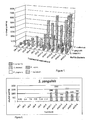
- Results of 0.5% stabilized chlorine dioxide oral rinse exposures to the polymicrobial biofilm are shown in Table 1.
- Table 2 shows the negative control, dH 2 O, results.
- Figure 1 shows the effect of multiples exposures of 0.5% stabilized chlorine dioxide rinse and control (dH 2 O) on the polymicrobial biofilm.
- the results found statistically significant reductions of several periodontal pathogens in a polymicrobial biofilm with multiple exposures to 0.5% stabilized chlorine dioxide oral rinse. It was also observed that the regimen resulted in the complete elimination of three periodontal pathogens, P. gingivalis, P. micros, and F. nucleatum ( Figures 4-6 ).
- S. sanguinis was not completely eliminated
- Figure 3 A. viscosus was not affected by the oral rinse. Both S. sanguinis and A. viscosus are associated with healthy subgingival flora.
Landscapes
- Health & Medical Sciences (AREA)
- Life Sciences & Earth Sciences (AREA)
- Animal Behavior & Ethology (AREA)
- Veterinary Medicine (AREA)
- Public Health (AREA)
- General Health & Medical Sciences (AREA)
- Chemical & Material Sciences (AREA)
- Epidemiology (AREA)
- Inorganic Chemistry (AREA)
- Medicinal Chemistry (AREA)
- Pharmacology & Pharmacy (AREA)
- Birds (AREA)
- Oral & Maxillofacial Surgery (AREA)
- Emergency Medicine (AREA)
- Nutrition Science (AREA)
- Physiology (AREA)
- Engineering & Computer Science (AREA)
- Bioinformatics & Cheminformatics (AREA)
- Chemical Kinetics & Catalysis (AREA)
- General Chemical & Material Sciences (AREA)
- Nuclear Medicine, Radiotherapy & Molecular Imaging (AREA)
- Organic Chemistry (AREA)
- Cosmetics (AREA)
- Pharmaceuticals Containing Other Organic And Inorganic Compounds (AREA)
Claims (13)
- Einphasige Zusammensetzung aus stabilisiertem Chlordioxid in einer Konzentration im Bereich von ungefähr 0,005 % bis ungefähr 0,800 % (w/v) und einem Puffer, der ausgewählt ist aus Azetat-, Zitrat- und Phosphat-Puffern, um einen pH-Wert im Bereich von 6,0-7,4 vorzusehen, für eine topischen Anwendung in der Mundhöhle, und zwar zur Verwendung um Speichel-Biomoleküle oxydativ zu verbrauchen und Produkte zu erzeugen, welche antimikrobielle oder bakterizide oder bakteriostatische Effekte ausüben, um einen Begleitstoff eines polymikrobiellen Biofilms der Mundhöhle zu beeinträchtigen.
- Zusammensetzung zur Verwendung nach Anspruch 1, wobei die Lösung ein wirksames Bakterizid für die folgenden Bakterien ist, welche in dem Biofilm vorhanden sind: Porphyromonas gingivalis, Fusobacterium nucleatum, Micromonas micros und Streptococcus sanguinis.
- Zusammensetzung zur Verwendung nach Anspruch 1, wobei die Zusammensetzung für die Hemmung der Proteinsysteme in dem ist, um Zellen, die in dem polymikrobiellen Biofilm in der Mundhöhle vorhanden sind, daran zu hindern, die Membranpermeabilität aufrecht zu erhalten und zum Hemmen bzw. Verhindern von Stoffwechselprozessen.
- Zusammensetzung zur Verwendung nach Anspruch 1, wobei die Zusammensetzung dazu da ist, gramnegative anaerobe/aerobe/ fakultative und grampositive anaerobe/aerobe/fakultative in Plaques und im polymikrobiellen dentalen Biofilm zu verringern.
- Zusammensetzung zur Verwendung nach Anspruch 3, wobei die Zusammensetzung dafür da ist, einen verringerten destruktiven Effekt auf die Bakterien vorzusehen, welche mit normaler gesunder subgingivaler Flora in der Mundhöhle assoziiert sind.
- Zusammensetzung zur Verwendung nach Anspruch 3, zum Reduzieren der Anzahl pathogener Bakterien in dem Biofilm.
- Zusammensetzung zur Verwendung nach Anspruch 3, zum Eliminieren paradontaler Krankheitserreger in dem Biofilm nach mehrmaliger Exposition gegenüber der Zusammensetzung
- Zusammensetzung zur Verwendung nach Anspruch 1, wobei die Zusammensetzung in einer Form vorhanden ist, die aus der Gruppe ausgewählt ist, welche aus Folgendem besteht: einem Mittel zum Waschen, Spülen, Einweichen, einer Paste, einem Gel, einem Träger bzw. einer Schiene und Aerosolspray.
- Zusammensetzung zur Verwendung nach Anspruch 1, wobei die Zusammensetzung dafür da ist, das Erzeugen flüchtiger SchwefelVerbindungen in der Mundhöhle zu beherrschen.
- Zusammensetzung zur Verwendung nach Anspruch 9, wobei die Zusammensetzung dazu da ist gramnegative anaerobe oder fakultativ aerobe und grampositive anaerobe oder fakultativ aerobe Mundbakterien zu zerstören, welche in einer polymicrobiellen Biofilm-Umgebung von multiplen Arten von Bakterien in der Mundhöhle vorhanden sind.
- Zusammensetzung zur Verwendung nach Anspruch 10, wobei die Zusammensetzung in Form eines Mittels zum Spülen vorhanden ist, welches optional in der Mundhöhle für eine Periode von 30-60 Sekunden gespült wird, wobei mit der Zusammensetzung zweimal täglich gespült werden soll.
- Zusammensetzung zur Verwendung nach Anspruch 1, wobei die Konzentration des stabilisierten Chlordioxids gleich oder größer ist als 0,5 % (w/v) ist.
- Zusammensetzung zur Verwendung nach Anspruch 1, wobei die Zusammensetzung orale Organismen und Bakterien, welche mit der normalen, gesunden subgingivalen Flora assoziiert sind, reduziert aber nicht eliminiert.
Priority Applications (1)
| Application Number | Priority Date | Filing Date | Title |
|---|---|---|---|
| EP16184990.6A EP3115083B1 (de) | 2010-03-25 | 2010-06-08 | Zusammensetzung und verfahren zur vermeidung von munderkrankungen |
Applications Claiming Priority (2)
| Application Number | Priority Date | Filing Date | Title |
|---|---|---|---|
| US12/731,271 US8926951B2 (en) | 2007-07-09 | 2010-03-25 | Composition for preventing oral disease by penetrating polymicrobial oral biofilms and killing oral pathogens |
| PCT/US2010/037768 WO2011119177A1 (en) | 2010-03-25 | 2010-06-08 | Composition and method for preventing oral disease |
Related Child Applications (1)
| Application Number | Title | Priority Date | Filing Date |
|---|---|---|---|
| EP16184990.6A Division EP3115083B1 (de) | 2010-03-25 | 2010-06-08 | Zusammensetzung und verfahren zur vermeidung von munderkrankungen |
Publications (3)
| Publication Number | Publication Date |
|---|---|
| EP2549877A1 EP2549877A1 (de) | 2013-01-30 |
| EP2549877A4 EP2549877A4 (de) | 2013-08-14 |
| EP2549877B1 true EP2549877B1 (de) | 2016-09-07 |
Family
ID=44673507
Family Applications (2)
| Application Number | Title | Priority Date | Filing Date |
|---|---|---|---|
| EP10848608.5A Active EP2549877B1 (de) | 2010-03-25 | 2010-06-08 | Zusammensetzung zur vermeidung von munderkrankungen |
| EP16184990.6A Active EP3115083B1 (de) | 2010-03-25 | 2010-06-08 | Zusammensetzung und verfahren zur vermeidung von munderkrankungen |
Family Applications After (1)
| Application Number | Title | Priority Date | Filing Date |
|---|---|---|---|
| EP16184990.6A Active EP3115083B1 (de) | 2010-03-25 | 2010-06-08 | Zusammensetzung und verfahren zur vermeidung von munderkrankungen |
Country Status (5)
| Country | Link |
|---|---|
| US (2) | US8926951B2 (de) |
| EP (2) | EP2549877B1 (de) |
| AU (2) | AU2010349006B2 (de) |
| CA (2) | CA3013820C (de) |
| WO (1) | WO2011119177A1 (de) |
Families Citing this family (13)
| Publication number | Priority date | Publication date | Assignee | Title |
|---|---|---|---|---|
| JP5548121B2 (ja) | 2007-05-14 | 2014-07-16 | リサーチ ファウンデーション オブ ステイト ユニバーシティ オブ ニューヨーク | バイオフィルム中の細菌細胞における生理学的分散応答の誘導 |
| CL2009001585A1 (es) * | 2008-07-15 | 2011-04-29 | Basf Corp | Composicion fluida espesa, que comprende dioxido de cloro, un espesante, un fluido acuoso, y anion de oxido de clror; composision fluida espesa y su metodo de preparacion |
| US8518382B2 (en) * | 2008-07-15 | 2013-08-27 | Basf Corporation | Tooth polishing compositions and methods of tooth polishing without mechanical abrasion |
| CN102149363A (zh) * | 2008-07-15 | 2011-08-10 | 巴斯夫公司 | 二氧化氯的施用方法、系统和装置 |
| US8311625B2 (en) * | 2009-02-04 | 2012-11-13 | Basf Corporation | Chlorine dioxide treatment for biological tissue |
| US20100233101A1 (en) | 2009-02-13 | 2010-09-16 | Micropure, Inc. | Composition and method for the oxidative consumption of salivary biomolecules |
| US20120164084A1 (en) | 2010-12-22 | 2012-06-28 | Micropure, Inc. | Composition and method to flavor oral care compositions containing a chlorine dioxide source |
| GB201202341D0 (en) | 2012-02-10 | 2012-03-28 | Periproducts Ltd | Multicomponent oral care compostion |
| US10517808B2 (en) | 2015-12-15 | 2019-12-31 | Tartarend, Llc | Oral care formulation and method for the removal of tartar and plaque from teeth |
| MX2019010359A (es) * | 2017-03-03 | 2019-10-22 | Procter & Gamble | Metodos para cuantificar un ion en una biopelicula dental. |
| CA3020197C (en) | 2017-09-01 | 2024-06-04 | Micropure, Inc. | Aliphatic anionic compounds and oxidative compounds with improved stability and efficacy for use in pharmaceutical compositions |
| RU2019114126A (ru) * | 2017-09-01 | 2021-02-01 | Микропьюр, Инк. | Алифатические анионные соединения и окислительные соединения с улучшенной устойчивостью и эффективностью для применения в фармацевтических композициях |
| US11541105B2 (en) | 2018-06-01 | 2023-01-03 | The Research Foundation For The State University Of New York | Compositions and methods for disrupting biofilm formation and maintenance |
Family Cites Families (31)
| Publication number | Priority date | Publication date | Assignee | Title |
|---|---|---|---|---|
| US2482891A (en) | 1945-03-16 | 1949-09-27 | Olin Mathieson | Solid, stable chlorine dioxide generating compositions |
| US3271242A (en) * | 1963-03-29 | 1966-09-06 | Alexander R Reed Iii | Stable chlorine dioxide composition and method of making same |
| US4084747A (en) * | 1976-03-26 | 1978-04-18 | Howard Alliger | Germ killing composition and method |
| US4330531A (en) * | 1976-03-26 | 1982-05-18 | Howard Alliger | Germ-killing materials |
| US4818519A (en) * | 1986-12-29 | 1989-04-04 | Ratcliff Perry A | Method and composition for prevention of plaque formation and plaque dependent diseases |
| US4689215A (en) * | 1984-07-30 | 1987-08-25 | Ratcliff Perry A | Method and composition for prevention and treatment of oral disease |
| US4855135A (en) * | 1984-07-30 | 1989-08-08 | Ratcliff Perry A | Method for debriding |
| US4793989A (en) * | 1984-07-30 | 1988-12-27 | Ratcliff Perry A | Method and composition for prevention and treatment of oral disease |
| US4889714A (en) * | 1984-07-30 | 1989-12-26 | Ratcliff Perry A | Method for retarding dental plaque by killing streptococcus sanguis |
| US4975285A (en) * | 1984-07-30 | 1990-12-04 | Ratcliff Perry A | Method for cleaning dental prosthetic devices |
| US4696811A (en) * | 1984-07-30 | 1987-09-29 | Ratcliff Perry A | Method and composition for prevention and treatment of oral disease |
| US4788053A (en) * | 1984-07-30 | 1988-11-29 | Ratcliff Perry A | Method and composition for prevention and treatment of oral disease |
| US4886657A (en) * | 1984-07-30 | 1989-12-12 | Ratcliff Perry A | Method for preventing periodontitis |
| US4837009A (en) * | 1986-03-31 | 1989-06-06 | Ratcliff Perry A | Method and composition for prevention of plaque formation and plaque dependent diseases |
| GB8426851D0 (en) * | 1984-10-24 | 1984-11-28 | British Leather Manufacturers | Tanning agents |
| US4851213A (en) * | 1986-03-31 | 1989-07-25 | Ratcliff Perry A | Method and composition for prevention and treatment of oral disease due to S. Sanguis |
| US4792442A (en) * | 1986-03-31 | 1988-12-20 | Ratcliff Perry A | Method and composition for prevention and treatment of oral disease |
| US4786492A (en) * | 1986-03-31 | 1988-11-22 | Ratcliff Perry A | Method and composition for prevention and treatment of oral disease |
| US4925656A (en) * | 1986-03-31 | 1990-05-15 | Ratcliff Perry A | Method for retarding formation of dental plaque |
| US5348734A (en) * | 1990-11-20 | 1994-09-20 | Micropure Inc. | Oral health preparation and method |
| US5200171A (en) * | 1990-11-20 | 1993-04-06 | Micropure, Inc. | Oral health preparation and method |
| EP0613678B1 (de) | 1986-12-29 | 1997-11-19 | Micropure, Inc. | Mundpflegemittel |
| US4808389A (en) * | 1986-12-29 | 1989-02-28 | Ratcliff Perry A | Method and composition for prevention and treatment of oral disease |
| US5489435A (en) * | 1993-07-06 | 1996-02-06 | Ratcliff; Perry A. | Composition for treatment of abnormal conditions of the epithelium of bodily orifices |
| WO1995027472A1 (en) * | 1994-04-07 | 1995-10-19 | Richter Jon L | Oral rinse and method of treating halitosis |
| US6136348A (en) | 1997-12-05 | 2000-10-24 | Ratcliff; Perry A. | Compound and method for degrading amino acids |
| US6350438B1 (en) * | 1998-02-27 | 2002-02-26 | The Procter & Gamble Company | Oral care compositions comprising chlorite and methods |
| US6231830B1 (en) * | 1999-03-04 | 2001-05-15 | George Madray | Method of making molecular chlorine dioxide |
| US6696047B2 (en) * | 2001-09-13 | 2004-02-24 | The Procter & Gamble Company | Stable oral care compositions comprising chlorite |
| US20090016973A1 (en) * | 2007-07-09 | 2009-01-15 | Micropure, Inc. | Composition and Method for the Prevention of Oral Disease |
| CN102149363A (zh) * | 2008-07-15 | 2011-08-10 | 巴斯夫公司 | 二氧化氯的施用方法、系统和装置 |
-
2010
- 2010-03-25 US US12/731,271 patent/US8926951B2/en active Active
- 2010-06-08 EP EP10848608.5A patent/EP2549877B1/de active Active
- 2010-06-08 WO PCT/US2010/037768 patent/WO2011119177A1/en not_active Ceased
- 2010-06-08 CA CA3013820A patent/CA3013820C/en active Active
- 2010-06-08 EP EP16184990.6A patent/EP3115083B1/de active Active
- 2010-06-08 AU AU2010349006A patent/AU2010349006B2/en active Active
- 2010-06-08 CA CA2794242A patent/CA2794242C/en active Active
-
2015
- 2015-01-05 US US14/589,260 patent/US9682023B2/en active Active
- 2015-05-26 AU AU2015202853A patent/AU2015202853B2/en active Active
Also Published As
| Publication number | Publication date |
|---|---|
| US20100221198A1 (en) | 2010-09-02 |
| US20150297478A1 (en) | 2015-10-22 |
| AU2015202853A1 (en) | 2015-06-18 |
| CA2794242A1 (en) | 2011-09-29 |
| EP3115083A1 (de) | 2017-01-11 |
| AU2010349006A1 (en) | 2012-10-25 |
| CA3013820C (en) | 2021-10-19 |
| CA2794242C (en) | 2018-09-25 |
| CA3013820A1 (en) | 2011-09-29 |
| WO2011119177A1 (en) | 2011-09-29 |
| EP2549877A4 (de) | 2013-08-14 |
| US9682023B2 (en) | 2017-06-20 |
| EP2549877A1 (de) | 2013-01-30 |
| US8926951B2 (en) | 2015-01-06 |
| AU2015202853B2 (en) | 2016-10-20 |
| AU2010349006B2 (en) | 2015-06-18 |
| EP3115083B1 (de) | 2020-11-11 |
Similar Documents
| Publication | Publication Date | Title |
|---|---|---|
| EP2549877B1 (de) | Zusammensetzung zur vermeidung von munderkrankungen | |
| EP2200441B1 (de) | Zusammensetzung und verfahren zur vorbeugung von mundkrankheiten | |
| CA2624125C (en) | Method for determining the effectiveness of stabilized chlorine dioxide in a mouth rinse | |
| US11000710B2 (en) | Composition and method for the generation of chlorine dioxide from the oxidative consumption of biomolecules | |
| JP6697811B2 (ja) | オキシ塩素口腔リンス組成物 | |
| JPH09508921A (ja) | 殺菌剤としての酸性化したニトリット | |
| HK1180540B (en) | Composition and method for preventing oral disease | |
| EP0461105B1 (de) | Mittel zur verhütung von zahnbelag und belagabhängigen krankheiten | |
| JP5041617B2 (ja) | 口内微生物による酸化―還元(Eh)レベルを制御するための組成物 | |
| JP5041617B6 (ja) | 口内微生物による酸化―還元(Eh)レベルを制御するための組成物 | |
| CN115919897A (zh) | 一种预防龋齿和口腔溃疡含漱液 | |
| Banas et al. | An In Vitro Study Comparing a New Two-Part Activated Chlorine Dioxide Oral Rinse to Chlorhexidine and Commercial Rinses | |
| HK1212598B (en) | Composition and method for the prevention of oral disease | |
| HK1143929B (en) | Composition and method for the prevention of oral disease |
Legal Events
| Date | Code | Title | Description |
|---|---|---|---|
| PUAI | Public reference made under article 153(3) epc to a published international application that has entered the european phase |
Free format text: ORIGINAL CODE: 0009012 |
|
| 17P | Request for examination filed |
Effective date: 20121023 |
|
| AK | Designated contracting states |
Kind code of ref document: A1 Designated state(s): AL AT BE BG CH CY CZ DE DK EE ES FI FR GB GR HR HU IE IS IT LI LT LU LV MC MK MT NL NO PL PT RO SE SI SK SM TR |
|
| DAX | Request for extension of the european patent (deleted) | ||
| A4 | Supplementary search report drawn up and despatched |
Effective date: 20130716 |
|
| RIC1 | Information provided on ipc code assigned before grant |
Ipc: A61K 9/00 20060101ALI20130710BHEP Ipc: A01N 59/18 20060101AFI20130710BHEP Ipc: A61K 8/22 20060101ALI20130710BHEP Ipc: A61K 8/20 20060101ALI20130710BHEP Ipc: A61P 1/02 20060101ALI20130710BHEP Ipc: A61K 33/40 20060101ALI20130710BHEP Ipc: A61K 33/28 20060101ALI20130710BHEP |
|
| REG | Reference to a national code |
Ref country code: HK Ref legal event code: DE Ref document number: 1180540 Country of ref document: HK |
|
| 17Q | First examination report despatched |
Effective date: 20140910 |
|
| REG | Reference to a national code |
Ref country code: DE Ref legal event code: R079 Ref document number: 602010036327 Country of ref document: DE Free format text: PREVIOUS MAIN CLASS: A01N0059180000 Ipc: A61K0033280000 |
|
| RIC1 | Information provided on ipc code assigned before grant |
Ipc: A61Q 11/00 20060101ALI20160224BHEP Ipc: A61K 8/20 20060101ALI20160224BHEP Ipc: A01N 59/18 20060101ALI20160224BHEP Ipc: A61K 33/40 20060101ALI20160224BHEP Ipc: A61K 8/22 20060101ALI20160224BHEP Ipc: A61K 33/28 20060101AFI20160224BHEP Ipc: A61K 9/00 20060101ALI20160224BHEP Ipc: A61P 1/02 20060101ALI20160224BHEP |
|
| GRAP | Despatch of communication of intention to grant a patent |
Free format text: ORIGINAL CODE: EPIDOSNIGR1 |
|
| INTG | Intention to grant announced |
Effective date: 20160401 |
|
| GRAS | Grant fee paid |
Free format text: ORIGINAL CODE: EPIDOSNIGR3 |
|
| GRAA | (expected) grant |
Free format text: ORIGINAL CODE: 0009210 |
|
| AK | Designated contracting states |
Kind code of ref document: B1 Designated state(s): AL AT BE BG CH CY CZ DE DK EE ES FI FR GB GR HR HU IE IS IT LI LT LU LV MC MK MT NL NO PL PT RO SE SI SK SM TR |
|
| REG | Reference to a national code |
Ref country code: GB Ref legal event code: FG4D |
|
| REG | Reference to a national code |
Ref country code: CH Ref legal event code: EP |
|
| REG | Reference to a national code |
Ref country code: IE Ref legal event code: FG4D |
|
| REG | Reference to a national code |
Ref country code: AT Ref legal event code: REF Ref document number: 826219 Country of ref document: AT Kind code of ref document: T Effective date: 20161015 |
|
| REG | Reference to a national code |
Ref country code: DE Ref legal event code: R096 Ref document number: 602010036327 Country of ref document: DE |
|
| REG | Reference to a national code |
Ref country code: LT Ref legal event code: MG4D |
|
| REG | Reference to a national code |
Ref country code: NL Ref legal event code: MP Effective date: 20160907 |
|
| REG | Reference to a national code |
Ref country code: NO Ref legal event code: T2 Effective date: 20160907 |
|
| PG25 | Lapsed in a contracting state [announced via postgrant information from national office to epo] |
Ref country code: FI Free format text: LAPSE BECAUSE OF FAILURE TO SUBMIT A TRANSLATION OF THE DESCRIPTION OR TO PAY THE FEE WITHIN THE PRESCRIBED TIME-LIMIT Effective date: 20160907 Ref country code: LT Free format text: LAPSE BECAUSE OF FAILURE TO SUBMIT A TRANSLATION OF THE DESCRIPTION OR TO PAY THE FEE WITHIN THE PRESCRIBED TIME-LIMIT Effective date: 20160907 Ref country code: HR Free format text: LAPSE BECAUSE OF FAILURE TO SUBMIT A TRANSLATION OF THE DESCRIPTION OR TO PAY THE FEE WITHIN THE PRESCRIBED TIME-LIMIT Effective date: 20160907 |
|
| REG | Reference to a national code |
Ref country code: AT Ref legal event code: MK05 Ref document number: 826219 Country of ref document: AT Kind code of ref document: T Effective date: 20160907 |
|
| PG25 | Lapsed in a contracting state [announced via postgrant information from national office to epo] |
Ref country code: LV Free format text: LAPSE BECAUSE OF FAILURE TO SUBMIT A TRANSLATION OF THE DESCRIPTION OR TO PAY THE FEE WITHIN THE PRESCRIBED TIME-LIMIT Effective date: 20160907 Ref country code: SE Free format text: LAPSE BECAUSE OF FAILURE TO SUBMIT A TRANSLATION OF THE DESCRIPTION OR TO PAY THE FEE WITHIN THE PRESCRIBED TIME-LIMIT Effective date: 20160907 Ref country code: NL Free format text: LAPSE BECAUSE OF FAILURE TO SUBMIT A TRANSLATION OF THE DESCRIPTION OR TO PAY THE FEE WITHIN THE PRESCRIBED TIME-LIMIT Effective date: 20160907 Ref country code: ES Free format text: LAPSE BECAUSE OF FAILURE TO SUBMIT A TRANSLATION OF THE DESCRIPTION OR TO PAY THE FEE WITHIN THE PRESCRIBED TIME-LIMIT Effective date: 20160907 Ref country code: GR Free format text: LAPSE BECAUSE OF FAILURE TO SUBMIT A TRANSLATION OF THE DESCRIPTION OR TO PAY THE FEE WITHIN THE PRESCRIBED TIME-LIMIT Effective date: 20161208 |
|
| PG25 | Lapsed in a contracting state [announced via postgrant information from national office to epo] |
Ref country code: EE Free format text: LAPSE BECAUSE OF FAILURE TO SUBMIT A TRANSLATION OF THE DESCRIPTION OR TO PAY THE FEE WITHIN THE PRESCRIBED TIME-LIMIT Effective date: 20160907 Ref country code: RO Free format text: LAPSE BECAUSE OF FAILURE TO SUBMIT A TRANSLATION OF THE DESCRIPTION OR TO PAY THE FEE WITHIN THE PRESCRIBED TIME-LIMIT Effective date: 20160907 |
|
| PG25 | Lapsed in a contracting state [announced via postgrant information from national office to epo] |
Ref country code: IS Free format text: LAPSE BECAUSE OF FAILURE TO SUBMIT A TRANSLATION OF THE DESCRIPTION OR TO PAY THE FEE WITHIN THE PRESCRIBED TIME-LIMIT Effective date: 20170107 Ref country code: SK Free format text: LAPSE BECAUSE OF FAILURE TO SUBMIT A TRANSLATION OF THE DESCRIPTION OR TO PAY THE FEE WITHIN THE PRESCRIBED TIME-LIMIT Effective date: 20160907 Ref country code: PT Free format text: LAPSE BECAUSE OF FAILURE TO SUBMIT A TRANSLATION OF THE DESCRIPTION OR TO PAY THE FEE WITHIN THE PRESCRIBED TIME-LIMIT Effective date: 20170109 Ref country code: AT Free format text: LAPSE BECAUSE OF FAILURE TO SUBMIT A TRANSLATION OF THE DESCRIPTION OR TO PAY THE FEE WITHIN THE PRESCRIBED TIME-LIMIT Effective date: 20160907 Ref country code: PL Free format text: LAPSE BECAUSE OF FAILURE TO SUBMIT A TRANSLATION OF THE DESCRIPTION OR TO PAY THE FEE WITHIN THE PRESCRIBED TIME-LIMIT Effective date: 20160907 Ref country code: BG Free format text: LAPSE BECAUSE OF FAILURE TO SUBMIT A TRANSLATION OF THE DESCRIPTION OR TO PAY THE FEE WITHIN THE PRESCRIBED TIME-LIMIT Effective date: 20161207 Ref country code: BE Free format text: LAPSE BECAUSE OF FAILURE TO SUBMIT A TRANSLATION OF THE DESCRIPTION OR TO PAY THE FEE WITHIN THE PRESCRIBED TIME-LIMIT Effective date: 20160907 Ref country code: SM Free format text: LAPSE BECAUSE OF FAILURE TO SUBMIT A TRANSLATION OF THE DESCRIPTION OR TO PAY THE FEE WITHIN THE PRESCRIBED TIME-LIMIT Effective date: 20160907 Ref country code: CZ Free format text: LAPSE BECAUSE OF FAILURE TO SUBMIT A TRANSLATION OF THE DESCRIPTION OR TO PAY THE FEE WITHIN THE PRESCRIBED TIME-LIMIT Effective date: 20160907 |
|
| REG | Reference to a national code |
Ref country code: DE Ref legal event code: R097 Ref document number: 602010036327 Country of ref document: DE |
|
| REG | Reference to a national code |
Ref country code: FR Ref legal event code: PLFP Year of fee payment: 8 |
|
| PG25 | Lapsed in a contracting state [announced via postgrant information from national office to epo] |
Ref country code: IT Free format text: LAPSE BECAUSE OF FAILURE TO SUBMIT A TRANSLATION OF THE DESCRIPTION OR TO PAY THE FEE WITHIN THE PRESCRIBED TIME-LIMIT Effective date: 20160907 |
|
| PLBE | No opposition filed within time limit |
Free format text: ORIGINAL CODE: 0009261 |
|
| STAA | Information on the status of an ep patent application or granted ep patent |
Free format text: STATUS: NO OPPOSITION FILED WITHIN TIME LIMIT |
|
| PG25 | Lapsed in a contracting state [announced via postgrant information from national office to epo] |
Ref country code: DK Free format text: LAPSE BECAUSE OF FAILURE TO SUBMIT A TRANSLATION OF THE DESCRIPTION OR TO PAY THE FEE WITHIN THE PRESCRIBED TIME-LIMIT Effective date: 20160907 |
|
| 26N | No opposition filed |
Effective date: 20170608 |
|
| PG25 | Lapsed in a contracting state [announced via postgrant information from national office to epo] |
Ref country code: SI Free format text: LAPSE BECAUSE OF FAILURE TO SUBMIT A TRANSLATION OF THE DESCRIPTION OR TO PAY THE FEE WITHIN THE PRESCRIBED TIME-LIMIT Effective date: 20160907 |
|
| REG | Reference to a national code |
Ref country code: HK Ref legal event code: GR Ref document number: 1180540 Country of ref document: HK |
|
| PG25 | Lapsed in a contracting state [announced via postgrant information from national office to epo] |
Ref country code: MC Free format text: LAPSE BECAUSE OF FAILURE TO SUBMIT A TRANSLATION OF THE DESCRIPTION OR TO PAY THE FEE WITHIN THE PRESCRIBED TIME-LIMIT Effective date: 20160907 |
|
| REG | Reference to a national code |
Ref country code: CH Ref legal event code: PL |
|
| REG | Reference to a national code |
Ref country code: IE Ref legal event code: MM4A |
|
| PG25 | Lapsed in a contracting state [announced via postgrant information from national office to epo] |
Ref country code: CH Free format text: LAPSE BECAUSE OF NON-PAYMENT OF DUE FEES Effective date: 20170630 Ref country code: IE Free format text: LAPSE BECAUSE OF NON-PAYMENT OF DUE FEES Effective date: 20170608 Ref country code: LU Free format text: LAPSE BECAUSE OF NON-PAYMENT OF DUE FEES Effective date: 20170608 Ref country code: LI Free format text: LAPSE BECAUSE OF NON-PAYMENT OF DUE FEES Effective date: 20170630 |
|
| REG | Reference to a national code |
Ref country code: FR Ref legal event code: PLFP Year of fee payment: 9 |
|
| PG25 | Lapsed in a contracting state [announced via postgrant information from national office to epo] |
Ref country code: MT Free format text: LAPSE BECAUSE OF NON-PAYMENT OF DUE FEES Effective date: 20170608 |
|
| PG25 | Lapsed in a contracting state [announced via postgrant information from national office to epo] |
Ref country code: AL Free format text: LAPSE BECAUSE OF FAILURE TO SUBMIT A TRANSLATION OF THE DESCRIPTION OR TO PAY THE FEE WITHIN THE PRESCRIBED TIME-LIMIT Effective date: 20160907 |
|
| PG25 | Lapsed in a contracting state [announced via postgrant information from national office to epo] |
Ref country code: HU Free format text: LAPSE BECAUSE OF FAILURE TO SUBMIT A TRANSLATION OF THE DESCRIPTION OR TO PAY THE FEE WITHIN THE PRESCRIBED TIME-LIMIT; INVALID AB INITIO Effective date: 20100608 |
|
| PG25 | Lapsed in a contracting state [announced via postgrant information from national office to epo] |
Ref country code: CY Free format text: LAPSE BECAUSE OF NON-PAYMENT OF DUE FEES Effective date: 20160907 |
|
| PG25 | Lapsed in a contracting state [announced via postgrant information from national office to epo] |
Ref country code: MK Free format text: LAPSE BECAUSE OF FAILURE TO SUBMIT A TRANSLATION OF THE DESCRIPTION OR TO PAY THE FEE WITHIN THE PRESCRIBED TIME-LIMIT Effective date: 20160907 |
|
| PG25 | Lapsed in a contracting state [announced via postgrant information from national office to epo] |
Ref country code: TR Free format text: LAPSE BECAUSE OF FAILURE TO SUBMIT A TRANSLATION OF THE DESCRIPTION OR TO PAY THE FEE WITHIN THE PRESCRIBED TIME-LIMIT Effective date: 20160907 |
|
| PGFP | Annual fee paid to national office [announced via postgrant information from national office to epo] |
Ref country code: NO Payment date: 20220629 Year of fee payment: 13 |
|
| PGFP | Annual fee paid to national office [announced via postgrant information from national office to epo] |
Ref country code: FR Payment date: 20220627 Year of fee payment: 13 |
|
| PGFP | Annual fee paid to national office [announced via postgrant information from national office to epo] |
Ref country code: DE Payment date: 20220629 Year of fee payment: 13 |
|
| REG | Reference to a national code |
Ref country code: DE Ref legal event code: R119 Ref document number: 602010036327 Country of ref document: DE |
|
| REG | Reference to a national code |
Ref country code: NO Ref legal event code: MMEP |
|
| PG25 | Lapsed in a contracting state [announced via postgrant information from national office to epo] |
Ref country code: DE Free format text: LAPSE BECAUSE OF NON-PAYMENT OF DUE FEES Effective date: 20240103 |
|
| PG25 | Lapsed in a contracting state [announced via postgrant information from national office to epo] |
Ref country code: NO Free format text: LAPSE BECAUSE OF NON-PAYMENT OF DUE FEES Effective date: 20230630 Ref country code: FR Free format text: LAPSE BECAUSE OF NON-PAYMENT OF DUE FEES Effective date: 20230630 |
|
| PGFP | Annual fee paid to national office [announced via postgrant information from national office to epo] |
Ref country code: GB Payment date: 20250627 Year of fee payment: 16 |