EP2557091A1 - Ligands PP1 - Google Patents
Ligands PP1 Download PDFInfo
- Publication number
- EP2557091A1 EP2557091A1 EP20120177509 EP12177509A EP2557091A1 EP 2557091 A1 EP2557091 A1 EP 2557091A1 EP 20120177509 EP20120177509 EP 20120177509 EP 12177509 A EP12177509 A EP 12177509A EP 2557091 A1 EP2557091 A1 EP 2557091A1
- Authority
- EP
- European Patent Office
- Prior art keywords
- amino acid
- seq
- peptide
- acid residue
- serine
- Prior art date
- Legal status (The legal status is an assumption and is not a legal conclusion. Google has not performed a legal analysis and makes no representation as to the accuracy of the status listed.)
- Ceased
Links
- 239000003446 ligand Substances 0.000 title abstract description 232
- 108091033319 polynucleotide Proteins 0.000 claims abstract description 69
- 102000040430 polynucleotide Human genes 0.000 claims abstract description 69
- 239000002157 polynucleotide Substances 0.000 claims abstract description 69
- 230000000694 effects Effects 0.000 claims abstract description 28
- 125000000539 amino acid group Chemical group 0.000 claims description 899
- 108090000765 processed proteins & peptides Proteins 0.000 claims description 592
- 235000001014 amino acid Nutrition 0.000 claims description 345
- 229940024606 amino acid Drugs 0.000 claims description 341
- 150000001413 amino acids Chemical class 0.000 claims description 326
- MTCFGRXMJLQNBG-REOHCLBHSA-N (2S)-2-Amino-3-hydroxypropansäure Chemical compound OC[C@H](N)C(O)=O MTCFGRXMJLQNBG-REOHCLBHSA-N 0.000 claims description 260
- AYFVYJQAPQTCCC-GBXIJSLDSA-N L-threonine Chemical compound C[C@@H](O)[C@H](N)C(O)=O AYFVYJQAPQTCCC-GBXIJSLDSA-N 0.000 claims description 255
- MTCFGRXMJLQNBG-UHFFFAOYSA-N Serine Natural products OCC(N)C(O)=O MTCFGRXMJLQNBG-UHFFFAOYSA-N 0.000 claims description 250
- AYFVYJQAPQTCCC-UHFFFAOYSA-N Threonine Natural products CC(O)C(N)C(O)=O AYFVYJQAPQTCCC-UHFFFAOYSA-N 0.000 claims description 245
- 239000004473 Threonine Substances 0.000 claims description 245
- 229920001184 polypeptide Polymers 0.000 claims description 158
- 102000004196 processed proteins & peptides Human genes 0.000 claims description 158
- 239000003112 inhibitor Substances 0.000 claims description 100
- 239000013598 vector Substances 0.000 claims description 83
- 238000000034 method Methods 0.000 claims description 73
- 230000004807 localization Effects 0.000 claims description 53
- WHUUTDBJXJRKMK-VKHMYHEASA-N L-glutamic acid Chemical compound OC(=O)[C@@H](N)CCC(O)=O WHUUTDBJXJRKMK-VKHMYHEASA-N 0.000 claims description 47
- CKLJMWTZIZZHCS-REOHCLBHSA-N L-aspartic acid Chemical compound OC(=O)[C@@H](N)CC(O)=O CKLJMWTZIZZHCS-REOHCLBHSA-N 0.000 claims description 36
- 239000000203 mixture Substances 0.000 claims description 26
- 210000003660 reticulum Anatomy 0.000 claims description 15
- 229940009098 aspartate Drugs 0.000 claims description 14
- 229930195712 glutamate Natural products 0.000 claims description 14
- 235000004279 alanine Nutrition 0.000 claims description 13
- QNAYBMKLOCPYGJ-REOHCLBHSA-N L-alanine Chemical compound C[C@H](N)C(O)=O QNAYBMKLOCPYGJ-REOHCLBHSA-N 0.000 claims description 12
- ROHFNLRQFUQHCH-YFKPBYRVSA-N L-leucine Chemical compound CC(C)C[C@H](N)C(O)=O ROHFNLRQFUQHCH-YFKPBYRVSA-N 0.000 claims description 11
- ROHFNLRQFUQHCH-UHFFFAOYSA-N Leucine Natural products CC(C)CC(N)C(O)=O ROHFNLRQFUQHCH-UHFFFAOYSA-N 0.000 claims description 11
- 230000002401 inhibitory effect Effects 0.000 claims description 8
- AGPKZVBTJJNPAG-WHFBIAKZSA-N L-isoleucine Chemical compound CC[C@H](C)[C@H](N)C(O)=O AGPKZVBTJJNPAG-WHFBIAKZSA-N 0.000 claims description 7
- 238000012258 culturing Methods 0.000 claims description 7
- 229960000310 isoleucine Drugs 0.000 claims description 7
- AGPKZVBTJJNPAG-UHFFFAOYSA-N isoleucine Natural products CCC(C)C(N)C(O)=O AGPKZVBTJJNPAG-UHFFFAOYSA-N 0.000 claims description 7
- FFEARJCKVFRZRR-BYPYZUCNSA-N L-methionine Chemical compound CSCC[C@H](N)C(O)=O FFEARJCKVFRZRR-BYPYZUCNSA-N 0.000 claims description 4
- 229930182817 methionine Natural products 0.000 claims description 4
- DCXYFEDJOCDNAF-UHFFFAOYSA-N Asparagine Natural products OC(=O)C(N)CC(N)=O DCXYFEDJOCDNAF-UHFFFAOYSA-N 0.000 claims description 3
- DCXYFEDJOCDNAF-REOHCLBHSA-N L-asparagine Chemical compound OC(=O)[C@@H](N)CC(N)=O DCXYFEDJOCDNAF-REOHCLBHSA-N 0.000 claims description 3
- COLNVLDHVKWLRT-QMMMGPOBSA-N L-phenylalanine Chemical compound OC(=O)[C@@H](N)CC1=CC=CC=C1 COLNVLDHVKWLRT-QMMMGPOBSA-N 0.000 claims description 3
- 229960001230 asparagine Drugs 0.000 claims description 3
- 235000009582 asparagine Nutrition 0.000 claims description 3
- XUJNEKJLAYXESH-UHFFFAOYSA-N cysteine Natural products SCC(N)C(O)=O XUJNEKJLAYXESH-UHFFFAOYSA-N 0.000 claims description 3
- 235000018417 cysteine Nutrition 0.000 claims description 3
- COLNVLDHVKWLRT-UHFFFAOYSA-N phenylalanine Natural products OC(=O)C(N)CC1=CC=CC=C1 COLNVLDHVKWLRT-UHFFFAOYSA-N 0.000 claims description 3
- 239000003814 drug Substances 0.000 abstract description 20
- 108090000608 Phosphoric Monoester Hydrolases Proteins 0.000 abstract description 10
- 102000004160 Phosphoric Monoester Hydrolases Human genes 0.000 abstract description 10
- 230000030570 cellular localization Effects 0.000 abstract description 10
- 238000011160 research Methods 0.000 abstract description 7
- 230000000875 corresponding effect Effects 0.000 description 409
- 210000004027 cell Anatomy 0.000 description 105
- 230000036961 partial effect Effects 0.000 description 81
- 125000003275 alpha amino acid group Chemical group 0.000 description 70
- 230000014509 gene expression Effects 0.000 description 62
- 125000006850 spacer group Chemical group 0.000 description 50
- 238000010367 cloning Methods 0.000 description 45
- 108090000623 proteins and genes Proteins 0.000 description 42
- 108020004705 Codon Proteins 0.000 description 31
- 238000003780 insertion Methods 0.000 description 30
- 230000037431 insertion Effects 0.000 description 30
- 102000005681 phospholamban Human genes 0.000 description 29
- 108010059929 phospholamban Proteins 0.000 description 29
- 102000004169 proteins and genes Human genes 0.000 description 24
- 235000018102 proteins Nutrition 0.000 description 23
- 108020004414 DNA Proteins 0.000 description 22
- 108700019146 Transgenes Proteins 0.000 description 22
- 108091008146 restriction endonucleases Proteins 0.000 description 19
- IAZDPXIOMUYVGZ-UHFFFAOYSA-N Dimethylsulphoxide Chemical compound CS(C)=O IAZDPXIOMUYVGZ-UHFFFAOYSA-N 0.000 description 16
- 230000001939 inductive effect Effects 0.000 description 16
- 102000039446 nucleic acids Human genes 0.000 description 16
- 108020004707 nucleic acids Proteins 0.000 description 16
- 150000007523 nucleic acids Chemical class 0.000 description 16
- 239000012634 fragment Substances 0.000 description 14
- 229920001519 homopolymer Polymers 0.000 description 14
- 125000003295 alanine group Chemical group N[C@@H](C)C(=O)* 0.000 description 13
- 229940079593 drug Drugs 0.000 description 13
- 238000000338 in vitro Methods 0.000 description 13
- 239000000178 monomer Substances 0.000 description 13
- 239000000758 substrate Substances 0.000 description 13
- ZAINTDRBUHCDPZ-UHFFFAOYSA-M Alexa Fluor 546 Chemical compound [H+].[Na+].CC1CC(C)(C)NC(C(=C2OC3=C(C4=NC(C)(C)CC(C)C4=CC3=3)S([O-])(=O)=O)S([O-])(=O)=O)=C1C=C2C=3C(C(=C(Cl)C=1Cl)C(O)=O)=C(Cl)C=1SCC(=O)NCCCCCC(=O)ON1C(=O)CCC1=O ZAINTDRBUHCDPZ-UHFFFAOYSA-M 0.000 description 12
- 108091026890 Coding region Proteins 0.000 description 12
- 108091028043 Nucleic acid sequence Proteins 0.000 description 12
- 102000004190 Enzymes Human genes 0.000 description 11
- 108090000790 Enzymes Proteins 0.000 description 11
- 239000012190 activator Substances 0.000 description 11
- 230000004927 fusion Effects 0.000 description 11
- 238000006467 substitution reaction Methods 0.000 description 11
- FWBHETKCLVMNFS-UHFFFAOYSA-N 4',6-Diamino-2-phenylindol Chemical compound C1=CC(C(=N)N)=CC=C1C1=CC2=CC=C(C(N)=N)C=C2N1 FWBHETKCLVMNFS-UHFFFAOYSA-N 0.000 description 10
- 108020004638 Circular DNA Proteins 0.000 description 10
- 241000283973 Oryctolagus cuniculus Species 0.000 description 10
- 238000007792 addition Methods 0.000 description 10
- 210000004413 cardiac myocyte Anatomy 0.000 description 10
- 230000001413 cellular effect Effects 0.000 description 10
- 239000000539 dimer Substances 0.000 description 10
- 210000001908 sarcoplasmic reticulum Anatomy 0.000 description 10
- -1 spacer amino acids Chemical class 0.000 description 10
- PEDCQBHIVMGVHV-UHFFFAOYSA-N Glycerine Chemical compound OCC(O)CO PEDCQBHIVMGVHV-UHFFFAOYSA-N 0.000 description 9
- 108091000080 Phosphotransferase Proteins 0.000 description 9
- 238000003556 assay Methods 0.000 description 9
- 230000005764 inhibitory process Effects 0.000 description 9
- 230000010354 integration Effects 0.000 description 9
- 102000020233 phosphotransferase Human genes 0.000 description 9
- 230000009261 transgenic effect Effects 0.000 description 9
- 238000013519 translation Methods 0.000 description 9
- DHMQDGOQFOQNFH-UHFFFAOYSA-N Glycine Chemical group NCC(O)=O DHMQDGOQFOQNFH-UHFFFAOYSA-N 0.000 description 8
- 108020001507 fusion proteins Proteins 0.000 description 8
- 102000037865 fusion proteins Human genes 0.000 description 8
- 239000002773 nucleotide Substances 0.000 description 8
- 125000003729 nucleotide group Chemical group 0.000 description 8
- 230000008569 process Effects 0.000 description 8
- 229910019142 PO4 Inorganic materials 0.000 description 7
- JFIOVJDNOJYLKP-UHFFFAOYSA-N bithionol Chemical compound OC1=C(Cl)C=C(Cl)C=C1SC1=CC(Cl)=CC(Cl)=C1O JFIOVJDNOJYLKP-UHFFFAOYSA-N 0.000 description 7
- 238000012217 deletion Methods 0.000 description 7
- 230000037430 deletion Effects 0.000 description 7
- 230000003993 interaction Effects 0.000 description 7
- NBIIXXVUZAFLBC-UHFFFAOYSA-K phosphate Chemical compound [O-]P([O-])([O-])=O NBIIXXVUZAFLBC-UHFFFAOYSA-K 0.000 description 7
- 239000010452 phosphate Substances 0.000 description 7
- 239000013612 plasmid Substances 0.000 description 7
- 210000001519 tissue Anatomy 0.000 description 7
- 238000013518 transcription Methods 0.000 description 7
- 230000035897 transcription Effects 0.000 description 7
- FAPWRFPIFSIZLT-UHFFFAOYSA-M Sodium chloride Chemical compound [Na+].[Cl-] FAPWRFPIFSIZLT-UHFFFAOYSA-M 0.000 description 6
- HEMHJVSKTPXQMS-UHFFFAOYSA-M Sodium hydroxide Chemical compound [OH-].[Na+] HEMHJVSKTPXQMS-UHFFFAOYSA-M 0.000 description 6
- 238000002474 experimental method Methods 0.000 description 6
- 230000035772 mutation Effects 0.000 description 6
- 210000004940 nucleus Anatomy 0.000 description 6
- 238000002864 sequence alignment Methods 0.000 description 6
- 238000012360 testing method Methods 0.000 description 6
- XZKIHKMTEMTJQX-UHFFFAOYSA-N 4-Nitrophenyl Phosphate Chemical group OP(O)(=O)OC1=CC=C([N+]([O-])=O)C=C1 XZKIHKMTEMTJQX-UHFFFAOYSA-N 0.000 description 5
- 101710205660 Calcium-transporting ATPase Proteins 0.000 description 5
- 101710134161 Calcium-transporting ATPase sarcoplasmic/endoplasmic reticulum type Proteins 0.000 description 5
- 241001465754 Metazoa Species 0.000 description 5
- 241000699666 Mus <mouse, genus> Species 0.000 description 5
- 101150016979 Ppp1r14a gene Proteins 0.000 description 5
- 102100024147 Protein phosphatase 1 regulatory subunit 14A Human genes 0.000 description 5
- 101100520759 Sus scrofa CPI17 gene Proteins 0.000 description 5
- 230000003185 calcium uptake Effects 0.000 description 5
- 230000008045 co-localization Effects 0.000 description 5
- 210000002472 endoplasmic reticulum Anatomy 0.000 description 5
- 239000013604 expression vector Substances 0.000 description 5
- 239000006166 lysate Substances 0.000 description 5
- 230000004048 modification Effects 0.000 description 5
- 238000012986 modification Methods 0.000 description 5
- 238000005215 recombination Methods 0.000 description 5
- 241000283707 Capra Species 0.000 description 4
- 108010042407 Endonucleases Proteins 0.000 description 4
- 102000004533 Endonucleases Human genes 0.000 description 4
- 239000004471 Glycine Chemical group 0.000 description 4
- HVLSXIKZNLPZJJ-TXZCQADKSA-N HA peptide Chemical compound C([C@@H](C(=O)N[C@@H](CC(O)=O)C(=O)N[C@@H](C(C)C)C(=O)N1[C@@H](CCC1)C(=O)N[C@@H](CC(O)=O)C(=O)N[C@@H](CC=1C=CC(O)=CC=1)C(=O)N[C@@H](C)C(O)=O)NC(=O)[C@H]1N(CCC1)C(=O)[C@@H](N)CC=1C=CC(O)=CC=1)C1=CC=C(O)C=C1 HVLSXIKZNLPZJJ-TXZCQADKSA-N 0.000 description 4
- 101100520968 Homo sapiens PPP1R1B gene Proteins 0.000 description 4
- 241000699660 Mus musculus Species 0.000 description 4
- 241000699670 Mus sp. Species 0.000 description 4
- 229930040373 Paraformaldehyde Natural products 0.000 description 4
- 102100035269 Phosphatase and actin regulator 3 Human genes 0.000 description 4
- 101710097091 Phosphatase and actin regulator 3 Proteins 0.000 description 4
- 102100024556 Protein phosphatase 1 regulatory subunit 1B Human genes 0.000 description 4
- 102000004097 Protein phosphatase inhibitor 1 Human genes 0.000 description 4
- 108090000506 Protein phosphatase inhibitor 1 Proteins 0.000 description 4
- 230000002378 acidificating effect Effects 0.000 description 4
- 238000010256 biochemical assay Methods 0.000 description 4
- 230000003197 catalytic effect Effects 0.000 description 4
- 210000003855 cell nucleus Anatomy 0.000 description 4
- 238000006243 chemical reaction Methods 0.000 description 4
- 239000003153 chemical reaction reagent Substances 0.000 description 4
- 230000004069 differentiation Effects 0.000 description 4
- 229920002866 paraformaldehyde Polymers 0.000 description 4
- 230000006798 recombination Effects 0.000 description 4
- 238000011830 transgenic mouse model Methods 0.000 description 4
- 238000001262 western blot Methods 0.000 description 4
- QKNYBSVHEMOAJP-UHFFFAOYSA-N 2-amino-2-(hydroxymethyl)propane-1,3-diol;hydron;chloride Chemical compound Cl.OCC(N)(CO)CO QKNYBSVHEMOAJP-UHFFFAOYSA-N 0.000 description 3
- 239000012103 Alexa Fluor 488 Substances 0.000 description 3
- 102000014914 Carrier Proteins Human genes 0.000 description 3
- 102000053602 DNA Human genes 0.000 description 3
- 206010019280 Heart failures Diseases 0.000 description 3
- 101000741917 Homo sapiens Serine/threonine-protein phosphatase 1 regulatory subunit 10 Proteins 0.000 description 3
- OUYCCCASQSFEME-QMMMGPOBSA-N L-tyrosine Chemical compound OC(=O)[C@@H](N)CC1=CC=C(O)C=C1 OUYCCCASQSFEME-QMMMGPOBSA-N 0.000 description 3
- 229910021380 Manganese Chloride Inorganic materials 0.000 description 3
- GLFNIEUTAYBVOC-UHFFFAOYSA-L Manganese chloride Chemical compound Cl[Mn]Cl GLFNIEUTAYBVOC-UHFFFAOYSA-L 0.000 description 3
- 108700020796 Oncogene Proteins 0.000 description 3
- ONIBWKKTOPOVIA-UHFFFAOYSA-N Proline Natural products OC(=O)C1CCCN1 ONIBWKKTOPOVIA-UHFFFAOYSA-N 0.000 description 3
- 102000001253 Protein Kinase Human genes 0.000 description 3
- 102100028506 Protein phosphatase 1 regulatory subunit 3C Human genes 0.000 description 3
- 102000018120 Recombinases Human genes 0.000 description 3
- 108010091086 Recombinases Proteins 0.000 description 3
- 102100038743 Serine/threonine-protein phosphatase 1 regulatory subunit 10 Human genes 0.000 description 3
- 108010078814 Tumor Suppressor Protein p53 Proteins 0.000 description 3
- 102000015098 Tumor Suppressor Protein p53 Human genes 0.000 description 3
- 238000004458 analytical method Methods 0.000 description 3
- 239000005441 aurora Substances 0.000 description 3
- 108091008324 binding proteins Proteins 0.000 description 3
- 230000015572 biosynthetic process Effects 0.000 description 3
- 238000010586 diagram Methods 0.000 description 3
- 239000007850 fluorescent dye Substances 0.000 description 3
- 230000006870 function Effects 0.000 description 3
- 230000004217 heart function Effects 0.000 description 3
- 210000005003 heart tissue Anatomy 0.000 description 3
- 238000000099 in vitro assay Methods 0.000 description 3
- 238000001727 in vivo Methods 0.000 description 3
- 239000011565 manganese chloride Substances 0.000 description 3
- 235000002867 manganese chloride Nutrition 0.000 description 3
- 229940099607 manganese chloride Drugs 0.000 description 3
- 230000007246 mechanism Effects 0.000 description 3
- 230000001404 mediated effect Effects 0.000 description 3
- 238000010369 molecular cloning Methods 0.000 description 3
- 210000004165 myocardium Anatomy 0.000 description 3
- 239000006225 natural substrate Substances 0.000 description 3
- QNDVLZJODHBUFM-WFXQOWMNSA-N okadaic acid Chemical compound C([C@H](O1)[C@H](C)/C=C/[C@H]2CC[C@@]3(CC[C@H]4O[C@@H](C([C@@H](O)[C@@H]4O3)=C)[C@@H](O)C[C@H](C)[C@@H]3[C@@H](CC[C@@]4(OCCCC4)O3)C)O2)C(C)=C[C@]21O[C@H](C[C@@](C)(O)C(O)=O)CC[C@H]2O QNDVLZJODHBUFM-WFXQOWMNSA-N 0.000 description 3
- VEFJHAYOIAAXEU-UHFFFAOYSA-N okadaic acid Natural products CC(CC(O)C1OC2CCC3(CCC(O3)C=CC(C)C4CC(=CC5(OC(CC(C)(O)C(=O)O)CCC5O)O4)C)OC2C(O)C1C)C6OC7(CCCCO7)CCC6C VEFJHAYOIAAXEU-UHFFFAOYSA-N 0.000 description 3
- 238000006366 phosphorylation reaction Methods 0.000 description 3
- 108060006633 protein kinase Proteins 0.000 description 3
- 230000001105 regulatory effect Effects 0.000 description 3
- 210000001995 reticulocyte Anatomy 0.000 description 3
- 239000011780 sodium chloride Substances 0.000 description 3
- 238000010186 staining Methods 0.000 description 3
- 238000003786 synthesis reaction Methods 0.000 description 3
- 230000001225 therapeutic effect Effects 0.000 description 3
- 125000000341 threoninyl group Chemical group [H]OC([H])(C([H])([H])[H])C([H])(N([H])[H])C(*)=O 0.000 description 3
- 238000001890 transfection Methods 0.000 description 3
- 230000010474 transient expression Effects 0.000 description 3
- OUYCCCASQSFEME-UHFFFAOYSA-N tyrosine Natural products OC(=O)C(N)CC1=CC=C(O)C=C1 OUYCCCASQSFEME-UHFFFAOYSA-N 0.000 description 3
- 238000012795 verification Methods 0.000 description 3
- 230000003612 virological effect Effects 0.000 description 3
- 108091032973 (ribonucleotides)n+m Proteins 0.000 description 2
- XZKIHKMTEMTJQX-UHFFFAOYSA-L 4-nitrophenyl phosphate(2-) Chemical group [O-][N+](=O)C1=CC=C(OP([O-])([O-])=O)C=C1 XZKIHKMTEMTJQX-UHFFFAOYSA-L 0.000 description 2
- 201000009030 Carcinoma Diseases 0.000 description 2
- 108010043121 Green Fluorescent Proteins Proteins 0.000 description 2
- 102000004144 Green Fluorescent Proteins Human genes 0.000 description 2
- 101001106413 Homo sapiens Macrophage-stimulating protein receptor Proteins 0.000 description 2
- 101001000061 Homo sapiens Protein phosphatase 1 regulatory subunit 12A Proteins 0.000 description 2
- 102220601399 Integrin beta-1-binding protein 1_T38D_mutation Human genes 0.000 description 2
- ONIBWKKTOPOVIA-BYPYZUCNSA-N L-Proline Chemical compound OC(=O)[C@@H]1CCCN1 ONIBWKKTOPOVIA-BYPYZUCNSA-N 0.000 description 2
- 102100021435 Macrophage-stimulating protein receptor Human genes 0.000 description 2
- 102100038895 Myc proto-oncogene protein Human genes 0.000 description 2
- 101710135898 Myc proto-oncogene protein Proteins 0.000 description 2
- 108091034117 Oligonucleotide Proteins 0.000 description 2
- 108700019535 Phosphoprotein Phosphatases Proteins 0.000 description 2
- 102000045595 Phosphoprotein Phosphatases Human genes 0.000 description 2
- 108010089430 Phosphoproteins Proteins 0.000 description 2
- 102000007982 Phosphoproteins Human genes 0.000 description 2
- 108010029485 Protein Isoforms Proteins 0.000 description 2
- 102000001708 Protein Isoforms Human genes 0.000 description 2
- 102000005569 Protein Phosphatase 1 Human genes 0.000 description 2
- 108010059000 Protein Phosphatase 1 Proteins 0.000 description 2
- 102100036547 Protein phosphatase 1 regulatory subunit 12A Human genes 0.000 description 2
- 108050002705 Protein phosphatase 1 regulatory subunit 3C Proteins 0.000 description 2
- 238000012300 Sequence Analysis Methods 0.000 description 2
- 238000002105 Southern blotting Methods 0.000 description 2
- 241000193996 Streptococcus pyogenes Species 0.000 description 2
- 101710150448 Transcriptional regulator Myc Proteins 0.000 description 2
- JLCPHMBAVCMARE-UHFFFAOYSA-N [3-[[3-[[3-[[3-[[3-[[3-[[3-[[3-[[3-[[3-[[3-[[5-(2-amino-6-oxo-1H-purin-9-yl)-3-[[3-[[3-[[3-[[3-[[3-[[5-(2-amino-6-oxo-1H-purin-9-yl)-3-[[5-(2-amino-6-oxo-1H-purin-9-yl)-3-hydroxyoxolan-2-yl]methoxy-hydroxyphosphoryl]oxyoxolan-2-yl]methoxy-hydroxyphosphoryl]oxy-5-(5-methyl-2,4-dioxopyrimidin-1-yl)oxolan-2-yl]methoxy-hydroxyphosphoryl]oxy-5-(6-aminopurin-9-yl)oxolan-2-yl]methoxy-hydroxyphosphoryl]oxy-5-(6-aminopurin-9-yl)oxolan-2-yl]methoxy-hydroxyphosphoryl]oxy-5-(6-aminopurin-9-yl)oxolan-2-yl]methoxy-hydroxyphosphoryl]oxy-5-(6-aminopurin-9-yl)oxolan-2-yl]methoxy-hydroxyphosphoryl]oxyoxolan-2-yl]methoxy-hydroxyphosphoryl]oxy-5-(5-methyl-2,4-dioxopyrimidin-1-yl)oxolan-2-yl]methoxy-hydroxyphosphoryl]oxy-5-(4-amino-2-oxopyrimidin-1-yl)oxolan-2-yl]methoxy-hydroxyphosphoryl]oxy-5-(5-methyl-2,4-dioxopyrimidin-1-yl)oxolan-2-yl]methoxy-hydroxyphosphoryl]oxy-5-(5-methyl-2,4-dioxopyrimidin-1-yl)oxolan-2-yl]methoxy-hydroxyphosphoryl]oxy-5-(6-aminopurin-9-yl)oxolan-2-yl]methoxy-hydroxyphosphoryl]oxy-5-(6-aminopurin-9-yl)oxolan-2-yl]methoxy-hydroxyphosphoryl]oxy-5-(4-amino-2-oxopyrimidin-1-yl)oxolan-2-yl]methoxy-hydroxyphosphoryl]oxy-5-(4-amino-2-oxopyrimidin-1-yl)oxolan-2-yl]methoxy-hydroxyphosphoryl]oxy-5-(4-amino-2-oxopyrimidin-1-yl)oxolan-2-yl]methoxy-hydroxyphosphoryl]oxy-5-(6-aminopurin-9-yl)oxolan-2-yl]methoxy-hydroxyphosphoryl]oxy-5-(4-amino-2-oxopyrimidin-1-yl)oxolan-2-yl]methyl [5-(6-aminopurin-9-yl)-2-(hydroxymethyl)oxolan-3-yl] hydrogen phosphate Polymers Cc1cn(C2CC(OP(O)(=O)OCC3OC(CC3OP(O)(=O)OCC3OC(CC3O)n3cnc4c3nc(N)[nH]c4=O)n3cnc4c3nc(N)[nH]c4=O)C(COP(O)(=O)OC3CC(OC3COP(O)(=O)OC3CC(OC3COP(O)(=O)OC3CC(OC3COP(O)(=O)OC3CC(OC3COP(O)(=O)OC3CC(OC3COP(O)(=O)OC3CC(OC3COP(O)(=O)OC3CC(OC3COP(O)(=O)OC3CC(OC3COP(O)(=O)OC3CC(OC3COP(O)(=O)OC3CC(OC3COP(O)(=O)OC3CC(OC3COP(O)(=O)OC3CC(OC3COP(O)(=O)OC3CC(OC3COP(O)(=O)OC3CC(OC3COP(O)(=O)OC3CC(OC3COP(O)(=O)OC3CC(OC3COP(O)(=O)OC3CC(OC3CO)n3cnc4c(N)ncnc34)n3ccc(N)nc3=O)n3cnc4c(N)ncnc34)n3ccc(N)nc3=O)n3ccc(N)nc3=O)n3ccc(N)nc3=O)n3cnc4c(N)ncnc34)n3cnc4c(N)ncnc34)n3cc(C)c(=O)[nH]c3=O)n3cc(C)c(=O)[nH]c3=O)n3ccc(N)nc3=O)n3cc(C)c(=O)[nH]c3=O)n3cnc4c3nc(N)[nH]c4=O)n3cnc4c(N)ncnc34)n3cnc4c(N)ncnc34)n3cnc4c(N)ncnc34)n3cnc4c(N)ncnc34)O2)c(=O)[nH]c1=O JLCPHMBAVCMARE-UHFFFAOYSA-N 0.000 description 2
- 230000000721 bacterilogical effect Effects 0.000 description 2
- 238000010009 beating Methods 0.000 description 2
- 230000033228 biological regulation Effects 0.000 description 2
- 150000001720 carbohydrates Chemical class 0.000 description 2
- 235000014633 carbohydrates Nutrition 0.000 description 2
- 230000000747 cardiac effect Effects 0.000 description 2
- 238000000423 cell based assay Methods 0.000 description 2
- 210000000170 cell membrane Anatomy 0.000 description 2
- 239000003593 chromogenic compound Substances 0.000 description 2
- 238000003776 cleavage reaction Methods 0.000 description 2
- 239000013599 cloning vector Substances 0.000 description 2
- 238000012761 co-transfection Methods 0.000 description 2
- 238000004590 computer program Methods 0.000 description 2
- 230000001276 controlling effect Effects 0.000 description 2
- 230000030609 dephosphorylation Effects 0.000 description 2
- 238000006209 dephosphorylation reaction Methods 0.000 description 2
- 238000013461 design Methods 0.000 description 2
- 230000029087 digestion Effects 0.000 description 2
- 210000002242 embryoid body Anatomy 0.000 description 2
- 238000005516 engineering process Methods 0.000 description 2
- 230000002255 enzymatic effect Effects 0.000 description 2
- 238000006911 enzymatic reaction Methods 0.000 description 2
- 238000001976 enzyme digestion Methods 0.000 description 2
- 238000001415 gene therapy Methods 0.000 description 2
- 239000005090 green fluorescent protein Substances 0.000 description 2
- 238000001114 immunoprecipitation Methods 0.000 description 2
- 230000002779 inactivation Effects 0.000 description 2
- 239000000463 material Substances 0.000 description 2
- 239000012528 membrane Substances 0.000 description 2
- 210000000663 muscle cell Anatomy 0.000 description 2
- QYYXITIZXRMPSZ-UHFFFAOYSA-N n'-tert-butyl-n'-(3,5-dimethylbenzoyl)-2-ethyl-3-methoxybenzohydrazide Chemical compound CCC1=C(OC)C=CC=C1C(=O)NN(C(C)(C)C)C(=O)C1=CC(C)=CC(C)=C1 QYYXITIZXRMPSZ-UHFFFAOYSA-N 0.000 description 2
- UPSFMJHZUCSEHU-JYGUBCOQSA-N n-[(2s,3r,4r,5s,6r)-2-[(2r,3s,4r,5r,6s)-5-acetamido-4-hydroxy-2-(hydroxymethyl)-6-(4-methyl-2-oxochromen-7-yl)oxyoxan-3-yl]oxy-4,5-dihydroxy-6-(hydroxymethyl)oxan-3-yl]acetamide Chemical compound CC(=O)N[C@@H]1[C@@H](O)[C@H](O)[C@@H](CO)O[C@H]1O[C@H]1[C@H](O)[C@@H](NC(C)=O)[C@H](OC=2C=C3OC(=O)C=C(C)C3=CC=2)O[C@@H]1CO UPSFMJHZUCSEHU-JYGUBCOQSA-N 0.000 description 2
- 238000010647 peptide synthesis reaction Methods 0.000 description 2
- 230000026731 phosphorylation Effects 0.000 description 2
- 230000008488 polyadenylation Effects 0.000 description 2
- 239000002243 precursor Substances 0.000 description 2
- 125000002924 primary amino group Chemical group [H]N([H])* 0.000 description 2
- 238000000746 purification Methods 0.000 description 2
- 238000011002 quantification Methods 0.000 description 2
- 238000010188 recombinant method Methods 0.000 description 2
- 230000001177 retroviral effect Effects 0.000 description 2
- 239000000523 sample Substances 0.000 description 2
- 230000007017 scission Effects 0.000 description 2
- 230000002194 synthesizing effect Effects 0.000 description 2
- 238000002560 therapeutic procedure Methods 0.000 description 2
- 241000701161 unidentified adenovirus Species 0.000 description 2
- IMZBXSAKACGTPH-UHFFFAOYSA-N (3-oxo-6'-phosphonooxyspiro[2-benzofuran-1,9'-xanthene]-3'-yl) dihydrogen phosphate Chemical group O1C(=O)C2=CC=CC=C2C21C1=CC=C(OP(O)(O)=O)C=C1OC1=CC(OP(O)(=O)O)=CC=C21 IMZBXSAKACGTPH-UHFFFAOYSA-N 0.000 description 1
- 102000002260 Alkaline Phosphatase Human genes 0.000 description 1
- 108020004774 Alkaline Phosphatase Proteins 0.000 description 1
- 239000004475 Arginine Substances 0.000 description 1
- 101100328086 Caenorhabditis elegans cla-1 gene Proteins 0.000 description 1
- OYPRJOBELJOOCE-UHFFFAOYSA-N Calcium Chemical compound [Ca] OYPRJOBELJOOCE-UHFFFAOYSA-N 0.000 description 1
- 241000699800 Cricetinae Species 0.000 description 1
- 241000702421 Dependoparvovirus Species 0.000 description 1
- 101100457919 Drosophila melanogaster stg gene Proteins 0.000 description 1
- 108010093031 Galactosidases Proteins 0.000 description 1
- 102000002464 Galactosidases Human genes 0.000 description 1
- 101000866749 Homo sapiens Elongation factor 2 Proteins 0.000 description 1
- 101000624643 Homo sapiens M-phase inducer phosphatase 3 Proteins 0.000 description 1
- 101000687060 Homo sapiens Protein phosphatase 1 regulatory subunit 1A Proteins 0.000 description 1
- 101001122995 Homo sapiens Protein phosphatase 1 regulatory subunit 3C Proteins 0.000 description 1
- 101000580039 Homo sapiens Ras-specific guanine nucleotide-releasing factor 1 Proteins 0.000 description 1
- 108091008585 IP3 receptors Proteins 0.000 description 1
- 102000007640 Inositol 1,4,5-Trisphosphate Receptors Human genes 0.000 description 1
- 102000012330 Integrases Human genes 0.000 description 1
- 108010061833 Integrases Proteins 0.000 description 1
- XUJNEKJLAYXESH-REOHCLBHSA-N L-Cysteine Chemical compound SC[C@H](N)C(O)=O XUJNEKJLAYXESH-REOHCLBHSA-N 0.000 description 1
- ODKSFYDXXFIFQN-BYPYZUCNSA-P L-argininium(2+) Chemical compound NC(=[NH2+])NCCC[C@H]([NH3+])C(O)=O ODKSFYDXXFIFQN-BYPYZUCNSA-P 0.000 description 1
- ZDXPYRJPNDTMRX-VKHMYHEASA-N L-glutamine Chemical compound OC(=O)[C@@H](N)CCC(N)=O ZDXPYRJPNDTMRX-VKHMYHEASA-N 0.000 description 1
- HNDVDQJCIGZPNO-YFKPBYRVSA-N L-histidine Chemical compound OC(=O)[C@@H](N)CC1=CN=CN1 HNDVDQJCIGZPNO-YFKPBYRVSA-N 0.000 description 1
- KDXKERNSBIXSRK-YFKPBYRVSA-N L-lysine Chemical compound NCCCC[C@H](N)C(O)=O KDXKERNSBIXSRK-YFKPBYRVSA-N 0.000 description 1
- QIVBCDIJIAJPQS-VIFPVBQESA-N L-tryptophane Chemical compound C1=CC=C2C(C[C@H](N)C(O)=O)=CNC2=C1 QIVBCDIJIAJPQS-VIFPVBQESA-N 0.000 description 1
- KZSNJWFQEVHDMF-BYPYZUCNSA-N L-valine Chemical compound CC(C)[C@H](N)C(O)=O KZSNJWFQEVHDMF-BYPYZUCNSA-N 0.000 description 1
- 241000713666 Lentivirus Species 0.000 description 1
- 108060001084 Luciferase Proteins 0.000 description 1
- 239000005089 Luciferase Substances 0.000 description 1
- KDXKERNSBIXSRK-UHFFFAOYSA-N Lysine Natural products NCCCCC(N)C(O)=O KDXKERNSBIXSRK-UHFFFAOYSA-N 0.000 description 1
- 239000004472 Lysine Substances 0.000 description 1
- 102100023330 M-phase inducer phosphatase 3 Human genes 0.000 description 1
- 206010028980 Neoplasm Diseases 0.000 description 1
- 102000028435 Neuropeptide Y4 receptor Human genes 0.000 description 1
- 108010002245 Neuropeptide Y4 receptor Proteins 0.000 description 1
- 108010077850 Nuclear Localization Signals Proteins 0.000 description 1
- 102400000050 Oxytocin Human genes 0.000 description 1
- XNOPRXBHLZRZKH-UHFFFAOYSA-N Oxytocin Natural products N1C(=O)C(N)CSSCC(C(=O)N2C(CCC2)C(=O)NC(CC(C)C)C(=O)NCC(N)=O)NC(=O)C(CC(N)=O)NC(=O)C(CCC(N)=O)NC(=O)C(C(C)CC)NC(=O)C1CC1=CC=C(O)C=C1 XNOPRXBHLZRZKH-UHFFFAOYSA-N 0.000 description 1
- 101800000989 Oxytocin Proteins 0.000 description 1
- 238000012408 PCR amplification Methods 0.000 description 1
- 102000003992 Peroxidases Human genes 0.000 description 1
- 102100024606 Protein phosphatase 1 regulatory subunit 1A Human genes 0.000 description 1
- 102220540010 Protein phosphatase 1 regulatory subunit 1A_T35D_mutation Human genes 0.000 description 1
- 102000009572 RNA Polymerase II Human genes 0.000 description 1
- 108010009460 RNA Polymerase II Proteins 0.000 description 1
- 101150002757 RSL1 gene Proteins 0.000 description 1
- 108020004511 Recombinant DNA Proteins 0.000 description 1
- 201000000582 Retinoblastoma Diseases 0.000 description 1
- 101710109123 Sarcoplasmic/endoplasmic reticulum calcium ATPase 2 Proteins 0.000 description 1
- 102100027732 Sarcoplasmic/endoplasmic reticulum calcium ATPase 2 Human genes 0.000 description 1
- 108700005078 Synthetic Genes Proteins 0.000 description 1
- 239000004098 Tetracycline Substances 0.000 description 1
- 102000004903 Troponin Human genes 0.000 description 1
- 108090001027 Troponin Proteins 0.000 description 1
- 102000013394 Troponin I Human genes 0.000 description 1
- 108010065729 Troponin I Proteins 0.000 description 1
- QIVBCDIJIAJPQS-UHFFFAOYSA-N Tryptophan Natural products C1=CC=C2C(CC(N)C(O)=O)=CNC2=C1 QIVBCDIJIAJPQS-UHFFFAOYSA-N 0.000 description 1
- 102220501737 Ubiquitin-like modifier-activating enzyme 1_M67A_mutation Human genes 0.000 description 1
- KZSNJWFQEVHDMF-UHFFFAOYSA-N Valine Natural products CC(C)C(N)C(O)=O KZSNJWFQEVHDMF-UHFFFAOYSA-N 0.000 description 1
- 241000700605 Viruses Species 0.000 description 1
- VAYKCOLUSSILBE-FOWTUZBSSA-N [1-(carbamoylamino)-1-oxopropan-2-yl] (3e)-3-[(3,4-dimethoxyphenyl)methylidene]-1,2-dihydrocyclopenta[b]quinoline-9-carboxylate Chemical compound C1=C(OC)C(OC)=CC=C1\C=C/1C(N=C2C(C=CC=C2)=C2C(=O)OC(C)C(=O)NC(N)=O)=C2CC\1 VAYKCOLUSSILBE-FOWTUZBSSA-N 0.000 description 1
- 238000002835 absorbance Methods 0.000 description 1
- 239000002253 acid Substances 0.000 description 1
- 150000007513 acids Chemical class 0.000 description 1
- 239000000443 aerosol Substances 0.000 description 1
- 230000004075 alteration Effects 0.000 description 1
- 239000012491 analyte Substances 0.000 description 1
- 238000000137 annealing Methods 0.000 description 1
- ODKSFYDXXFIFQN-UHFFFAOYSA-N arginine Natural products OC(=O)C(N)CCCNC(N)=N ODKSFYDXXFIFQN-UHFFFAOYSA-N 0.000 description 1
- 210000004507 artificial chromosome Anatomy 0.000 description 1
- 230000003115 biocidal effect Effects 0.000 description 1
- 239000011575 calcium Substances 0.000 description 1
- 229910052791 calcium Inorganic materials 0.000 description 1
- 201000011510 cancer Diseases 0.000 description 1
- 239000002775 capsule Substances 0.000 description 1
- 230000001756 cardiomyopathic effect Effects 0.000 description 1
- 238000006555 catalytic reaction Methods 0.000 description 1
- 101150069072 cdc25 gene Proteins 0.000 description 1
- 230000022131 cell cycle Effects 0.000 description 1
- 230000003915 cell function Effects 0.000 description 1
- 230000033077 cellular process Effects 0.000 description 1
- 230000000295 complement effect Effects 0.000 description 1
- 150000001875 compounds Chemical class 0.000 description 1
- 238000004624 confocal microscopy Methods 0.000 description 1
- 230000036461 convulsion Effects 0.000 description 1
- 238000012937 correction Methods 0.000 description 1
- 230000002596 correlated effect Effects 0.000 description 1
- 238000005520 cutting process Methods 0.000 description 1
- 230000001086 cytosolic effect Effects 0.000 description 1
- 230000007423 decrease Effects 0.000 description 1
- 230000007547 defect Effects 0.000 description 1
- 238000002716 delivery method Methods 0.000 description 1
- 230000003831 deregulation Effects 0.000 description 1
- 238000001514 detection method Methods 0.000 description 1
- 125000005077 diacylhydrazine group Chemical group 0.000 description 1
- KAKKHKRHCKCAGH-UHFFFAOYSA-L disodium;(4-nitrophenyl) phosphate;hexahydrate Chemical compound O.O.O.O.O.O.[Na+].[Na+].[O-][N+](=O)C1=CC=C(OP([O-])([O-])=O)C=C1 KAKKHKRHCKCAGH-UHFFFAOYSA-L 0.000 description 1
- 231100000673 dose–response relationship Toxicity 0.000 description 1
- 238000009510 drug design Methods 0.000 description 1
- 210000001671 embryonic stem cell Anatomy 0.000 description 1
- 210000001163 endosome Anatomy 0.000 description 1
- 238000007824 enzymatic assay Methods 0.000 description 1
- 210000003527 eukaryotic cell Anatomy 0.000 description 1
- 210000001808 exosome Anatomy 0.000 description 1
- 238000000855 fermentation Methods 0.000 description 1
- 230000004151 fermentation Effects 0.000 description 1
- 108091006047 fluorescent proteins Proteins 0.000 description 1
- 102000034287 fluorescent proteins Human genes 0.000 description 1
- 230000002068 genetic effect Effects 0.000 description 1
- ZDXPYRJPNDTMRX-UHFFFAOYSA-N glutamine Natural products OC(=O)C(N)CCC(N)=O ZDXPYRJPNDTMRX-UHFFFAOYSA-N 0.000 description 1
- 125000003630 glycyl group Chemical group [H]N([H])C([H])([H])C(*)=O 0.000 description 1
- 210000002288 golgi apparatus Anatomy 0.000 description 1
- HNDVDQJCIGZPNO-UHFFFAOYSA-N histidine Natural products OC(=O)C(N)CC1=CN=CN1 HNDVDQJCIGZPNO-UHFFFAOYSA-N 0.000 description 1
- 238000010166 immunofluorescence Methods 0.000 description 1
- 238000012744 immunostaining Methods 0.000 description 1
- 238000000126 in silico method Methods 0.000 description 1
- 238000010348 incorporation Methods 0.000 description 1
- 230000006698 induction Effects 0.000 description 1
- 108091006086 inhibitor proteins Proteins 0.000 description 1
- 238000002347 injection Methods 0.000 description 1
- 239000007924 injection Substances 0.000 description 1
- 230000003834 intracellular effect Effects 0.000 description 1
- 238000007918 intramuscular administration Methods 0.000 description 1
- 238000007912 intraperitoneal administration Methods 0.000 description 1
- 238000001990 intravenous administration Methods 0.000 description 1
- 238000002955 isolation Methods 0.000 description 1
- 238000005304 joining Methods 0.000 description 1
- 238000011031 large-scale manufacturing process Methods 0.000 description 1
- 230000000670 limiting effect Effects 0.000 description 1
- 125000003473 lipid group Chemical group 0.000 description 1
- 150000002632 lipids Chemical class 0.000 description 1
- 239000007788 liquid Substances 0.000 description 1
- 230000007774 longterm Effects 0.000 description 1
- 210000003712 lysosome Anatomy 0.000 description 1
- 230000001868 lysosomic effect Effects 0.000 description 1
- 210000004962 mammalian cell Anatomy 0.000 description 1
- 210000001161 mammalian embryo Anatomy 0.000 description 1
- 238000004519 manufacturing process Methods 0.000 description 1
- 239000003550 marker Substances 0.000 description 1
- 239000011159 matrix material Substances 0.000 description 1
- 238000001000 micrograph Methods 0.000 description 1
- 210000003470 mitochondria Anatomy 0.000 description 1
- 210000003205 muscle Anatomy 0.000 description 1
- 239000013642 negative control Substances 0.000 description 1
- 230000007935 neutral effect Effects 0.000 description 1
- 210000000287 oocyte Anatomy 0.000 description 1
- XNOPRXBHLZRZKH-DSZYJQQASA-N oxytocin Chemical compound C([C@H]1C(=O)N[C@H](C(N[C@@H](CCC(N)=O)C(=O)N[C@@H](CC(N)=O)C(=O)N[C@@H](CSSC[C@H](N)C(=O)N1)C(=O)N1[C@@H](CCC1)C(=O)N[C@@H](CC(C)C)C(=O)NCC(N)=O)=O)[C@@H](C)CC)C1=CC=C(O)C=C1 XNOPRXBHLZRZKH-DSZYJQQASA-N 0.000 description 1
- 229960001723 oxytocin Drugs 0.000 description 1
- 238000007911 parenteral administration Methods 0.000 description 1
- 108040007629 peroxidase activity proteins Proteins 0.000 description 1
- 210000002824 peroxisome Anatomy 0.000 description 1
- 108010001877 phosphoprotein phosphatase inhibitor 1 Proteins 0.000 description 1
- 108010054442 polyalanine Proteins 0.000 description 1
- 108010094020 polyglycine Proteins 0.000 description 1
- 229920000232 polyglycine polymer Polymers 0.000 description 1
- 239000013641 positive control Substances 0.000 description 1
- 108020003175 receptors Proteins 0.000 description 1
- 102000005962 receptors Human genes 0.000 description 1
- 238000003259 recombinant expression Methods 0.000 description 1
- 230000004044 response Effects 0.000 description 1
- 230000002441 reversible effect Effects 0.000 description 1
- 102220222420 rs753787458 Human genes 0.000 description 1
- 150000003384 small molecules Chemical class 0.000 description 1
- 239000000243 solution Substances 0.000 description 1
- 238000007920 subcutaneous administration Methods 0.000 description 1
- 230000004083 survival effect Effects 0.000 description 1
- 230000001360 synchronised effect Effects 0.000 description 1
- 239000003826 tablet Substances 0.000 description 1
- 229960002180 tetracycline Drugs 0.000 description 1
- 229930101283 tetracycline Natural products 0.000 description 1
- 235000019364 tetracycline Nutrition 0.000 description 1
- 150000003522 tetracyclines Chemical class 0.000 description 1
- 238000011200 topical administration Methods 0.000 description 1
- 230000001052 transient effect Effects 0.000 description 1
- 238000003146 transient transfection Methods 0.000 description 1
- 239000004474 valine Substances 0.000 description 1
- 238000012800 visualization Methods 0.000 description 1
Images













Classifications
-
- C—CHEMISTRY; METALLURGY
- C07—ORGANIC CHEMISTRY
- C07K—PEPTIDES
- C07K14/00—Peptides having more than 20 amino acids; Gastrins; Somatostatins; Melanotropins; Derivatives thereof
- C07K14/435—Peptides having more than 20 amino acids; Gastrins; Somatostatins; Melanotropins; Derivatives thereof from animals; from humans
- C07K14/46—Peptides having more than 20 amino acids; Gastrins; Somatostatins; Melanotropins; Derivatives thereof from animals; from humans from vertebrates
- C07K14/47—Peptides having more than 20 amino acids; Gastrins; Somatostatins; Melanotropins; Derivatives thereof from animals; from humans from vertebrates from mammals
- C07K14/4701—Peptides having more than 20 amino acids; Gastrins; Somatostatins; Melanotropins; Derivatives thereof from animals; from humans from vertebrates from mammals not used
- C07K14/4702—Regulators; Modulating activity
- C07K14/4703—Inhibitors; Suppressors
-
- A—HUMAN NECESSITIES
- A61—MEDICAL OR VETERINARY SCIENCE; HYGIENE
- A61P—SPECIFIC THERAPEUTIC ACTIVITY OF CHEMICAL COMPOUNDS OR MEDICINAL PREPARATIONS
- A61P9/00—Drugs for disorders of the cardiovascular system
- A61P9/04—Inotropic agents, i.e. stimulants of cardiac contraction; Drugs for heart failure
Definitions
- the invention relates to mammalian PP1 ligands and modulators.
- the invention relates to polypeptides, polypeptide compositions and polynucleotides that encode polypeptides that are ligands and/or modulators of PP1.
- the invention also relates to polyligands that are homopolyligands or heteropolyligands that modulate PP1 activity.
- the invention also relates to ligands and polyligands localized to a region of a cell.
- Phosphatases are enzymes that remove phosphate from a molecule. The removal of phosphate is called dephosphorylation.
- Kinases are enzymes that catalyze the addition of phosphate to a molecule. The addition of phosphate by a kinase is called phosphorylation.
- the kinase substrate is a protein molecule, the amino acids commonly phosphorylated are serine, threonine and tyrosine.
- Kinases and phosphatases often represent competing forces within a cell to transmit, attenuate, or otherwise modulate cellular signals and cellular control mechanisms.
- Kinases and phosphatases have both overlapping and unique natural substrates. Cellular signals and control mechanisms, as regulated by kinases, phosphatases, and their natural substrates are a target of research tool design and drug design.
- PP1 or protein phosphatase 1 is involved in regulation of numerous cellular processes, including heart function. Functional inactivation of the naturally occurring PP1 inhibitor 1 (INH-1) was shown to be associated with the heart failure in human patients ( El-Armouche et al. 2004 Cardiovasc Res. 61:87-93 ). Inactivation of PP1 inhibitor results in the increased activity of PP1. Consistent with this notion, studies ( Yamada et al. 2006 FASEB J 20:1197-9 ) showed that adenovirus-mediated expression of the naturally occurring inhibitor, INH-2, alleviated progression of heart failure and improved survival of the animals.
- PP1 may occur via PP1 mediated dephosphorylation of phospholamban, which in turn regulates the activity of the calcium pump SERCA2 in the sarco(endo)plasmic reticulum (SR) of the muscle cells ( Neumann 2002 Basic Res Cardiol. 97 Suppl 1:I91-5 ). Additionally, transgenic animals over-expressing INH-2 had improved heart function and increased levels of phosphorylated PLB ( Kirchhefer et al. 2005 Cardiovasc Res 68:98-108 ).
- Mammalian Protein Phosphatase 1 is also known as PP1.
- the enzymatic activity of PP1 catalytic subunit has been studied (see Terrak et al. 2004 Nature 429:780-4 ).
- PP1 catalytic subunit is capable of dephosphorylating many phospho-proteins. It is currently accepted that phosphatase substrate specificity is determined largely by phosphatase binding partners, non-catalytic subunits, and/or regulatory subunits (see for example, Cohen J Cell Sci 115:241-256, 2002 ; Ceulemans et al. Physiol Rev 84:1-39, 2004 ).
- phosphoprotein substrates for PP1 include, phospholamban, aurora beta kinase, TP53, MYPT1, RNA polymerase II, PPP1R3C, retinoblastoma, MST1R, cdc25, EF2, BAD, BRCA, histoneH2AX, and IP3 receptor.
- cellular protein regulators of PP1 include, scapinin, PNUTS, PPPIRA, neurabinI, NIPP1, CPI17, DARPP32, neurabinII, and PPPIR2.
- kits for assaying PP1 activity are available commercially, such as those available from Sigma-Aldrich (St. Louis, MO), New England Biolabs (Ipswich, MA), and Promega (Madison, WI).
- SEQ ID NOS:1-56 are examples of polyligands and polynucleotides encoding them.
- the PP1 polyligand of SEQ ID NO:1 is encoded by SEQ ID NO:2, SEQ ID NO:3, and SEQ ID NO:4, wherein codons are optimized for mammalian expression and vector insertion, and wherein SEQ ID NO:3 and SEQ ID NO:4 contain alternative flanking restriction sites applicable to modular cloning methods.
- SEQ ID NO:1 is an embodiment of a polyligand of the structure A-S1-B-S2-C, wherein A is SEQ ID NO:92 (wherein Xaa is Ala), B is SEQ ID NO:68 (wherein Xaa is Glu), C is SEQ ID NO:93 (wherein Xaa is Glu), and wherein S1 is a spacer of the amino acid sequence PGAGG and S2 is a spacer of amino acid sequence PGAAG.
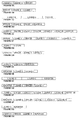
- a polyligand of structure A-S1-B-S2-C is also called herein a heteropolyligand, shown generically in FIGURE 4G .
- the PP1 polyligand of SEQ ID NO:5 is encoded by SEQ ID NO:6, SEQ ID NO:7, and SEQ ID NO:8, wherein codons are optimized for mammalian expression and vector insertion, and wherein SEQ ID NO:7 and SEQ ID NO:8 contain alternative flanking restriction sites applicable to modular cloning methods.
- SEQ ID NO:5 is an embodiment of a polyligand of the structure AS1-B-S2-C, wherein A is SEQ ID NO:95, B is SEQ ID NO:69 (wherein Xaa is Ser), C is SEQ ID NO:96 (wherein Xaa is Thr), and wherein S1 is a spacer of the amino acid sequence PGAGG, and S2 is a spacer of amino acid sequence PGAAG.
- a polyligand of structure A-S1-B-S2-C is also called herein a heteropolyligand, shown generically in FIGURE 4G .
- the PP1 polyligand of SEQ ID NO:9 is encoded by SEQ ID NO:10, SEQ ID NO:11, and SEQ ID NO:12, wherein codons are optimized for mammalian expression and vector insertion, and wherein SEQ ID NO:11 and SEQ ID NO:12 contain alternative flanking restriction sites applicable to modular cloning methods.
- SEQ ID NO:9 is an embodiment of a polyligand of the structure X-S3-Y-S2-Z, wherein X is SEQ ID NO:102 (wherein Xaa is Ser), Y is SEQ ID NO:72 (wherein Xaa is Asp), Z is SEQ ID NO:100 (wherein Xaa is Thr), and wherein S3 is a spacer of the amino acid sequence PGGAG, and S2 is a spacer of amino acid sequence PGAAG.
- a polyligand of structure X-S3-Y-S2-Z is also called herein a heteropolyligand, shown generically in FIGURE 4G .
- the PP1 polyligand of SEQ ID NO:13 is encoded by SEQ ID NO:14, SEQ ID NO:15, and SEQ ID NO:16, wherein codons are optimized for mammalian expression and vector insertion, and wherein SEQ ID NO:15 and SEQ ID NO:16 contain alternative flanking restriction sites applicable to modular cloning methods.
- SEQ ID NO:13 is an embodiment of a polyligand of the structure X-S3-Y-S2-Z, wherein X is SEQ ID NO:101, Y is SEQ ID NO:74 (wherein Xaa is Asp), Z is SEQ ID NO:79 (wherein Xaa is Ser or Thr), and wherein S3 is a spacer of the amino acid sequence PGGAG, and S2 is a spacer of amino acid sequence PGAAG.
- a polyligand of structure X-S3-Y-S2-Z is also called herein a heteropolyligand, shown generically in FIGURE 4G .
- the PP1 polyligand of SEQ ID NO:17 is encoded by SEQ ID NO:18, SEQ ID NO:19, and SEQ ID NO:20, wherein codons are optimized for mammalian expression and vector insertion, and wherein SEQ ID NO:19 and SEQ ID NO:20 contain alternative flanking restriction sites applicable to modular cloning methods.
- SEQ ID NO:17 is an embodiment of a polyligand of the structure X-S4-Y-S2-Z, wherein X is SEQ ID NO:93 (wherein Xaa is Glu), Y is SEQ ID NO:75 (wherein Xaa is Ser or Asp), Z is SEQ ID NO:92 (wherein Xaa is Ala), and wherein S4 is a spacer of the amino acid sequence PGAG, and S2 is a spacer of amino acid sequence PGAAG.
- a polyligand of structure X-S4-Y-S2-Z is also called herein a heteropolyligand, shown generically in FIGURE 4G .
- the PP1 polyligand of SEQ ID NO:21 is encoded by SEQ ID NO:22, SEQ ID NO:23, and SEQ ID NO:24, wherein codons are optimized for mammalian expression and vector insertion, and wherein SEQ ID NO:23 and SEQ ID NO:24 contain alternative flanking restriction sites applicable to modular cloning methods.
- SEQ ID NO:21 is an embodiment of a polyligand of the structure D-S3-E-S2-F, wherein D is SEQ ID NO:73 (wherein Xaa is Asp), E is SEQ ID NO:95 F is SEQ ID NO:98 (wherein Xaa is Glu or Thr), and wherein S3 is a spacer of the amino acid sequence PGGAG, and S2 is a spacer of amino acid sequence PGAAG.
- a polyligand of structure D-S3-E-S2-F is also called herein a heteropolyligand, shown generically in FIGURE 4G .
- the PP1 polyligand of SEQ ID NO:25 is encoded by SEQ ID NO:26, SEQ ID NO:27, and SEQ ID NO:28, wherein codons are optimized for mammalian expression and vector insertion, and wherein SEQ ID NO:27 and SEQ ID NO:28 contain alternative flanking restriction sites applicable to modular cloning methods.
- SEQ ID NO:25 is an embodiment of a polyligand of the structure D-S3-E-S2-F, wherein D is SEQ ID NO:101.
- E is SEQ ID NO:79 (wherein Xaa is Ser or Thr), F is SEQ ID NO:108 (wherein Xaa is Glu or Asp), and wherein S3 is a spacer of the amino acid sequence PGGAG, and S2 is a spacer of amino acid sequence PGAAG.
- a polyligand of structure D-S3-E-S2-F is also called herein a heteropolyligand, shown generically in FIGURE 4G .
- the PP1 polyligand of SEQ ID NO:29 is encoded by SEQ ID NO:30, SEQ ID NO:31, and SEQ ID NO:32, wherein codons are optimized for mammalian expression and vector insertion, and wherein SEQ ID NO:31 and SEQ ID NO:32 contain alternative flanking restriction sites applicable to modular cloning methods.
- SEQ ID NO:29 is an embodiment of a polyligand of the structure D-S3-E-S2-F, wherein D is SEQ ID NO:96 (wherein Xaa is Thr), E is SEQ ID NO:69 (wherein Xaa is Ser or Thr), F is SEQ ID NO:95, and wherein S3 is a spacer of the amino acid sequence PGGAG, and S2 is a spacer of amino acid sequence PGAAG.
- a polyligand of structure D-S3-E-S2-F is also called herein a heteropolyligand, shown generically in FIGURE 4G .
- the PP1 polyligand of SEQ ID NO:33 is encoded by SEQ ID NO:34, SEQ ID NO:35, and SEQ ID NO:36, wherein codons are optimized for mammalian expression and vector insertion, and wherein SEQ ID NO:35 and SEQ ID NO:36 contain alternative flanking restriction sites applicable to modular cloning methods.
- SEQ ID NO:33 is an embodiment of a polyligand of the structure H-S3-J-S2-K, wherein H is SEQ ID NO:80 (wherein Xaa is Asp or Ser or Thr), J is SEQ ID NO:109 (wherein Xaa is Glu), K is SEQ ID NO:110 (wherein Xaa is Glu), and wherein S3 is a spacer of the amino acid sequence PGGAG, and S2 is a spacer of amino acid sequence PGAAG.
- a polyligand of structure H-S3-J-S2-K is also called herein a heteropolyligand, shown generically in FIGURE 4G .
- the PP1 polyligand of SEQ ID NO:37 is encoded by SEQ ID NO:38, SEQ ID NO:39, and SEQ ID NO:40, wherein codons are optimized for mammalian expression and vector insertion, and wherein SEQ ID NO:39 and SEQ ID NO:40 contain alternative flanking restriction sites applicable to modular cloning methods.
- SEQ ID NO:37 is an embodiment of a polyligand of the structure H-S3-J-S2-K, wherein H is SEQ ID NO:80 (wherein Xaa is Glu or Ser or Thr), J is SEQ ID NO:109 (wherein Xaa is Glu), K is SEQ ID NO:110 (wherein Xaa is Glu), and wherein S3 is a spacer of the amino acid sequence PGGAG, and S2 is a spacer of amino acid sequence PGAAG.
- a polyligand of structure H-S3-J-S2-K is also called herein a heteropolyligand, shown generically in FIGURE 4G .
- the PP1 polyligand of SEQ ID NO:41 is encoded by SEQ ID NO:42, SEQ ID NO:43, and SEQ ID NO:44, wherein codons are optimized for mammalian expression and vector insertion, and wherein SEQ ID NO:43 and SEQ ID NO:44 contain alternative flanking restriction sites applicable to modular cloning methods.
- SEQ ID NO:41 is an embodiment of a polyligand of the structure A-S5-B-S2-C, wherein A is SEQ ID NO:92 (wherein Xaa is Ser or Thr), B is SEQ ID NO:68 (wherein Xaa is Glu), C is SEQ ID NO:93 (wherein Xaa is Glu), and wherein S5 is a spacer of the amino acid sequence PGAGG, and S2 is a spacer of amino acid sequence PGAAG.
- a polyligand of structure A-S5-B-S2-C is also called herein a heteropolyligand, shown generically in FIGURE 4G .
- the PP1 polyligand of SEQ ID NO:45 is encoded by SEQ ID NO:46, SEQ ID NO:47, and SEQ ID NO:48, wherein codons are optimized for mammalian expression and vector insertion, and wherein SEQ ID NO:47 and SEQ ID NO:48 contain alternative flanking restriction sites applicable to modular cloning methods.
- SEQ ID NO:45 is an embodiment of a polyligand of the structure A-S5-B-S2-C, wherein A is SEQ ID NO:93 (wherein Xaa is Glu), B is SEQ ID NO:82 (wherein Xaa is Glu), C is SEQ ID NO:111 (wherein Xaa is Ala), and wherein S5 is a spacer of the amino acid sequence PGAGG, and S2 is a spacer of amino acid sequence PGAAG.
- a polyligand of structure A-S5-B-S2-C is also called herein a heteropolyligand, shown generically in FIGURE 4G .
- the PP1 polyligand of SEQ ID NO:49 is encoded by SEQ ID NO:50, SEQ ID NO:51, and SEQ ID NO:52, wherein codons are optimized for mammalian expression and vector insertion, and wherein SEQ ID NO:51 and SEQ ID NO:52 contain alternative flanking restriction sites applicable to modular cloning methods.
- SEQ ID NO:49 is an embodiment of a polyligand of the structure A-S5-B-S2-C, wherein A is SEQ ID NO:105 (wherein Xaa is Glu), B is SEQ ID NO:76 (wherein Xaa is Asp or Glu), C is SEQ ID NO:106 (wherein Xaa is Ser), and wherein S5 is a spacer of the amino acid sequence PGAGG, and S2 is a spacer of amino acid sequence PGAAG.
- a polyligand of structure A-S5-B-S2-C is also called herein a heteropolyligand, shown generically in FIGURE 4G .
- the PP1 polyligand of SEQ ID NO:53 is encoded by SEQ ID NO:54, SEQ ID NO:55, and SEQ ID NO:56, wherein codons are optimized for mammalian expression and vector insertion, and wherein SEQ ID NO:55 and SEQ ID NO:56 contain alternative flanking restriction sites applicable to modular cloning methods.
- SEQ ID NO:53 is an embodiment of a polyligand of the structure A-S5-B-S2-C, wherein A is SEQ ID NO:108 (wherein Xaa is Asp or Glu or Ala), B is SEQ ID NO:67 (wherein Xaa is Glu), C is SEQ ID NO:100 (wherein Xaa is Glu), and wherein S5 is a spacer of the amino acid sequence PGAGG, and S2 is a spacer of amino acid sequence PGAAG.
- a polyligand of structure A-S5-B-S2-C is also called herein a heteropolyligand, shown generically in FIGURE 4G .
- SEQ ID NOS:57-66 and SEQ ID NOS:83-91 are full length PP1 protein substrates and regulators, respectively. These sequences have the following public database accession numbers: NP_054829, NP_003591, NP_150281, BAC82348, NP_000537, NP_006732, NP_115984, NP_002471, Q9UD71, NP_002705, NP_000928, NP_005389, NP_000312, NP_002438, NP_002658, NP_006232, NP_060120, NP_001952, and NP_001781. Each of the sequences represented by these accession numbers is incorporated by reference herein.
- Xaa is serine or threonine.
- Xaa is any amino acid.
- Xaa is alanine.
- the positions of the amino acid(s) modified from a parental wild type reference sequence are represented by Xaa.
- Xaa is any amino acid.
- Xaa is aspartate and/or glutamate.
- SEQ ID NOS:67-82 are partial sequences of SEQ ID NOS:57-66, which represent examples of polypeptide ligand sequences where the location(s) of the PP1 dephosphorylatable serine or threonine in the natural parental polypeptide is designated as Xaa.
- SEQ ID NOS:92-111 are partial sequences of SEQ ID NOS:83-91, which represent examples of peptide ligand sequences where the location(s) of amino acid(s) modified from a parental wild type reference sequence are designated as Xaa.
- Amino acid sequences containing Xaa encompass polypeptides where Xaa is any amino acid.
- the PP1 polyligand of SEQ ID NO:165 is encoded by SEQ ID NO:166, SEQ ID NO:167 and by SEQ ID NO:168, wherein codons arc optimized for mammalian expression and vector insertion, and wherein SEQ ID NO:167 and SEQ ID NO:168 contain alternative flanking restriction sites applicable to modular cloning methods.
- SEQ ID NO:165 is an embodiment of a polyligand of the structure A-S1-B, wherein A is SEQ ID NO:139 (wherein Xaa is Asp, Glu, or Ala), B is SEQ ID NO:136 (wherein Xaa is Asp, Glu, or Ala), and wherein S 1 is a spacer of the amino acid sequence GGGG.
- a polyligand of structure A-S1-B is also called herein a heteropolyligand, shown generically in FIGURE 4A .
- the PP1 polyligand of SEQ ID NO:169 is encoded by SEQ ID NO:170, SEQ ID NO:171 and by SEQ ID NO:172, wherein codons are optimized for mammalian expression and vector insertion, and wherein SEQ ID NO:171 and SEQ ID NO:172 contain alternative flanking restriction sites applicable to modular cloning methods.
- SEQ ID NO:165 is an embodiment of a polyligand of the structure A-S1-B, wherein A is SEQ ID NO:152 (wherein Xaa is Asp, Glu, or Ala), B is SEQ ID NO:136 (wherein Xaa is Asp, Glu, or Ala), and wherein S1 is a spacer of the amino acid sequence GGGG.
- a polyligand of structure A-S1-B is also called herein a heteropolyligand, shown generically in FIGURE 4A .
- the PP1 polyligand of SEQ ID NO:173 is encoded by SEQ ID NO:174, SEQ ID NO:175 and by SEQ ID NO:176, wherein codons are optimized for mammalian expression and vector insertion, and wherein SEQ ID NO:175 and SEQ ID NO:176 contain alternative flanking restriction sites applicable to modular cloning methods.
- SEQ ID NO: 173 is an embodiment of a polyligand of the structure A-S1-B-S1-C-S1-D, wherein A is SEQ ID NO:145 (wherein Xaa is Asp or Glu), B is SEQ ID NO:157 (wherein Xaa is Asp or Glu), C is SEQ ID NO:161 (wherein Xaa is Asp or Glu), D is SEQ ID NO:164 (wherein Xaa is Asp or Glu), and wherein S 1 is a spacer of the amino acid sequence GGGG.
- a polyligand of structure A-S1-B-S1-C-S1-D is also called herein a heteropolyligand, shown generically in FIGURE 4D .
- positions of the amino acid(s) dephosphorylatable by PP1 correspond to positions 16 and 17 of SEQ ID NO:112 and are represented by Xaa.
- Xaa is serine or threonine.
- Xaa is any amino acid.
- Xaa is other than serine or threonine.
- Xaa is Glu, Asp, or Ala.
- SEQ ID NOS:113-136 represent examples of monomeric peptide ligand sequences containing a sarco(endo)plasmic reticulum localization signal at the C-terminal.
- SEQ ID NOS: 137-164 represent examples of monomeric peptide ligand sequences lacking a specific localization signal.
- SEQ ID NOS: 177-200 are further examples of polyligands and polynucleotides encoding them.
- the PP1 polyligand of SEQ ID NO:177 is encoded by SEQ ID NO:178, SEQ ID NO:179, and SEQ ID NO:180, wherein codons are optimized for mammalian expression and vector insertion, and wherein SEQ ID NO:179 and SEQ ID NO:180 contain alternative flanking restriction sites applicable to modular cloning methods.
- SEQ ID NO:177 is an embodiment of a polyligand of the structure A-B, wherein A is SEQ ID NQ:215 (wherein Xaa is Asp) and B is SEQ ID NO:217 (wherein Xaa is Asp).
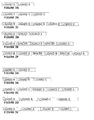
- a polyligand of structure A-B is also called herein a heteropolyligand, shown generically in FIGURE 3A .
- the PP1 polyligand of SEQ ID NO:181 is encoded by SEQ ID NO:182, SEQ ID NO:183, and SEQ ID NO:184, wherein codons are optimized for mammalian expression and vector insertion, and wherein SEQ ID NO:183 and SEQ ID NO:184 contain alternative flanking restriction sites applicable to modular cloning methods.
- SEQ ID NO:181 is an embodiment of a polyligand of the structure A-B, wherein A is SEQ ID NO:214 (wherein Xaa is Glu) and B is SEQ ID NO:217 (wherein Xaa is Asp).
- a polyligand of structure A-B is also called herein a heteropolyligand, shown generically in FIGURE 3A .
- the PP1 polyligand of SEQ ID NO:185 is encoded by SEQ ID NO:186, SEQ ID NO:187, and SEQ ID NO:188, wherein codons are optimized for mammalian expression and vector insertion, and wherein SEQ ID NO:187 and SEQ ID NO:188 contain alternative flanking restriction sites applicable to modular cloning methods.
- SEQ ID NO:185 is an embodiment of a polyligand of the structure A-B, wherein A is SEQ ID NO:216 (wherein Xaa is Glu) and B is SEQ ID NO:218 (wherein Xaa, is Glu).
- a polyligand of structure A-B is also called herein a heteropolyligand, shown generically in FIGURE 3A .
- the PP1 polyligand of SEQ ID NO:189 is encoded by SEQ ID NO:190, SEQ ID NO:191, and SEQ ID NO:192, wherein codons are optimized for mammalian expression and vector insertion, and wherein SEQ ID NO:191 and SEQ ID NO:192 contain alternative flanking restriction sites applicable to modular cloning methods.
- SEQ ID NO:189 is an embodiment of a polyligand of the structure A-B, wherein A is SEQ ID ND:212 (wherein Xaa is Asp) and B is SEQ ID NO:213 (wherein Xaa is Asp).
- a palyligand of structure A-B is also called herein a heteropolyligand, shown generically in FIGURE 3A .
- the PP1 polyligand of SEQ ID NO:193 is encoded by SEQ ID NO:194, SEQ ID NO:195, and SEQ ID NO:196, wherein codons are optimized for mammalian expression and vector insertion, and wherein SEQ ID NO:195 and SEQ ID NO:196 contain alternative flanking restriction sites applicable to modular cloning methods.
- SEQ ID NO:193 is an embodiment of a polyligand of the structure A-B, wherein A is SEQ ID NO:223 (wherein Xaa is Ala) and B is SEQ ID NO:222 (wherein Xaa is Ala).
- a polyligand of structure A-B is also called herein a heteropolyligand, shown generically in FIGURE 3A .
- the PP1 polyligand of SEQ ID NO:197 is encoded by SEQ ID NO:198, SEQ ID NO:199, and SEQ ID NO:200, wherein codons are optimized for mammalian expression and vector insertion, and wherein SEQ ID NO:199 and SEQ ID NO:200 contain alternative flanking restriction sites applicable to modular cloning methods.
- SEQ ID NO:197 is an embodiment of a polyligand of the structure A-B, wherein A is SEQ ID NO:221 and B is SEQ ID NO:220.
- a polyligand of structure A-B is also called herein a heteropolyligand, shown generically in FIGURE 3A .
- SEQ ID NOS:201-207 and SEQ ID NOS:208-211 are full length PP1 protein substrates and regulators, respectively. These sequences have the following public database accession numbers: NP_003591, BAC82348, NP_006732, NP_002471, NP_002705, NP_060120, NP_004313, NP_620221, NP_002096, NP_001007236, and NP_009225. Each of the sequences represented by these accession numbers is incorporated by reference herein. In SEQ ID NOS:201-207 the positions of the amino acid(s) dephosphorylatable by PP1 are represented by Xaa.
- Xaa is serine or threonine.
- Xaa is any amino acid.
- Xaa is alanine.
- Xaa is aspartate and/or glutamate.
- Xaa is any amino acid. In some embodiments, Xaa is aspartate and/or glutamate.
- SEQ ID NOS:212-219 are partial sequences of SEQ ID NOS:201-207, which represent examples of polypeptide ligand sequences where the location(s) of the PP1 dephosphorylatable serine or threonine in the natural parental polypeptide is designated as Xaa.
- SEQ ID NOS:220-223 are partial sequences of SEQ ID NOS:208-211, which represent examples of peptide ligand sequences where the location(s) of amino acid(s) modified from a parental wild type reference sequence are designated as Xaa.
- SEQ ID NOS:212-223 are further examples of monomeric PP1 ligands.
- Amino acid sequences containing Xaa encompass polypeptides where Xaa is any amino acid.
- SEQ ID NO:224-250 are further examples ofpolyligands and polynucleotides encoding them.
- the PP1 polyligand of SEQ ID NO:224 is encoded by SEQ ID NO:225 and SEQ ID NO:226, wherein codons are optimized for mammalian expression and vector insertion, and wherein SEQ ID NO:226 contains flanking restriction sites applicable to modular cloning methods.
- SEQ ID NO:224 is an embodiment of a polyligand of the structure A-S-B-C, wherein A is SEQ ID NO:251, B is SEQ ID NO:256, C is SEQ ID NO:262, and S is a spacer of SEQ ID NO:263.
- a polyligand of structure A-S-B-C is also called herein a heteropolyligand, shown generically in FIGURE 4E .
- the PP1 polyligand of SEQ ID NO:227 is encoded by SEQ ID NO:228 and SEQ ID NO:229, wherein codons are optimized for mammalian expression and vector insertion, and wherein SEQ ID NO:229 contains flanking restriction sites applicable to modular cloning methods.
- SEQ ID NO:227 is an embodiment of a polyligand of the structure A-S-B-C, wherein A is SEQ ID NO:252, B is SEQ ID NO:256, C is SEQ ID NO:262, and S is a spacer of SEQ ID NO:263.
- a polyligand of structure A-S-B-C is also called herein a heteropolyligand, shown generically in FIGURE 4E .
- the PP1 polyligand of SEQ ID NO:230 is encoded by SEQ ID NO:231 and SEQ ID NO:232, wherein codons are optimized for mammalian expression and vector insertion, and wherein SEQ ID NO:232 contains flanking restriction sites applicable to modular cloning methods.
- SEQ ID NO:230 is an embodiment of a polyligand of the structure A-B-C, wherein A is SEQ ID NO:257, B is SEQ ID NO:262 and C is SEQ ID NO:253.
- a polyligand of structure A-B-C is also called herein a heteropolyligand, shown generically in FIGURE 3B .
- the PP1 polyligand of SEQ ID NO:233 is encoded by SEQ ID NO:234 and SEQ ID NO:235, wherein codons are optimized for mammalian expression and vector insertion, and wherein SEQ ID NO:235 contains flanking restriction sites applicable to modular cloning methods.
- SEQ ID NO:233 is an embodiment of a polyligand of the structure A-B-C, wherein A is SEQ ID NO:257, B is SEQ ID NO:262 and C is SEQ ID NO:254.
- a polyligand of structure A-B-C is also called herein a heteropolyligand, shown generically in FIGURE 3B .
- the PP1 polyligand of SEQ ID NO:236 is encoded by SEQ ID NO:237 and SEQ ID NO:238, wherein codons are optimized for mammalian expression and vector insertion, and wherein SEQ ID NO:238 contains flanking restriction sites applicable to modular cloning methods.
- SEQ ID NO:236 is an embodiment of a polyligand of the structure A-S1-B-S2, wherein A is SEQ ID NO:252, B is SEQ ID NO:261, S1 is a spacer of SEQ ID NO:264, and S2 is a spacer of SEQ ID NO:265.
- a polyligand of structure A-S1-B-S2 is also called herein a heteropolyligand, shown generically in FIGURE 4B .
- the PP1 polyligand of SEQ ID NO:239 is encoded by SEQ ID NO:240 and SEQ ID NO:241, wherein codons are optimized for mammalian expression and vector insertion, and wherein SEQ ID NO:241 contains flanking restriction sites applicable to modular cloning methods.
- SEQ ID NO:239 is an embodiment of a polyligand of the structure A-S1-B-S2, wherein A is SEQ ID NO:255, B is SEQ ID NO:258, S1 is a spacer of SEQ ID NO:264, and S2 is a spacer of SEQ ID NO:265.
- a polyligand of structure A-S1-B-S2 is also called herein a heteropolyligand, shown generically in FIGURE 4B .
- the PP1 polyligand of SEQ ID NO:242 is encoded by SEQ ID NO:243 and SEQ ID NO:244, wherein codons are optimized for mammalian expression and vector insertion, and wherein SEQ ID NO:244 contains flanking restriction sites applicable to modular cloning methods.
- SEQ ID NO:242 is an embodiment of a polyligand of the structure A-S1-B-S2, wherein A is SEQ ID NO:255, B is SEQ ID NO:259, S1 is a spacer of SEQ ID NO:264, and S2 is a spacer of SEQ ID NO:265.
- a polyligand of structure A-S1-B-S2 is also called herein a heteropolyligand, shown generically in FIGURE 4B .
- the PP1 polyligand of SEQ ID NO:245 is encoded by SEQ ID NO:246 and SEQ ID NO:247, wherein codons are optimized for mammalian expression and vector insertion, and wherein SEQ ID NO:247 contains flanking restriction sites applicable to modular cloning methods.
- SEQ ID NO:245 is an embodiment of a polyligand of the structure A-B-C, wherein A is SEQ ID NO:256, B is SEQ ID NO:262 and C is SEQ ID NO:254.
- a polyligand of structure A-B-C is also called herein a heteropolyligand, shown generically in FIGURE 3B .
- the PP1 polyligand of SEQ ID NO:248 is encoded by SEQ ID NO:249 and SEQ ID NO:250, wherein codons arc optimized for mammalian expression and vector insertion, and wherein SEQ ID NO:250 contains flanking restriction sites applicable to modular cloning methods.
- SEQ ID NO:248 is an embodiment of a polyligand of the structure A-S1-B-S2, wherein A is SEQ ID NO:255, B is SEQ ID NO:261, S1 is a spacer of SEQ ID NO:264, and S2 is a spacer of SEQ ID NO:265.
- a palyligand of structure A-S1-B-S2 is also called herein a heteropolyligand, shown generically in FIGURE 4B .
- SEQ ID NO:266-268 are full length PP1 catalytic subunit binding proteins. These sequences have the following public database accession numbers: NP_990454.1, NP_150281.1, NP_001082695.1. Each of the sequences represented by these accession numbers is incorporated by reference herein.
- amino acids corresponding to positions 38, 66 and 67 of SEQ ID NO:267 may be optionally mutated to any amino acid.
- a mutation may generate a pseudophosphorylated polypeptide, such as by replacing with an acidic amino acid such as aspartate or glutamate.
- the mutations are T38D and/or G66E and/or M67A.
- amino acids corresponding to positions 35 and 38 of SEQ ID NO:268 may be optionally mutated to any amino acid.
- a mutation may generate a pseudophosphorylated polypeptide, such as by replacing with an acidic amino acid such as aspartate or glutamate.
- the mutations are T35D and/or T38D.
- SEQ ID NOS:251-258 are partial sequences (truncation fragments) of SEQ ID NO:266-268.
- SEQ ID NOS:259-262 are mutated partial sequences (mutated truncation fragments) of SEQ ID NOS:267-268.
- SEQ ID NOS:263-265 are short peptide spacer amino acid sequences.
- SEQ ID NOS:251-262 are further examples of monomeric PP1 ligands.
- Novel PP1 polyligands and methods of making and using them are disclosed.
- the polyligand decoys are optionally linked to localization signals.
- In vitro enzymatic assays and live cell assays were used to test PP1 modulating activity.
- the PP1 ligands of the instant invention were compared to industry standard protein-based PP1 inhibitor, INH-2, in in vitro assays. Further, we linked the PP1 ligands to an SR localization signal (7,071,295) and expressed them in P19 cardiomyocytes.
- a further aspect of the invention is the cellular localization of a PP1 inhibitor, ligand, or polyligand by linkage to a localization signal.
- An aspect of the invention encompasses inhibition of PP1 as a way to enhance calcium uptake in cardiac tissue.
- inhibition of the sarco(endo)plasmic reticulum calcium pump will be relieved. Enhancement of calcium uptake into the sarco(endo)plasmic reticulum of a diseased heart represents a potential therapy of heart failure.
- Additional aspects of the invention encompass PP1 inhibitors useful in any tissue. Additional embodiments of the invention encompass PP1 inhibitors localized to different cellular locations by linking to a localization signal targeted to a region of a cell.
- the invention relates to polypeptide ligands and polyligands for PP1.
- PP1 ligands and polyligands are represented in SEQ ID NOS:1-111. More specifically, the invention relates to ligands, homopolyligands, and heteropolyligands that comprise any one or more of SEQ ID NOS:67-82 and/or SEQ ID NOS:92-111. Additionally, the invention relates to ligands and polyligands comprising one or more partial sequences of SEQ ID NOS:57-66 and SEQ ID NOS:83-91 or any portion thereof.
- the invention relates to polyligands with at least about 80%, 85%, 90%, 95%, 96%, 97%, 98% and 99% sequence identity to a polyligand comprising one or more of SEQ ID NOS:67-82 and SEQ ID NOS:92-111 or any portion thereof. Furthermore, the invention relates to polyligands with at least about 80%, 85%, 90%, 95%, 96%, 97%, 98% and 99% sequence identity to a polyligand comprising one or more partial sequences of SEQ ID NOS:57-66 and SEQ ID NOS:83-91.
- PP1 ligands and polyligands are represented in SEQ ID NOS:113-176. More specifically, the invention relates to ligands, homopolyligands, and heteropolyligands that comprise any one or more of SEQ ID NOS:113-164 or any portion thereof. Furthermore, the invention relates to polyligands with at least about 80%, 85%, 90%, 95%, 96%, 97%, 98% and 99% sequence identity to a polyligand comprising one or more of SEQ ID NOS:113-164 or any portion thereof.
- PP1 ligands and polyligands are represented in SEQ ID NOS:177-223. More specifically, the invention relates to ligands, homopolyligands, and heteropolyligands that comprise any one or more of SEQ ID NOS:212-223. Additionally, the invention relates to ligands and polyligands comprising one or more partial sequences of SEQ ID NOS:201-211 or any portion thereof. Furthermore, the invention relates to polyligands with at least about 80%, 85%, 90%, 95%, 96%, 97%, 98% and 99% sequence identity to a polyligand comprising one or more of SEQ ID NOS:212-223 or any portion thereof. Furthermore, the invention relates to polyligands with at least about 80%. 85%, 90%, 95%, 96%, 97%, 98% and 99% sequence identity to a polyligand comprising one or more partial sequences of SEQ ID NOS:201-211.
- PP1 ligands and polyligands are represented in SEQ ID NOS:224-262. More specifically, the invention relates to ligands, homopolyligands, and heteropolyligands that comprise any one or more of SEQ ID NOS:251-262. Additionally, the invention relates to ligands and polyligands comprising one or more partial sequences (truncation fragments) of SEQ ID NO:266-268 or any portion thereof. Furthermore, the invention relates to polyligands with at least about 80%, 85%, 90%, 95%, 96%, 97%, 98% and 99% sequence identity to a polyligand comprising one or more of SEQ ID NOS:251-262 or any portion thereof. Furthermore, the invention relates to polyligands with at least about 80%, 85%, 90%, 95%, 96%, 97%, 98% and 99% sequence identity to a polyligand comprising one or more partial sequences of SEQ ID NO:266-268.
- Polyligands which can be homopolyligands or heteropolyligands, are chimeric ligands composed of two or more monomeric polypeptide ligands.
- An example of a monomeric ligand is the polypeptide represented by SEQ ID NO:67, wherein Xaa is any amino acid.
- SEQ ID NO:67 is a selected partial sequence of parental full length SEQ ID NO:66, wherein the amino acid corresponding to Xaa in the parent sequence is a serine or threonine that may be dephosphorylatable by PP1.
- An example of a homopolyligand is a polypeptide comprising a dimer or multimer of SEQ ID NO:67, wherein Xaa is any amino acid.
- heteropolyligand is a polypeptide comprising SEQ ID NO:67 and one or more of SEQ ID NOS:68-82 or SEQ ID NOS:92-111, wherein Xaa is any amino acid.
- SEQ ID NOS:67-82 and SEQ ID NOS:92-111 into homopolymeric or heteropolymeric ligands.
- a monomeric ligand is the polypeptide represented by SEQ ID NO:136, wherein Xaa is any amino acid.
- An example of a homopolyligand is a polypeptide comprising a dimer or multimer of SEQ ID NO:153, wherein Xaa is any amino acid.
- An example of a heteropolyligand is a polypeptide comprising SEQ ID NO:164 and one or more of SEQ ID NOS:113-163, wherein Xaa is any amino acid.
- SEQ ID NOS:113-164 into homopolymeric or heteropolymeric ligands.
- SEQ ID NO:212 is a selected partial sequence of parental full length SEQ ID NO:201, wherein the amino acid corresponding to Xaa in the parent sequence is a serine or threonine that may be dephosphorylatable by PP1.
- An example of a homopolyligand is a polypeptide comprising a dimer or multimer of SEQ ID NO:212, wherein Xaa is any amino acid.
- An example of a heteropolyligand is a polypeptide comprising SEQ ID NO:212 and one or more of SEQ ID NOS:37-47, wherein Xaa is any amino acid.
- SEQ ID NOS:212-223 into homopolymeric or heteropolymeric ligands. Furthermore, there are numerous ways to combine additional partial sequences of SEQ ID NOS:201-211 with each other and with SEQ ID NOS:212-223 to make polymeric ligands.
- SEQ ID NO:251 is a selected partial sequence of parental full length SEQ ID NO:266.
- An example of a homopolyligand is a polypeptide comprising a dimer or multimer of SEQ ID NO:251.
- An example of a heteropolyligand is a polypeptide comprising SEQ ID NO:251 and one or more of SEQ ID NOS:252-262.
- SEQ ID NOS:251-262 into homopolymeric or heteropolymeric ligands.
- the polyligands of the invention optionally comprise spacer amino acids before, after, or between monomers.
- SEQ ID NO:1 is an embodiment of a polyligand of the structure A-S1-B-S2-C, wherein A is SEQ ID NO:92 (wherein Xaa is Ala), B is SEQ ID NO:68 (wherein Xaa is Glu), C is SEQ ID NO:93 (wherein Xaa is Glu), and wherein S1 is a five amino acid spacer of the amino acid sequence PGAGG and S2 is a five amino acid spacer of amino acid sequence PGAAG.
- This invention intends to capture all combinations of homopolyligands and heteropolyligands without limitation to the examples given above or below.
- ligand(s) encompasses monomeric ligands, polymeric ligands, homopolymeric ligands and/or heteropolymeric ligands.
- ligand also encompasses the terms decoy, inhibitor, and modulator.
- a monomeric ligand is a polypeptide where at least a portion of the polypeptide is capable of being recognized by PP1.
- the portion of the polypeptide capable of recognition is termed the recognition motif.
- recognition motifs can be natural or synthetic. Examples of recognition motifs are well known in the art and include, but are not limited to, naturally occurring PP1 substrates, pseudosubstrate motifs, and interaction domains present in PPI regulatory binding proteins and modifications thereof.
- a polymeric ligand comprises two or more monomeric ligands.
- a homopolymeric ligand is a polymeric ligand where each of the monomeric ligands is identical in amino acid sequence, except that a dephosphorylatable residue, such as serine, threonine, or tyrosine, may be substituted or modified in one or more of the monomeric ligands. Modifications include, but are not limited to, substitution to a pseudophosphorylated residue (acidic amino acid) or substitution to a neutral residue.
- a heteropolymeric ligand is a polymeric ligand where some of the monomeric ligands do not have an identical amino acid sequence.
- the ligands of the invention are optionally linked to additional molecules or amino acids that provide an epitope tag, a reporter, and/or a cellular localization signal.
- the cellular localization signal targets the ligands to a region of a cell.
- the epitope tag and/or reporter and/or localization signal may be the same molecule.
- the epitope tag and/or reporter and/or localization signal may also be different molecules.
- the invention also encompasses polynucleotides comprising a nucleotide sequence encoding ligands, homopolyligands, and heteropolyligands.
- the nucleic acids of the invention are optionally linked to additional nucleotide sequences encoding polypeptides with additional features, such as an epitope tag, a reporter, and/or a cellular localization signal.
- the polynucleotides are optionally flanked by nucleotide sequences comprising restriction endonuclease sites and other nucleotides needed for restriction endonuclese activity.
- the flanking sequences optionally provide unique cloning sites within a vector and optionally provide directionality of subsequence cloning.
- the nucleic acids of the invention are optionally incorporated into vector polynucleotides.
- the ligands, polyligands, and polynucleotides of this invention have utility as research tools and/or therapeutics.
- the present invention relates to ligands and polyligands that are PP1 modulators.
- ligands and polyligands are represented in SEQ ID NOS:1-111.
- Polyligands are chimeric ligands comprising two or more monomeric polypeptide ligands.
- An example of a monomeric ligand is the polypeptide represented by SEQ ID NO:92, wherein Xaa is any amino acid.
- SEQ ID NO:92 is a selected partial sequence of parental full length SEQ ID NO:83, wherein the amino acid corresponding to Xaa in the parent sequence is a serine or threonine.
- Another example of a monomeric ligand is the polypeptide represented by SEQ ID NO:75.
- SEQ ID NOS:67-82 and SEQ ID NOS:92-111 represents an individual polypeptide ligand in monomeric form, wherein Xaa is any amino acid.
- SEQ ID NOS:67-82 and SEQ ID NOS:92-111 are selected examples of partial sequences of SEQ ID NOS:83-91 and SEQ ID NOS:57-66, respectively, however, other partial sequences of SEQ ID NOS:83-91 and/or SEQ ID NOS:57-66 may also be utilized as monomeric ligands.
- Monomeric partial sequences of SEQ ID NOS:83-91 and SEQ ID NOS:57-66 may be identical to a portion of a parent polypeptide.
- monomeric partial sequences of SEQ ID NOS:83-91 and/or SEQ ID NOS:57-66 may have amino acid substitutions.
- monomeric ligands and polyligands may have at least about 80%, 85%, 90%, 95%, 96%, 97%, 98% or 99% sequence identity to a ligand comprising an amino acid sequence in one or more of SEQ ID NOS:67-82 and SEQ ID NOS:92-111.
- monomeric ligands and polyligands may have at least about 80%, 85%, 90%, 95%, 96%, 97%, 98% and 99% sequence identity to a partial sequence of SEQ ID NOS:83-91 and SEQ ID NOS:57-66.
- ligands and polyligands are represented in SEQ ID NOS:113-176.
- Polyligands are chimeric ligands comprising two or more monomeric polypeptide ligands.
- An example of a monomeric ligand is the polypeptide represented by SEQ ID NO:161, wherein Xaa is any amino acid.
- Another example of a monomeric ligand is the polypeptide represented by SEQ ID NO:137, wherein Xaa is any amino acid.
- Each of SEQ ID NOS:113-164 represents an individual polypeptide ligand in monomeric form, wherein Xaa is any amino acid.
- SEQ ID NOS:137-164 are selected examples of partial sequences of SEQ ID NO:113, however, other partial sequences of SEQ ID NO:113 may also be utilized as monomeric ligands.
- Monomeric ligand partial sequences of SEQ ID NO:113 may be identical to a parent wild-type reference sequence. Additionally, monomeric ligand partial sequences of SEQ ID NO:113 may have the PP1 de-phosphorylatable amino acids replaced by other amino acids.
- monomeric ligands and polyligands may have at least about 80%, 85%, 90%, 95%, 96%, 97%, 98% or 99% sequence identity to a ligand comprising an amino acid sequence in one or more of SEQ ID NOS:113-164. Furthermore, monomeric ligands and polyligands may have at least about 80%, 85%, 90%, 95%, 96%, 97%, 98% and 99% sequence identity to a partial sequence of SEQ ID NO:113.
- ligands and polyligands are represented in SEQ ID NOS:177-223.
- Polyligands are chimeric ligands comprising two or more monomeric polypeptide ligands.
- An example of a monomeric ligand is the polypeptide represented by SEQ ID NO:223, wherein Xaa is any amino acid.
- SEQ ID NO:223 is a selected partial sequence of parental full length SEQ ID NO:210, wherein the amino acid corresponding to Xaa in the parent sequence is a serine or threonine.
- Another example of a monomeric ligand is the polypeptide represented by SEQ ID NO:219, wherein Xaa is any amino acid.
- SEQ ID NOS:212-223 represents an individual polypeptide ligand in monomeric form, wherein Xaa is any amino acid.
- SEQ ID NOS:212-223 are selected examples of partial sequences of SEQ ID NOS:201-211, however, other partial sequences of SEQ ID NOS:201-211 may also be utilized as monomeric ligands.
- Monomeric partial sequences of SEQ ID NOS:201-211 may be identical to a portion of a parent polypeptide. Additionally, monomeric partial sequences of SEQ ID NOS:201-211 may have amino acid substitutions.
- monomeric ligands and polyligands may have at least about 80%, 85%, 90%, 95%.
- monomeric ligands and polyligands may have at least about 80%, 85%, 90%, 95%, 96%, 97%, 98% and 99% sequence identity to a partial sequence of SEQ ID NOS:201-211.
- ligands and polyligands are represented in SEQ ID NOS:224-268.
- Polyligands are chimeric ligands comprising two or more monomeric polypeptide ligands.
- An example of a monomeric ligand is the polypeptide represented by SEQ ID NO:257.
- SEQ ID NO:257 is a selected partial sequence of parental full length SEQ ID NO:267.
- Another example of a monomeric ligand is the polypeptide represented by SEQ ID NO:261.
- Each of SEQ ID NOS:251-262 represents an individual polypeptide ligand in monomeric form.
- SEQ ID NOS:251-262 are selected examples of partial sequences of SEQ ID NO:266-268, however, other partial sequences of SEQ ID NO:266-268 may also be utilized as monomeric ligands.
- Monomeric partial sequences of SEQ ID NO:266-268 may be identical to a portion of a parent polypeptide. Additionally, partial sequences of SEQ ID NO:266-268 may have amino acid substitutions.
- monomeric ligands and polyligands may have at least about 80%, 85%, 90%, 95%, 96%, 97%, 98% or 99% sequence identity to a ligand comprising an amino acid sequence in one or more of SEQ ID NOS:251-262.
- monomeric ligands and polyligands may have at least about 80%, 85%, 90%, 95%, 96%, 97%, 98% and 99% sequence identity to a partial sequence of SEQ ID NO:266-268.
- An example of a homopolyligand is a polypeptide comprising a dimer or multimer of SEQ ID NO:71, wherein Xaa is any amino acid.
- An example of a heteropolyligand is a polypeptide comprising SEQ ID NO:67 and one or more of SEQ ID NOS:68-82 or SEQ ID NOS:92-111, wherein Xaa is any amino acid.
- SEQ ID NOS:67-82 and SEQ ID NOS:92-111 into homopolymeric or heteropolymeric ligands.
- homopolyligand is a polypeptide comprising a dimer or multimer of SEQ ID NO:154, wherein Xaa is any amino acid.
- heteropolyligand is a polypeptide comprising SEQ ID NO:164 and one or more of SEQ ID NOS:113-163, wherein Xaa is any amino acid.
- SEQ ID NOS: 113-164 into homopolymeric or heteropolymeric ligands.
- additional subsequences of SEQ ID NO:113 with each other and with SEQ ID NOS:113-164 to make polymeric ligands.
- homopolyligand is a polypeptide comprising a dimer or multimer of SEQ ID NO:217, wherein Xaa is any amino acid.
- heteropolyligand is a polypeptide comprising SEQ ID NO:223 and one or more of SEQ ID NOS:212-222, wherein Xaa is any amino acid.
- SEQ ID NOS:212-223 into homopolymeric or heteropolymeric ligands.
- the instant invention is directed to all possible combinations of homopolyligands and heteropolyligands without limitation.
- homopolyligand is a polypeptide comprising a dimer or multimer of SEQ ID NO:260.
- An example of a heteropolyligand is a polypeptide comprising SEQ ID NO:251 and one or more of SEQ ID NOS:252-262.
- SEQ ID NOS:251-262 into homopolymeric or heteropolymeric ligands.
- the instant invention is directed to all possible combinations of homopolyligands and heteropolyligands without limitation.
- the ligands and polyligands of the invention are designed to modulate the endogenous effects of one or more isoforms of PP1.
- Polyligands may comprisc any two or more of SEQ ID NOS:67-82 and/or SEQ ID NOS:92-111, wherein Xaa is any amino acid.
- a dimer or multimer of SEQ ID NO:109 is an example of a homopolyligand.
- An example of a heteropolyligand is a polypeptide comprising SEQ ID NO:111 and one or more of SEQ ID NOS:92-110 and/or SEQ ID NOS:67-82.
- Polyligands may further comprise any two or more of SEQ ID NOS:113-164, wherein Xaa is any amino acid.
- a dimer or multimer of SEQ ID NO:142 is an example of a homopolyligand.
- heteropolyligand is a polypeptide comprising SEQ ID NO:136 and one or more of SEQ ID NOS:137-164.
- Polyligands may further comprise any two or more of SEQ ID NOS:212-223, or any two or more of SEQ ID NOS:251-262, wherein Xaa is any amino acid.
- the instant invention is directed to all possible combinations of homopolyligands and heteropolyligands without limitation.
- SEQ ID NOS:57-66 show proteins that contain at least one serine or threonine residue dephosphorylatable by PP1, the positions of which are represented by Xaa.
- SEQ ID NOS:67-82 are partial sequences of SEQ ID NOS:57-66 where the locations of the PP1 dephosphorylatable residues are represented by Xaa.
- SEQ ID NOS:113-164 show proteins that contain at least one serine or threonine residue de-phosphorylatable by PP1, the positions of which are represented by Xaa.
- SEQ ID NOS:137-164 are subsequences of SEQ ID NO:113 where the locations of the PP1 de-phosphorylatable residues are represented by Xaa.
- SEQ ID NOS:212-219 show proteins that contain at least one amino acid residue dephosphorylatable by PP1, the positions of which are represented by Xaa.
- SEQ ID NOS:212-219 are partial sequences of SEQ ID NOS:201-207 where the locations of the PP1 dephosphorylatable residues are represented by Xaa.
- Xaa is, generally speaking, serine or threonine.
- Xaa can be any amino acid.
- Ligands where Xaa is serine or threonine can be used as part of a polyligand, however in one embodiment, at least one serine or threonine is replaced with another amino acid, such as one of the naturally occurring amino acids including, alanine, aspartate, asparagine, cysteine, glutamate, glutamine, phenylalanine, glycine, histidine, isoleucine, leucine, lysine, methionine, proline, arginine, valine, tryptophan, or tyrosine.
- the Xaa may also be a non-naturally occurring amino acid.
- the PP1 dephosphorylatable serine(s) or threonine(s) are replaced by alanine.
- the ligands and polyligands of the invention are designed to modulate the endogenous effects of one or more isoforms of PP1.
- ligand monomers based on natural PP1 regulators are built by identifying and isolating a putative PP1 interaction domain recognition motif. Sometimes it is desirable to modify the interaction domain at serine and/or threonine residues which are affected by cellular kinases. Additional monomers include the PP1 recognition motif as well as amino acids adjacent and contiguous on either side of the PP1 interaction domain recognition motif. Monomeric ligands may therefore be any length provided the monomer includes the PP1 recognition motif.
- the monomer may comprise a PP1 recognition motif and at least 1, 2, 3, 4, 5, 6, 7, 8, 9, 10, 11, 12, 13, 14, 15, 16, 17, 18, 19, 20, 21, 22, 23, 24, 25, 26, 27, 28, 29, 30 or 100 or more amino acids adjacent to the recognition motif. Further design considerations are taken from three-dimensional modeling of the ligands and modeling of binding interactions with PP1. Modifications of the primary sequence of a ligand or polyligand may be desirable based upon such modeling.
- the invention comprises an inhibitor of PP1 comprising at least one copy of a peptide selected from the group consisting of:
- the invention comprises an inhibitor of PP1 comprising at least one copy of a peptide selected from the group consisting of:
- the invention comprises an inhibitor of PP1 comprising at least one copy of a peptide selected from the group consisting of:
- the invention comprises an inhibitor of PP1 comprising at least one copy of a peptide selected from the group consisting of:
- the terms “correspond(s) to” and “corresponding to,” as they relate to sequence alignment, are intended to mean enumerated positions within a reference protein, e.g., PP1 subunit 14A NP_150281.1 (SEQ ID NO:267), and those positions that align with the positions on the reference protein.
- a reference protein e.g., PP1 subunit 14A NP_150281.1 (SEQ ID NO:267)
- amino acids in the subject peptide sequence that "correspond to" certain enumerated positions of the reference peptide sequence are those that align with these positions of the reference peptide sequence, but are not necessarily in these exact numerical positions of the reference sequence.
- Additional embodiments of the invention include monomers (as described above) based on any putative or real substrate or regulator for PP1 or PP1 binding protein, such as full length proteins identified by SEQ ID NOS:57-66, 83-91, 201-211, and 266-268. Furthermore, if the substrate has more than one recognition motif, then more than one monomer may be identified therein.
- PP1 inhibitors are based on phospholamban ( FIGURE 35A , SEQ ID NO:112), a 52 amino acid protein located in muscle sarco(endo)plasmic reticulum and can be phosphorylated by cellular kinases at serine 16 and threonine 17 in the cytoplasmic domain of the molecule.
- Phospholamban is a known reversible modulator of the cardiac sarco(endo)plasmic reticulum calcium pump. When dephosphorylated, phospholamban inhibits calcium uptake activity of the calcium pump; whereas phosphorylated phospholamban does not inhibit the sarco(endo)plasmic reticulum calcium pump.
- Pseudophosphorylated phospholamban is made by mutating amino acids corresponding to serine 16 and threonine 17 to acidic amino acids such as aspartate or glutamate ( FIGURE 35B ).
- Expression of pseudophosphorylated phospholamban in cardiomyopathic hamsters was shown to enhance calcium uptake ( Hoshijima et al. Nature Medicine 2002 8:864-71, ePub 2002 July 22 ).
- PP1 ligands of the invention based on phospholambin are shown in FIGURES 35C-E and FIGURES 36-37 .
- Another embodiment of the invention is a nucleic acid molecule comprising a polynucleotide sequence encoding at least one copy of a ligand peptide.
- Another embodiment of the invention is a nucleic acid molecule wherein the polynucleotide sequence encodes one or more copies of one or more peptide ligands.
- Another embodiment of the invention is a nucleic acid molecule wherein the polynucleotide sequence encodes at least a number of copies of the peptide selected from the group consisting of 2, 3, 4, 5, 6, 7, 8, 9 or 10.
- Another embodiment of the invention is a vector comprising a nucleic acid molecule encoding at least one copy of a ligand or polyligand.
- Another embodiment of the invention is a recombinant host cell comprising a vector comprising a nucleic acid molecule encoding at least one copy of a ligand or polyligand.
- Another embodiment of the invention is a method of inhibiting PP1 in a cell comprising transfecting a vector comprising a nucleic acid molecule encoding at least one copy of a ligand or polyligand into a host cell and culturing the transfected host cell under conditions suitable to produce at least one copy of the ligand or polyligand.
- the invention also relates to modified inhibitors that are at least about 80%, 85%, 90% 95%, 96%, 97%, 98% or 99% identical to a reference inhibitor.
- a “modified inhibitor” is used to mean a peptide that can be created by addition, deletion or substitution of one or more amino acids in the primary structure (amino acid sequence) of a inhibitor protein or polypeptide.
- a “modified recognition motif” is a naturally occurring PP1 recognition motif that has been modified by addition, deletion, or substitution of one or more amino acids in the primary structure (amino acid sequence) of the motif.
- a modified PP1 recognition motif may be a motif where the phosphorylatable amino acid has been modified to a non-phosphorylatable amino acid.
- the terms “protein” and “polypeptide” and “peptide” are used interchangeably herein.
- the reference inhibitor is not necessarily a wild-type protein or a portion thereof.
- the reference inhibitor may be a protein or peptide whose sequence was previously modified over a wild-type protein.
- the reference inhibitor may or may not be the wild-type protein from a particular organism.
- a polypeptide having an amino acid sequence at least, for example, about 95% "identical" to a reference an amino acid sequence is understood to mean that the amino acid sequence of the polypeptide is identical to the reference sequence except that the amino acid sequence may include up to about five modifications per each 100 amino acids of the reference amino acid sequence encoding the reference peptide.
- up to about 5% of the amino acid residues of the reference sequence may be deleted or substituted with another amino acid or a number of amino acids up to about 5% of the total amino acids in the reference sequence may be inserted into the reference sequence.
- These modifications of the reference sequence may occur at the N-terminus or C-terminus positions of the reference amino acid sequence or anywhere between those terminal positions, interspersed either individually among amino acids in the reference sequence or in one or more contiguous groups within the reference sequence.
- identity is a measure of the identity of nucleotide sequences or amino acid sequences compared to a reference nucleotide or amino acid sequence. In general, the sequences are aligned so that the highest order match is obtained. "Identity” per se has an art-recognized meaning and can be calculated using published techniques. (See, e.g., Computational Molecular Biology, Lesk, A. M., ed., Oxford University Press, New York (1988 ); Biocomputing, Informatics And Gnome Projects, Smith, D.W., ed., Academic Press, New York (1993 ); Computer Analysis of Sequence Data, Part I, Griffin, A. M., and Griffin, H.
- identity is well known to skilled artisans ( Carillo, H. & Lipton, D., Siam J Applied Math 48:1073 (1988 )). Methods commonly employed to determine identity or similarity between two sequences include, but are not limited to, those disclosed in Guide to Huge Computers, Martin J.
- Computer programs may also contain methods and algorithms that calculate identity and similarity. Examples of computer program methods to determine identity and similarity between two sequences include, but are not limited to, GCG program package ( Devereux, J., et al., Nucleic Acids Research 12(i):387 (1984 )), BLASTP, ExPASy, BLASTN, FASTA ( Atschul, S. F., et al., J Molec Biol 215:403 (1990 )) and FASTDB. Examples of methods to determine identity and similarity are discussed in Michacls, G.
- the algorithm used to determine identity between two or more polypeptides is BLASTP.
- the algorithm used to determine identity between two or more polypeptides is FASTDB, which is based upon the algorithm of Brutlag et al. (Comp. App. Biosci. 6:237-245 (1990 ), incorporated by reference).
- FASTDB sequence alignment the query and subject sequences are amino sequences. The result of sequence alignment is in percent identity.
- the percent identity is corrected by calculating the number of bases of the query sequence that are N- and C-terminus to the reference sequence that are not matched/aligned, as a percent of the total bases of the query sequence. The results of the FASTDB sequence alignment determine matching/alignment.
- the alignment percentage is then subtracted from the percent identity, calculated by the above FASTDB program using the specified parameters, to arrive at a final percent identity score.
- This corrected score can be used for the purposes of determining how alignments "correspond" to each other, as well as percentage identity. Residues of the query (subject) sequences or the reference sequence that extend past the N- or C-termini of the reference or subject sequence, respectively, may be considered for the purposes of manually adjusting the percent identity score. That is, residues that are not matched/aligned with the N- or C-termini of the comparison sequence may be counted when manually adjusting the percent identity score or alignment numbering.
- a 90 amino acid residue subject sequence is aligned with a 100 residue reference sequence to determine percent identity.
- the deletion occurs at the N-terminus of the subject sequence and therefore, the FASTDB alignment does not show a match/alignment of the first 10 residues at the N-terminus.
- the 10 unpaired residues represent 10% of the sequence (number of residues at the N- and C-termini not matched/total number of residues in the query sequence) so 10% is subtracted from the percent identity score calculated by the FASTDB program. If the remaining 90 residues were perfectly matched the final percent identity would be 90%.
- a 90 residue subject sequence is compared with a 100 reference sequence. This time the deletions are internal deletions so there are no residues at the N- or C-termini of the subject sequence which are not matched/aligned with the query. In this case the percent identity calculated by FASTDB is not manually corrected.
- the polyligands of the invention optionally comprise spacer amino acids before, after, or between monomers.
- the length and composition of the spacer may vary.
- An example of a spacer is glycine, alanine, polyglycine, or polyalanine.
- proline sometimes it is desirable to employ proline in a spacer for the purpose of interrupting secondary structure of a polypeptide.
- Spacer amino acids may be any amino acid and are not limited to alanine, glycine and proline.
- the instant invention is directed to all combinations of homopolyligands and heteropolyligands, with or without spacers, and without limitation to the examples given above or below.
- the ligands and polyligands of the invention are optionally linked to additional molecules or amino acids that provide an epitope tag, a reporter, and/or localize the ligand to a region of a cell (See FIGURES 5A-5H, FIGURES 6A-6H , FIGURES 7A-7I , and FIGURES 8A-8K ).
- epitope tags are FLAG TM , HA (hemagluttinin), c-Myc and His6.
- Non-limiting examples of reporters are alkaline phosphatase, galactosidase, peroxidase, luciferase and fluorescent proteins.
- Non-limiting examples of cellular locations are sarcoplamic reticulum, endoplasmic reticulum, mitochondria, golgi apparatus, peroxisomes, lysosomes, nucleus, nucleolus, endosomes, exosomes, other intracellular vesicles, plasma membrane, apical membrane, and basolateral membrane.
- the epitopes, reporters and localization signals are given by way of example and without limitation.
- the epitope tag, reporter and/or localization signal may be the same molecule.
- the epitope tag, reporter and/or localization signal may also be different molecules.
- Ligands and polyligands and optional amino acids linked thereto can be synthesized chemically or recombinantly using techniques known in the art.
- Chemical synthesis techniques include but are not limited to peptide synthesis which is often performed using an automated peptide synthesizer.
- Pepetides can also be synthesized utilizing non-automated peptide sythesis methods known in the art.
- Recombinant techniques include insertion of ligand-encoding nucleic acids into expression vectors, wherein nucleic acid expression products are synthesized using cellular factors and processes.
- Linkage of a cellular localization signal, epitope tag, or reporter to a ligand or polyligand can include covalent or enzymatic linkage to the ligand.
- the localization signal comprises material other than a polypeptide, such as a lipid or carbohydrate
- a chemical reaction to link molecules may be utilized.
- non-standard amino acids and amino acids modified with lipids, carbohydrates, phosphate or other molecules may be used as precursors to peptide synthesis.
- the ligands of the invention have therapeutic utility with or without localization signals.
- ligands linked to localization signals have utility as subcellular tools or therapeutics.
- An example of a cellular localization signal which localizes a polypeptide cargo of interest to the sarco(endo)plasmic reticulum of cardiac tissue is disclosed in US 7,071,295 .
- FIGURES 10B and 10C depict embodiments of gene therapy vectors for delivering and controlling polypeptide expression in vivo.
- Polynucleotide sequences linked to the gene construct in FIGURES 10B and 10C include genome integration domains to facilitate integration of the transgene into a viral genome and/or host genome. AttP and AttB sequences are non-limiting examples of genome integration sequences.
- FIGURE 10A shows a vector containing a PP1 ligand gene construct, wherein the ligand gene construct is releasable from the vector as a unit useful for generating transgenic animals.
- the ligand gene construct, or transgene is released from the vector backbone by restriction cndonuclcasc digestion. The released transgene is then injected into pronuclei of fertilized mouse eggs; or the transgene is used to transform embryonic stem cells.
- the vector containing a ligand gene construct of FIGURE 10A is also useful for transient transfection of the trangene, wherein the promoter and codons of the transgene are optimized for the host organism.
- the vector containing a ligand gene construct of FIGURE 10A is also useful for recombinant expression of polypeptides in fermentable organisms adaptable for small or large scale production, wherein the promoter and codons of the transgene are optimized for the fermentation host organism.
- FIGURE 10D shows a vector containing a PP1 ligand gene construct useful for generating stable cell lines.
- the invention also encompasses polynucleotides comprising nucleotide sequences encoding ligands and polyligands.
- the polynucleotides of the invention are optionally linked to additional nucleotide sequences encoding epitopes, reporters and/or localization signals.
- the nucleic acids of the invention are optionally incorporated into vector polynucleotides.
- the polynucleotides are optionally flanked by nucleotide sequences comprising restriction endonuclease sites and other nucleotides needed for restriction endonuclese activity. The flanking sequences optionally provide cloning sites within a vector.
- the restriction sites can include, but are not limited to, any of the commonly used sites in most commercially available cloning vectors. Sites for cleavage by other restriction enzymes, including homing endonucleases, are also used for this purpose.
- the polynucleotide flanking sequences also optionally provide directionality of subsequence cloning. It is preferred that 5' and 3' restriction endonuclease sites differ from each other so that double-stranded DNA can be directionally cloned into corresponding complementary sites of a cloning vector.
- Ligands and polyligands with or without localization signals, epitopes or reporters are alternatively synthesized by recombinant techniques.
- Polynucleotide expression constructs are made containing desired components and inserted into an expression vector. The expression vector is then transfected into cells and the polypeptide products are expressed and isolated.
- Ligands made according to recombinant DNA techniques have utility as research tools and/or therapeutics.
- polynucleotides encoding ligands and polyligands are produced.
- Complimentary oligonucleotides encoding the ligands and flanking sequences are synthesized and annealled.
- the resulting double-stranded DNA molecule is inserted into a cloning vector using techniques known in the art.
- the ligands and polyligands are placed in-frame adjacent to sequences within a transgenic gene construct that is translated into a protein product, they form part of a fusion protein when expressed in cells or transgenic animals.
- the promotor portion of the recombinant gene can be a constitutive promotor, a non-constitutive promotor, a tissue-specific promotor (constitutive or non-constitutive) or a selectively controlled promotor.
- Different selectively controlled promotors are controlled by different mechanisms. For example, a tetracycline-inducible promotor is activated to express a downstream coding sequence when the cell containing the promotor and other necessary cellular factors is treated with tetracycline. Other inducible promotors are activated by other drugs or factors.
- RHEOSWITCH is an inducible promotor system available from New England BioLabs (Ipswich, MA). Temperature sensitive promotors can also be used to increase or decrease gene expression.
- An embodiment of the invention comprises a ligand or polyligand gene construct whose expression is controlled by an inducible promotor system.
- the vectors of FIGURES 21-29 incorporate the RHEOSWITCH inducible gene expression system.
- Polyligands are modular in nature.
- An aspect of the instant invention is the combinatorial modularity of the disclosed polyligands.
- Another aspect of the invention are methods of making these modular polyligands easily and conveniently.
- an embodiment of the invention comprises methods of modular cloning of genetic expression components.
- the ligands, homopolyligands, heteropolyligands and optional amino acid expression components are synthesized recombinantly, one can consider each clonable element as a module.
- One aspect of the invention encompasses module flanking sequences that, at one end of the module, are utilized for restriction enzyme digestion once, and at the other end, utilized for restriction enzyme digestion as many times as desired.
- a restriction site at one end of the module is utilized and destroyed in order to effect sequential cloning of modular elements.
- An example of restriction sites flanking a coding region module are sequences recognized by the restriction enzymes NgoM IV and Cla I; or Xma I and Cla I.
- flanking sequences remaining in the third circular DNA still contain intact 5' NgoM IV and 3' Cla I sites.
- This process can be repeated numerous times to achieve directional, sequential, modular cloning events.
- Restriction sites recognized by NgoM IV, Xma I, and Cla I endonucleases represent a group of sites that permit sequential cloning when used as flanking sequences.
- restriction sites flanking a coding region module are sequences recognized by the restriction enzymes NgoM IV and Cla I; or Xma I and Cla 1.
- a first circular DNA is cut with NgoM TV and Cla I to yield linear DNA with a 5' NgoM IV overhang and a 3' Cla I overhang.
- a second linear double-stranded DNA is generated by PCR amplification or by synthesizing and annealing complimentary oligonucleotides.
- the second linear DNA has 5' Cla I overhang and a 3' Xma I overhang, which are compatible cohesive ends with the first DNA linearized.
- restriction site groups can accomplish sequential, directional cloning as described herein.
- Preferred criteria for restriction endonuclease selection are selecting a pair of endonucleases that generate compatible cohesive ends but whose sites are destroyed upon ligation with each other. Another criteria is to select a third endouclease site that does not generate sticky ends compatible with either of the first two.
- ligands, polyligands and other coding regions or expression components can be combinatorially assembled as desired. The same sequential process can be utilzed for epitope, reporter, and/or localization signals.
- Therapeutics include delivery of purified ligand or polyligand with or without a localization signal to a cell.
- ligands and polyligands with or without a localization signals are delivered via viral or retroviral constructs such as those employing adenovirus, lentivirus, adeno-associated virus, or other viral or retroviral constructs that provide for expression of protein product in a cell.
- Ligands of the invention are assayed for PP1 modulating activity using one or more of the following methods.
- Method 1 A biochemical assay is performed employing commercially-obtained PP1 enzyme, commercially-obtained PP1 substrate, commercially-obtained PP1 inhibitor (control), and semi-purified inhibitor ligand of the invention (decoy).
- PP1 enzyme is obtained from Biobol (Plymouth Meeting, PA), Sigma-Aldrich (St. Louis, MO), New England Biolabs (Ipswich, MA) or Promega (Madison, WI). Fluorogenic or chromogenic substrates that become fluorescent or colored upon phosphate removal represent convenient detection systems.
- An example fluorogenic substrate is fluorescein diphosphate, available from Sigma-Aldrich.
- a chromogenic substrate is p-nitrophenyl phosphate (PNPP) available from New England Biolabs (Ipswich, MA).
- Ligands are linked to an epitope tag at one end of the polypeptide for immobilzation, for example, on a microtiter plate.
- the tagged ligand is made using an in vitro transcription/translation system such as a reticulocyte lysate system well known in the art.
- a vector polynucleotide comprising a promotor, such as T7 and/or T3 and/or SP6 promotor, a ligand coding sequence, and an epitope tag coding sequence is employed to synthesize the tagged ligand in an in vitro transcription/translation system.
- the tagged decoy ligand synthesized using an in vitro transcription/translation system is semi-purified via immunoprecipitation of its epitope tag.
- the protein content of this material is quantitated and added in duplicate wells to a microtiter plate containing phosphatase enzyme and substrate. The reaction is stopped by the addition of sodium hydroxide.
- Phosphatase activity is a direct measure of the de-phosphorylation of substrate, p-nitrophenyl phosphate (PNPP), by phosphatase.
- PNPP p-nitrophenyl phosphate
- the catalysis of colorless p-nitrophenyl phosphate by PP1 results in the production of a yellow color with a maximum absorbance at 405nm.
- control experiments include absence of phosphatase enzyme and/or absence of decoy ligand and/or presence/absence of known phosphatase inhibitors.
- Known PP1 inhibitors useful in the assay include okadaic acid, microstatin, or TNH-2 (I-2 peptide).
- Method 2 A similar assay is performed employing the same reagents as above using PP1 of rabbit origin.
- Method 3 A similar cell-based assay is performed employing same reagents as above, but synthesizing the ligand in a mammalian cell system instead of an in vitro transcription/translation system. Decoy ligands are linked to an epitope tag at one end of the polypeptide for immobilzation and/or for purification and/or for identification in a western blot. Optionally, tagged ligands are also linked to a cellular localization signal for phenotypic comparison of pancellular and localized PP1 modulation.
- a vector polynucleotide comprising a constitutive promotor, such as the CMV promotor, a ligand coding sequence, an epitope tag coding sequence, and optionally a localization signal coding sequence is employed to express the ligand in cells.
- Transfection and expression protocols are disclosed in reference manuals such as: Current Protocols in Molecular Biology (eds. Ausubel et al., Wiley, 2004 editi on.) and Molecular Cloning: A Laboratory Manual (Sambrook and Russell (Cold Spring Harbor Laboratory Press , 2001, third editi on).
- Western Blots and immunoreagent-containing methods are performed as described in: Using Antibodies: A Laboratory Manual (Harlow and Lane, Cold Spring Harbor Laboratory Press, 1999 ).
- tagged ligand synthesized in cells is semi-purified and immobilized onto a microtiter plate coated with an anti-tag antibody.
- Microtiter plates are rinsed to substantially remove non-immobilized components.
- PP1 enzyme and fluorogenic substrate are then added and appearance of fluorescence is measured.
- Control experiments include absence of PP1 enzyme, and/or absence of decoy ligand, and/or presence/absence of known PP1 inhibitor.
- Known PP1 inhibitors useful in the assay include okadaic acid, microstatin or inhibitor-2 (I-2/INH-2).
- Method 4 A cell-based assay is performed with an inducible and sarcoplasmic reticulum-localized decoy ligand. Molecular alterations in cells will be identified as appearance of the decoy ligand as visualized with specific antibodies for the epitope tag present on the decoy. Decoy ligands are linked to an epitope tag at one end of the polypeptide for immobilization and/or for purification and/or for identification in immunodetection. Furthermore, the localization of the decoy ligand will be demonstrated by co-localization with phospholamban (PLB), a known marker of the sarcoplasmic reticulum (SR).
- PLA phospholamban
- SR sarcoplasmic reticulum
- a vector polynucleotide comprising an inducible promoter, a decoy ligand coding sequence, an SR-localization sequence (Amino Acid Sequence: QARQNLQNAFIAFCLILICLLLICITVMLL; Nucleotide Sequence: caggccaggcagaacctccagaatgetttcattgettttttgtctgattctcatctgcctcctgctgatttgcattatcgtcatgctccctg), and an epitope coding sequence such as HA is employed to express the decoy ligand in cells. Transfection and expression protocols are disclosed in reference manuals such as: Current Protocols in Molecular Biology (eds.
- the vector polynucleotide construct is stably integrated into P19 mouse embryo carcinoma cells using integrases and antibiotic selection.
- the stably-transfected P19 cells are then compelled to differentiate into cardiomyocytes via exposure to dimethyl sulfoxide (DMSO). This is necessary because cardiomyocytes contain SR structures whereas P19 cells normally do not.
- DMSO dimethyl sulfoxide
- cardiomyocytes differentiation is complete, indicated by synchronized beating of cells in culture, these cells are induced to express the SR-localized decoy ligand through the addition of the inducing ligand (RSL1) for 24 hours.
- RSL1 inducing ligand
- Cell are fixed with paraformaldehyde and exposed to antibodies specific to HA (rat anti-HA, Roche Molecular Diagnostics) or PLB (ABR). Secondary antibodies containing either red or green fluorophores (Invitrogen) indicate the location of the respective proteins within the cell. Where both proteins are present, the resulting image has an
- UltraVectorTM US2004/0185556 , PCT/US2004/013517 , WO2005/040336
- RheoSwitch® US 7,091,038 ; US 20040033600 ; US 20060200416 ;
- AttSiteTM Recombination US 20060172377 .
- UltraVector allows for fast and efficient assembly of novel gene programs in a scalable format.
- RheoSwitch allows for inducible expression of a chosen gene of interest providing a time-controlled and dose-dependent control.
- AttSite Recombination is based on site-specific enzymes that catalyze DNA integration. In contrast to random integration, AttSite recombination integrates into a limited number of sites in a genome, lowering the risk of interrupting a crucial gene.
- Integration is achieved by co-transfection of plasmids (represented by FIGURES 21-29 ) with a plasmid (VVN-3217, pREC027) containing a recombinase enzyme (from Streptococcus Pyogenes Strain SF370.1 serotype M1) allowing AttSite Recombination.
- plasmids represented by FIGURES 21-29
- VVN-3217, pREC027 containing a recombinase enzyme (from Streptococcus Pyogenes Strain SF370.1 serotype M1) allowing AttSite Recombination.
- P19 cardiomyocyte cells were used to demonstrate SR localization and PP1 inhibitiory function.
- P19 cells arc mouse embryonic carcinoma cells that can be differentiated into cardiomyocytes by exposure to dimethylsulfoxide (DMSO) or Oxytocin (see FIGURES 30A-D ). In response to those compounds, P19 cells acquire the characteristics of slow twitch cardiac muscles and beat like a heart muscle in a culture dish. During the process of differentiation into muscle cells, the sarco(endo)plasmic reticulum is formed. P19 cells were plated in bacteriological Petri dishes and exposed to DMSO for 48 hours. The subsequent embryoid bodies (large cells masses) were transferred to mammalian tissue culture plates in regular medium.
- DMSO dimethylsulfoxide
- Oxytocin see FIGURES 30A-D .
- the cells reached confluency in the plate. By eight days, the cells synchronize and beat in the culture dish. Differentiated cells were fixed with 4% paraformaldehyde and incubated with rabbit anti-Troponin I, followed with AlexaFluor 546-conjugated goat anti-rabbit IgG secondary antibody. The cell nuclei were counterstained with DAPI. The cells were imaged on a Zeiss Axioscope fitted with appropriate filters and an Axiovision M2 camera.
- the PP1 polyligands disclosed in FIGURE 31 were designed and modeled in linear and three-dimensional space and optimized for PP1 interaction in silico. Components and sequences of embodiments ofpolyligands (decoys) are shown in FIGURE 1 and the sequence listing. Vectors containing constructs for each embodiment are shown in FIGURES 12-20 for in vitro translation experiments; and FIGURES 21-29 for P19 cell experiments. All vectors shown in FIGURE 31 were sequence-validated except VVN-8394 and VVN-8395. Polyligands were tested in biochemical assays described in Method 1 using commercially available PP1 enzyme ( FIGURE 31 ). This assay quantitatively measured the PP1 modulatory activity of the ligands.
- the assay used to generate the data in FIGURE 31 is as follows. Polyligands were transcribed in vitro from plasmid DNA ( FIGURES 12-20 ) using Ambion's SP6 Megascript Kit (AM1330; according to manufacturer's protocol). RNA was subsequently translated in vitro using Ambion's Retic Lysate IVT Kit (AM1200; according to manufacturer's protocol) and immunoprecipitated from the reticulocyte lysate employing the Profound HA Tag IP Kit from Pierce (23610; according to manufacturer's protocol). Next, translated products were quantified using Pierce's Coomassie Plus Protein Reagent (1856210; microplate procedure). Following quantification, enzymatic reactions were performed in duplicate wells of a low-binding microtiter plate (TRP 96196) at 30°C for 30 min. as follows:
- FIGURE 39 shows that there is no interaction with the PP1 of rabbit origin, which shows that the PP1 decoys do not inhibit the non-human PP1.
- Vectors containing constructs for each embodiment shown in FIGURE 39 are shown in FIGURES 41-48 . All vectors shown in FIGURE 39 were sequence-validated.
- FIGURE 26 Representative data ( FIGURE 33A-B ) shows that our stable cultures have no detectable SR-localized polyligand expression in the absence of activator drug, but can be induced to express the polyligands when activator drug is added.
- FIGURE 34 shows P19 cells immunostained for phospholamban phosphorylated at serine 16 (red color) and for HA epitope (green color) to detect the SR localized polyligand. Cells were also counterstained with DAPI to show the nuclei. Yellow color indicated co-localization of phospholambin and decoy.
- FIGURE 40 shows the results of a negative control (no polyligand) in P19 cells immunostained for phospholamban phosphorylated at serine 16 (red color).
- Example 1 A polypeptide comprising a heteropolyligand, an endoplasmic reticulum cellular localization signal, and a His6 epitope is synthesized. Examples of such polypeptides are generically represented by FIGURES, 8A, 8B, 8D, 8E and 8F .
- the polypeptide is synthesized on an automated peptide synthesizer or is recombinantly expressed and purified. Purified polypeptide is solubilized in media and added to cells. The polypeptide is endocytosed by the cells, and transported to the endoplasmic reticulum. Verification is performed by immunohistochomical staining using an anti-His6 antibody.
- a transgene is constructed using a cytomegalovirtis (CMV) promoter to direct expression of a fusion protein comprising SEQ ID NO:255, SEQ ID NO:263, amd SEQ ID NO:261 (POLYLIGAND), green fluorescent protein (REPORTER), and a plasma membrane localization signal (LOCALIZATION SIGNAL).
- CMV cytomegalovirtis
- POLYLIGAND amd SEQ ID NO:261
- REPORTER green fluorescent protein
- LOCALIZATION SIGNAL plasma membrane localization signal
- Example 3 A transgene construct is built to produce a protein product with expression driven by a tissue-specific promoter.
- the transgene comprises a synthetic gene expression unit engineered to encode three domains. Each of these three domains is synthesized as a pair of complimentary polynucleotides that are annealed in solution, ligated and inserted into a vector. Starting at the amino-terminus, the three domains in the expression unit are nucleotide sequences that encode a PP1 ligand, a FLAG epitope, and a nuclear localization signal.
- the PP1 ligand is a monomeric ligand, homopolymeric ligand or heteropolymeric ligand as described herein.
- Nucleotide sequences encoding a FLAG epitope are placed downstream of nucleotide sequences encoding the PP1 ligand. Finally, nucleotide sequences encoding the localization signal are placed downstream of those encoding the FLAG epitope.
- the assembled gene expression unit is subsequently subcloned into an expression vector, such as that shown in FIGURE 10A , and used to transiently transfect cells. Verification is performed by imnmnohistochemical staining using an anti-FLAG antibody.
- Example 4 Modulation of PP1 cellular function by subcellularly localized PP1 polyligand is illustrated.
- a transgene construct containing nueleic acids that encode a polyligand fusion protein (decoy ligand), epitope, and sarco(endo)plasmic reticulum localization signal is made.
- the expression unit contains nucleotides that encode SEQ ID NO:224 (POLYLIGAND), a c-Myc epitope (EPITOPE), and a sarco(endo)plasmic reticulum localization signal (LOCALIZATION SIGNAL).
- This expression unit is subsequently subcloned into a vector between a CMV promoter and an SV40 polyadenylation signal (generically depicted in FIGURE 10A ).
- the completed transgene-containing expression vector is then used to transfect cells. Inhibition of PP1 activity is demonstrated by phenotypic observation against non-localized and mock transfected controls.
- Example 5 Ligand function and localization is demonstrated in vivo by making a transgene construct used to generate mice expressing a ligand fusion protein targeted to the endoplasmic reticulum.
- the transgene construct is shown generically in FIGURE 10B .
- the expression unit contains nucleotides that encode SEQ ID NO:233, a hemagluttinin epitope, and an sarco(endo)plasmic reticulum localization signal. This expression unit is subsequently subcloned into a vector between nucleotide sequences including an inducible promoter and an SV40 polyadenylation signal. The completed transgene is then injected into pronuclei of fertilized mouse oocytes.
- the resultant pups are screened for the presence of the transgene by PCR.
- Transgenic founder mice are bred with wild-type mice.
- Heterozygous transgenic animals from at least the third generation are used for the following tests, with their non-transgenic littermates serving as controls.
- Test 1 Southern blotting analysis is performed to determine the copy number. Southern blots are hybridized with a radio-labeled probe generated from a fragment of the transgene. The probe detects bands containing DNA from transgenic mice, but does not detect bands containing DNA from non-transgenic mice. Intensities of the transgenic mice bands are measured and compared with the transgene plasmid control bands to estimate copy number. This demonstrates that mice in this example harbor the transgene in their genomes.
- Test 2 Tissue homogenates are prepared for western blot analysis. This experiment demonstrates the transgene is expressed in tissues of transgenic mice because hemagluttinin epitope is detected in transgenic homogenates but not in non-transgenic homogenates.
- Test 3 Function is assessed by phenotypic observation or analysis against controls.
- the purified polypeptide ligands can be formulated for oral or parenteral administration, topical administration, or in tablet, capsule, or liquid form, intranasal or inhaled aerosol, subcutaneous, intramuscular, intraperitoneal, or other injection; intravenous instillation; or any other routes of administration.
- the nucleotide sequences encoding the ligands permit incorporation into a vector designed to deliver and express a gene product in a cell.
- vectors include plasmids, cosmids, artificial chromosomes, and modified viruses.
- Delivery to eukaryotic cells can be accomplished in vivo or ex vivo. Ex vivo delivery methods include isolation of the intended recipient's cells or donor cells and delivery of the vector to those cells, followed by treatment of the recipient with the cells.
- ligands and polyligands that modulate PP1 activity and methods of making and using these ligands.
- the ligands and polyligands are synthesized chemically or recombinantly and are utilized as research tools or as therapeutics.
- the invention includes linking the ligands and polyligands to cellular localization signals for subcellular therapeutics.
Landscapes
- Health & Medical Sciences (AREA)
- Chemical & Material Sciences (AREA)
- Life Sciences & Earth Sciences (AREA)
- Organic Chemistry (AREA)
- General Health & Medical Sciences (AREA)
- Medicinal Chemistry (AREA)
- Proteomics, Peptides & Aminoacids (AREA)
- Genetics & Genomics (AREA)
- Molecular Biology (AREA)
- Toxicology (AREA)
- Biophysics (AREA)
- Cardiology (AREA)
- Biochemistry (AREA)
- Bioinformatics & Cheminformatics (AREA)
- Gastroenterology & Hepatology (AREA)
- Engineering & Computer Science (AREA)
- Zoology (AREA)
- General Chemical & Material Sciences (AREA)
- Heart & Thoracic Surgery (AREA)
- Public Health (AREA)
- Animal Behavior & Ethology (AREA)
- Pharmacology & Pharmacy (AREA)
- Nuclear Medicine, Radiotherapy & Molecular Imaging (AREA)
- Chemical Kinetics & Catalysis (AREA)
- Veterinary Medicine (AREA)
- Hospice & Palliative Care (AREA)
- Peptides Or Proteins (AREA)
- Micro-Organisms Or Cultivation Processes Thereof (AREA)
- Medicines That Contain Protein Lipid Enzymes And Other Medicines (AREA)
- Measuring Or Testing Involving Enzymes Or Micro-Organisms (AREA)
- Breeding Of Plants And Reproduction By Means Of Culturing (AREA)
- Enzymes And Modification Thereof (AREA)
Applications Claiming Priority (5)
| Application Number | Priority Date | Filing Date | Title |
|---|---|---|---|
| US91561807P | 2007-05-02 | 2007-05-02 | |
| US91562207P | 2007-05-02 | 2007-05-02 | |
| US91561107P | 2007-05-02 | 2007-05-02 | |
| US98802107P | 2007-11-14 | 2007-11-14 | |
| EP08769268A EP2142571A4 (fr) | 2007-05-02 | 2008-05-02 | Ligands pp1 |
Related Parent Applications (1)
| Application Number | Title | Priority Date | Filing Date |
|---|---|---|---|
| EP08769268.7 Division | 2008-05-02 |
Publications (1)
| Publication Number | Publication Date |
|---|---|
| EP2557091A1 true EP2557091A1 (fr) | 2013-02-13 |
Family
ID=39944211
Family Applications (3)
| Application Number | Title | Priority Date | Filing Date |
|---|---|---|---|
| EP12177535.7A Ceased EP2559707A3 (fr) | 2007-05-02 | 2008-05-02 | Ligands PP1 |
| EP20120177509 Ceased EP2557091A1 (fr) | 2007-05-02 | 2008-05-02 | Ligands PP1 |
| EP08769268A Ceased EP2142571A4 (fr) | 2007-05-02 | 2008-05-02 | Ligands pp1 |
Family Applications Before (1)
| Application Number | Title | Priority Date | Filing Date |
|---|---|---|---|
| EP12177535.7A Ceased EP2559707A3 (fr) | 2007-05-02 | 2008-05-02 | Ligands PP1 |
Family Applications After (1)
| Application Number | Title | Priority Date | Filing Date |
|---|---|---|---|
| EP08769268A Ceased EP2142571A4 (fr) | 2007-05-02 | 2008-05-02 | Ligands pp1 |
Country Status (9)
| Country | Link |
|---|---|
| US (1) | US8455628B2 (fr) |
| EP (3) | EP2559707A3 (fr) |
| JP (1) | JP5675345B2 (fr) |
| KR (1) | KR101647149B1 (fr) |
| CN (1) | CN101855245A (fr) |
| AU (1) | AU2008247564B2 (fr) |
| CA (1) | CA2685592C (fr) |
| IL (1) | IL201801A (fr) |
| WO (1) | WO2008137681A2 (fr) |
Families Citing this family (4)
| Publication number | Priority date | Publication date | Assignee | Title |
|---|---|---|---|---|
| WO2013124425A1 (fr) * | 2012-02-24 | 2013-08-29 | European Molecular Biology Laboratory | Activateur sélectif et à perméabilité cellulaire de la protéine phosphatase 1 |
| WO2014007584A1 (fr) | 2012-07-05 | 2014-01-09 | Gwangju Institute Of Science And Technology | Peptides leurres inhibant la déphosphorylation du phospholamban médiée par la protéine phosphatase 1 |
| GB201410507D0 (en) * | 2014-06-12 | 2014-07-30 | Univ Bath | Drug delivery enhancement agents |
| GB202009007D0 (en) * | 2020-06-12 | 2020-07-29 | Univ Bath | Modulators of tight junction permeability |
Citations (11)
| Publication number | Priority date | Publication date | Assignee | Title |
|---|---|---|---|---|
| WO2000025804A2 (fr) * | 1998-11-02 | 2000-05-11 | The Regents Of The University Of California | Procede destine a inhiber l'action du phospholamban dans le traitement des cardiopathies et de l'insuffisance cardiaque |
| US20020032167A1 (en) * | 2000-09-11 | 2002-03-14 | Chien Kenneth R. | High efficiency cardiac gene transfer |
| US20040033600A1 (en) | 2001-03-21 | 2004-02-19 | Palli Subba Reddy | Ecdysone receptor-based inducible gene expression system |
| US20040185556A1 (en) | 2002-10-09 | 2004-09-23 | Reed Thomas D | DNA cloning vector plasmids and methods for their use |
| US20040203027A1 (en) * | 2002-12-02 | 2004-10-14 | Reed Thomas D. | Signal for targeting molecules to the sarco(endo)plasmic reticulum |
| WO2005116231A1 (fr) | 2004-05-18 | 2005-12-08 | Intrexon Corporation | Methodes pour assemblage de vecteurs dynamiques au moyen de plasmides vecteurs de clonage d'adn |
| US20060172377A1 (en) | 2005-02-02 | 2006-08-03 | Malla Padidam | Site-specific serine recombinases and methods of their use |
| US7091038B2 (en) | 2000-03-22 | 2006-08-15 | Rheogene, Inc. | Ecdysone receptor-based inducible gene expression system |
| US20060200416A1 (en) | 2000-03-06 | 2006-09-07 | Entriq Inc. | Method and system to uniquely associate multicast content with each of multiple recipients |
| WO2007028969A2 (fr) * | 2005-09-05 | 2007-03-15 | University Of Oslo | Composes |
| WO2007048103A2 (fr) * | 2006-10-18 | 2007-04-26 | Intrexon Corporation | Ligands pkd et polynucléotides codant pour les ligands pkd |
Family Cites Families (12)
| Publication number | Priority date | Publication date | Assignee | Title |
|---|---|---|---|---|
| ES2276895T3 (es) * | 2002-05-07 | 2007-07-01 | Institut Pasteur | Cribado de peptidos qque inhiben la union de pp1c a las proteinas bcl-2, bcl-xi y bcl-w. |
| US20040018556A1 (en) * | 2002-07-29 | 2004-01-29 | Cantor Thomas L. | Reagent and method for determination of a substance using an immunoaggregator |
| US20080050808A1 (en) * | 2002-10-09 | 2008-02-28 | Reed Thomas D | DNA modular cloning vector plasmids and methods for their use |
| CN101056539B (zh) * | 2004-09-09 | 2012-12-12 | 综合医院公司 | 调节心脏细胞中的磷酸酶活性 |
| US8153598B2 (en) | 2005-10-19 | 2012-04-10 | Intrexon Corporation | PKD ligands and polynucleotides encoding PKD ligands |
| US7943732B2 (en) * | 2006-06-05 | 2011-05-17 | Intrexon Corporation | AKT ligands and polynucleotides encoding AKT ligands |
| US8993263B2 (en) * | 2006-08-07 | 2015-03-31 | Intrexon Corporation | PKA ligands and polynucleotides encoding PKA ligands |
| US8999666B2 (en) * | 2006-08-09 | 2015-04-07 | Intrexon Corporation | PKC ligands and polynucleotides encoding PKC ligands |
| US8283445B2 (en) * | 2006-11-13 | 2012-10-09 | Intrexon Corporation | Extracellular-signal-regulated-kinase (ERK) heteropolyligand polypeptide |
| US8729225B2 (en) | 2006-11-13 | 2014-05-20 | Intrexon Corporation | Glycogen synthase kinase heteropolyligand polypeptide |
| US7705122B2 (en) * | 2006-12-04 | 2010-04-27 | Intrexon Corporation | mTOR ligands and polynucleotides encoding mTOR ligands |
| EP2537924B1 (fr) | 2007-03-27 | 2015-03-18 | Intrexon Corporation | Ligands de MEK et polynucléotides codant des ligands de MEK |
-
2008
- 2008-05-02 WO PCT/US2008/062425 patent/WO2008137681A2/fr not_active Ceased
- 2008-05-02 US US12/598,137 patent/US8455628B2/en not_active Expired - Fee Related
- 2008-05-02 AU AU2008247564A patent/AU2008247564B2/en not_active Ceased
- 2008-05-02 CA CA2685592A patent/CA2685592C/fr not_active Expired - Fee Related
- 2008-05-02 EP EP12177535.7A patent/EP2559707A3/fr not_active Ceased
- 2008-05-02 EP EP20120177509 patent/EP2557091A1/fr not_active Ceased
- 2008-05-02 KR KR1020097025049A patent/KR101647149B1/ko not_active Expired - Fee Related
- 2008-05-02 JP JP2010506675A patent/JP5675345B2/ja not_active Expired - Fee Related
- 2008-05-02 EP EP08769268A patent/EP2142571A4/fr not_active Ceased
- 2008-05-02 CN CN200880023055A patent/CN101855245A/zh active Pending
-
2009
- 2009-10-28 IL IL201801A patent/IL201801A/en active IP Right Grant
Patent Citations (13)
| Publication number | Priority date | Publication date | Assignee | Title |
|---|---|---|---|---|
| WO2000025804A2 (fr) * | 1998-11-02 | 2000-05-11 | The Regents Of The University Of California | Procede destine a inhiber l'action du phospholamban dans le traitement des cardiopathies et de l'insuffisance cardiaque |
| US20060200416A1 (en) | 2000-03-06 | 2006-09-07 | Entriq Inc. | Method and system to uniquely associate multicast content with each of multiple recipients |
| US7091038B2 (en) | 2000-03-22 | 2006-08-15 | Rheogene, Inc. | Ecdysone receptor-based inducible gene expression system |
| US20020032167A1 (en) * | 2000-09-11 | 2002-03-14 | Chien Kenneth R. | High efficiency cardiac gene transfer |
| US20040033600A1 (en) | 2001-03-21 | 2004-02-19 | Palli Subba Reddy | Ecdysone receptor-based inducible gene expression system |
| US20040185556A1 (en) | 2002-10-09 | 2004-09-23 | Reed Thomas D | DNA cloning vector plasmids and methods for their use |
| US7071295B2 (en) | 2002-12-02 | 2006-07-04 | Intrexon Corporation | Signal for targeting molecules to the sarco(endo)plasmic reticulum |
| US20040203027A1 (en) * | 2002-12-02 | 2004-10-14 | Reed Thomas D. | Signal for targeting molecules to the sarco(endo)plasmic reticulum |
| WO2005040336A2 (fr) | 2003-10-09 | 2005-05-06 | Intrexon Corporation | Plasmides de vecteur de clonage d'adn et leurs procedes d'utilisation |
| WO2005116231A1 (fr) | 2004-05-18 | 2005-12-08 | Intrexon Corporation | Methodes pour assemblage de vecteurs dynamiques au moyen de plasmides vecteurs de clonage d'adn |
| US20060172377A1 (en) | 2005-02-02 | 2006-08-03 | Malla Padidam | Site-specific serine recombinases and methods of their use |
| WO2007028969A2 (fr) * | 2005-09-05 | 2007-03-15 | University Of Oslo | Composes |
| WO2007048103A2 (fr) * | 2006-10-18 | 2007-04-26 | Intrexon Corporation | Ligands pkd et polynucléotides codant pour les ligands pkd |
Non-Patent Citations (87)
| Title |
|---|
| AMMOSOVA ET AL., RETROVIROLOGY, vol. 2, 2005, pages 47 |
| ATSCHUL S. F. ET AL., J MOLEC BIOL, 1990, pages 215 - 403 |
| AUSUBEL ET AL.,: "Current Protocols in Molecular Biology", 2004, WILEY |
| AYLLON ET AL., EMBO J., vol. 19, 2000, pages 2237 - 2246 |
| BERREBI-BERTRAND I ET AL: "Biophysical interaction between phospholamban and protein phosphatase 1 regulatory subunit GM", FEBS LETTERS, ELSEVIER, AMSTERDAM, NL, vol. 439, no. 3, 20 November 1998 (1998-11-20), pages 224 - 230, XP004258661, ISSN: 0014-5793, DOI: 10.1016/S0014-5793(98)01364-7 * |
| BEULLENS ET AL., BIOCHEM. J., vol. 352, 2000, pages 651 |
| BIBB ET AL., NATURE, vol. 402, 1999, pages 669 |
| BRUTLAG ET AL., COMP. APP. BIOSCI., vol. 6, 1990, pages 237 - 245 |
| CARILLO, H.; LIPTON, D., SIAM J APPLIED MATH, vol. 48, 1988, pages 1073 |
| CARR ET AL., MOL. CELL BIOL., vol. 22, 2002, pages 4124 - 4135 |
| CEULEMANS ET AL., PHYSIOL REV, vol. 84, 2004, pages 1 - 39 |
| CHAMPION, CIRC. RES., vol. 96, 2005, pages 708 - 710 |
| COHEN, J CELL SCI, vol. 115, 2002, pages 241 - 256 |
| DATABASE Geneseq [online] 24 June 2002 (2002-06-24), "Human phospholamban pseudophosphorylation mutant S16E PLB.", retrieved from EBI accession no. GSP:ABB79404 Database accession no. ABB79404 * |
| DATABASE Geneseq [online] 26 July 2007 (2007-07-26), "Anchoring disruption molecule #115.", retrieved from EBI accession no. GSP:AFK97005 Database accession no. AFK97005 * |
| DATABASE Geneseq [online] 26 July 2007 (2007-07-26), "Anchoring disruption molecule #116.", retrieved from EBI accession no. GSP:AFK97006 Database accession no. AFK97006 * |
| DATABASE Geneseq [online] 26 July 2007 (2007-07-26), "Anchoring disruption molecule #44.", retrieved from EBI accession no. GSP:AFK96934 Database accession no. AFK96934 * |
| DATABASE Geneseq [online] 26 July 2007 (2007-07-26), "Anchoring disruption molecule #45.", retrieved from EBI accession no. GSP:AFK96935 Database accession no. AFK96935 * |
| DATABASE Geneseq [online] 29 August 2000 (2000-08-29), "H6 tagged penetratin-based recombinant protein, H6-(S16E)mutantPLB-ANT.", retrieved from EBI accession no. GSP:AAY71018 Database accession no. AAY71018 * |
| DATABASE Geneseq [online] 29 August 2000 (2000-08-29), "Human mutant phospholamban (PLB) S16N protein.", retrieved from EBI accession no. GSP:AAY71006 Database accession no. AAY71006 * |
| DATABASE Geneseq [online] 29 August 2000 (2000-08-29), "Penetratin-based recombinant phospholamban peptide, TAT-mutant PLB.", retrieved from EBI accession no. GSP:AAY71014 Database accession no. AAY71014 * |
| DATABASE UniProt [online] 19 July 2005 (2005-07-19), "SubName: Full=Chromosome 3 SCAF14978, whole genome shotgun sequence;", XP002689420, retrieved from EBI accession no. UNIPROT:Q4RY65 Database accession no. Q4RY65 * |
| DENG ET AL., BIOCHEM. J., vol. 36, 2002, pages 17 |
| DEVEREUX, J. ET AL., NUCLEIC ACIDS RESEARCH, vol. 12, no. I, 1984, pages 387 |
| EGLOFF ET AL., EMBO J., vol. 16, 1997, pages 1876 - 1887 |
| EL-ARMOUCHE ET AL., CARDIOVASC RES., vol. 61, 2004, pages 87 - 93 |
| ENDO ET AL., BIOCHEMISTRY, vol. 35, 1996, pages 5220 |
| ETO ET AL., PNAS, vol. 101, 2004, pages 8888 - 8893 |
| GRIBSKOV, M. AND DEVEREUX, J.,: "Sequence Analysis Primer", 1991, M STOCKTON PRESS |
| GRIFFIN, A. M., AND GRIFFIN, H. G.: "Computer Analysis of Sequence Data, Part 1", 1994, HUMANA PRESS |
| HAGHIGHI ET AL., J. BIOL. CHEM., vol. 276, 2001, pages 24145 - 24152 |
| HAGIWARA ET AL., CELL, vol. 70, 1992, pages 105 - 113 |
| HARLOW; LANC: "A Laboratory Manual", 1999, COLD SPRING HARBOR LABORATORY PRESS |
| HARLOW; LANE: "Using Antibodies: A Laboratory Manual", 1999, COLD SPRING FLARBORFABORATORY PRESS |
| HARLOW; LANE: "Using Antibodies: A Laboratory Manual", 1999, COLD SPRING HARBOR LABORATORY PRESS |
| HOSHIJIMA ET AL., NATURE MEDICINE 2002, vol. 8, 22 July 2002 (2002-07-22), pages 864 - 71 |
| HUANG ET AL., J. BIOL. CHEM., vol. 274, 1999, pages 7870 |
| JI ET AL., J. BIOL. CHEM., vol. 278, 2003, pages 25063 - 25071 |
| JIDEAMA ET AL., INT. J. BIOL SCI., vol. 2, 2006, pages 1 - 9 |
| JIN ET AL., J. BIOL. CHEM., vol. 28, 2003, pages 30677 |
| KIM ET AL., J. BIOL. CHEM., vol. 278, 2003, pages 13819 |
| KIMURA ET AL., FEBS LETTERS, vol. 425, 1998, pages 509 - 512 |
| KIMURA ET AL., J. BIOL. CHEM., vol. 271, 1996, pages 21726 - 21731 |
| KIMURA ET AL., J. BIOL. CHEM., vol. 272, 1997, pages 15061 - 15064 |
| KIRCHHEFER ET AL., CARDIOVASC RES, vol. 68, 2005, pages 98 - 108 |
| LANDSVERK ET AL., BIOCHEM. J., vol. 390, 2005, pages 709 |
| LEES-MILLER ET AL., MOL. CELL BIOL., vol. 12, 1991, pages 5041 - 5049 |
| LESK, A. M.,: "Computational Molecular Biology", 1988, OXFORD UNIVERSITY PRESS |
| LI ET AL., ONCOGENE, vol. 25, 2006, pages 3006 - 3022 |
| LIU ET AL., CANCER RES., vol. 62, 2002, pages 6357 - 6361 |
| LIU ET AL., EUR. J. NEUROSCI., vol. 22, 2005, pages 1942 - 1950 |
| MACLENNAN D H ET AL: "PHOSPHOLAMBAN: A CRUCIAL REGULATOR OF CARDIAC CONTRACTILITY", NATURE REVIEWS MOLECULAR CELL BIOLOGY, MACMILLAN MAGAZINES, LONDON, GB, vol. 4, no. 7, 1 July 2003 (2003-07-01), pages 566 - 577, XP009052993 * |
| MARGOLIS ET AL., EMBO J., vol. 22, 2003, pages 5734 - 5745 |
| MARTIN J. BISHOP,: "Guide to Huge Computers", 1994, ACADEMIC PRESS |
| MICHAELS, G.; GARIAN, R.: "Current Protocols in Protein Science", vol. 1, 2000, JOHN WILEY & SONS, INC. |
| NEUMANN, BASIC RES CARDIOL., vol. 97, no. 1, 2002, pages I91 - 5 |
| OHKI ET AL., J MOL BIOL, vol. 326, 2003, pages 1539 - 47 |
| OLIVER ET AL., MOL. CELL. BIOL., vol. 13, 2002, pages 4690 |
| PARK ET AL., J. BIOL. CHEM., vol. 269, 1994, pages 944 |
| PATHAK ET AL., CIRC. RES., vol. 96, 2005, pages 756 - 766 |
| QUEVEDO ET AL., J. BIOL. CHEM., vol. 278, 2003, pages 16579 - 16586 |
| RAMEAU ET AL., J. BIOL. CHEM., vol. 279, 2004, pages 14307 - 14314 |
| RUBIN ET AL., ONCOGENE, vol. 20, 2001, pages 3776 - 3785 |
| SAGARA ET AL., J. BIOL. CHEM., vol. 278, 2003, pages 45611 |
| SAMBROOK; RUSSELL: "Molecular Cloning: A Laboratory Manual, third edition", 2001, COLD SPRING HARBOR LABORATORY PRESS |
| SANTORO ET AL., BIOCHEM. J., vol. 376, 2003, pages 587 - 594 |
| SHMUELI ET AL., MOL. CELL. NEUROSCI., vol. 32, 2006, pages 15 - 26 |
| SIINO ET AL., BBRC, vol. 297, 2002, pages 1318 - 1323 |
| SMITH, D.W.,: "Biocomputing: Informatics And Genome Projects", 1993, ACADEMIC PRESS |
| STRACK ET AL., J. NEUROCHEM., vol. 68, 1997, pages 2119 - 2128 |
| SZATMARI ET AL., J. BIOL. CHEM., vol. 280, 2005, pages 37526 - 37535 |
| TANG ET AL., J. NEUROSCI., vol. 23, 2003, pages 403 - 415 |
| TERRAK ET AL., NATURE, vol. 429, 2004, pages 780 - 4 |
| TOYOFUKO ET AL., J. BIOL. CHEM., vol. 269, 1994, pages 22929 - 22932 |
| TOYOSHIMA ET AL., PNAS, vol. 100, 2003, pages 467 - 472 |
| TSUKADA ET AL., BBRC, vol. 343, 2006, pages 839 - 847 |
| UEMATSU ET AL., J. NEUROCHEM., vol. 95, 2005, pages 1642 - 1652 |
| VON HEINJE, G.: "Sequence Analysis In Molecular Biology", 1987, ACADEMIC PRESS |
| WALTER ET AL., ONCOGENE, vol. 19, 2000, pages 4906 - 4916 |
| WASHINGTON ET AL., J. BIOL. CHEM., vol. 277, 2002, pages 40442 - 40448 |
| WEISER ET AL., J. BIOL. CHEM., vol. 279, 2004, pages 48904 |
| WELSH ET AL., ANALYT. BIOCHEM., vol. 244, 1997, pages 16 - 21 |
| YAMADA ET AL., FASEB J, vol. 20, 2006, pages 1197 - 9 |
| YAMADA ET AL., FASEB J., vol. 20, 2006, pages 1197 - 9 |
| YAMAWAKI ET AL., BBRC, vol. 285, 2001, pages 1040 - 1045 |
| YAN ET AL., J BIOL CHEM, vol. 274, 1999, pages 31917 - 24 |
| ZHAN ET AL., J. IMMUNOLOGY, vol. 171, 2003, pages 3785 - 3793 |
Also Published As
| Publication number | Publication date |
|---|---|
| IL201801A (en) | 2016-07-31 |
| CN101855245A (zh) | 2010-10-06 |
| US8455628B2 (en) | 2013-06-04 |
| WO2008137681A3 (fr) | 2009-02-19 |
| JP5675345B2 (ja) | 2015-02-25 |
| WO2008137681A2 (fr) | 2008-11-13 |
| IL201801A0 (en) | 2010-06-16 |
| KR101647149B1 (ko) | 2016-08-09 |
| EP2142571A4 (fr) | 2010-05-05 |
| EP2559707A3 (fr) | 2013-05-22 |
| AU2008247564B2 (en) | 2014-06-05 |
| KR20100027119A (ko) | 2010-03-10 |
| EP2142571A2 (fr) | 2010-01-13 |
| JP2010525824A (ja) | 2010-07-29 |
| CA2685592A1 (fr) | 2008-11-13 |
| EP2559707A2 (fr) | 2013-02-20 |
| AU2008247564A1 (en) | 2008-11-13 |
| CA2685592C (fr) | 2018-08-07 |
| US20100273212A1 (en) | 2010-10-28 |
Similar Documents
| Publication | Publication Date | Title |
|---|---|---|
| US9493525B2 (en) | AKT ligands and polynucleotides encoding AKT ligands | |
| US7705122B2 (en) | mTOR ligands and polynucleotides encoding mTOR ligands | |
| US8729225B2 (en) | Glycogen synthase kinase heteropolyligand polypeptide | |
| US8999666B2 (en) | PKC ligands and polynucleotides encoding PKC ligands | |
| US8993531B2 (en) | PKD ligands and polynucleotides encoding PKD ligands | |
| US8993263B2 (en) | PKA ligands and polynucleotides encoding PKA ligands | |
| EP2126064B1 (fr) | Ligands de la mek et polynucléotides codant pour les ligands de la mek | |
| US8455628B2 (en) | PP1 ligands | |
| HK1138876B (en) | Mek ligands and polynucleotides encoding mek ligands |
Legal Events
| Date | Code | Title | Description |
|---|---|---|---|
| PUAI | Public reference made under article 153(3) epc to a published international application that has entered the european phase |
Free format text: ORIGINAL CODE: 0009012 |
|
| AC | Divisional application: reference to earlier application |
Ref document number: 2142571 Country of ref document: EP Kind code of ref document: P |
|
| AK | Designated contracting states |
Kind code of ref document: A1 Designated state(s): AT BE BG CH CY CZ DE DK EE ES FI FR GB GR HR HU IE IS IT LI LT LU LV MC MT NL NO PL PT RO SE SI SK TR |
|
| 17P | Request for examination filed |
Effective date: 20130812 |
|
| RBV | Designated contracting states (corrected) |
Designated state(s): AT BE BG CH CY CZ DE DK EE ES FI FR GB GR HR HU IE IS IT LI LT LU LV MC MT NL NO PL PT RO SE SI SK TR |
|
| 17Q | First examination report despatched |
Effective date: 20131024 |
|
| STAA | Information on the status of an ep patent application or granted ep patent |
Free format text: STATUS: THE APPLICATION HAS BEEN REFUSED |
|
| 18R | Application refused |
Effective date: 20150228 |