EP2561760B1 - Verfahren zur erhöhung der beständigkeit von pflanzen gegen trockenstress - Google Patents
Verfahren zur erhöhung der beständigkeit von pflanzen gegen trockenstress Download PDFInfo
- Publication number
- EP2561760B1 EP2561760B1 EP11774436.7A EP11774436A EP2561760B1 EP 2561760 B1 EP2561760 B1 EP 2561760B1 EP 11774436 A EP11774436 A EP 11774436A EP 2561760 B1 EP2561760 B1 EP 2561760B1
- Authority
- EP
- European Patent Office
- Prior art keywords
- plants
- starch
- plant
- volatiles
- leaves
- Prior art date
- Legal status (The legal status is an assumption and is not a legal conclusion. Google has not performed a legal analysis and makes no representation as to the accuracy of the status listed.)
- Active
Links
Images


















Classifications
-
- A—HUMAN NECESSITIES
- A01—AGRICULTURE; FORESTRY; ANIMAL HUSBANDRY; HUNTING; TRAPPING; FISHING
- A01N—PRESERVATION OF BODIES OF HUMANS OR ANIMALS OR PLANTS OR PARTS THEREOF; BIOCIDES, e.g. AS DISINFECTANTS, AS PESTICIDES OR AS HERBICIDES; PEST REPELLANTS OR ATTRACTANTS; PLANT GROWTH REGULATORS
- A01N37/00—Biocides, pest repellants or attractants, or plant growth regulators containing organic compounds containing a carbon atom having three bonds to hetero atoms with at the most two bonds to halogen, e.g. carboxylic acids
- A01N37/02—Saturated carboxylic acids or thio analogues thereof; Derivatives thereof
-
- A—HUMAN NECESSITIES
- A01—AGRICULTURE; FORESTRY; ANIMAL HUSBANDRY; HUNTING; TRAPPING; FISHING
- A01N—PRESERVATION OF BODIES OF HUMANS OR ANIMALS OR PLANTS OR PARTS THEREOF; BIOCIDES, e.g. AS DISINFECTANTS, AS PESTICIDES OR AS HERBICIDES; PEST REPELLANTS OR ATTRACTANTS; PLANT GROWTH REGULATORS
- A01N25/00—Biocides, pest repellants or attractants, or plant growth regulators, characterised by their forms, or by their non-active ingredients or by their methods of application, e.g. seed treatment or sequential application; Substances for reducing the noxious effect of the active ingredients to organisms other than pests
-
- A—HUMAN NECESSITIES
- A01—AGRICULTURE; FORESTRY; ANIMAL HUSBANDRY; HUNTING; TRAPPING; FISHING
- A01N—PRESERVATION OF BODIES OF HUMANS OR ANIMALS OR PLANTS OR PARTS THEREOF; BIOCIDES, e.g. AS DISINFECTANTS, AS PESTICIDES OR AS HERBICIDES; PEST REPELLANTS OR ATTRACTANTS; PLANT GROWTH REGULATORS
- A01N35/00—Biocides, pest repellants or attractants, or plant growth regulators containing organic compounds containing a carbon atom having two bonds to hetero atoms with at the most one bond to halogen, e.g. aldehyde radical
- A01N35/02—Biocides, pest repellants or attractants, or plant growth regulators containing organic compounds containing a carbon atom having two bonds to hetero atoms with at the most one bond to halogen, e.g. aldehyde radical containing aliphatically bound aldehyde or keto groups, or thio analogues thereof; Derivatives thereof, e.g. acetals
-
- A—HUMAN NECESSITIES
- A01—AGRICULTURE; FORESTRY; ANIMAL HUSBANDRY; HUNTING; TRAPPING; FISHING
- A01N—PRESERVATION OF BODIES OF HUMANS OR ANIMALS OR PLANTS OR PARTS THEREOF; BIOCIDES, e.g. AS DISINFECTANTS, AS PESTICIDES OR AS HERBICIDES; PEST REPELLANTS OR ATTRACTANTS; PLANT GROWTH REGULATORS
- A01N63/00—Biocides, pest repellants or attractants, or plant growth regulators containing microorganisms, viruses, microbial fungi, animals or substances produced by, or obtained from, microorganisms, viruses, microbial fungi or animals, e.g. enzymes or fermentates
- A01N63/20—Bacteria; Substances produced thereby or obtained therefrom
-
- A—HUMAN NECESSITIES
- A01—AGRICULTURE; FORESTRY; ANIMAL HUSBANDRY; HUNTING; TRAPPING; FISHING
- A01N—PRESERVATION OF BODIES OF HUMANS OR ANIMALS OR PLANTS OR PARTS THEREOF; BIOCIDES, e.g. AS DISINFECTANTS, AS PESTICIDES OR AS HERBICIDES; PEST REPELLANTS OR ATTRACTANTS; PLANT GROWTH REGULATORS
- A01N63/00—Biocides, pest repellants or attractants, or plant growth regulators containing microorganisms, viruses, microbial fungi, animals or substances produced by, or obtained from, microorganisms, viruses, microbial fungi or animals, e.g. enzymes or fermentates
- A01N63/20—Bacteria; Substances produced thereby or obtained therefrom
- A01N63/22—Bacillus
-
- A—HUMAN NECESSITIES
- A01—AGRICULTURE; FORESTRY; ANIMAL HUSBANDRY; HUNTING; TRAPPING; FISHING
- A01N—PRESERVATION OF BODIES OF HUMANS OR ANIMALS OR PLANTS OR PARTS THEREOF; BIOCIDES, e.g. AS DISINFECTANTS, AS PESTICIDES OR AS HERBICIDES; PEST REPELLANTS OR ATTRACTANTS; PLANT GROWTH REGULATORS
- A01N63/00—Biocides, pest repellants or attractants, or plant growth regulators containing microorganisms, viruses, microbial fungi, animals or substances produced by, or obtained from, microorganisms, viruses, microbial fungi or animals, e.g. enzymes or fermentates
- A01N63/20—Bacteria; Substances produced thereby or obtained therefrom
- A01N63/25—Paenibacillus
-
- A—HUMAN NECESSITIES
- A01—AGRICULTURE; FORESTRY; ANIMAL HUSBANDRY; HUNTING; TRAPPING; FISHING
- A01N—PRESERVATION OF BODIES OF HUMANS OR ANIMALS OR PLANTS OR PARTS THEREOF; BIOCIDES, e.g. AS DISINFECTANTS, AS PESTICIDES OR AS HERBICIDES; PEST REPELLANTS OR ATTRACTANTS; PLANT GROWTH REGULATORS
- A01N63/00—Biocides, pest repellants or attractants, or plant growth regulators containing microorganisms, viruses, microbial fungi, animals or substances produced by, or obtained from, microorganisms, viruses, microbial fungi or animals, e.g. enzymes or fermentates
- A01N63/20—Bacteria; Substances produced thereby or obtained therefrom
- A01N63/27—Pseudomonas
-
- A—HUMAN NECESSITIES
- A01—AGRICULTURE; FORESTRY; ANIMAL HUSBANDRY; HUNTING; TRAPPING; FISHING
- A01N—PRESERVATION OF BODIES OF HUMANS OR ANIMALS OR PLANTS OR PARTS THEREOF; BIOCIDES, e.g. AS DISINFECTANTS, AS PESTICIDES OR AS HERBICIDES; PEST REPELLANTS OR ATTRACTANTS; PLANT GROWTH REGULATORS
- A01N63/00—Biocides, pest repellants or attractants, or plant growth regulators containing microorganisms, viruses, microbial fungi, animals or substances produced by, or obtained from, microorganisms, viruses, microbial fungi or animals, e.g. enzymes or fermentates
- A01N63/30—Microbial fungi; Substances produced thereby or obtained therefrom
-
- A—HUMAN NECESSITIES
- A01—AGRICULTURE; FORESTRY; ANIMAL HUSBANDRY; HUNTING; TRAPPING; FISHING
- A01N—PRESERVATION OF BODIES OF HUMANS OR ANIMALS OR PLANTS OR PARTS THEREOF; BIOCIDES, e.g. AS DISINFECTANTS, AS PESTICIDES OR AS HERBICIDES; PEST REPELLANTS OR ATTRACTANTS; PLANT GROWTH REGULATORS
- A01N63/00—Biocides, pest repellants or attractants, or plant growth regulators containing microorganisms, viruses, microbial fungi, animals or substances produced by, or obtained from, microorganisms, viruses, microbial fungi or animals, e.g. enzymes or fermentates
- A01N63/30—Microbial fungi; Substances produced thereby or obtained therefrom
- A01N63/32—Yeast
-
- A—HUMAN NECESSITIES
- A01—AGRICULTURE; FORESTRY; ANIMAL HUSBANDRY; HUNTING; TRAPPING; FISHING
- A01N—PRESERVATION OF BODIES OF HUMANS OR ANIMALS OR PLANTS OR PARTS THEREOF; BIOCIDES, e.g. AS DISINFECTANTS, AS PESTICIDES OR AS HERBICIDES; PEST REPELLANTS OR ATTRACTANTS; PLANT GROWTH REGULATORS
- A01N63/00—Biocides, pest repellants or attractants, or plant growth regulators containing microorganisms, viruses, microbial fungi, animals or substances produced by, or obtained from, microorganisms, viruses, microbial fungi or animals, e.g. enzymes or fermentates
- A01N63/30—Microbial fungi; Substances produced thereby or obtained therefrom
- A01N63/36—Penicillium
-
- C—CHEMISTRY; METALLURGY
- C05—FERTILISERS; MANUFACTURE THEREOF
- C05F—ORGANIC FERTILISERS NOT COVERED BY SUBCLASSES C05B, C05C, e.g. FERTILISERS FROM WASTE OR REFUSE
- C05F11/00—Other organic fertilisers
- C05F11/08—Organic fertilisers containing added bacterial cultures, mycelia or the like
-
- A—HUMAN NECESSITIES
- A01—AGRICULTURE; FORESTRY; ANIMAL HUSBANDRY; HUNTING; TRAPPING; FISHING
- A01N—PRESERVATION OF BODIES OF HUMANS OR ANIMALS OR PLANTS OR PARTS THEREOF; BIOCIDES, e.g. AS DISINFECTANTS, AS PESTICIDES OR AS HERBICIDES; PEST REPELLANTS OR ATTRACTANTS; PLANT GROWTH REGULATORS
- A01N2300/00—Combinations or mixtures of active ingredients covered by classes A01N27/00 - A01N65/48 with other active or formulation relevant ingredients, e.g. specific carrier materials or surfactants, covered by classes A01N25/00 - A01N65/48
Definitions
- the invention relates to a method for increasing the plant resistance to stressful conditions such as water stress.
- Microorganisms also synthesize and emit many volatile compounds with molecular weights less than 300 Da, low polarity, and a high vapor pressure ( Schóller et al. 2002: J. Agrie. Food Chem. 50, 2615-2621 ; Schultz and Dickschat 2007: Nat. Prod. Rep. 24, 814-842 ; Splivallo et al. 2007a: Phytochemistry 68, 2584- 2598 ).
- the contact with microorganisms or the plant defense reaction triggering agents does not only affect said defense reactions, but, very often, lead to photosynthesis reduction, and a transition from the source state (in which digestible organic compounds are produced) to the sink state (in which said digestible compounds are imported from tissues in which they are stored) (as a review, see Berger et al. 2007: J. Exp. Bot. 58, 4019-4026 ).
- An indication of the sink state in infected leaves is the up-regulation of the cell wall invertase, which results in the reduction of sucrose exportation from the infected leaf to other parts of the plant.
- saccharolytic enzyme sucrose synthase is up-regulated after contacting microorganisms, which can serve to distribute the sucrose to the callus deposition and promote the biosynthesis of cell wall polysaccharides in the infection sites ( Essmann et al. 2008: Plant Signaling & Behavior 3, 885-887 ).
- the contact with pathogens can also result in the down-regulation of genes involved in starch metabolism ( Cartieaux et al. 2008: Mol. Plant-Microbe Interact. 21, 244-259 ; Fabro et al. 2008: Plant Physiol. 146, 1421-1439 ), which can make simple sugars available to the pathogen in the infection sites.
- These branched homoplysaccharides are synthesized by starch/glycogen synthase using ADPglucose (ADPG) as sugar donating molecule.
- ADPG ADPglucose
- Starch and glycogen are the main storage carbohydrates in plants and bacteria, respectively, their mechanisms relate closely to that of amino acids by mechanisms which are still poorly understood.
- amino acid deprivation triggers the response to stringent conditions, a pleiotropic physiological change switching the cell from a growth related mode to a maintenance/survival/biosynthesis mode.
- stringent conditions a pleiotropic physiological change switching the cell from a growth related mode to a maintenance/survival/biosynthesis mode.
- cell division stops and the demand for ATP-dependent proteins drops and in the nucleic acid synthesis and degradation.
- Excess ATP is then diverted from nucleic acid/protein metabolism towards glycogen biosynthesis if it is present in the medium with excessive carbon sources ( Eydallin et al., 2007b: FEBS Lett 581, 2947-2953 ; Montero et al. 2009: Biochem. J. 424, 129-141 ).
- the typical sign of this pleiotropic physiological response is the accumulation of alarmone guanosine 5'-diphosphate 3'-diphosphate (ppGpp), a nucleotide which binds to the bacterial RNA polymerase to stimulate the expression of genes (included those involved in the metabolism of glycogen) expressed at the start of the stationary phase.
- ppGpp alarmone guanosine 5'-diphosphate 3'-diphosphate
- ppGpp The levels of ppGpp are controlled by RelA (a ppGpp synthase) and SpoT (a bi-functional enzyme showing ppGpp synthase and hydrolase activity)
- RelA a ppGpp synthase
- SpoT a bi-functional enzyme showing ppGpp synthase and hydrolase activity
- coli mutants with damaged amino acid synthesis such as cysteine synthesis show a glycogen-excess phenotype as a result of the stringent response ( Eydallin et al., 2007b: FEBS Lett 581, 2947-2953 ). These mutants show a normal glycogen phenotype when they are cultured in medium supplemented with cysteine, which points to the existence of close connections between the metabolisms of sulfur, nitrogen and carbon.
- ppGpp accumulates in the chloroplast of stressed leaves through the regulation of homologs RelA/SpoT (RSH) expression ( Takahashi et al. 2004 Proc. Natl. Acad. Sci. USA 101, 4320-4324 ).
- Starch degradation in plants is mainly hydrolytic, ⁇ -amylases and ⁇ -amylases playing important roles in endosperm and leafy cereals starch degradation, respectively ( Schomme et al. 2002: Plant J. 30, 581-591 ; Fulton et al. 2008: Plant Cell 20, 1040-1058 ) unlike in bacteria, where glycogen degradation occurs through the phosphorolytic pathway.
- ADPG pyrophosphorylase
- Starch biosynthesis in leaves has generally been considered as occurring exclusively in chloroplast, and is segregated from the sucrose biosynthetic process occurring in cytosol ( Figure 1A ).
- starch is considered the end product of a unidirectional pathway in which AGP exclusively catalyzes ADPG synthesis, and works as the main regulating step of the starch biosynthetic process ( Neuhaus et al. 2005: Trends Plant Sci. 10, 154-156 ; Streb et al. 2009: Plant Physiol. 151, 1769-1772 ).
- recent evidence has indicated the existence of an additional pathway in which ADPG linked to starch biosynthesis is produced de novo in the cytosol by means of SuSy.
- the sucrolytic enzyme SuSy is the main determinant of the sink strength intensively controlling the channelling of incoming sucrose towards starch and cell wall polysaccharides ( Amor et al. 1995: Proc. Natl. Acad. Sci. USA 92, 9353-9357 ). It catalyzes the reversible conversion of sucrose and a nucleoside diphosphate into the corresponding nucleoside diphosphate glucose and fructose.
- UDP is the preferred nucleoside diphosphate substrate so that SuSy produces UDPG
- ADP also acts as an accepting molecule effective for producing ADPG.
- sucrose and starch biosynthetic pathways closely interconnected by means of SuSy ADPG-producing activity ( Mu ⁇ oz et al., 2006: Plant Cell Physiol. 46, 1366-1376 ; Baroja- Fernández et al., 2009: Plant Cell Physiol. 50, 1651-1662 ), and by means of the action of a still to be identified ADPG translocator located in the membrane enveloping the chloroplasts.
- the "alternative" view of the starch biosynthesis in the leaves illustrated in Figure 1B also assumes that both plastidial phosphoglucomutase and the AGP play an important role in removing glucose units derived from starch degradation.
- 2007b New Phytologist 175, 417-424 ), a gaseous plant hormone which plays important roles in several aspects of plant growth and development, including seed germination, hypocotyl elongation, start of root hairiness, leaf and flower senescence, fruit ripening, starch accumulation, etc.
- Splivallo et al. Splivallo et al. 2009: Plant Physiol. 150, 2018-2029 ) only recently provided evidence that the ethylene produced by truffles induces changes in Arabidopsis plant development, which are presumably accompanied by significant metabolism changes.
- PGPR plant growth promoting rhizobacteria
- rhizobacteria Certain symbiotic bacteria existing in the ground and colonizing plant roots are called rhizobacteria.
- the method for increasing plant growth, based on compositions comprising a volatile metabolite produced by a bacterium which is claimed in the Korean Patent Application KR20090066412 also simultaneously relates to inducing protection against diseases and insect attacks and to promoting the growth of different plants, monocotyledons and dicotyledons.
- Examples of possibly useful metabolites include 3-acetyl-1-propanol, 3-methyl-1-butanol, indole, isoamyl acetate and butyl acetate.
- the abstract mentioned that the possible microorganisms which produce a volatile metabolite with the desired effect comprise bacteria belonging to the Bacillus or Paenibacillus genera, a strain of the species Paenibacillus polymyxa being the preferred microorganism.
- Zhang et al. Zhang et al. 2008: The Plant Journal 56, 264-273 ), describe how exposing Arabidopsis thaliana plants to the volatiles emitted by Bacillus subtilis GB03, growing in minimal medium after having been cultured in the culture medium trypticase soy agar, suppress plant glucose sensitivity, simultaneously causing a slight increase in sugar accumulation and an increase in photosynthesis, the latter being a process which is normally inhibited when the levels of soluble sugars accumulated in the plants increase.
- subtilis GB03 show increases of 50-62% of the soluble sugar content with respect to the control plants which accumulate approximately 2 micromoles of hexose per gram of fresh weight (cf. Figure 2 , Zhang et al. 2008: The Plant Journal 56, 264-273 ).
- the increase in the soluble sugar content is generally associated with a reduction of the intracellular starch levels ( Caspar et al. (1985) Plant Physiol. 79:11-17 ; Jones et al. (1986) Plant Physiol. 81: 367-371 ; Lin et al. (1988) Plant Physiol.
- the volatiles emitted by the microorganism result in a change in the development pattern and an increase in growth, fertility, dry weight and starch accumulation of the plants. Furthermore, the exposure to such volatiles induces the accumulation of a starch with structural characteristics different from those of the starch accumulated by plants not exposed to the volatiles, both in terms of that relating to the structure of the starch molecule itself and to size of the accumulation granules.
- Growth increase can be apparent in an increase in plant length, in an increase in leaves, in an increase in stem thickness and/or in an increase in root size. It should be highlighted that, as can be seen below in the examples of the present application, the effect of the presence of fungal volatiles on pepper plant root development is spectacular.
- the change of growth pattern can be shown in an increase in the number of leaves, an increase in the number of branches, an increase in the number of flower buds, flowers and seeds of angiosperm plants, flowering induction or combinations of the above.
- a minimal medium such medium is understood as a medium lacking amino acids but containing various salts, which may vary according to the species of microorganism and the conditions of growth, which are those that provides essential elements such as magnesium, nitrogen, phosphorus and sulfur so that the microorganism can synthesize proteins and nucleic acids
- an organic carbon source generally, a sugar, such as glucose or sucrose.
- the data provided in the present patent application demonstrates that plant growth in the presence of microbial volatiles has another effect: the increase in the plant resistance to water stress. It is observed that if Arabidopsis thaliana plants are grown in a culture medium in which the amount of water is less than that which would be suitable for an optimum growth, the growth of the plants growing in the presence of microbial volatiles (specifically, fungal volatiles produced by Alternaria alternata ) are less affected than the control plants growing in the absence of such microbial volatiles.
- microbial volatiles specifically, fungal volatiles produced by Alternaria alternata
- Water stress is the situation occurring in plants during drought, i.e., when the water available in the soil is insufficient and it causes difficulties for the plant to absorb water from the ground.
- Plant water absorbing capacity is determined by the so-called water potential, ⁇ w, which is determined by the osmotic potential, the wall potential, the matrix potential and the gravitational force.
- Water potential defines plant difficulty in obtaining water.
- a mechanism for resisting stress due to water deficiency is reducing the osmotic pressure and keeping the wall pressure, i.e., the cell turgescen constant, whereby the water potential drops which, if it is less than that of the dry ground, will allow the plant to capture water.
- the increase in the amount of accumulated starch is observed in different organs of the plant: leaves (not only when they are attached to the whole plant, but also in leaves detached from the plant, located in the presence of volatiles emitted by microorganisms of different species); roots; stems; tubers (in which the amount of accumulated starch, for example in potato plants, is greater than that accumulated in control plants).
- starch granule has great importance at industrial level due to being an important determinant of the physicochemical properties of the starch granule suspension, such that the size and form differences of the starch granules of species such as potato, wheat, maize, etc., is what largely determines that these starches have different industrial applications. Furthermore, it is observed that the starch accumulated by the plants growing in atmospheres containing microbial volatiles have a significant reduction in relative amylose content, whereby the amylose/amylopectin ratio is less than that of the control plants.
- This modification in the structure of the starch molecule is accompanied by changes in the amylopectin chain degree of polymerization, which is lower in the plants treated with microbial volatiles. Furthermore, the tests conducted with the green fluorescent protein (GFP) bound to the granule-bound starch synthase (GBSS) confirm that the plants growing in the presence of microbial volatiles not only accumulate more amount of starch, but this increase is accompanied by an increase in the amount of starch granule-bound proteins in said plants.
- GFP green fluorescent protein
- GBSS granule-bound starch synthase
- plant culture in atmospheres containing volatiles emitted by microorganisms allows obtaining plants which do not only have a higher starch production but also result in a starch the characteristics of which allow industrial applications different from those of the starch synthesized by the plants cultured in the absence of volatiles.
- the authors of the present invention have gone a step further and have attempted to elucidate if, among all the volatiles emitted by the different microorganisms, there are volatiles responsible, for example, for the effect of growth increase in plants, and other volatiles responsible for other effects, such as the effect of the increase in the starch accumulated by thereof or if both effects were due to the same volatiles.
- the present application contains tests demonstrating that not all the volatiles produced by the microorganisms are capable of influencing the increase in biomass and starch accumulation observed in plants growing in atmospheres in which said volatiles are present. Said tests further demonstrate that some volatiles which were known in the state of the art as compounds capable of promoting plant growth do not affect the starch content accumulated by thereof.
- microorganisms can include:
- the knowledge of volatile compounds resulting in a plant growth increase and/or an increase in starch accumulation allows obtaining said effects without needing the presence of a microorganism culture in the plant culture site, but it is possible to choose one or more volatile compounds which are known to have the desired effect and provoke its presence in the culture atmosphere by various means from the evaporation of a solution present in the plant culture site or insufflating an atmosphere already containing the compound or volatile compounds to the culture site from the outside thereof as part of the insufflated atmosphere, or in that the volatile compound itself is administered to the atmosphere of the plant culture site from the outside.
- Figure 21 illustrates a suggested metabolic model for the process triggered by the microbial volatiles deduced from the studies conducted in leaves of potato plants which are described below in assays contained in the present application, comprising variation studies both in enzymatic activities and transcriptomic activity, as well as analysis by means of RT-PCR of the levels of different specific transcripts particularly related to the metabolism of N, C and S.
- sucrose synthase As discussed in assays contained in the present specification, the up-regulation of sucrose synthase (SuSy) seems to be one of the determining factors of starch accumulation in plants subjected to the effect of microbial volatiles. But the effects observed on other enzymes, particularly the reduction of cysteine synthase, the reduction of nitrite reductase, the reduction of plastidial glyceraldehyde-3-phosphate dehydrogenase, the reduction of plastidial glucose-6-phosphate dehydrogenase, the over-expression of glucose-6-phosphate translocator and the over-expression of protease inhibitor, alone or combined with one another, seem to be capable of increasing the starch content without the need of an increase in sucrose synthase activity.
- the tests shown in assays contained in the present application also provide data supporting an involvement of allosteric activation of ADPglucose pyrophosphorylase in the increase in starch accumulation caused by the presence of microbial volatiles in the culture atmosphere. Therefore, data demonstrating that the 3-PGA/Pi ratio (3-phosphoglyceric acid ratio with respect to orthophosphate) increases in the case of plants cultured in the presence of light and fungal volatiles in the culture atmosphere is provided, there also seems to be a ratio between the increase in starch and the increase in time of the value obtained in that ratio.
- Another possible alternative is to supply the volatile compounds produced by any microorganism together with the irrigation water, volatiles which will evaporate from the irrigation water into the plant culture atmosphere and produce therein the effects which would be observed if the plant is cultured in the presence of a microorganism culture that produces those exact volatiles: the tests shown below in assays contained in the present application, in which the plants are irrigated with a filtered culture medium of Alternaria alternata, demosntrate the validity of this second alternative.
- These alternatives include the possibility of supplying, to the plant culture atmosphere, one or more specific volatiles, selected from those which are produced by microorganism cultures, for which the fact that they have a positive effect on plant growth and/or starch accumulation are known, such as formic acid, acetic acid, propanoic acid or butyric acid or acetaldehyde; said compounds can be administered to the culture atmosphere, for example, by insufflating them therein or allowing their evaporation from a solution containing them present in the plant culture sites, which solution can be the irrigation water itself.
- one or more specific volatiles selected from those which are produced by microorganism cultures, for which the fact that they have a positive effect on plant growth and/or starch accumulation are known, such as formic acid, acetic acid, propanoic acid or butyric acid or acetaldehyde; said compounds can be administered to the culture atmosphere, for example, by insufflating them therein or allowing their evaporation from a solution containing them present in
- Enzyme elucidation in the activity/expression of which changes occur promoting starch accumulation allow increasing starch accumulation by means of alternative methods, based on the same inventive principle, in which the changes in specific enzymes occur in the plant due to the fact of using transgenic plants which over-express the gene or genes of interest or in which an inhibitor thereof is expressed, the activity of which drops due to the presence of the microbial volatiles.
- the leaves separated from the whole plant are also capable of producing starch, when they are kept in the presence of microorganism cultures producing volatiles, is very important from the industrial viewpoint.
- the leaves are capable of producing large amounts of starch with only 4 ingredients, which could be considered as "cheap": a little water, natural CO 2 , natural light and microbial volatiles. It can be considered that the leaf would act as a starch producing bio-factory powered by solar light.
- the present application describes a method for increasing the size of a plant, its development pattern (including characteristics relating to its fertility, the biomass in general and starch in particular by growing thereof in the presence of volatiles emitted by a microorganism, microorganism which can be cultured in the same space as the plant, so that the plant contacts therewith due to the fact that the microorganism releases said volatiles to the atmosphere in which the plant is growing, or that the volatiles may have previously been collected and artificially added to the plant growth atmosphere.
- a method for increasing the growth of a plant and/or changing its development pattern characterized in that the plant is cultured in the presence of a volatile compound-producing microorganism, without there being any contact between the plant and the microorganism, or in the presence of the volatiles emitted by the microorganism, in which the microorganism is different from the isolated Bacillus subtilis GB03 and Bacillus amyloliquefaciens IN937.
- the growth increase in the plant can be shown in an increase in the size (in length) of the plant and increase in the size of leaves.
- the microorganism can be a bacterium, a yeast or a microscopic multicellular fungus.
- the microorganism can be chosen from a genus different from Bacillus or Paenibacillus, which are the genera to which the specific strains of rhizobacteria belong in which a positive effect of the volatile emissions thereof on plant growth has previously been detected when grown in very rich media.
- the present application it is also described a method for increasing the growth of a plant and/or changing its development pattern characterized in that the plant is cultured in an atmosphere in which at least one volatile compound is present which is selected from propanoic acid, acetic acid, acetaldehyde, formic acid and butyric acid. Among them, formic acid is preferred.
- the volatile compound is present in the atmosphere through evaporation from a solution containing it which is in the plant culture site, which solution can be, for example, the irrigation water of the plant.
- the volatile compound is supplied to the culture atmosphere; the possibilities for performing thereof include: the possibility of insufflating the volatile compound to the culture atmosphere (a particularly interesting possibility if the plant is cultured in a greenhouse); application by means of fumigating or spraying.
- the method of application to the culture atmosphere is, it is preferably performed together with one or more compounds of interest, such as a fertilizer, a pesticide, or mixtures thereof.
- the growth increase can be shown in an increase in length of the plant and/or in an increase in the size of the leaves, and the change of the growth pattern can be shown in an increase in the number of leaves, an increase in the number of branches and/or in the number of flowers and seeds of angiosperm plants, flower induction, or combinations of the above
- a method for increasing starch production of a plant characterized in that the plant is cultured in the presence of a volatile compound-producing microorganism, without there being any contact between the plant and the microorganism, or in the presence of the volatiles emitted by the microorganism.
- the starch produced preferably has modifications with respect to the normal plant structure, which can refer to both the increase in size of the starch granules and the structure of the starch molecule itself, specifically, in a reduction of amylose/amylopectin ratio (which, as has been mentioned previously, drops with respect to the ratio found in the control plants, due to a significant reduction in the relative amylose content), and in the reduction of amylopectin chain degree of polymerization, which is less in the plants treated with microbial volatiles with respect to that observed in the control plants, such as shown below in the assays relating to the structural analysis of the starch obtained by growing the plants in the presence of microbial volatiles.
- modifications with respect to the normal plant structure can refer to both the increase in size of the starch granules and the structure of the starch molecule itself, specifically, in a reduction of amylose/amylopectin ratio (which, as has been mentioned previously, drops with respect to the ratio found in the control plants, due to a
- starch increase as shown in assays contained in the present application has been observed in different plant organs (leaves, stems, roots and tubers), those in which the increase in starch production occurs at least in one plant organ, preferably selected from leaf, stem, root, seeds or, in the plants having it, the tuber, are possibilities for performing the described method for increasing the starch accumulation, preferably starch with a modified structure.
- the plant can an angiosperm, monocotyledon or dicotyledon.
- Potato or maize plants are particularly preferred.
- fungi of the Alternaria or Penicillium genera the usefulness of which is shown below.
- an alternative to the method for increasing the starch accumulation consists of directly provoking the accumulation by means of using transgenic plants, based on the same principle in which the expressed transgene or transgenes results in the over-expression of some of the up-regulated enzymes due to the exposure to the volatiles or consists of an activity or expression inhibitor (by means of interfering RNAs, for example) inhibiting some of the down-regulated enzymes.
- a method for increasing starch production of a plant characterized in that the plant is a transgenic plant in which at least one transgene is present the expression of which results in a product selected from the group of: a plant protease inhibitor (such as, for example, that having the GenBank accession number DQ 16832), starch branching enzyme, an acid invertase inhibitor (such as for example, that having the GenBank accession number FN691928), an antisense RNA directed against cysteine synthase (which can be deduced, for example, from the sequence corresponding to the cysteine synthase of the potato plant, with GenBank accession number AB029512), an antisense RNA directed against plastidial glyceraldehyde-3-phosphate dehydrogenase (such as for example, that having the GenBank accession number FN691929), an antisense RNA directed against plastidial glucose-6-phosphate dehydrogenase (
- Those in which the plant expresses at least one transgene are preferred alternatives the expression of which results in a product selected from the group of: plant protease inhibitor, an antisense RNA directed against cysteine synthase or an antisense RNA directed against nitrite reductase.
- the coding sequences of the transgene can be derived, for example, from that corresponding to potato genome, i.e., the transgene can be a transgene that expresses protease inhibitor the coding sequence of which is represented by SEQ ID NO:67 (coding sequence which must be operatively bound to a promoter such that its expression occurs in the direction resulting in the natural protein) or in which the antisense RNA expressed by the transgene is directed against cysteine synthase the coding sequence of which is represented by SEQ ID NO:71 (coding sequence which must be operatively bound to a promoter such that its expression occurs in antisense) or against nitrite reductase the coding sequence of which is represented by SEQ ID NO:69 (coding sequence which, similarly to the case above, must be operatively bound to a promoter such that its expression occurs in antisense).
- SEQ ID NO:67 coding sequence which must be operatively bound to a promoter such that its expression occurs in the direction resulting in
- the plant preferably expresses more than one transgene of any of those mentioned above and/or any alternatives in which the plant, in addition to one or more transgenes of one of the groups above, also has at least one transgene resulting in the ectopic expression of the enzyme sucrose synthase (SuSy) (such as a transgene expressing the potato enzyme, the mRNA of which has the GenBank accession number AJ537575) or the expression of the glucose-6-phosphate transporter (such as a transgene expressing the potato transporter, the coding sequence and promoter of which have the GenBank accession number AY163867).
- sucrose synthase sucrose synthase
- the expression of the glucose-6-phosphate transporter such as a transgene expressing the potato transporter, the coding sequence and promoter of which have the GenBank accession number AY163867.
- Plasmids suitable for generating some of the transgenic plants mentioned in the paragraph above are also described in the present application. Therefore, a possible way of performing the described method for increasing starch production in a plant is by means of using transgenic plants, where this alternative way is characterized in that the method includes a step in which a transgene is introduced in a plant by means of a plasmid comprising at least one sequence which is selected from those represented by SEQ ID NO:67 (proteinase inhibitor coding sequence, sequence which must be operatively bound to a promoter such that its expression occurs in the direction resulting in natural protein), SEQ ID NO:69 (nitrite reductase coding sequence, sequence which must be operatively bound to a promoter such that its expression occurs in antisense) and SEQ ID NO: 71 (coding sequence of cysteine synthase, sequence which must be operatively bound to a promoter such that its expression occurs in antisense).
- SEQ ID NO:67 proteinase inhibitor coding sequence, sequence which must
- the plasmid can be used for biolistic transformation of the plants or by means of Agrobacterium tumefaciens. Particularly the plasmid preferably contains T nos sequences. Other possibility for performing the method for increasing starch accumulation is by means of using transgenic plants, the coding sequence represented by SEQ ID NO:67, the sequence antisense to that represented by SEQ ID NO:69 or the sequence antisense to that represented by SEQ ID NO:71 is operatively bound to the constitutive promoter S35 of the cauliflower mosaic virus (CaMV).
- CaMV cauliflower mosaic virus
- the plasmid comprises at least one selection marker, which can be an antibiotic resistance gene such as kanamycin, chloramphenicol, ampicillin, zeomycin or hygromycin and, more preferably, comprising at least two selection markers, such as, for example, a gene conferring kanamycin resistance and a gene conferring hygromycin resistance.
- an antibiotic resistance gene such as kanamycin, chloramphenicol, ampicillin, zeomycin or hygromycin
- selection markers such as, for example, a gene conferring kanamycin resistance and a gene conferring hygromycin resistance.
- a possible way of performing the method for increasing the production by means of using transgenic plants would consist of using at least one of the plasmids the production process of which is described in example 16 of the present invention, i.e., a plasmid comprising the sequence represented by SEQ ID NO:67, the sequence antisense to that represented by SEQ ID NO:69 or the sequence antisense to that represented by SEQ ID NO:71, operatively bound to the promoter 35S of CaMV, which additionally comprises Agrobacterium tumefaciens T nos sequences, a kanamycin resistance gene and a hygromycin resistance gene.
- Another possible alternative for increasing the content of starch in a plant is by resorting to the presence of some of the specific volatiles in the atmosphere in which the plant grows, which can be produced by microorganisms, for those which are known to have that effect. Therefore, in the present application it is also described a method for increasing the amount of starch accumulated in a plant, characterized in that the plant is cultured in an atmosphere in which at least one volatile compound is present which is selected from propanoic acid, acetic acid, acetaldehyde, formic acid and butyric acid.
- the volatile compound is present in the atmosphere through evaporation from a solution containing it which is in the plant culture site; within that alternative way, a possibility is that the solution is, for example, the irrigation water of the plant.
- the volatile compound is supplied to the culture atmosphere; the possibilities for performing thereof include: the possibility of insufflating the volatile compound to the culture atmosphere (a particularly interesting possibility if the plant is cultured in a greenhouse); application by means of fumigating or spraying.
- it is preferably performed together with one or more compounds of interest, such as a fertilizer, a pesticide, or mixtures thereof.
- the fact that the increase in the starch accumulated is also observed in leaves which are not part of whole plants, but separated therefrom, when the leaf is maintained together with a microorganism culture allows contemplating also in the present application a method for obtaining starch from leaves of plants separated from same, comprising a step in which the leaves are kept in the presence (but without physical contact) of a microorganism culture or of the volatiles emitted by this microorganism would be the same.
- the microorganism is preferably a bacterium, yeast or microscopic fungus which does not contact the plant in natural culture conditions.
- a possible preference is the fungi of the genera Alternaria or Penicillium, particularly when the leaves are potato leaves.
- the present application it is also described a method for increasing the amount of starch-associated proteins in a plant, characterized in that the plant is cultured in the presence of a volatile compound-producing microorganism culture, without there being any contact between the plant and the microorganism, or in the presence of the volatiles emitted by the microorganism.
- the plants are genetically modified plants expressing granule-bound starch proteins (such as GBSS) fused with other proteins of interest, particularly if the granule-bound starch protein is that which is found in the part of the protein of interest containing the amino group since, as described in Spanish Patent Application P201001115 , the entire fusion protein will also linked to the starch granule.
- granule-bound starch proteins such as GBSS
- the part corresponding to a protein which is associated with the starch granule (such as, for example, the GBSS) is further bound to the part corresponding to the protein of interest by an amino acid sequence containing the protease recognition sequence, the treatment of the starch granules with the protease would allow releasing the protein of interest.
- a a possible way of performing this method is that in which the plants are genetically modified plants, expressing a fusion protein at the amino end of which a granule-bound starch protein (such as GBSS) is located and, within said way of performing the method, that specific alternative way in which the granule-bound starch protein and the other protein are bound by an amino acid sequence comprising the protease recognition sequence, which can be, for example, trypsin (cleaving after amino acids lysine or arginine).
- a granule-bound starch protein such as GBSS
- the method for increasing the amount of chlorophyll accumulated by a plant can be characterized, for example, in that the plant is a maize plant or a pepper plant, which is cultured in the presence of a fungus belonging to the Alternaria or Penicillium genus, which is left to grow in a minimal medium supplemented with an organic carbon source, without there being any contact between the plant and the fungus, such as described in the tests described in assays contained in the present application.
- the present invention is a method for increasing the resistance to water stress in a plant in which the plant is cultured in the presence of a volatile compound-producing microorganism culture without there being any contact between the plant and the microorganism, or in the presence of the volatiles emitted by the microorganism, wherein the growth of the microorganism occurs in a minimal medium lacking amino acids and proteins.
- the method of the invention as well as the other methods described in the present application (except that relating to the use of transgenic plants) require that the cultivation of the plant (or the placement of the detached leaves in which starch accumulation is to be induced), is performed such that the volatiles emitted by the microorganism are present in the atmosphere in which the plant is cultured. Having achieved this condition, the method of the invention can be carried out in different manners.
- the plant and the microorganism are cultured simultaneously in one and the same recipient, (or, in the method of increasing starch accumulation in detached leaves, that the leaves are introduced in a recipient in which the microorganism culture is being produced); in that case, to make sure that the plant contacts the volatiles emitted by the microorganism, the recipient is preferably a closed recipient which in turn contains the specific recipient, such as a Petri dish, in which the microorganism is preferably cultured in a solid medium.
- the common culturing recipient of the plant and the microorganism can be a greenhouse in which, preferably, the conditions of humidity, temperature and, even, air circulation speed are artificially controlled.
- the method of the invention does not require contact between the microorganism and the plant, but requires the volatiles emitted by the microorganism, it is not necessary to cultivate the microorganism and plant in close proximity, but the plant can in turn be cultured in the presence of the volatiles emitted by the microorganism without the need for thereof to be located close to the plant. It is therefore possible to culture the microorganisms previously, in the culture site and conditions of choice, collecting the volatiles emitted to subsequently make the plant grow in the presence of said volatiles, making sure that the volatiles are present in the atmosphere in which the plant is cultured.
- the mixture of volatiles can reach the atmosphere through evaporation from a solution containing them which is in the plant culture site, allowing the mixture of volatiles used to be the mixture of volatiles present in the culture medium of the microorganism, after filtering it and mixing it with the solution from which they will be evaporated, such as that performed in one of the examples shown below, a possibility that can be carried out preferably when the culture medium of the microorganism was a liquid medium; in terms of the solution from which the volatiles evaporate, a possibility is that the solution is, for example, the irrigation water of the plant.
- the mixture of volatile compounds is supplied to the culture atmosphere; the possibilities for performing thereof include: the possibility of insufflating the volatile compound to the culture atmosphere (a particularly interesting possibility if the plant is cultured in a greenhouse); application by means of fumigating or spraying. Whatever the method of application to the culture atmosphere is, it is preferably performed together with one or more compounds of interest, such as a fertilizer, a pesticide, or mixtures thereof.
- microorganism includes bacteria, yeasts, algae and protozoa, all those which are generally unicellular, as well as multicellular microscopic fungi such as molds, which can be propagated and manipulated in a laboratory.
- the microorganism used can belong to a species which are pathogenic or non-pathogenic to the plant, which may or may not coexist with the plant in natural conditions.
- Said microorganism can be a bacterium, a yeast or a microscopic fungus.
- fungi belonging to the Penicillium for example Penicillium charlessi, Penicillium aurantiogriseum
- Alternaria for example Alternaria alternata
- the yeasts of the Saccharomyces cerevisiae species and the bacteria belonging to the Bacillus genera particularly, Bacillus subtilis and, for example, Bacillus subtilis 168
- Salmonella for example, Salmonella enterica LT2
- Escherichia particularly, Escherichia coli and, very particularly, Escherichia coli BW25113
- Agrobacterium particularly, Agrobacterium tumefaciens and, very particularly, Agrobacterium tumefaciens EHA105 or GV2260
- Pseudomonas particularly, Pseudomonas syringae and, very particularly, Pseudomonas syringe 1448A9, 49a/90 or
- the microorganism when the microorganism is chosen from bacteria, it can be chosen from a genus different from Bacillus or Paenibacillus, which are the genera to which the specific strains of rhizobacteria belong in which a positive effect of the volatile emissions thereof on plant growth had previously been detected when grown in very rich media: both genera can be excluded from the group of eligible bacteria.
- the volatiles emitted by bacteria belonging to these genera, of strains different from Bacillus subtilis GB03 and Bacillus amyloliquefaciens IN937 are capable of producing the effect of growth increase in plants when the bacteria are cultured in a medium lacking organic compounds having amino groups, particularly amino acids and/or proteins, such as minimal medium supplemented with an organic carbon source, also causing an increase in starch accumulation.
- starch accumulation induction has not been previously described for mixture of volatiles emitted by microorganisms and, as shown below in assays contained in the present application, is observed for all the microorganisms with which the experiments were performed: therefore, as has been mentioned above, it is considered that any bacteria, microscopic fungus or yeast can be chosen for carrying out the method described in the application relating specifically to starch accumulation, be it in growing whole plants or in detached leaves.
- the growth of the microorganism preferably occurs in a medium lacking organic compounds including nitrogen in its formula or, at least, lacking organic compounds having amino groups, such as amino acids and proteins. Culturing in a minimal medium containing an organic compound as carbon source, which can be, for example, sucrose or glucose or other organic compounds such as succinate is of very special preference.
- the plant can be an angiosperm, a monocotyledon or a dicotyledon.
- Specific examples thereof can be those plants used in the tests of the present application, such as maize, pepper, Arabidopsis thaliana, potato, tobacco or other plants, preferably plants of agricultural or industrial interest.
- angiosperms both monocotyledons and dicotyledons
- angiosperms are preferred, in which an increase in the number of branching and the number of flowers with respect to the control plants have been observed.
- This effect also allows to described in the application a method for inducing flowering and for increasing the number of branching and/or flowers produced by a plant, in which the objective is achieved by culturing the plant in the presence of a volatile compound-producing microorganism, without there being any contact between the plant and the microorganism.
- the plant would logically be a plant capable of producing them: an angiosperm, both monocotyledon and dicotyledon.
- the Arabidopsis thaliana mutants shown in the following table were used, in which table the NASC abbreviations refer to the European Arabidopsis Stock Center (http://arabidopsis.info/) as the source of origin of the mutants, and the complete references mentioned in the second to last column are the following: Fulton et al., (2008): Plant Cell 20, 1040-1058 ; Laby et al.(2001): Plant Phyisiol. 127, 1798-1807 ; Yu et al. (2001): J. Biol. Chem. 280, 9773-9779 ; Yano et al. (2005): Plant Physiology 138:837-846 ; Michalska et al. (2009): Proc. Natl.
- Table 1 Arabidopsis thaliana mutants used Mutant Locus Description Reference Source hy1 / cry2 At26670/At1g04400 Deficient in photoactive PHY and in CRY NASC (N9856) hy1 / cry1 At26670/At4g08920 Deficient in photoactive PHY and in CRY NASC (N9855) hy1 / cry1 / cry2 At26670/At4g08920/ At1g04400 Deficient in photoactive PHY and in CRY NASC (N3732) bam4 At5g55700 Lacks plastidial ⁇ -amylase isoform 4 Fulton et al.
- NASC N660386
- bam5 At4g15210 Lacks extraplastidial ⁇ -amylase isoform 5 Laby et al. (2001)
- NASC N532057)
- amy3 At1g69830 Lacks plastidial ⁇ -amylase Yu et al. (2005)
- NASC N65602
- sex1 At1g10760 Lacks ⁇ -glucan and water dikinase Yano et al. (2005)
- NASC N3093
- ntrc At2g41680 Deficient in plastidial NADP-thioredoxin reductase C Michalska et al. (2009) Dr. Cejudo
- the plants were initially cultured in Petri dishes containing solid MS medium with or without 90 mM sucrose and the indicated supplement with amino acids.
- the plants were grown in growth chambers with a photoperiod of 16 h of light (300 ⁇ mol of photons s -1 m -2 ) and at a constant temperature of 24°C.
- E. coli BW25113, A. tumefaciens EHA105 and GV2260, Salmonella enteric LT2, Bacillus subtilis 168 ( Bacillus Genetic Stock Center, Ohio State University, Columbus) and Pseudomonas syringe 1448A9, 49a/90 and PK2 were cultured in Petri dishes containing solid M9 minimal medium (95 mM Na 2 HPO 4 /44 mM KH 2 PO 4 /17 mM NaCl/37 mM NH 4 Cl/0.1 mM CaCl 2 /2 mM MgSO 4 , 1.5% bacteriological agar) supplemented with 50 mM glucose.
- solid M9 minimal medium 95 mM Na 2 HPO 4 /44 mM KH 2 PO 4 /17 mM NaCl/37 mM NH 4 Cl/0.1 mM CaCl 2 /2 mM MgSO 4 , 1.5% bacteriological agar
- cerevisiae NA33 were cultured in plates containing solid LB medium (1% tryptone, 1% NaCl, 0.5% yeast extract and 1.5% bacteriological agar) supplemented with 50 mM glucose.
- solid LB medium 1% tryptone, 1% NaCl, 0.5% yeast extract and 1.5% bacteriological agar
- the Penicillium charlessi and Penicillium aurantiogriseum colonies or the Alternaria alternata colonies were cultured in Petri dishes containing solid MS medium supplemented with 90 mM sucrose.
- the microbial cultures were placed in sterile plastic boxes and were sealed. After two days, the Petri dishes containing completely developed plants were placed in 500 cubic centimeter grow boxes. In the cases in which the effect of the fungal volatiles was to be checked, Petri dishes without lids containing microbial cultures were placed in the same grow boxes, as illustrated in Figure 2 . The boxes were sealed and the leaves were harvested after the indicated incubation times to perform the biochemical and transcriptome analyses. As a negative control, Petri dishes containing completely developed plants were cultured in sealed plastic boxes together with Petri dishes which had sterile medium for the culture of microorganisms.
- Sus4 a full-length Sus4 encoding cDNA was cloned into the expression vector pET-28b(+) (Novagen) to create pET-SuSy.
- the BL21(DE3) cells transformed with pET-SuSy were grown in 100 ml of liquid LB medium up to an absorbance at 600 nm of 0.5 and then 1 mM isopropyl- ⁇ -D-thiogalactopyranoside was added. After 5 h, the cells were centrifuged at 6,000 x g for 10 min.
- the settled bacteria were resuspended in 6 ml of His-bind binding buffer (Novagen), treated with ultrasound and centrifuged at 10,000 x g for 10 min. The supernatant thus obtained was subjected to chromatography in His-bind (Novagen). The eluted His-tagged Sus4 was then rapidly desalted by ultracentrifugation in Centricon YM-10 (Aicon, Bedford, MA). The purified protein was electrophoretically separated by preparative 12% SDS-PAGE and stained with Coomassie Blue. An approximately 90 kDa protein band was eluted and used to produce polyclonal antisera by immunizing rabbits.
- the sediments obtained from a plant homogenate (10 mg of fresh weight) were obtained as extracts after a centrifugation step at 10000xg.
- Such extracts contain starch to which the GBSS, and with it the GBSS fusion protein, binds.
- the extracts were separated by 10% SDS-PAGE and transferred to nitrocellulose filters.
- the detection of the GBSS protein associated with GFP was carried out using a specific anti-GFP commercial antibody obtained in rabbits (ab290, AbCam), following the Western Blot methodology described by Towbin et al. (Towbin et al., 1979).
- the antigen-antibody complex was detected by means of incubation with a secondary goat anti-rabbit IgG-alkaline phosphatase conjugate antibody (Sigma) as the secondary antibody.
- ⁇ -amylase was assayed as described by Liu et al. ( Liu et al., 2005: Chemosphere 61 : 293-301 ). SBE activity was measured as a decrease in absorbance of the amylose-iodine complex as described by Vos-Scheperkeuter et al. ( Vos Scheperkeuter et al., 1989: Plant Phylio. 90: 75-84 ). Nitrite reductase was measured following the method described by Rao et al. ( Rao et al., 1981: Plant Cell Physiol, 22: 577-582 ). pG6PDH was measured according to Hauschild et al.
- Starch was measured using an amyloglucosidase-based test kit (acquired from Boehringer Mannheim, Germany, except in the case of assays conducted with Arabidopsis thaliana mutants, in which case it was acquired from Sigma-Aldrich Chemical Co, St. Louis, MO, USA).
- the amylose content of the starch was measured iodometrically according to Hovenkamp-Hermelink et al. ( Hovenkamp-Hermelink et al., 1988: Potato Res. 31: 241-246 ). Analysis of the side chain distribution of isolated starch was carried out by means of HPAEC-PAD essentially as described by Abel et al. ( Abel et al., 1996: Plant J.
- the RNA was treated with RNase-free DNase (Takara).
- RT-PCR reaction was performed using a 7900HT sequence detector system (Applied Biosystems) with the SYBR Green PCR Master Mix (Applied Biosystems) according to the manufacturer's protocol.
- Each reaction was performed in triplicate with 0.4 ⁇ l of the first-strand cDNA in a total volume of 200 ⁇ l.
- the specificity of the PCR amplification was checked with a heat dissociation curve (from 60 to 95°C).
- Comparative threshold values were normalized to an 18S RNA internal control and compared to obtain relative expression levels. The specificity of the obtained RT-PCR products was controlled in 1.8% agarose gels. Primers used for the RT-PCRs are listed below in Table 1: Table 2: Real-time quantitative PCR primers Encoded protein Primers used SEQ .ID NO.
- Subcellular localization of GBSS-GFP was performed using a D-Eclipse Cl confocal microscope (NIKON, Japan) equipped with a standard AR 488 excitation laser, a BA515/30 filter for green emission, a BA650LP filter for red emission and a transmitted light detector for bright field images.
- Example 1 Volatiles emitted by different microbial species promote changes in plant development, increase in growth and starch accumulation in leaves from different plant species (Example of reference)
- the assay was repeated using Salmonella enterica as the microorganism to check this hypothesis, culturing it either in M9 minimal medium or in LB medium.
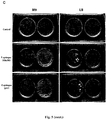
- the results, shown in Figure 5A show that the volatiles produced by Salmonella enterica grown in LB cause plants to turn yellow and become ill, while if Arabidopsis plants grown in M9 minimal medium are compared with control plants maintained in identical conditions, but without any microorganisms having been seeded in the corresponding Petri dish, it is observed that plants grown in the presence of the microorganism are larger and have a greater number of leaves.
- Volatiles emitted by microorganisms grown in media such as LB, Kornberg or any other medium containing a hidrolisate of yeasts, proteins, or which is rich in amino acids exert a negative effect (or not as positive as that observed when grown in minimal media) on starch growth and production in the plant, such that plants exposed to such volatiles develop white leaves and ultimately die. All this is probably due to the toxic effect of the ammonium produced by the deamination of the amino acids existing in the medium.
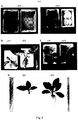
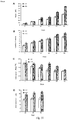
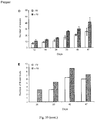
- the effect of starch accumulation is not exclusive to Arabidopsis plants. Furthermore, the positive effect is confirmed if the plants are grown in soil instead of in culture dishes in vitro : the assays performed with maize and Arabidopsis plants grown in soil show an increase in leaf size and vigor when grown in the presence of volatile fungi emitted by Alternaria alternata fungi ( Figure 7A and 7C ), a positive effect that is also reflected in an increase in starch accumulation ( Figure 7B and 7D ).
- MIVOISAP mi crobial vo latile i nduced s tarch a ccumulation p rocess
- AGP is the major limiting step in starch biosynthesis, and the sole enzyme that catalyzes ADPG production linked to starch production ( Neuhaus et al. 2005: Trends Plant Sci. 10, 154-156 ; Streb et al. 2009: Plant Physiol. 151, 1769-1772 ).
- This heterotetrameric enzyme is allosterically activated in leaves by means of 3-phosphoglycerate and is inhibited by means of Pi. It comprises two types of homologous but different subunits, the small subunit (APS) and the large subunit (APL), which is encoded by three different genes (APL1, APL2 and APL3) ( Crevyern et al. 2005: J. Biol. Chem. 280, 8143-8140 ).
- AGP ADP-glucose pyrophosphorylase
- PPase alkaline pyrophosphatase
- Starch synthesis is regulated by thioredoxin-mediated post-translational redox activation of AGP ( Ballicora et al. 2000: J. Biol. Chem. 275, 1315-1320 ), which is promoted by trehalose-6-phosphate formed in the cytosol ( Kolbe et al. 2005: Proc. Natl. Acad. Sci. USA 102, 11118-11123 ).
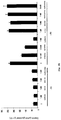
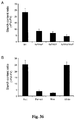
- FV-treated potato leaves accumulate far greater amounts of 100 kD inactive dimers than control leaves under non-reducing conditions. These 100 kD dimers could be converted into 50 kD monomers when extracts were obtained and separated under non-reducing conditions (including DTT) ( Figure 15 ), the overall data thus indicating that AGP is largely oxidized (inactive) in FV-treated potato leaves.
- AGP activity, and ADPG and starch content was measured in leaves of AGP62 potato plants (in which the APS subunit is inactivated by antisense elements ( Müller-Röber et al. 1992: EMBO J. 11, 1229-1238 )) cultured in the presence and absence of FVs.
- AGP activity in AGP62 leaves was 30% of that of wild-type (WT) leaves.
- WT leaves wild-type leaves
- AGP activity in AGP62 plants did not increase upon FV treatment.
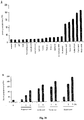
- FV treatment resulted in a dramatic enhancement of starch accumulation ( Figure 16B ), and in an approximately 70% increase in ADPG content ( Figure 16C ) in AGP62 leaves.
- Starch and ADPG contents in FV-treated AGP62 leaves were comparable with those observed in FV-treated WT leaves.
- Acid invertase is a sucrolytic enzyme the activity of which is post-translationally regulated by a proteinaceous inhibitor ( Bracho and Whitaker 1990: Plant Physiol. 92, 386-394 ) in tubers. These two sucrolytic enzymes compete for the same sucrose supply, acting as one of the main determining factors of starch accumulation the balance between SuSy and acid invertase ( Baroja-Fernández et al. 2009: Plant Cell Physiol. 50, 1651-1662 ).
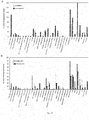
- RNA profile analyses showed that FV treatment resulted in a down-regulation of expression of acid invertase (2.61- and 2.04-fold reduction in the presence and absence of sucrose, respectively), and a dramatic enhancement of transcripts encoding the inhibitor of this sucrolytic enzyme (17.78- and 18.1-fold increase in the presence and absence of sucrose, respectively), which was additionally confirmed by quantitative RT-PCR ( Figure 13 ) and enzymatic activity analysis (see Table 3).
- the overall data indicate that (a) SuSy and acid invertase-mediated sucrolytic pathways are coordinately regulated in response to identical signals, and (b) the balance between these pathways is a major determining factor of starch accumulation in potato leaves exposed to microbial volatiles. Because of the positive correlation existing between the patterns of SuSy activity and of starch, ADPG and UDPG contents in leaves of FV-treated and non-treated plants ( Figure 17 ), the overall data also indicated that high ADPG, UDPG and starch levels occurring in FV-treated potato leaves are ascribed, at least in part, to enhanced SuSy activity during MIVOISAP in potato.
- ppGpp accumulates in the chloroplast of stressed leaves through regulation of the expression of RelA/SpoT homo logs (RSH).
- FV treatment resulted in a marked down-regulation of plastidial G6P dehydrogenase (pG6PDH) (6.17-fold reduction)(also see Figure 13 and Table 3), an enzyme of the oxidative pentose phosphate pathway (OPPP) which is involved in the production of reducing power required for amino acid biosynthesis in heterotrophic organs or in leaves during the night-time period.
- pG6PDH plastidial G6P dehydrogenase
- OPPP oxidative pentose phosphate pathway
- FV treatment further resulted in a marked reduction of the expression of genes encoding a set of plastidial proteins involved in nitrogen assimilation such as those encoding the nitrite transporter, nitrite reductase, glutamate synthase and glutamate/malate translocator (3.88-, 9.85-, 3.86- and 3.22-fold reduction, respectively) (also see Figure 13 and Table 3).
- the first step in the conversion of sulfate into the sulfur amino acids cysteine and methionine is catalyzed by ATP sulfurylase.
- This plastidial enzyme catalyzes the reversible conversion of ATP and sulfate into adenosine-5'-phosphosulfate and PPi, which is displaced from equilibrium by PPase through rapid removal of PPi.
- FV treatment results in PPase down-regulation. It is thus conceivable that with FV treatment PPi will accumulate in the chloroplast, thus preventing sulfur amino acid biosynthesis by inhibiting ATP sulfurylase.
- FV treatment resulted in down-regulation of plastidial serine acetyltransferase, cysteine synthase and cystathionine-gamma-synthase (3.43-, 2.85- and 2.53-fold reduction, respectively), all enzymes necessary for cysteine and methionine synthesis in the chloroplast.
- MIVOISAP plastidial cysteine provision impairments are directly involved in MIVOISAP by measuring the starch content in detached potato leaves cultured in the presence and in the absence of FVs emitted by Alternaria alternata, and in the presence of different concentrations of cysteine. Most importantly, these analyses showed that unlike other amino acids, MIVOISAP was strongly suppressed by exogenously added cysteine ( Figure 19 ). Other amino acids, in contrast, did not inhibit MIVOISAP.
- MIVOISAP is the consequence of a response triggered by inadequate internal cysteine provision. Since sulfur amino acids are the main metabolic entrance of reduced sulfur in cell metabolism, the authors of the invention considered the hypothesis that the high starch content of FV-treated leaves is the result, at least in part, of a response triggered by the deprivation of both nitrogen and sulfur.
- Proteases play a major role in protein quality control, being responsible for the degradation of damaged and aberrant polypeptides as well as for the recycling of amino acids for de novo protein biosynthesis. Proteolysis also provides the amino acids necessary for maintaining cellular homeostasis, this being a process that involves a major portion of the cell's maintenance energy requirement. In that line, it should be highlighted that the analyses of transcripts of the present invention showed that FV treatment drastically enhanced the expression of many protease inhibitors.
- SS starch synthases
- transcriptome analyses showed that, regardless of the presence of sucrose in the culture medium, FV treatment resulted in a large increase in expression of SSIV (7.00 and 4.68-fold increase in the presence and in the absence of sucrose, respectively) and a moderate increase in expression of SSIII (2.53-fold increase in the presence of sucrose), which results were confirmed by quantitative RT-PCR analysis ( Figure 13 ). No changes were observed in the expression levels of SS class I and II. Enzymatic activity analyses showed that FV treatment resulted in a 3-fold increase in the total SS activity (see Table 3). The overall data therefore indicate that MIVOISAP can be ascribed, at least in part, to the enhancement of SSIII and SSIV activity.
- the starch granule is composed of two structurally different homopolymers: amylose, which is essentially linear, and amylopectin, which is a moderately branched macromolecule.
- amylose which is essentially linear
- amylopectin which is a moderately branched macromolecule.
- the starch in potato leaves contains 10-15% amylose.
- amylose is produced by GBSS
- amylopectin is synthesized by the combined actions of soluble SS and starch branching enzyme (SBE), the latter catalyzing the formation of the ⁇ -1,6 linkages within the starch molecule.
- SBE starch branching enzyme
- amylopectin biosynthesis is also the result of “trimming” by debranching enzymes (isoamylases and pullulanases that hydrolyze ⁇ -1,6 linkages within the starch molecule) of highly branched glucans that are synthesized by soluble SS and SBE.
- debranching enzymes isoamylases and pullulanases that hydrolyze ⁇ -1,6 linkages within the starch molecule
- RT-PCR analyses Figure 13
- transcriptome analyses showed that FV treatment resulted in a marked down-regulation of the expression of plastidial starch phosphorylase when plants were cultured in heterotrophic conditions (5.14-fold reduction).
- MIVOISAP can be ascribed, at least in part, to the down-regulation of plastidial ⁇ -amylase isoforms and starch phosphorylase.
- PI3P and PI4P have been involved in various physiological functions, including plasma membrane endocytosis, vesicle trafficking, and vacuoles biogenesis and organization. Endocytosis is a process involved in the internalization of molecules from the plasma membrane and extracellular environment, and plasma membrane recycling. The increase in phosphoinositide metabolism results in an increase in the use of sugars from the medium (Im et al.
- RT-PCR analyses ( Figure 13 ) and transcriptome analyses showed that the genes encoding PI4K and PI3K are up-regulated by FV treatment (3.55- and 3.12-fold increase, respectively).
- PI is synthesized in the cytosol from G6P in a 3-step process involving inositol-phosphate synthase, inositol monophosphatase and PI synthase. It should be highlighted that the RT-PCR analyses ( Figure 13 ) and transcriptome analyses showed that the genes encoding inositol-phosphate synthase and inositol monophosphatase are up-regulated by FV treatment (3.78- and 4.62-fold increase, respectively).
- Plant actin cytoskeleton is a dynamic support structure which plays a pivotal role in organule movement, vesicle trafficking, cytoplasmic flows, plant defenses against pathogens, etc., in response to internal and external signals.
- Evidence that the actin cytoskeleton is also involved in endocytic absorption and trafficking of sucrose linked to starch biosynthesis in sycamore cells in culture has recently been provided ( Baroja-Fernández et al. 2006: Plant Cell Physiol. 47, 447-456 ). It should be highlighted that it has been demonstrated that SuSy, a key enzyme in the starch biosynthesis process (see above), is associated with the actin cytoskeleton ( Dunkan and Huber 2007: Plant Cell Physiol.
- Actin depolymerizing factors are dynamic organization modulators of the actin cytoskeleton which modulate the exchange rate of filaments and the interconnection of cell signals with cytoskeleton-dependent processes. Consistent with the view that cytoskeleton-mediated endocytosis and/or vesicle trafficking can play an important role in MIVOISAP, the RT-PCR analyses ( Figure 13 ) and transcriptome analyses showed that the expression of actin depolymerizing factor is up-regulated by FV treatment (increase in 3.26-fold)
- FVs strongly promote aerobic and anaerobic metabolism when plants are cultured in heterotrophic conditions
- FV treatment resulted in the down-regulation of plastidial ATP synthase when plants were cultured in heterotrophic conditions (9.09-fold reduction).
- FVs promoted the transcription of genes encoding glycolytic enzymes such as enolase, pyruvate kinase, phosphoenol pyruvate (PEP) carboxykinase and PEP carboxylase (4.94-, 5.48-, 19.64- and 6.03-fold increase, respectively). This effect was much less pronounced when plants were cultured in autotrophic conditions.
- Some genes involved in fermentation including those which encode alcohol dehydrogenase (ADH), pyruvate decarboxylase and an aldehyde dehydrogenase, were strongly up-regulated by FV treatment, both in heterotrophic conditions (51.43- and 9.92-fold increase for ADH and aldehyde dehydrogenase, respectively), and autotrophic conditions (9.92- and 3.77-fold increase for ADH and pyruvate decarboxylase, respectively) (also see Table 3).
- ADH alcohol dehydrogenase
- pyruvate decarboxylase an aldehyde dehydrogenase
- ATP/ADP transporters in both heterotrophic and autotrophic plastids in order to take up cytosolic ATP, exchanging it with plastidial ADP. Because heterotrophic plastids lack ATP-producing machinery by photosynthesis, the ATP/ADP transporter is necessary to supply energy to anabolic processes located in the stroma such as those involved in amino acid, starch and fatty acid production. In chloroplasts, it has been demonstrated that ATP/ADP transporters are important for nocturnal importation of ATP and to prevent damage caused by photooxidation ( Reinhold et al. 2007: Plant J. 50, 293-304 ).
- FVs up-regulate the expression of plastidial ATP/ADP transporter when plants are cultured in heterotrophic conditions (3.16-fold increase), which is consistent with the notion that extraplastidial ATP for the most part supports anabolic pathways occurring in the chloroplast of FV-treated plants cultured in heterotrophic growth conditions.
- TPT triose-P/3-phosphoglycerate/P translocator
- Non-green plastids of heterotrophic tissues depend on the provision of G6P from the cytosol through the G6P/Pi antiporter system.
- the imported G6P can be used for starch and fatty acid synthesis.
- G6P can also be used to activate the OPPP which, as discussed above, is the main source of reducing power required for the reduction of nitrite and for fatty acid and amino acid biosynthesis.
- G6P/Pi translocator is mainly restricted to heterotrophic tissues
- FV treatment strongly enhanced the expression of G6P/Pi translocator in leaves when plants were cultured in the presence and in the absence of sucrose, as confirmed by both RT-PCR analyses ( Figure 13 ) and transcriptome analyses (30.23- and 22.08-fold increase when plants were cultured in the presence and in the absence of sucrose, respectively).
- MIVOISAP involves changes in the expression of a number of genes encoding enzymes fundamental in the carbohydrate metabolism and in energy production/consumption, which suggests that MIVOISAP is a highly coordinated and regulated process. It should be highlighted that the analyses of transcripts described in the present application showed that FV treatment strongly promoted the expression of SNF4 (6.64-fold increase) (also see Figure 13 ), an activator of the protein kinase SnRK1, which is a global regulator of carbon metabolism in plants. It is therefore likely that (a) SNF4 exerts a positive effect on starch accumulation through of SnRK1 activation, and (b) SnRK1 plays a regulating role during MIVOISAP.
- Plants were cultured in Petri dishes containing solid MS medium with 90 mM sucrose. Plants were grown in growth chambers with a photoperiod of 16 h of light (300 ⁇ mol photons s -1 m -2 ), 8 hours of darkness and at a constant temperature of 24°C. After approximately 2 weeks of growth after the time of germination, the plants were placed in 500 cubic centimeter plastic boxes in which cultures of Alternaria alternata in Petri dishes containing solid MS medium supplemented with 90 mM sucrose had previously been introduced. At the times indicated in Figures 22 , 23 and 24 , the leaves were harvested for subsequent analyses of starch, 3PGA, Pi and SuSy activity content.
- 3-PGA 3-phosphoglyceric acid
- AGP ADPglucose pyrophosphorylase
- Pi orthophosphate
- AGP is involved in the production of ADPG linked to starch biosynthesis. It is considered that the allosteric modulation of AGP represents an important determining factor of the starch biosynthesis rate in photosynthetic tissues, although some studies have been unable to find a correlation between 3-PGA levels in the stroma and starch content.
- MIVOISAP involves an allosteric activation of AGP due to the increase in 3-PGA.
- section 5.1 The experiment of section 5.1 was repeated, using in this case leaves cut from Arabidopsis incubated in Petri dishes with solid MS medium supplemented with 90 mM sucrose and, where appropriate, with 50 micromoles ( ⁇ M) of translation inhibitor cycloheximide (Sigma) and 200 micromoles ( ⁇ M) of transcription inhibitor cordycepin (Sigma) ( Fritz, C.C. et al., 1991: Proc. Natl. Acad. Sci. USA 88: 4458- 4462 ; Hayashi, T. and Takagi, S., 2003; Plant Cell Physiol. 44: 1027-1036 ; Dhonukshe et al., 2006: Developmental Cell 10: 137-150 ).
- ⁇ M translation inhibitor cycloheximide
- ⁇ M transcription inhibitor cordycepin
- assays were performed on cultures of Arabidopsis thaliana plants (cv. Columbia) similar to those described in the general section of "Plants, microbial cultures, growth conditions and sampling", although by substituting microbial cultures with solutions of the volatiles to be assayed. To that end, the plants were cultured in Petri dishes containing solid MS medium with 90 mM sucrose. The plants germinated and were grown for two weeks in growth chambers with a photoperiod of 16 h of light (300 ⁇ mol of photons s -1 m -2 ) and at a constant temperature of 24°C.
- Petri dishes containing completely developed plants were placed in 500 cubic centimeter grow boxes with the particularity that, instead of microbial cultures, Petri dishes containing 2 cubic centimeters of 5% aqueous solutions of one of the following compounds were introduced in said boxes in each case: indol, DTT (dithiothreitol), NAA (1-naphthaleneacetic acid), ⁇ -mercaptoethanol, salicylic acid, jasmonic acid, cysteine, acetoin, ethanol, methanol, ⁇ -hydroxybutyrate, butanediol, propanoic acid, acetic acid, acetaldehyde, formic acid or butyric acid, without there being any physical contact between the plant and the solution.
- indol DTT (dithiothreitol)
- NAA 1-naphthaleneacetic acid
- ⁇ -mercaptoethanol ⁇ -mercaptoethanol
- salicylic acid jasmonic acid
- cysteine ace
- the ethylene was provided in the form of ethephon powders.
- the boxes were sealed and leaves were harvested after two days of incubation to analyze starch content. Leaves were harvested at the end of the light period.
- the Petri dishes containing completely developed plants were cultured for two days in sealed plastic boxes together with a Petri dish containing 2 cubic centimeters of water in the absence of any of the volatile compounds assayed.
- Starch was measured using an amyloglucosidase-based test kit (Boehringer Mannheim, Germanay).
- MIVOISAP mi crobial vo latile induced s tarch a ccumulation p rocess
- MIVOISAP has nothing to do with the promotion of growth by neutral products, such as acetoin and butanediol, which are produced by some microorganisms from pyruvic acid as an alternative to the metabolic pathways of this compound, but is determined by acid substances also produced from metabolizing pyruvic acid following different metabolic pathways, such as acetate, formic acid, etc.
- Example 7 Influence of the impairments in pyruvic acid synthesis on starch accumulation produced by mixtures of volatiles emitted by microorganisms (Example of reference)
- the increase in starch accumulation is observed when plants are cultured in the presence of different microorganisms capable of producing volatiles: bacteria, yeasts and molds.
- the culture of Arabidopsis thaliana plants in the presence of a culture of the Escherichia coli BW25113 bacteria likewise showed the effect of the increase in starch accumulation when said bacterium was cultured in Petri dishes containing solid M9 minimal medium (95 mM Na 2 HPO 4 /44 mM KH 2 PO 4 /17 mM NaCl/37 mM NH 4 Cl/0.1 mM CaCl 2 /2 mM MgSO 4 , 1.5% bacteriological agar) supplemented with 50 mM glucose.
- Example 6 of the present application the assay for measuring starch accumulation by mixtures of volatiles produced by microorganisms was repeated using a mutant strain of Escherichia coli, E. coli ⁇ pykF ( Baba, T., Ara, T., Hasegawa, M., Takai, Y., Okumura, Y., Baba, M, Datsenko, K. A., Tomita, M., Wanner, B. L. and Mori, H. (2006) Construction of Escherichia coli K-12 in frame, single-gene knockout mutants: the Keio collection. Mol. Syst. Biol.
- Example 6 the test of Example 6 above was repeated, although in this case the plants were placed in sterile 500 cubic centimeter plastic boxes containing microbial cultures of Escherichia coli BW25113 (wild strain control) or of Escherichia coli ⁇ pykF.
- Example 9 Growth pattern of maize and pepper plants grown in the presence of microbial volatiles (Example of reference)
- Figures 30 and 32 show, respectively, photographs obtained of the maize and pepper plants after a different number of days had passed from the start of the culture. It is observed that after the first days of culture, the plants grown together with a culture of Alternaria alternata, without there being any contact between them (plant on the right in all the photographs), are larger than the plants grown under control conditions, in the absence of fungal volatiles. The numbers next to each photograph indicate the days elapsed from the start of the culture. The number of leaves is also higher in the plants subjected to the effect of fungal volatiles.
- Figures 31 and 33 show the graphs corresponding to parameters the evolution of which was recorded to compare plants subjected to the effect of fungal volatiles (+FV) and control plants (-FV): height (in centimeters), number of leaves, chlorophyll (in milligrams per g of fresh weight) and stem thickness (in centimeters) in the case of maize ( Figure 31 ) and height (in centimeters), chlorophyll (in milligrams per g of fresh weight), stem thickness (in centimeters), number of leaves and number of flower buds in the case of pepper ( Figure 33 ).
- the numbers seen on the x-axis correspond to the time elapsed, in days, from the start of the culture when the corresponding value was taken.
- chlorophyll accumulation in maize plants is particularly striking: whereas in control plants the amount of chlorophyll relative to the fresh weight decreases with the days of culture, in plants subjected to the effect of fungal volatiles the decrease is much less pronounced, even an increase in the amount of chlorophyll being obtained after 28 days of culture with respect to the previous measurement, although its decrease pattern subsequently continued. In the case of pepper, the amount seems to drop until day 19, at which time it begins to increase again, reaching the 40-47 values close to those of plants after 12 days of treatment with fungal volatiles.
- flower buds in pepper plants should also be mentioned, demonstrating the influence of microbial volatiles on growth and flowering patterns. After 26 days of culture, flower buds can be detected in plants treated with fungal volatiles, which are still undetectable in the case of control plants. Subsequently, the number of flower buds is always greater in plants subjected to the effect of fungal volatiles, reaching mean values close to 9 after 40 days of culture.
- the growth of wild-type Arabidopsis thaliana plants grown in the presence of fungal volatiles produced by a culture of the Alternaria alternata fungus was compared with that of plants grown in the absence of said volatiles, after a culture time in which water starts to be scarce in the medium.
- Figure 35 shows the results obtained upon photographing the plants upon starting the process (day 0) and after 7 days of culture (bottom row), at which time the water of the culture medium has been considerably reduced. It is observed that upon starting the assay (day 0), the size of the plants grown in the absence of fungal volatiles was similar to that of the plants grown in the presence of said volatiles; however, on day 7, the plants that have grown in the absence of microbial volatiles have a much smaller size than the plants grown in the presence of fungal volatiles, this size being even less than the size they had on day 0. The plants grown in the presence of fungal volatiles, in contrast, have a size greater than that size they had on day 0.
- Example 11 Starch accumulation promoted by microbial volatiles is subjected to photoreceptor-mediated control (Example of reference)
- light is one of the most important environmental signals that controls many physiological and developmental aspects of plants.
- Light acts through photoreceptors, regulating various responses such as seed germination, seedling establishment, adjustment of circadian rhythms, flowering time, light-induced starch reserve degradation, carbon partitioning flow, etc.
- the major families in photoreceptors occurring in plants are the phototropins and cryptochromes (CRY), which absorb blue light, and phytochromes (PHY), which absorb red light or far-red light.
- CRY phototropins and cryptochromes
- PHY phytochromes
- Photoreceptors also direct very fast cytoplasmic responses such as apoplastic acidification by means of proton-pumping-ATPase present in the plasma membrane, which is necessary for cellular expansion, and stomatal aperture, chloroplast movement, actin-dependent cytoplasmic flows, gravitropism and hypocotyl elongation, which are not the consequence of changes in gene expression.
- the perception of red light and far-red light by means of PHY requires the presence of phytochromobilin, which is covalently bound to the apoprotein portion of PHY. In Arabidopsis, this chromophore is synthesized by products of HY1 and HY2 genes.
- the phytochrome Upon receiving red or infrared light, the phytochrome experiences a conformational cis-trans change, resulting in the exchange between the so-called active form (form Pfr, which absorbs in the far-red) and inactive form (Pr, which absorbs in the red zone).
- Columbia plants were used as wild-type plants, and plants deficient in photoactive PHY and in CRY hy1 / cry2 and hy1 / cry1 were used as mutants. They were all grown in the presence of fungal volatiles produced by a culture of Alternaria alternata with which they shared a grow box, without there being any physical contact between the plant and fungal culture.
- Example 12 Impact of enzymes involved in starch degradation in MIVOISAP of Arabidopsis thaliana (Example of reference)
- BAM1-9 Of the nine proteins similar to ⁇ -amylases encoded in the Arabidopsis thaliana genome (BAM1-9), only BAM1-4 are plastidial and have direct access to starch.
- BAM1 is an enzyme regulated by thioredoxins which degrades starch during the day both in mesophilic and guard cells subjected to thermal shock and osmotic stress.
- BAM3 is the main determining factor of starch degradation of leaves during the night and also plays an important role in starch degradation during the day in the case of cold shock.
- BAM4 does not present catalytic activity but has an important BAM1-3 regulating function, modulating starch degradation.
- Isoamylase 3 is a debranching enzyme participating in starch degradation releasing maltodextrins into the stroma, which are then subjected to the action of plastidial ⁇ -amylases and plastidial phosphorylase of starch (PHS1).
- Transcriptome analyses showed that fungal volatiles promote the expression of ISA3 (1.72-fold increase). These analysis also showed a marked increase in the expression of BAM5 after treatment with fungal volatiles (4.81-fold increase), accompanied by an 3.1-fold increase of total ⁇ -amylase activity (11.8 ⁇ 2.1 U/g of fresh weight and 37.0 ⁇ 3.2 U/g of fresh weight in the absence and presence of fungal volatiles for 16 hours, respectively). Therefore, the increase in fungal volatile-induced total ⁇ -amylase activity can be ascribed to the up-regulation of BAM5.
- bam5 and amy3 leaves not treated with fungal volatiles accumulated starch levels similar to those of wild-type plants, whereas non-treated bam4 and sex1 leaves accumulated more starch than leaves of wild-type plants ( Figure 37A ).
- bam4 and sex1 leaves accumulated 30-35 times more starch in the presence of FVs than leaves of wild-type plants did in the absence of treatment with fungal volatiles.
- Example 13 Impact of redox enzymes on MIVOISAP in Arabidopsis (Example of reference)
- Trxs thioredoxins
- NTRC NADPH Trx reductase
- Fdx-dependent Trx reductase Fdx-dependent Trx reductase
- NTRC uses NADPH as a source of reducing power, which can be produced in the dark from G6P through the oxidative pentose phosphate pathway (OPPP), or can be obtained under conditions from reduced Fdx by means of Fdx-NADP reductase.
- OPPP oxidative pentose phosphate pathway
- Trxs Enzymes from the Calvin cycle, ATP synthesis and NADPH exportation from chloroplasts are activated by means of Trx-mediated reduction of cysteine residues, whereas G6P dehydrogenase of chloroplasts is inactivated. Trxs also regulate starch metabolism through the activation of post-translational redox of AGP and enzymes involved in starch degradation, such as SEX1 and BAM1. NTRC plays an important role in providing reducing power to detoxify hydrogen peroxide in the dark and in the regulation of AGP redox status.
- SS starch synthases
- Example 15 Influence on protein accumulation in the starch granule (Example of reference)
- Spanish patent application P201001115 describes and claims a method for the production and purification of recombinant proteins in plants. This method is based on the production of genetically modified plants (or plant cells) expressing granule-bound starch proteins fused with proteins of interest through an amino acid sequence recognized specifically by a protease. Once the starch granules are isolated (which are readily isolable and purifiable), they are treated with the protease such that the protein of interest is released. Works have also been recently published which show that plants expressing starch granule-bound proteins fused with antigens are capable of inducing an immune response in mice that are fed with the starch from those plants.
- the increase in the total amount of protein associated with starch can be an advantage itself, or it can further entail a potential manner of increasing yields and efficiency of methods for purifying recombinant proteins associated with starch granules. It also constitutes a manner of increasing the amount of antigen in plants which act as oral vaccines, such that the immune system response will be stronger when the individual takes starch-vaccine from plants treated with microbial volatiles than when taking starch-vaccine from plants not treated with microbial volatiles.
- Example 16 Plasmids useful for the preparation of transgenic plants with increased starch accumulation capacity (Example of reference)
- MIVOISAP is transcriptionally regulated. Therefore, as described above, reproduction by means of transgenesis of the MIVOISAP-induced metabolic changes must give way to transgenic plants in which starch accumulation increases with respect to wild-type plants of the same species. It is necessary to have the suitable vectors to produce those plants.
- the Gateway protocol for vector constructs for plant transformation was used ( Nakagawa et al., 2007: Journal of Bioscience and Bioengineering 104: 34-41 ), based on the insertion of double-stranded DNA sequence fragments into specific vector sites, making use of the site-specific properties of bacteriophage lambda, the use of recombinases and in the presence of recognition sequences for same both in the fragment to be inserted and in the vectors in which it is to be inserted.
- the process requires the presence of DNA recombination sequences of phage lambda (att sites) flanking, on one hand, the fragment to be inserted, and on the other hand, the presence of complementary att sequences in the vector in which said DNA fragment is to be inserted.
- the process necessarily requires the presence of the recombinase capable of recognizing att sequences of the fragment to be inserted (attB: attB1 and attB2, equivalent to the sites found in nature in the E. coli genome) and the corresponding sequences in the vector in which they are to be inserted (attP: attP1 and attP2, respectively, corresponding to the sequences present in the bacteriophage lambda).
- the recombinase will recognize both pairs of sequences and will produce the insertion of the DNA fragment into the vector, between the attP1 and attP2 sequences; the splicing is done such that they disappear in the attB and attP sequences, attL sequences (attL1 and attL2) being generated in the recombinant vector; this step would be the equivalent to inserting the bacteriophage lambda into the genome of the bacteria.
- a second recombination reaction in the presence of a vector having the complementary pair of att sites recognized by that second recombinase (attR: attR1 and attR2) would allow a second recombination event.
- Gateway technology of Invitrogen was used following the manufacturer's instructions (Gateway ® Technology protocol: http://www.invitrogen.com/site/us/en/home/Products-and-Services/Applications/Cloning/Gatewav-Cloning/GatewavC-Misc/Protocols.html#bp).
- the underlined fragment represents the attB1 and attB2 sequences per se and N represents any nucleotide.
- sequence fragments in bold print correspond to the amplified genes, whereas the underlined parts correspond to the attB1 sequences (sequences with an odd order number) or to the attB2 sequences (sequences with an even order number).
- the double-stranded sequences depicted by SEQ ID NO:67, SEQ ID NO:69 and SEQ ID NO:71 were thus amplified.
- the sequences encoding nitrite reductase and cysteine synthase (SEQ ID NO:69 and SEQ ID NO:71, respectively) had an attB2 sequence at their 5' end and an attB1 sequence at their 3' end, whereas the sequence encoding the protease inhibitor had an attB1 sequence at its 5' end and an attB2 sequence at its 3' end.
- the Gateway insertion protocol for inserting these fragments into plasmids is based on performing two successive recombination reactions; BP reaction (to produce the introduction vector) and LR reaction (resulting in the expression vector) following Invitrogen's manufacturer's instructions).
- BP reaction to produce the introduction vector
- LR reaction resulting in the expression vector
- commercial vector pDON/Zeo Invitrogen; structure. Page 50 of the Gateway ® Technology Protocol
- Cm R chloramphenicol resistance gene
- ccdB gene zeocin resistance gene
- plasmid pGWB2 Nakagawa T, Kurose T, Hino T, Tanaka K, Kawamukai M, Niwa AND, Toyooka K, Matsuoka K, Jinbo T, Kimura T. 2007 Development of series of gateway binary vectors, pGWBs, for realizing efficient construction of fusion genes for plant transformation. J. Biosci. Bioeng.
- This vector allows the constitutive expression of encoding sequences by means of the cauliflower mosaic virus (CaMV) 35S promoter.
- This vector has two transformed plant selection markers: the hygromycin phosphotransferase (Hyg) gene under the control of the CaMV 35S promoter, and a kanamycin (Kan) resistance gene under the control of the Nos promoter.
- the attR1 and attR2 sequences flank a fragment of the vector in which are the ccdB and cat genes are located, which genes would be replaced by the genes of interest after the recombination reaction performed by the LR recombinase.
- the recombination reaction results in the insertion of the gene of interest between the attR1 and attR2 sequences, the attB1 and attB2 sequences flanking the ends of the gene of interest being regenerated and the ccdB and cat genes being lost but the final plasmid maintains the kanamycin resistance gene (Kan) and the hygromycin phosphotransferase (Hyg) gene.
- Agrobacterium tumefaciens When Agrobacterium tumefaciens transforms a plant cell, it will transfer a DNA fragment of the plasmid pGBW2 to the plant genome comprised between the sequences referred to as LB (left border) and RB (right border), which includes the kanamycin resistance and hygromycin genes and the gene of interest.
- plasmids would be suitable for the generation of transgenic plants expressing at least one nucleotide sequence selected from the gene encoding a protease inhibitor and the antisenses of the genes encoding plastidial nitrite reductase and cysteine synthase, which would allow using said plants to obtain an increase in starch accumulation.
- the irrigation water may be a valid medium for supplying mixtures of microbial volatiles to the plants, resulting in the desired effects of growth increase and increase in the amount of starch accumulated, an assay was performed with pepper plants.
- the Alternaria alternata fungus was cultured in solid MS medium supplemented with 90 mM sucrose. After forming a large mycelium, it was transferred to a liquid MS medium without sucrose where it remained for a couple of days. This medium was filtered and used to irrigate the plant, being referred to as "culture medium".
- Pepper plants were cultured in 25 liter plastic boxes. Plants were irrigated every 4 days: control plants were irrigated with water, whereas plants being assayed were irrigated with the liquid medium obtained from the culture of Alternaria alternata. Photos of the plants were taken when they were 3 weeks old (21 days) or 45 days old.
- Panels A and B correspond to 3-week old plants, whereas the plants of Panels C and D are 45 days old. It can be seen that the size differences between plants irrigated with culture medium and with water are very noticeable. Panel C further shows that irrigation with culture medium of A. alternata entails the formation of adventitious roots assuring better plant growth. In the last photograph, a plant irrigated with water but cultured for 2 weeks next to a recipient containing filtered "culture medium" of A. alternata can be seen. The results obtained with it, which are reproducible, allow concluding that part of the promoter effect of the growth of the "culture medium" of A. alternata is due to volatile compounds existing in the mentioned medium. In other words, volatiles promoting plant growth can be provided by irrigating with filtered "culture medium" of A. alternata.
Landscapes
- Life Sciences & Earth Sciences (AREA)
- Health & Medical Sciences (AREA)
- General Health & Medical Sciences (AREA)
- Engineering & Computer Science (AREA)
- Zoology (AREA)
- Microbiology (AREA)
- Dentistry (AREA)
- Environmental Sciences (AREA)
- Agronomy & Crop Science (AREA)
- Wood Science & Technology (AREA)
- Plant Pathology (AREA)
- Pest Control & Pesticides (AREA)
- Virology (AREA)
- Biotechnology (AREA)
- Mycology (AREA)
- Chemical & Material Sciences (AREA)
- Biochemistry (AREA)
- Organic Chemistry (AREA)
- Toxicology (AREA)
- Breeding Of Plants And Reproduction By Means Of Culturing (AREA)
- Micro-Organisms Or Cultivation Processes Thereof (AREA)
- Agricultural Chemicals And Associated Chemicals (AREA)
Claims (1)
- Verfahren zur Erhöhung der Widerstandsfähigkeit gegenüber Wasserstress in einer Pflanze, wobei die Pflanze in Gegenwart einer flüchtige Verbindungen erzeugenden Mikroorganismenkultur, ohne dass ein Kontakt zwischen der Pflanze und dem Mikroorganismus besteht, oder in Gegenwart der von dem Mikroorganismus emittierten flüchtigen Stoffen gezüchtet wird, wobei das Wachstum des Mikroorganismus in einem Minimalmedium erfolgt, das frei von Aminosäuren und Proteinen ist.
Priority Applications (1)
| Application Number | Priority Date | Filing Date | Title |
|---|---|---|---|
| EP16160784.1A EP3064066B1 (de) | 2010-04-19 | 2011-04-15 | Verfahren zur änderung des entwicklungsmusters, zur erhöhung des wachstums und zur akkumulation von stärke, zur strukturänderung von stärke sowie zur erhöhung der beständigkeit von pflanzen gegen wasserstress |
Applications Claiming Priority (4)
| Application Number | Priority Date | Filing Date | Title |
|---|---|---|---|
| ES201000499A ES2372071B1 (es) | 2010-04-19 | 2010-04-19 | Procedimiento para alterar el patron de desarrollo y aumentar el crecimiento de las plantas. |
| ES201001068A ES2376734B1 (es) | 2010-08-13 | 2010-08-13 | MEJORAS INTRODUCIDAS EN EL OBJETO DE LA PATENTE PRINCIPAL Nº P201000499 POR "PROCEDIMIENTO PARA ALTERAR EL PATRÓN DE DESARROLLO, AUMENTAR EL CRECIMIENTO Y LA ACUMULACIÓN DE ALMIDÓN Y ALTERAR LA ESTRUCTURA DEL ALMIDÓN EN PLANTAS". |
| ES201100405A ES2389931B1 (es) | 2011-04-07 | 2011-04-07 | Procedimiento para alterar el patrón de desarrollo, aumentar el crecimiento y la acumulación de almidón y alterar la estructura del almidón en plantas mejorado |
| PCT/ES2011/000125 WO2011135121A2 (es) | 2010-04-19 | 2011-04-15 | Procedimiento para alterar el patron de desarrollo, aumentar el crecimiento y la acumulación de almidón, alterar la estructura del almidón y aumentar la resistencia al estrés hídrico en plantas |
Related Child Applications (2)
| Application Number | Title | Priority Date | Filing Date |
|---|---|---|---|
| EP16160784.1A Division EP3064066B1 (de) | 2010-04-19 | 2011-04-15 | Verfahren zur änderung des entwicklungsmusters, zur erhöhung des wachstums und zur akkumulation von stärke, zur strukturänderung von stärke sowie zur erhöhung der beständigkeit von pflanzen gegen wasserstress |
| EP16160784.1A Division-Into EP3064066B1 (de) | 2010-04-19 | 2011-04-15 | Verfahren zur änderung des entwicklungsmusters, zur erhöhung des wachstums und zur akkumulation von stärke, zur strukturänderung von stärke sowie zur erhöhung der beständigkeit von pflanzen gegen wasserstress |
Publications (3)
| Publication Number | Publication Date |
|---|---|
| EP2561760A2 EP2561760A2 (de) | 2013-02-27 |
| EP2561760A4 EP2561760A4 (de) | 2014-04-23 |
| EP2561760B1 true EP2561760B1 (de) | 2017-09-06 |
Family
ID=44861960
Family Applications (2)
| Application Number | Title | Priority Date | Filing Date |
|---|---|---|---|
| EP11774436.7A Active EP2561760B1 (de) | 2010-04-19 | 2011-04-15 | Verfahren zur erhöhung der beständigkeit von pflanzen gegen trockenstress |
| EP16160784.1A Active EP3064066B1 (de) | 2010-04-19 | 2011-04-15 | Verfahren zur änderung des entwicklungsmusters, zur erhöhung des wachstums und zur akkumulation von stärke, zur strukturänderung von stärke sowie zur erhöhung der beständigkeit von pflanzen gegen wasserstress |
Family Applications After (1)
| Application Number | Title | Priority Date | Filing Date |
|---|---|---|---|
| EP16160784.1A Active EP3064066B1 (de) | 2010-04-19 | 2011-04-15 | Verfahren zur änderung des entwicklungsmusters, zur erhöhung des wachstums und zur akkumulation von stärke, zur strukturänderung von stärke sowie zur erhöhung der beständigkeit von pflanzen gegen wasserstress |
Country Status (5)
| Country | Link |
|---|---|
| US (2) | US9642361B2 (de) |
| EP (2) | EP2561760B1 (de) |
| ES (2) | ES2651097T3 (de) |
| WO (1) | WO2011135121A2 (de) |
| ZA (1) | ZA201208648B (de) |
Families Citing this family (11)
| Publication number | Priority date | Publication date | Assignee | Title |
|---|---|---|---|---|
| US9125419B2 (en) | 2012-08-14 | 2015-09-08 | Marrone Bio Innovations, Inc. | Bacillus sp. strain with antifungal, antibacterial and growth promotion activity |
| RU2578531C1 (ru) * | 2015-02-04 | 2016-03-27 | Федеральное государственное бюджетное учреждение науки Институт химической физики им. Н.Н. Семенова Российской академии наук (ИХФ РАН) | Средство для стимулирования образования хлорофилла в процессе развития высших растений и способ его применения |
| AU2017233034B2 (en) | 2016-03-16 | 2021-09-30 | Spogen Biotech Inc. | Methods for promoting plant health using free enzymes and microorganisms that overexpress enzymes |
| UY37179A (es) * | 2016-04-04 | 2017-10-31 | Univ Pública De Navarra | Composiciones producidas por microorganismos con actividad estimuladora sobre las plantas |
| CN105918354B (zh) * | 2016-05-04 | 2019-08-23 | 罗江县德金种植协会 | 一种利用微生物处理山桐子种子的方法 |
| WO2018146524A1 (es) * | 2017-02-13 | 2018-08-16 | Universidad De La Frontera | Composición promotora de crecimiento de plántulas, un kit, un método de aplicación, uso de los compuestos orgánicos volátiles que comprenden la composición |
| US10743535B2 (en) | 2017-08-18 | 2020-08-18 | H&K Solutions Llc | Insecticide for flight-capable pests |
| AU2018337974B2 (en) | 2017-09-20 | 2024-06-27 | Spogen Biotech Inc. | Fusion proteins, recombinant bacteria, and exosporium fragments for plant health |
| WO2019089517A1 (en) * | 2017-10-30 | 2019-05-09 | CO2 Solved, LLC | Compositions and methods for enhanced co2 capture and storage |
| AR131248A1 (es) * | 2022-12-01 | 2025-02-26 | Pro Farm Group Inc | Método para aumentar la biomasa de una planta |
| ES2995382B2 (es) | 2023-08-01 | 2025-07-09 | Timac Agro Espana S A | Metodo para mejorar el cultivo de plantas en condiciones de estres abiotico |
Family Cites Families (8)
| Publication number | Priority date | Publication date | Assignee | Title |
|---|---|---|---|---|
| JP2824510B2 (ja) | 1996-07-23 | 1998-11-11 | 農林水産省 野菜・茶業試験場長 | 揮発性静菌物質を利用した施設栽培キュウリの病害防除と生育促進に効果的な栽培方法 |
| US6524998B1 (en) * | 1999-03-01 | 2003-02-25 | Auburn University | Biological compositions and methods for enhancing plant growth and health and producing disease-suppressive plants |
| JP2004256508A (ja) * | 2003-02-24 | 2004-09-16 | Tateshi Takahashi | 植物の安定成長促進及び植物の耐病理性乃至品質の向上促進組成物 |
| ES2275433B1 (es) * | 2005-11-17 | 2008-01-01 | Instituto Nacional De Investigacion Y Tecnologia Agraria Y Alimentaria-Inia | Metodo para la promocion de crecimiento de plantas de tomate. |
| CN101167452B (zh) * | 2006-10-23 | 2012-10-31 | 黄永 | 促进植物生长和保护植物的双效脂肪酸制剂 |
| US7632493B2 (en) | 2006-12-20 | 2009-12-15 | National Chung Hsing University | Method for preparing a composition containing Bacillus subtilis WG6-14 and related use |
| KR100946633B1 (ko) | 2007-12-20 | 2010-03-09 | 한국생명공학연구원 | 미생물 유래 대사물질을 이용한 식물 생장 촉진과 식물보호 방법 |
| WO2010037167A1 (en) * | 2008-10-01 | 2010-04-08 | Commonwealth Scientific And Industrial Research Organisation | Use of penicillium spp to enhance plant growth |
-
2011
- 2011-04-15 EP EP11774436.7A patent/EP2561760B1/de active Active
- 2011-04-15 ES ES11774436.7T patent/ES2651097T3/es active Active
- 2011-04-15 EP EP16160784.1A patent/EP3064066B1/de active Active
- 2011-04-15 WO PCT/ES2011/000125 patent/WO2011135121A2/es not_active Ceased
- 2011-04-15 US US13/642,310 patent/US9642361B2/en not_active Expired - Fee Related
- 2011-04-15 ES ES16160784T patent/ES2883898T3/es active Active
-
2012
- 2012-11-16 ZA ZA2012/08648A patent/ZA201208648B/en unknown
-
2017
- 2017-03-27 US US15/470,675 patent/US20180055047A1/en not_active Abandoned
Non-Patent Citations (1)
| Title |
|---|
| None * |
Also Published As
| Publication number | Publication date |
|---|---|
| EP3064066B1 (de) | 2021-05-19 |
| ES2883898T3 (es) | 2021-12-09 |
| EP2561760A2 (de) | 2013-02-27 |
| EP3064066A1 (de) | 2016-09-07 |
| US20130116124A1 (en) | 2013-05-09 |
| WO2011135121A3 (es) | 2012-03-08 |
| WO2011135121A2 (es) | 2011-11-03 |
| EP2561760A4 (de) | 2014-04-23 |
| US9642361B2 (en) | 2017-05-09 |
| US20180055047A1 (en) | 2018-03-01 |
| ZA201208648B (en) | 2013-09-25 |
| ES2651097T3 (es) | 2018-01-24 |
Similar Documents
| Publication | Publication Date | Title |
|---|---|---|
| EP2561760B1 (de) | Verfahren zur erhöhung der beständigkeit von pflanzen gegen trockenstress | |
| Ezquer et al. | Microbial volatile emissions promote accumulation of exceptionally high levels of starch in leaves in mono-and dicotyledonous plants | |
| Hare et al. | Metabolic implications of stress-induced proline accumulation in plants | |
| Blevins et al. | Boron in plant structure and function | |
| Li et al. | Antagonism between abscisic acid and gibberellin regulates starch synthesis and corm development in Gladiolus hybridus | |
| Lunn et al. | Trehalose metabolism in plants | |
| Almeida et al. | Trehalose and its applications in plant biotechnology | |
| Nadeem et al. | Understanding the adaptive mechanisms of plants to enhance phosphorus use efficiency on podzolic soils in boreal agroecosystems | |
| US20180213800A1 (en) | Penicillium endophyte compositions and methods for improved agronomic traits in plants | |
| Al Hinai et al. | The role of trehalose in improving drought tolerance in wheat | |
| Pavlinova et al. | Sucrose-phosphate synthase, sucrose synthase, and invertase in sugar beet leaves | |
| WO2024154089A1 (en) | Compositions and methods for providing plants with tolerance to drought conditions | |
| Phan et al. | Biosynthesis and degradation of trehalose and its potential to control plant growth, development, and (A) biotic stress tolerance | |
| Cho et al. | Engineering leaf carbon metabolism to improve plant productivity | |
| Ji et al. | Physiological and sucrose metabolic responses to waterlogging stress in balloon flower (Platycodon grandiflorus (Jacq.) A. DC) | |
| Medini et al. | Do carbohydrate metabolism and partitioning contribute to the higher salt tolerance of Hordeum marinum compared to Hordeum vulgare? | |
| Taybi et al. | Leaf carbohydrates influence transcriptional and post-transcriptional regulation of nocturnal carboxylation and starch degradation in the facultative CAM plant, Mesembryanthemum crystallinum | |
| ES2372071B1 (es) | Procedimiento para alterar el patron de desarrollo y aumentar el crecimiento de las plantas. | |
| ES2370864B1 (es) | Procedimiento para aumentar la acumulación de almidon y alterar la estructura del almidon en plantas. | |
| Harding et al. | Cell wall pectins in tree growth and woody biomass utilization | |
| Sandhya et al. | Quantitative mRNA analysis of induced genes in maize inoculated with Acinetobacter baumannii strain MZ30V92 | |
| Burgos Herrera et al. | Insights into Plant Growth Modulation by Microbacterium Through Volatile Organic Compounds and Plant Auxin Biosynthesis and Signaling | |
| YOUNESSI et al. | Improving phosphorus efficiency in crops with focus on purple acid phosphatase: potentials and perspective | |
| Kolupaev et al. | Protective effect of inhibitors of succinate dehydrogenase on wheat seedlings during osmotic stress | |
| Wulf et al. | CLE11 and CLE10 suppress mycorrhizal colonisation in tomato |
Legal Events
| Date | Code | Title | Description |
|---|---|---|---|
| PUAI | Public reference made under article 153(3) epc to a published international application that has entered the european phase |
Free format text: ORIGINAL CODE: 0009012 |
|
| 17P | Request for examination filed |
Effective date: 20121116 |
|
| AK | Designated contracting states |
Kind code of ref document: A2 Designated state(s): AL AT BE BG CH CY CZ DE DK EE ES FI FR GB GR HR HU IE IS IT LI LT LU LV MC MK MT NL NO PL PT RO RS SE SI SK SM TR |
|
| DAX | Request for extension of the european patent (deleted) | ||
| A4 | Supplementary search report drawn up and despatched |
Effective date: 20140320 |
|
| RIC1 | Information provided on ipc code assigned before grant |
Ipc: A01N 35/02 20060101ALI20140314BHEP Ipc: A01N 63/04 20060101ALI20140314BHEP Ipc: A01N 63/02 20060101AFI20140314BHEP Ipc: A01N 37/02 20060101ALI20140314BHEP Ipc: A01N 63/00 20060101ALI20140314BHEP Ipc: A01P 21/00 20060101ALI20140314BHEP Ipc: A01N 25/00 20060101ALI20140314BHEP |
|
| 17Q | First examination report despatched |
Effective date: 20150825 |
|
| GRAP | Despatch of communication of intention to grant a patent |
Free format text: ORIGINAL CODE: EPIDOSNIGR1 |
|
| STAA | Information on the status of an ep patent application or granted ep patent |
Free format text: STATUS: GRANT OF PATENT IS INTENDED |
|
| INTG | Intention to grant announced |
Effective date: 20170303 |
|
| GRAS | Grant fee paid |
Free format text: ORIGINAL CODE: EPIDOSNIGR3 |
|
| GRAA | (expected) grant |
Free format text: ORIGINAL CODE: 0009210 |
|
| STAA | Information on the status of an ep patent application or granted ep patent |
Free format text: STATUS: THE PATENT HAS BEEN GRANTED |
|
| RIN1 | Information on inventor provided before grant (corrected) |
Inventor name: POZUETA ROMERO, JAVIER Inventor name: LI, JUN Inventor name: MUNOZ PEREZ, FRANCISCO JOSE Inventor name: EZQUER GARIN, IGNACIO Inventor name: BAROJA FERNANDEZ, MIREN EDURNE Inventor name: BAHAJI, ABDELLATIF Inventor name: OVECKA, MIROSLAV |
|
| AK | Designated contracting states |
Kind code of ref document: B1 Designated state(s): AL AT BE BG CH CY CZ DE DK EE ES FI FR GB GR HR HU IE IS IT LI LT LU LV MC MK MT NL NO PL PT RO RS SE SI SK SM TR |
|
| RAP1 | Party data changed (applicant data changed or rights of an application transferred) |
Owner name: IDEN BIOTECHNOLOGY S.L. |
|
| REG | Reference to a national code |
Ref country code: GB Ref legal event code: FG4D |
|
| REG | Reference to a national code |
Ref country code: CH Ref legal event code: EP Ref country code: AT Ref legal event code: REF Ref document number: 924878 Country of ref document: AT Kind code of ref document: T Effective date: 20170915 |
|
| REG | Reference to a national code |
Ref country code: IE Ref legal event code: FG4D |
|
| REG | Reference to a national code |
Ref country code: DE Ref legal event code: R096 Ref document number: 602011041368 Country of ref document: DE |
|
| REG | Reference to a national code |
Ref country code: RO Ref legal event code: EPE |
|
| REG | Reference to a national code |
Ref country code: NL Ref legal event code: MP Effective date: 20170906 |
|
| REG | Reference to a national code |
Ref country code: ES Ref legal event code: FG2A Ref document number: 2651097 Country of ref document: ES Kind code of ref document: T3 Effective date: 20180124 |
|
| REG | Reference to a national code |
Ref country code: LT Ref legal event code: MG4D |
|
| PG25 | Lapsed in a contracting state [announced via postgrant information from national office to epo] |
Ref country code: LT Free format text: LAPSE BECAUSE OF FAILURE TO SUBMIT A TRANSLATION OF THE DESCRIPTION OR TO PAY THE FEE WITHIN THE PRESCRIBED TIME-LIMIT Effective date: 20170906 Ref country code: SE Free format text: LAPSE BECAUSE OF FAILURE TO SUBMIT A TRANSLATION OF THE DESCRIPTION OR TO PAY THE FEE WITHIN THE PRESCRIBED TIME-LIMIT Effective date: 20170906 Ref country code: FI Free format text: LAPSE BECAUSE OF FAILURE TO SUBMIT A TRANSLATION OF THE DESCRIPTION OR TO PAY THE FEE WITHIN THE PRESCRIBED TIME-LIMIT Effective date: 20170906 Ref country code: NO Free format text: LAPSE BECAUSE OF FAILURE TO SUBMIT A TRANSLATION OF THE DESCRIPTION OR TO PAY THE FEE WITHIN THE PRESCRIBED TIME-LIMIT Effective date: 20171206 Ref country code: HR Free format text: LAPSE BECAUSE OF FAILURE TO SUBMIT A TRANSLATION OF THE DESCRIPTION OR TO PAY THE FEE WITHIN THE PRESCRIBED TIME-LIMIT Effective date: 20170906 |
|
| REG | Reference to a national code |
Ref country code: AT Ref legal event code: MK05 Ref document number: 924878 Country of ref document: AT Kind code of ref document: T Effective date: 20170906 |
|
| PG25 | Lapsed in a contracting state [announced via postgrant information from national office to epo] |
Ref country code: RS Free format text: LAPSE BECAUSE OF FAILURE TO SUBMIT A TRANSLATION OF THE DESCRIPTION OR TO PAY THE FEE WITHIN THE PRESCRIBED TIME-LIMIT Effective date: 20170906 Ref country code: GR Free format text: LAPSE BECAUSE OF FAILURE TO SUBMIT A TRANSLATION OF THE DESCRIPTION OR TO PAY THE FEE WITHIN THE PRESCRIBED TIME-LIMIT Effective date: 20171207 Ref country code: LV Free format text: LAPSE BECAUSE OF FAILURE TO SUBMIT A TRANSLATION OF THE DESCRIPTION OR TO PAY THE FEE WITHIN THE PRESCRIBED TIME-LIMIT Effective date: 20170906 Ref country code: BG Free format text: LAPSE BECAUSE OF FAILURE TO SUBMIT A TRANSLATION OF THE DESCRIPTION OR TO PAY THE FEE WITHIN THE PRESCRIBED TIME-LIMIT Effective date: 20171206 |
|
| PG25 | Lapsed in a contracting state [announced via postgrant information from national office to epo] |
Ref country code: NL Free format text: LAPSE BECAUSE OF FAILURE TO SUBMIT A TRANSLATION OF THE DESCRIPTION OR TO PAY THE FEE WITHIN THE PRESCRIBED TIME-LIMIT Effective date: 20170906 |
|
| REG | Reference to a national code |
Ref country code: FR Ref legal event code: PLFP Year of fee payment: 8 |
|
| PG25 | Lapsed in a contracting state [announced via postgrant information from national office to epo] |
Ref country code: CZ Free format text: LAPSE BECAUSE OF FAILURE TO SUBMIT A TRANSLATION OF THE DESCRIPTION OR TO PAY THE FEE WITHIN THE PRESCRIBED TIME-LIMIT Effective date: 20170906 Ref country code: PL Free format text: LAPSE BECAUSE OF FAILURE TO SUBMIT A TRANSLATION OF THE DESCRIPTION OR TO PAY THE FEE WITHIN THE PRESCRIBED TIME-LIMIT Effective date: 20170906 |
|
| PG25 | Lapsed in a contracting state [announced via postgrant information from national office to epo] |
Ref country code: SM Free format text: LAPSE BECAUSE OF FAILURE TO SUBMIT A TRANSLATION OF THE DESCRIPTION OR TO PAY THE FEE WITHIN THE PRESCRIBED TIME-LIMIT Effective date: 20170906 Ref country code: SK Free format text: LAPSE BECAUSE OF FAILURE TO SUBMIT A TRANSLATION OF THE DESCRIPTION OR TO PAY THE FEE WITHIN THE PRESCRIBED TIME-LIMIT Effective date: 20170906 Ref country code: AT Free format text: LAPSE BECAUSE OF FAILURE TO SUBMIT A TRANSLATION OF THE DESCRIPTION OR TO PAY THE FEE WITHIN THE PRESCRIBED TIME-LIMIT Effective date: 20170906 Ref country code: IS Free format text: LAPSE BECAUSE OF FAILURE TO SUBMIT A TRANSLATION OF THE DESCRIPTION OR TO PAY THE FEE WITHIN THE PRESCRIBED TIME-LIMIT Effective date: 20180106 Ref country code: EE Free format text: LAPSE BECAUSE OF FAILURE TO SUBMIT A TRANSLATION OF THE DESCRIPTION OR TO PAY THE FEE WITHIN THE PRESCRIBED TIME-LIMIT Effective date: 20170906 |
|
| REG | Reference to a national code |
Ref country code: DE Ref legal event code: R097 Ref document number: 602011041368 Country of ref document: DE |
|
| PLBE | No opposition filed within time limit |
Free format text: ORIGINAL CODE: 0009261 |
|
| STAA | Information on the status of an ep patent application or granted ep patent |
Free format text: STATUS: NO OPPOSITION FILED WITHIN TIME LIMIT |
|
| PG25 | Lapsed in a contracting state [announced via postgrant information from national office to epo] |
Ref country code: DK Free format text: LAPSE BECAUSE OF FAILURE TO SUBMIT A TRANSLATION OF THE DESCRIPTION OR TO PAY THE FEE WITHIN THE PRESCRIBED TIME-LIMIT Effective date: 20170906 |
|
| 26N | No opposition filed |
Effective date: 20180607 |
|
| PG25 | Lapsed in a contracting state [announced via postgrant information from national office to epo] |
Ref country code: SI Free format text: LAPSE BECAUSE OF FAILURE TO SUBMIT A TRANSLATION OF THE DESCRIPTION OR TO PAY THE FEE WITHIN THE PRESCRIBED TIME-LIMIT Effective date: 20170906 |
|
| PG25 | Lapsed in a contracting state [announced via postgrant information from national office to epo] |
Ref country code: MC Free format text: LAPSE BECAUSE OF FAILURE TO SUBMIT A TRANSLATION OF THE DESCRIPTION OR TO PAY THE FEE WITHIN THE PRESCRIBED TIME-LIMIT Effective date: 20170906 |
|
| REG | Reference to a national code |
Ref country code: CH Ref legal event code: PL |
|
| GBPC | Gb: european patent ceased through non-payment of renewal fee |
Effective date: 20180415 |
|
| REG | Reference to a national code |
Ref country code: IE Ref legal event code: MM4A |
|
| PG25 | Lapsed in a contracting state [announced via postgrant information from national office to epo] |
Ref country code: LU Free format text: LAPSE BECAUSE OF NON-PAYMENT OF DUE FEES Effective date: 20180415 |
|
| PG25 | Lapsed in a contracting state [announced via postgrant information from national office to epo] |
Ref country code: GB Free format text: LAPSE BECAUSE OF NON-PAYMENT OF DUE FEES Effective date: 20180415 Ref country code: CH Free format text: LAPSE BECAUSE OF NON-PAYMENT OF DUE FEES Effective date: 20180430 Ref country code: LI Free format text: LAPSE BECAUSE OF NON-PAYMENT OF DUE FEES Effective date: 20180430 |
|
| PG25 | Lapsed in a contracting state [announced via postgrant information from national office to epo] |
Ref country code: IE Free format text: LAPSE BECAUSE OF NON-PAYMENT OF DUE FEES Effective date: 20180415 |
|
| PG25 | Lapsed in a contracting state [announced via postgrant information from national office to epo] |
Ref country code: MT Free format text: LAPSE BECAUSE OF NON-PAYMENT OF DUE FEES Effective date: 20180415 |
|
| REG | Reference to a national code |
Ref country code: DE Ref legal event code: R079 Ref document number: 602011041368 Country of ref document: DE Free format text: PREVIOUS MAIN CLASS: A01N0063020000 Ipc: A01N0063200000 |
|
| PG25 | Lapsed in a contracting state [announced via postgrant information from national office to epo] |
Ref country code: PT Free format text: LAPSE BECAUSE OF FAILURE TO SUBMIT A TRANSLATION OF THE DESCRIPTION OR TO PAY THE FEE WITHIN THE PRESCRIBED TIME-LIMIT Effective date: 20170906 Ref country code: HU Free format text: LAPSE BECAUSE OF FAILURE TO SUBMIT A TRANSLATION OF THE DESCRIPTION OR TO PAY THE FEE WITHIN THE PRESCRIBED TIME-LIMIT; INVALID AB INITIO Effective date: 20110415 |
|
| PG25 | Lapsed in a contracting state [announced via postgrant information from national office to epo] |
Ref country code: MK Free format text: LAPSE BECAUSE OF NON-PAYMENT OF DUE FEES Effective date: 20170906 Ref country code: CY Free format text: LAPSE BECAUSE OF FAILURE TO SUBMIT A TRANSLATION OF THE DESCRIPTION OR TO PAY THE FEE WITHIN THE PRESCRIBED TIME-LIMIT Effective date: 20170906 |
|
| PG25 | Lapsed in a contracting state [announced via postgrant information from national office to epo] |
Ref country code: AL Free format text: LAPSE BECAUSE OF FAILURE TO SUBMIT A TRANSLATION OF THE DESCRIPTION OR TO PAY THE FEE WITHIN THE PRESCRIBED TIME-LIMIT Effective date: 20170906 |
|
| REG | Reference to a national code |
Ref country code: ES Ref legal event code: PC2A Owner name: TIMAC AGRO ESPANA, S.A. Effective date: 20210326 |
|
| REG | Reference to a national code |
Ref country code: DE Ref legal event code: R082 Ref document number: 602011041368 Country of ref document: DE Representative=s name: SCHOPPE, ZIMMERMANN, STOECKELER, ZINKLER, SCHE, DE Ref country code: DE Ref legal event code: R081 Ref document number: 602011041368 Country of ref document: DE Owner name: TIMAC AGRO ESPANA, S.A., ORCOYEN, ES Free format text: FORMER OWNER: IDEN BIOTECHNOLOGY S.L., CORDOVILLA, NAVARRA, ES |
|
| REG | Reference to a national code |
Ref country code: BE Ref legal event code: PD Owner name: TIMAC AGRO ESPANA, S.A.; ES Free format text: DETAILS ASSIGNMENT: CHANGE OF OWNER(S), ASSIGNMENT; FORMER OWNER NAME: IDEN BIOTECHNOLOGY S.L. Effective date: 20210330 |
|
| P01 | Opt-out of the competence of the unified patent court (upc) registered |
Effective date: 20230421 |
|
| PGFP | Annual fee paid to national office [announced via postgrant information from national office to epo] |
Ref country code: DE Payment date: 20250429 Year of fee payment: 15 |
|
| PGFP | Annual fee paid to national office [announced via postgrant information from national office to epo] |
Ref country code: ES Payment date: 20250502 Year of fee payment: 15 |
|
| PGFP | Annual fee paid to national office [announced via postgrant information from national office to epo] |
Ref country code: BE Payment date: 20250428 Year of fee payment: 15 Ref country code: IT Payment date: 20250422 Year of fee payment: 15 |
|
| PGFP | Annual fee paid to national office [announced via postgrant information from national office to epo] |
Ref country code: FR Payment date: 20250425 Year of fee payment: 15 |
|
| PGFP | Annual fee paid to national office [announced via postgrant information from national office to epo] |
Ref country code: RO Payment date: 20260326 Year of fee payment: 16 |
|
| PGFP | Annual fee paid to national office [announced via postgrant information from national office to epo] |
Ref country code: TR Payment date: 20260325 Year of fee payment: 16 |