EP2561867A1 - CDK9-Hemmer zur Behandlung eines Mittellinienkarzinoms - Google Patents
CDK9-Hemmer zur Behandlung eines Mittellinienkarzinoms Download PDFInfo
- Publication number
- EP2561867A1 EP2561867A1 EP11178328A EP11178328A EP2561867A1 EP 2561867 A1 EP2561867 A1 EP 2561867A1 EP 11178328 A EP11178328 A EP 11178328A EP 11178328 A EP11178328 A EP 11178328A EP 2561867 A1 EP2561867 A1 EP 2561867A1
- Authority
- EP
- European Patent Office
- Prior art keywords
- amino
- triazin
- phenyl
- methoxyphenyl
- benzenemethanesulfonamide
- Prior art date
- Legal status (The legal status is an assumption and is not a legal conclusion. Google has not performed a legal analysis and makes no representation as to the accuracy of the status listed.)
- Withdrawn
Links
- 0 CC1(*)C=NC=C(C)C=C1 Chemical compound CC1(*)C=NC=C(C)C=C1 0.000 description 11
- XQXGHUVUBOUMCM-UHFFFAOYSA-N CC12N=CC=NC1C=NN2C Chemical compound CC12N=CC=NC1C=NN2C XQXGHUVUBOUMCM-UHFFFAOYSA-N 0.000 description 1
- HZYSORXPKAHBAD-UHFFFAOYSA-N COc1cc(F)ccc1-c1nc(Nc2cccc(CS(N)(=C)=O)c2)ncn1 Chemical compound COc1cc(F)ccc1-c1nc(Nc2cccc(CS(N)(=C)=O)c2)ncn1 HZYSORXPKAHBAD-UHFFFAOYSA-N 0.000 description 1
- FGYADSCZTQOAFK-UHFFFAOYSA-N C[n]1c2ccccc2nc1 Chemical compound C[n]1c2ccccc2nc1 FGYADSCZTQOAFK-UHFFFAOYSA-N 0.000 description 1
- XEMPOAPXKVLKFN-UHFFFAOYSA-N C[n]1c2cccnc2cc1 Chemical compound C[n]1c2cccnc2cc1 XEMPOAPXKVLKFN-UHFFFAOYSA-N 0.000 description 1
- JKQYZTOOVMNWPB-UHFFFAOYSA-N C[n]1c2nccnc2nc1 Chemical compound C[n]1c2nccnc2nc1 JKQYZTOOVMNWPB-UHFFFAOYSA-N 0.000 description 1
- CSUGQXMRKOKBFI-UHFFFAOYSA-N C[n]1ncc2ccccc12 Chemical compound C[n]1ncc2ccccc12 CSUGQXMRKOKBFI-UHFFFAOYSA-N 0.000 description 1
- INHYNOZJAVXMJL-UHFFFAOYSA-N Cc1c2OCOc2ccc1 Chemical compound Cc1c2OCOc2ccc1 INHYNOZJAVXMJL-UHFFFAOYSA-N 0.000 description 1
- ZUDSMLWCKFLDBI-UHFFFAOYSA-N Cc1ccc(CCN2S(N)(=O)=O)c2c1 Chemical compound Cc1ccc(CCN2S(N)(=O)=O)c2c1 ZUDSMLWCKFLDBI-UHFFFAOYSA-N 0.000 description 1
- SPXXGABNFVRSLU-UHFFFAOYSA-N NS(Cc1cc(Nc2ncnc(-c(cccc3)c3Oc3ccccc3)n2)ccc1)(=O)=O Chemical compound NS(Cc1cc(Nc2ncnc(-c(cccc3)c3Oc3ccccc3)n2)ccc1)(=O)=O SPXXGABNFVRSLU-UHFFFAOYSA-N 0.000 description 1
Images



Classifications
-
- C—CHEMISTRY; METALLURGY
- C07—ORGANIC CHEMISTRY
- C07C—ACYCLIC OR CARBOCYCLIC COMPOUNDS
- C07C53/00—Saturated compounds having only one carboxyl group bound to an acyclic carbon atom or hydrogen
- C07C53/15—Saturated compounds having only one carboxyl group bound to an acyclic carbon atom or hydrogen containing halogen
- C07C53/16—Halogenated acetic acids
- C07C53/18—Halogenated acetic acids containing fluorine
-
- A—HUMAN NECESSITIES
- A61—MEDICAL OR VETERINARY SCIENCE; HYGIENE
- A61K—PREPARATIONS FOR MEDICAL, DENTAL OR TOILETRY PURPOSES
- A61K31/00—Medicinal preparations containing organic active ingredients
- A61K31/33—Heterocyclic compounds
- A61K31/395—Heterocyclic compounds having nitrogen as a ring hetero atom, e.g. guanethidine or rifamycins
- A61K31/435—Heterocyclic compounds having nitrogen as a ring hetero atom, e.g. guanethidine or rifamycins having six-membered rings with one nitrogen as the only ring hetero atom
- A61K31/44—Non condensed pyridines; Hydrogenated derivatives thereof
- A61K31/4418—Non condensed pyridines; Hydrogenated derivatives thereof having a carbocyclic group directly attached to the heterocyclic ring, e.g. cyproheptadine
-
- A—HUMAN NECESSITIES
- A61—MEDICAL OR VETERINARY SCIENCE; HYGIENE
- A61K—PREPARATIONS FOR MEDICAL, DENTAL OR TOILETRY PURPOSES
- A61K31/00—Medicinal preparations containing organic active ingredients
- A61K31/33—Heterocyclic compounds
- A61K31/395—Heterocyclic compounds having nitrogen as a ring hetero atom, e.g. guanethidine or rifamycins
- A61K31/53—Heterocyclic compounds having nitrogen as a ring hetero atom, e.g. guanethidine or rifamycins having six-membered rings with three nitrogens as the only ring hetero atoms, e.g. chlorazanil, melamine
-
- A—HUMAN NECESSITIES
- A61—MEDICAL OR VETERINARY SCIENCE; HYGIENE
- A61P—SPECIFIC THERAPEUTIC ACTIVITY OF CHEMICAL COMPOUNDS OR MEDICINAL PREPARATIONS
- A61P35/00—Antineoplastic agents
-
- C—CHEMISTRY; METALLURGY
- C07—ORGANIC CHEMISTRY
- C07D—HETEROCYCLIC COMPOUNDS
- C07D213/00—Heterocyclic compounds containing six-membered rings, not condensed with other rings, with one nitrogen atom as the only ring hetero atom and three or more double bonds between ring members or between ring members and non-ring members
- C07D213/02—Heterocyclic compounds containing six-membered rings, not condensed with other rings, with one nitrogen atom as the only ring hetero atom and three or more double bonds between ring members or between ring members and non-ring members having three double bonds between ring members or between ring members and non-ring members
- C07D213/04—Heterocyclic compounds containing six-membered rings, not condensed with other rings, with one nitrogen atom as the only ring hetero atom and three or more double bonds between ring members or between ring members and non-ring members having three double bonds between ring members or between ring members and non-ring members having no bond between the ring nitrogen atom and a non-ring member or having only hydrogen or carbon atoms directly attached to the ring nitrogen atom
- C07D213/24—Heterocyclic compounds containing six-membered rings, not condensed with other rings, with one nitrogen atom as the only ring hetero atom and three or more double bonds between ring members or between ring members and non-ring members having three double bonds between ring members or between ring members and non-ring members having no bond between the ring nitrogen atom and a non-ring member or having only hydrogen or carbon atoms directly attached to the ring nitrogen atom with substituted hydrocarbon radicals attached to ring carbon atoms
- C07D213/36—Radicals substituted by singly-bound nitrogen atoms
- C07D213/40—Acylated substituent nitrogen atom
-
- C—CHEMISTRY; METALLURGY
- C07—ORGANIC CHEMISTRY
- C07D—HETEROCYCLIC COMPOUNDS
- C07D213/00—Heterocyclic compounds containing six-membered rings, not condensed with other rings, with one nitrogen atom as the only ring hetero atom and three or more double bonds between ring members or between ring members and non-ring members
- C07D213/02—Heterocyclic compounds containing six-membered rings, not condensed with other rings, with one nitrogen atom as the only ring hetero atom and three or more double bonds between ring members or between ring members and non-ring members having three double bonds between ring members or between ring members and non-ring members
- C07D213/04—Heterocyclic compounds containing six-membered rings, not condensed with other rings, with one nitrogen atom as the only ring hetero atom and three or more double bonds between ring members or between ring members and non-ring members having three double bonds between ring members or between ring members and non-ring members having no bond between the ring nitrogen atom and a non-ring member or having only hydrogen or carbon atoms directly attached to the ring nitrogen atom
- C07D213/60—Heterocyclic compounds containing six-membered rings, not condensed with other rings, with one nitrogen atom as the only ring hetero atom and three or more double bonds between ring members or between ring members and non-ring members having three double bonds between ring members or between ring members and non-ring members having no bond between the ring nitrogen atom and a non-ring member or having only hydrogen or carbon atoms directly attached to the ring nitrogen atom with hetero atoms or with carbon atoms having three bonds to hetero atoms with at the most one bond to halogen, e.g. ester or nitrile radicals, directly attached to ring carbon atoms
- C07D213/72—Nitrogen atoms
- C07D213/74—Amino or imino radicals substituted by hydrocarbon or substituted hydrocarbon radicals
-
- C—CHEMISTRY; METALLURGY
- C07—ORGANIC CHEMISTRY
- C07D—HETEROCYCLIC COMPOUNDS
- C07D251/00—Heterocyclic compounds containing 1,3,5-triazine rings
- C07D251/02—Heterocyclic compounds containing 1,3,5-triazine rings not condensed with other rings
- C07D251/12—Heterocyclic compounds containing 1,3,5-triazine rings not condensed with other rings having three double bonds between ring members or between ring members and non-ring members
- C07D251/14—Heterocyclic compounds containing 1,3,5-triazine rings not condensed with other rings having three double bonds between ring members or between ring members and non-ring members with hydrogen or carbon atoms directly attached to at least one ring carbon atom
- C07D251/16—Heterocyclic compounds containing 1,3,5-triazine rings not condensed with other rings having three double bonds between ring members or between ring members and non-ring members with hydrogen or carbon atoms directly attached to at least one ring carbon atom to only one ring carbon atom
-
- C—CHEMISTRY; METALLURGY
- C07—ORGANIC CHEMISTRY
- C07D—HETEROCYCLIC COMPOUNDS
- C07D251/00—Heterocyclic compounds containing 1,3,5-triazine rings
- C07D251/02—Heterocyclic compounds containing 1,3,5-triazine rings not condensed with other rings
- C07D251/12—Heterocyclic compounds containing 1,3,5-triazine rings not condensed with other rings having three double bonds between ring members or between ring members and non-ring members
- C07D251/14—Heterocyclic compounds containing 1,3,5-triazine rings not condensed with other rings having three double bonds between ring members or between ring members and non-ring members with hydrogen or carbon atoms directly attached to at least one ring carbon atom
- C07D251/22—Heterocyclic compounds containing 1,3,5-triazine rings not condensed with other rings having three double bonds between ring members or between ring members and non-ring members with hydrogen or carbon atoms directly attached to at least one ring carbon atom to two ring carbon atoms
-
- C—CHEMISTRY; METALLURGY
- C07—ORGANIC CHEMISTRY
- C07D—HETEROCYCLIC COMPOUNDS
- C07D401/00—Heterocyclic compounds containing two or more hetero rings, having nitrogen atoms as the only ring hetero atoms, at least one ring being a six-membered ring with only one nitrogen atom
- C07D401/02—Heterocyclic compounds containing two or more hetero rings, having nitrogen atoms as the only ring hetero atoms, at least one ring being a six-membered ring with only one nitrogen atom containing two hetero rings
- C07D401/04—Heterocyclic compounds containing two or more hetero rings, having nitrogen atoms as the only ring hetero atoms, at least one ring being a six-membered ring with only one nitrogen atom containing two hetero rings directly linked by a ring-member-to-ring-member bond
-
- C—CHEMISTRY; METALLURGY
- C07—ORGANIC CHEMISTRY
- C07D—HETEROCYCLIC COMPOUNDS
- C07D401/00—Heterocyclic compounds containing two or more hetero rings, having nitrogen atoms as the only ring hetero atoms, at least one ring being a six-membered ring with only one nitrogen atom
- C07D401/02—Heterocyclic compounds containing two or more hetero rings, having nitrogen atoms as the only ring hetero atoms, at least one ring being a six-membered ring with only one nitrogen atom containing two hetero rings
- C07D401/12—Heterocyclic compounds containing two or more hetero rings, having nitrogen atoms as the only ring hetero atoms, at least one ring being a six-membered ring with only one nitrogen atom containing two hetero rings linked by a chain containing hetero atoms as chain links
-
- C—CHEMISTRY; METALLURGY
- C07—ORGANIC CHEMISTRY
- C07D—HETEROCYCLIC COMPOUNDS
- C07D403/00—Heterocyclic compounds containing two or more hetero rings, having nitrogen atoms as the only ring hetero atoms, not provided for by group C07D401/00
- C07D403/02—Heterocyclic compounds containing two or more hetero rings, having nitrogen atoms as the only ring hetero atoms, not provided for by group C07D401/00 containing two hetero rings
- C07D403/04—Heterocyclic compounds containing two or more hetero rings, having nitrogen atoms as the only ring hetero atoms, not provided for by group C07D401/00 containing two hetero rings directly linked by a ring-member-to-ring-member bond
-
- C—CHEMISTRY; METALLURGY
- C07—ORGANIC CHEMISTRY
- C07D—HETEROCYCLIC COMPOUNDS
- C07D403/00—Heterocyclic compounds containing two or more hetero rings, having nitrogen atoms as the only ring hetero atoms, not provided for by group C07D401/00
- C07D403/02—Heterocyclic compounds containing two or more hetero rings, having nitrogen atoms as the only ring hetero atoms, not provided for by group C07D401/00 containing two hetero rings
- C07D403/12—Heterocyclic compounds containing two or more hetero rings, having nitrogen atoms as the only ring hetero atoms, not provided for by group C07D401/00 containing two hetero rings linked by a chain containing hetero atoms as chain links
-
- C—CHEMISTRY; METALLURGY
- C07—ORGANIC CHEMISTRY
- C07D—HETEROCYCLIC COMPOUNDS
- C07D405/00—Heterocyclic compounds containing both one or more hetero rings having oxygen atoms as the only ring hetero atoms, and one or more rings having nitrogen as the only ring hetero atom
- C07D405/02—Heterocyclic compounds containing both one or more hetero rings having oxygen atoms as the only ring hetero atoms, and one or more rings having nitrogen as the only ring hetero atom containing two hetero rings
- C07D405/04—Heterocyclic compounds containing both one or more hetero rings having oxygen atoms as the only ring hetero atoms, and one or more rings having nitrogen as the only ring hetero atom containing two hetero rings directly linked by a ring-member-to-ring-member bond
-
- C—CHEMISTRY; METALLURGY
- C07—ORGANIC CHEMISTRY
- C07D—HETEROCYCLIC COMPOUNDS
- C07D405/00—Heterocyclic compounds containing both one or more hetero rings having oxygen atoms as the only ring hetero atoms, and one or more rings having nitrogen as the only ring hetero atom
- C07D405/02—Heterocyclic compounds containing both one or more hetero rings having oxygen atoms as the only ring hetero atoms, and one or more rings having nitrogen as the only ring hetero atom containing two hetero rings
- C07D405/10—Heterocyclic compounds containing both one or more hetero rings having oxygen atoms as the only ring hetero atoms, and one or more rings having nitrogen as the only ring hetero atom containing two hetero rings linked by a carbon chain containing aromatic rings
-
- C—CHEMISTRY; METALLURGY
- C07—ORGANIC CHEMISTRY
- C07D—HETEROCYCLIC COMPOUNDS
- C07D471/00—Heterocyclic compounds containing nitrogen atoms as the only ring hetero atoms in the condensed system, at least one ring being a six-membered ring with one nitrogen atom, not provided for by groups C07D451/00 - C07D463/00
- C07D471/02—Heterocyclic compounds containing nitrogen atoms as the only ring hetero atoms in the condensed system, at least one ring being a six-membered ring with one nitrogen atom, not provided for by groups C07D451/00 - C07D463/00 in which the condensed system contains two hetero rings
- C07D471/04—Ortho-condensed systems
Definitions
- the present invention relates to a CDK9 inhibitor, especially a selective CDK9 inhibitor, for use in treating, ameliorating and/or preventing midline carcinoma. Also corresponding methods for treating, preventing or ameliorating midline carcinoma are subject of the present invention. Preferably, NUT midline carcinoma is treated with the CDK9 inhibitors in accordance with the present invention.
- Midline carcinomas are carcinomas arising in midline organs of subjects/patients, such as in the head, neck or mediastinum.
- One type of midline carcinomas are NUT midline carcinomas (subsequently referred to as "NMC").
- NMC is a highly lethal cancer that has previously been described to occur in young adults and children; see French (2004) J Clin Oncology 22(20), 4135-4139 .
- recent publications indicate that NMC occurs in children and adults of all ages; see French (2010) J Clin Pathol 63: 492-496 .
- NMC is a disease which is genetically defined by rearrangements in the nuclear protein in testis (NUT) gene on chromosome 15q14 most commonly in a balanced translocation with the BRD4 gene or the BRD3 gene.
- NUT nuclear protein in testis
- a corresponding rearrangement has first been disclosed in a cell line termed Ty-82 which had been derived from a 22-year old woman with undifferentiated thymic carcinoma; see Kuzume (1992) Int J Cancer 50, 259-264 . Later, it has been found that this translocation involving rearrangement in the NUT gene is characteristic for a particularly aggressive form of a midline carcinoma and the term NUT midline carcinoma has been coined; see French (2001) Am J Pathol 159(6), 1987-1992 .
- NMC as a genetically defined disease does not arise from a specific organ. Most cases occur in the mediastinum and upper aerodigestive tract, but in some cases tumors have arisen in bone, bladder, abdominal retroperitoneum, pancrease and salivary glands; see French (2010), Cancer Genetics and Cytogenetics 203, 16-20 and Ziai (2010) Head and Neck Pathol 4, 163-168 .
- NUT is fused to BRD4 on chromosome 19; see French (2003) Cancer Res 63, 304-307 and French (2008) Oncogene 27, 2237-2242 . French (2008) found that in certain cases NUT may also be fused to BRD3. Further, the authors of this document investigated the functional role of BRD-NUT fusion proteins using an siRNA assay for silencing expression. It was found that the suppression of expression of such fusion genes results in squameous differentiation and cell cycle arrest and it was concluded that BRD-NUT fusion proteins contribute to carcinogenesis. It has been suggested in the art that NUT rearrangement is a very early, possible tumour-initiating event; see French (2010) J Clin Pathol (loc. cit.).
- NUT rearrangements are restricted to NMC and, therefore, the diagnosis of NMC is not in question once NUT rearrangement has been detected by immunuohistochemical testing (e.g. FISH) or by molecular testing like detection of the expression of NUT fusion genes, in particular BRD4-NUT fusion genes, BRD3-NUT fusion genes or fusions of NUT with other uncharacterised genes (termed NUT-variant fusion genes). The expression of such fusion genes goes along with corresponding NUT rearrangements. Also NMC diagnosis via detection of NUT expression with a NUT specific monoclonal antibody has been disclosed in the art; see Haack (2009) Am J Surg Pathol 33(7), 984-991 . Thus, the challenge is not the diagnosis of NMC but rather the decision to perform the diagnosis on subject suspected of suffering from NMC.
- immunuohistochemical testing e.g. FISH
- molecular testing like detection of the expression of NUT fusion genes, in particular BRD4-NUT fusion
- midline carcinoma is a rare type of cancer; however, most cases of NMC currently go unrecognized due to its lack of characteristic histological features; see French (2010) J Clin Pathol loc. cit. NMCs are often mistaken for other cancer types such as thymic carcinoma, squamous cell carcinoma of the head and neck, lung carcinoma, Ewing sarcoma, and acute leukemia; see Schwartz (2011) Cancer Res 71(7), 2686-2696 . French (2010) J Clin Pathol loc. cit. has proposed to consider any poorly differentiated, monomorphic, midline neoplasm that does not stain for lineage-specific markers for NUT rearrangement testing. Many patients with presently undiagnosed NMC would profit enormously from diagnosis and subsequent effective treatment of NMC.
- HDACi histone deacetylase inhibitors
- the technical problem underlying the present invention is the provision of means and methods allowing the therapeutic intervention in midline carcinoma.
- the present invention relates to a CDK9 inhibitor for use in treating, ameliorating and/or preventing midline carcinoma.
- the present invention relates to a method for treating, preventing or ameliorating midline carcinoma comprising the administration of a CDK9 inhibitor to a subject in need of such a treatment, prevention or amelioration.
- the subject is a human.
- CDK9 inhibitors are also useful in the treatment of midline carcinomas in general.
- the examples provided herein show that CDK9 inhibitors, such as selective CDK9 inhibitors, can successfully be employed in the treatment of NUT midline carcinoma (NMC) which is, by definition, characterized by rearrangements in the NUT gene.
- NMC NUT midline carcinoma
- CDK9 inhibitors Cpd B2 and Cpd B1 are used. These and further CDK9 inhibitor that may be used are described herein below in more detail.
- NMC NUT midline carcinoma
- the treatment, prevention or amelioration of NUT midline carcinoma (NMC) is preferred herein. Further it is expected that the use of CDK9 inhibitors, especially of the selective CDK9 inhibitors is associated with less side effects.
- the tumor cell or cancer cells of the NMC to be treated in accordance with the present invention may comprise at least one rearrangement in the NUT gene, i.e. the NMC is characterized by the presence of at least one rearrangment in the NUT gene in said tumor cell or cancer cell.
- the term "rearrangement in the NUT gene” refers to any rearrangement in the NUT gene that is characteristic for NUT midline carcinoma (NMC) or a rearrangement resulting in the expression of a Brd/Nut fusion protein.
- Exemplary "rearrangments in the NUT gene” as well as methods for their detection are known in the art (see, for example, French (2010) J Clin Pathol , loc. cit.) and also described herein.
- Whether a tumor or cancer cell has such a rearrangement may be determined in an individual, isolated tumor cell or biological/medical/pathological samples, like body fluids, isolated body tissue samples and the like, wherein said samples preferably comprise cells or cell debris to be analyzed.
- CDK9 inhibitors having different chemical formulae, optionally non-structurally related CDK9 inhibitors
- Preferred CDK9 inhibitors to be used in the present invention are described herein below.
- a kinase “inhibitor” refers to any compound capable of downregulating, decreasing, suppressing or otherwise regulating the amount and/or activity of a kinase. Inhibition of these kinases can be achieved by any of a variety of mechanisms known in the art, including, but not limited to binding directly to the kinase polypeptide, denaturing or otherwise inactivating the kinase, or inhibiting the expression of the gene (e.g., transcription to mRNA, translation to a nascent polypeptide, and/or final polypeptide modifications to a mature protein), which encodes the kinase.
- kinase inhibitors may be proteins, polypeptides, nucleic acids, small molecules, or other chemical moieties.
- inhibiting refers to the ability of a compound to downregulate, decrease, reduce, suppress, inactivate, or inhibit at least partially the activity of an enzyme, or the expression of an enzyme or protein and/or the virus replication.
- CDK9 inhibitor means accordingly in this context a compound capable of inhibiting the expression and/or activity of "CDK9” defined herein.
- An CDK9 inhibitor may, for example, interfere with transcription of a CDK9 gene, processing (e.g. splicing, export from the nucleus and the like) of the gene product (e.g. unspliced or partially spliced mRNA) and/or translation of the gene product (e.g. mature mRNA).
- the CDK9 inhibitor may also interfere with further modification (like phosphorylation) of the polypeptide/protein encoded by the CDK9 gene and thus completely or partially inhibit the activity of the CDK9 protein as described herein above.
- the CDK9 inhibitor may interfere with interactions of the CDK9 protein with other proteins.
- the compounds according to the general formula (I) disclosed herein below as well as pharmaceutically acceptable salts thereof are used as an inhibitor for a protein kinase, preferably as an inhibitor for a cellular protein kinase.
- said cellular protein kinase consists of Cyclin-dependent protein kinases (CDKs).
- the cyclin-dependent protein kinase can be selected from the group comprising: CDK1, CDK2, CDK2, CDK4, CDK5, CDK6, CDK7, CDK8, CDK9, CDK10, CDK11, CrkRS (Crk7, CDC2-related protein kinase 7), CDKL1 (cyclin-dependent kinase-like 1); KKIALRE, CDKL2 (cyclin-dependent kinase-like 2), KKIAMRE, CDKL3 (cyclin-dependent kinase-like 3), NKIAMRE, CDKL4, similar to cyclin-dependent kinase-like 1, CDC2L1 (cell division cycle 2-like 1), PITSLRE B, CDC2L1 (cell division cycle 2-like 1), PITSLRE A, CDC2L5 (cell division cycle 2-like 5), PCTK1
- CDKs
- said cyclin-dependent protein kinase is CDK9.
- the compounds according to the general formula (I) as well as pharmaceutically acceptable salts thereof are, in a very preferred embodiment, used as an inhibitor for CDK9, in particular as a selective CDK9 inhibitor.
- the compounds according to the invention show a high potency (demonstrated by a low IC 50 value) for inhibiting CDK9 activity.
- the IC 50 value with respect to CDK9 can be determined by the methods described in the method section of PCT patent application PCT/EP2011/001445 which is incorporated herein by reference in its entirety. Preferably, it is determined according to the method described in section 3.6 of said PCT patent application PCT/EP2011/001445 .
- the compounds according to the general formula (I) as well as pharmaceutically acceptable salts thereof selectively inhibit CDK9 in comparison to other protein kinases and in comparison to other cyclin-dependent protein kinases.
- the compounds according to the general formula (I) as well as pharmaceutically acceptable salts thereof are used as selective inhibitors for CDK9.
- the IC 50 value with respect to CDK2 can be determined by the methods described in the method section of PCT patent application PCT/EP2011/001445 . Preferably, it is determined according to the method described in section 3.5 of PCT/EP2011/001445 .
- Selectivity expresses the biologic fact that at a given compound concentration enzymes (or proteins) are affected to different degrees.
- selective inhibition can be defined as preferred inhibition by a compound at a given concentration.
- an enzyme is selectively inhibited over another enzyme when there is a concentration which results in inhibition of the first enzyme whereas the second enzyme is not affected.
- the inhibitors to be used herein are preferably specific for CDK9, i.e. the compounds specifically inhibit CDK9.
- the CDK9 inhibitors are preferably selective CDK9 inhibitors.
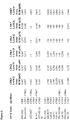
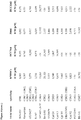
- a radiometric protein kinase assay (33PanQinase® Activity Assay) was used for measuring the kinase activity of protein kinases employing exemplary CDK9 inhibitors to be used in the present invention (see Figure 3 ).
- the low kinase activities of CDK9 show that exemplary compounds potently inhibit CDK9. Activities of other kinases are not inhibited.
- the principle behind this enzymatic assay is based upon the phosphorylation of the Ulight-Peptide Substrat. It is detected by using a specific EU-labeled anti-phospho peptide antibody. The binding of the Eu labeled anti-phospho peptide antibody to the phosphorylated U Light labeled peptide gives rise to a FRET-signal. Binding of an inhibitor to the kinase prevents phosphorylation of the U light -MBP Substrat, resulting in a loss of FRET. Based on these results, the IC50 value can be determined.
- the Lance assay and the 33 PanQinase® assay may be performed as follows:
- Further analysis steps include the determination of IC50 values by using the activities of a dose response experiment and an algorithm (equation #205 in Excel fit) for calculation.
- a similar experimental procedure is performed when the resulting activity within 33 PanQinase® assay is done.
- the pipetting sequence is first ATP solution diluted with assay buffer, DMSO or compound solution.
- the reaction (1h at 30°C) is started by addition of a substrate-kinase mix. During the incubation the kinase phosphorylates the substrate (different for each kinase). Due to the fact that the ATP solution contains 33 P-labelled ATP the substrate proteins are labeled with 33 P.
- the reaction is stopped by addition of excess H 3 PO 4 . If the reaction is performed in plates binding substrate proteins, said plates are washed to reduce unspecific signals (mainly not used ATP).
- the incorporation of 33 P into substarte proteins is a direct measure of activity of the respective kinase. Therefore, the incorporated radioactivity is detected by scintillation counting. Data is evaluated, processed and analyzed as described for the LANCE assays.
- the IC50 value determined for exemplary selective CDK9 inhibitors is low, preferably below 0.2 ⁇ M, more preferably, below 0.15 ⁇ M, 0.14 ⁇ M, 0.13 ⁇ M, 0.12 ⁇ M or even lower.
- the IC50 value is below 0.1 ⁇ M, 0.095 ⁇ M, 0.090 ⁇ M, 0.085 ⁇ M, 0.080 ⁇ M, 0.075 ⁇ M, 0.070 ⁇ M, 0.065 ⁇ M, 0.060 ⁇ M, 0.055 ⁇ M, 0.050 ⁇ M, 0.045 ⁇ M, 0.040 ⁇ M , 0.035 ⁇ M, 0.030 ⁇ M, or even below 0.025 ⁇ M, wherein the lower values are preferred over the higher values.
- the IC50 value is below 0.024 ⁇ M, 0.023 ⁇ M, 0.022 ⁇ M, 0.021 ⁇ M, 0.020 ⁇ M, 0.019 ⁇ M, 0.018 ⁇ M, 0.017 ⁇ M, 0.016 ⁇ M, 0.015 ⁇ M, 0.014 ⁇ M, 0.013 ⁇ M, 0.012 ⁇ M, or 0.011 ⁇ M.
- the IC50 value may even be lower, for example, below 0.010 ⁇ M, 0.009 ⁇ M, 0.008 ⁇ M, 0.007 ⁇ M, 0.006 ⁇ M, or 0.005 ⁇ M. Generally, the lower values are preferred herein over the higher values.
- the ratio of IC50 values of selective CDK9-inhibitors determined according to the CDK9 Lance assay and IC50 values of selective CDK9-inhibitors determined according to the CDK1 Lance assay, CDK2 Lance assay, CDK4 Lance assay, and/or the CDK6 Lance assay is about 1:10 or lower.
- a ratio of 1:10 or lower also indicates selectivity of the inhibitor for CDK9. More preferred is a ratio of 1:10, 1:20, 1:30, 1:40, 1:50, 1:60, 1:70, 1:80, 1:90 or 1:100 or even lower.
- the disubstituted triazine compounds to be used according to the present invention are defined by the general formula (I) wherein R 1 is L is a bond or -CR 5 R 6 -, -CR 5 R 6 -CR 7 R 8 -, -CR 5 R 6 -CR 7 R 8 -CR 9 R 10 -, -CR 5 R 6 -CR 7 R 8 -CR 9 R 10 -CR 11 R 12 -; R 5 -R 12 represent independently of each other -H, -CH 3 , -C 2 H 5 , -C 3 H 7 , -F, -Cl, -Br, -I; R 3 is selected from -H, -NO 2 , -NH 2 , -CN, -F, -Cl, -Br, -I, -CH 3 , -C 2 H 5 , -Ph, -C 3 H 7 , -CH(CH 3 ) 2 , -C 4 H 9
- prodrug is defined as a substance, which is applied in an inactive or significantly less active form. Once applied and incorporated, the prodrug is metabolized in the body in vivo into the active compound.
- tautomer is defined as an organic compound that is interconvertible by a chemical reaction called tautomerization. Tautomerization can be catalyzed preferably by bases or acids or other suitable compounds.
- R 1 represents in which L is a bond, -CH 2 -, -CH 2 CH 2 -, or -CF 2 -, particularly preferred -CH 2 -;
- R 3 is -SO 2 NH 2 , -SO 2 NH(CH 3 ), -SO 2 N(CH 3 ) 2 , -SO 2 NH(CH 2 CH 2 OCH 3 ), -NHSO 2 CH 3 , NHSO 2 CH 2 CH 3 , -NHSO 2 CH 2 CH 2 CH 3 , NHSO 2 CF 3 , -SO 2 CH 3 , NHSO 2 NH 2 , -SO(NH)CH 3 , particularly preferred -SO 2 NH 2 ;
- R 4 is -H, -CH 3 , -F, -Cl, or -CF 3 , particularly preferred -H;
- R 1 represents in which the group - B - Y-R 84 -R 85 is -OCH 3 , -OCH
- the substituent -L-R 3 is -SO 2 NH 2 , -CH 2 SO 2 NH 2 , -CH 2 CH 2 SO 2 NH 2 , -CF 2 SO 2 NH 2 , NHSO 2 NH 2 , -CH 2 NHSO 2 NH 2 , -SO 2 CH 3 , -SO(NH)CH 3 , -CH 2 SO(NH)CH 3 , and R 4 is -H; R 2 is 2-methoxyphenyl, 4-fluoro-2-methoxyphenyl, or 6-fluoro-2-methoxyphenyl.
- R 1 is and wherein L is a bond or is -CH 2 - or -CH 2 CH 2 - and R 3 has the meanings as defined heren and more preferably R 3 represents -SO 2 R 22 or -SO 2 NR 23 R 24 , wherein R 22 , R 23 and R 24 have the meanings as defined herein and preferably R 22 , R 23 and R 24 represent independently of each other -H, -CF 3 , -CH 3 , -CH 2 CH 3 , -CH 2 CH 2 CH 3 , -CH 2 CH 2 CH 2 CH 3 , -CH(CH 3 ) 2 , -CH 2 -NH 2 , -CH 2 -CH 2 -NH 2 , -CH 2 -CH 2 -CH 2 -NH 2 , -CH 2 -CH 2 -CH 2 -NH 2 , -CH 2 -CH 2 -CH 2 -NH 2 , -CH 2 -CH 2 -CH 2 -NH 2 ,
- R 2 is a phenyl ring
- the substituent B-Y-R 84 -R 85 in ortho position of the linkage to the triazine core is not hydrogen and if that substituent is hydrogen, R 83 is not hydrogen and moreover that at least one substituent R 83 is in ortho position of the linkage to the triazine core.
- one substituent of B-Y-R 84 -R 85 and R 83 has to be different from hydrogen so that R 2 cannot be an unsubstituted phenyl ring.
- R 85 is not -H, if B, Y and R 84 are bonds and R 83 is different from hydrogen.
- the second substituent is in meta position or para position of the linkage to the triazine core. If a third substituent is present the substitution pattern 2,3,5 or 2,3,4 are preferred. Fluorine is a preferred second and/or third substituent and is preferably in meta or para position of the linkage to the triazine core. Thus, the following residues R 2 are preferred:
- R 2 is a pyridyl ring it is preferred that one substituent of R 98 is in ortho position of the linkage to the triazine core. Preferred are the following R 2 residues:
- R 85 is R 3 is preferably selected from -H, NO 2 , -NH 2 , -CN, -F, -Cl, -Br, -I, -CH 3 , -C 2 H 5 , -Ph, -C 3 H 7 , -CH(CH 3 ) 2 , -C 4 H 9 , -CH 2 -CH(CH 3 ) 2 , -CH(CH 3 )-C 2 H 5 , -C(CH 3 ) 3 , -O-CH 3 , -O-C 2 H 5 , -O-C 3 H 7 , -O-CH(CH 3 ) 2 , -O-C 4 H 9 , -O-CH 2 -CH(CH 3 ) 2 , -O-CH(CH 3 )-C 2 H 5 , -O-C(CH 3 ) 3 , -SO 2 R 22 and -SO 2 R 22 and -SO 2 -SO 2 R
- R 26 is preferably selected from -H, -CH 3 , -C 2 H 5 , -C 3 H 7 , -CH(CH 3 ) 2 , -C 4 H 9 , -CH 2 -CH(CH 3 ) 2 , -CH(CH 3 )-C 2 H 5 , -C(CH 3 ) 3 , -C 5 H 11 , -CH(CH 3 )-C 3 H 7 , -CH 2 -CH(CH 3 )-C 2 H 5 , -CH(CH 3 )-CH(CH 3 ) 2 , -C(CH 3 ) 2 -C 2 H 5 , -CH 2 -C(CH 3 ) 3 , -CH(C 2 H 5 , -C 2 H 4 -CH(CH 3 ) 2 , -C 6 H 13 , -cyclo-C 3 H 5 , -cyclo-C 4 H 7 and -cyclo-C 5 H 9 .
- R 62 - R 74 represent independently of each other -H, -Ph, -cyclo-C 3 H 5 , -cyclo-C 4 H 7 , -CH 3 , -C 2 H 5 , -C 3 H 7 , -C 4 H 9 , -cyclo-C 5 H 9 , -F, -Cl, -Br or -I.
- R 4 is selected from -H, -NO 2 , -NH 2 , -CN, F, -Cl, -Br, -I, -cyclo-C 3 H 5 , cyclo-C 4 H 7 , -cyclo-C 5 H 9 , -CH 3 , -C 2 H 5 , -C 3 H 7 , -CH(CH 3 ) 2 , -C 4 H 9 , -CONH 2 , -SO 2 CH 3 , -SO 2 C 2 H 5 , -SO 2 C 3 H 7 , -NH-SO 2 -CH 3 , -NH-SO 2 -C 2 H 5 , -NH-SO 2 -C 3 H 7 , -NHCO-CH 3 , -NHCO-C 2 H 5 , -NHCO-C 3 H 7 , -SO 2 NR 23 R 24 , -CH 2 -SO 2 NR 23 R 24 , -CH 2 -SO 2
- R 4 is selected from -NO 2 , NH 2 , -CONH 2 , -SO 2 CH 3 , -SO 2 C 2 H 5 , -SO 2 C 3 H 7 , -NH-SO 2 -CH 3 , -NH-SO 2 -C 2 H 5 , -NH-SO 2 -C 3 H 7 , -NHCO-CH 3 , -NHCO-C 2 H 5 , -NHCO-C 3 H 7 , -SO 2 NR 23 R 24 , -CH 2 -SO 2 NR 23 R 24 , -C 2 H 4 -SO 2 NR 23 R 24 , -C 3 H 6 -SO 2 NR 23 R 24 , -SO 2 NH 2 , -CH 2 -SO 2 NH 2 , -C 2 H 4 -SO 2 NH 2 , -C 3 H 6 -SO 2 NR 23 R 24 , -SO 2 NH 2 , -CH 2 -SO 2
- substituents -L-R 3 and -R 4 are hydrogen.
- the phenyl substituent R 1 and the pyridyl substituent R 1 have at least one substituent and preferably one substituent in meta position and most preferably the preferred substituents mentioned above for -L-R 3 and -R 4 in meta position and especially preferred for -R 4 in meta position. Consequently the following R 1 residues are preferred and especially preferred are the following substituents R 1 with the preferred substituents for -L-R 3 and -R 4 :
- R 83 is -H, -OH, -NO 2 , -CN, -F, -Cl, -Br, -I, -NH 2 , -NH(CH 3 ), -N(CH 3 ) 2 , -NH(C 2 H 5 ), -N(C 2 H 5 ) 2 , -CF 3 , -CH 3 , -C 2 H 5 , -C 3 H 7 , -CH(CH 3 ) 2 , -C 4 H 9 , -C(CH 3 ) 3 , -CH 2 -NH 2 , -CH 2 -NH(CH 3 ), -CH 2 -N(CH 3 ) 2 , -CH 2 -NH(C 2 H 5 ), -CH 2 -N(C 2 H 5 ) 2 , -CH 2 -CH 2 -NH(C 2 H 5 ), -CH 2 -N(C 2 H 5 ) 2 , -CH 2
- R 84 represents a bond, - CH 2 -, -CH 2 CH 2 -, -CH 2 CH 2 CH 2 -, -CH 2 CH 2 CH 2 CH 2 -, -CH 2 CH 2 CH 2 CH 2 -, -CH 2 CH 2 CH 2 CH 2 CH 2 -.
- R 98 is -NO 2 , -CN, -F, -Cl, - Br, -I, NH 2 , -OH, -CF 3 , -CH 3 , -C 2 H 5 , -C 3 H 7 , -CH(CH 3 ) 2 , -C 4 H 9 , -C(CH 3 ) 3 , -CH 2 -NH 2 , -CH 2 -NH(CH 3 ), -CH 2 -N(CH 3 ) 2 , -CH 2 -NH(C 2 H 5 ), -CH 2 -N(C 2 H 5 ) 2 , -CH 2 -CH 2 -NH 2 , -CH 2 -CH 2 -NH(CH 3 ), -CH 2 -CH 2 -N(CH 3 ) 2 , -CH 2 -CH 2 -NH(CH 3 ), -CH 2 -CH 2 -N(CH 3 ) 2 , -CH 2
- R 1 is L is a bond, -CH 2 -, or -CH 2 CH 2 -;
- R 3 is -H, -SO 2 NR 23 R 24 , -CONR 23 R 24 , -NO 2 , NH 2 , -NHSO 2 R 22 , NHCOR 22 , -SO 2 R 22 , -NH-CO-NH-Ph, or -Ph,
- R 4 is -H, -CH 2 -SO 2 NR 23 R 24 , -SO 2 NR 23 R 24 , -CONH 2 , -C 2 H 4 -SO 2 NR 23 R 24 , -NH-SO 2 -CH 3 , NH-SO 2 -C 2 H 5 , -NH-SO 2 -C 3 H 7 , -NHCO-CH 3 , -NHCO-C 2 H 5 , -NO 2 , -NH 2 , -SO 2 CH 3 ,
- R 1 is L is a bond, -CH 2 -, or -CH 2 CH 2 -;
- R 3 is -H, -SO 2 NH 2 , -CONH 2 , -NO 2 , -NH 2 , -NH-SO 2 -CH 3 , -NH-SO 2 -C 3 H 7 , -NHCO-CH 3 , -SO 2 CH 3 , -Ph, -SO 2 -NH-CH 2 -CH 2 -CH 2 -CH 2 -NH-COOC(CH 3 ) 3 , NH-CO-NH-Ph, or -SO 2 -NH-CH 2 -CH 2 -CH 2 -CH 2 -NH 2 , R 4 is -H, -CH 2 -SO 2 NH 2 , -SO 2 NH 2 , -C 2 H 4 -SO 2 NH 2 , -CONH 2 , -NH-SO
- the present invention concerns compounds of formula (I), wherein R 1 represents in which the substituent -L-R 3 is -SO 2 NH 2 or -CH 2 SO 2 NH 2 , R 4 is -H; R 2 represents 2-methoxyphenyl, 4-fluoro-2-methoxyphenyl or 2-benzyloxyphenyl, or their salts, solvates or salts of solvates and especially the hydrochloride salt or the trifluoroacetate salt.
- the present invention concerns compounds of formula (I) selected from 3-[(4-(2-Methoxyphenyl)-1,3,5-triazin-2-yl)amino]benzenemethanesulfonamide (B1), 3-[(4-(2-Methoxyphenyl)-1,3,5-triazin-2-yl)amino]benzenesulfonamide (C1), 3-[(4-(4-Fluoro-2-methoxyphenyl)-1,3,5-triazin-2-yl)amino]benzenemethanesulfonamide (B2), 3-[(4-(2-Benzyloxyphenyl)-1,3,5-triazin-2-yl)amino]benzenemethanesulfonamide (B13), or their salts, solvates or salts of solvates and especially the hydrochloride salt or the trifluoroacetate salt.
- the present invention concerns 3-[(4-(4-Fluoro-2-methoxyphenyl)-1,3,5-triazin-2-yl)amino]benzenemethanesulfonamide, or its salts, solvates or salts of solvates and especially the hydrochloride salt or the trifluoroacetate salt.
- the present invention concerns 1-(3- ⁇ [4-(4-fluoro-2-methoxyphenyl)-1,3,5-triazin-2-yl]amino ⁇ phenyl)methanesulfonamide hydro-chloride.
- the phenyl moiety R 1 has at least one substituent which is not in para position to the bond between the phenyl moiety R 1 and the triazine ring or the substituent -L-R 3 , wherein L is a bond is different from the substituent - CO-NH 2 .
- the following compound is excluded from the scope of the present invention by disclaimer:
- novel compounds according to the general formula (I) represent chiral compounds.
- the novel compounds according to the general formula (I) represent a racemate, or a S or a R enantiomer or a mixture of isomers.
- the compound according to the general formula (I) is selected from the group of compounds depicted in the following Table 1.
- Table 1 Compound No. Structure Nomenclature B1 3-[(4-(2-Methoxyphenyl)-1,3,5-triazin-2-yl)amino]benzenemethanesulfonamide B2 3-[(4-(4-Fluoro-2-methoxyphenyl)-1,3,5-triazin-2-yl)amino] benzenemethanesulfonamide B3 3-[(4-(5-Fluoro-2-methoxyphenyl)-1,3,5-triazin-2-yl)amino] benzenemethanesulfonamide B4 3-[(4-(6-Fluoro-2-methoxyphenyl)-1,3,5-triazin-2-yl)amino] benzenemethanesulfonamide B5 3-[(4-(6-Flu
- the compounds of the present invention may form salts with organic or inorganic acids or bases.
- suitable acids for such acid addition salt formation are hydrochloric acid, hydrobromic acid, sulfuric acid, phosphoric acid, acetic acid, citric acid, oxalic acid, malonic acid, salicylic acid, p-aminosalicylic acid, malic acid, fumaric acid, succinic acid, ascorbic acid, maleic acid, sulfonic acid, phosphonic acid, perchloric acid, nitric acid, formic acid, propionic acid, gluconic acid, lactic acid, tartaric acid, hydroxymaleic acid, pyruvic acid, phenylacetic acid, benzoic acid, p-aminobenzoic acid, p-hydroxybenzoic acid, methanesulfonic acid, ethanesulfonic acid, nitrous acid, hydroxyethanesulfonic acid, ethylenesulfonic acid, p-toluenesul
- the salts are prepared by contacting the free base form with a sufficient amount of the desired acid to produce a salt in the conventional manner.
- Preferred is the mesylate salt, hydrochloride salt and the trifluoroacetate salt and especially preferred is the trifluoroacetate salt and the hydrochloride salt.
- salts could also be formed with inorganic or organic bases.
- suitable inorganic or organic bases are, for example, NaOH, KOH, NH 4 OH, tetraalkylammonium hydroxide, lysine or arginine and the like.
- Salts may be prepared in a conventional manner using methods well known in the art, for example by treatment of a solution of the compound of the general formula (I) with a solution of an acid, selected out of the group mentioned above.
- a first step 2,4-Dichloro-1,3,5-triazine is reacted with anilines R 1 NH 2 to give 2-arylamino-4-chloro-1,3,5-triazines.
- the reaction is carried out with one equivalent of the aniline in an inert solvent like DMF, THF, DME, dioxane or an alcohol like isopropanol, or mixtures of such solvents.
- the reaction is carried out at a temperature below room temperature in such a way that the reaction mixture is kept homogenous.
- Preferred conditions use an additional base like triethylamine or N,N-diisopropylethylamine.
- Both R represent independently of each other preferably hydrogen or an alkyl chain with 1-10 carbon atoms or a cycloalkyl chain with 3 to 12 carbon atoms or both residues R represent together a residue derived from pinacol.
- the coupling reaction is catalyzed by Pd catalysts, e.g.
- Pd(0) catalysts like tetrakis(triphenylphosphine)palladium(0) [Pd(PPh 3 ) 4 ], tris(dibenzylideneacetone)di-palladium(0) [Pd 2 (dba) 3 ], or by Pd(II) catalysts like dichlorobis(triphenylphosphine)-palladium(II) [Pd(PPh 3 ) 2 Cl 2 ], palladium(II) acetate and triphenylphosphine or more preferred by [1,1'-bis(diphenylphosphino)ferrocene]palladium dichloride.
- Pd(0) catalysts like tetrakis(triphenylphosphine)palladium(0) [Pd(PPh 3 ) 4 ], tris(dibenzylideneacetone)di-palladium(0) [Pd 2 (dba) 3 ]
- Pd(II) catalysts like dichlorobi
- the reaction is preferably carried out in a mixture of a solvent like dioxane, DMF, DME, THF, or isopropanol with water and in the presence of a base like aqueous sodium bicarbonate or K 3 PO 4 .
- a solvent like dioxane, DMF, DME, THF, or isopropanol with water and in the presence of a base like aqueous sodium bicarbonate or K 3 PO 4 .
- 1,3,5-triazines of Formula (I) starting from 2,4-dichloro-1,3,5-triazine may be carried out in the inverse order of the reaction steps compared to Scheme 1, in such a manner that in a first step the reaction of a triazine with a boronic acid derivative is followed in a second step by the reaction of the intermediate triazine with an aniline.
- Preferred conditions for the coupling reaction of the first step are heating the reacting agents in toluene with dichlorobis(triphenylphosphine)palladium(II) [Pd(PPh 3 ) 2 Cl 2 ] as a catalyst in the presence of sodium or potassium carbonate as a base.
- Compounds of Formula (I) may be prepared by the methodology described in J. Org. Chem. 60 (1995), 8428-8430 .
- the intermediate N-acylformamidine is not isolated and subsequently converted to 1,3,5-triazines of Formula (I) by heating with a guanidine R 1 -NH-C(NH)NH 2 .
- the reaction is carried out by heating the reacting agents in dioxane in the presence of a base like potassium tert-butoxide.
- Several compounds of Formula (I) may be prepared by converting substituents which are attached to the aromatic rings R 1 and/or R 2 to other substituents using standard reactions which are known to the person skilled in the art.
- a nitro group can be reduced to an amino group, such an amino group can be converted to a sulfonamide by reaction with a sulfonyl chloride, to a carboxamide by reaction with a carbonyl chloride or another activated derivative of a carboxylic acid, to an urea by reaction with an isocyanate.
- Carbamate substituents may be cleaved to amino groups, in particular tert-butyl carbamates by reaction with acids like trifluoroacetic acid or hydrochloric acid.
- Formyl groups may be converted to aminomethyl groups by reaction with primary amines under conditions of a reductive amination; see, for example, synthesis of the compounds as shown in Table 2.
- CDK9 inhibitors to be used in accordance with the present invention are well known in the art and are, for example, described in Krystof (2009) Medicinal Research Reviews , DOI 10.1002/med.24172, as well as in international patent applications published as WO 2009/047359 , WO 2010/003133 , WO 2008/79933 and WO 2011/012661 . All these documents are incorporated herein by reference in their entirety.
- CDK9 inhibitors especially selective CDK9 inhibitors, as defined herein above may be screened/identified by routine assays, such as a radiometric protein kinase assay (33PanQinase® Activity Assay; and/or the well known Lance Assay.
- routine assays such as a radiometric protein kinase assay (33PanQinase® Activity Assay; and/or the well known Lance Assay.
- SNS-032 Piperidine-4-carboxylic acid [5-(5-tert-butyl-oxazol-2-ylmethylsulfanyl)-thiazol-2-yl]-amide; Misra RN et al. J Med Chem. 2004, 47(7):1719-28 ; flavopiridol: 2-(2-Chloro-phenyl)-5,7-dihydroxy-8-(3-hydroxy-1-methyl-piperidin-4-yl)-chromen-4-one, Lloyd R Kelland. Expert Opinion on Investigational Drugs.
- AX38679 3-((6-(2-methoxyphenyl)pyrimidin-4-yl)amino)benzenesulfonamide, 848637-62-7P in WO 2005026129 ;
- PHA767491 1,5,6,7-tetrahydro-2-(4-pyridinyl)-4H-pyrrolo[3,2-c]pyridin-4-one, Montagnoli, A. Nat Chem Biol 2008, 4(6) 357-365 ;
- BS181 N5-(6-aminohexyl)-3-(1-methylethyl)-N7-(phenylmethyl), Ali S et al. Cancer Res. 2009, 69(15):6208-15 );
- DRB DRB:
- Particularly preferred compounds for use in the present invention are Cpd 24, Cpd C1, Cpd B1 and Cpd B2 as described and defined herein above.
- siRNAs/RNAis antisense molecules and ribozymes directed against nucleic acid molecules encoding CDK9 or its activators Cyclin T or Cyclin K are envisaged as (an) CDK9 inhibitor(s) for the use and the method of the present invention.
- the above-mentioned antagonist/inhibitor of CDK9 may also be a co-suppressive nucleic acid.
- siRNA approach is, for example, disclosed in Elbashir ((2001), Nature 411, 494-498 )). It is also envisaged in accordance with this invention that for example short hairpin RNAs (shRNAs) are employed in accordance with this invention as pharmaceutical composition.
- shRNA approach for gene silencing is well known in the art and may comprise the use of st (small temporal) RNAs; see, inter alia, Paddison (2002) Genes Dev. 16, 948-958 .
- RNAi RNAi
- siRNA siRNA
- Paddison (2002) loc. cit. Elbashir (2002) Methods 26, 199-213 ; Novina (2002) Mat. Med. June 3, 2002 ; Donze (2002) Nucl. Acids Res. 30, e46 ; Paul (2002) Nat. Biotech 20, 505-508 ; Lee (2002) Nat. Biotech. 20, 500-505 ; Miyagashi (2002) Nat. Biotech. 20, 497-500 ; Yu (2002) PNAS 99, 6047-6052 or Brummelkamp (2002), Science 296, 550-553 .
- These approaches may be vector-based, e.g. the pSUPER vector, or RNA polIII vectors may be employed as illustrated, inter alia, in Yu (2002) loc. cit.; Miyagishi (2002) loc. cit. or Brummelkamp (2002) loc. cit.
- CDK9 inhibitors in accordance with the present invention is not limited to known CDK9 inhibitors. Accordingly, also yet unknown CDK9 inhibitors may be used in accordance with the present invention. Such inhibitors may be identified by the methods described and provided herein and methods known in the art, like high-throughput screening using biochemical assays for inhibition of CDK9. Assays for screening of potential CDK9 inhibitors and, in particular, for identifying selective CDK9 inhibitors as defined herein are shown in the experimental part and described herein above. For example, a radiometric protein kinase assay (33PanQinase® Activity Assay; see Figure 3 . In addition/in the alternative, the well known Lance Assay can also be used; see Figure 2 .
- the activity/level of expression of CDK9 may be determined, wherein a lower activity/level of expression of CDK9 compared to a control is indicative for the capacity of a candidate molecule/substance to selectively inhibit CDK9.
- activity of CDK9 used herein refers to the activity of a CDK9 protein (protein encoded by a CDK9 gene).
- expression of CDK9 is used herein interchangeably with “expression of CDK9 gene” and refers to the expression of the CDK9 gene.
- the activity/expression level of CDK9 determined in (a) cell(s), (a) tissue(s) or (a) cell culture(s) contacted with/exposed to an CDK9 inhibitor is compared with the activity/expression level of CDK9 in (a) control cell(s), (a) tissue(s) or (a) cell culture(s), i.e. cell(s), (a) tissue(s) or (a) cell culture(s) not contacted with/exposed to an CDK9 inhibitor.
- control cell(s), (a) tissue(s) or (a) cell culture(s) will be identical to the cell(s), (a) tissue(s) or (a) cell culture(s) to be tested as described herein with the only exception that the control (s), (a) tissue(s) or (a) cell culture(s) are not contacted with/exposed to the CDK9 inhibitor.
- CDK9 activity/expression levels of CDK9 proteins/polypeptides and/or CDK9 polynucleotides/nacleic acid molecules are indicative of the capacity of a candidate molecule/substance to selectively inhibit CDK9. It is preferred herein that the CDK9 activity/expression level is decreased by at least 10 %, 20 %, 30 %, 40 %, 50 %, 60 %, 70 %, 80 % and most preferably by at least 90 % in cell(s), (a) tissue(s) or (a) cell culture(s) contacted with/exposed to an CDK9 inhibitor compared with the activity/expression level of CDK9 in (a) control cell(s), (a) control tissue(s) or (a) control cell culture(s).
- CDK9 activity must not necessarily correlate with the expression level. Thus, it may be, that CDK9 acitivity is decreased in the presence of an CDK9 inhibitor even though CDK9 expression is the same or even increased. However, a person skilled of the art will be aware of this and preferably evaluate CDK9 activity (i.e. activity/function of the CDK9 protein) when determining the capacitiy of a candidate substance to inhibit CDK9.
- a person skilled in the art will be aware of corresponding means and methods for detecting and evaluating the CDK9 activity/expression level.
- Exemplary methods to be used include but are not limited to molecular assessments such as Western Blots, Northern Blots, Real-Time PCR and the like.
- RNA in particular an mRNA (e.g. unspliced, partially spliced or spliced mRNA)
- determination can be performed by taking advantage of northern blotting techniques, hybridization on microarrays or DNA chips equipped with one or more probes or probe sets specific for mRNA transcripts or PCR techniques referred to above, like, for example, quantitative PCR techniques, such as Real time PCR.
- suitable methods for binding (specific) mRNA are well known in the art and are, for example, described in Sambrook and Russell (2001, loc. cit.).
- a skilled person is capable of determining the amount of the component, in particular said gene products, by taking advantage of a correlation, preferably a linear correlation, between the intensity of a detection signal and the amount of the gene product to be determined.
- quantification can be performed by taking advantage of the techniques referred to above, in particular Western blotting techniques.
- the skilled person is aware of methods for the quantitation of (a) polypeptide(s)/protein(s).
- Amounts of purified polypeptide in solution can be determined by physical methods, e.g. photometry.
- Methods of quantifying a particular polypeptide in a mixture rely on specific binding, e.g of antibodies.
- Specific detection and quantitation methods exploiting the specificity of antibodies comprise for example immunohistochemistry ( in situ ).
- Western blotting combines separation of a mixture of proteins by electrophoresis and specific detection with antibodies. Electrophoresis may be multi-dimensional such as 2D electrophoresis.
- polypeptides are separated in 2D electrophoresis by their apparent molecular weight along one dimension and by their isoelectric point along the other direction.
- protein quantitation methods may involve but are not limited to mass spectrometry or enzyme-linked immunosorbant assay methods.
- HTS high throughput screening
- Suitable (HTS) approaches are known in the art and a person skilled in the art is readily in the position to adapt such protocols or known HTS approaches to the performance of the methods of the present invention.
- Screening-assays are usually performed in liquid phase, wherein for each cell/tissue/cell culture to be tested at least one reaction batch is made.
- Typical containers to be used are micro titer plates having for example, 384, 1536, or 3456 wells (i.e. multiples of the "original" 96 reaction vessels).
- Robotics, data processing and control software, and sensitive detectors are further commonly used components of a HTS device.
- robot system are used to transport micro titer plates from station to station for addition and mixing of sample(s) and reagent(s), incubating the reagents and final readout (detection).
- HTS can be used in the simultaneous preparation, incubation and analysis of many plates.
- the assay can be performed in a singly reaction (which is usually preferred), may, however, also comprise washing and/or transfer steps. Detection can be performed taking advantage of radioactivity, luminescence or fluorescence, like fluorescence-resonance-energytransfer (FRET) and fluorescence polarisation (FP) and the like.
- FRET fluorescence-resonance-energytransfer
- FP fluorescence polarisation
- the biological samples described herein can also be used in such a context.
- cellular assays and in vivo assays can be employed in HTS.
- Cellular assays may also comprise cellular extracts, i.e. extracts from cells, tissues and the like.
- cell(s) or tissue(s) as biological sample (in particular a sample obtained from a patient/subject suffering or being prone to suffer from midline carcinoma, especially NMC), whereas in vivo assays (wherein suitable animal models are employed, e.g. the herein described mouse models) are particularly useful in the validation of potential CDK9 inhibitors.
- in vivo assays wherein suitable animal models are employed, e.g. the herein described mouse models
- follow up assays can be performed by re-running the experiment to collect further data on a narrowed set (e.g. samples found "positive" in the first assay), confirming and refining observations.
- HTS is useful in identifying further CDK9 inhibitors to be used herein.
- the screening of compound libraries with usually several hundred thousands of substances takes usually between days and weeks.
- An experimental high throughput screen may be supplemented (or even be replaced) by a virtual screen.
- the structure of the target molecule e.g. CDK9
- methods can be employed, which are known under the term "docking”.
- the structure of several target-binding molecules e.g. the herein described CDK9
- methods for Pharmacophor-Modelling can be used aiming at the development new substances which also bind to the target molecule.
- a suitable readout in animal (in vivo) models is tumor growth (or respectively the complete or partial inhibition of tumor growth and/or its remission).
- High-throghput methods for the detection of mutations involve massively parallel sequencing approaches, such as the "picotiter plate pyrosequencing".
- This approach relies on emulsion PCR-based clonal amplification of a DNA library adapted onto micron-sized beads and subsequent pyrosequencing-by-synthesis ( Thomas RK et al. Nature Med 2007 ) of each clonally amplified template in a picotiter plate, generating over 200,000 unique clonal sequencing reads per experiment.
- mass spectrometric genotyping approaches Thomas RK et al.; Nat Gen 2007
- other next generation sequencing methods Marguerat S et al.; Biochem Soc Trans 2008
- cell(s) refers to a single cell or a plurality of cells.
- plurality of cells means in the context of the present invention a group of cells comprising more than a single cell. Thereby, the cells out of said group of cells may have a similar function. Said cells may be connected cells and/or separate cells.
- tissue in the context of the present invention particularly means a group of cells that perform a similar function.
- cell culture(s) means in context of the present invention cells as defined herein above which are grown/cultured under controlled conditions.
- Cell culture(s) comprise in particular cells (derived/obtained) from multicellular eukaryotes, preferably animals as defined elsewhere herein. It is to be understood that the term “cell culture(s)” as used herein refers also "tissue culture (s)” and/or “organ culture(s)", an “organ” being a group of tissues which perform the some function.
- the cell(s), tissue(s) or cell culture(s) to be contacted with/exposed to a selective CDK9 inhibitor comprise/are derived from or are (a) tumor cell(s).
- the tumor cells may, for example, be obtained from a biopsy, in particular a biopsy/biopsies from a patient/subject suffering from midline carcinoma, like NMC or, though less preferred a patient/subject being prone to suffer from midline carcinoma, like NMC. It is preferred herein that said subject is a human.
- the term "mammalian tumor cell(s)" used herein refers to (a) tumor cell(s) which is derived from or is a tumor cell from a mammal, the term mammal being derived herein below.
- the “mammalian tumor cells” may be obtained from a biopsy, in particular a biopsy/biopsies from a patient/subject suffering from midline carcinoma, like NMC or, though less preferred a patient/subject being prone to suffer from midline carcinoma, like NMC.
- tissue cell also relates to "cancer cells”.
- said tumor cell or cancer cell may be obtained from any biological source/organism, particularly any biological source/organism, suffering from the above-mentioned midline carcinoma, like NMC.
- the (tumor) cell(s) or (cancer) cell to be contacted is (are) obtained/derived from an animal. More preferably, said (tumor)/(cancer) cell(s) is (are) derived from a mammal.
- mammals are even-toed ungulates such as sheep, cattle and pig, odd-toed angulates such as horses as well as carnivors such as cats and dogs.
- DNA samples are derived from organisms that are economically, agronomically or scientifically important.
- Scientifically or experimentally important organisms include, but are not limited to, mice, rats, rabbits, guinea pigs and pigs.
- the tumor cell(s) may also be obtained from primates which comprise lemurs, monkeys and apes.
- the meaning of the terms “primate”, “lemur”, “monkey” and “ape” is known and may, for example, be deduced by an artisan from Wehner und Gehring (1995, Thieme Verlag).
- the tumor or cancer cell(s) is (are) most preferably derived from a human being suffering from the above-mentioned NMCs.
- particular useful cells, in particular tumor or cancer cells are, accordingly, human cells. These cells can be obtained from e.g. biopsies or from biological samples but the term "cell” also relates to in vitro cultured cells.
- a preferred, however non-limiting cell(s) or cell culture(s) also used in the appended example is cell line 143100 (showing a t15;19 translocation resulting in the formation of a BRD4-NUT-fusion protein).
- a further cell line to be used in accordance with the present invention is HCC2429 (showing NOTCH3 overexpression in addition to the 115;19 translocation).
- Further cell lines that can be used include HCC1143 (NOTCH3 overexpression), PC9 (EGFRmut) or A549 (KRAS mut). These cell lines are well known in the art and may be obtained from ATCC and/ or DSMZ and/or from the U.S.
- NUT gene and NUT protein apply, mutatis mutandis, to other nucleic acid sequences and amino acid sequences to be employed in context of the present invention, such as partner genes of NUT in NUT fusion genes like BRD4-NUT fusion genes, BRD3-NUT fusion genes or NUT-variant fusion genes characteristic for NMC. Accordingly, the explanations apply, mutatis mutandis, to members of the BET family (BRD2, BRDT and, in particular, human BRD3 gene and BRD3 protein (SEQ ID NOs: 5 and 6, respectively) and human BRD4 gene and BRD4 protein (SEQ ID NOs: 3 and 4, respectively). The explanations apply also to human CDK9 gene and CDK9 protein (SEQ ID NOs: 7 and 8, respectively), in particular CDK9 proteins to be used in the screening and/or validation of potential selective CDK9 inhibitors as described herein.
- NUT gene refers to a gene encoding an unstructured polypeptide of unknown function that is highly expressed in normal spermatids; see Schwartz, loc. cit. It has been reported that the NUT protein binds to the histone acetyltransferase (HAT) p300; see Schwartz, loc. cit.
- HAT histone acetyltransferase
- NUT refers to any amino acid sequence having (partial) NUT activity as described herein and nucleic acid sequence(s) encoding such (an) amino acid sequence(s).
- nucleic acid sequences of NUT of other mammalian or non-mammalian species in particular mouse, rat, chimpanzee
- sequences for human NUT can be identified by the skilled person using methods known in the art, e.g. by nucleic acid sequencing or using hybridization assays or by using alignments, either manually or by using computer programs such as those mentioned herein below in connection with the definition of the term "hybridization” and degrees of homology.
- the nucleic acid sequence encoding for orthologs of human NUT gene is at least 40% homologous to the nucleic acid sequences as shown in SEQ ID NO: 1.
- the nucleic acid sequence encoding for orthologs of the human NUT gene is at least 45%, 50%, 55%, 60%, 65%, 70%, 75%, 80%, 85%, 90%, 91%, 92%, 93%, 94%, 95%, 96%, 97% or 98% homologous to the nucleic acid sequence as shown in SEQ ID NO. 1, wherein the higher values are preferred.
- the nucleic acid sequence encoding for orthologs of the human NUT gene is at least 99% homologous to the nucleic acid sequence as shown in SEQ ID NO. 1.
- Hybridization assays for the characterization of orthologs of known nucleic acid sequences/promoters are well known in the art; see e.g. Sambrook, Russell “Molecular Cloning, A Laboratory Manual”, Cold Spring Harbor Laboratory, N.Y. (2001 ); Ausubel, “Current Protocols in Molecular Biology", Green Publishing Associates and Wiley Interscience, N.Y. (1989 ).
- the term “hybridization” or “hybridizes” as used herein may relate to hybridizations under stringent or non-stringent conditions. If not further specified, the conditions are preferably non-stringent. Said hybridization conditions may be established according to conventional protocols described, e.g., in Sambrook (2001) loc. cit.; Ausubel (1989) loc.
- the terms "homology” or “percent homology” or “identical” or “percent identity” or “percentage identity” or “sequence identity” in the context of two or more nucleic acid sequences refers to two or more sequences or subsequences that are the same, or that have a specified percentage of nucleotides that are the same (preferably at least 40% identity, more preferably at least 45%, 50%, 55%, 60%, 65%, 70%, 75%, 80%, 85%, 90%, 91%, 92%, 93%, 94%, 95%, 96%, 97% or 98% identity, most preferably at least 99% identity), when compared and aligned for maximum correspondence over a window of comparison, or over a designated region as measured using a sequence comparison algorithm as known in the art, or by manual alignment and visual inspection.
- Sequences having, for example, 75% to 90% or greater sequence identity may be considered to be substantially identical. Such a definition also applies to the complement of a test sequence.
- the described identity exists over a region that is at least about 15 to 25 nucleotides in length, more preferably, over a region that is at least about 50 to 100 nucleotides in length, more preferably at least about 200 to 400 nucleotides, at least about 300 to 500 nucleotides, at least about 400 to 600 nucleotides in length, at least about 500 to 1000 nucleotides, at least about 800 to 1500 nucleotides, at least about 1000 to 2000 nucleotides, at least about 1500 to 2500 nucleotides or at least about 2000 to 3000 nucleotides.
- the described identity exists over a region that is at least about 3000 to 4200 nucleotides in length, more preferably at least about 3200 to 4000 nucleotides, more preferably at least about 3300 to 3900 nucleotides. Most preferably, the described identity exists over a region that is at least about 3350 to 3850 nucleotides in length. In a most preferred embodiment, the described identity exists over the entire length of the nucleotide sequence shown in SEQ ID NO. 1, preferably the region thereof encoding the NUT protein. The coding region ranges from nucleotide 156 to nucleotide 3554 of the nucleotide sequence shown in SEQ ID NO: 1.
- BLAST 2.0 which stands for Basic Local Alignment Search Tool BLAST (Altschul (1997), loc. cit.; Altschul (1993), loc. cit.; Altschul (1990), loc. cit.), can be used to search for local sequence alignments.
- BLAST as discussed above, produces alignments of nucleotide sequences to determine sequence similarity.
- HSP High-scoring Segment Pair
- An HSP consists of two sequence fragments of arbitrary but equal lengths whose alignment is locally maximal and for which the alignment score meets or exceeds a threshold or cut-off score set by the user.
- the BLAST approach is to look for HSPs between a query sequence and a database sequence, to evaluate the statistical significance of any matches found, and to report only those matches, which satisfy the user-selected threshold of significance.
- the parameter E establishes the statistically significant threshold for reporting database sequence matches. E is interpreted as the upper bound of the expected frequency of chance occurrence of an HSP (or set of HSPs) within the context of the entire database search. Any database sequence whose match satisfies E is reported in the program output.
- BLAST Altschul (1997), loc. cit.; Altschul (1993), loc. cit.; Altschul (1990), loc. cit.) are used to search for identical or related molecules in nucleotide databases such as GenBank or EMBL. This analysis is much faster than multiple membrane-based hybridizations.
- the sensitivity of the computer search can be modified to determine whether any particular match is categorized as exact or similar.
- the basis of the search is the product score which is defined as: % sequence identity x % maximum BLAST score 100 and it takes into account both the degree of similarity between two sequences and the length of the sequence match. For example, with a product score of 40, the match will be exact within a 1-2% error; and at 70, the match will be exact.
- nucleic acid sequences encoding the NUT gene but also amino acid sequences of NUT protein.
- orthologous/homologous amino acid sequences of the human NUT protein may be employed in accordance with the present invention.
- the terms “homology” or “percent homology” or “identical” or “percent identity” or “percentage identity” or “sequence identity” refer in the context of two or more amino acid sequences to two or more sequences or subsequences that are the same, or that have a specified percentage of amino acids that are the same (preferably at least 40% identity, more preferably at least 45%, 50%, 55%, 60%, 65%, 70%, 75%, 80%, 85%, 90%, 91%, 92%, 93%, 94%, 95%, 96%, 97% or 98% identity, most preferably at least 99% identity) compared to the amino acid sequence of human NUT protein as shown in SEQ ID NO. 2.
- the term "rearrangement in the NUT gene” used herein refers to any rearrangement in the NUT gene that is characteristic for NUT midline carcinoma (NMC).
- NMC NUT midline carcinoma
- Exemplary “rearrangments in the NUT gene” as well as methods for their detection are known in the art (see, for example, French (2010) J Clin Pathol , loc. cit.).
- the rearrangement can be or can be caused by a translocation of the NUT gene (or a part or fragment thereof).
- translocation is the t15;19 translocation known in the art.
- This translocation has resulted in the formation of a fusion gene of NUT, the so called BRD4-NUT fusion gene.
- rearrangement in the NUT gene which are or are caused/associated by the formation of a BRD4/NUT fusion gene are particularly preferred in context of the present invention.
- formation of a fusion gene comprising a sequence encoding the complete BRD4 gene, and/or one or more parts or fragments thereof and comprising a sequence encoding the complete NUT gene and/or one or more parts or fragments thereof.
- the exemplary BRD4-NUT fusion protein is composed of the N-terminal of BRD4 (amino acids 1-720 out of 1372) and almost the entire protein sequence of NUT (amino acids 6-1127).
- the N-terminal of BRD4 includes bromodomains 1 and 2 and other, less well characterized functional domains.
- NUT variant fusion gene has been coined in the art to cover the remaining NMC subtypes.
- NUT variant fusion gene is the so called "BRD3-NUT fusion gene". Accordingly, rearrangements in the NUT gene which are or are caused/associated by the formation of a BRD3/NUT fusion gene are also envisaged in context of the present invention. Again, the formation of a fusion gene comprising a sequence encoding the complete BRD3 gene, and/or one or more parts or fragments thereof and comprising comprising a sequence encoding the complete NUT gene and/or one or more parts or fragments thereof is envisaged herein.
- the rearrangements in the NUT gene and optionally mutations/rearrangments/aberrant expression of further genes can be detected by methods known in the art. Such methods are, for example described in French CA, 2010 (NUT midline carcinoma. French CA. Cancer Genet Cytogenet. 2010 Nov;203(1):16-20 .).
- a person skilled in the art is in the position to adapt the methods for detecting rearrangments in genes described in the above-mentioned documents to the rearrangements in the NUT gene described herein and further rearrangments in this gene known in the art.
- a person skilled in the art will readily understand that also rearrangements in said gene not described herein but known in the art or mutations yet to be identified may also be used in the context of the present invention.
- diagnosis via in situ hybridisation is envisaged using routine techniques like immunohistochemical methods, Northern Blot, Real time PCR and the like. This especially useful in cases where said rearrangement in the NUT gene is reflected in expression of the formed NUT fusion gene, as the expression level of the formed NUT fusion gene may be detected.
- Such methods are particularly envisaged in the detection of BRD3-NUT transcripts and/or BRD4-NUT transcripts.
- immunohistochemical methods or other routine methods like Western Blots etc. may be employed to detect expression products on a protein level.
- Further methods which are useful for detecting mutations or rearrangments are methods for sequencing of nucleic acids (e.g. Sanger di-deoxy sequencing), "next generation” methods, single molecule sequencing, methods enabling detection of variant alleles/mutations, such as Real-time PCR, PCR-RFLP assay (see Cancer Research 59 (1999), 5169-5175 ), mass-spectrometric genotyping (e.g. MALDI-TOF), HPLC, enzymatic methods and SSPC (single strand conformation polymorphism analysis; see Pathol Int (1996) 46, 801-804 ).
- Sanger di-deoxy sequencing e.g. Sanger di-deoxy sequencing
- “next generation” methods single molecule sequencing
- methods enabling detection of variant alleles/mutations, such as Real-time PCR, PCR-RFLP assay (see Cancer Research 59 (1999), 5169-5175 ), mass-spectrometric genotyping (e.g. MALDI-TOF), HPLC,
- such methods may include enzymatic amplification of DNA or cDNA fragments using oligonucleotides specifically hybridizing to exonic or intronic parts of the rearranged NUT gene by PCT.
- Such amplifications may be carried out in two reactions when employing genomic DNA or even in only a single reaction when employing cDNA.
- the resulting PCR products may be subjected to either conventional Sanger-based dideoxy nucleotide sequencing methods or employing novel parallel sequencing methods ("next generation sequencing") such as those marketed by Roche (454 technology), Illumina (Solexa technology) or ABI (Solid technology). Rearrangements or mutations may be identified from sequence reads by comparison with publicly available gene sequence data bases.
- mutations may be identified by allele-specific incorporation of probes that can either be detected using enzymatic detection reactions, fluorescence, mass spectrometry or others; see Vogeser (2007) Dtsch Cardioebl 104 (31-32), A2194-200 .
- Paraffin-embedded clinical material may be used in the detection of rearrangements in the NUT gene. Detection may comprise a histolopathology review of the sample to be tested to ensure tumour tissue is present.
- a commercially available Kit to be used in the detection method is the AllPrep DNA/RNA FFPE Kit form Quiagen (Germany). Further kits to be used for detecting rearrangements in the NUT gene are commercially available.
- a positive result in the detection method indicates the presence of (a) rearrangement(s) in the NUT gene.
- the tumor or cancer cell is not only characterized by the presence of at least one rearrangement in the NUT gene, but also, as a further option, by expression of the NOTCH3 gene. It has been shown in the appended examples that cell lines having a NOTCH3 overexpression in addition to a rearrangement in the NUT gene are particularly susceptible to a CDK9 inhibitor.
- a nucleic acid sequence of the human NOTCH3 gene and a corresponding Amino acid sequence are depicted in SEQ ID NOs: 11 and 12, respectively.
- tumor cell(s)/tumor(s) with (a) rearrangement(s) in the NUT gene and overexpression of the NOTCH3 gene is (are) sensitive to treatment with selective CDK9 inhibitors. Therefore, it is envisaged that (a) tumor cell(s)/tumor(s) with (a) with (a) rearrangement(s) in the NUT gene and, optionally, overexpression of the NOTCH3 gene might be particularly sensitive to treatment with CDK9 inhibitors. Therefore, (a) cell(s), (a) tissue(s) or (a) cell culture selected in accordance with the present method with at least one rearrangement in the NUT gene and overexpression of the NOTCH3 gene might be particularly susceptible to a selective CDK9 inhibitor. Accordingly, treatment of patients with a selective CDK9 inhibitor (the patients suffering from NMC) may be particularly successful in respect of, for example, prognosis or survival rate.
- Patient(s) may also be subject to co-therapy/co-treatment with a CDK9 inhibitor and a further compound/drug (e.g. (a) NUT inhibitor(s)).
- a CDK9 inhibitor and a further compound/drug e.g. (a) NUT inhibitor(s)
- Patients suffering from cancer characterized by the presence of at least one rearrangement in the NUT gene (e.g. NMC) and (a) mutation(s) or overexpreesion of a further gene (e.g. NOTCH3) may only be treated with a CDK9 inhibitor but not in co-therapy with NOTCH3 inhibitor and a selective CDK9 inhibitor if the patients are known to be resistant to such NOTCH3 inhibitor.
- co-therapy/combination therapy to be used in context of the present invention may also comprise radiation therapy, conventional chemotherapy and the like.
- the present invention relates to a CDK9 inhibitor, such as a selective CDK9 inhibitor, as defined herein for use in treating, ameliorating and/or preventing midline carcinoma, like NUT midline carcinoma (NMC).
- a CDK9 inhibitor such as a selective CDK9 inhibitor
- a pharmaceutical composition for the treatment, amelioration and/or prevention of midline carcinoma, like NUT midline carcinoma (NMC) is envisaged in context of the present invention.
- treatment means obtaining a desired pharmacological and/or physiological effect.
- the effect may be prophylactic in terms of completely or partially preventing a disease or symptom thereof and/or may be therapeutic in terms of partially or completely curing a disease and/or adverse effect attributed to the disease.
- treatment covers any treatment of a disease in a subject and includes:
- a "patient” or “subject” for the purposes of the present invention includes both humans and other animals, particularly mammals, and other organisms. Thus, the methods are applicable to both human therapy and veterinary applications.
- the patient is a mammal, and in the most preferred embodiment the patient is human.
- the present invention relates to drug combinations and pharmaceutical compositions comprising at least one CDK9 inhibitor, such as (a) compound(s) of general formula (I) as active ingredient together with at least one pharmaceutically acceptable carrier, excipient and/or diluent and optionally together with one or more other anti-tumor agents
- CDK9 inhibitor such as (a) compound(s) of general formula (I) as active ingredient together with at least one pharmaceutically acceptable carrier, excipient and/or diluent and optionally together with one or more other anti-tumor agents
- drug combination refers to a combination of at least to pharmaceutically active agents or therapeutic agents with or without further ingredients, carrier, diluents and/or solvents.
- pharmaceutical composition refers to a galenic formulation of at least one pharmaceutically active agent together with at least one further ingredient, carrier, diluent and/or solvent.
- CDK9 inhibitors such as compounds of formula (I) may be administered as the sole pharmaceutical agent or in combination with one or more additional therapeutic agents, wherein the drug combination causes no unacceptable adverse effects.
- This combination therapy includes administration of a single pharmaceutical dosage formulation, which contains a CDK9 inhibitor and one or more additional therapeutic agents in form of a single pharmaceutical composition, as well as administration of a CDK9 inhibitor and each additional therapeutic agent in its own separate pharmaceutical dosage formulation, i.e. in its own separate pharmaceutical composition.
- a CDK9 inhibitor and a therapeutic agent may be administered to the patient together in a single oral dosage composition such as a tablet or capsule, or each agent may be administered in separate pharmaceutical compositions.
- a CDK9 inhibitor and one or more additional therapeutic agents may be administered at essentially the same time (e.g ., concurrently) or at separately staggered times (e.g ., sequentially).
- the CDK9 inhibitors to be used in accordance withrthe present invention may be used in fixed or separate pharmaceutical compositions with other anti-tumor agents such as alkylating agents, anti-metabolites, plant-derived anti-tumor agents, hormonal therapy agents, topoisomerase inhibitors, camptothecin derivatives, kinase inhibitors, targeted drugs, antibodies, interferons and/or biological response modifiers, anti-angiogenic compounds, and other anti-tumor drugs.
- anti-tumor agents such as alkylating agents, anti-metabolites, plant-derived anti-tumor agents, hormonal therapy agents, topoisomerase inhibitors, camptothecin derivatives, kinase inhibitors, targeted drugs, antibodies, interferons and/or biological response modifiers, anti-angiogenic compounds, and other anti-tumor drugs.
- other anti-tumor agents such as alkylating agents, anti-metabolites, plant-derived anti-tumor agents, hormonal therapy agents, topoisomerase inhibitors
- the CDK9 inhibitors may also be employed in cancer treatment in conjunction with radiation therapy and/or surgical intervention.
- CDK9 inhibitors may be utilized, as such or in compositions, in research and diagnostics, or as analytical reference standards, and the like, which are well known in the art.
- another aspect of the present invention relates to drug combinations comprising at least one inventive CDK9 inhibitor, such as a compound according to general formula (I) and/or pharmaceutically acceptable salts thereof together with at least one anti-retroviral drug, especially at least one of the drugs mentioned above.
- inventive CDK9 inhibitor such as a compound according to general formula (I) and/or pharmaceutically acceptable salts thereof together with at least one anti-retroviral drug, especially at least one of the drugs mentioned above.
- compositions according to the present invention comprise at least one CDK9 inhibitor according to the present invention as an active ingredient together with at least one pharmaceutically acceptable (i.e. non-toxic) carrier, excipient and/or diluent.
- pharmaceutically acceptable (i.e. non-toxic) carrier, excipient and/or diluent i.e. non-toxic carrier, excipient and/or diluent.
- the pharmaceutical compositions of the present invention can be prepared in a conventional solid or liquid carrier or diluent and a conventional pharmaceutically-made adjuvant at suitable dosage level in a known way.
- the preferred preparations are adapted for oral application.
- These administration forms include, for example, pills, tablets, film tablets, coated tablets, capsules, powders and deposits.
- the present invention also includes pharmaceutical preparations for parenteral application, including dermal, intradermal, intragastral, intracutan, intravasal, intravenous, intramuscular, intraperitoneal, intranasal, intravaginal, intrabuccal, percutan, rectal, subcutaneous, sublingual, topical, or transdermal application, which preparations in addition to typical vehicles and/or diluents contain at least one CDK9 inhibitor according to the present invention and/or a pharmaceutical acceptable salt thereof as active ingredient.
- compositions according to the present invention containing at least one CDK9 inhibitor according to the present invention and/or a pharmaceutical acceptable salt thereof as active ingredient will typically be administered together with suitable carrier materials selected with respect to the intended form of administration, i.e. for oral administration in the form of tablets, capsules (either solid filled, semi-solid filled or liquid filled), powders for constitution, gels, elixirs, dispersable granules, syrups, suspensions, and the like, and consistent with conventional pharmaceutical practices.
- suitable carrier materials selected with respect to the intended form of administration, i.e. for oral administration in the form of tablets, capsules (either solid filled, semi-solid filled or liquid filled), powders for constitution, gels, elixirs, dispersable granules, syrups, suspensions, and the like, and consistent with conventional pharmaceutical practices.
- the active drug component may be combined with any oral non-toxic pharmaceutically acceptable carrier, preferably with an inert carrier like lactose, starch, sucrose, cellulose, magnesium stearate, dicalcium phosphate, calcium sulfate, talc, mannitol, ethyl alcohol (liquid filled capsules) and the like.
- an inert carrier like lactose, starch, sucrose, cellulose, magnesium stearate, dicalcium phosphate, calcium sulfate, talc, mannitol, ethyl alcohol (liquid filled capsules) and the like.
- suitable binders, lubricants, disintegrating agents and coloring agents may also be incorporated into the tablet or capsule.
- Powders and tablets may contain about 5 to about 95-weight % of the CDK9 inhibitors (such as 2,4,6-disubstituted pyrimdine derivative according to the general formula (I) or analogues compound thereof) or the respective pharmaceutically active salt as active ingredient.
- CDK9 inhibitors such as 2,4,6-disubstituted pyrimdine derivative according to the general formula (I) or analogues compound thereof
- the respective pharmaceutically active salt as active ingredient.
- Suitable binders include starch, gelatin, natural sugars, corn sweeteners, natural and synthetic gums such as acacia, sodium alginate, carboxymethylcellulose, polyethylene glycol and waxes.
- suitable lubricants there may be mentioned boric acid, sodium benzoate, sodium acetate, sodium chloride, and the like.
- Suitable disintegrants include starch, methylcellulose, guar gum, and the like. Sweetening and flavoring agents as well as preservatives may also be included, where appropriate. The disintegrants, diluents, lubricants, binders etc. are discussed in more detail below.
- compositions of the present invention may be formulated in sustained release form to provide the rate controlled release of any one or more of the components or active ingredients to optimise the therapeutic effect(s), e.g. antihistaminic activity and the like.
- Suitable dosage forms for sustained release include tablets having layers of varying disintegration rates or controlled release polymeric matrices impregnated with the active components and shaped in tablet form or capsules containing such impregnated or encapsulated porous polymeric matrices.
- Liquid form preparations include solutions, suspensions, and emulsions. As an example, there may be mentioned water or water/propylene glycol solutions for parenteral injections or addition of sweeteners and opacifiers for oral solutions, suspensions, and emulsions. Liquid form preparations may also include solutions for intranasal administration.
- Aerosol preparations suitable for inhalation may include solutions and solids in powder form, which may be present in combination with a pharmaceutically acceptable carrier such as an inert, compressed gas, e.g. nitrogen.
- a pharmaceutically acceptable carrier such as an inert, compressed gas, e.g. nitrogen.
- a low melting wax such as a mixture of fatty acid glycerides like cocoa butter is melted first, and the active ingredient is then dispersed homogeneously therein e.g. by stirring. The molten, homogeneous mixture is then poured into conveniently sized moulds, allowed to cool, and thereby solidified.
- solid form preparations which are intended to be converted, shortly before use, to liquid form preparations for either oral or parenteral administration.
- liquid forms include solutions, suspensions, and emulsions.
- the CDK9 inhibitors according to the present invention may also be delivered transdermally.
- the transdermal compositions may have the form of a cream, a lotion, an aerosol and/or an emulsion and may be included in a transdermal patch of the matrix or reservoir type as is known in the art for this purpose.
- capsule refers to a specific container or enclosure made e.g. of methylcellulose, polyvinyl alcohols, or denatured gelatins or starch for holding or containing compositions comprising the active ingredient(s).
- Capsules with hard shells are typically made of blended of relatively high gel strength gelatins from bones or pork skin.
- the capsule itself may contain small amounts of dyes, opaquing agents, plasticisers and/or preservatives.
- a compressed or moulded solid dosage form which comprises the active ingredients with suitable diluents.
- the tablet may be prepared by compression of mixtures or granulations obtained by wet granulation, dry granulation, or by compaction well known to a person of ordinary skill in the art.
- Oral gels refer to the active ingredients dispersed or solubilised in a hydrophilic semi-solid matrix.
- Powders for constitution refers to powder blends containing the active ingredients and suitable diluents which can be suspended e.g. in water or in juice.
- Suitable diluents are substances that usually make up the major portion of the composition or dosage form. Suitable diluents include sugars such as lactose, sucrose, mannitol, and sorbitol, starches derived from wheat, corn, rice, and potato, and celluloses such as microcrystalline cellulose.
- the amount of diluent in the composition can range from about 5 to about 95 % by weight of the total composition, preferably from about 25 to about 75 weight %, and more preferably from about 30 to about 60 weight %.
- disintegrants refers to materials added to the composition to support break apart (disintegrate) and release the pharmaceutically active ingredients of a medicament.
- Suitable disintegrants include starches, "cold water soluble" modified starches such as sodium carboxymethyl starch, natural and synthetic gums such as locust bean, karaya, guar, tragacanth and agar, cellulose derivatives such as methylcellulose and sodium carboxymethylcellulose, microcrystalline celluloses, and cross-linked microcrystalline celluloses such as sodium croscaramellose, alginates such as alginic acid and sodium alginate, clays such as bentonites, and effervescent mixtures.
- the amount of disintegrant in the composition may range from about 2 to about 20 weight % of the composition, more preferably from about 5 to 10 weight %.
- Binders are substances which bind or "glue” together powder particles and make them cohesive by forming granules, thus serving as the "adhesive" in the formulation. Binders add cohesive strength already available in the diluent or bulking agent.
- Suitable binders include sugars such as sucrose, starches derived from wheat, corn, rice and potato, natural gums such as acacia, gelatin and tragacanth, derivatives of seaweed such as alginic acid, sodium alginate and ammonium calcium alginate, cellulose materials such as methylcellulose, sodium carboxymethylcellulose and hydroxypropylmethylcellulose, polyvinylpyrrolidone, and inorganic compounds such as magnesium aluminum silicate.
- the amount of binder in the composition may range from about 2 to about 20 weight % of the composition, preferably from about 3 to about 10 weight %, and more preferably from about 3 to about 6 weight %.
- Lubricants refer to a class of substances which are added to the dosage form to enable the tablet granules etc. after being compressed to release from the mould or die by reducing friction or wear.
- Suitable lubricants include metallic stearates such as magnesium stearate, calcium stearate, or potassium stearate, stearic acid, high melting point waxes, and other water soluble lubricants such as sodium chloride, sodium benzoate, sodium acetate, sodium oleate, polyethylene glycols and D,L-leucine. Lubricants are usually added at the very last step before compression, since they must be present at the surface of the granules.
- the amount of lubricant in the composition may range from about 0.2 to about 5 weight % of the composition, preferably from about 0.5 to about 2 weight %, and more preferably from about 0.3 to about 1.5 weight % of the composition.
- Glidents are materials that prevent caking of the components of the pharmaceutical composition and improve the flow characteristics of granulate so that flow is smooth and uniform.
- Suitable glidents include silicon dioxide and talc.
- the amount of glident in the composition may range from about 0.1 to about 5 weight % of the final composition, preferably from about 0.5 to about 2 weight %.
- Coloring agents are excipients that provide coloration to the composition or the dosage form. Such excipients can include food grade dyes adsorbed onto a suitable adsorbent such as clay or aluminum oxide.
- the amount of the coloring agent may vary from about 0.1 to about 5 weight % of the composition, preferably from about 0.1 to about 1 about weight %.
- Figure 1 shows a proliferation inhibition profile of a potent specific CDK9 inhibitor (Cpd B1) and a selective CDK1 inhibitor (Ro-3306).
- Proliferation assays were performed as described below under materials and methods. Three compounds (Cpd B1 and Ro-3306) were applied at concentrations between 30 and 0,0137 ⁇ M. After 72h incubation with compounds ATP content/proliferation was determined employing CTG (Promega). Relative proliferation values (compared to vehicle control) were used to calculate IC 50 values (Excel fit; algorithm #205). IC 50 s of the respective compound (Y-axis; logarithmic scale) on proliferation of various cell lines (X-axis) are depicted in black bars.White bars indicate that an IC 50 could not be determined due to too low activity and therefore was higher than the higest applied concentration in the assays (30 ⁇ M).
- IC 50 s of compounds on CDK9 inhibitor sensitive cell line HCC2429 are presented in grey bars.
- the IC 50 s of Cpd B1 was determined at 0,151 ⁇ M.
- the specific CDK1 inhibitor Ro-3306 does not affect said cell line potently (IC 50 initially higher 10 ⁇ M).
- Figure 2 shows CDK9 inhibition by and selectivity of described compounds.
- the figure summarizes IC 50 values of 12 compounds on CDK1/CyclinB1, CDK2/CyclinA, CDK4/CyclinD1, CDK6/CyclinD3, CDK7/CyclinH/Mat1 and CDK9/CyclinT1 activity (methods are described below).
- AX38679 3-((6-(2-methoxyphenyl)pyrimidin-4-yl)amino)benzenesulfonamide, 848637-62-7P in WO 2005026129 ; PHA767491: 1,5,6,7-tetrahydro-2-(4-pyridinyl)-4H-pyrrolo[3,2-c]pyridin-4-one, Montagnoli, A. Nat Chem Biol 2008, 4(6) 357-365 ; BS181: N5-(6-aminohexyl)-3-(1-methylcthyl)-N7-(phenylmethyl), Ali S et al. Cancer Res. 2009, 69(15):6208-15 ) or mentioned above (Cpd 24, Cpd C1, Cpd B1 and Cpd B2).
- Figure 3 shows general kinase selectivity of two typical selective CDK9 inhibitors 1073485-20-7P and Cpd B1.
- Employing enzymatic in vitro assays on the activity of 23 different kinases incubated with 10 ⁇ M Cpd B1 or DMSO as control resulted in the depicted residual activities (compared to the vehicle control).
- Cpd B1 inhibits only CDK9 with high potency and is a selective CDK9 kinase inhibitor in accordance with the present invention.
- Figure 4 displays proliferation assay results of selected CDK9 inhibitors as well as other CDK standard inhibitors on various Brd4-Nut mutated as well as wild type cell lines.
- the proliferation results are presented as IC 50 in ⁇ M.
- Figure 5 shows the expression of BrdNut fusion proteins in various cell lines (Hela, HCC2429, Ty-82, 143100, 69100 and HCC1143).
- Cell lysates were analyzed as described in materials and methods. Fusion proteins were detected as high molecular weight bands employing an antibody directed against Nut proteins. As a loading control same lysates were analyzed for their tubulin content.
- NSCLC cells (A427, A549, Calu6, Colo699, DMS-114, DV-90, EKVX, H1155, H1299, H1395, H1437, H146, H1563, H1568, H157, H1581, H1648, H1666, H1693, H1703, H1755, H1781, H1792, H1793, H1819, H1838, H1915, H1944, H1975, H1993, H2009, H2030, H2052, H2077, H2081, H2085, H2087, H2110, H2122, H2126, H2172, H2228, H2228CV, H2286, H2291, H23, H2347, > H28 > H2882 H292, > H3122 H322, H322M, > H3255 H441, H460, > H520 > H522 H596, H647, H661, H838, HC515, HCC1359, HCC15, HCC1143, HCC1833,
- TY-82 cells were purchased from Health Science Research Resource Bank (Osaka, Japan).
- Peripheral blood mononuclear cells hPBMCs
- All other cell lines e.g. Hela cells
- LGC Standards ATCC, Wesel
- DSMZ Deutsche Sammlung von Mikroorganismen und Zellkulturen, Braunschweig
- Cell lines were maintained in RPMI 1640 cell culture medium + glutamine (PAN Biotech GmbH, Aidenbach, Germany; order no. P04-22100; P04-05500) supplemented with 10% fetal calf serum "Gold" (PAA Laboratories GmbH, Pasching, Austria; order no. A15-151) and grown in a humidified atmosphere at 37 °C, 5 % CO2.
- PAN Biotech GmbH, Aidenbach, Germany; order no. P04-22100; P04-05500 supplemented with 10% fetal calf serum "Gold" (PAA Laboratories GmbH, Pasching, Austria; order no. A15-151) and grown in a humidified atmosphere at 37 °C, 5 % CO2.
- an optimal cell density for each cell line was determined to guarantee linearity.
- cells were then seeded at a density of 200 to 1000 per well in 25 ⁇ l in 384-well plates (Greiner Bio-One, Frickenhausen, Germany; order no. 781080).
- 384well-plates were placed for 2 min on an orbital microplate shaker and incubated for further 10 min at room temperature resulting in a stabilization of light signal.
- Luminescence was measured by Envision Plate Reader (Perkin Elmer, USA).
- IC50 values were calculated with the software Excel Fit (IDBS, Guildford, UK) from 3-fold dilution series comprising 8 concentrations in duplicates.
- Cellular proteins were solubilized in CLB-A buffer (Zeptosens, Switzerland). After addition of 3xLämmli buffer (30 % v/v glycerol, 6 % SDS, 150 mM Tris/HCl [pH 6,8], 0,3 % w/v bromophenol blue, 300 mM DTT) proteins were denatured by incubation at 95 °C for 5 min. Thereon, proteins were separated on SDS-PAGE and transferred to PVDF membranes (Immobilon®, Milipore, Schwalbach).
- 3xLämmli buffer 30 % v/v glycerol, 6 % SDS, 150 mM Tris/HCl [pH 6,8], 0,3 % w/v bromophenol blue, 300 mM DTT
- binding proteins were incubated with antibodies against ⁇ -tubulin (T59840R, Biozol; clone B-5-1-2, Sigma-Aldrich) or Nut (C52B1, Cell Signaling, Frankfurt a. M.) diluted in blocking buffer (L1-Cor biosciences, Bad Homburg, Germany).
- This protocol describes how the Lance Ultra KinaSelect Assay was performed to determine half maximal inhibitory concentration (IC 50 ) of compounds of general formula (I) and CDK/Cyclin complexes.
- the principle behind this enzymatic assay is based upon the phosphorylation of the Ulight-Peptide Substrat. It is detected by using a specific EU-labeled anti-phospho peptide antibody. The binding of the Eu labeled anti-phospho peptide antibody to the phosphorylated ULight labeled peptide gives rise to a FRET-signal. Binding of an inhibitor to the kinase prevents phosphorylation of the U light -MBP Substrat, resulting in a loss of FRET.
- the selective CDK9 inhibitors described herein above were diluted from a 10 mM DMSO stock solution 1:10 in a total volume of 15 ⁇ l DMSO. This compound predilution was then serial diluted 1:3 over 8 steps in DMSO and briefly spun down.
- Enzymatic Buffer HEPES: 50 mM, pH: 7.5; MgCl 2 : 10 mM; EGTA: 1 mM; DTT: 2mM; Tween-20: 0.01%
- 2 ⁇ l of the diluted compound were mixed with 6 ⁇ l CDK/Cyclin/Substrat solution and 2 ⁇ l ATP solution in a well of a small volume 384 well plate (Corning Incorporated, Corning, NY, USA; order no. 3673).
- the CDK/Cyclin was diluted to the appropriate concentration (see Table 3 and the ATP concentration was adjusted to its IC 50 concentration for the CDK/Cyclin, which was 3 ⁇ M for CDK2/ Cyclin A, 20 ⁇ M for CDK1/ Cyclin B1, 25 ⁇ M CDK7/Cyclin H and CDK9/Cyclin T1, 55 ⁇ M CDK6/Cyclin D3, 90 ⁇ M CDK4/Cyclin D1 and 125 ⁇ M for CDK9/Cyclin K.
- the 384 well plates were mixed in a Teleshaker plate mixer (Beckman Coulter, Brea, CA, USA) at 2000 rpm for 40 sec, and incubated for 1h at room temperature. Before reading, 10 ⁇ l the detection buffer (Lance Detection Buffer 1X ; EDTA: 20nM; Eu-Anti-P-MBP: see Table 3 was added.
- the FRET signal was measured at 340 nm excitation, 665 nm and 615 nm emission (for the kinase tracer and LanthaScreen Eu-AB, respectively) with an Envision spectrophotometer (Perkin Elmer, Waltham, MA, USA) with 50 ⁇ s delay and 300 ⁇ s integration time.
- IC 50 values were determined from the sigmoidal dose response curves with the software Quattro Workflow (Quattro GmbH, Kunststoff, Germany).
- a radiometric protein kinase assay (33PanQinase® Activity Assay) was used for measuring the kinase activity of the 333 protein kinases. All kinase assays were performed in 96-well FlashPlatesTM from Perkin Elmer (Boston, MA, USA) in a 50 ⁇ l reaction volume. The reaction cocktail was pipetted in 4 steps in the following order:
- the assay for all enzymes contained 70 mM HEPES-NaOH, pH 7.5, 3 mM MgCl2, 3 mM MnCl2, 3 ⁇ M Na-orthovanadate, 1.2 mM DTT, ATP/[ ⁇ -33P]-ATP (variable amounts, corresponding to the apparent ATP-Km of the respective kinase, see Table 4 below / approx. 8 x 1005 cpm per well), protein kinase (variable amounts; see Table 4), and substrate (variable amounts; see Table 4). All protein kinases provided by ProQinase were expressed in Sf9 insect cells or in E.coli as recombinant GST-fusion proteins or His-tagged proteins.
- kinases were produced from human cDNAs. Kinases were purified by affinity chromatography using either GSH-agarosc or Ni-NTA-agarose. The purity of the protein kinases was examined by SDS-PAGE/Coomassie staining. The identity of the protein kinases was checked by mass spectroscopy. The concentrations of enzymes and substrates used for the assays are shown in Table 4 below.
- reaction cocktails were incubated at 30° C for 60 minutes.
- the reaction was stopped with 50 ⁇ l of 2 % (v/v) H3PO4, plates were aspirated and washed two times with 200 ⁇ l 0.9 % (w/v) NaCl.
- All assays were performed with a BeckmanCoulter Biomek 2000/SL robotic system. Incorporation of 33Pi (counting of "cpm") was determined with a microplate scintillation counter (Microbeta, Wallac).
- Table 4 Conditions of additional kinase assays Kinase Kinase Conc. ATP Cone.
- HCC2429 cells are sensitive for CDK9 inhibitors (specific as well as unspecific). This initial finding was verified by dose response experiments (see figure 1 ). In these experiments selective CDK9 inhibitors (Cpd B1) potently affected proliferation of HCC2429 cells whereas a specific CDK1 inhibitor (Ro-3306) did not show comparable effects ( figure 1 ). HCC2429 cells overexpress Notch3 and are known to contain a t(15, 19) translocation. The later one results in the expression of a Brd4/Nut fusion protein.
- the present invention refers to the following nucleotide and amino acid sequences:
- Nucleotide sequence encoding homo sapiens nut gene (alias Homo sapiens chromosome 15 open reading frame 55 (C15orf55); accession number NM_175741.1):
- the coding region ranges from nucleotide 156 to nucleotide 3554.
- the coding region ranges from nucleotide 223 to nucleotide 4311.
- the coding region ranges from nucleotide 189 to nucleotide 2369.
- Nucleotide sequence encoding homo sapiens cdk9 (accession number NM_001261.3, alias TAK, C-2k, CDK1, CDC2L4, PITALRE):
- the coding region ranges from nucleotide 124 to nucleotide 1242.
- the coding region ranges from nucleotide 324 to nucleotide 2504.
- the coding region ranges from nucleotide 77 to nucleotide 7042.
Landscapes
- Chemical & Material Sciences (AREA)
- Organic Chemistry (AREA)
- Health & Medical Sciences (AREA)
- General Health & Medical Sciences (AREA)
- Pharmacology & Pharmacy (AREA)
- Life Sciences & Earth Sciences (AREA)
- Animal Behavior & Ethology (AREA)
- Medicinal Chemistry (AREA)
- Public Health (AREA)
- Veterinary Medicine (AREA)
- Epidemiology (AREA)
- Chemical Kinetics & Catalysis (AREA)
- General Chemical & Material Sciences (AREA)
- Nuclear Medicine, Radiotherapy & Molecular Imaging (AREA)
- Pharmaceuticals Containing Other Organic And Inorganic Compounds (AREA)
- Medicines That Contain Protein Lipid Enzymes And Other Medicines (AREA)
Priority Applications (5)
| Application Number | Priority Date | Filing Date | Title |
|---|---|---|---|
| EP11178328A EP2561867A1 (de) | 2011-08-22 | 2011-08-22 | CDK9-Hemmer zur Behandlung eines Mittellinienkarzinoms |
| AU2012298483A AU2012298483A1 (en) | 2011-08-22 | 2012-08-22 | CDK9 inhibitors in the treatment of midline carcinoma |
| US14/240,329 US20150329537A2 (en) | 2011-08-22 | 2012-08-22 | Cdk9 inhibitors in the treatment of midline carcinoma |
| EP12761554.0A EP2747755A1 (de) | 2011-08-22 | 2012-08-22 | Cdk9-hemmer bei der behandlung eines mittellinienkarzinoms |
| PCT/EP2012/066336 WO2013026874A1 (en) | 2011-08-22 | 2012-08-22 | Cdk9 inhibitors in the treatment of midline carcinoma |
Applications Claiming Priority (1)
| Application Number | Priority Date | Filing Date | Title |
|---|---|---|---|
| EP11178328A EP2561867A1 (de) | 2011-08-22 | 2011-08-22 | CDK9-Hemmer zur Behandlung eines Mittellinienkarzinoms |
Publications (1)
| Publication Number | Publication Date |
|---|---|
| EP2561867A1 true EP2561867A1 (de) | 2013-02-27 |
Family
ID=46880670
Family Applications (2)
| Application Number | Title | Priority Date | Filing Date |
|---|---|---|---|
| EP11178328A Withdrawn EP2561867A1 (de) | 2011-08-22 | 2011-08-22 | CDK9-Hemmer zur Behandlung eines Mittellinienkarzinoms |
| EP12761554.0A Withdrawn EP2747755A1 (de) | 2011-08-22 | 2012-08-22 | Cdk9-hemmer bei der behandlung eines mittellinienkarzinoms |
Family Applications After (1)
| Application Number | Title | Priority Date | Filing Date |
|---|---|---|---|
| EP12761554.0A Withdrawn EP2747755A1 (de) | 2011-08-22 | 2012-08-22 | Cdk9-hemmer bei der behandlung eines mittellinienkarzinoms |
Country Status (4)
| Country | Link |
|---|---|
| US (1) | US20150329537A2 (de) |
| EP (2) | EP2561867A1 (de) |
| AU (1) | AU2012298483A1 (de) |
| WO (1) | WO2013026874A1 (de) |
Cited By (1)
| Publication number | Priority date | Publication date | Assignee | Title |
|---|---|---|---|---|
| CN104119255A (zh) * | 2013-04-23 | 2014-10-29 | 中国科学院大连化学物理研究所 | 一种制备含多氟烷基的环丁烯衍生物的方法 |
Families Citing this family (13)
| Publication number | Priority date | Publication date | Assignee | Title |
|---|---|---|---|---|
| AR098394A1 (es) | 2013-11-25 | 2016-05-26 | Lilly Co Eli | Inhibidores de dgat2 (diacilglicerol o-aciltransferasa 2) |
| US20180200279A1 (en) * | 2014-07-31 | 2018-07-19 | Xavier University Of Louisiana | Inhibition of hsv-1-associated corneal neovascularization using inhibitors of cyclin-dependent kinase 9 |
| EP3215135B1 (de) * | 2014-11-07 | 2020-05-13 | Tolero Pharmaceuticals, Inc. | Verfahren zur zieltranskriptionssteuerung in super-enhancer-regionen |
| US9901574B2 (en) | 2015-04-20 | 2018-02-27 | Tolero Pharmaceuticals, Inc. | Predicting response to alvocidib by mitochondrial profiling |
| ES2739749T3 (es) | 2015-05-18 | 2020-02-03 | Tolero Pharmaceuticals Inc | Profármacos de alvocidib que tienen biodisponibilidad aumentada |
| MX2018001289A (es) | 2015-08-03 | 2018-04-30 | Tolero Pharmaceuticals Inc | Terapias de combinacion para el tratamiento del cancer. |
| WO2018094275A1 (en) | 2016-11-18 | 2018-05-24 | Tolero Pharmaceuticals, Inc. | Alvocidib prodrugs and their use as protein kinase inhibitors |
| KR20190099260A (ko) | 2016-12-19 | 2019-08-26 | 톨레로 파마수티컬스, 인크. | 프로파일링 펩티드 및 감도 프로파일링을 위한 방법 |
| WO2019055579A1 (en) | 2017-09-12 | 2019-03-21 | Tolero Pharmaceuticals, Inc. | TREATMENT REGIME FOR CANCERS THAT ARE INSENSITIVE TO BCL-2 INHIBITORS USING THE MCL-1 ALVOCIDIB INHIBITOR |
| US11034710B2 (en) | 2018-12-04 | 2021-06-15 | Sumitomo Dainippon Pharma Oncology, Inc. | CDK9 inhibitors and polymorphs thereof for use as agents for treatment of cancer |
| US11793802B2 (en) | 2019-03-20 | 2023-10-24 | Sumitomo Pharma Oncology, Inc. | Treatment of acute myeloid leukemia (AML) with venetoclax failure |
| EP4129293A4 (de) * | 2020-03-27 | 2024-04-03 | Kyoto University | Inhibitor der nervenzelldegeneration |
| WO2024044757A1 (en) * | 2022-08-26 | 2024-02-29 | Sanford Burnham Prebys Medical Discovery Institute | Aminopyrimidine and aminotriazine derivatives as myc protein modulators |
Citations (9)
| Publication number | Priority date | Publication date | Assignee | Title |
|---|---|---|---|---|
| WO1997020842A1 (fr) | 1995-12-01 | 1997-06-12 | Centre National De La Recherche Scientifique (C.N.R.S.) | Nouveaux derives de purine possedant notamment des proprietes anti-proliferatives et leurs applications biologiques |
| WO2005026129A1 (en) | 2003-09-15 | 2005-03-24 | Gpc Biotech Ag | Pharmaceutically active 4,6-disubstituted aminopyrimidine derivatives as modulators of protein kinases |
| WO2008079933A2 (en) | 2006-12-22 | 2008-07-03 | Novartis Ag | Heteroaryl-heteroaryl compounds as cdk inhibitors for the treatment of cancer, inflammation and viral infections |
| WO2008132138A1 (en) | 2007-04-25 | 2008-11-06 | Ingenium Pharmaceuticals Gmbh | Derivatives of 4,6-disubstituted aminopyrimidines |
| WO2009047359A1 (en) | 2007-10-12 | 2009-04-16 | Ingenium Pharmaceuticals Gmbh | Inhibitors of protein kinases |
| WO2010003133A2 (en) | 2008-07-03 | 2010-01-07 | Exelixis Inc. | Cdk modulators |
| WO2010011700A2 (en) | 2008-07-23 | 2010-01-28 | The Brigham And Women's Hospital, Inc. | Treatment of cancers characterized by chromosomal rearrangement of the nut gene |
| WO2011012661A1 (en) | 2009-07-30 | 2011-02-03 | Novartis Ag | Pyridine and pyrazine derivatives as protein kinase modulators |
| WO2011116951A1 (en) * | 2010-03-22 | 2011-09-29 | Lead Discovery Center Gmbh | Pharmaceutically active disubstituted triazine derivatives |
Family Cites Families (5)
| Publication number | Priority date | Publication date | Assignee | Title |
|---|---|---|---|---|
| ZA981934B (en) | 1997-03-10 | 1999-09-06 | Rhone Poulenc Agrochimie | Pesticidal 1-aryl-3-iminopyrazoles. |
| FR2801751B1 (fr) | 1999-11-30 | 2002-01-18 | St Microelectronics Sa | Composant electronique de securite |
| TW200922564A (en) * | 2007-09-10 | 2009-06-01 | Curis Inc | CDK inhibitors containing a zinc binding moiety |
| WO2010020619A2 (en) | 2008-08-18 | 2010-02-25 | MAX-PLANCK-Gesellschaft zur Förderung der Wissenschaften e.V. | Susceptibility to dasatinib |
| JP2012500013A (ja) | 2008-08-18 | 2012-01-05 | マックス−プランク−ゲゼルシャフト ツール フェルデルンク デル ヴィッセンシャフテン エー.ファウ. | Hsp90阻害剤に対する感受性 |
-
2011
- 2011-08-22 EP EP11178328A patent/EP2561867A1/de not_active Withdrawn
-
2012
- 2012-08-22 US US14/240,329 patent/US20150329537A2/en not_active Abandoned
- 2012-08-22 EP EP12761554.0A patent/EP2747755A1/de not_active Withdrawn
- 2012-08-22 WO PCT/EP2012/066336 patent/WO2013026874A1/en not_active Ceased
- 2012-08-22 AU AU2012298483A patent/AU2012298483A1/en not_active Abandoned
Patent Citations (9)
| Publication number | Priority date | Publication date | Assignee | Title |
|---|---|---|---|---|
| WO1997020842A1 (fr) | 1995-12-01 | 1997-06-12 | Centre National De La Recherche Scientifique (C.N.R.S.) | Nouveaux derives de purine possedant notamment des proprietes anti-proliferatives et leurs applications biologiques |
| WO2005026129A1 (en) | 2003-09-15 | 2005-03-24 | Gpc Biotech Ag | Pharmaceutically active 4,6-disubstituted aminopyrimidine derivatives as modulators of protein kinases |
| WO2008079933A2 (en) | 2006-12-22 | 2008-07-03 | Novartis Ag | Heteroaryl-heteroaryl compounds as cdk inhibitors for the treatment of cancer, inflammation and viral infections |
| WO2008132138A1 (en) | 2007-04-25 | 2008-11-06 | Ingenium Pharmaceuticals Gmbh | Derivatives of 4,6-disubstituted aminopyrimidines |
| WO2009047359A1 (en) | 2007-10-12 | 2009-04-16 | Ingenium Pharmaceuticals Gmbh | Inhibitors of protein kinases |
| WO2010003133A2 (en) | 2008-07-03 | 2010-01-07 | Exelixis Inc. | Cdk modulators |
| WO2010011700A2 (en) | 2008-07-23 | 2010-01-28 | The Brigham And Women's Hospital, Inc. | Treatment of cancers characterized by chromosomal rearrangement of the nut gene |
| WO2011012661A1 (en) | 2009-07-30 | 2011-02-03 | Novartis Ag | Pyridine and pyrazine derivatives as protein kinase modulators |
| WO2011116951A1 (en) * | 2010-03-22 | 2011-09-29 | Lead Discovery Center Gmbh | Pharmaceutically active disubstituted triazine derivatives |
Non-Patent Citations (60)
| Title |
|---|
| "Nucleic acid hybridization, a practical approach", 1985, IRL PRESS |
| "The Cell", GARLAND PUBLISHING, INC. |
| ALI S ET AL., CANCER RES., vol. 69, no. 15, 2009, pages 6208 - 15 |
| ALSARRAJ, CANCER RES, 2011 |
| ALTSCHUL, J. MOL. BIOL., vol. 215, 1990, pages 403 - 410 |
| ALTSCHUL, J. MOL. EVOL., vol. 36, 1993, pages 290 - 300 |
| ALTSCHUL, NUCL. ACIDS RES., vol. 25, 1997, pages 3389 - 3402 |
| AUSUBEL: "Current Protocols in Molecular Biology", 1989, GREEN PUBLISHING ASSOCIATES AND WILEY INTERSCIENCE |
| BRUMMELKAMP, SCIENCE, vol. 296, 2002, pages 550 - 553 |
| BRUTLAG, COMP. APP. BIOSCI., vol. 6, 1990, pages 237 - 245 |
| CANCER RESEARCH, vol. 59, 1999, pages 5169 - 5175 |
| DEPINTO W ET AL., MOL CANCER THER, vol. 5, 2006, pages 2644 - 2658 |
| DONZE, NUCL. ACIDS RES., vol. 30, 2002, pages E46 |
| ELBASHIR, METHODS, vol. 26, 2002, pages 199 - 213 |
| ELBASHIR, NATURE, vol. 411, 2001, pages 494 - 498 |
| FRENCH CA: "NUT midline carcinoma", CANCER GENET CYTOGENET., vol. 203, no. 1, November 2010 (2010-11-01), pages 16 - 20 |
| FRENCH, AM J PATHOL, vol. 159, no. 6, 2001, pages 1987 - 1992 |
| FRENCH, CANCER GENET CYTOGENET, 2010 |
| FRENCH, CANCER GENETICS AND CYTOGENETICS, vol. 203, 2010, pages 16 - 20 |
| FRENCH, CANCER RES, vol. 63, 2003, pages 304 - 307 |
| FRENCH, J CLIN ONCOLOGY, vol. 22, no. 20, 2004, pages 4135 - 4139 |
| FRENCH, J CLIN PATHOL, 2010 |
| FRENCH, J CLIN PATHOL, vol. 63, 2010, pages 492 - 496 |
| FRENCH, ONCOGENE, vol. 27, 2008, pages 2237 - 2242 |
| HAACK, AM J SURG PATHOL, vol. 33, no. 7, 2009, pages 984 - 991 |
| HENIKOFF, PNAS, vol. 89, 1989, pages 10915 |
| HEUER TS: "Discovery of Selective CDK9 Small Molecule Inhibitors: CDK9 Inhibition in Tumor Cells is Associated with Inhibition of Proliferation and Induction of Apoptosis", AACR- NCIEORTC INTERNATIONAL CONFERENCE ON MOLECULAR TARGETS AND CANCER THERAPEUTICS, 21 October 2008 (2008-10-21) |
| J. ORG. CHEM., vol. 60, 1995, pages 8428 - 8430 |
| J. YAN ET AL: "Perturbation of BRD4 Protein Function by BRD4-NUT Protein Abrogates Cellular Differentiation in NUT Midline Carcinoma", JOURNAL OF BIOLOGICAL CHEMISTRY, vol. 286, no. 31, 5 August 2011 (2011-08-05), pages 27663 - 27675, XP055021164, ISSN: 0021-9258, DOI: 10.1074/jbc.M111.246975 * |
| JONES CD, ANDREWS DM, BARKER AJ, BLADES K, DAUNT P, EAST S, GEH C, GRAHAM MA, JOHNSON KM, LODDICK SA: "The discovery of AZD5597, a potent imidazole pyrimidine amide CDK inhibitor suitable for intravenous dosing", BIOORG MED CHEM LETT, vol. 18, 2008, pages 6369 - 6373, XP025679030, DOI: doi:10.1016/j.bmcl.2008.10.102 |
| JOSHI, KALPANA S., RATHOS, MAGGIE J., JOSHI, RAJENDRA D., SIVAKUMAR, MEENAKSHI, MASCARENHAS, MALCOLM, KAMBLE, SHRIKANT, LAL, BANSI: "In vitro antitumor properties of a novel cyclin-dependent kinase inhibitor, P276-00", MOLECULAR CANCER THERAPEUTICS, vol. 6, no. 3, 2007, pages 918 - 925, XP002503867, DOI: doi:10.1158/1535-7163.MCT-06-0613 |
| KRYSTOF V, CHAMRAD I, JORDA R, KOHOUTEK J., MED RES REV., vol. 30, no. 4, July 2010 (2010-07-01), pages 646 - 66 |
| KRYSTOF, MEDICINAL RESEARCH REVIEWS, 2009 |
| KUZUME, LNT J CANCER, vol. 50, 1992, pages 259 - 264 |
| LEE, NAT. BIOTECH., vol. 20, 2002, pages 500 - 505 |
| LLOYD R KELLAND, EXPERT OPINION ON INVESTIGATIONAL DRUGS, vol. 9, no. 12, 2000, pages 2903 - 2911 |
| LLOYD R KELLAND, EXPERT OPINION ON INVESTIGATIONAL DRUGS., vol. 9, no. 12, 2000, pages 2903 - 2911 |
| MANCEBO HS, LEE G, FLYGARE J, TOMASSINI J, LUU P, ZHU Y, PENG J, BLAU C, HAZUDA D, PRICE D: "P-TEFb kinase is required for HIV Tat transcriptional activation in vivo and in vitro", GENES DEV, vol. 11, 1997, pages 2633 - 2644 |
| MARGUERAT S ET AL., BIOCHEM SOC TRANS, 2008 |
| MCMILLIN, DOUGLAS W., DELMORE, JAKE, NEGRI, JOSEPH, BUON, LEUTZ, JACOBS, HANNAH M., LAUBACH, JACOB, JAKUBIKOVA, JANA, OOI, MELISSA: "Molecular and cellular effects of multi-targeted cyclin-dependent kinase inhibition in myeloma: biological and clinical implications", BRITISH JOURNAL OF HAEMATOLOGY, vol. 152, no. 4, 2011, pages 420 - 432 |
| MISRA RN ET AL., J MED CHEM., vol. 47, no. 7, 2004, pages 1719 - 28 |
| MIYAGASHI, NAT. BIOTECH., vol. 20, 2002, pages 497 - 500 |
| MONTAGNOLI, A., NAT CHEM BIOL, vol. 4, no. 6, 2008, pages 357 - 365 |
| MOSHINSKY, MOSHINSKY DJ, RUSLIM L, BLAKE RA, TANG F ET AL.: "A widely applicable, high-throughput TR-FRET assay for the measurement of kinase autophosphorylation: VEGFR-2 as a prototype", J BIOMOL SCREEN., vol. 8, no. 4, August 2003 (2003-08-01), pages 447 - 52 |
| NOVINA, MAT. MED., 3 June 2002 (2002-06-03) |
| PADDISON, GENES DEV., vol. 16, 2002, pages 948 - 958 |
| PATHOL INT, vol. 46, 1996, pages 801 - 804 |
| PAUL, NAT. BIOTE;H, vol. 20, 2002, pages 505 - 508 |
| SAMBROOK, RUSSELL: "Molecular Cloning, A Laboratory Manual", 2001, COLD SPRING HARBOR LABORATORY |
| SCHWARTZ, CANCER RES, vol. 71, no. 7, 2011, pages 2686 - 2696 |
| SIEMEISTER, G., LUECKING, U., WAGNER, C., DETJEN, K., MC COY, C., BOSSLET, KLAUS: "Molecular and pharmacodynamic characteristics of the novel multi-target tumor growth inhibitor ZK304709", BIOMEDICINE & PHARMACOTHERAPY, vol. 60, no. 6, 2006, pages 269 - 272, XP028022765, DOI: doi:10.1016/j.biopha.2006.06.003 |
| SQUIRES MS, FELTELL RE, LOCK V, SMITH D, LEWIS EJ, HIGGINS J, YULE M, THOMPSON NT, COOKE L, CROCE DELLA K: "AT7519, a potent CDK inhibitor, is active in leukemia models and primary CLL patient samples", 49TH ANNUAL MEETING AND EXPOSITION OF AMERICAN SOCIETY FOR HEMATOLOGY, 8 December 2007 (2007-12-08) |
| THOMAS RK ET AL., NAT GEN, 2007 |
| THOMAS RK ET AL., NATURE MED, 2007 |
| THOMPSON, NUCL. ACIDS RES., vol. 2, 1994, pages 4673 - 4680 |
| VOGESER, DTSCH ARZTEBL, vol. 104, no. 31-32, 2007, pages A2194 - 200 |
| WEHNER, GEHRING, THIEME VERLAG, 1995 |
| YU, PNAS, vol. 99, pages 6047 - 6052 |
| ZHANG C, LUNDGREN K, YAN Z, ARANGO ME, PRICE S, HUBER A, HIGGINS J, TROCHE G, SKAPTASON J, KOUDRIAKOVA T: "Pharmacologic properties of AG-012986, a pan-cyclin-dependent kinase inhibitor with antitumor efficacy", MOL CANCER THER, vol. 7, 2008, pages 818 - 828 |
| ZIAI, HEAD AND NECK PATHOL, vol. 4, 2010, pages 163 - 168 |
Cited By (2)
| Publication number | Priority date | Publication date | Assignee | Title |
|---|---|---|---|---|
| CN104119255A (zh) * | 2013-04-23 | 2014-10-29 | 中国科学院大连化学物理研究所 | 一种制备含多氟烷基的环丁烯衍生物的方法 |
| CN104119255B (zh) * | 2013-04-23 | 2015-12-23 | 中国科学院大连化学物理研究所 | 一种制备含多氟烷基的环丁烯衍生物的方法 |
Also Published As
| Publication number | Publication date |
|---|---|
| US20150329537A2 (en) | 2015-11-19 |
| US20140303167A1 (en) | 2014-10-09 |
| WO2013026874A1 (en) | 2013-02-28 |
| AU2012298483A1 (en) | 2014-03-06 |
| EP2747755A1 (de) | 2014-07-02 |
Similar Documents
| Publication | Publication Date | Title |
|---|---|---|
| EP2561867A1 (de) | CDK9-Hemmer zur Behandlung eines Mittellinienkarzinoms | |
| TWI515183B (zh) | 醫藥活性之二取代三衍生物 | |
| EP2748331B1 (de) | Empfindlichkeit auf selektive cdk9-inhibitoren | |
| KR102122617B1 (ko) | Tor 키나제 억제자를 사용하는 암의 치료 | |
| JP6684780B2 (ja) | 新規ulk1阻害剤およびそれを使用する方法 | |
| JP6114554B2 (ja) | Torキナーゼ阻害剤に対する感受性についての予測的なバイオマーカーとしてのlkb1変異の同定 | |
| TWI629983B (zh) | 以tor激酶抑制劑治療癌症 | |
| US9242937B2 (en) | Pharmaceutically active disubstituted pyridine derivatives | |
| TWI664968B (zh) | 使用tor激酶抑制劑之癌症治療 | |
| AU2016247858B2 (en) | PLK4 inhibitors | |
| TW201242601A (en) | Methods of treating cancer using 3-(5-amino-2-methyl-4-oxo-4H-quinazolin-3-yl)-piperidine-2,6-dione | |
| KR20140123112A (ko) | Tor 키나제 억제자 복합 치료법을 사용한 비소세포 폐암의 치료 방법 | |
| KR20140138951A (ko) | Tor 키나아제 억제제를 사용하는 암 치료법 | |
| KR20140138928A (ko) | Tor 키나제 억제제를 사용한 암의 치료 | |
| KR20160002782A (ko) | 암 치료용 tor 키나제 억제제 및 시티딘 유사체를 포함하는 병용 요법 | |
| US20250092032A1 (en) | Deoxycytidine kinase inhibitors | |
| AU2015213400B2 (en) | Treatment of cancer with TOR kinase inhibitors | |
| AU2015201138B2 (en) | Treatment of cancer with TOR kinase inhibitors | |
| HK1239543A1 (en) | Treatment of cancer with tor kinase inhibitors | |
| HK1166984A1 (en) | Fused pyrimidines as akt inhibitors | |
| HK1166984B (en) | Fused pyrimidines as akt inhibitors | |
| HK1193813B (en) | Pharmaceutically active disubstituted pyridine derivatives | |
| HK1201750B (en) | Treatment of cancer with tor kinase inhibitors |
Legal Events
| Date | Code | Title | Description |
|---|---|---|---|
| PUAI | Public reference made under article 153(3) epc to a published international application that has entered the european phase |
Free format text: ORIGINAL CODE: 0009012 |
|
| AK | Designated contracting states |
Kind code of ref document: A1 Designated state(s): AL AT BE BG CH CY CZ DE DK EE ES FI FR GB GR HR HU IE IS IT LI LT LU LV MC MK MT NL NO PL PT RO RS SE SI SK SM TR |
|
| AX | Request for extension of the european patent |
Extension state: BA ME |
|
| STAA | Information on the status of an ep patent application or granted ep patent |
Free format text: STATUS: THE APPLICATION IS DEEMED TO BE WITHDRAWN |
|
| 18D | Application deemed to be withdrawn |
Effective date: 20130828 |