EP2563337B1 - Formulation siosomal pour l'administration intracellulaire et le ciblage des agents thérapeutiques - Google Patents
Formulation siosomal pour l'administration intracellulaire et le ciblage des agents thérapeutiques Download PDFInfo
- Publication number
- EP2563337B1 EP2563337B1 EP11719768.1A EP11719768A EP2563337B1 EP 2563337 B1 EP2563337 B1 EP 2563337B1 EP 11719768 A EP11719768 A EP 11719768A EP 2563337 B1 EP2563337 B1 EP 2563337B1
- Authority
- EP
- European Patent Office
- Prior art keywords
- siosomes
- organosilicon
- carrier
- sugar
- sil
- Prior art date
- Legal status (The legal status is an assumption and is not a legal conclusion. Google has not performed a legal analysis and makes no representation as to the accuracy of the status listed.)
- Active
Links
- 0 CCCCCCCCCC[Si](C)(C)OC(C1OC(C)=O)OC(CC)C(*)C1OC(C)=O Chemical compound CCCCCCCCCC[Si](C)(C)OC(C1OC(C)=O)OC(CC)C(*)C1OC(C)=O 0.000 description 5
- HECJYJJSAFOAKI-FMVMZHIUSA-N CC(OCC([C@H](C1OC(C)=O)OC(C)=O)O[C@H]1O[Si+](CCCCCCCCCCCC[N+](C)(C)C)(CCCCCCCCCCCC[N+](C)(C)C)O[C@@H](C(C1OC(C)=O)OC(C)=O)OC(COC(C)=O)[C@H]1OC(C)=O)=O Chemical compound CC(OCC([C@H](C1OC(C)=O)OC(C)=O)O[C@H]1O[Si+](CCCCCCCCCCCC[N+](C)(C)C)(CCCCCCCCCCCC[N+](C)(C)C)O[C@@H](C(C1OC(C)=O)OC(C)=O)OC(COC(C)=O)[C@H]1OC(C)=O)=O HECJYJJSAFOAKI-FMVMZHIUSA-N 0.000 description 1
Images














Classifications
-
- A—HUMAN NECESSITIES
- A61—MEDICAL OR VETERINARY SCIENCE; HYGIENE
- A61K—PREPARATIONS FOR MEDICAL, DENTAL OR TOILETRY PURPOSES
- A61K31/00—Medicinal preparations containing organic active ingredients
- A61K31/70—Carbohydrates; Sugars; Derivatives thereof
- A61K31/7028—Compounds having saccharide radicals attached to non-saccharide compounds by glycosidic linkages
- A61K31/7034—Compounds having saccharide radicals attached to non-saccharide compounds by glycosidic linkages attached to a carbocyclic compound, e.g. phloridzin
- A61K31/704—Compounds having saccharide radicals attached to non-saccharide compounds by glycosidic linkages attached to a carbocyclic compound, e.g. phloridzin attached to a condensed carbocyclic ring system, e.g. sennosides, thiocolchicosides, escin, daunorubicin
-
- A—HUMAN NECESSITIES
- A61—MEDICAL OR VETERINARY SCIENCE; HYGIENE
- A61K—PREPARATIONS FOR MEDICAL, DENTAL OR TOILETRY PURPOSES
- A61K47/00—Medicinal preparations characterised by the non-active ingredients used, e.g. carriers or inert additives; Targeting or modifying agents chemically bound to the active ingredient
- A61K47/06—Organic compounds, e.g. natural or synthetic hydrocarbons, polyolefins, mineral oil, petrolatum or ozokerite
- A61K47/24—Organic compounds, e.g. natural or synthetic hydrocarbons, polyolefins, mineral oil, petrolatum or ozokerite containing atoms other than carbon, hydrogen, oxygen, halogen, nitrogen or sulfur, e.g. cyclomethicone or phospholipids
-
- A—HUMAN NECESSITIES
- A61—MEDICAL OR VETERINARY SCIENCE; HYGIENE
- A61K—PREPARATIONS FOR MEDICAL, DENTAL OR TOILETRY PURPOSES
- A61K9/00—Medicinal preparations characterised by special physical form
- A61K9/0012—Galenical forms characterised by the site of application
- A61K9/0019—Injectable compositions; Intramuscular, intravenous, arterial, subcutaneous administration; Compositions to be administered through the skin in an invasive manner
-
- A—HUMAN NECESSITIES
- A61—MEDICAL OR VETERINARY SCIENCE; HYGIENE
- A61K—PREPARATIONS FOR MEDICAL, DENTAL OR TOILETRY PURPOSES
- A61K9/00—Medicinal preparations characterised by special physical form
- A61K9/10—Dispersions; Emulsions
- A61K9/127—Synthetic bilayered vehicles, e.g. liposomes or liposomes with cholesterol as the only non-phosphatidyl surfactant
- A61K9/1271—Non-conventional liposomes, e.g. PEGylated liposomes or liposomes coated or grafted with polymers
- A61K9/1272—Non-conventional liposomes, e.g. PEGylated liposomes or liposomes coated or grafted with polymers comprising non-phosphatidyl surfactants as bilayer-forming substances, e.g. cationic lipids or non-phosphatidyl liposomes coated or grafted with polymers
-
- A—HUMAN NECESSITIES
- A61—MEDICAL OR VETERINARY SCIENCE; HYGIENE
- A61K—PREPARATIONS FOR MEDICAL, DENTAL OR TOILETRY PURPOSES
- A61K9/00—Medicinal preparations characterised by special physical form
- A61K9/10—Dispersions; Emulsions
- A61K9/127—Synthetic bilayered vehicles, e.g. liposomes or liposomes with cholesterol as the only non-phosphatidyl surfactant
- A61K9/1277—Preparation processes; Proliposomes
- A61K9/1278—Post-loading, e.g. by ion or pH gradient
-
- A—HUMAN NECESSITIES
- A61—MEDICAL OR VETERINARY SCIENCE; HYGIENE
- A61K—PREPARATIONS FOR MEDICAL, DENTAL OR TOILETRY PURPOSES
- A61K9/00—Medicinal preparations characterised by special physical form
- A61K9/14—Particulate form, e.g. powders, Processes for size reducing of pure drugs or the resulting products, Pure drug nanoparticles
- A61K9/19—Particulate form, e.g. powders, Processes for size reducing of pure drugs or the resulting products, Pure drug nanoparticles lyophilised, i.e. freeze-dried, solutions or dispersions
-
- A—HUMAN NECESSITIES
- A61—MEDICAL OR VETERINARY SCIENCE; HYGIENE
- A61K—PREPARATIONS FOR MEDICAL, DENTAL OR TOILETRY PURPOSES
- A61K9/00—Medicinal preparations characterised by special physical form
- A61K9/10—Dispersions; Emulsions
-
- A—HUMAN NECESSITIES
- A61—MEDICAL OR VETERINARY SCIENCE; HYGIENE
- A61K—PREPARATIONS FOR MEDICAL, DENTAL OR TOILETRY PURPOSES
- A61K9/00—Medicinal preparations characterised by special physical form
- A61K9/14—Particulate form, e.g. powders, Processes for size reducing of pure drugs or the resulting products, Pure drug nanoparticles
- A61K9/141—Intimate drug-carrier mixtures characterised by the carrier, e.g. ordered mixtures, adsorbates, solid solutions, eutectica, co-dried, co-solubilised, co-kneaded, co-milled, co-ground products, co-precipitates, co-evaporates, co-extrudates, co-melts; Drug nanoparticles with adsorbed surface modifiers
Definitions
- the invention relates to a carrier and targeting system comprising a siosomal composition for the intracellular delivery and release of a siosome- and/or siosome-liposome-entrapped or encapsulated active substance or therapeutic agent.
- the invention further relates to the targeted release and delivery of doxorubicin, cis-platin, carbo-platin and/or oxali-platin, docetaxel and paclitaxel using said carrier and targeting system.
- the invention relates to the use of cationic lipids, which are covalently linked to the silicone central atom of the silanes, sugar silanes and/or amino-sugar silanes, or to the substituents thereof.
- the invention is further related to the use of PEGylated cationic organosilicon compounds, which are covalently linked to the silicon central atom of the Silanes, sugar Silanes and/or amino sugar Silanes, or to the substituents thereof.
- the invention also relates to a method for preparing such carrier and targeting systems and methods for their administration, particularly in the treatment of cancer.
- the encapsulation of an active substance in a vesicle can alter the pattern of biodistribution and the pharmacokinitecs of the active substance.
- liposomal encapsulation it has been found that toxicity due to side effects of the active substance can be lowered.
- the so called “long circulating liposomal formulations" which avoid uptake by the organs of the mononuclear phagocyte system, primarily in the liver and spleen, have been extensively studied.
- Such long circulating liposomes may include a surface coat of flexible water soluble chains that act to prevent interaction between the liposome and plasma components which play a role in liposome uptake. Otherwise, such liposomes can be produced without this coating, whereby saturated long chain phospholipid and cholesterol compounds are used instead.
- Doxorubicin is a potent chemoactive substance effective against a broad spectrum of neoplasms.
- Doxil ® formulated in Stealth ® liposomes composed of N-(carbomoyl-methoxypolyethylene glycol 2000)-1,2-distearoyl-sn-glycero-3-phosphoethanolamine sodium [MPEG-DSPE], hydrogenated soy phosphatidyl-choline [HSPC], and cholesterol
- MPEG-DSPE N-(carbomoyl-methoxypolyethylene glycol 2000)-1,2-distearoyl-sn-glycero-3-phosphoethanolamine sodium [MPEG-DSPE], hydrogenated soy phosphatidyl-choline [HSPC], and cholesterol
- MPEG-DSPE N-(carbomoyl-methoxypolyethylene glycol 2000)-1,2-distearoyl-sn-glycero-3-phosphoethanolamine sodium [MPEG-DS
- Phospholipid degradation in liposomes for example can take the form of hydrolytic release of fatty acyl chain groups and lipid peroxidative damage, particularly at unsaturated bound regions and lipid acyl chain moieties.
- drugs such as DXR are themselves capable of initiating oxidative reactions, and in the presence of lipids, appear to contribute to free radical/oxidative reactions, and also undergo rapid chemical changes on storage in liposomes.
- the lipid concentration in the DXR/liposomes intended for intravenous administration in cancer chemotherapy is very high, of at least 100 mM liposome lipid in addition to other additives as cryoprotectants (1-10%).
- liposomes as delivery agents for active substances, whereby the toxicity due to side effects of the active substance can be lowered in some cases, the lipids and liposomes themselves also exhibit significant toxicity, so that the end effect of the administered agent often remains toxic.
- doxorubicin The exact mechanism of action of doxorubicin is complex and still somewhat unclear, although it is known to interact with DNA by intercalation and inhibition of macromolecular biosynthesis. This inhibits the progression of the enzyme topoisomerase II, which unwinds the DNA for transcription.
- Doxorubicin stabilises the topoisomerase II complex after it has broken the DNA chain for replication, preventing the DNA double helix from being resealed and thereby stopping the process of replication.
- the planar aromatic chromophone position of the molecule intercalates between two base pairs of the DNA, while the six-membered sugar sits in the minor groove and interacts with flanking base pairs immediately adjacent to the intercalation site, as evidenced by several crystal structure studies.
- Doxorubicin cardiotoxicity is characterized by a dose-dependent decline in mitochondrial oxidative phosphorylation. Reactive oxygen species, which are generated by the interaction of doxorubicin with iron, can then damage the myocytes (heart cells), causing myofibrillar loss and cytoplasmic vacuolisation.
- the drug is administered intravenously in the form of hydrochloride salt, as a lysosomal doxorubicin for injection and PEGylated lysosomal doxorubicin (Doxil®). All formulations of doxorubicin hydrochloride have shown serious adverse effects. A summary of the adverse effects is provided below:
- Doxorubicin cardiotoxicity is characterized by a dose-dependent decline in mitochondrial oxidative phosphorylation. Reactive oxygen species, generated by the interaction of doxorubicin with iron, can then damage the myocytes (heart cells), causing myofibrillar loss and cytoplasmic vacuolisation.
- Stomatitis and esophagitis may occur in patients receiving doxorubicin.
- GI toxicity may occur frequently by nausea and vomiting and occasionally by anorexia and diarrhoea
- anorexia and diarrhoea may occur, usually on the day of drug administration.
- siRNA small interfering RNA
- PTGS post-transcriptional gene silencing
- the siRNA which contains 21-25 base pairs, plays an important role in silencing an RNA pathway. It describes the specific knock-down of target gene (target sequences) of interest by an artificial mechanism.
- the siRNA delivery (or transfection) reagent complexes are often specifically referred to as lipoplexes, dedriplexes and polyplexes, depending on whether the vector used is a cationic lipid, dendrimer, or polymer, respectively.
- these cationic lipids and polymers can form nanoparticles, in which the nucleic acid is entrapped within the body of the particle and not simply adsorbed onto the surface, usually via ionic interaction, as is the case with complexes.
- nanoparticle is often interchangeably used for complexes, possibly to better reflect the nomenclature being used within the ongoing nanotechnology/nanomedicine field.
- these complexes and nanoparticles can, to varying degrees, provide siRNA stability within blood serum, avoid sequestration within the RES, and eventually reach target cells.
- vesicular transport endocytosis and/or macropinocytosis
- Complexes and nanoparticles generally have to be less than 100 nm to avoid renal excretion and be taken up by the target cells.
- encapsulation, entrapment efficiency and the intracellular delivery and targeting of siRNA, DNA, RNA and other nucleosides are very low and limited for a variety of the cited reasons, such as that vesicles, after systemic administration to the blood stream, are rapidly removed from circulation by the reticulo-endothelial system. Another reason is the inherent difficulty in delivering a molecule, in particular a large or a charged molecule, into the cellular cytoplasm and/or the nucleus.
- WO2010/018003 describes a carrier system for biological agents containing organosilicon compounds covalently attached to a non-charged lipids.
- a delivery systems is required that is stable in the circulation, following intravenous administration, allowing retention of encapsulated or associated drug or active substances.
- the technical problem underlying the present invention is to provide a novel carrier and targeting system for the intracellular delivery and release of a siosome and/or siosome-liposome entrapped agent/active substance that overcomes the disadvantages of the prior art.
- the object of the invention is therefore to provide a carrier and targeting system for the intracellular delivery and release of a siosome- and/or siosome-liposome-entrapped active substance, comprising a composition of active substance, organosilicon, sugar organosilicon, amino-sugar organosilicon, alkyl, alkoxy or acyloxy organosilicon, peptide organosilicon, amino acid(s) organosilicon, lipids and/or their derivatives.
- the invention therefore relates to Carrier and targeting system for the intracellular delivery and release of a siosome- and/or siosome-liposome-entrapped active substance, comprising a composition, wherein said composition comprises:
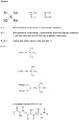
- the carrier and targeting system of the present invention is characterized in that one or more cationic lipids are covalently attached to the silicon and/or to the chemical groups and/or residues of R 1 , R 2 , R 3 and R 4 of the general formula (I), whereby
- the carrier and targeting system of the present invention is characterized in that the encapsulated and/or entrapped active substance is an anti-cancer agent, such as doxorubicin, cis-platin, carbo-platin, dacetaxel, Paclitaxel and/or oxali-platin.
- an anti-cancer agent such as doxorubicin, cis-platin, carbo-platin, dacetaxel, Paclitaxel and/or oxali-platin.
- the carrier and targeting system of the present invention is characterized in that the encapsulated and/or entrapped active substance is genetic material, preferably a nucleic acid such as DNA, RNA, siRNA and/or an anti-viral and/or anti-bacterial agent.
- the encapsulated and/or entrapped active substance is genetic material, preferably a nucleic acid such as DNA, RNA, siRNA and/or an anti-viral and/or anti-bacterial agent.
- the carrier and targeting system of the present invention is characterized in that polyethylene-glycol is covalently attached to the silicone and/or one or more of the groups R 1 , R 2 , R 3 and R 4 of the general formula (I).
- the carrier and targeting system of the present invention is characterized in that the covalent attachment of polyethylene-glycol, polymers, polymer derivatives can be carried out by means of a cleavable spacer linker.
- the carrier and targeting system of the present invention is characterized in that the composition is lyophilized.
- the carrier and targeting system of the present invention is characterized in that the composition comprises a cryoprotectant.
- the carrier and targeting system of the present invention is characterized in that the cryoprotectant is a disaccharide selected from the group consisting of sucrose, maltose, trehalose, and/or lactose.
- the carrier and targeting system of the present invention is characterized in that the cryoprotectant is a disaccharide having a concentration of 1-40%.
- the carrier and targeting system of the present invention comprises additionally of liposomes, unsaturated lipids, a vesicle-forming lipid, a hydrophilic polymer and/or liposomes.
- the carrier and targeting system of the present invention is characterized in that the vesicle-forming lipids exhibit two hydrocarbon chains, typically acyl chains, and a polar head group.
- the carrier and targeting system of the present invention is characterized in that the phospholipids are selected from the group comprising phosphatidylcholine (PC), phosphatidylethanolamine (PE), phosphatidic acid (PA), Phosphatidyl-inositol (PI), and sphingomyelin (SM).
- PC phosphatidylcholine
- PE phosphatidylethanolamine
- PA phosphatidic acid
- PI Phosphatidyl-inositol
- SM sphingomyelin
- the carrier and targeting system of the present invention is characterized in that the two hydrocarbon chains are between 8-26 carbon atoms in length.
- the carrier and targeting system of the present invention comprises additionally of glycolipids such as cerebiosides and gangliosides.
- a further aspect of the invention is a method for preparing the carrier and targeting system of the present invention, characterized by
- the method for producing the carrier and targeting system is characterized in that the active substance, preferably nucleic acids, DNA, RNA and/or siRNA, can be loaded with cations prior to preparation of the siosome carrier systems.
- the active substance preferably nucleic acids, DNA, RNA and/or siRNA
- the method for preparing the carrier and targeting system is characterized in that the mixing is carried out in a buffer solution that comprises TRIS, HEPES; MOPS, MES and/or other commonly used biological buffers.
- the method for preparing the carrier and targeting system is characterized in that the method includes one or more additives selected from the group comprising of detergent solution, adjuvant solution, salt solution, PEG-conjugates and/or cryoprotectants.
- the method for preparing the carrier and targeting system is characterized in that the silanes, sugar silanes, amino-sugar Silanes, lipids and/or their derivatives and/or the active substances such as doxorubicin, is characterized in that the method includes one or more solubilizer and the use of all techniques of solubility enhancement such as physical and/or chemical modifications.
- a further aspect of the present invention relates to a method for administering the carrier and targeting system, siosome- and/or siosome-liposome-complex via oral, rectal, vaginal, topical, nasal, intradermal, or parenteral administration.
- the method for administering the carrier and targeting system is characterized in that the parenteral administration method is selected from the group comprising subcutaneous, intravenous, intramuscular and infusion.
- a further aspect of the present invention relates to a method for treating cancer, such as solid and haematological malignancies, in subjects, comprising the administration of the carrier and targeting system of the present invention.
- a further aspect of the present invention relates to a method for increasing intracellular concentration of a siosome-entrapped active substance, preferably doxorubicin, cis-platin and/or siRNA, characterized by administering the carrier and targeting system of the present invention to a patient or a target cell.
- a siosome-entrapped active substance preferably doxorubicin, cis-platin and/or siRNA
- the method for increasing intracellular concentration of a siosome-entrapped active substance is characterized in that the intracellular concentration of the active substance is increased by specific binding of a ligand to a target cell and/or internalisation of the siosome- and/or siosome-liposome-complex by the target cell.
- the method is characterized in that the intracellular cytotoxicity of a tumor cell or other target cell is increased by administration of the carrier and targeting system according to the present invention.
- the present invention therefore provides siosomal compositions, carrier systems and methods using systems for intracellular delivery and triggered release by siosome-entrapped agents or active substances from the enzyme-rich acidic environment of the lysosomes (pH-sensitive, triggered release siosomes).
- a further aspect of the present invention is the use of the carrier and targeting system as described herein as a medicament.
- a further aspect of the present invention is the use of the carrier and targeting system as described herein as a medicament for the treatment of cancer.
- a further aspect of the present invention relates to a pharmaceutical agent comprising the carrier and targeting system as described herein and a pharmaceutically acceptable carrier and/or pharmaceutically acceptable salt.
- a further aspect of the invention also relates to a method of transfecting a cell with an anti-cancer active substance or therapeutic agent such as doxorubicin, cis-platin, carbo-platin, oxali-platin, bleomycin, a nucleic acid, such as DNA, RNA, siRNA, an anti-viral active substance and/or an anti-bacterial agent, using as the transfection vector a carrier and targeting system according to the present invention comprising at least one sugar organosilicon compound and/or derivatives thereof as described herein, preferably in addition to PEG and/or a cryoprotectant.
- an anti-cancer active substance or therapeutic agent such as doxorubicin, cis-platin, carbo-platin, oxali-platin, bleomycin, a nucleic acid, such as DNA, RNA, siRNA, an anti-viral active substance and/or an anti-bacterial agent
- This delivery system would be capable of accumulating at a target organ, tissue or cell via active targeting (for example by incorporating an antibody or saccharide, nucleoside, peptide, hormone, ligand on the surface of the siosomal vesicle).
- the siosomal carrier Following accumulation at the target site, the siosomal carrier would become capable of fusing without the need for any external stimulus, and would subsequently release any encapsulated or associated drug or active substance in the vicinity of the target cell, or fuse with the target cell plasma membrane, introducing the drug or active substance into the cell cytoplasm. In certain instances, fusion of the carrier with the plasma membrane would be preferred because this would provide more specific drug delivery and hence minimise any adverse effects on normal healthy cells or tissues.
- a fusogenic carrier in the case of active substances such as DNA, RNA, siRNA, proteins, peptides etc., which are generally not permeable to the cell membrane, such a fusogenic carrier would provide a mechanism whereby the active substance could be delivered to its required intracellular site of action. Further, by avoiding the endocytic pathway, the active substance would not be exposed to acidic conditions and/or degradative enzymes that could be destructive to the said active substance. Quite surprisingly, the present invention addresses this need by providing such a method.
- One aspect of the present invention is the triggered release of the encapsulated or bound active substances upon entry to a cell.
- the intracellular delivery can be released in a triggered manner, whereby the enzyme-rich acidic environment of the lysosomes leads to opening of the siosome and release of the active substance. pH-sensitive lipids are intended for this purpose.
- the carrier system is taken up by the cell by either endocytosis, phagocytosis or pinocytosis. This may occur via sugar interactions with the cell surface to enter the cell via receptor mediated endocytosis. In the form of endocytosis the cytoplasm membrane folds inward to form coated pits (Endosome). These vesicles are subsequently carried into the cell cytosol and are fused with the lysosome. The lysosome then digests the carrier system (at a pH of approximately pH 4.8) to release the active substance into the cell cytosol.
- the procedures according to the present application produce a carrier system complex that is unexpectedly stable in comparison to the prior art siosome encapsulation, entrapment and/or complex formation, that is, the carrier system of the present invention is easier to produce, has a higher encapsulation efficiency and exhibits a higher intracellular concentration of active agent, and leads to more specific cell targeting of the active substances and also exhibits less toxicity.
- the method of preparation of the carrier system can be carried out by the entrapment of the siosomal nanoparticles in the lipid bilayer of the siosomes.
- the selection of the optimal sugar silanes/derivatives and/or siosomes for the entrapment of the small drugs will depend on the required release profile of the drugs and/or agents encapsulated in the larger Siosomes.
- silanes/sugar silanes according to the present invention offer enormous possibilities with different molecular structures, size, shape and charge.
- the Siosomes® prepared from the silanes/sugar silanes using the procedures according to the present invention will offer very specific cell/tissue targeting based on the selection of the sugar molecules on the surface of the siosomes®. It is known that the sugar molecules are responsible for the cell recognition and communication.
- the objective of the combined carrier system could be for example: to target the carrier system to accumulate in the tissues of interest e. g. under the influence/effect of magnet field and/or temperature, the release of the siosomal nanoparticle will take place followed by the release of the small molecules (drugs/agents) active agents and the release of the active agent(s) from the larger siosomes in different release and efficacy profiles.
- the objective of the combined carrier system according to the present invention is to release the agent from the siosomal nanoparticle to trigger and/or enhance the cell penetration and targeting of the agent and/or biological agent encapsulated/entrapped in the larger Siosomes.
- Siosomes® with the encapsulated drug have shown unexpected less plasma protein and tissue binding than the free drug.
- Cisplatin has very high plasma protein binding of 90%. This means the effective free Cisplatin fraction is only 10% of the total therapeutic dose.
- the unexpected lower protein binding using the encapsulated drug means that the total therapeutic dose and the toxic effects could be reduced drastically due to the unexpected increase of the effective free drug fraction.
- Doxorubicin has very extensive tissue binding. This has been unexpected decreased using Siosomes® for its encapsulation.
- Siosomes® have shown unexpected the ability to avoid the drug distribution to certain organs and provides a way to prevent organ specific toxicities such as Doxorubicin cardio-toxicity.
- the Dose-Limiting-Toxicity (DLT) for encapsulated Siosomes is unexpected lower than that of the free un-encapsulated drug, and the delivery of the encapsulated drug will be targeted to cellular compartments different than that accessed by free drug.
- the encapsulated and/or entrapped molcules of the chemostatic agents such as the anticancer drugs Cisplatin, Carboplatin, Oxaliplatin, Doxorubicin and Docetaxel will not be chemically active in the target tissues until their release from the Siosomes.
- Cisplatin binds DNA fast and directly forming adducts and in case that are not removed the DNA replication and transcription will be blocked.
- Siosomes® for the encapsulation of the Cisplatin according to this invention, in this case the chemical reaction will take place gradually upon the release of the cisplatin molecules from the Siosomes. For example this will allow the kidney to clear the drug and avoid or reduce the nephrotoxicity.
- short acting drugs as standard parenteral Cisplatin , Carboplatin, Oxaliplatin, Doxorubicin and Docetaxel infusions cause in the "determined therapeutic dose” an overdose of systemic and tissue drug/metabolites concentrations with selective acute and chronic drug toxicity due to the high "absolute systemic bioavailabilty" of the drug.
- these compounds and derivatives of the general formula (I) form surprisingly stable carrier molecules and differ significantly from the siosomes and liposomes described in the prior art.
- Such vesicles are structurally distinct from the carrier systems of the prior art.
- These compounds according to the present invention are used as cationic sugar silanes and/or cationic sugar siosomes for the encapsulation, entrapment and/or complex formation of active substances.
- these compounds form stable carriers with high encapsulation efficiency and intracellular delivery of the active substances and specifically the nucleic acids, such as siRNA and anticancer, antiviral, antibacterial agents and therapeutics for the treatment of CNS disorders.
- the present invention provides a carrier and delivery system for active substances, whereby polyethylene-glycols/derivatives of varying molecular weights can be used to be covalently attached to the silicone with or without spacer and/or chemical group or covalently attached to one or more of the groups R 1 , R 2 , R 3 and R 4 of the general formula according to figure 1 .
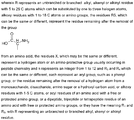
- Examples of PEGylated silane molecules of the present invention are found in Figure 4 .
- the covalent attachment can be carried out by means of a cleavable spacer linker.
- the method of preparation of the carrier system can be carried out by mixing the active substances with the polyethylene-glycols of varying molecular weights at selected pH and temperature with an appropriate solvent.
- the active substance-PEG mixture can be used for the preparation of the carrier and delivery system according to the procedures described in this invention.
- siosomes as carrier systems made from non-toxic lipids, peptides, carbohydrates, polymers, nucleosides and/or other ingredients are used, wherefore they are applicable for in vivo use in different therapeutics.
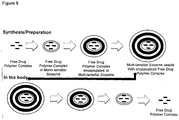
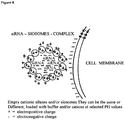
- the active substance such as nucleic acids, DNA, RNA, siRNA can be loaded with cations prior to the preparations of the siosomes carrier systems according to the procedures described in the examples of this invention ( Figures 5 - 8 ).
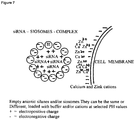
- the cationic silanes and/or siosomes can be loaded with anionic salts for the preparation of the siosome carrier and targeting systems according to the procedures described in the examples of the present invention ( Figures 6 ).
- anionic silanes and/or siosomes can be loaded with cationic salts for the preparation of the siosome carriers and intracellular targeting systems according to the procedures described in the examples of the present invention ( Figures 7 ).
- siosomes carrier and targeting system can be comprised from one or more silanes according to the procedures described in the examples of the present invention.
- the carrier and targeting systems can be prepared using silanes described in the present invention and lipids used for the preparation of the liposomes, such as cationic lipids, known to person skilled in the art.
- the above mentioned methods of preparations of the active substances, cationic silanes and/or siosomes and the mixed siosomes and lipo-sio-carrier systems are structurally distinct from the carrier systems of the prior art and exhibit adjustable encapsulation efficiency, release profile and transfection properties and efficiencies for the active substances.
- buffer solution containing TRIS, HEPES; MOPS, MES or other commonly used biological buffers will be used for the preparation of the siosome carrier and targeting system.
- the use of such buffer surprisingly enhances the efficiency, strength and stability of the active substance-siosome complex.
- a preferred embodiment of the present invention is that the method for preparation of the carrier system includes one or more of the following additives, including detergent solution, adjuvant solution, salt solution, PEG-conjugates, cryoprotectants, solubilizers solution and/or other vesicles and ingredients.
- siosomes and/or siosomes-liposomes-complex may be administered as oral, rectal, vaginal, topical, nasal, intradermal, or parenteral, the term parenteral including subcutaneous, intravenous, intramuscular and infusion.
- parenteral including subcutaneous, intravenous, intramuscular and infusion. This particular mode of administration will depend, of course, upon a particular drug selected, the severity of the condition being treated and the dosage required for the therapeutic efficacy.
- Silicon is a chemical compound containing silicone, particularly with the chemical formula SiH 4 , although other silicon-containing compounds may also be referred to herewith.
- Organicsilicons are organic compounds containing carbon-silicon bonds (C-Si).
- “Sugar organosilicons” are organic compounds containing carbon-silicon bonds (C-Si) and at least one sugar group.
- amino sugar organosilicons are organic compounds containing carbon-silicon bonds (C-Si), at least one sugar group and one amino and/or acid group.
- Examples of amino sugars and derivatives are well known in the art as glucosamine, galactosamine, mannosamine, neuramine acid, muramine acid, N-acetylglucosamine, further examples include acylated sugars and aminosugars.
- Amino sugar organosilicons comprise residues such as glucosamine, N-acetyl glucosamine, sialic acid or galactosamine, where the amino sugar residues can be the same or different, and represent the removal of a hydrogen from monoaminosaccharide and/or diaminosaccharide and/or polysaccharide.
- Siloxanes are a class of organic or inorganic chemical compounds of silicon, oxygen, and usually carbon and hydrogen, based on the structural unit R 2 SiO, where R is an alkyl group, usually methyl.
- Siosomes are the vesicles created from organosilicon compounds. Siosomes consist of at least one concentric, self-contained layer of organosilicon compounds with the organosilicon general structure. An aqueous compartment is enclosed by the bimolecular organosilicon membrane.
- “Sugar-siosomes” refer to siosomes consisting of sugar organosilicon compounds.
- blank siosomes refers to any and all vesicles prepared from organosilicon compounds without encapsulated and/or entrapped pharmacologically and/or immunologically active agents. Specific examples of “blank siosomes” are siosomes filled with water, salts or buffer.
- Liposomes are the vesicles created from phospholipids. Liposomes consist of at least one concentric, self-contained layer of phospholipids and an aqueous compartment enclosed by the bimolecular phospholipid membrane.
- Encapsulations are to be understood as the capture by a siosome or liposome of a dissolved hydrophilic solute within the region of aqueous solution inside a hydrophobic membrane, whereby the dissolved hydrophilic solutes cannot readily pass through the lipid bi-layer.
- Entrapments are to be understood as the capture by a liposome or siosome of hydrophobic solutes dissolved in the hydrophobic region of the bi-layer membrane.
- “Combinations” or “complex combinations” of the present invention are intended to be understood as complexes formed between the organosilicon, sugar organosilicon, amino sugar organosilicon compounds, their derivatives, salts and/or the vesicles formed from them, with the biological agents, selected from antigens, pre-antigens, antigen conjugates, antibodies, pre-antibodies, antibody conjugates, allergens, allergen extracts, nucleic acids, plasmids, proteins, peptides, pharmaceutical agents, immunologically active substances and/or cosmetics, whereby the complexes are held together via the sum force of non-covalent bonds including hydrophobic interactions between nonpolar regions, such as the hydrophobic fatty acid chains of the organosilicon, sugar organosilicon, amino sugar organosilicon compounds and siosomes, non-specific protein-protein interactions between protein segments of an allergen and/or the peptide residues of the organosilicon, sugar organosilicon, amino sugar organosilicon compounds, protein-sacchari
- an "antigen” is to be understood as a substance that prompts the generation of antibodies and can cause an immune response.
- pre-antigen is to be understood as an antigen in an inactive state prior to processing to the active form.
- an "antigen conjugate” is to be understood as an antigen conjugated covalently to another biological agent, such as an enzyme or other protein, or organosilicon molecule.
- pre-antibody is to be understood as an antibody in an inactive state prior to processing to the active form.
- an “antibody conjugate” is to be understood as an antibody conjugated covalently to another biological agent, such as an enzyme or other protein, or organosilicon molecule.
- allergen refers to a substance, protein or non-protein, capable of inducing allergy or specific hypersensitivity or an extract of any substance known to cause allergy. Almost any substance in the environment can be an allergen.
- the list of known allergens includes plant pollens, spores of mold, food preservatives, dyes, drugs, inorganic chemicals and vaccines. Allergens can enter the body by being inhaled, swallowed, touched or injected. Following primary exposure to an allergen, subsequent exposures result in hypersensitivity (allergic) reactions which may be immediate or delayed, local or systemic and include anaphylaxis and contact dermatitis.
- allergen extract refers to a natural extract of multiple allergens, protein or non-protein, capable of inducing allergy or specific hypersensitivity or an extract of any substance known to cause allergy.
- a “pharmaceutical agent” is to be understood as any medicament, intended for use in the diagnosis, cure, mitigation, treatment, or prevention of disease in humans or animals.
- an "immunologically active substance” is to be understood as any substance that leads to an immune response in a human or animal patient.
- sucrose includes any and all monosaccharide, disaccharide, polysaccharide, amino-sugar or hydroxyl carbon acid, it's derivatives, salts and/or residues remaining after the removal of a hydrogen atom from it.
- suitable monosaccharides pentoses such as arabinose, ribose and xylose as well as hexoses such as glucose, mannose, galactose and fructose.
- Suitable amino sugars include e.g. glucosamin and galactosamin.
- a suitable carbon acid for example is glucronic acid.
- the hydroxyl carbon acids' hydroxyl groups can be free, partially derivatized or fully derivatized (protective groups) specific examples of amino sugar silicon compounds are listed herein.
- solubility enhancement involves the breaking of inter-ionic or intermolecular bonds in the solute, interactions between the solvent and the solute molecule or ion.
- solubility enhancement all techniques of solubility enhancement will be used such as physical modifications such as particle size reduction, micronization, nanosuspension, modification of the crystal habit, polymorphs, pseudopolymorphism, drug dispersion in carriers, eutectic mixtures, solid dispersions, solid solutions, complexation, use of complexing agents, use of solubilizers, solubilization by surfactants, microemulsions, self microemulsifying drug delivery systems and any chemical modifications.
- a "subject" for the purposes of the present invention includes both humans and other animals, particularly mammals, and other organisms. Thus the methods are applicable to both human therapy, vaccinations, and veterinary applications.
- the patient is a mammal, the most preferred being a human.
- animal refers to an organism with a closed circulatory system of blood vessels and includes birds, mammals and crocodiles.
- the term “animal” used here also includes human subjects.
- an "immunologically effective amount” is the quantity of a compound, composition or carrier system of the present invention which is effective in yielding the desired immunologic response.
- treating cancer refer generally to any improvement in the mammal having the cancer wherein the improvement can be ascribed to treatment with the compounds of the present invention.
- the improvement can be either subjective or objective.
- the patient may note improved vigour or vitality or decreased pain as subjective symptoms of improvement or response to therapy.
- the clinician may notice a decrease in tumour size or tumour burden based on physical exam, laboratory parameters, tumour markers or radiographic findings.
- Some laboratory obtained results which the clinician may observe to check for any response to therapy include normalization of tests such as white blood cell count, red blood cell count, platelet count, erythrocyte sedimentation rate, and various enzyme levels.
- the clinician may observe a decrease in a detectable tumour marker(s).
- other tests can be used to evaluate objective improvement such as sonograms, nuclear magnetic resonance testing and positron emissions testing.
- “Inhibiting the growth of tumour cells” can be evaluated by any accepted method of measuring whether growth of the tumour cells has been slowed or diminished. This includes direct observation and indirect evaluation such as subjective symptoms or objective signs as discussed above.
- the carrier systems of the invention are administered to cells, tissues, healthy volunteers and subjects and/or patients.
- administered is the administration of a therapeutically effective dose of the candidate agents of the invention to a cell either in cell culture or in a patient.
- therapeutically effective dose is a dose that produces the effects for which it is administered. The exact dose will depend on the purpose of the treatment, and will be ascertainable by one skilled in the art using known techniques. As is known in the art, adjustments for systemic versus localized delivery, age, body weight, general health, sex, diet, time of administration, drug interaction and the severity of the condition may be necessary, and will be ascertainable with routine experimentation by those skilled in the art.
- cells is almost any cell in which mitosis or miosis can be altered.
- carriers may be used in the "carrier system” of the present invention, and include any and all solvents, dispersion media, vehicles, coatings, diluents, antibacterial and antifungal agents, isotonic and absorption delaying agents, buffers, carrier solutions, suspensions, colloids, and the like.
- solvents dispersion media, vehicles, coatings, diluents, antibacterial and antifungal agents, isotonic and absorption delaying agents, buffers, carrier solutions, suspensions, colloids, and the like.
- the use of such media and agents for pharmaceutical active substances is well known in the art. Except insofar as any conventional media or agent is incompatible with the active ingredient, its use in the therapeutic compositions is contemplated. Supplementary active ingredients can also be incorporated into the carrier systems.
- compositions that do not produce an allergic or similar untoward reaction when administered to a human.
- pharmaceutically-acceptable refers to molecular entities and compositions that do not produce an allergic or similar untoward reaction when administered to a human.
- aqueous composition that contains a protein as an active ingredient is well understood in the art.
- injectables either as liquid solutions or suspensions; solid forms suitable for solution in, or suspension in, liquid prior to injection can also be prepared.
- the preparation can also be emulsified.
- pharmaceutically acceptable salt refers to those salts of compounds which retain the biological effectiveness and properties of the free bases and which are obtained by reaction with inorganic acids such as hydrochloric acid, hydrobromic acid, sulphuric acid, nitric acid, phosphoric acid, methanesulphonic acid, ethanesulphonic acid, toluenesulphonic acid, salicylic acid and the like.
- Pharmaceutically acceptable salts include alkali metal salts, such as sodium and potassium, alkaline earth salts and ammonium salts.
- cancer refers to all types of cancer or neoplasm or malignant tumours found in mammals, including carcinomas and sarcomas.
- carcinomas and sarcomas examples are cancer of the brain, breast, cervix, colon, head & neck, kidney, lung, non-small cell lung, melanoma, mesothelioma, ovary, sarcoma, stomach, uterus and Medulloblastoma.
- the present invention relates to the use of organosilicon, sugar organosilicon, amino sugar organosilicon compounds, their derivatives, salts and/or the vesicles formed from them in a carrier system with antigens, pre-antigens, antigen conjugates, antibodies, antibody conjugates, allergens, allergen extracts, nucleic acids, plasmids, proteins, peptides, pharmaceutical agents, immunologically active substances and/or cosmetics, for the manufacturing of a pharmaceutical, immunological and/or cosmetic composition for the different indications.
- the pharmaceutical composition of the invention optionally comprises of one or more pharmaceutically acceptable adjuvants, excipients, carriers, buffers, diluents and/or customary pharmaceutical auxiliary substances.
- the composition of the invention is administered in a pharmaceutically acceptable formulation.
- the present invention pertains to any pharmaceutically acceptable formulations, such as synthetic or natural polymers in the form of macromolecular complexes, nanocapsules, microspheres, or beads, and lipid-based formulations including oil-in-water emulsions, micelles, mixed micelles, synthetic membrane vesicles, and resealed erythrocytes.
- the pharmaceutically acceptable formulation of the invention can comprise additional pharmaceutically acceptable carriers and/or excipients.
- a pharmaceutically acceptable carrier includes any and all solvents, dispersion media, coatings, antibacterial and anti fungal agents, isotonic and absorption delaying agents, and the like that are physiologically compatible.
- the carrier can be suitable for injection into the cell, tissues, organs and/or blood.
- Excipients include pharmaceutically acceptable stabilizers and disintegrants.
- the pharmaceutically acceptable formulations comprise lipid-based formulations. Any of the known lipid-based drug delivery systems can be used in the practice of the invention.
- multivesicular liposomes can all be used so long as a sustained release rate of the carrier system composition of the invention can be established.
- pH-sensitive silane lipid
- pH-sensitive silane lipids are additionally encompassed by the present invention, for example for the uptake and subsequent triggered release of enclosed active substance, whereby the siosome releases the active substance at certain pH conditions.
- the siosomes may include pH-sensitive lipids, which is a silane-lipid that forms bilayer vesicles in the absence of stabilising components only at specific pH ranges. These lipids are typically amphipathic lipids having hydrophobic and polar head group molecules, and when arranged into a bilayer are oriented such that the hydrophobic moiety is in contact with the interior, hydrophobic region of the bilayer membrane, and the polar head group moiety is oriented toward the exterior, polar surface of the membrane.
- the pH-sensitive amphipathic lipids preferably have two hydrocarbon chains, typically acyl chains between about 8-22 carbon atoms in length, and have none or varying degrees of unsaturation.
- the siosomes also include a lipid derivatised with a hydrophilic polymer.
- the polymer derivatised lipids in the siosomes serve to stabilise the pH-sensitive silane-lipid to facilitate bilayer and siosome formation and to form a coating of polymer chains over the siosome surface to extend the blood circulation lifetime of the siosomes.
- the hydrophilic polymer coating provides colloidal stability and serves to protect the siosomes from uptake by the mononuclear phagocyte system, providing a longer blood circulation lifetime for the siosomes to distribute in the organism.
- the polymer chains are attached to the lipid of the silane by a releasable bond for cleavage and release of the polymer chains in order to restore the pH-sensitivity of the siosomes.
- the derivatisable silane-lipid is a non-pH-sensitive siosome-forming amphipathic silane which can spontaneously form into a bilayer vesicle in water.
- Hydrophilic polymers suitable for derivatising the amphipathic lipids, cationic and/or anionic organosilicon compounds include polyethyleneglycol, polyvinylpyrrolidone, polyvinylmethylether, polymethyloxazoline, polyethyloxazoline, polyhydroxypropyloxazoline, polyhydroxypropylene, methacrylamide, polymethacrylamide, polydimethylacrylamide, polyhydroxypropylmethacrylate, polyhydroxyethylacrylate, hydroxymethylcellulose, hydroxyethylcellulose, and polyaspartamide and/or their derivatives .
- the hydrophilic polymer is polyethyleneglycol (PEG), preferably as a PEG chain having a molecular weight between 200 and 15,000 Dalton, more preferably between 500 and 5,000 Dalton.
- PEG polyethyleneglycol
- Entrapped in the siosomes is an active substance for intracellular delivery to the target cells.
- a variety of active substances can be entrapped in siosome vesicles, including water soluble agents, for example small water soluble organic compounds, peptides, proteins, DNA plasmids, oligonucleotides, and gene fragments, which can be stably encapsulated in the aqueous compartment of the siosomes.
- lipophilic compounds that stably partition in the lipid phase of the siosomes, or agents that can be stably attached, for example by electrostatic attachment to the outer siosome surfaces are also intended.
- the siosome-entrapped compound can also be an imaging agent for tracking progression of a disease.
- Imaging agents include chelates of radionuclides, such as technetium-99, indium-III, and iodine-125.
- the entrapped agent may also be a reporter molecule, such as an enzyme or a fluorophore, for use in in-vitro diagnostic assays.
- lipid refers to any suitable material resulting in a bilayer such that a hydrophobic portion of the lipid material orients toward the bilayer, while a hydrophilic portion orients towards the aqueous phase.
- neutral lipid refers to any of a number of lipid species which exist either in an uncharged or neutral zwitterionic form at physiological pH. Such lipids include, for example, diacylphophatidylcholine, diacylphosphatidylethanolamine, ceramide, sphingomyelin, cephalin and cerebrosides.
- non-cationic lipid refers to any neutral lipid as described above, as well as anionic lipids.
- charged lipid refers to any of a number of lipid species which exist in a charged form at physiological pH. Examples of charged lipids are cationic lipids or anionic lipids.
- anionic lipid refers to any of a number of lipid species which carry a net negative charge at physiological pH.
- anionic lipids include cardiolipin, diacylphosphatidylserine and diacylphosphatidic acid, phosphatidylglycerol and cholesterylhemisuccinate.
- cationic lipid refers to any of a number of lipid species which carry a net positive charge at physiological pH. Such lipids include, but are not limited to, DODAC, DOTMA, DDAB, DOTAP, DC-Chol and DMRIE.
- cationic lipids are available, which can be used in the present invention. These include, for example, LIPOFECTIN®, LIPOFECTAMINE® and TRANSFECTAM®.
- Siosomes formulations of the invention can be used to improve the efficacy and toxicity profiles, and to improve the dosing schedule of the drug by modification of the pharmacokinetic and biodistribution properties.
- active substance includes diagnostic agents.
- active substance includes, but is not limited to, an analgesic, an anaesthetic, an anti-acne, an antibiotic, an antibacterial, an anticancer, an anticholinergic, an anticoagulant, an antidyskinetic, an antiemetic, an antifibrotic, an antifungal, an antiglaucoma agent, an anti-inflammatory, an antineoplastic, an antiosteoporotic, an anti-Parkinson's agent, an anti-sporatic, an antipyretic, an antithrombic, an anti-viral, a calcium regulator, a keratolytic, or a sclerosing agent.
- an analgesic an anaesthetic, an anti-acne
- an antibiotic an antibacterial, an anticancer, an anticholinergic, an anticoagulant, an antidyskinetic, an antiemetic, an antifibrotic, an antifungal, an antiglaucoma agent, an anti-inflammatory, an antineoplastic, an antiosteop
- Anti-cancer active substances are:
- Doxorubicin hydrochloride is a drug used in cancer chemotherapy. It is an anthracycline antibiotic, closely related to the natural product daunomycin, and like all anthracyclines it works by DNA intercalation.
- Doxorubicin hydrochloride has been used alone or in combination chemotherapy for the treatment of AIDS-related Kaposi's sarcoma and combination chemotherapy that includes the drug (doxorubicin, bleomycin, and vincristine) has been a preferred regimen, although many clinicians currently consider a liposomal anthracycline (doxorubicin or daunorubicin) the first-line therapy of choice for advanced AIDS-related Kaposi's sarcoma.
- anti-cancer substance and/or agent includes, but is not limited to, potent chemoactive substances such as cisplatin, carboplatin, oxaliplatin, bleomycin, epirubicin, mitomycin, and/or monoclonal antibodies, such as alemtuzumab, beracizumab, cetuximab and/or topoisomerase-l-inhibitors such as irinotecan, topotecan , antimetabolites such as gemicitabin and cytarabin, proteasom-inhibitors and vinca alkaoids.
- potent chemoactive substances such as cisplatin, carboplatin, oxaliplatin, bleomycin, epirubicin, mitomycin, and/or monoclonal antibodies, such as alemtuzumab, beracizumab, cetuximab and/or topoisomerase-l-inhibitors such as irinotecan, topotecan , antimetabol
- siosome containing preparations to be used in the method of the invention are applied in therapeutically acceptable amounts to produce therapeutically effective levels in the target.
- Such preparations for use may routinely contain known compatible carriers and other additives, such as buffering agents and preservatives, and optionally other active substances.
- Aqueous siosomal preparations may be formulated according to known methods, using suitable additives, such as dispersing or wetting agents and suspending agents.
- a sterile injectable preparation may be a sterile injectable solution or suspension in a non-toxic acceptable diluent or solvent, such as water, isotonic sodium chloride solution and buffer.
- sterile oils are often employed as a solvent or suspending medium.
- the particular mode of administration selected will depend upon the particular selected active substance, the severity of the condition being treated and the dosage required for therapeutic efficacy.
- Such modes of administration include oral, rectal, intravaginal, topical, nasal, interdermal or parenteral routes, the term perenteral including subcutaneous, intravenous, intramuscular, intratumoural and infusion.
- the carrier system according to the invention would preferably selectively release anti-cancer chemotherapeutics and any other active substances at intracellular targets at low pH-regions.
- Carrier system formation efficiency or protein complex formation between the organosilicon, sugar organosilicon, and/or amino sugar organosilicon compounds with biological protein agents, was calculated after centrifugation by quantification of the amount of the protein in the protein-complex fraction and the free non-complexed proteins presents in the aqueous supernatant phase.
- the protein was quantified using a modified Lowry method, Peterson G.L. 1983 "Determination of total protein", Methods Enzymology 91: 95-119 .
- Blood (15ml per bleed) was collected from marginal ears veins using an 18 gauge needle, and then stored at 2-8 °C overnight to allow for clot shrinkage. The samples were then centrifuged (400x g) and the sera were removed by pipette and frozen as individual samples at -10°C to -25°C until assayed. The suspensions were injected with 1.0ml dose volumes.
- the appropriate volume of suspension was added into each vial in 2 ml increments with vigorous vortexing between additions. Lyophilisation took place using freeze drying technology controlling all aspects of the lyophilisation cycle.
- the 1 shelf temperature ranges from -70°C to 60°C, process condenser temperature as low as -85°C and vacuum indication of 760 torr to 1 militorr.
- the dehydration of the carrier system without the use of a protective sugar depends on the organosilicon, sugar organosilicon and/or amino sugar organosilicon compound concentrations.
- Dehydrated carrier system complexes are prepared by drying the preparations under reduced pressure in the presence of one or more protective sugars, e.g. disaccharides such as trehalose and sucrose.
- protective sugars e.g. disaccharides such as trehalose and sucrose.
- Sugar organosilicon or amino sugar organosilicon compounds could be used as protective compounds for dehydration and/or lyophilisation of the carrier systems.
- the dehydration was performed to an end point which results in sufficient water being left in the preparation (e.g. at least 4-10 moles water/ silicon-lipid) so that the integrity of a substantial portion of the silicon-lipid combinations is retained upon rehydration.
- Hydration is the final step in the preparation of the formulation for injection and/or other pharmaceutical formulations (for oral, nasal and/or topical administration).
- hydration solution is added in a series of aliquots to lyophilised carrier systems with vortex mixing after each addition of hydration media.
- WFI water for injection
- EtOH 5% ethanol
- a dispersion is a homogenous mixture of substances that are not soluble in each other. Dispersion can be achieved by sonication, extrusion, high pressure homogenisation, shaking, freezing and thawing.
- Examples 1-12 describe the synthesis of a number of the organosilicons. This procedure was employed to prepare a number of the organosilicons of interest.
- Example 12 describes the procedures used for the preparation of an example of the sugar organosilicons. Modified and/or different procedures have also been used for the synthesis of the other sugar organosilicon compounds.
- Example 13 describes the procedure used for the preparation of both blank (unloaded) siosomes and/or sugar-siosomes.
- the blank (unloaded) siosomes have water encapsulated inside the Siosomes and between the lipid layers.
- Example 7 Synthesis of SIL 14 (1-O-Dioctadecylsilyl-di(2,3,4,6-O-tetraacetyl-beta-D-glucopyranoside)
- Example 8 Synthesis of SIL 17 (1-O-Didodecylsilyl-di(2,3,4,6-O-tetraacetyl-beta-D-glucopyranoside)
- reaction mixture Upon complete addition the reaction mixture was heated to reflux for 100 minutes and subsequently dichloro-di-n-octyl silane (20 mL, 57.8 mmol, 1.0 eq) was added over 5 minutes to the boiling mixture upon which the boiling became more vigorous. The reaction mixture was boiled for another 4 hours and then allowed to cool to room temperature. The mixture was carefully quenched with 1 M HCl (25 mL) and the aqueous layer was subsequently extracted with TMBE (2 x 25 mL). The combined organic layers were washed with brine (20 mL), dried (Na 2 SO 4 ) and concentrated to dryness.
- aqueous phase volume 2ml
- the material is the injected into pure water. In this case the agitation rate is 2000 ⁇ 200rpm.
- the encapsulated compounds are separated from the non-encapsulated compounds by dialysis, gel filtration or centrifuging, for example and the contents of the siosomes determined.
- the siosomes prepared in this manner had a uniform size of 300 to 500nm and are evidently all uni-lamellar. The siosomes stability was good.
- siosomes have a size of up to 2 ⁇ m.
- Example 14 Preparation of a carrier system complex of amino sugar organosilicon compound with insulin.
- a dispersion of 10 ⁇ mol of Didodecylsilyl-di(2,3,4,6-0-tetraacetyl- ⁇ -D-glucopyranosid) as the representative of amino sugar organosilicon compound, 0.01 M Tris/HCl, pH 7.4 and an aqueous solution of insulin (10 ⁇ mol, volume 3ml) as antigen was prepared by mixing with a high pressure homogeniser. The homogenisation time may vary. The mixture was then incubated at 37°C for 30 minutes and sterile filtrated and lyophilised at the temperature of -70°C. The lyophilised insulin-amino sugar organosilicon complex was reconstituted by hydration in sterile (deionized) water and the carrier system solution was used for in-vitro investigations.
- the said carrier system After reconstitution by rehydration, the said carrier system surprisingly retains in solution more than 95% of the biological activity of insulin.
- the yield of the preparation process resulted from 3 independent experiments, and was 80-90% of the starting concentrations. Stability tests using radioimmunoassay performed at 0, 4, 8, 12 and 48 hours at 4°C, 25 °C and 37°C have shown that the carrier system complex of organosilicon-insulin is surprisingly stable and the insulin retains its biological activity.
- Example 15 Preparation of a carrier system comprising blank (unloaded) siosomes with antigens
- the said dispersion was heated for 20 minutes at 25°C (until complete fluidisation of the blank siosome).
- the mixture was then lyophilised and stored at 4-8°C.
- the biological activities of Cathepsin B and C in the carrier system complex were determined after reconstitution of the lyophilised samples by hydration with sterile (deionized) water using Cathepsin Activity Assay Kit.
- the carrier system retains more than 95% of the biologically active principles in solution.
- the carrier system showed long-termed stability as a lyophilisate at 4-8°C.
- Example 16 Preparation of a carrier system comprising doxorubicin-sugar-siosomes-complex
- a doxorubicin hydrochloride solution at 10 mg/ml was prepared using physiological saline.
- the predetermined amount of the doxorubicin hydrochloride solution was added to the sugar siosome dispersion using the cationic organosilicon compounds such as 1.2-(Dimethyldecylsilyl)ethyl-beta-D-glucosamin, 2.2-(Dimethyloctylsilylcholin)ethyl-beta-D-glucopyranosid and/or 1.2-(DiN,N,N,trimethylammoniadecylsilyl)ethyl-beta-D-glucopyranosid and the mixture was adjusted to pH 7.4, using 1 N NaOH or saturated sodium hydrogencarbonate and the mixture was stirred at 65°C for 30 minutes the thereby introduce the doxorubicin hydrochloride in the siosomes.
- the amount of the sugar silanes in the siosomes, the amounts of the doxorubicin hydrochloride encapsulated in the siosomes and the siosomes themselves were measured by the same methods as in the above examples.
- Concentration of the doxorubicin hydrochloride encapsulated in the siosomes was determined by measuring absorbance at 480 nm, using a spectrophotometer for the solution prepared by adding 2 ml of methanol to 40 ⁇ l of the doxorubicin siosomes.
- An alternative HPLC-based assay has also been used for the quantification of the doxorubicin in the formulations.
- siosome size was measured using Zetasizer (Malvern Instruments). Table 5: Cationic organosilicon compound Encapsulation efficiency (%) Particle size range (nm) 1.2-(Dimethyldecylsilyl)ethyl-beta-D-glucosamin (SIL 61) 75-82 120-240 2.2-(Dimethyloctylsilylcholin)ethyl-beta-D-glucopyranosid (SIL 62) 70-80 150-220 1.2-(Di-N,N,N,trimethylammoniadecylsilyl)ethyl-beta-D-glucopyranosid (SIL 64) 70-85 120-200
- the encapsulation efficiency was high and the particle sizes were in the lower range of 120-240 nm.
- Doxorubicin hydrochloride was dissolved in PEG 600 at a concentration of 10 mg/ml. Tris-buffer was added at pH 7.4 and the temperature was kept at 65°C for 30 minutes under stirring.
- the sample was cooled in an ice bath.
- a dispersion of 10 ⁇ mol of Didodecylsilyl-di(2,3,4,6-O-tetraacetyl- ⁇ -D-glucopyranosid) as the representatives of amino sugar organo-silicon compound and the doxorubicin hydrochloride, and PEG 600 was prepared by mixing with a high speed homogeniser.
- the homogenisation time may vary.
- the mixture was then incubated at 37°C for 30 minutes.
- the doxorubicin hydrochloride, and PEG 600 that had not been introduced in siosomes has been removed, and the siosomes mixtures has been lyophilised at the temperature of -70°C.
- Example 18 Preparation of Doxorubicin-Siosomes carrier using silanes, sugar silanes, cationic, anionic, zwitterionic and PEGylated organosilicon compounds
- SIL 61 1.2-(Dimethyldecylsilyl)ethyl-beta-D-glucosamin SIL 62 2.2-(Dimethyloctylsilylcholin)ethyl-beta-glucopyranosid SIL 63 1.2-(Di-N,N,N,trimethylammoniadecylsilyl)ethyl-beta-D-glucopyranosid SIL 64 Di-N,N,N,trimethylammoniadidodecylsilyl-di(2,3,4,6-O-tetraacetyl-beta-D-glucopyranosid) SIL 65 2-(N,N,N,Dimethylammonia-methyl-decylsilyl)ethyl-beta-D-glucopyranosid
- SIL 56 2-(Dimethyldecylsilyl)ethyl-beta-D-glucopyranosid-sulfate SIL 57 2-(Dimethyldecylsilyl)ethyl-beta-D-glucopyranosid-carboxylate SIL 58 2-(Dimethylnonanoic acid silyl)ethyl-beta-D-glucopyranosid SIL 59 2-(Dimethylcholesterylhemisuccinatesilyl)ethyl-beta-D-glucopyranosid sulphate SIL 60 2-(Dimethyloctadecylsilyl)ethyl-beta-N-acetylmuramic acid
- SIL 66 2-(N,N,N,trimethylammonianonanylsilyl)ethyl-beta-D-glucopyranosid sulphate SIL 67 2-(N,N,N,trimethylammonianonylsilyl)ethyl-beta-D-glucopyranosid SIL 68 2-(Dimethyldecylsilyl)ethyl-beta-D-glucosamine
- SIL 53 2-(Dimethylnonaoic acid silyl)ethyl-beta-D-PEG-acetylglucosaminether
- SIL 54 2-(Dimethyloctylsilylcholin)ethyl-beta-D-PEG-acetylglucosaminether
- silanes have been used for the encapsulation of the doxorubicin hydrochloride and the preparation of the lyophilisate according to the procedures described in this invention.
- the ratio of doxorubicin HCl to silanes were as follows: Doxorubicin HCl : Sugar silane / silane 1 : 1 1 : 3 1 : 5 1 : 10
- the carrier systems formed stable particles with different but adjustable release and efficacy profiles.
- the paramters described in example 18 have been determined using the standard procedures according to this invention.
- the molar ratio of doxorubicin hydrochloride to sugar silane / silane was as follows: Doxorubicin HCl : Sugar silane / silane "Total amount" 1 : 1 1 : 3 1 : 5 1 : 10 Organosilicon compounds and combinations Encapsulation efficiency (%) Particle size (nm) SIL 8 + SIL 17 75-80 120-250 SIL 9 + SIL 17 70-80 150-220 SIL 14 + SIL 17 65-70 200-320 SIL 8 + SIL 18 60-80 180-270 SIL 8 + SIL 17 + SIL 22 70-80 250-300 SIL 8 + SIL 15 + SIL 17 60-70 150-240 SIL 18 60-80 220-350 SIL 22 55-70 250-300 SIL 8 + SIL 22 60-85 220-300
- the above-mentioned results using the different organosilicon compounds and/or the combinations thereof with the different chemical structure and charge have shown very high encapsulation efficiencies in the range of 55-80% and stable particles in the range of 120-300 nm.
- the carriers composed of the mixture and/or combinations have shown different release profiles and tissue distributions. It was also unexpected that the encapsulation efficiency of doxorubicin in the siosomes will not be influenced by the molar ratio higher than Doxorubicin : sugar silane 1 : 5.
- Example 20 Preparation of nucleic acids-siosomes complex using cationic silanes, sugar silanes and/or siosomes
- the preparation of the siosomes to be used according to the invention will be as mentioned in the examples. Briefly, the silanes and any further lipids to be used are mixed in a suitable solvent, for example in acetone, ethanol, and evaporated to dryness under a stream of nitrogen. To prepare the siosomes, the dried lipid mixture is hydrated in a buffer at selected pH, including short periodical vortexing, and sonicated at the end of the hydration period in order to form multilamellar siosomes.
- a suitable solvent for example in acetone, ethanol
- Nucleic acid includes in this context DNA, RNA, siRNA, and oligonucleotides of DNA and RNA.
- the nucleic acid and the lipids are each diluted in an appropriate solvent at selected pH, for example in serum-free DMEM (Dulbecco's Modified Eagle's Medium), mixed and preincubated for a suitable period of time.
- DMEM Dense-Coulfate-Coulfate-Coulfate-Coulfate-Coulfate-Coulfate-Coulfate-Coulfate-Coulfate fetal bovine serum, fetal bovine serum, or bovine serum, or bovine serum, or bovine serum, or fetal, fetal, fetal, fetal bovine serum, fetal bovine serum, fetal bovine serum, fetal bovine serum, fetal bovine serum, fetal bovine serum, fetal bovine serum, fetal bovine serum, fetal bovine serum, fetal bovine serum, fetal bovine serum, fetal bovine serum, fetal bovine serum, or bovine serum, or bovine
- the nucleic acid Due to charge interactions, the nucleic acid forms a strong complex with the cationic siosomes surface after simple mixing of the components.
- the cationic organosilicon compounds are, but not limited to:
- the cationic silanes-lipid mixture and/or the empty cationic siosomes (the same or different siosomes prepared from the same or different silanes) loaded with buffer and/or cations (2 + ) such as Ca 2+ , Zn 2+ , Mg 2+ at selected pH-values, is hydrated in an appropriate medium containing the nucleic acid.
- the mixture will be vortexed and/or sonicated for a period of time at suitable temperature.
- the amount of nucleic acid to silanes/siosomes lipid can vary.
- Cationic silane Encapsulation efficiency (%) Particle size of the siosomes (nm) Cationic silane (SIL 61) 80-85 80-120 Cationic silane (SIL62) 75-80 110-180 Cationic silane (SIL 63) 70-80 150-250 Cationic silane (SIL 64) 65-75 120-220 Cationic silane 5 (SIL 65) 80-85 160-240
- siosomes particle sizes have a narrow range at the lower particle size of 80-250 nm.
- PEGylated organosilicon compounds and/or derivatives such as 2-(Dimethyl nonaoic acid silyl)ethyl-beta-D-PEG-actylglucosaminether, 2-(Dimethyloctylsilylcholin)ethyl-beta-D-PEG-acetylglucosaminether have been used for the preparation of siosomes carrier and targeting systems for nucleic acids such as DNA, RNA, siRNA, antisense molecules and/or nucleotides.
- carrier systems comprising of PEGylated cationic organosilicon, sugar organosilicon, amino-sugar organosilicon compounds and/or PEGylated cationic siosomes with nucleic acids, such as DNA, RNA, siRNA and nucleotides.
- carrier systems comprising of cationic organosilicon, sugar organosilicon, amino-sugar organosilicon compounds and/or cationic siosomes with nucleic acids, such as DNA, RNA, siRNA and PEG.
- the molecular weight of PEG can vary from 200 to 10,000 Daltons.
- siosomes carriers with these agents have shown stable particles and/or complexes with relatively long half-life time in vivo (rat plasma).
- the siosomes carriers with the nucleic acids and/or antisense molecules have shown different specificity for tissue targeting, bioaccumulation and intracellular targeting and distribution.
- Example 22 Preparation of nucleic acids-silane/siosomes active substances, using multiple anionic and/or cationic organosilicon compounds and/or anionic and/or cationic salts
- anionic organosilicon compounds such as the anionic sugar organosilicon according to the present invention:
- the coating of the carrier composed of the siosomes and the nucleic acids (DNA, RNA, siRNA, nucleotides) with cationic salts such as Zn 2+ , Mg 2+ , Fe 2+ and/or hydrophilic polymers have formed stable particles and/or complexes, which could be used for the preparation of further specific carriers.
- the above-mentioned positive charged coated siosomes carriers have formed further stable complexes with the anionic silanes/sugar silanes and/or anionic siosomes.
- These anionic coated carriers have formed unexpected stable cationic carriers with the cationic salts such as Zn 2+ , Ca 2+ , Mg 2+ and/or Na + .
- the ratio between the used nucleic acids, silanes, siosomes-lipids and/or other lipids, PEG, cations, can vary.
- Lipid refers to any suitable material resulting in a bilayer.
- Lipids used for the preparation of the siosomes such as phospholipids (phosphatiylethanolamines, phosphatidylcholine, phosphatidylinositol, phosphatidylserine), cationic lipids, such as DOTMA (LipofectinTM), DOSPA (LipofectAMINETM), DOTAP, DC-Chol, DOPE, GL-67TM, and anionic lipids, such as cardiolipin (diphosphatidylglycerol) and/or cholesterylhemisuccinate will be used according to the invention in combination with the silanes, sugar silanes, amino-sugar silanes, anionic sugar silanes, cationic sugar silanes, zwitterionic silanes, and/or PEGylated silanes.
- Preparations of the siosomes-liposomes-active substance according to the invention are briefly
- Liposomes with encapsulated agents and/or active substances are prepared according to the known procedures for the liposomes or lipid bilayer preparations. Particle sizing, separation of the free (unencapsulated) agent, in-vitro stability, lyophilisation will be performed according to the standard methods and procedures of the invention.
- Liposomes will be encapsulated in the siosomes prepared according to the procedures described in the invention.
- the liposomes-siosomes-active substance complex will be lyophilised according to the procedures of the present invention with a cryoprotectant.
- Reconstitution is carried out to form a liposome-siosome-complex concentrate, using an appropriate buffer at a selected pH.
- the preparation procedures according to this invention has unexpected advantage to prepare the Siosomes®-DNA-Complex without the use of any hazardous chemical or process.
- This method involves the hydration procedures of the organosilicon compounds and/or derivatives claimed in this invention e.g. the Siosomes® components of 2-(Dimethyldecylsilyl)ethyl- ⁇ -D-glucopyranosid or 1-O-Dioctadecylsilyl-di(2,3,4,6-O-tetraacetyl- ⁇ -D-glucopyranosid), or any of the cationic sugar organosilicon compounds such as 1,2-(Dimethyldecylsilyl)ethyl- ⁇ -D-glucosamone or any of the anionic sugar organosilicon compounds such as 2-(Dimethyldecylsilyl)ethyl- ⁇ -D-glucopyranosidsulfate or any Zwitterionic Sugar Silane such as 2-(N,N,N,trimethylammonia nonanylsilyl)ethyl- ⁇ -D-glucopyranosid sul
- HM-Siosomes® were unexpected stable against freezing and thawing, thus ideal for the freeze-drying and the preparation of Siosomes® lyophilised powders.
- the incorporation of plasmid DNA molecules which are sensitive to high temperature, to the HM-Siosomes® was carried out at room temperature by incubation of DNA with the empty, pre-formed HM-Siosomes®.
- the incorporation of genetic materials, pharmaceutical agents, antigens and drugs can be achieved by several routes including but not limited to:
- Siosomes® requires heating the Siosomal components at temperatures not lower than the T C of the Silanes and/or Sugar Silanes. This is because below T C lipids are in the gel state and cannot usually form closed continous bilayer structures.
- HM-Siosomes® are prepared successfully at 120°C.
- HM-Siosomes® can be prepared for example at 60°C-70°C.
- Example 26 Preparation and stability of the unloaded Siosomes® using the Sugar Silanes - 2-(Dimethyldeculsilyl)ethyl- ⁇ -D-glucopyranosid (SIL 2) and Didodecylsilyl-di(2,3,4,6-0-tetra-acetyl- ⁇ -D-glucopyranosid) (SIL 17)
- test samples were analyzed using a Zetasizer from Malvern to measure the particle size of the Siosomes® and its concentration (via determination of the count rate which related to the sample quality and concentration).
- Dynamic Light Scattering also known as PCS - Photon Correlation Spectroscopy
- PCS - Photon Correlation Spectroscopy measures Brownian motion and relates this to the size of the particles. It does this by illuminating the particles with a laser and analyzing the intensity fluctuations in the scattered light. If the particles or molecules are illuminated with a laser, the intensity of the scattered light fluctuates at a rate that is dependent upon the size of the particles as smaller particles are "kicked” further by the solvent molecules and move more rapidly. Analysis of these intensity fluctuations yields the velocity of the Brownian motion and hence the particle size using the Stokes-Einstein relationship.
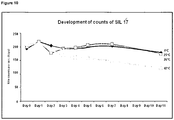
- Figures 9 and 10 illustrate the stability of the Siosomes ® derived from SIL 17 for each temperature.
- the curves below show the minor differences between the changes of the Siosomes ® particle size diameter versus the temperature and stability period of the Siosomes ® prepared from SIL 17. It is important to notice, that the diameter range is more depending on the used Silane than on the method used for the Siosomes ® preparation. The best generated results based on the quality and quantity of the prepared Siosomes ® have been found in the diameter range of 250-350 nm. The aqueous solutions of these suspensions are stable for several days.
- the count rate is measured in Kcps (Kilo counts per second), and enables the samples quality and concentration to be checked.
- Figure 11 illustrates the stability of the Siosomes ® derived from SIL 2 for each temperature.
- the curves show the minor differences between the changes of the Siosomes ® particle size diameter versus the temperature and stability period of the Siosomes ® prepared from SIL 2. At the temperature of 42°C the diameter is growing after 4 days.
- the sugar Silane Didodecylsilyl-di(2,3,4,6-O-tetra-acetyl-beta-D-glucopyranosid) (SIL17) has been used for the encapsulation of the chemostatic anticancer drug Cis-Oxoplatin (platinum IV) in Siosomes®.
- Cis-Oxoplatin-Siosomes®-Complex has been prepared according to the procedures of this invention and used for the performance of different in vitro and in vivo animal studies.
- the Siosomes® lypholised powders following their reconstitution e.g. with sterile water for injections have shown very long stability at different temperatures. This will have advantageous for the clinical use of the Siosomes® formulations, and the reduction of the treatment costs due to stability of the Drug-Siosomes® emulsions (multiple use during several days).
- IPSS E011 A Clinical Study in Rats on the Pharmacokinetics and Bioaccumulation of Platinum Complexes following the Repeated Dose over 7 Consecutive Days of Formulations (PT-11, PT-12 and PT-13), with 7 Days Non-Treatment Period
- Rat Number Concentration of Total Platinum in Blood 13 1814,30 14 1131,40 15 1522,90 16 1244,30 17 1864,30 18 1554,30 Average 1521,92 Standard Deviation ⁇ 294,39 Coefficient of Variation % 19 Total Platinum Concentration in Blood - Standard Cis-Oxoplatin: Intravenous Rat Number Concentration of Total Platinum in Blood (ng/ml) 19 625,70 20 711,40 21 748,60 22 740,00 23 411,40 24 572,90 Average 635,00 Standard Deviation ⁇ 129,39 Coefficient of Variation % 20 Total Platinum Concentration in Blood - Cis-Oxoplatin-Siosomes-Complex: Intravenous
- Example 28 Intracellular Distribution of Cis-Oxoplatin within the Rat Liver Using Cis-Oxoplatin Encapsulated in Siosomes® ( Figures 17, 18)
- the Platinum-Siosomes®-Complex formulations were supplied in vials containing 10 mg each. Before administration, the contents of each vial was dissolved using 2 ml of sterile distilled water.
- each rat was administered with 1.5 mg investigative formulation, therefore each rat was administered 300 ⁇ l.
- Tissue fractionation was performed by differential centrifugation yielding 5 fractions:
- Example 29 Preparation of a combination of clearly defined free unencapsulated Cis-Oxoplatin as anti-cancer drug with clearly defined Cis-Oxoplatin encapsulated in Siosomes® ( Figure 19)
- a batch of 50% of free Cis-Oxoplatin (5mg)and 50% of encapsulated Cis-Oxoplatin (5mg) in Siosomes® have been prepared and investigated in animal study with Rats.
- the combination has been administered intravenously versus 10mg of free un-encapsulated Cis-Oxoplatin.
- the total platinum concentration in blood has been determined using Atom Absorption Spectroscopy (AAS).
Landscapes
- Health & Medical Sciences (AREA)
- Chemical & Material Sciences (AREA)
- Life Sciences & Earth Sciences (AREA)
- Veterinary Medicine (AREA)
- Epidemiology (AREA)
- Public Health (AREA)
- General Health & Medical Sciences (AREA)
- Animal Behavior & Ethology (AREA)
- Medicinal Chemistry (AREA)
- Pharmacology & Pharmacy (AREA)
- Molecular Biology (AREA)
- Dispersion Chemistry (AREA)
- Biophysics (AREA)
- Engineering & Computer Science (AREA)
- Oil, Petroleum & Natural Gas (AREA)
- General Chemical & Material Sciences (AREA)
- Chemical Kinetics & Catalysis (AREA)
- Bioinformatics & Cheminformatics (AREA)
- Dermatology (AREA)
- Medicinal Preparation (AREA)
- Pharmaceuticals Containing Other Organic And Inorganic Compounds (AREA)
Claims (13)
- Système de support et de ciblage pour l'administration et la libération intracellulaire d'une substance active piégée dans un siosome et/ou un siosome-liposome, comprenant une composition, dans lequel ladite composition comprend :- un organosilicium, un organosilicium-sucre, un organosilicium-amino-sucre, un organosilicium d'alkyle, d'alcoxy ou d'acyloxy, un organosilicium peptidique, un organosilicium nucléotidique et/ou un organosilicium d'acide(s) aminé(s),- une substance active, et- des lipides,moyennant quoi
les composés d'organosilicium, d'organosilicium-sucre ou d'organosilicium-amino-sucre sont caractérisés par la formule générale (I) :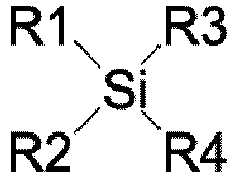 R1, R2 = Monosaccharide, disaccharide, oligosaccharide, nucléotide, alkyle ou aryle, hétérocycles aromatiques ou aliphatiques, etR3, R4 = Polynucléotide, peptide, chaînes aliphatiques, protéines, ARNsi, ARN, ADN, ligand, vecteur, acide gras, groupe acyle,caractérisé en ce qu'un
ou plusieurs lipides cationiques sont liés de façon covalente au silicium et/ou aux groupes chimiques et/ou aux résidus de R1, R2, R3 et R4 des composés selon la formule générale (I). - Système de support et de ciblage selon la revendication précédente, comprenant un silane-sucre cationique, caractérisé en ce qu'un ou plusieurs lipides cationiques sont liés de façon covalente au silicium et/ou aux groupes chimiques et/ou aux résidus de R1, R2, R3 et R4 de la formule générale (I), moyennant quoiR1 = Monosaccharide, disaccharide, amino-saccharide, oligosaccharide ;R2 = Monosaccharide, disaccharide, oligosaccharide, acide aminé, peptide, nucléoside, nucléotides, alkyl, résidus aryle, hétérocycles aromatiques ou aliphatiques ;R3, R4 = lipide cationique et/ou lipide acide aminé cationique, ouR3, R4 =ou un résidu peptidique de formule :

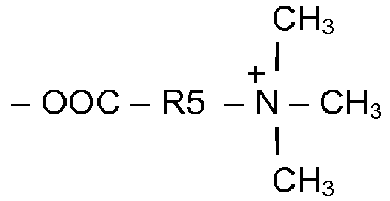

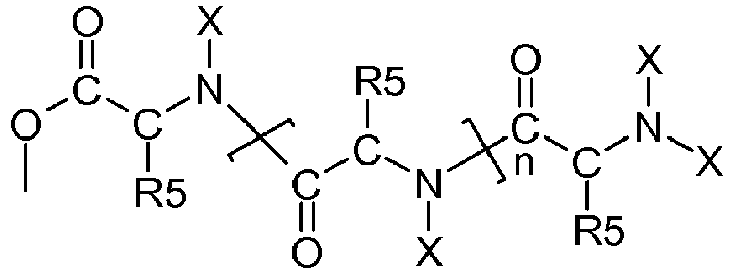
R représente un résidu alkyle, alcényle ou alcinyle, ramifié ou non, avec 5 à 29 atomes de carbone qui peuvent être substitués avec 1 à 3 atomes d'halogène, des résidus alcoxy avec 1 à 18 atomes de carbone ou des groupes amino,
les résidus R5, qui peuvent être les mêmes ou différents, représentent le résidu restant après élimination du groupe
les résidus X, qui peuvent être les mêmes ou différents, représentent un atome d'hydrogène ou un groupe protecteur d'amino qui survient généralement dans la chimie peptidique, et
n représente un entier de 1 à 12, ou dans lequel
R3 et R4, qui peuvent être les mêmes ou différents, représentent chacun un groupe aryle, tel qu'un groupe phényle, ou le résidu restant après élimination d'un atome d'hydrogène d'un monosaccharide, d'un disaccharide, d'un amino-sucre ou d'un acide carboné hydroxylé, ou des résidus alcoxy avec 1 à 5 atomes de carbone, ou des résidus acyle d'un acide aminé avec un groupe amino libre ou protégé, ou un résidu dipeptide, tripeptide ou tétrapeptide d'un acide aminé avec des groupes amino libres ou protégés, ou ils ont la signification de R1 et R2. - Système de support et de ciblage selon l'une quelconque des revendications précédentes, caractérisé en ce que la substance active encapsulée et/ou piégée est un agent anticancéreux, tel que la doxorubicine, le cis-platine, le carbo-platine et/ou l'oxali-platine, et/ou un matériel génétique, de préférence un acide nucléique tel que l'ADN, l'ARN, l'ARNsi et/ou un agent antiviral et/ou antibactérien.
- Système de support et de ciblage selon l'une quelconque des revendications précédentes, caractérisé en ce que le polyéthylène glycol est lié de façon covalente au silicium et/ou à un ou plusieurs des groupes R1, R2, R3 et R4 de formule générale (I), de préférence au moyen d'un liant espaceur clivable.
- Système de support et de ciblage selon l'une quelconque des revendications précédentes, caractérisé en ce que la composition comprend un cryoprotecteur, de préférence un disaccharide choisi dans le groupe constitué de saccharose, de maltose, de tréhalose et/ou de lactose, mieux encore un disaccharide ayant une concentration de 1 à 40 %.
- Système de support et de ciblage selon l'une quelconque des revendications précédentes, comprenant en sus des liposomes, des lipides non-saturés, un lipide formant vésicule, un polymère hydrophile, des glycolipides tels que les cérébiosides et les gangliosides et/ou des liposomes, dans lequel les lipides formant vésicule démontrent préférablement deux chaînes hydrocarbonées, de préférence d'une longueur entre 8 à 26 atomes de carbone, généralement des chaînes acyle, et un groupe à tête polaire, et mieux encore les phospholipides des liposomes sont choisis dans le groupe constitué de la phosphatidylcholine (PC), de la phosphatidyléthanolamine (PE), de l'acide phosphatidique(PA), du phosphatidyl-inositol (PI) et de la sphingomyéline (SM).
- Méthode de préparation du système de support et de ciblage selon l'une quelconque des revendications précédentes, caractérisée para) le mélange d'un ou de plusieurs organosilicium, organosilicium-sucre, organosilicium-amino-sucre, organosilicium d'alkyle, d'alcoxy ou d'acyloxy, organosilicium peptidique et/ou organosilicium d'acide(s) aminé(s), lipides, sels et/ou les vésicules formées à partir de ceux-ci, avec un ou plusieurs polymères, tels que PEG, un ou plusieurs sels, tels que Zn2+, Ca2+, Mg2+, Na+, des tampons, avec un ou plusieurs substances actives, telles que la doxorubicine, le cis-oxoplatine, l'oxali-platine, les acides nucléiques, tels que l'ADN, l'ARN, l'ARNsi, des nucléosides à un pH, une concentration de sel et une température choisis, de préférence dans une solution tampon qui contient du TRIS, de l'HEPES ; du MOPS, du MES et/ou d'autres tampons biologiques couramment utilisés,
caractérisée en ce
qu'un ou plusieurs lipides cationiques sont liés de façon covalente au silicium et/ou aux groupes chimiques et/ou aux résidus de R1, R2, R3 et R4 des composés selon la formule générale (I) ;b) l'homogénéisation, la sonication et/ou l'extrusion du mélange, suivi parc) la séparation de la substance active libre,d) la filtration stérile du mélange,e) la lyophilisation,f) la reconstitution pour former un concentré de complexe de siosome et/ou siosome-liposome combiné. - Méthode selon la revendication 7, caractérisée en ce que la substance active, de préférence les acides nucléiques, l'ADN, l'ARN et/ou l'ARNsi, est chargée de cations avant la préparation des systèmes de support de siosome.
- Méthode selon les revendications 7 ou 8, caractérisée en ce que les silanes cationiques et/ou les siosomes sont chargés de sels anioniques.
- Système de support et de ciblage selon l'une quelconque des revendications 1 à 6, pour une utilisation comme un médicament, adjuvant ou comme une prophylaxie pour des maladies.
- Système de support et de ciblage selon l'une quelconque des revendications 1 à 6, pour une utilisation comme un médicament dans le traitement du cancer.
- Utilisation du système de support et de ciblage selon l'une quelconque des revendications 1 à 6 dans des cosmétiques.
- Agent pharmaceutique comprenant le système de support et de ciblage selon l'une quelconque des revendications 1 à 6, et un support pharmaceutiquement acceptable et/ou un sel pharmaceutiquement acceptable.
Priority Applications (1)
| Application Number | Priority Date | Filing Date | Title |
|---|---|---|---|
| EP11719768.1A EP2563337B1 (fr) | 2010-04-27 | 2011-04-21 | Formulation siosomal pour l'administration intracellulaire et le ciblage des agents thérapeutiques |
Applications Claiming Priority (4)
| Application Number | Priority Date | Filing Date | Title |
|---|---|---|---|
| US32840310P | 2010-04-27 | 2010-04-27 | |
| EP10075170A EP2384743A1 (fr) | 2010-04-27 | 2010-04-27 | Formulation siosomal pour l'administration intracellulaire et le ciblage des agents thérapeutiques |
| EP11719768.1A EP2563337B1 (fr) | 2010-04-27 | 2011-04-21 | Formulation siosomal pour l'administration intracellulaire et le ciblage des agents thérapeutiques |
| PCT/EP2011/002166 WO2011134675A1 (fr) | 2010-04-27 | 2011-04-21 | Système porteur et de ciblage comprenant une composition siosomale pour la délivrance intracellulaire et ciblage d'une substance active |
Publications (2)
| Publication Number | Publication Date |
|---|---|
| EP2563337A1 EP2563337A1 (fr) | 2013-03-06 |
| EP2563337B1 true EP2563337B1 (fr) | 2017-07-26 |
Family
ID=44201947
Family Applications (2)
| Application Number | Title | Priority Date | Filing Date |
|---|---|---|---|
| EP10075170A Withdrawn EP2384743A1 (fr) | 2010-04-27 | 2010-04-27 | Formulation siosomal pour l'administration intracellulaire et le ciblage des agents thérapeutiques |
| EP11719768.1A Active EP2563337B1 (fr) | 2010-04-27 | 2011-04-21 | Formulation siosomal pour l'administration intracellulaire et le ciblage des agents thérapeutiques |
Family Applications Before (1)
| Application Number | Title | Priority Date | Filing Date |
|---|---|---|---|
| EP10075170A Withdrawn EP2384743A1 (fr) | 2010-04-27 | 2010-04-27 | Formulation siosomal pour l'administration intracellulaire et le ciblage des agents thérapeutiques |
Country Status (2)
| Country | Link |
|---|---|
| EP (2) | EP2384743A1 (fr) |
| WO (1) | WO2011134675A1 (fr) |
Families Citing this family (9)
| Publication number | Priority date | Publication date | Assignee | Title |
|---|---|---|---|---|
| CN107530283A (zh) | 2015-03-03 | 2018-01-02 | 奎尔波特股份有限公司 | 组合脂质体药物制剂 |
| CA2977397A1 (fr) | 2015-03-03 | 2016-09-09 | Cureport, Inc. | Formulations pharmaceutiques liposomales a double charge |
| PH12022550368A1 (en) * | 2019-08-16 | 2023-02-13 | Applied Molecular Transport Inc | Compositions and particles for payload delivery |
| US12466850B2 (en) * | 2019-08-30 | 2025-11-11 | Nissan Chemical Corporation | Method for producing peptide compound |
| CN113368053B (zh) * | 2021-06-04 | 2023-08-01 | 苏州大学 | 一种装载溶瘤肽的聚合物囊泡及其与囊泡免疫佐剂、pd-1单抗的联合用药 |
| US20260008793A1 (en) | 2022-07-28 | 2026-01-08 | Aldexchem Kft. | Ionizable cationic lipids incorporating silicon |
| CN116370437A (zh) * | 2023-05-26 | 2023-07-04 | 北京因诺惟康医药科技有限公司 | 包含胆固醇琥珀酸单酯的核酸脂质纳米颗粒组合物及其用途 |
| EP4646422A1 (fr) | 2023-09-08 | 2025-11-12 | AldexChem Kft. | Lipides cationiques ionisables comprenant du silicium : synthèse et formulation de npl |
| EP4520765A1 (fr) | 2023-09-08 | 2025-03-12 | AldexChem Kft. | Lipides cationiques ionisables incorporant du silicium |
Citations (2)
| Publication number | Priority date | Publication date | Assignee | Title |
|---|---|---|---|---|
| WO2007121947A1 (fr) * | 2006-04-20 | 2007-11-01 | Silence Therapeutics Ag. | Préparations de lipoplex pour administration spécifique sur l'endothélium vasculaire |
| WO2008078102A2 (fr) * | 2006-12-22 | 2008-07-03 | Imuthes Limited | Lipide |
Family Cites Families (3)
| Publication number | Priority date | Publication date | Assignee | Title |
|---|---|---|---|---|
| DD297249A5 (de) * | 1990-08-07 | 1992-01-02 | Veb Mineralwollewerk Flechtingen Bereich F/E Mineralwolle,De | Verfahren zur automatischen ueberwachung des aushaertegrades an materialbahnen |
| DE102005053011A1 (de) * | 2005-11-03 | 2007-05-10 | Salama, Zoser B., Dr.Rer.Nat. | Tetraorganosilicium-Verbindungen, ihre Verwendung, ihre Verwendung zur Herstellung von Vesikeln, aus ihnen hergestellte Vesikel (Siosomen) und deren Verwendung als Wirkstoffe, Träger von Wirkstoffen und Verfahren zur Herstellung von Vesikeln |
| BRPI0917644A2 (pt) * | 2008-08-15 | 2015-11-17 | Zoser B Salama | sistema transportador para agentes biológicos contendo compostos de organo-silício e usos do mesmo. |
-
2010
- 2010-04-27 EP EP10075170A patent/EP2384743A1/fr not_active Withdrawn
-
2011
- 2011-04-21 WO PCT/EP2011/002166 patent/WO2011134675A1/fr not_active Ceased
- 2011-04-21 EP EP11719768.1A patent/EP2563337B1/fr active Active
Patent Citations (2)
| Publication number | Priority date | Publication date | Assignee | Title |
|---|---|---|---|---|
| WO2007121947A1 (fr) * | 2006-04-20 | 2007-11-01 | Silence Therapeutics Ag. | Préparations de lipoplex pour administration spécifique sur l'endothélium vasculaire |
| WO2008078102A2 (fr) * | 2006-12-22 | 2008-07-03 | Imuthes Limited | Lipide |
Also Published As
| Publication number | Publication date |
|---|---|
| WO2011134675A1 (fr) | 2011-11-03 |
| EP2384743A1 (fr) | 2011-11-09 |
| EP2563337A1 (fr) | 2013-03-06 |
Similar Documents
| Publication | Publication Date | Title |
|---|---|---|
| EP2563337B1 (fr) | Formulation siosomal pour l'administration intracellulaire et le ciblage des agents thérapeutiques | |
| US11911507B2 (en) | Liposomes comprising polymer-conjugated lipids and related uses | |
| Allahou et al. | Investigating the application of liposomes as drug delivery systems for the diagnosis and treatment of cancer | |
| Li et al. | Low dose shikonin and anthracyclines coloaded liposomes induce robust immunogenetic cell death for synergistic chemo-immunotherapy | |
| JP6932389B2 (ja) | 標的化コンジュゲートならびにその粒子及び製剤 | |
| CN110522918B (zh) | 靶向元件及其制备方法和运用 | |
| Ding et al. | Sialic acid conjugate-modified liposomes enable tumor homing of epirubicin via neutrophil/monocyte infiltration for tumor therapy | |
| Yang et al. | Glycyrrhetinic acid-conjugated polymeric prodrug micelles co-delivered with doxorubicin as combination therapy treatment for liver cancer | |
| McNeeley et al. | Masking and triggered unmasking of targeting ligands on nanocarriers to improve drug delivery to brain tumors | |
| Li et al. | Targeted delivery of doxorubicin using stealth liposomes modified with transferrin | |
| Wang et al. | Tumor penetrability and anti-angiogenesis using iRGD-mediated delivery of doxorubicin-polymer conjugates | |
| JP2006513984A (ja) | 医薬的に活性な、脂質をベースにしたsn38製剤 | |
| CN110755382B (zh) | 一种靶向性核酸药物及其制备方法和用途 | |
| Sui et al. | Sequential administration of sialic acid-modified liposomes as carriers for epirubicin and zoledronate elicit stronger antitumor effects with reduced toxicity | |
| WO2018172942A1 (fr) | Nanoparticules de quercétine | |
| CN103585639A (zh) | 一种乳铁蛋白修饰固体脂质纳米粒及其制备方法和应用 | |
| KR100847626B1 (ko) | 수난용성 캄프토테신 함유 리포솜 제제 | |
| Zhou et al. | Effects of linkers on the development of liposomal docetaxel-glutathione prepared by active click loading | |
| US11260068B2 (en) | Long-circulating liposome modified with c(RGD-ACP-K) | |
| WO2022242762A1 (fr) | Application d'une composition pharmaceutique ayant un rapport médicament-lipide spécifique en anti-tumoral | |
| Asrorov | Hyalurosomes: a newer approach for drug delivery | |
| Wei et al. | Targeting of TAMs with freeze-dried monosialotetrahexosylganglioside and sialic acid-octadecylamine co-modified liposomes remodels the tumor microenvironment and enhances anti-tumor activity | |
| US20240366521A1 (en) | Nanoparticles and methods of use | |
| CN102008438A (zh) | 顺铂抗肺癌主动靶向隐形类脂质体及其制备方法 | |
| Jiang | Nanoscale Coordination Polymers Deliver Chemotherapeutics and Innate Immune Modulators for Cancer Therapy |
Legal Events
| Date | Code | Title | Description |
|---|---|---|---|
| PUAI | Public reference made under article 153(3) epc to a published international application that has entered the european phase |
Free format text: ORIGINAL CODE: 0009012 |
|
| 17P | Request for examination filed |
Effective date: 20121127 |
|
| AK | Designated contracting states |
Kind code of ref document: A1 Designated state(s): AL AT BE BG CH CY CZ DE DK EE ES FI FR GB GR HR HU IE IS IT LI LT LU LV MC MK MT NL NO PL PT RO RS SE SI SK SM TR |
|
| DAX | Request for extension of the european patent (deleted) | ||
| 17Q | First examination report despatched |
Effective date: 20160202 |
|
| GRAP | Despatch of communication of intention to grant a patent |
Free format text: ORIGINAL CODE: EPIDOSNIGR1 |
|
| STAA | Information on the status of an ep patent application or granted ep patent |
Free format text: STATUS: GRANT OF PATENT IS INTENDED |
|
| INTG | Intention to grant announced |
Effective date: 20170324 |
|
| GRAS | Grant fee paid |
Free format text: ORIGINAL CODE: EPIDOSNIGR3 |
|
| GRAA | (expected) grant |
Free format text: ORIGINAL CODE: 0009210 |
|
| STAA | Information on the status of an ep patent application or granted ep patent |
Free format text: STATUS: THE PATENT HAS BEEN GRANTED |
|
| AK | Designated contracting states |
Kind code of ref document: B1 Designated state(s): AL AT BE BG CH CY CZ DE DK EE ES FI FR GB GR HR HU IE IS IT LI LT LU LV MC MK MT NL NO PL PT RO RS SE SI SK SM TR |
|
| REG | Reference to a national code |
Ref country code: GB Ref legal event code: FG4D |
|
| REG | Reference to a national code |
Ref country code: CH Ref legal event code: EP |
|
| REG | Reference to a national code |
Ref country code: AT Ref legal event code: REF Ref document number: 911805 Country of ref document: AT Kind code of ref document: T Effective date: 20170815 |
|
| REG | Reference to a national code |
Ref country code: IE Ref legal event code: FG4D |
|
| REG | Reference to a national code |
Ref country code: DE Ref legal event code: R096 Ref document number: 602011039920 Country of ref document: DE |
|
| REG | Reference to a national code |
Ref country code: CH Ref legal event code: NV Representative=s name: STOLMAR AND PARTNER INTELLECTUAL PROPERTY S.A., CH |
|
| REG | Reference to a national code |
Ref country code: NL Ref legal event code: MP Effective date: 20170726 |
|
| REG | Reference to a national code |
Ref country code: LT Ref legal event code: MG4D |
|
| REG | Reference to a national code |
Ref country code: AT Ref legal event code: MK05 Ref document number: 911805 Country of ref document: AT Kind code of ref document: T Effective date: 20170726 |
|
| PG25 | Lapsed in a contracting state [announced via postgrant information from national office to epo] |
Ref country code: AT Free format text: LAPSE BECAUSE OF FAILURE TO SUBMIT A TRANSLATION OF THE DESCRIPTION OR TO PAY THE FEE WITHIN THE PRESCRIBED TIME-LIMIT Effective date: 20170726 Ref country code: LT Free format text: LAPSE BECAUSE OF FAILURE TO SUBMIT A TRANSLATION OF THE DESCRIPTION OR TO PAY THE FEE WITHIN THE PRESCRIBED TIME-LIMIT Effective date: 20170726 Ref country code: FI Free format text: LAPSE BECAUSE OF FAILURE TO SUBMIT A TRANSLATION OF THE DESCRIPTION OR TO PAY THE FEE WITHIN THE PRESCRIBED TIME-LIMIT Effective date: 20170726 Ref country code: HR Free format text: LAPSE BECAUSE OF FAILURE TO SUBMIT A TRANSLATION OF THE DESCRIPTION OR TO PAY THE FEE WITHIN THE PRESCRIBED TIME-LIMIT Effective date: 20170726 Ref country code: SE Free format text: LAPSE BECAUSE OF FAILURE TO SUBMIT A TRANSLATION OF THE DESCRIPTION OR TO PAY THE FEE WITHIN THE PRESCRIBED TIME-LIMIT Effective date: 20170726 Ref country code: NL Free format text: LAPSE BECAUSE OF FAILURE TO SUBMIT A TRANSLATION OF THE DESCRIPTION OR TO PAY THE FEE WITHIN THE PRESCRIBED TIME-LIMIT Effective date: 20170726 Ref country code: NO Free format text: LAPSE BECAUSE OF FAILURE TO SUBMIT A TRANSLATION OF THE DESCRIPTION OR TO PAY THE FEE WITHIN THE PRESCRIBED TIME-LIMIT Effective date: 20171026 |
|
| PG25 | Lapsed in a contracting state [announced via postgrant information from national office to epo] |
Ref country code: BG Free format text: LAPSE BECAUSE OF FAILURE TO SUBMIT A TRANSLATION OF THE DESCRIPTION OR TO PAY THE FEE WITHIN THE PRESCRIBED TIME-LIMIT Effective date: 20171026 Ref country code: GR Free format text: LAPSE BECAUSE OF FAILURE TO SUBMIT A TRANSLATION OF THE DESCRIPTION OR TO PAY THE FEE WITHIN THE PRESCRIBED TIME-LIMIT Effective date: 20171027 Ref country code: LV Free format text: LAPSE BECAUSE OF FAILURE TO SUBMIT A TRANSLATION OF THE DESCRIPTION OR TO PAY THE FEE WITHIN THE PRESCRIBED TIME-LIMIT Effective date: 20170726 Ref country code: RS Free format text: LAPSE BECAUSE OF FAILURE TO SUBMIT A TRANSLATION OF THE DESCRIPTION OR TO PAY THE FEE WITHIN THE PRESCRIBED TIME-LIMIT Effective date: 20170726 Ref country code: ES Free format text: LAPSE BECAUSE OF FAILURE TO SUBMIT A TRANSLATION OF THE DESCRIPTION OR TO PAY THE FEE WITHIN THE PRESCRIBED TIME-LIMIT Effective date: 20170726 Ref country code: PL Free format text: LAPSE BECAUSE OF FAILURE TO SUBMIT A TRANSLATION OF THE DESCRIPTION OR TO PAY THE FEE WITHIN THE PRESCRIBED TIME-LIMIT Effective date: 20170726 Ref country code: IS Free format text: LAPSE BECAUSE OF FAILURE TO SUBMIT A TRANSLATION OF THE DESCRIPTION OR TO PAY THE FEE WITHIN THE PRESCRIBED TIME-LIMIT Effective date: 20171126 |
|
| PG25 | Lapsed in a contracting state [announced via postgrant information from national office to epo] |
Ref country code: RO Free format text: LAPSE BECAUSE OF FAILURE TO SUBMIT A TRANSLATION OF THE DESCRIPTION OR TO PAY THE FEE WITHIN THE PRESCRIBED TIME-LIMIT Effective date: 20170726 Ref country code: CZ Free format text: LAPSE BECAUSE OF FAILURE TO SUBMIT A TRANSLATION OF THE DESCRIPTION OR TO PAY THE FEE WITHIN THE PRESCRIBED TIME-LIMIT Effective date: 20170726 Ref country code: DK Free format text: LAPSE BECAUSE OF FAILURE TO SUBMIT A TRANSLATION OF THE DESCRIPTION OR TO PAY THE FEE WITHIN THE PRESCRIBED TIME-LIMIT Effective date: 20170726 |
|
| REG | Reference to a national code |
Ref country code: DE Ref legal event code: R097 Ref document number: 602011039920 Country of ref document: DE |
|
| PG25 | Lapsed in a contracting state [announced via postgrant information from national office to epo] |
Ref country code: EE Free format text: LAPSE BECAUSE OF FAILURE TO SUBMIT A TRANSLATION OF THE DESCRIPTION OR TO PAY THE FEE WITHIN THE PRESCRIBED TIME-LIMIT Effective date: 20170726 Ref country code: SK Free format text: LAPSE BECAUSE OF FAILURE TO SUBMIT A TRANSLATION OF THE DESCRIPTION OR TO PAY THE FEE WITHIN THE PRESCRIBED TIME-LIMIT Effective date: 20170726 Ref country code: IT Free format text: LAPSE BECAUSE OF FAILURE TO SUBMIT A TRANSLATION OF THE DESCRIPTION OR TO PAY THE FEE WITHIN THE PRESCRIBED TIME-LIMIT Effective date: 20170726 Ref country code: SM Free format text: LAPSE BECAUSE OF FAILURE TO SUBMIT A TRANSLATION OF THE DESCRIPTION OR TO PAY THE FEE WITHIN THE PRESCRIBED TIME-LIMIT Effective date: 20170726 |
|
| PLBE | No opposition filed within time limit |
Free format text: ORIGINAL CODE: 0009261 |
|
| STAA | Information on the status of an ep patent application or granted ep patent |
Free format text: STATUS: NO OPPOSITION FILED WITHIN TIME LIMIT |
|
| 26N | No opposition filed |
Effective date: 20180430 |
|
| PG25 | Lapsed in a contracting state [announced via postgrant information from national office to epo] |
Ref country code: SI Free format text: LAPSE BECAUSE OF FAILURE TO SUBMIT A TRANSLATION OF THE DESCRIPTION OR TO PAY THE FEE WITHIN THE PRESCRIBED TIME-LIMIT Effective date: 20170726 |
|
| PGFP | Annual fee paid to national office [announced via postgrant information from national office to epo] |
Ref country code: IE Payment date: 20180714 Year of fee payment: 8 |
|
| PG25 | Lapsed in a contracting state [announced via postgrant information from national office to epo] |
Ref country code: MC Free format text: LAPSE BECAUSE OF FAILURE TO SUBMIT A TRANSLATION OF THE DESCRIPTION OR TO PAY THE FEE WITHIN THE PRESCRIBED TIME-LIMIT Effective date: 20170726 |
|
| REG | Reference to a national code |
Ref country code: BE Ref legal event code: MM Effective date: 20180430 |
|
| GBPC | Gb: european patent ceased through non-payment of renewal fee |
Effective date: 20180421 |
|
| PG25 | Lapsed in a contracting state [announced via postgrant information from national office to epo] |
Ref country code: LU Free format text: LAPSE BECAUSE OF NON-PAYMENT OF DUE FEES Effective date: 20180421 |
|
| PG25 | Lapsed in a contracting state [announced via postgrant information from national office to epo] |
Ref country code: GB Free format text: LAPSE BECAUSE OF NON-PAYMENT OF DUE FEES Effective date: 20180421 Ref country code: BE Free format text: LAPSE BECAUSE OF NON-PAYMENT OF DUE FEES Effective date: 20180430 |
|
| PG25 | Lapsed in a contracting state [announced via postgrant information from national office to epo] |
Ref country code: FR Free format text: LAPSE BECAUSE OF NON-PAYMENT OF DUE FEES Effective date: 20180430 |
|
| PG25 | Lapsed in a contracting state [announced via postgrant information from national office to epo] |
Ref country code: MT Free format text: LAPSE BECAUSE OF NON-PAYMENT OF DUE FEES Effective date: 20180421 |
|
| PG25 | Lapsed in a contracting state [announced via postgrant information from national office to epo] |
Ref country code: TR Free format text: LAPSE BECAUSE OF FAILURE TO SUBMIT A TRANSLATION OF THE DESCRIPTION OR TO PAY THE FEE WITHIN THE PRESCRIBED TIME-LIMIT Effective date: 20170726 |
|
| PG25 | Lapsed in a contracting state [announced via postgrant information from national office to epo] |
Ref country code: IE Free format text: LAPSE BECAUSE OF NON-PAYMENT OF DUE FEES Effective date: 20190421 |
|
| PG25 | Lapsed in a contracting state [announced via postgrant information from national office to epo] |
Ref country code: HU Free format text: LAPSE BECAUSE OF FAILURE TO SUBMIT A TRANSLATION OF THE DESCRIPTION OR TO PAY THE FEE WITHIN THE PRESCRIBED TIME-LIMIT; INVALID AB INITIO Effective date: 20110421 Ref country code: PT Free format text: LAPSE BECAUSE OF FAILURE TO SUBMIT A TRANSLATION OF THE DESCRIPTION OR TO PAY THE FEE WITHIN THE PRESCRIBED TIME-LIMIT Effective date: 20170726 |
|
| PG25 | Lapsed in a contracting state [announced via postgrant information from national office to epo] |
Ref country code: MK Free format text: LAPSE BECAUSE OF NON-PAYMENT OF DUE FEES Effective date: 20170726 Ref country code: CY Free format text: LAPSE BECAUSE OF FAILURE TO SUBMIT A TRANSLATION OF THE DESCRIPTION OR TO PAY THE FEE WITHIN THE PRESCRIBED TIME-LIMIT Effective date: 20170726 |
|
| PG25 | Lapsed in a contracting state [announced via postgrant information from national office to epo] |
Ref country code: AL Free format text: LAPSE BECAUSE OF FAILURE TO SUBMIT A TRANSLATION OF THE DESCRIPTION OR TO PAY THE FEE WITHIN THE PRESCRIBED TIME-LIMIT Effective date: 20170726 |
|
| PGFP | Annual fee paid to national office [announced via postgrant information from national office to epo] |
Ref country code: DE Payment date: 20250318 Year of fee payment: 15 |
|
| PGFP | Annual fee paid to national office [announced via postgrant information from national office to epo] |
Ref country code: CH Payment date: 20250501 Year of fee payment: 15 |