EP2566485B1 - Immunstimulationszusammensetzungen und verwendungsverfahren dafür - Google Patents
Immunstimulationszusammensetzungen und verwendungsverfahren dafür Download PDFInfo
- Publication number
- EP2566485B1 EP2566485B1 EP11777631.0A EP11777631A EP2566485B1 EP 2566485 B1 EP2566485 B1 EP 2566485B1 EP 11777631 A EP11777631 A EP 11777631A EP 2566485 B1 EP2566485 B1 EP 2566485B1
- Authority
- EP
- European Patent Office
- Prior art keywords
- honey
- type
- composition
- arabinogalactan
- isolate
- Prior art date
- Legal status (The legal status is an assumption and is not a legal conclusion. Google has not performed a legal analysis and makes no representation as to the accuracy of the status listed.)
- Not-in-force
Links
- 239000000203 mixture Substances 0.000 title claims description 83
- 238000000034 method Methods 0.000 title claims description 49
- 230000003308 immunostimulating effect Effects 0.000 title description 18
- 235000012907 honey Nutrition 0.000 claims description 347
- SATHPVQTSSUFFW-UHFFFAOYSA-N 4-[6-[(3,5-dihydroxy-4-methoxyoxan-2-yl)oxymethyl]-3,5-dihydroxy-4-methoxyoxan-2-yl]oxy-2-(hydroxymethyl)-6-methyloxane-3,5-diol Chemical compound OC1C(OC)C(O)COC1OCC1C(O)C(OC)C(O)C(OC2C(C(CO)OC(C)C2O)O)O1 SATHPVQTSSUFFW-UHFFFAOYSA-N 0.000 claims description 215
- 229920000189 Arabinogalactan Polymers 0.000 claims description 206
- 235000019312 arabinogalactan Nutrition 0.000 claims description 206
- 239000001904 Arabinogalactan Substances 0.000 claims description 182
- 230000000694 effects Effects 0.000 claims description 34
- 230000000699 topical effect Effects 0.000 claims description 28
- 206010052428 Wound Diseases 0.000 claims description 23
- 208000027418 Wounds and injury Diseases 0.000 claims description 22
- 230000035876 healing Effects 0.000 claims description 18
- 238000001914 filtration Methods 0.000 claims description 15
- 238000004519 manufacturing process Methods 0.000 claims description 13
- 230000000845 anti-microbial effect Effects 0.000 claims description 11
- 239000012465 retentate Substances 0.000 claims description 8
- 241000196324 Embryophyta Species 0.000 description 31
- 244000062939 Leptospermum ericoides Species 0.000 description 30
- 235000017763 Leptospermum ericoides Nutrition 0.000 description 30
- 108010054251 arabinogalactan proteins Proteins 0.000 description 26
- 210000004027 cell Anatomy 0.000 description 26
- 240000003553 Leptospermum scoparium Species 0.000 description 25
- 235000016887 Leptospermum scoparium Nutrition 0.000 description 25
- AIJULSRZWUXGPQ-UHFFFAOYSA-N Methylglyoxal Chemical compound CC(=O)C=O AIJULSRZWUXGPQ-UHFFFAOYSA-N 0.000 description 24
- 150000001875 compounds Chemical class 0.000 description 24
- 235000000346 sugar Nutrition 0.000 description 24
- 230000000770 proinflammatory effect Effects 0.000 description 18
- 238000012360 testing method Methods 0.000 description 17
- 241000219793 Trifolium Species 0.000 description 16
- 238000004458 analytical method Methods 0.000 description 16
- -1 galactose monosaccharides Chemical class 0.000 description 16
- PYMYPHUHKUWMLA-WDCZJNDASA-N arabinose Chemical compound OC[C@@H](O)[C@@H](O)[C@H](O)C=O PYMYPHUHKUWMLA-WDCZJNDASA-N 0.000 description 15
- PYMYPHUHKUWMLA-UHFFFAOYSA-N arabinose Natural products OCC(O)C(O)C(O)C=O PYMYPHUHKUWMLA-UHFFFAOYSA-N 0.000 description 15
- SRBFZHDQGSBBOR-UHFFFAOYSA-N beta-D-Pyranose-Lyxose Natural products OC1COC(O)C(O)C1O SRBFZHDQGSBBOR-UHFFFAOYSA-N 0.000 description 15
- 229930182830 galactose Natural products 0.000 description 14
- 230000004044 response Effects 0.000 description 14
- 210000000987 immune system Anatomy 0.000 description 13
- 230000000638 stimulation Effects 0.000 description 13
- 230000007112 pro inflammatory response Effects 0.000 description 12
- 230000002757 inflammatory effect Effects 0.000 description 11
- 239000000470 constituent Substances 0.000 description 9
- 102000004127 Cytokines Human genes 0.000 description 8
- 108090000695 Cytokines Proteins 0.000 description 8
- WQZGKKKJIJFFOK-GASJEMHNSA-N Glucose Natural products OC[C@H]1OC(O)[C@H](O)[C@@H](O)[C@@H]1O WQZGKKKJIJFFOK-GASJEMHNSA-N 0.000 description 8
- 206010061218 Inflammation Diseases 0.000 description 8
- WQZGKKKJIJFFOK-PHYPRBDBSA-N alpha-D-galactose Chemical compound OC[C@H]1O[C@H](O)[C@H](O)[C@@H](O)[C@H]1O WQZGKKKJIJFFOK-PHYPRBDBSA-N 0.000 description 8
- 125000003147 glycosyl group Chemical group 0.000 description 8
- 230000004054 inflammatory process Effects 0.000 description 8
- 108060008682 Tumor Necrosis Factor Proteins 0.000 description 7
- 102000000852 Tumor Necrosis Factor-alpha Human genes 0.000 description 7
- 239000008103 glucose Substances 0.000 description 7
- 210000002540 macrophage Anatomy 0.000 description 7
- 239000000523 sample Substances 0.000 description 7
- 230000004936 stimulating effect Effects 0.000 description 7
- 150000008163 sugars Chemical class 0.000 description 7
- 239000012049 topical pharmaceutical composition Substances 0.000 description 7
- 241000282414 Homo sapiens Species 0.000 description 6
- 241000257303 Hymenoptera Species 0.000 description 6
- OKKJLVBELUTLKV-UHFFFAOYSA-N Methanol Chemical compound OC OKKJLVBELUTLKV-UHFFFAOYSA-N 0.000 description 6
- 230000016396 cytokine production Effects 0.000 description 6
- 239000000835 fiber Substances 0.000 description 6
- 238000002156 mixing Methods 0.000 description 6
- 229920001223 polyethylene glycol Polymers 0.000 description 6
- 238000012545 processing Methods 0.000 description 6
- 239000000243 solution Substances 0.000 description 6
- 238000000108 ultra-filtration Methods 0.000 description 6
- 230000029663 wound healing Effects 0.000 description 6
- QTBSBXVTEAMEQO-UHFFFAOYSA-N Acetic acid Chemical compound CC(O)=O QTBSBXVTEAMEQO-UHFFFAOYSA-N 0.000 description 5
- 238000002965 ELISA Methods 0.000 description 5
- 229930091371 Fructose Natural products 0.000 description 5
- 239000005715 Fructose Substances 0.000 description 5
- RFSUNEUAIZKAJO-ARQDHWQXSA-N Fructose Chemical compound OC[C@H]1O[C@](O)(CO)[C@@H](O)[C@@H]1O RFSUNEUAIZKAJO-ARQDHWQXSA-N 0.000 description 5
- 241001514666 Kunzea Species 0.000 description 5
- 241001514662 Leptospermum Species 0.000 description 5
- 239000012979 RPMI medium Substances 0.000 description 5
- 150000001720 carbohydrates Chemical class 0.000 description 5
- 235000014633 carbohydrates Nutrition 0.000 description 5
- 238000009472 formulation Methods 0.000 description 5
- 150000004676 glycans Polymers 0.000 description 5
- 239000000463 material Substances 0.000 description 5
- 229920001282 polysaccharide Polymers 0.000 description 5
- 239000005017 polysaccharide Substances 0.000 description 5
- 238000001542 size-exclusion chromatography Methods 0.000 description 5
- 241001070947 Fagus Species 0.000 description 4
- XLYOFNOQVPJJNP-ZSJDYOACSA-N Heavy water Chemical compound [2H]O[2H] XLYOFNOQVPJJNP-ZSJDYOACSA-N 0.000 description 4
- 241001495480 Knightia Species 0.000 description 4
- 241000895503 Metrosideros Species 0.000 description 4
- 241000219926 Myrtaceae Species 0.000 description 4
- 238000005481 NMR spectroscopy Methods 0.000 description 4
- 241000220281 Weinmannia Species 0.000 description 4
- 230000009471 action Effects 0.000 description 4
- 239000003153 chemical reaction reagent Substances 0.000 description 4
- 239000006071 cream Substances 0.000 description 4
- 238000001514 detection method Methods 0.000 description 4
- 238000005194 fractionation Methods 0.000 description 4
- 210000001616 monocyte Anatomy 0.000 description 4
- 230000007935 neutral effect Effects 0.000 description 4
- 238000001556 precipitation Methods 0.000 description 4
- 230000008569 process Effects 0.000 description 4
- 102000004169 proteins and genes Human genes 0.000 description 4
- 108090000623 proteins and genes Proteins 0.000 description 4
- 241000894007 species Species 0.000 description 4
- MZOFCQQQCNRIBI-VMXHOPILSA-N (3s)-4-[[(2s)-1-[[(2s)-1-[[(1s)-1-carboxy-2-hydroxyethyl]amino]-4-methyl-1-oxopentan-2-yl]amino]-5-(diaminomethylideneamino)-1-oxopentan-2-yl]amino]-3-[[2-[[(2s)-2,6-diaminohexanoyl]amino]acetyl]amino]-4-oxobutanoic acid Chemical compound OC[C@@H](C(O)=O)NC(=O)[C@H](CC(C)C)NC(=O)[C@H](CCCN=C(N)N)NC(=O)[C@H](CC(O)=O)NC(=O)CNC(=O)[C@@H](N)CCCCN MZOFCQQQCNRIBI-VMXHOPILSA-N 0.000 description 3
- WFDIJRYMOXRFFG-UHFFFAOYSA-N Acetic anhydride Chemical compound CC(=O)OC(C)=O WFDIJRYMOXRFFG-UHFFFAOYSA-N 0.000 description 3
- KLWPJMFMVPTNCC-UHFFFAOYSA-N Camptothecin Natural products CCC1(O)C(=O)OCC2=C1C=C3C4Nc5ccccc5C=C4CN3C2=O KLWPJMFMVPTNCC-UHFFFAOYSA-N 0.000 description 3
- IAZDPXIOMUYVGZ-UHFFFAOYSA-N Dimethylsulphoxide Chemical compound CS(C)=O IAZDPXIOMUYVGZ-UHFFFAOYSA-N 0.000 description 3
- 229920001218 Pullulan Polymers 0.000 description 3
- 239000004373 Pullulan Substances 0.000 description 3
- HEMHJVSKTPXQMS-UHFFFAOYSA-M Sodium hydroxide Chemical compound [OH-].[Na+] HEMHJVSKTPXQMS-UHFFFAOYSA-M 0.000 description 3
- 239000004599 antimicrobial Substances 0.000 description 3
- 238000009395 breeding Methods 0.000 description 3
- 230000001488 breeding effect Effects 0.000 description 3
- VSJKWCGYPAHWDS-FQEVSTJZSA-N camptothecin Chemical compound C1=CC=C2C=C(CN3C4=CC5=C(C3=O)COC(=O)[C@]5(O)CC)C4=NC2=C1 VSJKWCGYPAHWDS-FQEVSTJZSA-N 0.000 description 3
- 229940127093 camptothecin Drugs 0.000 description 3
- 238000006243 chemical reaction Methods 0.000 description 3
- 230000001684 chronic effect Effects 0.000 description 3
- 238000010790 dilution Methods 0.000 description 3
- 239000012895 dilution Substances 0.000 description 3
- VSJKWCGYPAHWDS-UHFFFAOYSA-N dl-camptothecin Natural products C1=CC=C2C=C(CN3C4=CC5=C(C3=O)COC(=O)C5(O)CC)C4=NC2=C1 VSJKWCGYPAHWDS-UHFFFAOYSA-N 0.000 description 3
- 231100000673 dose–response relationship Toxicity 0.000 description 3
- 238000002290 gas chromatography-mass spectrometry Methods 0.000 description 3
- 230000028709 inflammatory response Effects 0.000 description 3
- 230000000813 microbial effect Effects 0.000 description 3
- 150000002772 monosaccharides Chemical class 0.000 description 3
- 239000013642 negative control Substances 0.000 description 3
- 239000002674 ointment Substances 0.000 description 3
- 150000002978 peroxides Chemical class 0.000 description 3
- 235000019423 pullulan Nutrition 0.000 description 3
- 230000002829 reductive effect Effects 0.000 description 3
- 238000001223 reverse osmosis Methods 0.000 description 3
- 230000037307 sensitive skin Effects 0.000 description 3
- JUJBNYBVVQSIOU-UHFFFAOYSA-M sodium;4-[2-(4-iodophenyl)-3-(4-nitrophenyl)tetrazol-2-ium-5-yl]benzene-1,3-disulfonate Chemical compound [Na+].C1=CC([N+](=O)[O-])=CC=C1N1[N+](C=2C=CC(I)=CC=2)=NC(C=2C(=CC(=CC=2)S([O-])(=O)=O)S([O-])(=O)=O)=N1 JUJBNYBVVQSIOU-UHFFFAOYSA-M 0.000 description 3
- 238000001228 spectrum Methods 0.000 description 3
- XLYOFNOQVPJJNP-UHFFFAOYSA-N water Substances O XLYOFNOQVPJJNP-UHFFFAOYSA-N 0.000 description 3
- 239000003643 water by type Substances 0.000 description 3
- FHVDTGUDJYJELY-UHFFFAOYSA-N 6-{[2-carboxy-4,5-dihydroxy-6-(phosphanyloxy)oxan-3-yl]oxy}-4,5-dihydroxy-3-phosphanyloxane-2-carboxylic acid Chemical compound O1C(C(O)=O)C(P)C(O)C(O)C1OC1C(C(O)=O)OC(OP)C(O)C1O FHVDTGUDJYJELY-UHFFFAOYSA-N 0.000 description 2
- YMWUJEATGCHHMB-UHFFFAOYSA-N Dichloromethane Chemical compound ClCCl YMWUJEATGCHHMB-UHFFFAOYSA-N 0.000 description 2
- MHAJPDPJQMAIIY-UHFFFAOYSA-N Hydrogen peroxide Chemical compound OO MHAJPDPJQMAIIY-UHFFFAOYSA-N 0.000 description 2
- PMMYEEVYMWASQN-DMTCNVIQSA-N Hydroxyproline Chemical compound O[C@H]1CN[C@H](C(O)=O)C1 PMMYEEVYMWASQN-DMTCNVIQSA-N 0.000 description 2
- 102000003814 Interleukin-10 Human genes 0.000 description 2
- 108090000174 Interleukin-10 Proteins 0.000 description 2
- 102000004889 Interleukin-6 Human genes 0.000 description 2
- 108090001005 Interleukin-6 Proteins 0.000 description 2
- 240000004658 Medicago sativa Species 0.000 description 2
- 241000699670 Mus sp. Species 0.000 description 2
- PXIPVTKHYLBLMZ-UHFFFAOYSA-N Sodium azide Chemical compound [Na+].[N-]=[N+]=[N-] PXIPVTKHYLBLMZ-UHFFFAOYSA-N 0.000 description 2
- 229930006000 Sucrose Natural products 0.000 description 2
- CZMRCDWAGMRECN-UGDNZRGBSA-N Sucrose Chemical compound O[C@H]1[C@H](O)[C@@H](CO)O[C@@]1(CO)O[C@@H]1[C@H](O)[C@@H](O)[C@H](O)[C@@H](CO)O1 CZMRCDWAGMRECN-UGDNZRGBSA-N 0.000 description 2
- 229960000583 acetic acid Drugs 0.000 description 2
- 229940072056 alginate Drugs 0.000 description 2
- 235000010443 alginic acid Nutrition 0.000 description 2
- 229920000615 alginic acid Polymers 0.000 description 2
- 230000003110 anti-inflammatory effect Effects 0.000 description 2
- 238000003556 assay Methods 0.000 description 2
- 235000013871 bee wax Nutrition 0.000 description 2
- 239000012166 beeswax Substances 0.000 description 2
- 230000008901 benefit Effects 0.000 description 2
- WQZGKKKJIJFFOK-VFUOTHLCSA-N beta-D-glucose Chemical compound OC[C@H]1O[C@@H](O)[C@H](O)[C@@H](O)[C@@H]1O WQZGKKKJIJFFOK-VFUOTHLCSA-N 0.000 description 2
- 229920001222 biopolymer Polymers 0.000 description 2
- 238000012512 characterization method Methods 0.000 description 2
- PMMYEEVYMWASQN-UHFFFAOYSA-N dl-hydroxyproline Natural products OC1C[NH2+]C(C([O-])=O)C1 PMMYEEVYMWASQN-UHFFFAOYSA-N 0.000 description 2
- 239000000706 filtrate Substances 0.000 description 2
- FJEKYHHLGZLYAT-FKUIBCNASA-N galp Chemical group C([C@@H](C(=O)N[C@@H](CC(C)C)C(=O)N1CCC[C@H]1C(=O)N[C@@H](CCC(N)=O)C(=O)N[C@@H](CCSC)C(=O)NCC(=O)N[C@@H](CC(O)=O)C(=O)N[C@@H](CCC(N)=O)C(=O)N[C@@H](CC(O)=O)C(=O)NCC(=O)N[C@@H](CCCCN)C(=O)N[C@@H](CCCNC(N)=N)C(=O)N[C@@H](CCC(O)=O)C(=O)N[C@H](C(=O)N[C@@H](C)C(=O)N[C@@H](CC(C)C)C(=O)N[C@@H](CCC(O)=O)C(=O)N[C@H](C(=O)N[C@@H](CC(C)C)C(=O)N[C@@H](CC(O)=O)C(=O)N[C@@H](CC(C)C)C(=O)N[C@@H](CC=1C2=CC=CC=C2NC=1)C(=O)N[C@@H](CCCCN)C(=O)N[C@@H](C)C(=O)N[C@@H]([C@@H](C)CC)C(=O)N[C@@H](CC(O)=O)C(=O)NCC(=O)N[C@@H](CC(C)C)C(=O)N1[C@@H](CCC1)C(=O)N[C@@H](CC=1C=CC(O)=CC=1)C(=O)N[C@@H](CO)C(=O)N[C@@H](CC=1N=CNC=1)C(=O)N1[C@@H](CCC1)C(=O)N1[C@@H](CCC1)C(=O)N[C@@H](CCC(N)=O)C(=O)N1[C@@H](CCC1)C(=O)N[C@@H](CO)C(O)=O)[C@@H](C)CC)[C@@H](C)O)NC(=O)[C@H](CC(C)C)NC(=O)[C@@H](NC(=O)[C@H]1N(CCC1)C(=O)CNC(=O)[C@H](CC(C)C)NC(=O)[C@H](CC(C)C)NC(=O)[C@H](CC=1C=CC(O)=CC=1)NC(=O)CNC(=O)[C@H](C)NC(=O)[C@H](CO)NC(=O)[C@H](CC(N)=O)NC(=O)[C@H](CC(C)C)NC(=O)[C@@H](NC(=O)[C@H](CC=1C2=CC=CC=C2NC=1)NC(=O)CNC(=O)CNC(=O)[C@H](CCCNC(N)=N)NC(=O)CNC(=O)[C@H](CCCNC(N)=N)NC(=O)[C@H](CC=1N=CNC=1)NC(=O)[C@H](C)NC(=O)[C@H]1N(CCC1)C(=O)[C@H](C)N)[C@@H](C)O)C(C)C)C1=CNC=N1 FJEKYHHLGZLYAT-FKUIBCNASA-N 0.000 description 2
- 238000010438 heat treatment Methods 0.000 description 2
- 230000007062 hydrolysis Effects 0.000 description 2
- 238000006460 hydrolysis reaction Methods 0.000 description 2
- 229960002591 hydroxyproline Drugs 0.000 description 2
- 229960001438 immunostimulant agent Drugs 0.000 description 2
- 210000000936 intestine Anatomy 0.000 description 2
- IIPYXGDZVMZOAP-UHFFFAOYSA-N lithium nitrate Chemical compound [Li+].[O-][N+]([O-])=O IIPYXGDZVMZOAP-UHFFFAOYSA-N 0.000 description 2
- 230000014759 maintenance of location Effects 0.000 description 2
- 238000001819 mass spectrum Methods 0.000 description 2
- 229940078812 myristyl myristate Drugs 0.000 description 2
- 231100000252 nontoxic Toxicity 0.000 description 2
- 230000003000 nontoxic effect Effects 0.000 description 2
- 238000000655 nuclear magnetic resonance spectrum Methods 0.000 description 2
- 150000002482 oligosaccharides Polymers 0.000 description 2
- 229920000642 polymer Polymers 0.000 description 2
- 239000013641 positive control Substances 0.000 description 2
- 238000002360 preparation method Methods 0.000 description 2
- 239000000047 product Substances 0.000 description 2
- 238000000425 proton nuclear magnetic resonance spectrum Methods 0.000 description 2
- 230000009467 reduction Effects 0.000 description 2
- 230000000717 retained effect Effects 0.000 description 2
- 238000003118 sandwich ELISA Methods 0.000 description 2
- 238000000638 solvent extraction Methods 0.000 description 2
- 239000005720 sucrose Substances 0.000 description 2
- 230000004083 survival effect Effects 0.000 description 2
- DZKXJUASMGQEMA-UHFFFAOYSA-N tetradecyl tetradecanoate Chemical compound CCCCCCCCCCCCCCOC(=O)CCCCCCCCCCCCC DZKXJUASMGQEMA-UHFFFAOYSA-N 0.000 description 2
- 231100000419 toxicity Toxicity 0.000 description 2
- 230000001988 toxicity Effects 0.000 description 2
- FGMPLJWBKKVCDB-UHFFFAOYSA-N trans-L-hydroxy-proline Natural products ON1CCCC1C(O)=O FGMPLJWBKKVCDB-UHFFFAOYSA-N 0.000 description 2
- 239000001993 wax Substances 0.000 description 2
- 101150019464 ARAF gene Proteins 0.000 description 1
- 244000215068 Acacia senegal Species 0.000 description 1
- 208000002874 Acne Vulgaris Diseases 0.000 description 1
- VHUUQVKOLVNVRT-UHFFFAOYSA-N Ammonium hydroxide Chemical compound [NH4+].[OH-] VHUUQVKOLVNVRT-UHFFFAOYSA-N 0.000 description 1
- 241000894006 Bacteria Species 0.000 description 1
- BTBUEUYNUDRHOZ-UHFFFAOYSA-N Borate Chemical compound [O-]B([O-])[O-] BTBUEUYNUDRHOZ-UHFFFAOYSA-N 0.000 description 1
- 101710132601 Capsid protein Proteins 0.000 description 1
- 229920002134 Carboxymethyl cellulose Polymers 0.000 description 1
- 229920000742 Cotton Polymers 0.000 description 1
- FBPFZTCFMRRESA-KVTDHHQDSA-N D-Mannitol Chemical compound OC[C@@H](O)[C@@H](O)[C@H](O)[C@H](O)CO FBPFZTCFMRRESA-KVTDHHQDSA-N 0.000 description 1
- FBPFZTCFMRRESA-JGWLITMVSA-N D-glucitol Chemical compound OC[C@H](O)[C@@H](O)[C@H](O)[C@H](O)CO FBPFZTCFMRRESA-JGWLITMVSA-N 0.000 description 1
- WQZGKKKJIJFFOK-QTVWNMPRSA-N D-mannopyranose Chemical compound OC[C@H]1OC(O)[C@@H](O)[C@@H](O)[C@@H]1O WQZGKKKJIJFFOK-QTVWNMPRSA-N 0.000 description 1
- 244000133098 Echinacea angustifolia Species 0.000 description 1
- 102000004190 Enzymes Human genes 0.000 description 1
- 108090000790 Enzymes Proteins 0.000 description 1
- 108090000288 Glycoproteins Proteins 0.000 description 1
- 102000003886 Glycoproteins Human genes 0.000 description 1
- 229920000084 Gum arabic Polymers 0.000 description 1
- 241000282412 Homo Species 0.000 description 1
- 101000831567 Homo sapiens Toll-like receptor 2 Proteins 0.000 description 1
- 101000669447 Homo sapiens Toll-like receptor 4 Proteins 0.000 description 1
- 206010024305 Leukaemia monocytic Diseases 0.000 description 1
- 241000218922 Magnoliophyta Species 0.000 description 1
- 229930195725 Mannitol Natural products 0.000 description 1
- 241001465754 Metazoa Species 0.000 description 1
- 241000699666 Mus <mouse, genus> Species 0.000 description 1
- 101100071254 Mus musculus Hnrnpul2 gene Proteins 0.000 description 1
- 206010033372 Pain and discomfort Diseases 0.000 description 1
- 206010037888 Rash pustular Diseases 0.000 description 1
- VYPSYNLAJGMNEJ-UHFFFAOYSA-N Silicium dioxide Chemical compound O=[Si]=O VYPSYNLAJGMNEJ-UHFFFAOYSA-N 0.000 description 1
- 206010040880 Skin irritation Diseases 0.000 description 1
- 102100024333 Toll-like receptor 2 Human genes 0.000 description 1
- 102100039360 Toll-like receptor 4 Human genes 0.000 description 1
- 208000025865 Ulcer Diseases 0.000 description 1
- NJVBTKVPPOFGAT-BRSBDYLESA-N [(2r,3r,4r,5r)-2,3,4,5,6-pentaacetyloxyhexyl] acetate Chemical compound CC(=O)OC[C@@H](OC(C)=O)[C@@H](OC(C)=O)[C@H](OC(C)=O)[C@H](OC(C)=O)COC(C)=O NJVBTKVPPOFGAT-BRSBDYLESA-N 0.000 description 1
- 238000002835 absorbance Methods 0.000 description 1
- 239000000205 acacia gum Substances 0.000 description 1
- 235000010489 acacia gum Nutrition 0.000 description 1
- 206010000496 acne Diseases 0.000 description 1
- 230000000996 additive effect Effects 0.000 description 1
- 238000005571 anion exchange chromatography Methods 0.000 description 1
- 230000000844 anti-bacterial effect Effects 0.000 description 1
- 230000003466 anti-cipated effect Effects 0.000 description 1
- 238000013459 approach Methods 0.000 description 1
- 230000001580 bacterial effect Effects 0.000 description 1
- 230000009286 beneficial effect Effects 0.000 description 1
- 230000000975 bioactive effect Effects 0.000 description 1
- 230000000903 blocking effect Effects 0.000 description 1
- 239000001768 carboxy methyl cellulose Substances 0.000 description 1
- 235000010948 carboxy methyl cellulose Nutrition 0.000 description 1
- 239000008112 carboxymethyl-cellulose Substances 0.000 description 1
- 230000004663 cell proliferation Effects 0.000 description 1
- 210000002421 cell wall Anatomy 0.000 description 1
- 238000005119 centrifugation Methods 0.000 description 1
- 239000007795 chemical reaction product Substances 0.000 description 1
- 239000012141 concentrate Substances 0.000 description 1
- 238000011109 contamination Methods 0.000 description 1
- 230000002596 correlated effect Effects 0.000 description 1
- 231100000135 cytotoxicity Toxicity 0.000 description 1
- 230000003247 decreasing effect Effects 0.000 description 1
- 235000014134 echinacea Nutrition 0.000 description 1
- 238000010828 elution Methods 0.000 description 1
- 230000002255 enzymatic effect Effects 0.000 description 1
- 235000013305 food Nutrition 0.000 description 1
- 239000005350 fused silica glass Substances 0.000 description 1
- 210000001035 gastrointestinal tract Anatomy 0.000 description 1
- 239000012362 glacial acetic acid Substances 0.000 description 1
- 108010046301 glucose peroxidase Proteins 0.000 description 1
- 125000002791 glucosyl group Chemical group C1([C@H](O)[C@@H](O)[C@H](O)[C@H](O1)CO)* 0.000 description 1
- 210000002865 immune cell Anatomy 0.000 description 1
- 208000015181 infectious disease Diseases 0.000 description 1
- 239000004615 ingredient Substances 0.000 description 1
- 238000002347 injection Methods 0.000 description 1
- 239000007924 injection Substances 0.000 description 1
- CDAISMWEOUEBRE-GPIVLXJGSA-N inositol Chemical compound O[C@H]1[C@H](O)[C@@H](O)[C@H](O)[C@H](O)[C@@H]1O CDAISMWEOUEBRE-GPIVLXJGSA-N 0.000 description 1
- 229960000367 inositol Drugs 0.000 description 1
- 238000002955 isolation Methods 0.000 description 1
- 150000002605 large molecules Chemical class 0.000 description 1
- 210000000265 leukocyte Anatomy 0.000 description 1
- 230000000670 limiting effect Effects 0.000 description 1
- 239000000594 mannitol Substances 0.000 description 1
- 235000010355 mannitol Nutrition 0.000 description 1
- 229940127554 medical product Drugs 0.000 description 1
- 239000012528 membrane Substances 0.000 description 1
- 230000002503 metabolic effect Effects 0.000 description 1
- 201000006894 monocytic leukemia Diseases 0.000 description 1
- 210000000214 mouth Anatomy 0.000 description 1
- 238000000569 multi-angle light scattering Methods 0.000 description 1
- 210000003928 nasal cavity Anatomy 0.000 description 1
- 231100000028 nontoxic concentration Toxicity 0.000 description 1
- 229920001542 oligosaccharide Polymers 0.000 description 1
- 239000002245 particle Substances 0.000 description 1
- 229920001277 pectin Polymers 0.000 description 1
- 230000000704 physical effect Effects 0.000 description 1
- 150000004804 polysaccharides Polymers 0.000 description 1
- 230000003389 potentiating effect Effects 0.000 description 1
- 239000006041 probiotic Substances 0.000 description 1
- 230000000529 probiotic effect Effects 0.000 description 1
- 235000018291 probiotics Nutrition 0.000 description 1
- 238000011112 process operation Methods 0.000 description 1
- 230000002250 progressing effect Effects 0.000 description 1
- 238000000358 protein NMR Methods 0.000 description 1
- 208000029561 pustule Diseases 0.000 description 1
- 238000013102 re-test Methods 0.000 description 1
- 150000003839 salts Chemical class 0.000 description 1
- 239000012488 sample solution Substances 0.000 description 1
- 238000012216 screening Methods 0.000 description 1
- CDAISMWEOUEBRE-UHFFFAOYSA-N scyllo-inosotol Natural products OC1C(O)C(O)C(O)C(O)C1O CDAISMWEOUEBRE-UHFFFAOYSA-N 0.000 description 1
- 238000010187 selection method Methods 0.000 description 1
- 238000000926 separation method Methods 0.000 description 1
- 230000011664 signaling Effects 0.000 description 1
- 235000020374 simple syrup Nutrition 0.000 description 1
- 230000036556 skin irritation Effects 0.000 description 1
- 231100000475 skin irritation Toxicity 0.000 description 1
- 239000012354 sodium borodeuteride Substances 0.000 description 1
- 238000004611 spectroscopical analysis Methods 0.000 description 1
- 239000000126 substance Substances 0.000 description 1
- 150000005846 sugar alcohols Chemical class 0.000 description 1
- 239000012134 supernatant fraction Substances 0.000 description 1
- 231100000331 toxic Toxicity 0.000 description 1
- 230000002588 toxic effect Effects 0.000 description 1
- 230000007704 transition Effects 0.000 description 1
- WRECIMRULFAWHA-UHFFFAOYSA-N trimethyl borate Chemical compound COB(OC)OC WRECIMRULFAWHA-UHFFFAOYSA-N 0.000 description 1
- 230000006433 tumor necrosis factor production Effects 0.000 description 1
- 231100000397 ulcer Toxicity 0.000 description 1
- 230000017260 vegetative to reproductive phase transition of meristem Effects 0.000 description 1
Images




Classifications
-
- A—HUMAN NECESSITIES
- A61—MEDICAL OR VETERINARY SCIENCE; HYGIENE
- A61K—PREPARATIONS FOR MEDICAL, DENTAL OR TOILETRY PURPOSES
- A61K35/00—Medicinal preparations containing materials or reaction products thereof with undetermined constitution
- A61K35/56—Materials from animals other than mammals
- A61K35/63—Arthropods
- A61K35/64—Insects, e.g. bees, wasps or fleas
- A61K35/644—Beeswax; Propolis; Royal jelly; Honey
-
- A—HUMAN NECESSITIES
- A61—MEDICAL OR VETERINARY SCIENCE; HYGIENE
- A61K—PREPARATIONS FOR MEDICAL, DENTAL OR TOILETRY PURPOSES
- A61K31/00—Medicinal preparations containing organic active ingredients
- A61K31/70—Carbohydrates; Sugars; Derivatives thereof
- A61K31/715—Polysaccharides, i.e. having more than five saccharide radicals attached to each other by glycosidic linkages; Derivatives thereof, e.g. ethers, esters
-
- A—HUMAN NECESSITIES
- A61—MEDICAL OR VETERINARY SCIENCE; HYGIENE
- A61K—PREPARATIONS FOR MEDICAL, DENTAL OR TOILETRY PURPOSES
- A61K31/00—Medicinal preparations containing organic active ingredients
- A61K31/70—Carbohydrates; Sugars; Derivatives thereof
- A61K31/715—Polysaccharides, i.e. having more than five saccharide radicals attached to each other by glycosidic linkages; Derivatives thereof, e.g. ethers, esters
- A61K31/716—Glucans
-
- A—HUMAN NECESSITIES
- A61—MEDICAL OR VETERINARY SCIENCE; HYGIENE
- A61K—PREPARATIONS FOR MEDICAL, DENTAL OR TOILETRY PURPOSES
- A61K9/00—Medicinal preparations characterised by special physical form
- A61K9/0012—Galenical forms characterised by the site of application
- A61K9/0014—Skin, i.e. galenical aspects of topical compositions
-
- A—HUMAN NECESSITIES
- A61—MEDICAL OR VETERINARY SCIENCE; HYGIENE
- A61L—METHODS OR APPARATUS FOR STERILISING MATERIALS OR OBJECTS IN GENERAL; DISINFECTION, STERILISATION OR DEODORISATION OF AIR; CHEMICAL ASPECTS OF BANDAGES, DRESSINGS, ABSORBENT PADS OR SURGICAL ARTICLES; MATERIALS FOR BANDAGES, DRESSINGS, ABSORBENT PADS OR SURGICAL ARTICLES
- A61L15/00—Chemical aspects of, or use of materials for, bandages, dressings or absorbent pads
- A61L15/16—Bandages, dressings or absorbent pads for physiological fluids such as urine or blood, e.g. sanitary towels, tampons
- A61L15/22—Bandages, dressings or absorbent pads for physiological fluids such as urine or blood, e.g. sanitary towels, tampons containing macromolecular materials
- A61L15/28—Polysaccharides or their derivatives
-
- A—HUMAN NECESSITIES
- A61—MEDICAL OR VETERINARY SCIENCE; HYGIENE
- A61L—METHODS OR APPARATUS FOR STERILISING MATERIALS OR OBJECTS IN GENERAL; DISINFECTION, STERILISATION OR DEODORISATION OF AIR; CHEMICAL ASPECTS OF BANDAGES, DRESSINGS, ABSORBENT PADS OR SURGICAL ARTICLES; MATERIALS FOR BANDAGES, DRESSINGS, ABSORBENT PADS OR SURGICAL ARTICLES
- A61L15/00—Chemical aspects of, or use of materials for, bandages, dressings or absorbent pads
- A61L15/16—Bandages, dressings or absorbent pads for physiological fluids such as urine or blood, e.g. sanitary towels, tampons
- A61L15/40—Bandages, dressings or absorbent pads for physiological fluids such as urine or blood, e.g. sanitary towels, tampons containing ingredients of undetermined constitution or reaction products thereof, e.g. plant or animal extracts
-
- A—HUMAN NECESSITIES
- A61—MEDICAL OR VETERINARY SCIENCE; HYGIENE
- A61P—SPECIFIC THERAPEUTIC ACTIVITY OF CHEMICAL COMPOUNDS OR MEDICINAL PREPARATIONS
- A61P17/00—Drugs for dermatological disorders
-
- A—HUMAN NECESSITIES
- A61—MEDICAL OR VETERINARY SCIENCE; HYGIENE
- A61P—SPECIFIC THERAPEUTIC ACTIVITY OF CHEMICAL COMPOUNDS OR MEDICINAL PREPARATIONS
- A61P17/00—Drugs for dermatological disorders
- A61P17/02—Drugs for dermatological disorders for treating wounds, ulcers, burns, scars, keloids, or the like
-
- A—HUMAN NECESSITIES
- A61—MEDICAL OR VETERINARY SCIENCE; HYGIENE
- A61P—SPECIFIC THERAPEUTIC ACTIVITY OF CHEMICAL COMPOUNDS OR MEDICINAL PREPARATIONS
- A61P37/00—Drugs for immunological or allergic disorders
- A61P37/02—Immunomodulators
- A61P37/04—Immunostimulants
-
- G—PHYSICS
- G01—MEASURING; TESTING
- G01N—INVESTIGATING OR ANALYSING MATERIALS BY DETERMINING THEIR CHEMICAL OR PHYSICAL PROPERTIES
- G01N33/00—Investigating or analysing materials by specific methods not covered by groups G01N1/00 - G01N31/00
- G01N33/48—Biological material, e.g. blood, urine; Haemocytometers
- G01N33/50—Chemical analysis of biological material, e.g. blood, urine; Testing involving biospecific ligand binding methods; Immunological testing
- G01N33/53—Immunoassay; Biospecific binding assay; Materials therefor
- G01N33/566—Immunoassay; Biospecific binding assay; Materials therefor using specific carrier or receptor proteins as ligand binding reagents where possible specific carrier or receptor proteins are classified with their target compounds
Definitions
- the invention relates to immunostimulatory compositions and methods of use thereof. More specifically, the invention relates to compositions containing type II arabinogalactan (AG) compounds and their use to modulate the immune system particularly in respect of honey derived AG compounds and medical compositions using honey derived AG's.
- AG type II arabinogalactan
- This invention is primarily centred on the immune stimulation or pro-inflammation phase of healing.
- Inflammation is typically considered a negative or to be avoided action in the context of wound healing - i.e. why would you inflame an already inflamed wound?
- honey appears to prime or kick start the immune system into action via this second phase of healing, a characteristic not uncommon in some contexts with positive outcomes e.g. to address chronic or recalcitrant infections where the natural wound healing process has stalled for some reason or alternatively, to prompt a positive reaction such as that observed when probiotic bacteria are introduced to the gut.
- Many studies have also been produced showing how humans and animals such as mice primed via an immune stimulatory challenge often survive another microbial challenge better than mice not primed. The actual compound(s) responsible for the inflammatory effects are to the inventor's knowledge not described in the art.
- Arabinogalactan is a biopolymer consisting of arabinose and galactose monosaccharides.
- Two classes exist in nature being plant arabinogalactans and microbial arabinogalactans.
- AG is a major constituent of many gums including gum arabic, gum gutti and so on. AG is also found in Echinacea and other plant matter, typically in the amount of 0.1 % weight or 100 ⁇ g/ml-200 ⁇ g/ml.
- AGP arabinogalactan protein
- Tonks et al. ["A 5.8-kDa component of manuka honey stimulates immune cells via TLR4", Journal of Leukocyte Biology, 2007, Vol. 82, pp. 1147-1155 ] assesses bacterial contamination of honey and the effect of blocking TLR2 and -4 on stimulatory activity.
- the invention broadly relates to the discovery that honey, particularly honey with non-peroxide antibacterial activity, contains type II arabinogalactan (AG) compounds that act to stimulate or prime the immune system. Based on this knowledge, topical formulations such as wound dressings may be produced to accentuate the pro-inflammatory effect or down regulate the pro-inflammatory effect by altering the amount of AG present. Further, the inventor's have also identified a synergy in immune stimulation when honey is fortified with AG.
- AG arabinogalactan
- the present invention provides a method of filtering honey as set out in claim 1.
- the present invention provides a use of the retentate obtained by filtering honey with a 10kDa filter as set out in claim 2.
- the present invention provides a method as set out in claim 3.
- a honey analogue including a honey isolate containing type II arabinogalactan (AG).
- composition formulated for topical application to a body area of a patient in need thereof containing:
- a composition contains:
- composition in the manufacture of a composition formulated for topical application for stimulating the immune system of a body area on a patient in need thereof wherein the composition contains:
- a seventh disclosure herein there is provided a method of minimising the immune-stimulatory effects of a honey based topical composition by the step of removing type II arabinogalactan (AG) from the honey in the composition.
- AG arabinogalactan
- a honey based topical composition with type II arabinogalactan (AG) removed from the honey in the manufacture of a topically administered composition for minimising stimulation of the immune system of a body area on a patient in need thereof.
- AG arabinogalactan
- a ninth disclosure herein there is provided a method of treatment of a recalcitrant skin condition on a topical body area on a subject in need thereof by:
- a method of determining the immunostimulatory properties of a honey or honey analogue by measuring the content of type II AG in the honey or honey analogue and wherein:
- a fourteenth disclosure herein there is provided a method of producing an isolate of the type II AG compounds from honey by obtaining a honey and then processing the honey by steps selected from: filtration, ultra-filtration, reverse osmosis, solvent extraction, precipitation, or combinations thereof and collecting a high molecular weight isolate from the processing step.
- the invention broadly relates to the discovery that AG compounds are present in honey and, that these compounds are associated with a secondary phase of healing being to stimulate the immune system of the subject to whom the medical formulation is applied. Also, as noted above, the inventor's have also identified a synergy in immune stimulation when honey is fortified with AG.
- 'arabinogalactan' or 'AG' or grammatical variations thereof refers to biopolymers containing arabinose and galactose monosaccharides.
- 'type II' when used in reference to AG compounds refers to a family of highly branched polysaccharide compounds rich in galactose and arabinose. They consist of a (1-3)- ⁇ -D-galactan backbone having (1-6)- ⁇ -D-galactan side chains, which in turn are modified by arabinose. Short arabinose oligosaccharide chains may additionally decorate the galactan backbone.
- arabinogalactan protein' or AGP' or grammatical variations thereof refers to arabinogalactan compounds where the polysaccharide units are attached to multiple sites on a core protein, rich in hydroxyproline.
- 'unique manuka factor', 'UMF', 'non-peroxide activity', 'methylglyoxal' or 'MGO' all refer to the anti-microbial activity of a honey above that attributable to the antimicrobial effects of honey pH and osmolarity.
- 'honey' refers to honey produced either predominantly from one botanical species (monofloral honey) or produced from multiple species and/or mixtures of honey (multifloral honey).
- 'honey analogue' or grammatical variations thereof refers to a sugar syrup solution that approximates the basic chemical and/or physical properties of natural honey being made up of glucose, fructose, water and hydrogen peroxide and/or glucose peroxidase enzyme.
- the term 'isolate' or grammatical variations thereof refers to a composition containing a purified concentration of type II AG compounds separated from a honey as produced in nature or separated from a honey fraction such as a honey UMF fraction or similar.
- the term 'secondary phase of healing' refers to an immune stimulant action characterised by the production of inflammatory cytokines including but not limited to TNF ⁇ , IL-6 and IL-10.
- wound dressing' refers to a dressing adapted for application to a topical wound containing honey and/or a honey derivative.
- the term 'topical' refers to placement on a body area of a subject such as skin as well as mucosal areas such as the oral cavity e.g. gums, the nasal cavity and the vaginal cavity.
- the term may also encompass the intestine wall owing to the fact that type II AG compounds are comparatively stable and on oral delivery would reach the intestines chemically intact.
- 'chronic' or 'recalcitrant' are used interchangeably to refer to a skin area or broken skin area such as a burn or wound that is either not healing or is only healing slowly despite treatment. This style of healing may be characterised by little macrophage activity at or around the skin area.
- the term 'sensitive' or grammatical variations thereof refers to a skin area that the subject finds particularly painful.
- 'immunostimulatory', 'stimulate', 'pro-inflammatory' or grammatical variations thereof refer to the subject's immune system being activated to the extent that macrophage cells are present at the wound site and produce cytokines consistent with an inflammatory response including but not limited to TNF ⁇ , IL-6 and IL-10.
- the terms 'prime the immune system' and/or 'stimulate the immune system' refer to the presence of macrophage cells producing or capable of producing inflammatory related cytokines.
- the term 'fortify' or grammatical variations thereof refers to addition of a separate component to a base material and/or the addition of a separate component to increase the concentration of the component already in the base material.
- the average molecular weight of the AG in the isolate may be from 40,000 to 1,100,000.
- the ratio of arabinose to galactose may range from 0.1 to 2.0 parts arabinose to 1.0 parts galactose. The ratio may be 0.65 to 1.21 arabinose to 1.0 parts galactose.
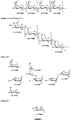
- the isolate may include type II AG with a structure as shown in Figure 1 .
- the isolate may include greater than 5 ⁇ g/g type II AG or sufficient type II AG to cause significant immunostimulatory effects in monocytes.
- the isolate may include greater than 10 ⁇ g/g type II AG.
- the honey from which the isolate is derived may be selected from honey's derived form the plant genus Leptospermum, Kunzea, Weinmannia, Knightia, Metrosideros, Fagus, Trifolium, Myrtaceae, and combinations thereof.
- the honey may of manuka origin.
- the honey may be of kanuka origin.
- the honey may be of clover origin.
- the honey may instead be a multifloral honey.
- a honey analogue including a honey isolate containing type II arabinogalactan (AG).
- the analogue may include greater than 10 ⁇ g/g type II AG.
- the honey may be fortified sufficient to increase the concentration of type II AG to greater than 5 ⁇ g/g.
- the concentration may be greater than 10 ⁇ g/g.
- composition formulated for topical application to a body area of a patient in need thereof containing:
- composition as described above wherein the patient may be a human.
- the patient may be a non-human animal.
- composition described above may be formulated as: a dressing, a cream, an ointment, a gel, and combinations thereof.
- the type II AG compound(s) described above may be arabinogalactan protein (AGP) compounds.
- the composition may include greater than 5 ⁇ g/g AG compounds or may include greater than 10 ⁇ g/g AG compounds.
- a non-honey based AG containing composition may be added to the composition.
- a plant based AG compound isolate may be added.
- Synthetically produced AG compounds may be added.
- a compound including AG may also be added e.g. grass or an extract thereof.
- a composition contains:
- composition in the manufacture of a composition formulated for topical application for stimulating the immune system of a body area on a patient in need thereof wherein the composition contains:
- the composition may be formulated for application to a recalcitrant topical body area on a patient.
- a seventh disclosure herein there is provided a method of minimising the immune-stimulatory effects of a honey based topical composition by the step of removing type II arabinogalactan (AG) from the honey in the composition.
- AG arabinogalactan
- a honey based topical composition with type II arabinogalactan (AG) removed from the honey in the manufacture of a composition formulated for topical application for minimising stimulation of the immune system of a body area on a patient in need thereof.
- AG arabinogalactan
- the composition may be formulated for application to a sensitive topical body area on a patient. It should also be noted that the honey based topical composition still provides anti-microbial effects associated with honey even with the isolate removed i.e. anti-microbial effects due to honey are distinct to immune stimulation effects and caused by different components in honey.
- the concentration of type II AG in the honey is less than 5 ⁇ g/g or a level that yields no or minimal immunostimulatory effects on monocytes.
- the level may be less than 1 ⁇ g/g type II AG.
- the fifth and sixth disclosures seek to provide a topical formulation that may be applied to skin areas that are not progressing in healing or where only very slow wound healing is occurring.
- the AG content in the dressing is maximised.
- the aim is to reduce the content of AG and thereby minimise the inflammatory response while letting other phases of action e.g. anti-microbial and anti-inflammatory provide the primary healing action.
- the patient may be a human.
- the patient may be a non-human animal.
- a ninth disclosure herein there is provided a method of treatment of a recalcitrant skin condition on a topical body area on a subject in need thereof by:
- honey or honey analogue based composition with an isolate removed as well as those containing isolates may also be in the manufacture a topical preparation method for the treatment of a recalcitrant or sensitive skin area.
- the method of treatment may entail initial application of a dressing with pro-inflammatory properties to a new and sensitive wound and then, once the initial healing process begins, removal of the dressing and replacement with a dressing that has inflammatory properties to enhance or speed up the wound healing progression.
- the opposite may also be the case where the wound is recalcitrant so a pro-inflammatory dressing is applied first and then, once healing progresses, a dressing without pro-inflammatory effects may be applied.
- the immunostimulatory composition may contain greater than 5 ⁇ g/g or greater than 10 ⁇ g/g type II AG compounds.
- non-immunostimulatory composition may contain less than 5 ⁇ g/g or less than 1 ⁇ g/g type II AG compounds.
- the patient may be a human.
- the patient may be a non-human animal.
- the honey may include kanuka honey.
- the honey tested may be produced from a plant or plants selected and/or bred to maximise the level of type II AG compounds in the plant nectar from which the honey is produced.
- the plant nectar may be selected from the genus: Leptospermum, Kunzea, Weinmannia, Knightia, Metrosideros, Fagus, Trifolium, Myrtaceae, and combinations thereof.
- the composition may include further non-honey based arabinogalactan compounds.
- a plant based AG compound isolate may be added.
- Synthetically produced AG compounds may be added.
- a compound including AG may also be added e.g. grass or an extract thereof.
- the honey tested may be produced from a plant or plants selected and/or bred to minimise the level of type II AG compounds in the plant nectar from which the honey is produced.
- Plant nectar may be selected from the genus: Leptospermum, Kunzea, Weinmannia, Knightia, Metrosideros, Fagus, Trifolium, Myrtaceae, and combinations thereof.
- the type II AG compound may be AGP.
- the honeys used in the above disclosures may be selected from honey sources that do not have high levels of AG such as clover honey to make a low AG dressing.
- high AG containing honeys such as kanuka honeys may be selected to produce a high AG content dressing.
- the natural process of producing honey involves bees collecting pollen from flowering plants that is then converted to honey via the bees in the hive.
- an alternative may be to alter the plant source of the honey.
- Leptospermum or Kunzea genus trees such as manuka or kanuka trees may be selected and bred to produce higher levels of AG in the plant nectar that the bees then collect and manufacture honey from.
- plant species may be selected for their AG production levels in nectar and the hive placed adjacent these species around flowering in order to concentrate the AG levels in the honey produced by the bees.
- alternative species may include Weinmannia, Knightia, Metrosideros, Fagus, Trifolium or Myrtaceae genus plants.
- a method of determining the immunostimulatory properties of a honey or honey analogue by measuring the content of type II AG in the honey or honey analogue and wherein:
- an immune-stimulatory topical formulation may be produced from the honey or honey analogue if the measured type II AG is greater than 5 ⁇ g/g.
- the amount may be greater than 10 ⁇ g/g.
- a non-immune stimulatory topical formulation may be produced from the honey or honey analogue if the measured type II AG is less than 5 ⁇ g/g.
- the amount may be less than 1 ⁇ g/g.
- testing may be completed utilising reactions that involve binding type II AG compounds with specific antibodies.
- one method may be to utilise Enzyme Linked Immuno Sorbent Assay (ELISA) analysis.
- ELISA Enzyme Linked Immuno Sorbent Assay
- ELISA may be a useful detection protocol as it is easily implemented in a QA laboratory, can be used to process many samples at once (40-80), provides accurate results and gives a useful degree of detection limit.
- a fourteenth disclosure herein there is provided a method of producing an isolate of the type II AG compounds from honey by obtaining a honey and then processing the honey by steps selected from: filtration, ultra-filtration, reverse osmosis, solvent extraction, precipitation, or combinations thereof and collecting a high molecular weight isolate from the processing step.
- the honey or honey analogue may be filtered and the high molecular weight fraction collected so as to increase the concentration of AG in the high molecular weight isolate or to remove the high molecular weight isolate to reduce the AG concentration in the residual honey.
- Honey may be filtered to obtain a high molecular weight fraction via a 10kDa filter.
- the filter size may be via a 20kDa filter.
- the filter size may be via a 30kDa filter.
- Examples of varying topical ailments to which the formulations described above may be applied include wounds, burns, skin irritations, acne, pustules, skin grafts, ulcers and combinations thereof.
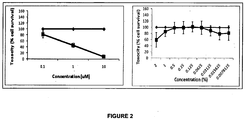
- Primed macrophage cells i.e. those that produce TNF ⁇ were completed by a WST-1 assay to measure the toxic levels of honey samples.
- the cells were then placed in a 96-well plate (Greiner) at 50 ⁇ L/well (5x10 4 cells/well) and 4, 2, 1, 0.5, 0.25, 0.125, 0.06, 0.03 and 0.15% (w/v) honey solutions (50.0 ⁇ L) were added, resulting in 2, 1, 0.5, 0.25, 0.125, 0.06, 0.03, 0.15 and 0.007% (w/v) final concentrations of honey in 100 ⁇ L final volume and incubated for 24 h at 37°C (Section 2.3.4).
- the control wells without cells were filled with the RPMI medium.
- 10 ⁇ L/well of cell proliferation reagent (WST-1) was added to the cells (i.e.
- the negative control was monocytic leukaemia cells with RPMI medium, and positive control Camptothecin which was used at different concentrations (10uM, 1 uM, 0.1 uM) to kill the cells.
- honey concentrations tested 2 and 1% (w/v) honey, reduced cell metabolic activity by as much as 60% of the controls.
- both 0.5% and 0.25% concentrations of all honey samples were the highest non-toxic doses that could be used. This was confirmed by re-testing the honeys at 0.5% (w/v), the highest non-toxic concentration.
- honeys can still show up to 20% toxicity, while some honeys are completely non-toxic effects at 0.5% concentration.
- concentration of 0.5% (w/v) honey is approximately 50mg/ml was to use for further examples as this allowed cells to grow at a moderate rate without an immediate kill effect.
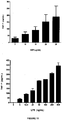
- Macrophage cells were then matured to a point where they were primed and ready to respond to an input. Adding varying levels of LPS and measuring the cytokine TNF ⁇ response confirmed the maturity and readiness of the macrophage cells. A standard dose response was found i.e. the larger the LPS dose, the larger the cytokine response.
- MGO Methylglyoxal
- the pro-inflammatory effects observed, particularly from kanuka and manuka honeys must be due to a compound(s) within these honey and is not attributable to art compounds such as sugar content, MGO content or LPS content in the honey.
- Heating honey is a practice employed by some beekeepers. Heating manuka honey in particular has been found to increase the MGO content (and price) of the honey although to the detriment of other compounds in the honey. Heat is also associated with the production of contaminating compounds in honey as well. Heat is also well known to break down certain compounds and reduce activity.
- Honey samples (5% (w/v) and LPS (1000 ng/mL) were prepared in water and heated at 80°C for 30 min in a shaking water bath. After heat processing, further dilutions were performed in RPMI medium and the resulting honey tested for cytokine response.
- honey found to have pro-inflammatory activity in Example 1 were filtered to 10kDa, and the resulting filtrate (less than 10kDa) tested to determine if the compound(s) responsible for the pro-inflammatory effects were still present or not.
- the filtrate tested negative for pro-inflammatory response hence the active compound(s) must have been larger sized (greater than 10kDa) being of a high molecular weight size.
- the pro-inflammatory response honey samples were irradiated to determine if the effects were influenced by irradiation.
- Irradiation is known in the art to reduce activity of honey, particularly where the activity is due to larger chemical compounds and/or biologically active compounds in the honey.
- the trial identified an approximately 30% reduction in pro-inflammatory effect between samples without irradiation and those with irradiation. This result is in line with that observed for heat in Example 2 where the pro-inflammatory response reduces although not totally supporting the fact that the compound(s) responsible have some stability and are not sensitive compounds such as active enzymes.
- the amount and nature of the high molecular weight compound(s) were determined.
- H01 0.5 year old Northland manuka honey
- H03 5 year old Northland manuka honey
- H15 1.5 year old Northland kanuka honey
- H16 2.5 year old Waikato manuka honey
- H20 1 year old South Island clover honey.
- HMW high molecular weight
- HPAEC high-performance anion-exchange chromatography
- Neutral constituent sugar compositions of the HMW fractions were determined by gas chromatography-mass spectrometry (GC-MS) of alditol acetate derivatives after hydrolysis of the polysaccharides present to their component monosaccharides. Identifications were based on peak retention times and by comparison of electron impact mass spectra with standard spectra.
- GC-MS gas chromatography-mass spectrometry
- Glycosyl linkage compositions were determined by GC-MS of partially methylated alditol acetate derivatives. Each sample was analysed in duplicate.
- High molecular weight honey fractions (0.25 mg) were methylated using NaOH and CH 3 l in DMSO.
- the methylated polysaccharides were hydrolysed with 2.5 M TFA (200 ⁇ L, 1 h, 121°C), concentrated to dryness under an air stream at 40 °C, then reduced with 1.0 M NaBD 4 in 2.0 M NH 4 OH (200 ⁇ L) overnight at 25 °C.
- the reaction was stopped by the addition of glacial acetic acid (50 ⁇ L).
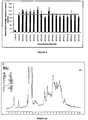
- the HMW fractions were dissolved in D 2 O (deuterium oxide) (0.6 mL) and transferred to 5 mm NMR tubes. NMR spectra were recorded on a Bruker 500 MHz spectrometer at 30°C.
- the size-exclusion (SEC) system consisted of a Waters 2690 Alliance separations module, a Waters 450 variable wavelength detector set at 280 nm and a Waters 2410 refractive index monitor.
- Samples (1 mg mL-1) were centrifuged (13,500 rpm, 5 min) before injection (100 ⁇ L) and eluted with 0.1 M LiNO 3 containing 0.02 % NaN 3 (0.7 mL min-1) from two columns (TSK-Gel G5000PWXL and G4000PWXL, 300 x 7.8 mm, Tosoh Corp., Tokyo, Japan) connected in series.
- Molecular weights were estimated by comparison of the peak elution volumes with those of pullulan standards.
- Honey samples H16 and H20 included considerable amounts of glucose and fructose as retained by the ultrafiltration membranes. This is reflected in both the higher amount of glucose detected in the constituent sugar analysis and sharp signals in the NMR spectra of these samples. The other samples contained much lower amounts of free monosaccharides.
- Detection of mannose (as mannitol hexaacetate) in the samples may be from glycoproteins present in the high molecular weight fractions of the honeys, or could result from the reduction of free fructose in the samples to mannitol and glucitol during the preparation of the alditol acetates.
- Type 1 AGs are usually found as neutral side-chains on plant cell-wall pectic polysaccharides, while Type II AGs are often present as AG-proteins (AGPs), rich in hydroxyproline.
- AGPs AG-proteins
- glycosyl linkage analyses of the manuka and kanuka honeys were consistent with polymers comprised of a highly branched backbone of 1,3-linked Galp residues, with side-chains made up of Ara f - containing oligosaccharides, typical of Type II AGs. These linkages represented 7 - 10% of the total weight of the HMW fractions from the manuka and kanuka honeys, which was consistent with, but slightly lower than, that calculated from the sum of arabinose and galactose in the constituent sugars analyses (Table 1).
- glycosyl linkage analysis of the clover honey also showed the presence of Type II AGs, but in much lower amounts (1.3% of the weight of the HMW fraction, compared with 3.5% from the sum of arabinose and galactose).
- Table 2 Glycosyl linkage composition of the high molecular weight fractions of honey samples analysed by GC-MS of partially methylated alditol acetates.
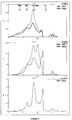
- the HMW fractions of the honeys showed complex chromatograms on size exclusion chromatography (SEC) eluting from the V 0 to the V t of the columns ( Figure 6 ).
- Sample H01 showed a predominate peak ( ⁇ 18.5 mL) eluting just before the 24 kDa pullulan standard and a second smaller peak ( ⁇ 16.7 mL) eluting just after the 100 kDa pullulan. Similar peaks were also observed for H03, but in smaller amounts.
- H15, H16 and H20 also showed peaks eluting at ⁇ 18.5 and -16.7 mL (24 kDa and 100 kDa, respectively), but H15 also showed a peak at 20 mL, eluting after the 24 kDa standard. Additionally H16 and H20 showed peaks at 21-22 mL, assumed to be due to low molecular weight sugars present in these samples (see Table 2).
- HMW high molecular weight
- arabinogalactans are the compounds present in the high molecular weight fraction suggests that these compounds are responsible for the pro-inflammatory response observed in earlier examples.
- This trial tested this hypothesis by testing the pro-inflammatory response of the controls being cells and honey and cells and LPS against varying levels and concentrations of arabinogalactans both with and without honey.
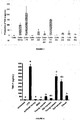
- Kanuka honey gave the most potent inflammatory effects as illustrated in Figure 8 although all honeys tested (manuka and clover as well) exhibited some degree of inflammatory effects.
- a honey analogue was also tested that gave no significant pro-inflammatory response.
- a pure MGO sample was also tested which also gave no significant pro-inflammatory response. The results particularly for MGO demonstrate that the pro-inflammatory effect is not correlated to MGO content in honey or the anti-microbial activity of a honey as measured by UMF activity or non-peroxide activity.
- FIG. 9 illustrates the results found for fractions of kanuka honey showing how the active compound is of a comparatively high molecular weight.
- a honey analogue without AG produces no inflammatory effects.
- AGP isolate as expected produces a measurable inflammatory effect.
- this isolate was added to the honey analogue, a pro-inflammatory effect resulted as expected.
- PmB polymyxinB
- the dose response of AGP isolate was tested and compared to a standard, LPS in terms of pro-inflammatory effects.
- AGPs type II arabinogalactans
- AGPs arabinogalactans
- AGPs were isolated from the >10 kDa fraction of kanuka honey using glucosyl Yariv reagent and their composition and structure analysed.
- Constituent sugar, glycosyl linkage and NMR spectroscopy analysis of the purified AGP fraction revealed a predominance of neutral sugars, mainly galactose and arabinose, linked in a highly-branched structure typical of type II AGs.
- the molecular weight of the major component of the purified AGPs was ⁇ 110 kDa, as determined by size-exclusion chromatography-multi-angle laser light scattering (SEC-MALLS).
- the Yariv supernatant fraction contained less total sugar, especially galactose, and more protein than purified AGPs. Linkage analysis indicated this fraction also contained an AG-type polymer in addition to various other polysaccharides and SEC-MALLS indicated the molecular weight of the major component was -32 kDa.
- isolates may be produced containing type II AG derived from honey.
- One method for obtaining such isolates is to separate the type II AG's by using centrifugal ultrafilters (10 to 30 kDa molecular weight cut-off) and the retentate collected being the 10kDa or greater fraction, termed hereafter as the high molecular weight (HMW) fraction.
- centrifugal ultrafilters (10 to 30 kDa molecular weight cut-off)
- HMW high molecular weight
- the protocol comprised three main steps being:
- steps after the initial ultrafiltration step above may be omitted if it is not necessary for the isolate to contain highly purified AGP.
- Table 3 Example Topical Formulations Formulation Number Components 1 A dressing formed from alginate fibre, honey impregnated in the fibre, type II AG isolate mixed into the honey 2 A dressing formed from cotton gauze fibre, honey impregnated in the fibre, type II AG isolate mixed into the honey 3 A gel or putty or sheet made from alginate particles mixed with honey and type II AG isolate 4 A gel or putty or sheet made from carboxymethylcellulose fibre, honey partly to fully impregnated in the fibre, type II AG isolate mixed into the honey 5 A gel, putty, sheet, cream or ointment made from honey, ethoxylated oil, myristyl myristate or other wax materials such as beeswax and type II AG isolate mixed together 6 A gel, putty, sheet, cream or ointment made from honey, caprylyl capryl glucoside, myristyl myristate or other wax materials such as beeswax
- Ten batches of honey are received at a honey processing premises and samples taken from each honey batch. The samples are analysed to determine the content or otherwise of type II AG in each sample.
- Samples with the greatest levels of type II AG are separated and blended together to form a honey with a higher level of inflammatory action.
- the blended honey may be used to form an isolate by subsequently subjecting the blend to filtration to remove the type II AG compounds.
- Samples with lower levels of type II AG or where AG is not present may be selected and blended separately to form a honey with minimal inflammatory action.
- the blended honey may be used to in medical applications where inflammatory effects are to be avoided such as on a sensitive or open wound or, if the blend has a high MGO content, may be used to instigate and anti-microbial challenge to the wound or other skin ailment but minimise inflammation at the skin site.
- Sandwich ELISA's were also tested combining the abovementioned antibodies with a mouse capture antibody for AG. Sandwich ELISA was also successful.
- the protocol found useful is to first bind antibody e.g. JIM13 to the AG compounds and then detect bound JIM13 via a secondary antibody such as an anti-rat secondary antibody. From the result, the AG concentration may be derived.
- the method described can detect AG concentrations down to 0.5 ⁇ g/g and provides linear results between 0.5 and 5 ⁇ g/g AG in the sample solution.
- One method of selection and breeding to increase the content of type II AG compounds in a honey is to test a range of plants ideally from a single species known to already contain significant amounts of AG compounds e.g. kanuka plants, and select for varieties that produce the greatest concentrations of type II AG's in the plant nectar. The plants may then be crossbred with other plant varieties to form 'super' type II AG producing plants. Honey is then produced via bees or artificially from the bred plants and in turn high type II AG honey may be manufactured.
- AG compounds e.g. kanuka plants
- tests may be completed on a range of low AG containing honeys e.g. clover and varieties bred to minimise the AG content and honey produced from these minimised varieties.
- An initial screening method may further include selection of plants that provide a challenge for the bee to extract the plant nectar.
- kanuka honey is thought to contain more type II AG, because kanuka flowers are narrower than manuka flowers, thereby requiring the bee to extract nectar with greater physical force thereby taking up more AG.
Landscapes
- Health & Medical Sciences (AREA)
- Life Sciences & Earth Sciences (AREA)
- Chemical & Material Sciences (AREA)
- General Health & Medical Sciences (AREA)
- Animal Behavior & Ethology (AREA)
- Veterinary Medicine (AREA)
- Public Health (AREA)
- Epidemiology (AREA)
- Medicinal Chemistry (AREA)
- Engineering & Computer Science (AREA)
- Pharmacology & Pharmacy (AREA)
- Molecular Biology (AREA)
- Hematology (AREA)
- Immunology (AREA)
- Chemical Kinetics & Catalysis (AREA)
- Materials Engineering (AREA)
- Dermatology (AREA)
- Zoology (AREA)
- Organic Chemistry (AREA)
- Nuclear Medicine, Radiotherapy & Molecular Imaging (AREA)
- Bioinformatics & Cheminformatics (AREA)
- General Chemical & Material Sciences (AREA)
- Insects & Arthropods (AREA)
- Biomedical Technology (AREA)
- Urology & Nephrology (AREA)
- Botany (AREA)
- Animal Husbandry (AREA)
- Analytical Chemistry (AREA)
- Biochemistry (AREA)
- General Physics & Mathematics (AREA)
- Pathology (AREA)
- Physics & Mathematics (AREA)
- Food Science & Technology (AREA)
- Microbiology (AREA)
- Cell Biology (AREA)
- Biotechnology (AREA)
- Medicines Containing Material From Animals Or Micro-Organisms (AREA)
- Pharmaceuticals Containing Other Organic And Inorganic Compounds (AREA)
- Medicinal Preparation (AREA)
Claims (5)
- Verfahren zum Filtern von Honig, umfassend das Filtern des Honigs mit einem 10-kDa-Filter.
- Verwendung des Retentats, das durch Filtern von Honig mit einem 10-kDa-Filter bei der Herstellung einer Zusammensetzung erhalten wurde, die zur topischen Anwendung für einen Patienten mit Bedarf daran für die Wundbehandlung formuliert ist.
- Verfahren zum Minimieren der immunstimulierenden Wirkungen einer topischen Zusammensetzung auf Honigbasis durch den Schritt des Entfernens von Arabinogalactan (AG) vom Typ II aus dem Honig in der Zusammensetzung durch Filtration unter Verwendung eines 10-kDA-Filters;
wobei die Zusammensetzung gegebenenfalls zur Anwendung auf ein empfindliches topisches Körperareal eines Patienten formuliert ist; und
wobei die topische Zusammensetzung auf Honigbasis gegebenenfalls weiterhin ein Honig zugeschriebene antimikrobielle Wirkung bereitstellt. - Verwendung des Retentats, das durch Filtrieren von Honig mit einem 10-kDa-Filter erhalten wurde, und einer Zusammensetzung auf Honigbasis, wobei AG-Verbindungen vom Typ II durch Filtrieren mit einem 10-kDa-Filter aus dem Honig entfernt wurden, bei der Herstellung eines Wundverbands für die Behandlung einer Wunde auf einem topischen Körperareal, wobei:(a) das Retentat zuerst aufgebracht wird;
und bei Fortschreiten des Heilungsprozesses der Haut(b) die Zusammensetzung auf Honigbasis, wobei AG-Verbindungen vom Typ II aus dem Honig entfernt wurden, aufgebracht wird. - Verwendung des Retentats, das durch Filtrieren von Honig mit einem 10-kDa-Filter erhalten wurde, und einer Zusammensetzung auf Honigbasis, wobei AG-Verbindungen vom Typ II durch Filtrieren mit einem 10-kDa-Filter aus dem Honig entfernt wurden, bei der Herstellung eines Wundverbands für die Behandlung einer Wunde auf einem topischen Körperareal, wobei:(a) die Zusammensetzung auf Honigbasis, wobei AG-Verbindungen vom Typ II aus dem Honig entfernt wurden, zuerst aufgebracht wird;
und bei Fortschreiten des Heilungsprozesses der Haut(b) das Retentat aufgebracht wird.
Applications Claiming Priority (2)
| Application Number | Priority Date | Filing Date | Title |
|---|---|---|---|
| NZ58511810 | 2010-05-05 | ||
| PCT/NZ2011/000069 WO2011139168A1 (en) | 2010-05-05 | 2011-05-05 | Immunostimulatory compositions and methods of use thereof |
Publications (3)
| Publication Number | Publication Date |
|---|---|
| EP2566485A1 EP2566485A1 (de) | 2013-03-13 |
| EP2566485A4 EP2566485A4 (de) | 2014-03-12 |
| EP2566485B1 true EP2566485B1 (de) | 2017-04-12 |
Family
ID=44903869
Family Applications (1)
| Application Number | Title | Priority Date | Filing Date |
|---|---|---|---|
| EP11777631.0A Not-in-force EP2566485B1 (de) | 2010-05-05 | 2011-05-05 | Immunstimulationszusammensetzungen und verwendungsverfahren dafür |
Country Status (5)
| Country | Link |
|---|---|
| US (3) | US8609159B2 (de) |
| EP (1) | EP2566485B1 (de) |
| AU (1) | AU2011249145B2 (de) |
| CA (1) | CA2797236C (de) |
| WO (1) | WO2011139168A1 (de) |
Families Citing this family (8)
| Publication number | Priority date | Publication date | Assignee | Title |
|---|---|---|---|---|
| AU2013249992B2 (en) * | 2012-04-17 | 2015-03-26 | Apimed Medical Honey Limited | Immunostimulatory compositions and methods of manufacture |
| AU2014311968B2 (en) * | 2013-08-30 | 2020-03-05 | Apimed Medical Honey Limited | Anti-inflammatory compositions, methods and uses thereof |
| ES2791190T3 (es) | 2013-09-02 | 2020-11-03 | Honeylab Ltd | Composiciones de miel |
| NZ726323A (en) | 2014-04-30 | 2020-02-28 | Matoke Holdings Ltd | Antimicrobial compositions |
| CN105646728B (zh) * | 2016-03-11 | 2018-09-14 | 江苏农牧科技职业学院 | 一种蜜蜂巢脾多糖提取物及其制备方法 |
| GB201716986D0 (en) | 2017-10-16 | 2017-11-29 | Matoke Holdings Ltd | Antimicrobial compositions |
| US12419917B2 (en) * | 2021-04-23 | 2025-09-23 | Ndal Mfg Inc | Compositions and methods for treatment of conditions using fractionated honey |
| US20230241126A1 (en) * | 2022-01-28 | 2023-08-03 | Ndal Mfg Inc | Compositions and methods for disruption of biofilms using fractionated honey |
Family Cites Families (5)
| Publication number | Priority date | Publication date | Assignee | Title |
|---|---|---|---|---|
| US6303584B1 (en) * | 1996-11-20 | 2001-10-16 | The University Of Montana | Water soluble lipidated arabinogalactan |
| US20020087106A1 (en) * | 2002-02-27 | 2002-07-04 | Unger Paul D. | Wound dressing |
| US7601368B2 (en) * | 2004-09-01 | 2009-10-13 | Lupin Limited | Purified Arabinogalactan-Protein (AGP) composition useful in the treatment psoriasis and other disorders |
| NZ542258A (en) * | 2005-09-06 | 2010-05-28 | Comvita New Zealand Ltd | A medical composition comprising honey or sugar syrup and a viscosity increasing agent for use on wounds |
| TWI379688B (en) * | 2009-10-05 | 2012-12-21 | Univ China Medical | Anoectochilus spp. polysaccharide extracts and pharmaceutical compositions for stimulating growth of advantageous bacteria, stimulating release of granulocyte colony-stimulating factor, modulating t helper cell type i, and/or modulating t helper cell typ |
-
2011
- 2011-05-05 US US13/695,595 patent/US8609159B2/en not_active Expired - Fee Related
- 2011-05-05 WO PCT/NZ2011/000069 patent/WO2011139168A1/en not_active Ceased
- 2011-05-05 EP EP11777631.0A patent/EP2566485B1/de not_active Not-in-force
- 2011-05-05 AU AU2011249145A patent/AU2011249145B2/en not_active Ceased
- 2011-05-05 CA CA2797236A patent/CA2797236C/en active Active
-
2013
- 2013-11-12 US US14/078,278 patent/US20140147471A1/en not_active Abandoned
-
2016
- 2016-07-22 US US15/217,702 patent/US9827275B2/en not_active Expired - Fee Related
Non-Patent Citations (1)
| Title |
|---|
| None * |
Also Published As
| Publication number | Publication date |
|---|---|
| US20130045224A1 (en) | 2013-02-21 |
| CA2797236C (en) | 2017-10-17 |
| AU2011249145A1 (en) | 2012-11-01 |
| CA2797236A1 (en) | 2011-11-10 |
| US20170049825A1 (en) | 2017-02-23 |
| EP2566485A1 (de) | 2013-03-13 |
| WO2011139168A1 (en) | 2011-11-10 |
| US8609159B2 (en) | 2013-12-17 |
| US9827275B2 (en) | 2017-11-28 |
| EP2566485A4 (de) | 2014-03-12 |
| AU2011249145B2 (en) | 2013-05-23 |
| US20140147471A1 (en) | 2014-05-29 |
Similar Documents
| Publication | Publication Date | Title |
|---|---|---|
| US9827275B2 (en) | Immunostimulatory compositions and methods of use thereof | |
| JP6141912B2 (ja) | ナツシロギク(タナセタム・パルテニウム(tanacetumparthenium))からのパルテノライドを含有しない生物活性成分及びその製造方法 | |
| Alhakmani et al. | Estimation of total phenolic content, in–vitro antioxidant and anti–inflammatory activity of flowers of Moringa oleifera | |
| Barak et al. | The effect of Sambucol, a black elderberry-based, natural product, on the production of human cytokines: I. Inflammatory cytokines | |
| Subramaniam et al. | Effect of pomegranate and aloe vera extract on streptococcus mutans: An: in vitro: study | |
| US20110263698A1 (en) | Proanthocyanidin of cashew apple, composition containing proanthocyanidin, and application thereof | |
| Petkova et al. | Antioxidant activity and fructan content in root extracts from elecampane (Inula helenium L.). | |
| Septina et al. | Overview of traditional use, phytochemical, and pharmacological activities of chinese petai (leucaena leucocephala) | |
| Nethaji et al. | Phytochemical profiling, antioxidant and antimicrobial activity of methanol extract in rambutan fruit (Nephelium lappacium) epicarp against the human pathogens | |
| EP3038631B1 (de) | Entzündungshemmende zusammensetzungen, verfahren und verwendungen davon | |
| AU2013202889B2 (en) | A method of determining the immunostimulatory properties of a honey or honey analogue | |
| Mukherjee et al. | Antiglycation and antioxidant activity of a rare medicinal orchid Dendrobium aqueum Lindl | |
| Neto et al. | Baccharis dracunculifolia extract as a promising active for healing chronic wounds | |
| DK2845624T3 (en) | Devil's mucoadhesive extracts (harpagophytum procumbens) and their applications | |
| EP2838543B1 (de) | Honig-immunstimulationszusammensetzungen und verfahren zur herstellung | |
| Akmal et al. | Protective effect of bajakah tampala (Spatholobus littoralis Hassk.) on dexamethasone-induced renal toxicity in albino rats | |
| Mathew et al. | Study of in vitro antiinflammatory and immunomodulatory effect of Ayurvedic plants–Murva | |
| Salvatori et al. | Effectiveness of a Standard-ized Propolis Extract in Non-Surgical Periodontal Therapy | |
| KR20110065534A (ko) | 항-조류 인플루엔자 바이러스제, 및 항-조류 인플루엔자 바이러스제를 함유하는 제품 | |
| Perveen et al. | Evaluation of therapeutic efficacy of aloe | |
| CN117731711A (zh) | 抑制口腔致臭菌的含虎杖提取物的组合物及口腔护理产品 | |
| Eggplant et al. | E-mail: soodukoya@ oauife. edu. ng;+ 2348036153842 | |
| Chang et al. | Research on water soluble polysaccharides separated from skin juice, gel juice and flower of Aloe ferox Miller | |
| NZ609547B2 (en) | Immunostimulatory compositions and methods of manufacture | |
| Mangilal et al. | Isolation, purification, evaluation and toxicity studies of natural edible mucoadhesive polymers from various parts of plants and compared with synthetic mucoadhesive polymers |
Legal Events
| Date | Code | Title | Description |
|---|---|---|---|
| PUAI | Public reference made under article 153(3) epc to a published international application that has entered the european phase |
Free format text: ORIGINAL CODE: 0009012 |
|
| 17P | Request for examination filed |
Effective date: 20121204 |
|
| AK | Designated contracting states |
Kind code of ref document: A1 Designated state(s): AL AT BE BG CH CY CZ DE DK EE ES FI FR GB GR HR HU IE IS IT LI LT LU LV MC MK MT NL NO PL PT RO RS SE SI SK SM TR |
|
| DAX | Request for extension of the european patent (deleted) | ||
| A4 | Supplementary search report drawn up and despatched |
Effective date: 20140211 |
|
| RIC1 | Information provided on ipc code assigned before grant |
Ipc: A61K 9/00 20060101ALI20140205BHEP Ipc: A61K 36/18 20060101ALI20140205BHEP Ipc: A61P 17/02 20060101ALI20140205BHEP Ipc: A61L 15/28 20060101ALI20140205BHEP Ipc: A61K 133/00 20060101ALI20140205BHEP Ipc: A61K 31/715 20060101AFI20140205BHEP Ipc: A61L 15/40 20060101ALI20140205BHEP |
|
| 17Q | First examination report despatched |
Effective date: 20150417 |
|
| TPAC | Observations filed by third parties |
Free format text: ORIGINAL CODE: EPIDOSNTIPA |
|
| RIC1 | Information provided on ipc code assigned before grant |
Ipc: A61K 31/715 20060101AFI20160811BHEP Ipc: A61K 36/18 20060101ALI20160811BHEP Ipc: A61K 9/00 20060101ALI20160811BHEP Ipc: A61L 15/28 20060101ALI20160811BHEP Ipc: A61K 133/00 20060101ALI20160811BHEP Ipc: A61K 31/716 20060101ALI20160811BHEP Ipc: A61K 35/644 20150101ALI20160811BHEP Ipc: A61L 15/40 20060101ALI20160811BHEP Ipc: A61P 17/02 20060101ALI20160811BHEP Ipc: G01N 33/566 20060101ALI20160811BHEP |
|
| GRAP | Despatch of communication of intention to grant a patent |
Free format text: ORIGINAL CODE: EPIDOSNIGR1 |
|
| INTG | Intention to grant announced |
Effective date: 20161104 |
|
| GRAS | Grant fee paid |
Free format text: ORIGINAL CODE: EPIDOSNIGR3 |
|
| GRAA | (expected) grant |
Free format text: ORIGINAL CODE: 0009210 |
|
| AK | Designated contracting states |
Kind code of ref document: B1 Designated state(s): AL AT BE BG CH CY CZ DE DK EE ES FI FR GB GR HR HU IE IS IT LI LT LU LV MC MK MT NL NO PL PT RO RS SE SI SK SM TR |
|
| REG | Reference to a national code |
Ref country code: GB Ref legal event code: FG4D |
|
| REG | Reference to a national code |
Ref country code: CH Ref legal event code: EP |
|
| REG | Reference to a national code |
Ref country code: IE Ref legal event code: FG4D |
|
| REG | Reference to a national code |
Ref country code: AT Ref legal event code: REF Ref document number: 883168 Country of ref document: AT Kind code of ref document: T Effective date: 20170515 |
|
| REG | Reference to a national code |
Ref country code: DE Ref legal event code: R096 Ref document number: 602011036942 Country of ref document: DE |
|
| REG | Reference to a national code |
Ref country code: FR Ref legal event code: PLFP Year of fee payment: 7 |
|
| REG | Reference to a national code |
Ref country code: NL Ref legal event code: MP Effective date: 20170412 |
|
| REG | Reference to a national code |
Ref country code: LT Ref legal event code: MG4D |
|
| REG | Reference to a national code |
Ref country code: AT Ref legal event code: MK05 Ref document number: 883168 Country of ref document: AT Kind code of ref document: T Effective date: 20170412 |
|
| PG25 | Lapsed in a contracting state [announced via postgrant information from national office to epo] |
Ref country code: NL Free format text: LAPSE BECAUSE OF FAILURE TO SUBMIT A TRANSLATION OF THE DESCRIPTION OR TO PAY THE FEE WITHIN THE PRESCRIBED TIME-LIMIT Effective date: 20170412 |
|
| PG25 | Lapsed in a contracting state [announced via postgrant information from national office to epo] |
Ref country code: LT Free format text: LAPSE BECAUSE OF FAILURE TO SUBMIT A TRANSLATION OF THE DESCRIPTION OR TO PAY THE FEE WITHIN THE PRESCRIBED TIME-LIMIT Effective date: 20170412 Ref country code: ES Free format text: LAPSE BECAUSE OF FAILURE TO SUBMIT A TRANSLATION OF THE DESCRIPTION OR TO PAY THE FEE WITHIN THE PRESCRIBED TIME-LIMIT Effective date: 20170412 Ref country code: NO Free format text: LAPSE BECAUSE OF FAILURE TO SUBMIT A TRANSLATION OF THE DESCRIPTION OR TO PAY THE FEE WITHIN THE PRESCRIBED TIME-LIMIT Effective date: 20170712 Ref country code: HR Free format text: LAPSE BECAUSE OF FAILURE TO SUBMIT A TRANSLATION OF THE DESCRIPTION OR TO PAY THE FEE WITHIN THE PRESCRIBED TIME-LIMIT Effective date: 20170412 Ref country code: FI Free format text: LAPSE BECAUSE OF FAILURE TO SUBMIT A TRANSLATION OF THE DESCRIPTION OR TO PAY THE FEE WITHIN THE PRESCRIBED TIME-LIMIT Effective date: 20170412 Ref country code: GR Free format text: LAPSE BECAUSE OF FAILURE TO SUBMIT A TRANSLATION OF THE DESCRIPTION OR TO PAY THE FEE WITHIN THE PRESCRIBED TIME-LIMIT Effective date: 20170713 Ref country code: AT Free format text: LAPSE BECAUSE OF FAILURE TO SUBMIT A TRANSLATION OF THE DESCRIPTION OR TO PAY THE FEE WITHIN THE PRESCRIBED TIME-LIMIT Effective date: 20170412 |
|
| PG25 | Lapsed in a contracting state [announced via postgrant information from national office to epo] |
Ref country code: SE Free format text: LAPSE BECAUSE OF FAILURE TO SUBMIT A TRANSLATION OF THE DESCRIPTION OR TO PAY THE FEE WITHIN THE PRESCRIBED TIME-LIMIT Effective date: 20170412 Ref country code: RS Free format text: LAPSE BECAUSE OF FAILURE TO SUBMIT A TRANSLATION OF THE DESCRIPTION OR TO PAY THE FEE WITHIN THE PRESCRIBED TIME-LIMIT Effective date: 20170412 Ref country code: PL Free format text: LAPSE BECAUSE OF FAILURE TO SUBMIT A TRANSLATION OF THE DESCRIPTION OR TO PAY THE FEE WITHIN THE PRESCRIBED TIME-LIMIT Effective date: 20170412 Ref country code: BG Free format text: LAPSE BECAUSE OF FAILURE TO SUBMIT A TRANSLATION OF THE DESCRIPTION OR TO PAY THE FEE WITHIN THE PRESCRIBED TIME-LIMIT Effective date: 20170712 Ref country code: IS Free format text: LAPSE BECAUSE OF FAILURE TO SUBMIT A TRANSLATION OF THE DESCRIPTION OR TO PAY THE FEE WITHIN THE PRESCRIBED TIME-LIMIT Effective date: 20170812 Ref country code: LV Free format text: LAPSE BECAUSE OF FAILURE TO SUBMIT A TRANSLATION OF THE DESCRIPTION OR TO PAY THE FEE WITHIN THE PRESCRIBED TIME-LIMIT Effective date: 20170412 |
|
| REG | Reference to a national code |
Ref country code: CH Ref legal event code: PL |
|
| REG | Reference to a national code |
Ref country code: DE Ref legal event code: R097 Ref document number: 602011036942 Country of ref document: DE |
|
| PG25 | Lapsed in a contracting state [announced via postgrant information from national office to epo] |
Ref country code: EE Free format text: LAPSE BECAUSE OF FAILURE TO SUBMIT A TRANSLATION OF THE DESCRIPTION OR TO PAY THE FEE WITHIN THE PRESCRIBED TIME-LIMIT Effective date: 20170412 Ref country code: SK Free format text: LAPSE BECAUSE OF FAILURE TO SUBMIT A TRANSLATION OF THE DESCRIPTION OR TO PAY THE FEE WITHIN THE PRESCRIBED TIME-LIMIT Effective date: 20170412 Ref country code: MC Free format text: LAPSE BECAUSE OF FAILURE TO SUBMIT A TRANSLATION OF THE DESCRIPTION OR TO PAY THE FEE WITHIN THE PRESCRIBED TIME-LIMIT Effective date: 20170412 Ref country code: RO Free format text: LAPSE BECAUSE OF FAILURE TO SUBMIT A TRANSLATION OF THE DESCRIPTION OR TO PAY THE FEE WITHIN THE PRESCRIBED TIME-LIMIT Effective date: 20170412 Ref country code: DK Free format text: LAPSE BECAUSE OF FAILURE TO SUBMIT A TRANSLATION OF THE DESCRIPTION OR TO PAY THE FEE WITHIN THE PRESCRIBED TIME-LIMIT Effective date: 20170412 Ref country code: CZ Free format text: LAPSE BECAUSE OF FAILURE TO SUBMIT A TRANSLATION OF THE DESCRIPTION OR TO PAY THE FEE WITHIN THE PRESCRIBED TIME-LIMIT Effective date: 20170412 |
|
| PLBE | No opposition filed within time limit |
Free format text: ORIGINAL CODE: 0009261 |
|
| STAA | Information on the status of an ep patent application or granted ep patent |
Free format text: STATUS: NO OPPOSITION FILED WITHIN TIME LIMIT |
|
| REG | Reference to a national code |
Ref country code: IE Ref legal event code: MM4A |
|
| PG25 | Lapsed in a contracting state [announced via postgrant information from national office to epo] |
Ref country code: CH Free format text: LAPSE BECAUSE OF NON-PAYMENT OF DUE FEES Effective date: 20170531 Ref country code: SM Free format text: LAPSE BECAUSE OF FAILURE TO SUBMIT A TRANSLATION OF THE DESCRIPTION OR TO PAY THE FEE WITHIN THE PRESCRIBED TIME-LIMIT Effective date: 20170412 Ref country code: LI Free format text: LAPSE BECAUSE OF NON-PAYMENT OF DUE FEES Effective date: 20170531 Ref country code: IT Free format text: LAPSE BECAUSE OF FAILURE TO SUBMIT A TRANSLATION OF THE DESCRIPTION OR TO PAY THE FEE WITHIN THE PRESCRIBED TIME-LIMIT Effective date: 20170412 |
|
| 26N | No opposition filed |
Effective date: 20180115 |
|
| PG25 | Lapsed in a contracting state [announced via postgrant information from national office to epo] |
Ref country code: LU Free format text: LAPSE BECAUSE OF NON-PAYMENT OF DUE FEES Effective date: 20170505 |
|
| REG | Reference to a national code |
Ref country code: BE Ref legal event code: MM Effective date: 20170531 |
|
| PG25 | Lapsed in a contracting state [announced via postgrant information from national office to epo] |
Ref country code: IE Free format text: LAPSE BECAUSE OF NON-PAYMENT OF DUE FEES Effective date: 20170505 |
|
| REG | Reference to a national code |
Ref country code: FR Ref legal event code: PLFP Year of fee payment: 8 |
|
| PG25 | Lapsed in a contracting state [announced via postgrant information from national office to epo] |
Ref country code: SI Free format text: LAPSE BECAUSE OF FAILURE TO SUBMIT A TRANSLATION OF THE DESCRIPTION OR TO PAY THE FEE WITHIN THE PRESCRIBED TIME-LIMIT Effective date: 20170412 |
|
| PG25 | Lapsed in a contracting state [announced via postgrant information from national office to epo] |
Ref country code: BE Free format text: LAPSE BECAUSE OF NON-PAYMENT OF DUE FEES Effective date: 20170531 |
|
| PG25 | Lapsed in a contracting state [announced via postgrant information from national office to epo] |
Ref country code: MT Free format text: LAPSE BECAUSE OF NON-PAYMENT OF DUE FEES Effective date: 20170505 |
|
| PG25 | Lapsed in a contracting state [announced via postgrant information from national office to epo] |
Ref country code: HU Free format text: LAPSE BECAUSE OF FAILURE TO SUBMIT A TRANSLATION OF THE DESCRIPTION OR TO PAY THE FEE WITHIN THE PRESCRIBED TIME-LIMIT; INVALID AB INITIO Effective date: 20110505 |
|
| PG25 | Lapsed in a contracting state [announced via postgrant information from national office to epo] |
Ref country code: CY Free format text: LAPSE BECAUSE OF NON-PAYMENT OF DUE FEES Effective date: 20170412 |
|
| PG25 | Lapsed in a contracting state [announced via postgrant information from national office to epo] |
Ref country code: MK Free format text: LAPSE BECAUSE OF FAILURE TO SUBMIT A TRANSLATION OF THE DESCRIPTION OR TO PAY THE FEE WITHIN THE PRESCRIBED TIME-LIMIT Effective date: 20170412 |
|
| PG25 | Lapsed in a contracting state [announced via postgrant information from national office to epo] |
Ref country code: TR Free format text: LAPSE BECAUSE OF FAILURE TO SUBMIT A TRANSLATION OF THE DESCRIPTION OR TO PAY THE FEE WITHIN THE PRESCRIBED TIME-LIMIT Effective date: 20170412 |
|
| PG25 | Lapsed in a contracting state [announced via postgrant information from national office to epo] |
Ref country code: PT Free format text: LAPSE BECAUSE OF FAILURE TO SUBMIT A TRANSLATION OF THE DESCRIPTION OR TO PAY THE FEE WITHIN THE PRESCRIBED TIME-LIMIT Effective date: 20170412 |
|
| PG25 | Lapsed in a contracting state [announced via postgrant information from national office to epo] |
Ref country code: AL Free format text: LAPSE BECAUSE OF FAILURE TO SUBMIT A TRANSLATION OF THE DESCRIPTION OR TO PAY THE FEE WITHIN THE PRESCRIBED TIME-LIMIT Effective date: 20170412 |
|
| PGFP | Annual fee paid to national office [announced via postgrant information from national office to epo] |
Ref country code: GB Payment date: 20220411 Year of fee payment: 12 Ref country code: FR Payment date: 20220427 Year of fee payment: 12 Ref country code: DE Payment date: 20220427 Year of fee payment: 12 |
|
| REG | Reference to a national code |
Ref country code: DE Ref legal event code: R119 Ref document number: 602011036942 Country of ref document: DE |
|
| GBPC | Gb: european patent ceased through non-payment of renewal fee |
Effective date: 20230505 |
|
| PG25 | Lapsed in a contracting state [announced via postgrant information from national office to epo] |
Ref country code: DE Free format text: LAPSE BECAUSE OF NON-PAYMENT OF DUE FEES Effective date: 20231201 Ref country code: GB Free format text: LAPSE BECAUSE OF NON-PAYMENT OF DUE FEES Effective date: 20230505 |
|
| PG25 | Lapsed in a contracting state [announced via postgrant information from national office to epo] |
Ref country code: FR Free format text: LAPSE BECAUSE OF NON-PAYMENT OF DUE FEES Effective date: 20230531 |