EP2582082A1 - Verfahren und vorrichtung zur übertragung von informationen auf einem physikalischen uplink-steuerkanal - Google Patents
Verfahren und vorrichtung zur übertragung von informationen auf einem physikalischen uplink-steuerkanal Download PDFInfo
- Publication number
- EP2582082A1 EP2582082A1 EP11795064.2A EP11795064A EP2582082A1 EP 2582082 A1 EP2582082 A1 EP 2582082A1 EP 11795064 A EP11795064 A EP 11795064A EP 2582082 A1 EP2582082 A1 EP 2582082A1
- Authority
- EP
- European Patent Office
- Prior art keywords
- information
- uplink control
- physical uplink
- control channel
- state information
- Prior art date
- Legal status (The legal status is an assumption and is not a legal conclusion. Google has not performed a legal analysis and makes no representation as to the accuracy of the status listed.)
- Ceased
Links
Images



Classifications
-
- H—ELECTRICITY
- H04—ELECTRIC COMMUNICATION TECHNIQUE
- H04W—WIRELESS COMMUNICATION NETWORKS
- H04W72/00—Local resource management
- H04W72/20—Control channels or signalling for resource management
- H04W72/21—Control channels or signalling for resource management in the uplink direction of a wireless link, i.e. towards the network
-
- H—ELECTRICITY
- H04—ELECTRIC COMMUNICATION TECHNIQUE
- H04B—TRANSMISSION
- H04B7/00—Radio transmission systems, i.e. using radiation field
- H04B7/02—Diversity systems; Multi-antenna system, i.e. transmission or reception using multiple antennas
- H04B7/04—Diversity systems; Multi-antenna system, i.e. transmission or reception using multiple antennas using two or more spaced independent antennas
- H04B7/0413—MIMO systems
- H04B7/0456—Selection of precoding matrices or codebooks, e.g. using matrices antenna weighting
-
- H—ELECTRICITY
- H04—ELECTRIC COMMUNICATION TECHNIQUE
- H04B—TRANSMISSION
- H04B7/00—Radio transmission systems, i.e. using radiation field
- H04B7/02—Diversity systems; Multi-antenna system, i.e. transmission or reception using multiple antennas
- H04B7/04—Diversity systems; Multi-antenna system, i.e. transmission or reception using multiple antennas using two or more spaced independent antennas
- H04B7/06—Diversity systems; Multi-antenna system, i.e. transmission or reception using multiple antennas using two or more spaced independent antennas at the transmitting station
- H04B7/0613—Diversity systems; Multi-antenna system, i.e. transmission or reception using multiple antennas using two or more spaced independent antennas at the transmitting station using simultaneous transmission
- H04B7/0615—Diversity systems; Multi-antenna system, i.e. transmission or reception using multiple antennas using two or more spaced independent antennas at the transmitting station using simultaneous transmission of weighted versions of same signal
- H04B7/0619—Diversity systems; Multi-antenna system, i.e. transmission or reception using multiple antennas using two or more spaced independent antennas at the transmitting station using simultaneous transmission of weighted versions of same signal using feedback from receiving side
- H04B7/0636—Feedback format
- H04B7/0639—Using selective indices, e.g. of a codebook, e.g. pre-distortion matrix index [PMI] or for beam selection
-
- H—ELECTRICITY
- H04—ELECTRIC COMMUNICATION TECHNIQUE
- H04B—TRANSMISSION
- H04B7/00—Radio transmission systems, i.e. using radiation field
- H04B7/02—Diversity systems; Multi-antenna system, i.e. transmission or reception using multiple antennas
- H04B7/04—Diversity systems; Multi-antenna system, i.e. transmission or reception using multiple antennas using two or more spaced independent antennas
- H04B7/06—Diversity systems; Multi-antenna system, i.e. transmission or reception using multiple antennas using two or more spaced independent antennas at the transmitting station
- H04B7/0613—Diversity systems; Multi-antenna system, i.e. transmission or reception using multiple antennas using two or more spaced independent antennas at the transmitting station using simultaneous transmission
- H04B7/0615—Diversity systems; Multi-antenna system, i.e. transmission or reception using multiple antennas using two or more spaced independent antennas at the transmitting station using simultaneous transmission of weighted versions of same signal
- H04B7/0619—Diversity systems; Multi-antenna system, i.e. transmission or reception using multiple antennas using two or more spaced independent antennas at the transmitting station using simultaneous transmission of weighted versions of same signal using feedback from receiving side
- H04B7/0636—Feedback format
- H04B7/0645—Variable feedback
- H04B7/065—Variable contents, e.g. long-term or short-short
-
- H—ELECTRICITY
- H04—ELECTRIC COMMUNICATION TECHNIQUE
- H04L—TRANSMISSION OF DIGITAL INFORMATION, e.g. TELEGRAPHIC COMMUNICATION
- H04L1/00—Arrangements for detecting or preventing errors in the information received
- H04L1/0001—Systems modifying transmission characteristics according to link quality, e.g. power backoff
- H04L1/0023—Systems modifying transmission characteristics according to link quality, e.g. power backoff characterised by the signalling
- H04L1/0026—Transmission of channel quality indication
-
- H—ELECTRICITY
- H04—ELECTRIC COMMUNICATION TECHNIQUE
- H04L—TRANSMISSION OF DIGITAL INFORMATION, e.g. TELEGRAPHIC COMMUNICATION
- H04L1/00—Arrangements for detecting or preventing errors in the information received
- H04L1/0001—Systems modifying transmission characteristics according to link quality, e.g. power backoff
- H04L1/0023—Systems modifying transmission characteristics according to link quality, e.g. power backoff characterised by the signalling
- H04L1/0027—Scheduling of signalling, e.g. occurrence thereof
-
- H—ELECTRICITY
- H04—ELECTRIC COMMUNICATION TECHNIQUE
- H04L—TRANSMISSION OF DIGITAL INFORMATION, e.g. TELEGRAPHIC COMMUNICATION
- H04L1/00—Arrangements for detecting or preventing errors in the information received
- H04L1/0001—Systems modifying transmission characteristics according to link quality, e.g. power backoff
- H04L1/0023—Systems modifying transmission characteristics according to link quality, e.g. power backoff characterised by the signalling
- H04L1/0028—Formatting
- H04L1/0031—Multiple signaling transmission
-
- H—ELECTRICITY
- H04—ELECTRIC COMMUNICATION TECHNIQUE
- H04L—TRANSMISSION OF DIGITAL INFORMATION, e.g. TELEGRAPHIC COMMUNICATION
- H04L1/00—Arrangements for detecting or preventing errors in the information received
- H04L1/004—Arrangements for detecting or preventing errors in the information received by using forward error control
- H04L1/0072—Error control for data other than payload data, e.g. control data
- H04L1/0073—Special arrangements for feedback channel
-
- H—ELECTRICITY
- H04—ELECTRIC COMMUNICATION TECHNIQUE
- H04L—TRANSMISSION OF DIGITAL INFORMATION, e.g. TELEGRAPHIC COMMUNICATION
- H04L1/00—Arrangements for detecting or preventing errors in the information received
- H04L1/12—Arrangements for detecting or preventing errors in the information received by using return channel
- H04L1/16—Arrangements for detecting or preventing errors in the information received by using return channel in which the return channel carries supervisory signals, e.g. repetition request signals
- H04L1/1607—Details of the supervisory signal
- H04L1/1671—Details of the supervisory signal the supervisory signal being transmitted together with control information
-
- H—ELECTRICITY
- H04—ELECTRIC COMMUNICATION TECHNIQUE
- H04L—TRANSMISSION OF DIGITAL INFORMATION, e.g. TELEGRAPHIC COMMUNICATION
- H04L1/00—Arrangements for detecting or preventing errors in the information received
- H04L1/12—Arrangements for detecting or preventing errors in the information received by using return channel
- H04L1/16—Arrangements for detecting or preventing errors in the information received by using return channel in which the return channel carries supervisory signals, e.g. repetition request signals
- H04L1/18—Automatic repetition systems, e.g. Van Duuren systems
- H04L1/1812—Hybrid protocols; Hybrid automatic repeat request [HARQ]
-
- H—ELECTRICITY
- H04—ELECTRIC COMMUNICATION TECHNIQUE
- H04L—TRANSMISSION OF DIGITAL INFORMATION, e.g. TELEGRAPHIC COMMUNICATION
- H04L1/00—Arrangements for detecting or preventing errors in the information received
- H04L1/12—Arrangements for detecting or preventing errors in the information received by using return channel
- H04L1/16—Arrangements for detecting or preventing errors in the information received by using return channel in which the return channel carries supervisory signals, e.g. repetition request signals
- H04L1/18—Automatic repetition systems, e.g. Van Duuren systems
- H04L1/1829—Arrangements specially adapted for the receiver end
- H04L1/1861—Physical mapping arrangements
-
- H—ELECTRICITY
- H04—ELECTRIC COMMUNICATION TECHNIQUE
- H04L—TRANSMISSION OF DIGITAL INFORMATION, e.g. TELEGRAPHIC COMMUNICATION
- H04L5/00—Arrangements affording multiple use of the transmission path
- H04L5/0001—Arrangements for dividing the transmission path
- H04L5/0003—Two-dimensional division
- H04L5/0005—Time-frequency
- H04L5/0007—Time-frequency the frequencies being orthogonal, e.g. OFDM(A) or DMT
- H04L5/001—Time-frequency the frequencies being orthogonal, e.g. OFDM(A) or DMT the frequencies being arranged in component carriers
-
- H—ELECTRICITY
- H04—ELECTRIC COMMUNICATION TECHNIQUE
- H04L—TRANSMISSION OF DIGITAL INFORMATION, e.g. TELEGRAPHIC COMMUNICATION
- H04L25/00—Baseband systems
- H04L25/02—Details ; arrangements for supplying electrical power along data transmission lines
- H04L25/03—Shaping networks in transmitter or receiver, e.g. adaptive shaping networks
- H04L25/03891—Spatial equalizers
- H04L25/03898—Spatial equalizers codebook-based design
Definitions
- the present invention relates to the field of communication technology, and in particular relates to a method of transmitting information on physical uplink control channel (PUCCH).
- PUCCH physical uplink control channel
- LTE-A Long Term Evolution-Advanced
- 3GPP 3rd Generation Partnership Project
- carrier aggregation CA
- frequency spectrum of two or more Component Carriers (CC) are aggregated to obtain a broader transmission bandwidth, wherein each component carrier can be configured to be compatible with LTE system, each component carrier has independent Hybrid Automatic Repeat Request (HARQ) procedure; the User Equipment (UE) in LTE-A can simultaneously access multiple component carriers for data receiving and transmitting according to the UE's capability and traffic requirements.
- HARQ Hybrid Automatic Repeat Request
- the terminal needs to feed back Uplink Control Information (UCI) to the base station on Physical Uplink Control Channel (PUCCH), for example: Channel Quality Indicator (CQI), Precoding Matrix Indicator (PMI), Rank Indication (RI), Acknowledgment/Negative Acknowledgement(ACK/NACK) and Scheduling Request(SR) etc.
- CQI, PMI and RI are generally referred to as Channel State Information (CSI).
- CSI Channel State Information
- the system reserves PUCCH for channel state information, hybrid automatic repeat request acknowledgement information and SR respectively, and the UE feeds back UCI on corresponding PUCCH.
- the UE when the UE needs to feed back ACK/NACK or SR in the LTE-A system, and at the same time the UE needs to send CSI to the base station based on configured CSI feedback periodicity, that is to say when the UE needs to transmit CSI and ACK/NACK on PUCCH simultaneously, or, when the UE needs to transmit CSI and SR at the same time, the UE has to drop all the CSI, and transmits ACK/NACK or SR only on the PUCCH for ACK/NACK or SR.
- configured CSI feedback periodicity that is to say when the UE needs to transmit CSI and ACK/NACK on PUCCH simultaneously, or, when the UE needs to transmit CSI and SR at the same time, the UE has to drop all the CSI, and transmits ACK/NACK or SR only on the PUCCH for ACK/NACK or SR.
- the study of the prior art 1 founds: under carrier aggregation in the LTE-A system, the probability of simultaneously feeding back CSI and ACK/NACK by UE is high, if dropping all the CSI all the time, in this case: on the one hand, the base station cannot obtain the quality of the downlink channel, so that the base station cannot schedule accurately, and influence the downlink throughput of the system; on the other hand, if dropping all the CSI, in order to obtain the quality of the downlink channel, the base station probably needs to trigger non-periodical CSI feedback of UE by using physical downlink control channel for reporting on Physical Uplink Shared Channel (PUSCH), which will increase system resource overhead.
- PUSCH Physical Uplink Shared Channel
- the so-called ACK/NACK bundling implements logical AND operation for hybrid automatic repeat request information to be bundled, for example, if the hybrid automatic repeat request acknowledgement information to be feedback for one carrier is ACK and the hybrid automatic repeat request acknowledgement information to be feedback for another carrier is NACK, the result of bundling is NACK.
- NACK the number of the downlink aggregate carriers for UE is 2, and the transfer mode for each downlink carrier is closed-loop spatial multiplexing, in this case, the UE needs to feed back hybrid automatic repeat request acknowledgement information for both of these two downlink carriers, and for each downlink carrier, both of the ACK/NACK for the first code word and second code word are needed for feedback.
- the UE when the subframe for feeding back CSI also needs to simultaneously feed back ACK/NACK, bundling the hybrid automatic repeat request acknowledgement information, more specifically, bundling the ACK/NACK for the first code word and the ACK/NACK for the second code word for each downlink carrier respectively, and eventually get 2 bits of hybrid automatic repeat request acknowledgement information, the UE transmits the obtained 2 bits of ACK/NACK with CSI in certain way.
- the embodiments of the present invention provides methods and apparatus for transmitting information on physical uplink control channel, the present invention avoids the problem of system downlink throughput decrease caused by dropping all CSI, and avoids the problem that system downlink throughput is influenced by unnecessary data retransmission on a downlink carrier caused by ACK/NACK bundling among carries.
- An embodiment of the present invention provides a method for transmitting information on physical uplink control channel, the method comprises:
- selecting information from the channel state information further comprises:
- An embodiment of the present invention provides a method for transmitting information on a physical uplink control channel, the method comprises:
- An embodiment of the present invention provides a method for transmitting information on physical uplink control channel, the method comprises:
- the first physical uplink control channel is the physical uplink control channel allocated to the user equipment by a base station or network for transmitting the hybrid automatic repeat request acknowledgement information
- the second physical uplink control channel is the physical uplink control channel allocated to the user equipment by the base station or network for transmitting the channel state information
- An embodiment of the present invention provides a method for obtaining information transmitted on a physical uplink control channel, the method comprises:
- determining the channel state information to be detected further comprises:
- the channel state information to be detected as wideband channel quality indicator and precoding matrix indicator, or
- the channel state information to be detected as subband channel quality indicator and subband position indicator, or
- determining the channel state information to be detected as subband channel quality indicator, subband position indicator, and precoding matrix indicator.
- An embodiment of the present invention provides a method for obtaining information transmitted on a physical uplink control channel, the method comprises:
- An embodiment of the present invention provides a method for obtaining information transmitted on a physical uplink control channel, the method comprises:
- the first physical uplink control channel is the physical uplink control channel allocated to the user equipment by a base station or network for transmitting the hybrid automatic repeat request acknowledgement information
- the second physical uplink control channel is the physical uplink control channel allocated to the user equipment by the base station or network for transmitting the channel state information
- An embodiment of the present invention provides a apparatus for transmitting information on a physical uplink control channel, the apparatus comprises:
- a selection module configured for selecting information from channel state information, wherein the selecting the information from the channel state information further comprises:
- a transmission module configured for transmitting the information selected from the channel state information on the physical uplink control channel together with one or both of hybrid automatic repeat request acknowledgement information and scheduling request.
- An embodiment of the present invention provides a apparatus for transmitting information on physical uplink control channel, the apparatus comprises:
- a first mapping and transmission module configured for mapping a first part of information bits in hybrid automatic repeat request acknowledgement information bits to a modulated symbol according to a predetermined constellation point mapping rule, and mapping the modulated symbol to a pilot symbol on the physical uplink control channel for transmission;
- a second mapping and transmission module configured for jointly coding and mapping a second part of information bits in the hybrid automatic repeat request acknowledgement information bits and channel state information to a data symbol on the physical uplink control channel for transmission.
- An embodiment of the present invention provides an apparatus for transmitting information on physical uplink control channel, the apparatus comprises:
- a third mapping and transmission module configured for jointly coding and mapping channel state information and hybrid automatic repeat request acknowledgement information to a first physical uplink control channel for transmission, when an user equipment needs to transmit the channel state information and the hybrid automatic repeat request acknowledgement information simultaneously, wherein the first physical uplink control channel is a physical uplink control channel allocated to the user equipment by a base station or network for transmitting the hybrid automatic repeat request acknowledgement information;
- a fourth mapping and transmission module configured for mapping the channel state information to a second physical uplink control channel for transmission, when the user equipment only transmits the channel state information, wherein the second physical uplink control channel is the physical uplink control channel allocated to the user equipment by the base station or network for transmitting the channel state information.
- An embodiment of the present invention provides an apparatus for obtaining information transmitted on a physical uplink control channel, the apparatus comprises:
- a determining module configured for determining channel state information to be detected, wherein the determining channel state information to be detected further comprises:
- the channel state information to be detected as wideband channel quality indicator and precoding matrix indicator, or
- the channel state information to be detected as subband channel quality indicator and subband position indicator, or
- determining the channel state information to be detected as subband channel quality indicator, subband position indicator, and precoding matrix indicator.
- an obtaining module configured for obtaining the determined channel state information to be detected on the physical uplink control channel, and obtain one or both of hybrid automatic repeat request acknowledgement information and scheduling request on the physical uplink control channel.
- An embodiment of the present invention provides an apparatus for obtaining information transmitted on a physical uplink control channel, the apparatus comprises: a first obtaining module and a second obtaining module;
- the first obtaining module configured for obtaining a first part of information bits in hybrid automatic repeat request acknowledgement information bits on a pilot symbol on the physical uplink control channel;
- the second obtaining module configured for obtaining a second part of information bits in hybrid automatic repeat request acknowledgement information bits and channel state information from a data symbol on the physical uplink control channel.
- An embodiment of the present invention provides an apparatus for obtaining information transmitted on a physical uplink control channel, the apparatus comprises a determining module, a third obtaining module and a fourth obtaining module;
- the determining module configured for determining whether an user equipment is transmitting channel state information and hybrid automatic repeat request acknowledgement information simultaneously
- the third obtaining module configured for obtaining the channel state information and the hybrid automatic repeat request acknowledgement information on a first physical uplink control channel, when it is determined that the user equipment is transmitting channel state information and hybrid automatic repeat request acknowledgement information simultaneously;
- the fourth obtaining module configured for obtaining the channel state information on a second physical uplink control channel, when it is determined that the user equipment is only transmitting the channel state information
- the first physical uplink control channel is the physical uplink control channel allocated to the user equipment by a base station or network for transmitting the hybrid automatic repeat request acknowledgement information
- the second physical uplink control channel is the physical uplink control channel allocated to the user equipment by the base station or network for transmitting the channel state information
- UE can select information from CSI for transmitting, simultaneously transmitting the information selected from the CSI together with one or both of hybrid automatic repeat request acknowledgement information and scheduling request on a physical uplink control channel so that the base station can not only obtaining information from CSI on PUCCH, but also can obtain one of both of hybrid automatic repeat request acknowledgement information and scheduling request.
- Fig.1 is a flowchart of a method for transmitting information on physical uplink control channel according to an embodiment of the present invention
- Fig.2 is a flowchart of a method for obtaining information transmitted on physical uplink control channel according to another embodiment of the present invention
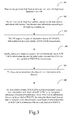
- Fig.3 is a flowchart of a method for transmitting information on physical uplink control channel according to another embodiment of the present invention.
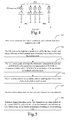
- Fig.4 is a structure of PUCCH channel
- Fig.5 is a flowchart of a method for transmitting information on physical uplink control channel according to another embodiment of the present invention.
- Fig.6 is a flowchart of a method for transmitting information on physical uplink control channel according to another embodiment of the present invention.
- Fig.7 is a flowchart of a method for transmitting information on physical uplink control channel according to another embodiment of the present invention.
- Fig.8 is a flowchart of a method for transmitting information on physical uplink control channel according to another embodiment of the present invention.
- Fig.9 is a flowchart of a method for transmitting information on physical uplink control channel according to another embodiment of the present invention.
- Fig.10 is a schematic diagram of an apparatus for transmitting information on physical uplink control channel according to an embodiment of the present invention.
- Fig.11 is a schematic diagram of an apparatus for transmitting information on physical uplink control channel according to another embodiment of the present invention.
- Fig.12 is a schematic diagram of an apparatus for transmitting information on physical uplink control channel according to an embodiment of the present invention.
- Fig.13 is a schematic diagram of an apparatus for obtaining information transmitted on physical uplink control channel according to an embodiment of the present invention.
- the embodiments of the present invention provide methods for transmitting information on physical uplink control channel, the embodiments of the present invention also provide corresponding apparatus.
- the embodiments of present invention will give some necessary introduction of the terminologies involved in the present application first, as follows:
- Channel State Information is used to support dynamic scheduling and MIMO technology, it is periodically feed back on PUCCH, it can be divided into two types of feedback, the main feature of the first type of feedback is there is only wideband channel state information feedback (different reporting modes report different content, for example, mode 1-0 reports wideband CQI only, mode 1-1 reports wideband CQI and PMI), it is usually referred to as wideband CQI feedback (although it is referred to as wideband CQI feedback for simplification purpose, it's actually corresponding to wideband channel state information feedback, for example, PMI can be reported in mode 1-1 also); the main feature of the second type of feedback is there are both the wideband channel state information feedback (different reporting modes report different content, for example, mode 2-0 reports wideband CQI only, mode 2-1 reports wideband CQI, the spatial differential CQI and PMI) and subband channel state information feedback (different reporting modes report different content, for example, mode 2-0 reports subband CQI and the subband position indication only, mode 2-1 reports subband C
- the periodical CSI feedback can be referred to as periodical CQI feedback for simplification purpose.
- the periodicity for the periodical CQI feedback is determined by high layer parameters, the two minimal feedback periodicities are 2ms and 5ms.
- the double-codebook may include codebook 1 and codebook 2, the codebook 1 is a wideband codebook (or wideband precoding matrix) or a long-term codebook (or long-term precoding matrix), codebook 2 is a subband codebook (or subband precoding matrix) or a short-term codebook (or short-term precoding matrix), or the codebook 2 is a wideband codebook (or wideband precoding matrix) or a long-term codebook (or long-term precoding matrix), the codebook 1 is a subband codebook (or subband precoding matrix) or a short-term codebook (or short-term precoding matrix), the codebook 1 is a subband codebook (or subband precoding matrix) or a short-term codebook (or short-term precoding matrix),
- the codebook 1 and codebook 2 can be reported on the same subframe or on different subframes.
- TDM Time Division Multiplexing
- the maximum size for channel state information feedback is 11 bits.
- the number of downlink aggregated carriers is more than 3 or equal to 3
- the channel state information feedback periodicity for one or more downlink carriers is 2ms
- it is impossible to report the CSIs for multiple downlink carriers in in terms of TDM without any collision it needs to report the channel state information for two or three downlink carriers on one subframe, the total number of information bits for feedback by the subframe which report the channel state information for two or three downlink carriers increases substantially.
- the hybrid automatic repeat request acknowledgement information is used to support Hybrid Automatic Repeat Request (HARQ) technology.
- HARQ Hybrid Automatic Repeat Request
- data receiver needs to feed back response message to data sender to aid in confirming whether the data is received correctly.
- the response message can be Acknowledgement (ACK), Negative-acknowledgement (NACK) or Discontinuous Transmission (DTX).
- ACK means the data is received correctly
- NACK means the data is received incorrectly
- DTX means it failed to receive data.
- data transmission on each downlink component carrier PDSCH needs to feed back corresponding response message due to the introduction of the carrier aggregation.
- the number of bits needs to be fed back for hybrid automatic repeat request acknowledgement information for multiple downlink carriers depends on the number of downlink component carriers configured by the base station for the user or the number of carriers actually scheduled by the base station, when it depends on the former one, once the base station schedules downlink carriers for the user, the user needs to calculate the total number of ACK/NACK information bits for feedback based on the number of downlink component carriers for the user, the LTE-A system needs to support up to 10bits of ACK/NACK feedback when there is no need for DTX display notification.
- SR information is used to request transmission of uplink data recourses from user equipment to base station.
- SR information can be a Positive SR or a Negative SR, wherein the positive SR means the user equipment requests uplink recourses to the base station, and the negative SR means the user equipment doesn't request uplink resources.
- SR information is transmitted on PUCCH when there is only SR.
- the user equipment when the user equipment simultaneously accesses multiple component carriers for receiving downlink data, it is necessary to feed back channel state information on uplink channel for each component carrier, and it is necessary to feed back corresponding response message for the data transmission on the Physical Downlink Shared Channel (PDSCH) for each downlink component carrier.
- PDSCH Physical Downlink Shared Channel
- the SR information is used to request uplink recourses to the base station, it is only related to traffic requirements and is not related to the number of component carriers accessed, so one SR for each user equipment would be enough.
- UE needs to feed back channel state information for multiple downlink carriers, ACK/NAC information for multiple downlink carriers and SR information on one uplink carrier.
- the first physical uplink control channel is the physical uplink control channel allocated to the user equipment by the base station or network for transmitting hybrid automatic repeat request acknowledgement information; it can be pre-reserved, implicit corresponded, or explicitly notified by the base station;
- the PUCCH format for the first physical uplink control channel can be Format 2, or Discrete Fourier Transform-spread-Orthogonal frequency-division multiplexing (OFT-S-OFDM), or other formats.
- the second physical uplink control channel is the physical uplink control channel allocated to the user equipment by the base station or network for transmitting channel state information (CSI, or referred to as CQI by those skilled in the art).
- CSI channel state information
- the explanation for the second physical uplink control channel is the same as the explanation for first physical uplink control channel, that is to say the second physical uplink control channel can be pre-reserved, implicit corresponded, or explicitly notified by the base station;
- the PUCCH format can be PUCCH Format 2, or DFT-S-OFDM, or other formats.
- FIG.1 it is a flowchart of a method for transmitting information on physical uplink control channel according to the embodiment of present invention, the method comprises:
- Step S 1 selecting information from channel state information; wherein the selecting information from channel state information further comprises:
- the UE selects information from the channel state information further comprises: the UE selects information from the channel state information according to the received high layer parameters transmitted by the base station or according to a preset rule.
- the precoding matrix indication in this step can be wideband precoding matrix indication, or long-term precoding matrix indication, or subband precoding matrix indication, or short-term precoding matrix indication, or wideband precoding matrix indication and subband precoding matrix indication, or long-term precoding matrix indication and short-term precoding matrix indication.
- Step S2 transmitting the information selected in CSI on PUCCH together with one or both of hybrid automatic repeat request acknowledgement information (or referred to as ACK/NACK by those skilled in the art) and SR.
- hybrid automatic repeat request acknowledgement information or referred to as ACK/NACK by those skilled in the art
- the information selected from the channel state information by UE in the step S1 is also different, take UE in closed-loop spatial multiplexing transmission mode for example, the information selected from CSI in step S1 includes wideband CQI and PMI, or includes PMI only, or includes wideband CQI only, or includes subband CQI and subband label, or includes other information which can indicate channel state information, herein it should not be construed as the exhaustion of CSI.
- the selected channel state information could correspond to one downlink carrier, or it could correspond to multiple downlink carriers. For example, when it needs to feed back channel state information for two downlink carriers on one uplink subframe under carrier aggregation, the information selected from the channel state information can be wideband CQI for carrier 1 and wideband CQI for carrier 2.
- the high layer parameters in step S1 is notified by the base station to UE.
- the specific format for the high layer parameters in present invention for example, 3 bits field can be used to indicate the high layer parameters.
- the high layer parameter should be added in high layer parameter list for example, it can be added to high layer parameter list reported by CSI, which is used to configure carrier, or it can be added to high layer parameter list, which is used to indicate the structure of PUCCH.
- preset rule in step S1 for example, when CQI is transmitted together with ACK/NACK, transmitting the wideband CQI and PMI information in the channel state information together with ACK/NACK on PUCCH.
- Transmitting ACK/NACK and/or SR together with the information selected from CSI on PUCCH in the step S2 can be implemented in different manner, more detailed information will be given in later method embodiments of present invention.
- An embodiment of present invention provides a method for transmitting information on physical uplink control channel, when UE needs to feed back ACK/NACK or SR, and at the same time UE needs to send CSI to the base station based on configured CSI feedback periodicity, that is to say when UE needs to simultaneously transmit CSI and ACK/NACK on PUCCH, or, when the UE needs to transmit CSI and SR simultaneously, transmitting ACK/NACK and/or SR together with the information selected from CSI on PUCCH avoids the problem of system downlink throughput decrease caused by dropping all CSI, and avoids the problem that system downlink throughput is influenced by unnecessary data retransmission on a downlink carrier caused by ACK/NACK bundling among carriers, simultaneously transmitting the information selected from CSI together with ACK/NACK or SR not only guarantees the performance of ACK/NACK or SR, but also obtains some channel quality information, reduces the influence on system throughput, and avoids additional resources overhead.
- FIG.2 it is a flowchart of a method for obtaining information transmitted on physical uplink control channel, the method comprises:
- Step A1 determining channel state information to be detected further comprises: determining the channel state information to be detected as wideband channel quality indicator and precoding matrix indicator, or
- the channel state information to be detected as subband channel quality indicator and subband position indicator, or
- determining the channel state information to be detected as subband channel quality indicator, subband position indicator, and precoding matrix indicator.
- the precoding matrix indication in this step can be wideband precoding matrix indication, or long-term precoding matrix indication, or subband precoding matrix indication, or short-term precoding matrix indication, or wideband precoding matrix indication and subband precoding matrix indication, or long-term precoding matrix indication and short-term precoding matrix indication.
- step A1 The specific operations for determining the channel state information to be detected in step A1 further comprises: determining channel state information to be detected according to high layer parameters configured for the user or preset rule.
- the high layer parameters in step A1 are the high layer parameters configured by the base station for UE.
- There is no limitation for which part the high layer parameter should be added in the high layer parameter list for example, it can be added to high layer parameter list reported by CSI, which is used to configure carriers, or it can be added to high layer parameter list, which is used to indicate the structure of PUCCH.
- preset rule in step A1 for example, when CQI is transmitted together with ACK/NACK, transmitting wideband CQI and PMI in the channel state information together with ACK/NACK on PUCCH.
- Step A2 obtaining the determined channel state information to be detected on PUCCH, and obtaining one or both of hybrid automatic repeat request acknowledgement information (or ACK/NACK for short) and/or SR on PUCCH;
- Transmitting ACK/NACK and/or SR together with the determined channel state information to be detected on PUCCH by UE can be implemented in different manner, the operation for obtaining ACK/NACK and/or SR together with the determined channel state information to be detected on PUCCH by the base station in step A2 is different, more detailed information about obtaining ACK/NACK and/or SR together with the determined channel state information to be detected on PUCCH by the base station will be given later embodiments of present invention.
- step A1 shown in Fig.2 further comprises:
- Step A3 generating the high layer parameters, and transmitting the high layer parameters to the UE;
- the base station mainly configures multiplexing mode of channel state information, hybrid automatic repeat request acknowledgement information and/or scheduling request by using high layer parameters.
- This step is optional in present invention, for example, this step can be omitted when performing a multiplexing of channel state information, hybrid automatic repeat request acknowledgement information and/or scheduling request according to preset rules based on protocol specifications.
- high layer parameters generation by the base station there is no limitation on the basis of high layer parameters generation by the base station, for example, high layer parameters can be generated based on the performance of PUCCH, so that UE is indicated to use corresponding multiplexing mode of channel state information, hybrid automatic repeat request acknowledgement information and/or scheduling request.
- high layer parameters generation by base station there is no limitation on the specific format of high layer parameter generation by base station either, for example, 3 bits field can be used to indicate high layer parameters.
- the base station can add high layer parameters to high layer parameter list reported by CSI, which is used to configure carriers, and send to UE, or, the high layer parameters can be added to high layer parameter list, which is used to indicate the structure of PUCCH, and send to UE.
- step A3 comprises:
- the base station configures the multiplexing mode of CSI and ACK/NACK according to the performance of PUCCH in one of the following ways:
- Mode 1 keeping wideband CQI and PMI, and transmitting with ACK/NACK simultaneously;
- Mode 2 keeping PMI, and transmitting with ACK/NACK simultaneously;
- Mode 3 keeping wideband CQI, and transmitting with ACK/NACK simultaneously;
- Mode 4 keeping subband CQI and subband label, and transmitting with ACK/NACK simultaneously;
- Mode 5 keeping subband channel quality indicator, subband position indicator and precoding matrix indicator in channel state information, and transmitting with ACK/NACK simultaneously.
- the performance of PUCCH can be the performance of PUCCH format transmitting CSI, or the performance of PUCCH format transmitting ACK/NACK, for example, the performance of PUCCH Format 2 or Discrete Fourier Transform-spread-Orthogonal frequency-division multiplexing (DFT-S-OFDM).
- DFT-S-OFDM Discrete Fourier Transform-spread-Orthogonal frequency-division multiplexing
- the specific mode for indicating the multiplexing mode of SR and CSI by using high layer parameters can be referred to above multiplexing mode of ACK/NACK and CSI by using high layer parameters.
- the prior art 1 and the prior art 2 can also be used as alternative multiplexing mode of ACK/NACK and CSI and/or SR by using high layer parameters, for example, mode 6 is a mode for dropping CSI and only transmitting ACK/NACK or SR according to prior art 1, mode 6 is a mode for bundling ACK/NACK and simultaneously transmitting ACK/NACK with CSI according to prior art 2.
- Fig.3 it is a flowchart of a method for transmitting information on physical uplink control channel, this method will focus on simultaneously transmitting ACK/NACK and CSI (or referred to as CQI by those skilled in the art), the method comprises:
- Step 301 a base station generates high layer parameters, and sends the high layer parameters to a UE; this step is the same as the step A3 in Fig.2 , detailed explanation can be referred to the explanation of step A3, so the detailed description is omitted herein.
- Step 302 the UE receives the high layer parameters sent by the base station, and selects information from channel state information according to the high layer parameters; this step is the same as step S1 in Fig.1 , detailed explanation can be referred to the explanation of step S 1, so the detailed description is omitted herein.
- step 302 when the subframe for ACK/NACK feedback is also needed for periodical CSI feedback, the operation of selecting information from channel state information can be based on the preset rule described in step S1 rather than the high layer parameters (detailed information can be referred to step S1), in this case, step 301 can be omitted.
- Step 303 the UE maps the first part of information bits in ACK/NACK information bits to a pilot symbol of PUCCH for transmission, wherein the PUCCH is the second physical uplink control channel (also referred to as the PUCCH for transmitting CSI assigned by the base station to the user equipment), or the first PUCCH;
- the PUCCH is the second physical uplink control channel (also referred to as the PUCCH for transmitting CSI assigned by the base station to the user equipment), or the first PUCCH;
- Step 303 will be implemented only if the UE determines the subframe for ACK/NACK feedback is also needed for periodical CSI feedback, or it can be conducted in other situations.
- the second PUCCH in step 303 is the second physical uplink control channel; the first PUCCH is the first physical uplink control channel; the explanation of the first PUCCH and the second PUCCH are the same in all of the embodiments of present invention. Also need to understand is that the implementation of step 303 is not limited to the situation when the UE determines to feed back both of CSI and ACK/NACK simultaneously, the technical solution for transmission provided in the embodiments of present invention can be used as long as in the situation when UE needs to transmit both CSI and ACK/NACK simultaneously.
- the first part of information bits in ACK/NACK information bits mentioned above can be 1bit or 2bits in ACK/NACK information bits, but, the first part of information bits in ACK/NACK information bits should not be limited to present instances.
- ACK/NACK information bits can be divided into two parts, i.e., the first part of information bits and the second part of information bits.
- the first part of information bits is 1bit or 2bits
- the remaining information bits of ACK/NACK information bits to be transmitted can be referred to as the second part of the information bits in ACK/NACK information bits to be transmitted.
- step 303 Following description is for the purpose of understanding step 303.
- PUCCH usually includes two time slots, each time slot includes data symbols (the SC-FDMA symbols for transmitting uplink control information) and pilot symbols (the SC-FDMA symbols for transmitting pilot).
- the PUCCH in the embodiments of present invention can be PUCCH Format 2 or DFT-S-OFDM.
- the PUCCH with different formats has different structures, take PUCCH Format 2 for example, the channel structures of each time slot is shown in Fig.4 , the second and the sixth symbols of each time slot carry pilot.
- the first part of information bits in ACK/NACK information bits can be mapped to the second pilot symbol of each PUCCH time slot for transmission, or it can be mapped to all pilot symbols or the first pilot symbol.
- pilot symbol should be mapped, but, mapping to the second pilot symbol of each time slot for transmission is preferable in present invention. Mapping to the second pilot symbol of each time slot can be compatible with LTE Rel8.
- the ACK/NACK information bits corresponding to the downlink primary carrier can be 2 bits or 1 bit, it depends on the transmission mode for the primary carrier, for example, when the transmission mode for the primary carrier is closed-loop spatial multiplexing, two code words of downlink data are scheduled on the downlink primary carrier, each code word generates 1 bit ACK/NACK, so the ACK/NACK information corresponding to the downlink primary carrier is 2 bits.
- this 2 bits ACK/NACK information can be the 2 bits in ACK/NACK information bits corresponding to the downlink primary carrier; if the ACK/NACK information bits corresponding to the downlink primary carrier is 1 bit, the other 1 bit ACK/NACK information can be 1 bit ACK/NACK information corresponding to the downlink carrier which is downlink non-primary carrier, the downlink carrier which is the downlink non-primary carrier can be the downlink component carrier which has the minimum index (or the next minimum index), here is an example to facilitate the understanding on the embodiments of present invention, it is not a limitation on the embodiments of present invention.
- the performance of transmitting ACK/NACK on pilot symbol is better than the performance of mapping ACK/NACK to data symbol and jointly coding with CSI for transmission, so transmitting the ACK/NACK corresponding to the primary carrier on pilot further guarantees that the base station can obtain ACK/NACK corresponding to the downlink primary carrier accurately.
- Mapping the selected ACK/NACK information bits to pilot symbol for transmission further includes:
- Step 303a the UE maps a first part of information bits in ACK/NACK information bits to a modulated symbol according to a predetermined constellation point mapping rule
- Quadrature Phase Shift Keying QPSK
- BPSK Binary Phase Shift Keying
- the selected first part of ACK/NACK information bits is greater than 2 bits, higher order of modulation can be used in this case, for example, performing 16QAM modulation for 4 bits.
- the constellation point mapping of QPSK modulation can follow the rule shown in Table 1, or the rule shown in Table 2.
- the constellation point mapping of BPSK modulation can follow the rule shown in Table 3. Table 1.
- the modulated symbol is I+jQ if following the rule shown in Table 2.
- the modulation is QPSK, it is compatible with LTE Rel-8 if following the rule shown in Table 1, following the rule shown in Table 2 facilitates the base station to distinguish the transmission mode of transmitting CSI only and the transmission mode of transmitting both of CSI and ACK/NACK, thus it avoids the problem of Discontinuous Transmission (DTX) to ACK (specific reasons will be explained in step 305).
- Step 303b mapping the modulated symbol obtained in step 303a to pilot symbol on physical uplink control channel for transmission.
- Step 304 jointly coding and mapping a second part of information bits in ACK/NACK information bits and the information selected in CSI to a data symbol of PUCCH for transmission, the PUCCH can be the first PUCCH or the second PUCCH;
- jointly coding and mapping a second part of information bits in ACK/NACK information bits and the information selected in CSI in step 304 further comprises:
- Step 304a ordering the remaining ACK/NACK information bits (i.e., the second part of information bits) and the information selected from CSI according to a preset ordering rule by UE;
- Step 304b performing channel coding for the ordered information bits by UE, for example, using convolutional code or Reed-Muller (RM) code for channel coding.
- RM Reed-Muller
- the preset ordering rule mentioned in step 304a can be the rule that the information bits selected from CSI are ordered at the end of the remaining ACK/NACK information bits, or, it also can be the rule that the remaining ACK/NACK information bits are ordered at the end of the information bits selected from CSI .
- the channel code is RM code
- this ordering rule increases the performance of effective information bits when there are too many redundant bits in ACK/NACK information bits, because the redundant bits in ACK/NACK information bits is 0 bit, ordering it after the effective bits will not influence the transmission performance of effective information bits according to the characteristic of RM code.
- Step 305 determining channel state information to be detected by the base station; detailed explanation about step 305 can be referred to step A1.
- Step 306 obtaining the determined channel state information to be detected and ACK/NACK on PUCCH by the base station further comprises: obtaining the first part of information bits in ACK/NACK information from the pilot symbol on PUCCH (the part usually indicate 1 bit or 2 bits), obtaining the determined channel state information to be detected and the second part of information bits in ACK/NACK information bits from the data symbol on PUCCH.
- obtaining the first part of information bits in ACK/NACK from pilot symbol on PUCCH further comprises: here is an example, preferably, modulating 2 bits in ACK/NACK information bits to QPSK symbol and mapping to the second pilot symbol on each PUCCH time slot for transmission, then the base station uses channel estimated value of first pilot symbol on each PUCCH time slot as the channel value of the second pilot symbol and performs modulation on ACK/NACK, obtaining the first part of ACK/NACK information bits according to the 2 bits constellation point mapping rule after performing maximum ratio combining of the received signals from multiple antennas and two slots.
- the base station determines that UE transmits CSI only without ACK/NACK information, but in fact, the base station has sent downlink data, and determined that there should be ACK/NACK information transmitted on the received PUCCH at this moment, thus, the base station determines the UE didn't get any downlink data, that is to say the base station detected the DTX of hybrid automatic repeat request acknowledgement information is occurred.
- No ACK/NACK information is obtained from pilot symbol means the modulated symbol modulated from pilot symbol on PUCCH according to preset constellation point mapping rule by base station is not in the range of ACK/NACK modulated symbol's judgment, that is to say it fails to map the received modulated symbol to ACK/NACK information bits; or it means the modulated symbol modulated from pilot symbol on PUCCH by the base station is approximately equal to 1, that is to say there is no ACK/NACK modulated symbol from pilot symbol.
- the base station determines whether only CSI is transmitted or both of CSI and ACK/NACK are transmitted according to the modulated symbol demodulated from pilot symbol on PUCCH.
- the base station determines only CSI is transmitted on PUCCH by user, so that it read CSI only when reading the information bits obtained from channel decoding, avoids the problem of DTX to ACK caused by interpreting parts of CSI as ACK/NACK information.
- base station when the first part of information bits in ACK/NACK information bits is mapped to modulated symbol according to constellation point mapping rule shown in Table 1, base station obtains ACK/NACK information from pilot symbol, and this also solves the problem of DTX to ACK, limits the probability of DTX to ACK within certain target value, such as 0.01.
- the base station can read NACK information from pilot symbol, but in this case, when base station performing channel decoding on the data transmitted on a data symbol of the physical uplink control channel, the probability of interpreting parts of information corresponding to ACK/NACK into NACK is high, this makes the probability of ACK/NACK DTX to ACK low, lower than certain target value, and solves the problem of DTX to ACK.
- the scenario for the problem of DTX to ACK can be: the base station scheduled downlink data, but the user equipment didn't detect the scheduled downlink data because the user equipment lost PDCCH corresponding to the downlink data, so that there is no ACK/NACK information for feedback, however, the base station needs to detect whether there is DTX, because the base station scheduled downlink data and supposed to receive ACK/NACK from the user feedback.
- obtaining determined channel state information to be detected from data symbol on PUCCH and the second part of information bits in ACK/NACK information bits further comprises: performing channel decoding on the data transmitted on a data symbol on PUCCH, and reading CSI and ACK/NACK after channel decoding according to preset ordering rule.
- the present ordering rule can be the rule that the determined channel state information to be detected is ordered at the end of the second part of information bits in ACK/NACK information bits, or the rule that the second part of information bits in ACK/NACK information bits is ordered at the end of the determined channel state information to be detected.
- the method provided in the embodiments of present invention realizes multiplexing of channel state information CSI and hybrid automatic repeat request acknowledgement information ACK/NACK, selecting information from CSI according to the performance of PUCCH and multiplexing with ACK/ANCK avoids the problem of system downlink throughput decrease caused by dropping all CSI, and avoids the problem that system downlink throughput is influenced by unnecessary data retransmission on a downlink carrier caused by ACK/NACK bundling among carriers, no ACK/NACK bundling among carriers and transmitting the most important information in channel state information together with ACK/NACK not only guarantees the performance of ACK/NACK, but also acquires some channel quality information, reduces the influence on system throughput and avoids to increase extra resource overhead.
- mapping part information in ACK/NACK information to be transmitted to pilot symbol for transmission when QPSK modulation shown in Table 2 has been used, it enables the base station to distinguish those two transmission modes: transmitting CSI only or simultaneously transmitting both of the information selected in CSI and ACK/NACK, avoids the problem of ACK/NACK DTX to ACK.
- Modulating and mapping part information in ACK/NACK information to be transmitted on pilot symbol for transmission according to the constellation point mapping mode shown in Table 1 and Table 2 enables the base station to determine whether only CSI is transmitted or both of CSI and ACK/NACK are transmitted, and avoids the problem of ACK/NACK DTX to ACK.
- This technical solution is not only limited to the solution of multiplexing of CSI and ACK/NACK provided in the embodiments of present invention, but also can be used in other solutions involving transmitting CSI and ACK/NACK simultaneously. Thus, it can be used to solve the problems of determining whether only CSI is transmitted or both of CSI and ACK/NACK are transmitted.
- the method provided in the embodiments of present invention can be used in LTE-A FDD and LTE-A TDD system.
- Fig.5 is a flowchart of another method for transmitting information on physical uplink control channel according to an embodiment of the present invention, this method will focus on simultaneously transmitting ACK/NACK and the information selected from CSI (or referred to as CQI by those skilled in the art), the method comprises:
- Step 501 and step 502 are respectively similar with step 301 and step 302 in Fig.3 , in later explanation, it can be learned that the methods in Fig.3 and Fig.5 are different.
- selecting information from the channel state information in step 502 can be based on the preset rule described in step S1 rather than the high layer parameters (detailed information can be referred to step S1), in this case, the step 501 can be omitted.
- Step 503 when both of the ACK/NACK and periodical CSI are needed for feedback, jointly coding and mapping the information selected from CSI in step 502 and ACK/NACK information bits to data symbol on PUCCH for transmission, preferably, the PUCCH is the second PUCCH;
- the joint coding method shown in step 503 is similar with the joint coding method in step 304 shown in Fig.3 , so the detailed description is omitted herein.
- Step 504 UE modulates a pilot symbol on physical uplink control channel by using orthogonal spreading code; wherein, the orthogonal spreading code utilized when only channel state information is carried on the data symbol of physical uplink control channel is different from the orthogonal spreading code utilized when both of the information selected from channel state information and the hybrid automatic repeat request acknowledgement information are carried on the data symbol of physical uplink control channel;
- the orthogonal spreading code to be utilized when only CSI is carried on data symbol of PUCCH, the orthogonal spreading code to be utilized is [1,1]; when both of the information selected from CSI and the ACK/NACK are carried on data symbol of PUCCH simultaneously, the orthogonal spreading code to be utilized is [1,-1].
- orthogonal spreading code to be utilized is [1,-1].
- orthogonal spreading code it should not be interpreted as a limitation on the embodiments of present invention.
- step 504 can be implemented before step 503.
- Step 505 the base station determines the channel state information to be detected; more detailed explanation for step 505 can be referred to step A1;
- Step 506 the base station obtains the determined channel state information to be detected and ACK/NACK on PUCCH further comprises: performing channel decoding on the data transmitted on a data symbol of the second PUCCH, reading the determined channel state information to be detected and ACK/NACK information according to a preset ordering rule.
- the preset ordering rule mentioned in step 506 can be the rule that the CSI information bits are ordered at the end of ACK/NACK information bits, or, ACK/NACK information bits are ordered at the end of CSI information bits.
- Step 506 the base station obtains ACK/NACK on PUCCH and determines the channel state information to be detected further comprises: utilizing different orthogonal spreading code to perform time domain dispreading on a pilot symbol of the second PUCCH respectively, comparing two energy obtained from time domain dispreading; determining the orthogonal spreading code used by the user according to the result of comparison of those two energy. Base on the orthogonal spreading code used by the user, determining whether only CSI or both of the CSI and ACK/NACK are simultaneously transmitted on PUCCH. When it is determined that the CSI and ACK/NACK are simultaneously transmitted, performing channel decoding on the data transmitted on the data symbol of PUCCH, and reading the CSI and ACK/NACK according to a preset ordering rule.
- the base station determines that the DTX of ACK/NACK is occurred (that is to say UE didn't receive downlink data sent by the base station), it avoids the problem of ACK/NACK DTX to ACK.
- step 506 comprises: the base station determines whether both of CSI and ACK/NACK are simultaneously transmitted according to the scheduling state of data, if the base station scheduled downlink data on corresponding subframe, it can be estimated that the CSI and ACK/NACK are simultaneously transmitted, if the base station didn't schedule downlink data on corresponding subframe, it can be estimated that only CSI is transmitted.
- the base station estimates that CSI and ACK/NACK are transmitted simultaneously, performing frequency domain dispreading on two pilot symbols first, and then performing time domain orthogonal dispreading on pilot symbols respectively by utilizing the orthogonal spreading code of [1,-1] and [1,1], and then comparing the energies obtained from time domain dispreading utilizing two orthogonal spreading codes, determining that the user uses the orthogonal spreading code corresponding to higher energy.
- the orthogonal spreading code used by the user is [1,1] If it is determined that the situation of ACK/NACK DTX to ACK is occurred to the user, only CSI is transmitted on the received PUCCH, so that reading CSI only when reading the information transmitted on data symbol of PUCCH, it avoids the problem of DTX to ACK. If it is determined that the orthogonal spreading code used by the user is [1,-1], then it is determined that both of the CSI and ACK/NACK are transmitted on data symbol of PUCCH simultaneously, reading the determined channel state information to be detected and ACK/NACK information according to preset ordering rule.
- the method provided in the embodiments of present invention shown in Fig.5 realizes multiplexing of channel state information CSI and hybrid automatic repeat request acknowledgement information, selecting information from CSI based on the performance of PUCCH and multiplexing with ACK/NACK avoids the problem of system downlink throughput decrease caused by dropping all CSI, and avoids the problem the system downlink throughput is influenced by unnecessary data retransmission on a downlink carrier caused by ACK/NACK bundling among carriers, no ACK/NACK bundling among carriers and transmitting the most important information in channel state information together with ACK/NACK not only guarantees the performance of ACK/NACK, but also acquires some channel quality information, reduces the influence on system throughput and avoids to increase extra resource overhead.
- performing orthogonal spreading on pilot symbol in each time slot by utilizing orthogonal spreading code enables the base station to determine whether only CSI is transmitted or both of the CSI and ACK/NACK are simultaneously transmitted on received PUCCH according to determined orthogonal code used by the user, so that it avoids the problem of ACK/NACK DTX to ACK.
- the method provided in the embodiments of present invention can be used in LTE-A FDD and LTE-A TDD system.
- Fig.6 is a flowchart of another method for transmitting information on physical uplink control channel according to the embodiment of the present invention, this method also focus on simultaneously transmitting ACK/NACK and the information selected in CSI (or referred to as CQI by those skilled in the art), the method is similar with the method shown in Fig.5 , it differs in the technical solution of how to solve the problem of ACK/NACK DTX to ACK. More detailed explanation for the method shown in Fig.6 is as follows:
- Step 601 and step 602 are respectively similar with step 301 and step 302 shown in Fig.3 .
- selecting information from the channel state information in step 602 can be based on the preset rule described in step S1 rather that the high layer parameters (detailed information can be referred to step S1), in this case, step 601 can be omitted.
- Step 603 when both of ACK/NACK and periodical CSI are needed for feedback, jointly coding and mapping the information selected from CSI in step 602 and ACK/NACK information bits to data symbol on PUCCH for transmission, the PUCCH is the first PUCCH;
- the joint coding method in step 603 is similar with the joint coding method shown in Fig.3 , so the detailed description is omitted herein.
- Step 604 the base station determines the channel state information to be detected; more detailed explanation about step 604 can be referred to step A1;
- Step 605 obtaining ACK/NACK and determined channel state information to be detected on PUCCH by the base station further comprises: performing channel decoding on the date transmitted on a data symbol of the first PUCCH, and reading the determined channel state information to be detected and ACK/NACK information according to a preset ordering rule;
- the method further comprises:
- the base station determines both of the information in CSI and ACK/NACK are transmitted simultaneously, and, the base station is unable to read both of CSI and ACK/NACK information on first PUCCH, or, it is determined that there is no signal on first PUCCH, then the base station determines the ACK/NACK DTX is occurred.
- Unable to read CSI and ACK/NACK information on first PUCCH can be interpreted as detecting the energy of pilot symbol of first PUCCH, if the energy is lower than certain threshold, it is determined that there is no signal transmitted on the PUCCH, so that it is unable to read CSI and ACK/NACK information.
- the method provided in the embodiments of present invention shown in Fig.6 realizes a multiplexing of channel state information CSI and hybrid automatic repeat request acknowledgement information, selecting information from CSI based on the performance of PUCCH and multiplexing with ACK/NACK avoids the problem of system downlink throughput decrease caused by dropping all CSI, and avoids the problem the system downlink throughput is influenced by unnecessary data retransmission on a downlink carrier caused by ACK/NACK bundling among carriers, no ACK/NACK bundling among carriers and transmitting the most important information in the channel state information together with ACK/NACK not only guarantees the performance of ACK/NACK, but also acquires some channel quality information, reduces the influence on system throughput and avoids to increase extra resource overhead.
- transmitting on the channel for CSI transmission when only CSI is transmitted, and transmitting on the first physical uplink control channel when both of the CSI and ACK/NACK are transmitted enables the base station to determine whether only CSI is transmitted or both of CSI and ACK/NACK are transmitted, so that avoids the problem of ACK/NACK DTX to ACK.
- the method for transmitting on a channel for ACK/NACK transmission when CSI and ACK/NACK are multiplexed enables the base station to determine whether only CSI is transmitted or both of CSI and ACK/NACK are simultaneously transmitted, and avoids the problem of ACK/NACK DTX to ACK.
- This method is not only limited to the solution in the present invention, it can also be used in other solutions involving transmitting CSI and ACK/NACK simultaneously. It can be used in the telecommunication system to solve the problem of determining whether only CSI is transmitted or both of CSI and ACK/NACK are transmitted.
- the method provided in the embodiments of present invention can be used in LTE-A FDD and LTE-A TDD system.
- Fig.7 is a flowchart of another method for transmitting information on physical uplink control channel according to the embodiment of the present invention, this method focus on simultaneously transmitting SR and the information selected in CSI (or referred to as CQI by those skilled in the art). More detailed explanation for the method shown in Fig.7 comprises:
- Step 701 a base station generates high layer parameters, and sent the high layer parameters to a UE; this step is the same as step A3 shown in Fig.2 , detailed explanation can be referred to step A3, so the detailed description is omitted herein.
- Step 702 the UE receives the high layer parameters sent by the base station, when the subframe carrying SR feedback also needs to carry the feedback of periodical CSI, selecting information in the channel state information according to the high layer parameters; this step is the same as step S1 shown in Fig.1 , detailed explanation can be referred to step S1, so the detailed description is omitted herein.
- selecting information from the channel state information in step 702 can be based on the preset rule described in step S1 rather than the high layer parameters (detailed information can be referred to step S1), in this case, step 701 can be omitted.
- Step 703 when both of SR and periodical CSI are needed for feedback, the UE simultaneously transmits both of SR and the information selected in CSI in step 702; further comprises: jointly coding and mapping the information bits selected in CSI and SR information bits to data symbol of PUCCH for transmission, the PUCCH is the second PUCCH.
- step 703 is not only limited to the situation when UE determines to feed back both of CSI and SR at the same time, the technical solution for transmission provided in the embodiments of present invention can be used as long as in the situation when UE needs to transmit both CSI and ACK/NACK simultaneously.
- step 506 comprises: in the LTE-A system, mapping SR to information bits for transmission, for example, using 1 to indicate positive scheduling request and 0 to indicate negative scheduling request when using 1 bit to indicate SR. Or using 00 to indicate negative scheduling request and 11 to indicate positive scheduling request when using 2 bits to indicate SR.
- joint coding CSI information bits mentioned above and SR information bits to be transmitted further comprises:
- Step 703a the UE orders SR information bits and the information bits selected in CSI according to preset ordering rule
- the ordering rule in step 703a can be the rule that the information bits selected from CSI are ordered at the end of SR information bits, or it can be the rule that the SR information bits are ordered at the end of the information bits selected from CSI.
- Step 703b performing channel coding on the ordered information bits, such as using RM code or convolutional code for channel coding.
- Step 704 the base station determines the channel state information to be detected; detailed explanation about step 704 can be referred to step A1;
- Step 705 the base station obtains SR and the determined channel state information to be detected on PUCCH further comprises: performing channel decoding on the data transmitted on a data symbol of second PUCCH, and reading the determined channel state information to be detected and SR information according to preset ordering rule;
- the method provided in the embodiment of present invention shown in Fig.7 realizes a multiplexing of channel state information CSI and hybrid automatic repeat request acknowledgement information, selecting information from CSI based on the performance of PUCCH and multiplexing with SR avoids the problem of system downlink throughput decrease caused by dropping all CSI, it not only guarantees the performance of SR, but also acquires some channel quality information, reduces the influence on system throughput and avoids to increase extra resource overhead.
- the methods shown in above Fig.3 , Fig.5 , Fig.6 , Fig.7 are the method for transmitting both of CSI and ACK/NACK or the method for transmitting both of CSI and SR on PUCCH, the below technical content is about transmitting all of CSI, ACK/NACK and SR together on PUCCH.
- the method for transmitting all of CSI, ACK/NACK and SR together on PUCCH is based on above Fig.3 , Fig.5 , Fig.6 and Fig.7 .
- Method 1 a method for transmitting information on physical uplink control channel, the method comprises:
- Step C1 a base state generates high layer parameters, and sends the high layer parameters to a UE; this step is similar with step A3 shown in Fig.2 , more detailed explanation can be referred to step A3, so the detailed description is omitted herein.
- Step C2 the UE receives the high layer parameters sent by the base station, when all of the ACK/NACK, the information selected in CSI and SR are needed for feedback, selecting information in the channel state information according to the high layer parameters; this step is the same with step S1 shown in Fig.1 , more detailed explanation can be referred to step S1, so the detailed description is omitted herein.
- selecting information from the channel state information in step C2 can be based on the preset rule described in step S1 rather than the high layer parameters (detailed information can be referred to step S1), in this case, step C1 can be omitted.
- Step C3 when all of ACK/NACK, the information from CSI and SR are needed for feedback, transmitting all of the ACK/NACK, SR and the information selected in CSI in step C2 on PUCCH further comprises: jointly coding and mapping the information bits selected in CSI and ACK/NACK information bits to a data symbol on PUCCH for transmission; mapping SR information bits to a pilot symbol of PUCCH for transmission; the PUCCH is the first PUCCH;
- step 503 shown in Fig.5 detailed information about jointly coding and mapping information bits selected in CSI and ACK/NACK information bits to a data symbol of PUCCH for transmission can be referred to step 503 shown in Fig.5 ; detailed information about mapping SR information bits to a pilot symbol of PUCCH for transmission can be referred to step 303 shown in Fig.3 , replacing ACK/NACK information bits in step 303 with SR information bits;
- Step C4 the base station determines the channel state information to be detected; more detailed explanation about step C4 can be referred to step A1.
- Step C5 the base station obtains all of ACK/NACK, SR and the determined channel state information to be detected on the first PUCCH further comprises: obtaining SR on a pilot symbol of first PUCCH, and obtaining ACK/NACK and the determined channel state information to be detected on a data symbol of this PUCCH, more detailed explanation can be referred to step 305 shown in Fig.3 for facilitating understanding.
- Method 2 a method for transmitting information on physical uplink control channel, the method comprises:
- Step D1 a base state generates high layer parameters, and sends the high layer parameters to a UE; this step is similar with step A3 shown in Fig.2 , more detailed explanation can be referred to step A3, so the detailed description is omitted herein.
- Step D2 the UE receives the high layer parameters sent by the base station, when all of the ACK/NACK, the information selected in CSI and SR are needed for feedback, selecting information in the channel state information according to high layer parameters; this step is the same with step S1 shown in Fig.1 , more detailed explanation can be referred to step S1, so the detailed description is omitted herein.
- selecting information from the channel state information in step D2 can be based on the preset rule described in step S1 rather than the high layer parameters (detailed information can be referred to step S1), in this case, step D1 can be omitted.
- Step D3 when all of ACK/NACK, the information from CSI and SR are needed for feedback, transmitting all of ACK/NACK, SR and the information selected in CSI on PUCCH in step D2 further comprises: jointly coding and mapping all of the information bits selected in CSI, ACK/NACK information bits and SR information bits to a data symbol on PUCCH for transmission; the orthogonal spreading code [1,-1] is multiplied by two pilot symbols of each PUCCH time slot, the PUCCH is the second PUCCH;
- step D3 further comprises:
- Step D3a ordering ACK/NACK information bits, the information selected in CSI and SR information bits according to a preset ordering rule
- Step D3b performing channel coding on the ordered information bits, such as using convolutional code or RM code for channel coding.
- the preset ordering rule in step D3a can be the rule that orders SR information bits first, then orders ACK/NACK information bits, and finally orders the information selected in CSI; or it can be the rule that orders SR information bits first, then orders the information selected in CSI, and finally orders the ACK/NACK information bits.
- Step D4 the base station determines the channel state information to be detected; more detailed explanation about step D4 can be referred to step A1.
- Step D5 the base station obtains all of ACK/NACK, SR and the determined channel state information to be detected on PUCCH further comprises: performing channel decoding on the data transmitted on a data symbol of the second PUCCH, and reading the determined channel state information to be detected, ACK/NACK and SR information according to the preset ordering rule. More detailed explanation can be referred to step 505 shown in Fig.5 for facilitating understanding.
- Method 3 a method for transmitting information on physical uplink control channel, the method comprises:
- Step E1 a base state generates high layer parameters, and sends the high layer parameters to a UE; this step is similar with step A3 shown in Fig.2 , more detailed explanation can be referred to step A3, so the detailed description is omitted herein.
- Step E2 the UE receives the high layer parameters sent by the base station, when all of the ACK/NACK, the information selected in CSI and SR are needed for feedback, selecting information in the channel state information according to the high layer parameters; this step is the same as step S1 shown in Fig.1 , more detailed explanation can be referred to step S1, so the detailed description is omitted herein.
- selecting information from the channel state information in step E2 can be based on the preset rule described in step S1 rather than the high layer parameters (detailed information can be referred to step S1), in this case, step E1 can be omitted.
- Step E3 when all of ACK/NACK, the information from CSI and SR are needed for feedback, transmitting all of ACK/NACK, SR and the information selected in CSI in step E2 on PUCCH further comprises: mapping a part of information bits in ACK/NACK information bits to a pilot symbol of PUCCH for transmission, wherein, the PUCCH is the first PUCCH or the second PUCCH; jointly coding and mapping the remaining ACK/NACK information bits, the information selected in CSI in step E2 and SR information bits to a data symbol of PUCCH for transmission.
- Step E4 the base station determines the channel state information to be detected; more detailed explanation about step D4 can be referred to step A1.
- Step E5 the base station obtains all of ACK/NACK, SR and the determined channel state information to be detected on PUCCH further comprises: obtaining the first part of information bits in ACK/NACK information bits on a pilot symbol of PUCCH; obtaining the determined channel state information to be detected, the second part of information bits in ACK/NACK information bits and SR on a data symbol of PUCCH, and reading the determined channel state information to be detected, the remaining ACK/NACK and SR according to the preset ordering rule. More detailed explanation can be referred to step 505 shown in Fig.5 for facilitating understanding.
- Method 4 a method for transmitting information on physical uplink control channel, the method comprises:
- Step F1 a base state generates high layer parameters, and sends the high layer parameters to a UE; this step is similar with step A3 shown in Fig.2 , more detailed explanation can be referred to step A3, so the detailed description is omitted herein.
- Step F2 the UE receives the high layer parameters sent by the base station, when all of the ACK/NACK, the information selected in CSI and SR are needed for feedback, selecting information in the channel state information according to the high layer parameters; this step is the same with step S1 shown in Fig.1 , more detailed explanation can be referred to step S1, so the detailed description is omitted herein.
- selecting information from the channel state information in step F2 can be based on the preset rule described in step S1 rather than the high layer parameters (detailed information can be referred to step S1), in this case, step F1 can be omitted.
- Step F3 when all of ACK/NACK, the information from CSI and SR are needed for feedback, transmitting all of ACK/NACK, SR and the information selected in CSI in step F2 on PUCCH further comprises: jointly coding and mapping both of the information bits selected in CSI and SR information bits to a data symbol of PUCCH; mapping ACK/NACK information bits to a pilot symbol of PUCCH for transmission; the PUCCH is the second PUCCH.
- mapping ACK/NACK information bits to a pilot symbol of PUCCH for transmission can be referred to step 303, in this case, constellation point mapping rule is selected according to the total number of bits for ACK/NACK, it can use higher order of modulation such as 16QAM; or bundling ACK/NACK information bits into 2 bits and mapping to a pilot symbol for transmission according to step 303, the details about how to bundle ACK/NACK information bits into 2 bits can be referred to prior art 2.
- Step F4 the base station determines the channel state information to be detected; more detailed explanation about step F4 can be referred to step A1.
- Step F5 the base station obtains all of ACK/NACK, SR and the determined channel state information to be detected on PUCCH further comprises: obtaining ACK/NACK on a pilot symbol of the second PUCCH (detailed explanation can be referred to step 305 shown in Fig.3 ), obtaining the determined channel state information to be detected and SR on a data symbol of the second PUCCH (detailed explanation can be referred to step 704 shown in Fig.7 ).
- the method for multiplexing of CSI and ACK/NACK and/or SR provided in the embodiments of present invention can also be used in following scenario: when the number of downlink aggregated carriers is above or equal to 3 and the channel state information feedback periodicity of one or multiple downlink carriers is 2ms, it is impossible to report the information selected in CSI for multiple downlink carriers in terms of TDM without any collision, it comes the circumstance that one subframe has to report two or three channel state information of downlink carriers, the total number of information bits to be feed back by the subframe used for reporting channel state information of two or three downlink carriers increases substantially.
- the method provided in present invention can be used to select the most important information from CSI for multiple downlink carriers and transmit together with ACK/NACK and/or SR.
- the most important information of CSI includes: one or more of wideband CQI, PMI, subband CQI and subband label.
- Another method for transmitting information on physical uplink control channel is provided in the embodiments of present invention, as shown in Fig.8 , the method comprises:
- Step 801 mapping a first part of information bits in hybrid automatic repeat request acknowledgement information bits to a modulated symbol according to a predetermined constellation point mapping rule; mapping the modulated symbol to a pilot symbol of physical uplink control channel for transmission.
- Step 802 jointly coding and mapping a second part of information bits in the hybrid automatic repeat request acknowledgement information bits and channel state information to a data symbol ofphysical uplink control channel for transmission.
- step 801 and step 802 can be referred to step 303 and step 304 shown in Fig.3 , the difference is that it may not select the information in the channel state information in the method shown in Fig.8 , the detailed description is omitted herein.
- Step 901 when an user equipment needs to transmit channel state information and hybrid automatic repeat request acknowledgement information simultaneously, jointly coding and mapping the channel state information and hybrid automatic repeat request acknowledgement information to a first physical uplink control channel for transmission;
- Step 902 when the user equipment transmits the channel state information only, mapping the channel state information to a second physical uplink control channel for transmission; wherein, the first physical uplink control channel is the physical uplink control channel allocated to the user equipment by a base station or network for transmitting hybrid automatic repeat request acknowledgement information, and the second physical uplink control channel is the physical uplink control channel allocated to the user equipment by the base station or network for transmitting the channel state information.
- the first physical uplink control channel is the physical uplink control channel allocated to the user equipment by a base station or network for transmitting hybrid automatic repeat request acknowledgement information
- the second physical uplink control channel is the physical uplink control channel allocated to the user equipment by the base station or network for transmitting the channel state information.
- step 901 can be referred to step 603 shown in Fig.6 , the difference is that it may not select the information in the channel state information in the method shown in Fig.9 , the detailed description is omitted herein.
- Another method for obtaining information transmitted on physical uplink control channel is provided in the embodiments of present invention, the method comprises:
- Step G1 obtaining a first part of information bits in hybrid automatic repeat request acknowledgement information bits on a pilot symbol of physical uplink control channel;
- Step G2 obtaining channel state information and a second part of information bits in hybrid automatic repeat request acknowledgement information bits on a data symbol of physical uplink control channel;
- step G1 and step G2 can be referred to step 306 shown in Fig.3 , the difference is that the base station may not determine the channel state information to be detected, the detailed description is omitted herein.
- Another method for obtaining information transmitted on physical uplink control channel is provided in the embodiments of present invention, the method comprises:
- Step H1 determining whether both of channel state information and hybrid automatic repeat request acknowledgement information are simultaneously transmitted by user equipment; if so, proceeds to step H2, if not, proceeds to step H3;
- Step H2 if so, obtaining the channel state information and hybrid automatic repeat request acknowledgement information on the first physical uplink control channel;
- Step H3 if not, obtaining the channel state information on the second physical uplink control channel
- the first physical uplink control channel is the physical uplink control channel allocated to the user equipment by a base station or network for transmitting hybrid automatic repeat request acknowledgement information
- the second physical uplink control channel is the physical uplink control channel allocated to the user equipment by the base station or network for transmitting the channel state information
- step H1 and step H2 can be referred to step 605 shown in Fig.6 , the difference is that the base station may not determine the channel state information to be detected, the detailed description is omitted herein.
- the apparatus comprises: a selection module 1001 and a transmission module 1002, wherein,
- the selection module is configured for selecting information from channel state information, wherein selecting information from channel state information further comprises:
- the precoding matrix indication can be wideband precoding matrix indication, or long-term precoding matrix indication, or subband precoding matrix indication, or short-term precoding matrix indication, or wideband precoding matrix indication and subband precoding matrix indication, or long-term precoding matrix indication and short-term precoding matrix indication.
- the transmission module is configured for transmitting the information selected from the channel state information on physical uplink control channel together with one or both of hybrid automatic repeat request acknowledgement information and/or scheduling request.
- the apparatus for transmitting information on physical uplink control channel is provided in the embodiments of present invention, when this apparatus (specifically can be UE) needs to feed back ACK/NACK or SR, and in this case a UE needs to send CSI to a base station according to configured CSI feedback periodicity, that is to say when both of CSI and ACK/NACK or both of CSI and SR are simultaneously transmitted on PUCCH, transmitting ACK/NACK and/or SR together with the information selected in CSI on PUCCH, it avoids the problem of system downlink throughput decrease caused by dropping all CSI, and avoids the problem that system downlink throughput is influenced by unnecessary data retransmission on a downlink carrier caused by ACK/NACK bundling among carriers, simultaneously transmitting the information selected from CSI together with ACK/NACK or SR not only guarantees the performance of ACK/NACK or SR, but also obtains some channel quality information, reduces the influence on system throughput, and avoids additional resources overhead.
- CSI feedback periodicity
- selection module 1001 is further configured for selecting information from the channel state information according to the received high layer parameters sent from the base station or according to a preset rule.
- the transmission module is further configured for mapping a first part of information bits in hybrid automatic repeat request acknowledgement information bits to a pilot symbol of physical uplink control channel for transmission, jointly coding and mapping a second part of information bits in the hybrid automatic repeat request acknowledgement information bits and the information selected from the channel sate information to a data symbol of physical uplink control channel for transmission;
- the transmission module 1002 is further configured for jointly coding and mapping information bits selected from the channel state information and hybrid automatic repeat request acknowledgement information bits to a data symbol of physical uplink control channel for transmission; utilizing an orthogonal spreading code to modulate a pilot symbol of physical uplink control channel; wherein the orthogonal spreading code utilized when only channel state information is carried on the data symbol of physical uplink control channel is different from the orthogonal spreading code utilized when both of the information selected from the channel state information and the hybrid automatic repeat request acknowledgement information are carried on the data symbol of physical uplink control channel; the physical uplink control channel is the physical uplink control channel for transmitting channel quality indication;
- the transmission module 1002 is further configured for jointly coding and mapping information bits selected from the channel state information and hybrid automatic repeat request acknowledgement information bits to a data symbol of physical uplink control channel for transmission, the physical uplink control channel is the physical uplink control channel for transmitting hybrid automatic repeat request acknowledgement information;
- the transmission module 1002 is further configured for jointly coding and mapping information bits selected from the channel state information and scheduling request information bits to a data symbol of physical uplink control channel for transmission, the physical uplink control channel is the physical uplink control channel for transmitting channel quality indication.
- the apparatus comprises: a first mapping and transmission module 1101 and a second mapping and transmission module 1102; wherein,
- the first mapping and transmission module is configured for mapping a first part of information bits in hybrid automatic repeat request acknowledgement information bits to a modulated symbol according to a predetermined constellation point mapping rule, and mapping the modulated symbol to a pilot symbol of physical uplink control channel for transmission;
- the second mapping and transmission module is configured for jointly coding and mapping a second part of information bits in the hybrid automatic repeat request acknowledgement information bits and channel state information to a data symbol of physical uplink control channel for transmission.
- the apparatus comprises: a third mapping and transmission module 1201 and the fourth mapping and transmission module 1202; wherein,
- the third mapping and transmission module 1201 is configured for jointly coding and mapping the channel state information and hybrid automatic repeat request acknowledgement information to the physical uplink control channel for transmitting hybrid automatic repeat request acknowledgement information for transmission, when the channel state information and hybrid automatic repeat request acknowledgement information are needed to transmit on physical uplink control channel simultaneously;
- the fourth mapping and transmission module 1202 is configured for mapping the channel state information to a second physical uplink control channel for transmission, when the user equipment transmits channel state information only.
- the apparatus comprises: a determining module 1301 and an obtaining module 1302, wherein,
- the determining module 1301 is configured for determining channel state information to be detected
- the obtaining module 1302 is configured for obtaining hybrid automatic repeat request acknowledgement information, and/or scheduling request, and the determined channel state information to be detected on physical uplink control channel.
- the apparatus provided in the embodiments of present invention shown in Fig.13 realizes obtaining channel state information CSI and hybrid automatic repeat request acknowledgement information ACK/NACK simultaneously, avoids the problem of system downlink throughput decrease caused by dropping all CSI, and avoids the problem that system downlink throughput is influenced by unnecessary data retransmission on a downlink carrier caused by ACK/NACK bundling among carriers, no ACK/NACK bundling among carriers and transmitting the most important information in channel state information together with ACK/NACK not only guarantees the performance of ACK/NACK, but also acquires some channel quality information, reduces the influence on system throughput and avoids to increase extra resource overhead.
- the determining module 1301 is further configured for determining the channel state information to be detected as wideband channel quality indicator and precoding matrix indicator according to high layer parameters configured by the user equipment or preset rule; or
- the channel state information to be detected as wideband channel quality indicator according to high layer parameters configured by the user equipment or preset rule, or
- the channel state information to be detected as subband channel quality indicator and subband position indicator according to high layer parameters configured by the user equipment or preset rule, or
- the channel state information to be detected as subband channel quality indicator, subband position indicator, and precoding matrix indicator according to high layer parameters configured by the user equipment or preset rule.
- the precoding matrix indication in this step can be wideband precoding matrix indication, or long-term precoding matrix indication, or subband precoding matrix indication, or short-term precoding matrix indication, or wideband precoding matrix indication and subband precoding matrix indication, or long-term precoding matrix indication and short-term precoding matrix indication.
- the obtaining module is configured for obtaining hybrid automatic repeat request acknowledgement information and the determined channel state information to be detected on physical uplink control channel, further comprises:
- the apparatus further comprises: a first determining module 1303, a second determining module 1304, and a third determining module 1305; wherein,
- the first determining module is configured for determining whether hybrid automatic repeat request acknowledgement information and the determined channel state information to be detected should be included in the information transmitted on physical uplink control channel for transmitting hybrid automatic repeat request acknowledgement information;
- the second determining module is configured for determining whether the determined channel state information and hybrid automatic repeat information are read on physical uplink control channel for transmitting hybrid automatic repeat request acknowledgement information;
- the third determining module is configured for determining the discontinuous transmission of hybrid automatic repeat request acknowledgement information is occurred when it is determined that hybrid automatic repeat information and the determined channel state information to be detected should be included in the information transmitted on physical uplink control channel for transmitting hybrid automatic repeat request acknowledgement information, and the determined channel state information and hybrid automatic repeat information are read on physical uplink control channel for transmitting hybrid automatic repeat request acknowledgement information.
- the apparatus further comprises: a fourth determining module 1306, a fifth determining module 1307, and a sixth determining module 1308; wherein,
- the fourth determining module is configured for determining whether hybrid automatic repeat request acknowledgement information and the channel state information should be included in the received information transmitted on physical uplink control channel;
- the fifth determining module is configured for determining whether hybrid automatic repeat information can be obtained on a pilot symbol of physical uplink control channel
- the sixth determining module is configured for determining the discontinuous transmission of hybrid automatic repeat request acknowledgement information is occurred when it is determined that hybrid automatic repeat information and the channel state information should be included in received information transmitted on physical uplink control channel, and hybrid automatic repeat information can not be obtained on a pilot symbol of physical uplink control channel;
- the apparatus comprises: a first obtaining module and a second obtaining module;
- the first obtaining module is configured for obtaining a first part of information bits in hybrid automatic repeat request acknowledgement information bits on a pilot symbol of physical uplink control channel;
- the second obtaining module is configured for obtaining channel state information and a second part of information bits in hybrid automatic repeat request acknowledgement information bits on a data symbol of physical uplink control channel.
- the apparatus comprises: a determining module, a third obtaining module and a fourth obtaining module;
- the determining module is configured for determining whether channel state information and hybrid automatic repeat request acknowledgement information are simultaneously transmitted by a user equipment
- the third obtaining module is configured for obtaining the channel state information and hybrid automatic repeat request acknowledgement information on the first physical uplink control channel, when it is determined that the channel state information and hybrid automatic repeat request acknowledgement information are simultaneously transmitted by the user equipment;
- the fourth obtaining module is configured for obtaining the channel state information on the second physical uplink control channel when it is determined that only the channel state information is transmitted by the user equipment;
- the first physical uplink control channel is the physical uplink control channel allocated to the user equipment by a base station or network for transmitting hybrid automatic repeat request acknowledgement information
- the second physical uplink control channel is the physical uplink control channel allocated to the user equipment by the base station or network for transmitting the channel state information
- the program may be stored in a computer readable storage medium.
- the storage medium may be a magnetic disk, a Compact Disk-Read Only Memory (CD-ROM), a Read Only Memory (ROM), or a Random Access Memory (RAM), etc.
Landscapes
- Engineering & Computer Science (AREA)
- Signal Processing (AREA)
- Computer Networks & Wireless Communication (AREA)
- Quality & Reliability (AREA)
- Physics & Mathematics (AREA)
- Mathematical Physics (AREA)
- Mobile Radio Communication Systems (AREA)
Applications Claiming Priority (2)
| Application Number | Priority Date | Filing Date | Title |
|---|---|---|---|
| CN201010204873.6A CN102281133B (zh) | 2010-06-13 | 2010-06-13 | 一种在物理上行控制信道上传输信息的方法及装置 |
| PCT/CN2011/074544 WO2011157098A1 (zh) | 2010-06-13 | 2011-05-24 | 一种在物理上行控制信道上传输信息的方法及装置 |
Publications (2)
| Publication Number | Publication Date |
|---|---|
| EP2582082A1 true EP2582082A1 (de) | 2013-04-17 |
| EP2582082A4 EP2582082A4 (de) | 2013-07-03 |
Family
ID=45106333
Family Applications (1)
| Application Number | Title | Priority Date | Filing Date |
|---|---|---|---|
| EP11795064.2A Ceased EP2582082A4 (de) | 2010-06-13 | 2011-05-24 | Verfahren und vorrichtung zur übertragung von informationen auf einem physikalischen uplink-steuerkanal |
Country Status (4)
| Country | Link |
|---|---|
| US (3) | US9380566B2 (de) |
| EP (1) | EP2582082A4 (de) |
| CN (1) | CN102281133B (de) |
| WO (1) | WO2011157098A1 (de) |
Cited By (5)
| Publication number | Priority date | Publication date | Assignee | Title |
|---|---|---|---|---|
| EP2793416A1 (de) * | 2013-04-15 | 2014-10-22 | Vodafone IP Licensing limited | Schnelle Uplink-Steuerkanäle |
| EP2880802A4 (de) * | 2012-08-03 | 2016-05-11 | Intel Corp | Multiplexierung von kanalstatusinformationen und quittierungsinformationen für hybride automatische wiederholungsanforderungen |
| US9661619B2 (en) | 2012-07-02 | 2017-05-23 | Intel Corporation | Multiplexing of channel state information and hybrid automatic repeat request—acknowledgement information |
| CN107079447A (zh) * | 2014-09-27 | 2017-08-18 | Lg电子株式会社 | 使用载波聚合的通信方法及其设备 |
| WO2020056726A1 (en) * | 2018-09-21 | 2020-03-26 | Qualcomm Incorporated | Uplink control information multiplexing on physical uplink control channel |
Families Citing this family (54)
| Publication number | Priority date | Publication date | Assignee | Title |
|---|---|---|---|---|
| CN102281133B (zh) * | 2010-06-13 | 2014-02-19 | 华为技术有限公司 | 一种在物理上行控制信道上传输信息的方法及装置 |
| CN103597772B (zh) * | 2011-06-01 | 2018-10-26 | 诺基亚通信公司 | 用于信令布置的设备和方法 |
| CN103209483B (zh) | 2012-01-12 | 2015-09-09 | 华为技术有限公司 | 传输上行控制信息的方法、用户设备和基站 |
| CN103427940B (zh) * | 2012-05-20 | 2017-09-15 | 上海贝尔股份有限公司 | 传输上行控制信息的方法和装置 |
| CN103582137B (zh) * | 2012-07-19 | 2018-01-02 | 华为技术有限公司 | Wlan的信道资源分配方法和设备、无线局域网通信系统 |
| WO2014047942A1 (zh) * | 2012-09-29 | 2014-04-03 | 华为技术有限公司 | 传输数据的方法、用户设备和网络侧设备 |
| CN103843421A (zh) | 2012-09-29 | 2014-06-04 | 华为技术有限公司 | 功率确定方法、用户设备和基站 |
| CN104038319B (zh) * | 2013-03-04 | 2018-12-21 | 夏普株式会社 | 多发射点合作系统的信道状态信息反馈与用户设备 |
| KR102160008B1 (ko) * | 2013-06-17 | 2020-09-25 | 삼성전자 주식회사 | 채널 상태 정보 송수신 방법 및 장치 |
| EP3562077B1 (de) | 2014-01-31 | 2021-07-07 | Panasonic Intellectual Property Corporation of America | Endgerät und sendeverfahren |
| CN104935419B (zh) * | 2014-03-20 | 2019-12-13 | 中兴通讯股份有限公司 | 一种上行控制信道聚合发送和接收方法、终端和基站 |
| JP6224852B2 (ja) | 2014-03-28 | 2017-11-08 | エルジー エレクトロニクス インコーポレイティド | 機械タイプ通信を支援する無線接続システムにおいてチャネル状態情報送信方法及び装置 |
| CN105207738B (zh) * | 2014-06-10 | 2018-08-10 | 中国移动通信集团公司 | 一种信道参数上报方法、装置、通信终端及基站 |
| US9647745B2 (en) * | 2014-10-14 | 2017-05-09 | Regents Of The University Of Minnesota | Channel tracking and transmit beamforming with frugal feedback |
| EP3249993A4 (de) * | 2015-01-23 | 2018-03-07 | Samsung Electronics Co., Ltd. | Verfahren und vorrichtung zur unterstützung von datenkommunikationen in einem drahtloskommunikationssystem |
| US10511427B2 (en) * | 2015-01-30 | 2019-12-17 | Qualcomm Incorporated | Uplink control channel for acknowledging increased number of downlink component carriers |
| US10638465B2 (en) * | 2015-04-09 | 2020-04-28 | Zte (Usa) Inc. | Method and system of bi-directional transmission to improve uplink performance |
| CN106160932A (zh) * | 2015-04-10 | 2016-11-23 | 中兴通讯股份有限公司 | 信道状态信息上报的方法、用户终端、基站及系统 |
| WO2016161652A1 (zh) * | 2015-04-10 | 2016-10-13 | 华为技术有限公司 | 混合自动重传应答消息的传输方法、用户设备和基站 |
| US10104568B2 (en) * | 2015-06-30 | 2018-10-16 | Qualcomm Incorporated | Periodic channel state information reporting for enhanced carrier aggregation |
| CN107615845B (zh) * | 2015-06-30 | 2020-04-14 | 华为技术有限公司 | 传输上行数据的方法、装置和计算机存储介质 |
| CN112491503B (zh) | 2015-08-14 | 2022-04-22 | 华为技术有限公司 | 一种传输上行控制信息的方法及装置 |
| KR102083813B1 (ko) * | 2015-08-14 | 2020-03-03 | 후아웨이 테크놀러지 컴퍼니 리미티드 | 업링크 제어 정보 송신 방법과 수신 방법, 및 관련 장치 |
| JP6567779B2 (ja) * | 2015-11-06 | 2019-08-28 | 華為技術有限公司Huawei Technologies Co.,Ltd. | 上りリンク制御情報uciを伝送するための方法及び装置 |
| US9941960B2 (en) | 2016-06-22 | 2018-04-10 | Huawei Technologies Co., Ltd. | Method and system for optical performance monitoring |
| EP3433946A1 (de) * | 2016-03-24 | 2019-01-30 | Nokia Solutions and Networks Oy | Strahlbasierte kommunikationsvorrichtung und zugangspunkt |
| CN107769826A (zh) * | 2016-08-19 | 2018-03-06 | 索尼公司 | 无线通信系统中的电子设备和方法以及无线通信系统 |
| WO2018035866A1 (zh) * | 2016-08-26 | 2018-03-01 | 华为技术有限公司 | 一种数据发送方法及装置 |
| US10743296B2 (en) * | 2016-10-25 | 2020-08-11 | Qualcomm Incorporated | For an uplink control channel |
| CN109937551B (zh) | 2016-11-04 | 2022-03-25 | 瑞典爱立信有限公司 | 无线电节点以及操作无线电节点的方法 |
| US10972213B2 (en) * | 2016-11-04 | 2021-04-06 | Telefonaktiebolaget Lm Ericsson (Publ) | Simultaneous transmission of periodic CQI and ACK/NACK |
| CN108289019B (zh) * | 2017-01-09 | 2022-11-08 | 中兴通讯股份有限公司 | 传输参数的配置方法及装置、基站、终端 |
| CN108631935A (zh) * | 2017-03-24 | 2018-10-09 | 华为技术有限公司 | 一种信道质量指示反馈的方法及设备 |
| US11791952B2 (en) | 2017-05-03 | 2023-10-17 | Guangdong Oppo Mobile Telecommunications Corp., Ltd. | Data re-transmission control method and related product |
| MX2019013076A (es) | 2017-05-04 | 2019-12-16 | Guangdong Oppo Mobile Telecommunications Corp Ltd | Metodo de control de transmision de solicitud de programacion y producto relacionado. |
| WO2018227614A1 (en) * | 2017-06-16 | 2018-12-20 | Qualcomm Incorporated | Channel state information feedback for flexible uplink control signaling |
| US11251923B2 (en) | 2017-07-31 | 2022-02-15 | Qualcomm Incorporated | Uplink ACK/NACK and SR in short durations |
| CN109391382B (zh) * | 2017-08-03 | 2021-10-15 | 华硕电脑股份有限公司 | 无线通信系统中混合自动重复请求反馈处理的方法和设备 |
| CN115529674B (zh) * | 2017-11-10 | 2026-01-02 | 中兴通讯股份有限公司 | 一种上行控制信道调度单元的确定方法、基站和用户设备 |
| CN109995484B (zh) * | 2017-12-29 | 2021-01-22 | 电信科学技术研究院 | 一种数据传输、接收方法、终端及基站 |
| CN108259154B (zh) * | 2018-01-12 | 2022-05-24 | 中兴通讯股份有限公司 | 信息传输、接收方法及装置、存储介质、电子装置 |
| CN110098905B (zh) * | 2018-01-30 | 2021-08-31 | 华为技术有限公司 | 信息指示方法、终端设备、网络设备和系统 |
| CN111727642B (zh) * | 2018-02-09 | 2023-07-18 | 华为技术有限公司 | 通信方法、通信装置和系统 |
| WO2020000234A1 (zh) * | 2018-06-27 | 2020-01-02 | 华为技术有限公司 | 一种数据解析的方法以及相关设备 |
| CN110768701B (zh) * | 2018-07-27 | 2022-10-28 | 中兴通讯股份有限公司 | 信道状态处理方法及装置、系统、终端、基站、存储介质 |
| CN110972280B (zh) * | 2018-09-28 | 2022-08-26 | 华为技术有限公司 | 一种资源配置方法、信息发送方法及装置 |
| WO2020118501A1 (en) * | 2018-12-11 | 2020-06-18 | Qualcomm Incorporated | Basis report for compressed csi feedback with non-contiguous subband configuration |
| CN111526488B (zh) | 2019-02-03 | 2021-10-15 | 华为技术有限公司 | 发送、接收控制信息的方法及装置 |
| FI128778B (en) | 2019-05-22 | 2020-12-15 | Nokia Solutions & Networks Oy | Communication devices and procedures |
| CN111800880B (zh) * | 2019-07-30 | 2022-02-22 | 维沃移动通信有限公司 | 上行控制信息的传输方法、终端设备及存储介质 |
| US12206500B2 (en) * | 2020-07-07 | 2025-01-21 | Qualcomm Incorporated | Efficient turbo hybrid automatic repeat request feedback reporting |
| CN112996092A (zh) * | 2021-03-09 | 2021-06-18 | 深圳优美创新科技有限公司 | 一种低功耗定位方法及手表 |
| US12166702B2 (en) * | 2021-09-24 | 2024-12-10 | Qualcomm Incorporated | Phase tracking reference signal pilot allocation sizes |
| CN119966461A (zh) * | 2023-11-07 | 2025-05-09 | 大唐移动通信设备有限公司 | 信息处理方法及装置 |
Family Cites Families (16)
| Publication number | Priority date | Publication date | Assignee | Title |
|---|---|---|---|---|
| CN101242384A (zh) * | 2007-02-06 | 2008-08-13 | 北京三星通信技术研究有限公司 | 传输调度请求信息的设备和方法 |
| CN101296021B (zh) * | 2007-04-28 | 2012-09-05 | 华为技术有限公司 | 多信道复用传输方法与装置 |
| WO2008143423A1 (en) * | 2007-05-17 | 2008-11-27 | Lg Electronics Inc. | Method for transmitting control information |
| ES2884805T3 (es) * | 2007-07-16 | 2021-12-13 | Samsung Electronics Co Ltd | Aparato y procedimiento para la transmisión de un indicador de calidad de canal y señales de acuse de recibo en sistemas de comunicación SC-FDMA |
| US8848620B2 (en) * | 2008-02-04 | 2014-09-30 | Qualcomm Incorporated | Simultaneous transmission of acknowledgement, channel quality indicator and scheduling request |
| CN101572591B (zh) * | 2008-04-28 | 2012-06-20 | 鼎桥通信技术有限公司 | 一种传输多个ack/nack信息的方法 |
| KR20100019947A (ko) * | 2008-08-11 | 2010-02-19 | 엘지전자 주식회사 | 무선 통신 시스템에서 정보 전송 방법 |
| CN101383683B (zh) * | 2008-09-22 | 2014-04-09 | 中兴通讯股份有限公司 | 反馈信息的发送方法和装置 |
| CN101378307B (zh) * | 2008-09-26 | 2013-03-20 | 中兴通讯股份有限公司 | 反馈信息的处理方法 |
| KR101243508B1 (ko) * | 2008-11-14 | 2013-03-20 | 엘지전자 주식회사 | 무선 통신 시스템에서 신호 전송 방법 및 장치 |
| KR101065706B1 (ko) * | 2008-11-23 | 2011-09-19 | 엘지전자 주식회사 | 무선 이동 통신 시스템에서 제어 정보를 전송하는 방법 |
| US8620334B2 (en) * | 2009-03-13 | 2013-12-31 | Interdigital Patent Holdings, Inc. | Method and apparatus for carrier assignment, configuration and switching for multicarrier wireless communications |
| WO2010140826A2 (en) * | 2009-06-03 | 2010-12-09 | Samsung Electronics Co., Ltd. | Selective application of frequency hopping for transmission of control signals |
| EP2522095A2 (de) * | 2010-01-08 | 2012-11-14 | InterDigital Patent Holdings, Inc. | Übertragung von kanalzustandsinformationen für mehrere träger |
| CN102281133B (zh) * | 2010-06-13 | 2014-02-19 | 华为技术有限公司 | 一种在物理上行控制信道上传输信息的方法及装置 |
| US10694496B2 (en) * | 2014-11-07 | 2020-06-23 | Samsung Electronics Co., Ltd. | Method and apparatus for transmitting group message to user equipment (UE) |
-
2010
- 2010-06-13 CN CN201010204873.6A patent/CN102281133B/zh active Active
-
2011
- 2011-05-24 EP EP11795064.2A patent/EP2582082A4/de not_active Ceased
- 2011-05-24 WO PCT/CN2011/074544 patent/WO2011157098A1/zh not_active Ceased
-
2012
- 2012-12-13 US US13/714,293 patent/US9380566B2/en not_active Expired - Fee Related
-
2016
- 2016-05-27 US US15/167,421 patent/US9867169B2/en not_active Expired - Fee Related
-
2017
- 2017-11-29 US US15/825,979 patent/US10470168B2/en active Active
Cited By (10)
| Publication number | Priority date | Publication date | Assignee | Title |
|---|---|---|---|---|
| US9661619B2 (en) | 2012-07-02 | 2017-05-23 | Intel Corporation | Multiplexing of channel state information and hybrid automatic repeat request—acknowledgement information |
| US9974064B2 (en) | 2012-07-02 | 2018-05-15 | Intel Corporation | Multiplexing of channel state information and hybrid automatic repeat request—acknowledgement information |
| US10492185B2 (en) | 2012-07-02 | 2019-11-26 | Intel Corporation | Multiplexing of channel state information and hybrid automatic repeat request-acknowledgement information |
| EP2880802A4 (de) * | 2012-08-03 | 2016-05-11 | Intel Corp | Multiplexierung von kanalstatusinformationen und quittierungsinformationen für hybride automatische wiederholungsanforderungen |
| EP3328142A1 (de) * | 2012-08-03 | 2018-05-30 | INTEL Corporation | Multiplexing von kanalstatusinformationen und acknowledgement-informationen von hybrid-automatic-repeat-request |
| EP2793416A1 (de) * | 2013-04-15 | 2014-10-22 | Vodafone IP Licensing limited | Schnelle Uplink-Steuerkanäle |
| CN107079447A (zh) * | 2014-09-27 | 2017-08-18 | Lg电子株式会社 | 使用载波聚合的通信方法及其设备 |
| CN107079447B (zh) * | 2014-09-27 | 2020-07-03 | Lg电子株式会社 | 使用载波聚合的通信方法及其设备 |
| WO2020056726A1 (en) * | 2018-09-21 | 2020-03-26 | Qualcomm Incorporated | Uplink control information multiplexing on physical uplink control channel |
| US12074824B2 (en) | 2018-09-21 | 2024-08-27 | Qualcomm Incorporated | Uplink control information multiplexing on physical uplink control channel |
Also Published As
| Publication number | Publication date |
|---|---|
| US9867169B2 (en) | 2018-01-09 |
| WO2011157098A1 (zh) | 2011-12-22 |
| US10470168B2 (en) | 2019-11-05 |
| US9380566B2 (en) | 2016-06-28 |
| CN102281133A (zh) | 2011-12-14 |
| US20160302186A1 (en) | 2016-10-13 |
| CN102281133B (zh) | 2014-02-19 |
| US20130100911A1 (en) | 2013-04-25 |
| EP2582082A4 (de) | 2013-07-03 |
| US20180084543A1 (en) | 2018-03-22 |
Similar Documents
| Publication | Publication Date | Title |
|---|---|---|
| US10470168B2 (en) | Method and device for transmitting information on physical uplink control channel | |
| US9350575B2 (en) | Method and apparatus for transmitting uplink control signaling and bearing uplink demodulation reference signal | |
| US9743360B2 (en) | System and method for signaling control information in a mobile communication network | |
| EP3259867B1 (de) | Uplink-steuerinformationsübertragungsverfahren und -vorrichtung | |
| US10420082B2 (en) | Feedback of control information for multiple carriers | |
| EP2482484B1 (de) | Verfahren, basisstationen und benutzervorrichtungen zur quittierung/ negativen quittierung auf einem physischen uplink-steuerkanal | |
| US8681627B2 (en) | Prioritizing multiple channel state information (CSI) reporting with carrier aggregation | |
| US10568075B2 (en) | Uplink control information sending method and receiving method, and related apparatus | |
| EP2564541B1 (de) | Vorrichtung und verfahren für datenempfangsstatus-feedbacks | |
| CN101986591B (zh) | 一种上行控制信令的传输方法及终端、基站 | |
| US11101960B2 (en) | Method for transmitting uplink control information and apparatus | |
| US20130176918A1 (en) | Method for transmitting harq-ack information based on transmission diversity | |
| EP2553851B1 (de) | System und verfahren zur signalisierung von steuerinformationen in einem mobilen kommunikationsnetzwerk | |
| EP3281464A1 (de) | Dynamische codebuchadaption für erhöhte trägeraggregation | |
| US20250151056A1 (en) | Method and apparatus for uplink transmission in communication system | |
| EP2536060A1 (de) | Verfahren zur übertragung einer bestätigungs-/negativen bestätigungsnachricht auf einem physikalischen uplink-steuerkanal sowie benutzergerät dafür | |
| CN102347822B (zh) | 一种下行子帧应答信息的反馈方法及基站 | |
| EP2675096A1 (de) | Verfahren zur übertragung von bestätigender/negativer rückmeldung und endgerät zur durchführung des verfahrens | |
| CN102098146B (zh) | 一种上行控制信令的传输方法及终端 | |
| CN102098146A (zh) | 一种上行控制信令的传输方法及终端 |
Legal Events
| Date | Code | Title | Description |
|---|---|---|---|
| PUAI | Public reference made under article 153(3) epc to a published international application that has entered the european phase |
Free format text: ORIGINAL CODE: 0009012 |
|
| 17P | Request for examination filed |
Effective date: 20121220 |
|
| AK | Designated contracting states |
Kind code of ref document: A1 Designated state(s): AL AT BE BG CH CY CZ DE DK EE ES FI FR GB GR HR HU IE IS IT LI LT LU LV MC MK MT NL NO PL PT RO RS SE SI SK SM TR |
|
| A4 | Supplementary search report drawn up and despatched |
Effective date: 20130603 |
|
| RIC1 | Information provided on ipc code assigned before grant |
Ipc: H04W 28/08 20090101ALI20130527BHEP Ipc: H04L 5/00 20060101ALI20130527BHEP Ipc: H04W 72/00 20090101ALI20130527BHEP Ipc: H04L 1/16 20060101ALI20130527BHEP Ipc: H04L 1/00 20060101ALI20130527BHEP Ipc: H04B 7/24 20060101ALI20130527BHEP Ipc: H04L 1/18 20060101AFI20130527BHEP Ipc: H04W 72/12 20090101ALI20130527BHEP |
|
| DAX | Request for extension of the european patent (deleted) | ||
| 17Q | First examination report despatched |
Effective date: 20150512 |
|
| RAP1 | Party data changed (applicant data changed or rights of an application transferred) |
Owner name: HUAWEI TECHNOLOGIES CO., LTD. |
|
| RAP1 | Party data changed (applicant data changed or rights of an application transferred) |
Owner name: NOKIA TECHNOLOGIES OY |
|
| APBK | Appeal reference recorded |
Free format text: ORIGINAL CODE: EPIDOSNREFNE |
|
| APBN | Date of receipt of notice of appeal recorded |
Free format text: ORIGINAL CODE: EPIDOSNNOA2E |
|
| APBR | Date of receipt of statement of grounds of appeal recorded |
Free format text: ORIGINAL CODE: EPIDOSNNOA3E |
|
| APAV | Appeal reference deleted |
Free format text: ORIGINAL CODE: EPIDOSDREFNE |
|
| RAP1 | Party data changed (applicant data changed or rights of an application transferred) |
Owner name: NOKIA TECHNOLOGIES OY |
|
| APBT | Appeal procedure closed |
Free format text: ORIGINAL CODE: EPIDOSNNOA9E |
|
| REG | Reference to a national code |
Ref country code: DE Ref legal event code: R003 |
|
| STAA | Information on the status of an ep patent application or granted ep patent |
Free format text: STATUS: THE APPLICATION HAS BEEN REFUSED |
|
| 18R | Application refused |
Effective date: 20210505 |