EP2582846B1 - Compositions et méthodes d'identification et de modification de compositions carbonées - Google Patents
Compositions et méthodes d'identification et de modification de compositions carbonées Download PDFInfo
- Publication number
- EP2582846B1 EP2582846B1 EP11796451.0A EP11796451A EP2582846B1 EP 2582846 B1 EP2582846 B1 EP 2582846B1 EP 11796451 A EP11796451 A EP 11796451A EP 2582846 B1 EP2582846 B1 EP 2582846B1
- Authority
- EP
- European Patent Office
- Prior art keywords
- microbial
- water
- coal
- formation
- samples
- Prior art date
- Legal status (The legal status is an assumption and is not a legal conclusion. Google has not performed a legal analysis and makes no representation as to the accuracy of the status listed.)
- Not-in-force
Links
Images










Classifications
-
- C—CHEMISTRY; METALLURGY
- C12—BIOCHEMISTRY; BEER; SPIRITS; WINE; VINEGAR; MICROBIOLOGY; ENZYMOLOGY; MUTATION OR GENETIC ENGINEERING
- C12P—FERMENTATION OR ENZYME-USING PROCESSES TO SYNTHESISE A DESIRED CHEMICAL COMPOUND OR COMPOSITION OR TO SEPARATE OPTICAL ISOMERS FROM A RACEMIC MIXTURE
- C12P5/00—Preparation of hydrocarbons or halogenated hydrocarbons
- C12P5/02—Preparation of hydrocarbons or halogenated hydrocarbons acyclic
- C12P5/023—Methane
-
- C—CHEMISTRY; METALLURGY
- C09—DYES; PAINTS; POLISHES; NATURAL RESINS; ADHESIVES; COMPOSITIONS NOT OTHERWISE PROVIDED FOR; APPLICATIONS OF MATERIALS NOT OTHERWISE PROVIDED FOR
- C09K—MATERIALS FOR MISCELLANEOUS APPLICATIONS, NOT PROVIDED FOR ELSEWHERE
- C09K8/00—Compositions for drilling of boreholes or wells; Compositions for treating boreholes or wells, e.g. for completion or for remedial operations
- C09K8/58—Compositions for enhanced recovery methods for obtaining hydrocarbons, i.e. for improving the mobility of the oil, e.g. displacing fluids
- C09K8/582—Compositions for enhanced recovery methods for obtaining hydrocarbons, i.e. for improving the mobility of the oil, e.g. displacing fluids characterised by the use of bacteria
-
- C—CHEMISTRY; METALLURGY
- C12—BIOCHEMISTRY; BEER; SPIRITS; WINE; VINEGAR; MICROBIOLOGY; ENZYMOLOGY; MUTATION OR GENETIC ENGINEERING
- C12N—MICROORGANISMS OR ENZYMES; COMPOSITIONS THEREOF; PROPAGATING, PRESERVING, OR MAINTAINING MICROORGANISMS; MUTATION OR GENETIC ENGINEERING; CULTURE MEDIA
- C12N1/00—Microorganisms; Compositions thereof; Processes of propagating, maintaining or preserving microorganisms or compositions thereof; Processes of preparing or isolating a composition containing a microorganism; Culture media therefor
- C12N1/20—Bacteria; Culture media therefor
-
- C—CHEMISTRY; METALLURGY
- C12—BIOCHEMISTRY; BEER; SPIRITS; WINE; VINEGAR; MICROBIOLOGY; ENZYMOLOGY; MUTATION OR GENETIC ENGINEERING
- C12Q—MEASURING OR TESTING PROCESSES INVOLVING ENZYMES, NUCLEIC ACIDS OR MICROORGANISMS; COMPOSITIONS OR TEST PAPERS THEREFOR; PROCESSES OF PREPARING SUCH COMPOSITIONS; CONDITION-RESPONSIVE CONTROL IN MICROBIOLOGICAL OR ENZYMOLOGICAL PROCESSES
- C12Q1/00—Measuring or testing processes involving enzymes, nucleic acids or microorganisms; Compositions therefor; Processes of preparing such compositions
- C12Q1/02—Measuring or testing processes involving enzymes, nucleic acids or microorganisms; Compositions therefor; Processes of preparing such compositions involving viable microorganisms
- C12Q1/04—Determining presence or kind of microorganism; Use of selective media for testing antibiotics or bacteriocides; Compositions containing a chemical indicator therefor
-
- E—FIXED CONSTRUCTIONS
- E21—EARTH OR ROCK DRILLING; MINING
- E21B—EARTH OR ROCK DRILLING; OBTAINING OIL, GAS, WATER, SOLUBLE OR MELTABLE MATERIALS OR A SLURRY OF MINERALS FROM WELLS
- E21B43/00—Methods or apparatus for obtaining oil, gas, water, soluble or meltable materials or a slurry of minerals from wells
- E21B43/16—Enhanced recovery methods for obtaining hydrocarbons
-
- E—FIXED CONSTRUCTIONS
- E21—EARTH OR ROCK DRILLING; MINING
- E21B—EARTH OR ROCK DRILLING; OBTAINING OIL, GAS, WATER, SOLUBLE OR MELTABLE MATERIALS OR A SLURRY OF MINERALS FROM WELLS
- E21B43/00—Methods or apparatus for obtaining oil, gas, water, soluble or meltable materials or a slurry of minerals from wells
- E21B43/295—Gasification of minerals, e.g. for producing mixtures of combustible gases
-
- Y—GENERAL TAGGING OF NEW TECHNOLOGICAL DEVELOPMENTS; GENERAL TAGGING OF CROSS-SECTIONAL TECHNOLOGIES SPANNING OVER SEVERAL SECTIONS OF THE IPC; TECHNICAL SUBJECTS COVERED BY FORMER USPC CROSS-REFERENCE ART COLLECTIONS [XRACs] AND DIGESTS
- Y02—TECHNOLOGIES OR APPLICATIONS FOR MITIGATION OR ADAPTATION AGAINST CLIMATE CHANGE
- Y02E—REDUCTION OF GREENHOUSE GAS [GHG] EMISSIONS, RELATED TO ENERGY GENERATION, TRANSMISSION OR DISTRIBUTION
- Y02E50/00—Technologies for the production of fuel of non-fossil origin
- Y02E50/30—Fuel from waste, e.g. synthetic alcohol or diesel
-
- Y—GENERAL TAGGING OF NEW TECHNOLOGICAL DEVELOPMENTS; GENERAL TAGGING OF CROSS-SECTIONAL TECHNOLOGIES SPANNING OVER SEVERAL SECTIONS OF THE IPC; TECHNICAL SUBJECTS COVERED BY FORMER USPC CROSS-REFERENCE ART COLLECTIONS [XRACs] AND DIGESTS
- Y02—TECHNOLOGIES OR APPLICATIONS FOR MITIGATION OR ADAPTATION AGAINST CLIMATE CHANGE
- Y02P—CLIMATE CHANGE MITIGATION TECHNOLOGIES IN THE PRODUCTION OR PROCESSING OF GOODS
- Y02P20/00—Technologies relating to chemical industry
- Y02P20/10—Process efficiency
Definitions
- This invention generally relates to natural gas and methylotrophic energy generation, bio-generated fuels and microbiology.
- the invention provides compositions and methods for methanol-utilizing methanogenesis, or "methylotrophic" conversion, including utilizing methylamines and other methyl-containing intermediates.
- the invention provides nutrient amendments and microbial compositions that are both specifically optimized to stimulate methanogenesis from coal or other subsurface carbonaceous materials.
- the invention provides methods to develop nutrient amendments and microbial compositions that are both specifically optimized to stimulate methanogenesis in a given reservoir.
- methanogenic degradation of subsurface carbonaceous material is of significant commercial interest for a variety of reasons including production of natural gas (including methane).
- Methane is a predominant end-product of anaerobic microbially-mediated organic-matter decomposition following a variety of carbon-pathways and intermediate steps.
- PCE tetrachloroethene
- TCE trichloroethene
- cDCE cis-1,2-dichloroethene
- VC vinyl chloride
- Serial Analysis of rRNA Genes and the Unexpected Dominance of Rare Members of Microbial communities by Matthew N. Ashby et al discloses a method for surveying microbial communities termed serial analysis of rRNA genes (SARD).
- US2007161077 A1 discloses an isolated microbial consortium that includes a first microbial consortium having Thermacetogenium phaeum to metabolize a complex hydrocarbon substrate into metabolic products comprising an acetate compound.
- US2008318303 A1 discloses a microbial composition for concurrent dechlorination of a mixture of chlorinated ethanes and chlorinated ethenes includes a isolated consortium of bioremediative microorganisms comprising strains of microorganism comprising Clostridium, Acetobacterium, Dehalobacter, Bacteroides, and Proteobacteria.
- the composition may also include Methanomicrobia.
- the invention provides a method in accordance with claim 1.
- compositions and methods for commercial biogas e.g., methane, production.
- Alternative examples provide compositions and methods for methanol-utilizing methanogenesis, or "methylotrophic"-conversion, including utilizing methylamines and other methyl-containing intermediates.
- the inventors have successfully demonstrated faster, commercial biogas (e.g., methane) production rates under highly favorable laboratory conditions by enhancing the microbial environment, e.g., by varying pH, microbe and nutrient supplementation of water.
- biogenic gas fields in the Cook Inlet (Alaska) have a surprisingly significant contribution from a third, equally important and often disregarded pathway - methanol-utilizing methanogenesis, or "methylotrophic"-conversion, which also can include substrates such as methylamines and other methyl-containing intermediates.
- Alternative examples provide compositions and methods comprising use of methanol-utilizing methanogenesis, which also can include use of substrates such as methyl amines and other methyl-containing intermediates.
- Alternative examples provide an integrated process for optimization of biogas (e.g., methane) generation in subsurface organic matter-rich formations (e.g., man made formations, such as landfills, or natural formations such as coal formations, shale, sandstone or limestone with organic debris or oil) via the methylotrophic pathway.
- biogas e.g., methane
- subsurface organic matter-rich formations e.g., man made formations, such as landfills, or natural formations such as coal formations, shale, sandstone or limestone with organic debris or oil
- the ultimate goal of this biogas application is to extend the productive field-life of sub-surface biogenic-gas assets.
- field implementation of biogas production is based on an integrated microbial-substrate characterization, including all or some of the following steps: (1) a microbial collection procedure conducive to both deep microbial community surveys (DNA/RNA analyses), culturing and isolation of living microorganisms; (2) identification of specific target microbial associations capable of rapid transformation of subsurface organic matter to biogas via e.g. the methylotrophic pathway, using empirical correlation of microbial profiling (in alternative examples using pyrosequencing) data to key geochemical parameters and targeted incubations (e.g.
- step #2 simultaneous identification of unfavorable endemic microbes or conditions showing negative correlation to biogas formation using the same information as in step #2; (4) formation characterization of both indigenous organic carbon-rich substrates and inorganic mineralogy affecting the water-injectate composition for biogas formation (including core-water-microbe experiments); (5) optimization of an injectate water chemistry (especially water pH and essential nutrients) and microbiology (selected isolates or pre-grown successful communities obtaining high methanogenesis rates with targeted coal and coal analogues) to promote subsurface biogas production at the reservoir temperature of the target field); (6) investigation and modeling of delivery mechanisms to successfully spread the water-soluble amendments and cultured microbes to the target formations; and (7) field implementation of any one or all of these steps in e.g., a biogas production process.
- compositions and methods identify, mimic and/or manipulate the combination of parameters that result in the specificity of a methanogenic pathway in the subsurface, including e.g., any one or a combination of parameters, for example: i) type of organic matter (e.g., plant versus (vs) algae derived), ii) thermal maturity of organic matter (e.g., level of aromaticity and hence recalcitrance), iii) formation water chemistry (e.g., salinity, pH, inorganic and organic water chemistry), iv) temperature, and v) presence of appropriate syntrophic bacterial community able to provide specific methanogenic substrates.
- type of organic matter e.g., plant versus (vs) algae derived
- thermal maturity of organic matter e.g., level of aromaticity and hence recalcitrance
- formation water chemistry e.g., salinity, pH, inorganic and organic water chemistry
- temperature e.g., temperature
- compositions e.g., nutrient mixes, and methods of enhancing biogenic methane production through the creation of customized nutrient amendments (e.g., supplements, mixes and the like), wherein the compositions and methods can be used to specifically stimulate (or inhibit, as appropriate) functionally important constituents of a microbial community responsible for biogas formation (or responsible for inhibition of optimal biogas production).
- microbial compositions including bioreactors, which include subsurface reservoirs) to augment microorganisms involved in the methanogenic degradation of recalcitrant organic matter or to introduce new microbial functionalities into a reservoir to initiate or stimulate this process.
- Alternative examples can identify a microbial community present in a subsurface carbonaceous reservoir, e.g., by nucleic acid (e.g., DNA, RNA) characterization, e.g., by nucleic acid sequencing, hybridization, PCR and the like, to determine or characterize the microbes present (optionally including their relative abundance); and in alternative examples a customized nutrient mixture comprises, or is based on: (1) published nutrient requirement values that are weighted toward the more abundant and important (relative to the targeted methanogenic pathway) organisms; and (2), field observations about specific reservoir conditions (e.g. water chemistry, well production, etc.).
- nucleic acid e.g., DNA, RNA
- characterization e.g., by nucleic acid sequencing, hybridization, PCR and the like
- a customized nutrient mixture comprises, or is based on: (1) published nutrient requirement values that are weighted toward the more abundant and important (relative to the targeted methanogenic pathway) organisms; and
- the resulting customized nutrient composition is introduced to a reservoir through an injection process at the well head, or is used in a bioreactor.
- a bioreactor includes any subsurface space or reservoir, such as a man-made subsurface reservoir.
- Organisms that participate in a given biogeochemical process or pathway make up consortia and might be expected to be coordinately distributed in the environment. In other words, the members of a given consortium will tend to be found together. The degree to which these microbes are found together is expected to be a function of the obligate nature of their metabolic relationship. For example, two syntrophic organisms that only utilize a single carbon substrate and that were absolutely dependent upon each other to metabolize the substrate would display the strongest coordinated distribution since neither partner could exist or proliferate without the other (e.g., sulfate reducing bacteria with anaerobic methane oxidizers or potentially a methanol producing bacterium with obligate methylotrophic methanogen such as Methanolobus ).
- Methanolobus obligate methylotrophic methanogen
- This tendency of members of a given consortium to be found together is an attribute that can be used to identify microbes that work together in a given biodegradative process such as the conversion of coal into methane (Ashby 2003).
- identifying the key microbial players that perform a process of interest in a particular environment they can be specifically re-introduced into an environment to enhance the rate and specificity of said process.
- a consortium is a group of two or more (a plurality of) microorganisms that participate in a common ecological or biosynthetic or biodegradative process, e.g., a biogeochemical process.
- a biogeochemical process e.g., a biogeochemical process.
- microbes can participate in the same biogeochemical process or metabolic pathway. Oftentimes, these microbes are able to perform distinct steps of the same metabolic, biochemical or biodegradative pathway.
- consortium defines a group of (a plurality of) microorganisms that participate in the same biogeochemical cycle, such as the conversion of a coal to a methane, or biodegradation of a heavy oil; and in alternative examples consortiums are used to convert a coal, or a coal analogue(s) or a precursor(s) and the like to a methane, or biodegrade an oil or a heavy oil and the like.
- consortiums are used to convert a coal, or a coal analogue(s) or a precursor(s) and the like to a methane, or biodegrade an oil or a heavy oil and the like.
- consortiums are used to convert a coal, or a coal analogue(s) or a precursor(s) and the like to a methane, or biodegrade an oil or a heavy oil and the like.
- consortiums are used to convert a coal, or a coal analogue(s) or a precursor(s) and the like to a me
- species describes a taxonomic rank of an organism.
- species are classified based on traits such as similarity of DNA, morphology or ecological niche.
- species are grouped using statistical analysis of DNA sequences or markers to determine the relatedness of two or more bacterial or Archaeal microorganisms.
- two or more organisms are classified as members of the same species when an alignment of the 16S rRNA gene sequences reveals about 5% or less difference (95% identity) at the nucleotide level, about 4% or less difference (96% identity) at the nucleotide level, about 3% or less difference (97% identity) at the nucleotide level, about 2% or less difference (98% identity) at the nucleotide level, or about 1% or less difference (99% identity) at the nucleotide level.
- synthetic consortium are a set of microbes where each one exists in pure culture and are combined to form a defined mixture or consortium of microbes that can perform a particular, useful function.
- a synthetic consortium comprises two or more cultured species available from commercial and/or unique isolated cultures where the cultured species are selected to perform complementary processes in a geochemical or biogenic gas pathway.
- a synthetic consortium of microbes comprises two or more uncultured species that are combined by physical means where the cultured species are selected to perform complementary processes in a geochemical or biogenic gas pathway.
- syntrophs are organisms that utilize products from another organism.
- two or more microbes may be dependent upon each other to perform a biochemical reaction, generate an essential product, or produce a substrate or cofactor.
- biochemical and geochemical compositions undergo one or more chemical transformations.
- a substrate is transformed when it undergoes a biochemical reaction through the action of enzymes produced by biological organisms, for example, by practicing a method described herein.
- the transformation involves one or more catabolic reactions where the result of the process or pathway is reduction in the molecular weight of the substrate.
- upgrading heavy oil as used herein describes the process of lowering the boiling point of a composition that may include heavy crude oil, bitumen, tars, and other high viscosity hydrocarbons.
- the viscosity of crude oil or tar usually by reducing the molecular weight of its constituents, increasing aromatic components, removing volatile fatty acids, increasing the gas to oil (GOR) ratio, addition of solvents, increasing the hydrogen content, and other processes where viscosity is decreased.
- the viscosity of the heavy oil is decreased by converting high molecular weight hydrocarbons into lower molecular weight hydrocarbons.
- heavy oils, bitumens, tarsands and the like are converted to less viscous or gaseous light gas, gas and diesel range products from C1-C24 hydrocarbons.
- the composition of microbial communities is determined or profiled from samples that have been in contact with coal or other carbonaceous material of interest. These samples will include environmental samples such as production water, formation water, core samples, drill cuttings, water, sediment or soil. Optimally, the samples would contain the same carbonaceous material that was the subject of investigation to find microbes capable of transforming into a higher value product. For example, samples would be chosen that contained coal that had a similar level of maturity as that in the target basin.
- the microbial communities present in these samples are used to inoculate cultures comprising a carbon source, essential nutrients (including vitamins, trace metals and a source of phosphorus, sulfur and nitrogen), and optionally including a buffer to maintain pH, a reducing agent (sodium sulfide, sodium dithionite, dithiothreitol, thioglycollate or cysteine), a redox indicator (e.g. resazurin or methylene blue) and a terminal electron acceptor (e.g. oxygen, nitrate, sulfate, Fe(III), Mn(IV), carbon dioxide, or anthraquinone disulfonate (AQDS)).
- a carbon source including vitamins, trace metals and a source of phosphorus, sulfur and nitrogen
- a buffer to maintain pH
- a reducing agent sodium sulfide, sodium dithionite, dithiothreitol, thioglycollate or cysteine
- Anaerobic culture conditions, enrichment methods and medium formulations are widely known to those skilled in the art and may be practiced in a variety of ways such as those described by Shelton and Tiedje (Shelton and Tiedje 1984).
- the carbon source for the enrichments would be of the same type such as coal or asphaltenes as described above.
- the enrichment cultures are maintained in serum vials. At various time points in their incubation, the enrichment cultures would be tested for growth and metabolism.
- Cell growth is assayed by microscopic cell counts or by measuring optical density at 550 or 600 nm wavelength in a spectrophotometer. Metabolism is measured by gas production where the volume of gas produced is determined with a pressure transducer (Shelton and Tiedje 1984) and the type of gas(e.g. CH4, H2, or C02) is determined by gas chromatography.
- the transfer of electrons to AQDS and the resulting color change from clear to orange, can also be used as a measure of metabolic activity. Additionally, consumption of the carbonaceous substrate can indicate metabolic activity.
- DNA is extracted from the enrichment cultures to characterize the microbial community at the beginning of incubation and after growth and/or metabolism is detected.
- This community analysis can be done repeatedly to characterize community changes during the period of incubation and can be tracked together with the geochemical changes of the medium and gaseous headspace.
- the cultures are optionally passaged into fresh medium using a dilution factor such as 1 ml of original culture diluted into 100 mis of fresh medium. The methods described above to determine growth and metabolism are repeated for subsequent passages.
- An exemplary method for determining the microbial community composition can comprise any of the methods known to those skilled in the art; such as, e.g., DNA sequencing of all or a portion of 16S rRNA genes, by hybridization of sample derived DNA to immobilized oligonucleotides or PCR generated probes (i.e. DNA microarrays), quantitative PCR (qPCR) analysis, separation of DNA fragments such as terminal restriction fragment length polymorphism (T-RFLP) analysis or by non-DNA-based methods such as fatty acid methyl ester (FAME) analysis.
- qPCR quantitative PCR
- T-RFLP terminal restriction fragment length polymorphism
- FAME fatty acid methyl ester
- genomic DNA is isolated by any of a number of methods or commercially available kits that would result in the efficient recovery of DNA with a minimal level of introduced bias.
- 'universal' primers can be utilized to PCR amplify a portion of the gene that includes variable regions. Limiting the number of PCR cycles can reduce bias
- the microbial community composition profile data determined through the use of culture independent, molecular surveys described above, optionally in the form of number of copies of each distinct 16S rRNA gene sequence detected from each sample, is then analyzed to detect the distribution patterns of microbes amongst the samples tested.
- microbes that participate in the same biodegradative or metabolic pathway and thus, members of a common microbial consortium will tend to be found together in the environment (including samples derived therefrom). This relationship can also be deduced from abundance data in culture independent surveys (Ashby 2003).
- the data is first log transformed.
- Log transformation tends to make microbial distribution data more normally distributed which may result from the logarithmic nature of microbial growth.
- Log transformed microbial distribution data can then be compared between different 16S rRNA gene sequence detected using correlation analysis (e.g. Pearson).
- a distance matrix is constructed where the distribution of every sequence is correlated with that of every other sequence.
- the results can then be graphically represented using hierarchical clustering algorithms such as Ward's method.
- Computer software programs are widely available to perform this analysis such as PC-ORD (Gleneden Beach, OR). This exercise will reveal groups of sequences that tend to be found together (see example below). Comparison of the distribution of the group as a whole to the transformation or metabolic activity observed in the samples (or enrichment cultures) will provide further evidence as to the metabolic functional capability of the consortium.
- the members of a consortium are identified from microbial community surveys using distance metrics that include Euclidean distance, Chi square, city block, and ordination methods that include PCA, Bray-Curtis, and nonmetric multidimensional scaling (NMS or NMDS).
- distance metrics that include Euclidean distance, Chi square, city block, and ordination methods that include PCA, Bray-Curtis, and nonmetric multidimensional scaling (NMS or NMDS).
- consortium of microbes to be utilized to enhance methanogenesis rates can be prepared by multiple strategies.
- One approach involves systematically isolating in pure culture all of the members of the consortium of interest. The individual consortium members are then combined into a synthetic consortium which can then be tested for metabolism of the substrate of interest and/or utilized for the commercial scale conversion of a carbonaceous substrate into a higher value-lower molecular weight product.
- methods and medium formulations for isolating environmental microbes in pure form comprise those known in the art.
- anaerobic cultivation methods are used for consortia that would ultimately be deployed in the subsurface where oxygen is absent. Samples or enrichment cultures that possess the microbes of interest are diluted and plated onto a variety of solid medium containing different nutrient combinations to obtain single colonies. At least one of the medium formulations should contain the carbonaceous substrate of interest. Parameters such as salt concentration and pH should be as consistent as possible with the original sample where the organisms of interest were present or adjusted to optimize growth of targeted microbes and enhancement of targeted metabolic process.
- microbial colonies that appear on plates following incubation should be picked and re-streaked onto fresh medium at a low enough density to obtain new, well resolved colonies. This colony purification procedure can be repeated to reduce the risk of colonies being comprised of multiple species.
- the resulting colonies should display a uniform morphology consistent with a homogenous population of organisms.
- a colony is picked and grown up either in liquid culture or as a patch on the same medium type. The resulting culture is then frozen at -80°C and/or freeze dried for archival purposes. DNA from the cells from the same culture is extracted for identification by sequencing its 16S rRNA gene.
- a second approach is to utilize enrichment cultures as described above to select for a consortium with the properties of interest while at the same time selecting against microbes that do not participate in the process.
- This approach is utilized when some members of the consortium of interest cannot be cultivated in pure form. Organisms that are expected to fall into this category include obligate syntrophs which by definition cannot be grown in pure culture in the absence of their syntrophic partner. While this approach is not as preferable as the pure culture route that can produce a community of exactly the members desired, it can lead to a highly enriched culture for the organisms with the metabolic potential of interest. Such successful culture might be further tested to identify tightly bound syntrophic associations. Subsequent cultivation may allow isolation of these tight associations, their phylogenetic confirmation by DNA extraction, and their storage for further lab and commercial use.
- additional methods of assembling a synthetic consortium involve physically separating cells present in a sample using methods such as fluorescence activated cell sorting (FACS).
- FACS fluorescence activated cell sorting
- the cells of interest can be specifically labeled with fluorescent labeled probes and fluorescent in situ hybridization (FISH) without using fixatives.
- FISH fluorescent in situ hybridization
- Other methods to physically separate cells of interest include optical tweezers or through the use of antibodies that specifically recognize determinants on the cell of interests surface.
- synthetic consortium comprise a mixture of cells each derived from pure isolates or a highly enriched consortium, which optionally can be derived from a selective growth, and then optionally can then be introduced into a subsurface reservoir or other environment containing the carbonaceous substrate of interest, where optionally the consortium has been selected for growth and metabolic performance under the specific environmental conditions with the goal to convert the substrate to a higher value product.
- One example provides methods for increasing commercial biogas production in a sub-surface environment.
- Another example provides an integrated process for optimization of biogas generation including methane in subsurface organic matter-rich formations including man made formations, such as landfills, surface or subsurface bioreactors (in alternative examples, a bioreactor described herein or a bioreactor used to practice the examples described herein includes any subsurface space or reservoir, such as a man-made subsurface reservoir) and the like, or natural formations such as shale, coal, oil sands, bitumen, tar, oil, sandstone and limestone with organic debris or other hydrocarbon rich formations via the methylotrophic pathway.
- compositions and methods to stimulate subsurface methanogenesis pathways and to enhance the rates of biogas formation are provided.
- methods for increasing biogas production extend the productive field-life of sub-surface biogenic-gas assets.
- field implementation of biogas production is based on an integrated microbial-substrate characterization, including all or some of the following steps: (1) a microbial collection procedure conducive to both deep microbial community surveys (DNA/RNA analyses), culturing and isolation of living microorganisms; (2) identification of specific target microbial associations capable of rapid transformation of subsurface organic matter to biogas via e.g. the methylotrophic pathway, using empirical correlation of microbial profiling (in alternative examples using pyrosequencing) data to key geochemical parameters and targeted incubations (e.g.
- Other examples may include, evaluation of the potential for biomass formation and scale precipitation associated with adding amendments and cultured microbes to existing field conditions; simulation of biogas in a sub-surface reservoir using a computational model; monitoring injected fluids, biogas, and changes in the microbial community; or field implementation of any one or all of these steps in e.g., a biogas production process.
- compositions and methods identify, mimic and/or manipulate a combination of parameters that result in the specificity of a methanogenic pathway in the sub-surface, including e.g., any one or a combination of parameters, for example: i) type of organic matter (e.g. plant vs algae derived), ii) thermal maturity of organic matter (level of aromaticity and hence recalcitrance), iii) formation water chemistry (i.e. salinity, pH, inorganic and organic water chemistry), iv) temperature, and v) presence of appropriate syntrophic bacterial community able to provide specific methanogenic substrates.
- type of organic matter e.g. plant vs algae derived
- thermal maturity of organic matter level of aromaticity and hence recalcitrance
- formation water chemistry i.e. salinity, pH, inorganic and organic water chemistry
- temperature iv
- compositions e.g., nutrient mixes, and methods of enhancing biogenic methane production through the creation of customized nutrient amendments (e.g., supplements, mixes and the like), wherein the compositions and methods can be used to specifically stimulate (or inhibit, as appropriate) functionally important constituents of a microbial community responsible for biogas formation (or responsible for inhibition of optimal biogas production).
- microbial compositions including bioreactors
- microbial functionalities into a reservoir to initiate or stimulate this process.
- Alternative examples can identify a microbial community present in a subsurface carbonaceous reservoir, e.g., by nucleic acid (e.g., DNA, RNA) characterization, e.g., by sequencing, hybridization, PCR and the like, to determine or characterize the microbes present (optionally including their relative abundance); and in alternative examples a customized nutrient mixture provided comprises, or is based on: (1) published nutrient requirement values that are weighted toward the more abundant and important (relative to the targeted methanogenic pathway) organisms; and (2), field observations about specific reservoir conditions (e.g. water chemistry, well production, etc.).
- the resulting customized nutrient composition is introduced to a reservoir through an injection process at the well head, or is used in a bioreactor.
- the resulting customized nutrient composition is used in a bioreactor, optimized through a bioreactor-nutrient optimization test, and/or introduced to a reservoir through an injection process at the well head as required to optimize biogas production in the bioreactor and/or in the hydrocarbon formation.
- Another example characterizes, e.g., by sequencing, hybridization, PCR and the like, microbial communities present in a subsurface carbonaceous reservoir.
- a customized nutrient mixture is determined based on published nutrient requirement values alone that is weighted toward the more abundant and important organisms.
- Alternative examples characterize, e.g., by nucleic acid sequencing, hybridization, PCR and the like, microbial communities present in a subsurface carbonaceous reservoir.
- the resulting customized nutrient mixture can be determined based on published nutrient requirement values.
- nutrient formulations that were developed for one reservoir are utilized for another reservoir with similar properties such as geological history, geochemistry, source of carbon and microbial community composition.
- the rate of methanogenesis in a subsurface reservoir harboring coal and other recalcitrant organic carbon sources is increased by introduction of one or more members of a genus selected from the group consisting of Methanolobus , Methanobacterium , Methanothermobacter , Methanogenium , Methanogenium , Methanofollis, Methanoculleus, Methanocorpusculum , Methanococcus , Methanocalculus , Methanobrevibacter and Methanosarcina (as pure or nearly pure culture, e.g., greater than about 70%, 80%,, 90%, or 95% of cells, are from one particular genus) through injection at the well head.
- the cells may be provided as cultures, cell pellets (such as obtained through centrifugation or filtration), or lyophilized preparations that are reconstituted.
- Methanolobus , Methanobacterium , Methanothermobacter , Methanogenium , Methanogenium , Methanofollis, Methanoculleus, Methanocorpusculum, Methanococcus , Methanocalculus , Methanobrevibacter and/or Methanosarcina cells e.g., as pure, substantially pure, or nearly pure culture, e.g., greater than about 50%, 60%, 70%, 75%, 80%, 85%, 90%, or 95% or more of cells in culture
- Methanobrevibacter and/or Methanosarcina cells e.g., as pure, substantially pure, or nearly pure culture, e.g., greater than about 50%, 60%, 70%, 75%, 80%, 85%, 90%, or 95% or more of cells in culture
- Methanobrevibacter and/or Methanosarcina cells are introduced into a subsurface reservoir or deposit, or isolated, mined or excavated source, e.g., that
- Methanolobus, Methanobacterium, Methanothermobacter, Methanogenium, Methanogenium, Methanofollis , Methanoculleus, Methanocorpusculum, Methanococcus , Methanocalculus, Methanobrevibacter and/or Methanosarcina cells are delivered to the subsurface reservoir or deposit, or isolated, mined or excavated source, through injection as enrichment cultures, where optionally they comprise a substantial or significant portion of the total number of cells, e.g., equivalent to at least about 1%, 5%, 10%, 15%, 20%, 25%, 30% or 35% or more by cell number.
- Methanolobus Methanobacterium, Methanothermobacter, Methanogenium, Methanogenium, Methanofollis, Methanoculleus, Methanocorpusculum, Methanococcus, Methanocalculus, Methanobrevibacter and/or Methanosarcina cells (e.g., as pure, substantially pure, or nearly pure culture, e.g., greater than about 50%, 60%, 70%, 75%, 80%, 85%, 90%, or 95% or more of cells in culture) are used in a bioreactor, fluid, composition or product of manufacture.
- Alternative examples also provide methods to enrich or select for endemic organisms capable of converting a carbonaceous material of interest that can then be re-injected into a formation to enhance methanogenesis rates, or inhibit or decrease endemic organisms that inhibit or decrease biogas formation.
- this process is useful because it selects for the most important organisms required for the entire degradative methanogenic pathway from a pool of organisms that are already selected (e.g., through natural selection) for growth under reservoir conditions.
- These methods also can be used to enrich an environment of a bioreactor.
- cells present in production water are used to inoculate enrichment cultures containing defined medium (mineral salts, trace metals, vitamins), where the only carbon source (above trace levels) is provided as the reservoir carbonaceous material and/or chemical analogues thereof.
- Growth of the cultures is monitored by measuring changes in headspace pressure (e.g., as described by Shelton and Tiedje 1984) and methane production (e.g. using GC/FID as described by Strapoc et ah, 2008) and in increased numbers of cells present that results in increased turbidity.
- the culture is passaged into fresh medium (e.g., about 1 to 100-fold dilution). This procedure can be repeated indefinitely.
- cells present in production water are used to inoculate enrichment cultures containing defined medium (mineral salts, trace metals, vitamins), produced water, or nutrient-amended produced water, where the only carbon source provided is a chemical analogue or multiple analogues of the reservoir carbonaceous material.
- defined medium mineral salts, trace metals, vitamins
- produced water or nutrient-amended produced water
- the only carbon source provided is a chemical analogue or multiple analogues of the reservoir carbonaceous material.
- use of tested chemical analogues allows faster biomass growth, e.g. prior injection into the reservoir, of the cultures than in cultures using only the reservoir carbonaceous material.
- cells present in production water are used to inoculate enrichment cultures containing defined medium supplemented with a customized nutrient mix where the only carbon source (above trace levels) is provided as the reservoir carbonaceous material. The cells can be inoculated into enrichment cultures of a bioreactor.
- cells isolated from or microbial consortia found in other formations, basins or environments are used to inoculate enrichment cultures containing defined medium or target produced water supplemented with a customized nutrient mix where the only carbon source (above trace levels) is provided as the target reservoir carbonaceous material or analogue of thereof or carbonaceous material from other reservoir or basin.
- the cells can be inoculated into enrichment cultures of a bioreactor or the target reservoir or other reservoir or basin.
- the cells produced from the aforementioned enrichments or fermenter are lyophilized for storage and transport to the well site where they are mixed with water and customized nutrient formulations immediately prior to injection.
- the cells would be lyophilized in the presence of reducing agents to protect the methanogens and other obligate anaerobes from oxidation during storage and injection.
- These cells also can be inoculated into enrichment cultures of a bioreactor.
- compositions and methods are used to stimulate preferred subsurface methanogenesis pathways and to enhance the rates of biogas formation.
- compositions and methods supply deficient nutrients (e.g., enhanced metal salts of compounds found in methylotrophic/bacterial enzymes, non-inhibitory level of alternate electron acceptors such as iron, manganese, or other nutrients and trace elements identified by correlating nutrient abundance to microbial growth/methane production) and/or modifying some parameters of the formation water (e.g., higher pH to the optimal range of the microbial association from culture experiments at the reservoir temperature) can shift microbial populations of all wells towards more efficient coal/kerogen biodegrading (e.g., in Beluga methanol/methyl-generating) and increase the methanogenesis rates.
- deficient nutrients e.g., enhanced metal salts of compounds found in methylotrophic/bacterial enzymes, non-inhibitory level of alternate electron acceptors such as iron, manganese, or other nutrients and trace elements identified by correlating nutrient abundance to microbial growth/methane production
- modifying some parameters of the formation water e.g., higher pH to the
- compositions and methods comprise use of subsurface exploitation of methylotrophic (e.g., methanol and other methyl-containing) substrates under neutral to slightly alkaline conditions to enhanced biogas formation.
- methylotrophic e.g., methanol and other methyl-containing
- methods identify: (a) key and fastest operating microbial pathway for subsurface biogas formation and (b) ranges of key environmental geochemical parameters that stimulate this pathway thus enabling a means to optimize subsurface biogas-production rates and generate a positive offset to the gas field's production decline.
- careful stimulation of the subsurface bioreactor ensures potential long term stable methane production rate (10's of years), owing to vastness of accessible organic matter (organic debris and bedded coals) in the subsurface.
- Alternative examples provide a specific integrated process for microbe discovery (including syntrophic associations between organic-matter degrading bacteria and gas-producing Archaea) and an optimization strategy for developing a supplemental water injectate promoting biogas growth and minimizing deleterious effects.
- compositions and methods provided can be practiced to enhance and produce natural gases from certain Cook Inlet fields which contain biogenic methane almost exclusively.
- compositions and methods provided can be used to enhance microbial communities that are still active at present day in both the Beluga and Sterling formations, degrading complex organic matter to simpler compounds that in turn can be biologically transformed to methane. Thin coals and dispersed organic debris in the sand-dominated fluvial system are easily accessible for microbial attack. Faster rates of biodegradation and methanogenesis can be achieved by selecting for specific microbial populations through adjusting the chemistry of formation waters (i.e. pH, Eh, as well as trace elements and nutrients such as Mo, Ni, phosphate, ammonia, etc.).
- carbonaceous is defined as any rock containing organic carbon (carbonaceous rocks such as coal, shale, sandstone or limestone with organic debris or oil) with a total organic carbon (TOC) content >0.5 weight % (wt. %).
- TOC total organic carbon
- coal is defined as a readily combustible rock containing >50 wt. % TOC.
- correlation is defined as the relationship or degree of similarity between two variables. Correlation analyses may be performed by any method or calculation known in the art. Correlation analyses for R and R2 may be performed as described by M. J. Schmidt in Understanding and Using Statistics, 1975 (D. C. Health and Company), pages 131-147 . The degree of correlation for R is defined as follows: 1.0 Perfect 0.7-0.99 High 0.5-0.7 Moderate 0.3-0.5 Low 0.1-0.3 Negligible
- field observation is defined as the set of reservoir parameters that include: gas composition and isotopes, water chemistry, pH, salinity, Eh (redox potential), temperature, depth, production parameters and history, description and characterization of the formation, e.g. description, sampling or analyses of core, cuttings or outcrop rock material.
- production water is defined as water recovered co-produced with any petroleum or hydrocarbon products at the well head.
- recalcitrant organic matter is defined as any organic matter that is generally resistant to biodegradation by the action of microorganisms, e.g. highly aromatic coals.
- chemical analogue is defines as specific chemical compound or compounds of structure and bond types representative of the target carbonaceous material.
- Such chemically defined analogue has known chemical structure, is commercially available and can be used as a surrogate for faster growth of targeted consortium.
- biogenic gas formation is modeled in one or more subsurface formations.
- Biogenic gas formation modeling includes determining changes in the formation composition and gas formation as biogenic growth occurs.
- Modeling includes estimating changes in organic matter content in the formation, volume of gas generated during biogenic growth, and determination of potential gas flow paths through the formation and travel time of biogas from biogenesis to production, based on a geological characterization and model of the formation.
- careful sample collection of gases and the co-produced water at the well-head improved identification of microbial communities associated with potentially commercial geochemical processes and was facilitated by proper treatment of water samples to preserve microbes and water chemistry during transit to and storage at the laboratory.
- About 1L of non-filtered water was collected for DNA extraction and 16S rRNA gene profiling using pyrosequencing. Additional water samples were collected in 160 mL serum bottles for enrichments (amended with resazurin and sodium sulfide with blue butyl stoppers). Another 1.5L of water was filtered on-site using 0.22 ⁇ m pore size filters.
- Filtered water samples were split for variety of subsequent analyses including inorganic (cations -fixed with HCl, anions) and organic chemistry (volatile fatty acids - amended with benzalkonium chloride, alcohols).
- Well-head gas samples were taken for molecular and isotopic composition of the gas using e.g., ISOTUBESTM (IsoTech).
- ISOTUBESTM ISOTUBESTM
- the field pH, Eh, salinity, temperature of the waters, alkalinity (via titration), and/or other properties were measured as soon as possible after water collection.
- an integrated (wide and deep) screening of both geochemical and microbiological environmental properties was used to characterize subsurface microbial environments; thus, providing an accurate background for the composition of the reservoir.
- genomic DNA is extracted from samples of a subsurface carbonaceous reservoir of interest.
- Genomic DNA may be extracted from the samples by any of a number of commercially available kits (e.g., POWERSOILTM available from MoBio Laboratories Inc. (Carlsbad, CA) or FASTDNATM kit by Q Biogene) or by methods ordinarily known by those skilled in the art of environmental microbiology.
- kits e.g., POWERSOILTM available from MoBio Laboratories Inc. (Carlsbad, CA) or FASTDNATM kit by Q Biogene
- the microbial communities resident in the reservoir samples are profiled (or inventoried) by determining the DNA sequence of a portion of the 16S rRNA genes present. This gene is widely used as an indicator, or barcode for a given microbial species (Pace, 1997).
- the 16S rRNA genes are recovered from genomic DNA through PCR amplification using primers that are designed to conserved regions with the gene. Such primers are well known in the art. For example, the primers TX9 and 1391R (e.g., see Ashby, Rine et al. 2001 , see list below) amplify an approximately 600 base-pair region of the 16S rRNA gene that includes the fifth through eighth variable (V5-V8) regions.
- the DNA sequence of the resulting 16S rRNA amplicon may be determined using any available technology including, but not limited to, Sanger, or 'next generation' technologies such as those available from Roche, ABI, Illumina, Ion Torrent or Pacific Biosciences.
- the abundance of each sequence identified from a given sample can be compared with that of every other sequence to identify sequences that show significant correlations to one another. These sequences are likely to be members of the same consortium and participate in common biogeochemical process (Ashby 2003).
- the microbial communities may also be characterized by sequencing genes other than the 16S rRNA genes or even by random shotgun sequencing of genomic fragments by methods that are well known in the art, (Venter, Remington et al. 2004).
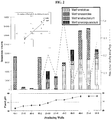
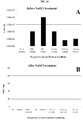
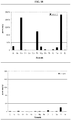
- the microbial communities may also be characterized by cultivation dependent approaches that are well known in the art. For example, this approach may identify organisms through metabolic capabilities, morphological considerations and Gram stains. Total count of microbial sequences in the Cook Inlet gas field was dominated by Methanolobus ( Fig. 1 ).
- specific target microbial Bacteria- Archaea associations favorable for biogas production are identified through an integrated water and gas-sampling strategy that allowed for the search across biological and geochemical parameters for environmental correlations between microbe associations and key chemical processes with potential commercial value.
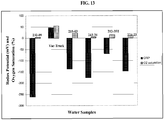
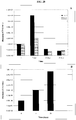
- the highest methane production rate corresponded to highest formation-water pH and was dominated by methanol/methyl utilizing genus Methanolobus ( FIG. 2 ).
- the correlations of 16S rRNA sequence data achieved with new generation 454-sequencer also pointed out specific microbial associations and potential syntrophies between different microbial groups.
- Family Methanosarcinaceae (Class Methanomicrobia ) is capable of utilizing methyl-containing compounds (i.e. methylamines) as substrates for methanogenesis and the main Cook Inlet methanogens belong to this family: Methanolobus and Methanosarcina.
- Methanogenesis rate is measured using a pressure transducer and GC/FID.
- rates of intermediate steps can be measured, by inhibiting methanogens (i.e. with BESA) and analyzing the enrichment water chemistry including volatile fatty acids (VFA's), alcohols and the like.
- substrate material i.e. coal, oil-sands, bitumen, and the like
- enrichment i.e. conversion to methane
- chemical structure i.e. NMR, FTIR
- the bacterial break-down polymers of macromolecular subsurface OM can be also enriched by using: (a) potential synthetic syntrophic microbial associations inferred from this research or (b) by amending an enrichment of indigenous microbial populations (i.e. on coal or coal analogues).
- unfavorable endemic bacteria or environmental conditions affecting biogas formation were identified.
- Endemic bacteria that did not produce methane, environment unfavorable to endemic microbes that did produce methane, or conditions that show a negative correlation to biogas (e.g., methane) formation were identified.
- the integrated data from microbial DNA, geochemistry, and biogas production via enrichment experiments are also used to find negative correlations, indicating possible specific microbes or environmental conditions deleterious to biogas formation.
- Negative correlation within DNA sequences and against geochemistry are also taken into account as potential microbial rivalry/inhibition and toxicity/unfavorable chemical conditions (i.e.
- Microbial populations from most of the wells were capable of stoichiometric conversion of butyrate and acetate to CH4 within a few months.
- propionate was not degraded in any of the samples and its buildup in a subsurface bioreactor has a likely deleterious impact on biogas production by the methylotrophic pathway. Therefore, in some examples, potential stimulation of propionate generation via supplemental injectate- water must be avoided.
- the introduction of certain anions such as sulfate and nitrate is to be avoided.
- injection zone placement and injectate water composition were determined based on formation characterization in organic carbon-rich formations and through inorganic mineralogy.
- the carbonaceous substrate is as important as the microbial community in achieving biogas formation at economically significant rates.
- Our work shows a relationship between biogas rate and substrate thermal maturity (measured by vitrinite reflectance or another geochemical parameter expressed in vitrinite-reflectance equivalence).
- the formations targeted for stimulated biogas growth must have sufficient organic mass, contain microbial enzyme-accessible chemical-bond types, and also allow for fluid injectability at sufficiently meaningful rates.
- methods can comprise geochemical characterization of: (a) the mineralogy (e.g., content of the nutritious volcanic ash clays using XRD, their chemical composition and ion exchange potential using SEM/EDS, association with organic matter particles using thin sections and SEM), (b) organic matter (functional groups and bond type distribution using NMR, TOC, ROCK-EVALTM pyrolysis, organic petrography including vitrinite reflectance and OM fluorescence), and (c) correlation of organic-content of core samples to well-logs for biogas resourcing, and formation-evaluation of fluid flow (porosity, permeability, swelling).
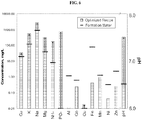
- clays and other minerals within the organic matter-rich formations can be studied for ion exchange. Potential interactions between any proposed injectate and indigenous formation water can be evaluated using advanced physical-chemical and transport modeling.
- injectate water chemistry is optimized for biogas production enhancement.
- Methods comprise use of geochemical correlations with desired microbial associations to optimize biogas-formation rate/yield by chemistry adjustment; this information is used to make a injectate- water recipe used to practice, including the use of pH buffers.
- the highest biogas-formation on an ideal substrate medium (combination of CO 2 /H 2 , acetate, methanol) and highest biogas production rate on a lignin/lignin monomers-supplemented Cook Inlet coal-lignin enrichment has been achieved by the methyl/methanol-pathway associated microbial community derived exclusively from wells with pH>7.23 ( FIG.
- compositions and methods comprise use of relatively alkaline (high) pH nutrients, injectate- water, liquid recipes and the like, and use of buffers biasing an alkaline (high) pH.
- injectate water may also include supplementation with the best performing microbes on target substrate or its chemical analogue, even if derived from different environment (e.g. another oil or CBM basin), that performed well in the enrichments.
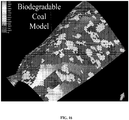
- the indigenous mineralogy, organic matter, porosity structure are likely to affect the growth of methanogenic microbes, and in some cases, microbial biofilm (e.g., via surface adhesion and mining nutritious mineralogy due to the presence of clays, volcanic ash, and/or organic debris) under the supplemented water conditions. Therefore, the targeted microbial community and favorable environment (e.g., optimized pH, supplemental macro- and micro-nutrients, vitamins) may be adjusted for interactions with the native organic-containing formations ( FIG. 6 ). In addition, undesirable dissolution or precipitation of mineral phases potentially harmful to the microbes or the reservoir quality can be assessed; e.g.
- a minimalistic approach can be used to favorably enhance the targeted biogas-forming bacterial-archaeal microbial association, while not promoting over-enhanced growth of other microbes not important to the biogas formation process (i.e., to avoid water injection delivery problems due to biofilm plugging around well injectors).
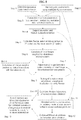
- a nutrient mix customized for a specific microbial community which e.g., can be developed by the following steps ( FIG. 4 and 5 ):
- the nutrient composition may be introduced to the reservoir through injection of a single bolus, through a continuous (e.g., a bleed in) process, or a pulsed process.
- the AFR may be amended dependent upon the changes in the production water, methane production, and/or microbial composition over time.
- the same methods used to re-inject produced water into a well may be used to inject/re-inject a mixture of produced water and nutrient concentrate.
- the final water injectate is delivered to the target formation to induce or increase biogas production.
- Field implementation, delivery of the designed injectate may be improved where good well-to-well connectivity exists through highly permeable continuous formation intervals. Core description, geophysical logs, and permeability/porosity data may be used to identify target wells, optimize injection intervals, and improve biogenic gas production.
- injection of supplemented water may be applied to the: (a) near- water leg or (b) previously depleted gas-bearing zones, in the same formation down-dip from the free-gas zone ( FIG. 11 ). Consequently, new microbial gas formed in the water leg migrates upwards to the gas column, supplementing the overall gas reserves.
- the injectate-water supplement contact a large volume of the formation, without choking off injection around the well-bore due to biofilm growth. Therefore, an important consideration prior to implementation is investigation of the use of time-release substances or near-well toxic concentrations to prevent biofilm plugging, followed up by bench testing on target formations.
- the methods involve continuous injection of nutrients at final concentration (e.g. bleed in of concentrated nutrients into produced water-disposal well). Another option is delivery of nutrients with the fracturing fluids used often during completion or re-completion of gas producing wells.
- tracing injected water migration, biogas formation and changes in microbial communities are critical to benchmarking success.
- Water migration can be traced using water soluble geochemical tracers (i.e. stable or radio isotopically labeled ions such as 13 C or 14 C carbonate and 129 iodine or 36 chlorine, bromide).
- Newly generated biogas can be traced from gas isotopes, using 14 C, 13 C, 2 H or 3 H enriched methanogenic substrates, including bicarbonate, lignin and aromatic monomers.
- production profile of nearby producing wells can be observed together with gas to water ratio, gas pressure, production rates, and gas dryness.
- Biomass tracers of newly grown microbes can be also used, including 14 C, 13 C, 2 H or 3 H-labeled organic compounds (i.e. lignin monomers, DNA, amino acids, bacteriophage, or other coal analogues, i.e. aromatic substrates listed in Example 4), 14N-enriched ammonia. Monitoring will also include microbial community changes through RNA/DNA profiling, RNA/DNA yields.
- 14 C, 13 C, 2 H or 3 H-labeled organic compounds i.e. lignin monomers, DNA, amino acids, bacteriophage, or other coal analogues, i.e. aromatic substrates listed in Example 4
- 14N-enriched ammonia 14N-enriched ammonia.
- Monitoring will also include microbial community changes through RNA/DNA profiling, RNA/DNA yields.
- chemical analogs of subsurface organic matter-containing rocks allow for quick growth of biomass in microbial consortia that can be re-injected, e.g. when the optimized nutrient mix is identified.
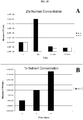
- a lignin monomer mixture has been used to benchmark high methane producing consortia capable of the critical depolymerization step ( FIG. 3 ).
- Coal depolymerization is thought to be rate limiting in the coal biogasification process.
- a biogenic gas formation is assessed by developing a facies model, determining formation parameters and distributing these parameters for each facies in a geocellular model.
- This geocellular model can then be used to simulate and history match any previous gas/water production to validate the model, and then to simulate future biogenic gas production with nutrient optimization.
- the initial model may be updated based on current production trends with optimized nutrient formulations.
- One or more geocellular models may be developed using numerous formation modeling techniques including ECLIPSETM, GEOFINDIQTM from Schlumberger, MPS (Multiple-Point Statistics), FDM (Facies Distribution Modeling) and other geocellular modeling techniques and programs, including techniques and tools developed in house or by independent programmers.
- Formation parameters can include %TOC (total organic carbon), density, porosity, permeability, pressure distribution, saturation (gas, water, fluid, oil, etc.), conductivity, impedance, continuity, flow rate or velocity, volume, compressibility, thickness, fluid viscosity, and other properties. Formation parameters may be measured directly or indirectly through well logging, measured through core samples and analysis, or estimated based on various formation properties. Formation properties may be distributed by estimating from one sample well to the next, interpolating, or applied by simulation algorithms including Kriging, stochastic simulation, Markov Chain Monte Carlo distribution, and the like, as well as combinations of these methods.
- Biogenic gas production can be simulated using STARSTM from Computer Modeling Group, Ltd., JEWELSUITETM from Baker Huges, BASTNMODTM from Platte River, or other reservoir simulation software as well as programs designed and developed in house or by independent programmers. Some software may incorporate both geocellular modeling and reservoir simulation.
- a geocellular model is developed as described above and used to test gas flow, travel time, and continuity of the reservoir against variabilities in key formation parameters, which may be the result of limited or conflicting geological data. Once these key parameter variabilities are identified, the reservoir analysis may be simplified.
- the travel time for biogenic gas in the reservoir was determined by modeling the biogenic gas production rate as actual gas injection into an injection well. This allowed for multiple variations of the key parameters in the geocellular model to be simulated significantly faster than would be possible with a reservoir model which included the full biogenic gas production. This quick method helped to define the possible range in gas travel time based on variabilities in formation parameters and to identify which formation parameters are most influential on gas travel time and require further investigation to narrow their variability.
- risk analysis is used to identify potential risks, evaluate risk severity and probability, propose possible mitigation strategies, design tests for each risk, and test each risk and putative preventive action.
- Potential risks associated with biogenic gas production can be identified from product suppliers, through water acquisition, to nutrient injection, to microbe growth and biofilm formation.
- potential risks include impurities in one or more of the nutrients, additives, treatments, water, or other feedstreams; contamination with oxygen, sulfur, or other compounds; contamination with one or more microbes; scaling in the injection line, wellbore and/or formation; biofilm formation in the mixing tank, storage tank, injection line, wellbore and/or formation; sludge formation in the mixing tank and/or storage tank; biocorrosion in the mixing tank, storage tank, and/or injection line; formation of hydrogen sulfide (H2S); oxygen removal; biomass plugging; and the like, either individually or in conjunction with other risks.
- H2S hydrogen sulfide
- Some risks may contribute to or correlate with other risks, for example sludge formation in the storage tank and biofilm formation in the injection line may both be the related to increased biomass in the storage tank.
- enrichment of bacterial cultures using analogues to target subsurface organic material including lignin and lignin monomers, soluble hydrocarbons, other soluble substrates that mimic the composition of the hydrocarbon formation are used to enhance microbial growth in vitro.
- Modeling components of the hydrocarbon formation using simple monomers identified in produced water and/or through decomposition of formation samples provides a ready source of soluble substrates for microbial growth and selection assays.
- This innovative approach to rapid microbial growth and selection allows development of chemical and microbial optimized amendments for the targeted methanogenic pathway and for enhanced methanogenesis rate. Amendments were tested under current field conditions developed to evaluate the potential for biomass formation and scale precipitation resulting from the addition of amendments, which could create operational problems in the gas production and water injection facilities in the field.
- kits comprising compositions and methods, including instructions for use thereof.
- Alternative examples provide kits comprising a composition (e.g., a nutrient composition), product of manufacture (e.g., a bioreactor), or mixture (e.g., a nutrient mixture) or culture of cells; wherein optionally the kit further comprises instructions for practicing a method.
- a composition e.g., a nutrient composition
- product of manufacture e.g., a bioreactor
- mixture e.g., a nutrient mixture
- culture of cells e.g., a nutrient mixture
- This Example describes the identification of Methanolobus spp. as major contributor to methanogenic degradation of coal and other recalcitrant organic matter in subsurface gas reservoirs.
- Production water was collected from the separator unit at the well head from a number of gas wells from the Beluga River Unit on the Cook Inlet of Alaska. A portion of the water sample designated for microbiological analysis was maintained anaerobically in sterile containers supplemented with cysteine and resazurin (redox indicator) under an argon headspace. The samples were shipped cold to Taxon's facility in California by express delivery.
- Genomic DNA was isolated from cell pellets obtained by centrifuging the production water at 4,000 x g for 30 min at 4°C. The pellets were resuspended in phosphate buffer and transferred to bead beating tubes. Total genomic DNA was extracted by a bead beating procedure as described (Ashby, Rine et al. 2007). A portion of the 16S rRNA genes were PCR-amplified using the primers TX9/1391r, followed by agarose purification of the amplicons. The amplicons were amplified a second time using fusion primers to incorporate the A and B adapters in addition to barcodes that enabled multiplexing of samples into a single run.
- the 16S rRNA gene amplicons were sequenced on a Roche 454TM sequencer using Titanium chemistry and standard shotgun sequencing kits following the manufacturer's protocol. Profiles were created by documenting the number of times each unique sequence occurred in each sample. Sequences corresponding to those of Methanolobus spp. were observed to be dominant members of the Cook Inlet subsurface communities (see FIG. 1 ). Annotation of the sequences was performed by BLAST comparisons (Altschul, Madden et al. 1997) to the Genbank database.
- EXAMPLE 2 Stimulation of methanogenic degradation of coal and recalcitrant organic matter in model sandpack bioreactors by adding customized nutrient amendments
- ASTM grade sand (17.8 g, U.S. Silica Company) was added into 15 ml polypropylene conical tubes which was followed by addition of carbonaceous materials (0.167 g each of coal, sandstone with organic debris, and volcanic ash, to represent Cook Inlet gas-bearing formation) that are derived from Miocene aged rocks (i.e. core samples) from the Beluga gas field in Alaska, U.S.A. Conical tubes representing control set-up was amended with 22.88 g of sand but without adding the carbonaceous materials.
- the mixture in the conical tubes was homogenized for 10 s with a vortex mixer, and all the materials above including several aliquot of sterile 3.5 g sands were transferred into an anaerobic chamber that has been equilibrated with an atmosphere of hydrogen, carbon dioxide and nitrogen (5:5:90% v/v, respectively). Then, the caps on the conical tubes were loosely opened in order to create anaerobic condition in the tubes. All experimental procedures from this point were carried out inside the anaerobic chamber.
- the mixture in the conical tubes that contained sand and carbonaceous materials was transferred into sterile glass tubes (15 mL) that was previously stored in the anaerobic chamber. This mixture of sand and carbonaceous materials was then overlaid with 3.5 g aliquot of sand to create a ⁇ 1 cm upper layer that is free of carbonaceous materials.
- the carbon-free mixture in the control conical tubes was also decanted into sterile test tubes but in this case it was not overlaid with another layer of sand.
- the orifice of each of the tube was capped with sterile stoppers and crimped-sealed with metal caps. All the tubes and its content were autoclaved for 20 min at 120.
- Table. 1 Stock solutions used to prepare media for sand pack experiments. Mineral nutrients (mg/l) Trace Metal Sulution a (mg/l) Vitamins solution b (mg/l) NaCl/KCl.
- the tubes with produced water with lignin/coal-grown enrichment were separately prepared by addition of concentrated stock culture of cells, which were stored frozen at -80°C and thawed prior to use.
- the final volume of nutrient and/or cell amended produced water and the unamended produced water in all the tubes was 20 ml. All transfers into the tubes was done using a 20 gauge-6 inches BD spinal needle which allow the transfer of the mixtures at the bottom of the tube which allowed good distribution of the equilibrated mixture throughout the sand-packed tubes. All experimental and control sand-packed tubes were prepared in triplicates, and the tubes were capped with freshly prepared sterile 20 mm septum stopper which were crimped-sealed. The atmosphere in the headspace of all the tubes was replaced N2 (100% v/v) and they were immediately incubated at 20°C.
- Recipe optimization used a matrix of parameter variability (Table 2: P I to P 8) to define eight variable parameters and vO to v5 represent tested values of each parameter. Each tube was composed using the standard values of each parameter (highlighted) except for one which was varied. In this round of sand pack experiments included 23 tubes plus blanks (all in triplicates).
- EXAMPLE 3 Stimulation of methanogenic degradation of coal and recalcitrant organic matter in model sandpack bioreactors by adding Methanolobus
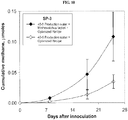
- Methanolobus taylorii was added to sand pack tubes amended with target (Cook Inlet) coal/organic debris/volcanic ash, and optimized nutrient additions suspended in filter- sterilized, target production water. Rates of methane production were stimulated with addition of M. taylorii ( FIG. 11 ).
- Model sand pack bioreactors were set up as described in Example 2. Briefly, carbonaceous materials (0.167g each of coal, sandstone with organic debris, and volcanic ash) from Cook Inlet core samples were mixed in the natural in situ ratios with 17.8g of sand (U.S. Silica Company, ASTM grade) in Hungate tubes (18 X 150mm) fitted with blue, butyl rubber stoppers. The components had been transferred into an anaerobic chamber, which is where assembly of the tubes and inoculations with microorganisms took place. The tubes containing carbonaceous material/sand were overlayed with pure sand, stoppered and crimped with aluminum caps, and then autoclaved for 20 minutes at 120°C.
- sand U.S. Silica Company, ASTM grade
- Sterile sand pack tubes were brought back into the anaerobic chamber. Standard optimized nutrient conditions were used (see Example 2) and the final solutions, which also contained gas field production water amended with endogenous microorganisms +/- M. taylorii, were introduced into the tubes using a 20 gauge six inch spinal needle.
- Methanolobus tayloriu (#9005) was purchased from the Deutsche Sammlung von Mikroorganismen und Zellkulturen GmbH (DSMZTM), Braunschweig, Germany and grown in liquid culture using established techniques.
- the minimal essential medium (MEM-1) may be used as described by Zinder, S. H. in "Techniques in Microbial Ecology”.
- the MEM-1 was supplemented with trimethylamine, 8 g/L sodium chloride, and mercaptoethane sulfonic acid (Coenzyme M), as well as the following antibiotics: vancomycin, streptomycin, kanamycin, penicillin G. M. taylorii was grown with a nitrogen headspace at room temperature, shaking, until turbid.
- Frozen stocks (-80°C) of the organism were made by mixing turbid cultures with a 2X stock solution of freezing medium (final concentration 20% glycerol in MEM-1).
- a concentrated frozen stock (1.8mL) was thawed, added to reduced anaerobic mineral medium (RAMM), and washed once to remove glycerol and antibiotics.
- the cells were resuspended in production water plus nutrients before inoculation into sand pack tubes. The amount of cells added was indeterminate.
- This example describes an exemplary method of making a composition, a synthetic consortia, and e.g., the so-called "Consort-ABSl" composition.
- a collection of production water samples from a biogenic gas reservoir (Cook Inlet) was profiled and analyzed to test whether two-dimensional cluster analysis of 16S rRNA gene sequences would reveal the presence of a consortium of sequences (where the sequences serve as a proxy for the corresponding microbe) whose abundance distribution among the samples as a group corresponded to methanogenesis activity.
- the bead-beating matrix consisted of one 4-mm glass bead (GSM-40), 0.75 g 1.4- to 1.6-mm zirconium silicate beads (SLZ-15), and 1.0 g 0.07- to 0.125-mm zirconium silicate beads (BSLZ-1) in 1 ml phosphate buffer (180 mM sodium phosphate, 18 mM EDTA, pH 8.0). Cells were disrupted in a Fastprep FP120 instrument as previously described (Ashby, Rine et al. 2007). Total genomic DNA was purified by centrifuging the lysed cells at 13,200 x g for 5 min at 4°C.
- the supernatants were transferred to 1.5 ml centrifuge tubes and 250 ⁇ l 2M potassium acetate pH 5.3 was added. The tubes were mixed by rotating end-over-end and were centrifuged as above. The resulting genomic DNA was purified on QIAprep Plasmid Spin columns (Qiagen, Valencia, CA) according to the manufacturer's instructions.
- a portion of the 16S rRNA gene was amplified using the TX9/1391 primers as previously described (Ashby, Rine et al. 2007). Amplicons were agarose gel purified and quantitated using SYBR green (Invitrogen, Carlsbad, CA). A second round of PCR was performed using fusion primers that incorporated the 'A' and 'B' 454 pyrosequencing adapters onto the 5' ends of the TX9/1391 primers, respectively. The forward fusion primer also included variable length barcodes that enabled multiplexing multiple samples into a single 454 sequencing run. These amplicons were PAGE purified and quantitated prior to combining into one composite library.
- the resulting library was sequenced using the standard 454 Life Sciences Lib-L emulsion PCR protocol and Titanium chemistry sequencing (Margulies, Egholm et al. 2005). Sequences that passed the instrument QC filters were also subjected to additional filters that required all bases be Q20 or higher and the average of all bases in any read to be Q25 or greater. Furthermore, the TX9 primer was trimmed off of the 5' end and the sequences were trimmed on the 3' end at a conserved site distal to the V6 region (ca position 1067, E. coli numbering). The final sequences were approximately 250 bp in length and included the V5 and V6 regions.
- the sequence abundance data was log transformed and clustered using Pearson correlation as the distance metric and Ward's method for hierarchical clustering.
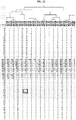
- the clustering was performed using the software program PC-ORD. Inspection of the data revealed the organization of sequences into groups with one particular group showing a strong association with biogenic gas samples ( FIG. 23 ).
- This presumptive consortium was comprised of 12 distinct sequences derived from three genera including Acetobacterium, Bacteroidetes and Spirochaetes . This consortium was labeled Consort-ABS1.
- the 12 sequences (the so-called "Consort-ABSl”) are:
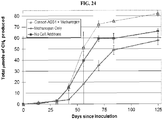
- Consort- ABS1 was capable of enhancing the rate of conversion of coal to methane
- the consortium was assembled from colony purified isolates present in an in-house strain collection.
- the 12 16S rRNA gene sequences identified from the 454 sequence data that comprised the Consort- ABS1 consortium had 45 matches from the C600 strain collection with 100% identity and 100% coverage (Table 3).
- strain ID numbers comprised: 314, 316, 323, 325, 331, 339, 357, 362, 368, 372, 386, 393, 462, 485, 557, 561, 571, 587, 591, 646, 649, 650, 661, 662, 669, 674, 675, 677, 679, 680, 682, 684, 686, 694, 696, 711, 712, 714, 717, 722, 724, 726, 733, 734, 741.
- nucleic acid oligomers for the 16S rRNA gene including primers with nucleotide sequences including SEQ ID NO.
- Sandpack tubes were set up to test the effect of a synthetic consortium (Consort-ABS 1) on the coal to methane conversion rate in gas well production water incubated with coal and other endogenous potential subsurface substrates comprising sandstone with organic debris and volcanic ash. This experiment would in effect be supplementing the native microbes present in the production water with the Consort- ABS1 consortium. Since Consort-ABS 1 did not contain a methanogen a source of methylotrophic methanogens ( Methanolobus sp.) was included in the experiment.
- Consort-ABS 1 did not contain a methanogen a source of methylotrophic methanogens ( Methanolobus sp.) was included in the experiment.
- each carbon and sand mixture was gently poured into a test tube in the chamber and an aliquot of sand was added to the top to create a top layer (approximately 1" height) with no carbon substrate.
- Each tube was capped with a rubber stopper, over which a metal cap was crimped.
- the assembled tubes were autoclaved on fast exhaust for 20 minutes and immediately brought back into the anaerobic chamber.
- Three sand pack tubes (with carbon substrates) were inoculated as no cell blanks with 5.5 ml each of only this mixture using the same method previously described. The remaining 183.5 ml of the production water and nutrient mixture was inoculated with 1.22 ml of cells (40-3) thawed anaerobically from frozen stock (previously stored at -80°C) for a 150x cell dilution. Three sand pack tubes with carbon substrates and three tubes with only sand (no carbon) were inoculated with this production water with nutrients and endogenous cells (40-3).
- the remaining inoculated production water with nutrients was split into seven aliquots of 17.5 ml each in sterile 50 ml conical tubes. Additional cells from different sources were added to each conical tube to create the various cell addition treatment inocula. To remove any freezing media, frozen stocks (-80°C) of cell addition types were spun at 3000 x g for 20 min. The supernatant was removed, and the cells were anaerobically resuspended in 1 ml of sterile (0.2um filtered) production water (40-3). Cell additions grown in antibiotics were also washed and anaerobically resuspended in sterile production water.
- Three sand pack tubes were inoculated for each cell addition treatment using a venting method.
- the tubes were opened and a 6" sterile spinal needle was gently pushed through the sand mixture to the bottom with its plug inside. The plug was removed, leaving the needle in the sand as a vent and 5.5 ml of the corresponding cell addition inocula mixture was added to the top of the sand with a 5 ml serological pipet.
- the liquid inocula slowly saturated the sand mixture from the top until it reached the bottom. Once saturated, the needle was slowly removed, leaving a thin layer of liquid at the top of the sand.
- the same needle was used for each replicate within a cell treatment. Once inoculated, the tubes were capped and crimped, the headspaces were replaced, and they were stored at 20°C as previously described.
- the amount of methane produced was determined by gas chromatography analysis of headspace samples including a correction for the total volume of gas produced.
- the rate of conversion of coal to methane began to increase at 42 days in the Consort-ABS1 plus Methanogen and the No Cell Addition sand pack incubations ( FIG. 24 ).
- incubations supplemented with Methanogens alone appeared to detract from the methanogenic rate.
- the highest coal to methane rates from any of the conditions tested were observed in the Consort-ABS 1 plus Methanogens from 70 days onward and these differences were statistically significant.
- Microbial consortia derived from target (Cook Inlet) production water were selectively enriched with specific chemical compounds which are analogues to target subsurface organic matter ( FIG. 10 ). This method allows relatively rapid growth of biomass in microbial consortia that could be re-injected, e.g. with the optimized nutrient mix.
- the coal/lignin-degrading consortium was derived from target gas field production water, and is composed of microorganisms that were enriched on lignin (SIGMA-ALDRICH), lignin monomers, and Cook Inlet gas field coal.
- lignin monomers that were tested were: ferulic acid, tannic acid, quinic acid, and shikimic acid, which are representative compounds typical to low maturity coals, e.g., Beluga and Sterling formation organic matter thermal maturity averages at 0.33% of Ro.
- the vials were incubated in the dark, shaking, at room temperature for several months. During the incubation the headspace gases were assayed and the production water-consortia that produced high volumes of methane gas were noted. These corresponded to the same production waters used in the sand pack experiments described herein. Aliquots of these cultures were inoculated into fresh medium of the same composition to obtain PI cultures. These cultures were then incubated and monitored as described above.
- Frozen aliquots of the parent (P0) and passaged (PI) cultures were obtained by mixing the liquid cultures with 2X freezing medium (30% glycerol, 2X RAMM-F).
- 2X freezing medium (30% glycerol, 2X RAMM-F).
- the coal-degrading consortia used in the sand pack tubes was a frozen P 1 aliquot (2mL) that was thawed, and then added to RAMM-F medium, washed once, and resuspended in production water. The coal from the original coal/lignin enrichment was not removed. The amount of cells added was indeterminate.
- Target basin (California) production water was collected and kept anaerobic until used for sand pack experiments.
- the sand pack tubes were assembled exactly as described in Example 3 except that for these experiments, California production water and endogenous 10 microbes were amended with standard optimized nutrients at the concentrations described in Table 2.
- Cook Inlet coal/volcanic ash/sandstone with organic debris was used in these sand pack tubes.
- Identification of methanol-utilizing methanogenesis or "methylotrophic" conversion provided new routes to increased biogenic gas production. Identification of the dominant gas production pathway given the combination of microbial organisms, hydrocarbon substrate, and formation water chemistry allows for increased biogas production rates, better utilization of reservoir hydrocarbons, greater overall biogenic gas production and a longer life for biogenic gas reservoirs.
- a biogasification risk analysis process in the field e.g. bioplugging and excess biomass development, oxygen-driven microbial corrosion in injection lines, bio-sludge development in injection tanks, inorganic scale formation, field- wide redox status of production/injection water, etc
- a scheme for injection of the optimized nutrient recipe was also used to identify some of the potential problems ( FIG. 12 ).
- the scheme is made up of 2 separate tanks (A and B).
- Tank A is to be used for mixing concentrated stock solution of the optimized nutrient recipe, while tank B is to be used for storing nutrient solution received from tank A.
- the scheme also includes ports for sample removal, and injection pumps to control flow of solutions exiting both tanks.
- nutrient solution exiting tank B is to be mixed with injection water at appropriate ratio in order to achieve the desired concentration of nutrient components in the final mixture that is to be injected into the reservoir.
- understanding of the travel length and the corresponding travel time of solution from the point of mixture to the point of entry into the reservoir helped clarify the likelihood of excess biomass formation, biop lugging, and oxygen-driven bio-corrosion along the injection line and in the well-bore.
- the potential for biological and inorganic sludge formation and accumulation in the mixing and storage tanks was evaluated. The tests carried out included chemical analysis of reagent samples, field-wide redox measurement; biomass control with sodium hypochlorite (NaOCl) solution; sludge treatment; as well as scale formation and modeling.
- the purity of chemical reagents to be used for developing solution of nutrient recipe was confirmed by analyzing test samples of reagents that was obtained from selected commercial vendors.
- the analytical tests carried out include ion chromatography (IC), inductively coupled plasma mass spectrometry (ICP-MS), and inductively coupled plasma atomic emission spectroscopy (ICP-AES).
- IC ion chromatography
- ICP-MS inductively coupled plasma mass spectrometry
- ICP-AES inductively coupled plasma atomic emission spectroscopy
- the overall objective of the analysis is to determine the level of purity of the reagents, as well as identify level of certain elements (e.g. sulfur) in the reagents which may pose potential problems if introduced into the reservoir. This allows identification of the appropriate vendor supplying purer forms of the required chemical reagents ( FIG. 18 ).
- the procedures to test the effectiveness, and the minimum dose, of NaOCl that is required to eliminate biomass in the injection line and injection well-bore during the field biogasification process are the following.
- the initial population of microbes in production water, placed in tubes that were to be incubated under defined oxygen saturation conditions was determined either by direct counting of cells using a Petroff Hausser bacterial counting chamber, or by counting the colony forming units (CFU/mL) of microorganisms that developed on specialized media after incubation for specific period.
- the population of microbes that were present in the incubated tubes (also with added carbon source-coal and nutrient additions) was determined over time after methane was detected in the headspace of the tubes.
- the same tubes were amended with different concentrations (0.6%, 0.3%, 0.15%, 0.1%, 0.075%, 0.06%, 0.03% and 0%) of NaOCl solution followed by incubation of the tubes for 23 hours to allow the biomolecule-oxidizing action of the solution to come to appreciable completion.
- the population of viable microbes (i.e. CFU/mL) in the NaOCl-amended tubes was determined by plating a specific volume of the culture on defined solid medium. All the concentrations of NaOCl solution that was tested were effective in inactiving microorganisms in the nutrient solution irrespective of the presence or absence of oxygen ( FIG. 19 ).
- Production water was amended with specific concentrations of specially selected nutrients. To mimic the concentration to be used for the storage tanks, the production water was amended with excess concentration (i.e. 25x) of nutrients, while nutrients amended into production water at lower concentrations (lx) mimic the concentration of nutrients in solution entering the injection line.
- the nutrient-amended water was transferred into test tubes, and the initial population of microbes in the water in these tubes was determined. Thereafter, the tubes were incubated at 10, 20, or 25°C for different periods (9 and 30 days for lx concentration; 7, 16, and 28 and 50 days for 25x concentration) to allow growth of microbes and development of appropriate amount of biomass in the tubes if any.
- the population of microbes that developed after incubation was determined using the direct counting procedure (i.e. CFU/mL). Biomass levels dropped after 50 days of incubation in the concentrated 25x nutrient solution ( FIG. 20 ) although there was an initial increase in biomass level after seven days. Biomass level in the lx nutrients recipe increased over time (0 - 30 days), suggesting that the nutrient solution once in the injection line and injection well-bore may support the development of biomass in the zones.
- the imine solutions may contain one or more imine oxygen scavengers including hydrazines, methylimines, ethylimines, propylimines, butylimines, diethylhydroxylamine (DEHA), alkeneimines like hydroxyalkylhydroxylamine, phenylenediamines, aminoguanidine, carbohydrazide, and the like.
- the quinone solutions may contain one or more quinone oxygen scavengers including hydroquinone, orthoquinone, semi quinone, pyrroloquinoline-quinone (PQQ), methylhydroquinone and the like.
- non-sulfur containing oxygen scavengers may also be used like aldehydes, carboxylic acids like acetic acid and tartronic acid, carbohydroxide, erythorbate, cobalts, methylethylketoxime (MEKO)and the like.
- the extent of oxygen removal was determined by measuring the change in redox potential of nutrient-amended (i.e. lx concentration) production water that was previously exposed to atmospheric oxygen.
- the concentration of the oxygen scavenging compounds that was tested is shown in Table 4. The results from this test show that the compounds were effective in reducing oxygen saturation level in the produced water ( FIG. 21A ).
- Table 4 Composition of produced water amended with two oxygen-scavenging compounds Conditions A B C D E F G
- ORP redox potential
- oxygen saturation level in produced water and injection water, determined if ORP and oxygen saturation level in the produced water and injection water vary in water obtained from wells or facilities across the field. Measurement was done using a YSI 6920 V2 sonde (YSI, Ohio, USA) which also allowed simultaneous evaluation of multiple parameters in water samples that were collected from the well-heads or water storage tanks directly. According to the information generated during the field sampling the ORP and oxygen saturation level vary across the field however water collected directly from the well-heads exhibits lower ORP and oxygen level in comparison to water collected from storage tanks receiving water from the respective wells. Water collected from vacuum trucks that are transferring produced water from producing wells to the injection well in the field had the highest ORP and oxygen level ( FIG.22B ).
- the effectiveness of defined concentration of chemical reagents (NaOCl and acid) to act individually or complimentarily in dissolving sludge material that was collected from an on-site storage tank was determined by adding 10 mL of 6% NaOCl solution to -2-3 g of sludge sample. This was then mixed by a vortex mixer for 30 sec. The mixture was then incubated at room temperature for 10, 30 or 60 min. Thereafter, the mixture was filtered through a pre-washed (using 10 mL of 6% NaOCl solution followed by 10 mL deionized water) and pre- weighed 50 ⁇ m filter. Then, 10 mL of deonized water was used to wash excess NaOCl solution. The filter and any residue that was left was then weighed.
- chemical reagents NaOCl and acid
- the filter with residue was exposed to 10 mL of 2N HC1 for 10 minutes before filtration and washing with 10 mL deionized water.
- the amount of residue left on the filter after treatments was compared to the amount prior to treatment and the percent difference in weight was estimated (Table 5). Results show that NaOCl solution was very effective in dissolving sludge material and that treatment with acid (HCl solution) alone was not as effective.
- thermodynamic prediction modeling using SCALECHEMTM 3.1 (OLI Systems) in order to calculate scale formation by the mixtures; analysis of solid filtrate collected by passing produced water through a 0.45 HV filter, and in which the solids were vacuum dried, weighed and subjected to FTIR and XRD/XRF in order to identify its composition; bottle tests using filtered (0.22 ⁇ m) produced water and nutrient recipe in which the major constituents in the recipe were added into the produced water followed by manual swirling of the mixture followed by incubation at stationary position for appropriate period and further analysis by inductively coupled plasma (ICP); bottle test at 80°F by filtration of produced water with 0.45 ⁇ m and 0.22 ⁇ m filters, and, thereafter, ammonium phosphates and vitamin solution were equilibrated at 80°F and then added into the produced water that was also
- the mixtures were then incubated overnight on a shaker (85 rpm) at 80°F. After that the mixtures were then filtered and analyzed by ICP in order to determine phosphate concentration in the solution; kinetics of generation of calcium phosphate solids at different initial calcium concentration was determined by kinetic turbidity measurement. Then 125 ⁇ L of the different concentrated stock solutions of calcium was added individually into 2.5 mL of synthetic produced water-nutrient solution placed in cuvettes. The absorbance of the mixtures was read at 500 nm with a VARIAN CARYTM UV-Vis 1000 Spectrophotometer. In all cases, samples in the cuvettes were stirred during incubation at 47 and 80°F.
- Simulation of biogas in the sub-surface reservoir requires the ability to model the flow of nutrient & microbe amended fluids and methane through porous media, as well as the ability to represent microbial generation of methane through chemical reactions.
- computational modeling software was used, incorporating methane generation rates as derived from laboratory testing and a geocellular model which adequately represents the geologic variability inherent in the reservoir.
- the generation of methane from microbial processes is represented through a series of chemical reactions involving the following components: microbes, nutrients, and biodegradable coal volume in the sub-surface.
- Sub-surface microbe and nutrient volumes are determined from current conditions in the subsurface, as analyzed from produced water samples, and assumed volumes of nutrient/microbe amendments to be injected into the sub-surface.
- Biodegradable coal volume in the sub-surface reservoir may be calculated from petrophysical interpretation of coals observed in well logs and total organic carbon (TOC) measurements of sub-surface core samples for each lithology/ and/or facies expected to be contacted by injected fluids.
- TOC total organic carbon
- Coal volume is then discounted based on the both the fraction of the coal that is biodegradable and on the accessibility of these biodegradable coals to microbes in the sub-surface, e.g., lithologies or facies with lower porosity or permeability will be difficult for microbes to move through, and, therefore, access the available organic matter, as compared to lithologies and/or facies with higher porosity/permeability (Table 6).
- the fraction of accessible biodegradable coal can then be populated throughout the geocellular model based on the lithology/facies distribution previously defined for that model ( FIG. 16 ).
- Table 6 Coal volumes Model Facies Log- based coal, Vol.
- the sub-surface simulation of biogas as described above is highly dependent on understanding how applicable the methane generation rates from laboratory testing are to the sub-surface. Given the large degree of uncertainty in this understanding, it is desirable to test multiple methane generation rates in order to understand the range of possible methane volumes generated and the travel time of methane generated near the injection well-bores to the producing and/or monitoring well-bores.
- a simplified simulation approach can be used to mimic the simulation described above, while significantly decreasing the computer processing time required for simulation.
- a range of potential biogas generation rates in the sub-surface are calculated by upscaling the biogas generation rates observed in laboratory experiments to the estimated rock and fluid volumes expected in the sub-surface.
- These multiple rates may be further modified up or down by scaling factors to represent possible unknown conditions in the sub-surface and give a wider variation in potential outcomes.
- These various rates are then represented as gas injection rates into the injection well-bore. Simulation of methane flow from injection well-bore to producing/monitoring well-bores can then be done using standard flow simulation software. Adding a small volume of a gas isotope tracer (described below) to the gas injection then allows the gas travel time from injection well-bore to producing/monitoring wellbore to be quickly estimated for multiple biogas generation rates.
- the simulation results shown in FIG. 17 are based on an 18-month injection of gas at various rates, representing the total volume of biogas expected to be generated during the 18-month period.
- the gas travel time from injection wellbore to producing/monitoring wellbore can be determined for the various biogas generation rates.
- This method can also be used to quickly test various reservoir properties with uncertainties that may also affect the gas movement through the reservoir. This will assist in identifying reservoir properties which may need further investigation to narrow key uncertainties and in determining the appropriate length of time necessary for monitoring to detect newly generated biogas.
- Modeling microbial growth in a reservoir is difficult because the subterranean carbon sources often have differing chemical compositions, limited surface area, microbial growth is restricted, and reaction conditions including pressures and temperatures are hard to replicate in vitro.
- a method of growing microbial cultures in vitro was required that both mimicked the subterranean formation and increased surface area to allow for faster reaction times.
- Monomers were identified for various subterranean carbonaceous formations that mimicked the chemical-bond structures present within the targeted formation substrate. In addition to water environment, microbial associations are likely to be partially controlled by the substrate chemistry.
- the substrates are selected from syringic acid; syringic acid methyl ester; dimethyl phenol; 2,4-dimethyl phenol; guaiacol; protocatechuic acid; vanillic acid; isovanillic acid; caffeic acid; ferulic acid; isoferulic acid; dibenzofuran; 8-amino 2-naphthanol; 7-methoxy coumarin; biphenyl 4-methanol; I, -biphenyl methyl; methoxy biphenyl; 3-methoxy biphenyl; dimethyl phenanthrene; dimethyl fluoranthene; 8,9-dimethyl fluoranthene; dimethylnapththalene; dimethyl anthracene; acetylene; diacetylene; vinylacetylene; methyl naphthalene; trimethyl
- Addition of these substrates to an aqueous culture, sand-pack bioreactor, or as an additive to other growth media provides a method to identify microorganisms that will preferentially degrade a carbonaceous substrate, and/or generate biogas from the carbonaceous substrate.
- Table 7 Carbonaceous formation properties Sample Location(s) Rank Vitrinite Reflectance (%R 0 ) Monomers Coal A Alaska Lignite/subbituminous C 0.33 quinic acid, shikimic acid, pannic acid, ferulic acid Coal B Utah High-volatile bituminous C 0.56 Coal C New Mexico High-volatile bituminous A 0.87 syringic acid; dimethyl phenol; 8-amino 2-naphthanol; 7-methoxy coumarin; biphenyl 4-methanol; methoxy biphenyl; 1.1'-biphenyl methyl; dimethyl phenanthrene; dimethyl fluoranthene; and trimer-3-methoxy4-benzyloxy-alpha-(2-methoxyphenoxy)-B-hydroxypropiophenone Coal D New Mexico Medium-volatile bituminous 1.10 syringic acid; dimethyl phenol; 9-amino 2-napththanol; 7-meth
Landscapes
- Chemical & Material Sciences (AREA)
- Life Sciences & Earth Sciences (AREA)
- Engineering & Computer Science (AREA)
- Organic Chemistry (AREA)
- Health & Medical Sciences (AREA)
- Zoology (AREA)
- Wood Science & Technology (AREA)
- Geology (AREA)
- Mining & Mineral Resources (AREA)
- Genetics & Genomics (AREA)
- Biotechnology (AREA)
- Bioinformatics & Cheminformatics (AREA)
- Physics & Mathematics (AREA)
- General Life Sciences & Earth Sciences (AREA)
- General Engineering & Computer Science (AREA)
- Biochemistry (AREA)
- Microbiology (AREA)
- General Health & Medical Sciences (AREA)
- Proteomics, Peptides & Aminoacids (AREA)
- Geochemistry & Mineralogy (AREA)
- Environmental & Geological Engineering (AREA)
- Fluid Mechanics (AREA)
- General Chemical & Material Sciences (AREA)
- Chemical Kinetics & Catalysis (AREA)
- Toxicology (AREA)
- Molecular Biology (AREA)
- Analytical Chemistry (AREA)
- Biophysics (AREA)
- Immunology (AREA)
- Materials Engineering (AREA)
- Oil, Petroleum & Natural Gas (AREA)
- Tropical Medicine & Parasitology (AREA)
- Virology (AREA)
- Biomedical Technology (AREA)
- Medicinal Chemistry (AREA)
- Micro-Organisms Or Cultivation Processes Thereof (AREA)
- Preparation Of Compounds By Using Micro-Organisms (AREA)
- Measuring Or Testing Involving Enzymes Or Micro-Organisms (AREA)
Claims (14)
- Procédé de fabrication d'un consortium synthétique, comprenant :(i) la détermination de la composition microbienne et de l'abondance d'échantillons ;(ii) la réalisation d'une analyse de distribution microbienne parmi les échantillons pour détecter des motifs de distribution ; et(iii) l'identification d'un groupe d'au moins deux microbes différents dont la corrélation entre eux est supérieure que celle avec d'autres microbes dans les échantillons, ou dont la corrélation à un paramètre d'environnement est supérieure à d'autres microbes dans les échantillons ; et(iv) l'assemblage d'un consortium microbien synthétique en combinant une partie ou la totalité du groupe de microbes identifiés dans l'étape (iii).
- Procédé selon la revendication 1, dans lequel les échantillons proviennent d'une formation ou de formations carbonées ou les échantillons comprennent une eau de production ou les échantillons sont pris d'un échantillon carotté, d'un échantillon de découpe ou d'affleurement ou d'une culture d'enrichissement.
- Procédé selon la revendication 2, dans lequel les microbes comprennent des microbes qui sont connus pour métaboliser ou sont soupçonnés de métaboliser, un substrat carboné.
- Procédé selon la revendication 3, dans lequel la formation ou les formations carbonées comprennent une formation de charbon, ou une tourbe ou un lignite ou un charbon bitumineux ou un charbon anthraciteux ou un/des analogue(s) du charbon ou un/des précurseur(s) de celui-ci, un pétrole lourd, des asphaltènes et/ou des débris organiques.
- Procédé selon l'une quelconque des revendications 2 à 4, comprenant en outre une étape de test pour savoir si le consortium synthétique est capable de convertir un substrat carboné en un produit de poids moléculaire inférieur dans une culture.
- Procédé selon l'une quelconque des revendications 2 à 5, dans lequel le consortium synthétique est capable de convertir un substrat carboné en un produit de poids moléculaire inférieur.
- Procédé selon la revendication 1, dans lequel les échantillons sont dérivés du sol.
- Procédé selon l'une quelconque des revendications 1 à 7, dans lequel des données d'abondance déterminées font l'objet d'une transformation logarithmique.
- Procédé selon l'une quelconque des revendications 1 à 8, dans lequel l'analyse typologique est effectuée au moyen d'un algorithme de groupement hiérarchique.
- Procédé selon la revendication 9, dans lequel l'algorithme de groupement hiérarchique est la méthode de Ward.
- Procédé selon la revendication 9, dans lequel la mesure de distance de l'analyse typologique comprend une corrélation de Pearson.
- Procédé selon l'une quelconque des revendications 1 à 11, dans lequel l'identification du groupe d'au moins deux microbes différents est réalisée par :(1) une étude moléculaire indépendante de la culture, éventuellement sous forme de nombre de copies de chaque séquence génique de 16S rRNA distincte détectée à partir de chaque échantillon ;(2) déduction à partir de données d'abondance dans une étude indépendante de la culture ;(3) utilisation de mesures de distance, qui comprennent éventuellement l'utilisation de : distance euclidienne, chi carré, pâté de maisons, méthodes d'ordination qui comprennent éventuellement l'utilisation d'échelles d'analyses en composantes principales (PCA), de Bray-Curtis et d'échelles non métriques multidimensionnelles (NMS ou NMDS).
- Procédé selon l'une quelconque des revendications 1 à 12, dans lequel la composition microbienne de l'étape (i) est déterminée et ou caractérisée par un acide nucléique ou un ADN.
- Procédé selon l'une quelconque des revendications 1 à 13, dans lequel l'abondance de chaque ARNr 16S est enregistrée pour chaque échantillon, ou le nombre de fois que chaque ARNr 16S est vu est enregistré pour chaque échantillon.
Applications Claiming Priority (3)
| Application Number | Priority Date | Filing Date | Title |
|---|---|---|---|
| US35548810P | 2010-06-16 | 2010-06-16 | |
| US201161495815P | 2011-06-10 | 2011-06-10 | |
| PCT/US2011/040742 WO2011159924A2 (fr) | 2010-06-16 | 2011-06-16 | Compositions et méthodes d'identification et de modification de compositions carbonées |
Publications (3)
| Publication Number | Publication Date |
|---|---|
| EP2582846A2 EP2582846A2 (fr) | 2013-04-24 |
| EP2582846A4 EP2582846A4 (fr) | 2015-04-22 |
| EP2582846B1 true EP2582846B1 (fr) | 2018-11-28 |
Family
ID=45327649
Family Applications (1)
| Application Number | Title | Priority Date | Filing Date |
|---|---|---|---|
| EP11796451.0A Not-in-force EP2582846B1 (fr) | 2010-06-16 | 2011-06-16 | Compositions et méthodes d'identification et de modification de compositions carbonées |
Country Status (6)
| Country | Link |
|---|---|
| US (5) | US10221432B2 (fr) |
| EP (1) | EP2582846B1 (fr) |
| AU (1) | AU2011268263B2 (fr) |
| CA (1) | CA2799580A1 (fr) |
| DK (1) | DK2582846T3 (fr) |
| WO (2) | WO2011159924A2 (fr) |
Families Citing this family (81)
| Publication number | Priority date | Publication date | Assignee | Title |
|---|---|---|---|---|
| EP2400839B1 (fr) | 2009-02-24 | 2016-09-07 | Ritter Pharmaceuticals, Inc. | Formulations prébiotiques et méthodes d'utilisation |
| DK2534333T3 (da) * | 2010-02-12 | 2014-09-01 | Bp Exploration Operating | Fremgangsmåde og system til forudsigelse af effekten af mikrober, der injiceres i en olieførende beholder |
| EP2582846B1 (fr) | 2010-06-16 | 2018-11-28 | Taxon Biosciences, Inc. | Compositions et méthodes d'identification et de modification de compositions carbonées |
| US9103813B2 (en) | 2010-12-28 | 2015-08-11 | Chevron U.S.A. Inc. | Processes and systems for characterizing and blending refinery feedstocks |
| US9464242B2 (en) | 2010-12-28 | 2016-10-11 | Chevron U.S.A. Inc. | Processes and systems for characterizing and blending refinery feedstocks |
| US9140679B2 (en) | 2010-12-28 | 2015-09-22 | Chevron U.S.A. Inc. | Process for characterizing corrosivity of refinery feedstocks |
| EP2659265A4 (fr) | 2010-12-28 | 2016-10-05 | Chevron Usa Inc | Processus et systèmes de caractérisation et de mélange de charges de raffinerie |
| US10534871B2 (en) * | 2011-03-09 | 2020-01-14 | Schlumberger Technology Corporation | Method and systems for reservoir modeling, evaluation and simulation |
| AU2012236061B2 (en) * | 2011-03-31 | 2017-03-16 | University Of Wyoming | Biomass-enhanced natural gas from coal formations |
| CA2850731A1 (fr) | 2011-10-20 | 2013-05-02 | Exxonmobil Upstream Research Company | Sondes de nanoparticule, procedes et systemes pour utilisation de celles-ci |
| BR112014007819B1 (pt) | 2011-11-11 | 2021-03-02 | Exxonmobil Upstream Research Company | método para produzir hidrocarbonetos |
| BR112014007821B1 (pt) | 2011-11-11 | 2021-12-07 | Exxonmobil Upstream Research Company | Método para determinar a localização, tamanho, e composição fluida de um acúmulo de hidrocarboneto abaixo da superfície |
| CA2840459A1 (fr) | 2012-06-28 | 2014-01-03 | Taxon Biosciences, Inc. | Compositions et methodes pour l'identification et la comparaison de membres de communautes microbiennes par analyse informatique de sequences d'amplicon |
| WO2014018789A1 (fr) * | 2012-07-25 | 2014-01-30 | Luca Technologies, Llc | Amélioration de récupération d'énergie à partir de formations pétrolifères souterraines à l'aide d'une fracturation hydraulique |
| AU2013362812B2 (en) * | 2012-12-19 | 2017-02-23 | Commonwealth Scientific And Industrial Research Organisation | Nutrient composition, process and system for enhancing biogenic methane production from a carbonaceous material |
| WO2014094053A1 (fr) * | 2012-12-19 | 2014-06-26 | Commonwealth Scientific And Industrial Research Organisation | Composition de nutriments, procédé et système pour améliorer la production biogène de méthane à partir d'une matière carbonée |
| FR3002969B1 (fr) * | 2013-03-08 | 2015-03-06 | Ifp Energies Now | Procede d'exploitation d'un gisement d'hydrocarbures contenant des composes organo-soufres au moyen d'un modele thermo-cinetique et d'une simulation de reservoir compositionnelle |
| CA2917446A1 (fr) * | 2013-07-24 | 2015-01-29 | D. Jack Adams | Optimisation de la production de methane biogene a partir de sources d'hydrocarbures |
| WO2015089566A1 (fr) * | 2013-12-19 | 2015-06-25 | Commonwealth Scientific And Industrial Research Organisation | Procédé de soutien de production de méthane dans un milieu carboné souterrain |
| US11047232B2 (en) | 2013-12-31 | 2021-06-29 | Biota Technology, Inc | Microbiome based systems, apparatus and methods for the exploration and production of hydrocarbons |
| US11028449B2 (en) | 2013-12-31 | 2021-06-08 | Biota Technology, Inc. | Microbiome based systems, apparatus and methods for monitoring and controlling industrial processes and systems |
| RU2634793C1 (ru) | 2014-03-07 | 2017-11-03 | Эксонмобил Апстрим Рисерч Компани | Способ разведки и система для обнаружения углеводородов по водяному столбу |
| EP3125905A4 (fr) * | 2014-04-04 | 2017-11-08 | Ritter Pharmaceuticals, Inc. | Méthodes et compositions pour la modification du microbiome |
| US10087720B1 (en) * | 2014-04-24 | 2018-10-02 | ARCADIS Corporate Services, Inc. | Method for petroleum recovery and carbon dioxide sequestration in residual oil zones |
| WO2016010715A1 (fr) | 2014-07-18 | 2016-01-21 | Exxonmobil Upstream Research Company | Procédé et système d'identification et de prélèvement d'hydrocarbures |
| US9638828B2 (en) | 2014-07-18 | 2017-05-02 | Exxonmobil Upstream Research Company | Method and system for performing surveying and sampling in a body of water |
| US9453828B2 (en) | 2014-07-18 | 2016-09-27 | Exxonmobil Upstream Research Company | Method and system for identifying and sampling hydrocarbons with buoys |
| WO2016043981A1 (fr) | 2014-09-18 | 2016-03-24 | Exxonmobil Upstream Research Company | Procédé pour améliorer l'exploration, le développement et la production d'hydrocarbures à l'aide d'une géochimie d'un isotopologue à substitution multiple, d'une modélisation de bassin et d'une cinétique moléculaire |
| EP3195022B1 (fr) | 2014-09-18 | 2020-04-29 | Exxonmobil Upstream Research Company | Procédé pour améliorer l'exploration, le développement et la production d'hydrocarbures à l'aide de géochimie d'isotopologue à substitution multiple, de modélisation de bassin et de cinétique moléculaire |
| WO2016043982A1 (fr) | 2014-09-18 | 2016-03-24 | Exxonmobil Upstream Research Company | Procédé pour déterminer la présence de roches mères et le calendrier et l'ampleur de génération d'hydrocarbures pour l'exploration, la production et le développement d'hydrocarbures |
| US10494923B2 (en) | 2014-09-18 | 2019-12-03 | Exxonmobil Upstream Research Company | Method to perform hydrocarbon system analysis for exploration, production and development of hydrocarbons |
| EP3193615A1 (fr) | 2014-09-19 | 2017-07-26 | Taxon Biosciences, Inc. | Microbes favorisant la croissance végétale, compositions et utilisations associées |
| EP3254100B1 (fr) | 2015-02-03 | 2020-02-19 | Exxonmobil Upstream Research Company | Applications de la géochimie isotopique avancée d'hydrocarbures et de gaz inertes au génie pétrolier |
| WO2016126397A1 (fr) | 2015-02-03 | 2016-08-11 | Exxonmobil Upstream Research Company | Applications de la géochimie isotopique avancée d'hydrocarbures et de gaz inertes au génie pétrolier |
| WO2016140826A1 (fr) | 2015-03-02 | 2016-09-09 | Exxonmobil Upstream Research Company | Système utilisable sur le terrain permettant de mesurer des isotopes regroupés par effet de "clumping" |
| KR20170128388A (ko) * | 2015-03-12 | 2017-11-22 | 시리스 에너지 인코포레이티드 | 습식 산화 시스템 내 차별적 물질 전달 |
| US9938558B2 (en) | 2015-06-25 | 2018-04-10 | Ascus Biosciences, Inc. | Methods, apparatuses, and systems for analyzing microorganism strains from complex heterogeneous communities, predicting and identifying functional relationships and interactions thereof, and selecting and synthesizing microbial ensembles based thereon |
| PY1639434A (es) | 2015-06-25 | 2018-08-01 | Ascus Biosciences Inc | Procedimientos, aparatos y sistemas para el analisis de cepas de microorganismos provinientes de comunidades complejas y heterogenas. prediccion e identificacion de relaciones..//. |
| US10851399B2 (en) | 2015-06-25 | 2020-12-01 | Native Microbials, Inc. | Methods, apparatuses, and systems for microorganism strain analysis of complex heterogeneous communities, predicting and identifying functional relationships and interactions thereof, and selecting and synthesizing microbial ensembles based thereon |
| US20180100390A1 (en) * | 2015-11-17 | 2018-04-12 | Baker Hughes, A Ge Company, Llc | Geological asset uncertainty reduction |
| CA3004926C (fr) | 2015-12-15 | 2020-09-01 | Exxonmobil Upstream Research Company | Procedes de determination de gaz biogenique |
| MX392304B (es) | 2016-01-07 | 2025-03-24 | Native Microbials Inc | Métodos para mejorar la producción de leche mediante la administración de consorcios microbianos. |
| EP3199629A1 (fr) * | 2016-01-30 | 2017-08-02 | Safeguard Biosystems Holdings Ltd. | Tube contenant des billes d'agitation et procédé pour extraire de l'acide désoxyribonucléique et/ou de l'acide ribonucléique à partir de micro-organismes |
| EE201600003A (et) | 2016-02-16 | 2017-09-15 | Biotatec Oü | Meetod graptoliitargilliidi metallorgaanilise aine lõhustamiseks mikroobikoosluse abil |
| WO2017209990A1 (fr) | 2016-05-31 | 2017-12-07 | Exxonmobil Upstream Research Company | Procédés permettant d'isoler des acides nucléiques d'échantillons |
| CN105838598B (zh) * | 2016-05-31 | 2018-01-19 | 河南理工大学 | 煤层封存二氧化碳的生物甲烷化模拟实验装置及实验方法 |
| WO2018005522A1 (fr) | 2016-07-01 | 2018-01-04 | Exxonmobil Upstream Research Company | Procédés d'identification de réservoirs d'hydrocarbure |
| WO2018044495A1 (fr) | 2016-09-02 | 2018-03-08 | Exxonmobil Upstream Research Company | Procédés géochimiques pour surveiller et évaluer des opérations de récupération à stimulation microbienne |
| US11015154B2 (en) | 2016-11-09 | 2021-05-25 | The Regents Of The University Of California | Methods for identifying interactions amongst microorganisms |
| CN106599380B (zh) * | 2016-11-15 | 2020-03-31 | 天津大学 | 一种涉水公共场合室内空气挥发性有机污染物的预测方法 |
| MX2019005905A (es) * | 2016-11-23 | 2019-08-26 | Bp Exploration Operating Co Ltd | Metodo de recuperacion de petroleo. |
| CA3048246A1 (fr) | 2016-12-28 | 2018-07-05 | Ascus Biosciences, Inc. | Procedes, appareils, et systemes permettant d'analyser des souches completes de micro-organismes dans des communautes heterogenes complexes, de determiner leurs interactions et re lations fonctionnelles, et d'identifier et de synthetiser des modificateurs bioreactifs bases sur ceux-ci |
| AU2017388535A1 (en) | 2016-12-28 | 2019-07-25 | Native Microbials, Inc. | Methods, apparatuses, and systems for microorganism strain analysis of complex heterogeneous communities with tracer analytics, determination of functional relationships and interactions thereof, and synthesis of microbial ensembles including dosed microbial ensembles and inoculative microbial ensembles |
| EP3573756A1 (fr) | 2017-01-30 | 2019-12-04 | Safeguard Biosystems Holdings Ltd. | Tube de battage de billes pour l'extraction d'acide désoxyribonucléique et/ou d'acide ribonucléique des micro-organismes |
| UY37708A (es) | 2017-04-28 | 2018-10-31 | Ascus Biosciences Inc | Métodos para complementar dietas con alto consumo de granos y/o alto valor energético en rumiantes, mediante la administración de un bioensamble sintético de microbios, o cepas purificadas de los mismos |
| US10839113B2 (en) | 2017-05-19 | 2020-11-17 | International Business Machines Corporation | Combining feature selection and surrogate models for the forecast of material concentration in fluids |
| CN107475118A (zh) * | 2017-07-21 | 2017-12-15 | 山西晋城无烟煤矿业集团有限责任公司 | 一种煤地质微生物菌群传代保藏方法 |
| US11459885B2 (en) * | 2018-07-02 | 2022-10-04 | Halliburton Energy Services, Inc. | Workflow for predictive model to select formation damage treatment |
| EP3591660A1 (fr) * | 2018-07-05 | 2020-01-08 | Riprup Company S.A. | Procédé d'évaluation d'une pluralité de recettes d'eau et procédé de sélection d'une recette d'eau |
| CN109609557B (zh) * | 2019-01-25 | 2021-02-26 | 嘉兴学院 | 一种基于发酵过程菌落平衡的小麦秸秆稳定、高效制气方法 |
| US12305163B2 (en) * | 2019-09-17 | 2025-05-20 | Indian Oil Corporation Limited | Microbial consortium for enhancing the methane production from feedstock |
| US11248156B2 (en) * | 2019-09-30 | 2022-02-15 | Halliburton Energy Services, Inc. | Borehole fluid with a thiamine-based shale inhibitor |
| CN110776957B (zh) * | 2019-10-31 | 2021-03-12 | 中国煤炭地质总局勘查研究总院 | 一种水煤浆气流床气化用煤资源的圈定方法 |
| CN110984975A (zh) * | 2019-12-19 | 2020-04-10 | 长江大学 | 一种判断储层流体连通性的方法、设备及可读存储介质 |
| CA3114974C (fr) * | 2020-04-17 | 2024-10-08 | Indian Oil Corporation Limited | Traitement bioassiste de la corrosion influencee microbiologiquement dans les pipelines de transport de petroleole |
| US11867682B2 (en) | 2020-09-21 | 2024-01-09 | Baker Hughes Oilfield Operations Llc | System and method for determining natural hydrocarbon concentration utilizing isotope data |
| CN112182709B (zh) * | 2020-09-28 | 2024-01-16 | 中国水利水电科学研究院 | 大型水库叠梁门分层取水设施的下泄水温快速预测方法 |
| CN112012732B (zh) * | 2020-10-10 | 2021-04-23 | 西南石油大学 | 模拟深部煤层气开采压力震荡的装置及方法 |
| BR112023017242A2 (pt) * | 2021-02-25 | 2023-11-21 | Transworld Tech Inc | Recuperação metanogênica in situ de produtos residuais |
| AU2022240577B2 (en) * | 2021-03-15 | 2025-10-02 | University Of Wyoming | Methods for microbial gas production and use as an isotopic tracer |
| CN113047831B (zh) * | 2021-05-12 | 2022-07-15 | 西南石油大学 | 一种页岩层序划分方法 |
| CN113236220B (zh) * | 2021-05-31 | 2023-01-17 | 中国矿业大学 | 利用煤层进行碳捕集、封存和生产低碳可再生天然气方法 |
| CN113393908B (zh) * | 2021-06-25 | 2023-12-08 | 中国科学院南京地理与湖泊研究所 | 一种定量有机碳和微生物相互作用的方法 |
| WO2023012670A1 (fr) * | 2021-08-02 | 2023-02-09 | Ohio State Innovation Foundation | Systèmes et procédés pour la simulation d'interactions d'hydrogène au sein d'un gisement souterrain |
| CN114033356B (zh) * | 2021-11-24 | 2023-12-12 | 中海石油(中国)有限公司 | 一种煤系地层地应力计算方法及装置 |
| US20250095770A1 (en) * | 2022-02-04 | 2025-03-20 | Wisconsin Alumni Research Foundation | Methods of designing production of microbial communities, methods of producing microbial communities, and microbial communities produced thereby |
| CN115747260B (zh) * | 2022-11-24 | 2025-12-16 | 陕西科技大学 | 一种易腐垃圾稳定制氢的方法 |
| CN117514101A (zh) * | 2023-11-30 | 2024-02-06 | 中国地质科学院地质力学研究所 | 煤层气抽采方法 |
| US20250251529A1 (en) * | 2024-02-01 | 2025-08-07 | Chevron U.S.A. Inc. | System and method for generating a microbial gas favorability index map |
| CN118164656B (zh) * | 2024-04-15 | 2025-05-27 | 哈尔滨工业大学 | 一种利用吡咯喹啉醌强化剩余污泥厌氧发酵产甲烷的方法 |
| CN119041887B (zh) * | 2024-09-10 | 2025-11-21 | 中国矿业大学 | 一种煤层原位菌群甲烷增产系统与方法 |
Family Cites Families (32)
| Publication number | Priority date | Publication date | Assignee | Title |
|---|---|---|---|---|
| US4845034A (en) | 1985-01-22 | 1989-07-04 | Houston Industries Incorporated | Biochemically reacting substrates in subterranean cavities |
| US6143534A (en) | 1985-01-22 | 2000-11-07 | Reliant Energy Incorporated | Microbial process for producing methane from coal |
| US4826769A (en) | 1985-01-22 | 1989-05-02 | Houston Industries Incorporated | Biochemically reacting substrates in subterranean cavities |
| US5055397A (en) | 1987-12-17 | 1991-10-08 | Atlantic Richfield Company | Geomicrobiological methods of ore and petroleum exploration |
| US5093236A (en) | 1988-09-14 | 1992-03-03 | Genecor International, Inc. | Microbiological oil prospecting |
| US5424195A (en) | 1990-06-20 | 1995-06-13 | Secretary Of The Interior | Method for in situ biological conversion of coal to methane |
| US5670345A (en) | 1995-06-07 | 1997-09-23 | Arctech, Inc. | Biological production of humic acid and clean fuels from coal |
| JP3490718B2 (ja) | 1995-06-08 | 2004-01-26 | 古河電気工業株式会社 | 光ファイバケーブル |
| US5866330A (en) | 1995-09-12 | 1999-02-02 | The Johns Hopkins University School Of Medicine | Method for serial analysis of gene expression |
| US5695937A (en) | 1995-09-12 | 1997-12-09 | The Johns Hopkins University School Of Medicine | Method for serial analysis of gene expression |
| US5981190A (en) | 1997-01-08 | 1999-11-09 | Ontogeny, Inc. | Analysis of gene expression, methods and reagents therefor |
| US7879593B2 (en) * | 1999-12-16 | 2011-02-01 | Whiteman G Robert | Fermentation systems, methods and apparatus |
| US6543535B2 (en) | 2000-03-15 | 2003-04-08 | Exxonmobil Upstream Research Company | Process for stimulating microbial activity in a hydrocarbon-bearing, subterranean formation |
| EP2278030B1 (fr) | 2000-04-10 | 2017-05-24 | Taxon Biosciences, Inc. | Procédés pour l'étude et l'analyse génétique de populations |
| AU2002224445A1 (en) | 2000-10-26 | 2002-05-06 | Joe E. Guyer | Method of generating and recovering gas from subsurface formations of coal, carbonaceous shale and organic-rich shales |
| EP1766037B1 (fr) * | 2004-05-12 | 2015-07-01 | Transworld Technologies Limited | Production d'hydrogene a partir de matieres comportant des hydrocarbures |
| GB0412060D0 (en) | 2004-05-28 | 2004-06-30 | Univ Newcastle | Process for stimulating production of methane from petroleum in subterranean formations |
| US20060223159A1 (en) | 2005-04-05 | 2006-10-05 | Luca Technologies, Llc | Generation of materials with enhanced hydrogen content from microbial consortia including thermotoga |
| US7426960B2 (en) | 2005-05-03 | 2008-09-23 | Luca Technologies, Inc. | Biogenic fuel gas generation in geologic hydrocarbon deposits |
| CA2611434C (fr) | 2005-05-03 | 2012-12-11 | Luca Technologies, Llc | Generation de combustible gazeux biogenique dans des depots hydrocarbones geologiques |
| WO2007022122A2 (fr) | 2005-08-12 | 2007-02-22 | University Of Wyoming Research Corporation D/B/A Western Research Institute | Systemes d'amelioration de production de methane biogenique |
| US7416879B2 (en) * | 2006-01-11 | 2008-08-26 | Luca Technologies, Inc. | Thermacetogenium phaeum consortium for the production of materials with enhanced hydrogen content |
| US20100248322A1 (en) | 2006-04-05 | 2010-09-30 | Luca Technologies, Inc. | Chemical amendments for the stimulation of biogenic gas generation in deposits of carbonaceous material |
| US7977282B2 (en) | 2006-04-05 | 2011-07-12 | Luca Technologies, Inc. | Chemical amendments for the stimulation of biogenic gas generation in deposits of carbonaceous material |
| US7696132B2 (en) | 2006-04-05 | 2010-04-13 | Luca Technologies, Inc. | Chemical amendments for the stimulation of biogenic gas generation in deposits of carbonaceous material |
| US8105808B2 (en) * | 2007-06-13 | 2012-01-31 | The United States Of America As Represented By The Secretary Of The Interior | Anaerobic microbial composition and methods of using same |
| WO2009140313A1 (fr) | 2008-05-12 | 2009-11-19 | Synthetic Genomics, Inc. | Procédés pour stimuler une production de méthane biogénique à partir de formation contenant des hydrocarbures |
| CA2638451A1 (fr) | 2008-08-01 | 2010-02-01 | Profero Energy Inc. | Methodes et systemes pour la production de gaz a partir d'un reservoir |
| CN102272415B (zh) | 2008-09-26 | 2015-07-01 | 西里斯能源公司 | 评估、设计和优化原位生物转化过程的方法 |
| US8247009B2 (en) | 2008-09-30 | 2012-08-21 | Uchicago Argonne, Llc | Biological methane production from coal, manure, sludge, wastes, or other carbonaceous feedstocks with simultaneous sequestration of CO2 |
| CN101705199B (zh) * | 2009-09-18 | 2012-07-11 | 北京合百意可再生能源技术有限公司 | 一种产甲烷复合菌剂及其制备方法 |
| EP2582846B1 (fr) | 2010-06-16 | 2018-11-28 | Taxon Biosciences, Inc. | Compositions et méthodes d'identification et de modification de compositions carbonées |
-
2011
- 2011-06-16 EP EP11796451.0A patent/EP2582846B1/fr not_active Not-in-force
- 2011-06-16 US US13/162,097 patent/US10221432B2/en active Active
- 2011-06-16 WO PCT/US2011/040742 patent/WO2011159924A2/fr not_active Ceased
- 2011-06-16 CA CA2799580A patent/CA2799580A1/fr not_active Abandoned
- 2011-06-16 WO PCT/US2011/040730 patent/WO2011159919A2/fr not_active Ceased
- 2011-06-16 DK DK11796451.0T patent/DK2582846T3/en active
- 2011-06-16 US US13/504,120 patent/US9206680B2/en not_active Expired - Fee Related
- 2011-06-16 AU AU2011268263A patent/AU2011268263B2/en not_active Ceased
-
2015
- 2015-10-22 US US14/920,165 patent/US20160108435A1/en not_active Abandoned
-
2018
- 2018-01-03 US US15/861,252 patent/US10358660B2/en not_active Expired - Fee Related
- 2018-02-13 US US15/895,144 patent/US20180223316A1/en not_active Abandoned
Non-Patent Citations (1)
| Title |
|---|
| None * |
Also Published As
| Publication number | Publication date |
|---|---|
| WO2011159919A2 (fr) | 2011-12-22 |
| WO2011159924A2 (fr) | 2011-12-22 |
| AU2011268263B2 (en) | 2015-04-09 |
| US10221432B2 (en) | 2019-03-05 |
| EP2582846A4 (fr) | 2015-04-22 |
| US20110308790A1 (en) | 2011-12-22 |
| CA2799580A1 (fr) | 2011-12-22 |
| DK2582846T3 (en) | 2019-02-04 |
| US20180163234A1 (en) | 2018-06-14 |
| AU2011268263A1 (en) | 2012-12-06 |
| US10358660B2 (en) | 2019-07-23 |
| US9206680B2 (en) | 2015-12-08 |
| US20160108435A1 (en) | 2016-04-21 |
| WO2011159924A3 (fr) | 2012-04-12 |
| WO2011159919A3 (fr) | 2012-03-15 |
| US20180223316A1 (en) | 2018-08-09 |
| US20130116126A1 (en) | 2013-05-09 |
| EP2582846A2 (fr) | 2013-04-24 |
Similar Documents
| Publication | Publication Date | Title |
|---|---|---|
| US10358660B2 (en) | Compositions and methods for identifying and modifying carbonaceous compositions | |
| Röling et al. | The microbiology of hydrocarbon degradation in subsurface petroleum reservoirs: perspectives and prospects | |
| CN1988970B (zh) | 刺激从地层石油产生甲烷的方法 | |
| Shimizu et al. | Molecular characterization of microbial communities in deep coal seam groundwater of northern Japan | |
| Zhao et al. | Characterization of microbial diversity and community in water flooding oil reservoirs in China | |
| Wuchter et al. | Microbial diversity and methanogenic activity of Antrim Shale formation waters from recently fractured wells | |
| RU2488636C2 (ru) | Способы стимуляции биогенного продуцирования метана в углеводородсодержащих пластах | |
| Jiménez et al. | Methanogenic hydrocarbon degradation: evidence from field and laboratory studies | |
| Ranchou‐Peyruse et al. | Geological gas‐storage shapes deep life | |
| CN1988971A (zh) | 刺激从地层石油产生氢的方法 | |
| Wei et al. | Microbial diversity and abundance in a representative small-production coal mine of central China | |
| Piceno et al. | Temperature and injection water source influence microbial community structure in four Alaskan North Slope hydrocarbon reservoirs | |
| Bassani et al. | Biogeochemical characterization of four depleted gas reservoirs for conversion into underground hydrogen storage | |
| Katayama et al. | Cultivation and biogeochemical analyses reveal insights into methanogenesis in deep subseafloor sediment at a biogenic gas hydrate site | |
| Raudsepp et al. | The influence of hydrogeological disturbance and mining on coal seam microbial communities | |
| Susilawati et al. | Microbial methane potential for the South Sumatra Basin coal: Formation water screening and coal substrate bioavailability | |
| Lai et al. | Origin of natural gas within the deep-sea uncompacted sediments of the Shenhu area, northern South China Sea: Geochemical and methanogenic cultivation results | |
| Yoshioka et al. | Methane production potential of subsurface microbes in Pleistocene sediments from a natural gas field of the dissolved-in-water type, central Japan | |
| US9004162B2 (en) | Methods of stimulating acetoclastic methanogenesis in subterranean deposits of carbonaceous material | |
| Tian et al. | Characteristics of microbial communities in water from CBM wells and biogas production potential in eastern Yunnan and western Guizhou, China | |
| AU2015203756A1 (en) | Methods of creating synthetic consortia of microorganisms | |
| DZ et al. | YS 000k | |
| Ritter | Relationship between recharge, redox conditions, and microbial methane generation in coal beds | |
| Kilbane | Determining the source of H2S on an offshore oil production platform | |
| Schweitzer | Bacterial and Archaeal Community Diversity In Relation To Organic Carbon Consumption and Sulfate Gradients In The Powder River Basin |
Legal Events
| Date | Code | Title | Description |
|---|---|---|---|
| PUAI | Public reference made under article 153(3) epc to a published international application that has entered the european phase |
Free format text: ORIGINAL CODE: 0009012 |
|
| 17P | Request for examination filed |
Effective date: 20130110 |
|
| AK | Designated contracting states |
Kind code of ref document: A2 Designated state(s): AL AT BE BG CH CY CZ DE DK EE ES FI FR GB GR HR HU IE IS IT LI LT LU LV MC MK MT NL NO PL PT RO RS SE SI SK SM TR |
|
| DAX | Request for extension of the european patent (deleted) | ||
| RIC1 | Information provided on ipc code assigned before grant |
Ipc: C12Q 1/02 20060101ALI20141112BHEP Ipc: C12Q 1/68 20060101AFI20141112BHEP Ipc: C12P 7/00 20060101ALI20141112BHEP Ipc: C12N 1/20 20060101ALI20141112BHEP Ipc: C12N 15/31 20060101ALI20141112BHEP |
|
| A4 | Supplementary search report drawn up and despatched |
Effective date: 20150325 |
|
| RIC1 | Information provided on ipc code assigned before grant |
Ipc: C12Q 1/02 20060101ALI20150319BHEP Ipc: C12Q 1/68 20060101AFI20150319BHEP Ipc: C12N 1/20 20060101ALI20150319BHEP Ipc: C12P 7/00 20060101ALI20150319BHEP Ipc: C12N 15/31 20060101ALI20150319BHEP |
|
| 17Q | First examination report despatched |
Effective date: 20160704 |
|
| STAA | Information on the status of an ep patent application or granted ep patent |
Free format text: STATUS: EXAMINATION IS IN PROGRESS |
|
| GRAP | Despatch of communication of intention to grant a patent |
Free format text: ORIGINAL CODE: EPIDOSNIGR1 |
|
| STAA | Information on the status of an ep patent application or granted ep patent |
Free format text: STATUS: GRANT OF PATENT IS INTENDED |
|
| INTG | Intention to grant announced |
Effective date: 20180627 |
|
| GRAS | Grant fee paid |
Free format text: ORIGINAL CODE: EPIDOSNIGR3 |
|
| GRAA | (expected) grant |
Free format text: ORIGINAL CODE: 0009210 |
|
| STAA | Information on the status of an ep patent application or granted ep patent |
Free format text: STATUS: THE PATENT HAS BEEN GRANTED |
|
| AK | Designated contracting states |
Kind code of ref document: B1 Designated state(s): AL AT BE BG CH CY CZ DE DK EE ES FI FR GB GR HR HU IE IS IT LI LT LU LV MC MK MT NL NO PL PT RO RS SE SI SK SM TR |
|
| REG | Reference to a national code |
Ref country code: GB Ref legal event code: FG4D |
|
| REG | Reference to a national code |
Ref country code: CH Ref legal event code: EP |
|
| REG | Reference to a national code |
Ref country code: AT Ref legal event code: REF Ref document number: 1070271 Country of ref document: AT Kind code of ref document: T Effective date: 20181215 |
|
| REG | Reference to a national code |
Ref country code: DE Ref legal event code: R096 Ref document number: 602011054347 Country of ref document: DE |
|
| REG | Reference to a national code |
Ref country code: IE Ref legal event code: FG4D |
|
| REG | Reference to a national code |
Ref country code: DK Ref legal event code: T3 Effective date: 20190129 |
|
| REG | Reference to a national code |
Ref country code: NL Ref legal event code: FP |
|
| REG | Reference to a national code |
Ref country code: LT Ref legal event code: MG4D |
|
| REG | Reference to a national code |
Ref country code: AT Ref legal event code: MK05 Ref document number: 1070271 Country of ref document: AT Kind code of ref document: T Effective date: 20181128 |
|
| PG25 | Lapsed in a contracting state [announced via postgrant information from national office to epo] |
Ref country code: FI Free format text: LAPSE BECAUSE OF FAILURE TO SUBMIT A TRANSLATION OF THE DESCRIPTION OR TO PAY THE FEE WITHIN THE PRESCRIBED TIME-LIMIT Effective date: 20181128 Ref country code: NO Free format text: LAPSE BECAUSE OF FAILURE TO SUBMIT A TRANSLATION OF THE DESCRIPTION OR TO PAY THE FEE WITHIN THE PRESCRIBED TIME-LIMIT Effective date: 20190228 Ref country code: IS Free format text: LAPSE BECAUSE OF FAILURE TO SUBMIT A TRANSLATION OF THE DESCRIPTION OR TO PAY THE FEE WITHIN THE PRESCRIBED TIME-LIMIT Effective date: 20190328 Ref country code: AT Free format text: LAPSE BECAUSE OF FAILURE TO SUBMIT A TRANSLATION OF THE DESCRIPTION OR TO PAY THE FEE WITHIN THE PRESCRIBED TIME-LIMIT Effective date: 20181128 Ref country code: ES Free format text: LAPSE BECAUSE OF FAILURE TO SUBMIT A TRANSLATION OF THE DESCRIPTION OR TO PAY THE FEE WITHIN THE PRESCRIBED TIME-LIMIT Effective date: 20181128 Ref country code: LV Free format text: LAPSE BECAUSE OF FAILURE TO SUBMIT A TRANSLATION OF THE DESCRIPTION OR TO PAY THE FEE WITHIN THE PRESCRIBED TIME-LIMIT Effective date: 20181128 Ref country code: HR Free format text: LAPSE BECAUSE OF FAILURE TO SUBMIT A TRANSLATION OF THE DESCRIPTION OR TO PAY THE FEE WITHIN THE PRESCRIBED TIME-LIMIT Effective date: 20181128 Ref country code: LT Free format text: LAPSE BECAUSE OF FAILURE TO SUBMIT A TRANSLATION OF THE DESCRIPTION OR TO PAY THE FEE WITHIN THE PRESCRIBED TIME-LIMIT Effective date: 20181128 Ref country code: BG Free format text: LAPSE BECAUSE OF FAILURE TO SUBMIT A TRANSLATION OF THE DESCRIPTION OR TO PAY THE FEE WITHIN THE PRESCRIBED TIME-LIMIT Effective date: 20190228 |
|
| PG25 | Lapsed in a contracting state [announced via postgrant information from national office to epo] |
Ref country code: AL Free format text: LAPSE BECAUSE OF FAILURE TO SUBMIT A TRANSLATION OF THE DESCRIPTION OR TO PAY THE FEE WITHIN THE PRESCRIBED TIME-LIMIT Effective date: 20181128 Ref country code: PT Free format text: LAPSE BECAUSE OF FAILURE TO SUBMIT A TRANSLATION OF THE DESCRIPTION OR TO PAY THE FEE WITHIN THE PRESCRIBED TIME-LIMIT Effective date: 20190328 Ref country code: RS Free format text: LAPSE BECAUSE OF FAILURE TO SUBMIT A TRANSLATION OF THE DESCRIPTION OR TO PAY THE FEE WITHIN THE PRESCRIBED TIME-LIMIT Effective date: 20181128 Ref country code: SE Free format text: LAPSE BECAUSE OF FAILURE TO SUBMIT A TRANSLATION OF THE DESCRIPTION OR TO PAY THE FEE WITHIN THE PRESCRIBED TIME-LIMIT Effective date: 20181128 Ref country code: GR Free format text: LAPSE BECAUSE OF FAILURE TO SUBMIT A TRANSLATION OF THE DESCRIPTION OR TO PAY THE FEE WITHIN THE PRESCRIBED TIME-LIMIT Effective date: 20190301 |
|
| PG25 | Lapsed in a contracting state [announced via postgrant information from national office to epo] |
Ref country code: CZ Free format text: LAPSE BECAUSE OF FAILURE TO SUBMIT A TRANSLATION OF THE DESCRIPTION OR TO PAY THE FEE WITHIN THE PRESCRIBED TIME-LIMIT Effective date: 20181128 Ref country code: PL Free format text: LAPSE BECAUSE OF FAILURE TO SUBMIT A TRANSLATION OF THE DESCRIPTION OR TO PAY THE FEE WITHIN THE PRESCRIBED TIME-LIMIT Effective date: 20181128 Ref country code: IT Free format text: LAPSE BECAUSE OF FAILURE TO SUBMIT A TRANSLATION OF THE DESCRIPTION OR TO PAY THE FEE WITHIN THE PRESCRIBED TIME-LIMIT Effective date: 20181128 |
|
| PGFP | Annual fee paid to national office [announced via postgrant information from national office to epo] |
Ref country code: NL Payment date: 20190612 Year of fee payment: 9 Ref country code: DK Payment date: 20190613 Year of fee payment: 9 Ref country code: DE Payment date: 20190604 Year of fee payment: 9 |
|
| REG | Reference to a national code |
Ref country code: DE Ref legal event code: R097 Ref document number: 602011054347 Country of ref document: DE |
|
| PG25 | Lapsed in a contracting state [announced via postgrant information from national office to epo] |
Ref country code: EE Free format text: LAPSE BECAUSE OF FAILURE TO SUBMIT A TRANSLATION OF THE DESCRIPTION OR TO PAY THE FEE WITHIN THE PRESCRIBED TIME-LIMIT Effective date: 20181128 Ref country code: SM Free format text: LAPSE BECAUSE OF FAILURE TO SUBMIT A TRANSLATION OF THE DESCRIPTION OR TO PAY THE FEE WITHIN THE PRESCRIBED TIME-LIMIT Effective date: 20181128 Ref country code: RO Free format text: LAPSE BECAUSE OF FAILURE TO SUBMIT A TRANSLATION OF THE DESCRIPTION OR TO PAY THE FEE WITHIN THE PRESCRIBED TIME-LIMIT Effective date: 20181128 Ref country code: SK Free format text: LAPSE BECAUSE OF FAILURE TO SUBMIT A TRANSLATION OF THE DESCRIPTION OR TO PAY THE FEE WITHIN THE PRESCRIBED TIME-LIMIT Effective date: 20181128 |
|
| PGFP | Annual fee paid to national office [announced via postgrant information from national office to epo] |
Ref country code: BE Payment date: 20190516 Year of fee payment: 9 Ref country code: FR Payment date: 20190510 Year of fee payment: 9 |
|
| PGFP | Annual fee paid to national office [announced via postgrant information from national office to epo] |
Ref country code: CH Payment date: 20190614 Year of fee payment: 9 |
|
| PLBE | No opposition filed within time limit |
Free format text: ORIGINAL CODE: 0009261 |
|
| STAA | Information on the status of an ep patent application or granted ep patent |
Free format text: STATUS: NO OPPOSITION FILED WITHIN TIME LIMIT |
|
| PG25 | Lapsed in a contracting state [announced via postgrant information from national office to epo] |
Ref country code: SI Free format text: LAPSE BECAUSE OF FAILURE TO SUBMIT A TRANSLATION OF THE DESCRIPTION OR TO PAY THE FEE WITHIN THE PRESCRIBED TIME-LIMIT Effective date: 20181128 |
|
| PGFP | Annual fee paid to national office [announced via postgrant information from national office to epo] |
Ref country code: GB Payment date: 20190612 Year of fee payment: 9 |
|
| 26N | No opposition filed |
Effective date: 20190829 |
|
| PG25 | Lapsed in a contracting state [announced via postgrant information from national office to epo] |
Ref country code: MC Free format text: LAPSE BECAUSE OF FAILURE TO SUBMIT A TRANSLATION OF THE DESCRIPTION OR TO PAY THE FEE WITHIN THE PRESCRIBED TIME-LIMIT Effective date: 20181128 |
|
| PG25 | Lapsed in a contracting state [announced via postgrant information from national office to epo] |
Ref country code: TR Free format text: LAPSE BECAUSE OF FAILURE TO SUBMIT A TRANSLATION OF THE DESCRIPTION OR TO PAY THE FEE WITHIN THE PRESCRIBED TIME-LIMIT Effective date: 20181128 |
|
| PG25 | Lapsed in a contracting state [announced via postgrant information from national office to epo] |
Ref country code: IE Free format text: LAPSE BECAUSE OF NON-PAYMENT OF DUE FEES Effective date: 20190616 |
|
| PG25 | Lapsed in a contracting state [announced via postgrant information from national office to epo] |
Ref country code: LU Free format text: LAPSE BECAUSE OF NON-PAYMENT OF DUE FEES Effective date: 20190616 |
|
| REG | Reference to a national code |
Ref country code: DE Ref legal event code: R119 Ref document number: 602011054347 Country of ref document: DE |
|
| REG | Reference to a national code |
Ref country code: DK Ref legal event code: EBP Effective date: 20200630 |
|
| REG | Reference to a national code |
Ref country code: CH Ref legal event code: PL |
|
| REG | Reference to a national code |
Ref country code: NL Ref legal event code: MM Effective date: 20200701 |
|
| GBPC | Gb: european patent ceased through non-payment of renewal fee |
Effective date: 20200616 |
|
| REG | Reference to a national code |
Ref country code: BE Ref legal event code: MM Effective date: 20200630 |
|
| PG25 | Lapsed in a contracting state [announced via postgrant information from national office to epo] |
Ref country code: GB Free format text: LAPSE BECAUSE OF NON-PAYMENT OF DUE FEES Effective date: 20200616 Ref country code: FR Free format text: LAPSE BECAUSE OF NON-PAYMENT OF DUE FEES Effective date: 20200630 Ref country code: NL Free format text: LAPSE BECAUSE OF NON-PAYMENT OF DUE FEES Effective date: 20200701 Ref country code: LI Free format text: LAPSE BECAUSE OF NON-PAYMENT OF DUE FEES Effective date: 20200630 Ref country code: CH Free format text: LAPSE BECAUSE OF NON-PAYMENT OF DUE FEES Effective date: 20200630 |
|
| PG25 | Lapsed in a contracting state [announced via postgrant information from national office to epo] |
Ref country code: DE Free format text: LAPSE BECAUSE OF NON-PAYMENT OF DUE FEES Effective date: 20210101 Ref country code: CY Free format text: LAPSE BECAUSE OF FAILURE TO SUBMIT A TRANSLATION OF THE DESCRIPTION OR TO PAY THE FEE WITHIN THE PRESCRIBED TIME-LIMIT Effective date: 20181128 Ref country code: BE Free format text: LAPSE BECAUSE OF NON-PAYMENT OF DUE FEES Effective date: 20200630 |
|
| PG25 | Lapsed in a contracting state [announced via postgrant information from national office to epo] |
Ref country code: MT Free format text: LAPSE BECAUSE OF FAILURE TO SUBMIT A TRANSLATION OF THE DESCRIPTION OR TO PAY THE FEE WITHIN THE PRESCRIBED TIME-LIMIT Effective date: 20181128 Ref country code: HU Free format text: LAPSE BECAUSE OF FAILURE TO SUBMIT A TRANSLATION OF THE DESCRIPTION OR TO PAY THE FEE WITHIN THE PRESCRIBED TIME-LIMIT; INVALID AB INITIO Effective date: 20110616 |
|
| PG25 | Lapsed in a contracting state [announced via postgrant information from national office to epo] |
Ref country code: DK Free format text: LAPSE BECAUSE OF NON-PAYMENT OF DUE FEES Effective date: 20200630 |
|
| PG25 | Lapsed in a contracting state [announced via postgrant information from national office to epo] |
Ref country code: MK Free format text: LAPSE BECAUSE OF FAILURE TO SUBMIT A TRANSLATION OF THE DESCRIPTION OR TO PAY THE FEE WITHIN THE PRESCRIBED TIME-LIMIT Effective date: 20181128 |