EP2584036B1 - Sonden zur Identifizierung von SULT1A1-Genpolymorphismen, Sondensätze und Reagenzien damit und Verwendungen davon - Google Patents
Sonden zur Identifizierung von SULT1A1-Genpolymorphismen, Sondensätze und Reagenzien damit und Verwendungen davon Download PDFInfo
- Publication number
- EP2584036B1 EP2584036B1 EP13151710.4A EP13151710A EP2584036B1 EP 2584036 B1 EP2584036 B1 EP 2584036B1 EP 13151710 A EP13151710 A EP 13151710A EP 2584036 B1 EP2584036 B1 EP 2584036B1
- Authority
- EP
- European Patent Office
- Prior art keywords
- probe
- sult1a1
- oligonucleotide
- seq
- primer
- Prior art date
- Legal status (The legal status is an assumption and is not a legal conclusion. Google has not performed a legal analysis and makes no representation as to the accuracy of the status listed.)
- Ceased
Links
Images



Classifications
-
- C—CHEMISTRY; METALLURGY
- C12—BIOCHEMISTRY; BEER; SPIRITS; WINE; VINEGAR; MICROBIOLOGY; ENZYMOLOGY; MUTATION OR GENETIC ENGINEERING
- C12Q—MEASURING OR TESTING PROCESSES INVOLVING ENZYMES, NUCLEIC ACIDS OR MICROORGANISMS; COMPOSITIONS OR TEST PAPERS THEREFOR; PROCESSES OF PREPARING SUCH COMPOSITIONS; CONDITION-RESPONSIVE CONTROL IN MICROBIOLOGICAL OR ENZYMOLOGICAL PROCESSES
- C12Q1/00—Measuring or testing processes involving enzymes, nucleic acids or microorganisms; Compositions therefor; Processes of preparing such compositions
- C12Q1/68—Measuring or testing processes involving enzymes, nucleic acids or microorganisms; Compositions therefor; Processes of preparing such compositions involving nucleic acids
- C12Q1/6876—Nucleic acid products used in the analysis of nucleic acids, e.g. primers or probes
- C12Q1/6883—Nucleic acid products used in the analysis of nucleic acids, e.g. primers or probes for diseases caused by alterations of genetic material
-
- C—CHEMISTRY; METALLURGY
- C12—BIOCHEMISTRY; BEER; SPIRITS; WINE; VINEGAR; MICROBIOLOGY; ENZYMOLOGY; MUTATION OR GENETIC ENGINEERING
- C12Q—MEASURING OR TESTING PROCESSES INVOLVING ENZYMES, NUCLEIC ACIDS OR MICROORGANISMS; COMPOSITIONS OR TEST PAPERS THEREFOR; PROCESSES OF PREPARING SUCH COMPOSITIONS; CONDITION-RESPONSIVE CONTROL IN MICROBIOLOGICAL OR ENZYMOLOGICAL PROCESSES
- C12Q1/00—Measuring or testing processes involving enzymes, nucleic acids or microorganisms; Compositions therefor; Processes of preparing such compositions
- C12Q1/68—Measuring or testing processes involving enzymes, nucleic acids or microorganisms; Compositions therefor; Processes of preparing such compositions involving nucleic acids
- C12Q1/6876—Nucleic acid products used in the analysis of nucleic acids, e.g. primers or probes
-
- G—PHYSICS
- G01—MEASURING; TESTING
- G01N—INVESTIGATING OR ANALYSING MATERIALS BY DETERMINING THEIR CHEMICAL OR PHYSICAL PROPERTIES
- G01N21/00—Investigating or analysing materials by the use of optical means, i.e. using sub-millimetre waves, infrared, visible or ultraviolet light
- G01N21/75—Systems in which material is subjected to a chemical reaction, the progress or the result of the reaction being investigated
- G01N21/77—Systems in which material is subjected to a chemical reaction, the progress or the result of the reaction being investigated by observing the effect on a chemical indicator
- G01N21/78—Systems in which material is subjected to a chemical reaction, the progress or the result of the reaction being investigated by observing the effect on a chemical indicator producing a change of colour
-
- C—CHEMISTRY; METALLURGY
- C12—BIOCHEMISTRY; BEER; SPIRITS; WINE; VINEGAR; MICROBIOLOGY; ENZYMOLOGY; MUTATION OR GENETIC ENGINEERING
- C12Q—MEASURING OR TESTING PROCESSES INVOLVING ENZYMES, NUCLEIC ACIDS OR MICROORGANISMS; COMPOSITIONS OR TEST PAPERS THEREFOR; PROCESSES OF PREPARING SUCH COMPOSITIONS; CONDITION-RESPONSIVE CONTROL IN MICROBIOLOGICAL OR ENZYMOLOGICAL PROCESSES
- C12Q2600/00—Oligonucleotides characterized by their use
- C12Q2600/156—Polymorphic or mutational markers
Definitions
- the present invention relates to probes, probe sets, reagents and methods for identifying the SULT1A1*2 polymorphism.
- SULT Human tissue sulfotransferase plays a role for excreting metabolite of lipophilic substrate, to which hydrogen group was introduced by hepatic cytochrome P450 etc., by metamorphosing it into O-sulfate to improve water solubility thereof.
- SULT is an enzyme group which is classified into a super family and includes gene families such as SULT 1 and SULT 2. It has been reported that, with respect to an enzyme catalyzing sulfoconjugation reaction of phenol substrate that belongs to a SULT 1 family (PSULT), difference occurs in activation thereof according to gene polymorphisms.
- this SULT molecular species catalyzes metabolic activation reaction of cancer-causing allylamine
- analysis of gene polymorphism is considered to be very important in terms of disease susceptibility.
- PSULTs with respect to a molecular species having p-nitrophenol as a representative substrate in human tissue such as liver and platelets (ST1A3)
- ST1A3 liver and platelets
- difference in activation occurs according to a polymorphism of the SULT1A1 gene coding for ST1A3.
- the character of activation is associated with colon cancer, migraine liability, etc.
- polymorphisms of the SULT1A1 gene SULT1A1*2 and SULT1A1*3 are strongly associated with disease susceptibility described above.
- SULT1A1*2 is a mutation in which arginine (Arg) at position 213 of amino acid is changed to histidine (His)
- SULT1A1*3 is a mutation in which methionine (Met) at position 223 of amino acid is changed to valine (Val).
- SNP single nucleotide polymorphism
- Examples of the common methods of detecting a point mutation include: (1) a direct sequencing method in which the region corresponding to a sequence to be detected in a target DNA of a sample is amplified by a polymerase chain reaction (PCR) and all the gene sequences are analyzed, (2) a RFLP analysis in which the region corresponding to a sequence to be detected in a target DNA of a sample is amplified by PCR, the amplification product thus obtained is cut with a restriction enzyme whose cleaving action differs depending on the presence or absence of the target mutation in the sequence to be detected and is then electrophoresed, and thereby typing is performed, and (3) the ASP-PCR method in which PCR is performed using a primer with a target mutation located at the 3'-end region and the mutation is judged depending on the presence or absence of amplification.
- PCR polymerase chain reaction
- Tm melting temperature
- a method of analyzing the melting temperature (Tm) of double- stranded nucleic acid formed of a probe and target nucleic acid is used as a method of detecting a point mutation. Since such a method is performed through, for example, Tm analysis or analysis of the melting curve of the double strand, it is referred to as melting curve analysis.
- This method is described below. That is, first, a probe complementary to a sequence to be detected containing a target point mutation is used to form a hybrid (double-stranded DNA) between the aforementioned probe and a target single-stranded DNA contained in a detection sample.
- this hybridization product is heat-treated, and dissociation (melting) of the hybrid accompanying the temperature rise is detected by a change in a signal such as absorbance.
- the Tm value is then determined based on the result of the detection and the presence or absence of any point mutation is judged accordingly.
- the measured value is comparable to the reference value, it is considered as matching, that is, it can be judged that a point mutation is present in the target DNA.
- the measured value is lower than the reference value, it is considered as mismatching, that is, it can be judged that no point mutation is present in the target DNA.
- WO 2008/010084 A2 discloses methods for prognosing recurrence of prostate cancer by determining allelic identity at a number of genomic SNPs by microarray analysis using allele-specific probes.
- One of the SNPs in question is SULT1A1*2.
- the present invention is intended to provide probes, probe sets, and primers for identifying the SULT1A1*2 polymorphism.
- a probe according to the present invention comprises an oligonucleotide consisting of SEQ ID NO.23 or an oligonucleotide consisting of SEQ ID NO.46.
- the probe may be a fluorescently labelled probe.
- a probe set according to the present invention comprises a probe of the invention and a further probe composed of an oligonucleotide of any of SEQ ID NOs 27-32.
- the further probe optionally is an oligonucleotide of SEQ ID NO.30, and/or is a fluorescently labeled probe.
- a reagent according to the present invention comprises the probe or probe set of the invention and further comprises
- a polymorphism analysis method of the present invention is a method of analyzing a polymorphism of a site to be detected in the SULT1A1 gene, wherein the method includes the following steps (i) to (iv):
- the primer set makes it possible to specifically and efficiently amplify a region in a reaction solution, with the region including both sites where polymorphisms to be detected (SULT1A1*2 and SULT1A1*3) are respectively generated in the SULT1A1 gene. Accordingly, the time and cost can be reduced, which is different from the conventional methods described above. Furthermore, as described above, since a region including the both sites to be detected of SULT1A1*2 and SULT1A1*3 can be amplified, for example, further the use of a probe complementary to a sequence to be detected including at least one site to be detected described above makes it possible to perform Tm analysis by directly using the aforementioned reaction solution to respectively type the polymorphisms.
- amplification and typing of a target region including two sites to be detected can be performed with one reaction solution, it is also possible to automate the operation. Since the use of the primer set allows a pretreatment to be omitted even in the case of, for example, a contaminated sample (for instance, whole blood or oral mucosa), the amplification reaction can be carried out quicker and more simply. Furthermore, since the use of the primer set allows the amplification reaction to be carried out with higher amplification efficiency as compared to the conventional case, the amplification reaction time also can be shortened.
- probe sets and a reagent including the same as well as the polymorphism analysis method, in which the probe, probe set and the reagent are used, the *2 polymorphism in the SULT1A1 gene can be analyzed quickly and simply, and it therefore can be said that they are very effective in the field of medicine.
- the primer set for amplifying the SULT1A1 gene is characterized by including the aforementioned primer set (1).
- Use of this primer set (1) makes it possible, as described above, to specifically amplify a target region including both of a site to be detected where polymorphism SULT1A1*2 is generated and a site to be detected where polymorphism SULT1A1*3 is generated in one reaction solution. Therefore, when this target region is amplified using the primer set, polymorphism in the SULT1A1 gene can be analyzed more efficiently as compared to the conventional cases.
- a forward primer also may be referred to as "F primer” and a reverse primer as "R primer”.
- the primer set (1) is a primer set of a pair of primers including a forward primer composed of the following oligonucleotide (F1) and a reverse primer composed of the following oligonucleotide (R1):
- the base sequence indicated in SEQ ID NO: 1 is a full-length DNA sequence of human sulfotransferase 1 (phenol-preferring phenol sulfotransferase 1; STP1) and, for example, has been registered at NCBI under the accession No. U71086.
- SEQ ID NO: 1 indicates a sequence of polymorphism having A at base 3514 and G at base 3543.
- the primer set (1) is a primer set for amplifying a DNA strand including a region from base 3419 to base 3606 or a region from base 3419 to base 3575 in SEQ ID NO: 1, as well as a strand complementary thereto.
- Base 3514 in this region i.e. base 3514 in SEQ ID NO: 1
- base 3543 i.e. base 3543 in SEQ ID NO: 1
- a point mutation 3514G or 3514A and 3543G or 3543A
- the polymorphism of the former is SULT1A1*2 described above and when the SULT1A1 gene is translated to protein, a polymorphism, in which position 213 of amino acid being arginine (Arg), is indicated in the case where base 3514 is G, and a polymorphism, in which position 213 of amino acid being histidine (His), is indicated in the case where base 3514 is A.
- the polymorphism of this site can be indicated as 3514G/G or 3514A/A in the case of homozygote and as 3514G/A in the case of heterozygote.
- polymorphism of the latter is SULT1A1*3 described above and when the SULT1A1 gene is translated to protein, a polymorphism, in which position 223 of amino acid being methionine (Met), is indicated in the case where base 3543 is A, and a polymorphism, in which position 223 of amino acid being valine (Val), is indicated in the case where base 3543 is G.
- the polymorphism of this site can be indicated as 3543G/G or 3543A/A in the case of homozygote and as 3543G/A in the case of heterozygote.
- this primer set (1) also may be referred to as a "primer set for SULT1A1".
- the F1 primer and R1 primer of the primer set (1) can be any primers, as long as the base located at the 3' end that serves to determine the site from which DNA polymerase starts amplification satisfies the aforementioned condition. Fixation of the base located at the 3' end of each primer in this manner makes it possible to sufficiently prevent the primer set (1) from being bound to, for example, another similar isozyme gene (for example, SULT1A2 gene, SULT1A3 gene, or SULT1A4 gene).
- another similar isozyme gene for example, SULT1A2 gene, SULT1A3 gene, or SULT1A4 gene.
- the F1 primer and R1 primer each can be any primer as long as the base located at the 3' end is fixed, the length itself of each primer is not particularly limited and can be adjusted suitably to be common length.
- the length of the primers is, for example, in the range of 13- to 50-mers, preferably 14- to 45-mers, and more preferably 15- to 40-mers.
- the F1 primer be at least one oligonucleotide having a sequence identical to that of a region extending from cytosine (C) at base 3418 to be considered as the first base to any one of the 24 th to 33 rd bases (preferably the 26 th to 32 nd bases and more preferably the 26 th to 31 st bases) in the direction toward the 5' end in the base sequence of SEQ ID NO: 1.
- the R1 primer be: at least one oligonucleotide complementary to a region extending from cytosine (C) at base 3607 to be considered as the first base to any one of the 20 th to 29 th bases (preferably the 21 st to 26 th bases and more preferably the 22 nd to 25 th bases) in the direction toward the 3' end in the base sequence of SEQ ID NO: 1, or at least one oligonucleotide complementary to a region extending from adenine (A) at base 3576 to be considered as the first base to any one of the 24 th to 33 rd bases (preferably the 25 th to 30 th bases and more preferably the 26 th to 28 th bases) in the direction toward the 3' end in the base sequence of SEQ ID NO: 1.
- the region to be elongated from the primer is, for example, a region from base 3419 to base 3606 or a region from base 3419 to 3575 in SEQ ID NO: 1 as described above.
- the length of the whole amplification product obtained varies according to the length of the primer to be used.
- R1 primer and the F1 primer are oligonucleotides perfectly complementary to the base sequence indicated in SEQ ID NO: 1 and to the strand complementary to the base sequence, respectively.
- the part excluding the base located at the 3' end in each primer may be different in one to five bases from that of a perfectly complementary oligonucleotide.
- a primer set (1') is particularly preferable, which includes a F1' primer composed of oligonucleotide of SEQ ID NO: 7, and a R1' primer composed of oligonucleotide of SEQ ID NO: 18 or SEQ ID NO: 39.
- Tm (°C) indicated below in the table is Tm (°C) obtained when each sequence indicated below in the table was hybridized with the sequence perfectly complementary thereto.
- Tm (°C) is a value calculated by using MELTCALC software (http://www.meltcalc.com/), with parameters including an oligonucleotide concentration of 0.2 ⁇ M and a sodium equivalent (Na eq.) of 50 mM.
- the Tm value can be calculated by using, for example, conventionally known MELTCALC software (http://www.meltcalc.com/) or also can be determined by the nearest neighbor method (the same applies below).
- Table 1 Primer Sequence Tm(°C) SEQ ID NO.
- each primer of the aforementioned primer set (1) may be, for example, one with the 5' end to which any conventionally known sequence has been added in order to increase the amplification reaction temperature.
- a primer set for amplifying the SULT1A1 gene including such a primer set (1) is used, for example, in amplifying the SULT1A1 gene in a biological sample such as a whole blood sample.
- a biological sample such as a whole blood sample.
- the primer set for amplifying the SULT1A1 gene is used in combination with a probe for detecting a polymorphism as described later, it is preferable that the ratio of the whole blood sample to be added to the reaction solution for amplifying a gene be 0.1. to 0.5 vol%. This will be described later.
- a reagent for amplifying the SULT1A1 gene of the present invention is a reagent for amplifying the SULT1A1 gene by a gene amplification method, wherein the reagent includes a primer set for amplifying the SULT1A1 gene and a probe or probe set of the present invention.
- the reagent for amplifying the SULT1A1 gene of the present invention is characterized by including a probe or probe set of the present invention and, for example, compositions of other than this are not limited by any means.
- the reagent for amplifying the SULT1A1 gene of the present invention includes a probe that can hybridize to a site to be detected of SULT1A1*2.
- the primer set can amplify a target region including both sites to be detected of SULT1A1*2 and SULT1A1*3 by a gene amplification method. Accordingly, when a probe complementary to a sequence to be detected including a site to be detected in each target region described above is allowed to coexist, for example, the presence or absence of amplification or the genotype (polymorphism) of the site to be detected can be detected by the method described later.
- the reagent for amplifying the SULT1A1 gene of the present invention be used in amplifying the SULT1A1 gene in a biological sample such as whole blood, for example.
- a biological sample such as whole blood
- the ratio of the whole blood sample to be added to the reaction solution for amplifying a gene be 0.1 to 0.5 vol%.
- sequence to be detected denotes a sequence including a site (site to be detected) at which a polymorphism is generated.
- the form of the reagent for amplifying the SULT1A1 gene is not particularly limited and it may be, for example, a liquid reagent containing a primer set for amplifying the SULT1A1 gene or a dry reagent that is to be suspended in a solvent before use. Furthermore, the content of the primer set for amplifying the SULT1A1 gene also is not particularly limited.
- the method of manufacturing an amplification product is a method of manufacturing an amplification product of the SULT1A1 gene by a gene amplification method, wherein the method includes the following step (I):
- the target region including both sites to be detected where polymorphisms, SULT1A1*2 and SULT1A1*3, in the SULT1A1 gene are generated can specifically and efficiently be amplified as described above.
- the method of manufacturing an amplification product is characterized in that a primer set as described is used; and, for example, the type of and conditions for the gene amplification method are not limited by any means.
- the gene amplification method is not particularly limited as described above. Examples thereof include the polymerase chain reaction (PCR) method, a nucleic acid sequence based amplification (NASBA) method, a transcription-mediated amplification (TMA) method, and a strand displacement amplification (SDA) method. Particularly, the PCR method is preferable.
- PCR polymerase chain reaction
- NASBA nucleic acid sequence based amplification
- TMA transcription-mediated amplification
- SDA strand displacement amplification
- the present invention is described below using the PCR method as an example but is not limited thereby.
- the sample to which the present invention is to be applied is not particularly limited as long as it contains, for example, nucleic acid to serve as a template.
- the present invention be applied to, for example, a contaminated sample.
- the contaminated sample include whole blood, cells in the mouth (for example, oral mucosa), somatic cells of nails and hairs, germ cells, expectoration, amniotic fluid, paraffin-embedded tissue, urine, gastric juice (for example, gastric lavage fluid), and suspensions thereof.
- the method of manufacturing an amplification product using a primer set for example, even in the case of a sample (particularly, a biological sample such as whole blood or cells in the mouth) with various contaminants such as whole blood, the method is less subject to the effect thereof and allows the target region in the SULT1A1 gene to be amplified specifically.
- a highly contaminated sample such as whole blood which is difficult to use in the conventional methods, can be used as itis, for instance, without being pretreated, for example, without being purified. Therefore, it can be said that an amplification product can be prepared quicker as compared to the conventional method also from the viewpoint of the pretreatment of the sample.
- the ratio of the sample to be added to the reaction solution is not particularly limited.
- the lower limit of the ratio thereof to be added to the reaction solution is, for example, preferably at least 0.01 vol%, more preferably at least 0.05 vol%, and further preferably at least 0.1 vol%.
- the upper limit of the ratio thereof to be added also is not particularly limited and is, for example, preferably 2 vol% or lower, more preferably 1 vol% or lower, and further preferably 0.5 vol% or lower.
- the ratio of a biological sample, such as a whole blood sample, to be added be set at, for example, 0.1 to 0.5 vol%.
- a heat treatment is carried out to denature DNA (i.e. to dissociate it into a single-stranded DNA). This heat treatment may denature, for example, sugar or protein contained in the sample and thereby may generate an insolubilized precipitate or turbidity.
- the generation of such a precipitate or turbidity may affect measurement accuracy.
- the ratio of the whole blood sample to be added to the reaction solution is set in the range described above, for example, an effect caused by generation of, for example, a precipitate due to denaturation can be prevented sufficiently and thereby the accuracy of measurement carried out by the optical method can be improved, although the mechanism thereof is unknown.
- the amplification efficiency can be improved further. Accordingly, when in addition to the use of a primer set as described, the ratio of the sample such as a whole blood sample to be added is set in the aforementioned range, further the need to pretreat the sample can be omitted.
- the ratio of the whole blood sample in the reaction solution can be indicated not in the aforementioned volume ratio (for example, 0.1 to 0.5 vol%) but in a weight ratio of hemoglobin (hereinafter referred to as "Hb").
- the ratio of the whole blood sample in the reaction solution is, for example, preferably in the range of 0.565 to 113 g/L, more preferably in the range of 2.825 to 56.5 g/L, and further preferably in the range of 5.65 to 28.25 ⁇ g/L, in terms of the amount of Hb.
- the ratio of the whole blood sample to be added to the reaction solution may satisfy, for example, both the volume ratio and the Hb weight ratio, or one of them.
- the whole blood may be any one of, for example, hemolyzed whole blood, unhemolyzed whole blood, anticoagulated whole blood, and whole blood containing coagulated fractions.
- the target nucleic acid contained in a sample is, for example, DNA.
- the aforementioned DNA may be DNA contained originally in the sample, such as a biological sample, or an amplification product DNA obtained through amplification by a gene amplification method.
- an example thereof is cDNA that is generated from RNA (for example, total RNA or mRNA) contained originally in the sample by a reverse transcription reaction (for instance, reverse transcription PCR (RTPCR)).
- RNA for example, total RNA or mRNA
- RTPCR reverse transcription PCR
- albumin further be added to the reaction solution before the start of a gene amplification reaction.
- Such addition of albumin further can reduce, for example, the effect of generation of a precipitate or turbidity described above and also further can improve the amplification efficiency.
- albumin be added before the amplification reaction in step (I) or a step of dissociation into a single-stranded DNA.
- the ratio of albumin to be added to the reaction solution is, for example, in the range of 0.01 to 2 wt%, preferably 0.1 to 1 wt%, and more preferably 0.2 to 0.8 wt%.
- the albumin is not particularly limited. Examples thereof include bovine serum albumin (BSA), human serum albumin, rat serum albumin, and horse serum albumin. One of them may be used or two or more of them may be used in combination.
- an amplification product of the aforementioned target region of the SULT1A1 gene is produced by PCR using the primer set for amplifying the SULT1A1 gene.
- the ratio of the primer sets to be added is not particularly limited. However, it is preferable that F primer of the primer set (1) be added to be 0.1 to 2 ⁇ mol/L, more preferably 0.25 to 1.5 ⁇ mol/L, and particularly preferably 0.5 to 1 ⁇ mol/L. Furthermore, it is preferable that R primer of the primer set (1) be added to be 0.1 to 2 ⁇ mol/L, more preferably 0.25 to 1.5 ⁇ mol/L, and particularly preferably 0.5 to 1 ⁇ mol/L.
- the ratio (F:R, molar ratio) between the F primer and the R primer to be added to the primer set is not particularly limited. It is, for example, preferably 1 : 0.25 to 1 : 4 and more preferably 1 : 0.5 to 1 : 2.
- the ratio of the whole blood sample in the reaction solution is not particularly limited but is preferably in the range described above.
- the whole blood sample may be added to the reaction solution without being treated or may be added to the reaction solution after being diluted with a solvent such as water or a buffer solution beforehand.
- the dilution ratio is not particularly limited. It can be set so that, for example, the final ratio of the whole blood added to the reaction solution is in the aforementioned range, for example, 1:100 to 1:2000 and preferably 1:200 to 1:1000.
- composition components in the reaction solution are not particularly limited and can be conventionally known components, whose ratios also are not particularly limited.
- the composition components include DNA polymerase, nucleotide (nucleoside triphosphate (dNTP)), and a solvent.
- the reaction solution further contain albumin.
- the order of addition of the respective composition components is not limited by any means.
- the DNA polymerase is not particularly limited and, for example, a conventionally known thermoduric bacteria-derived polymerase can be used.
- a conventionally known thermoduric bacteria-derived polymerase can be used.
- Thermus aquaticus-derived DNA polymerase USP 4,889,818 and USP 5,079,352 ) (trade name: Taq polymerase), Thermus thermophilus-derived DNA polymerase ( WO 91/09950 ) (rTth DNA polymerase), Pyrococcus furiosus-derived DNA polymerase ( WO 92/9688 ) (Pfu DNA polymerase; manufactured by Stratagenes), and Thermococcus litoralis-derived DNA polymerase ( EP-A 455 430 ) (Trademark: Vent; manufactured by Biolab New England) are commercially available.
- Thermus aquaticus-derived thermostable DNA polymerase is preferable.
- the ratio of DNA polymerase to be added to the reaction solution is not particularly limited and is, for example, 1 to 100 U/mL, preferably 5 to 50 U/mL, and more preferably 20 to 30 U/mL.
- unit of activity (U) of DNA polymerase generally, 1 U denotes the activity that allows all 10 nmol of nucleotide to be taken into an acid-insoluble precipitate in 30 minutes at 74°C in a reaction solution for activity measurement, with an activated salmon sperm DNA being used as a template primer.
- the composition of the reaction solution for activity measurement is, for example, 25 mM TAPS buffer (pH 9.3, 25°C), 50 mM KCl, 2 mM MgCl 2 , 1 mM mercaptoethanol, 200 ⁇ M dATP, 200 ⁇ M dGTP, 200 ⁇ M dTTP, 100 ⁇ M [ ⁇ -32 P] dCTP, and 0.25 mg/mL activated salmon sperm DNA.
- examples of the nucleoside triphosphate include dNTP (dATP, dCTP, dTTP).
- the ratio of dNTP to be added to the reaction solution is not particularly limited and is, for example, 0.01 to 1 mmol/L, preferably 0.05 to 0.5 mmol/L, and more preferably 0.1 to 0.3 mmol/L.
- solvent examples include buffer solutions such as Tris-HCl, Tricine, MES, MOPS, HEPES, and CAPS.
- buffer solutions such as Tris-HCl, Tricine, MES, MOPS, HEPES, and CAPS.
- PCR buffer solutions or buffer solutions of commercially available PCR kits can be used.
- the PCR reaction solution further may contain heparin, betaine, KCl, MgCl 2 , MgSO 4 , glycerol, etc.
- the ratios thereof to be added can be set in ranges in which the PCR reaction is not inhibited.
- the total volume of the reaction solution is not particularly limited and can be determined suitably according to, for example, the equipment (thermal cycler) to be used. It is generally 1 to 500 ⁇ L and preferably 10 to 100 ⁇ L.
- PCR is performed.
- the cycle conditions in PCR are not particularly limited, and, for example, (1) dissociation of whole blood-derived double-stranded DNA into single-stranded DNA, (2) annealing of a primer, and (3) elongation of a primer (polymerase reaction) are as described below.
- the number of cycles also is not particularly limited but preferably is at least 30, with the following three steps (1) to (3) being considered as one cycle.
- the upper limit thereof, in total, is not particularly limited and, for example, 100 cycles or less, preferably 70 cycles or less, and further preferably 50 cycles or less.
- the change in temperature in each step can be controlled automatically using, for example, a thermal cycler.
- amplification products complementary to the region including both the sites to be detected of SULT1A1*2 and SULT1A1*3 in the SULT1A1 gene can be produced.
- the method of manufacturing an amplification product further may include a step of detecting an amplification product of a target region obtained by the aforementioned amplification reaction. This makes it possible to detect the presence or absence of the amplification product or the genotype (polymorphism, SULT1A1*2 or SULT1A1*3) in the SULT1A1 gene. The presence or absence of the amplification product can be checked by a conventionally known method.
- a probe for instance, a fluorescently-labeled probe
- it can be checked by, for example, further adding a probe (for instance, a fluorescently-labeled probe) that can hybridize to one of the sites to be detected in the SULT1A1 gene to the reaction solution in step (I), and further in step (II), measuring the fluorescence intensity of the fluorescent label in the probe with respect to the reaction solution.
- a probe for instance, a fluorescently-labeled probe
- two types of probes for instance, fluorescently-labeled probes
- it can be checked by adding two types of probes (for instance, fluorescently-labeled probes) that can hybridize to two sites to be detected, respectively, and further in step (II), measuring the fluorescence intensity of each fluorescent label in each probe with respect to the reaction solution. Detection of polymorphisms, SULT1A1*2 and SULT1A1*3, in the SULT1A1 gene is described below as an embodiment of the present invention.
- a polymorphism analysis method of the present invention is a method of analyzing the polymorphism of SULT1A1*2, wherein the method includes the following steps (i) to (iv):
- the probe to be used in step (ii) comprises an oligonucleotide of SEQ ID NO. 23 or of SEQ ID NO. 46.
- a further probe may hybridize to a site where a polymorphism SULT1A1*3 is generated (hereinafter, also referred to as a "probe for SULT1A1*3").
- These probes are probes complementary to a sequence to be detected containing the aforementioned sequence to be detected. When both of the two probes are used, for example, polymorphisms in the aforementioned two sites to be detected can be analyzed using the same reaction solution.
- examples of the probe include a probe complementary to either a sequence to be detected including G at base 3543 or a sequence to be detected including A at base 3543 (a probe for detecting a sense strand), and a probe complementary to a sequence of an antisense strand thereof (a probe for detecting an antisense strand).
- the probe can be added to an amplified reaction solution after step (i) i.e. after a target region in the SULT1A1 gene is subjected to an amplification reaction.
- the probe it is preferable that the probe be added to a reaction solution before the amplification reaction in step (i) since this allows analysis to be performed easily and quickly.
- the ratio of the probe to be added to the reaction solution is not particularly limited.
- each probe is added to be preferably in the range of 10 to 400 nmol and more preferably in the range of 20 to 400 nmol.
- an unlabeled probe with a sequence identical to that of the labeled probe may be used in combination with the labeled probe, for example, in order to adjust the fluorescence intensity to be detected, and the unlabeled probe may include phosphate group added to the 3' end thereof.
- the molar ratio between the labeled probe and the unlabeled probe is preferably, for example, 1:10 to 10:1.
- the length of the probe is not particularly limited. It is, for example, 5- to 50-mers and preferably 10- to 30-mers.
- the Tm value is described.
- the absorbance at 260 nm increases. This is because heating releases the hydrogen bonds between both strands in the double-stranded DNA to dissociate it into single-stranded DNA (i.e. DNA melting).
- the absorbance thereof indicates approximately 1.5 times that obtained at the start of heating (i.e. absorbance of only double-stranded DNAs), which makes it possible to judge that melting is completed thereby.
- the melting temperature Tm generally is defined as a temperature at which the absorbance has reached 50% of the total increase in absorbance.
- the measurement of the signal values that indicate the melting states of the hybridization product between the amplification product and the probe may be a measurement of absorbance at 260 nm as described above but may be a measurement of the signal of a labeling substance.
- a labeled probe labeled with a labeling substance be used as the aforementioned probe to perform the measurement of the signal of the labeling substance.
- the labeled probe can be, for example, a labeled probe that exhibits a signal independently but does not exhibit a signal after hybridization, or a labeled probe that does not exhibit a signal independently but exhibits a signal after hybridization.
- the former probe does not exhibit a signal after forming a hybrid (double-stranded DNA) with a sequence to be detected but exhibits a signal when the probe is released by heating.
- the latter probe exhibits a signal after forming a hybrid (double-stranded DNA) with a sequence to be detected but the signal is reduced (quenched) when the probe is released by heating. Accordingly, when the signal exhibited by the label is detected under a condition (absorption wavelength etc.) specific to the signal, the progress of melting of the hybridization product and the Tm value can be determined as in the case of the measurement of absorbance at 260 nm.
- the target region amplified includes the sites to be detected that indicate polymorphisms of both SULT1A1*2 and SULT1A1*3. Therefore, use of two types of probes that can respectively hybridize to each site to be detected makes it possible to analyze both polymorphisms. In this case, when the two types of probes are used, it is preferable that they be labeled with different labels each of which is detected under its own condition. The use of different labels as described above makes it possible to analyze each amplification product separately by changing the detection conditions even in the same reaction solution.
- labeling substances in the labeled probes include a fluorescent dye (fluorophore).
- a specific example of the labeled probes is preferably a probe that, for example, has been labeled with a fluorescent dye, exhibits fluorescence independently, and allows fluorescence to be reduced (for example, quenched) after hybridization.
- a probe that utilizes such a fluorescence quenching phenomenon is referred to as a fluorescence quenching probe.
- the base sequence of the labeled probe be designed so that the base to be paired with the end base C of the labeled probe or the base located 1 to 3 bases apart from the base to be paired be G.
- a probe is referred to as a guanine quenching probe and is known as so-called QProbe (registered trademark).
- QProbe registered trademark
- the fluorescent dye is not particularly limited. Examples thereof include fluorescein, phosphor, rhodamine, and polymethine dye derivative. Examples of commercially available fluorescent dye include BODIPY FL (brand name, manufactured by Molecular Probe Inc.), FluorePrime (trade name, manufactured by Amersham Pharmacia), Fluoredite (trade name, manufactured by Millipore Corporation), FAM (manufactured by ABI), Cy3 and Cy5 (manufactured by Amersham Pharmacia), and TAMRA (manufactured by Molecular Probe Inc.).
- BODIPY FL brand name, manufactured by Molecular Probe Inc.
- FluorePrime trade name, manufactured by Amersham Pharmacia
- Fluoredite trade name, manufactured by Millipore Corporation
- FAM manufactured by ABI
- Cy3 and Cy5 manufactured by Amersham Pharmacia
- TAMRA manufactured by Molecular Probe Inc.
- the combination of fluorescent dyes to be used for two types of probes is not particularly limited as long as, for example, it allows the respective
- Examples thereof include a combination of Pacific Blue (with a detection wavelength of 450 to 480 nm), TAMRA (with a detection wavelength of 585 to 700 nm), and BODIPY FL (with a detection wavelength of 515 to 555 nm).
- probes for detecting the polymorphisms are indicated below.
- the following probe (1) is suitable for SULT1A1*2 and is a probe for detecting an antisense strand.
- the following probe (2) is an example of the probe for SULT1A1*3 and is a probe for detecting an antisense strand.
- Oligonucleotide that is at least one oligonucleotide having a sequence identical to that of a region extending from cytosine (C) at base 3518 to be considered as the first base to any one of the 15 th to 19 th bases in the direction toward the 5' end in SEQ ID NO: 1, with the cytosine being the 3' end, and
- Oligonucleotide that is at least one oligonucleotide having a sequence identical to that of a region extending from cytosine (C) at base 3517 to be considered as the first base to any one of the 14 th to 19 th bases in the direction toward the 5' end in SEQ ID NO: 1, with the cytosine being the 3' end.
- Oligonucleotide that is at least one oligonucleotide having a sequence identical to that of a region extending from cytosine (C) at base 3556 to be considered as the first base to any one of the 15 th to 20 th bases in the direction toward the 5' end in SEQ ID NO: 1, with the cytosine being the 3' end.
- base 3514 in SEQ ID NO: 1 is expressed with “r” and the “r” is A or G.
- base 3543 in SEQ ID NO: 1 is expressed with “r” and the “r” is A or G.
- Probe (1) and Probe (2) are indicated in the following table.
- Tm(°C) indicated below in the table is Tm(°C) obtained when each sequence indicated below in the table was hybridized with the sequence perfectly complementary thereto.
- the "Tm(°C)” is a value calculated by using MELTCALC software (http://wwwmeltcalc.com/), with parameters including an oligonucleotide concentration of 0.2 ⁇ M and a sodium equivalent (Na eq.) of 50 mM.
- MELTCALC software http://wwwmeltcalc.com/
- Na eq. sodium equivalent
- a probe that is expressed with SEQ ID NO: 22 is composed of a sequence identical to that of a region having G at base 3514 in SEQ ID NO: 1 and probes that are expressed with SEQ ID NOs: 23 to 26 and 43 to 48 are composed of a sequence identical to that of a region having A at base 3514 in SEQ ID NO: 1, and the capitalized base thereof indicates the base complementary to base 3514 in SEQ ID NO: 1.
- the capitalized base can be expressed with "r", and the "r" may be either G or A.
- Each probe (2) indicated in the above table is composed of a sequence identical to that of a region having G at base 3543 in SEQ ID NO: 1, and the capitalized base indicates base 3543 in SEQ ID NO: 1.
- the capitalized base can be expressed with "r", and the "r” may be either G or A.
- specific examples of the probe may be strands complementary to oligonucleotides indicated in the above table.
- the aforementioned probes are examples and the present invention is limited to the probe for SULT1A1*2 comprising an oligonucleotide consisting of the base sequence of SEQ ID NO: 23 or SEQ ID NO: 46.
- a preferable probe is (P2') oligonucleotide consisting of the base sequence of SEQ ID NO; 30.
- probes indicated in the above table are guanine quenching probes
- cytosine at the 3' end thereof be labeled with a fluorescent dye (for instance, BODIPY FL or TAMRA) as described above.
- a probe with the 5' end labeled with a fluorescent dye may have the 3' end, to which a phosphate group further may be added, in order to prevent the probe itself from elongating.
- reaction solution contains, for example, a primer set for amplifying the SULT1A1 gene of the present invention, DNA polymerase, dNTP, a sample containing nucleic acid to serve as a template, and the aforementioned two probes.
- a primer set for amplifying the SULT1A1 gene of the present invention DNA polymerase, dNTP, a sample containing nucleic acid to serve as a template, and the aforementioned two probes.
- various additives that can be used for amplifying nucleic acid may be contained.
- the amplification products thus obtained are dissociated and then single-stranded DNA obtained through dissociation is hybridized with the labeled probes. This can be carried out through, for example, a change in the temperature of the reaction solution.
- the heating temperature in the dissociation step is not particularly limited as long as it allows the amplification products to be dissociated. It is, for example, 85 to 95°C.
- the heating time also is not particularly limited and generally is 1 second to 10 minutes and preferably 1 second to 5 minutes.
- the dissociated single-stranded DNA can be hybridized with the labeled probes by, for example, decreasing the heating temperature employed in the dissociation step after the dissociation step.
- the temperature condition is, for example, 40 to 50°C.
- the temperature of the reaction solution is changed and thereby signal values that indicate the melting states of hybridization products between the amplification products and the labeled probes are measured.
- the reaction solution (the hybridization products between the single-stranded DNA and the labeled probes) is heated, and thereby the change in the signal values accompanying the temperature rise is measured.
- a probe in which the base C at the end has been labeled
- fluorescence decreases (or quenches) in the state where the probe has been hybridized with the single-stranded DNA, while fluorescence is emitted in the state where the probe has been dissociated.
- the hybridization product in which the fluorescence has decreased (or quenched) is heated gradually and the increase in fluorescence intensity accompanying the temperature rise may be measured.
- the temperature range in which the change in fluorescence intensity is to be measured is not particularly limited.
- the start temperature is room temperature to 85°C and preferably 25 to 70°C, while the end temperature is, for example, 40 to 105°C.
- the rate of temperature rise is not particularly limited and is, for example, 0.1 to 20°C/sec and preferably 0.3 to 5°C/sec.
- the Tm value is determined by analyzing a change in the signal. Specifically, the amount of change in the fluorescence intensity per unit time at each temperature (-d fluorescence intensity increase/dt) is calculated from the fluorescence intensity obtained and the temperature at which the lowest value is obtained is determined as the Tm value. It is also possible to determine, as the Tm value, the point at which the amount of increase in the fluorescence intensity per unit time (fluorescence intensity increase/t) is the highest. On the contrary, the amount of decrease in the fluorescence intensity is measured when the labeled probe used is not a quenching probe but a probe that does not exhibit a signal independently but exhibits a signal after hybridization.
- the respective Tm values are determined under conditions according to each label of the two probes.
- BODIPY FL of a probe for SULT1A1*2 can be detected with, for example, a detection wavelength of 515 to 555 nm
- TAMRA of a probe for SULT1A1*3 can be detected with, for example, a detection wavelength of 585 to 700 nm.
- the label is Pacific Blue, it can be detected with, for example, a detection wavelength of 450 to 480 nm.
- the genotypes in the respective sites to be detected are determined.
- the case of a perfectly complementary hybrid (match) results in a higher Tm value indicating dissociation than that obtained in the case of a hybrid including a different single base (mismatch). Accordingly, when with respect to the probe, the Tm value obtained in the case of a perfectly complementary hybrid and the Tm value obtained in the case of a hybrid including a different single base are determined beforehand, the genotype at each site to be detected can be determined.
- the polymorphism of the amplification product when using a probe complementary to the sequence to be detected containing the base, the polymorphism of the amplification product can be judged as a mutation type if the Tm value of the resultant hybrid is equal to the Tm value of a perfectly complementary hybrid. Furthermore, the polymorphism of the amplification product can be judged as a wildtype (with, for example, G at base 3514 in SEQ ID NO: 1) if the Tm value of the resultant hybrid is equal to the Tm value of the hybrid including a different single base (i.e.
- the genotypes of the polymorphisms, SULT1A1*2 and SULT1A1*3, can be judged from the two Tm values with respect to the respective labeled probes.
- a change in the signal during hybridization may be measured instead of the method in which the temperature of a reaction solution containing the probes is increased (a hybridization product is heated) and a change in the signal accompanying the temperature rise is measured as described above.
- the change in the signal accompanying the temperature decrease may be measured.
- the labeled probe when using a labeled probe that exhibits a signal independently but does not exhibit a signal after hybridization (for example, a guanine quenching probe), the labeled probe emits fluorescence in the state where single-stranded DNA and the probe are dissociated, but the fluorescence decreases (or quenches) when a hybrid is formed through temperature decrease. Accordingly, for example, the temperature of the reaction solution is decreased gradually and the decrease in fluorescence intensity accompanying the temperature decrease may be measured.
- the labeled probe when using a labeled probe that does not exhibit a signal independently but exhibits a signal after hybridization, the labeled probe does not emit fluorescence in the state where single-stranded DNA and the probe are dissociated, but the fluorescence is emitted when a hybrid is formed through temperature decrease. Accordingly, for example, the temperature of the reaction solution is decreased gradually and thereby the increase in fluorescence intensity accompanying the temperature decrease may be measured.
- Blood was collected from eight subjects using heparin lithium blood collection tubes (Samples 1 to 8). Subsequently, 10 ⁇ L of blood thus obtained and 90 ⁇ L of distilled water were mixed together. Further, 10 ⁇ L of this mixture and 90 ⁇ L of distilled water were mixed together. Thereafter, 10 ⁇ L of the mixture was added to 40 ⁇ L of PCR reaction solution having the following composition, and then PCR was performed using a thermal cycler. Conditions for PCR were as follows. That is, after treating at 95°C for 60 seconds, one cycle of treatment at 95°C for 1 second and at 66°C for 10 seconds was repeated for 50 cycles, and further it was treated at 95°C for 1 second and at 40°C for 60 seconds.
- the PCR reaction solution was heated from 40°C to 95°C at a rate of temperature rise of 1°C/3 seconds, and the change in fluorescence intensity over time was measured.
- the measurement wavelength was 515 to 555 nm (for detection of the fluorescent dye, BODIPY FL) and 585 to 700 nm (for detection of the fluorescent dye, TAMRA).
- the time required for 50 cycles of PCR was approximately one hour.
- the Tm value of a hybrid that matches with the probe for SULT1A1*2 is 67.0°C and that of a hybrid that mismatches therewith is 60.0°C.
- the Tm value of a hybrid that matches with the probe for SULT1A1*3 is 64.0°C and that of a hybrid that mismatches therewith is 58.0°C.
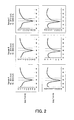
- Results of Samples 1 to 8 are indicated in FIGs. 1 to 3 .
- These figures show graphs of Tm analysis that indicate the changes in fluorescence intensity accompanying temperature rise.
- the differential value of the vertical axis indicates "-d fluorescence intensity increase/dt", while the horizontal axis indicates temperature (the same applies below).
- the genotype of SULT1A1*2 and SULT1A1*3 in each sample was determined from the peaks of the signals.
- the genotype of SULT1A1*2 and SVLT1A1*3 was confirmed by the RFLP method. As a result, the same results as those obtained in the example were obtained.
- the use of a primer set of the present invention made it possible to efficiently amplify the region including both of the sites to be detected of SULT1A1*2 and SULT1A1*3 in the SULT1A1 gene using a whole blood sample that had not been pretreated and to analyze two polymorphisms using the same reaction solution.
- Blood was collected from two subjects using EDTA blood collection tubes (Samples 1 and 2). Subsequently, 10 ⁇ L of blood thus obtained and 70 ⁇ L of diluent A described below were mixed together. Further, 10 ⁇ L of this mixture and 70 ⁇ L of diluent B described below were mixed together. Subsequently, 10 ⁇ L of the mixture thus obtained was heat-treated at 95°C for five minutes. Thereafter, this was added to 46 ⁇ L of PCR reaction solution having the following composition, and then PCR was performed using a thermal cycler. Conditions for PCR were as follows.
- one cycle of treatment at 95°C for 1 second and at 62°C for 15 seconds was repeated for 50 cycles, and further it was treated at 95°C for 1 second and at 40°C for 60 seconds.
- the PCR reaction solution was heated from 40°C to 75°C at a rate of temperature rise of 1°C/3 seconds, and the change in fluorescence intensity over time was measured.
- the measurement wavelength was 515 to 555 nm (for detection of the fluorescent dye, BODIPY FL).
- the Tm value of a hybrid that matches with the probe for SULT1A1*2 is 59°C and that of a hybrid that mismatches therewith is 51°C.
- FIG. 4 shows graphs of Tm analysis that indicate the changes in fluorescence intensity accompanying temperature rise.
- the differential value of the vertical axis indicates "-d fluorescence intensity increase/dt", while the horizontal axis indicates temperature.
- the genotype of SULT1A1*2 in the samples 1 and 2 was determined from the peaks of the signals.
- the genotype of SULT1A1*2 was confirmed by the RFLP method. As a result, the same results as those obtained in the example were obtained.
- the use of a primer set of the present invention made it possible to efficiently amplify the region including both of the sites to be detected of SULT1A1*2 in the SULT1A1 gene using a whole blood sample that had not been pretreated and to analyze two polymorphisms using the same reaction solution.
- the primer set makes it possible to specifically and efficiently amplify a region including both sites where polymorphisms, SULT1A1*2 and SULT1A1*3, are generated in the SULT1A1 gene. This allows time and cost to be reduced, which is different from the conventional methods as described above. Furthermore, as described above, since the region including the both sites to be detected of two polymorphisms are amplified specifically, for example, the use of two types of probes complementary to a sequence to be detected including each site to be detected makes it possible to perform Tm analysis directly using the aforementioned reaction solution to type the two polymorphisms. Moreover, since amplification and typing can be carried out using one reaction solution, the operation can be automated.
- the use of the primer set as described allows a pretreatment to be omitted even in the case of, for example, a contaminated sample (for instance, whole blood or oral mucosa), and therefore the amplification reaction can be carried out quicker and more easily. Furthermore, when the primer set is used, the amplification reaction can be carried out with higher amplification efficiency as compared to conventional cases and thus the reaction time can also be shortened. According to the reagents of the present invention, as well as the method of analysis using them, since the polymorphism in the SULT1A1 gene can be analyzed quickly and simply, it can be said that they are considerably effective in the field of medicine.
Landscapes
- Chemical & Material Sciences (AREA)
- Life Sciences & Earth Sciences (AREA)
- Proteomics, Peptides & Aminoacids (AREA)
- Organic Chemistry (AREA)
- Health & Medical Sciences (AREA)
- Analytical Chemistry (AREA)
- Engineering & Computer Science (AREA)
- Zoology (AREA)
- Wood Science & Technology (AREA)
- Genetics & Genomics (AREA)
- Physics & Mathematics (AREA)
- General Health & Medical Sciences (AREA)
- Biochemistry (AREA)
- Immunology (AREA)
- Microbiology (AREA)
- Molecular Biology (AREA)
- Biotechnology (AREA)
- Biophysics (AREA)
- Bioinformatics & Cheminformatics (AREA)
- General Engineering & Computer Science (AREA)
- Pathology (AREA)
- Chemical Kinetics & Catalysis (AREA)
- Plasma & Fusion (AREA)
- General Physics & Mathematics (AREA)
- Measuring Or Testing Involving Enzymes Or Micro-Organisms (AREA)
Claims (13)
- Sonde zum Erfassen eines Polymorphismus in dem SULT1A1-Gen, umfassend ein aus SEQ ID Nr. 23 bestehendes Oligonukleotid oder ein aus SEQ ID Nr. 46 bestehendes Oligonukleotid.
- Sonde nach Anspruch 1, wobei die Sonde eine fluoreszenzmarkierte Sonde ist.
- Sondenset zum Erfassen eines Polymorphismus in dem SULT1A1-Gen, welches Sondenset die Sonde nach Anspruch 1 oder 2 und eine aus dem folgenden Oligonukleotid (2) bestehende Sonde umfasst:(2) ein Oligonukleotid gemäß einer beliebigen der SEQ IDs Nr. 27 bis 32.
- Sondenset nach Anspruch 3, bei welchem das Oligonukleotid (2) ein Oligonukleotid der SEQ ID Nr. 30 ist.
- Sondenset nach Anspruch 3 oder 4, bei welchem die aus dem Oligonukleotid (2) bestehende Sonde eine fluoreszenzmarkierte Sonde ist.
- Reagens, enthaltend die Sonde oder das Sondenset nach einem der Ansprüche 1 bis 5 und ferner enthaltend das folgende Primer-Set (1):ein Primer-Set aus einem Paar Primern, das einen Vorwärts-Primer, der aus dem folgenden Oligonukleotid (F1) besteht, und einen Rückwärts-Primer, der aus dem folgenden Oligonukleotid (R1) besteht, umfasst:(F1): mindestens ein Oligonukleotid gemäß den SEQ IDs Nr. 2 bis 11 und(R1): mindestens ein Oligonukleotid gemäß den SEQ IDs Nr. 12 bis 21 und 33 bis 42.
- Polymorphismus-Analyseverfahren zum Analysieren eines Polymorphismus einer in dem SULT1A1-Gen zu erfassenden Stelle, welches Verfahren die folgenden Prozesse (i) bis (iv) aufweist:(i) Verstärken einer Region, die zumindest Base 3514 in dem SULT1A1-Gen enthält, in einer Reaktionslösung wobei in einer Probe enthaltene Nukleinsäure als eine Schablone verwendet wird,(ii) Herstellen einer Reaktionslösung, die das im Prozess (i) erhaltene Verstärkungsprodukt und die Sonde nach Anspruch 1 oder 2 enthält,(iii) Messen von Signalwerten, welche die Schmelzzustände eines Hybridisierungsprodukts zwischen dem Verstärkungsprodukt und der Sonde anzeigen, während die Temperatur der Reaktionslösung verändert wird, und(iv) Bestimmen eines Polymorphismus der zu erfassenden Stelle aus der Veränderung der Signalwerte, die mit der Temperaturveränderung einhergeht.
- Polymorphismus-Analyseverfahren nach Anspruch 7, bei welchem in dem Prozess (i) die Sonde nach Anspruch 1 oder 2 zu der Reaktionslösung vor einer Verstärkungsreaktion zugegeben wird.
- Polymorphismus-Analyseverfahren nach Anspruch 7 oder 8, bei welchem die Probe eine biologische Probe ist.
- Polymorphismus-Analyseverfahren nach Anspruch 9, bei welchem die Probe Vollblut ist.
- Polymorphismus-Analyseverfahren nach einem der Ansprüche 7 bis 10, bei welchem die Reaktionslösung im Prozess (ii) ferner eine Sonde enthält, die aus dem folgenden Olignukleotid (2) besteht:(2) ein Oligonukleotid gemäß einer beliebigen der SEQ IDs Nr. 27 bis 32.
- Polymorphismus-Analyseverfahren nach einem der Ansprüche 7 bis 11, bei welchem in dem Prozess (i) das SULT1A1-Gen in der Reaktionslösung unter Verwendung des folgenden Primer-Sets (1) verstärkt wird:ein Primer-Set aus einem Paar Primern, das einen Vorwärts-Primer, der aus dem folgenden Oligonukleotid (F1) besteht, und einen Rückwärts-Primer, der aus dem folgenden Oligonukleotid (R1) besteht, umfasst:(F1): mindestens ein Oligonukleotid gemäß den SEQ IDs Nr. 2 bis 11 und(R1): mindestens ein Oligonukleotid gemäß den SEQ IDs Nr. 12 bis 21 und 33 bis 42.
- Verwendung der Sonde, des Sonden-Sets oder des Reagens nach einem der Ansprüche 1 bis 6 zum Erfassen eines Polymorphismus in dem SULT1A1-Gen.
Applications Claiming Priority (3)
| Application Number | Priority Date | Filing Date | Title |
|---|---|---|---|
| JP2006322958 | 2006-11-30 | ||
| JP2007232615 | 2007-09-07 | ||
| EP07832873A EP2055774A4 (de) | 2006-11-30 | 2007-11-30 | Primer-set zur verstärkung des sult1a1-gens, reagens zur verstärkung des sult1a1-gens damit und anwendungen davon |
Related Parent Applications (2)
| Application Number | Title | Priority Date | Filing Date |
|---|---|---|---|
| EP07832873.9 Division | 2007-11-30 | ||
| EP07832873A Division EP2055774A4 (de) | 2006-11-30 | 2007-11-30 | Primer-set zur verstärkung des sult1a1-gens, reagens zur verstärkung des sult1a1-gens damit und anwendungen davon |
Publications (2)
| Publication Number | Publication Date |
|---|---|
| EP2584036A1 EP2584036A1 (de) | 2013-04-24 |
| EP2584036B1 true EP2584036B1 (de) | 2014-02-12 |
Family
ID=39467951
Family Applications (2)
| Application Number | Title | Priority Date | Filing Date |
|---|---|---|---|
| EP07832873A Withdrawn EP2055774A4 (de) | 2006-11-30 | 2007-11-30 | Primer-set zur verstärkung des sult1a1-gens, reagens zur verstärkung des sult1a1-gens damit und anwendungen davon |
| EP13151710.4A Ceased EP2584036B1 (de) | 2006-11-30 | 2007-11-30 | Sonden zur Identifizierung von SULT1A1-Genpolymorphismen, Sondensätze und Reagenzien damit und Verwendungen davon |
Family Applications Before (1)
| Application Number | Title | Priority Date | Filing Date |
|---|---|---|---|
| EP07832873A Withdrawn EP2055774A4 (de) | 2006-11-30 | 2007-11-30 | Primer-set zur verstärkung des sult1a1-gens, reagens zur verstärkung des sult1a1-gens damit und anwendungen davon |
Country Status (6)
| Country | Link |
|---|---|
| US (2) | US8404438B2 (de) |
| EP (2) | EP2055774A4 (de) |
| JP (1) | JP5367365B2 (de) |
| KR (1) | KR101107831B1 (de) |
| CN (1) | CN102199662B (de) |
| WO (1) | WO2008066165A1 (de) |
Families Citing this family (4)
| Publication number | Priority date | Publication date | Assignee | Title |
|---|---|---|---|---|
| JP5637850B2 (ja) * | 2008-07-02 | 2014-12-10 | アークレイ株式会社 | 標的核酸配列の増幅方法、それを用いた変異の検出方法、および、それに用いる試薬 |
| US9284603B2 (en) | 2010-01-21 | 2016-03-15 | Arkray, Inc. | Target sequence amplification method, polymorphism detection method, and reagents for use in the methods |
| JP5917248B2 (ja) * | 2011-05-09 | 2016-05-11 | アークレイ株式会社 | HGF遺伝子のpolyArepeat数変異多型検出用プローブおよびその用途 |
| JP2013074888A (ja) | 2011-09-15 | 2013-04-25 | Arkray Inc | IL28B(rs8099917)とITPA(rs1127354)の変異を検出する方法 |
Family Cites Families (11)
| Publication number | Priority date | Publication date | Assignee | Title |
|---|---|---|---|---|
| US4889818A (en) | 1986-08-22 | 1989-12-26 | Cetus Corporation | Purified thermostable enzyme |
| US5079352A (en) | 1986-08-22 | 1992-01-07 | Cetus Corporation | Purified thermostable enzyme |
| ATE169337T1 (de) | 1989-12-22 | 1998-08-15 | Hoffmann La Roche | Rekombinante expressionsvektoren und reinigungsverfahren für dns-polymerase aus thermus thermophilus |
| US5322785A (en) | 1990-04-26 | 1994-06-21 | New England Biolabs, Inc. | Purified thermostable DNA polymerase obtainable from thermococcus litoralis |
| WO1992009688A1 (en) | 1990-11-21 | 1992-06-11 | Massachusetts Institute Of Technology | MICE HAVING β2 MICROGLOBULIN GENE DISRUPTION |
| WO1992009689A1 (en) | 1990-12-03 | 1992-06-11 | Stratagene | PURIFIED THERMOSTABLE $i(PYROCOCCUS FURIOSUS) |
| WO2004087950A2 (en) | 2003-04-04 | 2004-10-14 | Roche Diagnostics Gmbh | Improved system for multi color real time pcr |
| CN100374579C (zh) * | 2003-04-04 | 2008-03-12 | 霍夫曼-拉罗奇有限公司 | 改良的多色实时pcr系统 |
| JP4454265B2 (ja) * | 2003-08-13 | 2010-04-21 | アークレイ株式会社 | 融解曲線解析法 |
| JP2005261354A (ja) | 2004-03-19 | 2005-09-29 | Arkray Inc | 核酸の蛍光検出法 |
| GB0613840D0 (en) * | 2006-07-12 | 2006-08-23 | Progenika Biopharma Sa | Methods and products for in vitro genotyping |
-
2007
- 2007-11-30 JP JP2008517259A patent/JP5367365B2/ja not_active Expired - Fee Related
- 2007-11-30 EP EP07832873A patent/EP2055774A4/de not_active Withdrawn
- 2007-11-30 WO PCT/JP2007/073208 patent/WO2008066165A1/ja not_active Ceased
- 2007-11-30 US US12/302,111 patent/US8404438B2/en not_active Expired - Fee Related
- 2007-11-30 CN CN2011100636916A patent/CN102199662B/zh not_active Expired - Fee Related
- 2007-11-30 EP EP13151710.4A patent/EP2584036B1/de not_active Ceased
- 2007-11-30 KR KR1020087020757A patent/KR101107831B1/ko not_active Expired - Fee Related
-
2011
- 2011-04-14 US US13/086,979 patent/US8455192B2/en not_active Expired - Fee Related
Also Published As
| Publication number | Publication date |
|---|---|
| US20090104616A1 (en) | 2009-04-23 |
| KR101107831B1 (ko) | 2012-02-09 |
| JPWO2008066165A1 (ja) | 2010-03-11 |
| JP5367365B2 (ja) | 2013-12-11 |
| KR20080107393A (ko) | 2008-12-10 |
| US20110294120A1 (en) | 2011-12-01 |
| US8404438B2 (en) | 2013-03-26 |
| CN102199662A (zh) | 2011-09-28 |
| WO2008066165A1 (en) | 2008-06-05 |
| EP2055774A1 (de) | 2009-05-06 |
| US8455192B2 (en) | 2013-06-04 |
| CN102199662B (zh) | 2013-10-23 |
| EP2584036A1 (de) | 2013-04-24 |
| EP2055774A4 (de) | 2012-07-18 |
Similar Documents
| Publication | Publication Date | Title |
|---|---|---|
| US8357516B2 (en) | Primer set for amplification of UGT1A1 gene, reagent for amplification of UGT1A1 gene containing the same, and the uses thereof | |
| US8232051B2 (en) | Primer set for gene amplification, reagent for gene amplification including the same, and uses thereof | |
| EP2055789A1 (de) | Primer-set zur verstärkung des cyp2c19-gens, reagens zur verstärkung des cyp2c19-gens damit und anwendung davon | |
| EP2314680A1 (de) | Verfahren zur amplifikation einer zielnukleinsäuresequenz, verfahren zum mutationsnachweis mit dem verfahren und reagentien zur verwendung in den verfahren | |
| EP3064596B1 (de) | Verfahren zur analyse von cyp2c19-genpolymorphismus, kit und dessen verwendung zur analyse von cyp2c19-genpolymorphismus und zur evaluierung der arzneimittelwirksamkeit | |
| EP2502994A1 (de) | Primer-set zur verstärkung des mthfr-gens, reagens zur verstärkung des mthfr-gens damit und anwendung davon | |
| US8021845B2 (en) | Probes for detecting obesity gene | |
| EP2055775A1 (de) | Primer-set zur verstärkung des cyp2c9-gens, reagens zur verstärkung des cyp2c9-gens damit und anwendung davon | |
| US8455192B2 (en) | Probes for detection of SULT1A1 gene, reagent containing the same, and the uses thereof | |
| EP2078747A1 (de) | Primer-set zur verstärkung des nat2-gens, reagens zur verstärkung des nat2-gens damit und anwendung davon | |
| CN101448936A (zh) | Sult1a1基因扩增用引物对,含有其的sult1a1基因扩增用试剂及其用途 |
Legal Events
| Date | Code | Title | Description |
|---|---|---|---|
| PUAI | Public reference made under article 153(3) epc to a published international application that has entered the european phase |
Free format text: ORIGINAL CODE: 0009012 |
|
| AC | Divisional application: reference to earlier application |
Ref document number: 2055774 Country of ref document: EP Kind code of ref document: P |
|
| AK | Designated contracting states |
Kind code of ref document: A1 Designated state(s): DE FR GB IT |
|
| 17P | Request for examination filed |
Effective date: 20130618 |
|
| RBV | Designated contracting states (corrected) |
Designated state(s): DE FR GB IT |
|
| REG | Reference to a national code |
Ref country code: DE Ref legal event code: R079 Ref document number: 602007035133 Country of ref document: DE Free format text: PREVIOUS MAIN CLASS: C12N0015000000 Ipc: C12Q0001680000 |
|
| RIC1 | Information provided on ipc code assigned before grant |
Ipc: C12Q 1/68 20060101AFI20130925BHEP |
|
| GRAP | Despatch of communication of intention to grant a patent |
Free format text: ORIGINAL CODE: EPIDOSNIGR1 |
|
| INTG | Intention to grant announced |
Effective date: 20131104 |
|
| GRAS | Grant fee paid |
Free format text: ORIGINAL CODE: EPIDOSNIGR3 |
|
| GRAA | (expected) grant |
Free format text: ORIGINAL CODE: 0009210 |
|
| AC | Divisional application: reference to earlier application |
Ref document number: 2055774 Country of ref document: EP Kind code of ref document: P |
|
| AK | Designated contracting states |
Kind code of ref document: B1 Designated state(s): DE FR GB IT |
|
| REG | Reference to a national code |
Ref country code: GB Ref legal event code: FG4D |
|
| REG | Reference to a national code |
Ref country code: DE Ref legal event code: R096 Ref document number: 602007035133 Country of ref document: DE Effective date: 20140327 |
|
| REG | Reference to a national code |
Ref country code: DE Ref legal event code: R097 Ref document number: 602007035133 Country of ref document: DE |
|
| PLBE | No opposition filed within time limit |
Free format text: ORIGINAL CODE: 0009261 |
|
| STAA | Information on the status of an ep patent application or granted ep patent |
Free format text: STATUS: NO OPPOSITION FILED WITHIN TIME LIMIT |
|
| 26N | No opposition filed |
Effective date: 20141113 |
|
| REG | Reference to a national code |
Ref country code: DE Ref legal event code: R097 Ref document number: 602007035133 Country of ref document: DE Effective date: 20141113 |
|
| REG | Reference to a national code |
Ref country code: FR Ref legal event code: PLFP Year of fee payment: 9 |
|
| REG | Reference to a national code |
Ref country code: FR Ref legal event code: PLFP Year of fee payment: 10 |
|
| REG | Reference to a national code |
Ref country code: FR Ref legal event code: PLFP Year of fee payment: 11 |
|
| REG | Reference to a national code |
Ref country code: DE Ref legal event code: R082 Ref document number: 602007035133 Country of ref document: DE |
|
| PGFP | Annual fee paid to national office [announced via postgrant information from national office to epo] |
Ref country code: GB Payment date: 20231123 Year of fee payment: 17 |
|
| PGFP | Annual fee paid to national office [announced via postgrant information from national office to epo] |
Ref country code: IT Payment date: 20231124 Year of fee payment: 17 Ref country code: FR Payment date: 20231120 Year of fee payment: 17 Ref country code: DE Payment date: 20231121 Year of fee payment: 17 |
|
| REG | Reference to a national code |
Ref country code: DE Ref legal event code: R119 Ref document number: 602007035133 Country of ref document: DE |
|
| GBPC | Gb: european patent ceased through non-payment of renewal fee |
Effective date: 20241130 |
|
| PG25 | Lapsed in a contracting state [announced via postgrant information from national office to epo] |
Ref country code: DE Free format text: LAPSE BECAUSE OF NON-PAYMENT OF DUE FEES Effective date: 20250603 |
|
| PG25 | Lapsed in a contracting state [announced via postgrant information from national office to epo] |
Ref country code: IT Free format text: LAPSE BECAUSE OF NON-PAYMENT OF DUE FEES Effective date: 20241130 |
|
| PG25 | Lapsed in a contracting state [announced via postgrant information from national office to epo] |
Ref country code: GB Free format text: LAPSE BECAUSE OF NON-PAYMENT OF DUE FEES Effective date: 20241130 |
|
| PG25 | Lapsed in a contracting state [announced via postgrant information from national office to epo] |
Ref country code: FR Free format text: LAPSE BECAUSE OF NON-PAYMENT OF DUE FEES Effective date: 20241130 |