EP2584838A1 - Verfahren und system zur verarbeitung von übertragungslückenmustersequenzen - Google Patents
Verfahren und system zur verarbeitung von übertragungslückenmustersequenzen Download PDFInfo
- Publication number
- EP2584838A1 EP2584838A1 EP10854880.1A EP10854880A EP2584838A1 EP 2584838 A1 EP2584838 A1 EP 2584838A1 EP 10854880 A EP10854880 A EP 10854880A EP 2584838 A1 EP2584838 A1 EP 2584838A1
- Authority
- EP
- European Patent Office
- Prior art keywords
- transmission gap
- gap pattern
- pattern sequence
- node
- terminal
- Prior art date
- Legal status (The legal status is an assumption and is not a legal conclusion. Google has not performed a legal analysis and makes no representation as to the accuracy of the status listed.)
- Withdrawn
Links
Images





Classifications
-
- H—ELECTRICITY
- H04—ELECTRIC COMMUNICATION TECHNIQUE
- H04W—WIRELESS COMMUNICATION NETWORKS
- H04W24/00—Supervisory, monitoring or testing arrangements
- H04W24/10—Scheduling measurement reports ; Arrangements for measurement reports
-
- H—ELECTRICITY
- H04—ELECTRIC COMMUNICATION TECHNIQUE
- H04W—WIRELESS COMMUNICATION NETWORKS
- H04W72/00—Local resource management
- H04W72/20—Control channels or signalling for resource management
- H04W72/23—Control channels or signalling for resource management in the downlink direction of a wireless link, i.e. towards a terminal
-
- H—ELECTRICITY
- H04—ELECTRIC COMMUNICATION TECHNIQUE
- H04L—TRANSMISSION OF DIGITAL INFORMATION, e.g. TELEGRAPHIC COMMUNICATION
- H04L5/00—Arrangements affording multiple use of the transmission path
- H04L5/0001—Arrangements for dividing the transmission path
- H04L5/0003—Two-dimensional division
- H04L5/0005—Time-frequency
- H04L5/0007—Time-frequency the frequencies being orthogonal, e.g. OFDM(A) or DMT
- H04L5/001—Time-frequency the frequencies being orthogonal, e.g. OFDM(A) or DMT the frequencies being arranged in component carriers
-
- H—ELECTRICITY
- H04—ELECTRIC COMMUNICATION TECHNIQUE
- H04W—WIRELESS COMMUNICATION NETWORKS
- H04W72/00—Local resource management
-
- H—ELECTRICITY
- H04—ELECTRIC COMMUNICATION TECHNIQUE
- H04W—WIRELESS COMMUNICATION NETWORKS
- H04W72/00—Local resource management
- H04W72/02—Selection of wireless resources by user or terminal
-
- H—ELECTRICITY
- H04—ELECTRIC COMMUNICATION TECHNIQUE
- H04W—WIRELESS COMMUNICATION NETWORKS
- H04W72/00—Local resource management
- H04W72/20—Control channels or signalling for resource management
- H04W72/29—Control channels or signalling for resource management between an access point and the access point controlling device
-
- H—ELECTRICITY
- H04—ELECTRIC COMMUNICATION TECHNIQUE
- H04W—WIRELESS COMMUNICATION NETWORKS
- H04W28/00—Network traffic management; Network resource management
- H04W28/02—Traffic management, e.g. flow control or congestion control
- H04W28/06—Optimizing the usage of the radio link, e.g. header compression, information sizing, discarding information
Definitions
- the disclosure relates to the field of radio communications, and more particularly, to a method and a system for processing a transmission gap pattern sequence.
- the network deployment of operators has to have multiple modes of systems coexisted according to user requirements.
- the common radio network functions of the operator are set to be: the second generation of GSM system is mainly used to bear voices; the third generation of WCDMA system is mainly used to bear packet domain services, session services and video services; and the third generation of E-UTRAN system is mainly used to bear high-speed packet domain services.
- the mobility between the second generation of GSM system and the third generation of WCDMA system is very important.
- the mobility management of the third generation of E-UTRA system for example, handover to hot areas of the E-UTRA system, would become important in the near future.
- inter-frequency handover based on load balance between each layer of carrier frequency is also necessary in a multi-carrier frequency network.
- the handover processes caused by the inter-system mobility management mentioned above and by the load balance between each layer of carrier frequency all need to perform measurements on a target system and a target carrier frequency in a predetermined handover preparation phase, so as to execute a handover policy accurately.
- Compressed mode plays a very important role in the inter-carrier frequency measurement and the inter-system measurement.
- a terminal can measure the carrier frequency not in service and the carrier frequency of other systems, without configuring double receivers.
- the terminal can only adopt the compressed mode to perform the inter-system measurement.
- the compressed mode also can be used for the terminal to enter into/exit from a multi-carrier frequency coverage area of the third generation of WCDMA system.
- a terminal can measure another carrier frequency not in service without losing any data transmitted on the serving carrier frequency.
- the compressed mode is defined as a transmission mode, through which data transmission is compressed to generate a transmission gap in time domain.
- the receiver of the terminal can switch to another carrier frequency to perform a measurement within this transmission gap.
- the transmission gap is described and determined by a transmission gap pattern sequence.
- Each set of transmission gap pattern sequence is uniquely identified by a transmission gap pattern sequence identifier and can only be used for one transmission gap pattern sequence measurement purpose, which is one of following measurement purposes: Frequency Division Duplex (FDD) measurement, Time Division Duplex (TDD) measurement, GSM Carrier Received Signal Strength Indication measurement, GSM Initial Base Station Identity Code Identification, GSM Base Station Identity Code Identification Reconfirmation, multi-carrier frequency measurement, E-UTRA measurement and the like.
- FDD Frequency Division Duplex
- TDD Time Division Duplex
- GSM Carrier Received Signal Strength Indication measurement GSM Initial Base Station Identity Code Identification
- GSM Base Station Identity Code Identification Reconfirmation multi-carrier frequency measurement
- E-UTRA measurement and the like.
- Each set of transmission gap pattern sequence includes two alternate patterns, which are transmission gap pattern 1 and transmission gap pattern 2.
- Each transmission gap pattern provides one or two transmission gaps in one transmission gap pattern length.
- each set of transmission gap pattern sequence further includes a transmission gap Connection Frame Number (CFN) for indicating the time of initiating/stopping the compressed mode, repeat times of the transmission gap pattern sequence, etc. These parameters are determined according to the transmission gap pattern sequence measurement purpose.
- CFN transmission gap Connection Frame Number
- Each transmission gap pattern sequence measurement purpose needs one set of transmission gap pattern sequence, so when multiple measurements are performed simultaneously, for example, when the GSM Carrier Received Signal Strength Indication measurement and the GSM Initial Base Station Identity Code Identification are performed simultaneously, two sets of transmission gap pattern sequences might be performed in parallel. In this condition, it is necessary to guarantee that the two sets of transmission gap pattern sequences are not overlapped, or, transmission gaps described and determined by each set of transmission gap pattern sequence are not located in one same radio frame. Otherwise, the terminal cannot perform related measurements of the overlapped transmission gap pattern sequence.
- the initiation and stop of the compressed mode are controlled by a Radio Network Controller (RNC).
- RNC Radio Network Controller
- a terminal reports to the RNC the quality of the radio signal of a current serving cell/carrier frequency (if the quality of the radio signal of the current serving cell/carrier frequency is lower than a certain threshold).
- the RNC determines whether to perform an inter-carrier frequency/inter-system measurement (if the quality of the radio signal of the current serving cell is poor, it might be needed to prepare for the handover to an inter-carrier frequency/inter-system adjacent cell). If it is needed to perform the inter-carrier frequency/inter-system measurement, the RNC notifies a Node B and the terminal of the initiated transmission gap pattern sequence.
- the Node B does not transmit data within each transmission gap described and determined by the transmission gap pattern sequence
- the terminal does not receive data within each transmission gap described and determined by the transmission gap pattern sequence but performs the inter-carrier frequency/inter-system measurement for the transmission gap pattern sequence measurement purpose.
- the RNC can decide to stop the transmission gap pattern sequence and notifies the Node B and the terminal. Subsequently, the Node B and the terminal exit from the compressed mode and perform normal data reception and transmission.
- the initiation threshold of the compressed mode needs to be set to be easily triggered, so that before the terminal drops calls (that is, during the period capable of maintaining the terminal calls) there is enough time to complete the inter-carrier frequency/inter-system measurement.
- the coverage boundary of cell is reduced, the coverage of cell cannot be utilized effectively, the duration of the compressed mode is relatively long, which damages the system capacity and the user throughput.
- the main purpose of the disclosure is to provide a method and a system for processing a transmission gap pattern sequence, so as to solve the problem in the prior art that long duration of the compressed mode damages the system capacity and the user throughput.
- the disclosure provides a method for processing a transmission gap pattern sequence, which includes:
- the method Before performing the operation of initiating a new transmission gap pattern sequence, the method further includes:
- the method further includes:
- the method further includes:
- the method further includes:
- the disclosure further provides a system for processing a transmission gap pattern sequence, which includes a terminal and a Node B.
- the terminal or the Node B is configured to: control an initiation of a transmission gap pattern sequence, wherein the terminal or the Node B performs an operation of initiating a new transmission gap pattern sequence by way of superimposing on currently initiated transmission gap pattern sequences or by way of clearing all currently initiated transmission gap pattern sequences; control a stop of the transmission gap pattern sequence, wherein the terminal or the Node B performs an operation of stopping a transmission gap pattern sequence by way of stopping a specified transmission gap pattern sequence or by way of stopping all currently initiated transmission gap pattern sequences.
- the system further includes an RNC.
- the RNC is configured to agree with the terminal and the Node B in advance on the information of the transmission gap pattern sequence for initiating a compressed mode, or to configure the terminal and the Node B with the information of the transmission gap pattern sequence for initiating the compressed mode.
- the information of the transmission gap pattern sequence for initiating the compressed mode includes: information of one or more sets of transmission gap pattern sequences.
- the information of each set of transmission gap pattern sequence at least includes: transmission gap pattern sequence identifier, transmission gap pattern sequence measurement purpose, transmission gap pattern 1 and/or transmission gap pattern 2, information of transmission gap provided by each type of transmission gap pattern in one transmission gap pattern length, and repeat times of the transmission gap pattern.
- the RNC is further configured to configure the terminal with the information of the transmission gap pattern sequence for initiating the compressed mode through RRC protocol layer control signaling, and to configure the Node B with the information of the transmission gap pattern sequence through NBAP protocol layer control signaling.
- the terminal is further configured to notify the Node B through an HS-DPCCH that the terminal and the Node B perform the operation of initiating a new transmission gap pattern sequence by way of superimposing on the currently initiated transmission gap pattern sequences or by way of clearing all currently initiated transmission gap pattern sequences, and perform the operation of stopping a transmission gap pattern sequence by way of stopping the specified transmission gap pattern sequence or by way of stopping all currently initiated transmission gap pattern sequences.
- the Node B is further configured to notify the terminal through an HS-SCCH order that the terminal and the Node B perform the operation of initiating a new transmission gap pattern sequence by way of superimposing on the currently initiated transmission gap pattern sequences or by way of clearing all currently initiated transmission gap pattern sequences, and perform the operation of stopping a transmission gap pattern sequence by way of stopping the specified transmission gap pattern sequence or by way of stopping all currently initiated transmission gap pattern sequences.
- the initiation and stop of the transmission gap pattern sequence are controlled by a terminal or a Node B.
- the terminal or the Node B performs the operation of initiating a new transmission gap pattern sequence by way of superimposing on the currently initiated transmission gap pattern sequences or by way of clearing all currently initiated transmission gap pattern sequences.
- the terminal or the Node B performs the operation of stopping a transmission gap pattern sequence by way of stopping the specified transmission gap pattern sequence or by way of stopping all currently initiated transmission gap pattern sequences.
- the time for initiating a compressed mode is delayed, which can reduce the duration of the compressed mode, thus the system capacity and user throughput are improved.
- a method for processing a transmission gap pattern sequence provided by the disclosure mainly includes the following steps:
- the RNC can configure the terminal with the information of the transmission gap pattern sequence for initiating the compressed mode through RRC protocol layer control signaling, and configure the Node B with the information of the transmission gap pattern sequence through NBAP protocol layer control signaling.
- the information of the transmission gap pattern sequence for initiating the compressed mode specifically includes the information of one or more sets of transmission gap pattern sequences.
- the information of each set of transmission gap pattern sequence at least includes: transmission gap pattern sequence identifier, transmission gap pattern sequence measurement purpose, transmission gap pattern 1 and/or transmission gap pattern 2, the information of transmission gap provided by each type of transmission gap pattern in one transmission gap pattern length, and the repeat times of the transmission gap pattern.
- Step 202 Data transmission and reception are performed between the terminal and the Node B.
- Step 203 The terminal or Node B controls the initiation of the transmission gap pattern sequence.
- the terminal or Node B performs the operation of initiating a new transmission gap pattern sequence by way of superimposing on the currently initiated transmission gap pattern sequences or by way of clearing all currently initiated transmission gap pattern sequences.
- Step 204 The terminal and the Node B generate a transmission gap according to the description of the transmission gap pattern sequence.
- the terminal or the Node B controls the stop of the transmission gap pattern sequence.
- the terminal or the Node B performs the operation of stopping a transmission gap pattern sequence by way of stopping a specified transmission gap pattern sequence or by way of stopping all currently initiated transmission gap pattern sequences.
- the transmission gap pattern sequence identifier mentioned above is encoded by 3 bits, whose value falls in the range of 0 to 7, that is, 8 values totally.
- the transmission gap pattern sequence identifier with the value of 0 is regulated to be reserved, indicating all currently initiated transmission gap pattern sequences and being used only when the terminal or the Node B performs the operation of stopping a transmission gap pattern sequence.
- the rest 7 values from 1 to 7 are used as the transmission gap pattern sequence identifier, and each set of transmission gap pattern sequence is uniquely identified by a transmission gap pattern sequence identifier.
- the initiation or stop of the transmission gap pattern sequence is indicated through encoding one bit.
- the bit takes the value of 1, it is indicated to initiate, and when the bit takes the value of 0, it is indicated to stop.
- both the way of superimposing on the currently initiated transmission gap pattern sequences and the way of clearing all currently initiated transmission gap pattern sequences are indicated through encoding one bit.
- this bit takes the value of 1, it is indicated to superimpose on the currently initiated transmission gap pattern sequences, hereinafter called Superimposing way; when this bit takes the value of 0, it is indicated to clear all currently initiated transmission gap pattern sequences, hereinafter called Clear way.
- HS-DPCCH is a control channel in uplink direction and is used to bear the feedback information for Acknowledgement/Negative Acknowledgement (ACK/NACK) of successful reception of downlink data and to bear the quality feedback information of the reception quality of downlink data.
- ACK/NACK Acknowledgement/Negative Acknowledgement
- the domain for bearing the ACK/NACK information of downlink data reception condition is called a "Confirmation" domain, which consists of 10 bits. In the prior art, only part of the encoded values are used.
- the unused encoded part in the 10-bit "Confirmation" domain of the HS-DPCCH is used.
- the first bit takes the value of 1 and the second bit takes the value of 0 in the "Confirmation” domain, all encoded values of the rest 8 bits from all 0 to all 1 are not used.
- the third, fourth and fifth bits of the "Confirmation” domain are used to indicate the transmission gap pattern sequence identifier (wherein the transmission gap pattern sequence identifier with the value of 0 is regulated to be reserved, indicating all currently initiated transmission gap pattern sequences and being used only when the terminal or Node B performs the operation of stopping a transmission gap pattern sequence; the rest 7 values from 1 to 7 are used for indicating the transmission gap pattern sequence identifier, and each set of transmission gap pattern sequence is uniquely identified by a transmission gap pattern sequence identifier); the sixth bit of the "Confirmation” domain is used to indicate the initiation or stop of the transmission gap pattern sequence (when the bit takes the value of 1, it is indicated to initiate, and when the bit takes the value of 0, it is indicated to stop); the seventh bit of the "Confirmation” domain is used to indicate Superimposing way or Clear way (this bit is
- HS-SCCH is a control channel in downlink direction and is used to bear the information needed by demodulation of a High Speed Downlink Shared Channel (HS-DSCH).
- the Node B can send an HS-SCCH order to the terminal through the HS-SCCH, ordering the terminal to perform corresponding control.
- the HS-SCCH order totally has 6 bits. In the prior art, only part of the encoded values is used.
- the unused encoded part of the six bits in the HS-SCCH order is used.
- the first bit of the 6 bits in the HS-SCCH order takes the value of 1, all encoded values of the rest 5 bits from all 0 to all 1 are not used.
- the second, third and fourth bits of the 6 bits in the HS-SCCH order are used to indicate the transmission gap pattern sequence identifier (wherein the transmission gap pattern sequence identifier with the value of 0 is regulated to be reserved, indicating all currently initiated transmission gap pattern sequences and being used only when the terminal or Node B performs the operation of stopping a transmission gap pattern sequence; the rest 7 values from 1 to 7 are used for indicating the transmission gap pattern sequence identifier, and each set of transmission gap pattern sequence is uniquely identified by a transmission gap pattern sequence identifier); the fifth bit of the 6 bits in the HS-SCCH order is used to indicate the initiation or stop of the transmission gap pattern sequence (when the bit takes the value of 1, it is indicated to initiate, and when the bit takes the value of 0, it is indicated to stop); the sixth bit of the 6 bits in the HS-SCCH order is used to indicate Superimposing way or Clear
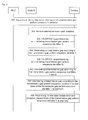
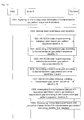
- the process of the Embodiment 1 of the disclosure mainly includes the following steps:
- the information of the transmission gap pattern sequence includes:
- Step 302 Normal data transmission and reception are performed between the terminal and the Node B.
- Step 303 The terminal sends the Node B through an HS-DPCCH the information of "initiating a new transmission gap pattern sequence (the transmission gap pattern sequence identification 1) by way of superimposing on the currently initiated transmission gap pattern sequences.”
- the first bit takes the value of 1 and the second bit takes the value of 0; the third, fourth and fifth bits of the "Confirmation” domain of the HS-DPCCH take the value of 1, for indicating the transmission gap pattern sequence identifier 1; the sixth bit of the "Confirmation” domain of the HS-DPCCH takes the value of 1, for indicating the operation of initiating a new transmission gap pattern sequence; and the seventh bit of the "Confirmation” domain of the HS-DPCCH takes the value of 1, for indicating Superimposing way.
- Step 304 The terminal and the Node B generate a transmission gap according to the description of the transmission gap pattern sequence identified by the transmission gap pattern sequence identifier 1.
- Step 305 Before the repeat times (20 times) of the transmission gap pattern sequence identified by the transmission gap pattern sequence identifier 1 is reached, the terminal sends the Node B through the HS-DPCCH the information of "initiating a new transmission gap pattern sequence (the transmission gap pattern sequence identifier 5) by way of superimposing on currently initiated transmission gap pattern sequences.”
- the first bit takes the value of 1 and the second bit takes the value of 0; the third, fourth and fifth bits of the "Confirmation” domain of the HS-DPCCH take the value of 5, for indicating the transmission gap pattern sequence identifier 5; the sixth bit of the "Confirmation” domain of the HS-DPCCH takes the value of 1, for indicating the operation of initiating a new transmission gap pattern sequence; and the seventh bit of the "Confirmation” domain of the HS-DPCCH takes the value of 1, for indicating Superimposing way.
- Step 306 The terminal and the Node B generate a transmission gap in the Superimposing manner, according to the descriptions of the transmission gap pattern sequence identified by the transmission gap pattern sequence identifier 1 and the transmission gap pattern sequence identified by the transmission gap pattern sequence identifier 5.
- Step 307 The repeat times (20 times) of the transmission gap pattern sequence identified by the transmission gap pattern sequence identifier 1 is reached.
- the terminal and the Node B stop the transmission gap pattern sequence identified by the transmission gap pattern sequence identifier 1 and continue generating a transmission gap according to the description of the transmission gap pattern sequence identified by the transmission gap pattern sequence identifier 5.
- Step 308 The repeat times (50 times) of the transmission gap pattern sequence identified by the transmission gap pattern sequence identifier 5 is reached.
- the terminal and the Node B stop the transmission gap pattern sequence identified by the transmission gap pattern sequence identifier 5, and recover the data transmission and reception therebetween.
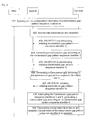
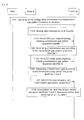
- the process of the Embodiment 2 of the disclosure mainly includes the following steps:
- the information of the transmission gap pattern sequence includes:
- Step 402 Data transmission and reception are performed between the terminal and the Node B.
- Step 403 The terminal sends the Node B through an HS-DPCCH the information of "initiating a new transmission gap pattern sequence by way of superimposing on the currently initiated transmission gap pattern sequences (the transmission gap pattern sequence identifier 1)".
- the first bit takes the value of 1 and the second bit takes the value of 0; the third, fourth and fifth bits of the "Confirmation” domain of the HS-DPCCH take the value of 1, for indicating the transmission gap pattern sequence identifier 1; the sixth bit of the "Confirmation” domain of the HS-DPCCH takes the value of 1, for indicating the operation of initiating a new transmission gap pattern sequence; and the seventh bit of the "Confirmation” domain of the HS-DPCCH takes the value of 1, for indicating Superimposing way.
- Step 404 The terminal and the Node B generate a transmission gap according to the description of the transmission gap pattern sequence identified by the transmission gap pattern sequence identifier 1.
- Step 405 Before the repeat times (20 times) of the transmission gap pattern sequence identified by the transmission gap pattern sequence identifier 1 is reached, the terminal sends the Node B through the HS-DPCCH the information on "initiating a new transmission gap pattern sequence (the transmission gap pattern sequence identifier 5) by way of superimposing on currently initiated transmission gap pattern sequences".
- the first bit takes the value of 1 and the second bit takes the value of 0; the third, fourth and fifth bits of the "Confirmation” domain of the HS-DPCCH take the value of 5, for indicating the transmission gap pattern sequence identifier 5; the sixth bit of the "Confirmation” domain of the HS-DPCCH takes the value of 1, for indicating the operation of initiating a new transmission gap pattern sequence; and the seventh bit of the "Confirmation” domain of the HS-DPCCH takes the value of 1, for indicating Superimposing way.
- Step 406 The terminal and the Node B generate a transmission gap in the Superimposing manner, according to the descriptions of the transmission gap pattern sequence identified by the transmission gap pattern sequence identifier 1 and the transmission gap pattern sequence identified by the transmission gap pattern sequence identifier 5.
- Step 407 Before the repeat times (20 times) of the transmission gap pattern sequence identified by the transmission gap pattern sequence identifier 1 is reached, and before the repeat times (50 times) of the transmission gap pattern sequence identified by the transmission gap pattern sequence identifier 5 is reached, the terminal sends the Node B through the HS-DPCCH the information on "initiating a new transmission gap pattern sequence (the transmission gap pattern sequence identifier 6) by way of clearing all currently initiated transmission gap pattern sequences".
- the first bit takes the value of 1 and the second bit takes the value of 0;
- the third, fourth and fifth bits of the "Confirmation” domain of the HS-DPCCH take the value of 6, for indicating the transmission gap pattern sequence identifier 6;
- the sixth bit of the "Confirmation” domain of the HS-DPCCH takes the value of 1, for indicating the operation of initiating a new transmission gap pattern sequence;
- the seventh bit of the "Confirmation" domain of the HS-DPCCH takes the value of 0, for indicating Clear way.
- Step 408 The terminal and the Node B interrupt the transmission gap pattern sequence identified by the transmission gap pattern sequence identifier 1 and interrupt the transmission gap pattern sequence identified by the transmission gap pattern sequence identifier 5.
- the terminal and the Node B generate a transmission gap according to the description of the transmission gap pattern sequence identified by the transmission gap pattern sequence identifier 6.
- Step 409 The repeat times (32) of the transmission gap pattern sequence identified by the transmission gap pattern sequence identifier 6 is reached.
- the terminal and the Node B stop the transmission gap pattern sequence identified by the transmission gap pattern sequence identifier 6, and recover the normal data transmission and reception therebetween.
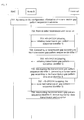
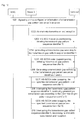
- the process of the Embodiment 3 of the disclosure mainly includes the following steps:
- the information of the transmission gap pattern sequence includes:
- Step 502 Normal data transmission and reception are performed between the terminal and the Node B.
- Step 503 The terminal sends the Node B through an HS-DPCCH the information of "initiating a new transmission gap pattern sequence (the transmission gap pattern sequence identifier 1) by way of superimposing on the currently initiated transmission gap pattern sequences.”
- the first bit takes the value of 1 and the second bit takes the value of 0; the third, fourth and fifth bits of the "Confirmation” domain of the HS-DPCCH take the value of 1, for indicating the transmission gap pattern sequence identifier 1; the sixth bit of the "Confirmation” domain of the HS-DPCCH takes the value of 1, for indicating the operation of initiating a new transmission gap pattern sequence; and the seventh bit of the "Confirmation” domain of the HS-DPCCH takes the value of 1, for indicating Superimposing way.
- Step 504 The terminal and the Node B generate a transmission gap according to the description of the transmission gap pattern sequence identified by the transmission gap pattern sequence identifier 1.
- Step 505 Before the repeat times (20 times) of the transmission gap pattern sequence identified by the transmission gap pattern sequence identifier 1 is reached, the terminal sends the Node B through the HS-DPCCH the information of "initiating a new transmission gap pattern sequence (the transmission gap pattern sequence identifier 5) by way of superimposing on the currently initiated transmission gap pattern sequences.”
- the first bit takes the value of 1 and the second bit takes the value of 0; the third, fourth and fifth bits of the "Confirmation” domain of the HS-DPCCH take the value of 5, for indicating the transmission gap pattern sequence identifier 5; the sixth bit of the "Confirmation” domain of the HS-DPCCH takes the value of 1, for indicating the operation of initiating a new transmission gap pattern sequence; and the seventh bit of the "Confirmation” domain of the HS-DPCCH takes the value of 1, for indicating Superimposing way.
- Step 506 The terminal and the Node B generate a transmission gap in the Superimposing manner, according to the descriptions of the transmission gap pattern sequence identified by the transmission gap pattern sequence identifier 1 and the transmission gap pattern sequence identified by the transmission gap pattern sequence identifier 5.
- Step 507 Before the repeat times (20 times) of the transmission gap pattern sequence identified by the transmission gap pattern sequence identifier 1 is reached, and before the repeat times (50 times) of the transmission gap pattern sequence identified by the transmission gap pattern sequence identifier 5 is reached, the terminal sends the Node B through the HS-DPCCH the information of "stopping a transmission gap pattern sequence by way of stopping all currently initiated transmission gap pattern sequences.”
- the first bit takes the value of 1 and the second bit takes the value of 0; the third, fourth and fifth bits of the "Confirmation” domain of the HS-DPCCH take the value of 0, for indicating all currently initiated transmission gap pattern sequences; the sixth bit of the "Confirmation” domain of the HS-DPCCH takes the value of 0, for indicating the operation of stopping a transmission gap pattern sequence.
- Step 508 The terminal and the Node B interrupt the transmission gap pattern sequence identified by the transmission gap pattern sequence identifier 1 and interrupt the transmission gap pattern sequence identified by the transmission gap pattern sequence identifier 5. The terminal and the Node B recover the normal data transmission and reception therebetween.
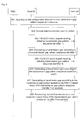
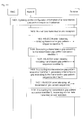
- the process of the Embodiment 4 of the disclosure mainly includes the following steps:
- the information of the transmission gap pattern sequence includes:
- Step 602 Normal data transmission and reception are performed between the terminal and the Node B.
- Step 603 The terminal sends the Node B through an HS-DPCCH the information of "initiating a new transmission gap pattern sequence (the transmission gap pattern sequence identifier 1) by way of superimposing on the currently initiated transmission gap pattern sequences.”
- the first bit takes the value of 1 and the second bit takes the value of 0; the third, fourth and fifth bits of the "Confirmation” domain of the HS-DPCCH take the value of 1, for indicating the transmission gap pattern sequence identifier 1; the sixth bit of the "Confirmation” domain of the HS-DPCCH takes the value of 1, for indicating the operation of initiating a new transmission gap pattern sequence; and the seventh bit of the "Confirmation” domain of the HS-DPCCH takes the value of 1, for indicating Superimposing way.
- Step 604 The terminal and the Node B generate a transmission gap according to the description of the transmission gap pattern sequence identified by the transmission gap pattern sequence identifier 1.
- Step 605 Before the repeat times (20 times) of the transmission gap pattern sequence identified by the transmission gap pattern sequence identifier 1 is reached, the terminal sends the Node B through the HS-DPCCH the information of "initiating a new transmission gap pattern sequence (the transmission gap pattern sequence identifier 5) by way of superimposing on the currently initiated transmission gap pattern sequences.”
- the first bit takes the value of 1 and the second bit takes the value of 0; the third, fourth and fifth bits of the "Confirmation” domain of the HS-DPCCH take the value of 5, for indicating the transmission gap pattern sequence identifier 5; the sixth bit of the "Confirmation” domain of the HS-DPCCH takes the value of 1, for indicating the operation of initiating a new transmission gap pattern sequence; and the seventh bit of the "Confirmation” domain of the HS-DPCCH takes the value of 1, for indicating Superimposing way.
- Step 606 The terminal and the Node B generate a transmission gap in the Superimposing manner, according to the descriptions of the transmission gap pattern sequence identified by the transmission gap pattern sequence identifier 1 and the transmission gap pattern sequence identified by the transmission gap pattern sequence identifier 5.
- Step 607 Before the repeat times (20 times) of the transmission gap pattern sequence identified by the transmission gap pattern sequence identifier 1 is reached, and before the repeat times (50 times) of the transmission gap pattern sequence identified by the transmission gap pattern sequence identifier 5 is reached, the terminal sends the Node B through the HS-DPCCH the information of "stopping a transmission gap pattern sequence by way of stopping the specified transmission gap pattern sequence (the transmission gap pattern sequence identifier 1)".
- the first bit takes the value of 1 and the second bit takes the value of 0; the third, fourth and fifth bits of the "Confirmation” domain of the HS-DPCCH take the value of 1, for indicating the transmission gap pattern sequence identifier 1 of the specified transmission gap pattern sequence; the sixth bit of the "Confirmation” domain of the HS-DPCCH takes the value of 0, for indicating the operation of stopping a transmission gap pattern sequence.
- Step 608 The terminal and the Node B interrupt the transmission gap pattern sequence identified by the transmission gap pattern sequence identifier 1.
- the terminal and the Node B continue generating a transmission gap in the Superimposing manner, according to the description of the transmission gap pattern sequence identified by the transmission gap pattern sequence identifier 5.
- Step 609 Before the repeat times (50 times) of the transmission gap pattern sequence identified by the transmission gap pattern sequence identifier 5 is reached, the terminal sends the Node B through the HS-DPCCH the information of "stopping a transmission gap pattern sequence by way of stopping the specified transmission gap pattern sequence (the transmission gap pattern sequence identifier 5)".
- the first bit takes the value of 1 and the second bit takes the value of 0; the third, fourth and fifth bits of the "Confirmation” domain of the HS-DPCCH take the value of 5, for indicating the transmission gap pattern sequence identifier 5 of the specified transmission gap pattern sequence; the sixth bit of the "Confirmation” domain of the HS-DPCCH takes the value of 0, for indicating the operation of stopping a transmission gap pattern sequence.
- Step 610 The terminal and the Node B interrupt the transmission gap pattern sequence identified by the transmission gap pattern sequence identifier 5. The terminal and the Node B recover the normal data transmission and reception therebetween.
- the process of the Embodiment 5 of the disclosure mainly includes the following steps:
- the information of the transmission gap pattern sequence includes:
- Step 702 Normal data transmission and reception are performed between the terminal and the Node B.
- Step 703 The terminal sends the Node B through an HS-DPCCH the information of "initiating a new transmission gap pattern sequence (the transmission gap pattern sequence identifier 1) by way of clearing all currently initiated transmission gap pattern sequences.”
- the first bit takes the value of 1 and the second bit takes the value of 0; the third, fourth and fifth bits of the "Confirmation” domain of the HS-DPCCH take the value of 1, for indicating the transmission gap pattern sequence identifier 1; the sixth bit of the "Confirmation” domain of the HS-DPCCH takes the value of 1, for indicating the operation of initiating a new transmission gap pattern sequence; and the seventh bit of the "Confirmation” domain of the HS-DPCCH takes the value of 0, for indicating Clear way.
- Step 704 The terminal and the Node B generate a transmission gap according to the description of the transmission gap pattern sequence identified by the transmission gap pattern sequence identifier 1.
- Step 705 Before the repeat times (20 times) of the transmission gap pattern sequence identified by the transmission gap pattern sequence identifier 1 is reached, the terminal sends the Node B through the HS-DPCCH the information of "initiating a new transmission gap pattern sequence (the transmission gap pattern sequence identifier 5) by way of clearing all currently initiated transmission gap pattern sequences.”
- the first bit takes the value of 1 and the second bit takes the value of 0; the third, fourth and fifth bits of the "Confirmation” domain of the HS-DPCCH take the value of 5, for indicating the transmission gap pattern sequence identifier 5; the sixth bit of the "Confirmation” domain of the HS-DPCCH takes the value of 1, for indicating the operation of initiating a new transmission gap pattern sequence; and the seventh bit of the "Confirmation” domain of the HS-DPCCH takes the value of 0, for indicating Clear way.
- Step 706 The terminal and the Node B interrupt the transmission gap pattern sequence identified by the transmission gap pattern sequence identifier 1.
- the terminal and the Node B generate a transmission gap according to the description of the transmission gap pattern sequence identified by the transmission gap pattern sequence identifier 5.
- Step 707 Before the repeat times (50 times) of the transmission gap pattern sequence identified by the transmission gap pattern sequence identifier 5 is reached, the terminal sends the Node B through the HS-DPCCH the information of "stopping a transmission gap pattern sequence by way of stopping the specified transmission gap pattern sequence (the transmission gap pattern sequence identifier 5)".
- the first bit takes the value of 1 and the second bit takes the value of 0;
- the third, fourth and fifth bits of the "Confirmation” domain of the HS-DPCCH take the value of 1, for indicating the transmission gap pattern sequence identifier 5 of the specified transmission gap pattern sequence;
- the sixth bit of the "Confirmation” domain of the HS-DPCCH takes the value of 0, for indicating the operation of stopping a transmission gap pattern sequence.
- Step 708 The terminal and the Node B interrupt the transmission gap pattern sequence identified by the transmission gap pattern sequence identifier 5. The terminal and the Node B recover the normal data transmission and reception therebetween.
- the process of the Embodiment 6 of the disclosure mainly includes the following steps:
- the information of the transmission gap pattern sequence includes:
- Step 802 Normal data transmission and reception are performed between the terminal and the Node B.
- Step 803 The terminal sends the Node B through an HS-DPCCH the information of "initiating a new transmission gap pattern sequence (the transmission gap pattern sequence identifier 1) by way of clearing all currently initiated transmission gap pattern sequences.”
- the first bit takes the value of 1 and the second bit takes the value of 0; the third, fourth and fifth bits of the "Confirmation” domain of the HS-DPCCH take the value of 1, for indicating the transmission gap pattern sequence identifier 1; the sixth bit of the "Confirmation” domain of the HS-DPCCH takes the value of 1, for indicating the operation of initiating a new transmission gap pattern sequence; and the seventh bit of the "Confirmation” domain of the HS-DPCCH takes the value of 0, for indicating Clear way.
- Step 804 The terminal and the Node B generate a transmission gap according to the description of the transmission gap pattern sequence identified by the transmission gap pattern sequence identifier 1.
- Step 805 Before the repeat times (20 times) of the transmission gap pattern sequence identified by the transmission gap pattern sequence identifier 1 is reached, the terminal sends the Node B through the HS-DPCCH the information of "initiating a new transmission gap pattern sequence (the transmission gap pattern sequence identifier 5) by way of clearing all currently initiated transmission gap pattern sequences.”
- the first bit takes the value of 1 and the second bit takes the value of 0; the third, fourth and fifth bits of the "Confirmation” domain of the HS-DPCCH take the value of 5, for indicating the transmission gap pattern sequence identifier 5; the sixth bit of the "Confirmation” domain of the HS-DPCCH takes the value of 1, for indicating the operation of initiating a new transmission gap pattern sequence; and the seventh bit of the "Confirmation” domain of the HS-DPCCH takes the value of 0, for indicating Clear way.
- Step 806 The terminal and the Node B interrupt the transmission gap pattern sequence identified by the transmission gap pattern sequence identifier 1.
- the terminal and the Node B generate a transmission gap, according to the description of the transmission gap pattern sequence identified by the transmission gap pattern sequence identifier 5.
- Step 807 Before the repeat times (50 times) of the transmission gap pattern sequence identified by the transmission gap pattern sequence identifier 5 is reached, the terminal sends the Node B through the HS-DPCCH the information of "stopping a transmission gap pattern sequence by way of stopping all currently initiated transmission gap pattern sequences.”
- the first bit takes the value of 1 and the second bit takes the value of 0; the third, fourth and fifth bits of the "Confirmation” domain of the HS-DPCCH take the value of 0, for indicating all currently initiated transmission gap pattern sequences; the sixth bit of the "Confirmation” domain of the HS-DPCCH takes the value of 0, for indicating the operation of stopping a transmission gap pattern sequence.
- Step 808 The terminal and the Node B interrupt the transmission gap pattern sequence identified by the transmission gap pattern sequence identifier 5. The terminal and the Node B recover the normal data transmission and reception therebetween.
- the process of the Embodiment 7 of the disclosure mainly includes the following steps:
- the information of the transmission gap pattern sequence includes:
- Step 902 Normal data transmission and reception are performed between the terminal and the Node B.
- Step 903 The Node B sends the terminal through an HS-SCCH order the information of "initiating a new transmission gap pattern sequence (the transmission gap pattern sequence identifier 1) by way of superimposing on the currently initiated transmission gap pattern sequences.”
- the first bit of the 6 bits in the HS-SCCH order takes the value of 1; the second, third and fourth bits of the 6 bits in the HS-SCCH order take the value of 1, for indicating the transmission gap pattern sequence identifier 1; the fifth bit of the 6 bits in the HS-SCCH order takes the value of 1, for indicating the operation of initiating a new transmission gap pattern sequence; and the sixth bit of the 6 bits in the HS-SCCH order takes the value of 1, for indicating Superimposing way.
- Step 904 The terminal and the Node B generate a transmission gap according to the description of the transmission gap pattern sequence identified by the transmission gap pattern sequence identifier 1.
- Step 905 Before the repeat times (20 times) of the transmission gap pattern sequence identified by the transmission gap pattern sequence identifier 1 is reached, the Node B sends the terminal through the HS-SCCH order the information of "initiating a new transmission gap pattern sequence (the transmission gap pattern sequence identifier 5) by way of superimposing on the currently initiated transmission gap pattern sequences".
- the first bit of the 6 bits in the HS-SCCH order takes the value of 1; the second, third and fourth bits of the 6 bits in the HS-SCCH order take the value of 5, for indicating the transmission gap pattern sequence identifier 5; the fifth bit of the 6 bits in the HS-SCCH order takes the value of 1, for indicating the operation of initiating a new transmission gap pattern sequence; and the sixth bit of the 6 bits in the HS-SCCH order takes the value of 1, for indicating Superimposing way.
- Step 906 The terminal and the Node B generate a transmission gap in the Superimposing manner, according to the descriptions of the transmission gap pattern sequence identified by the transmission gap pattern sequence identifier 1 and the transmission gap pattern sequence identified by the transmission gap pattern sequence identifier 5.
- Step 907 The repeat times (20 times) of the transmission gap pattern sequence identified by the transmission gap pattern sequence identifier 1 is reached.
- the terminal and the Node B stop the transmission gap pattern sequence identified by the transmission gap pattern sequence identifier 1 and continue generating a transmission gap according to the description of the transmission gap pattern sequence identified by the transmission gap pattern sequence identifier 5.
- Step 908 The repeat times (50 times) of the transmission gap pattern sequence identified by the transmission gap pattern sequence identifier 5 is reached.
- the terminal and the Node B stop the transmission gap pattern sequence identified by the transmission gap pattern sequence identifier 5, and recover the normal data transmission and reception therebetween.
- the process of the Embodiment 8 of the disclosure mainly includes the following steps:
- the information of the transmission gap pattern sequence includes:
- Step 1002 Normal data transmission and reception are performed between the terminal and the Node B.
- Step 1003 The Node B sends the terminal through an HS-SCCH order the information of "initiating a new transmission gap pattern sequence (the transmission gap pattern sequence identifier 1) by way of superimposing on the currently initiated transmission gap pattern sequences.”
- the first bit of the 6 bits in the HS-SCCH order takes the value of 1; the second, third and fourth bits of the 6 bits in the HS-SCCH order take the value of 1, for indicating the transmission gap pattern sequence identifier 1; the fifth bit of the 6 bits in the HS-SCCH order takes the value of 1, for indicating the operation of initiating a new transmission gap pattern sequence; and the sixth bit of the 6 bits in the HS-SCCH order takes the value of 1, for indicating Superimposing way.
- Step 1004 The terminal and the Node B generate a transmission gap according to the description of the transmission gap pattern sequence identified by the transmission gap pattern sequence identifier 1.
- Step 1005 Before the repeat times (20 times) of the transmission gap pattern sequence identified by the transmission gap pattern sequence identifier 1 is reached, the Node B sends the terminal through the HS-SCCH order the information of "initiating a new transmission gap pattern sequence (the transmission gap pattern sequence identifier 5) by way of superimposing on the currently initiated transmission gap pattern sequences.”
- the first bit of the 6 bits in the HS-SCCH order takes the value of 1; the second, third and fourth bits of the 6 bits in the HS-SCCH order take the value of 5, for indicating the transmission gap pattern sequence identifier 5; the fifth bit of the 6 bits in the HS-SCCH order takes the value of 1, for indicating the operation of initiating a new transmission gap pattern sequence; and the sixth bit of the 6 bits in the HS-SCCH order takes the value of 1, for indicating Superimposing way.
- Step 1006 The terminal and the Node B generate a transmission gap in the Superimposing manner, according to the descriptions of the transmission gap pattern sequence identified by the transmission gap pattern sequence identifier 1 and the transmission gap pattern sequence identified by the transmission gap pattern sequence identifier 5.
- Step 1007 Before the repeat times (20 times) of the transmission gap pattern sequence identified by the transmission gap pattern sequence identifier 1 is reached, and before the repeat times (50 times) of the transmission gap pattern sequence identified by the transmission gap pattern sequence identifier 5 is reached, the Node B sends the terminal through the HS-SCCH order the information of "initiating a new transmission gap pattern sequence (the transmission gap pattern sequence identifier 6) by way of clearing all currently initiated transmission gap pattern sequences.”
- the first bit of the 6 bits in the HS-SCCH order takes the value of 1; the second, third and fourth bits of the 6 bits in the HS-SCCH order take the value of 6, for indicating the transmission gap pattern sequence identifier 6; the fifth bit of the 6 bits in the HS-SCCH order takes the value of 1, for indicating the operation of initiating a new transmission gap pattern sequence; and the sixth bit of the 6 bits in the HS-SCCH order takes the value of 0, for indicating Clear way.
- Step 1008 The terminal and the Node B interrupt the transmission gap pattern sequence identified by the transmission gap pattern sequence identifier 1 and interrupt the transmission gap pattern sequence identified by the transmission gap pattern sequence identifier 5.
- the terminal and the Node B generate a transmission gap according to the description of the transmission gap pattern sequence identified by the transmission gap pattern sequence identifier 6.
- Step 1009 The repeat times (32) of the transmission gap pattern sequence identified by the transmission gap pattern sequence identifier 6 is reached.
- the terminal and the Node B stop the transmission gap pattern sequence identified by the transmission gap pattern sequence identifier 6, and recover the normal data transmission and reception therebetween.
- the process of the Embodiment 9 of the disclosure mainly includes the following steps:
- the information of the transmission gap pattern sequence includes:
- Step 1102 Normal data transmission and reception are performed between the terminal and the Node B.
- Step 1103 The Node B sends the terminal through an HS-SCCH order the information of "initiating a new transmission gap pattern sequence (the transmission gap pattern sequence identifier 1) by way of superimposing on the currently initiated transmission gap pattern sequences.”
- the first bit of the 6 bits in the HS-SCCH order takes the value of 1; the second, third and fourth bits of the 6 bits in the HS-SCCH order take the value of 1, for indicating the transmission gap pattern sequence identifier 1; the fifth bit of the 6 bits in the HS-SCCH order takes the value of 1, for indicating the operation of initiating a new transmission gap pattern sequence; and the sixth bit of the 6 bits in the HS-SCCH order takes the value of 1, for indicating Superimposing way.
- Step 1104 The terminal and the Node B generate a transmission gap according to the description of the transmission gap pattern sequence identified by the transmission gap pattern sequence identifier 1.
- Step 1105 Before the repeat times (20 times) of the transmission gap pattern sequence identified by the transmission gap pattern sequence identifier 1 is reached, the Node B sends the terminal through the HS-SCCH order the information of "initiating a new transmission gap pattern sequence (the transmission gap pattern sequence identifier 5) by way of superimposing on the currently initiated transmission gap pattern sequences.”
- the first bit of the 6 bits in the HS-SCCH order takes the value of 1; the second, third and fourth bits of the 6 bits in the HS-SCCH order take the value of 5, for indicating the transmission gap pattern sequence identifier 5; the fifth bit of the 6 bits in the HS-SCCH order takes the value of 1, for indicating the operation of initiating a new transmission gap pattern sequence; and the sixth bit of the 6 bits in the HS-SCCH order takes the value of 1, for indicating Superimposing way.
- Step 1106 The terminal and the Node B generate a transmission gap in the Superimposing manner, according to the descriptions of the transmission gap pattern sequence identified by the transmission gap pattern sequence identifier 1 and the transmission gap pattern sequence identified by the transmission gap pattern sequence identifier 5.
- Step 1107 Before the repeat times (20 times) of the transmission gap pattern sequence identified by the transmission gap pattern sequence identifier 1 is reached, and before the repeat times (50 times) of the transmission gap pattern sequence identified by the transmission gap pattern sequence identifier 5 is reached, the Node B sends the terminal through the HS-SCCH order the information of "stopping a transmission gap pattern sequence by way of stopping all currently initiated transmission gap pattern sequences.”
- the first bit of the 6 bits in the HS-SCCH order takes the value of 1; the second, third and fourth bits of the 6 bits in the HS-SCCH order take the value of 0, for indicating all currently initiated transmission gap pattern sequences; the fifth bit of the 6 bits in the HS-SCCH order takes the value of 0, for indicating the operation of stopping a transmission gap pattern sequence.
- Step 1108 The terminal and the Node B interrupt the transmission gap pattern sequence identified by the transmission gap pattern sequence identifier 1 and interrupt the transmission gap pattern sequence identified by the transmission gap pattern sequence identifier 5. The terminal and the Node B recover the normal data transmission and reception therebetween.
- the process of the Embodiment 10 of the disclosure mainly includes the following steps:
- the information of the transmission gap pattern sequence includes:
- Step 1202 Normal data transmission and reception are performed between the terminal and the Node B.
- Step 1203 The Node B sends the terminal through an HS-SCCH order the information of "initiating a new transmission gap pattern sequence (the transmission gap pattern sequence identifier 1) by way of superimposing on the currently initiated transmission gap pattern sequences.”
- the first bit of the 6 bits in the HS-SCCH order takes the value of 1; the second, third and fourth bits of the 6 bits in the HS-SCCH order take the value of 1, for indicating the transmission gap pattern sequence identifier 1; the fifth bit of the 6 bits in the HS-SCCH order takes the value of 1, for indicating the operation of initiating a new transmission gap pattern sequence; and the sixth bit of the 6 bits in the HS-SCCH order takes the value of 1, for indicating Superimposing way.
- Step 1204 The terminal and the Node B generate a transmission gap according to the description of the transmission gap pattern sequence identified by the transmission gap pattern sequence identifier 1.
- Step 1205 Before the repeat times (20 times) of the transmission gap pattern sequence identified by the transmission gap pattern sequence identifier 1 is reached, the Node B sends the terminal through the HS-SCCH order the information of "initiating a new transmission gap pattern sequence (the transmission gap pattern sequence identifier 5) by way of superimposing on the currently initiated transmission gap pattern sequences.”
- the first bit of the 6 bits in the HS-SCCH order takes the value of 1; the second, third and fourth bits of the 6 bits in the HS-SCCH order take the value of 5, for indicating the transmission gap pattern sequence identifier 5; the fifth bit of the 6 bits in the HS-SCCH order takes the value of 1, for indicating the operation of initiating a new transmission gap pattern sequence; and the sixth bit of the 6 bits in the HS-SCCH order takes the value of 1, for indicating Superimposing way.
- Step 1206 The terminal and the Node B generate a transmission gap in the Superimposing manner, according to the descriptions of the transmission gap pattern sequence identified by the transmission gap pattern sequence identifier 1 and the transmission gap pattern sequence identified by the transmission gap pattern sequence identifier 5.
- Step 1207 Before the repeat times (20 times) of the transmission gap pattern sequence identified by the transmission gap pattern sequence identifier 1 is reached, and before the repeat times (50 times) of the transmission gap pattern sequence identified by the transmission gap pattern sequence identifier 5 is reached, the Node B sends the terminal through the HS-SCCH order the information of "stopping a transmission gap pattern sequence by way of stopping the specified transmission gap pattern sequence (the transmission gap pattern sequence identifier 1)".
- the first bit of the 6 bits in the HS-SCCH order takes the value of 1; the second, third and fourth bits of the 6 bits in the HS-SCCH order take the value of 1, for indicating the transmission gap pattern sequence identifier 1 of the specified transmission gap pattern sequence; the fifth bit of the 6 bits in the HS-SCCH order takes the value of 0, for indicating the operation of stopping a transmission gap pattern sequence.
- Step 1208 The terminal and the Node B interrupt the transmission gap pattern sequence identified by the transmission gap pattern sequence identifier 1.
- the terminal and the Node B continue generating a transmission gap in the Superimposing manner, according to the description of the transmission gap pattern sequence identified by the transmission gap pattern sequence identifier 5.
- Step 1209 Before the repeat times (50 times) of the transmission gap pattern sequence identified by the transmission gap pattern sequence identifier 5 is reached, the Node B sends the terminal through the HS-SCCH order the information of "stopping a transmission gap pattern sequence by way of stopping the specified transmission gap pattern sequence (the transmission gap pattern sequence identifier 5) .”
- the first bit of the 6 bits in the HS-SCCH order takes the value of 1; the second, third and fourth bits of the 6 bits in the HS-SCCH order take the value of 5, for indicating the transmission gap pattern sequence identifier 5 of the specified transmission gap pattern sequence; the fifth bit of the 6 bits in the HS-SCCH order takes the value of 0, for indicating the operation of stopping a transmission gap pattern sequence.
- Step 1210 The terminal and the Node B interrupt the transmission gap pattern sequence identified by the transmission gap pattern sequence identifier 5. The terminal and the Node B recover the normal data transmission and reception therebetween.
- the process of the Embodiment 11 of the disclosure mainly includes the following steps:
- the information of the transmission gap pattern sequence includes:
- Step 1302 Normal data transmission and reception are performed between the terminal and the Node B.
- Step 1303 The Node B sends the terminal through an HS-SCCH order the information of "initiating a new transmission gap pattern sequence (the transmission gap pattern sequence identifier 1) by way of clearing all currently initiated transmission gap pattern sequences.”
- the first bit of the 6 bits in the HS-SCCH order takes the value of 1; the second, third and fourth bits of the 6 bits in the HS-SCCH order take the value of 1, for indicating the transmission gap pattern sequence identifier 1; the fifth bit of the 6 bits in the HS-SCCH order takes the value of 1, for indicating the operation of initiating a new transmission gap pattern sequence; and the sixth bit of the 6 bits in the HS-SCCH order takes the value of 0, for indicating Clear way.
- Step 1304 The terminal and the Node B generate a transmission gap according to the description of the transmission gap pattern sequence identified by the transmission gap pattern sequence identifier 1.
- Step 1305 Before the repeat times (20 times) of the transmission gap pattern sequence identified by the transmission gap pattern sequence identifier 1 is reached, the Node B sends the terminal through the HS-SCCH order the information of "initiating a new transmission gap pattern sequence (the transmission gap pattern sequence identifier 5) by way of clearing all currently initiated transmission gap pattern sequences.”
- the first bit of the 6 bits in the HS-SCCH order takes the value of 1; the second, third and fourth bits of the 6 bits in the HS-SCCH order take the value of 5, for indicating the transmission gap pattern sequence identifier 5; the fifth bit of the 6 bits in the HS-SCCH order takes the value of 1, for indicating the operation of initiating a new transmission gap pattern sequence; and the sixth bit of the 6 bits in the HS-SCCH order takes the value of 0, for indicating Clear way.
- Step 1306 The terminal and the Node B interrupt the transmission gap pattern sequence identified by the transmission gap pattern sequence identifier 1.
- the terminal and the Node B generate a transmission gap according to the description of the transmission gap pattern sequence identified by the transmission gap pattern sequence identifier 5.
- Step 1307 Before the repeat times (50 times) of the transmission gap pattern sequence identified by the transmission gap pattern sequence identifier 5 is reached, the Node B sends the terminal through the HS-SCCH order the information of "stopping a transmission gap pattern sequence by way of stopping the specified transmission gap pattern sequence (the transmission gap pattern sequence identifier 5).”
- the first bit of the 6 bits in the HS-SCCH order takes the value of 1; the second, third and fourth bits of the 6 bits in the HS-SCCH order take the value of 5, for indicating the transmission gap pattern sequence identifier 5 of the specified transmission gap pattern sequence; the fifth bit of the 6 bits in the HS-SCCH order takes the value of 0, for indicating the operation of stopping a transmission gap pattern sequence.
- Step 1308 The terminal and the Node B interrupt the transmission gap pattern sequence identified by the transmission gap pattern sequence identifier 5. The terminal and the Node B recover the normal data transmission and reception therebetween.
- the process of the Embodiment 12 of the disclosure mainly includes the following steps:
- the information of the transmission gap pattern sequence includes:
- Step 1402 Normal data transmission and reception are performed between the terminal and the Node B.
- Step 1403 The Node B sends the terminal through an HS-SCCH order the information of "initiating a new transmission gap pattern sequence (the transmission gap pattern sequence identifier 1) by way of clearing all currently initiated transmission gap pattern sequences".
- the first bit of the 6 bits in the HS-SCCH order takes the value of 1; the second, third and fourth bits of the 6 bits in the HS-SCCH order take the value of 1, for indicating the transmission gap pattern sequence identifier 1; the fifth bit of the 6 bits in the HS-SCCH order takes the value of 1, for indicating the operation of initiating a new transmission gap pattern sequence; and the sixth bit of the 6 bits in the HS-SCCH order takes the value of 0, for indicating Clear way.
- Step 1404 The terminal and the Node B generate a transmission gap according to the description of the transmission gap pattern sequence identified by the transmission gap pattern sequence identifier 1.
- Step 1405 Before the repeat times (20 times) of the transmission gap pattern sequence identified by the transmission gap pattern sequence identifier 1 is reached, the Node B sends the terminal through the HS-SCCH order the information of "initiating a new transmission gap pattern sequence (the transmission gap pattern sequence identifier 5) by way of clearing all currently initiated transmission gap pattern sequences.”
- the first bit of the 6 bits in the HS-SCCH order takes the value of 1; the second, third and fourth bits of the 6 bits in the HS-SCCH order take the value of 5, for indicating the transmission gap pattern sequence identifier 5; the fifth bit of the 6 bits in the HS-SCCH order takes the value of 1, for indicating the operation of initiating a new transmission gap pattern sequence; and the sixth bit of the 6 bits in the HS-SCCH order takes the value of 0, for indicating Clear way.
- Step 1406 The terminal and the Node B interrupt the transmission gap pattern sequence identified by the transmission gap pattern sequence identifier 1.
- the terminal and the Node B generate a transmission gap according to the description of the transmission gap pattern sequence identified by the transmission gap pattern sequence identifier 5.
- Step 1407 Before the repeat times (50 times) of the transmission gap pattern sequence identified by the transmission gap pattern sequence identifier 5 is reached, the Node B sends the terminal through the HS-SCCH order the information of "stopping a transmission gap pattern sequence by way of stopping all currently initiated transmission gap pattern sequences.”
- the first bit of the 6 bits in the HS-SCCH order takes the value of 1; the second, third and fourth bits of the 6 bits in the HS-SCCH order take the value of 0, for indicating all currently initiated transmission gap pattern sequences; and the fifth bit of the 6 bits in the HS-SCCH order takes the value of 0, for indicating the operation of stopping a transmission gap pattern sequence.
- Step 1408 The terminal and the Node B interrupt the transmission gap pattern sequence identified by the transmission gap pattern sequence identifier 5. The terminal and the Node B recover the normal data transmission and reception therebetween.
- the disclosure further provides a system for processing the transmission gap pattern sequence, which includes a terminal and a Node B.
- the terminal or the Node B is configured to control the initiation and stop of the transmission gap pattern sequence.
- the terminal or the Node B performs the operation of initiating a new transmission gap pattern sequence by way of superimposing on currently initiated transmission gap pattern sequences or by way of clearing all currently initiated transmission gap pattern sequences.
- the terminal or the Node B performs the operation of stopping a transmission gap pattern sequence by way of stopping a specified transmission gap pattern sequence or by way of stopping all currently initiated transmission gap pattern sequences.
- the system further includes an RNC, which is configured to agree with the terminal and the Node B in advance on information of the transmission gap pattern sequence for initiating a compressed mode, or to configure the terminal and the Node B with the information of the transmission gap pattern sequence for initiating the compressed mode.
- RNC Radio Network Controller
- the information of the transmission gap pattern sequence for initiating the compressed mode includes: information of one or more sets of transmission gap pattern sequences.
- the information of each set of transmission gap pattern sequence at least includes: transmission gap pattern sequence identifier, transmission gap pattern sequence measurement purpose, transmission gap pattern 1 and/or transmission gap pattern 2, the information of transmission gap provided by each type of transmission gap pattern in one transmission gap pattern length, and the repeat times of the transmission gap pattern.
- the RNC can configure the terminal with the information of the transmission gap pattern sequence for initiating the compressed mode through RRC protocol layer control signaling, and configure the Node B with the information of the transmission gap pattern sequence through NBAP protocol layer control signaling.
- the terminal is further configured to notify the Node B through an HS-DPCCH that the terminal and the Node B perform the operation of initiating a new transmission gap pattern sequence by way of superimposing on the currently initiated transmission gap pattern sequences or by way of clearing all currently initiated transmission gap pattern sequences, and perform the operation of stopping a transmission gap pattern sequence by way of stopping the specified transmission gap pattern sequence or by way of stopping all currently initiated transmission gap pattern sequences.
- the Node B is further configured to notify the terminal through an HS-SCCH order that the terminal and the Node B perform the operation of initiating a new transmission gap pattern sequence by way of superimposing on the currently initiated transmission gap pattern sequences or by way of clearing all currently initiated transmission gap pattern sequences, and perform the operation of stopping a transmission gap pattern sequence by way of stopping the specified transmission gap pattern sequence or by way of stopping all currently initiated transmission gap pattern sequences.
- the time for initiating a compressed mode is delayed, the duration of the compressed mode is reduced, thus both system capacity and user throughput are improved.
Landscapes
- Engineering & Computer Science (AREA)
- Signal Processing (AREA)
- Computer Networks & Wireless Communication (AREA)
- Mobile Radio Communication Systems (AREA)
Applications Claiming Priority (1)
| Application Number | Priority Date | Filing Date | Title |
|---|---|---|---|
| PCT/CN2010/075295 WO2012009850A1 (zh) | 2010-07-20 | 2010-07-20 | 一种传输间隙样式序列的处理方法和系统 |
Publications (2)
| Publication Number | Publication Date |
|---|---|
| EP2584838A1 true EP2584838A1 (de) | 2013-04-24 |
| EP2584838A4 EP2584838A4 (de) | 2017-07-19 |
Family
ID=45496442
Family Applications (1)
| Application Number | Title | Priority Date | Filing Date |
|---|---|---|---|
| EP10854880.1A Withdrawn EP2584838A4 (de) | 2010-07-20 | 2010-07-20 | Verfahren und system zur verarbeitung von übertragungslückenmustersequenzen |
Country Status (4)
| Country | Link |
|---|---|
| US (1) | US20130121294A1 (de) |
| EP (1) | EP2584838A4 (de) |
| CN (1) | CN102960027B (de) |
| WO (1) | WO2012009850A1 (de) |
Cited By (1)
| Publication number | Priority date | Publication date | Assignee | Title |
|---|---|---|---|---|
| EP2733899A4 (de) * | 2012-09-27 | 2014-09-17 | Huawei Tech Co Ltd | Verfahren, basisstation und benutzergerät zur aktivierung bzw. deaktivierung von trägern |
Families Citing this family (5)
| Publication number | Priority date | Publication date | Assignee | Title |
|---|---|---|---|---|
| CN102316511A (zh) * | 2010-07-06 | 2012-01-11 | 中兴通讯股份有限公司 | 启动压缩模式的方法、终端和通信系统 |
| US20150245235A1 (en) * | 2014-02-24 | 2015-08-27 | Yang Tang | Measurement gap patterns |
| US11398939B2 (en) * | 2015-08-06 | 2022-07-26 | Cable Television Laboratories, Inc. | Dimensioning approach for data networks |
| US10880857B2 (en) * | 2018-04-02 | 2020-12-29 | Intel Corporation | Inter-radio access technology positioning measurements in new radio systems |
| CN113853023B (zh) * | 2021-10-28 | 2023-05-12 | 上海移远通信技术股份有限公司 | 无线通信的方法及装置 |
Family Cites Families (16)
| Publication number | Priority date | Publication date | Assignee | Title |
|---|---|---|---|---|
| KR100487245B1 (ko) * | 2001-11-28 | 2005-05-03 | 삼성전자주식회사 | 고속 순방향 패킷 접속 방식을 사용하는 이동 통신시스템에서압축 모드에 따른 전송 불능 구간을 최소화하는장치 및 방법 |
| CN100407607C (zh) * | 2002-06-11 | 2008-07-30 | 华为技术有限公司 | Cdma系统中进行异系统测量时决定压缩模式启动时刻的方法 |
| CN100474961C (zh) * | 2003-09-30 | 2009-04-01 | 松下电器产业株式会社 | 用于发送压缩模式中的下行传播路径质量信息的方法和装置 |
| JP4589711B2 (ja) * | 2004-12-14 | 2010-12-01 | 富士通株式会社 | 無線通信システム及び無線通信装置 |
| US7702343B2 (en) * | 2005-04-04 | 2010-04-20 | Qualcomm Incorporated | Efficient gap allocation for cell measurements in asynchronous communication networks |
| JP4787544B2 (ja) * | 2005-05-30 | 2011-10-05 | 富士通株式会社 | 移動通信システム、同システムにおけるコンプレストモード制御方法並びに同システムにおける基地局及び移動局 |
| US8094595B2 (en) * | 2005-08-26 | 2012-01-10 | Qualcomm Incorporated | Method and apparatus for packet communications in wireless systems |
| EP1988722A4 (de) * | 2006-02-10 | 2013-01-16 | Sharp Kk | Mobilstationsvorrichtung und basisstationsvorrichtung |
| US7986661B2 (en) * | 2006-03-02 | 2011-07-26 | Qualcomm Incorporated | Efficient utilization of transmission gaps for cell measurements |
| US8094554B2 (en) * | 2006-10-26 | 2012-01-10 | Qualcomm Incorporated | Compressed mode operation and power control with discontinuous transmission and/or reception |
| CA2674697A1 (en) * | 2007-01-08 | 2008-07-17 | Interdigital Technology Corporation | Measurement gap pattern scheduling to support mobility |
| CN101141744B (zh) * | 2007-10-19 | 2010-08-04 | 华为技术有限公司 | 终端压缩模式启动方法、无线网络控制器及终端 |
| US8873522B2 (en) * | 2008-08-11 | 2014-10-28 | Qualcomm Incorporated | Processing measurement gaps in a wireless communication system |
| TWI475856B (zh) * | 2008-11-25 | 2015-03-01 | Interdigital Patent Holdings | 多數上鏈載波及多數下鏈載波利用方法及裝置 |
| US8099091B2 (en) * | 2010-05-13 | 2012-01-17 | Apple Inc. | Method to control configuration change times in a wireless device |
| CN102316511A (zh) * | 2010-07-06 | 2012-01-11 | 中兴通讯股份有限公司 | 启动压缩模式的方法、终端和通信系统 |
-
2010
- 2010-07-20 CN CN201080067547.3A patent/CN102960027B/zh not_active Expired - Fee Related
- 2010-07-20 US US13/810,653 patent/US20130121294A1/en not_active Abandoned
- 2010-07-20 WO PCT/CN2010/075295 patent/WO2012009850A1/zh not_active Ceased
- 2010-07-20 EP EP10854880.1A patent/EP2584838A4/de not_active Withdrawn
Non-Patent Citations (1)
| Title |
|---|
| See references of WO2012009850A1 * |
Cited By (4)
| Publication number | Priority date | Publication date | Assignee | Title |
|---|---|---|---|---|
| EP2733899A4 (de) * | 2012-09-27 | 2014-09-17 | Huawei Tech Co Ltd | Verfahren, basisstation und benutzergerät zur aktivierung bzw. deaktivierung von trägern |
| US9407422B2 (en) | 2012-09-27 | 2016-08-02 | Huawei Technologies Co., Ltd. | Method, base station, and user equipment for activating or deactivating carrier |
| EP3057277A1 (de) * | 2012-09-27 | 2016-08-17 | Huawei Technologies Co., Ltd. | Verfahren, basisstation und benutzergerät zur aktivierung oder deaktivierung eines trägers |
| US9698961B2 (en) | 2012-09-27 | 2017-07-04 | Huawei Technologies Co., Ltd. | Method, base station, and user equipment for activating or deactivating carrier |
Also Published As
| Publication number | Publication date |
|---|---|
| WO2012009850A1 (zh) | 2012-01-26 |
| CN102960027A (zh) | 2013-03-06 |
| EP2584838A4 (de) | 2017-07-19 |
| CN102960027B (zh) | 2015-12-16 |
| US20130121294A1 (en) | 2013-05-16 |
Similar Documents
| Publication | Publication Date | Title |
|---|---|---|
| US10917821B2 (en) | Inter-cell handover method and controller | |
| EP2813105B1 (de) | Verfahren und vorrichtung zur steuerung des frequenzkoexistenzinterferenzberichts in einem gerät eines netzwerks in einem mobilen kommunikationssystem | |
| CN102972066B (zh) | 用于恢复的无线电链路故障(rlf)的检测 | |
| CN103597899B (zh) | 用于无线电链路监视的方法和装置 | |
| AU2017252265B2 (en) | Techniques for transmission control protocol aware handover type determination | |
| CN112534897A (zh) | 通信系统、通信终端及基站 | |
| EP2765806B1 (de) | Verfahren und vorrichtung zur zellwiederauswahl in heterogenen netzwerken in einem drahtlosen kommunikationssystem | |
| EP2777326B1 (de) | Verfahren und anordnung zur handhabung einer datenübertragung in einem mobiltelefonnetzwerk | |
| EP2958394A1 (de) | Verfahren zur steuerung der konfigurationsänderungszeiten einer drahtlosvorrichtung | |
| CN106105312A (zh) | 上行链路定时提前调节 | |
| US10231222B2 (en) | Method and apparatus for handling carrier aggregation and related signaling | |
| CN106537992B (zh) | 增强型无线电接入技术间(irat)蜂窝小区重选 | |
| EP2055129A2 (de) | Verfahren, netzwerkknoten und benutzergeräte in einem telekommunikationssystem | |
| CN103650365B (zh) | 多流传输的配置方法、基站、无线网络控制器和用户设备 | |
| EP2584838A1 (de) | Verfahren und system zur verarbeitung von übertragungslückenmustersequenzen | |
| CN105637928A (zh) | 切换期间的无线电接入技术间(irat)测量 | |
| EP3131336A1 (de) | Übergabeverfahren und -vorrichtung eines endgeräts in einem drahtloskommunikationssystem | |
| US9961683B2 (en) | UL serving link's role change in heterogeneous network | |
| CN105075332A (zh) | Td-sdcma中基站身份码规程的提前终止 | |
| KR20250108698A (ko) | Ran4에서 llm에 대한 서비스 인터럽션 시간 단축 기법 | |
| CN105981436A (zh) | 无线电接入技术间蜂窝切换 | |
| TW201513693A (zh) | 具有頻率間干擾量測的頻率交遞 | |
| HK1206535A1 (en) | Method, apparatus and computer program for a wireless device | |
| US8964792B2 (en) | Method and system for controlling compressed mode in macro-diversity state | |
| RU2527752C2 (ru) | Способ, система и узел в для указания информации состояния |
Legal Events
| Date | Code | Title | Description |
|---|---|---|---|
| PUAI | Public reference made under article 153(3) epc to a published international application that has entered the european phase |
Free format text: ORIGINAL CODE: 0009012 |
|
| 17P | Request for examination filed |
Effective date: 20130118 |
|
| AK | Designated contracting states |
Kind code of ref document: A1 Designated state(s): AL AT BE BG CH CY CZ DE DK EE ES FI FR GB GR HR HU IE IS IT LI LT LU LV MC MK MT NL NO PL PT RO SE SI SK SM TR |
|
| DAX | Request for extension of the european patent (deleted) | ||
| RA4 | Supplementary search report drawn up and despatched (corrected) |
Effective date: 20170619 |
|
| RIC1 | Information provided on ipc code assigned before grant |
Ipc: H04W 24/10 20090101ALI20170612BHEP Ipc: H04W 28/06 20090101ALN20170612BHEP Ipc: H04W 36/30 20090101AFI20170612BHEP |
|
| 17Q | First examination report despatched |
Effective date: 20190228 |
|
| STAA | Information on the status of an ep patent application or granted ep patent |
Free format text: STATUS: THE APPLICATION HAS BEEN WITHDRAWN |
|
| 18W | Application withdrawn |
Effective date: 20190401 |