EP2587741B1 - Kommunikationssystem, steuervorrichtung, knotensteuerungsverfahren und programm - Google Patents
Kommunikationssystem, steuervorrichtung, knotensteuerungsverfahren und programm Download PDFInfo
- Publication number
- EP2587741B1 EP2587741B1 EP11798099.5A EP11798099A EP2587741B1 EP 2587741 B1 EP2587741 B1 EP 2587741B1 EP 11798099 A EP11798099 A EP 11798099A EP 2587741 B1 EP2587741 B1 EP 2587741B1
- Authority
- EP
- European Patent Office
- Prior art keywords
- processing rule
- rule
- node
- processing
- matching
- Prior art date
- Legal status (The legal status is an assumption and is not a legal conclusion. Google has not performed a legal analysis and makes no representation as to the accuracy of the status listed.)
- Not-in-force
Links
- 238000004891 communication Methods 0.000 title claims description 29
- 238000000034 method Methods 0.000 title claims description 17
- 230000008569 process Effects 0.000 claims description 4
- 238000007726 management method Methods 0.000 description 40
- 230000000717 retained effect Effects 0.000 description 12
- 230000009471 action Effects 0.000 description 11
- 238000010586 diagram Methods 0.000 description 6
- 230000004048 modification Effects 0.000 description 5
- 238000012986 modification Methods 0.000 description 5
- 230000004044 response Effects 0.000 description 4
- NRNCYVBFPDDJNE-UHFFFAOYSA-N pemoline Chemical compound O1C(N)=NC(=O)C1C1=CC=CC=C1 NRNCYVBFPDDJNE-UHFFFAOYSA-N 0.000 description 3
- 230000008901 benefit Effects 0.000 description 1
- 238000004590 computer program Methods 0.000 description 1
- 230000003247 decreasing effect Effects 0.000 description 1
- 238000005457 optimization Methods 0.000 description 1
- 230000002085 persistent effect Effects 0.000 description 1
- 238000011084 recovery Methods 0.000 description 1
- 238000006467 substitution reaction Methods 0.000 description 1
Images


Classifications
-
- H—ELECTRICITY
- H04—ELECTRIC COMMUNICATION TECHNIQUE
- H04L—TRANSMISSION OF DIGITAL INFORMATION, e.g. TELEGRAPHIC COMMUNICATION
- H04L45/00—Routing or path finding of packets in data switching networks
- H04L45/56—Routing software
-
- H—ELECTRICITY
- H04—ELECTRIC COMMUNICATION TECHNIQUE
- H04L—TRANSMISSION OF DIGITAL INFORMATION, e.g. TELEGRAPHIC COMMUNICATION
- H04L47/00—Traffic control in data switching networks
- H04L47/10—Flow control; Congestion control
- H04L47/20—Traffic policing
-
- H—ELECTRICITY
- H04—ELECTRIC COMMUNICATION TECHNIQUE
- H04L—TRANSMISSION OF DIGITAL INFORMATION, e.g. TELEGRAPHIC COMMUNICATION
- H04L12/00—Data switching networks
- H04L12/28—Data switching networks characterised by path configuration, e.g. LAN [Local Area Networks] or WAN [Wide Area Networks]
- H04L12/44—Star or tree networks
Definitions
- This invention relates to a communication system, a controlling apparatus, a node controlling method and a node controlling program. More specifically, it relates to a communication system including a node that processes a received packet in accordance with a processing rule having a matching rule matched to the received packet, a controlling apparatus, a node controlling method and a corresponding program.
- the OpenFlow grasps communication as end-to-end flow and effectuates path control and recovery from faults as well as load balancing and optimization on the flow-by-flow basis.
- the OpenFlow switch operating as a forwarding node, includes a secure channel for communication with an OpenFlow controller, taken to be a control apparatus, and is in operation in accordance with a flow table commanded from time to time by the OpenFlow controller for addition or rewriting.
- a plurality of sets each formed by a matching rule (Flow key/matching key) to match with a packet header, an action (Actions) that gives definition of processing contents, and the flow statistic information (Stats), are defined on the flow-by-flow basis (see Fig.7 ).
- Fig.8 shows, in a tabulated form, names and contents of actions as defined in the Non-Patent Publication 2 as an example.
- OUTPUT is an action to output a packet at a specified port (interface).
- SET_VLAN_VID through to SET_TP_DST are actions that modify fields of the packet header.
- the OpenFlow switch searches from the flow table an entry having a matching or collation rule (FlowKey) matching to the header information of the packet received. If, as a result of search, the entry that matches to the received packet is found, the OpenFlow switch performs processing contents stated in the action field of the entry concerned. If, on the other hand, the entry matching to the received packet has not been found as a result of the search, the OpenFlow switch forwards the received packet over the secure channel to the OpenFlow controller to request the OpenFlow controller to decide on a route for the packet based on a source as well as a destination of communication of the received packet. The OpenFlow switch receives a flow entry that may implement the route to update its flow table.
- FlowKey collation rule
- the OpenFlow controller of the above mentioned Non-Patent Literatures 1, 2 collects the flow statistic information (Stats) from the OpenFlow switch operating as described above.
- the OpenFlow controller is capable of dynamically setting the route (flow entries or processing rules implementing the route) for the individual OpenFlow switches, in response to a communication policy or prevailing network load states, to effectuate path control or load balancing suitable to the communication policy.
- the setting, modification or removal of the flow entries in the OpenFlow switch is performed by the OpenFlow protocol of the above mentioned NPL 1 and 2 (see [4.6 Flow Table Modification Messages of NPL 2).
- Patent Literature 1 i.e. JP 2003-348148 A discloses an IP multi-cast control method in an IP multi-cast control system including a layer 3 device and a layer 2 switch.
- the layer 3 device includes an IP multi-cast table and a label multi-cast table
- the layer 2 switch includes the label multi-cast table.
- An output port of the layer 2 switch may be specified from the layer 3 device.
- processing is simplified so that it is only sufficient that a switch unit in the layer 2 device references the label multi-cast table.
- high-speed multicast is made possible.
- such the layer 2 switch in which, when a multi-cast frame, to which a multi-cast label has been donated, has been received, the label multi-cast table in the layer 3 device is referenced to decide on a send-out port from the multi-cast label. If it is stated and stored in the label multi-cast table that the multi-cast label is to be removed, a multi-cast frame is sent out, as the multi-cast label is removed.
- NPL 1 Nick McKeown and seven others, "OpenFlow: Enabling Innovation in Campus Networks", [on-line], retrieved Heisei22 (2010) May 26, Internet ⁇ URL: http://www.openflowswitch.org//documents/openflow-wp-latest.pdf> and NPL 2: " OpenFlow Switch Specification” Version1.0.0. (Wire Protocol 0x01), retrieved Heisei22 (2010) May 26, Internet ⁇ URL: http://www.openflowswitch.org/documents/openflow-spec-v1.1.0.pdf>
- the present invention has been arrived at under the above mentioned situation. It is an object of the present invention to provide a communication system including a control apparatus (controller) configured for setting a processing rule (flow entry) in each node, such as an OpenFlow controller or an OpenFlow switch, wherein it is possible to suppress occurrences of unforeseen actions or loop troubles otherwise caused by status discrepancies between the flow entries (processing rules) grasped by the controller and those actually retained by the nodes. It is also aimed at by the present invention to provide a corresponding control apparatus (controller), a corresponding node controlling method and a corresponding program.
- a communication system including a node(s) and a control apparatus (controller).
- the node(s) processes a packet received in accordance with a processing rule that stipulates a matching rule and processing for a packet matching to the matching rule.
- the controller includes a removal request history management unit that retains record(s) of past request(s) to the node(s) to remove a processing rule; a processing rule search unit that, in setting a new processing rule for the node(s), references the removal request history management unit to search a processing rule having a matching rule competing with the new processing rule; and a processing rule setting unit that, in case a processing rule having the matching rule competing with the new processing rule exists, re-requests the node(s) to remove the processing rule having the matching rule competing with the new processing rule.
- a controller connected to a node(s) configured for processing a packet received in accordance with a processing rule that stipulates a matching rule and processing for a packet matching to the matching rule.
- the controller includes a removal request history management unit that retains record(s) of past request(s) to the node(s) to remove the processing rule; a processing rule search unit that, in setting a new processing rule for the node(s), references the removal request history management unit to search a processing rule having a matching rule that competes with the new processing rule; and a processing rule setting unit that, in case a processing rule having a matching rule competing with the new processing rule exists in the removal request history management unit, re-requests the node(s) to remove the processing rule having the matching rule competing with the new processing rule.
- the method includes a step of retaining a record(s) of past request(s) to a node(s) to remove the processing rule; a step of referencing, in setting a new processing rule for the node(s), the record(s) of past request(s) to the node(s) to remove the processing rule to search a processing rule having a matching rule competing with the new processing rule; and a step of re-requesting, in case the processing rule having the matching rule competing with the new processing rule exists in the record(s), the node(s) to remove the processing rule having the matching rule competing with the new processing rule.
- the present method is associated with a particular machine, viz., a controller that sets a processing rule in the node(s).
- a program running on a computer forming a controller connected to a node(s) configured for processing a packet received in accordance with a processing rule stipulating a matching rule and processing of a packet matching to the matching rule, with the controller setting the processing rule for the node(s).
- the program includes a processing of retaining a record(s) of past request(s) to a node(s) to remove the processing rule; a processing of referencing, in setting a new processing rule for the node(s), the record(s) of past request(s) to the node(s) to remove the processing rule to search a processing rule having a matching rule competing with the new processing rule; and a processing of re-requesting, in case the processing rule having the matching rule competing with the new processing rule exists in the record(s), the node(s) to remove the processing rule having the matching rule competing with the new processing rule.
- the present program may be recorded on a computer-readable program product. That is, the present invention may be implemented as a computer program product.
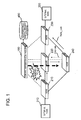
- a control apparatus (controller) 100 calculates a route by a set of nodes disposed in a network.
- a control apparatus (controller) 100 sets, in each of the nodes, a processing rule (flow entry) that implements the route.
- control apparatus (controller) 100 has calculated a route to forward a packet in an order from the node 210, thence to the node 240, thence to the node 220 and thence to the node 230. It is also assumed that the control apparatus (controller) has set in the node 240 a processing rule to output a packet destined from an external node 310 to an external node 320 via a port thereof connected to the node 220 (Old rule).
- control apparatus (controller) 100 then changes the forwarding route for the packet, destined from the external node 310 to the external node 320, to a route starting from the node 210 to the node 220, thence to the node 240 and thence to the node 230, based on loads on the nodes 210 to 240, a communication policy and/or so on.
- the processing rule retained on the node 240 (old rule) is removed and a new processing rule (new rule) is set.
- the processing rule starting from the node 240 towards the node 220 failed to be removed by some reason or other.
- the packet sent out from the external node 310 destined to the external node 320 meets a loop trouble between the nodes 220 and 240 due to combination of the old rule with the processing rule now set in the node 220 to forward the packet in question in the direction from the node 220 to the node 240.
- the control apparatus (controller) 100 manages the record(s) of past request(s) made to the node(s) to remove the processing rule(s) (flow entry(s)). Moreover, in setting a new processing rule (flow entry), the control apparatus (controller) searches, from the history (records), the processing rule (flow entry) that competes with the new processing rule (flow entry) and that has failed to be removed. The control apparatus (controller) thus again requests the node 240 to remove the competing processing rule (flow entry), by way of a re-request for removal of the old rule. In this manner, the processing rule (Old rule) is removed so that the probability of occurrence of loop troubles due to the old rule combined with the new processing rule (flow entry) starting from the node 220 to the node 240 is decreased.
- the processing rule (flow entry) retained by the node 240 matches to the contents grasped by the control apparatus (controller) 100 to render it possible to suppress the occurrences of loop troubles.
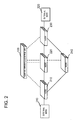
- Fig.2 depicts a configuration of an exemplary embodiment 1 of the present invention.
- the configuration includes a plurality of nodes (nodes 210, 220, 230 and 240), a control apparatus (controller) 100 for setting processing rules (flow entries) in these nodes, and external nodes 310, 320.
- the nodes 210 to 240 are disposed in a network to process a packet in accordance with the processing rules (flow entries).
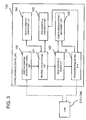
- Fig.3 depicts a block diagram showing a detailed configuration of the control apparatus (controller) 100 shown in Fig.2 .
- the control apparatus (controller) 100 includes a processing rule forming unit 101, a processing rule setting unit 102, a processing rule search unit 103, a node information management unit 104, a processing rule management unit 105, a removal request history management unit 106 and an event information receiving processing unit 109.
- the processing rule forming unit 101 forms a processing rule (flow entry) in response to a request from a node. More specifically, if a processing rule (flow entry) matched to a packet, a subject of the request from the node, is retained in the processing rule management unit 105, the processing rule forming unit 101 outputs the processing rule (flow entry), as already set, to the processing rule search unit 103.
- the processing rule forming unit 101 calculates a forwarding route for the packet, for which no processing rule (flow entry) has been set, by referencing a communication policy retained in the node information management unit 104 or communication load information in each of the nodes disposed in the network.
- the processing rule forming unit forms the processing rule (flow entry) that implements the forwarding route to output the so formed processing rule (flow entry) to the processing rule search unit 103.
- the processing rule search unit 103 searches, from the removal request history management unit 106, a processing rule (flow entry) whose request for removal has already been requested.
- the processing rule (flow entry), thus already requested for removal, may produce a loop trouble in combination with the processing rule (flow entry) output from the processing rule forming unit 101.
- This search may be accomplished by searching, from processing rules (flow entries) for the subject node, already requested for removal and retained in the removal request history management unit 106, the processing rule having the matching rule (matching key) competing with a new processing rule (flow entry) formed by the processing rule forming unit 101.
- the processing rule setting unit 102 again requests the subject node, via the processing rule search unit 103, to remove the processing rule (flow entry).
- the processing rule setting unit 102 requests the subject node to additionally set the new processing rule (flow entry), formed by the processing rule forming unit 101, and to remove the processing rule (flow entry) that has become unneeded or the like. In case the processing rule setting unit 102 has made a request to remove the processing rule (flow entry), which has become unneeded, the processing rule setting unit adds an item of removal record to the removal request history management unit 106. The processing rule setting unit 102 also updates the contents of the processing rule management unit 105 in response to the additional setting or removal of the processing rule.
- the node information management unit 104 manages the communication policy regarding the setting of the processing rule (flow entry), while also managing the communication load information at each node disposed in the network.
- the node information management unit 104 may be formulated so as to cause to retain the relationship of interconnections of the respective nodes (topological information) to enable the processing rule forming unit 101 to reference not only the communication policy and the communication load but also the topological information to form the packet forwarding route.
- the processing rule management unit 105 manages the processing rule (flow entry) set in each node in response to a request for additional setting as well as a request for removal of the processing rule (flow entry) made by the processing rule setting unit 102. If the processing rule (flow entry) for a packet, the setting of which has been recognized as not having been made and hence has been requested, is retained in the processing rule management unit 105, the processing rule forming unit 101 may read out the processing rule (flow entry) from the processing rule management unit 105 to re-use it.
- the removal request history management unit 106 manages the processing rule (flow entry) whose request for removal has been made by the processing rule setting unit 102, as history record.
- the event information receiving processing unit 109 receives a processing rule setting request from each node as the event information and forwards it to the processing rule forming unit 101.
- control apparatus (controller) 100 retains, as history records, the processing rule (flow entry) which it requested a certain node to remove. If there is such processing rule (flow entry) that, when combined with a new processing rule (flow entry), may give rise to a loop trouble, the control apparatus (controller) re-requests the node in question to remove the subject processing rule (flow entry).
- control apparatus (controller) 100 may be implemented by a configuration of an OpenFlow controller of the Non-Patent Publication 1 or 2, as basis, with addition of the processing rule search unit 103 and the removal request history management unit 106.
- control apparatus (controller) 100 may be implemented by a program executed by a computer making up the control apparatus (controller) 100, using its hardware resources including a storage device.
- the program is to be so designed as to retain the processing rule (flow entry) whose request for removal has already been made, or to search the processing rule (flow entry) whose request for removal is to be made again, or the like.
- the nodes 210, 220, 230 and 240 of Figs.2 and 3 are assumed to be the OpenFlow switches of the Non-Patent Literatures 1 and 2. However, other switches or routers etc. may also be used, provided that these possess equivalent functions.
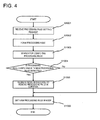
- Fig. 4 is a flowchart illustrating operation of the control apparatus (controller) of exemplary embodiment 1 of the present invention.
- the processing rule (flow entry) for delivery of the packet from the external node 310 to the external node 320 is not set in the node set disposed in the network.
- the node set is composed in the present exemplary embodiment by just the nodes 210, 220, 230 and 240.
- the control apparatus (controller) 100 receives, in this case, a request for setting a processing rule (flow entry) (Packet-In), along with a packet, from the node 210 which initially received the packet from the external node 310 (step S1001).
- the processing rule forming unit 101 of the control apparatus (controller) 100 forms a processing rule (flow entry) for the packet, as requested from the node, by referencing a communication policy retained by the node information management unit 104 or communication load information in each node disposed in the network (step S1002). It is observed that, if the processing rule (flow entry) for the packet, as requested from the node, is retained in the processing rule management unit 105, it is sufficient to use the processing rule (flow entry) retained by the processing rule management unit 105.
- the processing rule forming unit 101 of the control apparatus (controller) 100 references the communication policy stored in the node information management unit 104 or the communication load information of each node disposed in the network to calculate the packet forwarding route.
- the processing rule forming unit also forms the processing rule (flow entry) that implements the forwarding route to output the so formed processing rule to the processing rule search unit 103.
- the processing rule search unit 103 of the control apparatus (controller) 100 checks the processing rules (flow entries) contained in the removal request history management unit 106 in search for the processing rule (flow entry) whose request for removal has already been made and whose matching rule competes with that of the processing rule (flow entry) received. Such processing rule (flow entry), if combined with the processing rule (flow entry) received, will produce a network trouble or the like (step S1003).
- step S1004 If no processing rule (flow entry), which competes with the processing rule (flow entry) output from the processing rule forming unit 101 and a request for removal of which has already been made, has been found (No of step S1004), the processing rule setting unit 102 requests the subject node to set the processing rule (flow entry) output from the processing rule forming unit 101 via the processing rule search unit 103 (step S1006).
- step S1004 If the processing rule (flow entry), which competes with the processing rule (flow entry) output from the processing rule forming unit 101 and a request for removal of which has already been made, is found (Yes of step S1004), the processing rule setting unit 102 re-requests the subject node to remove the processing rule (flow entry) a request for removal of which has already been made and which is likely to produce the loop trouble (step S1005).
- a new processing rule (flow entry) that implements a packet forwarding route from the node 210, thence to the node 220, thence to the node 240 and thence to the node 230, in Fig.1
- a processing rule (flow entry) whose matching rule (matching key) competes with that of the new processing rule (flow entry) and a request for removal of which has already been made exists in the node 240.
- the processing rule setting unit 102 re-requests the node 240 to remove the processing rule the request for removal of which has already been made ('Old rule' of Fig.1 ) (step S1005).
- the processing rule setting unit 102 adds the processing rule (flow entry), the re-request for removal of which has now been made, in the removal request history management unit 106.
- the processing rule setting unit 102 After the processing rule setting unit 102 has made the re-request for removal of the processing rule (flow entry), it requests the subject node to set the processing rule (flow entry) output from the processing rule forming unit 101 via the processing rule search unit 103 (step S1006).
- processing rule setting unit 102 registers the above mentioned additionally set processing rule (flow entry) in the processing rule management unit 105.
- the exemplary embodiment 2 of the present invention is based on the exemplary embodiment 1 discussed above and, in addition, sets an upper limit to the number of times of the re-requests for removal of the processing rule (flow entry). The following description is centered about the points of difference from the exemplary embodiment 1.
- Fig.5 depicts a block diagram showing the configuration of a control apparatus (controller) of the exemplary embodiment 2 of the present invention.
- a control apparatus (controller) 100a of the exemplary embodiment 2 is of the configuration of the control apparatus (controller) 100 of the exemplary embodiment 1 shown in Fig.3 added by a processing rule removal re-request policy management unit 107.
- the processing rule removal re-request policy management unit 107 manages the number of times of consecutive removal re-requests in really removing the processing rule (flow entry) a request for removal of which has already been made and which will produce a loop trouble in combination with the processing rule (flow entry) output from the processing rule forming unit 101. Specifically, the processing rule removal re-request policy management unit removes the subject processing rule (flow entry) from the removal request history management unit 106 when the number of times has reached a pre-set threshold value. It is observed that the pre-set threshold value may be a value common to the nodes 210 to 240, or may also be individually set from node to node.
- Fig.6 depicts a flowchart illustrating operation of the control apparatus (controller) of the exemplary embodiment 2.
- the processing from step S1001 up to step S1005 in Fig.6 is similar to that from step S1001 up to step S1005 of Fig.4 illustrating the operation of the exemplary embodiment 1.
- step S1005 After the re-request for removal of the processing rule (flow entry) has been made in step S1005, the processing rule removal re-request policy management unit 107 checks to see whether or not the number of times of the consecutive re-requests for removal has reached a pre-set threshold value (step S1007).
- step S1007 If the number of times of the re-requests for removal has reached a pre-set threshold value (Yes of step S1007), the processing rule removal re-request policy management unit 107 removes the processing rule (flow entry), re-requested for removal in step S1005, from the removal request history management unit 106 (step S1008). This suppresses next and following re-requests for removal of the processing rule (flow entry).
- the subsequent operation is similar to the case of the exemplary embodiment 1, that is, the processing rule setting unit 102 requests setting the processing rule (flow entry) output from the processing rule forming unit 101 via the processing rule search unit 103 (step S1006).
- the same also holds when the number of times of the consecutive re-requests for removal has not reached the above mentioned pre-set threshold value.
- the upper limit is set to the number of times of re-requests for removal of the same processing rule for the same node, in order to suppress the occurrence of a situation in which re-requests for removal are repeated, in addition to the remedient results of the exemplary embodiment 1.
- the processing rule removal re-request policy management unit 107 removes the history of the removal request history management unit 106 based on the number of times of the re-requests for removal. It is however also possible to remove the history record(s) from the removal request history management unit 106 by setting pre-set policies such as lapse of pre-set time or surpassing of a pre-set number of entries.
- control apparatus 100, 100a may be implemented by dedicated servers, while the nodes 210 to 240 may be implemented not only by the above mentioned OpenFlow Switches but by routers in an IP network or by MPLS switches in an MPLS (Multi-Protocol Label Switching) network.
- the present invention may otherwise be applied to a network where a server performs concentrated management of the behavior of the nodes disposed in the network.
Landscapes
- Engineering & Computer Science (AREA)
- Computer Networks & Wireless Communication (AREA)
- Signal Processing (AREA)
- Data Exchanges In Wide-Area Networks (AREA)
- Small-Scale Networks (AREA)
Claims (10)
- Kommunikationssystem mit:einem (oder mehreren) Knoten (210, 220, 230, 240), der ein empfangenes Paket gemäß einer Verarbeitungsregel verarbeitet, die eine Übereinstimmungsregel festlegt, und ein der Übereinstimmungsregel entsprechendes Paket verarbeitet; undeinem Controller (100),wobei der Controller (100) aufweist:eine Löschaufforderungshistorienmanagementeinheit (106), die eine Eintragung (Eintragungen) einer vorangehenden (vorangehender) Aufforderung(en) an den (die) Knoten (210, 220, 230, 240) zum Löschen einer Verarbeitungsregel speichert;eine Verarbeitungsregelsucheinheit (103), die beim Festlegen einer neuen Verarbeitungsregel für den (die) Knoten (210, 220, 230, 240) auf die Löschaufforderungshistorienmanagementeinheit (106) Bezug nimmt, um eine mit der neuen Verarbeitungsregel konkurrierende Verarbeitungsregel mit einer Übereinstimmungsregel zu suchen; undeine Verarbeitungsregelfestlegungseinheit (102), die, wenn eine mit der neuen Verarbeitungsregel konkurrierende Verarbeitungsregel mit der Übereinstimmungsregel vorhanden ist, den (die) Knoten (210, 220, 230, 240) erneut auffordert, die mit der neuen Verarbeitungsregel konkurrierende Verarbeitungsregel mit der Übereinstimmungsregel zu löschen.
- Kommunikationssystem nach Anspruch 1, wobei
der Controller (100) ferner eine Einheit (107) zum Managen einer Vorschrift zum erneuten Auffordern zum Löschen einer Verarbeitungsregel aufweist, die die Eintragung(en) basierend auf einer voreingestellten Vorschrift von der Löschaufforderungshistorienmanagementeinheit (106) löscht. - Kommunikationssystem nach Anspruch 2, wobei
die Einheit (107) zum Managen einer Vorschrift zum erneuten Auffordern zum Löschen einer Verarbeitungsregel, wenn die Anzahl der erneuten Aufforderungen zum Löschen der Verarbeitungsregel(n), die mit der durch die Verarbeitungsregelfestlegungseinheit (102) gebildeten neuen Verarbeitungsregel konkurrieren, einen vorgegebenen Schwellenwert erreicht hat, die betreffende(n) Eintragung(en) von der Löschaufforderungshistorienmanagementeinheit (106) löscht. - Kommunikationssystem nach Anspruch 3, wobei ein jeweils von Knoten zu Knoten gesetzter Schwellenwert als der vorgegebene Schwellenwert verwendet wird.
- Controller (100), der mit einem (oder mehreren) Knoten (210, 220, 230, 240) verbunden ist, der dafür konfiguriert ist, ein empfangenes Paket gemäß einer Verarbeitungsregel zu verarbeiten, die eine Übereinstimmungsregel festlegt, und ein der Übereinstimmungsregel entsprechendes Paket zu verarbeiten,
wobei der Controller (100) aufweist:eine Löschaufforderungshistorienmanagementeinheit (106), die eine Eintragung (Eintragungen) vorangehender Aufforderung(en) an den (die) Knoten (210, 220, 230, 240) zum Löschen einer Verarbeitungsregel speichert;eine Verarbeitungsregelsucheinheit (103), die beim Festlegen einer neuen Verarbeitungsregel für den (die) Knoten (210, 220, 230, 240) auf die Löschaufforderungshistorienmanagementeinheit (106) Bezug nimmt, um eine mit der neuen Verarbeitungsregel konkurrierende Verarbeitungsregel mit einer Übereinstimmungsregel zu suchen; undeine Verarbeitungsregelfestlegungseinheit (102), die, wenn eine mit der neuen Verarbeitungsregel konkurrierende Verarbeitungsregel mit einer Übereinstimmungsregel in der Löschaufforderungshistorienmanagementeinheit (106) vorhanden ist, den (die) Knoten (210, 220, 230, 240) erneut auffordert, die mit der neuen Verarbeitungsregel konkurrierende Verarbeitungsregel mit der Übereinstimmungsregel zu löschen. - Controller (100) nach Anspruch 5, ferner mit
einer Einheit (107) zum Managen einer Vorschrift zum erneuten Auffordern zum Löschen einer Verarbeitungsregel, die die Eintragung(en) basierend auf einer voreingestellten Vorschrift von der Löschungsaufforderungshistorienmanagementeinheit (106) löscht. - Controller (100) nach Anspruch 6, wobei
wenn die Anzahl der erneuten Aufforderungen zum Löschen der Verarbeitungsregel, die mit der durch die Verarbeitungsregelfestlegungseinheit (102) gebildeten neuen Verarbeitungsregel konkurriert, einen vorgegebenen Schwellenwert erreicht hat, die Einheit (107) zum Managen einer Vorschrift zum erneuten Auffordern zum Löschen einer Verarbeitungsregel die betreffende(n) Eintragung(en) von der Löschungsaufforderungshistorienmanagementeinheit (106) löscht. - Controller (100) nach Anspruch 7, wobei ein jeweils von Knoten zu Knoten gesetzter Schwellenwert als der vorgegebene Schwellenwert verwendet wird.
- Verfahren zum Steuern eines Knotens (oder mehrerer Knoten) (210, 220, 230, 240) durch einen Controller (100), wobei der Controller (100) mit dem (den) Knoten (210, 220, 230, 240) verbunden ist, wobei der (die) Knoten (210, 220, 230, 240) dafür konfiguriert ist, ein empfangenes Paket gemäß einer Verarbeitungsregel zu verarbeiten, die eine Übereinstimmungsregel festlegt, und ein der Übereinstimmungsregel entsprechendes Paket zu verarbeiten, wobei der Controller (100) die Verarbeitungsregel für den (die) Knoten (210, 220, 230, 240) festlegt,
wobei das Verfahren aufweist:einen Schritt zum Speichern einer (mehrerer) Eintragung(en) einer vorangehenden (mehrerer vorangehender) Aufforderung(en) an einen (mehrere) Knoten (210, 220, 230, 240) zum Löschen der Verarbeitungsregel;einen Schritt, in dem beim Festlegen einer neuen Verarbeitungsregel für den (die) Knoten (210, 220, 230, 240) auf die Eintragung(en) einer vorangehenden (mehrerer vorangehender) Aufforderung(en) an den (die) Knoten (210, 220, 230, 240) zum Löschen der Verarbeitungsregel Bezug genommen wird, um eine mit der neuen Verarbeitungsregel konkurrierende Verarbeitungsregel mit einer Übereinstimmungsregel zu suchen; undeinen Schritt, in dem, wenn die mit der neuen Verarbeitungsregel konkurrierende Verarbeitungsregel mit der Übereinstimmungsregel in der (den) Eintragung(en) vorhanden ist, der (die) Knoten (210, 220, 230, 240) erneut aufgefordert wird, die mit der neuen Verarbeitungsregel konkurrierende Verarbeitungsregel mit der Übereinstimmungsregel zu löschen. - Programm, das auf einem Computer läuft, der einen Controller (100) bildet, wobei der Controller (100) mit einem (mehreren) Knoten (210, 220, 230, 240) verbunden ist, der dafür konfiguriert ist, ein empfangenes Paket gemäß einer Verarbeitungsregel zu verarbeiten, die eine Übereinstimmungsregel festlegt, und ein der Übereinstimmungsregel entsprechendes Paket zu verarbeiten, wobei der Controller (100) die Verarbeitungsregel für den (die) Knoten (210, 220, 230, 240) festlegt,
wobei das Programm aufweist:eine Verarbeitung zum Speichern einer (mehrerer) Eintragung(en) einer vorangehenden (mehrerer vorangehender) Aufforderung(en) an den (die) Knoten (210, 220, 230, 240) zum Löschen der Verarbeitungsregel;eine Verarbeitung, in der beim Festlegen einer neuen Verarbeitungsregel für den (die) Knoten (210, 220, 230, 240) auf die Eintragung(en) einer vorangehenden (mehrerer vorangehender) Aufforderung(en) an den (die) Knoten (210, 220, 230, 240) zum Löschen der Verarbeitungsregel Bezug genommen wird, um eine mit der neuen Verarbeitungsregel konkurrierende Verarbeitungsregel mit einer Übereinstimmungsregel zu suchen; undeine Verarbeitung, in der, wenn die mit der neuen Verarbeitungsregel konkurrierende Verarbeitungsregel mit der Übereinstimmungsregel in der (den) Eintragung(en) vorhanden ist, der (die) Knoten (210, 220, 230, 240) erneut aufgefordert werden, die mit der neuen Verarbeitungsregel konkurrierende Verarbeitungsregel mit der Übereinstimmungsregel zu löschen.
Applications Claiming Priority (2)
| Application Number | Priority Date | Filing Date | Title |
|---|---|---|---|
| JP2010142511 | 2010-06-23 | ||
| PCT/JP2011/064080 WO2011162215A1 (ja) | 2010-06-23 | 2011-06-20 | 通信システム、制御装置、ノードの制御方法およびプログラム |
Publications (3)
| Publication Number | Publication Date |
|---|---|
| EP2587741A1 EP2587741A1 (de) | 2013-05-01 |
| EP2587741A4 EP2587741A4 (de) | 2014-01-15 |
| EP2587741B1 true EP2587741B1 (de) | 2015-01-28 |
Family
ID=45371398
Family Applications (1)
| Application Number | Title | Priority Date | Filing Date |
|---|---|---|---|
| EP11798099.5A Not-in-force EP2587741B1 (de) | 2010-06-23 | 2011-06-20 | Kommunikationssystem, steuervorrichtung, knotensteuerungsverfahren und programm |
Country Status (5)
| Country | Link |
|---|---|
| US (1) | US9049150B2 (de) |
| EP (1) | EP2587741B1 (de) |
| JP (1) | JP5304947B2 (de) |
| CN (1) | CN103119900B (de) |
| WO (1) | WO2011162215A1 (de) |
Families Citing this family (24)
| Publication number | Priority date | Publication date | Assignee | Title |
|---|---|---|---|---|
| JP5541300B2 (ja) | 2012-02-07 | 2014-07-09 | 日本電気株式会社 | 無線通信端末、通信システム、制御装置、通信方法およびプログラム |
| CN102546351B (zh) * | 2012-03-15 | 2014-05-14 | 北京邮电大学 | openflow网络和现有IP网络互联的系统和方法 |
| US9225635B2 (en) * | 2012-04-10 | 2015-12-29 | International Business Machines Corporation | Switch routing table utilizing software defined network (SDN) controller programmed route segregation and prioritization |
| WO2014027687A1 (ja) * | 2012-08-17 | 2014-02-20 | 日本電気株式会社 | 通信システム、制御情報記録装置、制御装置、制御情報の記録方法及びプログラム |
| CN102857416B (zh) * | 2012-09-18 | 2016-09-28 | 中兴通讯股份有限公司 | 一种实现虚拟网络的方法、控制器和虚拟网络 |
| WO2014050143A1 (en) * | 2012-09-28 | 2014-04-03 | Nec Corporation | Communication system, control apparatus, control method, and program |
| CN104160735B (zh) * | 2013-02-21 | 2018-07-13 | 华为技术有限公司 | 发报文处理方法、转发器、报文处理设备、报文处理系统 |
| CN104641606B (zh) * | 2013-06-13 | 2017-11-17 | 华为技术有限公司 | 网络资源均衡处理的方法和虚拟网络管理实体 |
| CN104426813A (zh) * | 2013-09-02 | 2015-03-18 | 中兴通讯股份有限公司 | 一种流表更新的控制方法、装置及控制器 |
| JP5983579B2 (ja) * | 2013-10-18 | 2016-08-31 | 日本電気株式会社 | 無線通信端末、通信システム、制御装置、通信方法およびプログラム |
| CN104852867B (zh) * | 2014-02-19 | 2018-02-06 | 华为技术有限公司 | 数据包转发方法、装置及系统 |
| CN104954271B (zh) * | 2014-03-26 | 2018-11-30 | 国际商业机器公司 | Sdn网络中的数据包处理方法和装置 |
| JP2016048854A (ja) * | 2014-08-27 | 2016-04-07 | 横河電機株式会社 | データ転送システム及び方法 |
| CN104243270B (zh) * | 2014-09-25 | 2017-11-24 | 新华三技术有限公司 | 一种建立隧道的方法和装置 |
| US10015048B2 (en) | 2014-12-27 | 2018-07-03 | Intel Corporation | Programmable protocol parser for NIC classification and queue assignments |
| US9825862B2 (en) | 2015-08-26 | 2017-11-21 | Barefoot Networks, Inc. | Packet header field extraction |
| US9826071B2 (en) | 2015-08-26 | 2017-11-21 | Barefoot Networks, Inc. | Configuring a switch for extracting packet header fields |
| US9912774B2 (en) | 2015-12-22 | 2018-03-06 | Intel Corporation | Accelerated network packet processing |
| US10063407B1 (en) | 2016-02-08 | 2018-08-28 | Barefoot Networks, Inc. | Identifying and marking failed egress links in data plane |
| US11223520B1 (en) | 2017-01-31 | 2022-01-11 | Intel Corporation | Remote control plane directing data plane configurator |
| JP6332497B2 (ja) * | 2017-02-22 | 2018-05-30 | 横河電機株式会社 | プロセス制御システム及びデータ転送方法 |
| US10686735B1 (en) | 2017-04-23 | 2020-06-16 | Barefoot Networks, Inc. | Packet reconstruction at deparser |
| US10523578B1 (en) | 2017-07-23 | 2019-12-31 | Barefoot Networks, Inc. | Transmission of traffic management data to processing pipeline |
| US10594630B1 (en) | 2017-09-28 | 2020-03-17 | Barefoot Networks, Inc. | Expansion of packet data within processing pipeline |
Family Cites Families (12)
| Publication number | Priority date | Publication date | Assignee | Title |
|---|---|---|---|---|
| US7082102B1 (en) * | 2000-10-19 | 2006-07-25 | Bellsouth Intellectual Property Corp. | Systems and methods for policy-enabled communications networks |
| JP2003348148A (ja) | 2002-05-28 | 2003-12-05 | Nippon Telegr & Teleph Corp <Ntt> | Ipマルチキャスト制御方法およびこれを用いるipマルチキャスト制御システム |
| US6741595B2 (en) * | 2002-06-11 | 2004-05-25 | Netrake Corporation | Device for enabling trap and trace of internet protocol communications |
| JP3886891B2 (ja) * | 2002-12-10 | 2007-02-28 | 富士通株式会社 | 通信システム、並びにその通信システムにおいて使用される通信装置およびネットワーク管理装置 |
| US7706302B2 (en) * | 2004-09-14 | 2010-04-27 | Alcatel Lucent | Optimization of routing forwarding database in a network processor |
| JP4516397B2 (ja) * | 2004-10-05 | 2010-08-04 | 株式会社日立製作所 | レイヤ2スイッチ |
| JP2006352831A (ja) * | 2005-05-20 | 2006-12-28 | Alaxala Networks Corp | ネットワーク制御装置およびその制御方法 |
| US20090116484A1 (en) * | 2005-09-08 | 2009-05-07 | Matsushita Electric Industrial Co., Ltd. | Parallelizing Peer-to-Peer Overlays Using Multi-Destination Routing |
| AU2008304243B2 (en) * | 2007-09-26 | 2013-08-15 | Nicira, Inc. | Network operating system for managing and securing networks |
| JP4659850B2 (ja) * | 2008-04-10 | 2011-03-30 | 富士通株式会社 | ネットワーク監視プログラム、ネットワーク監視方法およびネットワーク監視装置 |
| US8902733B2 (en) * | 2008-12-02 | 2014-12-02 | Nec Corporation | Communication network management system, method and program, and management computer |
| US8295284B1 (en) * | 2010-02-02 | 2012-10-23 | Cisco Technology, Inc. | Dynamic, conditon-based packet redirection |
-
2011
- 2011-06-20 JP JP2012521467A patent/JP5304947B2/ja not_active Expired - Fee Related
- 2011-06-20 CN CN201180030760.1A patent/CN103119900B/zh not_active Expired - Fee Related
- 2011-06-20 WO PCT/JP2011/064080 patent/WO2011162215A1/ja not_active Ceased
- 2011-06-20 EP EP11798099.5A patent/EP2587741B1/de not_active Not-in-force
- 2011-06-20 US US13/806,715 patent/US9049150B2/en not_active Expired - Fee Related
Also Published As
| Publication number | Publication date |
|---|---|
| WO2011162215A1 (ja) | 2011-12-29 |
| EP2587741A4 (de) | 2014-01-15 |
| JP5304947B2 (ja) | 2013-10-02 |
| EP2587741A1 (de) | 2013-05-01 |
| CN103119900A (zh) | 2013-05-22 |
| US9049150B2 (en) | 2015-06-02 |
| JPWO2011162215A1 (ja) | 2013-08-22 |
| US20130100951A1 (en) | 2013-04-25 |
| CN103119900B (zh) | 2016-01-27 |
Similar Documents
| Publication | Publication Date | Title |
|---|---|---|
| EP2587741B1 (de) | Kommunikationssystem, steuervorrichtung, knotensteuerungsverfahren und programm | |
| EP2637363B1 (de) | Kommunikationssystem, steuervorrichtung, verfahren zur steuerung eines pakettransferpfades und programm dafür | |
| EP3678326B1 (de) | Kommunikationssystem, steuerungsvorrichtung und kommunikationsverfahren | |
| KR101434375B1 (ko) | 플로우 통신 시스템 | |
| US10075371B2 (en) | Communication system, control apparatus, packet handling operation setting method, and program | |
| US20120093158A1 (en) | Communication system, node, control device, communication method, and porgram | |
| US20150256407A1 (en) | Control apparatus, control method thereof, and program | |
| EP2858317B1 (de) | Steuerungsvorrichtung, kommunikationssystem, schaltsteuerungsverfahren und programm | |
| US20130195110A1 (en) | Communication system, control device, method for setting processing rules, and program | |
| US20160330113A1 (en) | Communication system, node, control device, communication method, and program | |
| KR20130096762A (ko) | 서버 관리 장치, 서버 관리 방법, 및 프로그램 | |
| US9641397B2 (en) | Communication system, control apparatus, control method, and program | |
| EP2830268B1 (de) | Kommunikationsknoten, paketverarbeitungsverfahren und programm | |
| EP2773072B1 (de) | Steuerungsvorrichtung, kommunikationssystem, virtuelles netzwerkverwaltungsverfahren und programm | |
| WO2014038143A1 (en) | Flow information collecting system, method and program | |
| US20150372900A1 (en) | Communication system, control apparatus, communication control method, and program | |
| Minh et al. | An effective flow aggregation for SDN-based background and foreground traffic control | |
| JP6314970B2 (ja) | 通信システム、制御装置、通信方法およびプログラム |
Legal Events
| Date | Code | Title | Description |
|---|---|---|---|
| PUAI | Public reference made under article 153(3) epc to a published international application that has entered the european phase |
Free format text: ORIGINAL CODE: 0009012 |
|
| 17P | Request for examination filed |
Effective date: 20130116 |
|
| AK | Designated contracting states |
Kind code of ref document: A1 Designated state(s): AL AT BE BG CH CY CZ DE DK EE ES FI FR GB GR HR HU IE IS IT LI LT LU LV MC MK MT NL NO PL PT RO RS SE SI SK SM TR |
|
| DAX | Request for extension of the european patent (deleted) | ||
| A4 | Supplementary search report drawn up and despatched |
Effective date: 20131213 |
|
| RIC1 | Information provided on ipc code assigned before grant |
Ipc: H04L 12/70 20130101ALI20131209BHEP Ipc: H04L 12/44 20060101AFI20131209BHEP |
|
| GRAP | Despatch of communication of intention to grant a patent |
Free format text: ORIGINAL CODE: EPIDOSNIGR1 |
|
| INTG | Intention to grant announced |
Effective date: 20140917 |
|
| RIN1 | Information on inventor provided before grant (corrected) |
Inventor name: ISHIZUKA, EIICHI |
|
| GRAS | Grant fee paid |
Free format text: ORIGINAL CODE: EPIDOSNIGR3 |
|
| GRAA | (expected) grant |
Free format text: ORIGINAL CODE: 0009210 |
|
| AK | Designated contracting states |
Kind code of ref document: B1 Designated state(s): AL AT BE BG CH CY CZ DE DK EE ES FI FR GB GR HR HU IE IS IT LI LT LU LV MC MK MT NL NO PL PT RO RS SE SI SK SM TR |
|
| REG | Reference to a national code |
Ref country code: GB Ref legal event code: FG4D |
|
| REG | Reference to a national code |
Ref country code: CH Ref legal event code: EP |
|
| REG | Reference to a national code |
Ref country code: IE Ref legal event code: FG4D |
|
| REG | Reference to a national code |
Ref country code: AT Ref legal event code: REF Ref document number: 708646 Country of ref document: AT Kind code of ref document: T Effective date: 20150315 |
|
| REG | Reference to a national code |
Ref country code: DE Ref legal event code: R096 Ref document number: 602011013570 Country of ref document: DE Effective date: 20150319 |
|
| REG | Reference to a national code |
Ref country code: AT Ref legal event code: MK05 Ref document number: 708646 Country of ref document: AT Kind code of ref document: T Effective date: 20150128 |
|
| REG | Reference to a national code |
Ref country code: NL Ref legal event code: VDEP Effective date: 20150128 |
|
| REG | Reference to a national code |
Ref country code: LT Ref legal event code: MG4D |
|
| PG25 | Lapsed in a contracting state [announced via postgrant information from national office to epo] |
Ref country code: LT Free format text: LAPSE BECAUSE OF FAILURE TO SUBMIT A TRANSLATION OF THE DESCRIPTION OR TO PAY THE FEE WITHIN THE PRESCRIBED TIME-LIMIT Effective date: 20150128 Ref country code: FI Free format text: LAPSE BECAUSE OF FAILURE TO SUBMIT A TRANSLATION OF THE DESCRIPTION OR TO PAY THE FEE WITHIN THE PRESCRIBED TIME-LIMIT Effective date: 20150128 Ref country code: ES Free format text: LAPSE BECAUSE OF FAILURE TO SUBMIT A TRANSLATION OF THE DESCRIPTION OR TO PAY THE FEE WITHIN THE PRESCRIBED TIME-LIMIT Effective date: 20150128 Ref country code: HR Free format text: LAPSE BECAUSE OF FAILURE TO SUBMIT A TRANSLATION OF THE DESCRIPTION OR TO PAY THE FEE WITHIN THE PRESCRIBED TIME-LIMIT Effective date: 20150128 Ref country code: NO Free format text: LAPSE BECAUSE OF FAILURE TO SUBMIT A TRANSLATION OF THE DESCRIPTION OR TO PAY THE FEE WITHIN THE PRESCRIBED TIME-LIMIT Effective date: 20150428 Ref country code: BG Free format text: LAPSE BECAUSE OF FAILURE TO SUBMIT A TRANSLATION OF THE DESCRIPTION OR TO PAY THE FEE WITHIN THE PRESCRIBED TIME-LIMIT Effective date: 20150428 Ref country code: SE Free format text: LAPSE BECAUSE OF FAILURE TO SUBMIT A TRANSLATION OF THE DESCRIPTION OR TO PAY THE FEE WITHIN THE PRESCRIBED TIME-LIMIT Effective date: 20150128 |
|
| PG25 | Lapsed in a contracting state [announced via postgrant information from national office to epo] |
Ref country code: RS Free format text: LAPSE BECAUSE OF FAILURE TO SUBMIT A TRANSLATION OF THE DESCRIPTION OR TO PAY THE FEE WITHIN THE PRESCRIBED TIME-LIMIT Effective date: 20150128 Ref country code: NL Free format text: LAPSE BECAUSE OF FAILURE TO SUBMIT A TRANSLATION OF THE DESCRIPTION OR TO PAY THE FEE WITHIN THE PRESCRIBED TIME-LIMIT Effective date: 20150128 Ref country code: IS Free format text: LAPSE BECAUSE OF FAILURE TO SUBMIT A TRANSLATION OF THE DESCRIPTION OR TO PAY THE FEE WITHIN THE PRESCRIBED TIME-LIMIT Effective date: 20150528 Ref country code: LV Free format text: LAPSE BECAUSE OF FAILURE TO SUBMIT A TRANSLATION OF THE DESCRIPTION OR TO PAY THE FEE WITHIN THE PRESCRIBED TIME-LIMIT Effective date: 20150128 Ref country code: GR Free format text: LAPSE BECAUSE OF FAILURE TO SUBMIT A TRANSLATION OF THE DESCRIPTION OR TO PAY THE FEE WITHIN THE PRESCRIBED TIME-LIMIT Effective date: 20150429 Ref country code: AT Free format text: LAPSE BECAUSE OF FAILURE TO SUBMIT A TRANSLATION OF THE DESCRIPTION OR TO PAY THE FEE WITHIN THE PRESCRIBED TIME-LIMIT Effective date: 20150128 Ref country code: PL Free format text: LAPSE BECAUSE OF FAILURE TO SUBMIT A TRANSLATION OF THE DESCRIPTION OR TO PAY THE FEE WITHIN THE PRESCRIBED TIME-LIMIT Effective date: 20150128 |
|
| REG | Reference to a national code |
Ref country code: DE Ref legal event code: R097 Ref document number: 602011013570 Country of ref document: DE |
|
| PG25 | Lapsed in a contracting state [announced via postgrant information from national office to epo] |
Ref country code: SK Free format text: LAPSE BECAUSE OF FAILURE TO SUBMIT A TRANSLATION OF THE DESCRIPTION OR TO PAY THE FEE WITHIN THE PRESCRIBED TIME-LIMIT Effective date: 20150128 Ref country code: EE Free format text: LAPSE BECAUSE OF FAILURE TO SUBMIT A TRANSLATION OF THE DESCRIPTION OR TO PAY THE FEE WITHIN THE PRESCRIBED TIME-LIMIT Effective date: 20150128 Ref country code: CZ Free format text: LAPSE BECAUSE OF FAILURE TO SUBMIT A TRANSLATION OF THE DESCRIPTION OR TO PAY THE FEE WITHIN THE PRESCRIBED TIME-LIMIT Effective date: 20150128 Ref country code: RO Free format text: LAPSE BECAUSE OF FAILURE TO SUBMIT A TRANSLATION OF THE DESCRIPTION OR TO PAY THE FEE WITHIN THE PRESCRIBED TIME-LIMIT Effective date: 20150128 Ref country code: DK Free format text: LAPSE BECAUSE OF FAILURE TO SUBMIT A TRANSLATION OF THE DESCRIPTION OR TO PAY THE FEE WITHIN THE PRESCRIBED TIME-LIMIT Effective date: 20150128 |
|
| PLBE | No opposition filed within time limit |
Free format text: ORIGINAL CODE: 0009261 |
|
| STAA | Information on the status of an ep patent application or granted ep patent |
Free format text: STATUS: NO OPPOSITION FILED WITHIN TIME LIMIT |
|
| PG25 | Lapsed in a contracting state [announced via postgrant information from national office to epo] |
Ref country code: IT Free format text: LAPSE BECAUSE OF FAILURE TO SUBMIT A TRANSLATION OF THE DESCRIPTION OR TO PAY THE FEE WITHIN THE PRESCRIBED TIME-LIMIT Effective date: 20150128 |
|
| 26N | No opposition filed |
Effective date: 20151029 |
|
| PG25 | Lapsed in a contracting state [announced via postgrant information from national office to epo] |
Ref country code: MC Free format text: LAPSE BECAUSE OF FAILURE TO SUBMIT A TRANSLATION OF THE DESCRIPTION OR TO PAY THE FEE WITHIN THE PRESCRIBED TIME-LIMIT Effective date: 20150128 |
|
| REG | Reference to a national code |
Ref country code: CH Ref legal event code: PL |
|
| PG25 | Lapsed in a contracting state [announced via postgrant information from national office to epo] |
Ref country code: SI Free format text: LAPSE BECAUSE OF FAILURE TO SUBMIT A TRANSLATION OF THE DESCRIPTION OR TO PAY THE FEE WITHIN THE PRESCRIBED TIME-LIMIT Effective date: 20150128 Ref country code: LU Free format text: LAPSE BECAUSE OF FAILURE TO SUBMIT A TRANSLATION OF THE DESCRIPTION OR TO PAY THE FEE WITHIN THE PRESCRIBED TIME-LIMIT Effective date: 20150620 |
|
| REG | Reference to a national code |
Ref country code: IE Ref legal event code: MM4A |
|
| PG25 | Lapsed in a contracting state [announced via postgrant information from national office to epo] |
Ref country code: IE Free format text: LAPSE BECAUSE OF NON-PAYMENT OF DUE FEES Effective date: 20150620 Ref country code: CH Free format text: LAPSE BECAUSE OF NON-PAYMENT OF DUE FEES Effective date: 20150630 Ref country code: LI Free format text: LAPSE BECAUSE OF NON-PAYMENT OF DUE FEES Effective date: 20150630 |
|
| REG | Reference to a national code |
Ref country code: FR Ref legal event code: PLFP Year of fee payment: 6 |
|
| PG25 | Lapsed in a contracting state [announced via postgrant information from national office to epo] |
Ref country code: BE Free format text: LAPSE BECAUSE OF FAILURE TO SUBMIT A TRANSLATION OF THE DESCRIPTION OR TO PAY THE FEE WITHIN THE PRESCRIBED TIME-LIMIT Effective date: 20150128 |
|
| PG25 | Lapsed in a contracting state [announced via postgrant information from national office to epo] |
Ref country code: MT Free format text: LAPSE BECAUSE OF FAILURE TO SUBMIT A TRANSLATION OF THE DESCRIPTION OR TO PAY THE FEE WITHIN THE PRESCRIBED TIME-LIMIT Effective date: 20150128 |
|
| REG | Reference to a national code |
Ref country code: FR Ref legal event code: PLFP Year of fee payment: 7 |
|
| PG25 | Lapsed in a contracting state [announced via postgrant information from national office to epo] |
Ref country code: SM Free format text: LAPSE BECAUSE OF FAILURE TO SUBMIT A TRANSLATION OF THE DESCRIPTION OR TO PAY THE FEE WITHIN THE PRESCRIBED TIME-LIMIT Effective date: 20150128 Ref country code: HU Free format text: LAPSE BECAUSE OF FAILURE TO SUBMIT A TRANSLATION OF THE DESCRIPTION OR TO PAY THE FEE WITHIN THE PRESCRIBED TIME-LIMIT; INVALID AB INITIO Effective date: 20110620 |
|
| PG25 | Lapsed in a contracting state [announced via postgrant information from national office to epo] |
Ref country code: CY Free format text: LAPSE BECAUSE OF FAILURE TO SUBMIT A TRANSLATION OF THE DESCRIPTION OR TO PAY THE FEE WITHIN THE PRESCRIBED TIME-LIMIT Effective date: 20150128 |
|
| PG25 | Lapsed in a contracting state [announced via postgrant information from national office to epo] |
Ref country code: TR Free format text: LAPSE BECAUSE OF FAILURE TO SUBMIT A TRANSLATION OF THE DESCRIPTION OR TO PAY THE FEE WITHIN THE PRESCRIBED TIME-LIMIT Effective date: 20150128 |
|
| REG | Reference to a national code |
Ref country code: FR Ref legal event code: PLFP Year of fee payment: 8 |
|
| PG25 | Lapsed in a contracting state [announced via postgrant information from national office to epo] |
Ref country code: PT Free format text: LAPSE BECAUSE OF FAILURE TO SUBMIT A TRANSLATION OF THE DESCRIPTION OR TO PAY THE FEE WITHIN THE PRESCRIBED TIME-LIMIT Effective date: 20150128 Ref country code: MK Free format text: LAPSE BECAUSE OF FAILURE TO SUBMIT A TRANSLATION OF THE DESCRIPTION OR TO PAY THE FEE WITHIN THE PRESCRIBED TIME-LIMIT Effective date: 20150128 |
|
| PGFP | Annual fee paid to national office [announced via postgrant information from national office to epo] |
Ref country code: DE Payment date: 20180605 Year of fee payment: 8 |
|
| PGFP | Annual fee paid to national office [announced via postgrant information from national office to epo] |
Ref country code: FR Payment date: 20180511 Year of fee payment: 8 |
|
| PG25 | Lapsed in a contracting state [announced via postgrant information from national office to epo] |
Ref country code: AL Free format text: LAPSE BECAUSE OF FAILURE TO SUBMIT A TRANSLATION OF THE DESCRIPTION OR TO PAY THE FEE WITHIN THE PRESCRIBED TIME-LIMIT Effective date: 20150128 |
|
| PGFP | Annual fee paid to national office [announced via postgrant information from national office to epo] |
Ref country code: GB Payment date: 20180620 Year of fee payment: 8 |
|
| REG | Reference to a national code |
Ref country code: DE Ref legal event code: R119 Ref document number: 602011013570 Country of ref document: DE |
|
| GBPC | Gb: european patent ceased through non-payment of renewal fee |
Effective date: 20190620 |
|
| PG25 | Lapsed in a contracting state [announced via postgrant information from national office to epo] |
Ref country code: DE Free format text: LAPSE BECAUSE OF NON-PAYMENT OF DUE FEES Effective date: 20200101 Ref country code: GB Free format text: LAPSE BECAUSE OF NON-PAYMENT OF DUE FEES Effective date: 20190620 |
|
| PG25 | Lapsed in a contracting state [announced via postgrant information from national office to epo] |
Ref country code: FR Free format text: LAPSE BECAUSE OF NON-PAYMENT OF DUE FEES Effective date: 20190630 |